Reading view

Android 15 HyperOS 3 stable appears for a device tied to Android 16

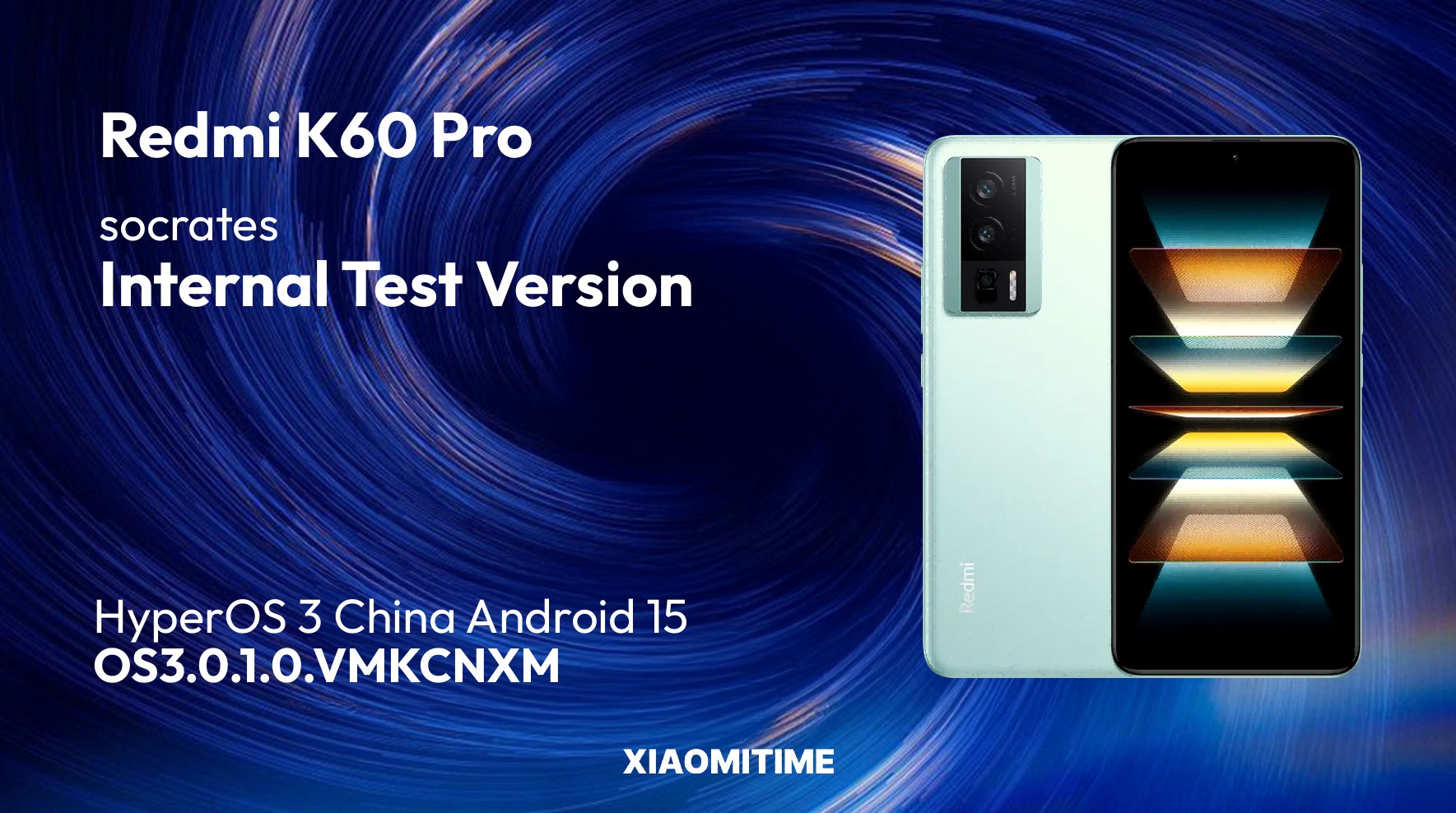
Xiaomi recently made the news for its software plans for REDMI K60 Pro, and there are questions being asked from the technical community regarding the HyperOS updates. In October, the company started the efforts for the Android 15 HyperOS 3 update for REDMI K60 Pro, and the internal Android 16 updates commenced from December 11th, 2025. There have been situations like this in the Xiaomi updates in the past as well, especially in the major HyperOS updates.

HyperOS 3 Hits Stable Release for REDMI K60 Pro

Xiaomi has now managed to compile what looks like a ready-for-launch stable version of HyperOS 3, based on Android 15, for the REDMI K60 Pro in China. Further, the OS3.0.1.0.VMKCNXM firmware indicates this will follow a public rollout phase. To sum it up, this means that consumers will experience performance enhancement, enhancements in security, as well as improvements in system stability, in comparison to previous tests.
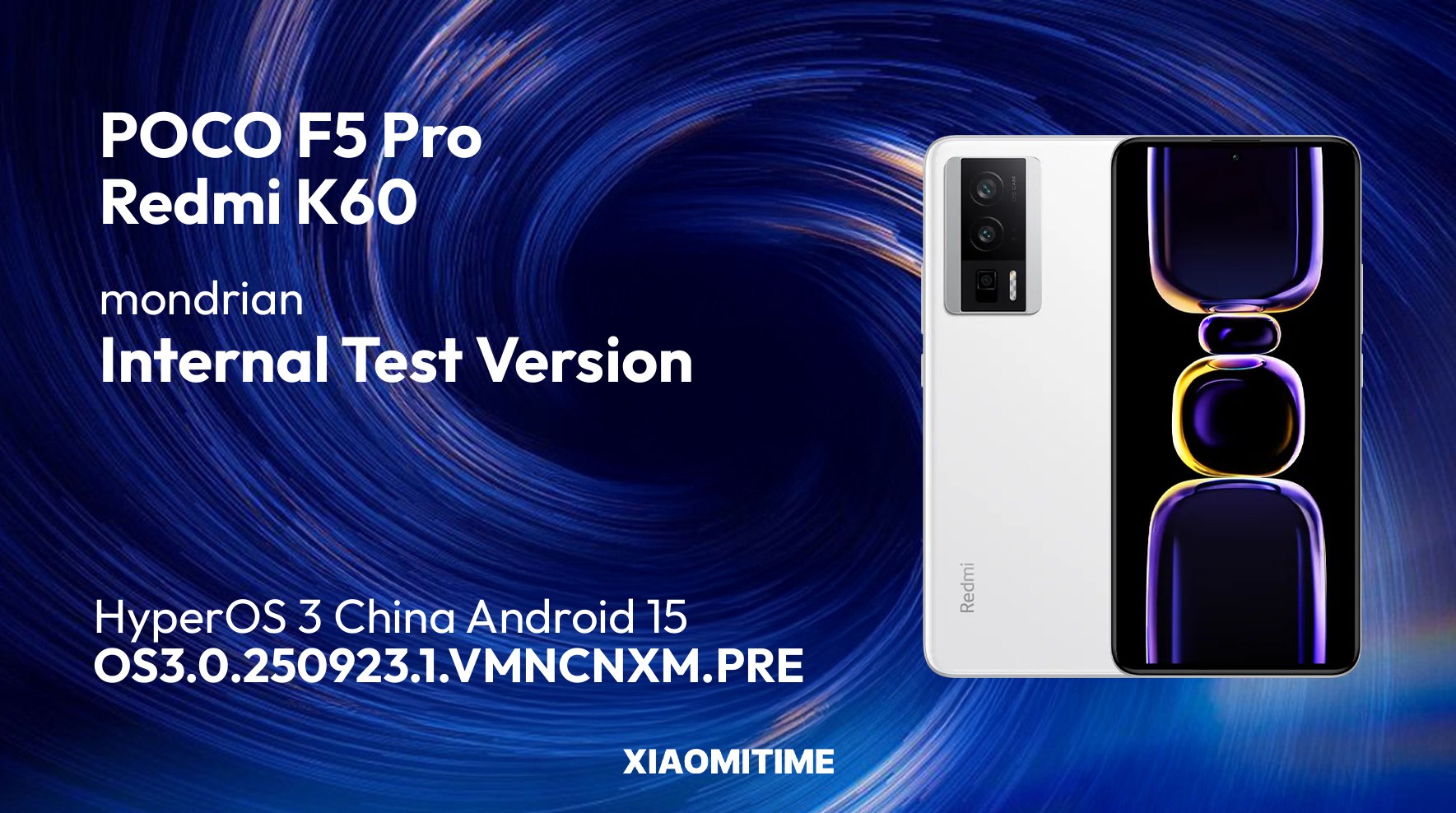
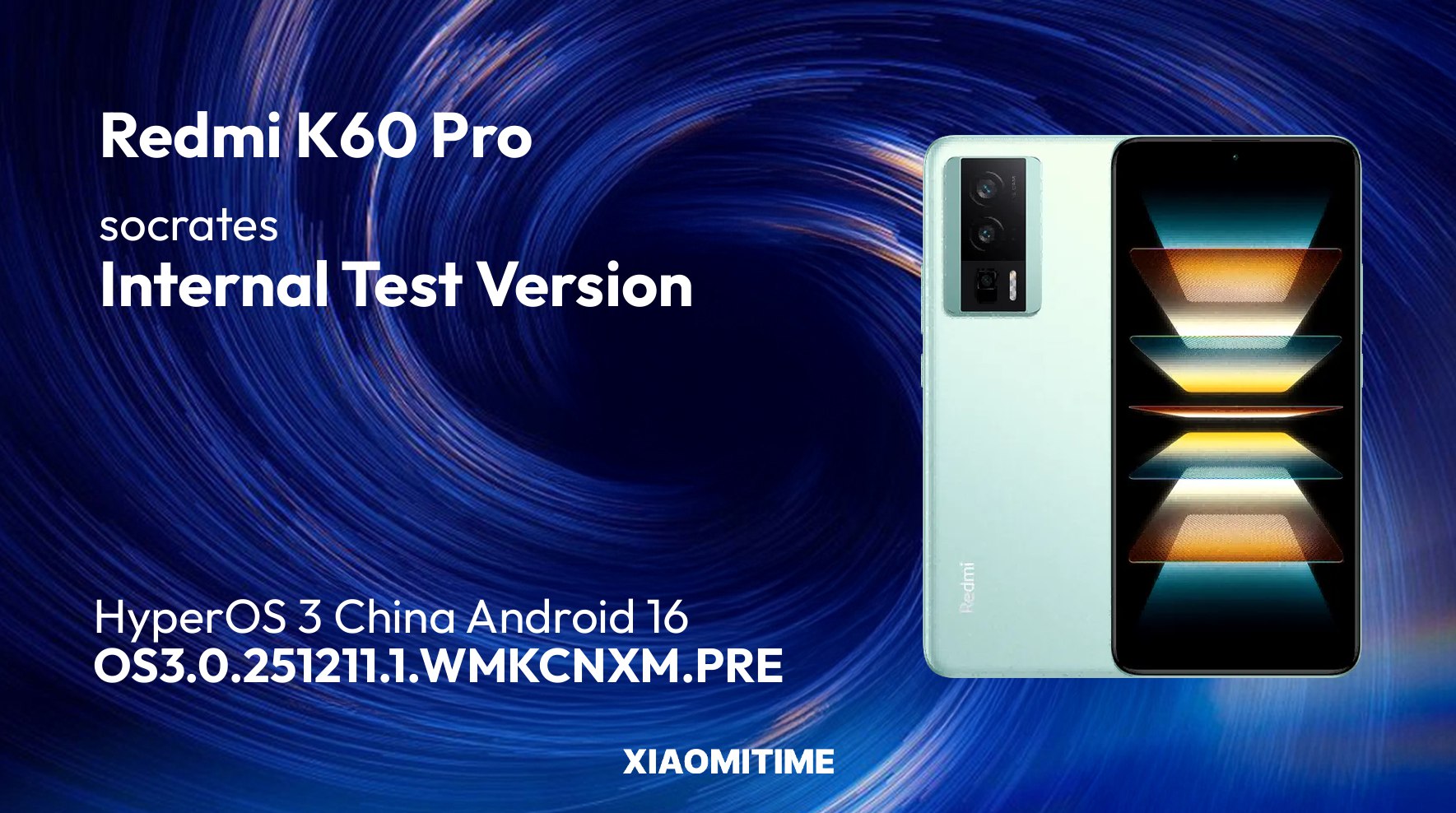
photo 2025 12 20 12 20 03 photo 2025 12 20 12 19 42 photo 2025 12 20 12 19 41

Currently, Xiaomi has not yet revealed the exact date of its official launch, although the compiled stable version of the update usually specifies the nearing distribution of the file. A normal course of action accomplished by Xiaomi would be the gradual distribution of the update in order to avoid problems.

Why Android 15 Now If Android 16 Is in Testing?

Prior to the examination of the expectations associated with Android 16, there is a need to understand the update process employed by Xiaomi. Xiaomi can work on various versions or updates of Android simultaneously. The release of Android 15 does not imply the cancelation of the Android 16 version. On the contrary, it provides necessary updates for the current version, leaving the ensuing Android version unchanged. But we shouldn’t forget that Android 16 might also be canceled.

It gives Xiaomi the ability to maintain the continuity of the security patches and ensures that the devices from the brand stay on the HyperOS feature roadmap. From the business perspective, the continuity becomes extremely essential compared to jumping to the next version of the Android OS.

Will REDMI K60 Pro Get Android 16?

As of the current date, Xiaomi has not officially announced Android 16 support for the REDMI K60 Pro. Internal beta versions do not always mean that the OS will be officially released. Yet, previous Xiaomi models received this internal beta version of the OS several months before the official announcement of the OS support.

Based on the hardware capabilities of the REDMI K60 Pro, the recent emphasis by Xiaomi on supporting the software for a longer period, the prospect of running Android 16 appears plausible. Final confirmation can be expected near the time of the release of the stable version of Android 16.

What Users Should Expect Next

For now, one should expect the Android 15-based HyperOS 3 stable update to come to China only. Because REDMI K60 Pro is China-only device.
  •  

Xiaomi 15 vs Xiaomi 17: Not much changes for compact lovers

The global smartphone market is currently in a mature phase where hardware innovations have become incremental and user upgrade cycles are getting longer. In this context, brands are forced to compete not only on raw specifications but also on strategic positioning, naming, and disruptive technologies. Xiaomi’s Xiaomi 15 and the later Xiaomi 17 models represent a clear example of this transformation. Xiaomi 17 is positioned not as an evolutionary step, but as a structural leap in energy density, processor architecture, and optical engineering.

Strategic Positioning and Naming Shift

Xiaomi’s decision to skip the “Xiaomi 16” naming and jump directly to Xiaomi 17 reflects a high-level brand strategy. This move is widely interpreted as an effort to align product generations with global competitors and to reinforce the psychological perception of technological leadership. In consumer behavior studies, higher model numbers are consistently associated with newer innovation cycles. Xiaomi used this insight to reposition itself as a market shaper rather than a market follower.

Launch Timeline Comparison

Model China Launch Global Availability Chipset
Xiaomi 15 October 2024 Early 2025 Snapdragon 8 Elite
Xiaomi 17 September 2025 Early 2026 Snapdragon 8 Elite Gen 5

The faster release cycle of Xiaomi 17 shows how Xiaomi has accelerated its research and development timelines, especially in flagship product lines.

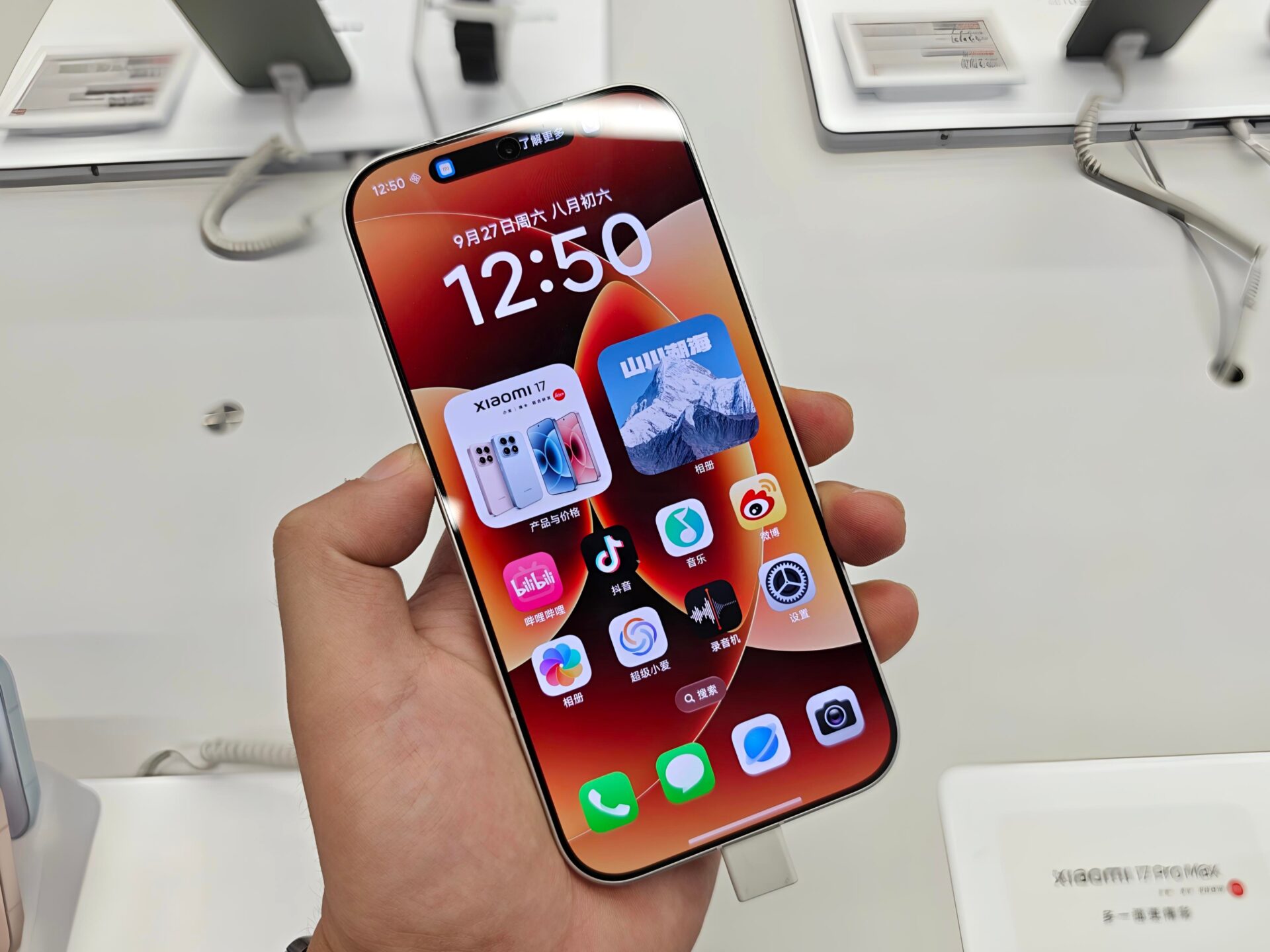
Xiaomi 17

Industrial Design and Physical Engineering

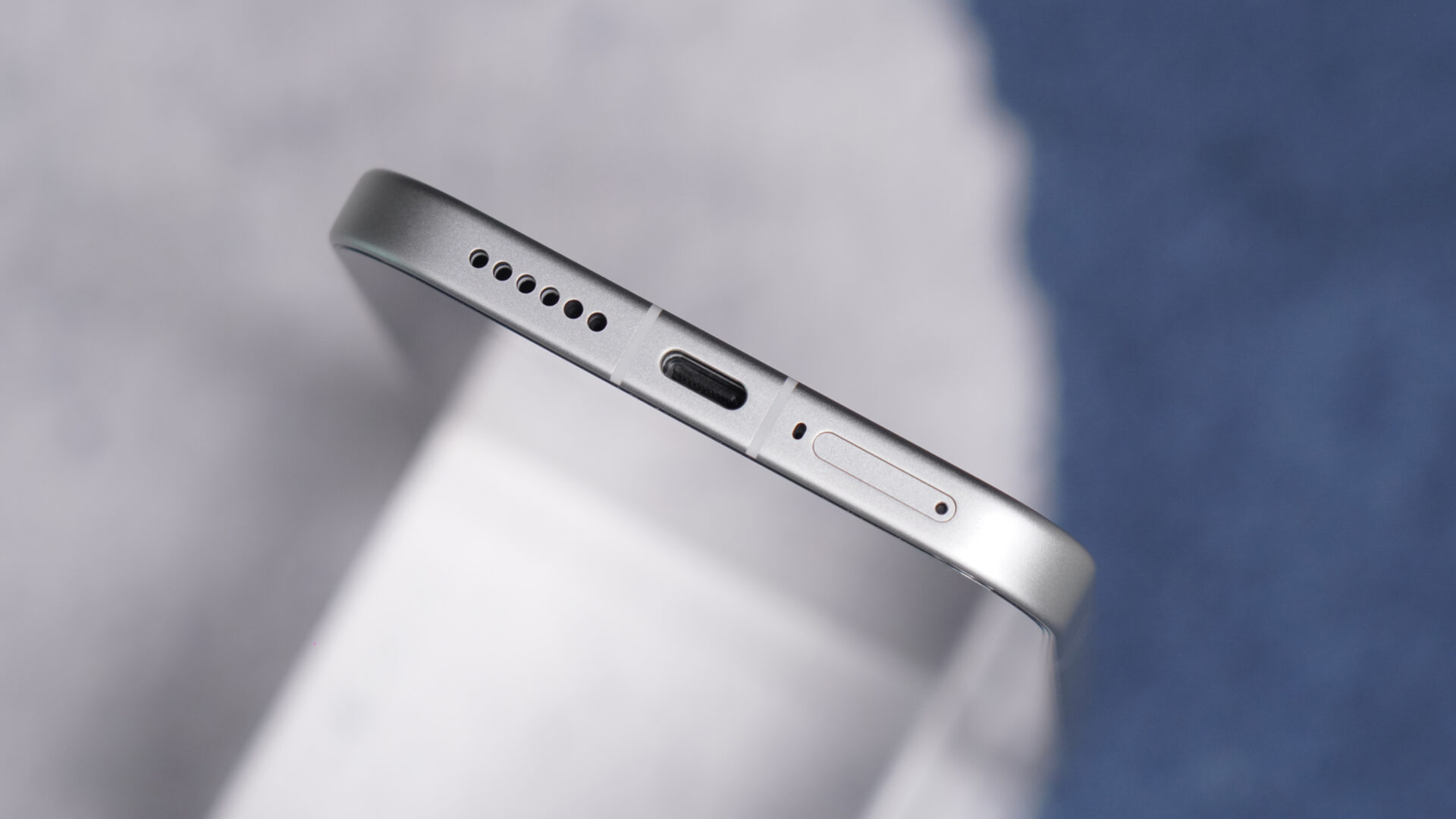
Xiaomi continues to focus on compact flagship engineering. Despite major internal upgrades, Xiaomi 17 maintains almost identical physical dimensions to Xiaomi 15, which is a notable materials engineering achievement.

Parameter Xiaomi 15 Xiaomi 17 Performance Insight
Height 152.3 mm 151.1 mm More compact handling
Width 71.2 mm 71.8 mm Improved aspect balance
Thickness 8.08 mm 8.1 mm Negligible increase
Weight ~191 g ~191 g Optimized material use
Protection IP68 IP68 Same durability class

The use of Dragon Crystal Glass in Xiaomi 17 increases drop resistance while keeping weight stable.

Xiaomi 17 Display

Display Technology Improvements

Xiaomi upgraded the OLED material generation to achieve higher brightness and better efficiency. This upgrade is directly linked to improved battery endurance.

Feature Xiaomi 15 Xiaomi 17
Size 6.36-inch 6.30-inch
Panel LTPO OLED (M9) LTPO OLED (M10)
Peak Brightness 3200 nits 3500 nits
Refresh Rate 1–120Hz 1–120Hz

Higher PWM dimming in Xiaomi 17 improves eye comfort in low-light usage scenarios without compromising color accuracy.

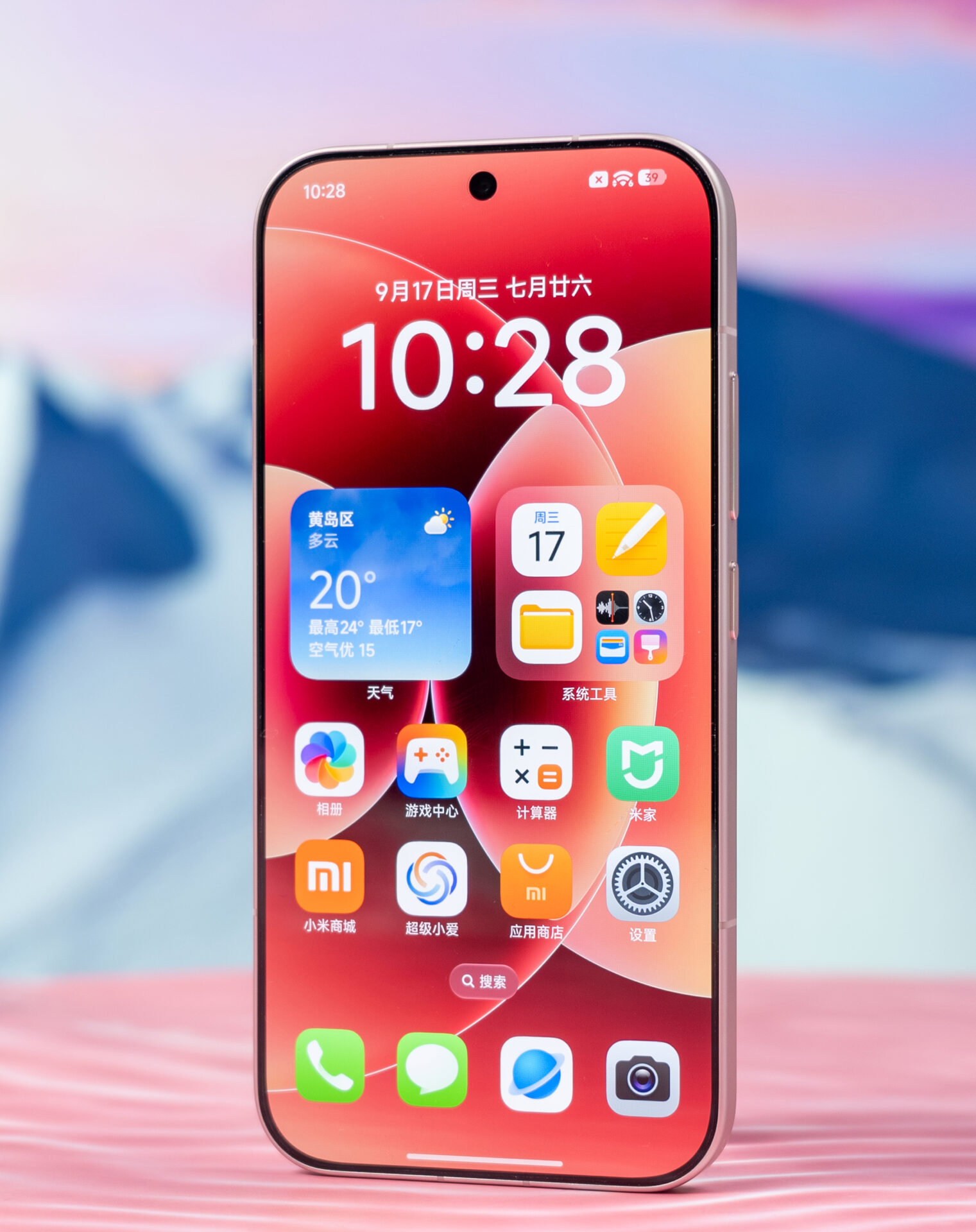
Xiaomi 17 display

Processing Power and Performance Architecture

The difference between the two models becomes clearer when examining chipset evolution.

Specification Xiaomi 15 Xiaomi 17
Processor Snapdragon 8 Elite Snapdragon 8 Elite Gen 5
Manufacturing Process TSMC 3nm TSMC Advanced 3nm
Prime Core Speed 4.32 GHz 4.60 GHz
GPU Adreno 830 Adreno 840
AI Engine Hexagon (2024) Hexagon (2025)

Benchmark comparisons show around 25% higher single-core and 24% higher multi-core performance for Xiaomi 17, enabling stronger sustained performance under heavy workloads.

Battery Technology and Charging Systems

The most critical difference is the shift to Silicon-Carbon battery technology.

Feature Xiaomi 15 Xiaomi 17
Battery Capacity 5400 mAh (China) 7000 mAh
Battery Type Li-Ion Silicon-Carbon
Wired Charging 90W 100W
Wireless Charging 50W 50W
Reverse Wireless 10W 22.5W

This creates a real-world two-day usage scenario in compact flagship form, which was previously unattainable in this size category.

Xiaomi 17

Camera System and Optical Engineering

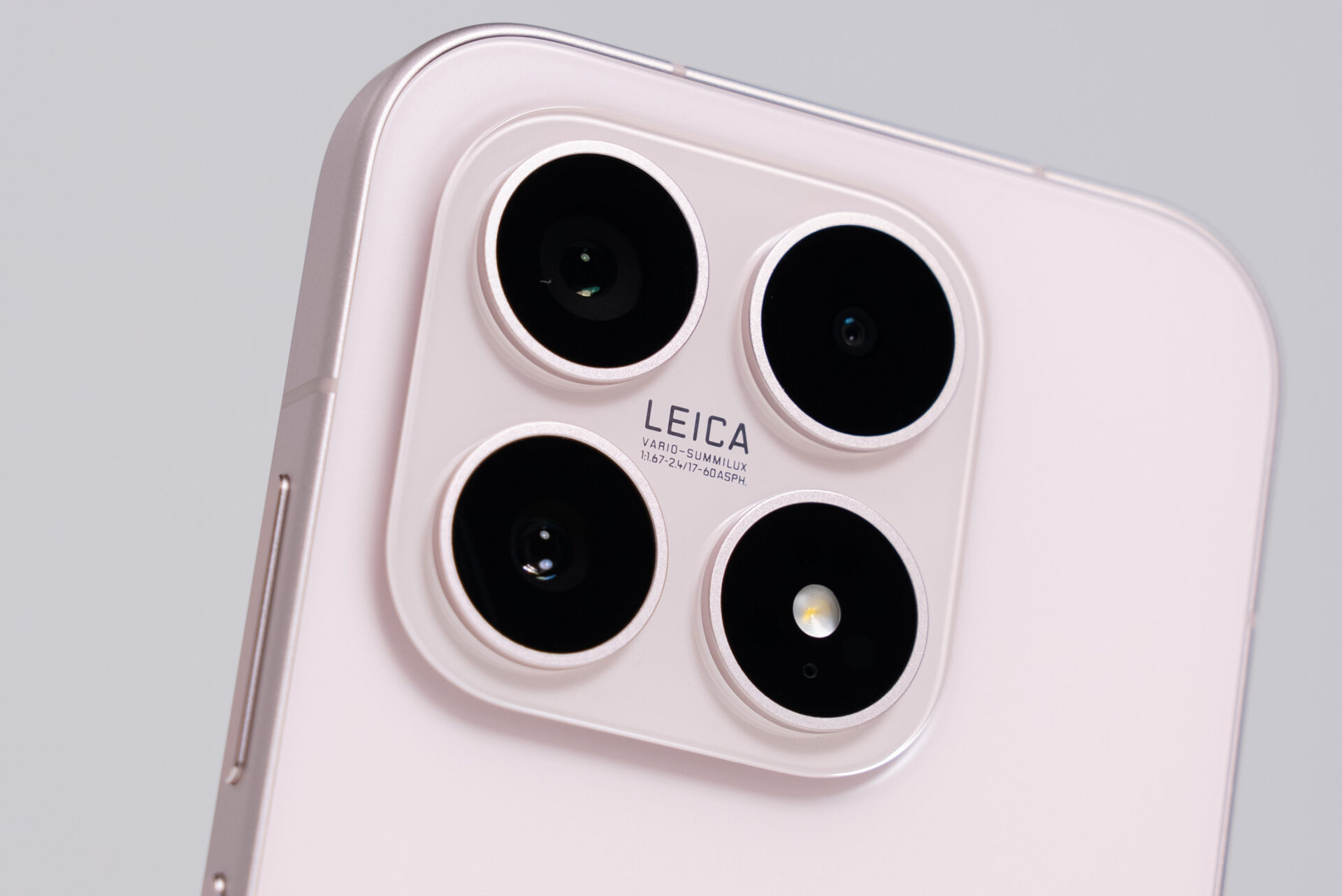
Xiaomi enhanced its Leica-tuned camera system with a focus on image integrity rather than aggressive ultra-wide distortion.

Camera Module Xiaomi 15 Xiaomi 17
Main Sensor Light Fusion 900 Light Hunter 950
Dynamic Range 13.5 EV 16.5 EV
Ultra-Wide 14mm (115°) 17mm (102°)
Telephoto 60mm (2.6x) 60mm (2.6x)
Front Camera 32 MP 50 MP

The move from 14mm to 17mm ultra-wide optics significantly improves edge sharpness and geometric accuracy.

Software Ecosystem and Connectivity

Xiaomi 15 launched with HyperOS 2, while Xiaomi 17 ships with HyperOS 3 based on Android 16. HyperOS 3 deepens integration across the Xiaomi Human x Car x Home ecosystem, enabling seamless interactions with devices such as Xiaomi SU7. Xiaomi 15 already got HyperOS 3 update.

8f4241dbly1i6aqgew5r4j237g254hdt 1

Users can update core Xiaomi system apps through HyperOSUpdates.com or by installing the MemeOS Enhancer application from Google Play.

This provides access to hidden Xiaomi features, system app updates, and advanced update channels.

Key Differences at a Glance

Category Xiaomi 15 Xiaomi 17 Advantage
Performance High Very High Xiaomi 17
Battery Life One day Up to two days Xiaomi 17
Display Premium Enhanced Premium Xiaomi 17
AI Processing Advanced Next-generation Xiaomi 17

Xiaomi 15 established a strong foundation in compact flagship engineering. Xiaomi 17, however, represents a structural leap by combining Snapdragon 8 Elite Gen 5 performance, Silicon-Carbon battery chemistry, and refined optical systems. This is not a routine generational update, but a recalibration of what a compact flagship can deliver. Xiaomi’s choice to skip a model number aligns with the scale of the technological advancements introduced.

  •  

China’s new power bank rules will change the entire industry

According to recent reports from the industry, China is getting ready to impose the most stringent safety standards ever used on portable power banks. The MIIT organized a series of technical seminars in October and November to complete the “Technical Specification for Safety of Portable Power Banks” expected to replace the current 3C certification. These regulations will affect major manufacturers, including brands known for advanced battery technology such as Xiaomi. For readers who want to know more about related standards and coming smart device trends, you may also refer to internal coverage: Xiaomi HyperOS and Xiaomi Battery Safety technologies.

The New National Standard and Its Scope

The upcoming specification is an overall upgrading of the previous national standard, covering the whole product chain of device structure, circuit board to battery cell. MIIT gathered nearly 300 industry-chain enterprises, from chip suppliers to cell manufacturers, to assess feasibility. Their input finally formed the draft, which is expected to be announced this December, published officially in February 2026, and fully implemented from June 2026.

According to industry representatives, these rules will substantially raise the barrier to entry. It is reported that many factories currently lack the capability to meet the new requirements, which naturally means that the market will filter out the low-quality production.

pOWERBANK RULES 1 pOWERBANK RULES 2

Major Changes Introduced by the New Rules

Some of the key improvements the new standard introduces aim at enhancing transparency, consumer awareness, and overall battery safety. This direction goes hand in hand with Xiaomi’s long-standing focus on battery health technologies across power banks and smartphones.

Product-Level Revisions

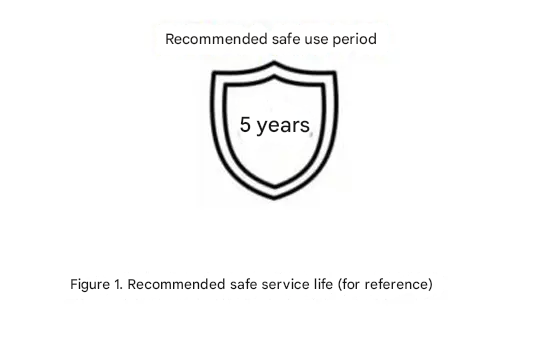
The most evident change at the product level includes the recommended lifespan that needs to be printed on the casing of the device. Additionally, manufacturers need to include the full name of the OEM company. This modification will provide enhanced traceability and also make users aware of the time period for which the product is designed to function safely.

Transparency of Circuit Board

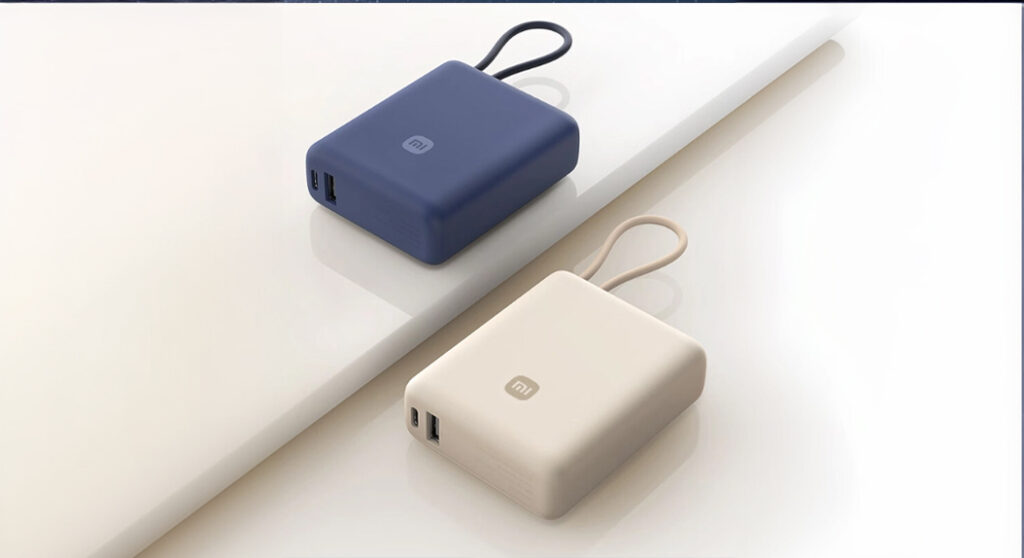
Another huge jump is the mandate that all power banks need to have an LCD display or an internet-connected companion app. These interfaces have to display vital information like battery health, cycle count, and overall condition. In other words, power banks are moving from being mostly opaque “black box” gadgets to transparent smart accessories, just like the smart power bank ecosystem that Xiaomi has recently introduced.

Battery Cell Safety Enhancements

The biggest technical upgrade comes to the battery cells. The new standard strengthens several critical tests:

  • Nail penetration safety verification
  • Thermal abuse test raised from 130°C/30 minutes to 135°C/60 minutes
  • Overcharge voltage limit increased to 1.4× rated voltage

These enhancements directly address the root causes of thermal runaway and safety events involving batteries. Manufacturers utilizing advanced cell technologies, such as those partnering with CATL or Sunwoda, should be able to make these improvements without significant hardship.

Impact on the Power Bank Industry

The MIIT estimates that close to 70% of existing production capacity may exit the market once the regulations take effect. Only manufacturers with strong R&D capability and high-quality supply chains will continue mass production.

These changes might create new opportunities for well-established technology brands in general, and Xiaomi in particular, as the company has earned a strong global reputation for safe, reliable power banks. Advanced smart power bank platforms might become a standard product category, not an optional premium feature.

Part A: Multiple Choice Questions Timeline of Implementation

  • December 2025: Public consultation
  • February 2026: Official publication
  • June 2026: Full enforcement, the 3C certification will become invalid

During the drafting stage, extensive experimental verification was conducted by institutions including the China Electronics Technology Standardization Institute, CATL, Sunwoda, Huawei Terminal, and others. The scientific basis of the new safety framework is supported by their findings.

Recommended Safe Service Life Markings

According to the new rules, power banks should clearly show the following phrase:

“Recommended safe service life is × years.”

Manufacturers may define the value based on their product characteristics. The example “5 years” shown in early illustrations is only a template.

Refined national standards by China mark a transformative step toward a safer, smarter, and more transparent portable power bank market. The transition of power banks from simple to intelligent, connected energy accessories is moving in the same direction of technology that Xiaomi has pursued in the smart hardware ecosystem. Such requirements are bound to uplift the quality of products while offering users more detailed and clear information about device condition and longevity.

  •