Zaman modern melahirkan banyak bentuk hiburan dan kompetisi yang diklaim sebagai “olahraga”. Di antaranya adalah pertandingan tinju — dua orang saling memukul hingga salah satunya tersungkur atau bahkan terluka parah. Sebagian kaum Muslimin menganggapnya permainan yang sportif, bahkan menjadikannya sebagai tontonan rutin. Namun, bagaimana sebenarnya pandangan Islam terhadap tinju yang menyebabkan pertumpahan darah antara sesama […]
Bitcoin has dropped below $100,000 for the second time in a week, losing 12% in a month. The overall crypto market has lost over $700 billion in the past month, as the Fear and Greed Index has fallen to ‘extreme fear’.
So, do all of these market indicators signal a bear market? Let’s analyze the technical and historical data.
Sentiment Signals Are at Bear-Market Levels
The Fear & Greed Index at 10 reflects extreme fear comparable to early 2022 and June 2022, both confirmed bear-market phases.
Yesterday: 16
Last week: 20
Last month: 28
The trend shows accelerating fear, not stabilizing sentiment. Bear runs usually begin with this kind of persistent fear compression.
However, sentiment alone does not confirm a bear market — it only signals capitulation or exhaustion.
Bitcoin Has Broken Its Most Important Bull-Market Support
The 365-day moving average is the long-term structural pivot.
Current situation:
The 365-day MA is near $102,000.
Bitcoin is trading below it.
The breakdown mirrors December 2021, when price lost the same MA and the bear market started.
Historically:
Cycle
MA Lost?
Outcome
2018
Yes
Full bear market
2021
Yes
Full bear market
2025
Yes (now)
Bear-phase risk rising
Failing to reclaim this level quickly often confirms a cycle regime shift. This is one of the strongest technical arguments for a bear-market transition.
Bitcoin "Death Cross" Just Flashed!
The Death Cross (An ironically BULLISH indicator) has just triggered, EXACTLY timed with BTC tagging the lower boundary of the megaphone pattern it's in.
This resembles May–July 2021, August 2023, and August 2024. Each was a mid-cycle correction, not an end-of-cycle bear. When RSI stays deeply oversold for weeks, bearish momentum confirms.
Right now, RSI shows stress but not yet trend reversal.
MACD Shows Strong Divergence Across the Market
The average normalized MACD is currently 0.02. This indicates weak bullish momentum returning. Also, 58% of the market assets have positive momentum.
Bitcoin, however, sits deep in the negative zone while altcoins are mixed.
Crypto Market Average MACD (Moving Average Convergence Divergence). Source: CoinMarketCap
When BTC has negative MACD but the market still has 50%+ positive momentum, the market is in a transition phase rather than a full bear trend.
In full bear markets, 90%+ of assets show negative MACD simultaneously. Right now, that is not the case.
So, Is This a Bear Market?
The crypto market is not in a confirmed bear market — it is in a mid-cycle breakdown with a rising probability of becoming a bear market if two conditions are met.
These are the three conditions that would confirm a bear run:
Bitcoin remains below the 365-day MA for 4–6 weeks. This triggered every bear market in 2014, 2018, and 2022.
Long-term holders continue heavy distribution. If LTH (long-term holder) selling exceeds 1M BTC over 60 days, the cycle top is in.
MACD flips fully negative across the entire market. We are not there yet.
TBH this is the easiest bear market I've ever seen.
Seems like most of you have forgotten what 2022 was like. Luna collapsing, then 3AC, then FTX, then Genesis, BlockFi, Axie, NFTs–pretty much everything felt like a house of cards.
Overall, crypto is not yet in a bear market, but the current breakdown puts the market in a high-risk zone where a bear market could form if Bitcoin fails to reclaim long-term support soon.
HBAR is down almost 11% in the past week, and yesterday it finally broke below its neckline, completing the head and shoulders pattern we projected on November 13. Despite the breakdown, the last 24 hours have been surprisingly flat.
And while the structure still points toward lower levels, early signs suggest that traders betting on deeper downside may be walking into a bear trap instead. Here is why.
Selling Rises and Shorts Pile Up — But The Setup Isn’t That Simple
HBAR’s spot flows show a sharp shift in behaviour after the breakdown. On November 14, HBAR recorded –4.03 million in net outflows, meaning more tokens were leaving exchanges as buyers accumulated.
Want more token insights like this? Sign up for Editor Harsh Notariya’s Daily Crypto Newsletter here.
That is a 110% swing from negative to positive netflow — a clear sign that sellers have stepped in aggressively after the pattern break.
The derivatives market shows an even stronger tilt. On Bitget’s liquidation map alone, short exposure is $16.71 million, while long exposure is $6.09 million. This means shorts now control 73% of all leveraged positions — about 2.7 times more than longs.
This kind of crowded positioning often fuels the conditions for a bear trap risk, where price briefly reverses upward and forces shorts to close their positions at a loss.
The HBAR price breakdown has occurred, yes — but this positioning makes it dangerous to assume the move will continue uninterrupted.
One Move Could Drive HBAR Price Rebound, Hitting Short Liquidations
The price chart contains the key reason a bear trap is possible. While HBAR broke below the neckline, the follow-through has been weak. At the same time, the Relative Strength Index (RSI) — a metric that measures price momentum to show if an asset is oversold or overbought — is showing a notable pattern.
Between October 17 and November 14, the price made a lower low, while RSI formed a higher low. This is a bullish RSI divergence, and it often appears just before a short-term reversal attempt.
If the divergence plays out, the first trigger is a move back above $0.160, which is exactly where the neckline sits. Reclaiming this level puts a large block of short positions at risk.
The liquidation map shows that shorts begin getting squeezed as the price rises above this zone.
A push above $0.180 would confirm the trap is fully in place and force even deeper short liquidations, giving HBAR room for a stronger rebound. However, the trap only works if buyers hold key support levels.
If HBAR drops below $0.155, the divergence weakens and the downtrend regains control. In that case, the head and shoulders projection remains valid, opening the way toward the earlier bearish target near $0.113.
Want more token insights like this? Sign up for Editor Harsh Notariya’s Daily Crypto Newsletter here.
Despite the XRP price dropping 7.8% over the past 30 days, these groups are accumulating, likely positioning for short-term bounces.
But this buying doesn’t seem strong enough to lift the price for one key reason.
The Hodler Net Position Change — a metric that tracks the amount of long-term investor supply entering or leaving wallets — indicates that long-term holders are selling aggressively. It showed heavy negative flow on November 3, when long-term wallets removed 102.50 million XRP. Instead of easing, outflows continued to rise.
By November 14, the number had jumped to 181.50 million XRP: a 77% increase in long-term selling pressure in less than two weeks.
This is the core reason the XRP price was unable to bounce: short-term buying is being overwhelmed by long-term exits.
XRP Price Feels the Pressure as Big Money Steps Back
On the chart, XRP is still struggling to break above $2.26, a strong 0.618 Fibonacci resistance level. The push higher is weakening because money inflows are fading rapidly.
The Chaikin Money Flow (CMF) — which measures buying and selling pressure — has plunged since November 10. It now sits at –0.15, showing net outflows. CMF has also broken below a descending trendline, indicating that larger investors are withdrawing rather than adding. When CMF stays negative while breaking trend support, upside attempts usually fail.
If weakness continues, XRP risks losing $2.17, exposing a deeper move toward $2.06. A breakdown below $2.06 would invalidate any short-term bullish attempts.
The only way to regain momentum is a clean daily close above $2.38 — a level that has rejected the price multiple times this month. Clearing it could open a path toward $2.57 and flip the near-term structure bullish.
November has been rough for most of the market, and even several ‘made in USA’ coins have slipped significantly. The broader trend has been weak, with few assets holding their levels while traders wait for a clearer direction.
But as the market tries to stabilise, three of these US-based coins are showing early signs that they could rebound. One has a rare negative correlation with Bitcoin. Another is forming a clean reversal structure. And the third coin has drawn sudden whale activity. These factors make them worth watching this week.
Litecoin (LTC)
One of the first made in USA coins to watch this week is Litecoin (LTC). It has climbed a little over 8% in the past 30 days and about 7% in the past 24 hours, showing unexpected resilience during a rough November.
A big reason behind this strength is its negative correlation with Bitcoin. The Pearson correlation coefficient between LTC and BTC sits at –0.01 over the past month.
The Pearson coefficient measures how two assets move relative to each other; a negative reading means they move in different directions.
Want more token insights like this? Sign up for Editor Harsh Notariya’s Daily Crypto Newsletter here.
Since Bitcoin has dropped more than 13.5% in the same period, Litecoin’s lack of correlation has actually helped it hold better than most top coins.
But correlation is not the only factor here. The chart is also forming a clean inverse head and shoulders pattern, with the price now hovering near $102.
If LTC manages a daily close above $119, it would complete the pattern and open the door to a move toward $135 or higher if broader conditions improve. This resistance level has capped upside attempts before, so a break would signal real momentum.
The Smart Money Index, which tracks how informed or early-moving traders position themselves, has also begun turning up since November 13.
That shift shows some early confidence returning as LTC pushes toward the pattern’s neckline. The combination of a curling Smart Money Index and price pressing into a breakout zone makes this week especially important for this setup.
If buyers fail to lift Litecoin above resistance, the first key support sits at $93. A drop below that level weakens the reversal structure, and falling under $79 would invalidate the pattern entirely.
Solana (SOL)
Among the ‘made in USA’ coins gaining attention this week, Solana (SOL) stands out for a different reason. It has had a rough month, dropping almost 27% over the past 30 days. Even so, the chart is starting to show hints of a possible short-term reversal that traders cannot ignore.
The signal comes from the Relative Strength Index (RSI), which measures price momentum to show when an asset may be overbought or oversold.
Between November 4 and November 14, Solana’s price formed a lower low, while RSI formed a higher low. This formation is known as a bullish RSI divergence, and it often appears just before a trend attempts to turn, even if the reversal is brief.
If this divergence plays out, Solana’s immediate test is $162. It is a strong resistance level that has held since November 5 (breaking once in between).
Breaking above $162 would open the door toward $170. And if momentum strengthens, the price could push as high as $205 in the short term.
But the setup only holds if buyers defend $135. A drop below that support would weaken the structure and expose $126.
Chainlink (LINK)
The final pick on this week’s list is Chainlink (LINK), which has had a tough month of its own. It has declined by more than 20% over the past 30 days and has logged an additional 10%+ drop during the past week.
Even so, something unusual has appeared in its holder activity, making LINK a key token to watch this week as the market attempts to stabilise.
Despite the decline, whale accumulation has surged in the last seven days. Regular whale holdings have jumped 8.92%, while the top 100 addresses—larger “mega whales”—have increased their combined stash by 1.51%.
When whales buy into weakness instead of exiting, it often hints at early positioning for a potential reversal.
LINK Whales: Nansen
The chart explains why they may be stepping in. Between October 10 and November 14, LINK’s price made a lower low, while its RSI formed a higher low. This created a standard bullish divergence. This is the same momentum shift seen in Solana, and it often appears near the early stages of trend reversals.
For the setup to activate, LINK needs to reclaim $16.10, which requires roughly a 17% move from current levels. Clearing $16.10 opens the path toward $17.57.
If a daily close forms above that zone, LINK could stretch toward $21.64 or higher if broader market conditions improve.
If buyers fail to hold support, the key level to watch is $13.72. A daily candle close below it would break the current structure and likely invalidate the bullish reversal signal. The reversal, then, would have to wait longer.
The cryptocurrency market has spent most of November in the red, with the TOTAL index dropping approximately 20% month-over-month, before rebounding briefly at press time. That weakness has revived talk that a new bear market may already be starting.
Yet despite the fear, crypto whales are buying, which shows that the biggest wallets are positioning early instead of exiting. These wallets are quietly adding to three tokens that are not hype-driven but supported by real activity and fundamentals. Their 30-day accumulation suggests early preparation in case the broader market breaks lower.
Optimism (OP)
The first token that crypto whales are buying, while expecting a bear market, is Optimism (OP). The broader crypto market has dropped sharply over the past month, and this altcoin is down 13.3%, yet the biggest OP whales show firm conviction.
The top 100 Optimism addresses have increased their holdings by 3.15% over the last 30 days. At today’s OP price, that addition is worth roughly $54 million, showing that mega whales are not shaken by market weakness.
Optimism is one of the larger Layer-2 scaling projects, which could be why whales see long-term value even if market sentiment weakens.
Want more token insights like this? Sign up for Editor Harsh Notariya’s Daily Crypto Newsletter here.
Their confidence lines up with the chart. On the two-day timeframe, OP’s price made a lower low between April 7 and November 3, while the Relative Strength Index (RSI) formed a higher low.
The RSI measures momentum to show when an asset is overbought or oversold. This mismatch is a bullish RSI divergence, a signal that often appears when downside pressure is fading and a larger trend reversal may be forming.
For that reversal to activate, OP needs a clean break above $0.47, a level that has blocked every rally since mid-October. A breakout there opens the path to $0.61, and even $0.85 if sentiment improves.
On the downside, losing $0.38 puts $0.31 back in play. A breakdown below $0.31 exposes $0.23 and would invalidate the bullish setup whales seem to be positioning for.
Aster (ASTER)
The next token crypto whales are buying is Aster (ASTER). The pace here is significantly faster than what we saw in Optimism. Over the past 30 days, whales have expanded their holdings by 140%, pushing their total stash to 67.03 million ASTER.
At the current price of nearly $1.13, the total whale stack is worth approximately $75.7 million, with nearly $44 million coming from recent buying.
Smart money wallets have also moved in the same direction. Their holdings have jumped 678% over the past month.
The chart supports the actions these wallets are taking. The ASTER price has broken out of a falling channel on the 12-hour chart, indicating that the bearish trend is losing force. You can also see a clear standard bullish RSI divergence between October 17 and November 14.
The ASTER price made a lower low during that period, while the RSI made a higher low. That shift suggests momentum is turning, and price could follow if buyers stay active.
Short-term price action already reflects some of this. Aster is up almost 9% in the past 24 hours, but the bigger picture still leans toward a reversal rather than a simple bounce.
If this structure continues to hold, the next major hurdle sits at $1.29. This level blocked the rally attempt on November 2, so a clean close would confirm stronger upside.
If that break happens, Aster could stretch toward $1.59 next.
On the downside, $1.11 remains the first line of support. Losing $1.11 opens the path to $1.00, and if that fails, the deeper level at $0.81 would come into play.
Maple Finance (SYRUP)
The third token crypto whales are buying, expecting a bear market, is Maple Finance (SYRUP). Maple is a DeFi lending project that focuses on institutional credit. Its setup is bullish, but in a more measured way compared to Optimism and Aster.
Over the past 30 days, the top 100 mega-whale addresses have increased their holdings by 3.47%, raising their combined stash to 1.11 billion SYRUP.
At the current price, the total mega-whale stack is valued at approximately $499.5 million. Other holder groups are moving in the same direction.
Smart money wallets have added 1.86%, and regular whales have increased their holdings by 4.57%. When all these groups point in the same direction, it usually reflects rising confidence.
The neckline is currently positioned near $0.53. If the price moves above it, the breakout becomes valid, and the target would extend toward $0.65 or even higher.
There is also the On-Balance Volume (OBV) trend to consider. On-Balance Volume (OBV) is an indicator that tracks buying and selling pressure. Buying has appeared on OBV, but the indicator is still sitting under a falling trendline that began around October 14.
For a stronger trend reversal, whales likely want to see both: a break above the neckline at $0.53 and OBV breaking that trendline at the same time.
When price and OBV break together, rallies tend to hold better.
For now, the setup shows conviction, not confirmation. Yet, if buyers fail and the price slips, the invalidation sits at $0.38. A drop under $0.38 would weaken the pattern and could push SYRUP toward $0.28.
Aster moved to calm its community after a miscommunication on CoinMarketCap (CMC) led users to believe the project had quietly changed its token unlock schedule.
The team said the tokenomics remain unchanged and blamed an update on CMC for creating the confusion.
ASTER Token Unlock Confusion
The clarification came hours after Aster community members noticed major upcoming unlocks listed on CMC — including one for December 2025 and two massive releases scheduled for 2035.
This contradicts earlier statements from the exchange about delaying 2025 unlocks to mid-2026.
A recent update to the tokenomics of ASTER on CoinMarketCap (CMC) has caused confusion within the community. This confusion stemmed from a miscommunication, and we sincerely apologize for the inconvenience caused. We want to clarify that the ASTER tokenomics remain unchanged.…
The uncertainty started when updated CMC data showed 200 million ASTER scheduled to unlock on December 15, 2025, followed by 3.86 billion ASTER and 1.6 billion ASTER unlocks in 2035.
Those figures implied that 75% of the token supply was still locked, with 24% currently circulating.
Aster said the CMC update was meant to correct circulating supply information and clarify how unused ecosystem tokens were being treated.
Original Post That Caused Confusion About Aster Tokenomics. Source: X/AB Kuai.Dong
The team said the tokens that unlock monthly under the ecosystem allocation have never entered circulation and have remained untouched in a locked address since TGE.
To avoid further confusion, Aster will now transfer these unlocked-but-unused tokens to a public, dedicated unlock address to separate them from operational wallets.
The team said it has no plans to spend from this address.
Why This Matters for ASTER Holders
The episode highlights a recurring issue in crypto markets. Inconsistent or unclear circulating supply data can influence price action, investor expectations, and perceived dilution risk.
Aster’s circulating supply sits around 2.017 billion ASTER, with 6.06 billion still locked. Market cap is roughly $2.28 billion, while the fully diluted value exceeds $9 billion.
A sudden interpretation that large unlocks were imminent may have fueled speculation about dilution, especially as the project recently saw heavy trading volume and rising volatility.
Despite the confusion, ASTER traded higher on the day, moving around $1.14, up about 8% in 24 hours. The price has fluctuated between $1.02–$1.15, stabilizing after an early-morning sell-off.
The Bitcoin price has dropped sharply this month. Since early November, it has fallen almost 15%, turning one of the strongest assets of the year into one of the weakest in the current pullback.
The drop has pushed the market into two camps again. Some believe this is the start of a deeper correction. Others believe the cycle is still unfolding, and this is merely an oversized dip. The next move depends on one level. If Bitcoin reclaims it, the rebound setup activates. If it fails there, the downside can widen fast.
Bitcoin Momentum Softens the Fall, but One Level Must Validate It
There are early signs that sellers may be losing strength.
The Relative Strength Index entered the oversold zone this week and has since reversed. That usually shows that selling pressure is easing.
A longer-term pattern also supports that view. Between April 30 and November 14, Bitcoin price formed a higher low, which means the broader trend is not fully broken. However, over the same period, the RSI also made a lower low. This is a hidden bullish divergence, a signal that often appears when a strong trend is attempting to resume after a significant correction.
For the RSI sign to play out, the Bitcoin price must cross above $100,300 ( a key support since late April), which might now act as a psychological resistance.
Bitcoin Sellers Might Be Getting Weaker: TradingView
Want more token insights like this? Sign up for Editor Harsh Notariya’s Daily Crypto Newsletter here.
Supply data points to the same area on the chart. The UTXO Realized Price Distribution shows a large band of long-term Bitcoins created near the $100,900 zone.
When a cluster like this forms, it often becomes a significant decision point because a large portion of the supply is at the same cost basis. This cost-basis cluster falls near the resistance level highlighted on the RSI chart.
This is why the momentum story only matters if the BTC price closes back above that region. Without that close, the divergence and oversold readings remain unconfirmed.
A One-Year Low in NUPL Keeps the Bottoming Case Alive
The second argument for a rebound comes from the Net Unrealized Profit/Loss metric.
NUPL has now dropped to 0.40, its lowest reading in a year. This means the market is back to holding very thin unrealized profits, similar to early-cycle periods.
The last time NUPL hit a comparable low was in April. From there, Bitcoin climbed roughly 46% in less than two months. While this does not guarantee a repeat, it shows the market is entering a familiar pressure zone where rebounds often form if the price can stabilize.
But again, this indicator also depends on price reclaiming the same resistance band. Without that, the Bitcoin bottoming theory stays open but inactive.
Bitcoin Price Trades in a Falling Channel — With Two Critical Levels In Sight
Bitcoin remains within a falling channel, maintaining a bearish short-term trend.
The first step out of it is simple: regain $100,300. A daily close above $101,600 strengthens the move and flips the old support back into support.
If that happens, the next important level sits near $106,300. Breaking above it would push Bitcoin out of the falling channel. That would shift the trend from bearish to neutral and could turn it bullish if momentum improves.
The bust risk sits underneath. The lower band of the channel only has two clean touches, which makes it structurally weak. If Bitcoin loses $93,900–$92,800, the pattern opens deeper levels, and the “extended cycle” view becomes much harder to defend.
Right now, everything rests on one decision point. Above $100,300, the Bitcoin price stabilizes. Below $93,900, the slide can get much worse.
Bitcoin jatuh di bawah US$100.000 untuk kedua kalinya dalam seminggu, kehilangan 12% dalam sebulan. Pasar kripto secara keseluruhan telah kehilangan lebih dari US$700 miliar dalam sebulan terakhir, sementara Fear and Greed Index turun ke ‘extreme fear’.
Apakah semua indikator pasar ini menandakan bear market? Mari kita analisis data teknikal dan historisnya.
Sinyal Sentimen Ada di Level Pasar Bear
Fear & Greed Index pada 10 mencerminkan ketakutan ekstrem yang sebanding dengan awal tahun 2022 dan Juni 2022, keduanya mengonfirmasi fase bear-market.
Kemarin: 16
Minggu lalu: 20
Bulan lalu: 28
Tren ini menunjukkan ketakutan yang semakin cepat, bukan sentimen yang stabil. Bear market biasanya dimulai dengan jenis tekanan ketakutan yang terus-menerus seperti ini.
Namun, sentimen saja tidak mengonfirmasi bear market — ini hanya menandakan kapitulasi atau kelelahan.
Bitcoin Telah Breakout Dari Support Reli Paling Penting
Moving average 365-hari adalah titik pivot struktural jangka panjang.
Saat ini:
MA 365-hari berada di dekat US$102.000.
Bitcoin diperdagangkan di bawahnya.
Pecahannya mencerminkan Desember 2021, ketika harga kehilangan MA yang sama dan bear market dimulai.
Secara historis:
Siklus
MA Hilang?
Hasil
2018
Ya
Bear market penuh
2021
Ya
Bear market penuh
2025
Ya (sekarang)
Risiko fase bear meningkat
Gagal merebut kembali level ini dengan cepat sering mengonfirmasi pergeseran rezim siklus. Ini adalah salah satu argumen teknis terkuat untuk transisi bear-market.
Bitcoin "Death Cross" Just Flashed!
The Death Cross (An ironically BULLISH indicator) has just triggered, EXACTLY timed with BTC tagging the lower boundary of the megaphone pattern it's in.
Ini mirip dengan Mei–Juli 2021, Agustus 2023, dan Agustus 2024. Masing-masing adalah koreksi tengah siklus, bukan akhir dari bear siklus. Ketika RSI tetap sangat oversold selama beberapa minggu, momentum bearish mengonfirmasi.
Saat ini, RSI menunjukkan tekanan tapi belum pembalikan tren.
MACD Menunjukkan Divergensi Kuat di Pasar
Rata-rata MACD yang dinormalisasi saat ini adalah 0,02. Ini menunjukkan momentum bullish lemah kembali. Selain itu, 58% dari aset pasar memiliki momentum positif.
Namun, Bitcoin berada jauh di zona negatif sementara altcoin bervariasi.
Ketika BTC memiliki MACD negatif tapi pasar tetap memiliki momentum positif lebih dari 50%, pasar berada dalam fase transisi daripada tren bearish penuh.
Dalam pasar bearish penuh, 90%+ dari aset menunjukkan MACD negatif secara bersamaan. Saat ini, hal itu tidak terjadi.
Jadi, Apakah Ini Pasar Bear?
Pasar kripto belum dalam pasar bear yang dikonfirmasi — ini adalah penurunan di tengah siklus dengan kemungkinan meningkat menjadi pasar bear jika dua syarat terpenuhi.
Inilah tiga syarat yang akan mengonfirmasi terjadinya pasar bear:
Bitcoin tetap di bawah MA 365 hari selama 4–6 minggu. Ini memicu setiap pasar bear pada tahun 2014, 2018, dan 2022.
Holder jangka panjang terus melakukan distribusi besar-besaran. Jika penjualan LTH (holder jangka panjang) melebihi 1 juta BTC dalam 60 hari, puncak siklus tercapai.
MACD berbalik sepenuhnya negatif di seluruh pasar. Kita belum sampai di sana.
TBH this is the easiest bear market I've ever seen.
Seems like most of you have forgotten what 2022 was like. Luna collapsing, then 3AC, then FTX, then Genesis, BlockFi, Axie, NFTs–pretty much everything felt like a house of cards.
Secara keseluruhan, kripto belum berada dalam pasar bear, namun penurunan saat ini menempatkan pasar pada zona berisiko tinggi di mana pasar bear dapat terbentuk jika Bitcoin gagal memulihkan dukungan jangka panjang segera.
SACHI, the upcoming blockchain-based gaming ecosystem, is kicking off “SACHI: The Origin”, a five-day NFT pre-launch event celebrating the first generation of SACHI players. The campaign runs November 12-17, offering only 200 exclusive NFTs, known as The SACHI OGs.
Each NFT represents a piece of SACHI history and a symbolic badge of early adoption. Holders gain early access to the closed beta, starter in-game perks, and eligibility for future rewards once the game and $SACHI token officially launch.
“The Origin is where the SACHI story begins,” said Jonas Martisius, CEO at SACHI. “These NFTs aren’t just collectibles – they’re a signal that you helped start the movement before the $SACHI token launch. They mark who was here first, and that’s something worth celebrating.”
Why SACHI: The Origin Matters
The Origin NFT Drop is designed as a social ignition, building hype and engagement in the final days before the Token Generation Event (TGE). By minting an Origin NFT, players are not only claiming a rare digital collectible but also joining the earliest wave of SACHI supporters – helping shape the community from day one.
Key Highlights:
Scarcity & exclusivity: Only 200 NFTs, available for 5 days.
Early access & advantages: Special in-game perks and rewards.
Community recognition: Holders receive an exclusive “Origin” status within the SACHI ecosystem and early visibility across official channels.
The Origin mint is first-come, first-served – only 200 NFTs will ever exist. The window closes once they’re gone or just before SACHI’s game launch, scheduled a few days after the $SACHI TGE on November 19. Early participants have only a short time to claim their NFT and secure verified OG status in the SACHI universe.
About SACHI
SACHI is an Immersive Gaming Universe that blends social competition, adventure, and iGaming. The platform is designed to reward players not just for gameplay but also for community engagement, creativity, and early participation.
By integrating blockchain-based NFTs, tokenized rewards, and exclusive community perks, SACHI aims to create a vibrant, self-sustaining ecosystem where players are truly part of the story.
The Origin marks the beginning of that journey – offering a first chance to engage with the platform and claim a lasting stake in its history. With a focus on community, scarcity, and meaningful rewards, SACHI positions its early adopters as the foundation of its growing universe.
The Time to Claim Your Legacy Don’t miss your chance to secure permanent recognition and expedited access in the SACHI Universe: Website | X | Telegram
Bitcoin fell to $94,000 on Friday, driving concerns of further liquidation and heading towards a yearly low of $76,000. BTC faces growing downside pressure after dropping under its 365-day moving average, a level that has defined the current bull cycle’s support.
The breakdown has revived concerns of a larger correction, especially as key on-chain cost-basis levels show early signs of stress.
Will Bitcoin Price Drop Below $90,000?
The 365-day moving average, now near $102,000, has acted as Bitcoin’s primary structural floor since late 2023.
Bitcoin’s failure to reclaim it this week echoes the pattern seen in December 2021, when repeated rejections at this level marked the beginning of the 2022 bear market.
However, the broader market context suggests a mid-cycle reset rather than a full macro top. Liquidity conditions remain unstable, ETF flows turned negative, and long-term holders have been distributing at the fastest pace since early 2024.
Even so, the loss of the 365-day average remains significant.
Good day to remember this. Once Bitcoin breaks below the 365-day MA, its pretty difficult to recover. Judging by the data of how previous bear markets started, I would say we are in one.
It would take a complete turnaround of demand, sentiment, capital flows to revert the… https://t.co/IsUlwqAbq0
Historically, remaining below this line for several weekly closes triggers deeper retracements. A sustained breakdown increases the probability of a move toward sub-$90,000.
On-chain data reinforces this risk. The realized price for Bitcoin holders who entered between 6 and 12 months ago is near $94,600.
This group accumulated heavily during the ETF-driven rally, and their cost basis often acts as a first capitulation zone in bull markets.
On Friday, Bitcoin briefly traded below this threshold, pushing many of these holders into unrealized losses.
Those who entered Bitcoin 6 to 12 months ago have a cost basis near 94K.
Personally, I do not think the bear cycle is confirmed unless we lose that level. I would rather wait than jump to conclusions. pic.twitter.com/i9a5M0xnMW
Similar breaks occurred in both 2017–2018 and 2021–2022. Each period saw prolonged declines after price slipped below the 6–12 month cost-basis band.
This trend suggests rising pressure on recent buyers and increases the chance of a deeper reset.
Long-range cycle data provides additional context. Bitcoin’s bull cycles show recurring mid-cycle corrections of 25% to 40%.
Using the 2025 peak near $125,000, a typical pullback would place Bitcoin between $75,000 and $93,000. These drawdown levels align closely with current technical and on-chain floors.
I see stories about "old whales dumping bitcoin", but the data does not support those stories.
Almost 7 million BTC transacted onchain in 2025. Most BTC came from 2024 transactions. One big 84k BTC 2011 whale. And some 2017-2023 sellers. But that's it, business as usual. pic.twitter.com/w2aHjJ3XmD
As a result, analysts see three major zones forming.
Key Bitcoin Price Levels To Watch
The first support sits at $92,000 to $95,000, matching the 6–12 month cost basis and recent ETF inflow levels. This area is likely the first reaction point.
However, a stronger correction could push Bitcoin into the $85,000 to $90,000 band, which aligns with a standard 25%–30% mid-cycle decline.
The bearish scenario extends deeper. If ETF outflows accelerate and macro conditions worsen, Bitcoin could retest the $75,000 to $82,000 zone.
This would represent a 35%–40% drawdown from the cycle high and match previous mid-cycle resets. Drops below $70,000 remain unlikely without a major liquidity shock.
Despite the recent weakness, Bitcoin has not shown a blow-off top or a structural exhaustion pattern. This suggests that current moves form part of a broader consolidation within the bull market, not the start of a new multi-year downtrend.
For now, Bitcoin’s ability to reclaim the 365-day moving average will determine the depth of the correction.
A quick recovery would ease selling pressure and reduce the likelihood of a move under $90,000.
Continued rejection, however, raises the probability of a deeper test of the mid-cycle support zones.
HBAR turun hampir 11% dalam minggu terakhir, dan kemarin akhirnya jatuh di bawah neckline-nya, menyelesaikan pola head and shoulders yang kami proyeksikan pada 13 November. Meskipun terjadi breakdown, 24 jam terakhir surprisingly datar.
Dan meskipun strukturnya masih mengarah ke level lebih rendah, tanda-tanda awal menunjukkan bahwa trader yang bertaruh pada penurunan lebih dalam mungkin justru terjebak dalam bear trap. Inilah alasannya.
Penjualan Meningkat dan Short Menumpuk — Namun Setup Tidak Sesederhana Itu
Arus HBAR menunjukkan perubahan tajam dalam perilaku setelah breakdown. Pada 14 November, HBAR mencatatkan arus bersih –4,03 juta, yang berarti lebih banyak token meninggalkan exchange karena pembeli mengumpulkan.
Ingin wawasan token lebih seperti ini? Daftar untuk Newsletter Harian Crypto Editor Harsh Notariya di sini.
Itu adalah perubahan 110% dari arus bersih negatif menjadi positif — tanda jelas bahwa penjual telah masuk secara agresif setelah pola itu pecah.
Pasar derivatif menunjukkan kecenderungan yang lebih kuat. Pada peta likuidasi Bitget saja, eksposur short adalah US$16,71 juta, sementara eksposur long adalah US$6,09 juta. Ini berarti short sekarang mengendalikan 73% dari semua posisi leveraged — sekitar 2,7 kali lebih banyak daripada long.
Jenis posisi yang padat seperti ini sering kali memicu kondisi untuk risiko bear trap, di mana harga berbalik arah ke atas dan memaksa posisi short ditutup dengan kerugian.
Breakdown harga HBAR memang terjadi, namun, posisi ini membuatnya berbahaya untuk mengasumsikan bahwa pergerakan akan berlanjut tanpa henti.
Satu Gerakan Bisa Dorong Reli Harga HBAR, Memukul Likuidasi Short
Grafik harga mengandung alasan utama mengapa bear trap mungkin terjadi. Meskipun HBAR jatuh di bawah neckline, tindak lanjutnya lemah. Pada saat yang sama, Relative Strength Index (RSI) — metrik yang mengukur momentum harga untuk menunjukkan apakah aset oversold atau overbought — menunjukkan pola yang signifikan.
Antara 17 Oktober dan 14 November, harga membuat lower low, sementara RSI membentuk higher low. Ini adalah bullish RSI divergence, yang sering muncul tepat sebelum upaya pembalikan jangka pendek.
Jika divergence ini terjadi, pemicu pertama adalah pergerakan kembali di atas US$0,160, yang merupakan lokasi tepat di mana neckline berada. Mengambil kembali level ini menempatkan blok besar posisi short dalam risiko.
Peta likuidasi menunjukkan bahwa short mulai ditekan ketika harga naik di atas zona ini.
Pergerakan di atas US$0,180 akan mengonfirmasi trap sepenuhnya dan memaksa likuidasi short yang lebih dalam, memberikan HBAR ruang untuk rebound lebih kuat. Namun, trap hanya bekerja jika pembeli mempertahankan level support kunci.
Jika HBAR turun di bawah US$0,155, divergence melemah dan tren penurunan kembali menguasai. Dalam kasus itu, proyeksi head and shoulders tetap valid, membuka jalan menuju target bearish sebelumnya di sekitar US$0,113.
Harga XRP turun hampir 8% dalam seminggu terakhir, dan meskipun 24 jam terakhir datar, ketiadaan penurunan tidak dapat disalahartikan sebagai kekuatan.
Data grafik dan on-chain menunjukkan bahwa XRP sedang berada di bawah tekanan yang nyata, meskipun ada sekelompok investor yang terus membeli saat harga turun.
Holder Jangka Pendek Terus Membeli — Tapi Satu Grup Tidak Setuju
Ingin lebih banyak wawasan token seperti ini? Daftar di Newsletter Harian Crypto Editor Harsh Notariya di sini.
Meskipun harga XRP turun 7,8% selama 30 hari terakhir, kelompok-kelompok ini terus mengumpul, mungkin memposisikan diri untuk lonjakan harga jangka pendek.
Tapi pembelian ini sepertinya tidak cukup kuat untuk mengangkat harga karena satu alasan utama.
The Hodler Net Position Change — metrik yang melacak jumlah pasokan investor jangka panjang yang masuk atau keluar dari wallet — menunjukkan bahwa holder jangka panjang menjual secara agresif. Ini menunjukkan arus negatif yang berat pada 3 November, saat wallet jangka panjang mengeluarkan 102,50 juta XRP. Alih-alih mereda, outflows terus meningkat.
Pada 14 November, jumlah itu melonjak menjadi 181,50 juta XRP: peningkatan tekanan jual jangka panjang sebesar 77% dalam waktu kurang dari dua minggu.
Ini adalah alasan utama mengapa harga XRP tidak dapat naik: pembelian jangka pendek terhimpit oleh penjualan jangka panjang.
Harga XRP Tertekan Saat Pemodal Besar Mundur
Pada grafik, XRP masih kesulitan untuk menembus level US$2,26, level resistance Fibonacci yang kuat di 0,618. Dorongan naik melemah karena inflow dana berkurang dengan cepat.
The Chaikin Money Flow (CMF) — yang mengukur tekanan beli dan jual — telah jatuh sejak 10 November. Sekarang berada di –0,15, menunjukkan arus keluar netto. CMF juga telah menembus di bawah garis tren menurun, menunjukkan bahwa investor besar sedang menarik diri daripada menambah. Ketika CMF tetap negatif sambil menembus support tren, usaha kenaikan harga biasanya gagal.
Jika kelemahan terus berlanjut, XRP berisiko kehilangan US$2,17, membuka kemungkinan pergerakan lebih dalam menuju US$2,06. Penurunan di bawah US$2,06 akan membatalkan setiap upaya bullish jangka pendek.
Satu-satunya cara untuk mendapatkan momentum kembali adalah penutupan harian yang bersih di atas US$2,38 — level yang telah beberapa kali menolak harga bulan ini. Jika menembusnya dapat membuka jalan menuju US$2,57 dan membalikkan struktur jangka pendek menjadi bullish.
November sudah menjadi bulan yang sulit untuk sebagian besar pasar, bahkan beberapa altcoin Made in USA juga mengalami penurunan signifikan. Tren secara keseluruhan memang lemah, hanya sedikit aset yang tetap bertahan sementara para trader menunggu arah yang lebih jelas.
Nampaknya saat pasar mencoba untuk stabil, tiga altcoin Made in USA ini memperlihatkan tanda awal dapat pulih. Satu altcoin memiliki korelasi negatif yang jarang terjadi dengan Bitcoin. Yang kedua sedang membentuk pola pembalikan yang bersih. Sedangkan yang ketiga menarik perhatian whale. Faktor-faktor ini membuat ketiganya layak dipantau pekan ini.
Litecoin (LTC)
Salah satu altcoin Made in USA pertama yang patut mendapat perhatian pekan ini adalah Litecoin (LTC). Altcoin ini telah naik lebih dari 8% dalam 30 hari terakhir dan sekitar 7% dalam 24 jam terakhir, menunjukkan ketahanan yang tidak terduga selama November yang sulit.
Salah satu faktor utama di balik kekuatannya adalah korelasi negatifnya dengan Bitcoin. Koefisien korelasi Pearson antara LTC dan BTC berada di –0,01 selama sebulan terakhir.
Koefisien Pearson mengukur bagaimana dua aset bergerak relatif satu sama lain; pembacaan negatif berarti mereka bergerak dalam arah yang berbeda.
Ingin lebih banyak wawasan token seperti ini? Daftar untuk Newsletter Harian Crypto Editor Harsh Notariya di sini.
Karena Bitcoin turun lebih dari 13,5% dalam periode yang sama, kurangnya korelasi Litecoin sebenarnya membantunya bertahan lebih baik dibandingkan sebagian besar altcoin teratas lainnya.
Tapi korelasi bukan satu-satunya faktor di sini. Grafik juga membentuk pola inverse head and shoulders yang bersih, dengan harga kini berada di sekitar US$102.
Jika LTC berhasil mencapai penutupan harian di atas US$119, itu akan melengkapi pola dan membuka jalan menuju US$135 atau lebih jika kondisi yang lebih luas membaik. Level resistance ini sebelumnya telah membatasi upaya kenaikan, jadi jika bisa menembus, itu akan menandakan momentum yang nyata.
Smart Money Index, yang melacak bagaimana trader yang terinformasi atau bergerak awal memposisikan diri mereka, juga mulai naik sejak 13 November.
Pergerakan ini menunjukkan ada kepercayaan awal yang kembali ketika LTC mendekati neckline pola tersebut. Kombinasi dari Smart Money Index yang melengkung naik, dan harga yang menekan ke zona breakout membuat pekan ini sangat penting untuk setup ini.
Jika pembeli gagal mengangkat Litecoin di atas resistance, support kunci pertama berada di US$93. Penurunan di bawah level ini akan melemahkan struktur pembalikan, dan jatuh di bawah US$79 akan membatalkan pola tersebut sepenuhnya.
Solana (SOL)
Di antara altcoin Made in USA yang menarik perhatian pekan ini, Solana (SOL) menonjol karena alasan yang berbeda. Bulan ini cukup sulit, dengan penurunan hampir 27% dalam 30 hari terakhir. Meskipun begitu, grafik mulai menunjukkan tanda potensial pembalikan jangka pendek yang tidak dapat diabaikan para trader.
Sinyal ini berasal dari Relative Strength Index (RSI), yang mengukur momentum harga untuk menunjukkan kapan aset mungkin terlalu dibeli (overbought) atau terlalu dijual (oversold).
Antara 4 November hingga 14 November, harga Solana membentuk lower low, sementara RSI membentuk higher low. Formasi ini dikenal sebagai bullish RSI divergence, dan sering muncul sebelum tren mencoba berbalik, bahkan jika hanya sementara.
Jika divergensi ini terwujud, uji Solana berikutnya di US$162. Ini adalah level resistance yang kuat yang telah bertahan sejak 5 November (hanya sekali terobos di antaranya).
Menembus di atas US$162 akan membuka jalan menuju US$170. Dan jika momentum menguat, harga bisa naik setinggi US$205 dalam jangka pendek.
Tetapi setup ini hanya bertahan jika pembeli bertahan di level US$135. Penurunan di bawah support itu akan melemahkan struktur dan membuka jalan ke US$126.
Chainlink (LINK)
Alat terakhir pada daftar pekan ini adalah Chainlink (LINK), yang mengalami bulan yang sulit. Dalam 30 hari terakhir, harga telah turun lebih dari 20% dan mencatat penurunan lebih dari 10% dalam pekan terakhir.
Namun, sesuatu yang tidak biasa telah muncul dalam aktivitas holder, membuat LINK menjadi token kunci untuk diamati minggu ini saat pasar berusaha stabil.
Meskipun mengalami penurunan, akumulasi whale melonjak dalam tujuh hari terakhir. Kepemilikan whale biasa naik 8,92%, sedangkan 100 alamat teratas—“mega whale” yang lebih besar—meningkatkan gabungan kepemilikan mereka sebesar 1,51%.
Ketika whale membeli dalam kondisi melemah daripada keluar, itu sering mengisyaratkan posisi awal untuk potensi pembalikan.
LINK Whales: Nansen
Grafik ini menjelaskan mengapa mereka mungkin mulai terlibat. Antara 10 Oktober dan 14 November, harga LINK membuat titik rendah baru, sementara RSI membentuk titik rendah yang lebih tinggi. Ini menciptakan divergensi bullish standar. Ini adalah pergantian momentum yang sama seperti di Solana, dan sering kali muncul di tahap awal pembalikan tren.
Untuk setup ini aktif, LINK perlu kembali ke US$16,10, yang memerlukan pergerakan sekitar 17% dari level saat ini. Melampaui US$16,10 membuka jalan menuju US$17,57.
Jika penutupan harian terbentuk di atas zona tersebut, LINK bisa bergerak melampaui US$21,64 atau lebih tinggi jika kondisi pasar menguat.
Jika pembeli gagal menahan support, level kunci yang perlu diperhatikan adalah US$13,72. Penutupan candle harian di bawah level ini akan merusak struktur saat ini dan kemungkinan menggagalkan sinyal pembalikan bullish. Pembalikan, oleh karena itu, harus menunggu lebih lama.
Pada bulan November, pasar aset kripto sebagian besar mengalami penurunan, dengan indeks TOTAL turun sekitar 20% dari bulan sebelumnya, sebelum sempat naik kembali pada waktu publikasi. Kelemahan ini memunculkan kembali pembicaraan tentang kemungkinan terjadinya bear market baru.
Meskipun demikian, crypto whale masih melakukan pembelian, menandakan bahwa wallet terbesar ini lebih memilih menyiapkan posisi awal daripada keluar dari pasar. Wallet tersebut diam-diam menambah kepemilikan dalam tiga token yang tidak didorong oleh hype tetapi didukung oleh aktivitas nyata dan fundamental yang kuat. Akumulasi selama 30 hari terakhir menunjukkan persiapan awal jika pasar yang lebih luas mengalami koreksi lebih dalam.
Optimism (OP)
Token pertama yang dibeli oleh crypto whale, saat mereka mengantisipasi bear market, adalah Optimism (OP). Pasar aset kripto secara umum telah turun tajam selama bulan lalu, dan altcoin ini merosot 13,3%, namun whale OP terbesar menunjukkan keyakinan yang kuat.
100 alamat teratas Optimism telah meningkatkan kepemilikan mereka sebesar 3,15% dalam 30 hari terakhir. Pada harga OP saat ini, tambahan tersebut bernilai sekitar US$54 juta, menunjukkan bahwa mega whale tidak terpengaruh oleh kelemahan pasar.
Optimism adalah salah satu proyek scaling layer-2 yang lebih besar, yang mungkin menjadi alasan mengapa whale melihat nilai jangka panjang meskipun sentimen pasar melemah.
Ingin info token lebih banyak seperti ini? Daftarkan diri Anda untuk berlangganan Daily Crypto Newsletter dari Editor Harsh Notariya di sini.
Keyakinan mereka konsisten dengan grafik. Pada timeframe dua hari, harga OP mencapai posisi terendah lebih rendah antara 7 April dan 3 November, sementara Relative Strength Index (RSI) membentuk posisi terendah yang lebih tinggi.
RSI mengukur momentum untuk menunjukkan kapan aset sudah jenuh beli atau jenuh jual. Ketidakcocokan ini adalah divergensi bullish RSI, sinyal yang sering muncul ketika tekanan turun berkurang dan pembalikan tren yang lebih besar mungkin sedang terbentuk.
Untuk mengaktifkan pembalikan itu, OP perlu menembus di atas US$0.47, level yang telah menghalangi setiap reli sejak pertengahan Oktober. Breakout di sana membuka jalan menuju US$0.61, bahkan US$0.85 jika sentimen membaik.
Di sisi bawah, kehilangan US$0.38 akan membawa US$0.31 kembali bermain. Jika terjadi breakdown di bawah US$0.31, itu akan mengekspos US$0.23 dan akan membatalkan setup bullish yang tampaknya sedang dipersiapkan oleh whale.
Aster (ASTER)
Token berikutnya yang dibeli oleh crypto whale adalah Aster (ASTER). Laju di sini jauh lebih cepat daripada yang kita lihat pada Optimism. Selama 30 hari terakhir, whale telah memperluas kepemilikan mereka sebesar 140%, mendorong total simpanan mereka menjadi 67,03 juta ASTER.
Pada harga saat ini yang hampir US$1,13, total simpanan whale bernilai sekitar US$75,7 juta, dengan hampir US$44 juta berasal dari pembelian terbaru.
Wallet smart money juga bergerak searah. Kepemilikan mereka meningkat 678% selama sebulan terakhir.
Grafik mendukung tindakan yang diambil oleh wallet ini. Harga ASTER telah breakout dari channel turun pada grafik 12 jam, menunjukkan bahwa tren bearish kehilangan momentum. Anda juga dapat melihat divergensi bullish RSI standar yang jelas antara 17 Oktober dan 14 November.
Harga ASTER mencapai posisi terendah lebih rendah selama periode tersebut, sementara RSI mencapai posisi terendah yang lebih tinggi. Pergeseran itu menunjukkan momentum mulai berbalik, dan harga bisa mengikuti jika pembeli tetap aktif.
Aksi harga jangka pendek sudah mencerminkan sebagian dari ini. Aster naik hampir 9% dalam 24 jam terakhir, tapi gambaran yang lebih besar tetap cenderung pada pembalikan daripada sekadar lonjakan.
Jika struktur ini terus bertahan, hambatan besar berikutnya ada di US$1.29. Level ini menghalangi upaya reli pada 2 November, sehingga penutupan yang bersih akan mengonfirmasi sisi atas yang lebih kuat.
Jika penembusan itu terjadi, Aster dapat mencapai US$1.59 selanjutnya.
Di sisi bawah, US$1,11 tetap menjadi garis support pertama. Kehilangan US$1,11 membuka jalan ke US$1,00, dan jika itu gagal, level yang lebih dalam di US$0,81 akan ikut bermain.
Maple Finance (SYRUP)
Token ketiga yang dibeli oleh crypto whale untuk menghadapi bear market adalah Maple Finance (SYRUP). Maple adalah proyek DeFi lending yang fokus pada kredit institusi. Pengaturannya bullish, namun dengan cara yang lebih terukur dibandingkan Optimism dan Aster.
Pada harga saat ini, total kepemilikan mega-whale ini bernilai sekitar US$499,5 juta. Kelompok holder lain bergerak ke arah yang sama.
Wallet smart money telah menambah 1,86%, dan whale reguler telah meningkatkan kepemilikan mereka sebanyak 4,57%. Ketika semua kelompok ini menunjuk ke arah yang sama, biasanya mencerminkan kepercayaan yang meningkat.
Garis leher saat ini diposisikan di sekitar US$0,53. Jika harga bergerak di atasnya, breakout menjadi valid dan target akan diperpanjang menuju US$0,65 atau bahkan lebih tinggi.
Ada juga tren On-Balance Volume (OBV) yang perlu diperhatikan. On-Balance Volume (OBV) adalah indikator yang melacak tekanan beli dan jual. Pembelian sudah muncul di OBV, namun indikator ini masih berada di bawah garis tren turun yang dimulai sekitar 14 Oktober.
Untuk pembalikan tren yang lebih kuat, whale kemungkinan ingin melihat keduanya: pemecahan garis leher di US$0,53 dan OBV melampaui garis tren tersebut pada saat yang sama.
Ketika harga dan OBV pecah bersamaan, reli cenderung bertahan lebih baik.
Untuk sekarang, setup menunjukkan keyakinan, bukan konfirmasi. Namun, jika pembeli gagal dan harga tergelincir, invalidasi terjadi di US$0,38. Penurunan di bawah US$0,38 akan melemahkan pola dan dapat mendorong SYRUP menuju US$0,28.
Aster bergerak untuk menenangkan komunitasnya setelah kesalahpahaman di CoinMarketCap (CMC) membuat pengguna yakin bahwa proyek tersebut diam-diam mengubah jadwal pembukaan kunci tokennya.
Tim mengatakan tokenomics tetap tidak berubah dan menyalahkan pembaruan di CMC yang membuat kebingungan ini terjadi.
Kebingungan ASTER Token Unlock
Klarifikasi tersebut datang beberapa jam setelah anggota komunitas Aster memperhatikan pembukaan kunci besar-besaran yang akan datang terdaftar di CMC — termasuk satu untuk Desember 2025 dan dua rilis besar dijadwalkan untuk tahun 2035.
Ini bertentangan dengan pernyataan sebelumnya dari exchange tentang menunda pembukaan kunci 2025 ke pertengahan 2026.
A recent update to the tokenomics of ASTER on CoinMarketCap (CMC) has caused confusion within the community. This confusion stemmed from a miscommunication, and we sincerely apologize for the inconvenience caused. We want to clarify that the ASTER tokenomics remain unchanged.…
Ketidakpastian dimulai ketika data CMC yang diperbarui menunjukkan 200 juta ASTER dijadwalkan untuk dibuka pada 15 Desember 2025, diikuti dengan 3,86 miliar ASTER dan 1,6 miliar ASTER dibuka pada tahun 2035.
Angka-angka tersebut menunjukkan bahwa 75% dari total pasokan token masih terkunci, dengan 24% saat ini beredar.
Aster mengatakan pembaruan CMC dimaksudkan untuk mengoreksi informasi pasokan yang beredar dan menjelaskan bagaimana token ekosistem yang tidak digunakan sedang diperlakukan.
Postingan Asli Yang Menyebabkan Kebingungan Mengenai Tokenomics Aster | Sumber: X/AB Kuai.Dong
Tim mengatakan token yang dibuka setiap bulan di bawah alokasi ekosistem belum pernah memasuki peredaran dan tetap tidak tersentuh di alamat terkunci sejak TGE.
Agar tidak menimbulkan kebingungan lebih lanjut, Aster sekarang akan mentransfer token yang sudah dibuka-tapi-belum-digunakan ke alamat terbuka yang didedikasikan untuk membedakannya dari wallet operasional.
Tim mengatakan tidak ada rencana untuk menggunakan alamat ini.
Mengapa Ini Penting untuk Holder ASTER
Episode ini menyoroti masalah yang sering terjadi di pasar kripto. Data pasokan yang beredar tidak konsisten atau tidak jelas dapat memengaruhi aksi harga, ekspektasi investor, dan risiko dilusi yang dipersepsikan.
Pasokan yang beredar dari Aster berjumlah sekitar 2,017 miliar ASTER, dengan 6,06 miliar masih terkunci. Kapitalisasi pasar sekitar US$2,28 miliar, sedangkan nilai fully diluted melebihi US$9 miliar.
Interpretasi mendadak bahwa pembukaan kunci besar akan segera terjadi mungkin telah menyulut spekulasi tentang dilusi, terutama setelah proyek ini baru saja mengalami volume perdagangan besar dan volatilitas meningkat.
Meski terjadi kebingungan, ASTER diperdagangkan lebih tinggi pada hari itu, bergerak di sekitar US$1,14, naik sekitar 8% dalam 24 jam. Harga tersebut berfluktuasi antara US$1,02–US$1,15, stabil setelah penjualan pagi hari.
Harga Bitcoin mengalami penurunan tajam bulan ini. Sejak awal November, nilainya turun hampir 15%, mengubahnya dari salah satu aset terkuat tahun ini menjadi salah satu yang terlemah dalam koreksi saat ini.
Penurunan tersebut membagi pasar menjadi dua kubu lagi. Ada yang percaya ini adalah awal dari koreksi yang lebih dalam; ada pula yang yakin siklusnya masih berlangsung, dan ini hanyalah penurunan besar. Langkah selanjutnya bergantung pada satu level. Jika Bitcoin berhasil mencapainya kembali, pola reli aktif. Jika gagal, penurunan dapat melebar dengan cepat.
Momentum Bitcoin Mengurangi Jatuh, Tapi Satu Level Harus Memvalidasi
Ada tanda-tanda awal bahwa penjual mungkin mulai kehilangan kekuatannya.
Relative Strength Index memasuki zona jenuh jual minggu ini dan telah berbalik. Biasanya ini menunjukkan bahwa tekanan jual mulai mereda.
Pola jangka panjang juga mendukung pandangan itu. Antara 30 April dan 14 November, harga Bitcoin membentuk titik terendah yang lebih tinggi, yang berarti tren luas belum sepenuhnya rusak. Namun, selama periode yang sama, RSI juga membuat titik terendah yang lebih rendah. Ini adalah divergensi bullish tersembunyi, sinyal yang sering muncul ketika tren kuat berusaha untuk kembali setelah koreksi signifikan.
Agar sinyal RSI berlaku, harga Bitcoin harus melampaui US$100.300 (dukungan kunci sejak akhir April), yang saat ini mungkin bertindak sebagai resistance psikologis.
Penjual Bitcoin Mungkin Mulai Melemah: TradingView
Ingin lebih banyak wawasan token seperti ini? Daftar untuk Buletin Kripto Harian dari Editor Harsh Notariya di sini.
Data suplai menunjukkan area yang sama di grafik. UTXO Realized Price Distribution menampilkan band besar Bitcoin jangka panjang diciptakan di dekat zona US$100.900.
Ketika klaster seperti ini terbentuk, sering menjadi titik keputusan yang signifikan karena sebagian besar suplai berada pada dasar biaya yang sama. Klaster dasar biaya ini jatuh dekat level resistance yang ditonjolkan di chart RSI.
Inilah mengapa cerita momentum hanya penting jika harga BTC berhasil menutup di atas wilayah tersebut. Tanpa itu, divergensi dan pembacaan jenuh jual tetap tidak terkonfirmasi.
NUPL Terendah dalam Satu Tahun Menjaga Kasus Bottoming Tetap Hidup
Argumen kedua untuk pemulihan berasal dari metrik Net Unrealized Profit/Loss.
NUPL sekarang turun ke 0,40, pembacaan terendahnya dalam satu tahun. Ini berarti pasar kembali menahan keuntungan yang sangat tipis, mirip dengan periode awal siklus.
Terakhir kali NUPL mencapai level serendah ini adalah pada bulan April. Dari sana, Bitcoin naik sekitar 46% dalam waktu kurang dari dua bulan. Meskipun ini tidak menjamin pengulangan, ini menunjukkan pasar sedang memasuki zona tekanan yang dikenal di mana biasanya rebound terbentuk jika harga dapat stabil.
Tapi sekali lagi, indikator ini juga bergantung pada harga yang berhasil mencapai kembali band resistance yang sama. Tanpa itu, teori dasar Bitcoin tetap terbuka namun tidak aktif.
Harga Bitcoin Bertransaksi dalam Saluran Menurun — dengan Dua Level Kritis Terlihat
Bitcoin tetap berada dalam channel menurun, menjaga tren jangka pendek yang bearish.
Langkah pertama keluar dari ini sederhana: kembalikan US$100.300. Penutupan harian di atas US$101.600 memperkuat pergerakan dan mengubah support lama kembali menjadi support.
Jika itu terjadi, level penting berikutnya berada di dekat US$106.300. Melampaui itu akan mendorong Bitcoin keluar dari channel menurun. Itu akan menggeser tren dari bearish ke netral dan bisa menjadi bullish jika momentum meningkat.
Risiko penurunan terletak di bawah. Pita bawah channel hanya memiliki dua sentuhan bersih, membuatnya struktural lemah. Jika Bitcoin kehilangan US$93.900–US$92.800, pola ini membuka level yang lebih dalam, dan pandangan “siklus yang diperpanjang” menjadi jauh lebih sulit dipertahankan.
Saat ini, semuanya bergantung pada satu titik keputusan. Di atas US$100.300, harga Bitcoin stabil. Di bawah US$93.900, penurunan dapat menjadi jauh lebih buruk.
Bitcoin jatuh ke US$94.000 pada hari Jumat, memicu kekhawatiran akan likuidasi lebih lanjut dan menuju terendah tahunan di US$76.000. BTC menghadapi tekanan turun yang meningkat setelah turun di bawah rata-rata pergerakan 365 hari, level yang telah menjadi penopang siklus bull saat ini.
Penurunan ini kembali memunculkan kekhawatiran akan koreksi yang lebih besar, terutama karena level biaya berbasis on-chain utama menunjukkan tanda-tanda awal stres.
Apakah Harga Bitcoin Akan Turun di Bawah US$90,000?
Rata-rata pergerakan 365 hari, yang kini mendekati US$102.000, telah berfungsi sebagai lantai struktural utama Bitcoin sejak akhir 2023.
Kegagalan Bitcoin untuk merebutnya kembali minggu ini menggemakan pola yang terlihat pada Desember 2021, ketika penolakan berulang pada level ini menandai awal dari pasar bear 2022.
Namun, konteks pasar yang lebih luas mengindikasikan reset tengah siklus daripada puncak makro penuh. Kondisi likuiditas tetap tidak stabil, arus ETF berubah negatif, dan holder jangka panjang telah mendistribusikan dengan kecepatan tercepat sejak awal 2024.
Meskipun demikian, kehilangan rata-rata 365 hari tetap signifikan.
Good day to remember this. Once Bitcoin breaks below the 365-day MA, its pretty difficult to recover. Judging by the data of how previous bear markets started, I would say we are in one.
It would take a complete turnaround of demand, sentiment, capital flows to revert the… https://t.co/IsUlwqAbq0
Sebagai catatan sejarah, tetap di bawah garis ini untuk beberapa penutupan mingguan memicu koreksi yang lebih dalam. Penurunan yang berkelanjutan meningkatkan kemungkinan pergerakan menuju di bawah US$90.000.
Data on-chain memperkuat risiko ini. Harga realisasi untuk holder Bitcoin yang masuk antara 6 dan 12 bulan lalu mendekati US$94.600.
Kelompok ini banyak mengakumulasi selama reli yang dipicu oleh ETF, dan basis biaya mereka sering bertindak sebagai zona kapitulasi pertama dalam pasar bull.
Pada hari Jumat, Bitcoin sempat diperdagangkan di bawah ambang batas ini, mendorong banyak dari holder ini ke dalam kerugian yang belum direalisasikan.
Those who entered Bitcoin 6 to 12 months ago have a cost basis near 94K.
Personally, I do not think the bear cycle is confirmed unless we lose that level. I would rather wait than jump to conclusions. pic.twitter.com/i9a5M0xnMW
Penurunan serupa terjadi pada 2017–2018 dan 2021–2022. Setiap periode melihat penurunan berkepanjangan setelah harga jatuh di bawah rentang basis biaya 6–12 bulan.
Tren ini menunjukkan tekanan yang meningkat pada pembeli terbaru dan meningkatkan kemungkinan reset yang lebih dalam.
Data siklus jangka panjang memberikan konteks tambahan. Siklus bull Bitcoin menunjukkan koreksi pertengahan siklus berulang antara 25% hingga 40%.
Menggunakan puncak tahun 2025 di dekat US$125.000, koreksi tipikal akan menempatkan Bitcoin antara US$75.000 dan US$93.000. Tingkat koreksi ini sejajar dengan lantai teknis dan on-chain saat ini.
I see stories about "old whales dumping bitcoin", but the data does not support those stories.
Almost 7 million BTC transacted onchain in 2025. Most BTC came from 2024 transactions. One big 84k BTC 2011 whale. And some 2017-2023 sellers. But that's it, business as usual. pic.twitter.com/w2aHjJ3XmD
Hasilnya, analis melihat tiga zona utama yang terbentuk.
Tingkat Harga Bitcoin Penting yang Harus Dipantau
Dukungan pertama berada di US$92.000 hingga US$95.000, yang cocok dengan basis biaya 6–12 bulan dan level arus masuk ETF terbaru. Area ini kemungkinan menjadi titik reaksi pertama.
Namun, koreksi yang lebih kuat dapat mendorong Bitcoin ke rentang US$85.000 hingga US$90.000, yang sejajar dengan penurunan standar 25%–30% pertengahan siklus.
Skenario bearish meluas lebih dalam. Jika aliran keluar ETF meningkat dan kondisi makro memburuk, Bitcoin dapat menguji ulang zona US$75.000 hingga US$82.000.
Ini akan mewakili penurunan 35%–40% dari puncak siklus dan sesuai dengan reset pertengahan siklus sebelumnya. Penurunan di bawah US$70.000 tetap tidak mungkin tanpa kejutan likuiditas besar.
Meski mengalami kelemahan baru-baru ini, Bitcoin belum menunjukkan puncak blow-off atau pola kelelahan struktural. Ini mengindikasikan bahwa pergerakan saat ini merupakan bagian dari konsolidasi yang lebih luas dalam pasar bull, bukan awal dari tren penurunan multi-tahun baru.
Untuk saat ini, kemampuan Bitcoin untuk merebut kembali rata-rata pergerakan 365 hari akan menentukan kedalaman koreksi.
Pemulihan yang cepat akan mengurangi tekanan jual dan mengurangi kemungkinan pergerakan di bawah US$90.000.
Namun, penolakan berlanjut meningkatkan probabilitas pengujian lebih dalam dari zona dukungan pertengahan siklus.
Xiaomi has always positioned itself as a user-centric brand, and among the most distinctive features of this positioning is its official mascot-Mitu, which is known as Mi Bunny internationally. This mascot has played a very significant part in Xiaomi’s cultural positioning, user communication, and general storytelling. If you’re interested in Xiaomi’s history, you might want to go through our other pieces on Xiaomi’s Branding Evolution, Features of HyperOS, or Xiaomi’s Product Ecosystem. The presence of Mitu symbolizes Xiaomi’s philosophy of approachability, innovation, and long-term commitment to its community.
Mitu’s Origins and Design Philosophy
Mitu was designed by Sun Guangdou, also known as Dou Ye, who joined Xiaomi as employee number 34. The mascot is a white rabbit in an Ushanka hat and red pioneer scarf, both culturally specific to China. The design has avoided a literal translation of the word “Xiaomi” for a friendly, approachable character that communicates the values of the brand.
Mitu’s designer intended her to look a bit “silly,” which humanizes the image of Xiaomi and disrupts the formality associated with tech companies. This design further enforces their famous motto: “Just for fans,” underlining the notion of building up a brand that is more companion-like and not at all corporate. The employees of Xiaomi often use the figures of Mitu in internal communication and events; this further supports the position of the mascot as a kind of symbol of openness within the organization.
Mitu in Xiaomi’s Early Software Ecosystem
Before Xiaomi became a global hardware powerhouse, it was known for MIUI, a custom Android platform. Mitu served as the official mascot for MIUI ROMs, representing the brand’s relation to open-source development and community-driven customization. The company even produced physical Mitu vinyl figures, which became collector items among early fans.
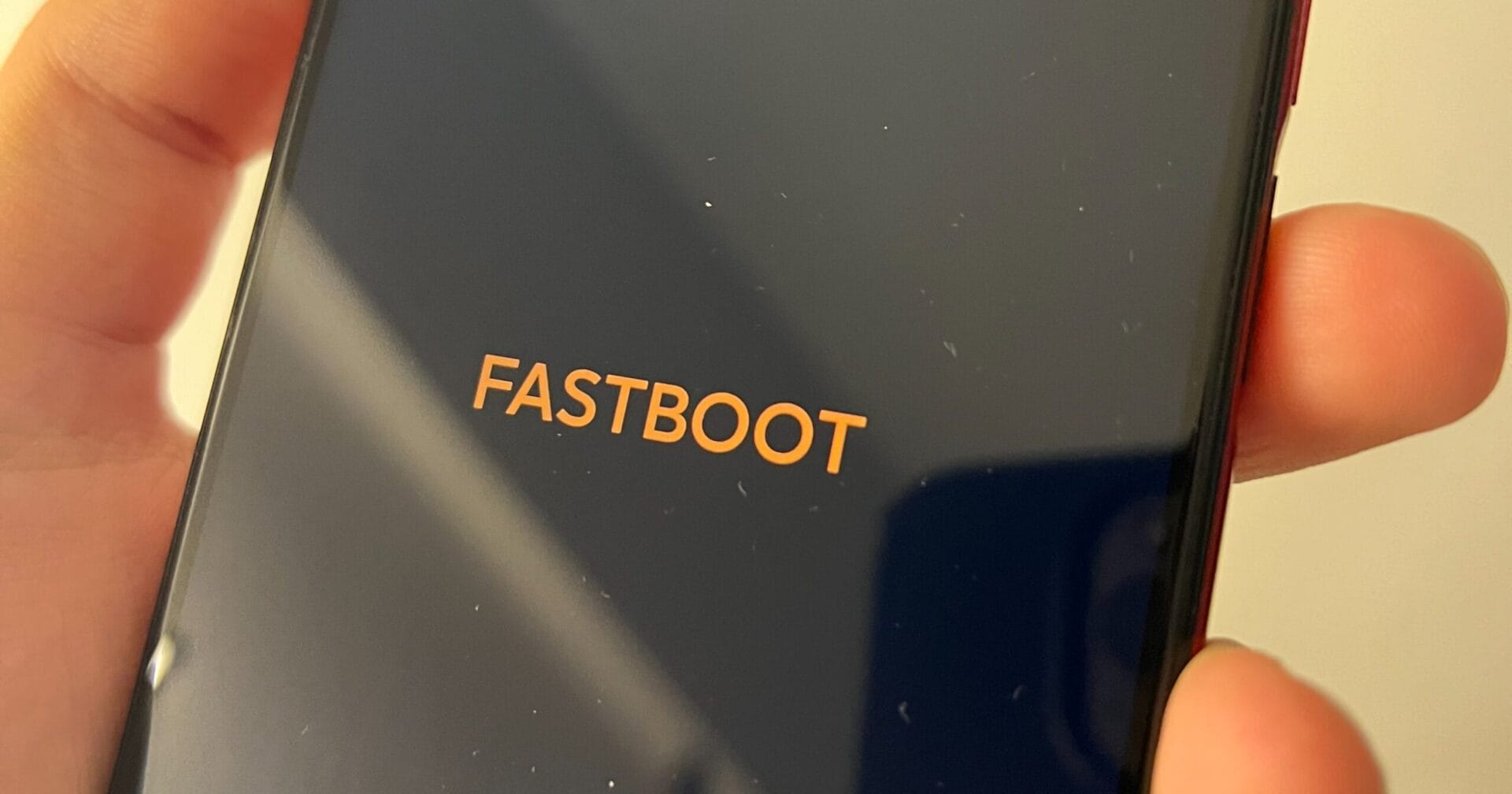
Among his most iconic incarnations was certainly the Fastboot Bunny: a version of Mitu when devices booted into Fastboot mode. The animation, which involved Mitu seemingly “fixing” an Android robot, became closely associated with Xiaomi’s modding culture. That gave way to a message of empowerment, where advanced users could modify, unlock, and tinker with their devices in ways unheard of by most major smartphone manufacturers.
However, as Xiaomi grew worldwide, this highly technical representation became irrelevant to mainstream consumers. Newer versions of the software had Mitu removed from the Fastboot interface, signaling the company’s shift from a niche, enthusiast brand to a global technology leader with wider audiences in mind.
Mitu: A Global Transformation
As Xiaomi expanded outside China, the original Mitu design faced challenges. The Ushanka hat originally sported a red star-a symbol widely associated with political ideology. Whereas it was culturally acceptable in China, this created a marketing obstacle to its success in markets such as Taiwan and Europe.
Strategic Redesign
Xiaomi started to modify or mask the red star for international campaigns. It eventually replaced it with the MI logo, which came with a politically neutral and globally consistent visual identity. This represents a broader strategic change that Xiaomi has undergone-from domestic disruptor to refined global corporation keen on compliance and culturally sensitive.
This redesign ushered in the start of Mitu’s transformation into a global-ready sub-brand, adaptable to international markets and in line with Xiaomi’s premium ambitions.
Mitu as a Commercial Sub-Brand
After addressing branding challenges, Xiaomi placed Mitu as a commercial ambassador. This strategy utilized the popularity of Mitu to enter categories of consumers that were family-oriented and required friendliness with a trust-building visual identity.
Examples include the series of Mitu Kids Smartwatches, which feature GPS tracking, communication features, and security tools for children. By combining these advanced functions with a familiar mascot, Xiaomi reduced psychological barriers for parents who were concerned about privacy or technology use.
Robotics and Education
Its expansion continued with the Mitu Robot, a modular and programmable robot consisting of hundreds of parts. This product introduced Xiaomi to STEM education markets, showing how this brand could merge playfulness in design with engineering-driven educational value.
More than an adorable character, Mitu is an icon for Xiaomi’s history, evolution, and user-first philosophy: from its birth on MIUI to global adaption and eventually becoming a commercial sub-brand in its own right, Mitu has reflected Xiaomi’s values of innovation, inclusiveness, and community culture. Today, it stands for one of the most recognizable mascots in the technology ecosystem, reflecting the mission of building technology that feels warm, friendly, and approachable for all.

 Login
Login