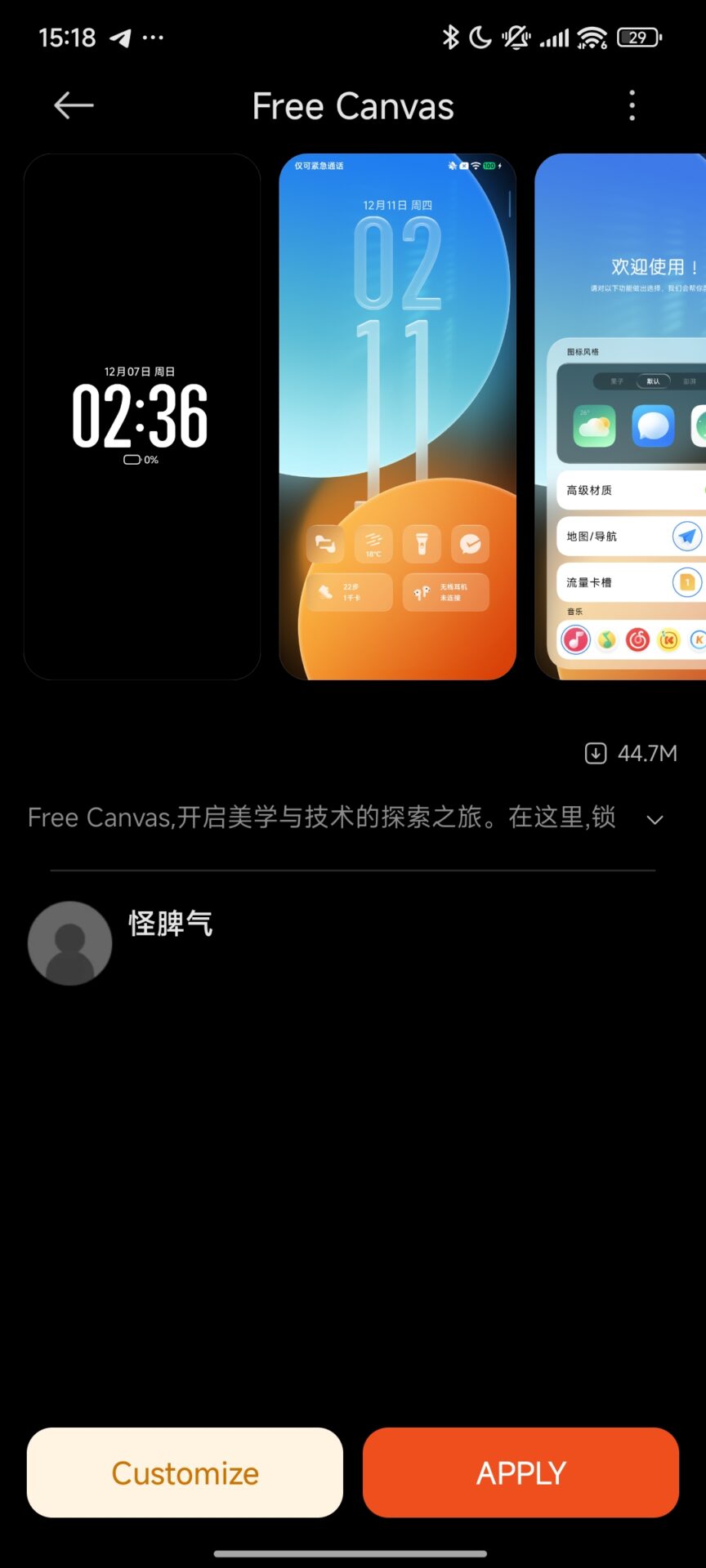
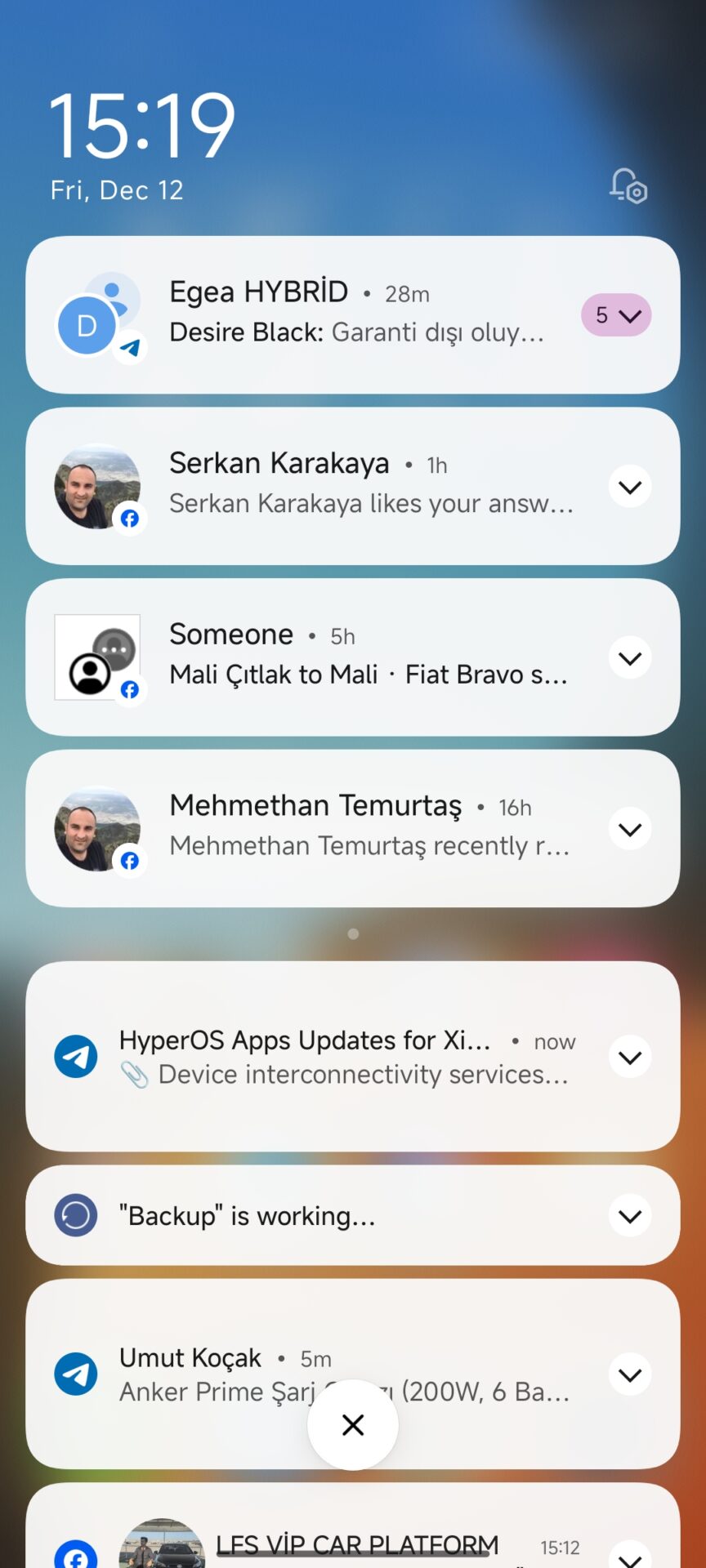
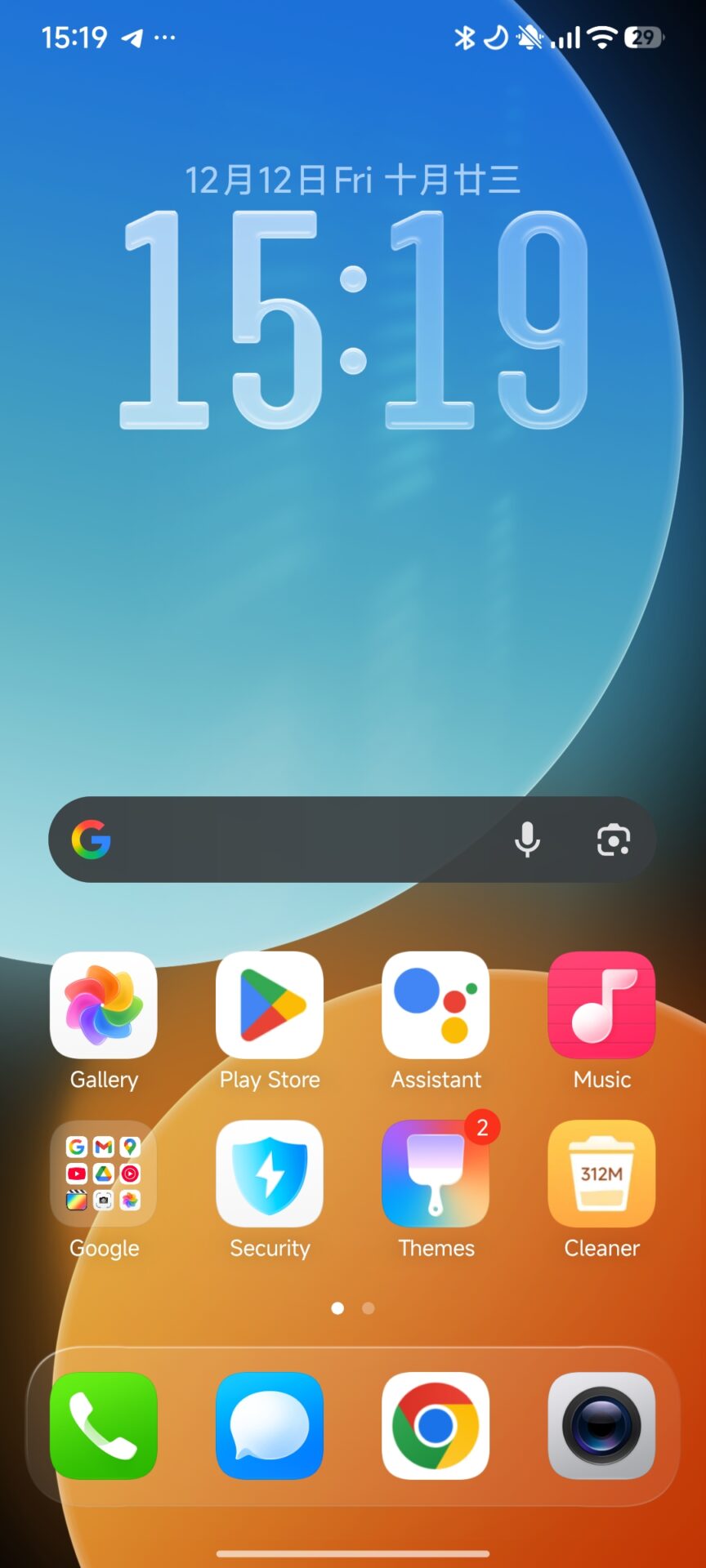
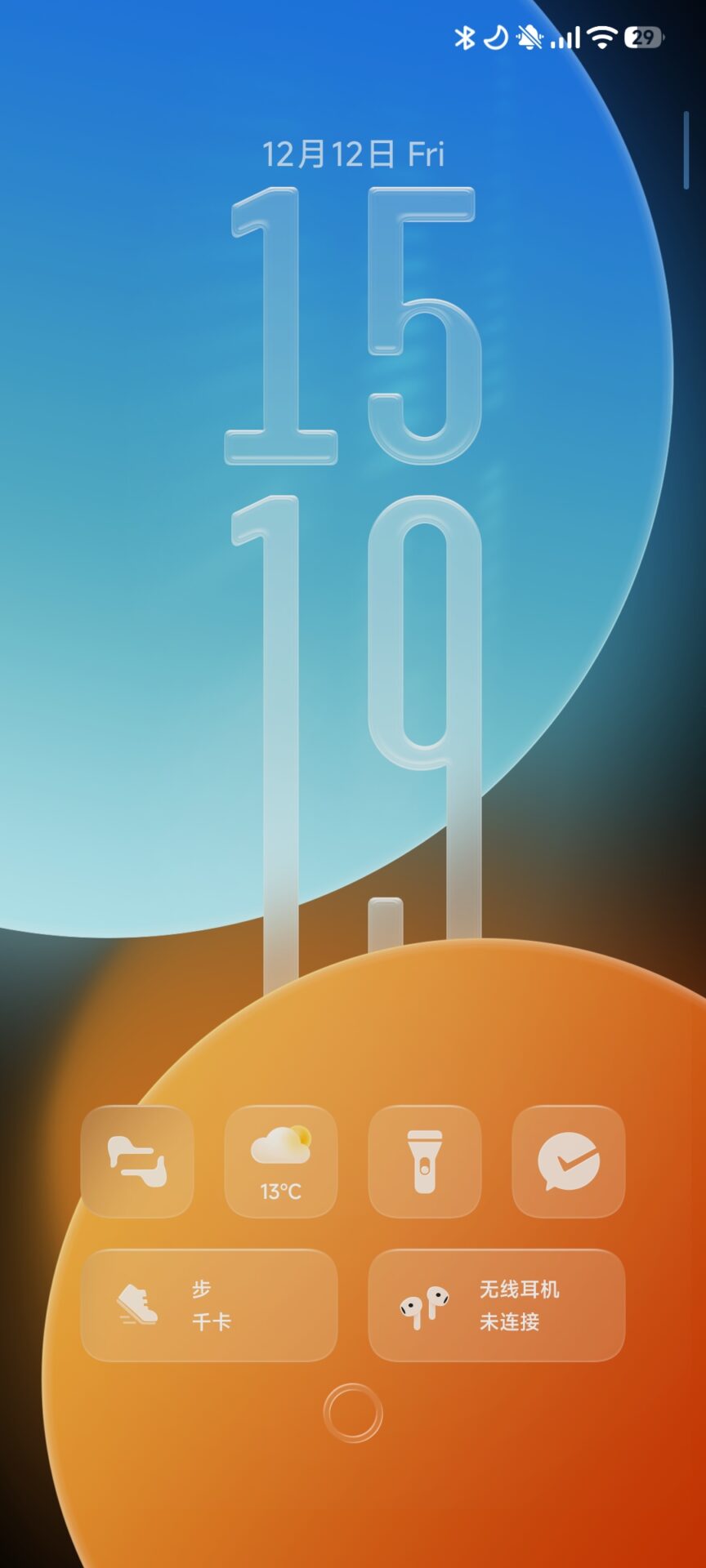
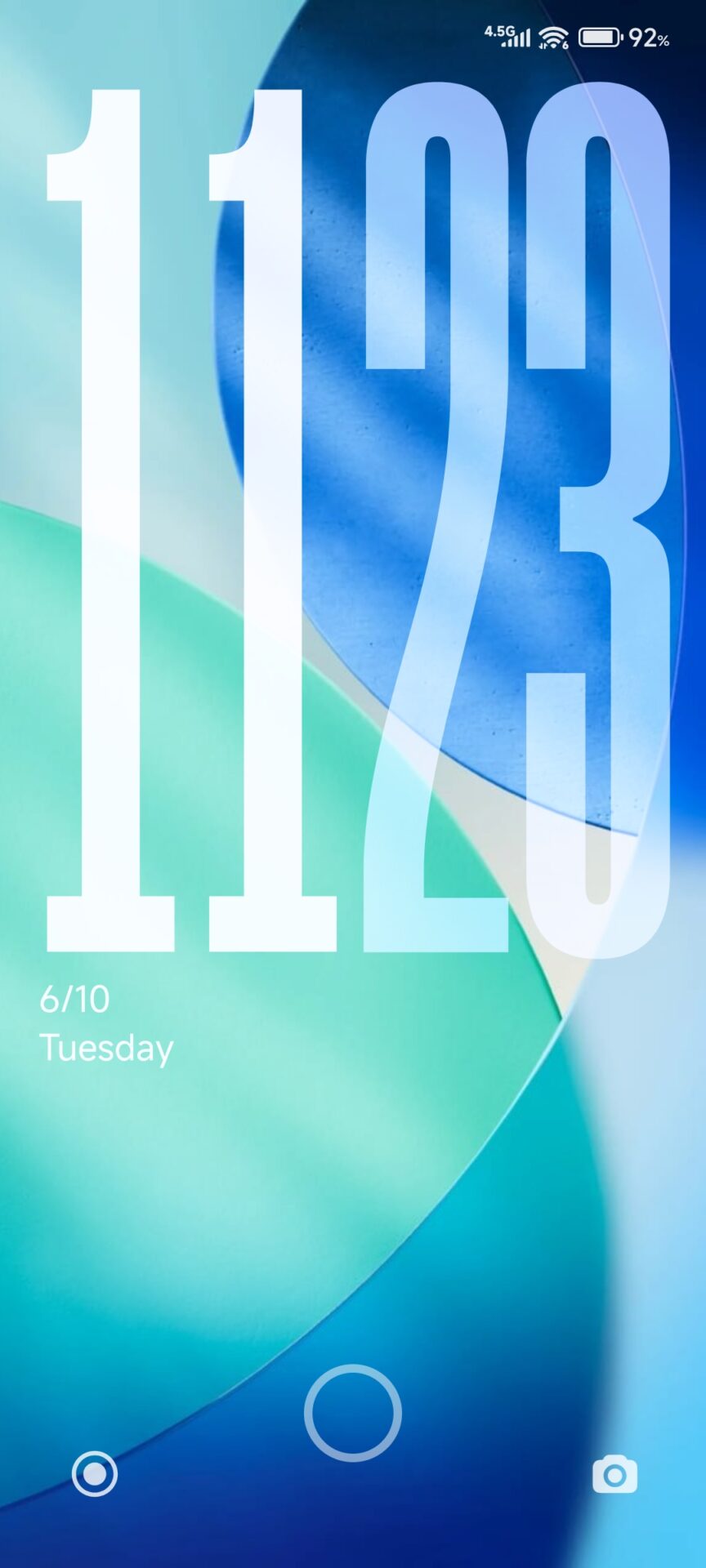
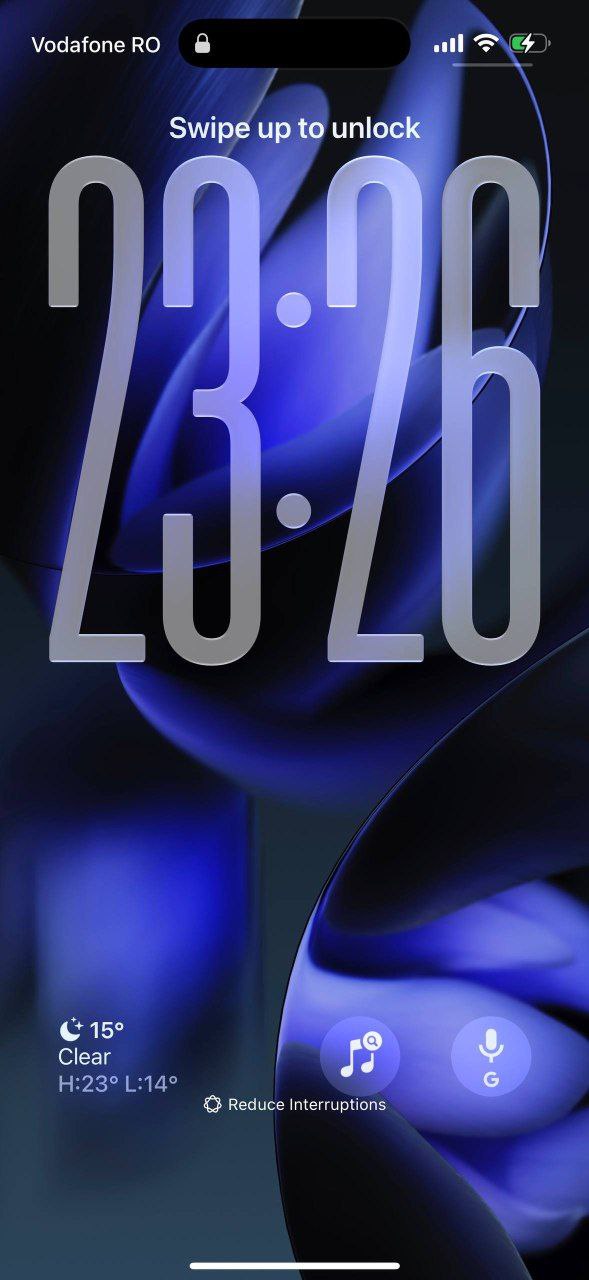
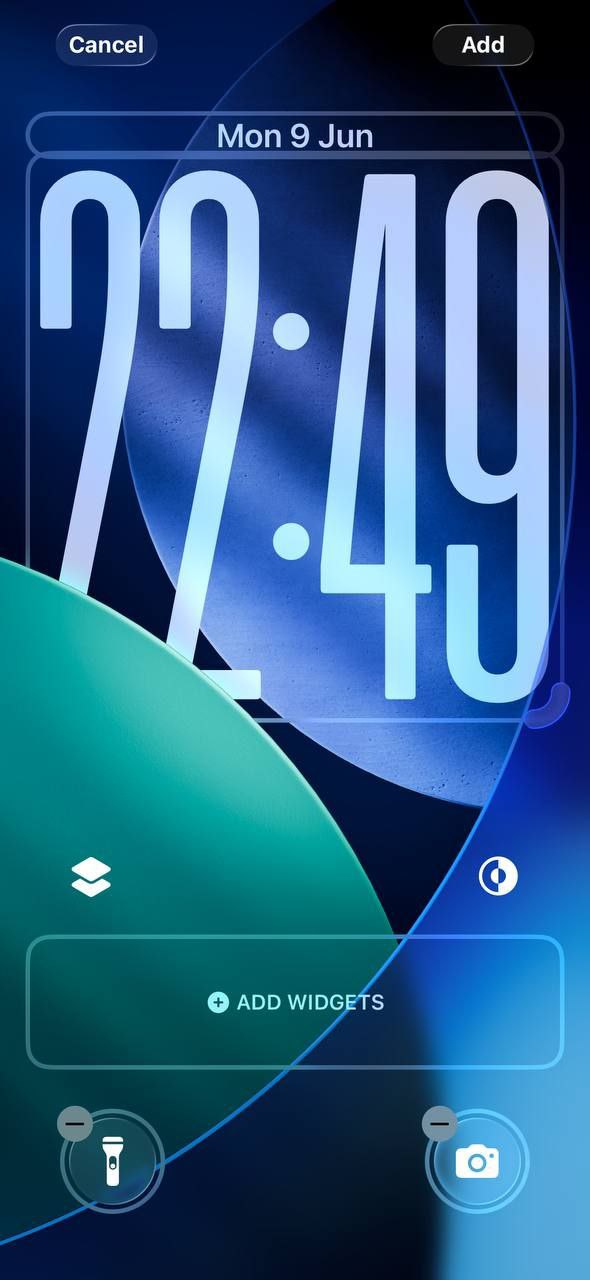
Xiaomi HyperOS has also broadened lock screen customization to a much larger extent than before. It is no longer restricted to simple wallpaper. The styles are layered and magazine-like. These offer depth effects, dynamic text handling, and intelligent object identification. If one uses a Xiaomi smartphone with HyperOS, they will notice that their lock screen is now a tangible part of the operating system and not merely a still image. In this article, We will elaborate on three HyperOS lock screen styles that are remarkable for their blending of aesthetics and technical talent.
Importance of HyperOS Lock Screen Styles
The lock screen for HyperOS is meant to make effective and efficient use of AMOLED display technology. Also, the company, namely Xiaomi, has some smart algorithms for creating a depth effect on background images, allowing the widget and clock to interact with a photograph.
These are not just aesthetics, as they also reflect Xiaomi’s attention to designing for a system level. Every design is scalable to screen size, resolution, and brightness, servicing all Xiaomi devices.
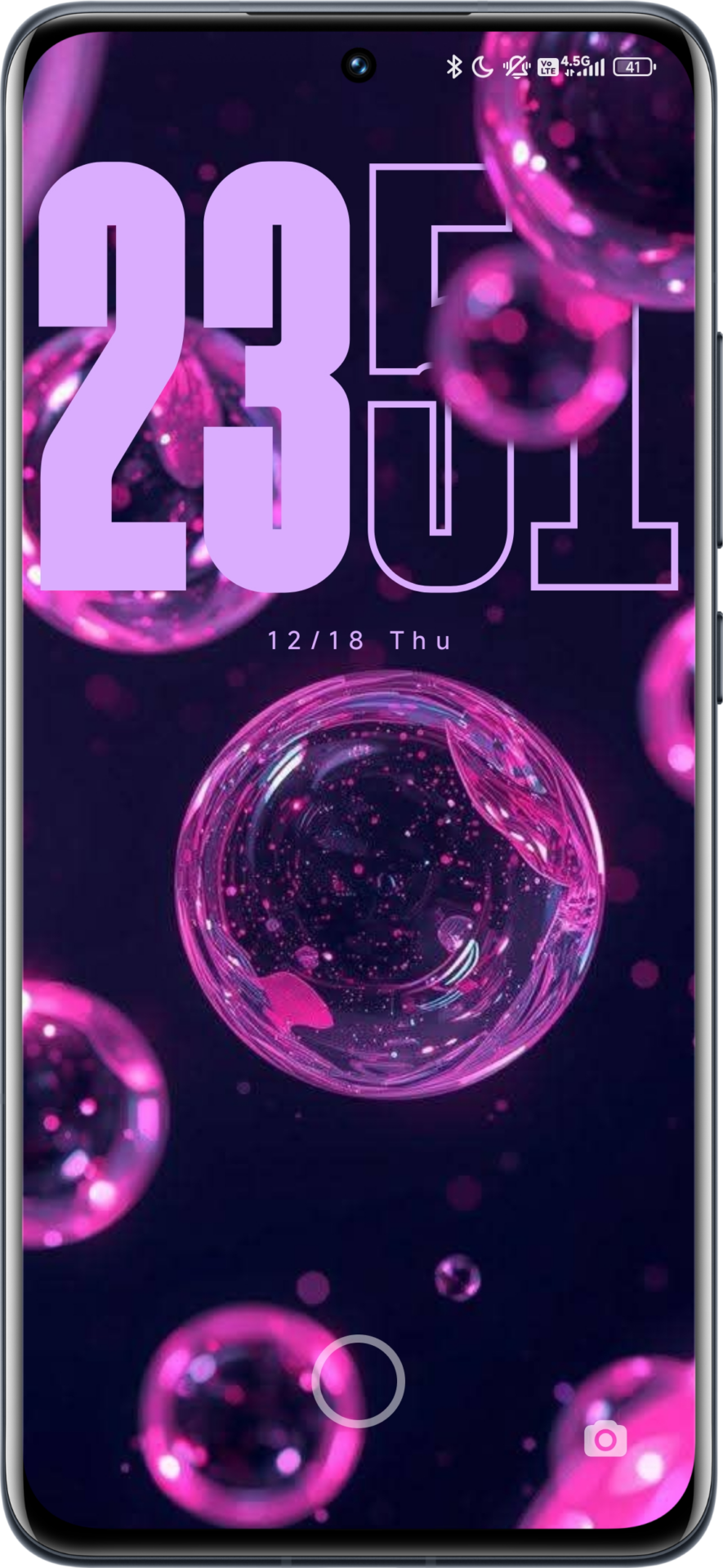
Style 1: Neon Bubbles and Depth Effect
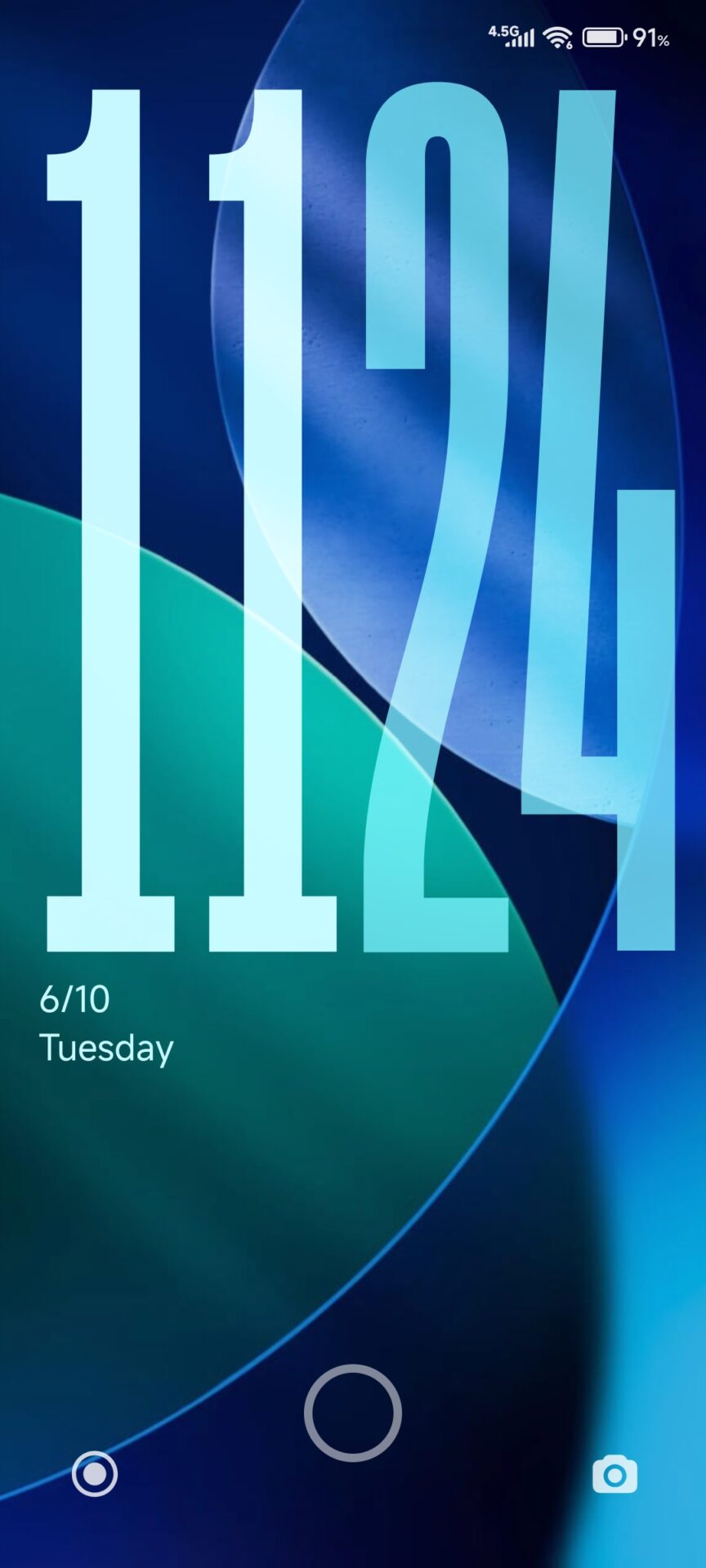
The wallpaper comes with a dark background and abstract neon-colored bubbles, which improves the black brightness and color contrast of AMOLED screens. The clock features a bold font style, HyperOS, with a depth effect, which moves some components of the clock behind other elements displayed in the foreground. The clock features automatic color adaptation, featuring shades of purple that match the colors used in the wallpaper.
Key characteristics:
Contrast ratio for AMOLED displays
Strong depth separation
Clean and modern visual language
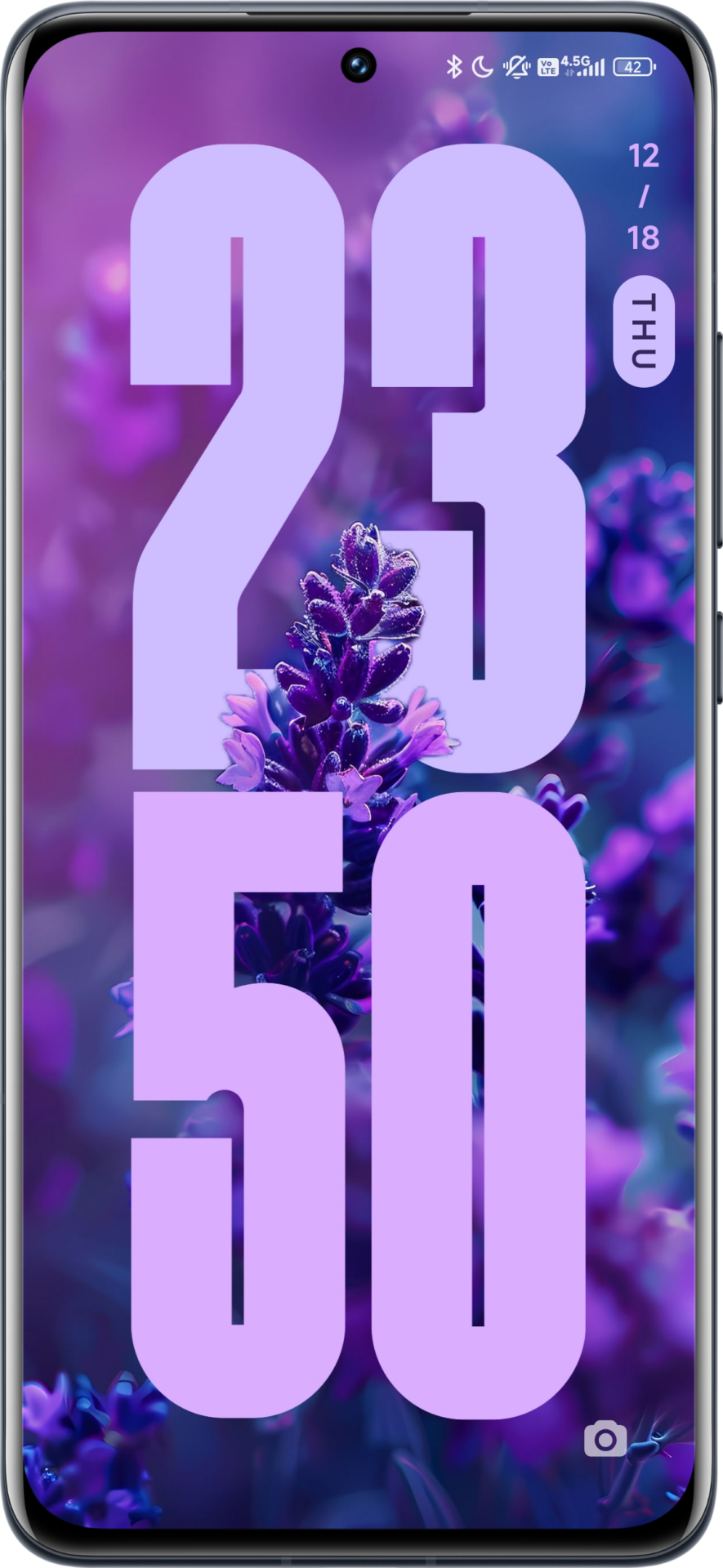
Style 2: Natural Macro with Vertical Layout
This design takes inspiration from editorial magazine covers.
A macro photograph of a lavender flower is paired with the vertical positioning of the clock. HyperOS has the capability to identify the flower stem and petals to overlap them on the clock. The vertical positioning of the time enables proper compositions and still keeps the center point blank. Less usage of colors eliminates the strain on the eyes to make this skin style usable.
Key characteristics: Vertical Clock Alignment
Vertical clock alignment
Advanced object detection
Soft, natural color balance
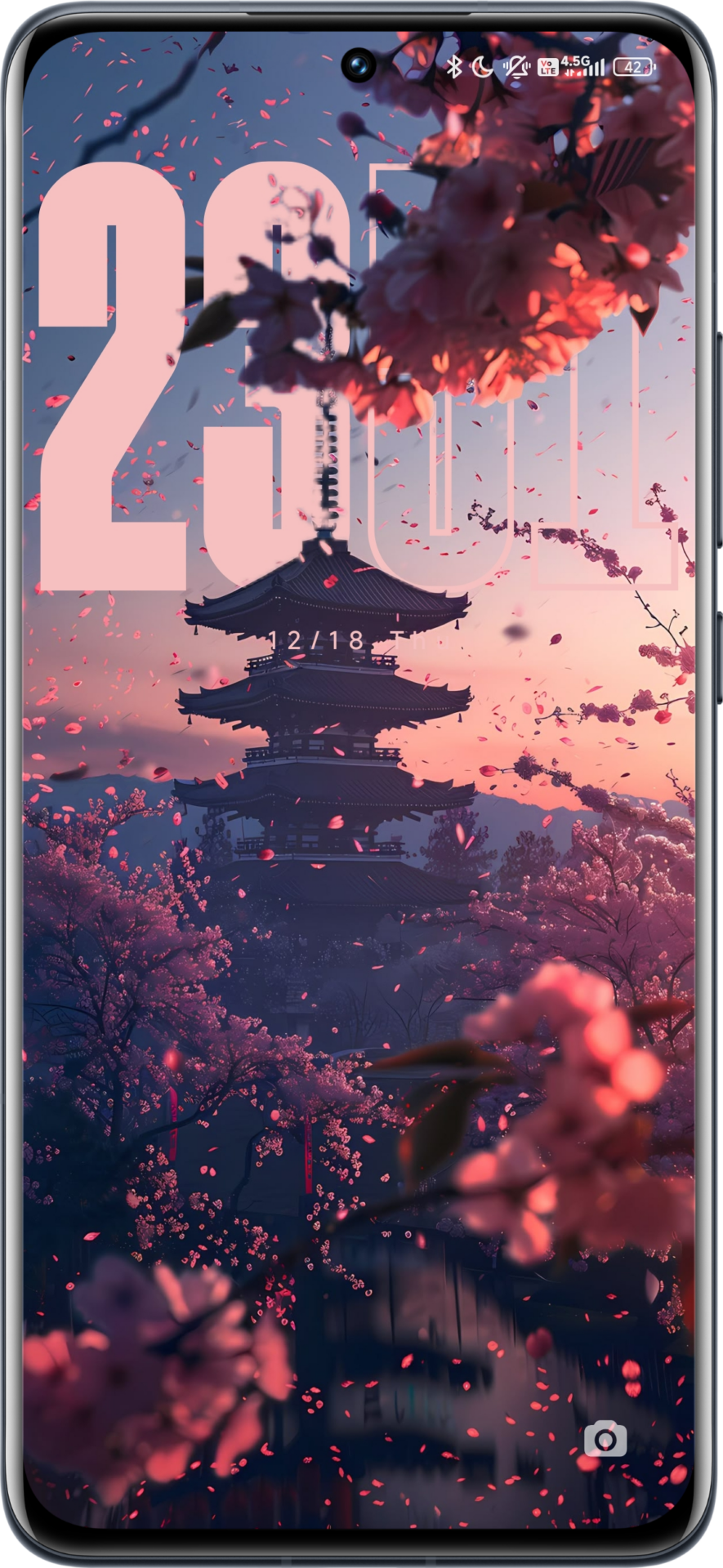
Style 3: East Asian Landscape with Outline Clock
This design combines traditional views with limited typography.
The background on the paper has a pagoda with East Asian cherry blossoms themes painted during sunset. Because the picture has a lot of details, HyperOS applies the use of an outline font on the clock instead of a fill font. This creates a better effect where the time will be visible without hiding the details. Transparency and white outlines are applied for the same effect. Key characteristics:
Outline clock design
Layered foreground elements
Balanced readability on complex images
Final Tips for Xiaomi Users
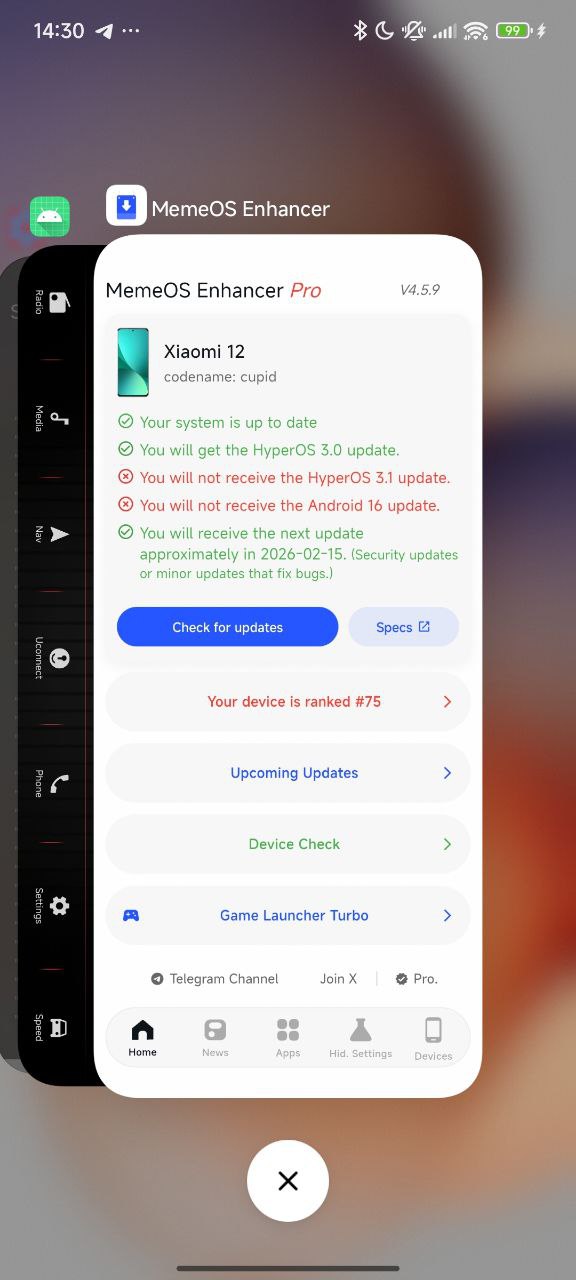
The lock screen options for each style are also managed inside the framework and do not need any additional themes. Just need wallpapers. Xiaomi system applications pertaining to themes and customization can be updated using the site HyperOSUpdates.com, while the MemeOS Enhancer app on the Google Play Store enables the access to hidden features, system app updates, and more on Xiaomi.
Battery health has become a critical topic for active Xiaomi users in modern times, considering the trend of thin designs and extremely fast charging speeds, among others. This also extends to the wide ecosystem of devices from Xiaomi, Redmi, and POCO; poor battery health is a result of how well heat generation is contained, good charging behavior is observed, and chemical aging of cells occurs over a long period of time. These help a user understand how they can protect battery health while enjoying features such as HyperOS, HyperCharge, and high-refresh-rate screens.
Why Temperature Is the Fastest Killer for Xiaomi Phone’s Battery
The most damaging factor for lithium-ion batteries used in Xiaomi smartphones is definitely heat. Higher temperatures chemically accelerate unwanted reactions inside the battery cell, thus reducing capacity. The ideal operating range for smartphone batteries is between 10°C and 35°C. Spending too much time above this range seriously diminishes battery lifespan.
One of the common sources of heat is heavy usage during charging. Gaming or resource-intensive application usage during charging creates a “dual load” scenario. The phone is charging and discharging simultaneously, heating it up internally and causing the battery to go through micro charge cycles repeatedly. This kind of behavior, over time, eats into the limited charge-cycle lifespan of a battery considerably faster than normal daily use.
Another underestimated heat source is high screen brightness. Using the phone outdoors at maximum brightness, especially on OLED panels with high peak luminance, raises overall device temperature. This heat slowly transfers to the battery, bringing long-term degradation even if it feels only warm to the touch.
Fast Charging and HyperCharge: Convenience vs Longevity
One major invention by Xiaomi is its HyperCharge technology, which comes in variants of 120W and even 210W, and manages to reduce charging time below 20 minutes. This system is based on advanced power management chips combined with dual-cell batteries and the use of improved cooling materials. According to official data, Xiaomi reports that these batteries retain a capacity of about 80% after hundreds of cycles.
However, frequent use of ultra-fast charging still puts higher electrical and thermal stress on the battery cells. The most intense stress occurs during the first half of charging, with the highest current and peak heat generation. While HyperOS intelligently slows down charging after around 80%, daily reliance on maximum charging speeds can slowly accelerate the battery aging process more quickly.
A balanced approach is favored by many expert users. Charging overnight occurs with slower chargers like 18W or 33W, while HyperCharge comes in for urgent situations. This approach decreases the total heat exposure and can let the battery health last longer.
Silicon-Carbon Batteries: Higher Capacity, New Challenges
Newer Xiaomi phones, including recent flagships, are moving to silicon-carbon battery technology. In such a design, higher energy density is facilitated, thereby making room for larger battery capacities without needing to increase the thickness of the device. This is an absolute plus in terms of daily usage time; however, it creates new mechanical challenges.
Silicon expands much when storing lithium ions. Whereas conventional graphite anodes expand modestly, silicon can expand several times more. Xiaomi solves this by embedding silicon within a carbon structure, but some mechanical stress still accumulates over long-term use. This means that, even with careful usage, these batteries might show noticeable capacity loss after two or three years.
That does not mean the technology is unreliable; rather, temperature control, consistent charging habits, and avoiding physical stress like drops or extreme changes in temperature are important.
Software Factors: HyperOS and Background Power Use
Of course, battery life is a function not only of hardware but also of software behavior. In going from MIUI to HyperOS, Xiaomi implemented updated power management algorithms at the system level. Following major OS updates, it usually happens that users have felt battery drain increased; this has been normal and generally a consequence of background optimization processes such as app re-indexing and system compilation.
These processes take a few days to stabilize. In later stages, the intelligent app sleep feature and adaptive performance profiles make the HyperOS features not only control performance but also increase the efficiency in the long run. AI-based features might be power-consuming for the first few days but are designed in such a way that they optimize usage patterns with the passage of time.
Pre-installed system services are not an exception. Services running in the background constantly sync data or provide recommendations. Though normally lightweight, an excessive number of background activities increases overall energy consumption. Using HyperOS, it is easily possible to control permissions for background activity and to put a stop to superfluous action without influencing system stability.
Display, Connectivity, and Signal Stress
Higher refresh rate monitors, such as 120Hz or even above, show smoother visuals but force the GPU to work more often. It uses more power and heats up more while in sustained use. Adaptive refresh rate settings do mitigate the impact by reducing refresh rates with static content.
The case of connectivity is another factor. Forcing the modem to work harder when operating on 5G networks in areas of weak signal strength increases both power draw and heat output; switching to 4G can noticeably reduce battery drain and temperature.
How Xiaomi Protects Battery Health
Xiaomi has built-in a number of features to minimize the speed of battery degradation. Battery protection modes prevent charging beyond about 80%, thereby reducing voltage stress and prolonging overall cycle life. Smart charging learns user behavior and completes charging close to wake-up time, minimizing time spent at full charge.
This bypass charging is also supported on some gaming-oriented Xiaomi and POCO devices. Essentially, the power directly heads to the motherboard when one is gaming, completely bypassing the battery. This reduces heat build-up and conserves charge cycles.
These practices do not restrict daily use but minimize long-term chemical and thermal stresses on the battery significantly.
Based on technical analysis, excessive heat is the primary factor that shortens battery lifespan in Xiaomi phones. Charging under load, high ambient temperatures, and sustained high brightness contribute most to degradation. Frequent ultra-fast charging and deep discharge habits follow closely behind. Software-related drain is usually temporary and manageable through system optimization.
As Xiaomi continues to push innovation with higher charging speeds and new battery materials, user awareness becomes increasingly important. Balanced usage habits remain the most effective way to ensure stable battery performance over several years.
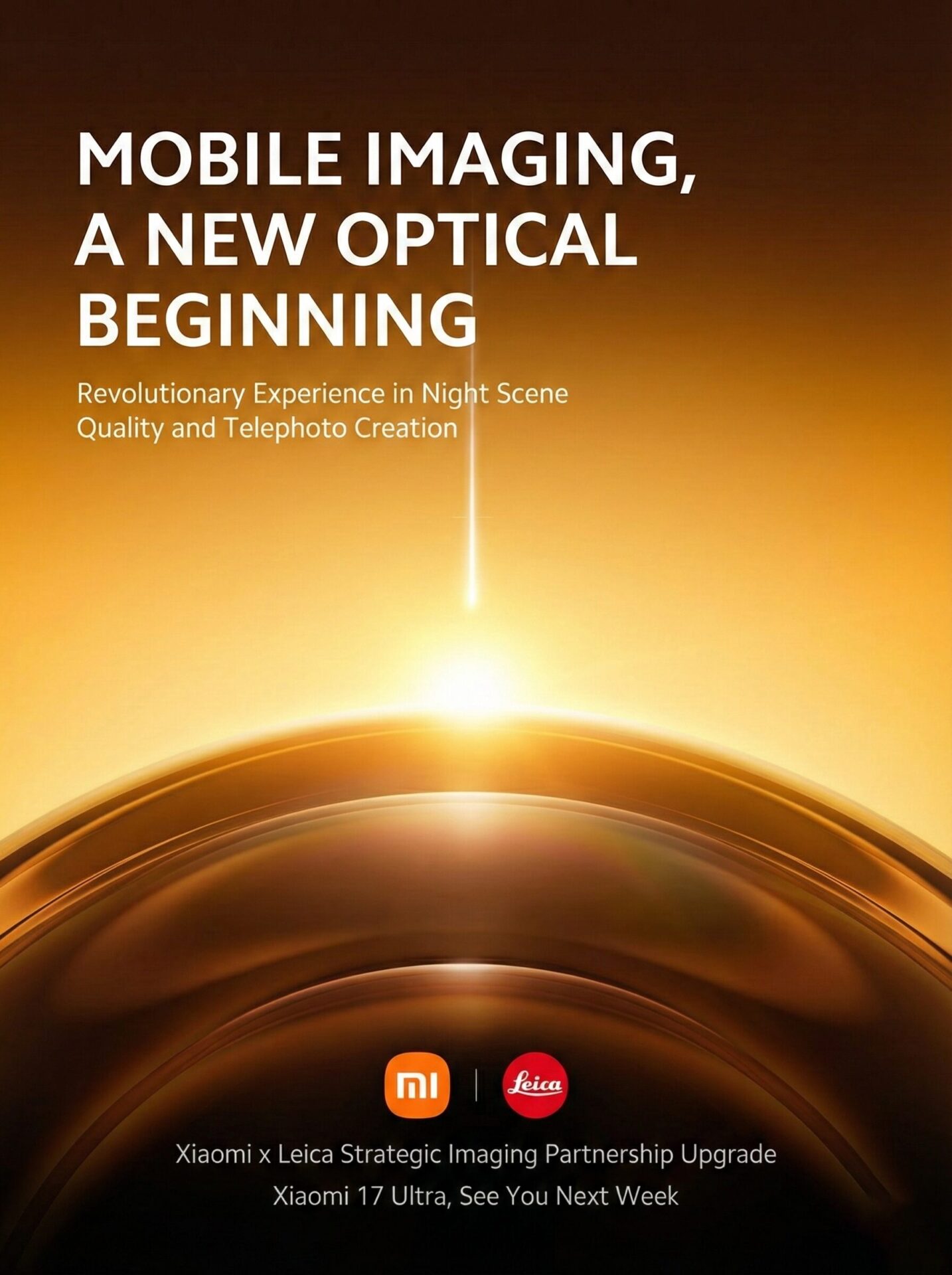
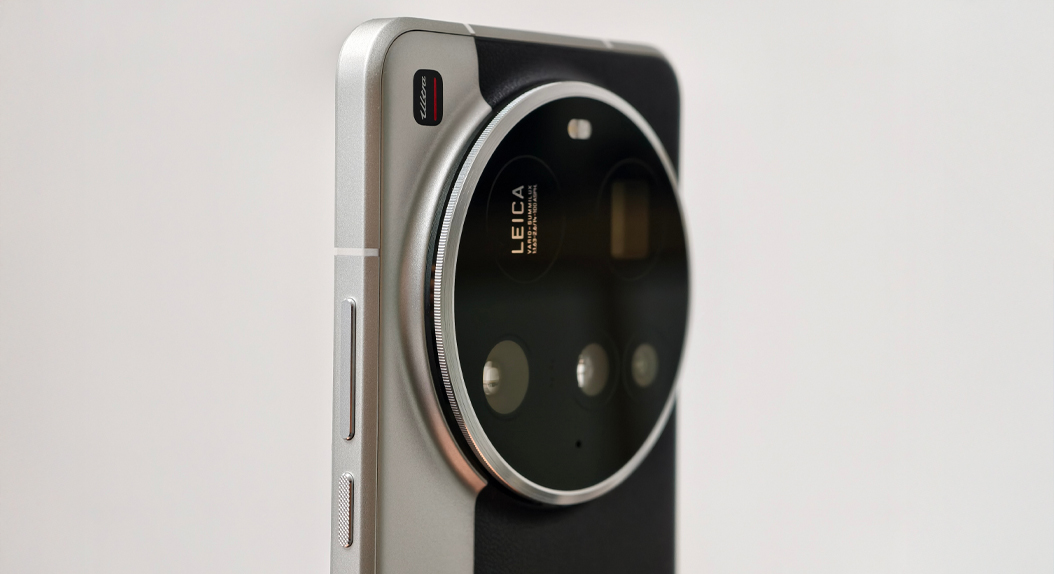
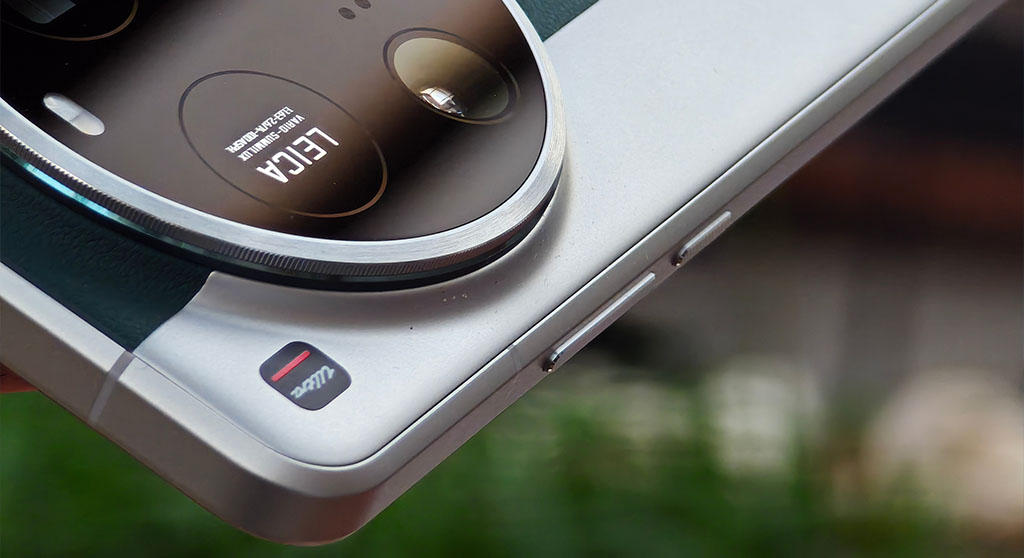
The Xiaomi 17 Ultra is definitely a sharp turn in developing mobile cameras and shifting the focus from heavy software processing back to optical quality. Introducing a Leica APO-certified telephoto lens coupled with a 200MP sensor, Xiaomi aims at essential image accuracy rather than fixing images through post-processing. This strategy is in line with the long-term imaging strategy and extensive partnership with Leica.
What is Leica APO technology?
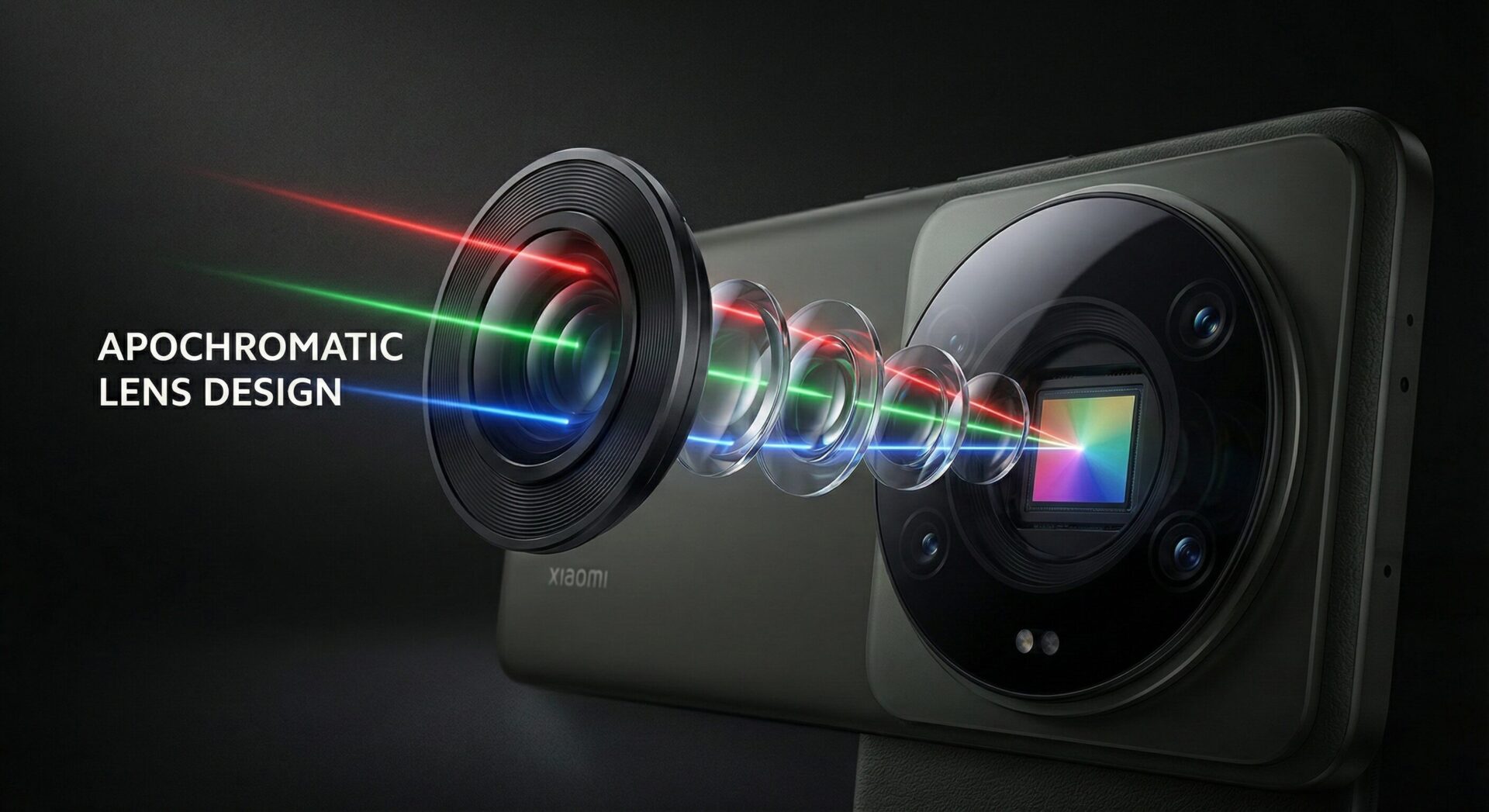
Leica APO stands for apochromatic lens design, which is a very high optical standard for a smartphone. The main goal of such a design is to correct color dispersion at the physical lens level, even before light reaches the sensor.
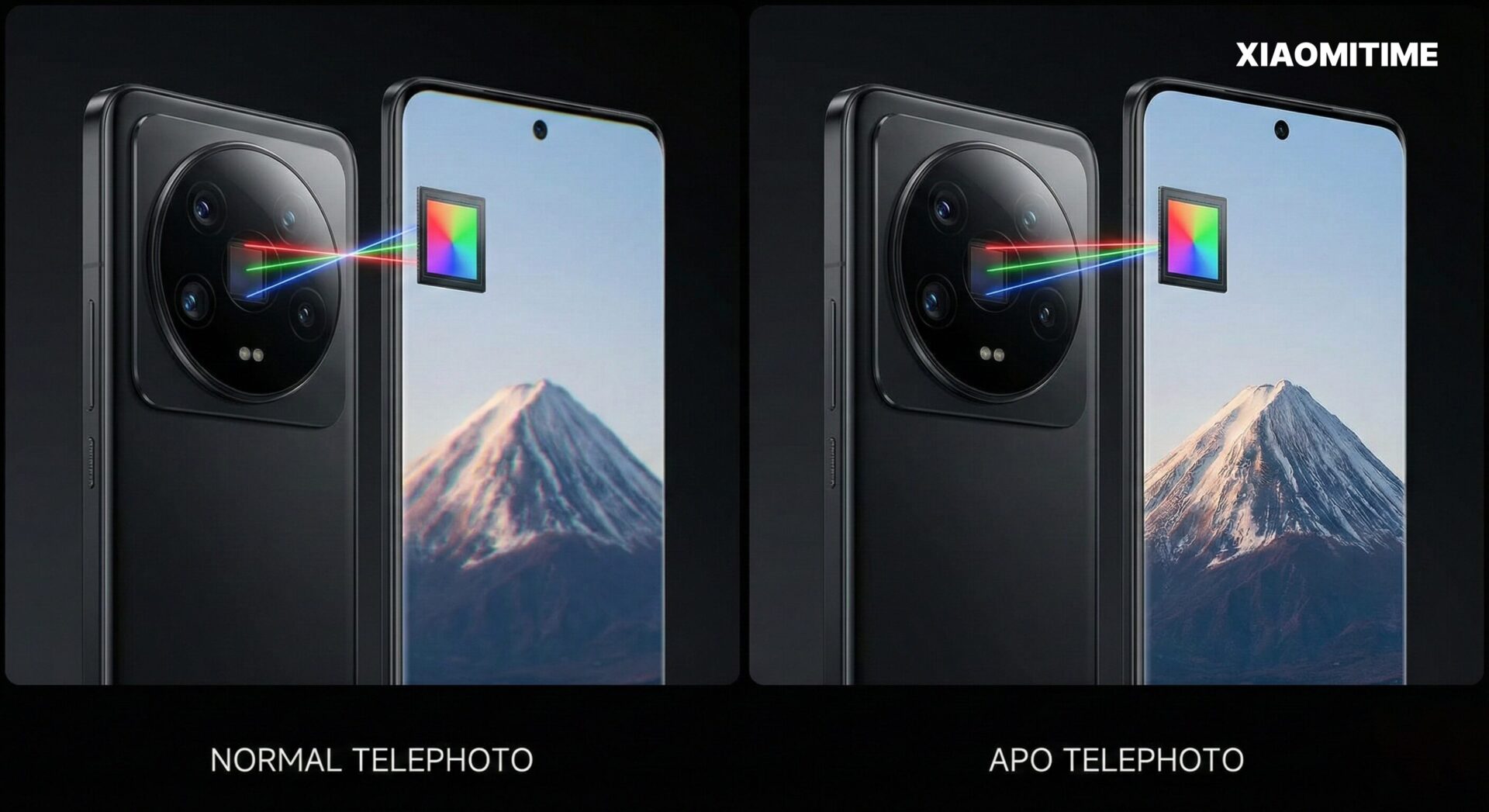
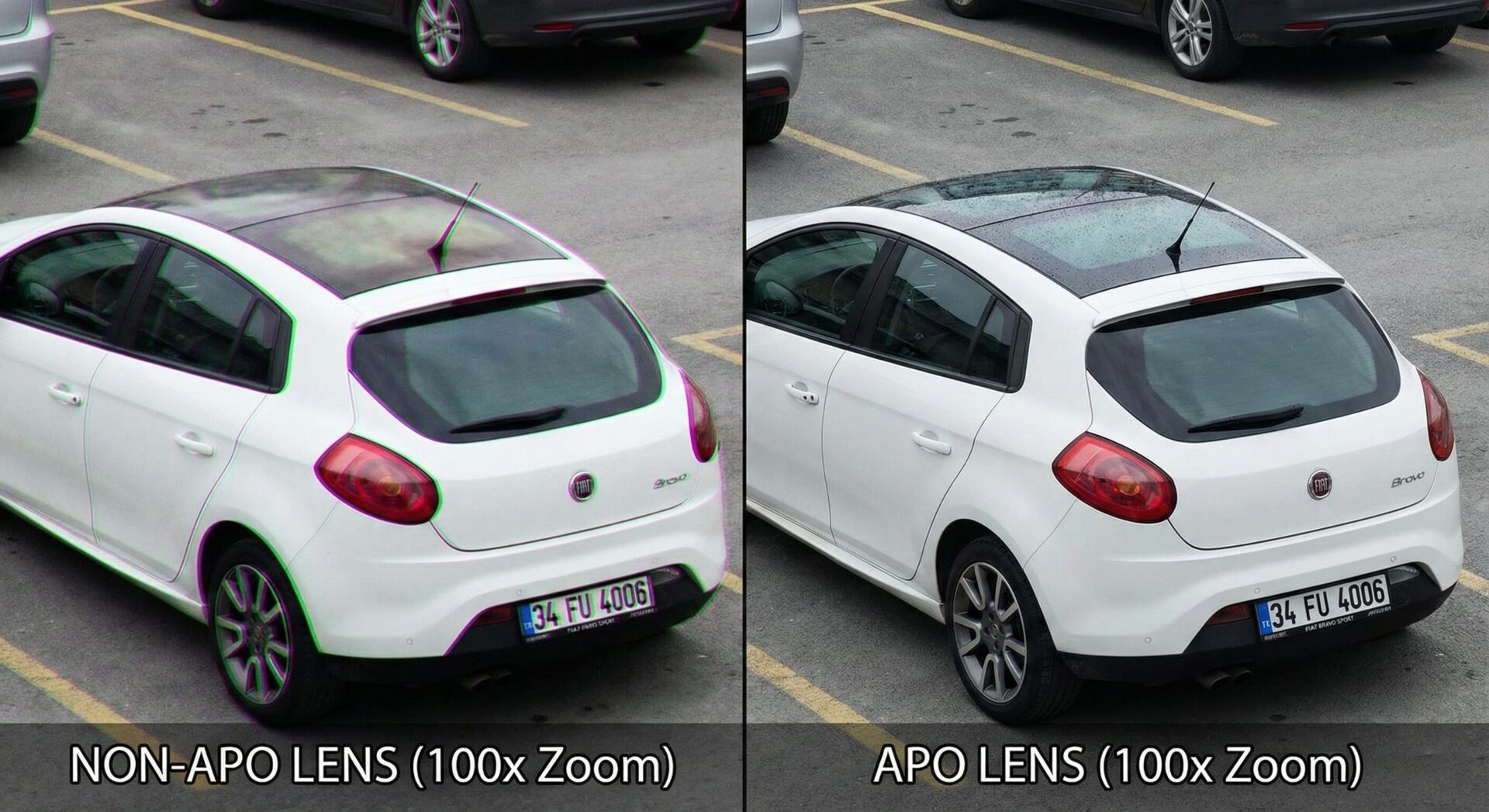
In standard lenses, different colors of light are focused at slightly different points. This results in color fringing, especially around high-contrast edges. Leica APO lenses are engineered to bring red, green, and blue light into a single focal plane. Thus, images show cleaner edges, higher micro-contrast, and more accurate color rendition without relying on software correction.
APO vs. Standard Mobile Telephoto Lenses
Standard telephoto lenses employ an achromatic design, which corrects only two colour wavelengths. The famous brand Leica aligns three principal wavelengths by APO lenses, ensuring minimal chromatic aberration.
Optical Structure-How Different is Xiaomi 17 Ultra?
And the Xiaomi 17 Ultra does not rely on older W-type or traditional L-type periscope designs alone, but introduces a floating APO telephoto structure optimised for large sensors.
First, before going into details, it should be noted that the structure of a lens directly influences light efficiency, focus range, and image consistency.
Feature
Normal Lens (Achromatic)
APO Lens (Apochromatic)
Color Focusing
Brings 2 colors (Red/Blue) to a common focus point.
Brings 3 colors (Red/Green/Blue) to a common focus point.
Edge Quality
Purple/Green fringing (Chromatic Aberration) may be visible.
Edges are clean and colorless (fringing-free).
Sharpness
Good, but can look soft at 100% zoom.
Very high, razor-sharp clarity and contrast.
Cost & Build
Cheaper and easier to manufacture.
Much more expensive, heavier, and uses complex glass elements.
Key Structural Advantages
Single optimized prism path reduces the light loss often found in older multi-reflection systems.
Floating focus mechanism enables precise focusing from long distances down to close-range macro shots.
High light transmission: To accord with consistent image quality in both day time and low-light scene scenarios.
This design will improve optical efficiency without sacrificing the compactness of the module to a factor that would not fit in a smartphone.
200MP Sensor Integration and Image Quality
Meanwhile, the APO lens of Leica in Xiaomi 17 Ultra works together with a 200MP Samsung ISOCELL HP9 sensor. This is indispensable, as the ultra-high-resolution sensor takes extremely tight optic tolerance.
For normal shooting, the sensor employs pixel binning to boost sensitivity to light. With its large resolution, it’s sensor-level cropping instead of digital enlargement when zooming is used, which preserves more detail and avoids many common zoom artifacts. Practical Benefits for Users Smaller color fringing – cleaner images
Consistent sharpness at all focal lengths
Natural color profile according to Leica’s imaging profile
Improved telephoto performance under low lighting conditions
APO Leica: Why It Matters for Mobile Photography
Equipped with Leica APO technology, the Xiaomi 17 Ultra delivers images with a more optically clean look rather than a heavy, digitally enhanced taste. The reduction of aggressive software correction can allow pictures to maintain more natural textures and color balance.
This technique does provide much better consistency between the main camera and the telephoto camera, one of the general weaknesses for many smartphones.
The Leica APO telephoto system on the Xiaomi 17 Ultra means a significant step toward mobile imaging. Not stuck between higher megapixels or stronger algorithms, Xiaomi has invested in optical precision down to the level of hardware. Combined with a 200MP sensor and advanced lens structure, this provides much clearer colors, higher detail, and more reliable zooming. Equally, the Xiaomi 17 Ultra sets a very strong reference point for users looking to understand what camera-focused smartphones are capable of in their modern iterations.
For users interested in replicating the visual sophistication of iOS 26 on Xiaomi devices running HyperOS, a range of customization strategies are now accessible. This guide presents a systematic approach to achieving an iOS-inspired interface while retaining the core functionality of HyperOS. The procedures outlined encompass the installation of modified system components, application of official wallpapers, and the configuration of specialized launchers and themes.
Installation theme
With the new theme installation feature, we can now install any theme. You can try the new iOS theme running on HyperOS 1, 2, and 3.
Authenticity in visual transformation relies on the use of high-resolution, official iOS 26 wallpapers. Curated collections are available online, optimized for a wide range of Xiaomi device screens. Installation of these wallpapers is recommended for both the home and lock screens to reinforce the consistency of the iOS aesthetic.
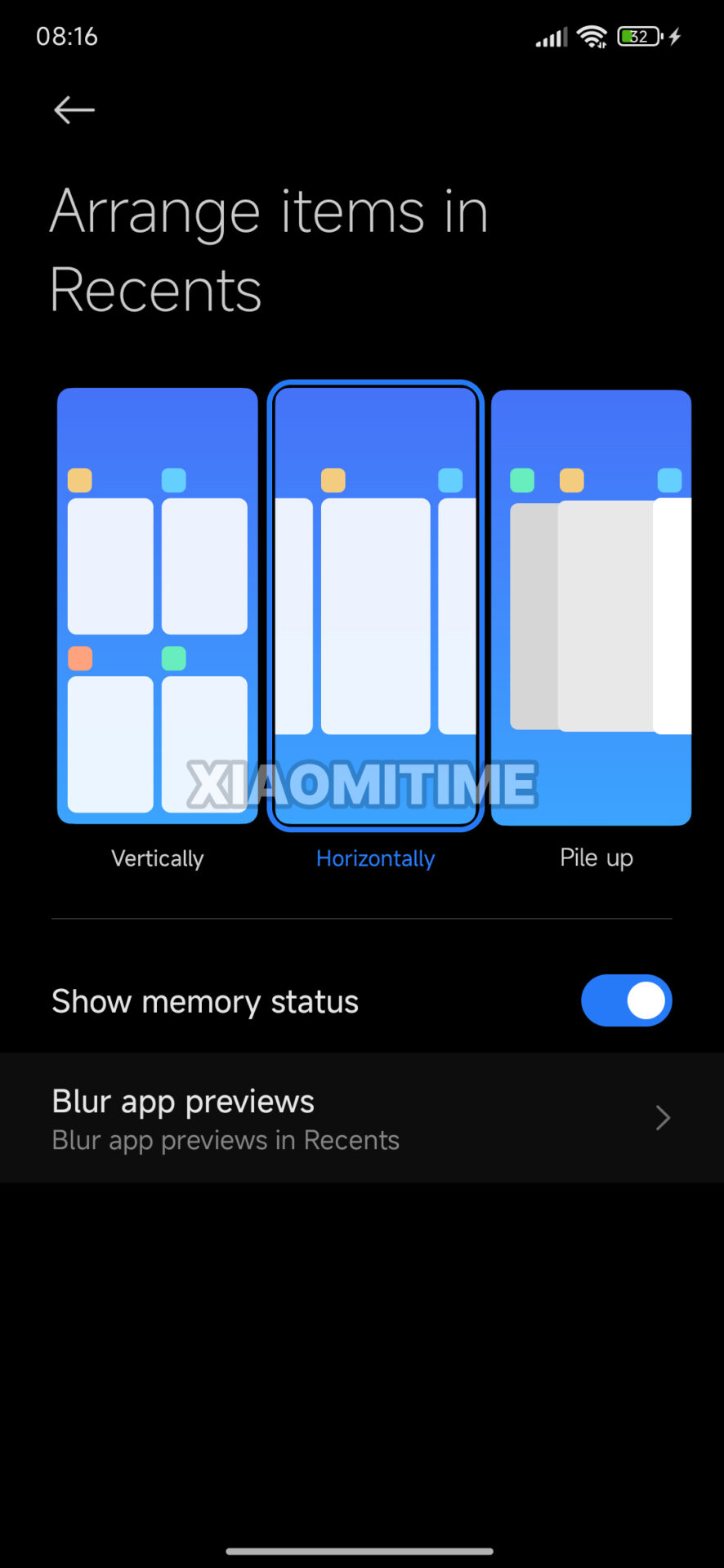
New official HyperOS 3 Launcher with iOS recents
The use of a new HyperOS 3 launcher is essential for replicating iOS 26’s distinctive app management interface. Such launchers introduce features including an iOS-style recent apps view and refined animation transitions. These modifications not only enhance visual fidelity but also maintain efficient system performance.
Customization of Lock Screen Clock Style
HyperOS provides a variety of clock style options, some of which closely resemble the lock screen clock introduced in iOS 26. Users can select the most appropriate style by navigating to device lock screen settings, thereby achieving greater visual alignment with Apple’s design language.
Additional Customization Tools
Advanced users may wish to employ utilities such as MemeOS Enhancer, available via the Play Store. This application enables access to additional hidden features, system app updates, and direct system modifications.
Xiaomi has officially confirmed the availability of a set of system bug fixes, which are scheduled to be released through the soon-to-be-available HyperOS updates for a number of smartphones and tablets. The announcement was released through the official Xiaomi community page, indicating the manufacturer’s commitment to providing stable software performance to its users. This release contains patches to system services including the clock, home screen animations, Google Play services, media audio, and application-related translation bugs.
Confirmed Bugs Scheduled for Fix
These upcoming updates will resolve several functional and localization errors that users have raised. According to Xiaomi, already identified and are in the process of fixing are these user-submitted errors:
Xiaomi 14T: Force close or non-responsive problem in the Clock app
Xiaomi 14: Smart charging feature not translated into Russian
Xiaomi Pad 7: Translation problem in Weather app
Xiaomi Pad 7: Google Play “force close” or “no response” problem
Xiaomi 15T Pro: Gallery Editor erase tool not functioning properly
Xiaomi 14 Ultra: Issue with system-level translation
Redmi Note 14: Odd animation behavior of the desktop (home screen)
Xiaomi 15: Multimedia sound is not available via speaker or Bluetooth
These patches are expected to be included in the incremental builds of HyperOS and not major version numbers, which means affected users can get an update in a relatively shorter time.
What This Means for Xiaomi Users
Though these issues do not contain any critical bugs, issues like audio issues in media, Google Play instability, and app crashes of the system app have a severe effect on functionality. Xiaomi’s recognition of these bugs means that these issues have also been tested within their internal environments, thus reducing the time taken to deploy.
Update Rollout Expectations
Xiaomi has not offered a specific date for the release of each of these bug fixes because these can differ from one region or model of devices to another. Nevertheless, once all these bug fixes have been included in the final HyperOS updates, these will all automatically be delivered to those who are using these devices via the system updater.
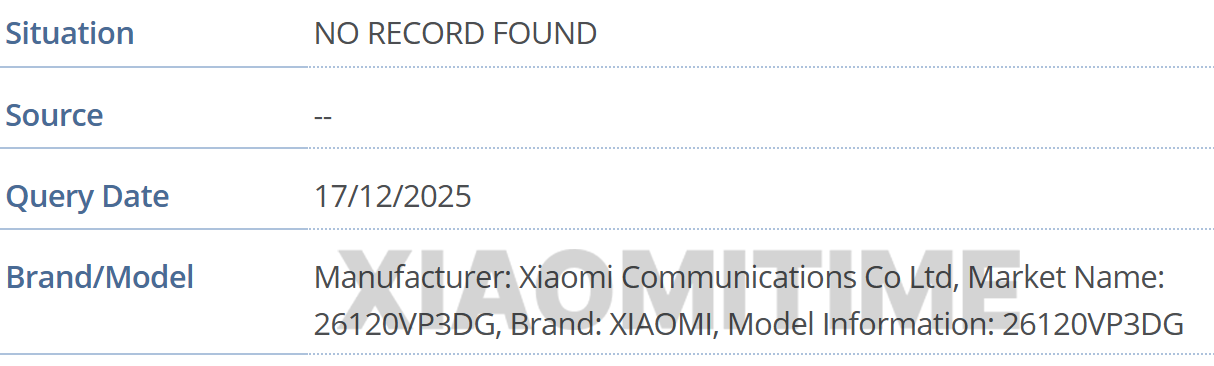
Xiaomi now takes a serious step towards realizing its dream of entering the global automotive industry, with new vehicular-related model numbers now visible in the GSMA database, which indicates the company’s plans to expand globally with China not the only destination in focus. As reported in the database, Xiaomi now assigns the first global ‘G’ suffix to an in-vehicle display model number-wise, which was not used by the company apart from its smartphones and smart devices.
GSMA Listing Discloses New Vehicle Platform
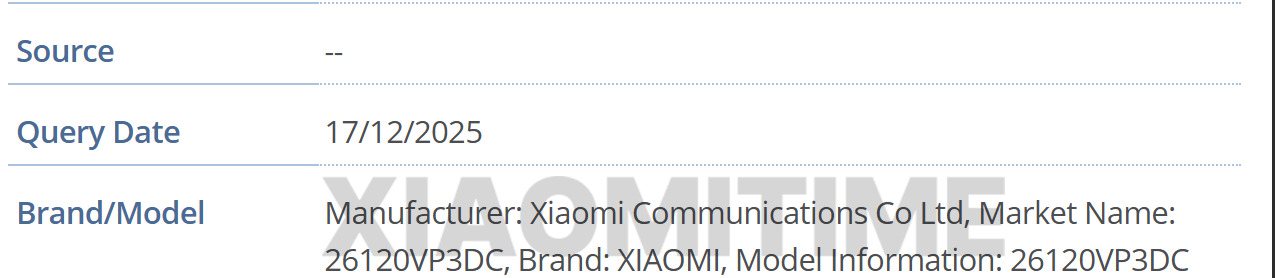
It appears in the GSMA database as two closely related models with numbers 26120VP3DG and 26120VP3DC, both expected to be released in December 2026. According to Xiaomi’s internal classification system, the last letter is very important. If the device has an “C” at the end, it is intended for China. On the other hand, “G” denotes worldwide devices. Till date, this has not been done on Xiaomi’s car hardware.
The fact that both versions are present is a strong indication that Xiaomi is working on a common vehicle platform for both China and global markets. The “VP” in the version name is known to represent Vehicle Platform, indicating that it is a vehicle component rather than a car accessory. This is a remarkable shift in Xiaomi car strategy.
What All This Means for Xiaomi’s Global Automobile Plans
Xiaomi cars feature cutting-edge display systems for use within vehicles, which are GSM-capable, thereby integrating cloud services and other ecosystem levels. The move to approve the global version of such a solution indicates an aspect of planned compliance with foreign markets regarding networks and regulations, not to mention China alone.
Strategically, it fits well with the long-term plan of Xiaomi. Xiaomi has always been touting the idea of an ecosystem that involves the seamless integration of smartphones, smart homes, and automobiles through Xiaomi HyperOS and Xiaomi HyperConnect. Achieving a globally certified automotive platform would be an essential step in this process.
Xiaomi recently announced that Xiaomi Auto will out for global in 2027.
At this point, the company has not made any official announcements about which car might be associated with the newly assigned model numbers. Here are some models that are expected to be part of the company’s lineup:
Global model of the Xiaomi SU7
A possible SU7 facelift
A next-generation Xiaomi SU8 or Xiaomi YU8
Xiaomi SU7 was unveiled in 2024 and was Xiaomi’s first entry into mass-produced electric vehicles. In light of the GSMA announcement, it is likely that the new platform is either an upgraded variant of an already established model or an all-new model that is targeting various global regions.
A Clear Signal Before 2026
Although Xiaomi has yet to make any official announcements regarding its car launch schedule in the international market, its presence at GSMA ranks among the most encouraging technical hints to date on this front. These certifications often start even before the public launch of new technologies, and it would seem that Xiaomi’s plans to expand its car sales to an international market are slowly turning from concept to reality. If this timeline becomes a reality, cars from Xiaomi may enter foreign markets by late 2026, further integrating its ecosystem into a global strategy, rewriting how hardware ecosystems collaborate.
Xiaomi has now found a way to enable the much-awaited recent apps page in the style of the original iOS on older versions of HyperOS without having to wait for the latest version, HyperOS 3. This is particularly important to those users who are fans of the visual treatment for multitasking in the style of the original iOS but do not want to leave the Xiaomi camp.
What Is iOS-Style Recent Apps UI?
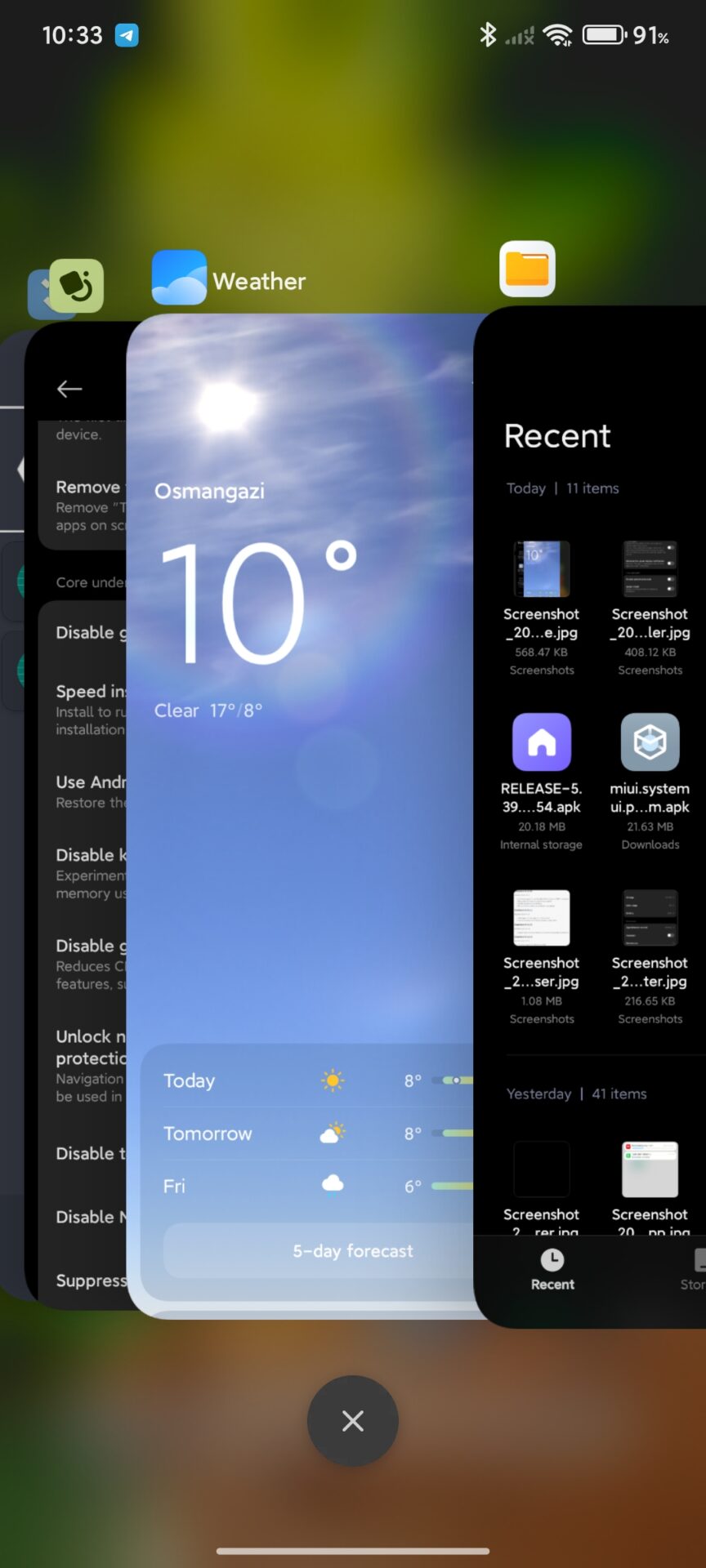
The recent apps screen, à la iOS, sees the traditional app switcher replaced by vertically stacked cards that blur and fade as users swipe through them. Xiaomi, for instance, experimented with the concept of vertically stacked cards after conducting its community survey of users in 2023, where the company asked users if they would want the iOS layout for recent apps.
In HyperOS 3, this functionality works without any issues and can easily be activated from the system settings itself. Notwithstanding this, the Xiaomi developers have also provided the required framework for activation of the functionality in older HyperOS versions.
How to Enable It on Older Versions of HyperOS
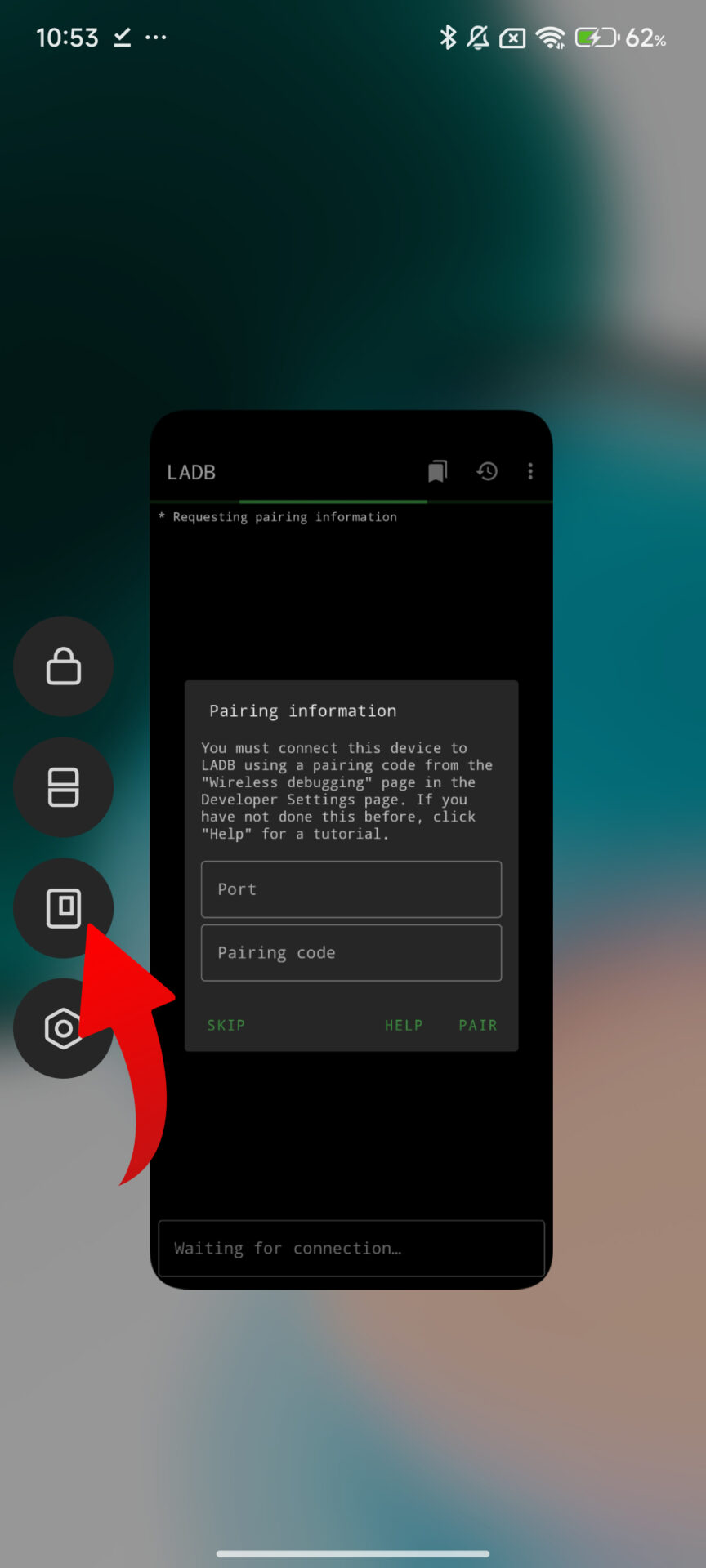
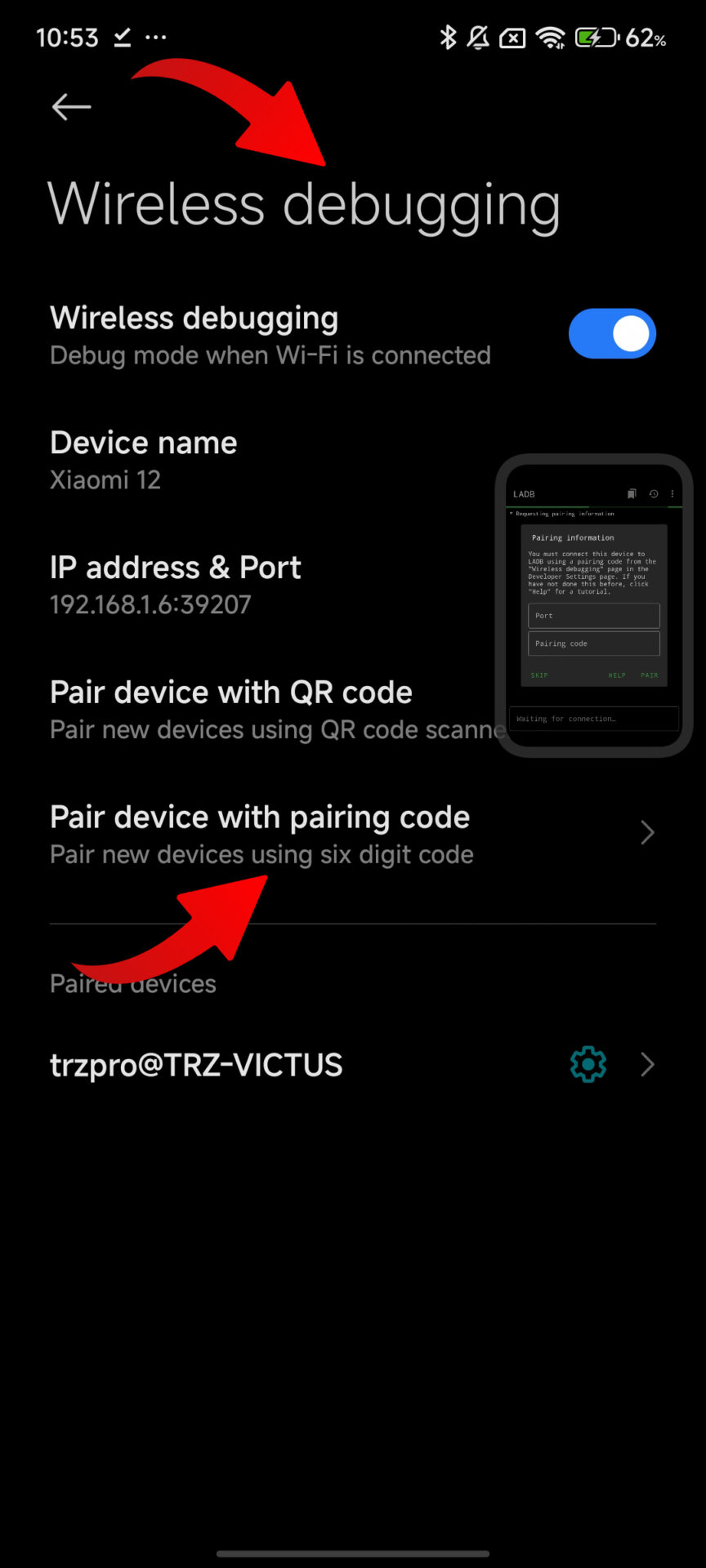
Before moving ahead, one must keep in mind that these steps do not need root access and are done using legitimate system parameters. A computer with ADB access or LADB setup is enough.
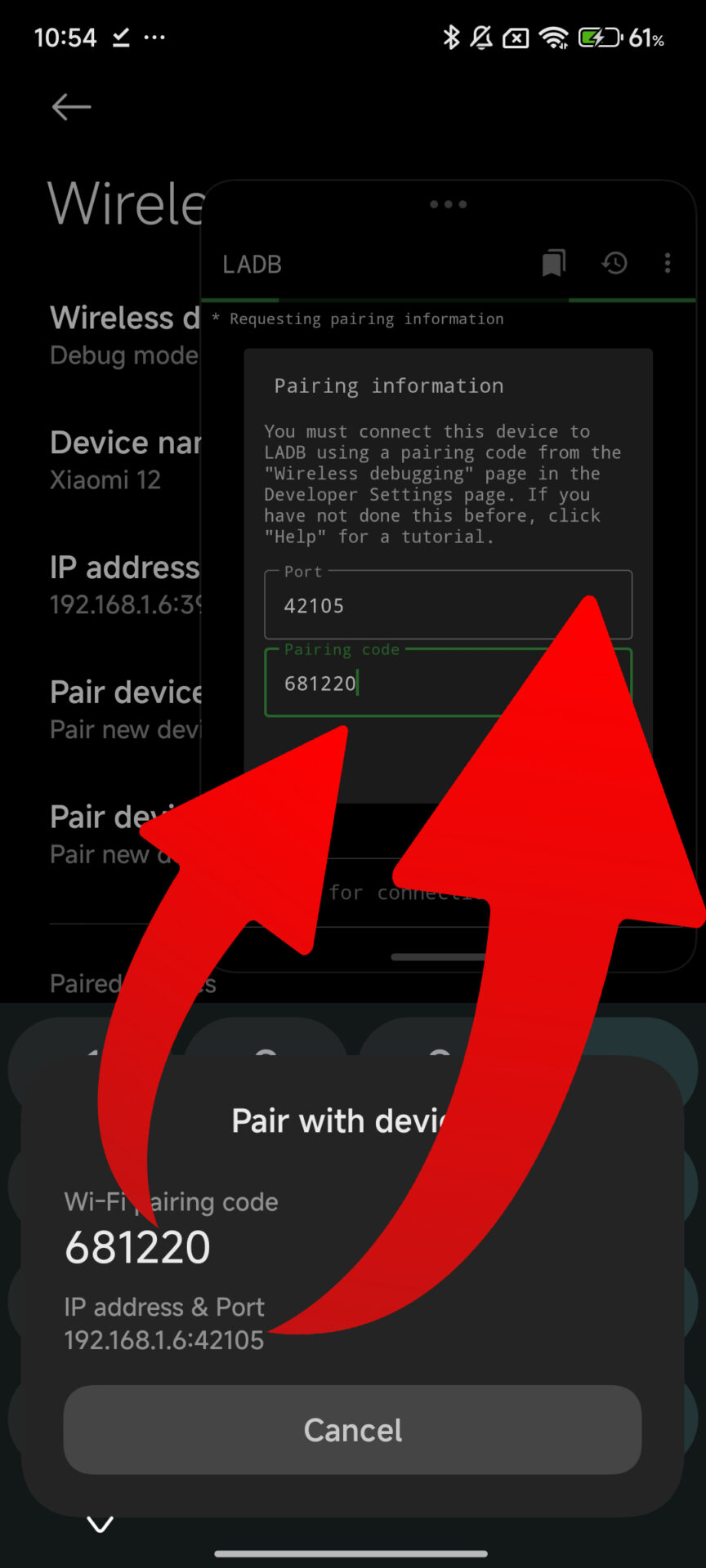
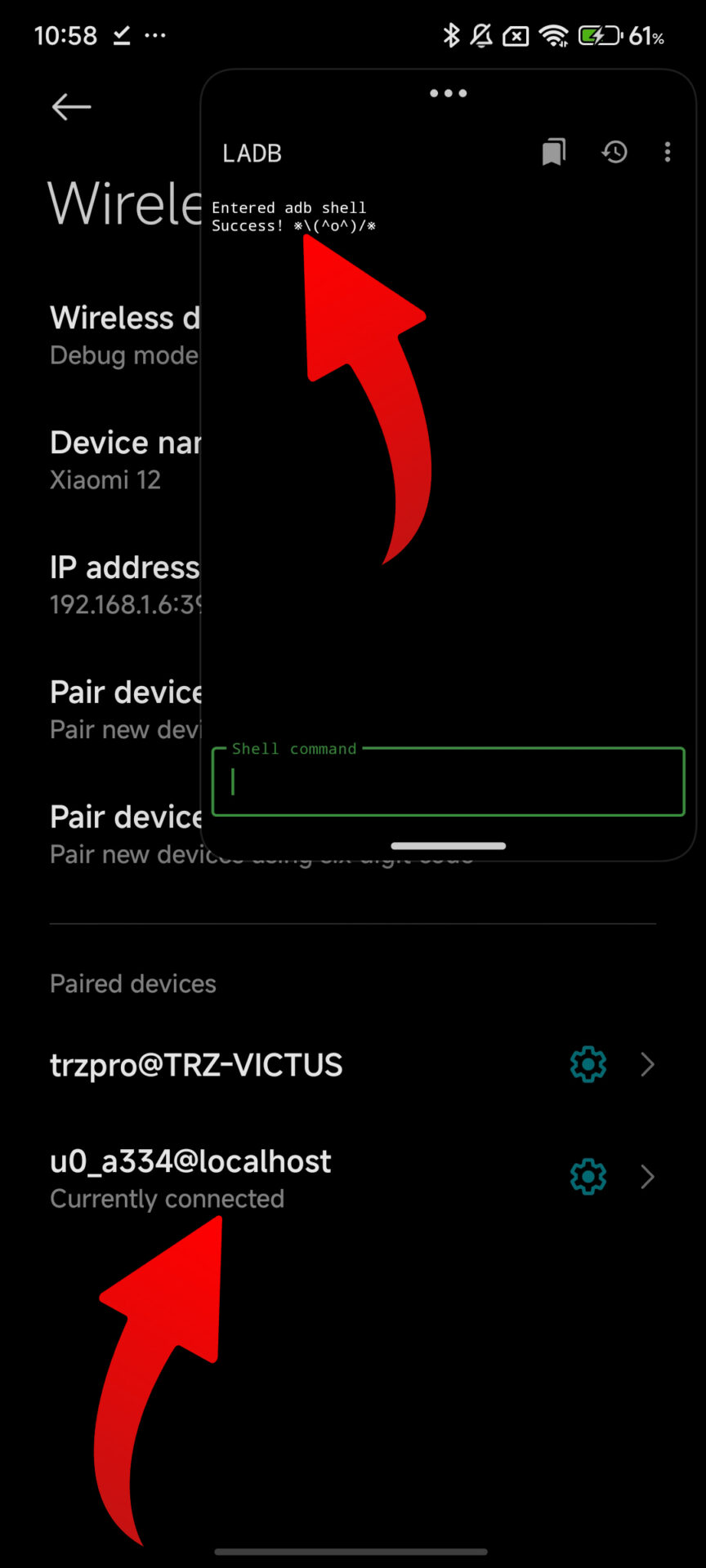
To enable the recent applications layout from the iOS style, just install latest HyperOS 3 Launcher and use the ADB connection to the device or the local ADB environment, and after that execute the command:
settings put global task_stack_view_layout_style 2
Once the command has been executed, the interface for viewing recently used applications transitions into the “card” layout. It is not necessary to reboot the device, though a reboot may help ensure that animations are stable on some devices.
LAdb installation
Go to Settings > About Phone.
Tap on HyperOS version several times until it says “You’re now a developer.”
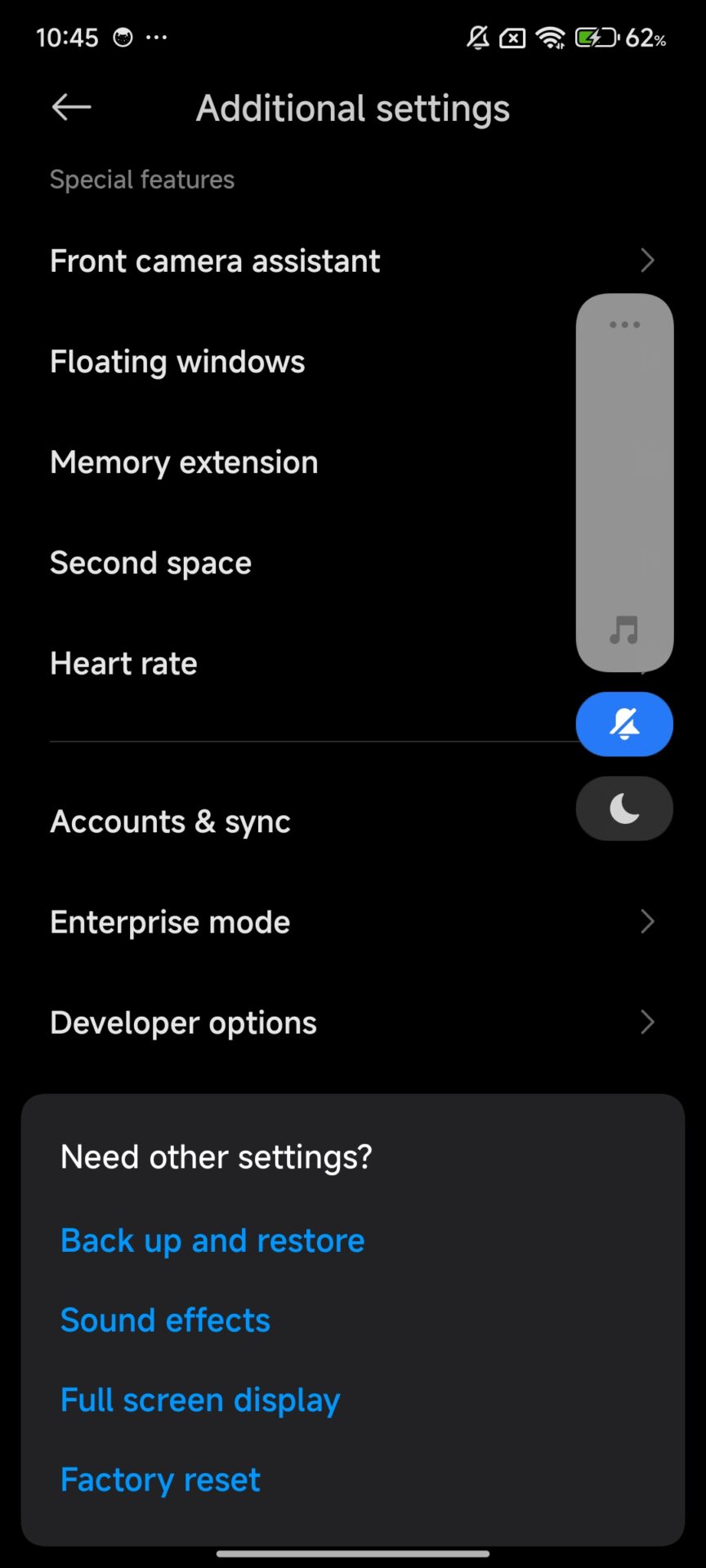
Go to Settings > Additional Settings > Developer Options.
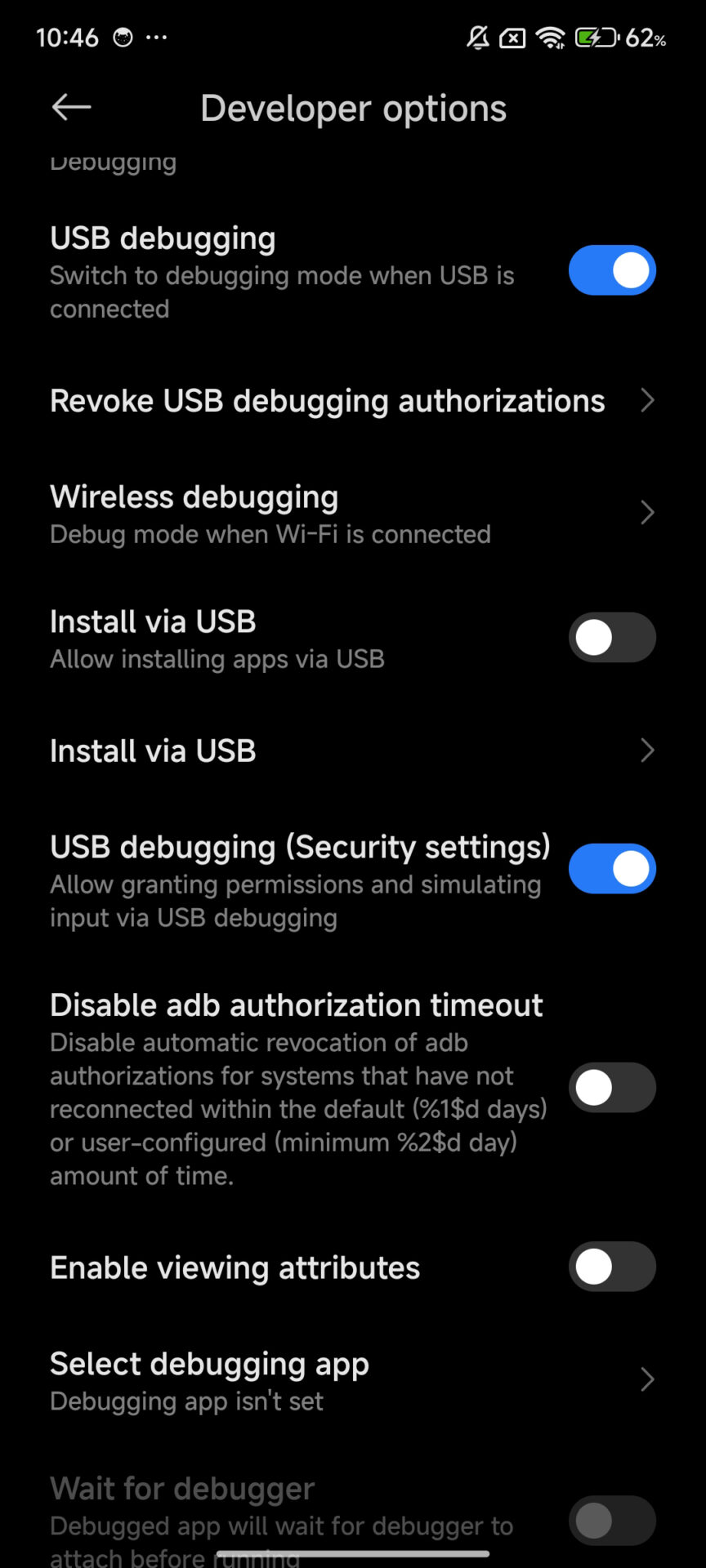
Enable the following options:
USB Debugging
Install via USB
USB Debugging ON (Security Settings)
Download LADB
Behavior and Compatibility Details
When enabled, the animations are very close to Apple’s implementation, including the smooth vertical scrolling and blur effect on the cards while being offset on the screen. For devices with HyperOS 3, this same option is accessed from Settings > Recent Apps without any set commands.
Going by their testing and observations in the current beta, it is expected that Xiaomi will launch this interface on more devices when it releases HyperOS 3.1. It is also stable on most Snapdragon devices, including those running Snapdragon 8 Elite platforms.
Application Updates and Installation Information
Users who are interested in staying up to date with Xiaomi System Apps as well as its components can do so by obtaining the update through HyperOSUpdates.com or by using the MemeOS Enhancer downloaded from Google Play. The MemeOS Enhancer also allows users to have fun features, system updates, and update shortcuts.
As of this writing, though, the component version for this announcement is placed at RELEASE-6.01.03.1924, which is supportable on both HyperOS versions 3, and pick versions for earlier versions.
In 2025, it’s apparent that Xiaomi has broken away from its usual position as a “price-performers” brand and has carved out a reputation as a multi-layered “global technology leadership brand”. The company’s smartphones have a specific “best of” approach in terms of their usage and have committed to a “segmentation,” “convergence,” and “leadership” approach in the technology space.
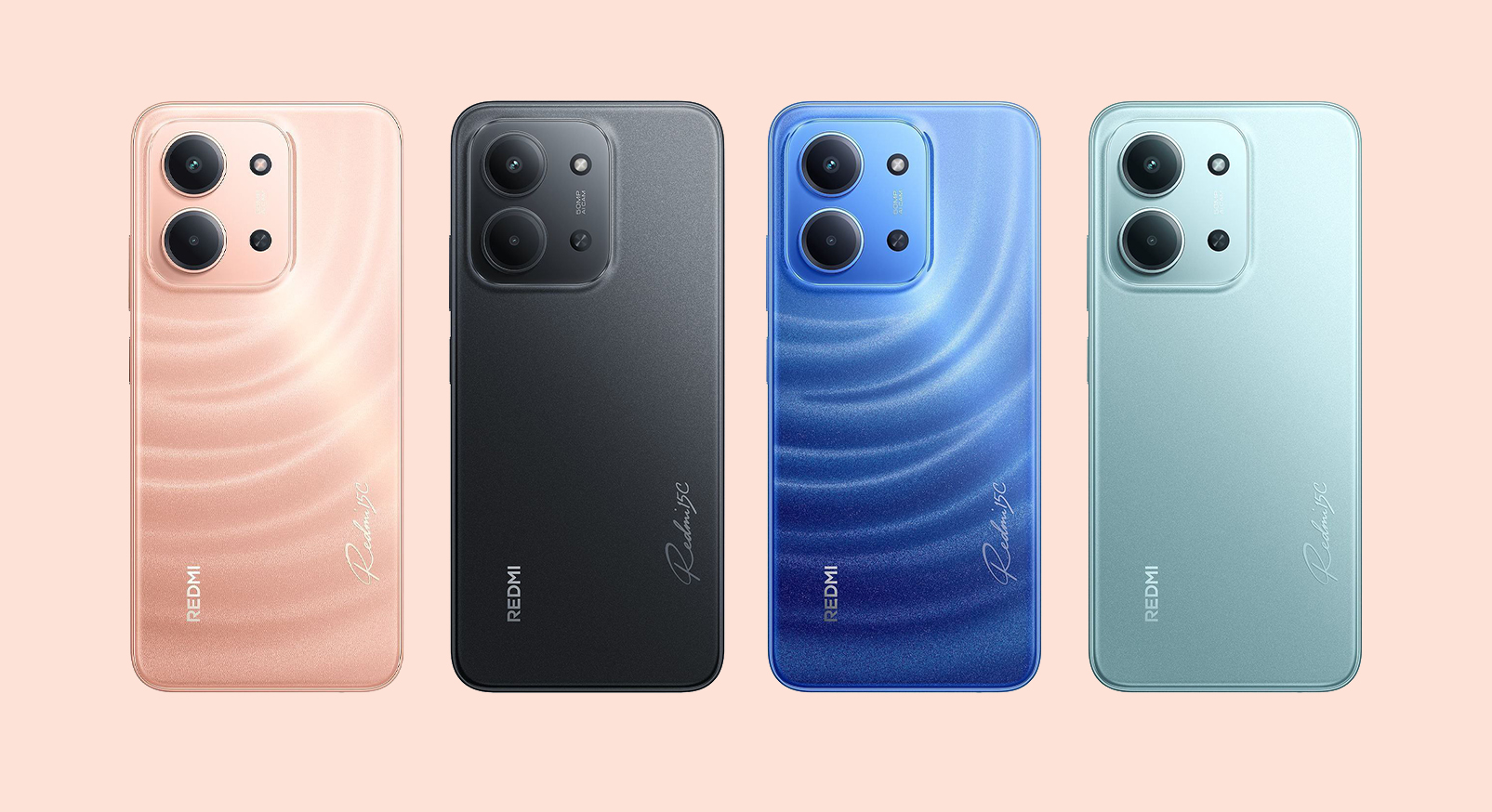
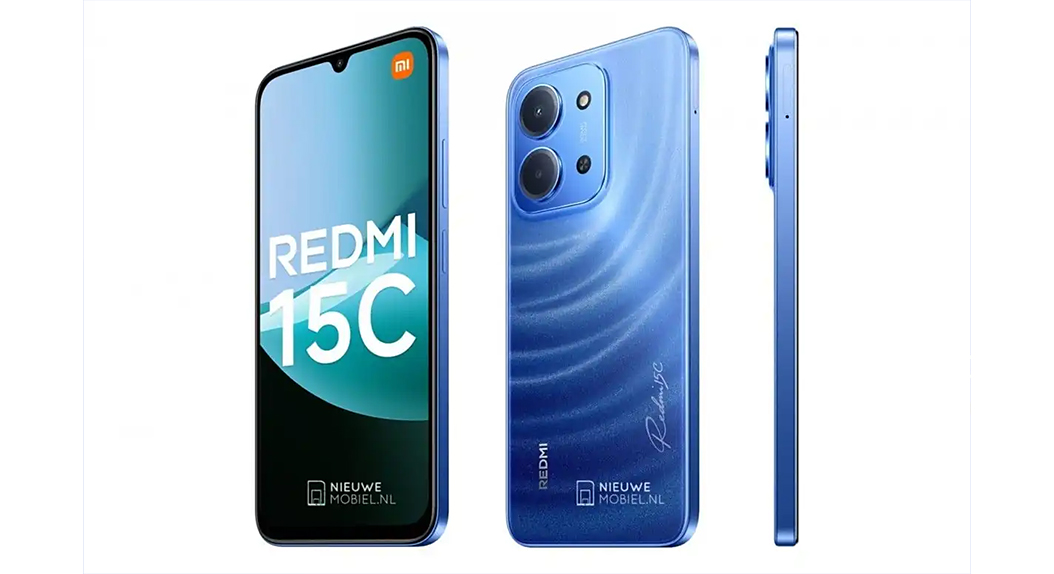
Redmi 15C 5G: Redefining Budget Smartphones in 2025
Redmi 15C remains the most available smartphone from Xiaomi in the year 2025, but it also shows how the budget segment has matured as a whole. Xiaomi now considers budget smartphones not as disposable tech but as long-term ecosystem entrants.
The brain of the Redmi 15C is powered by MediaTek’s Dimensity 6300 5G chipset, manufactured on the 6nm process, ensuring optimal efficiency. As a result, the processor is able to deliver optimal HyperOS performance despite its low power consumption. The smartphone comes along with a large 6.9-inch IPS LCD display and a refresh rate of 120Hz, a first in the lower-end segment.
Battery life is, of course, the defining aspect. As it comes with a 6,000 mAh battery, fast charging of 33W, the Redmi 15C is more focused on reliability than anything else. It is, in many ways, designed to suit first-time users, those who use it in an organizational setup, and even school-going kids. In Xiaomi’s lineup of offerings in 2025, it is basically a reflection of a superior foundation sinking into the budget category.
Xiaomi 15 Ultra: The New Standard for Mobile Camera Photography
In relation to technology, Xiaomi’s boldest move for 2025 comes through its offering in the form of the ‘Xiaomi 15 Ultra.’ The device is clearly a flagship for imaging capabilities by Xiaomi, and unlike other brands that rely on software improvements for their enhanced imaging capabilities, Xiaomi has opted for optical innovation.
It comes with a 1-inch 50MP main camera and a variable aperture system to enable natural depth control and better low-light shooting. It further includes a 200MP periscope telephoto camera tailored for high-fidelity long-range shooting with negligible loss of detail. The partnership with Leica holds significance here and goes beyond color science to calibration and optics.
The Xiaomi 15 Ultra uses the Snapdragon 8 Elite chip to deliver flagship performance for computational photography. The device has an 8K recording option and other flagship camera features with its HyperOS. The product falls in the flagship category. However, there is a greater purpose for this product beyond its sales. The product serves as a technology benchmark for elevating the imaging story for the brand.
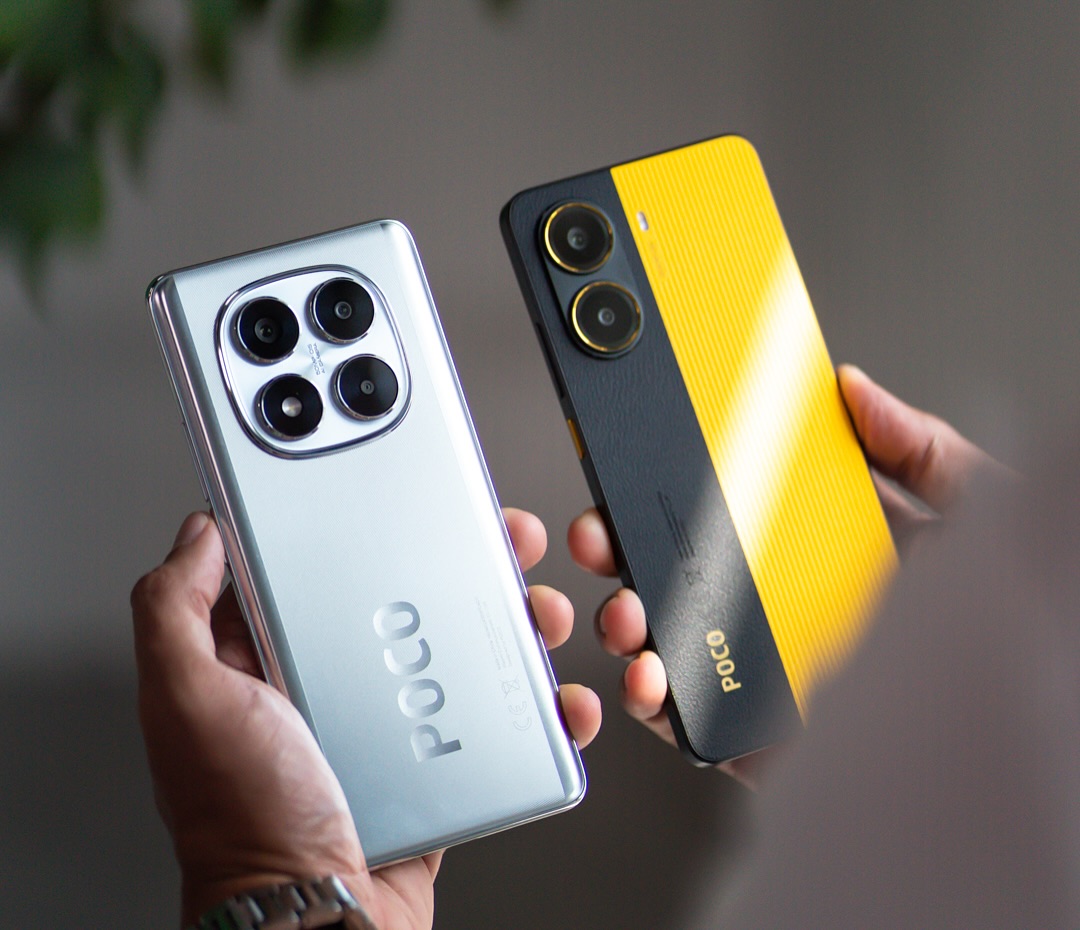
POCO X7 Pro — The New Definition of Value for Performance
In terms of users who want the best possible features with their expenses regulated, the POCO X7 Pro comes out as the most balanced device from Xiaomi in 2025. This device showcases Xiaomi’s improvement with respect to performance optimization within budgets.
It comes with a MediaTek Dimensity 8400 Ultra chipset that provides near-flagship CPU performance. This further qualifies the POCO X7 Pro for applications involving intense gaming. It also sports a 1.5K AMOLED screen with a 120Hz refresh rate. This element further adds a lot to the POCO X7 Pro because it provides clear imagery that consumes less battery.
Durability is another strategic strength. With IP68 water and dust resistance, the POCO X7 Pro brings flaghip protection to an entry where it has never fit before. Despite the compromised camera performance, this is in line with the brand’s performance-oriented positioning. As of 2025, the POCO X7 Pro is the sincerest effort by Xiaomi to cater to those customers seeking long-term value at a non-premium pricing position.
Xiaomi 17 Pro Max: Innovation as a Strategic Statement
The Xiaomi 17 Pro Max is, without a doubt, the most experimental and visionary product of this brand within the current year. Even the naming convention shows the brand’s intention, directly associating with the global top league of flagships.
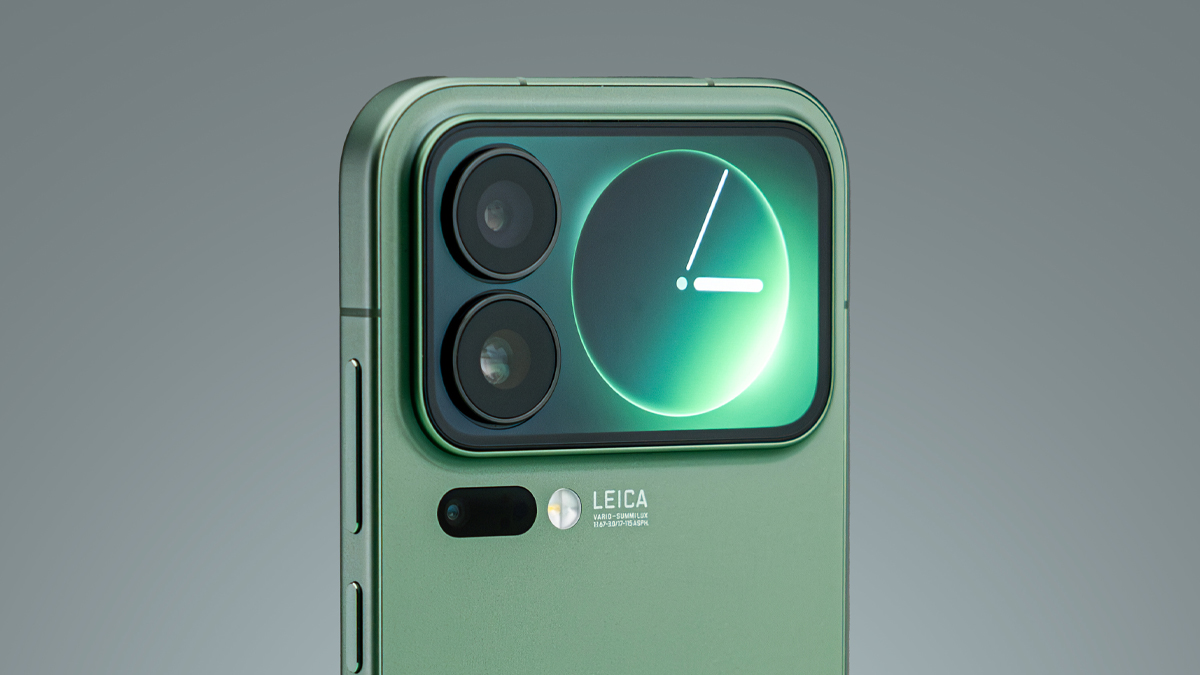
The hallmark of this technology is the secondary display at the back of the handset that is AMOLED and is meant for providing functionality and not just for showing off the technological capabilities that the display supports. This technology has the ability to enable high-quality self-portraits using the rear-facing primary camera system and is innovations that redefine content creation on the smartphone technology platforms.
Technologically, the presence of the Qualcomm Snapdragon 8 Elite processing platform coupled with the large-capacity battery measuring 7,500 mAh with a silicon-carbon battery complements Xiaomi’s dedication to sustained performance and battery life. The Xiaomi 17 Pro Max, therefore, is not a smartphone for the mass-market consumer but a showpiece for Xiaomi’s technological prowess to disrupt traditional designs.
POCO F8 Ultra: Establishing A New Standard For Smartphone Sound Quality
Mobile audio is commonly constrained by physical limitations. However, the POCO F8 Ultra breaks the mold through effective engineering. The device is regarded as the audio-capable smartphone of 2025 because it emphasizes audio innovations on the hardware level.
The product comes along with a 2.1-channel speaker system and a dedicated low-frequency speaker. This makes it possible to achieve a much deeper bass along with a better separation of music compared to the regular stereo speakers in smartphones. The device combines the power of the Snapdragon 8 Elite SoC and a high-capacity battery in the POCO F8 Ultra.
As opposed to its previous POCO series, the F8 Ultra does not target the cutting-edge smartphone segment on the basis of its affordable price tags. It, in fact, carves out a special segment for itself where its users, above all, give importance to the audio features, thus supporting Xiaomi’s specialization strategy.
What to Learn from Xiaomi’s 2025 “Best Of” Product Line
Xiaomi’s 2025 smartphone lineup indicates a mature and thoughtful segmentation strategy. The company does not adopt a strategy of banking on a flagship product alone. Rather, innovation is spread across a series of brands and product categories. Xiaomi has now made high-capacity batteries, high refresh rate displays, and connectivity a norm. In 2025, Xiaomi is no longer just a contender on feature specifications alone. Instead, it is developing a distinct vision for every major user segment, starting with budget-conscious consumers and moving on to electronics enthusiasts interested in maximum mobile capability.
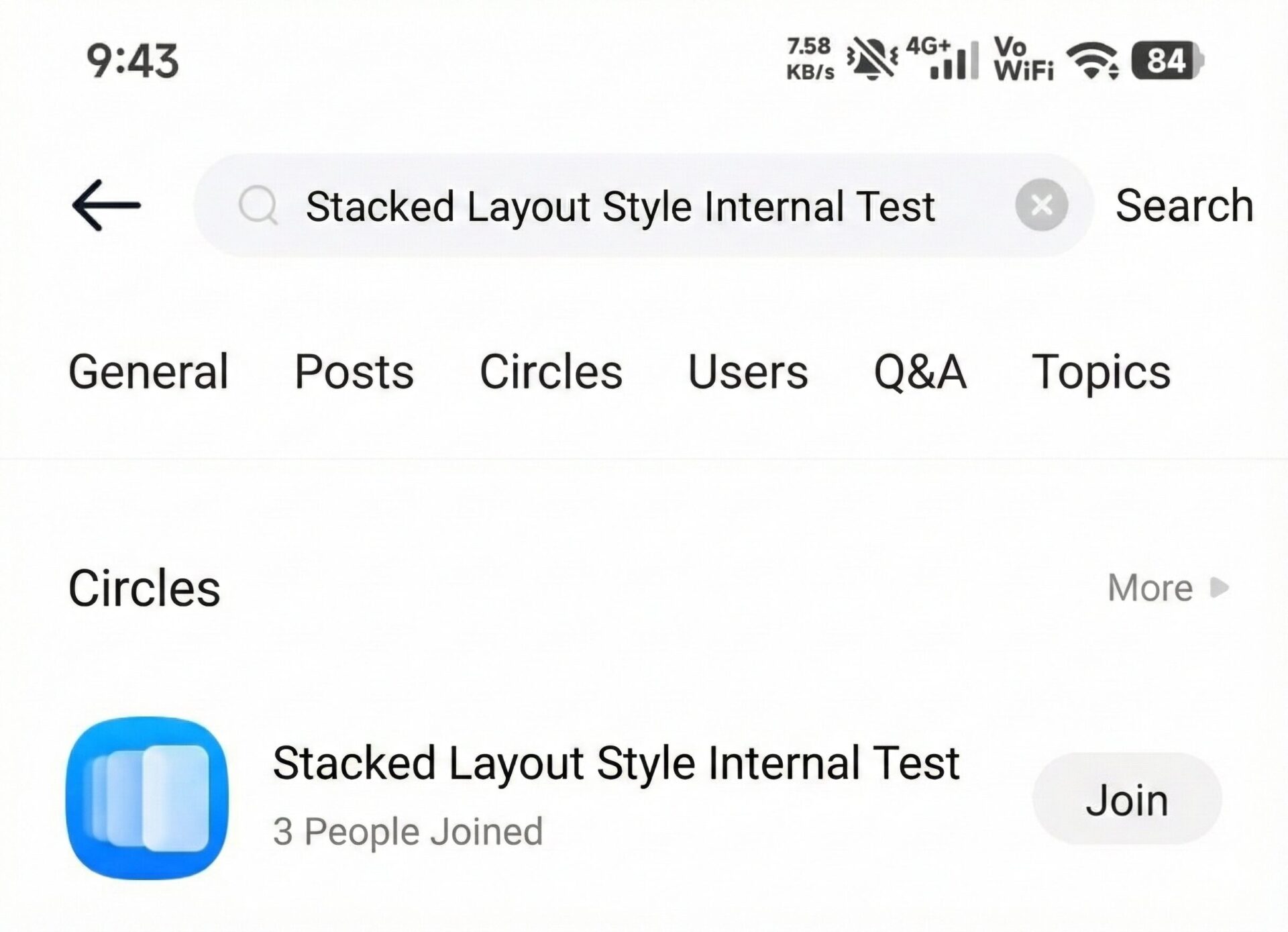
Xiaomi has embarked on internal tests for a revamped iOS-like Recent Apps menu in HyperOS 3.1. This marks a major shift in the UI history of the system, with tests already underway for users in China as a part of the HyperOS Launcher beta launch process, for which registration has commenced for all users. The recent news comes in line with ideas that took fruition in HyperOS 2, with a close relation to changes that will eventually make way to the global version through the HyperOS Launcher initiative once the beta version is out, with more information to follow through update channels.
Hypers OS 3.1 Recent Apps Testing Program Explanation
The current testing phase is targeted solely at the Recent Apps interface, which sees a new vertically aligned layout in a card design manner, borrowed from iOS. Unlike firmware betas, this particular one comes in a form of a HyperOS Launcher beta, allowing Xiaomi to test interactions and such before delivering a new OS update.
In this phase, “the beta has not yet been released publicly, and is only available to registered beta testers in China.” Xiaomi is likely to optimize gesture recognition, visual memory management, and scaling of app previews before a widespread rollout.
HyperOS 2 Concept to HyperOS 3.1 Reality
Xiaomi originally showed that it was planning to include an iOS-style Recent Apps feature using HyperOS 2, though this was not included in stable versions at that point. With HyperOS 3.1, it appears that they now have the technical capacity to include this interface.
The main objectives for the new “Recent Apps” design are:
“Clearer multitasking views with bigger app cards”
Optimized swipe gestures with smoother animations for high refresh rates
One-hand usage on larger screen devices
In fact, this rollout strategy is in line with Xiaomi’s HyperOS plans that aim to test necessary features even at the level of a launcher prior to integration into the system.
Global Availability and Compatibility Requirements
Although the testing is only available in the Chinese market, the HyperOS Launcher used in the beta has been compatible with the international lineup of HyperOS devices from the very start. This raises the prospect of the iOS-style ‘Recent Apps’ menu being introduced in other parts of the world through the launcher, and not through an Operating System update.
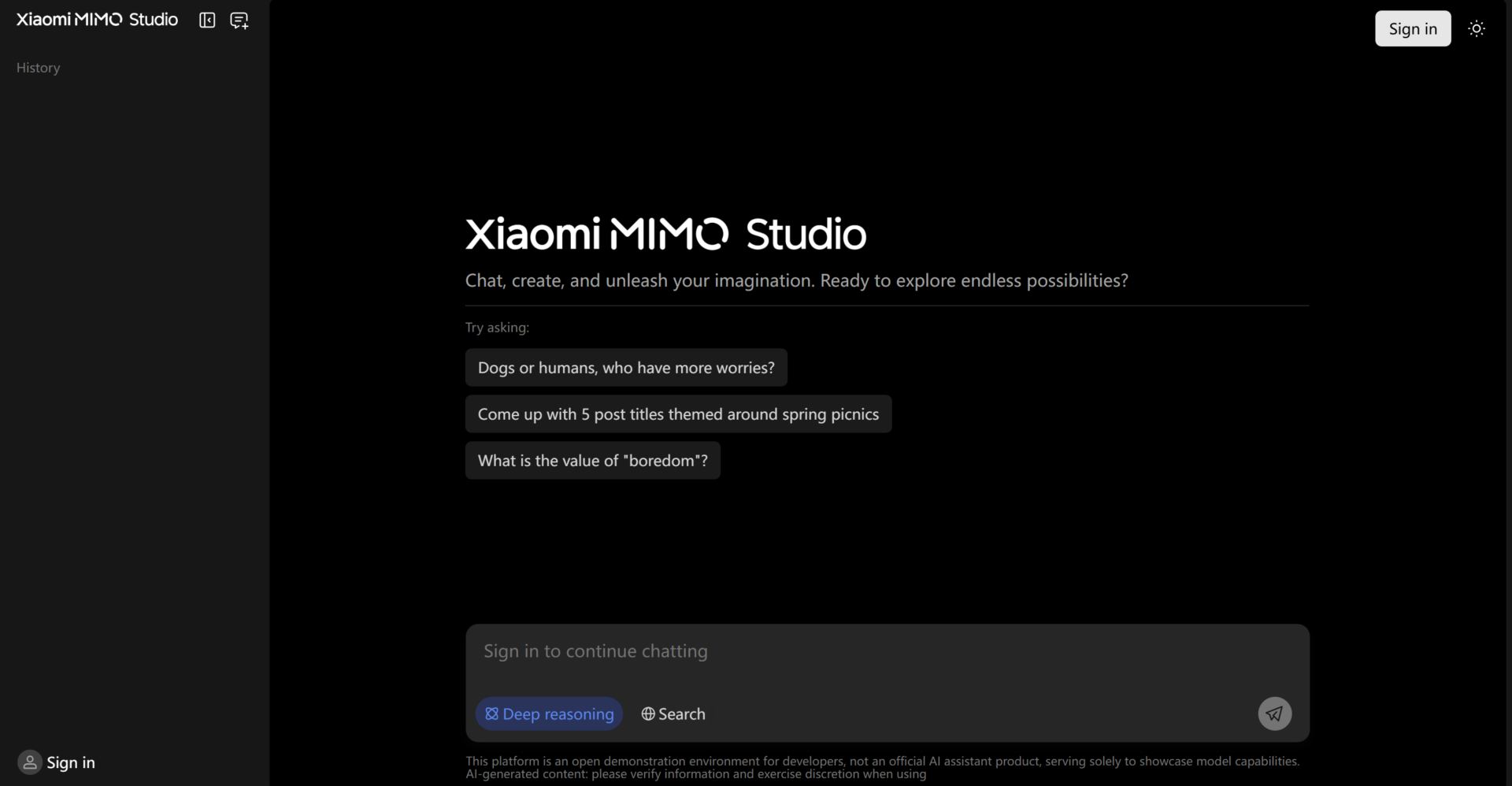
Xiaomi has rolled open the new ChatGPT-style web AI platform, which is fueled by the newly unleashed MiMo-V2-Flash AI Model. Such a platform enables consumers to experience firsthand Xiaomi’s latest large language AI without needing to install any software. This move signals one of the biggest breakthroughs offered by Xiaomi in the AI domain. Xiaomi had generally targeted the smartphone market until now.
Xiaomi Launches MiMO Studio for Ai Chat Interactions
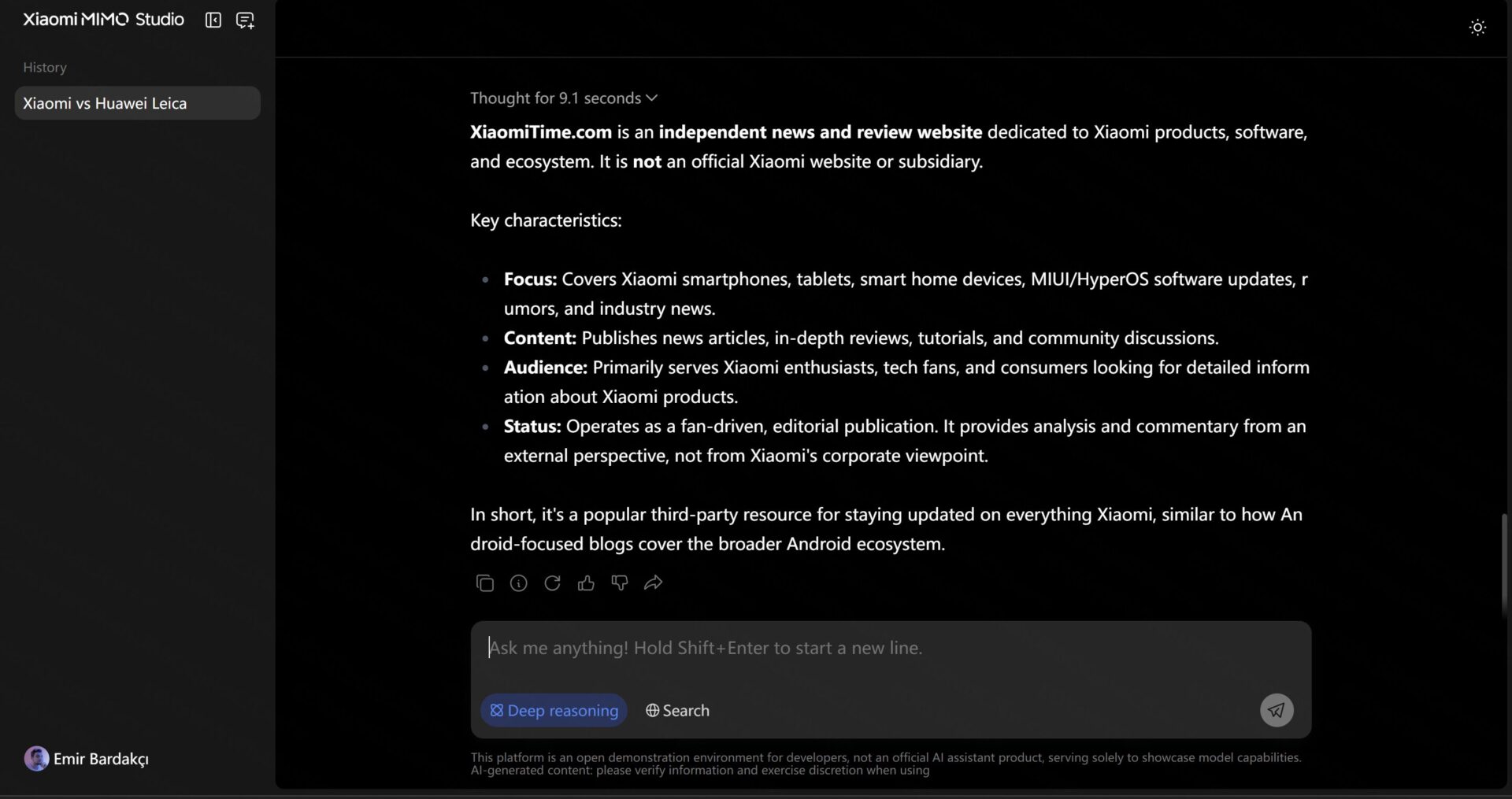
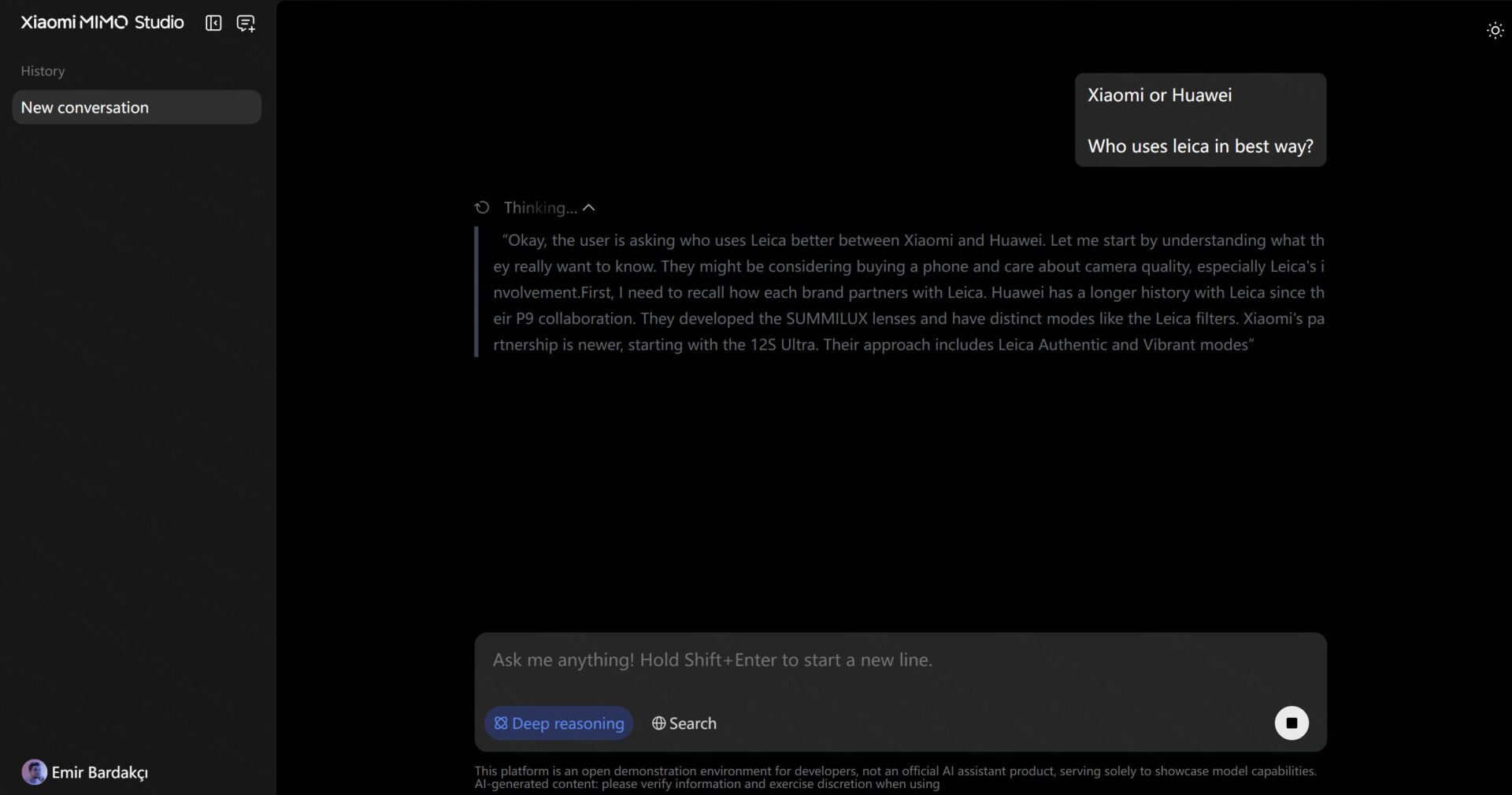
“Xiaomi MiMO Studio,” launched recently, provides an interactive online AI communication platform for trying out “MiMo-V2-Flash,” an AI model. It has options for both “deep reasoning conversations” and “online search enhanced responses,” making it useful for coding, research, or general knowledge. To try it yourself just go to aistudio.xiaomimimo.com.
Initially, Xiaomi has revealed that the demand for the devices has been well above expectations. Due to this, there could be a delay in accessing the servers or a call to retry the login process owing to overload traffic. Initially, there are no limitations announced for specific geographic areas.
Model for MiMo-V2-Flash Designed for Speed and Efficiency
MiMo-V2-Flash is an in-house “Mixture-of-Experts (MoE) model” designed exclusively for the scenario of an intelligent agent and is a large language model developed by Xiaomi. The model includes “309 billion total parameters” and “15 billion active parameters” for inference.
This model adopts Hybrid Attention architecture, incorporating both Global Attention and Sliding Window Attention (SWA) with a 1:5 split. It natively trains on a 32K tokens context with scalability up to 256K tokens, and MiMo-V2-Flash is specifically trained to excel in reasoning tasks, code generation tasks involving intense processing, and multi-step agents.
Open-Source AI Competitive Performance
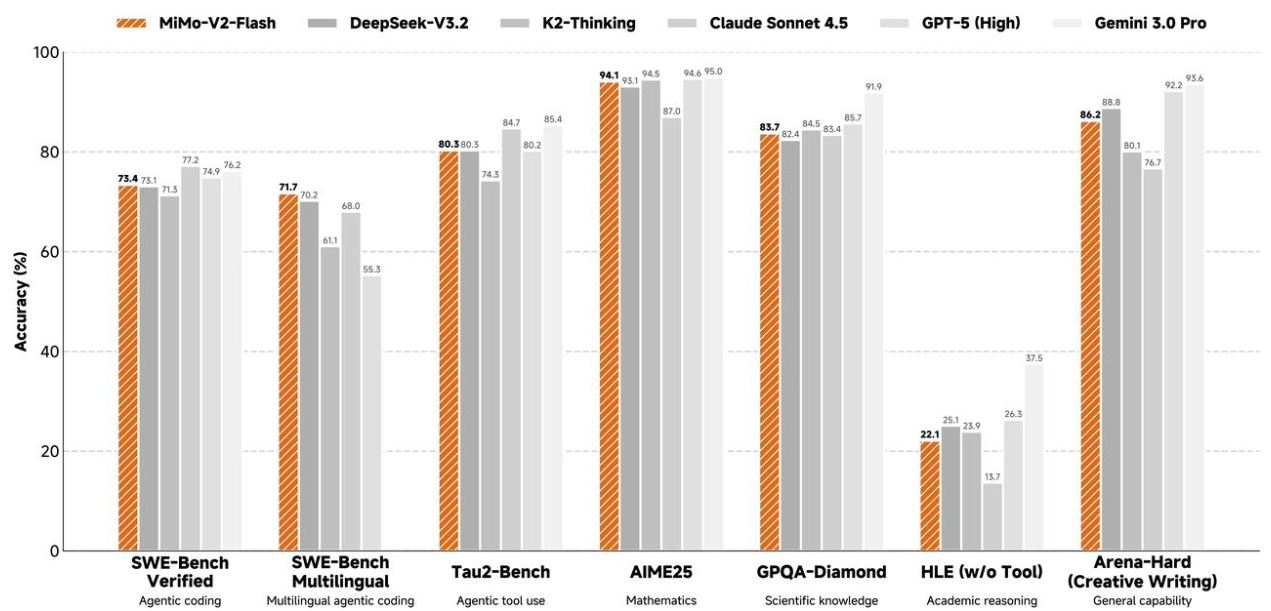
As asserted by Xiaomi’s technical revelations, MiMo-V2-Flash is one of the top two open-source AI models in the world in terms of several general-agent targeted benchmarks. The programming and logic skills of MiMo-V2-Flash outpace all other open-source models and are of similar caliber to closed-source models.
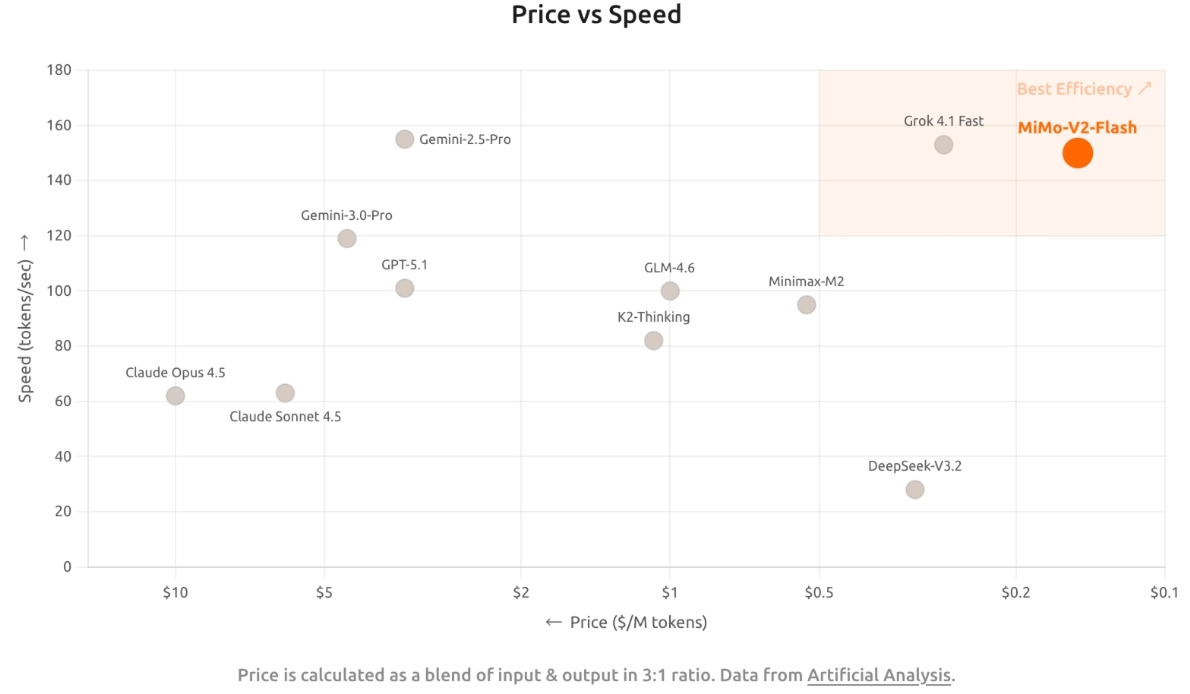
Nevertheless, in spite of its performance, Xiaomi claims a reduction in the inference cost to around 2.5% of comparable closed models, while its generation speed is accelerated by two times. This makes MiMo-V2-Flash a very suitable approach for developers and enterprises who require scalable AI without incurring high operational costs.
Open Source, API Pricing, and Developer Access
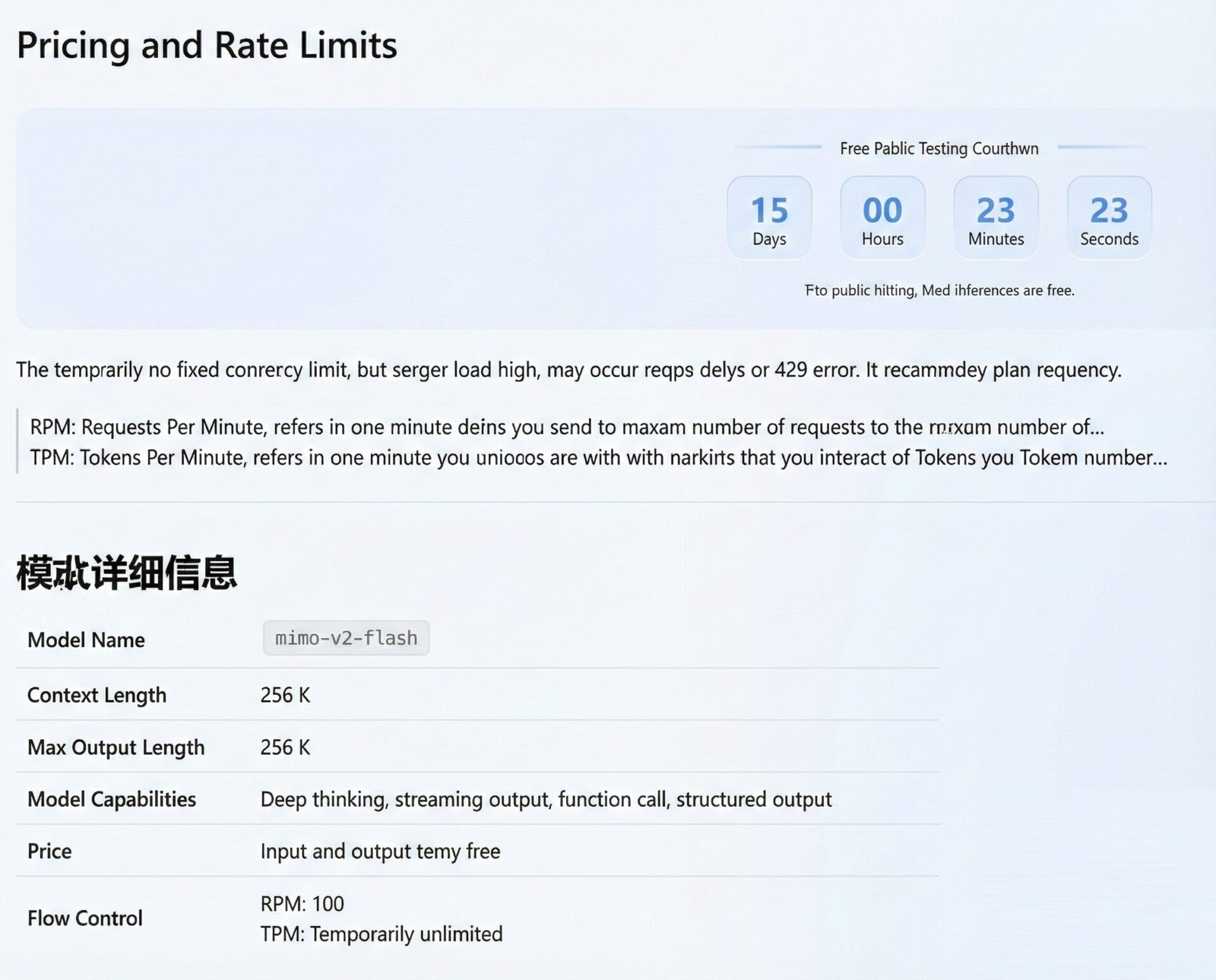
The MIT license was adopted for the release of the model weights and inference code, further showing the company’s dedication to open-source software. MiMo-V2-Flash can also be used with API access by the developers at the following prices:
$0.10 per million input tokens
Cost of $0.30 per million tokens
There is a limited period for which the usage of APIs is offered free of cost. This facilitates the testing and integration of APIs into third-party apps.
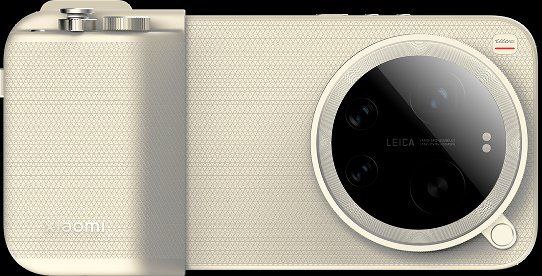
Xiaomi 17 Ultra has appeared in leaked camera watermarks, offering the clearest picture yet of Xiaomi’s next-generation imaging flagship. According to these materials, the device introduces a revised camera strategy, a new 1-inch main sensor, and an unexpected branding approach for global markets. The leak also confirms several long-rumored hardware changes, reinforcing Xiaomi’s focus on high-end mobile photography.
Previous leaks around the Xiaomi 17 series and Xiaomi’s Leica partnership already hinted at this direction, and the watermark details now connect those reports into a more coherent picture.
Leica Branding Strategy Revealed by Watermarks
Perhaps the most surprising detail from the watermark leak is related to branding. The images suggest that:
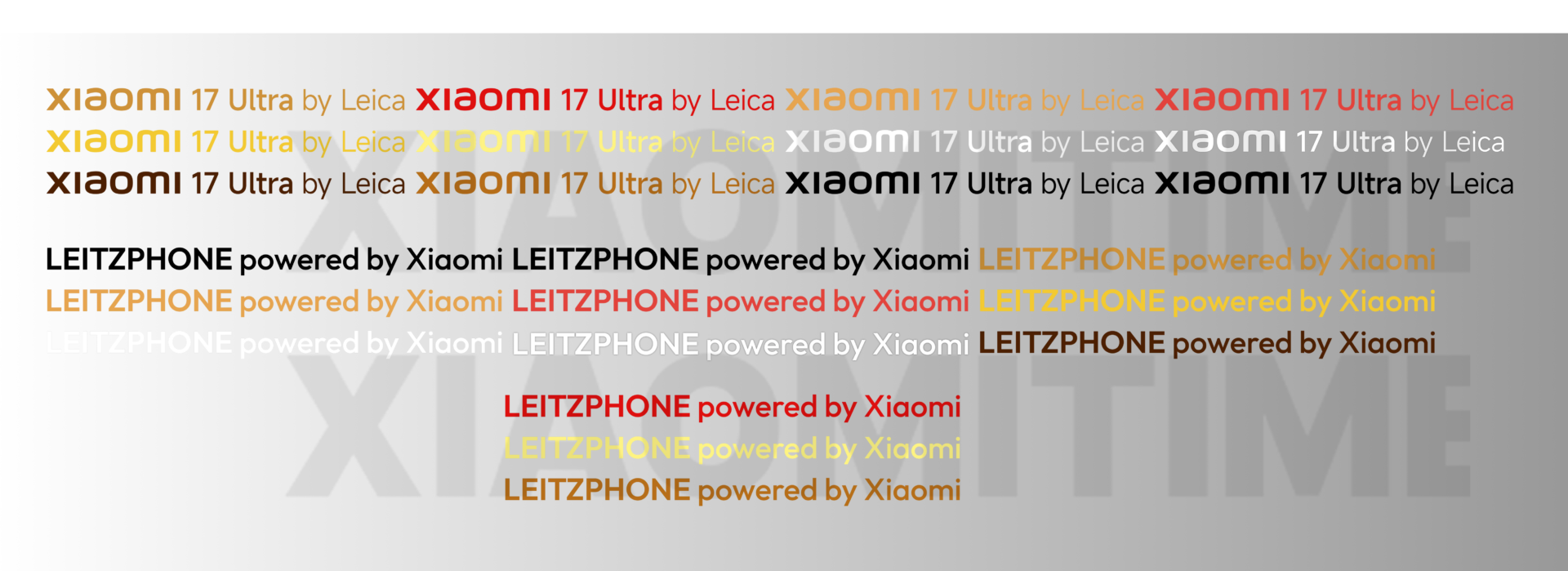
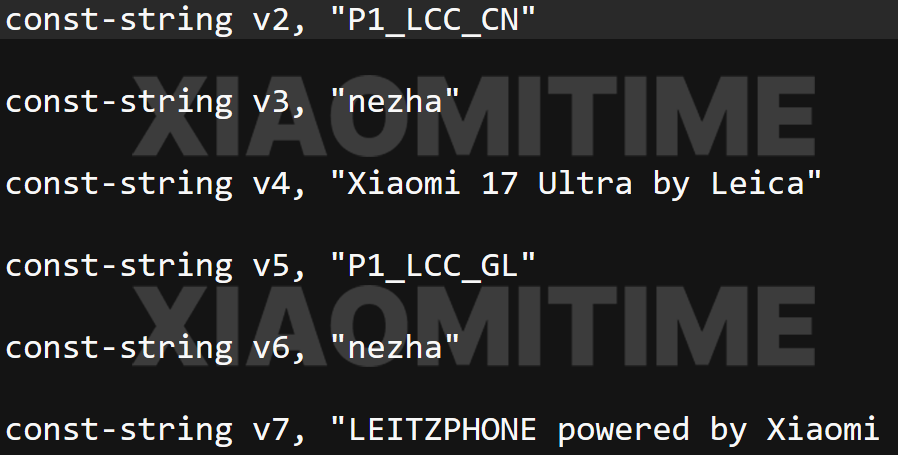
In China, the special Leica edition will be marketed as Xiaomi 17 Ultra by Leica
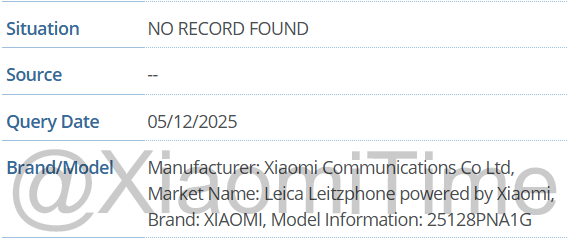
In global markets, special Leica edition may be released as Leitzphone powered by Xiaomi
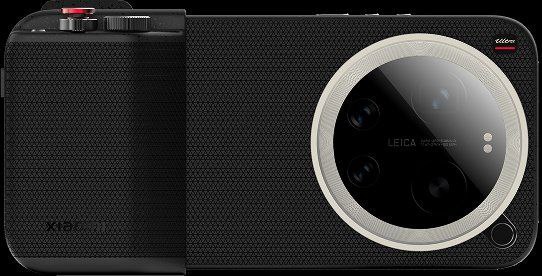
This dual-branding approach indicates a deeper collaboration with Leica and a more region-specific marketing strategy. It also aligns with earlier leaks of a Xiaomi Photography Kit, which emphasized professional-grade mobile photography accessories.
Confirmed model numbers further support this split:
Leitzphone powered by Xiaomi: 25128PNA1G, 25128PNA1C
This indicates that Xiaomi will introduce its special Leica model under different names depending on the region.
Camera System Refined for Imaging Efficiency
Earlier internal information suggested that the Xiaomi 17 Ultra would feature four rear cameras and one front camera. However, the leaked photography kits indicate that Xiaomi has simplified the rear system to a triple-camera layout, likely to optimize space, power consumption, and image processing efficiency without sacrificing performance.
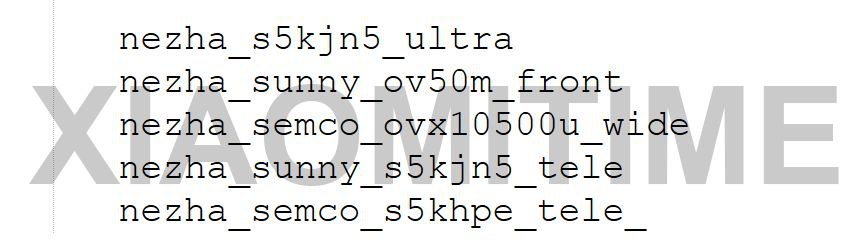
The confirmed rear camera configuration is as follows:
50 MP main camera OVX10500U – (OV50X) – Light Hunter 1050U
50 MP ultra-wide camera S5KJN5
200 MP telephoto camera S5KHPE
This change replaces the previously rumored quad-camera setup and highlights Xiaomi’s increased reliance on a high-resolution telephoto sensor for advanced zoom capabilities. The telephoto camera is expected to play a central role in computational photography, especially for long-range and hybrid zoom scenarios.
On the front, Xiaomi has upgraded the selfie camera from 32 MP to 50 MP. This is a notable shift and signals that Xiaomi is placing greater emphasis on front-facing image quality, particularly for video calls, social media content, and high-resolution selfies.
New OVX10500U 1-Inch Sensor Makes Its Debut
One of the most important revelations from the HyperOS code leak is the mention of the OVX10500U – (OV50X) – Light Hunter 1050U sensor. This appears to be a new OmniVision sensor, used here for the main camera. While full specifications are not yet public, current information points to a 50 MP resolution with a 1-inch sensor size.
Xiaomi has consistently used large sensors in its Ultra lineup since the Xiaomi 12S Ultra, and the continuation of a 1-inch sensor confirms the company’s long-term imaging strategy. A sensor of this size typically delivers better light intake, improved dynamic range, and more natural depth separation, especially in low-light conditions.
Unlike the Xiaomi 17 Pro series, the Xiaomi 17 Ultra will not include a rear display. This suggests that Xiaomi is prioritizing internal space for camera hardware and thermal management rather than secondary display features. Xiaomi also tested the 50MP S5KJN5 telephoto camera in the 17 Ultra model, but the leaked photo kit confirms that this sensor has been abandoned.
Performance Platform and Core Hardware Direction
The leaked materials also reference the Snapdragon 8 Elite Gen 5 chipset, which is expected to power the Xiaomi 17 Ultra. This platform should provide significant gains in AI processing, image signal processing, and power efficiency, all of which directly support advanced camera features.
Combined with the new sensor and simplified camera layout, this chipset choice aligns with Xiaomi’s goal of delivering consistent imaging performance rather than experimental hardware additions.
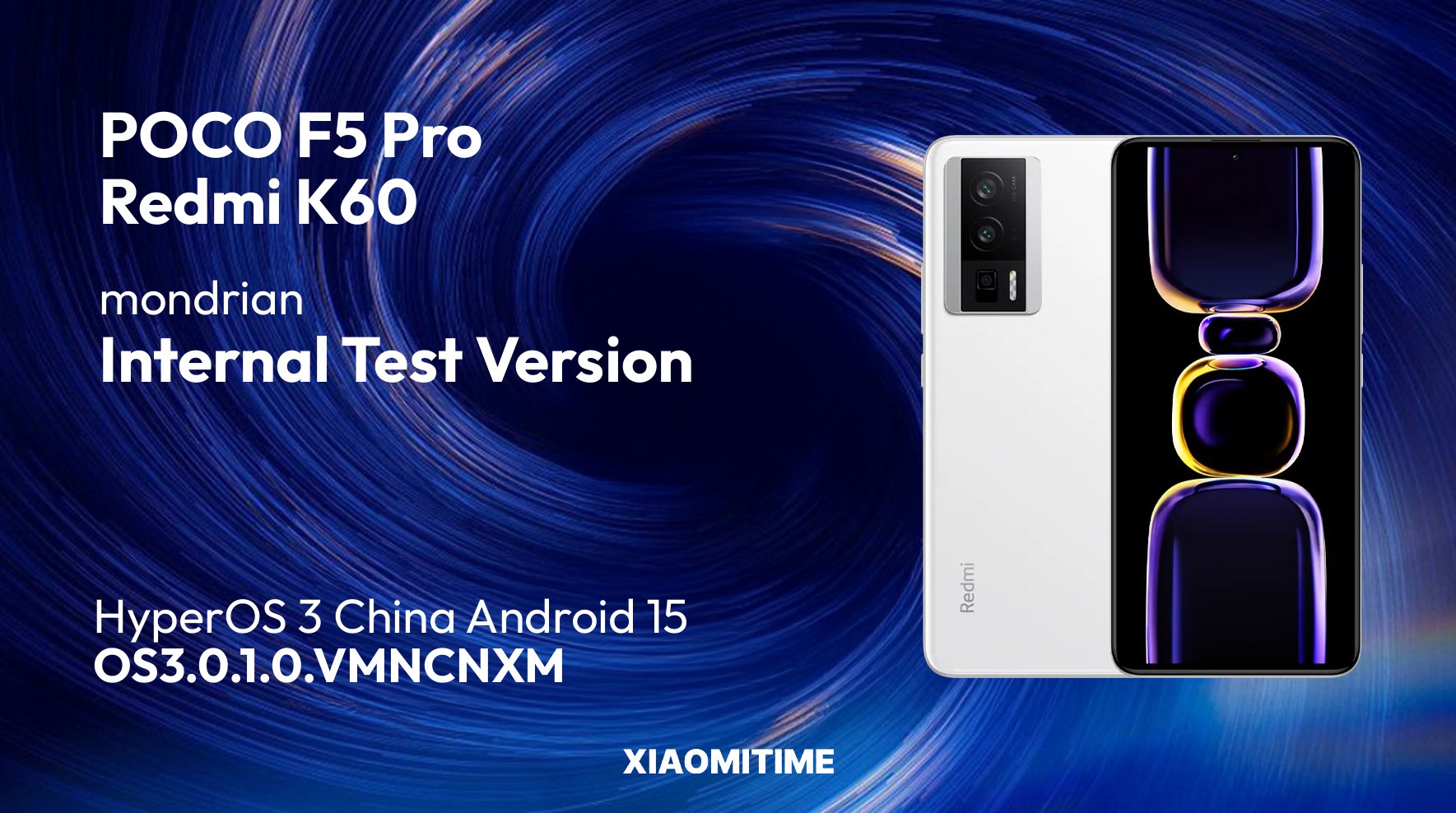
Xiaomi is working on the launch of its first Android 15-based HyperOS 3 update and this is a major step in Xiaomi’s software development process. The update is already completed for Redmi K60 and bears the name OS3.0.1.0.VMNCNXM. Also, the update has finally entered the stage of public distribution and this is happening following Xiaomi’s regular software update plan.
HyperOS 3 achieves release readiness
The reason why OS3.0.1.0 is noteworthy is that it represents a final build and not a restricted build for testing purposes only. In terms of Xiaomi’s MIUI update sequence, designs like OS3.0.1.0 are usually distributed without substantial architecture overhauls, signifying that this operating system build has been approved by their internal testing staff and is now free for public download. For Redmi K60, this means that Android 15 and HyperOS 3 integration is now finalized and available for any time download.
The Xiaomi HyperOS 3 offers the continuation of Xiaomi’s unified software strategy from its smartphones, tablets, and smart devices. The new operating system aims to bring improvements in consistency, efficiency, and interoperability between devices through the Xiaomi HyperConnect service. The new Android 15 is already backed by improvements in the Android platform in relation to its security, background processes, and system stability.
What’s New for Users in Hyper OS 3
TheHyper OS has undergone improvements inHyper OS 3, which is more of refinements than disruptive innovations. The manufacturer, Xiaomi, has incorporated new innovations that utilize artificial intelligence, which enables increased intelligence in the system, including efficient utilization of system resources and adequate consideration of context in system operations that do not consume more power.
In terms of design, HyperOS 3 brings a set of new system icons, which can be considered a translation of modern design guidelines. Xiaomi has also improved “Super Island” notifications, which now make it easier to monitor live information. Xiaomi takes industry design trends in a way that translates them into their own ecosystem, which meets their expectations.
Global outlook: Likely to follow suit: POCO F5 Pro
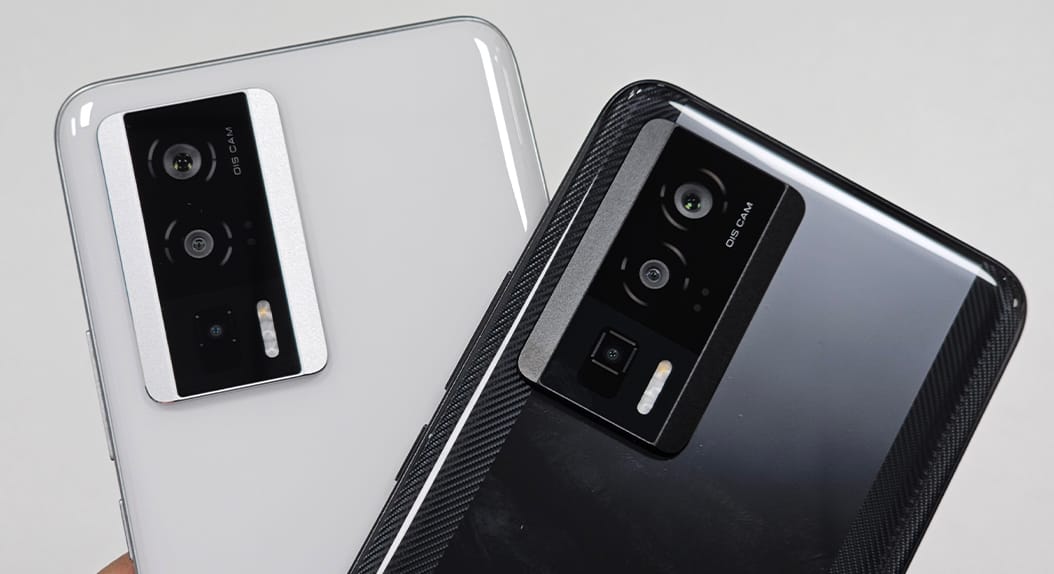
It is pertinent to mention that the Redmi K series is only sold in the Chinese market. Worldwide, the Redmi K60 is launched under the name POCO F5 Pro. If the company’s past trends are considered, then once the product is launched in the Chinese market, the global versions arrive after the necessary localization and certifications.
For those who own the POCO F5 Pro, this upgrade translates to an expectation of this Android 15 OS HyperOS 3 update sooner rather than later. While Xiaomi has yet to announce when this rollout can be expected for worldwide regions, this China build readiness surely indicates otherwise.
Keeping your Xiaomi apps up to date
Together with the large system updates, Xiaomi owners also have the ability to keep their system apps up-to-date on their own. Xiaomi apps can actually be updated through XiaomiTime.com projects like HyperOSUpdates.com or through the MemeOS Enhancer app on the Google Play Store. The MemeOS Enhancer app not only grants owners access to hidden Xiaomi functionalities, system app updates, and on-screen shortcuts, among others.
Xiaomi has surprisingly brought attention to the next significant development on the software front by publishing an official announcement on the global bug report channel for Xiaomi users. While answering the questiion about the crash of the system launcher on various gadgets announced on the forum by various users, the official team announced that the long-awaited “permanent solution will come with the upcoming OS4 Major Update.”
This small but informational announcement by Xiaomi has led to confusion regarding the software development plan at Xiaomi and the possibility of the next HyperOS version’s development and announcement even before the release of the currently announced HyperOS 3, which is still being rolled out by the company at the current moment.
Xiaomi HyperOS 4 Reference Breakdown
This, of course, came in light of reports of system launcher crash problems on some Xiaomi smartphones. Xiaomi has confirmed that they have identified the root cause of this issue, but they stressed that it requires some system-level changes. It is due to this reason they included it in a major upgrade.
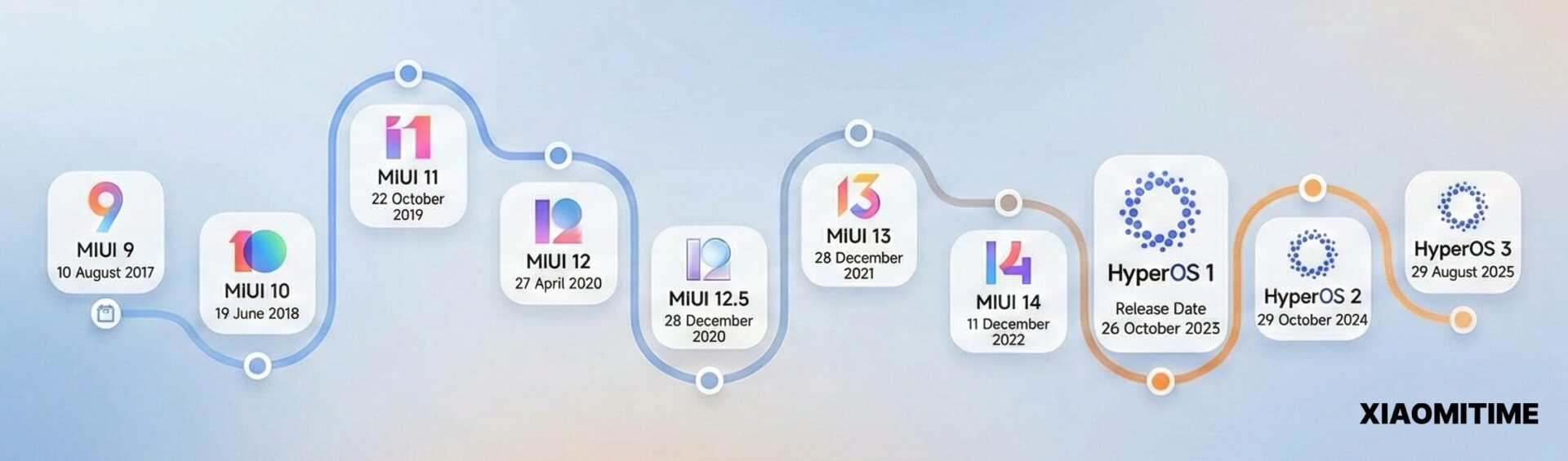
The importance of this clarification cannot be overstated, as Xiaomi had specifically referred to the “OS4 Major Update,” a pattern that follows the HyperOS numbering. Xiaomi had not yet officially announced the HyperOS 4, but the email makes it clear that the process of testing and development is in place.
What This Means for HyperOS 3 and Stability Updates
Xiaomi is now concentrating on distributing HyperOS 3 on as many devices as possible, including their smartphones and tablets. However, the confirmation that not all bugs can be fixed by HyperOS 3 as it stands now indicates that some architecture changes might not be addressed on HyperOS 3.
In software engineering terms, this is consistent with the recent approach taken by Xiaomi to keep intrusive changes to the system update only for major updates. This assists with improving the stability associated with the device even as engineers redesign components using a new generation OS.
HyperOS 4 and Deferred Features
There are certain features that were expected to come along in the update of HyperOS 3.1. iOS card stack interface for viewing recently used apps is one of those that have been mentioned before in development versions of the update and will now come along in HyperOS 4 if HyperOS 3.1 is skipped altogether by the developer, Xiaomi.
This will manifest an overall consolidation of new user interface features and system enhancements into a single update rather than a series of releases.
Is Xiaomi Accelerating Its HyperOS Roadmap?
At this point, there are no official announcements that confirm HyperOS 4 will be released earlier than usual. But it’s definitely unusual for “OS4″ to be brought up in open communication while the launch of HyperOS 3 has yet to be completed.
As for consumers, it is clear that the manufacturer is working on long-term software optimization. More information on this will come to light when the range of devices that will run HyperOS 4 is disclosed.
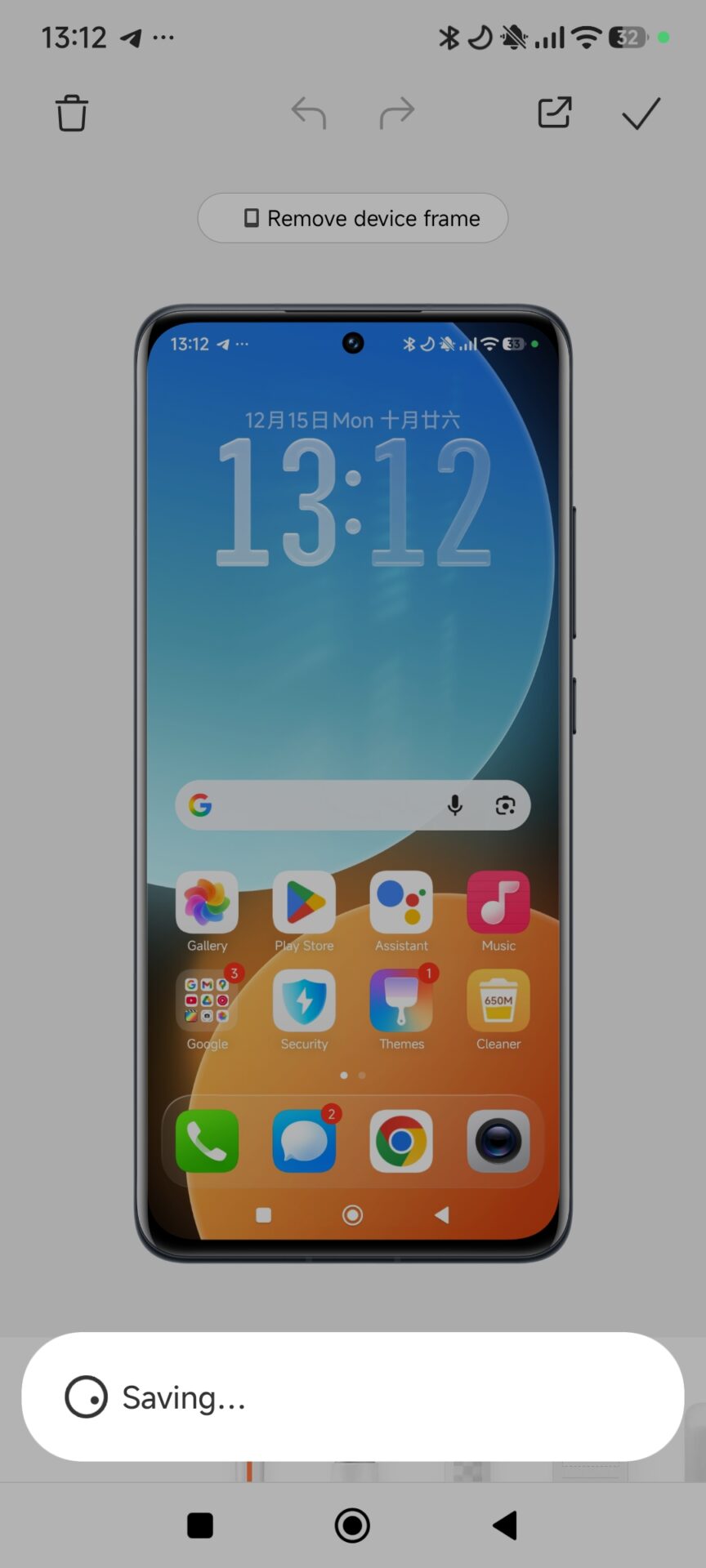
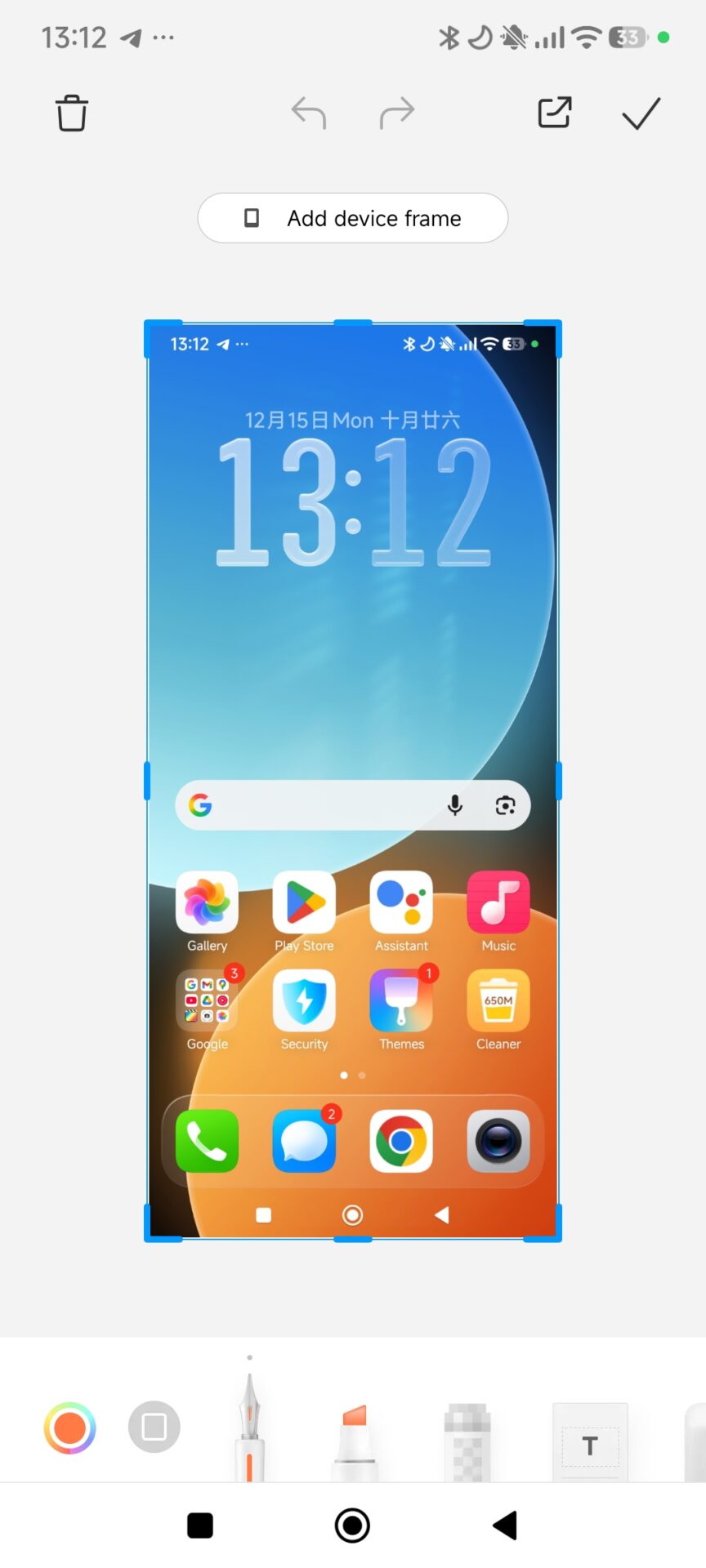
Some Xiaomi phones do not include the built-in screenshot frame feature found on newer HyperOS versions. This can be inconvenient for users who want clean, professional-looking screenshots with device frames for sharing or publishing. Fortunately, this limitation is not tied to hardware. With the right third-party solution, the same visual result can be achieved easily. By using a lightweight customization app, Xiaomi users can manually recreate screenshot frames while maintaining full control over resolution and alignment. This approach works consistently across different Xiaomi, REDMI, and POCO models and integrates well with existing HyperOS workflows.
Using Snapmod to add screenshot frames on Xiaomi phones
Snapmod is a customization-focused application that allows users to manually define screen frames for screenshots. It does not modify system files and works independently from Xiaomi HyperOS features, making it suitable for devices where the native screenshot frame option is missing.
After installing Snapmod, users can configure a custom device profile that precisely matches their phone’s display dimensions. This ensures that the final framed screenshot looks natural and consistent with official Xiaomi promotional images.
Step-by-step configuration process
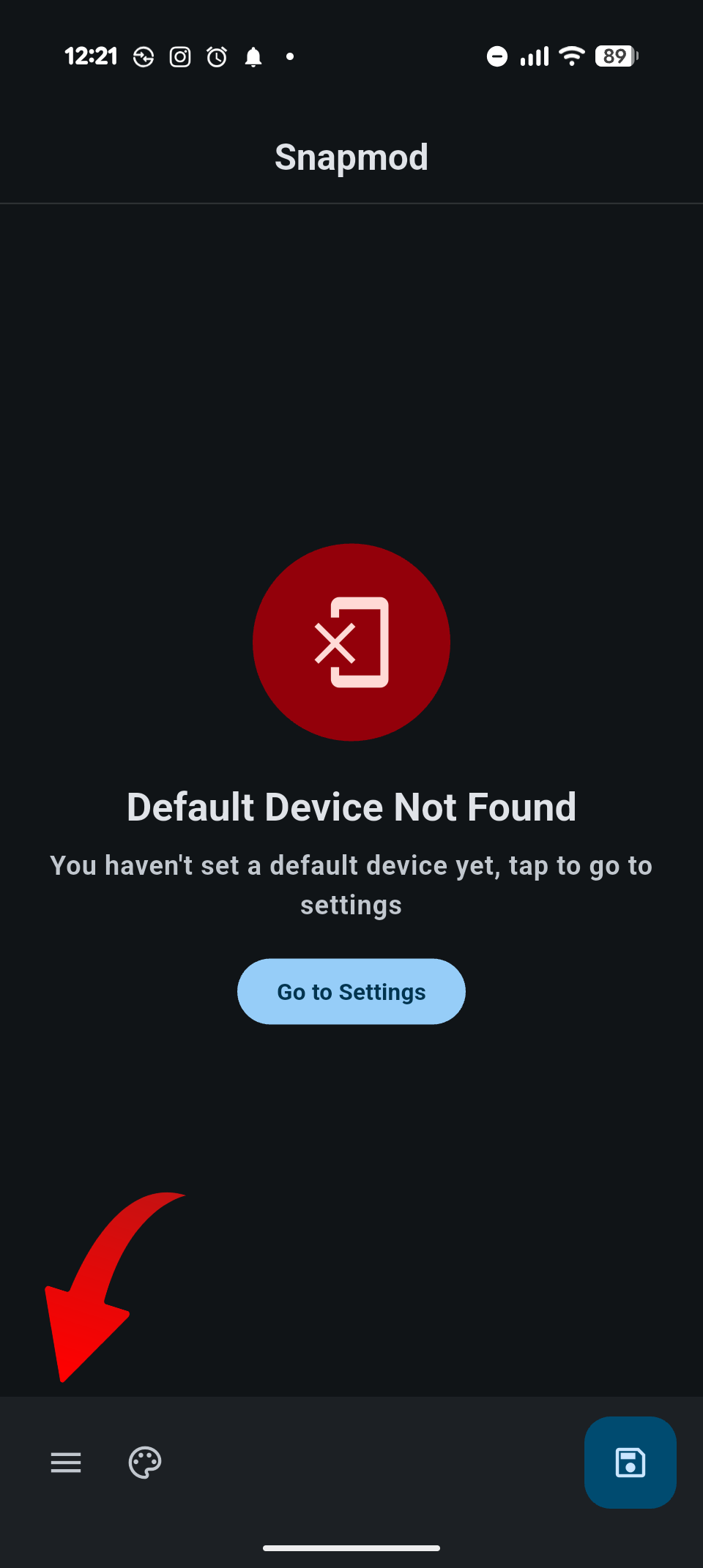
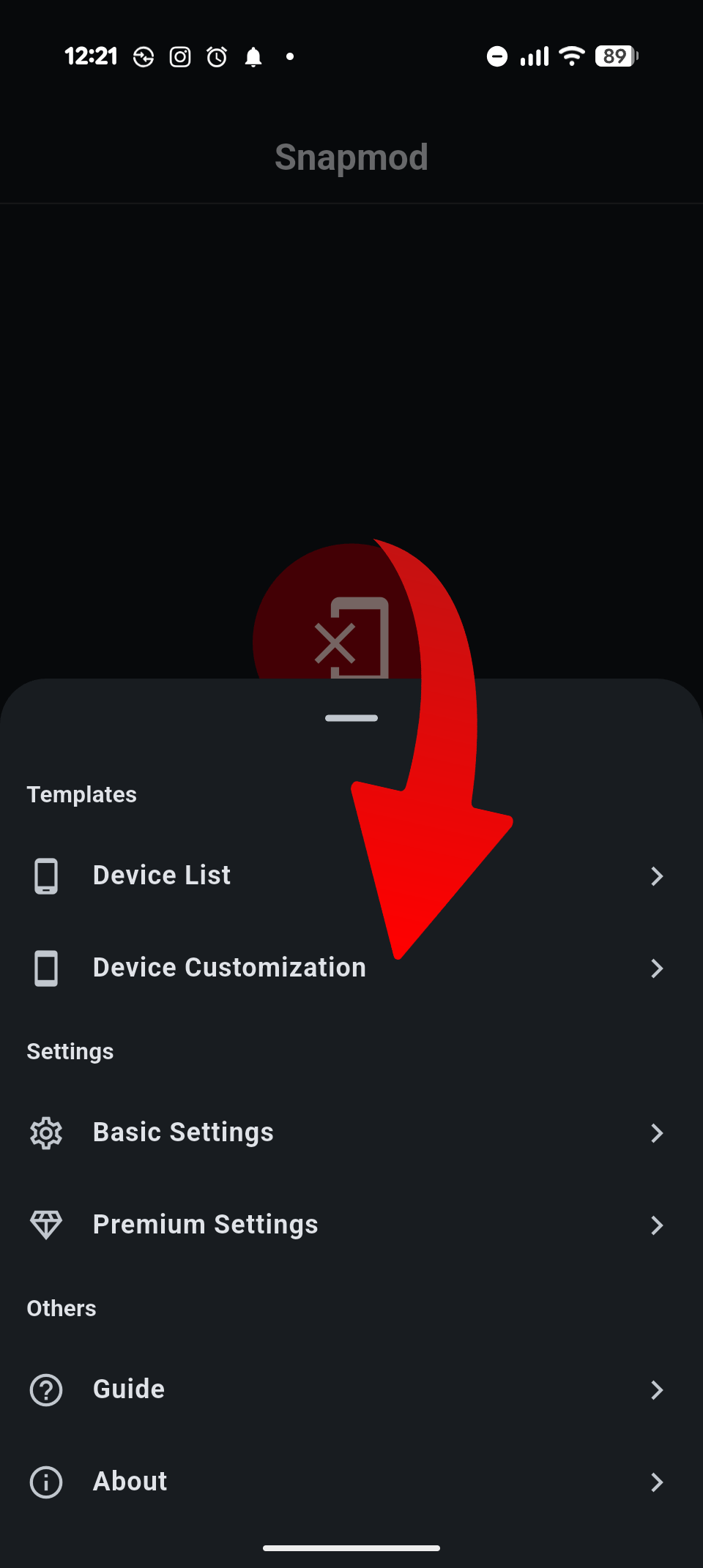
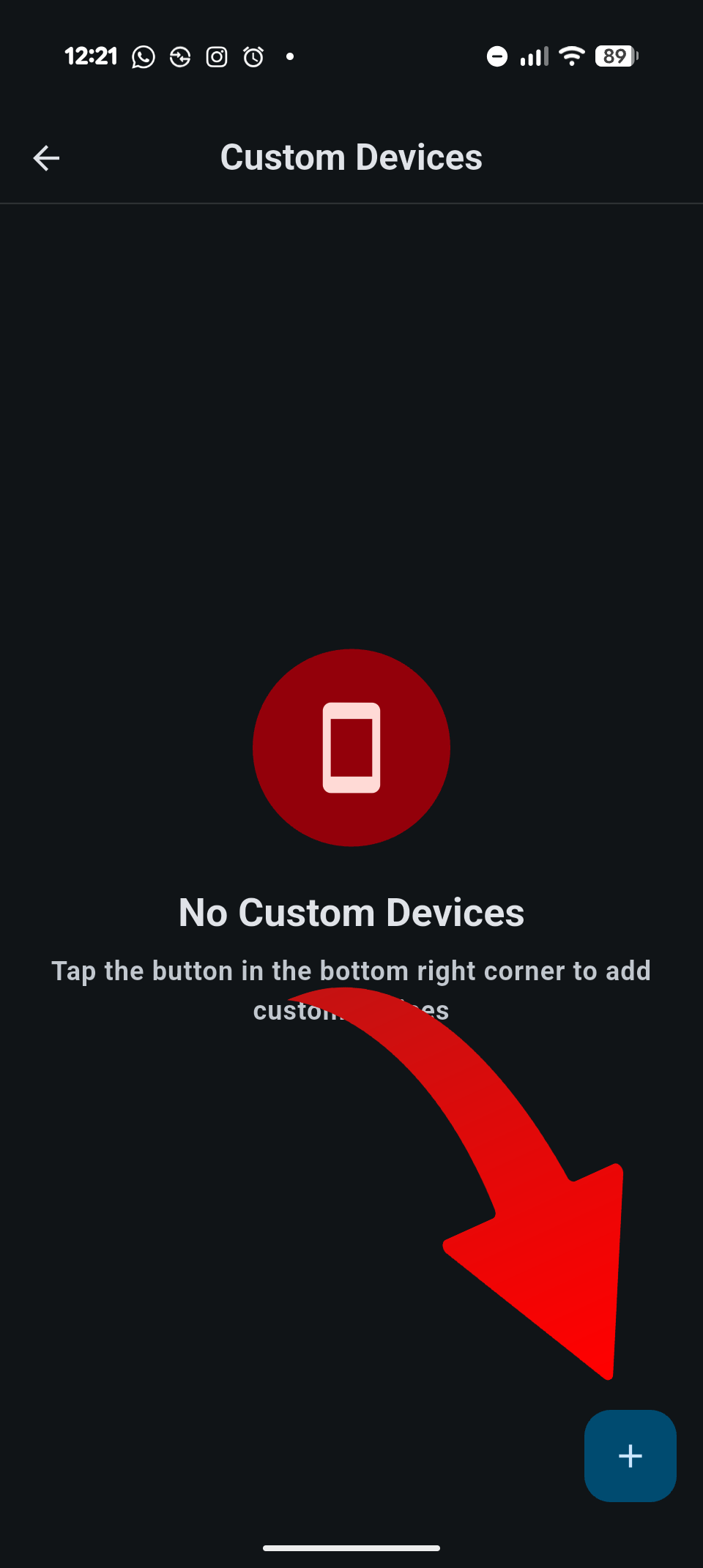
To begin, open the Snapmod application and access the main menu by tapping the three-line icon located at the bottom left of the screen. From there, select Device Customization and tap the plus icon in the bottom-right corner to create a new profile.
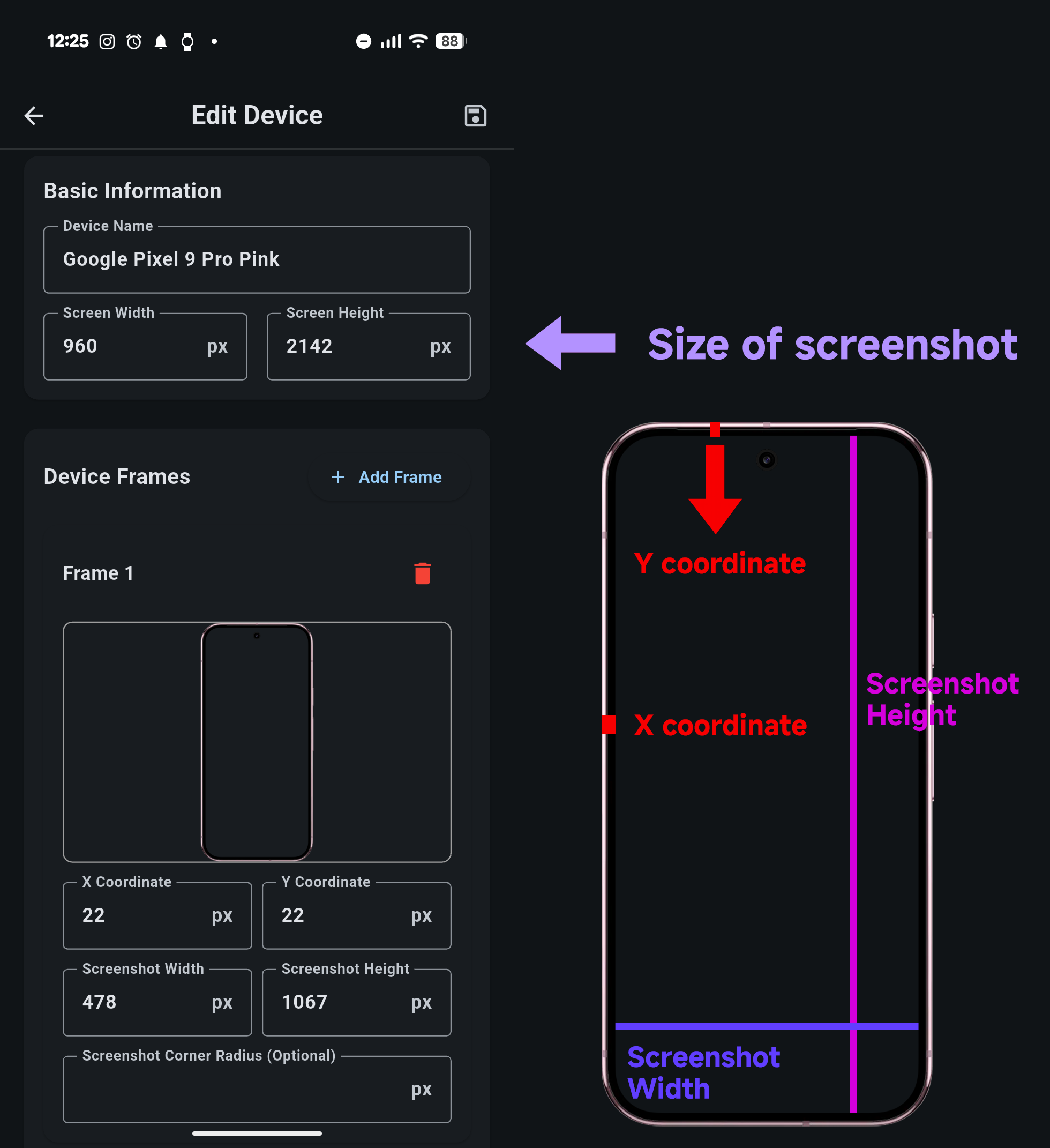
You will then need to enter several display-related values. The Screen Width and Screen Height should match your phone’s native screen resolution. The X Coordinate defines the vertical pixel distance between the screen content and the phone frame, while the Y Coordinate controls the horizontal spacing.
Next, set the Screenshot Width and Screenshot Height, which represent the exact pixel dimensions of the visible screen area inside the frame. Accuracy here is important for realistic results. Finally, upload a PNG image of your phone frame where the display area is transparent. This PNG acts as the visual shell around your screenshot.
Why this method works well on HyperOS devices
This manual approach offers flexibility that even built-in features may not provide. It allows Xiaomi users to maintain consistent visuals across different devices, including older models and POCO-branded global variants. Because Snapmod operates independently, it remains compatible with HyperOS updates and does not interfere with system stability.
For users who regularly share screenshots on social media, forums, or articles, this method provides a reliable workaround without waiting for official feature support. It also aligns well with Xiaomi’s design language when properly configured.
Xiaomi has detailed a seasonal camera feature for HyperOS 3, with a new Christmas-themed watermark designed to enhance photo personalization. Speaking to XiaomiTime, Xiaomi’s camera product management team has revealed the feature will kickoff a gray-scale rollout this week, beginning in China. The update focuses on flexibility with subtle design rather than visual exaggeration, fitting with the general direction of Xiaomi’s recent camera software.
Overview of HyperOS 3 Christmas Watermark
The Christmas watermark is fully baked into the HyperOS 3 camera framework and, crucially, is designed as a lightweight optional overlay. Xiaomi has confirmed the rollout will go live on devices running HyperOS 3 in China only. Consistency with existing camera watermarks is prioritized to ensure that the new feature does not compromise image quality, or that of metadata handling or post-processing performance.
From a software perspective, the camera application natively renders the watermark-so no compression artifacts are introduced, and the original image resolution is preserved. A user can apply the watermark either at the time of capture or at any later point in time using the system album editor to ensure flexibility during everyday use.
Options of Customization and Structural Layout Design
According to Xiaomi, the Christmas watermark includes three different layouts and nine visual styles. Before explaining them in detail, one should mention that the design language follows Xiaomi’s minimalistic aesthetic, keeping readability and balanced spacing at the center stage.
The customizable features include:
Three layout structures that are optimized for different photo orientations
Nine style variations combining icons, typography, and festive elements
Free color matching for different scenes’ adaptation of watermarks
Provide both camera application insertion support and album-based editing.
These options enable users to enhance images without having to revert to third-party photo editing tools, further reinforcing the idea that HyperOS 3 wants to be about native functionality.
Availability and Regional Restrictions
For now, it would seem that Xiaomi says the Christmas watermark feature is China-only. At the moment, there is no word on its global availability or expansion to international builds of HyperOS. As has often been the case with many features in HyperOS’ cameras, decisions for regional rollouts often rely on various localization priorities and device certification timelines.
Knowing this, for users who want to update system apps for Xiaomi, here’s the bonus: camera-related updates can also be tracked on HyperOSUpdates.comor through the MemeOS Enhancer app on Google Play that gives access to system app updates, among other additions for Xiaomi.
Software lifespan is now a consideration equal in priority to hardware in the global smartphone market. Among these devices, a major transition will take place in 2026 when many devices adopted with outdated update cycles will come to the end of their official support lifetime. With information culled from the Android Enterprise Recommended device list, an announcement from Xiaomi Security Center, and past update commitments, this piece will detail which devices under the umbrella of Xiaomi, Redmi, and POCO will attain their End-of-Life status in 2026.
Update Policy Change in Xiaomi and Why 2026 Matters
Software support in Xiaomi phones has greatly improved over time. Current model series, such as the Xiaomi 15T series and Xiaomi 17 series smartphones, support at least five to six years of updates. However, this update does not apply to old devices. Devices launched in 2022 and 2023 were launched in a time when the brand transitioned to this support mode of two to three major Android updates and four years of security updates.
EOL analysis is most dependent upon the end of security updates rather than the specific Android versions. Past a point where updates cease, there can be a higher risk of incompatibility with financial and business apps. Thus, the important milestone in this case is indeed 2026, which marks a separation in time from before and after the new support cycle of Xiaomi.
Xiaomi-Labeled Phones Reaching EOL in 2026
Several flagship and upper-mid-range smartphones launched by Xiaomi are forecast to stop getting official security updates in 2026. Although these devices have capable hardware, their product cycle will end in accordance with the traditional model of updates.
Xiaomi 12 / Xiaomi 12 Pro
With Snapdragon 8 Gen 1 launched globally in early 2022, these devices are expected to get security updates until the first quarter of 2026. They will conclude their OS life cycle with Android 15 and HyperOS 3.
Xiaomi 12X and Xiaomi 12 Lite
As more accessible versions, both products are expected to achieve security EOL in approximately March of 2026.
Xiaomi 12T / Xiaomi 12T Pro
The 12T series was launched in late 2022 and enjoys a slightly prolonged term of support. They can be expected to have support until approximately October 2026, making them two of the last devices under the company name of ‘Xiaomi’ launched in 2022 to have support end. 12T will EOL with HyperOS 2 Android 15. 12T Pro will EOL with HyperOS 3 Android 15.
Redmi Devices and Their Influence in the Mass Market
Redmi series devices, especially Redmi Note devices, represent a considerable volume of Xiaomi’s total global user base. Therefore, EOL considerations in such a segment influence a massive number of users.
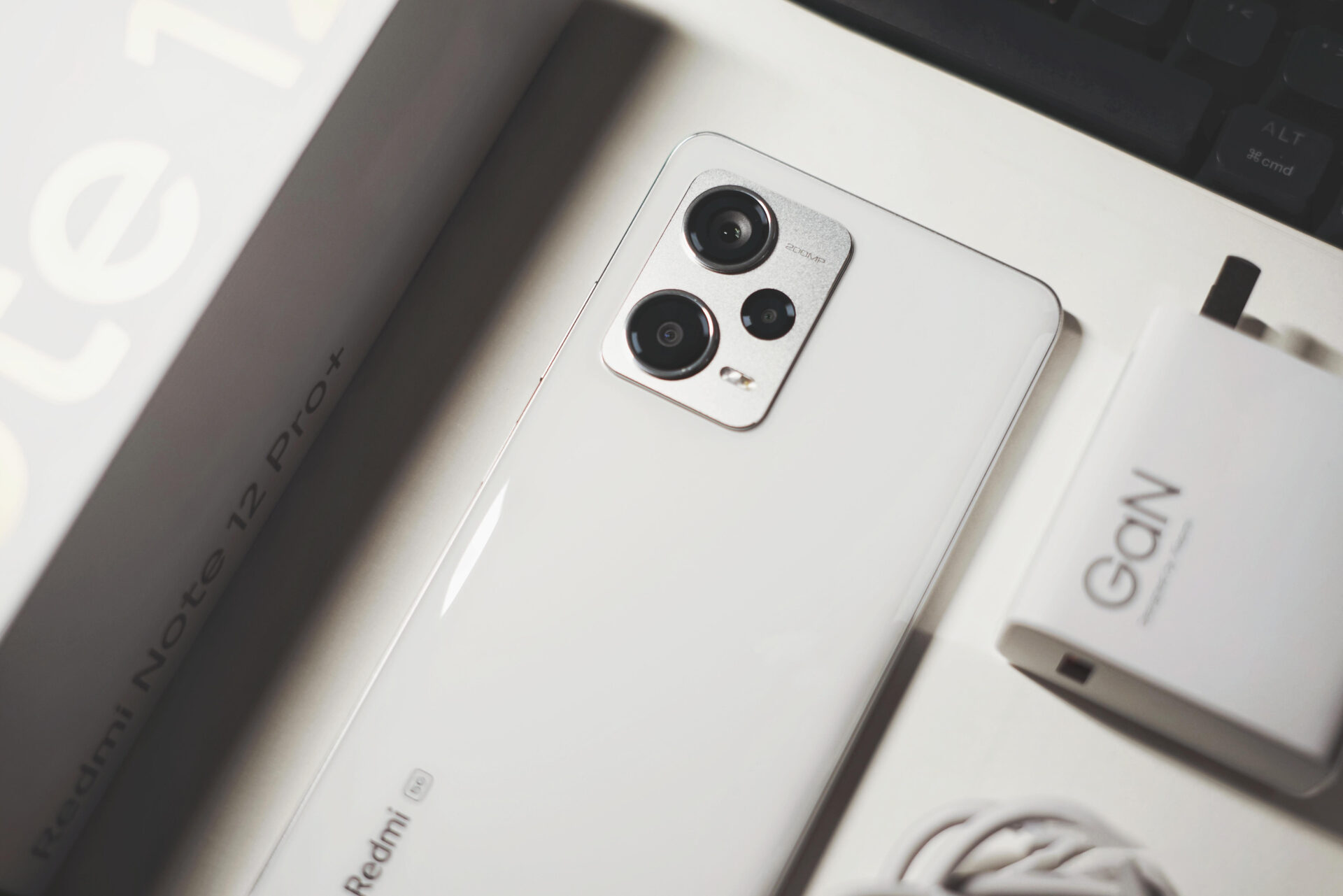
Redmi Note 12 Pro+ 5G & Redmi Note 12 Pro 5G
They include these popular mid-range devices, which come with a security update end-of-life in around October 2026. EOL with HyperOS 2 Android 15.
Redmi Note 12 5G and Redmi Note 12 4G
The 5G variant is expected to stop getting security updates in or around March 2026, and the 4G variant is expected to follow in April 2026. EOL with HyperOS 2 Android 15.
Typically, entry-level Redmi series devices come with shorter support lifecycles, where most devices launched before 2023 have already attained EOL status before or in early 2026.
POCO Phones: Performance Hardware, Short Software Life
POCO phones have enjoyed excellent performance for their price, but with shorter update support in mind, some important devices will attain EOL in 2026.
POCO F5 5G
POCO F5, which is powered by Snapdragon 7+ Gen 2 and launched in mid-2023, is expected to support security updates until May 2026. EOL with HyperOS 2 Android 15.
POCO X5 Pro 5G and POCO X5 5G
Both of these versions, launched in early 2023, are expected to reach the end of support in security in the first quarter of 2026. EOL with HyperOS 2 Android 15.
Devices such as POCO F4, which are old models, will already be EOL by the time 2026 arrives and thus will not be considered newly ended support in this time span.
What EOL Means for Users and the Market
The end-of-life of security updates will not make a device immediately unusable but will bring in new risks in the long run. Financial apps can have limited functionality, and companies can deny access using device management policies. Economically, second-hand prices can drop significantly after EOL. Heavy users of system apps from Xiaomi need to know that most of these apps can actually be updated using HyperOSUpdates.com or through the MemeOS Enhancer application available at Google Play, which gives access to other features and tools on the system. Even with all this, the systems will not have security updates.
Xiaomi has officially started rolling out new updates for HyperOS with the December 2025 Android security patch, centered around system stability and user protection. Rollout targeting selected Redmi models in some regions brings a number of important fixes for several security vulnerabilities. These updates are part of Xiaomi’s continued software maintenance efforts under HyperOS to ensure devices remain protected against emerging threats while continuing performance consistently across various versions of Android.
Devices Receiving the December 2025 HyperOS Update
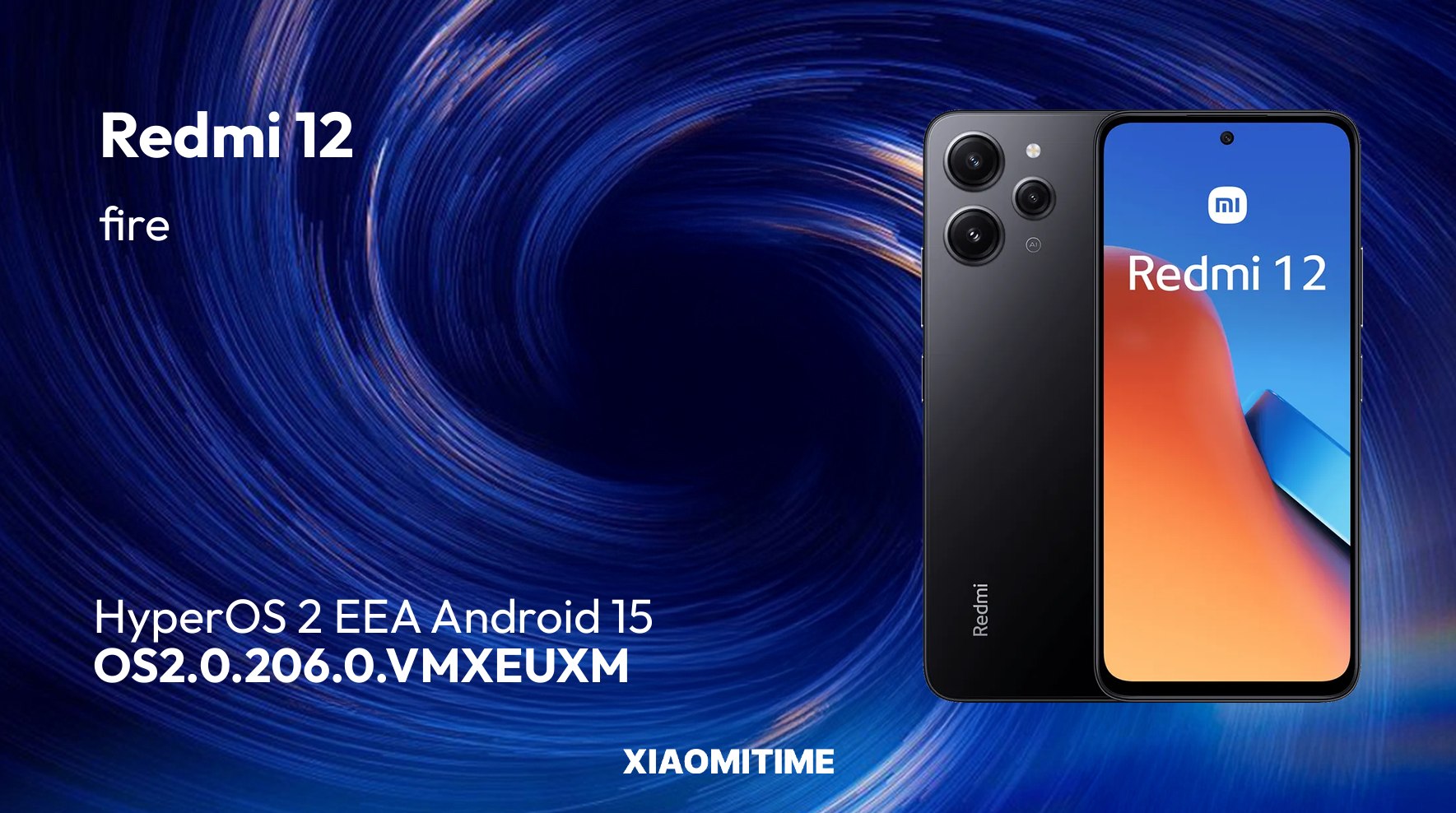
This first phase of the December 2025 security update rollout covers two Redmi smartphone models each, per region and Android version. Xiaomi is continuing its usual staged deployment approach to ensure the quality of the updates and minimize issues that may arise.
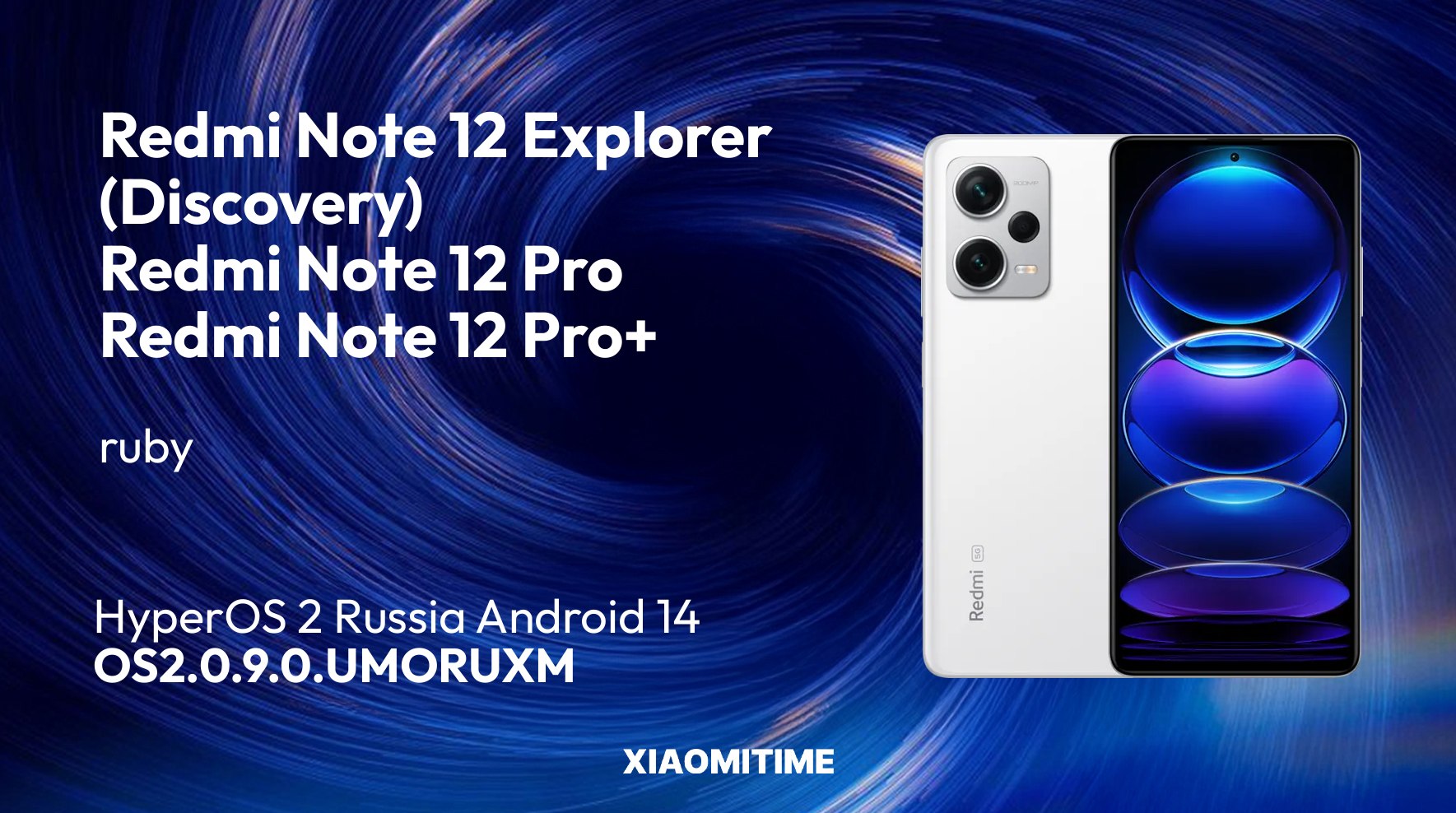
Redmi Note 12 Pro / Redmi Note 12 Pro+
Region: Russia
Firmware version: OS2.0.9.0.UMORUXM
Android Version: Android 14
Redmi 12
Region: EEA (Europe)
Version: OS2.0.206.0.VMXEUXM
Android Version: Android 15
These updates confirm that Xiaomi continues to support both Android 14 and Android 15 variants in parallel for its respective devices running under the HyperOS ecosystem.
What’s New in the December 2025 Security Patch
Besides the other updates, Xiaomi has laid strong emphasis on system security and malware protection with the December 2025 security patch. The update fixes a wide range of vulnerabilities identified at the Android framework and system level. Many of these fixes are rated critical, especially malicious apps capable of locking your device or attempting to access files in a prohibited manner.
In the last few months, some new malware related to Android has been targeting lock screens and input methods. Xiaomi’s December patch directly addresses these risks by strengthening system permissions and improving background process control at the HyperOS level. This helps ensure user data integrity without affecting daily device performance.
Update Availability and System App Security
The rollout is gradual and may therefore take some time to reach all eligible users. When available, update manually using the standard system updater under HyperOS. Xiaomi also recommends keeping system apps up to date, since security fixes often depend on updated core apps.
The global smartphone industry has moved very fast over the past 15 years, but that pace was not an accident. Since its founding in 2010, Xiaomi has acted as a structural accelerator, pushing advanced hardware and software features into mainstream price segments years, if not decades, before traditional market leaders had planned. The question “what would smartphones look like without Xiaomi?” is thus not an exercise in branding but rather a strategic assessment of how innovation diffusion, pricing discipline, and consumer expectations were rewritten. This article considers which key features in the modern smartphone may have been significantly delayed-or remained in the exclusive domain-without sustained market pressure from Xiaomi.
Bezel-less displays became mainstream faster because of Xiaomi
Before 2016, the designs of smartphones were harnessed by a really conservative formula. Thick top and bottom bezels, physical buttons, and the aspect ratio of 16:9 dominated even premium devices. With such a perspective, supply-chain stability was more important for manufacturers than an industrial redesign, considering that existing LCD and OLED panels were cost-effective and reliable.
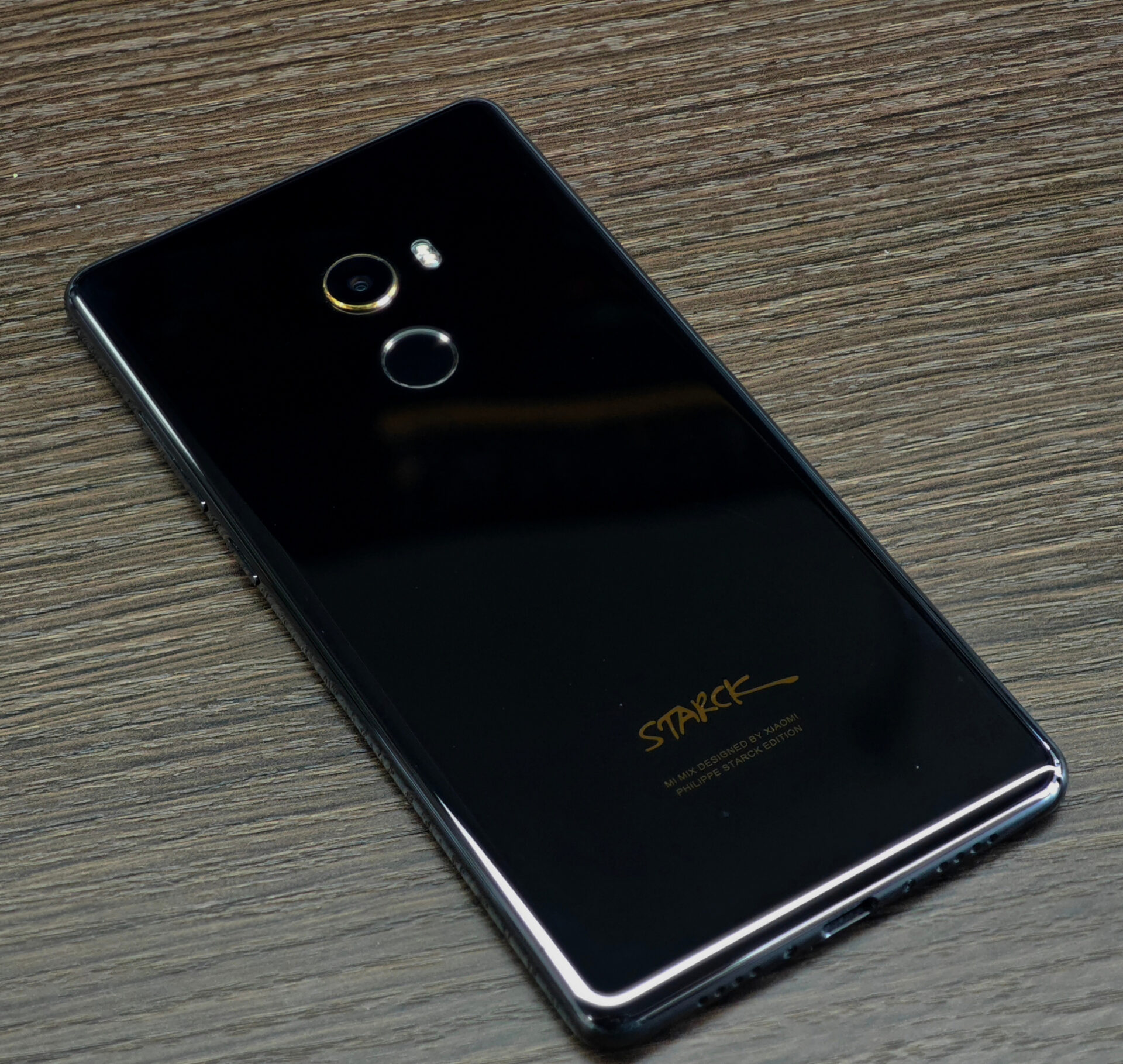
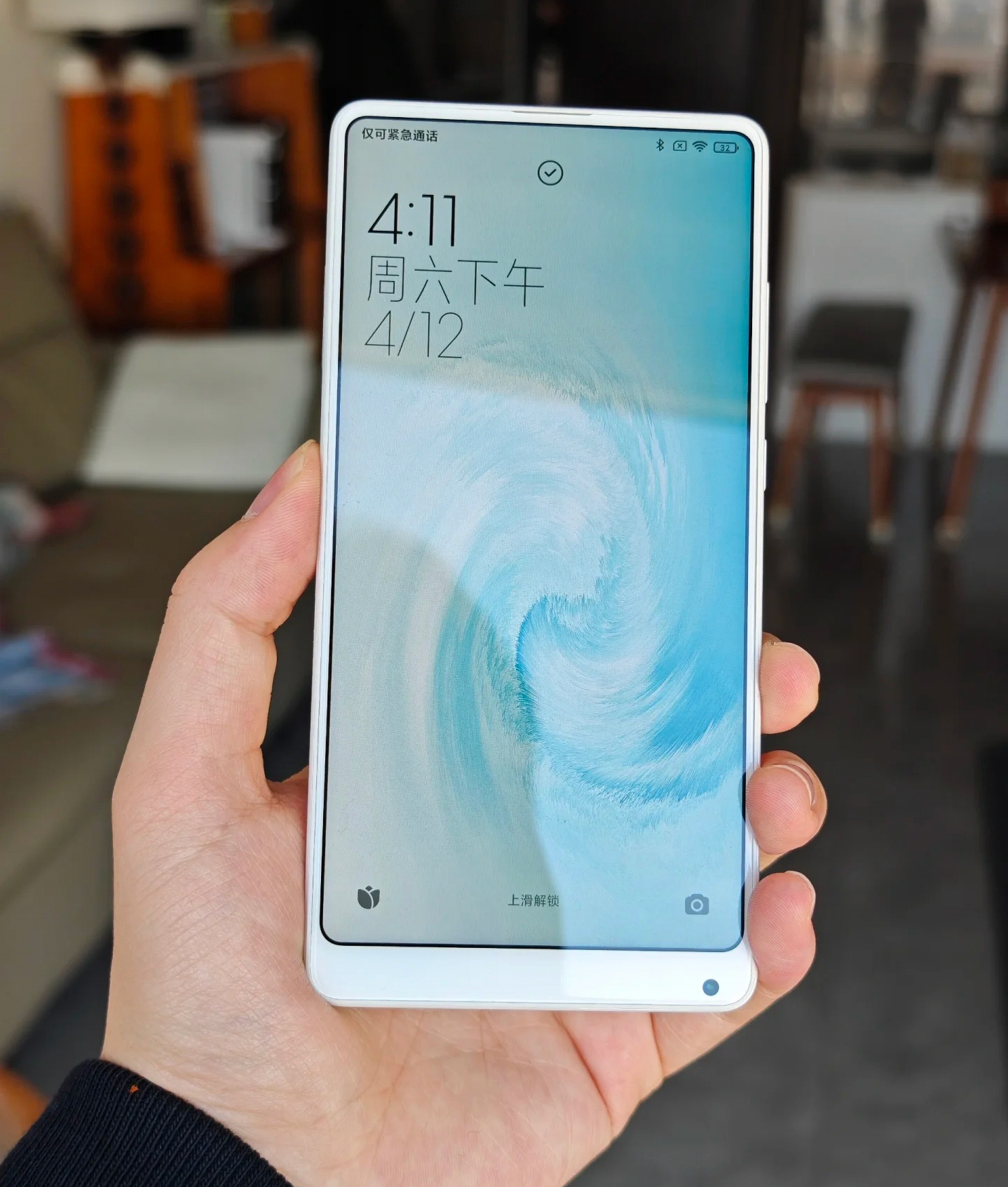
Xiaomi broke this balance when it introduced the Mi Mix in late 2016. Unlike earlier experimental concepts, Mi Mix was commercially available and produced at scale. This near bezel-less front design showed that radical changes in form could be successful in real markets and not just in showcases of technologies. That single product shifted industry timelines.
Without Xiaomi being willing to commercialize these highly risk-laden designs, bezel-less displays would probably have remained confined to a few niche models for at least several years to come. Flagship-wide adoption and subsequent mid-range trickle-downs would have taken much longer, as would today’s tall-aspect-ratio and immersive displays down to the lower rungs.
High-resolution camera sensors would have remained niche.
Between 2015 and 2018, the general consensus within the industry of smartphone cameras was that 12MP sensors struck the golden mean between image quality, processing speed, and storage efficiency. Apple and Google moved forward with computational photography rather than raw resolution, reinforcing this consensus.
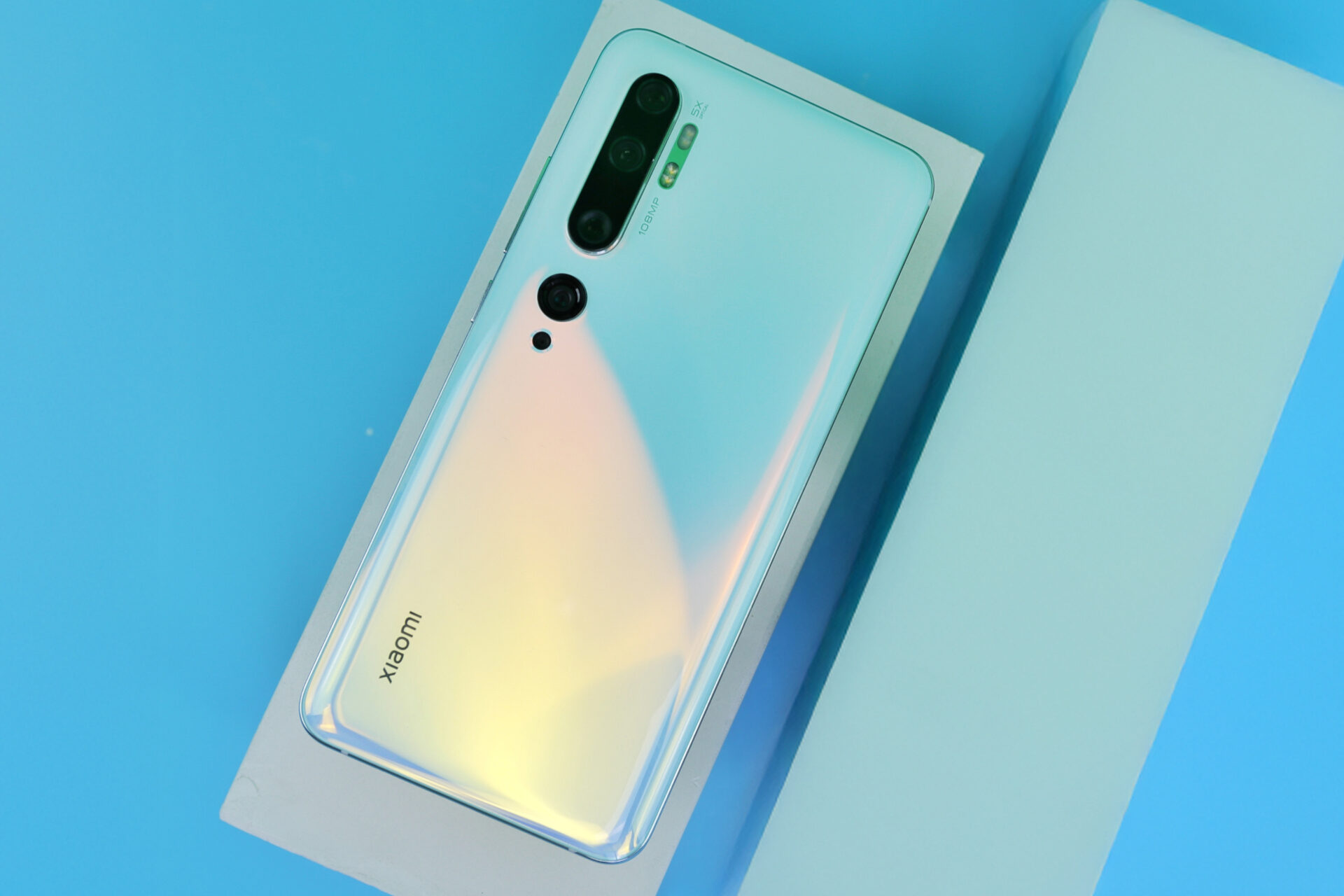
Xiaomi had bucked this trend with its strategic partnership with Samsung’s ISOCELL division and became an early commercial partner for the 64MP and later 108MP sensors, taking on early risks regarding higher data throughput, autofocus complexity, and software optimization. Devices like the Mi Note 10 proved that ultra-high-resolution sensors could be viable for end-consumers.
Without Xiaomi in the market, most likely these sensors would have remained showcases rather than mass-market components; similarly, the pixel-binning technologies now common across most Androids would have taken far longer to mature if it wasn’t for the large-scale deployment and feedback Xiaomi enabled.
Ultra-fast charging would not become expected worldwide.
In the wake of several battery safety incidents in the mid-2010s, most major brands adopted conservative charging strategies. Power levels stagnated for several years at 15W–25W, especially outside China where regulatory caution was higher.
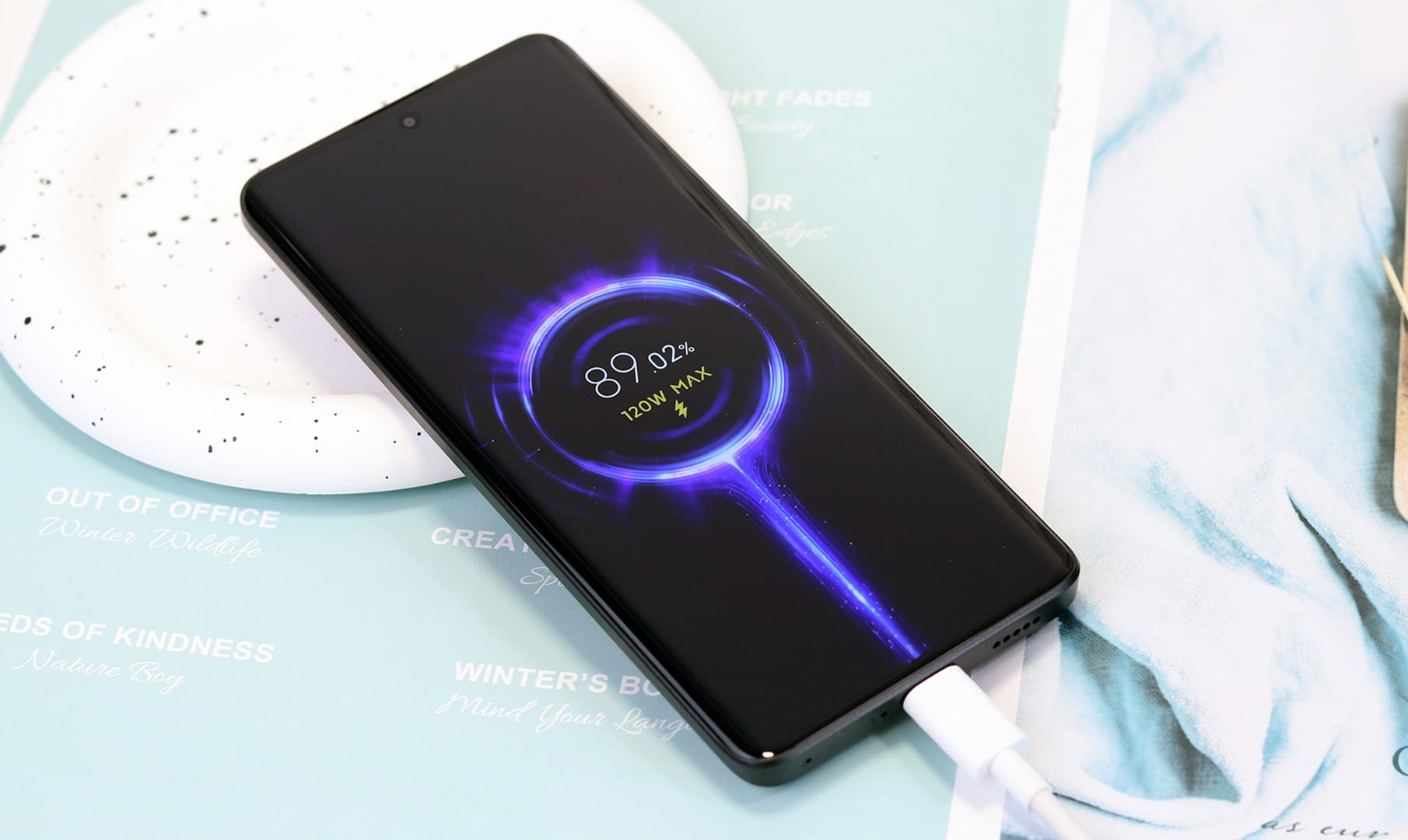
The Company Xiaomi chose to go its separate way: by investing heavily in battery chemistry, thermal control, and the charging architecture – the company normalized triple-digit charging speeds for everyday consumers. Technologies such as 120W wired charging and high-speed wireless didn’t become limited to concept devices, having shipped into the retail products.
Without Xiaomi’s ambition for global scale, ultra-fast charging would probably have remained a regional feature, mostly isolated to China. Western markets may also still think 30W-40W charging is “fast,” rather than full-day power in minutes.
Affordable Flagship Performance Would Be Rare
One of the most structural contributions from Xiaomi is pricing discipline. The company’s long-stated commitment to low hardware margins was ultimately forcing competitors to reconsider just how much performance could be offered at mid-range prices.
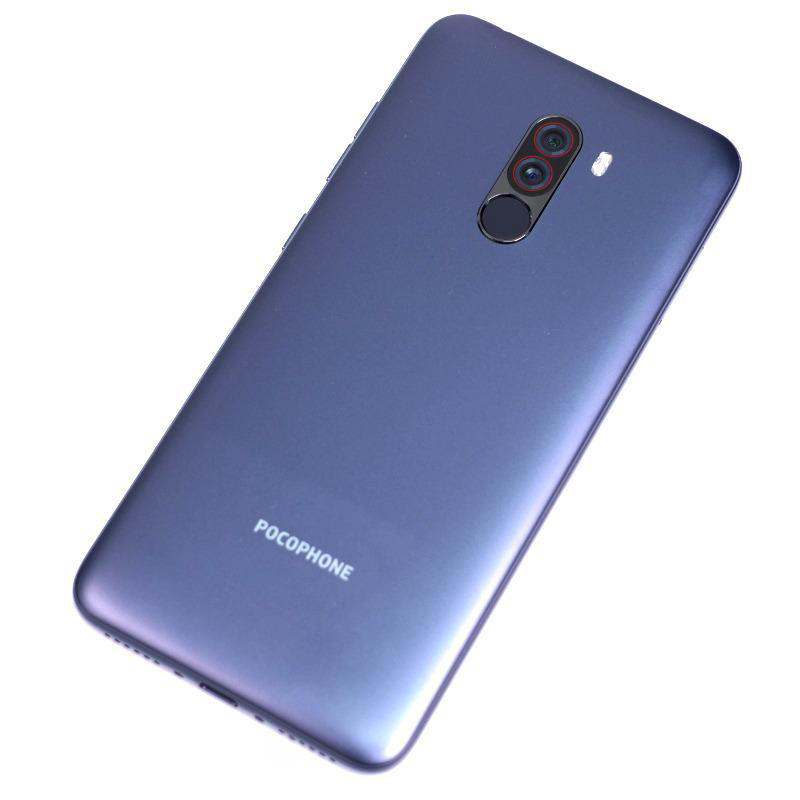
Devices like the Pocophone F1 proved that flagship-class processors didn’t have to come at premium prices, rebalancing consumer perception. The strategy redefined whole product lines in the industry: from Samsung’s Galaxy A series to newer “performance-focused” sub-brands.
When it comes to the market without Xiaomi, one can imagine the gap between premium and mid-range devices would be far wider. High-performance chipsets would have remained tightly segmented, and flagships’ trendy slogan of “flagship-level power at an accessible price” would be far less common.
Some Practical Hardware Features May Be Gone
Some hardware features survived largely because Xiaomi kept supporting them at scale. IR blasters are one clear example: many manufacturers shifted away from IR transmitters in favor of smart-home connectivity, but Xiaomi knew that infrared would remain relevant to users in emerging markets and with legacy devices.
By retaining IR blasters across both flagship and budget models, Xiaomi preserved a feature that might otherwise have vanished entirely. Similarly, experimental designs such as transparent back panels were commercially tested by Xiaomi years before other brands popularized it.
But without Xiaomi’s volume-driven validation, they surely would have been written off as unprofitable curiosities.
Smart Home Devices Would Be Less Accessible
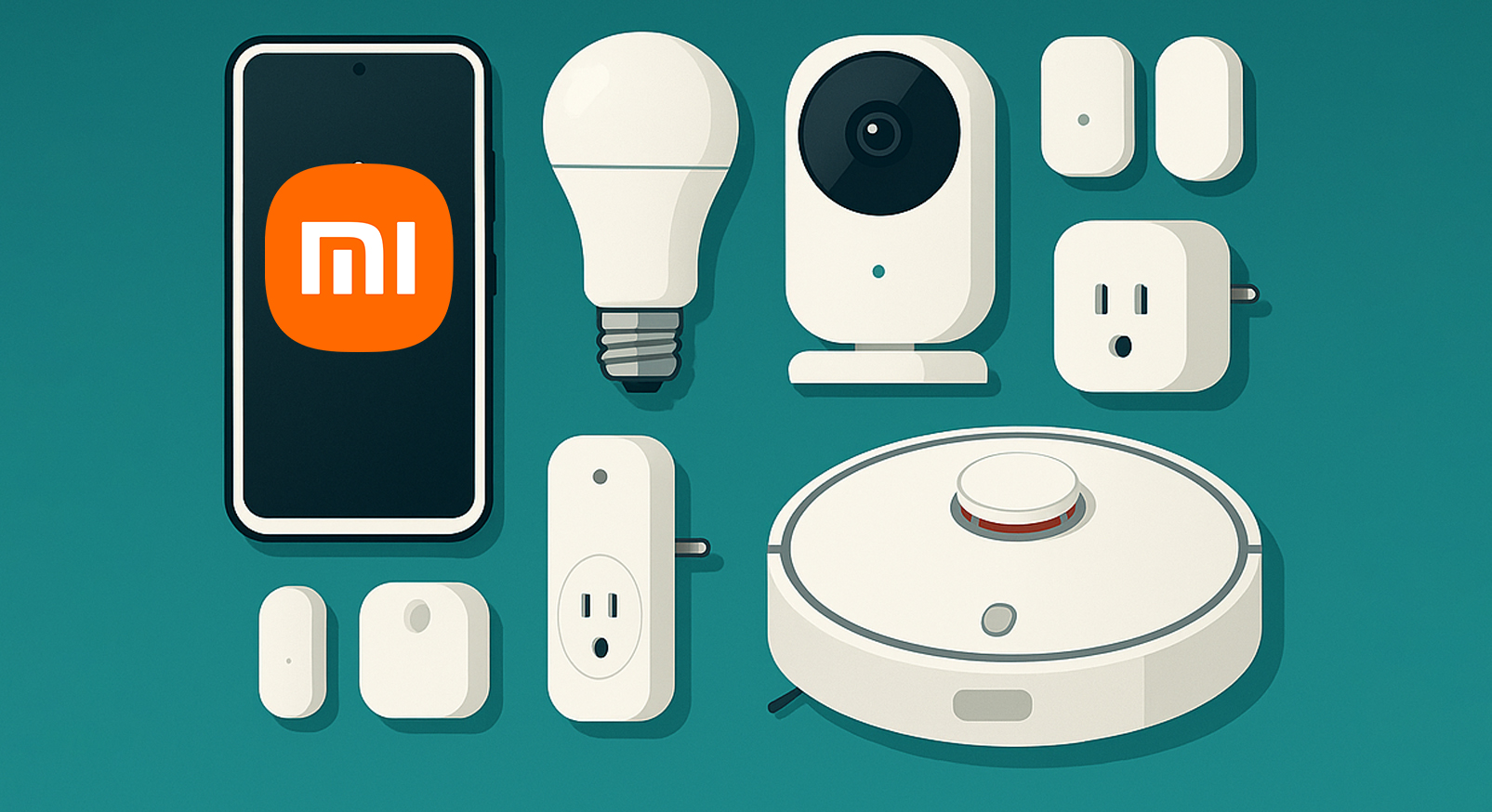
But the impact of Xiaomi extends beyond just smartphones. Its ecosystem-driven strategy rationalized entry barriers for smart home adoption. Inexpensive lighting, air purifiers, cameras, and robot vacuums could be programmed and installed in middle-income homes since Xiaomi treated hardware as part of a service ecosystem.
Without this plan, smart home technology would likely stay restricted to the premium brands, with higher average prices and slowing rates of adoption outside developed markets. Integration between phone, home, and connected devices would also feel far less standardized.
Conclusion: Xiaomi’s Real Impact Is Acceleration
More important features influenced by Xiaomi are not defined solely by invention, but by timing: bezel-less displays, ultra-fast charging, high-resolution cameras, flagship-grade performance would all exist eventually—but not when they did, and not at their current price levels. In that sense, Xiaomi’s legacy is not only the products it sells but the market behavior it forces. Many devices available today across multiple brands are indirect outcomes of Xiaomi’s pressure on pricing, specifications, and adoption speed. Without that pressure, smartphones in 2025 would probably be more expensive and more segmented, with less consumer focus. Weeks prior to having hip replacement surgery, he stopped smoking cold turkey and started walking longer distances.
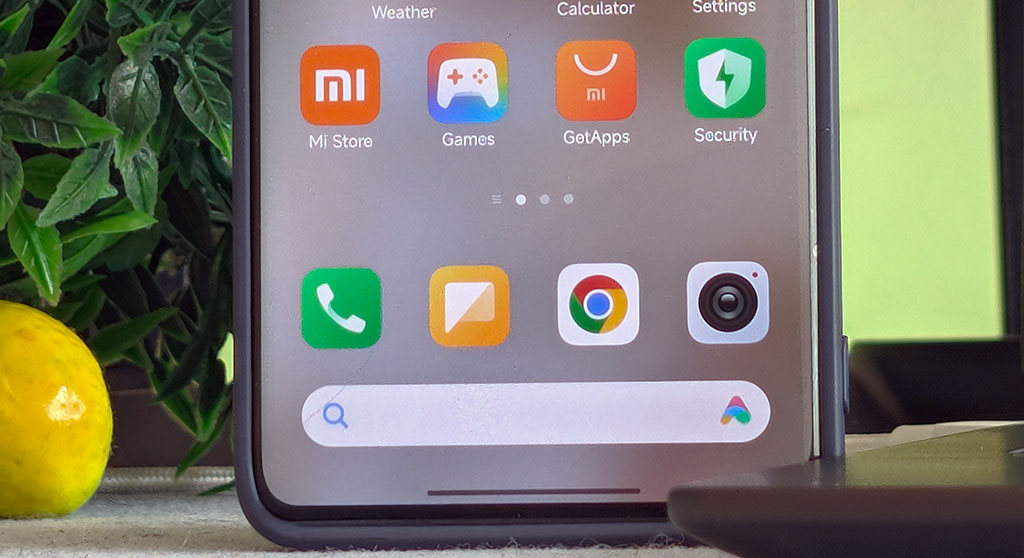
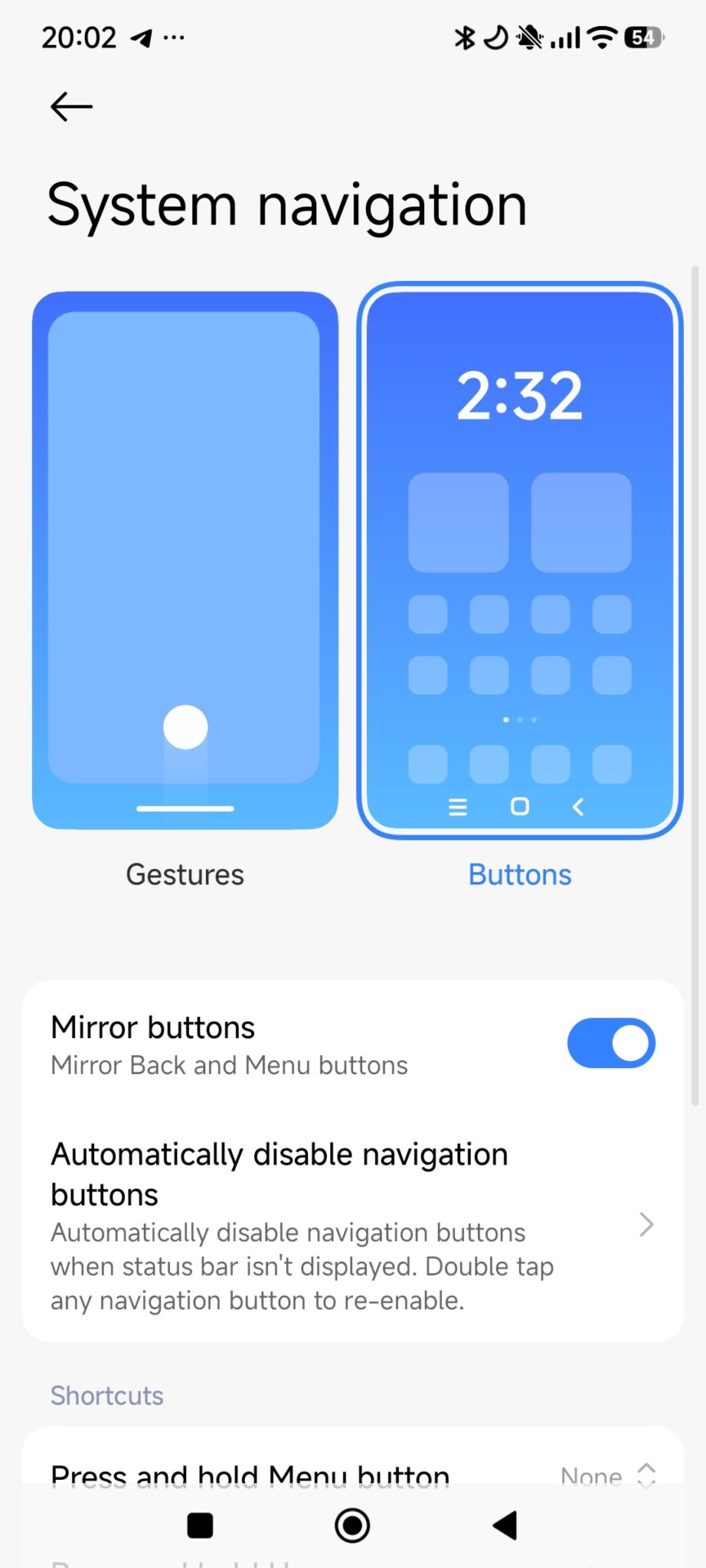
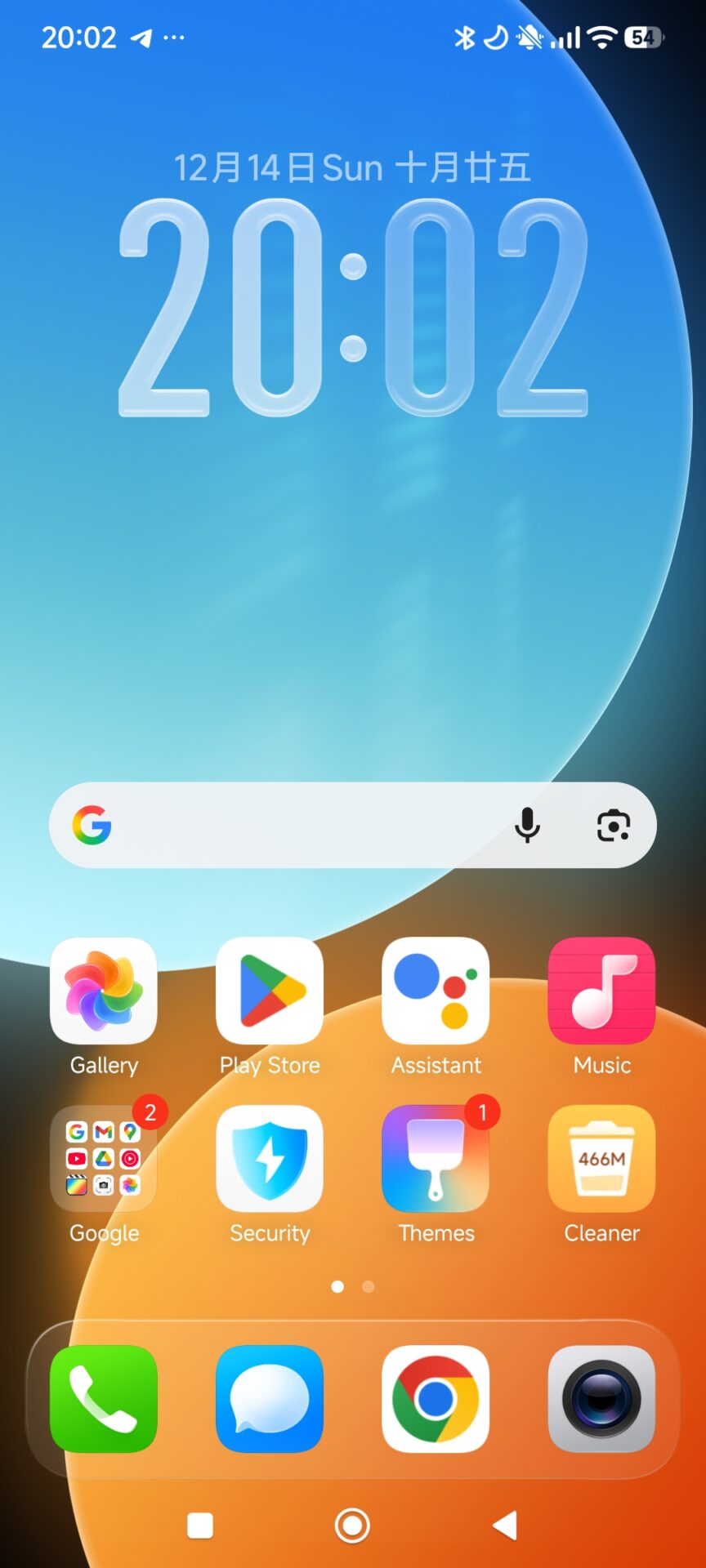
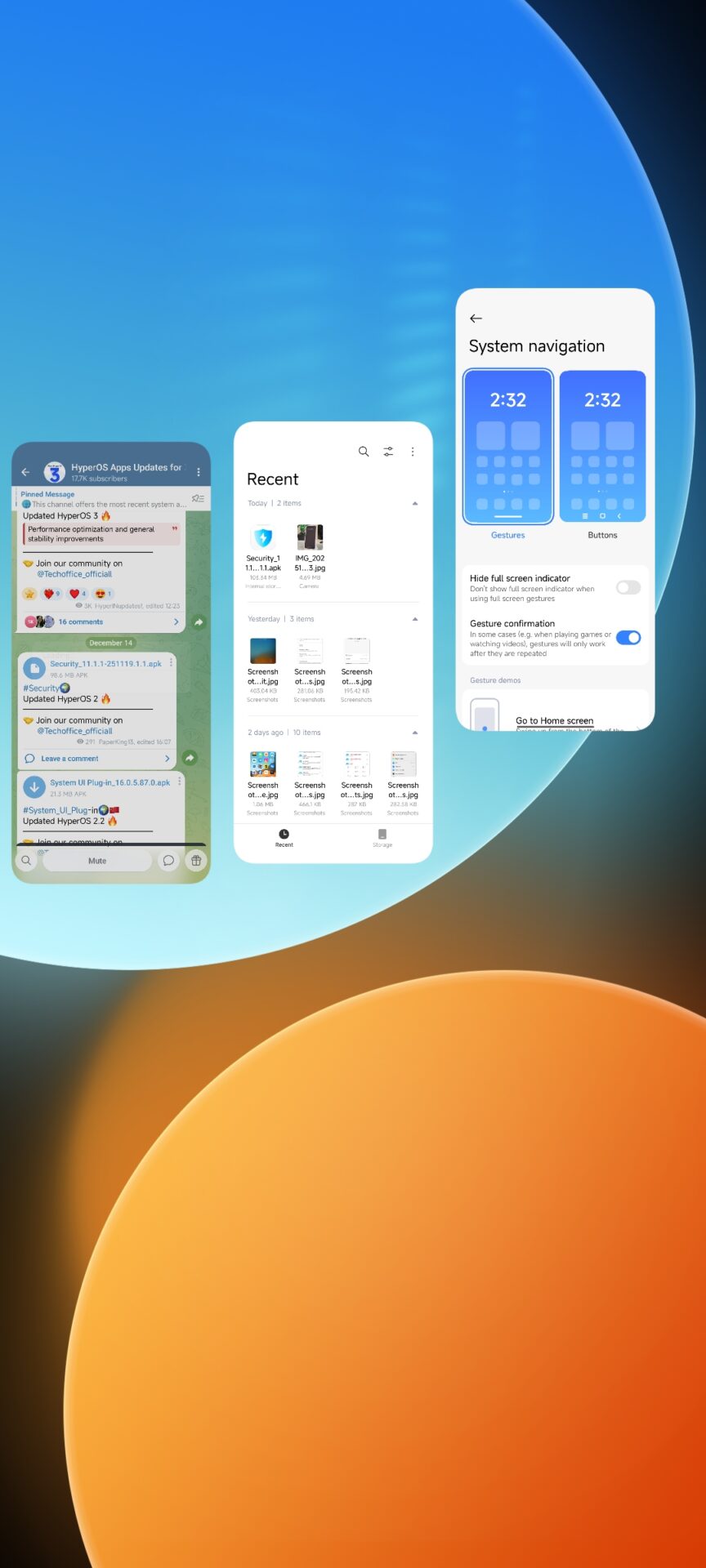
Navigation gestures are commonly claimed as the default, most efficient way of interacting with the modern Android ecosystem. Still, various technical limitations, especially when working with third-party launchers on Xiaomi devices running HyperOS, may force users to revert to the traditional three-button navigation system. In this article, we will try to understand what really happens when navigation buttons replace gestures on Xiaomi smartphones, focusing on user adaptation, system architecture, and measurable impacts on everyday use.
Setting up Gesture Navigation vs Button Navigation on Xiaomi HyperOS
Xiaomi’s HyperOS is based on Android’s modern navigation framework, but it enforces harsher restrictions when system-level gestures interact with non-default launchers. In the case of users migrating from Xiaomi’s System Launcher to third-party alternatives, including Nova Launcher, the HyperOS often kills gesture navigation and reverts to a three-button layout by default.
Short-Term Adaptation: Why Users Change More Quickly Than You Think
Switching back to using navigation buttons can feel disruptive, particularly to users who have become accustomed to the more fluid experience of using edge-based gestures. However, practical observation has demonstrated that most users adapt within days. This is because button-based navigation is not a new skill but an interaction pattern learned beforehand.
From a usability perspective, this rapid adaptation can be explained by procedural memory: The brain does not relearn from zero how to navigate; instead, it merely reinstates older motor patterns developed through years of button-based use of Androids. In about 72 hours or so, navigation starts to work and is mostly automatic again, even though it will not feel as smooth as gestures.
Workarounds for Advanced Users
Users who appreciate extra capabilities or efficiency in screen space have some advanced options. Gestures can be partly returned with ADB commands, or their work can be regulated with third-party gesture applications, but such methods demand accuracy in configuration. Xiaomi also provides some system features, like Second Space, which in some cases can allow gestures to remain on for a temporary period with non-default launchers.
However, users who are interested in a more conservative and fully-supported setup may find the transition to button-based navigation provides the most stable HyperOS experience over the long-term.
The switch back to button navigation in Xiaomi HyperOS is not as jarring as it seems. While the gestures remain more space-efficient and ergonomically quicker, the button navigation feels the benefits of system stability, predictable behavior, and fast user adaptation. The trade-off involves a minor loss of display area and reduced immersion, weighed against compatibility and reliability.
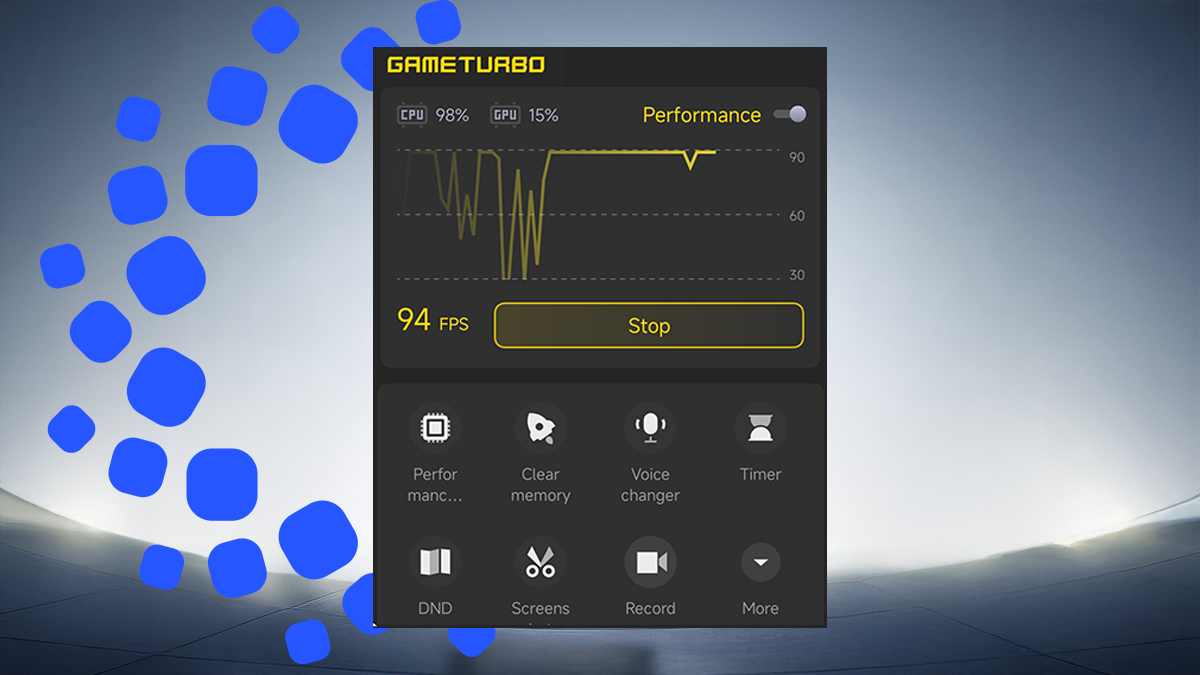
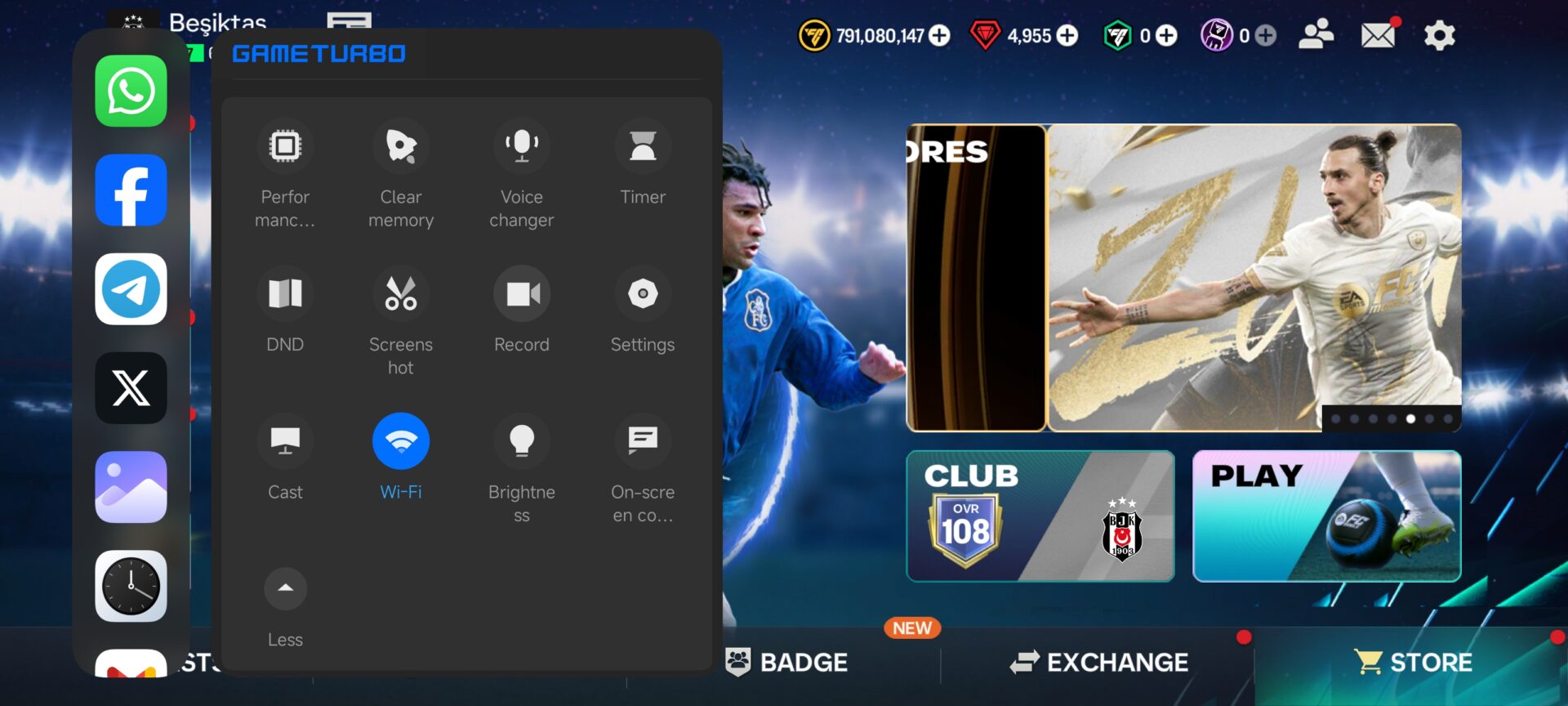
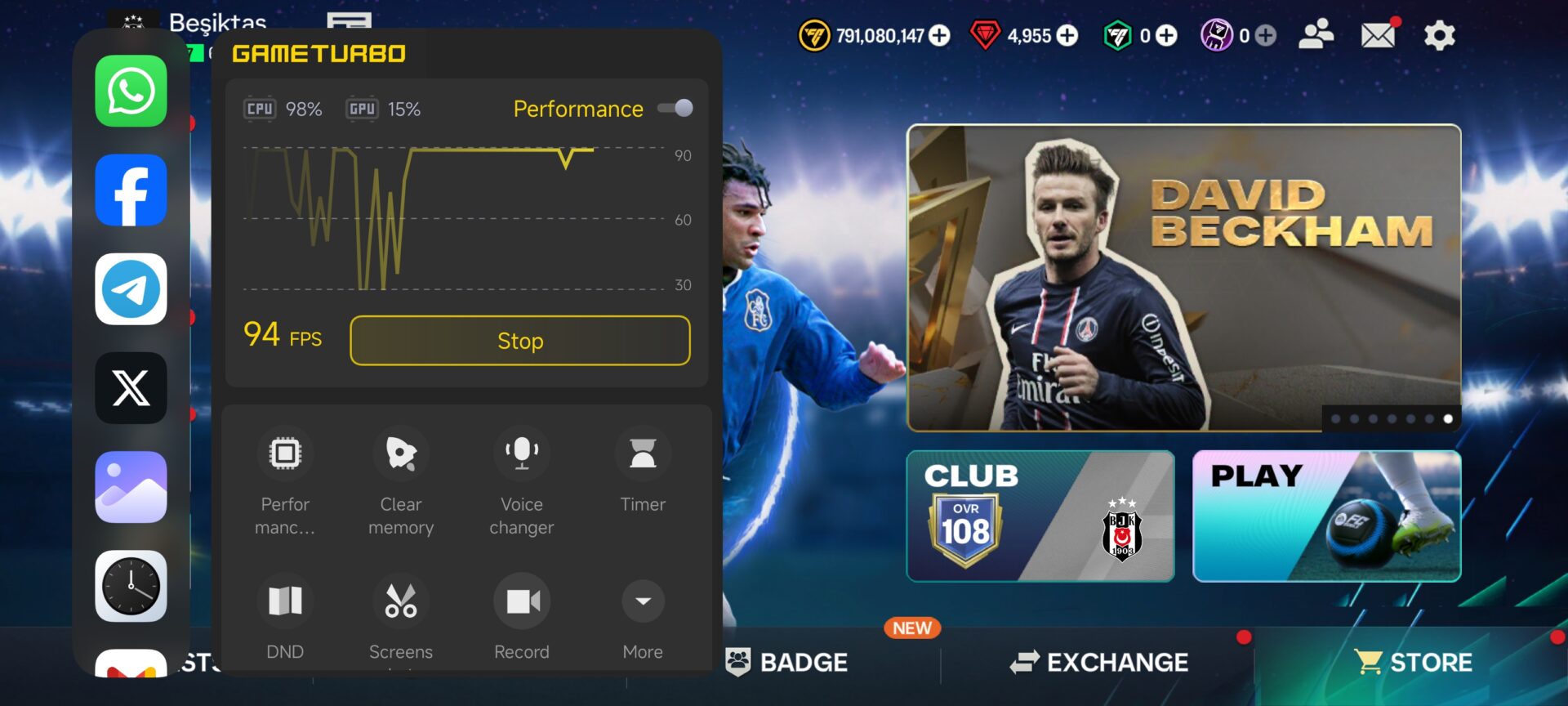
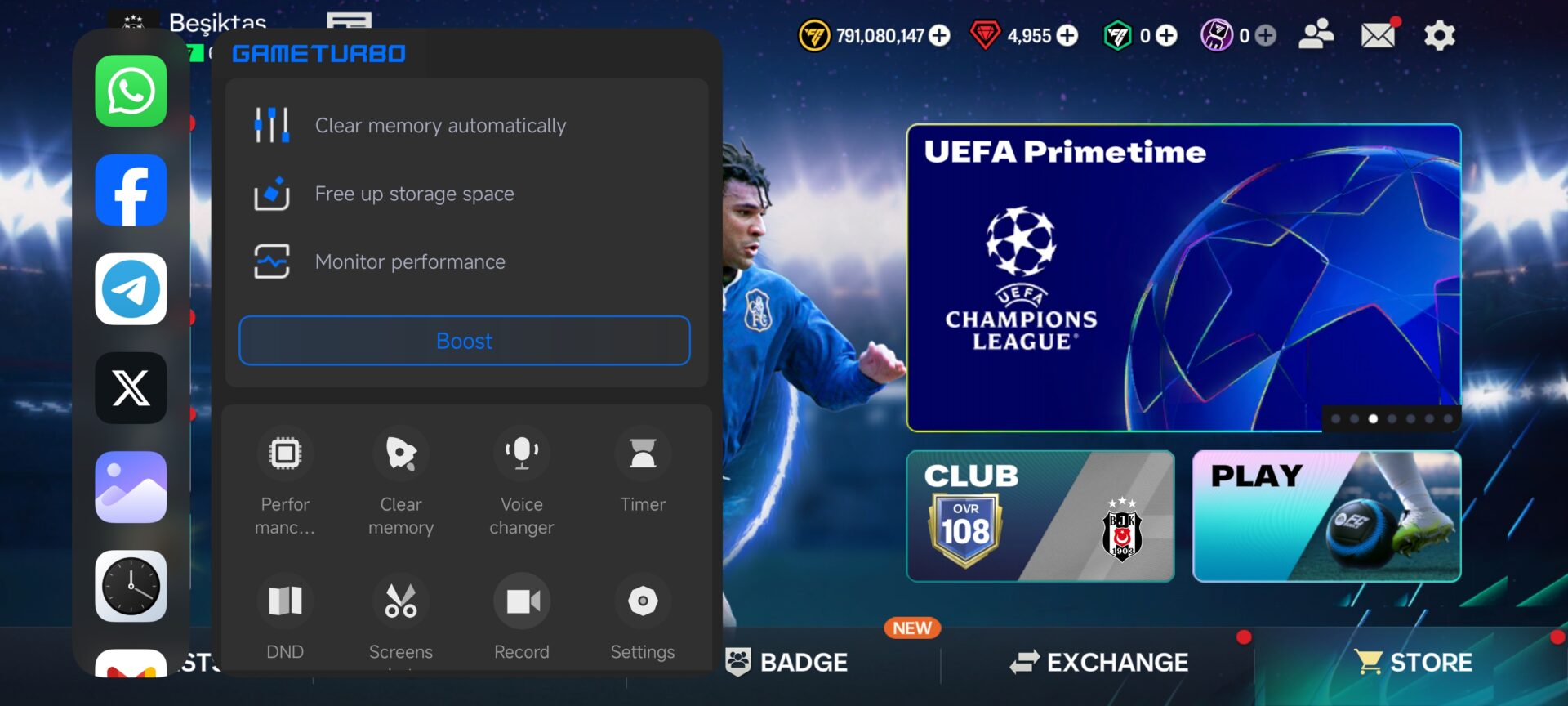
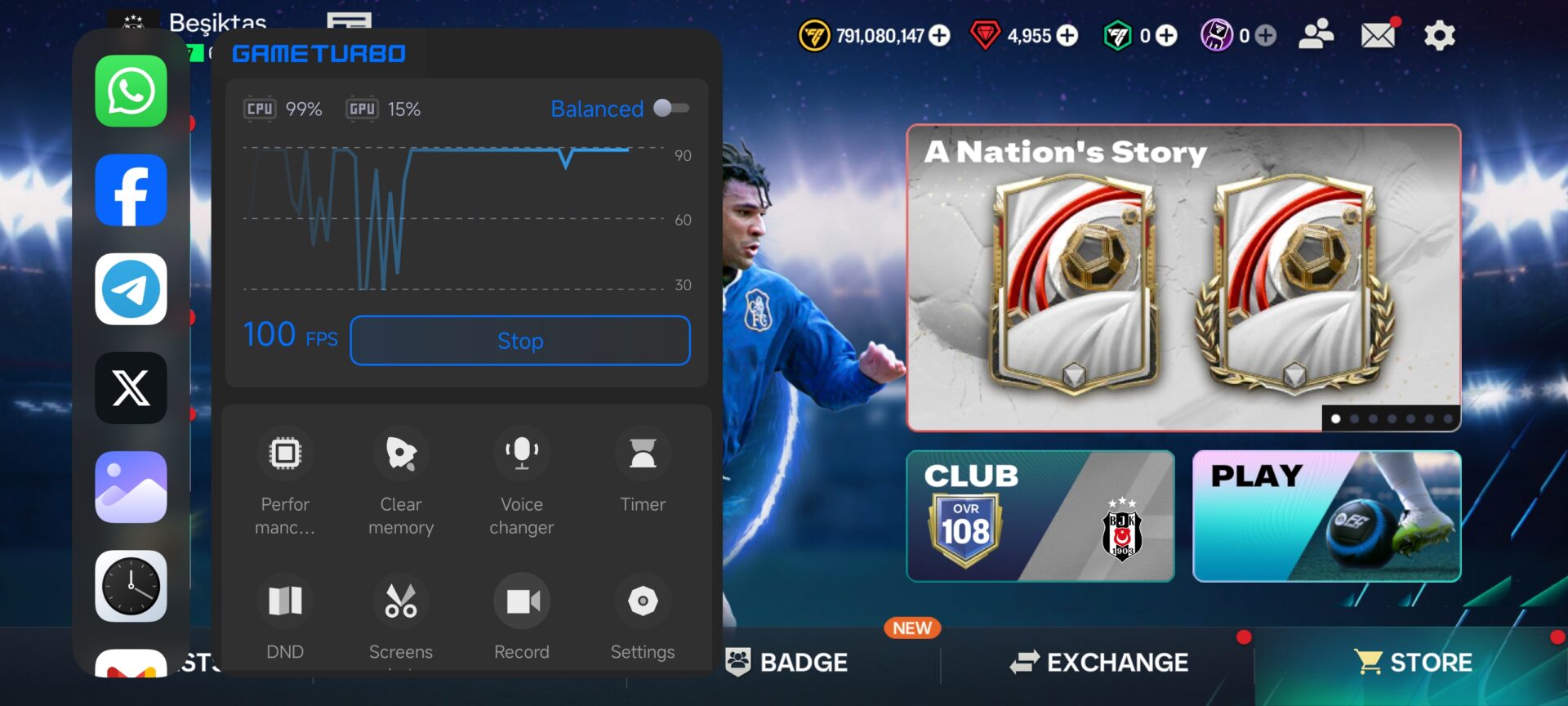
Xiaomi has finally released a major update for its stock Security app, signaling the introduction of the V12 generation. The newest build bears the number V12.0.6-251121.1.1 and is primarily focused on system infrastructure changes. However, this would be very interesting for those awaiting the release of the next HyperOS stage, as the new build provides a complete revamp of the Game Turbo interface and advanced system optimization logic. With this update, [Xiaomi] is finally preparing a serious revolution in the way background processes are handled and gaming performance is optimized on global devices.
A New Era of Optimization
This build marks the first public release of the V12 branch for the Security app. Unlike the incremental updates that came before it, the V12 series is a package deal of deep architectural changes that fit with future system iterations. Of particular note in the changelog is the refined optimization engine, which promises to clear caches and free up memory without affecting user activity. The shift to v12.0.6 would thus indicate that Xiaomi is laying the groundwork for more intensive uses of software, keeping devices fluid and responsive during more strenuous tasks.
Turbo Capabilities for Enhanced Gaming
The most noteworthy addition in this update, though, is the upgraded Game Turbo module. Xiaomi has optimized the user interface for quicker access to performance modes and floating windows. New optimization algorithms work in silent mode in the background to give priority to network stability and frame rates during gameplay. Enthusiasts using their devices for competitive gaming will appreciate how much more smooth the transition from the game to system notifications has become, with latency and input lag significantly reduced.
How to Install the Update
Keeping system applications updated is very crucial for maintaining the security and performance stability of any device. Users can easily update this application from our other projects, HyperOSUpdates.com, or through our MemeOS Enhancer application on the Play Store. The MemeOS Enhancer app unlocks special capabilities beyond simple updates for users. Among such capabilities are unlocking hidden Xiaomi settings, updating other system applications seamlessly, and managing screen refresh rates, among the common updater features.

 Login
Login