Reading view

Reports Spark Questions About Bitmain Leadership and Internal Disputes

Posts on X (Twitter) suggest that Bitmain co-founder Micree “James” Zhan Ketuan may be facing a billion-dollar fine, alleged detention, and a complete fallout with business partner Jihan Wu.

Conflicting reports leave the crypto community scrambling to verify the details of one of the sector’s most high-profile crises.

Bitmain Co-Founders at Center of Growing Speculation and Uncertainty

Bitmain, a pioneer in Bitcoin mining hardware, controls equipment powering over 74% of the global Bitcoin hash rate. It is also responsible for chips used in AI data centers running Nvidia H100s.

The company now finds itself at the intersection of geopolitics, legal scrutiny, and internal corporate strife.

On December 21, 2025, crypto veteran Chandler Guo sparked speculation with a cryptic social media post referencing an industry colleague’s “deep-sea fishing” ordeal. The term is used to describe covert detention in China, worth several billion dollars over six months.

According to Guo, while the individual emerged safely, he had learned a hard lesson that even the biggest backers are not reliable. When they fall, their associates suffer as well.

“There’s an old friend from the crypto circle by my side who just went through an experience of being deep-sea fished. It’s said to involve several billion US dollars, and he’s been dealing with it for half a year. Fortunately, the person has already safely come out of it…He relied on his backer’s connections to strike down his opponents, but he also got bitten back by the backer’s own enemies,” wrote Guo.

Observers quickly connected Guo’s account to Zhan. Rumors circulating in crypto circles indicate fines ranging from $1 billion to $10 billion, though none have been officially confirmed.

Some reports claim Zhan paid a $1 billion penalty, while others allege he fled to Indonesia two months ago and remains missing. A Chinese community lead, popular on X, confirmed two key developments:

  • Recent disruptions in Xinjiang’s mining operations and
  • Escalating internal conflict between Bitmain’s co-founders.

Dual CEO System Collapses Amid Founder Conflict

Bitmain’s dual CEO structure, which allowed both Zhan and Wu to lead the company, collapsed completely in 2025. Wu, a Peking University graduate, reportedly used political connections to challenge Zhan, a Chinese Academy of Sciences alumnus who focused on chip design and production.

Their rift mirrors broader industry risks, demonstrating the dangers of intertwining business with influential backers.

This alleged internal upheaval comes as Bitmain faces mounting external pressures. While Zhan historically focused on technical operations, Wu has led strategic partnerships and business development.

The absence of either founder could leave operational gaps at a time when Bitmain remains central to Bitcoin mining worldwide. The firm is already facing a lawsuit from Old Const alleging breach of a hosting deal and attempts to reclaim mining hardware without cause.

Geopolitical Risks and Infrastructure Vulnerabilities

Beyond corporate disputes, Bitmain faces scrutiny from US authorities over potential hardware security threats. In June, Bitmain and two other firms relocated to the US to bypass new tariffs and optimize supply chains.

However, with the company’s mining infrastructure embedded in both crypto and AI data centers, national security concerns amplify the stakes.

Any compromise could ripple through global Bitcoin networks, highlighting crypto’s ongoing vulnerability to geopolitical tensions.

Recent crackdowns on Xinjiang mining farms, combined with Zhan’s alleged detention, have fueled speculation of coordinated regulatory pressure.

The crypto sector remains vigilant, as the situation could impact mining hardware markets, supply chains, and competitive dynamics.

The post Reports Spark Questions About Bitmain Leadership and Internal Disputes appeared first on BeInCrypto.

  •  

IMF Q2 2025 COFER Data Weakens Dedollarization Narratives Cited as Bullish Catalysts for Bitcoin

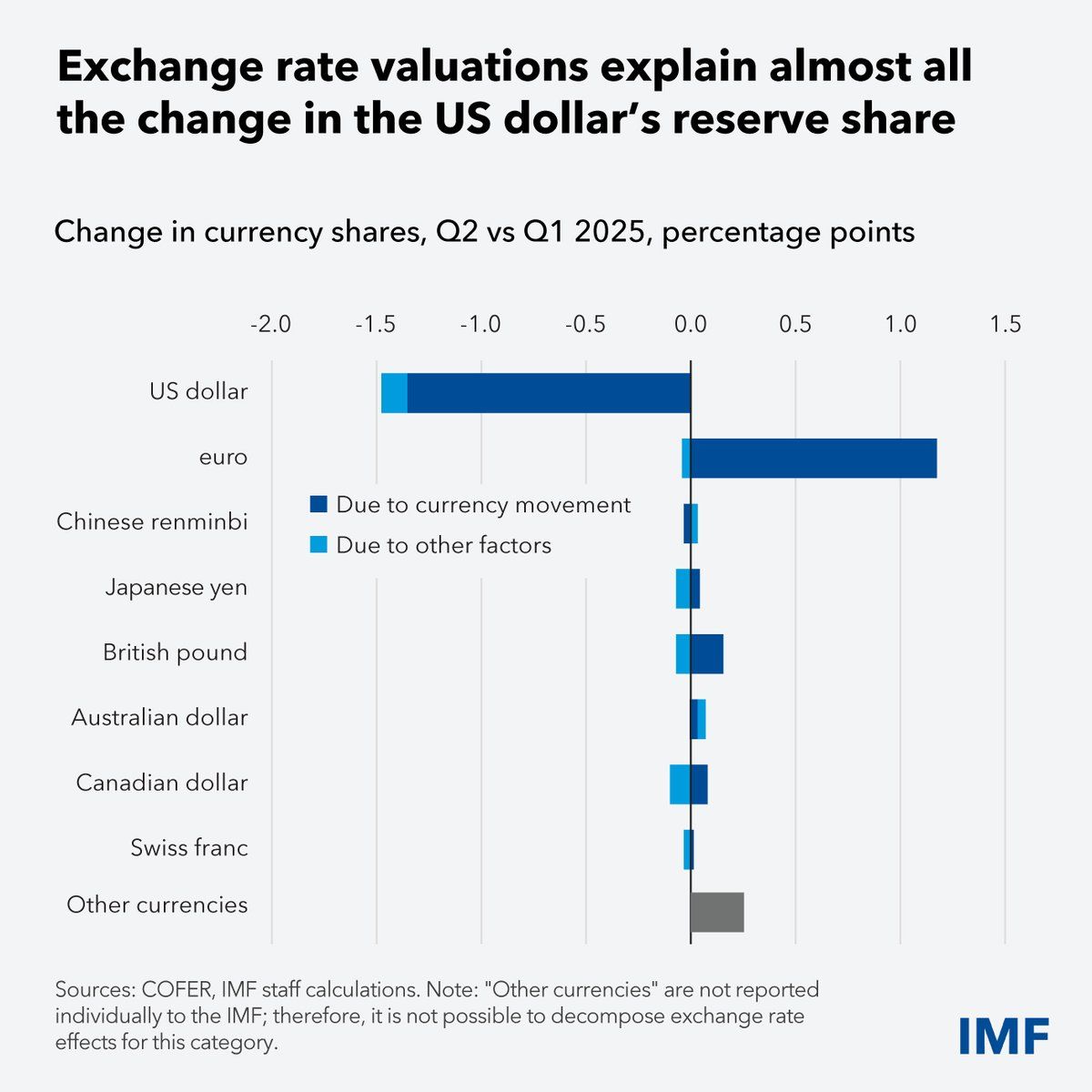
The US dollar’s global reserve share dropped to 56.32% in Q2 2025, but 92% of that decline was driven by exchange-rate effects, not central bank portfolio changes. Currency adjustments show a marginal decline to just 57.67%, indicating central banks largely maintained their USD holdings.

The International Monetary Fund’s new Currency Composition of Official Foreign Exchange Reserves (COFER) report provides important insights for crypto investors tracking macroeconomic trends. The data reveals that central banks kept dollar allocations steady, even amid notable currency swings during the quarter.

IMF: Central Banks Stayed Dollar-Heavy Despite Depreciation

The IMF’s COFER dataset tracks currency reserves from 149 economies in US dollars. In Q2 2025, major currency movements gave the impression of large portfolio reallocations.

According to the report, the DXY index declined by more than 10% in the first half of 2025, its biggest drop since 1973.

The US dollar declined 7.9% against the euro and 9.6% against the Swiss franc in Q2. These swings lowered the USD reserve share from 57.79% to 56.32%. However, this reduction reflected exchange-rate effects rather than active reallocation.

Adjusted for constant exchange rates, the dollar’s reserve share edged down only 0.12% to 57.67%. This indicates that central banks made minimal changes to their dollar reserves during the quarter, challenging stories of global dedollarization.

Similarly, the euro’s reserve share appeared to rise to 21.13%, an increase of 1.13 points. Yet, this was also driven entirely by currency valuations.

At constant exchange rates, the euro’s share declined slightly by 0.04 points, showing central banks actually trimmed euro holdings.

IMF COFER data exchange rate effects on reserve shares Q2 2025
IMF bar chart showing exchange rate valuations explain almost all the change in the US dollar’s reserve share in Q2 2025, attributed to IMF

What This Means for Bitcoin and Altcoins

This analysis offers muted macro signals for Bitcoin and other digital assets marketed as hedges against US dollar weakness. Central banks did not diversify away from the dollar even as the currency depreciated significantly.

Dedollarization trends are often highlighted as possible drivers of institutional adoption of crypto. However, the COFER data, once adjusted for exchange rates, suggest that these trends can be misleading without proper context.

The British pound also saw its reserve share appear to grow in Q2, but this was another valuation effect covering up a real decrease in holdings. These findings demonstrate why investors should look beyond headline numbers to understand the actual shifts in liquidity.

The IMF’s study provides investors a more accurate view of monetary policy during volatile markets. By distinguishing between true policy moves and temporary valuation changes, crypto investors can better evaluate global macro trends.

Central Bank Reserve Strategies and Outlook

Dollar holdings remained stable in Q2 2025, showing central banks still rely on traditional currencies even as digital alternatives gain attention. The IMF emphasized that exchange-rate adjustments are crucial for understanding reserve shifts accurately.

The US dollar’s share of global foreign reserves held steady in Q2, after adjustment for currency fluctuations. Exchange-rate effects drove nearly all the decline in the US currency’s share of reserves. Our blog has the details. https://t.co/XtaRfBIbqL pic.twitter.com/fXcUkRkg7U

— IMF (@IMFNews) December 21, 2025

Central banks prioritize liquidity, returns, and risk when managing reserves. The dollar’s strong position is linked to deep markets, high transaction utility, and established systems. These aspects are still hurdles for digital assets to overcome.

The IMF’s methodology reveals how currency changes can distort reserve data. In Q2, nearly all reported shifts in major currencies resulted from valuation swings, not actual portfolio rebalancing. Central banks maintained a careful stance during the market’s turbulence.

These findings help clarify global trends shaping crypto markets. Investors interested in dedollarization as a Bitcoin catalyst should rely on exchange-rate-adjusted numbers.

The post IMF Q2 2025 COFER Data Weakens Dedollarization Narratives Cited as Bullish Catalysts for Bitcoin appeared first on BeInCrypto.

  •  

Analysts Look Beyond Bitcoin’s Price As Tom Lee Flags a Structural Shift

Bitcoin’s price may still dominate headlines, but among analysts and institutional strategists, attention is quietly shifting elsewhere.

Instead of debating whether Bitcoin can reclaim upside momentum in the near term, market observers are increasingly focused on a deeper question: whether the structural signals that once reliably guided Bitcoin’s four-year cycle are beginning to fracture.

Analysts Are No Longer Looking at Bitcoin Price As Demand Signals Quietly Deteriorate

The shift comes on the backdrop of fading demand indicators, rising exchange flows, and a growing divide between analysts.

On the one hand, some believe Bitcoin is entering a traditional post-peak correction. On the other hand, others argue that the pioneer crypto may be breaking free from its historical cycle altogether.

Analyst Daan Crypto Trades argues that recent price behavior has already challenged one of Bitcoin’s most dependable seasonal assumptions.

“BTC Looking ahead, Q1 is generally a good quarter for Bitcoin, but so was Q4, and that one didn’t quite work out this time. No doubt 2025 has been a very messy year. Massive inflows and treasury accumulation, which were matched by big OG whales and 4-year cycle selling. Q1 2026 is where Bitcoin has a chance to show whether the 4-year cycle persists or not,” he wrote.

Rather than signaling a definitive breakdown, the underperformance suggests friction. ETF inflows and corporate accumulation are being absorbed by long-term holder distribution, muting the impact those inflows once had on BTC price.

That structural tension is also visible in US spot market data. According to Kyle Doops, the Coinbase Bitcoin premium, often used as a proxy for US institutional demand, has remained negative for an extended period.

The Coinbase $BTC premium has stayed negative for 7 straight days, now around -0.04% per Coinglass.

That usually signals U.S. spot demand is lagging the rest of the market.

Less aggressive institutional buying, softer risk appetite, and capital staying cautious.

Not panic, but… pic.twitter.com/HtjNSorO1I

— Kyledoops (@kyledoops) December 21, 2025

The message is not capitulation, but hesitation, which means capital is present, yet unwilling to chase.

Exchange Flows Point to Distribution, Not Accumulation

On-chain data highlights the need for cautious interpretation, as Bitcoin exchange inflows surge to levels historically associated with late-cycle behavior.

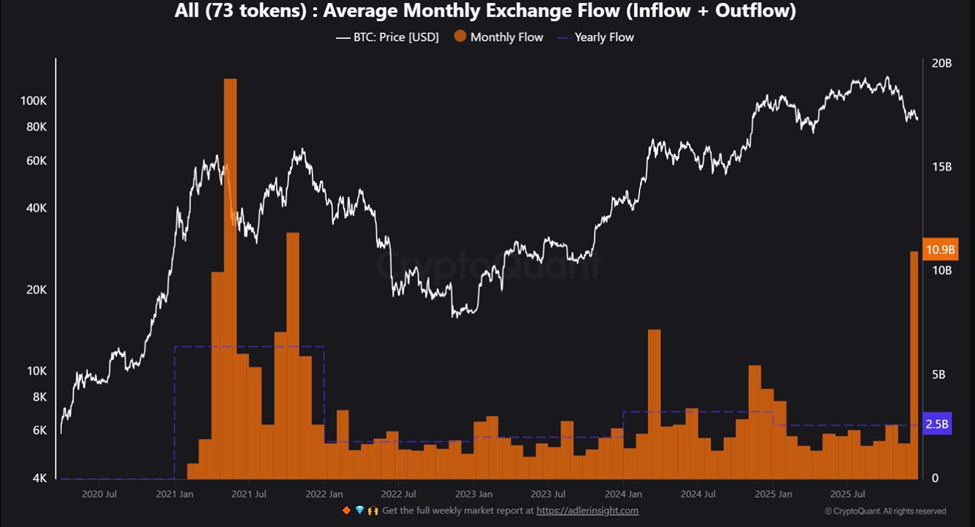
“Monthly exchange flows have surged to $10.9 billion, the highest since May 2021. High exchange flows like this signify increased selling pressure, as investors move assets onto exchanges to liquidate positions, take profits, or hedge against downturns. This is further evidence of a market top and the start of a bear market amid heightened volatility,” said analyst Jacob King.

Historically, similar spikes have coincided with profit-taking phases rather than early accumulation periods.

Monthly Exchange Flow
Monthly Exchange Flow. Source: CryptoQuant

If History Holds, Cycle Math Still Points Lower with Institutions Split but Disciplined

On-chain analyst Ali Charts argues that despite structural changes, Bitcoin’s timing symmetry remains striking.

“Bitcoin’s price cycles have followed a strikingly consistent pattern, both in timing and magnitude. Historically, it takes around 1,064 days from the market bottom to the market top, and about 364 days from the top back to the next bottom,” he wrote, outlining how previous cycles adhered closely to that rhythm.

If that pattern persists, the analyst suggests that the market may now be inside its corrective window. Historical retracements imply further downside before a durable reset.

At the institutional level, views are diverging without turning chaotic. Fundstrat’s Head of Crypto Strategy Sean Farrell acknowledged near-term pressures while maintaining a longer-term bullish framework.

“Bitcoin is currently in a valuation ‘no man’s land’,” Farrell said, citing ETF redemptions, selling by original holders, miner pressure, and macro uncertainty. Still, he added, “I still expect Bitcoin and Ethereum to challenge new all-time highs before the end of the year, thereby ending the traditional four-year cycle with a shorter, smaller bear market.”

The Cycle Debate Is Now Institutional

That possibility is echoed by Tom Lee, whose view has been amplified across crypto commentary, suggesting that Bitcoin will soon break its 4-year cycle.

TOM LEE THINKS BITCOIN WILL BREAK THE 4-YEAR CYCLE SOON! pic.twitter.com/eWZdW7xkgW

— Crypto Rover (@cryptorover) December 21, 2025

Fidelity’s Jurrien Timmer takes the opposite stance. According to Lark Davis, Timmer believes Bitcoin’s October peak marked both a price and time top, with “2026… a down year” and support forming in the $65,000–$75,000 range.

"The bear market is here and Bitcoin is heading down to $65,000"

That's what Fidelity's director of global macro Jurrien Timmer thinks.

While Jurrien is bullish on $BTC in the long term, he believes that Bitcoin is once again following its historical 4-year cycle driven by its… pic.twitter.com/KFPcBWTcZP

— Lark Davis (@LarkDavis) December 21, 2025

Together, these perspectives show why analysts are no longer fixated solely on Bitcoin price. The pioneer crypto’s next move may not decide who was bullish or bearish, but whether the framework that has defined its market for over a decade still applies at all.

The post Analysts Look Beyond Bitcoin’s Price As Tom Lee Flags a Structural Shift appeared first on BeInCrypto.

  •  

Laporan Picu Pertanyaan Soal Kepemimpinan Bitmain dan Perselisihan Internal

Postingan di X (Twitter) menunjukkan bahwa co-founder Bitmain, Micree “James” Zhan Ketuan, mungkin sedang menghadapi denda bernilai miliaran US$, dugaan penahanan, dan konflik besar dengan rekan bisnisnya, Jihan Wu.

Laporan yang saling bertentangan membuat komunitas aset kripto berusaha keras memverifikasi detail dari salah satu krisis paling besar di sektor ini.

Co-founder Bitmain jadi pusat spekulasi dan ketidakpastian yang semakin meningkat

Bitmain, pelopor dalam perangkat keras mining Bitcoin, menguasai peralatan yang memperkuat lebih dari 74% hash rate Bitcoin secara global. Perusahaan ini juga memproduksi chip yang dipakai di data center AI, termasuk untuk menjalankan Nvidia H100.

Sekarang, perusahaan itu berada di tengah persimpangan geopolitik, pengawasan hukum, dan konflik internal di jajaran korporasi mereka sendiri.

Pada 21 Desember 2025, veteran kripto Chandler Guo memicu spekulasi lewat unggahan media sosial yang membagikan kisah samar tentang rekan industri yang mengalami peristiwa “deep-sea fishing”. Istilah ini digunakan untuk menggambarkan penahanan rahasia di Cina, dengan dugaan nilai beberapa miliar US$ dalam waktu enam bulan.

Berdasarkan penuturan Guo, meski orang tersebut akhirnya selamat, ia mendapat pelajaran keras bahwa bahkan pendukung terbesar pun tidak selalu dapat dipercaya. Jika mereka bermasalah, rekan-rekan mereka pun terkena imbasnya.

“There’s an old friend from the crypto circle by my side who just went through an experience of being deep-sea fished. It’s said to involve several billion US dollars, and he’s been dealing with it for half a year. Fortunately, the person has already safely come out of it…He relied on his backer’s connections to strike down his opponents, but he also got bitten back by the backer’s own enemies,” tulis Guo.

Pengamat dengan cepat mengaitkan cerita Guo dengan Zhan. Rumor yang beredar di kalangan kripto menyebutkan adanya denda antara US$1 miliar sampai US$10 miliar, tapi belum ada yang terkonfirmasi secara resmi.

Beberapa laporan mengklaim Zhan telah membayar denda sebesar US$1 miliar, sedangkan laporan lain menyebutkan bahwa ia melarikan diri ke Indonesia dua bulan lalu dan belum ditemukan. Seorang tokoh komunitas Cina yang terkenal di X mengonfirmasi dua perkembangan penting berikut:

  • Gangguan baru-baru ini di operasi mining Xinjiang dan
  • Konflik internal yang semakin memanas antara para co-founder Bitmain.

Sistem CEO Ganda runtuh karena konflik para founder

Struktur CEO ganda Bitmain, yang memberi kesempatan bagi Zhan dan Wu untuk sama-sama memimpin perusahaan, benar-benar runtuh pada 2025. Wu, lulusan Universitas Peking, dikabarkan memanfaatkan koneksi politik untuk menantang Zhan, alumnus Akademi Ilmu Pengetahuan Cina yang berfokus pada desain dan produksi chip.

Pertikaian mereka mencerminkan risiko yang lebih luas di industri, memperlihatkan bahaya mengaitkan bisnis dengan pendukung berpengaruh.

Dugaan gejolak internal ini muncul saat Bitmain menghadapi tekanan eksternal yang makin berat. Zhan selama ini lebih fokus pada operasi teknis, sedangkan Wu mengurusi kemitraan strategis dan pengembangan bisnis.

Absennya salah satu founder bisa saja membuat operasional jadi timpang, padahal Bitmain tetap menjadi pusat mining Bitcoin dunia. Perusahaan ini sudah digugat oleh Old Const dengan tuduhan pelanggaran kontrak hosting dan upaya mengambil kembali perangkat mining tanpa alasan.

Risiko Geopolitik dan Kerentanan Infrastruktur

Selain konflik perusahaan, Bitmain juga mendapat sorotan dari pihak otoritas AS karena potensi ancaman keamanan perangkat kerasnya. Pada bulan Juni, Bitmain dan dua perusahaan lain pindah ke AS untuk menghindari tarif baru dan mengefisiensi rantai pasokan mereka.

Namun, dengan infrastruktur mining perusahaan yang terpasang baik pada sektor kripto maupun data center AI, isu keamanan nasional membuat risiko semakin besar.

Setiap kompromi bisa menimbulkan efek berantai pada jaringan Bitcoin global, memperjelas betapa aset kripto masih rentan terhadap gejolak geopolitik.

Penindakan baru-baru ini terhadap mining farm di Xinjiang, ditambah dengan dugaan penahanan Zhan, telah memicu spekulasi adanya tekanan regulasi yang terkoordinasi.

Sektor aset kripto tetap waspada, karena situasi ini bisa berdampak pada pasar perangkat mining, rantai pasok, dan dinamika persaingan.

  •  

Data COFER Q2 2025 IMF Melemahkan Narasi Dedollarisasi yang Disebut Jadi Katalis Bullish untuk Bitcoin

Share global cadangan devisa US$ turun jadi 56,32% di Q2 2025, tapi 92% penurunan ini terjadi karena efek nilai tukar, bukan perubahan portofolio bank sentral. Setelah penyesuaian nilai tukar, penurunannya hanya sedikit jadi 57,67%, menunjukkan bank sentral sebagian besar tetap mempertahankan cadangan US$ mereka.

Laporan baru Currency Composition of Official Foreign Exchange Reserves (COFER) dari International Monetary Fund memberi wawasan penting untuk investor aset kripto yang mengikuti tren ekonomi makro. Data ini mengungkap bank sentral tetap menjaga alokasi dolar, bahkan di tengah pergerakan mata uang yang signifikan selama kuartal tersebut.

IMF: Bank Sentral Masih Dominan US$ meski Nilainya Turun

Dataset COFER IMF mencatat cadangan mata uang asing dari 149 ekonomi dalam US$. Di Q2 2025, pergerakan mata uang utama memberikan kesan seolah-olah ada perombakan besar di portofolio.

Berdasarkan laporan tersebut, Indeks DXY turun lebih dari 10% di paruh pertama 2025, penurunan terbesar sejak 1973.

US$ melemah 7,9% terhadap euro dan 9,6% terhadap franc Swiss di Q2. Pergerakan ini menurunkan share cadangan US$ dari 57,79% menjadi 56,32%. Tapi, penurunan ini akibat efek nilai tukar, bukan realokasi aktif dari portofolio.

Setelah penyesuaian nilai tukar konstan, share cadangan dolar hanya turun 0,12% ke 57,67%. Ini menunjukkan bank sentral hanya sedikit mengubah cadangan US$ mereka selama kuartal ini, menantang narasi dedolarisasi global.

Begitu juga dengan share cadangan euro yang terlihat naik ke 21,13%, meningkat 1,13 poin. Tapi, ini juga sepenuhnya dipicu oleh perubahan nilai tukar.

Pada nilai tukar konstan, share euro justru turun tipis 0,04 poin, menandakan bank sentral sebenarnya mengurangi kepemilikan euro.

IMF COFER data exchange rate effects on reserve shares Q2 2025
Grafik batang IMF menunjukkan valuasi nilai tukar menjelaskan hampir semua perubahan pada share cadangan US$ di Q2 2025 | Sumber: IMF

Apa Artinya untuk Bitcoin dan Altcoin

Analisis ini memberikan sinyal makro yang tidak terlalu berpengaruh untuk Bitcoin dan aset digital lain yang dipasarkan sebagai lindung nilai terhadap lemahnya US$. Bank sentral tidak mendiversifikasi cadangan dari US$, walau nilainya turun signifikan.

Tren dedolarisasi sering disebut sebagai pendorong adopsi institusional aset kripto. namun, data COFER yang sudah disesuaikan nilai tukar, menunjukkan tren ini bisa menyesatkan jika lepas dari konteks yang tepat.

Poundsterling Inggris juga terlihat share-nya naik di Q2, tapi ini juga karena efek valuasi, menyembunyikan penurunan riil kepemilikan. Temuan ini menunjukkan kenapa investor perlu melihat lebih dalam dari angka utama untuk memahami perubahan likuiditas sebenarnya.

Studi IMF memberikan gambaran lebih akurat tentang kebijakan moneter ke investor saat pasar bergejolak. Dengan membedakan antara perubahan kebijakan sebenarnya dan perubahan nilai sementara, investor aset kripto bisa menilai tren makro global dengan lebih baik.

Strategi dan Prospek Cadangan Bank Sentral

Kepemilikan US$ tetap stabil di Q2 2025, memperlihatkan bank sentral masih mengandalkan mata uang tradisional walau alternatif digital mulai menarik perhatian. IMF menekankan, penyesuaian nilai tukar sangat penting untuk memahami perubahan cadangan secara akurat.

The US dollar’s share of global foreign reserves held steady in Q2, after adjustment for currency fluctuations. Exchange-rate effects drove nearly all the decline in the US currency’s share of reserves. Our blog has the details. https://t.co/XtaRfBIbqL pic.twitter.com/fXcUkRkg7U

— IMF (@IMFNews) December 21, 2025

Bank sentral memprioritaskan likuiditas, imbal hasil, dan risiko dalam mengelola cadangan. Posisi kuat dolar AS terkait dengan pasar yang dalam, utilitas transaksi tinggi, dan sistem yang sudah mapan. Semua hal ini masih jadi tantangan bagi aset digital.

Metodologi IMF mengungkap bagaimana perubahan nilai tukar dapat memengaruhi data cadangan. Di Q2, hampir semua perubahan yang dilaporkan pada mata uang utama berasal dari pergerakan valuasi, bukan rebalancing portofolio riil. Bank sentral tetap berhati-hati di tengah gejolak pasar.

Temuan ini membantu memperjelas tren global yang memengaruhi pasar aset kripto. Investor yang tertarik dengan dedolarisasi sebagai katalis Bitcoin sebaiknya memakai data yang telah disesuaikan nilai tukar.

  •  

Analis Lihat Lebih Jauh dari Harga Bitcoin, Tom Lee Singgung Perubahan Struktural

Harga Bitcoin mungkin masih sering muncul di berita utama, tapi di kalangan analis dan strateg institusi, perhatian perlahan mulai beralih ke tempat lain.

Alih-alih memperdebatkan apakah Bitcoin bisa kembali naik dalam waktu dekat, para pengamat pasar kini makin banyak yang fokus pada pertanyaan lebih dalam: apakah sinyal-sinyal struktural yang dulu selalu jadi pedoman di siklus empat tahunan Bitcoin kini mulai retak.

Analis tidak lagi fokus ke harga Bitcoin karena sinyal permintaan mulai melemah secara perlahan

Pergeseran ini terjadi di tengah indikator permintaan yang melemah, arus masuk ke exchange yang meningkat, dan perbedaan pandangan di antara para analis yang makin dalam.

Di satu sisi, ada yang percaya Bitcoin sedang masuk fase koreksi setelah puncaknya. Sementara di sisi lain, ada juga yang berpendapat bahwa aset kripto pionir ini mungkin sudah mulai lepas dari siklus historisnya sepenuhnya.

Analis Daan Crypto Trades mengungkap bahwa perilaku harga Bitcoin baru-baru ini sudah menantang salah satu asumsi musiman paling bisa diandalkan dari Bitcoin.

“BTC Looking ahead, Q1 is generally a good quarter for Bitcoin, but so was Q4, and that one didn’t quite work out this time. No doubt 2025 has been a very messy year. Massive inflows and treasury accumulation, which were matched by big OG whales and 4-year cycle selling. Q1 2026 is where Bitcoin has a chance to show whether the 4-year cycle persists or not,” tulis Daan Crypto Trades .

Bukan berarti sudah terjadi breakdown, hasil di bawah ekspektasi ini justru mengindikasikan ada gesekan. Arus masuk ETF dan akumulasi korporasi kini terserap oleh distribusi dari holder jangka panjang, sehingga dampak arus masuk tersebut ke harga BTC jadi tidak sebesar dulu.

Ketegangan struktural ini juga terlihat pada data pasar spot AS. Menurut Kyle Doops, Coinbase Bitcoin premium, yang sering jadi acuan permintaan institusi AS, sudah cukup lama berada di zona negatif.

The Coinbase $BTC premium has stayed negative for 7 straight days, now around -0.04% per Coinglass.

That usually signals U.S. spot demand is lagging the rest of the market.

Less aggressive institutional buying, softer risk appetite, and capital staying cautious.

Not panic, but… pic.twitter.com/HtjNSorO1I

— Kyledoops (@kyledoops) December 21, 2025

Pesan yang terlihat bukan tanda menyerah, melainkan keraguan, artinya modal ada, tapi masih ragu untuk mengejar harga.

Arus Exchange Menunjukkan Distribusi, Bukan Akumulasi

Data on-chain menunjukkan perlunya interpretasi hati-hati, karena arus masuk Bitcoin ke exchange melonjak ke level yang secara historis kerap terjadi pada fase akhir siklus.

“Arus masuk exchange bulanan melonjak ke US$10,9 miliar, tertinggi sejak Mei 2021. Arus masuk besar ke exchange seperti ini menunjukkan tekanan jual yang meningkat, di mana investor memindahkan aset ke exchange untuk jual rugi, ambil untung, atau melindungi diri dari penurunan. Ini jadi bukti tambahan bahwa pasar sudah di puncak dan awal tren bear market di tengah volatilitas tinggi,” ujar analis Jacob King .

Secara historis, lonjakan seperti ini lebih sering terjadi di fase ambil untung, bukan di fase akumulasi awal.

Monthly Exchange Flow
Arus Masuk Exchange Bulanan | Sumber: CryptoQuant

Jika Sejarah Terulang, Siklus Masih Mengarah Turun meski Institusi Terbagi tapi Tetap Disiplin

Analis on-chain, Ali Charts, menilai meskipun ada perubahan struktural, simetri waktu Bitcoin masih sangat mencolok.

“Siklus harga Bitcoin punya pola yang sangat konsisten, baik dari segi waktu maupun besarnya. Secara historis, butuh sekitar 1.064 hari dari titik terendah sampai puncak pasar, dan sekitar 364 hari dari puncak ke titik terendah berikutnya,” tulis Ali Charts , sambil menjabarkan bagaimana siklus sebelumnya sangat mirip dengan pola itu.

Jika pola itu tetap berlaku, analis tersebut memperkirakan pasar mungkin sekarang memang sedang berada di fase koreksi. Koreksi historis menunjukkan biasanya ada ruang penurunan lebih lanjut sebelum bisa pulih lagi.

Di tingkat institusi, pandangan mulai berbeda-beda tapi belum sampai ke kekacauan. Kepala Strategi Kripto Fundstrat, Sean Farrell, mengakui ada tekanan jangka pendek, namun tetap optimistis untuk jangka panjang.

“Bitcoin sedang berada di ‘no man’s land’ valuasi,” komentar Farrell , menyebutkan faktor-faktor seperti penarikan ETF, penjualan dari holder awal, tekanan dari para miner, dan ketidakpastian ekonomi makro. Walaupun begitu, lanjut dia, “Saya tetap yakin Bitcoin dan Ethereum akan mencoba rekor baru sebelum akhir tahun ini, sehingga menutup siklus empat tahunan dengan bear market yang lebih pendek dan ringan.”

Debat Siklus Kini Menjadi Isu Institusional

Kemungkinan ini juga didukung Tom Lee, yang pendapatnya sering dikutip di diskusi kripto, bahwa Bitcoin akan segera memutus siklus 4 tahunannya.

TOM LEE THINKS BITCOIN WILL BREAK THE 4-YEAR CYCLE SOON! pic.twitter.com/eWZdW7xkgW

— Crypto Rover (@cryptorover) December 21, 2025

Jurrien Timmer dari Fidelity justru berpendapat sebaliknya. Menurut Lark Davis, Timmer meyakini puncak Bitcoin di bulan Oktober sudah mengakhiri fase harga dan waktu, dan “2026… adalah tahun penurunan,” dengan support terbentuk di kisaran US$65.000–US$75.000.

"The bear market is here and Bitcoin is heading down to $65,000"

That's what Fidelity's director of global macro Jurrien Timmer thinks.

While Jurrien is bullish on $BTC in the long term, he believes that Bitcoin is once again following its historical 4-year cycle driven by its… pic.twitter.com/KFPcBWTcZP

— Lark Davis (@LarkDavis) December 21, 2025

Semua perspektif ini menunjukkan mengapa para analis kini tak lagi terpaku hanya pada harga Bitcoin. Langkah berikutnya dari aset kripto pionir ini tidak hanya akan menentukan siapa yang bullish atau bearish, tapi juga menegaskan apakah kerangka siklus yang membentuk pasarnya selama lebih satu dekade terakhir masih relevan atau tidak.

  •  

Jepang Perketat, Amerika Longgarkan: Bank Sentral Mana yang Sebenarnya Pengaruhi Pasar Saat Ini? | Berita Kripto AS

Selamat datang di US Crypto News Morning Briefing—ringkasan penting untuk perkembangan paling utama di dunia aset kripto hari ini.

Siapkan kopi karena Morning Briefing kali ini tidak hanya soal suku bunga. Kita juga akan membahas soal leverage, funding, dan pihak mana di Pasifik yang sebenarnya paling menentukan irama risiko aset ketika kebijakan berlawanan arah. Satu bank sentral melonggarkan kebijakan (AS), sedangkan yang lain mengetatkan (Jepang). Ketegangan di antara keduanya mulai mengubah likuiditas global dengan cara-cara yang tidak langsung terlihat di satu grafik atau candle harga.

Berita Kripto Hari Ini: Jepang Naikkan Suku Bunga, namun The Fed Turunkan, yang Mana Lebih Berdampak Kuat?

Pada saat ini, pasar global berada di persimpangan jalan, di tengah perbedaan kebijakan yang jarang terjadi dan sangat penting. Di satu sisi, The Fed AS sudah memangkas suku bunga untuk mendukung pertumbuhan yang melambat. Sebaliknya, Bank of Japan (BOJ) justru bergerak ke arah sebaliknya, menaikkan suku bunga ke level yang belum terlihat selama tiga dekade terakhir.

Pertanyaan yang dihadapi investor sekarang bukan lagi apakah langkah-langkah ini penting, tetapi kebijakan mana yang akhirnya lebih berpengaruh untuk likuiditas global, mata uang, dan pasar kripto.

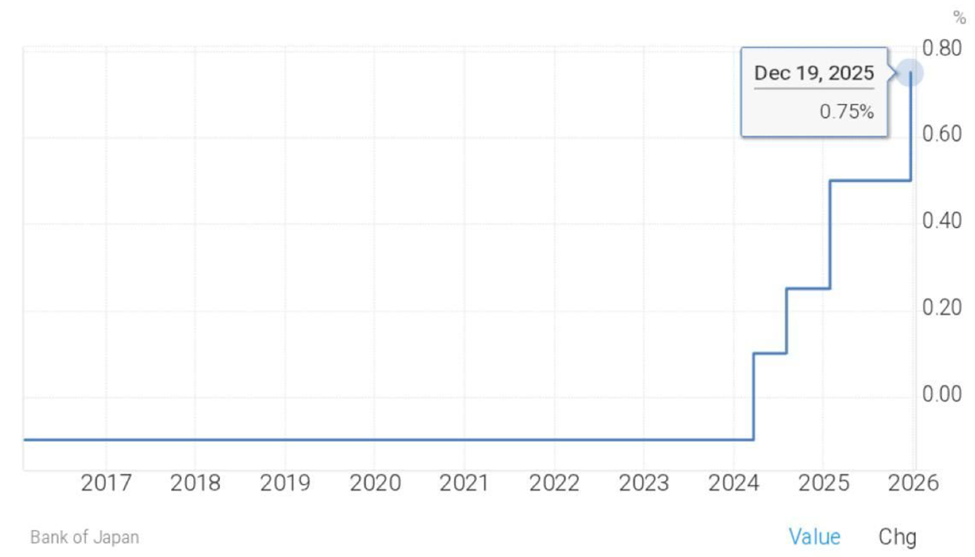
Pada 19 Desember, BOJ menaikkan suku bunga acuan sebesar 25 basis poin menjadi 0,75%, level tertinggi sejak 1995. Ini menandai satu langkah lagi meninggalkan kebijakan moneter super longgar selama puluhan tahun. Para analis makro melihat langkah ini lebih dari sekadar perubahan kecil.

🚨 BREAKING: 🇯🇵 BOJ DELIVERS THE HIKE

Rates raised 25 bps to 0.75%, marking a 30-year high.

Japan’s era of ultra-easy money keeps fading.

This is a major global LIQUIDITY shift… watch yen and risk assets closely. 👀 pic.twitter.com/vfciRH84WJ

— Wise Advice (@wiseadvicesumit) December 19, 2025

Berbeda dengan pemangkasan suku bunga The Fed yang bersifat siklus dan dirancang untuk menghaluskan perlambatan ekonomi, pengetatan di Jepang bersifat struktural. Selama hampir 30 tahun, suku bunga Jepang yang mendekati nol telah menjadi salah satu sumber leverage murah terbesar di dunia.

Bahkan sedikit kenaikan sekarang membawa konsekuensi besar karena mengganggu strategi pendanaan yang selama ini mengakar di berbagai pasar global.

Dampak langsungnya paling terlihat di pasar mata uang. Meskipun kenaikan suku bunga ini bersejarah, yen sempat melemah karena Gubernur Kazuo Ueda hanya memberikan penjelasan terbatas soal kecepatan pengetatan di masa depan.

Reuters menyebutkan bahwa nilai yen turun karena BOJ “tetap samar soal arah pengetatan.” Hal ini memperlihatkan bahwa forward guidance, bukan hanya kenaikan suku bunga itu sendiri, tetap sangat penting.

Meski demikian, para analis berpendapat jalur transmisi utamanya ada di tempat lain: yen carry trade, seperti yang dilaporkan dalam US Crypto News terbaru.

Saat yield Jepang naik dan selisih suku bunga AS–Jepang menyempit, meminjam yen untuk mendanai posisi yang memberikan imbal hasil lebih tinggi jadi makin mahal.

Fed cut rates, but the message mattered more than the cut. Their dot plot now shows fewer cuts ahead. That flipped expectations from “easy money coming” to “higher for longer.” At the same time, BOJ hike expectations strengthened the yen → yen carry trades started unwinding →… pic.twitter.com/eSaJLWQajg

— Dmytro V7 🇺🇦 (@V7Dmytro) December 16, 2025

Di sinilah perbedaan antara Tokyo dan Washington menjadi sangat penting:

  • Pemangkasan suku bunga The Fed biasanya secara bertahap mendukung pasar dengan melonggarkan kondisi kredit.
  • Berbeda dengan itu, pengetatan dari BOJ memaksa pasar untuk langsung mengubah posisi karena biaya leverage meningkat.

Pasar kripto selama ini merasakan dampak tersebut lebih cepat dibandingkan aset tradisional. Siklus pengetatan BOJ sebelumnya sering bersamaan dengan penurunan harga Bitcoin tajam sebesar 20–30% ketika likuiditas mengetat dan carry trade terurai.

THE BANK OF JAPAN MIGHT BE BITCOIN’S BIGGEST ENEMY

Japan holds the most US debt.
Every time they hike, Bitcoin bleeds:

March 2024: -23%
July 2024: -30%
Jan 2025: -31%

Next hike: Dec 19
Next move: loading…

If the pattern repeats, $70K is in play. pic.twitter.com/R5916R702I

— Merlijn The Trader (@MerlijnTrader) December 14, 2025

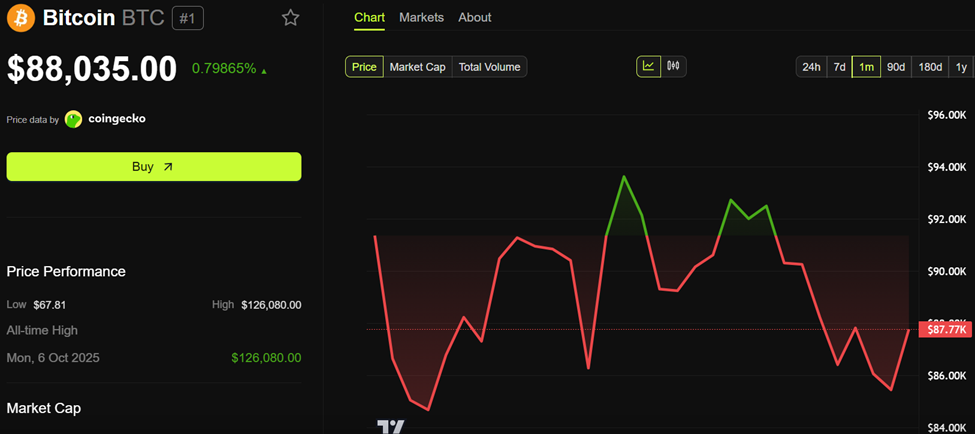
Pola ini membuat kestabilan Bitcoin belakangan menjadi sangat mencolok. Pada waktu publikasi, BTC berada di harga US$88.035, naik hampir 1% dalam 24 jam terakhir.

Performa Harga Bitcoin (BTC) | Sumber: BeInCrypto

“History shows every prior tightening triggered 20–30% Bitcoin drops as yen carry trades unwound and liquidity tightened. Yet with the hike fully priced in and BTC holding around $85k–$87k, this could be the dip buyers have been waiting for,” tulis analis Blueblock.

Meski begitu, ketahanan di puncak pasar kripto tidak menghilangkan risiko di tempat lain. Altcoin, yang jauh lebih sensitif terhadap kondisi likuiditas, tetap terpapar jika pengetatan di Jepang masih berlanjut.

Faktanya, pejabat BOJ secara terbuka sudah menyatakan kesediaannya terus mengetatkan kebijakan jika pertumbuhan upah dan inflasi masih kuat. Analis dari ING dan Bloomberg telah memperingatkan bahwa walaupun kenaikan berikutnya tidak akan terjadi dalam waktu dekat, arahnya sudah jelas.

Dampaknya bagi pasar global sangat jelas. Pemangkasan suku bunga dari The Fed mungkin memberikan dukungan dalam jangka panjang, tapi keluarnya Jepang dari kebijakan super longgar justru menghantam langsung fondasi leverage dunia. Jika BOJ terus di jalur ini, pengaruhnya ke likuiditas, mata uang, dan kripto bisa jadi lebih besar dari pelonggaran AS, setidaknya dalam waktu dekat.

Chart Hari Ini

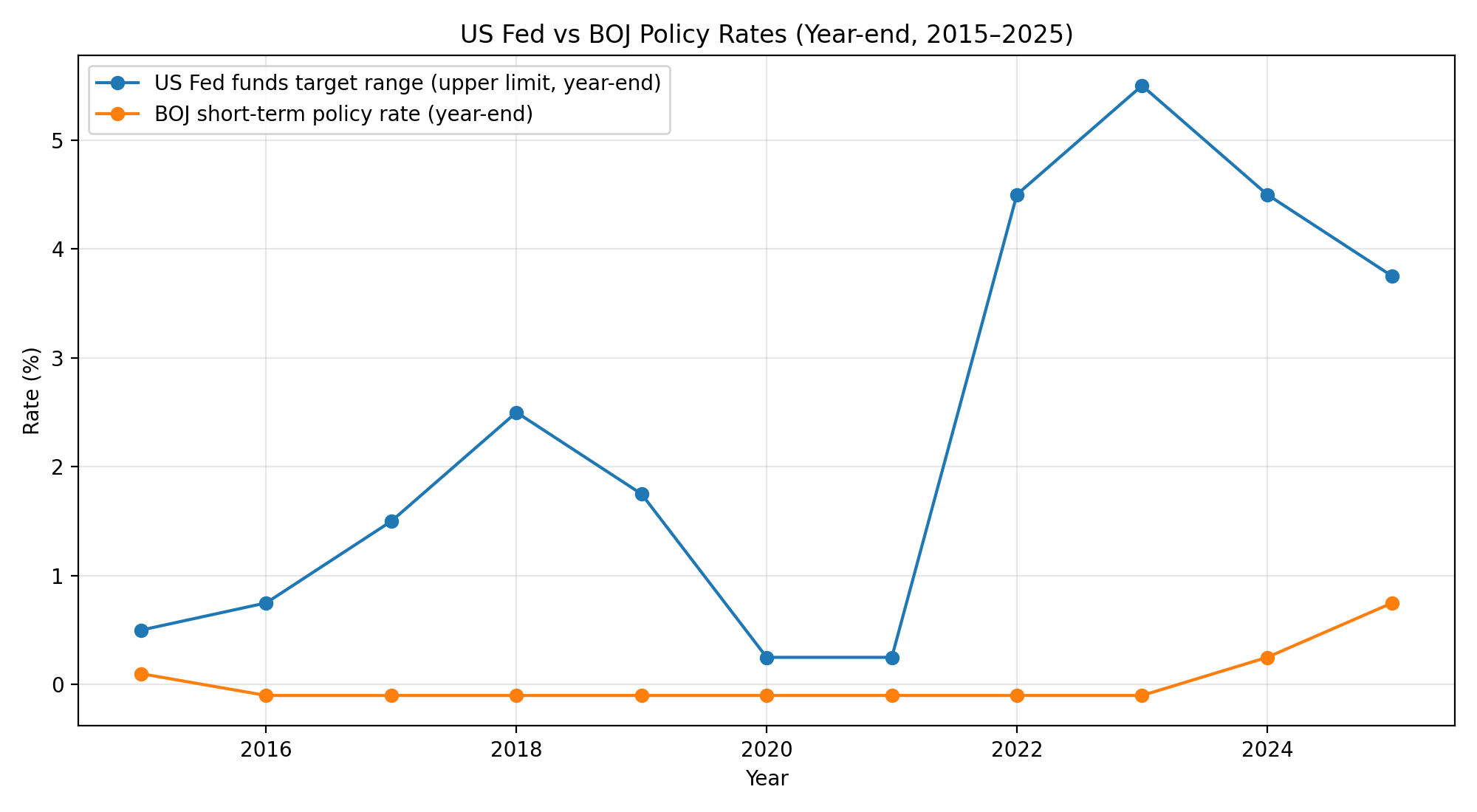
Fed Fund Rates vs BOJ Policy Rate

Alpha dalam Ukuran Kecil

Berikut rangkuman berita aset kripto AS lainnya yang perlu kamu pantau hari ini:

Gambaran Umum Pre-market Crypto Equities

PerusahaanPenutupan 18 DesemberRingkasan Pre-Market
Strategy (MSTR)US$158,24US$163,97 (+3,62%)
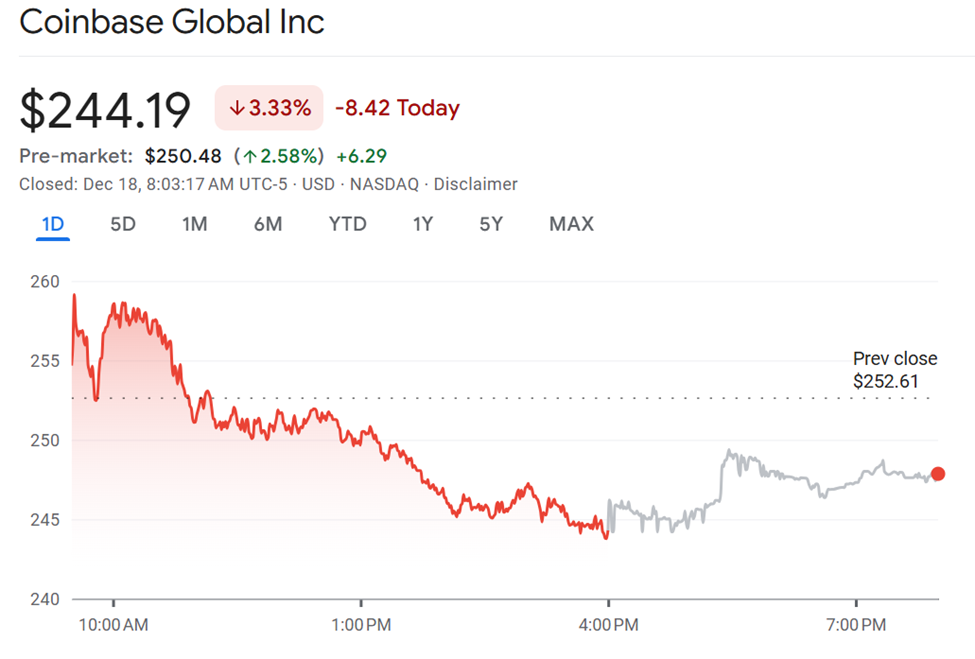
Coinbase (COIN)US$239,20US$246,00 (+2,84%)
Galaxy Digital Holdings (GLXY)US$22,51US$22,95 (+1,95%)
MARA Holdings (MARA)US$9,69US$9,87 (+1,86%)
Riot Platforms (RIOT)US$13,38US$13,73 (+2,62%)
Core Scientific (CORZ)US$14,56US$15,04 (+3,30%)
Perlombaan pembukaan pasar saham kripto: Google Finance

  •  

US$1 miliar pada 2026? Analis lirik ownership coin sebagai inovasi governance berikutnya di aset kripto

Ownership coin siap mengubah tata kelola terdesentralisasi pada 2026, dengan para analis memprediksi setidaknya satu proyek bakal melampaui kapitalisasi pasar US$1 miliar.

Beda dari governance token saat ini, ownership coin menggabungkan hak ekonomi, hak hukum, serta hak tata kelola sekaligus dalam satu aset. Inovasi ini bisa menyelesaikan masalah lama yang selama bertahun-tahun jadi tantangan bagi decentralized autonomous organization (DAO).

Perbedaan Ownership Coin dan Governance Token Tradisional

Token governance DAO tradisional umumnya cuma menyediakan hak suara, tanpa kekuatan ekonomi nyata maupun pertanggungjawaban hukum di dalam organisasi terdesentralisasi. Keterbatasan ini membuat investasi berisiko dan memperlemah tujuan tata kelola yang sepenuhnya terdesentralisasi.

Ownership coin menghadirkan perubahan besar pada desainnya. Menurut riset dari Galaxy Digital, token ini menyatukan kekuatan ekonomi, hukum, serta tata kelola di satu aset digital yang bisa ditegakkan secara hukum. Pendekatan terpadu ini bertujuan memperbaiki isu pertanggungjawaban yang sudah lama dihadapi DAO sejak awal kemunculannya.

Galaxy Digital menyebut model ini sebagai pembentukan “perusahaan digital”, di mana tata kelola onchain punya kekuatan hukum, bukan sekadar konsensus sosial.

Dengan begitu, para holder token memperoleh kendali nyata dan dapat ditegakkan atas organisasi digital yang punya aset konkret. Inovasi tersebut membuka jalan menuju entitas on-chain yang diakui secara hukum serta mengelola diri sendiri.

MetaDAO termasuk yang pertama menerapkan kerangka tersebut, menggunakan prinsip futarchy, yaitu sistem tata kelola yang memakai prediction market alih-alih pemungutan suara langsung.

Proyek ini diluncurkan di Solana pada November 2023, dan mengambil keputusan lewat aktivitas di prediction market, bukan metode voting tradisional.

Laporan Messari Sebut AVICI Sebagai Top Performer

Laporan Messari Theses menempatkan ownership coin sebagai peluang investasi utama pada 2026. Laporan tersebut menyoroti AVICI sebagai pemenang terbesar dalam setahun terakhir yang menunjukkan potensi pertumbuhan sektor ini.

We are so back!

The Messari Theses for 2026 is live and available for free.

Jump into the full report now ⬇️ pic.twitter.com/HA3za2QktZ

— Messari (@MessariCrypto) December 18, 2025

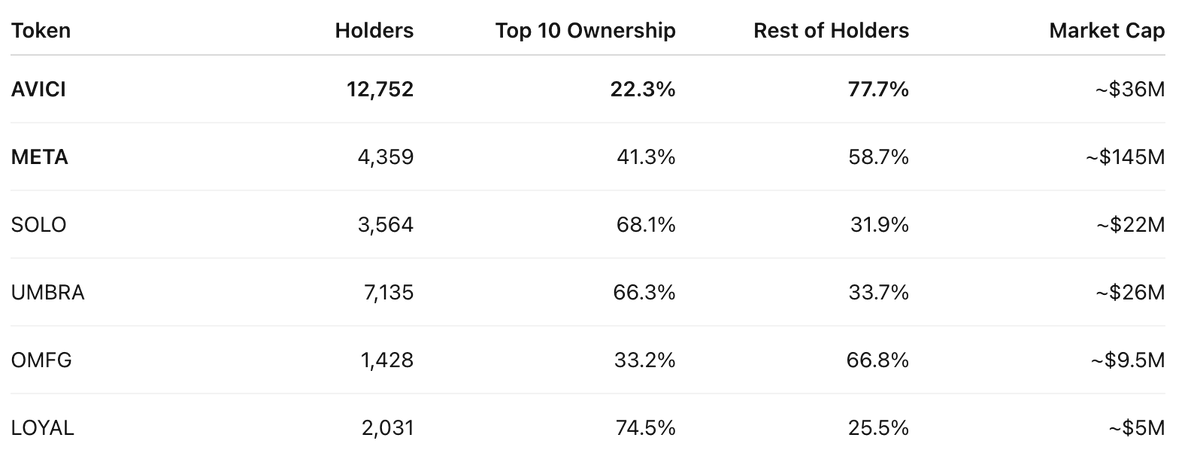
AVICI memperlihatkan retensi holder yang kuat serta distribusi yang cukup luas, walau harga tokennya fluktuatif. Per Desember 2025, token ini tercatat punya 12.752 holder dan konsentrasi rendah di kalangan holder besar.

Analis crypto_iso membagikan bahwa AVICI dimulai dengan 4.000 holder dan naik menjadi 13.300 hanya dalam 45 hari.

Saat harga turun tajam 65%, AVICI hanya kehilangan 600 holder atau sekitar 21% dari laju pertumbuhan awalnya. Rata-rata, di masa puncaknya koin ini menambah 200 holder per hari, sementara saat penurunan rata-ratanya kehilangan 43 holder harian. Angka-angka ini menunjukkan komunitas yang tangguh meski ada fluktuasi pasar.

Yes for sure.

Here is an interesting datapoint on the holder front.$Avici is still sitting at 12.7k holders which is pretty impressive because if you think about the net number given a drawdown of 65% it's strong. I think it started with around 4k holders or so day 1 and in 45… pic.twitter.com/pTnn9pItjf

— CryptoISO (@crypto_iso) December 18, 2025
Table comparing ownership coin holder metrics
AVICI terdepan dalam jumlah dan distribusi holder di antara ownership coin (crypto_iso)

Sektor Masih Dalam Tahap Awal, tapi Menawarkan Potensi Pertumbuhan

Pangsa pasar ownership coin kini dipandang sebagai wilayah baru dengan potensi besar, sebab belum ada satu pun proyek yang menembus fully diluted valuation US$1 miliar. Banyak investor menilai ini sebagai peluang meraih keuntungan signifikan yang belum tergarap.

“My biggest bet for 2026 are ownership coins. They are in early stage right now, not a single coin above 1B mcap. Opportunity right in front of you,” tulis analis Anglio.

Banyak pembahasan di media sosial menobatkan 2026 sebagai “tahun ownership coin.” Gabungan inovasi asli dengan peluang masuk awal inilah yang menarik minat baik dari investor ritel maupun institusi.

Ownership coin berpotensi mengatasi hambatan yang menghalangi pertumbuhan dan investasi DAO. Sistem tata kelola onchain yang mengikat secara hukum bisa membuat organisasi asli blockchain beroperasi seperti bisnis sebenarnya.

Langkah ini bisa berpengaruh pada pembentukan modal, perlindungan investor, dan perkembangan tata kelola terdesentralisasi.

Walaupun begitu, pasar ini masih sangat dini. Mayoritas proyek ownership coin masih dalam tahap pengembangan dan kejelasan hukum untuk entitas hybrid semacam ini pun berbeda-beda di tiap wilayah. Apakah inovasi ini dapat mewujudkan cita-cita organisasi onchain yang mengelola diri sendiri sangat bergantung pada implementasi yang berhasil di tahun 2026.

  •  

Apa Sinyal Indikator Historis 100% Akurat untuk Bitcoin pada Desember?

Bitcoin mungkin sedang mendekati salah satu titik balik paling penting dalam beberapa tahun terakhir. Salah satu metrik valuasi utama, BTC Yardstick, saat ini menunjukkan -1,6 standar deviasi di bawah rata-rata jangka panjangnya, menandakan undervalued terdalam aset kripto pelopor ini sejak fase terendah bear market 2022.

Secara historis, level ini sering muncul bersamaan dengan titik dasar siklus utama, termasuk pada tahun 2011, 2017, 2020, dan 2022.

BTC Yardstick Tunjukkan BTC Paling Undervalued dalam Beberapa Tahun Terakhir

Yardstick mengukur harga pasar Bitcoin terhadap biaya dan daya yang dibutuhkan untuk menjaga keamanannya. Hal ini mencakup infrastruktur mining serta pengeluaran operasionalnya.

“BTC Yardstick di –1,6σ = Bitcoin sangat undervalued. Momen lain yang serupa: dasar bear market 2022, titik bawah crash COVID 2020, base sebelum blow-off 2017, dasar bear market 2011…Semua kejadian tersebut selalu bersamaan dengan akumulasi kuat…Titik bawahnya pun selalu di situ!” tulis analis Gert van Lagen dalam sebuah postingan.

BTC Yardstick indicator showing historical undervaluation signals
Indikator BTC Yardstick pada titik dasar utama pasar, atribusi kepada Gert van Lagen

Akumulasi whale Capai Level Tertinggi dalam Lebih dari Satu Dekade

Pada saat yang sama, sinyal undervalued ini muncul bersamaan dengan aktivitas akumulasi yang belum pernah terjadi sebelumnya. Dalam 30 hari terakhir, whale BTC dan holder besar membeli 269.822 BTC, senilai sekitar US$23,3 miliar. Menurut data dari Glassnode, ini adalah akumulasi bulanan terbesar sejak 2011.

BITCOIN'S BIGGEST MONTHLY ACCUMULATION IN 13 YEARS

Whales purchased 269,822 BTC, worth approximately $23.3 billion, in just 30 days.

– Glassnode Data pic.twitter.com/6FPfhFhfh4

— Kashif Raza (@simplykashif) December 18, 2025

“Akumulasi terbesar dalam 13 tahun. Siklus 4 tahunan sudah mati; kini masuk Supercycle,” tulis analis kripto Kyle Chasse.

Sebagian besar pembelian ini terjadi pada wallet yang memegang antara 100 sampai 1.000 BTC. Hal ini menunjukkan bahwa baik individu dengan kekayaan besar maupun institusi yang lebih kecil sedang memposisikan diri untuk kemungkinan rebound pasar.

Sentimen Pasar setelah Koreksi Kecil Bitcoin, Saat Frustrasi Menjadi Peluang

Meskipun akumulasi dan undervalued tercatat rekor, harga Bitcoin masih mengalami tekanan turun tahun ini. Menurut analis ETF Bloomberg Eric Balchunas, penurunan belakangan ini masih terbilang kecil bila dibandingkan dengan lonjakan sebelumnya.

I get that this year is a drag but consider Bitcoin was up 468%(!!) in the two years prior to this year. That's 138% ann, 8x US stocks. That is sooo much excess return beyond normalcy (even for btc, thank you ETFs!). All that happened this year is you gave back a tiny bit of the… https://t.co/oQ4EuUt64A

— Eric Balchunas (@EricBalchunas) December 18, 2025

Peluncuran exchange-traded fund (ETF) Bitcoin spot pada awal 2024 mendorong reli sebelumnya, membawa aset ini ke rekor tertinggi mendekati US$69.000 pada Maret 2024.

Secara keseluruhan, Bitcoin mencatatkan pengembalian 155,42% di tahun 2023 dan 121,05% di tahun 2024 sebelum mengalami penurunan sebesar 7% selama tahun berjalan ini. Ini mengisyaratkan bahwa penurunan saat ini bisa saja menjadi koreksi alami setelah reli besar-besaran.

Bitcoin (BTC) Price Performance
Performa Harga Bitcoin (BTC) | Sumber: TradingView

Analis menyampaikan bahwa reli pasar biasanya tidak dimulai ketika harapan sedang tinggi, melainkan ketika para investor sudah lelah.

“Kita sekarang sudah tidak takut lagi, tapi sudah lelah. Lelah menunggu. Lelah percaya. Tapi dengarkan, reli pasar tidak dimulai selama harapan masih tinggi; justru saat orang-orang sudah lelah, frustrasi, dan nyaris menyerah,” tulis analis Ash Crypto.

Kombinasi valuasi terendah sepanjang sejarah, akumulasi whale tertinggi, dan penurunan leverage mengindikasikan bahwa Bitcoin mungkin sudah mendekati titik balik siklus berikutnya.

Walaupun timing-nya masih belum pasti, indikator-indikator ini menunjukkan adanya peluang unik bagi investor jangka panjang.

  •  

Japan Tightens, America Eases: Which Central Bank Really Moves Markets Now? | US Crypto News

Welcome to the US Crypto News Morning Briefing—your essential rundown of the most important developments in crypto for the day ahead.

Grab a coffee because today’s Morning Briefing isn’t just about interest rates. It’s about leverage, funding, and which side of the Pacific really sets the rhythm for risk assets when the policy paths split. As one central bank eases (the US), the other tightens (Japan). The tension between the two is beginning to reshape global liquidity in ways that don’t show up in a single chart or price candle.

Crypto News of the Day: Japan Raises Interest Rates, But the Fed Cuts, Which Side Has A Stronger Impact?

Global markets are at an impasse, amid a rare and consequential policy divergence. On the one hand, the US Federal Reserve has begun cutting interest rates to support slowing growth. In contrast, the Bank of Japan (BOJ) is moving in the opposite direction, raising rates to levels not seen in three decades.

The question facing investors is no longer whether these moves matter, but which one ultimately carries more weight for global liquidity, currencies, and crypto markets.

On December 19, the BOJ raised its policy rate by 25 basis points to 0.75%, the highest level since 1995. This marks another step away from decades of ultra-loose monetary policy. Macro analysts see the move as more than a routine adjustment.

🚨 BREAKING: 🇯🇵 BOJ DELIVERS THE HIKE

Rates raised 25 bps to 0.75%, marking a 30-year high.

Japan’s era of ultra-easy money keeps fading.

This is a major global LIQUIDITY shift… watch yen and risk assets closely. 👀 pic.twitter.com/vfciRH84WJ

— Wise Advice (@wiseadvicesumit) December 19, 2025

Unlike the Federal Reserve’s rate cuts, which are cyclical and designed to smooth economic slowdowns, Japan’s tightening is structural. For nearly 30 years, near-zero Japanese rates anchored one of the world’s most important sources of cheap leverage.

Even modest increases now carry outsized consequences because they disrupt funding strategies deeply embedded across global markets.

The immediate impact was most visible in currency markets. Despite the historic hike, the yen initially weakened as Governor Kazuo Ueda offered limited clarity on the pace of future tightening.

Reuters noted that the currency slipped as the BOJ “stays vague on tightening path.” This highlights how forward guidance, not just the hike itself, remains critical.

Still, analysts argue the real transmission channel lies elsewhere: the yen carry trade, as reported in a recent US Crypto News publication.

As Japanese yields rise and the US–Japan rate gap narrows, borrowing yen to fund higher-yielding positions becomes increasingly expensive.

Fed cut rates, but the message mattered more than the cut. Their dot plot now shows fewer cuts ahead. That flipped expectations from “easy money coming” to “higher for longer.” At the same time, BOJ hike expectations strengthened the yen → yen carry trades started unwinding →… pic.twitter.com/eSaJLWQajg

— Dmytro V7 🇺🇦 (@V7Dmytro) December 16, 2025

This is where the divergence between Tokyo and Washington becomes critical:

  • Fed cuts tend to support markets gradually by easing credit conditions.
  • BOJ tightening, by contrast, forces immediate repositioning as leverage costs rise.

Crypto markets have historically experienced this impact more quickly than traditional assets. Previous BOJ tightening cycles coincided with sharp Bitcoin drawdowns of 20–30% as liquidity tightened and carry trades unwound.

THE BANK OF JAPAN MIGHT BE BITCOIN’S BIGGEST ENEMY

Japan holds the most US debt.
Every time they hike, Bitcoin bleeds:

March 2024: -23%
July 2024: -30%
Jan 2025: -31%

Next hike: Dec 19
Next move: loading…

If the pattern repeats, $70K is in play. pic.twitter.com/R5916R702I

— Merlijn The Trader (@MerlijnTrader) December 14, 2025

That pattern has made Bitcoin’s recent stability stand out. As of this writing, BTC was trading for $88,035, up by almost 1% in the last 24 hours.

Bitcoin (BTC) Price Performance. Source: BeInCrypto

“History shows every prior tightening triggered 20–30% Bitcoin drops as yen carry trades unwound and liquidity tightened. Yet with the hike fully priced in and BTC holding around $85k–$87k, this could be the dip buyers have been waiting for,” wrote analyst Blueblock.

However, resilience at the top of the crypto market does not eliminate risk elsewhere. Altcoins, which are far more sensitive to liquidity conditions, remain exposed if Japanese tightening continues.

Indeed, BOJ officials have openly signaled willingness to keep tightening if wage growth and inflation remain durable. Analysts at ING and Bloomberg have warned that while further hikes may not be imminent, the direction of travel is clear.

The implication for global markets is stark. Fed cuts may provide broad support over time, but Japan’s retreat from ultra-easy policy strikes directly at the foundation of global leverage.If the BOJ continues down this path, its influence on liquidity, currencies, and crypto could outweigh US easing, at least in the near term.

Chart of the Day

Fed Fund Rates vs BOJ Policy Rate

Byte-Sized Alpha

Here’s a summary of more US crypto news to follow today:

Crypto Equities Pre-Market Overview

CompanyAt the Close of December 18Pre-Market Overview
Strategy (MSTR)$158.24$163.97 (+3.62%)
Coinbase (COIN)$239.20$246.00 (+2.84%)
Galaxy Digital Holdings (GLXY)$22.51$22.95 (+1.95%)
MARA Holdings (MARA)$9.69$9.87 (+1.86%)
Riot Platforms (RIOT)$13.38$13.73 (+2.62%)
Core Scientific (CORZ)$14.56$15.04 (+3.30%)
Crypto equities market open race: Google Finance

The post Japan Tightens, America Eases: Which Central Bank Really Moves Markets Now? | US Crypto News appeared first on BeInCrypto.

  •  

$1 Billion by 2026? Analysts Eye Ownership Coins as Crypto’s Next Governance Game-Changer

Ownership coins are set to transform decentralized governance in 2026, with analysts forecasting that at least one project will surpass a $1 billion market cap.

Unlike current governance tokens, ownership coins combine economic, legal, and governance rights in one asset. This development could solve longstanding issues that have challenged decentralized autonomous organizations (DAOs) for years.

How Ownership Coins Differ From Traditional Governance Tokens

Traditional DAO governance tokens generally offer only voting rights, lacking real economic power or legal accountability within decentralized organizations. This limitation introduces investment risks and weakens the goal of truly decentralized governance.

Ownership coins offer a major shift in design. According to research from Galaxy Digital, these tokens unite economic, legal, and governance rights within a legally enforceable digital asset. This integrated approach aims to fix accountability issues that have affected DAOs since their start.

Galaxy Digital describes this model as creating “digital companies” in which onchain governance holds legal weight rather than relying only on social consensus.

Token holders thus gain meaningful and enforceable control over digital organizations with tangible assets. This innovation creates a path toward legally recognized, self-governed on-chain entities.

MetaDAO was among the first to use this framework, applying futarchy principles, a governance system using prediction markets instead of direct votes.

The project launched on Solana in November 2023, guiding decisions with trading in prediction markets rather than traditional voting methods.

Messari Report Identifies AVICI as Top Performer

The Messari Theses report positions ownership coins as a major investment opportunity for 2026. It spotlights AVICI as the biggest winner over the past year, highlighting the sector’s growth prospects.

We are so back!

The Messari Theses for 2026 is live and available for free.

Jump into the full report now ⬇️ pic.twitter.com/HA3za2QktZ

— Messari (@MessariCrypto) December 18, 2025

AVICI has shown strong holder retention and broad distribution, despite price volatility. As of mid-December 2025, the token counted 12,752 holders and maintained a low concentration among large holders.

Analyst crypto_iso shared that AVICI began with 4,000 holders and reached 13,300 within 45 days.

During a steep 65% price decline, AVICI lost only 600 holders, just 21% of its initial growth rate. On average, the coin added 200 holders per day at its peak and lost about 43 per day during the downturn. These numbers signal community resilience despite market fluctuation.

Yes for sure.

Here is an interesting datapoint on the holder front.$Avici is still sitting at 12.7k holders which is pretty impressive because if you think about the net number given a drawdown of 65% it's strong. I think it started with around 4k holders or so day 1 and in 45… pic.twitter.com/pTnn9pItjf

— CryptoISO (@crypto_iso) December 18, 2025
Table comparing ownership coin holder metrics
AVICI leads in holder count and distribution among ownership coins (crypto_iso)

Sector Remains Early-Stage, Offering Potential for Growth

The ownership coin market is viewed as a new frontier with substantial upside, as no project yet has exceeded a $1 billion fully diluted valuation. Many investors see this as untapped potential for significant gains.

“My biggest bet for 2026 are ownership coins. They are in early stage right now, not a single coin above 1B mcap. Opportunity right in front of you,” wrote analyst Anglio.

Much of the discourse on social media calls 2026 the “year of the ownership coin.” The blend of authentic innovation and early entry point is attracting interest from retail and institutional investors alike.

Ownership coins may solve barriers that have limited DAO growth and investment. Their legally binding onchain governance systems can let blockchain-native organizations function as true business entities.

This step could impact capital formation, investor protection, and the development of decentralized governance.

Nevertheless, this market is still in its infancy. Most ownership coin projects remain under development, and legal clarity for these hybrid entities varies across regions. Whether this innovation can fulfill the aspiration of self-governing onchain organizations will depend on successful implementation in 2026.

The post $1 Billion by 2026? Analysts Eye Ownership Coins as Crypto’s Next Governance Game-Changer appeared first on BeInCrypto.
  •  

What Does a 100% Accurate Historical Indicator Signal for Bitcoin in December?

Bitcoin may be approaching one of its most pivotal turning points in years. A leading valuation metric, the BTC Yardstick, currently reads -1.6 standard deviations below its long-term mean, signaling the pioneer crypto’s deepest undervaluation since the 2022 bear market low.

Historically, this level has coincided with major cycle bottoms, including 2011, 2017, 2020, and 2022.

BTC Yardstick Shows Strongest Undervaluation in Years

The Yardstick measures Bitcoin’s market price against the cost and power required to secure its network. This includes mining infrastructure and operational expenditures.

“BTC Yardstick at –1.6σ = Bitcoin is insanely undervalued. Other occurrences: 2022 bear market low, 2020 COVID crash bottom, 2017 pre-blow-off base, 2011 bear market bottom…All occurrences coincided with strong accumulation…Bottom was in as well!” wrote analyst Gert van Lagen in a post.

BTC Yardstick indicator showing historical undervaluation signals
BTC Yardstick indicator at major market bottoms, attributed to Gert van Lagen

Whale Accumulation Hits Highest Levels in Over a Decade

Meanwhile, the undervaluation signal coincides with unprecedented accumulation activity. Over the past 30 days, BTC whales and large holders purchased 269,822 BTC, worth approximately $23.3 billion. According to Glassnode data, this is the largest monthly accumulation since 2011.

BITCOIN'S BIGGEST MONTHLY ACCUMULATION IN 13 YEARS

Whales purchased 269,822 BTC, worth approximately $23.3 billion, in just 30 days.

– Glassnode Data pic.twitter.com/6FPfhFhfh4

— Kashif Raza (@simplykashif) December 18, 2025

“Largest accumulation in 13 years. The 4-year cycle is dead; the Supercycle is here,” wrote crypto analyst Kyle Chasse.  

The bulk of this buying occurred in wallets holding between 100 and 1,000 BTC. This suggests that both high-net-worth individuals and smaller institutions are positioning for a potential market rebound.

Market Sentiment After Bitcoin’s Minor Correction As Frustration Breeds Opportunity

Despite the record accumulation and undervaluation, Bitcoin’s price has faced downward pressure this year. According to Bloomberg ETF analyst Eric Balchunas, recent losses are modest relative to prior gains.

I get that this year is a drag but consider Bitcoin was up 468%(!!) in the two years prior to this year. That's 138% ann, 8x US stocks. That is sooo much excess return beyond normalcy (even for btc, thank you ETFs!). All that happened this year is you gave back a tiny bit of the… https://t.co/oQ4EuUt64A

— Eric Balchunas (@EricBalchunas) December 18, 2025

The launch of spot Bitcoin ETFs in early 2024 contributed to previous surges, driving the asset to its then-record highs near $69,000 in March 2024.

Overall, Bitcoin returned 155.42% in 2023 and 121.05% in 2024 before experiencing an 7% decline year-to-date. This suggests the current dip may be a natural correction after exceptional gains.

Bitcoin (BTC) Price Performance
Bitcoin (BTC) Price Performance. Source: TradingView

Analysts note that market rallies often begin not when hope is high, but when investors are weary.

“We are not scared anymore, we are tired. Tired of waiting. Tired of believing. But listen, market rallies don’t start when hope is high; it’s when people are tired, frustrated, and ready to give up,” wrote analyst Ash Crypto.

The convergence of historically low valuation, record whale accumulation, and declining leverage suggests that Bitcoin may be nearing another cyclical inflection point.

While timing remains uncertain, these indicators highlight a unique window of potential opportunity for long-term investors.

The post What Does a 100% Accurate Historical Indicator Signal for Bitcoin in December? appeared first on BeInCrypto.

  •  

Gugatan hukum US$4 miliar klaim Jump Trading bantu rekayasa kejatuhan Terraform

Administrator yang mengawasi likuidasi Terraform Labs telah mengajukan gugatan senilai US$4 miliar terhadap perusahaan high-frequency trading Jump Trading. Mereka menuduh market maker itu diam-diam memanipulasi harga dan berkontribusi pada runtuhnya ekosistem kripto Do Kwon yang dulunya sangat dominan.

Gugatan ini muncul kurang dari satu minggu setelah hakim menjatuhkan hukuman kepada Do Kwon berupa 15 tahun penjara federal karena melakukan penipuan kripto senilai US$40 miliar.

Terraform Labs Estate Minta US$4 Miliar dari Jump Trading

Dalam gugatan itu, Jump Trading, co-founder William DiSomma, dan mantan kepala divisi kripto Jump, Kanav Kariya, turut disebutkan. Mereka diduga memperoleh keuntungan secara tidak sah yang terkait dengan gagalnya TerraUSD (UST).

Mengutip dokumen pengadilan, The Wall Street Journal melaporkan bahwa pihak estate Terraform Labs mengklaim Jump melakukan intervensi trading secara besar-besaran dan tidak diungkapkan demi menjaga harga UST tetap stabil saat beberapa kali mengalami depegging pada 2021 dan 2022.

Alih-alih menstabilkan sistem, administrator berpendapat bahwa aksi tersebut justru menciptakan ilusi kepercayaan pasar. Pada akhirnya, hal itu menyembunyikan kelemahan struktural yang membuat kehancuran Terra menjadi semakin parah.

Poin utama dalam gugatan ini adalah tuduhan bahwa Jump secara agresif membeli UST setiap kali stablecoin algoritmik tersebut turun di bawah patokan US$1. Pembelian ini diduga menciptakan permintaan secara artificial dan menyesatkan pelaku pasar agar percaya bahwa mekanisme peg bekerja sebagaimana mestinya.

Pihak estate menegaskan bahwa Jump tidak bertindak sebagai penyedia likuiditas yang netral. Sebaliknya, Jump memanfaatkan posisi pasar serta pengetahuan internalnya untuk meraup keuntungan dari volatilitas yang mereka kelola.

Dalam dokumen pengajuan, Jump disebut meraup sekitar US$1 miliar lewat strategi ini, dengan memanfaatkan pengaturan token khusus dan keuntungan trading. Sementara itu, investor ritel tetap tidak mengetahui adanya dukungan di belakang layar ini.

Saat Terra akhirnya kolaps pada Mei 2022 dan mengakibatkan kerugian hingga sekitar US$40 miliar di UST dan LUNA, gugatan tersebut menyatakan bahwa ilusi stabilitas di awal justru memperparah kerusakan.

Perlu dicatat bahwa ini bukan pertama kalinya Jump Trading dikaitkan dengan tuduhan manipulasi. Pada Oktober 2024, pengembang game FractureLabs juga menggugat Jump Trading atas dugaan manipulasi kripto.

“Jump then systematically liquidated its DIO holdings, generating millions of dollars in revenue for itself,” Bloomberg reported, citing an excerpt in the lawsuit.

Vonis Do Kwon Sorot Lagi Kekuatan Pasar Jump Trading

Tindakan hukum ini muncul di tengah maraknya pemberitaan baru soal runtuhnya Terra. Ini mengikuti vonis terbaru untuk Do Kwon, 15 tahun penjara atas kasus penipuan terkait proyek tersebut.

Beberapa hari setelah keputusan itu, sejumlah pengamat pasar secara terbuka berspekulasi bahwa ada pemain institusional lain yang mungkin juga akan menghadapi tuntutan hukum, dengan Whale Calls menyinggung nama Jump Trading.

When jump trading ? https://t.co/yowAZA1DAw

— WhaleCalls (@whalecalls) December 11, 2025

Selain tuduhan utama, kasus ini juga menyoroti kemampuan teknologi Jump Trading yang luar biasa canggih.

Keunggulan Teknologi Jump Trading dan Perannya dalam Gugatan Hukum

Jump secara luas dikenal sebagai salah satu perusahaan high-frequency trading paling canggih di dunia. Sejumlah laporan industri menunjukkan bahwa Jump rela mengeluarkan biaya sangat besar demi mendapatkan keunggulan selisih waktu, termasuk membeli menara microwave eks milik NATO agar transmisi perdagangan lintas Atlantik bisa lebih cepat beberapa milidetik.

Pada 2018, Jump juga bekerja sama dengan perusahaan seperti Citadel untuk membangun kabel fiber-optik bawah laut “Go West”, menghubungkan Chicago dan Tokyo agar akses ke pasar Futures global menjadi lebih cepat.

Menurut ulasan dari Colin Wu, kemampuan Jump dalam mengolah data quote berada di level yang jauh berbeda dibanding para pesaing lain. Hal ini menunjukkan kekuatan asimetris yang bisa dimiliki perusahaan trading besar di pasar konvensional maupun kripto.

Keunggulan teknologi itu kini ikut menjadi bagian dari konteks luas gugatan ini. Meski tidak ada tuduhan penggunaan infrastruktur ilegal, dalam gugatan disebutkan bahwa skala dan kecanggihan Jump sukses memperbesar dampak transaksinya pada UST. Kondisi ini menimbulkan pertanyaan soal keadilan, transparansi, dan integritas pasar.

Jika gugatan ini berhasil, dampaknya bisa sangat luas. Putusan yang memenangkan estate Terraform Labs bisa memperjelas batas legal antara aktivitas market making yang sah dan manipulasi di pasar kripto, sehingga dapat mengubah cara perusahaan trading besar beroperasi.

Kasus ini juga bisa berujung pada hukuman finansial besar, di mana dana yang dipulihkan kemungkinan akan dipakai untuk mengganti kerugian kreditur dan korban kolapsnya Terra.

Jump Trading belum memberikan komentar publik terkait gugatan ini pada waktu publikasi, tapi mereka diperkirakan akan memberikan pembelaan keras.

Seiring proses pengumpulan bukti berjalan, kasus ini mungkin bisa memberikan gambaran langka soal mekanisme pasar maker di industri kripto yang selama ini tertutup. Lebih jauh dari itu, kasus ini juga berpotensi menjadi tonggak bagi industri dalam menegakkan akuntabilitas.

  •  

BOJ Naikkan Suku Bunga ke 0,75%, tapi Bitcoin Tetap Stabil—Apakah Ketengan Aset Kripto Ini Menjadi Peringatan atau Peluang?

Bank of Japan (BOJ) menaikkan suku bunga acuan sebesar 25 basis poin menjadi 0,75% pada 19 Desember. Ini adalah level tertinggi dalam hampir 30 tahun dan menegaskan langkah bertahap Jepang keluar dari kebijakan moneter ultra-longgar.

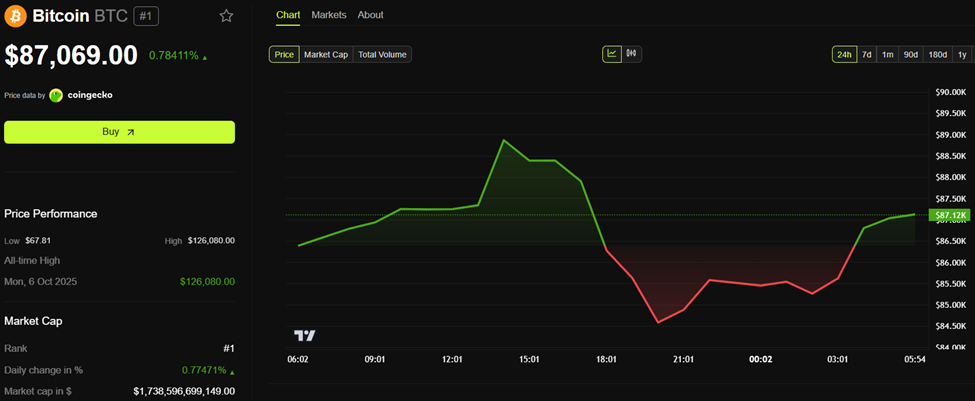
Meski terjadi perubahan bersejarah dan adanya peringatan soal potensi pengetatan likuiditas global, Bitcoin tetap tenang dan hanya naik kurang dari 1%, lalu bertahan di kisaran US$87.000.

BOJ Naikkan Suku Bunga Lagi Sebesar 25 Basis Poin – Kenapa Bitcoin Masih Stabil?

Reaksi yang datar ini bertolak belakang dengan sejarah. Siklus kenaikan suku bunga BOJ sebelumnya seringkali bertepatan dengan aksi jual tajam di pasar kripto, terutama saat yen carry trade terurai dan likuiditas global menyusut.

THE BANK OF JAPAN MIGHT BE BITCOIN’S BIGGEST ENEMY

Japan holds the most US debt.
Every time they hike, Bitcoin bleeds:

March 2024: -23%
July 2024: -30%
Jan 2025: -31%

Next hike: Dec 19
Next move: loading…

If the pattern repeats, $70K is in play. pic.twitter.com/R5916R702I

— Merlijn The Trader (@MerlijnTrader) December 14, 2025

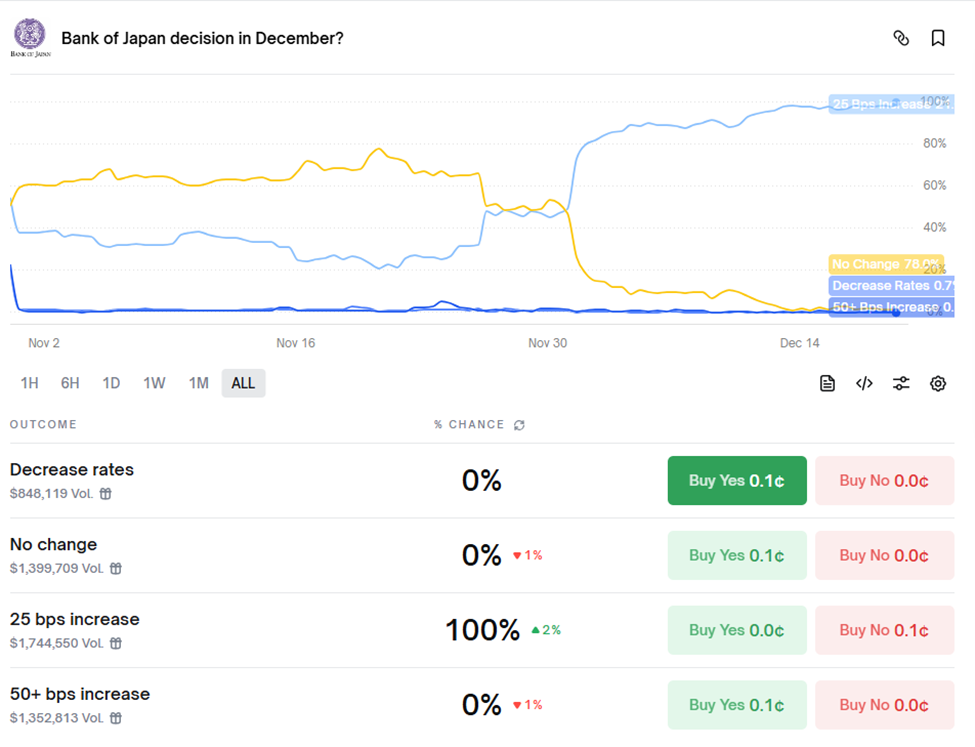
Kali ini, para trader nampaknya tidak khawatir, menandakan bahwa pasar sudah sepenuhnya mengantisipasi langkah ini jauh sebelum pengumuman. Sebagian besar pelaku pasar memang memperkirakan keputusan ini.

BOJ Interest Rate Probabilities
Probabilitas Suku Bunga BOJ | Sumber: Polymarket

Kenaikan suku bunga di Jepang ini menjadi tanda simbolis berakhirnya puluhan tahun suku bunga mendekati nol yang menjadikan yen sebagai dasar di pasar pendanaan global. Biaya pinjaman yen yang murah selama ini mendukung penggunaan leverage di saham, obligasi, dan aset kripto.

Seiring yield Jepang naik dan gap dengan suku bunga global jadi makin kecil, carry trade tersebut jadi kurang menarik sehingga berpotensi memaksa investor melepas posisi berisiko. Tapi, respons tenang Bitcoin menunjukkan pasar memang sudah siap menghadapi situasi ini.

Bitcoin (BTC) Price Performance
Performa Harga Bitcoin (BTC) | Sumber: BeInCrypto

Menurut analis, fokus utama sebenarnya bukan pada kenaikan suku bunganya saja, tapi justru pada langkah-langkah berikutnya.

“Markets are pricing in a near-certain 25 basis point hike, marking the highest Japanese policy rate in about 30 years. While the hike itself is largely anticipated, the real focus is on Governor Ueda’s forward guidance during the press conference—signals of future hikes could amplify effects,” tulis analis Marty Party.

Panduan ke depan dari BOJ ini bisa sangat penting. BOJ mengisyaratkan bahwa mereka siap kembali menaikkan suku bunga, bahkan bisa ke 1% atau lebih pada akhir 2026 jika ada pertumbuhan upah dan inflasi yang terus berlanjut.

Suku bunga acuan BOJ naik dari mendekati 0% jadi 0,75% pada Desember 2025, akhiri puluhan tahun kebijakan ultra-longgar | Sumber: Wise Advice via X

Perkembangan ini tetap memberi tekanan pada aset berisiko, walaupun langkah awal dari BOJ tidak memicu volatilitas besar.

Bitcoin Tetap Kuat, sementara Altcoin Menghadapi Tekanan Likuiditas yang Berkepanjangan

Para analis berpendapat bahwa ketahanan Bitcoin bisa jadi sinyal bullish. Blueblock menunjukkan pola historis dan menyoroti perbedaan reaksi kali ini.

“The BOJ just hiked rates to 0.75%, ending decades of ultra-loose policy and narrowing the gap with global yields. History shows that every prior tightening has triggered 20–30% Bitcoin drops as yen carry trades unwind and liquidity tightens. Yet with the hike fully priced in and BTC holding around $85k–$87k, this could be the dip buyers have been waiting for,” tulis analis tersebut.

Nampaknya, tidak semua segmen pasar kripto akan seberuntung Bitcoin. Altcoin, yang biasanya lebih sensitif terhadap perubahan likuiditas, tetap rentan jika BOJ mempercepat pengetatan kebijakan.

Prospek suku bunga tinggi hingga 2026 menandakan tantangan berat yang berlangsung lama, bukan sekadar tekanan sementara.

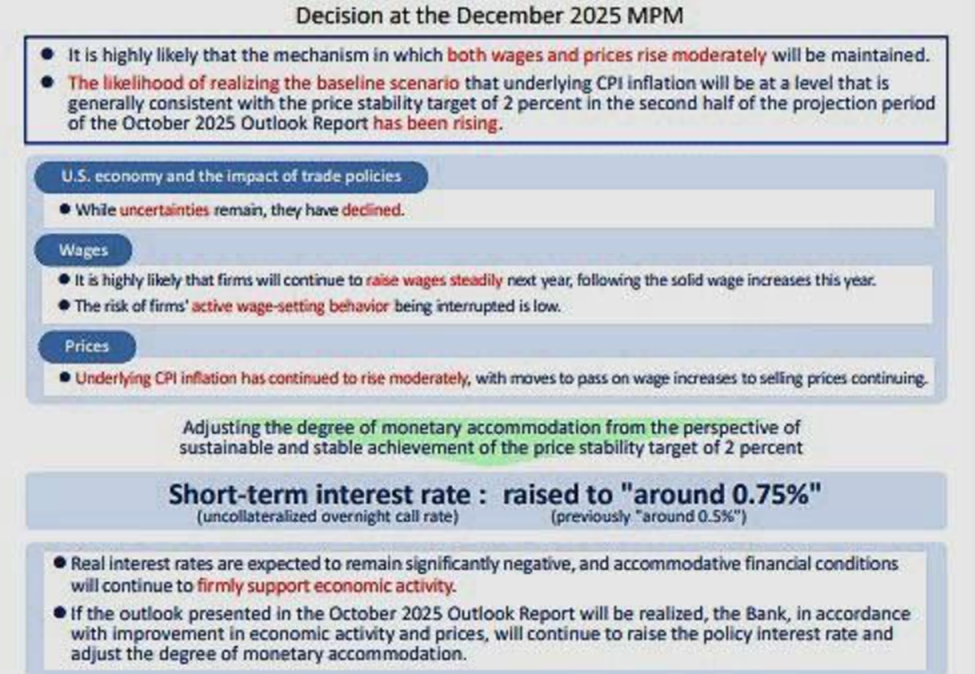
BOJ’s December 2025 policy decision raised rates to 0.75% with guidance for further tightening
Keputusan kebijakan BOJ di Desember 2025 menaikkan suku bunga ke 0,75% disertai panduan untuk pengetatan lebih lanjut | Sumber: Money Ape on X

“BOJ signals it is ready to hike further, potentially 1% or higher by late 2026, depending on wage growth and sustained inflation. NO MERCY FOR ALTCOINS,” komentar Money Ape.

Stabilitas Bitcoin mencerminkan pasar yang sudah punya banyak waktu untuk bersiap atas keputusan BOJ. Apakah ketahanan itu bisa bertahan, lebih bergantung pada seberapa agresif Jepang akan melanjutkan kebijakan pengetatan setelah kenaikan Desember itu, bukan hanya pada kenaikannya saja. Selain itu, adaptasi likuiditas global terhadap berakhirnya salah satu kebijakan penyangga moneter terlama juga akan sangat menentukan.

  •  

Rp53 Triliun Opsi Kripto Kedaluwarsa Hari Ini, Apa Efeknya ke Pasar?

Lebih dari US$3,16 miliar (sekitar Rp52,92 triliun) opsi Bitcoin dan Ethereum akan kedaluwarsa pada Jumat pukul 08.00 UTC (15.00 WIB) di Deribit. Peristiwa ini menjadi penyelesaian derivatif besar terakhir sebelum libur Natal.

Dengan likuiditas pasar yang cenderung menipis menjelang musim liburan dan posisi trader yang terkonsentrasi di sekitar level harga krusial, pelaku pasar terlihat memilih bersikap defensif sambil menunggu katalis yang lebih jelas sebelum mengambil posisi arah tertentu.

Apa yang Bisa Trader Antisipasi saat Opsi Bitcoin US$3 Miliar Kedaluwarsa?

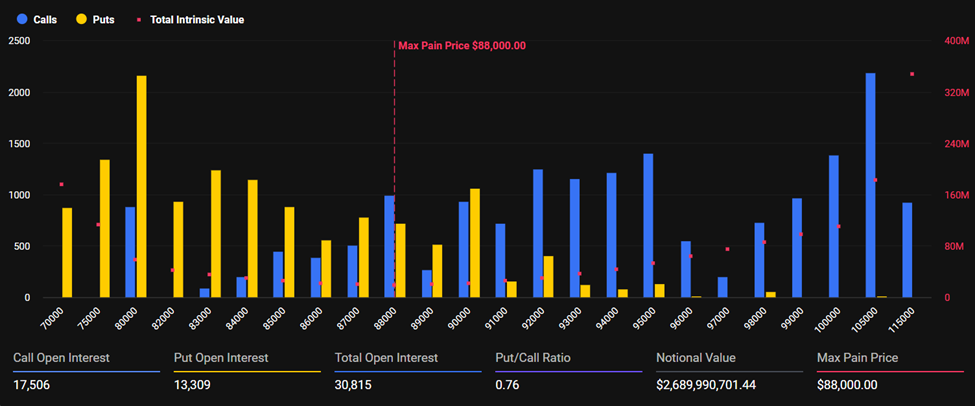
Bitcoin menyumbang porsi terbesar dari total kedaluwarsa hari ini, dengan nilai nosional sekitar US$2,69 miliar (sekitar Rp45 triliun). Pada waktu publikasi, BTC diperdagangkan di US$87.194, naik 0,54% dalam 24 jam terakhir.

Level maximum pain untuk opsi Bitcoin berada di US$88.000, menempatkan harga spot tipis di bawah harga strike tersebut. Maximum pain merupakan titik di mana jumlah kontrak opsi yang berakhir tanpa nilai berada pada level tertinggi.

Sementara itu, data open interest menunjukkan sikap pasar yang relatif seimbang namun condong defensif. Open interest call Bitcoin tercatat 17.506 kontrak, sementara put mencapai 13.309 kontrak, menghasilkan total 30.815 kontrak dengan rasio put-to-call 0,76.

Expiring Bitcoin Options
Opsi Bitcoin yang Segera Kedaluwarsa | Sumber: Deribit

Meskipun opsi call masih unggul secara jumlah, konsentrasi posisi di sekitar US$88.000 membatasi ruang naik kecuali harga spot mampu menembus level tersebut secara meyakinkan. Analis Deribit menyoroti kondisi ini dalam pembaruan pasar mereka:

“Open interest BTC terkonsentrasi di sekitar 88K, dengan posisi put sedikit lebih berat, mengarah pada kedaluwarsa yang relatif terkendali kecuali harga spot keluar dari kisaran,” tulis Deribit.

Pernyataan tersebut memperkuat pandangan bahwa Bitcoin berpotensi tetap bergerak sideways hingga proses penyelesaian kontrak selesai, terutama di tengah kehati-hatian pra-liburan.

Lebih dari US$470 Juta Opsi Ethereum Kedaluwarsa Hari Ini

Ethereum menghadirkan dinamika yang berbeda. Sekitar US$473 juta (sekitar Rp7,9 triliun) opsi ETH akan kedaluwarsa hari ini. Pada waktu publikasi, ETH diperdagangkan di US$2.928, naik 3,37% dalam 24 jam terakhir.

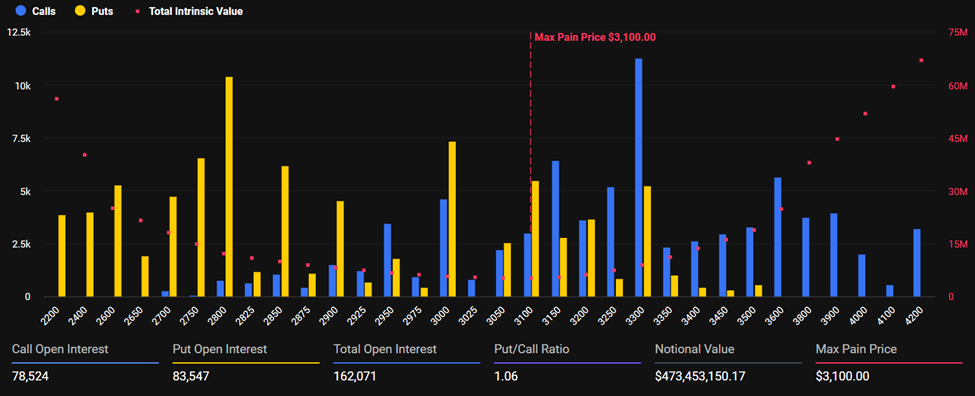
Level maximum pain Ethereum berada di US$3.100, membuat harga spot saat ini berada cukup jauh di bawah strike utama tersebut.

Struktur open interest ETH juga terlihat lebih seimbang, dengan 78.524 kontrak call berhadapan dengan 83.547 kontrak put, menghasilkan rasio put-to-call 1,06 dan total 162.071 kontrak.

Expiring Ethereum Options
Opsi Ethereum yang Segera Kedaluwarsa | Sumber: Deribit

Tidak seperti Bitcoin, posisi opsi Ethereum tersebar di rentang strike yang lebih luas. Ini mencerminkan ketidakpastian arah jangka pendek yang lebih besar.

“Positioning ETH lebih terdistribusi di berbagai strike, dengan minat bullish yang terlihat di atas 3,4K. Ini menjaga kemungkinan pergerakan harga yang lebih besar jika volatilitas kembali meningkat,” terang analis Deribit.

Para analis menambahkan bahwa struktur posisi ini mendorong sikap menunggu hingga penyelesaian kontrak pada 08.00 UTC (15.00 WIB), alih-alih memaksakan arah pasar tanpa katalis yang jelas.

Fokus Mulai Bergeser ke Akhir Desember dan Awal 2026

Di luar kedaluwarsa hari ini, perhatian pasar mulai tertuju ke kontrak 26 Desember dan awal 2026.

“Open interest put 85K untuk 26 Desember kini sekitar 15.000 kontrak (nosional US$1,25 miliar) di Deribit. Bear dan FUD saat ini menguasai posisi ATM di 86K,” catat Deribit Insights.

Pada saat yang sama, taruhan kenaikan jangka pendek nampak lebih terbatas. Analis mencatat, “Condor call di atas 100K untuk 26 Desember senilai US$1,75 miliar kini terasa sebagai taruhan yang cukup jauh.”

Meski demikian, perspektif jangka panjang masih menunjukkan bias konstruktif. Arus posisi terbaru tetap mengindikasikan ekspektasi bullish menuju 2026, menandakan bahwa kehati-hatian jangka pendek tidak sepenuhnya menghapus optimisme struktural.

Menjelang kedaluwarsa opsi terakhir sebelum Natal, Bitcoin dan Ethereum tampak terjebak di antara kehati-hatian jangka pendek dan ekspektasi bullish jangka panjang. Arah berikutnya masih belum terkonfirmasi.

Trader dan investor berpotensi menghadapi volatilitas tambahan, yang dapat diperparah oleh keputusan suku bunga Bank of Japan (BOJ). Namun, pasar biasanya kembali menemukan keseimbangan setelah pelaku menyesuaikan posisi dengan kondisi makro dan likuiditas terbaru.

Bagaimana pendapat Anda tentang opsi BTC dan ETH yang kedaluwarsa ini dan efeknya ke pasar? Yuk, sampaikan pendapat Anda di grup Telegram kami. Jangan lupa follow akun Instagram dan Twitter BeInCrypto Indonesia, agar Anda tetap update dengan informasi terkini seputar dunia kripto!

  •  

$4 Billion Lawsuit Claims Jump Trading Helped Engineer Terraform’s Collapse

The administrator overseeing the wind-down of Terraform Labs has filed a $4 billion lawsuit against high-frequency trading firm Jump Trading. They accuse the market maker of secretly manipulating prices and contributing to the collapse of Do Kwon’s once-dominant crypto ecosystem.

It comes barely a week after the judge issued Do Kwon his sentence, a 15-year term in federal prison for orchestrating a $40 billion crypto fraud.

Terraform Labs Estate Seeks $4 Billion From Jump Trading

The complaint names Jump Trading, co-founder William DiSomma, and former head of its crypto division, Kanav Kariya. It alleges unlawful profiteering tied to the failure of TerraUSD (UST).

Citing court filings, The Wall Street Journal reports that the Terraform Labs estate claims Jump conducted undisclosed, large-scale trading interventions to prop up UST during multiple de-pegging episodes in 2021 and 2022.

Rather than stabilizing the system, the administrator argues these actions created a false sense of market confidence. In turn, this masked structural weaknesses that ultimately made Terra’s collapse more severe.

At the center of the lawsuit is the claim that Jump aggressively purchased UST whenever the algorithmic stablecoin fell below its $1 peg. These purchases allegedly inflated demand artificially, misleading market participants into believing the peg mechanism was functioning as designed.

The estate argues that Jump was not acting as a neutral liquidity provider. Instead, it exploited its market position and inside knowledge to extract profits from the volatility it helped manage.

The filing alleges that Jump earned roughly $1 billion through these strategies, benefiting from preferential token arrangements and trading advantages. Meanwhile, retail investors remained unaware of the behind-the-scenes support.

When Terra ultimately unraveled in May 2022, triggering an estimated $40 billion wipeout across UST and LUNA, the lawsuit claims the earlier illusion of stability magnified the damage.

It is worth mentioning that this is not the first time Jump Trading is linked to manipulation allegations. In October 2024, game developer FractureLabs filed a lawsuit against Jump Trading over crypto manipulation claims

“Jump then systematically liquidated its DIO holdings, generating millions of dollars in revenue for itself,” Bloomberg reported, citing an excerpt in the lawsuit.

Do Kwon’s Sentencing Puts Fresh Spotlight on Jump Trading’s Market Power

The legal action arrives amid renewed headlines of Terra’s collapse. It follows Do Kwon’s recent sentencing to 15 years in prison over fraud charges related to the project.

In the days following that ruling, some market observers publicly speculated that additional institutional players could face legal exposure, with Whale Calls citing Jump Trading.

When jump trading ? https://t.co/yowAZA1DAw

— WhaleCalls (@whalecalls) December 11, 2025

Beyond the immediate allegations, the case highlights Jump Trading’s formidable technological capabilities.

Jump Trading’s Technological Edge and Its Role in the Lawsuit

Jump is widely regarded as one of the most sophisticated high-frequency trading firms globally. Industry reporting has highlighted its willingness to spend vast sums to gain marginal speed advantages, including the acquisition of a microwave tower previously used by NATO to shave milliseconds off transatlantic trade transmission times.

In 2018, Jump also partnered with firms such as Citadel to build the “Go West” undersea fiber-optic cable, connecting Chicago and Tokyo and enabling faster access to global futures markets.

According to commentary from Colin Wu, Jump’s quote data processing capabilities are considered to be on a vastly different scale from those of many competitors. This reflects the asymmetric power that large trading firms can wield in both traditional and crypto markets.

That technological edge now forms part of the broader context of the lawsuit. While the complaint does not allege the use of illegal infrastructure, it argues that Jump’s scale and sophistication amplified the market impact of its UST trades. This raises questions about fairness, disclosure, and market integrity.

If successful, the case could have far-reaching implications. A ruling in favor of the Terraform Labs estate may establish a clearer legal boundary between legitimate market making and manipulation in crypto markets, potentially reshaping how large trading firms operate.

It could also lead to substantial financial penalties, with any recovered funds likely directed toward compensating creditors and victims of the Terra collapse.

Jump Trading has not publicly commented on the lawsuit as of the time of publication, but is expected to mount a vigorous defense.

As discovery continues, the case may offer rare insight into the opaque mechanics of crypto market making. Beyond that, it could mark a watershed moment in the industry’s ongoing reckoning with accountability.

The post $4 Billion Lawsuit Claims Jump Trading Helped Engineer Terraform’s Collapse appeared first on BeInCrypto.
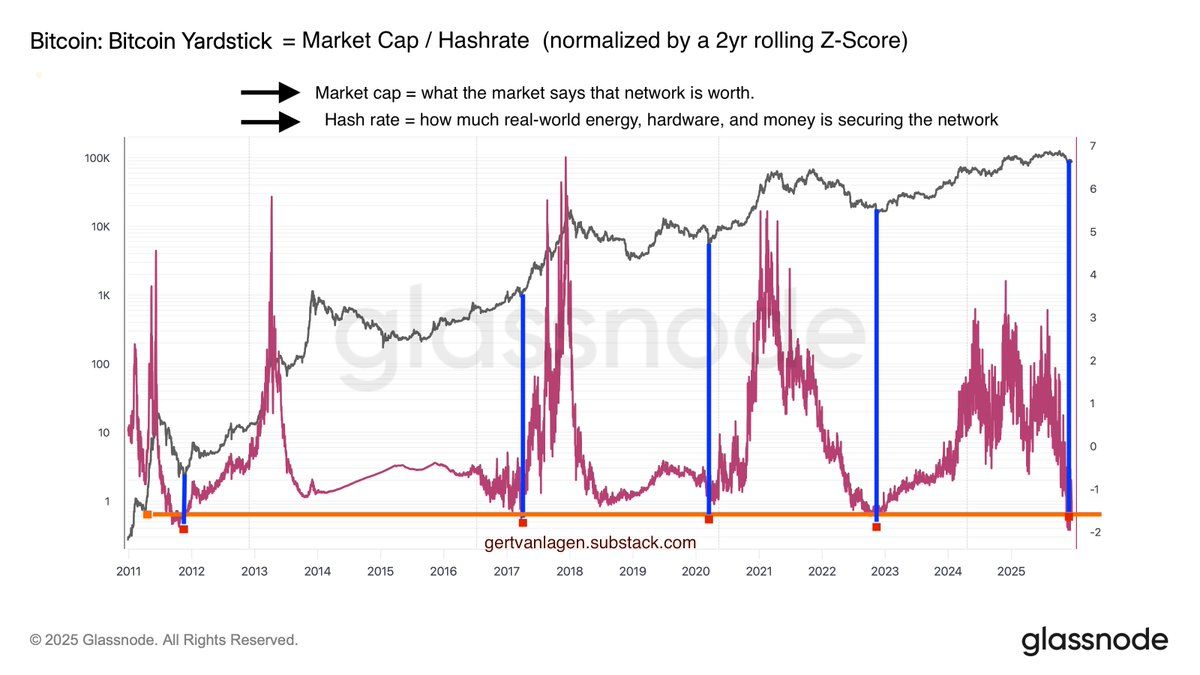
  •  

BOJ Raises Interest Rates to 0.75%, But Bitcoin Stands Unshaken—Is the Crypto Calm a Warning or Opportunity?

The Bank of Japan (BOJ) raised its policy interest rate by 25 basis points to 0.75% on December 19. It marks its highest level in nearly 30 years, reinforcing the country’s gradual exit from ultra-easy monetary policy.

Yet despite the historic shift and warnings of a global liquidity squeeze, Bitcoin showed little reaction, rising just under 1% and holding in the $87,000 range.

BOJ Just Raised Interest Rates Another 25 Basis Points – Why Did Bitcoin Hold Steady?

The muted response stands in contrast to history. Previous BOJ tightening cycles have often coincided with sharp sell-offs in crypto markets, particularly as yen carry trades unwind and global liquidity tightens.

THE BANK OF JAPAN MIGHT BE BITCOIN’S BIGGEST ENEMY

Japan holds the most US debt.
Every time they hike, Bitcoin bleeds:

March 2024: -23%
July 2024: -30%
Jan 2025: -31%

Next hike: Dec 19
Next move: loading…

If the pattern repeats, $70K is in play. pic.twitter.com/R5916R702I

— Merlijn The Trader (@MerlijnTrader) December 14, 2025

This time, however, traders appeared unfazed, suggesting the move had been fully priced in well ahead of the announcement. Market participants had largely anticipated the decision.

BOJ Interest Rate Probabilities
BOJ Interest Rate Probabilities. Source: Polymarket

Japan’s rate increase represents a symbolic break from decades of near-zero interest rates that made the yen a cornerstone of global funding markets. Cheap yen borrowing fueled leverage across equities, bonds, and cryptocurrencies.

As Japanese yieds rise and narrow the gap with global rates, those trades become less attractive, potentially forcing investors to unwind risk positions. Still, Bitcoin’s calm reaction suggests markets were prepared.

Bitcoin (BTC) Price Performance
Bitcoin (BTC) Price Performance. Source: BeInCrypto

According to analysts, however, the focus was never the hike itself, but what comes next.

“Markets are pricing in a near-certain 25 basis point hike, marking the highest Japanese policy rate in about 30 years. While the hike itself is largely anticipated, the real focus is on Governor Ueda’s forward guidance during the press conference—signals of future hikes could amplify effects,” wrote analyst Marty Party.

That forward guidance may prove crucial. The BOJ has signaled it remains prepared to raise rates further, potentially to 1% or higher by late 2026, depending on wage growth and sustained inflation.

BOJ policy rate climbing from near 0% to 0.75% in December 2025, ending decades of ultra-easy policy. Source: Wise Advice via X

That outlook keeps pressure on risk assets, even if the initial move failed to trigger volatility.

Bitcoin Holds Firm as Altcoins Face a Prolonged Liquidity Squeeze

Analysts argue that Bitcoin’s resilience could be a bullish sign. Blueblock pointed to historical patterns, noting the divergence from past reactions.

“The BOJ just hiked rates to 0.75%, ending decades of ultra-loose policy and narrowing the gap with global yields. History shows that every prior tightening has triggered 20–30% Bitcoin drops as yen carry trades unwind and liquidity tightens. Yet with the hike fully priced in and BTC holding around $85k–$87k, this could be the dip buyers have been waiting for,” the analyst wrote.

However, not all corners of the crypto market are expected to fare as well. Altcoins, which are typically more sensitive to shifts in liquidity, remain vulnerable if Japanese tightening accelerates.

The prospect of higher rates through 2026 suggests a prolonged headwind rather than a one-off shock.

BOJ’s December 2025 policy decision raised rates to 0.75% with guidance for further tightening
BOJ’s December 2025 policy decision raised rates to 0.75% with guidance for further tightening. Source: Money Ape on X

“BOJ signals it is ready to hike further, potentially 1% or higher by late 2026, depending on wage growth and sustained inflation. NO MERCY FOR ALTCOINS,” commented Money Ape.

Bitcoin’s stability reflects a market that had ample time to prepare for the BOJ’s decision. Whether that resilience holds will depend less on the December hike itself and more on how aggressively Japan continues its path of tightening. It will also hinge on how global liquidity adapts to the end of one of its longest-running monetary backstops.

The post BOJ Raises Interest Rates to 0.75%, But Bitcoin Stands Unshaken—Is the Crypto Calm a Warning or Opportunity? appeared first on BeInCrypto.
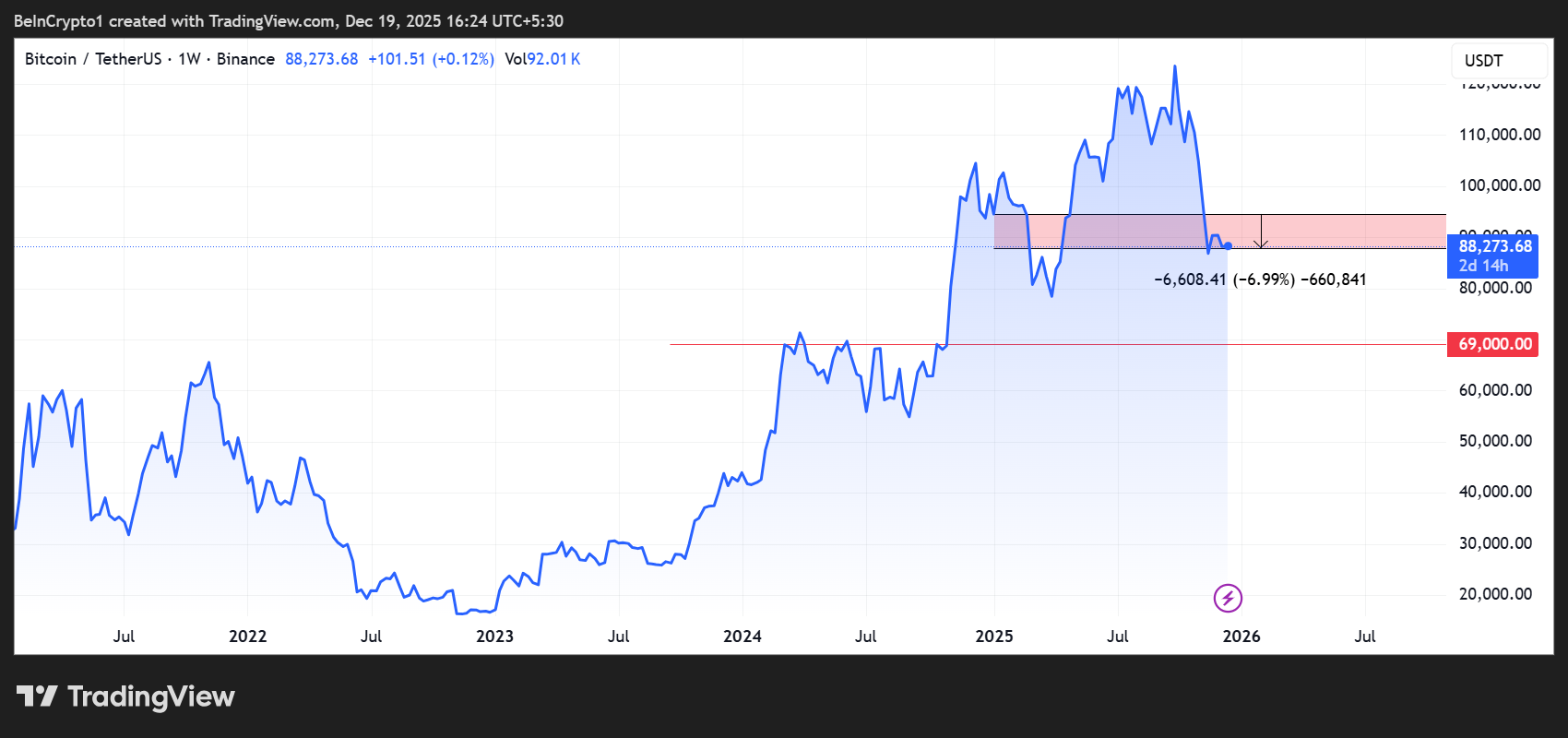
  •  

$3.16 Billion Crypto Options Expiry Puts Bitcoin and Ethereum’s Next Move in Question

Over $3.16 billion worth of Bitcoin and Ethereum options are set to expire on Friday at 08:00 UTC on Deribit, marking the final major derivatives settlement before Christmas.

With liquidity thinning out as the holiday period approaches and positioning tightly clustered around key price levels, traders appear cautious, waiting for a clearer catalyst before committing to a direction.

What to Expect as Nearly $3 Billion Bitcoin Options Expire

Bitcoin accounts for the bulk of the expiry, with roughly $2.69 billion in notional value rolling off. At the time of writing, BTC was trading at $87,194, representing a 0.54% increase over the past 24 hours.

The max pain level for today’s expiring Bitcoin options sits at $88,000, placing the spot price just below the strike. This is where the greatest number of options expire worthless.

Meanwhile, open interest data suggests a relatively balanced but slightly defensive stance. Bitcoin call open interest stands at 17,506 contracts, compared with 13,309 puts, resulting in a total open interest of 30,815 contracts and a put-to-call ratio of 0.76.

Expiring Bitcoin Options
Expiring Bitcoin Options. Source: Deribit

While calls still dominate numerically, the concentration of positioning near $88,000 points to limited upside momentum unless the spot decisively breaks higher. Deribit analysts highlighted this dynamic in a market update.

“BTC open interest is concentrated around 88K, with slightly heavier put positioning, pointing to a relatively contained expiry unless spot breaks range,” they wrote.  

The commentary reinforces the view that Bitcoin could remain range-bound through settlement, especially amid pre-holiday caution.

Over $470 Million Ethereum Options Expire Today: What Investors Should Know

Ethereum presents a different setup. Approximately $473 million in ETH options are expiring, with the asset trading at $2,928, representing a 3.37% increase in the last 24 hours. ETH’s max pain level is higher, at $3,100, leaving spot price meaningfully below the key strike.

Ethereum’s open interest profile is more evenly split, with 78,524 call contracts versus 83,547 puts. This results in a put-to-call ratio of 1.06 and a total open interest of 162,071 contracts.

Expiring Ethereum Options
Expiring Ethereum Options. Source: Deribit

Unlike Bitcoin, ETH positioning is spread across a wider range of strikes, indicating greater uncertainty about the near-term direction.

“ETH positioning is more distributed across strikes, with notable upside interest above 3.4K, keeping larger moves in play if volatility reaccelerates,” Deribit analysts indicated.

The analysts added that positioning suggests patience into settlement, which happens at 08:00 UTC today, with traders waiting for a clearer catalyst rather than forcing direction.

Beyond today’s options expiry, attention is already shifting to December 26 and early 2026 positioning.

“December 26 85k Put OI now ~15k ($1.25bn notional) on Deribit, and bears+FUD currently in control with ATM 86k,” Deribit Insights noted.

At the same time, upside bets appear less aggressive in the near term, with analysts observing that “the Dec26 100k+ $1.75bn Call condor feels a distant punt now.”

However, longer-dated flows tell a more constructive story, with recent flows continuing to show upside bias into 2026. According to the analysts, this suggests that while short-term sentiment remains cautious, longer-horizon traders are still positioning for a renewed bullish phase.

As the final options expiry before Christmas approaches, both Bitcoin and Ethereum appear caught between near-term restraint and longer-term optimism, leaving their next decisive move unresolved.

Traders and investors may experience some volatility, which the BOJ’s interest rate decision could exacerbate. However, markets tend to stabilize as traders adjust to new market conditions.

The post $3.16 Billion Crypto Options Expiry Puts Bitcoin and Ethereum’s Next Move in Question appeared first on BeInCrypto.

  •  

Ethereum Dip Pressures BitMine, but Tom Lee and Ark Keep Buying | US Crypto News

Welcome to the US Crypto News Morning Briefing—your essential rundown of the most important developments in crypto for the day ahead.

Grab a coffee as BitMine’s bold Ethereum strategy is back in focus with market pressure building and investor nerves fraying. Losses are mounting, the stock is sliding, and yet influential buyers are quietly stepping in, setting up a familiar crypto standoff between conviction and caution.

Crypto News of the Day: Losses Mount at BitMine, Yet Tom Lee and Ark Double Down on Ethereum

BitMine’s aggressive Ethereum treasury strategy is coming under renewed scrutiny as prolonged unrealized losses weigh on investor sentiment and its stock continues to slide.

Shares of BitMine (BMNR), widely described as the world’s largest Ethereum treasury company, have fallen sharply in recent sessions. The stock closed Wednesday at $29.32, down 6.59% on the day and roughly 24% over the past five days,

BitMine (BMNR) Stock Performance
BitMine (BMNR) Stock Performance. Source: Google Finance

The reflects market unease around both broader market weakness and BitMine’s mounting unrealized losses on ETH holdings.

Yet even as concerns grow around downside exposure, some of crypto’s most influential bulls are doubling down. This highlights a widening divide over Ethereum’s role in institutional treasury strategies.

Despite the drawdown, BitMine Chairman Tom Lee appears unfazed. On-chain data flagged by Arkham Intelligence indicates that Lee has continued to accumulate Ethereum at scale.

“Tom Lee just bought another $140 million ETH. Two fresh wallets just received $140.58 million ETH from FalconX. Their acquisition behavior matches BitMine’s prior purchase patterns. Tom Lee continues to buy the dip,” wrote Arkham.

The activity reinforces BitMine’s long-standing thesis that Ethereum remains structurally undervalued and is positioned to benefit from regulatory clarity, institutional adoption, and the expansion of on-chain use cases. This holds despite near-term price action telling a different story.

Cathie Wood’s Ark Invest is also signaling conviction. According to trade filings, Ark purchased $10.56 million worth of BitMine shares on Wednesday across three of its exchange-traded funds.

🚨ARK BUYS MORE CRYPTO STOCKS!

Ark Invest bought $10.56M of BitMine, $5.9M of Coinbase, and $8.85M of Bullish on Wednesday.

Cathie Wood says a “real break” in inflation is coming in 2026. pic.twitter.com/lW8AWfuISC

— Coin Bureau (@coinbureau) December 18, 2025

The buy followed an additional $17 million purchase earlier in the week, bringing Ark’s recent accumulation to nearly $28 million.

Ark Expands Crypto Equity Exposure as Treasury Strategies Split

Ark’s buying spree extended beyond BitMine. The firm also added $5.9 million in Coinbase shares and $8.85 million worth of Bullish, leaning into crypto equities that have broadly been trending lower. Coinbase fell 3.33% on Wednesday to $244.19, while Bullish slipped 1.89% to $42.15.

Coinbase (COIN) Stock Performance
Coinbase (COIN) Stock Performance. Source: Google Finance

The moves reflect Wood’s broader macro-outlook. The Ark Invest CEO, Cathie Wood, has repeatedly argued that easing inflation and improving liquidity conditions could set the stage for a renewed crypto rally.

BitMine’s leadership mirrors that optimism. The company has continued purchasing ether weekly during the downturn, with Lee previously stating that regulatory and legislative shifts in Washington, combined with rising institutional engagement, mean “the best days for crypto” are still ahead.

Nonetheless, not everyone shares that view. Analyst Samson Mow has taken the opposite approach, opting for a clean break from Ethereum exposure.

“I’ve decided to liquidate all BitMine Ethereum holdings and pivot to a Bitcoin-only treasury strategy,” wrote Mow.

Mow’s decision highlights a growing philosophical split within crypto treasuries: whether diversification into Ethereum represents strategic foresight or unnecessary risk.

For BitMine, that debate is no longer theoretical, and as unrealized losses persist, Lee and Ark’s conviction may not be rewarded soon, unless tides turn. In the same way, Ethereum’s volatility continues to test the limits of institutional patience.

Chart of the Day

Ethereum Treasury Companies. Source: StrategicETHReserve.xyz

Byte-Sized Alpha

Here’s a summary of more US crypto news to follow today:

Crypto Equities Pre-Market Overview

CompanyAt the Close of December 17Pre-Market Overview
Strategy (MSTR)$160.38$162.80 (+1.51%)
Coinbase (COIN)$244.19$250.37 (+2.53%)
Galaxy Digital Holdings (GLXY)$22.81$23.11 (+1.31%)
MARA Holdings (MARA)$9.93$10.03 (+1.01%)
Riot Platforms (RIOT)$12.96$13.07 (+0.85%)
Core Scientific (CORZ)$13.57$14.00 (+3.17%)
Crypto equities market open race: Google Finance

The post Ethereum Dip Pressures BitMine, but Tom Lee and Ark Keep Buying | US Crypto News appeared first on BeInCrypto.

  •  

Ethereum Turun, BitMine Tertekan, tapi Tom Lee dan Ark Tetap Beli | Berita Kripto AS

Selamat datang di US Crypto News Morning Briefing—rangkuman penting untuk perkembangan utama dunia aset kripto hari ini.

Siapkan kopi Anda, karena strategi Ethereum berani dari BitMine kembali jadi sorotan, saat tekanan pasar meningkat dan investor makin khawatir. Kerugian makin menumpuk, harga saham menurun, tapi pembeli berpengaruh diam-diam masuk, menciptakan kondisi klasik kripto antara keyakinan dan kehati-hatian.

Berita Aset Kripto Hari Ini: Kerugian di BitMine Meningkat, tapi Tom Lee dan Ark Tetap Percaya pada Ethereum

Strategi treasury Ethereum yang agresif dari BitMine kembali mendapat sorotan, karena kerugian belum terealisasi yang terus berlanjut membebani sentimen investor dan harga sahamnya pun terus turun.

Saham BitMine (BMNR), yang dikenal luas sebagai perusahaan treasury Ethereum terbesar di dunia, anjlok tajam dalam beberapa sesi terakhir. Sahamnya ditutup pada hari Rabu di level US$29,32, turun 6,59% dalam sehari dan sekitar 24% selama lima hari terakhir,

BitMine (BMNR) Stock Performance
Performa Saham BitMine (BMNR) | Sumber: Google Finance

Hal ini mencerminkan kecemasan pasar terhadap kelemahan pasar secara luas sekaligus kerugian belum terealisasi BitMine atas kepemilikan ETH mereka.

Meskipun kekhawatiran meningkat terkait potensi penurunan, beberapa bull paling berpengaruh di dunia kripto justru menambah posisi mereka. Kondisi ini menyoroti perbedaan pandangan yang makin lebar soal peran Ethereum di strategi treasury institusi.

Meski terjadi penurunan, Ketua BitMine Tom Lee nampak tetap tenang. Data on-chain yang dicatat Arkham Intelligence memperlihatkan bahwa Lee terus mengakumulasi Ethereum dalam jumlah besar.

“Tom Lee just bought another $140 million ETH. Two fresh wallets just received $140.58 million ETH from FalconX. Their acquisition behavior matches BitMine’s prior purchase patterns. Tom Lee continues to buy the dip,” tulis Arkham.

Aksi ini kembali menegaskan keyakinan lama BitMine bahwa Ethereum masih undervalued secara struktural dan berpotensi diuntungkan dari kejelasan regulasi, adopsi institusi, dan ekspansi kasus penggunaan on-chain. Walaupun, pergerakan harga jangka pendek menggambarkan cerita yang berbeda.

Ark Invest dari Cathie Wood juga menunjukkan keyakinan. Berdasarkan laporan transaksi, Ark telah membeli saham BitMine senilai US$10,56 juta pada hari Rabu melalui tiga exchange-traded fund mereka.

🚨ARK BUYS MORE CRYPTO STOCKS!

Ark Invest bought $10.56M of BitMine, $5.9M of Coinbase, and $8.85M of Bullish on Wednesday.

Cathie Wood says a “real break” in inflation is coming in 2026. pic.twitter.com/lW8AWfuISC

— Coin Bureau (@coinbureau) December 18, 2025

Pembelian ini mengikuti tambahan pembelian senilai US$17 juta di awal minggu, sehingga total akumulasi terbaru Ark mendekati US$28 juta.

Ark Perluas Eksposur Saham Aset Kripto Sementara Strategi Treasury Terpecah

Aksi beli Ark tidak hanya di BitMine saja. Perusahaan ini juga menambah saham Coinbase senilai US$5,9 juta dan membeli Bullish senilai US$8,85 juta, memperkuat eksposur ke aset ekuitas kripto yang secara umum sedang menurun. Pada hari Rabu, saham Coinbase turun 3,33% ke US$244,19, sementara Bullish turun 1,89% ke US$42,15.

Coinbase (COIN) Stock Performance
Performa Saham Coinbase (COIN) | Sumber: Google Finance

Langkah-langkah ini mencerminkan pandangan makro yang lebih luas dari Wood. CEO Ark Invest, Cathie Wood, berulang kali menyatakan bahwa penurunan inflasi dan perbaikan likuiditas bisa menjadi fondasi untuk reli kripto berikutnya.

Pihak manajemen BitMine juga sejalan dengan sikap optimistis ini. Perusahaan tetap rutin membeli Ether setiap minggu selama periode penurunan, di mana Lee pernah menyatakan bahwa perubahan regulasi dan kebijakan di Washington serta meningkatnya minat institusi berarti “hari-hari terbaik bagi kripto” masih di depan.

Meski begitu, tidak semua pihak sependapat. Analis Samson Mow mengambil langkah sebaliknya dan memutuskan keluar total dari eksposur Ethereum.

“I’ve decided to liquidate all BitMine Ethereum holdings and pivot to a Bitcoin-only treasury strategy,” tulis Mow.

Keputusan Mow menyoroti perpecahan filosofi dalam manajemen treasury kripto: apakah diversifikasi ke Ethereum adalah langkah strategis atau malah menjadi risiko yang tidak perlu.

Bagi BitMine, perdebatan ini kini bukan hanya teori belaka; selama kerugian belum terealisasi terus terjadi, keyakinan Lee dan Ark belum tentu membuahkan hasil dalam waktu dekat—kecuali situasi pasar benar-benar berbalik. Di sisi lain, volatilitas Ethereum terus menguji kesabaran institusi.

Chart of the Day

Perusahaan Treasury Ethereum | Sumber: StrategicETHReserve.xyz

Alpha Ringkas

Berikut rangkuman berita aset kripto dari Amerika Serikat yang perlu kamu ikuti hari ini:

Gambaran Umum Pre-market Crypto Equities

PerusahaanPenutupan 17 DesemberGambaran Pre-Market
Strategy (MSTR)US$160,38US$162,80 (+1,51%)
Coinbase (COIN)US$244,19US$250,37 (+2,53%)
Galaxy Digital Holdings (GLXY)US$22,81US$23,11 (+1,31%)
MARA Holdings (MARA)US$9,93US$10,03 (+1,01%)
Riot Platforms (RIOT)US$12,96US$13,07 (+0,85%)
Core Scientific (CORZ)US$13,57US$14,00 (+3,17%)
Persaingan pembukaan pasar ekuitas kripto | Sumber: Google Finance

  •  
❌