Normal view

Received — 22 November 2025 Xiaomi News & Update

Xiaomi may adopt new LED wireless power tech for fully cable-free homes

22 November 2025 at 18:09

The Tokyo Institute of Science has achieved a huge milestone by converting LED light energy into electricity for the first time, thus allowing the true implementation of wireless power delivery at distances of as far as 5 meters. This Optical Wireless Power Transmission breakthrough opens new possibilities in powering indoor IoT devices without batteries or cables and represents a potential revolution for future Xiaomi smart homes, including technologies seen in Xiaomi HyperConnect, Xiaomi Pad devices, and Xiaomi Smart Home products.

What Makes LED-Based Wireless Power a Breakthrough?

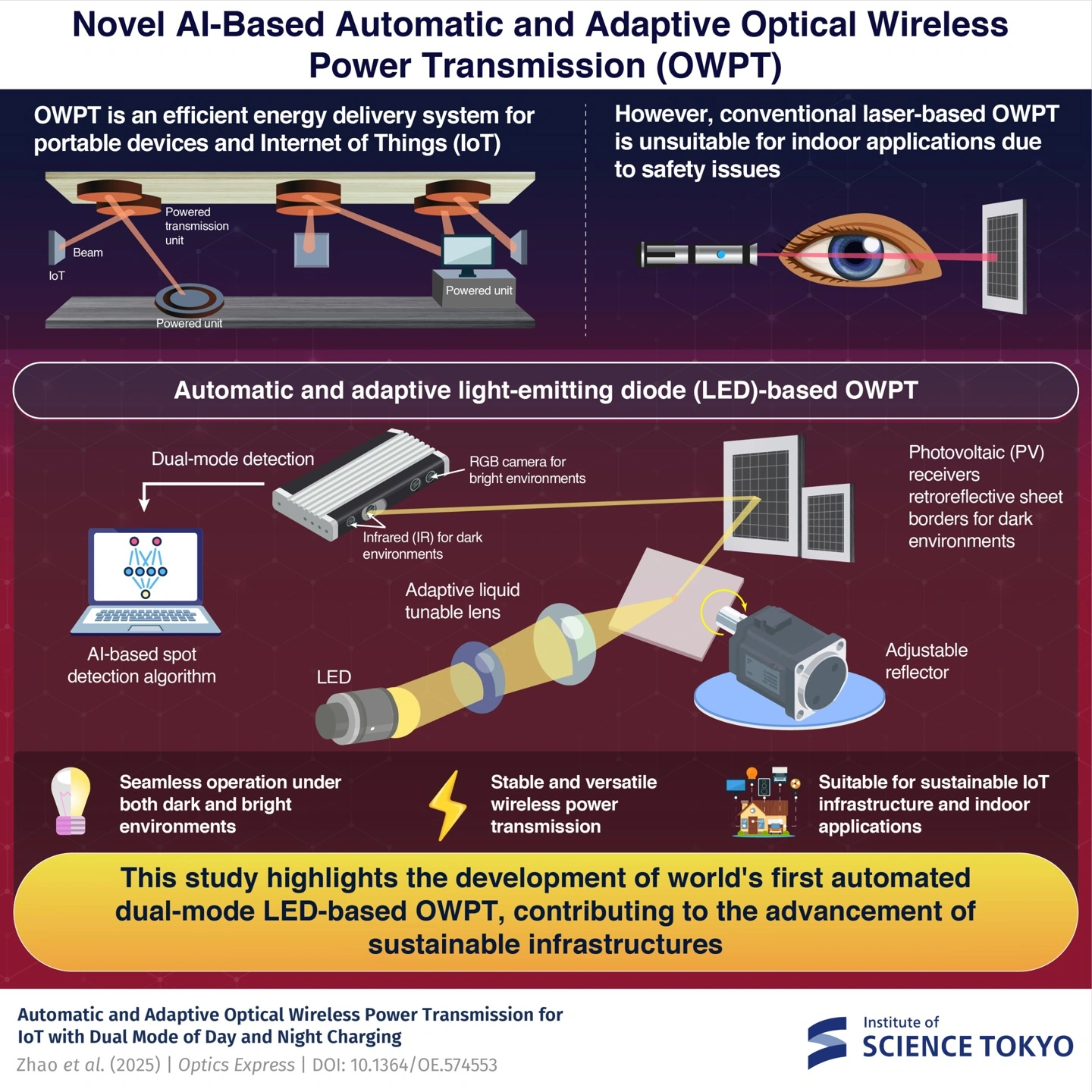
This new OWPT technology converts electrical energy into LED light, transmits it, and then reconverts it into electrical power using a photovoltaic receiver. High-power LEDs, unlike laser-based systems, can offer safer and more cost-efficient transmission. This makes them ideal for environments with dense IoT ecosystems, like smart homes, industrial sensors, and smart offices.

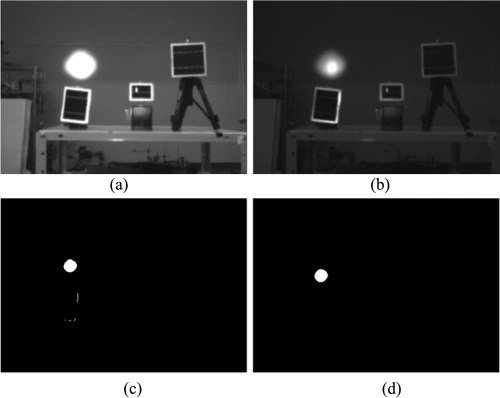
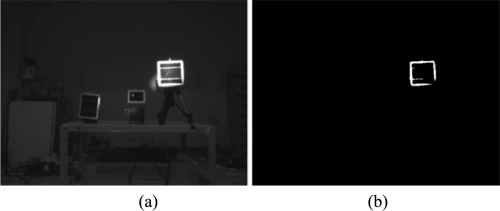
The system uses AI image recognition to power multiple devices simultaneously and automatically. This kind of intelligent identification may be incorporated into future Xiaomi product series to serve the purpose of stable wireless power transmission in different home settings.
Xiaomi wireless energy 2 Xiaomi wireless energy 3 Xiaomi wireless energy 4 Xiaomi wireless energy 5 Xiaomi wireless energy 6 Xiaomi wireless energy 7 Xiaomi wireless energy 1

Adaptive Optics for Stable 5 m Transmission

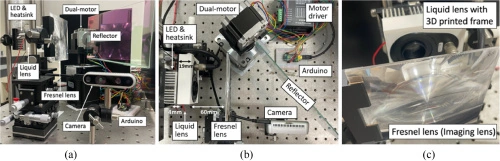
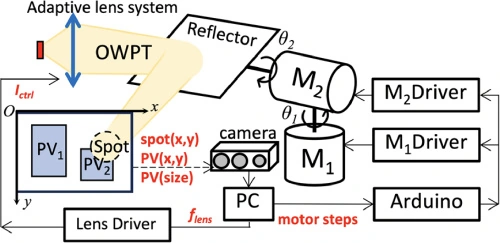
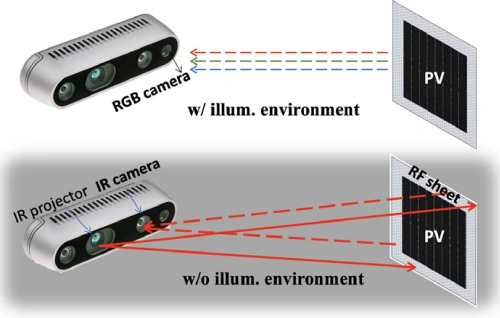
To circumvent the loss of energy over distances, the research team has developed a dual-mode adaptive optics system. In this system, it utilizes a focusable liquid lens and an imaging lens that automatically adjust beam size according to receiver distance and size. Consequently, this ensures efficiency both in bright and dark indoor environments.

The system ensures precise targeting through its depth camera, reflective film, and stepper-motor-controlled reflector. Due to the infrared reflection of the film, the receiver remains visible even in complete darkness. Preliminary tests demonstrate stable performance at 5 meters and a radiant flux as high as 1.53 W.

How Xiaomi Could Use This Technology

This technology is highly relevant, considering that Xiaomi’s ecosystem is one of the world’s largest IoT platforms. If adopted, here are several product categories in which Xiaomi could introduce wireless LED power delivery:

Possible Applications by Xiaomi

Xiaomi Smart Home Devices: Powering Xiaomi Smart Door Lock, Xiaomi Smart Camera, and Xiaomi Sensor modules without cables. Xiaomi IoT Hubs: Integrating OWPT into the Xiaomi HyperConnect to enable cross-room energy and data sharing flawlessly. Xiaomi Robotics: Next-generation CyberDog and household robots will be able to carry out LED-based continuous charging while operating. Xiaomi Automotive (SU7, future models): Interior sensors, ambient lighting modules and other small components may work without wiring.

Xiaomi Pad & AIoT Devices

Accessories like styluses, mini speakers, or smart desk lamps would get charged only by staying in proximity to an LED transmitter. It also aligns with the commitment of Xiaomi to create a fully wireless smart home environment, prevent battery waste, and develop more energy-efficient living spaces.

Why It Matters for the Future of Smart Homes

This technology’s unique combination of safety, low cost, and precise AI-based targeting could be a major component in developing the next generation of smart ecosystems. For companies like Xiaomi, which are invested deep in smart IoT networks, OWPT could mean homes where sensors, gadgets, and wearables would work without ever needing to be charged manually.

Xiaomi Band 10 and AI Glasses receive major upgrade with next-week rollout

22 November 2025 at 16:55

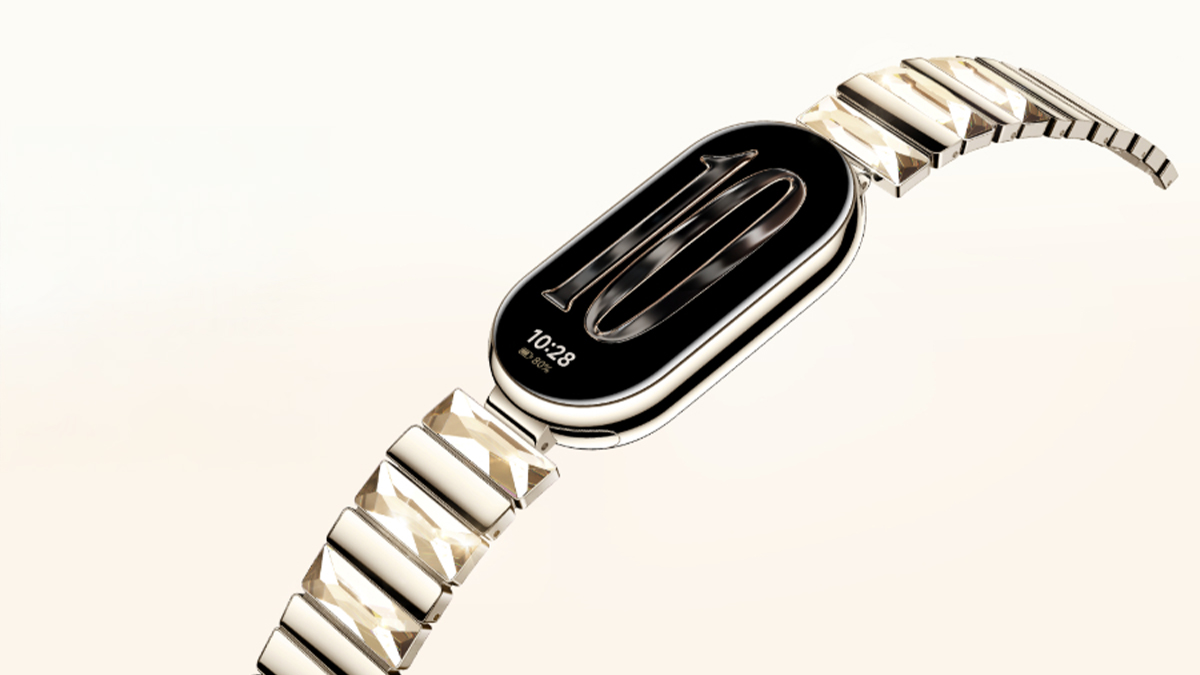
The update for Xiaomi Band 10 and Xiaomi AI Glasses has officially entered gray-scale testing in China, with a full rollout next week. According to Zhang Lei, Vice President of the Mobile Phone Department of Xiaomi Group, all versions of Band 10 support updating, including standard, NFC, ceramic, and Yaoying Gold. For system app updates, readers can manage them through our project HyperOSUpdates.com or via the MemeOS Enhancer app in Play Store, which is used to enable hidden features of Xiaomi and internal system updates within a unified interface.

Xiaomi Band 10 Receives Key System and Fitness Enhancements

The major adjustments in the Xiaomi Band 10 update include enhancing system consistency and refining sport-related algorithms. This version maintains more consistency with the visual style of Xiaomi HyperOS 3, so the interface is much smoother and more refined.

The swimming mode has been optimized, especially for sessions in the pool, allowing for better stroke recognition and more accurate distance recording. Xiaomi also introduced the Cadence & Pace Algorithm 2.0, promising the delivery of more precise running metrics. This makes it particularly useful for users who rely on daily fitness tracking within the Xiaomi ecosystem.

What’s New in Xiaomi Band 10

  • Updated visual elements to match HyperOS 3
  • Improved notification layout with better focus alerts
  • Optimized swimming mode with increased pool-tracking accuracy
  • Cadence & Pace Algorithm 2.0 – precisely analyzes your run
Stunning gold edition of Xiaomi Band 10 is here

Xiaomi AI Glasses Gain New Smart Interaction Features

This update brings a whole set of practical and user-oriented features: English learning support has been extended—users just have to wake Xiao Ai and say “Open English speaking practice” to start interactive language exercises with the glasses as their personal wearable learning assistant.

The system has also added a new feature: “Xiao Ai Car Control with Glasses,” which allows users to remote control smart electric vehicles manufactured by Xiaomi through voice. They can check car status or perform some simple remote operations hands-free.

After the update, Xiaomi AI Glasses will add support for live streaming from TikTok and custom RTMP streaming, enabling creators to stream directly from the glasses. This is complemented by Xiao Ai OneShot that enables immediate command execution without waiting for a wake-up acknowledgment.

Key Additions to Xiaomi AI Glasses

  • Interactive mode of English speaking practice
  • Remote control via the built-in Xiao Ai
  • Support for TikTok + RTMP live streaming
  • Xiao Ai OneShot for instant command response
AI Glasses

Rollout Timeline and Availability

Zhang Lei confirmed that both the Xiaomi Band 10 and Xiaomi AI Glasses currently undergo staged gray-scale testing across China. The full stable rollout is expected next week for all models. Since they are China-market products, features may vary internationally depending on regional certifications and connected services. For app-based updates and future Beta releases, users may access system tools through HyperOSUpdates.com or install MemeOS Enhancer.

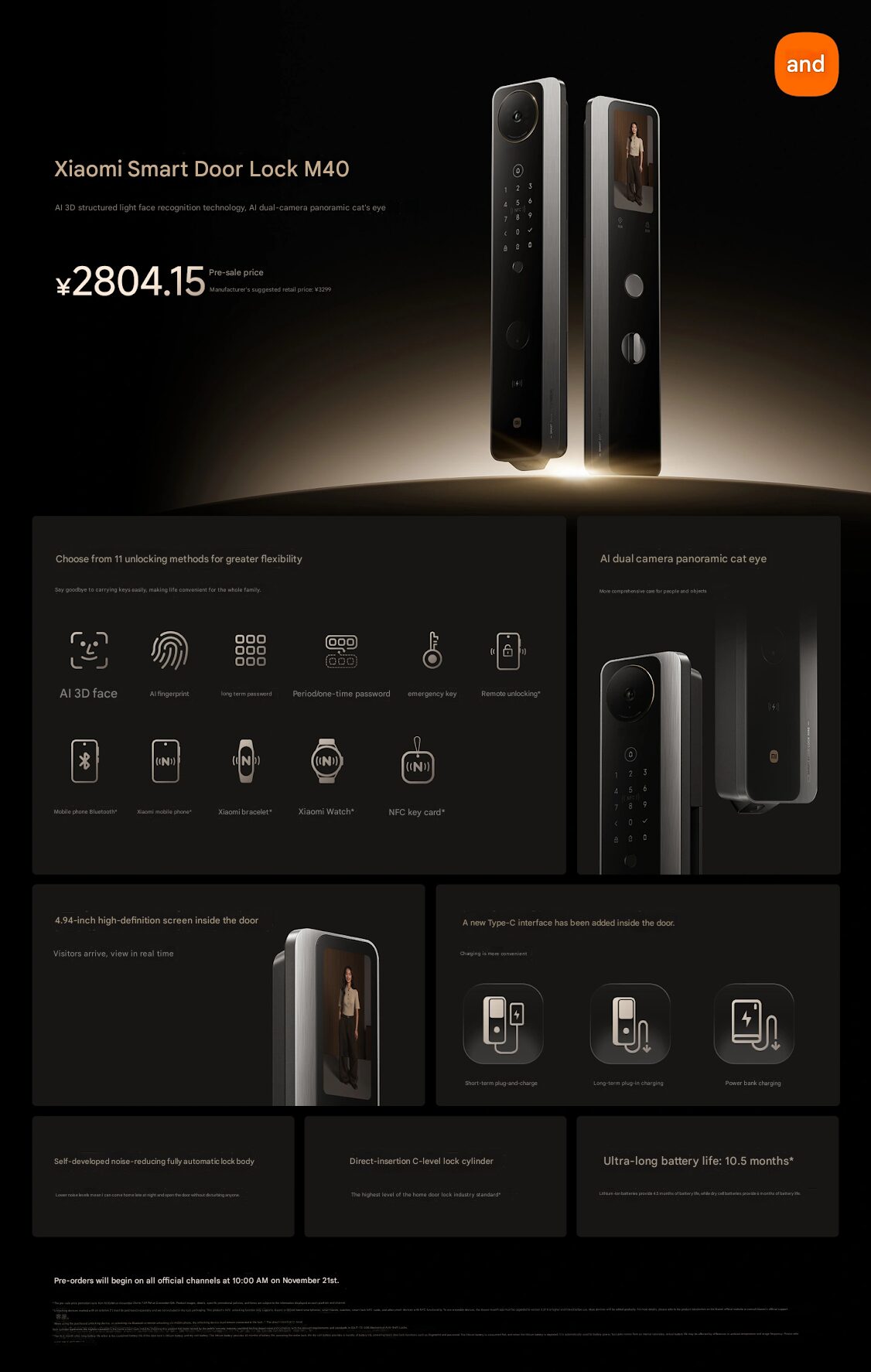
Xiaomi smart door lock M40 debuts with AI panoramic doorbell and 4.94″ display

22 November 2025 at 15:49

The pre-sale of the Xiaomi Smart Door Lock M40 has officially kicked off in China at an introductory price of 3299 yuan (about $455 USD) but drops to 2804.15 yuan ($387 USD) after government subsidies. This model has been launched as a more budget-friendly version of the previously launched M40 Pro. It retains Smart Home compatibility with Xiaomi HyperConnect and advanced AI security features. Users may also explore related smart-home integrations through HyperOSUpdates.com or the MemeOS Enhancer app on Google Play for extended Xiaomi functionalities.

Key Differences Between M40 and M40 Pro

The architecture of the Xiaomi Smart Door Lock M40 is much similar to the M40 Pro, except that the palm-vein recognition system of the Pro has been removed to decrease the cost. Instead, the M40 has employed a slightly smaller 4.94-inch HD display compared to its Pro model with a 5-inch panel. Even after these changes, it still maintains the advanced AI dual-camera panoramic doorbell system consisting of a 175° 3MP lens and a 128° 2MP lens, ensuring wide-angle coverage to enhance home security.

M40 1

Camera and Display Enhancements

This dual-camera setup works in harmony with Xiaomi’s image-processing algorithms to enhance recognition accuracy both during the day and in low-light conditions. The small display keeps a high degree of clarity for monitoring purposes and offers real-time visuals and alerts directly on the door panel.

Security, Night Vision, and Methods of Unlocking

The Smart Door Lock M40 incorporates a self-developed noise-reduction automatic lock body for smoother operation, while it is also equipped with a high-security C-level direct-insertion lock cylinder. It supports 12 unlocking methods, including AI 3D structured-light facial recognition, AI fingerprint unlocking, password input, NFC access, and mechanical key support to ensure multiple secure entry pathways for diverse users.

Enhanced Night Vision and Alert System

With six infrared fill lights and multiple night-vision modes, the system delivers clear nighttime monitoring. The AI algorithms in the chip distinguish between human activities to improve nighttime detection reliability at home entrances.

Smart Ecosystem Integration and Power Management

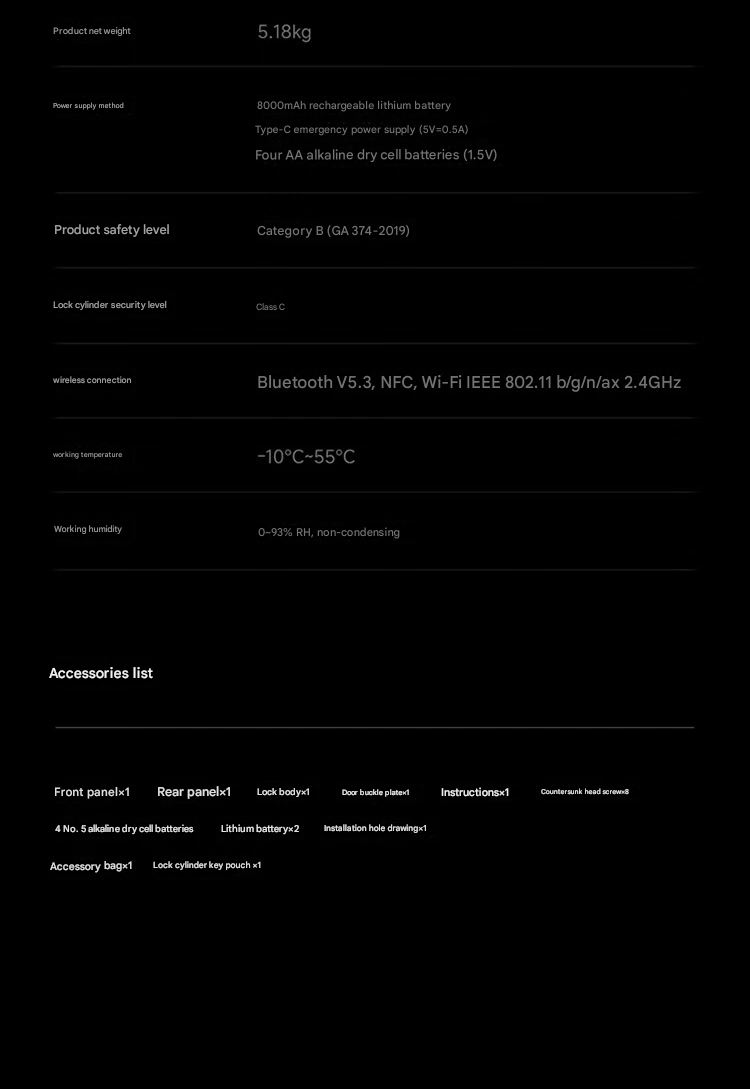
The new Xiaomi Smart Door Lock M40 features dual power modes: a lithium battery with up to 4.5 months of life and a dry-cell battery that lasts up to 6 months, depending on the usage. For emergencies, it includes an external Type-C charging port and even supports wireless reverse charging via compatible Xiaomi smartphones.

Integration with Xiaomi’s HyperConnect further allows for cross-screen interaction, such as receiving door alerts on Xiaomi smartphonesXiaomi TVs, and even the Xiaomi SU7’s infotainment system. The lock also supports WeChat audio and video intercom and full management through the Mi Home App.

M40 2

Smart Home Expansions

It can be installed or updated from HyperOSUpdates.com or via the MemeOS Enhancer app on Google Play, which also unlocks many hidden Xiaomi features and makes additional system utilities available.

Best iOS 26 theme for Xiaomi devices lands on HyperOS & MIUI

22 November 2025 at 06:27

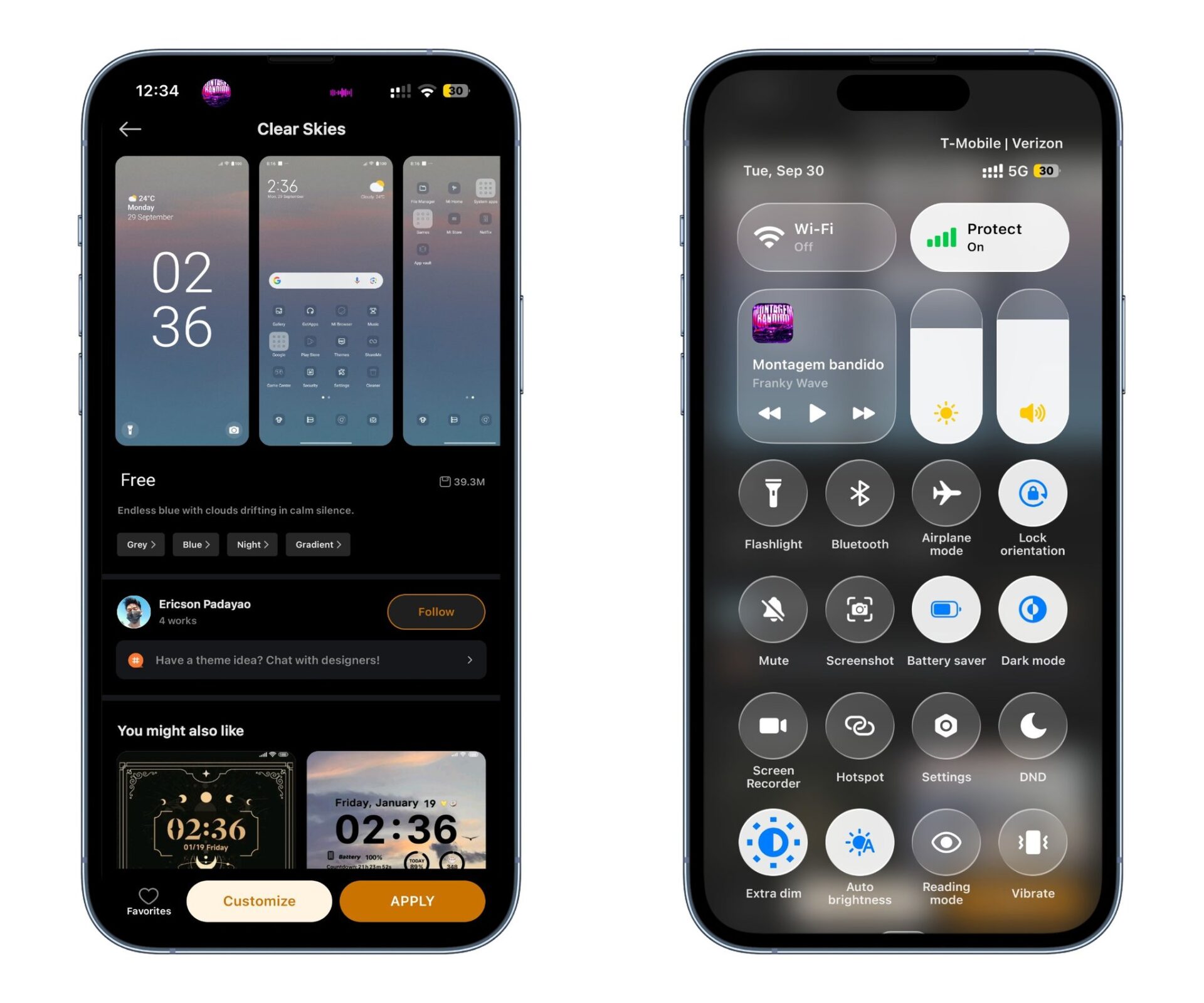
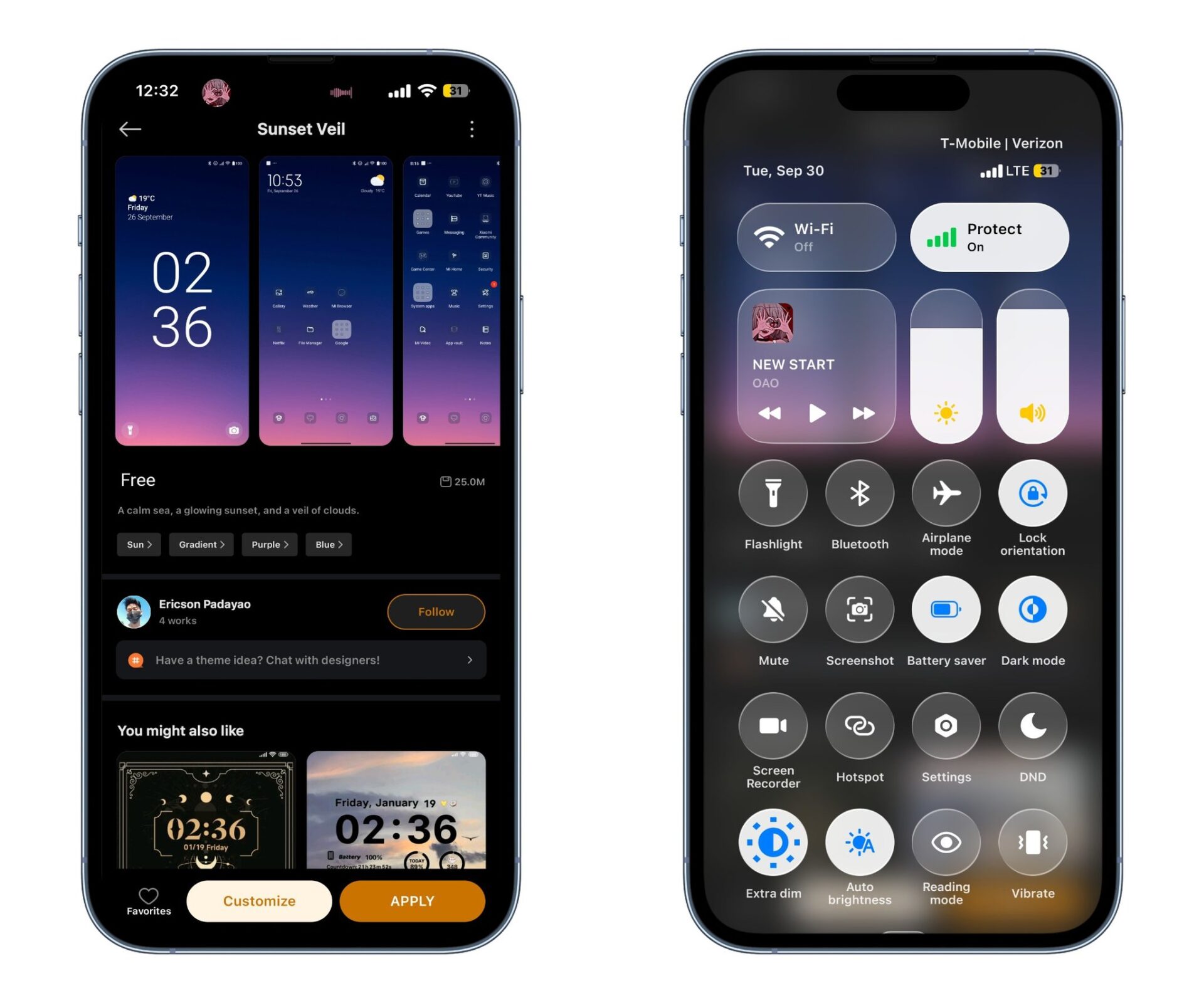
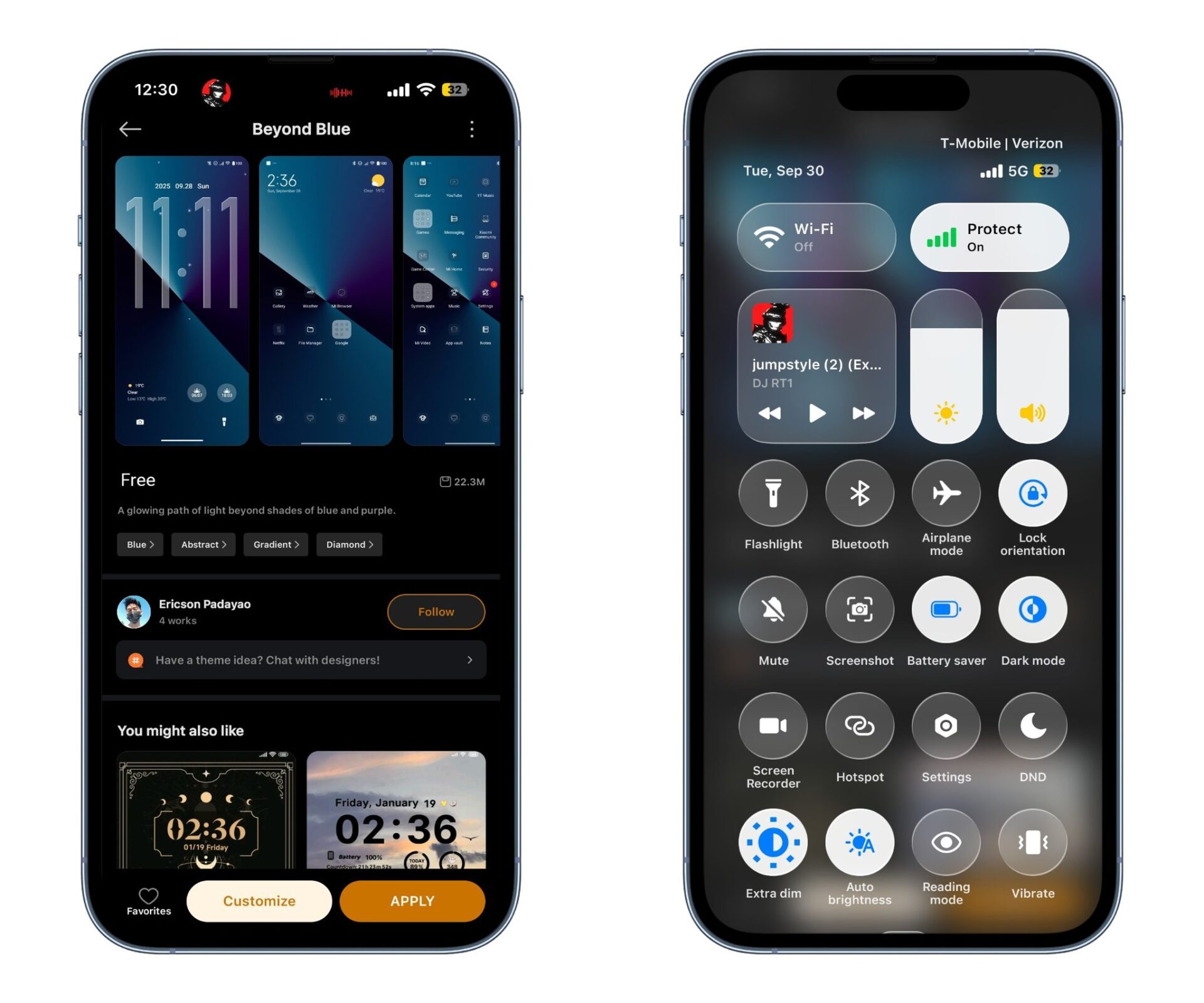
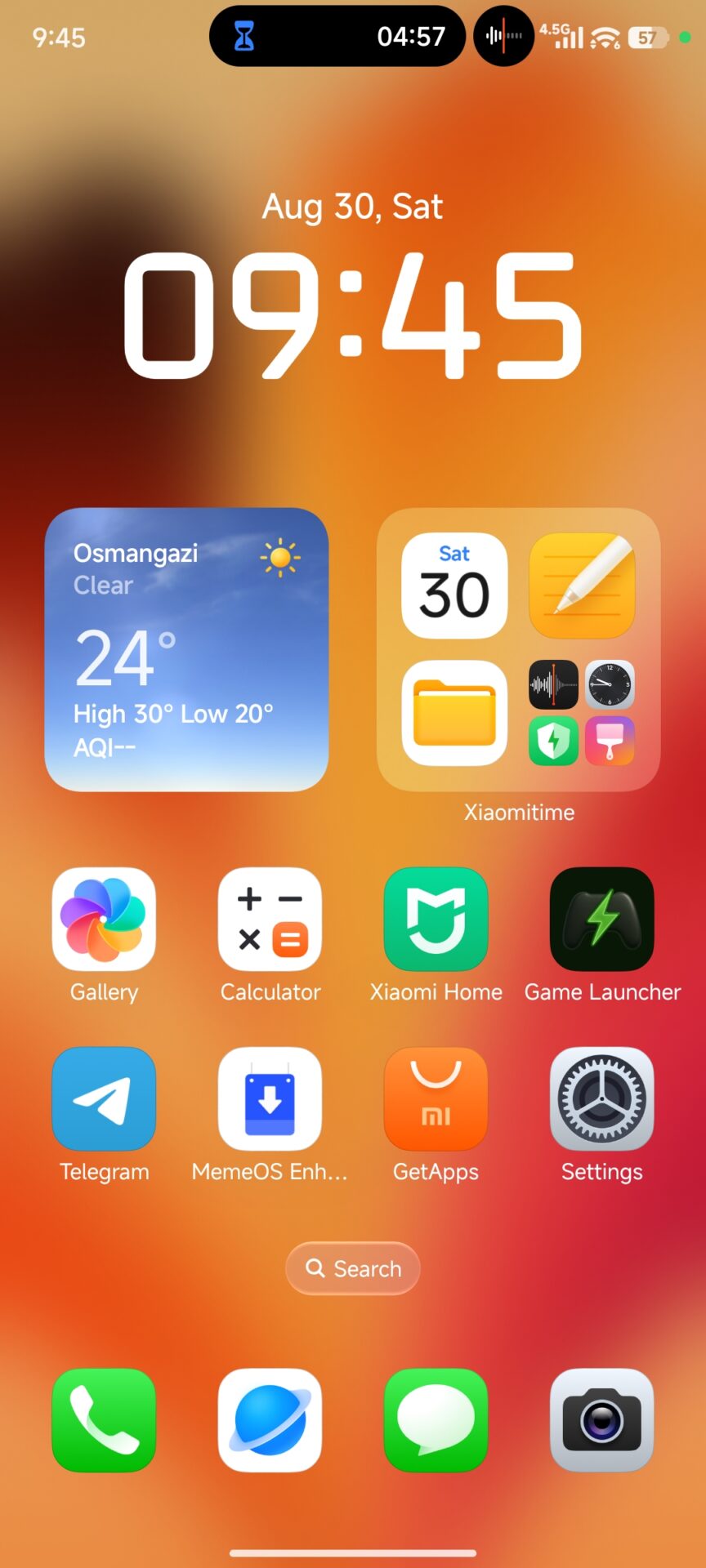
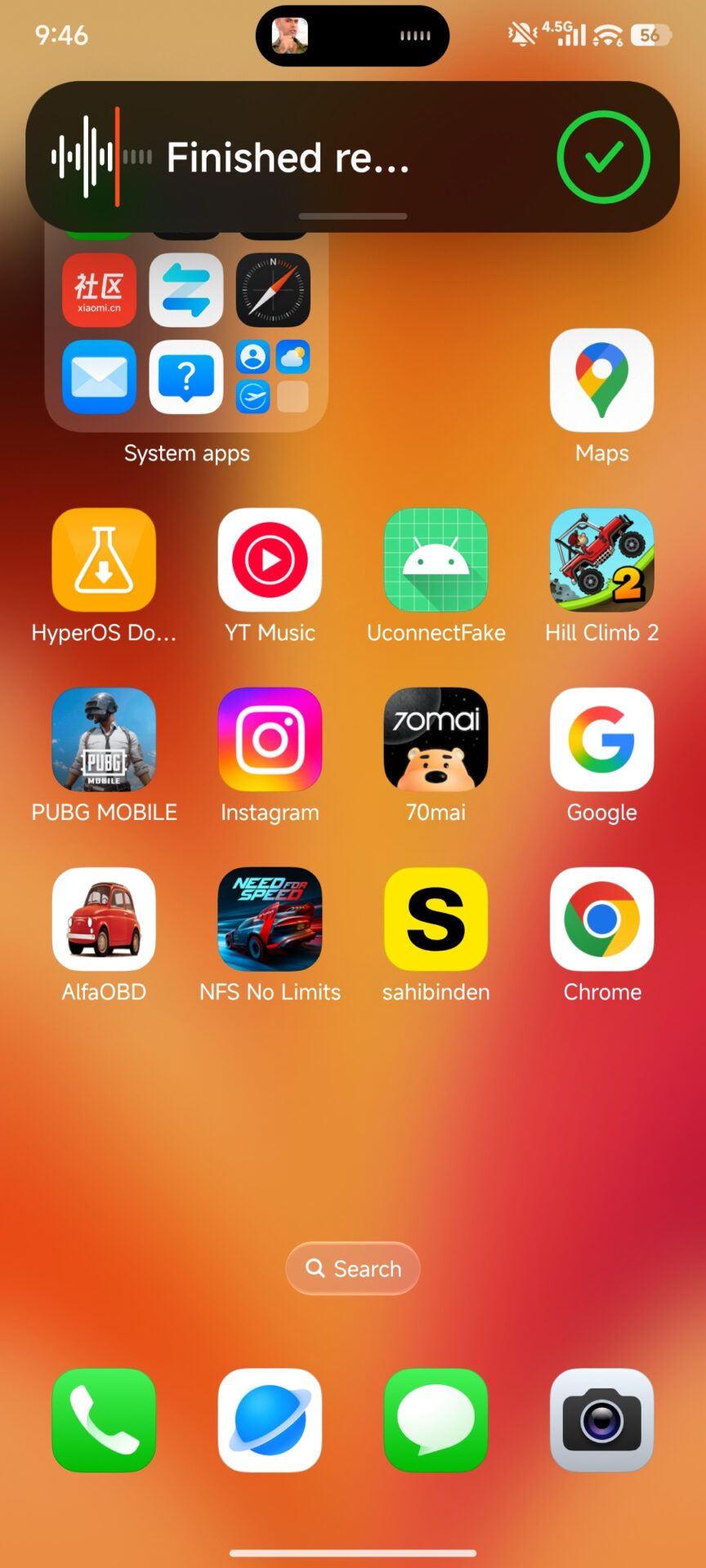
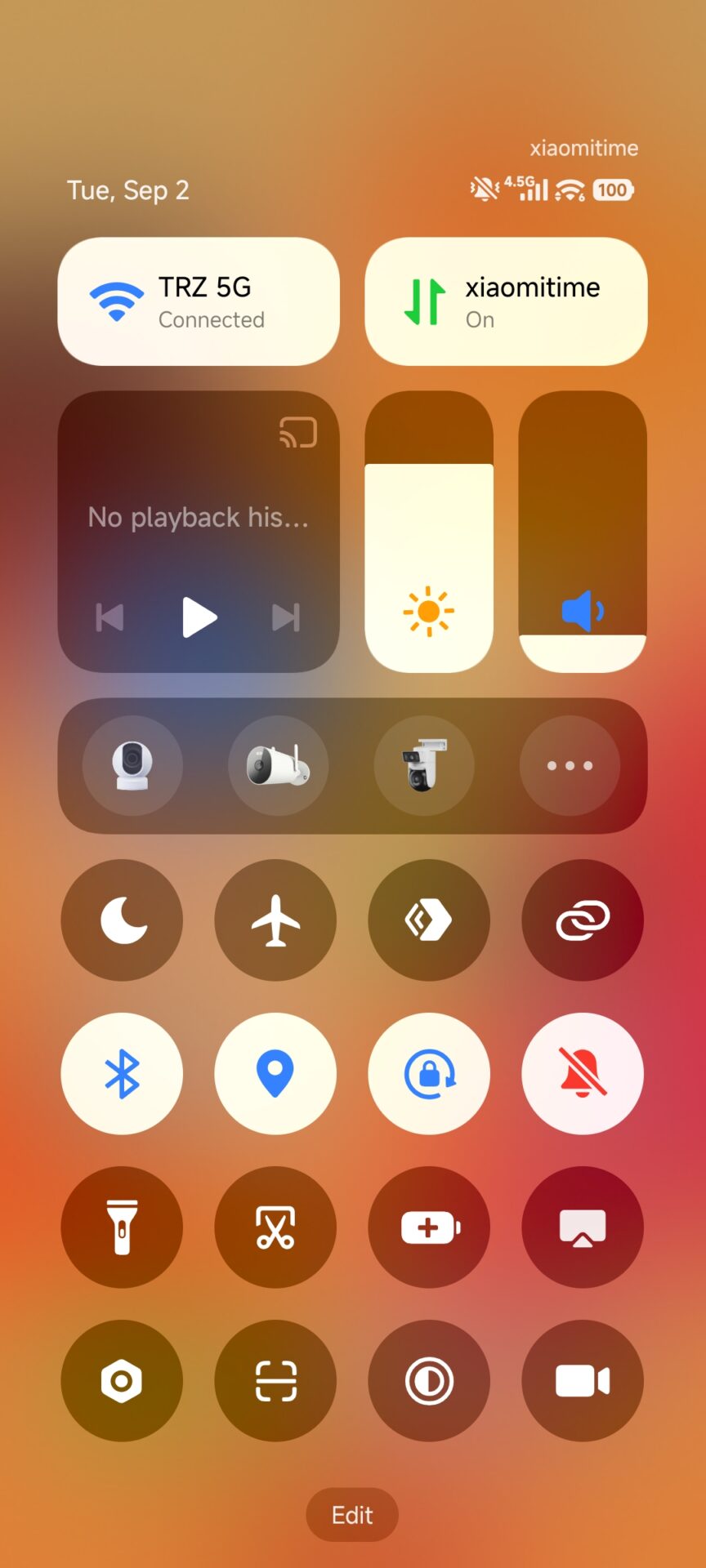
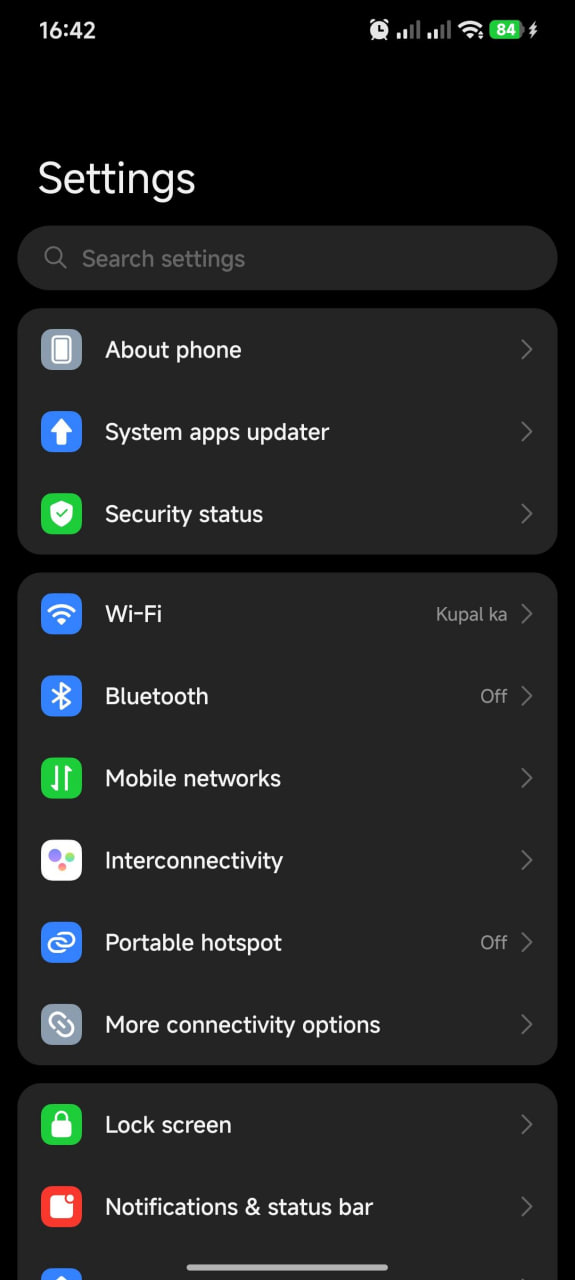
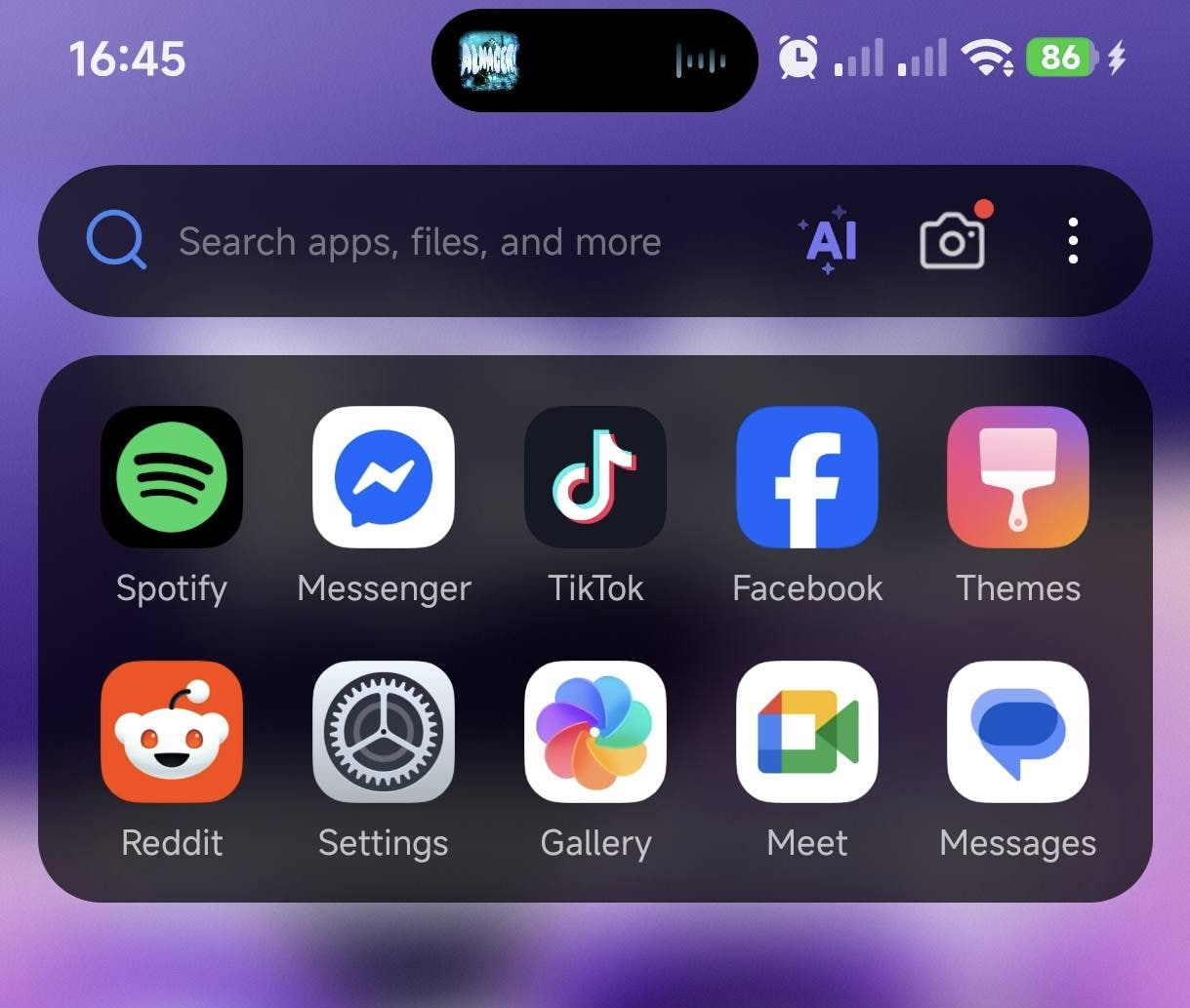
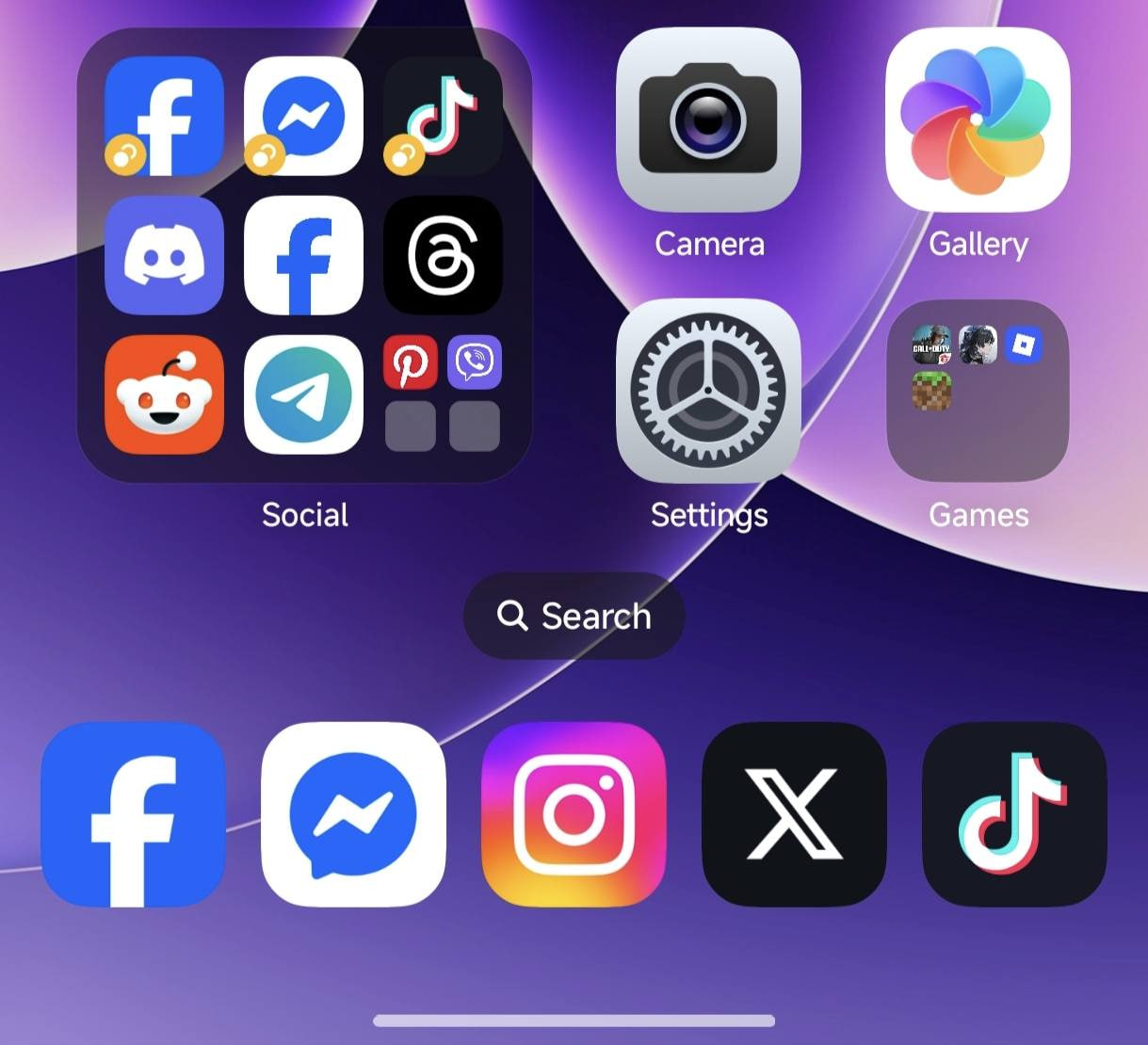
It’s time to completely transform the look and feel of your favorite Xiaomi device! The highly anticipated Beyond Blue theme has officially landed on the Xiaomi Theme Store, bringing a jaw-dropping iOS 26 experience right to your screen. This isn’t just a simple icon swap; it’s a meticulously crafted theme that overhauls key visual elements to deliver a sleek, modern, and fluid aesthetic. We know how much our community loves to customize, and this theme delivers in a massive way, offering users running both older MIUI and the newest Xiaomi HyperOS a chance to get a completely fresh look. It’s a complete visual refresh that maintains the core functionality you love while dramatically elevating the user interface. We’re talking new icons, widgets, and — most notably — a striking, completely redesigned status bar.

What Makes “Beyond Blue” a Must-Install Theme?

The “Beyond Blue” theme is all about bringing the elegance and famous design language of iOS 26 to your Xiaomi phone. The developers have put considerable effort into ensuring that the theme feels polished and integrated, not just slapped on.

A Stunning New iOS Status Bar

The centerpiece of this visual overhaul is undoubtedly the New iOS Status Bar. It adopts the clean, minimalist look that is synonymous with Apple’s mobile operating system, giving the top of your screen a fresh and modern appearance. From the battery indicator to the Wi-Fi signal, everything has been redesigned to align with the iOS 26 visual standard. This small change makes a surprisingly huge difference in the device’s overall premium feel.

iOS Theme HyperOS 2 iOS Theme HyperOS 3 iOS Theme HyperOS 1

Liquid Glass Effects and Dark Mode Ready

One of the theme’s most exciting features is the pervasive use of liquid glass effects. These subtle yet sophisticated visual flourishes are applied across various UI elements, adding a sense of depth and fluidity to the interface. You’ll notice this effect creating a translucent, shimmering look that truly makes the interface pop. Furthermore, the theme is fully optimized for your viewing preference, supporting and enhancing the appearance of your phone when you Enable Dark Mode. This ensures that you get a fantastic, cohesive look whether you are browsing in a brightly lit environment or winding down at night.

How to Get the iOS 26 Experience on Your Xiaomi Phone

Installing the “Beyond Blue” theme is incredibly simple, and you can start enjoying this gorgeous new look in just a few moments.

Installation Steps:

  1. Open the Xiaomi Theme Store app on your device.
  2. Use the search bar and type in “Beyond Blue”.
  3. Tap on the theme once it appears in the results.
  4. Select “Download” and then “Apply”.

Once applied, your Xiaomi device running HyperOS or MIUI will instantly be transformed with the latest iOS 26-inspired look. Enjoy the new status bar, liquid effects, and sleek icons!

Next Xiaomi HyperOS update will fix HyperIsland landscape display error

22 November 2025 at 04:02

Xiaomi continues to improve its software with day-to-day user interface stability enhancements. Recently, users encountered a certain display anomaly related to the Super Island and volume control panel during active use. These UI elements incorrectly maintain a vertical orientation when the device assumes a landscape orientation; this results in visual misalignment. Thankfully, Xiaomi has since officially acknowledged this behavior and has already prepared a solution. This new patch will ensure smooth visual transition regardless of screen orientation and will be added to the next HyperOS updates and system patches.

SuystemUI bug 1 SuystemUI bug 2 SuystemUI bug 3 SuystemUI bug 4 SuystemUI bug 5

Super Island and Volume Panel Orientation Fix

The reported problem specifically impacts the “Super Island” dynamic notification area and the system volume slider. The UI, by design, adjusts strictly according to the device’s physical orientation through gyroscope data under normal operation. Due to a software logical error, the overlay elements ignored the switch to landscape mode, normally used during video playback and gaming. This resulted in notifications and sound controls displaying sideways, ruining the immersive experience.

Xiaomi’s software engineering team has successfully resolved this rendering error. It fixes the coordinate mapping for the Super Island and the volume bar, making sure that they rotate and are displayed correctly relative to the screen position. This adjustment restores the intended aesthetic and functional fluidity of the operating system.

The patch for the landscape orientation display error has been finalized and is scheduled for release in the immediate future.

Xiaomi resolves notification card freeze issue in latest update

22 November 2025 at 02:34

The issue, where swiping down to open a small pop-up window in HyperOS Beta, sometimes resulted in unresponsive message notification cards, has been dealt with by Xiaomi. This problem had caused temporary freezes in some scenarios, especially when users were in the middle of gameplay. The fix will help improve system fluidity to further enhance user experience on Xiaomi devices.

What was the Notification Freeze issue?

In the latest HyperOS 3 update some users found a rare bug: when pulling down a message notification card to open a small floating window, the interface would get stuck. It only appeared most of the time when a free-form window was switched to while receiving a new message. The bug is not common but affects usability during dynamic scenarios, such as gaming.

b7e10c059339824c33a9bab936a88169

Why It Happened

The freeze was related to the system’s free-form window rendering process. When a message was received during full-screen activity, transition logic between a notification card and a small pop-up window didn’t manage to finish properly and thus caused an interface lock. Fortunately, Xiaomi’s engineering team was able to isolate the cause in the Beta logs and quickly prepared a corrective patch.

Fixes and Improvements by Xiaomi

Xiaomi has now issued an update to fix this behavior. The patch improves how HyperOS handles layered UI transitions, making message cards smoothly expand into popup windows without interrupting foreground apps. It is an important refinement that makes multi-windowing more robust, especially for those who use floating windows to handle messages while in-game or consuming media.

Additional Optimizations

With this fix, Xiaomi also implemented:

  • More consistent animation timing in free-form window transitions
  • Improved stability when switching from full-screen apps
  • Faster rendering of small pop-up windows during multitasking

These tweaks further reinforce Xiaomi’s commitment to responsiveness and reliability within the Beta program for HyperOS.

How Users Can Update

This fix is part of the latest HyperOS Beta rollout. Users already on the Beta channel will automatically receive the patch. Meanwhile, users of Xiaomi system apps can update or manage relevant services via HyperOSUpdates.com, or on the Play Store through the MemeOS Enhancer app, which also grants access to hidden Xiaomi features and system app upgrades.

This fixed notification card freeze issue shows how Xiaomi responds quickly to feedback from its users and continuously refines the HyperOS environment. Xiaomi not only ensures smoother transitions and prevents interface freezes in daily scenarios but also significantly enhances gaming performance across all Xiaomi products.

Xiaomi 14 receives global HyperOS 3 stable update

21 November 2025 at 22:08

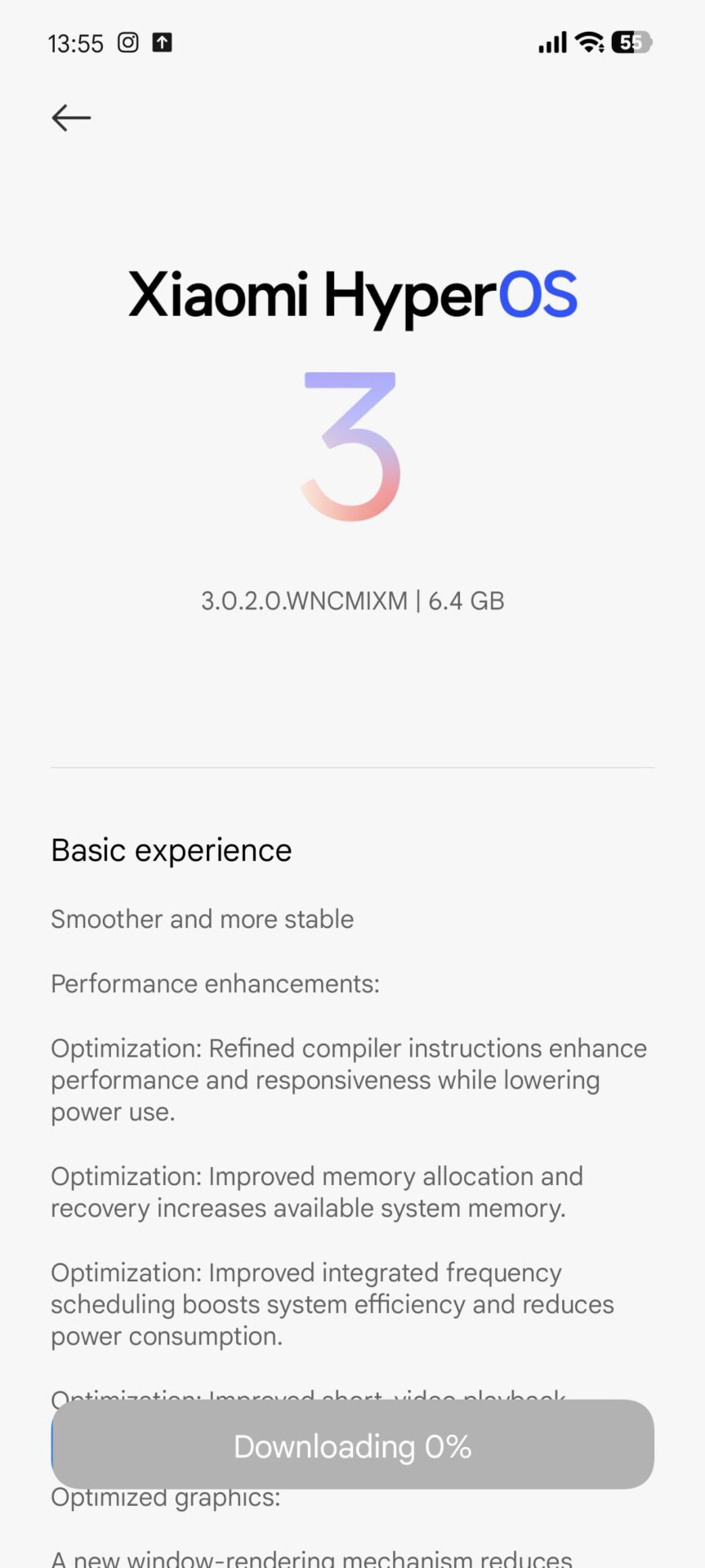
The global stable update to HyperOS 3 for the Xiaomi 14 is now well underway, having first rolled out to Mi Pilot testers, while a full public release is expected over the course of the next couple of days. This latest release, namely HyperOS 3.0.2.0.WNCMIXM based on Android 16, brings improved AI performance, refreshed system icons, and a more refined interface. Users who have been accustomed to features such as Super Island or even a revamp in the design of the control center via guides relating to HyperOS Updates and Xiaomi 14 will instantly feel smoother interactions in a more visually polished system.

Xiaomi 14 HyperOS 3

What the HyperOS 3 Update Brings to Xiaomi 14

The global package of HyperOS 3 brings in a cleaner design approach: better textures, modernized animations, and refined transitions. With a close eye for visual clarity at Xiaomi, the interface feels more consistent across the different components of the system, especially in everyday navigation.

AI Enhancements Throughout the System

AI capabilities have been expanded within HyperOS 3, and the update reinforces on-device intelligence. These enhancements enable the Xiaomi 14 to react more effectively to various tasks, such as image optimization, voice interaction features, and contextual predictions. Operating these capabilities on-device brings speed with an assurance of privacy while enhancing the user experience.

Super Island: A More Dynamic Interaction Layer

The update enhances Super Island, which is a feature meant to make both system alerts and ongoing tasks more accessible. Improved animations, along with an adaptive layout, provide a feeling of quick interaction and visual smoothness. In this refined version, it integrates better with the display of the Xiaomi 14, creating an interface that’s premium and functional for multitasking.

Updated Icons and UI Aesthetics

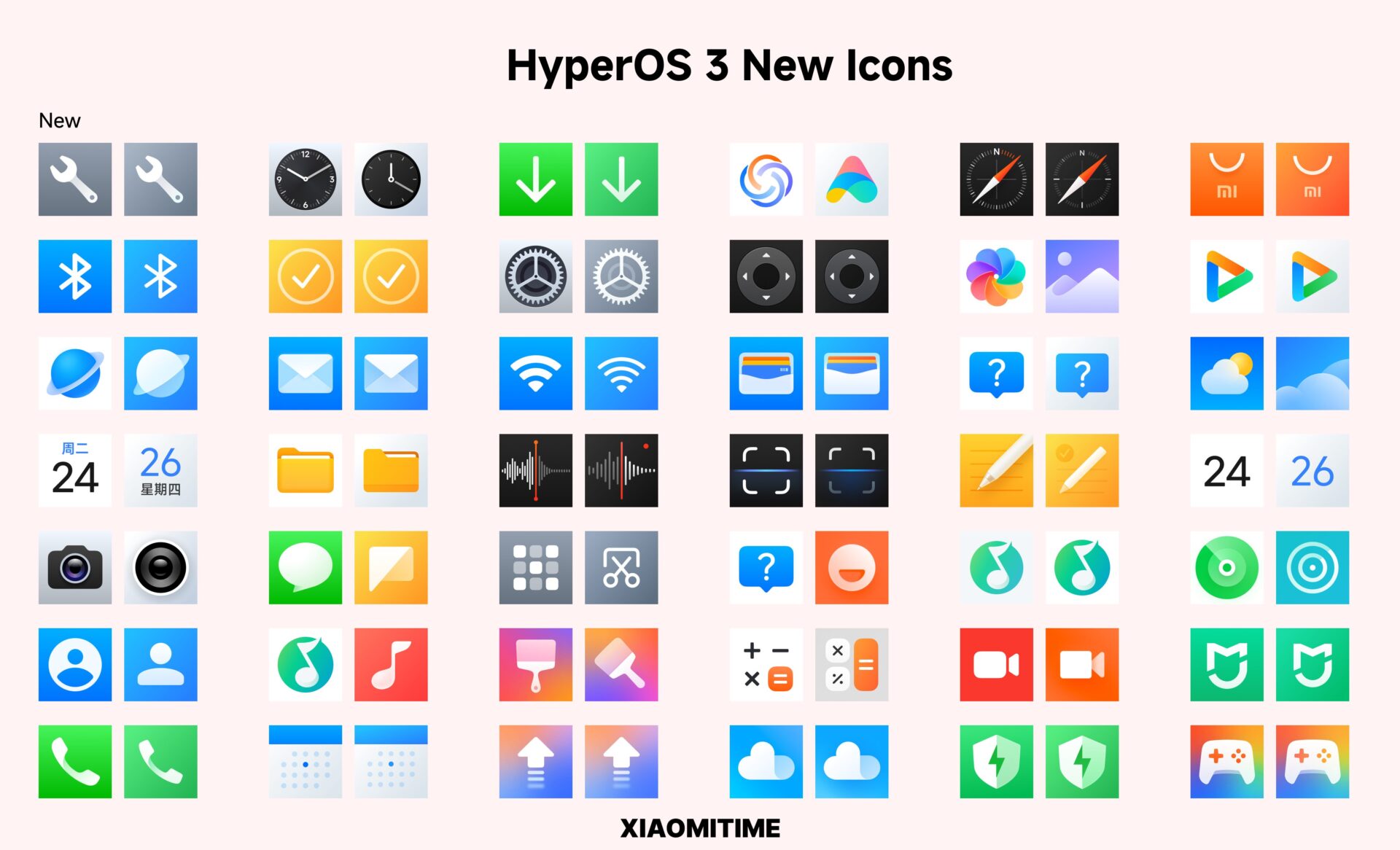
HyperOS 3 introduces a series of newly designed icons to simplify the whole look and retain consistency in the HyperOS visual identity. These subtle but meaningful adjustments will go a long way in improving clarity across menus and applications and further enhance the day-to-day experience.

Details of Rollout and Availability

Xiaomi has confirmed that the update is currently available to Mi Pilot users, while a general rollout is expected within the next 24–48 hours. Similar to all major OTA updates, there is some slight regional variation in availability, but all global Xiaomi 14 units will see it shortly.
Those interested in manually updating their system apps can also update the latest Xiaomi apps with the help of our MemeOS Enhancer project on the Play Store. This utility unlocks some Xiaomi hidden features, allows updates for system apps, and enables direct access to HyperOS update panels.

Xiaomi unveils new AI for robots and self-driving cars

21 November 2025 at 21:02

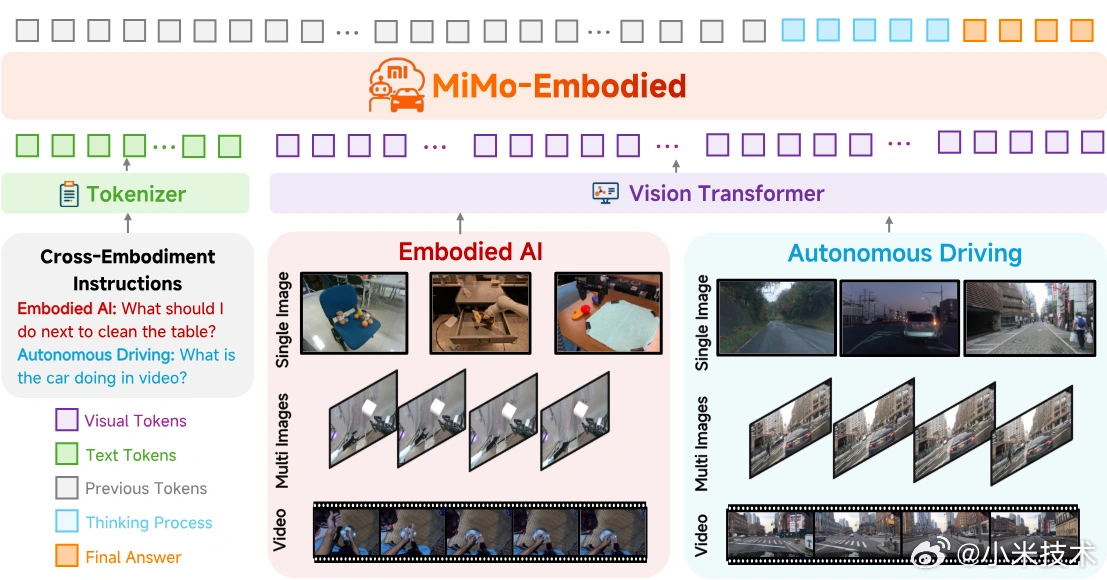
Representing a milestone in the development of Xiaomi’s intelligent ecosystem and the broader AI research community, Xiaomi officially released and fully open-sourced its MiMo-Embodied large-scale embodied model. With increasing embodied intelligence at home and wider acceptance of autonomous driving, Xiaomi now intends to overcome a long-standing challenge: developing cognitive and capability interoperability between indoor robots and outdoor vehicles. Using MiMo-Embodied, Xiaomi introduces a unified foundation model that advances autonomous drivingembodied intelligence, and general AI capabilities into a single framework.

What Makes MiMo-Embodied a Breakthrough?

According to Xiaomi, MiMo-Embodied is the first in the industry in terms of an embodied foundation model to bridge the gaps between autonomous driving and embodied intelligence. This model unites task interpretation, perception, and decision-making in both home and mobility scenarios, establishing a sound scientific basis for future AI systems across domains. This move marks an extension of Xiaomi’s ambitions beyond consumer electronics into more advanced robotics and large-scale automation.

d0ed62d0 eff4 4c9f 96b5 d8c705338782 mimo

Key Technical Principles Behind the Model

MiMo-Embodied incorporates a deep architectural design to support multi-scenario cognition. The model focuses on the harmonization of embodied tasks, which include spatial reasoning and task planning, with driving tasks like perception and trajectory generation. This unified processing approach empowers Xiaomi to move from specialized vertical intelligence toward scalable, cross-domain intelligent collaboration.

Three Key Features of Technology

Broad Cross-Domain Capability Coverage

The model jointly supports three crucial tasks in the realm of embodied intelligence, affordance reasoning, task planning, and spatial understanding, with three core tasks of autonomous driving: environment perception, state prediction, and driving planning. These capabilities together form a complete scenario intelligence covering home environments, indoor robotics, and real-world traffic.

Two-Way Collaborative Intelligence

Xiaomi highlights that MiMo-Embodied allows knowledge transfer between indoor robotics and autonomous driving. During the testing of the system, they showed that improved decision-making skills in home robotics can improve road-driving performance and vice versa. The bidirectional enhancement creates a new framework for integrated smart systems.

Full-Chain Optimization for Real-World Deployments

To make sure deployment will be reliable, Xiaomi designed a multi-stage training pipeline including capability learning, Chain-of-Thought (CoT) inference enhancement, and reinforcement learning (RL) fine-tuning. This approach strengthens real-environment robustness, making the model suitable for complex, dynamic scenarios.

Performance Across 29 Benchmarks

Xiaomi claims that MiMo-Embodied outperformed leading open-source, closed-source, and proprietary models on **29 critical benchmarks.

Results of Embodied Intelligence

It realized state-of-the-art performance on 17 benchmarks, demonstrating exceptional skills in task planning, spatial understanding, and affordance prediction.

Results of Autonomous Driving

It achieved state-of-the-art results in 12 benchmarks, ranging from perception to state forecasting to driving planning, setting a new bar for multi-stage driving intelligence.

General Visual-Language Understanding

MiMo-Embodied also demonstrated advanced generalization in visual-language tasks, confirming its versatility across broader AI domains.

Xiaomi Fully Opens the Model to Developers and Researchers

The model and codebase of MiMo-Embodied have been opened up by Xiaomi, reinforcing the commitment of the company to transparent and collaborative research. Developers can explore, adapt, and build on the model through the official repositories. By opening up MiMo-Embodied, Xiaomi wants to accelerate innovation within the space of intelligent robotics, smart mobility, and connected ecosystems.

Xiaomi 12T not getting HyperOS 3 update even though 12T Pro will

21 November 2025 at 19:48

The surprising detail in Xiaomi’s published HyperOS 3 eligible devices list is that while the Xiaomi 12T Pro will surely get the update, it won’t be the case for the Xiaomi 12T. This has drawn the attention of users since both models came out simultaneously and had similar expectations regarding updates.

This means that the Xiaomi 12T was not in the initial planning schedule, so the company hasn’t started internal testing on this model for HyperOS 3.

HyperOS 3 update list

Why the Xiaomi 12T Pro Qualifies for HyperOS 3

Although both devices have a very proximal release timeline, the 12T Pro is special because its Chinese counterpart is sold as Redmi K50 Ultra, which has a much longer software roadmapping in the Chinese market. This positioning ensures early access to new firmware like the HyperOS 3 that will run on top of Android 15.

The Xiaomi 12T does not have a twin in the Chinese market, however, so it doesn’t benefit from the same development cycle. Indeed, HyperOS 3 preparations for the model have not been started as per current internal roadmaps.

What This Means for Xiaomi 12T Users

While the Xiaomi 12T Pro is confirmed to move forward with HyperOS 3, the standard Xiaomi 12T stays on HyperOS 2.2 based on Android 15. This situation does not indicate any negative stance toward the device but rather reflects Xiaomi’s structured software policy for global and China-based model families.

That means users of the Xiaomi 12T should still get a stable software experience, while future consideration might adjust the update roadmap of the device since Xiaomi does periodically revise compatibility lists.

MediaTek or Snapdragon: Which chipset is the smarter choice for Xiaomi?

16 December 2025 at 06:00

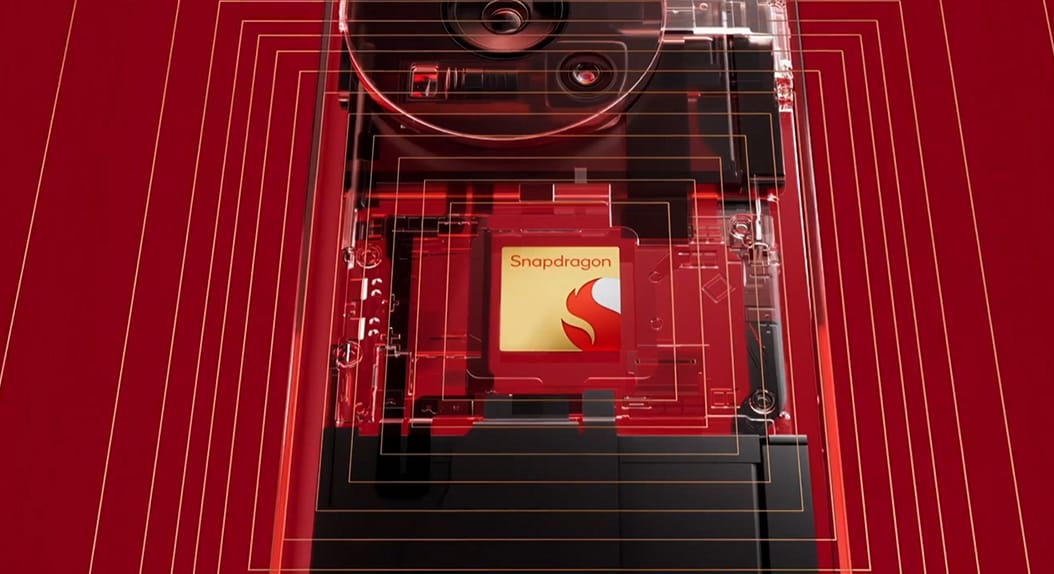
For Xiaomi users, it has become very important to choose between a MediaTek Dimensity or Qualcomm Snapdragon chipset, especially considering the brand’s expansion in flagship, affordable flagship, and mid-range categories. This review tries to explain how Xiaomi strategically applies Snapdragon chipsets on premium devices like Xiaomi 15 Ultra, while shifting the high-value devices to MediaTek-based ones like Xiaomi 15T Pro.

Xiaomi’s Dual-Vendor Strategy

Xiaomi’s chipset choices directly support its global market segmentation, ensuring each category of device receives the ideal balance of performance and cost.

Xiaomi incorporates Qualcomm Snapdragon platforms into premium products where, along with sustained performance, advanced ISP features, and next-generation connectivity are key. Xiaomi bases its value-focused T-series and selected POCO models on MediaTek Dimensity, where performance-per-dollar takes precedence.
Snapdragon in Flagship Models

For years, Xiaomi has chosen Snapdragon for its high-end products. The Xiaomi 15 Ultra, powered by the Snapdragon 8 Elite built on a 3nm process, shows clearly how the company favors sustained thermal performance, advanced GPU capabilities, and superior camera processing. This ensures a flagship-grade user experience across heavy workloads, from high-end gaming to AI applications and pro photography.

Snapdragon 8 Elite renaming of Snapdragon 8 Gen 4 confirmed

MediaTek in Affordable Flagship Devices

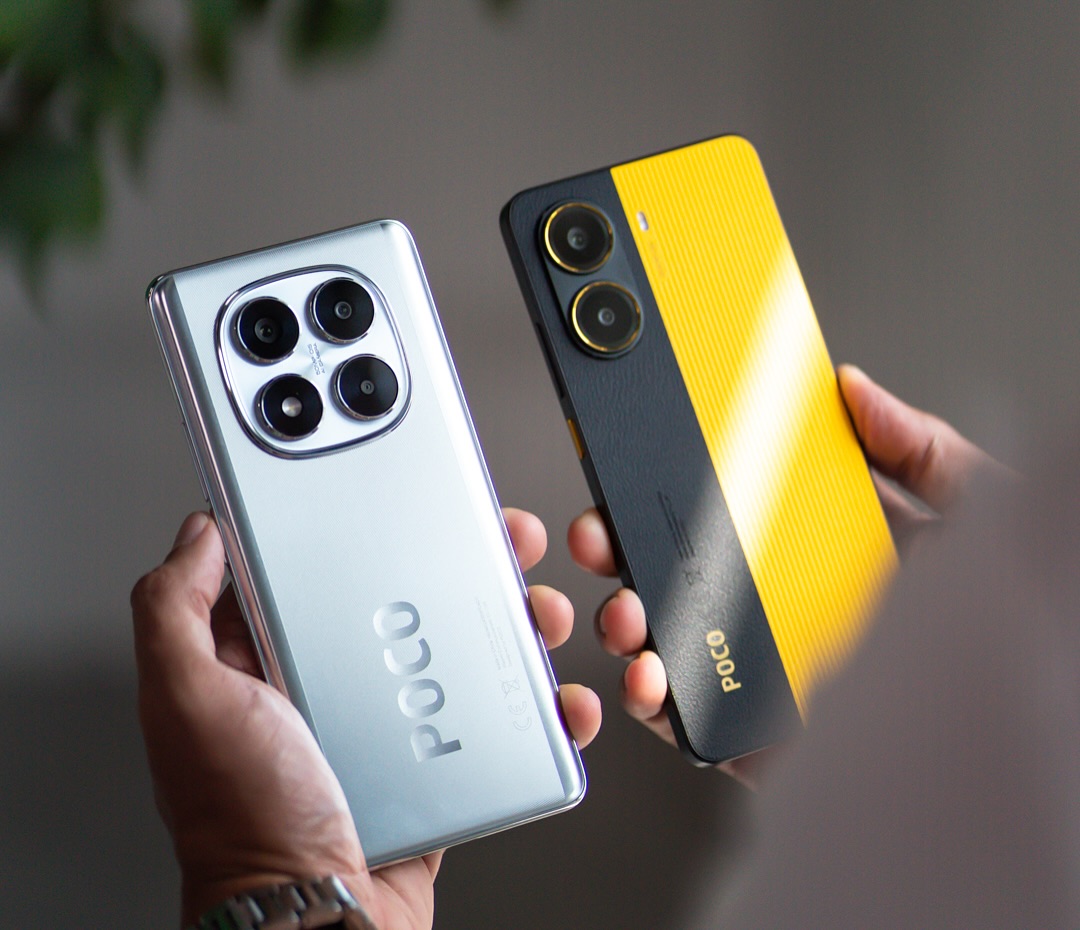
MediaTek plays a strategic role in Xiaomi’s affordable flagship segment. The Xiaomi 15T Pro, powered with the Dimensity 9400+, achieves near-flagship CPU and GPU performance without compromising the much lower cost of the overall product. POCO models like the Poco X7 Pro (China: Redmi Turbo 4 variant) have the Dimensity 8400-Ultra for their functionality, achieving stable gaming performance with competitive power efficiency and strong thermal consistency during long sessions.

POCO X7 Pro

Performance, Efficiency, and Thermal Behavior

Performance characteristics between Snapdragon and MediaTek differ due to their core architecture and optimization strategies.

Peak Performance and Sustained Performance

The “all-big-core” strategy of MediaTek in its high-end chips yields strong peak benchmark results. However, under longer workloads, those chips will reach thermal limits sooner and throttle. The traditional Snapdragon P+E structure allows the SoC to distribute background and high-load tasks efficiently, maintaining superior sustained performance in long gaming sessions and heavy productivity use.

Double your Android gaming performance with the Uperf module

Power Efficiency and Battery Behavior

Snapdragon generally provides better efficiency in mixed daily use since it always features dedicated efficiency cores, hence providing longer screen-on time in flagship Xiaomi devices. MediaTek chips do well during short, intensive tasks and, quite often, run cooler in mid-range gaming conditions. This fact makes MediaTek strong in burst-based use while making Snapdragon better for long, continuous workloads.

Connectivity and Imaging Capabilities

Connectivity and the imaging experience are core to Xiaomi’s premium device strategy, in which Snapdragon maintains certain key advantages.

Modem and Wireless Performance

Snapdragon platforms give industry-leading 5G Advanced capability via the X75 modem, providing enhanced global roaming, advanced carrier aggregation, and AI-assisted signal optimization. This adds strong value for international travellers and users in dense urban networks.

MediaTek supports 5G and Wi-Fi 7 standards but lacks the proprietary modem features driven by AI on Qualcomm’s flagship platforms.

Camera Processing and ISP Quality

Qualcomm’s Spectra ISP forms the backbone of Xiaomi’s high-end image quality successes, especially when combined with Leica-tuned camera systems. It enables accurate color processing and better performance in low light conditions. MediaTek’s Imagiq ISP is getting better with time, and it’s supporting ultra-high-resolution sensors, but Snapdragon still has an edge in computational photography pipelines.

xiaomi aisp

Software Longevity and Developer Support

Long-term software support is a priority for many Xiaomi device users, especially the modders or enthusiasts.

Custom ROM Support and Long-Term Maintenance

Snapdragon chipsets are far more compatible with custom ROMs thanks to the open kernel policies of Qualcomm and the highly developer-friendly documentation. In contrast, MediaTek has had limited availability of source code historically, which implies fewer options for long-term maintenance on community ROMs.

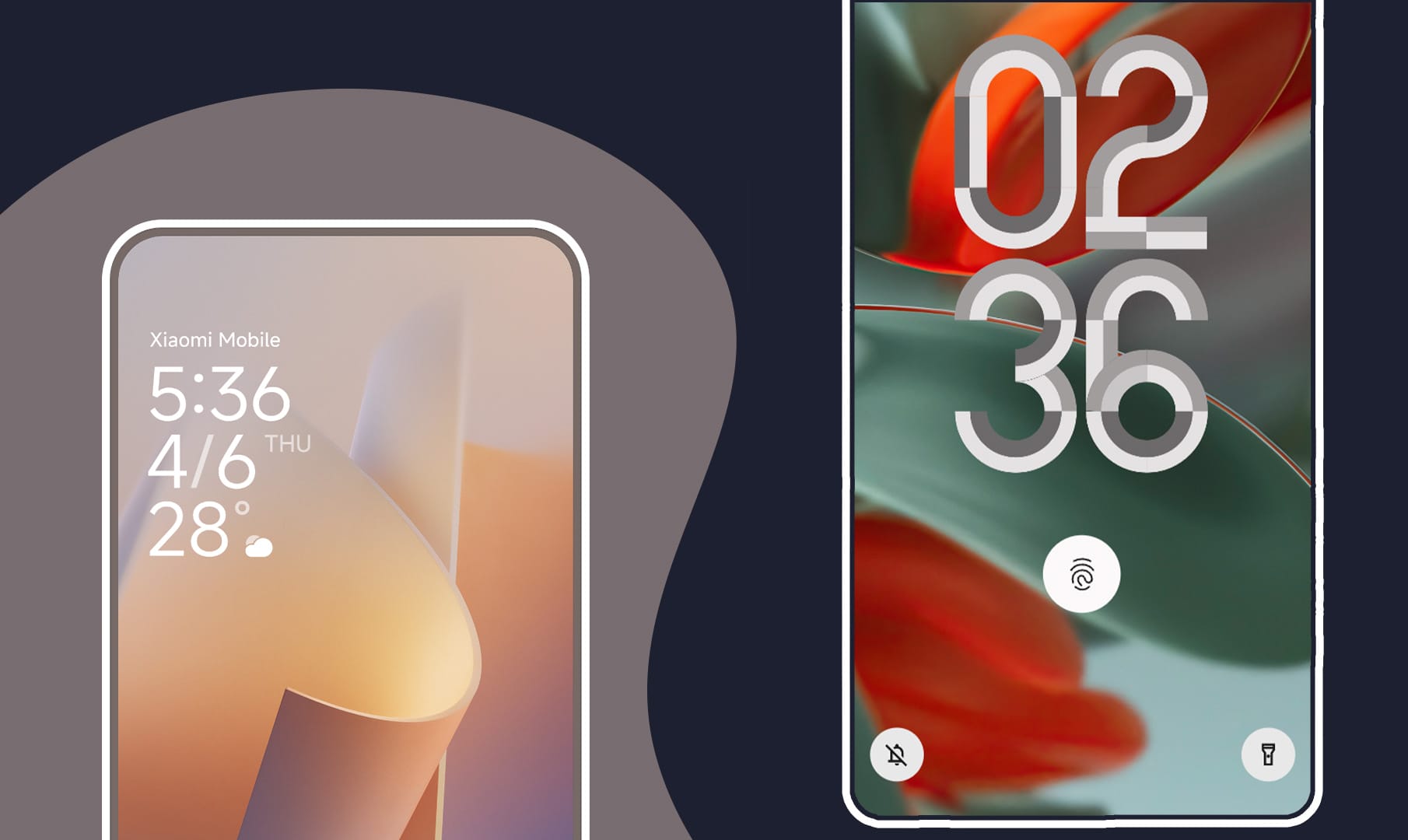
Android 15 vs HyperOS 1.0 lockscreen customization comparison

Inner Chip Strategy of Xiaomi

Xiaomi also develops its own silicon, including the XRING O1 platform. Though not currently widely deployed, a second-generation chipset to follow this one could help to further enhance Xiaomi’s autonomy and improve the long-term bargaining power the company could use against both Qualcomm and MediaTek. This also potentially shapes future generations of Xiaomi devices at all tiers.

Which Chipset Should Xiaomi Users Choose?

The ideal chipset depends on the user’s priorities and on the Xiaomi device category. Snapdragon still remains superior for flagship-level performance, advanced camera systems, global 5G capabilities, and long-term software longevity. MediaTek offers great performance per cost, particularly in Xiaomi’s affordable flagships and mid-range gaming devices, by offering efficient daily use and stable thermal behavior.

For Xiaomi buyers:

  • Choose Snapdragon for global connectivity, pro-grade photography, sustained gaming, and custom ROM potential.
  • Choose MediaTek for excellent value, fast burst performance, and cost-efficient mid-range gaming stability.

Both serve critical roles in Xiaomi’s multi-tier strategy for serving diverse global users effectively.

Xiaomi 15 to arrive with Snapdragon 8 Elite processor on October 23 2024

Xiaomi HyperOS 3 new features list and improvements

21 November 2025 at 17:01

Xiaomi has officially launched HyperOS 3, ushering in the much-anticipated Super Island or Hyper Island feature alongside a series of targeted upgrades focused on business efficiency, cross-platform collaboration, and advanced security. For organizations and productivity-focused users, this release signals a strategic shift in Xiaomi’s ecosystem. To know if your device is eligible for latest HyperOS 3, check it from MemeOS Enhancer app.

HyperOS Island: Multitasking, Reimagined

HyperOS 3’s headline feature, Hyper Island, redefines multitasking for professionals. The innovative interface uses ultra-narrow fonts, enabling simultaneous display of multiple “islands”—each representing a live app or workflow. Switching between tasks is seamless and intuitive; a quick gesture provides instant access to necessary tools via a pop-up window. This translates to reduced friction and increased efficiency for power users.

HyperOS 3 Dynamic Island Review 11 HyperOS 3 Dynamic Island Review 4 HyperOS 3 Dynamic Island Review 3 HyperOS 3 Dynamic Island Review 2 HyperOS 3 Dynamic Island Review 1

New Icons and Visuals

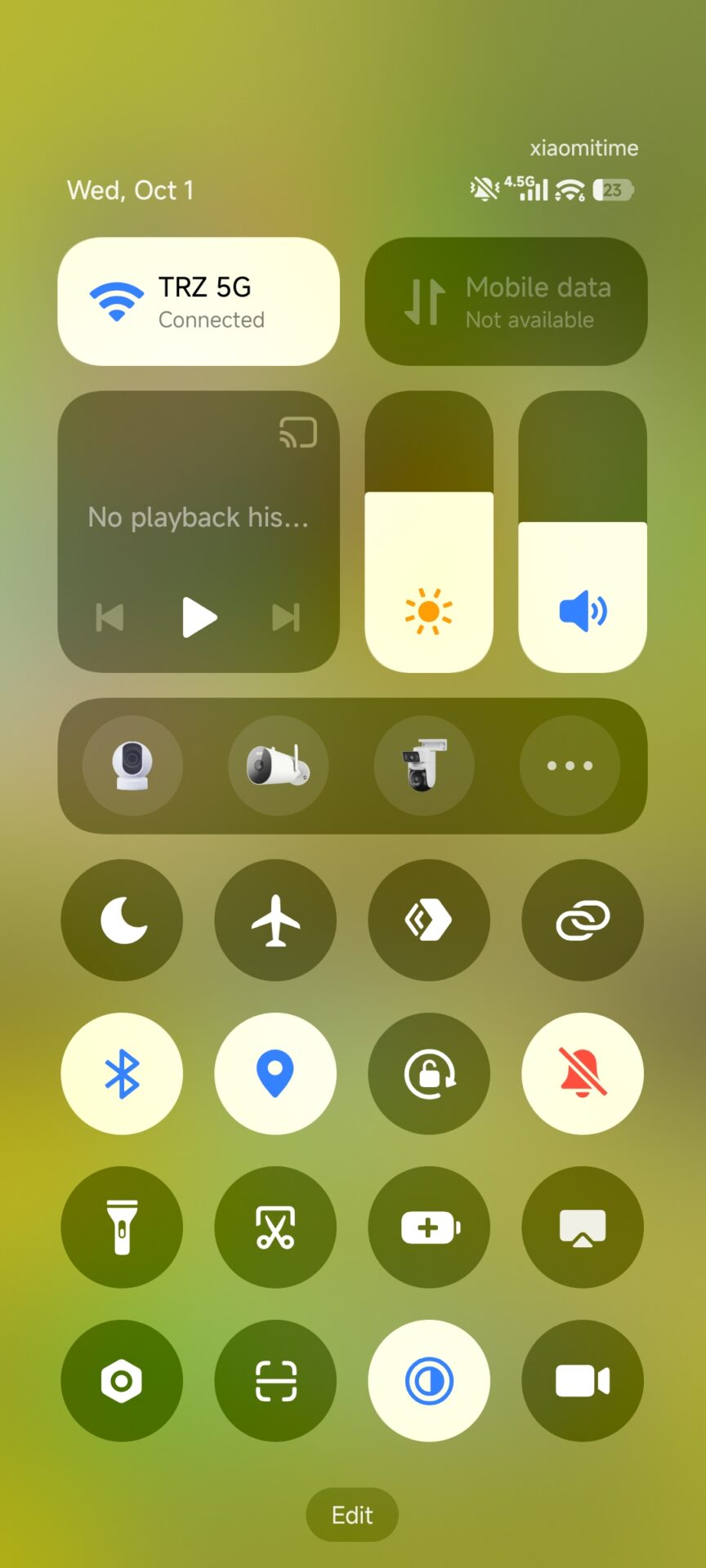
With HyperOS 3, status bar icons and symbols have been changed. Additionally, new iOS style elements have been added to the design.

HyperOS 3 Icons 1 HGyperos cONTROL center HyperOS 3 Control Center HyperOS 3 Global Changes 8 HyperOS 3 Global Changes 7 HyperOS 3 Global Changes 4 HyperOS 3 Global Changes 6 HyperOS 3 Global Changes 5 HyperOS 3 Global Changes 2 HyperOS 3 Global Changes 3

Enhanced Visuals for Focus and Clarity

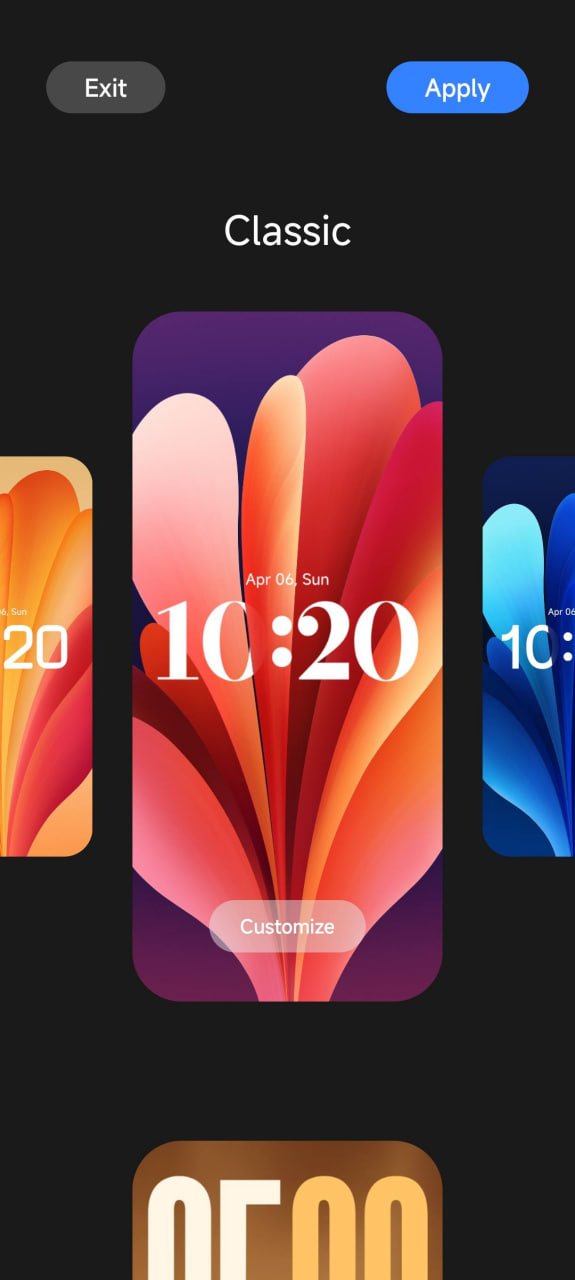
Visual improvements go beyond aesthetics. The AI-generated dynamic wallpapers offer a clean, modern workspace, while the new centered clock lock screen and refined depth-of-field effects support a distraction-free environment. Updated desktop layouts and high-definition icons ensure quick navigation, and the simplified status bar keeps essential information front and center.

hyperos 3 5

Intelligent Photo Management

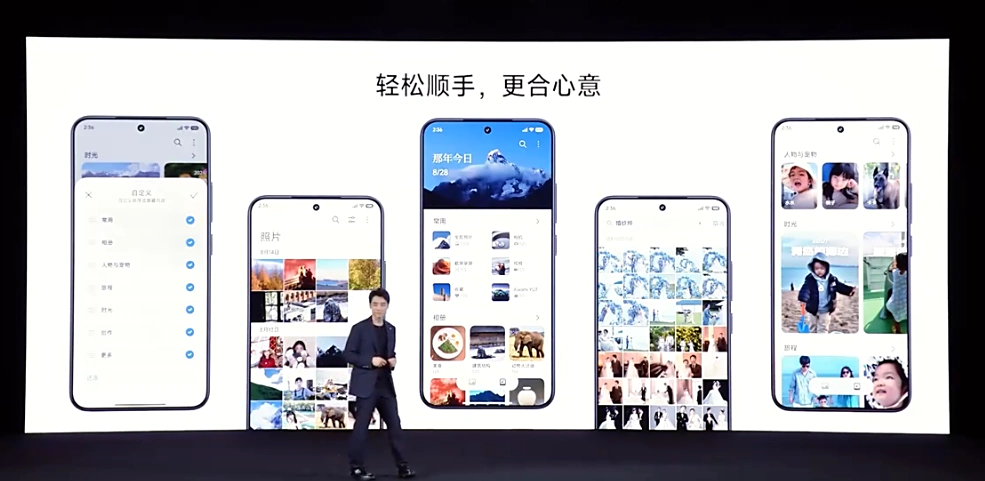
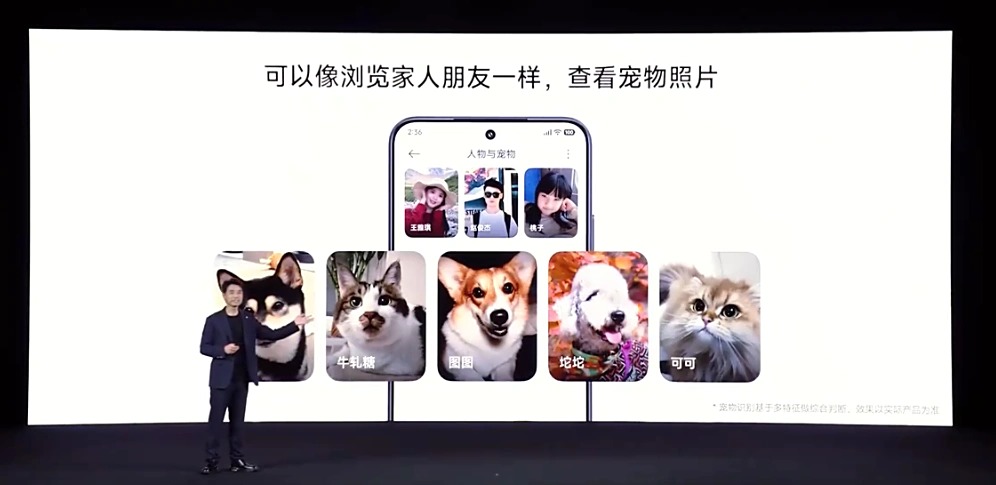
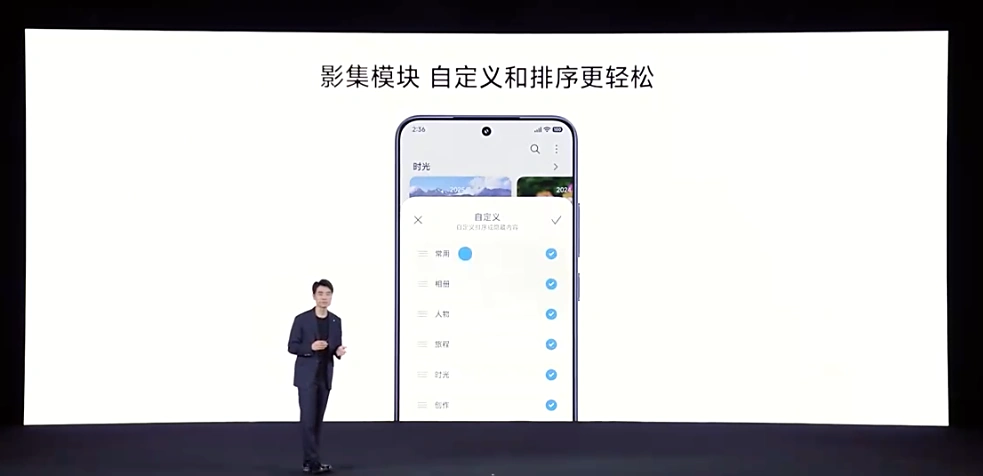
Photo albums have been redesigned with business users in mind. Enhanced sorting controls streamline asset management, and intelligent recognition (including pet identification) supports a range of use cases. Large photo and video transfers can now be completed with a simple copy-paste—even between iPhone and Xiaomi devices—simplifying cross-platform collaboration.

Gallery2 Gallery

Seamless Cross-Device Connectivity

HyperOS 3 is engineered for professionals using multiple devices. File drag-and-drop, multi-window application access, and Face ID unlocking work seamlessly across Xiaomi phones, MacBooks, and iPads. Dual iPhone/Xiaomi users gain two-way message synchronization and mirror mode for direct replies, streamlining communication and reducing device switching.

HyperOS 3 Mi Share 2

Xiaoai AI Assistant: Productivity Redefined

The upgraded Xiaoai assistant now delivers faster search, smarter photo recognition, and context-aware suggestions. The new “circle screen” function and “one-step direct access” promise support for 80+ business apps and 1,000+ functions by the end of Q3, further reducing the time spent on routine tasks. This feature is only for China.

Advanced Security and Compliance

HyperOS 3 elevates security with robust data encryption and proactive post-quantum cryptographic algorithms. Device search functionality works even when hardware is powered off or offline. Fine-grained permission management allows users to restrict app access to specific photos, ensuring compliance with privacy requirements.

8fb125cf 8af9 4281 b6a4 528b1d495f3c 16e027e3 6004 44ad b2b5 274bea408f6b

Device Compatibility and Update Readiness

For those seeking to maximize their experience the MemeOS Enhancer app (available on the Play Store) offer additional information, early access to updates, and feature enhancements.

MemeOS Enhancer 3
MemeOS Enhancer 1 1

Middle east smartphone shipments surge 23% in Q3 2025 as Xiaomi climbs to top three

21 November 2025 at 15:28

According to new data from Omdia, the Middle East smartphone market excluding Turkey saw a strong rebound in Q3 2025. Driven by growing demand for mid-range 4G and affordable 5G phones, shipments grew by 23% year-on-year, reaching 15.1 million units. Brands expand their presence in emerging markets by introducing competitively priced devices-a theme also explored in our Xiaomi Market Insights and Xiaomi Global Expansion reports. This growth indicates that the market is becoming extremely dynamic with a high level of focus on performance-to-price efficiency.

Market Growth Driven by Mid-Range and Affordable 5G Demand

The latest Omdia analysis indicates that consumers are upgrading from older devices to mid-range models offering improved performance and better connectivity. This trend is being supported by the strengthening of their cost-effective product lineups by manufacturers, ensuring users have access to capable smartphones without premium-tier prices. Affordable 4G models are still contributing a significant portion of the total shipments due to their accessibility and reliability.

translated image en 34

Vendor Performance in Q3 2025

Each of the major vendors posted positive year-on-year growth, with several brands enjoying particularly good momentum throughout the region. Their performance underlines the competitive nature of the Middle Eastern smartphone landscape.

  • Samsung shipped 5.2 million units, taking up a 34% market share and seeing a 22% YoY increase.
  • Transsion reached 2.7 million units with an 18% share, growing 47% YoY.
  • Xiaomi shipped 2.3 million units, taking 15% market share and recording an impressive 35% YoY growth.
  • Honor reached 1.6 million units with a 10% share and an astonishing 128% YoY growth.
  • Apple shipped 1.4 million units, holding a 9% share with 14% YoY growth.

Xiaomi Logs Strong Performance in the Middle East

Xiaomi’s annual increase of 35% points to the company’s continued push toward offering reliable mid-range and entry-level devices targeted at emerging markets. The brand remains committed to growing its ecosystem while ensuring affordable pricing; meanwhile, it offers recent design developments, power-efficient chipsets, and extended software support. The presence of Xiaomi is further strengthened by the increasing adoption of affordable 5G models, aligning with broader regional consumer demand.

With the current shipment momentum, analysts anticipate further mass-market smartphone adoption. Manufacturers are expected to keep investing in cost-efficient platforms and wider 5G accessibility. These developments hint at continued stability of the uptrend for brands with strong value-driven portfolios, a category in which Xiaomi is well-positioned to benefit from the region’s next wave of upgrades.

Source

❌