Normal view

Received before yesterday

How to enable hidden iOS recent apps feature on older HyperOS versions

17 December 2025 at 19:42

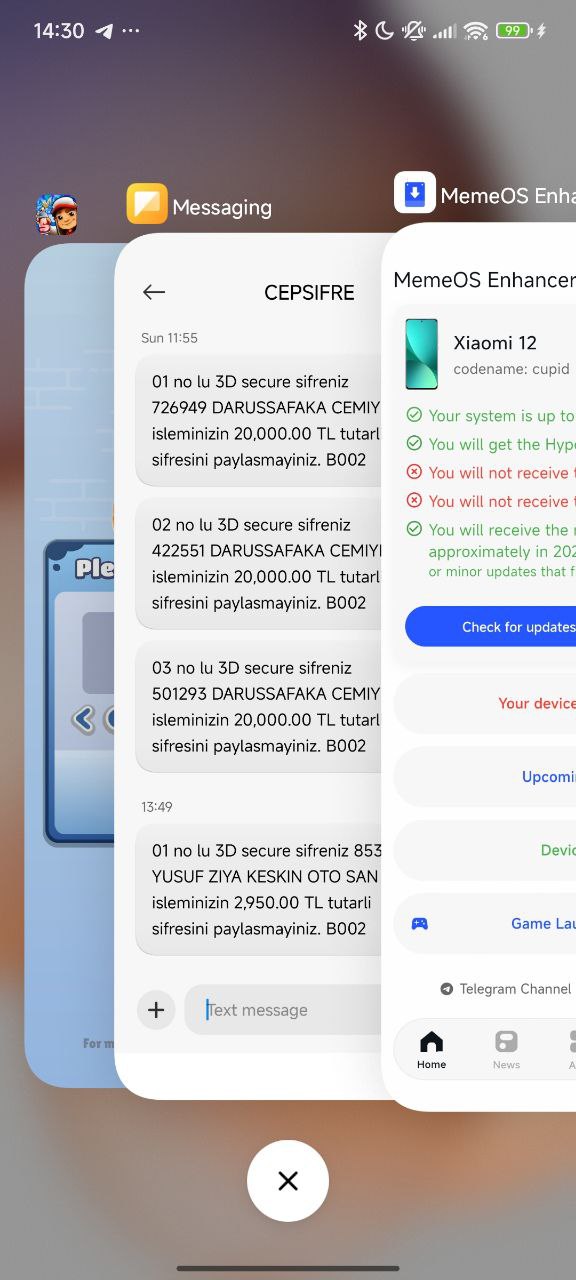
Xiaomi has now found a way to enable the much-awaited recent apps page in the style of the original iOS on older versions of HyperOS without having to wait for the latest version, HyperOS 3. This is particularly important to those users who are fans of the visual treatment for multitasking in the style of the original iOS but do not want to leave the Xiaomi camp.

What Is iOS-Style Recent Apps UI?

The recent apps screen, à la iOS, sees the traditional app switcher replaced by vertically stacked cards that blur and fade as users swipe through them. Xiaomi, for instance, experimented with the concept of vertically stacked cards after conducting its community survey of users in 2023, where the company asked users if they would want the iOS layout for recent apps.
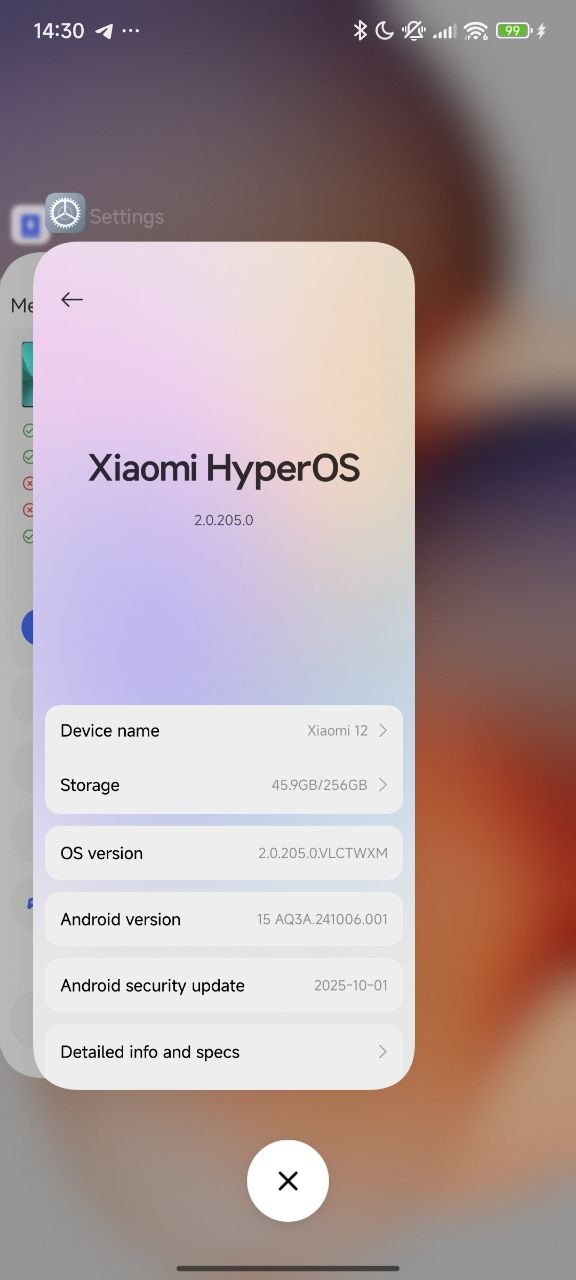
HyperOS 3 Launcher iOS recents 2 HyperOS 3 Launcher iOS recents 1 HyperOS 3 Launcher iOS recents 3

In HyperOS 3, this functionality works without any issues and can easily be activated from the system settings itself. Notwithstanding this, the Xiaomi developers have also provided the required framework for activation of the functionality in older HyperOS versions.

How to Enable It on Older Versions of HyperOS

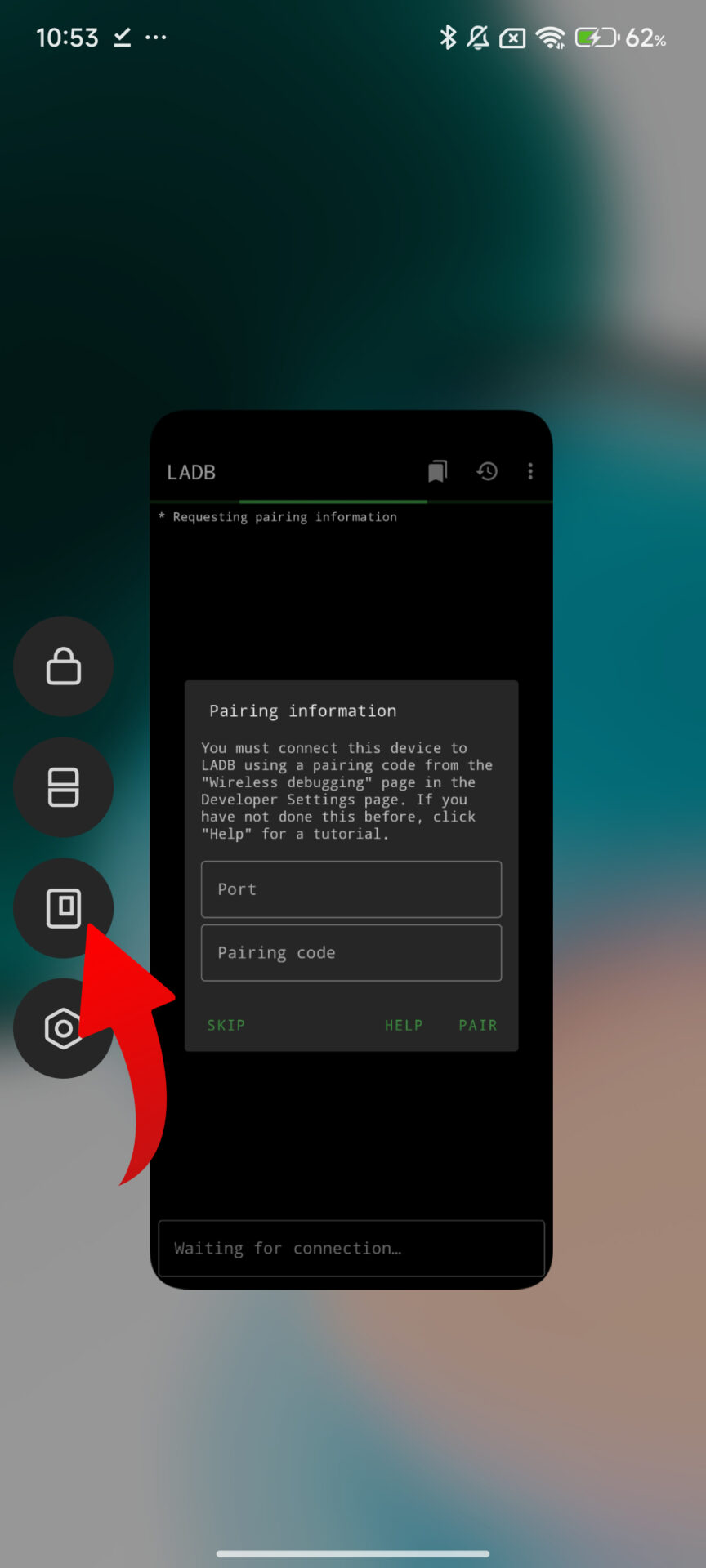
Before moving ahead, one must keep in mind that these steps do not need root access and are done using legitimate system parameters. A computer with ADB access or LADB setup is enough.

To enable the recent applications layout from the iOS style, just install latest HyperOS 3 Launcher and use the ADB connection to the device or the local ADB environment, and after that execute the command:

  • settings put global task_stack_view_layout_style 2

Once the command has been executed, the interface for viewing recently used applications transitions into the “card” layout. It is not necessary to reboot the device, though a reboot may help ensure that animations are stable on some devices.

Ekran goruntusu 2025 12 17 143010

LAdb installation

  • Go to Settings > About Phone.
  • Tap on HyperOS version several times until it says “You’re now a developer.”
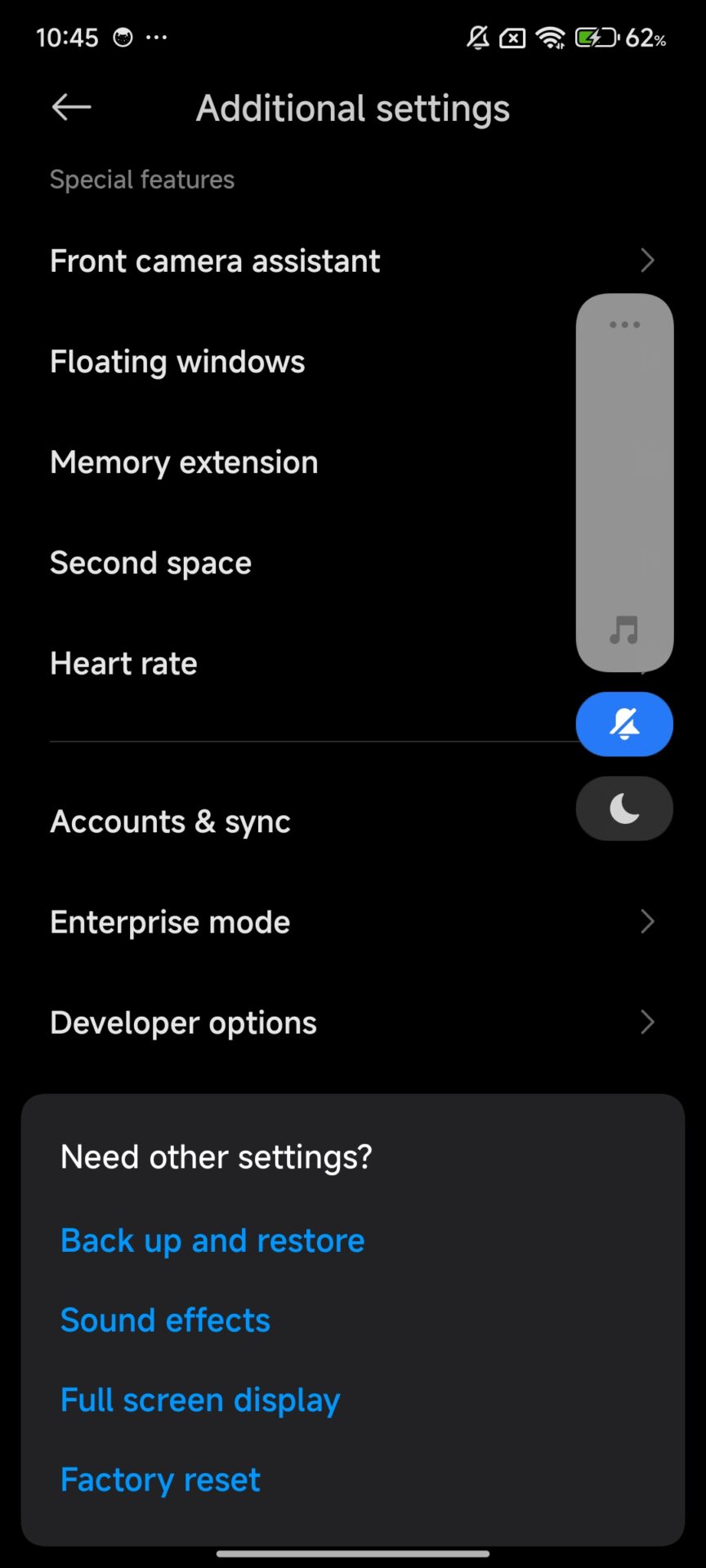
  • Go to Settings > Additional Settings > Developer Options.
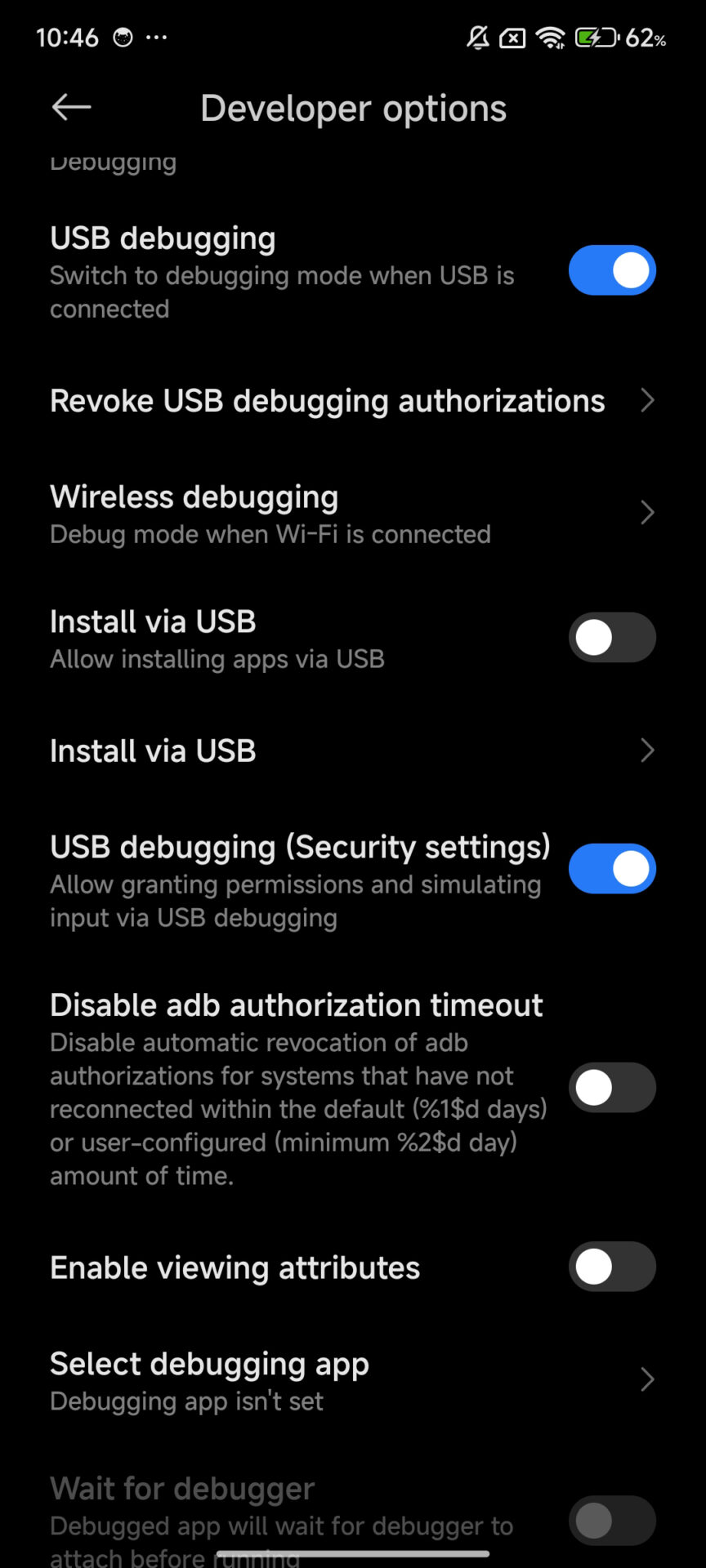
  • Enable the following options:
  • USB Debugging
  • Install via USB
  • USB Debugging ON (Security Settings)
  • Download LADB
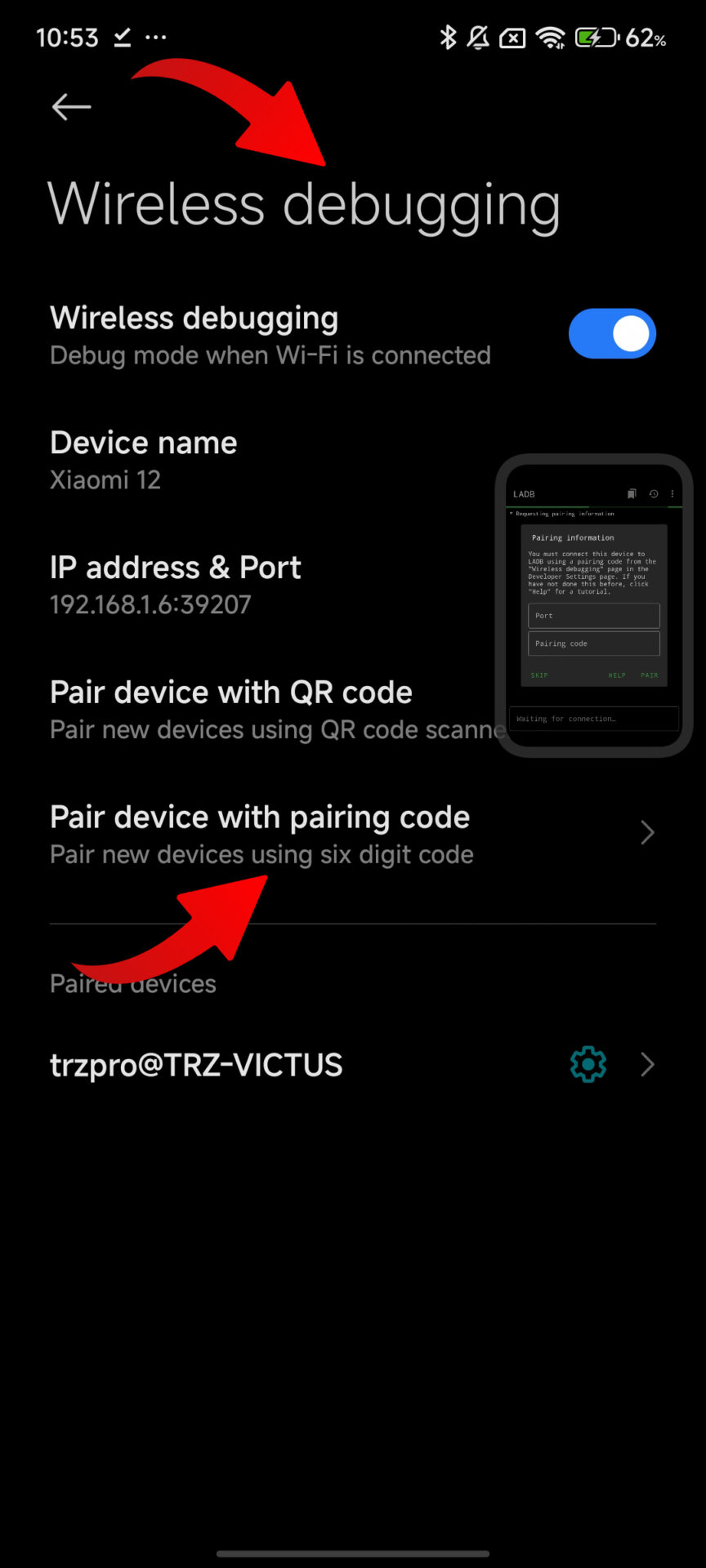
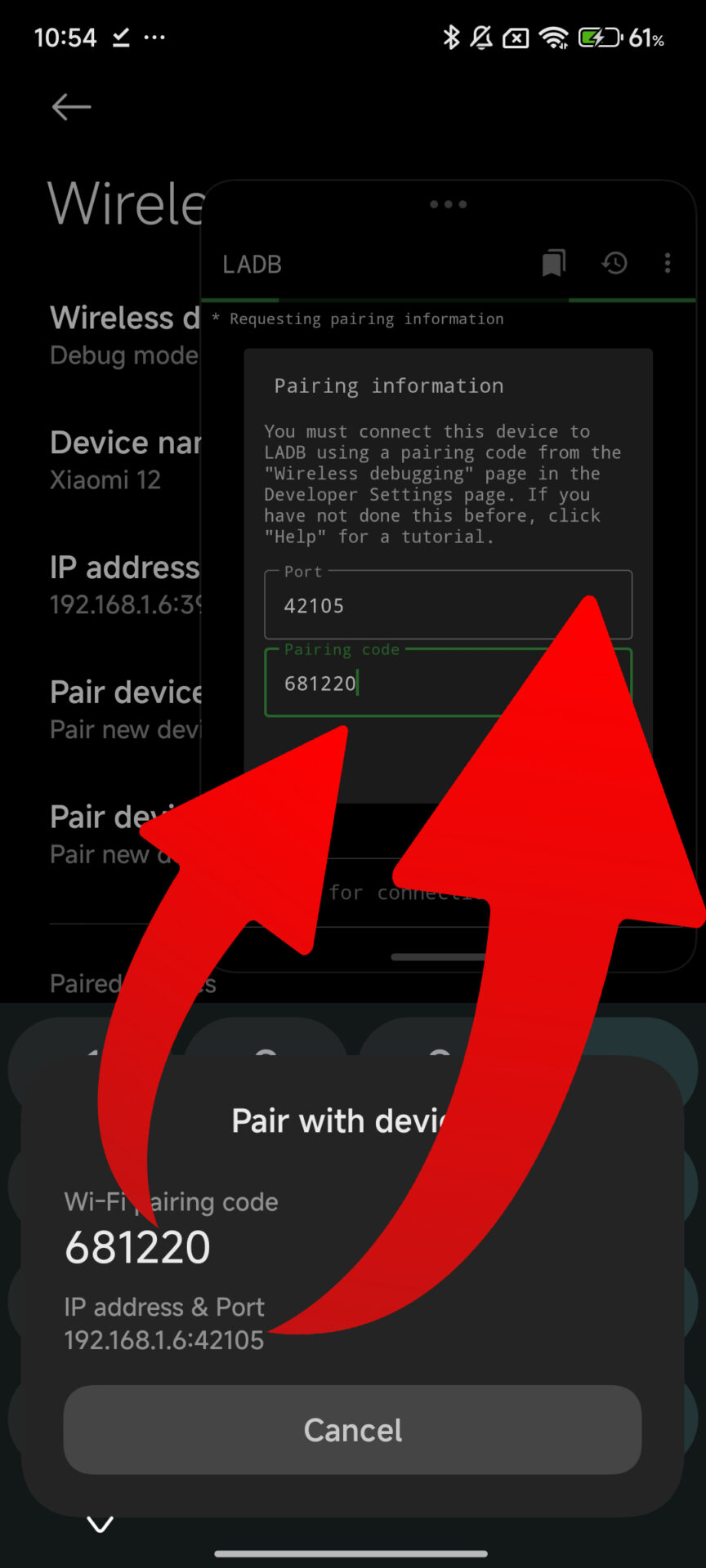
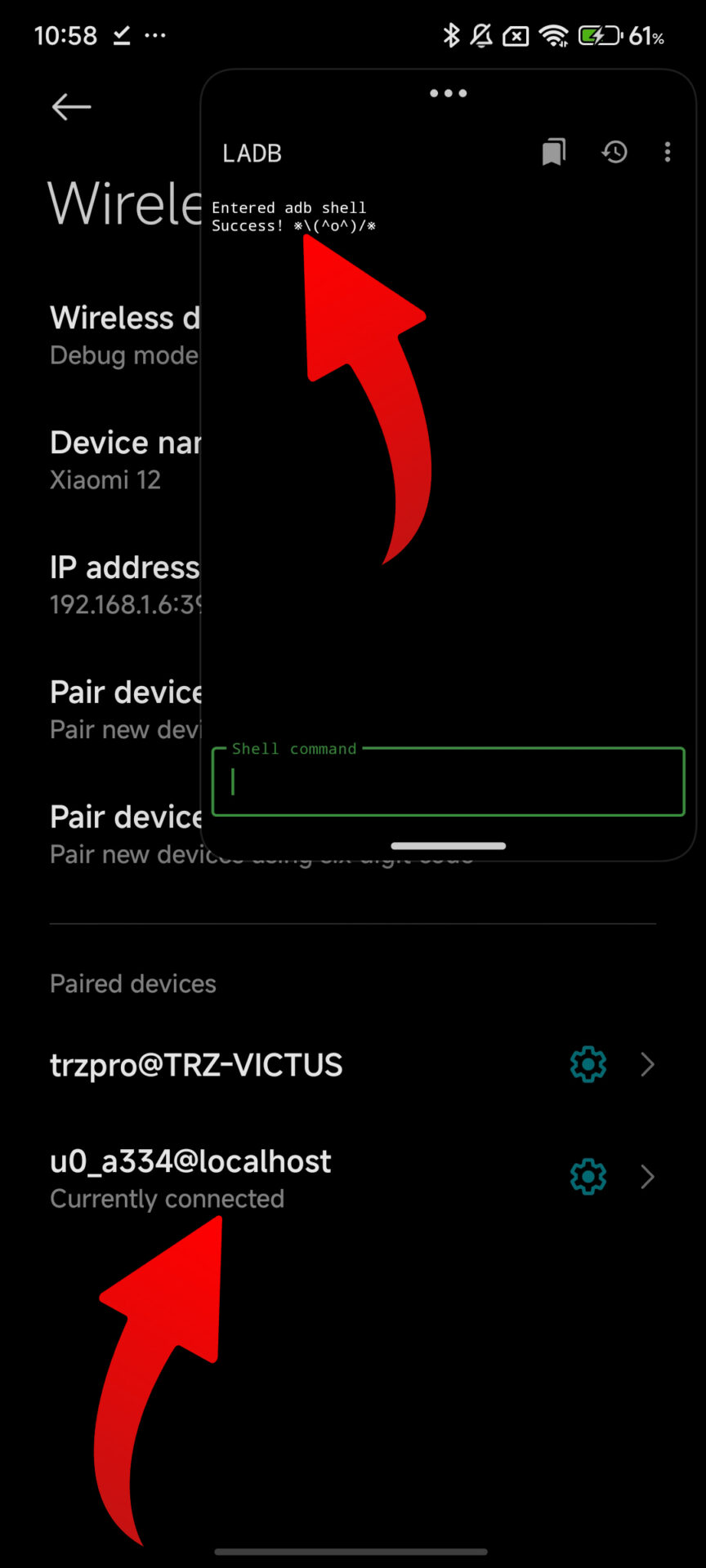
USB Debugging 1 USB Debugging 2 Screenshot 2025 01 09 10 53 47 101 com.miui .home Screenshot 2025 01 09 10 53 55 227 com.android.settings Screenshot 2025 01 09 10 54 31 091 com.android.settings Screenshot 2025 01 09 10 58 27 281 com.draco .ladb

Behavior and Compatibility Details

When enabled, the animations are very close to Apple’s implementation, including the smooth vertical scrolling and blur effect on the cards while being offset on the screen. For devices with HyperOS 3, this same option is accessed from Settings > Recent Apps without any set commands.

Going by their testing and observations in the current beta, it is expected that Xiaomi will launch this interface on more devices when it releases HyperOS 3.1. It is also stable on most Snapdragon devices, including those running Snapdragon 8 Elite platforms.

Application Updates and Installation Information

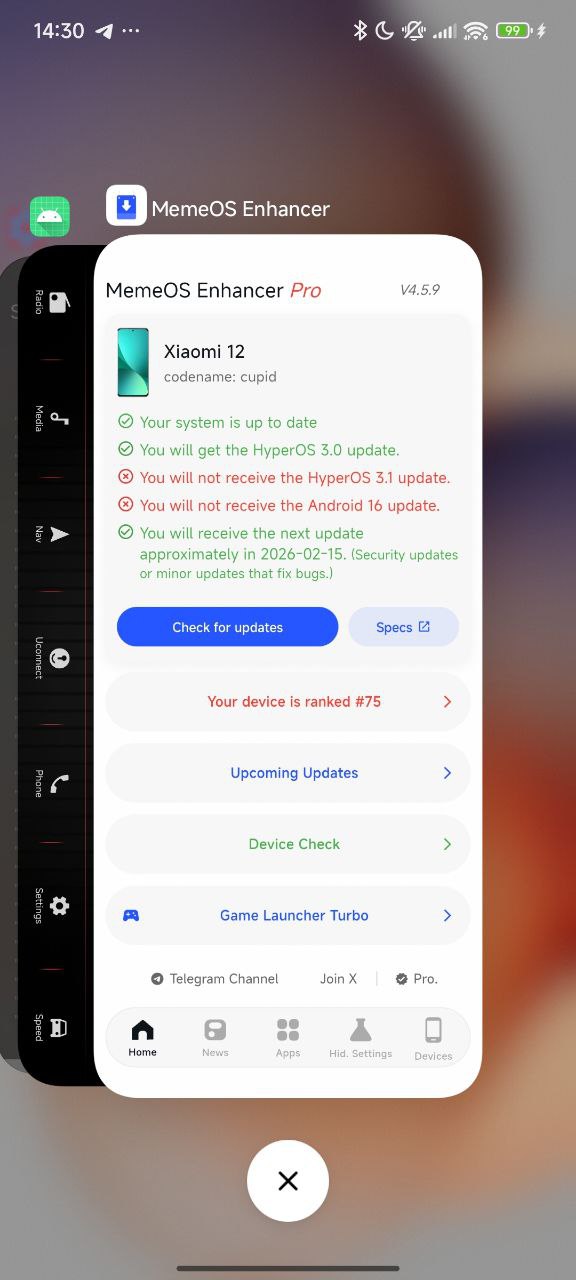
Users who are interested in staying up to date with Xiaomi System Apps as well as its components can do so by obtaining the update through HyperOSUpdates.com or by using the MemeOS Enhancer downloaded from Google Play. The MemeOS Enhancer also allows users to have fun features, system updates, and update shortcuts.

As of this writing, though, the component version for this announcement is placed at RELEASE-6.01.03.1924, which is supportable on both HyperOS versions 3, and pick versions for earlier versions.

OpenShot 3.4: New Effects, Better Performance & LUT Support

18 December 2025 at 06:35

OpenShot logo overlaid on an image of someone shooting video.OpenShot 3.4 brings 32% faster performance, LUT colour grading, new effects, and on-canvas editing tools. Details on how to get this update inside.

You're reading OpenShot 3.4: New Effects, Better Performance & LUT Support, a blog post from OMG! Ubuntu. Do not reproduce elsewhere without permission.

Xiaomi started to roll out December 2025 security update

15 December 2025 at 13:21

Xiaomi has officially started rolling out new updates for HyperOS with the December 2025 Android security patch, centered around system stability and user protection. Rollout targeting selected Redmi models in some regions brings a number of important fixes for several security vulnerabilities. These updates are part of Xiaomi’s continued software maintenance efforts under HyperOS to ensure devices remain protected against emerging threats while continuing performance consistently across various versions of Android.

Devices Receiving the December 2025 HyperOS Update

This first phase of the December 2025 security update rollout covers two Redmi smartphone models each, per region and Android version. Xiaomi is continuing its usual staged deployment approach to ensure the quality of the updates and minimize issues that may arise.

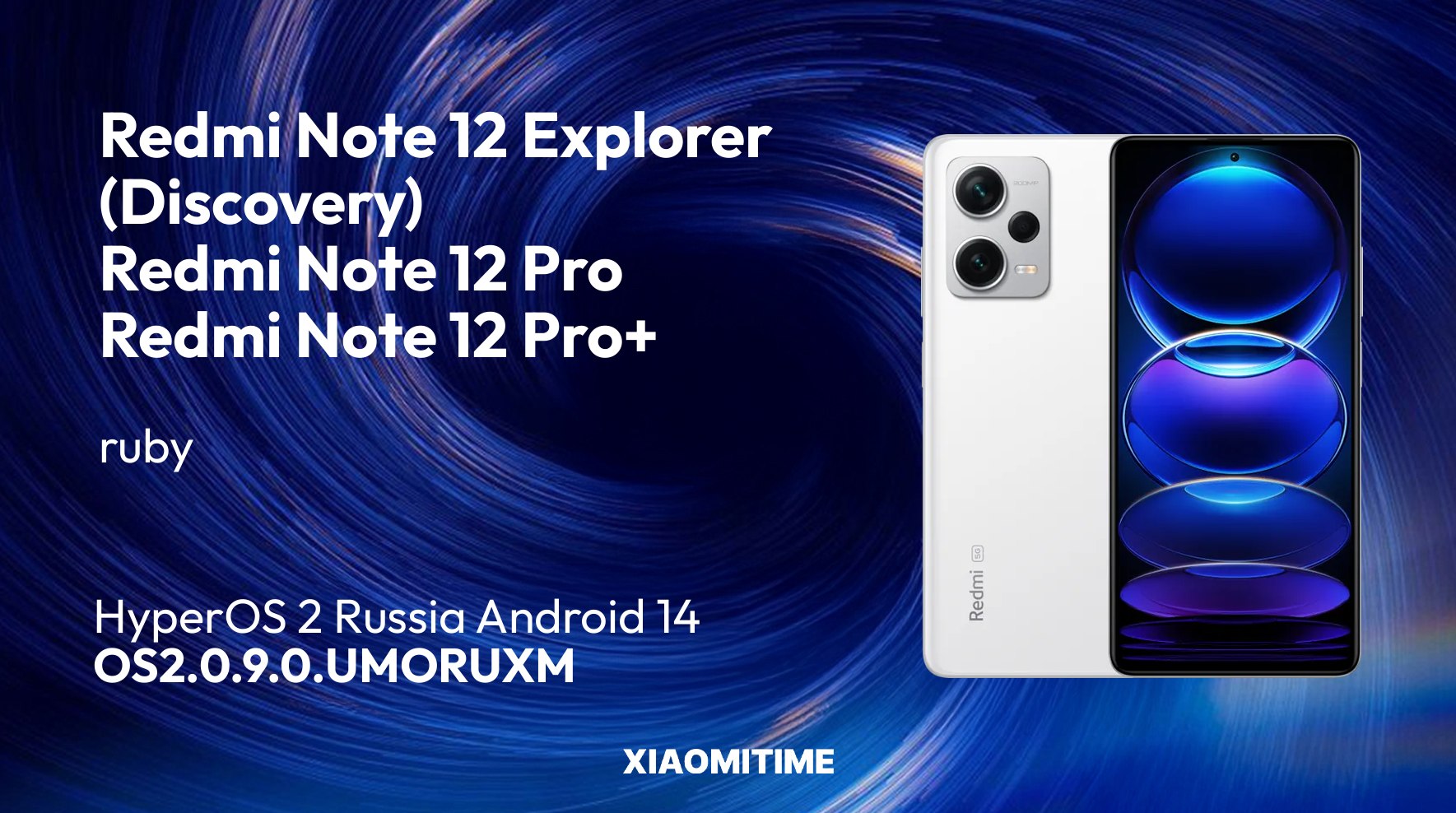
  • Redmi Note 12 Pro / Redmi Note 12 Pro+
    • Region: Russia
    • Firmware version: OS2.0.9.0.UMORUXM
    • Android Version: Android 14
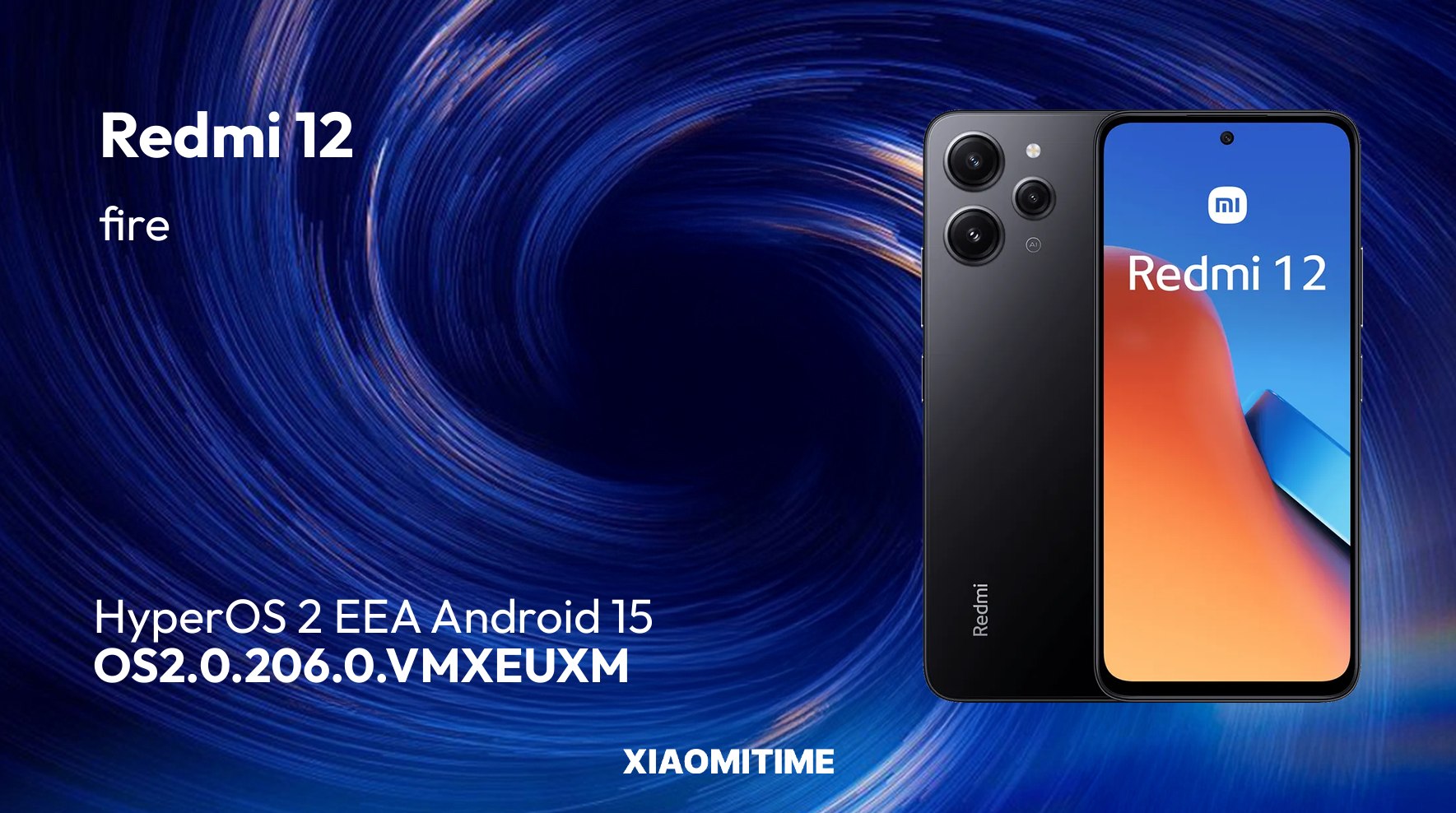
  • Redmi 12
    • Region: EEA (Europe)
    • Version: OS2.0.206.0.VMXEUXM
    • Android Version: Android 15

These updates confirm that Xiaomi continues to support both Android 14 and Android 15 variants in parallel for its respective devices running under the HyperOS ecosystem.

December 2025 security update 1 December 2025 security update 2


What’s New in the December 2025 Security Patch

Besides the other updates, Xiaomi has laid strong emphasis on system security and malware protection with the December 2025 security patch. The update fixes a wide range of vulnerabilities identified at the Android framework and system level. Many of these fixes are rated critical, especially malicious apps capable of locking your device or attempting to access files in a prohibited manner.

In the last few months, some new malware related to Android has been targeting lock screens and input methods. Xiaomi’s December patch directly addresses these risks by strengthening system permissions and improving background process control at the HyperOS level. This helps ensure user data integrity without affecting daily device performance.

Update Availability and System App Security

The rollout is gradual and may therefore take some time to reach all eligible users. When available, update manually using the standard system updater under HyperOS. Xiaomi also recommends keeping system apps up to date, since security fixes often depend on updated core apps.

Xiaomi releases new Security V12 update with new Game Turbo UI

14 December 2025 at 22:00

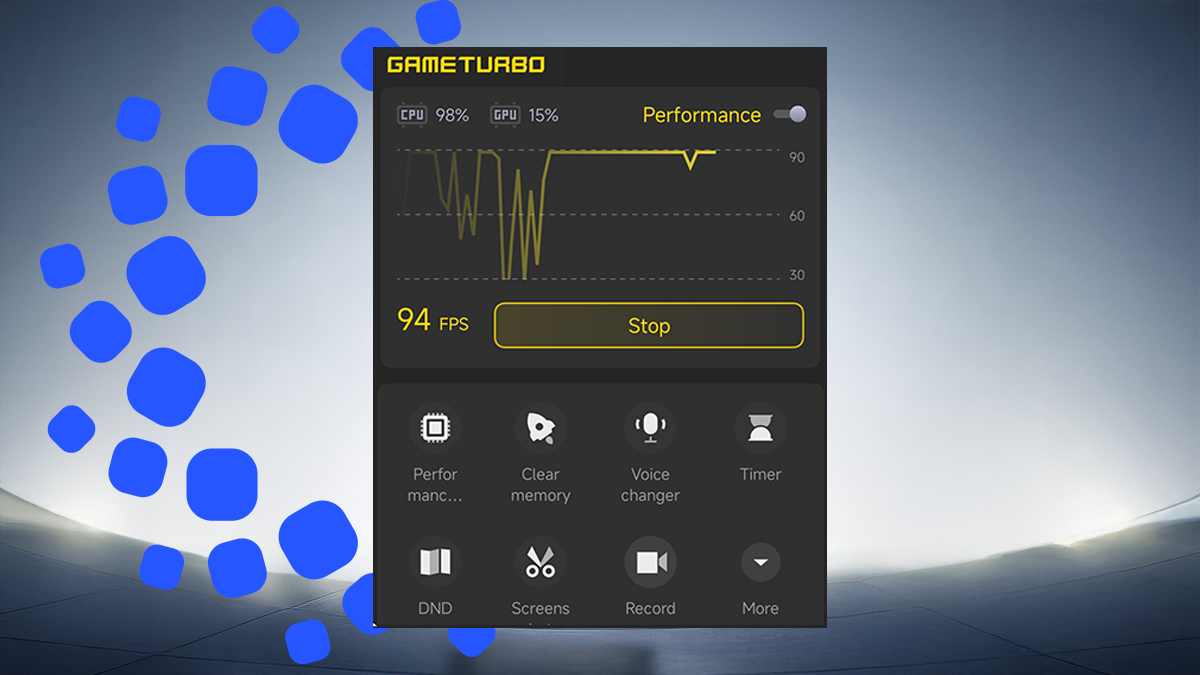
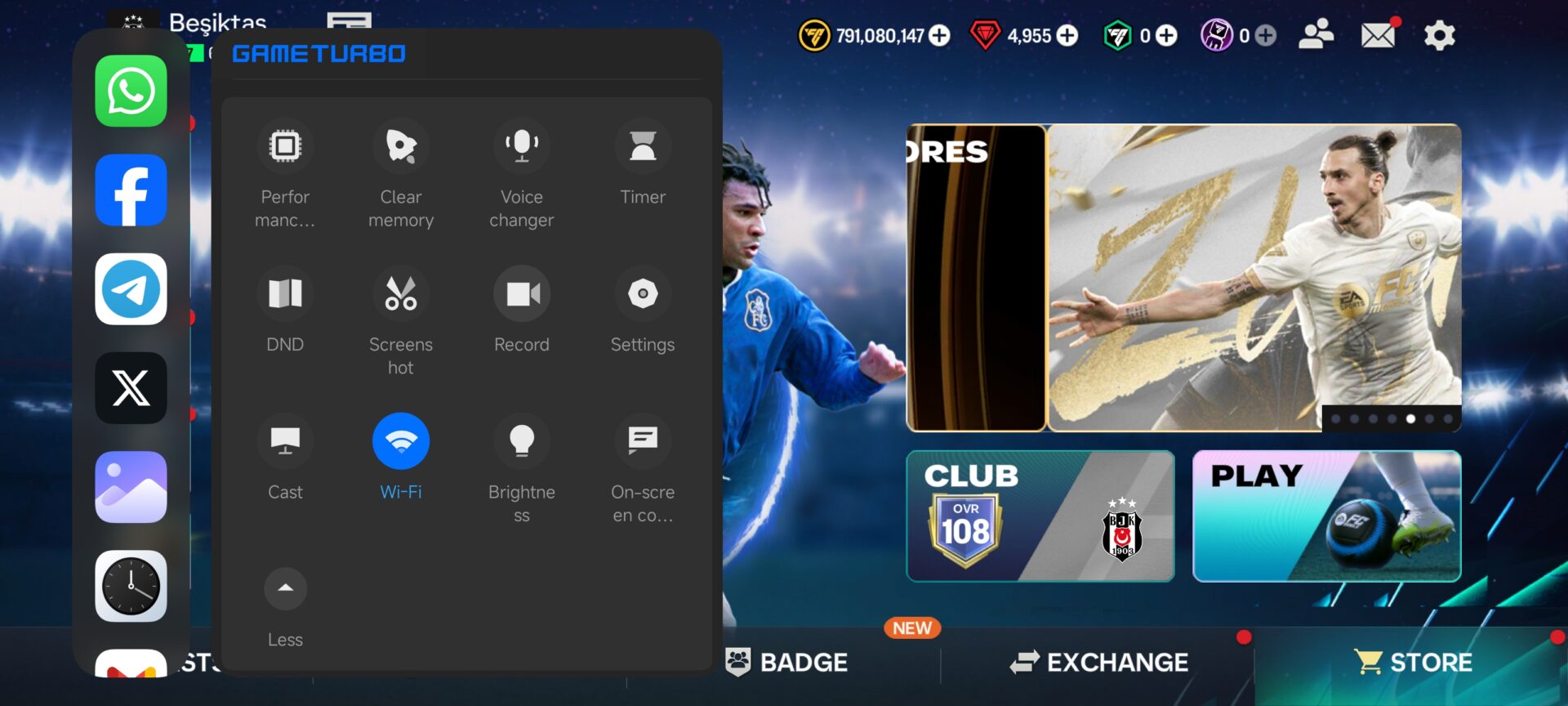
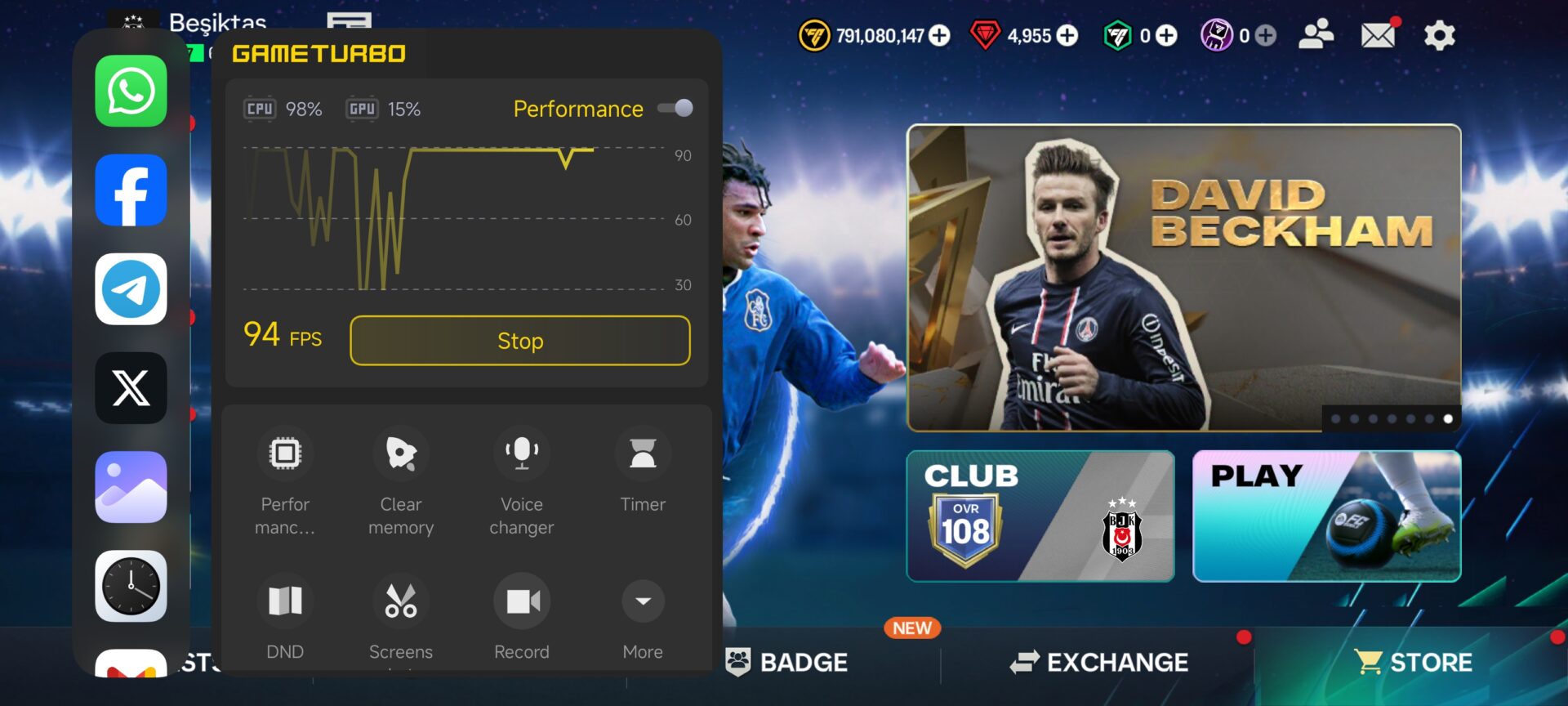
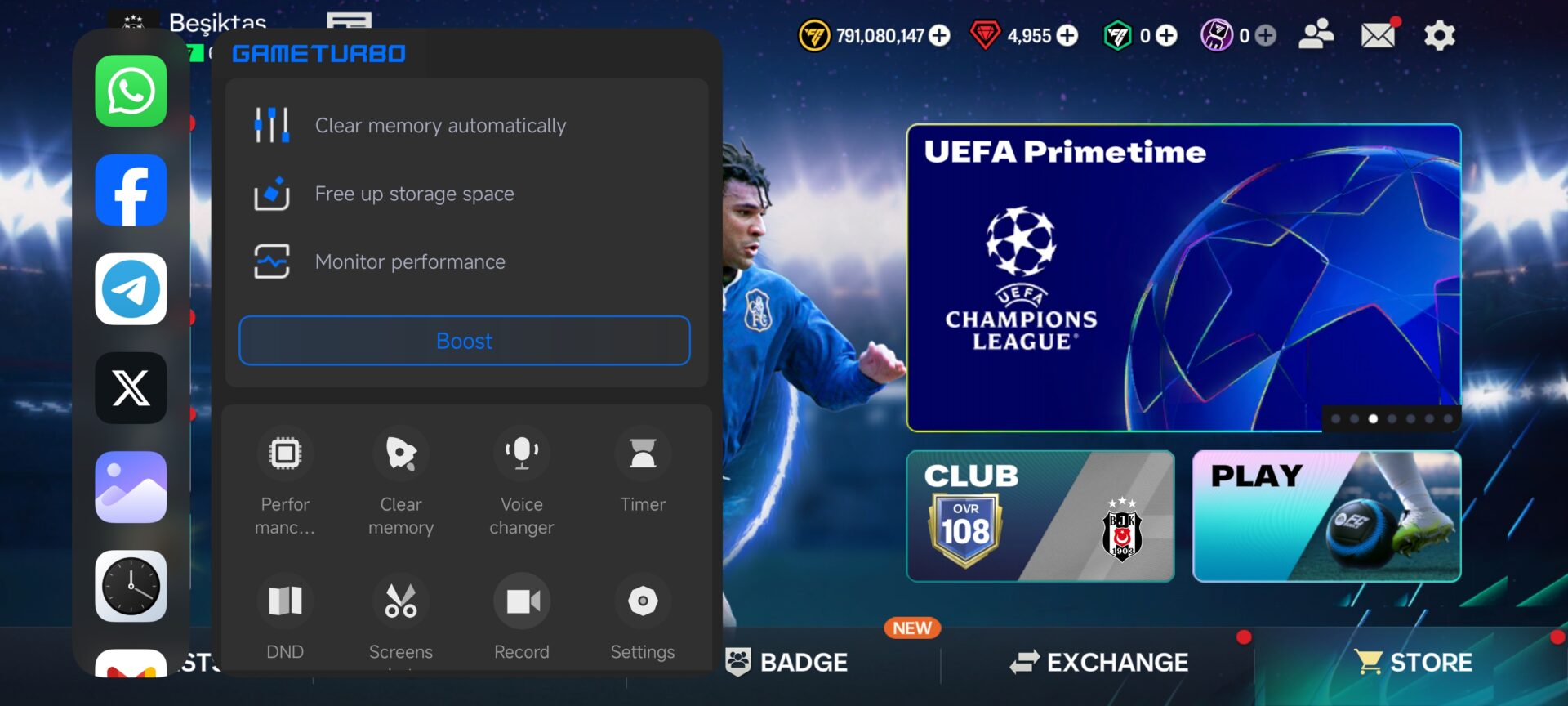
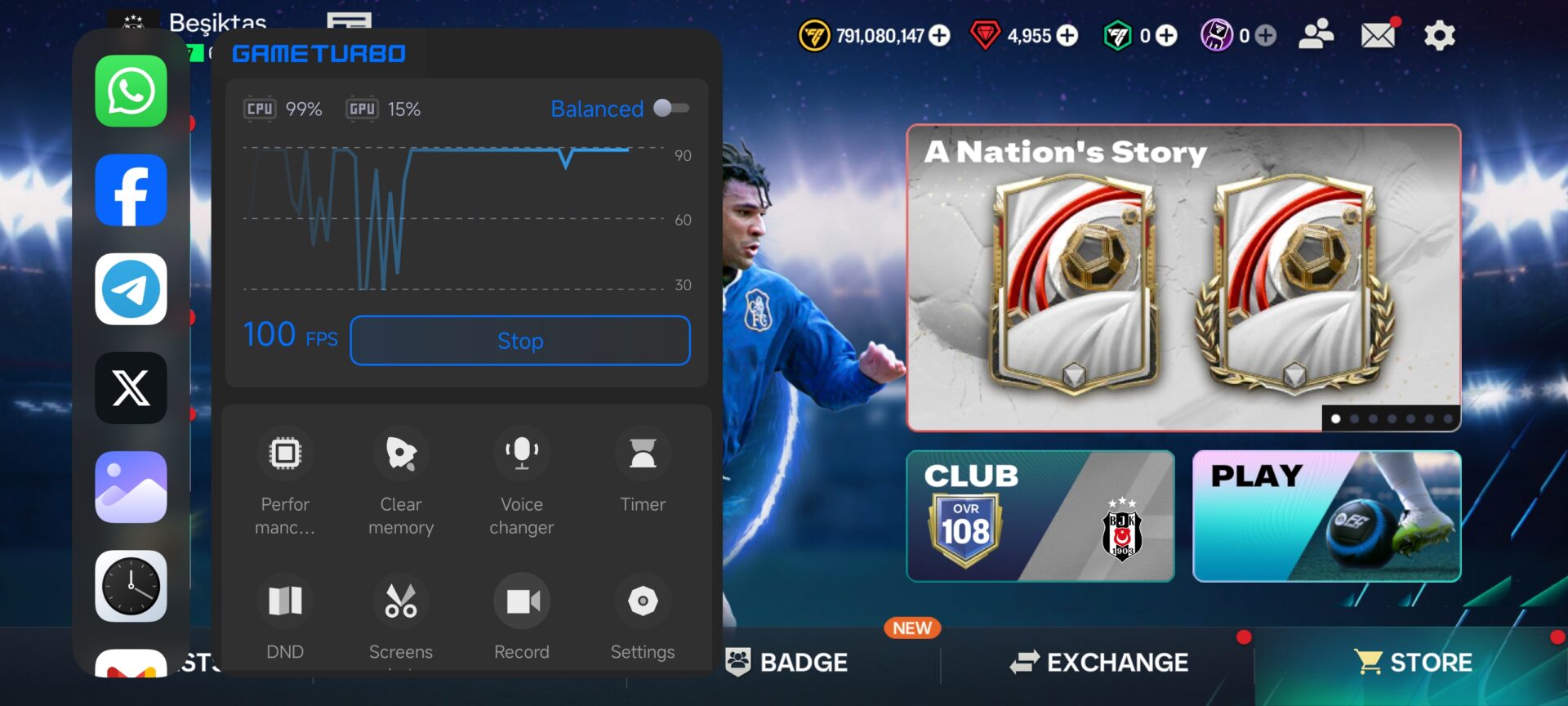
Xiaomi has finally released a major update for its stock Security app, signaling the introduction of the V12 generation. The newest build bears the number V12.0.6-251121.1.1 and is primarily focused on system infrastructure changes. However, this would be very interesting for those awaiting the release of the next HyperOS stage, as the new build provides a complete revamp of the Game Turbo interface and advanced system optimization logic. With this update, [Xiaomi] is finally preparing a serious revolution in the way background processes are handled and gaming performance is optimized on global devices.

A New Era of Optimization

This build marks the first public release of the V12 branch for the Security app. Unlike the incremental updates that came before it, the V12 series is a package deal of deep architectural changes that fit with future system iterations. Of particular note in the changelog is the refined optimization engine, which promises to clear caches and free up memory without affecting user activity. The shift to v12.0.6 would thus indicate that Xiaomi is laying the groundwork for more intensive uses of software, keeping devices fluid and responsive during more strenuous tasks.

New Game Turbo New Game Turbo 2 New Game Turbo 4 New Game Turbo 3 New Game Turbo 1

Turbo Capabilities for Enhanced Gaming

The most noteworthy addition in this update, though, is the upgraded Game Turbo module. Xiaomi has optimized the user interface for quicker access to performance modes and floating windows. New optimization algorithms work in silent mode in the background to give priority to network stability and frame rates during gameplay. Enthusiasts using their devices for competitive gaming will appreciate how much more smooth the transition from the game to system notifications has become, with latency and input lag significantly reduced.

How to Install the Update

Keeping system applications updated is very crucial for maintaining the security and performance stability of any device. Users can easily update this application from our other projects, HyperOSUpdates.com, or through our MemeOS Enhancer application on the Play Store. The MemeOS Enhancer app unlocks special capabilities beyond simple updates for users. Among such capabilities are unlocking hidden Xiaomi settings, updating other system applications seamlessly, and managing screen refresh rates, among the common updater features.

Why Xiaomi ends software updates earlier than competition

12 December 2025 at 09:00

Xiaomi’s device policies are a point of concern for users, as it becomes confusing when a particular Xiaomi device hits the End-of-Life stage earlier than other brands. This explanation will help users understand how Xiaomi selects the support time for their OS and how it differs from other companies like Samsung and Google. To gain further knowledge, you can refer to HyperOSXiaomi security updates, and Xiaomi device policies in related sections of your website.

Xiaomi’s Economics Model and Effects of OS Support

Xiaomi’s hardware company has a regulatory mandate that sets a limit of no more than a 5% net profit for all devices. Such a low-margin business model, though making devices more accessible, creates a limitation in generating funds for software development. Unlike other high-end smartphones that earn profits from their $800+ flagships, Xiaomi’s average selling price stays between $150-$300.

Moreover, every upgrade of the Android OS involves substantial engineering, certification, and testing expenses. With a low-margin device, it may take two to three OS generation cycles, which would be beyond the lifespan of profit value of that device. Therefore, Xiaomi focuses on feature updates of HyperOS and security updates, which provide a freshness experience without incurring costs related to OS development.

Fragmented Product Portfolio and Engineering Load

Xiaomi launches many models in a year compared to Apple and Google. Also, there are various ROMs for every device like Global, EEA, India, Indonesia, Türkiye, and China ROMs. This brings a huge maintainability matrix. Xiaomi software teams would have to prioritize their work in either high volume or flagship series, hence dropping priority for other devices.

Rebranding strategies, like a Redmi smartphone turning into a POCO worldwide or a similar Xiaomi T series model, further add variability in software. This enhances EOL projections as engineering efficiency declines.

Xiaomi devices to receive their final update with Android 15

SoC Dependency and BSP Limitations

Upgrading of the Android OS requires support from Board Support Packages (BSP) offered by manufacturers of the chips. Xiaomi cannot upgrade a device if Qualcomm, MediaTek has stopped releasing updates to drivers for key hardware components like GPU, ISP, and modem. Budget models offered by MediaTek are especially vulnerable since their support lifespan will be shorter than that of Qualcomm’s flagship chipsets like Snapdragon 8 Elite.

Without updated BSP components, Xiaomi can only offer backports for security fixes, which means no OS updates, causing early OS-level EOL.

HyperOS and “Decoupling” Strategy

To maintain a balance between costs and customer satisfaction, Xiaomi has classified the “Android Base Layer” and “HyperOS Experience Layer” as follows: This allows:

  • New features without upgrading to a new version of Android
  • Able to run on legacy hardware
  • Decreased certification costs

Some models are updated with HyperOS 3, which is based on Android 16, while others get a backported version, either from Android 15. Thus, there is device uniformity in their software.

Android 16 Xiaomi

Regulator Influence and Shifts in the Future

The 2025 EU Eco-Design Directive will oblige producers to support their software for a longer period. There are signs of adjustment already, for example in new Xiaomi series, which are starting to support longer OS cycles, particularly in Europe, where it is obligatory.

Xiaomi prepares Android 16 to a model marked as EOL on Android 15

12 December 2025 at 07:30

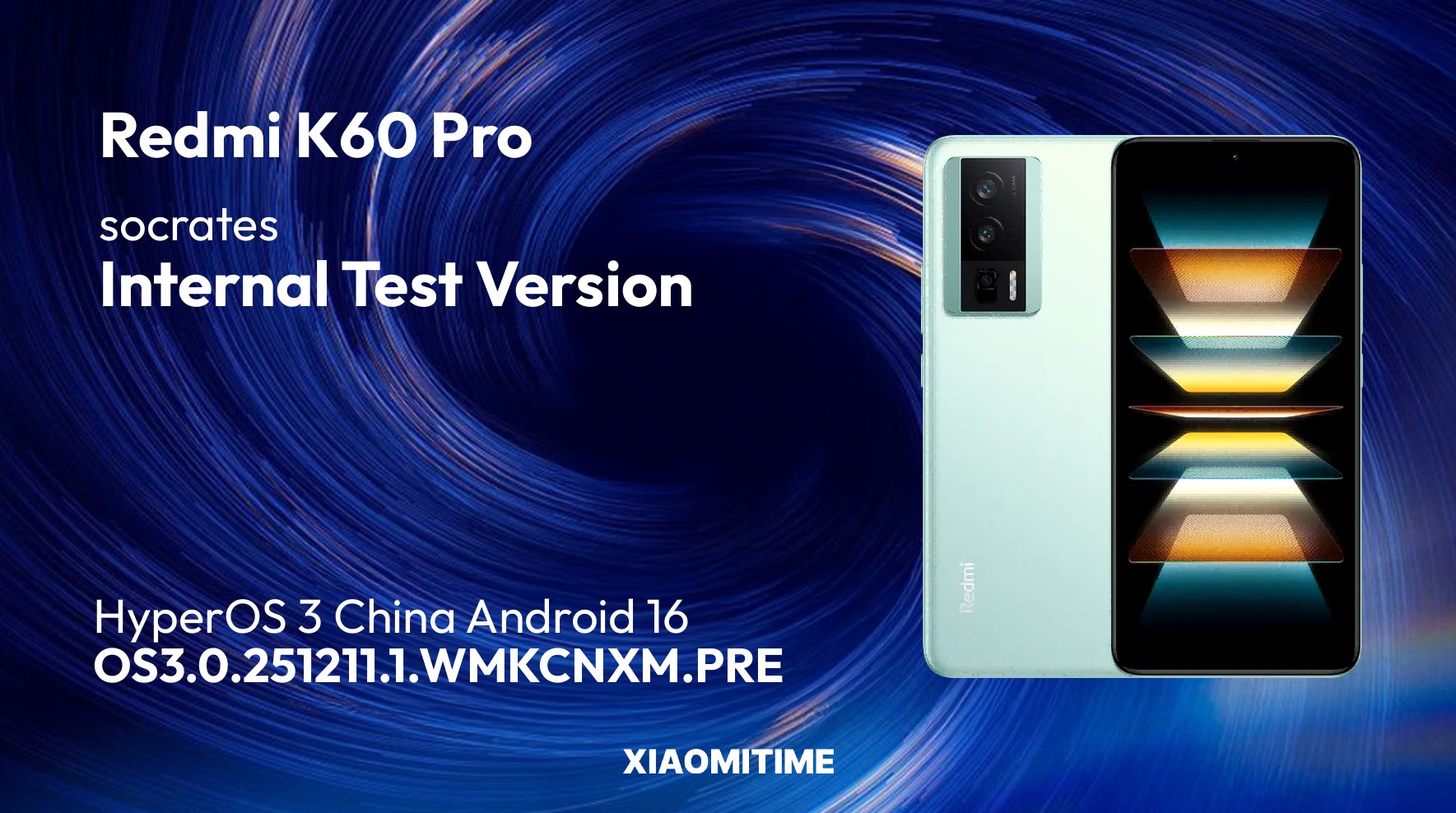
Xiaomi has surprised all of us with a new development in their software updates, starting testings of HyperOS 3 on Android 16 for Redmi K60 Pro in China, ditching their initial test builds running on Android 15. Preliminary data has revealed that a new internal build number OS3.0.251211.1.WMKCNXM.PRE has been detected, which means that Xiaomi has started sticking to a superior version of Android in their updates.

photo 2025 12 11 22 48 22

Transition from Android 15 to Android 16 in Test Builds

Xiaomi has also been testing an Android 15-based HyperOS 3 version of Redmi K60 Pro with OS3.0.251029.1.VMKCNXM.PRE. The sudden upgrade to Android 16 indicates that development work has been happening in a relatively accelerated manner. This upgrade also supports Xiaomi’s aim of offering their smartphones a longer software lifecycle.

The REDMI K60 Pro model is available in China only, so this particular test does not affect other models worldwide. This launch, however, could signify that other Xiaomi and Redmi models are also set to test their systems using Android 16-based HyperOS 3.

Effect Possibilities for Other Xiaomi Smartphones

Since Redmi K60 Pro series models are a part of China-exclusive series, users worldwide may not feel this upgrade. However, initial tests on Android 16 reveal that Xiaomi has a unified plan for updates in upcoming HyperOS updates.

If Xiaomi pursues this further, several flagship and high-end mid-rangers are set to get similar builds of Android 16 in 2025.

Thunderbird 146 Update Migrates Logins to AES + More

12 December 2025 at 02:40

Thunderbird 146 has been released, making it easier to add OpenPGP keyservers, improving the security of login data with AES encryption, and fixing a ton of bugs.

You're reading Thunderbird 146 Update Migrates Logins to AES + More, a blog post from OMG! Ubuntu. Do not reproduce elsewhere without permission.

POCO F6 Pro finally gets HyperOS 3 with Android 16 and Super Island

10 December 2025 at 06:00

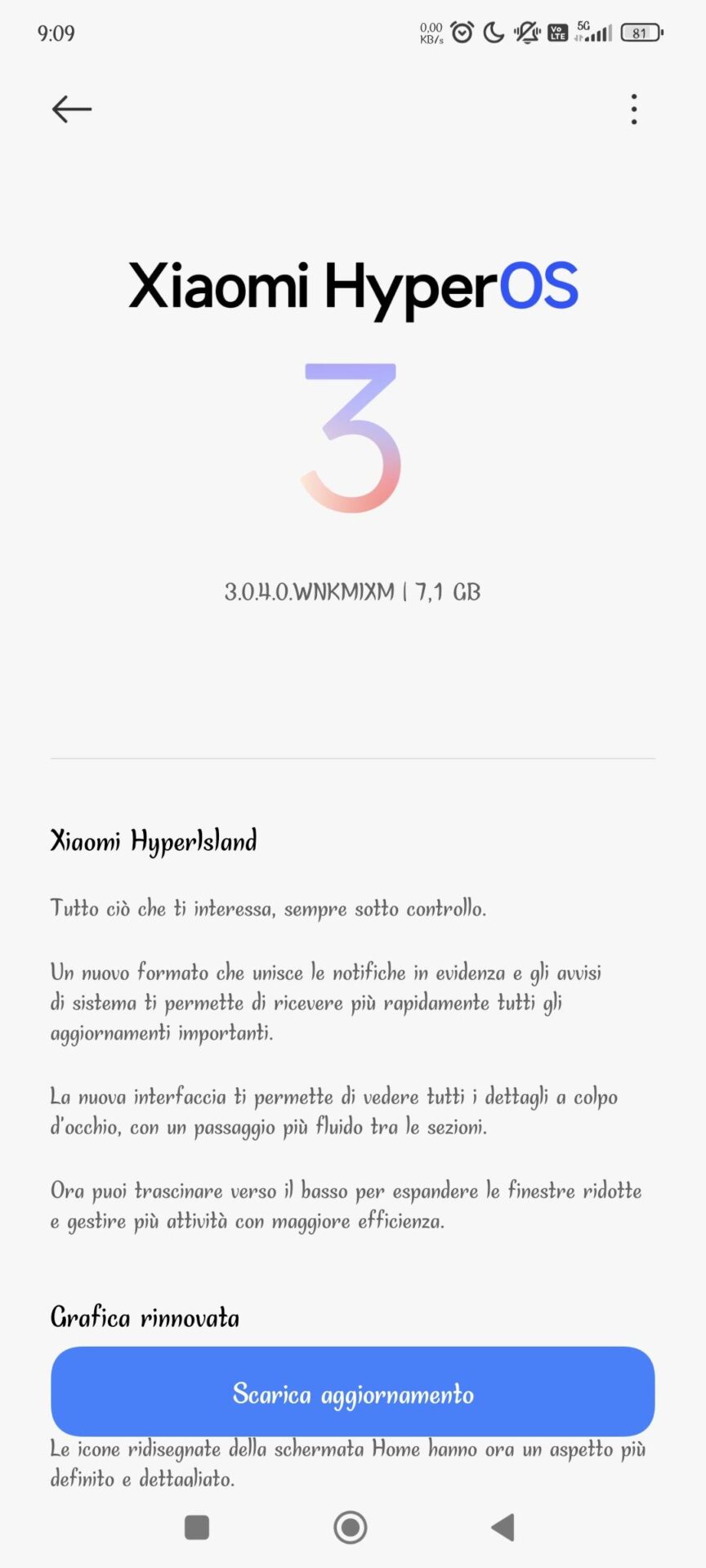
The POCO F6 Pro has officially received the HyperOS 3 update based on Android 16, bringing a major software evolution to Xiaomi’s global flagship platform. This release focuses on AI-level system optimizations, smoother visual interactions, and performance stability for demanding users. The update is currently available through the official Recovery ROM channel and confirms Xiaomi’s long-term software strategy for premium POCO devices.

HyperOS 3 Arrives on POCO F6 Pro

This new firmware, identified as OS3.0.4.0.WNKMIXM, has been released for the global variant of the device, internally linked to the Redmi K70 platform. The update confirms that Xiaomi is aligning POCO’s flagship lineup with its latest system architecture and long-term Android policy. HyperOS 3 is built to deliver stronger system-level intelligence, lower power consumption, and more responsive animations across daily usage scenarios, including gaming, multitasking, and professional workloads.

Key Technical Details

The update strengthens system stability and modernizes the user interface while keeping a consistent business-grade experience.

  • Device codename: vermeer_global
  • Base system: Android 16
  • Build number: OS3.0.4.0.WNKMIXM
  • Distribution type: Recovery ROM
  • Region: Global (POCO F6 Pro / Redmi K70 platform)
POCO F6 Pro HyperOS 3

What HyperOS 3 Brings to Users

HyperOS 3 introduces a structured and more efficient visual language that focuses on real-world usability instead of heavy visual effects. Xiaomi has refined application icons, added a clearer notification hierarchy, and introduced a smoother version of the iOS-style interaction experience, while keeping Android’s flexibility intact. A new feature called Super Island enhances multitasking by improving how floating windows, background tasks, and mini-widgets behave across the system.

Main Improvements Included

Users receive a balanced combination of performance, visual, and AI-level upgrades:

  • Advanced AI system optimizations for background tasks
  • Refreshed system icons with better visual clarity
  • iOS-style visual flow with improved gesture animations
  • Super Island for smarter floating windows and task continuity
  • Enhanced battery efficiency under heavy usage

Update Availability and Installation Notes

The HyperOS 3 update is currently distributed via Recovery ROM and is intended for global POCO F6 Pro models. Xiaomi continues to maintain regional stability by releasing this build in phases to ensure long-term reliability. Users are encouraged to follow official Xiaomi update behavior and avoid unofficial packages.

For users who want to keep Xiaomi system apps updated, HyperOSUpdates.com also provides access through XiaomiTime.com’s trusted projects, including direct update support via the MemeOS Enhancer app on Google Play.

Firefox 146 Brings Full Fractional Scaling Support on Wayland

9 December 2025 at 07:59

Firefox logo and the number 146 on a red background with snowflakes framing it.Firefox 146 is out with fractional scaling on Wayland, local backups on Windows, and new tab weather widget rollout. A quiet but solid update for all platforms.

You're reading Firefox 146 Brings Full Fractional Scaling Support on Wayland, a blog post from OMG! Ubuntu. Do not reproduce elsewhere without permission.

Xiaomi HyperOS 3 Android 15 update nears release for popular models

9 December 2025 at 03:55

The status of the Android 15-based HyperOS 3 update for Xiaomi devices has become a key topic for users following system development closely. Recent internal build data shows that several devices are approaching release readiness, but progress has slowed over the last month.

According to internal changelogs tracked by XiaomiTime.com and software monitoring reports from HyperOSUpdates.com, some global builds are now reaching the critical release stage, especially for mid-range devices.

Current HyperOS 3 with Android 15 Build Status

At the moment, HyperOS 3 builds are under different testing phases across Xiaomi, Redmi, and POCO models. Most devices are still running internal stable or internal beta branches, which explains the slow public rollout.

The important technical detail is that builds reaching the 3.0.1.0 version number are considered ready for staged rollout, while 3.0.0.x versions remain in validation. This shows that Xiaomi is still focusing on stability rather than speed, aiming for a smooth commercial release.

Confirmed Build Versions by Device

The following devices currently appear in Xiaomi’s internal and regional testing channels, based on software branches:

  • Xiaomi 12T Pro: Global OS3.0.0.2, Other regions OS3.0.0.1
  • Xiaomi 12S Ultra: OS3.0.0.2
  • Xiaomi Pad 6 Max: OS3.0.0.2
  • Xiaomi Pad 6 Pro: OS3.0.0.2
  • Xiaomi MIX Fold 2: OS3.0.0.1
  • Xiaomi 13 Lite: EEA OS3.0.0.2, Other regions OS3.0.0.1
  • Xiaomi Civi 3: OS3.0.0.1
  • Xiaomi 12 Pro: OS3.0.0.2
  • Xiaomi 12 Pro: OS3.0.0.1
  • Xiaomi 12S Pro: Internal Alpha
  • Xiaomi 12S: Internal Alpha
  • REDMI K60 Pro: OS3.0.0.3
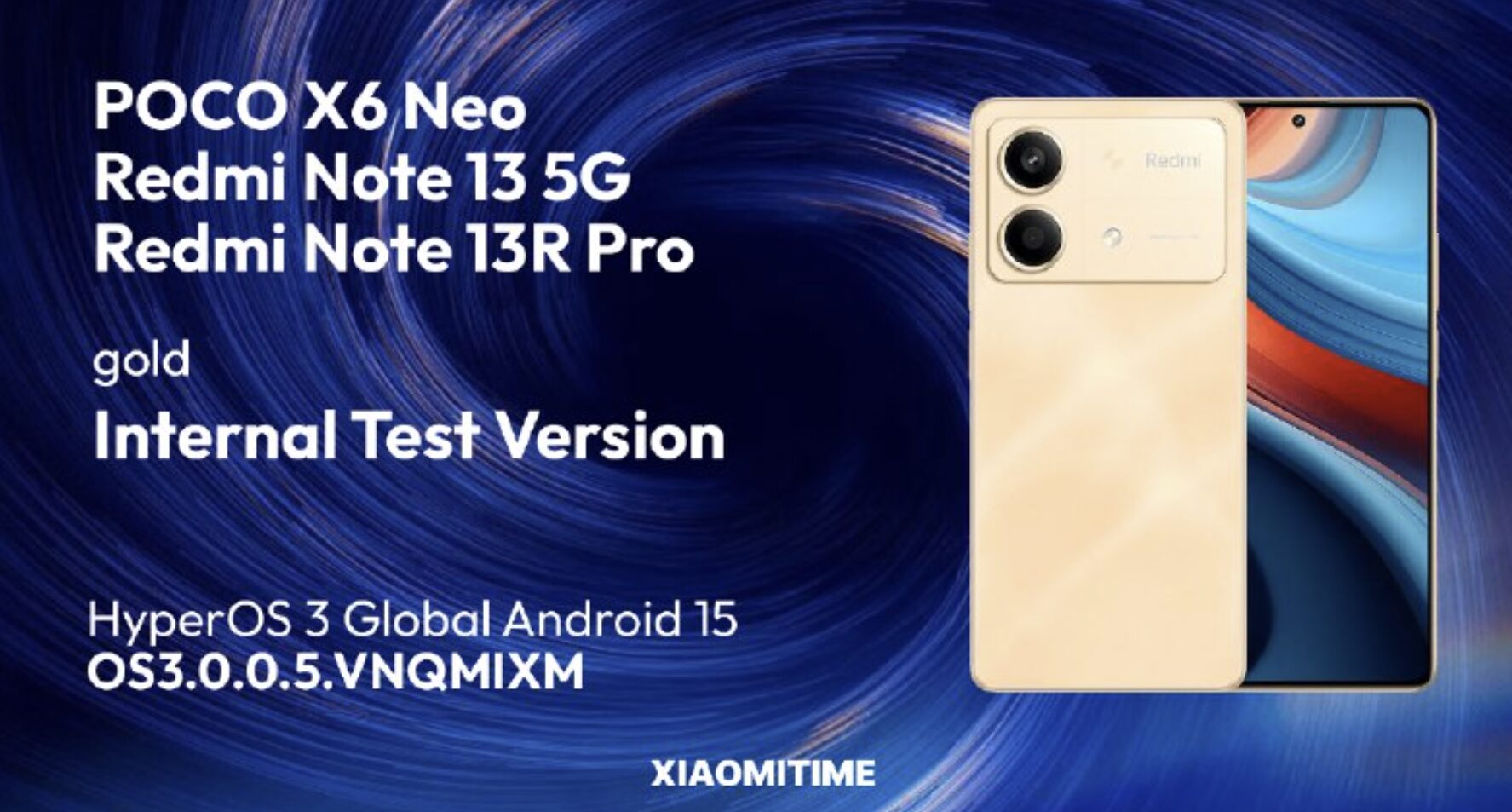
  • REDMI Note 13 5G: All regions under stable internal test, Global OS3.0.0.5
  • REDMI Note 12T Pro: OS3.0.0.2
  • POCO F5: OS3.0.0.1
  • POCO F5 Pro: OS3.0.0.1

REDMI K series devices remain China-only models, while their global equivalents are marketed under the POCO or Xiaomi T series, in line with Xiaomi’s regional strategy.

Likely First Device to Receive Public Update

Based on the current version branches, REDMI Note 13 5G is technically the closest device to public release. Its Global build has already reached OS3.0.0.5, which is significantly ahead of other devices. However, it should be noted that development progress has been almost static for the past month, indicating Xiaomi’s focus on deep system stability and compatibility testing rather than rapid deployment.

HyperOS 3 Update REDMI note 13 5g

Another key point is platform divergence. While some newer Xiaomi devices are starting validation for Android 16, the listed models are strictly aligned with Android 15 + HyperOS 3, which places them in a different long-term support tier.

What HyperOS 3 Brings to These Devices

HyperOS 3 introduces several structured upgrades designed for daily performance and user interaction. These improvements are integrated into the system layer without disrupting existing workflows.

Key technical enhancements include:

  • AI-based system optimizations for resource management
  • Redesigned system icons with cleaner visual hierarchy
  • iOS-style user experience refinements for smoother animations
  • Introduction of Super Island for enhanced real-time activity display

It is confirmed that only Xiaomi 12T Pro will receive HyperOS 3 in this series, while the standard Xiaomi 12T will not be upgraded to this generation.

Release Readiness and Final Requirements

For public rollout, Xiaomi requires devices to reach the 3.0.1.0 branch. At present, most tested models are still on 3.0.0.x builds, meaning they are not yet in the final rollout window. Once this threshold is reached, staged OTA distribution will begin in selected regions before wider global availability.

Users can keep system apps up to date through HyperOSUpdates.com or by installing the MemeOS Enhancer tool from Google Play, which also unlocks hidden Xiaomi features and advanced update access.

Xiaomi quietly stops update support for 2 devices

6 December 2025 at 09:50

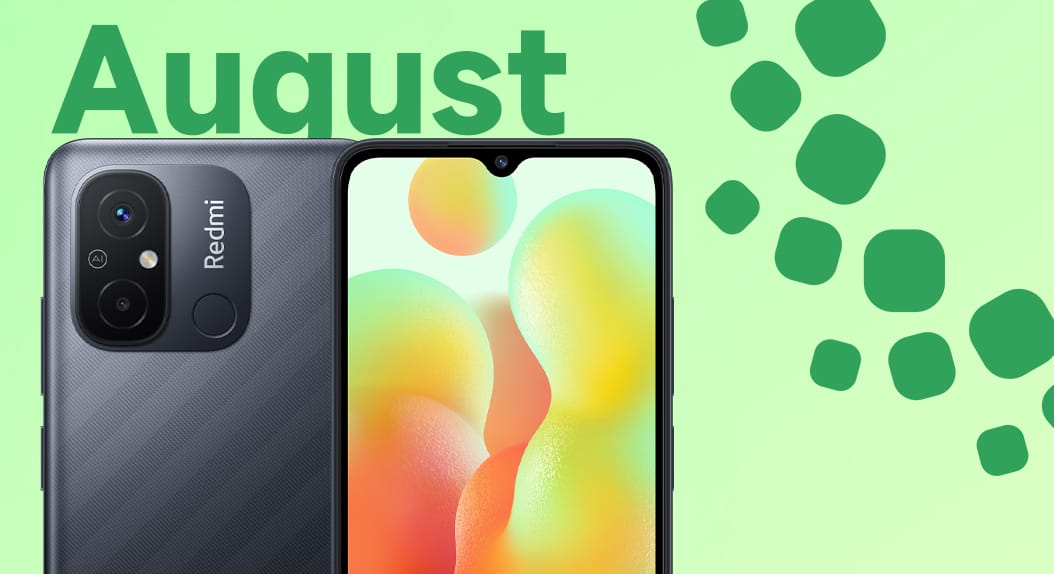
The Redmi 12C and its global equivalent, the POCO C55, have quietly hit the end of software update support by Xiaomi. The devices last received the October 2025 security patch, and no new firmware, including HyperOS 2, has been issued over the past two months. According to Xiaomi’s internal software roadmap, these models are expected to reach official EOL status in February 2026.

Why Redmi 12C and POCO C55 Reached EOL

Xiaomi has well-documented update policies for its entry-level series. The Redmi 12C and POCO C55 were pitched as affordable smartphones created for basic daily usage, normally receiving shorter cycles of support.

Before reaching EOL, each device completed its standard update window with regular Android patches and HyperOS maintenance releases. This is a planned transition to enable Xiaomi to prioritize resources on newer models and ensure ongoing system stability across the ecosystem.

Redmi 12C August

Expected End of Life Timeline

  • Last update: October 2025 security patch
  • No updates released: November–December 2025
  • Official EOL: Scheduled for February 2026
  • Affected models:
    • Redmi 12C (China)
    • POCO C55 (Global)

What Users Can Do After EOL

Even though the system firmware update has stopped, users can still continue improving device stability by updating supported system apps. Owners of Xiaomi devices have two sure ways:

Recommended Update Channels

  • HyperOSUpdates.com: provides direct links to Xiaomi system app packages.
  • MemeOS Enhancer app on Google Play – allows users to update system apps, enable hidden features of Xiaomi, and manage interface components smoothly.

EOL does not automatically affect device functionality, and users may still experience adequate performance for daily tasks.

Looking Ahead: Xiaomi’s Budget Strategy

Xiaomi keeps expanding its affordable portfolio with devices offering progressively higher performance and longer support cycles. The organic retirement of devices such as the Redmi 12C and POCO C55 is part of the larger transition to the improved ecosystem provided by HyperOS and more optimized update distribution. Future budget releases are expected to have a clearer software policy.

Xiaomi finally fixes home screen icon glitch in new launcher update

6 December 2025 at 01:00

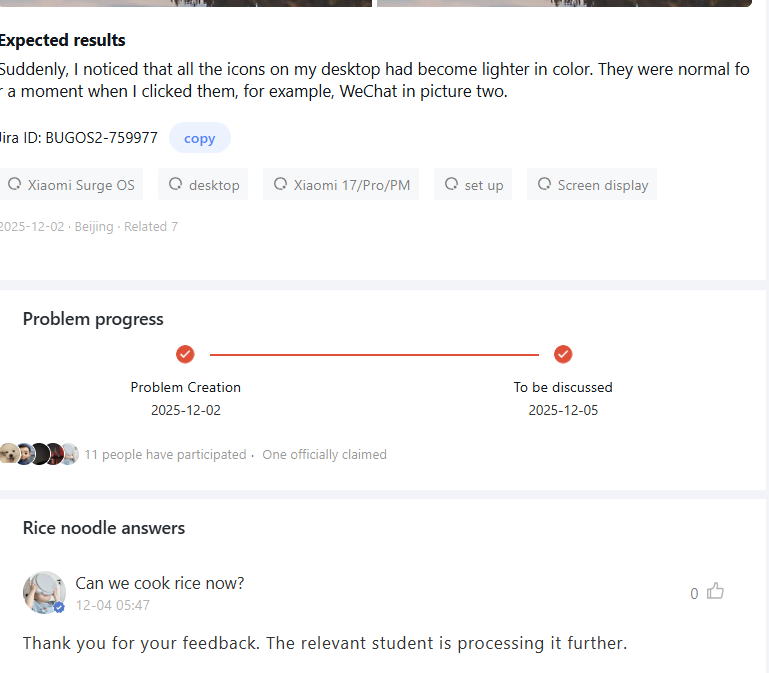
Xiaomi has now officially released a new update of the launcher that fixes a visual bug with desktop icons on HyperOS devices. Recently, some users encountered a situation where all home screen icons became lighter or semi-transparent, which often occurred after pressing the home button to return to the screen or after exiting any application. Now, Xiaomi has fixed this visual bug with the latest version of the launcher, which will ensure a more stable and consistent visual experience across the supported devices.

Xiaomi Addresses Icon Transparency Issue

Xiaomi has confirmed that some users experienced abnormal behavior with the home screen. The issue resulted in icons losing color temporarily, especially when users pressed the back key or closed apps. Other reports added that on December 25, some devices showcased fully transparent or semi-transparent icons on the whole desktop.

The issue was thereafter logged under Jira ID: BUGOS2-759977 and was reproducible under simple actions like returning back to the home screen or toggling between apps. The engineering team at Xiaomi responded immediately to ensure that users on HyperOS maintain a seamless visual experience.

Ekran goruntusu 2025 12 05 180827

Fixed Delivered in New Launcher Version

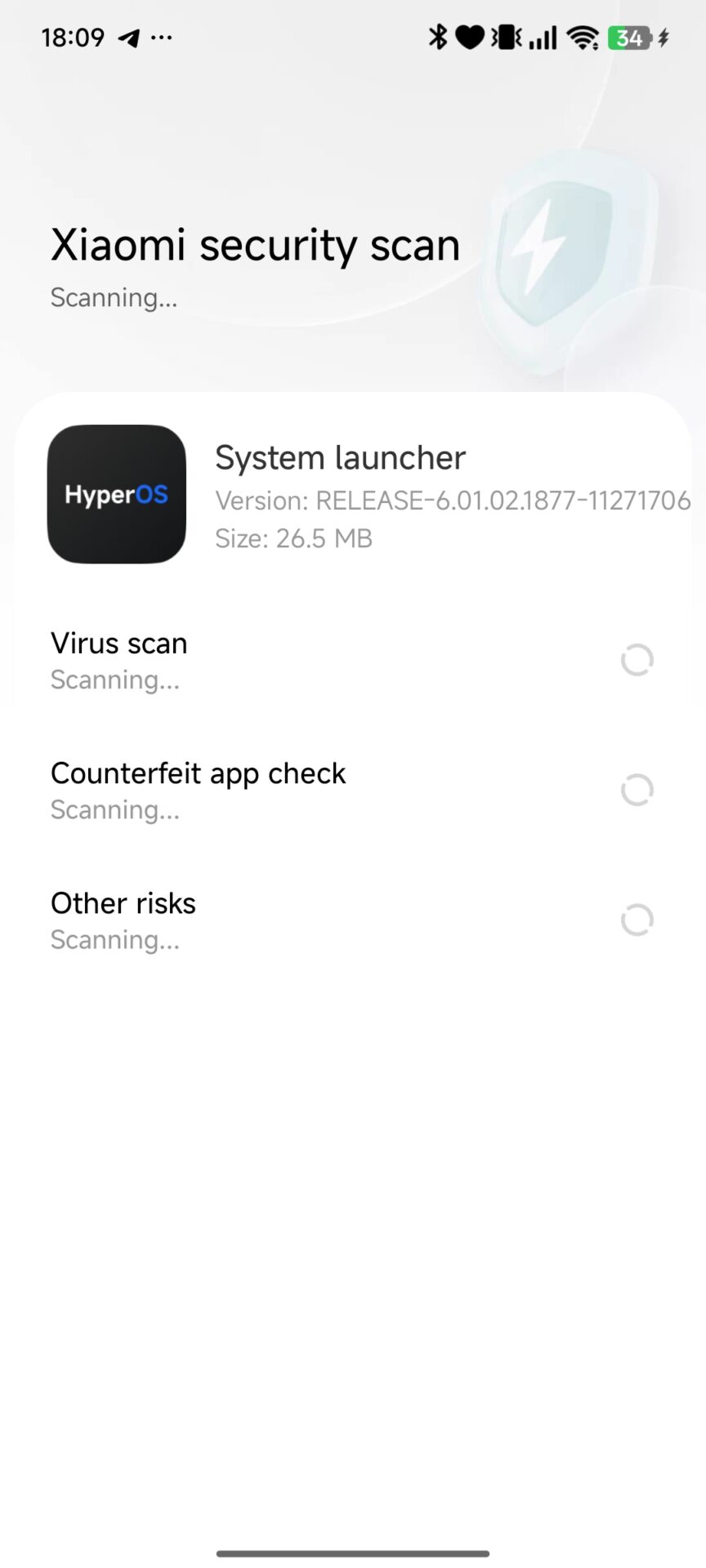
The problem was solved with the RELEASE-6.01.02.1876-11271428 version of the launcher by Xiaomi. This update stabilizes icon rendering, prevents random color fading, and ensures similar display behavior in case of such tasks as taking photos or switching apps.

You can update the launcher directly from the HyperOSUpdates.com app section, or you can install it using the MemeOS Enhancer app from Google Play. MemeOS Enhancer also enables additional features on Xiaomi phones, updates system apps, and allows users to easily view app updates directly on their screen.

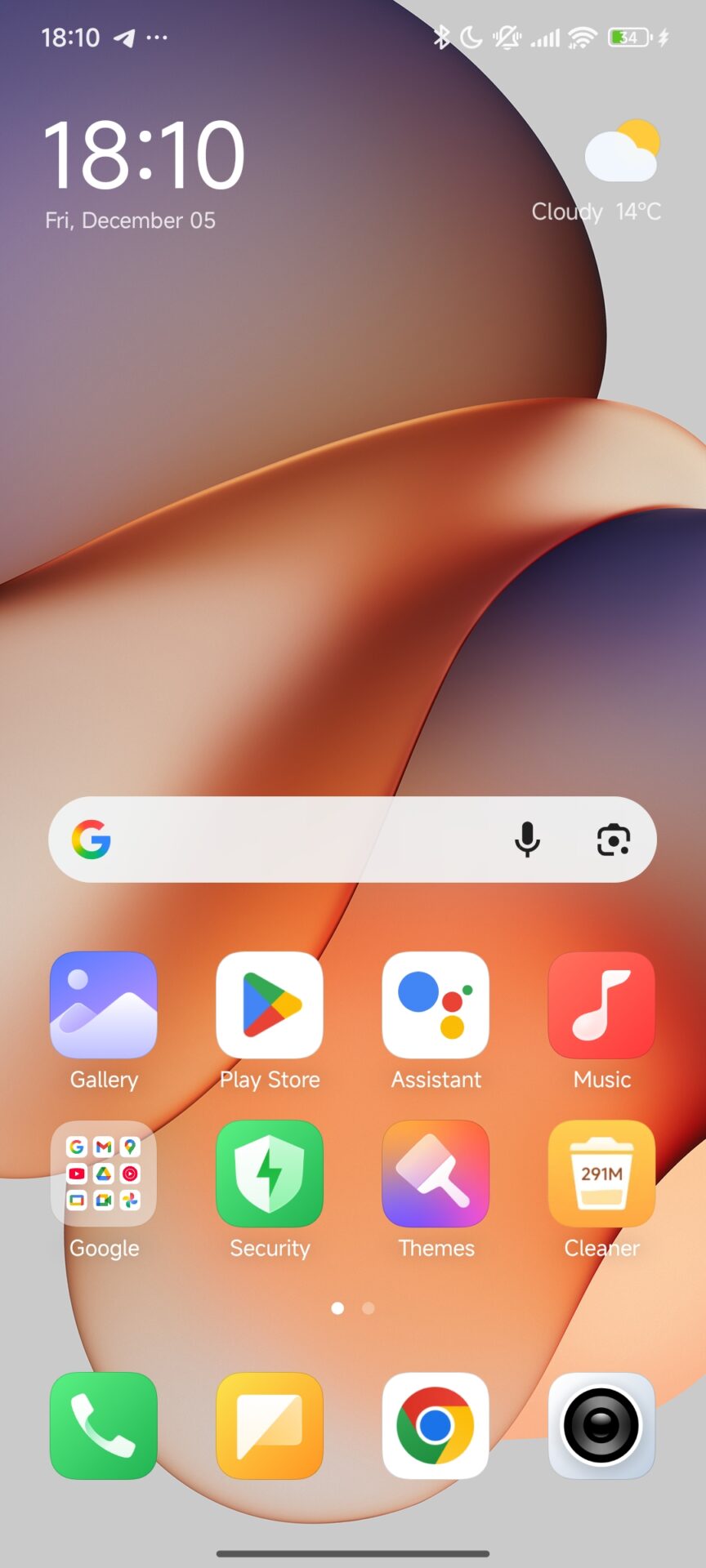
Screenshot 2025 12 05 18 09 50 040 com miui global packageinstaller Screenshot 2025 12 05 18 10 07 068 com.miui .home

How to Update Your Xiaomi Launcher

To get the latest improvements, users can download the updated launcher by following these methods:

Updates guarantee a smoother interface, and the icons’ transparency bug doesn’t appear at all.

Additional Bug Details

At the time of initial user reports, the same problem occurred when capturing photos using the stock camera application. Immediately after taking a shot, the screen would shut off and then pop back on for some owners, thus invoking the icon display issue. The same behavior is stabilized with this new launcher update.

Install this update if you are on HyperOS, as it ensures full visual stability across the system interface.

Source

Xiaomi 14 Ultra received HyperOS 3 Global Update before Xiaomi 15 Ultra

5 December 2025 at 18:36

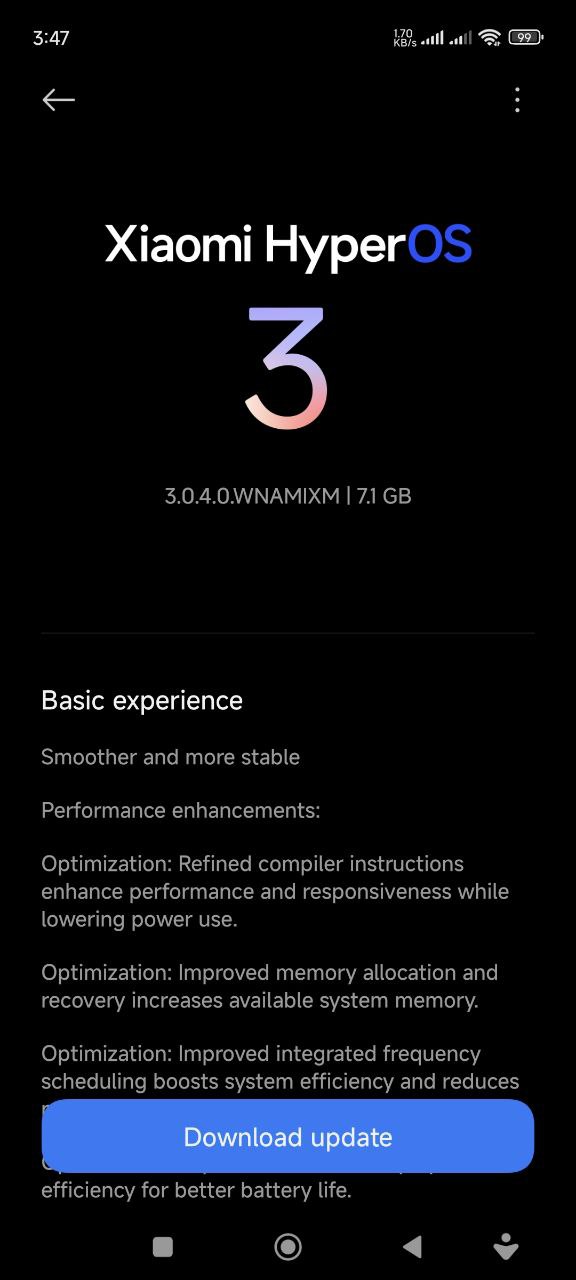
The Xiaomi 14 Ultra has officially begun receiving the HyperOS 3 Global update, bringing a refined user experience supported by enhanced AI capabilities and a polished visual design. The update, released as HyperOS 3.0.4.0.WNAMIXM, introduces several improvements that align with Xiaomi’s broader ecosystem advancements. Users can explore previous update details through pages like Xiaomi 14 updates and HyperOS 3 features for additional context. This release also marks one of the first major Android 16–based rollouts within Xiaomi’s global lineup.

Xiaomi 14 Ultra HyperOS 3 OS3.0.4.0.WNAMIXM

What the HyperOS 3 Update Brings to Xiaomi 14 Ultra

HyperOS 3 is designed to deliver a smoother and more adaptive interface. It introduces refined system animations, updated iconography, and a more cohesive visual language. These changes help maintain consistency across devices and ensure that the Xiaomi 14 Ultra feels modern and responsive after installation.

The update also integrates improvements to the system kernel, allowing better task allocation and more efficient resource usage. This results in reduced latency, better thermal control, and a more stable performance profile—especially noticeable during multitasking and camera operations.

Enhanced AI Features and Super Island

The new release strengthens Xiaomi’s on-device AI capabilities. HyperOS 3 allows the Xiaomi 14 Ultra to process tasks such as advanced image editing, contextual suggestions, and natural language operations more efficiently. These improvements aim to support everyday workflows without compromising battery life or system performance.

Alongside these additions, the update introduces Super Island, a feature designed to present real-time information through an adaptive, floating interface. The goal is to simplify interactions by displaying essential alerts, activities, and background processes in an accessible format.

Updated Icons and iOS-Style Experience

HyperOS 3 places a strong emphasis on visual clarity and accessibility. The updated icons are more consistent in geometry and color balance, offering a cleaner home screen layout. This update also refines the overall interaction style, providing an experience comparable to modern iOS design cues while preserving the flexibility of Android 16.

The Xiaomi 14 Ultra benefits from faster gesture responses, improved window transitions, and a more unified structure across menus and settings. These refinements collectively create a more predictable and reliable interface for daily use.

Update Details and Availability

The HyperOS 3.0.4.0.WNAMIXM build is rolling out progressively to Xiaomi 14 Ultra users in global regions. Since this is a major update based on Android 16, installation may require a larger download package and a longer optimization phase after reboot.

Users can also update Xiaomi system applications through HyperOSUpdates.com or via the MemeOS Enhancer app on Google Play. MemeOS Enhancer additionally provides access to hidden Xiaomi features and extended system app management tools.

Xiaomi 13 set to receive global HyperOS 3 update sooner than expected

3 December 2025 at 21:24

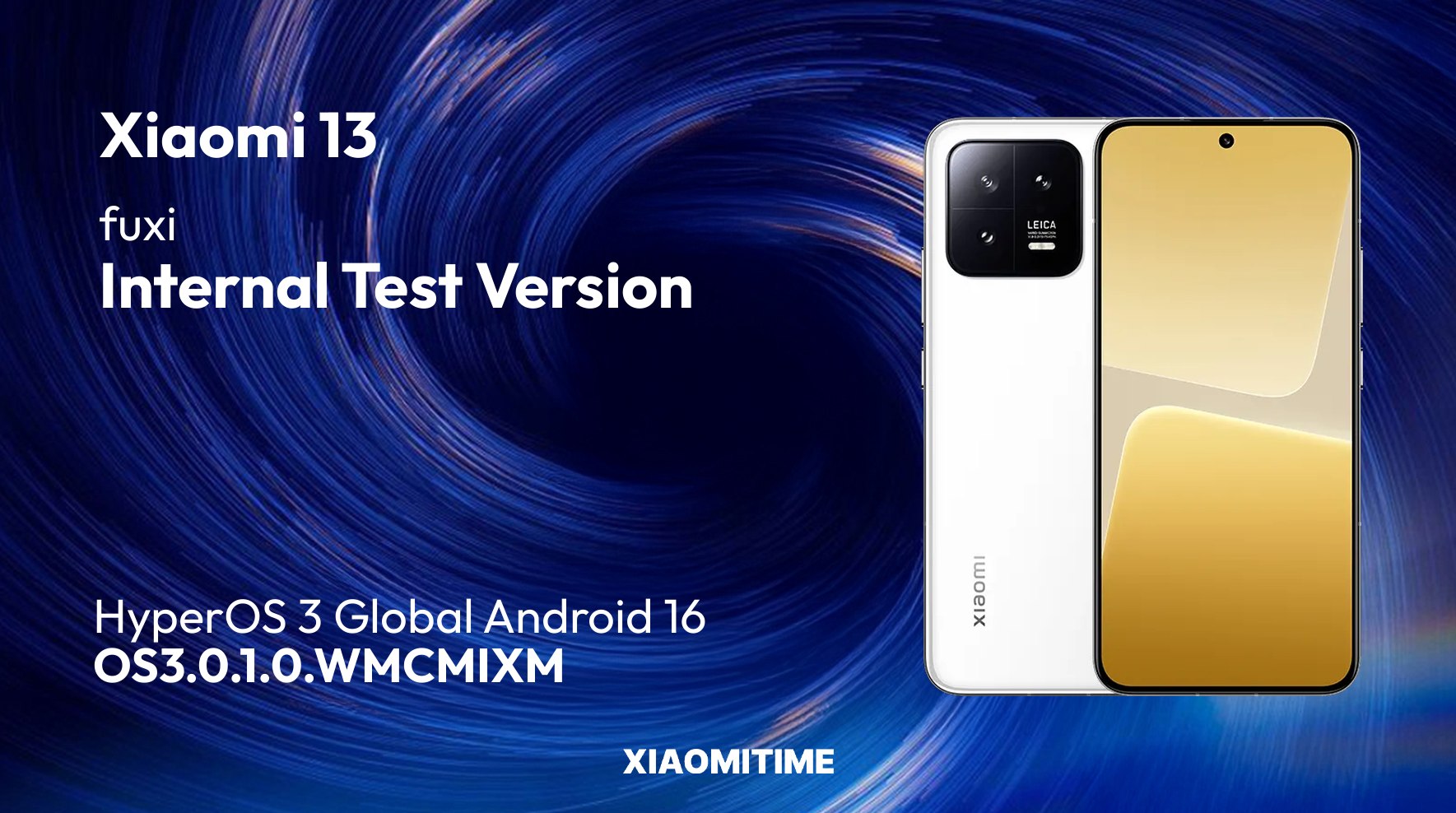
Xiaomi has finally prepared the HyperOS 3 Global update for the Xiaomi 13, which is an important step for one of the brand’s most popular flagship models. The new build, listed as OS3.0.1.0.WMCMIXM, is based on Android 16 and shows that the rollout is almost ready to get published. This update brings a refined design language, more enhanced AI functions, and a refreshed interface, similar to the iOS-style user experience found on newer devices launched by Xiaomi. Users can also refer to some of our guides on HyperOS updatesXiaomi 13 series, and Android 16 features for more information.

photo 2025 12 03 16 16 51

What HyperOS 3 Brings to Xiaomi 13

HyperOS 3 features a more balanced system structure, focusing on performance consistency and improving the user experience. It includes AI-driven enhancements in system apps, new iconography for a better visual identity, and smoother animations-all of which are aligned with Xiaomi’s long-term software development strategy. Optimizations in resource allocation also help the Xiaomi 13 maintain its performance in high-processing power scenarios.

Super Island and New Visual Elements

The most recognizable upgrades include the Super Island, which serves as an interactive display element at the top of the screen. This feature combines notifications, background activities, and live data into a floating section that dynamically changes according to user needs. Coupled with this is the redesigned icon pack and interface refinements that improve usability without hindering performance, supporting a more modern user experience.

AI Improvements & System Stability

The update focuses a lot on AI-based features aimed at making daily tasks easier. Enhancements in photo classification, contextual suggestions, and system-level predictions make operations intuitive. HyperOS 3 further enhances system stability for increased multitasking efficiency and better memory usage, thus meeting the expectations of users who use the Xiaomi 13 as a productivity device and for long-term performance.

Rollout Timeline and Availability

Firmware version OS3.0.1.0.WMCMIXM suggests that this is a stable global release package, indicating that the deployment is very close to happening once the final verification is done. Similar to previous Xiaomi updates, distribution will go out in phases to ensure maximum performance on all regions. Any user who wants faster updates can track this rollout from trusted platforms such as HyperOSUpdates.com, or they may use the MemeOS Enhancer app on the Google Play Store to check and install official system app updates.

Xiaomi December 2025 update fixes 107 security flaws affecting millions

3 December 2025 at 18:08

The December 2025 Android security update patches 107 confirmed vulnerabilities, including two high-risk zero-day issues that have already been exploited in targeted attacks. These fixes remain relevant to users on Android 13 through to Android 16, with a specific interest for Xiaomi device owners who see timely security updates month to month through HyperOS. Additional system-related improvements can be viewed on our HyperOS Updates, with ongoing ecosystem coverage of Xiaomi’s platform available from XiaomiTime.

Overview of the December 2025 Security Bulletin

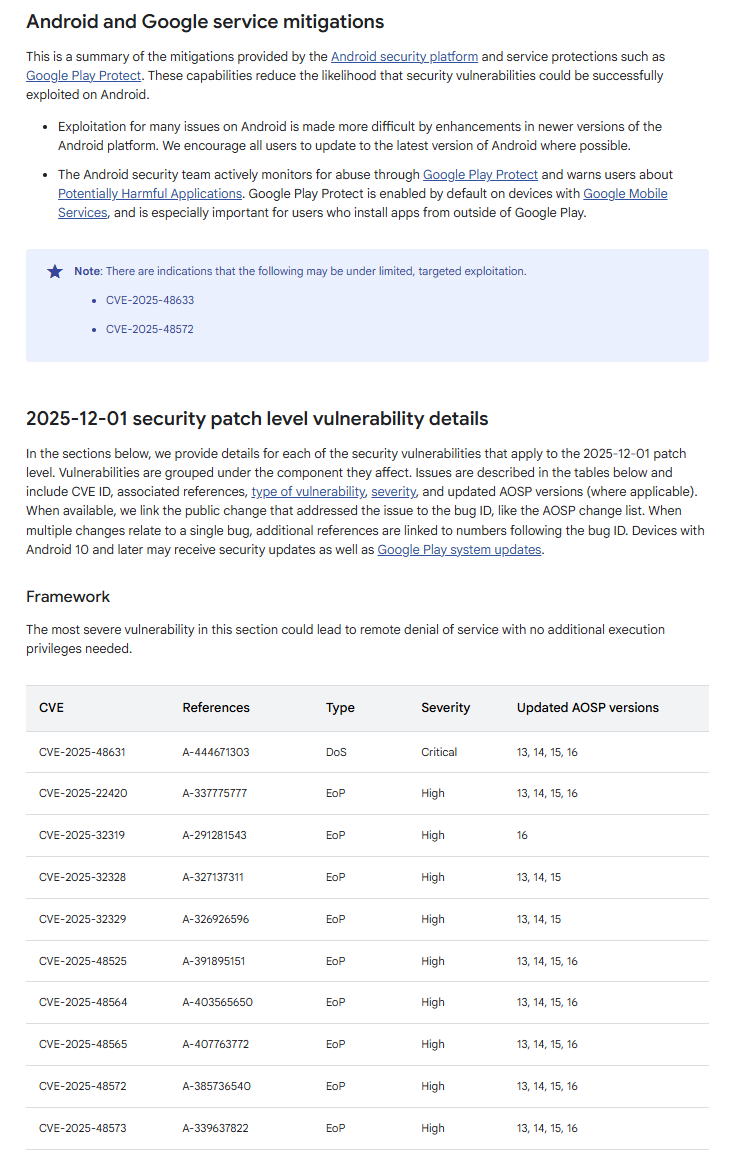
Google’s security bulletin, posted on December 2, details a cumulative patch set for security vulnerabilities affecting the Android framework, system libraries, kernel, and closed-source components. The update patches two high-risk zero-day vulnerabilities, CVE-2025-48633 (information disclosure) and CVE-2025-48572 (privilege escalation), both confirmed to have evidence of real-world exploitation. These cases help point to the regular need for monthly updates across all OEM platforms, including the Xiaomi HyperOS distribution.

Ekran goruntusu 2025 12 03 130452

Patch Levels and Their Coverage

The bulletin divides patches into two firmware levels. The 2025-12-01 patch level addresses vulnerabilities in the Android framework and system, totaling 51 fixes. The 2025-12-05 patch level extends the above protection with 56 additional patches that affect the Linux kernel and closed-source vendor-specific modules. These collectively ensure a common base of security for the various manufacturers when they integrate HyperOS along with their respective value additions.

Zero-Day Vulnerabilities Already Exploited

Google has confirmed that the two vulnerabilities highlighted seem to have been exploited in “limited, targeted exploitation.” While technical details are not available, there are precedents to suggest that similar exploits have been deployed in corporate spyware to infect high-value targets. Devices running Android 13 to 16 are in the range of the affected ones, and immediate firmware updates are a sure way to keep them safe. Xiaomi devices running HyperOS will receive these patches through standard OTA delivery schedules that ensure ongoing protection across compatible models.

Qualcomm, MediaTek, and Samsung Component Fixes

Beyond Google’s patches, the December bulletin also includes updates from chipset partners. Qualcomm addressed two critical vulnerabilities—CVE-2025-47319 and CVE-2025-47372—affecting its proprietary modules. Complementary security notes were released by MediaTek, Samsung, and other vendors for their respective silicon. Xiaomi devices running on Snapdragon or MediaTek platforms will get the enhancements through the HyperOS-based security patches, ensuring component-level hardening in line with industry expectations.

What This Means for Xiaomi Users

As with any Xiaomi user, the December 2025 bulletin highlights how Xiaomi supports Google’s security framework while adding OEM-specific safeguards. HyperOS updates often integrate all Google-originating security fixes, combined with Xiaomi’s platform optimizations and enhanced privacy tools. Users are encouraged to keep up with the latest systems via OTA updates or, when applicable, through our ecosystem tools like HyperOSUpdates.com. Manual updaters can also use our MemeOS Enhancer application from the Play Store, which unlocks wider update accessibility along with a number of hidden system-level controls.

Source

Linux App Release Roundup (November 2025)

2 December 2025 at 07:59

A recap of Linux app releases in November 2025, including updates to Blender, Euphonica, Vivaldi, Blender, Shotcut and a clutch of indispensable VLC tools.

You're reading Linux App Release Roundup (November 2025), a blog post from OMG! Ubuntu. Do not reproduce elsewhere without permission.

ONLYOFFICE 9.2 Offers AI Agent to All, Adds Macro Recording

2 December 2025 at 07:14

ONLYOFFICE logoONLYOFFICE 9.2 is out. The free, open-source office suite now includes a built-in AI Agent for document generation, content analysis, and more. Feature details inside.

You're reading ONLYOFFICE 9.2 Offers AI Agent to All, Adds Macro Recording, a blog post from OMG! Ubuntu. Do not reproduce elsewhere without permission.

REDMI Note 14 4G receives major Android 16 HyperOS 3 global update

1 December 2025 at 03:59

And it has been worth the wait for Global users who have been awaiting developments on the latest software. Well, as we predicted earlier this month, Xiaomi has officially commenced the HyperOS 3 update for the Redmi Note 14 4G. This update is a significant software upgrade that elevates the device directly to the latest Android 16 platform; thus, performance and security will be considerably better.

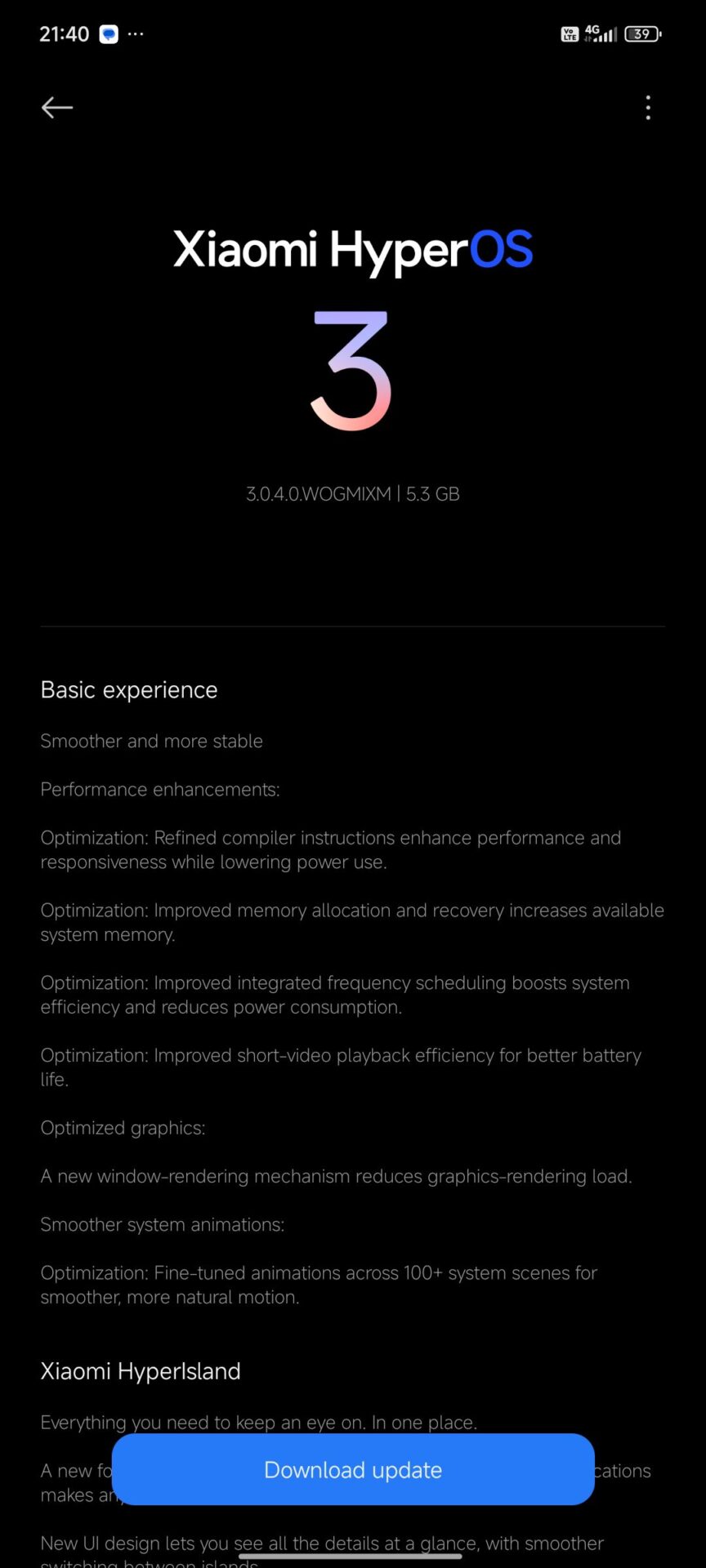
Users identifying their device by the codename “tanzanite” can now access the stable build number OS3.0.4.0.WOGMIXM, marking a critical step forward in Xiaomi’s software ecosystem evolution.

REDMI Note 14 4G HyperOS 3.

Android 16: A Whole New Dimension

This update serves as a major functional revamp for the Redmi Note 14 4G, which drives it to the latest Android 16 operating system. And surely, Xiaomi has polished its user interface once again with a primary focus on fluency, aesthetic appeal, and deep optimization.

The changelog for this is quite interesting, presenting a number of key improvements that modernize the user experience. Advanced AI capabilities optimize battery life and performance based on daily usage patterns. In addition, visual language is redesigned with all-new icons, but not without featuring the “Super Island” notification system to provide seamless interaction, one often referred to as akin to the iOS flagship experience.

Overview of Technical Specifications

The rollout is currently available for the Global region. Specific technical details about the release are as follows:

  • Device: Redmi Note 14 4G
  • Codename: tanzanite
  • HyperOS Version: 3.0.4.0.WOGMIXM
  • Android Version: Android 16
  • Region: Global
  • Update Status: Stable Mi Pilot Release

How to Access the Update

Users can wait for the OTA notification to reach your devices. Still, to ensure your device has the latest versions of specific system applications mentioned here, we encourage you to use our dedicated resources. You may update the individual system apps via HyperOSUpdates.com or download our MemeOS Enhancer application directly from the Play Store.

These Xiaomi devices to get HyperOS 3 update in December

29 November 2025 at 17:42

Xiaomi has concluded the December release list for the HyperOS 3 update, which promises systemwide AI improvements, reshaped icons, fluid animations, and a better Super Island interface. Based on the latest internal builds, many smartphones and tablets are now ready for release, while some models are still under testing. Users can check previous device lists by visiting our HyperOS update tracker or learn more about upcoming Xiaomi features and HyperOS AI upgrades via our other related coverage.

Xiaomi Devices Confirmed to Get HyperOS 3 in December

The following devices already have release-ready builds and will reportedly start getting the HyperOS 3 OTA from December.  Each of the versions below is the finalized regional firmware.

Xiaomi and MIX Series

Xiaomi’s flagship series leads the way, with several regions cleared for the rollout; the updates are centered around system stability and the latest AI-powered features.

  • Xiaomi Pad Mini – OS3.0.3.0.WAOMIXM, OS3.0.1.0.WOATWXM
  • Xiaomi MIX Flip – OS3.0.3.0.WNIMIXM, OS3.0.3.0.WNIEUXM
  • Xiaomi 14 – OS3.0.2.0.WNCTWXM, OS3.0.2.0.WNCRUXM, OS3.0.2.0.WNCINXM, OS3.0.2.0.WNCIDXM, OS3.0.4.0.WNCMIXM, OS3.0.5.0.WNCEUXM
  • Xiaomi 14 Ultra – OS3.0.4.0.WNAMIXM
  • Xiaomi 14T Pro – OS3.0.3.0.WNNMIX

Models currently not ready: Xiaomi 14T

Redmi Series to Get HyperOS 3 in December

Redmi models also join the list, including the latest mid-range devices, with stable builds prepared for release.

  • Redmi Note 14 4G – OS3.0.4.0.WOGMIXM
  • Redmi Note 14 Pro 4G – OS3.0.3.0.WOFMIXM
  • Redmi 14C – OS3.0.6.0.WGTMIXM
  • Redmi 13 / 13X – OS3.0.4.0.WNTMIXM
  • Redmi Pad 2 4G – OS3.0.1.0.WOWMIXM, OS3.0.2.0.WOWEUXM
  • Redmi Pad 2 (Wi-Fi) – OS3.0.1.0.WOVEUXM

Models currently not ready: Redmi Note 13 Pro, Redmi 15, Redmi Pad 2 Pro 5G, Redmi Pad 2 Pro Wi-Fi

It is imperative to keep the harvested rhizomes away from moisture and light in order to protect them from respiration.

POCO Series to Deploy HyperOS 3 in December

Since Redmi K Series devices are China-exclusive and their devices arrive as POCO in Global markets, a lot of POCO users will get HyperOS 3 this month. The updates will bring better performance, new icons, and even more refined AI processing.

  • POCO F6 Pro – OS3.0.4.0.WNKMIXM
  • POCO X6 Pro – OS3.0.1.0.WNLEUXM
  • POCO M7 – OS3.0.6.0.WBOMIXM, OS3.0.2.0.WBOEUXM
  • POCO M6 – OS3.0.4.0.WNTMIXM

Models currently not ready: POCO F6, POCO M6 Pro, POCO C75

HyperOS 3 update list

What HyperOS 3 Brings to These Devices

HyperOS 3 concentrates on stability, consistency in design, and enhancing the cross-device ecosystem with Xiaomi HyperConnect. Although the update doesn’t change the interface very much, a few areas show refined enhancements. Key Improvements: AI-based optimization of scenes

  • Updated icons and subtle UI effects
  • Faster animations with improved frame stability
  • Enhanced Super Island behaviour
  • Modernized system apps and deeper ecosystem integration

All the builds labeled “ready” have already passed the release certification by Xiaomi. Not Ready models are still in the process of final validation and will get HyperOS 3 once the internal testing is concluded. Xiaomi has continued its policy of gradual rollout for ensuring system reliability across diverse markets.

Xiaomi HyperOS 3 global first batch almost complete: Only 4 devices left

25 November 2025 at 21:02

WhileGear up with Xiaomi, which is aggressively pushing forward with the deployment of its latest operating system interface, Xiaomi HyperOS 3, across the global market. Indeed, after weeks of considerable improvements by the software development team, the comprehensive plan for the rollout of the first batch of compatible devices is about to be completed. Just recently, internal builds have been released for the Xiaomi 15 series and other flagship models, leaving only four specific smartphones to complete this initial development phase. This update brings many essential changes in the user interface and system performance, marking an important milestone in the entire ecosystem.

HyperOS 3 Release Date 1

Finalising First Wave

The software team has successfully completed the builds for the last members of the first wave, making sure to cover a wide release spectrum: the compact Xiaomi Pad Mini is now fully prepared for all regions, while the innovative Xiaomi MIX Flip has its update builds ready for Global and EEA regions.

Where the mid-range segment is concerned, the Redmi Note 14 4G update is prepared for the India region only, while the first Redmi Note 14 Pro 4G build will go to the Global market. Technically, when these are pushed, the first batch will be complete.

Completed Rollouts and New Features

The list of devices that have got their stable builds in this first batch is quite long. This includes the flagship Xiaomi 15 series, the Xiaomi 15T series, and the Redmi Note 14 Pro 5G along with the Pro+ 5G. Moreover, the upcoming POCO X7 series and POCO F7 series, along with the Xiaomi Pad 7 series have gotten their software ready. Interestingly, the pace has been so fast that devices planned for the second batch have also started to get their releases early.

Xiaomi HyperOS 3 brings several essential improvements in user experience. It will boast of major AI enhancements, newly designed system icons, and a slick interface that will introduce an iOS-esque feel to the device. Among those is the much-anticipated Super Island, with dynamic notifications and means for interaction. Of course, users who want to look for early updates or enable some hidden system features, or update some system apps ahead of the official OTA can use our MemeOS Enhancer app. It gives you access to advanced controls and helps to keep your device fine-tuned.

❌