Normal view

OnePlus Turbo leak reveals 9000mAh battery, Xiaomi 17T may follow

25 December 2025 at 11:52

The global variant of the OnePlus Turbo has shown up in leaked real-world photos, giving users a glimpse into important hardware specifications, leading to further conversations about the future of smartphones’ battery life. According to a recent news report from Android Headlines, the new gadget boasts the codename “Prado” and is intended to be a global device. The leaked information is also important to owners of Xiaomi gadgets because such models could potentially impact the future design of Xiaomi smartphones such as the Xiaomi 17T.

Design and Build Details

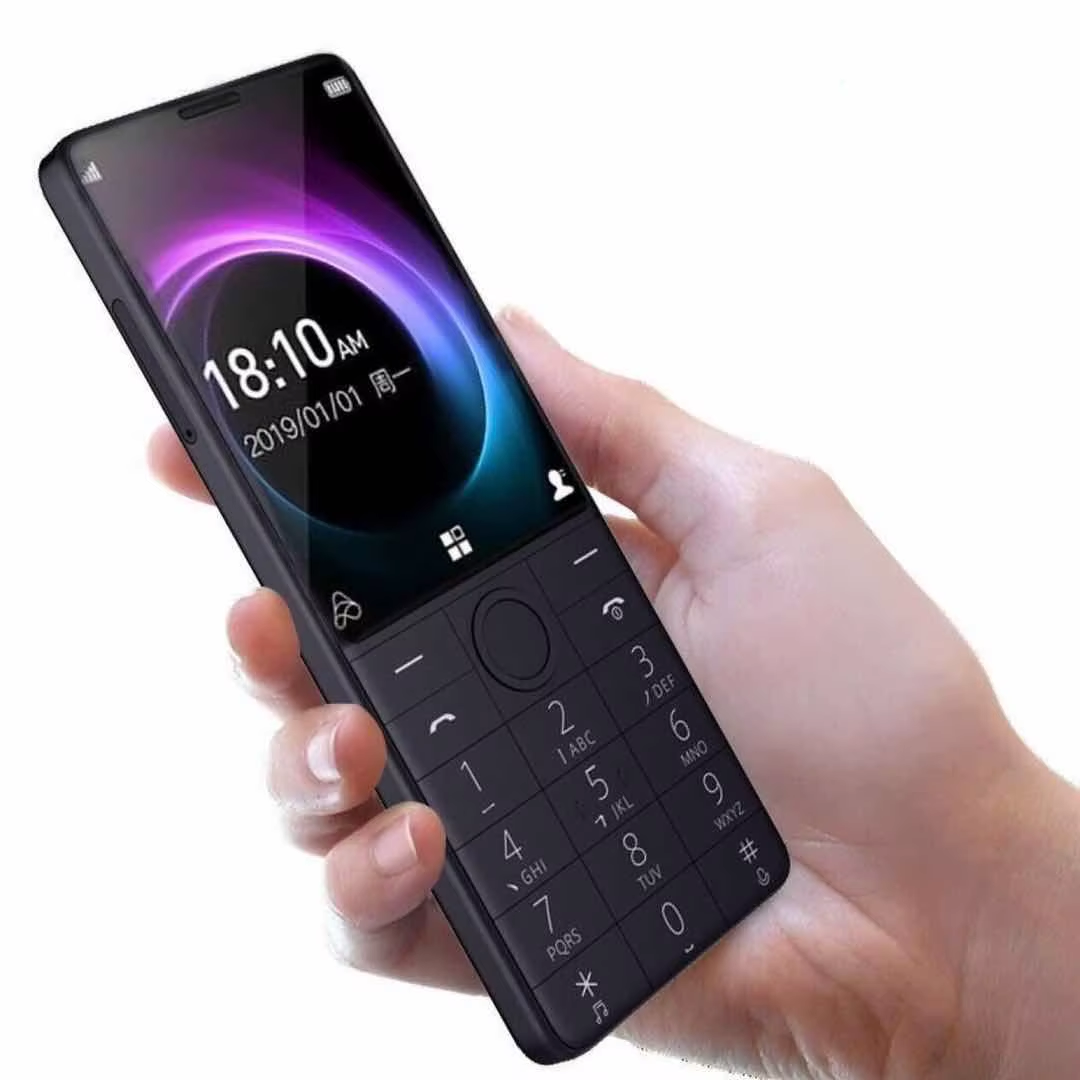
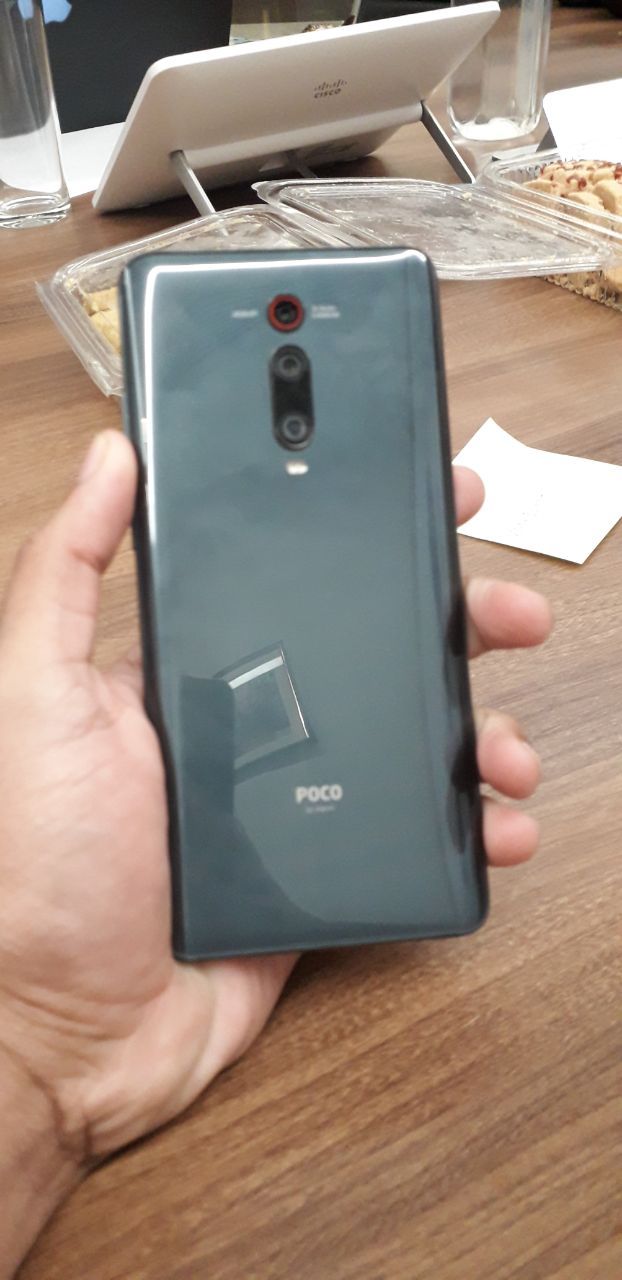
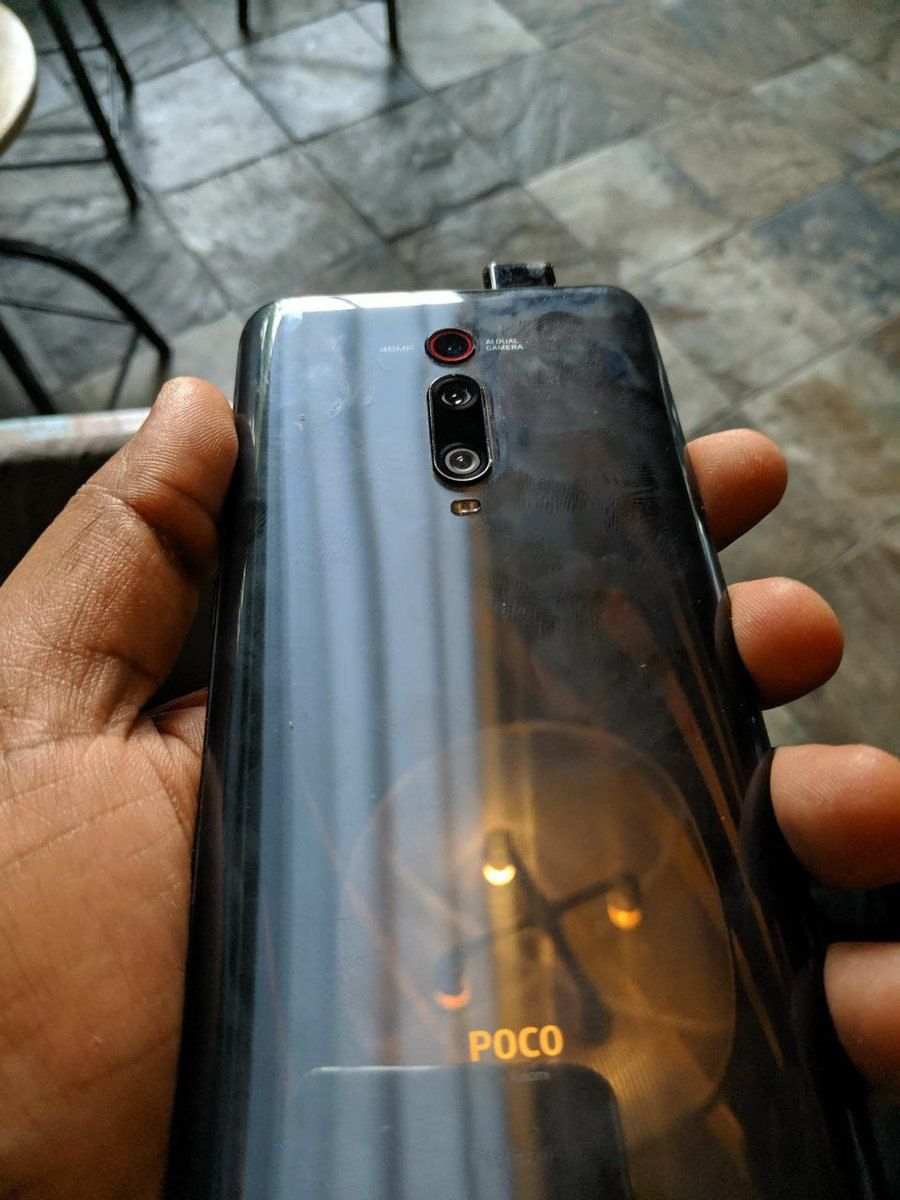
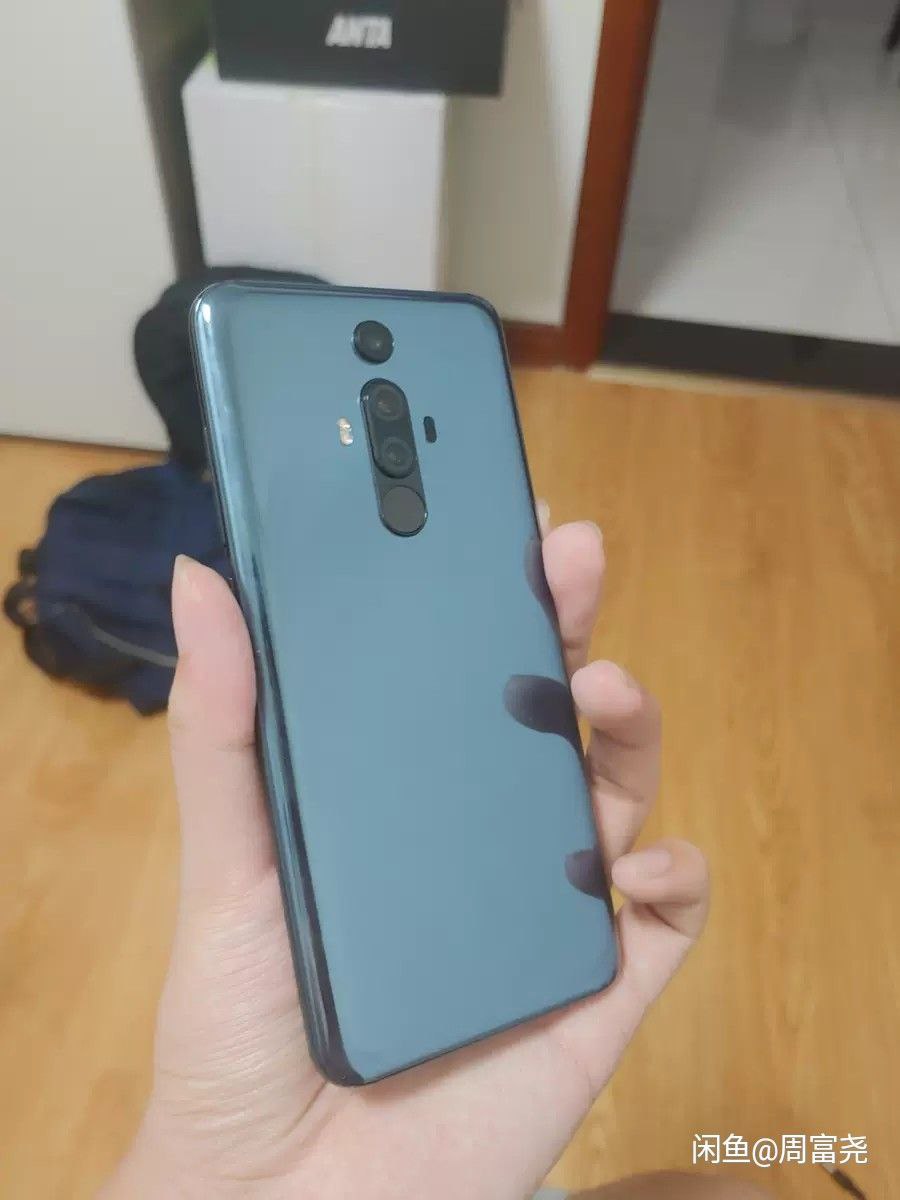
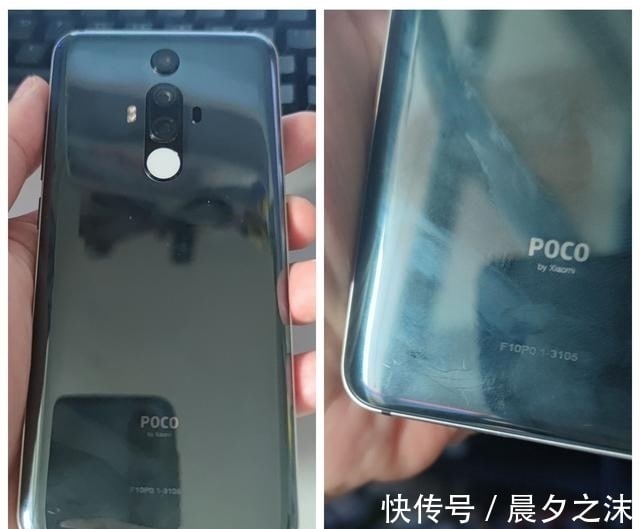
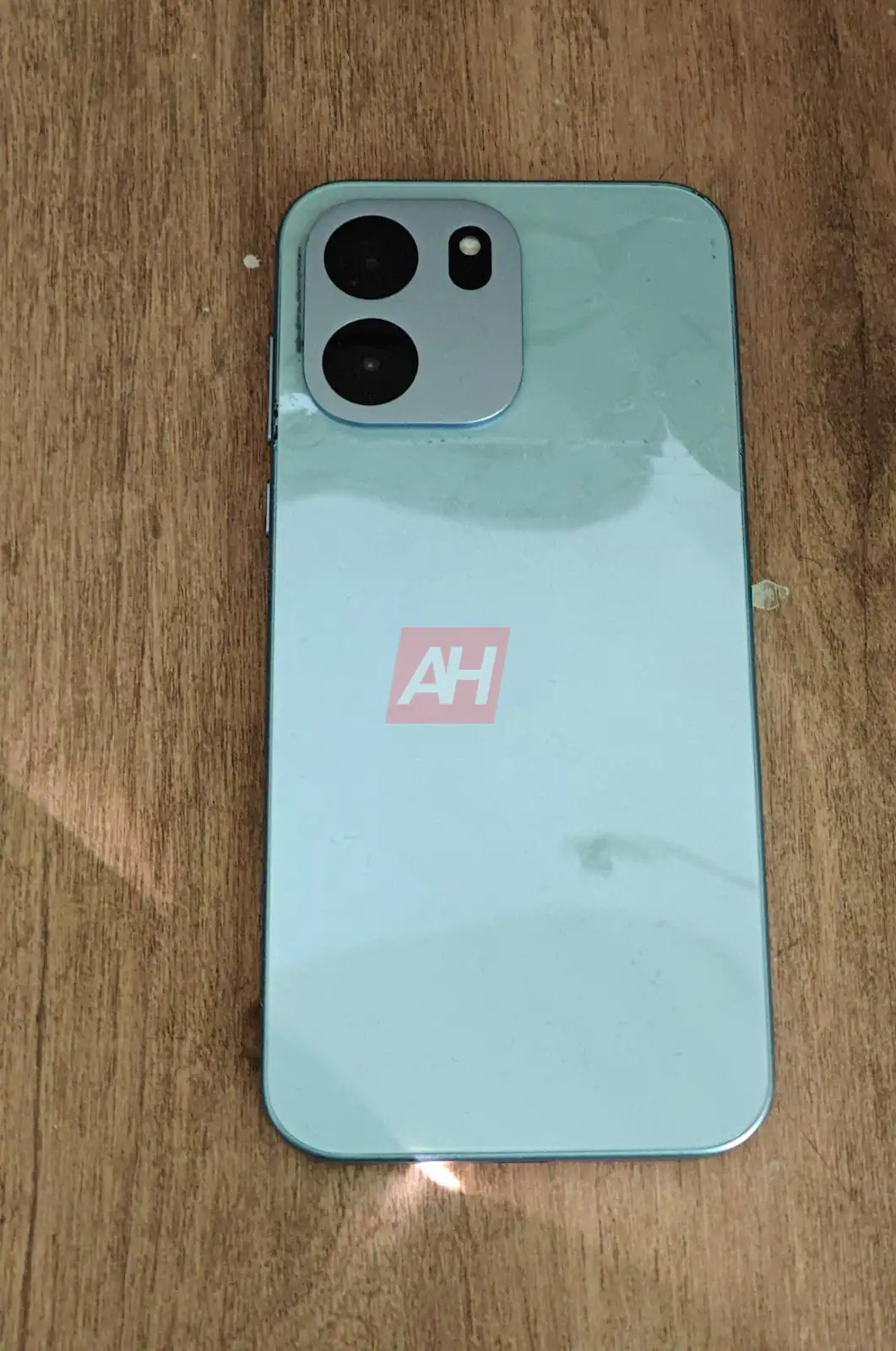
Leaked images reveal that the OnePlus Turbo comes with a traditional design pattern. The camera module on the back of the smartphone is situated at the upper-left position. The camera features a dual-camera configuration with a 50-megapixel primary camera and an 8-megapixel ultra-wide camera. To remain in the budget segment, the smartphone comes with a glossy plastic design instead of glass or metal.
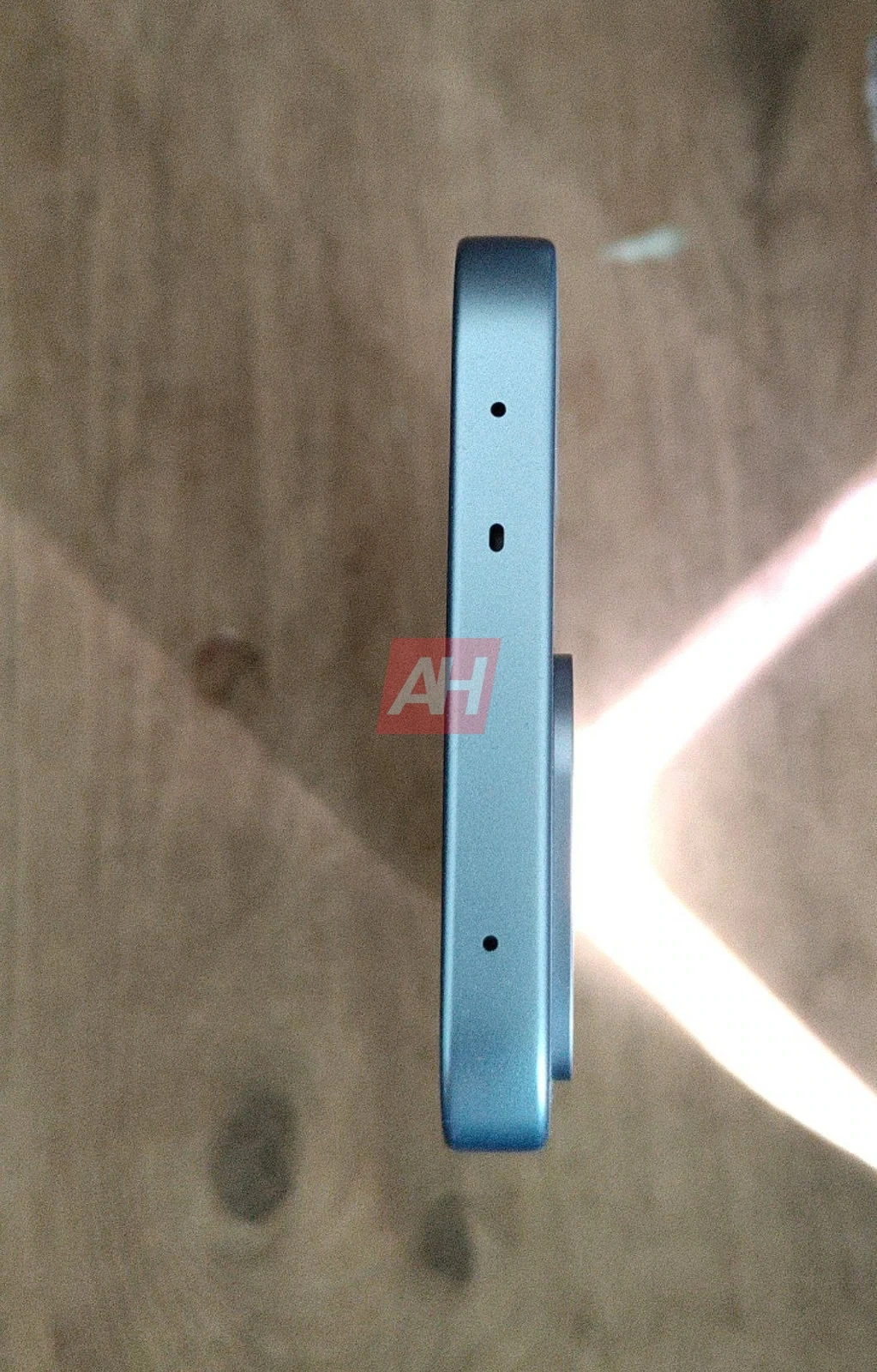
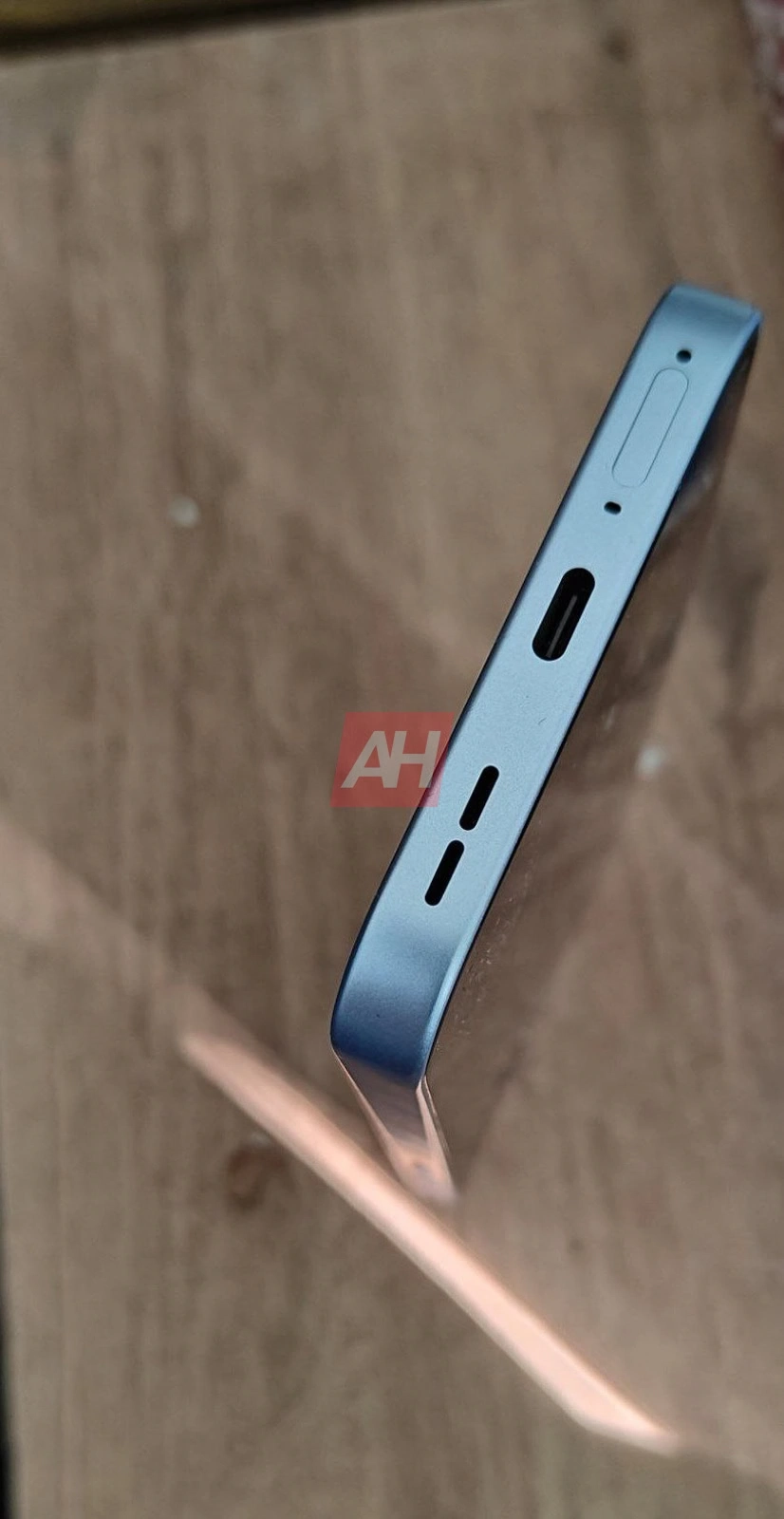
OenPlus Turbo 2 OenPlus Turbo 3 OenPlus Turbo 4 OenPlus Turbo 5 OenPlus Turbo 1

Until now, two different color versions have appeared. While the black option has a traditional gloss finish, the blue model boasts a rather interesting blue-green hue. It appears that OnePlus wants to find a middle ground in terms of cost and distinctiveness.

Battery Capacity And Charging Orientation

One of the most interesting things about this leak is the enormous 9000mAh battery that comes with this phone. If true, this would mean that the OnePlus Turbo has one of the largest batteries found among mainstream smartphones available today. The phone will feature 80W SUPERVOOC fast charging support so that the battery can be charged quickly because of the large battery size.

As far as Xiaomi is concerned, this is an important piece of news. According to very recent reports, the new REDMI K90 Ultra line slated for release in China could come with a battery capacity of almost 10,000mAh, at least according to Chinese standards. As already seen above, REDMI K Ultra variants tend to give rise to the T series range offered by Xiaomi across the globe, and thus the new Xiaomi 17T may come with an almost equally massive battery capacity but with a slightly smaller capacity for the global variants.

Performance and Display Specifications

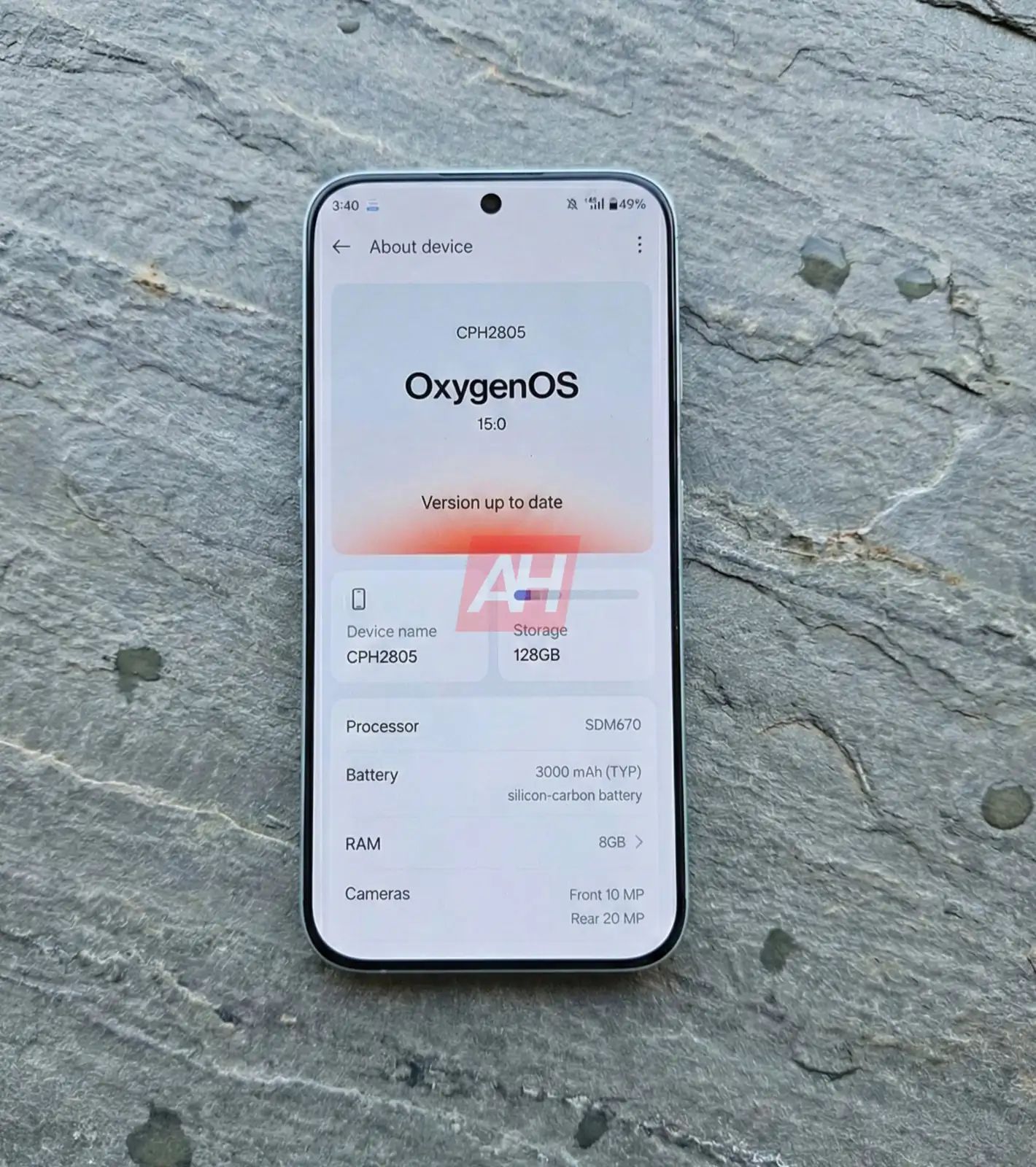
Leaked “About phone” screenshots also reveal that the global version of the OnePlus Turbo may be fueled by a Qualcomm Snapdragon 7s Gen 4 chipset, in combination with 8GB of memory and storage of up to 256GB. Nevertheless, it has been said that system information pages are generally unreliable in a pre-release model.

Regarding the chip, sources reveal that the OnePlus Turbo phone will be equipped with a Qualcomm Snapdragon 7s Gen 4 chip , paired with 8GB of RAM and up to 256GB of storage. However, previous AnTuTu benchmark scores indicated that the domestic OnePlus Turbo phone will be equipped with the Qualcomm Snapdragon 8s Gen 4 mobile platform .

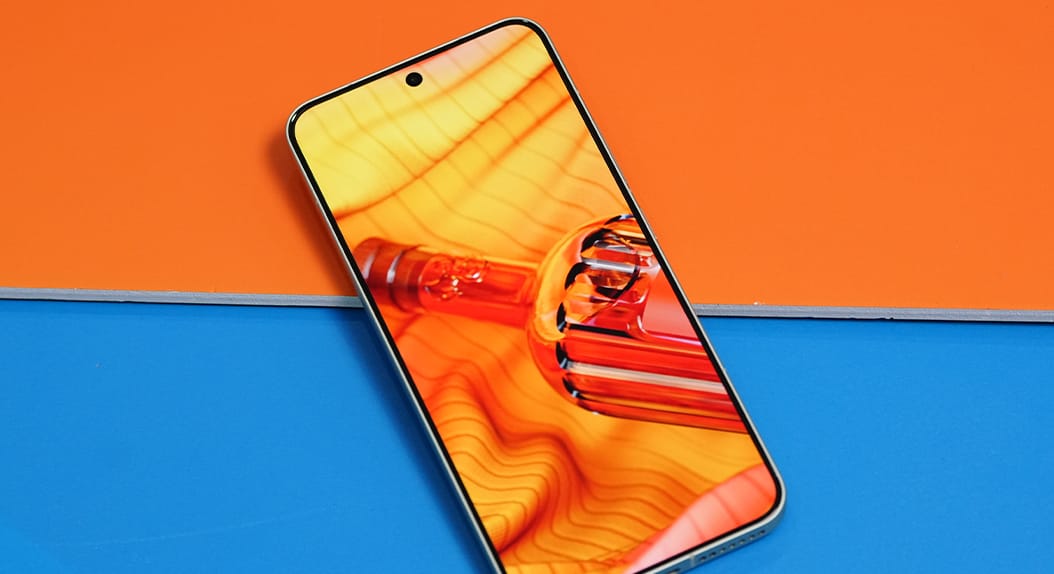
As far as the display is concerned, it is believed to be accompanied by a 6.8-inch OLED screen with 1.5K resolution, set at 144Hz refresh rates. This is aimed at delivering smooth performance for day-to-day activity, gaming, and other functions without entering premium territory.

Timeline of Launching For The Markets

There are reports of it being unleashed in around March 2026, possibly at the Mobile World Congress 2026 in Barcelona. The device is set to arrive first in India, with the probable launch in other countries as OnePlus Nord.

For Xiaomi, this leak highlights increasing competition in battery technology. If the Xiaomi 17T arrives with a 9000mAh-class battery, combined with Xiaomi HyperOS optimizations, it could become a strong alternative in the upper mid-range segment.

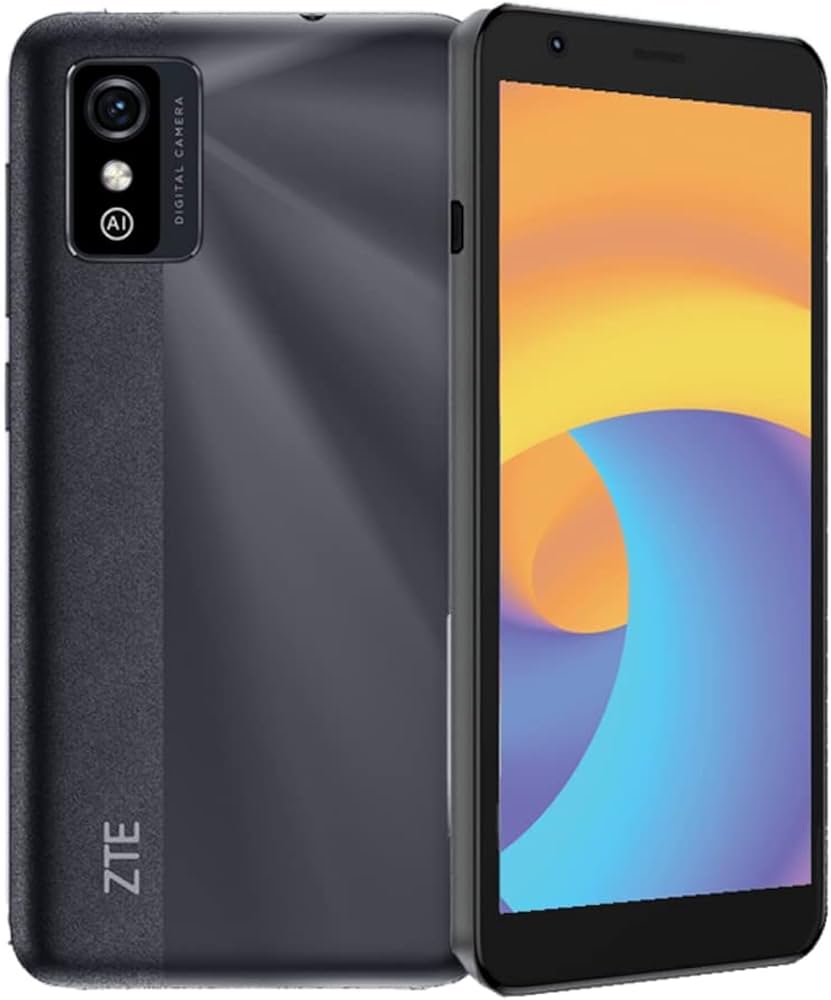
Are fixed focus main cameras still in use in smartphones in 2025?

25 December 2025 at 10:00

Camera autofocus has become almost the norm in contemporary smartphones, especially in today’s environment where camera functions have been crucial for doing QR scans for payment and scanning other documents. However, the question has been posed even today, where users want to know if there are phones today whose primary camera does not have autofocus? This question becomes more interesting, especially considering the past timeline associated with Xiaomi and Redmi, who have been associated with introducing AI-related technologies in more affordable categories.

Fixed-Focus Cameras in Contemporary Smartphone Industry

However, despite the rapid advancements in hardware technology, fixed focus main cameras are still present, albeit only in a very narrow market, mainly Android Go devices available below $80 USD. Such devices are intended for mere communication, not for photography.

Why Fixed Focus Still Lingers On

Fixed-focus camera modules eliminate the presence of moving parts or mechanisms. Such modules make manufacturing relatively inexpensive and calibration of the production line quite simple. Fixed focus can be quite useful in lower-end devices and may result in lower bills of materials even with compromised image definition at longer distances.

Nevertheless, this design does come with some limitations.

  • Things closer than about 50-60 cm cannot be sharp
  • QR codes and documents are not easily scanned
  • Macro photography is impossible
  • Because of such limitations, fixed focus is inappropriate for common smartphone use in 2025.

Current Smartphones Without Autofocus

By now, only a few smartphones have fixed-focus primary sensors:

  • Alcatel 1 (2021) – 5 MP fixed focus camera, Android Go operating system
  • ZTE Blade L9: This is probably fixed focus, given official specs and tech class

These are still available in certain regions but are becoming increasingly hard to find. Many others in the same class, such as Nokia entry-level phones and the Samsung range, have autofocus.

61fFeSDiOWL. AC UF10001000 QL80 110000233899178


Xiaomi and Redmi: Taking a Different Path from Day One

On examining Xiaomi’s past smartphones, one crucial point emerges. Xiaomi has always had autofocus in their smartphones, and this was not even in their budget smartphones in the beginning.

Redmi Series & autofocus timeline

  • Xiaomi Redmi 1 (2013): The device started out with an 8 MP autofocus lens.
  • Redmi 2 / 2A: continued to use autofocus despite lower prices
  • Redmi 4A and 5A: Contrast-detection autofocus – slower but with phase AF accuracy.
  • Redmi Go (2019): came with autofocus functionality even on Android Go devices
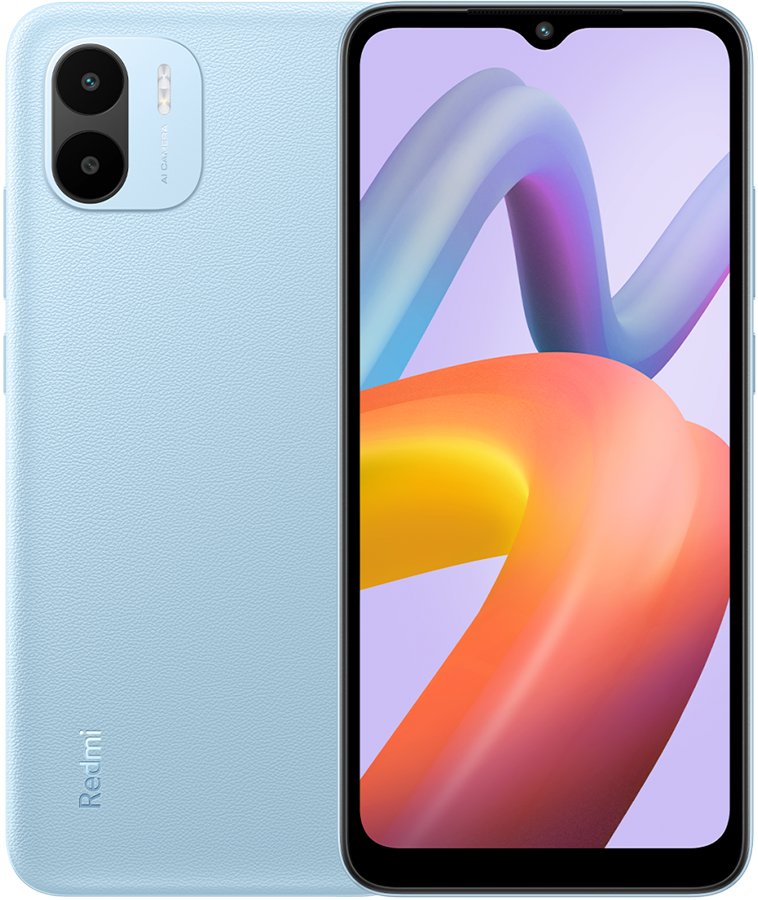
  • Redmi A1, A2, and A3 (from 2022 to 2024)

This proves an essential fact: there is not a single mainstream Redmi device with a fixed focus primary camera. Xiaomi was always focused on usability, especially QR code scanning, which is crucial in the digital payment system in China.

Redmi A2

Devices Often Confused With Fixed Focus

Certain confusion is caused by the secondary or niche products in the Xiaomi ecosystem.

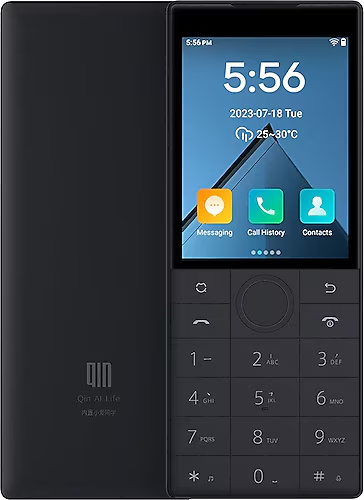
Qin (Duoqin)

  • The Qin 1s+ model employed a very simple fixed focus camera
  • Qin F22 (non-Pro) lacks a camera altogether

These devices are not part of the Redmi brand, targeting people who follow minimalistic designs or who are conscious about security. These devices are not indicative of Xiaomi’s overall smartphone offerings.

Qin F22 The Qin 1s

Why Autofocus Matters More Than Ever

In 2025, focus means more than better picture quality.

  • QR payments need close range acuity
  • Document scanning and OCR require clear edges of the scanned text
  • Banking and identification verification fail in blurred photographs

This accounts for why even entry-level models such as Redmi feature focus adjustment, though fixed-focus solutions remain limited to outdated ultra-budget models.

Yes, camera phones featuring a fixed focus camera in 2025 are still around in the market. They are primarily available in the budget segment of the Android Go line. Phones such as Alcatel 1 are still in the market. However, using them is quite challenging in today’s time.

Looking at it from a Xiaomi perspective, the answer to this question is clearer

No mainstream Xiaomi or RedMi smartphone has ever been released with a fixed focus main camera. Autofocus has been an essential specification right from the start of the RedMi smartphones in 2013. In fact, from the perspective of those who are planning to purchase an entry-level smartphone today, taking into account the Redmi A-series brand in the market means obtaining autofocus capabilities in the rear camera, which was not possible before at this low cost.

How a Xiaomi phone is made: From components to HyperOS

25 December 2025 at 07:31

Xiaomi has changed the way smartphones are made from being assembly line products to fully automated and analytical production lines. Today, Xiaomi phones are made using global supply chain integration and AI-enabled quality control. Whether it’s high-end models such as the Xiaomi 15 line or budget phones, each smartphone undergoes certain standards to be qualified as production-quality items. This guide tells you how a smartphone is made at Xiaomi in detail.

Design, Planning, and Component Sourcing

Before the physical production of the device itself, the company engages in product definition, industrial design, as well as hardware planning. These activities are conducted within the Xiaomi company through research teams in Xiaomi HyperOS.

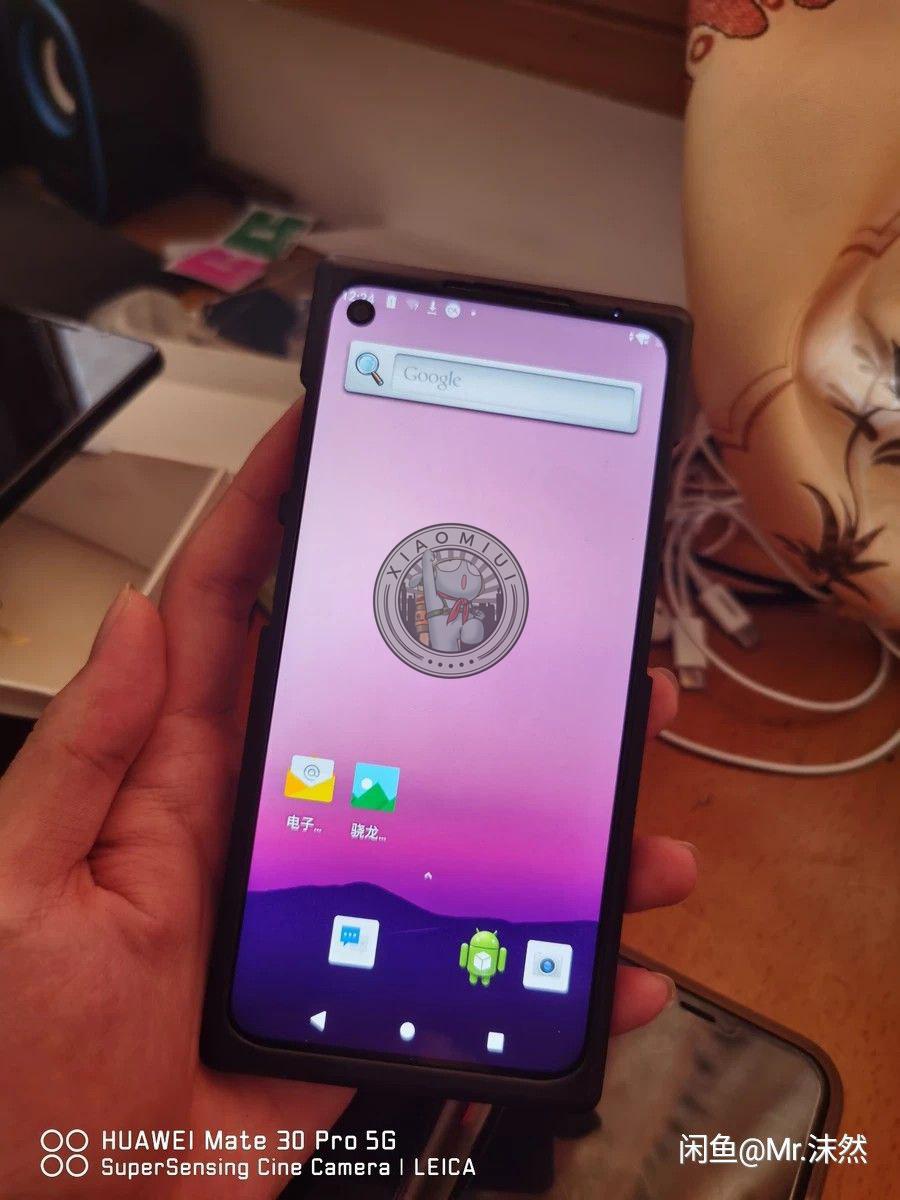
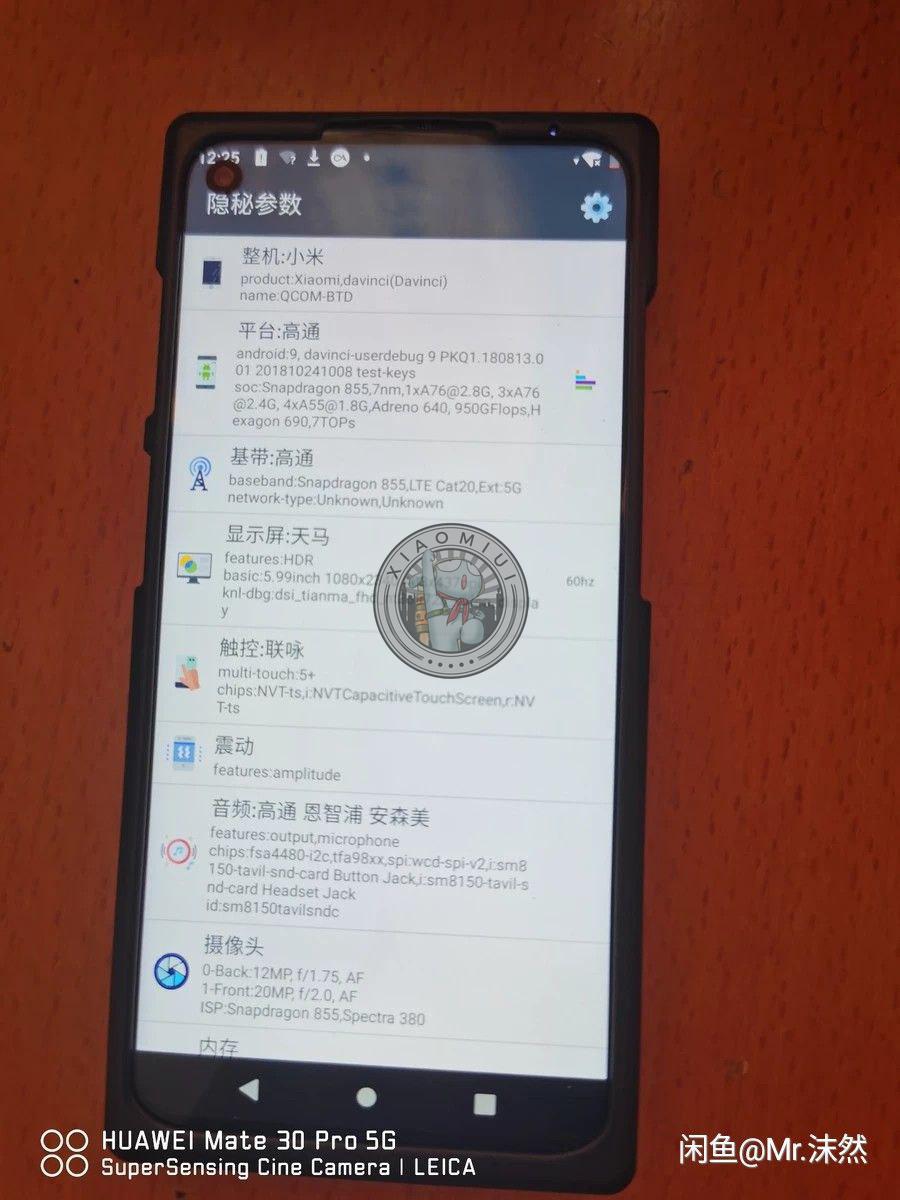
davinci 2 davinci 3 davinci 4 davinci 1

Xiaomi employs a hybrid model of manufacturing. First, Xiaomi uses ODM manufacturers for most of its entry-level as well as mid-segment phones, whereas it relies upon its smart factory networks in China, known as Xiaomi smart factories, for most of its flagship phones as well as innovations nowadays. In this way, it not only manages cost but also delivers premium qualities.

Key Component Supply Chain

For instance, to minimize risks and ensure smooth production, Xiaomi has a diversified supplier network.

  • Proccesors: Qualcomm Snapdragon 8 Elite in high-tier smartphones, other tiers by MediaTek
  • Displays: TCL CSOT, Samsung Display, BOE, Visionox
  • Camera sensors: Sony, OmniVision
  • Batteries: ATL, Sun

Such an approach enhances the stability of the supply and the supplies’ price efficiencies while not affecting the quality.

Xiaomi 15 display

Producing Motherboards and SMT Assembly

The production process kicks off with the manufacturing of the smartphone’s mainboard. This process uses Surface Mount Technology, where thousands of components are placed on a printed circuit by robots.

Solder paste application is followed by high-speed placement of processors, memory, and micro-components by automated machines. Boards are then processed in reflow ovens, where they are bonded using heat. Optical inspection systems, guided by artificial intelligence, verify if there is any error in placement or soldering.

Display Module Assembly & Lamination

One of the costliest and most sensitive parts of a smartphone is the display. The company receives semi-finished units in the form of OLED displays, but finally assembling them in a cleanroom environment.

To begin, the protective glass, known as Dragon Crystal Glass, needs to be made. The joining of the glass and the OLED screen will be done by the use of optically clear adhesive and in a vacuum to prevent air pockets from forming. Once this has been carried out, the screens will be placed in the pressure chamber to get rid of microscopic air pockets.

Final Assembly and Structural Integration

When the basic modules are completed, the phone begins the final assembly stage, called FATP (Final Assembly, Test, and Packaging). Robotics begins assembling the phone’s main board, battery, cameras, speakers, and cooling systems.

The materials with thermal properties and liquid cooling design are applied with high precision. After fastening the internal components, the display and the back panel are sealed with controlled pressure, meeting the requirements for water and dust resistivity rating of IP68.

Software Installation and Calibration

However, the primary function of the device is completed after the hardware is assembled. Xiaomi then embeds the Xiaomi HyperOS onto the device at the factory level. All the devices then get secured identifiers like IMEI and DRM keys.

photo 2025 12 24 22 42 07 photo 2025 12 24 22 42 05

The phone also undergoes automatic calibration. The displays are color-calibrated, cameras are adjusted and tested, and sensors are ensured for accuracy. All these are aimed at ensuring that all devices are offering a standard experience, irrespective of batch.

The users can later update the system applications on the Xiaomi smartphone using HyperOSUpdates.com or download the MemeOS Enhancer app from Google Play, which also enables the use of hidden features on Xiaomi smartphones.

Quality Control and Reliability Testing

All the Xiaomi phones are tested for quality before they are packaged. The testing includes stress tests, temperature variation tests, button presses, as well as charging simulations.

The devices are also tested for drop strength and exposure to humidity to ensure that they can withstand actual conditions. Any device that does not pass this test is eliminated from the production process.

Xiaomi’s mobile manufacturing is a result of what is achieved when efficiency, robotics, and engineering come together. Xiaomi is able to ensure consistency in product quality by making use of suppliers across the world, as well as AI-enabled manufacturing lines, so that they produce millions of devices a year.

REDMI Gaming Laptop paused for 2025 as Xiaomi confirms new thin laptops

24 December 2025 at 23:00

Through a public interaction on Weibo, Xiaomi has explained in detail its laptop roadmap for next year. Ma Zhiyu, the Product Marketing Director at Xiaomi confirmed there will not be any update in the REDMI gaming laptop lineup for 2025, but development of new thin and light ones will continue. This statement gives clear directions to users following Xiaomi’s PC strategy, especially those tracking updates alongside Xiaomi HyperOS developments on platforms like XiaomiTime.com, HyperOSUpdates.com, and the broader Xiaomi ecosystem.

REDMI Gaming Laptop Update Officially Ruled Out

On Weibo, in a Q&A session on December 22nd, Ma Zhiyu answered directly the question of users regarding the REDMI gaming laptops’ future. His answer was clear and without ambiguity: there won’t be any new model of REDMI gaming laptops next year. This confirmation effectively put on hold expectations for a short-term refresh of Xiaomi’s performance-oriented notebook series.

REDMI Gaming LAPTOP STATUS

The latest in this series still is the Redmi G Pro 2024, which launched in China in mid-2024. Since it came specifically for the Chinese market, the price was announced in local currency, and neither plans were declared nor was the device positioned as a global heater.

Thin and Light Laptops Become the Focus

Unlike the gaming series, Xiaomi did confirm that its lightweight and portable laptop lineup will see further investment. When asked if REDMI ultrabooks would still see updates next year, Ma Zhiyu answered in the affirmative, and said new thin and light models are actively in the works.

This approach aligns with Xiaomi’s larger hardware strategy, one that increasingly focuses on portability, power efficiency, and inter-device integration via both Xiaomi HyperOS and Xiaomi HyperConnect. Thin and light laptops play an integral role in this ecosystem, especially for users relying on seamless collaboration between phones, tablets, and PCs.

What This Portends for Xiaomi Laptop Users

Clearing the smoke, rather than creating it, was Xiaomi’s confirmation. If anything, users looking to buy gaming laptops should not look to REDMI for a refresh in 2025, while those searching out lightweight productivity machines can expect some new offerings. This balanced strategy continues to underscore how Xiaomi works to optimize resources while strengthening its integrated device ecosystem.

Source

Why 200MP telephoto cameras are the next step for Xiaomi

24 December 2025 at 22:00

Smartphone camera technology has progressed to a level where the size of the sensor, computational photography, and optical quality are equally important. Although Xiaomi has already optimised the wide-angle and ultra-wide-angle cameras to a compact camera standard, telephoto cameras were stuck at a low quality because bulk limitations existed. However, with recent flagships, particularly the Ultra line, it is now evident that 200MP telephoto sensors are here to stay as a remedy to long-standing zoom issues.

The Essential Shortcoming in Conventional Telephoto Cameras

Traditional telephoto cameras on mobile devices come with fixed focal ratios of 3x or 5x. Zoom ratios in between are determined by digital zoom, resulting in reduced detail and clarity of the shot, as observed when zooming from 3x to 5x.

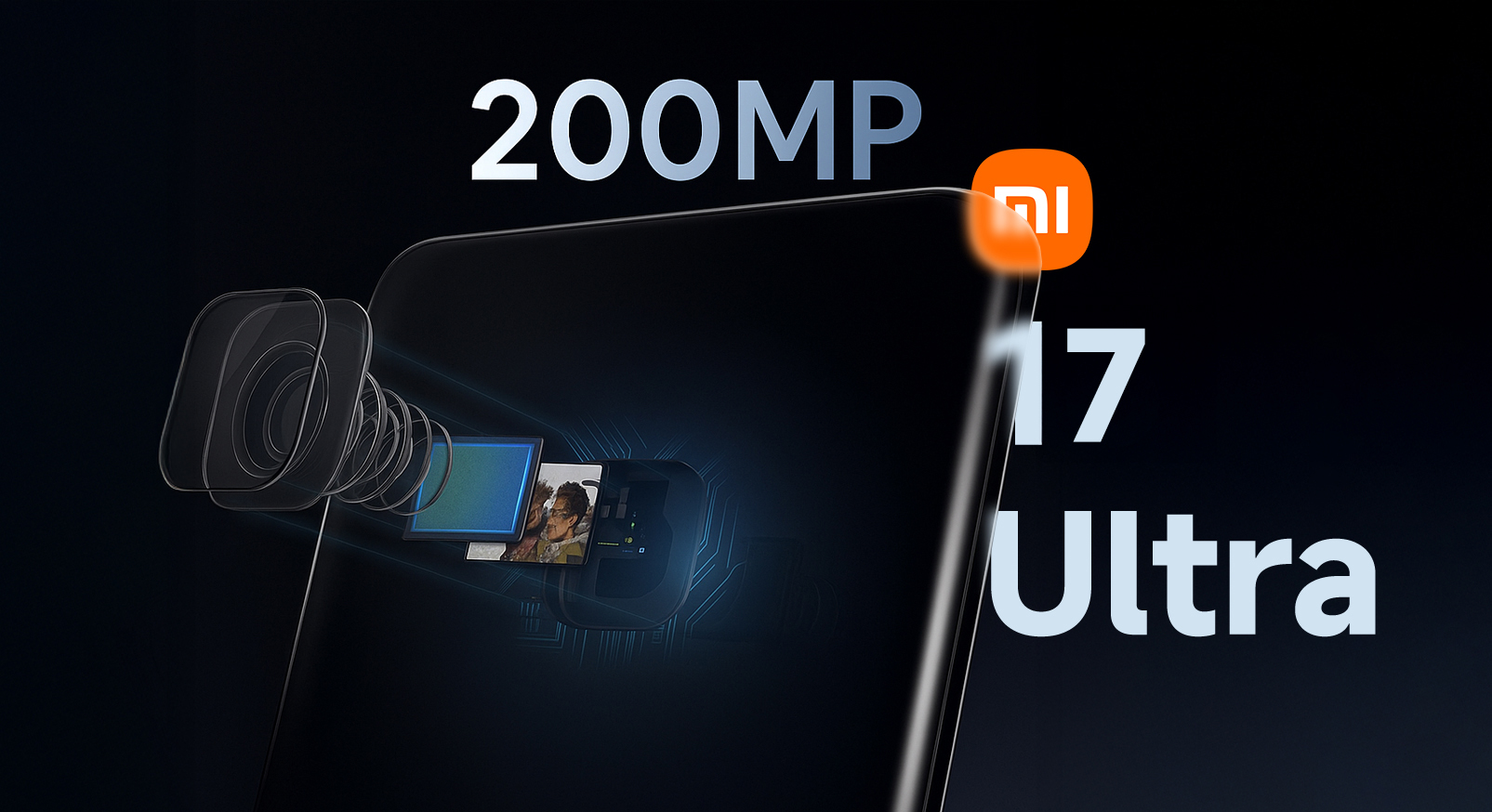
200MP 17 ultra

A 200MP telephoto sensor marks a departure from this strategy. Here, a region of a high-resolution image is cropped, rather than upscaling. The concept of cropping a region of a high-resolution image, also known as ‘lossless in-sensor zoom’, ensures that detail and texture are maintained even at a wide zoom ratio.

How 200MP Telephoto Sensors Enhance Picture Quality

A telephoto sensor that has high resolution is more than just megapixels. The actual benefit of such an imaging sensor is in its size and binning capabilities.

Contemporary 200MP sensors usually provide a 1/1.4-inch sensor size and are equipped with high-tech pixel binning ideas. When in low-light environments, several of their pixels combine to form larger “pixels,” which enhances image brightness and reduces image noises. The sensor goes to high resolution in high-light environments, making zoom of 5x, 10x, or even higher zoom possible without degrading image quality.

  • Consistent image quality from mid to long zoom
  • Better low-light telephoto performance
  • Natural background compression for portraits
  • Reduced need for multiple telephoto lenses

Telephoto Macro and Video Benefits

Telephoto cameras of high resolution enhance close-up photography as well. In traditional close-up photography, ultra-wide-angle lenses need to be employed when shot very close, while telephoto close-up photography enables photographers to take close-up photos of subjects from a greater distance.

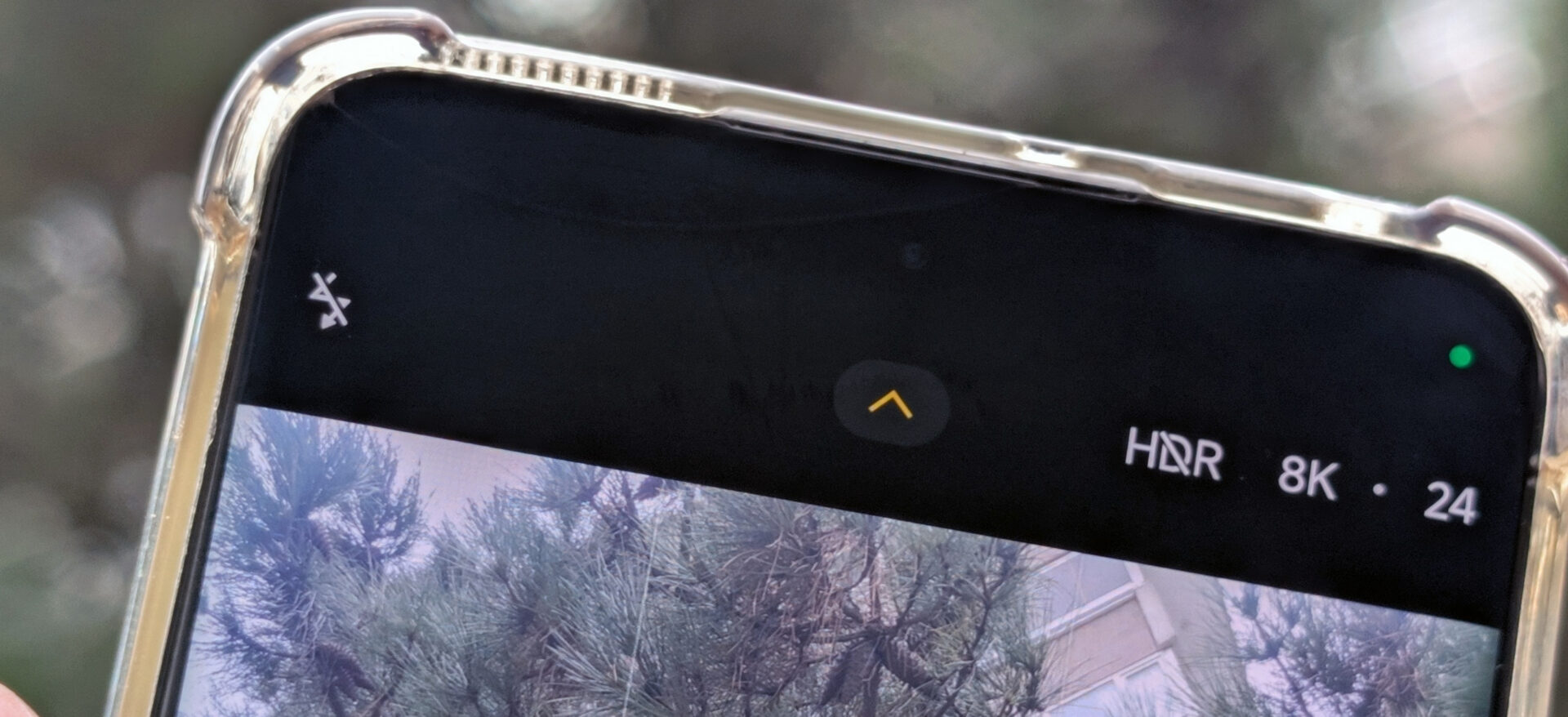
8k video

Regarding video, the presence of a 200MP sensor makes possible 8K video recording capabilities via the telephoto lens. Additionally, it enables smooth digital zooming capabilities during 4K video recording. This feature comes handy during concerts, wildlife, and content creation.

Xiaomi’s Direction and the Xiaomi 17 Ultra Outlook

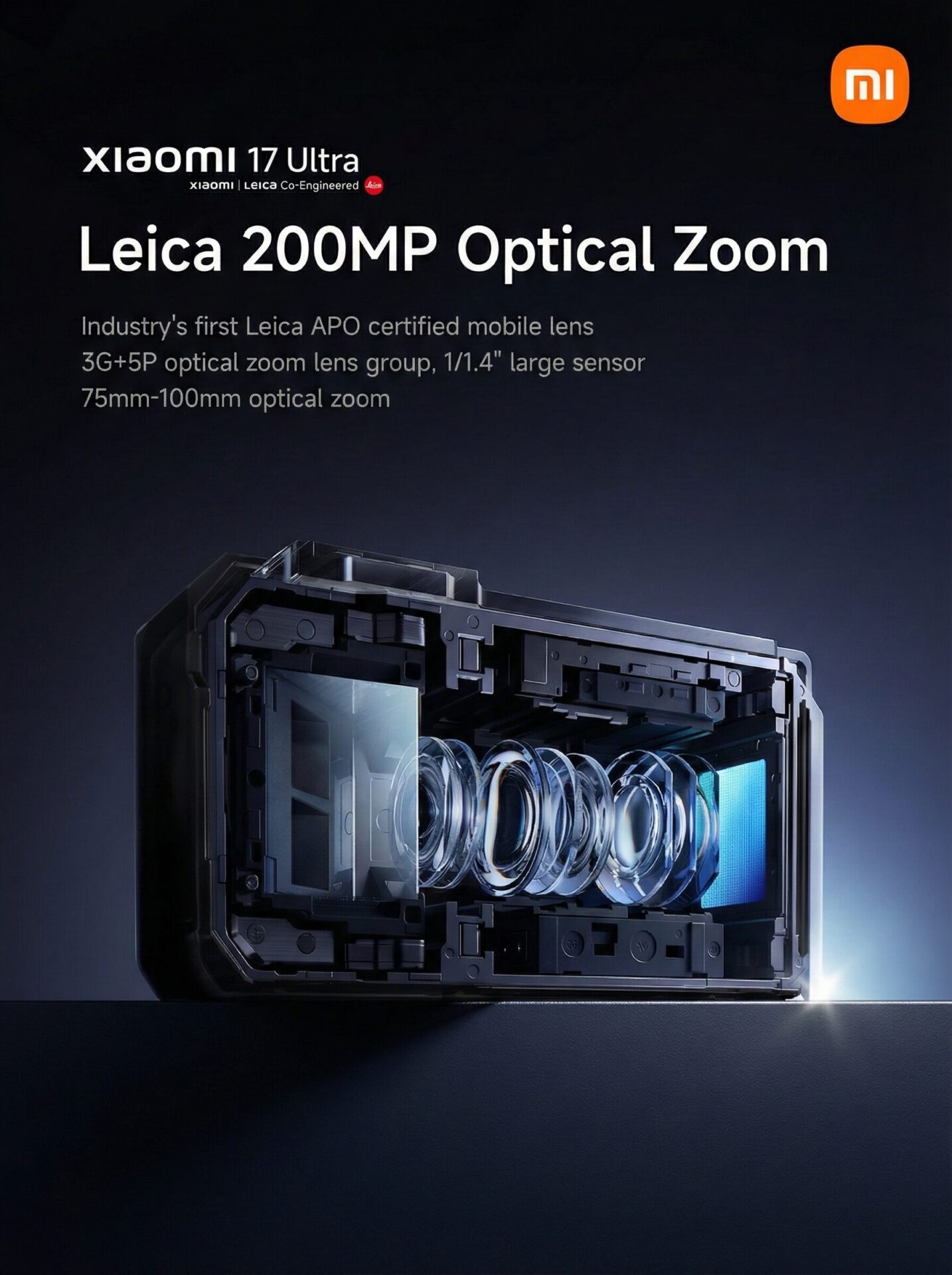
Xiaomi has been at the forefront in incorporating cutting edge cameras, particularly in its Ultra series. The coming models are likely to come with a Leica-tuned 200MP telephoto lens that includes functionalities such as:

  • 1/1.4-inch large sensor
  • Leica APO-certified optics
  • Floating lens group for macro and long-range focus
  • Optical zoom range between 75mm and 100mm (approximately 3.2x–4.3x)

Looking at the layout, it appears that the goal of Xiaomi’s design is to replace several telephoto lenses with one.

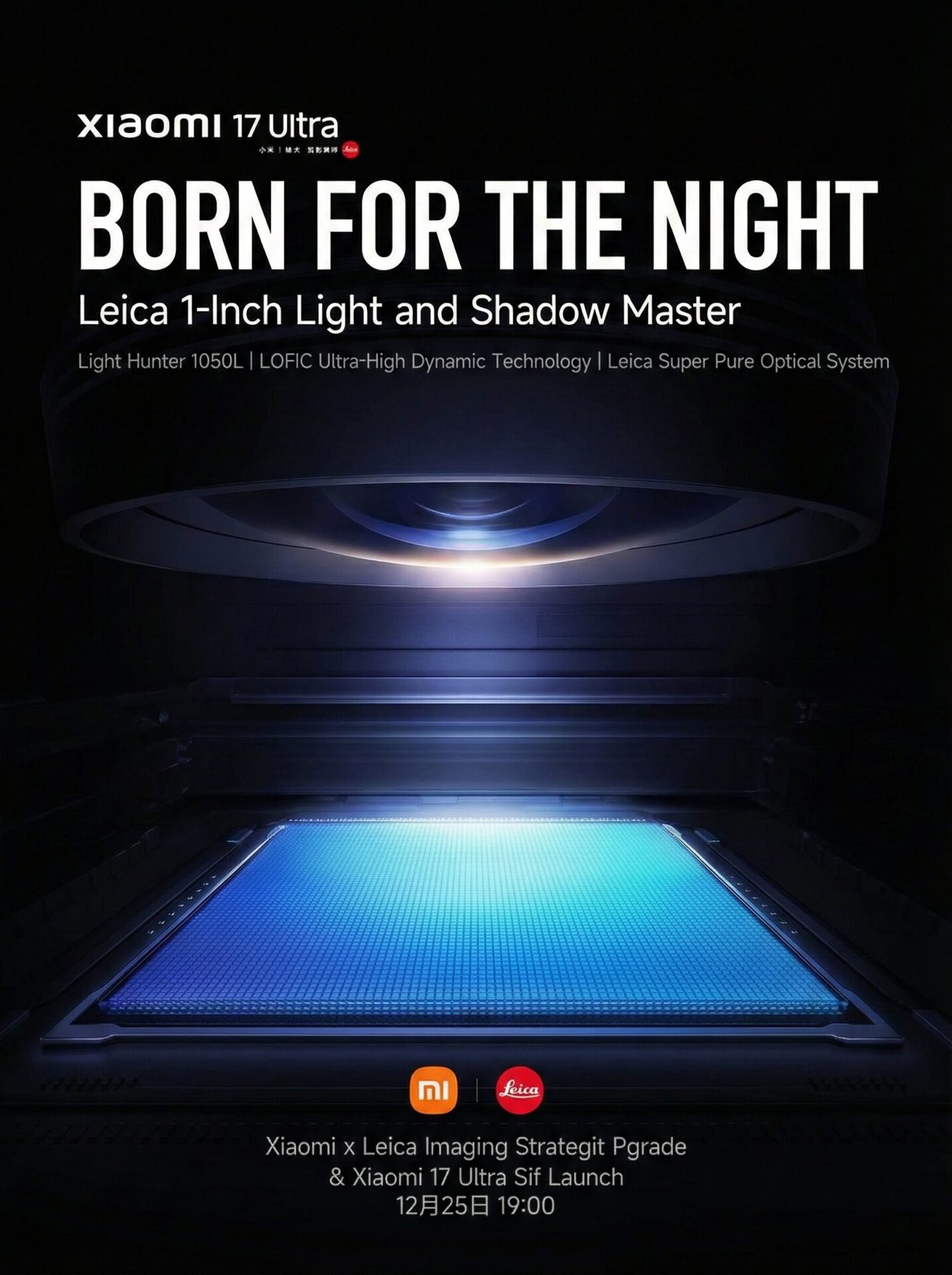
XIAOMI 17 Ultra Poster 2 XIAOMI 17 Ultra Poster 1

200MP telephoto cameras are not a marketing gimmick but a solution within the boundaries of physical and optical limitations in smartphones. This is because 200MP telephoto cameras offer a combination of improved zoom shots in clear images, better performances in low light environments, better macro shots, as well as enhanced video functionalities. It is a technology upgrade in the Xiaomi high-end series of smartphones.

Xiaomi 17 Ultra Leica Edition lets you zoom by rotating the camera lens

24 December 2025 at 20:58

Xiaomi launched a tease of what might be considered a new generation of smartphone camera technology within the Xiaomi range, aptly titled as Xiaomi 17 Ultra Leitz Edition or, as it is recognized globally, as Leitzphone. Issued directly by Lei Jun on Weibo, this new offering includes a rotating camera ring intended to help make manual cameras a part of mobile photography. Recognized as the Leica-centric variant of the Xiaomi 17 Ultra, this product indicates Xiaomi’s long-term initiative of linking innovative hardware with expert optical technology.

A Novel Hardware Solution for Smartphone Camera Photography

“The most notable difference of the Xiaomi 17 Ultra Leitz Edition is that it has a rotatable camera ring with a circle design on the back. Unlike the typical camera modules that solely serve decorative functions, the ring is fully functional. With it, the camera can easily switch between levels of photography in the event of macro or zoom photography with the physical rotation of the ring. This feature is dubbed the “Master Zoom Ring”.

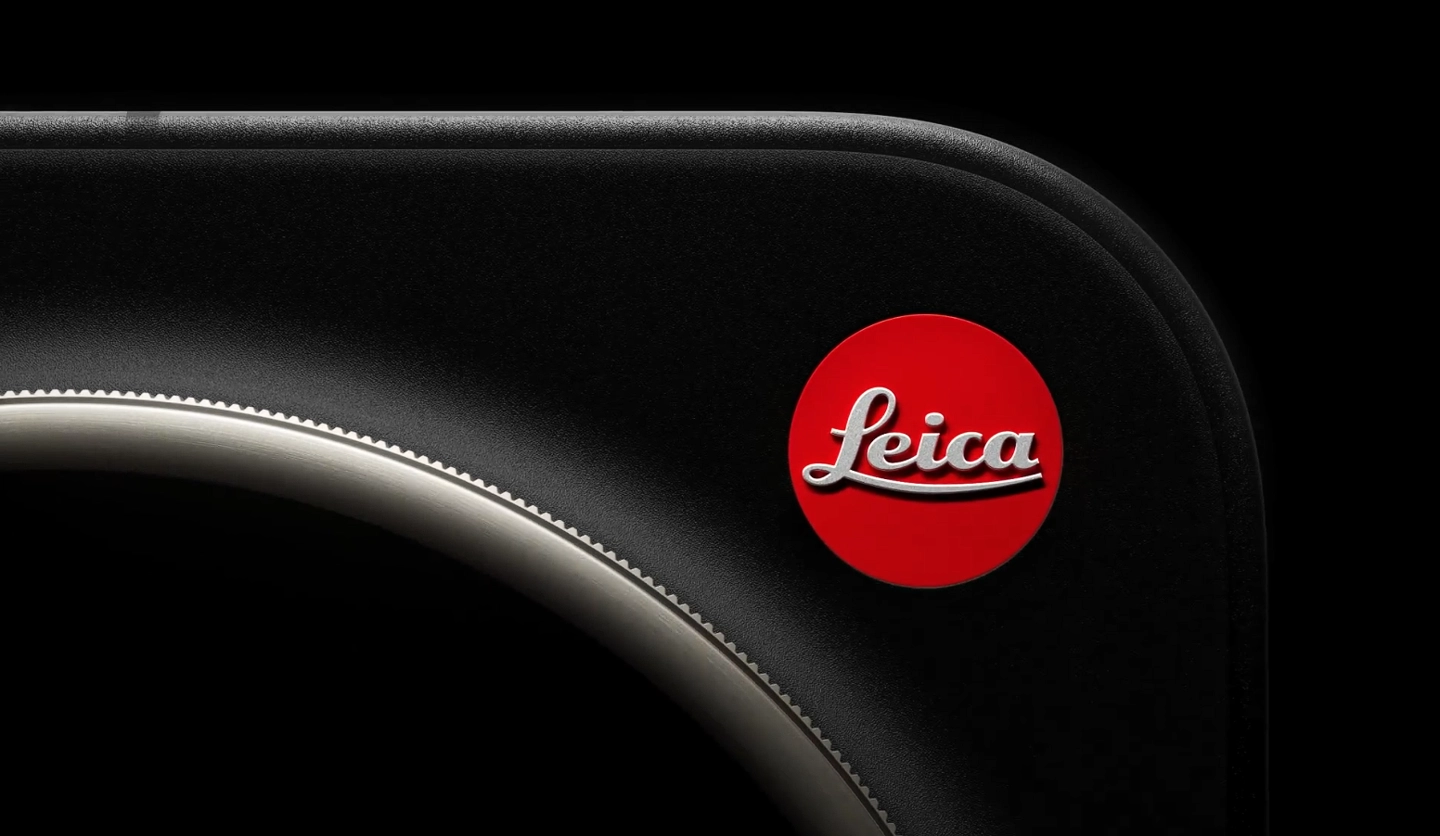
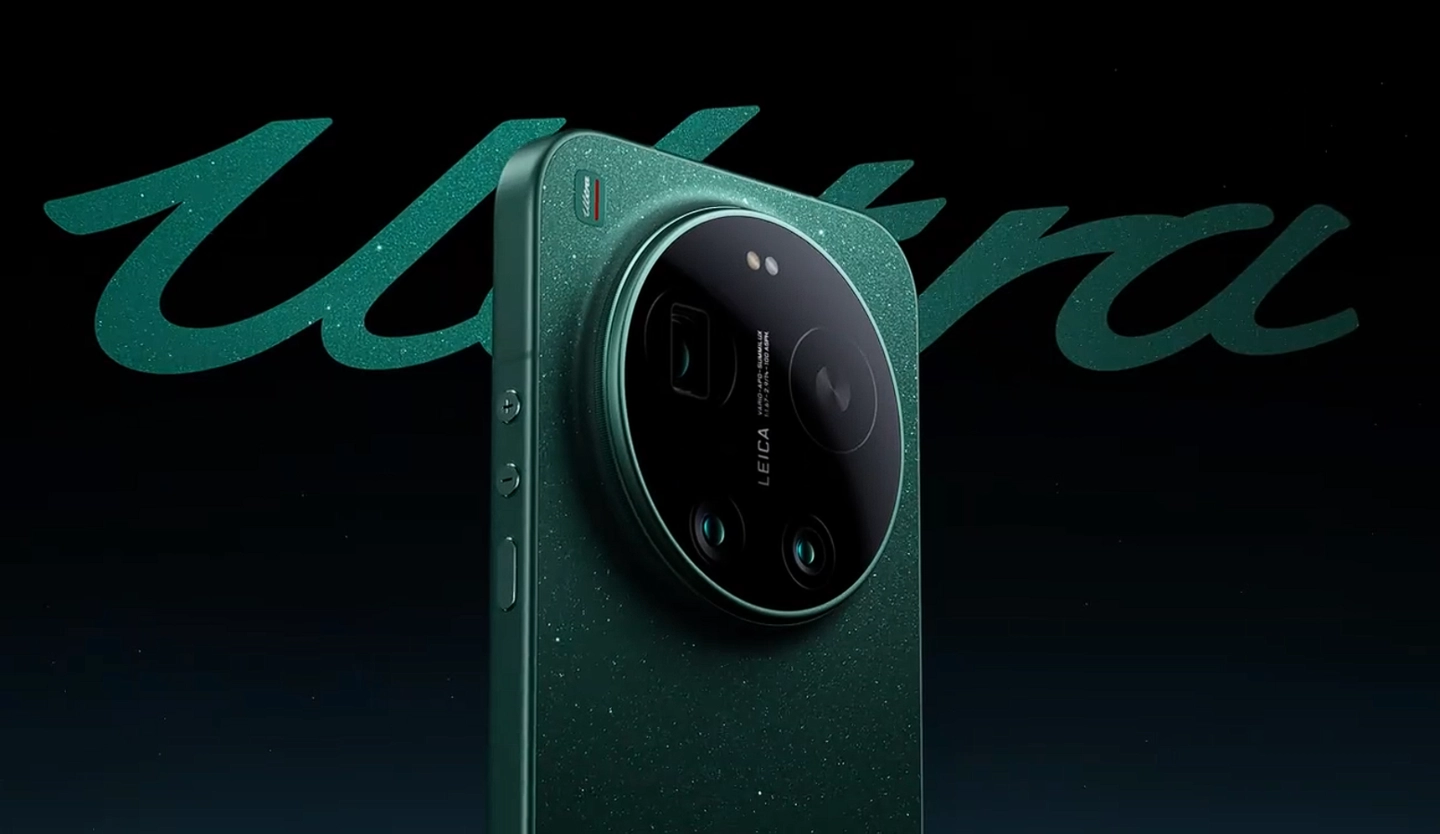
The standard version of the 17 Ultra retains the same rounded design for the cameras, but without the rotating system. Another difference that can easily be noticed is the brand positioning, since the standard model sports the ‘Ultra’ lettering on the rear panel, whereas the Leitz Edition model uses the red Leica logo standing in place of the ‘ Ultra’ lettering.

Advanced Leica Telephoto System

A lot of importance is given by Xiaomi to the telephoto camera in the Xiaomi 17 Ultra series. According to initial specs, Leitz Edition features several firsts in the industry as certified by Leica.

Key telephoto highlights:

  • Leica 200MP Optical Zoom camera
  • 1/1.4-inch large telephoto sensor
  • World’s first Leica APO-certified mobile telephoto lens
  • 3G + 5P floating lens structure
  • Optical zoom range of 75mm to 100mm (3.2x–4.3x)

This design is intended to provide better color reproduction, lower chromatic aberrations, and more consistent image quality across various focal lengths. Xiaomi’s design emphasizes optical optimization over heavy post-processing.

Complete Camera Configuration Details & Essential Specs

Apart from the telephoto setup, the expected shooting hardware on the Xiaomi 17 Ultra Leitz Edition consists of a well-rounded triple-camera setup. The primary camera comes coupled with the 50MP OV50-series 1-inch sensor, focusing on high dynamic range and night photography. The sensor comes in combination with the 200MP Samsung ISOCELL HPE periscope camera and 50MP ultra-wide lens.

Leica Xiaomi 17 Ultra

On the performance front, the device comes with the Snapdragon 8 Elite Gen 5 processor, which will provide top-class power management. The 6,800mAh power cell supports all this, as the brand has been concentrating on increasing the capacity of batteries without making their thickness increased.

Owing to the rising cost of memory components, the expected price escalation is around 500-1,000 yuan compared to the earlier series. Xiaomi has been anticipated to unveil the prices formally soon. The expected launch is currently limited to China alone, though the international launch under the “Leitzphone” brand has yet to be ascertained.

leitzphone

Xiaomi’s vision for The Leitz Edition

Xiaomi 17 Ultra Leitz Edition captures Xiaomi’s wider image-centric strategy: a shift of focus from “software-centric improvements” to hands-on, tangible creativity. With Master Zoom Ring, a mechanical interface, Xiaomi is catering to a segment of “photography enthusiasts who prioritize quality in every single shoot.”

Rather than a direct competitor or a variant of the Xiaomi 17 Ultra standard model, it is a specific solution for a particular type of client with a focus that is solely centered on image capture. This also points towards a possible continuation or further development of innovative camera technology based on hardware through Leica by Xiaomi.

Source

💾

Auf YouTube findest du die angesagtesten Videos und Tracks. Außerdem kannst du eigene Inhalte hochladen und mit Freunden oder gleich der ganzen Welt teilen.

New Google Android toy combines transparent design with maze gameplay

24 December 2025 at 20:10

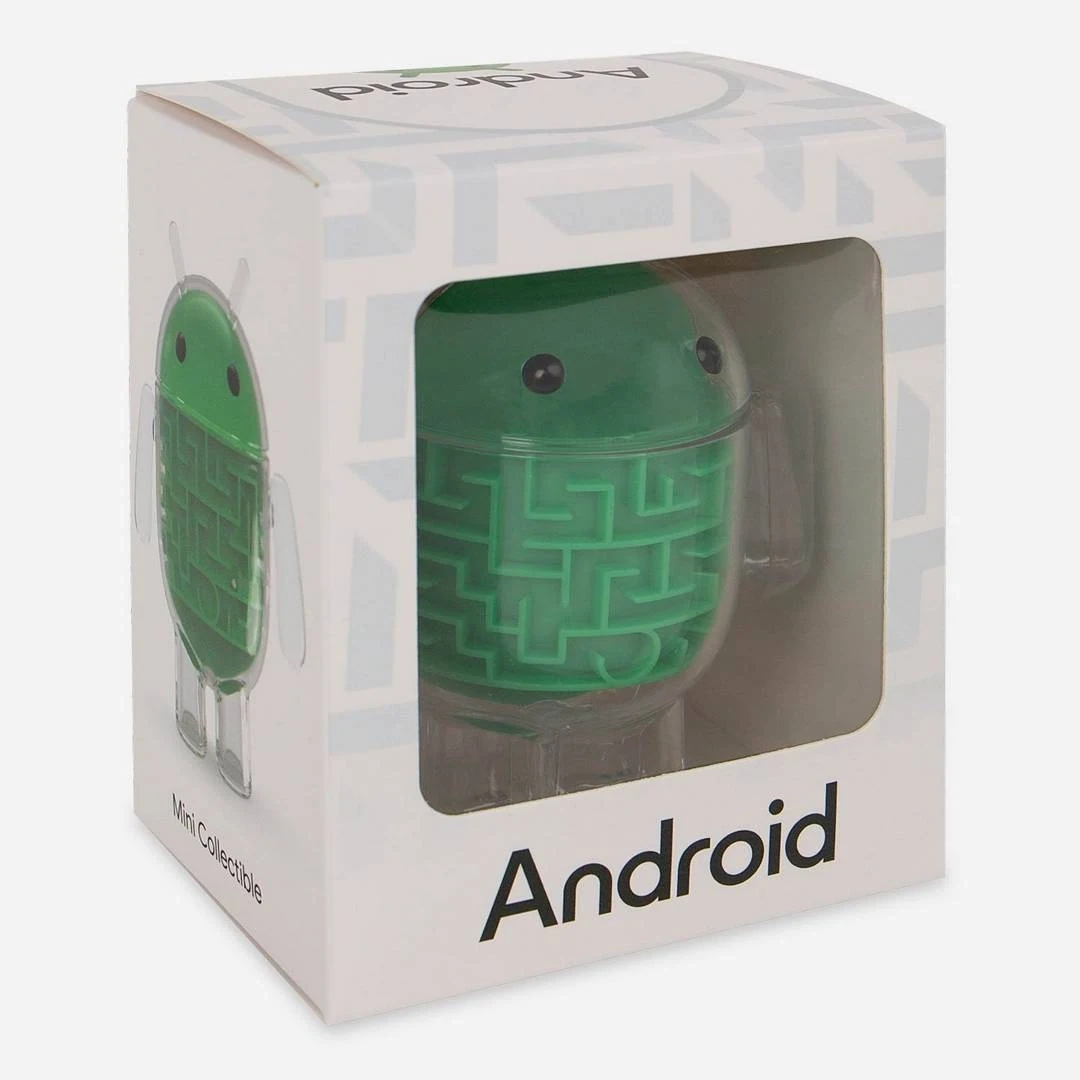
Google has unveiled a new collectible that combines design, nostalgia, and the element of interaction. According to the latest reports, the official Google Store has launched Android a-MAZE-ing Collectible, a see-through Android mascot statue that comes with a 3D ball maze game. This particular gadget lacks the conventional functionality of standing still as an office decoration.

A Transparent Design Based on Interaction

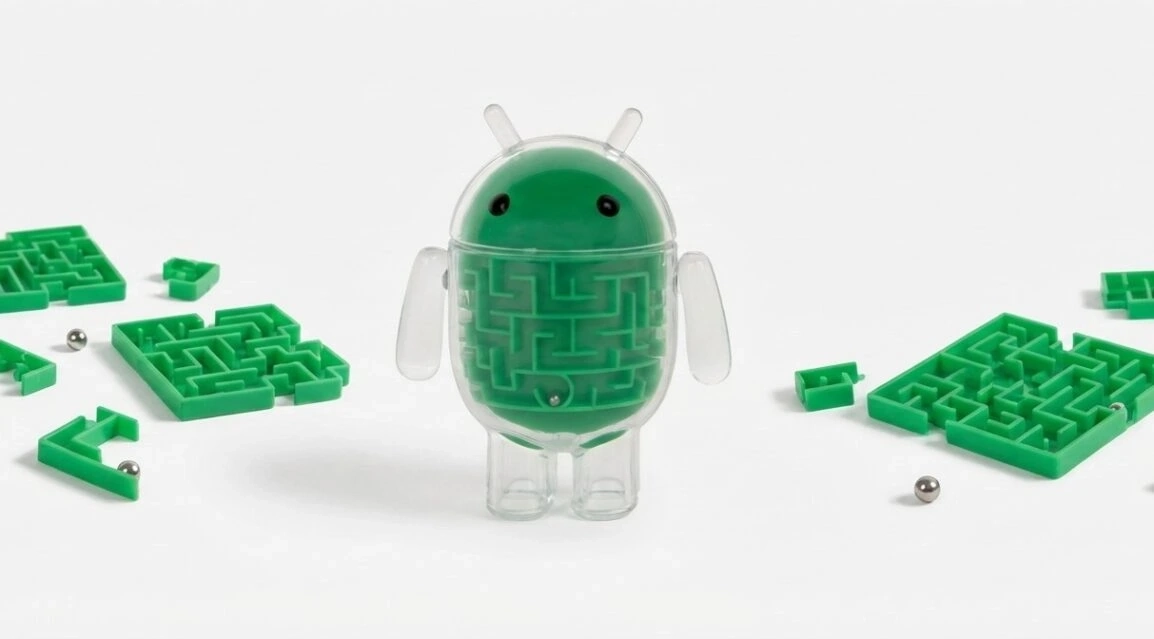
The Android a-MAZE-ing Collectible is about 3 inches (7.6 cm) in height and comes with a completely transparent packaging case. By doing this, the transparent packaging case allowed the green maze within the Android to be visible from all perspectives. Google included in the Android figure a metallic ball that moved through an intricate path within the case, thus creating something that is based on functions rather than mere decoration.

The approach reflects a growing trend within the tech industry to experience things offline and by touch. Much like smart home devices or minimalist gadgets, the aim within these designs is to achieve simplicity, robustness, and long-term use without digital interaction, as seen with devices such as smart home controllers.

Android A Maze ing robot 2 Android A Maze ing robot 3 Android A Maze ing robot 4 Android A Maze ing robot 1

Classic Maze Game without Electronics

This toy figurine does not require the use of batteries, sensors, or software. In this game, the user controls the movement of the metal ball using the figure by tilting it left, right, up, or down in an attempt to guide it from the start point to the finish point within the maze.

In an effort to make the gameplay more flexible, Google has incorporated moving joints in the arms of the Android robot. With these, users can personalize the position in which they wish the maze robot’s posture to appear while solving the maze.

Key Product Features include:

  • Fully transparent Android robot body
  • Integrated 3D metal ball maze
  • Movable arms with adjustable joints
  • No batteries, charging, or app required
  • Compact size suitable for desks or shelves

Pricing, Availability, and Stock Status

The Android a-MAZE-ing Collectible is currently available on the Google Store. The figurine costs $24 USD, but shipping in the United States will be about $10 USD, making it a total of $34 USD.

According to market information, the supply of units is limited. It was reported that towards the end of December 2025, only under 1,100 units were left.

A Tangible Collectible Item in a Digital Age

Though Xiaomi continues to expand its ecosystem in terms of HyperOS and smart home devices, Google’s Android figurine points to another direction where interaction has nothing to do with screens and connectivity. The product is targeted at users who prioritize focus and breaks in addition to their love for technology.

Source

POCO Launcher gets new HyperOS 3 Christmas 2025 update

24 December 2025 at 18:44

The POCO Launcher has finally been treated to the latest HyperOS 3 update, with improved animation and the addition of a brand-new gesture feature. The update comes in the form of version RELEASE-6.01.03.1901-12061926, weighing only 22.4 MB, and has already started rolling out worldwide. The update tested on HyperOS 2.2 and it works.

A Smarter Way to Access Apps

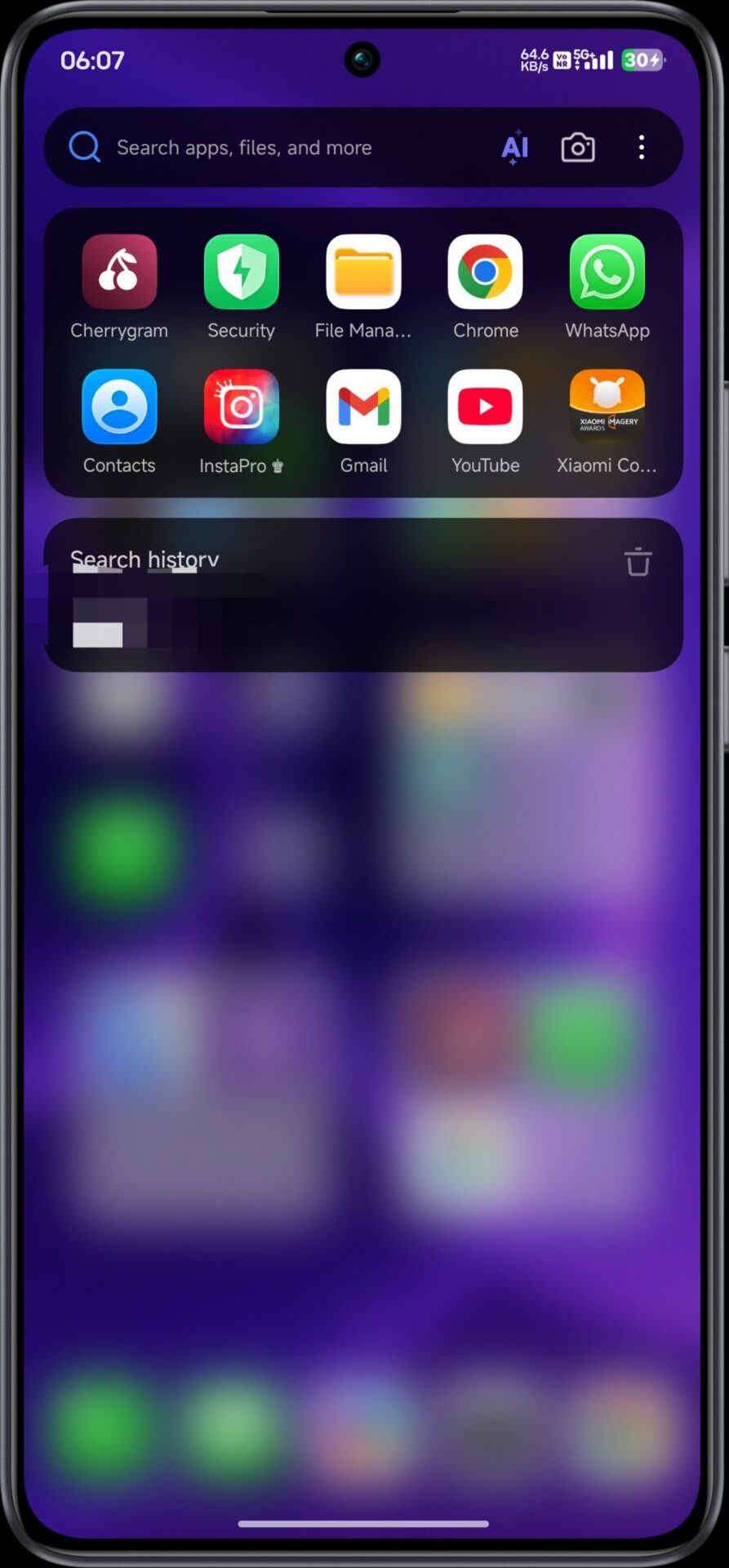
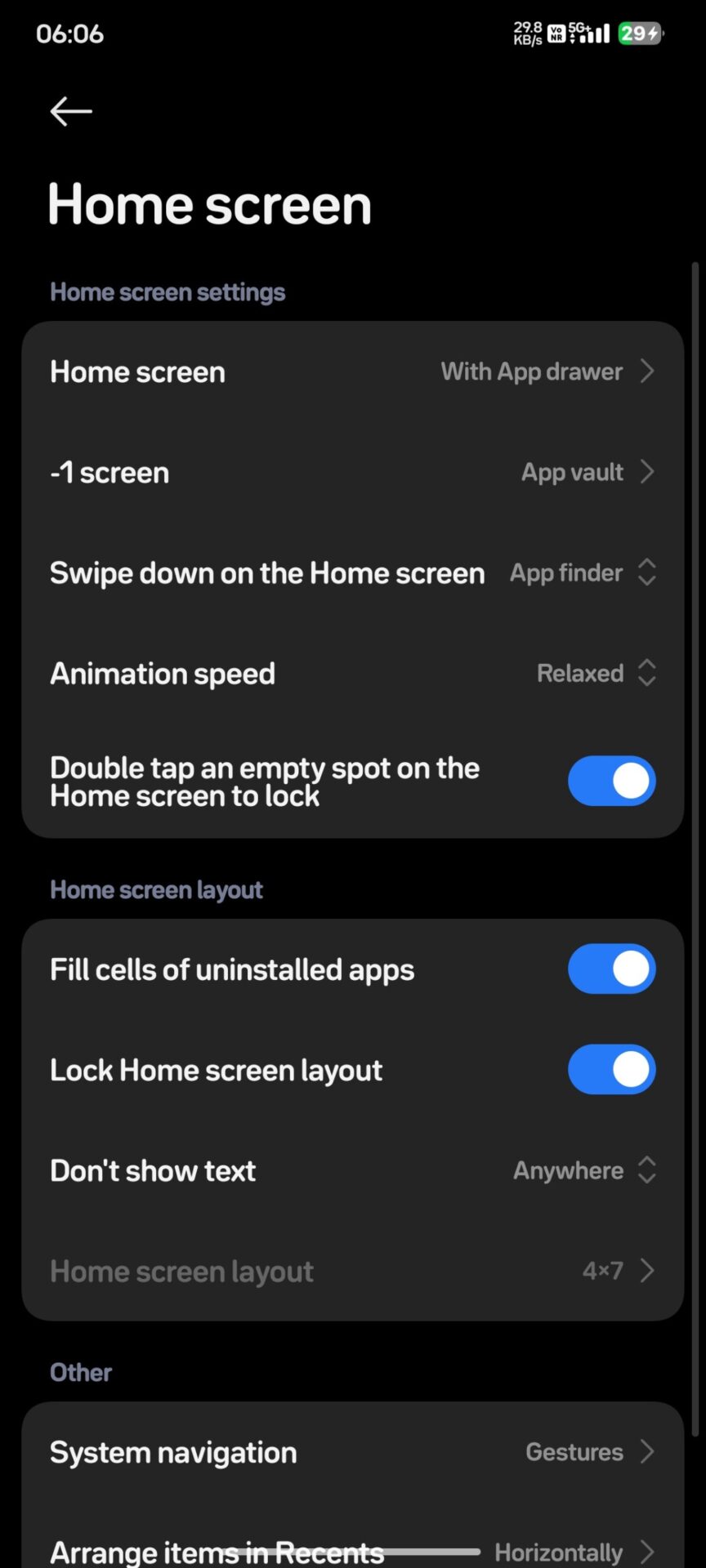
Among the most notable additions found in the update is the addition of the “Swipe down on the home screen to open App Finder” feature. This functionality enables users to gain access to any app without needing to navigate to the app drawer. This addition shows that Xiaomi has been paying attention to user experience optimization as a goal under the development of the HyperOS 3.

App finder POCO Launcher 2 App finder POCO Launcher 1

Improved HyperOS 3 Animations

Besides the new gesture implementation, the update also brings enhanced HyperOS 3 animation effects, allowing for a more fluid and responsive interface. Such visually-oriented upgrades have helped Xiaomi achieve their goal of a unified user experience between POCO devices, Redmi smartphones, and other Xiaomi devices operating under the HyperOS 3 operating system.

Update Details

  • Version: RELEASE-6.01.03.1901-12061926
  • Region: Global
  • Release Date: December 24, 2025
  • File Size: 22.4 MB

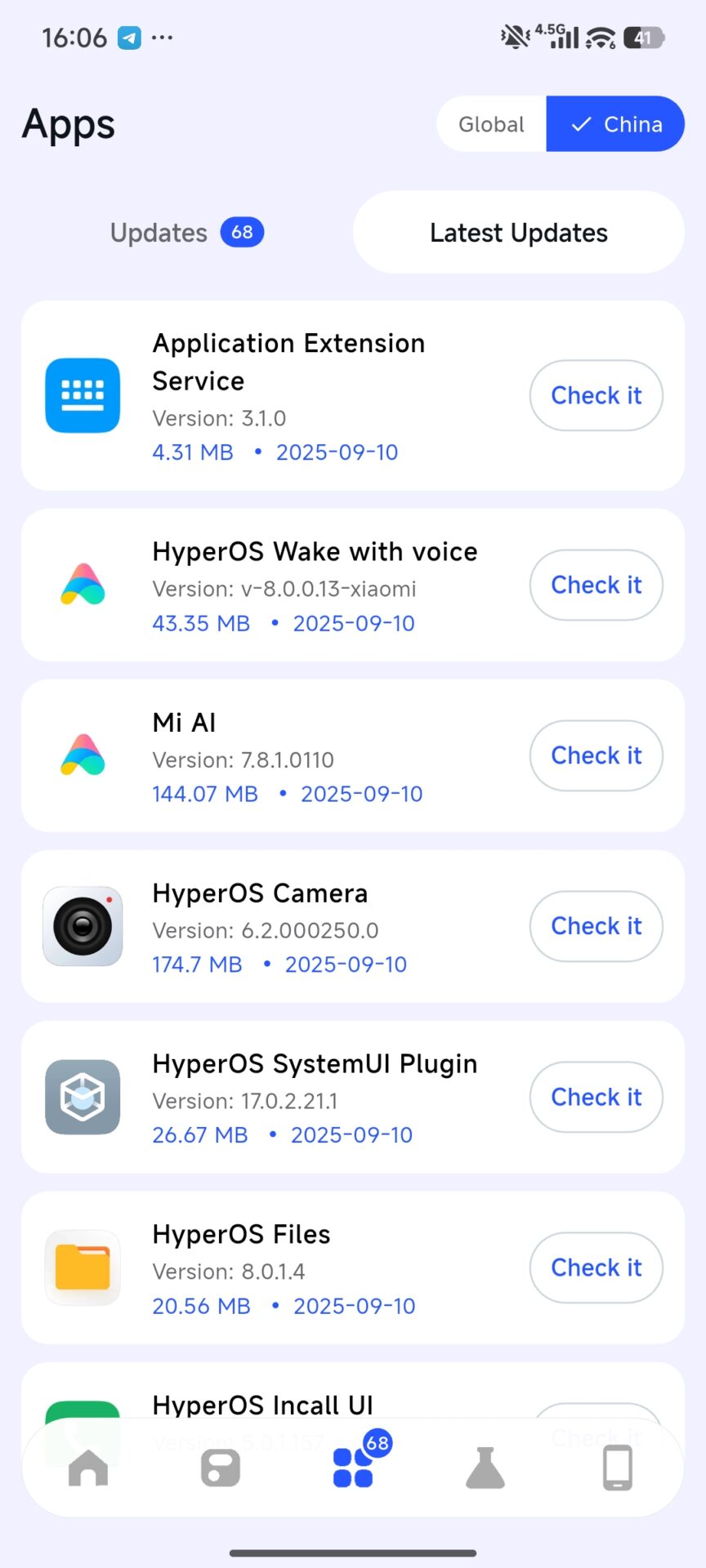
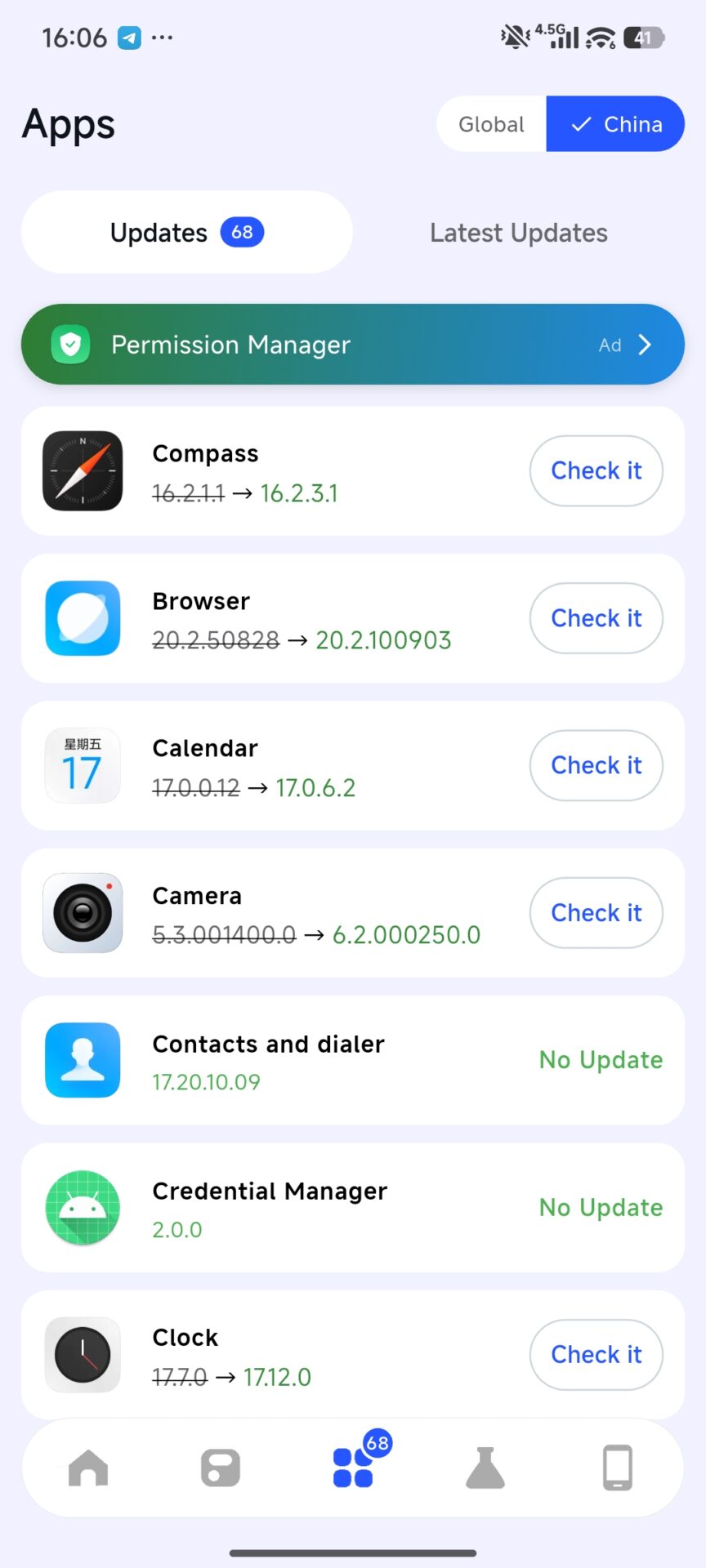
Updates can also be downloaded manually from HyperOSUpdates.com or MemeOS Enhancer app.

MemeOS Enhancer 2 MemeOS Enhancer 1


Xiaomi 17 Ultra appeared on Geekbench with Snapdragon 8 Elite Gen 5

24 December 2025 at 18:06

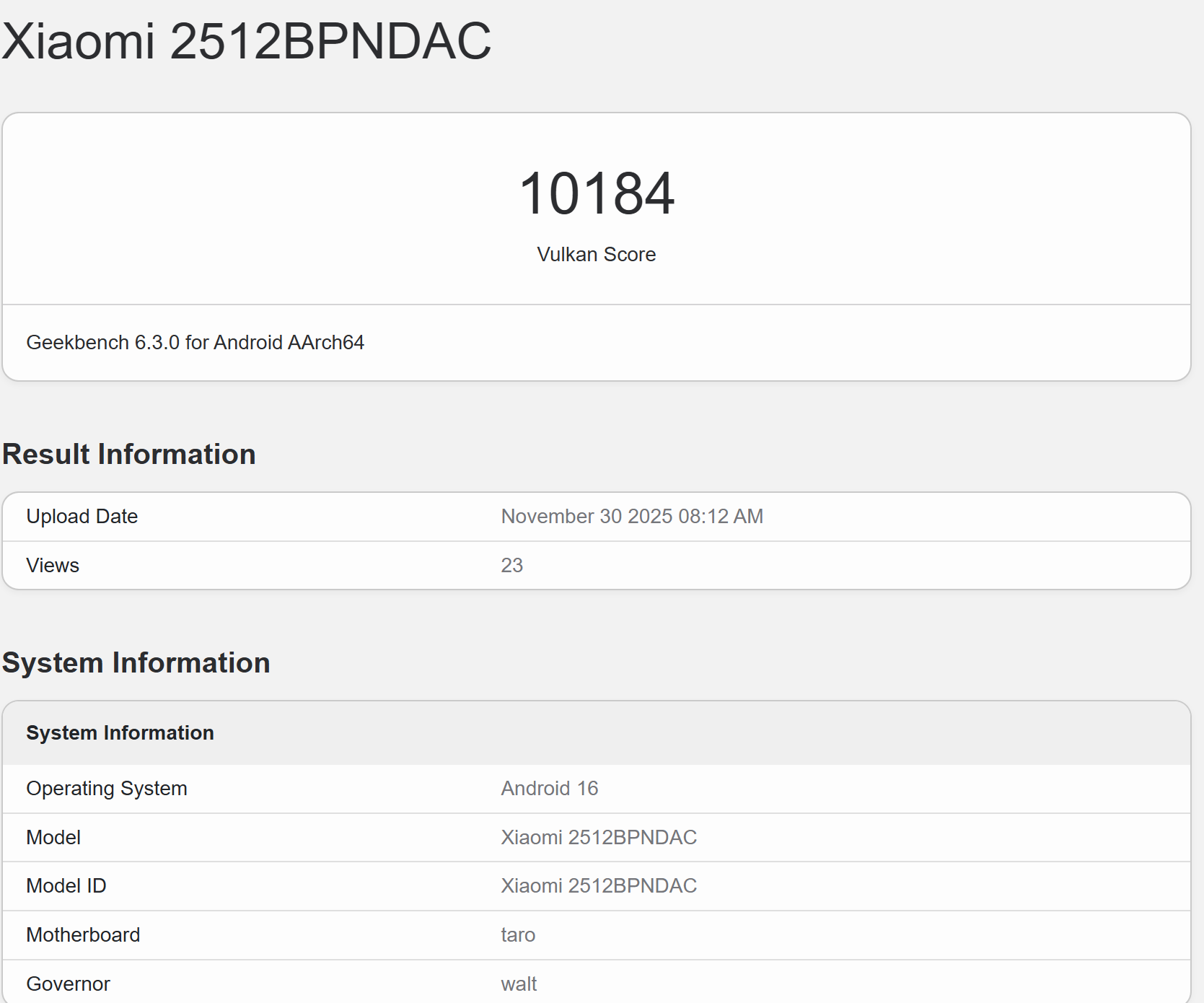
The Xiaomi 17 Ultra has recently been seen in the Geekbench benchmark listing, showing important specifications of the phone even before its official launch. The Geekbench listing of this device, with the name 2512BPNDAC, not only confirms top performance but also shows how closely it will match the already reviewed Xiaomi 17 Pro.

The early presence of this device in the benchmark list further supports speculations that the coming Ultra-series device will target performance, power, and platform optimization in the HyperOS environment.

Geekbench Performance Details

The Xiaomi 17 Ultra, as reported by the Geekbench database, scored 3,559 points in single-core and 10,854 points in multi-core tests. This is about what is expected of phones that come powered by Qualcomm’s latest flagship processor, indicating stable CPU scheduling and thermal management. Moreover, this shows that Xiaomi is still concentrating on optimizing at a system level instead of just optimizing at the CPU clock rate.

Xiaomi 17 Ultra Geekbench

The bench-marking data also reveals that the testing of the device was done with at least 12GB of RAM, which is now a standard for Xiaomi’s Ultra lines. The 12GB RAM is important for enhanced multitasking functions, AI capabilities, and stability of software operations, especially with the Android 16 operating system.

Snapdragon 8 Elite and HyperOS 3

The specifications of the Xiaomi 17 Ultra feature the Qualcomm Snapdragon 8 Elite, marking the fifth generation of Qualcomm’s flagship platform. This processor aims to provide better CPU power optimization, AI capabilities, and power management. This move by Xiaomi correlates with its approach of using high-end processors and integrating them with their software.

On the software front, the device supports Xiaomi HyperOS 3, based on Android 16. HyperOS 3 is believed to offer optimized system animations, enhanced management of background tasks, and cohesion between all Xiaomi smartphones, tablets, and smart home devices by using Xiaomi HyperConnect. The developments are required for a smooth interface on all Xiaomi devices.

Launch Event and Expectations

The Xiaomi x Leica Imaging Strategic Cooperation Upgrade and Xiaomi 17 Ultra New Product Launch Conference has been scheduled by Xiaomi for December 25 at 19:00 (China Time). Though the pricing information has not been mentioned, the new products will definitely include improvements in the cameras, which have been developed by Xiaomi and Leica.

As the Xiaomi 17 Ultra has been listed only in Chinese benchmarking websites, it is expected to first appear in China. The global details have not been confirmed at this point.

Xiaomi 17 Ultra Leica Edition confirmed with iconic red logo design

24 December 2025 at 11:39

The first look at the Xiaomi 17 Ultra Leica Edition has been shared in an official video by Xiaomi. The confirmation of this news indicates that the renowned Leica Red Label will be imprinted on the brand-new device. The reason behind this design notion demonstrates the amalgamation of the age-old image legacy with the contemporary smartphone segment. As covered in our previous articles related to the Xiaomi 17 Ultra, this device will launch on December 25th at 19:00.
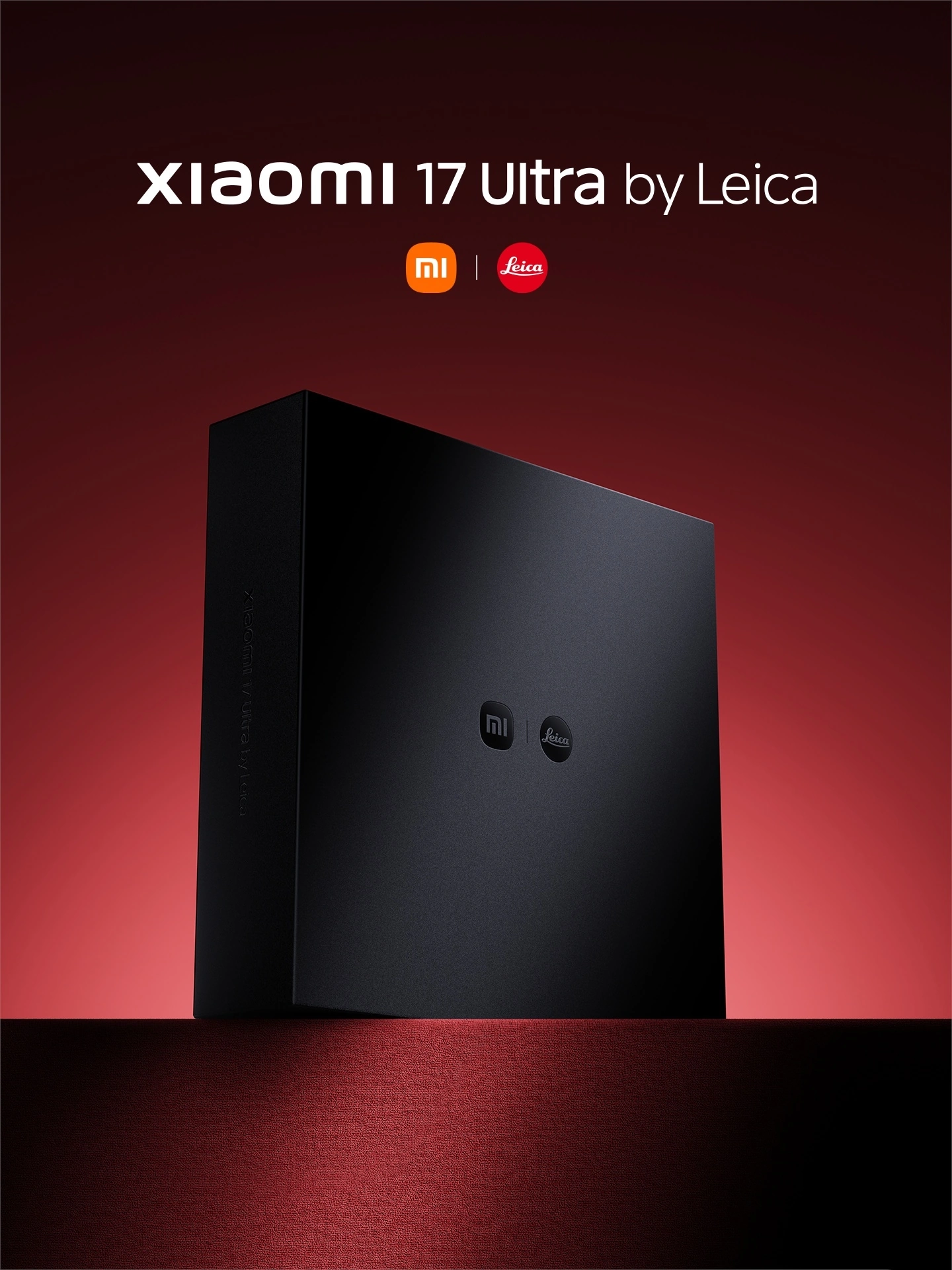
Unique Packaging & Design Features

As per the recent official posters available, the Xiaomi 17 Ultra Leica Edition comes with a special package design. The package comes with a very elegant black design that features the Xiaomi logo as well as the famous “Cola” red logo from the renowned Leica brand. This makes it very different from the standard package.

Xiaomi 17 Ultra by Leica 2 Xiaomi 17 Ultra by Leica 1

The standard variant of the Xiaomi 17 Ultra has “LEICA” inscribed in a text format on the camera module. The fact that the logo itself has been included in the Leica version points towards its higher positioning and implies that there is some collaboration between the two brands. This particular design goes well with photography enthusiasts who are impressed by the traditional look of the camera brand being from Germany.

Xiaomi 17 Ultra 1

Strategic Branding and International Availability

The event is named “Xiaomi × Leica Imaging Strategic Cooperation Upgrade,” and that speaks volumes about improvements in mobile image processing algorithms and hardware. But branding differs based on regions.

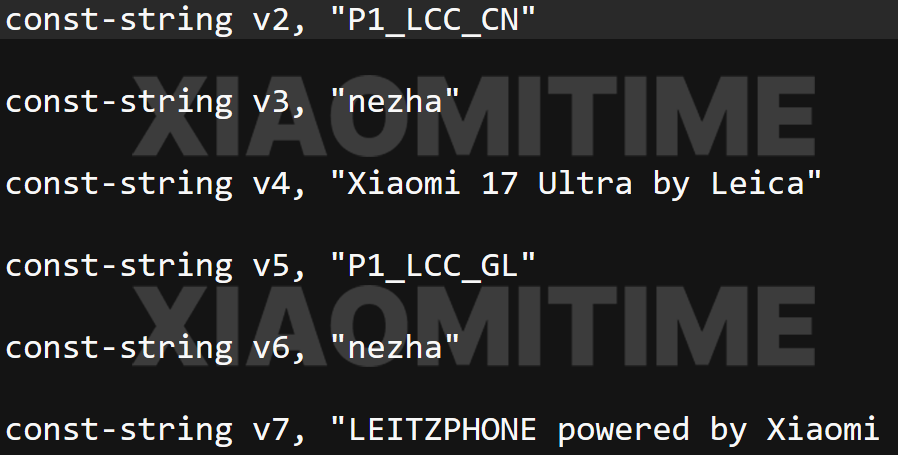
As reported first on XiaomiTime last week, this particular handset will have different titles depending on the region where it will be released. For mainland China, it will be launched as Xiaomi 17 Ultra by Leica. For Global, this handset is expected to hit the market as Leitzphone by Xiaomi. Such an endeavor is an evidence that Xiaomi is taking special care of its target audience in every region while using identical premium hardware components for all regions.

💾

Auf YouTube findest du die angesagtesten Videos und Tracks. Außerdem kannst du eigene Inhalte hochladen und mit Freunden oder gleich der ganzen Welt teilen.

❌