Normal view

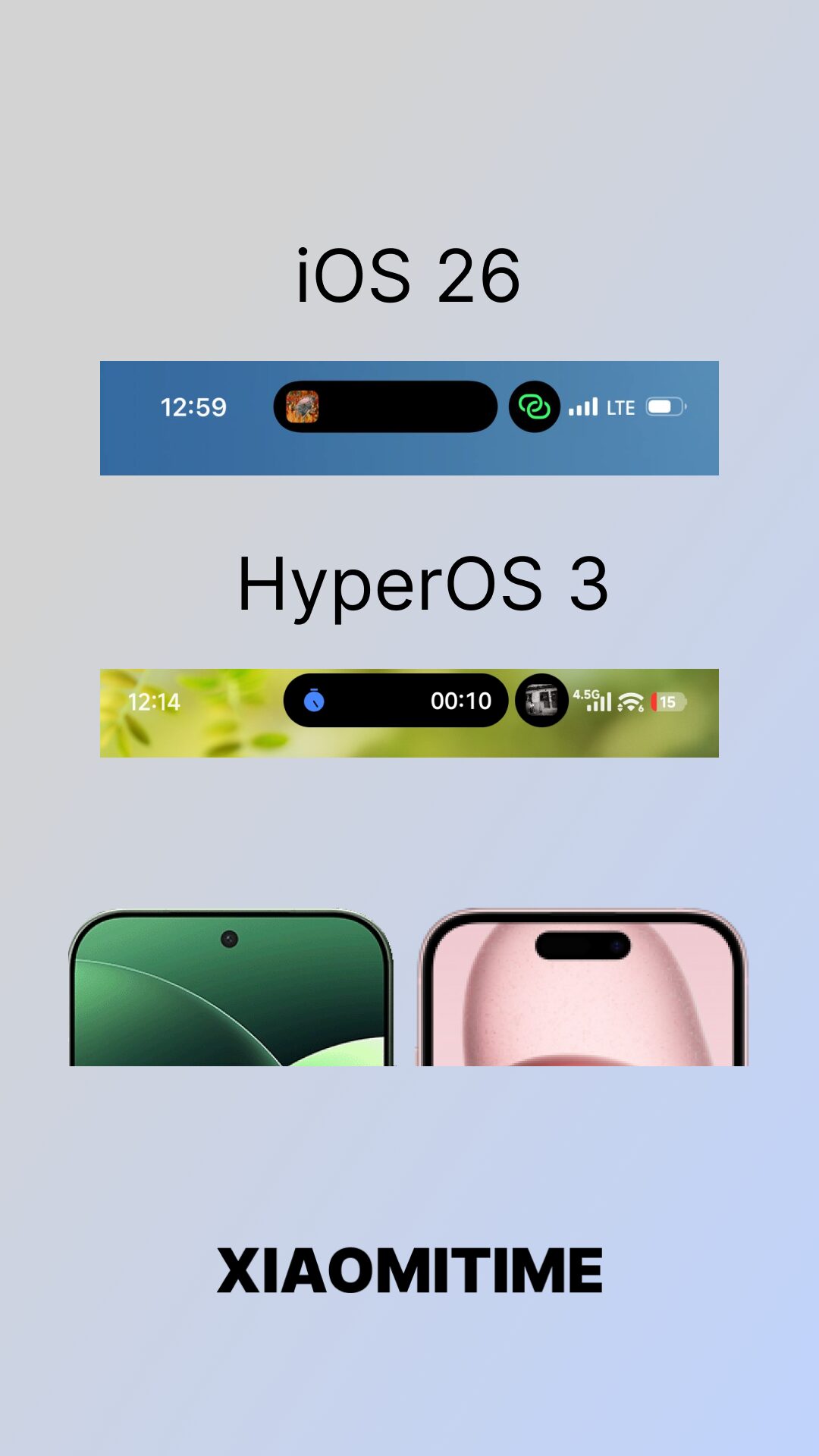
Xiaomi HyperIsland vs iOS Dynamic Island comparison

27 December 2025 at 05:00

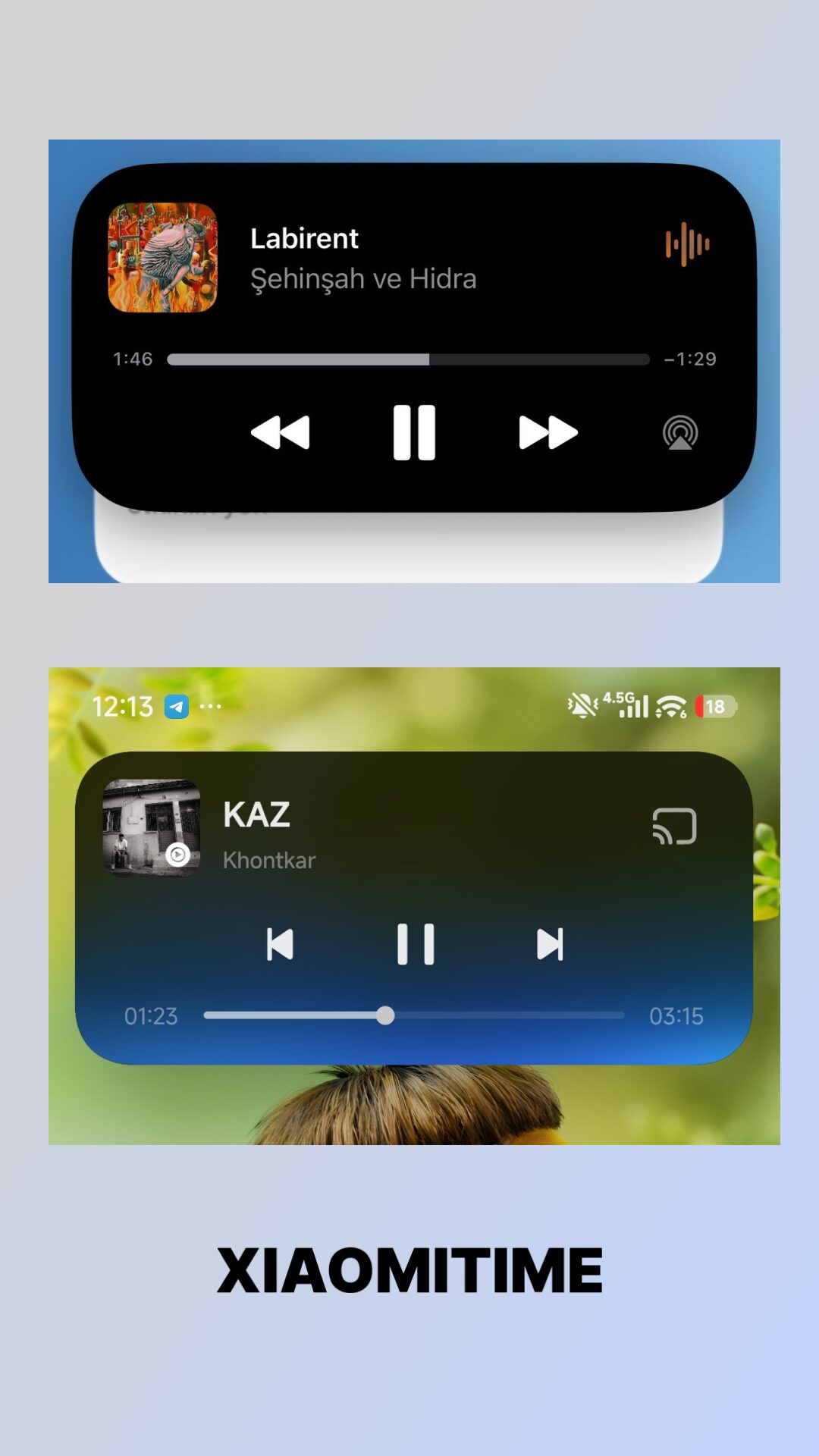
It’s an exciting time for Xiaomi fans as the company makes preparations for the global rollout of HyperOS 3, a historic upgrade that will change the smartphone experience forever. One of the most anticipated additions is HyperIsland, a feature that turns the front camera area into a fully interactive multitasking hub. Unlike Apple’s Dynamic Island, Xiaomi’s implementation focuses on practicality — allowing users to switch from notifications directly into multi-window or floating apps. This innovation highlights Xiaomi’s continuous effort to enhance both productivity and user experience across its devices.

A Giant Leap in Mobile Interaction

HyperIsland is not about visual appeal or design flash; it’s truly a leap forward in the functionality of mobiles. Apple’s Dynamic Island, found on the likes of the iPhone 14 ProiPhone 15, and future iPhone 17, is itself a fashionable notification space, whereas the Xiaomi method offers the system integration more deeply.

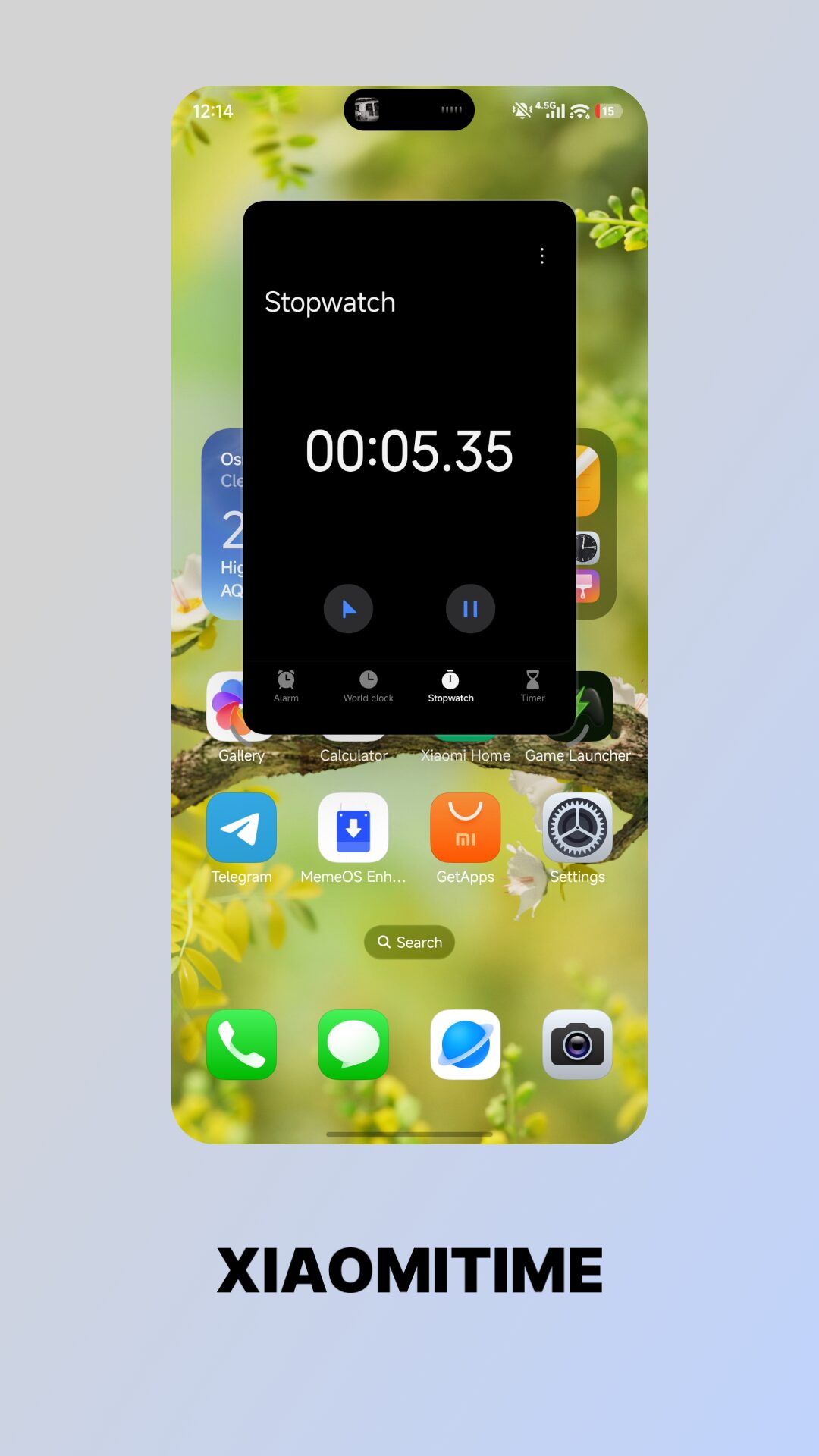
Imagine receiving a message or notification — with just a tap, HyperIsland expands into a fully functional floating window, letting users respond instantly without disrupting their current activity. This seamless approach to multitasking is a hallmark of HyperOS 3, showcasing Xiaomi’s goal to not merely follow trends but to perfect them through innovation and engineering.
Frame 33

Designed for Seamless Multitasking

One of the standout aspects of HyperIsland is its usability. For users who constantly juggle between apps, Xiaomi’s new system design makes multitasking effortless. Whether you’re replying to messages while streaming a video or referencing notes during a meeting, everything happens in one fluid motion.

  • Quick Conversion: Tap the HyperIsland to turn a notification into a live floating app window.
  • Space Efficiency: Keep a full-screen immersive view without clutter or interruptions.
  • True Multitasking: Instantly open apps in a mini-window directly from the dynamic notification area.

This feature exemplifies Xiaomi’s design philosophy — smooth transitions, reduced friction, and productivity at your fingertips.
Frame 32

Availability and Device Support

The global release of HyperOS 3 will begin in October, and HyperIsland will be accessible for millions of people across the world. But for the time being, this feature will be available only on mid-range and flagships to ensure the best experience. A few low-end phones and some Xiaomi Pad series models may be excluded at least for now, since Xiaomi focuses on delivering the best experience on high-end hardware.
Frame 31

Preparing for HyperOS 3

If you’re eagerly awaiting the update, get your device ready. Buyers can download the MemeOS Enhancer app from the Play Store to manually update system apps, unlock hidden capabilities, and prepare for the forthcoming HyperOS 3 launch. The tool keeps you on top of every single improvement Xiaomi releases, delivering a smoother and faster upgrade process.


Tianma mass produces 185Hz AMOLED: A new display milestone

26 December 2025 at 21:12

Tianma Microelectronics made an official announcement regarding its mass production of its new 185Hz AMOLED screen technology on this day. This is quite an accomplishment for the screen technology sector after their success with 165Hz screens. Though the upcoming POCO X8 series relies on conventional 120Hz panels at present, this new technology may open doors for faster screens to appear on future versions of  Xiaomi phones. These displays offer faster response times and minimize lag while watching videos on any Xiaomi HyperOS.

Revolutionary Display Technology

The display screen boasts the world’s first discrete pixel circuit design called AMOLED, developed by Tianma. It has the advantage of using an independent dual-track driving system for data writing and DTFT threshold compensation. This technique has proven successful in overcoming the limitation of speed and accuracy, which were not meant to exist together in the conventional system. When it comes to ultra-high refresh rates, the screen’s compensation speed has been greatly enhanced. The first frame’s brightness ratio improves by 13.4%, and image retention is adjusted by 61%.

Tianma 185Hz

Enhanced Gaming Performance

The 185Hz high refresh rate display of Tianma has been tested and certified for several flagship mobile games. It provides fast response time of less than 5.4ms per frame. Along with intelligent touch algorithm technology for fast latency, there is no ghosting effect in dynamic images. The display also provides better dark details, providing a fast-responding touch experience for e-sports. In order to consume less power, the screen adopts new generations of low-power light-emitting technology. Along with full-scene intelligent flicker dimming technology, it also provides healthy vision protection.

Xiaomi and Future Implementation

Xiaomi phones have been sporting 120Hz displays. The Xiaomi 10T sports a 144Hz display. Xiaomi has been maintaining that record for its highest display refresh rate up to now. There are reports that an upcoming Xiaomi device sports an innovative 165Hz screen. It may take longer for Xiaomi to take advantage of the new technology of Tianma’s 185Hz displays. However, its R&D prowess to support up to an impressive 240Hz display has been announced by Tianma.

Xiaomi 17 Ultra Leica Edition sold out in a flash: Prices skyrocket

26 December 2025 at 16:48

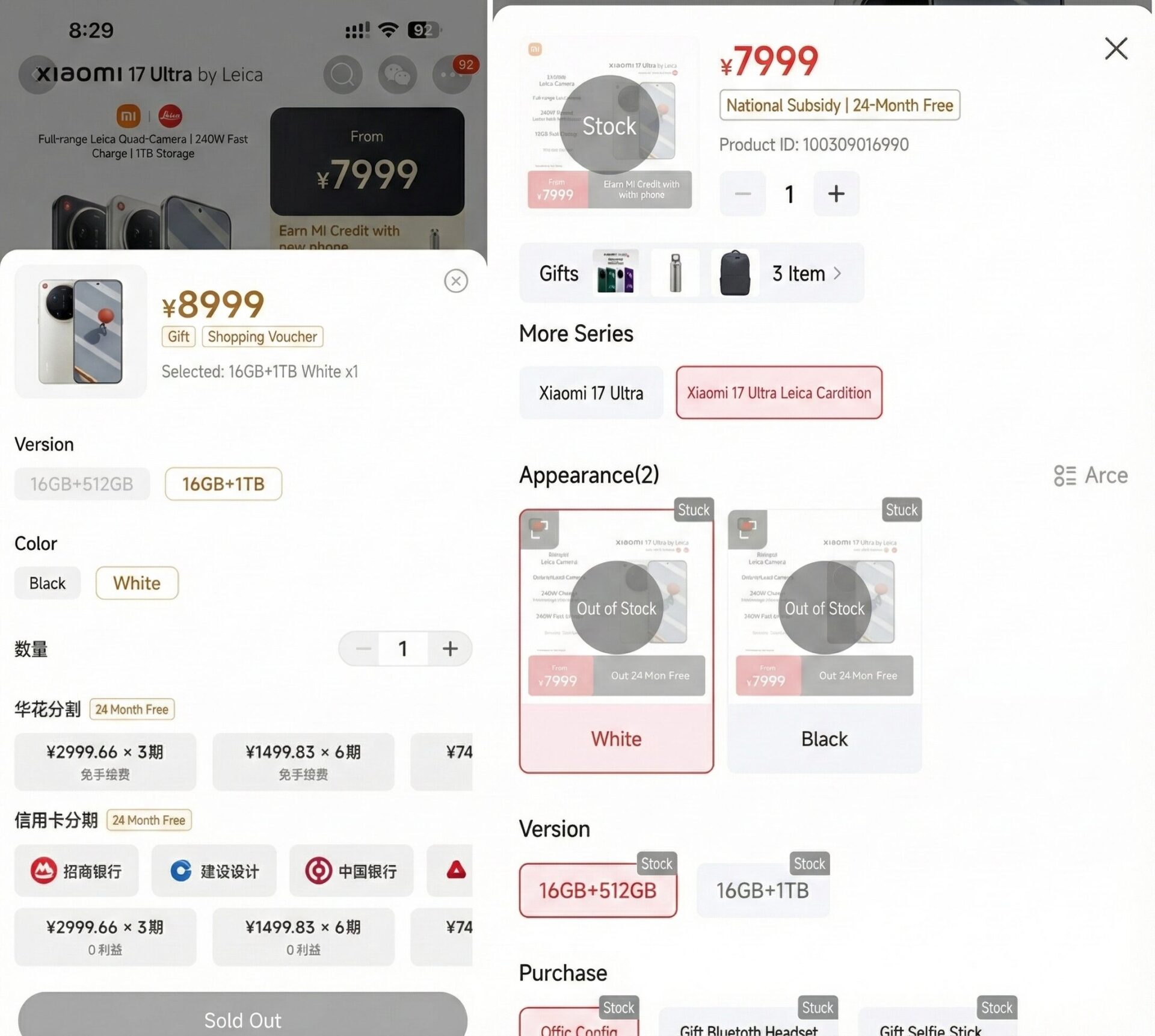
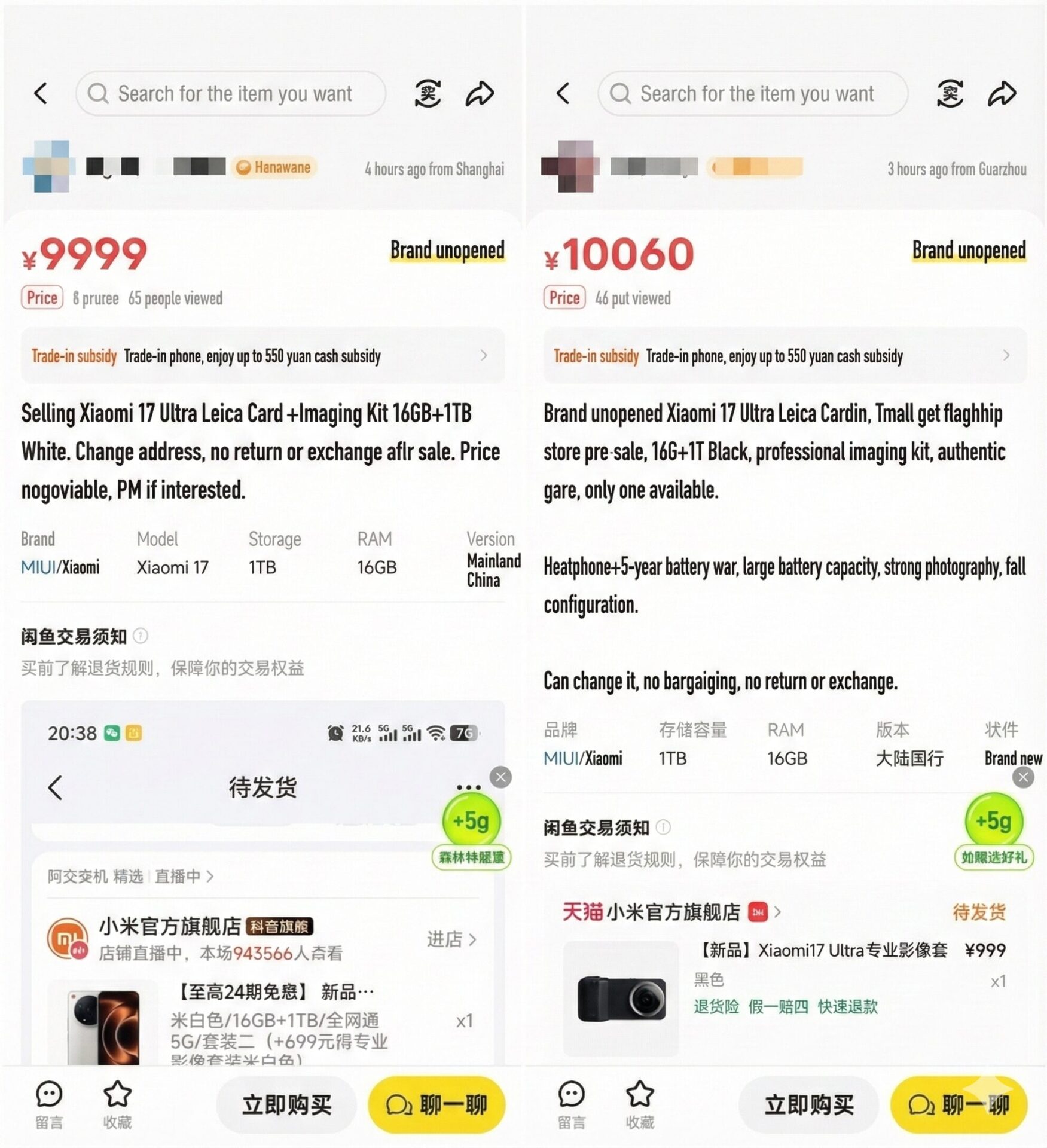
The newly launched Xiaomi 17 Ultra series has taken the Chinese market by storm, specifically the premium Leica Edition. After its official release last night, the limited supply was bought up immediately due to high demand from photography enthusiasts. Some reports indicated that it already appeared on second-hand trading platforms with inflated price tags. This surge in popularity illustrates the robust appeal of Xiaomi’s newest flagship in innovation in mobile imaging technology.

High Demand and Market Response

The Xiaomi 17 Ultra Leica Edition made its debut by carrying a starting price of 7,999 CNY, which translates to approximately $1,115 USD. From such positioning, one might assume that the inventory won’t be flying off the shelves too fast, but that wasn’t what happened when it was initially released.

17 Ultra sold out

Social media platforms were blowing up with comments when Xiaomi Group President Lu Weibing posted about it. Many fans were sharing in their luck by showing screenshots of how they managed to get an order in, while others were simply commenting on how fast it went out of stock. Because of this scarcity, units have since shown up on third-party sites where sellers are charging well over the official retail price.

Xiaomi 17 Ultra karaborsa

Distinctive Design and Camera Features

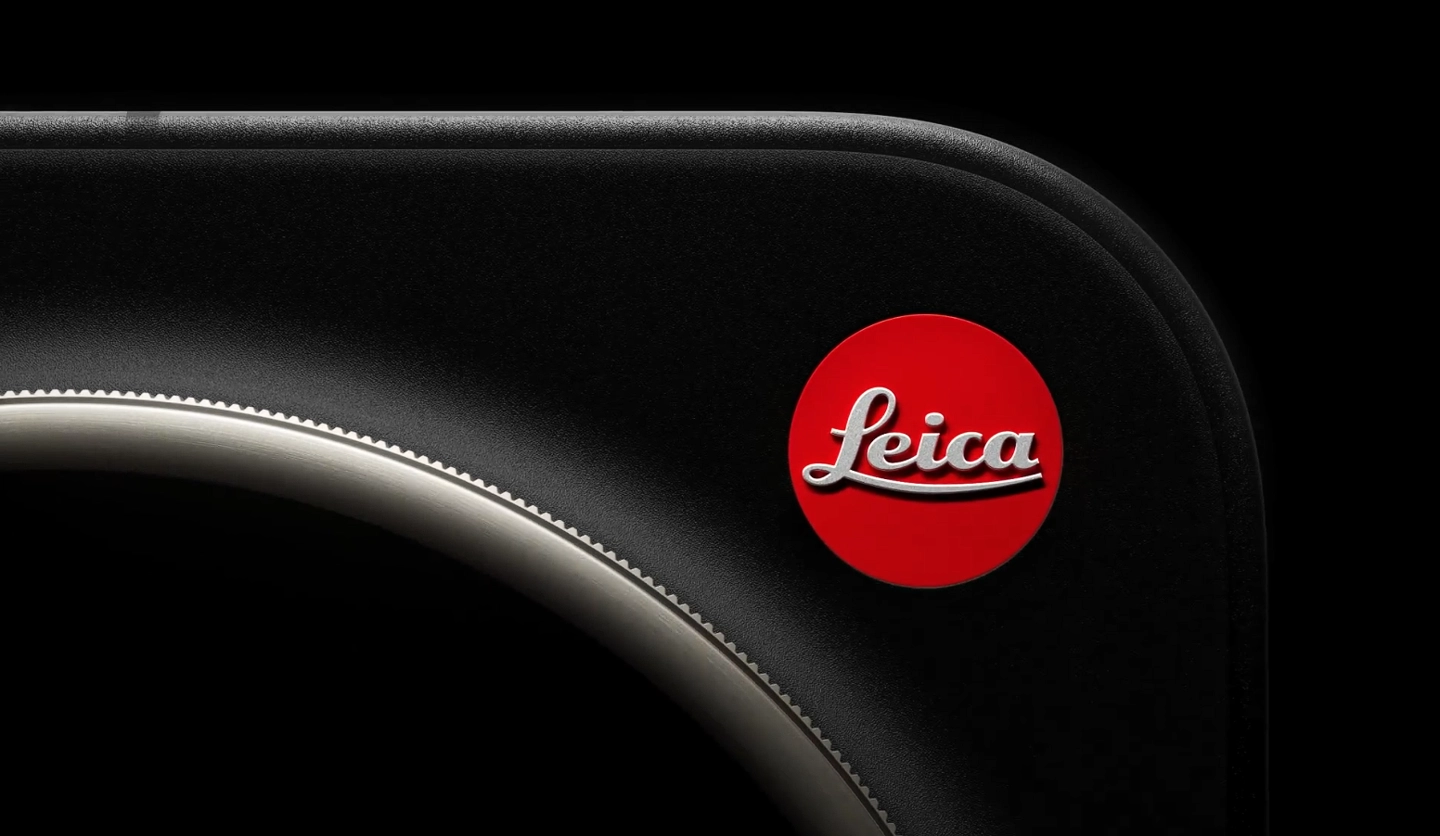
This particular model lures photographers with its distinctive aesthetic and functional hardware. It boasts a classic dual-tone design with the iconic Leica “red label” on the rear side. Perhaps one of the most striking features in the Master Zoom Ring, which emulates the manual operation of classic cameras. It enables exposure compensation and white balance to be adjusted physically. There’s also the software featuring the “Leica Moment” mode for that nostalgic texture effect, reminiscent of yore from classic CCD sensors.

Xiaomi 17 Ultra by Leica 1

Note: We kindly suggest updating your system apps to enjoy enhanced camera experiences and hidden features. You can follow our HyperOSUpdates.com portal or download our MemeOS Enhancer app from the Play Store. This app will help you manage updates and unlock advanced system capabilities.

POCO X8 Pro is expected to feature an ultrasonic fingerprint sensor

26 December 2025 at 14:19

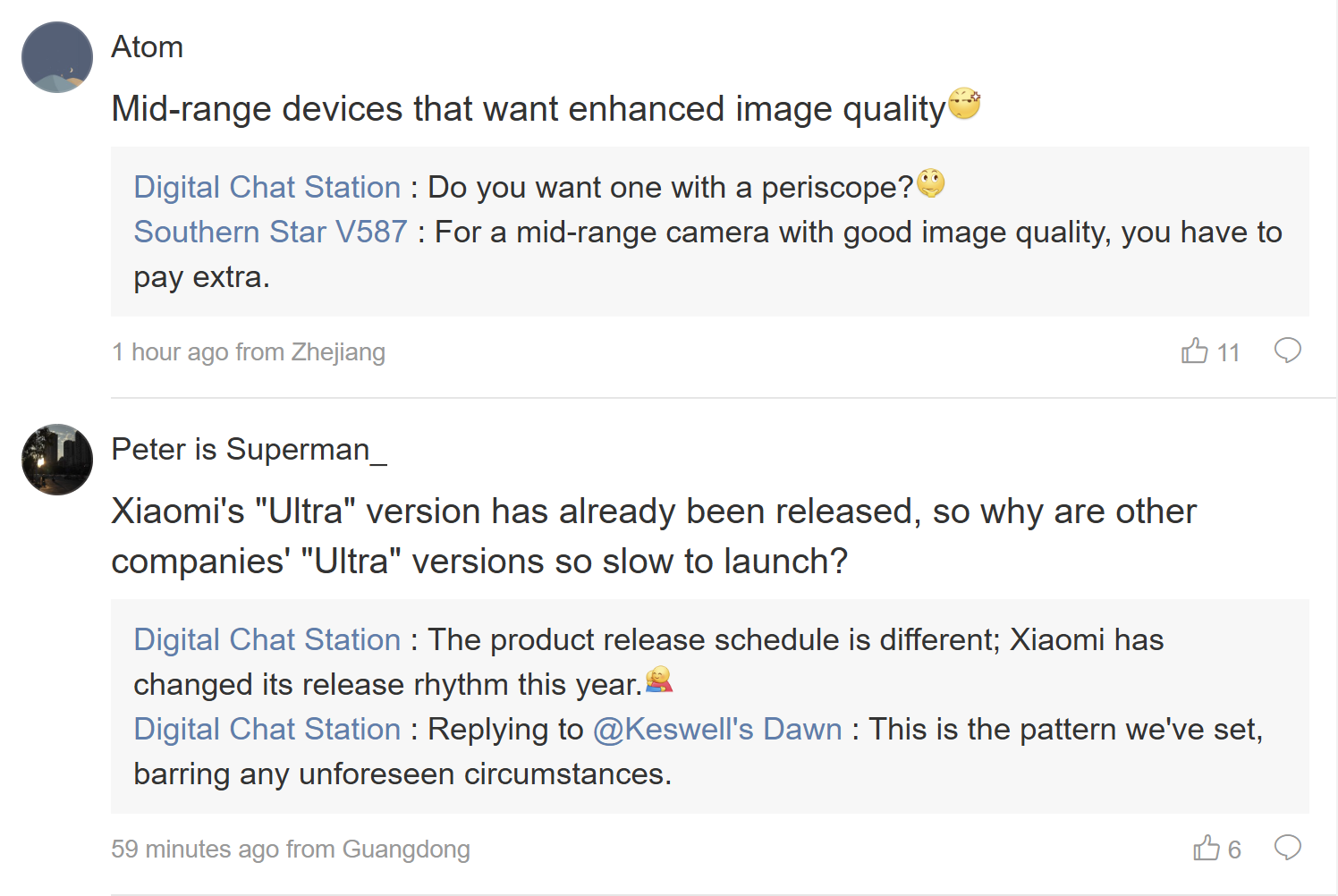
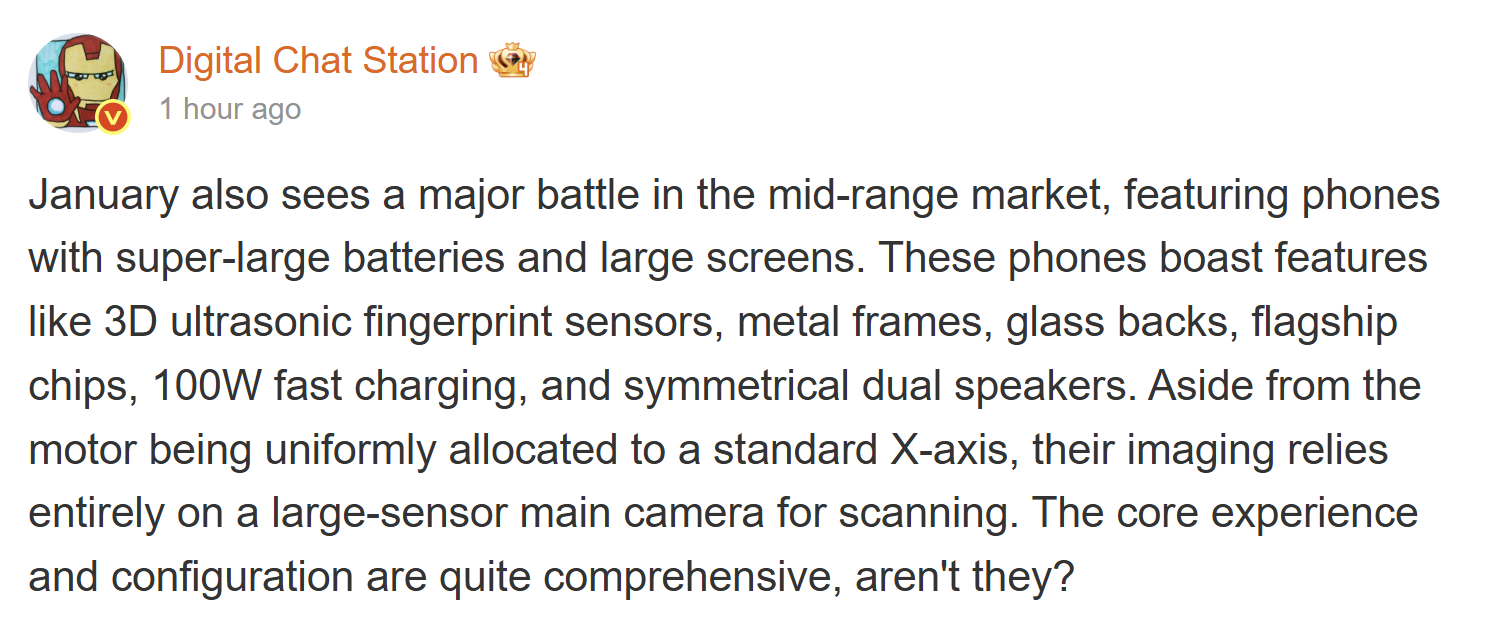
The mid-range smartphone market in China is about to see a heated upgrade war in early next year. Based on new details provided by Weibo tipster Digital Chat Station, it is learned that Xiaomi is planning to offer prominent flagship-grade functionalities in their forthcoming REDMI Turbo 5 series, globally POCO X8 series models. The rumor hints at some serious emphasis on performance, battery, and high-end hardware components to make the series a serious player in the January launch market.

Feature-Packed Hardware Enters the Mainstream

The REDMI Turbo 5 lineup will likely feature elements typically found in high-end phones. These will include a 3D ultrasonic fingerprint sensor for enhanced fingerprint scanning speed and accuracy, including when scanning wet fingers. The new product will have a flagship chipset, although its name has not been disclosed yet.

REDMI TUrbo 5 ultrasnoci 1 REDMI TUrbo 5 ultrasnoci 2 REDMI TUrbo 5 ultrasnoci 3

Along with an improvement in performance, there are expectations of a metal body and a glass rear panel. This aligns with Xiaomi’s decision to focus on upper mid-range models and enhance their build quality without adding costs. The smartphone also boasts stereo speakers with symmetrical tuning for better multimedia.

Batteries, Charging, and Image Focus

In Section

Among these, perhaps the most prominent highlight has been offered through the extra-large battery accompanied by 100W fast charging. This could well indicate that Xiaomi has been aiming for consumers looking for a battery life that doesn’t come at the cost of slower charging times. Features like this are now being offered in many Chinese mid-rangers.

In terms of camera technology, it needs to provide a large main camera sensor instead of using several secondary lenses. This design philosophy has proven to be quite good in Xiaomi smartphones in focusing on overall image performance instead of being led by market-promotion of multiple camera lenses. However, for the vibration motor, it will be a standard X-axis motor.

Market Timing and Competition

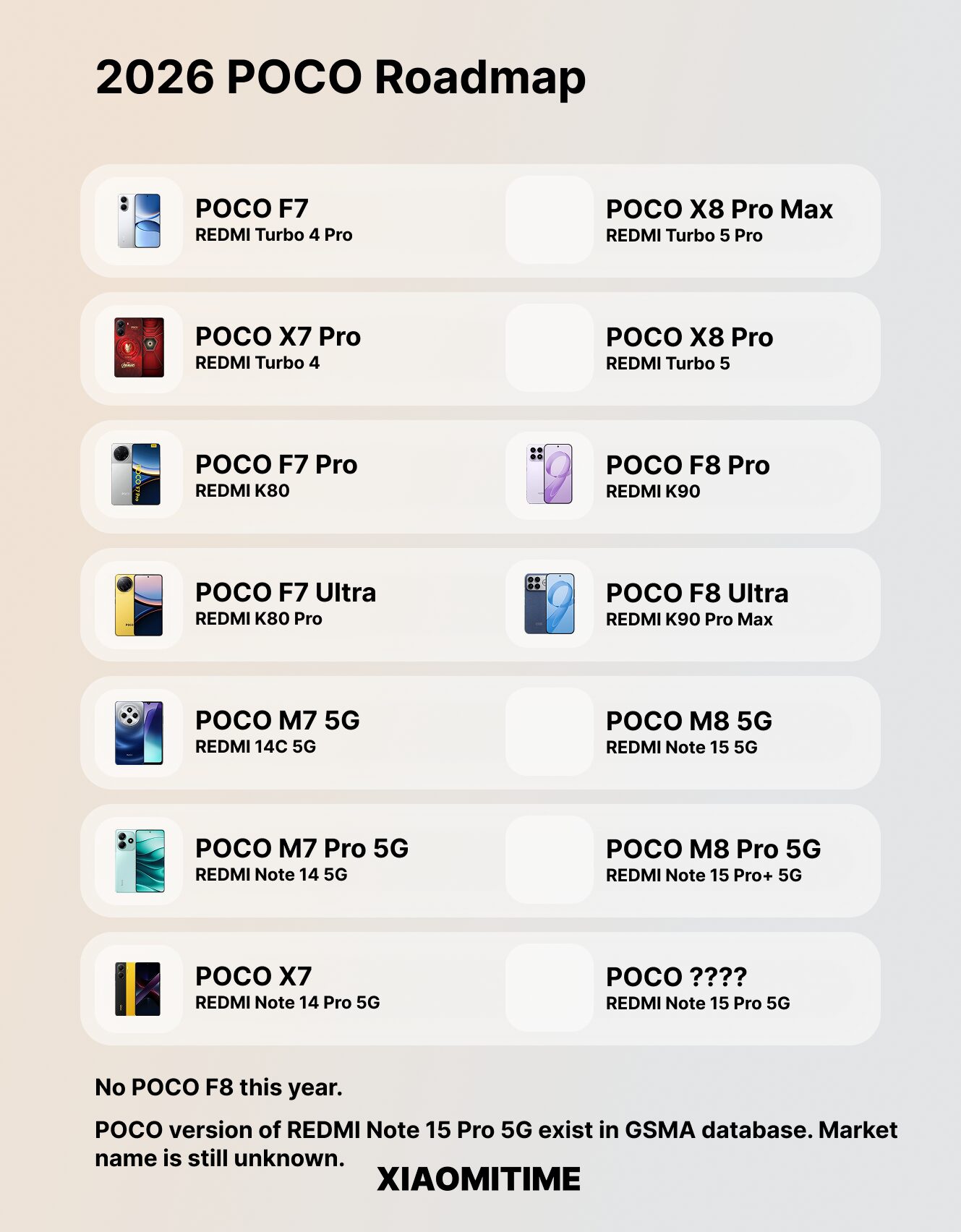
Going by the timeline of the exposed information, the REDMI Turbo 5 series smartphones are expected to be unveiled before the Spring Festival (17 Feb 2026), probably in the first month of the 2026, which is January. The device will be competing directly with other offerings in the market such as the OnePlus Turbo series, iQOO Z11 Turbo, and the realme Neo8. The three phones are expected to focus on large displays, high capacity batteries, and powerful performance. The phone will be sold as POCO X8 series globally.

POCO 2026 Lineup

As with all former REDMI K and Turbo series devices before it, it’s safe to assume that REDMI Turbo 5 would be exclusive to China, with a global rollout via the POCO X8 series at a later date. It would be interesting to see just what Xiaomi has up its sleeves for its initial 2026 lineup releases.


Source

This HyperOS feature cleans junk APK files instantly with a single tap

26 December 2025 at 11:57

xThe act of downloading applications from sources other than the Play Store is quite common among Xiaomi fans. The end result is that unused APK installer files end up being stored on Xiaomi devices. In time, such files consume valuable space without anyone knowing. However, with Xiaomi HyperOS, there is an effective solution to this issue that can be accomplished in just seconds via a function found on its operating system. The function operates automatically without requiring any knowledge. Many Xiaomi and POCO devices support this feature.

HyperOS Mechanism to Identify Un-used APK Files

HyperOS comes equipped with sophisticated storage management features that extend beyond simple file cleaning. These features are part of Xiaomi’s system-level optimization initiative and aim to enhance device performance over time. HyperOS does not depend on third-party cleaning software but instead utilizes its own intelligence to scan internal memory effectively and correctly.

APK Detection Inside the Security App

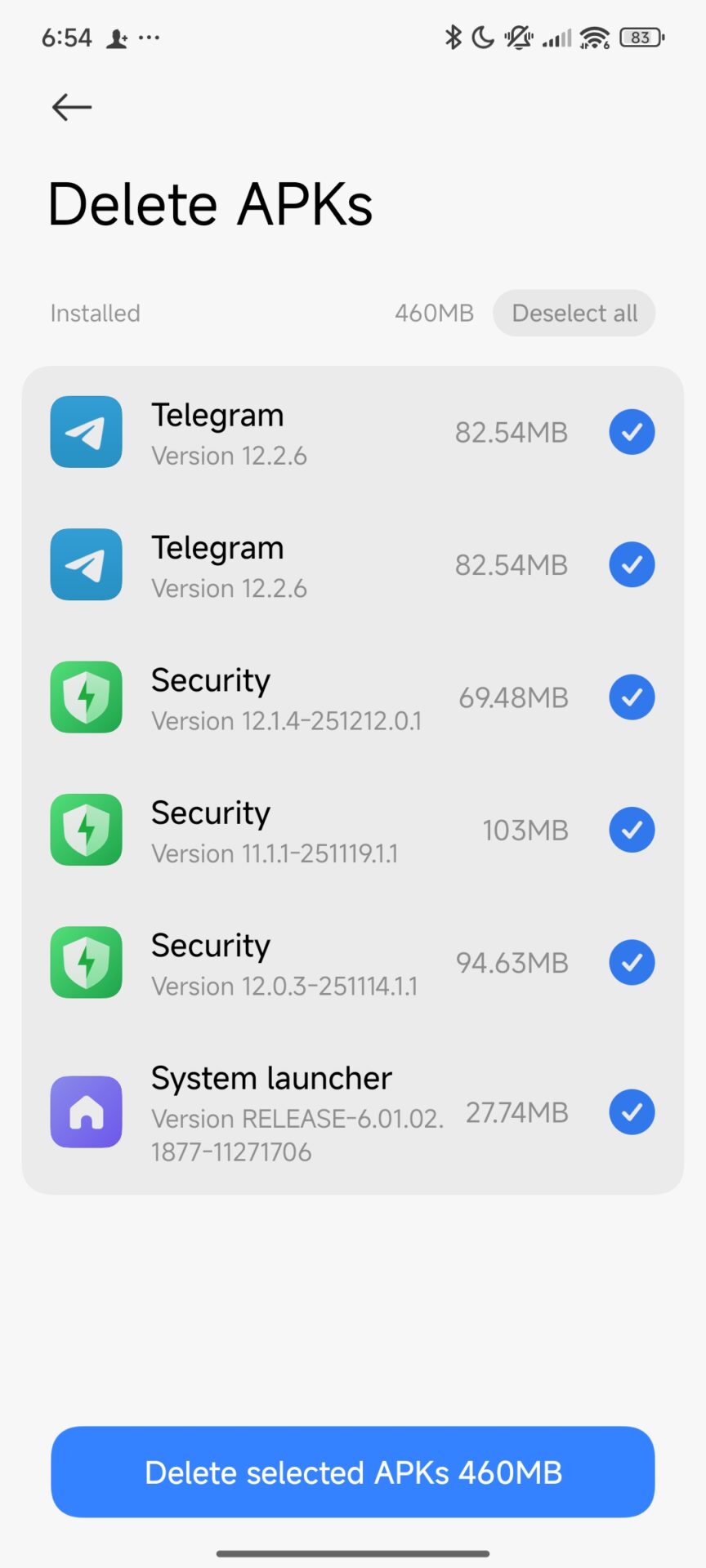
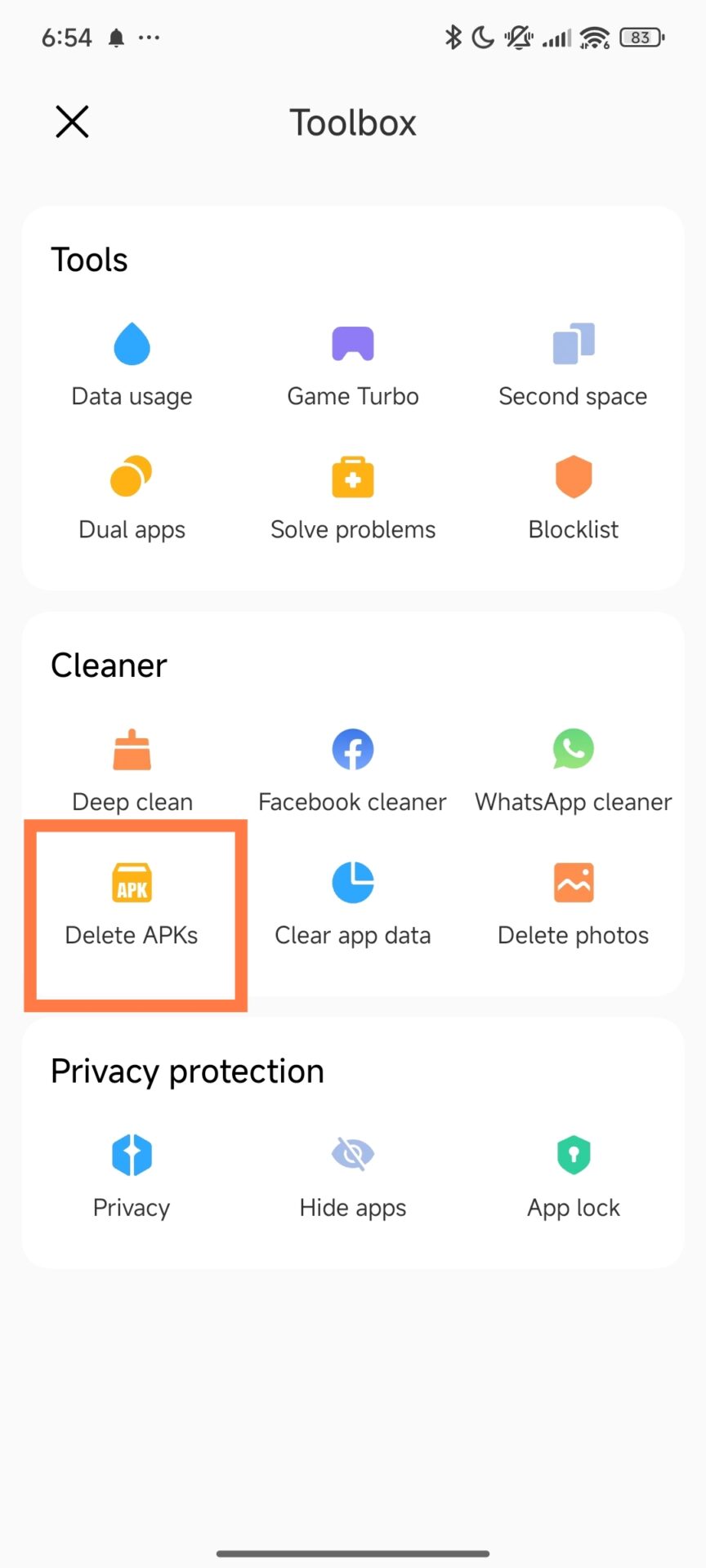
HyperOS looks for APK files in the internal memory within the Security application, which are no longer needed in the device. These files are the ones left after manually installing applications in the device or after un-hibernating applications. It identifies the files with no functionality to offer to the device, thus showing the space that can be saved.

This procedure is entirely transparent. Users can check the identified files for removal to make sure that vital files are not deleted accidentally.

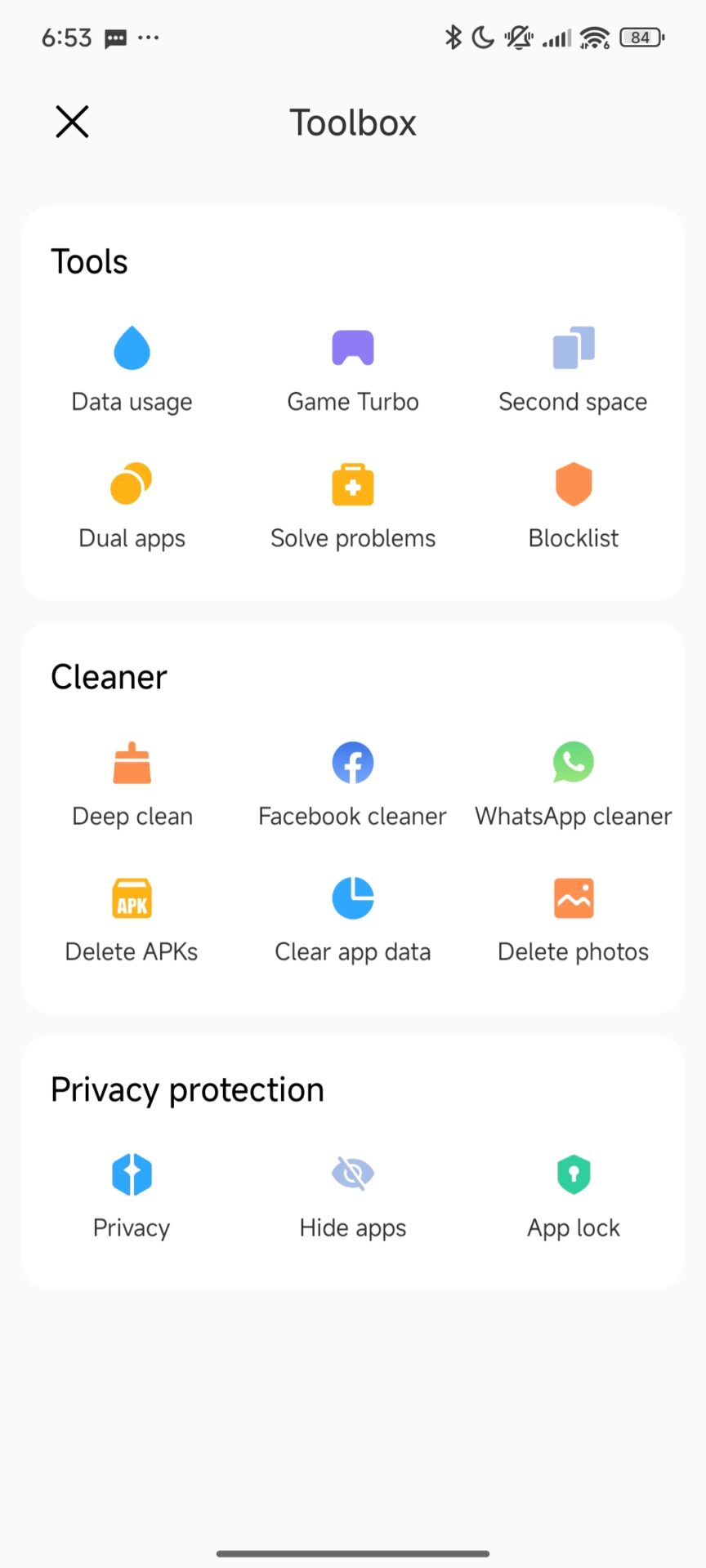
Delete APK Security App 1 Delete APK Security App 2 Delete APK Security App 3 Delete APK Security App 4

One Tap APK Cleanup Explained

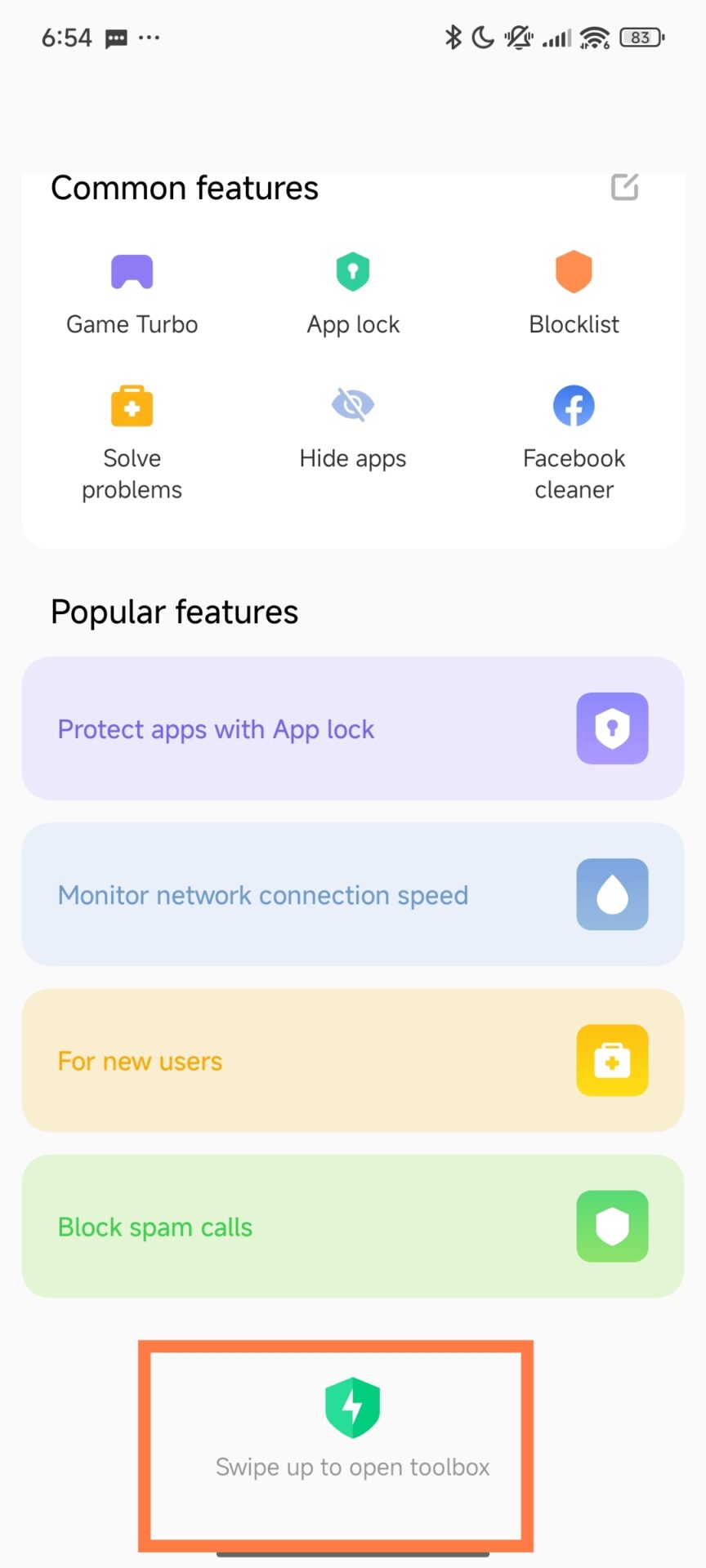
Once the Security application is opened, users are then able to navigate to the delete APKS option from the general tools category. The process then allows HyperOS to scan for unused APKS.

The important advantages of this feature are:

  • Unused APK detection
  • Clear indication of recoverable storage capacity
  • Single tap deletion without browsing
  • Does not affect installed and active programs

This is helpful in that it eliminates the hassle of digging into the File Manager where APK files tend to be dispersed all over in download folders.

Why This Matters for Long-Term Storage Health

Unused APKs can appear to be insignificant files, but they tend to accumulate over time, considering that many people test applications outside of Google’s marketplace. They pose a problem if these files continue to accumulate with time due to people who regularly test applications.

For users who want to keep the system apps on Xiaomi updated, one can make use of HyperOSUpdates.com or the MemeOS Enhancer app which is available on the Google Play Store. Apart from that, MemeOS Enhancer also allows access to hidden functionalities in Xiaomi.

❌