Xiaomi is on its way towards launching its eagerly awaited Xiaomi 18, slated for October 2026. Interestingly, this is when Rockstar Games is pushing back its expected date of launching GTA VI into the distant future. Originally expected in Autumn 2025, GTA VI is expected on Nov 19, 2026, thereby providing ample time for Xiaomi to upstage its competitors. Xiaomi is all set to treat its audience with its Xiaomi 18, offering them advanced technology, powered by SD8 Elite Gen6, perfect assistants for gaming and multi-tasking, Xiaomi is going all out!
Xiaomi-18 is set on following up on the success of its predecessor, Xiaomi-17, launched in August of 2025, and received quite favorably from reviewers and buyers alike. Xiaomi-18 promises improved processing speed, improved design, and improved camera functionality, all encased within a slick and futuristic design that has enough of that wow-factor for enthusiasts of gaming and emerging technology on their mobile platforms just waiting for them, just on time for GTA VI releases and other gaming necessities that require all that processing power and functionality they could possibly be getting for their money on a device as portable as a cell phone.
Even as the world of smartphones awaits this upcoming release, there is no doubt that Xiaomi is again at the forefront of innovation in mobile technology. Stay updated for more as we find out more about its features and price for Xiaomi 18.
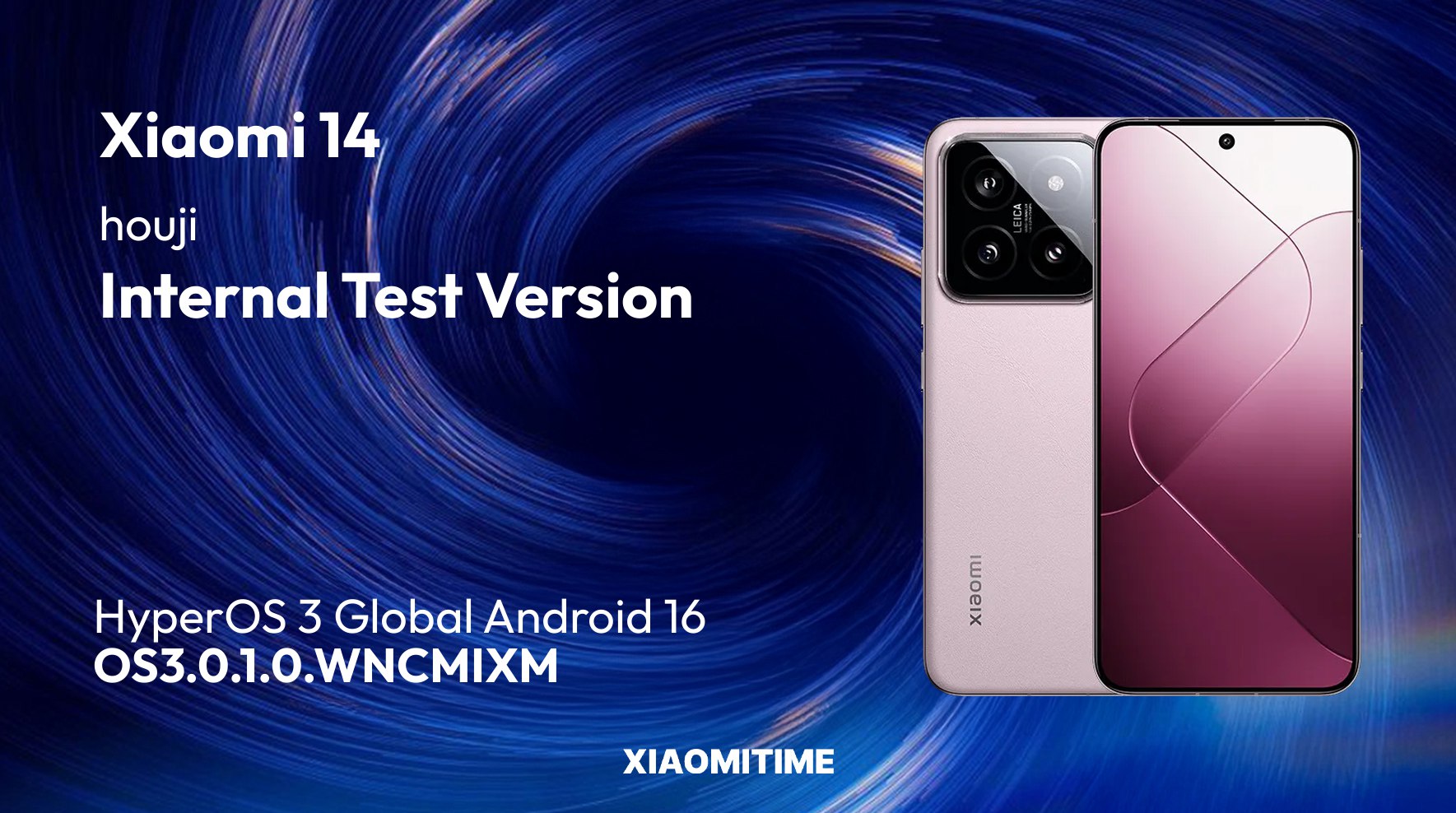
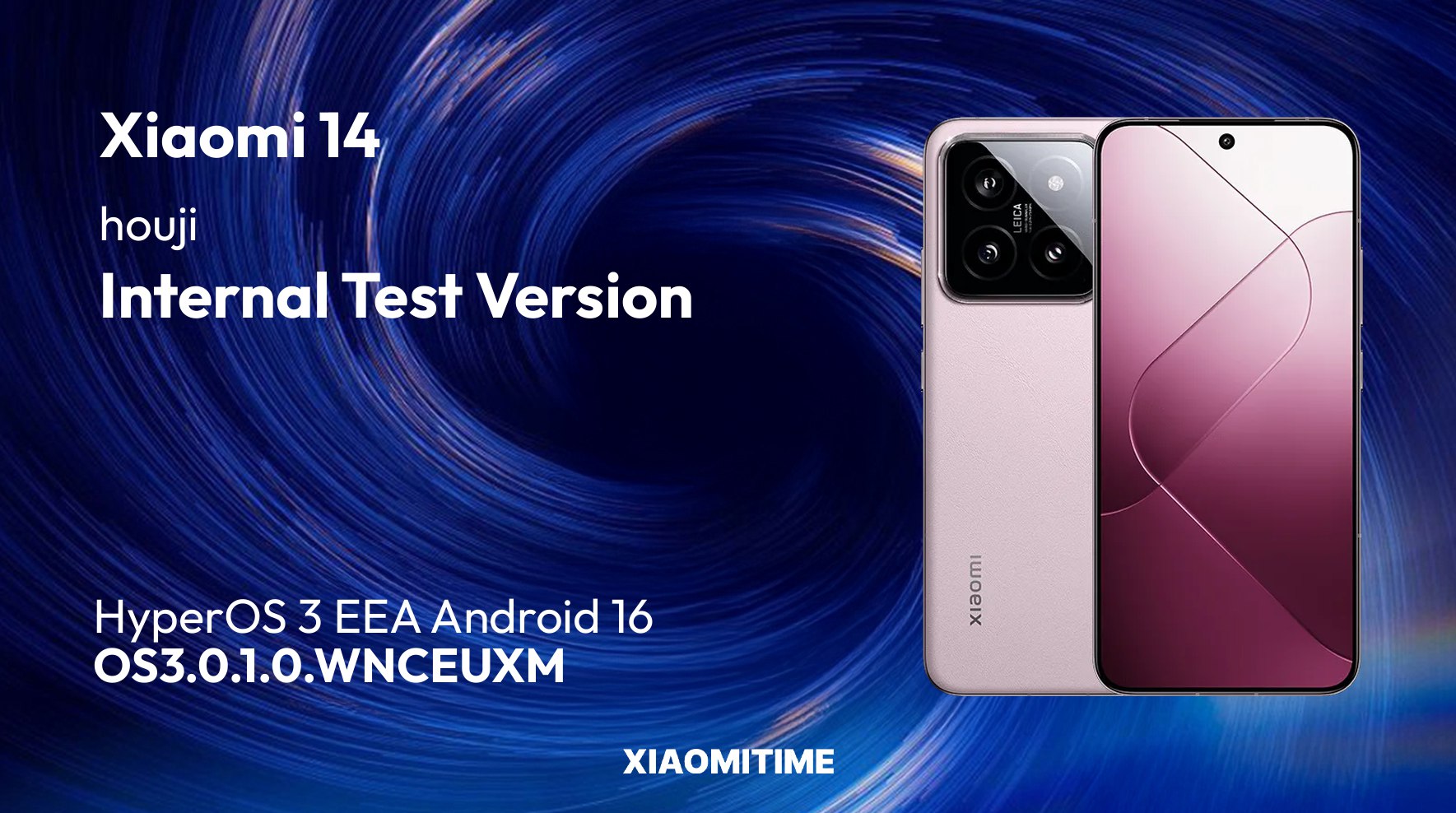
Xiaomi 14 series phones can expect the eagerly awaited update of HyperOS 3.0, expected this week, coming along with the new operating system versions of OS3.0.1.0.WNCEUXM for EEA and OS3.0.1.0.WNCMIXM for Global, all of them based on Android 16. All these are still at the internal testing phase and are close to being finally launched for public consumption. They bring about very promising developments and optimizations for functionality, such as AI technology, user interface, and overall smooth interaction.
With the release of Android 16 launched on a global scale for other Xiaomi devices as well, this upgrade is all set to boost the functioning of Xiaomi’s flagship and mid-range series phones and devices. The new version of HyperOS 3 brings forth ample AI enhancements, making your Xiaomi 14 device smarter and more user-friendly than before.
In particular, people who would prefer having this update earlier can directly download Xiaomi’s new applications via HyperOSUpdates or MemeOS Enhancer from the Play Store, and this would enable them to upgrade their system applications and unlock more features as well.
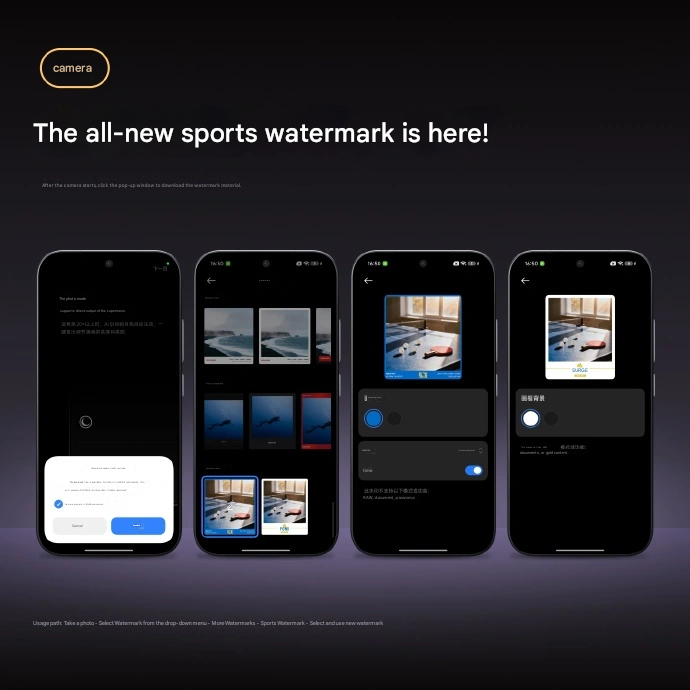
Xiaomi has begun implementing two new motion watermarks for its camera app on Xiaomi and Redmi phones. Additionally, these watermarks are still under gray scale phased rollout and have a sports theme of “PING PONG” that gives users more flexibility when it comes to customization. Both of these new motion watermarks feature two distinct color styles. First, one comes along with a gold or blue ribbon placed below the captured image, and these have black and white backgrounds available. Secondly, one of these watermarks comes along with a table tennis silhouette pattern and supports black and blue backgrounds. Again, these watermarks symbolize Xiaomi’s efforts towards providing its users personalization through its native camera app.
Limited gray-scale rollout phase
At this point, these watermarks have not been made available for all users yet. Xiaomi has, however, released them incrementally as part of a gray scale testing phase. Few users got access to these watermarks before they can be fully released.
If your device supports this feature, a pop-up window will appear on your camera app, and you will be asked to download the new motion watermarks. Downloading this feature will enable its usage on your camera application permanently through its watermark library.
How to use watermarks
Launch the Camera app and swipe down from the main screen to open the menu.
Tap on “Watermark”
Choose “More watermark”
Under the “Motion Watermark” section, select your favorite “PING PONG” style.
Press the Edit icon in the middle of the screen to personalize the watermark and imprint it on your images.
These new features highlight Xiaomi’s efforts to continue improving photography on devices operating on HyperOS software. Xiaomi’s intention is to offer personalized and engaging photography, combined with optimal device functionality and smooth operations through continuous rollout updates.
Xiaomi has begun rolling out an update for its HyperOS Launcher that will enhance its operation and compatibility worldwide. Now available is RELEASE-6.01.02.1321-10302137 that has been tried on HyperOS 2.2 and has proven fully functional for Global as well as China builds. Today, all users, whether owning Xiaomi, Redmi, or POCO phones and having installed HiperOS on them, can have a more stable HyperOS operation thanks to this improvement of its Launcher interface.
Xiaomi has, through this update, reiterated its efforts towards optimizing the wider HyperOS system ecosystem. Unlike past versions, this one is mainly aimed at optimizing animation smoothness, memory, and app drawer transition effects, as reported by some of its early testers, who observed that application switching is much faster and more fluid, especially when running Snapdragon 7 Gen 1 or MediaTek Helio SoC based devices.
Available for All HyperOS Regions
The new HyperOS 3 Launcher is compatible with all active Xiaomi regions, meaning that users of Chinese and Global ROM phones can run this launcher. If you’d like to upgrade your system launcher manually, you can download the latest system launcher from our other project HyperOSUpdates.com, or through our app available on the Play Store MemeOS Enhancer. Downloading MemeOS Enhancer will, of course, unlock Xiaomi hidden system features, system app upgrades, and
What’s Next for HyperOS 3?
Xiaomi is also reported to be working on enhancements for its HyperOS 3 development branch, including improvements such as a revamped control center, dynamic icons, and application grouping through AI technology. Although there is no official timeline available, internal testing reveals that these enhancements are expected to roll out in early 2025.
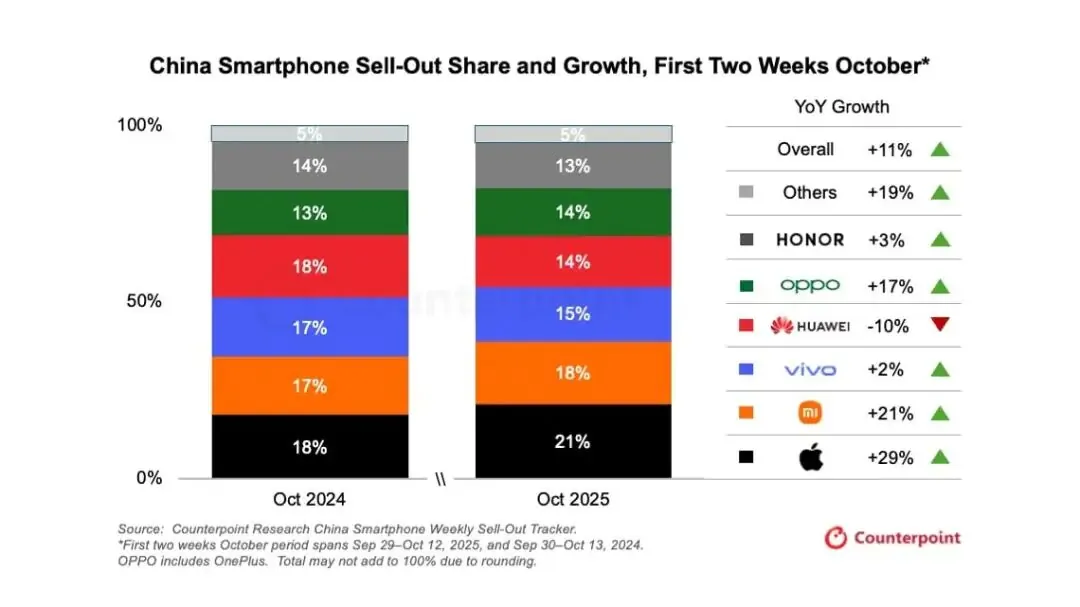
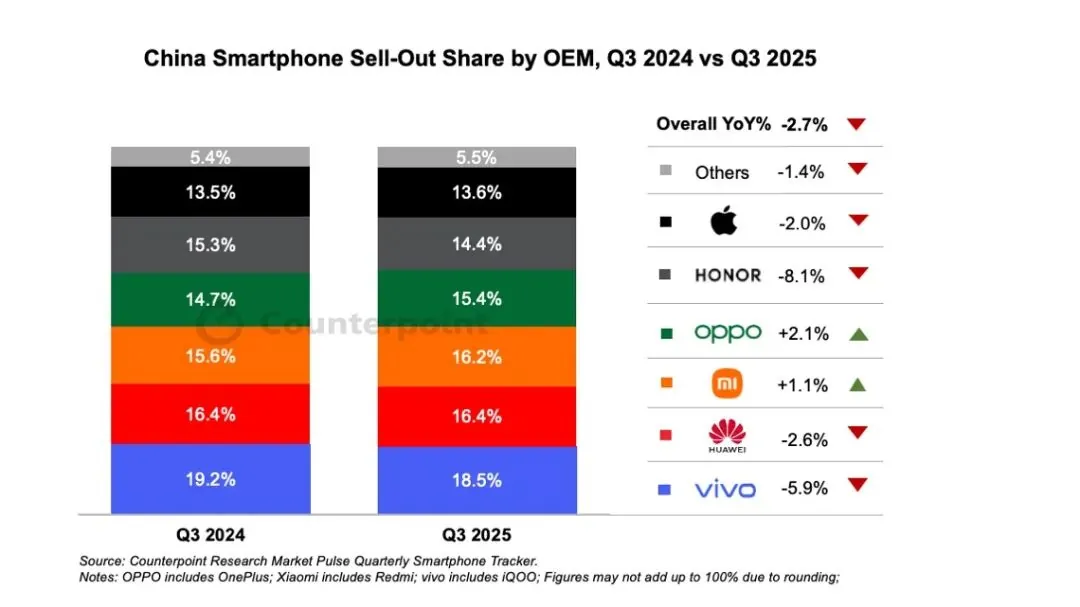
In its native China, Xiaomi has managed to display its ability to sustain itself despite having an ever more competitive market for smartphones. As per Counterpoint Research, the overall sales of smartphones in China have decreased by 2.7% on a year-over-year basis withinQ3 of2025; however, Xiaomi has still manageda growth ofa whoppinga1.1% due to the success of itsRedMi K80 as well as RedMi Note 15 series of smartphones. Moreover, its most recently releasedXiaomi17 series, including17 Pro and 17 Pro Max, has received anenthusiastic receptioninthe
Xiaomi’s Expansion within Its Original Market
China has always been Xiaomi’s bedrock and innovation center, namely where its journey started back in 2010, thanks to Lei Jun’s leadership. Xiaomi has kept its strong link with local consumers through its affordable prices, superior technology, and large HyperConnect ecosystem. Even as China slows down its sales of handsets, Xiaomi manages to boost market share through its premium offerings that suit tech and price-sensitive enthusiasts alike.
Its balanced strategy and strong Q3, especially its ability to focus on Snapdragon 8 Elite Gen 5-based flagship offerings and MediaTek Dimensity-based mid-range phones, is noteworthy, as this allows it to meet market segments’ demand and stay profitable at the same time.
Competing in a Tough Market
Although vivo continued leading with a market share of 18.5%, its sales experienced a slight drop due to heightened competitiveness in the market. Huawei, OPPO, and Honor experienced the same scenario, as Huawei is still waiting for its ecosystem migration to HarmonyOS NEXT to fully gain pace. OPPO’s sales increased, thanks to OnePlus and its gaming-centric Ace 5 and OnePlus 13 series, which proved popular among youths.
By comparison, Xiaomi has used its intelligence and branding to secure a strong second place in growth rate, only behind Apple, whose iPhone 17 series is still doing well.
Future of Xiaomi within China
Meanwhile, as Xiaomi readies itself for the future quarters, the brand is fixated on perfecting its ecosystem through HyperOS 2, AI camera technology, and UWB Smart Connectivity—technologies that would solidify its stance not only across Chinese shores but across other countries as well.
With its roots entrenched in Chinese culture, Xiaomi Mi is symbolic of innovation that has evolved through China and integrated technology and design concepts effectively and creatively. Moreover, its aptness and adaptability during market contraction have reinforced its success as one of China’s most future-aware technology giants.
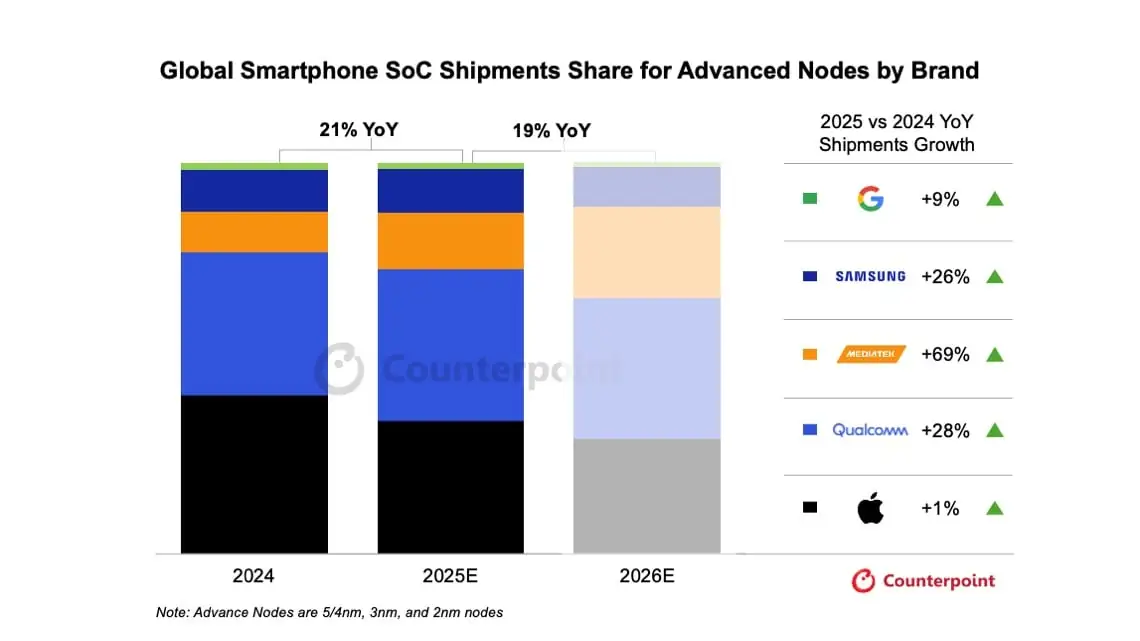
Xiaomi is lining up a dual-chip technology for 2025, as it has continued its partnership with Qualcomm and MediaTek for its future flagship and mid-range series. As indicated by the most recent report from Counterpoint Research, the worldwide market for SoC offerings for smartphones is on the cusp of a big transformation, as SoC offerings based on 5nm and below are expected to finally pass 50% of all shipments for the first time ever. Under this paradigm shift, Xiaomi is adopting Qualcomm’s Snapdragon 8 Elite Gen 5 and MediaTek’s Dimensity 9400 solutions for its offerings.
Xiaomi’s Dual-SoC Plan for 2025
Xiaomi has always used a two-fold chipset strategy that has helped them strike a balance between high-performance and affordable phones. Coming to Xiaomi’s Xiaomi 17 series and Xiaomi 17 Ultra, they would be powered by Snapdragon 8 Elite Gen 5, and REDMI K80 Ultra and Xiaomi 15S Pro would be powered by MediaTek’s Dimensity 9400 chipset.
In 2025, achieving this balance will be more imperative than before, as chipset vendors begin mass producing chips based on 3nm technology, offering enhancements in AI computing, gaming, and power consumption, which are essential components of HyperOS 2.0 and Xiaomi HyperConnect ecosystem development.
Qualcomm Superintendent, MediaTek Accelerates
Based on Counterpoint’s forecast, Qualcomm is expected to continue its lead as the primary supplier of advanced-process SoCs, registering 28% YoY growth in shipments in 2025 and contributing 39% of market shares. Xiaomi’s premium series’ preference for Snapdragon 8 Elite Gen 5 fabrication technology puts it at the pinnacle of processing and power efficiency benchmarks.
On the other hand, MediaTek is accelerating its transition as well. With the expected growth of shipped advanced-process chips of 69%, its Dimensity 9000 and 9400 series will be playing an integral role in Xiaomi’s mid-range as well as its performance-focused lineup of phones as well. Keeping in view Xiaomi’s direction of incorporating MediaTek platforms into its Redmi K series, POCO, and Xiaomi T-series phones as well.
TSMC and Samsung Lead Next-Gen Semiconductor Manufacture
Both TSMC and Samsung Foundry play a critical role for Xiaomi’s ecosystem. According to Counterpoint, TSMC is expected to retain more than 75% of market share in advanced SoC shipping by 2025, with a growth rate of 27% per year. By 2026, mass production of 2nm chips is expected from TSMC and Samsung Foundry, allowing Xiaomi, Apple, Qualcomm, and MediaTek to roll out their new-generation platforms based on this technology.
Additionally, this new generation of innovation for chips will enable Xiaomi to upgrade its AI, camera, and connectivity functionality of future smartphones and other intelligent products.
Future Built on Performace and Smarts
In this shifting landscape of semiconductors, Xiaomi has adopted a flexible strategy of blending Snapdragon and MediaTek SoCs for its future survival in the market. With HyperOS 2.0 technology fully optimized for 3nm and coming soon on 2nm, one can expect Enhancements in AI Multitasking, Camera, and Power Efficiency on Xiaomi, Redmi, and POCO phones soon.
By 2026, Xiaomi’s products will fully incorporate the latest and greatest chip technology and be one of the leading forces in the next era of intelligent mobile computing.
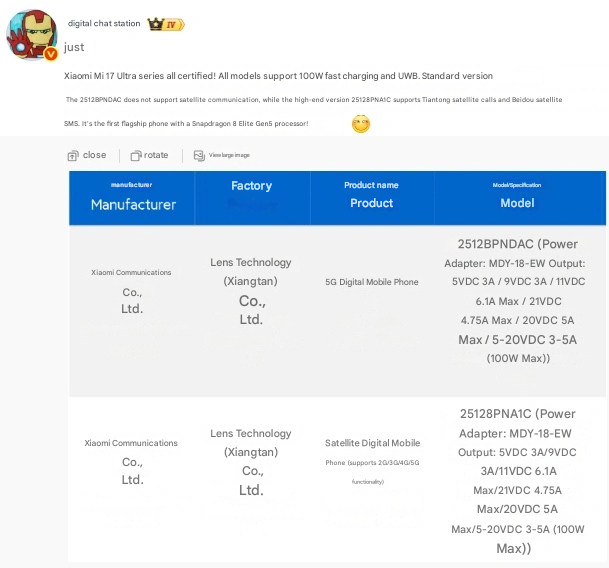
Xiaomi has officially passed through 3C certification, confirming premium upgrades like up to 100W fast charging, UWB, and satellite communication functionality. Two new devices, namely 2512BPNDAC and 25128PNA1C, have recently surfaced. have confirmed These devices are Xiaomi 17 Ultra series.They have standard UWB, and satellite functions or support Tiantong satellite telephony and satellite SMS and rely on Snapdragon 8 Elite Gen5 processing technology.
Xiaomi 17 Ultra: Giant Leap Forward for Connectivity and Camera Features
Xiaomi’s 17 Ultra is Xiaomi’s most audacious step ahead in the realm of communication and camera technology until now. Xiaomi has purposed this model to be enabled with UWB (Ultra-WideBand), providing advanced interaction functionality, as well as complementing Xiaomi’s ecosystem as a whole, whether it is smart homes or cars.
According to blogger leaks, the Xiaomi 17 Ultra sports an advanced large circular camera system that incorporates the industry’s largest sensor and a new telephoto system. Additionally, it is expected to have an external lens system for advanced photography. By integrating its multispectral sensor and physical zoom system, this device is intended to have DSLR camera capability, a significant advancement from its predecessor, Xiaomi 14 Ultra.
Xiaomi’s UWB Extension on Different Devices
With the arrival of Xiaomi’s range of electric cars, UWB is now more integral than ever before as part of device interconnectivity. For example, Xiaomi’s 15S Pro boasts UWB functionality for keyless car entry and automatic trunk opening. Xiaomi is set to break all barriers again with its new Xiaomi 17 Ultra, offering improved functionality for proximity detection, contactless payments when going through transit gates, and operating and managing other devices.
Global Release coming soon.
Global variant model numbers of Xiaomi’s 17 Ultra series could be 2512BPNDAG and 25128PNA1G. Unlike previous years that saw Xiaomi forgo satellite connectivity, this time around, the satellite capability is expected to be included as well, marking a huge advancement in Xiaomi’s plans for its flagships on the global market.
Equipped with Snapdragon 8 Elite Gen 5 processor, 100W fast wired charging, and advanced camera hardware, this series of Xiaomi 17 Ultra is expected to be one of the most powerful and interconnected phones of 2026.

 Login
Login