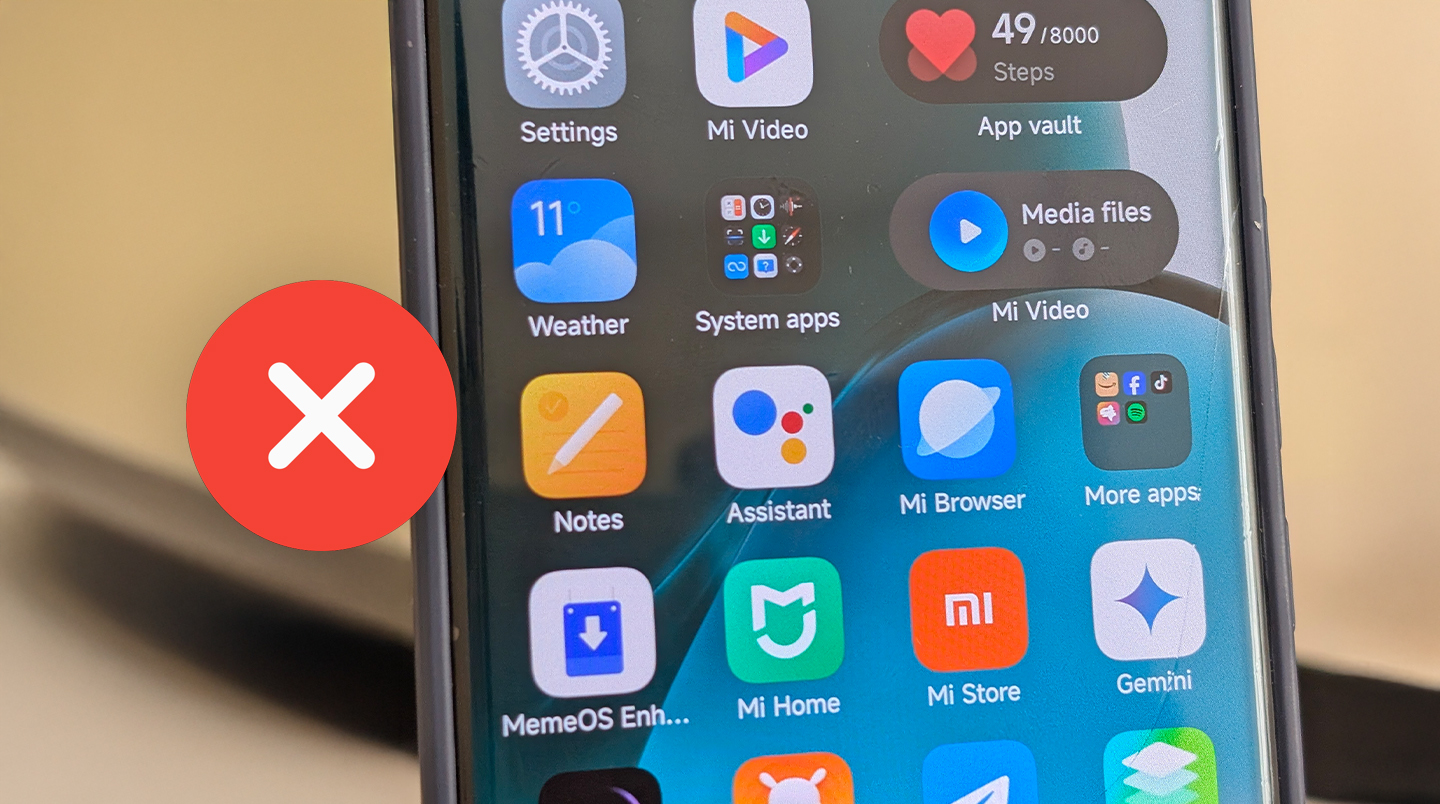
Normal view

The old Xiaomi phones that still work perfectly fine in 2025

14 November 2025 at 08:31

Usability in 2025 relies not as much on raw performance, but rather on compatibility with software and compliance to security. Processors such as the Snapdragon 855, 865, and 778G have aged remarkably well and still outperform many newer midrange chips. However, “problem-free” use now means not smooth animations or gaming speed, but compatibility with strict financial and security standards.

And, as global app ecosystems have been changing, Android 12 or lower is no longer supported on a growing number of devices. Banks and app developers require at least Android 13, and Google itself introduces new API level requirements that will force developers to target Android 14 or 15 by the end of 2025. In this new world, potent old Xiaomi flagships like the Mi 10POCO F2 Pro, and Redmi K20 Pro are facing software-based limitations, while their hardware may still be great.

The city of Mombasa is itself an island joined to the mainland by means of a long, narrow causeway.

Snapdragon 778G Models: The Safest and Most Reliable in 2025

The Snapdragon 778G, hailing from 2021, benefits from a more modern software timeline. Phones using this chip, such as the Xiaomi 11 Lite 5G NE and Poco X5 Pro 5G, entered Xiaomi’s update schedule later, making them some of the last models to reach EOL. Thanks to their 6nm process node, these phones remain energy-efficient and can run powerful apps and games smoothly.

Xiaomi 11 Lite 5G NE (lisa):

Officially launched in late 2021, this device reached EOL in mid-2025 after getting updates up to HyperOS 2 (Android 14). Although its support has recently ended, the phone will still be fully usable through early 2026, making it one of the best EOL options for stable everyday use.
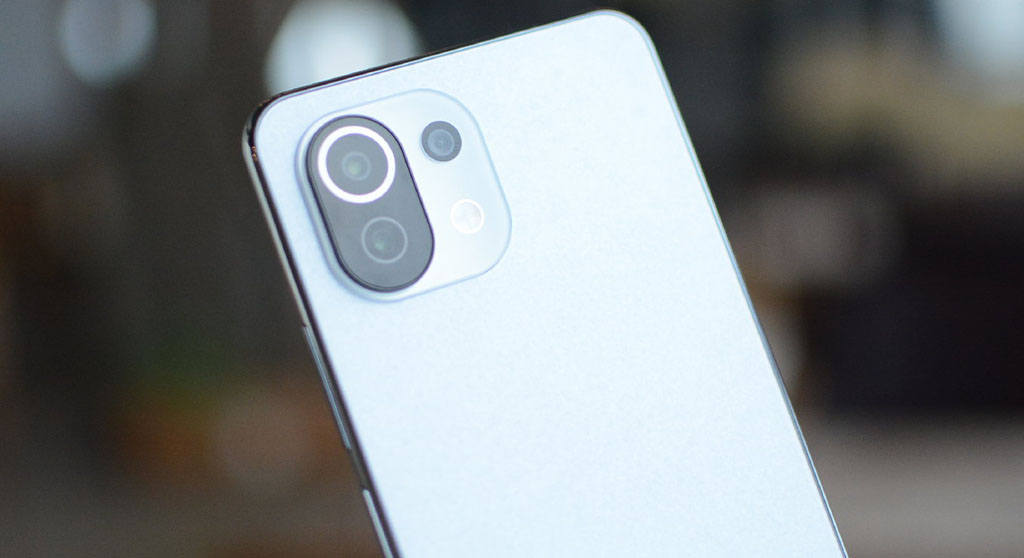
11 Lite 5G NE

POCO X5 Pro 5G (redwood):

This is still an officially supported model that runs HyperOS 2.0.12.0 with Android 14 or 15 and is expected to continue getting security support up to early 2026. It is arguably the most “effortless” choice for 2025—no custom ROMs, root, or manual updates needed.
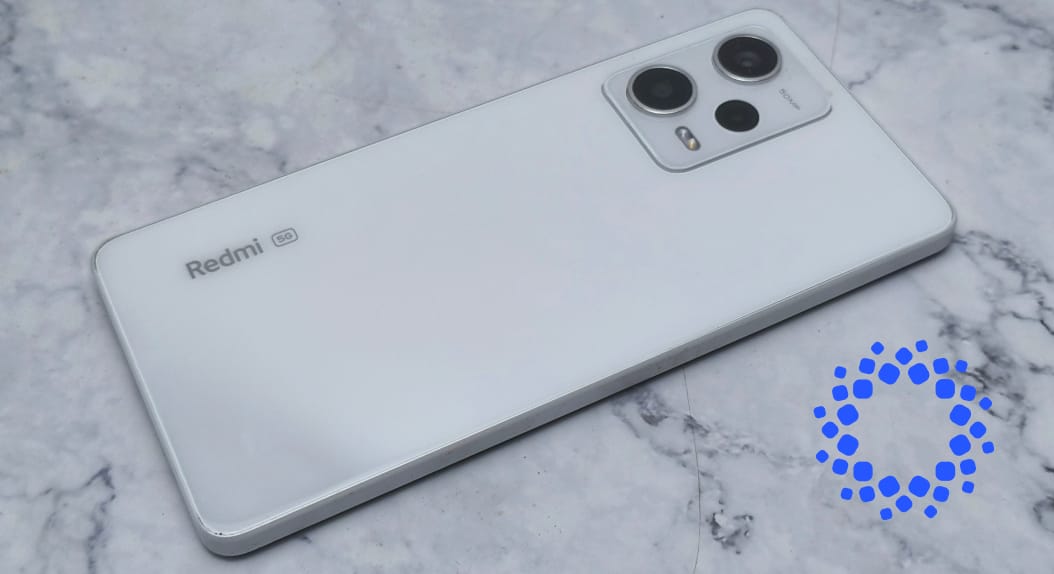
Redmi Note 12 Pro 5G receiving HyperOS 1.0 July 2024 security patch tpdate

Snapdragon 865 – 870 Phones: Still Powerful but Dependent on Custom ROMs

The Snapdragon 865 chipset remains a benchmark for raw performance. Devices like the Mi 10Mi 10T,  POCO F3, POCO F4 and POCO F2 Pro can easily outperform most midrange phones in 2025. However, all of them are officially EOL, having stopped at Android 12 or 13.

For instance, POCO F2 Pro (lmi) is a technical powerhouse, with great custom ROM support from projects like LineageOS 22 and Evolution X (Android 15). Without such community support, though, official software limitations would prevent essential apps—especially financial ones—from running securely.

Similarly, the Mi 10 / Mi 10 Pro and Mi 10T / 10T Pro are still functional with the current Android 13-based MIUI 14, but are now reaching obsolescence since major apps start requiring Android 14+.
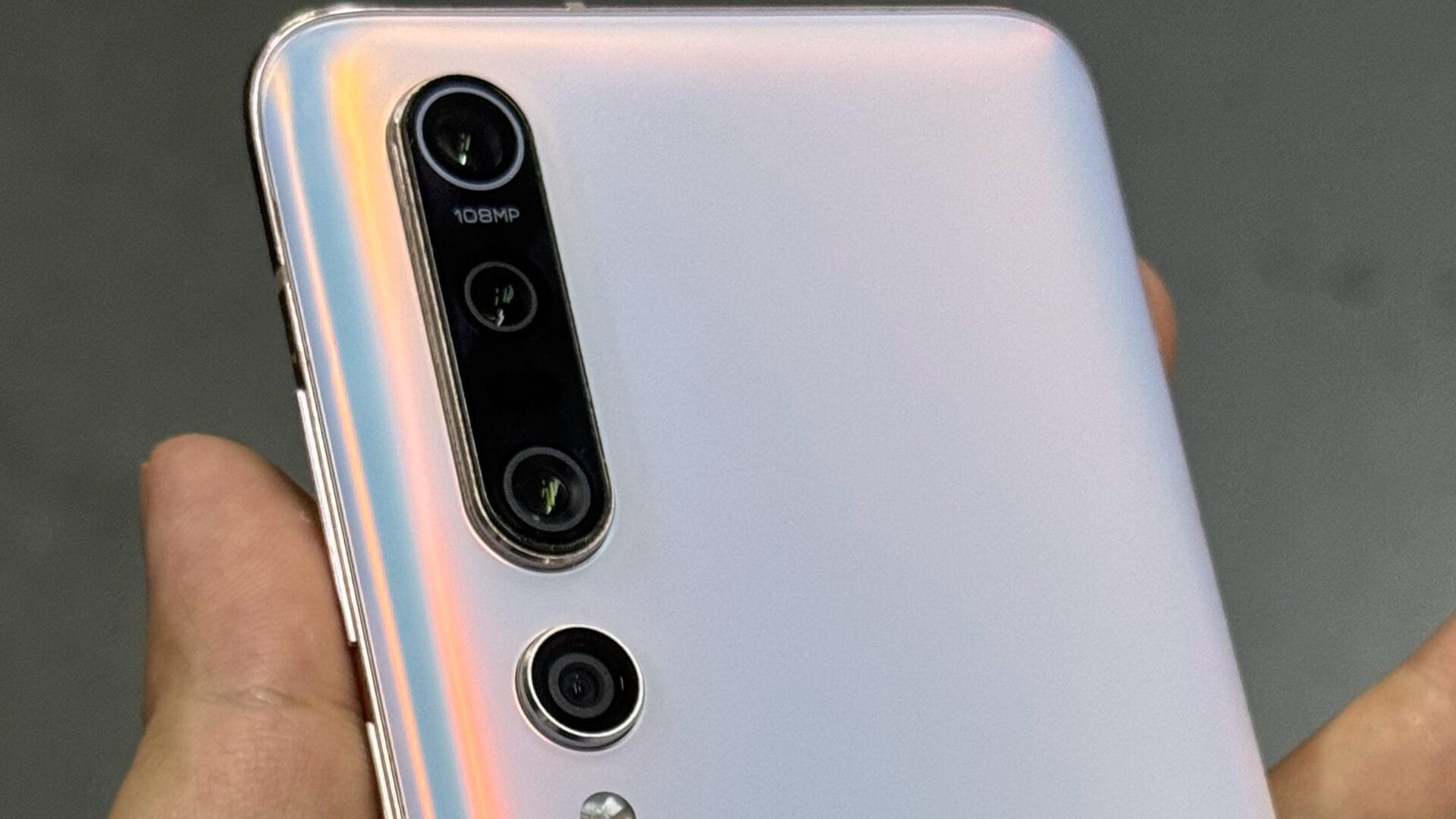
Mi 10 Pro

Snapdragon 855/860 Models: Legendary Hardware, Hobbyist Maintenance

By 2025, Snapdragon 855 and 860 devices like the Mi 9T Pro (Redmi K20 Pro) and POCO X3 Pro are pretty much retro. While their hardware is still formidable, their official firmware has long been stale. It is only through the dedication of the Xiaomi modding community that they remain relevant.

An example is the fact that Mi 9T Pro still sees Android 16 ports courtesy of unofficial projects, further cementing its cult status. Meanwhile, the Poco X3 Pro remains one of the most supported devices in the history of custom ROMs, having hundreds of Android 15 and 16 builds.
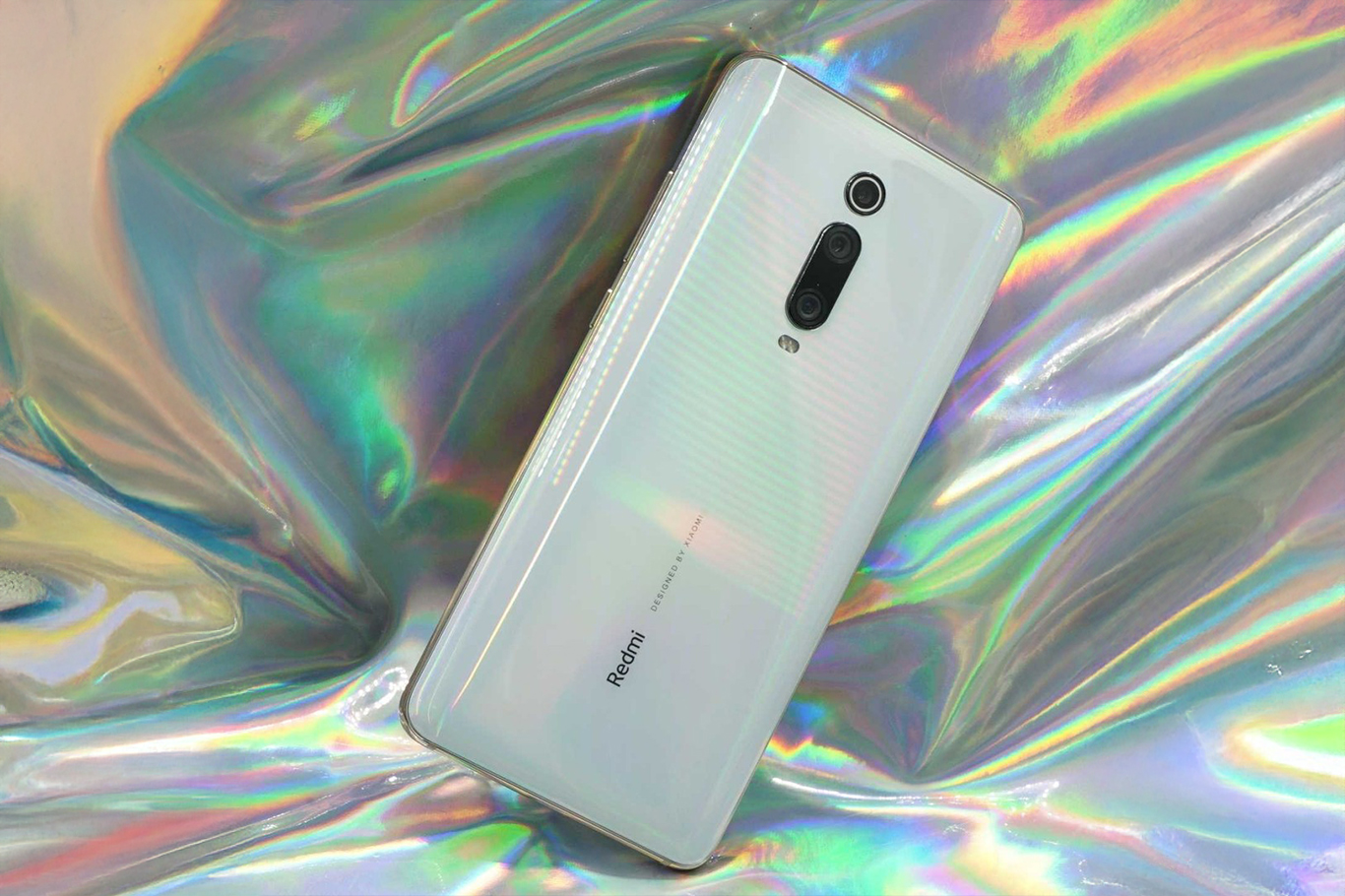
REDMI K20

But there are complications to it: Bootloader unlocking and custom ROM installation permanently break Google’s Play Integrity security checks, which often result in Google Pay or banking clients refusing to run. Workarounds like PlayIntegrityFix or TrickyStore do exist but they require constant manual updates once Google tightens restrictions.

Expert Conclusion: What “Problem-Free” Really Means in 2025

Using an older Xiaomi flagship in 2025 is no longer a matter of hardware endurance; it’s about software adaptability and technical awareness. Snapdragon 778G models like the Xiaomi 11 Lite 5G NE and POCO X5 Pro 5G still remain fully usable with official firmware. In contrast, Snapdragon 865 and 855 devices can be brilliant provided the user has maintained them with custom ROMs and security fixes. Ultimately, “problem-free” in 2025 doesn’t mean fast hardware; it means secure, updatable software that keeps pace with global standards.

Xiaomi Smart Home Guide: Best Global Devices for Every Room

14 November 2025 at 05:00

In today’s world of smart living, creating a connected home is not about buying random gadgets but building a well-synced ecosystem. Xiaomi’s products under Global Edition let users devise a united smart home environment fusing automation, comfort, and accessibility all controlled on the Xiaomi Home app. Especially for markets like Turkey, Xiaomi’s Global lineup opens an affordable gateway into highly functional modern home automation.

Why You Should Choose Xiaomi Global Versions

When building a smart home with Xiaomi, one of the most important decisions is between the Global and China (CN) versions of products. Global versions are optimized for international markets, offering:

  • Full Google support, including Google Assistant integration.
  • Leaner software, without unnecessary local applications.
  • Global server compatibility enables all devices to connect under one region.

By contrast, Chinese versions require switching to “Mainland China” servers, which can split your ecosystem — Google Assistant won’t work, and your devices won’t show up together in the same app environment. To maintain full functionality, only use Global Edition devices and make sure your server is set to a global region.

The Control Center: Xiaomi Home App

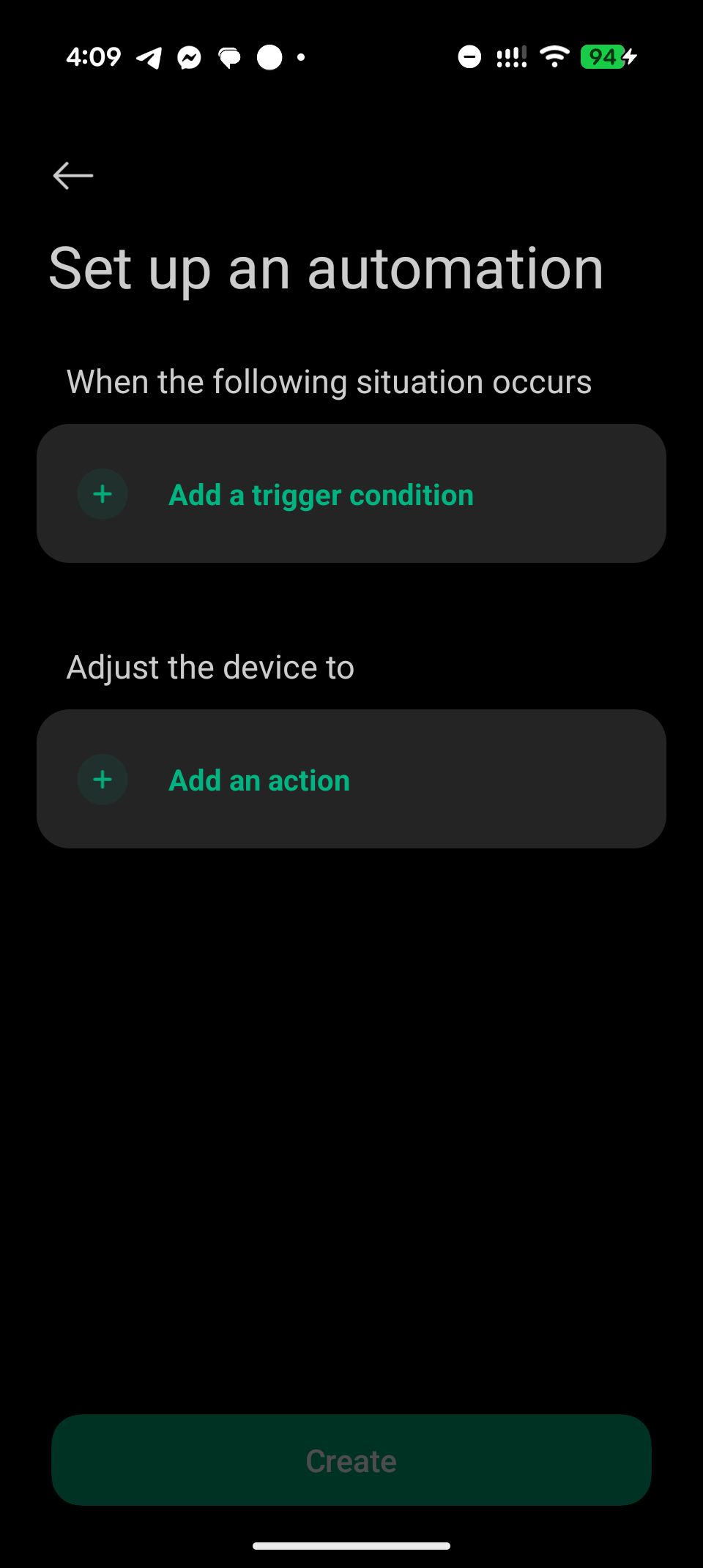
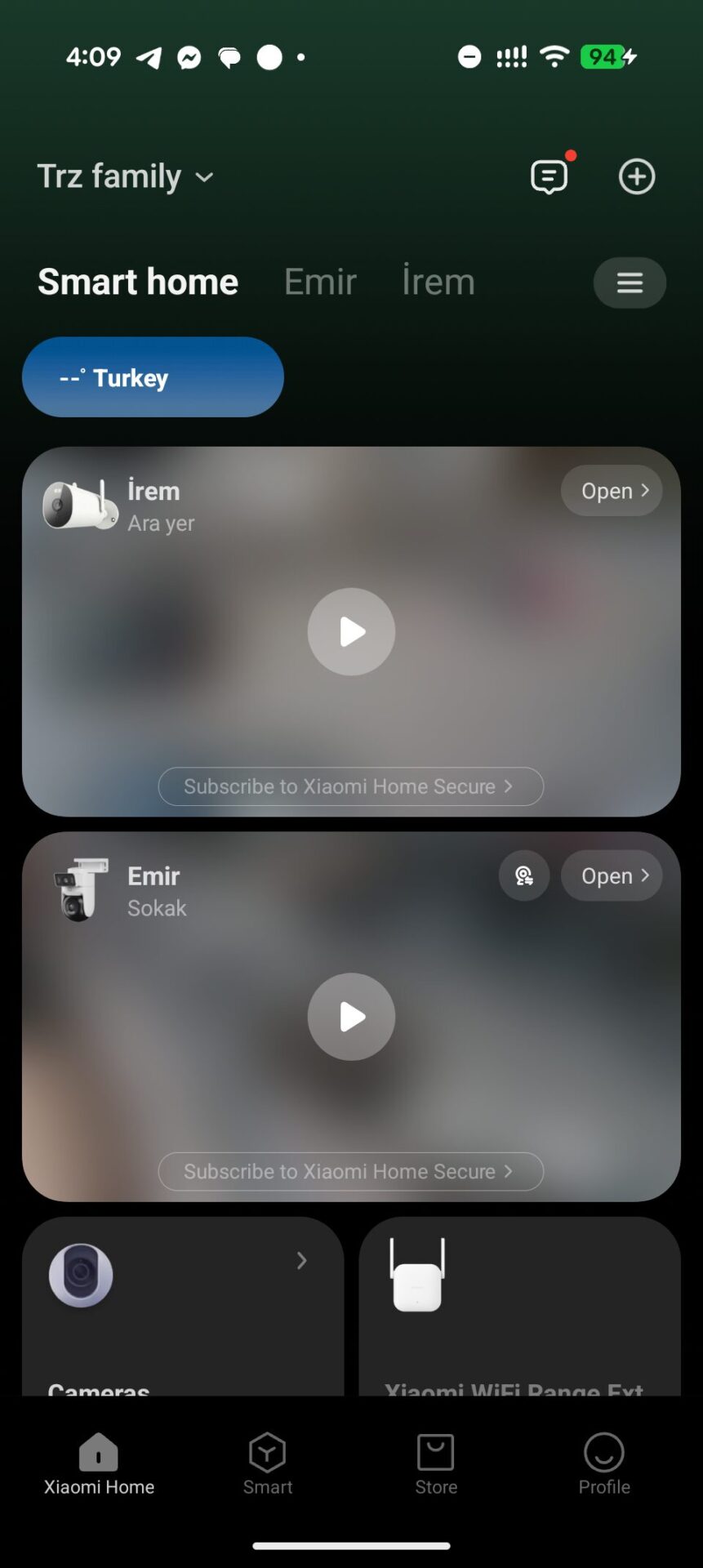
The Xiaomi Home (formerly Mi Home) app is the brain of your entire ecosystem. It lets users add, monitor, and automate devices from Xiaomi and its partner brands like Yeelight. You can create “Smart Scenes”-automation rules such as turning the lights on when a motion sensor detects any activity-or control devices remotely, even when you are away from home.

Mi Home App 1 Mi Home App 2

Xiaomi Smart Home Hub 2: The Ecosystem Heart

The key gadget for managing your connected environment is the Xiaomi Smart Home Hub 2 (Global Edition). It supports several communication protocols, including Zigbee, Bluetooth, and Bluetooth Mesh, which enable its compatibility with both older and newer Xiaomi devices.

Key Features:

  • Dual-band Wi-Fi (2.4GHz & 5GHz) and Ethernet connectivity for stability.
  • 1GHz dual-core CPU and 128MB RAM for fast, reliable performance.
  • Supports up to 100 devices simultaneously.

It’s available for around $70 on local e-commerce platforms.

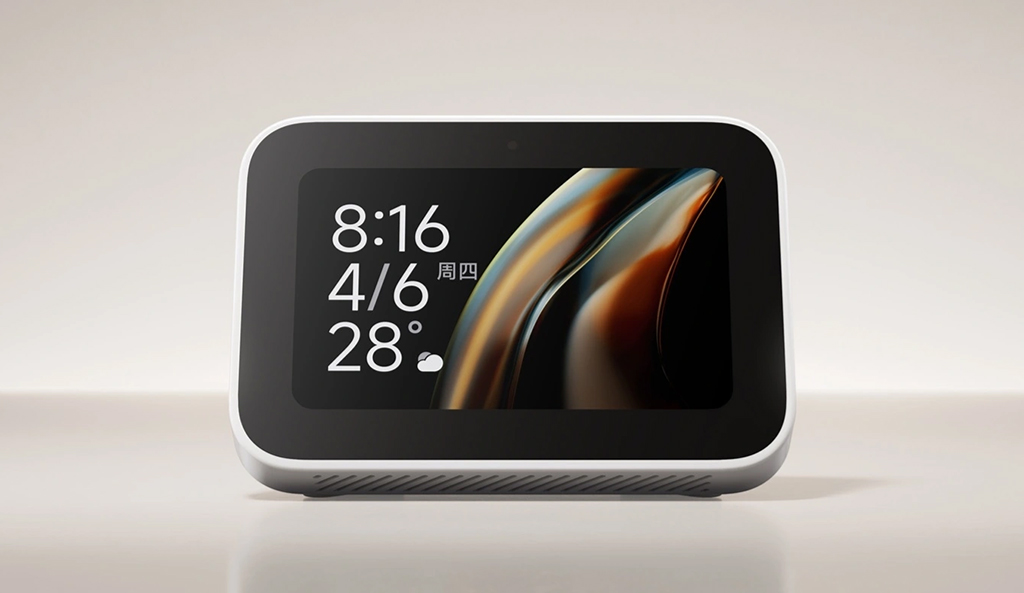
Xiaomi Announced Smart Home Screen Mini Small Sized Central Unit

Affordable Alternative: Using Smart Cameras as Hubs

If you’re starting your smart home journey, some Xiaomi cameras can also serve as Bluetooth Mesh Gateways. For instance, the Xiaomi Smart Camera C500 Pro operates as both a high-resolution security camera and a Bluetooth hub, in a way enabling you to connect sensors like door or motion detectors without actually needing to buy a separate hub.

Living Room Comfort: Air, Light, and Entertainment

Air Quality

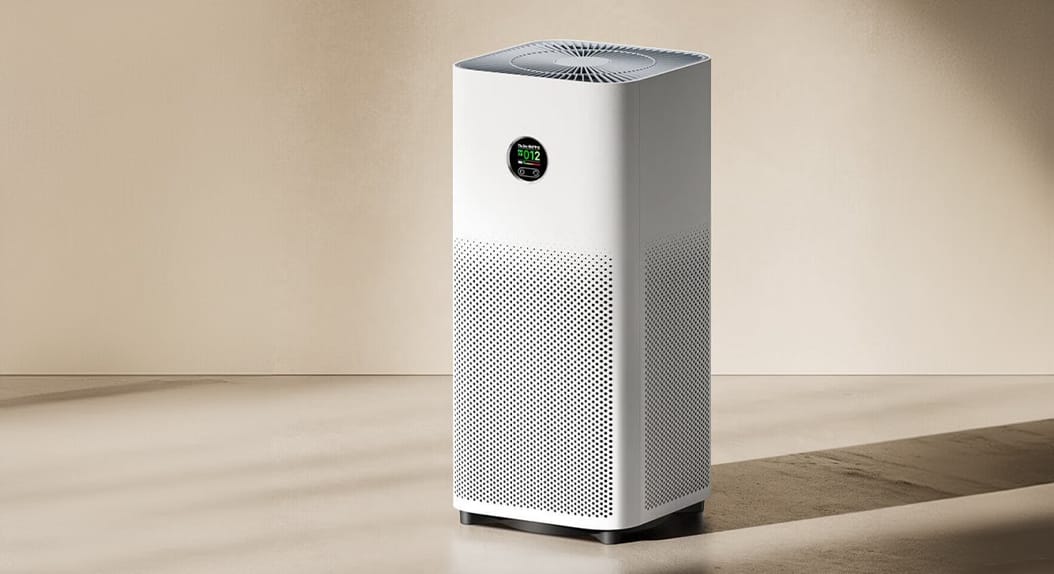
Xiaomi Smart Air Purifier 4 and 4 Pro employ TÜV Rheinland-certified filtration and Google Assistant support to maintain clean, fresh air while fitting seamlessly into your smart home setup.

Mijia Air Purifier 5

Smart Lighting

Bulbs such as the Mi LED Smart Bulb Essential and Yeelight W3 offer dynamic color options, adjustable brightness, and automation via the Xiaomi Home app.

Mijia spotlight

Integration of Entertainment

Devices like Xiaomi TV Box S (2nd Gen) and TV Stick 4K are not only allowing for viewing in 4K with Dolby Vision and Atmos support, but they are acting as voice control hubs through Google Assistant, which will let you say, “Hey Google, turn off the living room lights.”

Industrial America’s place at the pinnacle of world production was appropriate in every sense.

Cleaning and Maintenance

Both of these models, the Robot Vacuum X20 Max and the S40, offer great cleaning along with advanced mapping and scheduling. Integration with Xiaomi Home allows you to automate cleaning sessions when everyone leaves the house.

Smart Camera C500 Pro

Equipped with 3K resolution, HDR, and a physical privacy shield, this camera delivers both clarity and safety.

Camera 4 Pro Zoom

Smart Doorbell 3

It offers 2K video capture, AI human detection, and up to 72 hours of free cloud storage, which is controllable via the Xiaomi Home app.

Conclusion

These devices are available globally for Xiaomi Home

Living Room

  • Xiaomi TV Box S (2nd Gen)
  • Mi LED Smart Bulb Essential
  • Yeelight W3 Smart Bulb
  • Xiaomi Smart Air Purifier 4 Pro
  • Xiaomi Smart Speaker (IR Control)
  • Xiaomi Smart Camera C500 Pro

Bathroom

  • Xiaomi Temperature & Humidity Sensor
  • Mi Smart Plug (to control water heater or hair dryer)
  • Xiaomi Motion Sensor (for automatic lighting)

Workroom

  • Xiaomi Desk Lamp Pro
  • Mi Smart Plug
  • Xiaomi Smart Air Purifier 4 Compact
  • Yeelight Lightstrip Plus
  • Xiaomi Smart Power Strip

Kitchen

  • Mi Smart Kettle Pro
  • Xiaomi Smart Plug (for coffee machine or air fryer)
  • Xiaomi Motion Sensor (to trigger lights)
  • Xiaomi Air Purifier 4 Compact

General / Whole Home

  • Xiaomi Smart Home Hub 2
  • Xiaomi Door & Window Sensor 2
  • Xiaomi Motion Sensor 2
  • Xiaomi Smart Camera C500 Pro (as Bluetooth Mesh Gateway)
  • Xiaomi Smart Doorbell 3
  • Xiaomi Robot Vacuum X20 Max
  • Xiaomi Smart Speaker with Google Assistant

With Global Edition products, Xiaomi can make one’s home fully connected and ensure stability, privacy, and compatibility with Google. Whether one starts small with a few smart bulbs or plans a complete automation setup, the global ecosystem from Xiaomi represents a very powerful and inexpensive way toward a truly intelligent home.

New Xiaomi HyperOS 3 Launcher November 13 update is live

14 November 2025 at 04:31

WIt’s time for another must-have update for your favorite Xiaomi devices! The team at Xiaomi is continuously working to refine the user experience, and this latest release is a testament to that commitment. The Xiaomi HyperOS 3 Launcher has just received an update to version RELEASE-6.01.02.1728-11102253, and while it may look small on the surface, these crucial under-the-hood improvements are what keep the system running flawlessly. For users looking to maintain peak performance and stability, grabbing this version is a no-brainer. If you’re running a device on the current HyperOS platform or even slightly older versions, you’ll be glad to know this new launcher version is compatible with HyperOS 2 devices as well, ensuring a wider range of users benefit from the enhanced stability.

HyperOS 3 Launcher Gains Stability

This specific update, carrying the build number RELEASE-6.01.02.1728-11102253, focuses entirely on bug fixes and general stability enhancements. While Xiaomi hasn’t released a detailed changelog of every single correction, these kinds of updates are vital for smoothing out any minor performance hitches or unexpected crashes that users might have encountered in earlier builds. This dedication to polish ensures a more reliable and enjoyable daily usage experience.

A stable launcher is the foundation of your entire phone experience, as it’s the application you interact with most frequently. Therefore, addressing these small bugs is actually a huge win for overall user satisfaction.

HyperOS 3 Launcher 11 HyperOS 3 Launcher 7

Extracted from the Flagship Line

This version of the HyperOS 3 Launcher was officially extracted from the firmware of the highly-anticipated Xiaomi 17 Pro Max running its internal OS build OS3.0.17.0.WPBCNXM. This is a great indicator of the quality and optimization of the build, as it’s running on Xiaomi’s cutting-edge flagship hardware. By making this core system application available to other devices, Xiaomi is essentially giving a stability boost that was first optimized for its newest and most powerful hardware.

How to Get the New HyperOS Launcher Update

Since this is an application update, you have a couple of easy ways to get your hands on the latest version and enjoy the improved stability.

  • Official System Update: Keep an eye on your device’s System Updater, as the official rollout should be reaching all eligible devices soon.
  • Manual Installation: For those who prefer to update immediately, you can download the latest launcher APK. The best way to ensure you’re getting official, safe, and up-to-date system applications is by using a dedicated application manager. You can use MemeOS Enhancer to get all system app updates.

We highly recommend using our application, MemeOS Enhancer, which allows you to manually install and update system applications like the HyperOS Launcher quickly and safely. Using MemeOS Enhancer also grants you access to hidden Xiaomi features and lets you update other core system apps directly, making it an essential tool for any true Xiaomi enthusiast!

Your Xiaomi’s USB-C can do this — If you know how

14 November 2025 at 02:59

From data transfer and power delivery to connecting external accessories, USB-C has become a universal standard in modern electronics. In the broad Xiaomi ecosystem, from budget-friendly Redmi devices to flagships such as Xiaomi and Pad series, the role of the USB-C port is very different. Although it is the same physical connector, its real functions vary significantly depending on the model and internal hardware protocols.

One of the things this article will do is look into the real technical potential of the USB-C interface in Xiaomi phones and tablets: charging, data transfer, display output, and audio performance. This analysis is based on Xiaomi’s hardware segmentation and finds out why not every port labeled “USB-C” offers the same power.

Power and Charging: The Core of Xiaomi’s USB-C Strategy

HyperCharge vs. Universal Standards

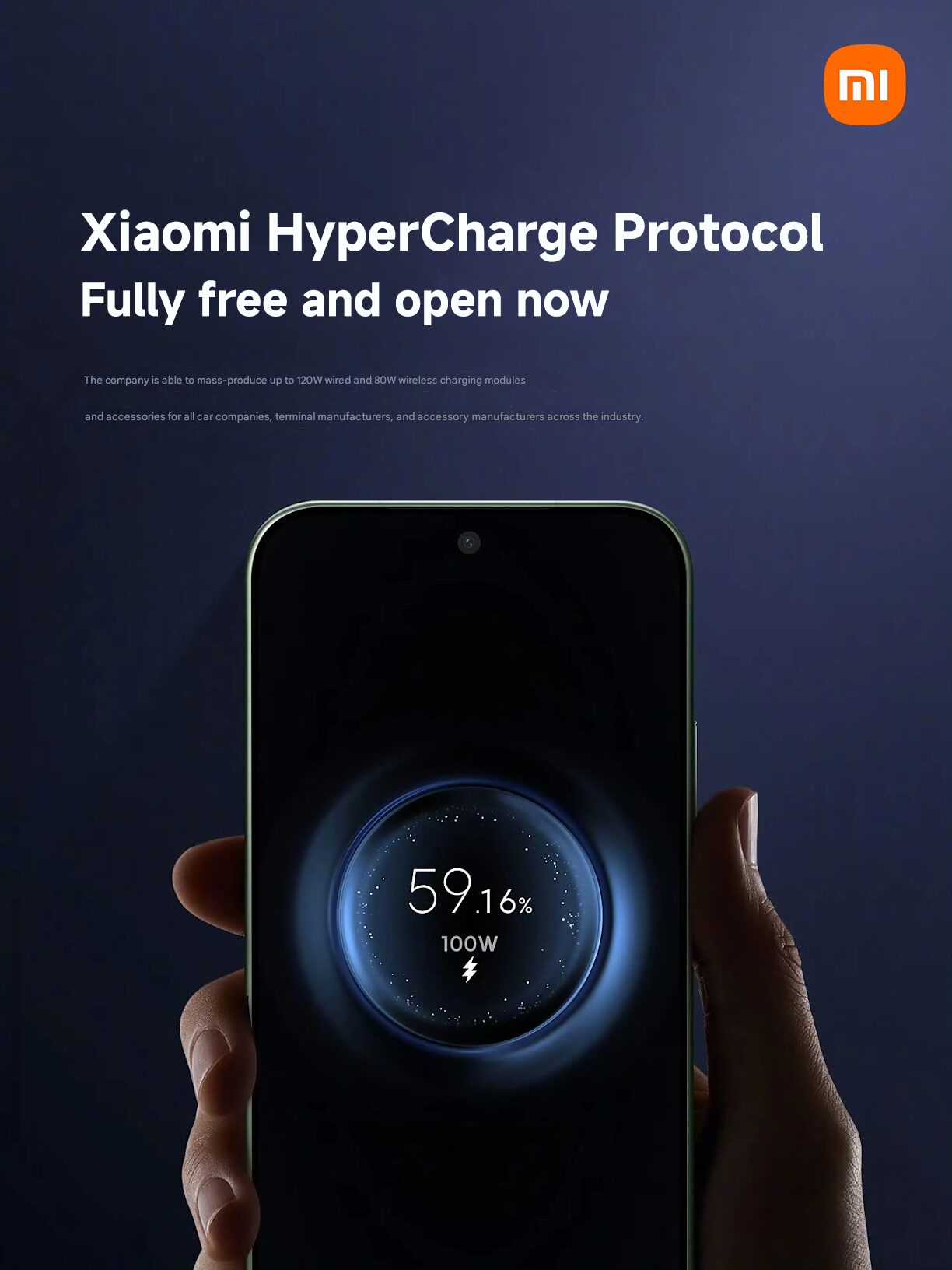
Thus, HyperCharge technology by Xiaomi represents one of the fastest proprietary charging systems going up to 120W, 90W and 67W. It relies on the brand’s exclusive Xiaomi PPS protocol, which requires a safe digital “handshake” between the phone and its original charger. Most third-party chargers, even high-power ones, often deliver only basic 10W speeds when this kind of handshake fails.

The system works at top efficiency only with official Xiaomi cables and adapters, effectively making ultra-fast charging a function of the Xiaomi ecosystem. This is a safety and a branding decision in one, making sure that performance is reliably consistent while encouraging users to favor official accessories.

HyperCharge

Universal Compatibility and Fallback Protocols

Despite this proprietary lock, Xiaomi devices do remain compatible with Power Delivery (PD) and Quick Charge (QC) standards. For example, models such as the Xiaomi Pad 6 or Mi 9 SE support PD 3.0 and QC 4.0. Similarly, on non-Xiaomi chargers, they can achieve a moderate fast-charging speed of 18-33 W, assuming negotiation is successful.

Reverse Charging and OTG Functionality

Most Xiaomi phones support reverse wired charging, which lets them act as a temporary power bank. Devices can power accessories like earphones, wearables, or even other smartphones using a USB-OTG adapter. However, direct USB-C-to-USB-C connections without an OTG handshake may cause unpredictable charging direction and are hence not recommended.

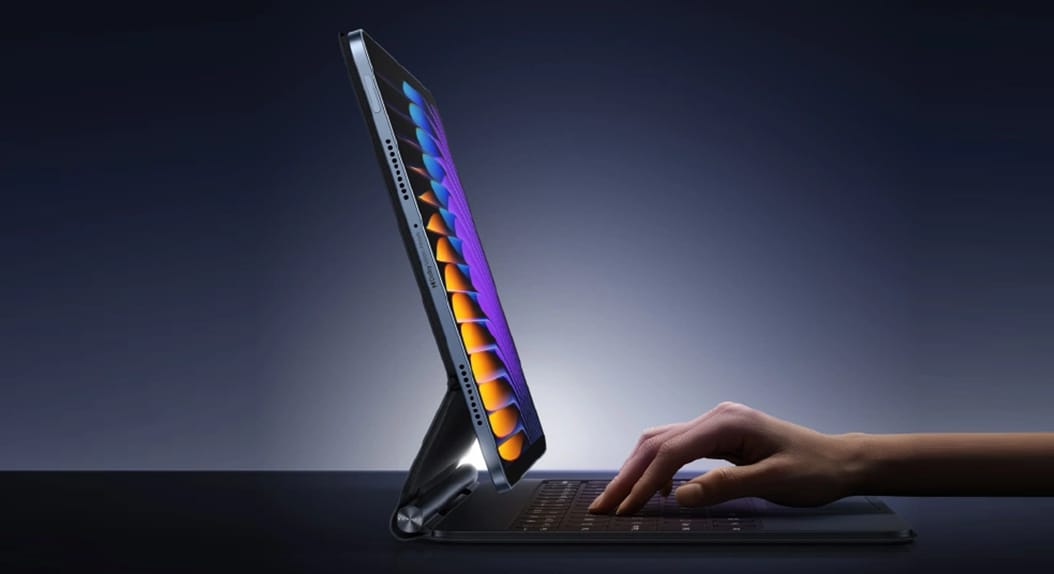
Xiaomi floating keyboard officially announced for Xiaomi Pad 7 Series


Data Transfer: Why Most Xiaomi Phones Are Stuck on USB 2.0

The Performance Gap

While USB 3.x can reach speeds of up to 5 Gbps, several models from Xiaomi, like the Xiaomi 13 Pro, are still on USB 2.0, which reaches a maximum of 480 Mbps, or roughly 35–40 MB/s. These lead to rather long transfer times for big files. For instance, the transfer of a 20 GB 4K video takes more than 10 minutes using USB 2.0 but less than one minute with USB 3.2.

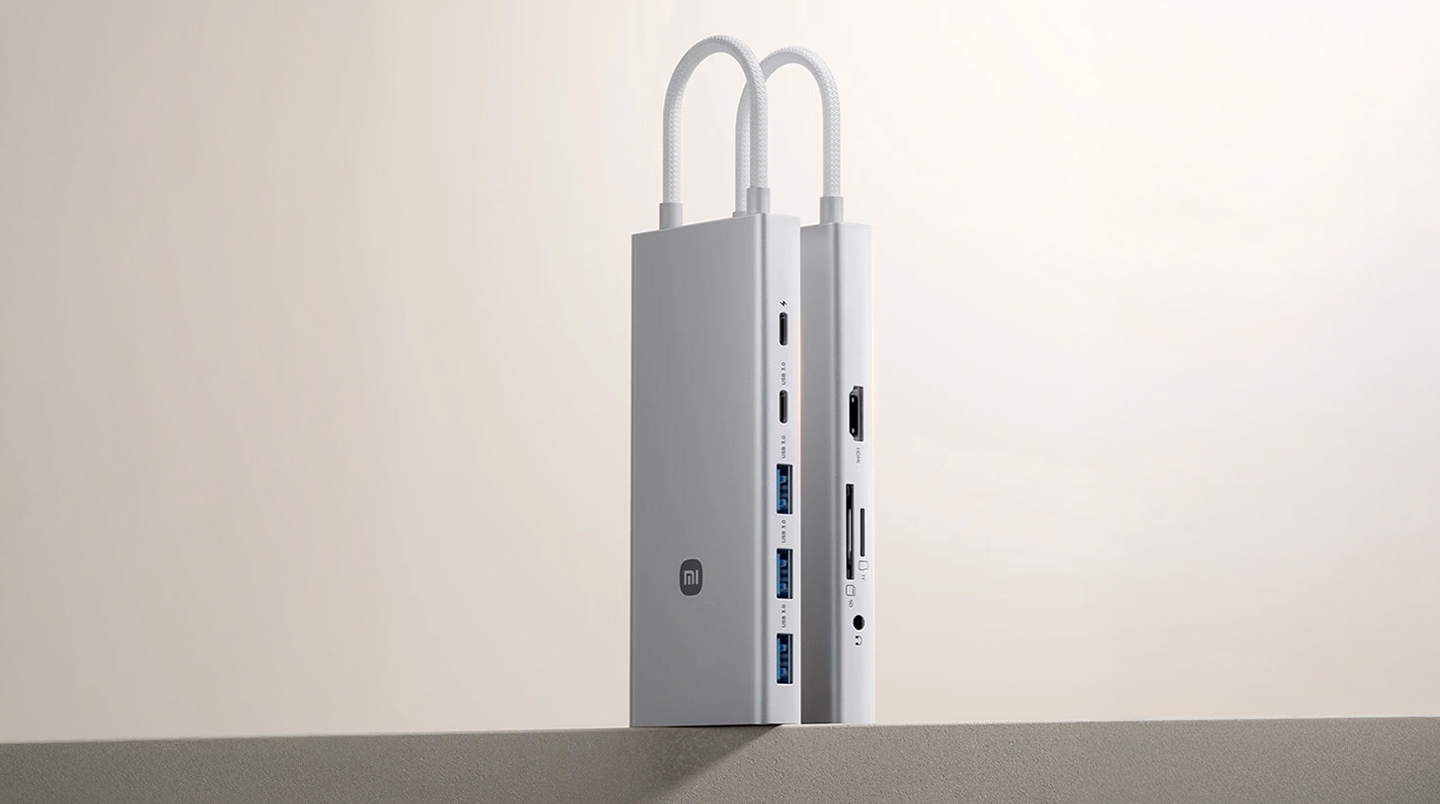
10 in 1 USB dock available now for only 28

Premium Models with USB 3.2

Only high-end devices, such as the Xiaomi 14 series and the Pad 6 series, receive USB 3.2 Gen 1 (5 Gbps), and use of these faster ports enhances not only file transfer speeds but also unlocks DisplayPort Alternate Mode required for wired video output.

The Future: USB4 Accessories

While Xiaomi sells USB4 Gen 3 cables that support up to 40 Gbps speeds and 240 W PD 3.1 charging, no Xiaomi smartphone supports this protocol. These accessories are likely designed for future devices such as the Xiaomi 15 or newer laptops.

USB-C supports video output. But is that actually true?

Why Most Xiaomi Phones Can’t Output Video

The reason why a Xiaomi phone cannot be connected to a monitor using a USB-C to HDMI cable does not involve software issues, but rather is related to hardware limitations. Only devices with DisplayPort Alternate Mode-available on USB 3.x-enabled ports-can output the video signal.

Confirmed models supporting DP Alt Mode include:

  • Xiaomi 13 Ultra
  • Xiaomi 14 series
  • Xiaomi 15 series
  • Xiaomi 17 series
  • Xiaomi Pad 7 series

For instance, phones like Redmi Note 13 Pro or Xiaomi 13 Pro, even with USB-C, don’t have the needed wiring for DP Alt Mode to provide native video output. DisplayLink adapters can still be used, but these provide compressed, laggy visuals unsuitable for gaming or streaming.

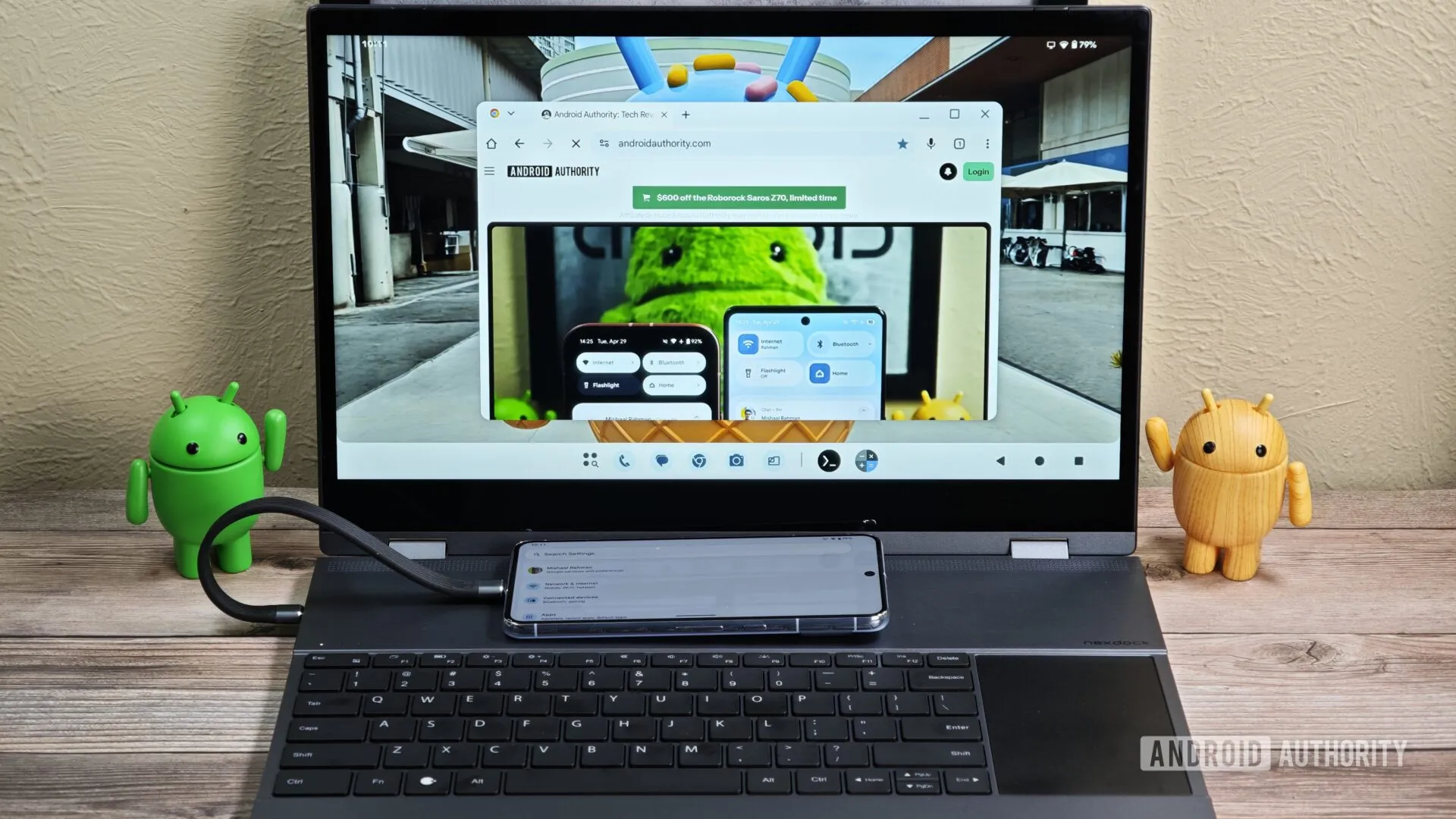
Android desktop mode hero image 1920w 1080h.jpg

Workstation Mode on HyperOS Tablets

On Xiaomi Pads, the USB-C port supports “Workstation Mode,” enabling windowed multitasking similar to Samsung DeX. However, reports indicate that this feature mirrors the screen instead of enabling a full desktop environment. It suggests Xiaomi’s proprietary interface currently overrides Android’s native desktop mode.

Audio Output: Digital, Analog, and DAC Integration

How Xiaomi handles USB-C audio

With the majority of Xiaomi devices giving up the 3.5 mm jack, USB-C has become the main audio interface. The port can operate in **two modes:

  • Digital mode: sound is processed by an external DAC (which resides either inside the adapter or in the headset).
  • Analog mode, where Xiaomi’s internal DAC handles audio before output

The DAC Dilemma

Tests on the Xiaomi Pad 6 show that using a simple DAC-less adapter yields higher sound quality than premium adapters with built-in DACs (like Samsung’s). This proves that Xiaomi integrates a high-quality internal DAC, which external adapters may unintentionally bypass. For optimal results, users should prefer official or basic DAC-free Type-C to 3.5 mm adapters.

Xiaomi’s USB-C is far more involved than it seems. The same connector can offer 120 W charging5 Gbps datavideo output, or hi-res audio—depending on the model. The port has become a tool of ecosystem segmentation, balancing universal compatibility with proprietary optimization. These distinctions are important to understand to make smarter accessory choices and appreciate how Xiaomi engineers extract the maximum performance from a single port.

Which celebrities use Xiaomi phones instead of iPhones?

13 November 2025 at 19:23

If people search for “Which celebrities use Xiaomi instead of iPhones?”, it may seem like simple curiosity, but this question actually represents a much deeper issue at the technological-cultural nexus: that of authenticity vs. sponsorship. The phrase “instead of iPhone” reveals the dominance long enjoyed by Apple within the celebrity ecosystem. From red carpet events to influencer selfies, the iPhone has served as a digital status symbol, praised for design, simplicity, and prestige.

However, some global celebrities have started to embrace Xiaomi through official partnerships or a personal preference, redefining what modern tech identity means.

Xiaomi’s Global Celebrity Strategy

Unlike the minimalist marketing of Apple, Xiaomi’s use of celebrity ambassadors is less about luxury and more about cultural connection. The brand makes sure to adopt a regional influencer model in employing famous figures in targeted markets for building trust and relatability.

India: Bollywood at the Heart of Xiaomi’s Success

In India, the company partners with major film icons. Katrina Kaif became Xiaomi India’s global ambassador in 2024, representing the brand’s smartphones, TVs, and tablets. Her massive popularity across demographics reinforces Xiaomi’s family-friendly and accessible image.

Pankaj Tripathi

Meanwhile, Pankaj Tripathi, with his humble character on screen, advocates for Redmi smartphones as a guarantee of reliability and value. Disha Patani is a fitness icon that represents Redmi Buds and wearables, connecting the brand with young, active consumers.

Southeast Asia: The Power of K-Pop

For example, in markets such as Thailand and Malaysia, Xiaomi uses BamBam from GOT7, whose “Redmi Note BamBam Edition” became a youth phenomenon. Similar to Samsung’s partnerships with BTS, but in line with Xiaomi’s mission of affordability and accessibility: premium appeal at an approachable price.

bambam

Local Heroes: Nigeria and the Philippines

In the Philippines, actress Gabbi Garcia speaks to Xiaomi phones’ camera and battery performance for content creators. In Nigeria, football legend Jay-Jay Okocha fronted the Redmi Note 10 campaign, tying national pride to everyday technology.

Jay Jay Okocha

This “glocal” strategy of a global brand with local emotion has helped Xiaomi maintain its leadership across Asia and Africa, outperforming its competitors in cultural reach.

The Authenticity Crisis: When Ambassadors Still Use iPhones

But despite these powerful campaigns, an industry-wide authenticity challenge remains. Many celebrity ambassadors, from all Android brands, have been caught using iPhones.

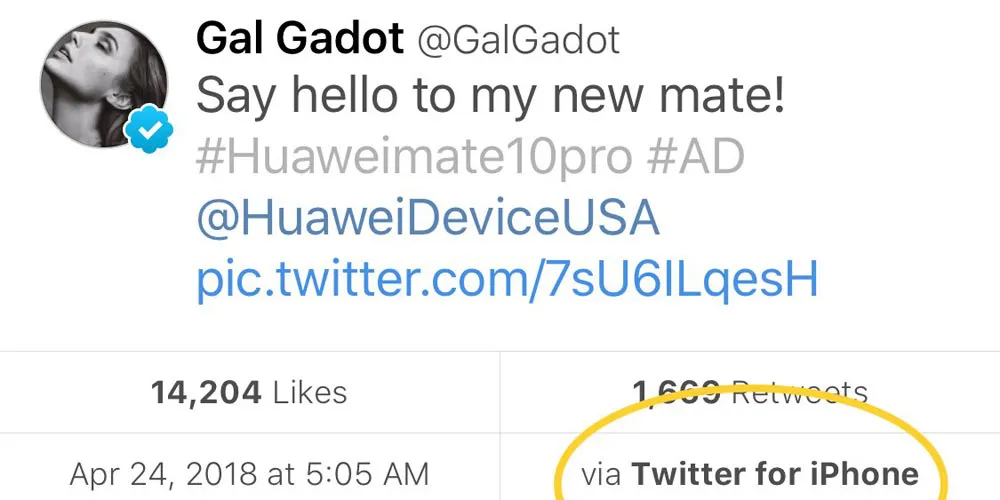
Cases in point: Huawei’s Gal Gadot tweeting “from iPhone” and Xiaomi’s very own Su Bingtian, who posted on Weibo from an iPhone 14 after his ambassador contract with the company had already expired. These incidents expose how deeply iOS is embedded in entertainment culture — where even Android endorsers often rely on Apple devices privately.

gadot

What is standing in Xiaomi’s way here is not product quality but perception. The iPhone is considered the “default creative tool” in the creative industries. For an Android brand, breaking that image requires cultural, not just technological, influence.

Who Really Chooses Android Over iPhone?

Beyond sponsorships, a few high-profile figures genuinely prefer Android for either functional or ideological reasons.

  • Bill Gates uses the Samsung Galaxy Z Fold 4 for productivity.
  • Mark Zuckerberg and Elon Musk have been seen using flagship Samsung devices.
  • Henry Cavill and LeBron James are known Android users as well.

But none of these top-tier personalities are associated directly with Xiaomi. The reason is simple: Xiaomi is value-driven, rather than status-driven. Its mantra of “premium for everyone” makes it the phone of the people — but not yet the phone of Hollywood.

Still, as Xiaomi continues its premium evolution through devices such as the Xiaomi 15 Ultra to software ecosystems like HyperOS 3, the brand moves steadily toward closing that prestige gap. The rise of influencers who organically choose Xiaomi for its ecosystem, rather than due to its sponsorship deals, signals a long-term shift in perception.

It’s not about the devices, but about identity, authenticity, and cultural power that the question “Who uses Xiaomi instead of an iPhone?” conveys. While the iPhone has remained a celebrity luxury symbol, Xiaomi represents innovation for all, democratizing premium technology without the price tag. And as more users start valuing function and ecosystem over brand logos, that day is not very far when a Hollywood star proudly says, “I use Xiaomi.”

Google’s new policy doesn’t block APK installation on Xiaomi devices

13 November 2025 at 18:28

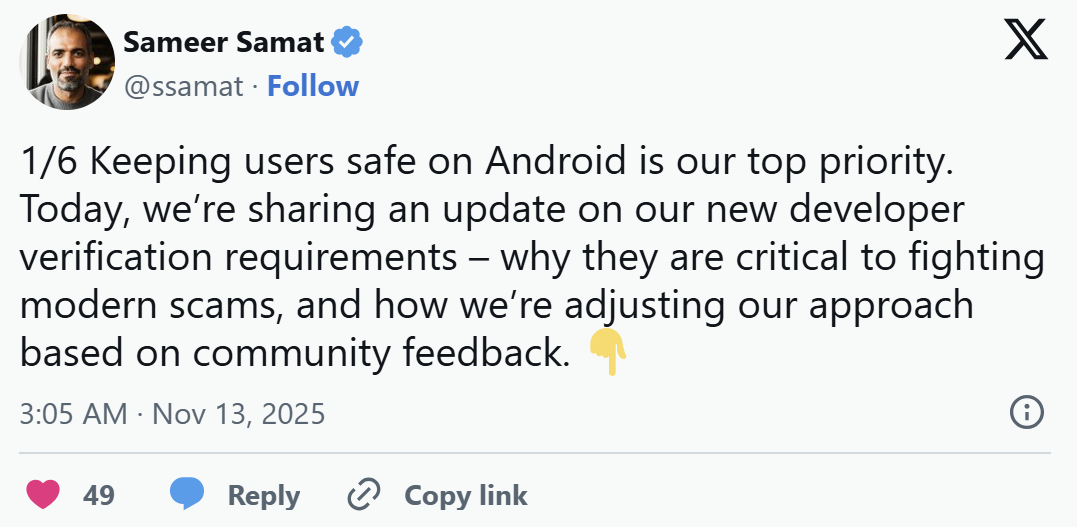
Google has just confirmed that Android won’t block APK installations anymore, providing a huge relief to millions of users worldwide, including fans of Xiaomi phones who actually use applications outside the Google Play Store.

Ekran goruntusu 2025 11 13 123210


Advanced Process to Enable Unverified App Installation

In a new policy disclosed this week, Google introduced a process described as “advanced” that lets developers and power users take responsibility for installing unverified applications. This process involves strong warnings and security disclaimers to make sure that users are fully informed before proceeding. Once accepted, users can continue side-loading apps-a feature highly valued by Xiaomi’s advanced community, who often test custom tools or regional app versions.

It is at an angle of 30° to the horizontal and forms a right angle with the wall where the foot of the ladder rests.

Protecting Users While Preserving Freedom

In essence, Google explained that the update is targeted at balancing user freedom with security. The company had to stress that users must not be forced by malicious actors to bypass security systems. For Xiaomi enthusiasts, this guarantees a safer and more transparent method for installing APKs, aligning perfectly with Xiaomi’s user-centric philosophy: allowing flexibility while considering privacy and device integrity.

Developer Verification and Early Access Program

The concession was accompanied by the introduction of the Developer Verification Early Access Program. Independent developers with apps being distributed outside the Play Store will be able to pre-verify their identities in advance via the Android Developer Console. This helps make it easier for future verification requirements, benefiting Xiaomi ecosystem developers publishing their companion apps for smart devices, HyperOS modules, or firmware tools.

Xiaomi Users and HyperOS Compatibility

Nothing will change for the Xiaomi users running the newest HyperOS versions: APK installation will be open and flexible. Users are able to manage or update Xiaomi system apps with MemeOS Enhancer, which is available on Google Play Store. The app also allows them to unlock hidden Xiaomi features and manage the updates directly from the screen in a very convenient and safe way.

Source

Xiaomi Home App for iOS gets a fresh design and dynamic dashboard

13 November 2025 at 17:22

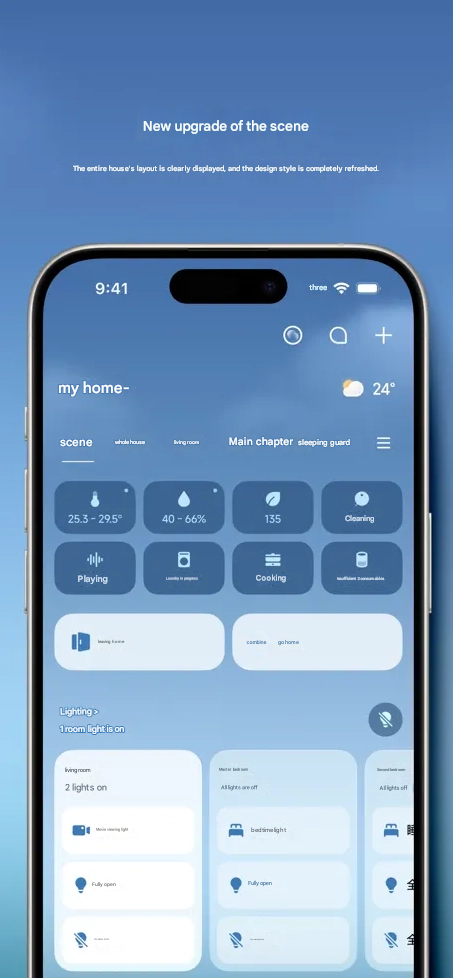
The Xiaomi Home iOS App has now been updated to version 11.0.200, with a fresh design style and the addition of a completely new dynamic whole-house dashboard. This update improves user experience by introducing more advanced automation settings and better management of smart devices.

Smarter Home Control with Dynamic Dashboard

The new update brings a dynamic whole-house dashboard from Xiaomi, which shows all information from connected devices in one unified view; it provides a full overview of the conditions pertaining to your home’s environment, lighting, and security for quicker and more effective management of your smart home. The feature is targeted at making home control more intuitive and visually engaging for iOS users.

MiHome iOS 1 MiHome iOS 2

New “Scenario” Page

The update also introduces a new “Scenario” page in the Xiaomi Home App, integrating four commonly used automation scenarios: security, environment, lighting, and sunshade control. These sections are designed to help users quickly automate and monitor their most frequent activities. Currently in beta testing, this feature represents Xiaomi’s continuous investment in developing its smart home ecosystem to ensure seamless coordination between devices.

Updated Designs and Enhanced Automation

Version 11.0.200 introduces a clean, minimalist visual overhaul, aligned with Xiaomi’s latest design philosophy under HyperConnect (previously referred to as Pengpai Zhilian). It also adds a new “lasts for a period of time” option in automation controls that lets users denote temporary actions for devices, like turning the lights on for 30 minutes or having an air purifier turn itself on for an hour.

Seamless Integration Across Devices

The Xiaomi Home App remains the central place from which to control all smart devices-anything from smart air conditioners to Xiaomi Smart Door Locks and robot vacuums. Users of iOS can download the update straight from the App Store, whereas Android users can experience the same improvements via the app MemeOS Enhancer on Google Play Store.

Xiaomi Home returns to Paris with its first official store

13 November 2025 at 13:17

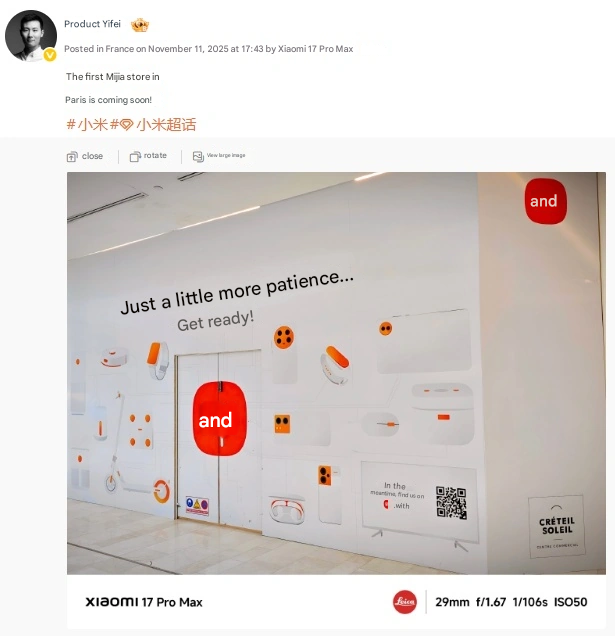
Xiaomi is officially returning to Paris with its first directly operated Xiaomi Home store, marking a major step in the brand’s European expansion. As announced by Xiaomi France Deputy Country Manager Product Yifei on November 11, the store will open soon in the heart of Paris. The new outlet differs from previous franchise-operated stores as it will be managed directly by Xiaomi, ensuring a unified retail experience and better after-sales services for customers.

From Authorized Stores to Direct Operations

In response to questions from local fans about the earlier Paris location, Yifei clarified that the previous Xiaomi store on Xiangjie Street was a client-operated franchise, which had to shut down temporarily during the pandemic. This new store represents a shift in strategy, highlighting Xiaomi’s focus on direct operations to strengthen brand presence and maintain quality consistency across all customer touchpoints.

Mijia Paris

Strengthening Xiaomi’s Global Retail Network

This move aligns with Xiaomi’s ongoing global retail expansion strategy. Earlier this year, the company opened its first directly operated store in Japan, located at AEON Mall Urawa-Misono in Saitama City, followed by another one at AEON Mall Kawaguchi. Xiaomi also opened its first store in South Korea on June 28, located at the IFC Mall in Yeouido, Seoul, offering a complete range of Xiaomi products — from smartphones and tablets to home appliances and IoT devices — in an experiential format.

These openings highlight Xiaomi’s plan to establish a consistent global retail experience, expanding its brand influence beyond Asia and into key European and global markets.

Xiaomi’s History in France

Xiaomi first entered the French market in May 2018, when it launched its first authorized store on Boulevard Sébastopol in Paris. At that time, the company also introduced the Xiaomi MIX 2SRedmi Note 5, and popular ecosystem products like the Xiaomi Electric Scooter. The expansion was supported by major French retail partners such as FNACDARTY, and Carrefour, helping Xiaomi bring its innovative and affordable technology to more users across France.

Now, with a directly operated Xiaomi Home returning to Paris, the company is reinforcing its long-term commitment to the French and wider European markets.


Source: ITHome

Top 5 Xiaomi gimmicks every user secretly hates

13 November 2025 at 10:00

Xiaomi’s rise to global dominance was based on innovation, affordability, and clever marketing. However, a number of its strategies, though commercially effective, often leave users with a feeling of being manipulated, not impressed. From embedded ads in the OS to aggressive pre-installation tactics, to confusing naming schemes, these tactics have become part of the Xiaomi identity. Here are five of the marketing practices criticized worldwide by users who still remain loyal to this brand.

Ads Embedded in HyperOs

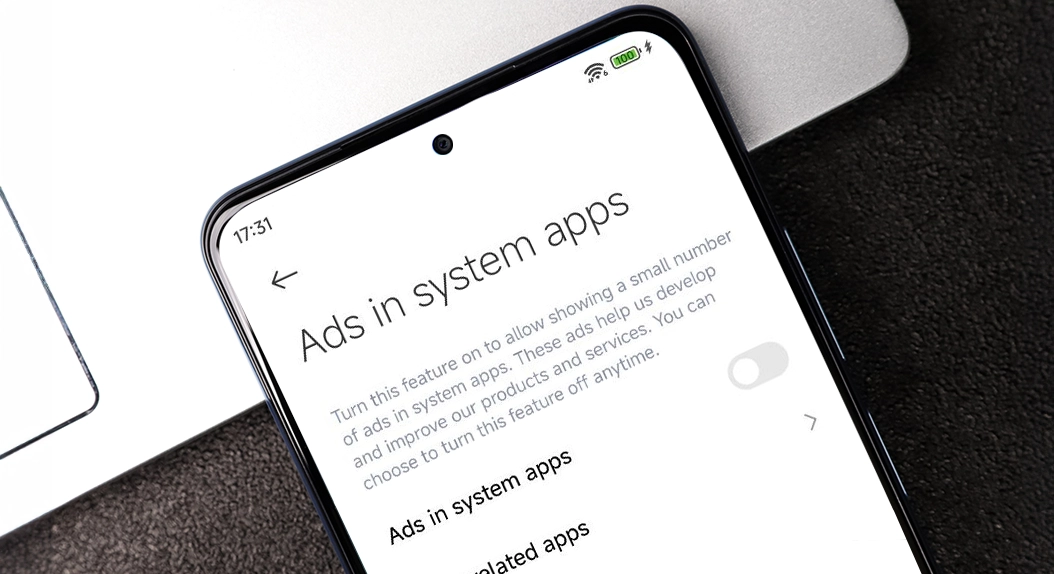
One of the most contentious ways Xiaomi generates revenue is by embedding advertisements in its operating systems, including the new HyperOS and older MIUI. While this provides a significant revenue stream that helps Xiaomi keep hardware prices low, users often find the ads intrusive.

These can appear in the system apps, such as File Manager and Settings. The only solution for you written by us. Such practices are quite more mainstream on Redmi and POCO phones rather than high-end smartphones from Xiaomi, specifically the Xiaomi 15T Pro. This implies a strategy toward budget-conscious consumers.

Xiaomi has hidden the Disabling Ads feature in the settings

Bloatware and Unwanted App Installations

Rather closely aligned with Xiaomi’s advertising strategy is the tendency to preload devices with bloatware (applications a user does not need that take up storage space, waste battery life, and even compromise privacy). Even when users try to avoid installing sponsored applications during the setup of their devices, some find these apps automatically installed later, sometimes via OTA updates. But we described how to get rid of these apps.

How to remove useless HyperOS apps and debloat without root

Confusing Naming of Products and Rebranding

Naming at Xiaomi is famously confusing. Between devices like Redmi Note 15Redmi Note 15 Pro+Redmi 15CXiaomi 15T, and Xiaomi 15T Pro, even some store employees for the company have struggled to know what sets each model apart.

Adding another layer of complexity is regional rebranding. For example, the Redmi K series in China mostly launches as POCO globally, while the Redmi K Ultra line folds into the Xiaomi T series. In this case, the international version of the Redmi K20 was launched as the Mi 9T, a move that still confuses global consumers.

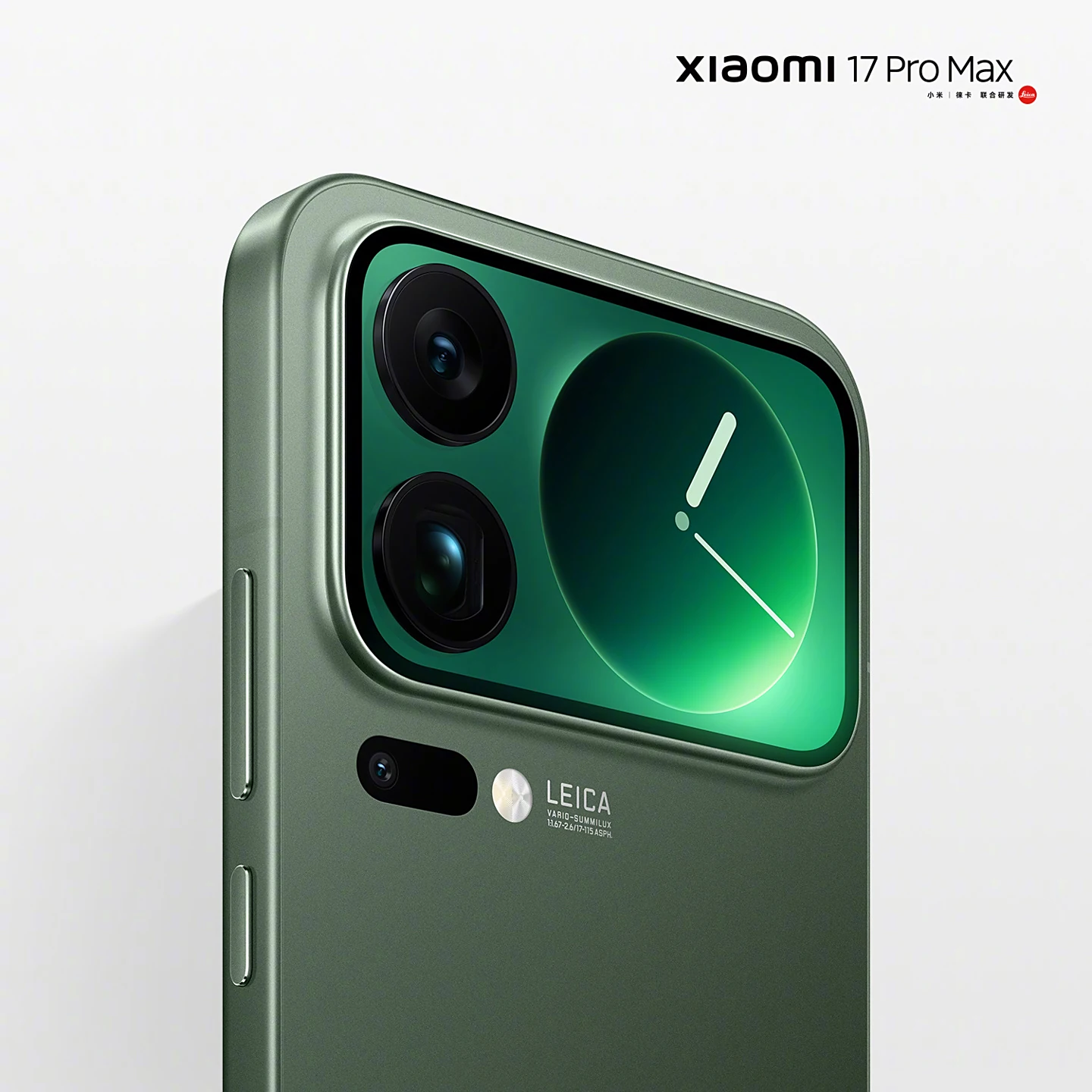
K90 Pro Max CAMERA 1 Xiaomi 17 Pro and Pro Max 2

Flash Sales and Artificial Scarcity

This “flash sale” or “hunger marketing” model helped Xiaomi initially gain rapid traction in emerging markets by appealing to notions of exclusivity and urgency. And the idea was not complicated: limited stock creates excitement and boosts perceived value.

This, however, backfired in several western markets. During a UK promotion, Xiaomi advertised £1 flash sales for smartphones, only for customers to discover later that just ten units were available. Many users accused the company of “fake scarcity,” forcing Xiaomi to issue a public apology. While effective at early growth stages, this strategy is now widely regarded as outdated and misleading.

Premium Partnerships and Leica Skepticism

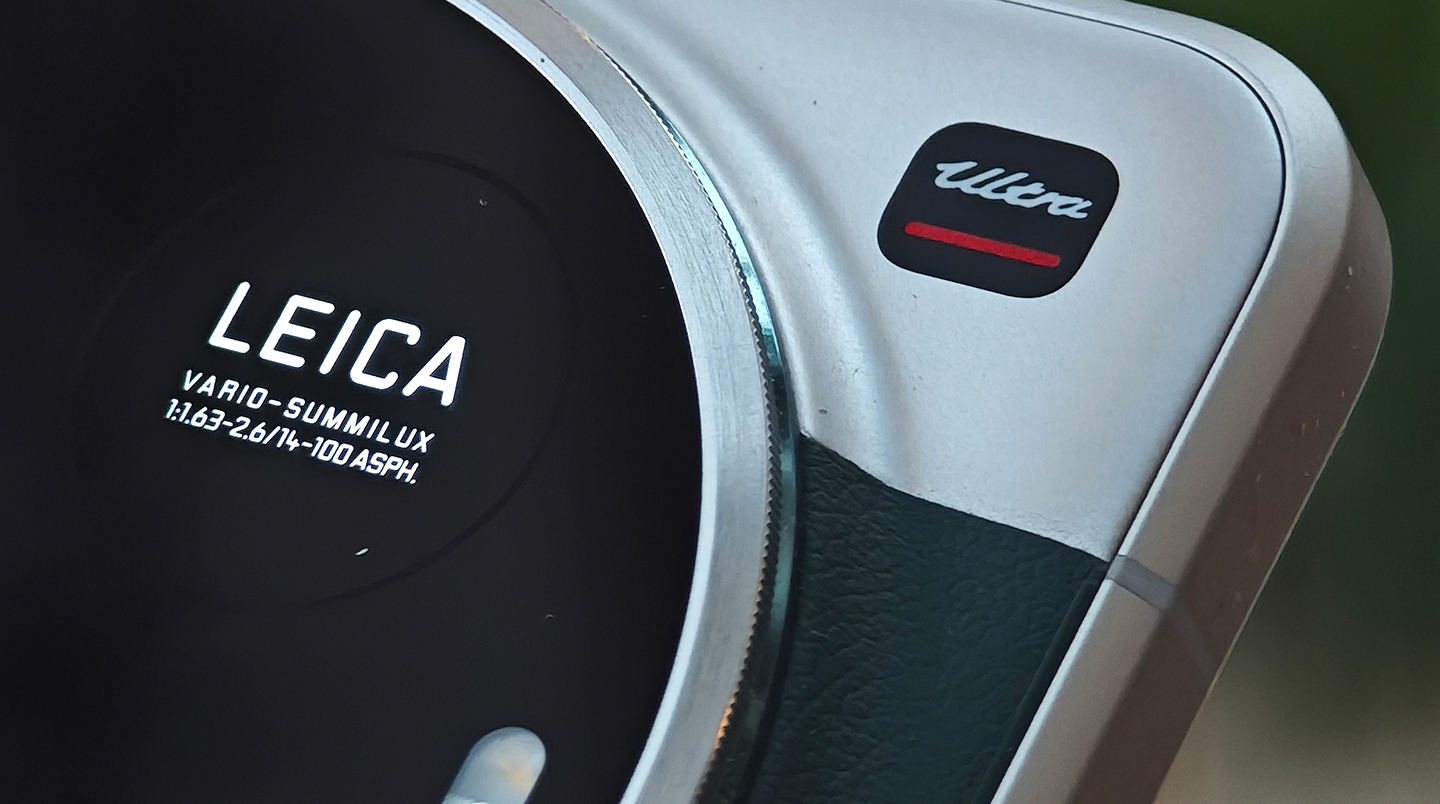
To strengthen its brand image, Xiaomi has increasingly collaborated with Leica on high-end camera systems featured in models such as the Xiaomi 15 Ultra. These partnerships promote advanced imaging tools such as Leica Vario-Summilux lensesStreet Photography Mode, and Master Portrait Mode.

Leica Ultra

But for some onlookers, the question lingers as to whether the Leica collaboration brings real optical benefits or is it just a luxury marketing badge. And the irony reaches its climax as Leica’s official LUX photography app remains exclusive to iPhone, which makes this alliance with Android very questionable. Still, the Leica partnership undeniably helps Xiaomi compete with premium rivals like Apple and Samsung.

From ad-supported software to strategic scarcity, Xiaomi’s marketing techniques show a brand that balances affordability with profitability. These practices often frustrate users, but they also keep Xiaomi’s prices competitive. The challenge for the brand will be maintaining its user-friendly reputation as it innovates more responsibly across global markets.

❌