Normal view

8 tricks for speeding up your Xiaomi phone

15 November 2025 at 05:20

Is your previously lightning-quick Xiaomi phone slowing down? Even powerhouse smartphones can become slow-moving as apps become more resource-intensive and software builds up digital clutter. Before an upgrade is on your mind, however, try these tested optimization tips that can significantly restore your Xiaomi phone’s performance. By simply tweaking your device settings in just a few simple steps, you can reclaim the seamless responsiveness you had at the time your phone was new. These insider tips apply across the entire Xiaomi line of devices from both POCO and Redmi devices and prove most useful for older devices using HyperOS or MIUI.

Regular Update of System

It is important to keep your device updated for it to function at its best. Xiaomi issues regular software updates providing essential performance enhancements, security patches, and patches for bugs.

Updates can fix current performance hindrances and bring in new features aimed at improving your device’s efficiency. To see if an update is available, go to Settings > About phone > System update > Check for updates.
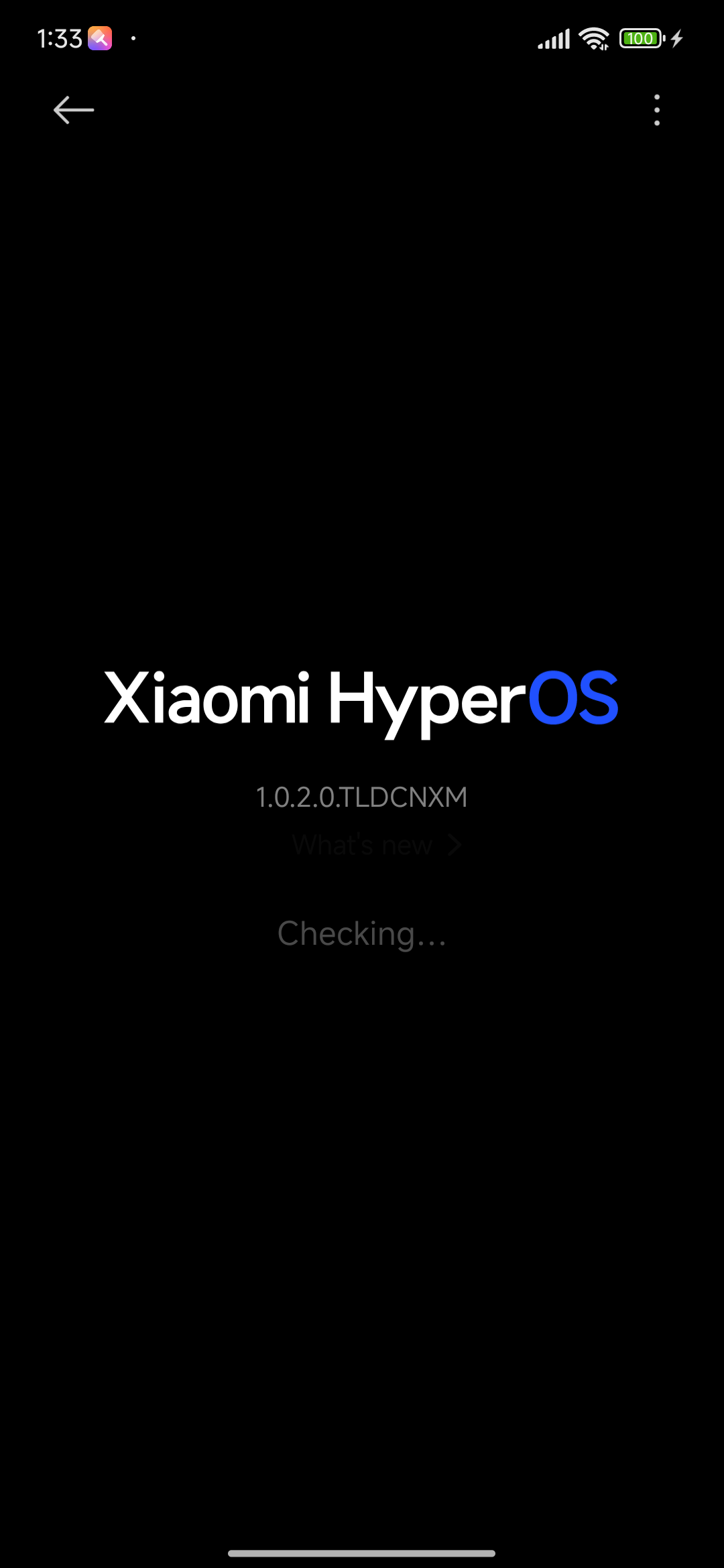
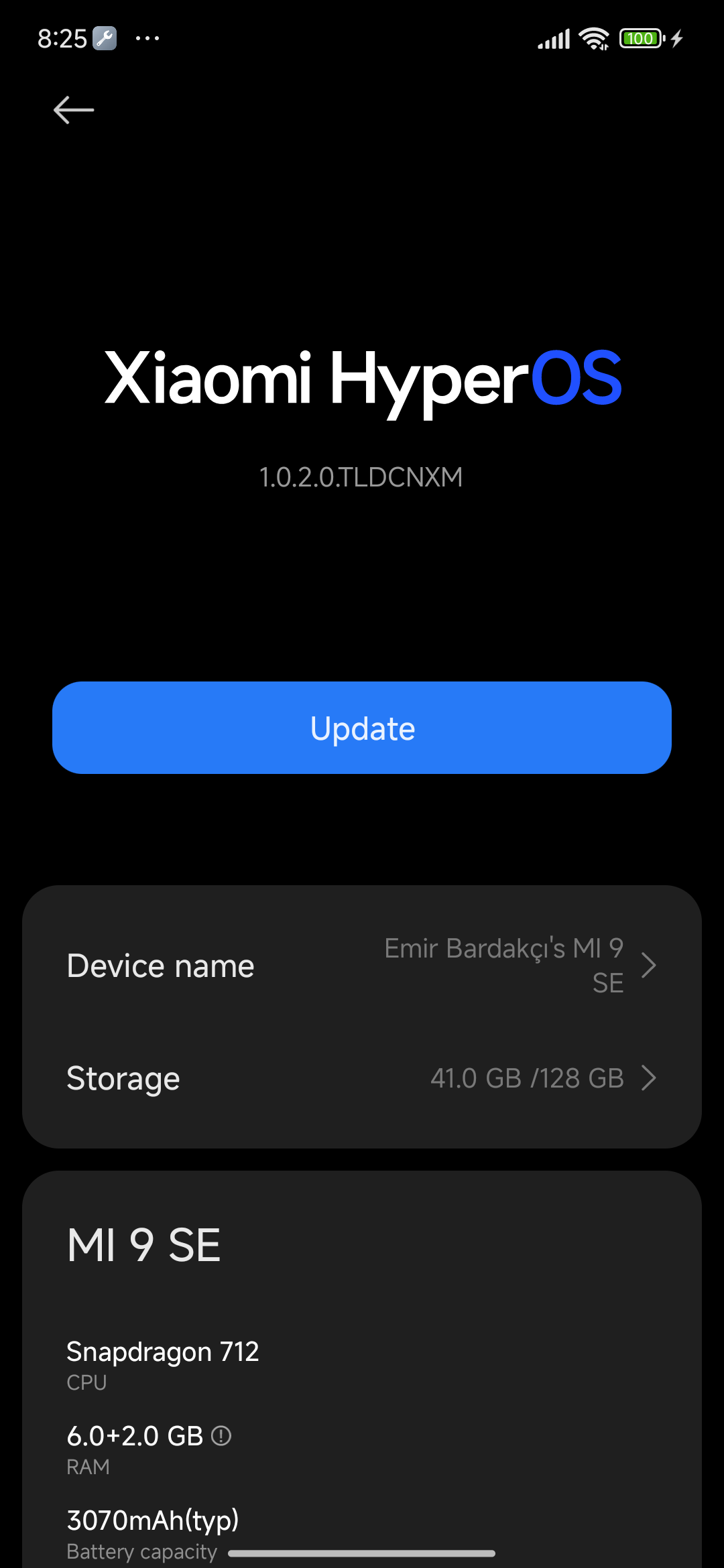
HyperOS Manual Update 2 Update Phone

Reduce Animation Effects

Making your Xiaomi phone feel faster can be accomplished in the quickest way possible by tweaking the animation scales. These graphical effects are pleasing to the eye but use precious processing power.

To modify animation settings: Navigate to Settings > Additional settings > Developer Options Find Window Animation Scale, Transition Animation Scale, and Animator Duration Scale. Set all values to 0.5x or turn them off to run at maximum performance If Developer options is not displayed, activate it by tapping Settings > About phone > HyperOS version seven times.
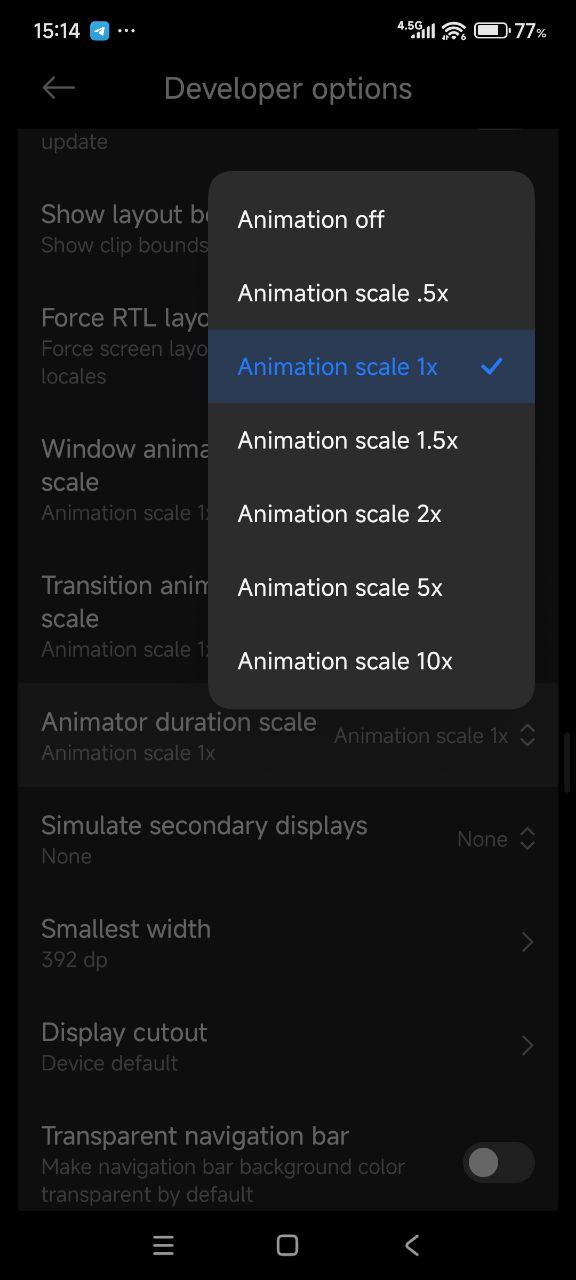
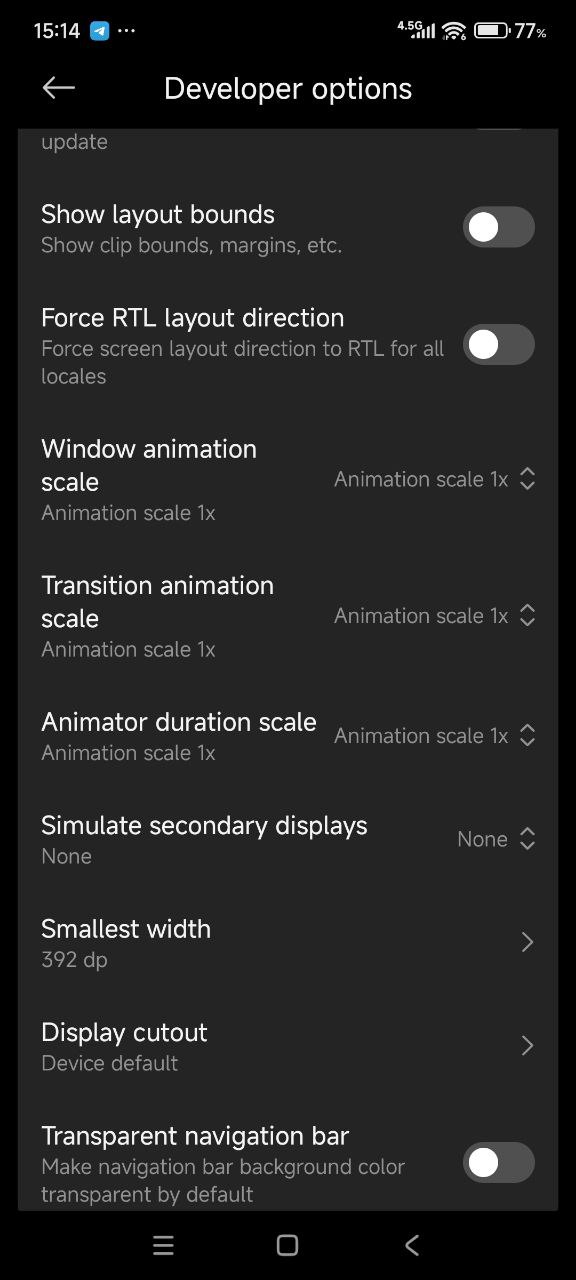
photo 2025 05 18 15 14 56 photo 2025 05 18 15 14 55

Eliminate System Promotional Stuff

Xiaomi’s interface occasionally features system adverts which can slow down performance. Disabling these adverts not only makes your device run faster but also enhances overall user experience.

To disable system ads: Go to Settings > Passwords & security > Authorization & revocation Set MSA (MIUI System Ads) to Off. Wait about 10 seconds for the changes to be implemented
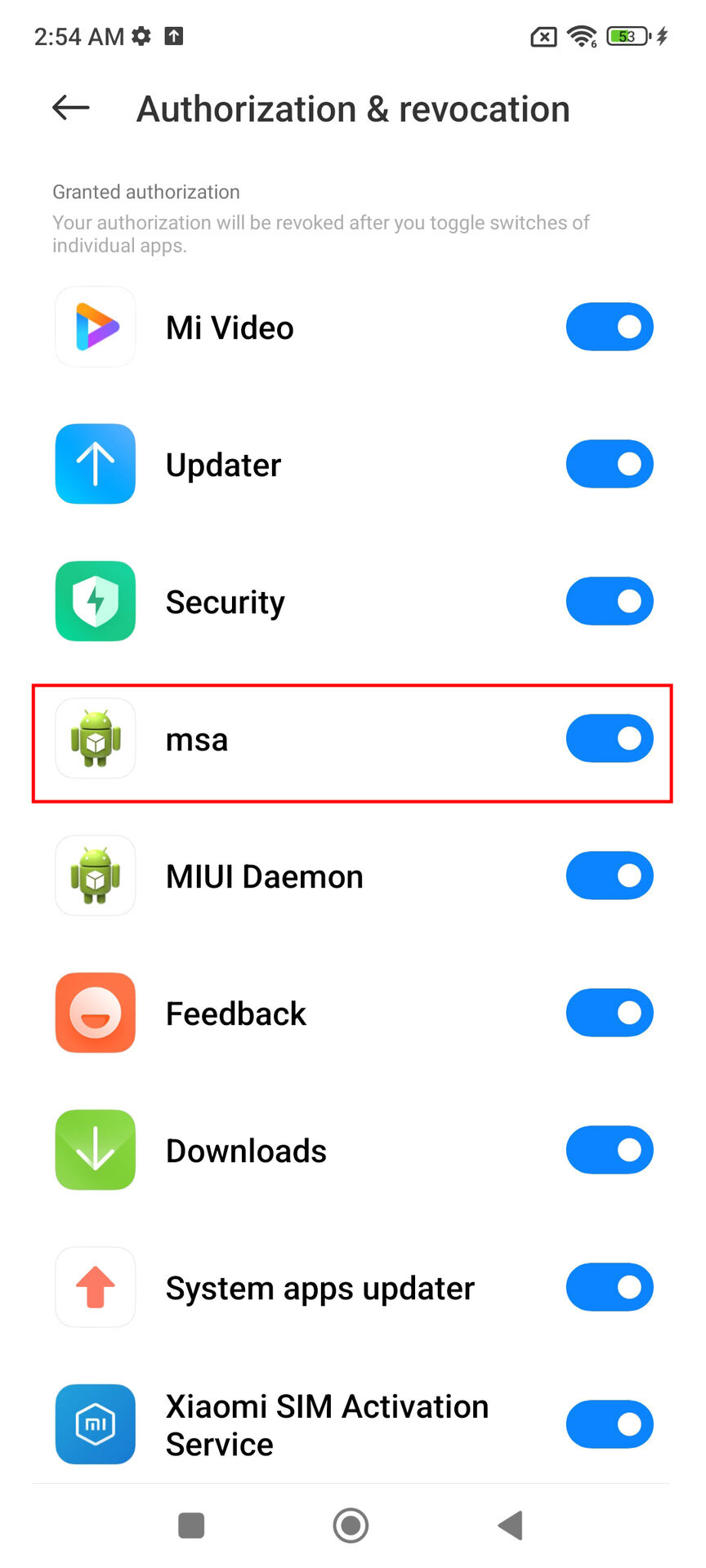
How to remove ads on Xiaomi MSA 3

Remove Unwanted Programs

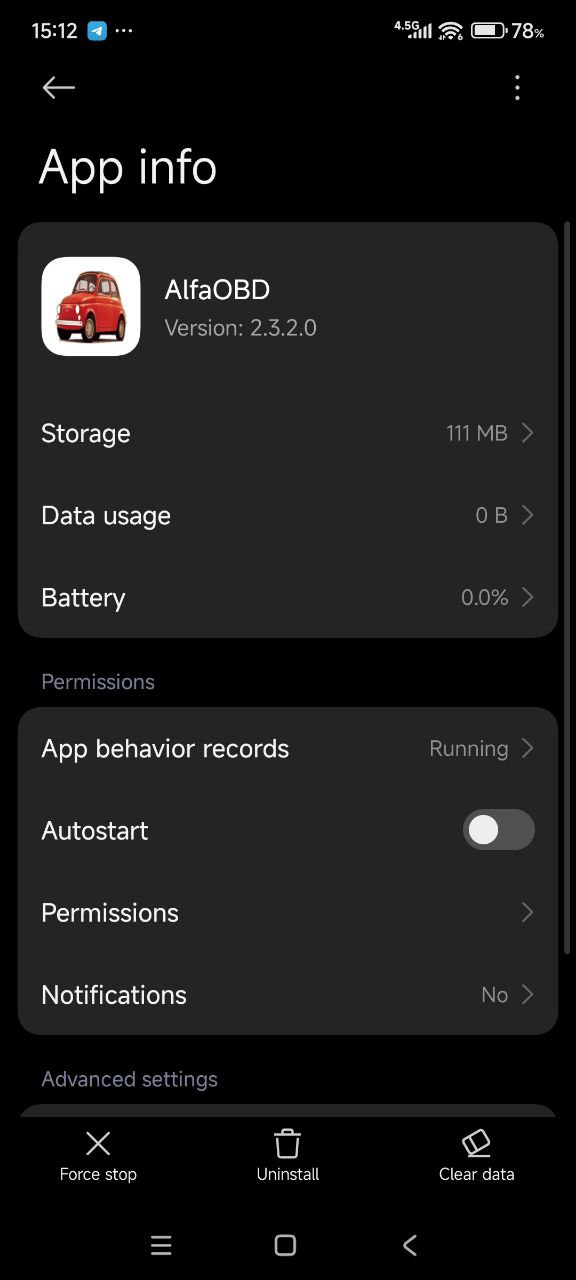
Unused apps occupy storage space and can also have background processes consuming system resources. Uninstalling such apps can considerably enhance the performance of the device.

  • Long press the app icon
  • Choose App info from the menu
  • Tap Uninstall and then confirm it.
photo 2025 05 18 15 12 30 photo 2025 05 18 15 12 29

Regular Clearance of Cache

Applications save temporary information (cache) to load quicker in future uses. Nonetheless, built-up cache can ultimately slow your device down by consuming precious storage.

  • To clear application caches: Go to Settings > Apps > Manage apps
  • Choose the application you want to clean Tap Clear data > Clear cache
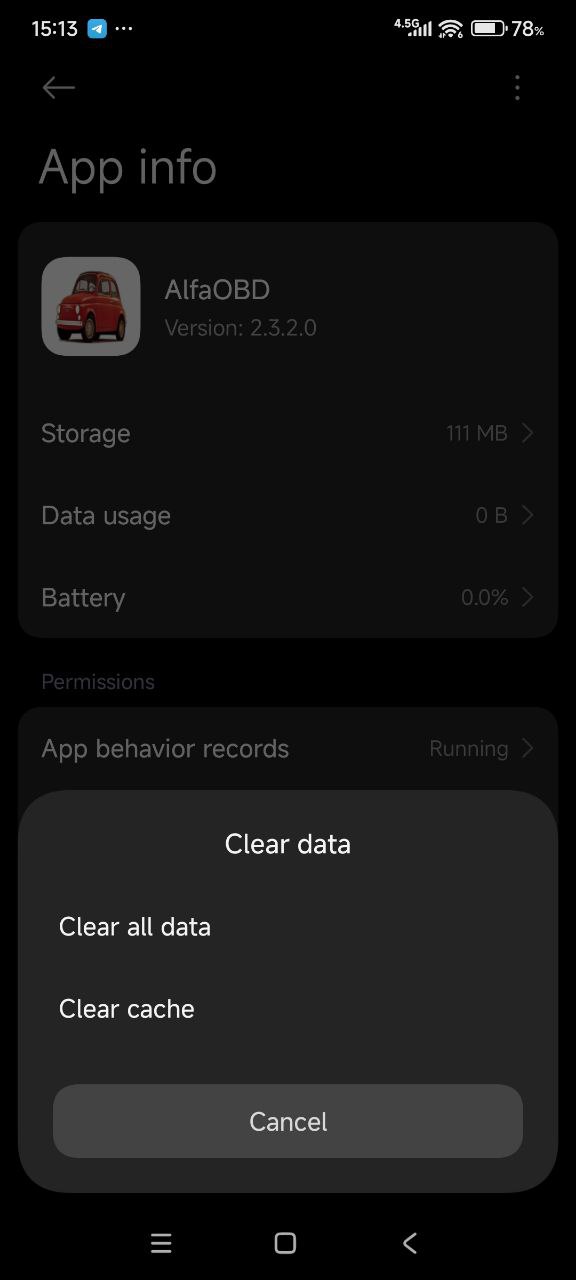
photo 2025 05 18 15 13 11

Use Lightweight Versions of Applications

For older Xiaomi devices, consider installing “Lite” versions of familiar software. These lightweight versions are optimized for less resource usage while maintaining core functionality. Popular lite versions of apps like Facebook Lite, Twitter Lite, and YouTube Go use less RAM and processing power.

Limit Background Processes

Limiting the number of apps running in the background at the same time can significantly enhance responsiveness of the system.

  • To reduce background processes: Go to Settings > Additional Settings > Developer options
  • Retrieve background process limit
  • Set to “No background processes” or low number in accordance with your device’s RAM
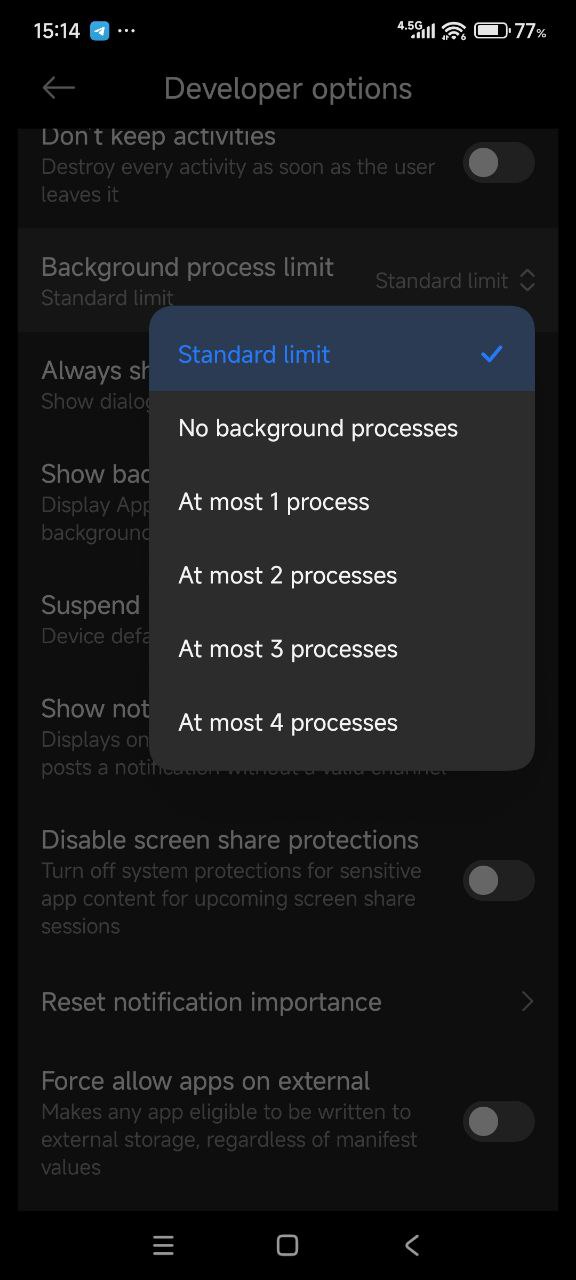
photo 2025 05 18 15 14 57

Factory Reset as a Last Resort

If the performance problems continue after attempting the above solutions, it may be time for doing a factory reset. This resets your phone back to its original settings by deleting all user information and apps.

Before resetting:

  • Backup all essential files to cloud storage or an external drive
  • Record your account credentials for simple retrieval
  • Make certain your phone has enough battery or is plugged in
  • o do a factory reset: Settings > About phone > Factory reset > Erase all data

For all the users who want an all-in-one solution, there is the MemeOS Enhancer app on the Play Store. This tool gives access to the hidden features of Xiaomi, system application updates, and optimization for Xiaomi devices.

The technologies Xiaomi has quietly removed from its phones

1 December 2025 at 19:55

Xiaomi’s long-term strategy for innovation has always coupled rapid experimentation with the ability to retire technologies that no longer serve the broader ambitions of its ecosystem. Throughout its journey from a software-first company to a leading global smartphone and AIoT manufacturer, Xiaomi has retired several hardware and software features in a bid to modernize its platform. In this report, we will look at five key technologies the company is no longer using, explaining how each decision shaped its strategic direction. You can learn more about these transitions across our in-depth sections on HyperOS updatesXiaomi smartphone evolution, and the AIoT ecosystem.

MIUI’s Sunset and the Rise of HyperOS

In 2010, Xiaomi launched its original interface: MIUI, the company’s first official product. Over the decade-plus that followed, it gathered more than 500 million monthly active users and became an integral part of Xiaomi’s identity. By 2023, though, the system design had reached the structural limit; Xiaomi introduced HyperOS as its unified architecture across smartphones, IoT devices, and electric vehicles.

This transition had nothing to do with performance issues but rather with strategic needs. HyperOS unifies under one framework Xiaomi HyperConnect, Vela IoT foundations, and vehicle systems. In this way, Xiaomi had an opportunity to optimize device interconnectivity, enhance cross-system performance, and modernize its future AI capabilities. The global version of HyperOS keeps a lot in common with MIUI’s interface; the Chinese variant involves deeper AI-assisted features and extensive system rewrites.

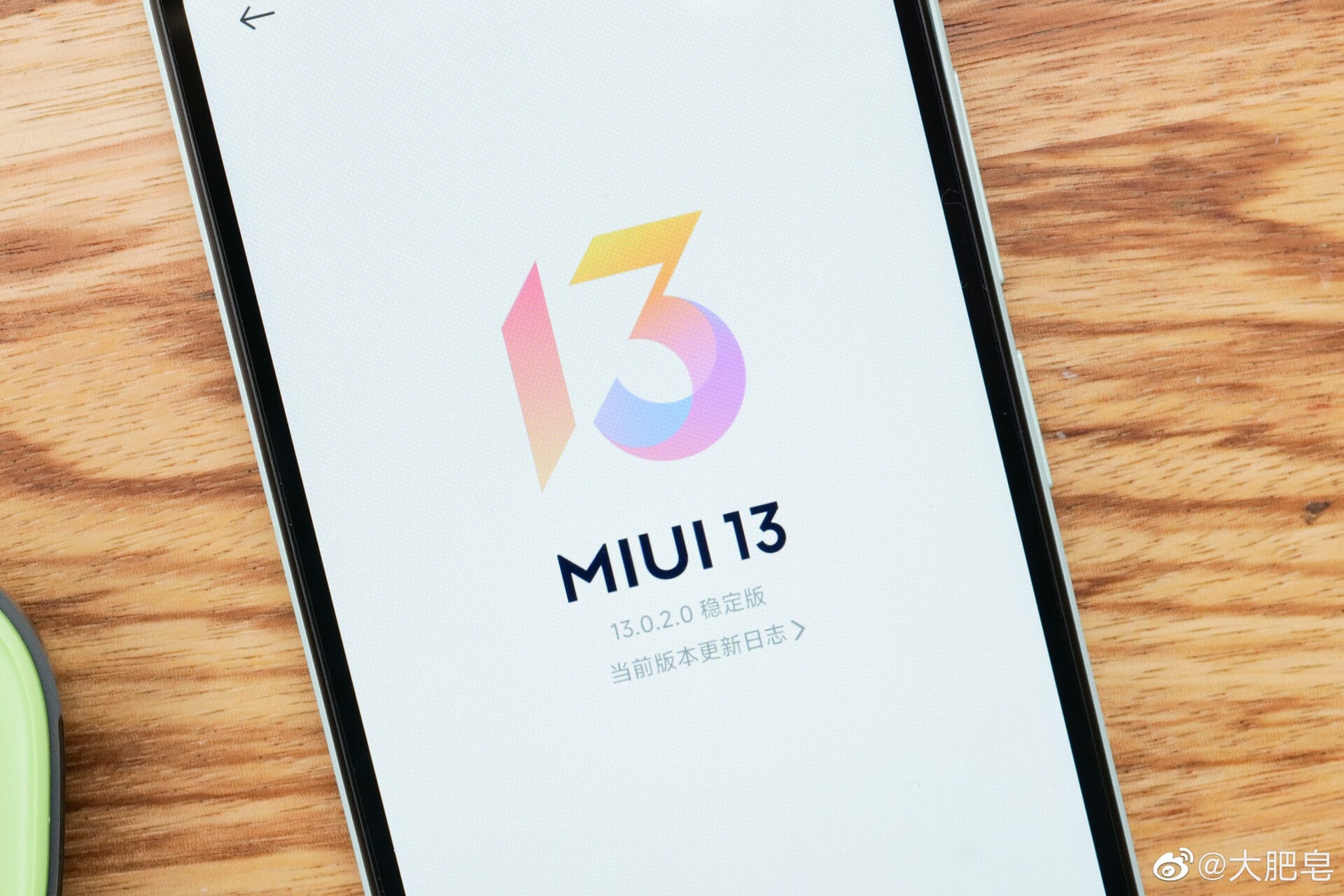
MIUI 13

Impact on the Device Lifecycle

Starting with HyperOS 3, the Android 16-based OS marked the beginning of phasing out support for the older models, including the Xiaomi 11 series, the Redmi Note 11 generation, and the Xiaomi Pad 5 series. This is in line with the long-term plans to keep the ecosystem as stable as that of Apple, tightly coupled across smartphones, tablets, and even vehicles. It also moves users to more current hardware that can support the architecture of HyperOS.

The Rise and Fall of Pop-Up Cameras

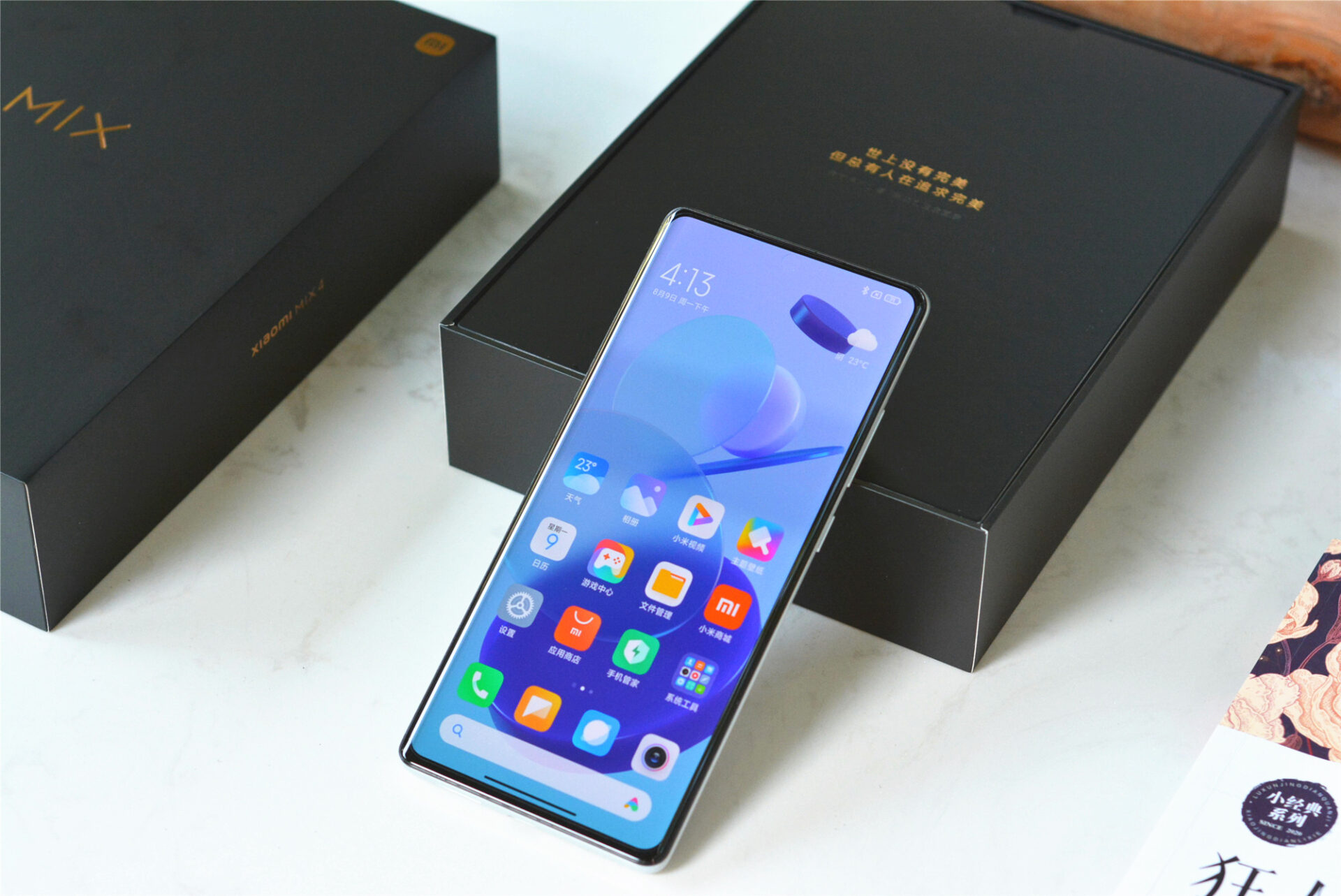
Full-screen viewing without notches or punch-holes is the reason pop-up front cameras became a thing. Xiaomi was the most aggressive in implementing this design with the Mi 9T and Redmi K20, with their motorized mechanisms delivering seamless edge-to-edge AMOLED screens.

But this design soon ran into an engineering dead end. Pop-up systems required more physical space inside the phone, which added complexity to house battery capacity, 5G antenna placement, and thermal management. These devices also presented challenges in water resistance, durability, and a long-term user experience; the mechanism slowed biometric unlocking.

With the expansion of 5G networks, internal space became much more valuable, and OEMs moved to punch-hole displays, which offered lower cost, improved reliability, and better IP certification. Eventually, Xiaomi killed its pop-up camera program and standardized modern display approaches across its lineup.

MI MIX 4 CUP

Liquid Lens: A Promising Idea That Reached Its Limits

Liquid lens technology entered the scene with the Xiaomi Mi Mix Fold, as an innovative optical solution, drawing inspiration from the human eye. Its objective is to combine telephoto and macro photography using just one camera module with shape-shifting fluid inside a sealed lens.

While conceptually advanced, there were key limitations in liquid lens hardware: manufacturing costs were high, and the design only supported small sensors-up to approximately 1/1.8 inches. This prevented Xiaomi from integrating it into flagships equipped with larger 1-inch sensors. At the same time, the conventional technologies fared better: periscope lenses improved zoom performance while 200MP sensors offered sensor cropping solutions for lossless zoom and macro imaging.

Eventually, Xiaomi abandoned liquid lens development for mass-market phones and returned to more scalable conventional optical systems.

Retirement of the “Mi” Branding

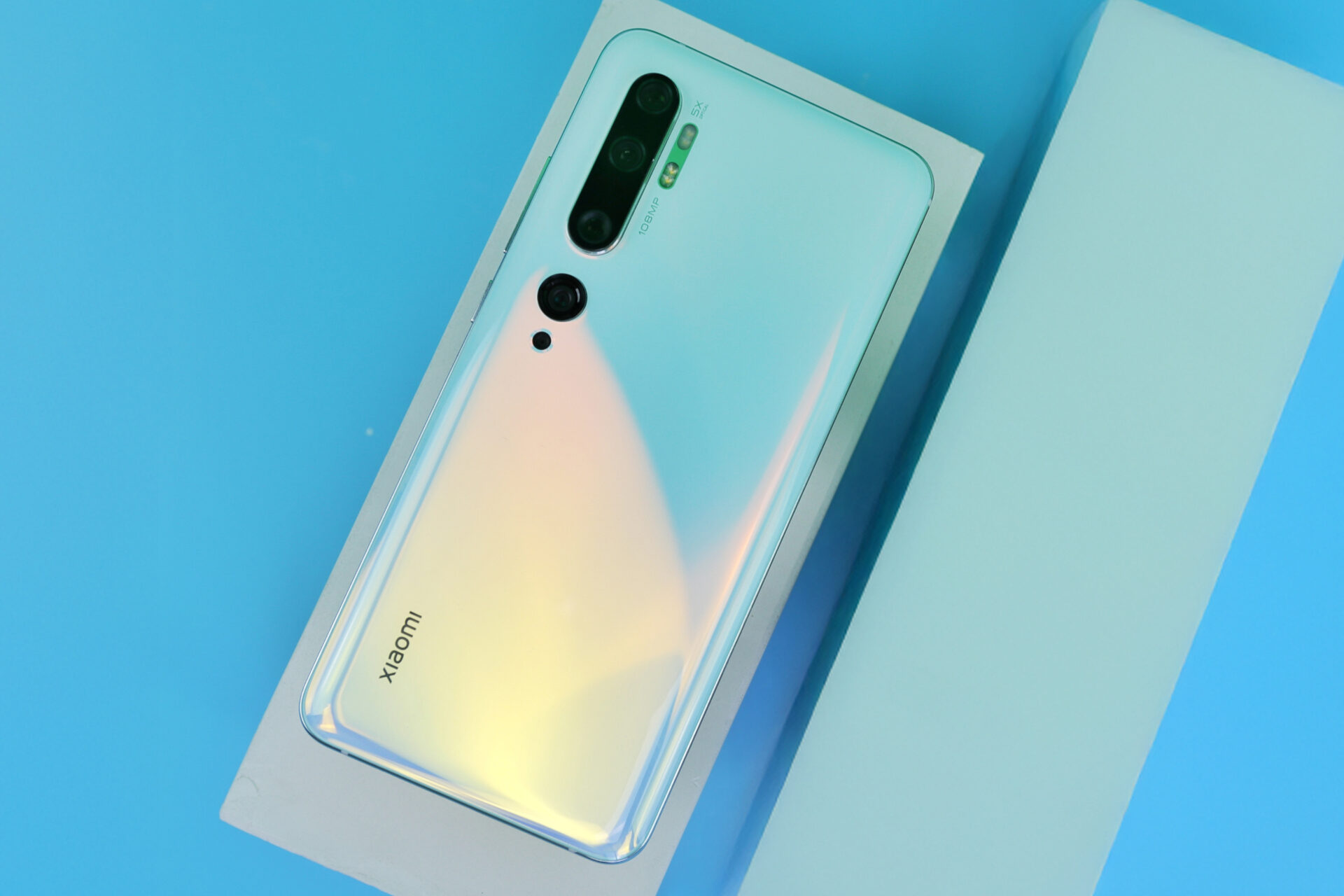
In 2021, Xiaomi announced that it was removing the “Mi” branding from its smartphones-the “Mi 11,” for example, would now just be called “Xiaomi 11.” It follows a global positioning strategy to uniform product naming so as to make the identity stronger and reduce inconsistencies across regions. The transition marries smartphones, AIoT devices, and forthcoming EV products under one globally recognized trademark.

Mi Note 10 Pro

Removing 3.5mm Jacks and microSD Slots

Like most other premium smartphone makers, Xiaomi phased out the 3.5mm headphone jack and microSD card slot from its flagships. The move has been consistent with industry-wide developments that put a greater emphasis on water resistance, internal robustness, and ecosystem-oriented storage solutions, like cloud storage.

Reasons for the Transition Larger batteries and sophisticated cooling systems take up more space.

  • Larger batteries and advanced cooling systems require additional space.
  • Improved IP water/dust protection is harder to achieve with external ports.
  • High-speed UFS storage provides stronger performance than microSD cards.
  • Wireless audio and cloud services became a central part of Xiaomi’s AIoT ecosystem.

These changes introduced cleaner designs, simpler internal architecture, and improved compatibility with future features of HyperOS.

Xiaomi’s evolution has shown that it’s not just about adopting new technologies, but sometimes about a strategic elimination of legacy systems. From turning MIUI into HyperOS, to the removal of mechanical camera designs, each decision shows the indication of Xiaomi’s long-term mission in creating a cohesive smartphone and AIoT ecosystem. Entering electric vehicles and next-generation intelligent systems, this disciplined approach to innovation and discontinuation will always shape its global competitiveness.

Rising memory chip prices may influence Xiaomi phone specs in 2026

14 November 2025 at 21:57

The mobile industry is entering a period of cost pressure, with several major smartphone manufacturers, such as XiaomiOPPO, and vivo, reportedly pausing memory chip procurement amid a sharp rise in upstream pricing. Supply-chain reports also note that the inventories of most brands are presently below two months, which may raise concerns about price stability and planning for next year. Xiaomi’s recent updates to its portfolio include innovations highlighted on [HyperOSUpdates.com] and the company’s ongoing hardware strategies, making the present development even more important.

Rising Memory Chip Prices Reshape Smartphone Planning

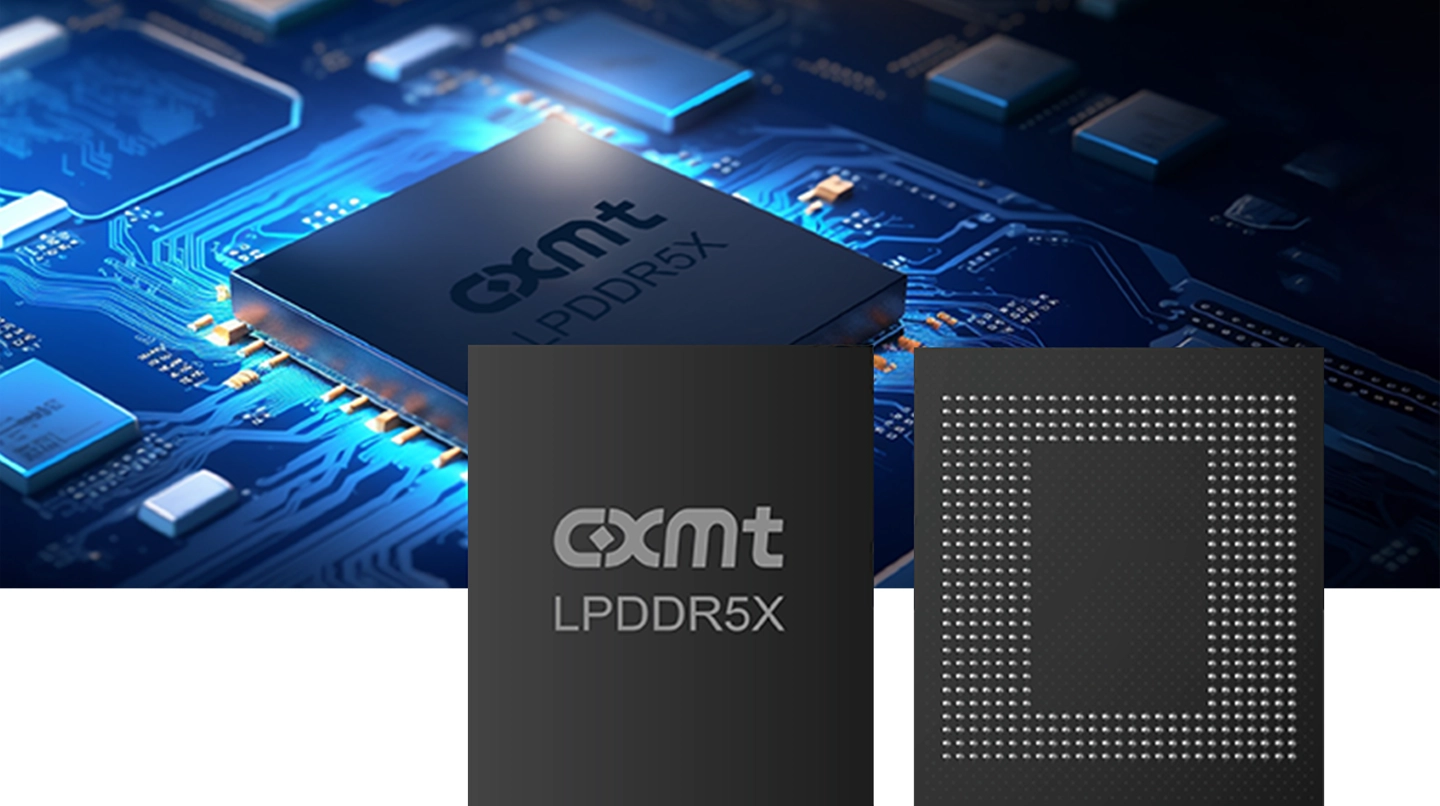
With the price of memory chips continuing to rise, manufacturers have become more cautious in their procurement strategy. According to industrial reports, the inventory of DRAM for some brands is less than three weeks, which makes them very resistant to price hikes reaching almost 50%. This situation complicates the product planning for future flagships, mid-range, and AI-driven devices.

Memory suppliers indicate that supply pressure can be managed for the time being. If smartphone manufacturers resist new pricing, the manufacturers can divert production to server-class customers, which show robust demand and consistently pay at least 30% more for storage products of similar specifications.

c0433a27 b707 4688 a940 72e7077033b9 d889978d 5244 47c6 9b9b 16219986dc9f

AI demand drives server-side consumption.

Some of the most powerful drivers in memory price surge include fast expansion of large-scale artificial intelligence workloads. Data centers require unprecedented quantities of high-bandwidth memory, DDR5, QLC-based NAND, and large-capacity modules. The shift is creating constraints on consumer electronics supply indirectly.

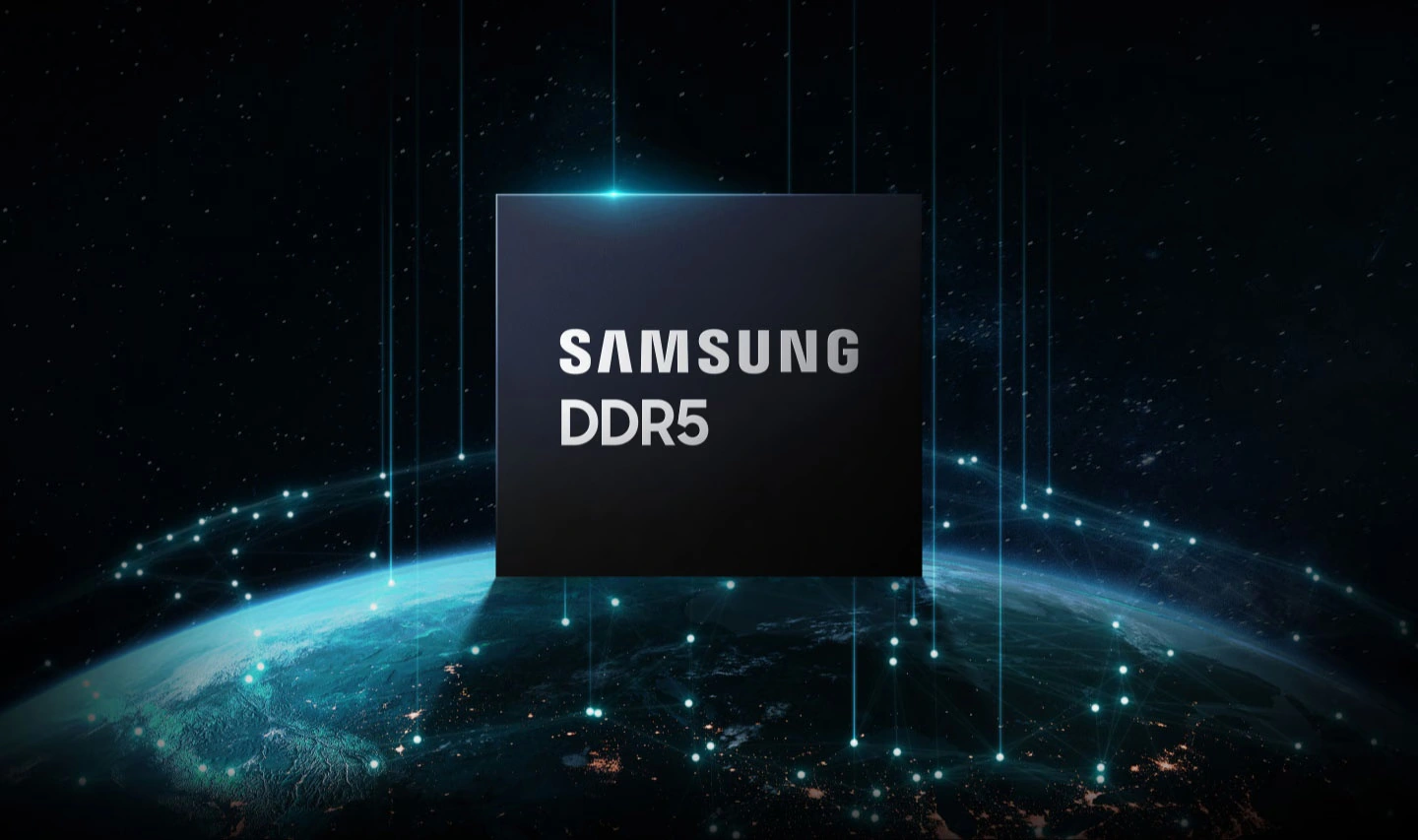
In October, Samsung’s temporary suspension of DDR5 DRAM contract pricing further tightened the memory chip market, causing DDR5 spot prices to rise by 25% within a week. At the same time, Samsung, SK Hynix, Kioxia, and Micron have all reduced NAND wafer output for the second half of the year. The largest cuts came from Samsung and Kioxia, while Micron maintained a conservative production posture at its Singapore fab.

NAND Supply Tightens as QLC Production Expands

Industry analysts say that as major technology companies are transitioning to AI infrastructure, more lines of production are being used for QLC NAND. While QLC yields better density for data-center storage, it decreases the overall supply of conventional NAND used in smartphones temporarily, adding to the rising prices.

With expectations of further increases, North American technology companies have already expanded procurement commitments. Some suppliers reportedly pre-sold a significant share of next year’s NAND production. SanDisk recently raised its contract pricing by nearly 50%, which was followed by similar adjustments from other suppliers including Micron.

Impact on Smartphone Pricing and Product Strategy

Memory generally accounts for 10%–30% of the cost of a smartphone. But in higher configurations, such as 12GB + 512GB, this percentage even exceeds 20%, second only to the mobile processor in terms of cost. Therefore, the recent increase in memory prices has already impacted retail pricing in China.

Reports show some mid-to-high-end products had increases from $14–$69 US (converted from 100–500 yuan), while some flagship comparisons, such as at different tiers of storage in premium models, were as large as $124 US.

Domestic manufacturers are now paying close attention to competitors’ 2025 strategies. Several projects reportedly have been put on hold because of increased component costs, while others may change their specifications to maintain competitive price points. As SMIC’s leadership noted in recent commentary, procurement caution already is affecting shipment schedules across several categories of smartphones.

Inventory Pressure and Market Outlook

Memory manufacturers maintain inventory in general for 6–8 weeks. With current stock levels falling to the lower limit of this range, the market is tightening. According to the participants, this is now a multi-party negotiation phase: Besides, manufacturers have to balance long-term relationships with smartphone brands.

  • Every smartphone OEM would rather their competitors reach new price agreements first, setting a precedent.
  • Apple remains the only brand with sufficient bargaining power to influence pricing directly.

New supply would take 1–2 years to come online, even if manufacturers accelerate capacity expansion. Meanwhile, Samsung and SK Hynix are likely to retain tight production control to maintain price stability.

Analysts are predicting continued upward pressure on memory chip pricing at least through the first half of next year, with the AI sector remaining the main driver. –

From REDMI to Ultra: Xiaomi’s most record-breaking phones

14 November 2025 at 19:25

Xiaomi’s dominance in the global smartphone market is not due to any single model. Instead, this group’s success is based on a multi-brand strategy that has been precisely engineered and enables it to reach every consumer segment with maximum efficiency. This is a blend of innovation, accessibility, and premium branding that few competitors have been able to match. Within this structure, each brand-Xiaomi, Redmi, and POCO-plays a distinct and carefully defined role.

High price-performance value, premium design, and continuous innovation are the core of the company’s philosophy. The way Xiaomi has carved out its market architecture ensures that from flagship products to ultra-budget devices, each model serves a strategic purpose: driving sales volume or strengthening brand perception.

Brand Architecture of Xiaomi & Its Connection with Sales

The hierarchy of Xiaomi will, therefore, influence which devices eventually become global best-sellers. The Redmi series has always provided the highest unit sales, while the Xiaomi flagship line raises the premium positioning of the company. And the whole structure underlines one core idea: Redmi produces volume, Xiaomi Ultra produces prestige.

Why Redmi leads in sales

Redmi holds the “best-selling” crown since it is meant to take in the most number of consumers. With the ability to churn out high-value devices with specifications that are balanced, Redmi has remained Xiaomi’s main financial driver. The Redmi Note series pulls this off with refined design, strong performance, and pricing accessible globally.

Redmi Note: Xiaomi’s Historical Sales Champion

For more than ten years, the Redmi Note series has been the most dominant sales driver for Xiaomi. The continued success stems from knowing what mid-range consumers really want: fast displays, capable cameras, long battery life, and easily affordable prices. These models regularly outclass their direct rivals in their category.

Record-Breaking Models

  • Redmi Note 7 Series: With over 20 million global sales, the Note 7 series marked a pivotal moment for Xiaomi, with a breakthrough 48MP camera and excellent value.
  • Redmi Note 8 Series: A worldwide phenomenon with over 30 million units sold, the Note 8 series became the world’s best-selling Android phone in Q4 2019.

Together, these generations helped drive Redmi Note sales past 200 million units, financing Xiaomi’s investments in areas like the Human x Car x Home ecosystem and the Xiaomi SU7 EV program.

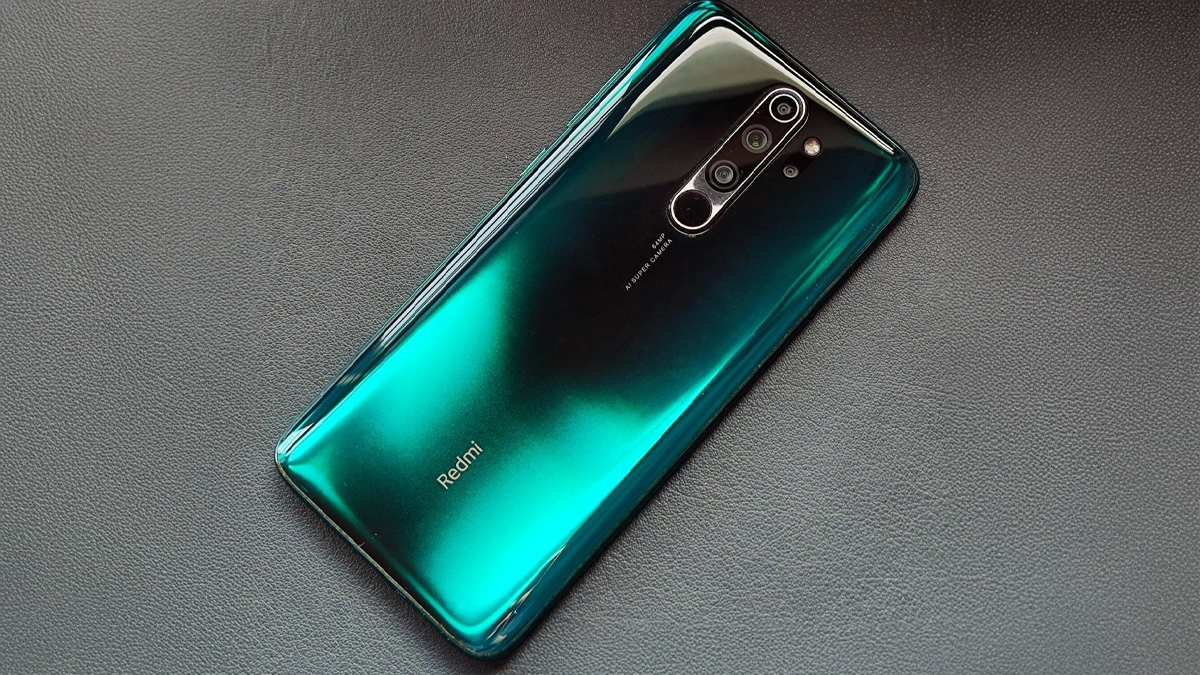
Note 8 Pro

Global Position of Xiaomi in 2025

In 2025, Xiaomi remains among the top 3 smartphone manufacturers in the world. Its solid Q1 and Q2 financial performance shows how effective its diversification strategy has turned out.

The premium shift, driven by flagship products such as the Xiaomi 15 Ultra, has significantly increased its average selling price, improving profitability without sacrificing market share. In parallel, the Redmi Note 14 series is expected to continue to sell well in the mid-range segment.

Best-Selling Xiaomi Models of 2025 by Segment

Redmi Note 14 Pro – Mid-Range Best-Seller

The Redmi Note 14 Pro maintains the legendary Redmi Note reputation with a balance of price and advanced features.
Key Highlights:

  • 200MP OIS main camera

  • 1.5K AMOLED display, 3000-nit peak brightness

  • Dimensity 7300-Ultra processor

  • IP68 certification

  • Approx. $304 international pricing

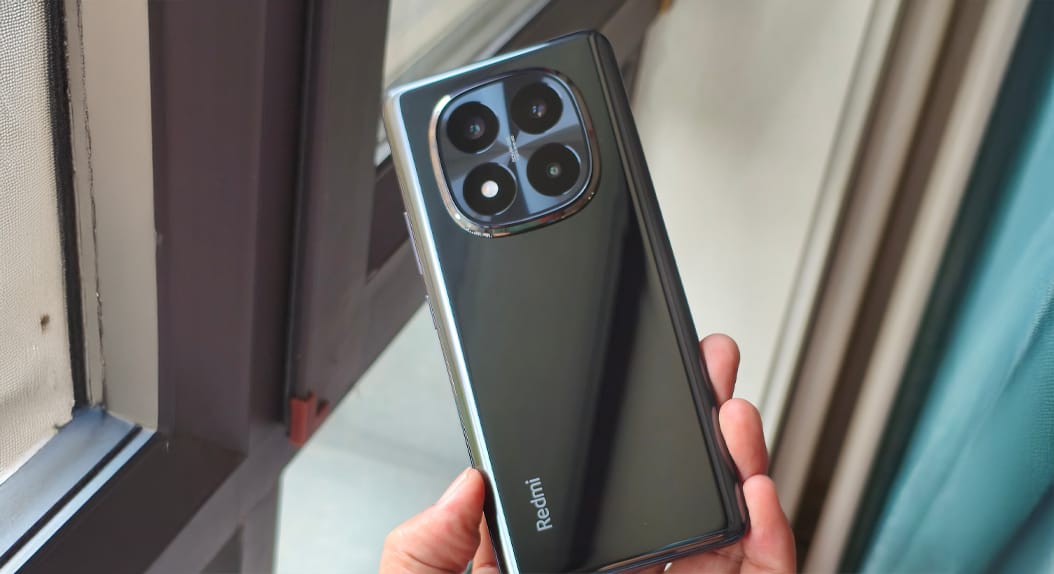
Redmi Note 14 Pro officially released Dimensity 7300 Ultra

POCO F7 Pro – Performance Focus for Enthusiasts

Designed for gamers and high-performance users, the POCO F7 Pro delivers a flagship-grade experience at a mid-range cost.
Key Highlights:

  • Snapdragon 8 Gen 3 chipset

  • 6000mAh battery + 90W charging

  • 1440p display

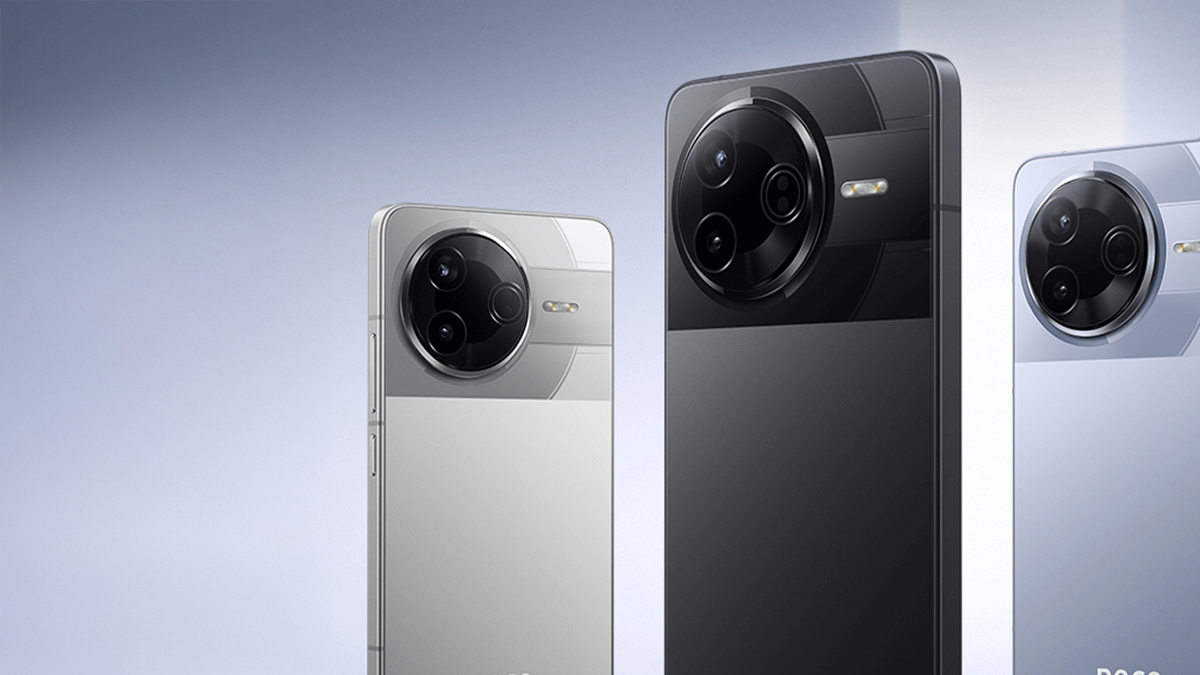
poco f7 pro

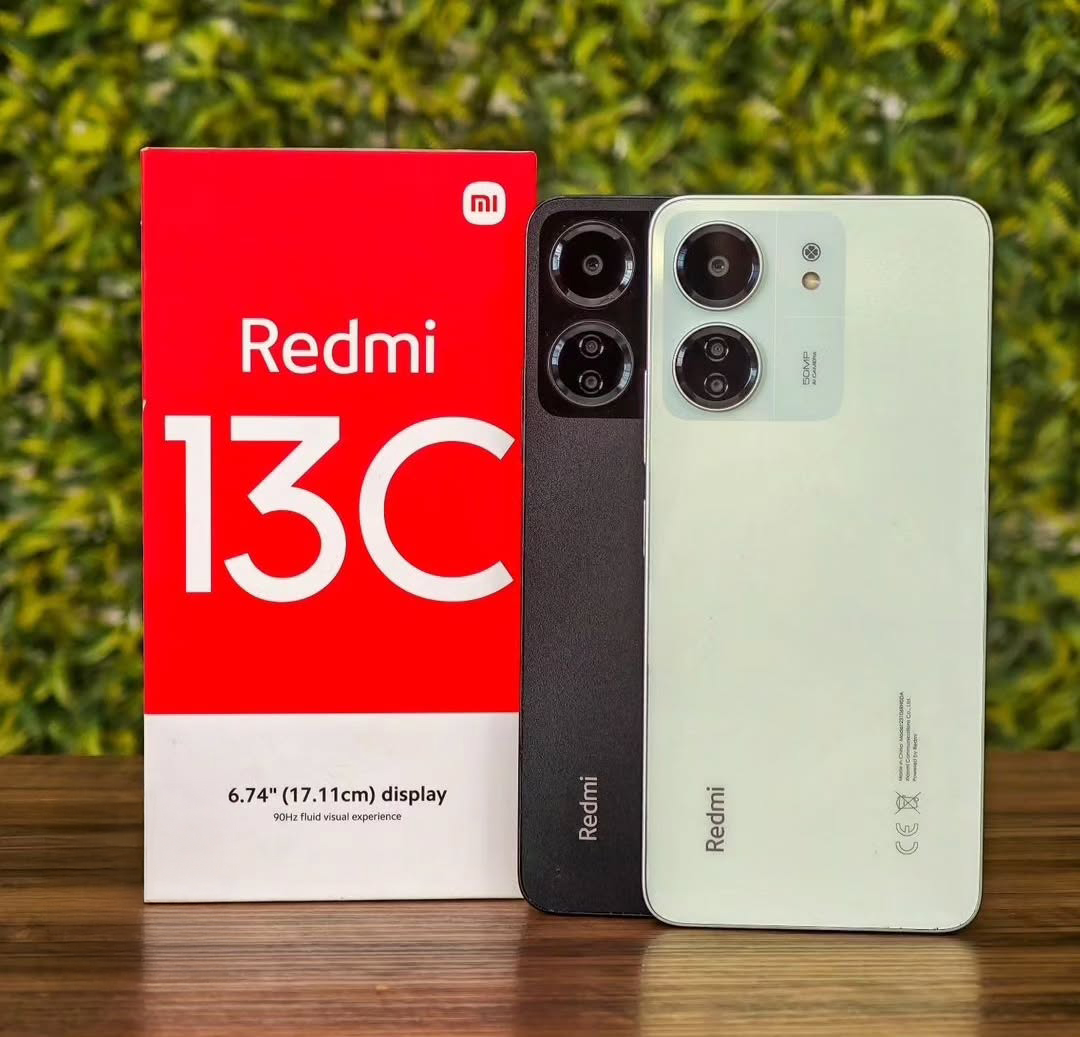
Redmi 13C – Entry-Level Volume Leader

The highest-volume unit seller in the entry-level category, the Redmi 13C delivers essential smartphone functionality at an extremely accessible price point.
Key Highlights:

  • MediaTek Helio G85

  • 6.74-inch 90Hz display

  • 50MP AI triple camera

  • Priced around $110

REDMI 13C

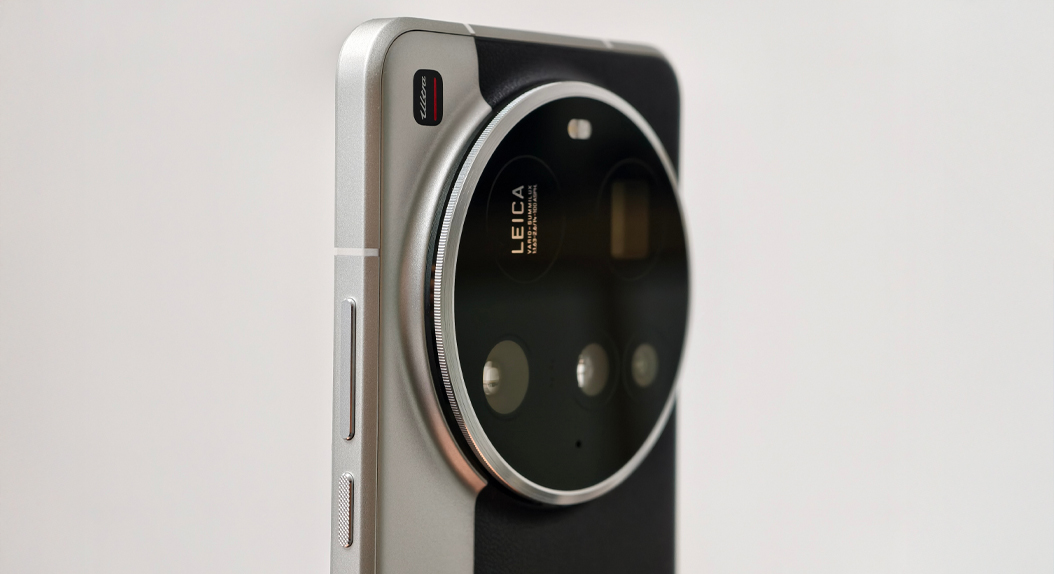
Xiaomi 15 Ultra – Premium Flagship and Profit Leader

Although not the top seller by unit volume, the Xiaomi 15 Ultra is the brand’s most influential device in terms of profitability and innovation.
Key Highlights:

  • Snapdragon 8 Elite

  • Leica quad-camera system (including a 200MP periscope lens)

  • 5410mAh battery

Xiaomi 15 Ultra

Xiaomi’s best-selling models are not defined by a single device but by a carefully structured, multi-layered strategy. Redmi ensures global popularity and sales volume, POCO captures performance-oriented users, and Xiaomi Ultra models elevate the brand’s premium standing. This architecture allows Xiaomi to remain one of the most dominant smartphone manufacturers in the world and continue delivering products for every budget and need

Does Xiaomi USB cable thickness really change charging performance?

14 November 2025 at 17:00

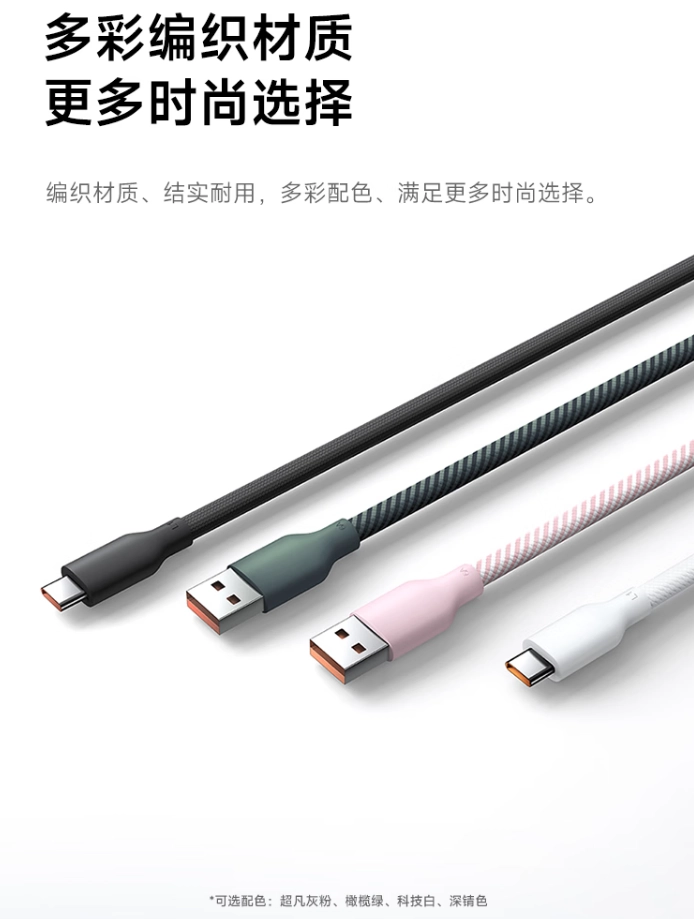
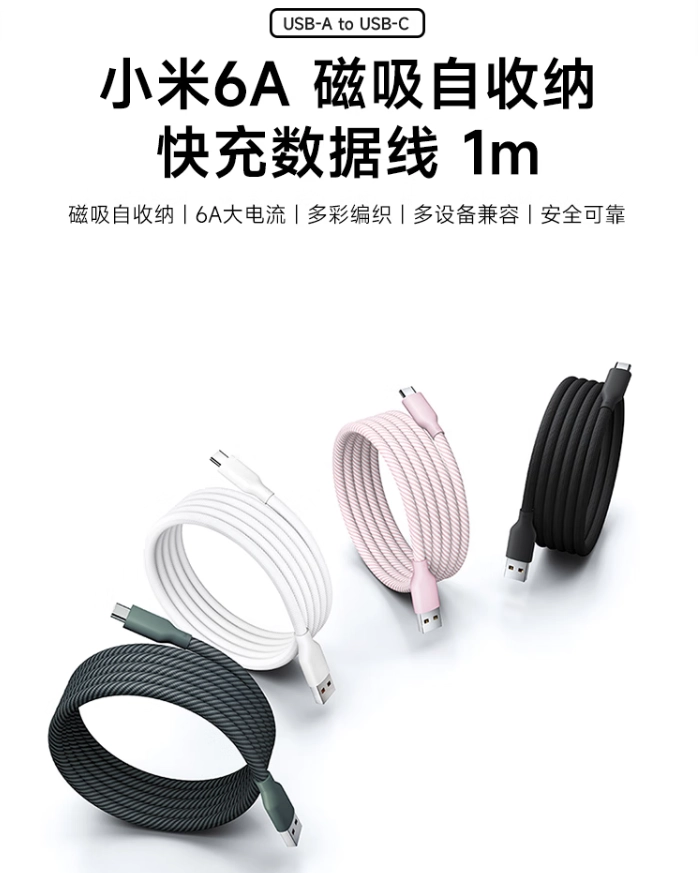
Many have often wondered if it is the physical thickness of the USB cable that dictates the charging and data performance. Well, in Xiaomi’s ecosystem, the difference is not cosmetic but rooted in electrical engineering and material science. The internal conductors in a 120W Turbo Charge cable are much thicker compared to others, so as to enable the delivery of current safety at much higher rates.

How USB Cable Thickness Influences Xiaomi Charging Technology

In Xiaomi’s ecosystem, the thickness of a cable reflects a direct engineering requirement rather than a design preference. While a cable may look thick due to its outer jacket, in truth, it is the internal copper conductors, wire count, and quality of insulation that really determine performance. It is these internal structures that dictate electrical resistance, the generation of heat, and whether the cable can support high-performance power delivery protocols such as Xiaomi’s 120W Turbo Charge. Knowing these factors explains why a Xiaomi 120W cable is different from a regular 33W cable.

IMG 3924

Internal Power Conductors

The amount of current the cable can safely carry depends on its power delivery pair: VBUS and GND. Thicker copper conductors-carrying a lower AWG value-reduce electrical resistance, minimize voltage drop, and keep heat within the safety limits. For example, whereas a typical USB cable would use 28 AWG copper, a 120W Turbo Charge cable needs 22 AWG or thicker conductors to carry up to 6A current with no loss of performance.

Why Xiaomi needs thicker cables for 120W Turbo Charge

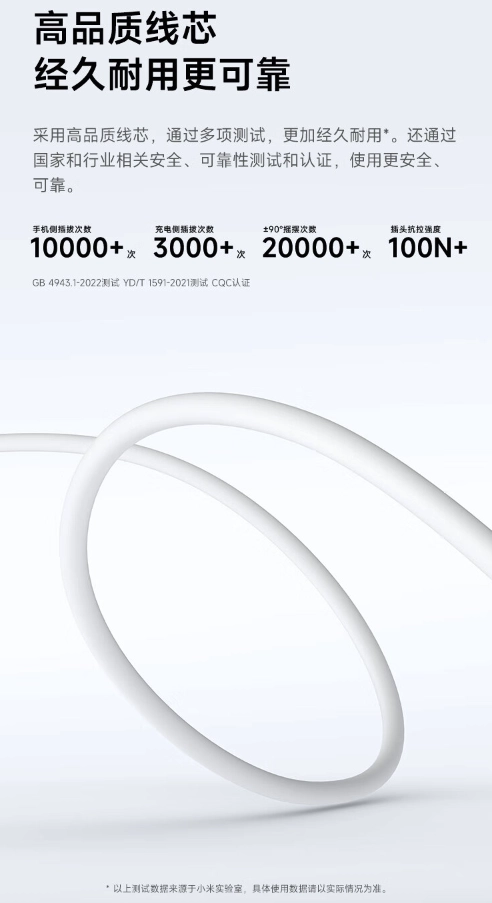
There is a fundamental technical reason why fast-charging cables at Xiaomi have to be much thicker. The 120W standard on Xiaomi runs at around 20V/6A, several times the load in a 33W charger. According to Joule’s Law, as current doubles, so does the heat, four times. In order to avoid overheating and voltage loss, Turbo Charge cables use thicker copper conductors to reduce electrical resistance. This design allows for consistently high-power transfer, avoids thermal stress on internal insulation, and ensures durability over long-term use.

Xiaomi Cable 3

Resistance, Heat, and Efficiency

A thinner cable generates higher resistance and voltage loss with high heating. This kind of inefficiency is intolerable on a 6A Xiaomi fast-charging line. Only thick conductors, in this case, can maintain stable 120W performance while meeting Xiaomi’s very strict safety requirements for temperature, durability, and system stability.

Architectural Thickness: USB 2.0 vs. USB 3.x in Xiaomi Cables

The thickness of the cable also relies on the number of wires used for data transmission. While USB 2.0 architecture employs four wires, USB 3.x uses nine or more. These extra pairs of twisted pairs allow for simultaneous bidirectional data transfer. Xiaomi’s high-current 120W USB cables are developed primarily to handle power, with many models retaining USB 2.0 data architecture. They may appear thick but are optimized for power instead of high-speed data exchange. On the other hand, some Xiaomi Type-C cables intended for 5Gbps or 10Gbps data transmission include extra conductors, which make them thicker even if they do not support high-amperage charging.

Thickness with a purpose

Not all thick Xiaomi cables are optimized for both functions; some come with high-current charging priority, while others feature high speeds of data transfer. A user should think about his or her primary need—either charging speed or data speed—when choosing a cable.

Xiaomi Cable 4 Xiaomi Cable 1

It has to do with swimming in a lake and then relaxing in a cabin near the shore.

Conclusion In the product ecosystem of Xiaomi, the thickness of the cable is a conscious engineering decision rather than a design accident. The size of the internal conductor, data architecture, and the needs of thermal management determine whether a cable can support high-need protocols like 120W Turbo Charge. For those looking for high-power charging, the cable types used should be those meant for the task, while different cable types may be required for prioritized fast data transfer. Xiaomi continues to refine these technologies to deliver safe, efficient, and reliable connectivity across all device categories. **Source: External Engineering References

Xiaomi accessories for iPhone: What works perfectly and what doesn’t

14 November 2025 at 13:21

Xiaomi’s wide accessory ecosystem—covering audio, wearables, power products and smart-home devices—has become an attractive alternative for iPhone users seeking high functionality at a lower cost. Unlike Apple’s tightly controlled accessory environment, Xiaomi offers diverse hardware options built on open industry standards such as Qi wireless charging, USB-C Power Delivery and Matter. This article evaluates Xiaomi’s accessory categories from the perspective of an iPhone user, focusing on real-world compatibility, ecosystem integration and functional trade-offs. (See also: HyperOS Updates, Xiaomi Accessories.)

Xiaomi Audio Accessories and iPhone Compatibility

Xiaomi’s audio portfolio, particularly the Redmi Buds series, offers ANC, dual-device pairing and low-latency modes at competitive price points. However, iPhone compatibility is primarily defined by universal Bluetooth standards and limited by Xiaomi’s iOS software support.

Core Bluetooth Experience

At the most fundamental level, models like Redmi Buds 5 or Redmi Buds 6 Active function reliably as standard Bluetooth headphones. Users can pair them through the iPhone’s Bluetooth settings, enabling music playback, calls and default gestures. Dual-device switching may work between an iPhone and a MacBook, but its reliability remains stronger within Xiaomi’s HyperOS ecosystem due to optimized firmware interactions.

REDMI BUDS

Limitations of the Xiaomi Earbuds iOS App

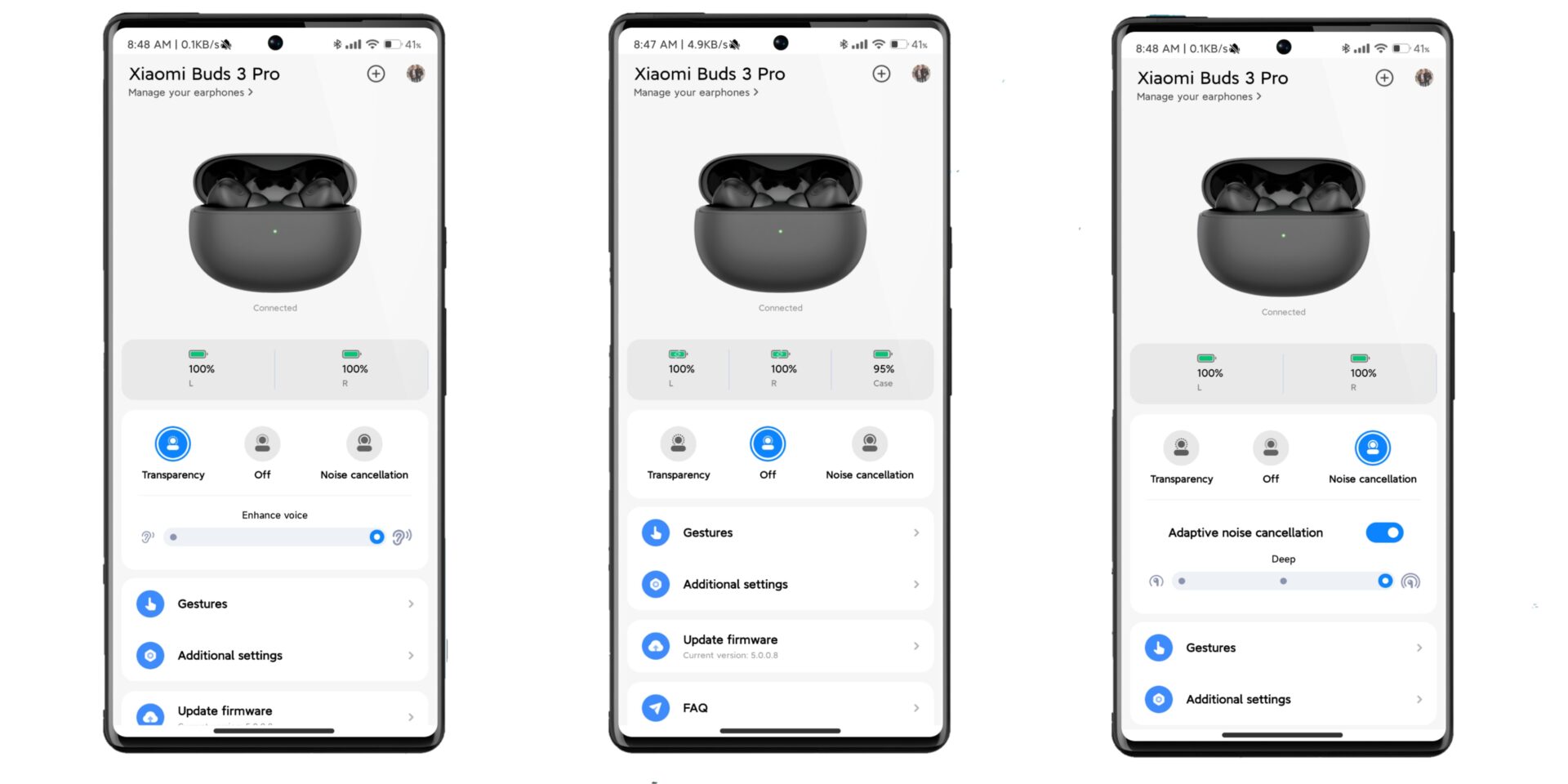
Advanced features such as ANC control, transparency level customization and firmware updates require the “Xiaomi Earbuds” iOS app. Despite offering these tools in theory, the app demonstrates clear limitations in practice. Users frequently report device recognition failures, unexpected disconnections and gesture-control configuration issues. As a result, premium Xiaomi earbuds may act as “basic” Bluetooth devices on iPhone, limiting the potential of their hardware capabilities.

Xiaomi earbuds app

Ecosystem Insight

This category illustrates a recurring pattern in cross-ecosystem accessory use: hardware strength is often constrained by software optimization gaps. While Xiaomi’s ANC performance, build quality and microphones are competitive, the absence of seamless iOS integration reduces their long-term value for iPhone users seeking configurable features.

Xiaomi Wearables and Apple Health Integration

Xiaomi’s Smart Band and Watch S series have long been positioned as affordable alternatives to premium wearables. Their compatibility with iPhone varies depending on the operating system used within each model.

Management Apps on iOS

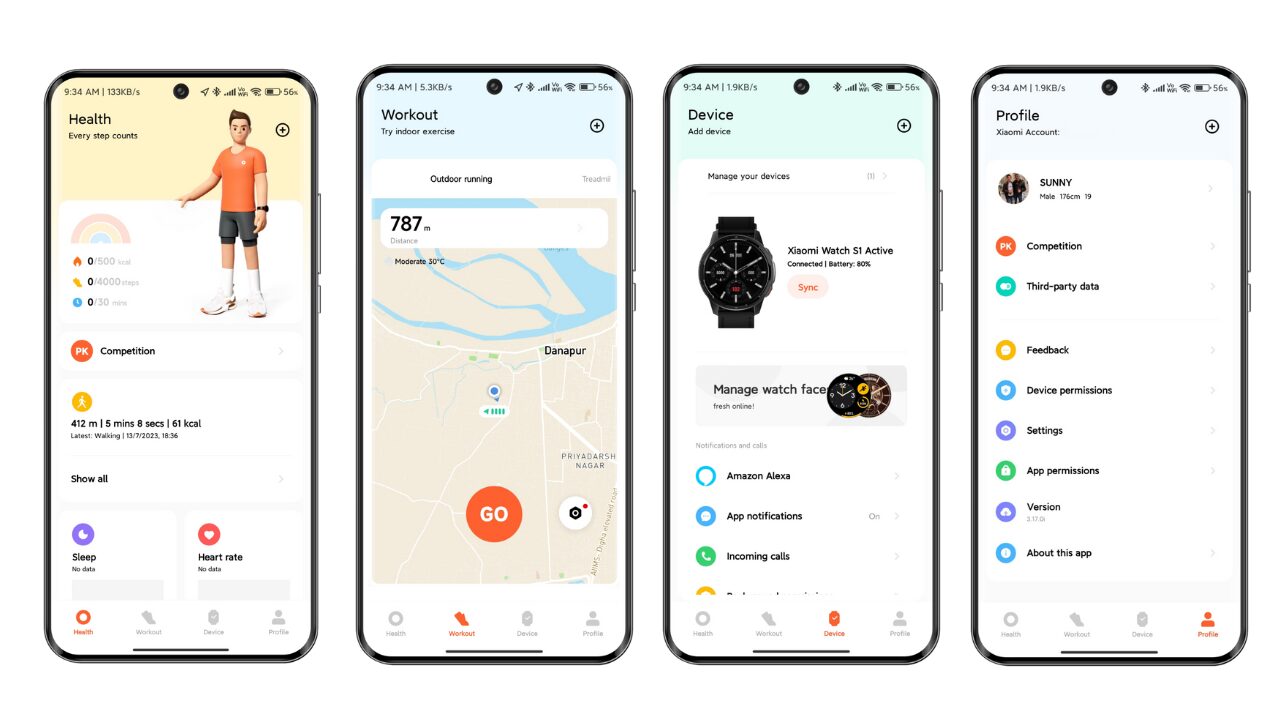
iPhone users manage Xiaomi wearables through Mi Fitness or Zepp Life, depending on the product generation. Both platforms support health tracking functions including steps, heart rate, sleep data and workout metrics. Importantly, these apps integrate with Apple Health (HealthKit), allowing synchronized storage of activity data across platforms.

Mi fitness

Real-World Connectivity Challenges

Despite functional data integration, users frequently report Bluetooth instability, missing notifications and inconsistent synchronization. Troubleshooting typically requires in-depth iOS settings adjustments, including notification previews and system-sharing toggles. These steps contrast with the plug-and-play experience of Apple Watch devices.

Operating System Divide

Compatibility is strongly dependent on device software:

  • Xiaomi Smart Band series (proprietary OS):
    Partially compatible; Apple Health sync available; daily stability issues reported.
  • Redmi Watch models (proprietary OS):
    Comparable behavior, with occasional notification delivery delays.
  • Xiaomi Watch Pro series (WearOS):
    Not compatible with iPhone due to Google’s platform restrictions.

This distinction is essential for buyers, as two Xiaomi watches with similar branding may offer radically different levels of iOS support.

Power and Charging: The Most Compatible Category

Xiaomi’s charging solutions—wired chargers, wireless pads and powerbanks—offer the highest reliability and the most consistent compatibility with iPhones.

USB-C Power Delivery

Since iPhones support USB-C PD fast charging, any Xiaomi adapter with PD output provides full compatibility. A 30W–67W Xiaomi charger can typically charge an iPhone to around 50% in roughly 30 minutes, matching Apple’s official accessories. This compatibility depends solely on standardized voltage negotiation instead of proprietary software layers.

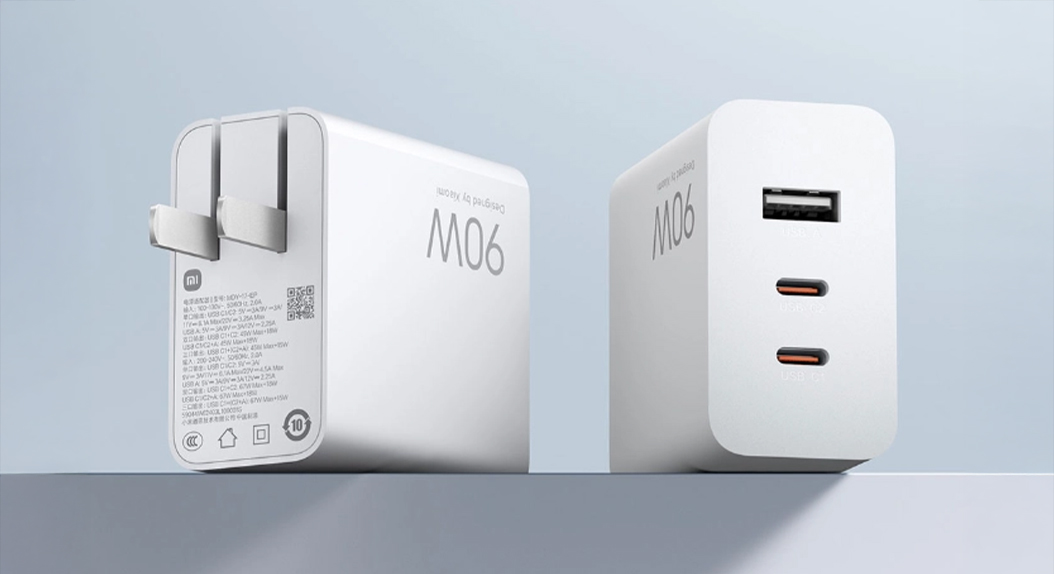
Xiaomi launches 90W GaN three port charger set

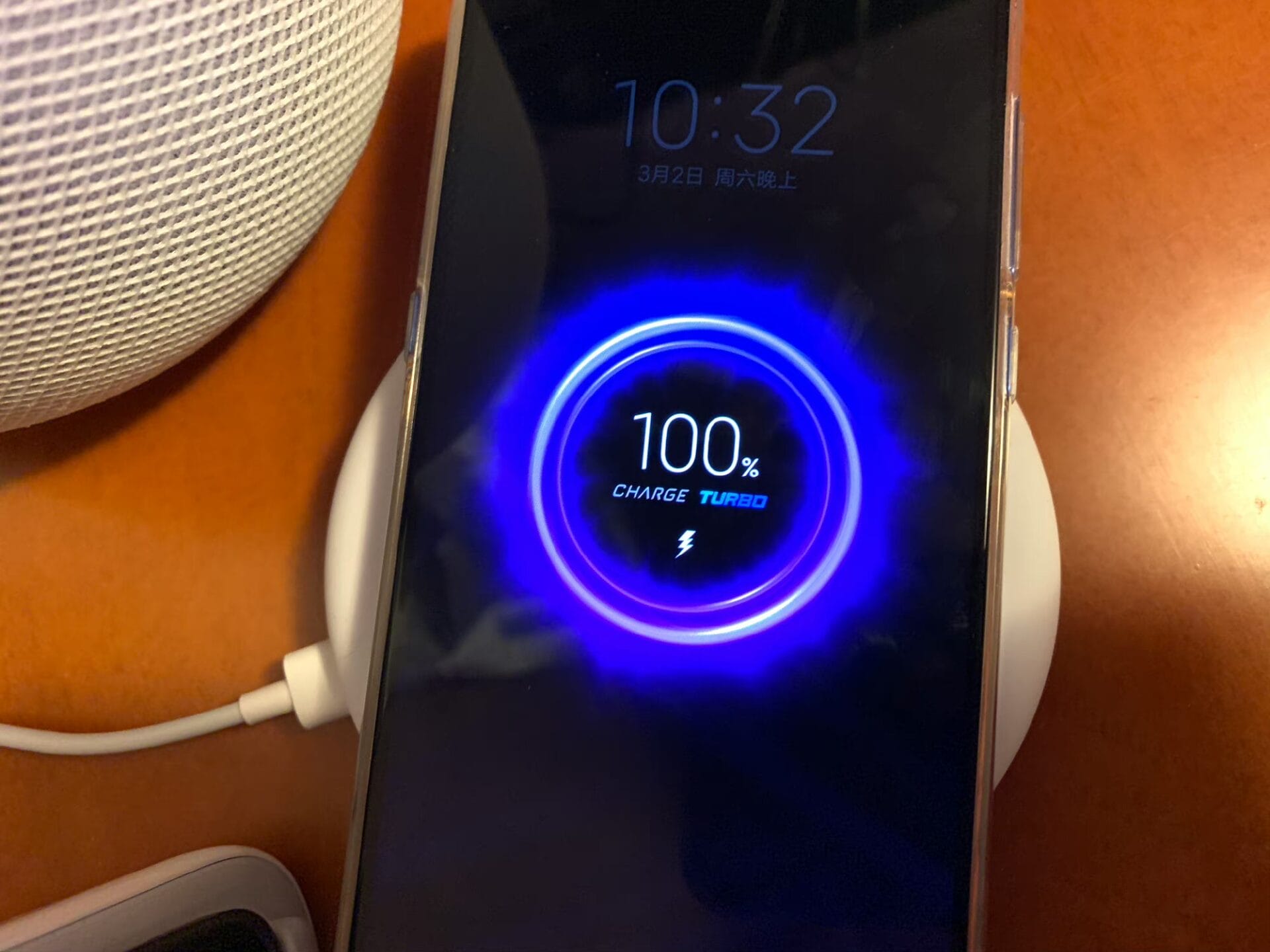
Qi and MagSafe Wireless Charging

Xiaomi’s Qi-certified wireless chargers work seamlessly with all MagSafe-supported iPhones. Magnetic alignment accessories are widely available, though only Apple-certified products enable full MagSafe charging speeds. Even so, Xiaomi’s chargers offer solid baseline performance at competitive prices.

Practical Insight

Because charging accessories rely primarily on open standards rather than ecosystem-specific software, they represent the least problematic and most cost-effective Xiaomi accessory category for iPhone users.

Xiaomi Smart Home Products and Apple Ecosystem

Xiaomi’s smart home portfolio is extensive, covering lighting, sensors, vacuums and smart appliances. Their compatibility with Apple environments depends on whether users rely solely on the Xiaomi Home app or integrate through a Matter-capable hub.

Direct vs. Indirect Integration

  • Direct HomeKit support: Limited to a small number of models.
  • Matter-based integration: Expanding quickly, typically requiring a Xiaomi smart hub.
  • Xiaomi Home app: Fully functional on iOS and supports virtually all Xiaomi smart-home devices.

For users with mixed ecosystems, a Matter-enabled approach delivers the smoothest experience, although advanced automation features work best within Xiaomi Home.

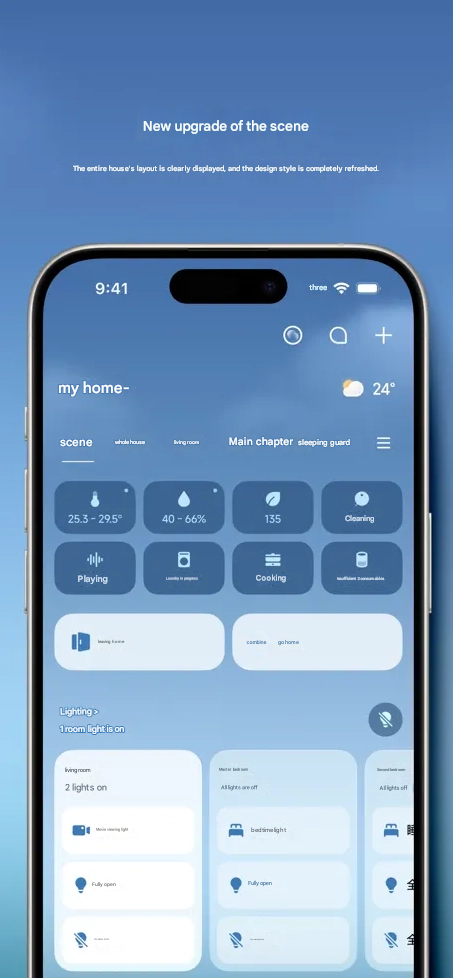
MiHome iOS 2 MiHome iOS 1

Xiaomi offers meaningful accessory value for iPhone users, especially in categories driven by universal technology standards. Charging devices and some smart-home products perform reliably across ecosystems. Audio accessories and wearables can deliver solid hardware experiences but are affected by Xiaomi’s limited iOS software optimization. Buyers should consider each product category independently and evaluate whether core features require app-level configuration on iOS.


❌