Reading view

POCO X8 Pro Max will be POCO’s first “Pro Max” phone

Breaking news from POCO has completely changed the POCO F8 plans that millions of users have been waiting for! The long-awaited flagship killer POCO F8 appears to be dead. According to a shocking leak that appeared in the GSMA IMEI database, this device, with the model number 2602BPC18G, is now officially listed as the ‘POCO X8 Pro Max’. This shows that POCO has not only completely changed its naming strategy, but also added a new dimension to its competition in the smartphone market by switching to an alleged name like ‘Pro Max’ for the first time in the brand’s history.

POCO F8 is dead: Meet POCO’s first “Pro Max” model, the POCO X8 Pro Max

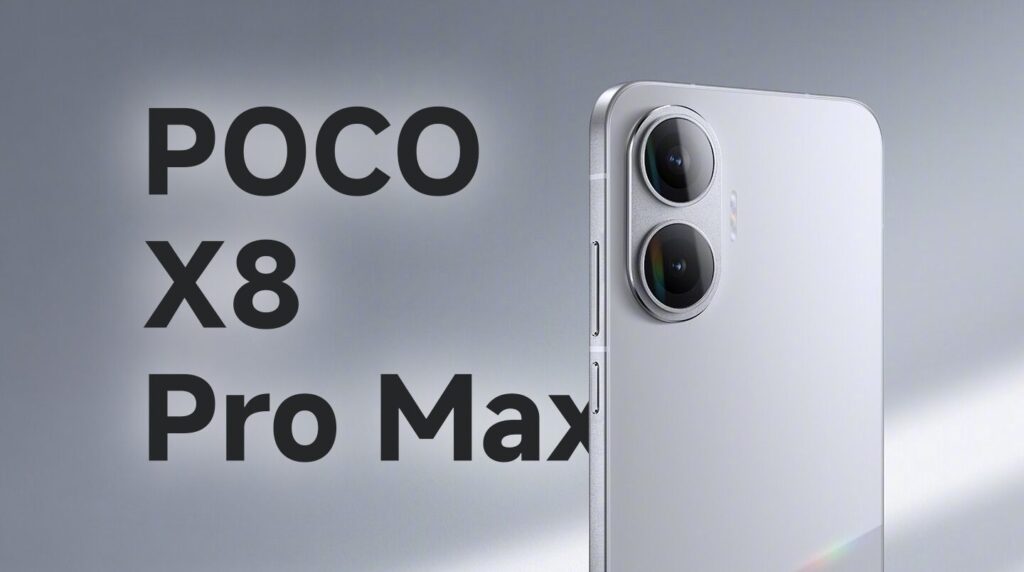
We recently mentioned the existence of the POCO X8 Pro and even its upcoming “Iron Man” edition. But the real big news has just arrived. For a long time known in tech circles as the POCO F8 and having the model number 2602BPC18G, the device has been listed in the official IMEI database under a surprising name: POCO X8 Pro Max.
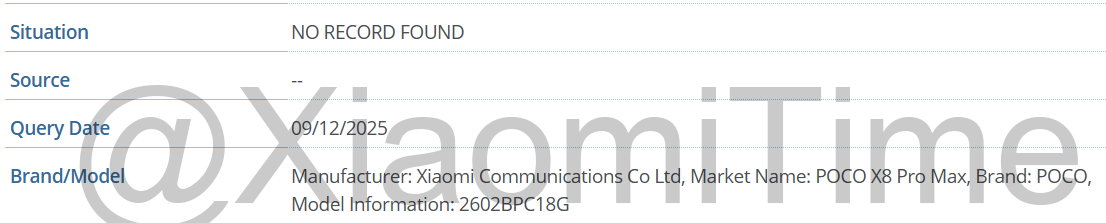
POCO X8 Pro Max 2602BPC18G

This change indicates that POCO has discontinued the POCO F8 naming convention and has adopted a much stronger naming strategy, grouping its top-tier devices under the X series brand. Also, we should mention that the POCO X8 Pro Max will be announced in India too.

  • POCO X8 Pro Max (Global): 2602BPC18G
  • POCO X8 Pro Max (India): 2602BPC18I

According to the information we obtained, this new POCO X8 Pro Max (previously expected to be the POCO F8) is known in the HyperOS codes by the codename “dash” and has the internal model number “P10U”. This device is expected to inherit POCO’s performance-focused legacy and become the top model of the POCO X series.
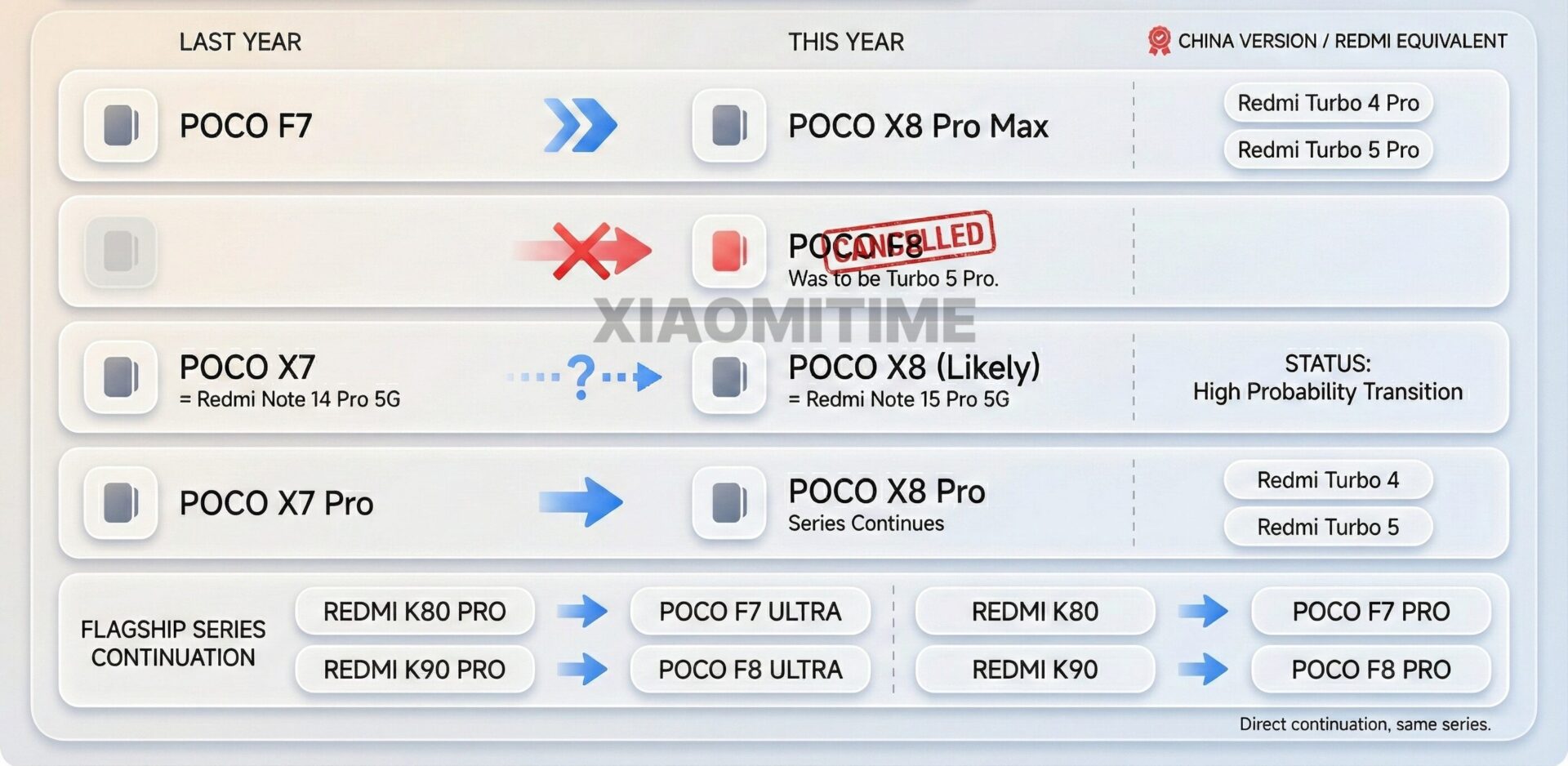
POCO series this year

A First in POCO History: The “Pro Max” Era Begins

The most striking aspect of this leak is undoubtedly the name change. For the first time in its history, POCO will use the “Pro Max” suffix on one of its phones.

This strategy is actually not a total surprise for Xiaomi and Redmi. As you may recall:

  • The Xiaomi 17 Pro Max was announced in the Xiaomi 17 series.
  • On the REDMI side, we encountered the REDMI K90 Pro Max naming.
  • Also, for those who don’t remember, the “Redmi Note 9 Pro Max” is among them. Xiaomi actually used this “Pro Max” naming for the first time in 2020.

Now, this wave has reached POCO, and the brand aims to give users the message of “biggest and strongest” by positioning its flagship killer segment device as the “X8 Pro Max”.

Naming Discussions: Apple and POCO competition

When we hear the name “Pro Max”, the first brand that comes to mind is undoubtedly Apple. This will inevitably bring discussions in tech forums that “POCO is copying Apple’s naming.” However, looking at the other side of the coin, we know there was heavy criticism in the past that Apple used the iconic design lines of the POCO X5 Pro in its own models.

POCO 17 Pro 1

At this point, rather than discussing “who copied whom,” it is more accurate to focus on the impact of this interaction on the industry. Android manufacturers borrow from iOS, and Apple constantly borrows features or designs from the Android world. The convergence of naming strategies is a natural part of this competition. Ultimately, brands pushing each other to produce more ambitious models (like Pro Max) is to the benefit of the user, who gets access to better devices.

Those waiting for the POCO F8 should not be disappointed; the device has not been canceled. Only the name of the POCO F8 has changed. POCO is preparing to dominate the smartphone market in the coming period with the POCO X8 Pro, POCO X8 Pro Iron Man Edition, and the new giant of the family, the POCO X8 Pro Max.
  •  

Xiaomi 17 Ultra Leica Leitzphone Edition listed in GSMA database

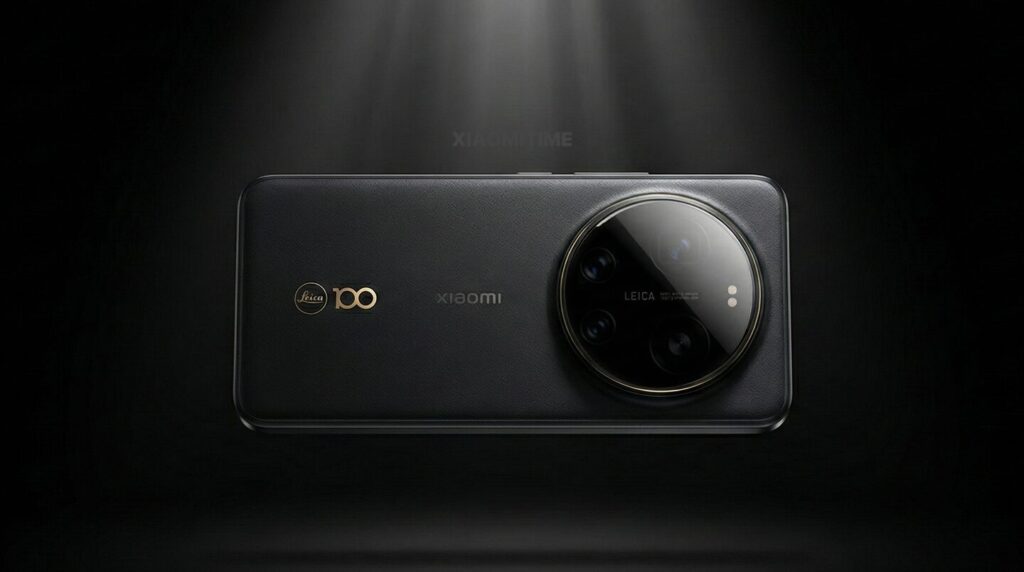
As competition among camera-focused flagship smartphones intensifies day by day, Xiaomi appears to be taking its long-standing partnership with German optics giant Leica to the next level. While leaks about the standard version of the Xiaomi 17 Ultra have been dominating the tech news lately, a new entry spotted in the IMEI database reveals that the brand is working on a much more ambitious project. This new model, marketed as the “Leica Leitzphone powered by Xiaomi,” stands out as a special edition aimed at combining luxury and performance in mobile photography.

Xiaomi 17 Ultra’s two variants have been officially confirmed

The first concrete information regarding the Xiaomi 17 Ultra series appeared recently. The first variant was spotted with the model number “2512BPNDAG”, and it was determined that the internal codename for this device is “P1”. This model is expected to be released as the standard “Ultra” model of the series. However, the truly exciting development occurred with a second variant added to the IMEI database, featuring a completely different naming scheme.

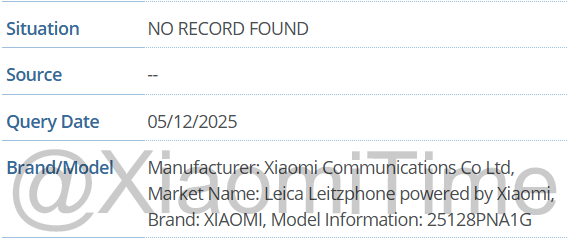
Xiaomi 17 Ultra Leica Leitzphone Edition 25128PNA1G

The newly detected record bears the model number “25128PNA1G”, and the internal codename for this device has been identified as “P1S”. The “S” suffix here is thought to represent words like “Special”. In the GSMA records, the marketing name for this model is explicitly listed as “Leica Leitzphone powered by Xiaomi”. This indicates that Xiaomi could announce this device under the name “Xiaomi 17 Ultra Leica Edition” or the more prestigious “Xiaomi 17 Ultra Leica Leitzphone Edition“.

The Leitz Legacy and Xiaomi Collaboration

There is a deep-rooted history behind this naming. The name “Leitz” comes from Ernst Leitz, the founder of the Leica brand. The Leitz family, a legend in the world of photography, represents perfectionism in optical engineering. Although Leica already produces a “Leitz Phone” series (the latest being the Leitz Phone 3) carrying its own brand in the Japanese market through a collaboration with Sharp, a global “Leitzphone” project with Xiaomi could be the brand’s biggest move in the mainstream flagship market. The combination of Xiaomi’s manufacturing power and Leica’s optical heritage could result in a device that sets the bar in smartphone photography.

Surprise change in camera setup: Shift from Quad to Triple

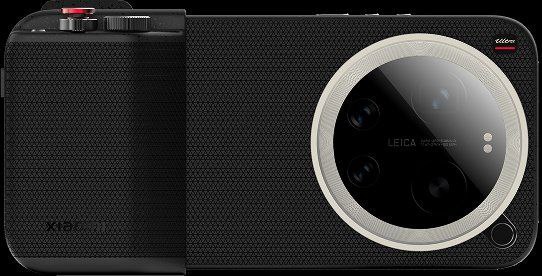
Leaked images of the “Photography Kit” clearly reveal the device’s rear camera layout and refute previous rumors of a “quad-camera” setup. According to the images, the Xiaomi 17 Ultra will come with a triple camera setup instead of four lenses. In the module design, it is observed that a special sensor area or space has been left where the fourth lens would typically be.

Xiaomi 17 Ultra photography kit 1 Xiaomi 17 Ultra photography kit 2

This indicates that instead of increasing the number of lenses, Xiaomi is focusing on optimizing the quality and sensor sizes of the existing lenses. The sensor configurations tested under the codename “Nezha” are listed as follows:

  • Main Camera: 50MP OVX10500U (also known as OV50X)  sensor.
  • Telephoto: 200MP S5KHPE
  • Ultra Wide Angle: 50MP OV50M or 50MP S5KJN5.
  • Front Camera: 50MP OV50M

The transition to a triple camera setup is interpreted as an engineering choice made specifically to make room for the massive 200MP telephoto sensor and a larger main sensor. Additionally, the leaked photography kit appears to include a dedicated grip and filter adapters that transform the device’s ergonomics into that of a DSLR camera.

Performance and Expectations

On the hardware side, the Xiaomi 17 Ultra and its special Leitzphone edition are expected to be powered by the Snapdragon 8 Elite Gen 5 mobile platform. The device, which will come out of the box with the HyperOS 3 operating system, will be equipped with advanced AI features and image processing algorithms exclusive to Leica. Furthermore, information suggests that the global version will support satellite communication.

The Xiaomi 17 Ultra series aims to be not just a smartphone, but a professional camera you can carry in your pocket. These two devices, codenamed “P1” and “P1S”, are expected to be introduced in the last quarter of 2025 (December 2025, based on the ‘2512’ in the model number) and are set to reshuffle the deck in the world of mobile photography.

  •  

Xiaomi 14 Ultra received HyperOS 3 Global Update before Xiaomi 15 Ultra

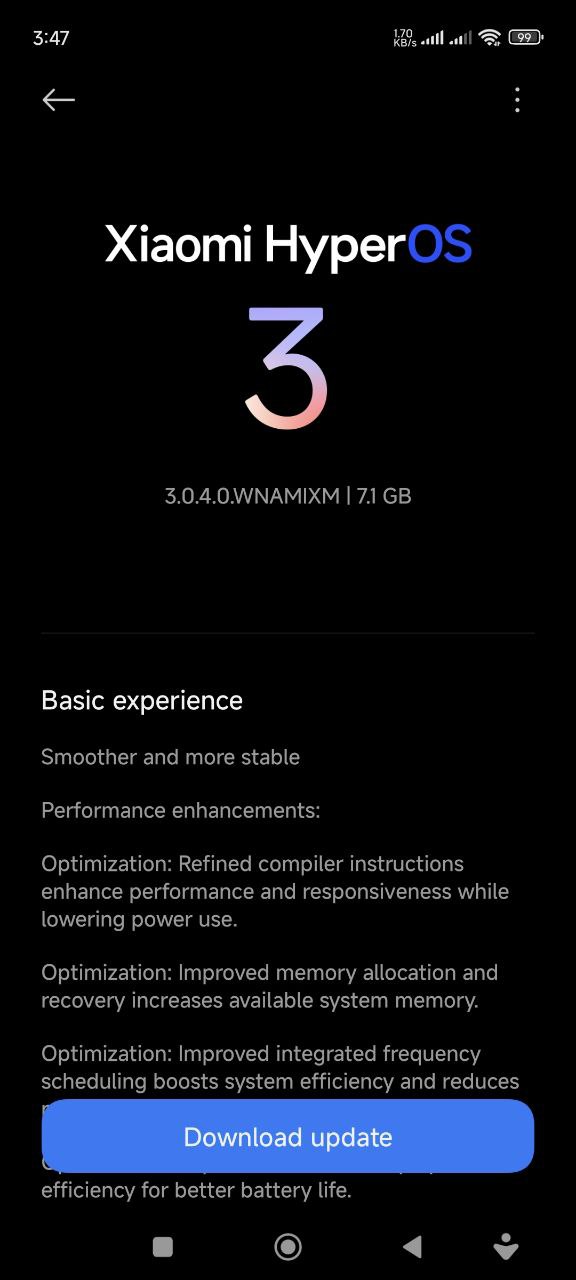
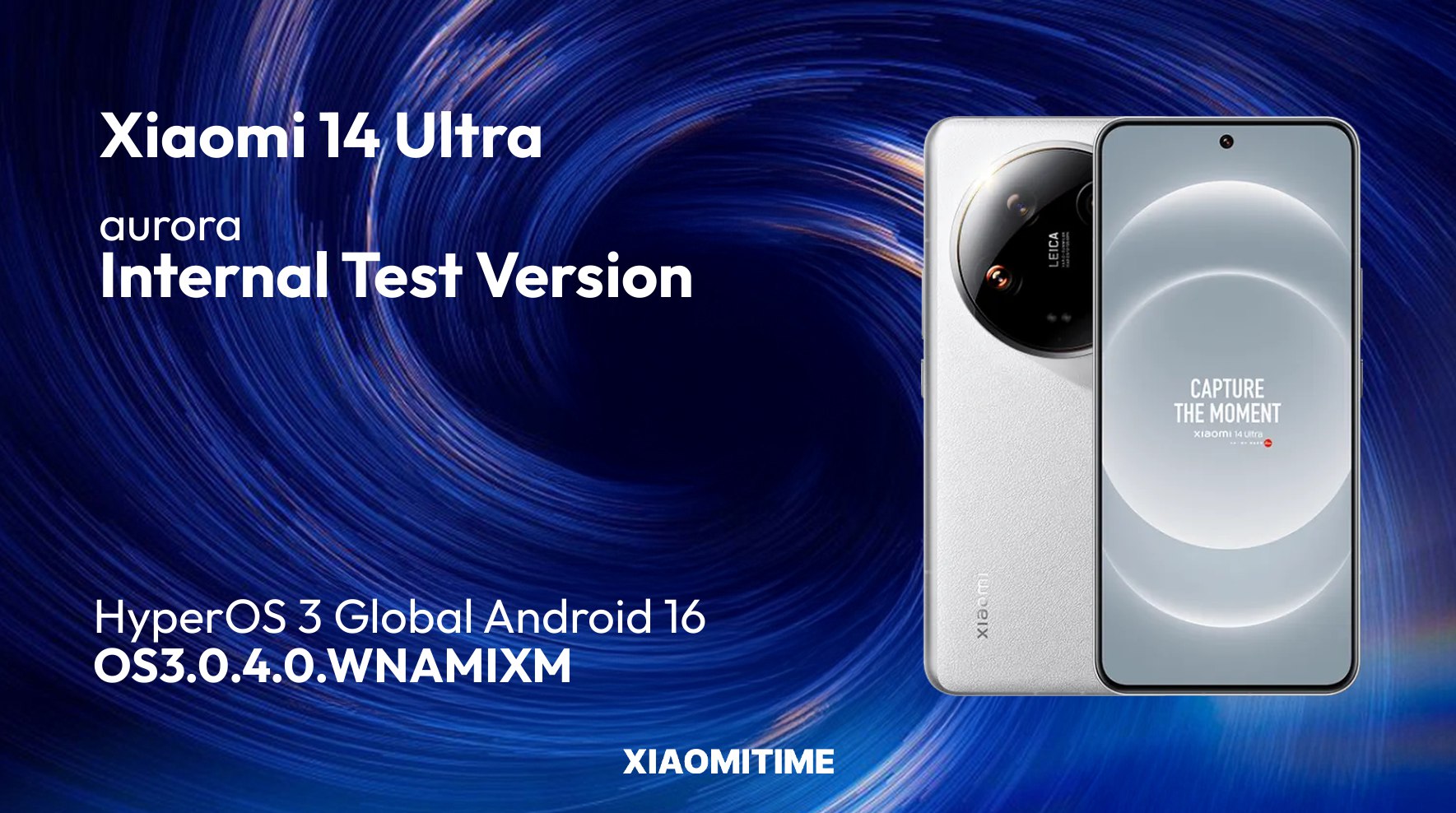
The Xiaomi 14 Ultra has officially begun receiving the HyperOS 3 Global update, bringing a refined user experience supported by enhanced AI capabilities and a polished visual design. The update, released as HyperOS 3.0.4.0.WNAMIXM, introduces several improvements that align with Xiaomi’s broader ecosystem advancements. Users can explore previous update details through pages like Xiaomi 14 updates and HyperOS 3 features for additional context. This release also marks one of the first major Android 16–based rollouts within Xiaomi’s global lineup.

Xiaomi 14 Ultra HyperOS 3 OS3.0.4.0.WNAMIXM

What the HyperOS 3 Update Brings to Xiaomi 14 Ultra

HyperOS 3 is designed to deliver a smoother and more adaptive interface. It introduces refined system animations, updated iconography, and a more cohesive visual language. These changes help maintain consistency across devices and ensure that the Xiaomi 14 Ultra feels modern and responsive after installation.

The update also integrates improvements to the system kernel, allowing better task allocation and more efficient resource usage. This results in reduced latency, better thermal control, and a more stable performance profile—especially noticeable during multitasking and camera operations.

Enhanced AI Features and Super Island

The new release strengthens Xiaomi’s on-device AI capabilities. HyperOS 3 allows the Xiaomi 14 Ultra to process tasks such as advanced image editing, contextual suggestions, and natural language operations more efficiently. These improvements aim to support everyday workflows without compromising battery life or system performance.

Alongside these additions, the update introduces Super Island, a feature designed to present real-time information through an adaptive, floating interface. The goal is to simplify interactions by displaying essential alerts, activities, and background processes in an accessible format.

Updated Icons and iOS-Style Experience

HyperOS 3 places a strong emphasis on visual clarity and accessibility. The updated icons are more consistent in geometry and color balance, offering a cleaner home screen layout. This update also refines the overall interaction style, providing an experience comparable to modern iOS design cues while preserving the flexibility of Android 16.

The Xiaomi 14 Ultra benefits from faster gesture responses, improved window transitions, and a more unified structure across menus and settings. These refinements collectively create a more predictable and reliable interface for daily use.

Update Details and Availability

The HyperOS 3.0.4.0.WNAMIXM build is rolling out progressively to Xiaomi 14 Ultra users in global regions. Since this is a major update based on Android 16, installation may require a larger download package and a longer optimization phase after reboot.

Users can also update Xiaomi system applications through HyperOSUpdates.com or via the MemeOS Enhancer app on Google Play. MemeOS Enhancer additionally provides access to hidden Xiaomi features and extended system app management tools.

  •  

Exclusive: Black Shark’s first tablet with a Qualcomm SoC is coming, live images and more leaked details

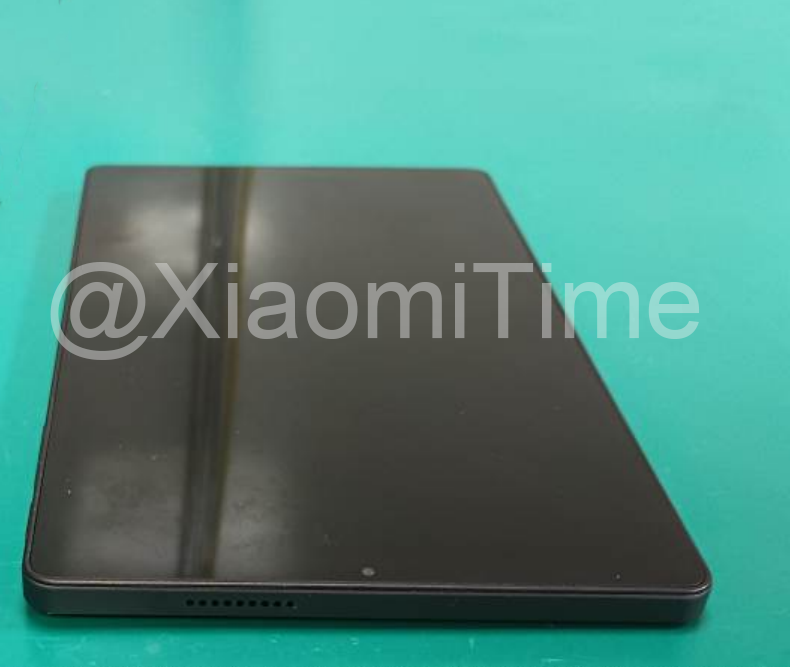
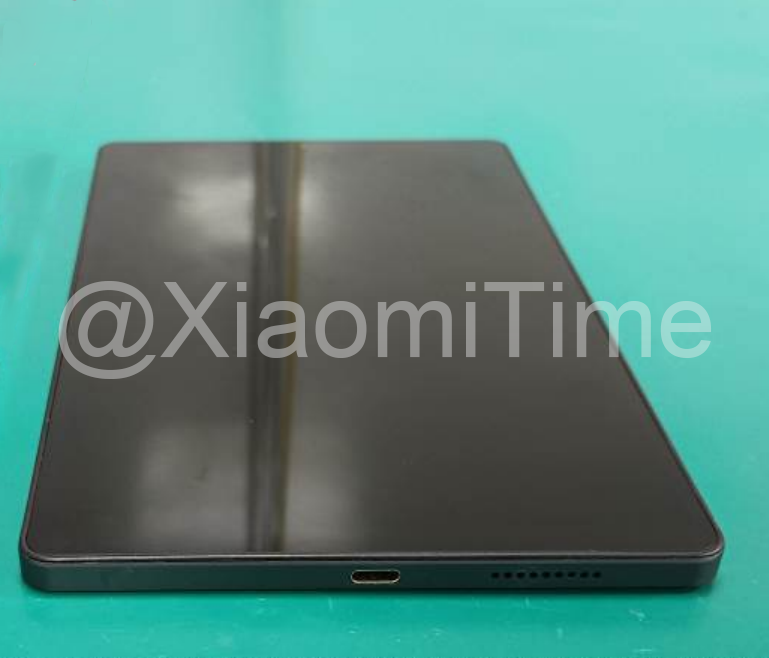
Black Shark, one of the heavyweights in the mobile gaming world, is making a strategic move to return to the tablet market; but this time with a significant difference. The brand is preparing to announce its first tablet powered by a Qualcomm processor, marking a first in its history. Leaked images and technical details signal that this new device will be a performance-focused “beast.” Here’s an in-depth look at the design, hardware, and technical specifications of Black Shark’s new tablet, based on the leaked images.

A Historic Milestone: Switching from MediaTek to Qualcomm

This new tablet from Black Shark represents a first in the brand’s product history. The company had previously opted for MediaTek or Unisoc processors, which generally target the entry-level to mid-range segment, in models such as the Black Shark Pad 6. While these devices were marketed as “gaming gear,” they always raised questions for hardcore gamers seeking pure performance.

Black Shark BSG1 Tablet 7

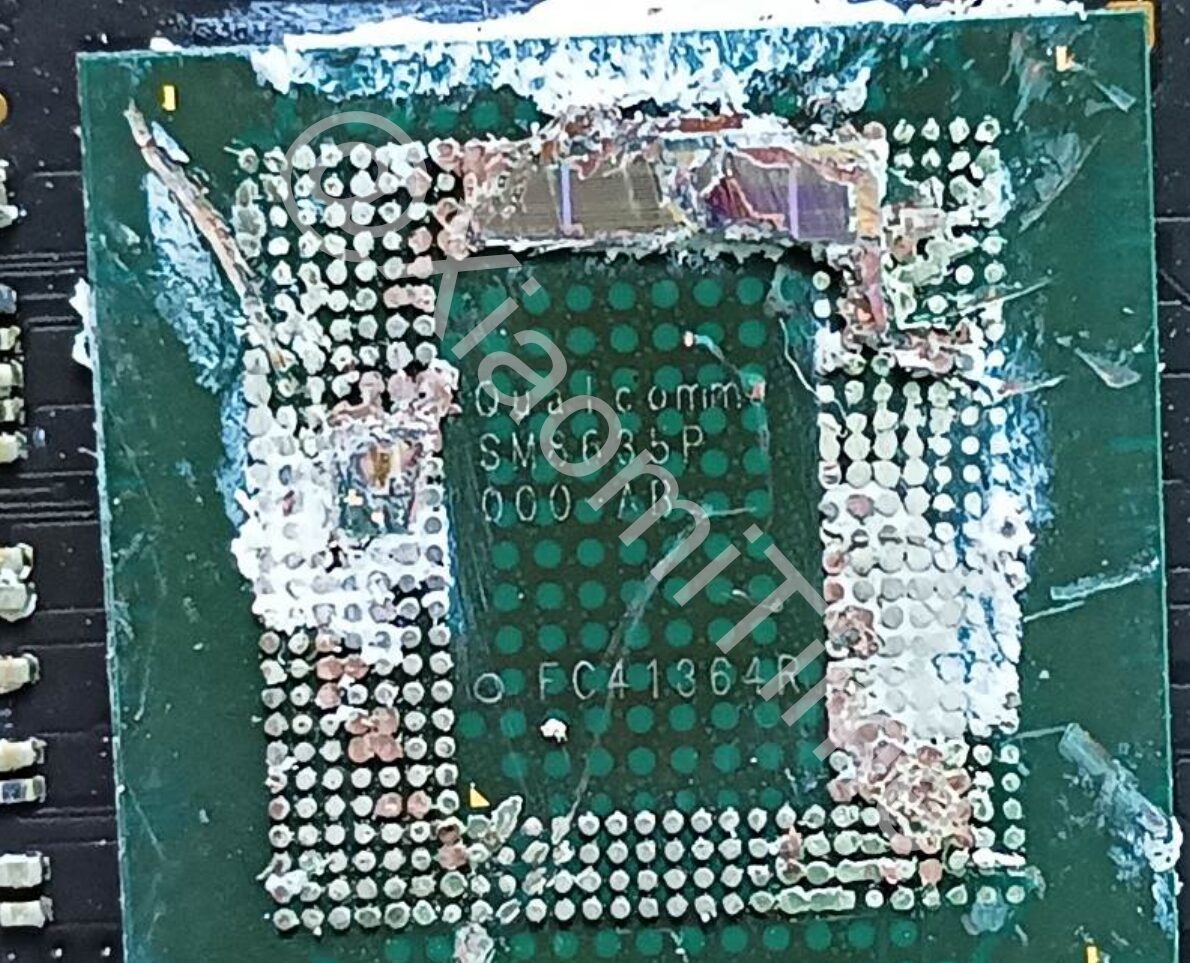
However, with this leaked new model, Black Shark is completely changing its tablet philosophy. The “QUALCOMM SM8635P” label on the leaked motherboard images confirms that the brand will be using Qualcomm silicon, specifically the Snapdragon 8s Gen 3 chipset, in its tablet for the first time. This move is the clearest indication yet that Black Shark is moving beyond simply creating a “device with a larger screen,” aiming instead to bring the legendary performance of its smartphones to the tablet form factor.

The Snapdragon 8s Gen 3 is a processor that combines flagship performance with efficiency. Compared to Black Shark’s previous MediaTek-powered tablets, this new device promises a leap forward in processing power and graphics performance. Especially in demanding games like Genshin Impact, PUBG Mobile, or Warzone Mobile, it is expected to deliver seamless performance at the highest graphics settings, unlike previous models. Supported by 12GB of RAM, this processor will shatter the brand’s image as an “affordable alternative” in the tablet market and usher in the era of the “true gaming tablet.”

Design Language: “Mecha” Aesthetics and Black Shark DNA

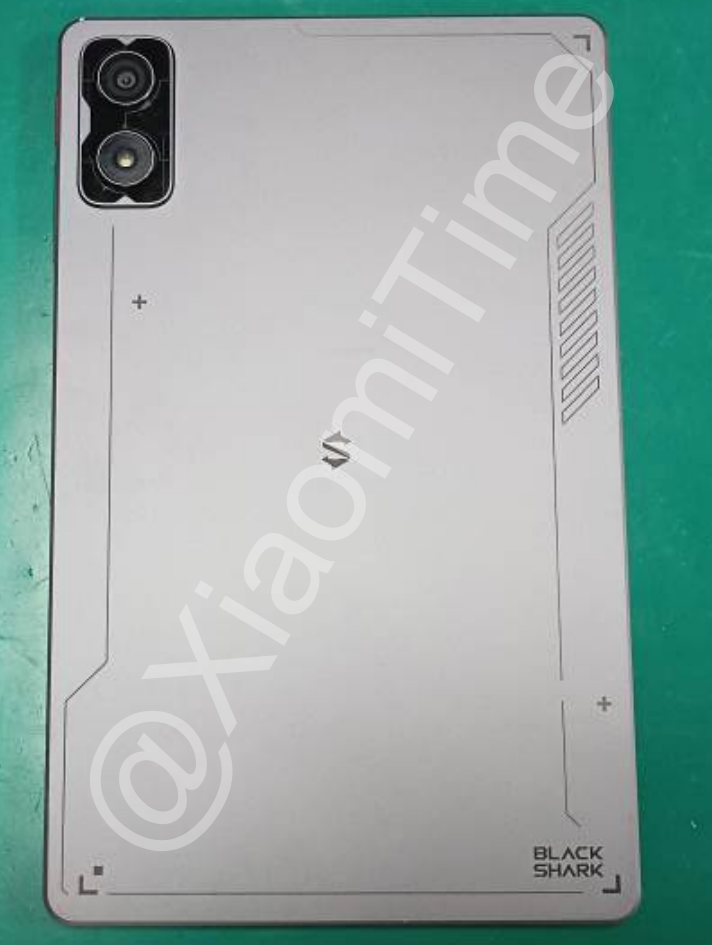
Leaked rear panel images show that Black Shark has not compromised on its design philosophy. Unlike the simple and minimalist metal plates found in the tablet market, this device has a distinctive look.

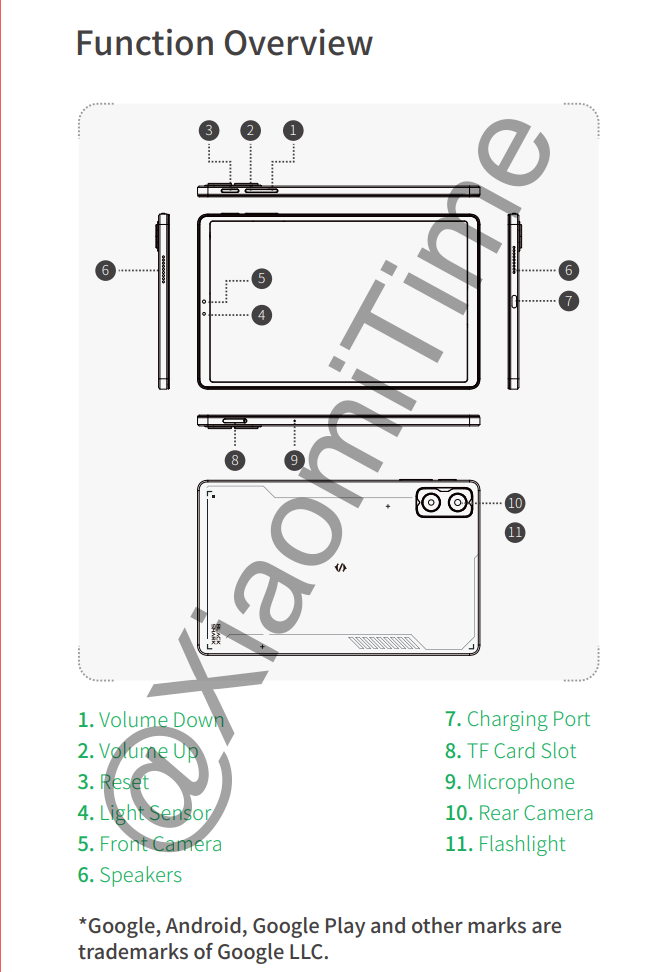
Back Surface: The back of the device features gray-toned, “Mecha” (robotic)-inspired lines and geometric patterns. The grille-like details on the right side and the fine lines on the left side give the device an industrial and futuristic feel. The iconic “S” (Shark) logo in the center and the “BLACK SHARK” lettering in the lower right corner emphasize the brand identity.

Black Shark BSG1 Tablet 5


Camera Module: The camera island, located in the upper left corner (when held horizontally), protrudes slightly from the device’s body. The images show a main camera lens and an LED flash just below it. The frame details around the camera island complete the device’s aggressive gaming design.

Black Shark BSG1 Tablet 1 Black Shark BSG1 Tablet 2

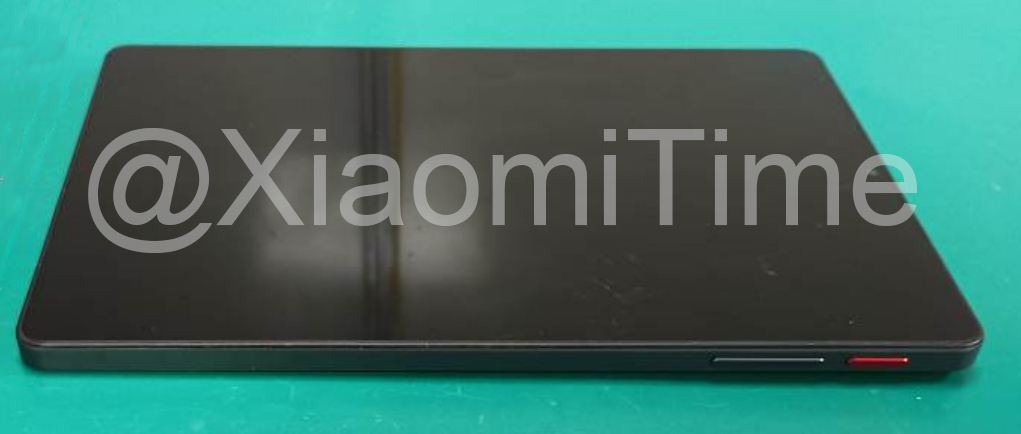
The power button, accented in red, is Black Shark’s signature feature. This small detail reflects the device’s gaming spirit. Volume up and down buttons are located on the top edge (when held horizontally). Speaker grilles are visible on both short sides of the device, indicating it will deliver a good audio experience.

Black Shark BSG1 Tablet 4 Black Shark BSG1 Tablet 3

Battery and Charging: Surprising Choice

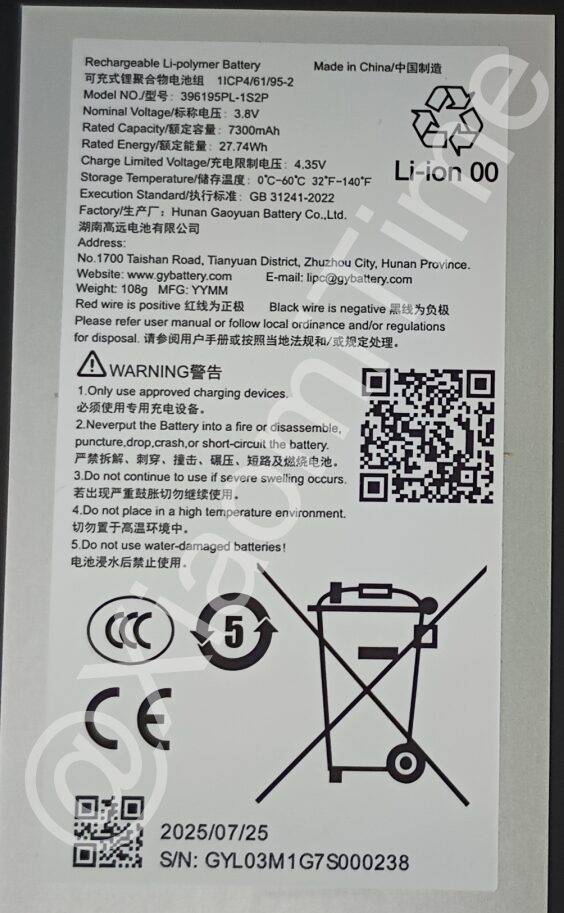
The leaked battery label image provides clear information about the device’s energy storage. The label states “Rated Capacity: 7300mAh.” 7300mAh is a standard value for a tablet in the 10-11 inch range. Considering the efficiency of the Snapdragon 8s Gen 3, this capacity will easily last a day and allow for long hours of gaming.

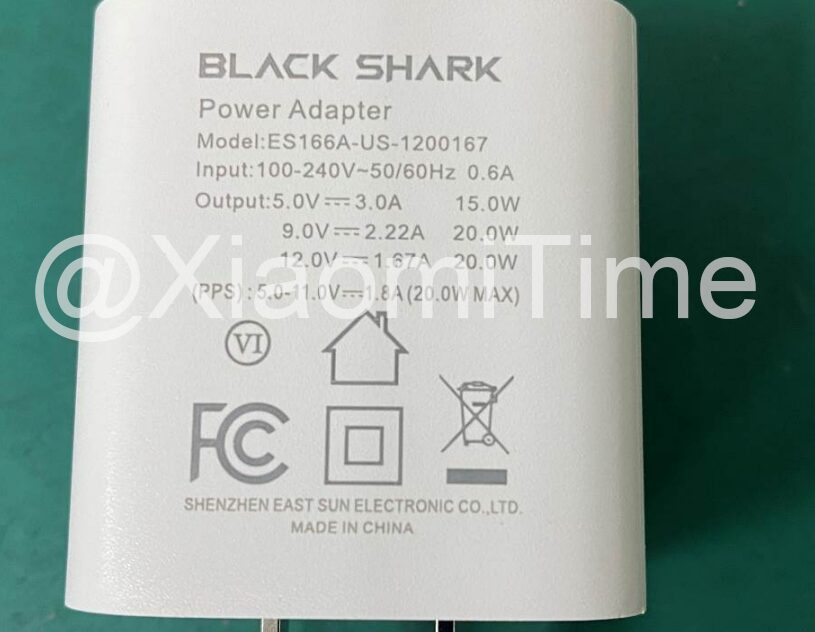
Black Shark BSG1 Tablet 6 Black Shark BSG1 Tablet 20W Power Adapter

However, the most surprising aspect of the leak is hidden in the charging adapter. The leaked adapter image (Model: ES166A-US) shows output values of 20W (5.0V-3.0A / 9.0V-2.22A / 12.0V-1.67A). It is an interesting choice for a brand accustomed to speeds of 120W, such as Black Shark, to offer 20W charging support (or to include a 20W adapter in the box) for a gaming tablet. This raises two possibilities: Either the device is positioned as a cost-focused price/performance product, or a lower wattage value was chosen to preserve battery health. Still, charging a 7300mAh battery at 20W will take a bit of time by today’s standards.

Storage and Other Hardware Features

It will come with 12GB RAM and 256GB storage. This combination is quite sufficient for today’s mobile games and content consumption. Furthermore, the “TF Card Slot” (MicroSD card slot) detail seen in the diagram indicates that storage space can be expanded, which is a vital feature for massive game files.

Black Shark BSG1 Tablet 8

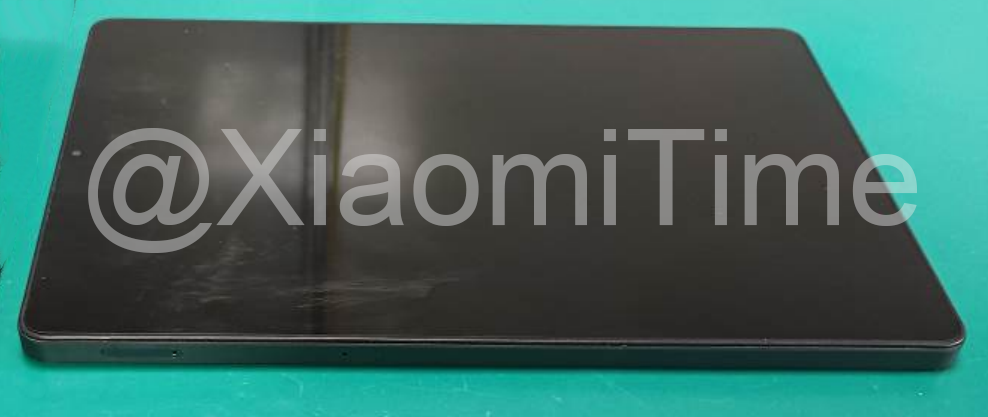
Looking at the front panel of the screen, we see that the bezels are reasonably thin. The front camera is placed on the long edge of the tablet. This further confirms that Black Shark designed this device as a horizontal gaming console and media consumption device rather than a vertical reading device.

Final Thoughts: A New Era for Gaming Tablets?

Black Shark’s first Qualcomm-powered tablet appears to be a well-balanced device based on the specs and leaked images. The combination of a very powerful processor like the Snapdragon 8s Gen 3 with Black Shark’s aggressive design is exciting.

While the device’s biggest question mark is currently its 20W charging speed, if Black Shark launches this tablet with a competitive price tag, the cards could be reshuffled in the Android tablet market, especially in the gaming tablet segment. 12GB of RAM, a powerful processor, and expandable storage make this tablet an attractive option not only for gamers but also for power users.

Although the official announcement date is still unknown, these leaked detailed images (battery certifications, case assembly, adapter details) indicate that the device is in production and the launch is not too far off.

  •  

[Updated: 2 December 2025] Xiaomi 14 Ultra HyperOS 3 Update: Coming Soon for Global Region

The long wait is almost over for users of Xiaomi’s mobile photography powerhouse, the Xiaomi 14 Ultra, as the long-awaited major software update for the device, HyperOS 3 Global (MI) version, is now ready. Recent reports from the company’s own test servers indicate that the update is soon to be released.

Xiaomi 14 Ultra HyperOS 3 Update

The HyperOS 3 update, which provides the latest features, including necessary optimizations, is ready for the stable rollout process for Xiaomi 14 Ultra users in the Global market. The specified software version number of the device in the Global market is as follows:

Xiaomi 14 Ultra OS3.0.4.0.WNAMIXM
  • Model: Xiaomi 14 Ultra
  • Codename: Aurora
  • Region: Global
  • Version: OS3.0.4.0.WNAMIXM

The ‘MIXM’ suffix in the build number confirms that the software is the official, final, and authorized distribution of the product in the Global market, starting with Mi Pilot users. The readiness of the Global version, just like the previous versions in the Chinese markets (OS3.0.4.0.WNACNXM), confirms the focus of Xiaomi on its flagship products.

What does the HyperOS 3 update bring?

This highly anticipated update, completely developed on the foundations of the Android 16 platform, promises to bring about many upgrades:

  • Design & User Experience: The HyperOS 3 will have an upgraded design interface, with some design modifications, but also some fresh animations.
  • Optimization: Extensive optimisations are also required, trying to fix the slight stutters and battery-drain issues, even on the flagships.
  • Features of Android 16: The update will also bring all the new security patches, as well as the newest privacy-focused features of Android 16, to the Xiaomi 14 Ultra.

Release Timeline [Updated: 2 December 2025]

Global users are eagerly awaiting this update. The Chinese version of HyperOS 3 has been officially released with build number OS3.0.4.0.WNACNXM. Since the HyperOS 3 Global ROM is ready with the OS3.0.4.0.WNAMIXM version, Xiaomi is technically ready to release the update for the Global version shortly after the update is released in the Chinese markets, and the HyperOS 3 update is expected to be released by mid-December at the latest. OS3.0.3.0.WNAMIXM version has been suspended. The update was expected to be released by the end of November, but after numerous bugs emerged in the OS3.0.2.0.WNCMIXM update released for the Xiaomi 14, this also affected other models like the Xiaomi 14 Ultra.

The Xiaomi 14 Ultra maintains its leading position in the mobile photography field, and the “HyperOS 3” software update will make your device more fluid and take its performance to the next level. To the global community’s question, “When will we get the update?”, it can be answered with the hope that Xiaomi will satisfy them with an extremely fast global update.

  •  

Xiaomi HyperOS 3 Global Update Tracker (November 24, 2025)

The moment we’ve all been waiting for is finally approaching! Xiaomi is continuing its preparations to launch the highly anticipated HyperOS 3, with the first global versions expected to be available in the coming days. This is not just a minor update; it’s a massive step forward, packed with a series of powerful AI enhancements, significant user interface redesigns, and deep performance optimizations.

For those following the latest HyperOS developments, this is the most exciting news of the year. The first wave of devices has been confirmed, and a wider range of popular phones and tablets are scheduled to receive this update in the first week of November. Get ready to experience a smarter, faster, and more intuitive version of Xiaomi’s revolutionary operating system.

The First Wave: These Devices Get HyperOS 3 First

Xiaomi has prepared HyperOS 3 Global versions for 16 models, indicating that the global launch is approaching. These devices will be the first to showcase the power of HyperOS 3 to the world.

  • Xiaomi 14 Ultra: OS3.0.3.0.WNAMIXM
  • Xiaomi 14: OS3.0.3.0.WNCMIXM, OS3.0.4.0.WNCEUXM, OS3.0.1.0.WNCINXM, OS3.0.1.0.WNCRUXM, OS3.0.1.0.WNCTWXM
  • POCO F7 Pro: OS3.0.2.0.WOKIDXM, OS3.0.2.0.WOKRUXM, OS3.0.2.0.WOKTWXM
  • Redmi Note 14 Pro 4G: OS3.0.2.0.WOFMIXM
  • Redmi Note 14 4G: OS3.0.3.0.WOGMIXM
  • POCO M7 Pro 5G, Redmi Note 14 5G: OS3.0.1.0.WOQINXM
  • Xiaomi Pad Mini: OS3.0.2.0.WAOMIXM, OS3.0.1.0.WAOTWXM
  • Xiaomi Pad 6S Pro 12.4: OS3.0.3.0.WNXMIXM
  • Xiaomi 14T Pro: OS3.0.1.0.WNNEUXM
  • Xiaomi 14T: OS3.0.3.0.WNEEUXM
  • POCO F6 Pro: OS3.0.2.0.WNKMIXM
  • POCO F7 Ultra:  OS3.0.1.0.WOMTRXM, OS3.0.2.0.WOMIDXM
  • Xiaomi 15: OS3.0.2.0.WOCMIXM, OS3.0.1.0.WOCIDXM, OS3.0.1.0.WOCINXM
  • Xiaomi 15 Ultra: OS3.0.3.0.WOAMIXM, OS3.0.3.0.WOAINXM
  • POCO X7 Pro: OS3.0.2.0.WOJRUXM, OS3.0.2.0.WOJTWXM, OS3.0.2.0.WOJTRXM, OS3.0.4.0.WOJMIXM
  • Xiaomi MIX Flip: OS3.0.2.0.WNIMIXM, OS3.0.2.0.WNIEUXM

Released

  • Xiaomi 15: OS3.0.4.0.WOCEUXM
  • Xiaomi 15T: OS3.0.4.0.WOEEUXM, OS3.0.4.0.WOEMIXM
  • Xiaomi 15T Pro: OS3.0.4.0.WOSEUXM, OS3.0.3.0.WOSMIXM
  • POCO F7 Ultra: OS3.0.3.0.WOMEUXM, OS3.0.1.0.WOMMIXM, OS3.0.1.0.WOMTWXM, OS3.0.1.0.WOMRUXM
  • Xiaomi 15 Ultra: OS3.0.3.0.WOAEUXM
  • Xiaomi Pad 7 – OS3.0.2.0.WOZMIXM, OS3.0.3.0.WOYEUXM, OS3.0.2.0.WOYIDXM, OS3.0.2.0.WOYTRXM, OS3.0.2.0.WOYTWXM, OS3.0.2.0.WOYRUXM
  • Redmi Note 14 Pro+ 5G: OS3.0.2.0.WOPMIXM
  • POCO X7 Pro: OS3.0.2.0.WOJEUXM
  • Redmi Note 14 Pro 5G: OS3.0.4.0.WOOMIXM
  • Xiaomi Pad 7 Pro: OS3.0.3.0.WOYMIXM, OS3.0.3.0.WOYEUXM
  • POCO M7 4G, REDMI 15 4G:OS3.0.3.0.WBOMIXM
  • REDMI 13 5G: OS3.0.7.0.WNUINXM
  • POCO C75 – Redmi 14C – Redmi A3 Pro: OS3.0.5.0.WGTMIXM
  • Xiaomi 14: OS3.0.2.0.WNAMIXM has been suspended, OS3.0.3.0.WNCMIXM is expected to be released soon
  • POCO M6, Redmi 13, Redmi 13X: OS3.0.2.0.WNTMIXM
  • POCO F7: OS3.0.3.0.WOLMIXM, OS3.0.2.0.WOLINXM
  • POCO F7 Pro: OS3.0.4.0.WOKMIXM
  • POCO M6 Plus 5G, Redmi 13 5G, Redmi Note 13R: OS3.0.7.0.WNUINXM

More Devices Joining the Party This Month

Xiaomi plans to expand its HyperOS 3 Global program to a much wider range of devices in October and November. If you own one of the following, keep an eye out for the update notification!

  • Xiaomi 15 – Released
  • Xiaomi 15 Ultra – Released
  • Xiaomi 15T Pro – Released
  • Xiaomi 15T – Released
  • Xiaomi MIX Flip
  • REDMI Note 14 Pro+ 5G – Released
  • REDMI Note 14 Pro 5G / POCO X7 – Released
  • REDMI Note 14 Pro
  • REDMI Note 14
  • POCO F7 Ultra – Released
  • POCO F7 Pro – Released
  • POCO F7 – Released
  • POCO X7 Pro – Released
  • Xiaomi Pad Mini
  • Xiaomi Pad 7 – Released
  • Xiaomi Pad 7 Pro – Released
  • Xiaomi Pad 6S Pro
  • Xiaomi 14 Ultra
  • Xiaomi 14 – Released
  • Xiaomi 14T Pro
  • Xiaomi 14T
  • Redmi 13 / Redmi 13X / POCO M6 – Released
  • Redmi 14C / POCO C75 – Released
  • Redmi 15 / POCO M7 – Released
  • POCO F6 Pro
  • POCO X6 Pro
  • Redmi Note 13 Pro / POCO M6 Pro
HyperOS 3 Release Date 1

What’s New in HyperOS 3? A Massive Leap Forward

New features arrived for HyperOS 3.

  • A Fresh New Look and Feel
  • Introducing “Hyper Island” and Seamless Connectivity
  • The Power of AI Unleashed
  • AI-powered notes: Automatically organize and summarize your thoughts.
  • AI Describe: Get descriptions for images and on-screen content.
  • AI Voice Translation: Real-time translation during calls and conversations.
  • AI Noise Reduction: Crystal-clear voice recordings by filtering out background noise.
  • AI Search: A more intuitive and powerful system-wide search.
  • AI Gallery Search: Find photos by describing what’s in them.
  • AI Dynamic Wallpapers: Now available globally, this feature turns your photos into stunning, animated video wallpapers.

The HyperOS 3 Global update for the flagship Xiaomi 14 series and more models will be prepared soon.

  •