Reading view

Xiaomi reveals plans for REDMI Note 15 Spring Festival edition

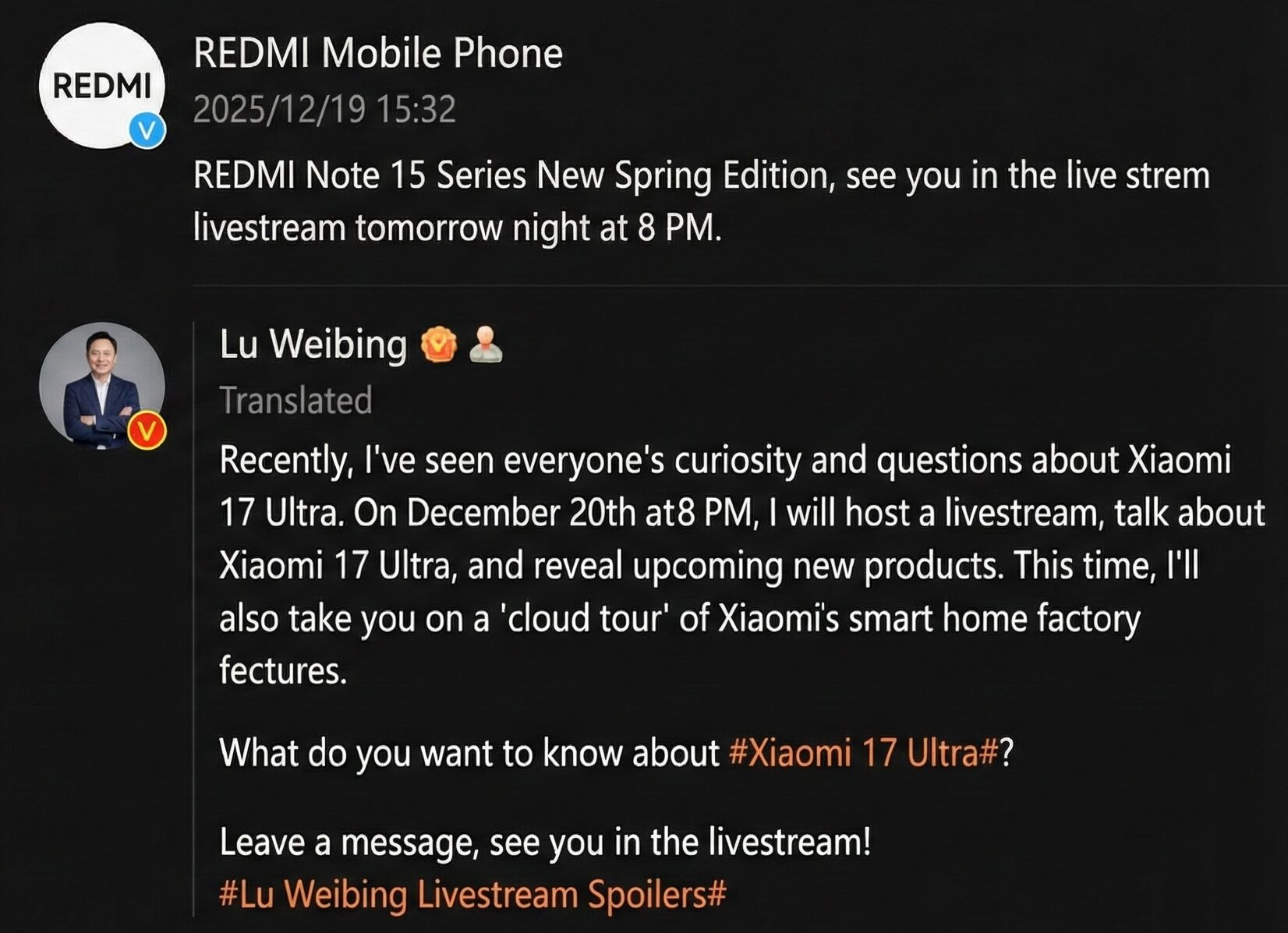
Xiaomi has announced an official live stream for the REDMI Note 15 Spring Festival Edition through its official live stream event scheduled to happen on December 20, 8:00 PM China Time. The live stream event has been announced through the official platform by none other than the Lu Weibing, the Partner and President of Xiaomi Group, and reposted by the official REDMI account. The live event will see the Xiaomi devices provider give the latest updates on the impending launch of the Xiaomi 17 Ultra.

The REDMI Note 15 Spring Festival Edition Gets the Limelight

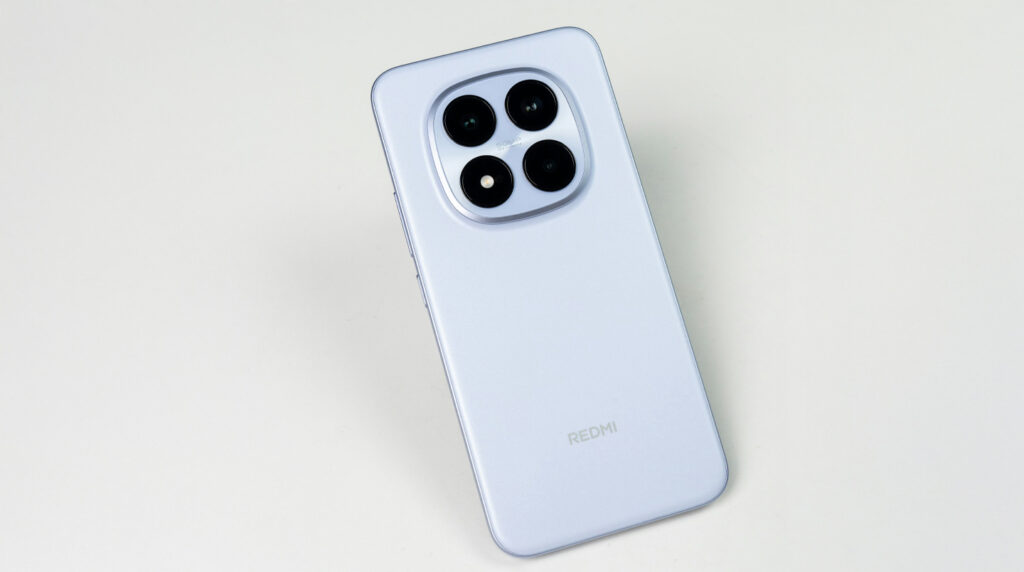
The live streaming event is expected to focus mainly on the REDMI Note 15 Spring Festival Edition, which is a variation launched specifically due to the Chinese New Year festivities, catering only to the Chinese market. Xiaomi has not announced any details regarding this particular device, except that it is expected to be more of a design variation rather than an overhaul.
REDMI Note 15 festival edition

REDMI’s models for Spring Festival usually involve design elements inspired by culture and are limited in distribution. Like other models in the REDMI K and REDMI Note series special editions, this particular type will probably be confined in China, at least for now, with no information on models that can be found globally under the POCO brand name.

What to Expect From the Live Stream

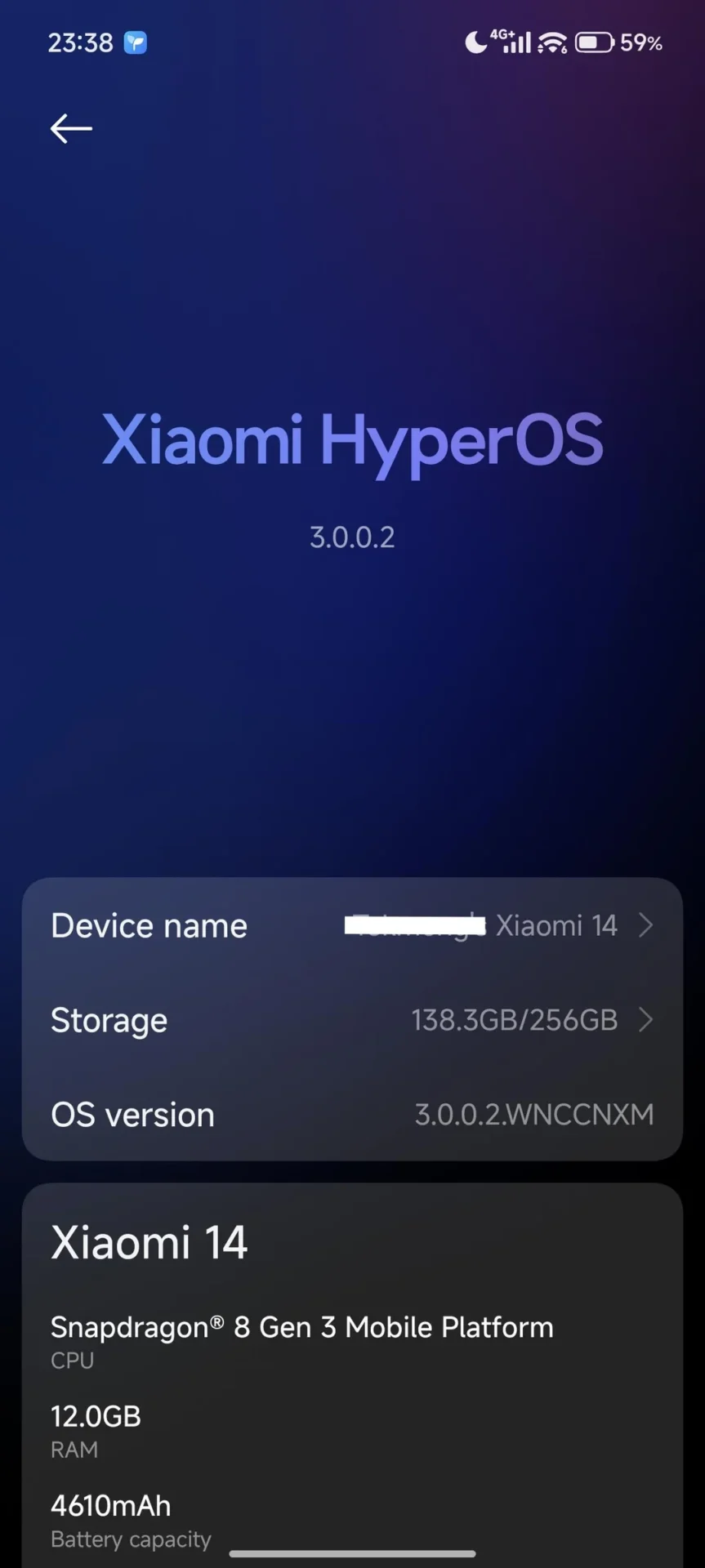
Besides the REDMI Note 15 Spring Festival Edition, there are other products that Lu Weibing is expected to talk about briefly, such as the future Xiaomi 17 Ultra product line. Even though there are no technical details expected, product previews give a hint about the upcoming timelines of their launch. Users, who want to update their Xiaomi system apps, can also use HyperOSUpdates.com or download the MemeOS Enhancer app from the Play Store, which gives access to the update of system apps and more features of Xiaomi.
Source

  •  

Top benefits of Android 16 update for Xiaomi users

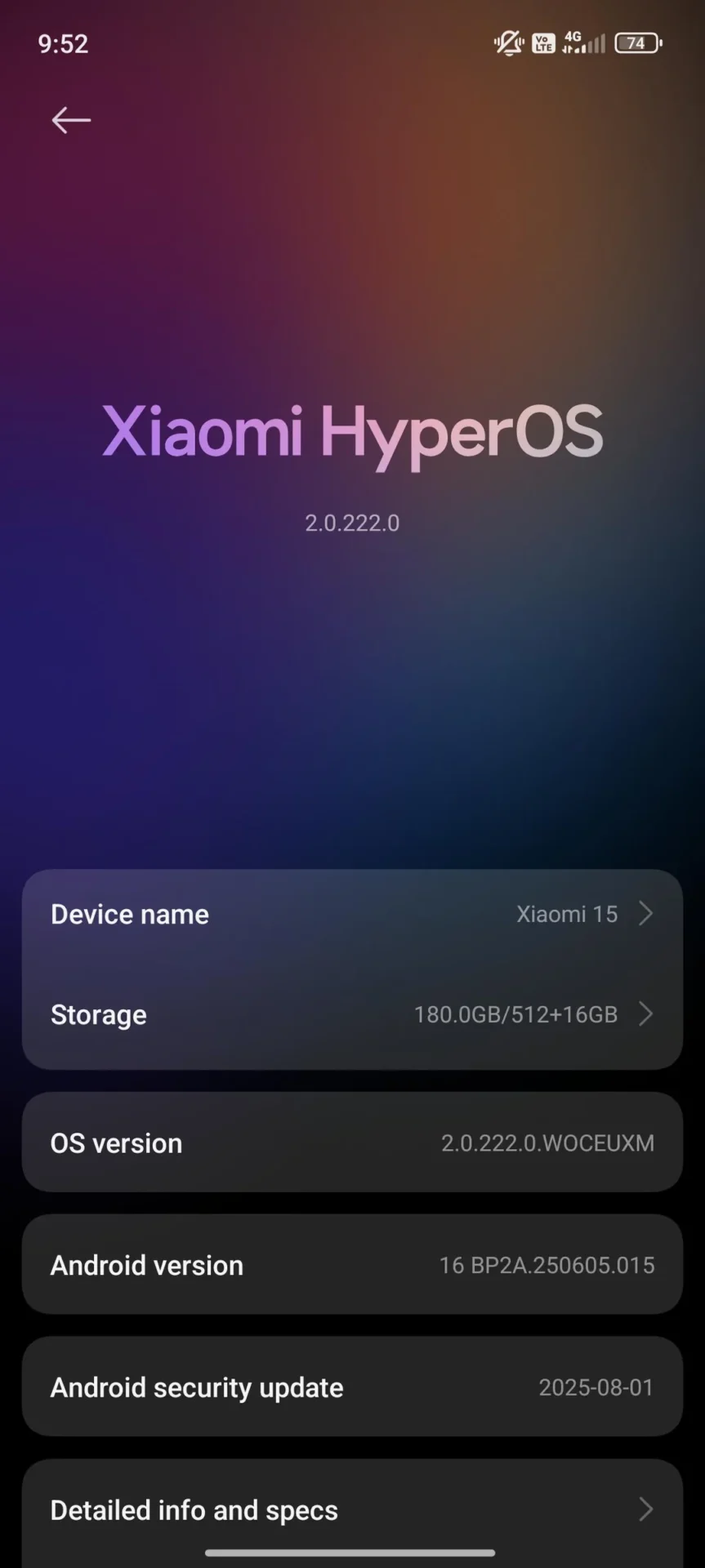
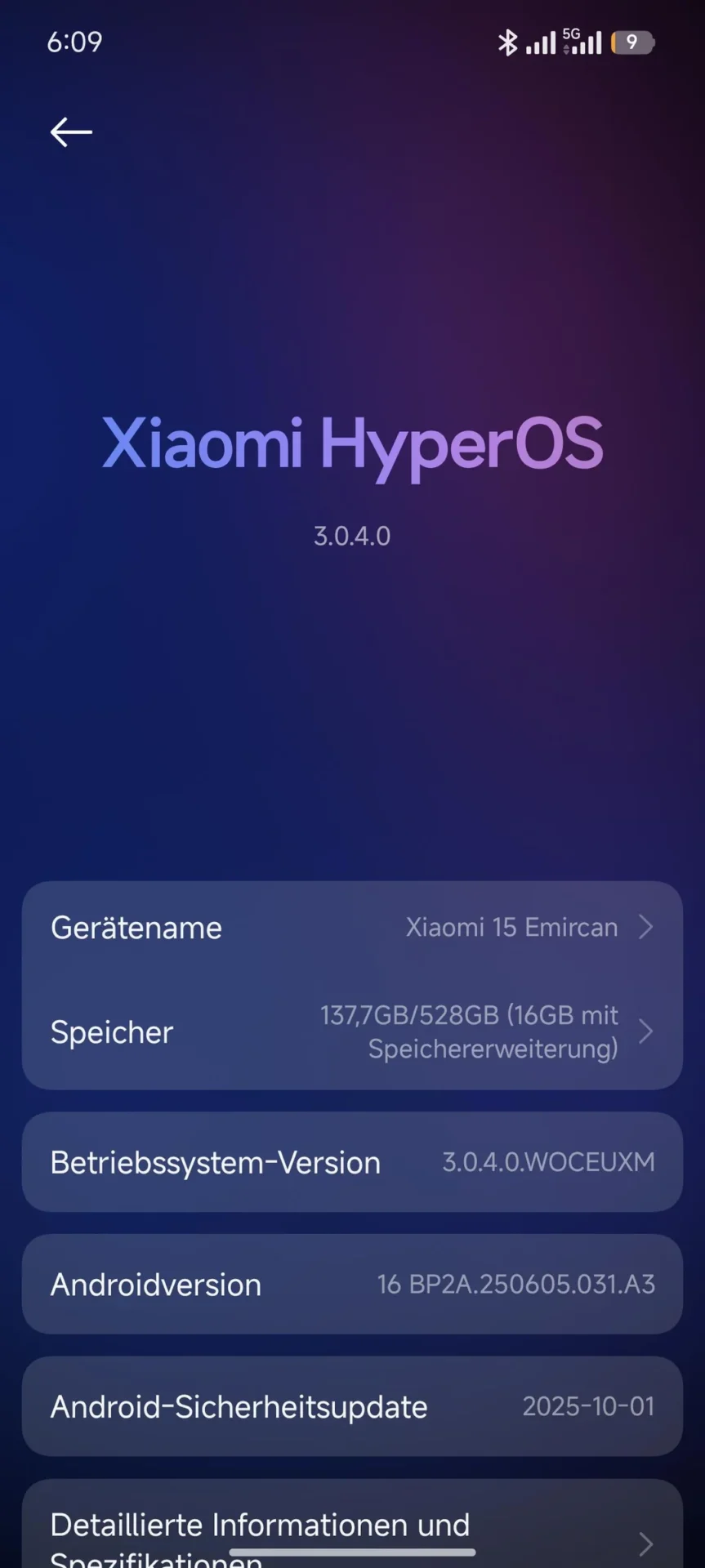
Xiaomi smartphones such as the Xiaomi 15, Xiaomi 15 UltraXiaomi 15TXiaomi 15T ProPOCO F7 Ultra, as well as the Redmi A3, have officially started receiving the update of Android 16. This upgrade is expected to provide a new user experience focused on the improvement of usability, multitasking, as well as privacy. As this rollout of the Android 16 is set to continue in the entire online community, Xiaomi smartphones supporting HyperOS based on Android 16 already enjoy new interface updates as well as optimized background processes.

What’s New in Android 16

Android 16 is primarily geared towards making the overall experience of a smartphone more intuitive, more responsive, as well as more secure. Some of the key features of this operating system include

  • Auto Grouping of Notifications. Predictive back gesture that allows the user a preview before navigating back to the previous screen.
  • Adaptive refresh rate that balances a smooth display with battery life.
  • Desktop windowing mode, optimized to improve productivity on a large screen, such as in the Xiaomi Pad 7 Pro.
  • Trade-in Mode, where device resets are ensured to be secure before disposal.

These functionalities ensure that Xiaomi customers enjoy a seamless multitasking experience as well as security control capabilities on phones as well as tablets.

Xiaomi Android 16 2 Xiaomi Android 16 3 Xiaomi Android 16 1

How Android 16 Improves Xiaomi’s HyperOS

Xiaomi’s HyperOS, which had previously impressed as a performance optimizer with a smooth user interface, is bundled flawlessly with the under-the-hood enhancements of Android 16. This is despite the fact that the user interface of Android 16 and that of Android 15 look no different on a Xiaomi phone, as a result of the API-level differences.

This update also improves Xiaomi’s HyperConnect ecosystem in order to ensure there is a seamless connectivity between the various Xiaomi gadgets including smartphones, tablets, as well as home smart products.

Security & Accessibility Upgrade

Android 16 comes with many new privacy features that are strengthened by HyperOS, a trusted security environment offered by Xiaomi. “Identity Check” brings a new concept of having a biometric verification process in addition to trusted zones, and “Advanced Protection” consolidates anti-scam, malware, and network shields under a single umbrella called a “hub.”

Accessibility is also enhanced in this new model through functions such as LE Audio support, in which one can use the phone as a microphone for hearing aids. This is a reflection of the shared mission of inclusiveness between Google and Xiaomi.

Android 16 does not bring any radical changes to the Xiaomi HyperOS experience in particular, rather enhancing it further with optimized improvements. Beginning from multitasking functions to privacy-centric management solutions, this update will keep Xiaomi users at par with all the advanced technological innovations offered by new Android updates.

Reference: Android 16 Official Overview

  •  

China’s 200MP Camera Sensor Revealed, Targeting Flagships by 2027

A new domestically developed camera sensor has been revealed, pointing to China’s long-term ambition in flagship mobile imaging. According to a trusted leak, the sensor combines a large 1/1.12-inch format with an ultra-high 200-megapixel resolution and is expected to mature by 2027.

Key specifications shared by the leak

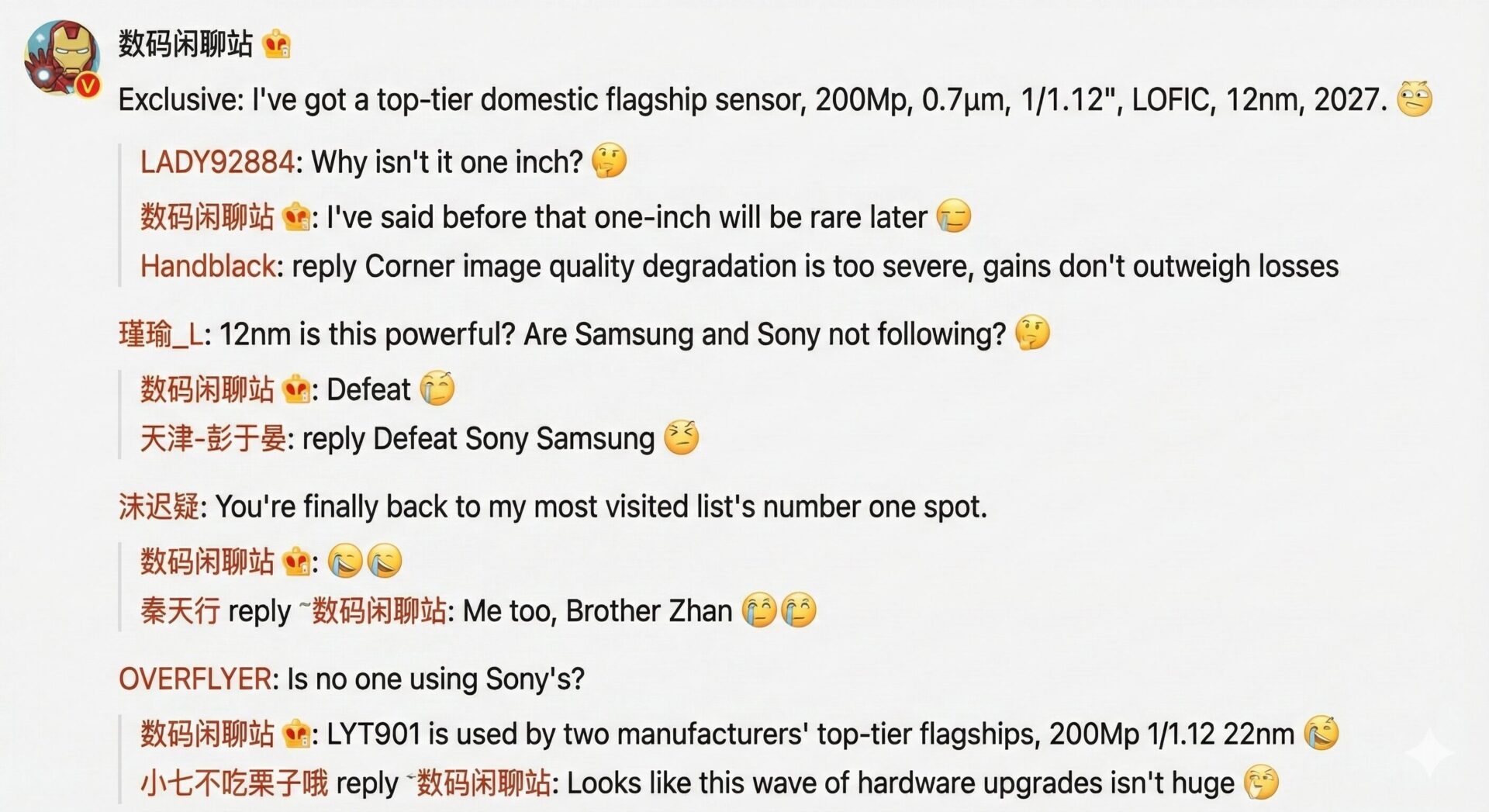
The information was disclosed by well-known blogger Digital Chat Station, who described the component as a “top-tier domestically produced sensor.” While the manufacturer name was not confirmed, several technical details were highlighted, suggesting a clear focus on premium smartphones.

  • Resolution: 200 megapixels
  • Sensor size: 1/1.12-inch
  • Pixel size: 0.7μm
  • Process: 12nm
  • Technology: LOFIC (Lateral Overflow Integral Capacitor)
  • Expected timeline: Around 2027

The blogger also noted that true one-inch sensors remain relatively rare in mass production, explaining why a slightly smaller format is still considered a flagship-class solution.

Leica 200MP

What LOFIC means for real-world photography

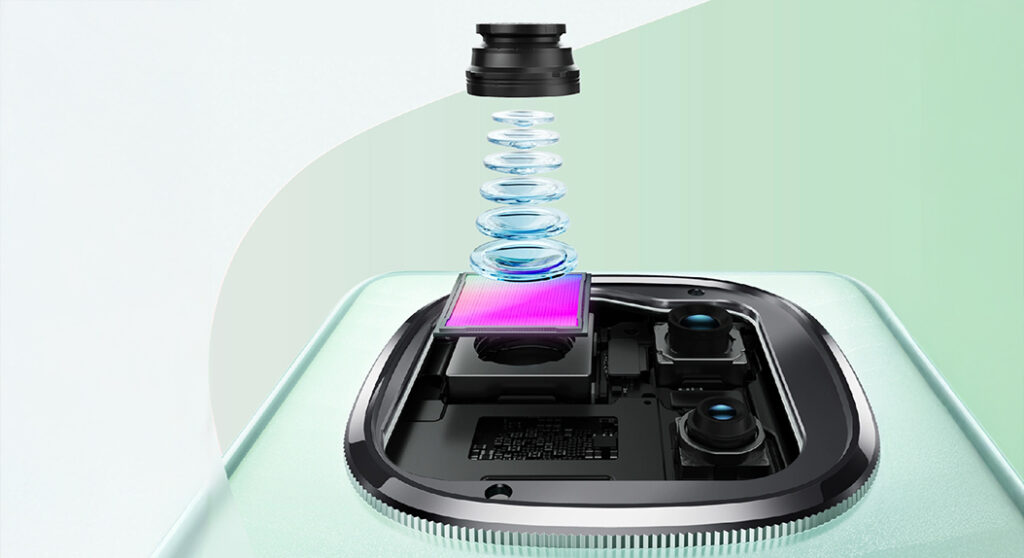
LOFIC technology plays a central role in this sensor’s positioning. Each photodiode is paired with a high-density capacitor, allowing excess photoelectrons to be stored rather than lost when light levels are too strong. In practical terms, this approach improves highlight control and reduces overexposure in bright scenes.

For Xiaomi, which has invested heavily in camera algorithms and Leica-tuned imaging pipelines, such hardware could offer a stronger foundation for HDR processing, night photography, and consistent color reproduction. Combined with Xiaomi HyperOS optimizations, this type of sensor design fits well with the brand’s long-term imaging strategy.

Industry context and Xiaomi’s possible interest

The leak also mentions that two manufacturers are already using Sony’s LYT901 sensor, a 200MP 1/1.12-inch solution built on a 22nm process, in their high-end models. The newly revealed domestic sensor appears to target the same class, but with a more advanced manufacturing process.

While no brand has been officially linked to this component, Xiaomi is widely regarded as one of the strongest candidates to adopt advanced domestic sensors in future flagship devices, especially as the company balances performance, supply chain stability, and innovation.

Source

  •  
❌