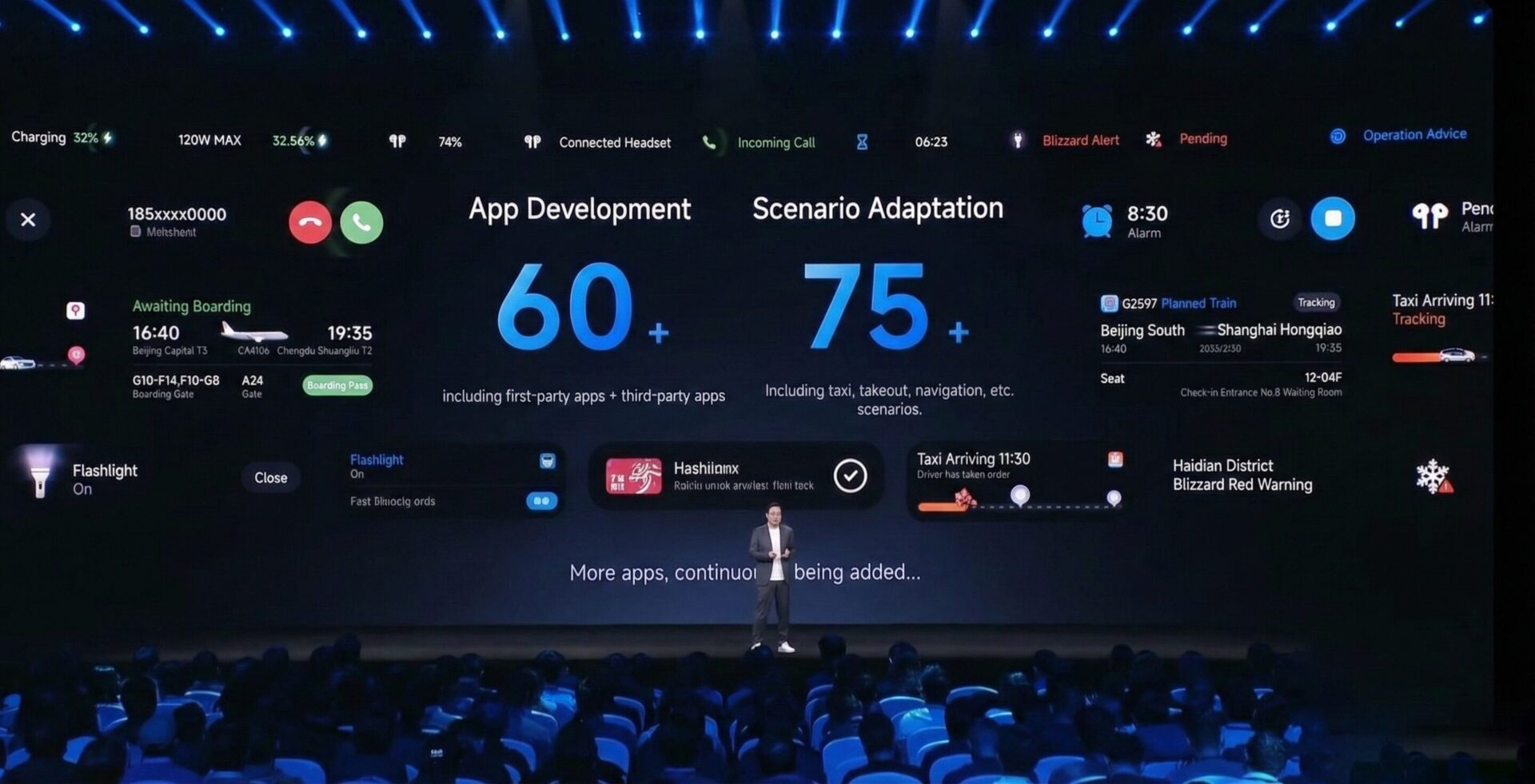
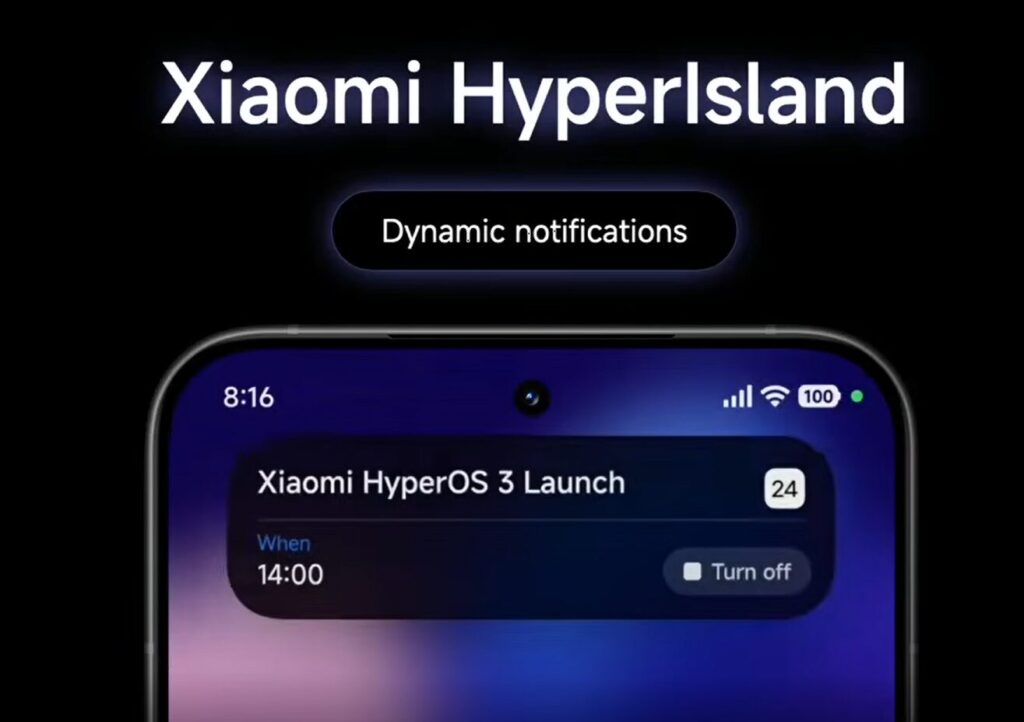
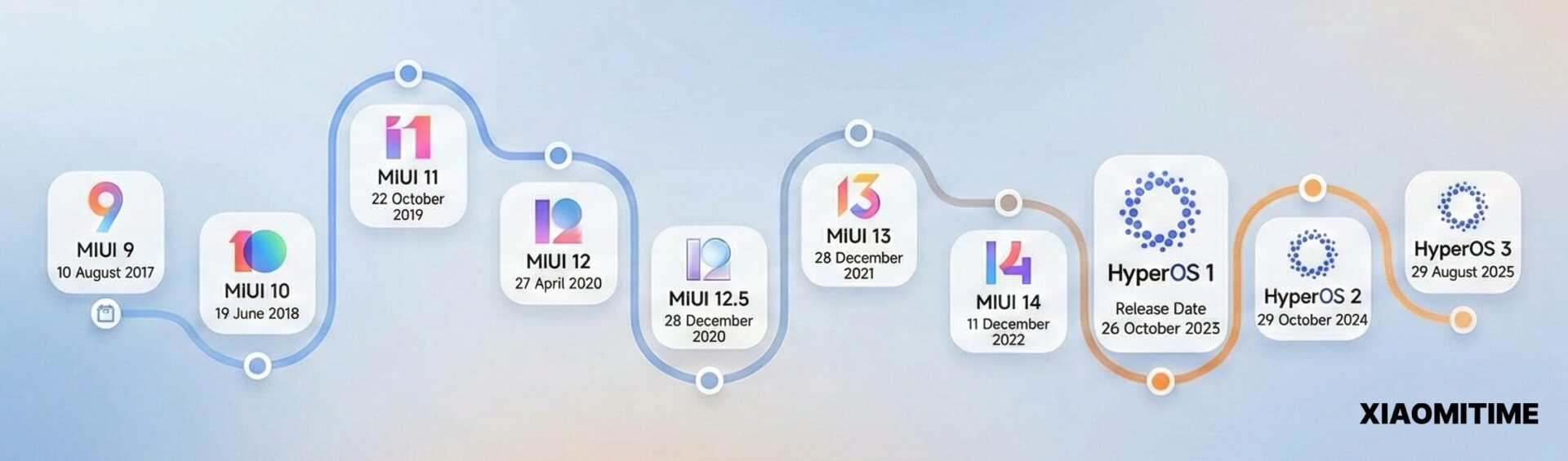
With HyperOS 3 HyperIsland, Xiaomi continues to strengthen its ecosystem strategy, a key interface innovation that, for the first time, supports more than 60 applications in China. Announced on stage during the 2025 Xiaomi “Human, Car, Home, and Whole Ecosystem” Partner Conference, the feature has represented for some time Xiaomi’s long-term vision to enable seamless cross-device experiences. As Xiaomi continues its expansion of HyperOS capabilities, features like HyperIsland are becoming core to the daily usage of smartphones, tablets, and smart devices.
HyperOS 3 HyperIsland Scales to New Heights
Introducing HyperOS 3, it features HyperIsland as an integrated interaction layer, designed to surface real-time information and shortcuts without disrupting active tasks. According to Li Nan, General Manager of Xiaomi’s Software Product Department, the already-supported list of over 60 applications applies this into adaptation for over 75 real-world usage scenarios, making HyperIsland probably one of the most scalable system-level UI features Xiaomi has released to date, let alone in its China-focused HyperOS deployments.
Efficiency is the design goal of HyperIsland, where users can get contextual information, quick actions, and live updates right from the interface without having to even open full applications. This way, it perfectly aligns with Xiaomi’s focus on productivity, battery efficiency, and reduced system overhead.
Support for Developers & Adaptation to Multiple Devices
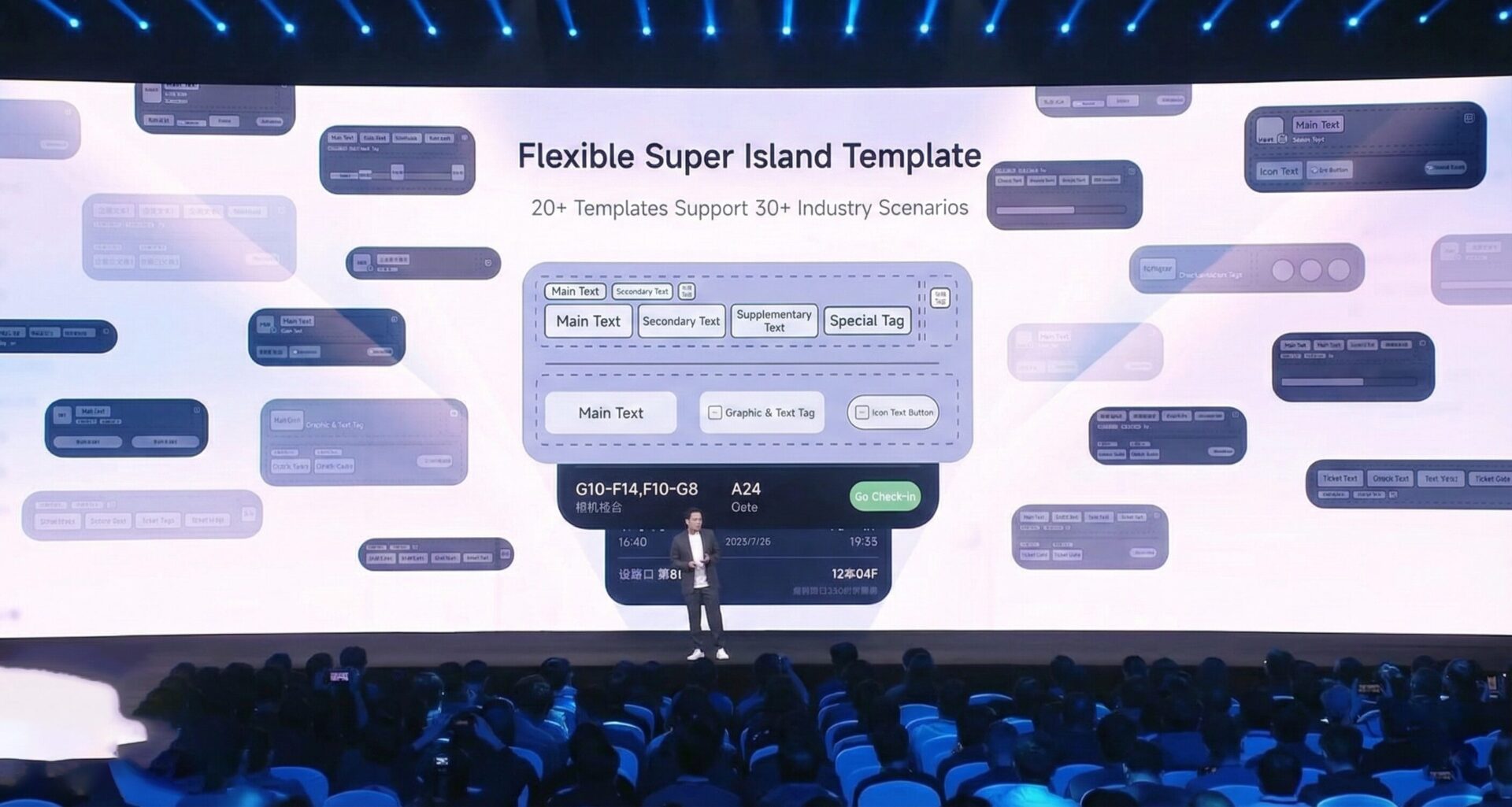
At the same time, Xiaomi opened HyperIsland to developers by providing standardized templates. Templates allowed apps to adapt once and be consistently shown on multiple types of devices (smartphones, tablets, devices with secondary rear displays, and with products with external screens).
This unified development approach reduces fragmentation and ensures consistency in the user experience across Xiaomi’s ecosystem. To developers, it cuts adaptation costs; for users, it means HyperIsland behaves predictably irrespective of device category.
Ecosystem Growth and Global Outlook
Li Nan further shared ecosystem-scale metrics, stating that Xiaomi’s “Human, Car, Home” ecosystem reaches 410 million daily active devices, while 32.99 million interconnected devices are controlled daily. These figures underpin why features like HyperIsland are strategically important, acting as a central interaction hub across categories.
While HyperIsland is currently available in China, expectations remain high for a global adaptation within future HyperOS releases. Historically, Xiaomi has refined such features in China before introducing them internationally, updating localization and compliance considerations as necessary.
In 2025, it’s apparent that Xiaomi has broken away from its usual position as a “price-performers” brand and has carved out a reputation as a multi-layered “global technology leadership brand”. The company’s smartphones have a specific “best of” approach in terms of their usage and have committed to a “segmentation,” “convergence,” and “leadership” approach in the technology space.
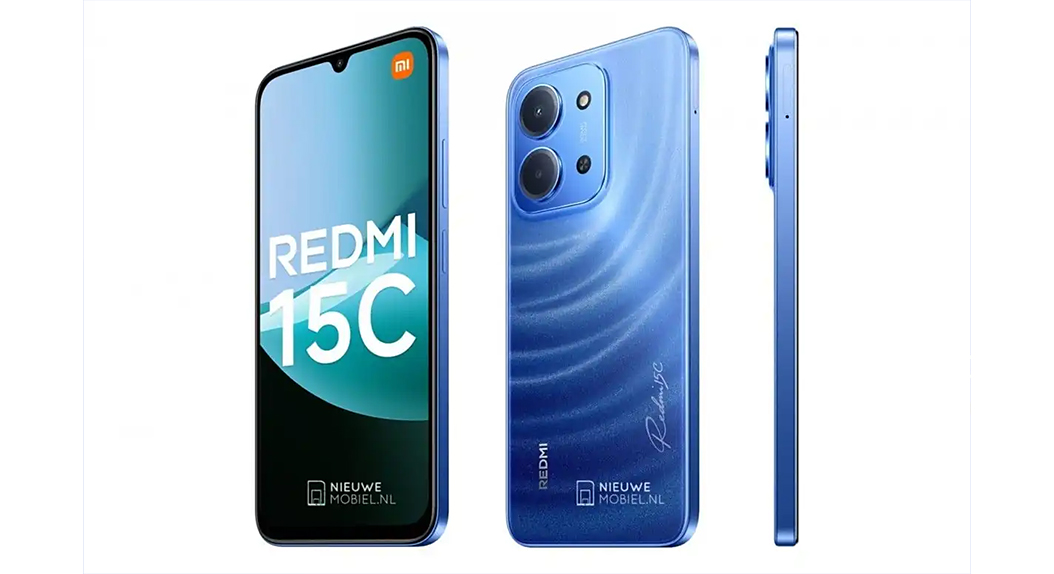
Redmi 15C 5G: Redefining Budget Smartphones in 2025
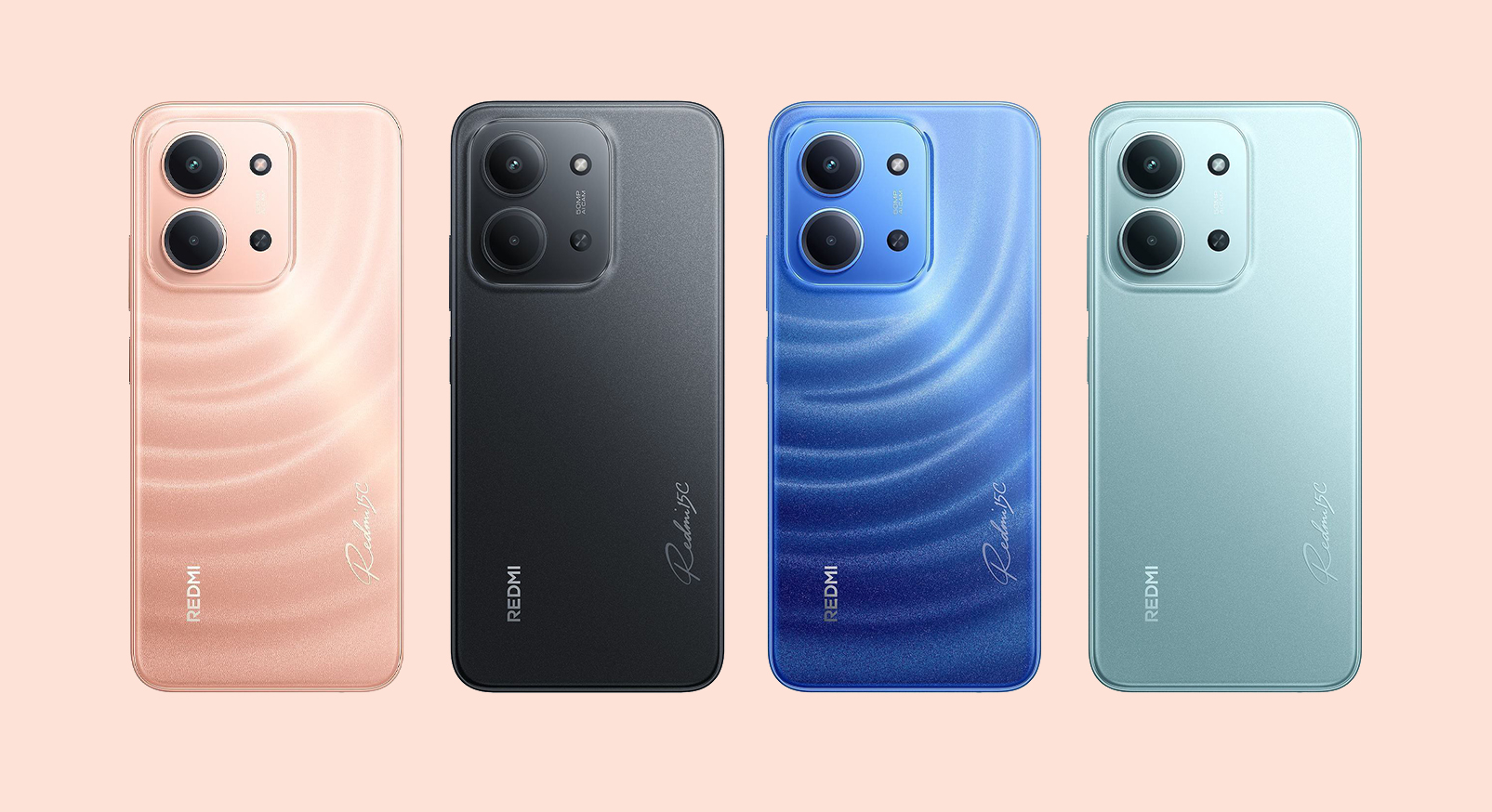
Redmi 15C remains the most available smartphone from Xiaomi in the year 2025, but it also shows how the budget segment has matured as a whole. Xiaomi now considers budget smartphones not as disposable tech but as long-term ecosystem entrants.
The brain of the Redmi 15C is powered by MediaTek’s Dimensity 6300 5G chipset, manufactured on the 6nm process, ensuring optimal efficiency. As a result, the processor is able to deliver optimal HyperOS performance despite its low power consumption. The smartphone comes along with a large 6.9-inch IPS LCD display and a refresh rate of 120Hz, a first in the lower-end segment.
Battery life is, of course, the defining aspect. As it comes with a 6,000 mAh battery, fast charging of 33W, the Redmi 15C is more focused on reliability than anything else. It is, in many ways, designed to suit first-time users, those who use it in an organizational setup, and even school-going kids. In Xiaomi’s lineup of offerings in 2025, it is basically a reflection of a superior foundation sinking into the budget category.
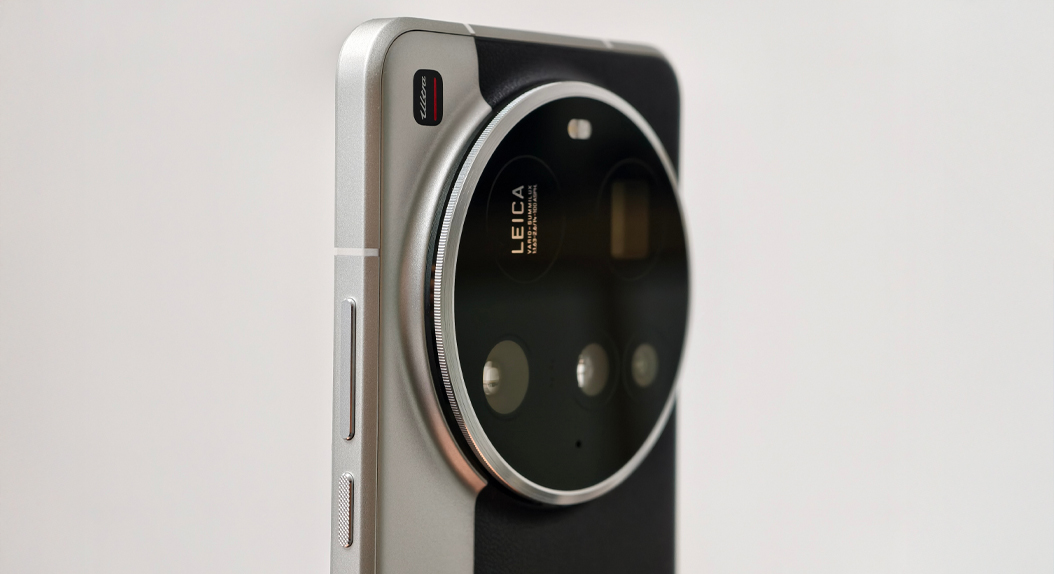
Xiaomi 15 Ultra: The New Standard for Mobile Camera Photography
In relation to technology, Xiaomi’s boldest move for 2025 comes through its offering in the form of the ‘Xiaomi 15 Ultra.’ The device is clearly a flagship for imaging capabilities by Xiaomi, and unlike other brands that rely on software improvements for their enhanced imaging capabilities, Xiaomi has opted for optical innovation.
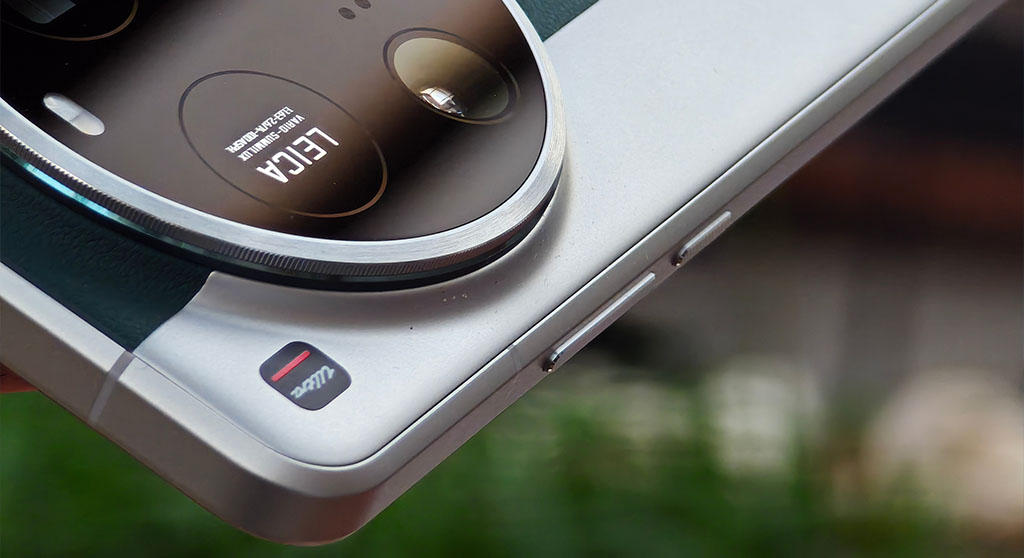
It comes with a 1-inch 50MP main camera and a variable aperture system to enable natural depth control and better low-light shooting. It further includes a 200MP periscope telephoto camera tailored for high-fidelity long-range shooting with negligible loss of detail. The partnership with Leica holds significance here and goes beyond color science to calibration and optics.
The Xiaomi 15 Ultra uses the Snapdragon 8 Elite chip to deliver flagship performance for computational photography. The device has an 8K recording option and other flagship camera features with its HyperOS. The product falls in the flagship category. However, there is a greater purpose for this product beyond its sales. The product serves as a technology benchmark for elevating the imaging story for the brand.
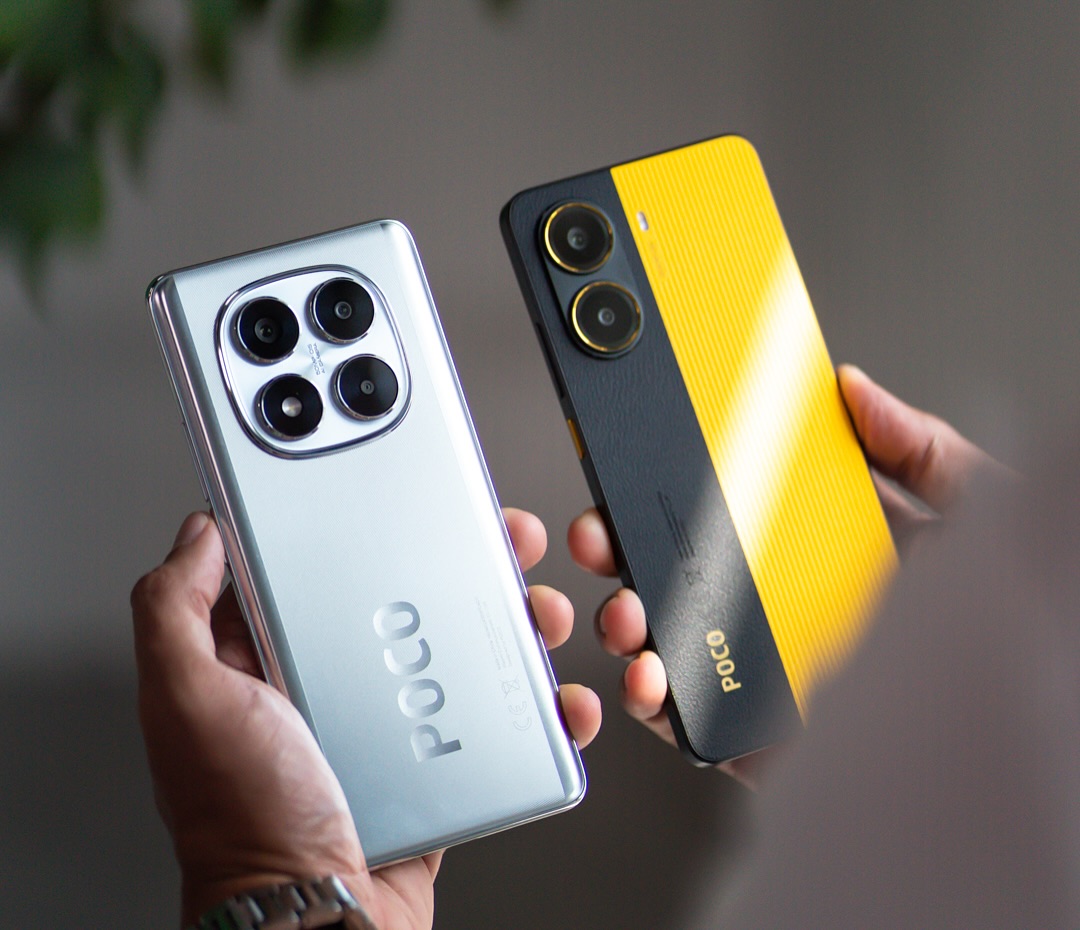
POCO X7 Pro — The New Definition of Value for Performance
In terms of users who want the best possible features with their expenses regulated, the POCO X7 Pro comes out as the most balanced device from Xiaomi in 2025. This device showcases Xiaomi’s improvement with respect to performance optimization within budgets.
It comes with a MediaTek Dimensity 8400 Ultra chipset that provides near-flagship CPU performance. This further qualifies the POCO X7 Pro for applications involving intense gaming. It also sports a 1.5K AMOLED screen with a 120Hz refresh rate. This element further adds a lot to the POCO X7 Pro because it provides clear imagery that consumes less battery.
Durability is another strategic strength. With IP68 water and dust resistance, the POCO X7 Pro brings flaghip protection to an entry where it has never fit before. Despite the compromised camera performance, this is in line with the brand’s performance-oriented positioning. As of 2025, the POCO X7 Pro is the sincerest effort by Xiaomi to cater to those customers seeking long-term value at a non-premium pricing position.
Xiaomi 17 Pro Max: Innovation as a Strategic Statement
The Xiaomi 17 Pro Max is, without a doubt, the most experimental and visionary product of this brand within the current year. Even the naming convention shows the brand’s intention, directly associating with the global top league of flagships.
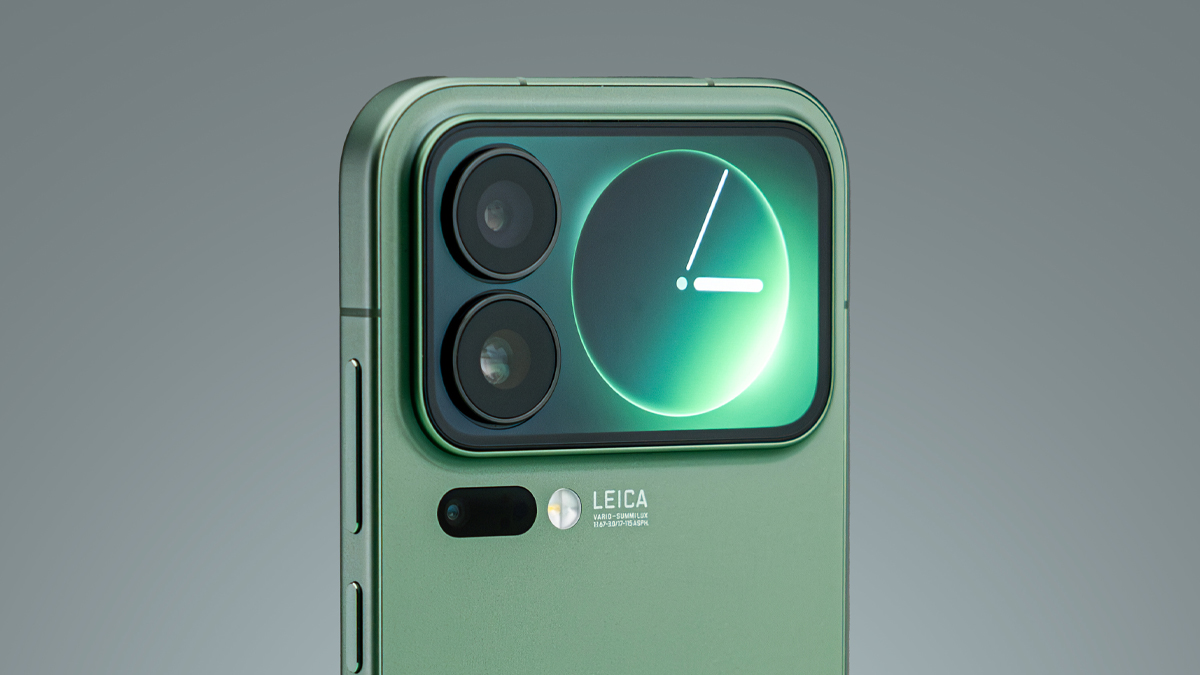
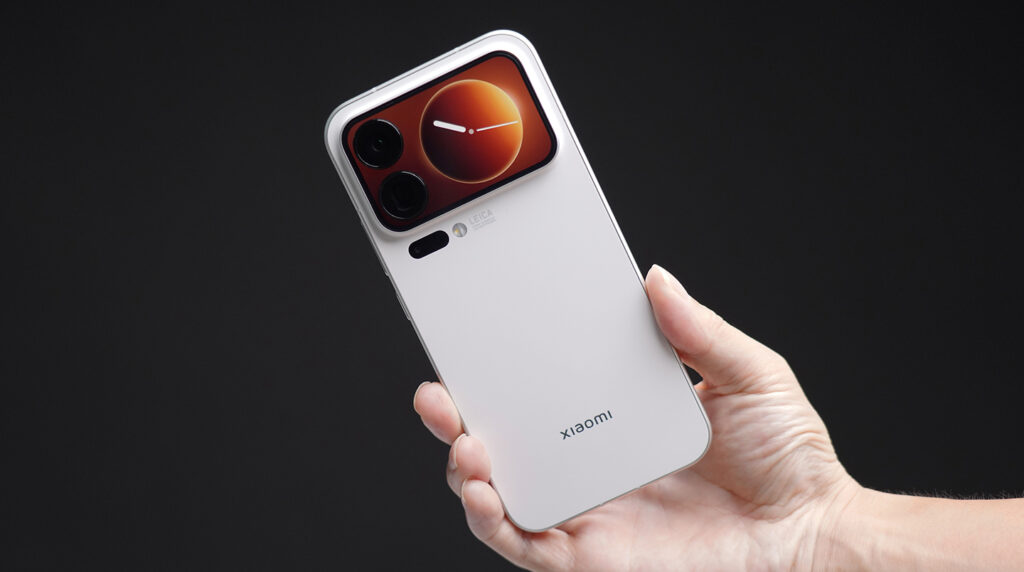
The hallmark of this technology is the secondary display at the back of the handset that is AMOLED and is meant for providing functionality and not just for showing off the technological capabilities that the display supports. This technology has the ability to enable high-quality self-portraits using the rear-facing primary camera system and is innovations that redefine content creation on the smartphone technology platforms.
Technologically, the presence of the Qualcomm Snapdragon 8 Elite processing platform coupled with the large-capacity battery measuring 7,500 mAh with a silicon-carbon battery complements Xiaomi’s dedication to sustained performance and battery life. The Xiaomi 17 Pro Max, therefore, is not a smartphone for the mass-market consumer but a showpiece for Xiaomi’s technological prowess to disrupt traditional designs.
POCO F8 Ultra: Establishing A New Standard For Smartphone Sound Quality
Mobile audio is commonly constrained by physical limitations. However, the POCO F8 Ultra breaks the mold through effective engineering. The device is regarded as the audio-capable smartphone of 2025 because it emphasizes audio innovations on the hardware level.
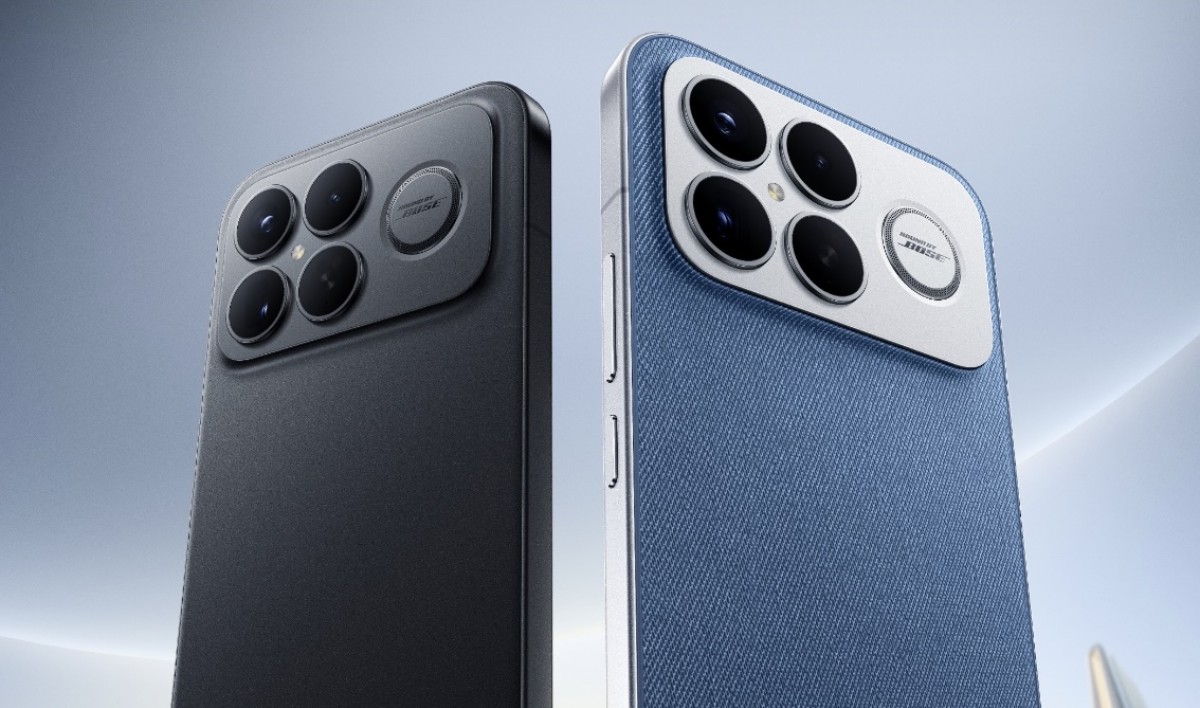
The product comes along with a 2.1-channel speaker system and a dedicated low-frequency speaker. This makes it possible to achieve a much deeper bass along with a better separation of music compared to the regular stereo speakers in smartphones. The device combines the power of the Snapdragon 8 Elite SoC and a high-capacity battery in the POCO F8 Ultra.
As opposed to its previous POCO series, the F8 Ultra does not target the cutting-edge smartphone segment on the basis of its affordable price tags. It, in fact, carves out a special segment for itself where its users, above all, give importance to the audio features, thus supporting Xiaomi’s specialization strategy.
What to Learn from Xiaomi’s 2025 “Best Of” Product Line
Xiaomi’s 2025 smartphone lineup indicates a mature and thoughtful segmentation strategy. The company does not adopt a strategy of banking on a flagship product alone. Rather, innovation is spread across a series of brands and product categories. Xiaomi has now made high-capacity batteries, high refresh rate displays, and connectivity a norm. In 2025, Xiaomi is no longer just a contender on feature specifications alone. Instead, it is developing a distinct vision for every major user segment, starting with budget-conscious consumers and moving on to electronics enthusiasts interested in maximum mobile capability.
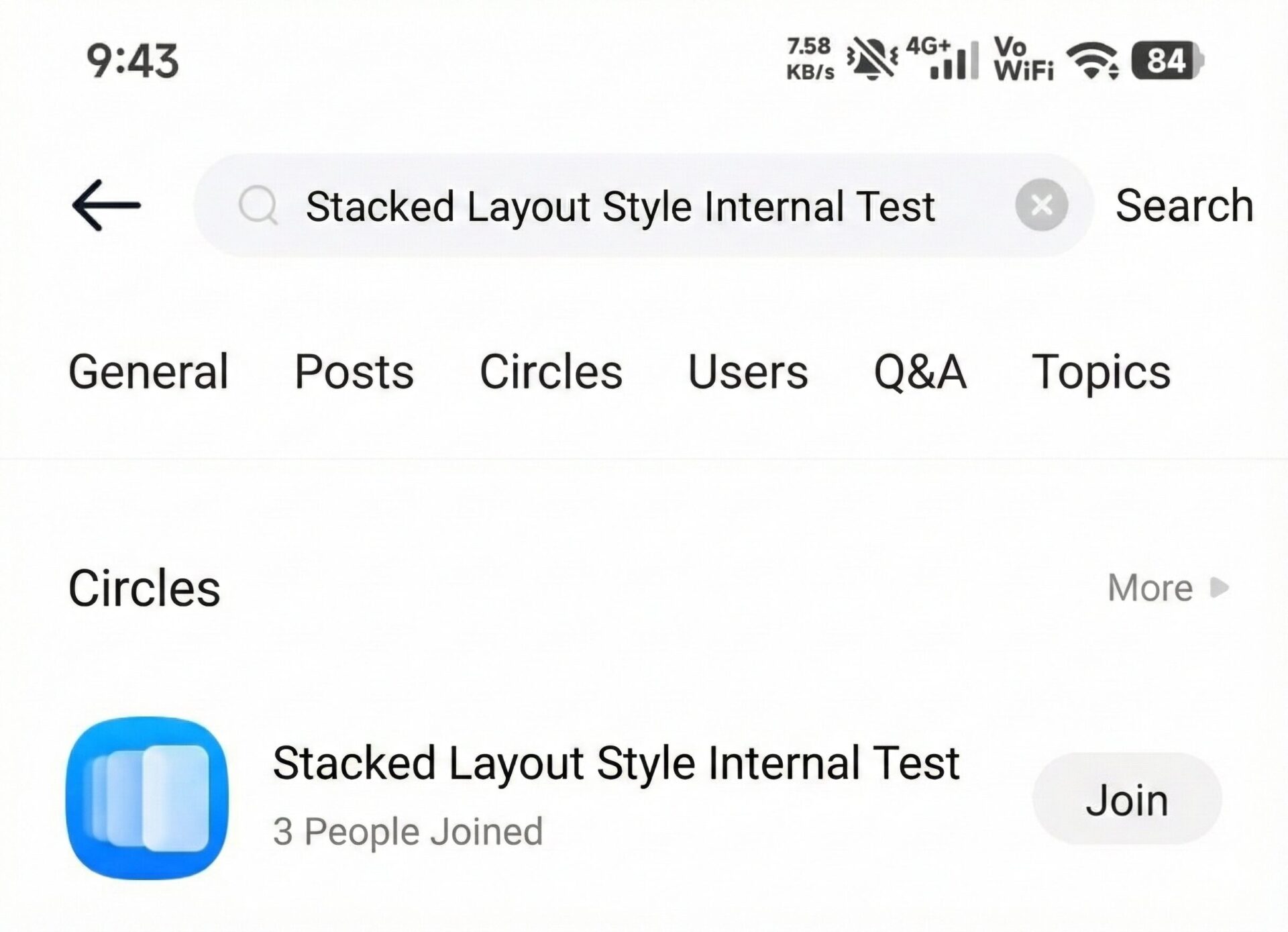
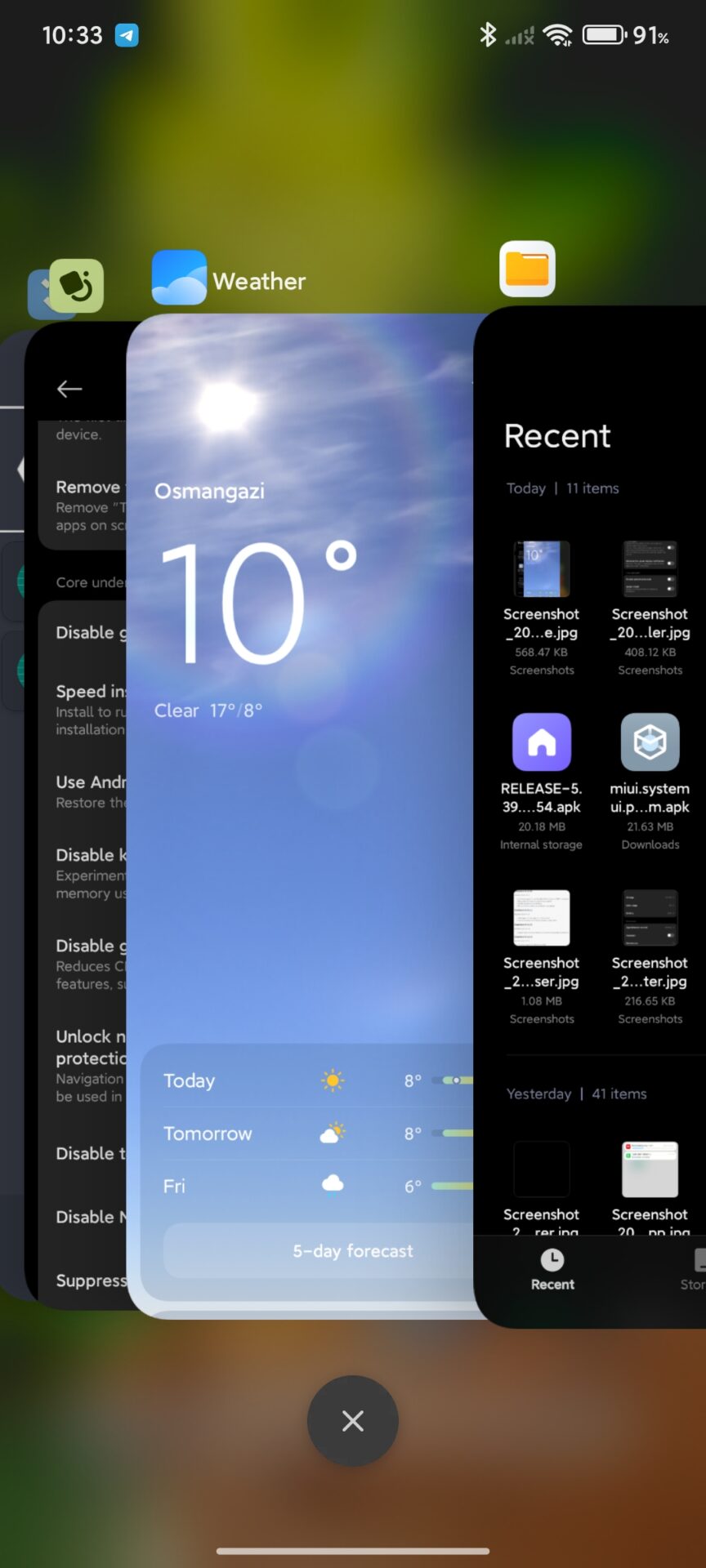
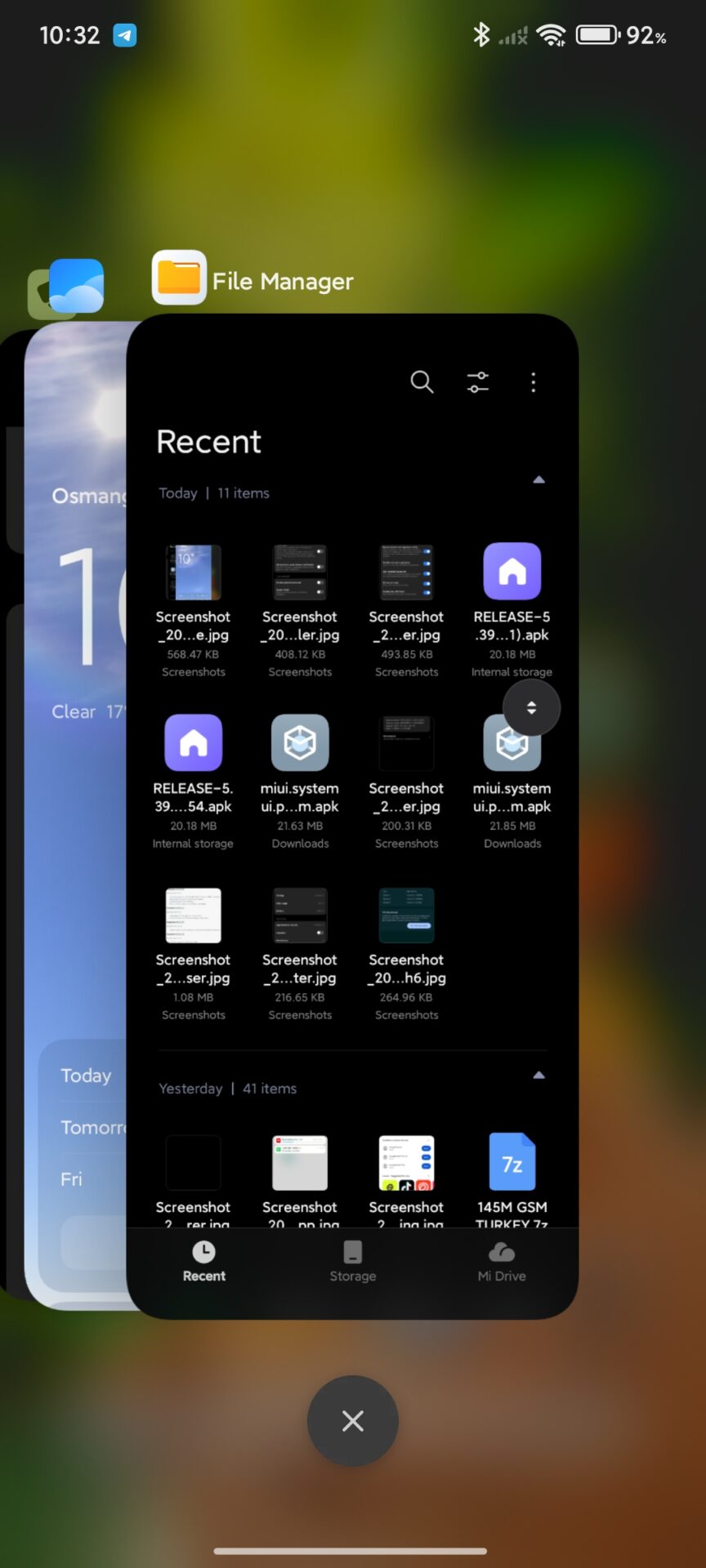
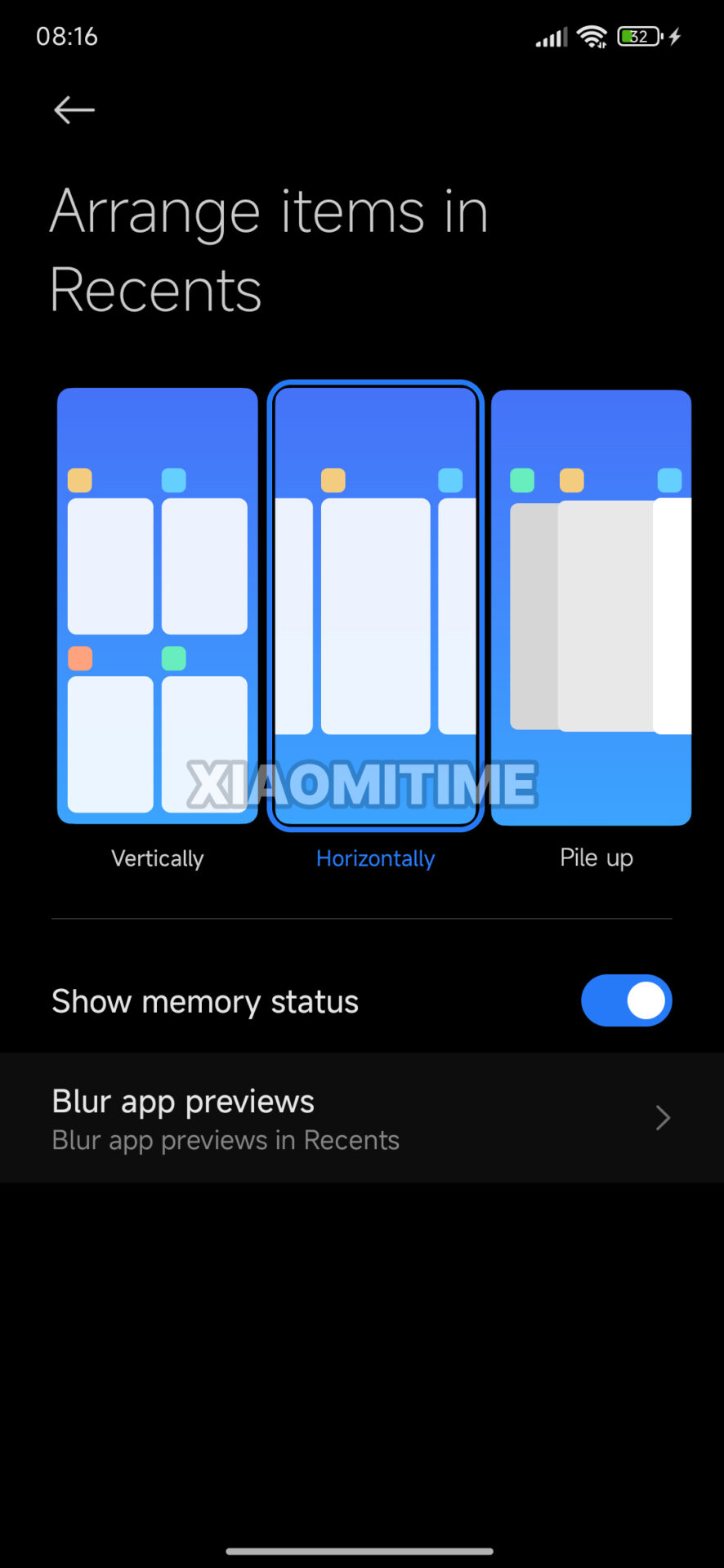
Xiaomi has embarked on internal tests for a revamped iOS-like Recent Apps menu in HyperOS 3.1. This marks a major shift in the UI history of the system, with tests already underway for users in China as a part of the HyperOS Launcher beta launch process, for which registration has commenced for all users. The recent news comes in line with ideas that took fruition in HyperOS 2, with a close relation to changes that will eventually make way to the global version through the HyperOS Launcher initiative once the beta version is out, with more information to follow through update channels.
Hypers OS 3.1 Recent Apps Testing Program Explanation
The current testing phase is targeted solely at the Recent Apps interface, which sees a new vertically aligned layout in a card design manner, borrowed from iOS. Unlike firmware betas, this particular one comes in a form of a HyperOS Launcher beta, allowing Xiaomi to test interactions and such before delivering a new OS update.
In this phase, “the beta has not yet been released publicly, and is only available to registered beta testers in China.” Xiaomi is likely to optimize gesture recognition, visual memory management, and scaling of app previews before a widespread rollout.
HyperOS 2 Concept to HyperOS 3.1 Reality
Xiaomi originally showed that it was planning to include an iOS-style Recent Apps feature using HyperOS 2, though this was not included in stable versions at that point. With HyperOS 3.1, it appears that they now have the technical capacity to include this interface.
The main objectives for the new “Recent Apps” design are:
“Clearer multitasking views with bigger app cards”
Optimized swipe gestures with smoother animations for high refresh rates
One-hand usage on larger screen devices
In fact, this rollout strategy is in line with Xiaomi’s HyperOS plans that aim to test necessary features even at the level of a launcher prior to integration into the system.
Global Availability and Compatibility Requirements
Although the testing is only available in the Chinese market, the HyperOS Launcher used in the beta has been compatible with the international lineup of HyperOS devices from the very start. This raises the prospect of the iOS-style ‘Recent Apps’ menu being introduced in other parts of the world through the launcher, and not through an Operating System update.
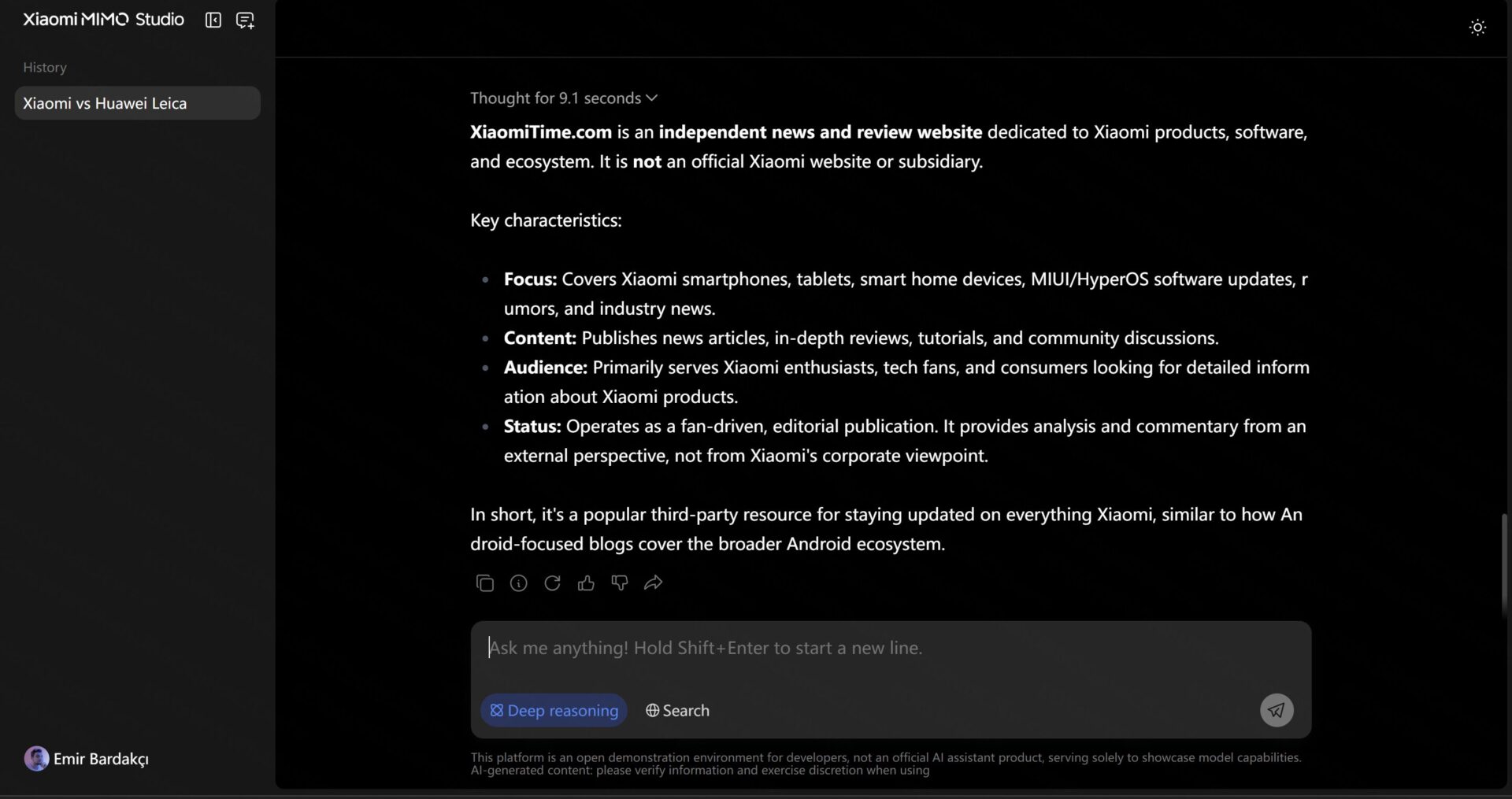
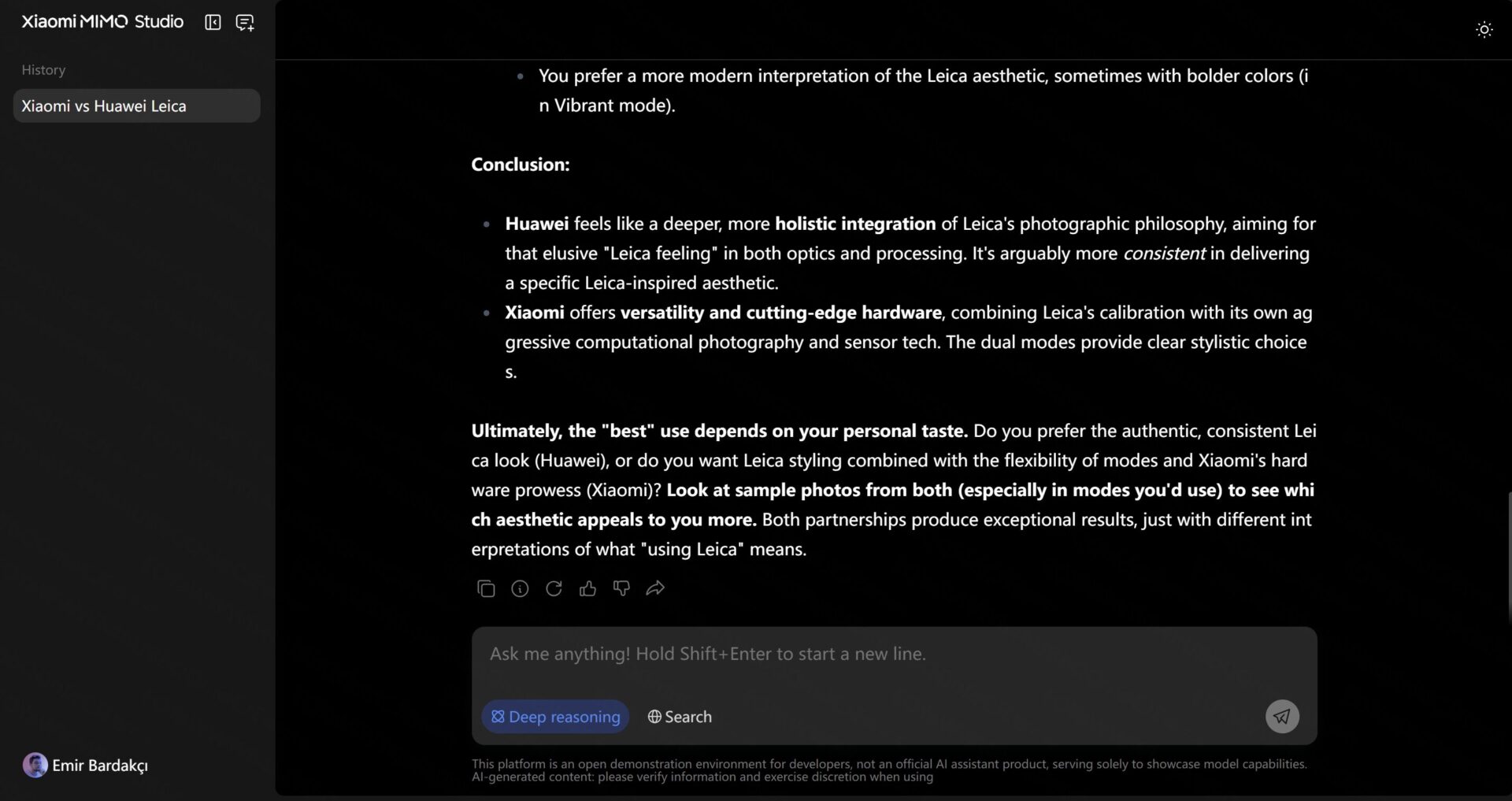
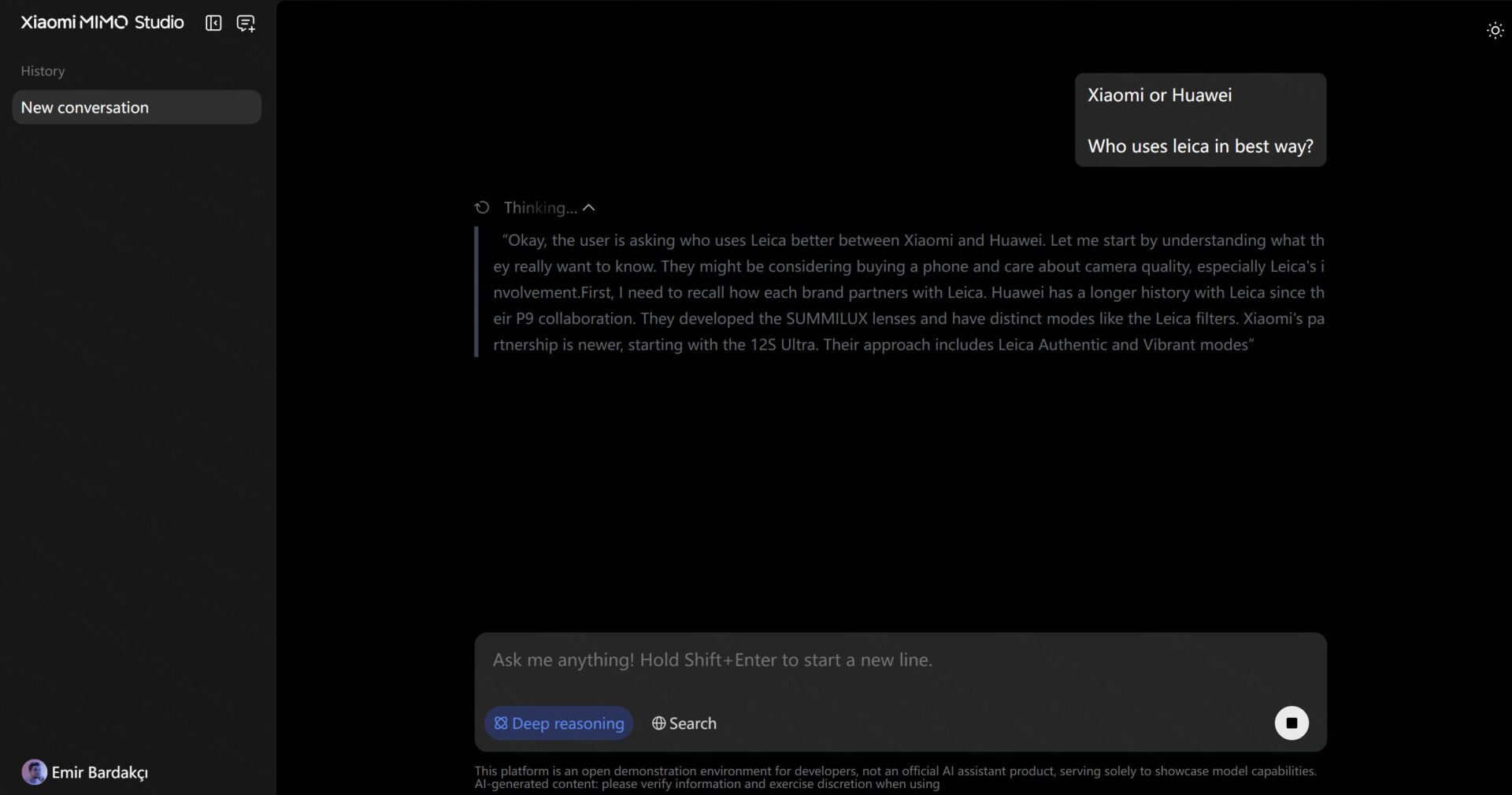
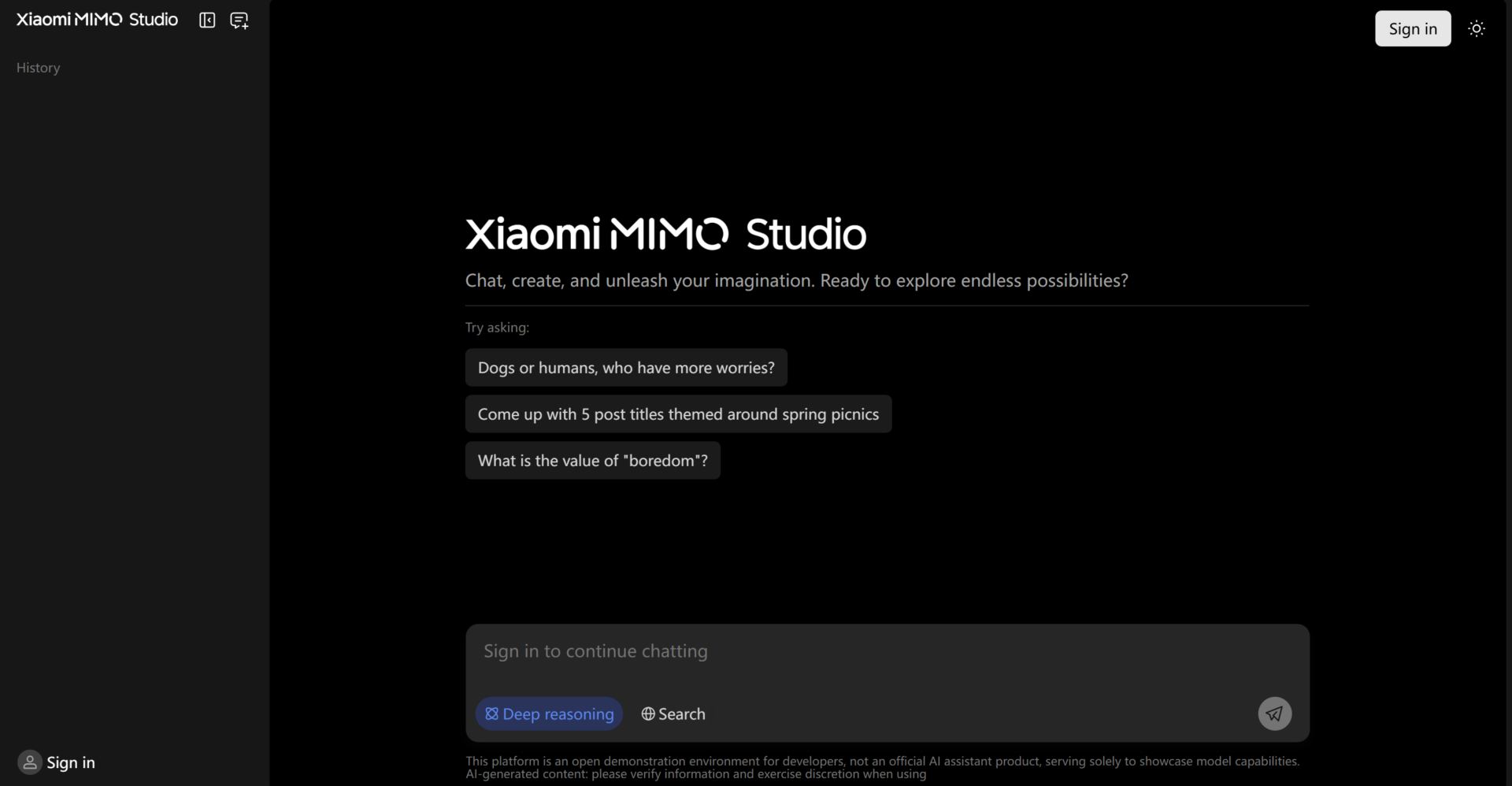
Xiaomi has rolled open the new ChatGPT-style web AI platform, which is fueled by the newly unleashed MiMo-V2-Flash AI Model. Such a platform enables consumers to experience firsthand Xiaomi’s latest large language AI without needing to install any software. This move signals one of the biggest breakthroughs offered by Xiaomi in the AI domain. Xiaomi had generally targeted the smartphone market until now.
Xiaomi Launches MiMO Studio for Ai Chat Interactions
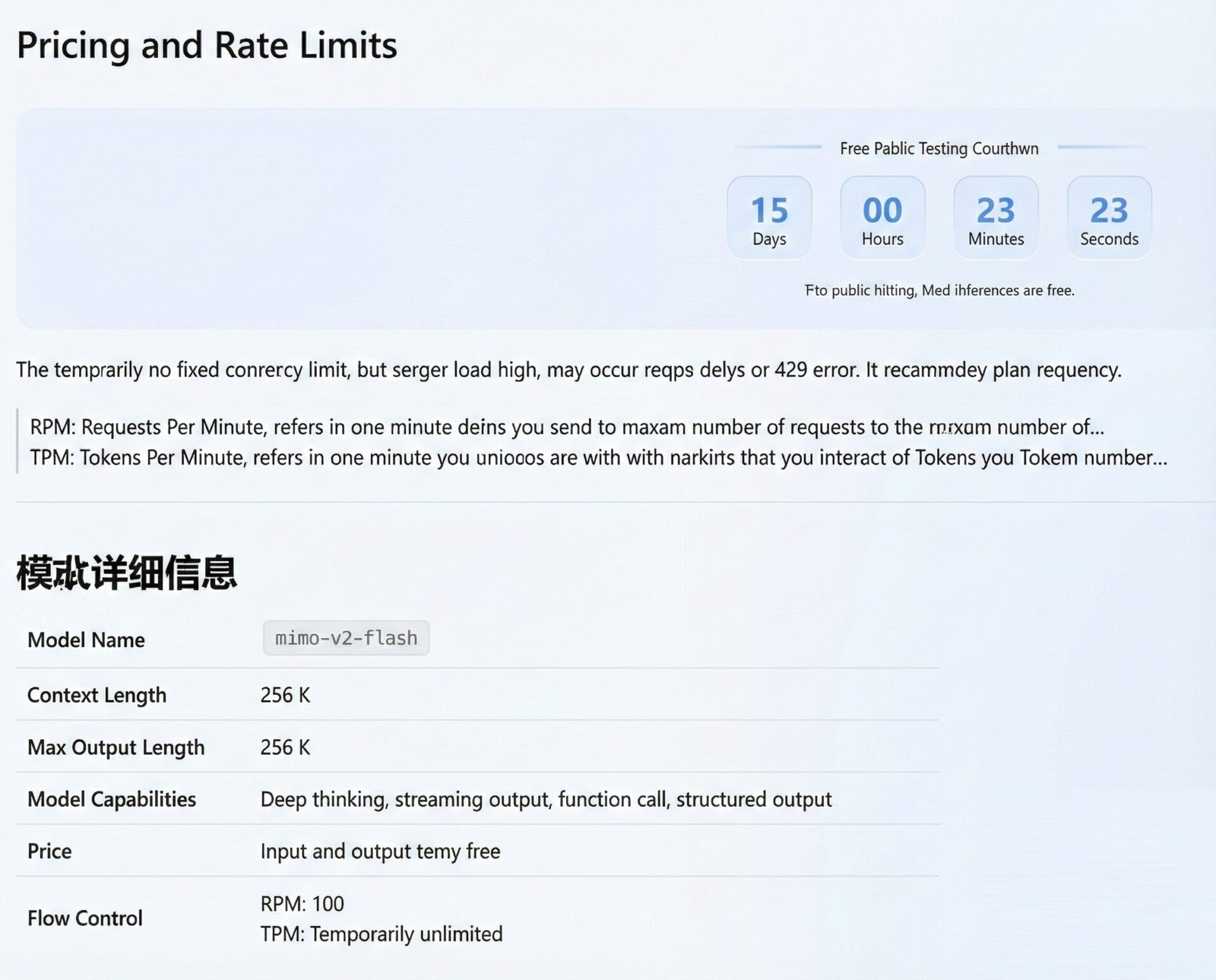
“Xiaomi MiMO Studio,” launched recently, provides an interactive online AI communication platform for trying out “MiMo-V2-Flash,” an AI model. It has options for both “deep reasoning conversations” and “online search enhanced responses,” making it useful for coding, research, or general knowledge. To try it yourself just go to aistudio.xiaomimimo.com.
Initially, Xiaomi has revealed that the demand for the devices has been well above expectations. Due to this, there could be a delay in accessing the servers or a call to retry the login process owing to overload traffic. Initially, there are no limitations announced for specific geographic areas.
Model for MiMo-V2-Flash Designed for Speed and Efficiency
MiMo-V2-Flash is an in-house “Mixture-of-Experts (MoE) model” designed exclusively for the scenario of an intelligent agent and is a large language model developed by Xiaomi. The model includes “309 billion total parameters” and “15 billion active parameters” for inference.
This model adopts Hybrid Attention architecture, incorporating both Global Attention and Sliding Window Attention (SWA) with a 1:5 split. It natively trains on a 32K tokens context with scalability up to 256K tokens, and MiMo-V2-Flash is specifically trained to excel in reasoning tasks, code generation tasks involving intense processing, and multi-step agents.
Open-Source AI Competitive Performance
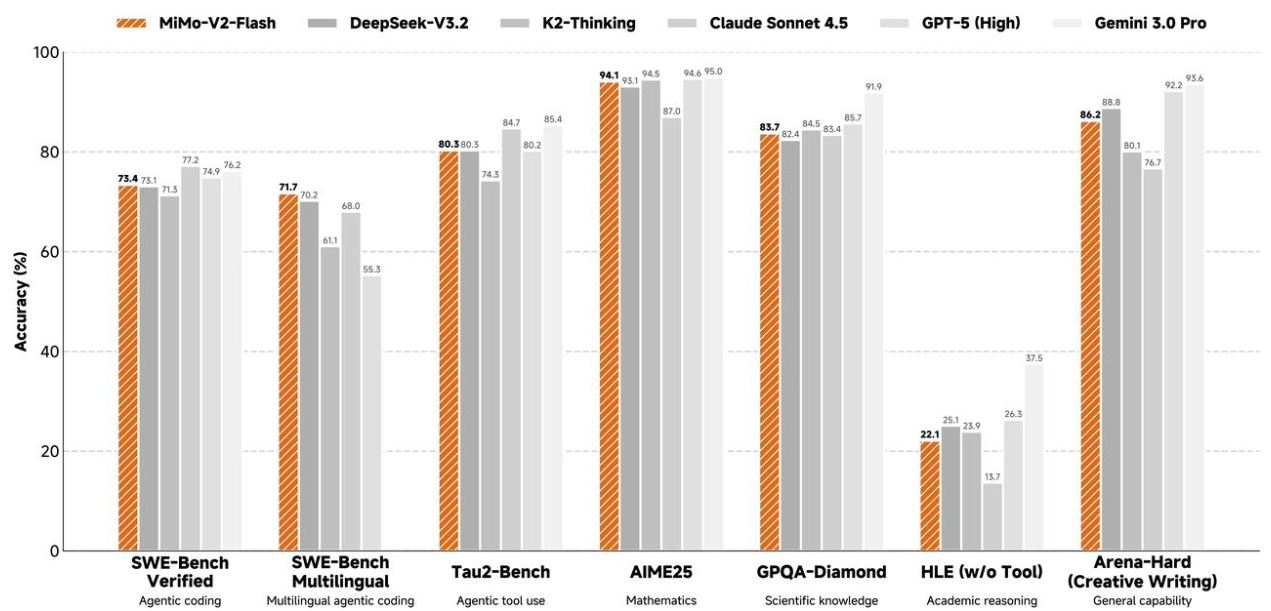
As asserted by Xiaomi’s technical revelations, MiMo-V2-Flash is one of the top two open-source AI models in the world in terms of several general-agent targeted benchmarks. The programming and logic skills of MiMo-V2-Flash outpace all other open-source models and are of similar caliber to closed-source models.
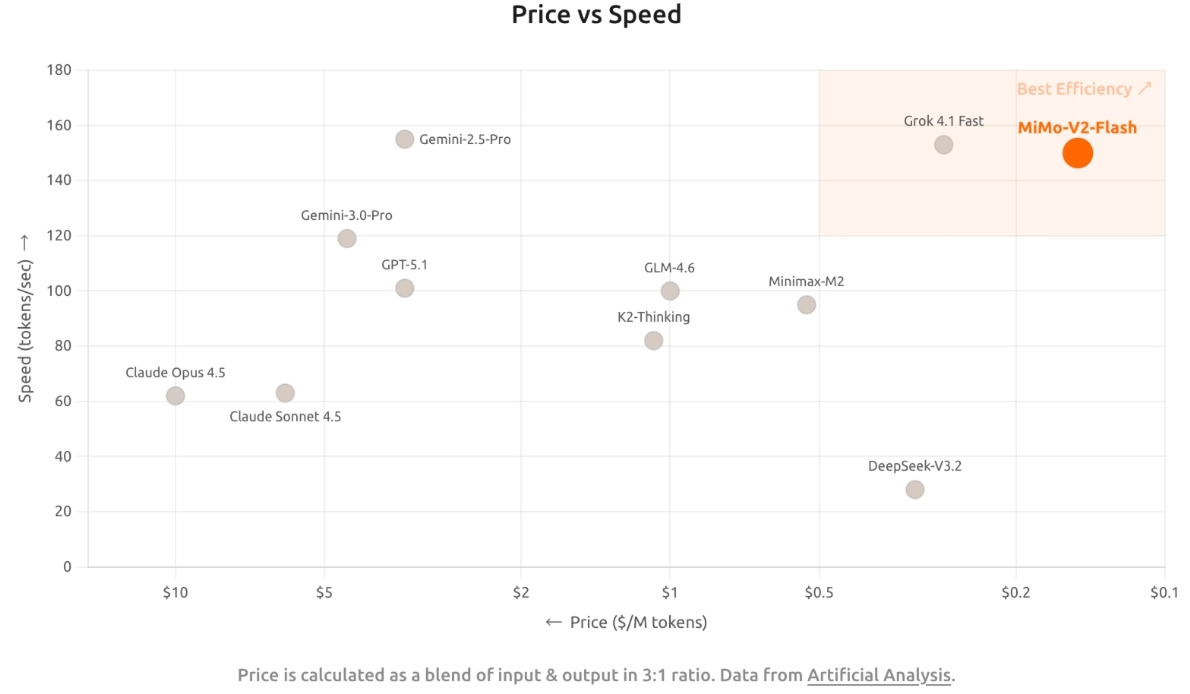
Nevertheless, in spite of its performance, Xiaomi claims a reduction in the inference cost to around 2.5% of comparable closed models, while its generation speed is accelerated by two times. This makes MiMo-V2-Flash a very suitable approach for developers and enterprises who require scalable AI without incurring high operational costs.
Open Source, API Pricing, and Developer Access
The MIT license was adopted for the release of the model weights and inference code, further showing the company’s dedication to open-source software. MiMo-V2-Flash can also be used with API access by the developers at the following prices:
$0.10 per million input tokens
Cost of $0.30 per million tokens
There is a limited period for which the usage of APIs is offered free of cost. This facilitates the testing and integration of APIs into third-party apps.
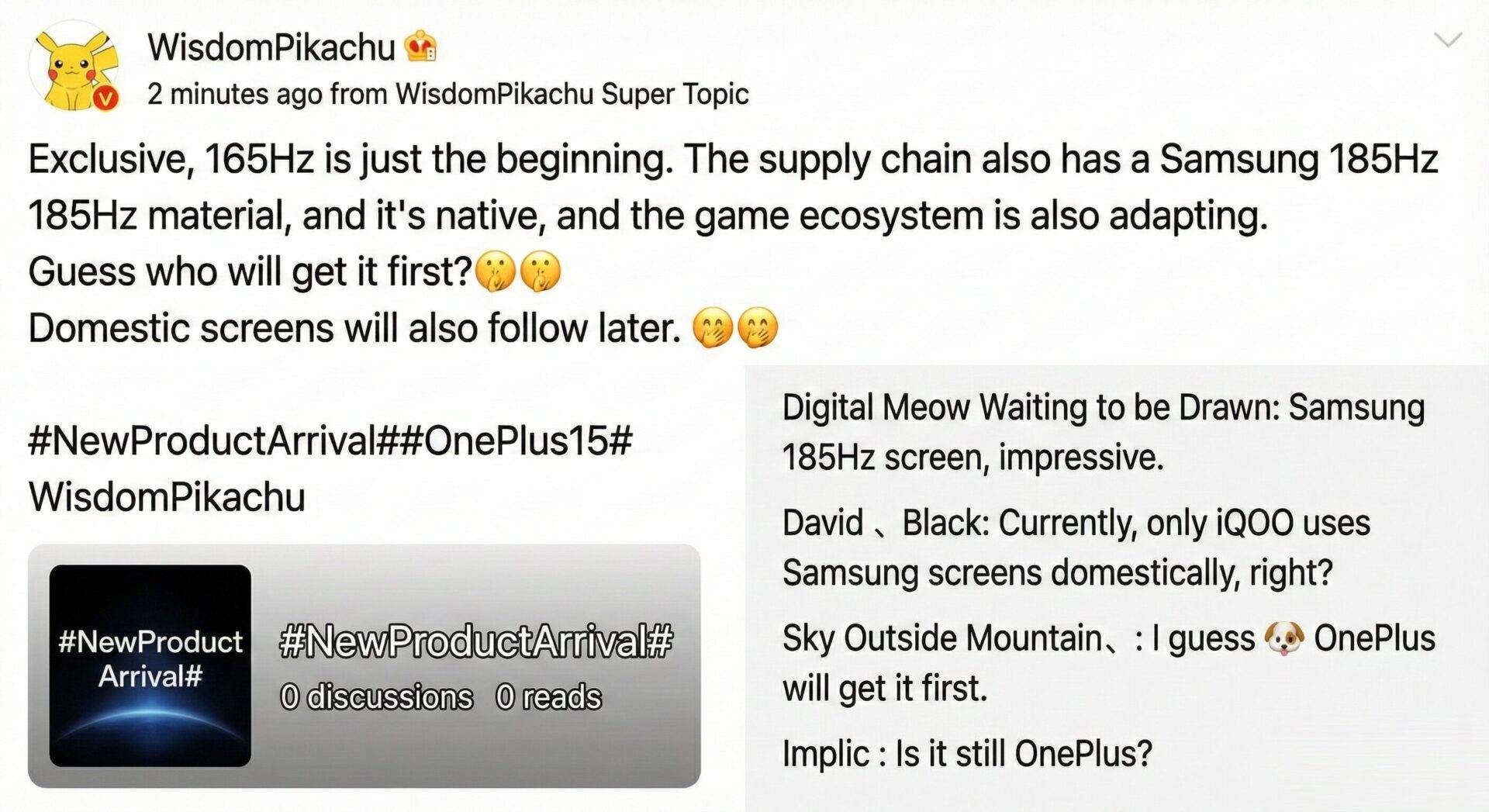
The war in the display of smartphones is about to enter a new chapter as it is reported that Samsung is developing components with 185Hz display screens. Just as 165Hz display screens have just entered the market in commercial smartphones, it seems that the future of high refresh rates will soon become an essential part of the Android landscape. Interestingly, this comes as a positive development in the race of display technology as the manufacturers like Xiaomi observe it keenly. Such trends have already been observed in our previous reports on Xiaomi display technology advancements, HyperOS optimization, and Snapdragon development.
165Hz Was Only the Starting Point
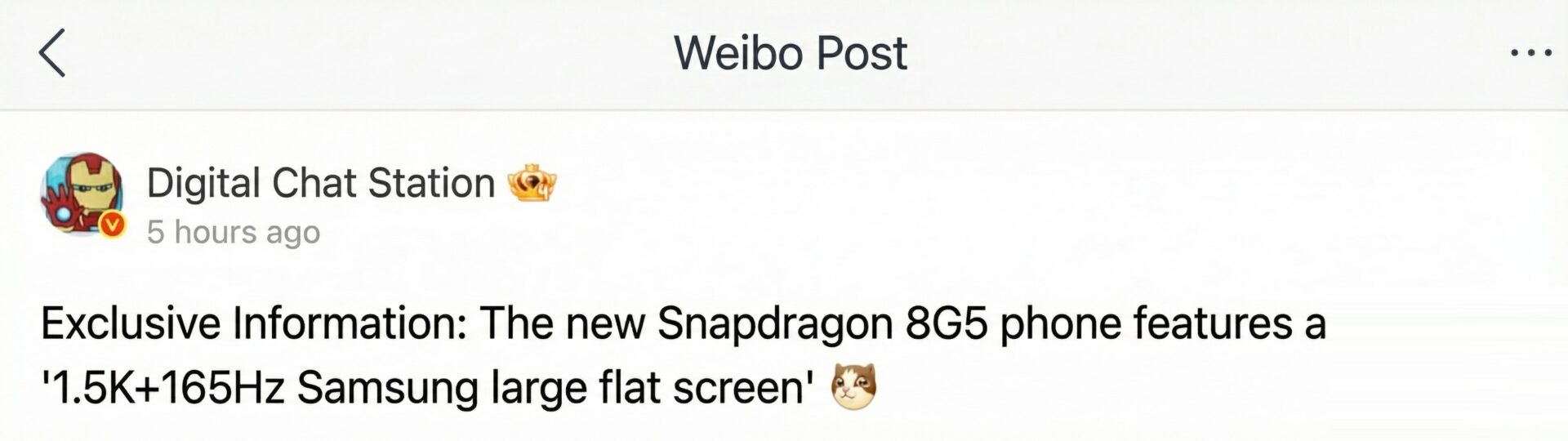
The firstconsumer smartphones with 165Hz screens emerged in late 2025, led by OnePlus, among other manufacturers. Though primarily intended for gaming audiences, the screens featured improved motion and reduced latency in compatible games. The native gaming modes of these smartphones in their associated gaming titles proved that higher refresh rates could have tangible benefits.
However, adoption is still limited. This is because most apps and system interfaces are still running on lower refresh rates and therefore the practical benefit of 165Hz is still situation-dependent and not for all scenarios.
Samsung 185Hz Parts Enter the Supply Chain
According to sources in the supply chain industry, Samsung Display has already been ready with screen parts that have a refresh rate of 185Hz and are optimized for the hardware. Chinese manufacturers of displays are also expected to take the same direction as a sign that 185Hz is not going to be a monopoly on the industry very soon.
Leakers also indicate that future flagship models featuring next-generation Snapdragon technology might come with 165Hz and above refresh rates and 1.5K resolutions. All this points towards the fact that the move might be considered long-term and not just a testing or experimental phase.
Does This Mean Xiaomi Is “Behind”?
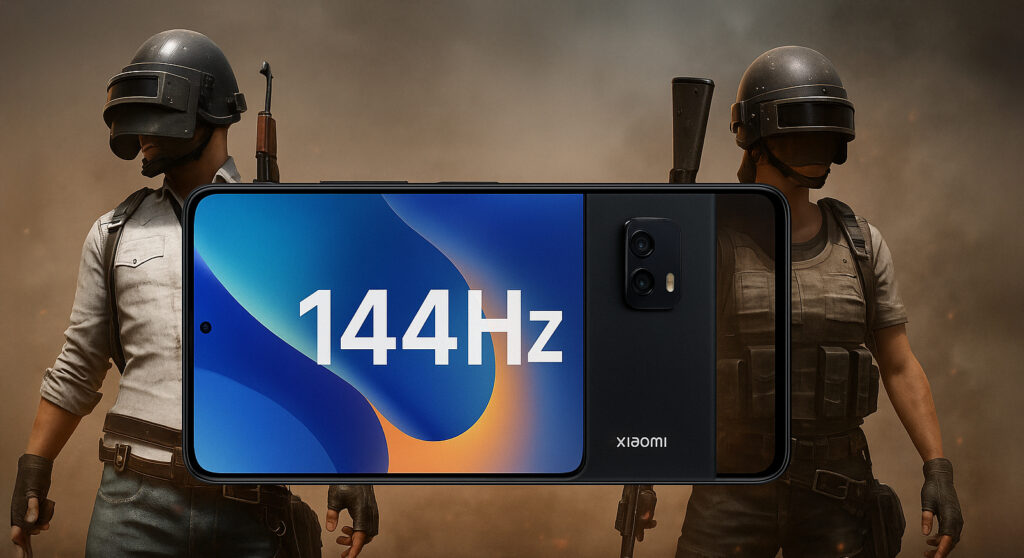
Technically, Xiaomi has always played a balance or not pursued an extreme policy. With some others pursuing a refresh rate above 165Hz, Xiaomi has remained passionate about energy efficiency, stability, and adaptive LTPO display, especially when powering the Xiaomi HyperOS flagships. The idea is that for an average customer, a properly optimized display with a high refresh rate of 120Hz or 144Hz LTPO may provide a more fluid motion than a higher fixed refresh display that consumes more battery life.
It is also a fact to be considered that refresh rate above a very high extent diminishes in relevance. After crossing the refresh rate of 144Hz, it will no longer contribute effectively to visual improvement, which will then be noticeable only in a special gaming situation. It is thus not a mark of stagnation on Xiaomi in adopting a conservative strategy.
Market Impact and Relevance
Adoption of displays that feature 185Hz refresh rate should be viewed more in terms of an indicator of what can be achieved from a technological point of view. Such displays do not constitute an urgent demand for every individual to purchase. Xiaomi appears ready to conform to displays that offer an increased refresh rate once this fits into real-world usability.
However, users who are interested in updating the system applications on the Xiaomi phone, as well as unlocking hidden features, are able to do so through the Xiaomi applications, preferably through the assistance of the HyperOSUpdates.com website or the MemeOS Enhancer from the Google Play store, which also grants users access to hidden features on the Xiaomi phone.
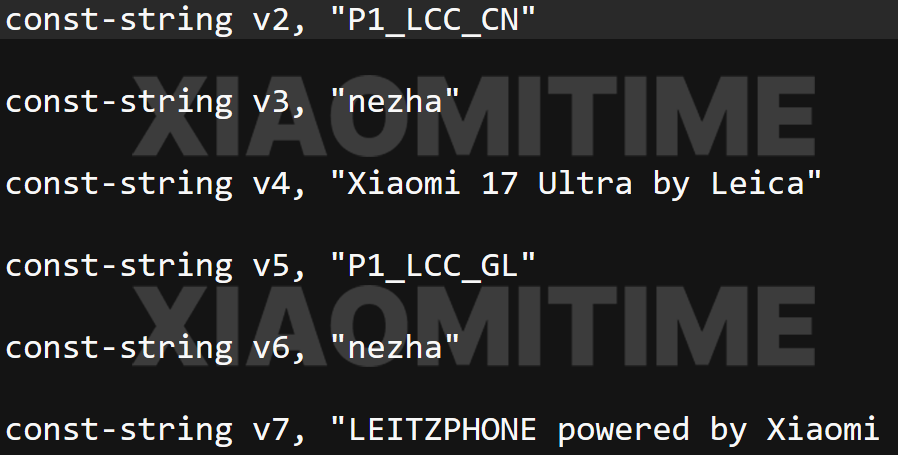
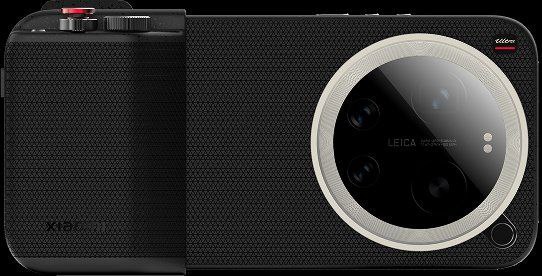
Xiaomi 17 Ultra has appeared in leaked camera watermarks, offering the clearest picture yet of Xiaomi’s next-generation imaging flagship. According to these materials, the device introduces a revised camera strategy, a new 1-inch main sensor, and an unexpected branding approach for global markets. The leak also confirms several long-rumored hardware changes, reinforcing Xiaomi’s focus on high-end mobile photography.
Previous leaks around the Xiaomi 17 series and Xiaomi’s Leica partnership already hinted at this direction, and the watermark details now connect those reports into a more coherent picture.
Leica Branding Strategy Revealed by Watermarks
Perhaps the most surprising detail from the watermark leak is related to branding. The images suggest that:
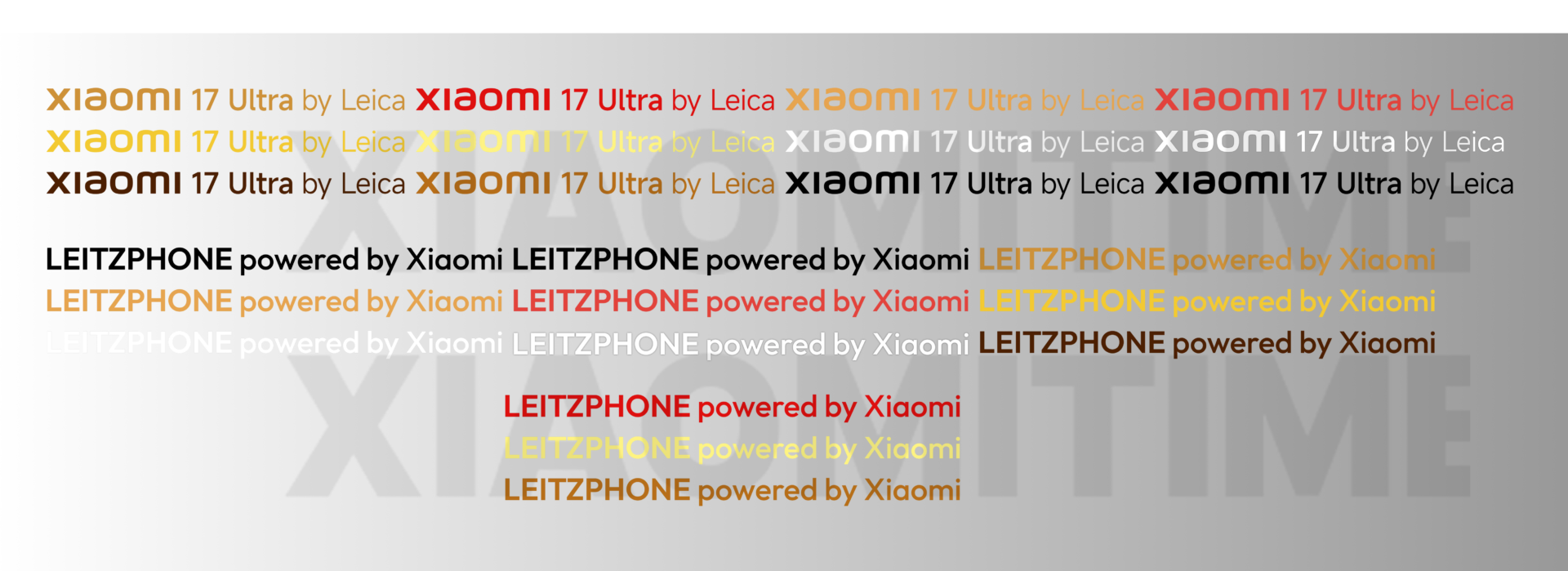
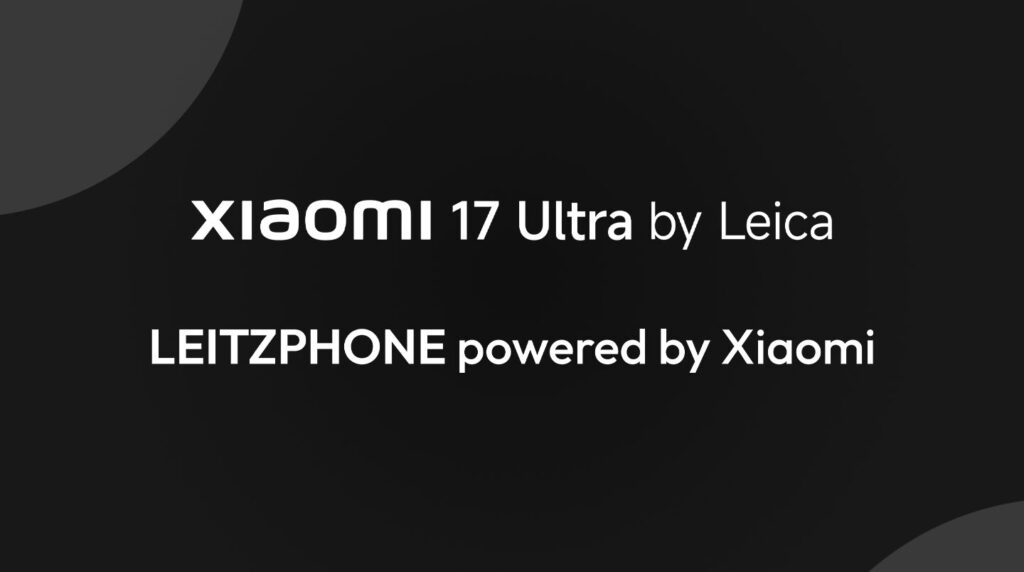
In China, the special Leica edition will be marketed as Xiaomi 17 Ultra by Leica
In global markets, special Leica edition may be released as Leitzphone powered by Xiaomi
This dual-branding approach indicates a deeper collaboration with Leica and a more region-specific marketing strategy. It also aligns with earlier leaks of a Xiaomi Photography Kit, which emphasized professional-grade mobile photography accessories.
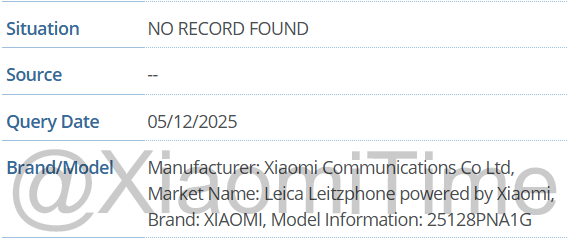
Confirmed model numbers further support this split:
Leitzphone powered by Xiaomi: 25128PNA1G, 25128PNA1C
This indicates that Xiaomi will introduce its special Leica model under different names depending on the region.
Camera System Refined for Imaging Efficiency
Earlier internal information suggested that the Xiaomi 17 Ultra would feature four rear cameras and one front camera. However, the leaked photography kits indicate that Xiaomi has simplified the rear system to a triple-camera layout, likely to optimize space, power consumption, and image processing efficiency without sacrificing performance.
The confirmed rear camera configuration is as follows:
50 MP main camera OVX10500U – (OV50X) – Light Hunter 1050U
50 MP ultra-wide camera S5KJN5
200 MP telephoto camera S5KHPE
This change replaces the previously rumored quad-camera setup and highlights Xiaomi’s increased reliance on a high-resolution telephoto sensor for advanced zoom capabilities. The telephoto camera is expected to play a central role in computational photography, especially for long-range and hybrid zoom scenarios.
On the front, Xiaomi has upgraded the selfie camera from 32 MP to 50 MP. This is a notable shift and signals that Xiaomi is placing greater emphasis on front-facing image quality, particularly for video calls, social media content, and high-resolution selfies.
New OVX10500U 1-Inch Sensor Makes Its Debut
One of the most important revelations from the HyperOS code leak is the mention of the OVX10500U – (OV50X) – Light Hunter 1050U sensor. This appears to be a new OmniVision sensor, used here for the main camera. While full specifications are not yet public, current information points to a 50 MP resolution with a 1-inch sensor size.
Xiaomi has consistently used large sensors in its Ultra lineup since the Xiaomi 12S Ultra, and the continuation of a 1-inch sensor confirms the company’s long-term imaging strategy. A sensor of this size typically delivers better light intake, improved dynamic range, and more natural depth separation, especially in low-light conditions.
Unlike the Xiaomi 17 Pro series, the Xiaomi 17 Ultra will not include a rear display. This suggests that Xiaomi is prioritizing internal space for camera hardware and thermal management rather than secondary display features. Xiaomi also tested the 50MP S5KJN5 telephoto camera in the 17 Ultra model, but the leaked photo kit confirms that this sensor has been abandoned.
Performance Platform and Core Hardware Direction
The leaked materials also reference the Snapdragon 8 Elite Gen 5 chipset, which is expected to power the Xiaomi 17 Ultra. This platform should provide significant gains in AI processing, image signal processing, and power efficiency, all of which directly support advanced camera features.
Combined with the new sensor and simplified camera layout, this chipset choice aligns with Xiaomi’s goal of delivering consistent imaging performance rather than experimental hardware additions.
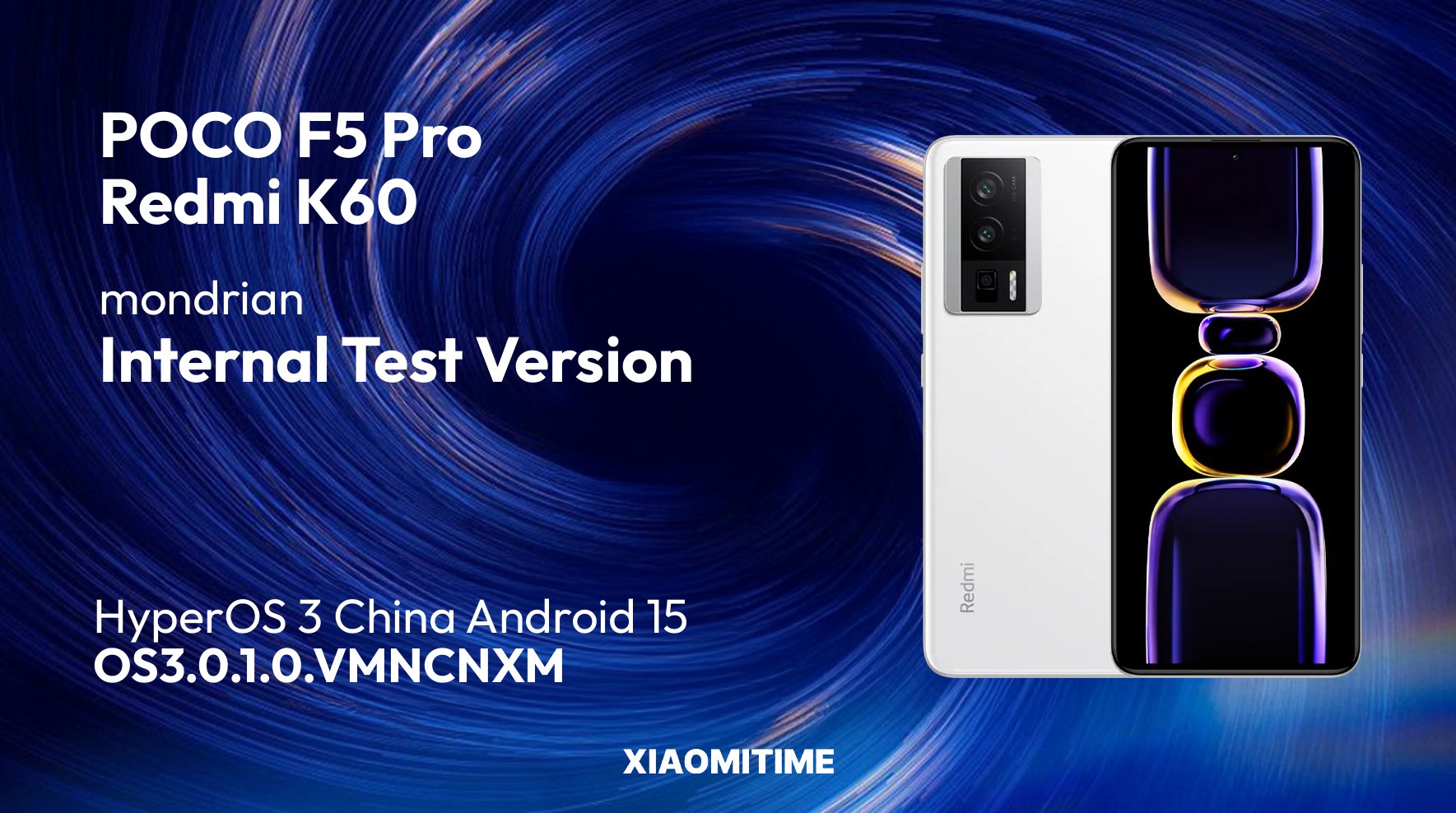
Xiaomi is working on the launch of its first Android 15-based HyperOS 3 update and this is a major step in Xiaomi’s software development process. The update is already completed for Redmi K60 and bears the name OS3.0.1.0.VMNCNXM. Also, the update has finally entered the stage of public distribution and this is happening following Xiaomi’s regular software update plan.
HyperOS 3 achieves release readiness
The reason why OS3.0.1.0 is noteworthy is that it represents a final build and not a restricted build for testing purposes only. In terms of Xiaomi’s MIUI update sequence, designs like OS3.0.1.0 are usually distributed without substantial architecture overhauls, signifying that this operating system build has been approved by their internal testing staff and is now free for public download. For Redmi K60, this means that Android 15 and HyperOS 3 integration is now finalized and available for any time download.
The Xiaomi HyperOS 3 offers the continuation of Xiaomi’s unified software strategy from its smartphones, tablets, and smart devices. The new operating system aims to bring improvements in consistency, efficiency, and interoperability between devices through the Xiaomi HyperConnect service. The new Android 15 is already backed by improvements in the Android platform in relation to its security, background processes, and system stability.
What’s New for Users in Hyper OS 3
TheHyper OS has undergone improvements inHyper OS 3, which is more of refinements than disruptive innovations. The manufacturer, Xiaomi, has incorporated new innovations that utilize artificial intelligence, which enables increased intelligence in the system, including efficient utilization of system resources and adequate consideration of context in system operations that do not consume more power.
In terms of design, HyperOS 3 brings a set of new system icons, which can be considered a translation of modern design guidelines. Xiaomi has also improved “Super Island” notifications, which now make it easier to monitor live information. Xiaomi takes industry design trends in a way that translates them into their own ecosystem, which meets their expectations.
Global outlook: Likely to follow suit: POCO F5 Pro
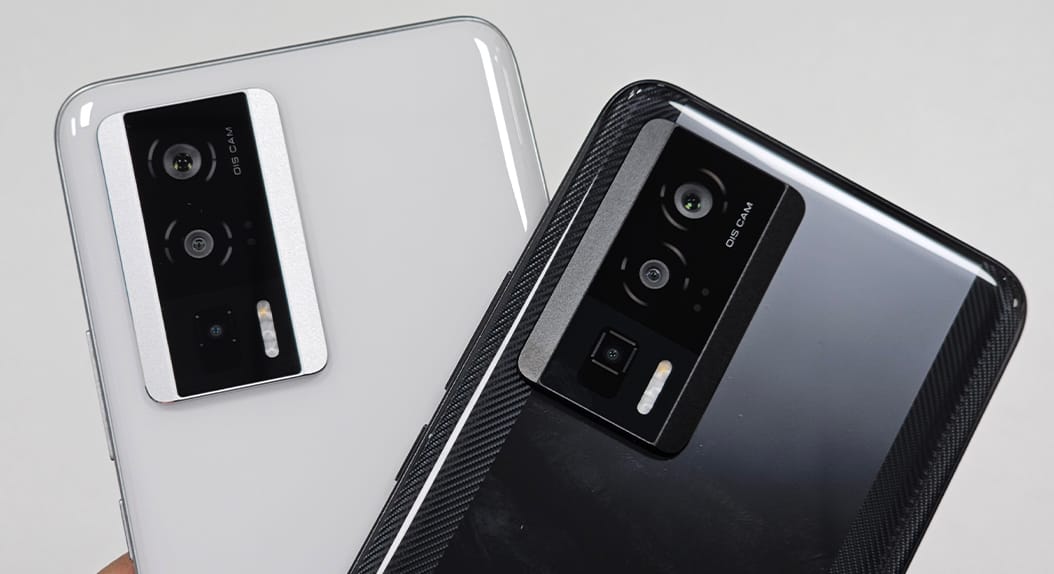
It is pertinent to mention that the Redmi K series is only sold in the Chinese market. Worldwide, the Redmi K60 is launched under the name POCO F5 Pro. If the company’s past trends are considered, then once the product is launched in the Chinese market, the global versions arrive after the necessary localization and certifications.
For those who own the POCO F5 Pro, this upgrade translates to an expectation of this Android 15 OS HyperOS 3 update sooner rather than later. While Xiaomi has yet to announce when this rollout can be expected for worldwide regions, this China build readiness surely indicates otherwise.
Keeping your Xiaomi apps up to date
Together with the large system updates, Xiaomi owners also have the ability to keep their system apps up-to-date on their own. Xiaomi apps can actually be updated through XiaomiTime.com projects like HyperOSUpdates.com or through the MemeOS Enhancer app on the Google Play Store. The MemeOS Enhancer app not only grants owners access to hidden Xiaomi functionalities, system app updates, and on-screen shortcuts, among others.
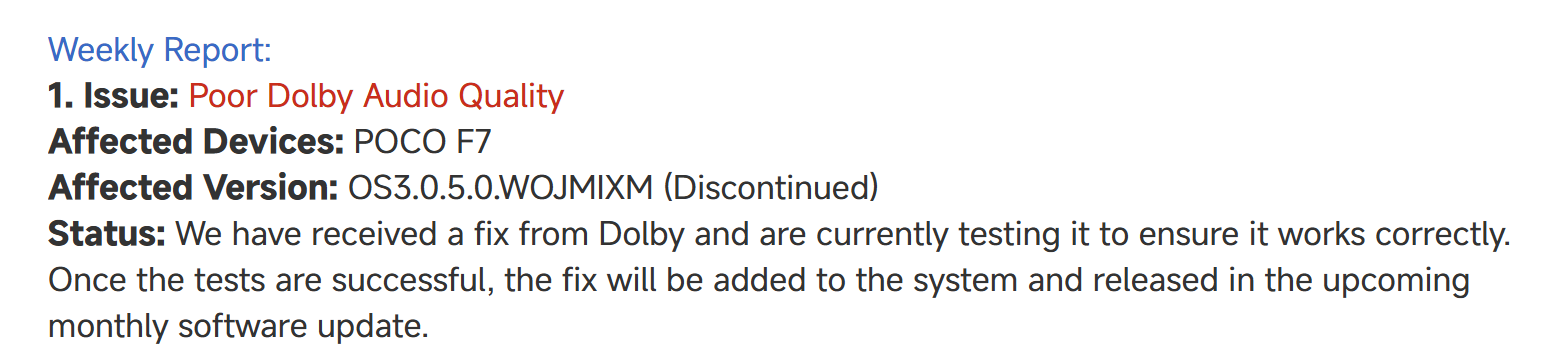
Xiaomi has to date accepted and responded to claims of low quality Dolby Audio in the POCO F7, confirming that a fix is in the works. According to Xiaomi, the matter relates to a stopped HyperOS build and not to any hardware restriction. Xiaomi’s software and audio teams are now finalizing the process to validate a stable fix.
Dolby Audio Problem Identified on POCO F7
“The problem is that the Dolby Audio performance on the POCO F7 is not optimal, especially after the update to the HyperOS version “OS3.0.5.0.WOJMIXM”. Xiaomi has made it clear that the version “OS3.0.5.0.WOJMIXM” has been discontinued. This implicates that the problem is based on the software. User response helped immensely in speeding up the internal testing.
This openness in acknowledgment ties in with Xiaomi’s known update procedure where the reported system level bug will be recorded, checked, and fixed in the monthly official updates.
FIX Supplied by Dolby, Testing Phase Continues
Xiaomi has confirmed that Dolby has handed over an official solution for this issue of inconsistent audio quality. This solution is being tested within their company for compatibility, stability of performance, and result consistency for listening to content, playing games, or hearing voice content.
After these validation steps are accomplished, the fix will then be incorporated into the HyperOS system framework. Xiaomi aims to release the fix through the monthly software package, ensuring a smooth and standardized process for the users afflicted.
The significance of this response is that it showcases the sustained collaboration efforts of Xiaomi in partnership with key technology companies such as Dolby for the delivery of consistency in user experience. The efforts of Xiaomi to offer solutions to this issue at the system level will enhance its support policy for their POCO Series of products that use HyperOS.
Xiaomi has surprisingly brought attention to the next significant development on the software front by publishing an official announcement on the global bug report channel for Xiaomi users. While answering the questiion about the crash of the system launcher on various gadgets announced on the forum by various users, the official team announced that the long-awaited “permanent solution will come with the upcoming OS4 Major Update.”
This small but informational announcement by Xiaomi has led to confusion regarding the software development plan at Xiaomi and the possibility of the next HyperOS version’s development and announcement even before the release of the currently announced HyperOS 3, which is still being rolled out by the company at the current moment.
Xiaomi HyperOS 4 Reference Breakdown
This, of course, came in light of reports of system launcher crash problems on some Xiaomi smartphones. Xiaomi has confirmed that they have identified the root cause of this issue, but they stressed that it requires some system-level changes. It is due to this reason they included it in a major upgrade.
The importance of this clarification cannot be overstated, as Xiaomi had specifically referred to the “OS4 Major Update,” a pattern that follows the HyperOS numbering. Xiaomi had not yet officially announced the HyperOS 4, but the email makes it clear that the process of testing and development is in place.
What This Means for HyperOS 3 and Stability Updates
Xiaomi is now concentrating on distributing HyperOS 3 on as many devices as possible, including their smartphones and tablets. However, the confirmation that not all bugs can be fixed by HyperOS 3 as it stands now indicates that some architecture changes might not be addressed on HyperOS 3.
In software engineering terms, this is consistent with the recent approach taken by Xiaomi to keep intrusive changes to the system update only for major updates. This assists with improving the stability associated with the device even as engineers redesign components using a new generation OS.
HyperOS 4 and Deferred Features
There are certain features that were expected to come along in the update of HyperOS 3.1. iOS card stack interface for viewing recently used apps is one of those that have been mentioned before in development versions of the update and will now come along in HyperOS 4 if HyperOS 3.1 is skipped altogether by the developer, Xiaomi.
This will manifest an overall consolidation of new user interface features and system enhancements into a single update rather than a series of releases.
Is Xiaomi Accelerating Its HyperOS Roadmap?
At this point, there are no official announcements that confirm HyperOS 4 will be released earlier than usual. But it’s definitely unusual for “OS4″ to be brought up in open communication while the launch of HyperOS 3 has yet to be completed.
As for consumers, it is clear that the manufacturer is working on long-term software optimization. More information on this will come to light when the range of devices that will run HyperOS 4 is disclosed.

 Login
Login