Reading view

Xiaomi confirms “Xiaomi 17 Ultra” name as next flagship

The model number 2512BPNDAG has now been officially listed in the GSMA database with a confirmed market name- Xiaomi 17 Ultra. This marks Xiaomi’s next big leap in its flagship roadmap as it prepares the Xiaomi 17 lineup after abandoning the Xiaomi 16 naming to more closely fit global naming schemes akin to Apple. This confirmation also solidifies expectations that this launch would happen in December 2025 or January 2026.

Xiaomi 17 Ultra Name Appears in GSMA Database

The GSMA listing is the first official confirmation of the naming scheme for the Xiaomi 17 Ultra. The registration at GSMA further affirms that the progress of the device is ongoing through global certification phases, thus indicating that the launch window could be close. Xiaomi’s decision to skip directly to the “17” series naming aligns with international naming norms and underlines Xiaomi’s strategy toward unified global marketing for its products.

G7RmeMmXoAA 6aL

Ultra variant usually carries the most advanced imaging and performance technologies that Xiaomi has to offer, under the model number 2512BPNDAG. From what’s currently reported, the Xiaomi 17 Ultra is expected to introduce major hardware upgrades, especially in photography and chipset advancements.

Expected Camera and Imaging Enhancements

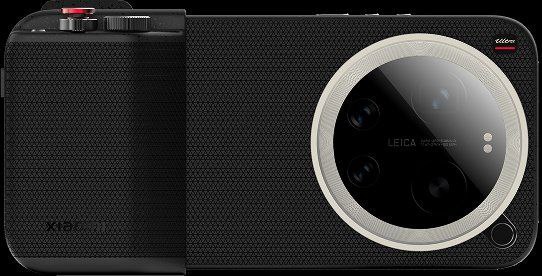
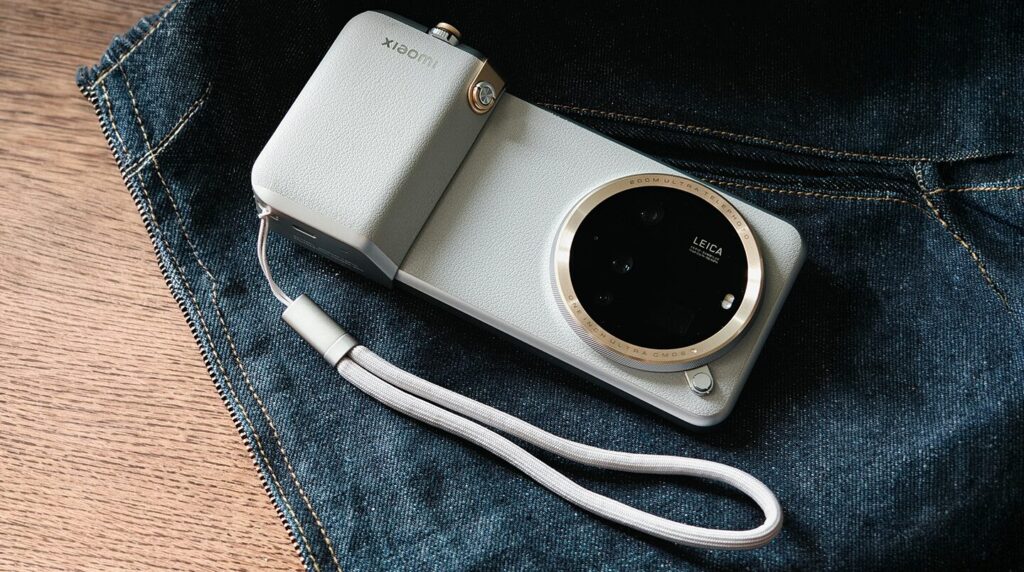
Xiaomi is expected to equip the Xiaomi 17 Ultra with a triple-camera system that holds a 50MP + 50MP + 200MP configuration, accompanied by a 50MP front camera. The highlight of the system should be a 1-inch main sensor, likely optimized for improved low-light clarity and dynamic range besides offering advanced computational photography under HyperOS.

An imaging system of this nature indicates that Xiaomi continues to collaborate with Leica, as well as its aspirations to cement the Ultra series as one of the most powerful camera phones in the global premium segment.

Xiaomi 17 Ultra photography kit 2 Xiaomi 17 Ultra photography kit 1

Snapdragon 8 Elite Gen 5 Performance Platform

The power behind the Xiaomi 17 Ultra will be the Snapdragon 8 Elite Gen 5, Qualcomm’s upcoming flagship platform. This chipset is expected to bring considerable improvements in CPU efficiency, GPU performance, and even AI computing throughput.

This platform will be used by the Xiaomi 17 Ultra to offer a balanced performance profile in gaming, image processing, and HyperOS system optimization. With an upgraded camera module and a build quality typical of flagships, this device is positioned to compete against the absolute top-tier premium smartphones of 2026.

Launch Timeline and Market Position

The Xiaomi 17 Ultra will likely launch in late 2025 in China or early 2026, and a global release could immediately follow. Considering the fact that Xiaomi is believed to be furthering its ambitions for global prestige, this model may serve as an indication of the company’s premium strategy in 2026.

The Ultra series from Xiaomi has remained a showcase of its most advanced R&D-from materials and display technologies to imaging breakthroughs-all reasons why the Xiaomi 17 Ultra would not buck the trend.
  •  

New Xiaomi MIX foldable appears in GSMA: Trifold may be near

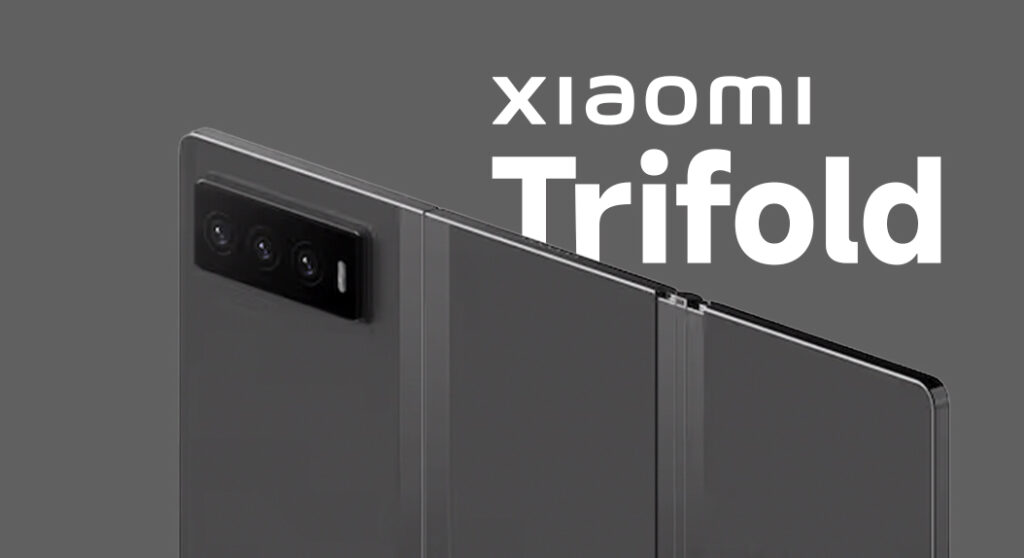
A new Xiaomi device with the model number 2608BPX34C has appeared in the GSMA database, signaling that Xiaomi is preparing another entry in its premium MIX foldable lineup. Early speculation in the industry suggests that this model could represent the long-awaited Xiaomi MIX Trifold. This model is a three-part foldable device that can open up to a large tablet-sized screen. Xiaomi first showed off its trifold concept in 2018, which demonstrated the company was one of the early leaders in multi-fold form factors. A new GSMA registration further sets expectations that the company is ready to commercialize the design.

Xiaomi Preparing Two Foldables for Early 2026

Xiaomi is expected to launch two new foldable models in the first quarter of 2026: the Xiaomi 17 Fold and the Xiaomi MIX Flip 3.  Currently, the company is reported to be continuing its strategy of launching a foldable model and a book-style alternative. These are very likely to offer better structural durability and battery efficiency with further refinement of optical performance, hinge engineering, and HyperOS optimization. With increasing attention to lightweight designs and energy-efficient processors, like the Snapdragon 8 Elite, the early-2026 lineup will need to target productivity users and flagship enthusiasts alike.

A Third Foldable Planned for Q3 2026

Outside of the two models planned for early 2026, Xiaomi is also readying a third foldable device set for the third quarter of 2026. That later model aligns directly with the GSMA-listed 2608BPX34C, making it the strongest candidate for the MIX Trifold. A triple-folding structure would let it expand into an even larger display than existing MIX Fold models while maintaining compact hand-held usability. This is a significant moment for Xiaomi, as multi-fold commercial devices remain rare in the industry.

2608BPX34C

Trifold Competition Heats Up

This GSMA filing emerged on the same day the Galaxy Z Trifold was unveiled. This strengthens the possibility of Xiaomi introducing a MIX Trifold. Given Xiaomi’s experience and strong material engineering, the launch of the MIX Trifold could position the company as one of the first manufacturers to commercialize a stable and user-ready trifold device.

While still waiting for more certifications and possible leaks, the GSMA listing of model 2608BPX34C represents the biggest hint yet as to Xiaomi’s next big move in the foldable market.

  •  

Xiaomi confirms HyperOS 3 coming in December for Band 9 and older

Xiaomi has officially detailed its December update roadmap for its wearable ecosystem, confirming that devices such as the Xiaomi Band 9, Band 9 Pro, REDMI Watch 5 series, and Xiaomi Watch S4 series will receive HyperOS 3 with a redesigned interface. According to Zhang Lei, Vice President of Xiaomi Group’s Mobile Phone Department and head of Wearable Technology, the new versions focus on improved visual design, enhanced exercise tracking, broader ecosystem connectivity, and smoother overall system performance. These updates follow a productive November, during which Xiaomi rolled out enhancements to the Xiaomi Band 10 series, Xiaomi AI Glasses, and other wearable devices. For more information on Xiaomi software updates, users can visit our HyperOS or Xiaomi Watch categories on XiaomiTime.com.

November Progress Overview

In November, Xiaomi delivered updates across several wearable categories, prioritizing interface refinement, sensor accuracy, and cross-device integration. The Xiaomi Band 10 series received algorithm improvements in cadence and pace calculation, enhancements to swimming mode, and a complete adoption of the new HyperOS 3 visual identity. Users can now hide unused pre-installed applications, maintaining a clean and efficient interface.

Xiaomi AI Glasses introduced English conversation practice, Xiao Ai OneShot support for quicker voice commands, remote car control for Xiaomi vehicles, and expanded live-broadcast compatibility through Douyin and RTMP platforms. Additionally, memory handling was optimized to allow more contextual information to be captured with a single photo. The Xiaomi Bone Conduction Headphones 2, REDMI Watch 6, Xiaomi Watch S4 Sport, and Xiaomi Open-back Headphones Pro also received optimizations, ensuring a more stable dual-connection experience and smoother device interactions.

December Update Plan: HyperOS 3 Rollout for Wearables

December will be a significant month for Xiaomi’s wearable family, as multiple devices transition to the updated HyperOS 3 interface. The company aims to refine user experience by improving exercise precision, expanding car-watch integration, and optimizing system responsiveness.

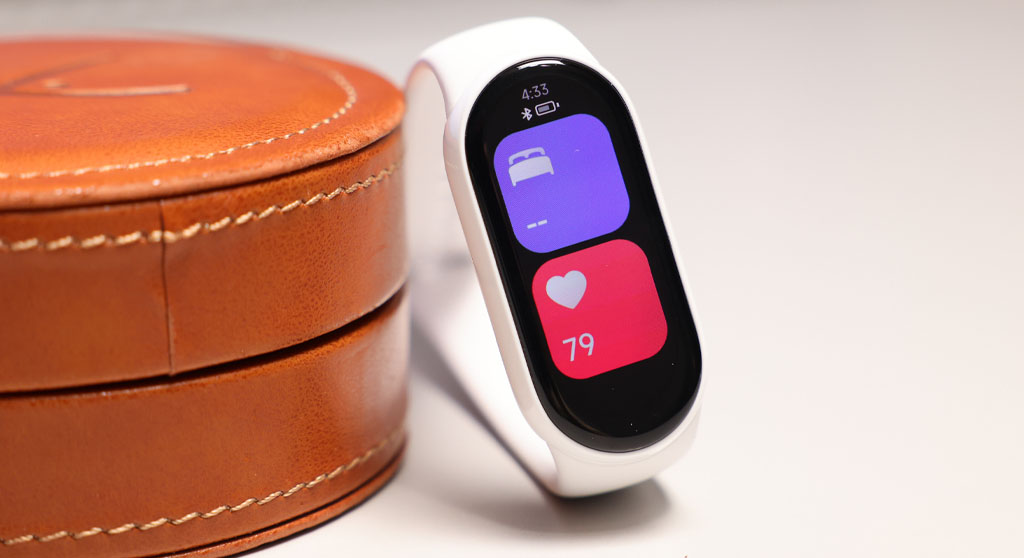
Xiaomi Band 9

The Xiaomi Band 9 will receive a refreshed HyperOS 3 interface that enhances system fluidity, notification visibility, and overall usability. The update improves GNSS guidance, cadence and pace algorithms, and abnormal-exercise detection. Users can hide pre-installed apps and benefit from the new YU7 NFC car key feature, which adds seamless interaction with Xiaomi’s electric vehicles.

Mi Band 9

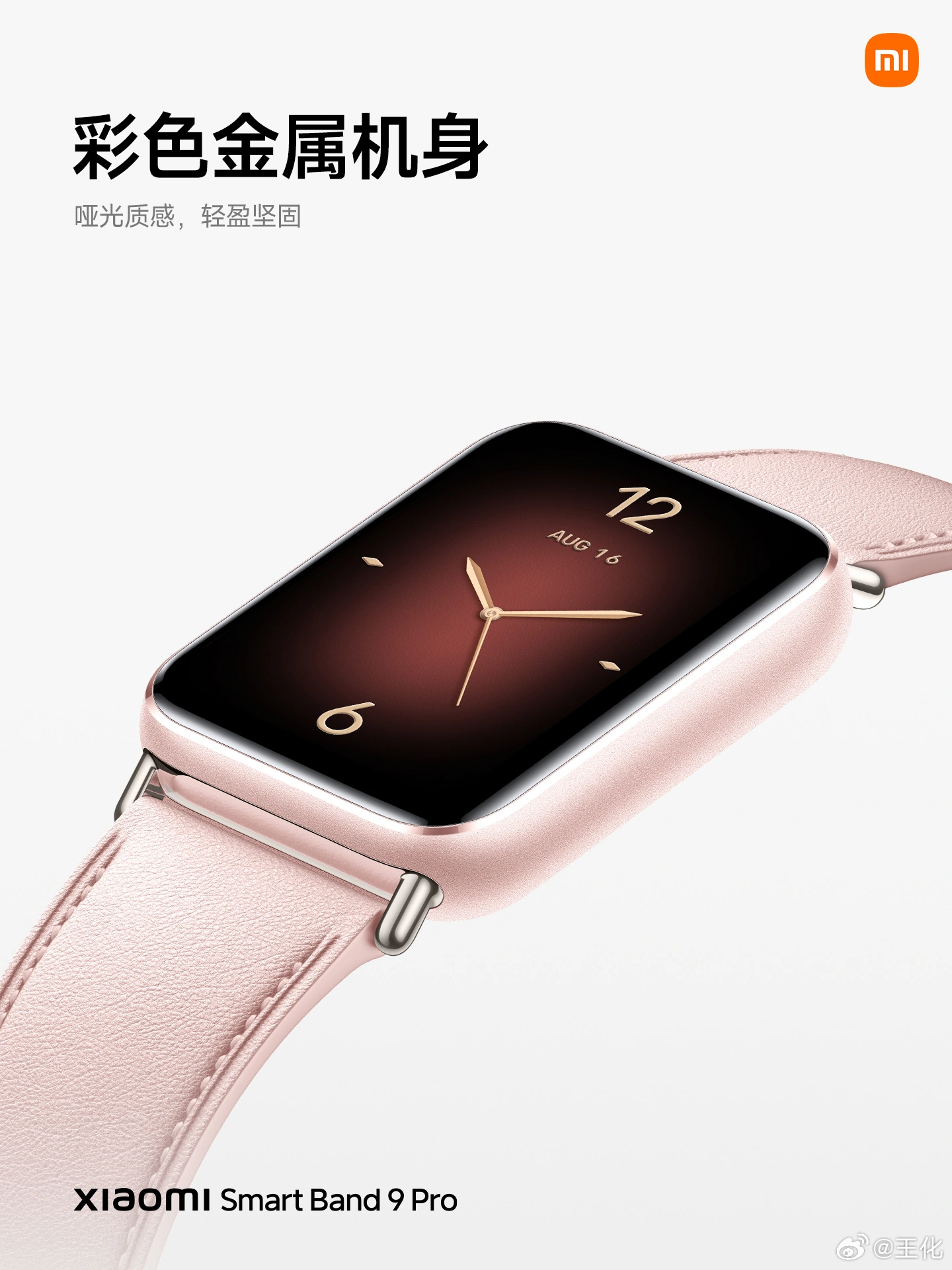
Xiaomi Band 9 Pro

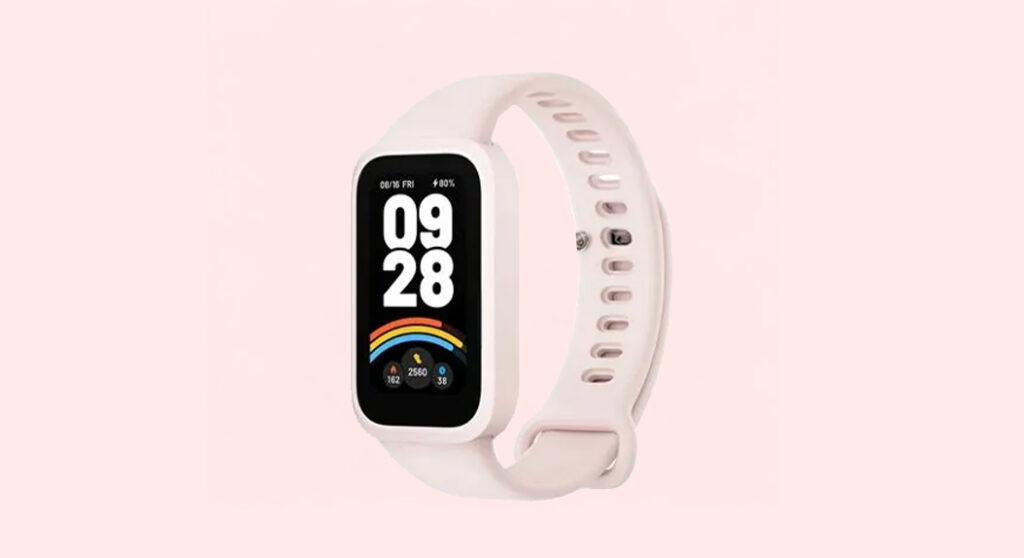
The Xiaomi Band 9 Pro update includes the same HyperOS 3 visual overhaul, along with focus notifications that activate when the user raises their wrist. A manual satellite ephemeris function enhances GPS speed and precision. Sports data accuracy and GNSS stability have also been improved, offering more reliable performance during intensive workouts.

Xiaomi Band 9 Pro 1 1

Enhancements for Watch Series Models

REDMI Watch 5 Series (Standard and eSIM)

The REDMI Watch 5 series will adopt the new HyperOS 3 design, providing clearer navigation and improved anti-accidental touch controls. The manual ephemeris update function will enhance GPS startup times, while the step-frequency algorithm has been refined for more scientific exercise insights. The update also improves Vlog projection recording and introduces support for Xiaomi vehicle linkage and YU7 NFC car keys.

Xiaomi Watch S4 and Watch S4 Sport

New versions of the Xiaomi Watch S4 lineup—including the standard, eSIM, 41mm, and Anniversary editions—will be released in December. These updates will introduce the highly requested tap-to-pay feature, improving convenience for users during daily activities. Recruitment for early testers of the 41mm model has already begun within the Xiaomi community.

Xiaomi’s December update plan reflects the company’s strong focus on refining user experience, strengthening ecosystem connectivity, and introducing modernized HyperOS 3 interfaces across its wearable portfolio. With improved fitness algorithms, NFC vehicle integration, and advanced navigation features, the Band 9 series, REDMI Watch 5 lineup, and Watch S4 models are set to deliver a more responsive and seamless everyday experience for users.

Source: IT Home

  •  

Black Shark returns with a powerful new six-core Snapdragon 8 Gen 3 gaming tablet reveal

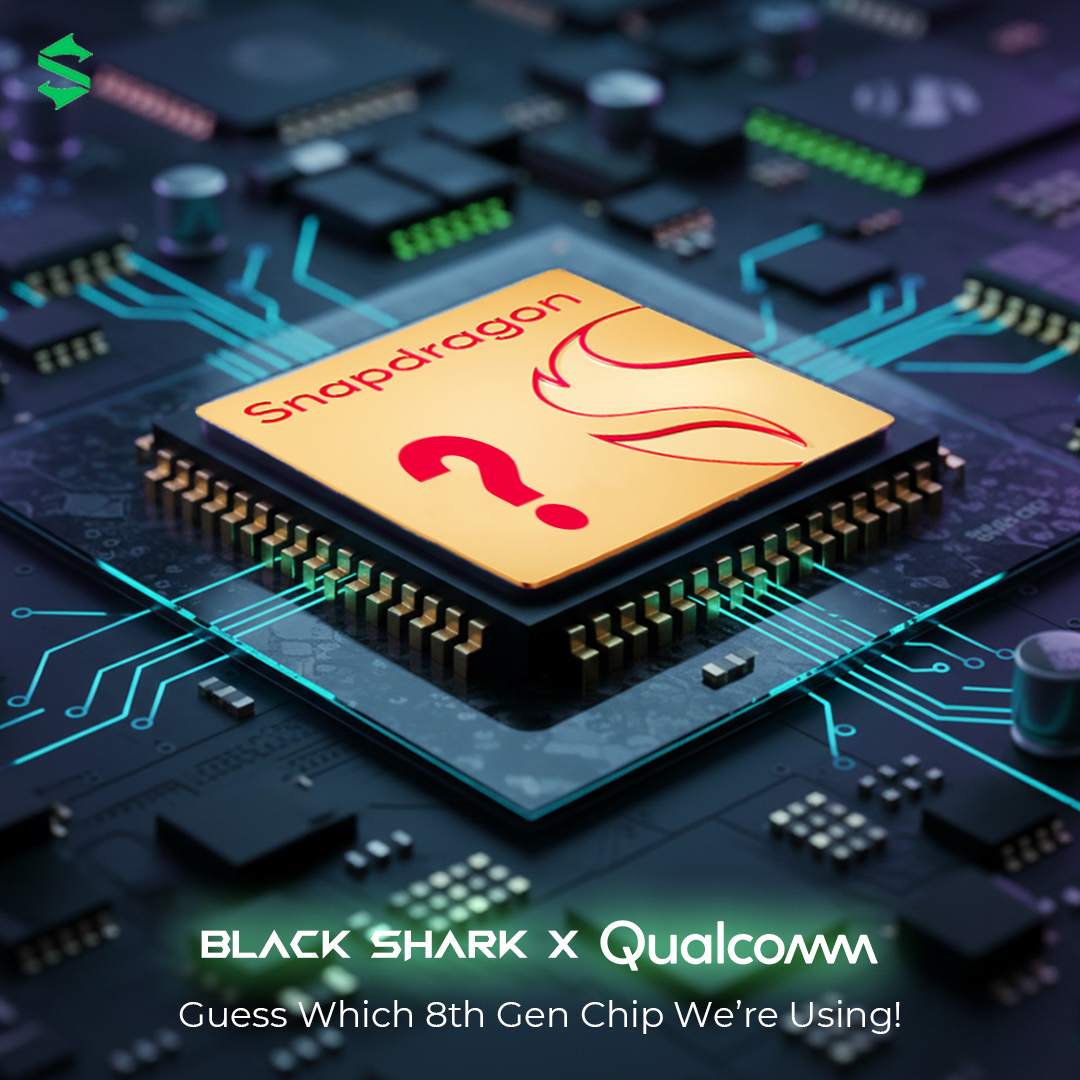
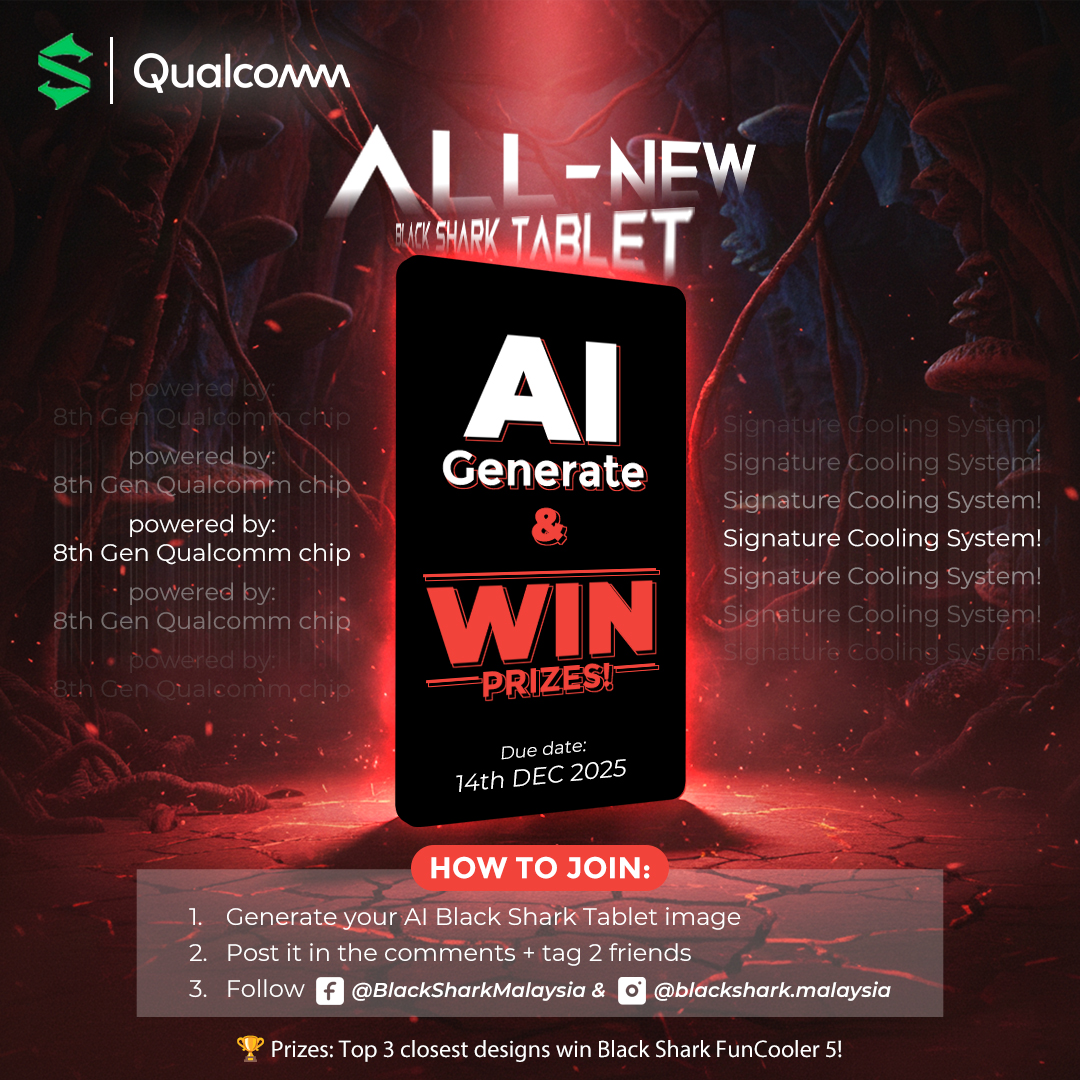
The Black Shark brand has officially confirmed its return to the tablet market in Malaysia, announcing the launch of an all-new Black Shark Tablet designed in cooperation with Qualcomm. This upcoming device features an 8th-generation Qualcomm chipset and a signature Black Shark cooling system, which suggests a strong focus on high-performance gaming and sustained stability. Local fans in Malaysia were invited to participate in an AI-based design competition, mirroring the brand’s community-driven approach and building early hype. To Xiaomi ecosystem users, this product is an important development as Black Shark continues to complement the broader gaming-focused strategy present throughout Xiaomi’s lineup, including devices such as the Xiaomi Pad 8 and Xiaomi 15 Ultra.

Black Shark’s New Tablet Signals a Strong Comeback

The announcement signifies Black Shark’s strategic return to the tablet category, targeting its products at gamers who want powerful hardware and efficient thermal management. Although the full specification details are yet to be revealed, confirmation that an 8th-generation Qualcomm processor is being used suggests a high-performance SoC positioned for challenging gaming workloads and resource-intensive multitasking.

590908434 1157808199841801 9021005835799522673 n 591740653 1160586626230625 4851069150920274166 n

Given the legacy of Black Shark within the Xiaomi ecosystem, this new tablet will surely continue with the company tradition of optimized gaming modes, advanced vibration engines, and support for accessories. The signature cooling system further suggests that the company wants to keep frame rates stable even during long gaming sessions.

Community Engagement Through AI Creativity

To commemorate the announcement, Black Shark Malaysia has rolled out a community contest by calling on all users to produce AI-generated concept images of the new Black Shark Tablet. Entries are invited to share their impressions of the new gaming tablet, tag friends, and follow the brand’s social channels. The three who come closest or are spot-on with accurate designs will receive the Black Shark Funcooler 5, a cooling accessory worth about USD $40-$50, depending on the region.

This approach strengthens community participation and gives enthusiasts an opportunity to influence—and guess—the aesthetic direction of the product before its official debut. The contest will remain open until 14 December 2025, giving creators sufficient time to participate.

A New Competitor in the Performance Tablet Space

With growing interest in high-performance tablets, the Black Shark Tablet may emerge as a more interesting alternative to mainstream offerings. A high-refresh-rate display, coupled with a big battery and gaming-optimized software, could make such a product quite attractive to mobile gamers who want to have a large-screen platform dedicated just for gaming. Black Shark’s cooperation with Qualcomm should also improve connectivity, efficiency, and AI-driven performance.

Although the device has only been confirmed for Malaysia at this stage, it may later expand to other Asian markets depending on demand and production strategy. Part of the larger Xiaomi ecosystem, this product may make for seamless integration with HyperOS-based devices and gaming accessories.

Source

  •  

Xiaomi 13 set to receive global HyperOS 3 update sooner than expected

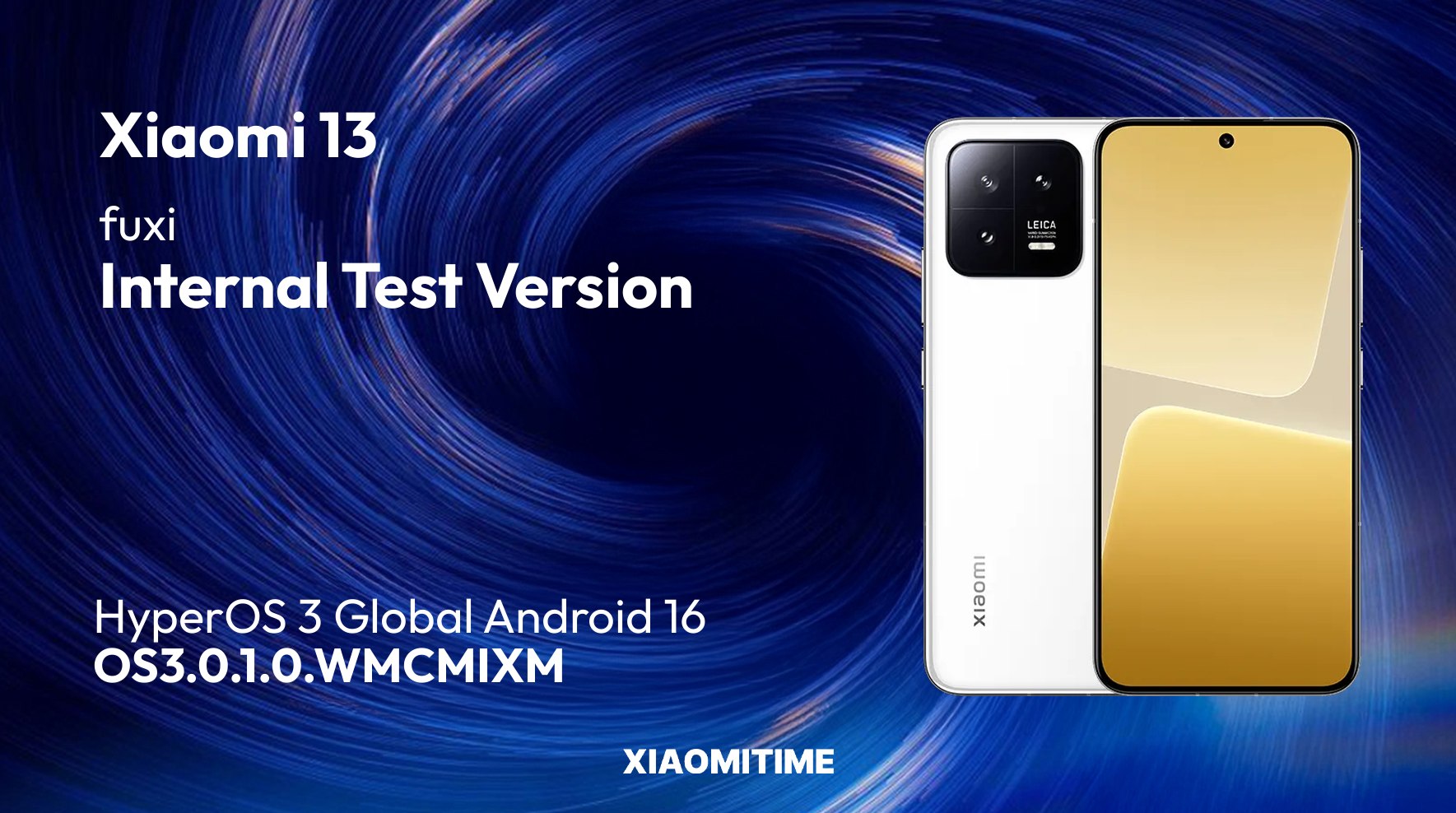
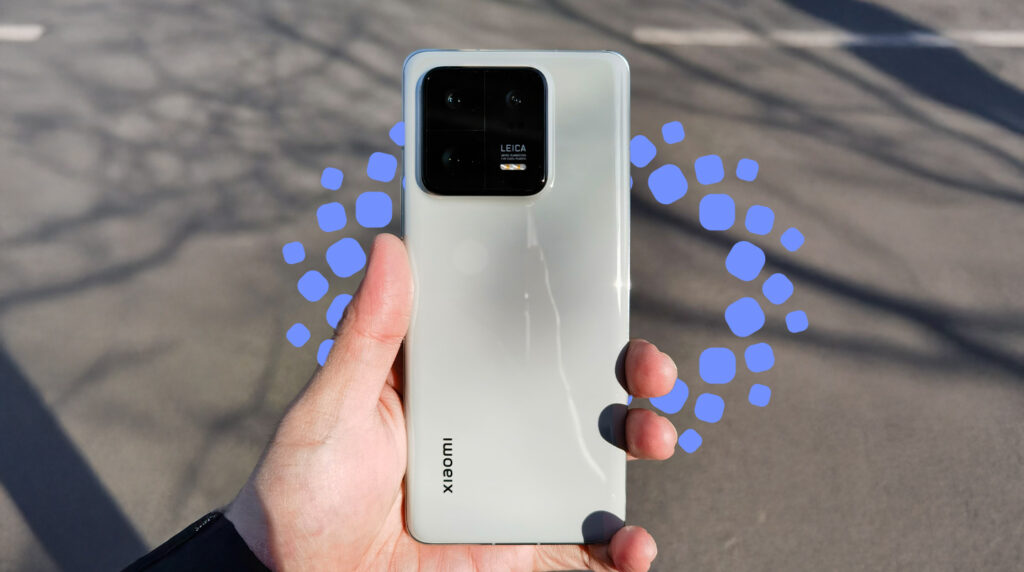
Xiaomi has finally prepared the HyperOS 3 Global update for the Xiaomi 13, which is an important step for one of the brand’s most popular flagship models. The new build, listed as OS3.0.1.0.WMCMIXM, is based on Android 16 and shows that the rollout is almost ready to get published. This update brings a refined design language, more enhanced AI functions, and a refreshed interface, similar to the iOS-style user experience found on newer devices launched by Xiaomi. Users can also refer to some of our guides on HyperOS updatesXiaomi 13 series, and Android 16 features for more information.

photo 2025 12 03 16 16 51

What HyperOS 3 Brings to Xiaomi 13

HyperOS 3 features a more balanced system structure, focusing on performance consistency and improving the user experience. It includes AI-driven enhancements in system apps, new iconography for a better visual identity, and smoother animations-all of which are aligned with Xiaomi’s long-term software development strategy. Optimizations in resource allocation also help the Xiaomi 13 maintain its performance in high-processing power scenarios.

Super Island and New Visual Elements

The most recognizable upgrades include the Super Island, which serves as an interactive display element at the top of the screen. This feature combines notifications, background activities, and live data into a floating section that dynamically changes according to user needs. Coupled with this is the redesigned icon pack and interface refinements that improve usability without hindering performance, supporting a more modern user experience.

AI Improvements & System Stability

The update focuses a lot on AI-based features aimed at making daily tasks easier. Enhancements in photo classification, contextual suggestions, and system-level predictions make operations intuitive. HyperOS 3 further enhances system stability for increased multitasking efficiency and better memory usage, thus meeting the expectations of users who use the Xiaomi 13 as a productivity device and for long-term performance.

Rollout Timeline and Availability

Firmware version OS3.0.1.0.WMCMIXM suggests that this is a stable global release package, indicating that the deployment is very close to happening once the final verification is done. Similar to previous Xiaomi updates, distribution will go out in phases to ensure maximum performance on all regions. Any user who wants faster updates can track this rollout from trusted platforms such as HyperOSUpdates.com, or they may use the MemeOS Enhancer app on the Google Play Store to check and install official system app updates.

  •  

Can Xiaomi benefit from Samsung’s new chip strategy?

Samsung Electronics has made a key strategic adjustment in the semiconductor business, a new report from South Korean outlet IT Chosun said. The company has reorganized the DS division and formed a new Self-Developed SoC Development Team within the System LSI Business Unit. This development reflects the ambition of Samsung to make its in-house chip development ecosystem more solid as global demand for custom processors continues unabated.

Leadership Restructuring Signals Greater R&D Autonomy

According to industry sources, the new team is part of the SoC business unit and is led by Vice President Park Bong-il, a veteran in custom semiconductor development. Park will be tasked, after the promotion, with strengthening the company’s overall architecture capabilities and speeding up next-generation SoC projects. His appointment underlines how Samsung wants to transition from its custom “design-on-demand” services toward full-stack chip development.

A Shift From Outsourcing to Independent Core Architecture

The restructuring is a key strategic evolution for Samsung’s System LSI division: instead of designing chips precisely to the letter from its customers, Samsung is now positioning itself as a developer of complete SoC platforms based on its own IP and core architectures. Stronger capabilities in areas like SoC structure, AI processing, sensing technologies, NPU design, and internal IP creation will allow Samsung to serve major customers more deeply.

Global Tech Trends Push Samsung Toward Self-Developed Chips

Currently, the trend within the industry is geared towards in-house chip design. Companies such as Apple, Tesla, and Meta have strong investments in custom processors, which they are using for AI workloads, imaging systems, autonomous platforms, and mobile computing. In this respect, Samsung aims at competitiveness by widening the share of its self-developed SoC business and relying on an R&D leadership system more cohesive and powerful.

Samsung Builds on Earlier Structural Improvements

Backing Samsung’s foray into internal SoC development are years of organizational restructuring. In 2020, the company integrated design support teams across its foundry and System LSI divisions, creating a single custom SoC unit. Late in 2023, Samsung reorganized its system semiconductor division into three major components: SoC development, image sensors, and LSI products-while simultaneously establishing a market intelligence team that tracks global trends and shapes long-term strategies.

Personnel Changes Reinforce Cutting-Edge SoC Development

This reshuffling reinforces Samsung’s semiconductor leadership even further. Park Yong-in remains at the helm, where he has taken charge of reviving Samsung’s AP business, while promotion in these positions underlines the importance of cutting-edge SoC innovation. According to analysts, such an adjustment could be related to the company’s pursuit of new high-value clients and will enable it to further deepen collaboration between the System LSI division and foundry operations at Samsung.

A Strategic Move to Attract Major Global Clients

Experts in the field believe that the establishment of the new SoC team is closely related to securing partnerships with leading technology firms. As Professor Lee Jong-hwan explained, the new structure helps Samsung to better grasp the needs of key customers and respond to them more precisely, which could open a window to deeper integration between design and manufacturing.

Samsung Gears Up for AI-Driven Semiconductor Future

Taken all together, the latest organizational updates from Samsung paint a coherent picture of strategic priorities: all-in on next-generation SoC innovation and preparing for a future dominated by both AI-driven and highly specialized chips. With increasing competition in an environment of shifting global demand toward customized semiconductor solutions, Samsung is positioning itself to transform from a traditional manufacturer into a company that provides complete, fully self-developed system-level chip platforms.

  •  

Xiaomi December 2025 update fixes 107 security flaws affecting millions

The December 2025 Android security update patches 107 confirmed vulnerabilities, including two high-risk zero-day issues that have already been exploited in targeted attacks. These fixes remain relevant to users on Android 13 through to Android 16, with a specific interest for Xiaomi device owners who see timely security updates month to month through HyperOS. Additional system-related improvements can be viewed on our HyperOS Updates, with ongoing ecosystem coverage of Xiaomi’s platform available from XiaomiTime.

Overview of the December 2025 Security Bulletin

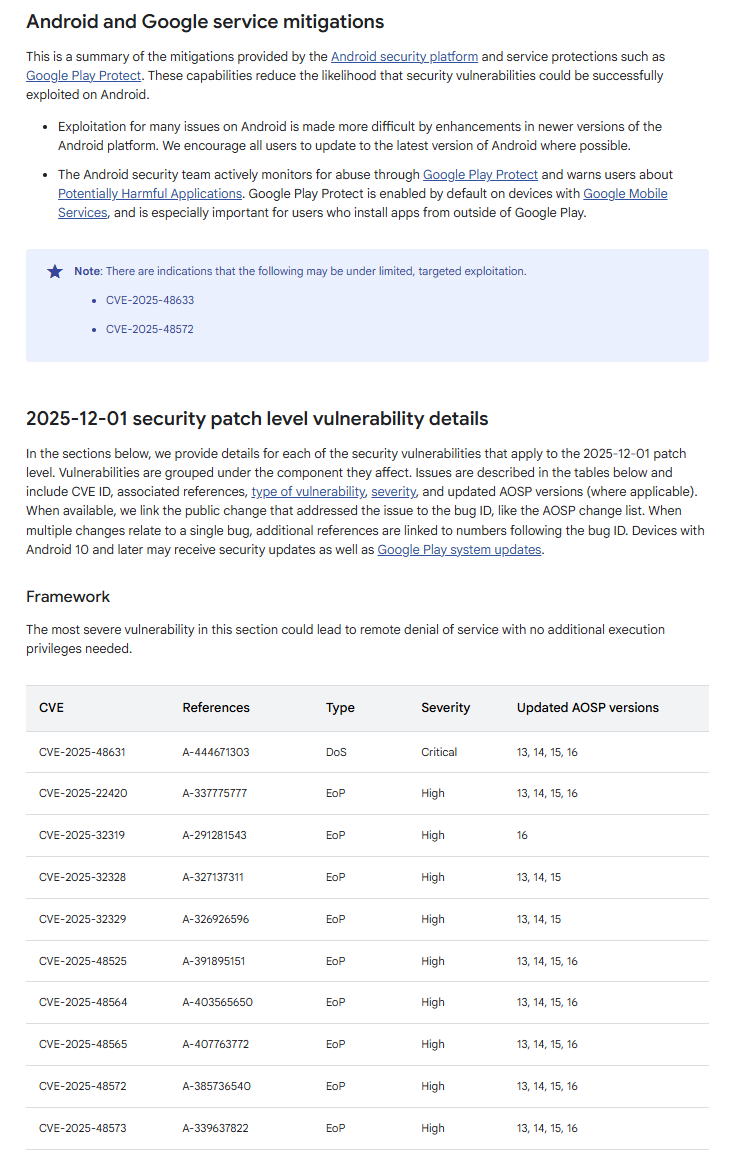
Google’s security bulletin, posted on December 2, details a cumulative patch set for security vulnerabilities affecting the Android framework, system libraries, kernel, and closed-source components. The update patches two high-risk zero-day vulnerabilities, CVE-2025-48633 (information disclosure) and CVE-2025-48572 (privilege escalation), both confirmed to have evidence of real-world exploitation. These cases help point to the regular need for monthly updates across all OEM platforms, including the Xiaomi HyperOS distribution.

Ekran goruntusu 2025 12 03 130452

Patch Levels and Their Coverage

The bulletin divides patches into two firmware levels. The 2025-12-01 patch level addresses vulnerabilities in the Android framework and system, totaling 51 fixes. The 2025-12-05 patch level extends the above protection with 56 additional patches that affect the Linux kernel and closed-source vendor-specific modules. These collectively ensure a common base of security for the various manufacturers when they integrate HyperOS along with their respective value additions.

Zero-Day Vulnerabilities Already Exploited

Google has confirmed that the two vulnerabilities highlighted seem to have been exploited in “limited, targeted exploitation.” While technical details are not available, there are precedents to suggest that similar exploits have been deployed in corporate spyware to infect high-value targets. Devices running Android 13 to 16 are in the range of the affected ones, and immediate firmware updates are a sure way to keep them safe. Xiaomi devices running HyperOS will receive these patches through standard OTA delivery schedules that ensure ongoing protection across compatible models.

Qualcomm, MediaTek, and Samsung Component Fixes

Beyond Google’s patches, the December bulletin also includes updates from chipset partners. Qualcomm addressed two critical vulnerabilities—CVE-2025-47319 and CVE-2025-47372—affecting its proprietary modules. Complementary security notes were released by MediaTek, Samsung, and other vendors for their respective silicon. Xiaomi devices running on Snapdragon or MediaTek platforms will get the enhancements through the HyperOS-based security patches, ensuring component-level hardening in line with industry expectations.

What This Means for Xiaomi Users

As with any Xiaomi user, the December 2025 bulletin highlights how Xiaomi supports Google’s security framework while adding OEM-specific safeguards. HyperOS updates often integrate all Google-originating security fixes, combined with Xiaomi’s platform optimizations and enhanced privacy tools. Users are encouraged to keep up with the latest systems via OTA updates or, when applicable, through our ecosystem tools like HyperOSUpdates.com. Manual updaters can also use our MemeOS Enhancer application from the Play Store, which unlocks wider update accessibility along with a number of hidden system-level controls.

Source

  •  
❌