Reading view

Can Xiaomi’s global laptop expansion challenge Huawei’s dominance?

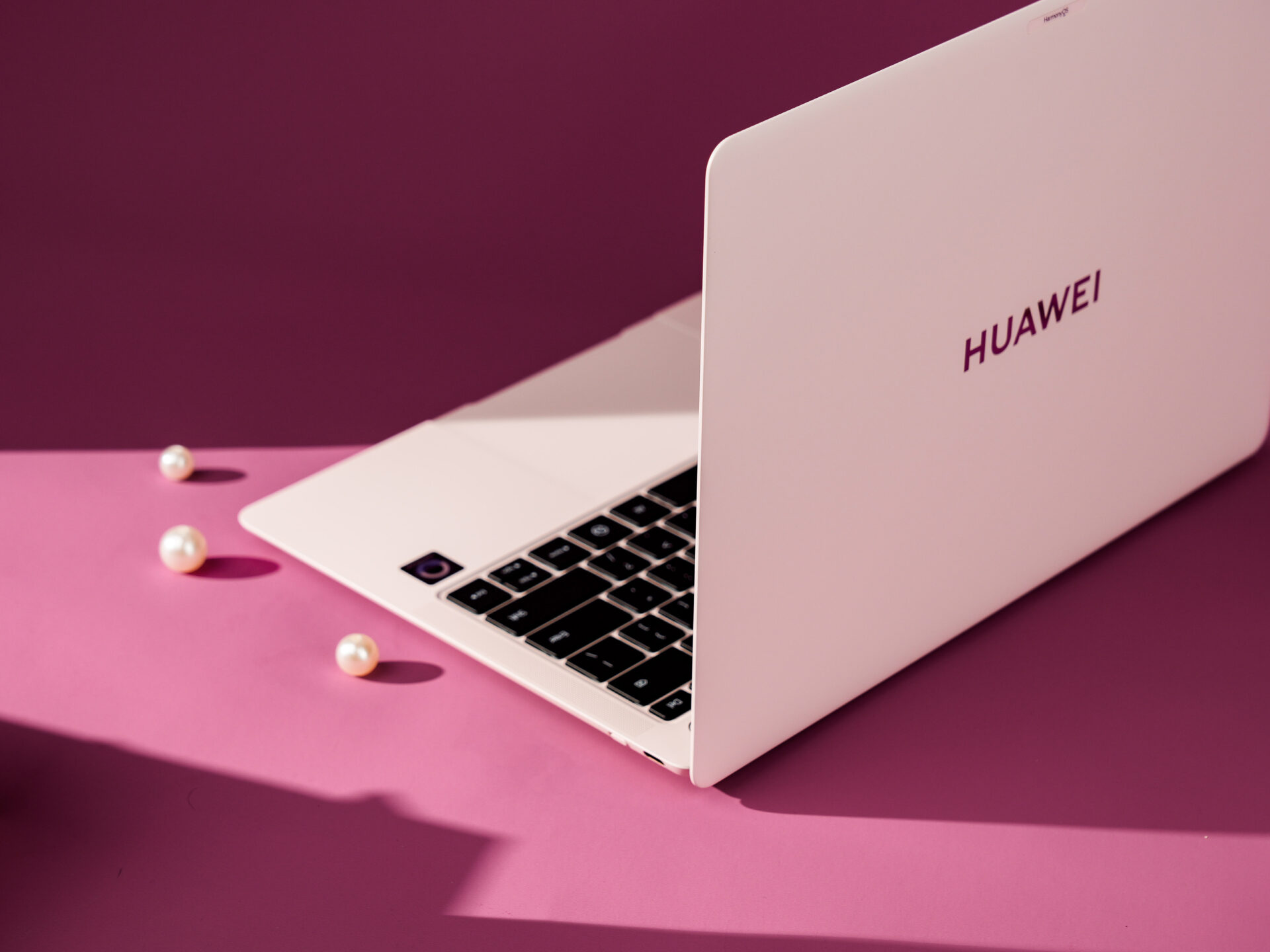
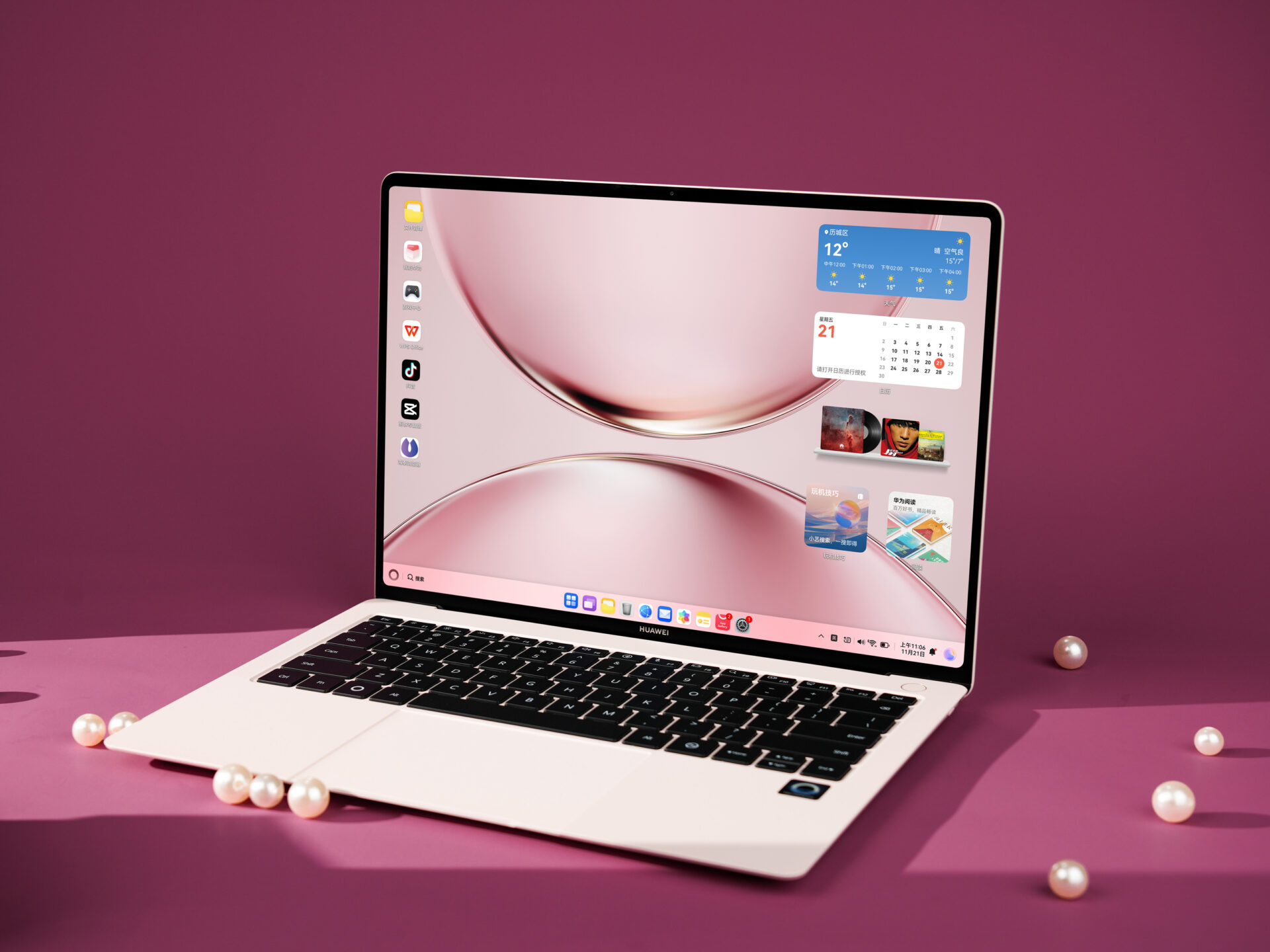
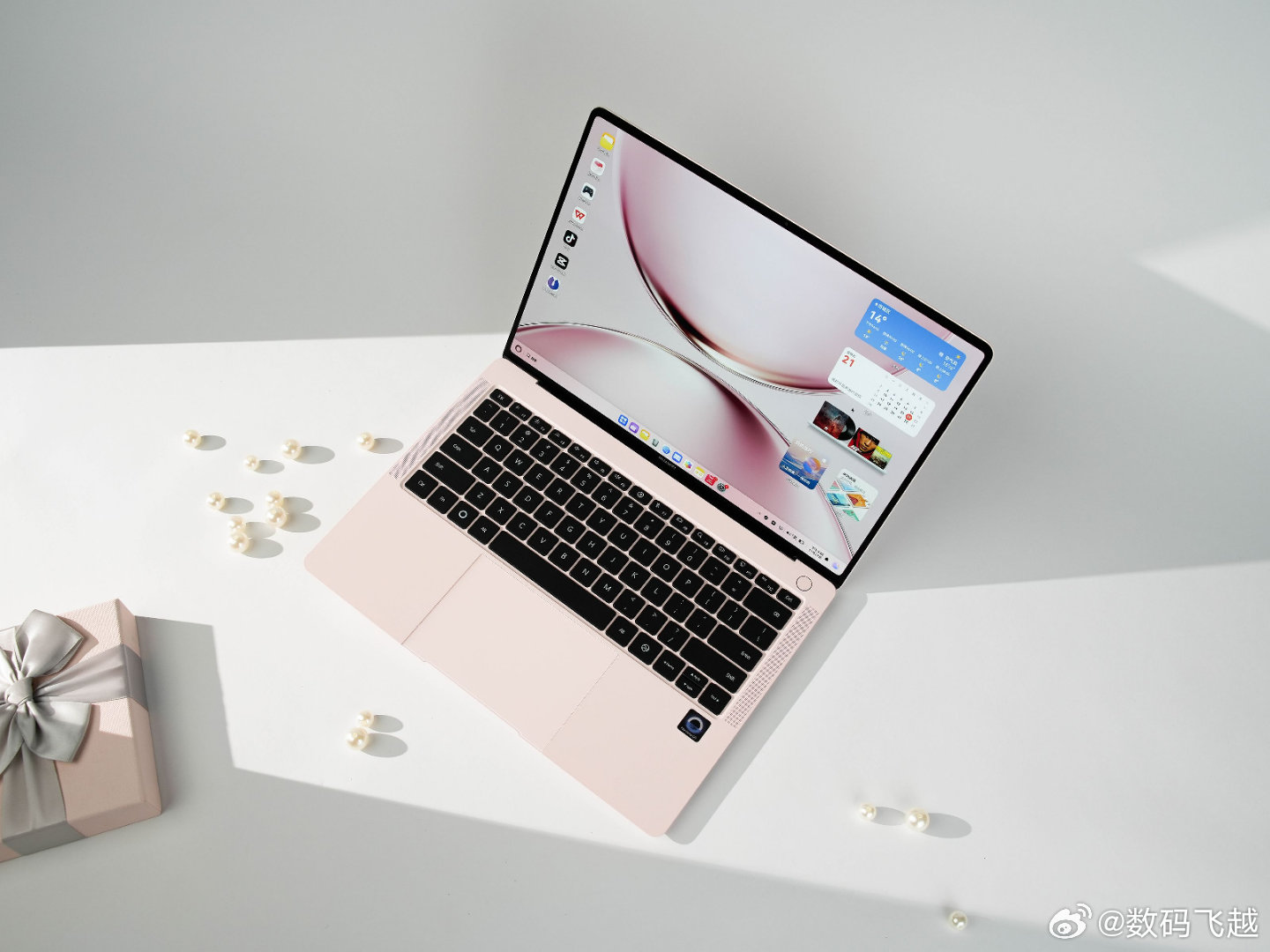
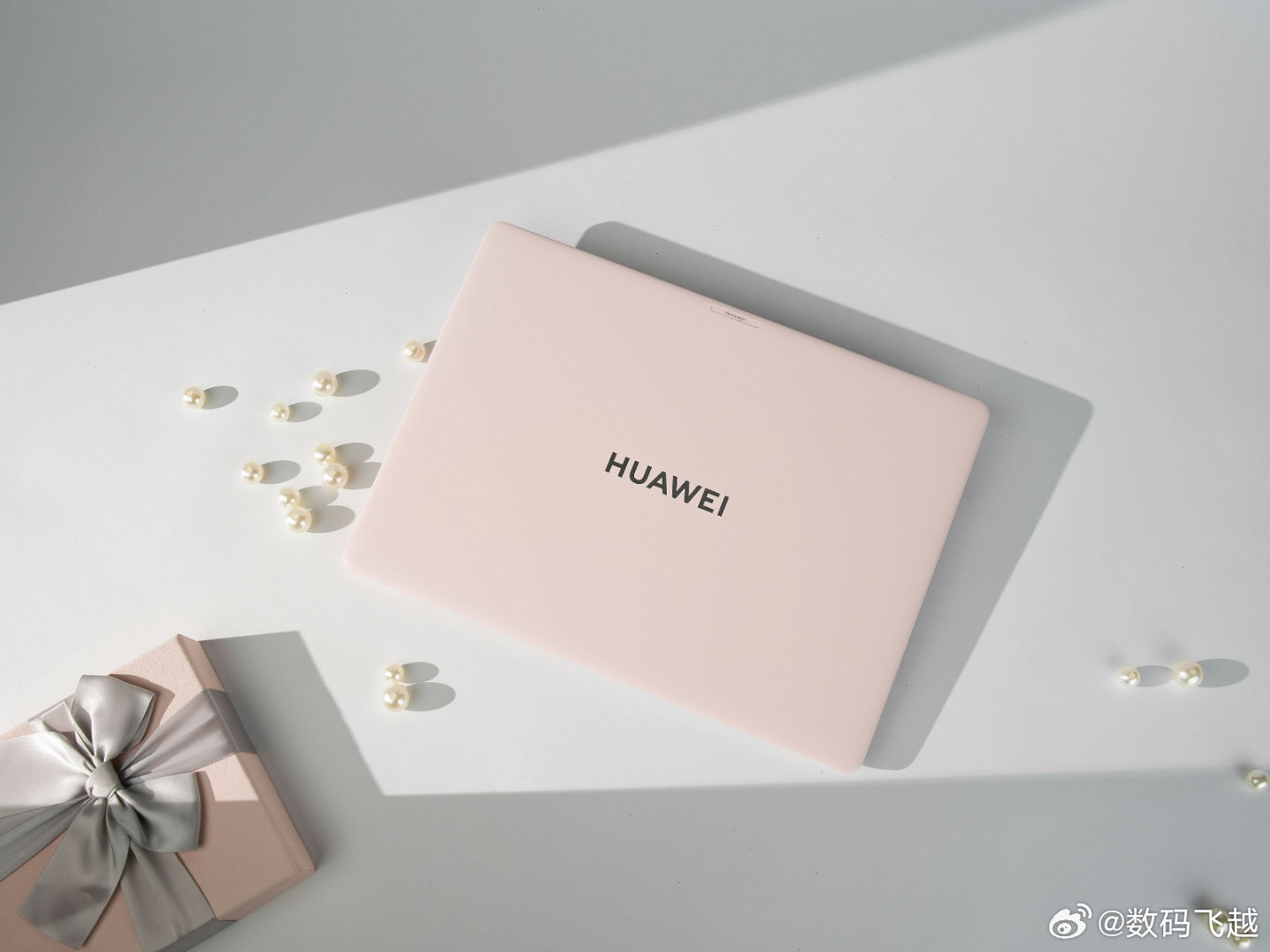
With the PC industry going towards AI-integrated hardware and cross-device ecosystems, the strategic question is whether Xiaomi will expand its laptop portfolio into global markets. Ongoing changes in supply chain stability, the operating system of choice, and evolving consumer expectations have reconfigured the competitive landscape among major Chinese brands. For readers already aware of Xiaomi’s ecosystem through products such as the Xiaomi Pad 6Xiaomi Pad 7, or through in-depth reports on HyperOS Connect, this report provides a clear and structured view on whether Xiaomi is well-positioned to compete against Huawei in the global laptop category.

Xiaomi’s Strategic Position in the Global PC Market

These are a number of strong advantages that Xiaomi holds in the high-performance laptop space. The company continues to have access to the latest Intel and Qualcomm platforms, without the geopolitical restrictions imposed against Huawei. Consequently, this places Xiaomi in a position to provide modern technologies such as the latest Intel Core Ultra platform with advanced NPUs for AI workloads. This level of flexibility enhances Xiaomi’s competitiveness in regions where Windows-based systems continue to dominate consumer and enterprise purchasing behavior.

At the same time, Huawei remains hamstrung by international trade restrictions that limit its supply of x86 processors and the licensing of Windows. Its pivot to HarmonyOS-based laptops secures long-term independence, but global customers may face software incompatibility issues, especially outside of China, where Google Mobile Services remain vital.
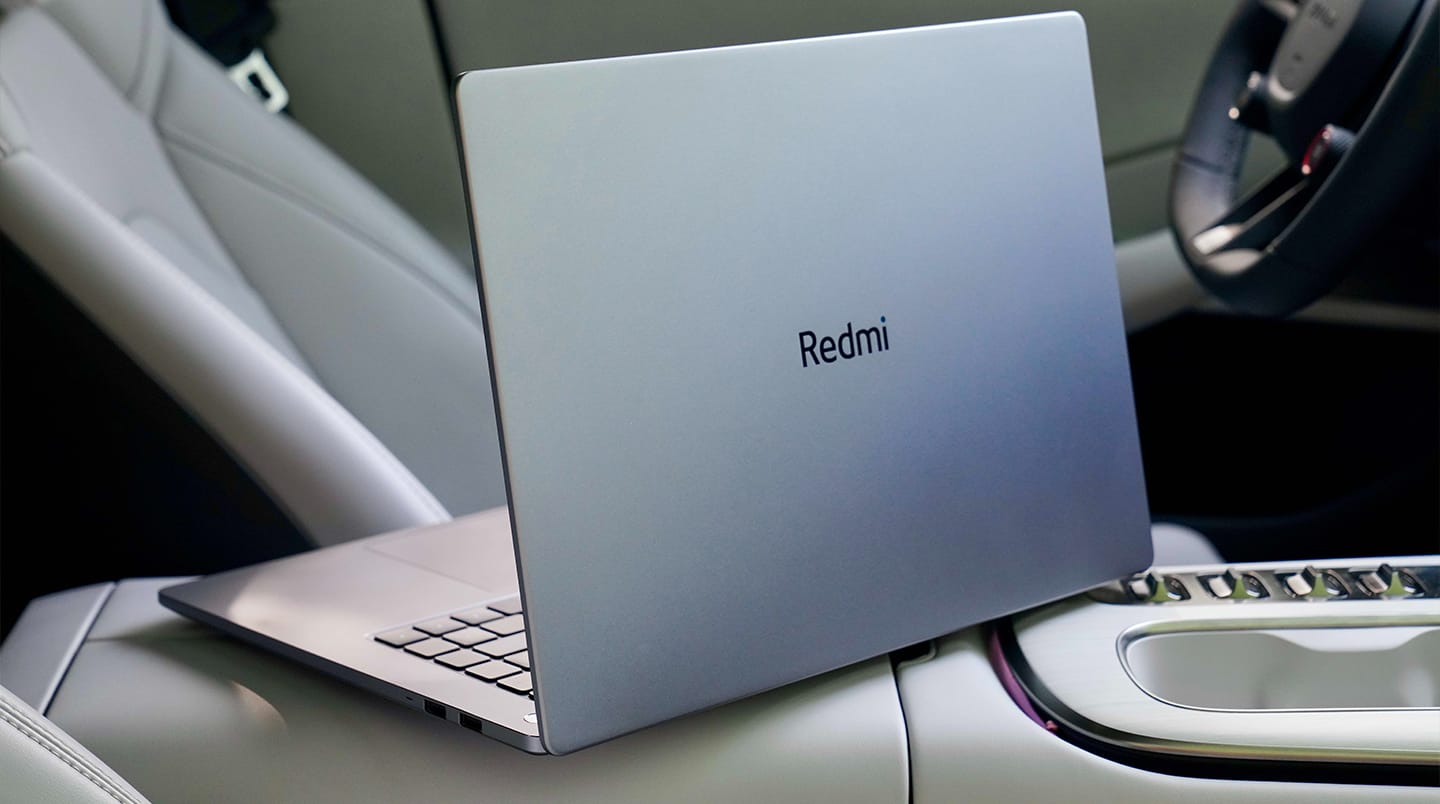

Xiaomi laptops might make a comeback Xiaomi laptops begin testingAI Smart Brightness

Hardware Competitiveness

More recently, Xiaomi has featured aluminum unibody casings in its latest notebooks, and high-capacity batteries with high refresh rate displays make them ideal for those users who fall into hybrid categories that amalgamate productivity with high levels of entertainment or light gaming workloads. Huawei’s MateBook series still stands out in color accuracy, build quality, and 3:2 display ratios, but the over-reliance on previous-generation processors in international markets will very much create performance gaps in AI-focused tasks.

Ecosystem Integration: HyperOS Connect vs. Huawei Super Device

Ecosystem synchronization has become a defining metric for purchasing decisions in the premium laptop segments. Huawei’s Super Device architecture remains one of the most sophisticated multi-device solutions available on the market, offering seamless cross-screen control, distributed hardware sharing, and low latency communication. This structure is widely respected in the domestic Chinese market, where HarmonyOS is deeply integrated into daily workflow.

It’s also important to note that Xiaomi’s HyperOS Connect is very rapidly evolving and stands to gain from being closely tied to Google services: the system allows for clipboard transfer, screen casting, notification syncing, and camera sharing across Xiaomi phones, tablets, and upcoming laptop models. You may update Xiaomi’s ecosystem applications through HyperOSUpdates.com or our MemeOS Enhancer app on the Play Store, which would also unlock additional system-level capabilities.
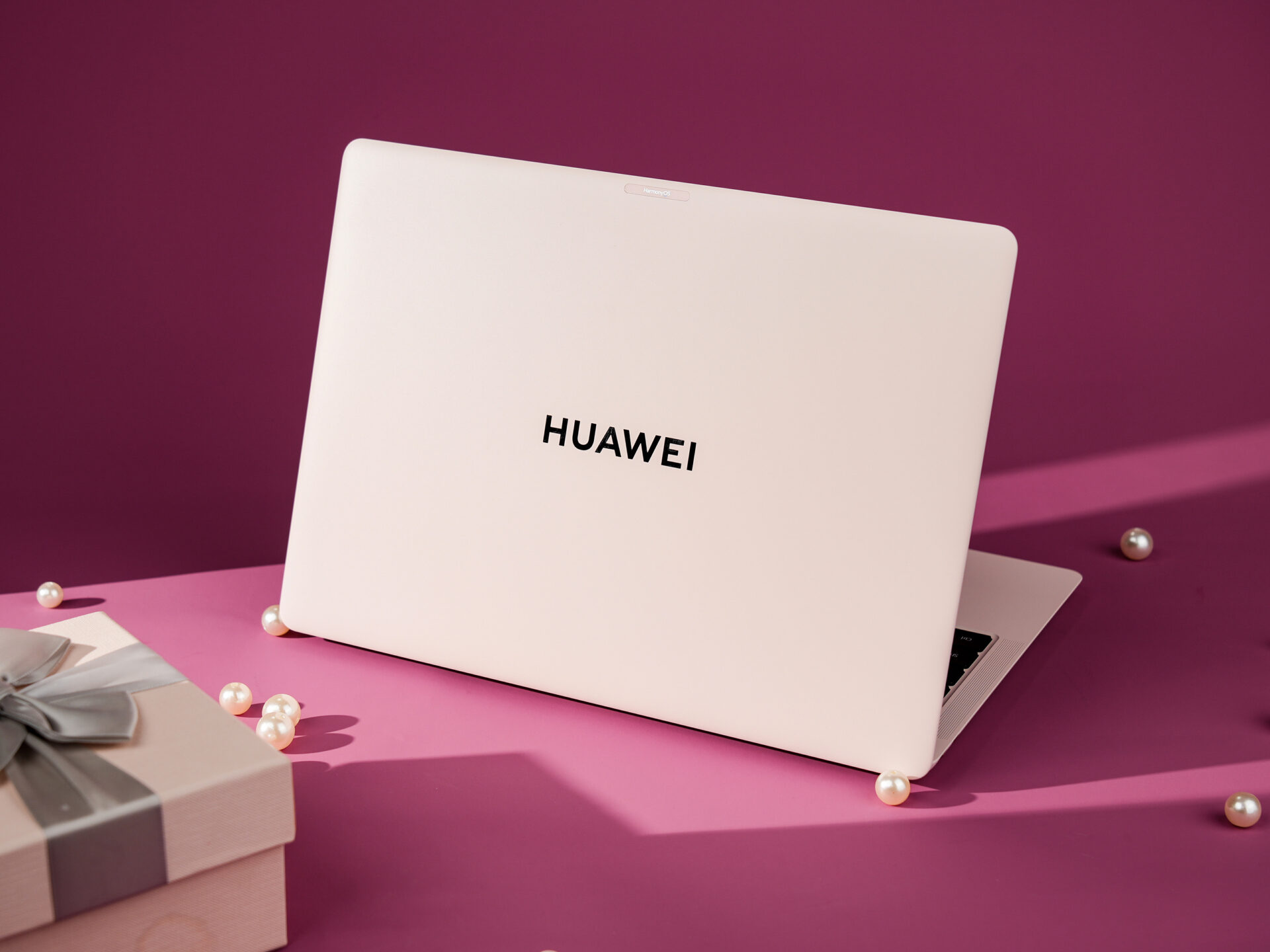
MateBook 2 MateBook 3 MateBook 4 MateBook 5 MateBook 1

Potential for Consumer Acceptance

With Google services on board, in addition to being familiar with Android, Xiaomi laptops could be more accessible than Huawei’s HarmonyOS-based systems for global users. It would mean lowering the transition barriers for international consumers who rely daily on Gmail, Google Photos, Maps, and other services from Google. Xiaomi, therefore, might benefit from broader retail availability in Europe, among emerging markets, where Huawei has operational constraints.

Can Xiaomi Realistically Compete with Huawei Globally?

With a clear technical lead in CPU generation, AI processing capability, and software compatibility, Xiaomi laptops are well-positioned to find global favor. Competitive pricing—commonly 30–40% below comparable Huawei models—further strengthens Xiaomi’s hand. Yet to be surmounted are the more fundamental issues of after-sales service, warranty infrastructure, and long-term reliability expectations from Western consumers.

Huawei has maintained strong brand loyalty within key markets due to its premium designs and long-term ecosystem maturity, along with a steady presence in enterprise deployments. Xiaomi’s mix of advanced hardware, approachable software, and aggressive pricing strategies could position it as a serious global competitor-if the company chooses to expand its laptop lineup internationally.

Xiaomi has the required technological foundation and ecosystem maturity to take on Huawei in the laptop business within global markets. While Huawei continues with strong innovation capabilities and a refined ecosystem, Xiaomi’s lack of geopolitical restrictions opens up its access to state-of-the-art processors, thus making it competitive. Its success in such an expansion will come down to whether Xiaomi can scale after-sales service operations to further strengthen a reliable global support network.
  •  

Xiaomi’s new smartwatch with eSIM and UWB tag to launch soon

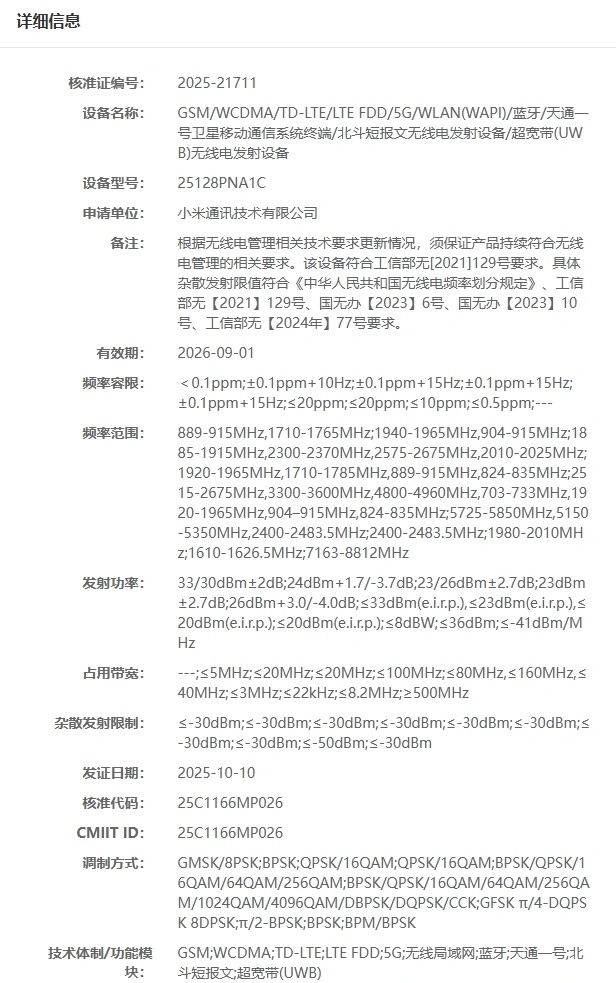
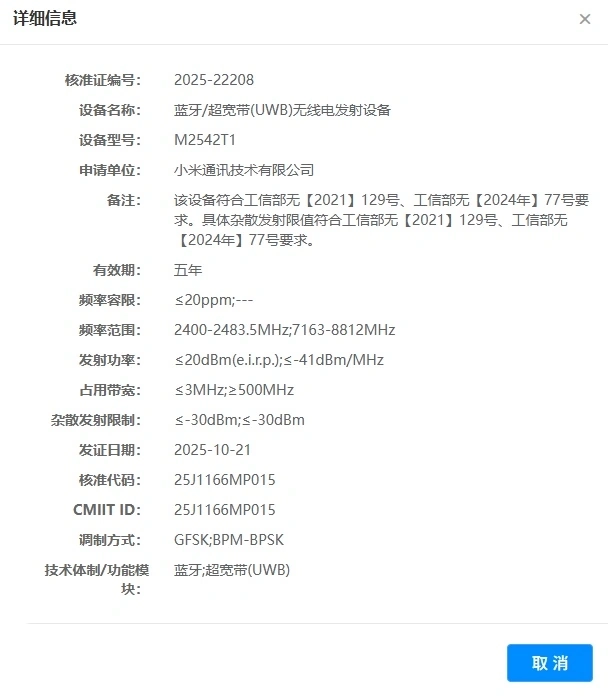
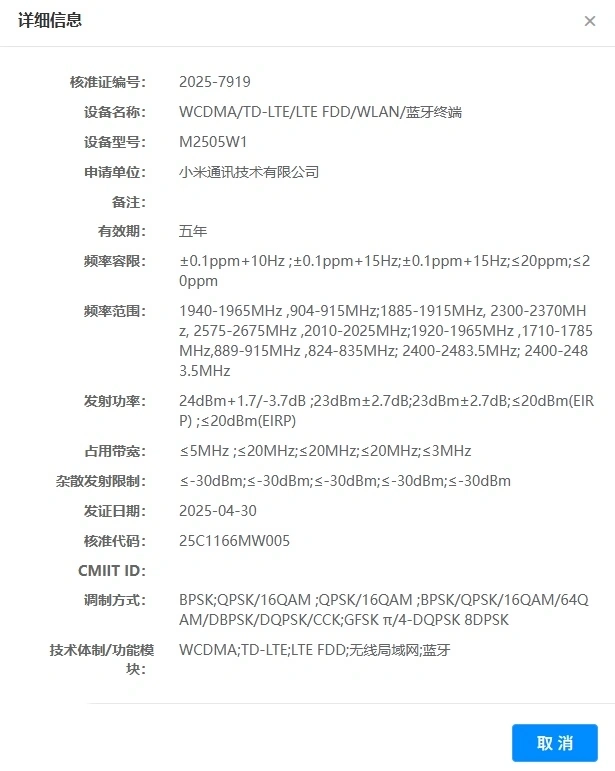
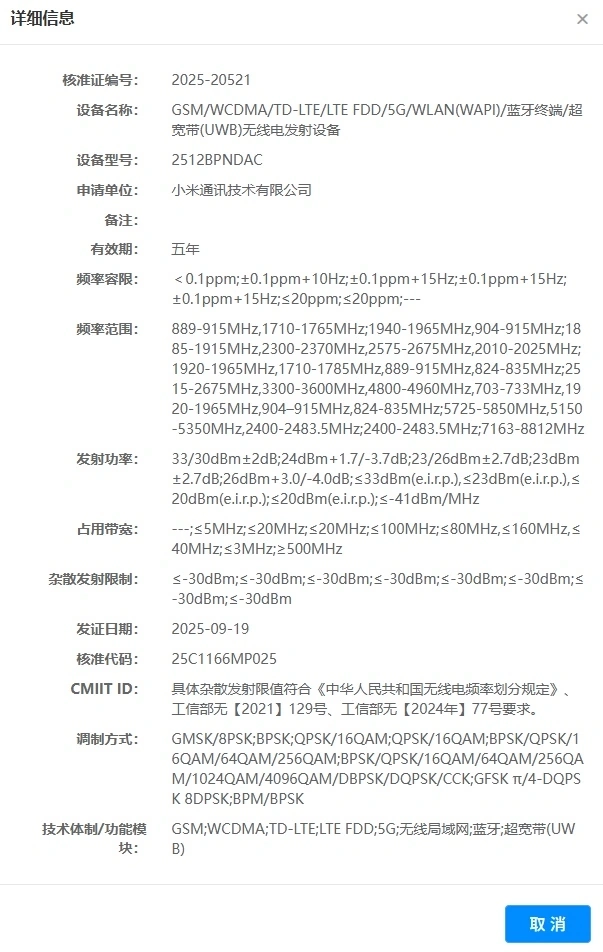
The upcoming Xiaomi 17 Ultra series has just completed its network access certification in China, meaning that it signals a coming-of-age of sorts for the brand as far as a major product launch goes. According to early details, the series will bring in UWB ultra-wideband100W fast charging, and advanced communication options. In addition to a new flagship phone, the company is also readying a real smartwatch running Android/Xiaomi HyperOS, along with a Bluetooth/UWB-enabled Xiaomi Tag that extends the company’s smart ecosystem. These come after features and technologies such as Xiaomi HyperConnect and those that had been explored on the Xiaomi 17 lineup.

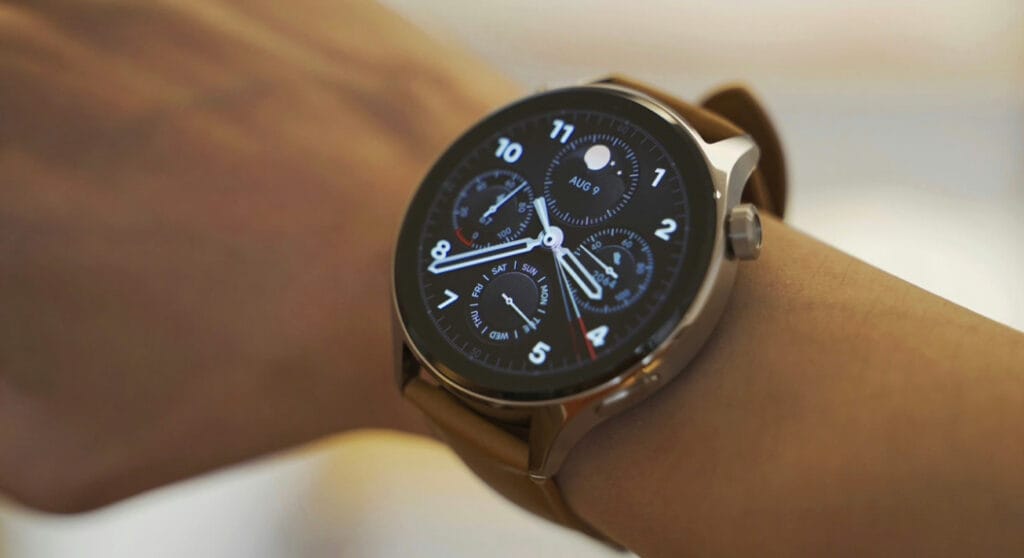
Xiaomi Prepares a New Smartwatch Running Android/HyperOS

Xiaomi is set to launch a full-featured smartwatch that will be capable of providing even stronger independence from smartphones. The device reportedly comes with a 930mAh rated battery, an independent eSIM module, and a dedicated eUICC chip for secure connectivity. This hints that Xiaomi positions the smartwatch as an independent means of communication rather than a companion accessory. It is expected to deeply integrate with Xiaomi HyperOS to provide better cross-device operations and seamless connectivity with various devices, like Xiaomi Pad 7 or Xiaomi 17 series models.

eSIM and Extended Battery Capacity

The integration of a robust battery with eSIM capability indicates Xiaomi’s focus on endurance and mobility. The application of eSIM support allows users to make calls, send messages, and access data networks independently of their smartphones, aligning with the brand’s overarching goal to create a more unified and seamless device ecosystem, particularly for users who already utilize services made available via apps distributed through our platforms, such as HyperOSUpdates.com and the MemeOS Enhancer application on Google Play.

f5c436e0 9add 4350 b387 6fa883ccc9e4 8db0b5fa c42e 4163 afd5 c9baa9e81e57 1aa976eb 6547 4ae2 864d 83f94279e3fc 744029b2 8fa6 457f 9042 f4ffffdfa850 edd9447d 7114 46e8 9e0c 1a2e2b0695c8

Xiaomi Tag Brings Bluetooth and UWB Precision Tracking

Meanwhile, Xiaomi is preparing a new generation location tracker-codenamed Xiaomi Tag-with support for both Bluetooth and UWB ultra-wideband. UWB allows for high-precision distance and direction detection, making the location of items much more accurate. This directly helps Xiaomi in its growing smart home and IoT product lines and reinforces the long-term ecosystem strategy for the company.

Patent Background and Tracking Technology

In a related patent, filed by Beijing Xiaomi Mobile Software Co., Ltd. in 2017 and authorized in 2021, there is described a “Method and device for finding items,” which seems to be similar to the functionality of analogous global tracking systems. The document describes a system employing UWB for high-accuracy item recognition, much like solutions already in place by vendors like Apple’s AirTag, but designed to work natively within Xiaomi’s cross-device network under HyperOS.

Xiaomi 17 Ultra and Satellite Edition Arrive With New Capabilities

The Xiaomi 17 Ultra and its Satellite Edition have also passed network certification. The satellite version supports BeiDou short messaging and Tiantong-1 satellite communication, allowing users to stay connected in remote areas without traditional cellular coverage. Combined with the upcoming smartwatch and Xiaomi Tag, the whole launch represents a significant expansion of Xiaomi’s premium ecosystem offering.

  •  

New Xiaomi Security app update released today

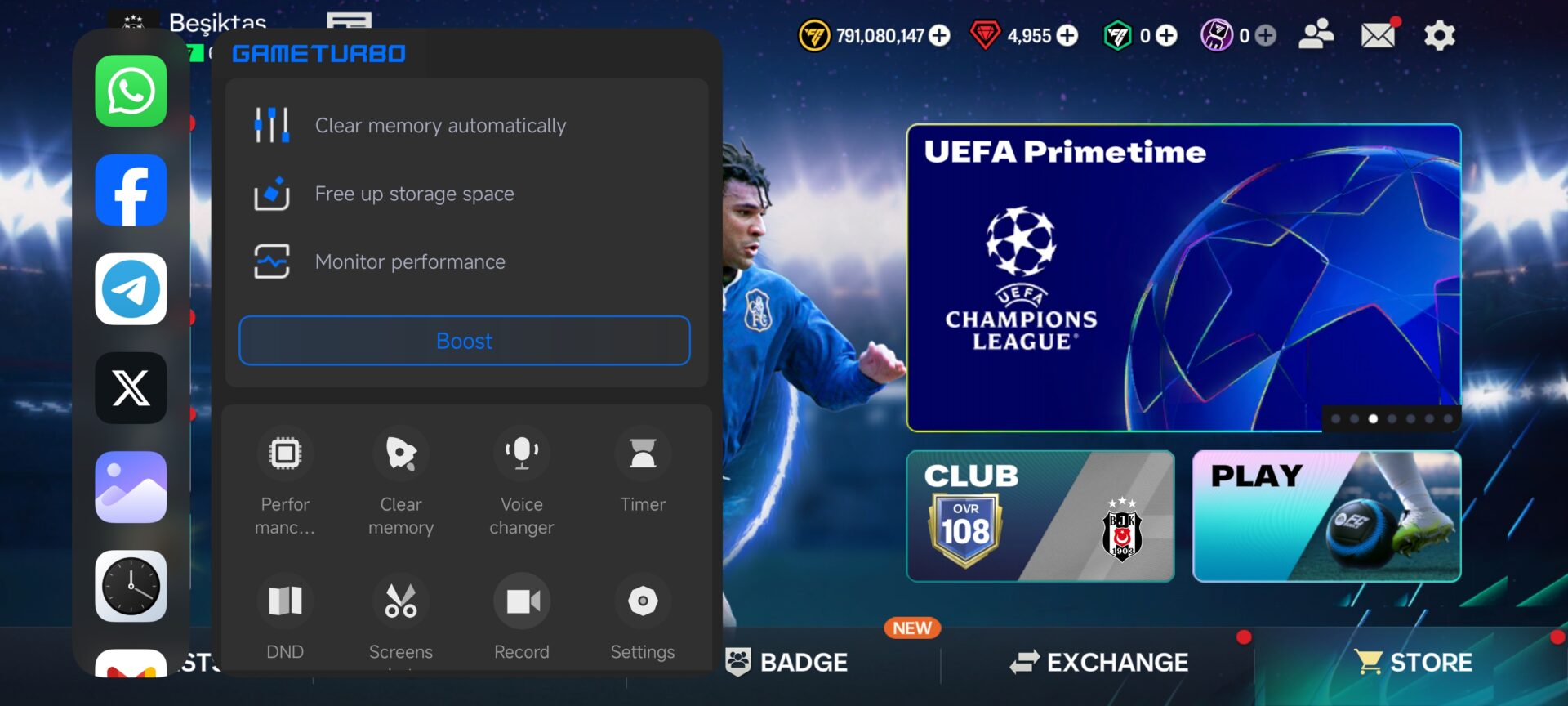
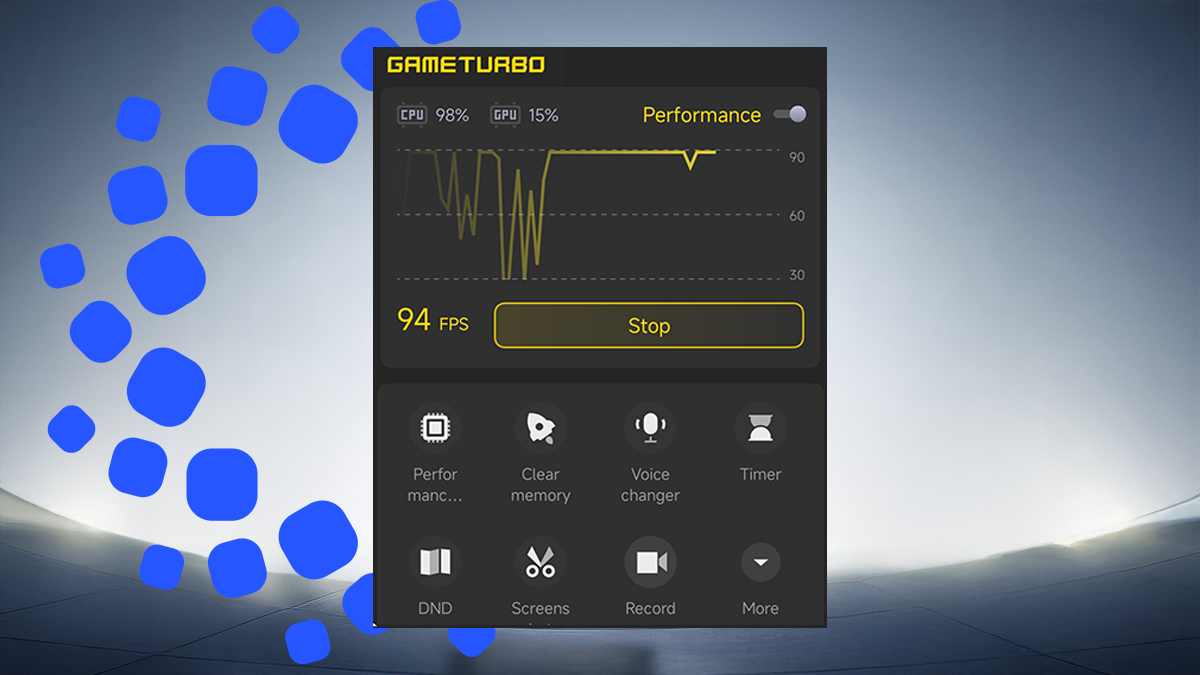
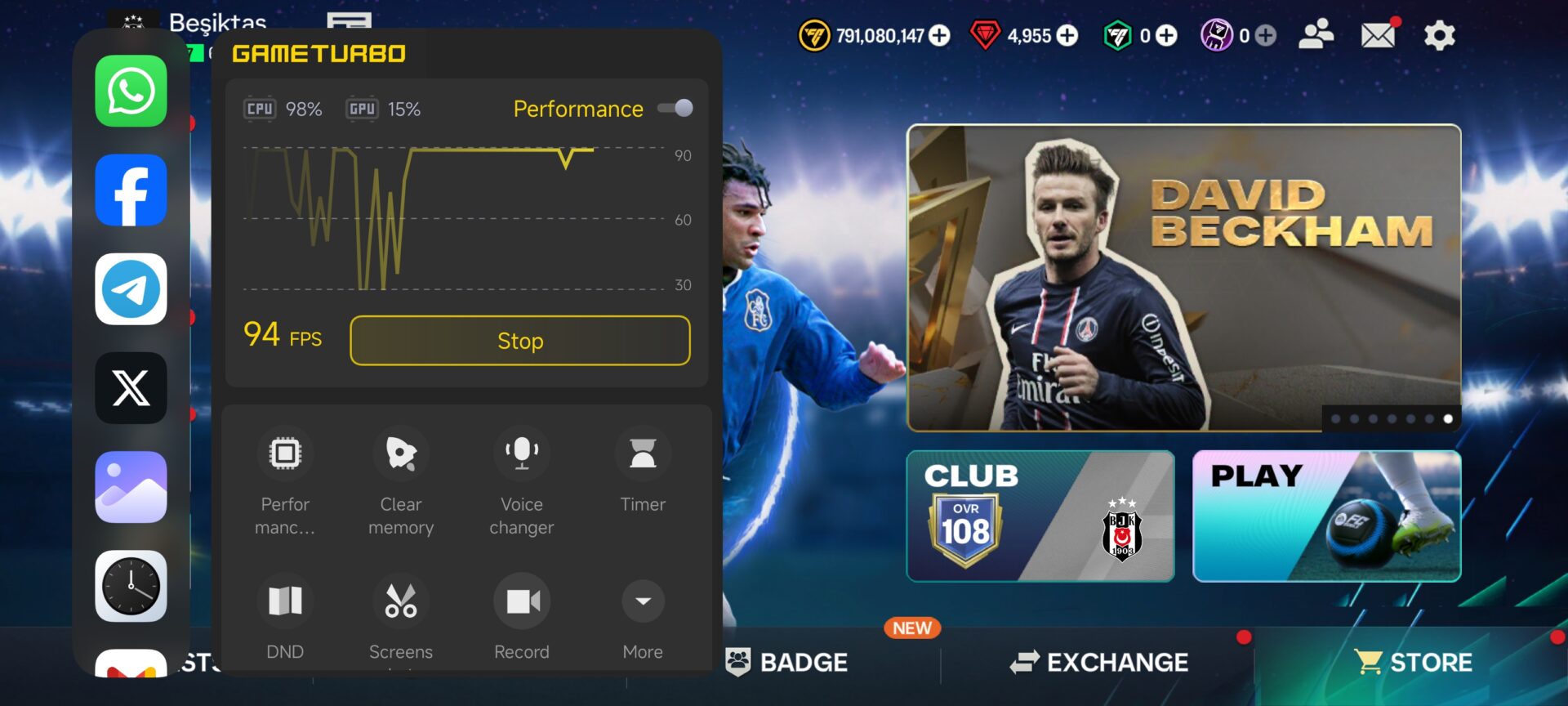
Xiaomi continuously strives to refine the user experience by periodically updating the system applications. The recent release brings in critical updates for the core Security app and the System Service Plugin, which significantly improves the stability of both apps. This fresh build, version 11.8.1, directly targets HyperOS performance and carries further feature additions in Game Turbo to let users have a smooth gaming session. Users seeking system stability should definitely keep an eye on this release. This update addresses several known bugs present in the previous versions, ensuring that your device works at peak efficiency for daily tasks and also during mobile gaming.

Update Technical Details

The company made these updates available relatively recently to ensure users have the latest optimizations. The update package has two different applications: the Security app itself and the System Service Plugin. The Security app was updated to version 11.8.1-251122.0.1 with an approximate file size of 65.95 MB. Meanwhile, the System Service Plugin was updated to version 12.0.6-251121.0.1, weighing 53 MB.

New Game Turbo 3 New Game Turbo New Game Turbo 4

These updates are mainly based on the HyperOS China ROM, but the architecture is common. The most noticeable change in this release is the addition of the latest Game Turbo. This will offer better management of resources when it comes to gaming, reducing lag and offering much-improved thermal performance. The developers have also addressed different background crashes reported in the previous builds from earlier this month.

Installation Guide for Global Users

While these APKs work on most phones and devices, Global ROM users have to install these in a different way. Since these are builds from the China software channel, you need to install the System Service Plugin along with the Security application.

This would mean if one only installs the Security app on a Global ROM without its accompanying plugin, the application might not open or features like Game Turbo will not show up as they should. Installing both files makes sure the required libraries are available for the application to function correctly on non-China firmware.

How to Download and Update

The APK files are available for manual download via the links below. For a more automated and feature-rich experience, users are encouraged to utilize the MemeOS Enhancer application.

Using MemeOS Enhancer you can easily update system applications, unblock hidden features of Xiaomi that are not available by default, and get seamless updates of other system components. You can download the app from the Google Play Store here: MemeOS Enhancer. Otherwise, you can download the single files from our database:

  •  

Xiaomi HyperOS 3 global first batch almost complete: Only 4 devices left

WhileGear up with Xiaomi, which is aggressively pushing forward with the deployment of its latest operating system interface, Xiaomi HyperOS 3, across the global market. Indeed, after weeks of considerable improvements by the software development team, the comprehensive plan for the rollout of the first batch of compatible devices is about to be completed. Just recently, internal builds have been released for the Xiaomi 15 series and other flagship models, leaving only four specific smartphones to complete this initial development phase. This update brings many essential changes in the user interface and system performance, marking an important milestone in the entire ecosystem.

HyperOS 3 Release Date 1

Finalising First Wave

The software team has successfully completed the builds for the last members of the first wave, making sure to cover a wide release spectrum: the compact Xiaomi Pad Mini is now fully prepared for all regions, while the innovative Xiaomi MIX Flip has its update builds ready for Global and EEA regions.

Where the mid-range segment is concerned, the Redmi Note 14 4G update is prepared for the India region only, while the first Redmi Note 14 Pro 4G build will go to the Global market. Technically, when these are pushed, the first batch will be complete.

Completed Rollouts and New Features

The list of devices that have got their stable builds in this first batch is quite long. This includes the flagship Xiaomi 15 series, the Xiaomi 15T series, and the Redmi Note 14 Pro 5G along with the Pro+ 5G. Moreover, the upcoming POCO X7 series and POCO F7 series, along with the Xiaomi Pad 7 series have gotten their software ready. Interestingly, the pace has been so fast that devices planned for the second batch have also started to get their releases early.

Xiaomi HyperOS 3 brings several essential improvements in user experience. It will boast of major AI enhancements, newly designed system icons, and a slick interface that will introduce an iOS-esque feel to the device. Among those is the much-anticipated Super Island, with dynamic notifications and means for interaction. Of course, users who want to look for early updates or enable some hidden system features, or update some system apps ahead of the official OTA can use our MemeOS Enhancer app. It gives you access to advanced controls and helps to keep your device fine-tuned.

  •  

TV market drops 12.2% in Q3 2025 as global demand shifts

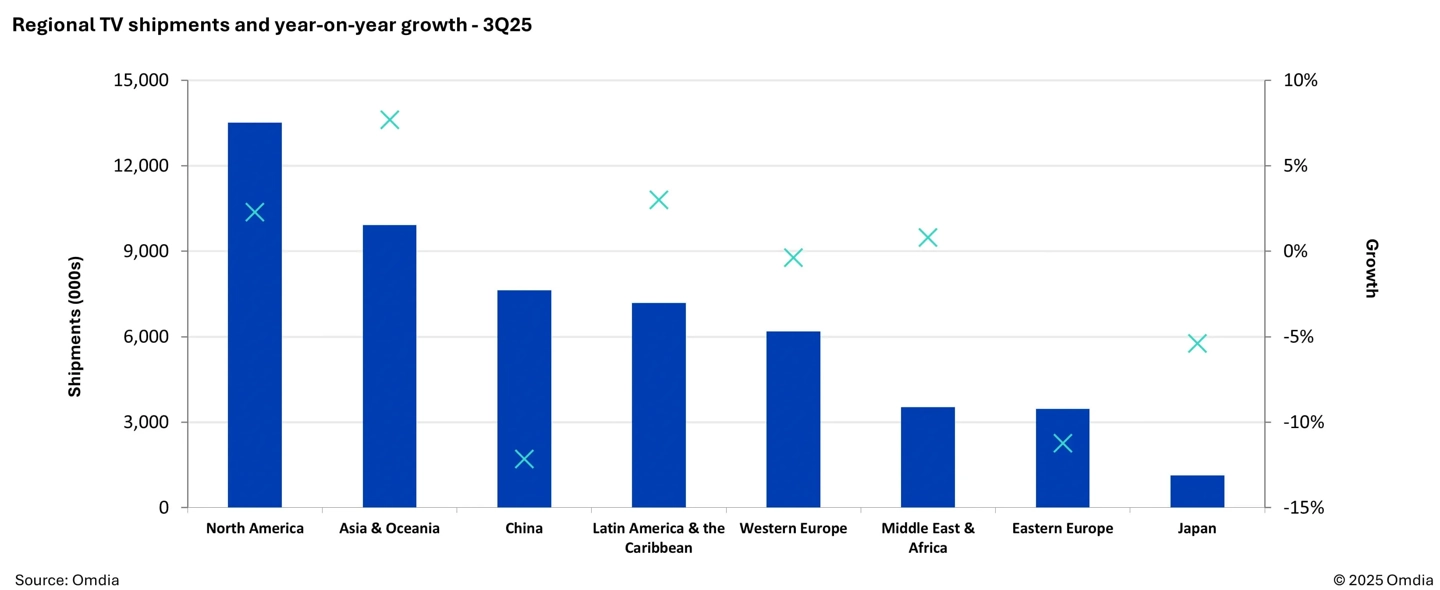
According to a new report from Omdia, global TV shipments are forecasted to reach 52.5 million units in Q3 2025 – a minor 0.6% year-on-year decline. However, in a vastly different trend, the Chinese market recorded a 12.2% year-on-year drop in the same quarter. This development marks a clear regional divergence and underlines the shifting TV consumption patterns across the globe.

Why China’s TV Shipments Declined

China’s sharp decline is related to the rapid growth last year due to government subsidy programs. These subsidies accelerated TV upgrades, particularly in mainstream families, and effectively brought forward future demand. Since most users have completed their upgrades, Q3 2025 entered a natural cooling phase.

With demand normalization, manufacturers like the major Xiaomi TV segments saw measurable shipment volume slowdowns as the domestic market adjusted to last year’s surge.

TV shipment 2 TV shipment 1

Diverging Trends Emerge in Global Markets

While China contracted, the other regions put in a far more balanced performance. North America registered a 2.3% year-on-year increase, reflecting stable consumer confidence in the region. The Asian and Oceanian markets proved even stronger, growing 7.7% year-on-year.

These markets have now become strategic pillars for Chinese brands in search of new growth opportunities. With the weakening domestic momentum, companies are focusing on neighboring regions where the smart TV penetration continues to rise.

Impact on Large-Screen TV Categories

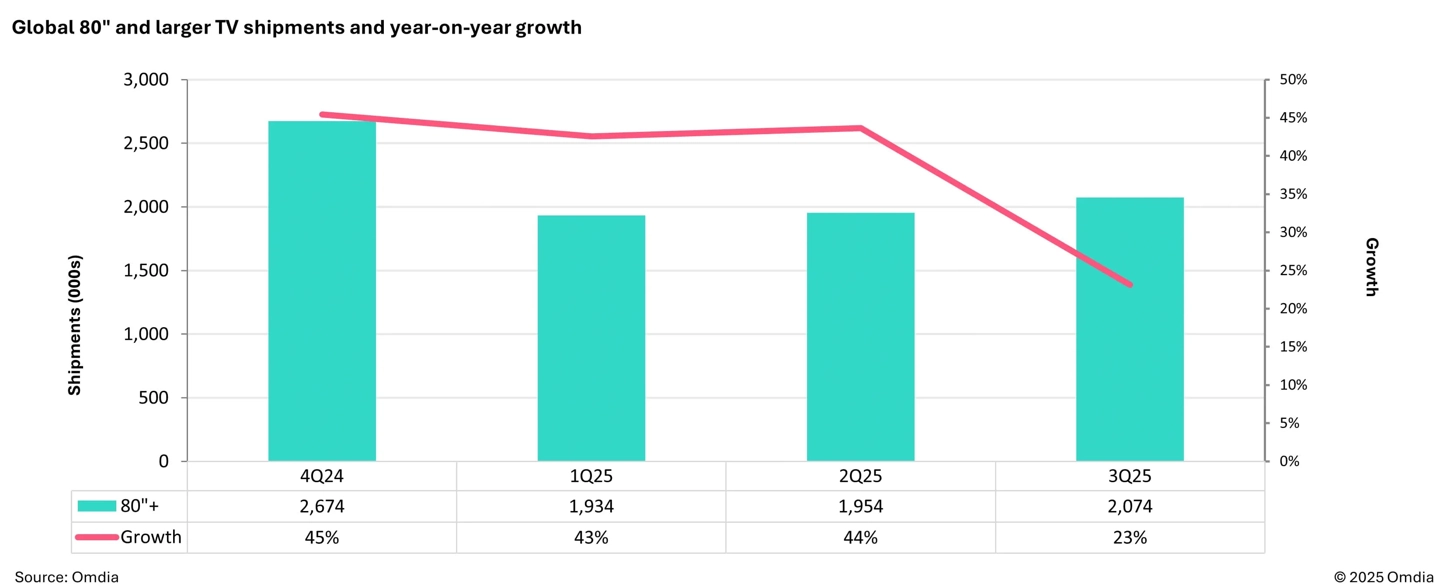
The slowdown in China directly weighed on large-format television shipments. Omdia’s data has the 80-inch and above category seeing its quarterly growth rate fall from more than 40% last year to 23.1%. Similarly, the segment of 70–79 inches cooled to 1.1%, reflecting the broader market saturation. This indicates that even the high-end segments, which always remained resilient due to strong premium consumers, are also starting to stabilize. For brands planning future display innovations—such as Xiaomi’s premium TV lineup—recalibration in the market is going to be key to product positioning.

  •  

Smart ring shipments will pass 4 million in 2025

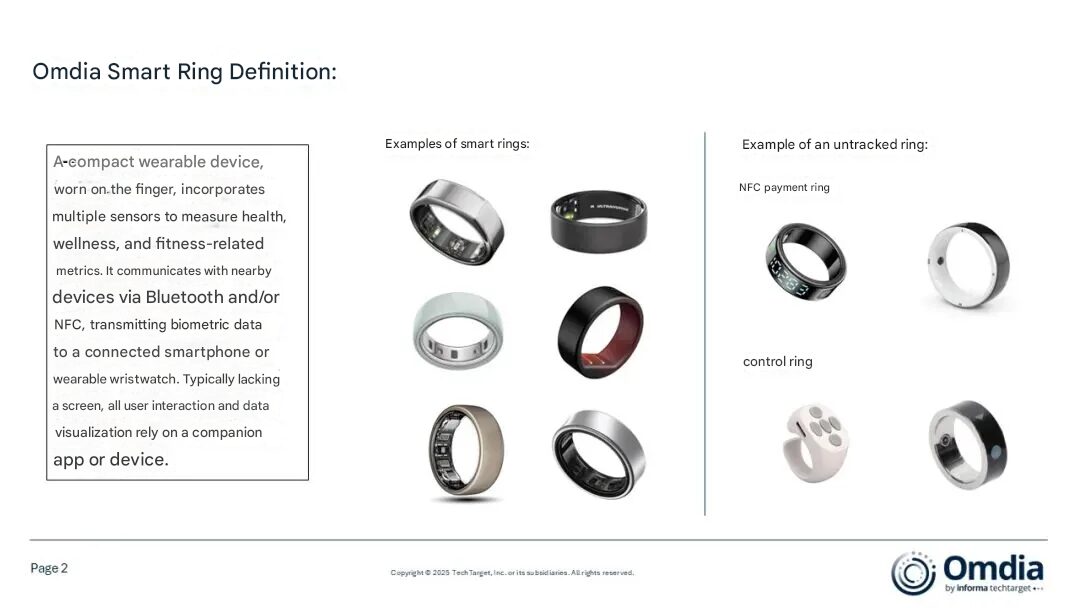
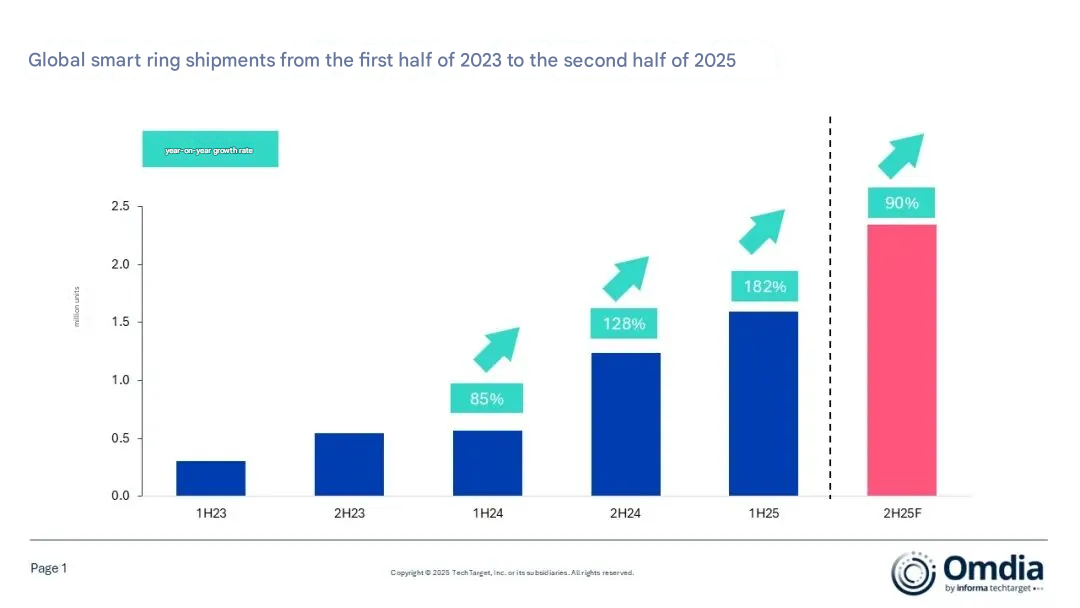
According to new data from research firm Omdia, the global smart ring market has now entered its strongest growth phase. The wearable segment, which has been gradually expanding over the past few years, is now showing measurable momentum. In 2023, smart ring shipments reached 850,000 units, but then sharply rose to 1.8 million units in 2024. In 2025, the first half alone saw shipments of 1.6 million units with full-year shipment estimates poised to top 4 million units.

This rapid trend upward points to the compact health-tracking device’s growing relevance in the broader wearable ecosystem. For users exploring Xiaomi’s wearables landscape, categories ranging from the Xiaomi Band 9 to the HyperOS health ecosystem continue their evolution in line with this global shift.

Market Leadership and Competitive Landscape

Omdia’s latest report shows a few key brands currently dominating the smart ring sector. Before looking at individual players, it has to be seen that smart rings are gaining attention due to their offering of precise health monitoring in a minimal form factor, with their appeal particularly strong among consumers looking for an alternative to traditional wrist-based wearables.

Leading Brands

Oura stays clear at the top, owning 74% of total shipments during the first half of 2025, while Ultrahuman and Samsung are tied with a 9% market share each, and RingConn contributes 5% to the overall market. The remaining share comes from various other companies: Circular, Noise, boAt, and Zepp. These brands together contribute to the increasing diversity of the segment by offering users different design and functionality options.

ring 1 ring 2

Growing Consumer Demand for Compact Health Solutions

Indeed, smart rings have become one of the fastest-growing device categories in the wearable industry, driven by two major factors: growing interest among consumers in simplified health-tracking solutions and manufacturers’ efforts toward diversified product strategies. The compact, discreet nature of smart rings suits tech enthusiasts and health-oriented users who appreciate convenience yet do not want to sacrifice functionality.

A survey in 2025 pointed out an interesting fact: 43% of the respondents were not in possession of any wearable wristband, while 51% reported having no intention of buying such a gadget. Several participants reported discomfort sleeping with watches or fitness bands and frequent charging as the main reasons. Smart rings are a comfortable and unobtrusive alternative that could achieve great opportunities to reach new user groups and expand the global wearable ecosystem.

The Future Impact on the Wearable Ecosystem

As interest continues to rise, smart rings may turn into one of the main drivers of the wearables market. Their potential to integrate well with existing platforms—including wider health data frameworks like Xiaomi’s HyperConnect services—means that they are well-placed for continued expansion. With full-year shipments likely to top 4 million units in 2025, the category remains poised for the next breakthroughs in miniaturized sensor tech, energy efficiency, and ecosystem compatibility.

Source

  •  

China’s new power bank rules will change the entire industry

According to recent reports from the industry, China is getting ready to impose the most stringent safety standards ever used on portable power banks. The MIIT organized a series of technical seminars in October and November to complete the “Technical Specification for Safety of Portable Power Banks” expected to replace the current 3C certification. These regulations will affect major manufacturers, including brands known for advanced battery technology such as Xiaomi. For readers who want to know more about related standards and coming smart device trends, you may also refer to internal coverage: Xiaomi HyperOS and Xiaomi Battery Safety technologies.

The New National Standard and Its Scope

The upcoming specification is an overall upgrading of the previous national standard, covering the whole product chain of device structure, circuit board to battery cell. MIIT gathered nearly 300 industry-chain enterprises, from chip suppliers to cell manufacturers, to assess feasibility. Their input finally formed the draft, which is expected to be announced this December, published officially in February 2026, and fully implemented from June 2026.

According to industry representatives, these rules will substantially raise the barrier to entry. It is reported that many factories currently lack the capability to meet the new requirements, which naturally means that the market will filter out the low-quality production.

pOWERBANK RULES 1 pOWERBANK RULES 2

Major Changes Introduced by the New Rules

Some of the key improvements the new standard introduces aim at enhancing transparency, consumer awareness, and overall battery safety. This direction goes hand in hand with Xiaomi’s long-standing focus on battery health technologies across power banks and smartphones.

Product-Level Revisions

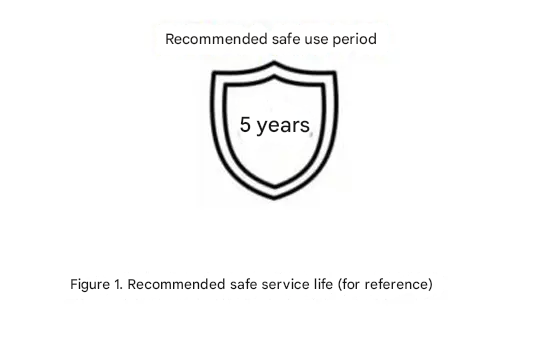
The most evident change at the product level includes the recommended lifespan that needs to be printed on the casing of the device. Additionally, manufacturers need to include the full name of the OEM company. This modification will provide enhanced traceability and also make users aware of the time period for which the product is designed to function safely.

Transparency of Circuit Board

Another huge jump is the mandate that all power banks need to have an LCD display or an internet-connected companion app. These interfaces have to display vital information like battery health, cycle count, and overall condition. In other words, power banks are moving from being mostly opaque “black box” gadgets to transparent smart accessories, just like the smart power bank ecosystem that Xiaomi has recently introduced.

Battery Cell Safety Enhancements

The biggest technical upgrade comes to the battery cells. The new standard strengthens several critical tests:

  • Nail penetration safety verification
  • Thermal abuse test raised from 130°C/30 minutes to 135°C/60 minutes
  • Overcharge voltage limit increased to 1.4× rated voltage

These enhancements directly address the root causes of thermal runaway and safety events involving batteries. Manufacturers utilizing advanced cell technologies, such as those partnering with CATL or Sunwoda, should be able to make these improvements without significant hardship.

Impact on the Power Bank Industry

The MIIT estimates that close to 70% of existing production capacity may exit the market once the regulations take effect. Only manufacturers with strong R&D capability and high-quality supply chains will continue mass production.

These changes might create new opportunities for well-established technology brands in general, and Xiaomi in particular, as the company has earned a strong global reputation for safe, reliable power banks. Advanced smart power bank platforms might become a standard product category, not an optional premium feature.

Part A: Multiple Choice Questions Timeline of Implementation

  • December 2025: Public consultation
  • February 2026: Official publication
  • June 2026: Full enforcement, the 3C certification will become invalid

During the drafting stage, extensive experimental verification was conducted by institutions including the China Electronics Technology Standardization Institute, CATL, Sunwoda, Huawei Terminal, and others. The scientific basis of the new safety framework is supported by their findings.

Recommended Safe Service Life Markings

According to the new rules, power banks should clearly show the following phrase:

“Recommended safe service life is × years.”

Manufacturers may define the value based on their product characteristics. The example “5 years” shown in early illustrations is only a template.

Refined national standards by China mark a transformative step toward a safer, smarter, and more transparent portable power bank market. The transition of power banks from simple to intelligent, connected energy accessories is moving in the same direction of technology that Xiaomi has pursued in the smart hardware ecosystem. Such requirements are bound to uplift the quality of products while offering users more detailed and clear information about device condition and longevity.

  •  
❌