Reading view

Why did Xiaomi remove the 4×7 layout in HyperOS Launcher?

Xiaomi’s recent HyperOS launcher update has raised questions among users who noticed that traditional grid options such as 4×7 and 5×6 are no longer available. This adjustment, introduced through the latest System Launcher distribution, reflects Xiaomi’s strategy to unify the visual identity of HyperOS across smartphones, tablets, and automotive interfaces. The change also aligns with updated widget engines and layout rules introduced in HyperOS and documented in earlier analyses we published on HyperOSUpdates. These modifications indicate a broader transition from granular customization toward a more structured, ecosystem-optimized design language.

The Design Shift Behind HyperOS Grid Restrictions

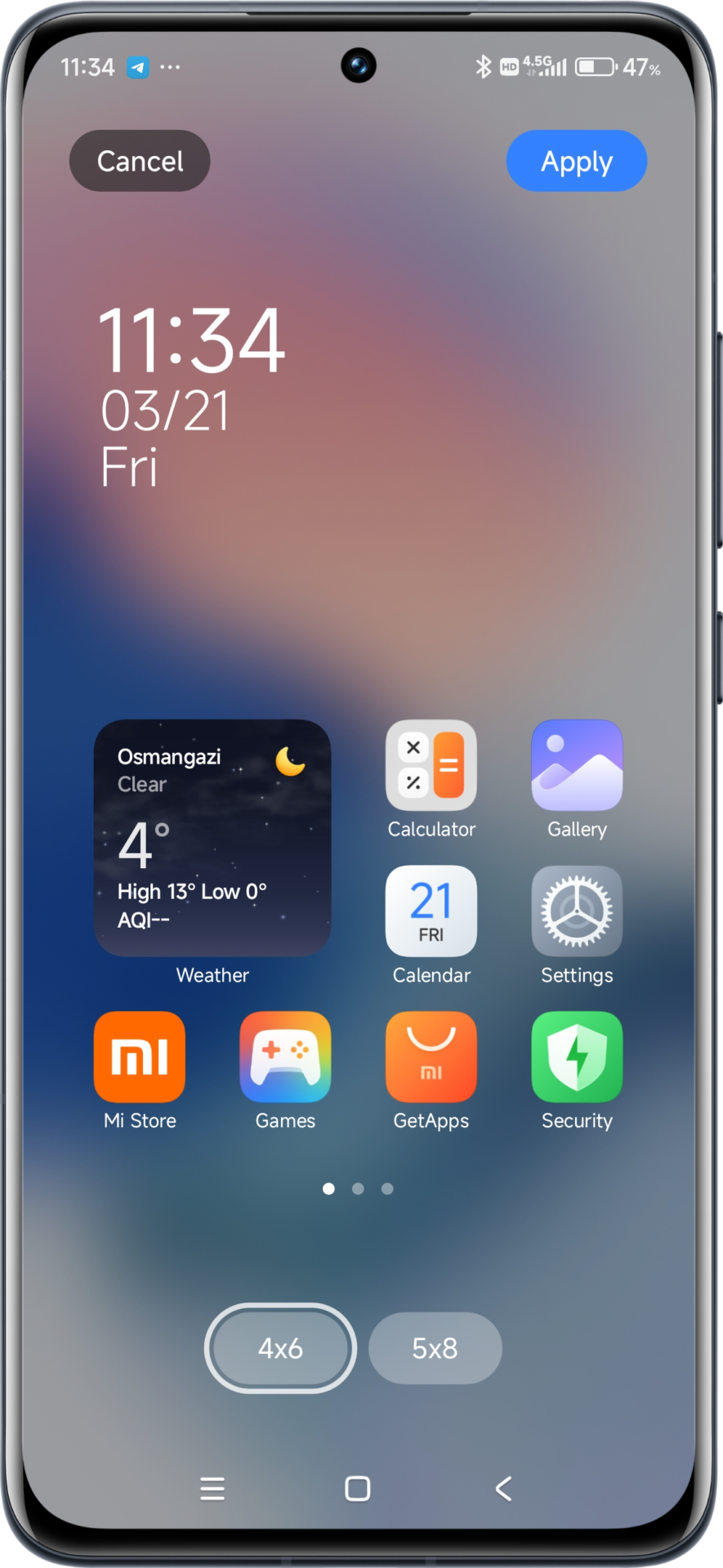
Xiaomi’s transition from MIUI to HyperOS introduced the “Alive Design” framework, which emphasizes consistent spacing, animation sequences, and widget compatibility across all device classes. This shift requires predictable screen coordinates, making highly flexible grid configurations difficult to maintain. The company therefore standardized the launcher into two main profiles:

  • Standard (4×6)
  • Dense (5×9)

This design intentionally reduces layout fragmentation, ensuring that widgets, large folders, and features such as Super Island do not visually conflict with system animations or safe-zone boundaries on different screen types.
HyperOS 2.2 Launcher 3

Why the 4×7 Layout No Longer Fits HyperOS Standards

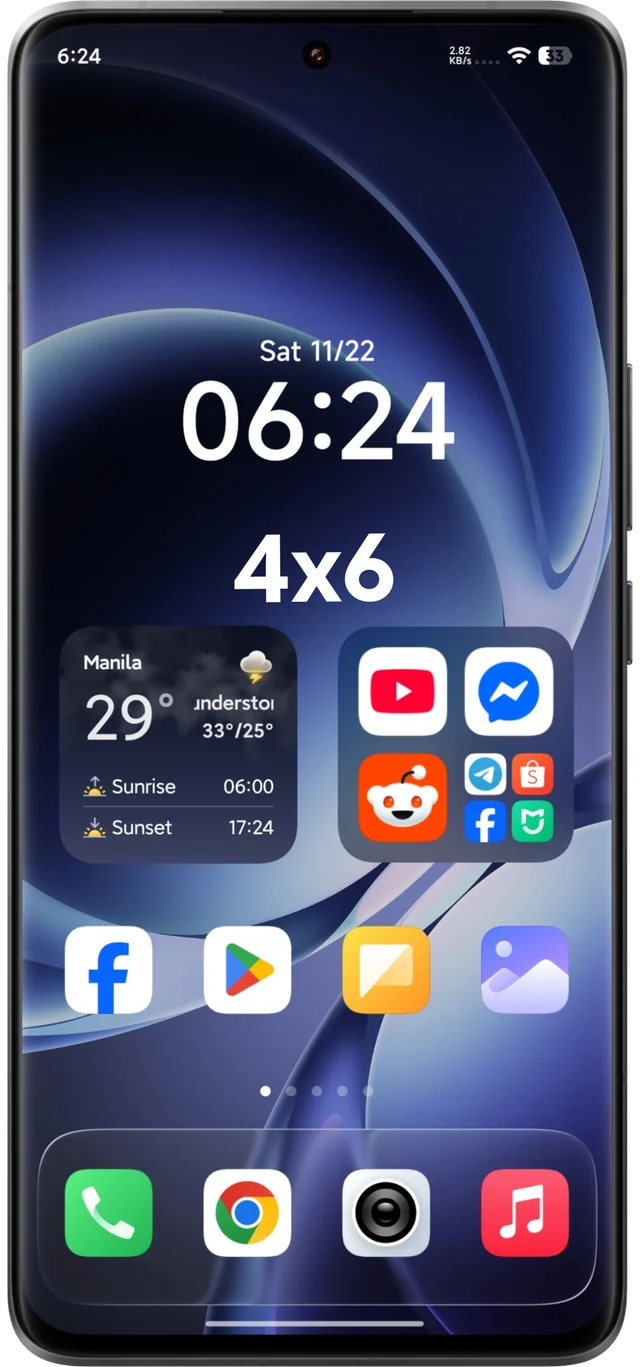
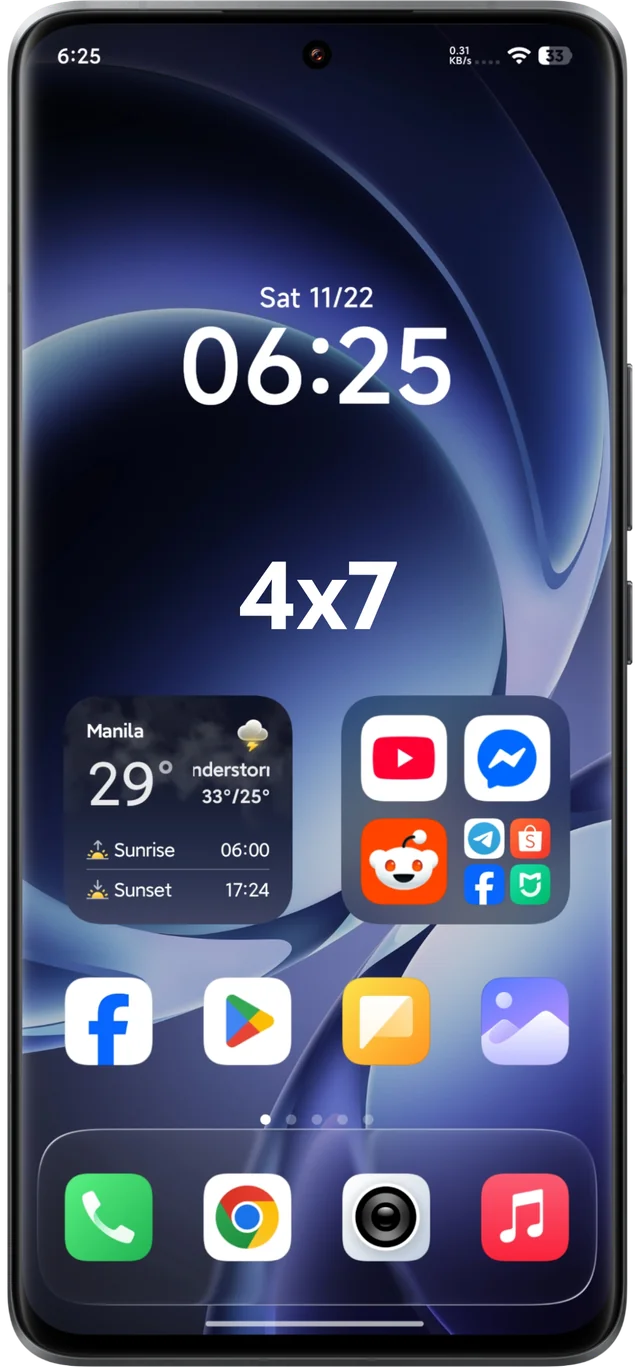
The 4×7 configuration was widely preferred for ergonomic balance, particularly on large displays. However, its removal corresponds to the technical direction of HyperOS. A 7-row grid complicates widget mathematics, particularly for components such as 2×2 and 4×2 interactive folders. These components rely on evenly divisible grid structures; Xiaomi found that 6 or 9 rows provide far more stable alignment for scalable elements. Additionally, the Super Island’s dynamic motion requires fixed spacing at the top portion of the display, which becomes more predictable with standardized grid models.
xiaomi removed the 4x7 layout why v0 xiaomi removed the 4x7 layout why v0

Technical Drivers Behind the New Grid Profiles

HyperOS relies on new spacing algorithms to ensure fluid performance across both flagship and budget devices.
Budget-oriented models—especially Redmi and POCO series—often have GPU-level restrictions defined by internal performance parameters. To ensure consistent 90Hz or 120Hz animation quality, the system disables complex density modes, including legacy grid formats. These restrictions prevent frame drops when Gaussian blur effects, folder scaling, and Super Island animations are active simultaneously.

What About POCO Launcher Users?

POCO Launcher uses a codebase separate from the primary Xiaomi System Launcher. As a result, even after receiving HyperOS, POCO devices may not feature the same grid logic or animation engine. The recents provider is also integrated directly into the stock launcher, which limits full gesture support on third-party launchers. This situation forces POCO users to stay within the default environment, making the reduced grid selection more noticeable than on standard Xiaomi devices.

Xiaomi’s removal of the 4×7 layout is not a regression but a deliberate architectural decision tied to the broader HyperOS vision of unified design across mobile, home, and automotive systems. By narrowing the grid offerings, Xiaomi preserves predictable widget alignment, strengthens system animations, and ensures performance stability across diverse hardware tiers. Although some users may prefer legacy flexibility, the shift ultimately supports the long-term evolution of the HyperOS ecosystem.
  •  

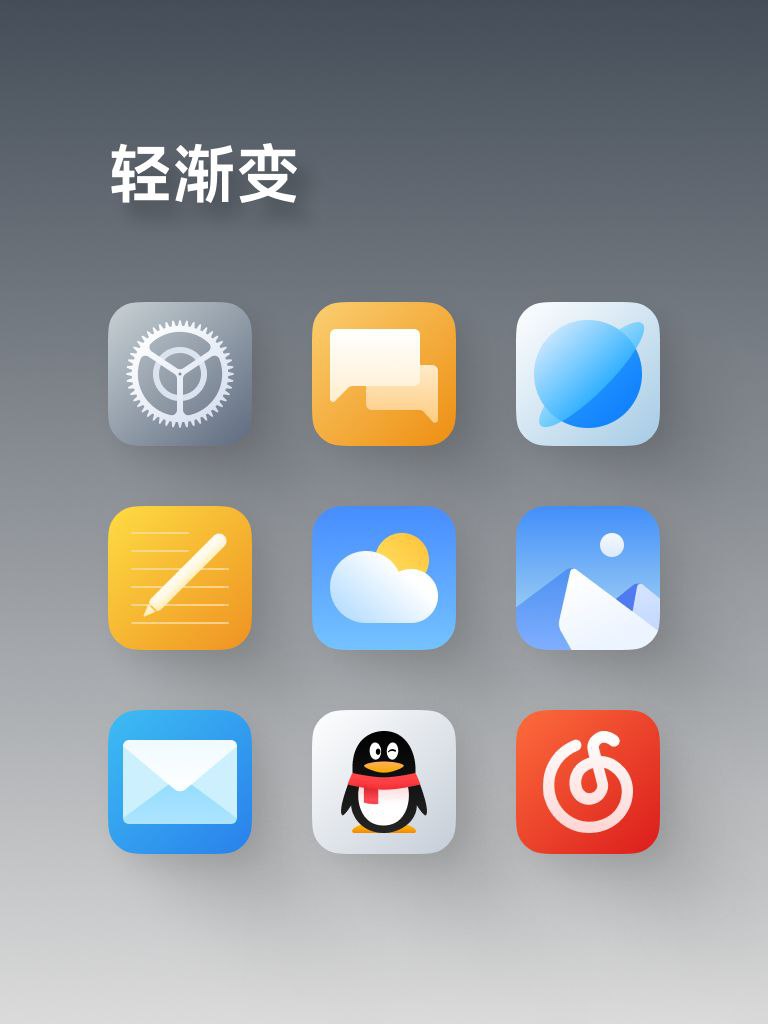
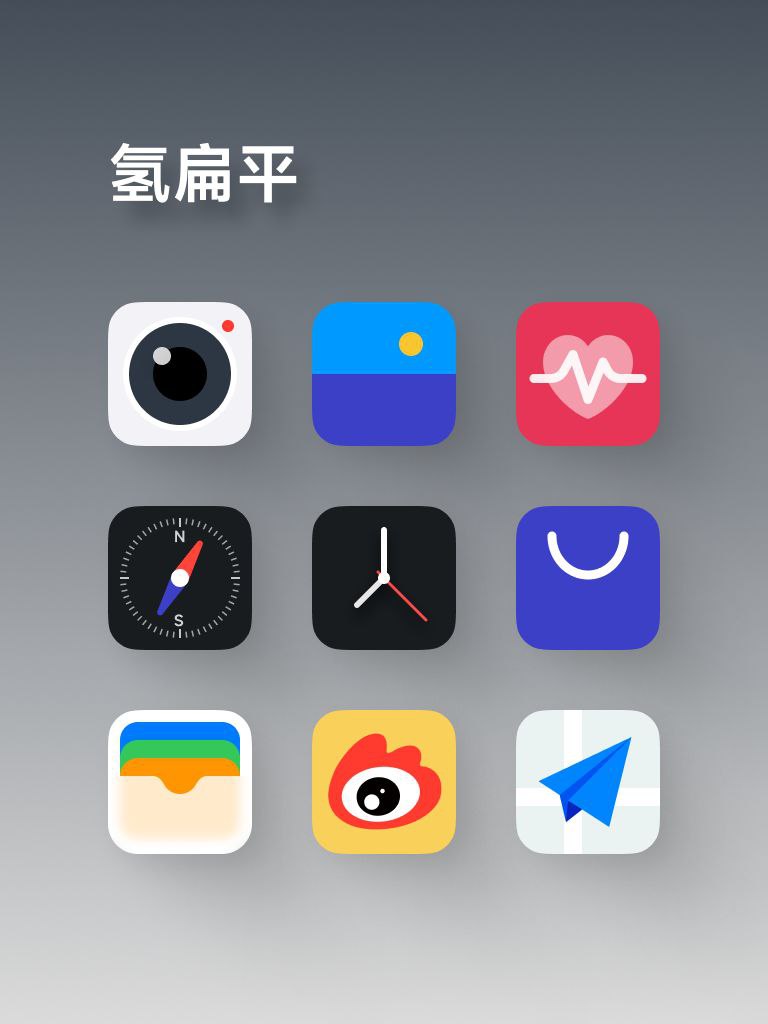
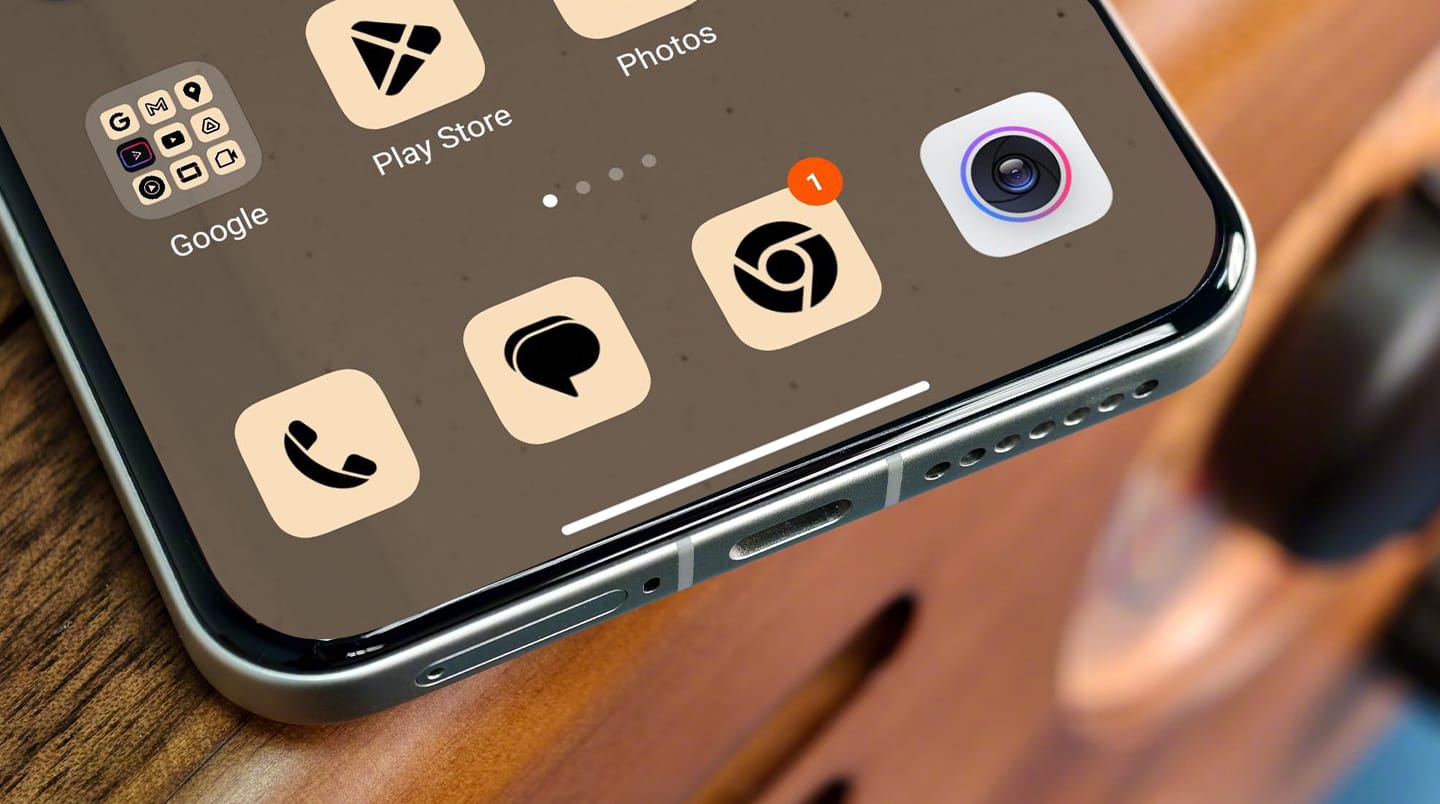
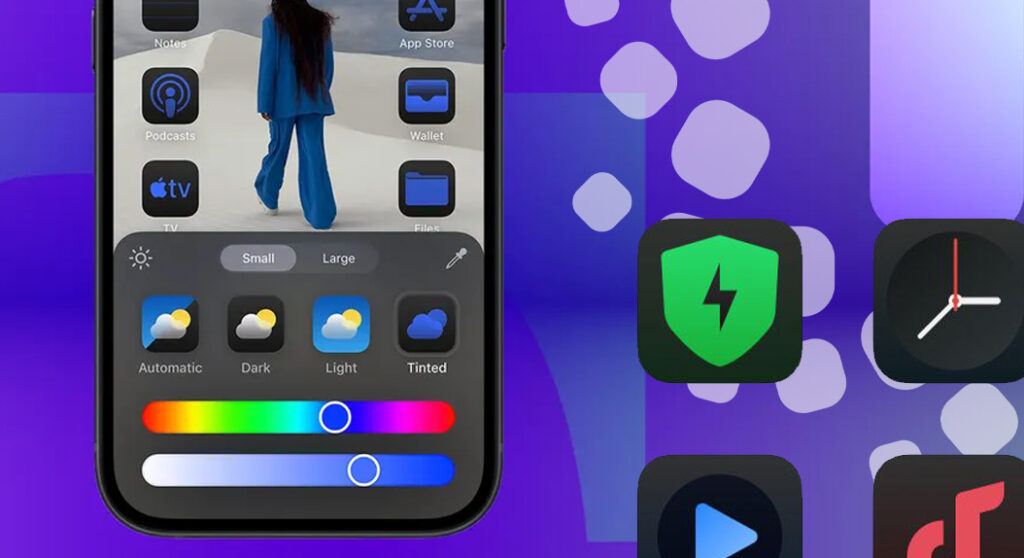
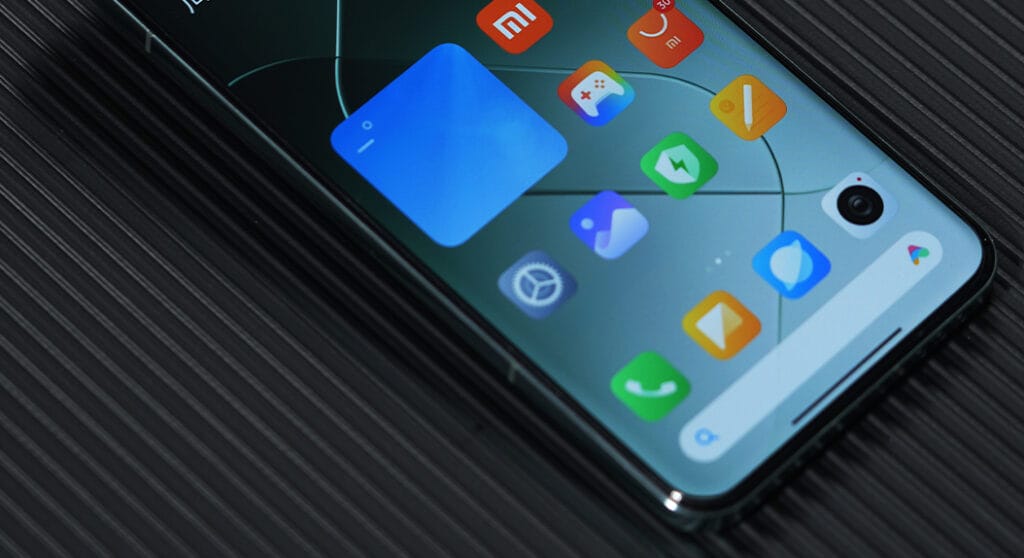
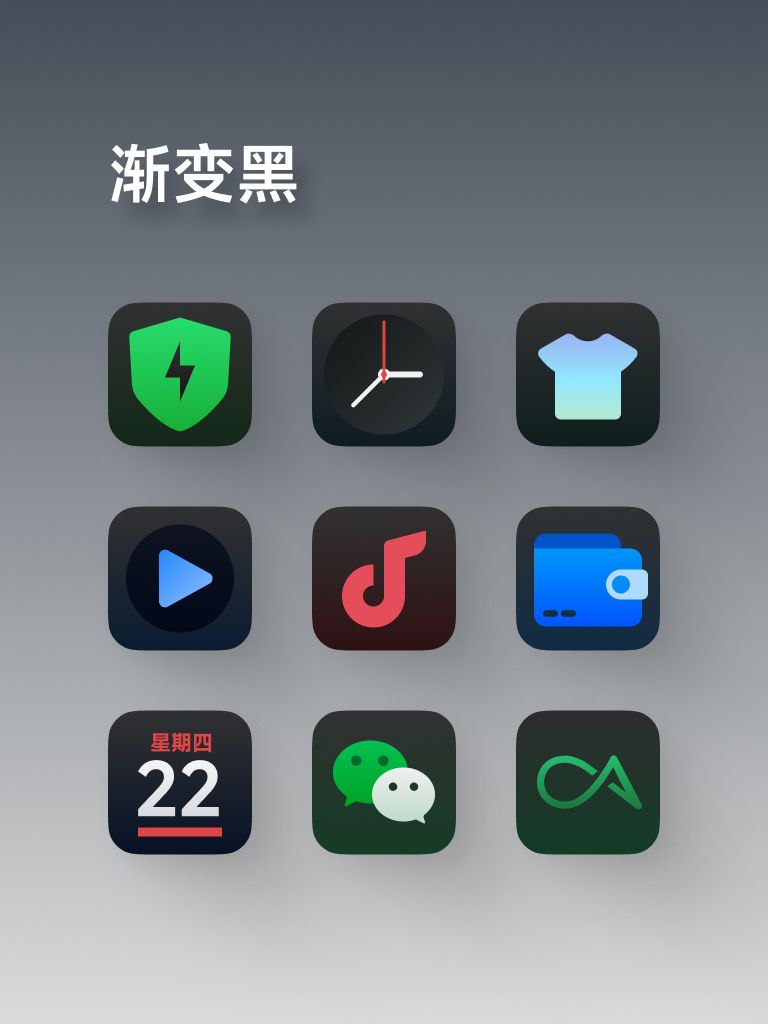
Xiaomi’s future plan: New iOS-style customized app icons

The worldwide release of Apple’s iOS 18 has changed user expectations when it comes to interface personalization. But for the Android world, this presents a particular set of challenges. While Xiaomi HyperOS remains in development as a singular operating system, the recent release of HyperOS 3 has left some power users pondering exactly why there is a lack of granular aesthetic controls. Users updating devices such as the Redmi Note 15 Pro or the new Xiaomi 17 are finding features such as native icon tinting and modular Control Centers to be conspicuous by their absence, compared to other offerings.

The Strategic Architecture of HyperOS 3

The philosophy behind the development of HyperOS 3 differs a lot from traditional smartphone skins, as this operating system is targeted for the middleware layer to support the “Human x Car x Home” ecosystem, rather than being a standalone mobile interface. Such an integration strategy severely limits the flexibility of User Interface. For seamless connectivity with Xiaomi SU7 EV and smart home products, the system takes stability and uniformity as priorities over the open sandbox approach in versions of Android.

HyperOS 2.0 iOS Style icons 3 HyperOS 2.0 iOS Style icons 1 HyperOS 2.0 iOS Style icons 2

The latest builds, such as OS3.0.4.0.WOOMIXM, indicate a focus on backend kernel optimization rather than frontend customization tools. The “stabilization lag” in this area is one of calculated engineering decisions: with these specific UI elements locked, Xiaomi ensures that the Xiaomi HyperConnect framework works reliably across tablets like the Xiaomi Pad 8 and wearable devices like the Xiaomi Band 10, without user modifications breaking the layout consistency required by cross-device communication.

Technical Limitations in Customizing Icons

One sticking point is the comparative lack of native dark icon customization. iOS 18 on-device intelligence analyzes app icons, creating dark variants in real-time. Meanwhile, HyperOS 3.0 has a “white background” technical issue with legacy Android applications.

  • The Masking Problem: The system applies a uniform “squircle” mask to all icons. Without advanced AI processing to remove white backgrounds of third-party apps, forcing Dark Mode often results in visual inconsistencies.
  • The Super Icon Engine: Xiaomi’s proprietary “Super Icons” use a custom rendering engine that supports swiping gestures. Building in a global tinting feature would involve refactoring this entire framework to provide support for dynamic color overlays, which will likely be included in a future update, like HyperOS 4.0.

Economic Factors and Internet Services

There is also a clear economic motivation for these design decisions beyond mere technical limitations. Xiaomi uses a business model with very thin margins on hardware, requiring much stronger revenue streams from Internet Services. The Theme Store remains vital to this financial arrangement.

Were Xiaomi HyperOS to include a completely native, free “Icon Studio” that’s on par with iOS 26, it would immediately cannibalize any third-party icon pack and theme markets. The current ecosystem relies on a “freemium” incentive structure wherein users are encouraged to visit the Theme Store in order to fix visual inconsistencies in the stock OS. It protects the revenue brought in by the theme designers and maintains high DAU metrics for Xiaomi’s digital marketplace.

Community Solutions and System Enhancements

But while the native system would need to wait for future updates, the community filled the gap with high-quality themes, often labeled as “iOS 26” or “Dark Mode Pro.” These themes utilize static assets to provide the uniform aesthetic the OS is currently lacking.

Themed icons in Xiaomi HyperOS

Future Roadmap: HyperOS 4 and Beyond

Currently, industry analysis indicates that these missing features of customization are being strategically reserved for future hardware cycles. As Android 17 promises to bring deeper AI integration for UI assets, Xiaomi is also likely to be working on some sort of “HyperAI” solution to generate icons. This would explain how the company will position and market this feature as a technological breakthrough for future flagships, such as the Xiaomi 17 series. Until then, the rigidity of the Control Center has a functional rationale: it ensures IoT controls remain front-and-center, bolstering engagement with the broader smart home ecosystem. This approach may limit personalization, but it anchors the operating system in its role as a central command hub within the connected lifestyle.

  •  

Your Xiaomi shows an earlier activation date? Here’s the truth

Some owners, including those of the Redmi Note 14 4G, have noticed that their phones reflect a first-activation date many weeks or even months before they had purchased the device. The situation has caused concern on platforms like Reddit, with buyers fearing they may have received a refurbished unit without their knowledge. However, according to system behavior and how logistics is done internally, this is normally harmless and does not point to prior use. As we explain below, the real indicator of a new device is hidden in the battery statistics and internal checks. For more information on devices, you can check out related content on HyperOSUpdates.com or guides about Xiaomi products.

Why Some Xiaomi Phones Show “Early Activation” Dates

The situation usually starts from the supply chain. Sellers, particularly those that handle imported or online-ordered units, usually do brief verification tests before shipping. Such checks include mere powering on of the device, making sure the screen is working, the firmware is loading correctly, and its serial number is verified. With such quick verification done, the system logs a “first use” timestamp, even if the phone was never really used by a consumer.

These tests do not degrade or alter the device, nor do they even change its status as a brand-new product. They only create an inaccurate impression for the buyer when reading system dates.

The Real Indicator: Battery Charge Cycles

The only surefire indicator about whether a Xiaomi device is actually new is the battery charge cycle counter. All phones from Xiaomi running Xiaomi HyperOS keep internal logs of cycles, which cannot be reset by sellers or standard system tools.

If your device shows:

  • 0 charge cycles
  • 100% battery health
  • No traces of wear from inside or outside.

then the hardware has never experienced real consumer use. A phone used even for a few days would reveal at least 1–3 charge cycles and noticeable changes in battery health. Therefore, a discrepancy in the activation date and purchase date is usually not evidence of refurbishment.

battery cycle

What Sellers Actually Do During Pre-Shipment Checks

Many logistics workflows follow the same general path, including:

  • Packaging inspection EN Serial number verification
  • Brief power-on test to ensure the device boots
  • Re-sealing of the box

These kinds of operations ensure that the device is delivered to a buyer in operational condition without defects. The system logs the first boot, but it cannot be considered real usage because no charging, configuration, or extended operation takes place.

This practice is common across manufacturers and does not affect warranty conditions or device performance.

How to Confirm Your Xiaomi Device Is Truly New

To confirm your phone’s authenticity and condition, please check the following:

  • Battery Cycles: 0 cycles means untouched hardware.
  • Battery health: Should be approximately 100%.
  • Box Condition: Factory-sealed unless pre-shipment checks were performed.
  • IMEI status: Origin can be checked with Xiaomi’s official IMEI verification tools.

If these conditions are met, the device is regarded as new, regardless of the system activation timestamp.

Should You Worry About This Issue?

No, the activation date is only a system marker and was created for logistic verification. It does not represent the actual use or renovation of the device. Provided battery statistics confirm zero cycles, the device is brand new. Knowledge of this behavior can help in avoiding unnecessary doubts and keep confidence at the time of purchase of a Xiaomi product.

  •  

Xiaomi Home reopens in France with its first official store in Paris

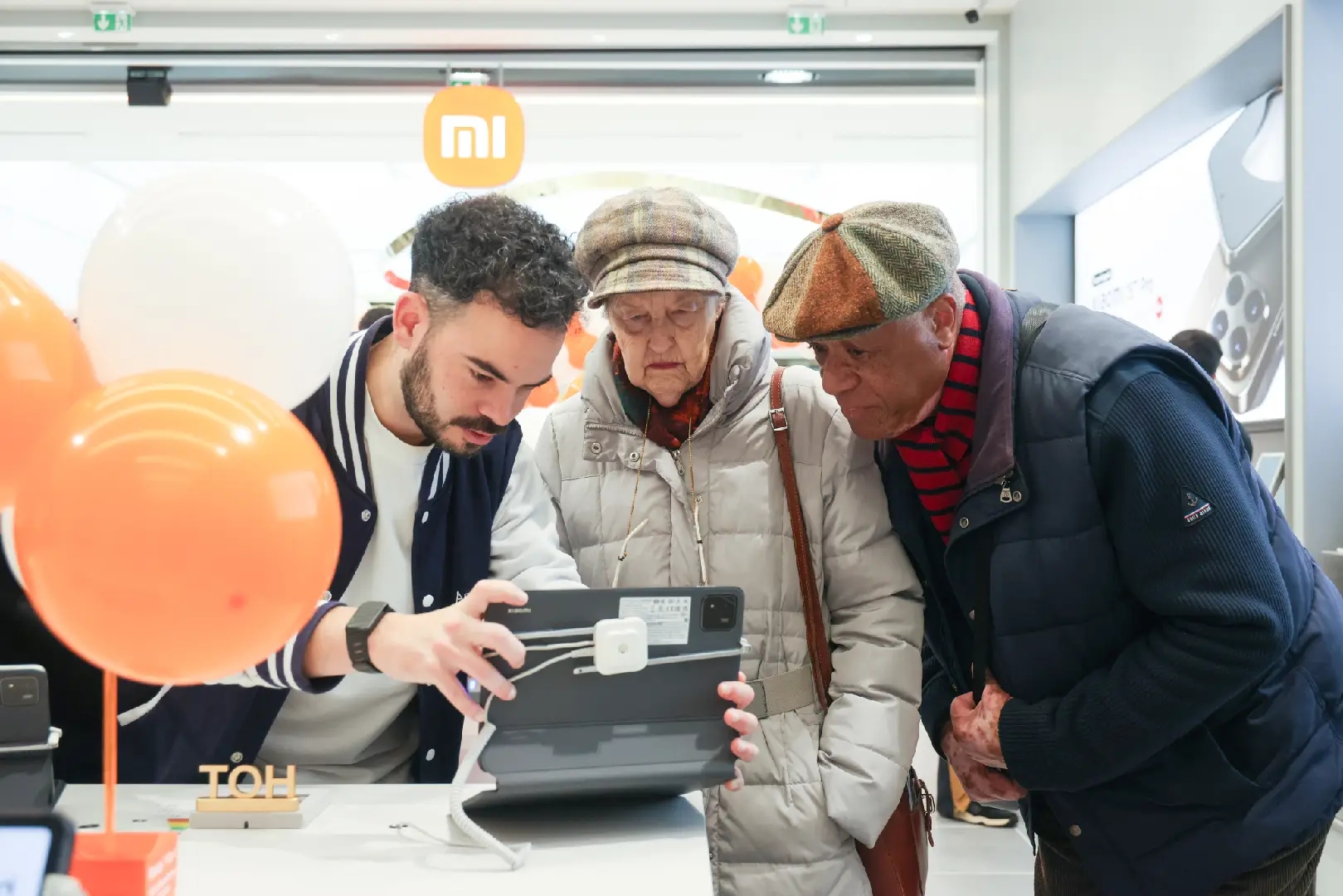
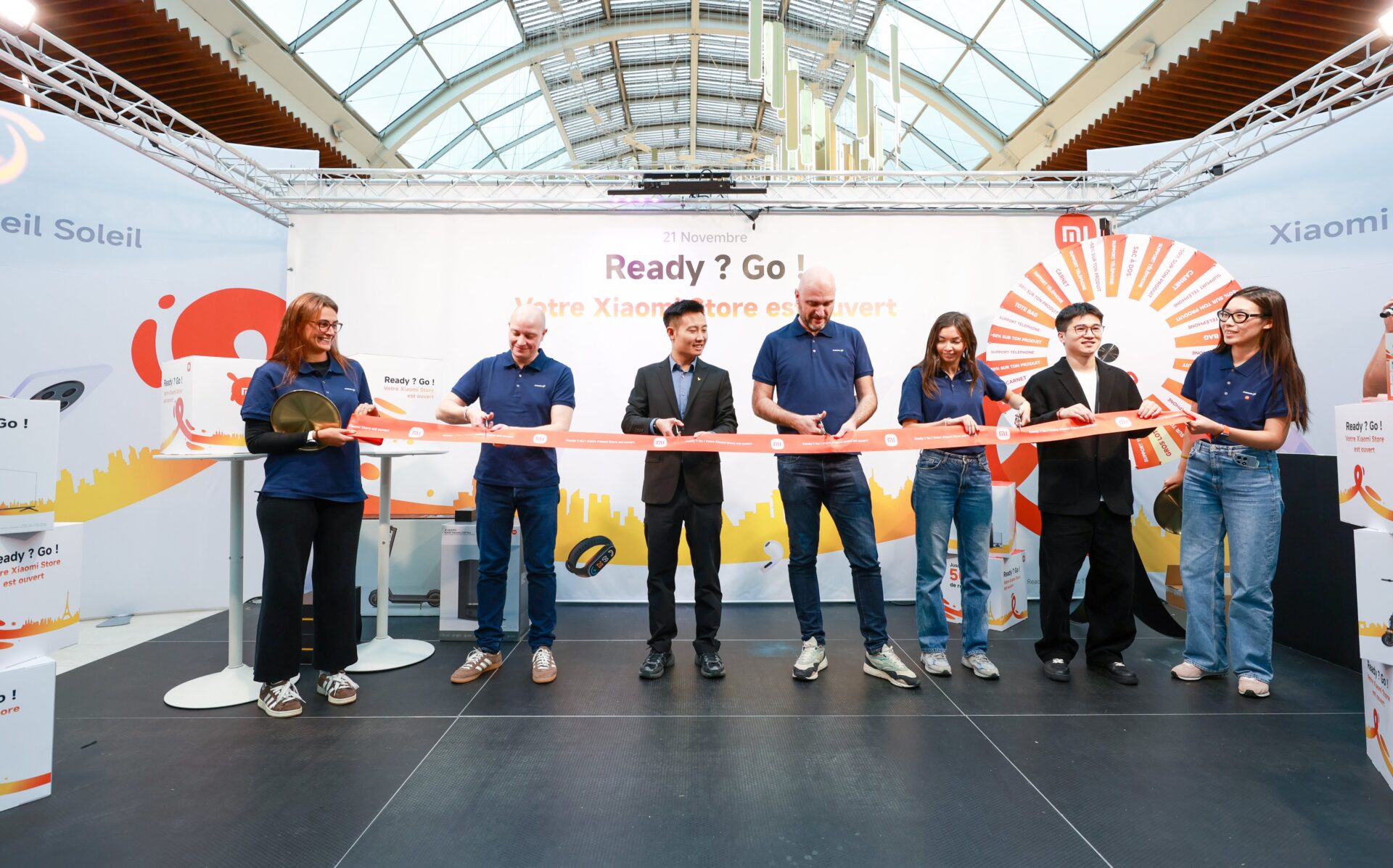
After years away, Xiaomi has returned to French retail with the grand opening of its first directly operated Xiaomi Home store in Paris. An important executive at the helm of the Xiaomi Group, Lu Weibing, officially announced the development. The new store builds on Xiaomi’s earlier presence in the country and strengthens its European retail strategy, which is already supported by products like the Xiaomi 15Redmi Note series, and an extensive portfolio of smart home devices available through partners like FNAC and Carrefour.

Xiaomi Returns to the French Market

Located in Créteil Soleil, this new directly operated store represents the brand’s return to France. An authorized store on the Champs-Élysées had been previously opened by the company; however, that store was operated by a third-party customer and thus was temporarily closed during the pandemic. This new store, however, is fully operated by Xiaomi, meaning that Xiaomi is committed to the French market in a stronger way for the long run.

This renewed physical appearance from Xiaomi aims at providing a far more integrated experience for French consumers across offerings from smartphones and tablets to wearables and smart home products. The brand will expand its visibility through direct retail, complementing its existing presence in online and offline partner channels.

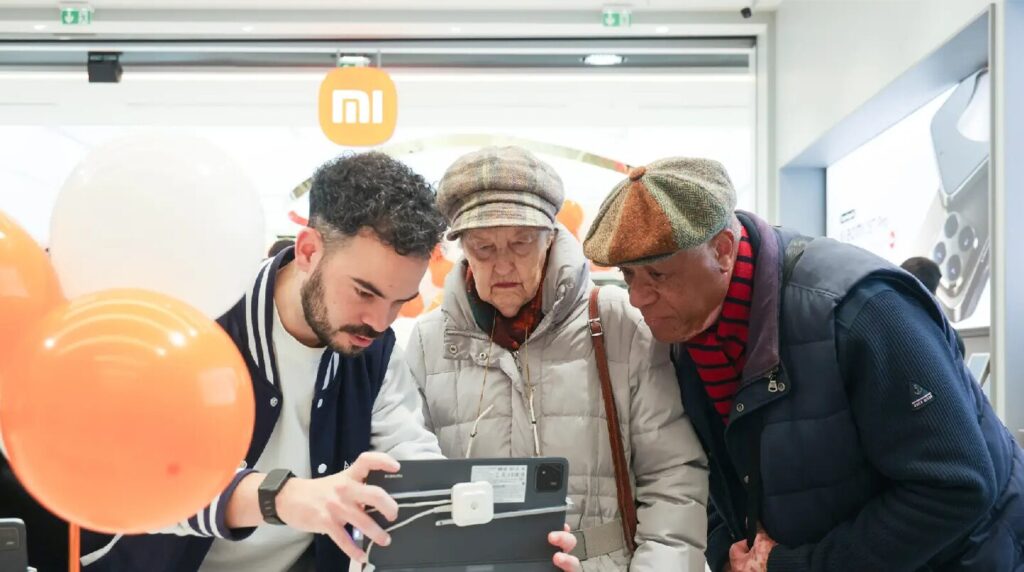
Xiaomi STORE FRANCE 2 Xiaomi STORE FRANCE 3 Xiaomi STORE FRANCE 4 Xiaomi STORE FRANCE 1

Journey Since 2018

Xiaomi entered France officially in May 2018 with the opening of an authorized store on Boulevard Sébastopol in Paris. At that launch, it had introduced the Xiaomi MIX 2SRedmi Note 5, and a range of ecosystem products including the Xiaomi Electric Scooter. Xiaomi also partnered with major retail chains like FNACDARTY, and Carrefour, which ensures wide distribution of its products across the country.

This new official Xiaomi Home store reflects the brand’s strategic intention of enhancing customer engagement, providing hands-on product experiences, and extending after-sales support in a more direct and standardized way.

What French Consumers Can Expect

Xiaomi Homes are designed to house a whole product ecosystem, which includes:

  • Latest Xiaomi smartphones
  • Xiaomi Pad tablets AIoT products for smart homes Wearables including but not limited to Xiaomi Band and Xiaomi Watch models
  • Lifestyle and mobility products

The store in Paris will also support device consultation, hands-on trials, and product guidance, allowing users to better understand Xiaomi’s ever-expanding ecosystem.

Strengthening Global Expansion

This new opening further aligns with the broader global retail roadmap of Xiaomi, following the company’s keen emphasis on strengthening its presence in Europe. With the new store, Xiaomi demonstrates its confidence in the French market and further increases accessibility for its extensive product lineup.

Source

  •  

Xiaomi 15 Ultra price drops: Which countries offer the best deals?

The Xiaomi 15 Ultra has entered one of its most significant global discount periods as retailers prepare for the arrival of the next-generation Xiaomi 17 Ultra. During the Black Friday 2025 season, the flagship saw substantial price cuts across Europe and China, with the former’s inventory optimization and the latter’s accelerated product cycles driving Xiaomi’s respective pricing strategies. This article examines where the Xiaomi 15 Ultra sees the most discounts, how varying regional markets affect its pricing, and what buyers should look toward prior to the official unveiling of the Xiaomi 17 Ultra. Additional insights into Xiaomi flagships can also be found in our Xiaomi 15 and Xiaomi 15 Pro coverage on XiaomiTime.com.

Global Pricing Strategy and Market Transition

At the same time, Xiaomi’s transition from the 15 Ultra to the upcoming 17 Ultra marks one of the fastest generational shifts in the company’s flagship roadmap. Before taking a closer look at country-specific discounts, it’s important to understand what strategic conditions may be responsible for these price drops. The company has pushed forward its release schedule and is expected to announce the Xiaomi 17 Ultra in China before the end of December 2025, powered by the Snapdragon 8 Elite Gen 5 platform and the latest HyperOS 3. Such an accelerated cycle naturally encourages retailers to clear Xiaomi 15 Ultra inventory ahead of the new model’s introduction.

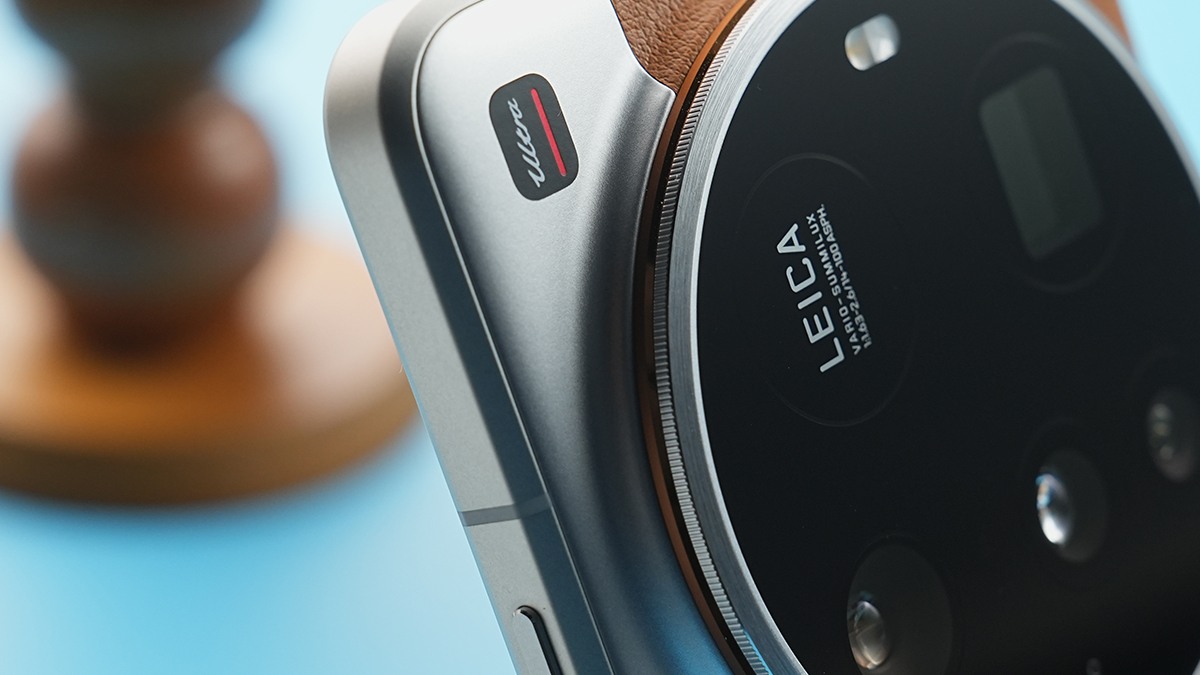
Xiaomi 17 Ultra 1

Why the Price Is Falling

The flagship is consequently subjected to aggressive reductions, considering how early most retailers have started stock liquidation efforts. Retailers expect a very quick migration by consumers to the Xiaomi 17 Ultra when it launches with its higher-grade camera systems, AI performance, and design refinement. Also, the fact that there was no “Xiaomi 16” series, in a strategic move to get model numbering in line with Apple, makes this shift in expectations more pronounced before the next release.

Europe: The Largest Discounts in the World

Europe is the leading region with the strongest discounts for Xiaomi 15 Ultra, supported by competitive market conditions, seasonal retail campaigns, and requirements from distributors to clear their existing inventory.

Germany

For example, the German retailers MediaMarkt and Saturn offered significant Black Friday discounts. The recommended retail price for the Xiaomi 15 Ultra was about €1,499, reduced by an impressive 17% to about €1,239≈ USD 1,340. Flexible monthly financing boosts the competitiveness of the device in an inflation-strained market.

United Kingdom

The UK currently hosts some of the steepest price cuts, with the Xiaomi 15 Ultra falling from its £1,300 MSRP to nearly £860 ≈ USD 1,080 on Amazon UK. At this price level, the device becomes nearly £440 cheaper than Samsung’s Galaxy S25 Ultra, giving customers a strong flagship alternative at significantly lower costs.

Southern Europe

Platforms like those in Italy and Spain show periodic reductions, with pricing often below €1,100 ≈ USD 1,190. Retail variation is common, and prices tend to soften even further as the launch of the Xiaomi 17 Ultra draws closer.

Türkiye: High Taxes Limit Visible Discounts

Turkey continues to be one of the most challenging smartphone markets because of the strong taxation policies and currency volatility. Xiaomi 15 Ultra price cuts are relatively modest despite participating in “Efsane Kasım” sales.

A 16GB/512GB unit guaranteed by Xiaomi Türkiye varies from 74,899 TL to 90,000 TL (≈ USD 2,250–2,700), which surely reflects the impact of ÖTV, KDV, and other taxes. While a price of 74,899 TL is competitive within the local environment, this is still much more expensive than European pricing due to structural cost differences.

Buyers must ensure listings strictly mention “Xiaomi Türkiye Garantili” because devices with import warranty do not have any official support for servicing and have lower resale value generally.

India: Stable Pricing Through Festival Offers

The pricing of India’s Xiaomi 15 Ultra has not seen significant direct cuts. Discounts are instead offered by way of cashback schemes and exchange bonus during events over the Great Indian Festival and Big Billion Days.

The device usually sticks to the price of 109,999 INR ≈ USD 1,320, with minimal deviations. Controlled inventory along with limited volume in the Ultra category helps retain the pricing consistent through the season.

China and Cross-Border Platforms

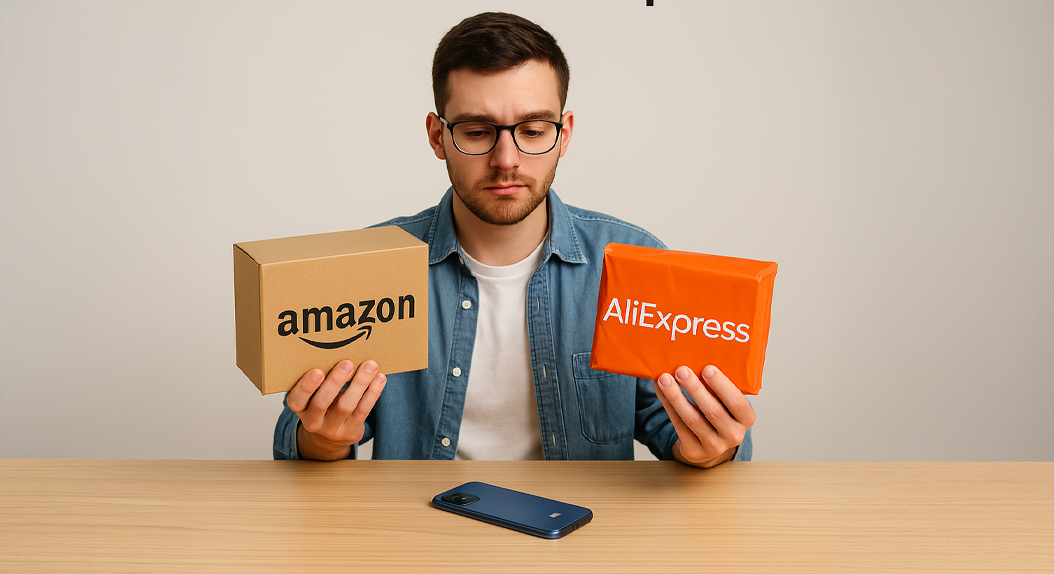
As the market most proximate to the launch of the Xiaomi 17 Ultra, China shows sharp declines, especially through online retailers. Global-version listings on major platforms like AliExpress range from USD 1,184 to USD 1,400, depending on region and storage configuration. However, for countries with strict IMEI registration policies, such as Türkiye, cross-border purchases may result in substantial additional fees.

amazon vs

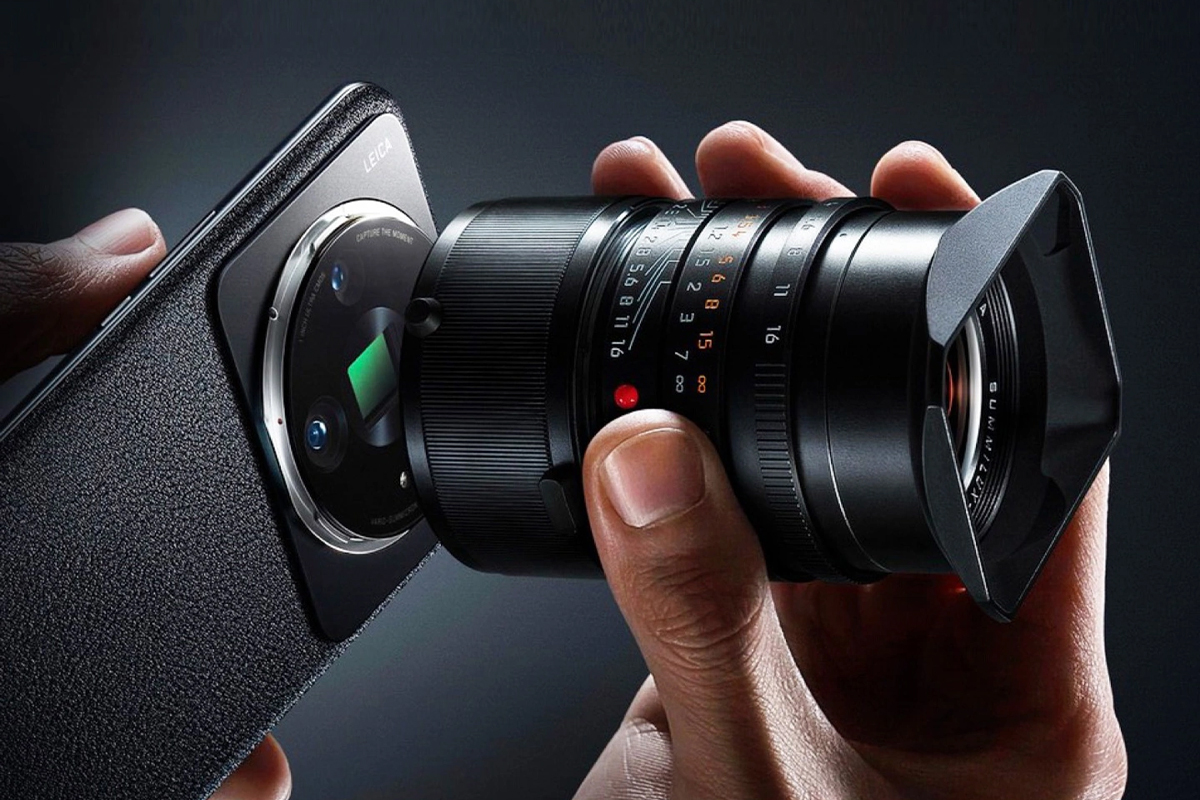
Should You Wait for the Xiaomi 17 Ultra? The Xiaomi 17 Ultra is bound to bring in much-needed updates, including:

  • Snapdragon 8 Elite Gen 5 platform
  • New 200MP periscope zoom system
  • Updated 1-inch primary sensor
  • Increased battery efficiency through advanced fabrication processes

With a likely China debut between 22–28 December 2025, and worldwide sales around MWC 2026, the Xiaomi 17 Ultra may be a good value for power users who want cutting-edge AI features and advances in next-generation cameras. However, the Xiaomi 15 Ultra is still one of the most powerful premium imaging smartphones out there, at prices that have recently reached historic lows in multiple markets.

Xiaomi 17 Ultra leak reveals worlds first physical zoom camera

The Xiaomi 15 Ultra currently sees the most aggressive discounting in Germany, the UK, and Southern Europe, followed by China via global e-commerce channels. While Turkey and India show less pronounced reductions due to local economic factors, the device still participates in seasonal promotions. These price drops are directly related to the impending launch of the Xiaomi 17 Ultra and represent a great opportunity for consumers looking to get a premium flagship at a much lower price.

  •  

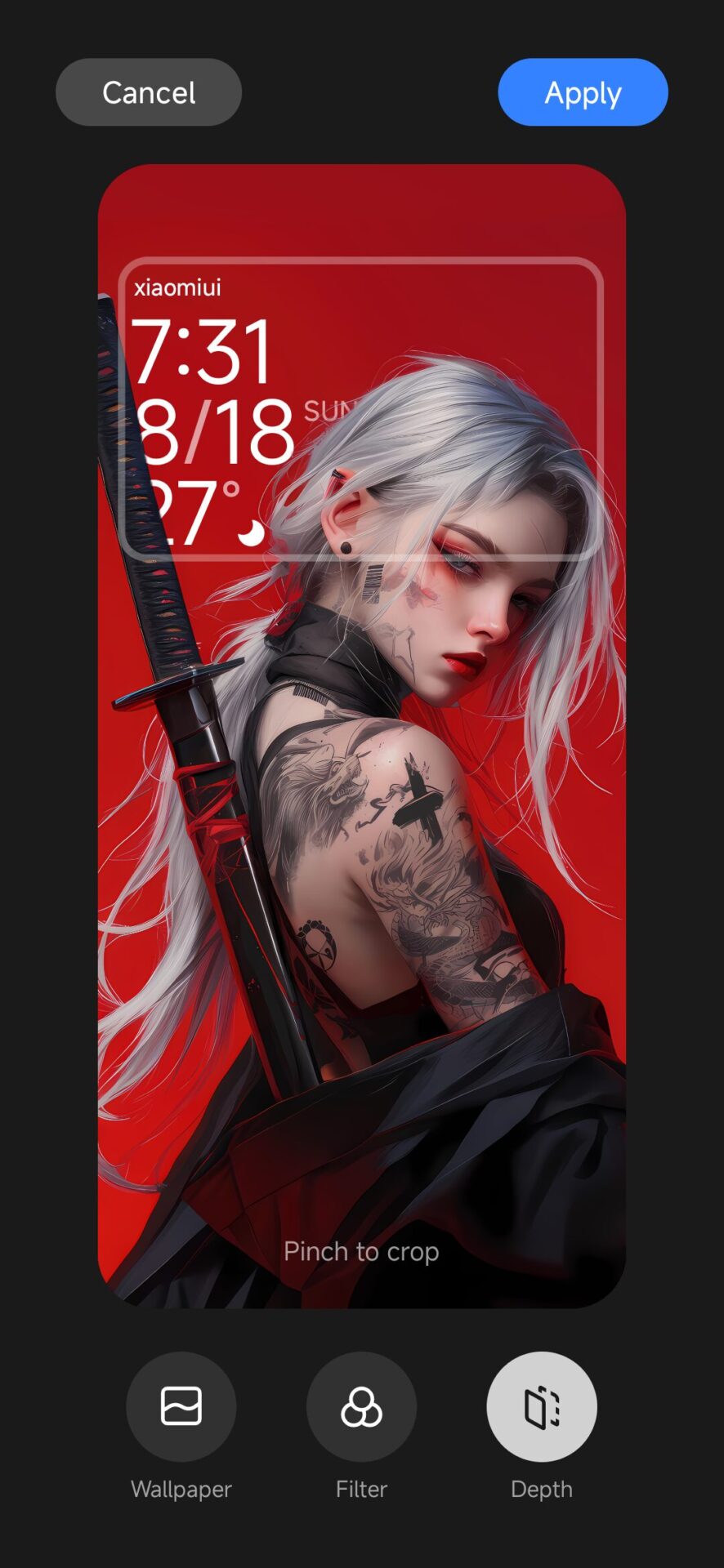
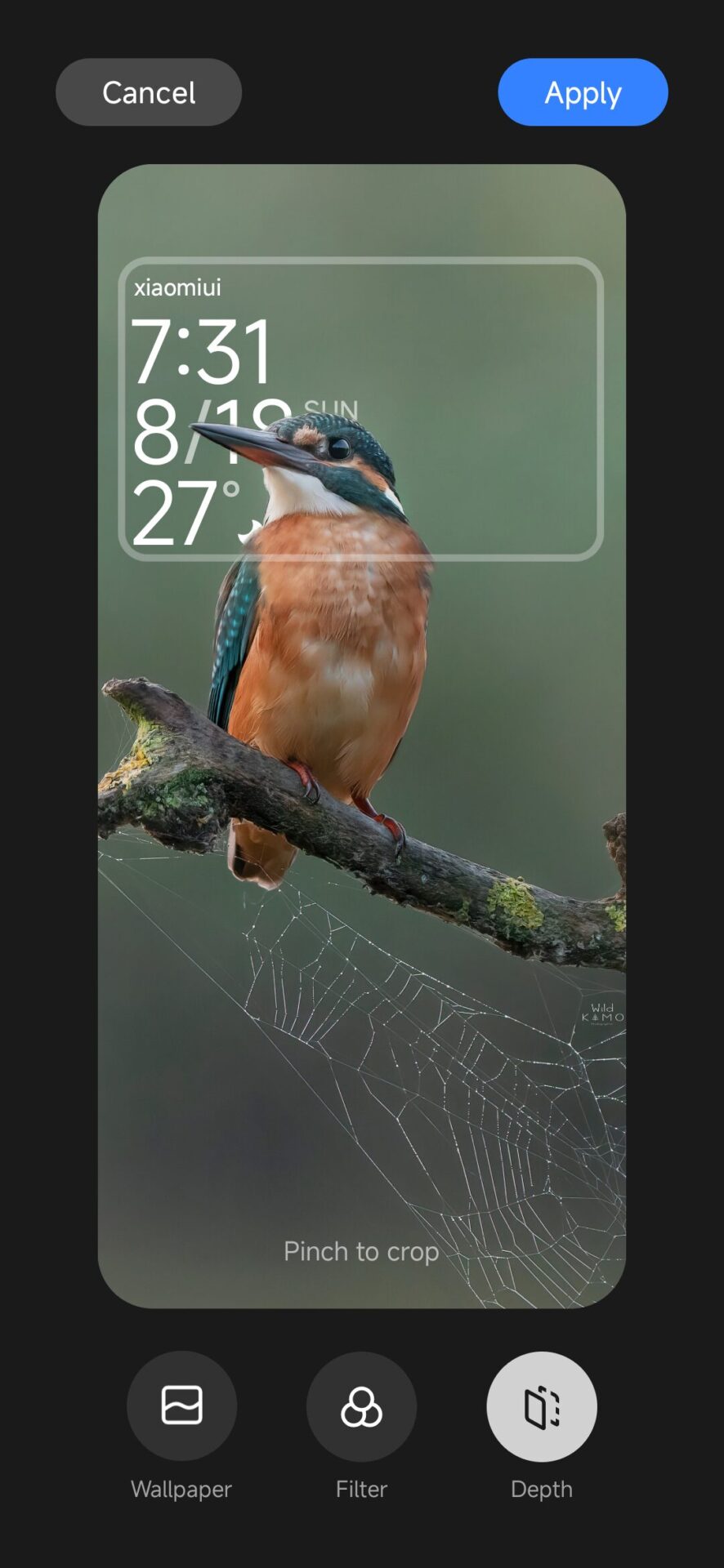
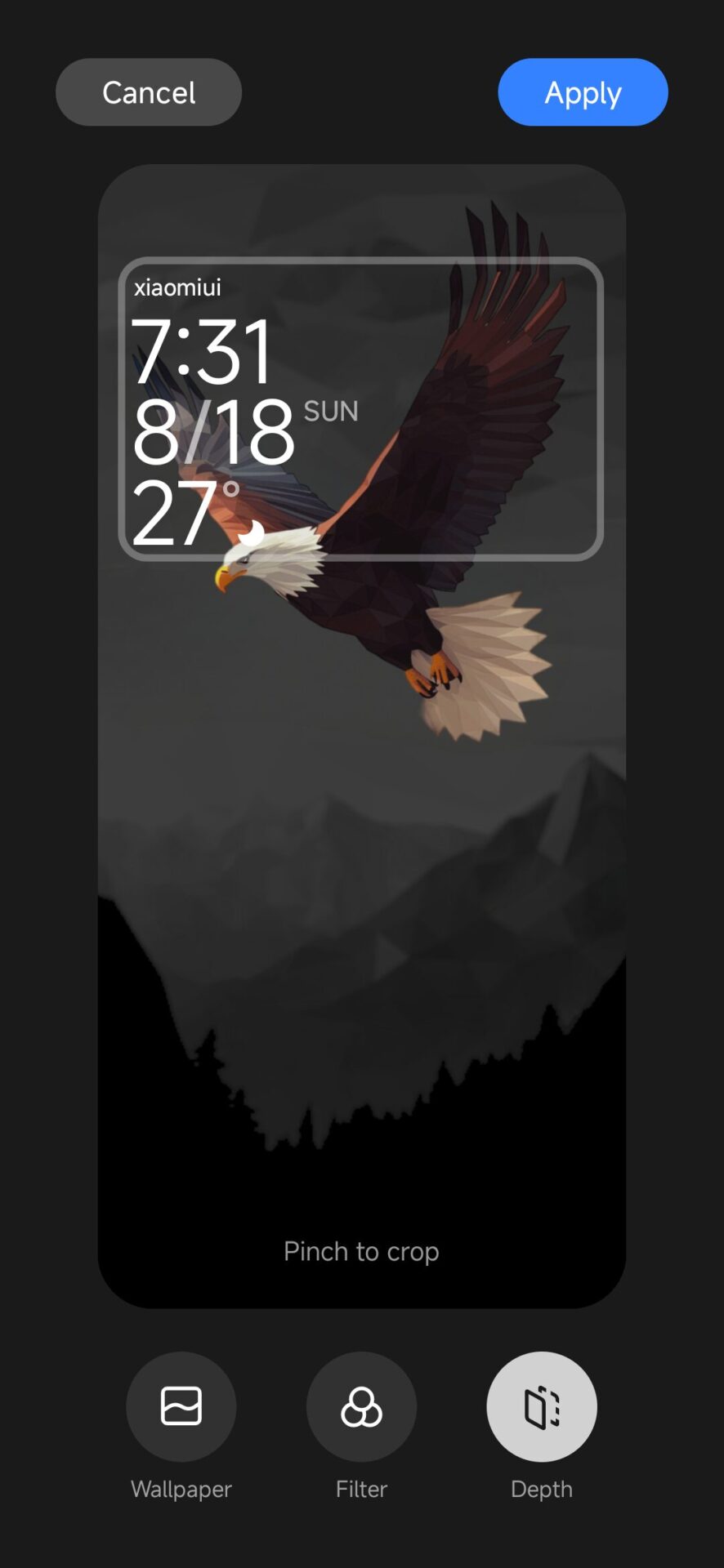
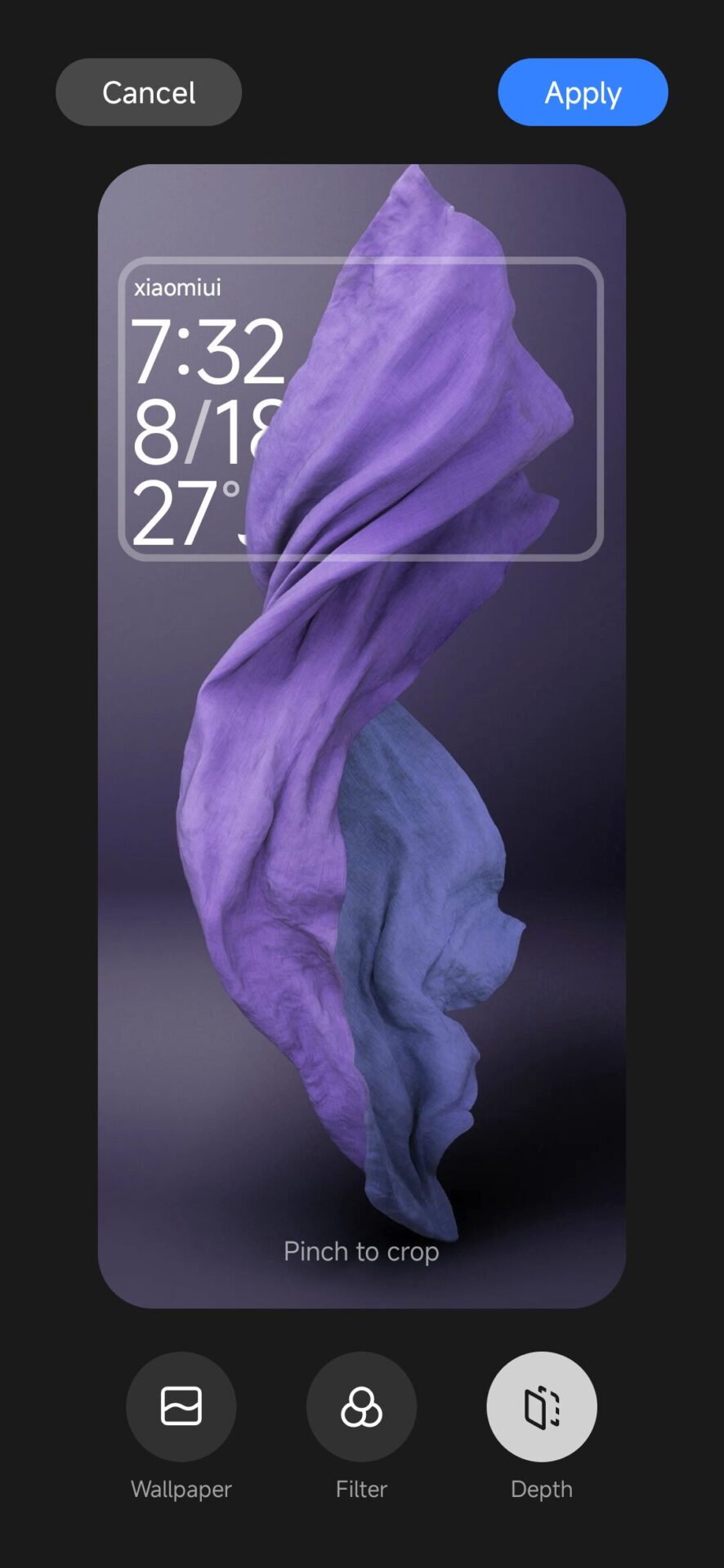
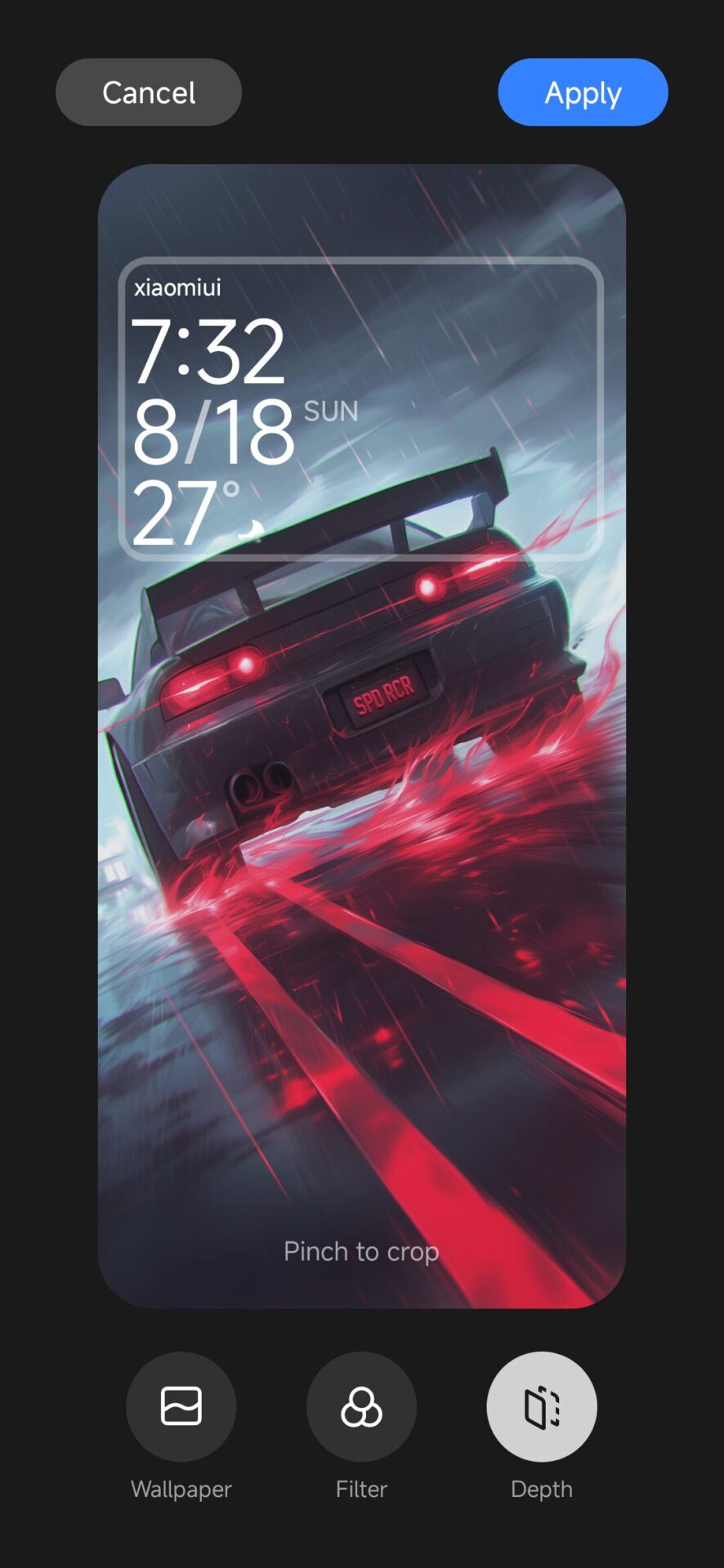
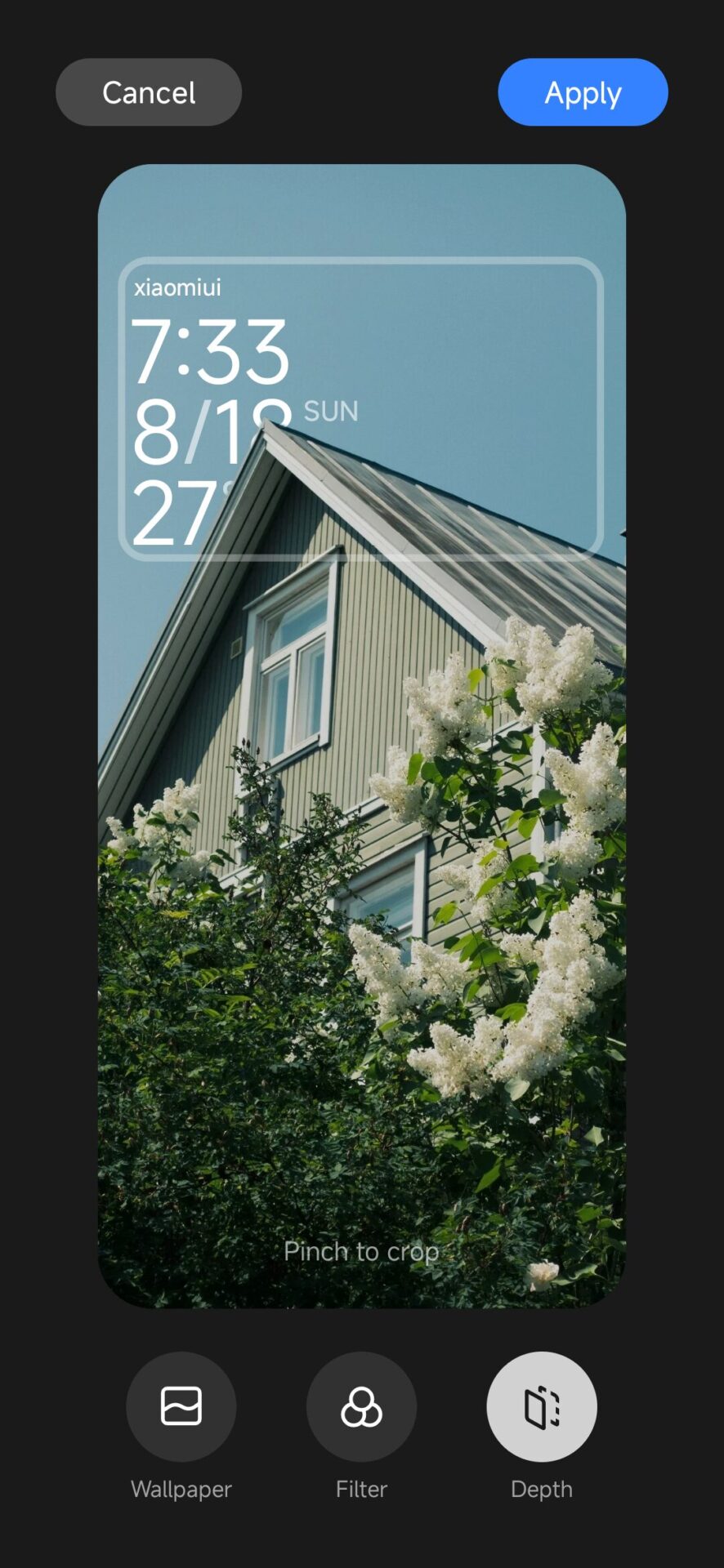
58 depth effect wallpapers gallery for Xiaomi HyperOS

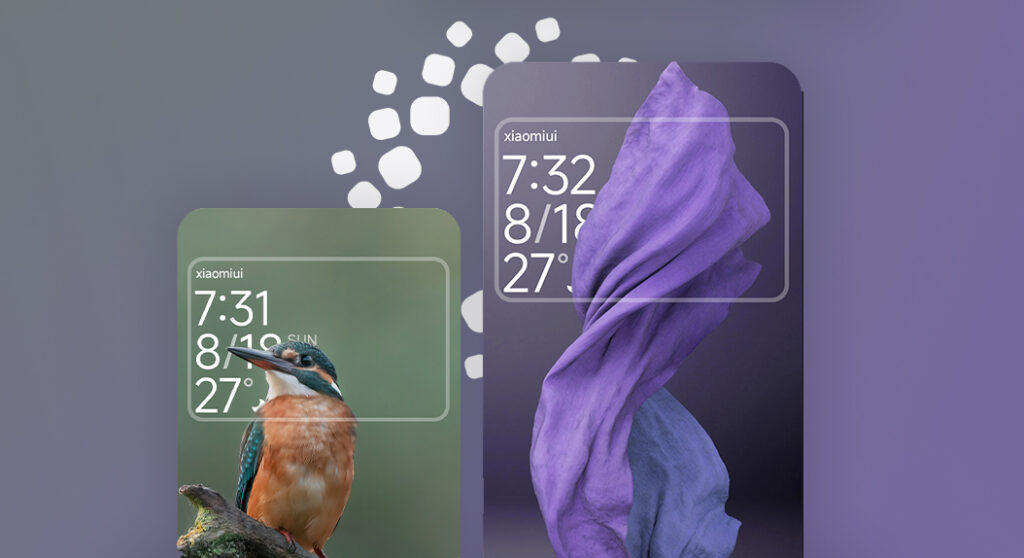
Some good news for Xiaomi fans! The all-new Depth Effect with HyperOS 3 for Xiaomi makes your lock screen wallpapers look dynamic and give them a 3D-like touch. A very popular feature in iOS has arrived in a Xiaomi, enabling a much more immersive and visually appealing experience. And today, to celebrate this, we present a collection of 58 wallpapers optimized for this feature, published exclusively on our Xiaomi fan website.

How to apply the wallpapers with depth effect to Xiaomi HyperOS 3

Activating depth effect on your Xiaomi device is quite simple. Here’s how you can customize your lock screen:

  • Enter the Lock Screen Customizer: Long press on an empty area of your lock screen to launch the customization of the lock screen.
  • Wallpaper: Select your picture from the gallery or download it from ours. The Depth Effect will automatically apply and give your lock screen an enthralling depth effect.

Why Depth Effect Wallpapers?

These depth effect wallpapers make the elements of the wallpaper float or show depth against the background. Not that it doesn’t already enhance the beauty of your device; it just makes everything look very fresh and modern every time you unlock your phone.

Exclusive Collection: 58 Depth Effect Wallpapers

To take full advantage of the feature, however, we’ve put together a special collection 58 free wallpapers supporting Depth Effect. Each of these is carefully selected to ensure it provides the best of visual experience when paired with Xiaomi’s HyperOS 3—ranging from a cool Pokémon theme to something as stunning as a forest theme.

Here are five previews to selected wallpapers from our Uwalls Telegram Channel. Dive into the full archive of 58 wallpapers and get the scoop on the Depth Effect for an impeccable visual experience on your Xiaomi device. To pick and download all wallpapers go to our Uwalls Telegram Channel.

Depth Wallpapers for Xiaomi HyperOS 1 Depth Wallpapers for Xiaomi HyperOS 2 Depth Wallpapers for Xiaomi HyperOS 3 Depth Wallpapers for Xiaomi HyperOS 4 Depth Wallpapers for Xiaomi HyperOS 5 Depth Wallpapers for Xiaomi HyperOS 6

Keep up to date with the HyperOS for Xiaomi Don’t miss new updates regarding features: save our website and visit us often to find out new wallpapers and other hot content about Xiaomi HyperOS. With the possibility of modifying the look of the Lock Screen using Depth Effect wallpapers, personal moments are becoming unique and interesting things each time the device is used. Have a look at the collection today and make the Xiaomi devices look amazingly alive with the Depth Effect feature under HyperOS 1.0. Stay tuned to our Xiaomi fan website for more tips, tricks, and updates. Happy customizing!

  •  
❌