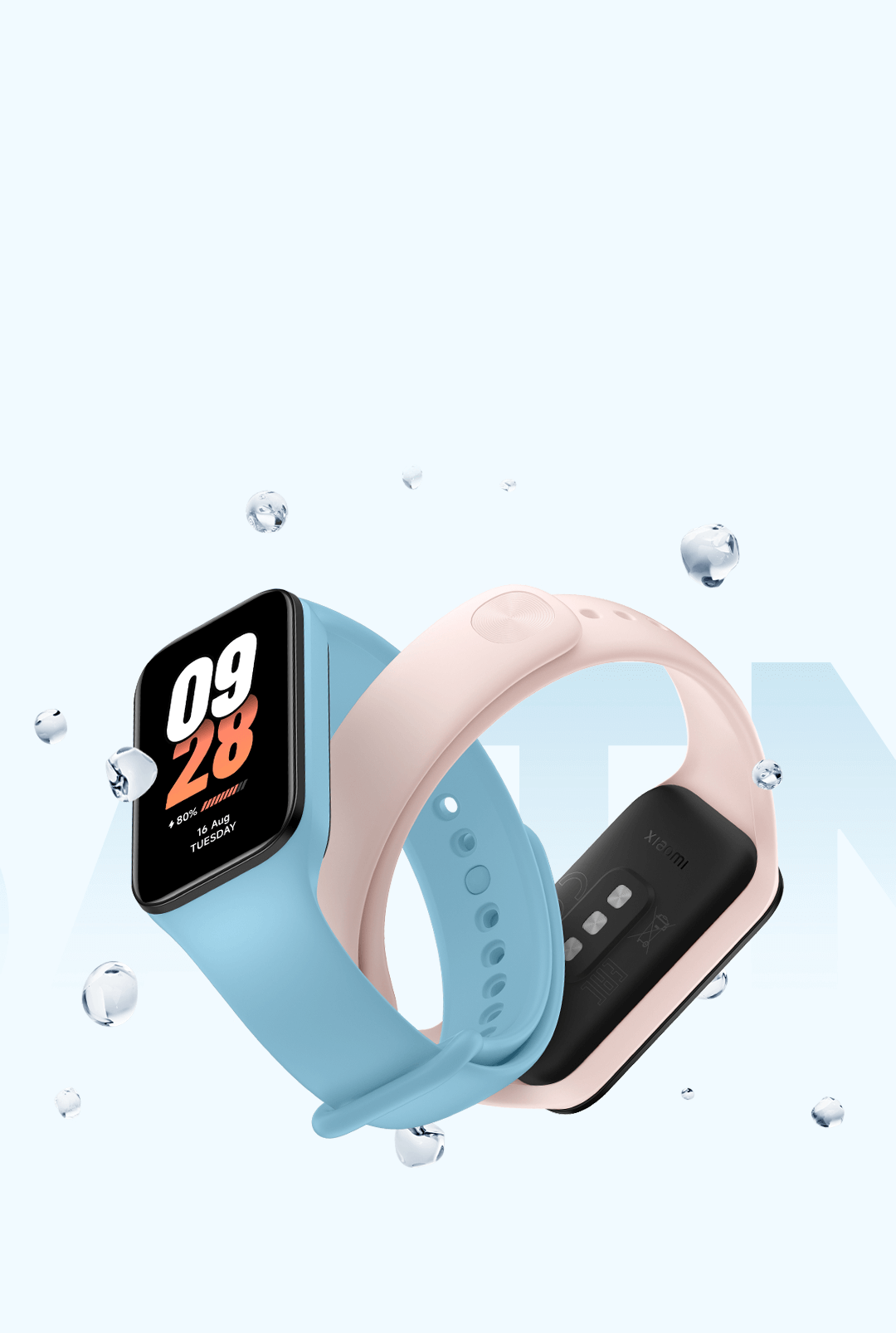
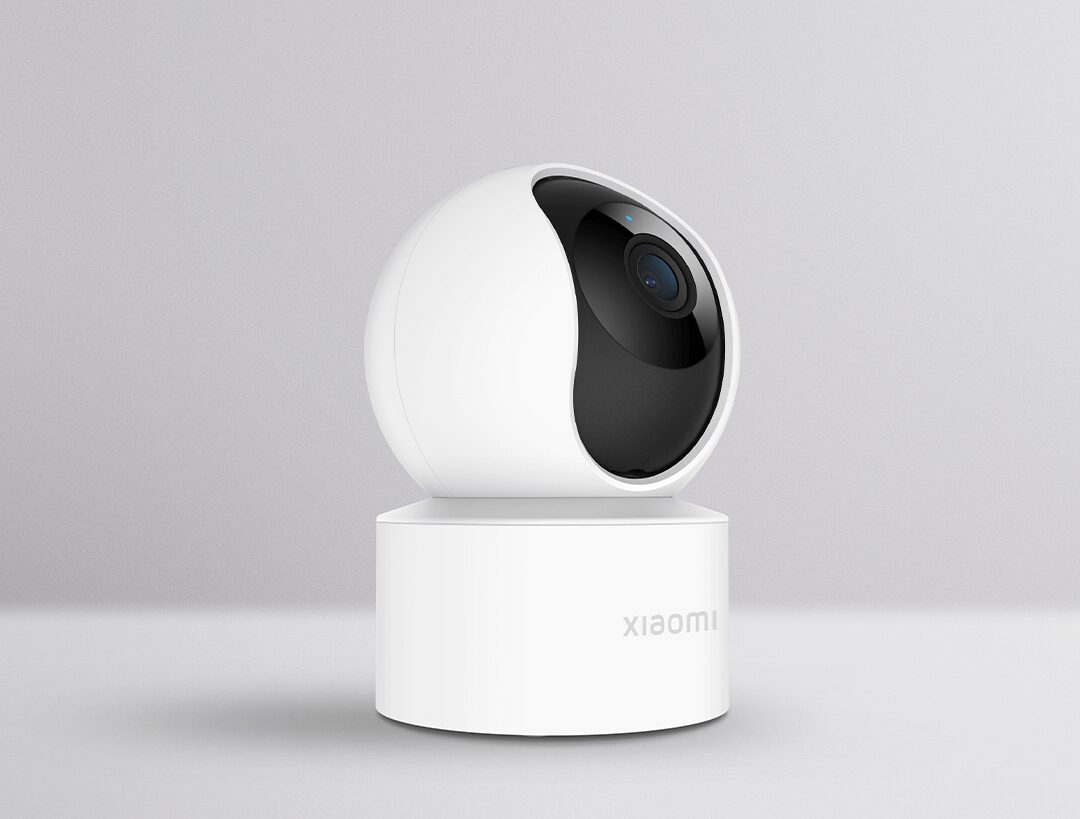
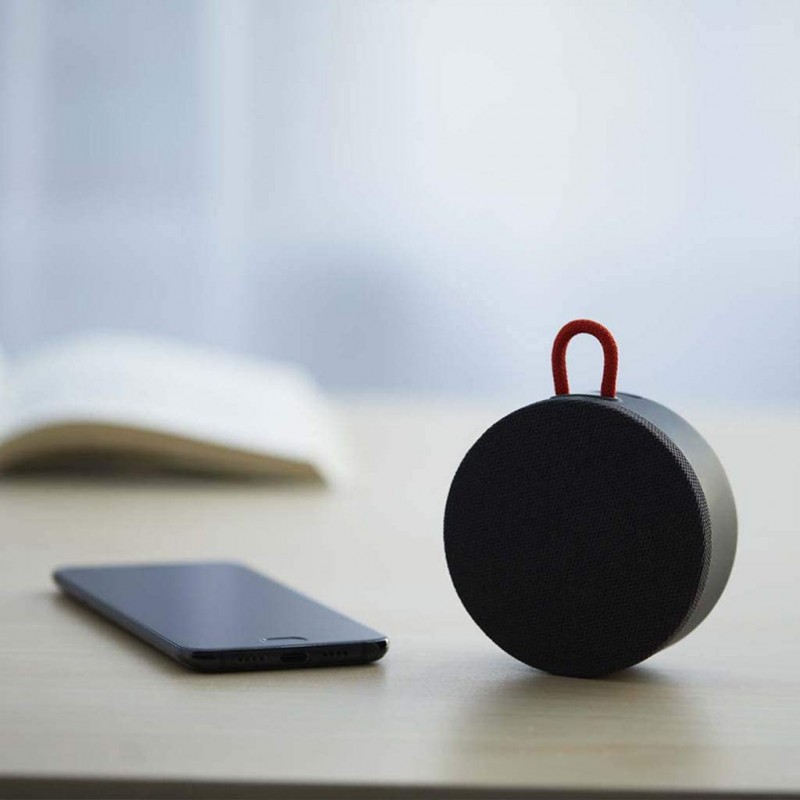
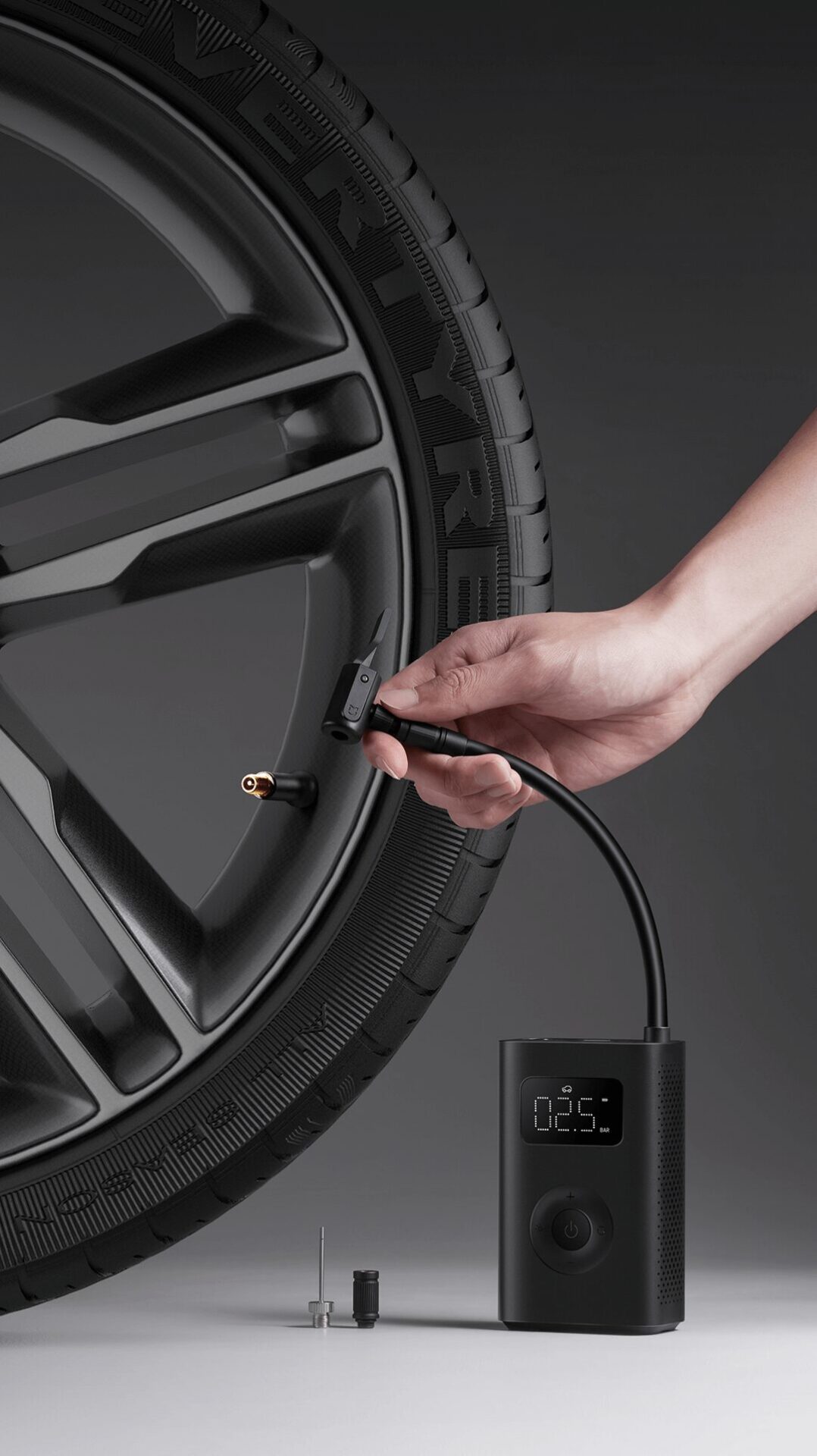
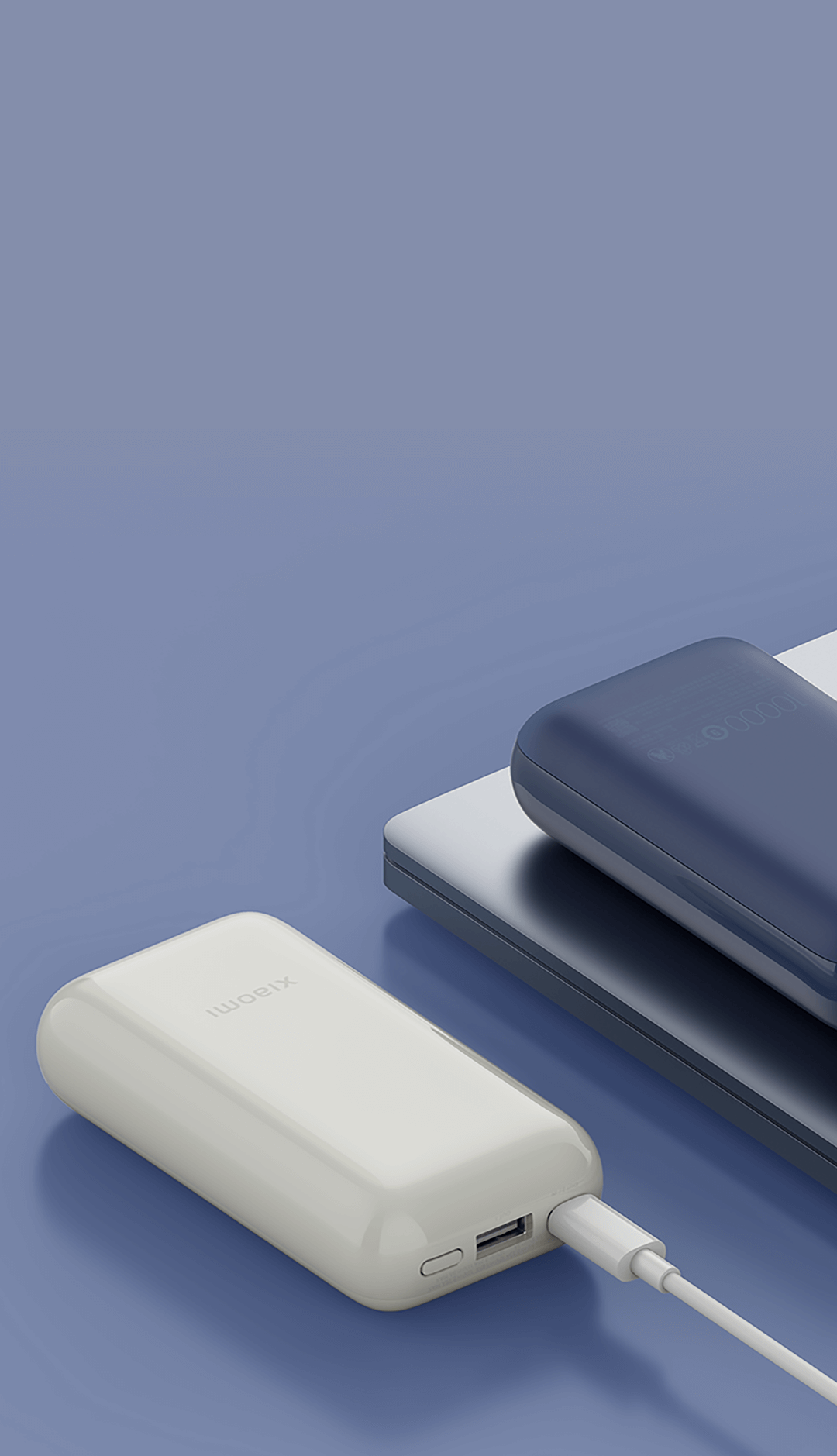
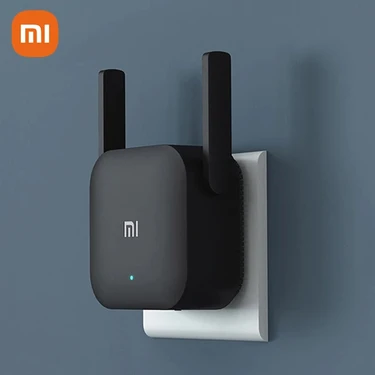
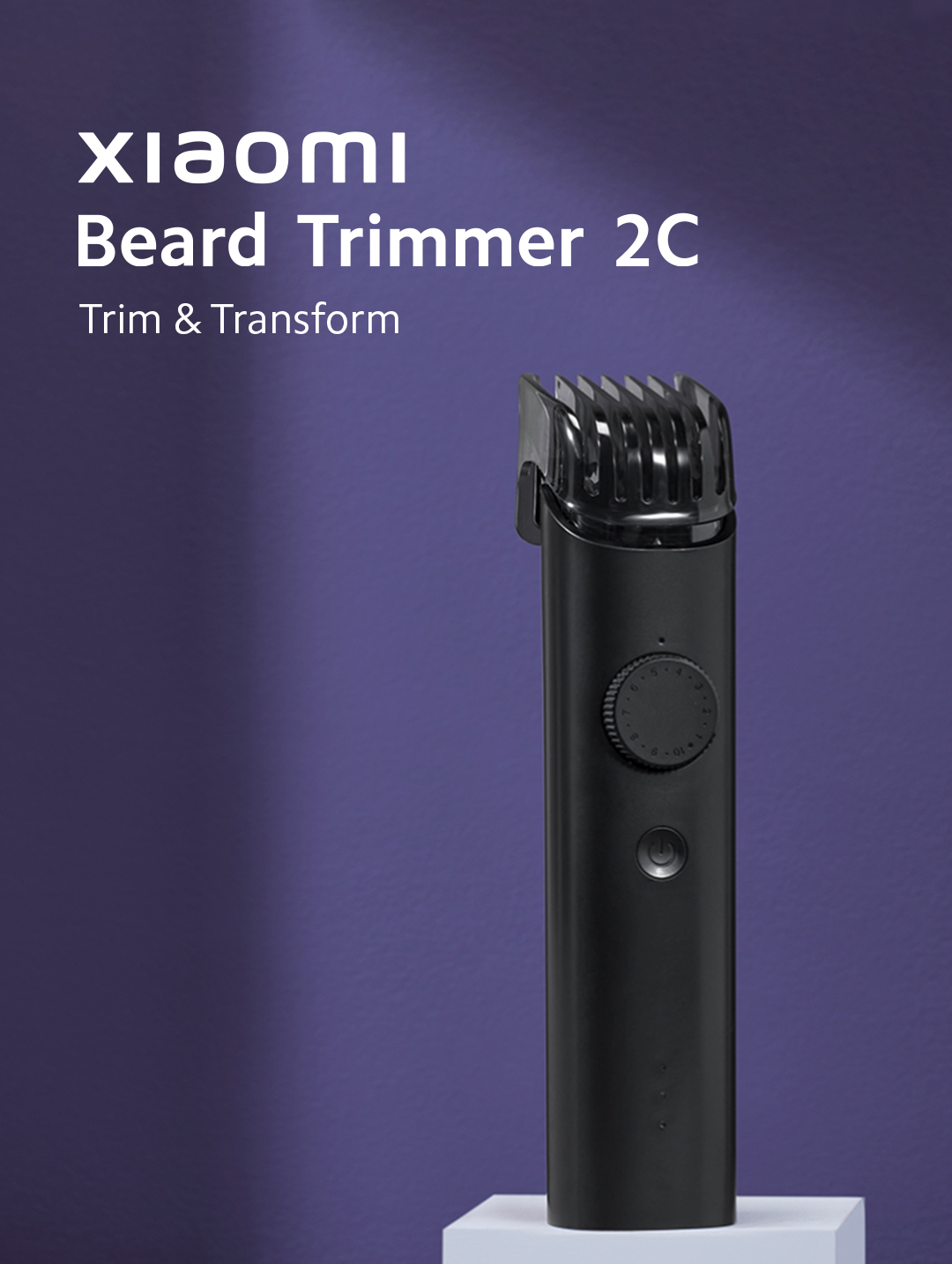
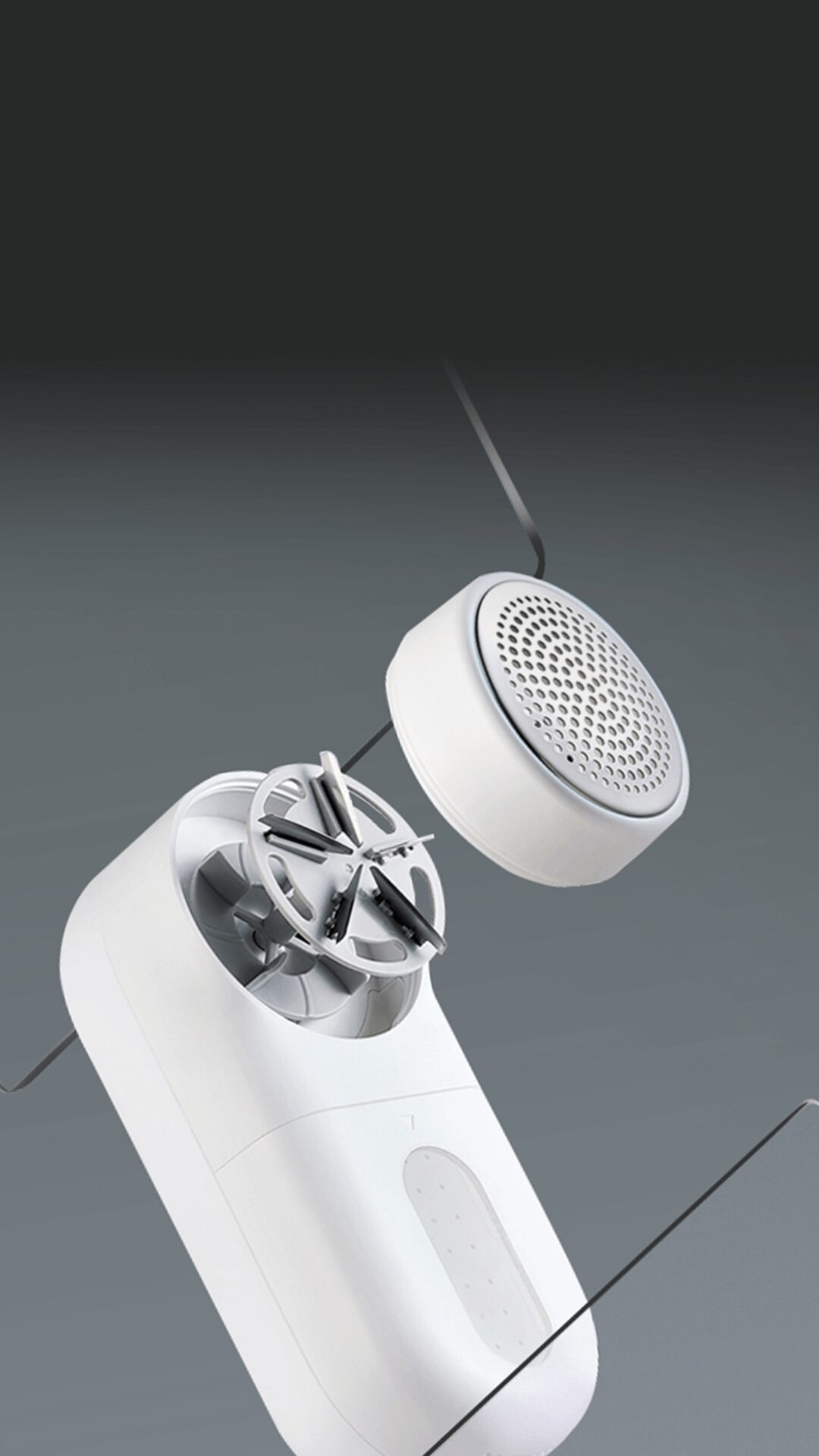
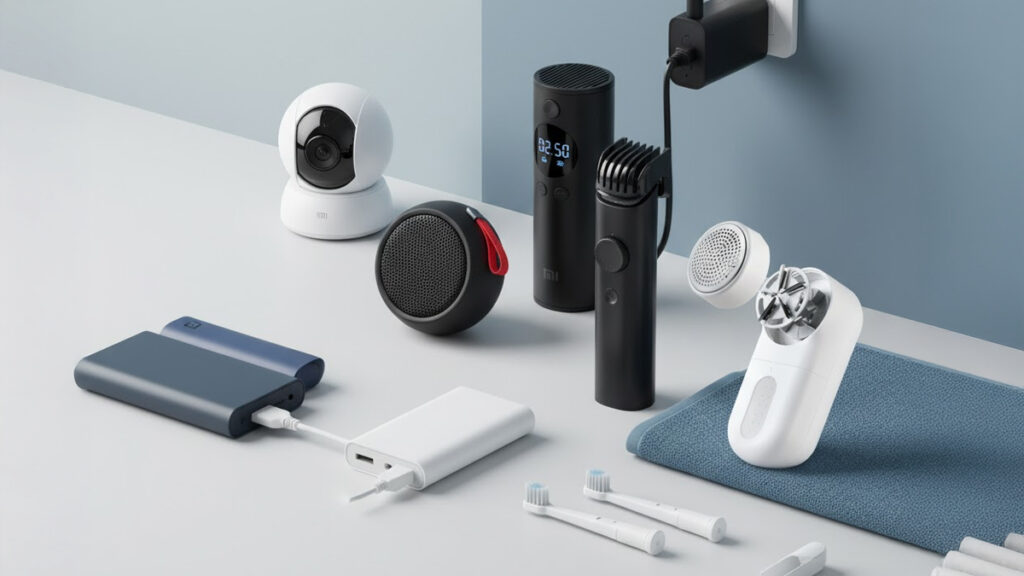
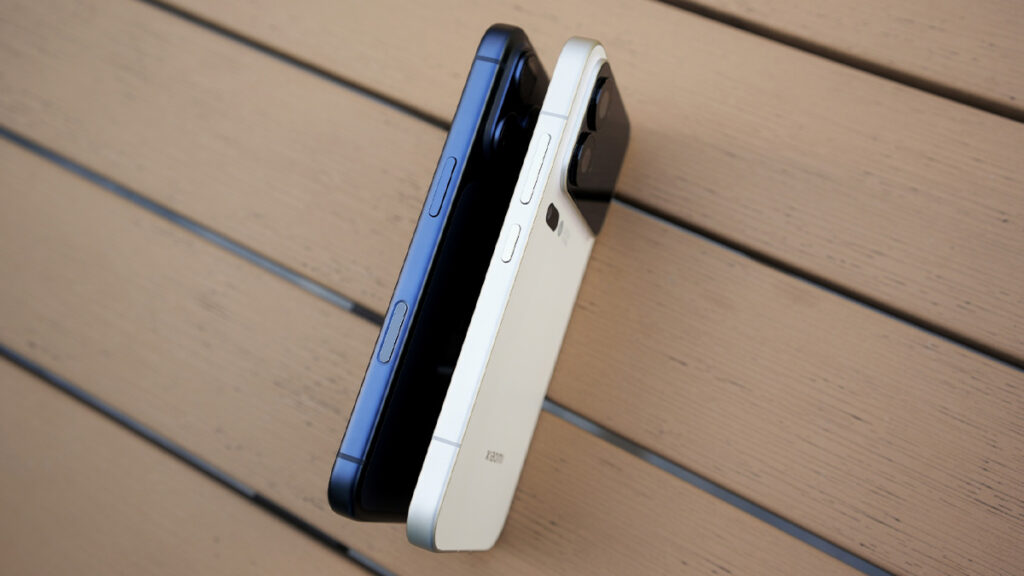
The 2025 Xiaomi Advent Calendar presents a skillfully curated selection of 24 gadgets in the smart home, energy, office, personal care, and entertainment categories. Each item in the calendar is chosen with a view to daily usability, quality, and integration within the Xiaomi ecosystem. Readers can look upon related devices, such as Mi Smart Plug 2, Xiaomi Smart Band 8 Active, and Mi LCD Writing Tablet, to better plan their Advent surprises. This countdown ensures that Xiaomi enthusiasts will enjoy their month of seamless, practical, and festive tech experiences.
Complete 24-Day Xiaomi Advent Calendar Selection
The table below summarizes all 24 items with categories and estimated China-only launch prices, converted to USD for reference.
Day
Product Name
Category
Est. Price (USD)
1
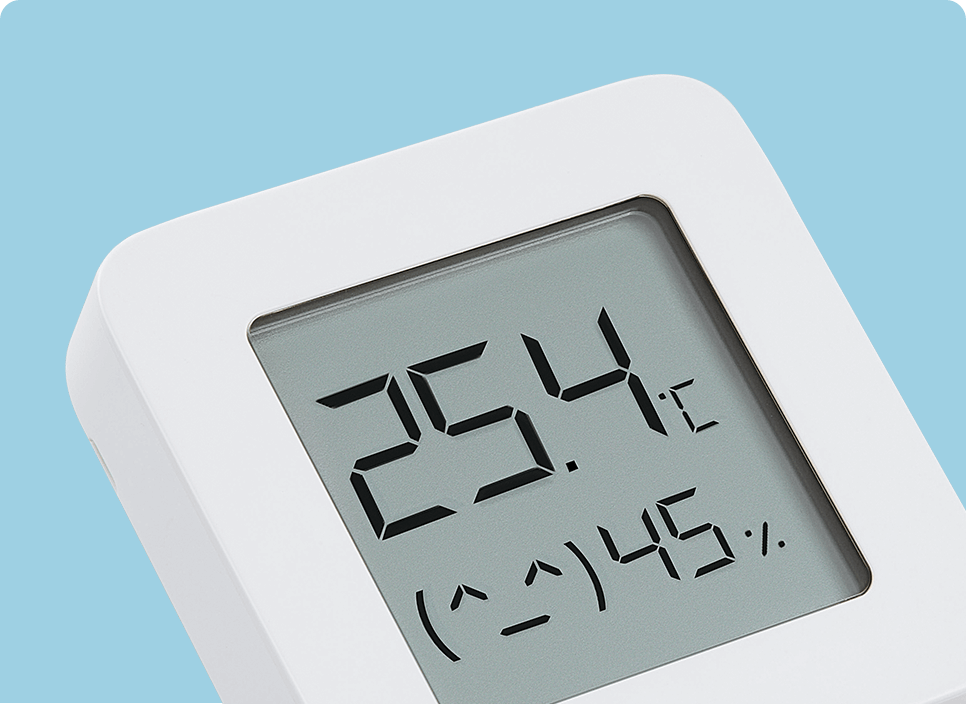
Mi Temp & Humidity Monitor 2
Sensor
~$11
2
Mi Window & Door Sensor 2
Security
~$12–18
3
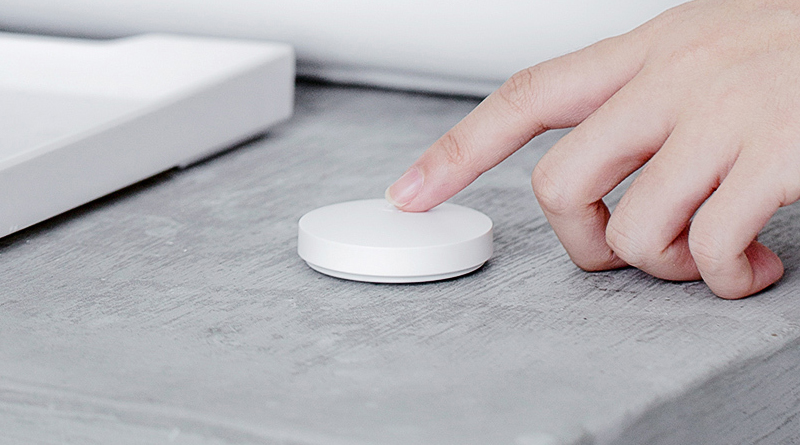
Mi Wireless Switch
Control
~$22
4
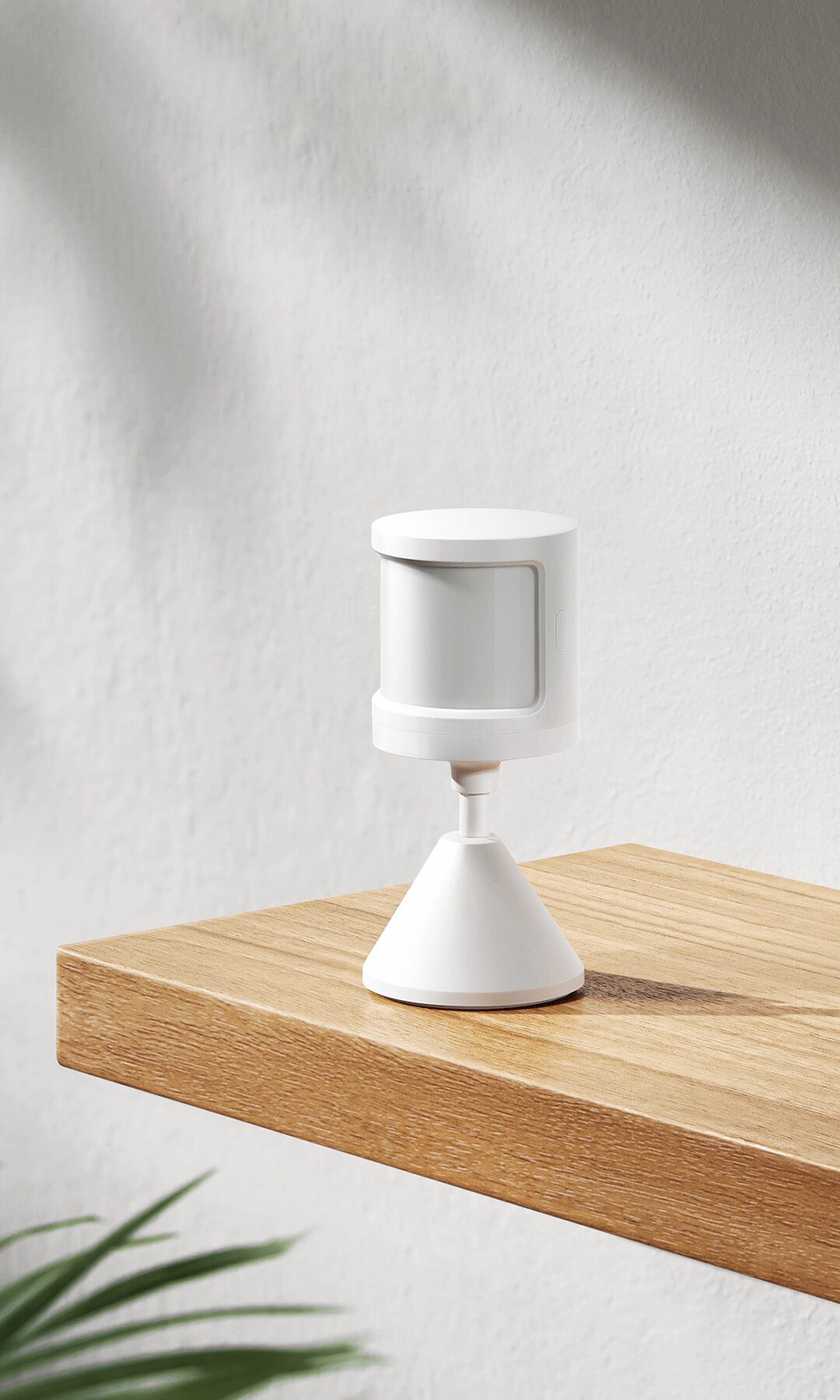
Mi Motion Sensor
Security
~$22
5
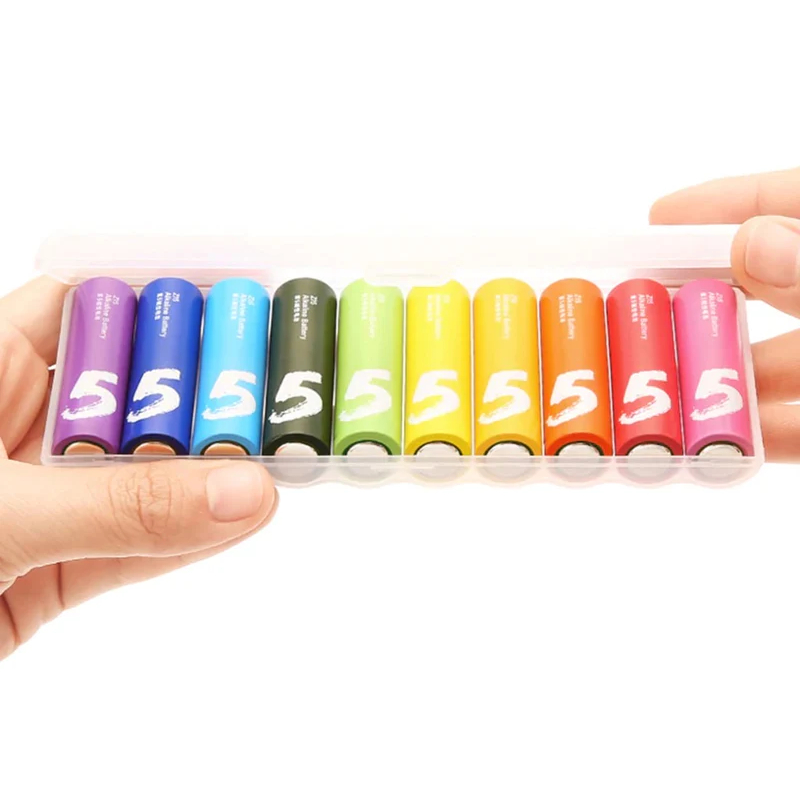
Rainbow Batteries (10-pack)
Energy
~$7
6
Mi Smart LED Bulb Essential
Lighting
~$12–18
7
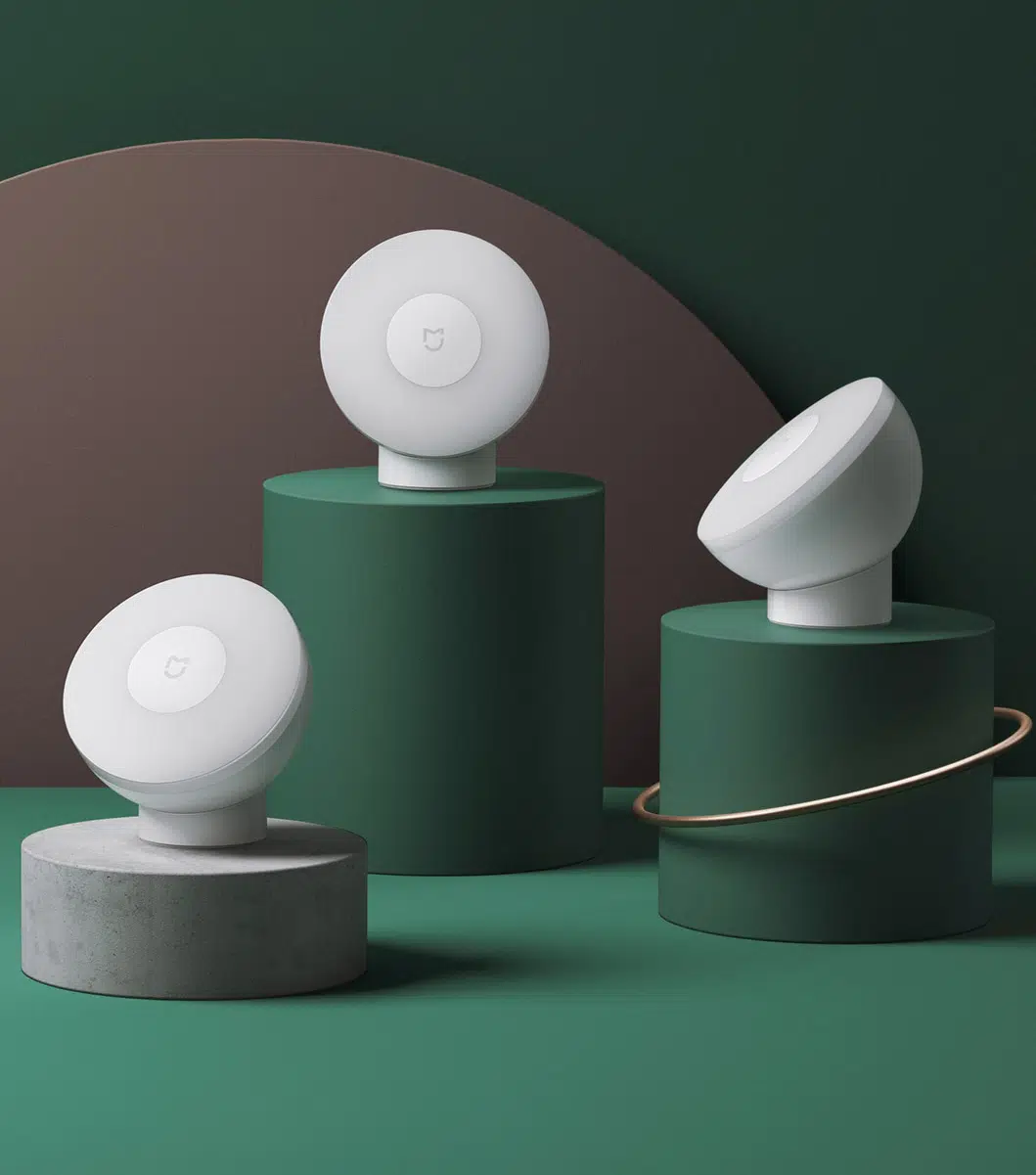
Mi Night Light 2 (Bluetooth)
Lighting
~$11
8
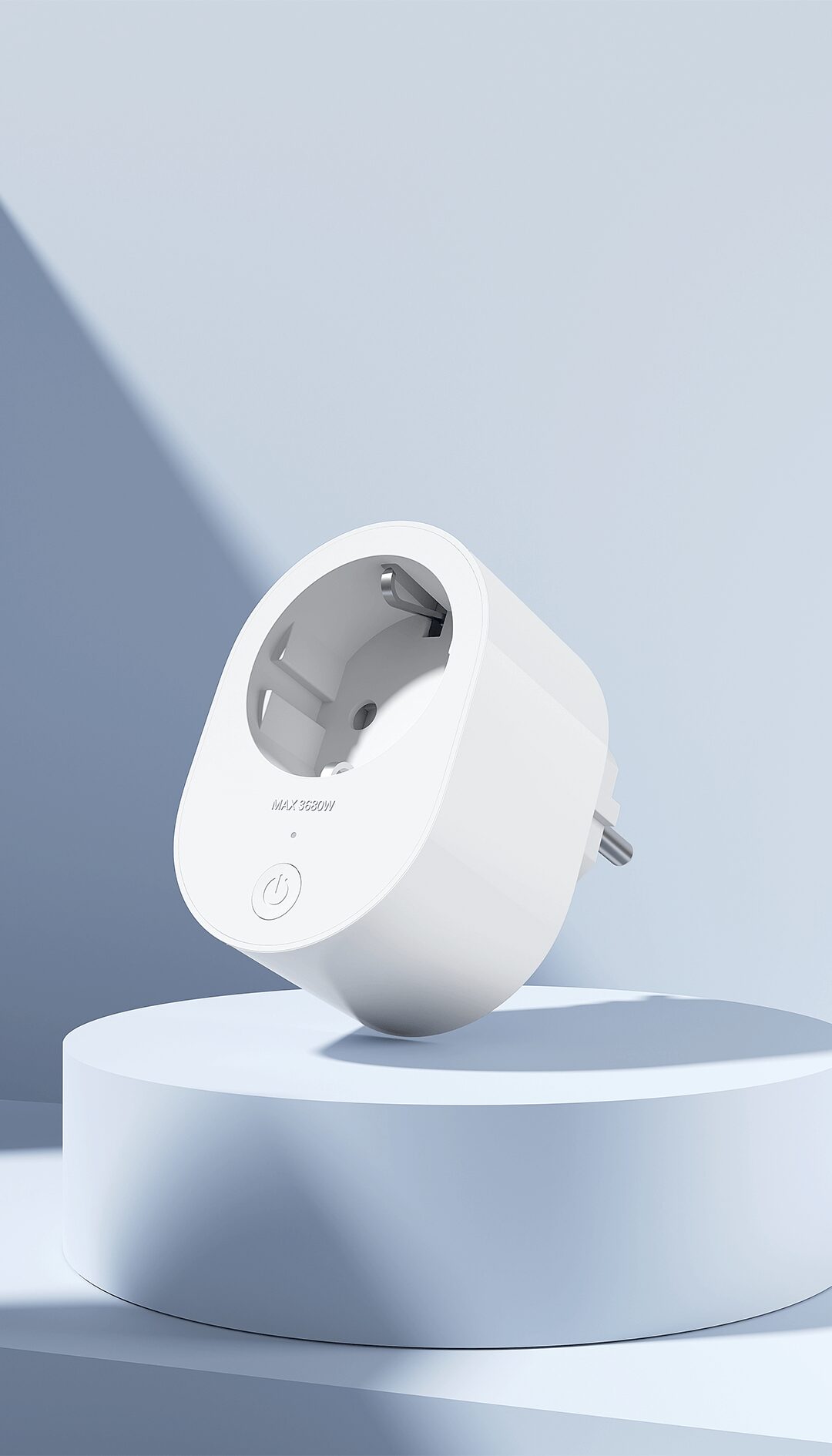
Mi Smart Plug 2 (Wi-Fi)
Energy
~$16–29
9
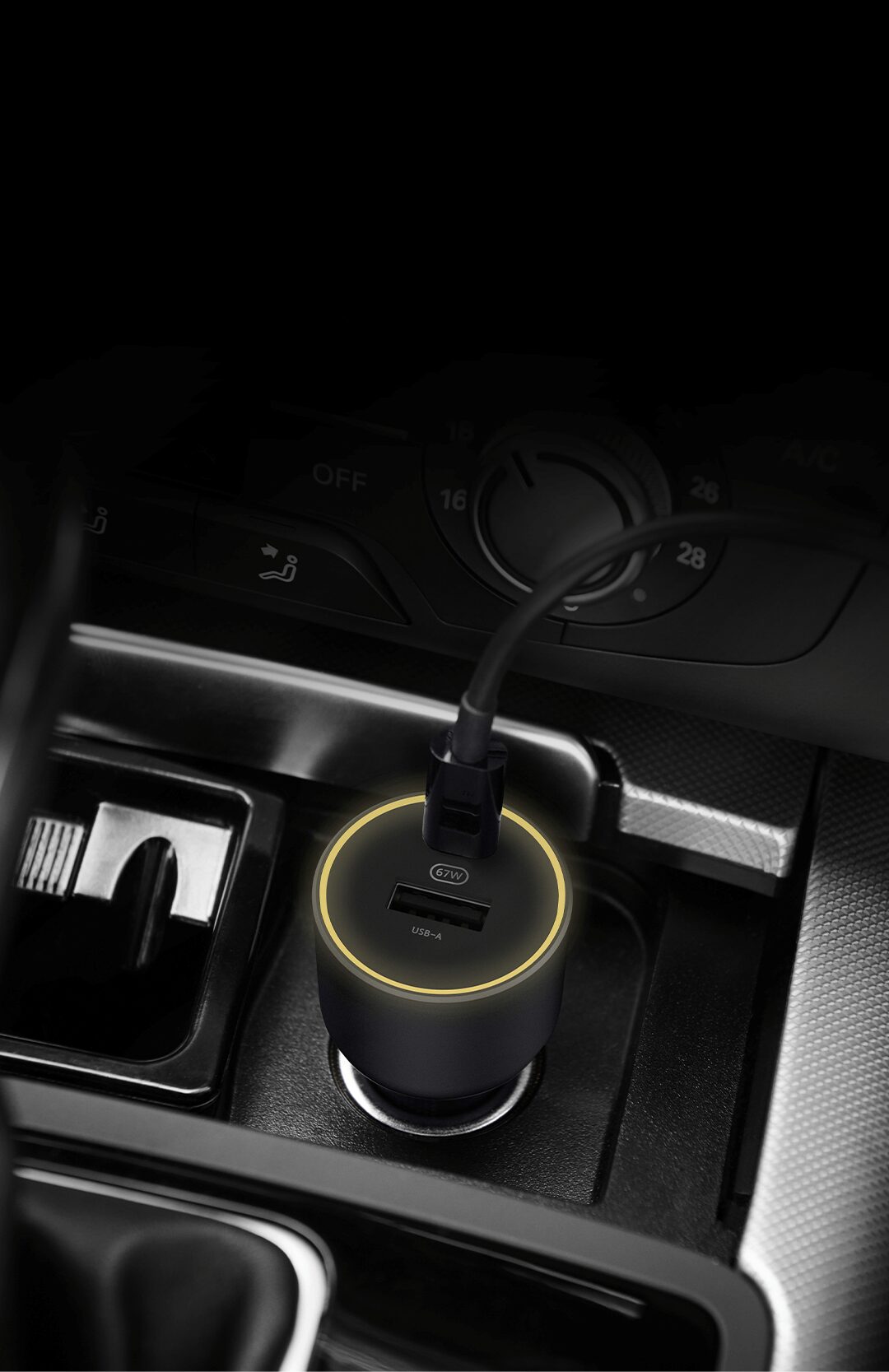
Xiaomi 67W Car Charger
Auto
~$4
10
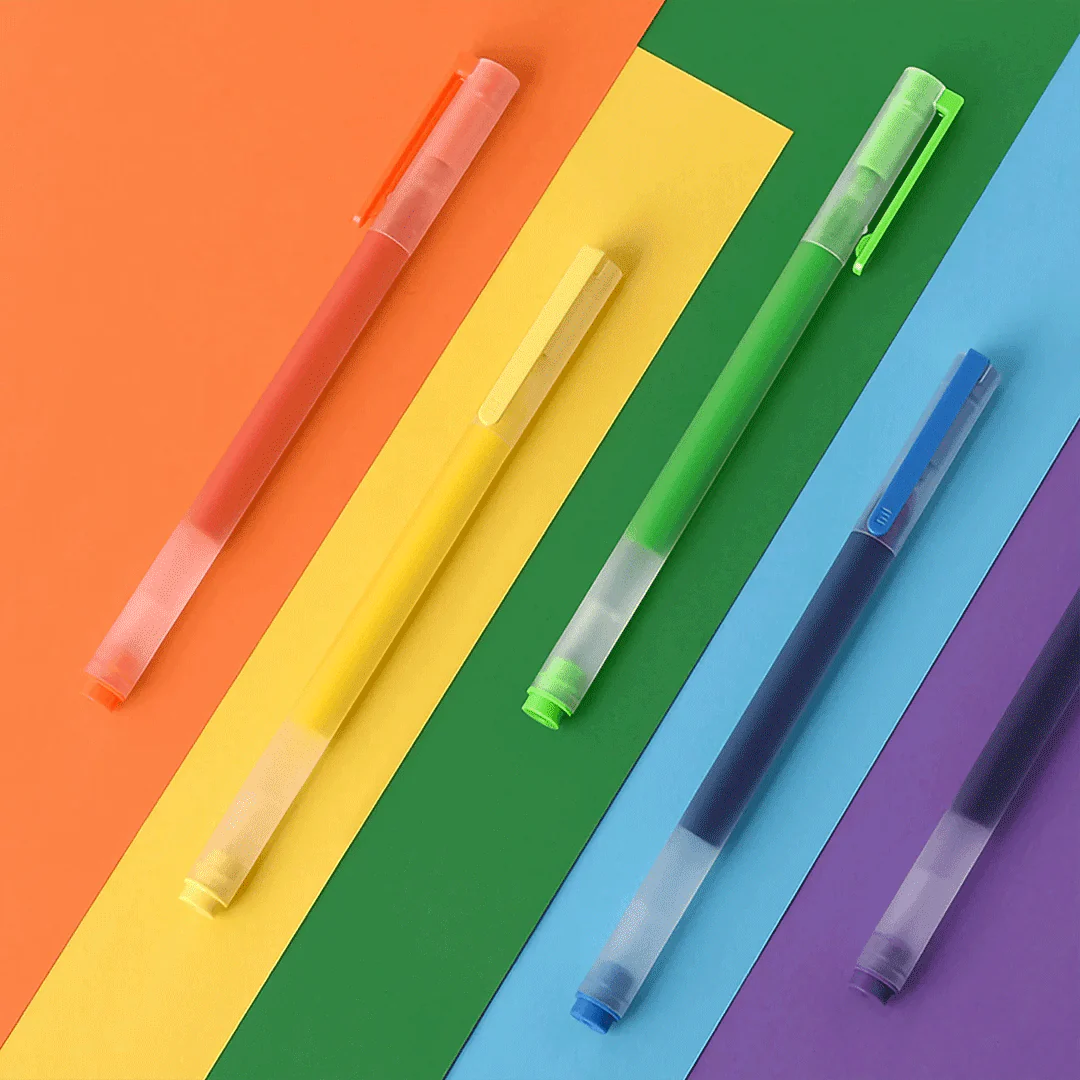
Mi High-Capacity Gel Pen
Office
~$7
11
Mi LCD Writing Tablet
Office
~$31
12
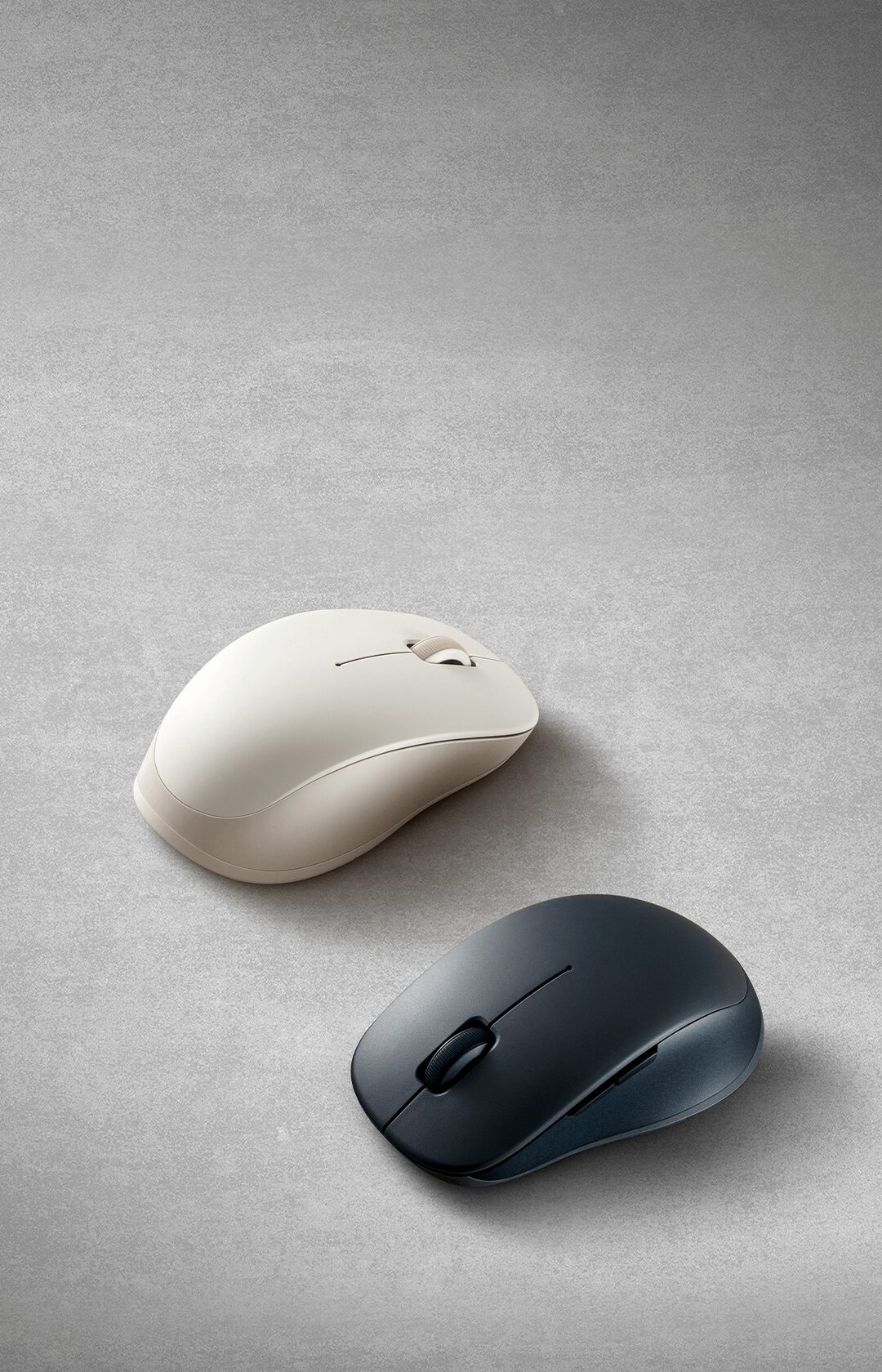
Mi Dual Mode Mouse Silent
Office
~$15
13
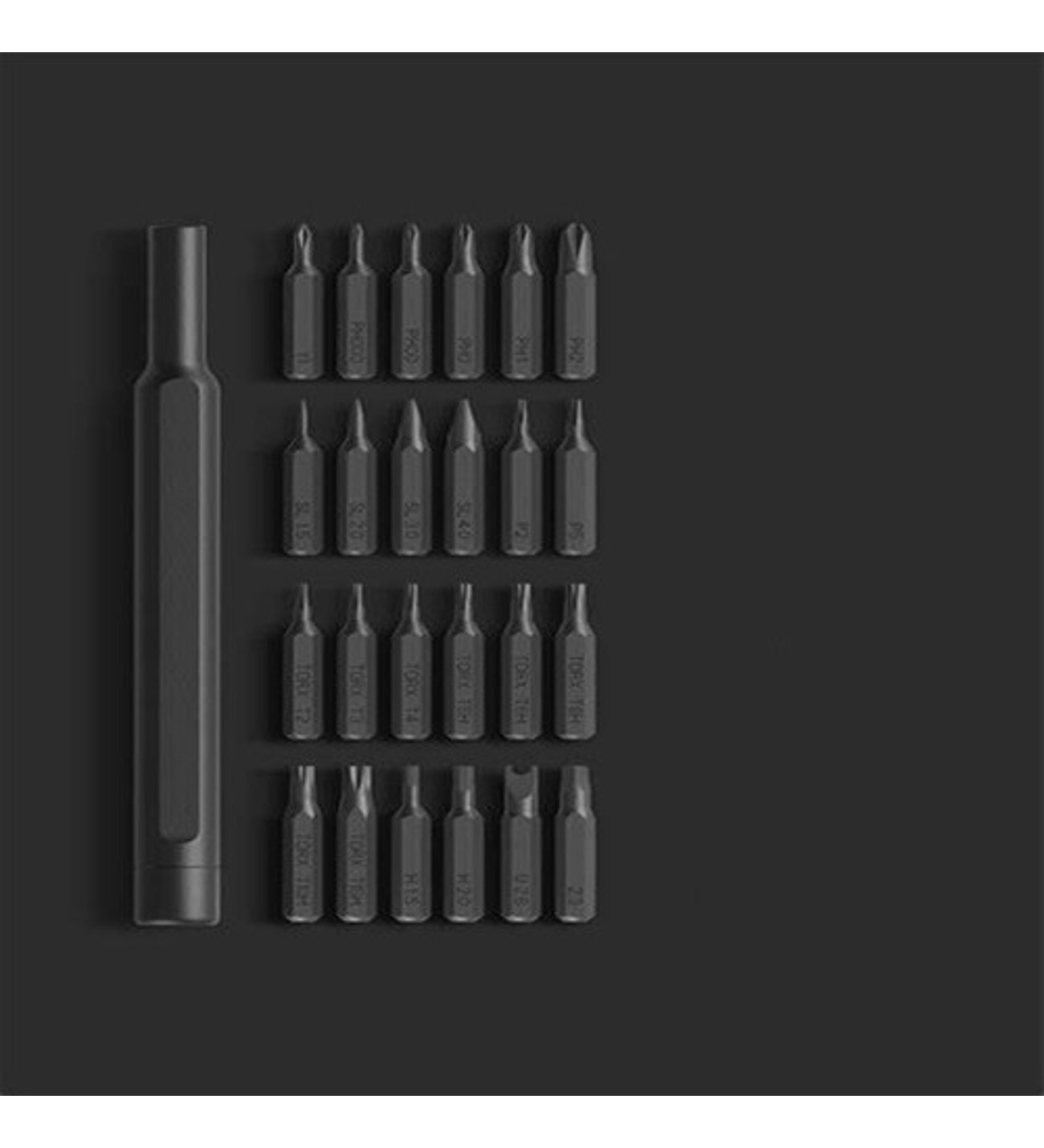
Mi Precision Screwdriver Kit
Tool
~$32–61
14
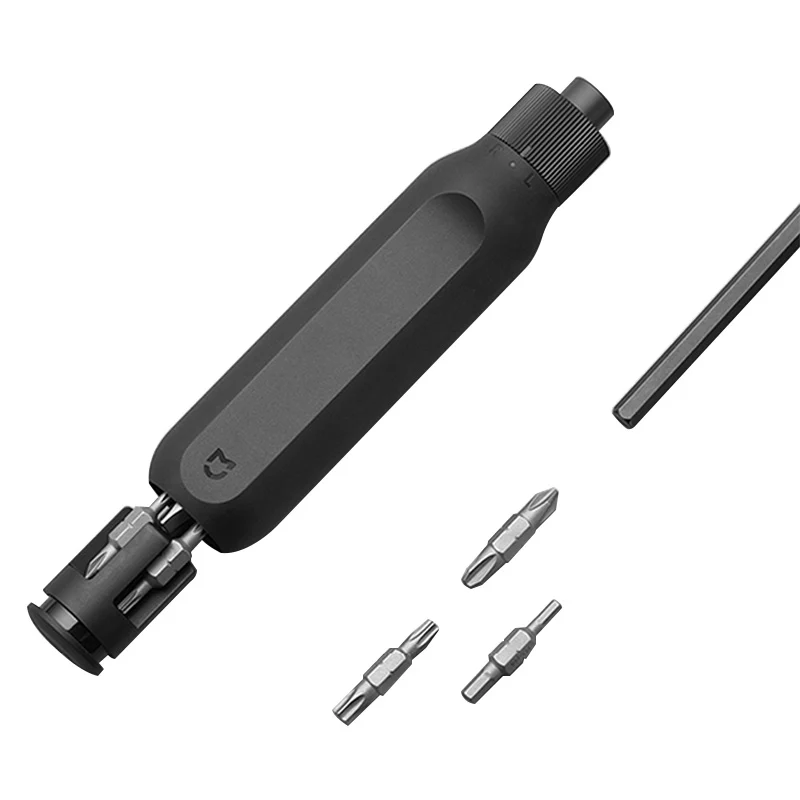
Mijia Wiha/16-in-1 Ratchet
Tool
~$30
15
Mijia Nail Clipper
Personal Care
~$10
16
Mijia Lint Remover
Personal Care
~$14–19
17
Mi Beard Trimmer (Kit/Attachment)
Personal Care
~$30
18
Mi Toothbrush Head (3-pack)
Personal Care
~$7–9
19
Mi WiFi Range Extender Pro
Network
~$25–28
20
Pocket Edition Pro Power Bank
Energy
~$32
21
Portable Air Compressor 2
Auto/Tool
~$7–8
22
Mi Portable Speaker Mini
Audio
~$13
23
Xiaomi Smart Camera C200
Security
~$74–99
24
Xiaomi Smart Band 8 Active
Wearable
~$27–29
How to Use the Xiaomi Advent Calendar
This calendar is perfect for all tech-enthusiasts-to-be, for families, or as an office gift. Each gadget is integrated with Xiaomi HyperOS devices to automate smart homes and provide connectivity.
Xiaomi’s wide accessory ecosystem—covering audio, wearables, power products and smart-home devices—has become an attractive alternative for iPhone users seeking high functionality at a lower cost. Unlike Apple’s tightly controlled accessory environment, Xiaomi offers diverse hardware options built on open industry standards such as Qi wireless charging, USB-C Power Delivery and Matter. This article evaluates Xiaomi’s accessory categories from the perspective of an iPhone user, focusing on real-world compatibility, ecosystem integration and functional trade-offs. (See also: HyperOS Updates, Xiaomi Accessories.)
Xiaomi Audio Accessories and iPhone Compatibility
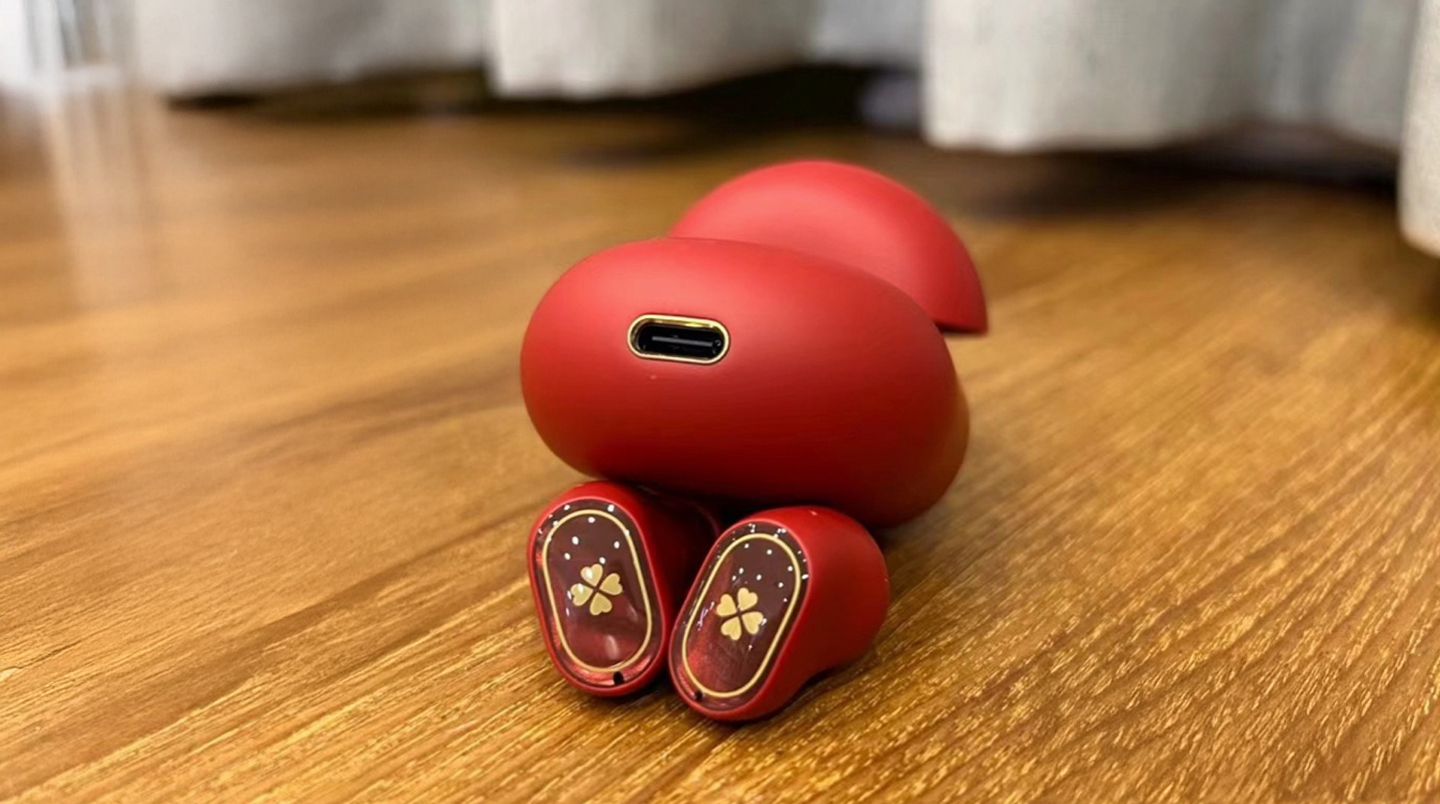
Xiaomi’s audio portfolio, particularly the Redmi Buds series, offers ANC, dual-device pairing and low-latency modes at competitive price points. However, iPhone compatibility is primarily defined by universal Bluetooth standards and limited by Xiaomi’s iOS software support.
Core Bluetooth Experience
At the most fundamental level, models like Redmi Buds 5 or Redmi Buds 6 Active function reliably as standard Bluetooth headphones. Users can pair them through the iPhone’s Bluetooth settings, enabling music playback, calls and default gestures. Dual-device switching may work between an iPhone and a MacBook, but its reliability remains stronger within Xiaomi’s HyperOS ecosystem due to optimized firmware interactions.
Limitations of the Xiaomi Earbuds iOS App
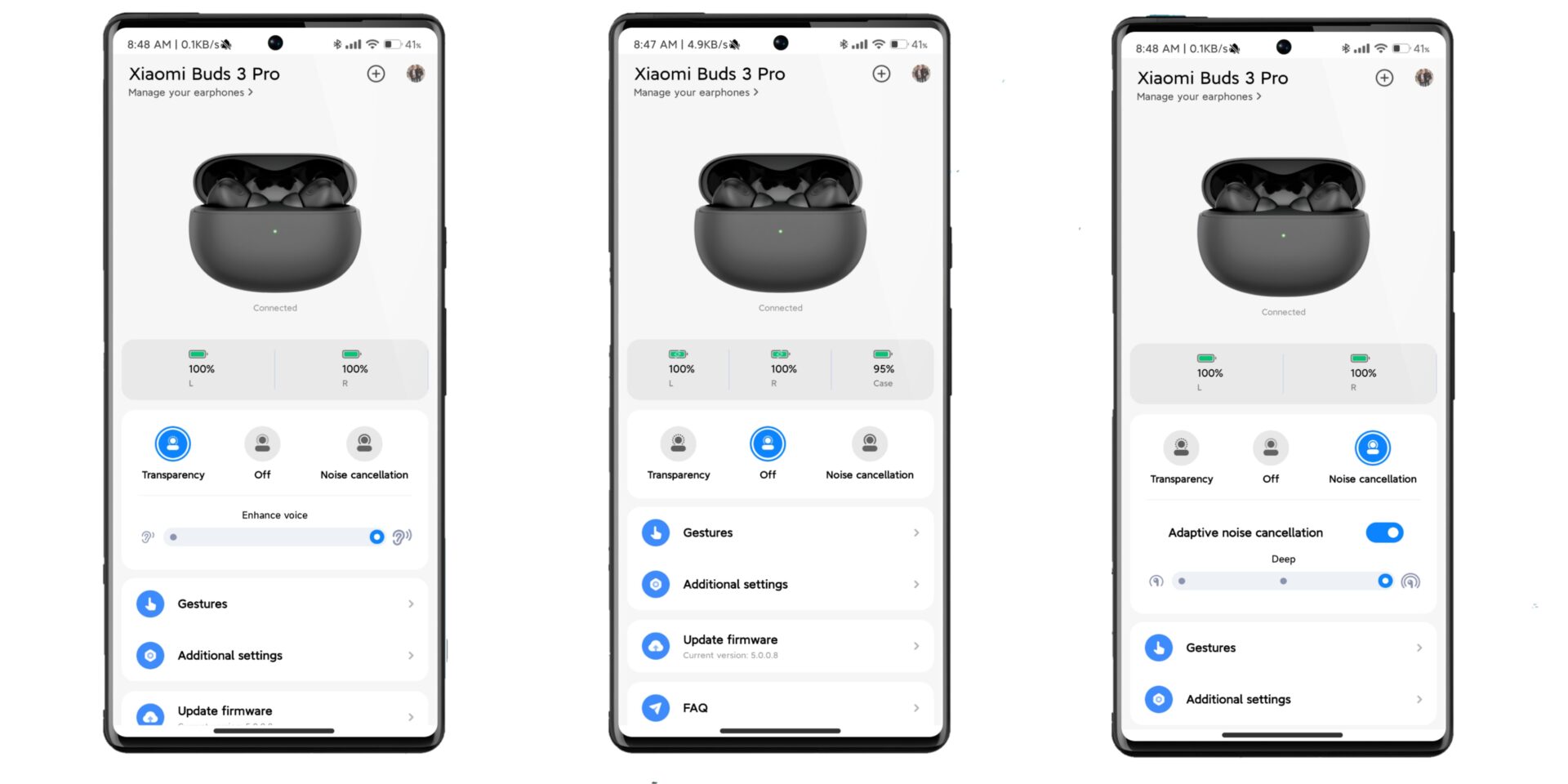
Advanced features such as ANC control, transparency level customization and firmware updates require the “Xiaomi Earbuds” iOS app. Despite offering these tools in theory, the app demonstrates clear limitations in practice. Users frequently report device recognition failures, unexpected disconnections and gesture-control configuration issues. As a result, premium Xiaomi earbuds may act as “basic” Bluetooth devices on iPhone, limiting the potential of their hardware capabilities.
Ecosystem Insight
This category illustrates a recurring pattern in cross-ecosystem accessory use: hardware strength is often constrained by software optimization gaps. While Xiaomi’s ANC performance, build quality and microphones are competitive, the absence of seamless iOS integration reduces their long-term value for iPhone users seeking configurable features.
Xiaomi Wearables and Apple Health Integration
Xiaomi’s Smart Band and Watch S series have long been positioned as affordable alternatives to premium wearables. Their compatibility with iPhone varies depending on the operating system used within each model.
Management Apps on iOS
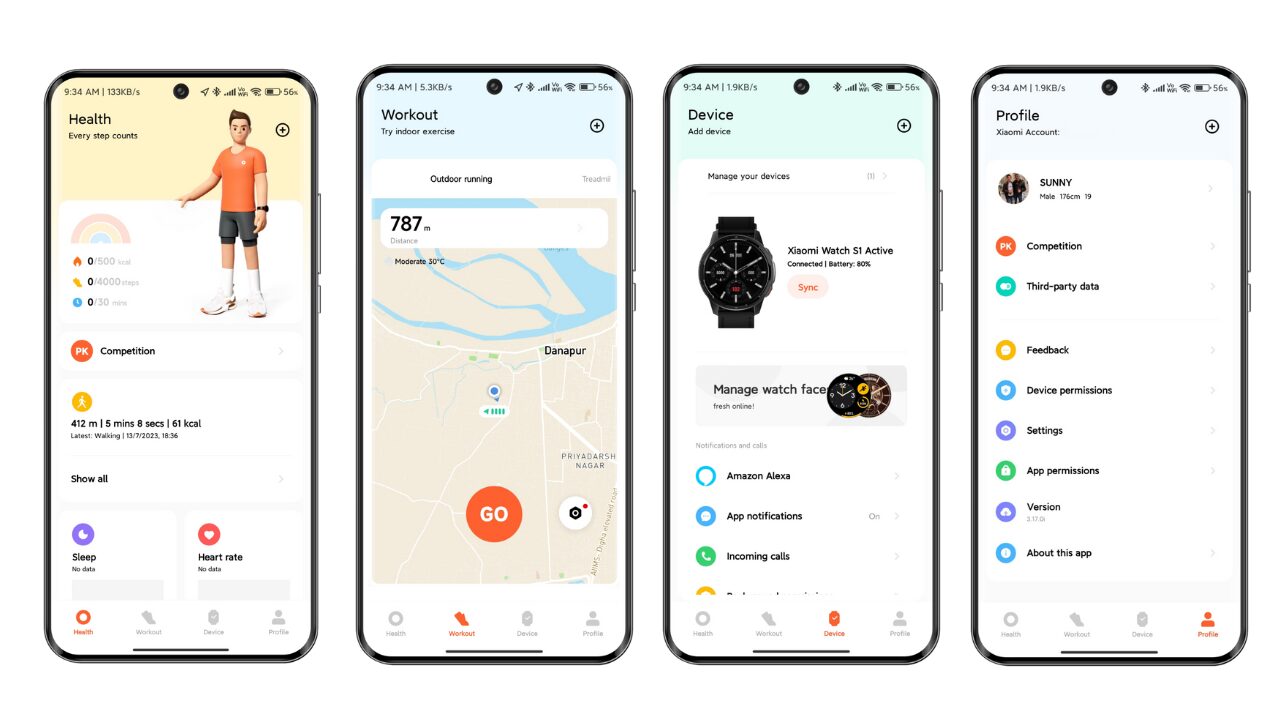
iPhone users manage Xiaomi wearables through Mi Fitness or Zepp Life, depending on the product generation. Both platforms support health tracking functions including steps, heart rate, sleep data and workout metrics. Importantly, these apps integrate with Apple Health (HealthKit), allowing synchronized storage of activity data across platforms.
Real-World Connectivity Challenges
Despite functional data integration, users frequently report Bluetooth instability, missing notifications and inconsistent synchronization. Troubleshooting typically requires in-depth iOS settings adjustments, including notification previews and system-sharing toggles. These steps contrast with the plug-and-play experience of Apple Watch devices.
Operating System Divide
Compatibility is strongly dependent on device software:
Xiaomi Smart Band series (proprietary OS): Partially compatible; Apple Health sync available; daily stability issues reported.
Xiaomi Watch Pro series (WearOS): Not compatible with iPhone due to Google’s platform restrictions.
This distinction is essential for buyers, as two Xiaomi watches with similar branding may offer radically different levels of iOS support.
Power and Charging: The Most Compatible Category
Xiaomi’s charging solutions—wired chargers, wireless pads and powerbanks—offer the highest reliability and the most consistent compatibility with iPhones.
USB-C Power Delivery
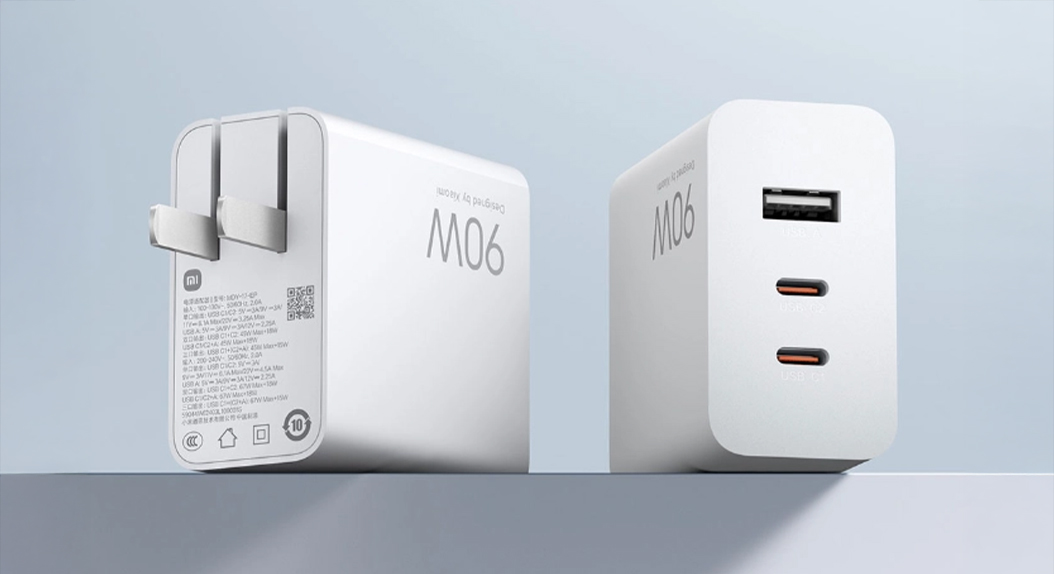
Since iPhones support USB-C PD fast charging, any Xiaomi adapter with PD output provides full compatibility. A 30W–67W Xiaomi charger can typically charge an iPhone to around 50% in roughly 30 minutes, matching Apple’s official accessories. This compatibility depends solely on standardized voltage negotiation instead of proprietary software layers.
Qi and MagSafe Wireless Charging
Xiaomi’s Qi-certified wireless chargers work seamlessly with all MagSafe-supported iPhones. Magnetic alignment accessories are widely available, though only Apple-certified products enable full MagSafe charging speeds. Even so, Xiaomi’s chargers offer solid baseline performance at competitive prices.
Practical Insight
Because charging accessories rely primarily on open standards rather than ecosystem-specific software, they represent the least problematic and most cost-effective Xiaomi accessory category for iPhone users.
Xiaomi Smart Home Products and Apple Ecosystem
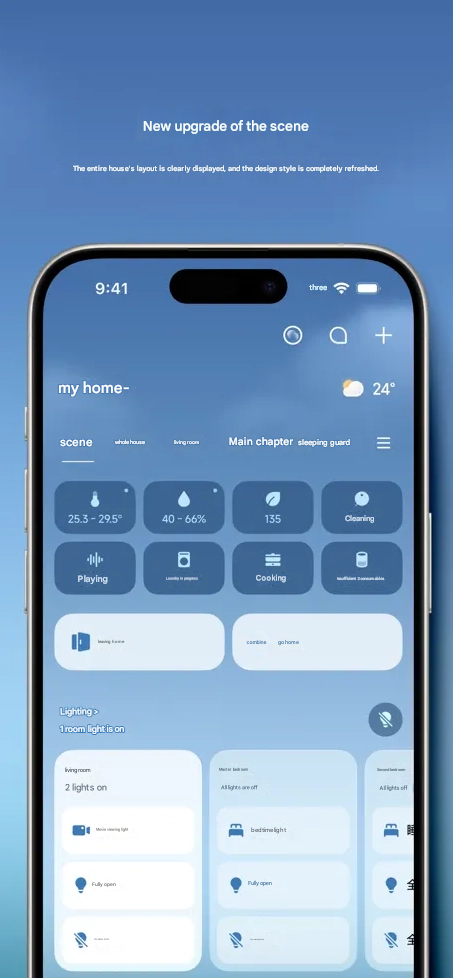
Xiaomi’s smart home portfolio is extensive, covering lighting, sensors, vacuums and smart appliances. Their compatibility with Apple environments depends on whether users rely solely on the Xiaomi Home app or integrate through a Matter-capable hub.
Direct vs. Indirect Integration
Direct HomeKit support: Limited to a small number of models.
Matter-based integration: Expanding quickly, typically requiring a Xiaomi smart hub.
Xiaomi Home app: Fully functional on iOS and supports virtually all Xiaomi smart-home devices.
For users with mixed ecosystems, a Matter-enabled approach delivers the smoothest experience, although advanced automation features work best within Xiaomi Home.
Xiaomi offers meaningful accessory value for iPhone users, especially in categories driven by universal technology standards. Charging devices and some smart-home products perform reliably across ecosystems. Audio accessories and wearables can deliver solid hardware experiences but are affected by Xiaomi’s limited iOS software optimization. Buyers should consider each product category independently and evaluate whether core features require app-level configuration on iOS.

 Login
Login