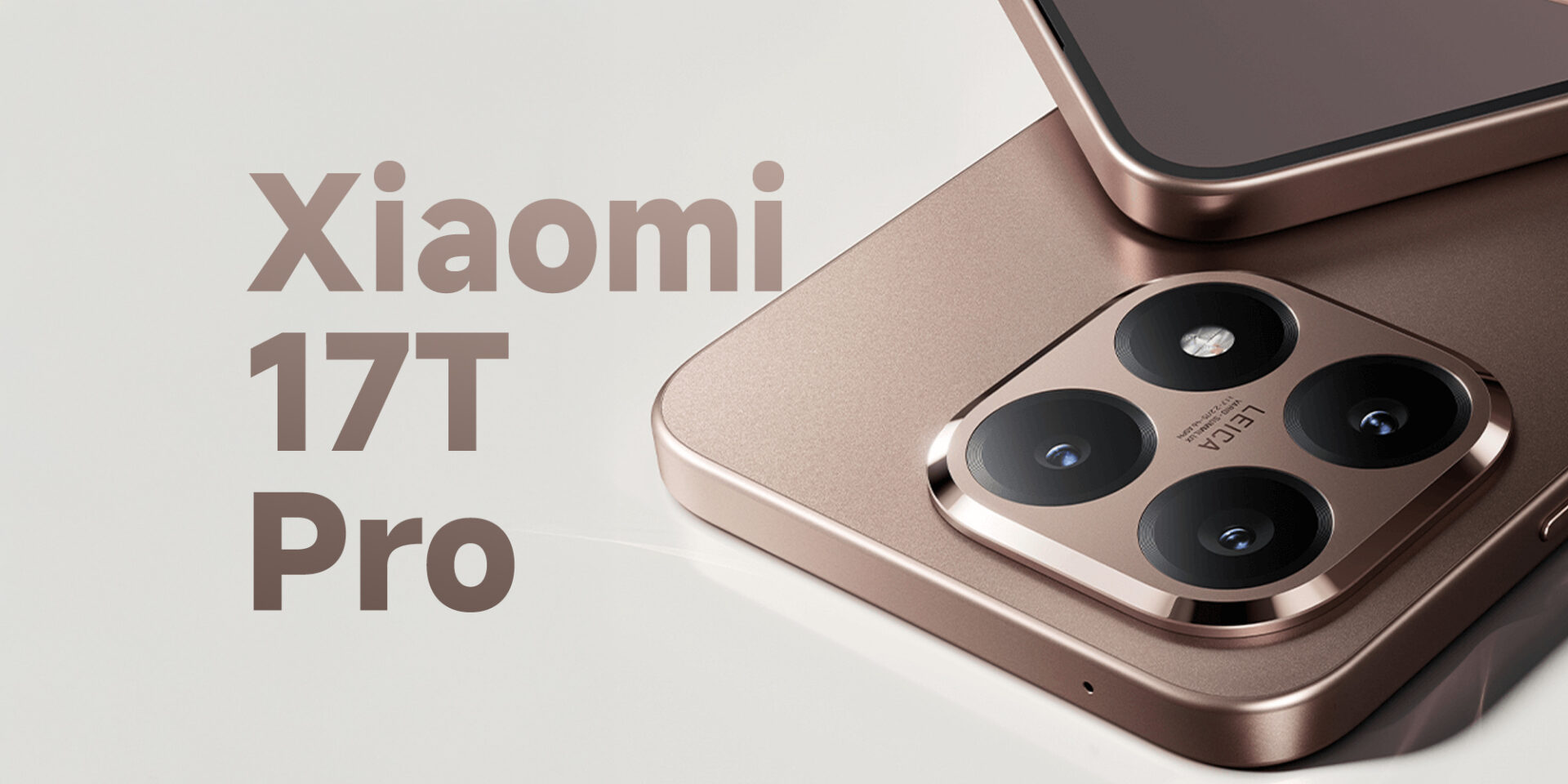
Xiaomi is on its way towards launching its eagerly awaited Xiaomi 18, slated for October 2026. Interestingly, this is when Rockstar Games is pushing back its expected date of launching GTA VI into the distant future. Originally expected in Autumn 2025, GTA VI is expected on Nov 19, 2026, thereby providing ample time for Xiaomi to upstage its competitors. Xiaomi is all set to treat its audience with its Xiaomi 18, offering them advanced technology, powered by SD8 Elite Gen6, perfect assistants for gaming and multi-tasking, Xiaomi is going all out!
Xiaomi-18 is set on following up on the success of its predecessor, Xiaomi-17, launched in August of 2025, and received quite favorably from reviewers and buyers alike. Xiaomi-18 promises improved processing speed, improved design, and improved camera functionality, all encased within a slick and futuristic design that has enough of that wow-factor for enthusiasts of gaming and emerging technology on their mobile platforms just waiting for them, just on time for GTA VI releases and other gaming necessities that require all that processing power and functionality they could possibly be getting for their money on a device as portable as a cell phone.
Even as the world of smartphones awaits this upcoming release, there is no doubt that Xiaomi is again at the forefront of innovation in mobile technology. Stay updated for more as we find out more about its features and price for Xiaomi 18.
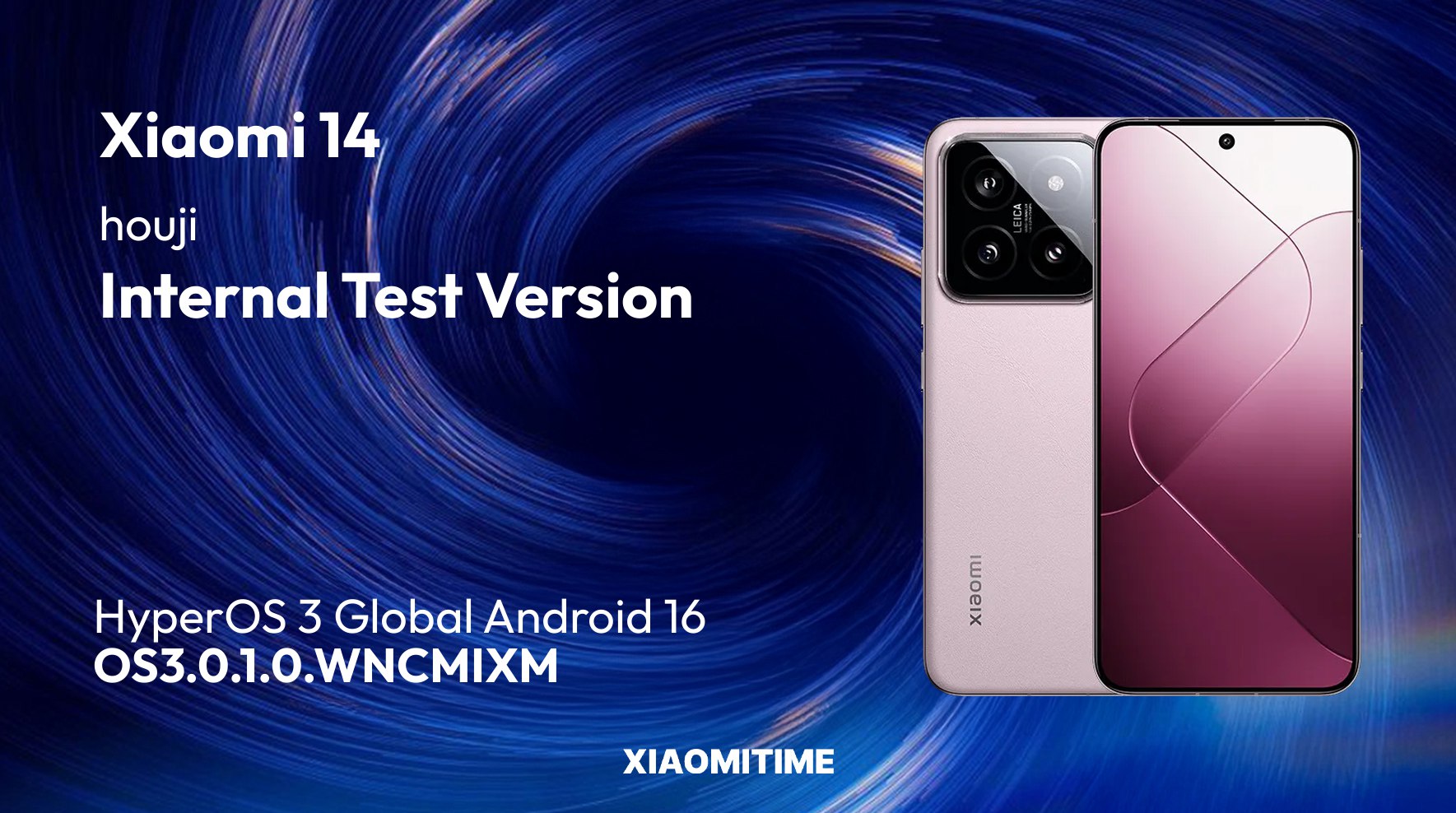
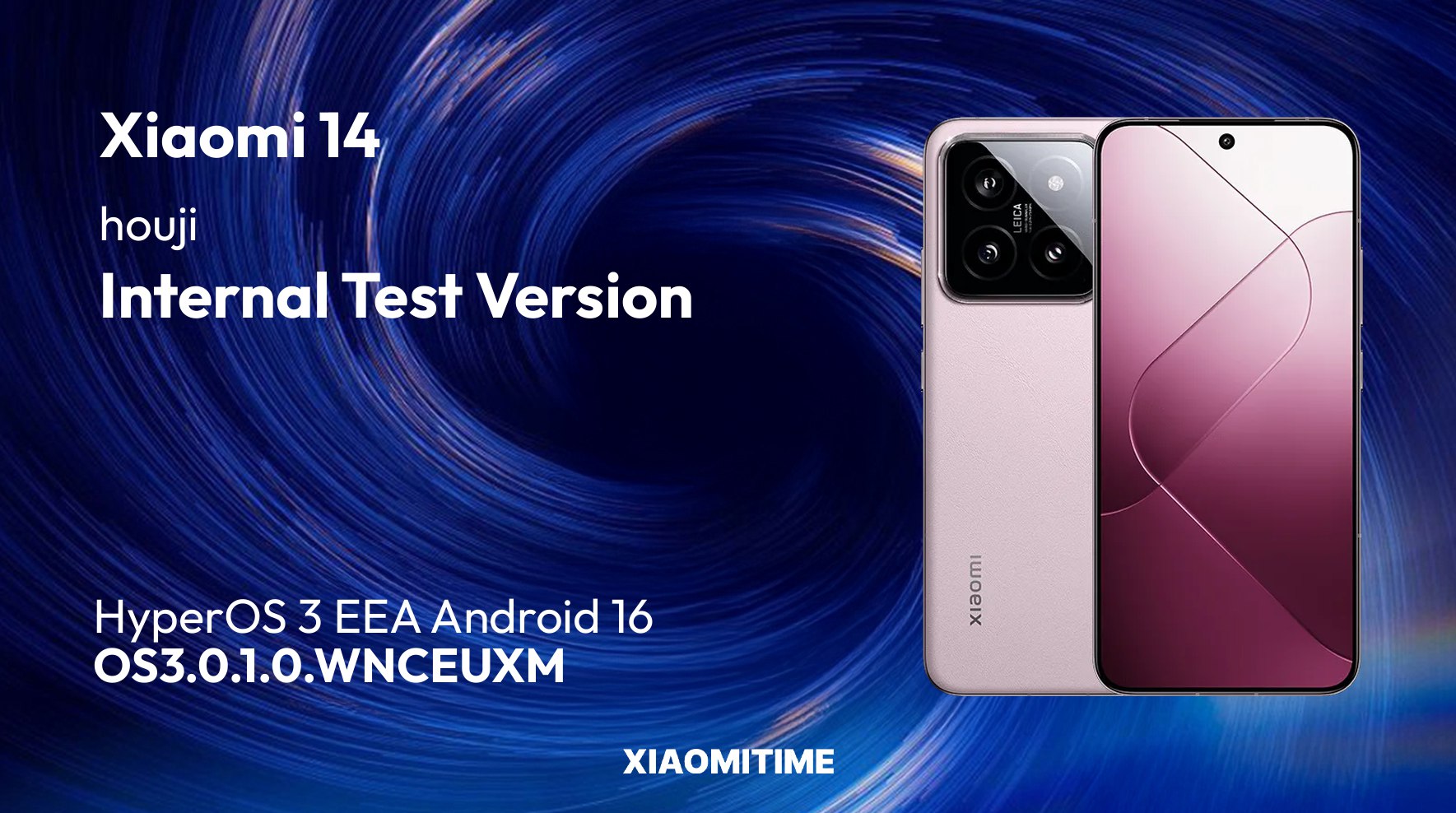
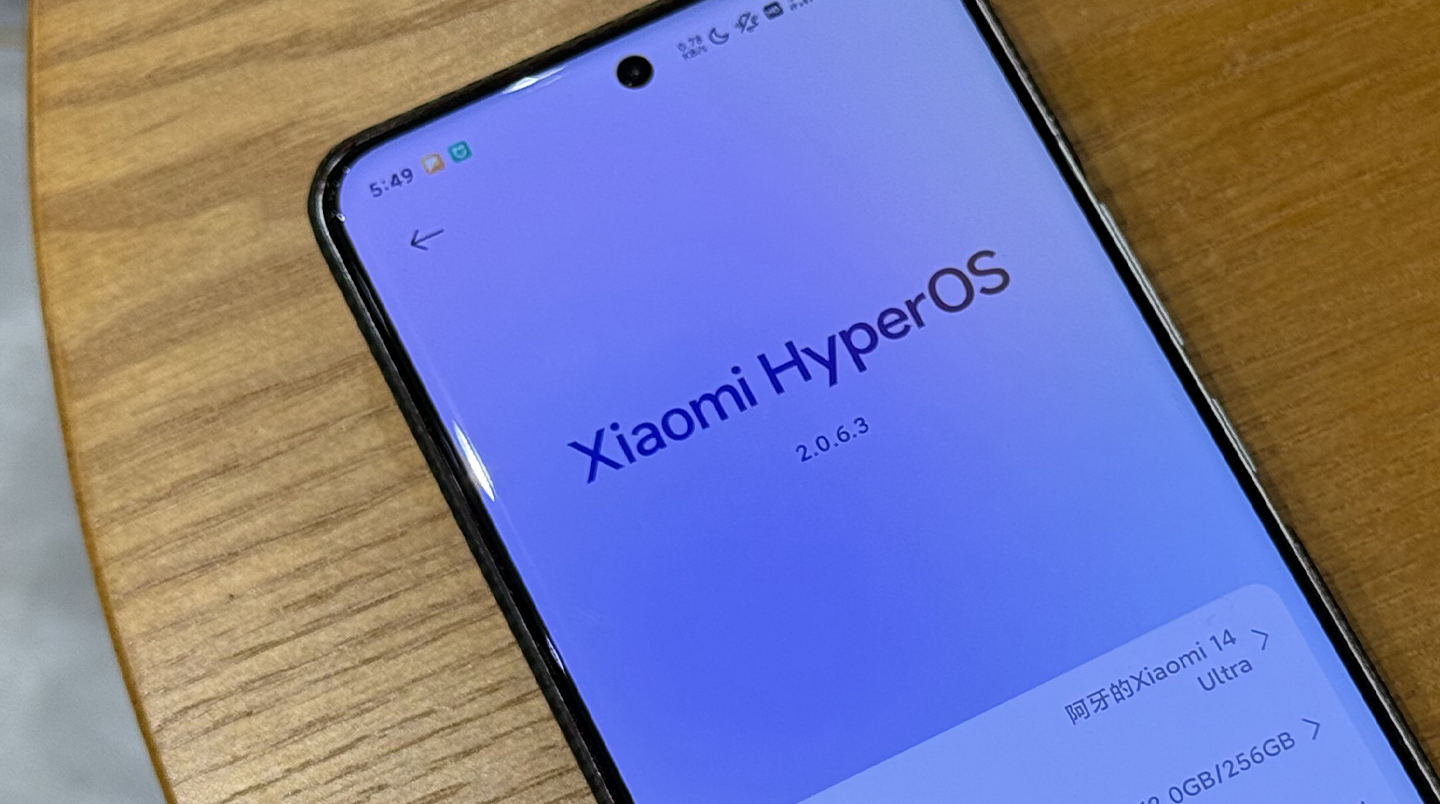
Xiaomi 14 series phones can expect the eagerly awaited update of HyperOS 3.0, expected this week, coming along with the new operating system versions of OS3.0.1.0.WNCEUXM for EEA and OS3.0.1.0.WNCMIXM for Global, all of them based on Android 16. All these are still at the internal testing phase and are close to being finally launched for public consumption. They bring about very promising developments and optimizations for functionality, such as AI technology, user interface, and overall smooth interaction.
With the release of Android 16 launched on a global scale for other Xiaomi devices as well, this upgrade is all set to boost the functioning of Xiaomi’s flagship and mid-range series phones and devices. The new version of HyperOS 3 brings forth ample AI enhancements, making your Xiaomi 14 device smarter and more user-friendly than before.
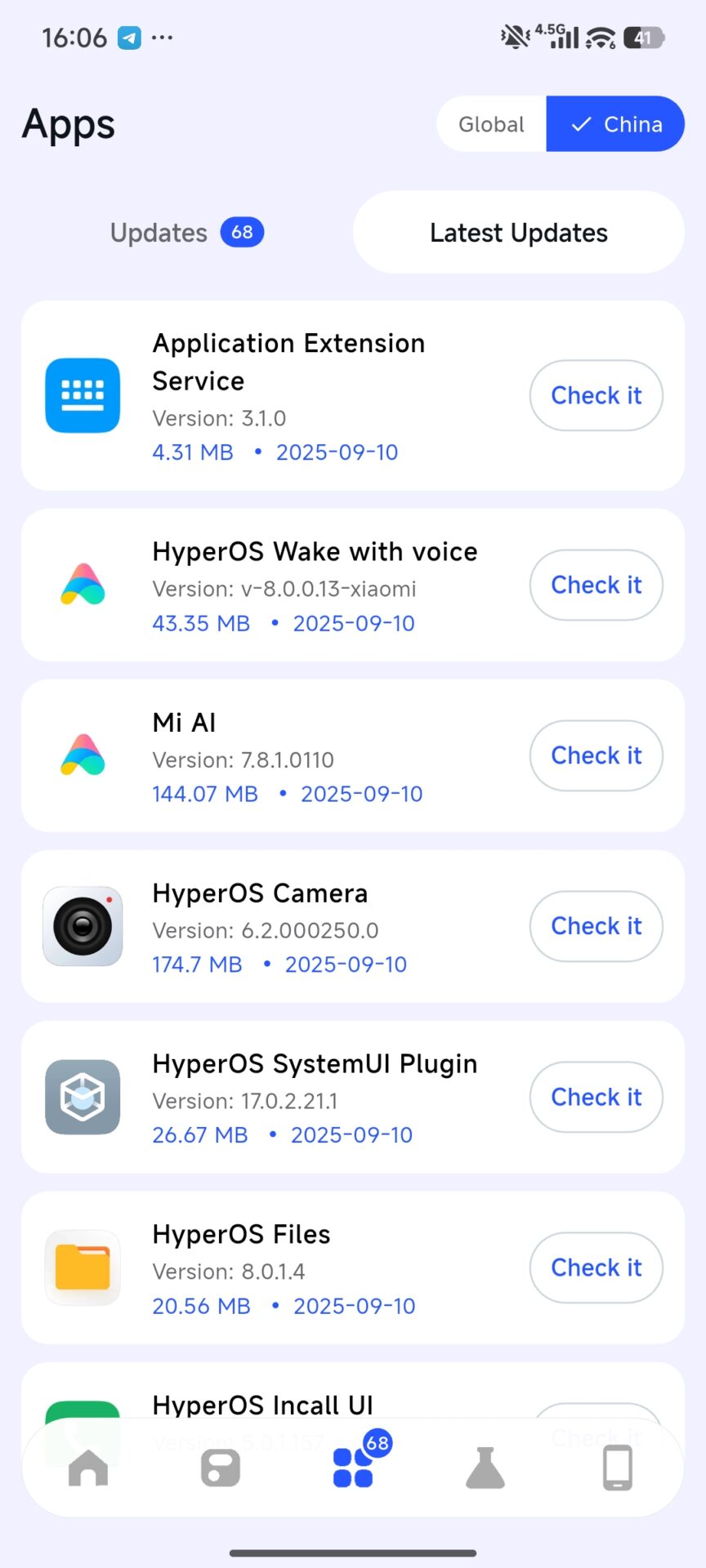
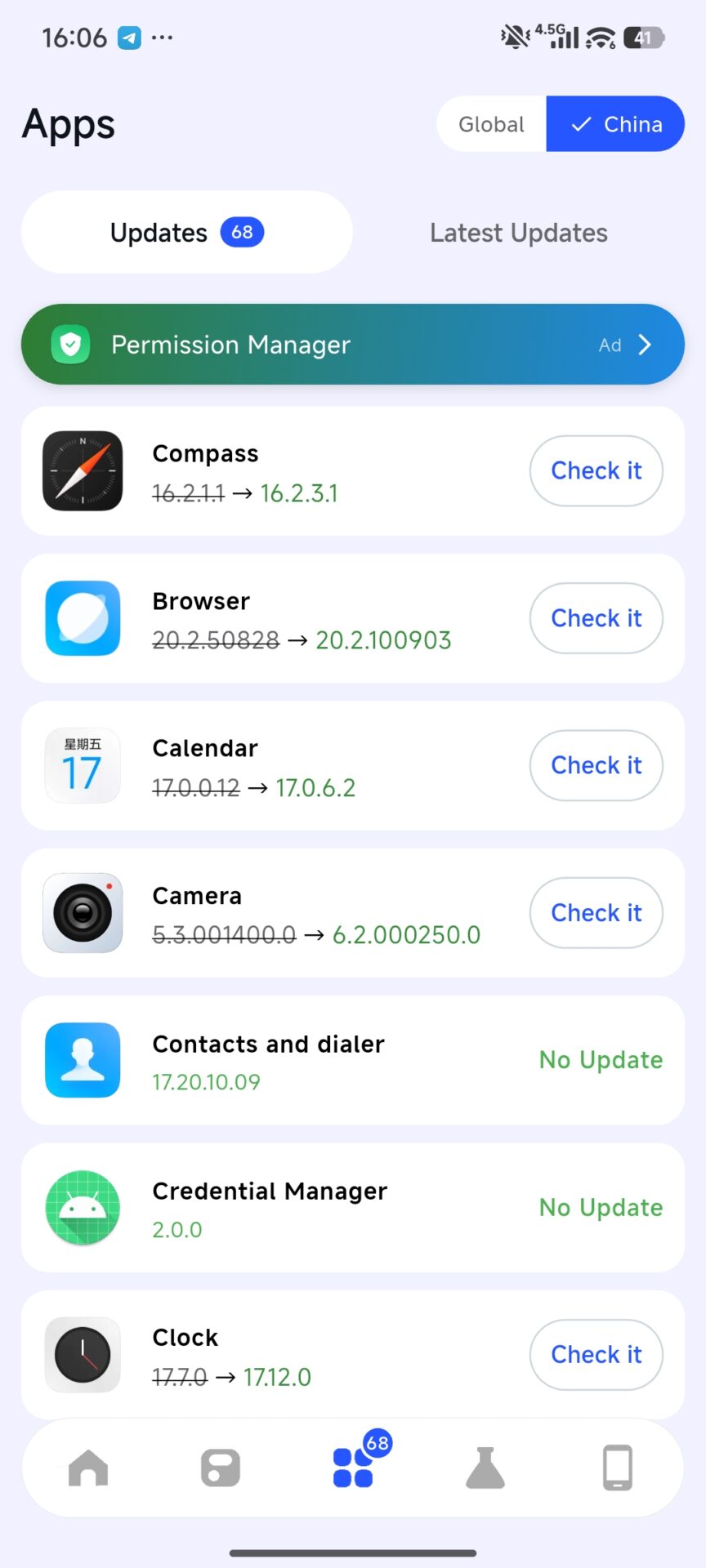
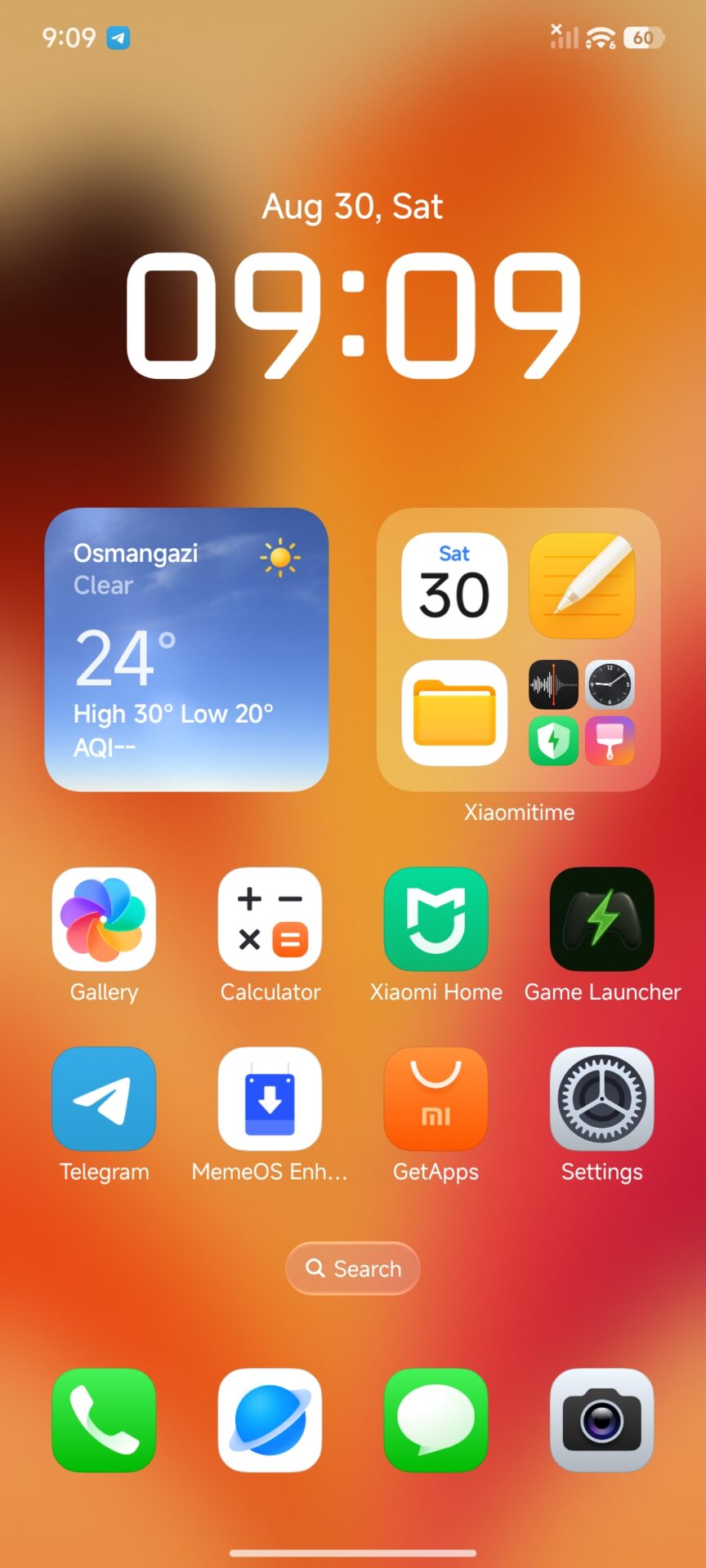
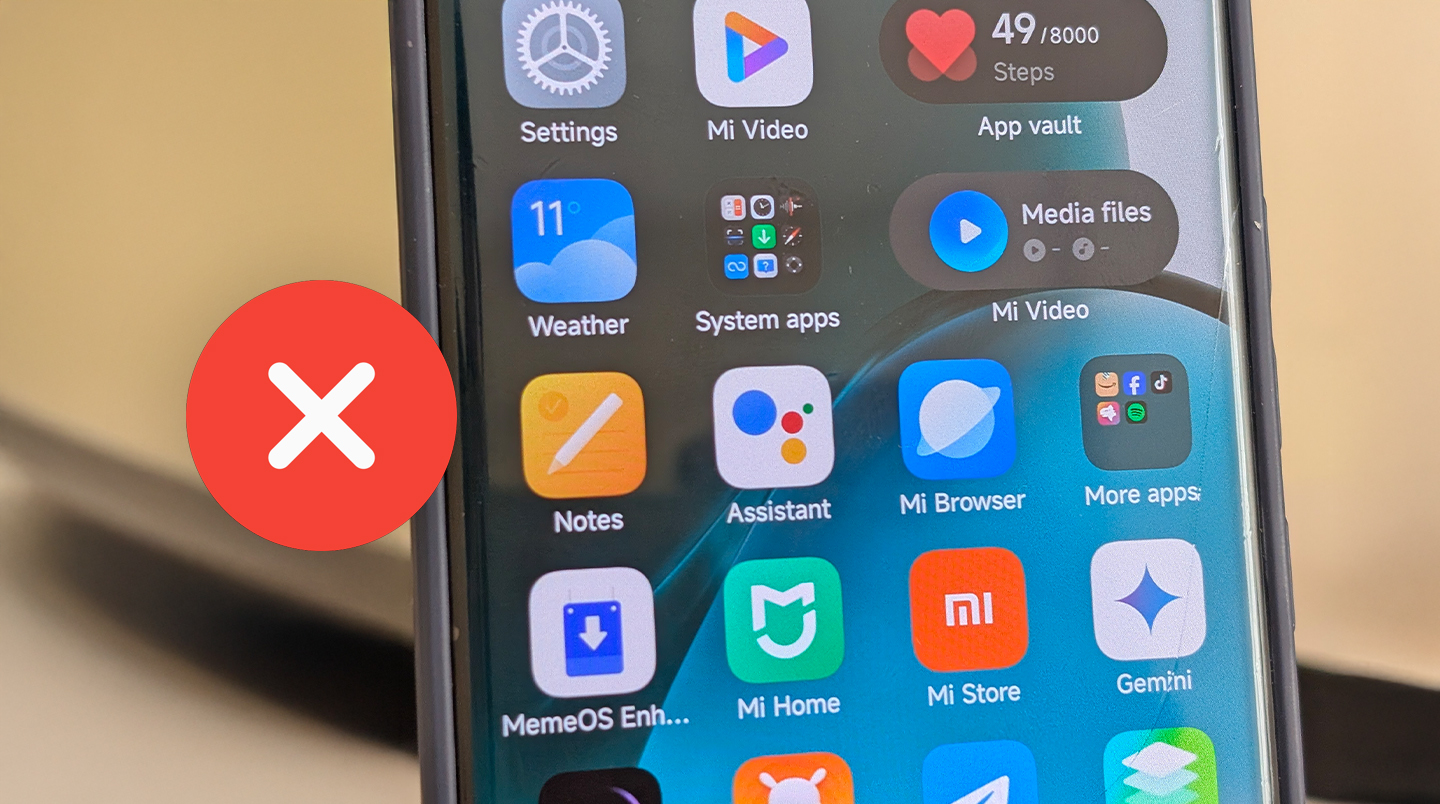
In particular, people who would prefer having this update earlier can directly download Xiaomi’s new applications via HyperOSUpdates or MemeOS Enhancer from the Play Store, and this would enable them to upgrade their system applications and unlock more features as well.
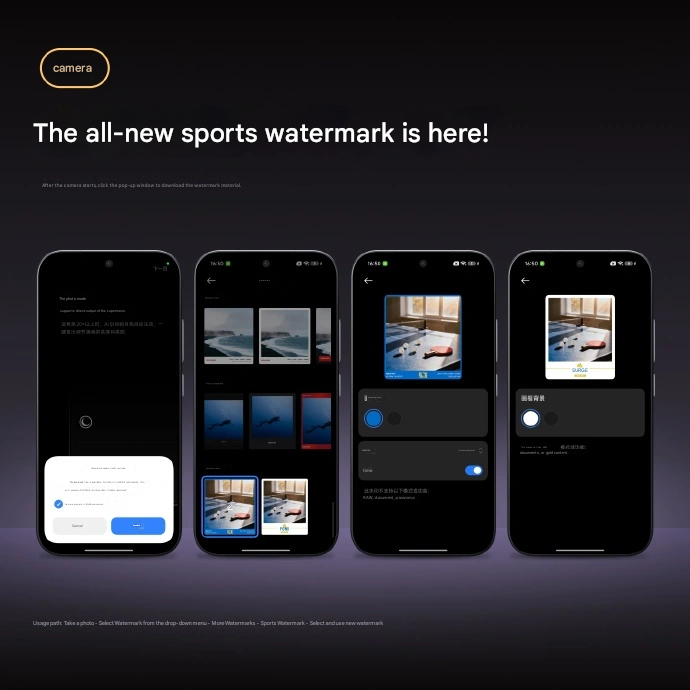
Xiaomi has begun implementing two new motion watermarks for its camera app on Xiaomi and Redmi phones. Additionally, these watermarks are still under gray scale phased rollout and have a sports theme of “PING PONG” that gives users more flexibility when it comes to customization. Both of these new motion watermarks feature two distinct color styles. First, one comes along with a gold or blue ribbon placed below the captured image, and these have black and white backgrounds available. Secondly, one of these watermarks comes along with a table tennis silhouette pattern and supports black and blue backgrounds. Again, these watermarks symbolize Xiaomi’s efforts towards providing its users personalization through its native camera app.
Limited gray-scale rollout phase
At this point, these watermarks have not been made available for all users yet. Xiaomi has, however, released them incrementally as part of a gray scale testing phase. Few users got access to these watermarks before they can be fully released.
If your device supports this feature, a pop-up window will appear on your camera app, and you will be asked to download the new motion watermarks. Downloading this feature will enable its usage on your camera application permanently through its watermark library.
How to use watermarks
Launch the Camera app and swipe down from the main screen to open the menu.
Tap on “Watermark”
Choose “More watermark”
Under the “Motion Watermark” section, select your favorite “PING PONG” style.
Press the Edit icon in the middle of the screen to personalize the watermark and imprint it on your images.
These new features highlight Xiaomi’s efforts to continue improving photography on devices operating on HyperOS software. Xiaomi’s intention is to offer personalized and engaging photography, combined with optimal device functionality and smooth operations through continuous rollout updates.
Xiaomi has begun rolling out an update for its HyperOS Launcher that will enhance its operation and compatibility worldwide. Now available is RELEASE-6.01.02.1321-10302137 that has been tried on HyperOS 2.2 and has proven fully functional for Global as well as China builds. Today, all users, whether owning Xiaomi, Redmi, or POCO phones and having installed HiperOS on them, can have a more stable HyperOS operation thanks to this improvement of its Launcher interface.
Xiaomi has, through this update, reiterated its efforts towards optimizing the wider HyperOS system ecosystem. Unlike past versions, this one is mainly aimed at optimizing animation smoothness, memory, and app drawer transition effects, as reported by some of its early testers, who observed that application switching is much faster and more fluid, especially when running Snapdragon 7 Gen 1 or MediaTek Helio SoC based devices.
Available for All HyperOS Regions
The new HyperOS 3 Launcher is compatible with all active Xiaomi regions, meaning that users of Chinese and Global ROM phones can run this launcher. If you’d like to upgrade your system launcher manually, you can download the latest system launcher from our other project HyperOSUpdates.com, or through our app available on the Play Store MemeOS Enhancer. Downloading MemeOS Enhancer will, of course, unlock Xiaomi hidden system features, system app upgrades, and
What’s Next for HyperOS 3?
Xiaomi is also reported to be working on enhancements for its HyperOS 3 development branch, including improvements such as a revamped control center, dynamic icons, and application grouping through AI technology. Although there is no official timeline available, internal testing reveals that these enhancements are expected to roll out in early 2025.
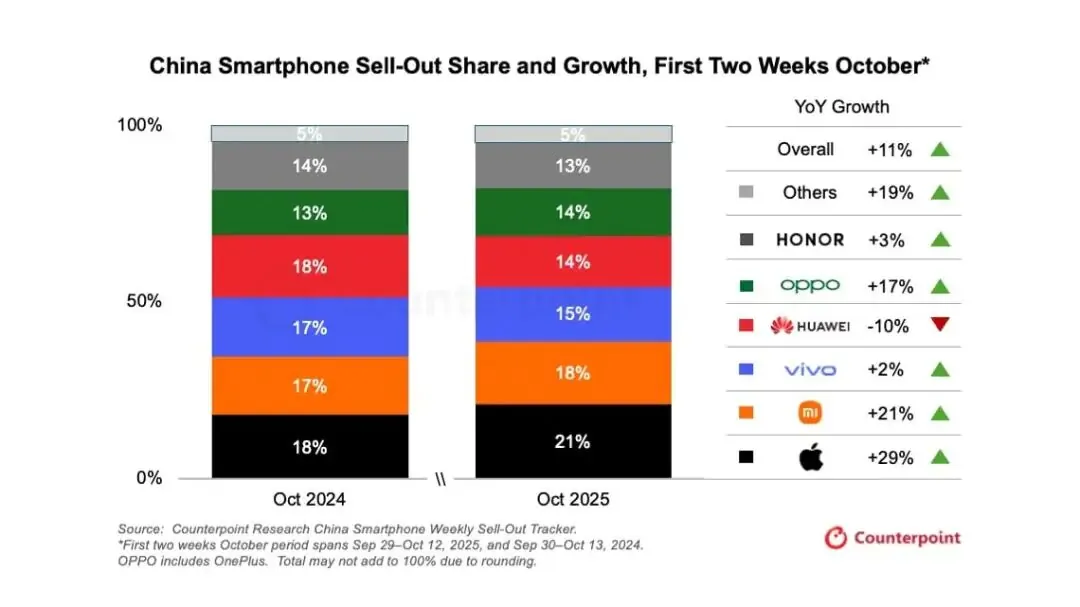
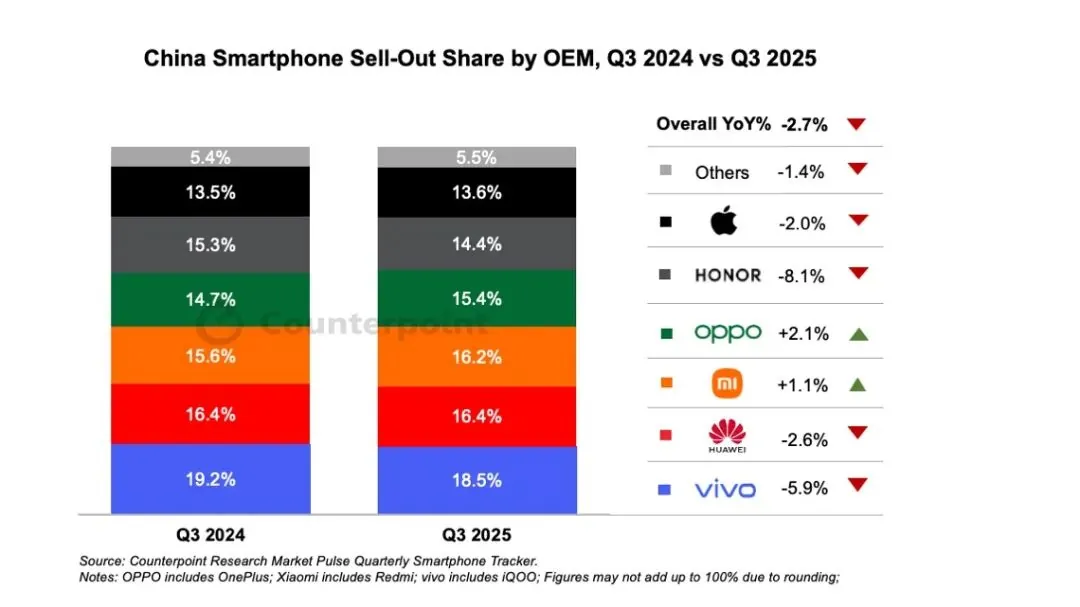
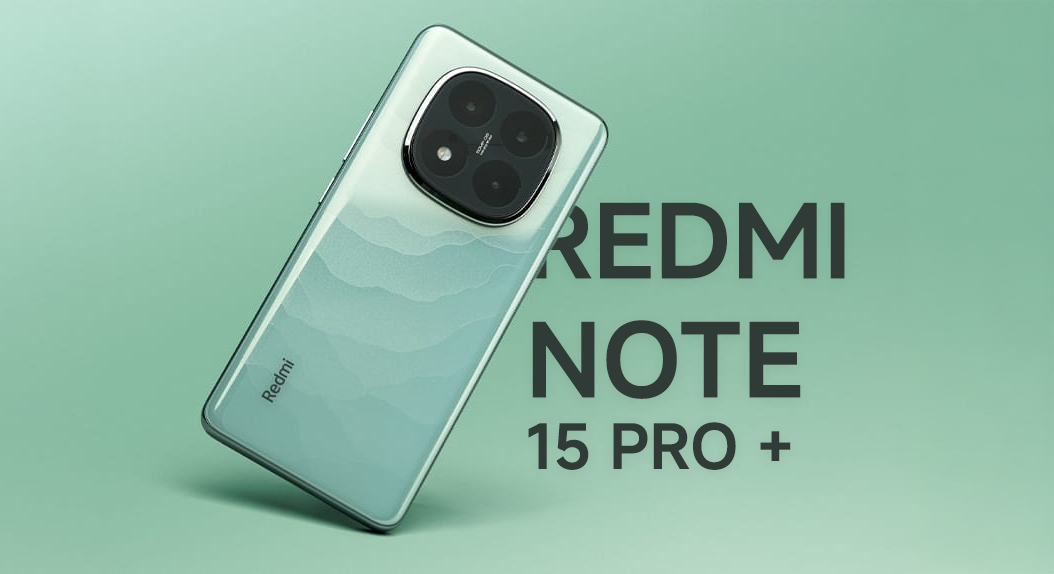
In its native China, Xiaomi has managed to display its ability to sustain itself despite having an ever more competitive market for smartphones. As per Counterpoint Research, the overall sales of smartphones in China have decreased by 2.7% on a year-over-year basis withinQ3 of2025; however, Xiaomi has still manageda growth ofa whoppinga1.1% due to the success of itsRedMi K80 as well as RedMi Note 15 series of smartphones. Moreover, its most recently releasedXiaomi17 series, including17 Pro and 17 Pro Max, has received anenthusiastic receptioninthe
Xiaomi’s Expansion within Its Original Market
China has always been Xiaomi’s bedrock and innovation center, namely where its journey started back in 2010, thanks to Lei Jun’s leadership. Xiaomi has kept its strong link with local consumers through its affordable prices, superior technology, and large HyperConnect ecosystem. Even as China slows down its sales of handsets, Xiaomi manages to boost market share through its premium offerings that suit tech and price-sensitive enthusiasts alike.
Its balanced strategy and strong Q3, especially its ability to focus on Snapdragon 8 Elite Gen 5-based flagship offerings and MediaTek Dimensity-based mid-range phones, is noteworthy, as this allows it to meet market segments’ demand and stay profitable at the same time.
Competing in a Tough Market
Although vivo continued leading with a market share of 18.5%, its sales experienced a slight drop due to heightened competitiveness in the market. Huawei, OPPO, and Honor experienced the same scenario, as Huawei is still waiting for its ecosystem migration to HarmonyOS NEXT to fully gain pace. OPPO’s sales increased, thanks to OnePlus and its gaming-centric Ace 5 and OnePlus 13 series, which proved popular among youths.
By comparison, Xiaomi has used its intelligence and branding to secure a strong second place in growth rate, only behind Apple, whose iPhone 17 series is still doing well.
Future of Xiaomi within China
Meanwhile, as Xiaomi readies itself for the future quarters, the brand is fixated on perfecting its ecosystem through HyperOS 2, AI camera technology, and UWB Smart Connectivity—technologies that would solidify its stance not only across Chinese shores but across other countries as well.
With its roots entrenched in Chinese culture, Xiaomi Mi is symbolic of innovation that has evolved through China and integrated technology and design concepts effectively and creatively. Moreover, its aptness and adaptability during market contraction have reinforced its success as one of China’s most future-aware technology giants.
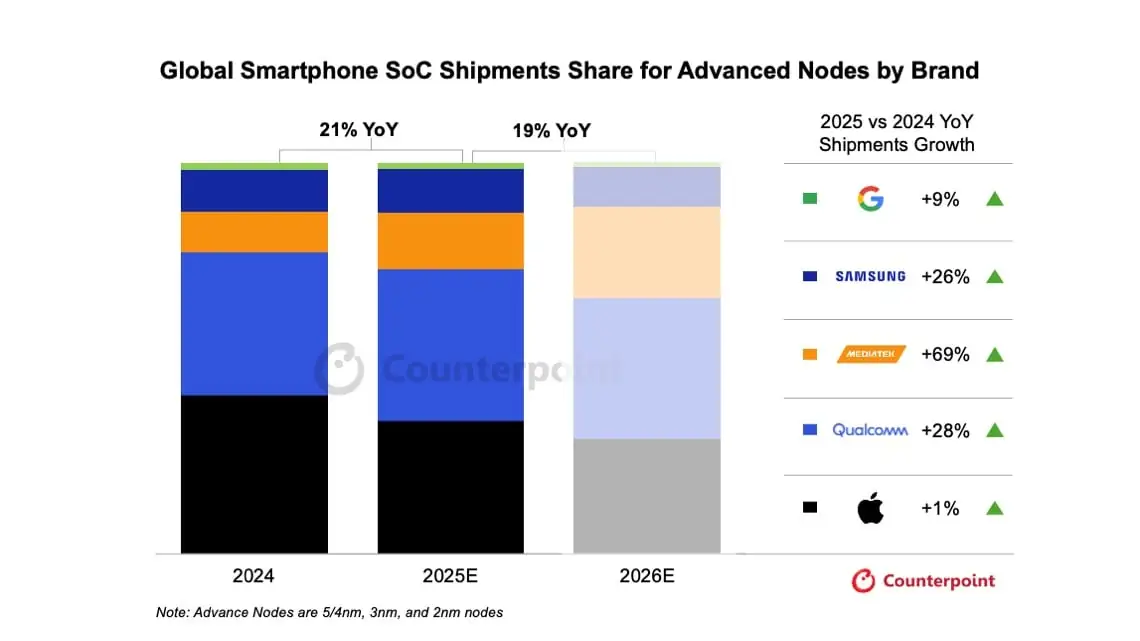
Xiaomi is lining up a dual-chip technology for 2025, as it has continued its partnership with Qualcomm and MediaTek for its future flagship and mid-range series. As indicated by the most recent report from Counterpoint Research, the worldwide market for SoC offerings for smartphones is on the cusp of a big transformation, as SoC offerings based on 5nm and below are expected to finally pass 50% of all shipments for the first time ever. Under this paradigm shift, Xiaomi is adopting Qualcomm’s Snapdragon 8 Elite Gen 5 and MediaTek’s Dimensity 9400 solutions for its offerings.
Xiaomi’s Dual-SoC Plan for 2025
Xiaomi has always used a two-fold chipset strategy that has helped them strike a balance between high-performance and affordable phones. Coming to Xiaomi’s Xiaomi 17 series and Xiaomi 17 Ultra, they would be powered by Snapdragon 8 Elite Gen 5, and REDMI K80 Ultra and Xiaomi 15S Pro would be powered by MediaTek’s Dimensity 9400 chipset.
In 2025, achieving this balance will be more imperative than before, as chipset vendors begin mass producing chips based on 3nm technology, offering enhancements in AI computing, gaming, and power consumption, which are essential components of HyperOS 2.0 and Xiaomi HyperConnect ecosystem development.
Qualcomm Superintendent, MediaTek Accelerates
Based on Counterpoint’s forecast, Qualcomm is expected to continue its lead as the primary supplier of advanced-process SoCs, registering 28% YoY growth in shipments in 2025 and contributing 39% of market shares. Xiaomi’s premium series’ preference for Snapdragon 8 Elite Gen 5 fabrication technology puts it at the pinnacle of processing and power efficiency benchmarks.
On the other hand, MediaTek is accelerating its transition as well. With the expected growth of shipped advanced-process chips of 69%, its Dimensity 9000 and 9400 series will be playing an integral role in Xiaomi’s mid-range as well as its performance-focused lineup of phones as well. Keeping in view Xiaomi’s direction of incorporating MediaTek platforms into its Redmi K series, POCO, and Xiaomi T-series phones as well.
TSMC and Samsung Lead Next-Gen Semiconductor Manufacture
Both TSMC and Samsung Foundry play a critical role for Xiaomi’s ecosystem. According to Counterpoint, TSMC is expected to retain more than 75% of market share in advanced SoC shipping by 2025, with a growth rate of 27% per year. By 2026, mass production of 2nm chips is expected from TSMC and Samsung Foundry, allowing Xiaomi, Apple, Qualcomm, and MediaTek to roll out their new-generation platforms based on this technology.
Additionally, this new generation of innovation for chips will enable Xiaomi to upgrade its AI, camera, and connectivity functionality of future smartphones and other intelligent products.
Future Built on Performace and Smarts
In this shifting landscape of semiconductors, Xiaomi has adopted a flexible strategy of blending Snapdragon and MediaTek SoCs for its future survival in the market. With HyperOS 2.0 technology fully optimized for 3nm and coming soon on 2nm, one can expect Enhancements in AI Multitasking, Camera, and Power Efficiency on Xiaomi, Redmi, and POCO phones soon.
By 2026, Xiaomi’s products will fully incorporate the latest and greatest chip technology and be one of the leading forces in the next era of intelligent mobile computing.
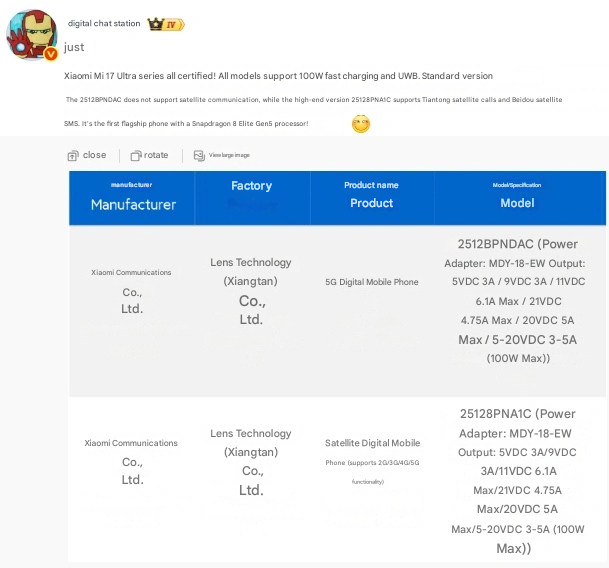
Xiaomi has officially passed through 3C certification, confirming premium upgrades like up to 100W fast charging, UWB, and satellite communication functionality. Two new devices, namely 2512BPNDAC and 25128PNA1C, have recently surfaced. have confirmed These devices are Xiaomi 17 Ultra series.They have standard UWB, and satellite functions or support Tiantong satellite telephony and satellite SMS and rely on Snapdragon 8 Elite Gen5 processing technology.
Xiaomi 17 Ultra: Giant Leap Forward for Connectivity and Camera Features
Xiaomi’s 17 Ultra is Xiaomi’s most audacious step ahead in the realm of communication and camera technology until now. Xiaomi has purposed this model to be enabled with UWB (Ultra-WideBand), providing advanced interaction functionality, as well as complementing Xiaomi’s ecosystem as a whole, whether it is smart homes or cars.
According to blogger leaks, the Xiaomi 17 Ultra sports an advanced large circular camera system that incorporates the industry’s largest sensor and a new telephoto system. Additionally, it is expected to have an external lens system for advanced photography. By integrating its multispectral sensor and physical zoom system, this device is intended to have DSLR camera capability, a significant advancement from its predecessor, Xiaomi 14 Ultra.
Xiaomi’s UWB Extension on Different Devices
With the arrival of Xiaomi’s range of electric cars, UWB is now more integral than ever before as part of device interconnectivity. For example, Xiaomi’s 15S Pro boasts UWB functionality for keyless car entry and automatic trunk opening. Xiaomi is set to break all barriers again with its new Xiaomi 17 Ultra, offering improved functionality for proximity detection, contactless payments when going through transit gates, and operating and managing other devices.
Global Release coming soon.
Global variant model numbers of Xiaomi’s 17 Ultra series could be 2512BPNDAG and 25128PNA1G. Unlike previous years that saw Xiaomi forgo satellite connectivity, this time around, the satellite capability is expected to be included as well, marking a huge advancement in Xiaomi’s plans for its flagships on the global market.
Equipped with Snapdragon 8 Elite Gen 5 processor, 100W fast wired charging, and advanced camera hardware, this series of Xiaomi 17 Ultra is expected to be one of the most powerful and interconnected phones of 2026.
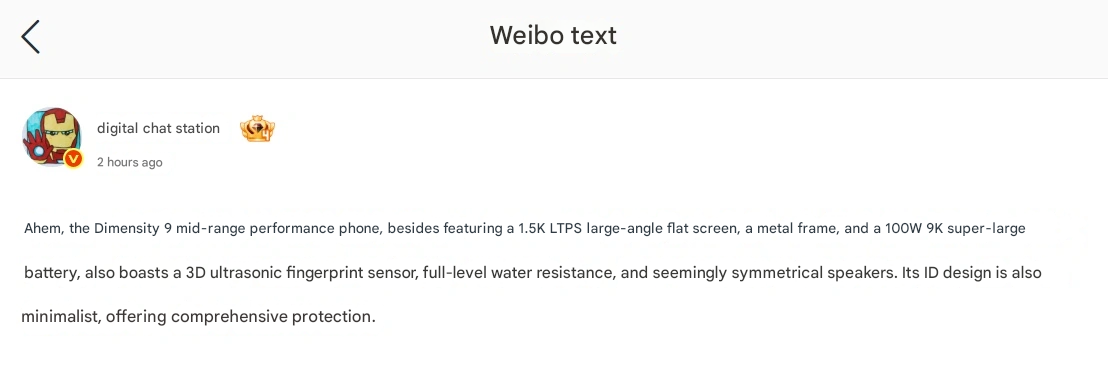
This new mid-range smartphone with MediaTek Dimensity 9 is in the making and is said to be none other than the Redmi Turbo 5 Pro as popular tipster @DigitalChatStation. This new smartphone is soon to take over in terms of battery performance by offering a 9000mAh single-cell silicon battery that will have 100W fast charging capabilities—an entirely new experience in mid-range technology.
Advanced Design and Display Capabilities
Redmi Turbo 5 Pro is also rumored to come with a 1.5K LTPS large angle flat screen that will offer colorful and clear visuals while gaming or watching. This product’s metallic body and simplified design trend match well with Xiaomi’s latest designs in recent versions. Moreover, Redmi Turbo 5 Pro is also likely to offer several exciting features such as a 3D ultrasonic fingerprint sensor or IP-rated water-resistant capabilities as well as dual symmetrical speakers.
Community Speculation and Insider Clues
In an attempt to quash user speculations, DigitalChatStation teased that it will include a “vertical Deco” design – a unique camera setup that might make Redmi Turbo 5 Pro unique compared to its contemporaries. Although some users related this compact design to OnePlus Ace 5 Ultra’s release, rumors also lingered about an affiliation with an impending Xiaomi 17 Air. But according to this blogger, it is not related to the latter, thus solidifying speculations that it is actually Redmi Turbo 5 Pro.
Battery Technology and Charging Innovation
In a previous report, it was highlighted that Xiaomi has already finalized its 9000mAh± single-cell silicon battery and is currently testing 10000mAh± options in its lab. This is just one of the signs of Xiaomi’s desire to have a balance between its energy density and charging speed. Moreover, it is also predicted that this new flagship will come with 100W flash charging technology so that it is possible to completely charge its large battery within 30 minutes.
Quick Look Back Redmi Turbo 4 Pro
By comparison, the Redmi Turbo 4 Pro came with a Snapdragon 8s Gen 4 chipset, a 6.83-inch 1.5K LTPS flat screen, a 50MP + 8MP dual-camera setup, and 90W fast charging as well as 22.5W reverse charging. It also featured charging capabilities for earphones, Smartwatches, and similar accessories. Now, it appears that the Turbo 5 Pro will prove to be its real successor in terms of longer battery life and flagship specs.
A new tablet from POCO, a sub-brand of Xiaomi, has been spotted lurking in the background at Geekbench. This new tablet is listed with a model number of 25099RP08G and is rumored to come as a new POCO Pad X1. This new tablet will allegedly come paired with a Snapdragon 7+ Gen 3 SoC, an 8GB of RAM option, and will boot Android 15 with a new HyperOS skin, as reported by GizChina & IT Home.
That is, with a single core score of 1811 points and a multi-core score of4600 points, it is clear that POCO Pad X1 is a powerful mid-range gadget. This is because it will be capable of offering an efficient performance similar to that of flagships at an affordable price. Note that this performance was from an engineering prototype and is therefore likely to be varied when it is in the market.
Reports indicate that the POCO Pad X1 has a common foundation in terms of hardware with the Xiaomi Pad 7, whose launch in China has already been done. This is a product that is equipped with a Snapdragon 7+ Gen 3 SoC that is known to offer a lot of power while consuming low power. On its part, an 11.2-inch 144Hz LCD screen, 8850mAh battery, and 45W fast charging component is present in the Xiaomi Pad 7.
It is likely that this tablet will come with some minor design differences like color versions and brand differences that are common in POCO’s line of globally sold products. This tablet will fall in a category that is neither fully budget nor fully flagship, so it will come at a cheaper rate than that of Xiaomi’s Pad Series.
Expected release and software details
POCO Pad X1 will be launched soon in countries around the globe as a part of POCO’s ever-expanding line of affordable performance-centric offerings. POCO Pad X1 is also likely to come pre-installed with Android 15 based HyperOS.
Xiaomi has rolled out a comprehensive list of system app updates in the new HyperOS 3 Global update. All the apps have been blessed with better stability, performance optimization, and smoother user interface design for a seamless experience.
1. Themes Manager (v3.0.2.7-global)
The updated Themes brings more customization features with quicker theme loading and silky-smooth UI previews. Size: 61.49 MB
2. File Manager (V1-250018)
The File Manager receives a more advanced search mechanism and improved access permissions for plugged-in devices. Size: 28.54 MB
3. Gallery (4.3.0.23-global)
The Gallery app receives AI-powered photo classification and faster cloud syncing features. Size: 101.04 MB
4. Music (9.24.05.091817i)
The HyperOS Music player receives improved equalizer settings and a new Now Playing layout. Size: 105.8 MB
5. Security Center (11.7.5-251014.1.1)
Security Center now introduces real-time threat detection and power-saving background scanning. Size: 91.47 MB
6. Launcher (RELEASE-6.01.02.1562-10141736)
The new HyperOS Launcher adds features for icon animations, multitasking, and home screen customization. Size: 23.7 MB
Quicker System Connectivity and AI Integration
Aside from this, the update also includes a fresh HyperConnect build that refines cross-device communication between Xiaomi smartphones, tablets, wearables, and smart home devices. The system is now unified for smooth file transfer, clipboard sharing, and instant task transfer between devices.
Additionally, QuickBall (v16.0.0.9.0)and Mi Share (v4.0.6.global) have been updated for better gesture responsiveness and faster device discovery, reinforcing Xiaomi’s ongoing efforts to create a truly connected smart ecosystem.
How to Get HyperOS 3 Global Apps
Users can now test these new versions by downloading them from HyperOSUpdates.com or through the MemeOS Enhancer application from the Google Play Store. MemeOS Enhancer also enables users to access hidden Xiaomi features, update system apps, and download OTA updates from the screen.
The HyperOS 3 Global Stable update demonstrates Xiaomi’s dedication to enhancing the user experience across all devices, blending AI capabilities with smooth performance and cross-device harmony. With these improvements, Xiaomi continues to redefine how its ecosystem functions on a global scale.
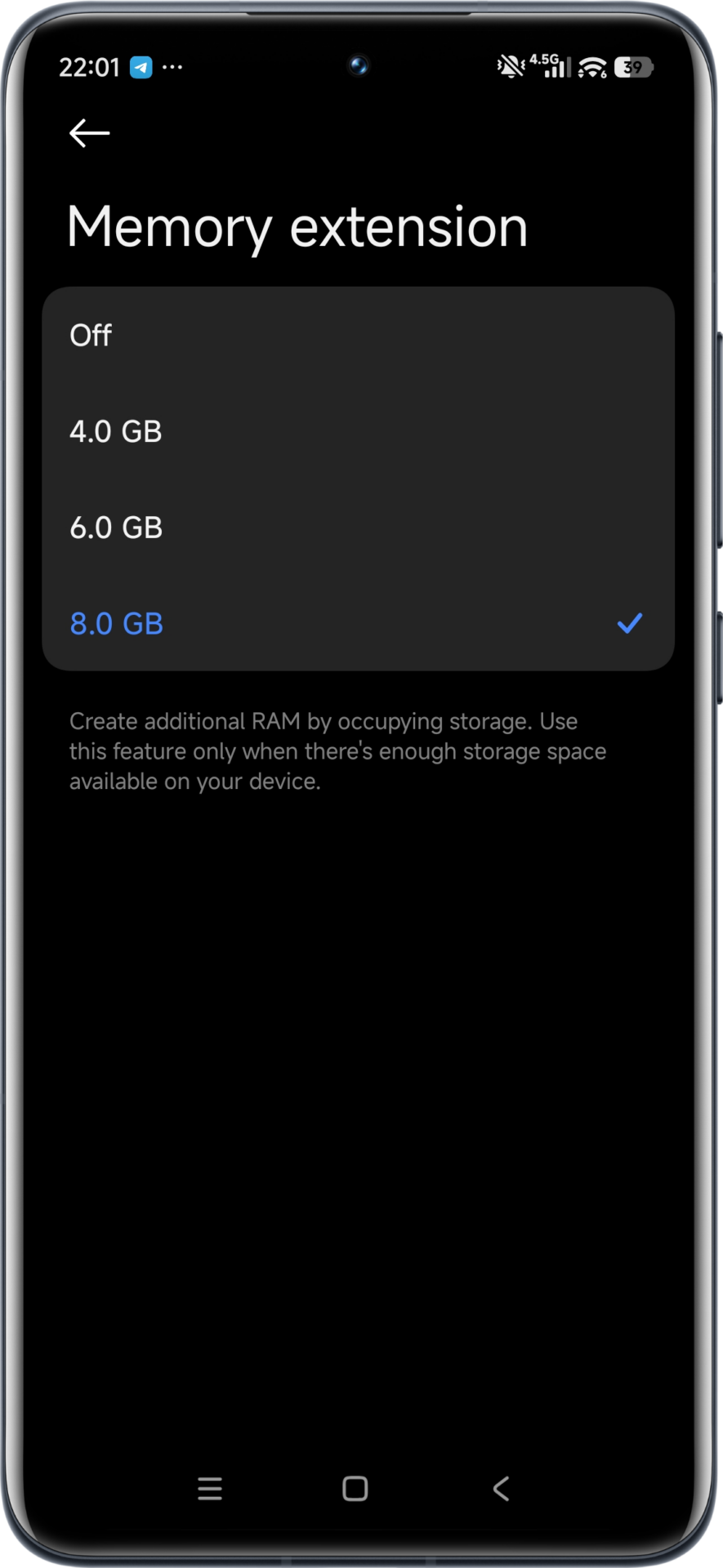
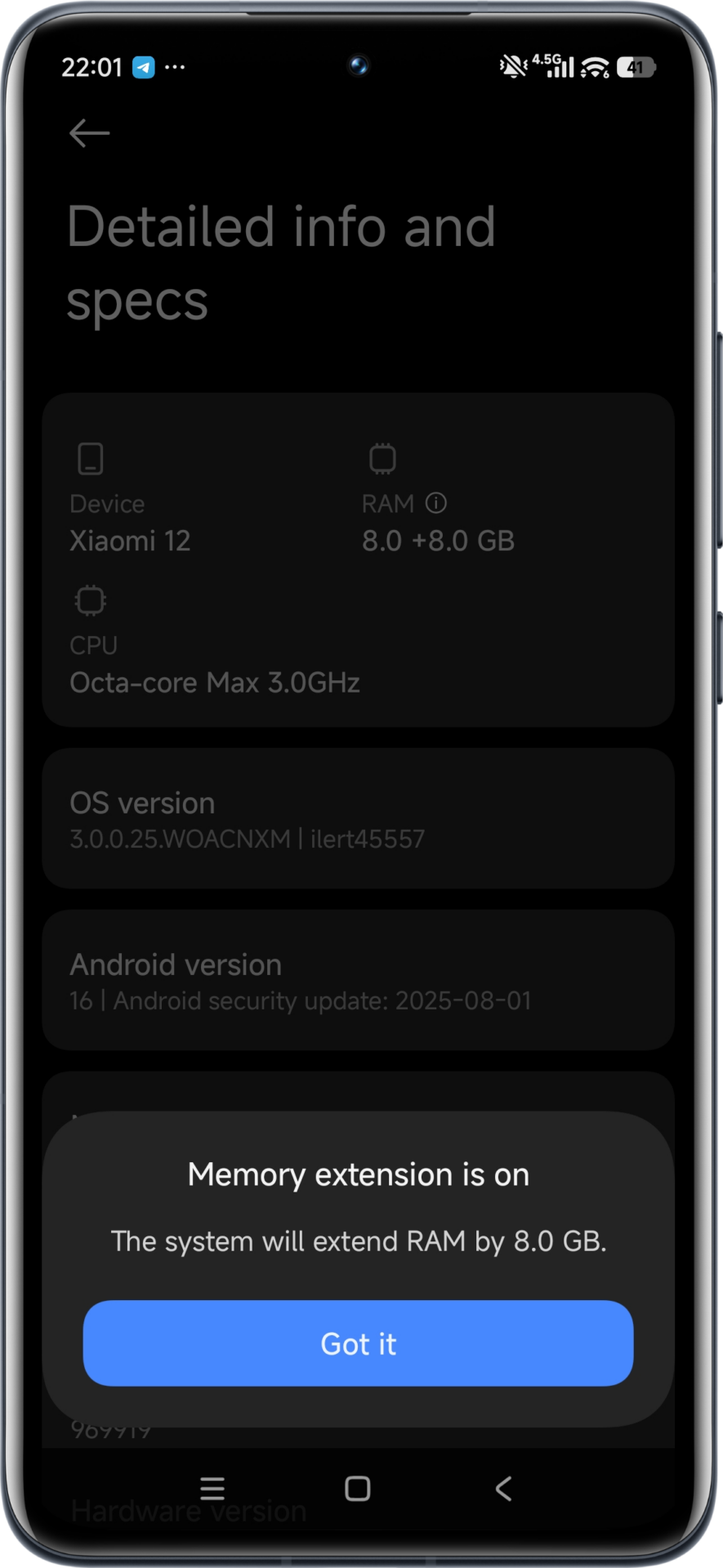
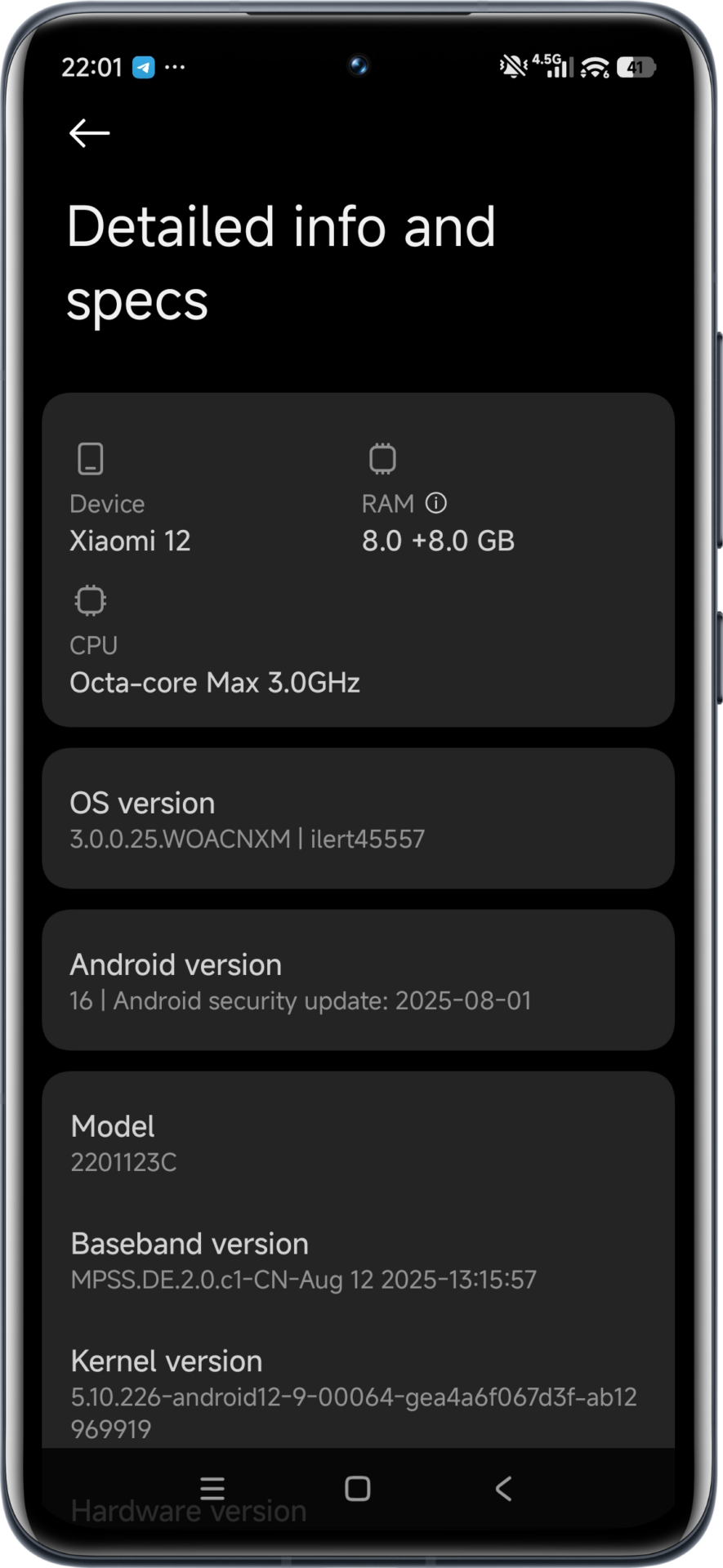
Xiaomi’s Extra RAM (also known as Memory Extension) does work, but only in specific situations. It’s not as powerful as real physical RAM, yet it provides noticeable benefits for users with lower-end devices. The feature temporarily borrows a piece of your phone’s internal storage (UFS) — let’s say 3GB, 5GB, or 8GB — and converts it into virtual memory.
How Virtual RAM Works
Physical RAM is extremely fast and holds the data of running applications. Virtual RAM, however, borrows a slower section from the device’s storage. When your phone runs out of physical RAM, Xiaomi’s system moves less active apps to this extended memory instead of closing them.
For instance, when you transition from Chrome, Instagram, and a game, Memory Extension helps park unused apps into this slower memory. When you return, the app takes less time to open than opening it from scratch — but not as fast as if it were to stay in physical RAM.
When It’s Actually Useful
The feature shines on phones with 4GB or 6GB of RAM. It blocks background apps from closing and improves multitasking performance. It’s especially useful for low-end phones like the Redmi Note and POCO mid-range series that still employ modest memory configurations.
However, for 8GB or 12GB RAM phones, its benefit is very restricted. Such devices never use their full physical RAM, and therefore the extra virtual space provides little or no improvement in regular usage.
What It Doesn’t Do
Does not improve gaming performance: Games always employ the fast, physical RAM and GPU computation.
Does not increase FPS: It does not affect frame rates.
Wears out storage life slightly: It keeps reading and writing to storage, which in theory affects it ever so slightly over extended use.
Summary Table
Situation
Effective
Explanation
4–6 GB RAM phones
Very useful
Keeps more apps open and multitasking better
8 GB+ RAM phones
Minimal benefit
You likely won’t even notice a difference
Gaming performance
No effect
Control of game speed by type of RAM and GPU
Final Thoughts
In summary, Xiaomi’s Extra RAM feature is a smart optimization that helps lower and mid-range devices handle multitasking more efficiently. But on high-end models like the Xiaomi 17 or POCO F8 Pro, it’s largely redundant — more of a convenience feature than a true performance booster.
Xiaomi is still the king of gaming smartphones in 2025 with its extensive lineup of high-performance but affordable phones. If you are a person who appreciates the POCO F series for its flagship level of performance, the Xiaomi T series for balance performance, or the Redmi Note Pro+ for a budget phone experience, Xiaomi has something in store for every gamer to cater to their requirements. Each series offers a specific blend of speed, efficiency, and cooling technology specifically designed for gaming.
POCO F Series – The game-changing champion
The POCO F series remains among the most gaming-friendly phone lines for enthusiasts. Powered by premium chips like the Snapdragon 8 Elite, great cooling mechanisms, and high refresh rate AMOLED displays, POCO F phones deliver buttery-smooth gaming even on the graphically heaviest of games. With large batteries and fast charging support, they are ideal for marathon gaming sessions without overheating or performance throttling.
Xiaomi T series
The Xiaomi T series (also called the Redmi K Ultra series in China) is another excellent choice for gamers seeking near-flagship performance for mid-range costs. Such phones tend to have high-performance processors, better vapor chamber cooling, and 120Hz displays. The Xiaomi T series offers top-notch performance together with sleek design, thus suitable for gaming as well as everyday usage.
Redmi Note Pro+ series – The budget gamer’s choice
For people seeking great gaming performance at affordable prices, the Redmi Note Pro+ is an excellent choice. It may not compete with mainline chips but delivers optimized mid-grade processors, optimized GPU performance, and smooth 120Hz panels—all for a superior balance of price vs. gaming quality.
POCO X Series – Balanced and affordable
The POCO X series bridges the gap between budget and flagship performance. It is targeted towards casual gamers who want decent gaming performance with not a compromise on battery life or camera capability. They often inherit software optimizations from higher-end POCO F models to deliver consistent frame rates in mainstream mobile games.
Last words
Whether you are a high-end competitive gamer or just a casual player, Xiaomi’s diverse series from the POCO F, POCO X, Redmi Note Pro+, and Xiaomi T series offers capable devices in every price tier. Their match of strong hardware, efficient cooling, and MIUI/HyperOS optimizations puts Xiaomi among the very best brands for mobile gaming in 2025.
Xiaomi has now pushed a new update to its HyperOS 3 Launcher, version labeled RELEASE-6.01.02.1725-11042024, built on November 4, 2025. The update is primarily made up of performance optimizations and bug fixes for an enhanced user experience on supported Xiaomi, Redmi, and POCO devices running HyperOS 2.2 or above.
What’s new in the HyperOS 3 Launcher
The latest Launcher update focuses on optimizing system performance and improving UI responsiveness. While no major visual changes are introduced, this build enhances animation fluidity and app loading speed, which aligns with Xiaomi’s continuous effort to refine HyperOS 3 ahead of its full rollout.
This release, reportedly stable on HyperOS 2.2, patches several bugs from user reports on earlier builds. It also optimizes memory management to reduce launcher crashes on heavy multitasking sessions. Users on earlier HyperOS versions should verify compatibility before updating.
How to update your HyperOS Launcher
The update is not available via the System Updater, so it has to be manually installed by users. The Xiaomi users can simply download it from HyperOSUpdates.com or via the MemeOS Enhancer application. Not only does the MemeOS Enhancer application provide access to the latest Xiaomi system components, but also allows users to unlock hidden HyperOS features, update the launcher, and control other system settings directly from the screen.
Final thoughts
With this latest HyperOS 3 Launcher release, Xiaomi continues to refine the user interface experience, preparing for the upcoming global rollout of HyperOS 3. The stability improvements and subtle performance enhancements show Xiaomi’s dedication to ensuring fluidity and consistency across all its devices.
Xiaomi’s latest HyperOS 3 is built to deliver a smoother, more connected experience across devices — from smartphones to smart homes. While the stable rollout will initially target newer flagships, many older Xiaomi, Redmi, and POCO devices are still powerful enough to run ported versions of HyperOS 3 without performance issues. If volunteer developers bring the ROM to these models, users can enjoy nearly the same performance and fluidity as on official versions.
Here’s the list of Xiaomi devices that can run the ported HyperOS 3 ROM fully stable and responsive:
Xiaomi Mi 10 series
Xiaomi Mi 11 series
Xiaomi 12 Lite
Xiaomi 11T series
Xiaomi MIX 4
Redmi Note 12 series
Redmi Note 13 4G
Redmi K50 series
Redmi K40 series
POCO F3 series
POCO F4 series
POCO X4 series
Why These Devices Can Handle HyperOS 3
All of the mentioned phones are equipped with high-end Snapdragon or Dimensity processors, latest storage technologies, and GPU architectures that can adequately deliver HyperOS 3’s enhanced animations, AI-driven optimization, and HyperConnect ecosystem support. Most of these phones are based on Snapdragon 870, Snapdragon 888, or Dimensity 8100 chips, yielding adequate headroom for smooth system ports.
The performance is also dependent on ROM optimization quality. With one of the most active developer communities in the world in Xiaomi, it is likely that HyperOS 3 ports for these devices will offer reliable daily performance and full functionality.
How to Get the HyperOS 3 Port ROM
Intersted users can visit community ports on trusted Xiaomi development Telegram channels or another Telegram channels. If developers who port HyperOS 3 reach us on Telegram, we can publish it for users to be informed.
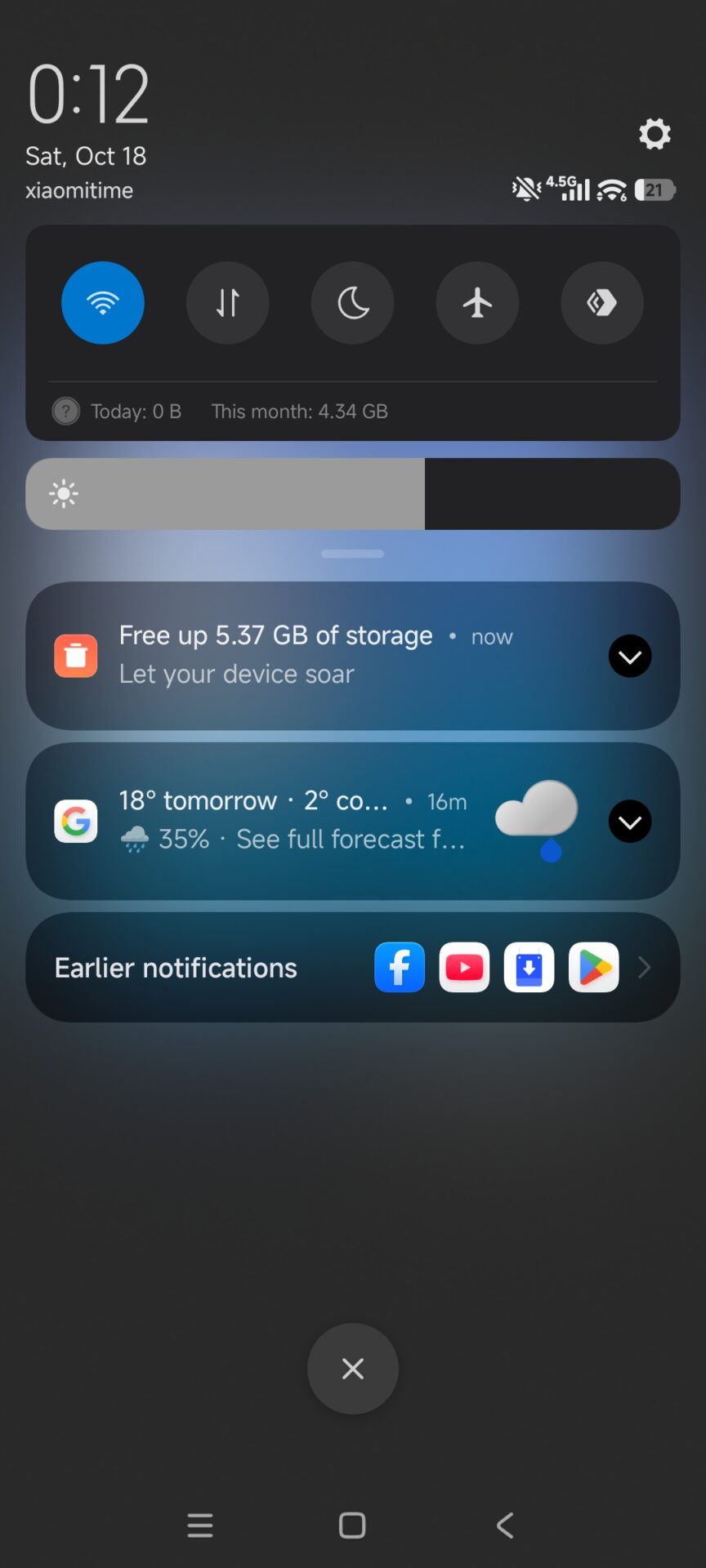
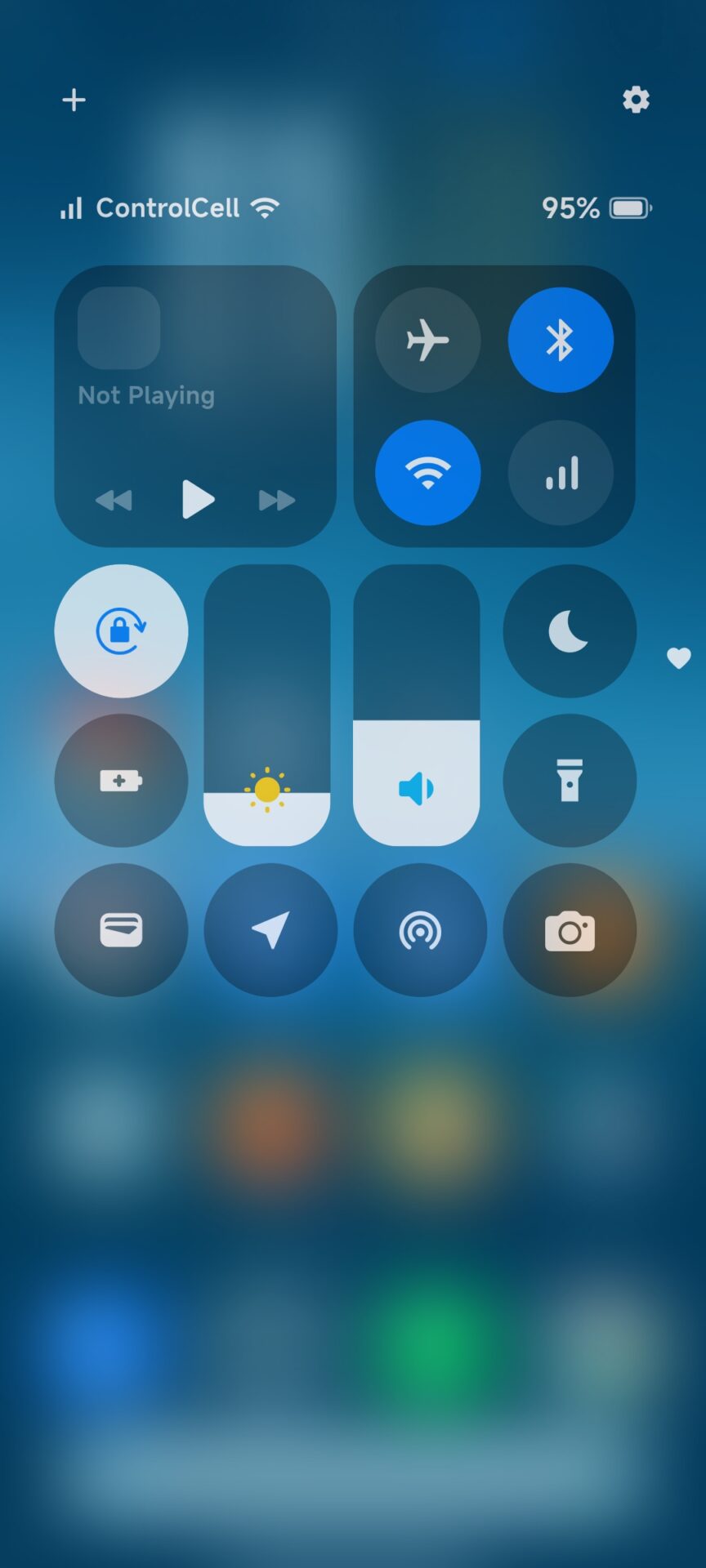
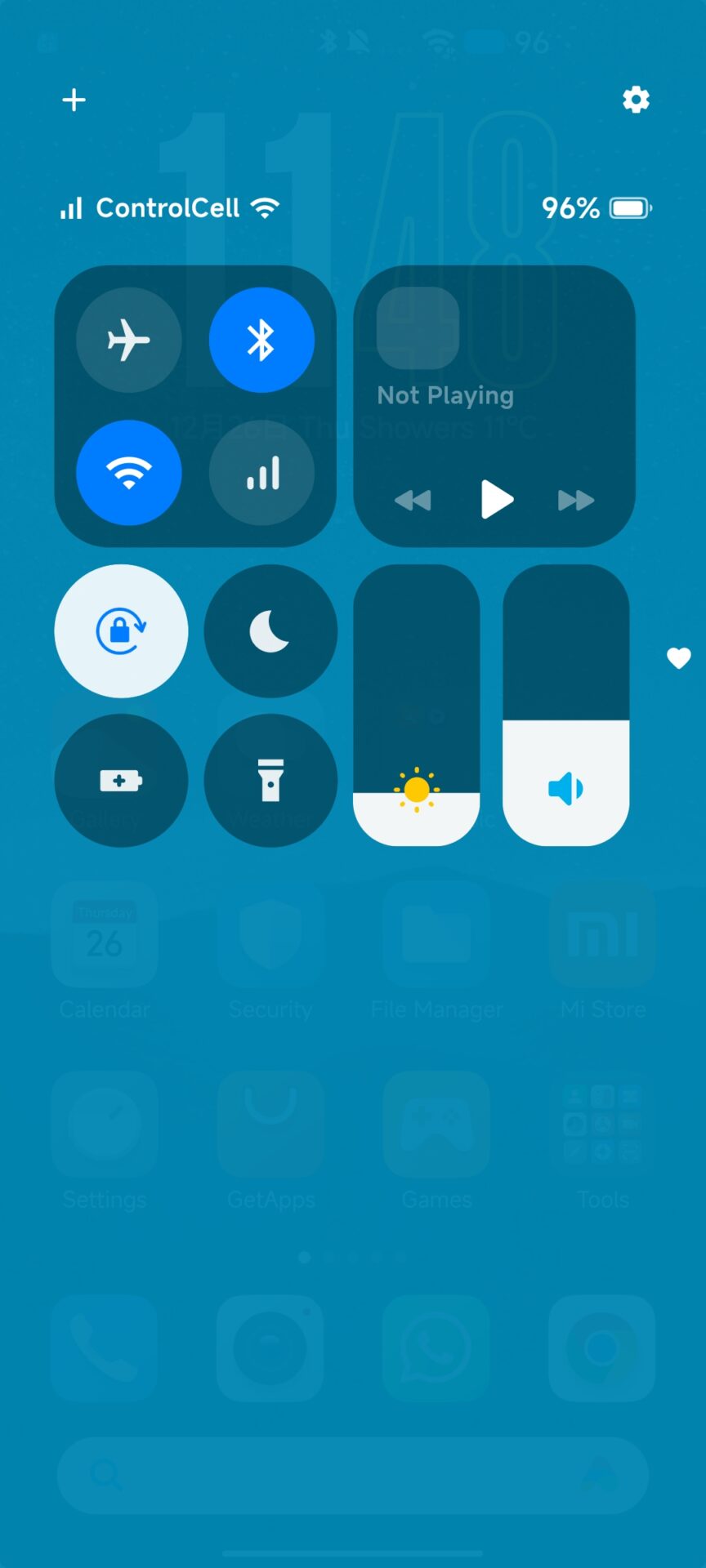
Some Xiaomi low-cost phones such as Redmi 15, Redmi 14C, and Redmi 13X still make use of the traditional Android-way control panel instead of the modern iOS-inspired Control Center on premium phones with HyperOS. The limitation here is primarily due to hardware and performance aspects, which hamper seamless rendering of advanced animations and transitions.
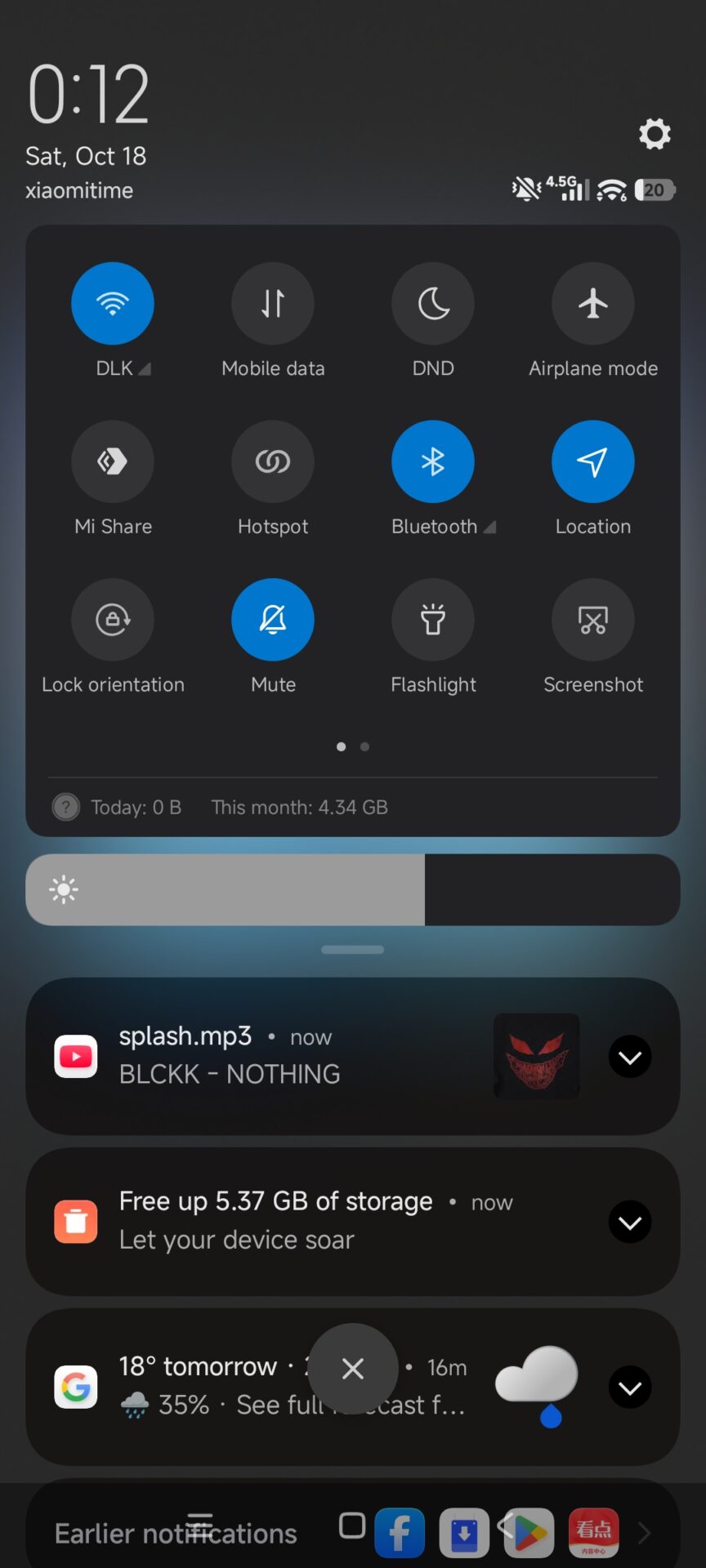
Despite this, Xiaomi users do not have to forgo the new design and features. With the help of third-party customization software like Control Center 18, it can be configured to resemble the new Control Center look on most Redmi and POCO phones.
Why Some Xiaomi Devices Don’t Have the New Control Center
Xiaomi’s updated Control Center—introduced alongside HyperOS 1.0—brings a clean layout, smoother animations, and adaptive brightness controls similar to iOS 18. However, not every device meets the required performance standards. Entry-level models with limited GPU and memory capacity may experience lag or frame drops when running the new UI, which is why Xiaomi restricts the feature to mid-range and flagship smartphones.
However, Xiaomi’s software platform is still flexible. Although your phone doesn’t natively support the latest control center, you can nonetheless enhance the visual experience with third-party solutions like Control Center 18, basically cloning the appearance and functionality of the HyperOS Control Center.
Get the New Control Center with Control Center 18
If your Redmi or Xiaomi phone does not have the new Control Center directly installed on it, you can easily replicate it with Control Center 18. This is a nearly exact layout with fluid animations, toggleable toggles, and swift access to your most frequently used settings.
Or, you can find additional Xiaomi tweaking software at HyperOSUpdates.com or get MemeOS Enhancer from the Play Store to enable system elements that are invisible to everyone else, manually upgrade Xiaomi apps, and benefit from unique HyperOS features.
Warranty protection is important to enable free and safe repair services for factory-related faults in your Xiaomi devices. Xiaomi offers a warranty period—typically two years—for smartphones, tablets, and smart home appliances. During the warranty period, official Xiaomi service centers repair qualifying faults free of charge, with quality and secure work. Repairing your device at unauthorized or out-of-warranty shops, however, is risky and can irretrievably lose your warranty rights.
Things You Should Avoid to Stay Under Warranty
Being under warranty is a case of precaution and vigilance. Below are eight very important actions that will automatically void your Xiaomi warranty, regardless of where you are or what device model you use.
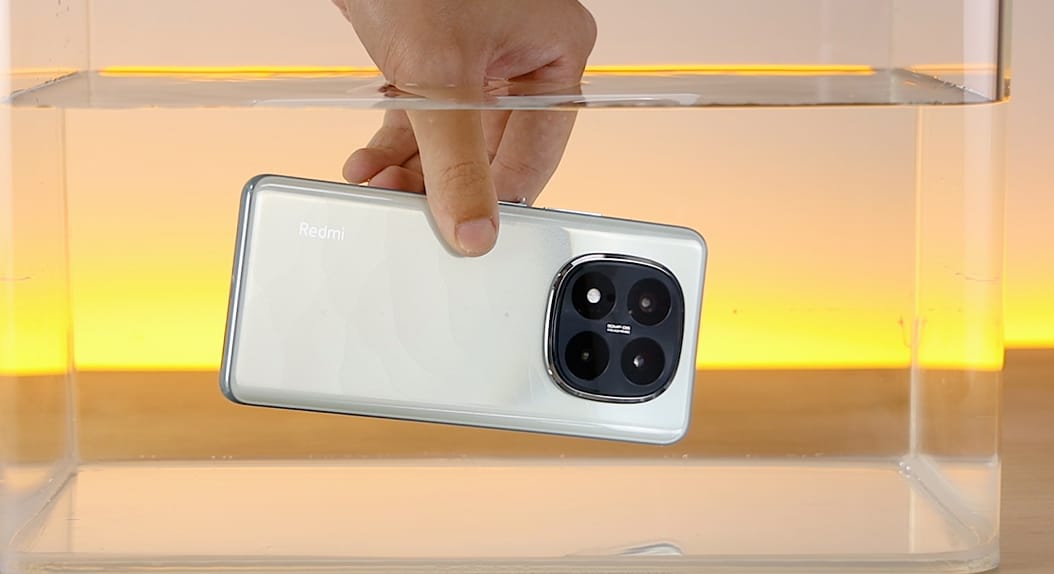
1. Avoid Submerging Your Device in Water
Unless your Xiaomi or Redmi device carries an IP68 water-resistant certification, you should stay away from liquids. Devices that are not waterproof-rated can suffer permanent internal damage when they come into contact with water, leading to an instant loss of warranty coverage.
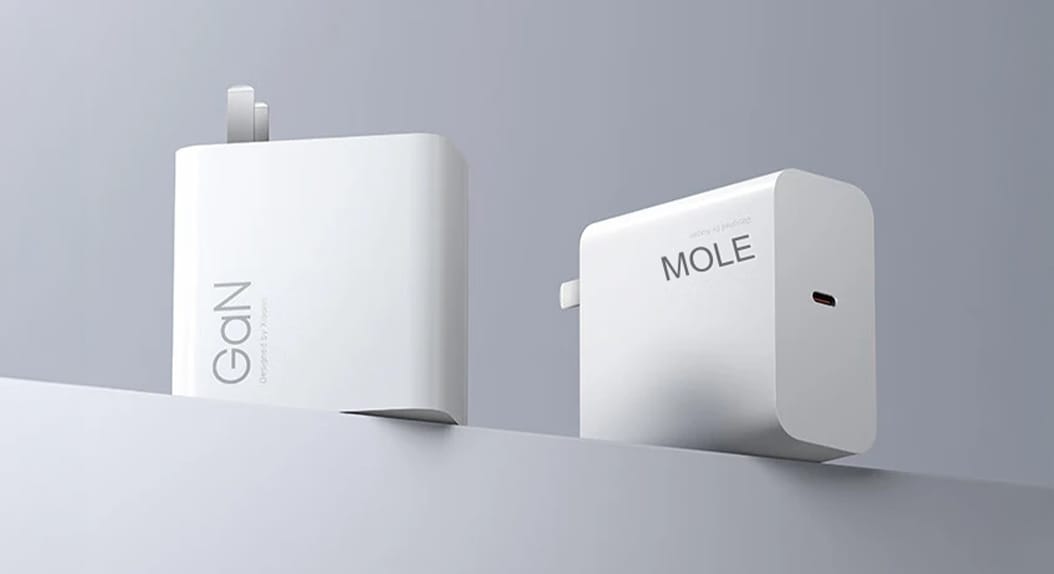
2. Never Use Non-Genuine or Unapproved Adapters
Unauthorized charging adapter usage is also one of the most frequent reasons for warranty cancellation. Each Xiaomi model runs on a certain voltage and charging system. The battery or internal components can be affected by incompatible charging output from adapters. Always employ original Xiaomi adapters or those specified in your device model.
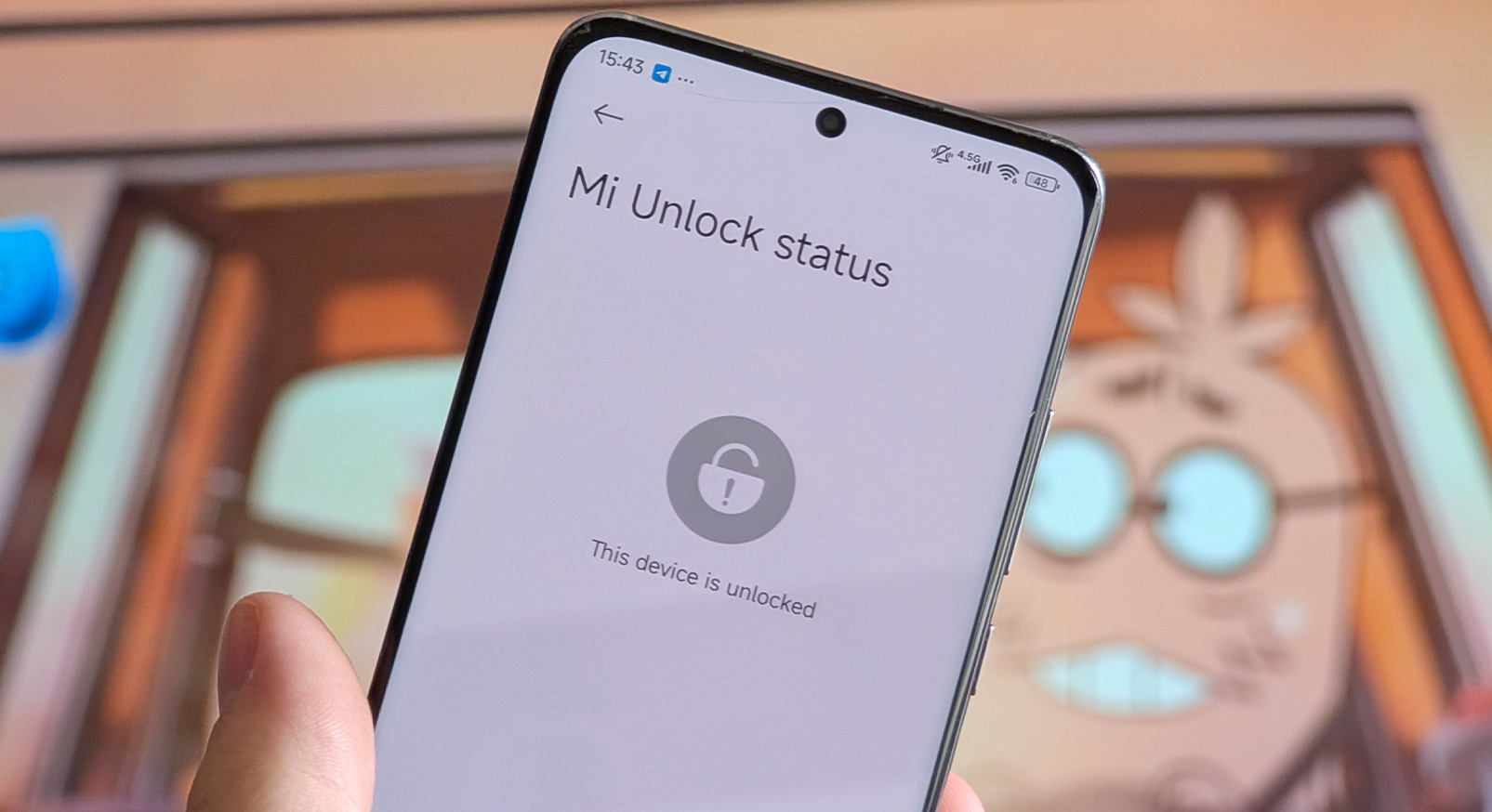
3. Never Root or Unlock the Bootloader
Rooting your phone or Bootloader unlocking could be tempting for personalization, but completely negates your warranty. Xiaomi regards such modifications as unauthorized interference with the operating system, even if you reflash the original software later. Once Bootloader is unlocked, the warranty is lost forever.
4. Do Not Install Custom ROMs
Flashing custom ROMs can improve performance or look, but Xiaomi officially discourages this. Devices flashed with non-official ROMs are not eligible for warranty service. Even if you reflash HyperOS later on, service centers can identify the modification and refuse repairs.
5. Avoid Physical Damage
Any form of self-damage, such as drops, cracks, or impacts, is a user responsibility. While Xiaomi phones are built with durable materials, physical damage repairs are chargeable, and warranty does not apply. Protective cases and screen guards maintain your warranty validity.
6. Avoid Hardware or Software Alterations
Changing your device physically (such as replacing parts or altering components) or performing unauthorized software modifications (such as overclocking) will invalidate the warranty. Xiaomi only repairs devices that are in their original factory state.
7. Know That Normal Wear And Tear Is Not Covered
Devices can naturally experience wear and tear over time. Color fading, battery degeneration, or scratches are normal usage effects and are not warrantable. Cleaning and maintenance of your device on a regular basis extend the life of your device and prevent unnecessary service fees.
8. Damage Caused by Natural Disasters Is Not Covered
Unfortunately, damage from natural disasters—such as floods, earthquakes, or fire—is not assured. Such accidents are considered under the category of acts of nature and are not within the control of the manufacturer.
Final Thoughts
With these eight simple but essential tips, you can keep your Xiaomi device under warranty and get any manufacturing flaws corrected efficiently without charge. Xiaomi encourages customers to utilize official service centers and accessories alone for secure and long-term usage.
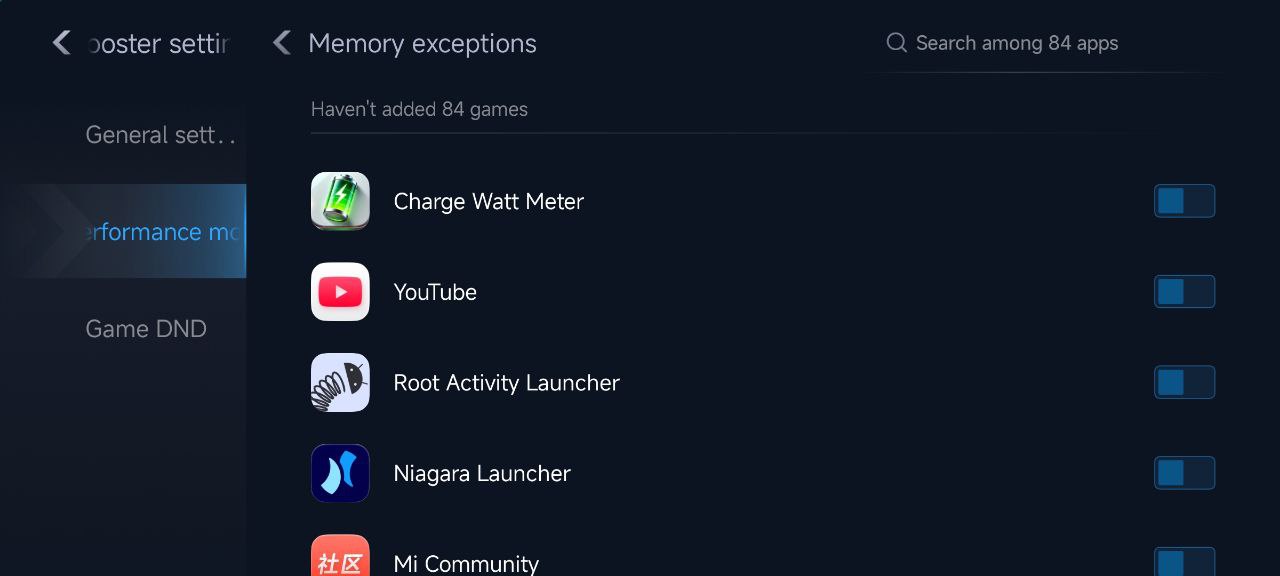
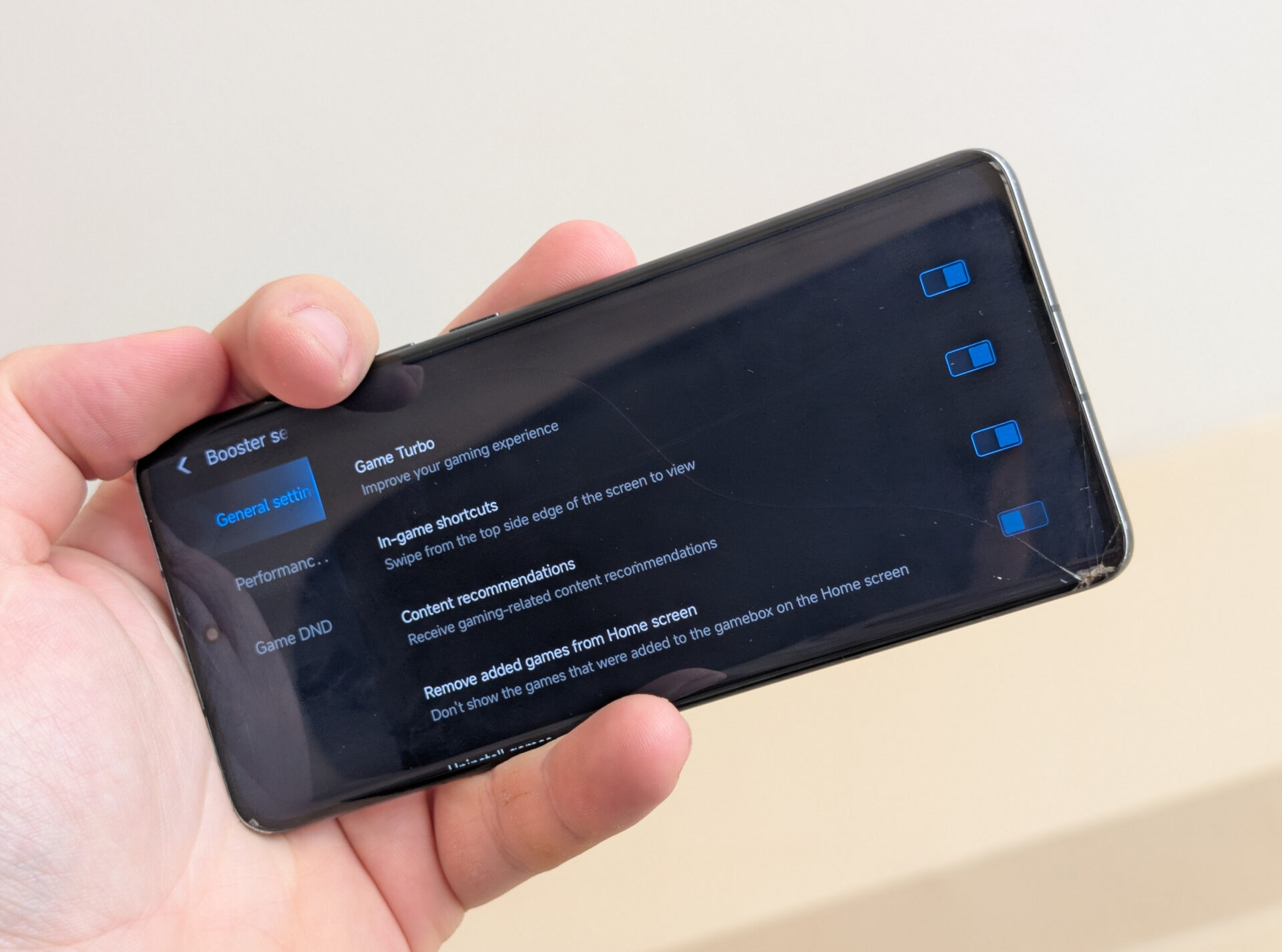
Most HyperOS gamers are dependent on Game Turbo, but hardly know its most potent feature — background app optimization — lies disabled by default. This feature has the potential to boost your gaming performance and interruptions by a great margin but lies in the depths of the settings. If you experience periodic loss of frames or irritating notification interrupts while gaming, it may be because your most important option lies disabled.
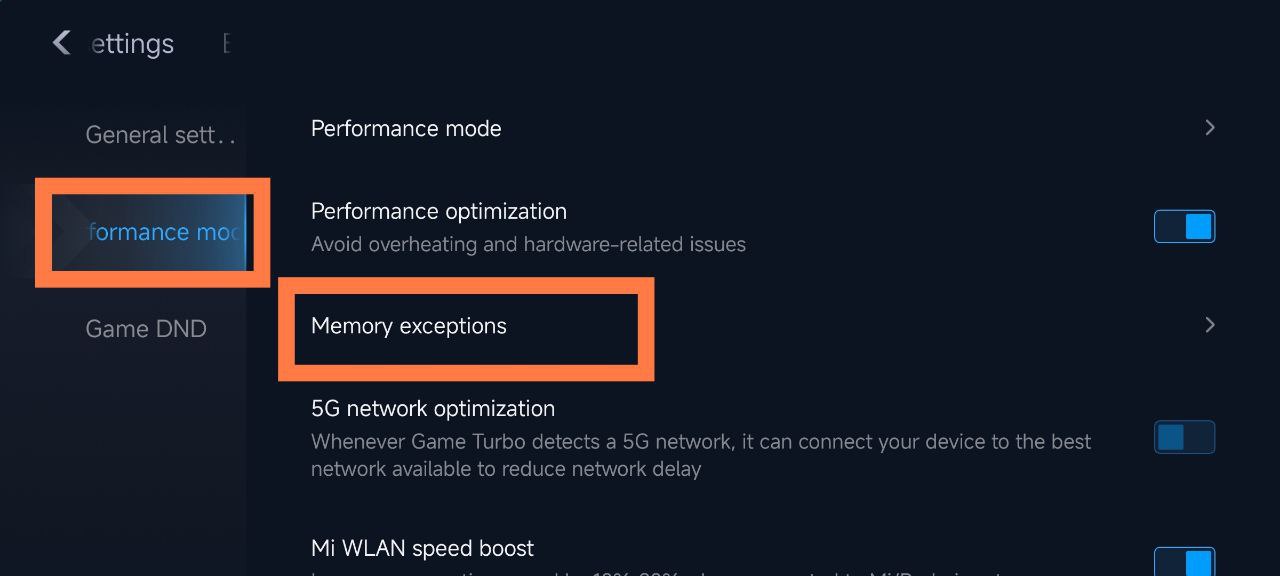
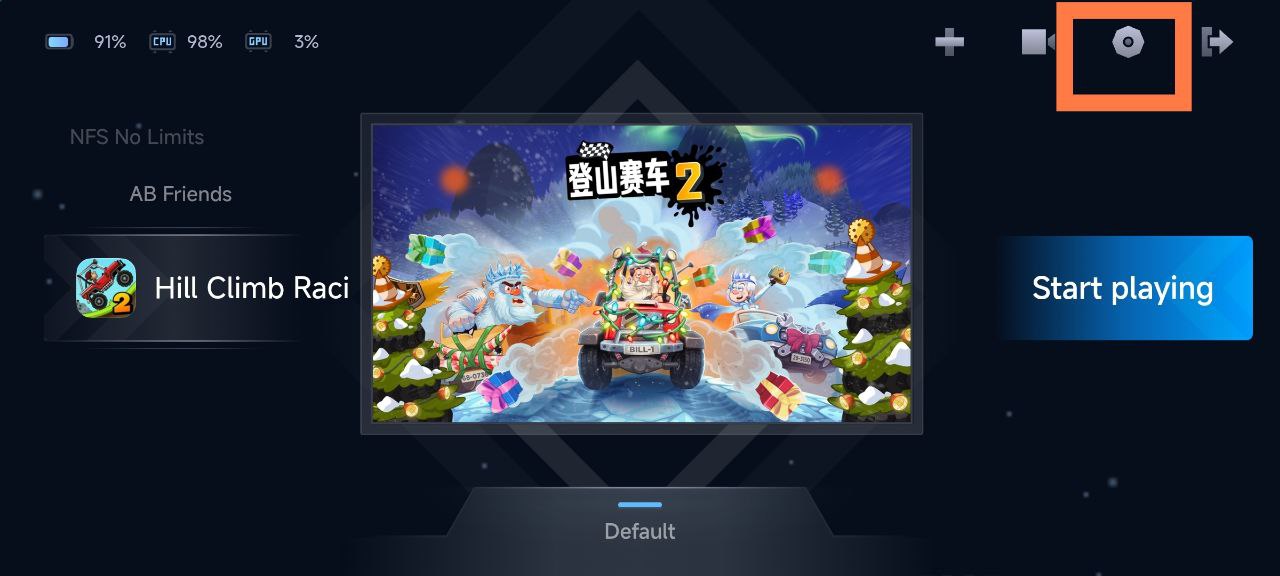
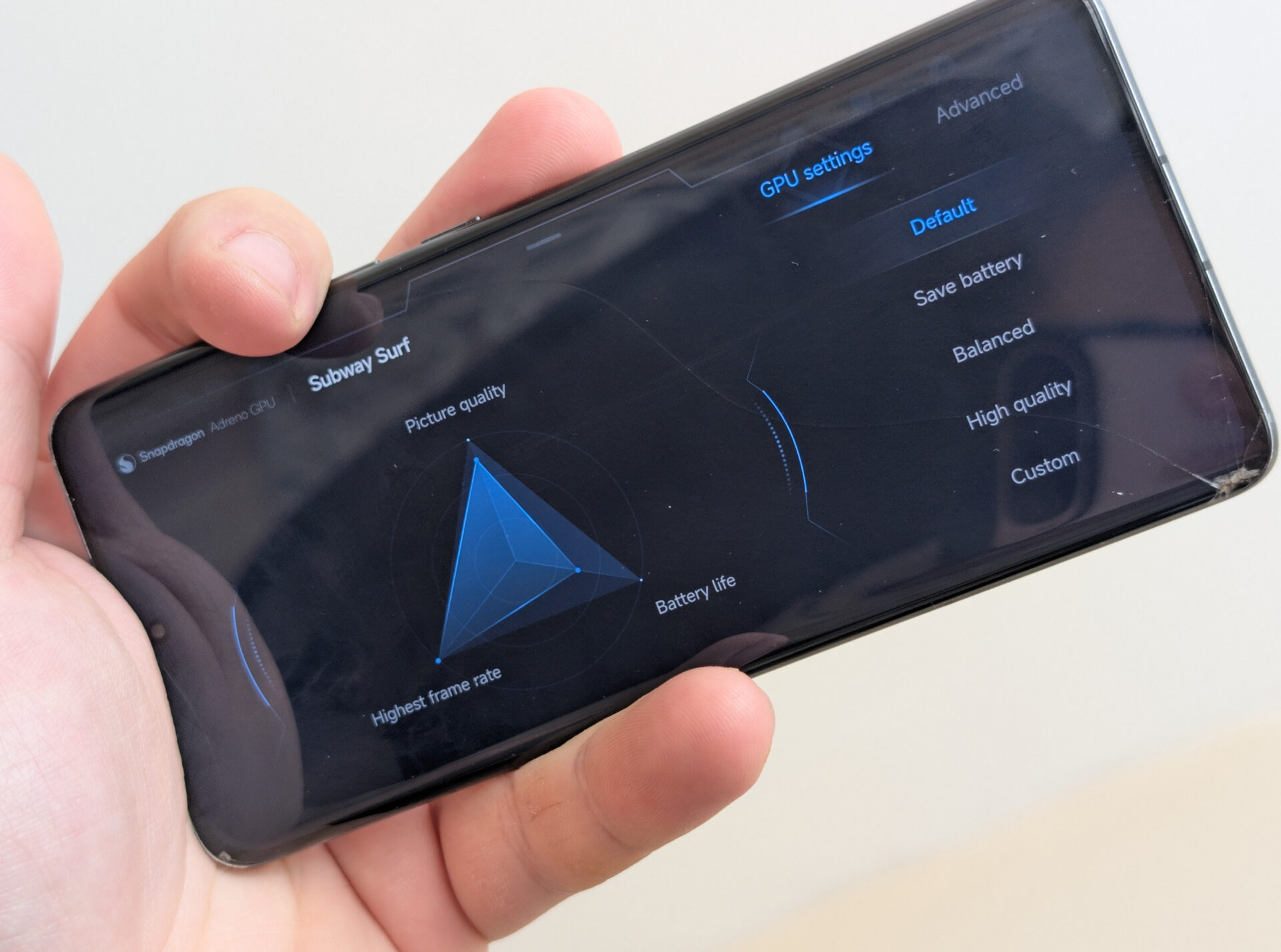
To enable it, simply open Game Turbo Settings > Performance > Memory Exceptions. From here, choose the applications that you want Game Turbo to forcibly end whenever you enter a game. This prevents unnecessary background applications from using memory or CPU cycles so your phone powers its gaming performance.
Why This Environment Is Important for Users
By allowing memory optimization, Game Turbo optimizes the system’s resources by releasing the RAM and keeping the frames stable in the course of playing. No interruptions by messaging or social app notifications will occur mid-match and thereby result in a smoother gaming experience.
This feature is particularly useful for Xiaomi, Redmi, and POCO smartphones that are running Snapdragon or Dimensity processors. Those playing Frequently playing gophers like Genshin Impact or PUBG Mobile will see distinct improvements in response and heat regulation when this feature is turned on.
Are you annoyed with Xiaomi phone performance or storage space? Your phone probably has at least a dozen or more unnecessary applications installed, eating away at precious resources that can also monitor your activities. Unnecessary apps, also referred to as “bloatware”, can substantially slow down your user experience by consuming battery, wasting storage, as well as compromising privacy. The good news is that most of these applications can be uninstalled safely to speed up your Xiaomi smartphone performance, extend battery, as well as recover storage space. The right method can turn your phone into a cleaner, speedier machine without affecting functionality.
MIUI and Xiaomi HyperOS System Bloatware
Prior to deleting any applications, it’s crucial to know which applications can safely be deleted. We have a complete list of Xiaomi bloatware that can safely be uninstalled by most users.
com.miui.cleanmaster: Cleaning app with abundant advertising that provides little return
com.miui.daemon: Background tracking application
com.miui.msa.global: Advertisement serving app that presents ads in MIUI
com.mi.webkit.core: Custom system webview by Xiaomi (Google’s would be better)
Most Xiaomi phones also have Google programs installed that you may not use:
com.google.android.apps.podcasts: Google Podcasts
com.google.android.apps.subscriptions.red: Google One
com.google.android.apps.photos: Google Photos
com.google.android.videos: Google TV
com.google.android.apps.tachyon: Google Duo
com.google.android.apps.wellbeing: Digital Wellbeing
How to Remove Bloatware
You can safely remove these apps by referring to our complete How to Debloat Xiaomi HyperOS tutorial. The removal process needs either ADB (Android Debug Bridge) commands or specialized debloat software that doesn’t involve root access.
Important: Uninstall the default file explorer (com.mi.android.globalFileexplorer) only after you’ve got an alternate file manager to ensure that a gap in functionality does not arise.
For the most convenient method to handle system applications and access hidden capabilities, you can download our MemeOS Enhancer application from the Play Store. This tool not only assists in deleting bloatware but also allows access to hidden Xiaomi settings, system application updates, as well as screen update management.
The moment we’ve all been waiting for is finally approaching! Xiaomi is continuing its preparations to launch the highly anticipated HyperOS 3, with the first global versions expected to be available in the coming days. This is not just a minor update; it’s a massive step forward, packed with a series of powerful AI enhancements, significant user interface redesigns, and deep performance optimizations.
For those following the latest HyperOS developments, this is the most exciting news of the year. The first wave of devices has been confirmed, and a wider range of popular phones and tablets are scheduled to receive this update in the first week of November. Get ready to experience a smarter, faster, and more intuitive version of Xiaomi’s revolutionary operating system.
The First Wave: These Devices Get HyperOS 3 First
Xiaomi has prepared HyperOS 3 Global versions for 16 models, indicating that the global launch is approaching. These devices will be the first to showcase the power of HyperOS 3 to the world.
POCO F7 Ultra: OS3.0.3.0.WOMEUXM, OS3.0.1.0.WOMMIXM, OS3.0.1.0.WOMTWXM, OS3.0.1.0.WOMRUXM
Xiaomi 15 Ultra: OS3.0.3.0.WOAEUXM
Xiaomi Pad 7 – OS3.0.2.0.WOZMIXM, OS3.0.3.0.WOYEUXM, OS3.0.2.0.WOYIDXM, OS3.0.2.0.WOYTRXM, OS3.0.2.0.WOYTWXM, OS3.0.2.0.WOYRUXM
Redmi Note 14 Pro+ 5G: OS3.0.2.0.WOPMIXM
POCO X7 Pro: OS3.0.2.0.WOJEUXM
Redmi Note 14 Pro 5G: OS3.0.4.0.WOOMIXM
Xiaomi Pad 7 Pro: OS3.0.3.0.WOYMIXM, OS3.0.3.0.WOYEUXM
POCO M7 4G, REDMI 15 4G:OS3.0.3.0.WBOMIXM
REDMI 13 5G: OS3.0.7.0.WNUINXM
POCO C75 – Redmi 14C – Redmi A3 Pro: OS3.0.5.0.WGTMIXM
Xiaomi 14: OS3.0.2.0.WNAMIXM has been suspended, OS3.0.3.0.WNCMIXM is expected to be released soon
POCO M6, Redmi 13, Redmi 13X: OS3.0.2.0.WNTMIXM
POCO F7: OS3.0.3.0.WOLMIXM, OS3.0.2.0.WOLINXM
POCO F7 Pro: OS3.0.4.0.WOKMIXM
POCO M6 Plus 5G, Redmi 13 5G, Redmi Note 13R: OS3.0.7.0.WNUINXM
More Devices Joining the Party This Month
Xiaomi plans to expand its HyperOS 3 Global program to a much wider range of devices in October and November. If you own one of the following, keep an eye out for the update notification!
Xiaomi 15 – Released
Xiaomi 15 Ultra – Released
Xiaomi 15T Pro – Released
Xiaomi 15T – Released
Xiaomi MIX Flip
REDMI Note 14 Pro+ 5G – Released
REDMI Note 14 Pro 5G / POCO X7 – Released
REDMI Note 14 Pro
REDMI Note 14
POCO F7 Ultra – Released
POCO F7 Pro – Released
POCO F7 – Released
POCO X7 Pro – Released
Xiaomi Pad Mini
Xiaomi Pad 7 – Released
Xiaomi Pad 7 Pro – Released
Xiaomi Pad 6S Pro
Xiaomi 14 Ultra
Xiaomi 14 – Released
Xiaomi 14T Pro
Xiaomi 14T
Redmi 13 / Redmi 13X / POCO M6 – Released
Redmi 14C / POCO C75 – Released
Redmi 15 / POCO M7 – Released
POCO F6 Pro
POCO X6 Pro
Redmi Note 13 Pro / POCO M6 Pro
What’s New in HyperOS 3? A Massive Leap Forward
New features arrived for HyperOS 3.
A Fresh New Look and Feel
Introducing “Hyper Island” and Seamless Connectivity
The Power of AI Unleashed
AI-powered notes: Automatically organize and summarize your thoughts.
AI Describe: Get descriptions for images and on-screen content.
AI Voice Translation: Real-time translation during calls and conversations.
AI Noise Reduction: Crystal-clear voice recordings by filtering out background noise.
AI Search: A more intuitive and powerful system-wide search.
AI Gallery Search: Find photos by describing what’s in them.
AI Dynamic Wallpapers: Now available globally, this feature turns your photos into stunning, animated video wallpapers.
The HyperOS 3 Global update for the flagship Xiaomi 14 series and more models will be prepared soon.
Xiaomi has just started rolling out a new update for Game Turbo this November 2025. This isn’t just a minor patch; it’s a significant enhancement delivered through the latest HyperOS Security app (version 11.7.3-250929.0.1). For those of us who live and breathe Xiaomi, this is another example of how the company seamlessly integrates powerful features into its ecosystem. Instead of a separate, clunky app, Game Turbo remains a core part of the security suite, reinforcing the brilliant all-in-one philosophy of Xiaomi HyperOS. This update continues the trend of constant improvement we’ve seen in other system apps, like the recent updates to the Xiaomi Gallery.
What’s New in the November 2025 Game Turbo?
This update focuses on refining the core mechanics that make a real difference during intense gameplay. Xiaomi’s engineers have clearly been listening to feedback, delivering targeted improvements that smooth out performance and make your device feel more responsive than ever. It’s all about giving you that competitive edge.
The key enhancements in this release include:
Buttery-Smooth Frame Rates: The optimization algorithms have been tweaked to provide a more stable and consistent frame rate, reducing stutters and lag in demanding titles.
Smarter Thermal Control: Play longer without the heat! The update brings improved thermal management to keep your device cool under pressure, ensuring sustained peak performance.
Lightning-Fast Touch Response: Every millisecond counts. Touch sensitivity has been recalibrated for more precise and immediate in-game interactions, from aiming to navigating menus.
Enhanced Focus Mode: Uninterrupted gameplay is now even better with expanded “do-not-disturb” features, letting you block out the world and focus solely on the win.
Optimized RAM Allocation: The system now does an even better job of allocating memory to your games, ensuring apps load faster and run efficiently in the background.
How to Get the Latest Game Turbo Update
Getting your hands on this game-changing update is incredibly simple. Since Game Turbo is part of the HyperOS Security app, all you need to do is update that single application. For the best experience and even more control over your device, we highly recommend using our very own MemeOS Enhancer app from the Google Play Store.
Who Gets the Update?
The update can be downloaded through the MemeOS Enhancer or HyperOSUpdates website. If you’re still using an older MIUI version, don’t worry! You can still access similar optimization features through the Game Launcher Turbo app available on the Google Play Store.

 Login
Login