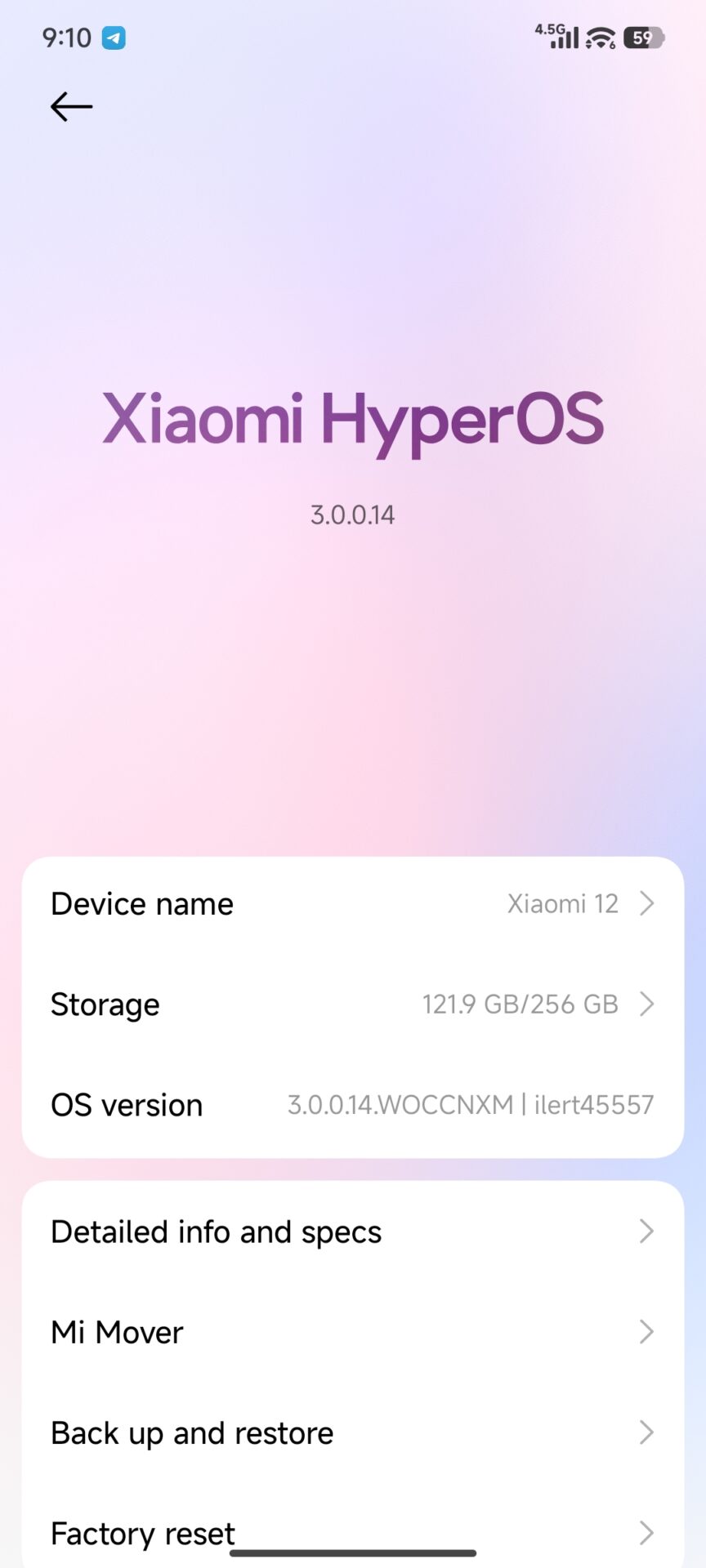
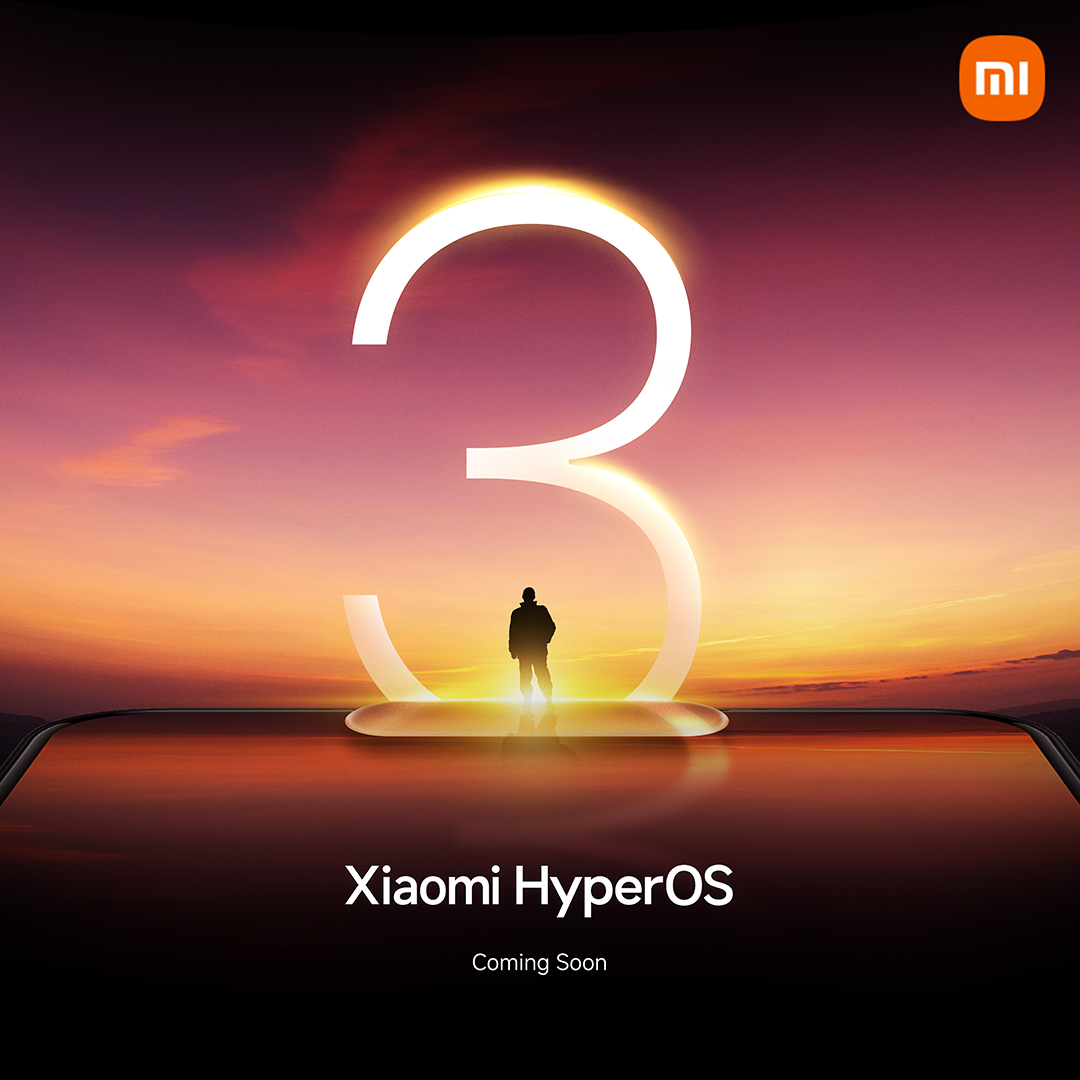
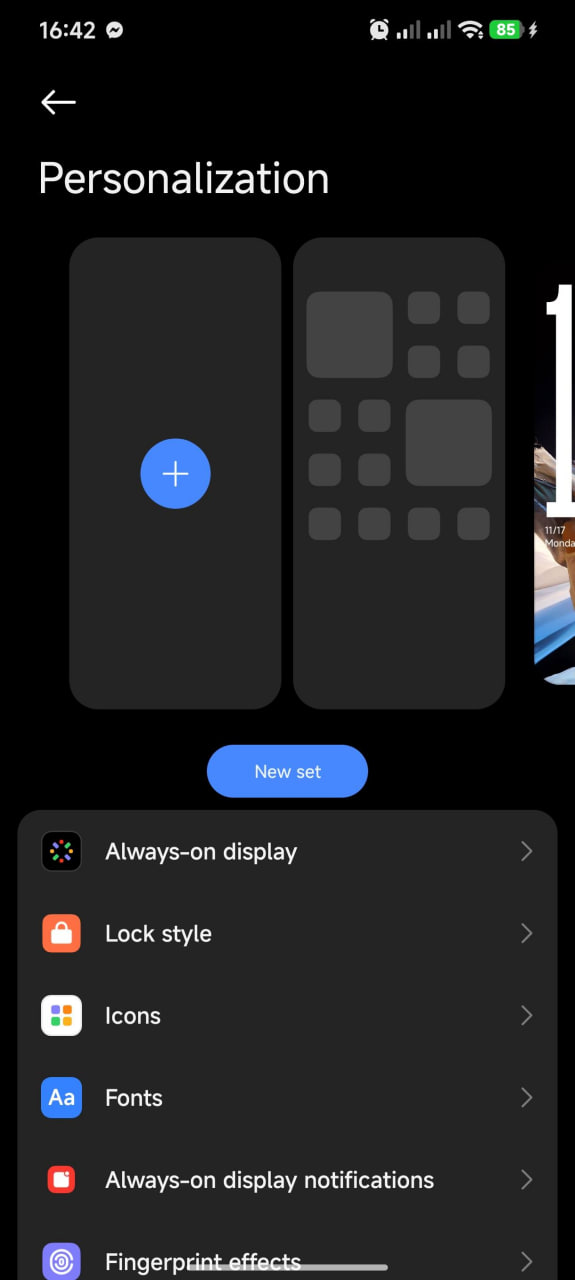
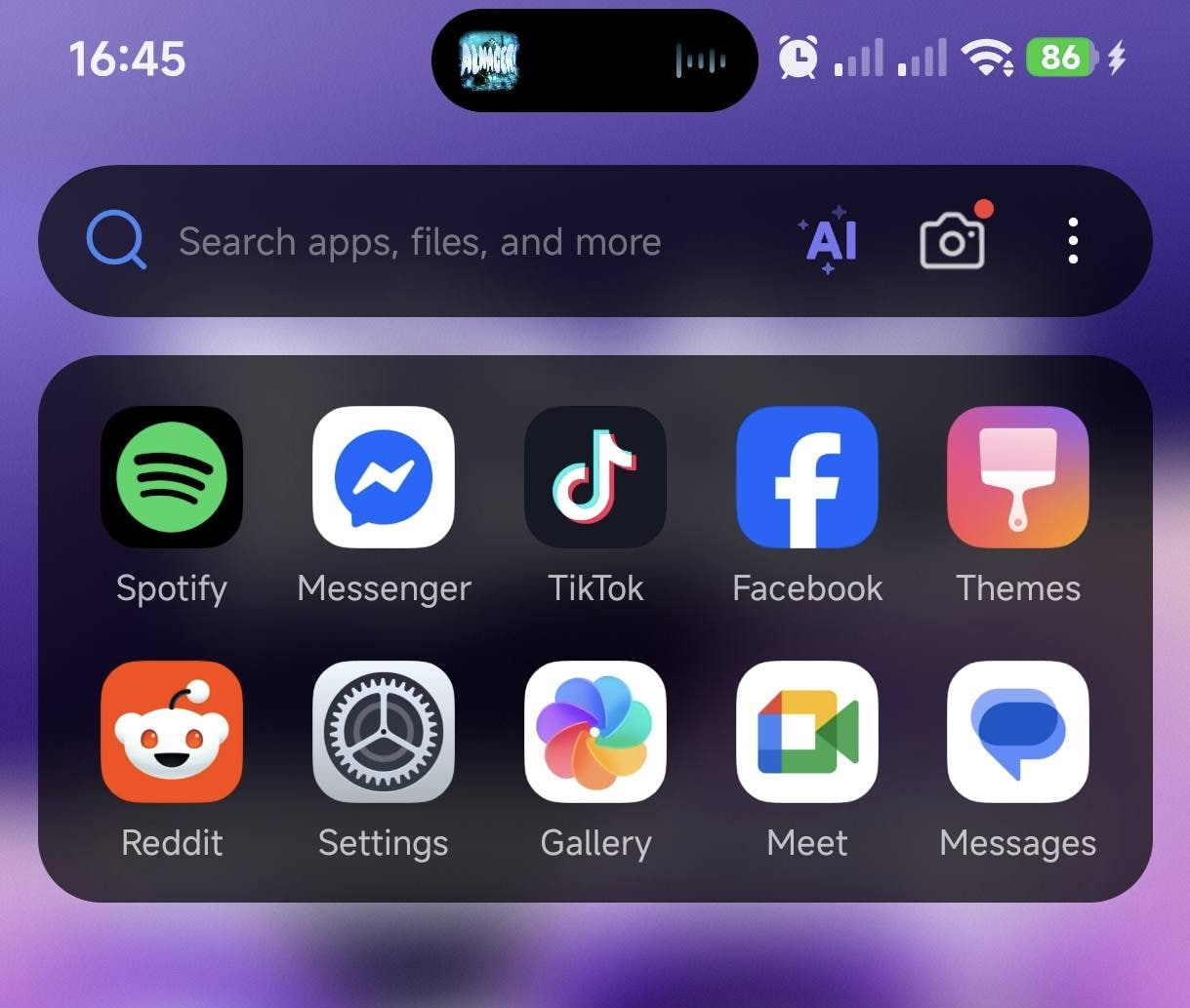
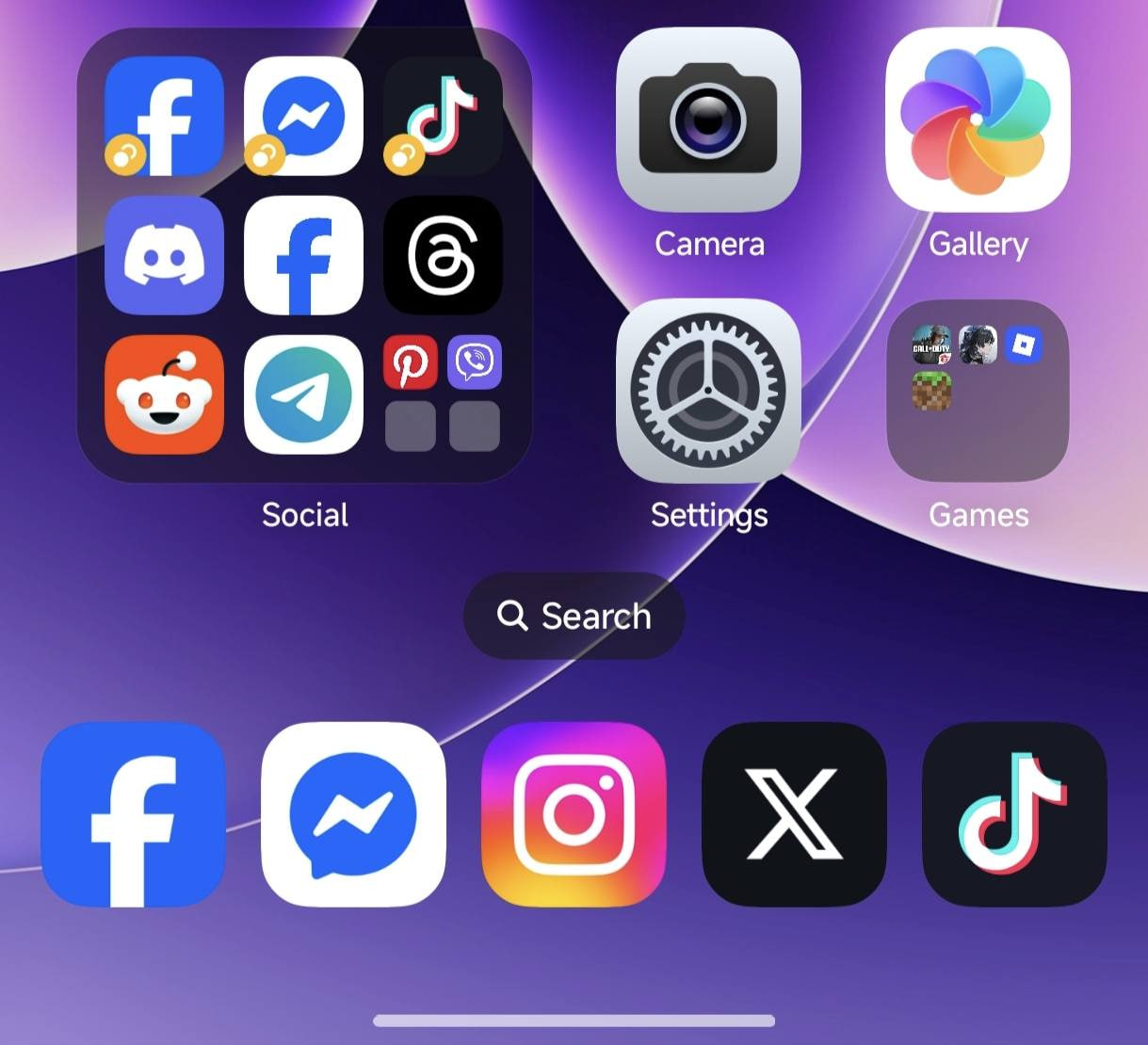
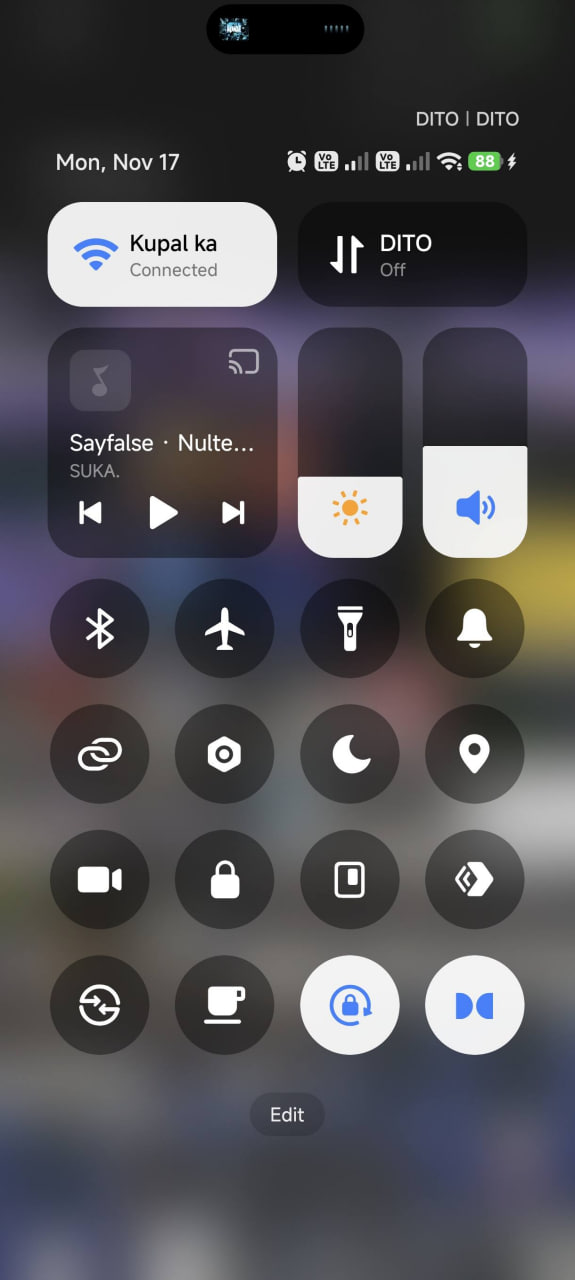
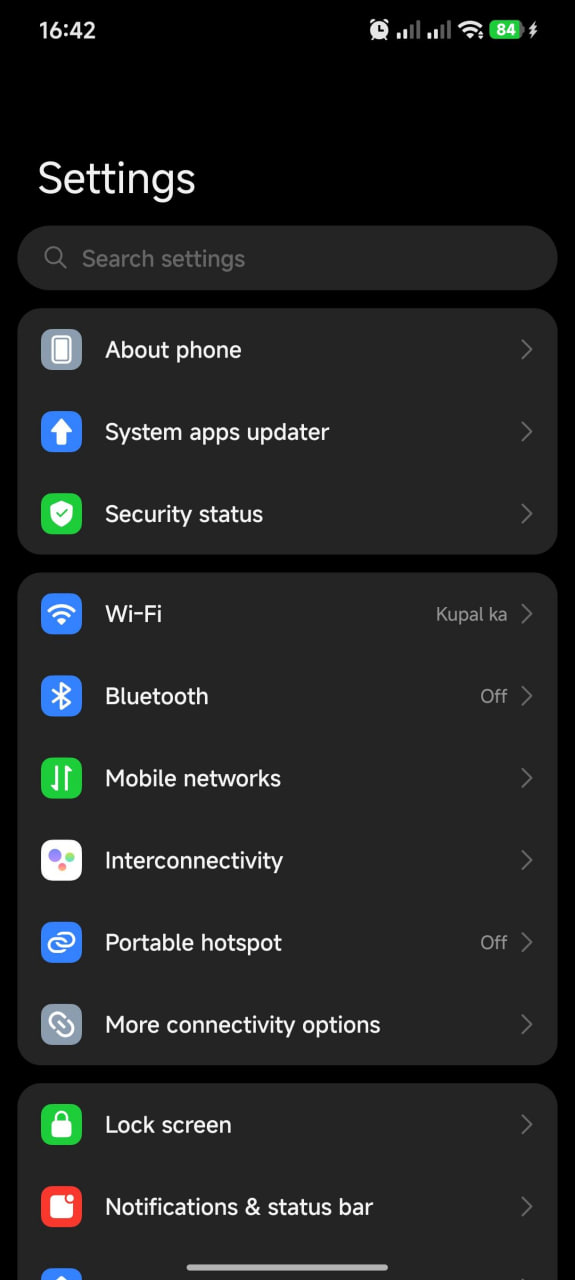
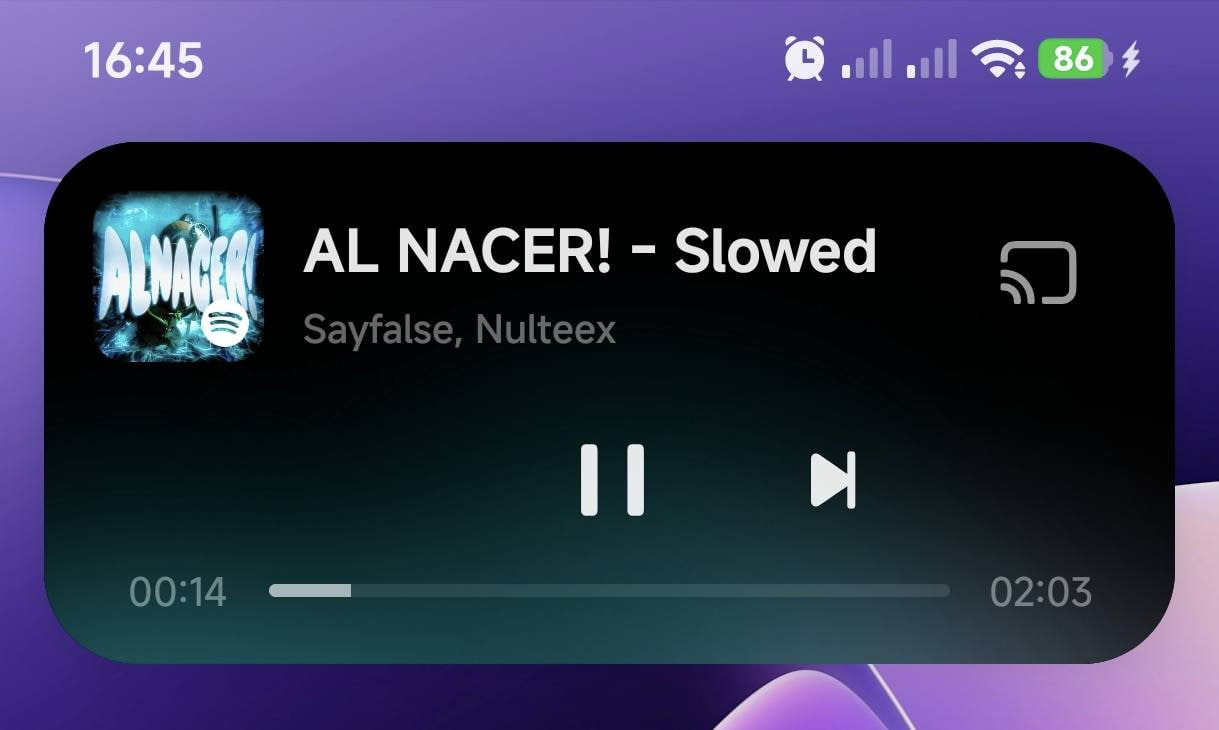
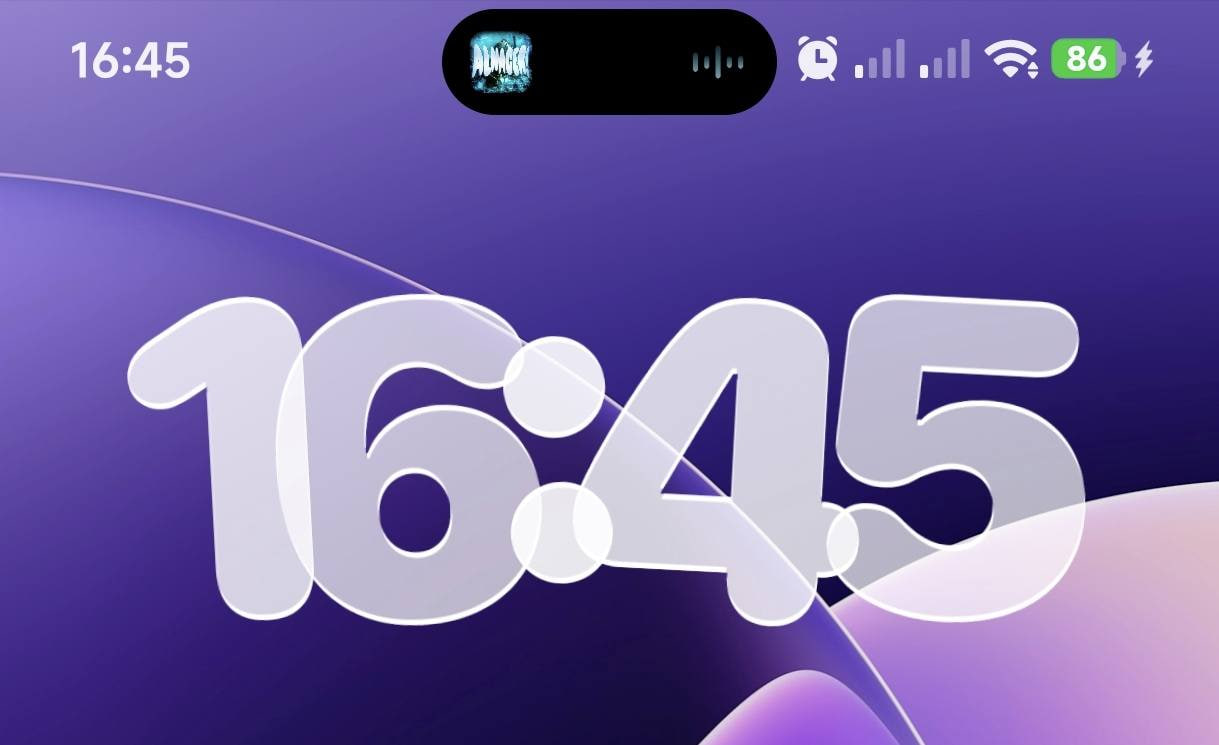
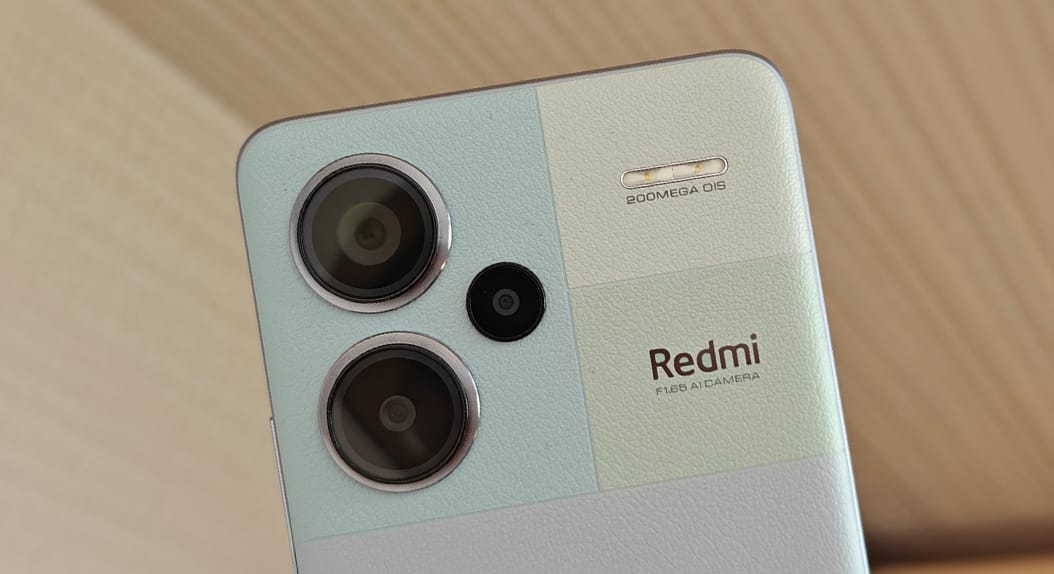
Xiaomi officially rolled out HyperOS 3 in China on August 28, 2025, with a global release started September 24, 2025. This deployment brings two versions to the table: one based on Android 15, the other on Android 16. Notably, this year’s approach is different. Devices running the Android 15 version of HyperOS 3 may not get the follow-up incremental updates like HyperOS 3.1 and 3.2, while the Android 16 group will receive future features and enhancements. To assist users, our XiaomiTime page offers a complete breakdown of eligible devices for both OS variants, ensuring stakeholders can monitor the rollout and stay informed.
HyperOS 3’s update package delivers several user experience improvements and core system upgrades, including:
A refreshed set of icons and visual updates for a more contemporary appearance
Updated battery and signal indicators for increased clarity
“Dynamic Island” notifications, bringing interactive alerts and shortcuts similar to recent iPhone features
Subtle UI adjustments to streamline everyday interactions
Cross-device iPhone call and SMS forwarding capabilities, enhancing continuity for users
Enhanced animations and blur effects, boosting the interface’s overall polish
Performance optimizations that reportedly deliver up to 30% greater efficiency
Missing Features
Some features based on Android 16 will be missing on Android 15 based HyperOS 3.
Security updates. It’s already embeded to Android 16 but you can get via Android 15 security patches.
Android 15 users will not receive HyperOS 3.1
That’s all.
After the global release, Mi Pilot participants will be first in line to field test HyperOS 3. Pending successful validation, the rollout will expand to flagship models, then gradually reach mid-range and budget devices. This phased deployment is a strategic move to maintain software stability and user satisfaction at each phase.
Performance improvements form the cornerstone of this release, focusing on more responsive memory management and faster app launch times. For owners of older devices, these refinements may extend device longevity and improve daily usability—underscoring Xiaomi’s commitment to ongoing customer value and product lifecycle support.
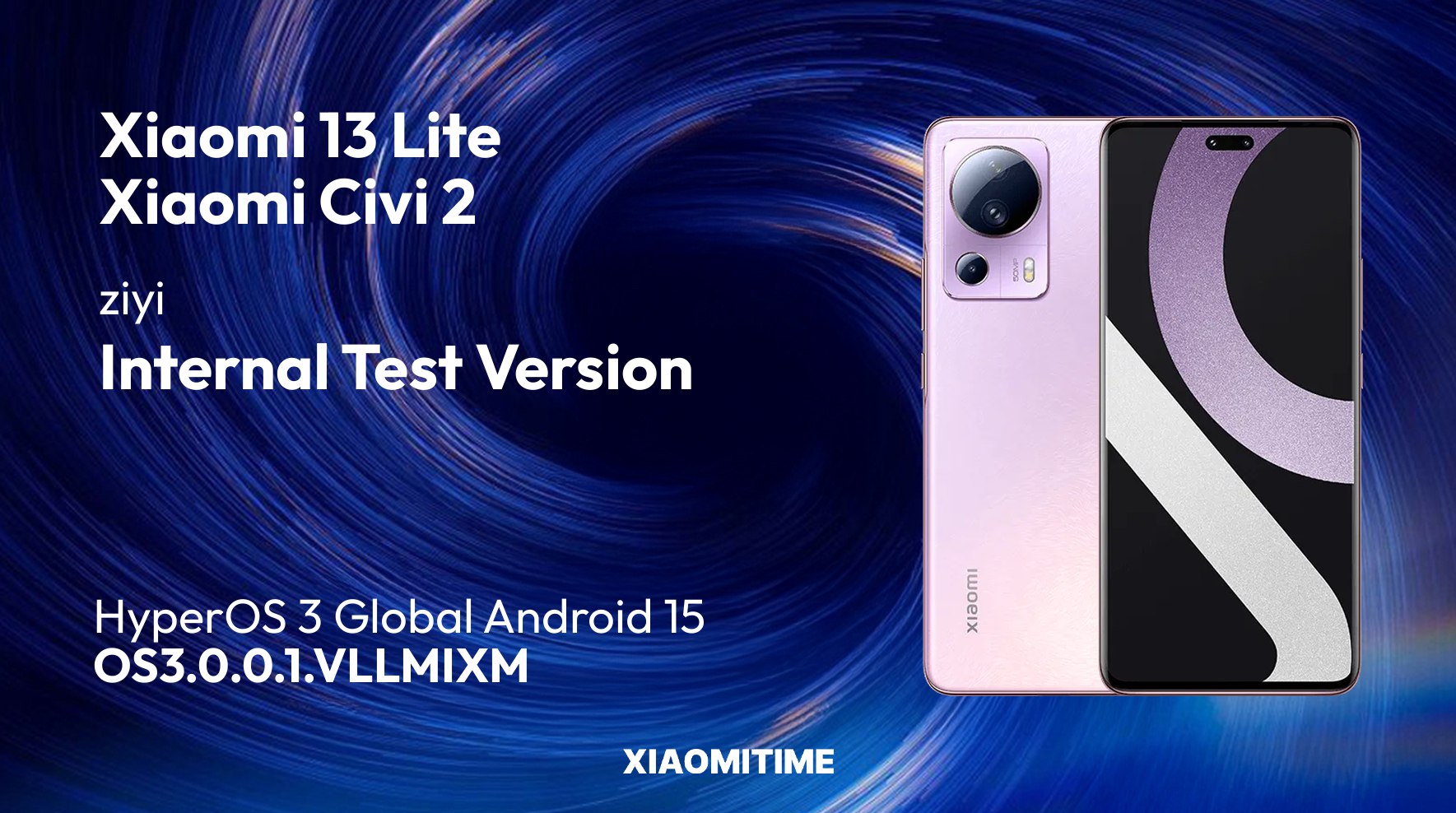
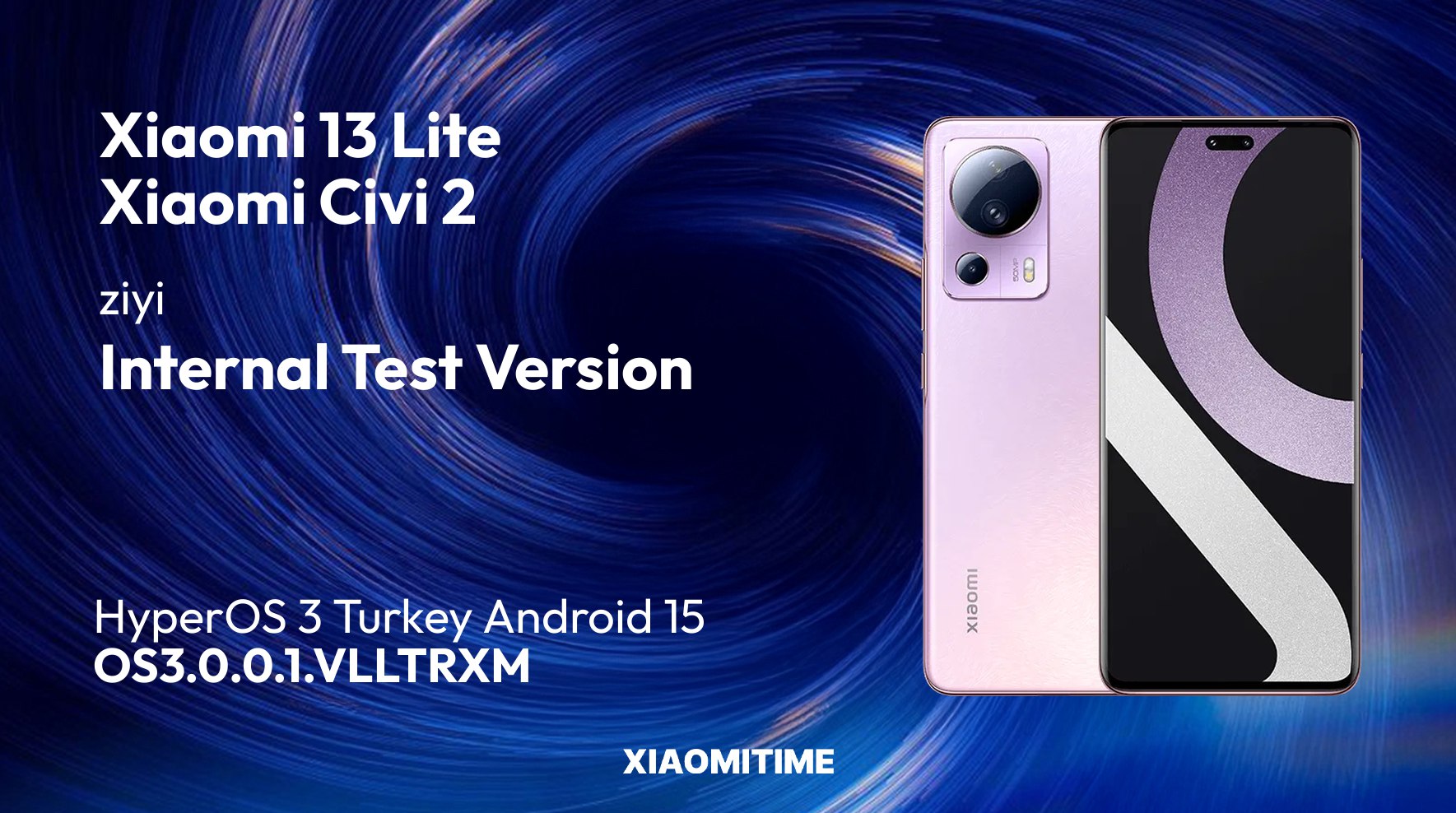
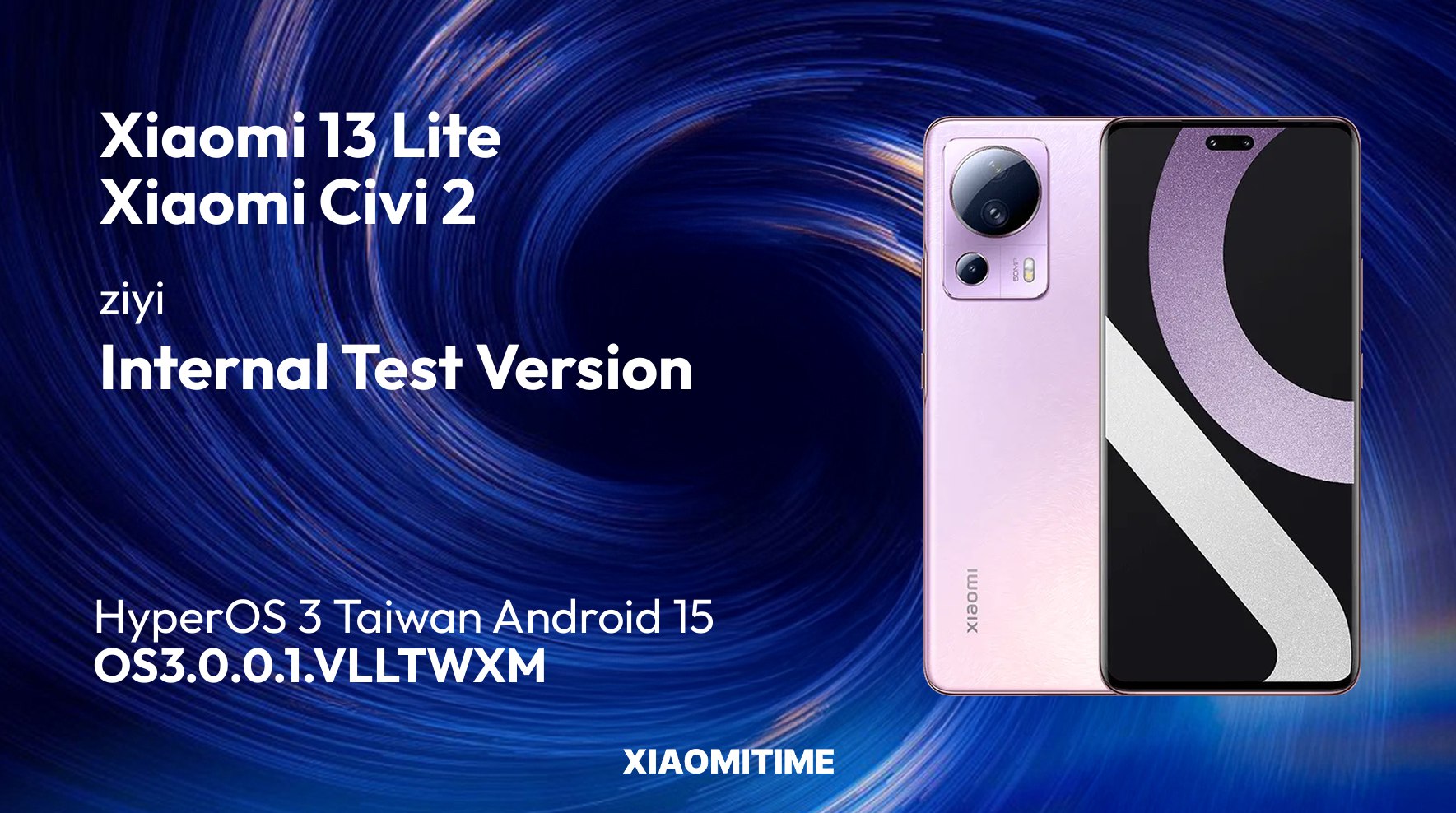
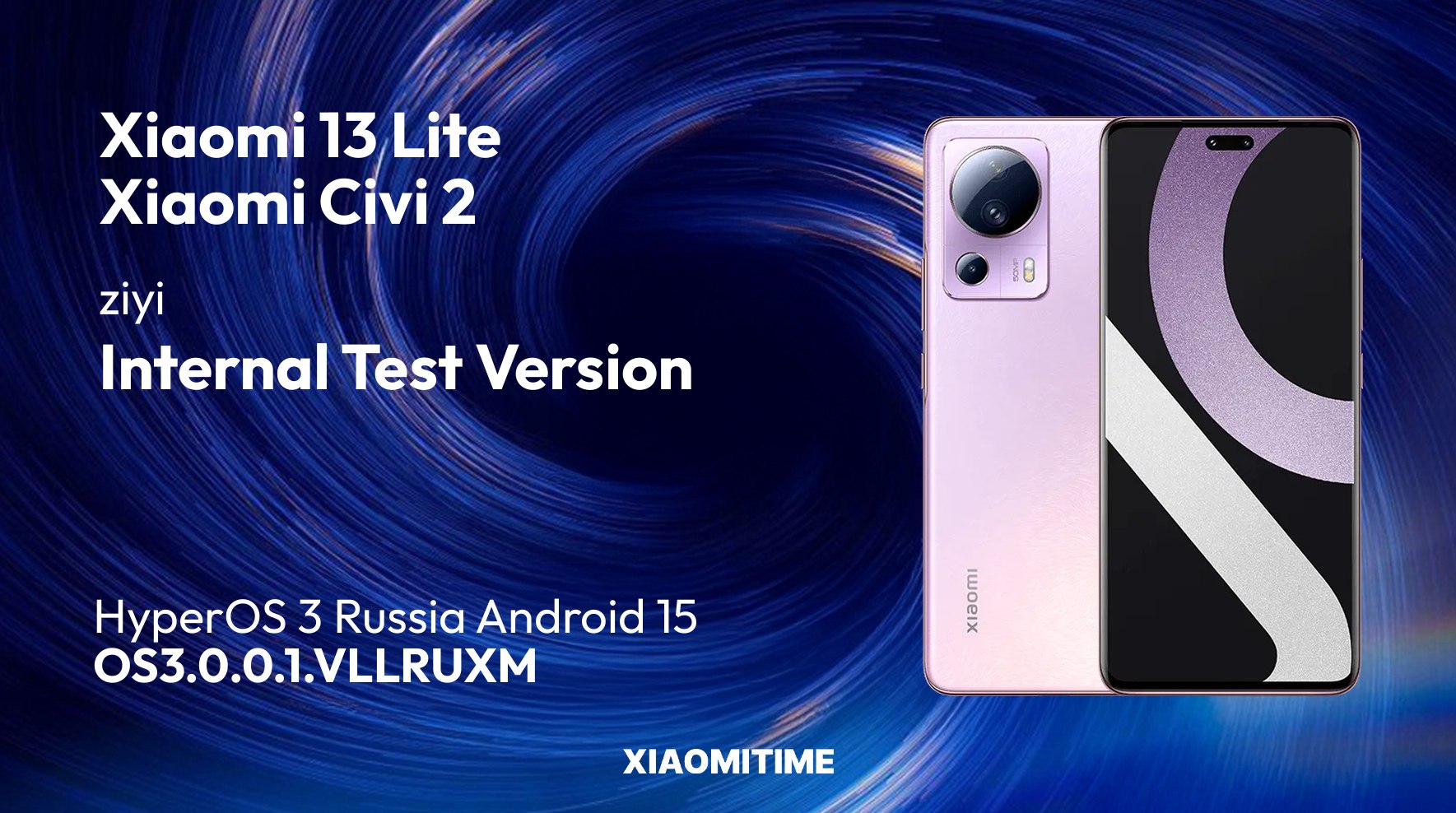
The Xiaomi 13 Lite, better known as the Xiaomi Civi 2 worldwide, has now joined the initial stage of HyperOS 3 internal testing. This kick-starts the important activity leading to its imminent release. Several regions have started getting the preliminary OS3.0.0.1 builds over Android 15: Global, Turkey, Taiwan, and Russia. This has validated that Xiaomi has been preparing the rollout on a larger scale.
Overview of HyperOS 3 Internal Test Build
The first internal test version detected for the Xiaomi 13 Lite is labeled OS3.0.0.1, which represents the earliest stage of stable testing. For a public release to be possible, this version has to move on to OS3.0.1.0, normally the build assigned for readiness to roll out. This structured approach ensures regional stability and consistent performance across all relevant markets.
Regional Availability of the Internal Build
Xiaomi has released this early test firmware for several regions at the same time, proving that the development process is synchronized worldwide. Early access is a sign that Xiaomi wants to finalize HyperOS 3 for the Xiaomi 13 Lite in a unified timeline, rather than in waves.
Global version – OS3.0.0.1.VLLMIXM
Turkey version – OS3.0.0.1.VLLTRXM
Taiwan version – OS3.0.0.1.VLLTWXM
Russia version – OS3.0.0.1.VLLRUXM
These builds are strictly internal and not intended for public installation. Users looking to follow region-specific firmware releases may track software developments at HyperOS Updates or seek further information through the XiaomiTime ecosystem, including the MemeOS Enhancer app on the Play Store. With this utility tool, users can fetch system app updates, access hidden Xiaomi features, and over-the-air firmware details.
What HyperOS 3 Means for Xiaomi 13 Lite Users
HyperOS 3 is designed to be more efficient and AI-optimized, perfecting system responsiveness and device longevity. More importantly, the update will bring improved multitasking behavior to the Xiaomi 13 Lite, better animation, more appropriate resource distribution, and enhanced security layers dedicated to Android 15. Those are not part of the internal logs; still, HyperOS 3 maintains Xiaomi’s long-term philosophy in terms of fluidity and stability over multiple hardware generations.
This update also ensures broader platform consistency, aligning Xiaomi’s mid-range and premium devices under a unified interface and performance model. As internal testing moves from OS 3.0.0.1 to OS 3.0.1.0, concrete details about user-facing improvements will be more accessible.
When Will the Update Roll Out?
Although Xiaomi has not announced the date of its public rollout, internal detection of the build usually points toward preparing for the release. Once OS3.0.1.0 surfaces on Xiaomi’s official servers, the firmware will be ready for deployment in phases across all supported regions.
The Redmi 13 and its global twin, the POCO M6, have now started receiving the first Global Stable build of HyperOS 3, which represents a major milestone in the strategic expansion of Xiaomi’s next-generation software. The update, first provided for beta testers, runs on Android 16 and brings new AI performance, redesigned system icons, and Xiaomi’s latest Super Island interface. Readers may also view previous rollouts such as the HyperOS 3 update list and the Xiaomi device upgrade roadmap on our site to keep up with the wider ecosystem transition.
HyperOS 3 Global Stable Build Details
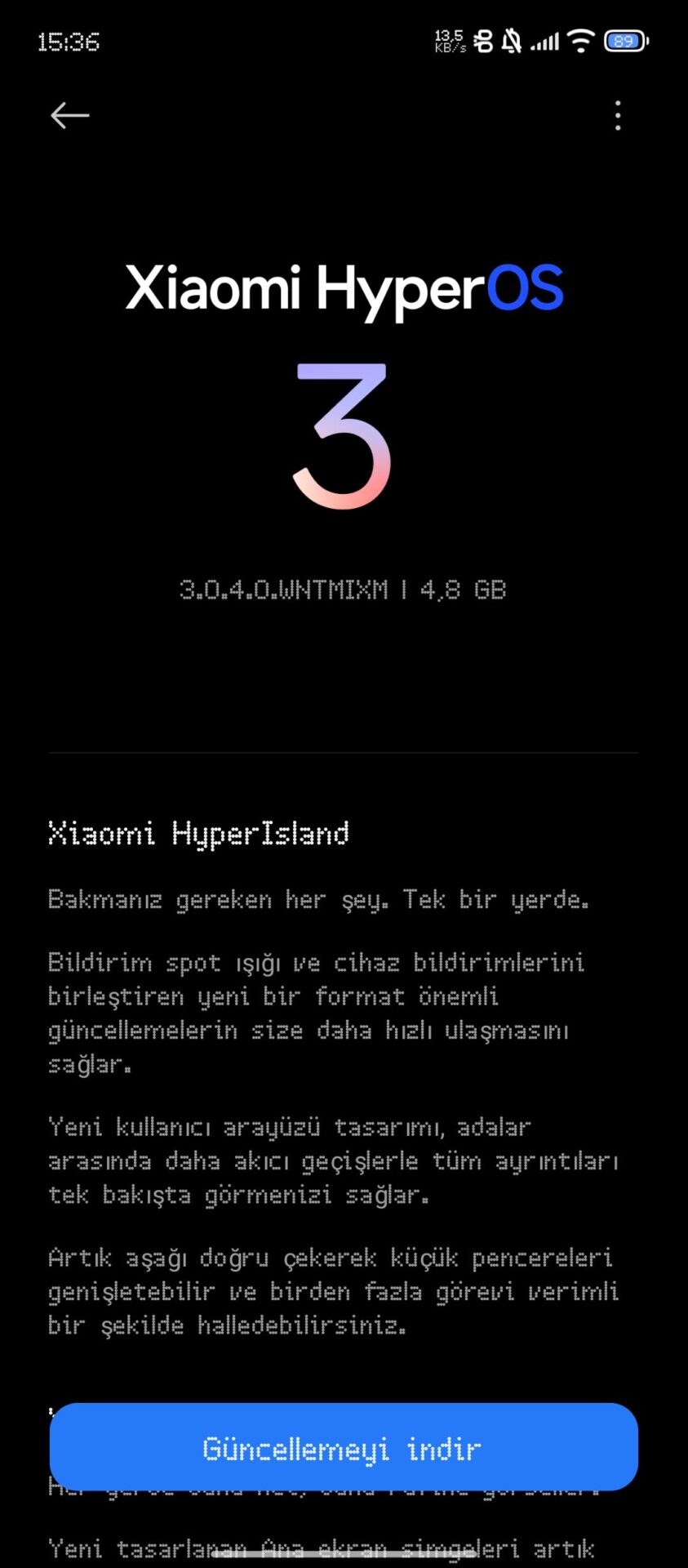
Xiaomi has officially confirmed and released the first stable package of HyperOS 3 for testers under the version OS3.0.4.0.WNTMIXM. The firmware is distributed globally, focusing on bringing a cleaner interface and better system management. While currently available for beta testers only, the build signals that a full public release is not very far either.
The update strengthens the system’s AI layer, refines background optimization, resource allocation, and smoothness across core apps. HyperOS 3 also elevates visual clarity with refreshed icons and integrates a more intuitive control layout inspired by clean and efficient user interaction principles.
What HyperOS 3 Adds to Redmi 13 and POCO M6
HyperOS 3 is Xiaomi’s most cohesive operating system iteration to date. This update focuses on modern usability standards while still keeping things light and responsive as valued by Redmi and POCO users.
Key Improvements
The new software brings improved stability and responsiveness with updated scheduling algorithms and AI-driven task handling. These improvements will help devices maintain smooth performance across communication, entertainment, and daily productivity tasks.
Super Island Interface
Super Island introduces a kinetic visual element that reacts to activity from charging, alerts, media playback, and system events to create at-a-glance information and enhance day-to-day system interaction.
Rollout Process and User Availability
Since this is the first Global Stable release provided to beta testers, the wider distribution will be based on feedback from the testing phase. Xiaomi usually extends the distribution in weeks once stability is ascertained. Users can upgrade system apps or Xiaomi-related apps via HyperOSUpdates.com or the MemeOS Enhancer app on the Play Store. MemeOS Enhancer also unlocks many hidden Xiaomi features and includes extended system access for advanced users.
The update to HyperOS 3 on both the Redmi 13 and POCO M6 signals that more entry-level and mid-range devices are about to join the global wave of upgrade announcements.
The 2025 Xiaomi Advent Calendar presents a skillfully curated selection of 24 gadgets in the smart home, energy, office, personal care, and entertainment categories. Each item in the calendar is chosen with a view to daily usability, quality, and integration within the Xiaomi ecosystem. Readers can look upon related devices, such as Mi Smart Plug 2, Xiaomi Smart Band 8 Active, and Mi LCD Writing Tablet, to better plan their Advent surprises. This countdown ensures that Xiaomi enthusiasts will enjoy their month of seamless, practical, and festive tech experiences.
Complete 24-Day Xiaomi Advent Calendar Selection
The table below summarizes all 24 items with categories and estimated China-only launch prices, converted to USD for reference.
Day
Product Name
Category
Est. Price (USD)
1
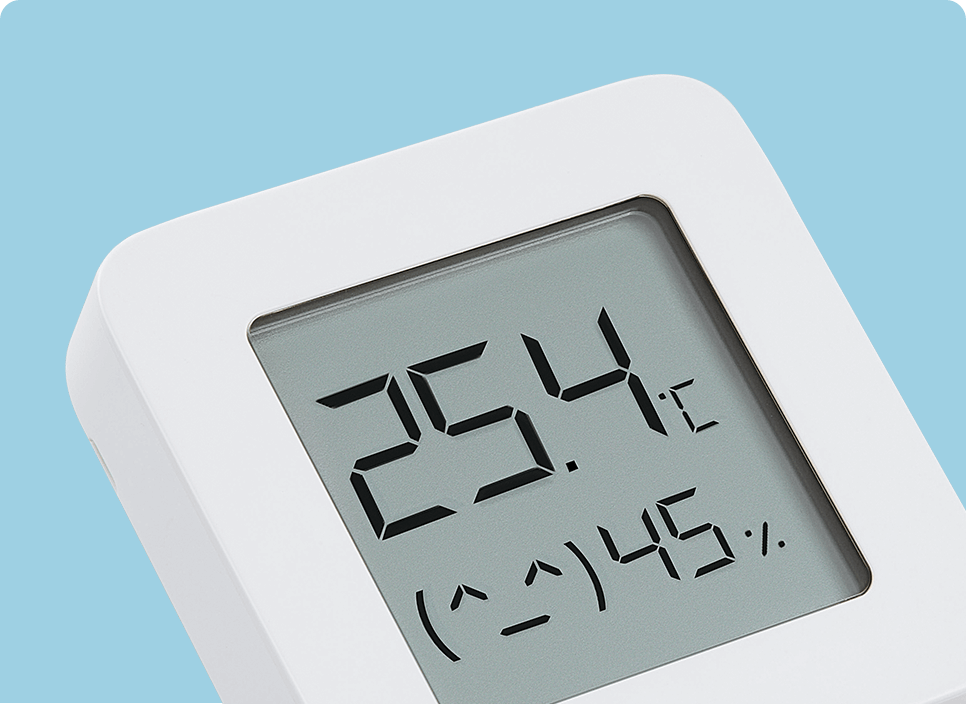
Mi Temp & Humidity Monitor 2
Sensor
~$11
2
Mi Window & Door Sensor 2
Security
~$12–18
3
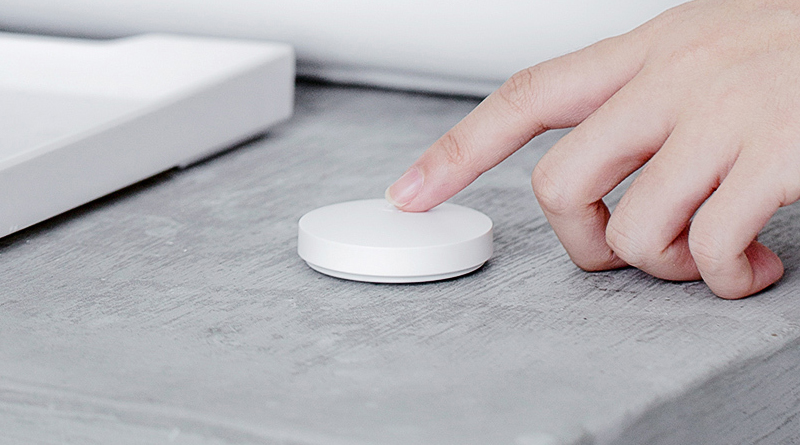
Mi Wireless Switch
Control
~$22
4
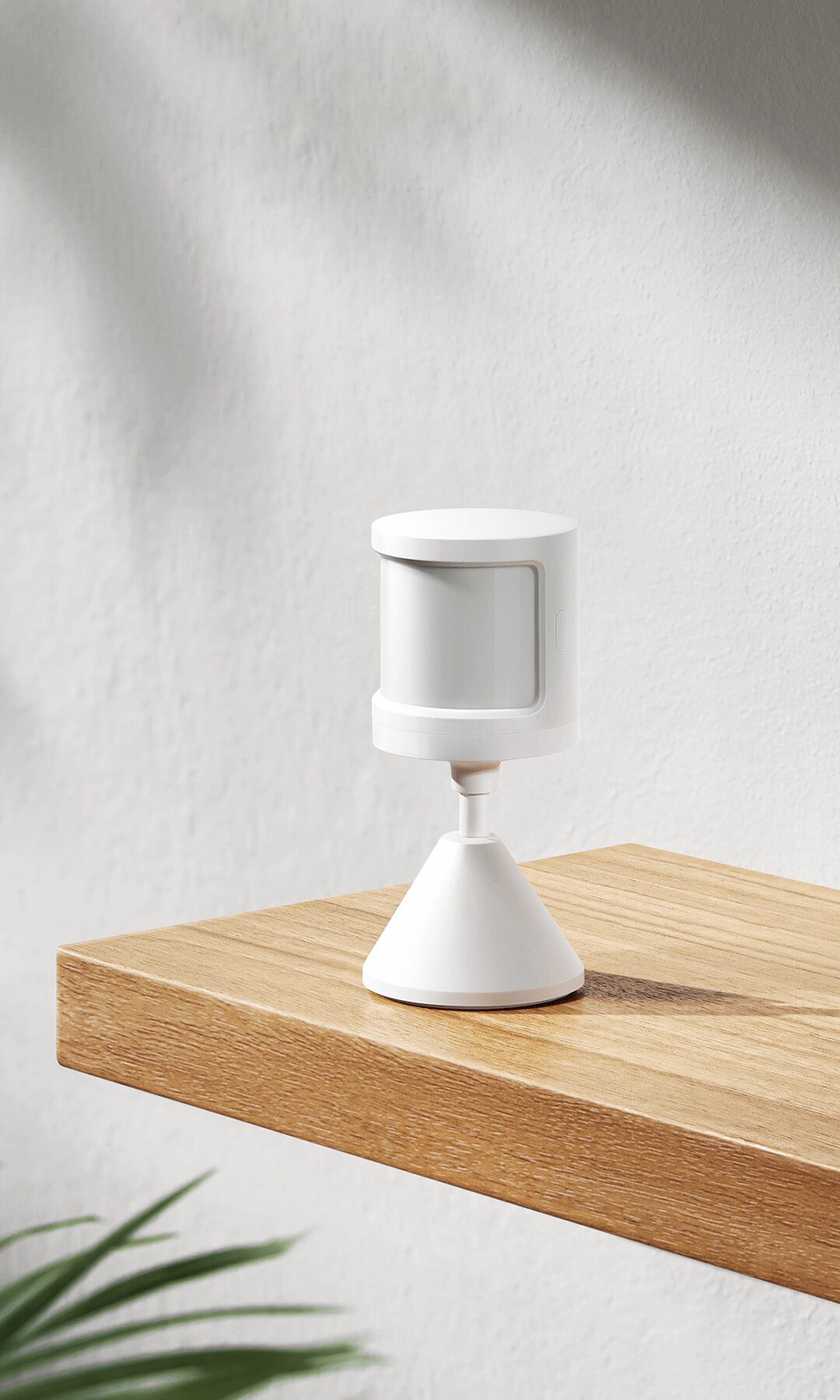
Mi Motion Sensor
Security
~$22
5
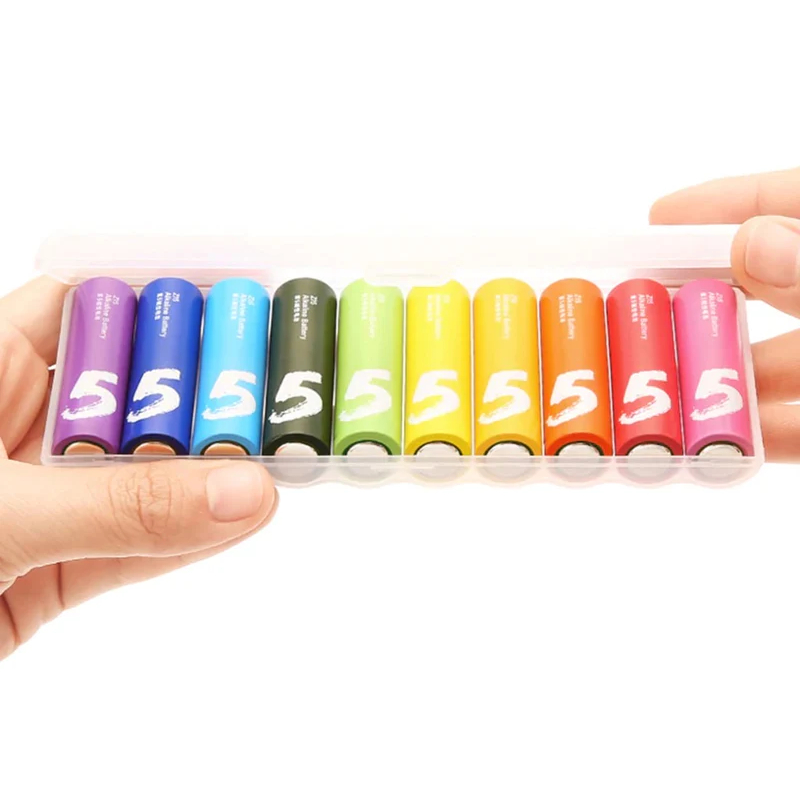
Rainbow Batteries (10-pack)
Energy
~$7
6
Mi Smart LED Bulb Essential
Lighting
~$12–18
7
Mi Night Light 2 (Bluetooth)
Lighting
~$11
8
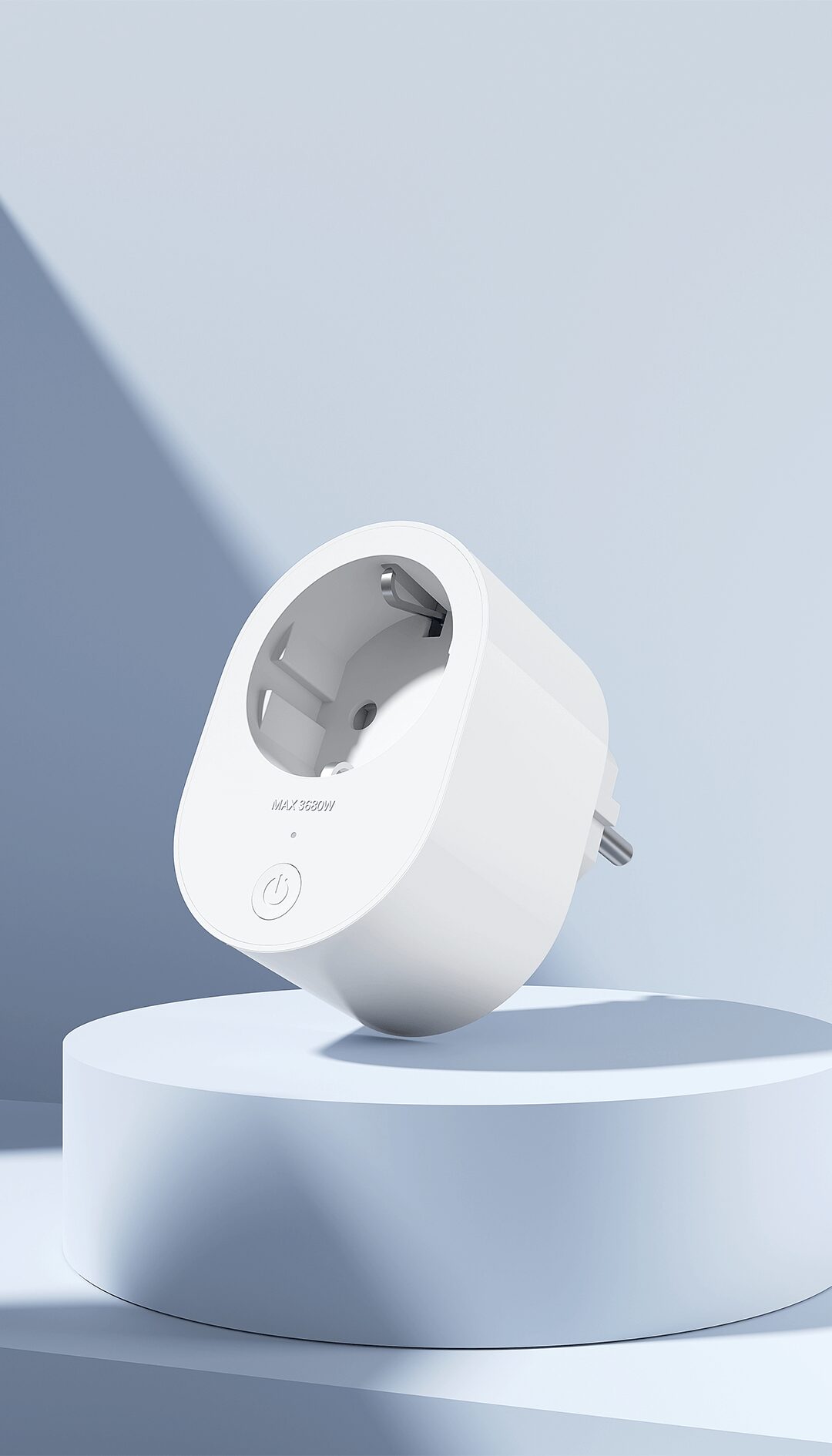
Mi Smart Plug 2 (Wi-Fi)
Energy
~$16–29
9
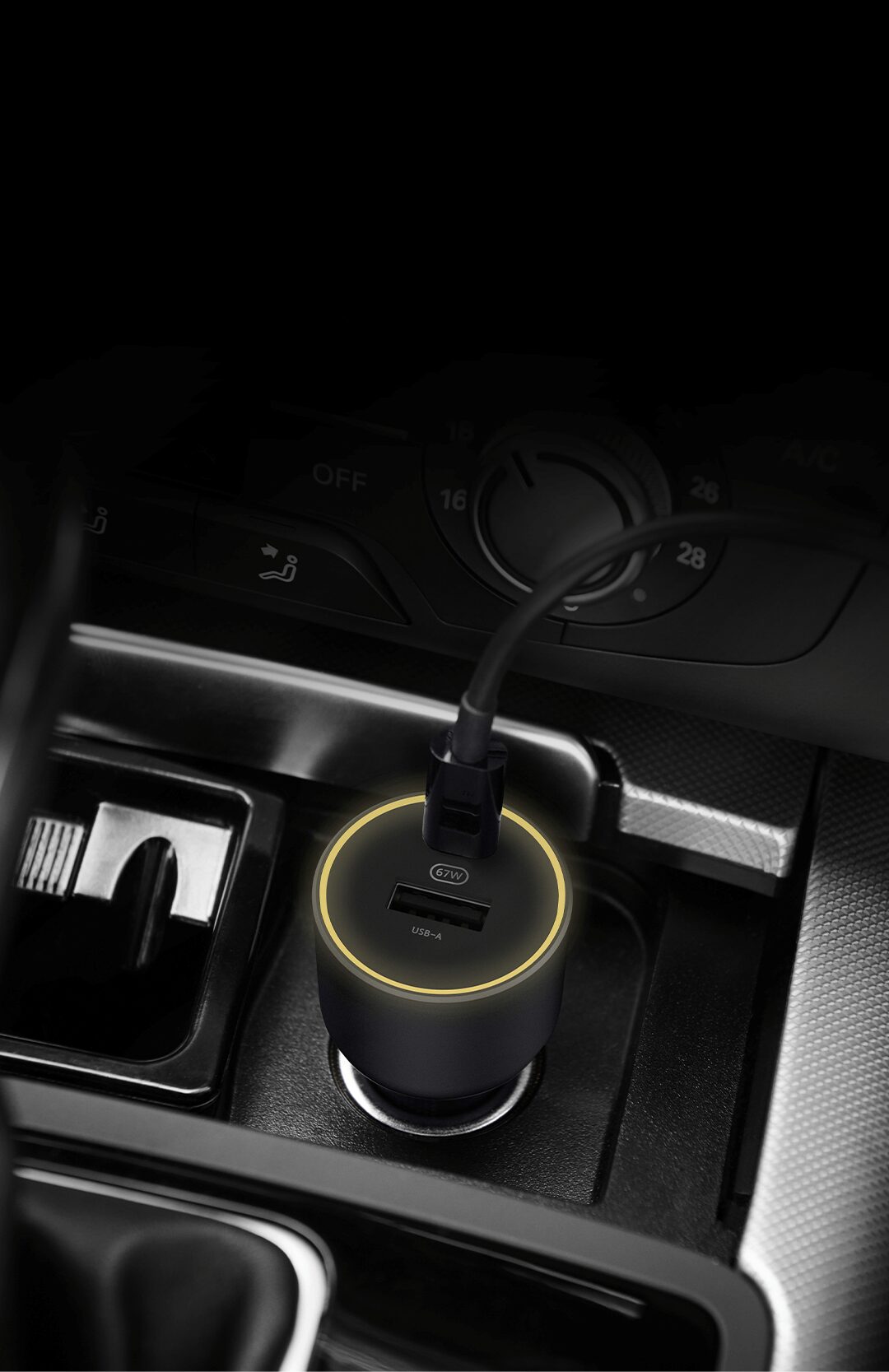
Xiaomi 67W Car Charger
Auto
~$4
10
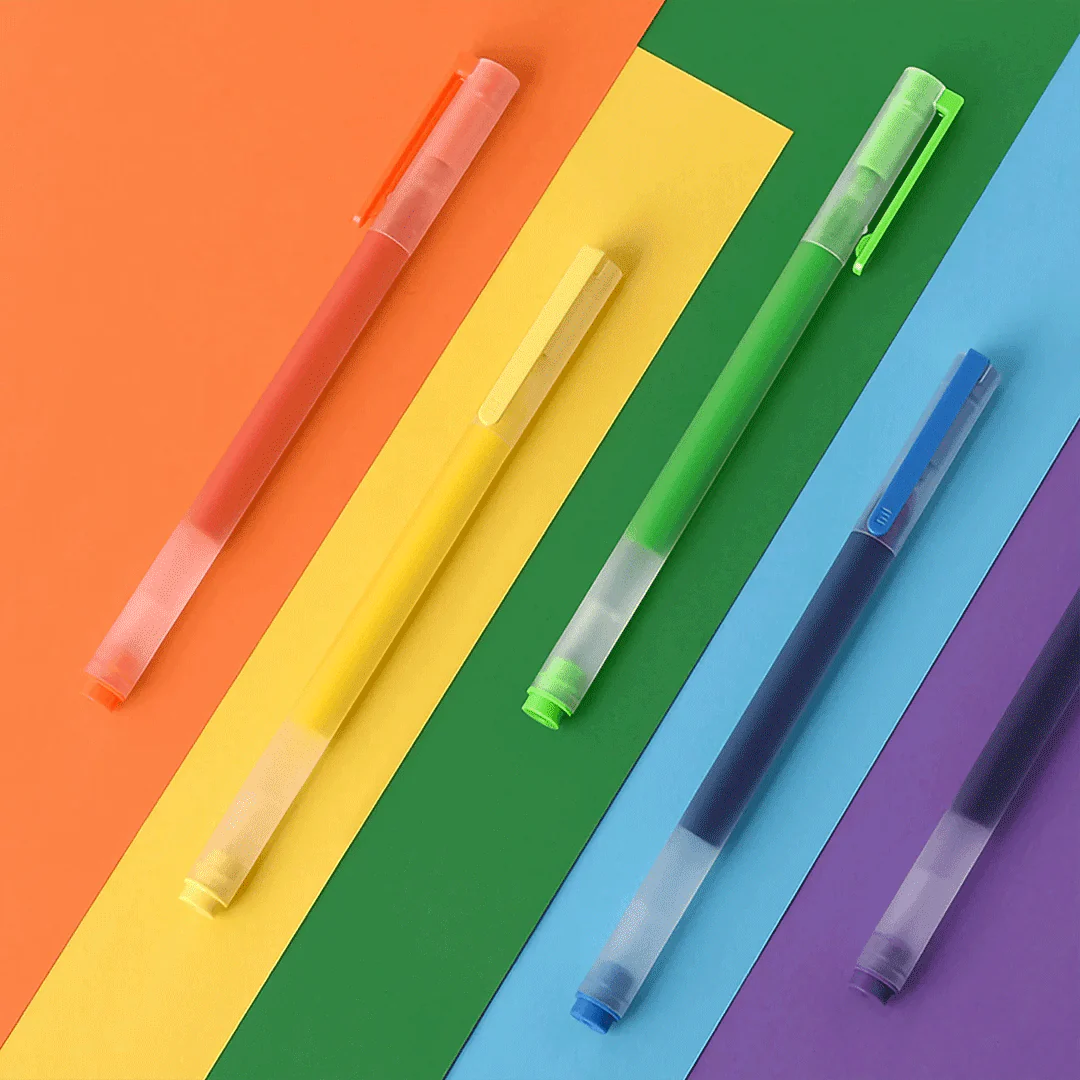
Mi High-Capacity Gel Pen
Office
~$7
11
Mi LCD Writing Tablet
Office
~$31
12
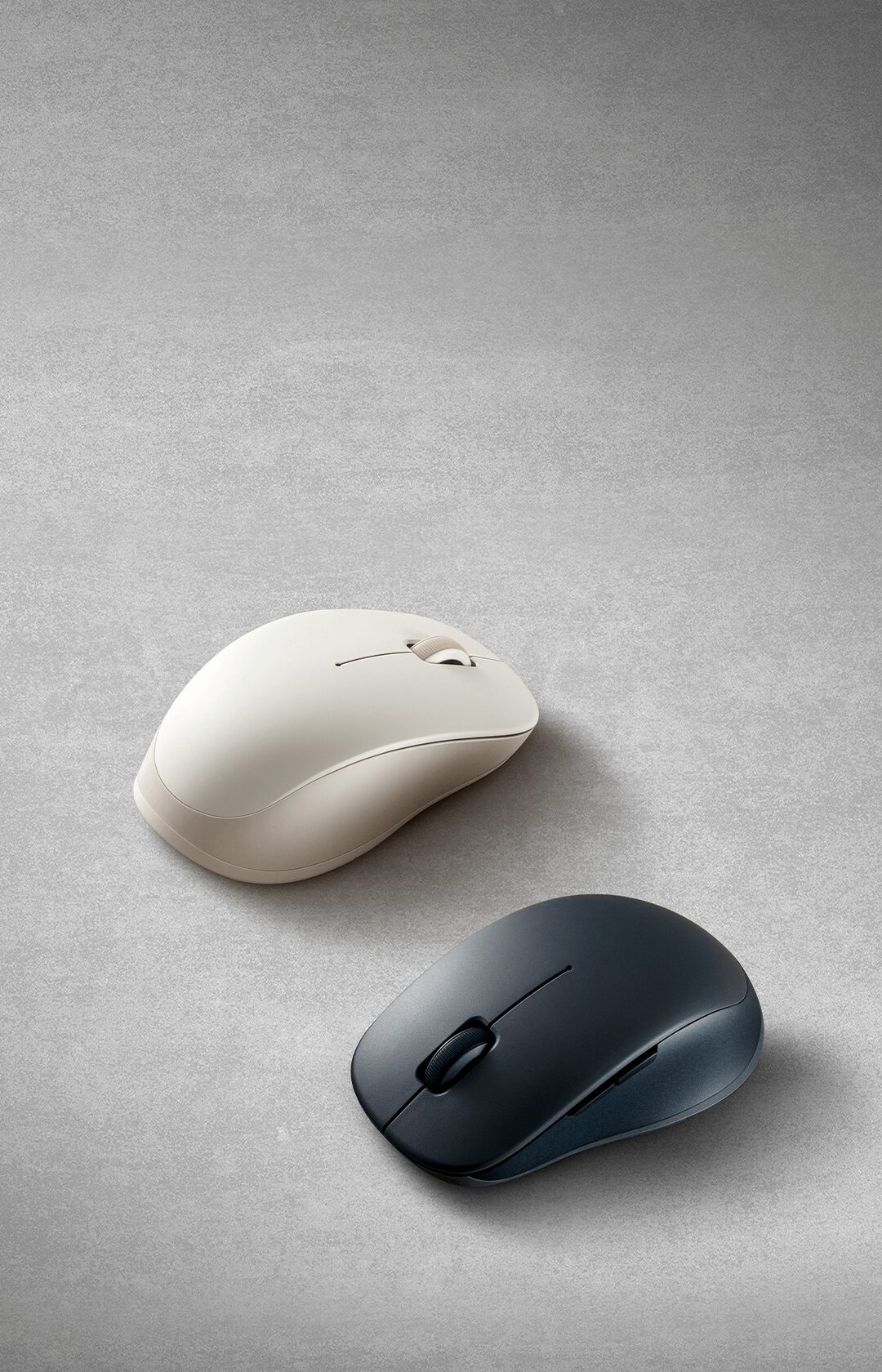
Mi Dual Mode Mouse Silent
Office
~$15
13
Mi Precision Screwdriver Kit
Tool
~$32–61
14
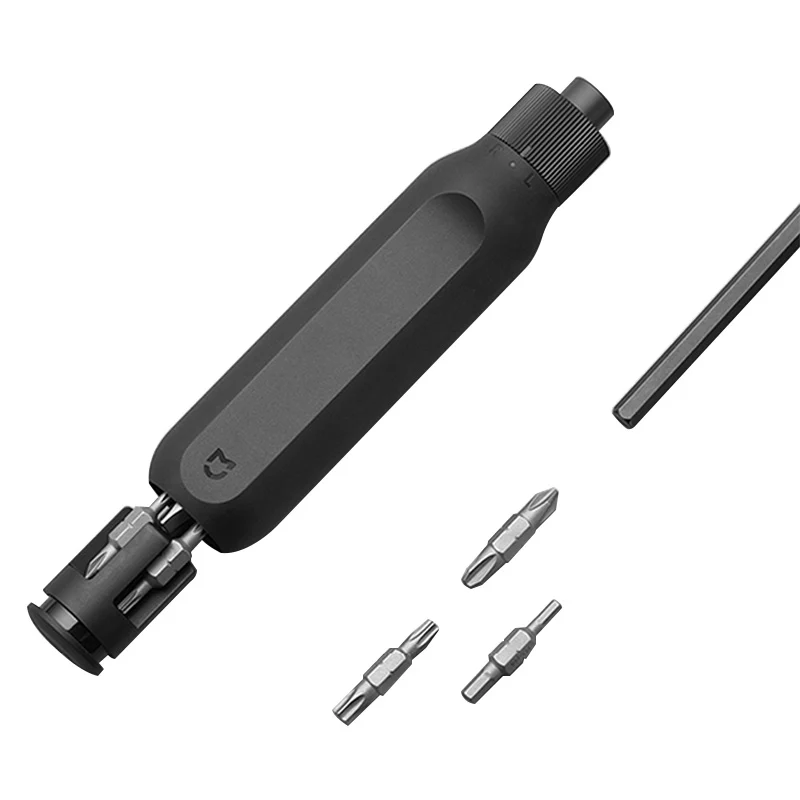
Mijia Wiha/16-in-1 Ratchet
Tool
~$30
15
Mijia Nail Clipper
Personal Care
~$10
16
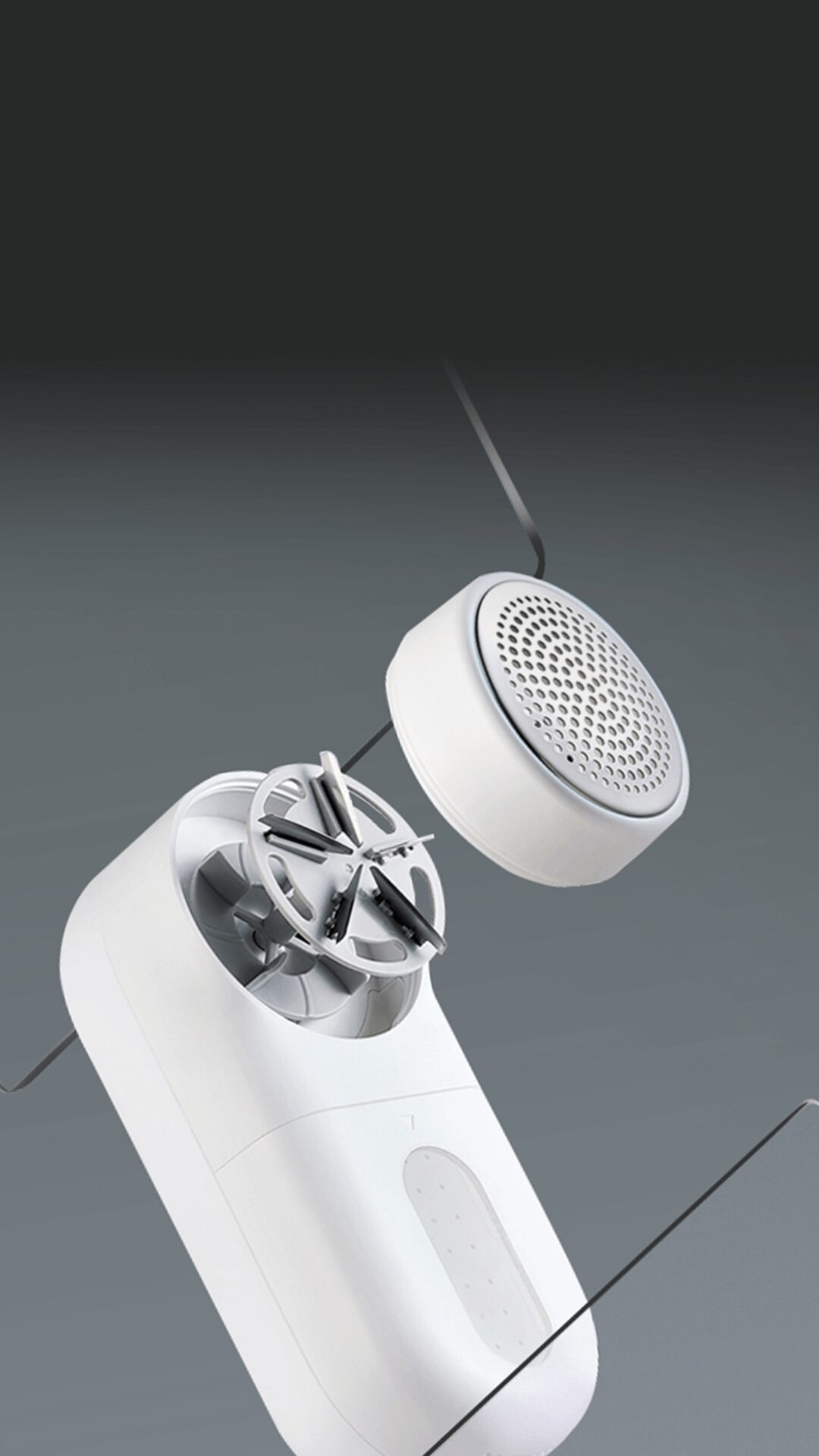
Mijia Lint Remover
Personal Care
~$14–19
17
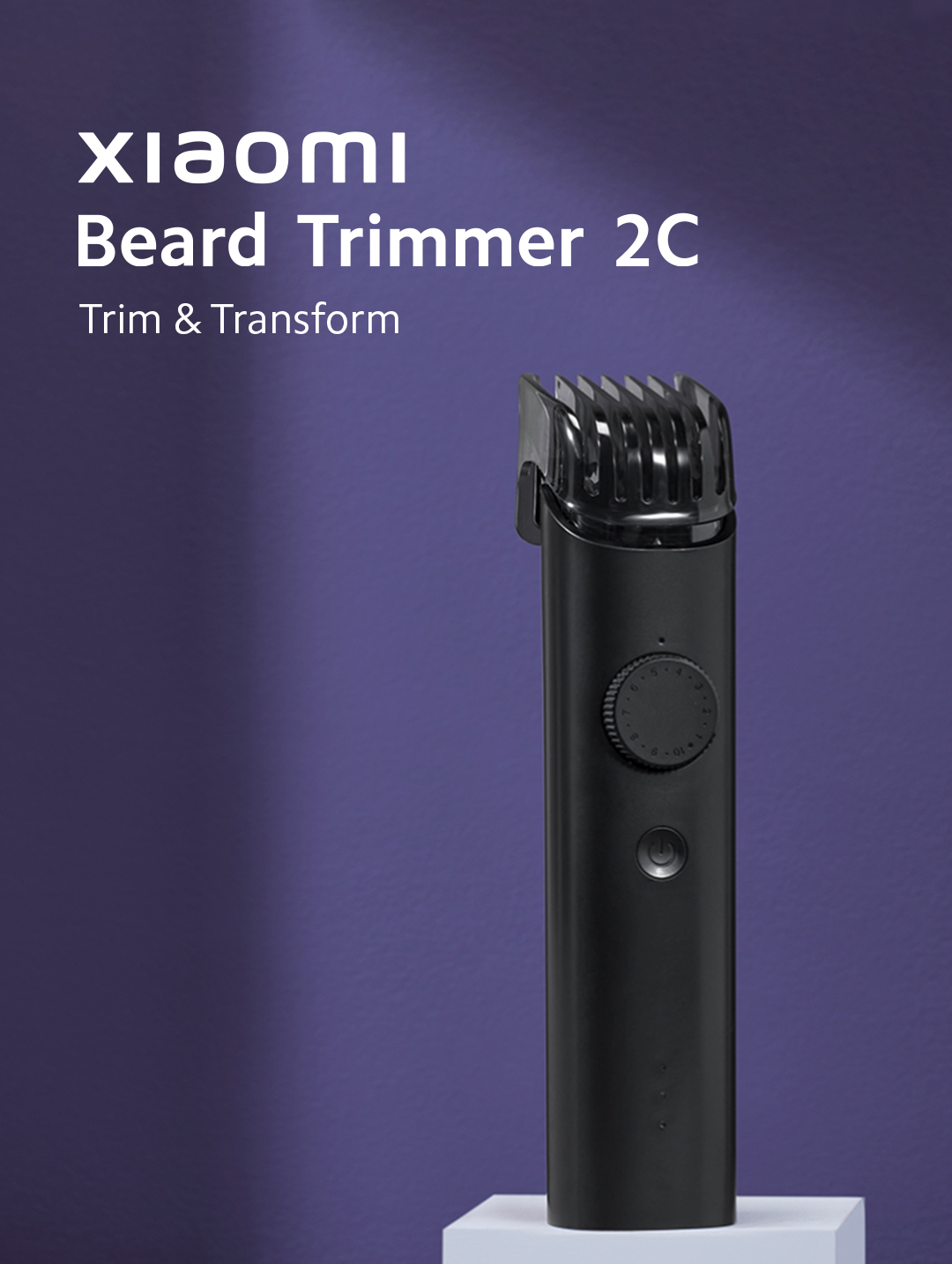
Mi Beard Trimmer (Kit/Attachment)
Personal Care
~$30
18
Mi Toothbrush Head (3-pack)
Personal Care
~$7–9
19
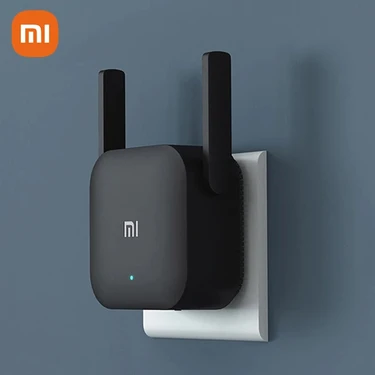
Mi WiFi Range Extender Pro
Network
~$25–28
20
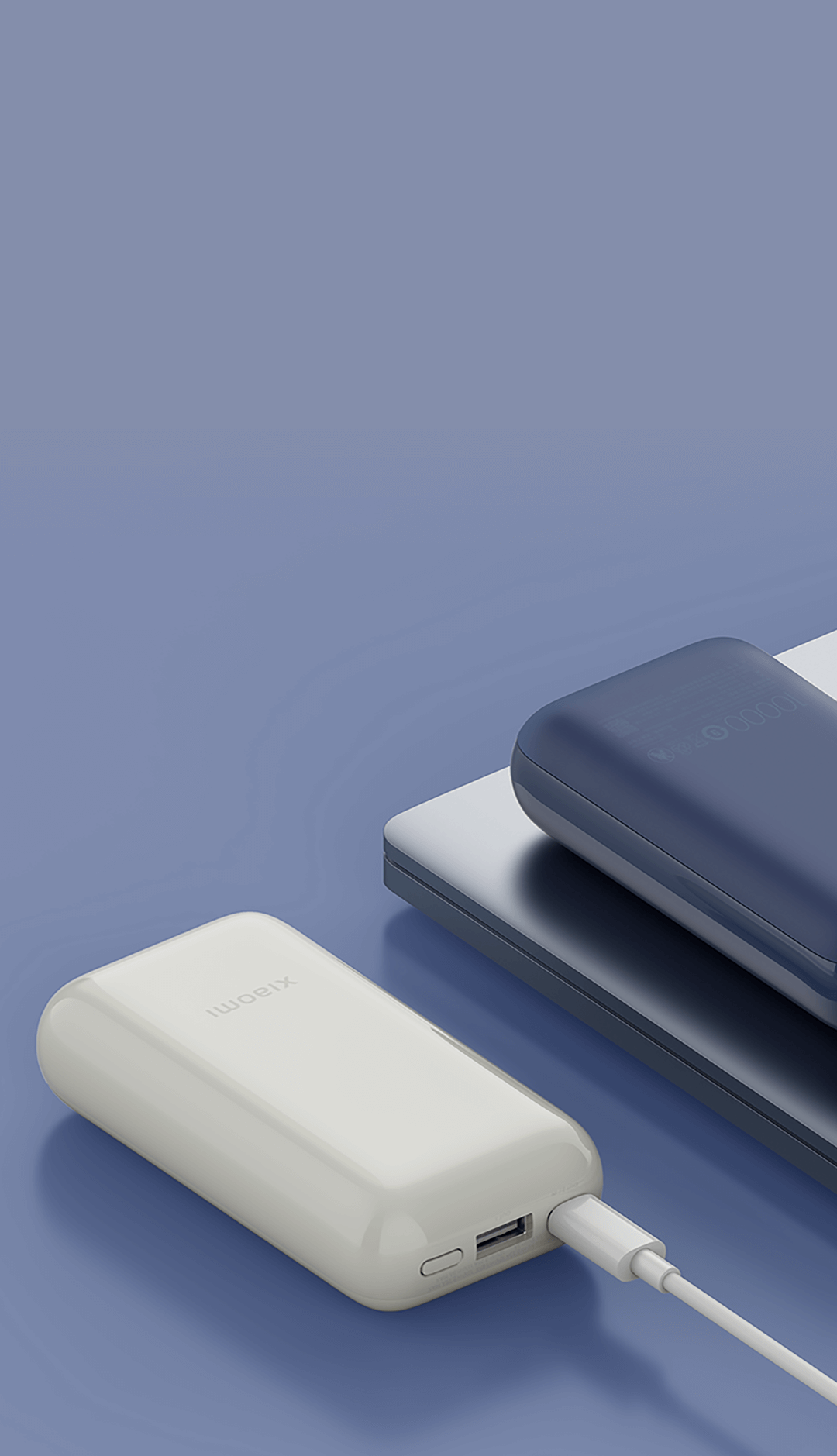
Pocket Edition Pro Power Bank
Energy
~$32
21
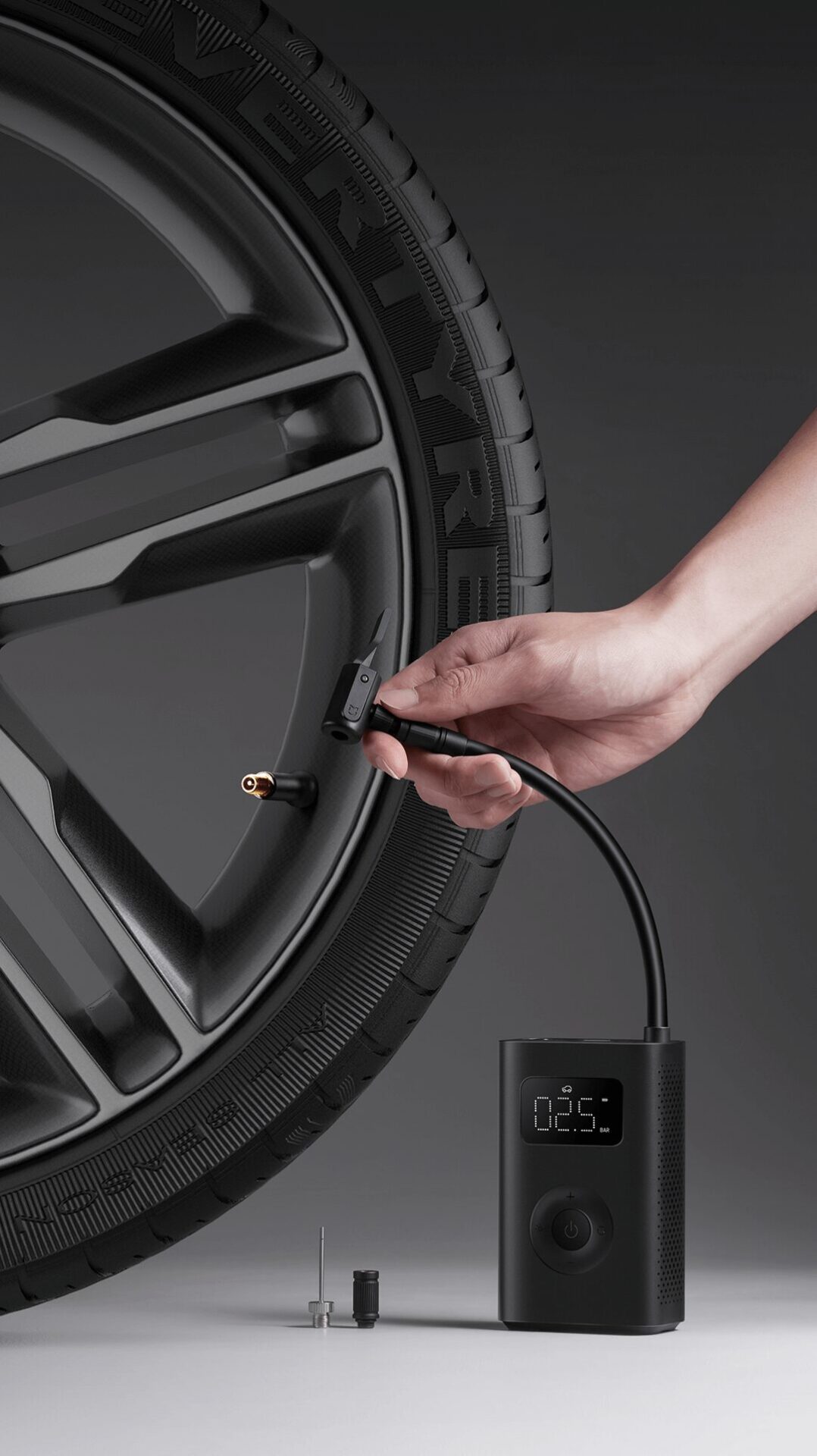
Portable Air Compressor 2
Auto/Tool
~$7–8
22
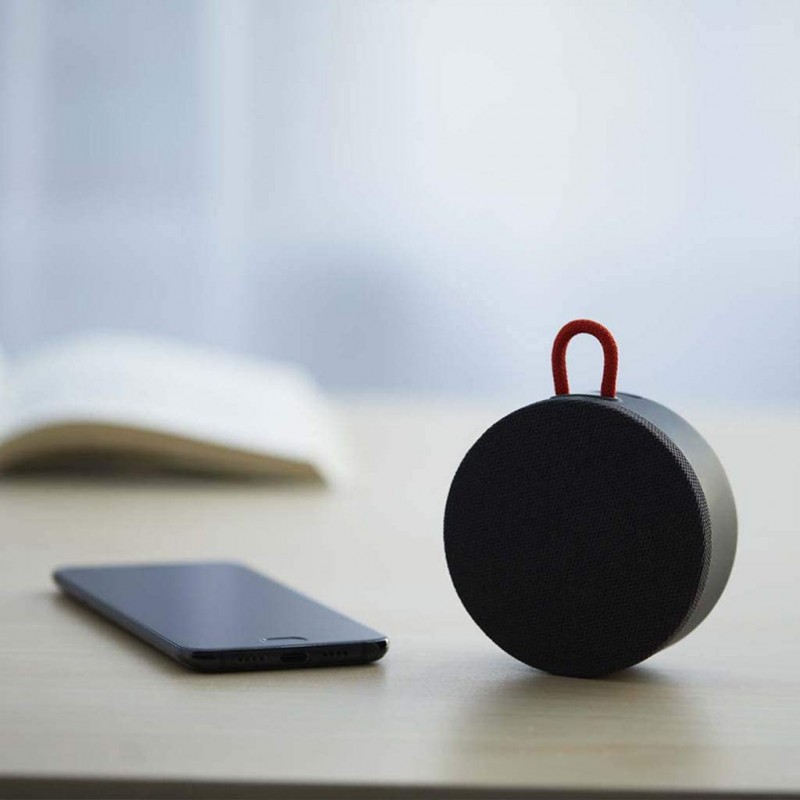
Mi Portable Speaker Mini
Audio
~$13
23
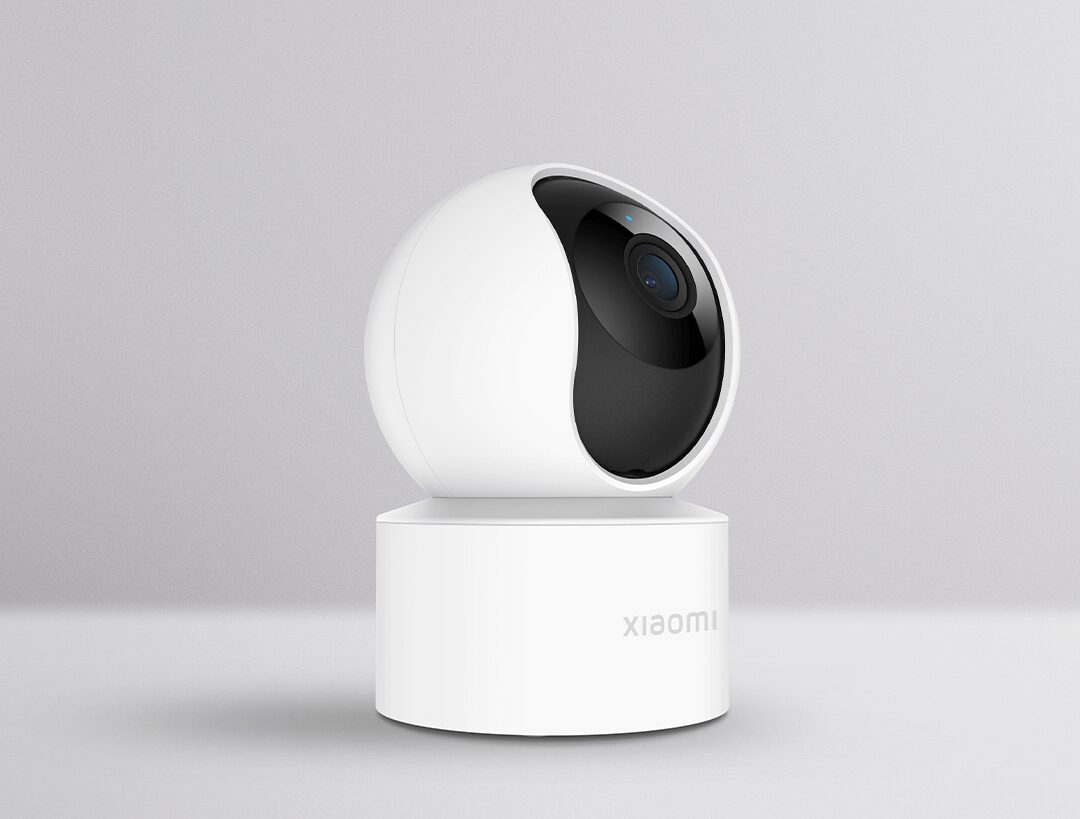
Xiaomi Smart Camera C200
Security
~$74–99
24
Xiaomi Smart Band 8 Active
Wearable
~$27–29
How to Use the Xiaomi Advent Calendar
This calendar is perfect for all tech-enthusiasts-to-be, for families, or as an office gift. Each gadget is integrated with Xiaomi HyperOS devices to automate smart homes and provide connectivity.
Black Friday 2025 is poised to be one of the most strategic shopping periods for Xiaomi’s ecosystem users. By analyzing 2025 technical data, consumer feedback trends, and internal analytics, a few Xiaomi devices stand out as high-value purchases that offer long-term benefits. The buying roadmap in this article has highlighted the models whose value-for-money is highest based on performance, durability, and current market pricing.
Top Xiaomi Devices Worth Buying This Black Friday
Xiaomi’s wide portfolio brings multiple strong candidates this year. The following analysis describes the advantages of each device and price expectations in USD based on current exchange rates.
POCO F7: Best Long-Term Investment
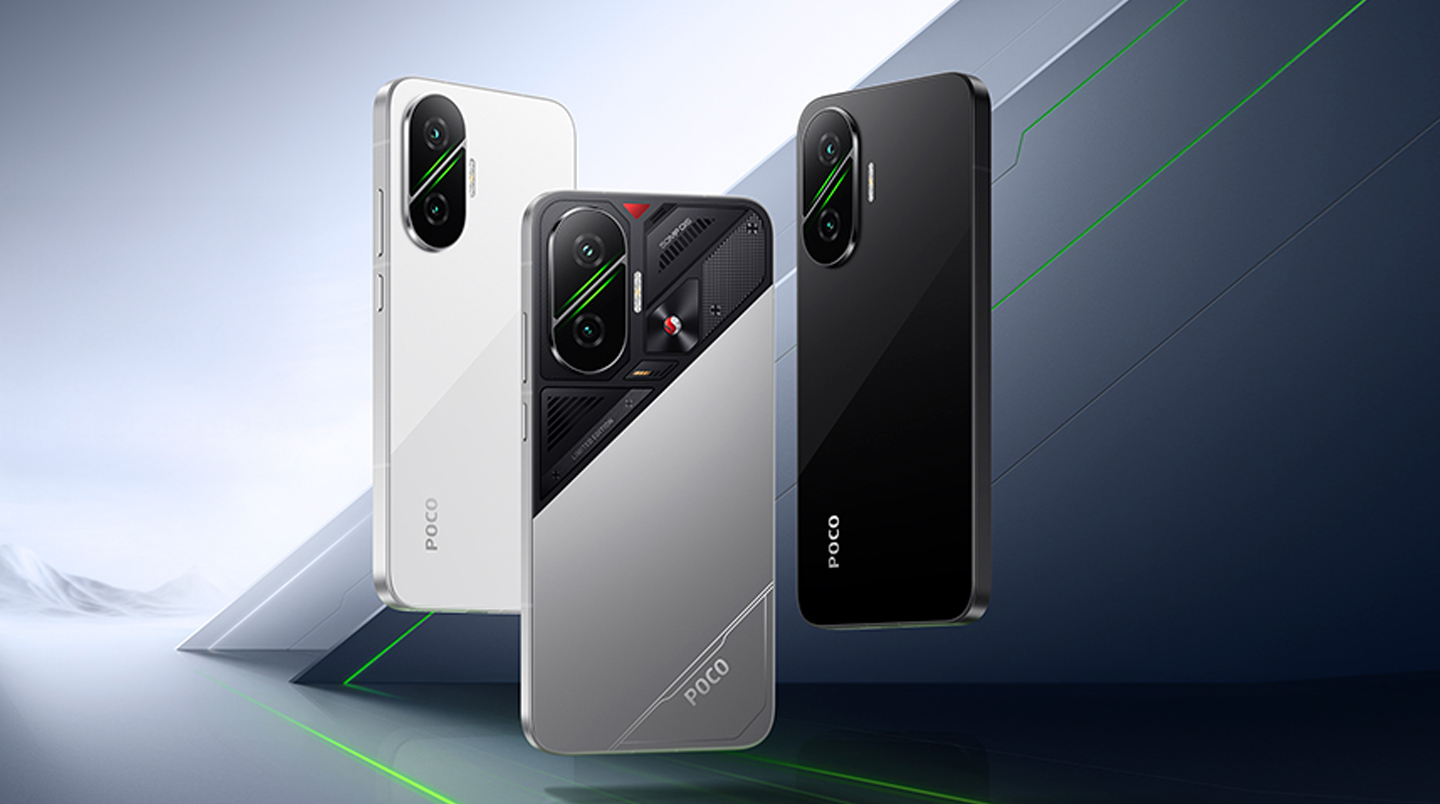
The POCO F7 is on top, powered by the Snapdragon 8 Gen 3 chipset, IP68 certification, and a bigger 6500 mAh battery. All this makes it an ideal choice if one wants long-term stability with flagship-level endurance. The recommended target price is below USD 890, offering remarkable value for its category.
Xiaomi Pad 7 Pro – High-Value Black Friday Opportunity
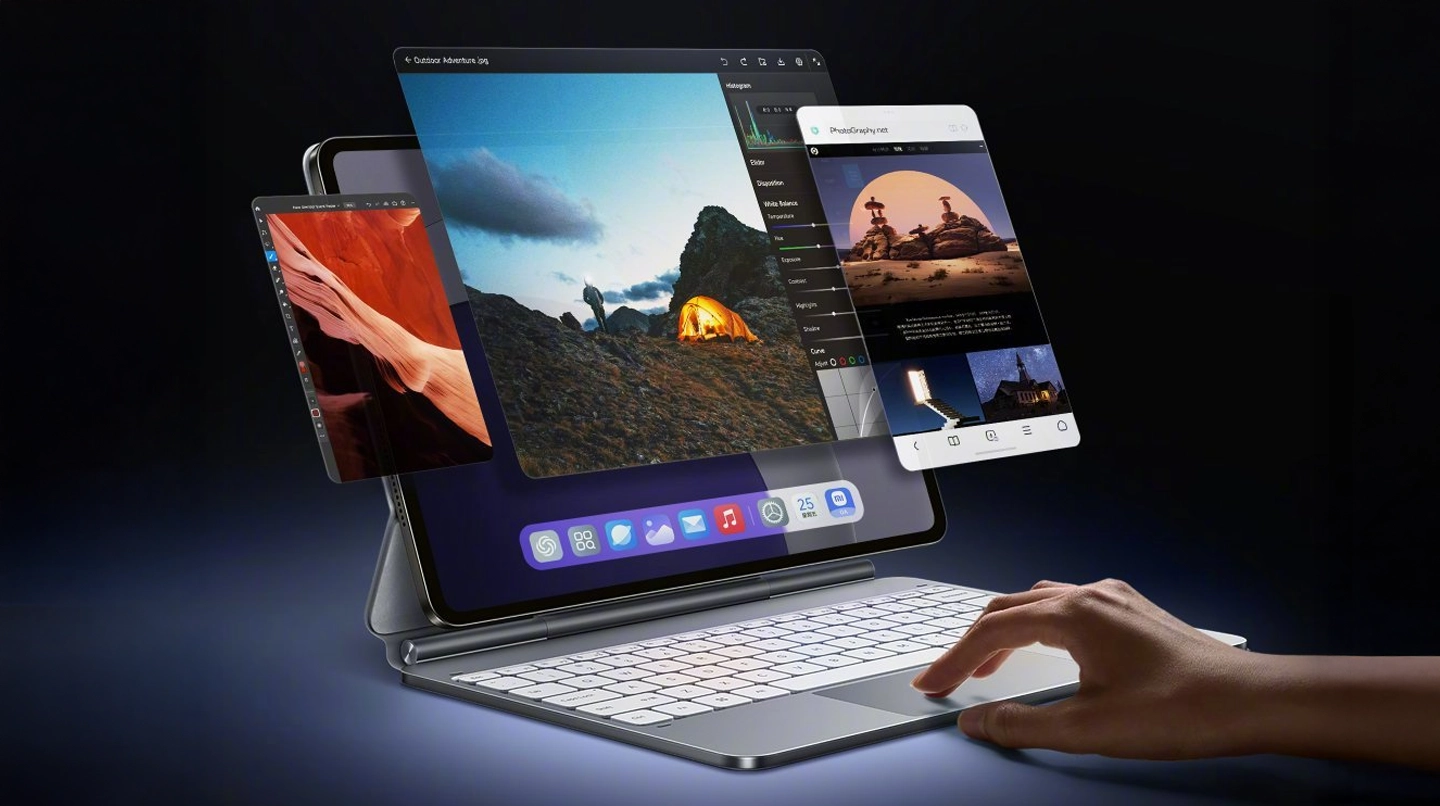
Xiaomi Pad 7 Pro is unique in this listing owing to a limited stock allocation of approximately 200 units planned for Black Friday, but it represents a strong performance profile and extended software support, making it equally adept at productivity and entertainment. This target price will add up to approximately USD 745, which is worth spending.
Xiaomi Smart Band 10 – Safe, Low-Risk Purchase
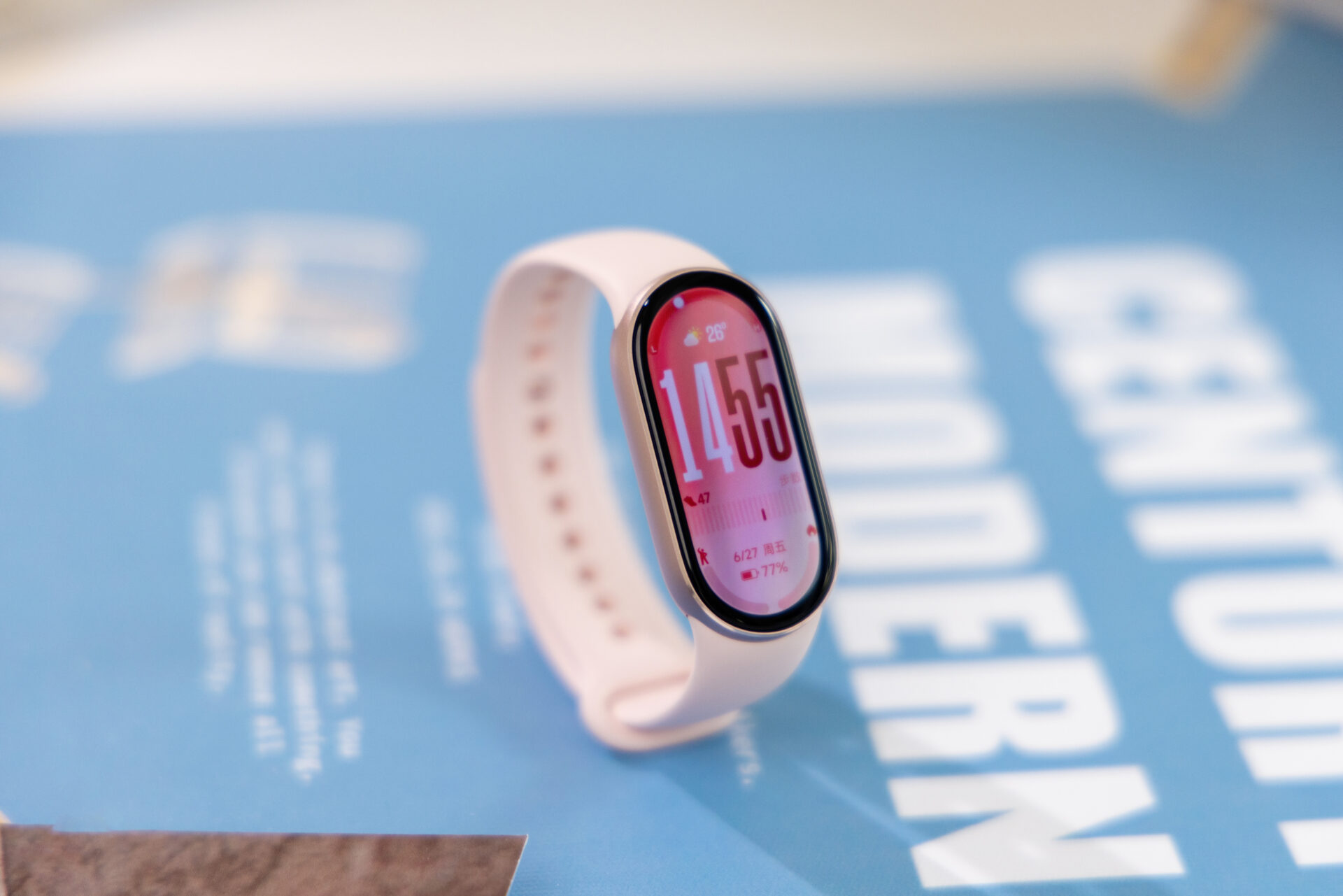
The Smart Band 10 is an extremely accessible yet reliable accessory that features improved material quality. This device can be geared towards almost all users as a basic wearable. For a target price of around USD 48, it offers strong everyday utility with minimal downside.
Xiaomi 15T Pro – A Practical High-End Alternative
For users who cannot reach the cost of top-tier USD 3,000 smartphones, the Xiaomi 15T Pro presents an excellent alternative. With its Leica-tuned camera system, high performance, and long software support cycle, it should be one of the most balanced premium options. A competitive target price is around USD 1,425.
Robot Vacuum X20+
Robot Vacuum X20+ can be a strong cleaning solution, but purchase conditions matter. It is recommended due to the higher pump failure risk only from sellers offering device replacement or extended insurance options. A fair price falls between USD 600–660.
Xiaomi Scooter 4 Ultra
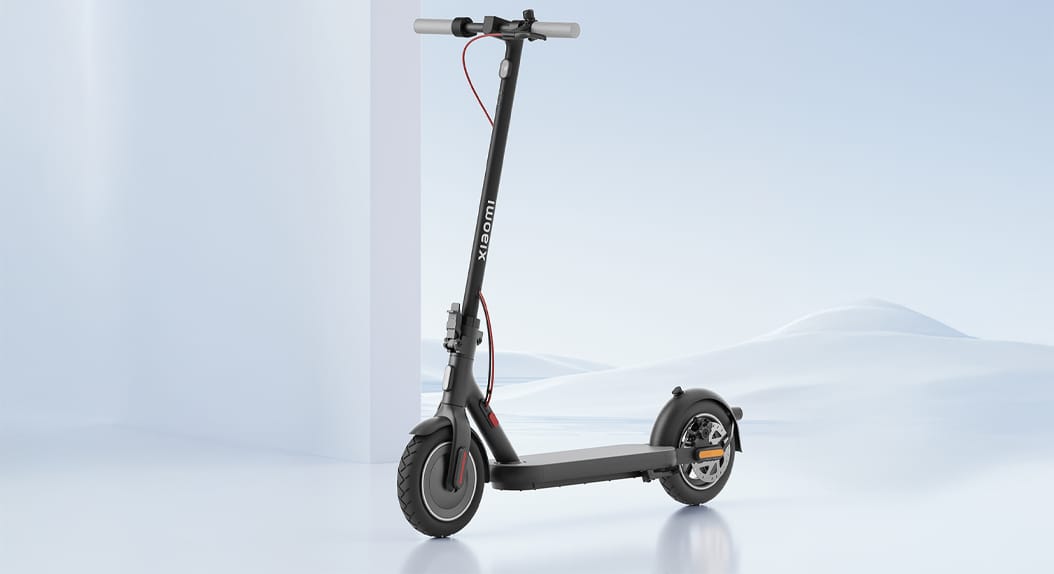
Scooter 4 Ultra is not for everyone, but it’s perfect for those living in hilly areas since it has superior torque. It is much more stable compared to the model 4 Pro and has better durability in the long run. Pricing by region varies widely.
Products You Should Avoid This Black Friday
The Xiaomi ecosystem indeed presents a number of impressive models; however, some appliances show repetitive problem patterns, according to 2025 data and consumer reports. The following models are not recommended due to either high return rates or known mechanical limitations:
Robot Vacuum S10T – Hair-cutting mechanism malfunctions and navigation inconsistencies
Robot Vacuum S10+ – Mop motor and water pump failure risks
Xiaomi G20 Stick Vacuum • Poor battery life for main cleaning, so it’s suitable only as an auxiliary option.
Xiaomi Black Friday 2025 Buying Summary
This year’s data shows that performance, battery endurance, risk factors, and seller policy differences are important in making the right purchase of Xiaomi. While some models offer undeniable value at the right price, others should be approached with caution due to possible issues that may arise from maintenance. Xiaomi apps, such as Xiaomi HyperOS or Xiaomi ecosystem tools, can be updated through HyperOSUpdates.com or via our project MemeOS Enhanceron Google Play, which also provides hidden Xiaomi features and extended system app updates.
Xiaomi has finally confirmed HyperOS 3 for India via the focused Xiaomi HyperOS India account, and this announcement signals the start of a new rollout cycle for several major devices. According to the notice, HyperOS 3 is touted to feature a notable uptick in performance, upgraded AI capabilities, and a much cleaner interface-all in line with Xiaomi’s relentless software evolution.
HyperOS 3 Announced for India
Xiaomi HyperOS 3 comes to India, furthering system efficiency, visual clarity, and AI-driven operations. According to confirmation on the dedicated India account, the update will bring in smoother transitions, redesigned system icons, and a modern user interface with fluid interaction models. These features further promise consistency across Xiaomi, Redmi, and POCO devices while maintaining light resource usage.
The update also brings with it several improvements to Xiaomi HyperConnect, better privacy controls, and optimization of long-term device stability. This version aims at day-to-day performance enhancement without increasing power consumption.
Current Build Versions Released in India
While Xiaomi has already pushed several early HyperOS 3 builds for the key models, the builds have given a glimpse of the new system’s behavior on different tiers of hardware. The following versions are confirmed for India:
Xiaomi 15 Ultra – OS3.0.2.0.WOAINXM (Android 16)
Xiaomi 15 – OS3.0.1.0.WOCINXM (Android 16)
POCO F7 – OS3.0.2.0.WOLINXM
POCO M6 Plus 5G / Redmi 13 5G – OS3.0.7.0.WNUINXM (Android 16) released
These are the initial releases that mark Xiaomi’s gradual expansion of HyperOS 3 across the lineup in 2024–2025. More will join the list in the months to come.
Key Features Introduced With HyperOS 3
HyperOS 3 introduces meaningful upgrades toward the goal of creating a more harmonious and natural user experience. Designated to use AI to do a better job of task prediction, resource distribution, and photo classification, it also redesigns many icons for better visual clarity across bright and dark environments.
Of special note is the addition of Super Island, which is an information hub that dynamically creates itself around your notifications and live activities. It draws inspiration from the concept of layered interactions. Supporting fast, glanceable updates with minimal disruption to the user’s primary task, the system offers improved animations and better spacing for a more immersive experience when using the system.
Ecosystem Integration and App Support
HyperOS 3 further improves Xiaomi’s device ecosystem by providing more stable pairing and faster communication across phones, tablets, and wearables. All these will facilitate seamless transitions between Xiaomi Pad 7, Xiaomi Band 9, and other future IoT products. Users who want to update Xiaomi apps, including system tools, can use the MemeOS Enhancerapp via the Play Store; this unlocks hidden features and system utilities too.
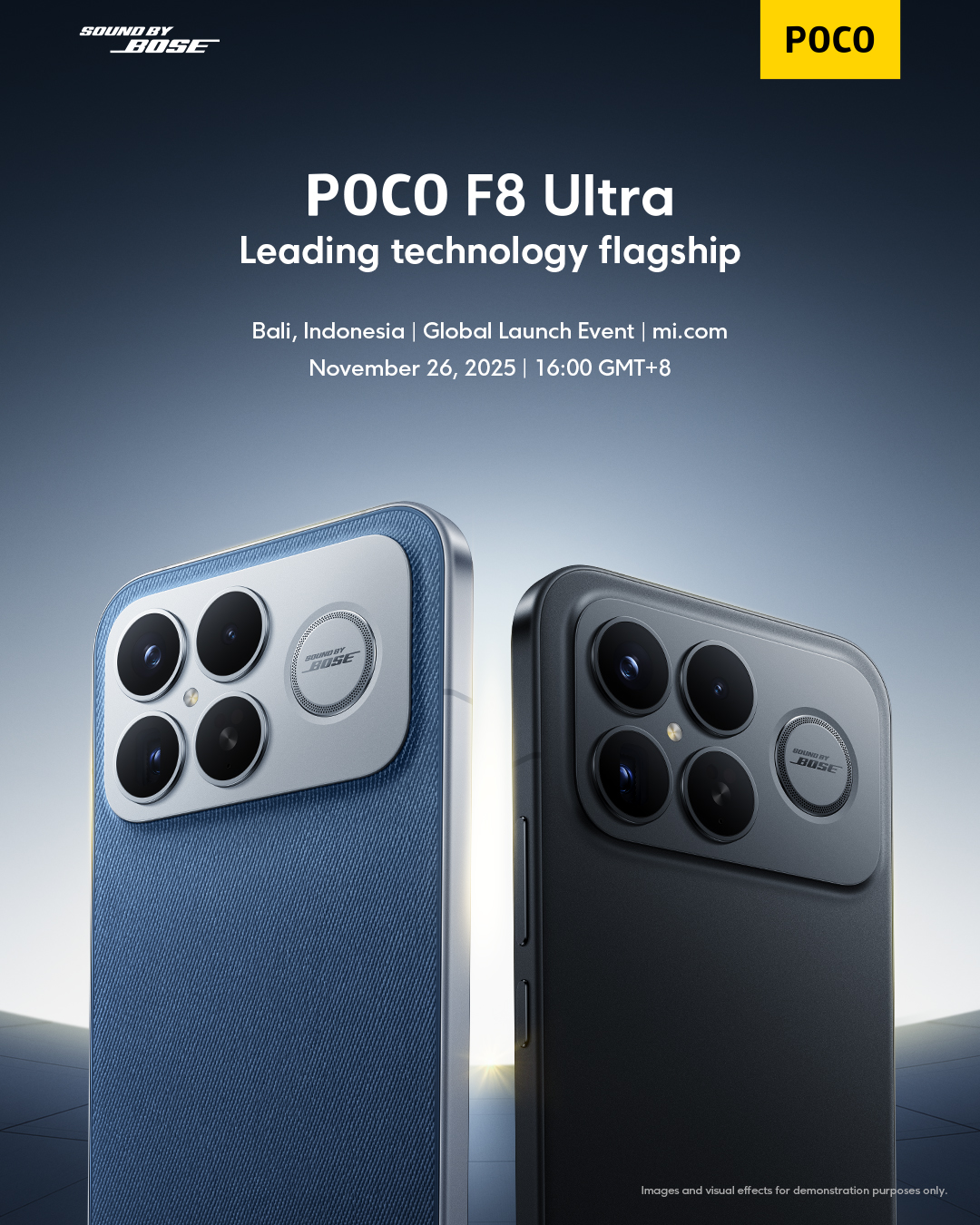
The POCO F8 Ultra series arrives with major camera and battery upgrades. It will introduce itself to the world on November 26. The POCO F8 Ultra features a 5x telephoto shooter that can capture faraway scenes with remarkable clarity. These are the global variants of the Redmi K90 series, continuing Xiaomi’s tradition of offering high-end hardware for an affordable price tag. Other Xiaomi gadgets include the Xiaomi Pad 7, among others listed on HyperOSUpdates.com.
POCO F8 Ultra: Imaging and Performance Focus
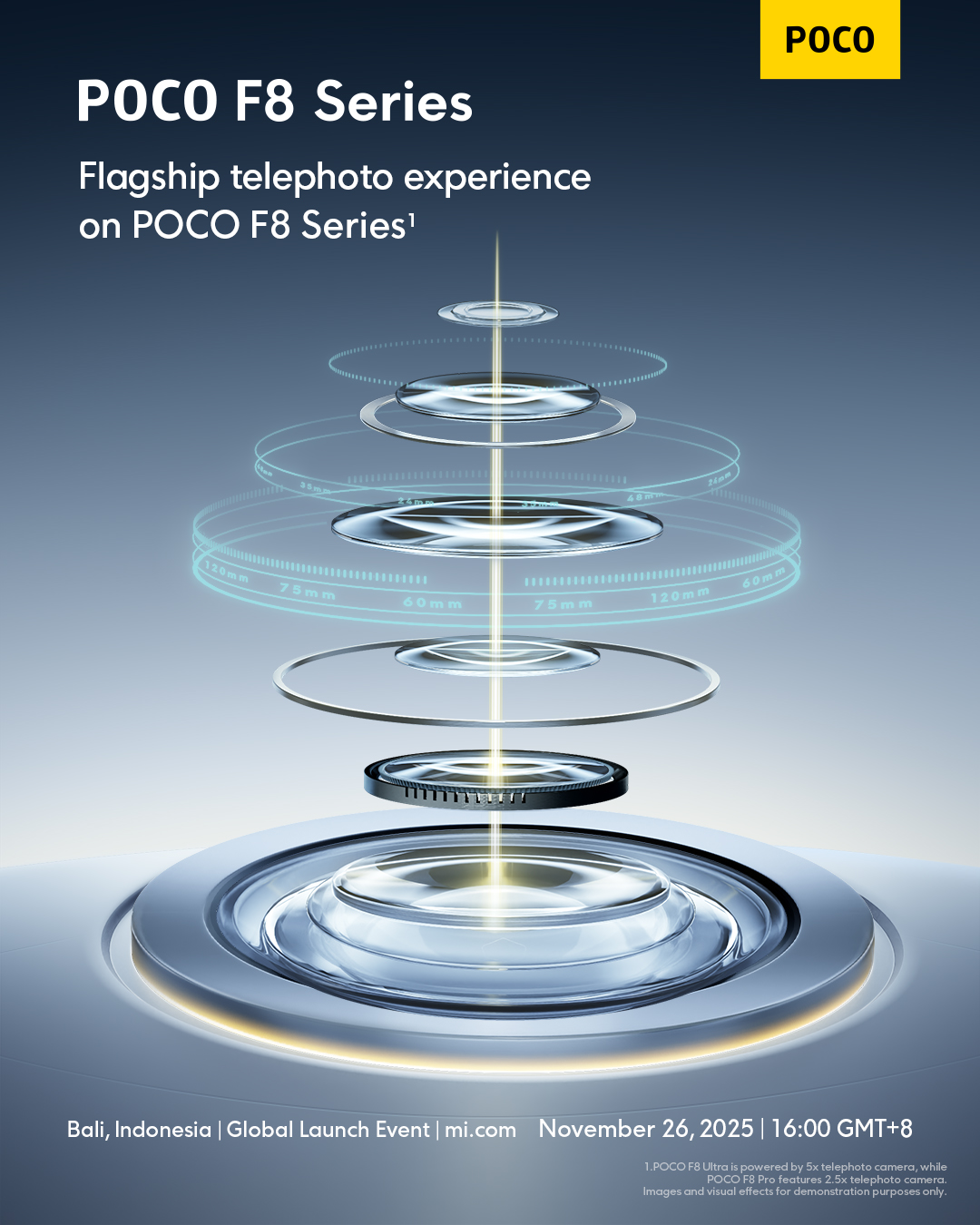
The POCO F8 Ultra introduces a 5x telephoto lens designed for stable and detailed long-range photography. This new hardware is targeted at both close-up macro scenes and distant landscapes with balanced clarity. The device also integrates the Snapdragon 8 Elite Gen 5, which represents the top tier of Qualcomm’s processing lineup, providing enhanced computational photography and AI-assisted imaging.
From the sound of it, the F8 Ultra-with its big camera setup-offers a better balance between processing power and optical capabilities compared to past models in the F series lineup.
Battery Capacity Differences Compared to China Models
While it houses a 6500 mAh (typ) battery on the global POCO F8 Ultra, the Redmi K90 Pro Max, which was exclusive to China, had a larger 7560 mAh module. The reason for this is that Xiaomi has done so to optimize weight conditions, certification circumstances, and international charging standards. Still, this 6500 mAh cell remains considerably above industry averages and brings extended screen-on times suitable for gaming, navigation, and multimedia uses.
POCO F8 Pro: Snapdragon 8 Elite for Efficient Performance
The POCO F8 Pro comes with a standard Snapdragon 8 Elite for solid computational power, well-suited not only for gaming but also productivity tasks. This model is intended for those users who want to reach flagship-level experiences without the extra telephoto hardware.
Its global battery capacity is listed at 6210 mAh, while the Chinese version of it, Redmi K90, integrates an 8000 mAh module. Even with this smaller capacity in the global version, efficiency tuning in HyperOS contributes to longer real-world performance intervals, especially under mixed usage.
Unified Family Approach
Xiaomi is positioning the POCO F8 Ultra and POCO F8 Pro as performance-driven models under a unified ecosystem approach. Supported by HyperOS optimization and extended memory management, both models deliver smoother task switching and better resource allocation across gaming and productivity workloads.
Launch Timeline and Availability
Continuing Xiaomi’s yearly update cycle for the POCO flagship, the POCO F8 series will be announced on November 26 globally. Pricing will likely be detailed at launch, but POCO devices compete within the upper-midrange flagship category, usually landing below equivalent offerings from rival brands.
Modern mobile computing devices demand exponential power growth, paralleling Moore’s Law in transistor density. However, energy storage has historically lagged behind. Xiaomi addresses this critical bottleneck with its revolutionary Jinshajiang battery technology and the intelligent MiPPS charging protocol. Going from conventional graphite to silicon-carbon anodes, Xiaomi strikes a balance between achieving high energy density without sacrificing longevity. This report analyzes how both the Xiaomi 15 and Xiaomi 14 Ultra leverage these innovations in order to mitigate the thermodynamic risks commonly found in ultra-fast charging speeds.
The Electrochemical Shift: From Graphite Limits to Silicon Revolution
Since commercialization in 1991, graphite has represented the industrial standard due to its structural stability. However, the increasing power consumption of modern smartphones, together with demands for thinner form factors, has pushed graphite to its theoretical capacity limits. Xiaomi’s Jinshajiang technology represents the necessary transition to a silicon-based architecture that can transcend these physical constraints.
While traditional graphite anodes are limited to a specific capacity of about 372 mAh/g, silicon forms an alloy with lithium, theoretically achieving 4200 mAh/g. Xiaomi’s latest flagships employ a Silicon-Carbon composite structure. Teardown analysis reveals that cells present in devices such as the Xiaomi 14 Ultra have about 6% silicon content. This propels the energy density to a class-leading 779 Wh/L. The more extreme implementation can be found on the ultra-thin magnetic power bank, where the silicon content tops out at 16%, allowing 5000mAh to be fitted within a 6mm thick chassis.
Engineering Solutions for Volume Expansion
Volume Expansion. This massive energy density advantage of silicon comes with a significant mechanical drawback. Where graphite expands about 7-10% upon charging, silicon particles can expand up to 300%. Left unchecked, this results in particle pulverization, loss of electrical contact, and destruction of the SEI layer. Xiaomi employs a multi-layered engineering strategy to neutralize these risks.
Laser-Patterned Energy Channels
In an effort to control physical stress, Xiaomi employs microscopic engineering at the electrode level. Dubbed “Energy Groove” technology, it involves creating 2,376 micro-channels on the surface of the electrode by laser patterning. The channels perform a twofold function: they act as a mechanical buffer zone, in which silicon particles expand without deforming the pouch of the battery, while they function as ion highways, increasing infiltration by the electrolyte to lower internal resistance during high-speed charging.
Bionic Self-Healing Electrolyte
Beyond mechanical solutions, Xiaomi guarantees chemical stability due to a “bionic self-healing barrier.” Unlike the rigid traditional SEI layers that crack under silicon expansion, the polymer-infused layer of Xiaomi exhibits high ductility. Similar to human skin, it can repair the micro-cracks formed during charging cycles. This mechanism avoids electrolyte dry-out and absorbs chemical stress induced by HyperCharge technology.
MiPPS and HyperCharge: Thermodynamic Control
Hardware alone cannot prevent thermal damage due to fast charging. It is all about managing the electrical parameters with utmost precision, namely voltage and current. This is where the Xiaomi HyperCharge architecture and the MiPPS protocol rewrite safety standards.
From PD to MiPPS – the Evolution
Traditional USB Power Delivery protocols only allow fixed voltage profiles; for example, 9V or 15V, which forces the phone to step down the voltage internally and generates excessive heat. MiPPS, or Xiaomi Programmable Power Supply, enables highly granular voltage control with steps as small as 20mV. This allows “Direct Charging,” where the adapter supplies the exact voltage required by the battery, effectively moving the heat source from the phone to the wall adapter.
Dual Charge Pump Architecture
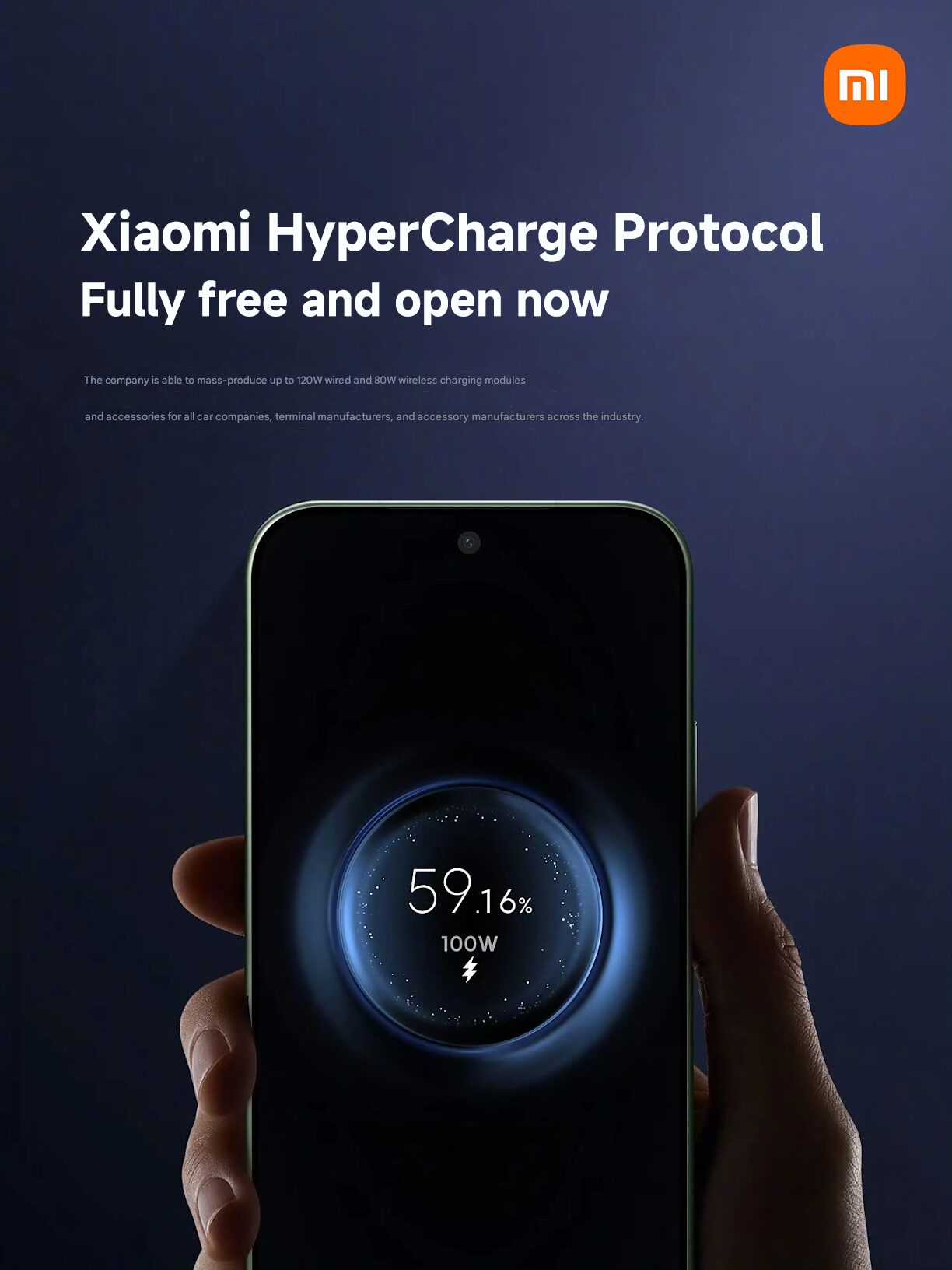
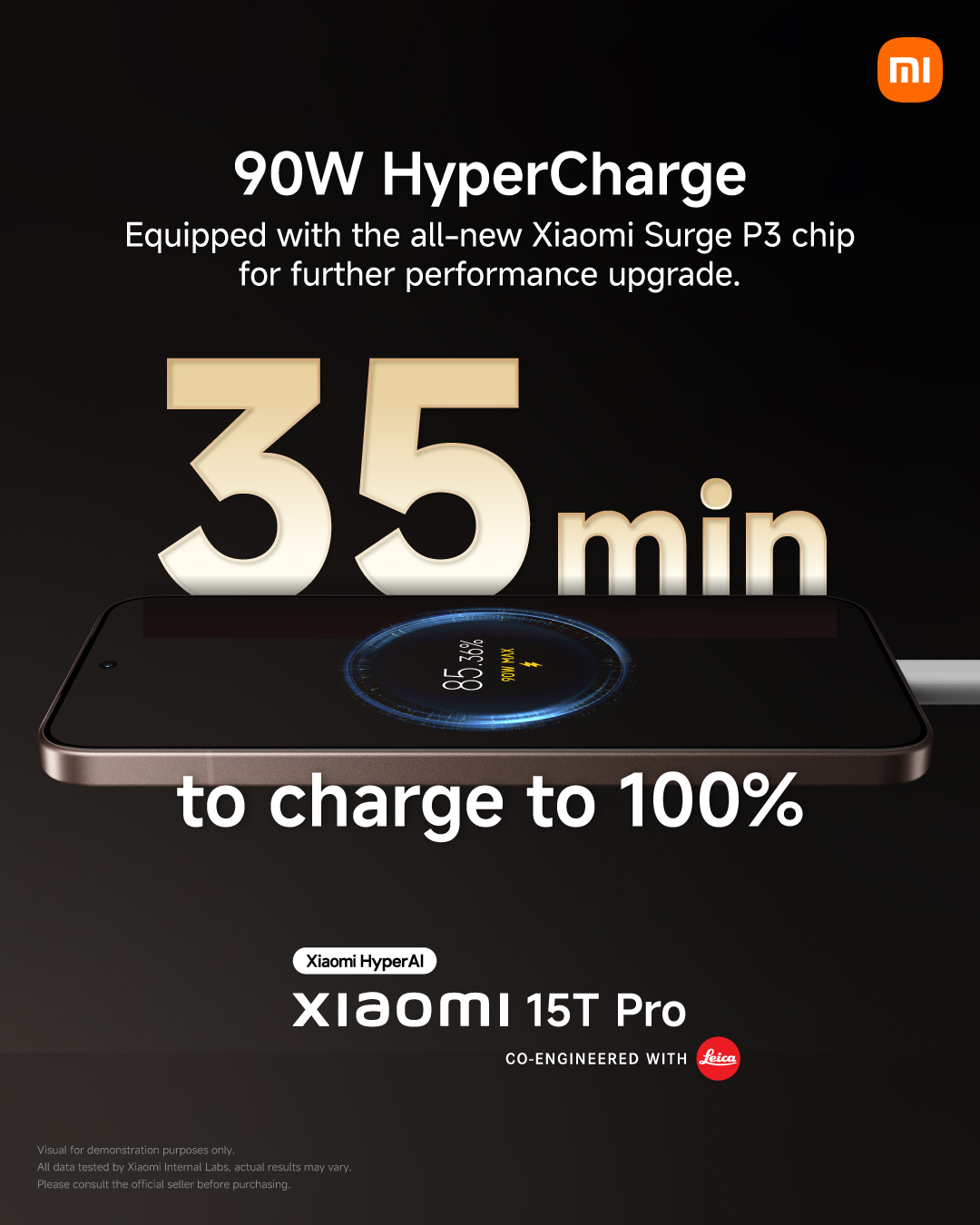
To ensure safe speeds of 90W and 120W, Xiaomi employed a Dual Charge Pump architecture, powered by Surge P1 and Surge P3 chips, respectively. These chips split the incoming current and convert voltage at an ultra-high efficiency of 96.8%. Instead of wasting energy as heat, as traditional circuits do, the Surge chips employ minimal thermal loss, preventing the battery from “cooking” during the charging process.
The Surge Chipset Ecosystem: Active Safety Management
One key differentiator in Xiaomi’s strategy is in offloading battery management from the main Snapdragon 8 Elite processor onto dedicated custom silicon. The Surge G1 battery management chip is the brain of this operation, enabling real-time millisecond-level voltage and temperature monitoring. The Surge G1 chip performs dynamic SOA analysis. In case the ambient temperature is higher than expected, or if the battery is showing signs of aging, the chip intelligently reduces the charge rate. Its ISP capability can even detect micro changes in internal chemistry due to drops or impacts and prevent thermal runaway before it starts.
The 1600 Cycle Standard: Real-World Durability
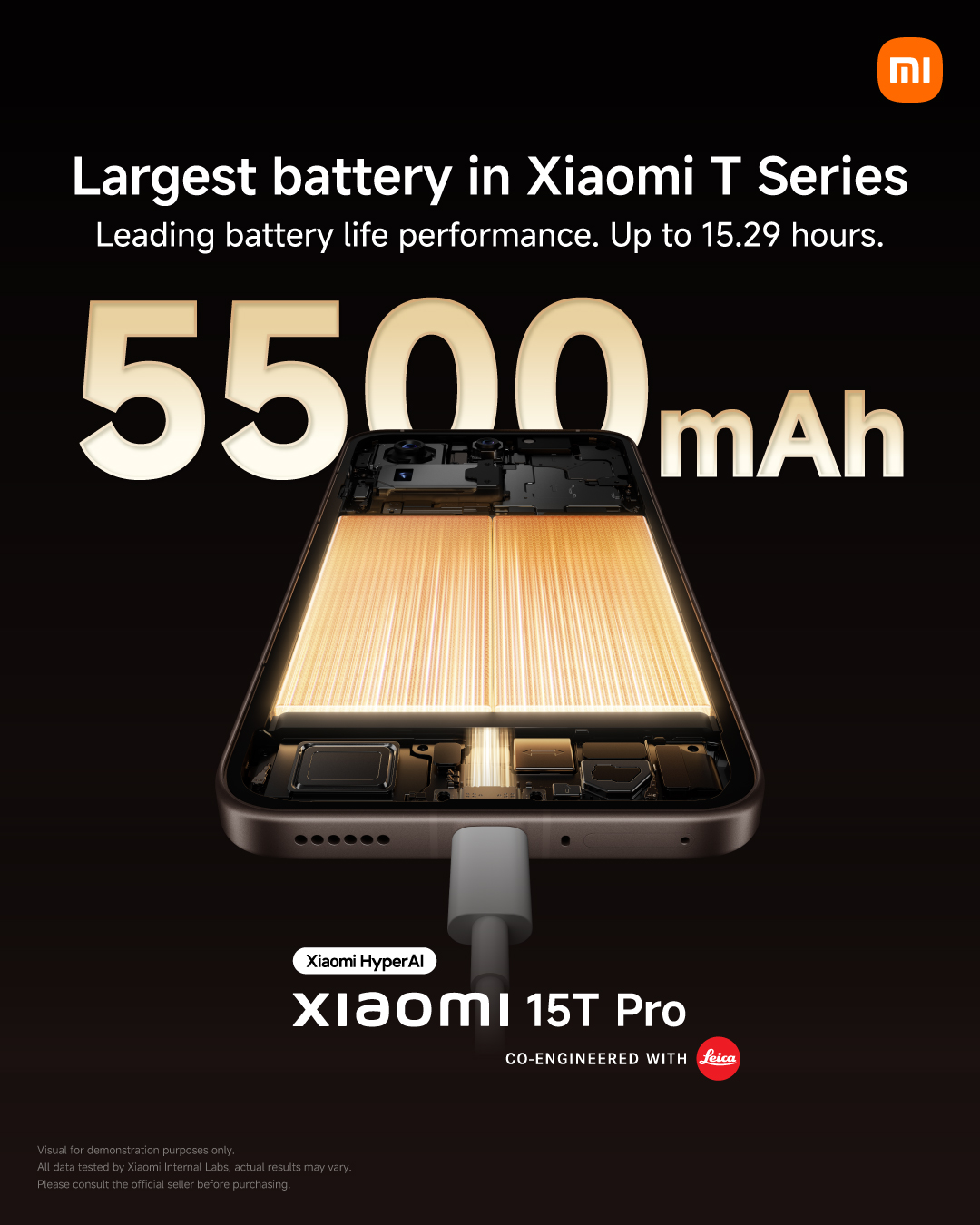
Does this tech actually work in the real world? The industry benchmark holds that a battery is “healthy” when it still retains 80% of its capacity after 800 cycles. Xiaomi, however, guarantees that its Jinshajiang batteries will retain 80% of capacity after 1600 cycles. This effectively doubles the lifespan of the battery compared to competitors. User feedback and independent tests confirm that despite using silicon and 90W+ charging speeds, degradation rates remain minimal. Paired with the IceLoop* cooling system, which separates vapor and liquid channels to improve thermal efficiency by 100%, Xiaomi has successfully proven that fast charging does not need to damage battery health.
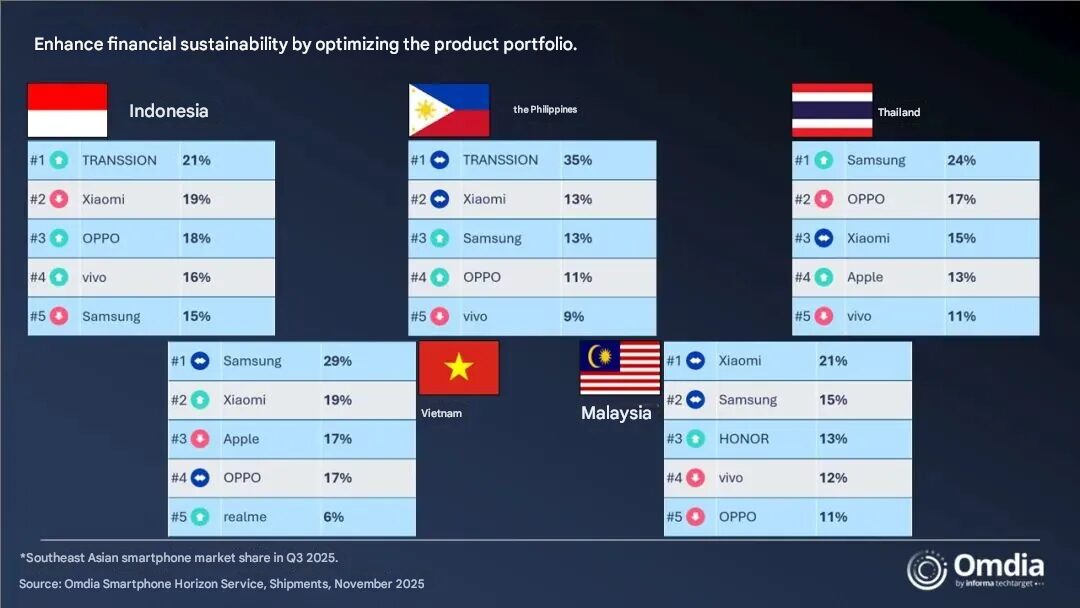
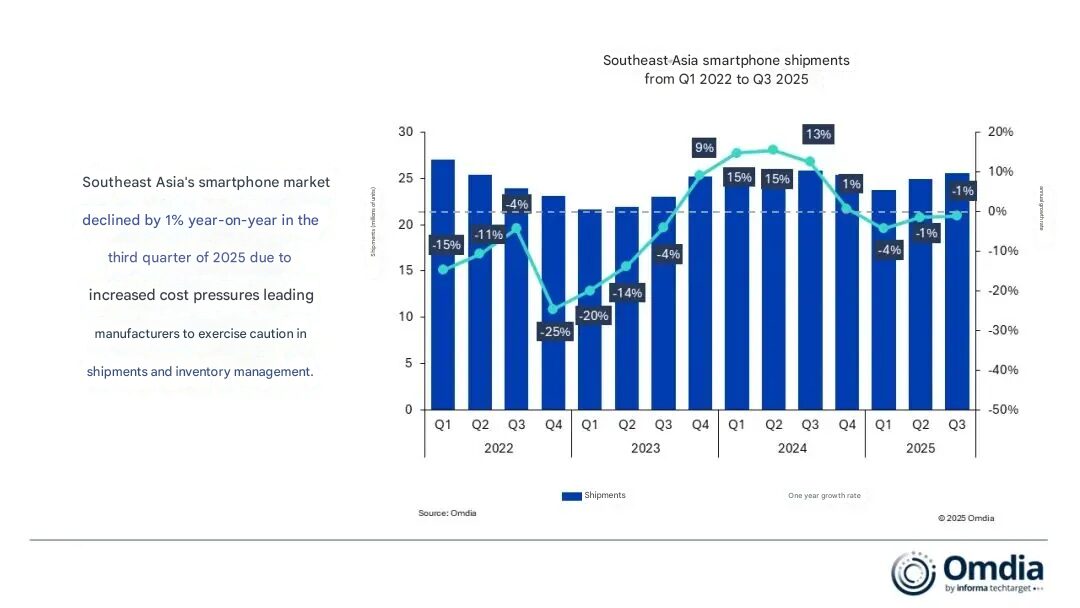
The new Omdia report indicates a small contraction of 1% year-over-year in Q3 2025, as the Southeast Asia smartphone market shipped 25.6 million units. While shrinking, the competition among the leading brands remains intense, especially for Xiaomi, which continued to solidify its positioning due to remarkable performance from the POCO series. Readers can also see previous Xiaomi market analyses on XiaomiTime.com or look at some related model updates on HyperOSUpdates.com.
Market Overview: Shipments Down but Competition Stable
The Southeast Asian market declined for the third straight quarter, affected by high price sensitivity and supply-chain adjustments. While total shipments were down, leading brands continued to pursue strategic momentum in various price segments.
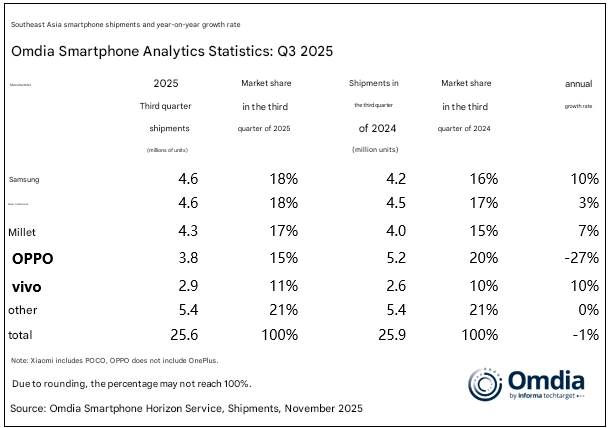
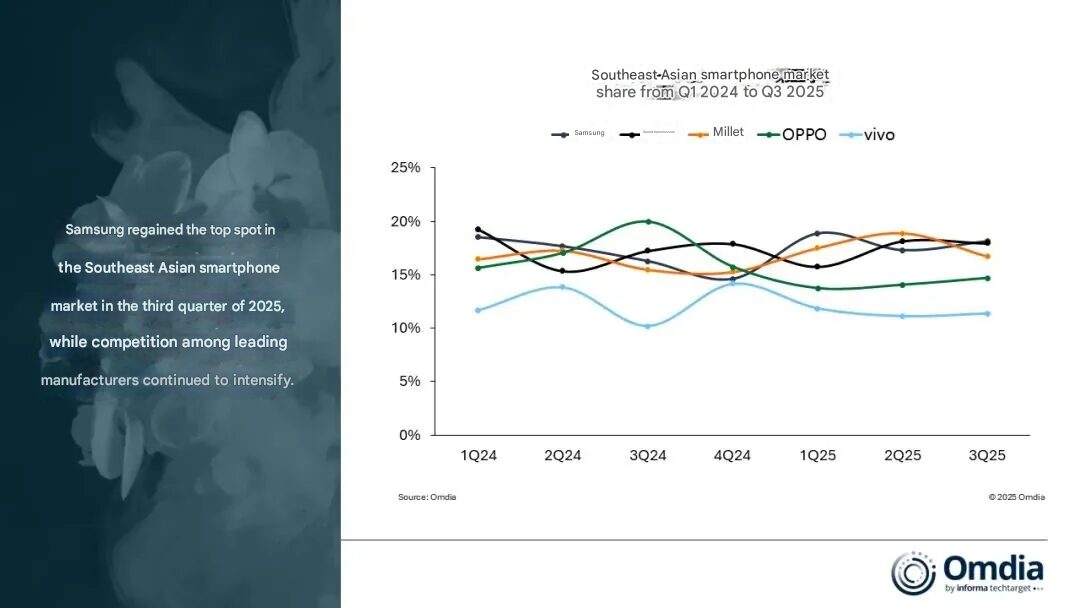
Samsung took back the lead, shipping 4.6 million units to secure an 18% market share, since it was better positioned in higher-end markets like Thailand, Malaysia, and Vietnam to offset the competitive pressure from Indonesia and the Philippines.
Strong Performance by Xiaomi, Driven by POCO Series
Xiaomi came third with 4.3 million units shipped and a 17% market share. Driving this performance was the strong market reception of the POCO lineup following the introduction of a new entry-level model. Its strategy for accelerating shipment volume and widening channel penetration has continued to consolidate its competitive position.
OPPO followed with 3.8 million units and a 15% share, but shipment numbers dropped because of weakened market demand and ongoing restructuring across the distribution channels. Meanwhile, vivo secured the fifth position with 2.9 million units and an 11% market share, supported primarily by the new Y series models complementing its established V series.
Shifts in Entry-Level Dynamics
Entry-level smartphones continue to dominate the landscape, with over 60% of devices selling below US$200. Omdia believes that this segment is becoming increasingly volatile but still ultimately defines overall market leadership. Though OPPO and vivo look to pursue value-centric strategies, Xiaomi and Honor maintain shipment-driven expansion strategies. In fact, Q3 shipments for Honor doubled year-on-year due to an increase in channel penetration for the X6c.
Outlook: Increased Costs and New Approaches
In the second half of 2025, manufacturers will have to be even more aggressive in their product strategies,” added Omdia’s senior research manager. The increase in component costs, especially memory and storage, will put pressure on low-price segments, which are balanced on a tightrope between competitive pricing and profitability. To maintain margins while remaining attractive in highly price-sensitive markets, brands can make hardware adjustments or changes in price positioning and/or marketing spend.
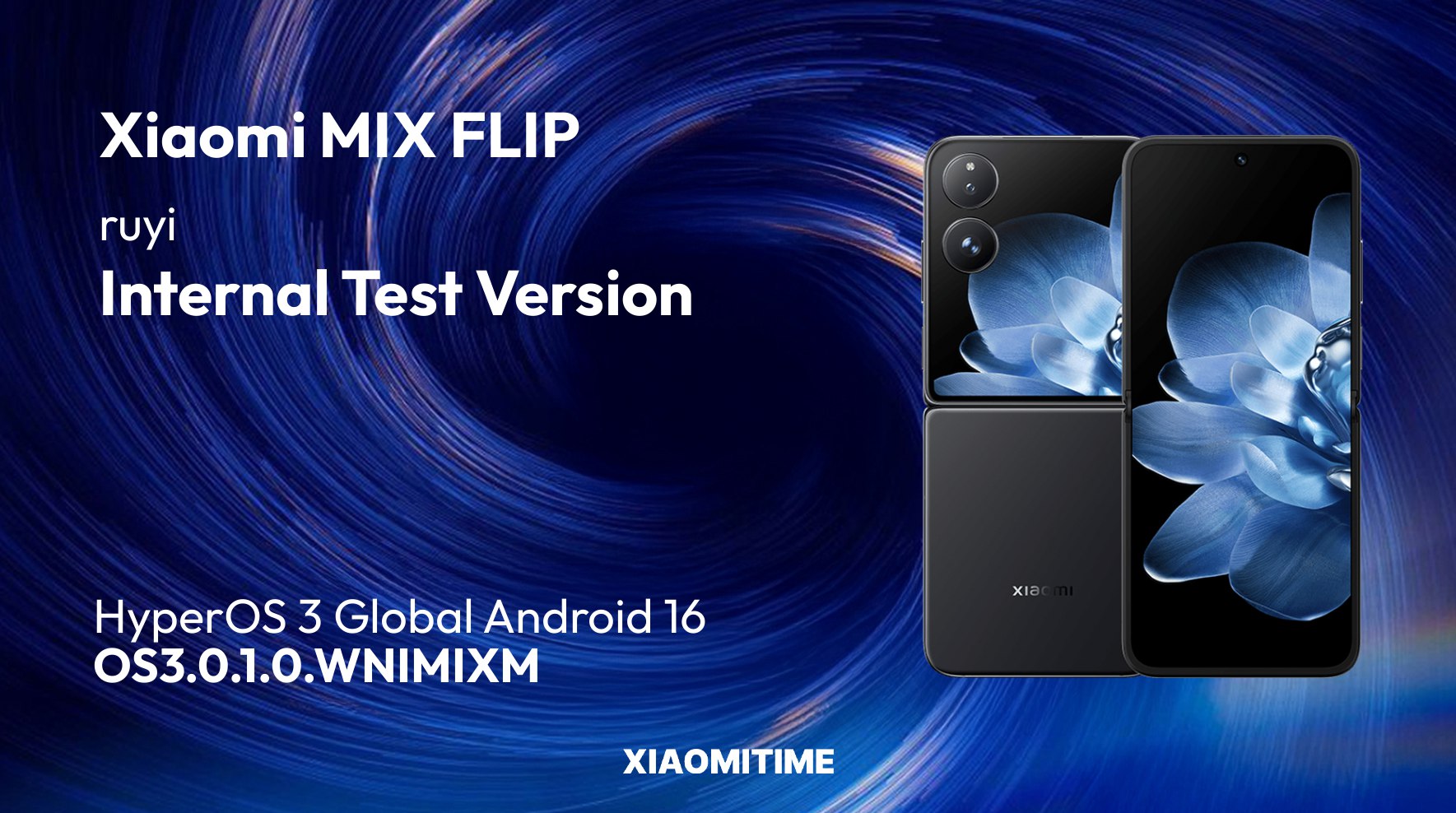
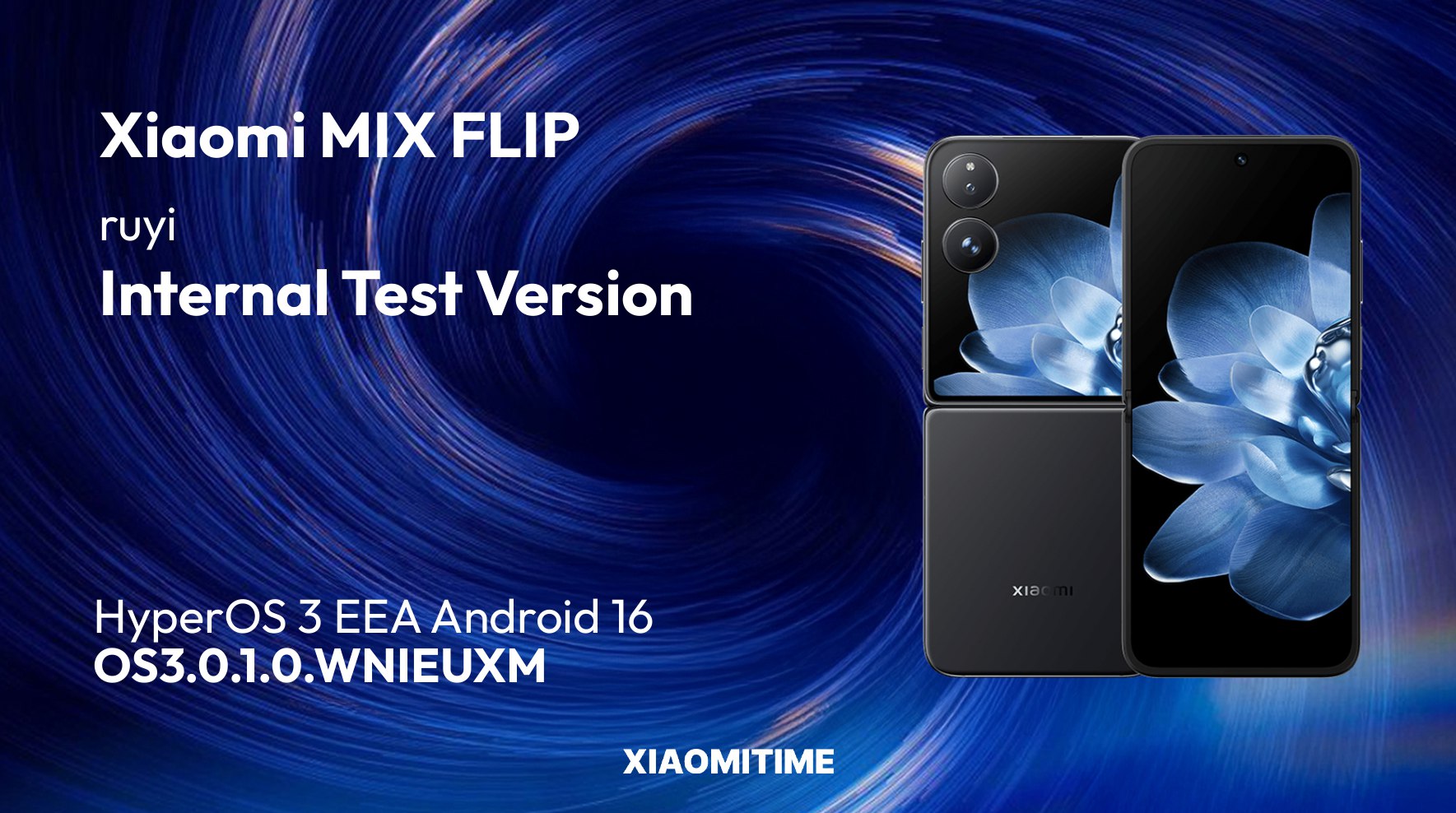
The Xiaomi MIX Flip is now preparing to receive the global HyperOS 3 update based on Android 16, marking an important step in Xiaomi’s ongoing rollout of its newest operating system. Internal builds OS3.0.1.0.WNIMIXM (Global) and OS3.0.1.0.WNIEUXM (EEA) have already been compiled, indicating that the release is nearing completion. As seen in models such as the Xiaomi 15T and POCO X7 Pro, HyperOS 3 introduces smoother performance, an enhanced interface and redesigned system elements.
HyperOS 3 Rollout Progress
Xiaomi has been gradually delivering Android 16-based HyperOS 3 to its latest ecosystem. The update has already reached several flagship and mid-range devices, including the Xiaomi 15 series, Xiaomi 15T series, POCO F7 Ultra, Xiaomi Pad 7 Pro, Redmi A3, Redmi Note 14 Pro+, and POCO X7 Pro. This structured rollout demonstrates Xiaomi’s consistent software strategy and ensures the MIX Flip will receive a mature and stable build.
The MIX Flip’s upcoming update is expected to maintain full feature compatibility, providing users with a refined interface supported by continuous system optimizations.
Key Features Coming to Xiaomi MIX Flip
HyperOS 3 brings several platform-level enhancements designed to modernize the user experience. These improvements also extend to foldable devices like the MIX Flip, ensuring visual and functional consistency across the ecosystem.
AI Performance Improvements
The update provides optimized AI processing, allowing for better image enhancement, dynamic scene interpretation and more intelligent system behavior. These improvements enhance daily use without compromising battery efficiency.
New Visual Design
HyperOS 3 introduces updated icons, refined color layers and an iOS-style interface flow, creating a minimalist and coherent environment. For MIX Flip owners, these changes bring improved usability in both folded and unfolded modes.
Super Island
The Super Island interface delivers dynamic notifications and real-time system information with fluid animations. This brings a more interactive and convenient method of receiving important alerts without affecting the multitasking experience.
When Will the Update Arrive?
Since the global and EEA internal builds have already been finalized, the public rollout is expected to begin shortly. Xiaomi typically releases global firmware a few weeks after internal testing concludes. MIX Flip users will soon benefit from all enhancements offered by HyperOS 3.
To update Xiaomi system apps or access hidden Xiaomi features, users can install the MemeOS Enhancer app through its Play Store version, which supports advanced functions such as managing HyperOS system updates and activating experimental features. Xiaomi applications mentioned in this article can also be downloaded via HyperOSUpdates.com and other XiaomiTime projects.
Xiaomi’s position in the European market keeps strengthening with the growth of renewed and used-device demand across key platforms like Back Market and eBay. As of current data for 2024–2025, the fastest-selling refurbished Xiaomi devices are primarily from the families Redmi Note and Poco, remaining the main driver for Xiaomi’s volume share in the market. Both lineups present strong resale dynamics and stable consumer demand, based on previous analyses, such as Redmi Note series overview and Poco performance insights. Below, an analysis is made of the most liquid refurbished Xiaomi models and the commercial opportunities they create for traders in Europe.
Redmi Note Series: Europe’s Liquidity Champion
Redmi Note models continue to be the driving force in Xiaomi’s European portfolio, providing regular demand from both new and renewed channels alike. Traditionally, this segment dominates sales in the mid-range and provides traders with predictable and sustainable turnover.
Redmi Note 13 Pro and Note 13 Pro+: A Stable Renewed-Market Backbone
Strong liquidity in Europe was achieved by the Redmi Note 13 lineup, which balanced hardware quality, durability, and stable consumer visibility. Depending on storage and condition, the Redmi Note 13 Pro generally lists for USD 200–220 on major resale platforms. The longevity of this model in the renewed market can be supported by reasons including an AMOLED display, long battery life, and IP certification. Traders enjoy predictable resale velocity and steady profit margins, especially as the Note 14 models start to shift new-product demand.
Redmi Note 14 Pro: New Generation Driving High Demand
Launched in early 2025 in China, the Redmi Note 14 Pro has quickly become one of the most sought-after imports by European buyers. Basically, with the MediaTek Dimensity 7300 Ultra chip, the 200MP primary camera, and its good power management, this model appeals to the mid-range consumer looking for reliability. On eBay, the device is often tracked by over forty buyers per listing, confirming strong early-cycle liquidity. Renewed listings have also started appearing at a rapid pace, indicating fast ecosystem formation.
POCO Series: Niche Performance With Remarkable Second-Hand Velocity
Poco devices are for a different audience than Redmi, mostly targeting performance-minded users and mobile gamers. These models boast high chip efficiency and good thermal performance, which increases their appeal on the renewed market.
POCO X6 Pro and POCO F6/F7: Performance-Oriented Demand
The POCO X6 Pro, often mentioned as one of the most efficient mid-range performers, keeps resale prices between USD 190–270 depending on configuration. The Poco F6 and F7 series, which contained flagship-grade processors like the Snapdragon 8s Gen 3, showed fast listing turnover on eBay and Back Market due to strong performance-per-dollar, making Poco a segment that’s profitable for traders seeking fast-moving inventory.
Why Xiaomi’s Flagship Devices Do Not Perform as Renewed Inventory
These Xiaomi flagship models, like the Xiaomi 14 and Xiaomi 15 families, demonstrate significantly lower liquidity and higher depreciation risks than the mid-range Redmi and POCO models in Europe. Their positioning in the market is closer to premium brands and naturally sets a higher barrier in terms of upfront capital required, with lower resale activity taking place. Hence, flagship models-although strong in technology, offering Leica camera systems and advanced display technologies-are less suitable for traders who seek fast turnover.
The most profitable renewed Xiaomi models for 2025.
The most profitable Xiaomi models for traders operating in the European renewed-device ecosystem are:
These devices collectively offer the best combination of low depreciation and high turnover. With the continued maturation of Europe’s refurbished smartphone market, Xiaomi’s strong mid-range portfolio provides a unique opportunity for traders to maintain rapid inventory cycles along with predictable sales performance.
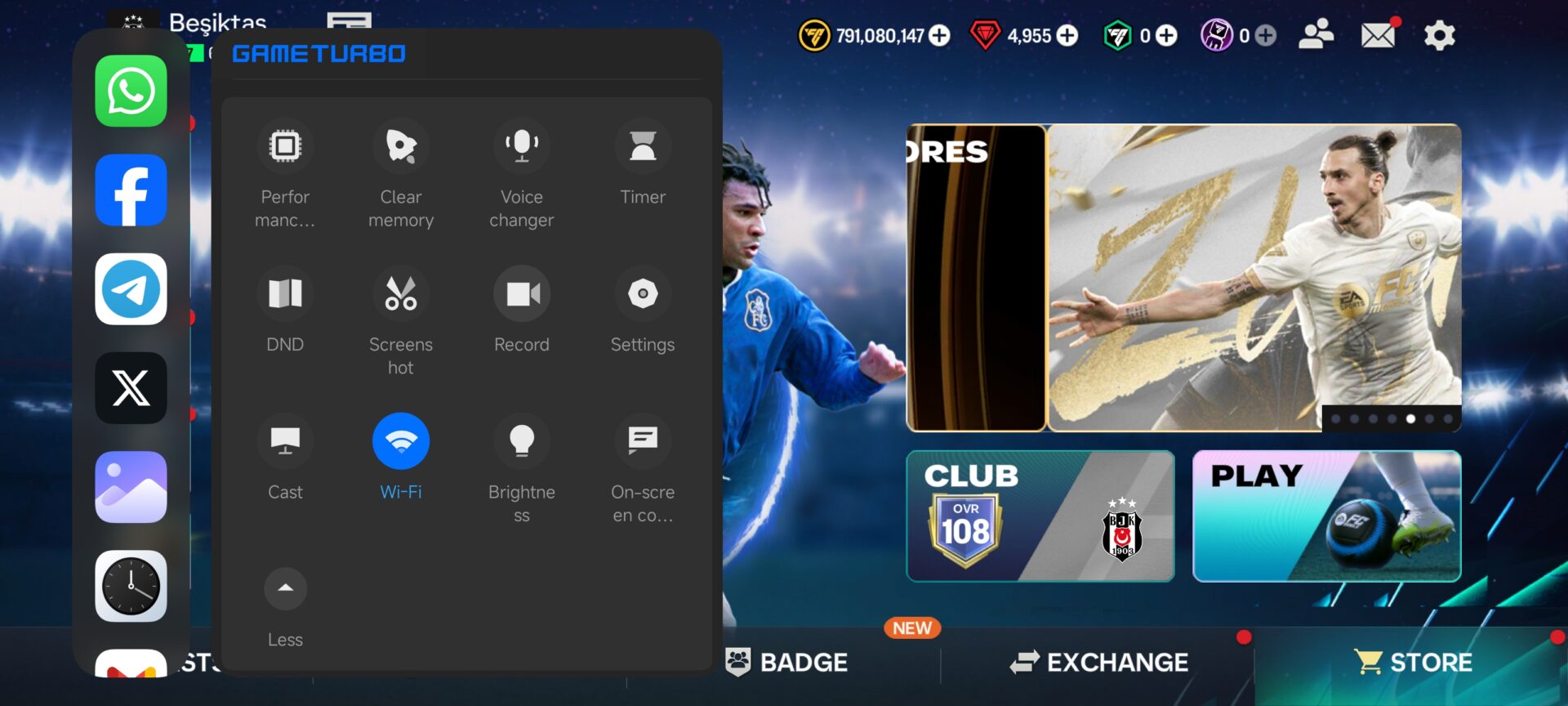
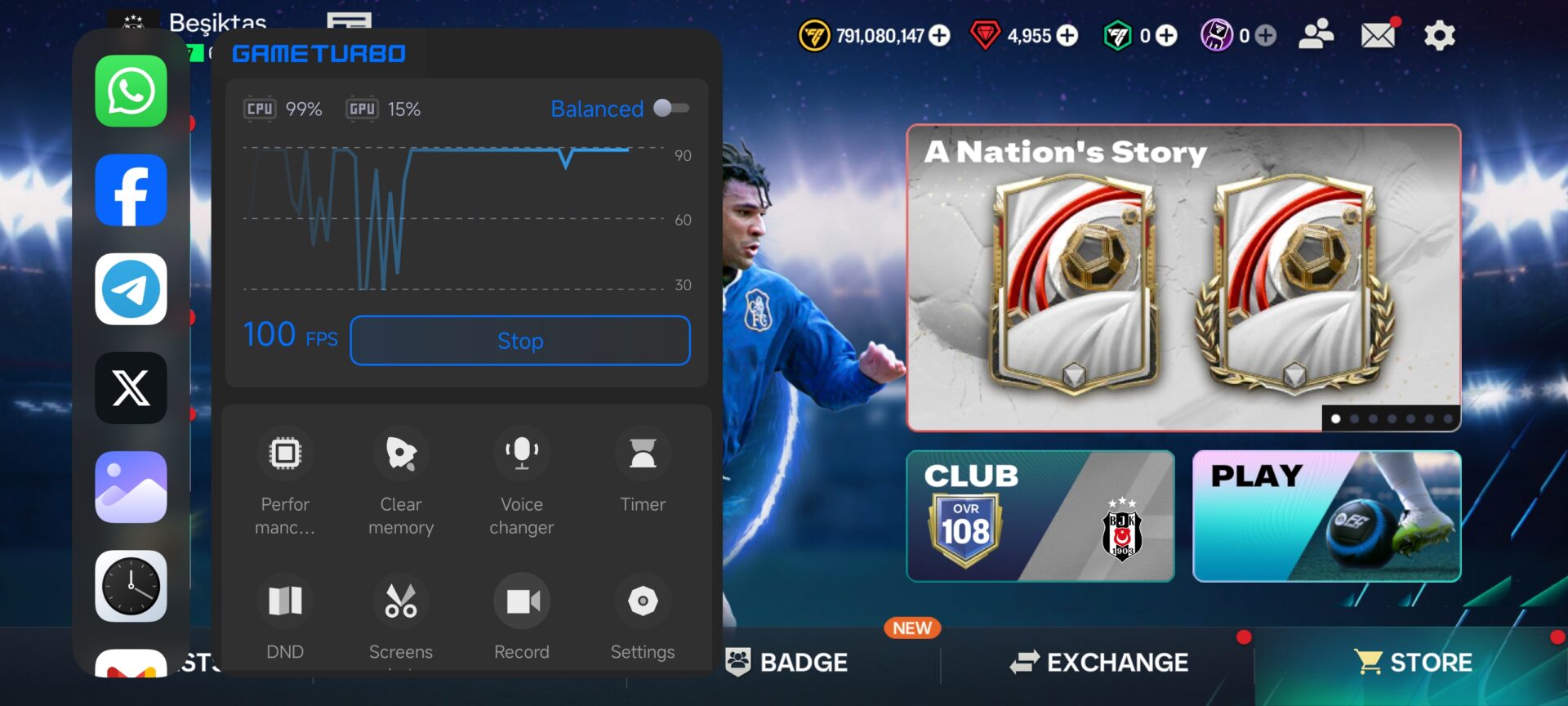
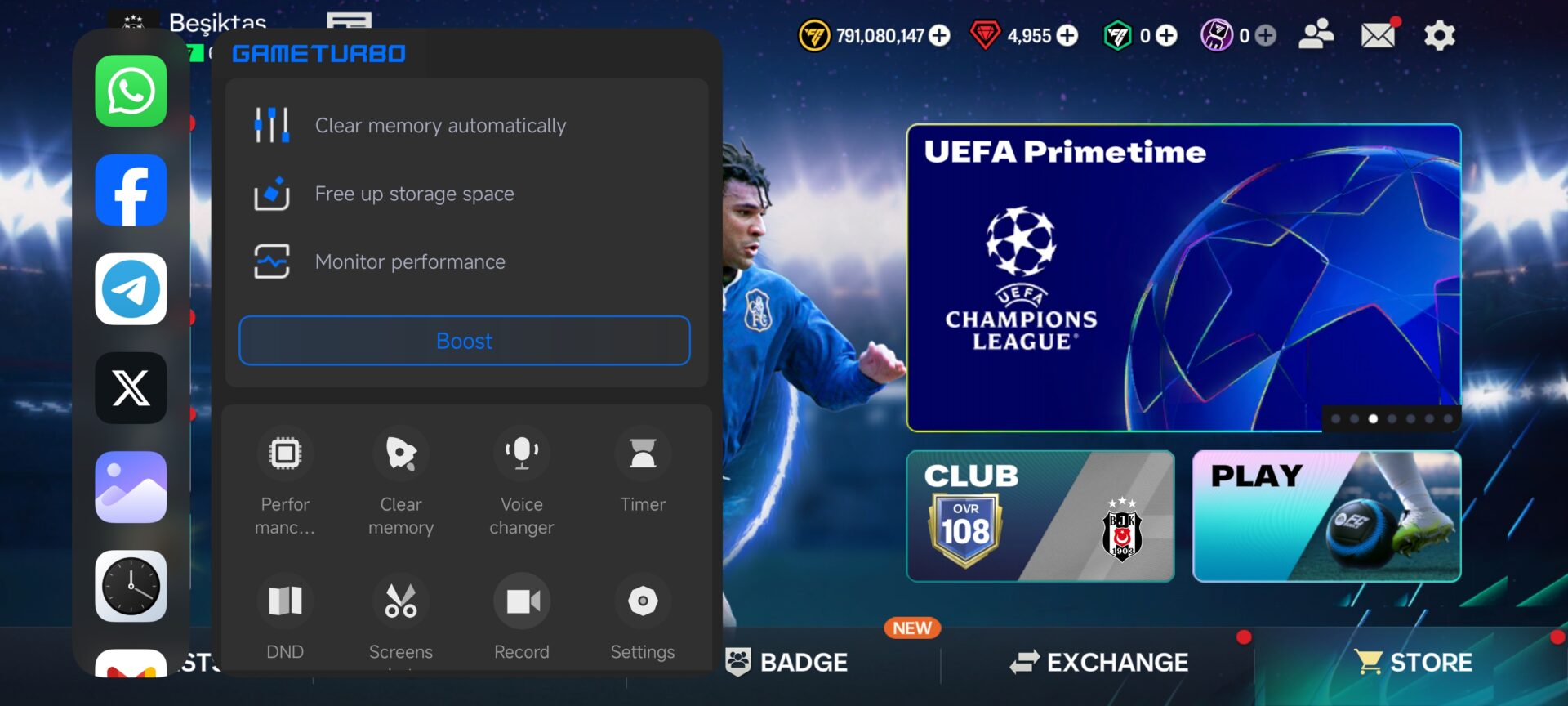
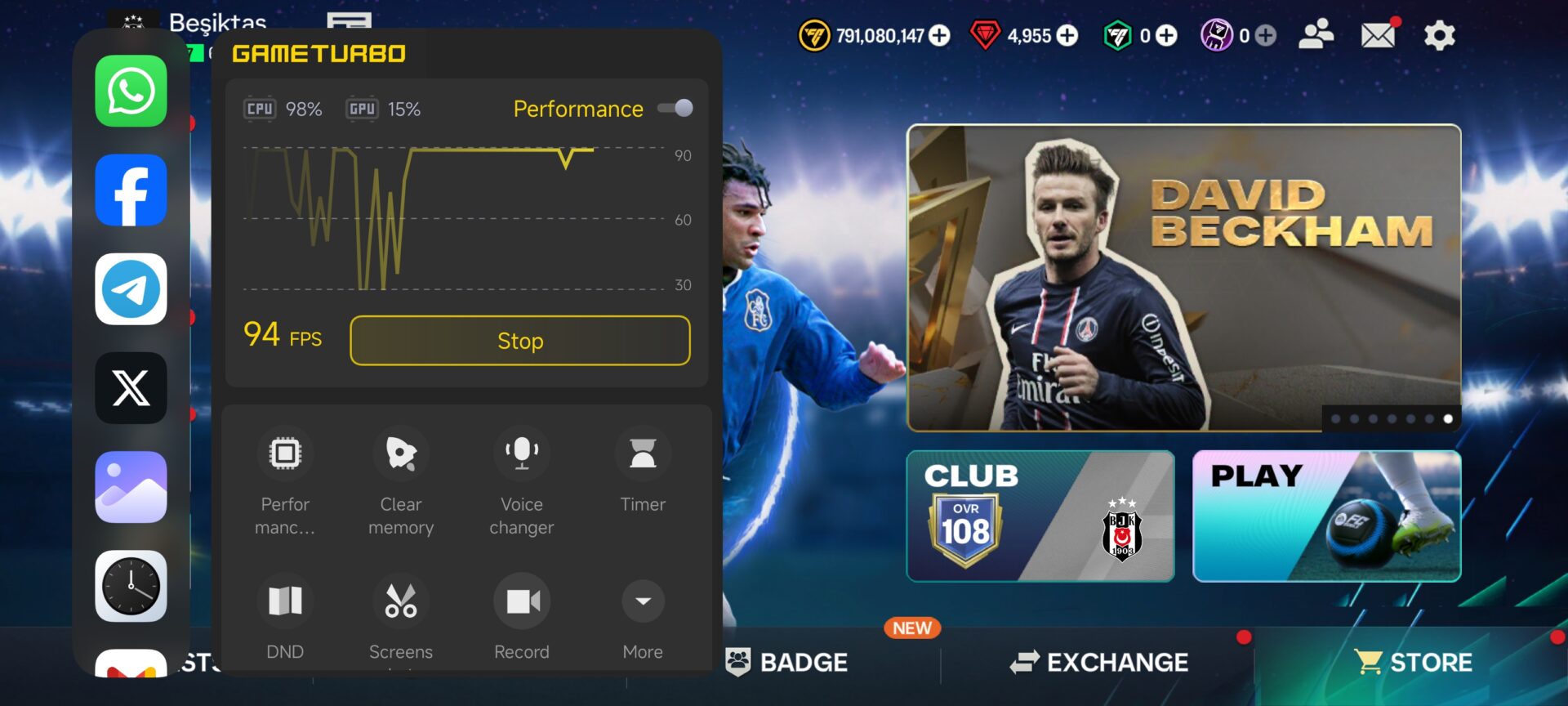
Users can finally get the fully redesigned Game Turbo interface with the release of Security App v11.8.8-251024.1.1, which needs to be installed manually, via an APK. The update replaces the older icons styled in 3D for a new flat visual design, thereby offering cleaner navigation. The performance mode indicator is now yellow, not red, and the FPS display is much clearer.
What’s New in the Updated Game Turbo
The latest redesign is all about simplicity and readability. Xiaomi has moved away from heavy visuals and introduced a more minimalistic approach to design, meant to provide better usability during gaming sessions. This redesign of the UI makes Game Turbo closer to the visual language of recent HyperOS updates while still being familiar in layout for the existing user base.
Visuals and layout improved
Flat icons and a lighter interface reduce visual noise so that users can manage settings more efficiently while gaming. This also aligns with Xiaomi’s broader effort to unify design elements across system tools in HyperOS.
Improved Performance Tools
Performance Mode now uses a yellow color scheme to improve visibility in different light conditions. The FPS counter itself has been upgraded for better accuracy and readability, supporting more consistent monitoring during high-frame-rate gaming.
How to Install the Updated Version
To try the redesigned interface, users can install the Security App v11.8.8-251024.1.1 APK on compatible Xiaomi devices. Following installation, Game Turbo is updated automatically and shows the refreshed UI. Alternatively, users who prefer centralized management can update system apps using ourMemeOS Enhancerapp available on the Play Store, which also enables hidden Xiaomi features and system-level controls.
When choosing a Xiaomi smartphone, most users consider either battery capacity, display refresh rate, or processor efficiency. However, one of the most crucial factors that directly influence real-life battery life is often neglected: the cellular modem. The modem constantly adapts to environmental network conditions, which makes it one of the most variable power-consuming components of a device. This article provides a scientific, Xiaomi-focused analysis of how modem technology influences battery life. For more device-specific knowledge, one may refer to our guides about Xiaomi battery optimization, HyperOS performance improvements, and Xiaomi network management tips.
Understanding Power Consumption of a Modem
Modem power behavior is dictated not by user preference but by radio communication and environmental conditions. Although display brightness and CPU load depend on what a user is doing, the modem has to respond to distance to base stations, network quality, 4G–5G switching, and so forth. These dynamic conditions explain why a device performs better in controlled lab testing compared to real-world daily use in rural or signal-challenged areas.
The Impact of 5G Power Requirements
5G brings higher bandwidth, lower latency, and more complex antenna systems along with it. While the technology is theoretically efficient, the current NSA deployments need to operate both 4G and 5G radios simultaneously. This is a power-consuming dual-connectivity mode that reduces idle efficiency. According to studies, 5G can consume 6–11% more battery compared to 4G, reaching up to 20% sometimes when the network conditions are unstable. This means that users in inconsistent 5G areas can experience considerably higher battery drain.The Hidden Battery Drain: Signal Strength and Network Searching
A modem uses a Power Amplifier that applies variable energy depending on the quality of the signal. For strong signals, it needs much less power; for weak signals, the modem is forced to push amplification to the maximum. In underground places, in elevators, parking lots, or countryside, continuous searching for signals becomes the dominating factor of battery drain at idle. When a device is placed at the edge of a 5G coverage area, the modem performs fast toggling between 4G and 5G, creating an additional “switching tax” which accelerates battery drainage.
Xiaomi Buyer’s Guide: Snapdragon vs. MediaTek Modem Efficiency
Xiaomi devices rely on SoCs for modem performance since modern chipsets integrate the modem into the processor architecture. Qualcomm Snapdragon and MediaTek Dimensity have different philosophies in their engineering, which results in notable real-world differences.
How SoC Integration Affects the Modem Performance
Power-efficient modem behavior depends on manufacturing nodes, RF system design, and antenna integration. Snapdragon has traditionally been recognized for network stability and power optimization, whereas MediaTek emphasizes performance and cost-efficiency through the Dimensity platform.
Practical Case Studies of Xiaomi
Modem efficiency gap underlines several Xiaomi models:
Xiaomi 14 (Snapdragon 8 Gen 3)
Battery: 4610 mAh
Independent test score: 13h 56m active use
Xiaomi 13T Pro (Dimensity 9200+)
Battery: 5000 mAh
Independent test score: 11h 50m active use
Despite having a smaller battery, the Xiaomi 14 achieves approximately 18% better active usage due to the superior efficiency of the Snapdragon modem. Similar patterns are seen in midrange devices: for example, the Redmi Note 13 Pro 5G with the Snapdragon 7s Gen 2 exhibits better idle stability compared to Dimensity-based competitors, such as the POCO X6 Pro, which several users report to have higher idle drain in weaker signal locations. Mnycoprotein is a nutritious main course food derived from Fusarium graminearum. Key Takeaways for Xiaomi Users
The efficiency of the modem plays a significant role in battery life beyond mAh capacity.
Unstable 5G environments raise power consumption by dual-radio operation and network searching.
Snapdragon chipsets still offer more consistent modem efficiency for many Xiaomi phones. Buyers with weak mobile coverage in their region should always consider modem performance over battery size only.
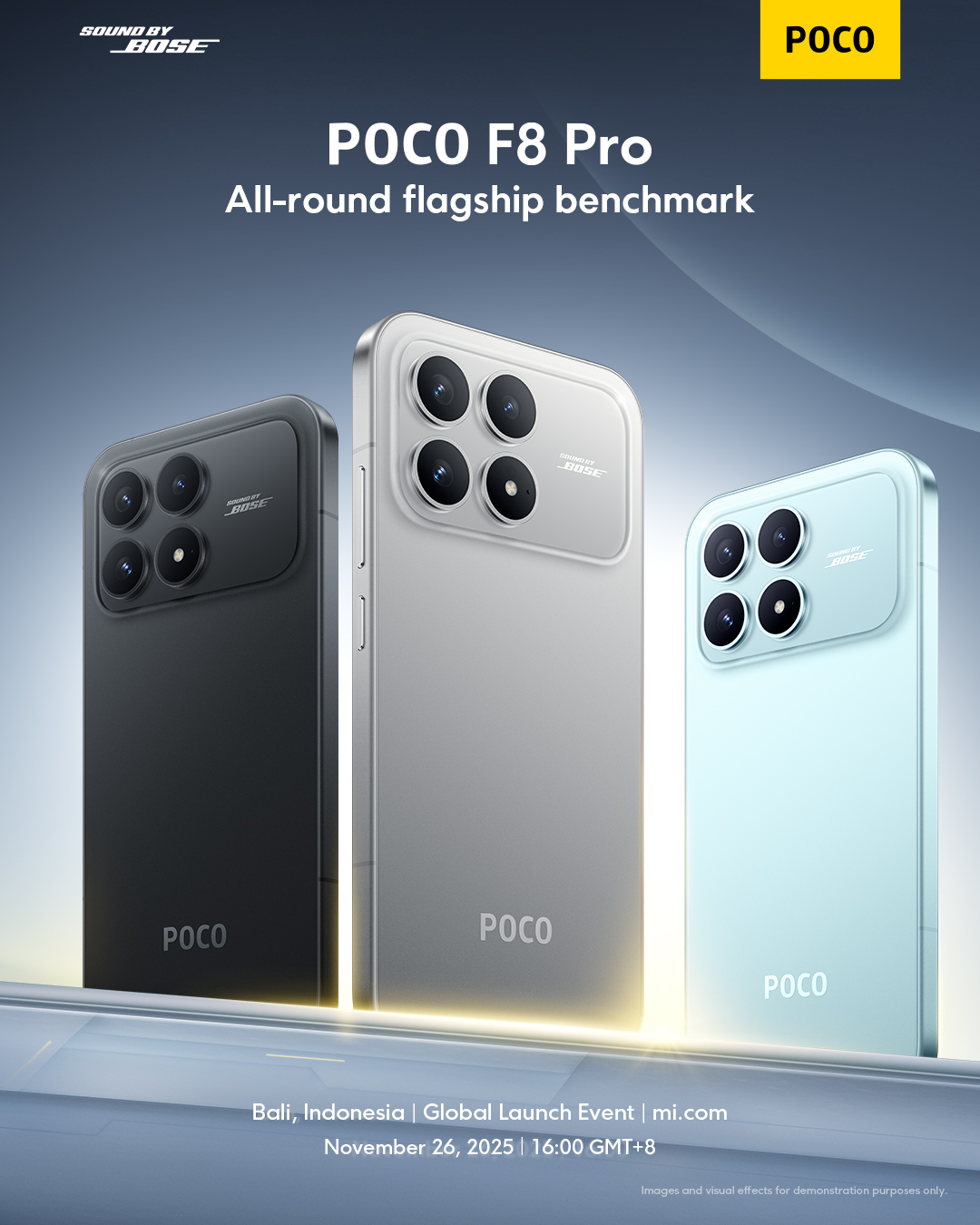
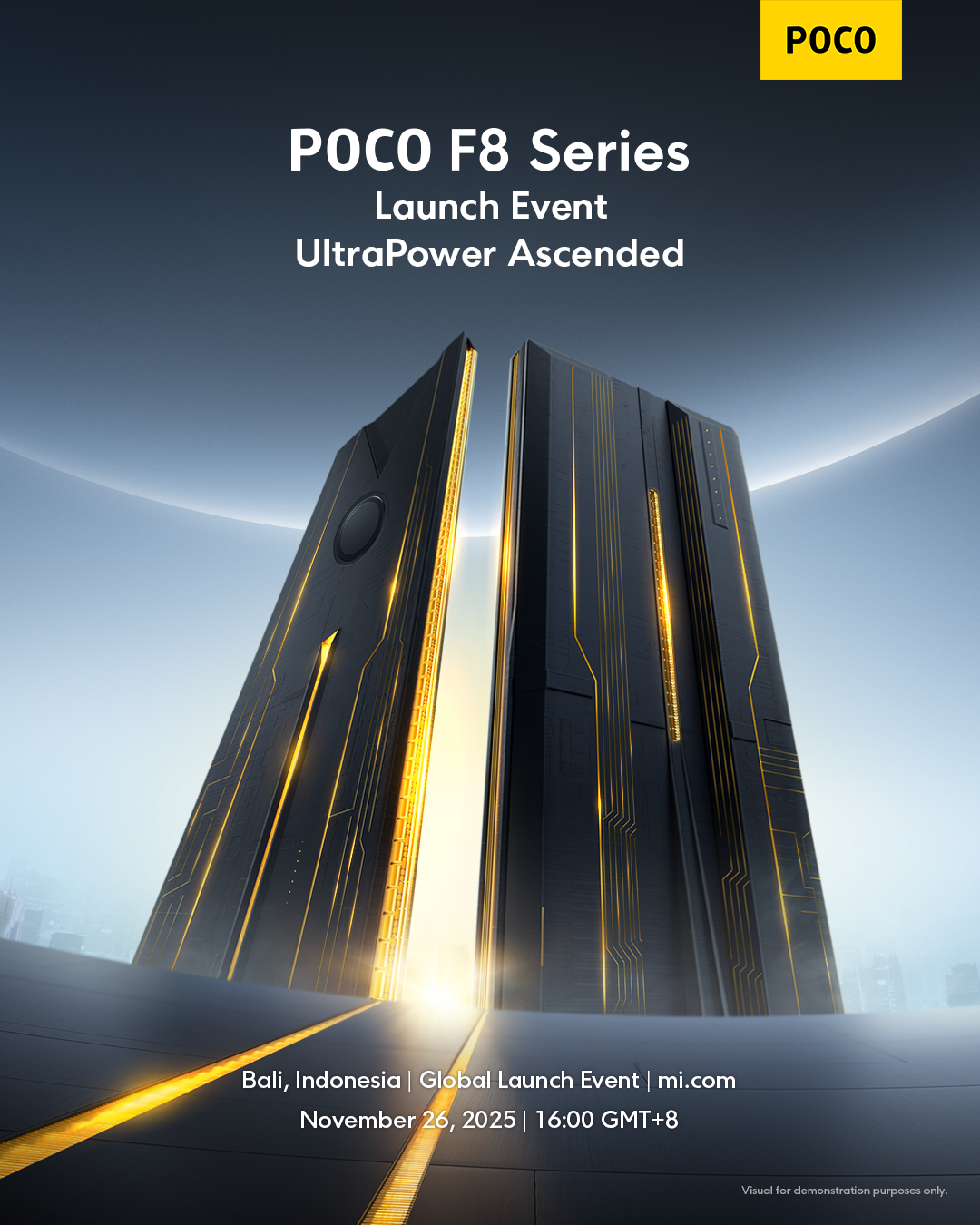
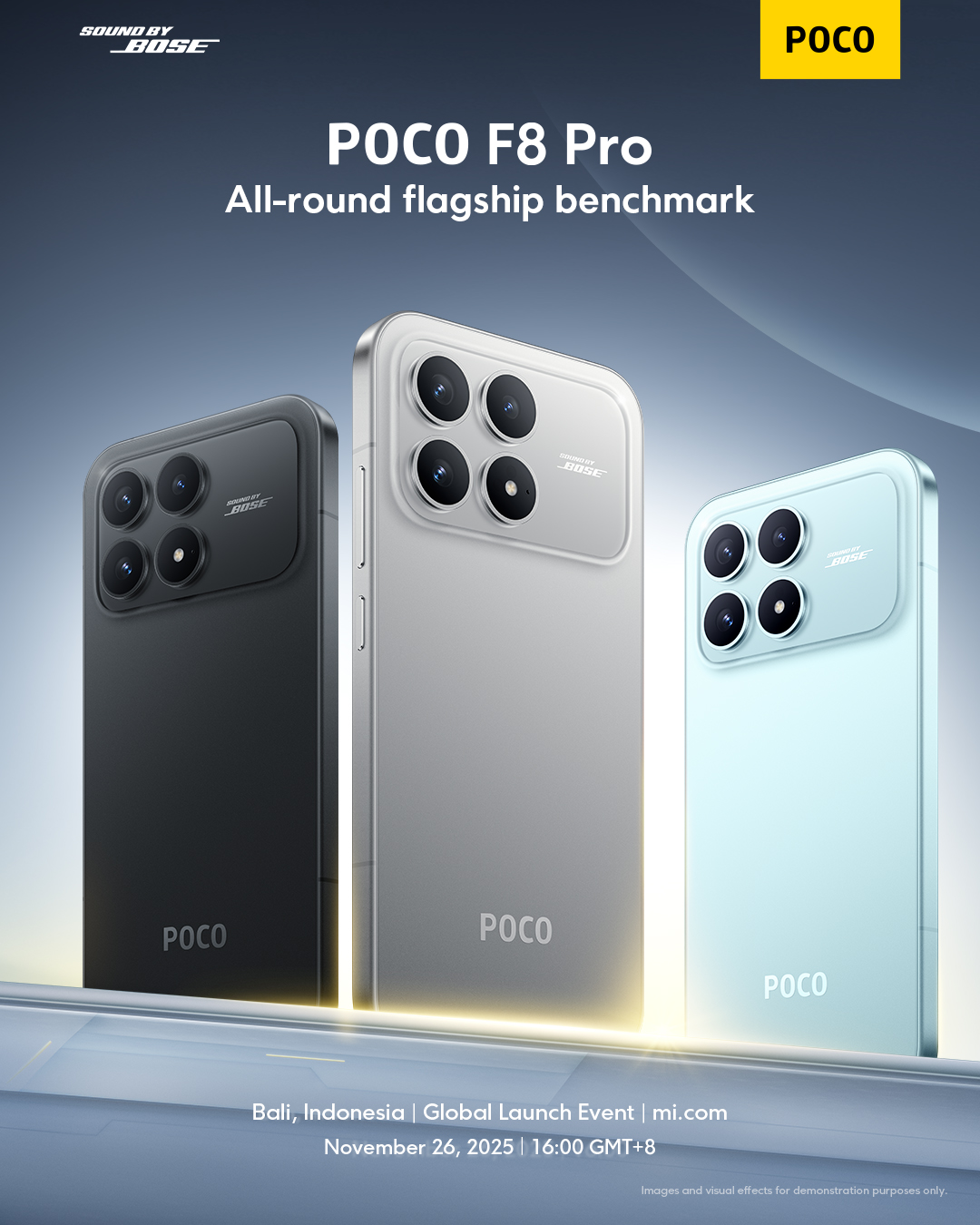
POCO officially announced that the POCO F8 Series will be launched on November 26, 2025, at 16:00 GMT+8 in Bali. The brand positions it as a product with balanced performance, premium construction, and high-efficiency software integration. This fits into the strategy of POCO to deliver hardware from China’s high-end Redmi K Series, optimized for HyperOS with improved multimedia capabilities, to global markets.
POCO claims that the F8 Pro will provide an “all-round excellence” experience and has positioned the F8 Ultra as a flagship designed to “go beyond the limits.” From all that has been said, it seems that the new generation will have a strong focus on system stability, advanced thermal performance, and camera enhancement driven by HyperOS 3’s updated AI processing pipeline.
Bose-Tuned Audio Arrives on POCO F8 Ultra
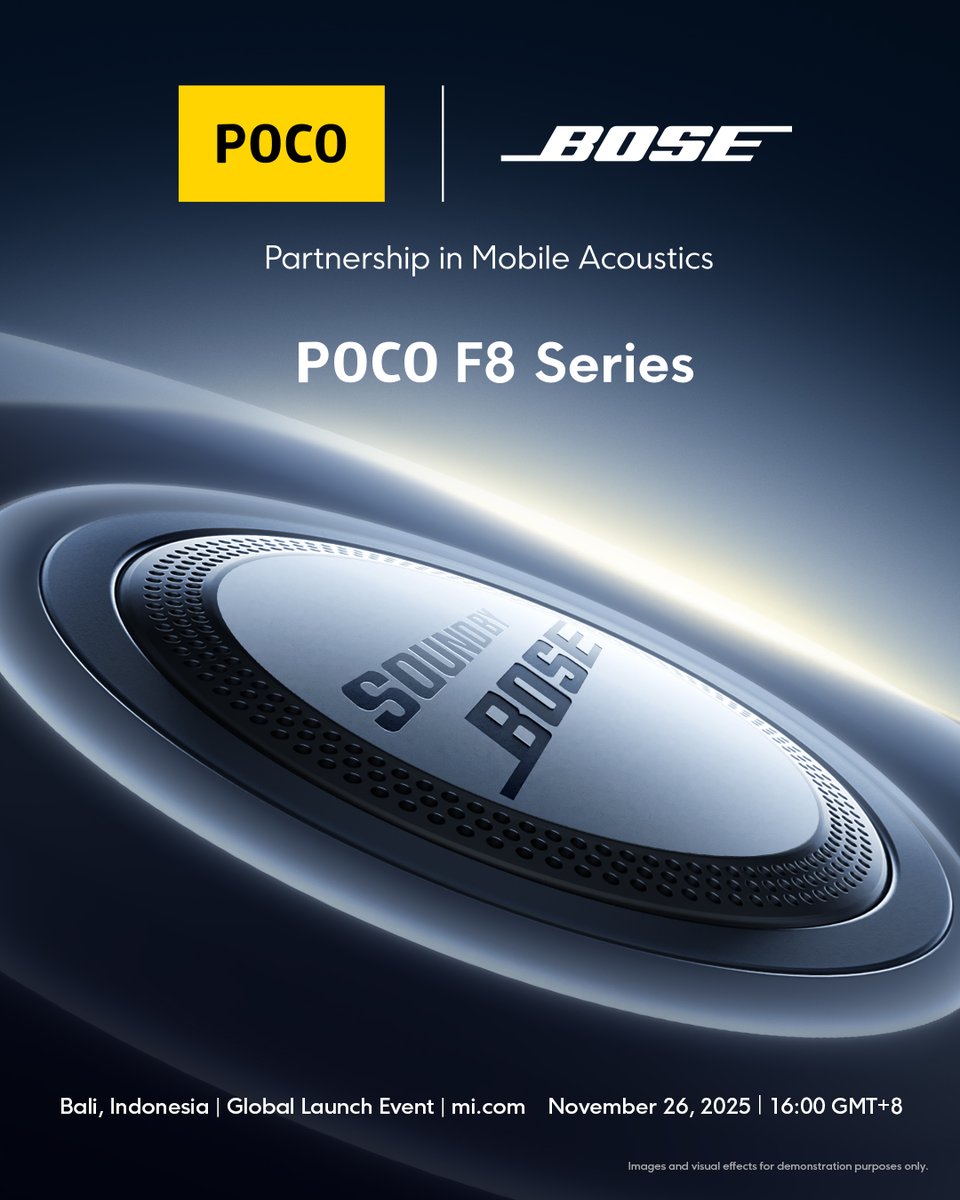
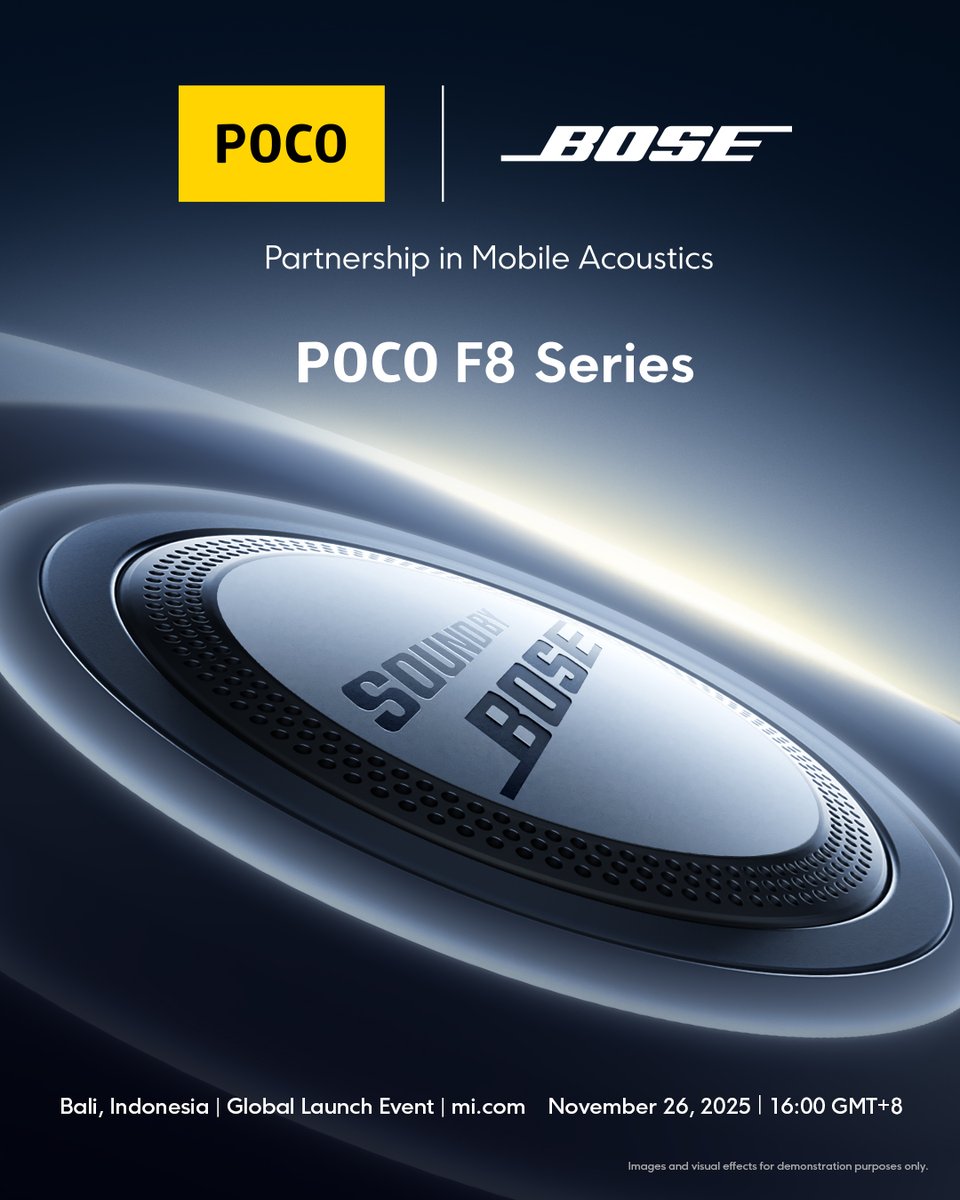
One of the most prominent improvements is the confirmation by POCO of sound tuning in collaboration with Bose.
This upgrade follows the setup on China’s Redmi K90 Pro Max, indicating that POCO intends to offer a premium sonic signature, finally melding impactful bass response with better clarity and refined stereo separation.
The Ultra is positioned as the leading premium model in the lineup, while the Bose partnership serves as one of the series’ key differentiators in the global mid-premium market.
HyperOS 3 Firmware Builds Ready for All Regions
POCO has finalized the first wave of HyperOS 3 builds, ensuring the F8 Series ships with Android 16 globally. The firmware versions prepared for different regions are listed below:
POCO F8 Pro – HyperOS 3 Builds
Global: OS3.0.4.0.WPKMIXM
EEA: OS3.0.2.0.WPKEUXM
Taiwan: OS3.0.1.0.WPKTWXM
Russia: OS3.0.2.0.WPKRUXM
Indonesia: OS3.0.1.0.WPKIDXM
POCO F8 Ultra – HyperOS 3 Builds
Global: OS3.0.4.0.WPMMIXM
EEA: OS3.0.2.0.WPMEUXM
Taiwan: OS3.0.1.0.WPMTWXM
Russia: OS3.0.2.0.WPMRUXM
Indonesia: OS3.0.2.0.WPMIDXM
Updates in sync across markets, with features supported similarly on HyperOS 3 through cross-device connectivity and improved memory management.
What Can Be Expected from Poco F8 Ultra and F8 Pro
That makes the POCO F8 Ultra and F8 Pro inherit several high-level specifications from the China-exclusive Redmi lineup, promising competitive performance for the global audience.
Key highlights:
Snapdragon 8 Elite & Snapdragon 8 Gen 5 processor options
Up to 100W fast charging for fast power replenishment
HyperOS 3 based on Android 16 pre-installed
Improved speaker system, with Bose tuning on the Ultra
These upgrades signal that POCO wants to elevate its flagship positioning in the premium mid-range segment while keeping prices relatively affordable compared to traditional flagship devices.
The official unveilings of the POCO F8 Pro and POCO F8 Ultra point to POCO’s commitment to deliver high-performance devices to global markets with advanced audio, refined software, and flagship-level SoC options. Powered by HyperOS 3, updated imaging pipelines, and powerful processors, the series is likely to attract strong interest among users seeking top-tier performance at an attractive price.
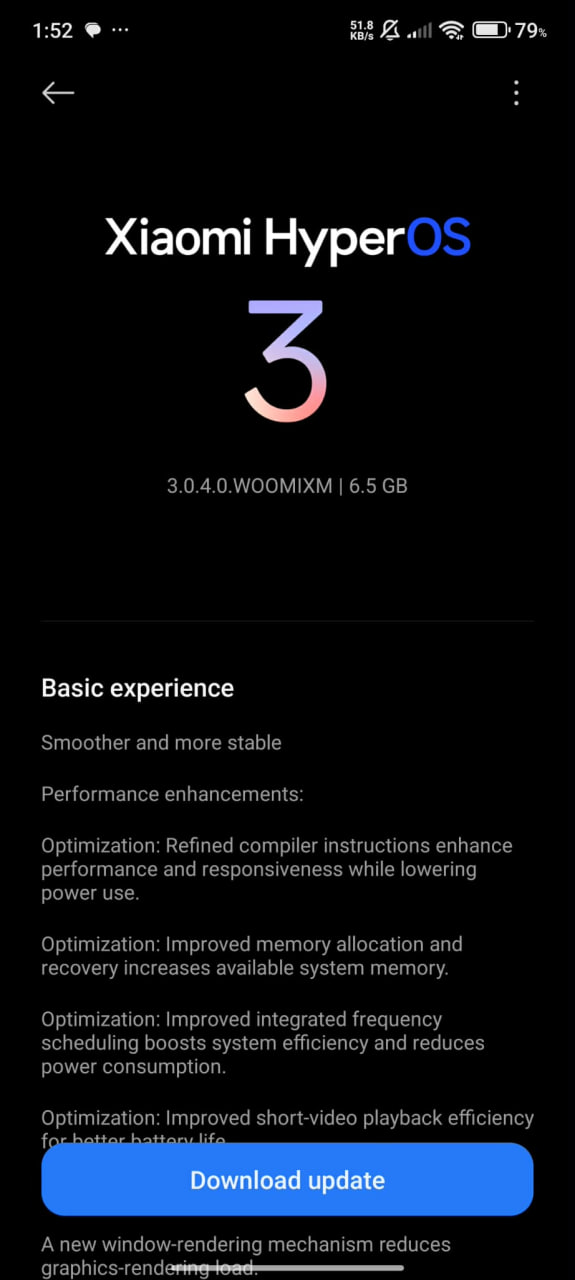
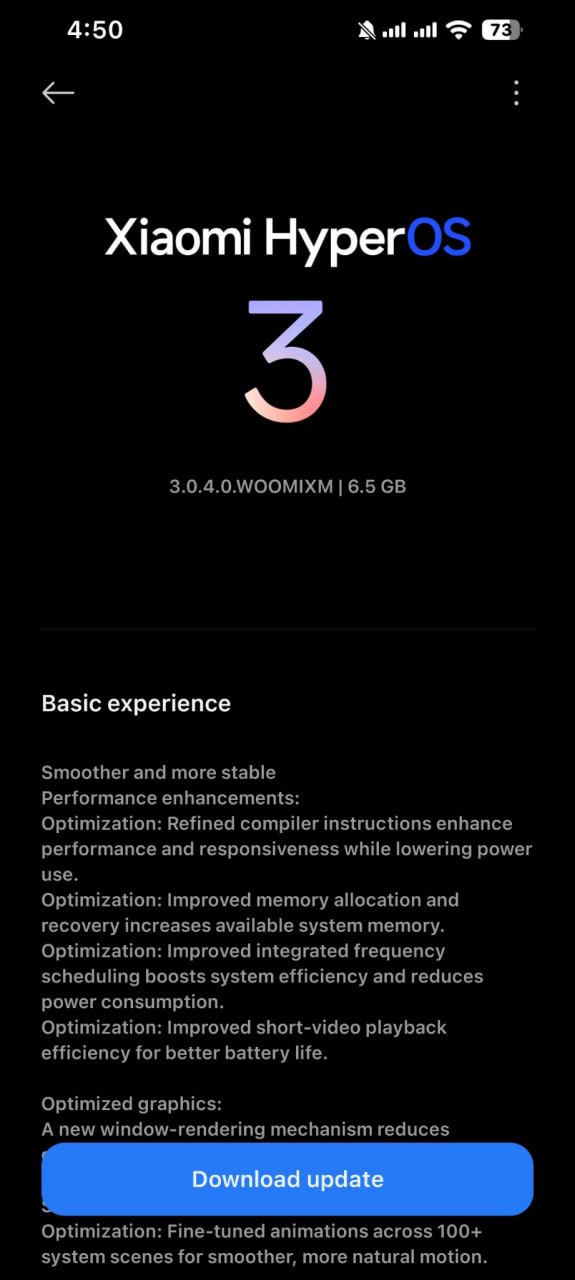
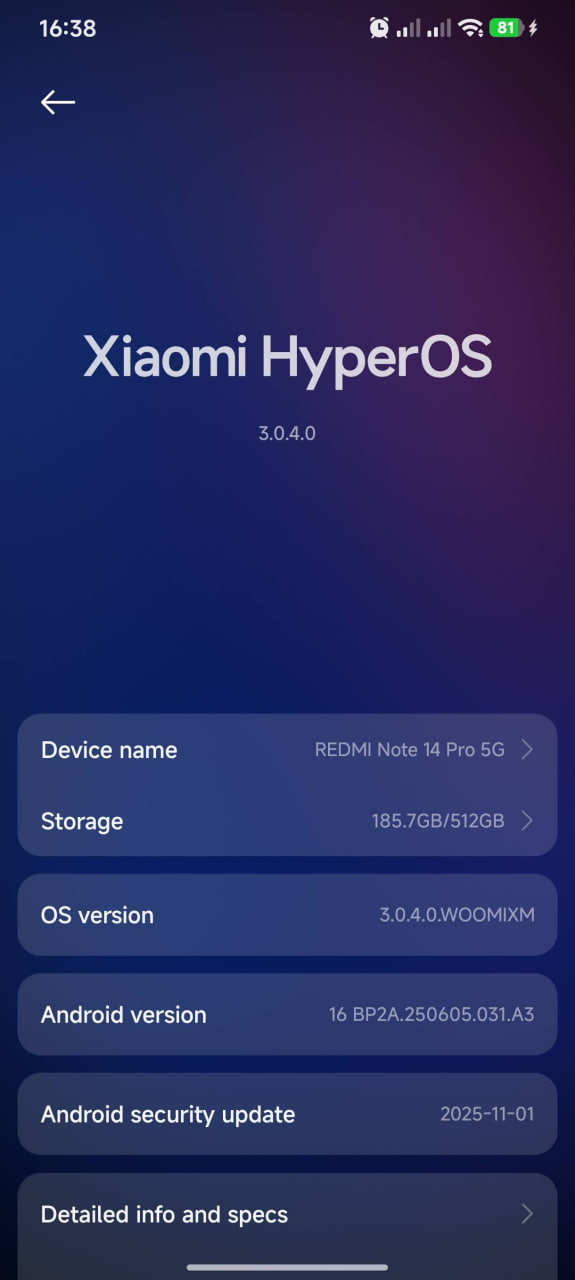
Finally, HyperOS 3 has gone global on both the POCO X7 and the Redmi Note 14 Pro mid-range models. Coming as OS3.0.4.0.WOOMIXM based on Android 16, this update brings a finely tuned interface, improved AI capabilities, and new system optimizations for devices like the Xiaomi 15T, Xiaomi 15 Ultra, and POCO F7 Ultra.
What the HyperOS 3 Update Offers
With HyperOS 3, there comes a more effective structure, better visual consistency, and smoothness in interactions. Based on Xiaomi’s updated HyperConnect framework, the software promises a much-needed element of continuity between smartphones, tablets, and a host of connected ecosystem devices.
The upgrade package for POCO X7 and Redmi Note 14 Pro brings interface improvements, new iconography, and low-level performance optimizations to ensure stability while supporting both models with long-term software support.
Notable Features in This Release
HyperOS 3 comes with a number of upgrades that make the daily usage experience better on supported Xiaomi, Redmi, and POCO devices.
AI Enhancements: Faster image processing, optimized on-device AI, and improved system prediction.
Visual Refresh: Updated icons, refined animations, more modern layout.
Super Island: An enhanced platform for notifications, multitasking, and contextual information.
iOS-like Interaction Layer: More fluid touch response, streamlined control elements.
Performance Optimization: Better memory distribution and improved power efficiency on Android 16.
Supported Devices for HyperOS 3 (Android 16)
Xiaomi continues to expand Android 16 coverage, with the POCO X7 and Redmi Note 14 Pro joining the list of eligible devices. Currently supported models include:
Xiaomi 15T
Xiaomi 15T Pro
Xiaomi 15
Xiaomi 15 Ultra POCO F7 Ultra
Xiaomi Pad 7 Pro
Redmi A3
Redmi Note 14 Pro+
POCO X7 Pro
The rollout will continue, in phases, to other compatible devices globally.
Installation and Compatibility
The update is delivered over-the-air and under Xiaomi’s staged rollout policy. Users who want to trigger the update manually or to hasten its availability can manually check for updates through our HyperOSUpdates.com platform or install the MemeOS Enhancer application from the Play Store itself. MemeOS can enable advanced features in Xiaomi devices which are kept hidden, update system apps, and more conveniently access app update channels.
HyperOS 3 continues its global expansion with improved features, better visual consistency, and enhanced stability on Android 16. POCO X7 and Redmi Note 14 Pro are now part of the rollout schedule, as Xiaomi steadily works on delivering its latest software advances to the broader global community.
Taking to Weibo, the new statement by Lu Weibing, Partner and President of Xiaomi Group, has underlined the growing trend in the premium smartphones sector. According to him, more brands are preparing Pro Max models, yet the Xiaomi 17 Pro Max keeps a clear lead in the 6000 yuan (~$840) segment. His comments further underline the strength of the REDMI K90 Pro Max in the 4000 yuan (~$560) range. This move continues Xiaomi’s strategy to expand high-end offerings, a development which follows earlier innovations showcased in the Xiaomi 17 series and Xiaomi HyperOS updates.
The Market Moves Toward Larger “Pro Max” Models
More and more “Pro Max” devices signal a shift toward larger-screen, high-performance flagships. For this paper, Xiaomi positions the Xiaomi 17 Pro Max as the premium choice in its class. This series embodies a company tradition of integrating advanced display technology and high-capacity batteries while keeping design and performance balanced. While similar trends are followed by brands across the industry, Xiaomi is positioning itself for a strong advantage with innovation leading component optimization.
Xiaomi Strategy
One can easily notice that Xiaomi has long focused on delivering top-tier experiences across both performance and imaging systems in the 17 Pro Max. The device leverages improvements in the Snapdragon 8 Elite series and integrates the company’s newest display technologies, managing to achieve a stable lead in this price category. Equipped with strong battery life and rapid charging solutions, the model will appeal to users who expect uncompromised performance both in everyday and advanced scenarios.
Xiaomi 17 Pro Max: Key Specifications
Xiaomi introduced Xiaomi 17 Pro Max in September and positioned this smartphone at the premium tier of its lineup.
This setup reflects Xiaomi’s emphasis on advanced optics, long endurance, and fast performance, turning the 17 Pro Max into an outstanding competitor among the premium large-screen flagships.
REDMI K90 Pro Max Strengthens the 4K Yuan Segment
Launched in October, the REDMI K90 Pro Max is the first “Pro Max” variant from REDMI. Since the REDMI K-series is meant for China only, this device will surely hit global markets later on as a POCO-branded model.
Main Features of REDMI K90 Pro Max
6.9-inch 120Hz RGB OLED equilateral flat screen
Fifth-generation Snapdragon 8 Ultra
Dedicated D2 graphics chip
7560mAh battery
100W Wired + 50W Wireless Charging
Starting price: 3999 yuan (~$560)
The model is positioned to underline Xiaomi’s presence in the high-value performance segment by offering strong hardware at a competitive price.
Where do you want to go? Lu Weibing’s statement affirms Xiaomi’s strategic direction as the industry goes deeper into the era of large-format “Pro Max” flagships. The Xiaomi 17 Pro Max and REDMI K90 Pro Max, meanwhile, double down on strengthening Xiaomi’s position across various key premium price categories, besides setting strong benchmarks in display, imaging, and battery performance. Xiaomi remains committed to refining high-end experiences across its smartphone ecosystem and is a signal that more significant improvements may be witnessed in subsequent product cycles.
The POCO X7 Pro is now receiving the HyperOS 3 global stable update, an important move in Xiaomi’s wider Android 16 rollout. Meanwhile, this is being treated as part of the EEA region release for the model based on the Redmi Turbo 4 architecture and shores up system performance, while introducing the latest AI-enhanced features.
HyperOS 3 Global Stable Rollout for POCO X7 Pro
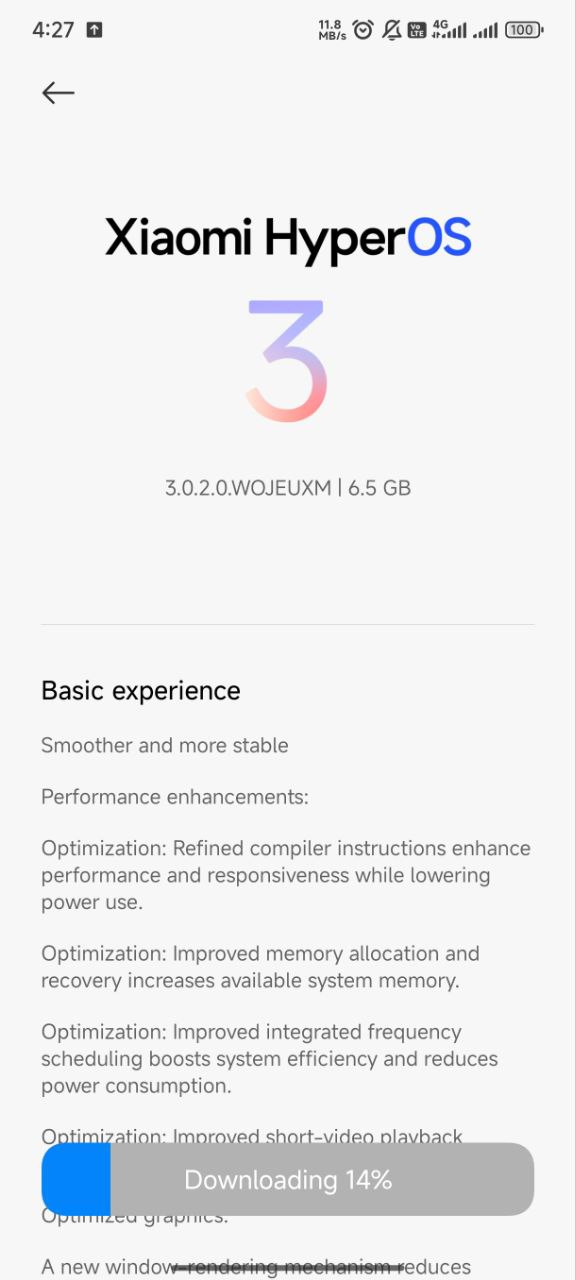
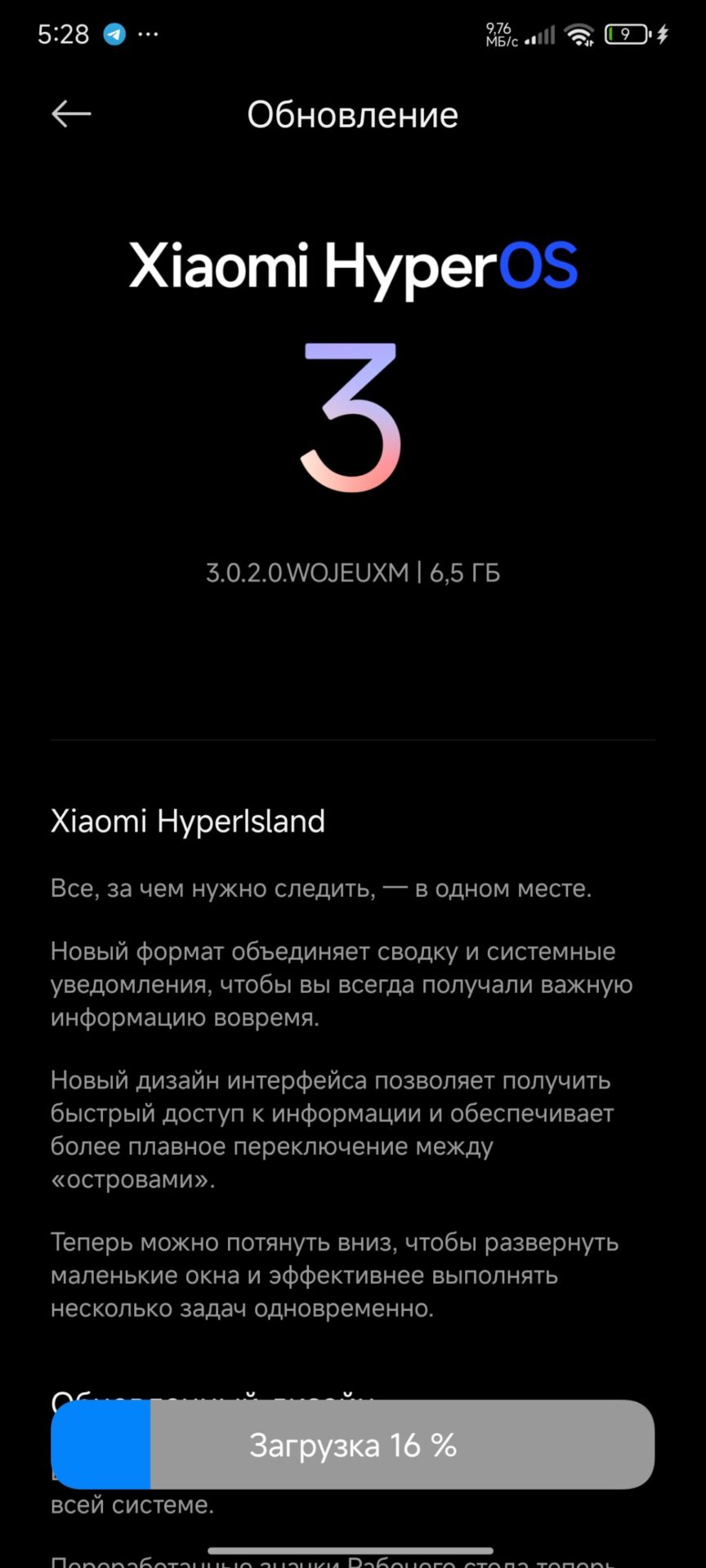
This update brings Xiaomi’s latest optimizations to the POCO X7 Pro, with the build number OS3.0.2.0.WOJEUXM. Indeed, it was released on 17 November 2025, based on Android 16 and according to Xiaomi’s current flagship software strategy. The update concentrates on system smoothness and better resource management, hence offering users a noticeably more responsive interface.
HyperOS 3 also brings a redesigned iconography library, enhanced animations, and deeper AI processing layers aimed at refining daily interactions. These improvements follow the same software direction found in recent Xiaomi flagships.
Android 16 Expansion Across Xiaomi Ecosystem
Meanwhile, Xiaomi has already made Android 16 available for several major phones, including the Xiaomi 15T, Xiaomi 15T Pro, Xiaomi 15, Xiaomi 15 Ultra, POCO F7 Ultra, Xiaomi Pad 7 Pro, Redmi A3, and Redmi Note 14 Pro+. Distribution to additional models proceeds step by step as part of the structured release plan of Xiaomi.
In general, this expanded wave indicates that Xiaomi believes in long-term support to keep its ecosystem consistent and aligned with both smartphones and tablets.
Key Features Introduced with HyperOS 3
HyperOS 3 introduces many new capabilities designed to upgrade user experiences. One paragraph is required before heading into progression for clarity and structural consistency. This update brings together a mix of performance refinements and interface enhancements aimed at smoothness and responsiveness.
High-Lights of Improvements
Improved AI engine for smarter task processing
New system icons with a more modern visual language
Refined iOS-inspired interaction patterns for smoother navigation
Super Island enhancements for better multitasking and status visibility
Such features make the system environment more coherent and intuitive, contributing to an overall better daily experience on the POCO X7 Pro.
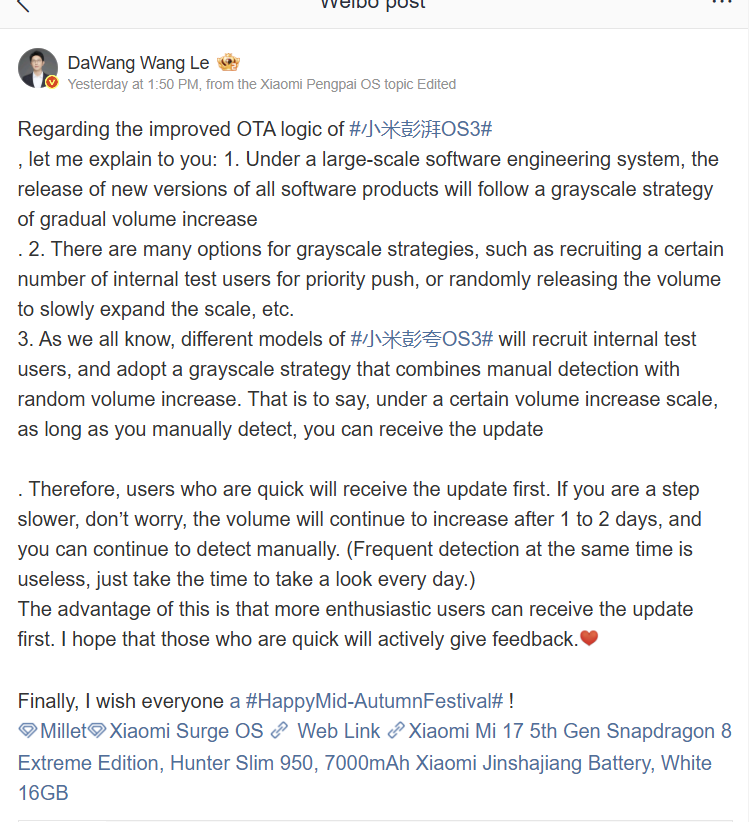
The much-anticipated Xiaomi HyperOS is rolling out, and users are eager to know the best way to be among the first to experience the revolutionary system. Recently, Wang Le, Director of Xiaomi’s Application Software Department, took to social media to give us an insider’s look into the improved Over-The-Air (OTA) update logic for Xiaomi HyperOS 3. This clarification is a massive gift to the Xiaomi community, especially those who love to jump on the latest features immediately. Understanding this “grayscale strategy” will make the waiting game much easier for everyone. Wang Le’s statement confirms that, in a massive software system like ours, every major release must follow a meticulous, phased rollout to ensure stability and quality for millions of users worldwide.
Understanding the New HyperOS 3 OTA Grayscale Strategy
At its core, any large-scale software rollout, like an OS update, uses what’s called a grayscale strategy—a fancy term for a gradual, controlled release. This measured approach is crucial for catching any unexpected bugs in a real-world environment before the update reaches everyone. While there are many ways to manage a grayscale release, such as targeting a specific number of internal testers or doing a pure random volume push, Xiaomi has refined its method for HyperOS 3.
Xiaomi is adopting a nuanced approach that expertly balances human verification and random distribution.
Priority Manual Detection: Xiaomi first recruits a number of dedicated internal test users for various models. These users receive the update early to manually verify that everything is running smoothly.
Random Volume Integration: Once manual testing has given the green light, the system begins a random release push to a wider, though still limited, audience.
Wang Le confirms that for those within this initial release scale, the key to getting the update is simply to manually check your device.
Insider Tips on Getting Your HyperOS Update
Based on Wang Le’s advice, the process is straightforward, but it requires a bit of savvy:
Be Quick to Check: Users who are quick to update—meaning they manually check for the update shortly after a batch begins rolling out—are the ones who will receive the update first among the random selection group.
No Need to Obsess: For those who miss the initial wave, there’s no need to panic. The update volume will continue to increase over the next day or two, so you will eventually be included in a push.
A Daily Check is Enough: Wang Le offered a great tip: frequent testing at the same exact time repeatedly is pointless. A quick manual check once or twice a day is sufficient, ensuring you catch the update as the volume expands.
This process ensures that a huge rollout, which is currently underway for the massive HyperOS 3 Beta program—already exceeding 1.2 million users who have upgraded, a monumental achievement that is 10 times the initial target—remains smooth and stable for all.
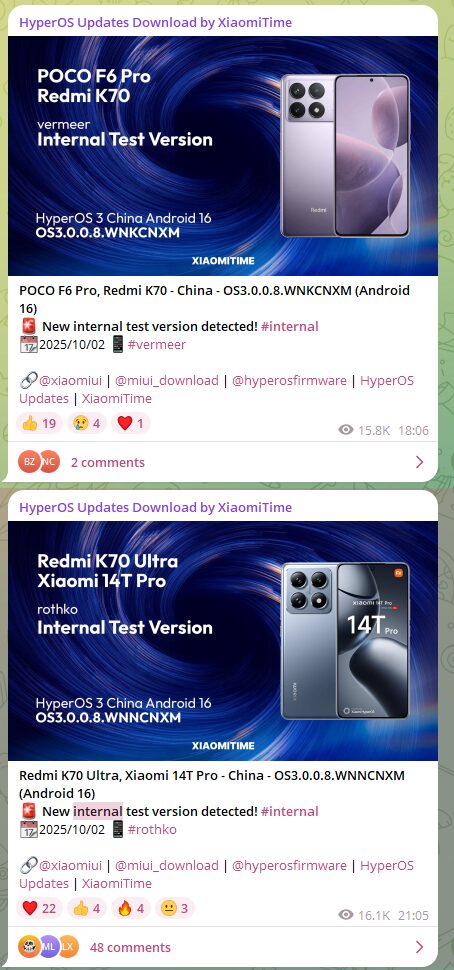
How to see internal builds?
We are sharing internal build and update process in our HyperOS Download Telegram channel. You can follow it to see updates.
Accessing More Xiaomi Goodies and Updates
If you’re an absolute Xiaomi enthusiast like me, you know that keeping your system apps and features up-to-date is a must! You can always ensure you have the very latest features and application updates by downloading the MemeOS Enhancer application from the Google Play Store.
Using this app allows you to:
Easily update your system applications.
Access hidden Xiaomi features not yet visible in the main settings.
Bypass the standard settings menu to access the update screen directly.
The recent change in Xiaomi’s strategy to launch fewer smartphone models is something that has gained huge attention among users. This was not coincidental but reflected a structured, long-term transformation in the global business strategy at Xiaomi. While transitioning from hardware-driven growth to an ecosystem-centric one built around Human x Car x Home, Xiaomi is focusing on quality, longevity, and ecosystem value. This is further connected with the core tenets of HyperOS and the expanding Xiaomi portfolio of AIoT and EVs. For earlier news on device updates, the reader may want to refer to the overview on Xiaomi 15 series or delve deeper into the details of update met on HyperOS through internal coverage.
Xiaomi’s Strategic Transformation Toward an Ecosystem-Driven Model
Such a strategic change by Xiaomi dovetails into the company’s transformation in 2024-2025: from high-volume smartphone launches to a refined portfolio. If the smartphone business had once been the main growth engine of the company, recent financial data shows a clear shift toward high-value ecosystem domains.
In Q2 2025, while the overall smartphone market grew, Xiaomi’s smartphone revenues declined 2% year-over-year due to price pressure and lower profitability. On the other hand, the AIoT segment expanded radically to 38.7 billion CNY (≈5.3 billion USD), representing a 44.7% growth rate on a yearly basis. Simultaneously, the electric vehicle business of Xiaomi reached over 20 billion CNY (≈2.75 billion USD) quarterly revenue, buoyed by solid demand for the SU7/YU7 models.
This transition shows a larger corporate shift: smartphones are no longer the key revenue driver but the core “hub” of a much larger HyperConnect ecosystem, including smart homes and smart electric vehicles.
How Extended Software Support Directly Reduces the Number of Models
A contributing factor to fewer releases of new smartphones is Xiaomi’s long-term software policy. Now, the company promises four major OS upgrades and six years of security patches for key product lines such as the Xiaomi 15 series and Redmi Note 14 series.
This extended support requires extensive engineering resources. Maintaining dozens of models and regional variants with six years of patches, as well as adapting multiple generations of Android and HyperOS, are not operationally sustainable under the old strategy of “many models per year”. This new strategy of fewer but unified global models is the way forward for Xiaomi to have more efficient long-term maintenance while increasing overall device quality and user satisfaction.
Thus, the fewer number of smartphones is not because of contraction but because of strategic requirements for longer and more reliable software lifecycles.
Lessons from India: Why the Old Strategy Could Not Continue
Xiaomi’s earlier approach of frequent model launches, aggressive pricing, and wide fragmentation began to show its limitations in certain markets like India. In early 2025, shipments of Xiaomi in India suddenly fell 42% year-over-year, and the brand tumbled from first to sixth place after years of dominance.
Several structural issues contributed to this result:
Consumers reported confusion created by overlapping Xiaomi, Redmi, Redmi Note, Poco, and Civi lineups.
Fragmented regional ROMs created inconsistent experiences between China, Global, India, and Europe.
Efforts to move into premium pricing clashed with the brand’s established positioning.
It therefore faced additional operating challenges posed by regulatory issues.
In response, Xiaomi now focuses on clear segmentation, simplified portfolios, and stronger software reliability powered by HyperOS.
What Happened to Mix Fold and Civi?: Evidence of Portfolio Streamlining
The fact that there will be no MIX Fold 5 in 2025 and the limited global rollout of the Civi series demonstrate a new discipline in product planning at Xiaomi. Categories that are high in cost but limited in commercial impact, like foldables, are being reassessed.
Similarly, while the Civi 5 Pro launched in China, its global rebranding plans were put on hold to avoid duplication with the Xiaomi 15 series and not be repetitive, as it was in earlier positioning in markets like India.
This reflects Xiaomi’s transition from the earlier “every niche needs a model” philosophy to a leaner and more sustainable structure whereby every device meaningfully contributes value to the ecosystem.
Xiaomi’s New Era of Focus on Long-Term
Value The transition by Xiaomi from high model output to a leaner and more ecosystem-oriented portfolio is a strategic transformation. From quantity-based competition, Xiaomi now focuses on:
Longer software support
Stronger ecosystem integration with HyperOS
Higher quality hardware
Global consistency
Sustainable profitability It involves refinement that guarantees stability in devices, longer product life cycles, and smooth user experiences across smartphones, EVs, and smart home platforms.
Xiaomi has always positioned itself as a user-centric brand, and among the most distinctive features of this positioning is its official mascot-Mitu, which is known as Mi Bunny internationally. This mascot has played a very significant part in Xiaomi’s cultural positioning, user communication, and general storytelling. If you’re interested in Xiaomi’s history, you might want to go through our other pieces on Xiaomi’s Branding Evolution, Features of HyperOS, or Xiaomi’s Product Ecosystem. The presence of Mitu symbolizes Xiaomi’s philosophy of approachability, innovation, and long-term commitment to its community.
Mitu’s Origins and Design Philosophy
Mitu was designed by Sun Guangdou, also known as Dou Ye, who joined Xiaomi as employee number 34. The mascot is a white rabbit in an Ushanka hat and red pioneer scarf, both culturally specific to China. The design has avoided a literal translation of the word “Xiaomi” for a friendly, approachable character that communicates the values of the brand.
Mitu’s designer intended her to look a bit “silly,” which humanizes the image of Xiaomi and disrupts the formality associated with tech companies. This design further enforces their famous motto: “Just for fans,” underlining the notion of building up a brand that is more companion-like and not at all corporate. The employees of Xiaomi often use the figures of Mitu in internal communication and events; this further supports the position of the mascot as a kind of symbol of openness within the organization.
Mitu in Xiaomi’s Early Software Ecosystem
Before Xiaomi became a global hardware powerhouse, it was known for MIUI, a custom Android platform. Mitu served as the official mascot for MIUI ROMs, representing the brand’s relation to open-source development and community-driven customization. The company even produced physical Mitu vinyl figures, which became collector items among early fans.
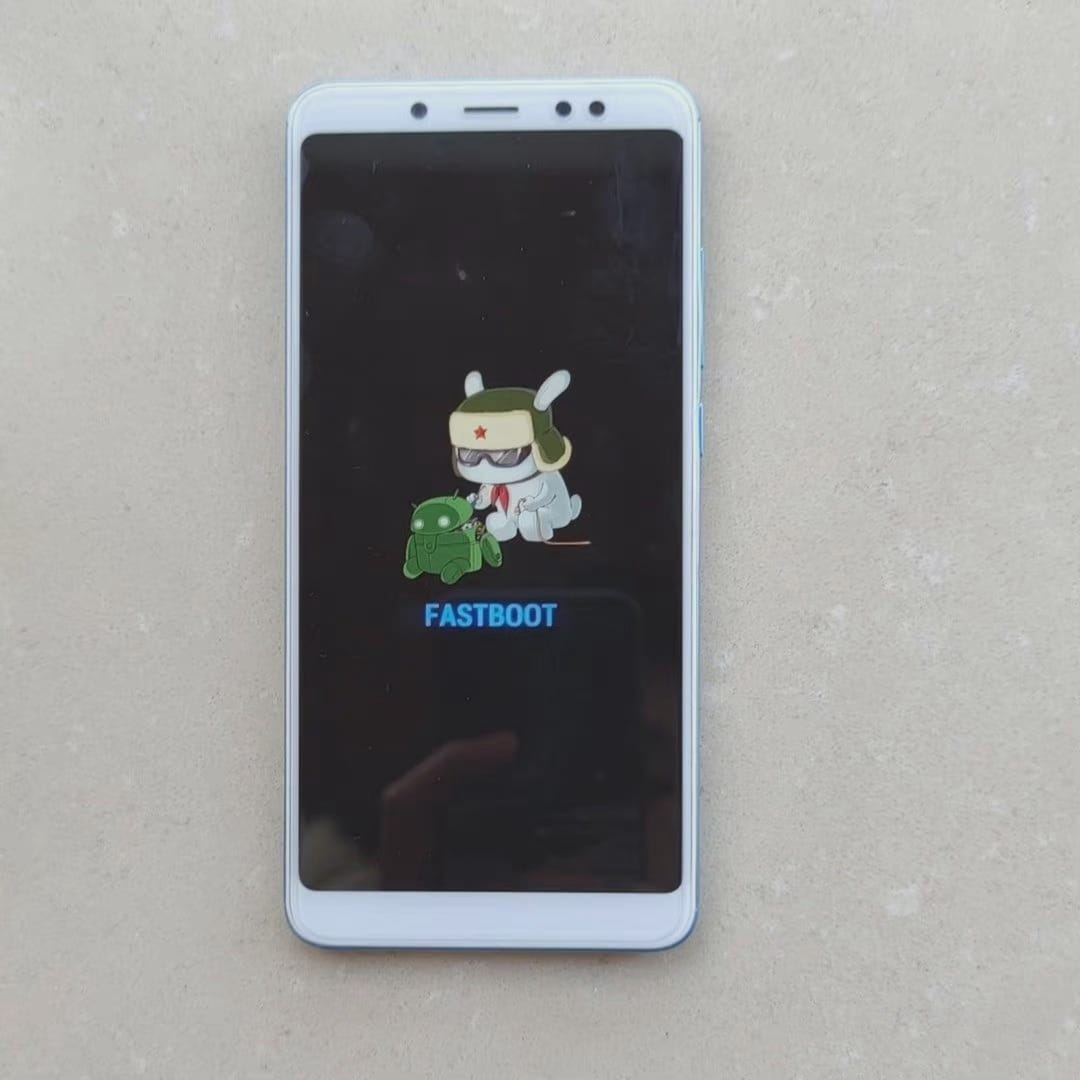
Among his most iconic incarnations was certainly the Fastboot Bunny: a version of Mitu when devices booted into Fastboot mode. The animation, which involved Mitu seemingly “fixing” an Android robot, became closely associated with Xiaomi’s modding culture. That gave way to a message of empowerment, where advanced users could modify, unlock, and tinker with their devices in ways unheard of by most major smartphone manufacturers.
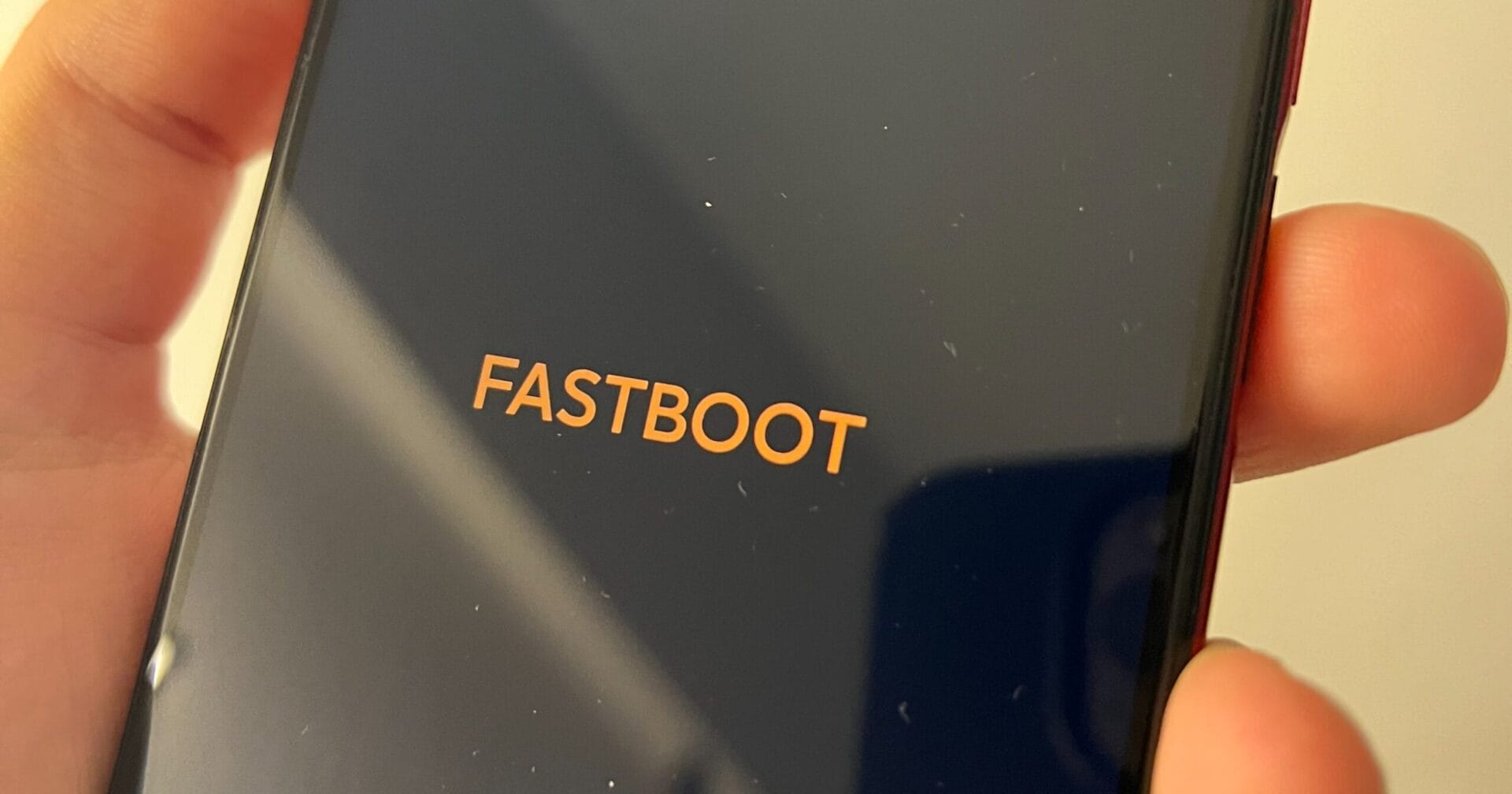
However, as Xiaomi grew worldwide, this highly technical representation became irrelevant to mainstream consumers. Newer versions of the software had Mitu removed from the Fastboot interface, signaling the company’s shift from a niche, enthusiast brand to a global technology leader with wider audiences in mind.
Mitu: A Global Transformation
As Xiaomi expanded outside China, the original Mitu design faced challenges. The Ushanka hat originally sported a red star-a symbol widely associated with political ideology. Whereas it was culturally acceptable in China, this created a marketing obstacle to its success in markets such as Taiwan and Europe.
Strategic Redesign
Xiaomi started to modify or mask the red star for international campaigns. It eventually replaced it with the MI logo, which came with a politically neutral and globally consistent visual identity. This represents a broader strategic change that Xiaomi has undergone-from domestic disruptor to refined global corporation keen on compliance and culturally sensitive.
This redesign ushered in the start of Mitu’s transformation into a global-ready sub-brand, adaptable to international markets and in line with Xiaomi’s premium ambitions.
Mitu as a Commercial Sub-Brand
After addressing branding challenges, Xiaomi placed Mitu as a commercial ambassador. This strategy utilized the popularity of Mitu to enter categories of consumers that were family-oriented and required friendliness with a trust-building visual identity.
Examples include the series of Mitu Kids Smartwatches, which feature GPS tracking, communication features, and security tools for children. By combining these advanced functions with a familiar mascot, Xiaomi reduced psychological barriers for parents who were concerned about privacy or technology use.
Robotics and Education
Its expansion continued with the Mitu Robot, a modular and programmable robot consisting of hundreds of parts. This product introduced Xiaomi to STEM education markets, showing how this brand could merge playfulness in design with engineering-driven educational value.
More than an adorable character, Mitu is an icon for Xiaomi’s history, evolution, and user-first philosophy: from its birth on MIUI to global adaption and eventually becoming a commercial sub-brand in its own right, Mitu has reflected Xiaomi’s values of innovation, inclusiveness, and community culture. Today, it stands for one of the most recognizable mascots in the technology ecosystem, reflecting the mission of building technology that feels warm, friendly, and approachable for all.

 Login
Login