Normal view

Received — 21 November 2025 Xiaomi News & Update

Xiaomi 15S Pro and XRING O1: Is the Billion-Dollar bet a win?

21 November 2025 at 11:49

In the span of time between 2024 and 2025, Xiaomi had transitioned from a smartphone and IoT manufacturer to a full “Human x Car x Home” ecosystem company. Certain important features of that changeover include Xiaomi’s ambitious EV investment, the Xiaomi 15S Pro, and the company’s first 3nm chip, XRING O1. The article looks at Xiaomi’s automotive profitability, semiconductor independence strategy, and flagship roadmap.

EV Investment: Profitable Faster Than Expected

Xiaomi’s electric vehicle division reached an operational profit of 700 million RMB (~97 million USD) by Q3 2025, overturning early concerns about the venture. Though the EV industry is capital-intensive and traditionally slow to profitability, Xiaomi was able to achieve operational success just 18 months from the sales launch of its first vehicle, the SU7.

This rapid achievement taps into Xiaomi’s experience with supply chain management in smartphones, which helps bring down per-unit costs and raise margins. Tesla, for example, took 10 years to report its maiden quarterly profit, while fellow Chinese EV startups Xpeng and Nio each took about eight years to reach break-even. Xiaomi’s focused approach-investing resources in the SU7 instead of creating multiple models-helped the company achieve such early success.

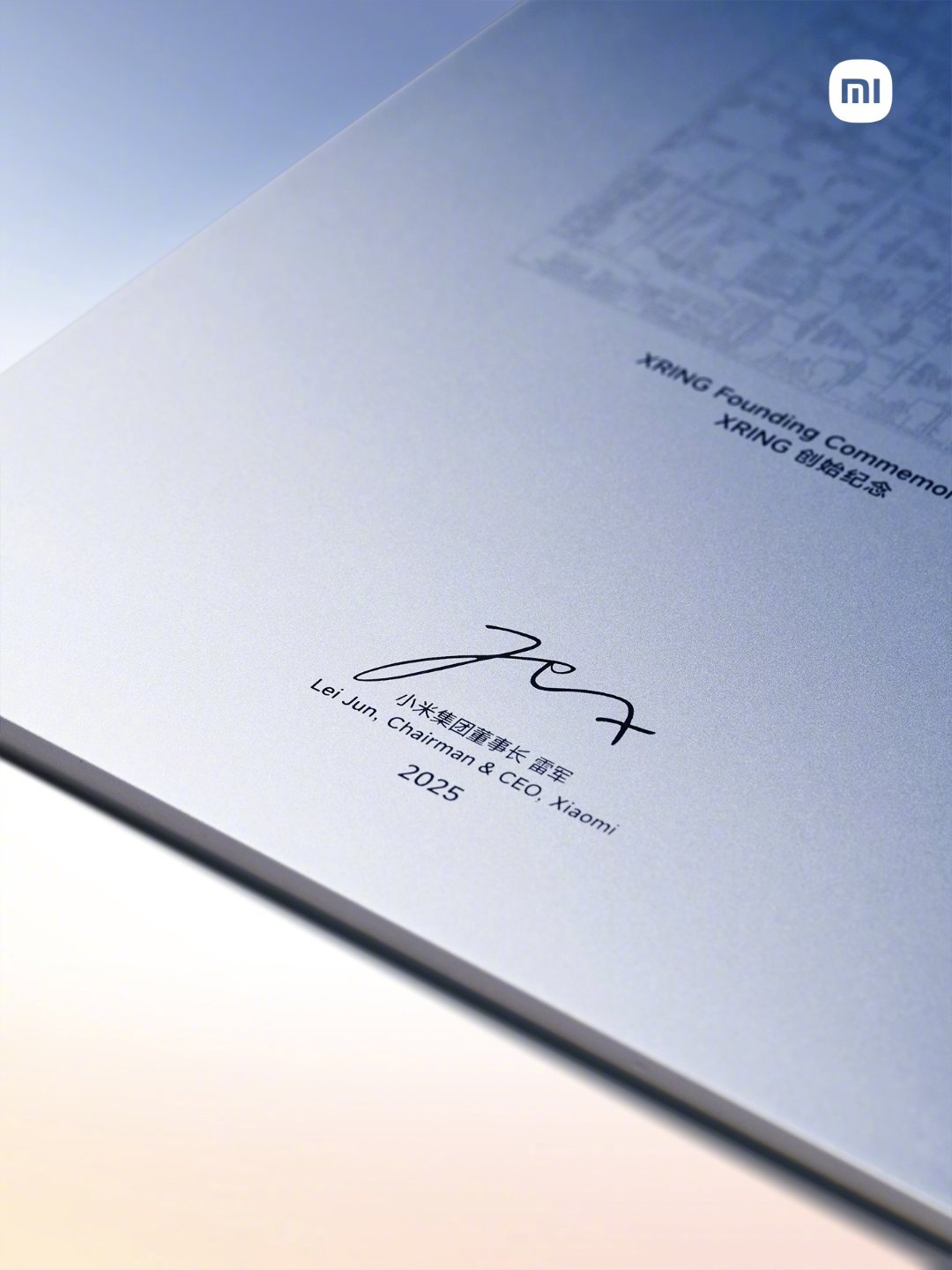
XRING O1 1 1 XRING O1 5

XRING O1 and Xiaomi 15S Pro: Strategic Semiconductor Independence

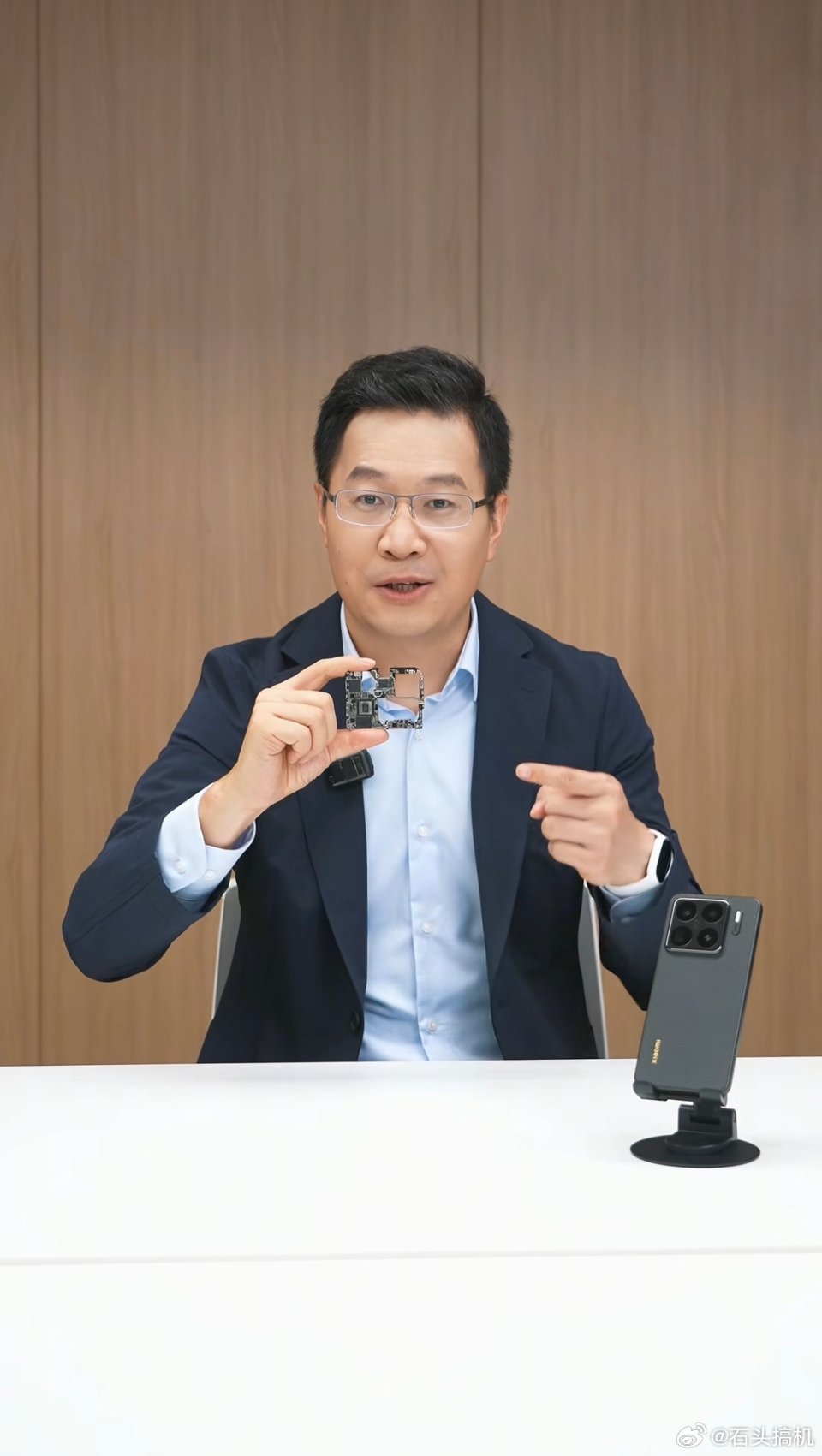
The Xiaomi 15S Pro was launched in May 2025, followed by the XRING O1-Xiaomi’s first 3nm chip. This forms one more step toward independence from Qualcomm and MediaTek while allowing the same kind of vertical integration as Apple.

Technical Highlights of XRING O1:

  • CPU: 2x Cortex-X925 Prime cores (3.9 GHz), 1x Cortex-A725 Performance cores (3.4 GHz), 2x Cortex-A520 Efficiency cores (1.8 GHz)
  • GPU: ARM Immortalis-G925 MC16
  • TSMC 3 nm process: N3E

Performance benchmarks show that XRING O1 is capable but slightly behind Snapdragon 8 Elite in synthetic scores. For example, AnTuTu reports ~2,535,000 versus 2,750,000 for Snapdragon 8 Elite, while even Geekbench single-core/multi-core scores also show a small gap.

The main drawback is the external 5G modem (MediaTek T800), reducing battery efficiency and causing thermal problems while using 5G. Xiaomi offsets this with a 6100 mAh battery, but energy efficiency is worse compared to Snapdragon-based rivals.
Why XRING O1 Matters Strategically

In spite of performance gaps, XRING O1 secures technological independence in a world marred by semiconductor supply uncertainties. Owning a functional homegrown chip gives Xiaomi leverage in negotiations with Qualcomm, assuring continuity in case of supply chain disruptions.

The next XRING O2, which is expected in Q2 2026, targets better performance and integration, which should reduce the gap to the competitors, supporting future Xiaomi devices such as the 17S Pro.

Xiaomi Flagship Roadmap: 17 Series and Beyond

Xiaomi skipped the “16” series entirely, going straight to the 17 series, which was launched in China on September 25, 2025. Key highlights:

  • Xiaomi 17/17 Pro/17 Pro Max: Snapdragon 8 Elite Gen 5, battery 6300–7500 mAh
  • Magic Back Screen on Pro models for notifications, AI assistant interactions, and selfies
  • 17 Ultra (photo-centric) set for late December 2025 in China, global launch expected February 2026

The 17S Pro, using XRING O2, should be coming out in mid-2026. This will put Xiaomi’s capability to match or outperform competitors in chip performance while sustaining independence to a test.

Xiaomi’s investment in EVs paid off by reaching profitability in just 18 months, while the project of the XRING O1 became a strategic bet: less powerful compared to Snapdragon but vital for long-term semiconductor independence. Further, Xiaomi is supposed to firm up its position in both smartphones and chips with the future XRING O2 and 17S Pro. Besides this, it will continue providing ecosystem synergy across EVs, smartphones, and smart devices.

REDMI prepares 200MP large-sensor camera for upcoming flagship

21 November 2025 at 08:00

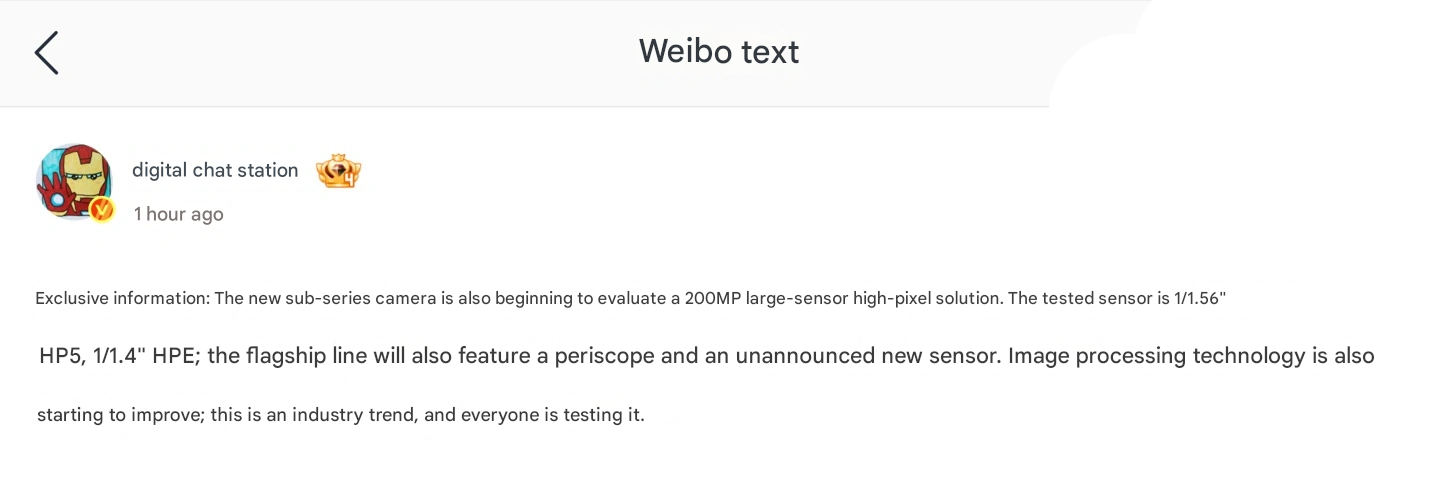
On November 20, IT Home reported that popular tech blogger @DigitalChatStation revealed, via Weibo, that Xiaomi’s REDMI division is testing a 200-megapixel large-sensor camera for a new smartphone. The insider claimed that the device is testing CMOS sensors such as the 1/1.56-inch HP5 and 1/1.4-inch HPE, along with a periscope telephoto sensor and an unreleased imaging sensor. This move indicates that REDMI is serious about improving mobile photography as multiple manufacturers are working on ultra-high-resolution sensors across the industry. More information about Xiaomi REDMI imaging innovations may be read here.

New Imaging Approach from REDMI

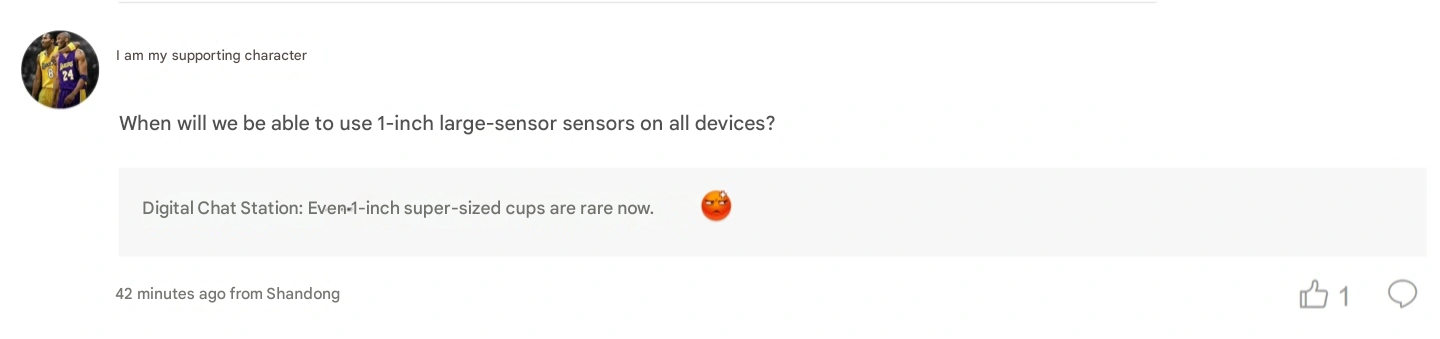
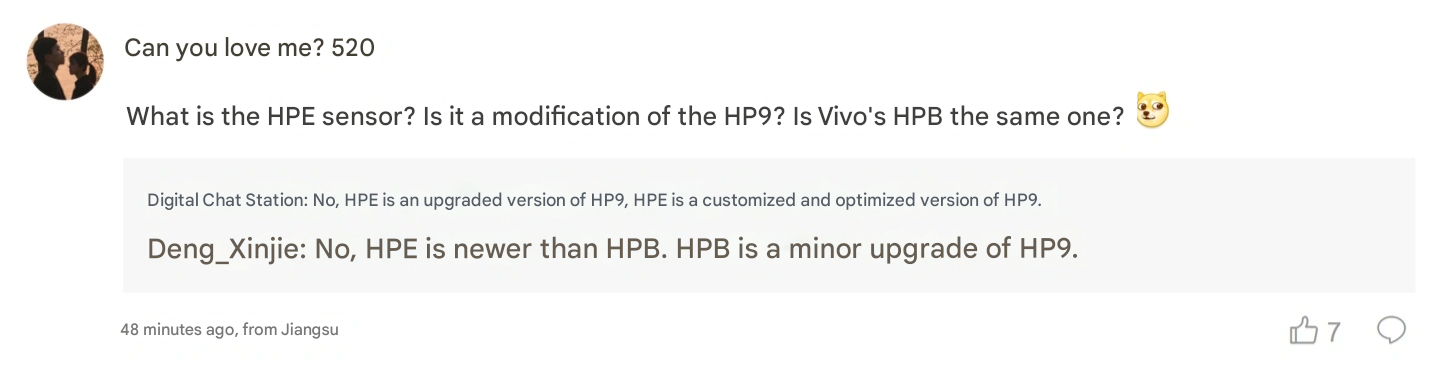
The blogger afterwards confirmed that the HPE sensor is an iterative upgrade of the HP9, customized and optimised for REDMI. Some thought this may be connected with Vivo’s HPB sensor; however, the HPE is specific to Xiaomi. This follows the strategy pursued by REDMI to push the performance of the camera in its flagship phones while keeping prices relatively competitive. As industry insiders point out, though one-inch sensors are a rare breed in smartphone cameras, more and larger 1/1.4-inch and 1/1.56-inch sensors are being implemented as a norm for high-end imaging solutions.

REDMI 200 MP 2 REDMI 200 MP 3 REDMI 200 MP 4 REDMI 200 MP 1

Expected Features and Flagship Potential

According to the present testing, the future REDMI device may include:

  • 200MP main sensor (1/1.56-inch HP5 or 1/1.4-inch HPE)
  • Periscope telephoto lens for extended optical zoom
  • Advanced imaging AI and optimized image processing

It sets the stage for the device to become a flagship-level REDMI K Ultra series phone, coming after the REDMI K90 Pro Max, which boasts a 50MP main camera, a 50MP ultra-wide lens, and a 50MP 5X periscope telephoto lens with 10X lossless zoom and OIS. The 200MP sensor of the coming model would mean a formidable jump in the imaging capabilities of REDMI.

Industry Trends and Implications

The move to 200MP sensors is indicative of the trend within the industry towards ultra-high-resolution cameras that improve computational photography and low-light performance. A number of manufacturers are also working on similar sensors, meaning mobile imaging technology is improving fast. The result for users could be sharper photos, better zoom, and more flexible camera arrangements in the near future.

Why HyperOS 3 can’t roll out to all Xiaomi devices on the same day

21 November 2025 at 04:59

The shift to an Android-based HyperOS 3 sparked, for many Xiaomi devices, one question: Why can’t all devices get it on the same day? Although Android’s modular systems, like GSI, GKI, and Project Treble, cut down time spent to enhance firmware compatibility, real-world deployment requires model-specific engineering, testing, and coordination with vendors. These layers make simultaneous rollout technically unfeasible.

Understanding the Complexity of Android Modularization

Modern Android architecture decouples the system framework from vendor components, but it doesn’t remove deep dependencies altogether. Xiaomi needs to make sure new Android requirements align with their legacy HALs. Even slight mismatches in versions of camera HAL or modem interfaces can block an OTA update from installing. This means each device requires a manual verification, and thus, a uniform release date is simply unrealistic.

Project Treble

Why GSI and GKI cannot deliver same-day updates

Generic System Images and Generic Kernel Images are designed for testing and baseline compatibility, not for consumer-level deployment. Imaging, thermal regulation, network provisioning, modem behavior, and AI camera processing all rely on proprietary modules on Xiaomi hardware that do not exist within a pure GSI build. Each of those needs to be reintegrated and validated for HyperOS 3.

HyperOS Architecture Extends Beyond Stock Android

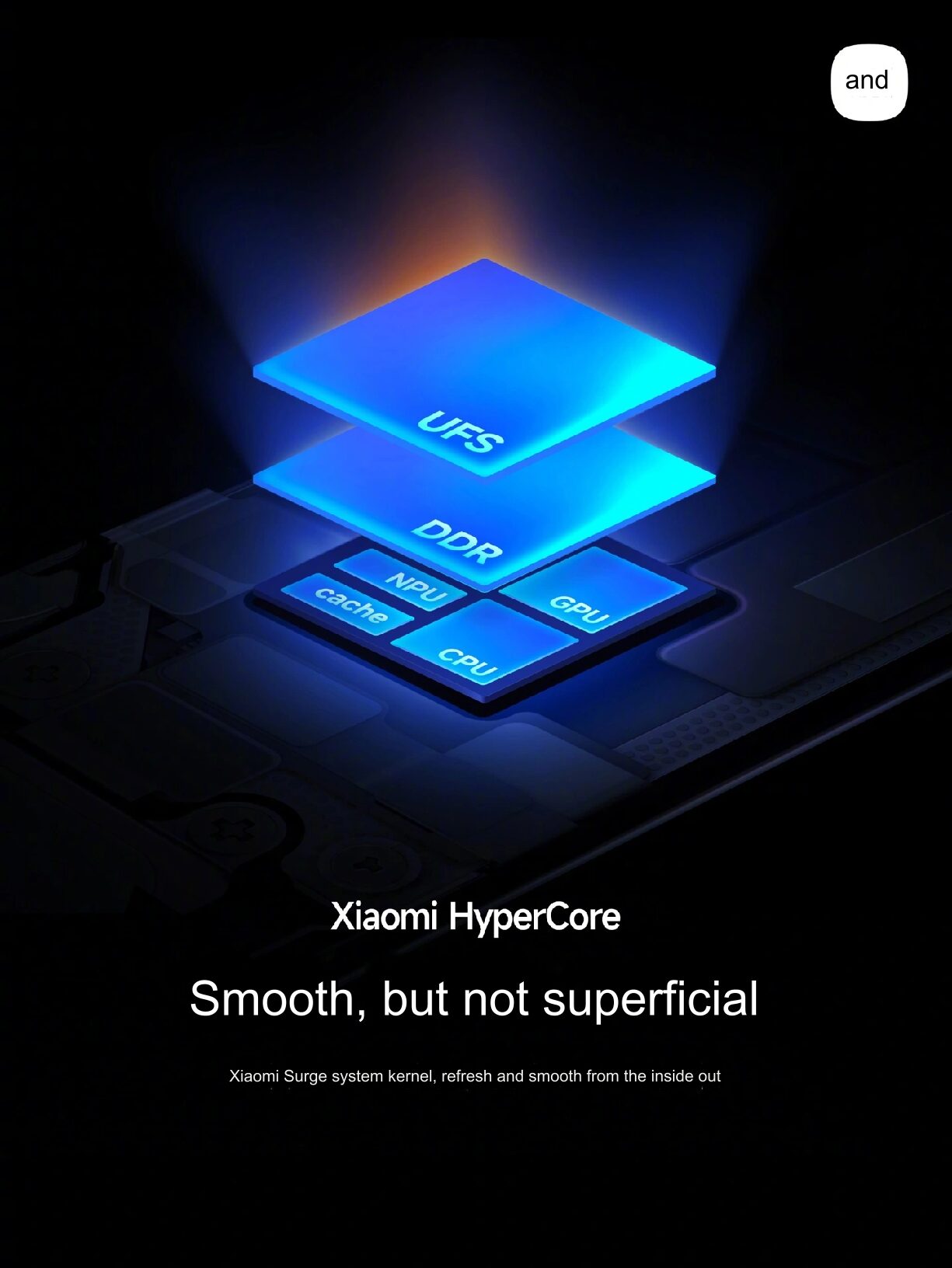
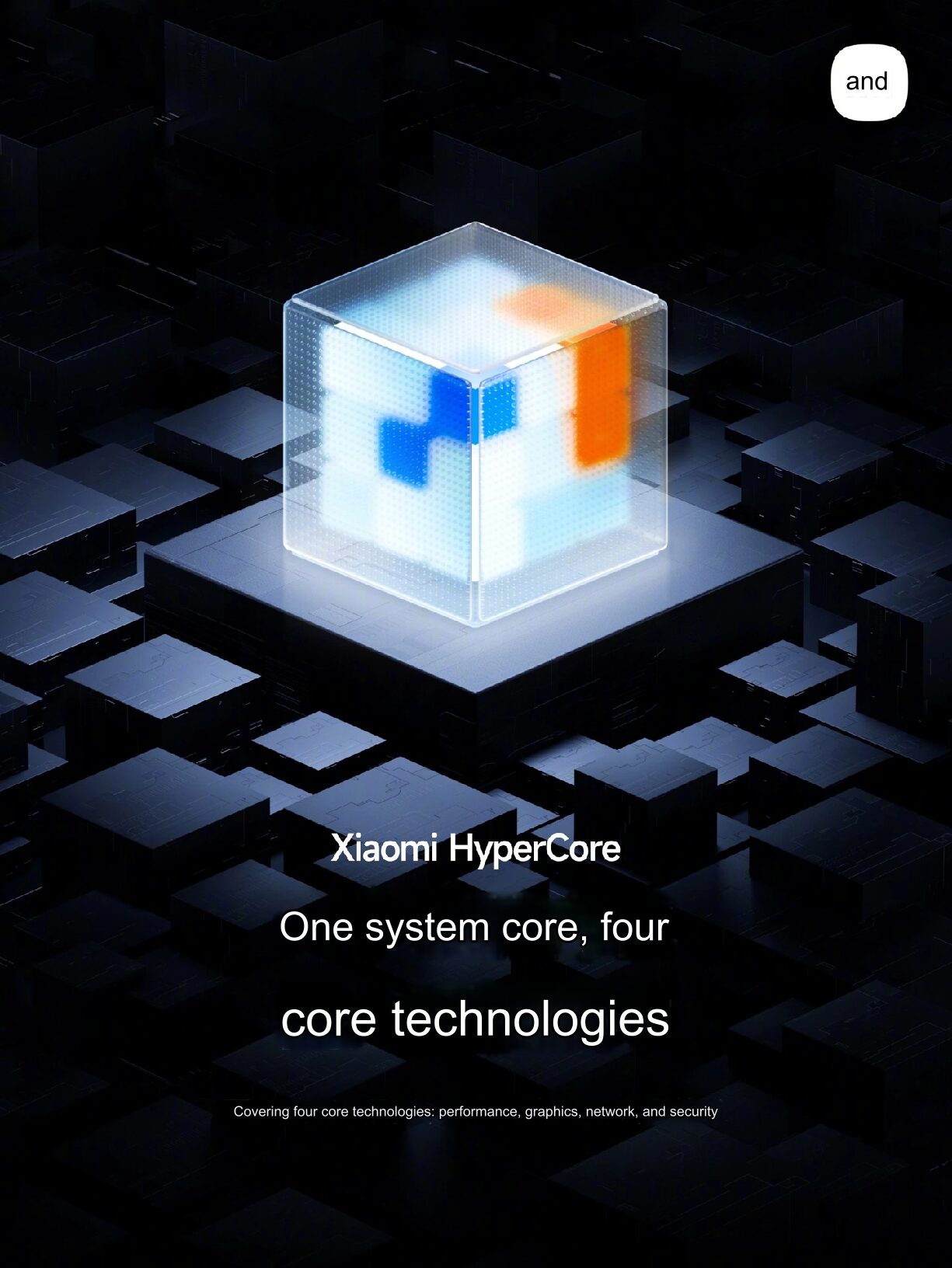
HyperOS is not a mere skin on top of Android. It embeds Xiaomi’s Vela micro-kernel technologies, the HyperOS ecosystem framework, and the HyperCore scheduling system. These proprietary layers demand extra engineering every time Google modifies Android APIs or kernel structures. A new Android version could mean rewriting and retesting thousands of lines of middleware across phones, tablets, wearables, and IoT devices.
HyperCore 1 HyperCore 2

Cross-Device Ecosystem Testing Expands the Update Timeline

HyperOS allows for real-time syncing across phones, tablets, and TVs—smart home devices, too. Whenever Android tweaks Bluetooth or Wi-Fi behavior, Xiaomi is forced to revalidate its whole interconnection protocol. That’s a recipe for blowing up your testing matrix—and a major block to mass deployment. Reliability across the ecosystem trumps speed.

Vendor, Certification and Regional Factors Extend the Process

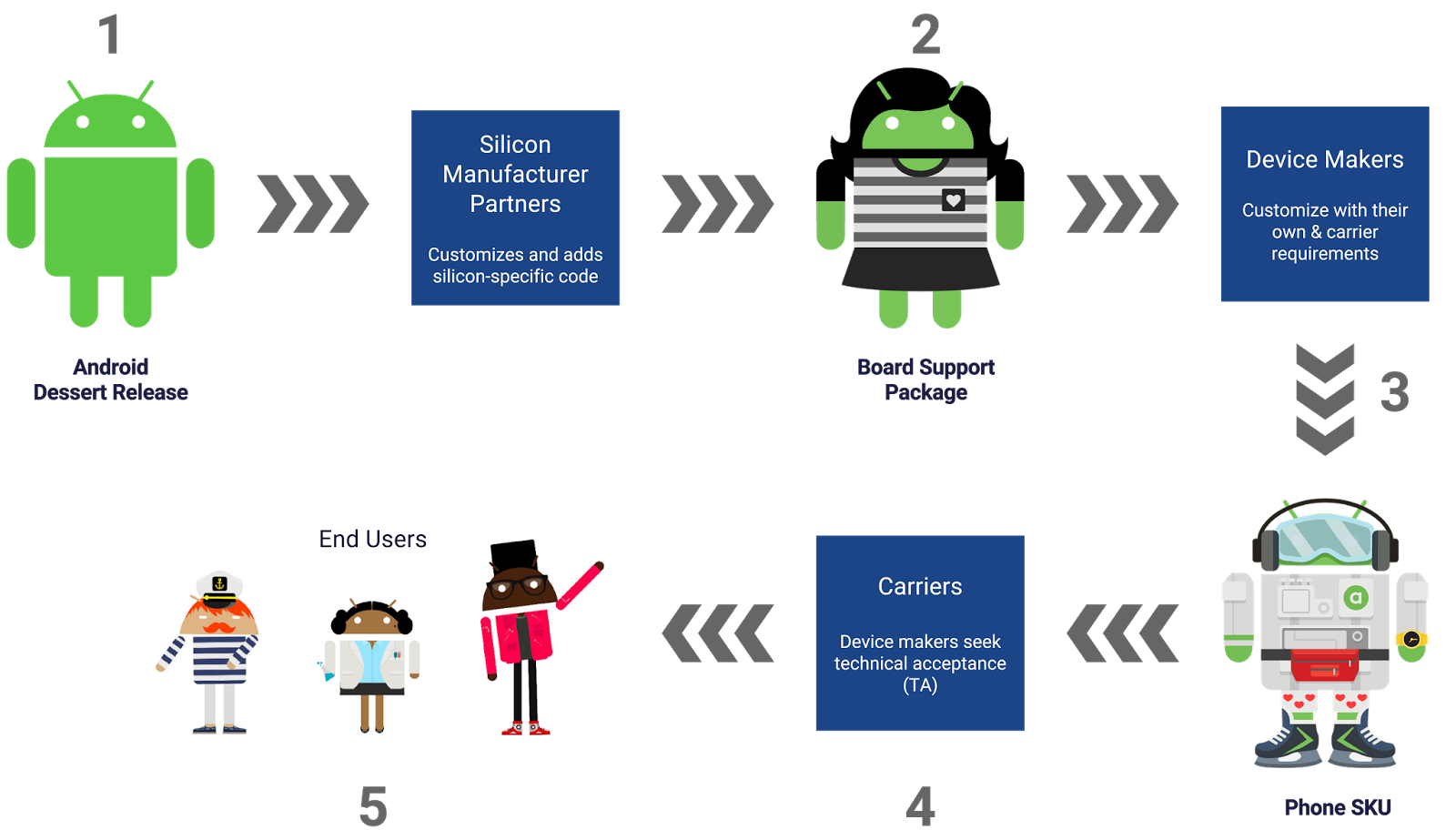
Every chipset, be it from Qualcomm or MediaTek, needs updated Board Support Packages before Xiaomi can start working on customizing HyperOS. Once BSP integration is complete, devices will need to undergo Google Mobile Services certification, so the Play Store works as intended. Of course, compliance checks will vary depending on each region and operator requirement, rendering a single global rollout date impossible.

MediaTek x Xiaomi

Why Flagship Devices Receive Updates First

The reason flagships receive updates before other models is not because of marketing strategy, but because their more uniform hardware configurations reduce the overall time taken in validation. Mid-range and entry-level devices require more optimization for handling memory management, thermals, and graphics layers.

REDMI Pad 2 4G global HyperOS 3 update reaches final stage

21 November 2025 at 02:33

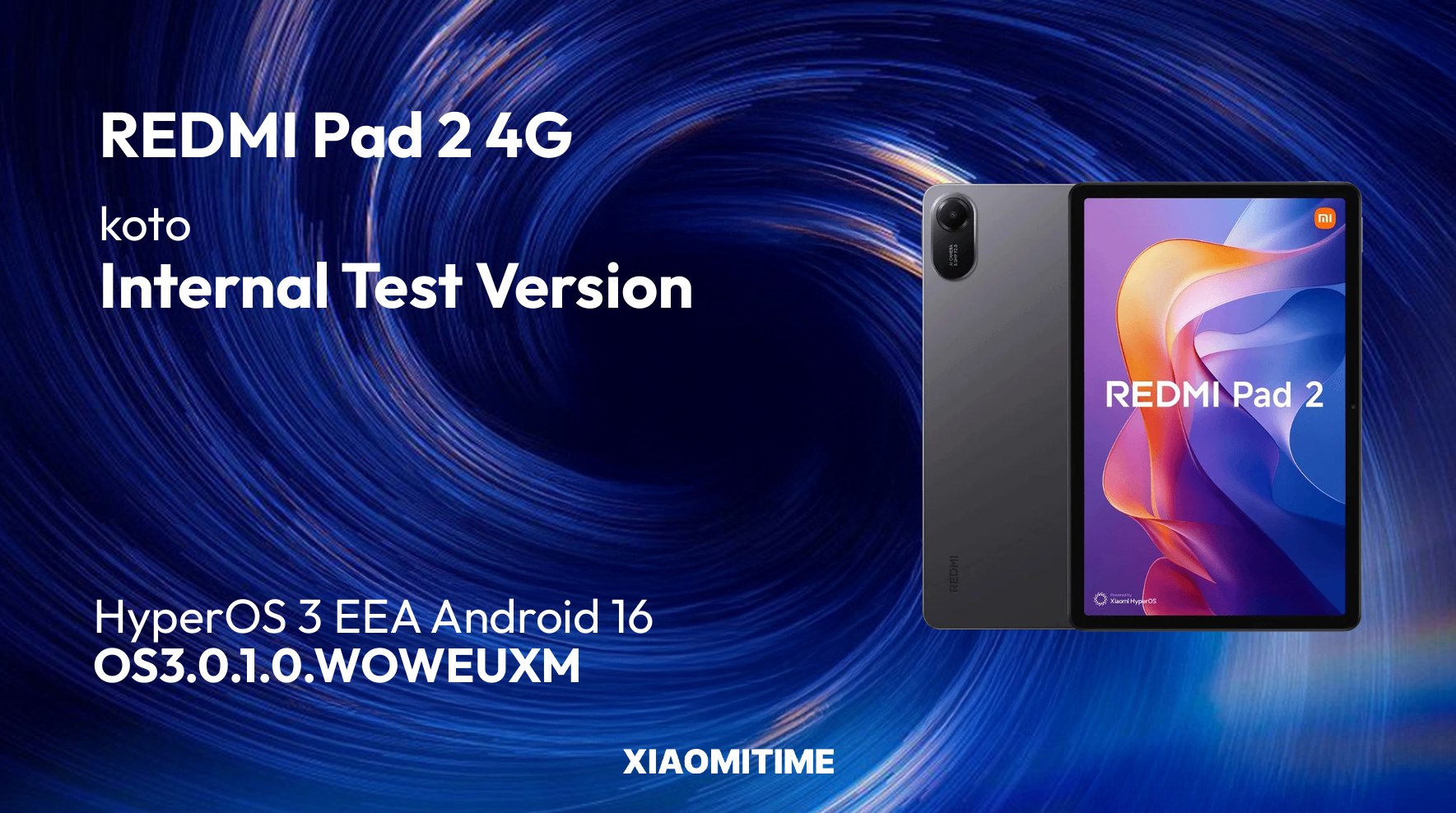
With the internal build OS3.0.1.0.WOWEUXM based on Android 16 now marked as “release-ready,” the Redmi Pad 2 4G (EEA) has reached a major milestone in its software roadmap. This designation means Xiaomi is completing the final certification checks before the global rollout of the HyperOS 3 update to users.

HyperOS 3 Reaches Tablet Lineup with Release-Ready Build

The rollout of HyperOS 3 across Xiaomi’s ecosystem is ongoing, and the Redmi Pad 2 4G just entered the final testing phase. An OS build number ending with 3.0.1.0 usually means the development is complete and the firmware is under review for public release in the EEA region.

This tends to be consistent with Xiaomi’s broader update strategy, where stability, cross-device consistency, and a seamless user experience are prioritized.

photo 2025 11 20 21 27 07

Before reaching tablets, HyperOS 3 had already been rolled out to several smartphones across the Xiaomi and POCO families for a unified ecosystem based on performance and efficiency.

Devices That Previously Received HyperOS 3

  • Xiaomi 15
  • Xiaomi 15 Ultra
  • Xiaomi 15T
  • Xiaomi 15T Pro
  • POCO F7 Ultra
  • Redmi Note 14 Pro+
  • POCO X7 Pro
  • Redmi A3

These deployments demonstrate Xiaomi’s continued effort to enable a modern interface and enhanced system intelligence across device categories.

What HyperOS 3 Brings to Redmi Pad 2 4G

HyperOS 3 introduces a number of user-facing upgrades that significantly improve interaction and system usability. This update reflects Xiaomi’s vision for a unified OS experience supported by deeper ecosystem integration through Xiaomi HyperConnect.

The main enhancements include redesigned elements, improved handling of animations, and system optimization using AI.

  • AI enhancements: Smoother multitasking, prediction of system behavior
  • New iconography with a modern and minimalist visual approach
  • iOS-similar design elements for clarity of interface
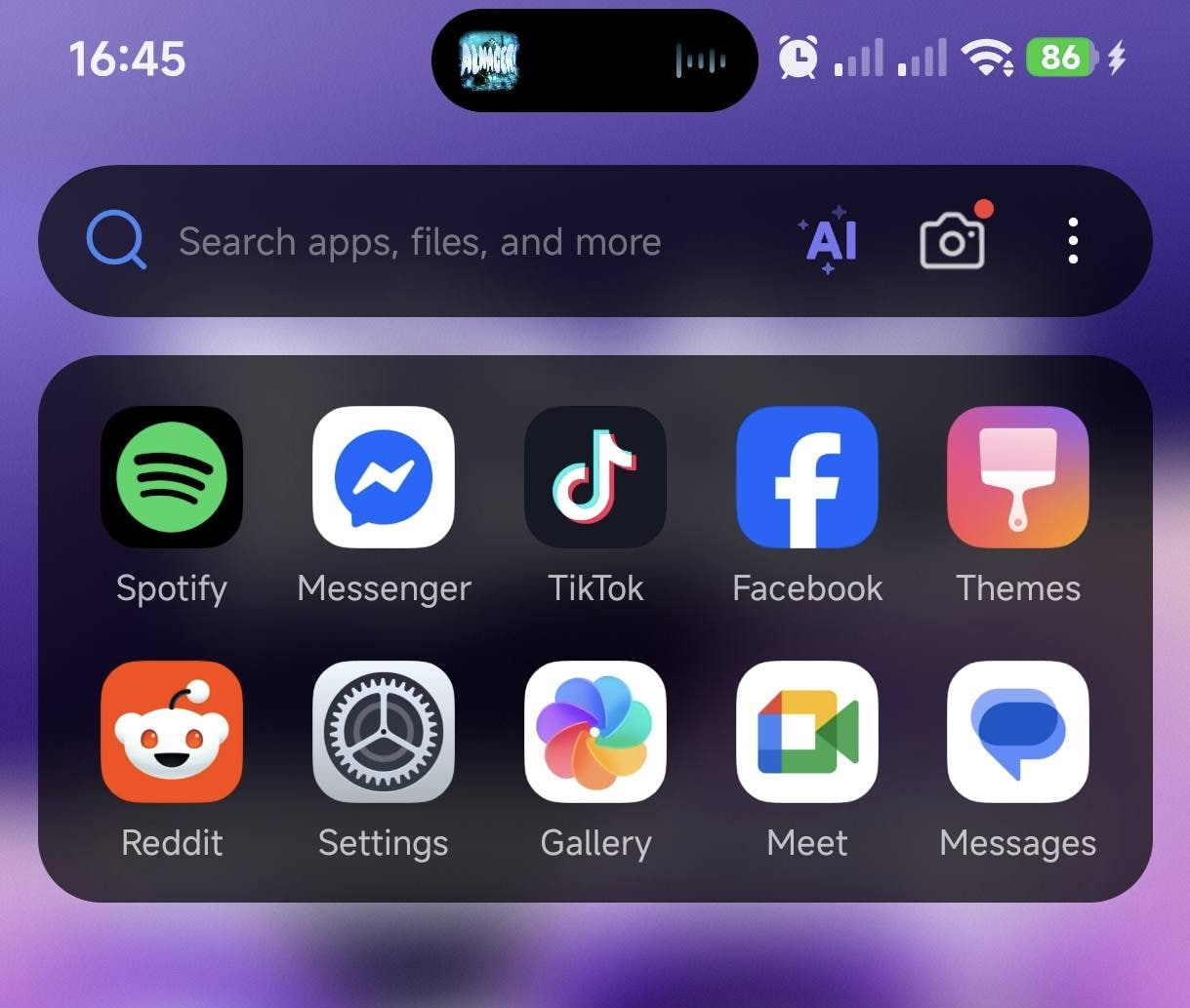
  • Super Island: Dynamic notification and activity tool for better multitasking

These enhancements are engineered to make everyday operation more efficient and yet retain a clean and stable system architecture.

Anticipated Timeline for Roll-out

When an internal ROM gets tagged as OS3.0.1.0, it generally means the release is imminent. Xiaomi usually rolls out such builds first in limited regions or pilot testers, followed by a phased public release. The Redmi Pad 2 4G (EEA) will likely join the list of HyperOS 3-powered tablets shortly after final approval.

Those looking for faster system app updates or more advanced Xiaomi features can refer to the MemeOS Enhancer tool on the Play Store. This companion application will support hidden system features, extended UI options, and direct access to HyperOS-related enhancements across the ecosystem of devices.
The arrival of the release-ready OS3.0.1.0.WOWEUXM build suggests that the Redmi Pad 2 4G is closing in on its global HyperOS 3 rollout. As an immediate effect, this update will further enhance the tablet’s interface, performance, and cross-device interaction, bringing it abreast of Xiaomi’s overarching vision of an integrated and smart ecosystem.

Google enables AirDrop sharing on Android, Xiaomi to follow soon

21 November 2025 at 02:13

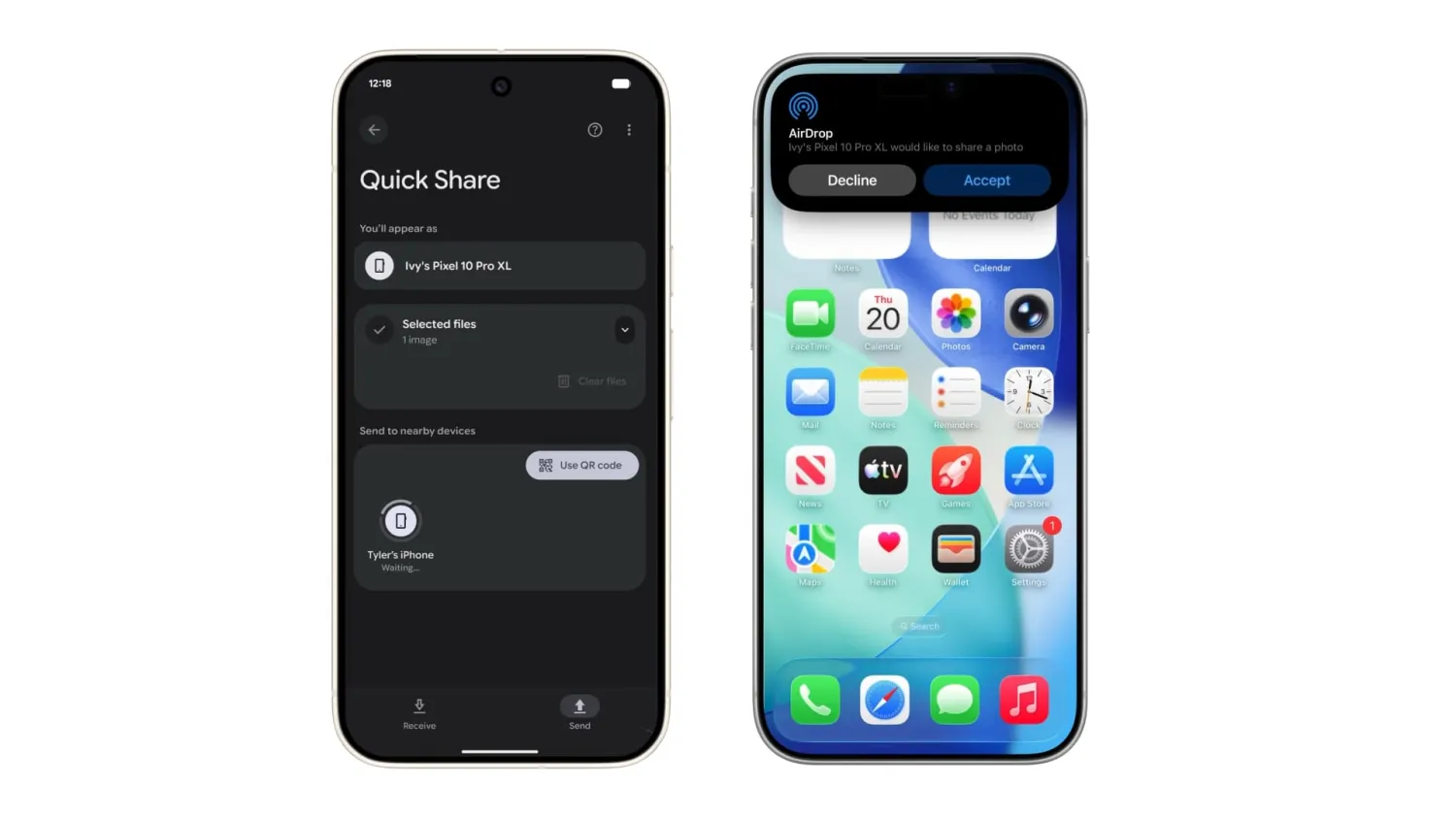
Google officially declared that Android’s Quick Share now works seamlessly with Apple’s AirDrop, allowing Android and iPhone devices to directly transfer files to each other for the first time. This is a cross-platform capability that, for now, starts with the Pixel 10 series, and it is confirmed to expand to more Android models soon, including future Xiaomi smartphones such as the Xiaomi 15 series and upcoming Xiaomi HyperOS devices.

There’s no need to consider platform limitations when users want to share any files, as this makes daily communication easier across ecosystems. For Xiaomi users, this will be integrated naturally into the existing HyperOS sharing interface, much like our guides on Xiaomi Quick Share and HyperConnect setup.

What the New Quick Share–AirDrop Integration Offers

The new interoperability of Google lets Android and Apple devices find each other inside the standard Quick Share and AirDrop menus. When an Apple device enables the “Everyone for 10 minutes” mode, it becomes visible to compatible Android models. File transfer happens straight after the recipient accepts the request with no intermediate servers.

Android Quick Share AirDrop Pixel 10

This direct, peer-to-peer connection ensures maximum privacy, improved performance, and a predictable sharing workflow across smartphones, tablets, and computers.

How the System Works

The feature supports photos, videos, documents, and all standard file types. Transfers occur over a secure local channel that doesn’t log content or route data through the cloud.

Google points out that its engineering leverages Rust for the communications layer, offering memory safety and eliminating large classes of attack vectors. On top of this system, Android and iOS harden it further with native platform protections and user-approval requirements.

Strong Security Validated by Independent Assessment

The internal modeling at Google includes privacy reviews and red-team testing, but the company also hired NetSPI to do third-party penetration testing.

The company found that the Quick Share–AirDrop implementation is secure, “notably stronger” compared to similar technologies, and does not leak information. The assessment gives assurance that Google’s new cross-platform feature has a reliable security structure behind it. Security Layers in Detail

  • Hardened Sharing Channel: Written in Rust, to prevent memory vulnerabilities.
  • Platform-Level Protections: Android uses OS-level Rust adoption in conjunction with Google Play Protect, while iOS uses its sandboxed architecture to block malicious files.
  • User Control: All transfers must be approved by the user, so users only receive intended files.

Availability and What It Means for Xiaomi Users

The interoperability of Quick Share–AirDrop starts with the Pixel 10 series, starting from around $799, USD, and will become widely available to an extensive list of Android devices in the coming months. We believe the Xiaomi 17 series will have this feature. Google also confirms its openness to collaborate with Apple to eventually support the “Contacts Only” sharing mode.

The rollout for Xiaomi users will integrate into the existing HyperOS sharing panel. When the supported models receive the update, Apple devices will directly appear inside Xiaomi’s Quick Share interface, providing a seamless experience between the iPhone, iPad, Mac, and Xiaomi smartphones like Xiaomi 17, Xiaomi 15T series, and later Xiaomi Pad 8 models.

This new interoperability thus presents a meaningful improvement in cross-platform usability. Google’s technical method ensures that sharing across both ecosystems is secure, fast, and transparent. The Xiaomi devices will get this upgrade in the future, improving communication for HyperOS without extra applications or complicated setups.

Source: https://9to5google.com

💾

Auf YouTube findest du die angesagtesten Videos und Tracks. Außerdem kannst du eigene Inhalte hochladen und mit Freunden oder gleich der ganzen Welt teilen.

New optimization update has released for the HyperOS 3 Launcher

4 December 2025 at 06:08

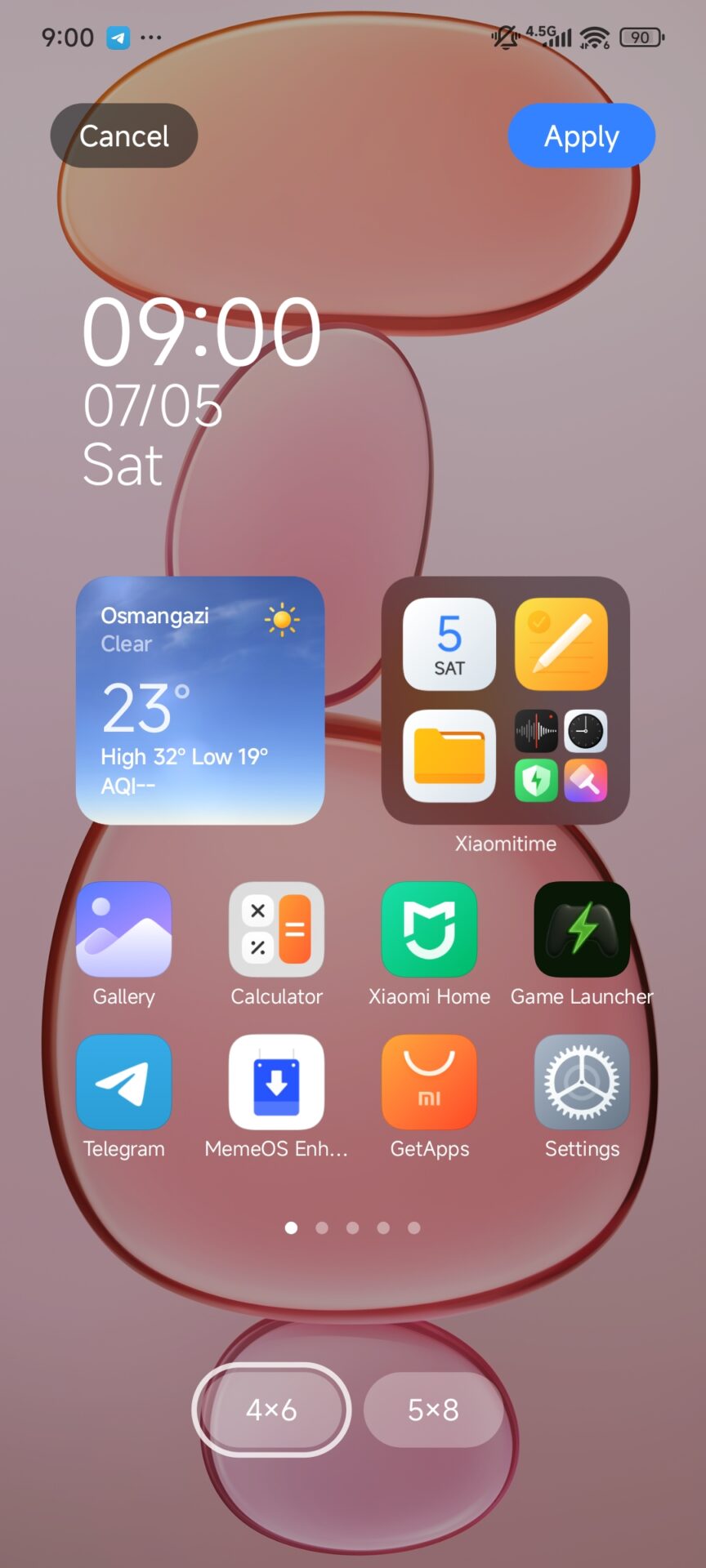
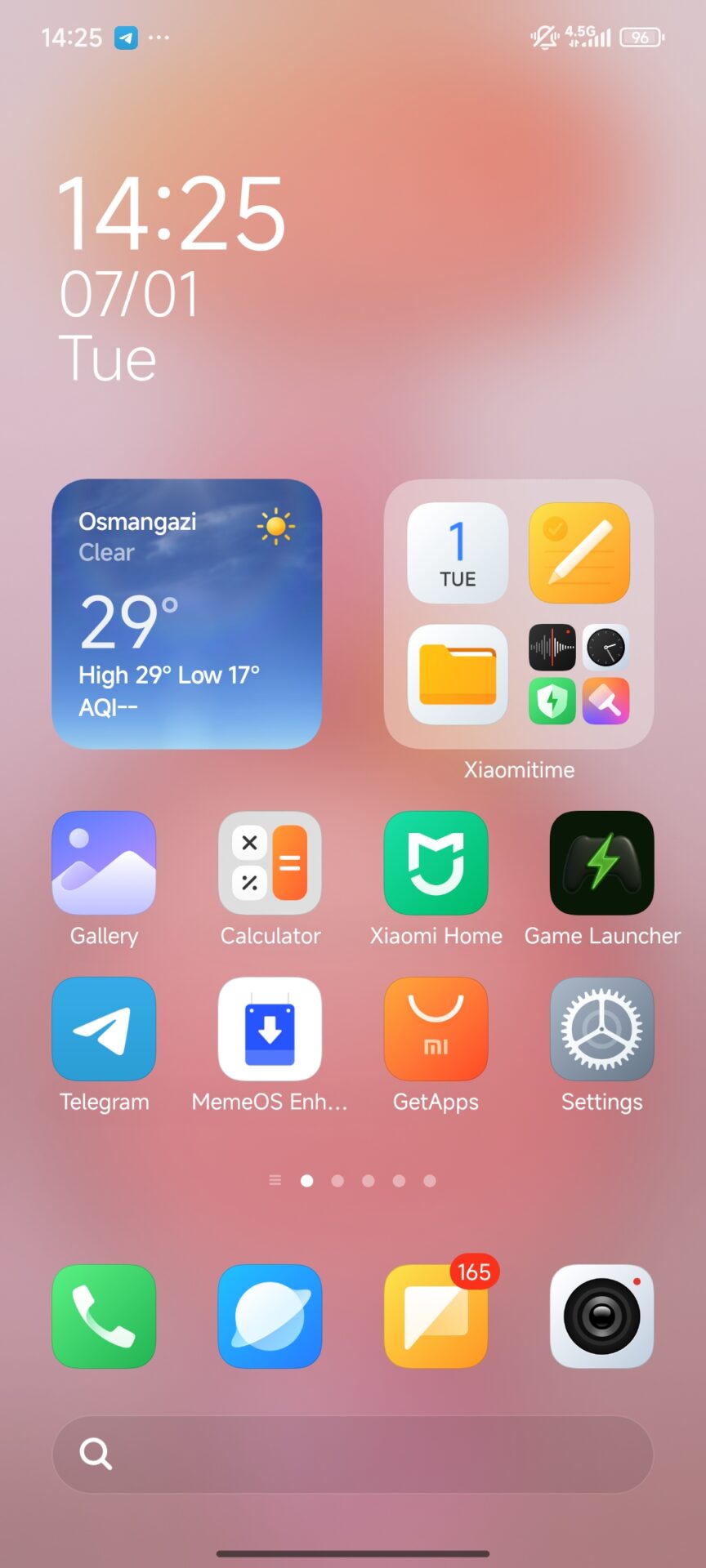
Xiaomi has rolled out the latest July update for their HyperOS launcher, version RELEASE-6.01.02.1833-11182047, targeting users focused on system efficiency and stability. For those operating on HyperOS 3, this update comes fully compatible and has been tested across multiple device setups to ensure seamless deployment. Installation is offered via APK sideloading, which remains a user-friendly and straightforward process—no advanced technical steps required.

Version & Compatibility

This release, specifically tailored for HyperOS 3, demonstrates robust compatibility and has shown reliable performance across various device models. There have been no major reports of system conflicts or usability issues following installation.

HyperOS 2.3 Launcher 1 HyperOS 2.2 Launcher 2 HyperOS 3 Global Changes 4 HyperOS 3 Global Changes 3

Performance Improvements

While this update does not introduce significant new visual features or interface changes, it brings several notable enhancements:

  • Improved launcher responsiveness
  • Optimized memory management
  • Smoother animation transitions
  • Faster app loading times

These adjustments collectively contribute to a more efficient and stable user experience, which is critical for both productivity and daily business operations.

System Integration

The updated launcher maintains consistency with HyperOS 3’s design language and system features. It has been engineered for smooth integration, ensuring compatibility with both system-level functionalities and third-party applications.

Deployment & Additional Features

Currently, the update is available for manual installation via APK. For organizations or users interested in extended system capabilities, resources like HyperOSUpdates.com and the MemeOS Enhancer (available on the Play Store) can provide further customization and advanced management tools.

Ongoing Development

Xiaomi continues to invest in HyperOS launcher development, prioritizing user feedback and system stability. Regular updates, such as this July release, reinforce the company’s commitment to delivering reliable, high-quality software across its device ecosystem.

Why Xiaomi rejected the iPhone 17 Pro’s camera button for Xiaomi 17

20 November 2025 at 22:28

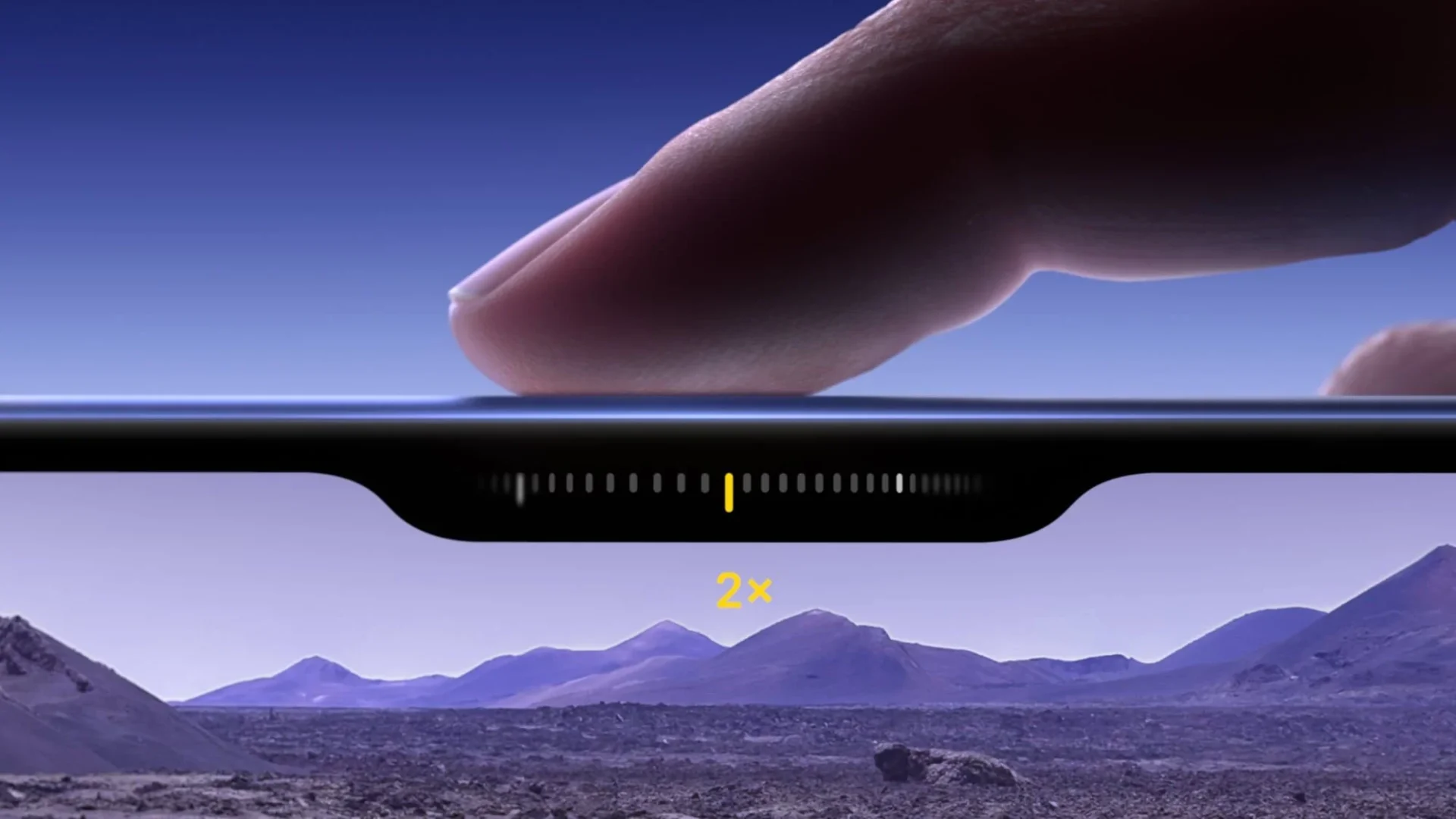
Competition among major smartphone brands has only increased with the transition toward advanced mobile imaging. While Apple just revealed a new capacitive “Camera Control” button on the iPhone 16 Pro series of phones, Xiaomi consciously opted not to include this mechanism in the forthcoming Xiaomi 17 series of lineups. Instead, the company decided to focus on larger battery architecture, computational photography, and other signature innovations, such as the Dynamic Back Display. Similar technological directions can be read about in our Xiaomi 17 coverage, HyperOS updates, or device comparisons across the site.

Why Xiaomi Skipped Apple’s Camera Button

In Xiaomi’s design strategy, there is an increasing focus on long-term user habits and internal hardware balance. The introduction of a capacitive camera button would require significant frame space for sensors, flexible cabling, and haptic systems. The engineers involved decided that doing this in a device with a big battery and enhanced cooling for the Snapdragon 8 Elite platform would compromise the internal thermal and structural efficiency.

iPhone camera button

Battery Capacity and Frame Engineering

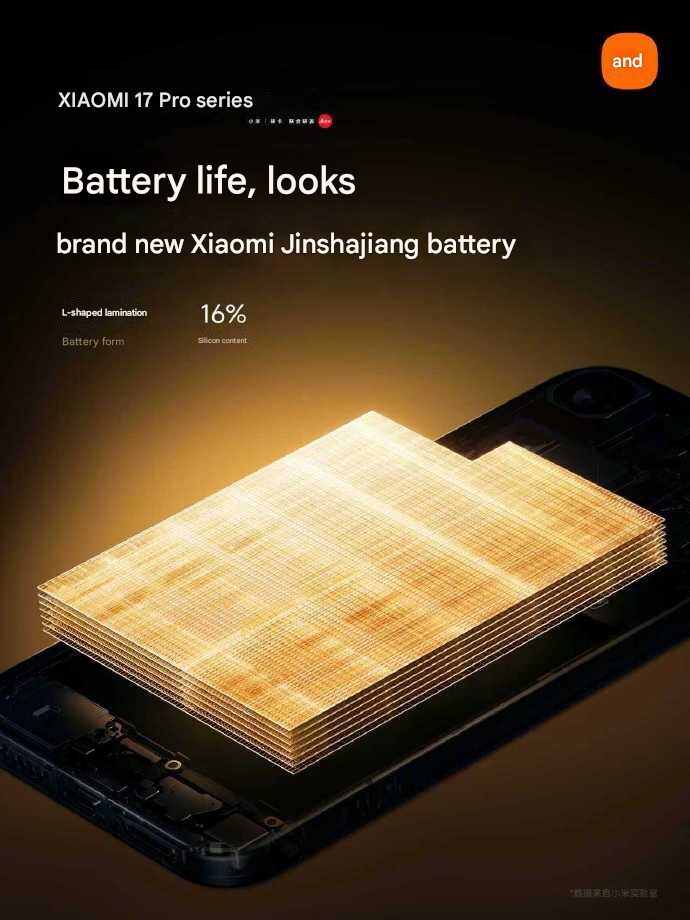
Xiaomi’s hardware layout in the Xiaomi 17 Pro Max continues to prioritize high-density silicon-carbon battery modules. This results in longer operation times, improved thermal regulation and the ability to maintain consistent camera performance. Integrating Apple-style capacitive controls would reduce available frame volume, conflicting with user expectations for extended battery life and sustained performance.

Xiaomi 17 Pro Battery

Xiaomi’s Focus on Dynamic Back Display

Instead of implementing a hardware shutter-like control, Xiaomi focuses on technologies of visual interaction. The Dynamic Back Display targets vloggers and creators; it serves as a real-time rear camera preview and allows for high-quality selfies using the main optical module. The decision is in line with the growing demand for social media-oriented imaging and decreases the long-term dependence on front camera cutouts.

User-Centered Imaging Workflow

This innovative interface makes Xiaomi’s imaging system more adaptive. Using the main camera sensor for self-recording, all users achieve better dynamic range and improved subject tracking. The feature closely integrates with HyperOS imaging algorithms to offer predictable exposure and autofocus behavior without needing extra mechanical surfaces.

Modular photography with Xiaomi’s accessories

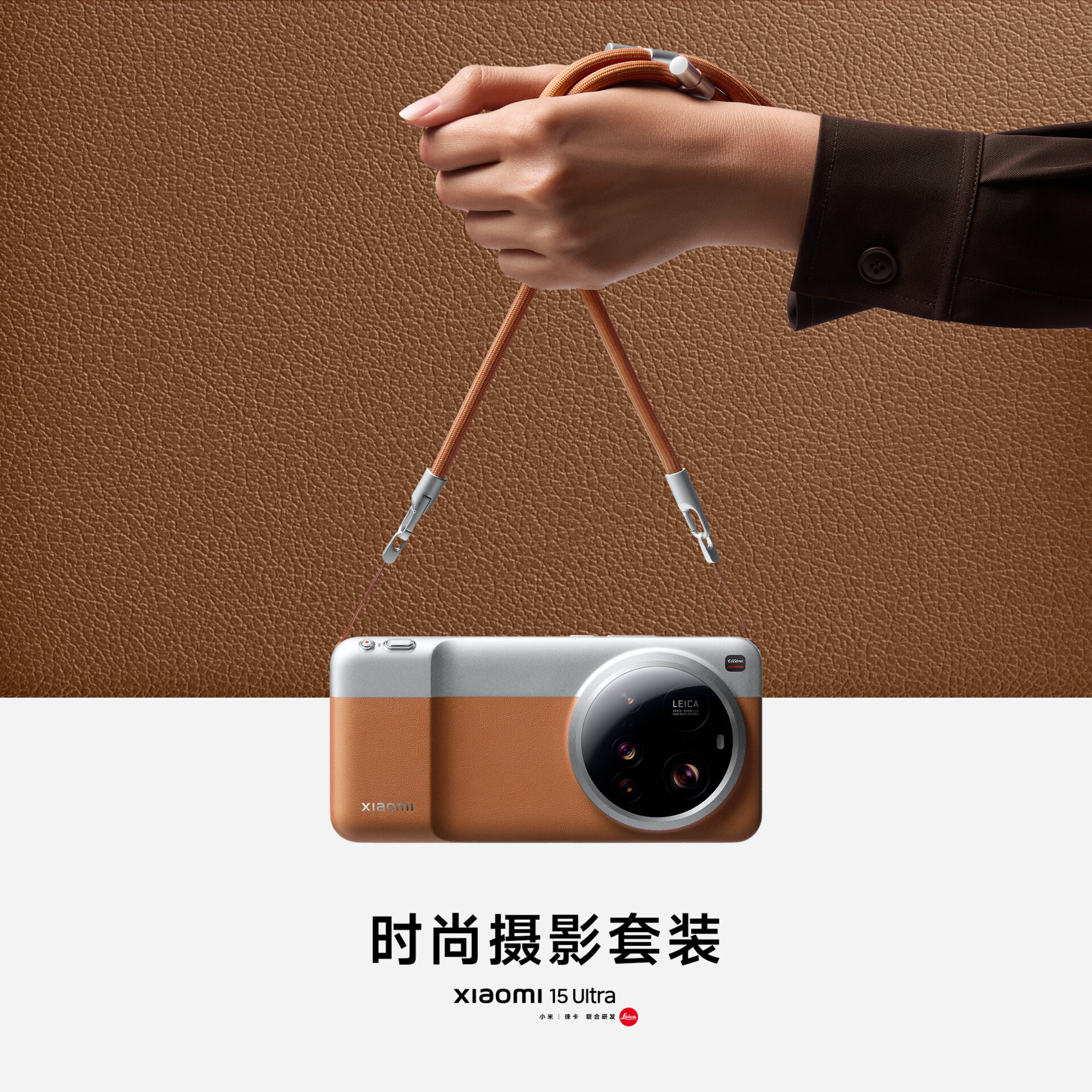
Xiaomi retains physical shutter ergonomics through its detachable Photography Kit, available on Ultra models. This accessory offers two-stage mechanical capture, zoom control, and extended grip stability—features impossible to replicate on thin device frames. By keeping these controls modular, Xiaomi preserves a compact profile for daily use while providing professional functionality when needed.

Xiaomi 15 Ultra New Colors 6

Economic and Design Flexibility

Modular solutions create added value in accessories while the core device can maintain structural uniformity. It’s a dual-system approach that sets Xiaomi’s industrial design apart from competitors reliant on permanent external buttons.

REDMI K Pad 2 leak hints at new Xiaomi Pad 2 Mini is coming

20 November 2025 at 21:55

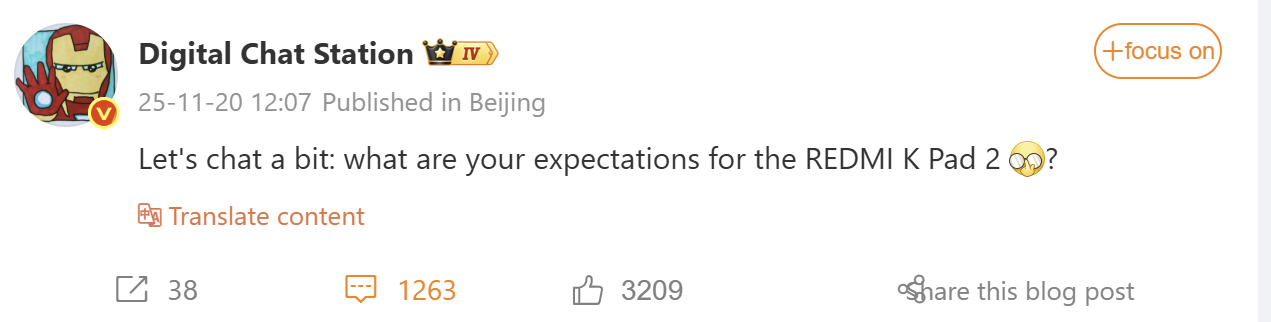
According to the latest information provided by reliable tipster Digital Chat Station, the Redmi K Pad 2-expected to arrive exclusively in China-will make its way to global markets as the Xiaomi Pad 2 Mini. The development has garnered considerable interest amongst users, who have been following Xiaomi’s tablet lineup and were expecting a compact model positioned between the Xiaomi Pad series and Xiaomi Pad Mini series.

Early discussions also reference recently launched Xiaomi Pad Mini, creating additional curiosity about how this new model will evolve compared to previous tablets.

DCS: What Was Revealed About the Redmi K Pad 2

Unfortunately, the shared comment on Weibo by Digital Chat Station didn’t contain full specifications, but it sure gave a straightforward impression that the Redmi K Pad 2 is “not simple,” which signals noticeable upgrades from its predecessor. The most important information might be the expected global rebranding of the slate as the Xiaomi Pad 2 Mini, fitting well into Xiaomi’s strategy to release Redmi K series tablets only in China and their global counterparts under the Xiaomi Pad lineup.

DCS REDMI K Pad

Early confirmation provides a basis for assessing Xiaomi’s compact tablet roadmap, particularly in view of the very strong market response to the Xiaomi Pad Mini that was released just two months ago.

Expected Positioning and Key Features

Emerging information suggests that this, the Xiaomi Pad 2 Mini, will retain its compactness but carry forward some meaningful performance upgrades. The likely improvements include at least a mid-range chipset, updated HyperOS optimizations, and improved display capabilities. Since Xiaomi is still trying to expand its ecosystem further, deeper Xiaomi HyperConnect integrations may also be added to the new model, allowing for more seamless pairing with smartphones, wearables, and IoT.

This would further reinforce Xiaomi’s small-form tablet category with a device optimized for both entertainment and productivity, yet still within reach for the widest circle of users.

How It Fits Into Xiaomi’s Global Tablet Strategy

Xiaomi has been reinforcing the tablet portfolio with a two-tier structure-where Chinese and global product names are divided-in a continuous manner. The fact that the Redmi K Pad 2 turned into the Xiaomi Pad 2 Mini is a sign that the brand wants to maintain coherence for international markets. Since there’s already a Xiaomi Pad Mini for those customers who want ultra-compact dimensions, the coming of its successor suggests that this time around, Xiaomi aims to appeal to customers looking for a balanced size-performance-price combination.

It also makes Xiaomi more competitive in the global compact tablet segment and captures attention as an alternative to traditional 8- and 9-inch slates without losing out in functionality.

Source

POCO F7 series finally receives the global HyperOS 3 update

20 November 2025 at 20:46

Xiaomi has finally started the long-awaited HyperOS 3 update rollout for the POCO F7 and POCO F7 Pro, hence marking one of the essential milestones to distribute the brand’s latest software platform around the world. The update brings several visual, functional, and AI-based features that aim at increasing performance and flattening the usage curve.

Updates to Versions and Availability

The POCO F7 Pro, also known as the Redmi K80 in China, is getting the HyperOS 3.0.4.0.WOKMIXM build, published under the POCO Tester channel, while the regular POCO F7-global version of the REDMI Turbo 4 Pro-is getting HyperOS 3.0.3.0.WOLMIXM. Both are being rolled out incrementally to guarantee a stable experience across covered regions.

Xiaomi has pointed out that these builds are supposed to bring better system resource allocation, refreshed UI elements, and a more interactive overall design.

HyperOS 3 Global Changes 10 HyperOS 3 Global Changes 1 HyperOS 3 Global Changes 9

How to Update

They can check for the update by going to Settings > About Device > HyperOS Version.

HyperOS 3’s arrival on the POCO F7 and POCO F7 Pro is an important milestone in Xiaomi’s global software ecosystem. Improved AI capabilities, refreshed interface, and new ways of interaction allow this update to enhance the daily user experience further, yet still keep stability on an excellent level across all devices.

Best HyperOS Control Center tips and tricks

25 December 2025 at 03:17

The HyperOS Control Center elevates Xiaomi’s customization of smartphone interfaces to new heights with an unprecedented level of customization that puts complete control at your fingertips With options extending from notification style changes to adding custom toggles, these work seamlessly across all Xiaomi phone models with the promise of a uniform, easy-to-use experience.

Getting Started with Control Center Customization

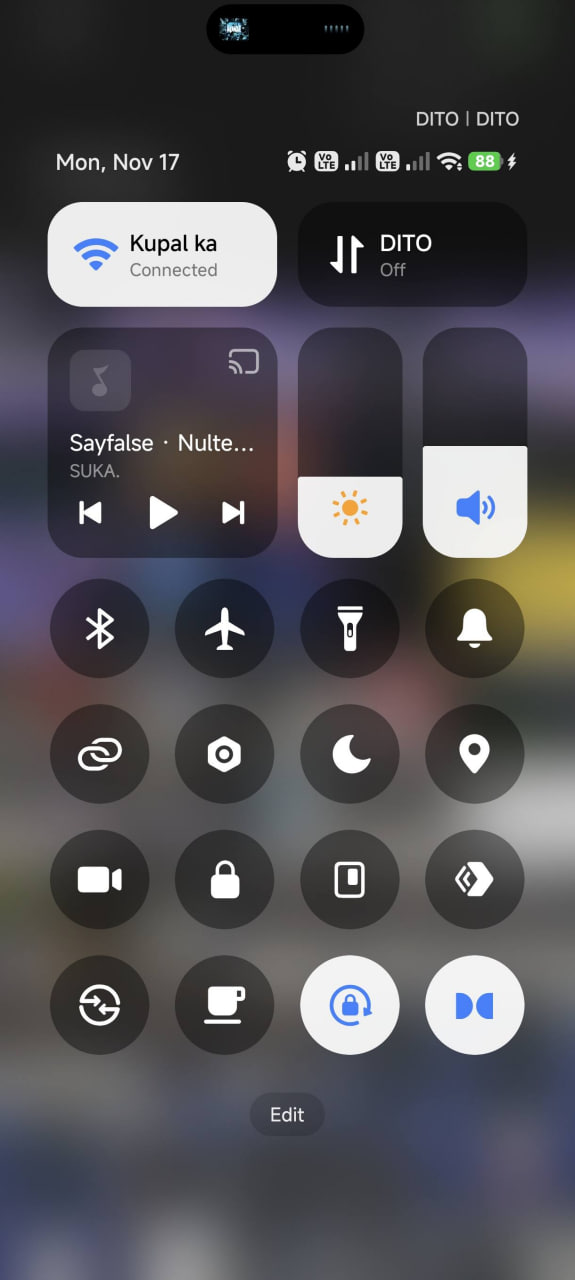
The secret to any great smartphone experience is its quick settings menu, and HyperOS doesn’t disappoint. It’s easy to get into your Control Center – simply swipe from the top of your screen and enter a world of possibilities.

Switching Between Control Center Styles

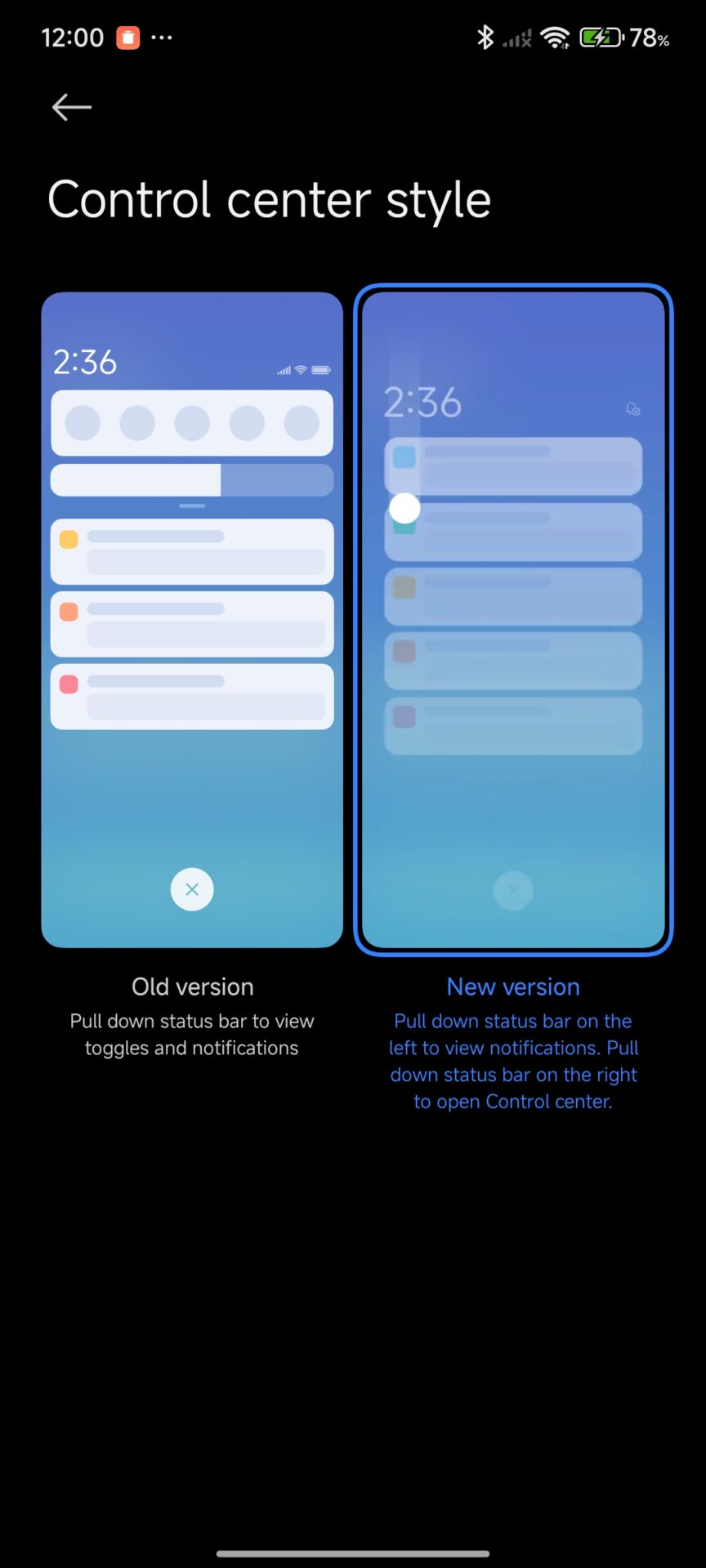
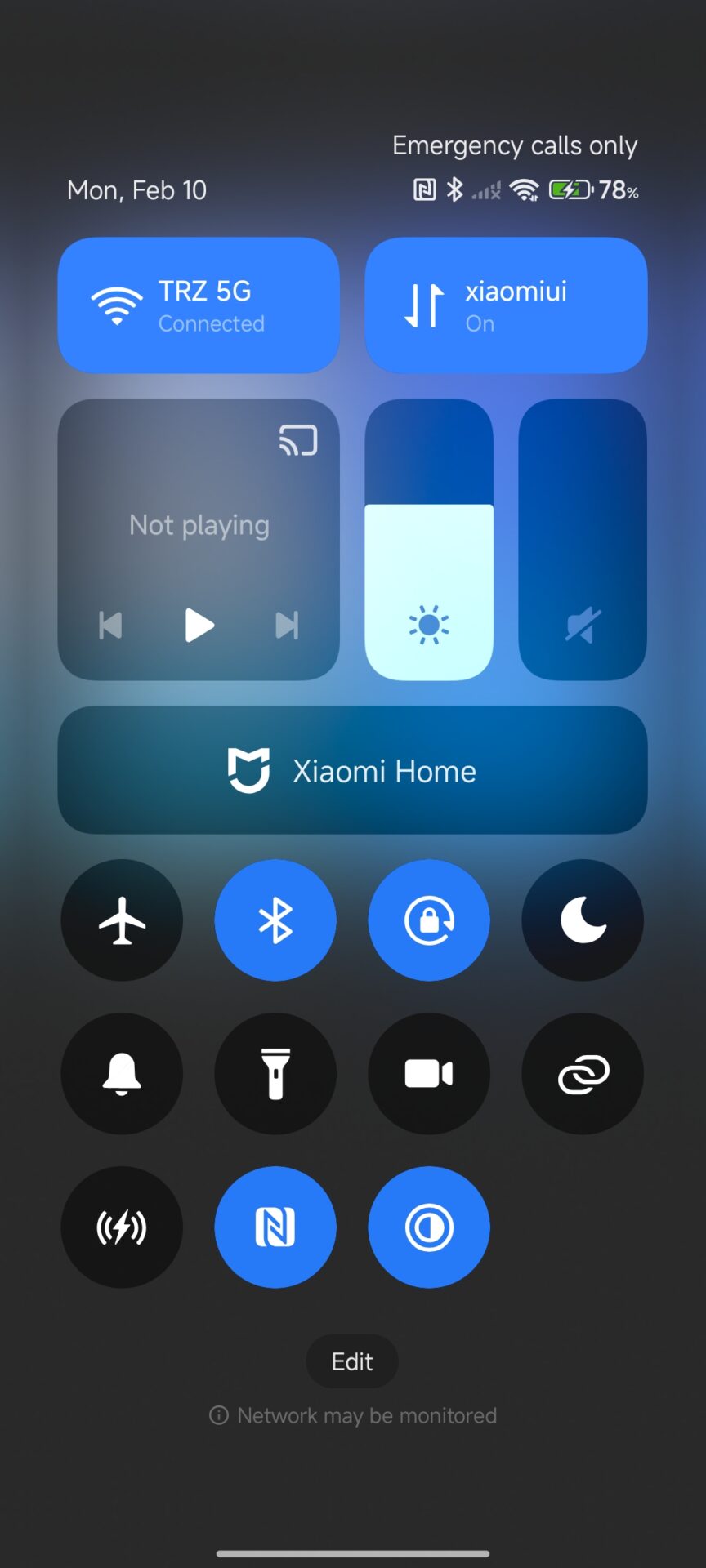
HyperOS offers two distinct styles for Control Center, each with its own advantages. The new one offers a fresh, minimalistic approach to quick settings, while the classic one retains familiar functionality that veteran users adore.

To change your Control Center appearance:

  1. Open Settings app
  2. Tap on “Notifications & Control Center”
  3. Tap “Control Center style
  4. Choose your preferred version
Control Center Styles 2 Control Center Styles 3 Control Center Styles 1

Customizing Your Notification Experience

An effective notification system is crucial to staying productive on your smartphone. HyperOS provides flexible settings for managing the way your notifications appear and behave.

Once you’re in the notification settings, there are several ways you can tailor your experience:

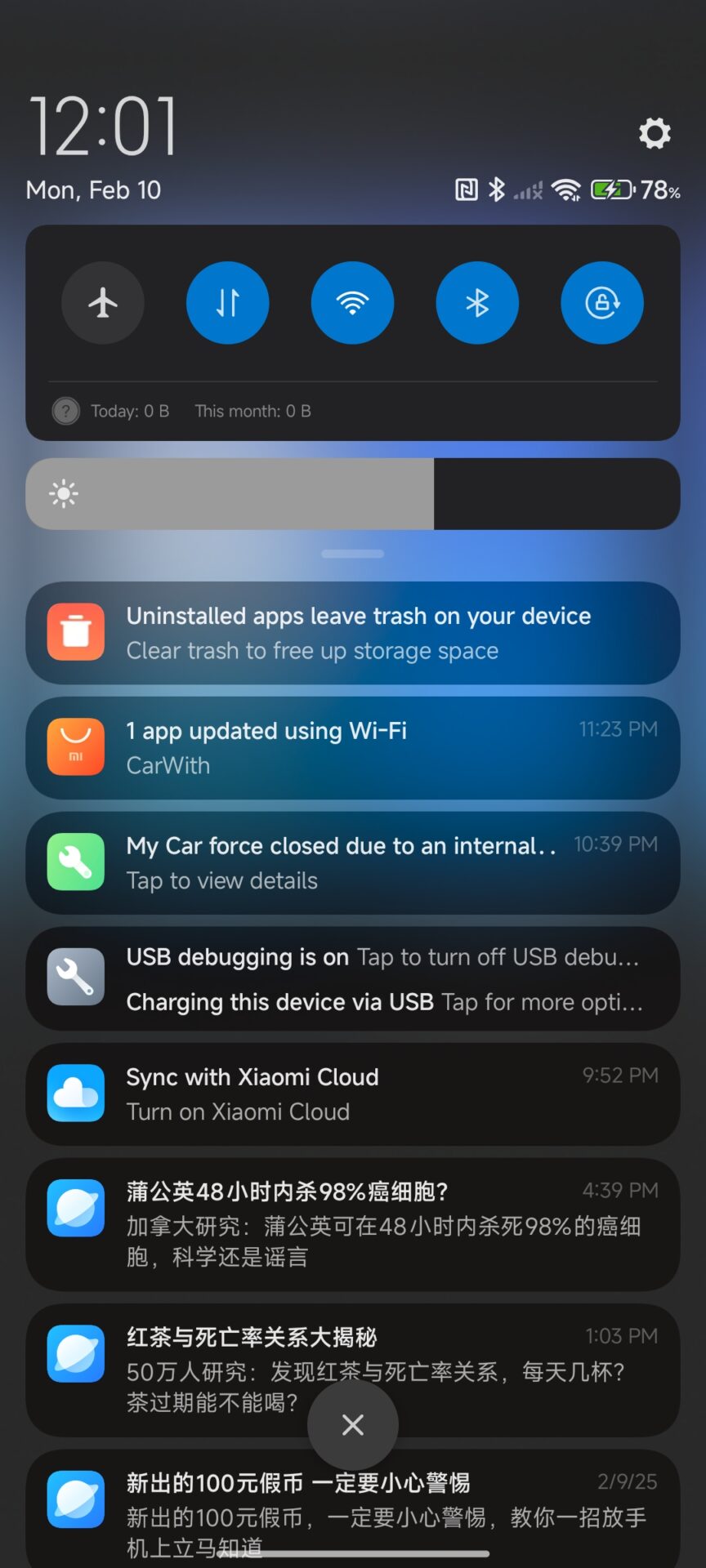
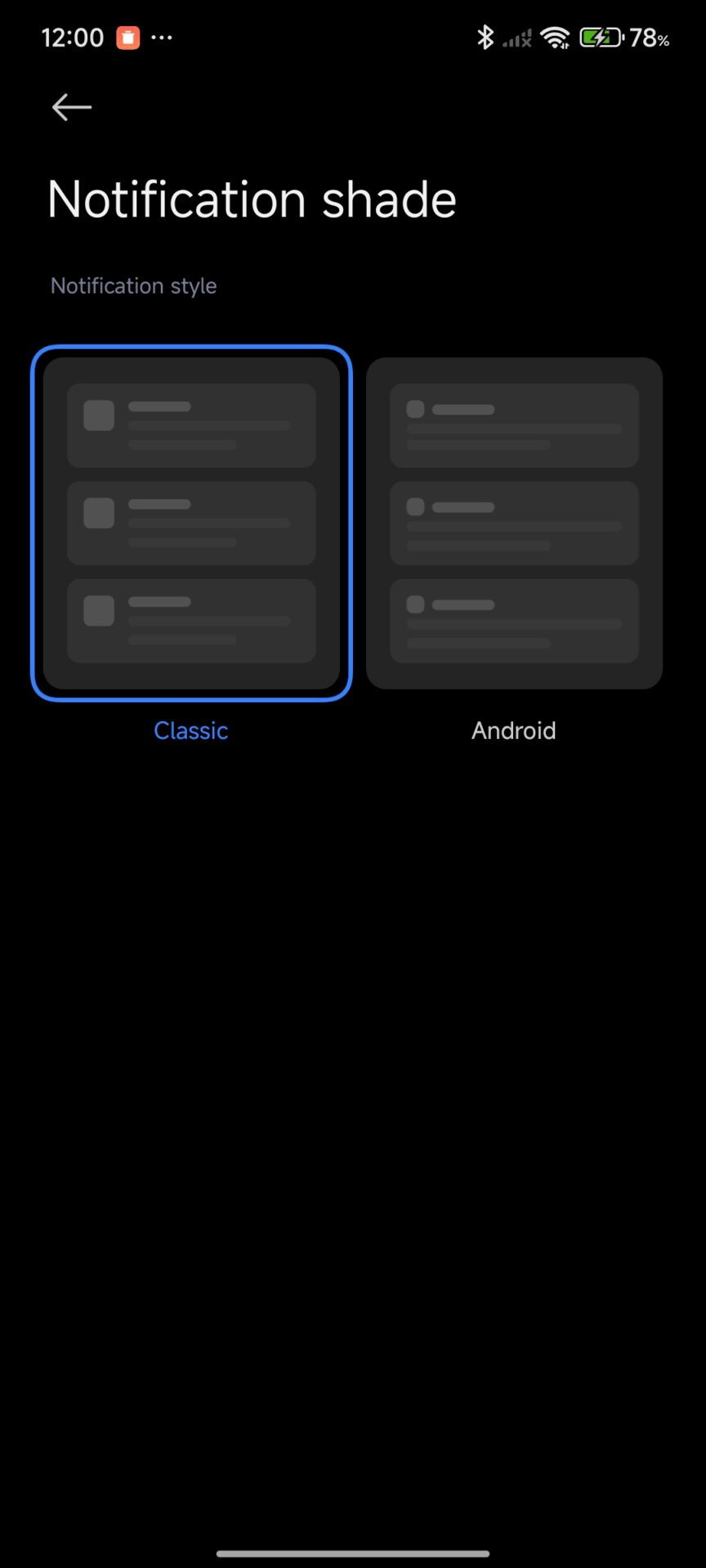
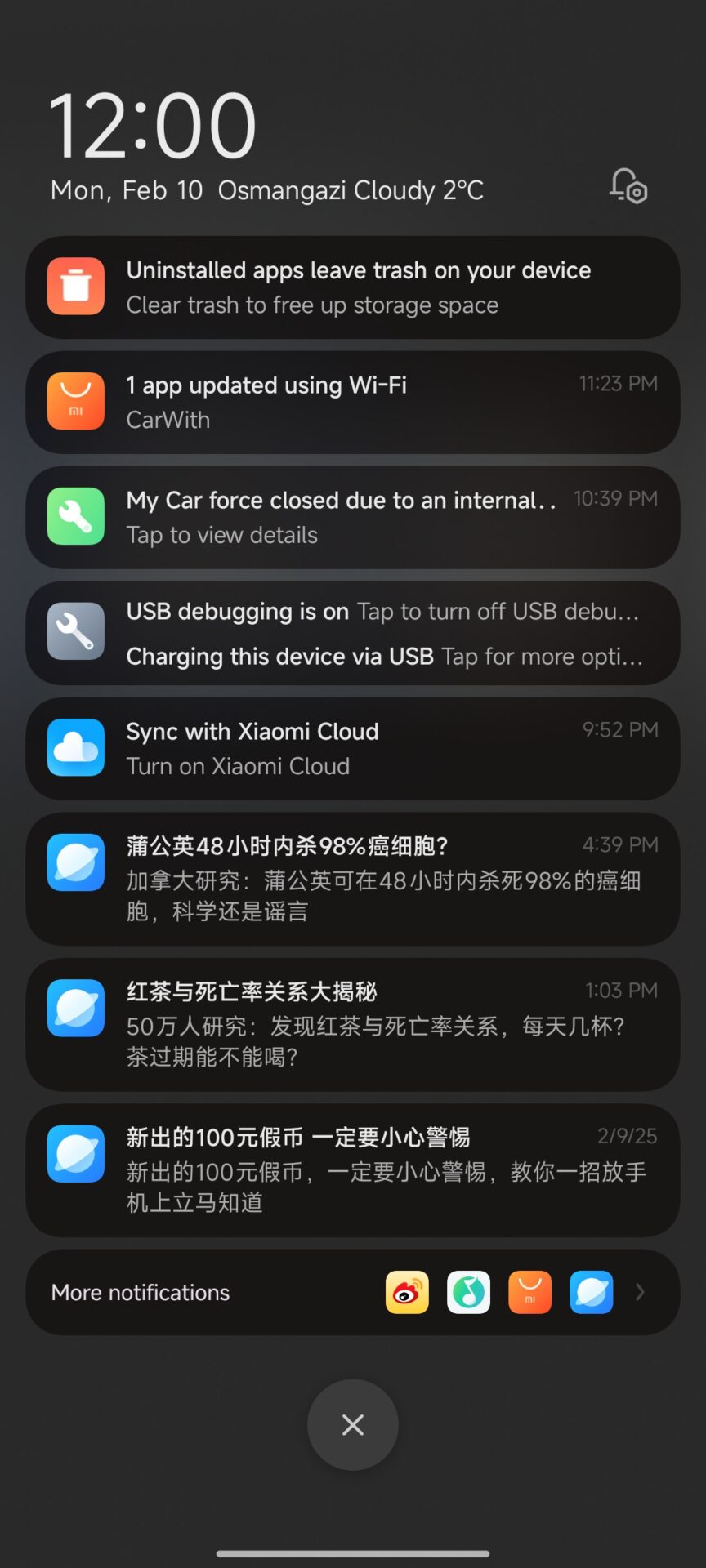
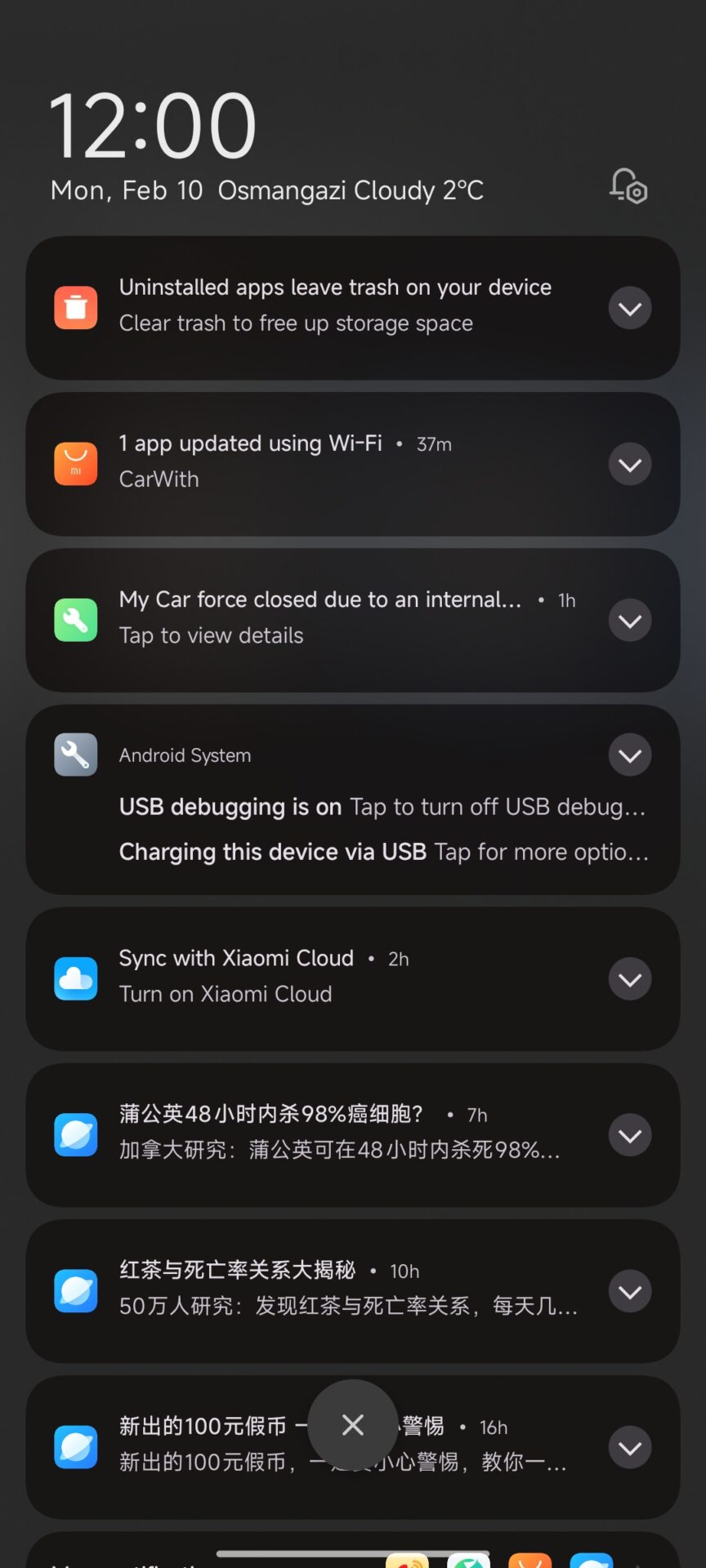
  • Switch between HyperOS and Android notification styles
  • Modify change notification color behavior
  • Customize individual app notification settings
Notification Style 1 Notification Style 2 Notification Style 3

Mastering Quick Toggle Management

Having the ability to customize your quick toggles can make a huge difference in your daily smartphone experience. HyperOS makes this experience powerful and intuitive.

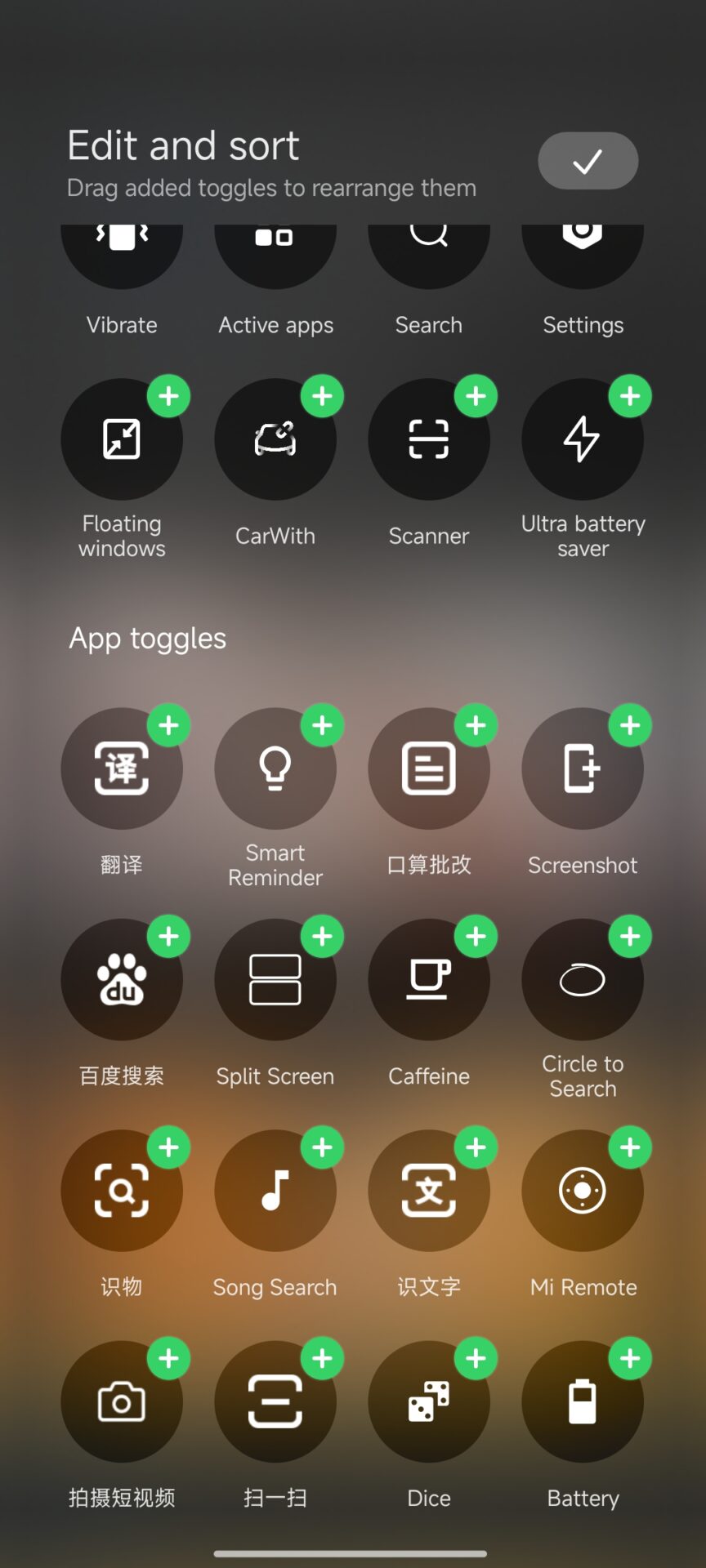
To rearrange your toggles:

  1. Drag down from the Control Center
  2. Select the edit button (pencil icon)
  3. Drag and drop toggles to your desired locations
  4. Click “Done” to preserve your layout

Personalizing Your Control Center with Themes

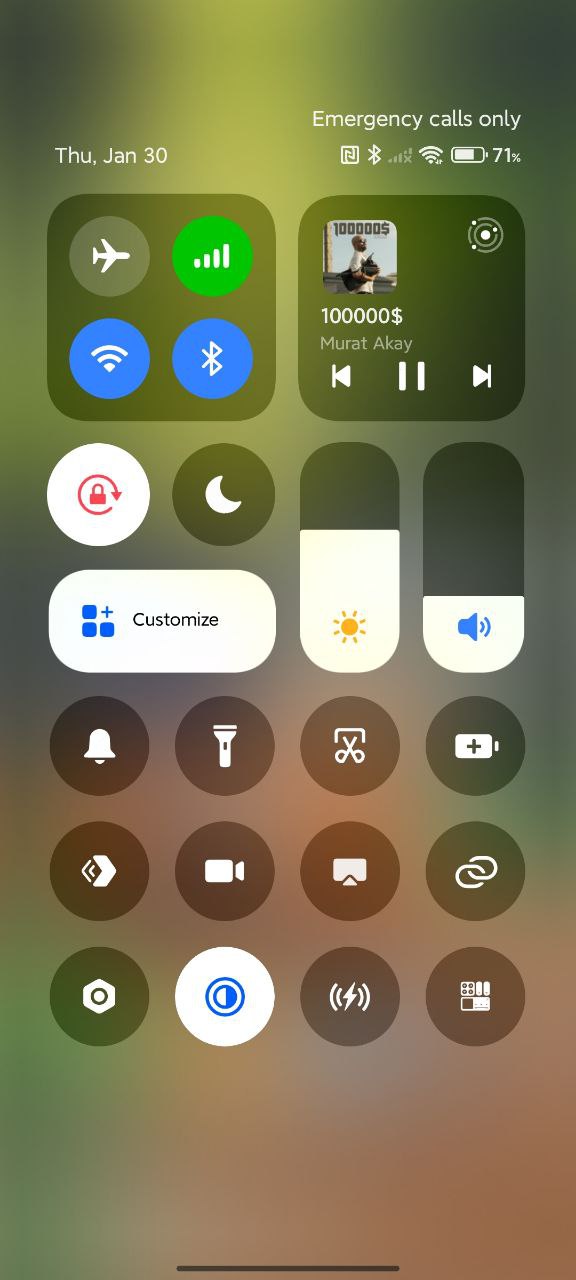
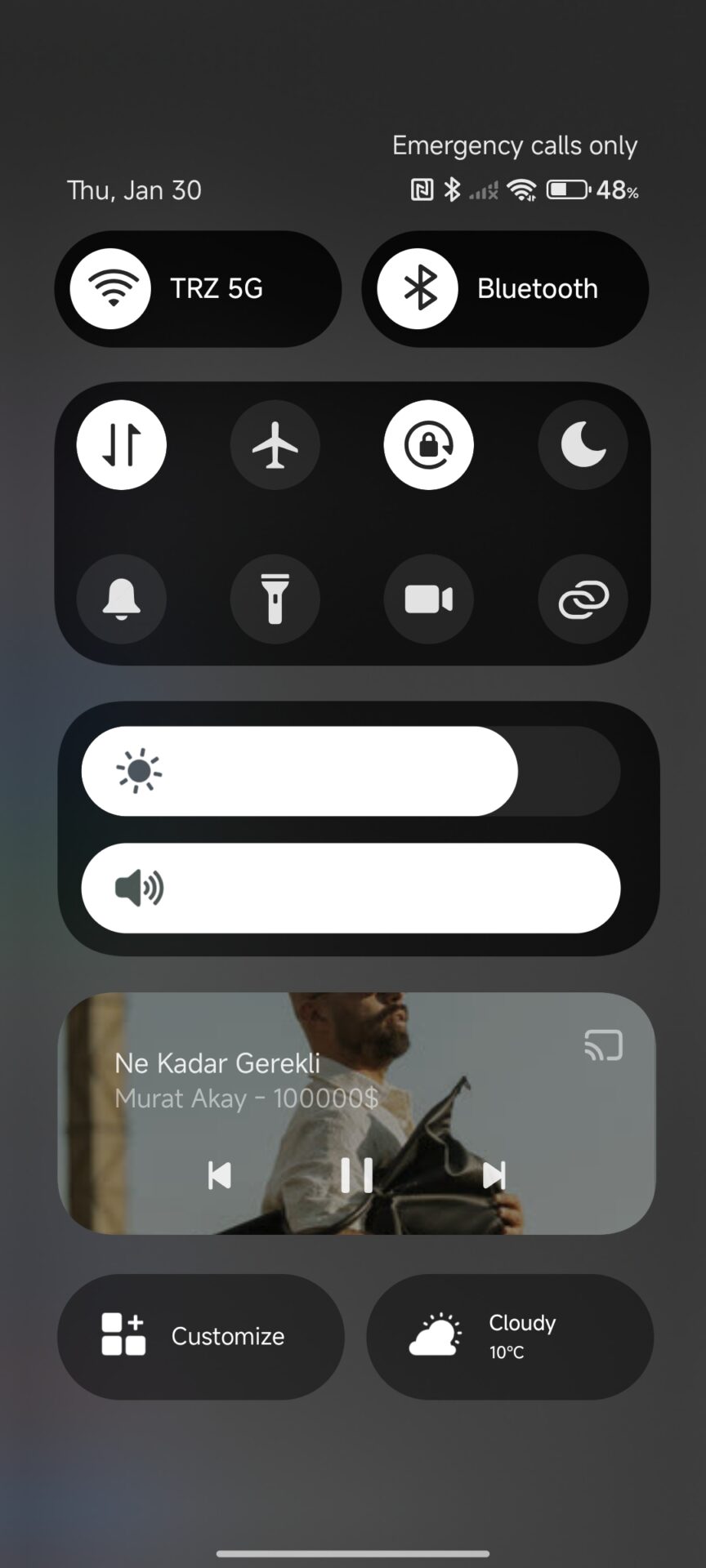
HyperOS themes can alter your Control Center’s look and feel without touching its functionality. The theming system supports various styles, from minimalist themes to more elaborate customizations that can radically change your phone’s appearance such as iOS and OneUI.

HyperOS iOS Control Center Mod 2 Screenshot 2025 01 30 10 20 32 093 com.android.settings

Add new quick settings toggles

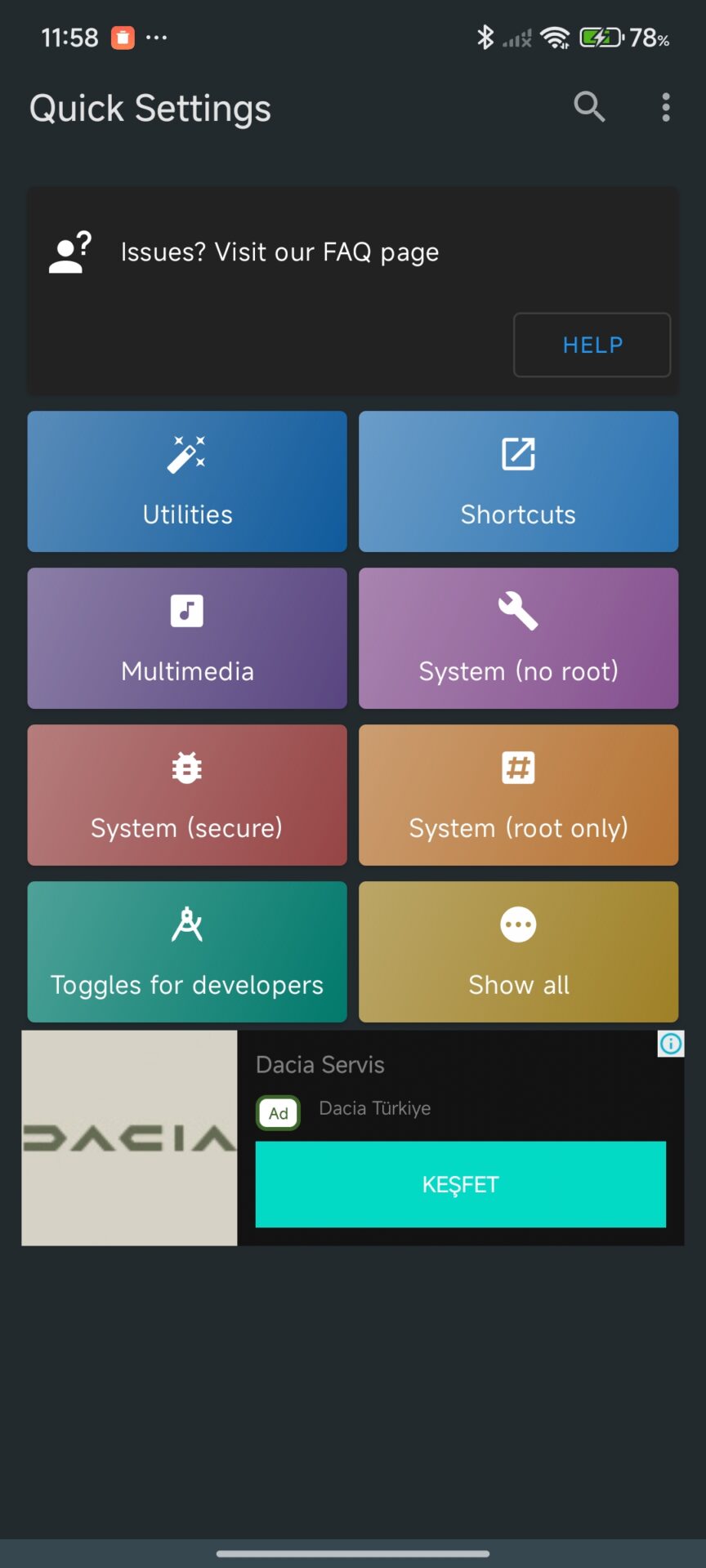
And for others who would like to customize even more, the Quick Settings app brings new possibilities to your Control Center. This app allows you to add new toggles and enhance the functionality of your quick settings panel.

Installation and setup process:

  • Quick Settings app can be downloaded via Play store.
  • Open and navigate to the Toggles section
  • View available options
  • Add your desired toggles to the Control Center
New Toggles 1 New Toggles 2

While some details like the initial four tiles within the Control Center are fixed, the many customization options provided by HyperOS leave ample space to create a personalized and efficient interface.

❌