Normal view

Received — 29 November 2025 Xiaomi News & Update

Why Xiaomi moved from 200W charging to 100W in 2025

29 November 2025 at 05:00

Xiaomi’s 2025 charging strategy represents one of the most significant structural upgrades on the company’s battery roadmap. While Xiaomi previously announced record 120W and even 200W HyperCharge systems, the new flagship generation including the Xiaomi 15 series falls back to 90W–100W charging rates. This is consistent with the transition toward high-density silicon-carbon batteries and single-cell architectures that Xiaomi is undertaking. For additional background on Xiaomi’s contemporary battery strategy, readers can also refer to our Xiaomi 15 Pro battery analysisHyperOS battery optimization overview, or Xiaomi charging technology timeline.

A Structural Shift in Mobile Power Engineering

This reduction in peak charging wattage is not a technological downgrade but rather the result of a conscious engineering recalibration. Newer silicon-carbon batteries boast much higher volumetric energy density relative to conventional graphite-based cells. However, this gain comes with strict thermal and mechanical limitations. For long-term stability and to extend battery life well over 1,600 cycles, Xiaomi has balanced the charging currents to achieve the new ceiling of around 90W–100W. This allows for bigger capacities such as 6000mAh+ without adding device thickness.

battery cycle

Why High Energy Density Changes the Charging Equation

Silicon-carbon chemistry gives Xiaomi a chance to increase energy storage without growing the size of the chassis. However, silicon expands considerably during charging, increasing internal stress when exposed to heavy currents. The charging system needs to operate within a controlled power envelope to avoid structural fatigue, electrolyte degradation, and premature aging. Therefore, battery longevity and reliability are more valued by Xiaomi than achieving extreme wattages, particularly in premium units where long-term performance is more critical.

Single-Cell Architectures and Thermal Considerations

In the earlier 120W–200W systems, Xiaomi relied on dual-cell layouts that distributed voltage across two separate battery modules. This provided for higher instantaneous power at the cost of reduced available internal volume and restricted maximum capacity due to duplicate packaging, connection layers, and safety buffers. New single-cell designs in the Xiaomi 15 Pro greatly improve volumetric efficiency, allowing for capacities above 6100mAh in slim bodies.
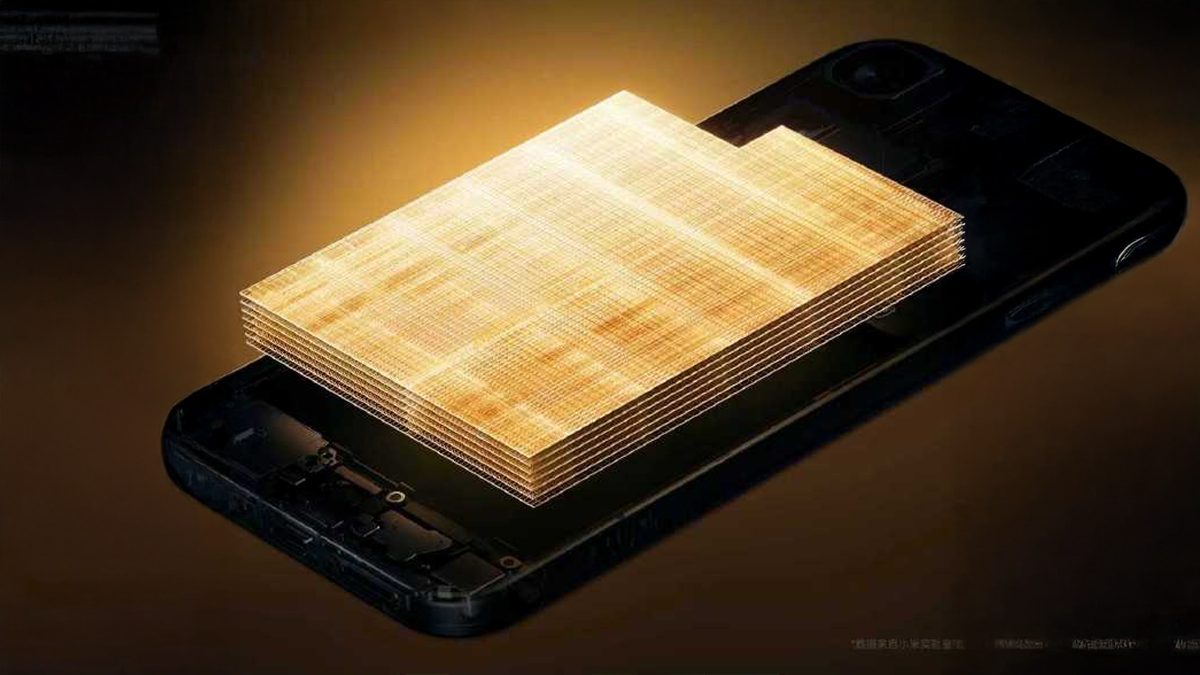
Xiaomi 17 Pro Battery 1

Why Single-Cell Charging Cannot Reach 120W+

A single lithium-ion cell operates around 4.5V. Pushing 120W into such a structure requires currents above 26A, which are beyond the safe limits of USB-C connectors, motherboard traces, and battery terminals. Even with enhanced materials, these currents generate excessive heat and accelerate chemical wear. Consequently, engineering teams concluded that 90W–100W is the safe and sustainable limit for next-generation single-cell silicon-carbon batteries.

Different Product Priorities: Xiaomi Flagship vs Redmi K Series

While the Xiaomi 15 Pro was all about improving the imaging performance and extending battery life, Redmi K80 Pro — only sold in China — continues to employ dual-cell systems to enable 120W charging. This difference reflects diverging design philosophies. Whereas the Redmi K line emphasizes gaming and fast power delivery, the Xiaomi flagship series targets premium ergonomics, camera quality, and overall endurance.

Why Redmi Can Still Use 120W

The reason why the Redmi models can afford to have more internal space for the battery module is that their camera system occupies less volume than the Leica-optimized modules in the Xiaomi flagships. This allows for extra space, thus enabling dual-cell designs without compromising capacity. Xiaomi’s flagship layout, on the other hand, would rather focus on optical performance, thus making the single-cell high-density battery an optimum solution.

Battery Longevity as the New Industry Standard

This places Xiaomi’s products in step with budding regulation and consumer expectations as the industry moves away from “charging speed competition” and toward “battery lifecycle optimization.” The thermal profile of the 200W-class systems limits cycle life to about 800 cycles, whereas the optimized 90W-100W systems with silicon-carbon cells can reach 1,600+ cycles reliably, effectively doubling the usable lifetime. This long-term performance advantage now represents a more valuable metric than the difference between 15-minute and 28-minute full-charge times.

Xiaomi to fix lock screen shortcut bug with upcoming update of HyperOS

29 November 2025 at 03:27

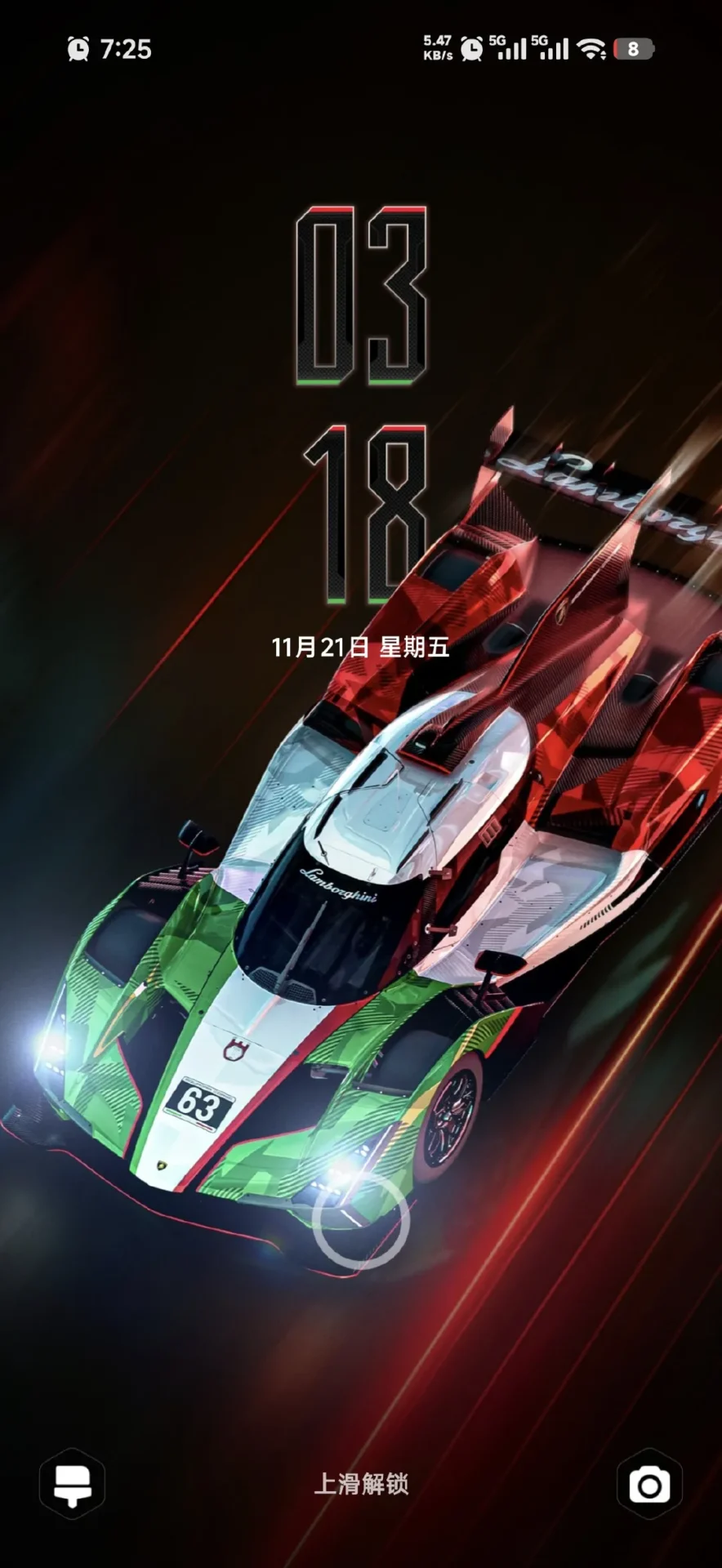
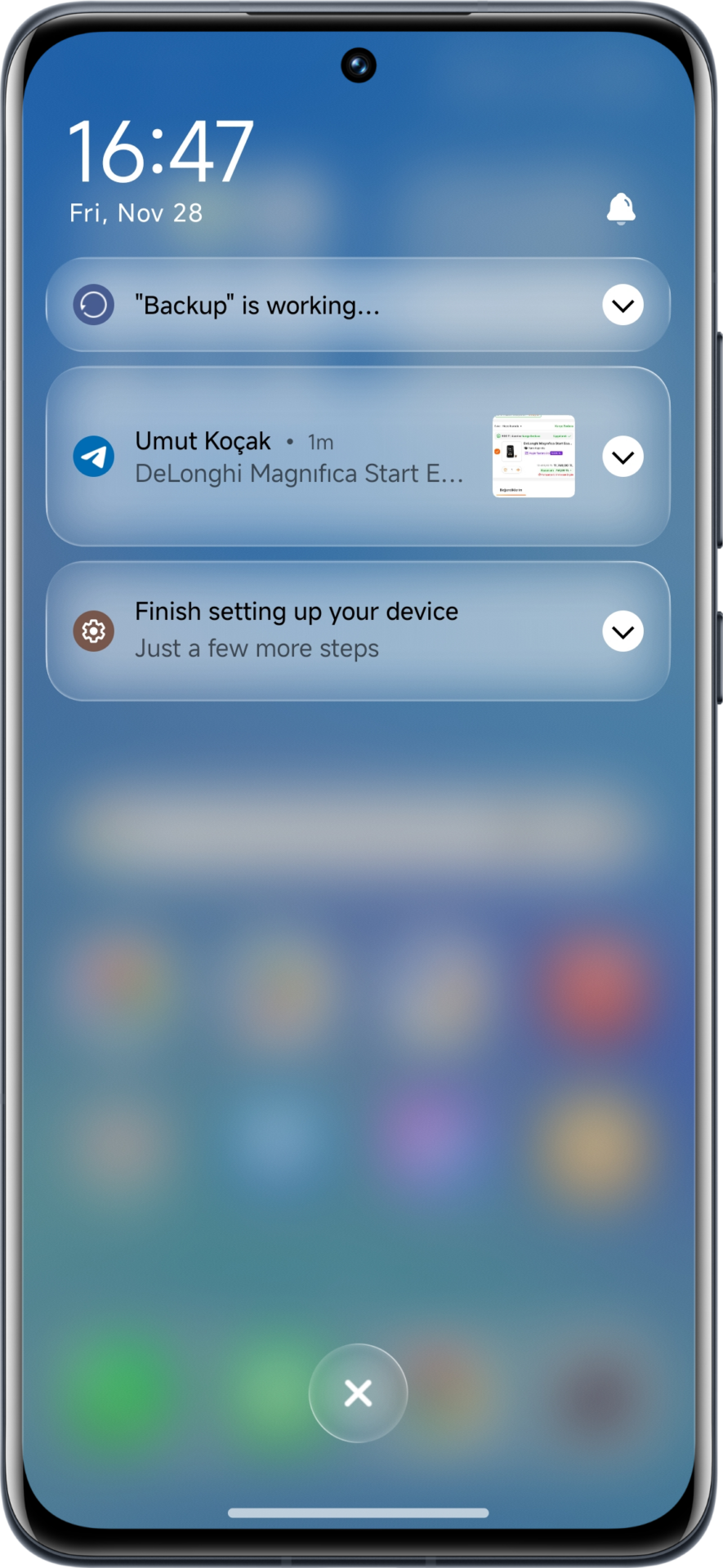
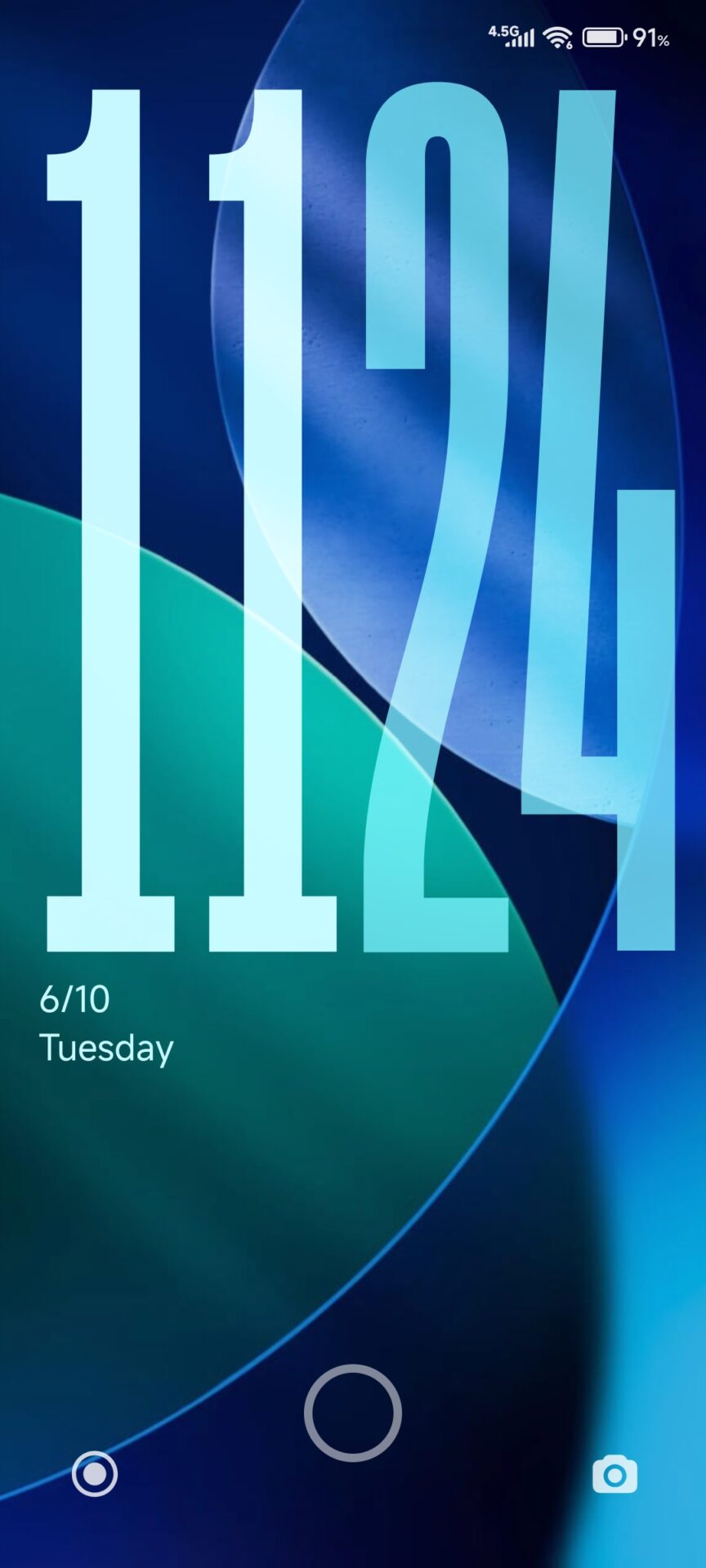
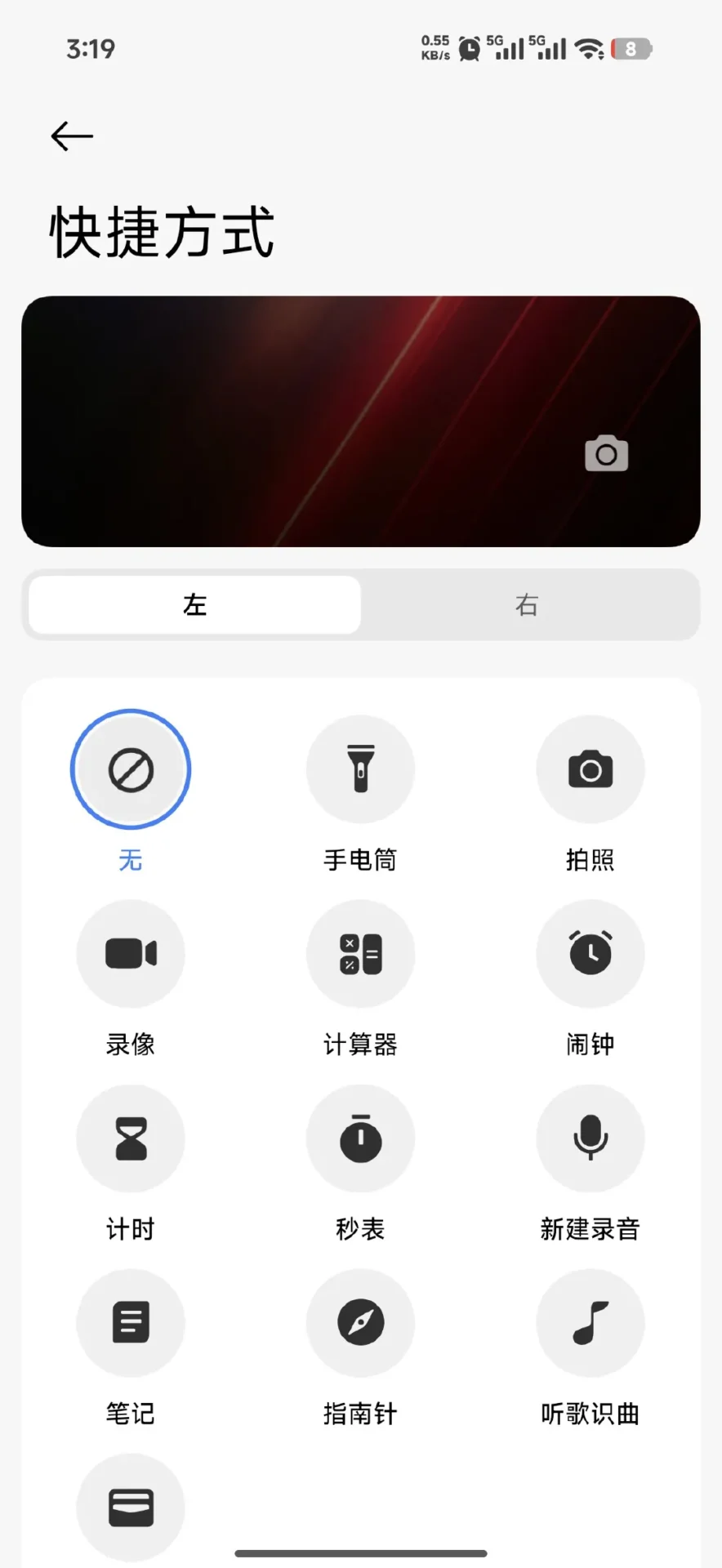
The issue, which has recently affected lock screen shortcut customization on select Xiaomi devices, is now officially confirmed for resolution in the next HyperOS update. Based on internal feedback shared across the Xiaomi community, users reported that, for instance, recording or photo capture shortcuts that were set up through the settings panel did not appear on the lock screen. The behavior was most evident on devices like the Xiaomi 17 Pro running HyperOS 3.0.30.0, and the company has now given the green light for the fix.

What Caused the Lock Screen Shortcut Issue?

A few users reported that despite choosing their desired shortcuts in Settings → Lock Screen → Shortcuts, the lock screen kept showing the default Camera and Flashlight toggles. This seemed to be very specific to the November 2025 software release. Xiaomi acknowledged the problem under internal proposal number 52485694 and user feedback number 51601277, confirming that the system UI did not apply the updated shortcut preferences.

The bug was consistent across the affected devices and didn’t depend on the shortcuts chosen. Xiaomi engineers quickly reviewed the issue after reports in the community gained visibility.

ed0d69793a3315b1adaa3d85e2bf08a9 5225ee5b1ce5fa2386f3b2c17f08c4de

Xiaomi Confirms Fix Coming in the Next Update

Xiaomi has, in turn, confirmed that this is a lock screen bug that has been resolved internally, assuring users that the next update for HyperOS will deliver the patch. This means that whatever shortcuts are selected—be it Voice RecorderTake Photo, or any other supported tools—they will straightaway reflect on the lock screen after configuration.

This aligns with the constant optimization Xiaomi has engaged in since the HyperOS ecosystem launch. The update is currently in the validation process and will be rolled out progressively. In particular, those relying on system UI customization should find great improvements once the patch is applied.

How Users Can Prepare for the Update

Ahead of the fix’s rollout, Xiaomi recommends monitoring system update notifications and making sure automatic updates are turned on. One could also update relevant system applications using our HyperOS Downloader tool from MemeOS Enhancer, available on Play Store. The app allows users to access hidden Xiaomi features, update system apps, and manage HyperOS components easily.

Source

HyperOS Theme of the week: iOS-inspired Liquid Fruit 26

28 November 2025 at 22:12

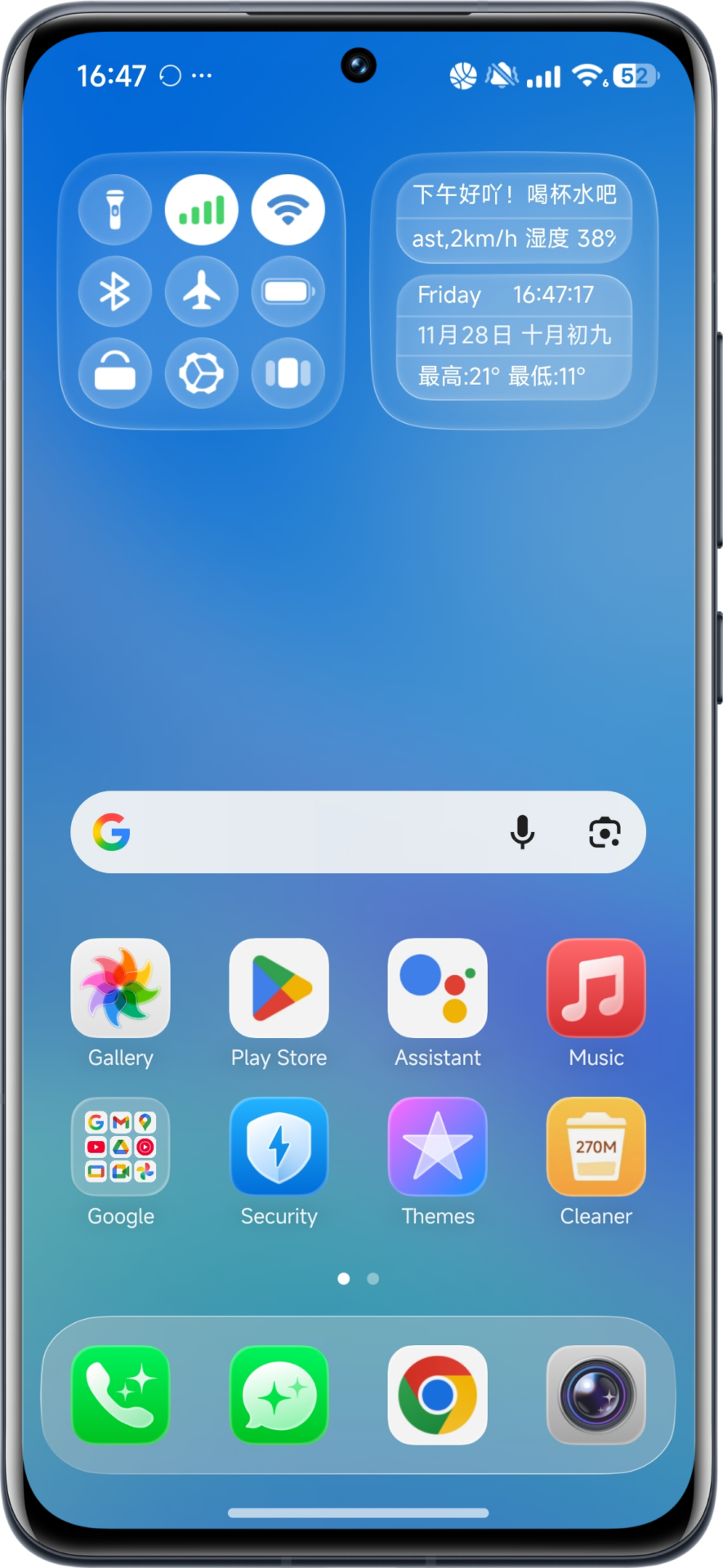
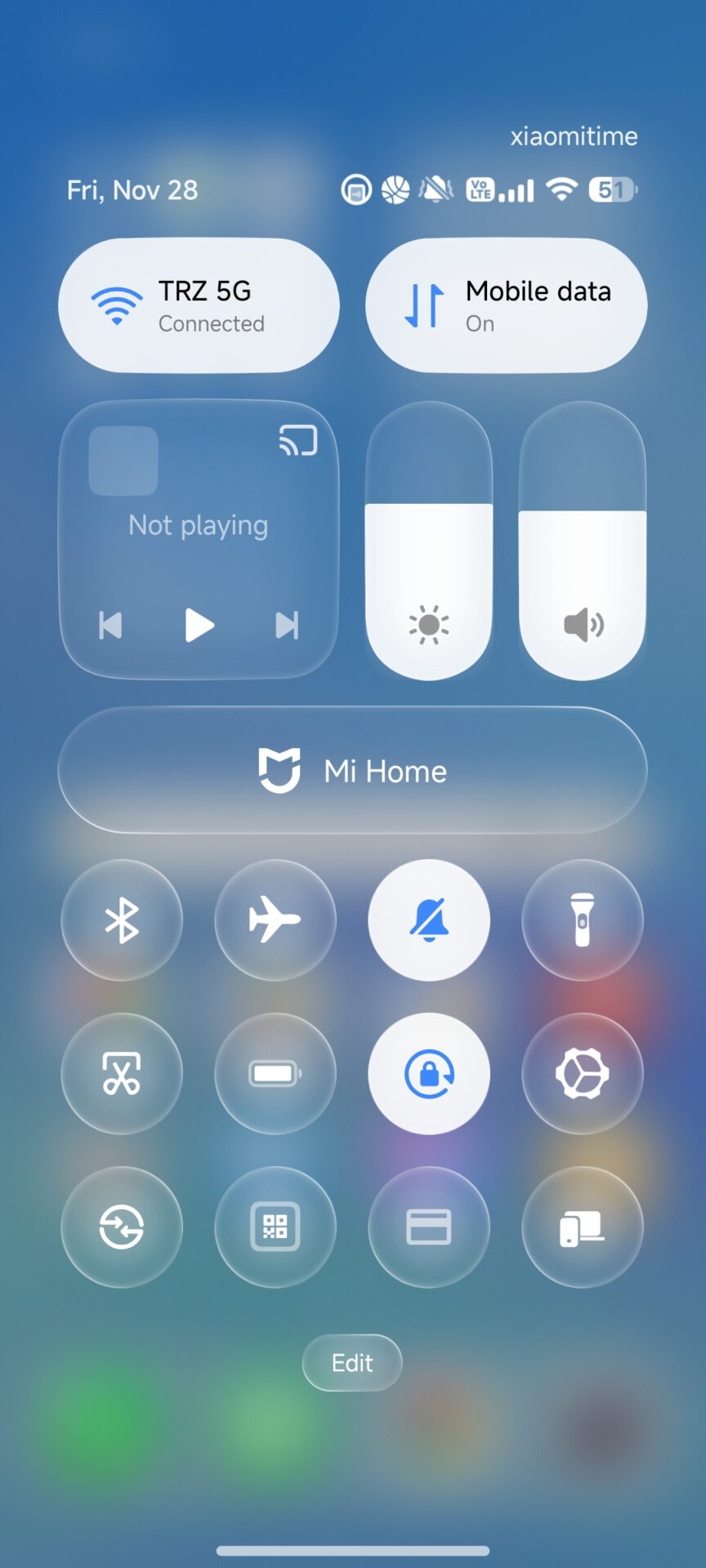
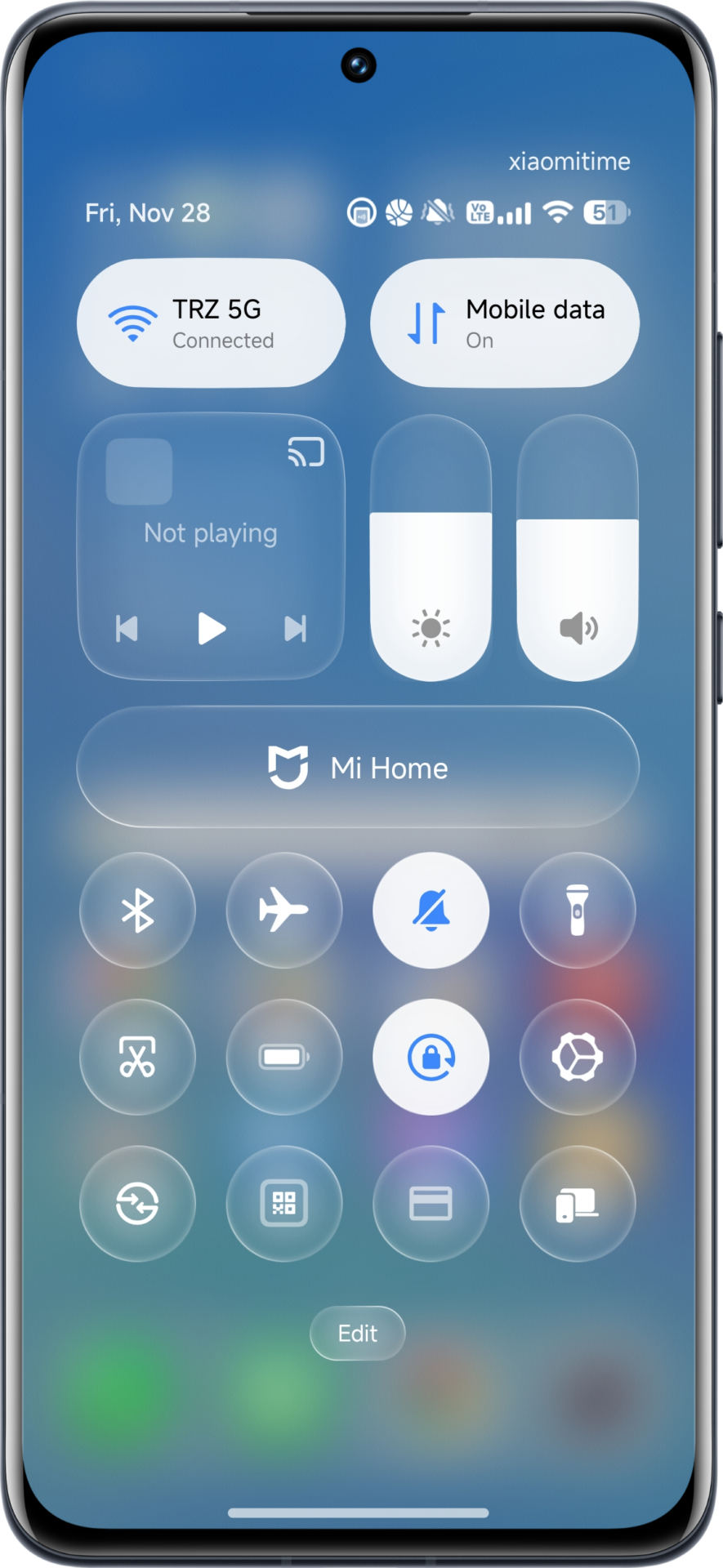
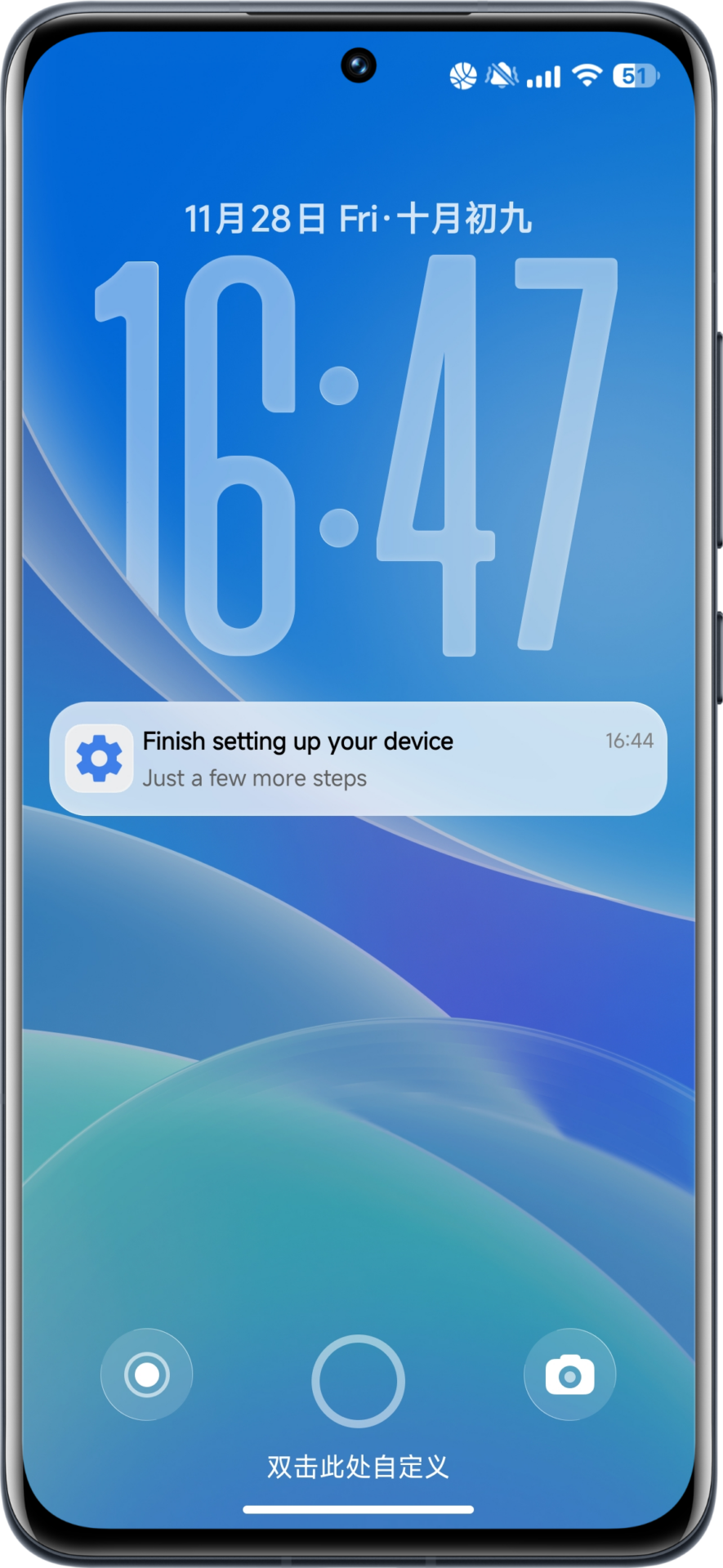
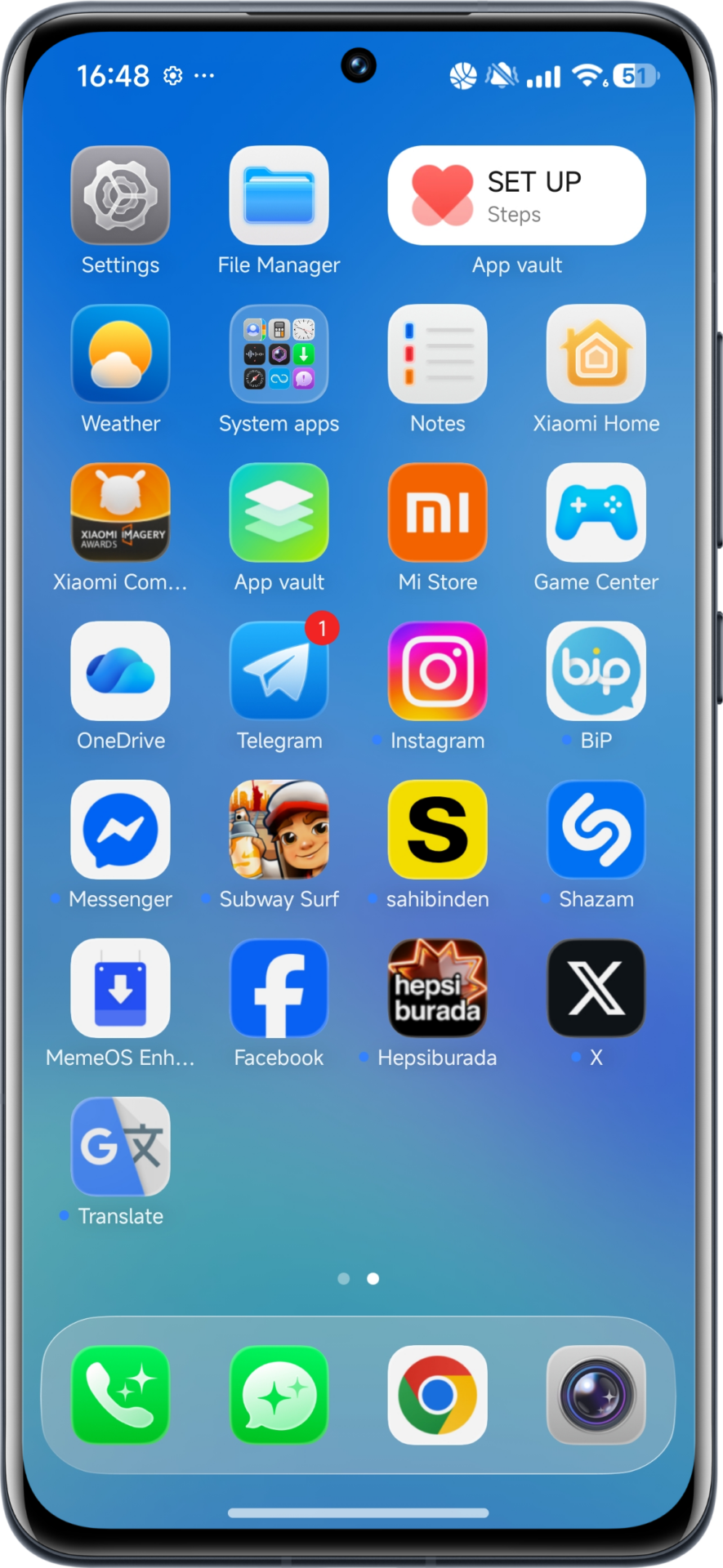
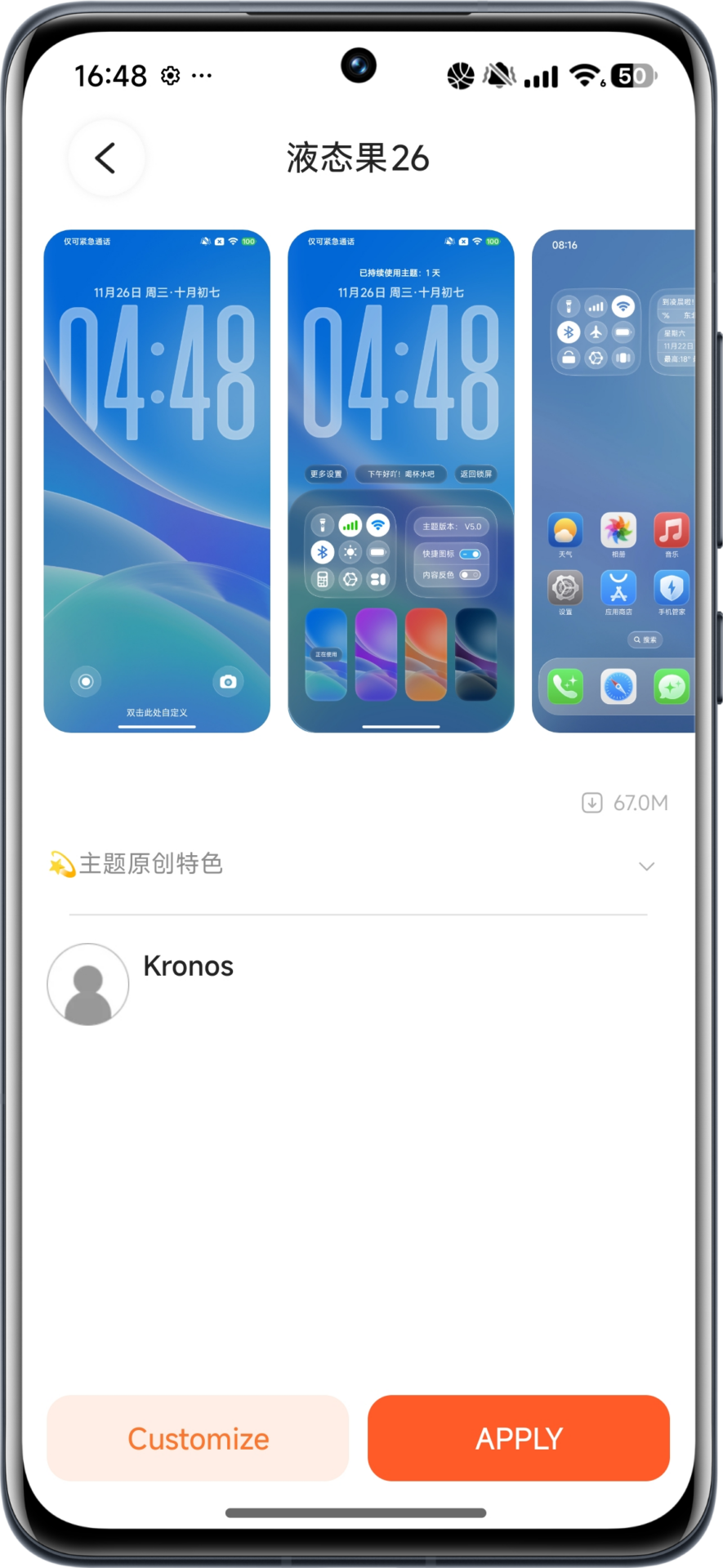
If you’re someone who loves the aesthetic of iOS but prefers the flexibility and customization that comes with Xiaomi’s HyperOS, then the Liquid Fruit 26 theme is exactly what you may need. This, developed by Kronos, gives an iOS-inspired look to your Xiaomi device with a unique twist to give it a fresh, vibrant feel — perfectly suited for the HyperOS 3 and HyperOS 2 experience.

Key Features of Liquid Fruit 26:

  • iOS-inspired design: This theme does indeed sport the visual identity of iOS, but with subtle twists to give it its unique vibe to almost feel like a perfect combination between iOS 26 and Xiaomi.
  • HyperOS 3.0 compatibility: It is designed for HyperOS 3.0 and assures that all UI elements will fit seamlessly with the latest features and optimizations of the system.
  • Smooth performance: The Liquid Fruit 26 theme is optimized to run smoothly with its sleek and modern interface so you don’t lose any of the speed or functionality HyperOS offers.
Liquid Fruit 26 Theme 2 Liquid Fruit 26 Theme 6 Liquid Fruit 26 Theme 1 Liquid Fruit 26 Theme 3 Liquid Fruit 26 Theme 5 Liquid Fruit 26 Theme 4 Liquid Fruit 26 Theme 7 Liquid Fruit 26 Theme 1 Liquid Fruit 26 Theme 8 Liquid Fruit 26 Theme 9

How to Install the Liquid Fruit 26 Theme on Your Xiaomi Device:

  • Download the Backup File: You can download the Liquid Fruit 26 theme backup from our Telegram channel. Download and save the file securely on your device.
  • Follow the Installation Guide: Not sure how to install themes outside of the Xiaomi Theme Store? Don’t worry! You can easily follow the HyperOS Theme installation guide. The guide will walk you through the process, step by step.
  • Activate the Theme: Once installed, go to your theme settings, select Liquid Fruit 26, and apply it. Your Xiaomi device will be transformed in an instant with this smooth iOS-inspired UI.

Why You Should Try Liquid Fruit 26:

  • Unique iOS-inspired Look: This theme offers a familiar iOS 26 feel, but with its own unique flair. The fluid design is both modern and stylish, offering a fresh take on the standard iOS aesthetics.
  • Enhanced Customization: As a HyperOS theme, Liquid Fruit 26 supports Xiaomi’s deep customization options, letting you personalize your device to match your style.
  • Smooth User Experience: With HyperOS 3.0 backing, the theme integrates well into the latest system updates and ensures a high-quality user experience.

Credit to Theme Developer Kronos

All credit for this theme goes to Kronos, the talented developer behind Liquid Fruit 26. Their attention to detail and passion for bringing new experiences to Xiaomi users shines through in this theme. Be sure to check out more of their work if you appreciate what Liquid Fruit 26 has to offer.

Xiaomi fixes annoying screen lock bug with app lock feature

28 November 2025 at 21:20

The update to Xiaomi’s HyperOS 3 fixes an odd bug that has plagued many users: the random locking of the screen when trying to access apps that are locked. This bug causes devices to lock immediately after opening some applications. Users have complained about this, and Xiaomi has confirmed that it will fix the bug in the next update to maintain smoothness and consistency in the user experience.

The Bug: Unexpected Lock Screen Activation

It came up when users tried to launch an application that they had set the app lock on. Instead of just going right into the app, the screen would suddenly redirect them to the lock screen, which once again required the users to unlock their devices. This kept happening over and over again, disrupting daily usage, particularly for users who frequently opened locked apps.

Screenshot 2025 06 10 11 24 32 161 lockscreen

This bug frustrated many, especially when users had to access important apps for banking, messaging, or social media. When they’d unlock their devices, the screen would almost immediately lock again. The issue did not appear on every device but spread rapidly across many users for Xiaomi to notice.

Xiaomi’s Response and Update Plan

Xiaomi responded to the bug by releasing an official statement promising that it would fix the issue in the next update of the HyperOS 3. The company said that the upcoming update will fix the bug by stabilizing the app lock feature; accordingly, the apps should get unlocked without triggering unnecessary screen locks. This shall give a seamless experience to the users who primarily use app locking for privacy and security reasons.

What’s Next for HyperOS 3 Users?

The fix for this bug is expected to hit users soon, as promised by the company. It only requires users to install the update once it’s available. Xiaomi has been very responsive regarding user feedback; it constantly works to tweak HyperOS to deliver improved performance and user satisfaction.

If you are facing this problem, watch out for your updates in the coming weeks. This bug fix is part of Xiaomi’s ongoing efforts to improve the stability and usability of HyperOS 3.

Is the Xiaomi Mi 8 still usable in 2025?

28 November 2025 at 20:14

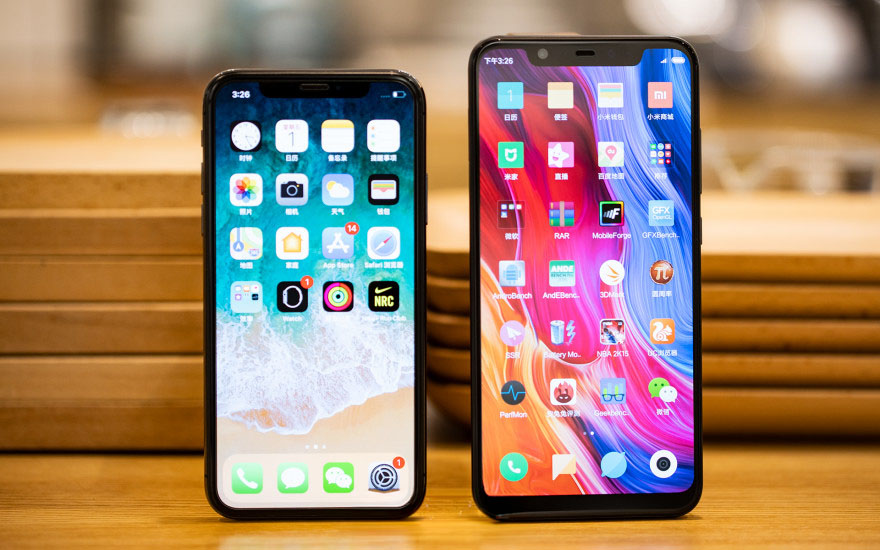
Now, in 2025, using a Xiaomi Mi 8 poses a significant question: can a 2018 flagship still be capable of providing a meaningful experience in today’s advanced HyperOS ecosystem? Whereas newer devices, such as the Xiaomi 14 or POCO F6 Pro, offer much more modern hardware, the Mi 8 still appeals to users who appreciate the principles of sustainability and long-term value. This article investigates the practical usability of the Mi 8, its software potential, and performance over time. For more technical analyses, you might want to check our coverage on HyperOS featurescustom ROM support, or bootloader policies.

Mi 8 Hardware Strengths in 2025

The Snapdragon 845 inside the Xiaomi Mi 8 is a chip that even by entry and mid-range standards in 2025 still holds up pretty well in terms of single-core responsiveness. With efficiency gains aside, the SD845 still keeps web browsing, daily multitasking, and interface rendering remarkably smooth.

Xiaomi Mi 8 3

GPU Performance and Gaming Capability

Before looking at specific game performance, it is worth noting some of the structural advantages of the GPU. The Adreno 630 still outclasses most 2024–2025 entry-level processors, so for more casual or broadly compatible titles like PUBG Mobile or Call of Duty Mobile, the Mi 8 supports medium to high settings with smooth frame pacing. This makes it a very compelling option for those who want an affordable gaming device without sacrificing too much in terms of user experience.

Showcase Experience and Longevity

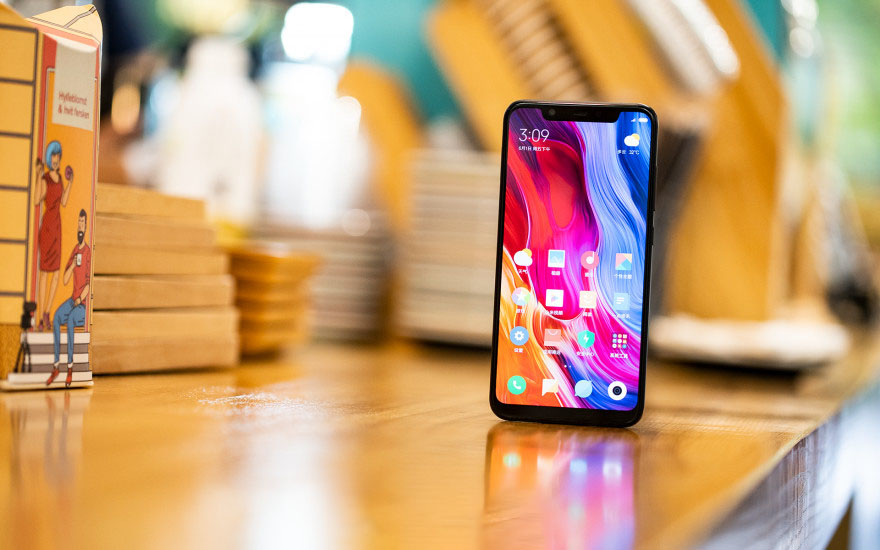
Still, the 6.21-inch AMOLED panel of the Mi 8 provides rich contrast and deep blacks, hence it is still better than the usual LCD panels used on budget 2025 smartphones. However, in respect to users who have gotten used to the 120Hz display of new Xiaomi and POCO models, the 60Hz refresh rate may appear limited.

Xiaomi Mi 8 6

Long-Term Durability Considerations

After seven years of usage, the likelihood of OLED degradation increases, especially on second-hand units. Minor burn-in or slight peak brightness reduction will be apparent on devices that were mostly used with static UI elements. Despite this possibility, well-preserved units still provide great visual quality for media consumption.

Software Status and Upgrade Paths

The Mi 8 does officially top out at MIUI 12.5 based on Android 10, which no longer meets 2025 security standards. Still, the device enjoys arguably one of the most robust custom ROM ecosystems of any older Xiaomi model.

Community Support and Modern Android Versions

Due to its openness towards open-source, the Mi 8 runs Android 14 and even early builds of Android 15, thanks to LineageOS and similar projects. This extends usability by a mile, enhances security, and improves performance by removing all the legacy MIUI processes. Custom ROM installation becomes crucial for users who rely on modern applications.

Security, Integrity, and Banking Apps

Banking applications and Google Wallet require passing Google’s Play Integrity checks. These require users to employ modules like Integrity Fix or fingerprint spoofing to maintain compatibility with a custom ROM. This works reliably if set up and kept up to date correctly but demands technical knowledge and regular updating for uninterrupted operation.

Camera Performance with Modern Apps

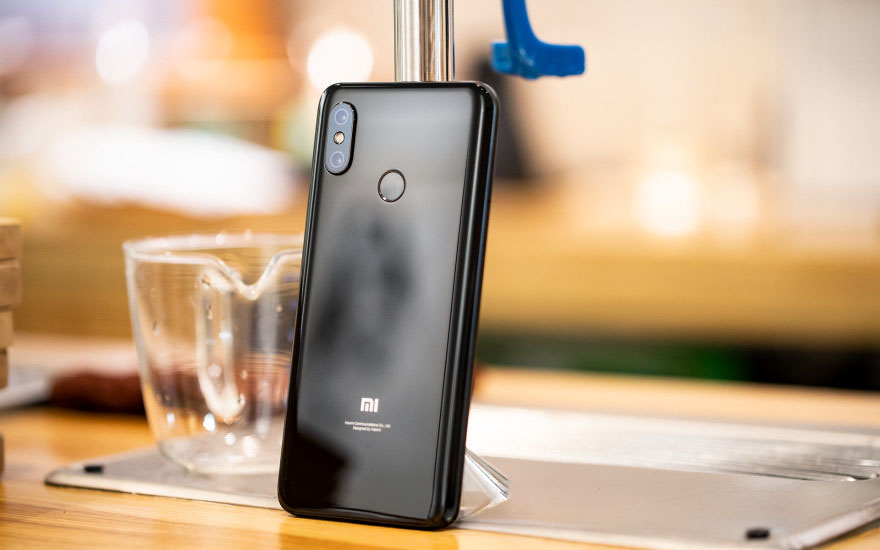
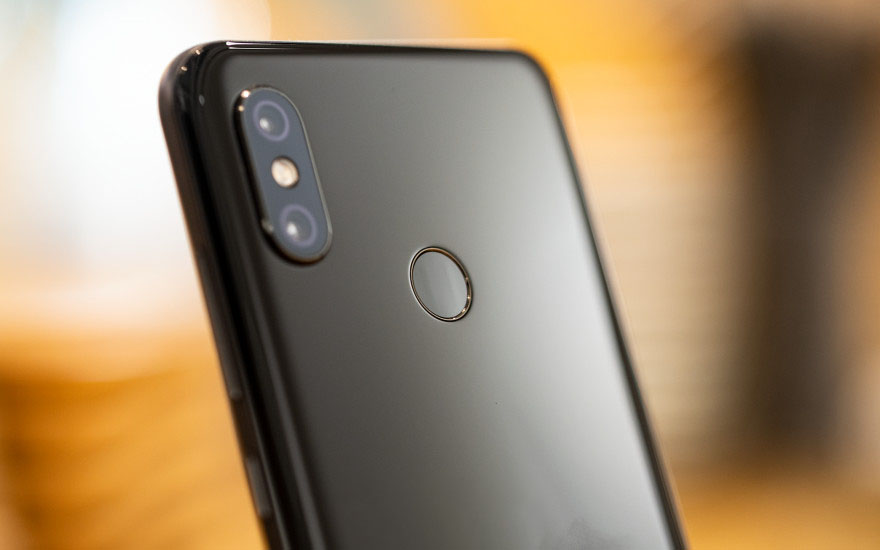
In 2025, the Mi 8’s camera hardware might seem outdated, but thanks to computational photography tools, such as GCam ports, it greatly enhances output quality. Image clarity and HDR performance are still competitive with many modern mid-range offerings, as is night photography. Video recording up to 4K 60FPS also still outclasses many affordable smartphones that top out at 1080p.

Xiaomi Mi 8 4 Xiaomi Mi 8 1

Thus, using a Xiaomi Mi 8 in 2025 is a practical option only for users who are comfortable with software modification and understand the implications of running community ROMs, finding sustainability to be more important than convenience.

Although the official support is already over, this powerful processor along with reliable camera capabilities and an active developer community can help keep it running viable, provided that conditions are appropriate. For the everyday consumer, however, a modern Xiaomi or POCO model offers a more seamless long-term solution.

Most affordable Xiaomi tablet for young children

28 November 2025 at 18:08

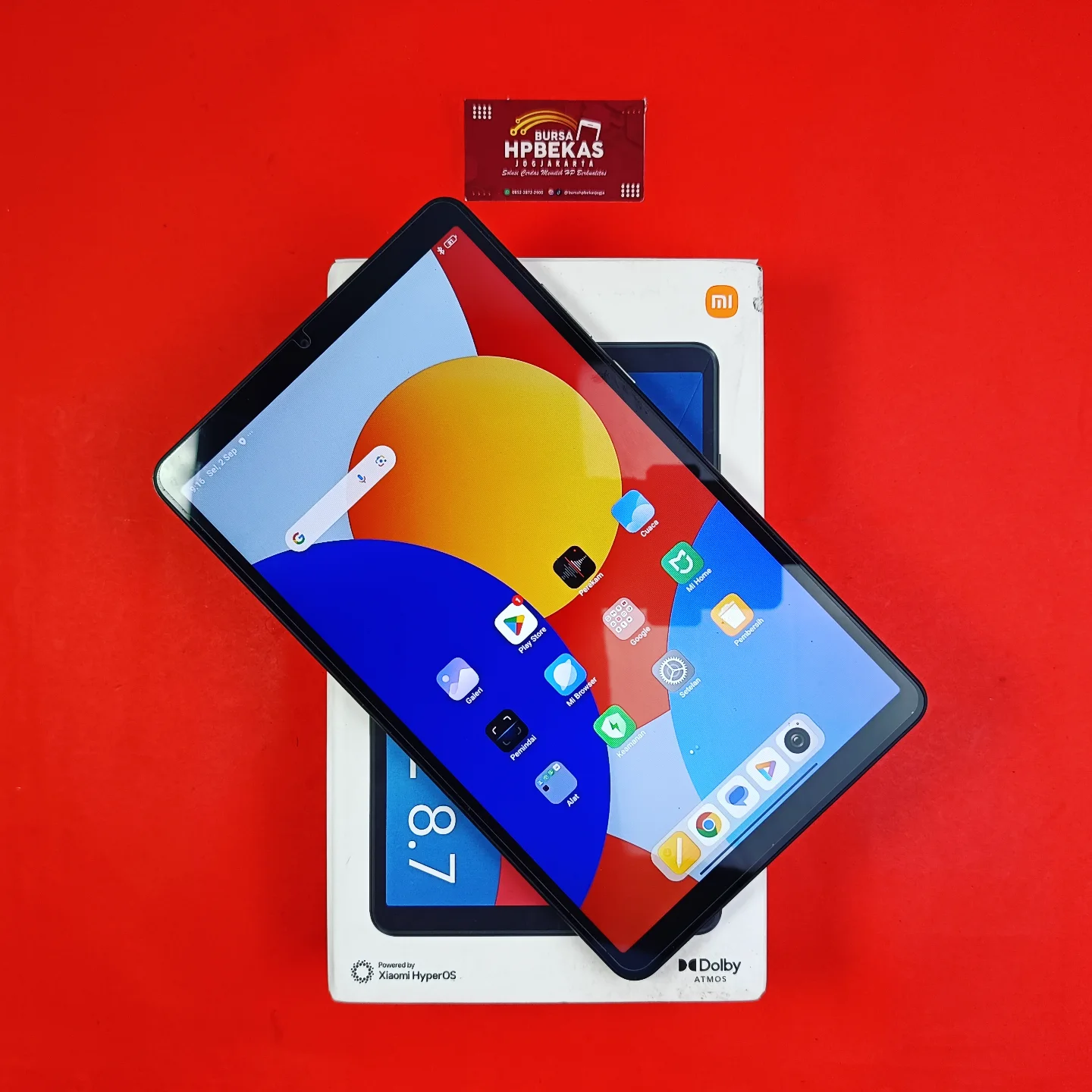
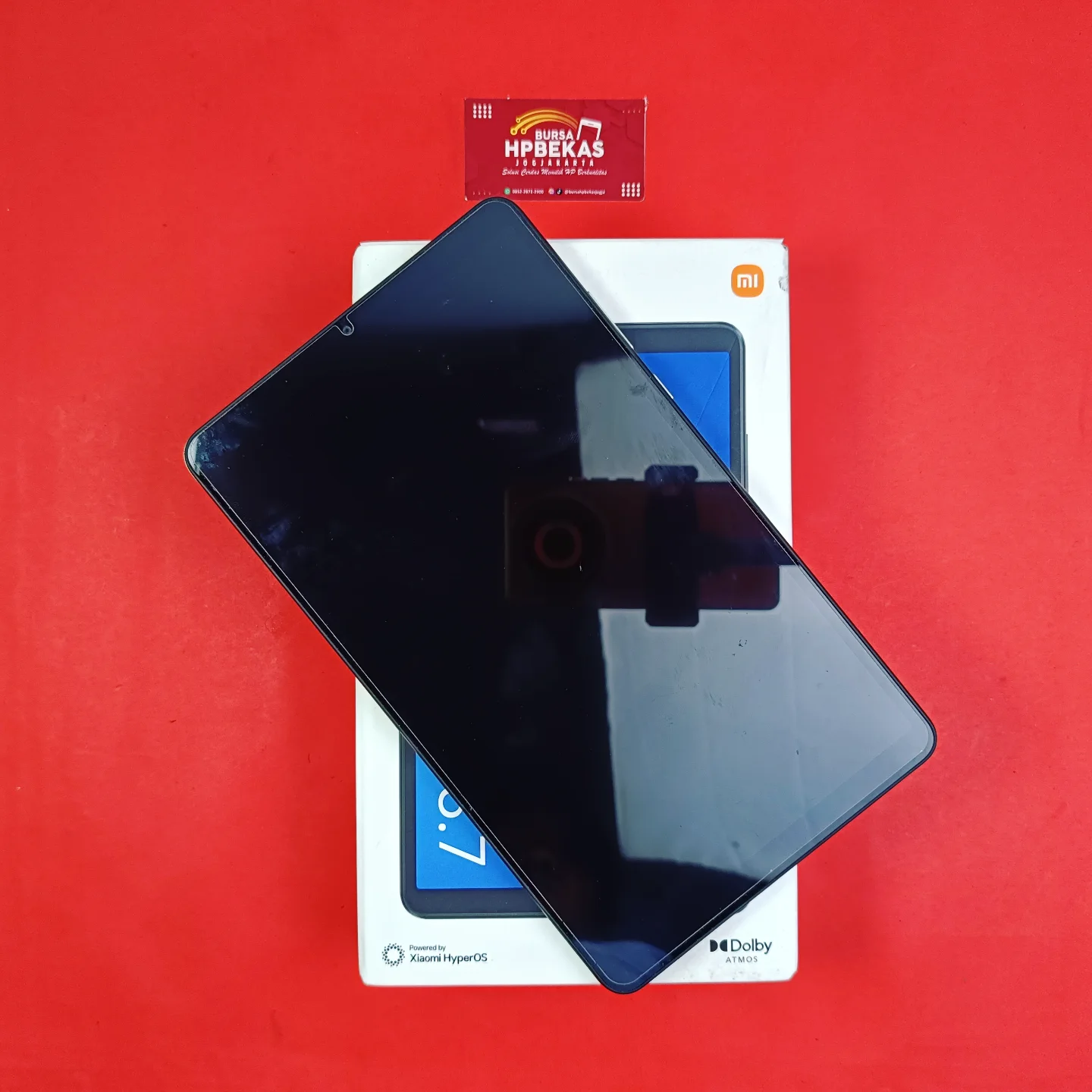
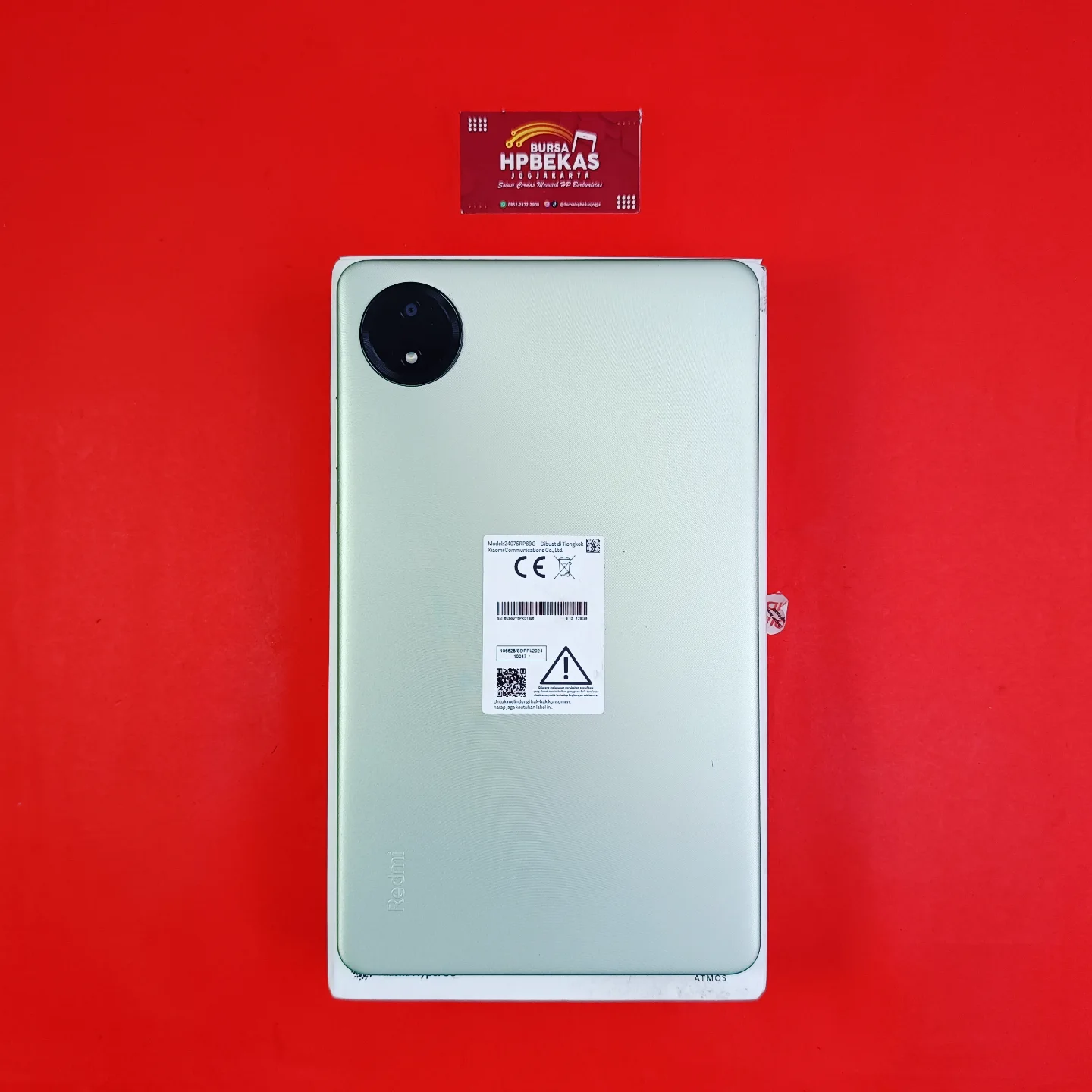
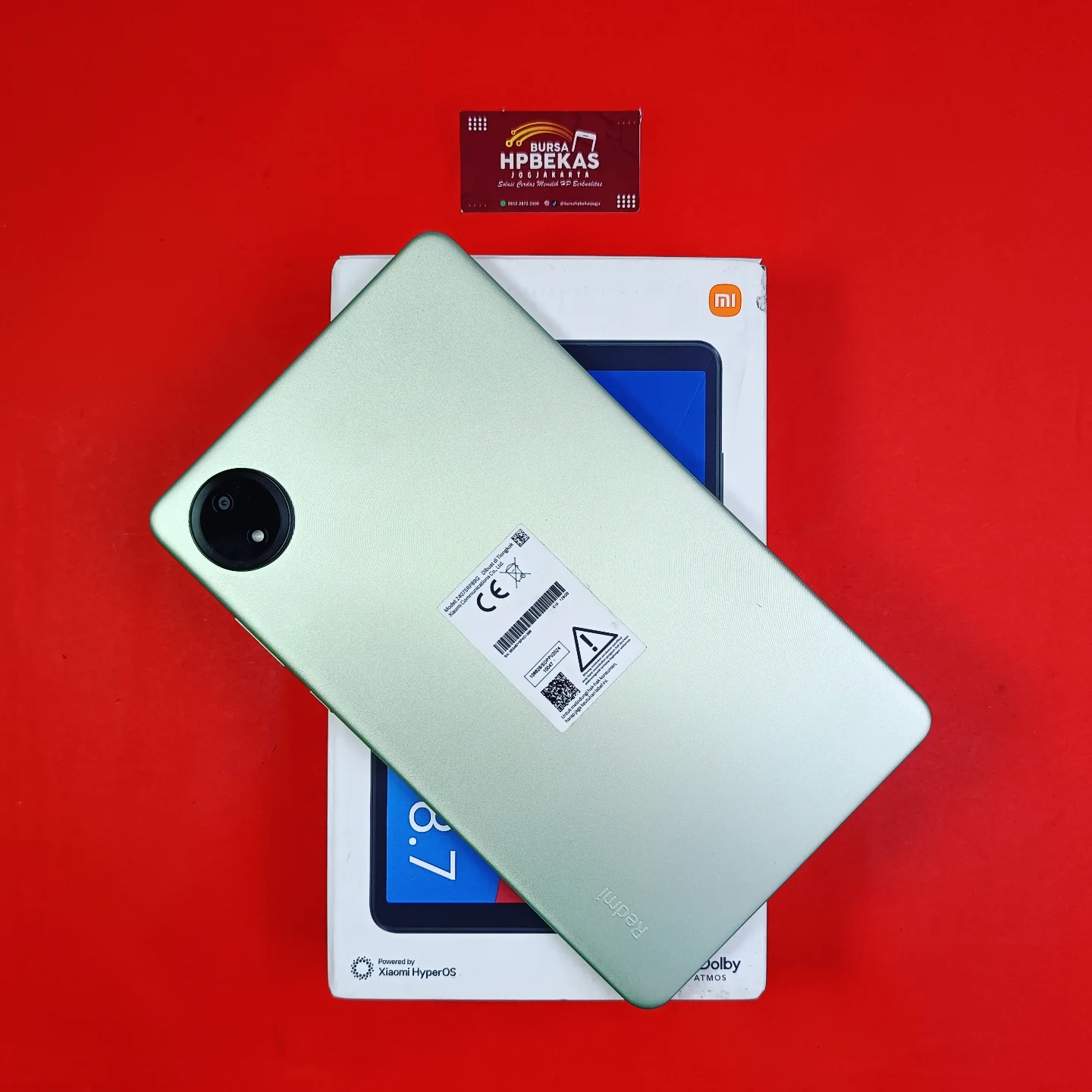
With the expansion of digital learning platforms, selecting an affordable and child-friendly tablet has become quite important for families in the global market. The Redmi Pad SE 8.7 (Global Version) is the best-balanced combination of cost efficiency, portability, display safety, and long-term usability in Xiaomi’s portfolio. This device stands in the entry-level segment of the Android tablet ecosystem and comes with a pretty convincing price range of $100–$130, making it one of the most economical choices for early-childhood users.

Why the Redmi Pad SE 8.7 Is the Primary Recommendation

The Redmi Pad SE 8.7 is unique for the following reasons: compact form, lightweight, and TÜV Rheinland-certified eye protection. Its 8.7-inch form factor is way easier for children to hold compared with 10–11-inch models. Weighing about 373 grams, the tablet significantly reduces wrist strain and minimizes accidental drops.

Additionally, the HD+ panel supports DC Dimming and Low Blue Light protection to make it more comfortable for reading and educational purposes. This combination of ergonomics and safety makes the model fit for children in the age group of 3–8 years.

REDMI PAD SE 8.7 4 REDMI PAD SE 8.7 5

Balance of Hardware and Software

The processor used in the device is the MediaTek Helio G85; it has more than enough power for running educational applications, streaming services, and basic games without any stability issues. Combined with Google Kids Space and Google Family Link, HyperOS ensures a safe digital environment.

Parents can configure time limits, restrict applications, and even manage online content from their very own smartphones. Besides that, microSD storage is expandable all the way up to 2TB, so the base 64GB configuration can easily provide sufficient flexibility for video libraries and offline learning materials.

REDMI PAD SE 8.7 2 REDMI PAD SE 8.7 3

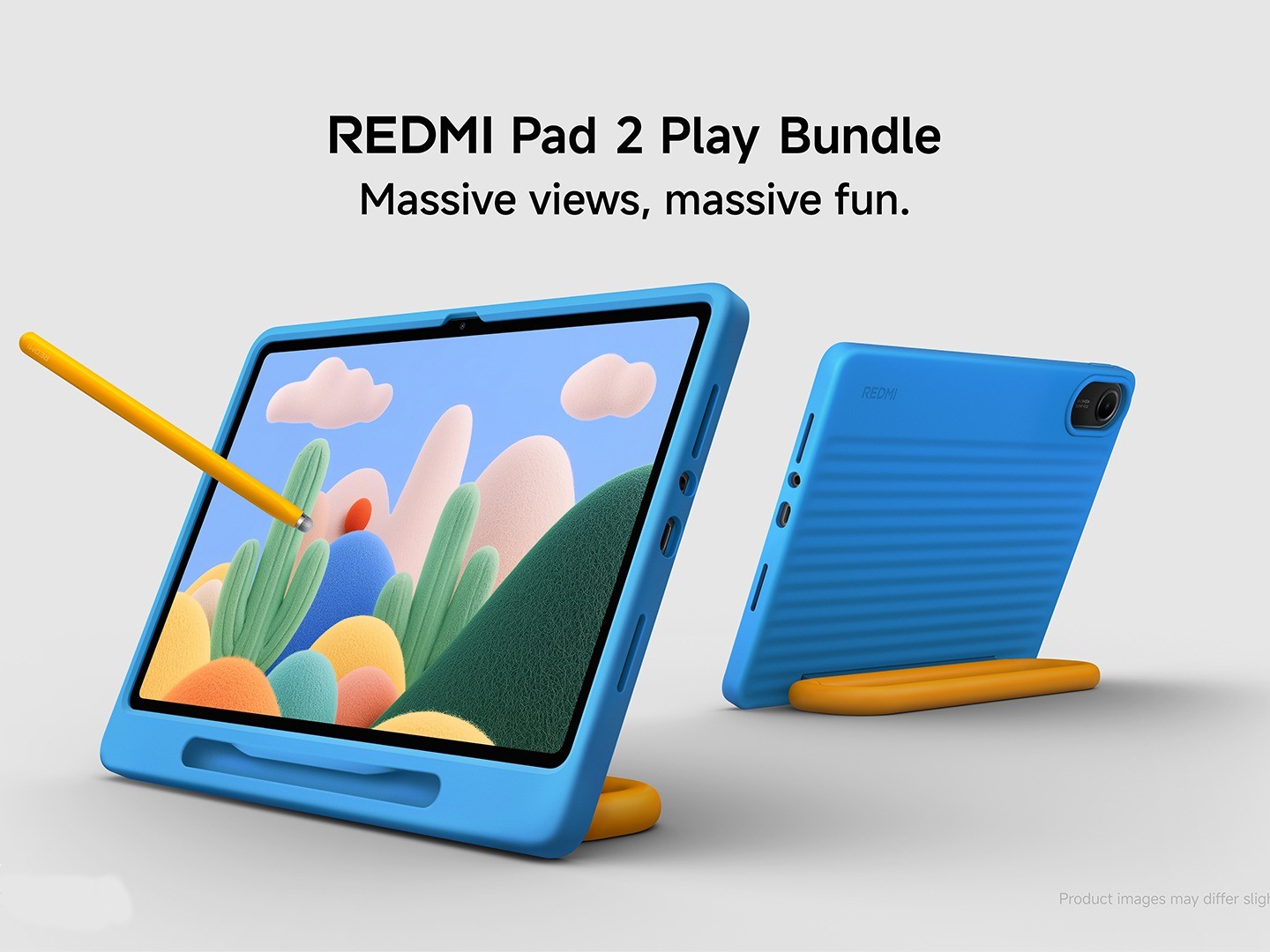
Alternative Option: Redmi Pad 2 Play Bundle

For families looking for a more advanced package that’s oriented toward children, the Redmi Pad 2 Play Bundle includes an integrated stylus, rugged case, and a matte anti-glare display surface. For $220–$250, the bundle provides superior protection and allows for a paper-like writing experience. However, at 11-inch size and weighing 510 grams, it’s less suitable for younger children; instead, it’s more appropriate for 6–12-year-olds who usually study at a desk.

Redmi Pad 2 Play Bundle

Global Version Purchasing Strategy

When buying, families should confirm that the tablet is marked Global Version so that it can access Google Play, multilingual support, and full compatibility with Google Kids Space. This is important for proper educational use. Optional available EVA foam protective cases for $10–$20 further improve durability while reducing total long-term costs.

Xiaomi says humanoid robots will transform factories within 5 years

28 November 2025 at 17:09

In a recent interview with The Beijing Daily, Xiaomi Founder and CEO Lei Jun offered a deeper look into how AI will change the face of manufacturing in the coming five years. According to Lei Jun, AI-powered systems are becoming essential for modern industrial processes, and Xiaomi stands on the frontline of accelerating this transformation.

As reflected in the diverse smart ecosystem of the company and its latest breakthroughs in technology, Xiaomi is convinced that intelligent automation will mark a new era of efficiency and quality in production across all industries. If you’re interested in finding out more, head to our website and read about HyperOS upgrades and Xiaomi’s manufacturing innovations.

How AI Is Enhancing Xiaomi’s Current Production Capabilities

Lei Jun cited Xiaomi’s automotive factory as one critical example of this development. Big and complicated die-cast parts used in car manufacturing conventionally pose serious challenges to human manual inspection. However, today Xiaomi applies advanced X-ray systems that work in tandem with AI vision models capable of completing inspections in 2 seconds. This process is roughly 10 times faster and more than 5 times more accurate than human inspection, representing a huge boost not only in productivity but also in overall product reliability throughout Xiaomi’s industrial chain.

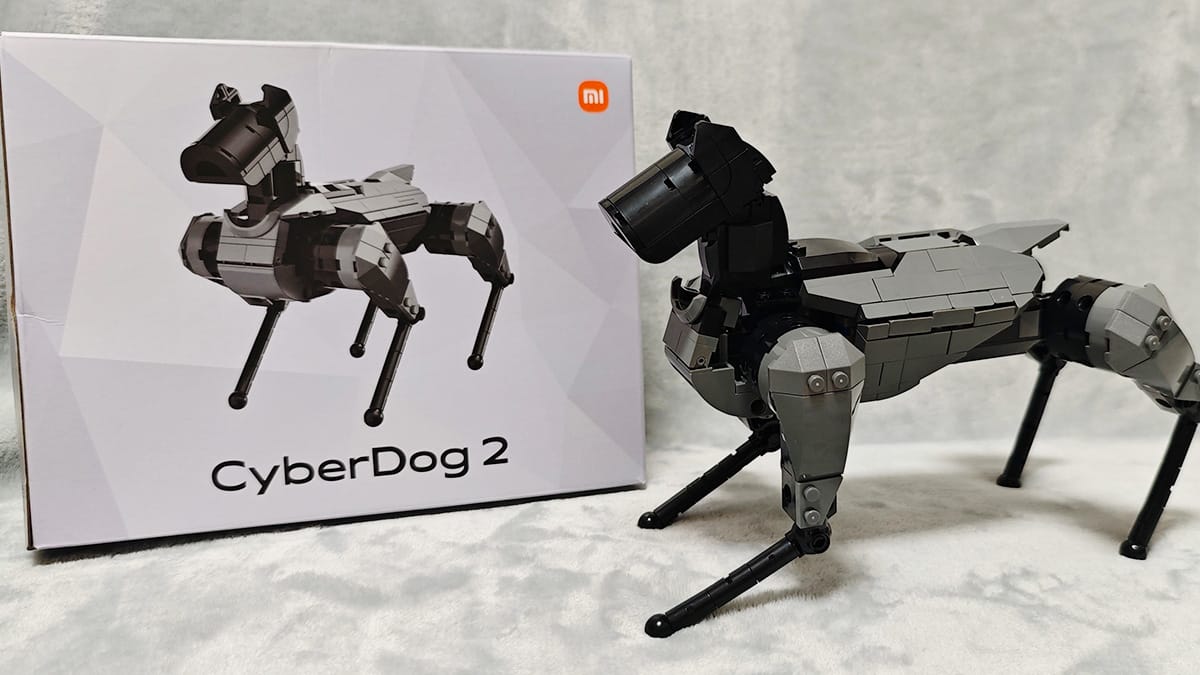
Have you forgotten Xiaomi Cyberdog

Practical Benefits of Intelligent Manufacturing

By integrating AI-based quality control, Xiaomi reduces human error, minimizes production delays, and ensures long-term consistency in manufacturing environments. These enhancements also help streamline supply chains and support Xiaomi’s long-term strategy related to the development of high-quality and high-precision products for global markets.

Humanoid Robots to Enter the Factories of Xiaomi

Lei Jun revealed that in the coming five years, Xiaomi factories would be deploying humanoid robots widely, which is a major step in Xiaomi’s greater vision to integrate advanced robotics into real industrial applications. While their initial deployment may be focused on manufacturing tasks, Lei Jun did make sure to note that the long-term potential of humanoid robots goes far beyond factory environments. Household robotics, he added, will eventually become an even larger market because of complex functional requirements and a wider user demand.

Why Robots Will Play a Key Role in Future Production

Humanoid robots are expected to perform repetitive, precise, or physically intensive tasks, thus creating safer and more efficient workflows. They will also contribute to a further shift toward fully automated production lines that will enable human employees to concentrate on higher engineering, planning, and research tasks.

Beijing’s Path Toward Smart Manufacturing

During the interview, Lei Jun talked about Beijing’s unique positioning in intelligent manufacturing. He said that industrial development in Beijing should not depend on traditional labor-intensive methods. Instead, the city should research next-generation intelligent manufacturing technologies to ensure it achieves sustainable industrial growth and competitiveness in the long term. This approach is in line with China’s broader vision of developing high-value and innovation-driven industrial zones.

At this point, Xiaomi is emphasizing strategic investments in AI integration, which is an important milestone in the evolution of global manufacturing. As Lei Jun outlined, the next five years will be crucial, with humanoid robots and intelligent inspection systems becoming central to Xiaomi’s production ecosystem. Not only does this transformation benefit Xiaomi, but it also presages the start of a broader industrial revolution being driven by AI, robotics, and smart automation.

Source

Xiaomi 17 faces a new challenger: Motorola Edge 70 Ultra leaked

28 November 2025 at 16:34

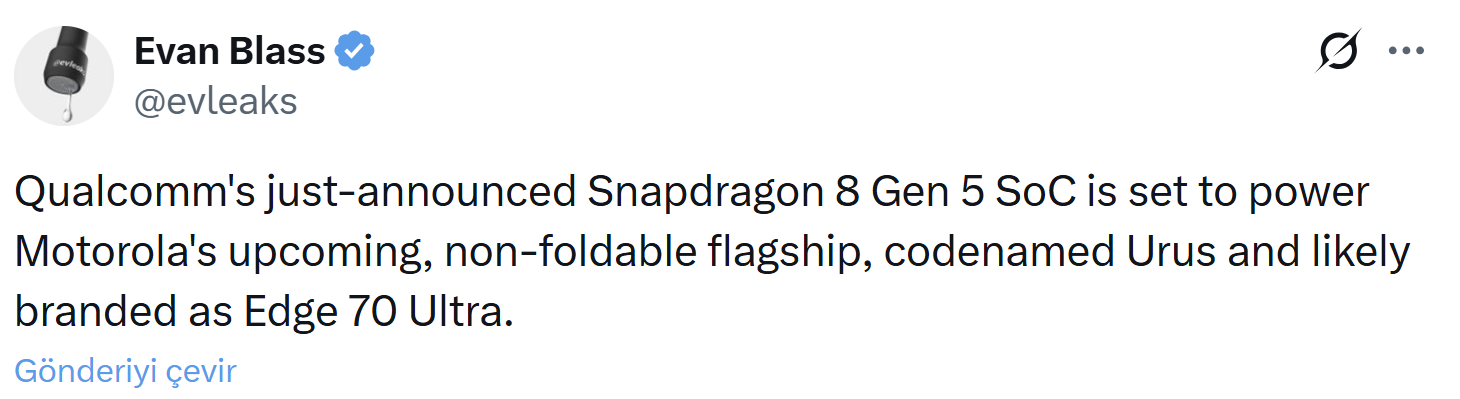
According to leaked information by Evan Blass, Motorola is gearing up for a new flagship smartphone that can give some serious competition to the forthcoming Xiaomi 17 series. Codenamed “Urus,” the device is likely to arrive as the Motorola Edge 70 Ultra and boasts Qualcomm’s newest Snapdragon 8 Gen 5 platform. Of course, the Xiaomi 17 lineup is backed by the Snapdragon 8 Elite Gen 5; still, Motorola’s clean and near-stock Android experience will make this new model stand out in the premium segment.

MOTO Snapdraogn 8 Gen 5

Snapdragon 8 Generation 5 From Qualcomm Joins a New Competitor

Qualcomm announced its fifth-generation Snapdragon 8 Elite back in September, which was followed by the non-Elite Snapdragon 8 Gen 5 that arrived on November 26. The non-Elite version of this chip will first appear in the OnePlus Ace 6T launching on December 3. But according to the latest leaks and rumors, Motorola too is using the same Gen 5 chip, which means its new device will be a high-end but non-foldable flagship that will be pitted in the same cycle.

The Snapdragon 8 Gen 5 is built on a 3nm process with Qualcomm’s third-generation Oryon CPU architecture. It comes with two prime cores at 3.8GHz and six performance cores at 3.32GHz-a powerful and efficient configuration that puts it close to Elite-tier performance. Therefore, the Motorola Edge 70 Ultra can be thought of as a good competitor to Snapdragon 8 Elite devices like the Xiaomi 17 series for users who prefer a minimal software environment.

Motorola Edge 70 Ultra: Expected Hardware Improvements

Motorola’s lineup currently involves the standard Edge 70 that came out last month. That one uses a Snapdragon 7 Gen 4 chipset and packs a 6.7-inch 1220p screen with a 120Hz refresh rate, coupled with a 4800mAh battery.

The next version, Edge 70 Ultra, is set to include significant enhancements:

  • More powerful Snapdragon 8 Gen 5 processor
  • Imaging system upgraded beyond its triple 50MP camera setup Larger battery capacity and faster charging solutions

Enhanced cooling and performance management

These upgrades will enable Motorola to expand its high-end portfolio and position the Edge 70 Ultra as a strong contender in the performance flagship segment.

A New Competitor for Xiaomi 17 Series Users

While the Xiaomi 17 series has the better chipset in the form of the Snapdragon 8 Elite Gen 5, the utilization of a Snapdragon 8 Gen 5 by Motorola still keeps the Edge 70 Ultra in close proximity regarding raw performance. This, together with Motorola’s close-to-stock Android interface, could make this new model appealing to those who want a lightweight software experience.

However, Xiaomi still edges them out with superior camera systems, HyperOS optimizations, and broader ecosystem features, from Xiaomi HyperConnect to AI-powered imaging. The competition between the devices will most probably play to the benefit of consumers as both brands keep refining their flagship strategies.

Source

Apple up 37% as Xiaomi drops 11% in 11.11 sales

28 November 2025 at 15:28

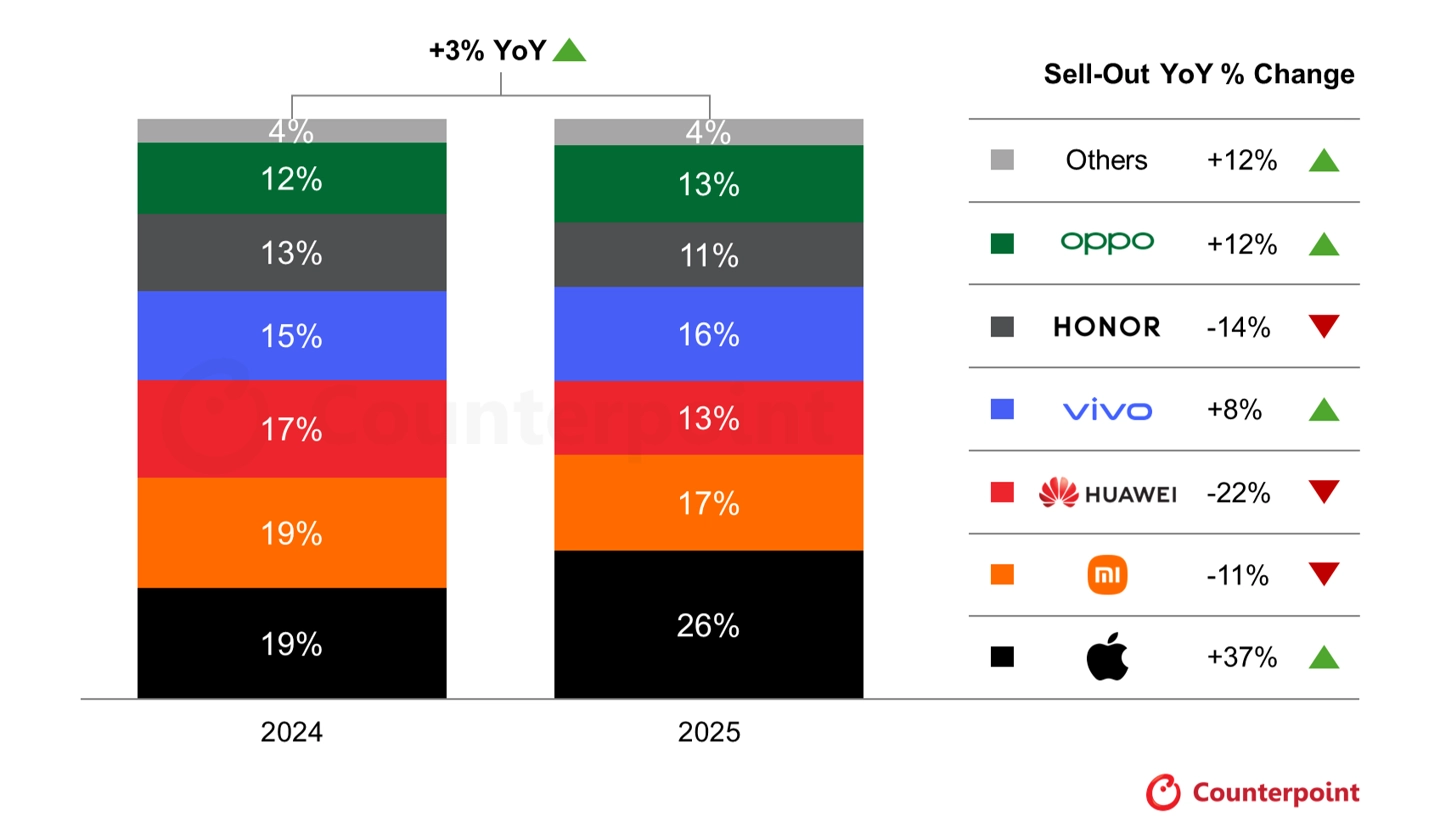
Counterpoint Research has published its yearly analysis of the performance of major brands in China’s Singles’ Day, thereby providing a clear view of the shifting market momentum. According to the firm, smartphone sales during the 2025 “Double 11” period grew 3% year-on-year, driven mainly by Apple’s strong iPhone 17 series. Without the contribution of Apple, though, the market would have declined by 5%, as consumer sentiment remains cautious amidst ongoing macroeconomic pressures.

Apple’s iPhone 17 Series fuels the market growth.

Apple had an exceptional year-on-year sell-out performance of 37% and became the central growth engine of the 2025 shopping festival. The standard iPhone 17 provided a strong boost with its upgraded storage, larger camera module, and advanced sensors for the same launch price as last year. As a result, sales doubled year-on-year compared to 2024.

11.11 sales report 2025

Promotions also contributed to the growth. Both iPhone 17 Pro and Pro Max were discounted by RMB 300, or around USD 42, driving double-digit growth in the mid-to-high-end segment. Counterpoint analysts pointed out that product positioning and pricing precision were both key factors in Apple’s success during the event.

Xiaomi Records 11% Decline Amid Changed Launch Timing

Meanwhile, Xiaomi posted an 11% year-on-year decline in 11.11 sales. The main contributor to this decline was a shift of product timing: the 15 series gave Xiaomi strong momentum during the Double 11 period in 2024 but, in 2025, the Xiaomi 17 series had already launched earlier, which shifted the peak selling cycle to one month before the promotion.

11.11 sales report 2025

As the attention across manufacturers shifted to newly launched flagship devices, the old Xiaomi models did not hold up well. While this could raise the brand’s ASP, it also compressed the overall shipment volume during the promotion period. Despite this short-term setback, the early flagship cycle of the brand signals a long-term strategy aimed at capturing steady demand ahead of heightened competition.

Domestic Brands Under Pressure as Release Schedules Change

While Apple grew, a number of domestic brands felt headwinds in the 2025 event. Huawei was down 22%, due mostly to its Mate 80 series launching two weeks after the promotional window and thus missing critical traffic. Honor was down 14%, likely because of mid-cycle product timing. Meanwhile, OPPO was up 12% and Vivo up 8%, reflecting better-aligned releases and stronger mid-range offerings.

It also differentiates between sell-out, or consumer purchases, and sell-in, or shipments to retailers. The report adds that the 11.11 figures are indicative of real consumer demand. This makes the performance shifts all the more meaningful for evaluating upcoming strategies ahead of 2026.

Source

❌