Normal view

Received — 10 December 2025 Xiaomi News & Update

No need for China ROM: HyperOS Global is finally equal

10 December 2025 at 10:00

Xiaomi has remarkably reduced the performance and optimization gap between the HyperOS China and HyperOS Global editions. Compared to the previous generations of software, the China ROM provided better quality in terms of animation speed, memory management, and system response. Today, with the new builds of HyperOS, Xiaomi has aligned the core system optimizations of both versions, which places the Global ROM close in daily performance.

HyperOS Global Optimization Reaches China-Level Performance

Thus, with the recent system-level changes, Xiaomi has moved to unify China and Global builds in task scheduling, background process control, and animation pipelines. All these technical alignments reduce frame drops, improve battery efficiency, and stabilize thermal behavior under heavy workloads. The update strategy focuses on identical kernel-level tuning and memory compression technologies in both ROM types.
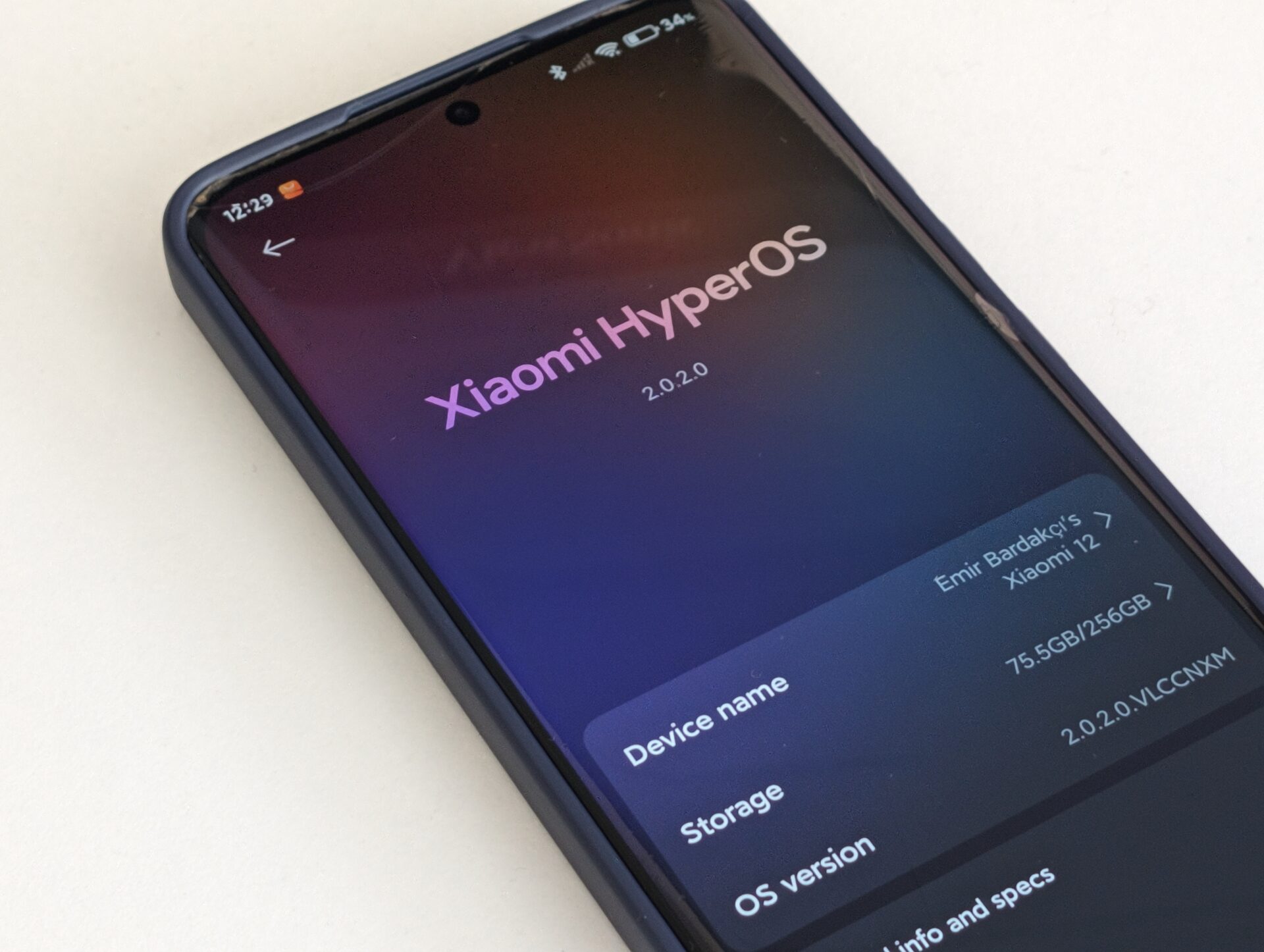
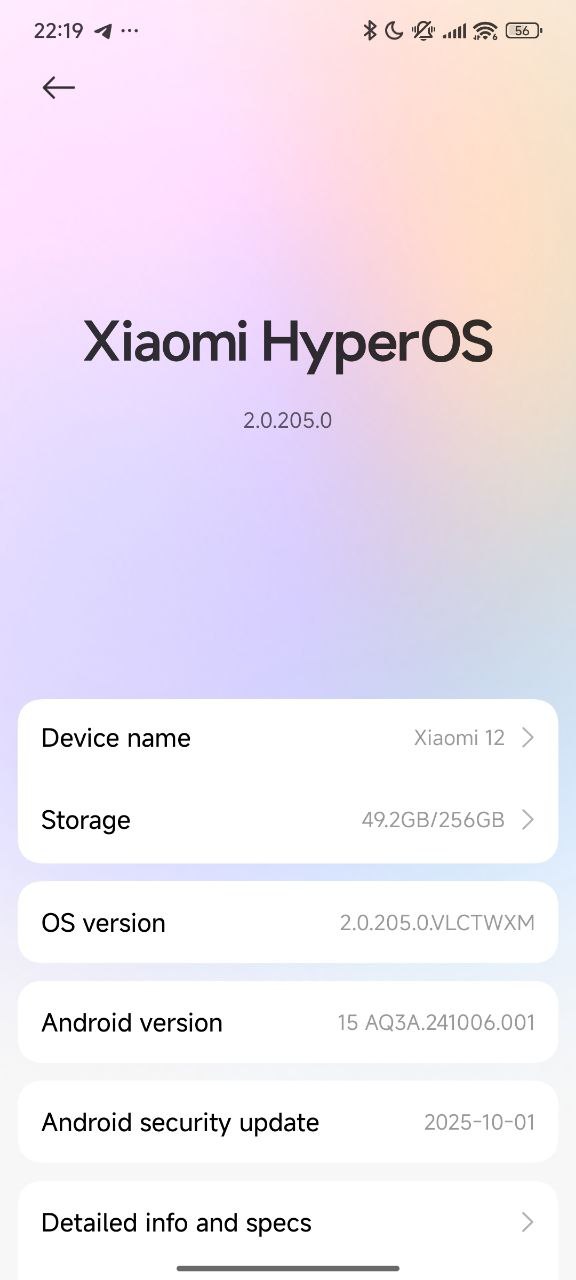
HyperOS 2 China installed on Xiaomi 12

As a result, the real-world performance gaps for launching apps, multitasking, and gaming have shrunk. Global users now get access to better power management algorithms, improved storage I/O handling, and smarter scheduling of the CPU core without having to flash unofficial firmware.

No Practical Need for China ROM Anymore

Before HyperOS, many of the power users were installing China ROMs to get more stable system behaviors and earlier feature releases, but this meant that they had to install Google Mobile Services manually, removing Chinese system applications and operating in an English-only environment-a sequence of steps that added significantly to the complexity and potential instability.
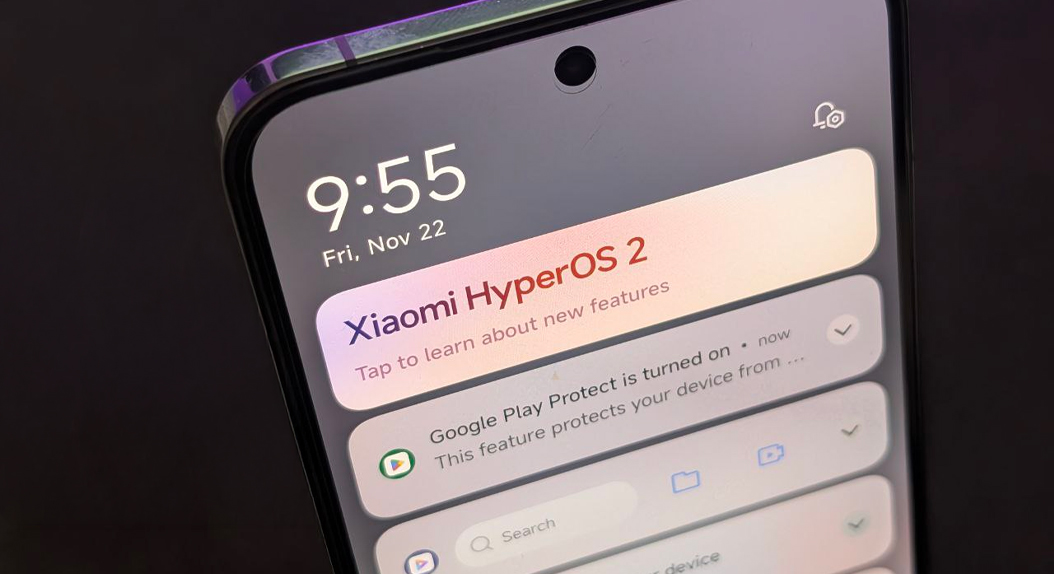
Xiaomi HyperOS 2 Global version is finally rolling out

Now, Xiaomi ships Global HyperOS with equivalent system-level optimizations. This gives users complete integration of Google services, compatibility with regional apps, and consistent performance without sacrificing usability or security. In this way, the Global ROM has become a practical choice for business and productivity users.

Now, Global HyperOS delivers an ideal blend of speed, stability, and compatibility. Xiaomi has unified animation frameworks, touch response calibration, and memory leak prevention mechanisms across both versions; hence, the consistent smoothness of scrolling, the faster wake-up times, and higher efficiency in standby.

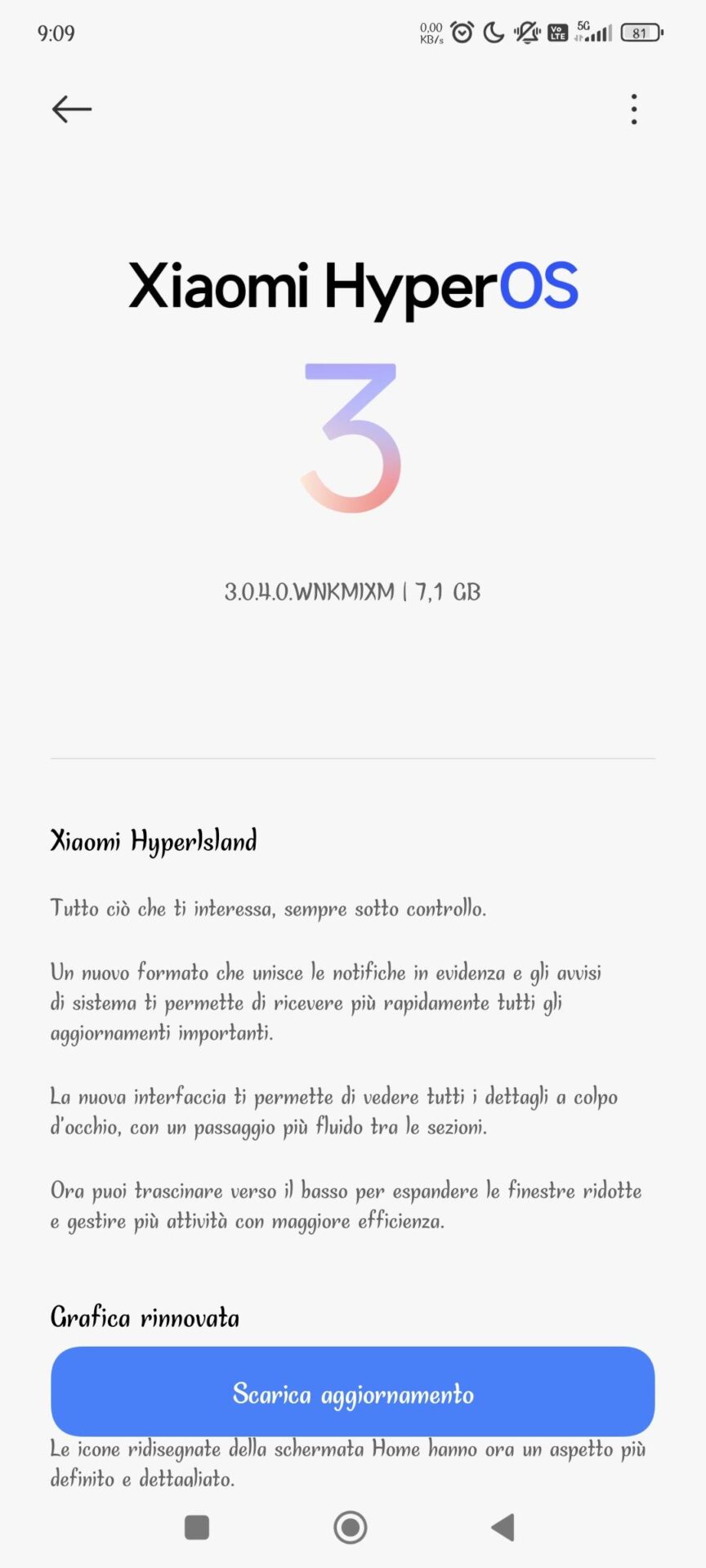
POCO F6 Pro finally gets HyperOS 3 with Android 16 and Super Island

10 December 2025 at 06:00

The POCO F6 Pro has officially received the HyperOS 3 update based on Android 16, bringing a major software evolution to Xiaomi’s global flagship platform. This release focuses on AI-level system optimizations, smoother visual interactions, and performance stability for demanding users. The update is currently available through the official Recovery ROM channel and confirms Xiaomi’s long-term software strategy for premium POCO devices.

HyperOS 3 Arrives on POCO F6 Pro

This new firmware, identified as OS3.0.4.0.WNKMIXM, has been released for the global variant of the device, internally linked to the Redmi K70 platform. The update confirms that Xiaomi is aligning POCO’s flagship lineup with its latest system architecture and long-term Android policy. HyperOS 3 is built to deliver stronger system-level intelligence, lower power consumption, and more responsive animations across daily usage scenarios, including gaming, multitasking, and professional workloads.

Key Technical Details

The update strengthens system stability and modernizes the user interface while keeping a consistent business-grade experience.

  • Device codename: vermeer_global
  • Base system: Android 16
  • Build number: OS3.0.4.0.WNKMIXM
  • Distribution type: Recovery ROM
  • Region: Global (POCO F6 Pro / Redmi K70 platform)
POCO F6 Pro HyperOS 3

What HyperOS 3 Brings to Users

HyperOS 3 introduces a structured and more efficient visual language that focuses on real-world usability instead of heavy visual effects. Xiaomi has refined application icons, added a clearer notification hierarchy, and introduced a smoother version of the iOS-style interaction experience, while keeping Android’s flexibility intact. A new feature called Super Island enhances multitasking by improving how floating windows, background tasks, and mini-widgets behave across the system.

Main Improvements Included

Users receive a balanced combination of performance, visual, and AI-level upgrades:

  • Advanced AI system optimizations for background tasks
  • Refreshed system icons with better visual clarity
  • iOS-style visual flow with improved gesture animations
  • Super Island for smarter floating windows and task continuity
  • Enhanced battery efficiency under heavy usage

Update Availability and Installation Notes

The HyperOS 3 update is currently distributed via Recovery ROM and is intended for global POCO F6 Pro models. Xiaomi continues to maintain regional stability by releasing this build in phases to ensure long-term reliability. Users are encouraged to follow official Xiaomi update behavior and avoid unofficial packages.

For users who want to keep Xiaomi system apps updated, HyperOSUpdates.com also provides access through XiaomiTime.com’s trusted projects, including direct update support via the MemeOS Enhancer app on Google Play.

How to wait HyperOS 3 update in smartest way

10 December 2025 at 03:31

The HyperOS 3 update is a major progression of Xiaomi’s software lifecycle, based on Android 15 and Android 16, with the goal of strengthening the “Human × Car × Home” ecosystem. To global users, especially for those using regional ROMs such as TR, this waiting process is often dictated by staged rollouts and backend technical limits. Understanding how the OTA system works and how Xiaomi prioritizes devices can turn waiting from a passive experience into a controlled and strategic process.

How Xiaomi Distributes HyperOS 3 Updates

Xiaomi relies on a global OTA system with BigOTA servers and several layers of CDN. When users tap “Check for updates” in the Xiaomi HyperOS updater, the device sends out encrypted identifiers like ROM version, region code, and device model. The server will compare those parameters against a dynamic white list.

If the device is in an active rollout wave, the server responds with a secure download link and validation hash; if not, the device receives a “No updates available” response. This explains why updates are available online for some users, while their devices still show nothing.

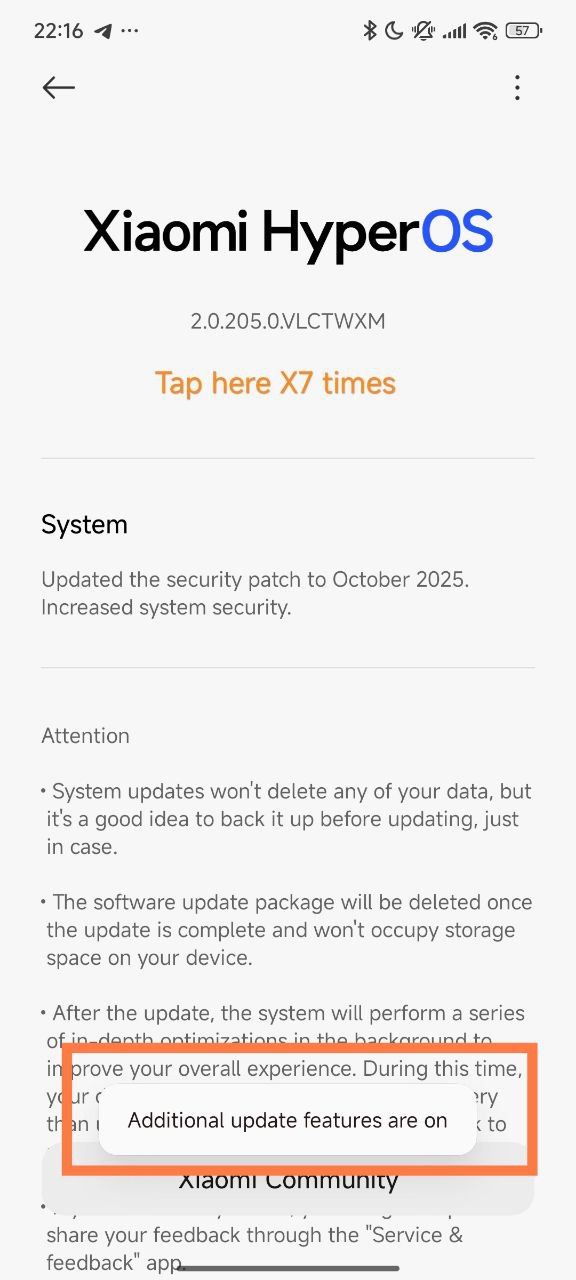
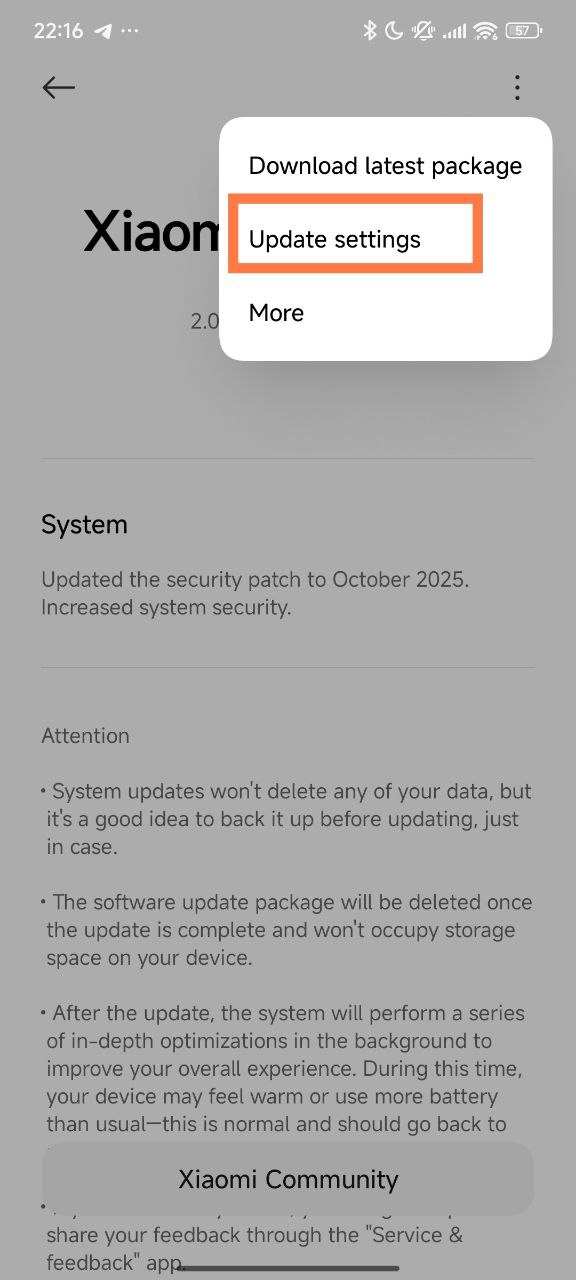
There is also an option called “Get updates earlier.” This feature registers the device into a buffer rollout pool. Technically, it can move the update window forward by 24–72 hours but only if the firmware is already prepared for the device and region.

Updater App 1 Updater App 2

Beta Programs and Stable Beta Access

The most straightforward way to get HyperOS 3 early would be through Xiaomi’s official beta programs, which are now integrated into the Xiaomi Community app. The older Mi Pilot program has shifted to a point-based system.

They have to accrue at least 60 community points to get qualified. Points are gained through profile setup, daily check-ins, and basic interactions such as likes, views, and shares. After qualification, applicants have to pass a short risk-awareness test to confirm they understand what a beta software is.

Stable Beta builds are usually distributed a few weeks ahead of public stable releases. These are near-final builds, but they are still monitored for critical issues. Once those are validated, the same build is pushed to the general public.

Since Xiaomi tests on larger populations first, China, India, and Europe get firmware first. The other region ROMs follow later after regional certification and network-level validation are done.

Safe Waiting Strategies for HyperOS 3

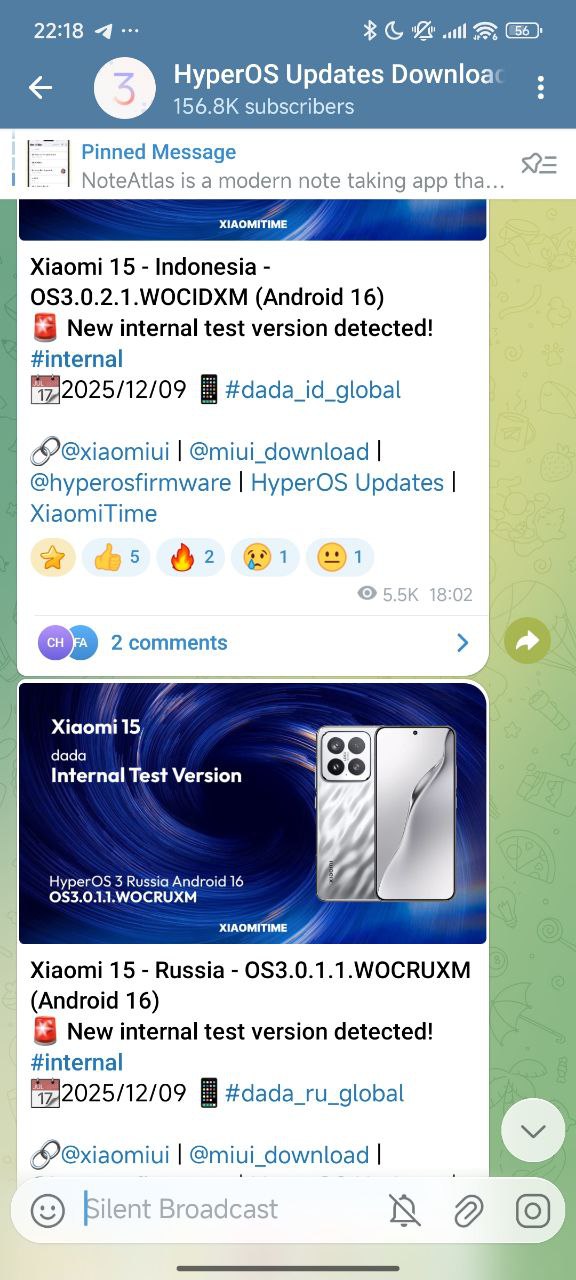
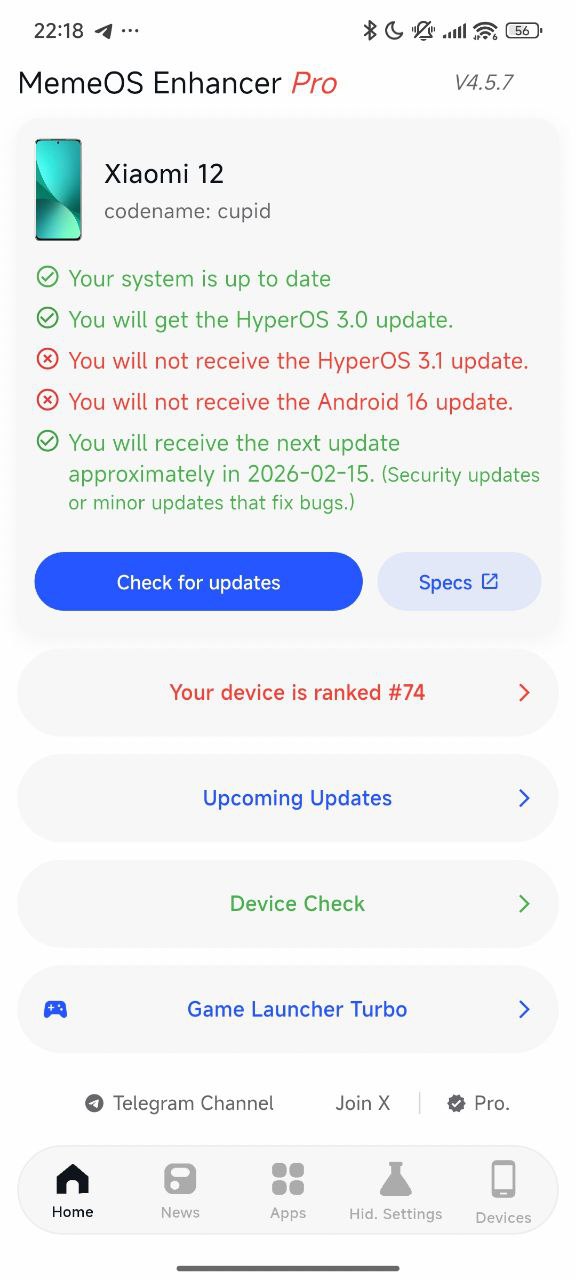
Waiting correctly really is a matter of maximizing official channels without affecting device safety. Enabling the “Get updates earlier” option, maintaining the Xiaomi Community score above 60 points, and tracking firmware versions from trusted sources are some safe and effective ways to do this.

HyperOS Updates MemeOS Enhancer About Phone

Other more aggressive methods involve renaming packages and unlocking bootloaders, although they are not advisable to anyone but technically savvy users, since these might invalidate warranties and some app security layers.

HyperOS 3 is conceptualized as a long-term platform, bridging the gaps between smartphones, tablets, cars, and home devices under a single software vision. The most accurate way to do this would be through relying on the official updater mechanisms, community beta accesses, and controlled tracking of firmware releases. This approach helps safeguard the integrity of the device while being able to experience new features as early as possible.

POCO X8 Pro Max will be POCO’s first “Pro Max” phone

10 December 2025 at 01:47

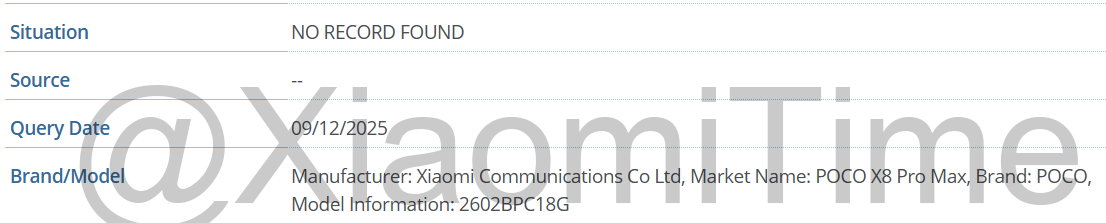
Breaking news from POCO has completely changed the POCO F8 plans that millions of users have been waiting for! The long-awaited flagship killer POCO F8 appears to be dead. According to a shocking leak that appeared in the GSMA IMEI database, this device, with the model number 2602BPC18G, is now officially listed as the ‘POCO X8 Pro Max’. This shows that POCO has not only completely changed its naming strategy, but also added a new dimension to its competition in the smartphone market by switching to an alleged name like ‘Pro Max’ for the first time in the brand’s history.

POCO F8 is dead: Meet POCO’s first “Pro Max” model, the POCO X8 Pro Max

We recently mentioned the existence of the POCO X8 Pro and even its upcoming “Iron Man” edition. But the real big news has just arrived. For a long time known in tech circles as the POCO F8 and having the model number 2602BPC18G, the device has been listed in the official IMEI database under a surprising name: POCO X8 Pro Max.

POCO X8 Pro Max 2602BPC18G

This change indicates that POCO has discontinued the POCO F8 naming convention and has adopted a much stronger naming strategy, grouping its top-tier devices under the X series brand. Also, we should mention that the POCO X8 Pro Max will be announced in India too.

  • POCO X8 Pro Max (Global): 2602BPC18G
  • POCO X8 Pro Max (India): 2602BPC18I

According to the information we obtained, this new POCO X8 Pro Max (previously expected to be the POCO F8) is known in the HyperOS codes by the codename “dash” and has the internal model number “P10U”. This device is expected to inherit POCO’s performance-focused legacy and become the top model of the POCO X series.

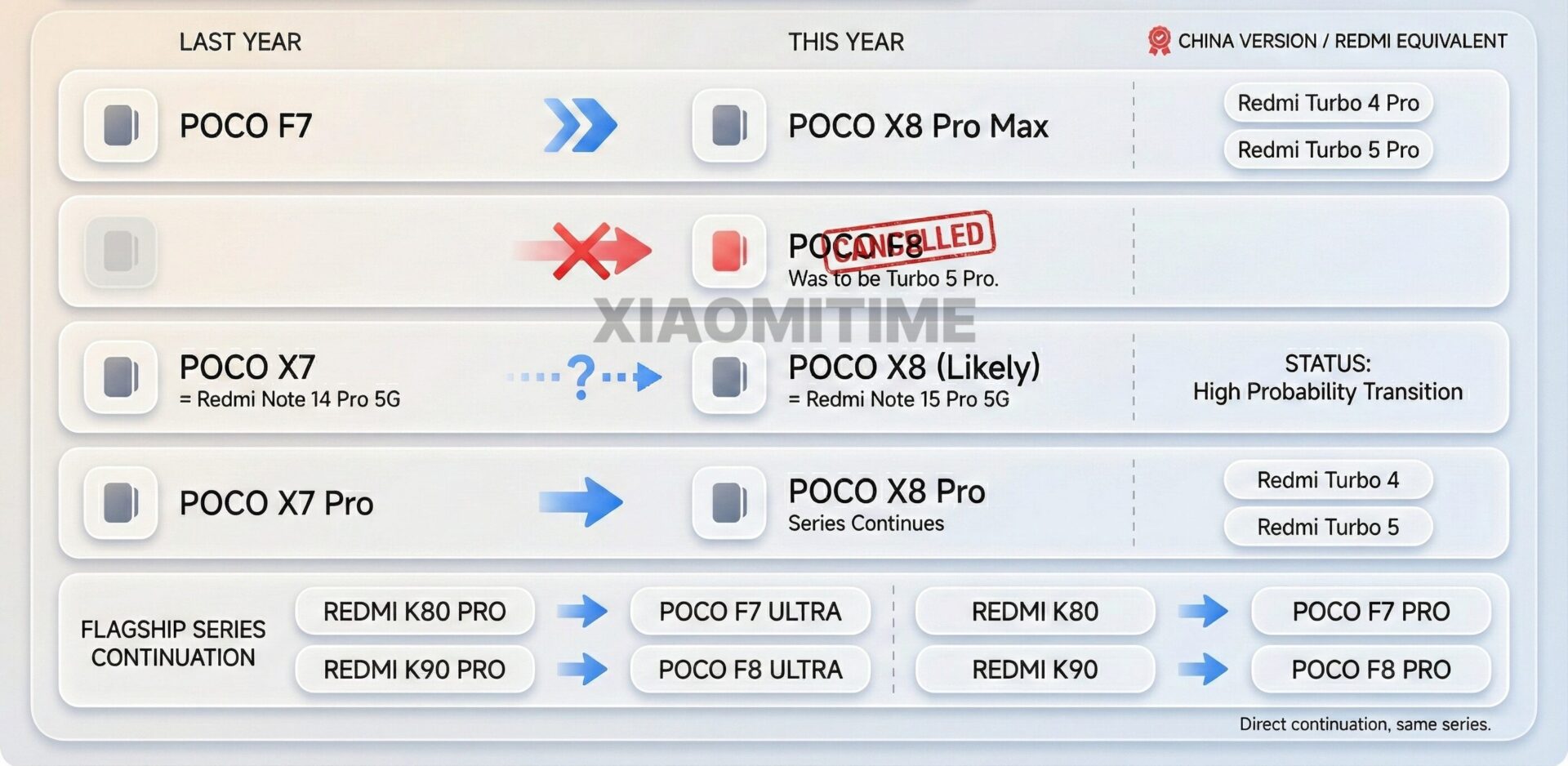
POCO series this year

A First in POCO History: The “Pro Max” Era Begins

The most striking aspect of this leak is undoubtedly the name change. For the first time in its history, POCO will use the “Pro Max” suffix on one of its phones.

This strategy is actually not a total surprise for Xiaomi and Redmi. As you may recall:

  • The Xiaomi 17 Pro Max was announced in the Xiaomi 17 series.
  • On the REDMI side, we encountered the REDMI K90 Pro Max naming.
  • Also, for those who don’t remember, the “Redmi Note 9 Pro Max” is among them. Xiaomi actually used this “Pro Max” naming for the first time in 2020.

Now, this wave has reached POCO, and the brand aims to give users the message of “biggest and strongest” by positioning its flagship killer segment device as the “X8 Pro Max”.

Naming Discussions: Apple and POCO competition

When we hear the name “Pro Max”, the first brand that comes to mind is undoubtedly Apple. This will inevitably bring discussions in tech forums that “POCO is copying Apple’s naming.” However, looking at the other side of the coin, we know there was heavy criticism in the past that Apple used the iconic design lines of the POCO X5 Pro in its own models.

POCO 17 Pro 1

At this point, rather than discussing “who copied whom,” it is more accurate to focus on the impact of this interaction on the industry. Android manufacturers borrow from iOS, and Apple constantly borrows features or designs from the Android world. The convergence of naming strategies is a natural part of this competition. Ultimately, brands pushing each other to produce more ambitious models (like Pro Max) is to the benefit of the user, who gets access to better devices.

Those waiting for the POCO F8 should not be disappointed; the device has not been canceled. Only the name of the POCO F8 has changed. POCO is preparing to dominate the smartphone market in the coming period with the POCO X8 Pro, POCO X8 Pro Iron Man Edition, and the new giant of the family, the POCO X8 Pro Max.

10 things Xiaomi HyperOS 3 copied from iOS 26

9 December 2025 at 22:38

3Xiaomi has always been known for taking inspiration from the best in the tech industry, and with the arrival of HyperOS 2, users are noticing some familiar design elements that look almost identical to Apple’s iOS 26. From system icons to unique interface animations, Xiaomi seems to have borrowed a series of ideas while adapting them into its own ecosystem. You can explore our latest HyperOS 3 coverage or discover hidden Xiaomi features through our MemeOS Enhancer app.

Familiar designs in HyperOS 3

While Xiaomi puts its own polish on software, several similarities to iOS 26 are hard to miss. The most noticeable changes appear in visual design, app layouts, and certain animations that mirror Apple’s style.

1. Liquid glass design

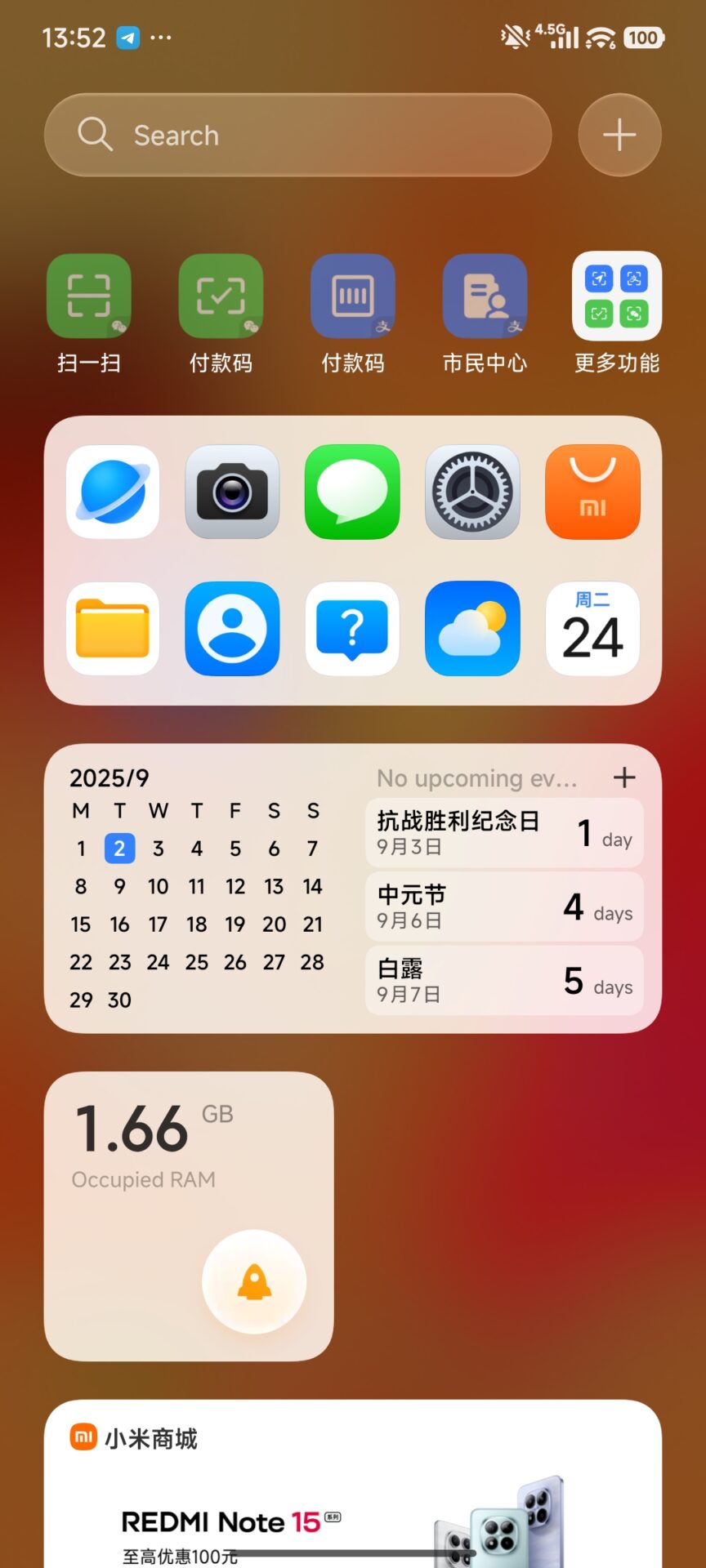
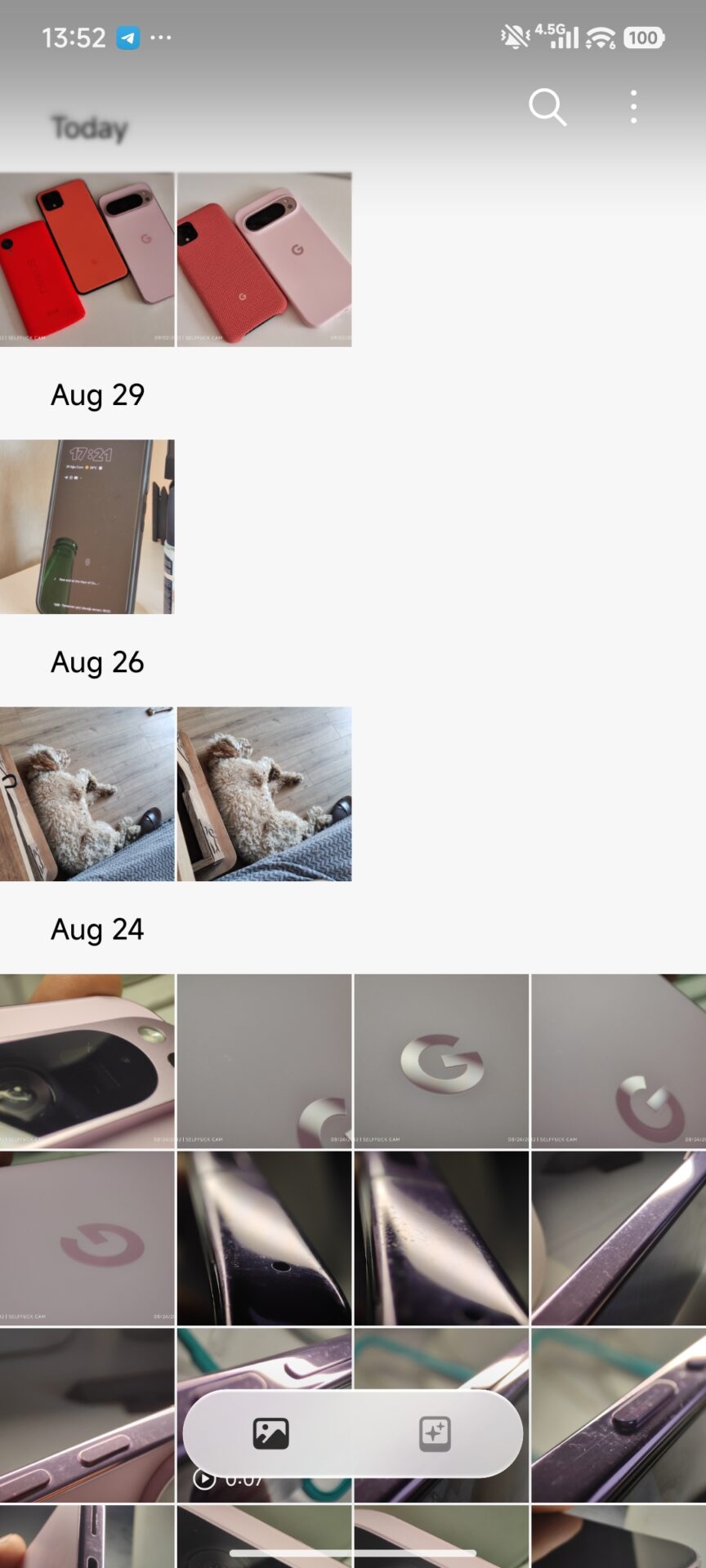
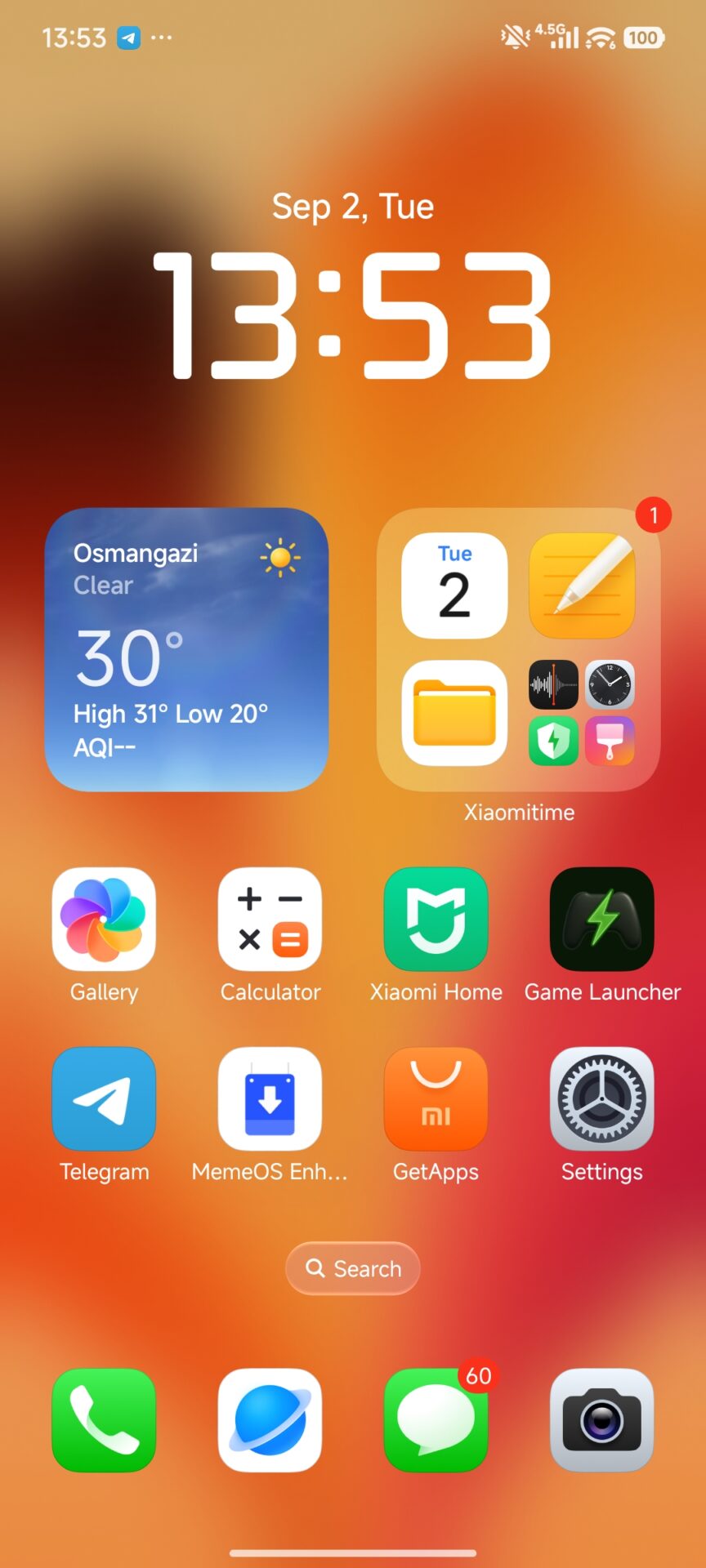
The new launcher and gallery adopt a liquid glass effect, closely resembling Apple’s refined translucent backgrounds. This gives the interface a premium appearance, though it feels highly familiar to iOS users.

HYPERos 3 LIQUID GLASS 1 HYPERos 3 LIQUID GLASS 2 HYPERos 3 LIQUID GLASS 3 HYPERos 3 LIQUID GLASS 4

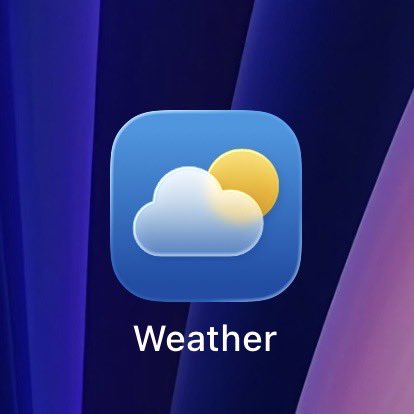
2. Weather app icon

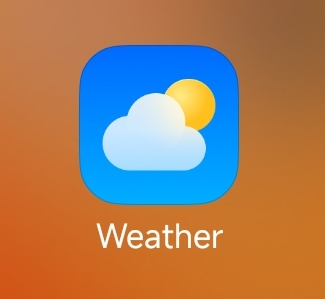
The Weather app icon now adopts the flat, bright color tones seen in iOS 26, with a clear sun-cloud combination.

Weather 1 Weather 2

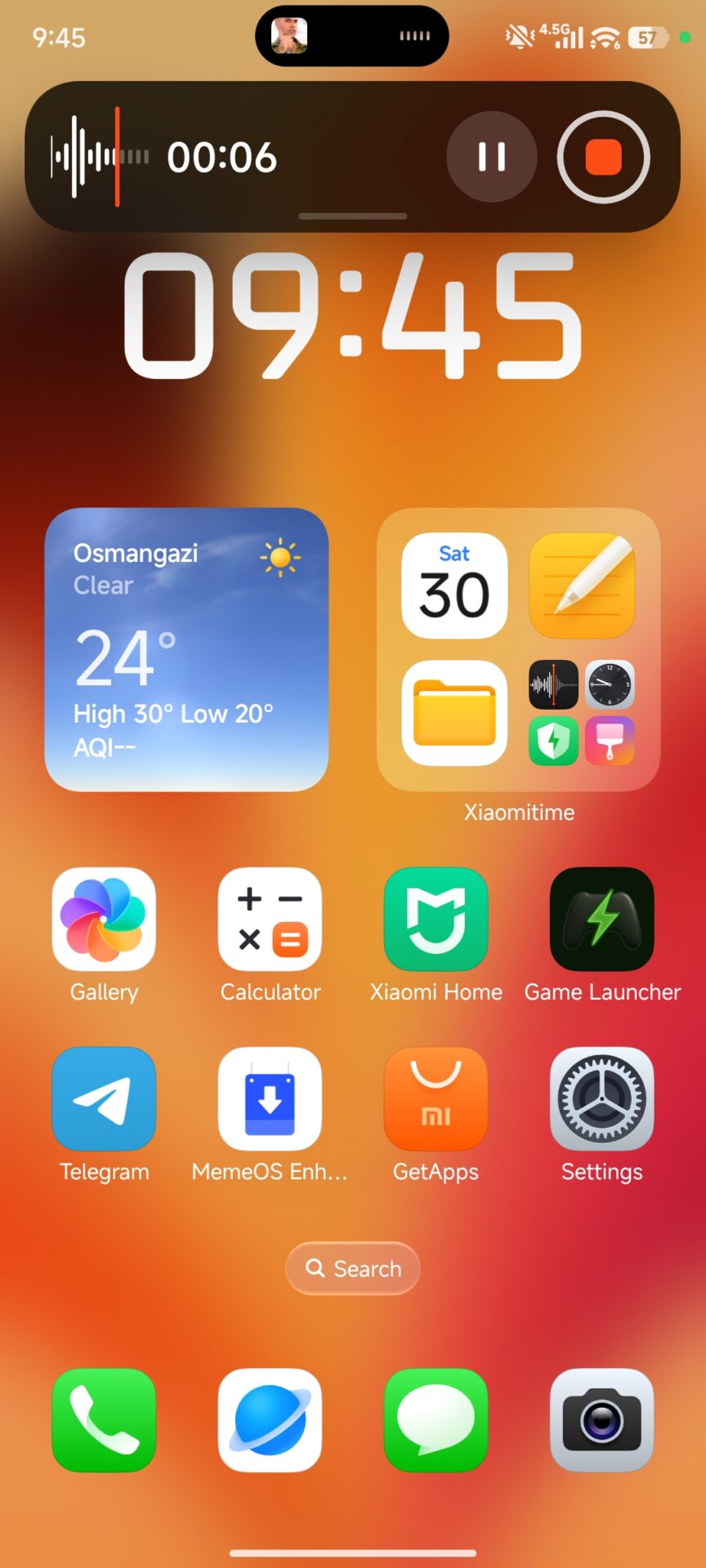
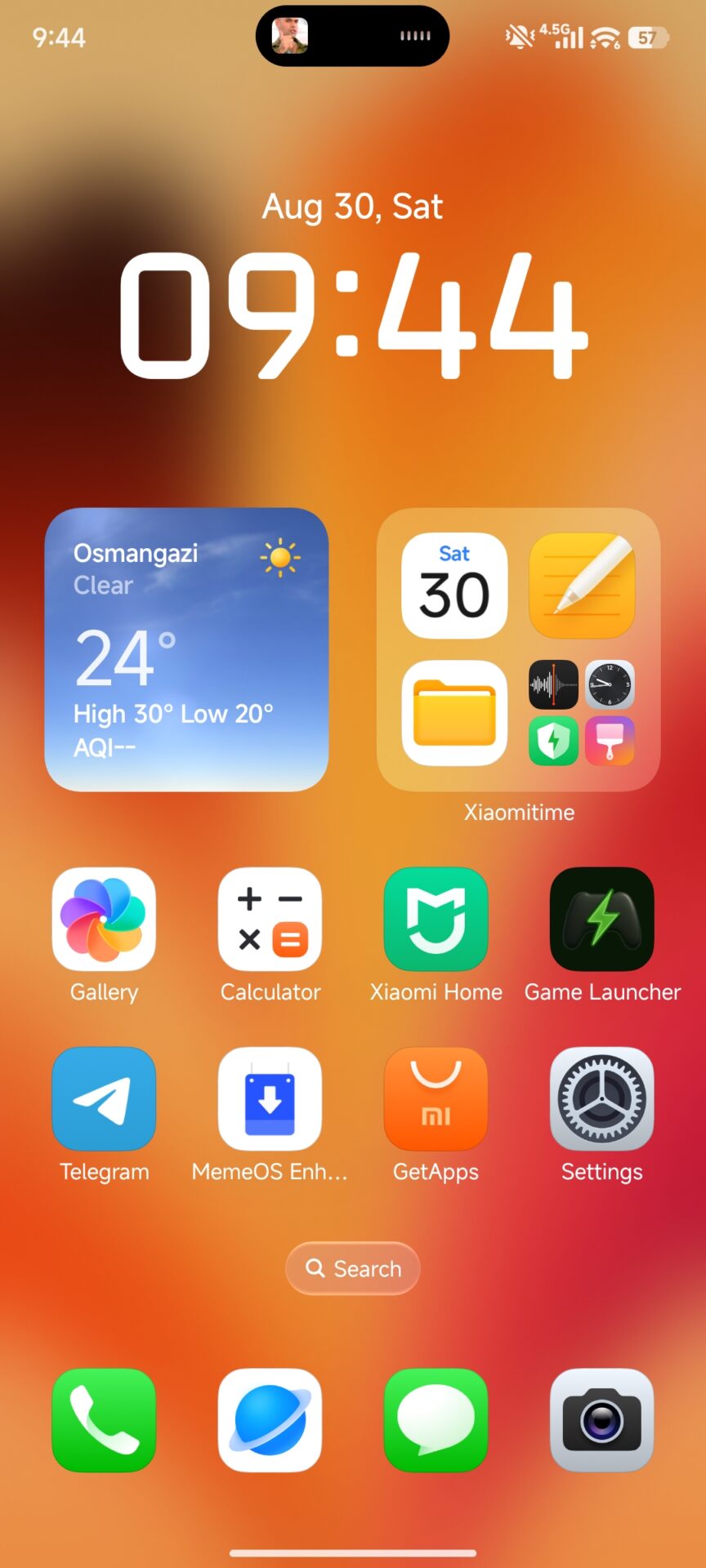
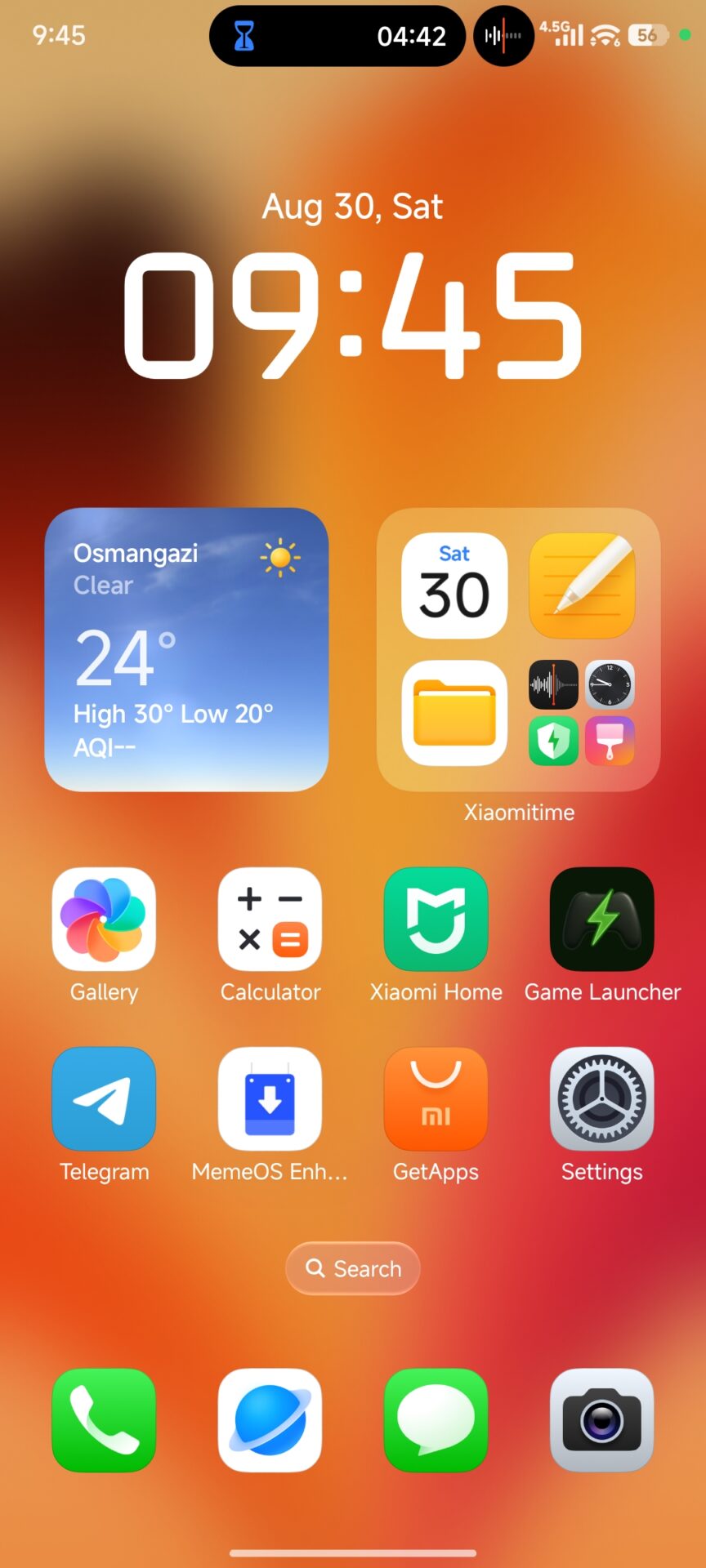
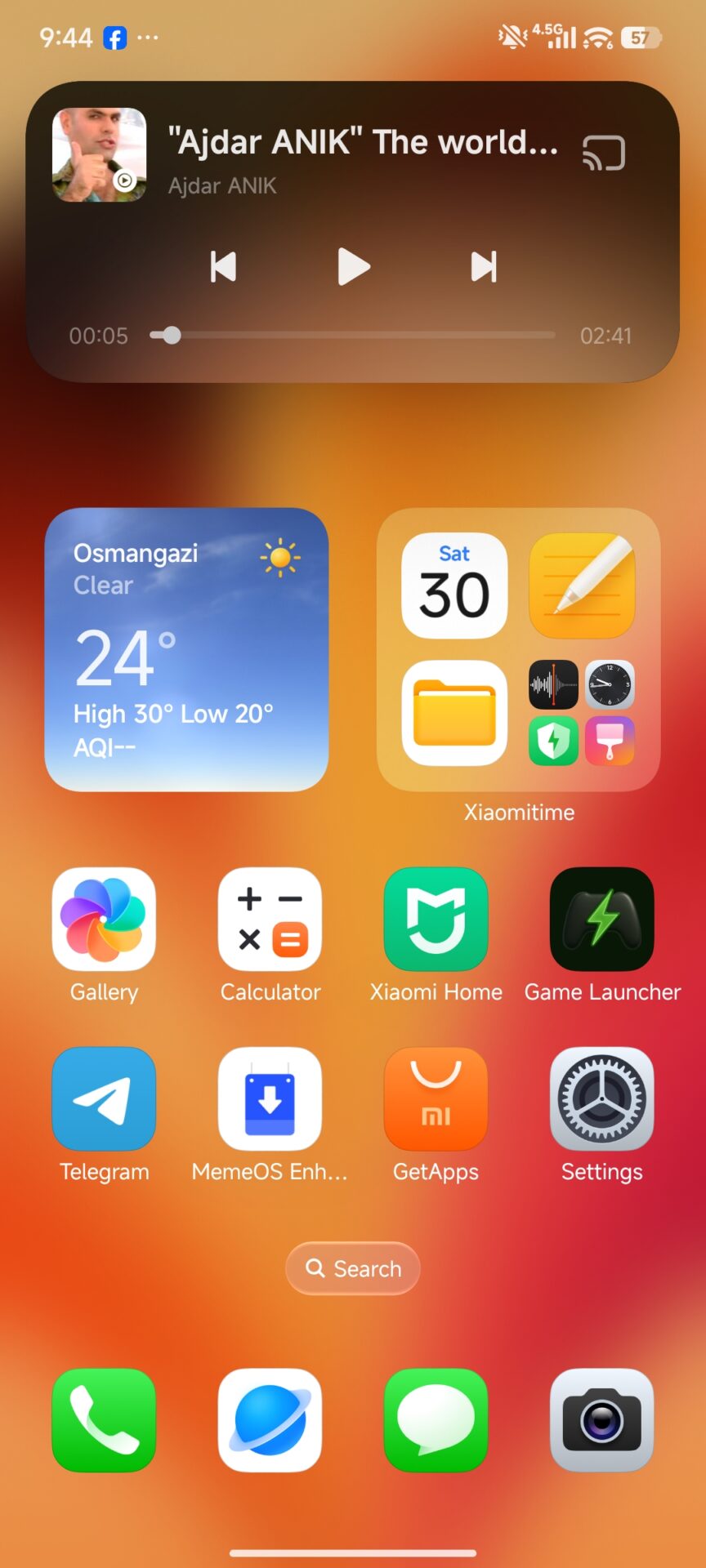
3. Dynamic Island

Xiaomi has expanded its interactive notification area, taking cues from Dynamic Island, offering smooth transitions for calls, music, and system alerts.

HyperOS 3 Dynamic Island Review 10 HyperOS 3 Dynamic Island Review 8 HyperOS 3 Dynamic Island Review 5 HyperOS 3 Dynamic Island Review 11

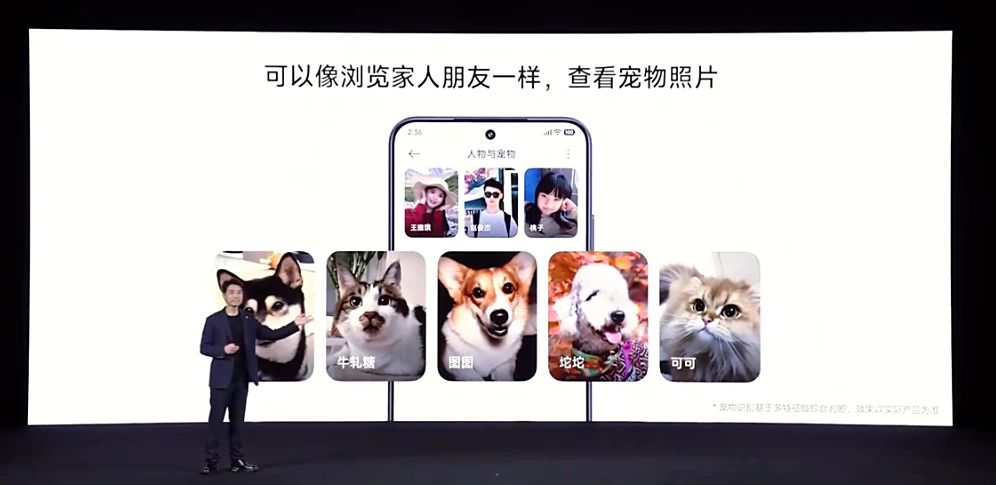
4. New albums feature

The Gallery app now offers an “auto-sorted albums” feature, reminiscent of iOS photo organization, automatically grouping people, pets, and events.

Gallery 1

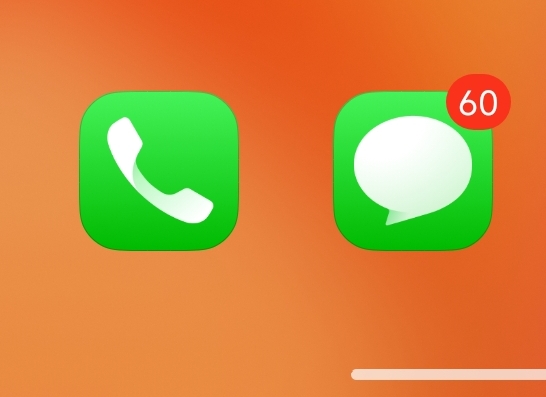
5. Dialer and Messages icons

Both Dialer and Messages icons have shifted to rounded shapes with solid colors, mirroring Apple’s minimalistic design philosophy.

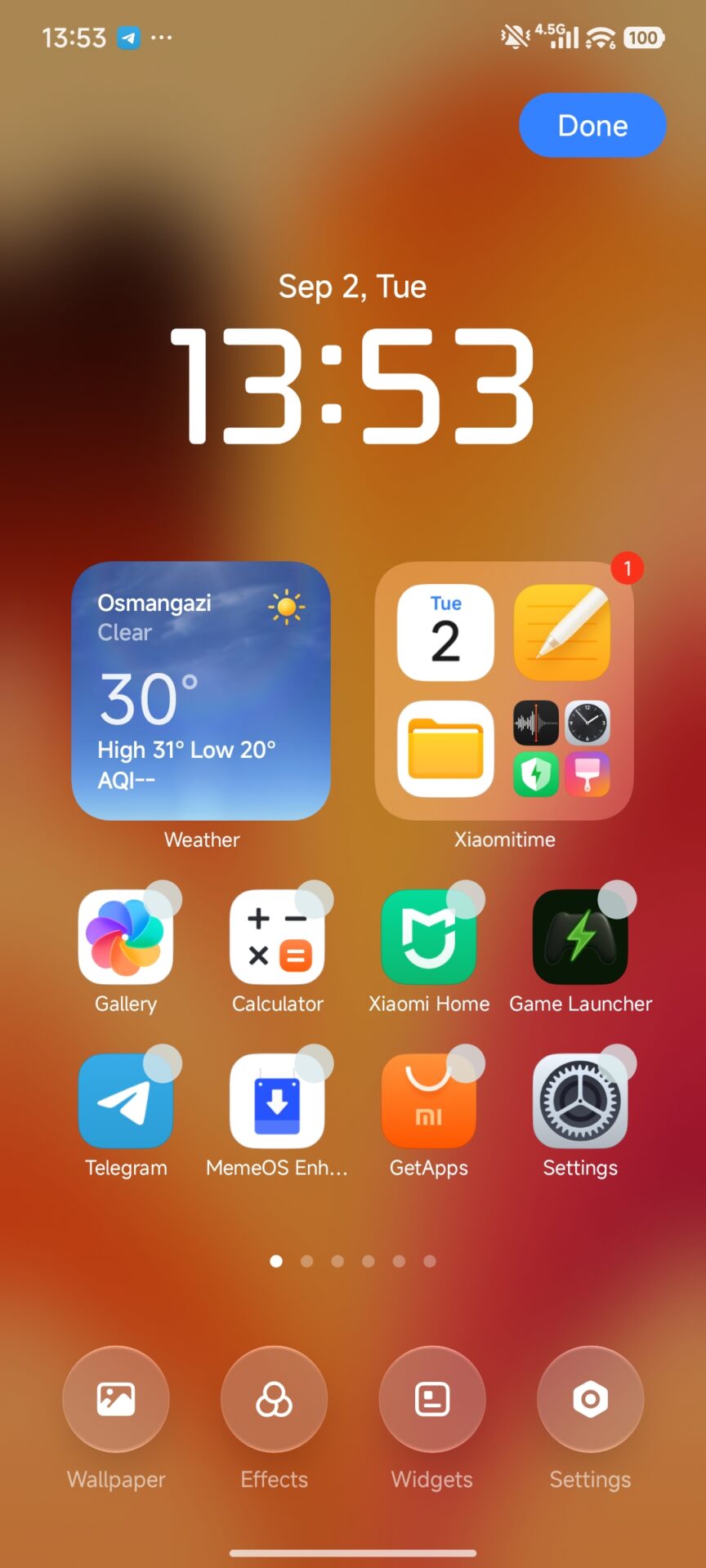
Screenshot 2025 09 02 13 55 32 001 com.miui .home edit iOS icon

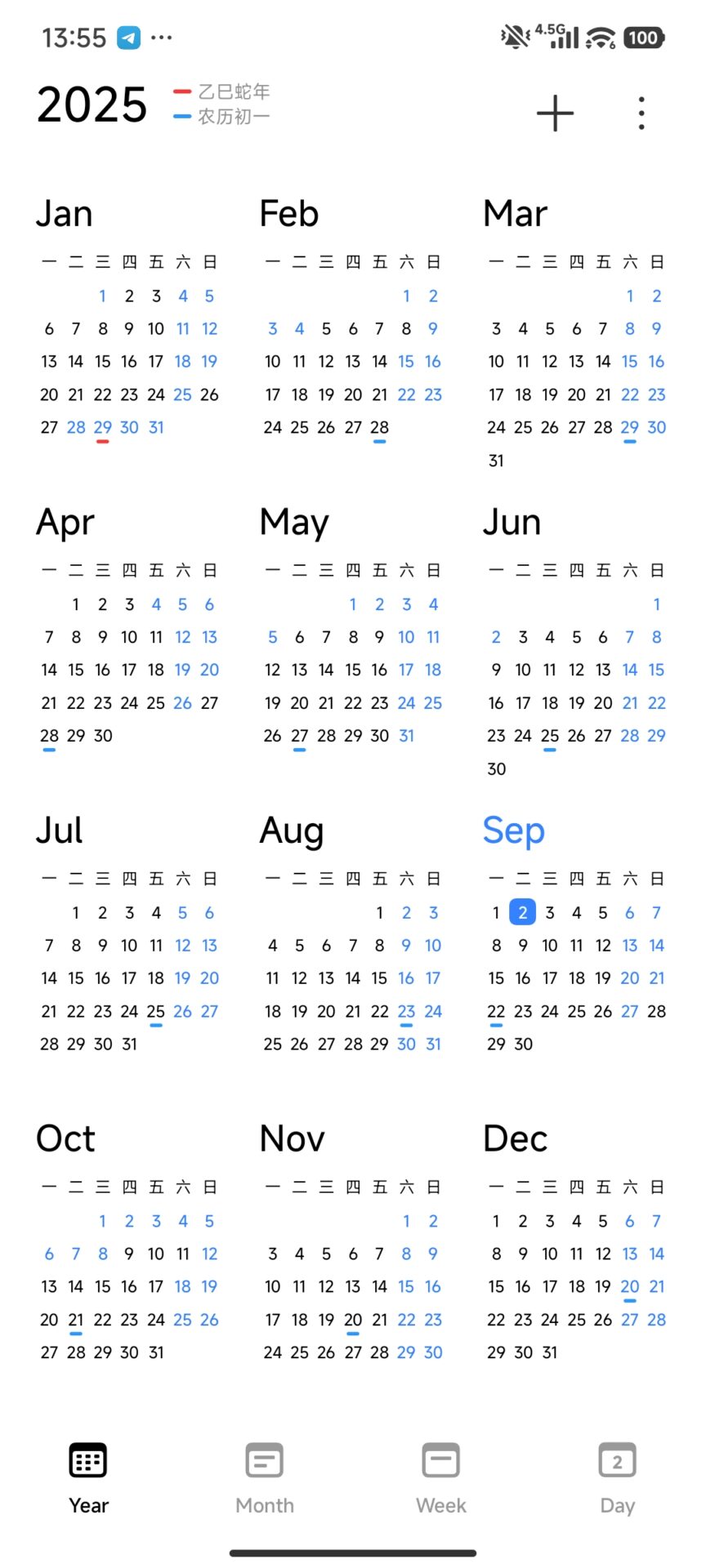
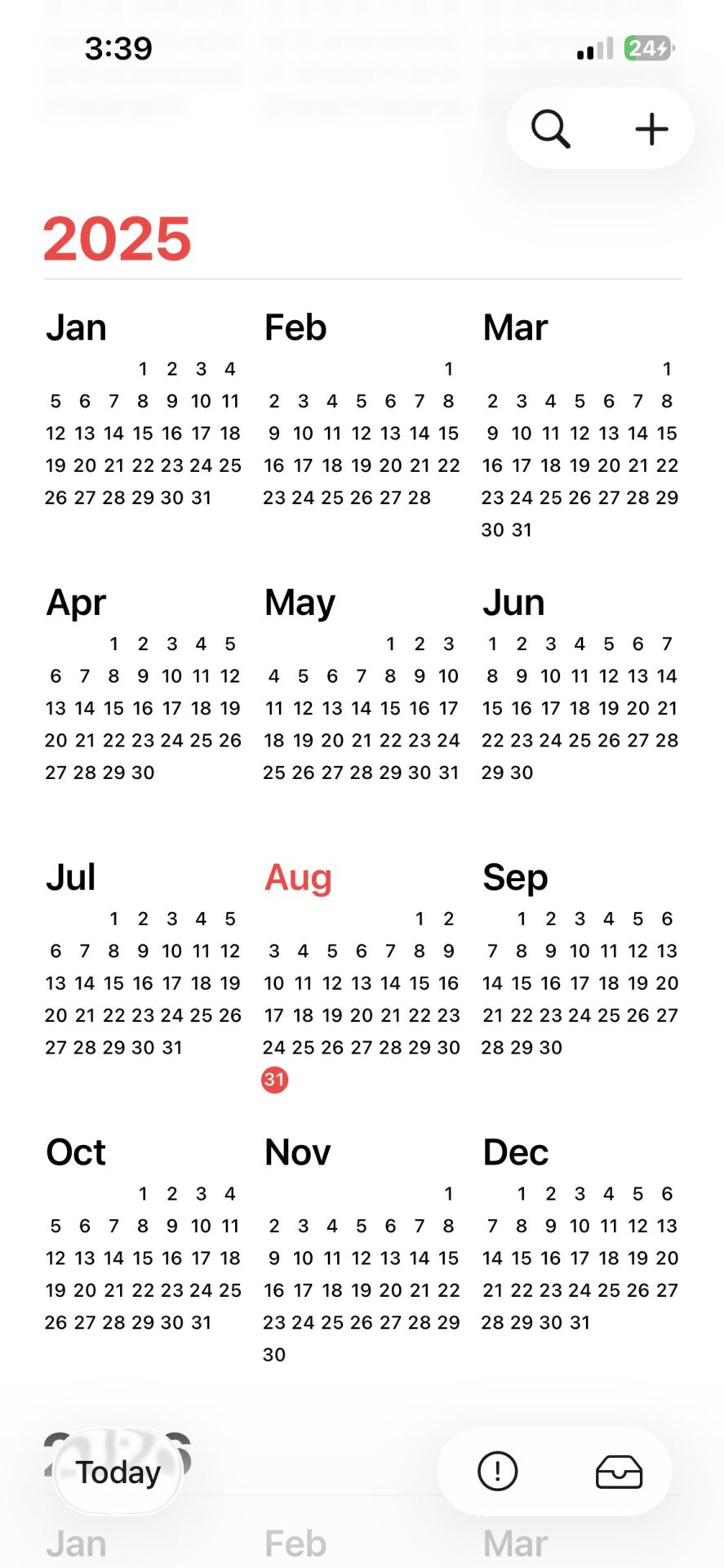
6. Calendar app design

The Calendar app now features a cleaner white background with bold day indicators, strongly echoing Apple’s approach.

Screenshot 2025 09 02 13 55 51 130 com.android.calendar GztaAGnb0AAAPjQ

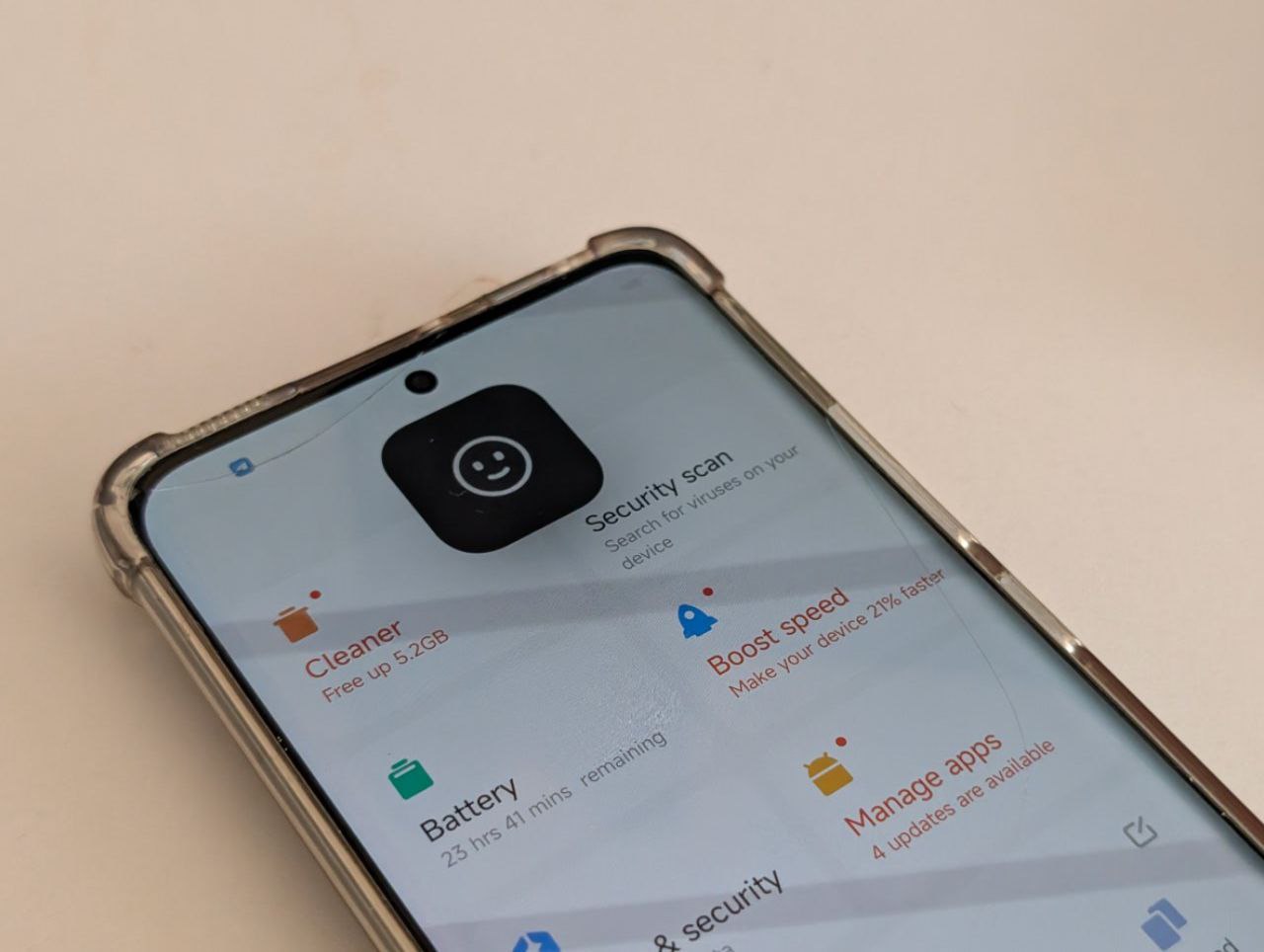
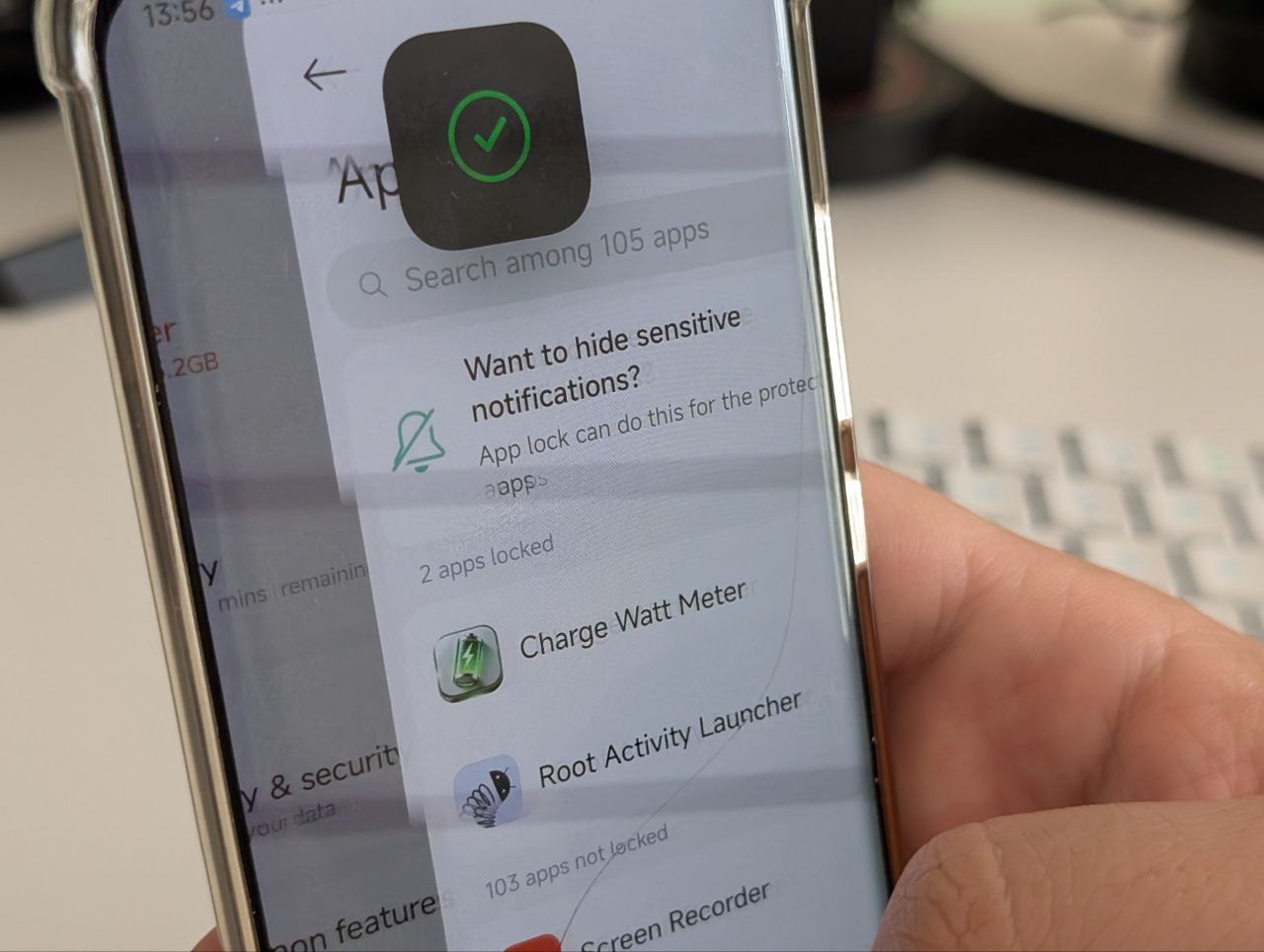
7. Face ID animations

Unlock animations for Face Unlock have been redesigned with circular wave motions nearly identical to iOS 26’s Face ID visuals.

HyperOS 3 Face Unlock 1 HyperOS 3 Face Unlock 2

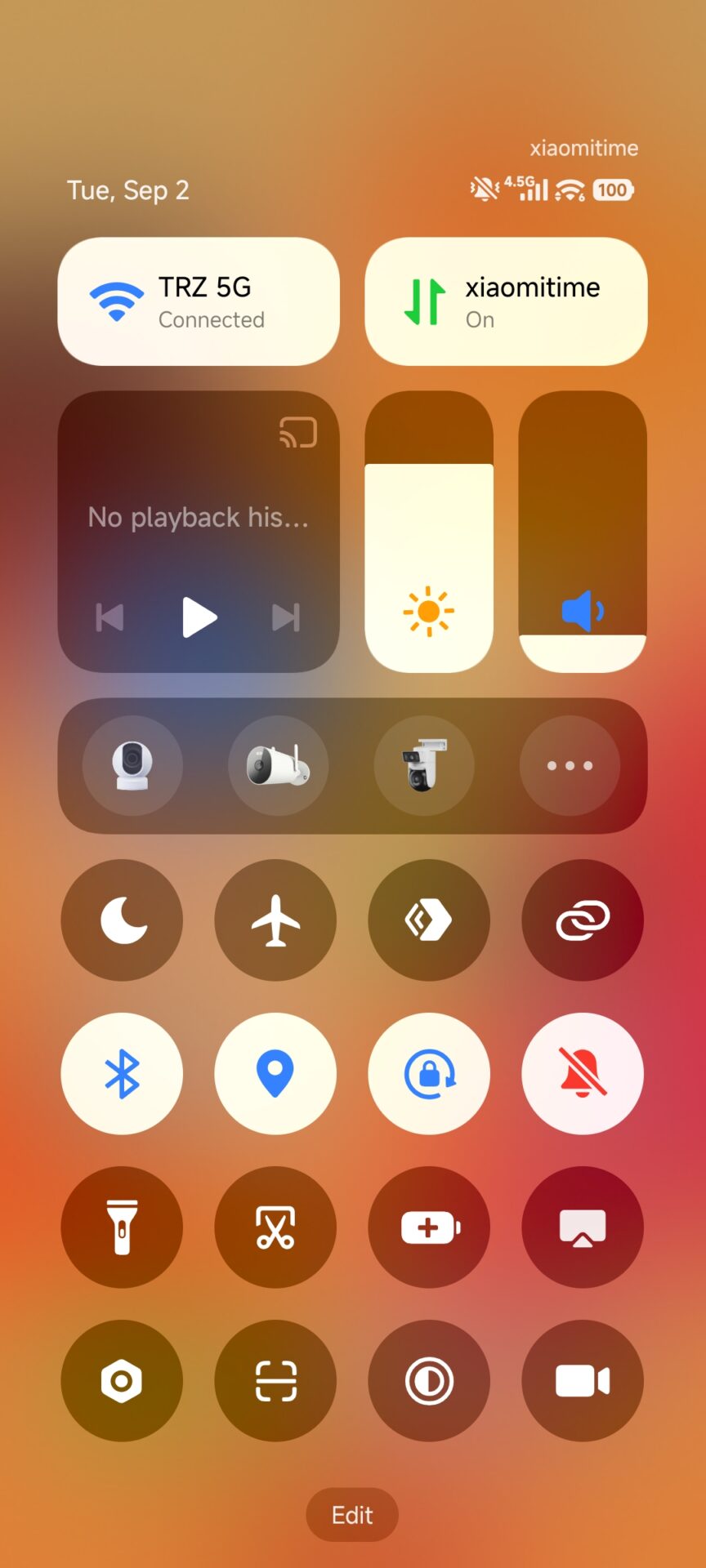
8. Control center icons

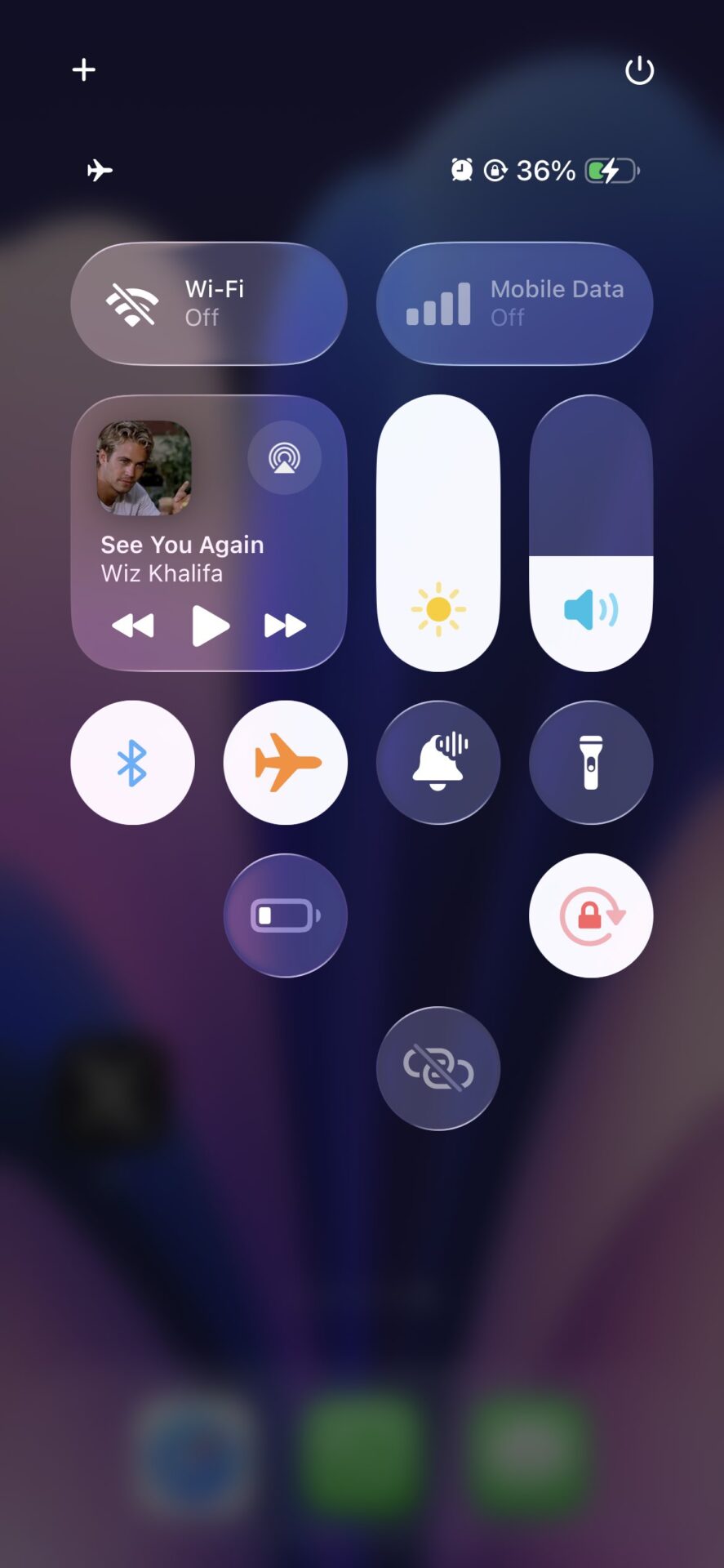
The Control Center includes redesigned icons for Bluetooth, flashlight, and brightness, all adopting Apple-like rounded toggles.

HyperOS 3 Control Center iOS 26

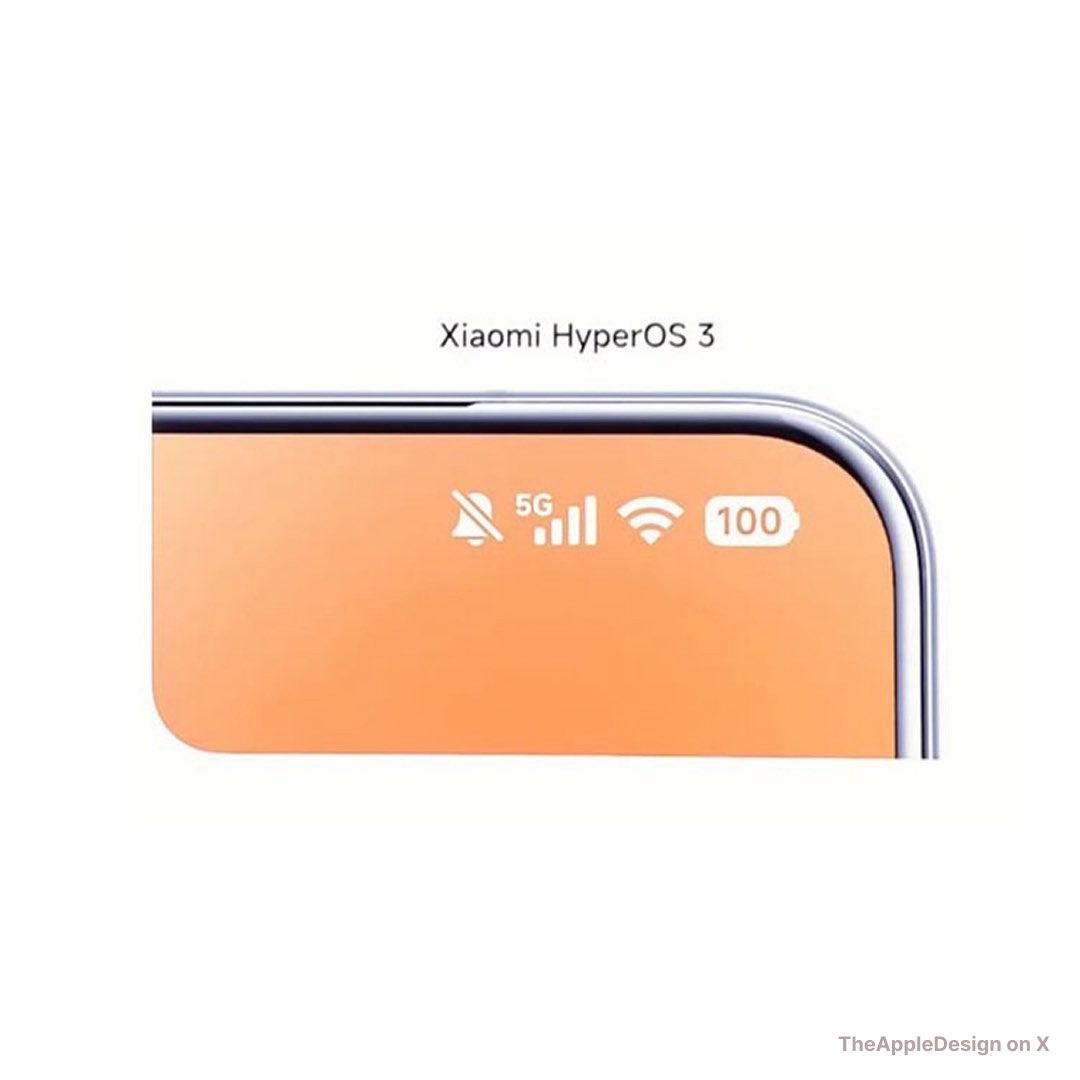
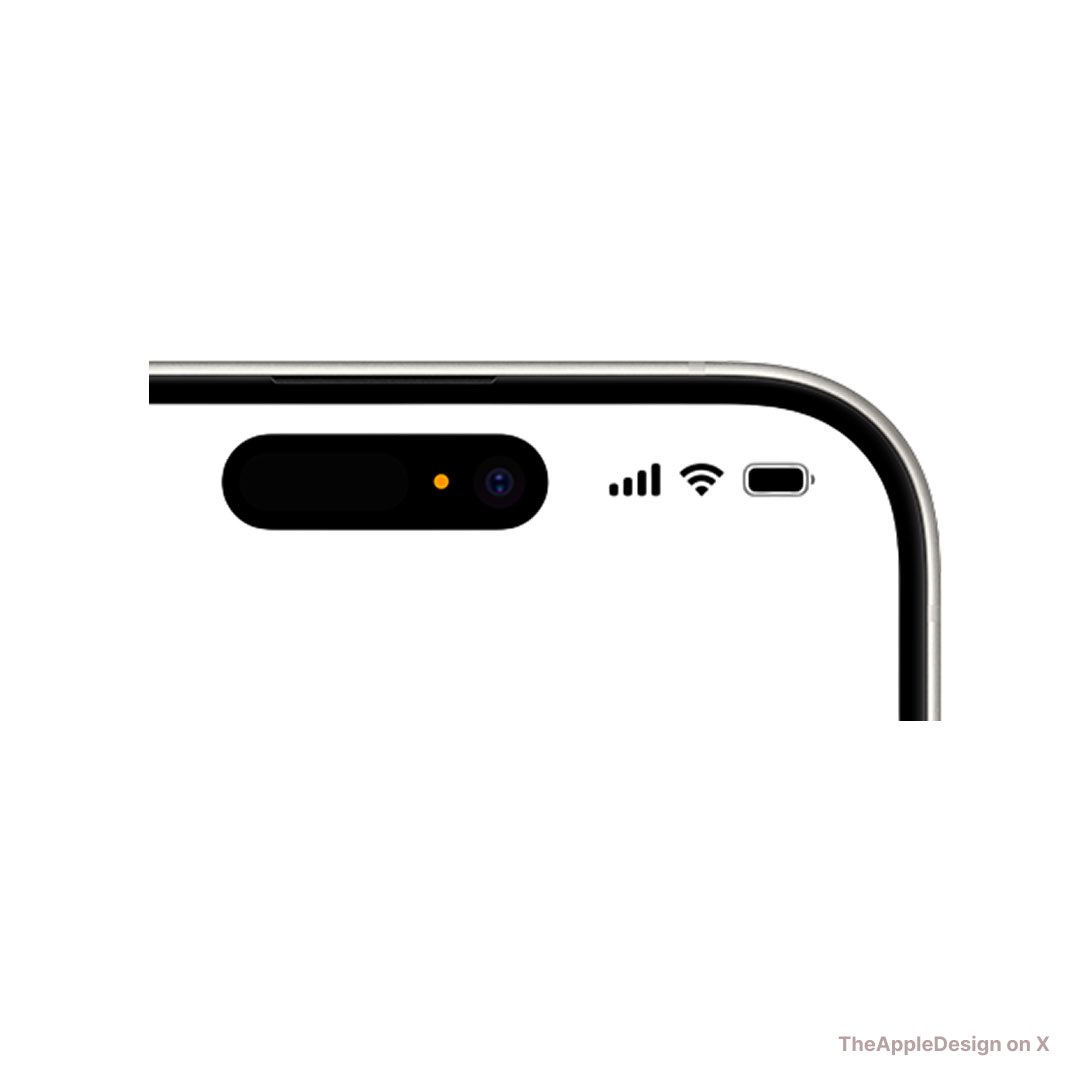
9. Signal and Wi-Fi icons

Even the signal bars and Wi-Fi indicators have been tweaked to look closer to the minimalistic iOS 26 versions.

GztaFkKb0AAIfVA GztaFknbsAAsG W

10. Overall polish

Taken together, these changes add up to a familiar experience. While Xiaomi markets these updates as fresh, many users will immediately notice their Apple-inspired origins.


Source: Apple Design

❌