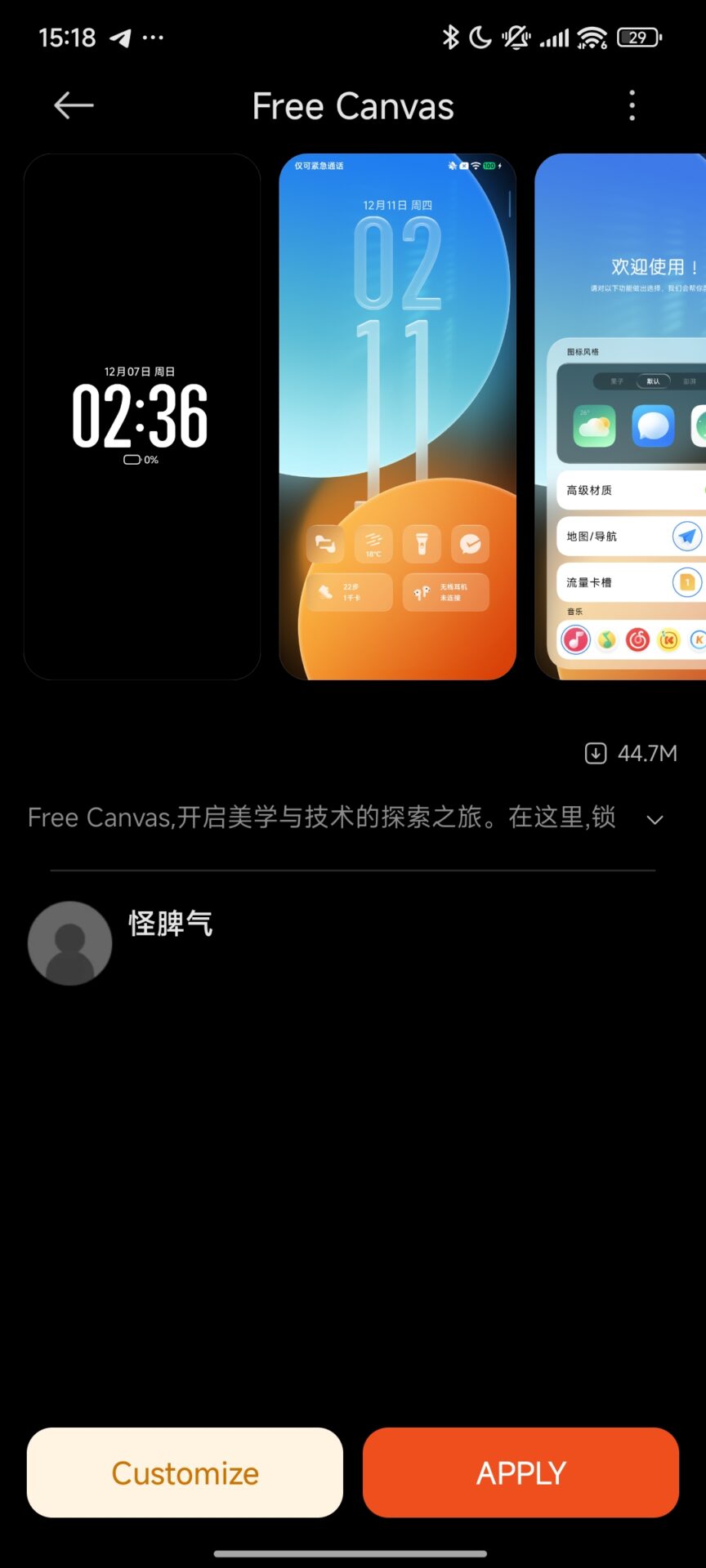
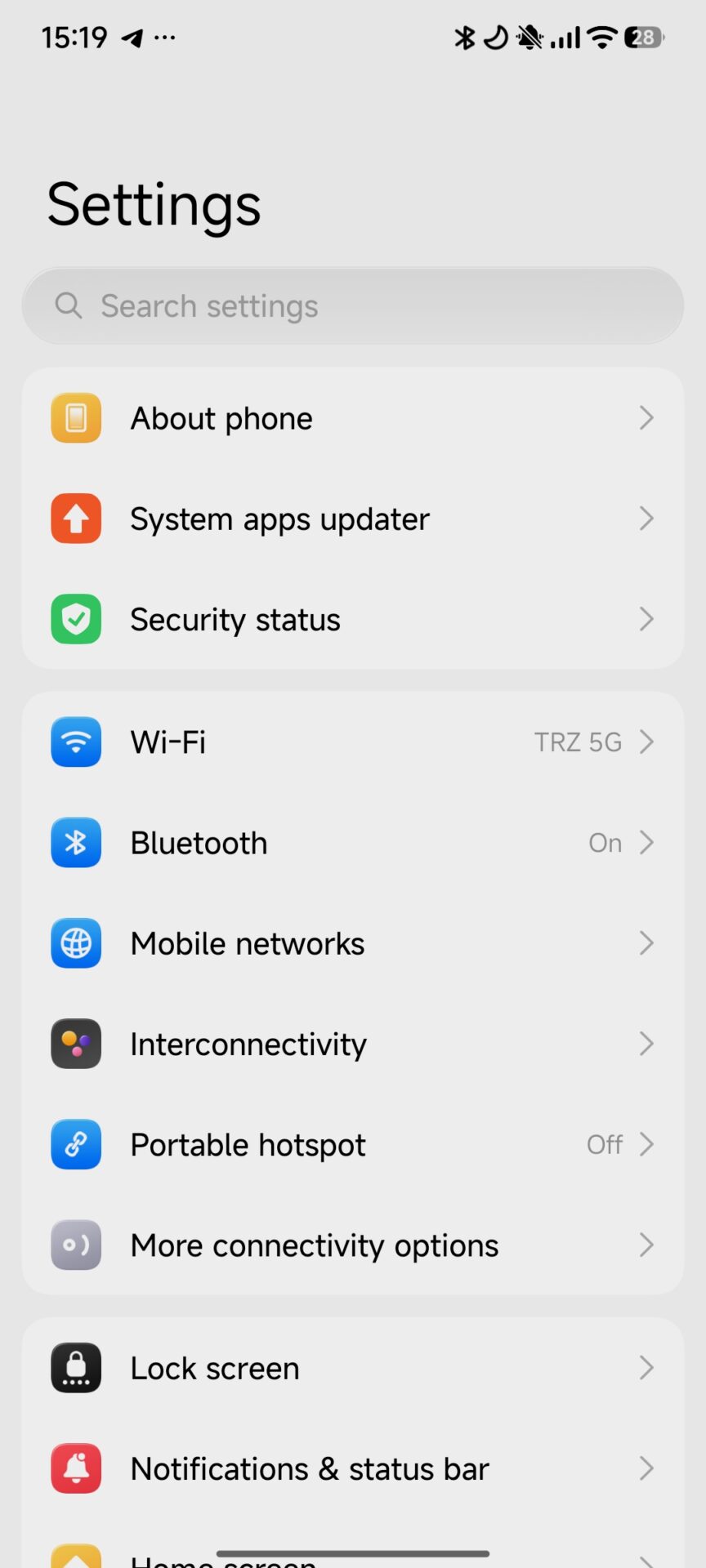
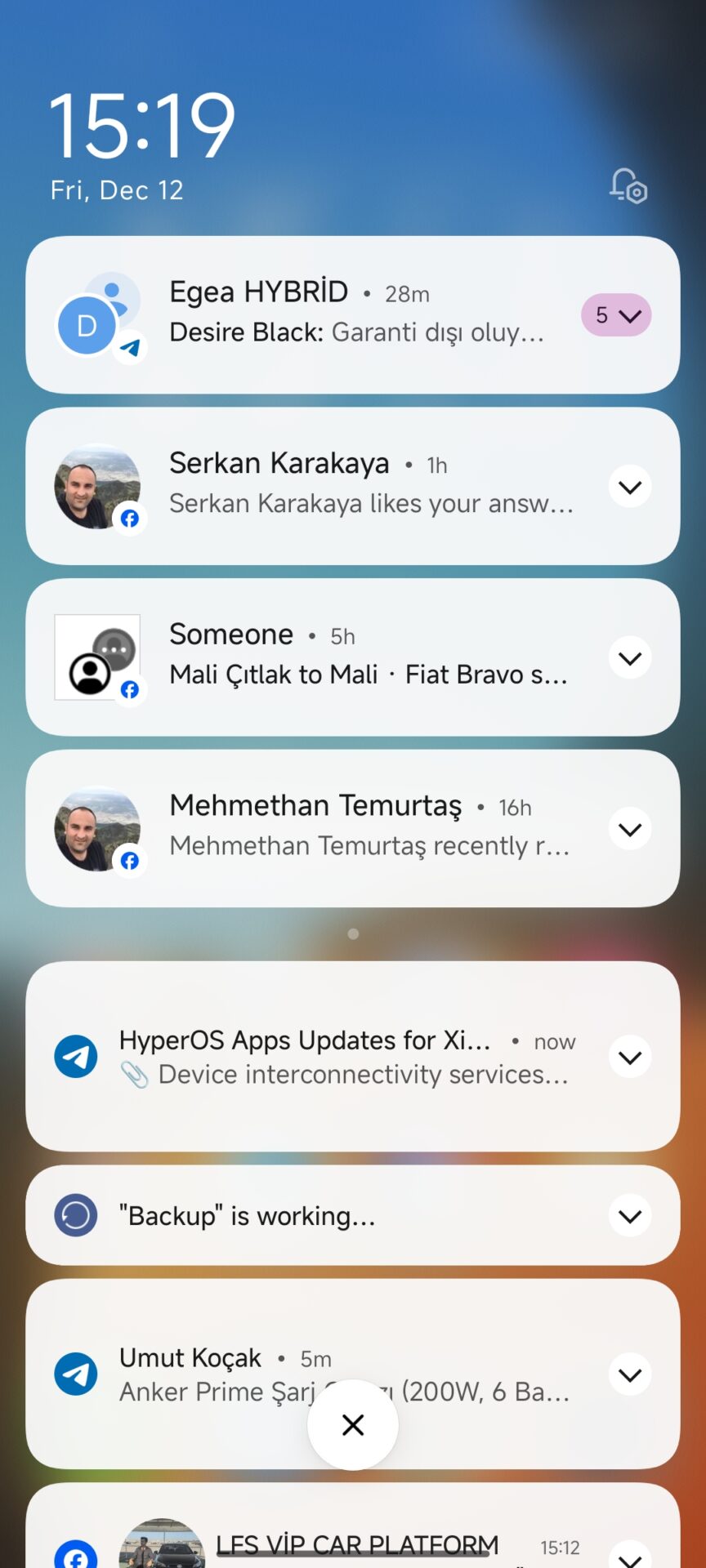
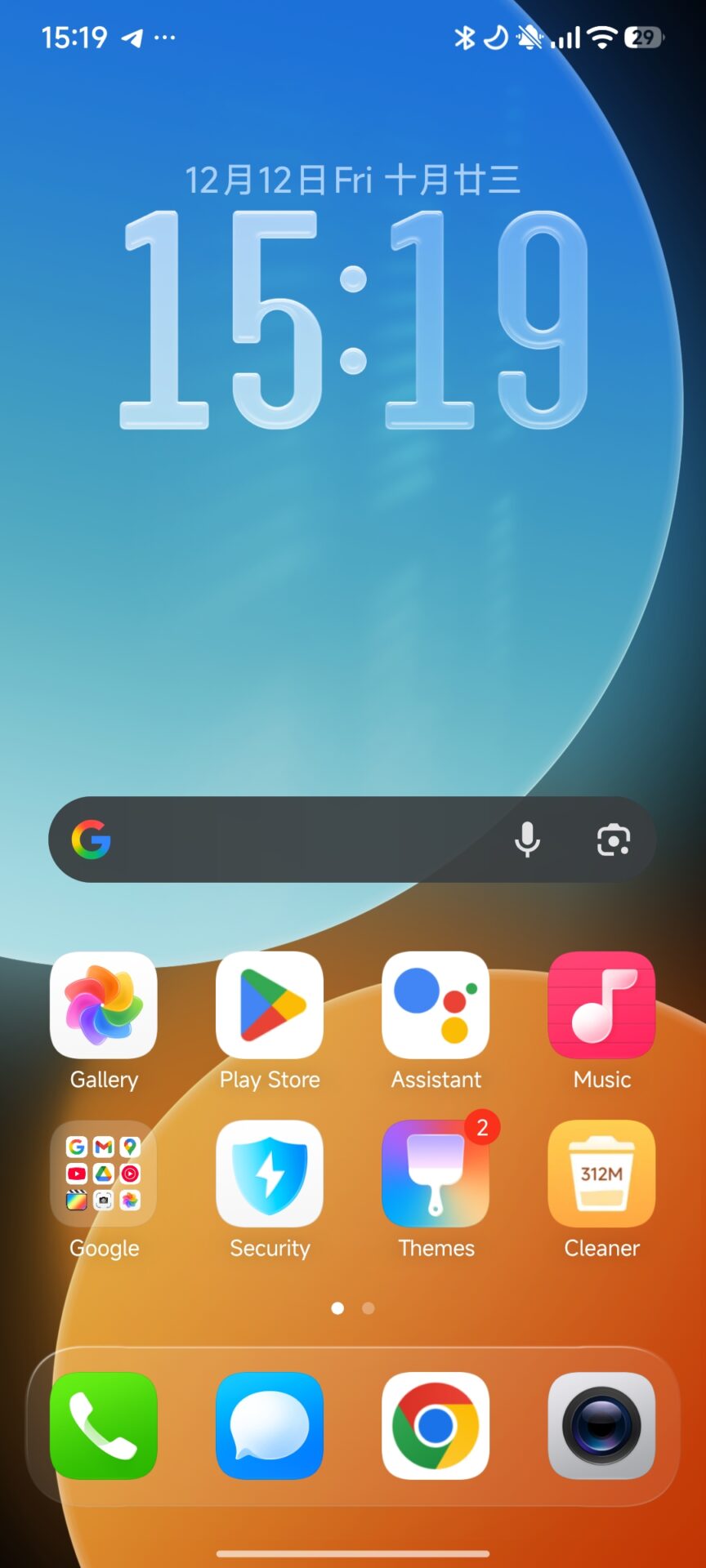
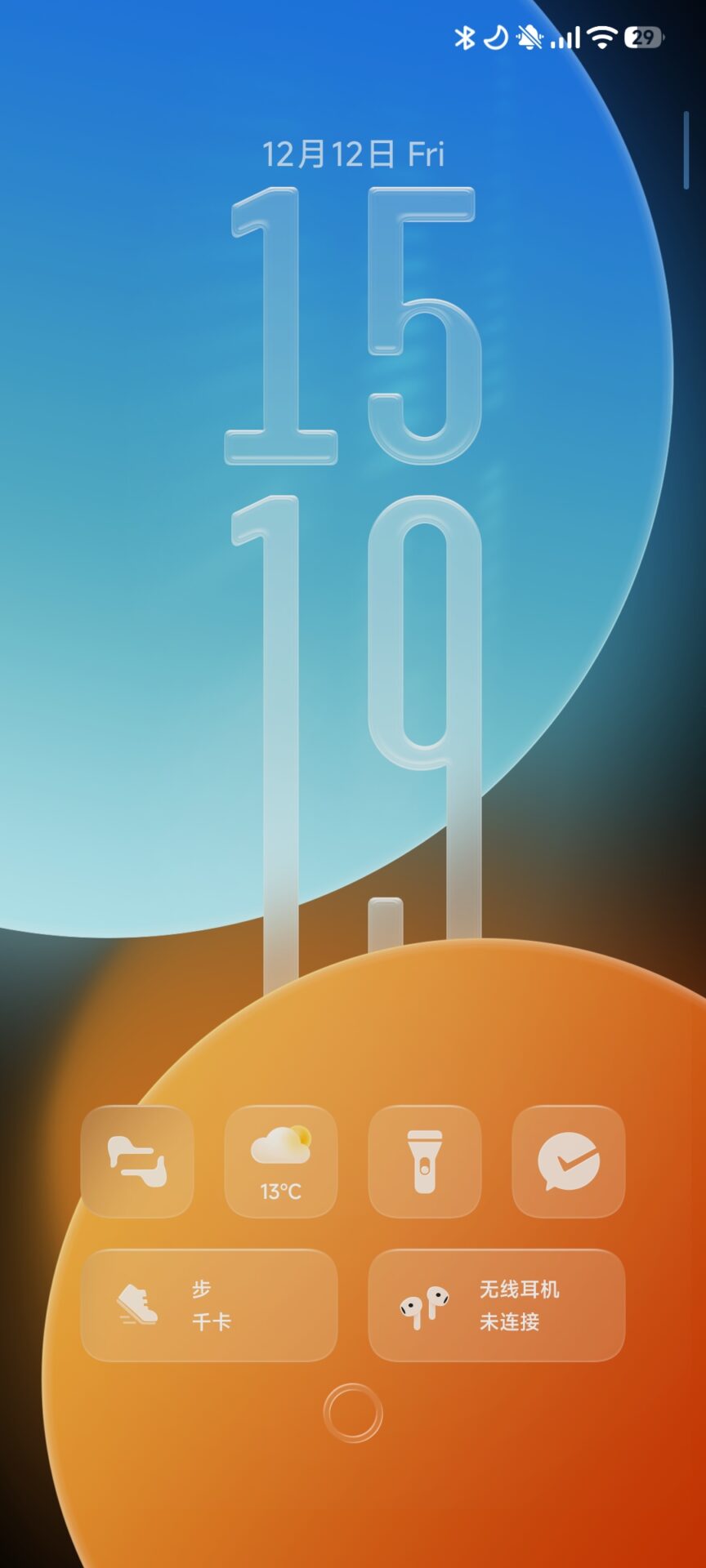
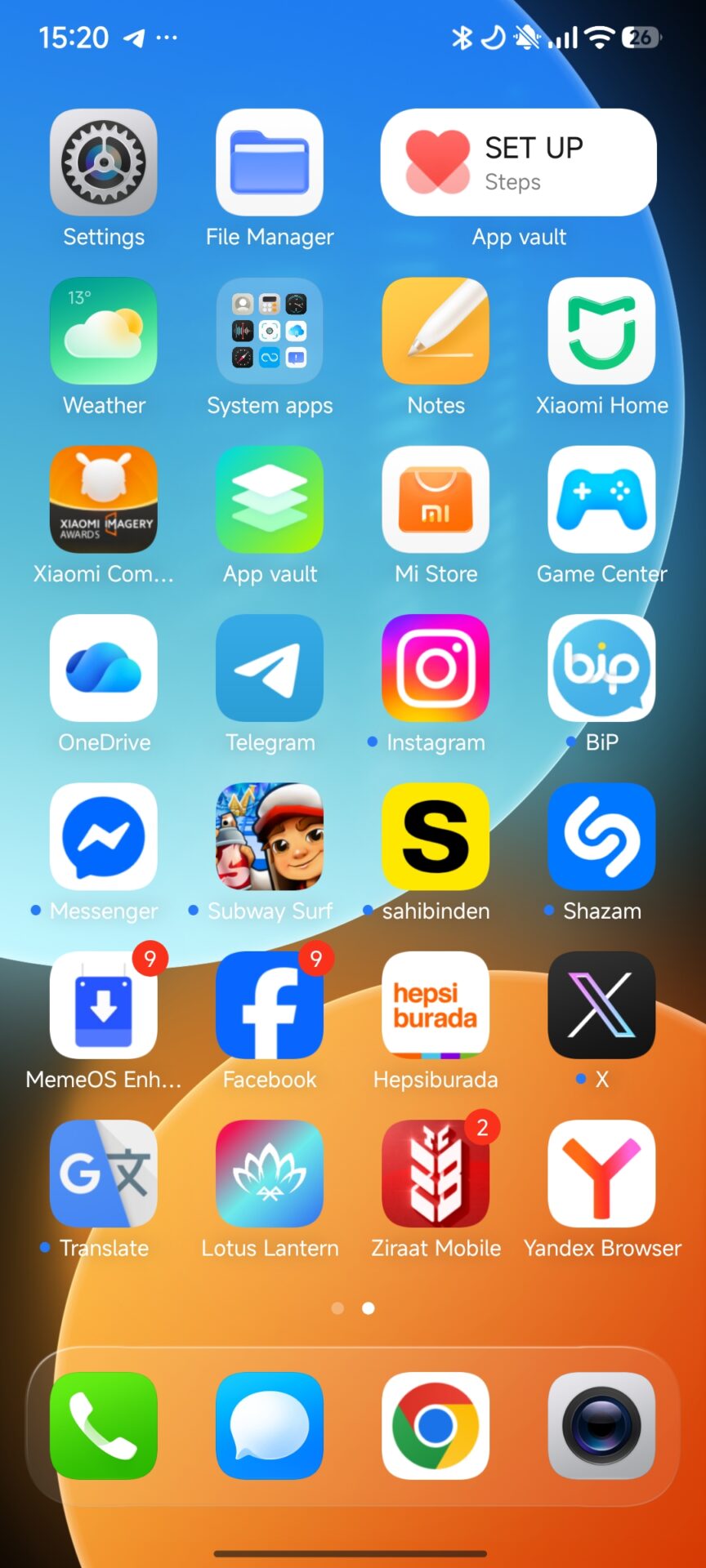
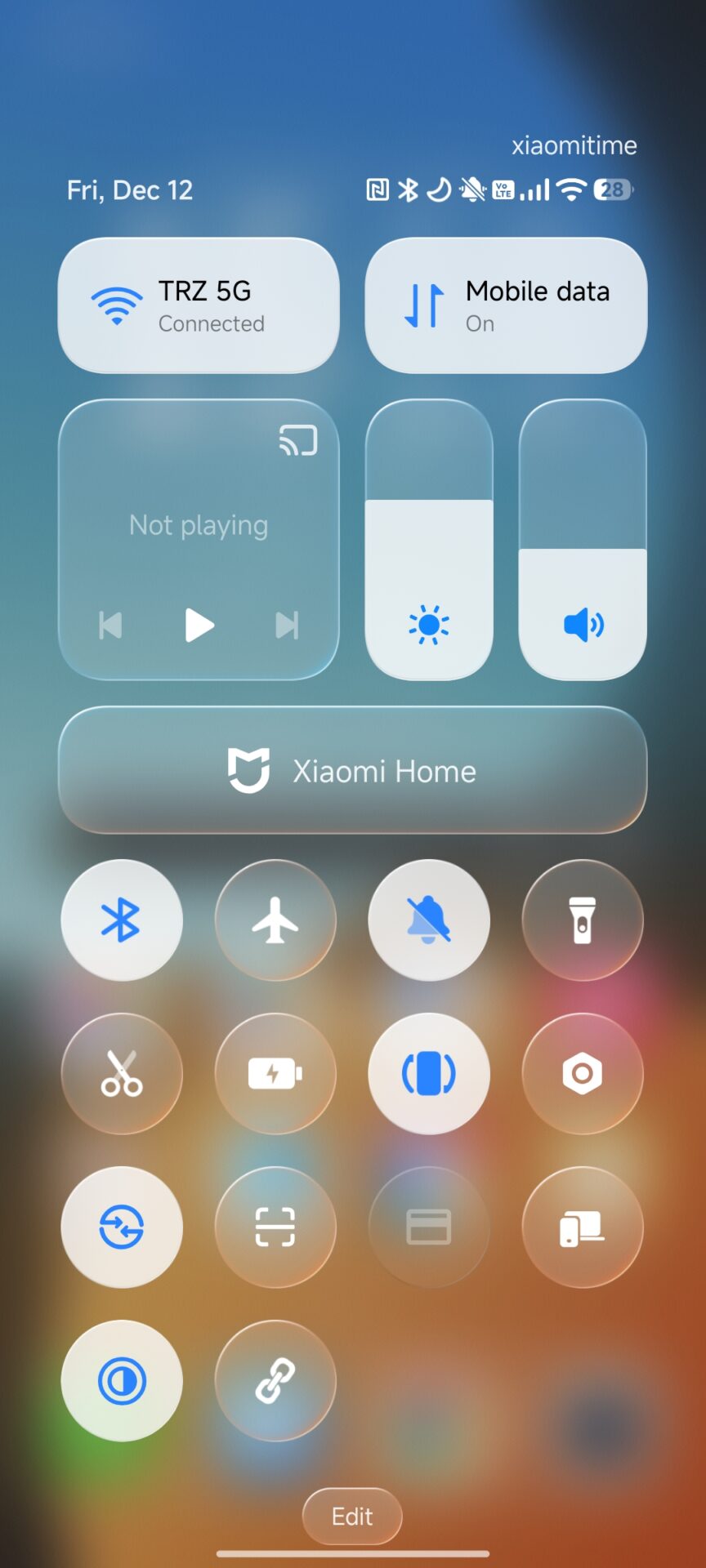
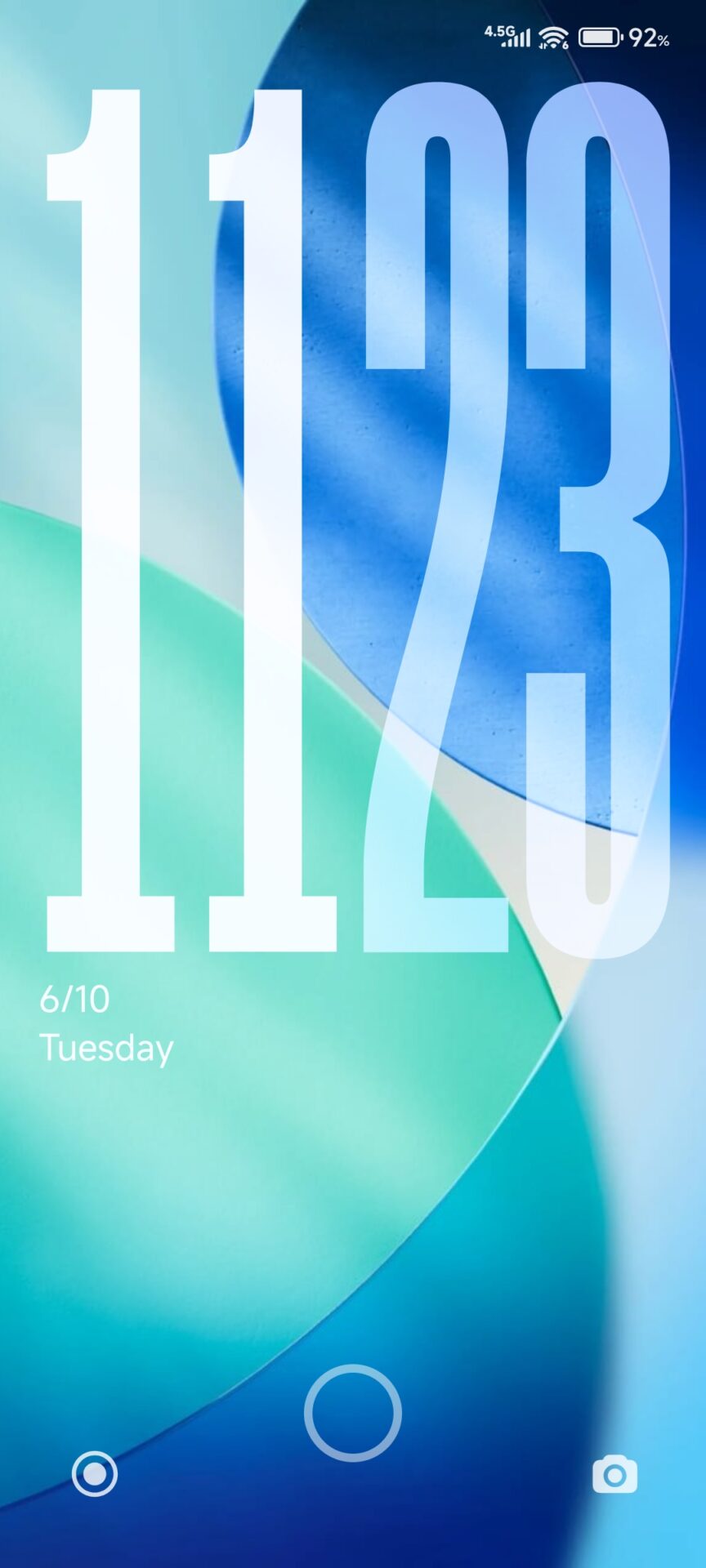
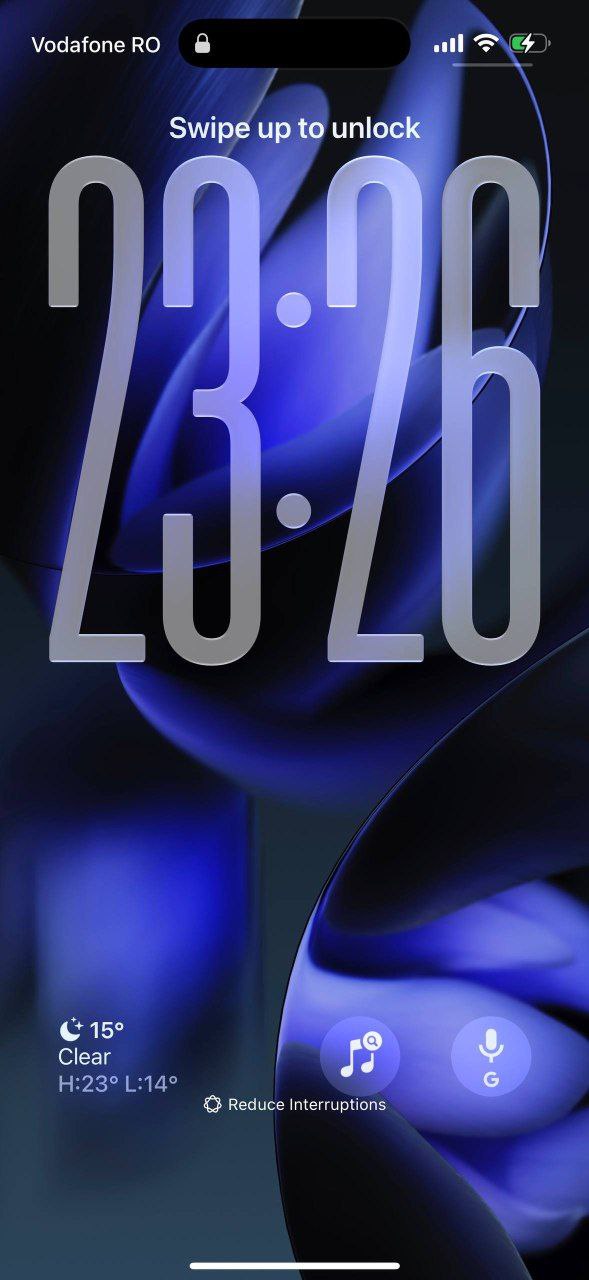
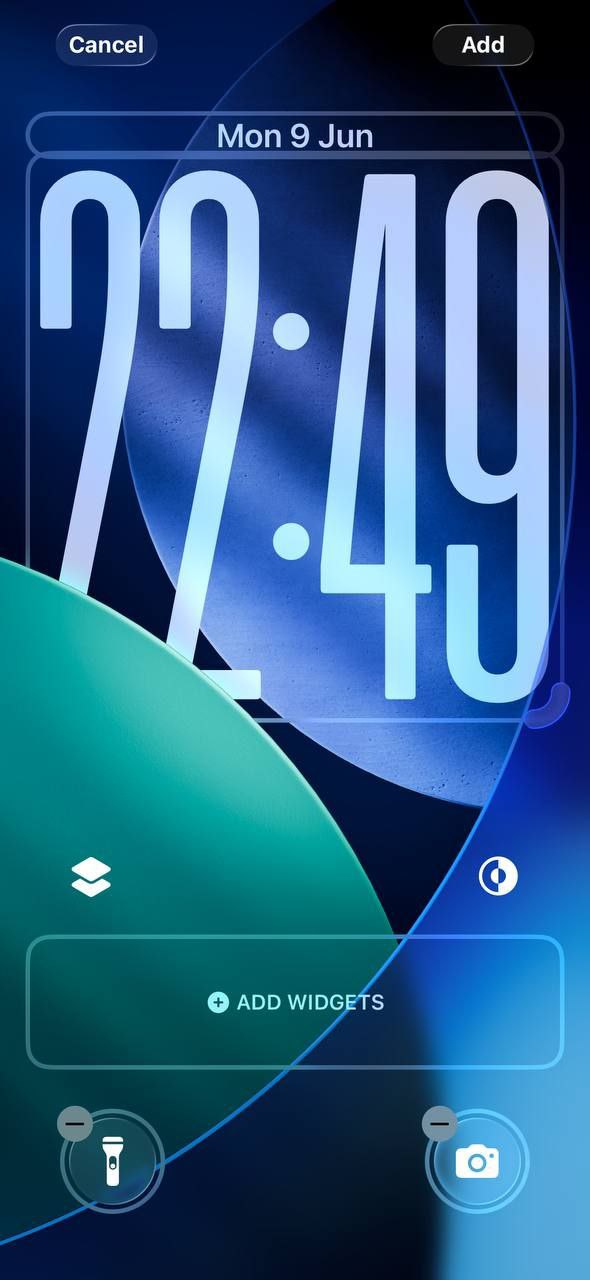
For users interested in replicating the visual sophistication of iOS 26 on Xiaomi devices running HyperOS, a range of customization strategies are now accessible. This guide presents a systematic approach to achieving an iOS-inspired interface while retaining the core functionality of HyperOS. The procedures outlined encompass the installation of modified system components, application of official wallpapers, and the configuration of specialized launchers and themes.
Installation theme
With the new theme installation feature, we can now install any theme. You can try the new iOS theme running on HyperOS 1, 2, and 3.
Authenticity in visual transformation relies on the use of high-resolution, official iOS 26 wallpapers. Curated collections are available online, optimized for a wide range of Xiaomi device screens. Installation of these wallpapers is recommended for both the home and lock screens to reinforce the consistency of the iOS aesthetic.
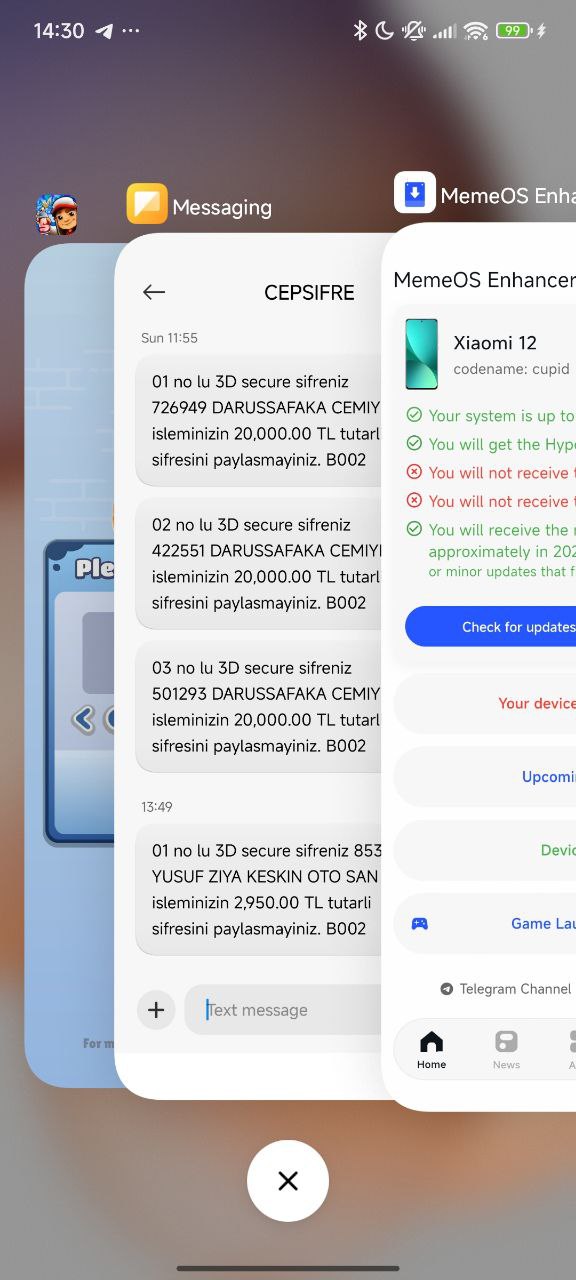
New official HyperOS 3 Launcher with iOS recents
The use of a new HyperOS 3 launcher is essential for replicating iOS 26’s distinctive app management interface. Such launchers introduce features including an iOS-style recent apps view and refined animation transitions. These modifications not only enhance visual fidelity but also maintain efficient system performance.
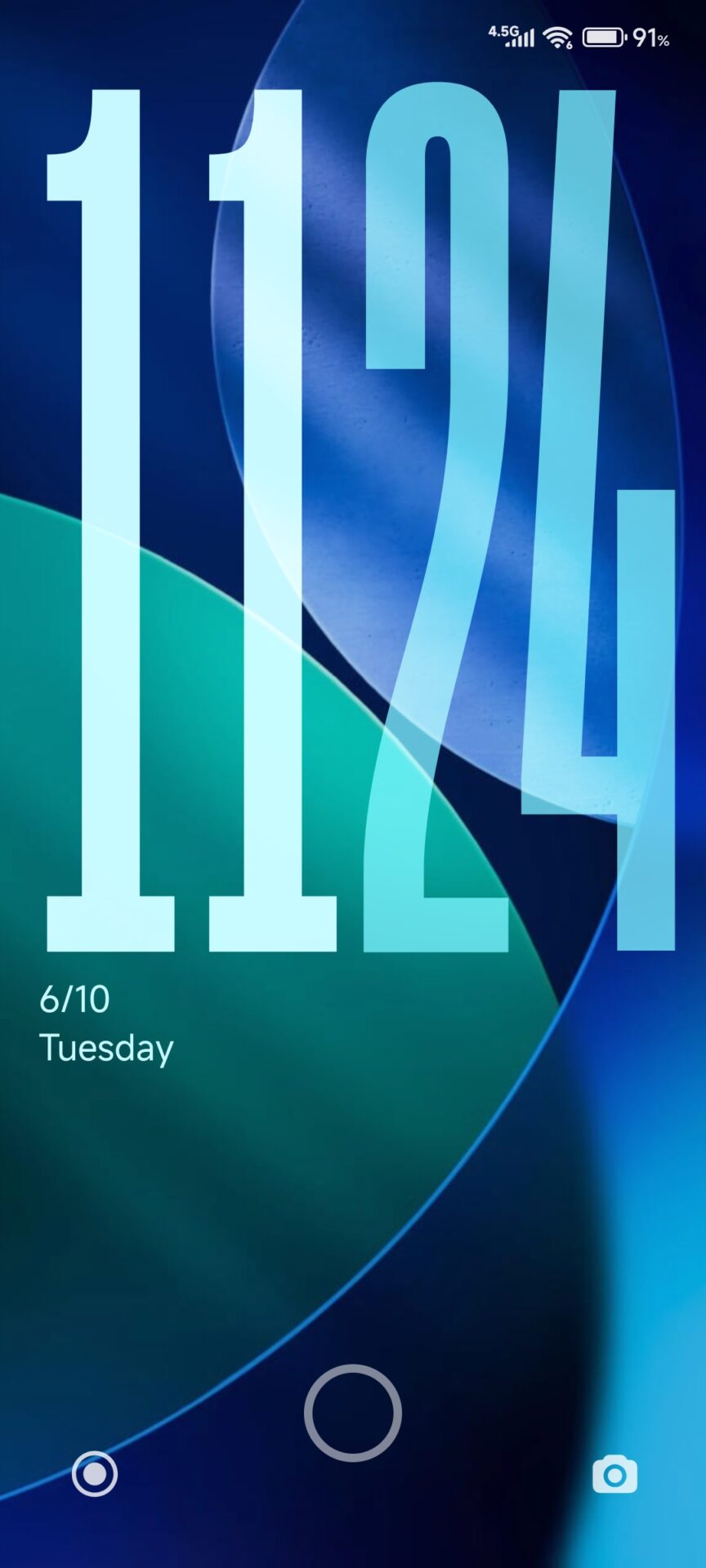
Customization of Lock Screen Clock Style
HyperOS provides a variety of clock style options, some of which closely resemble the lock screen clock introduced in iOS 26. Users can select the most appropriate style by navigating to device lock screen settings, thereby achieving greater visual alignment with Apple’s design language.
Additional Customization Tools
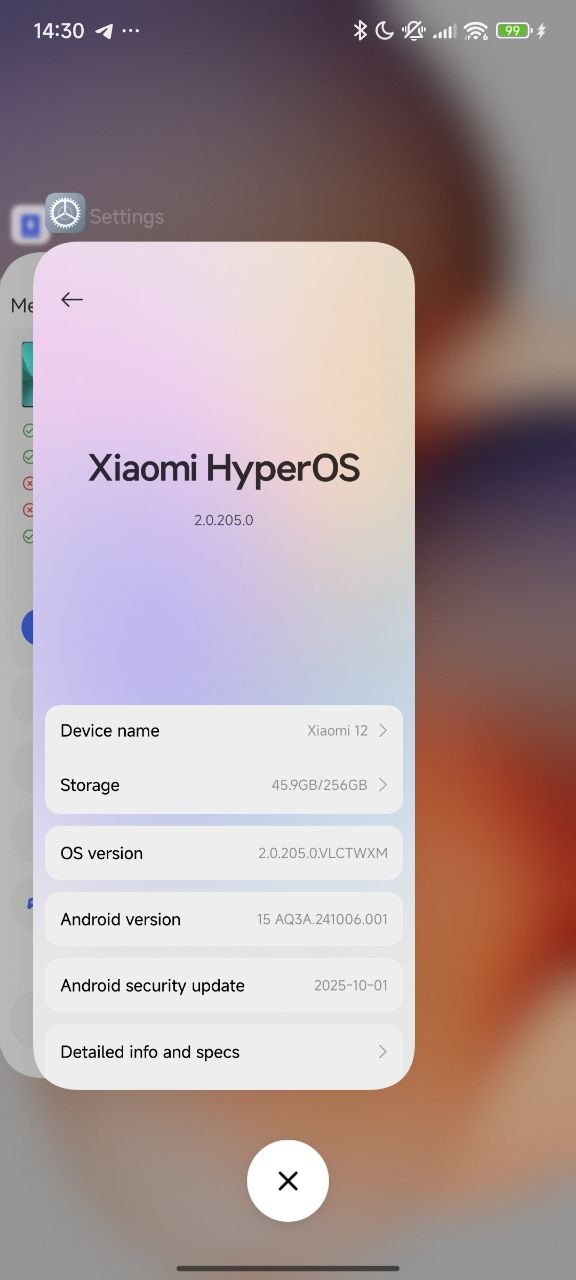
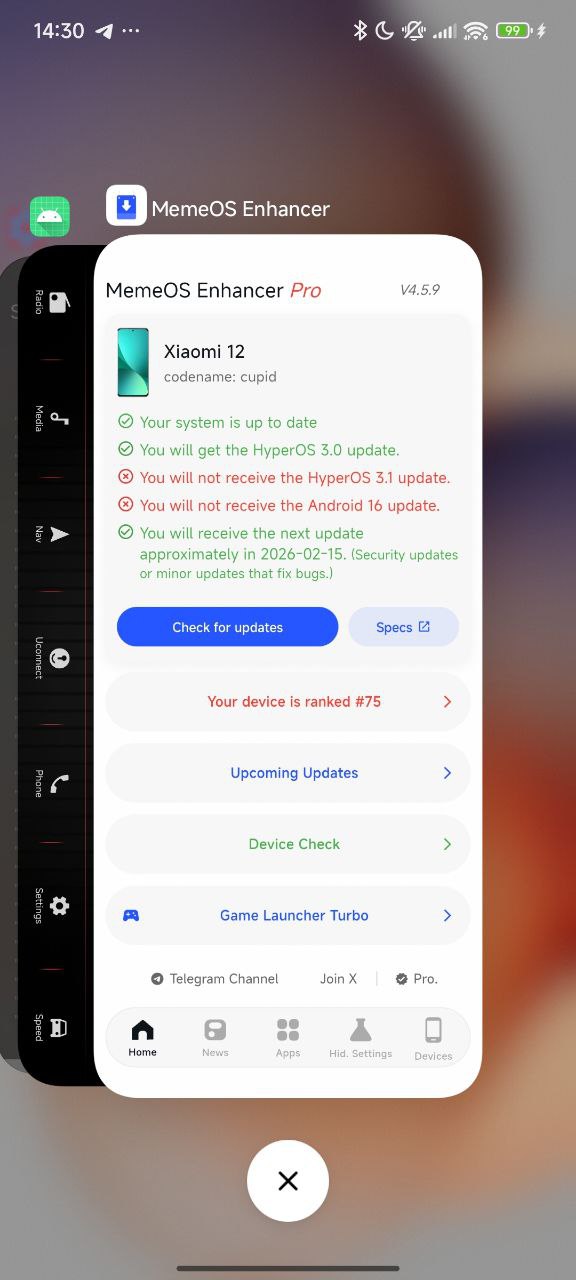
Advanced users may wish to employ utilities such as MemeOS Enhancer, available via the Play Store. This application enables access to additional hidden features, system app updates, and direct system modifications.
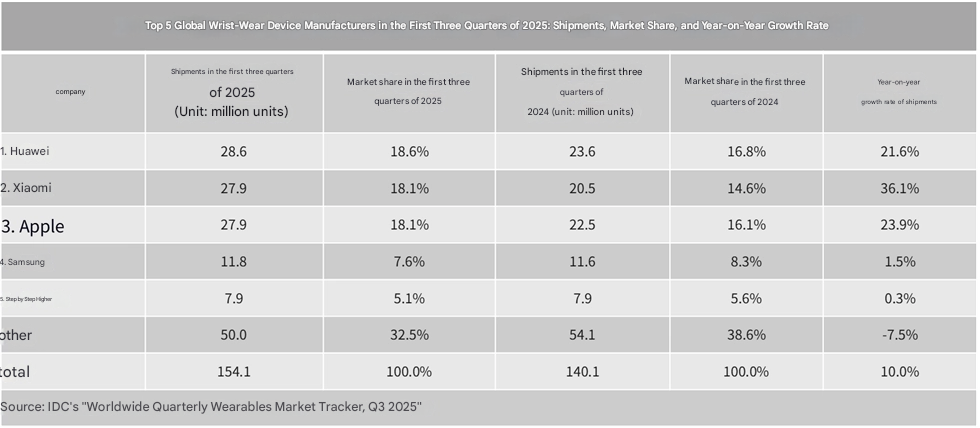
*As reported in the latest Worldwide Quarterly Wearable Device Tracker by International Data Corporation (IDC), the worldwide market for wearable wrist devices continued its positive trend in the first three quarters of 2025. A cumulative shipment of 150 million units was recorded, reflecting a 10% growth from the previous year.
Global Wearable Technology Market in 2025: An Overview
The wrist wearable segment comprises smartwatches and fitness trackers, both of which have made a positive contribution to the growth of the overall market. The IDC statistics reveal a well-balanced growth, with the maturing and emerging markets providing equal contribution, China being a leading contributor globally.
Worldwide shipments of the total smartwatch segment were around 120 million units within the initial three quarters of 2025. This marked an incremental growth of 7.3%. Interestingly enough, the fitness trackers touched the 32.86 million units mark and were growing at the rate of 21.3%.
China Market Performance and Growth Dynamics
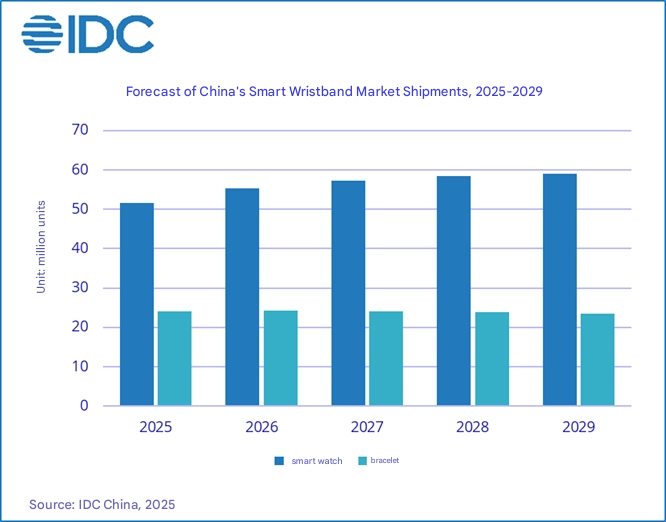
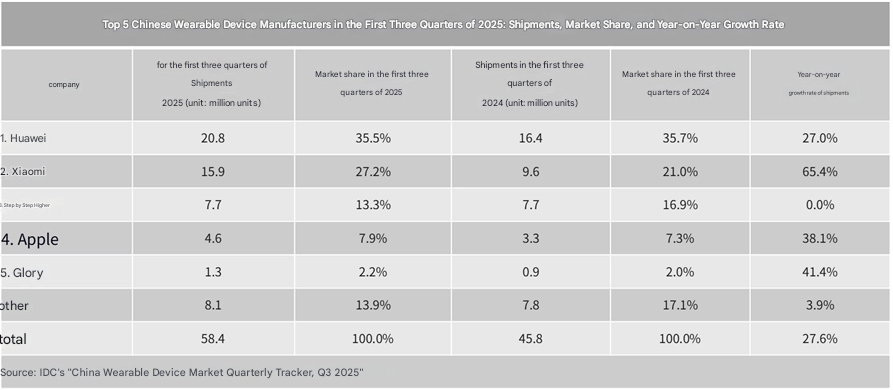
China emerges as a leading player in the global growth story, registering a cumulative shipment of 58.43 million wrist-worn devices, an increase of 27.6% year-over-year. The shipment of smartwatches and fitness trackers in China is reported to be 40.04 million and 18.39 million units, respectively, registering robust growth.
This is supported by the expanding offline presence of retail stores, awareness of health-related features, and competitive prices of the entry-level and mid-range segments. Xiaomi directly benefited from the above-mentioned factors because of the existing distribution channel and brand presence in the region.
Position of Xiaomi Among the World’s Top Brands
Xiaomi was the second-biggest brand worldwide in cumulative deliveries during the first three quarters of 2025, registering the fastest growth among the top five brands. The combined shipment volume was 27.9 million units, driven by its popular models “Xiaomi Band 10” and “Redmi Watch,” which emphasize “cost performance and basic smartness.”
The key regions that drove the growth for Xiaomi were China, Latin America, and Southeast Asia. The model adopted by the company, which involved online sales combined with offline sales of smartphones, enhanced the visibility and accessibility of the company. The ecosystem offerings combined with software support through Xiaomi HyperOS helped in retaining consumers.
Competitive Scenario & Market Forecast
Huawei continued its leadership in the global market, while Apple led in the mid-to-high-end market through integration and expanded pricing incentives. Samsung resumed its growth with new product offerings, while BBK Group continued to perform well in the children smartwatch market.
Moving forward, IDC predicted the market size of smartwatches in China to reach 79.58 million units in 2026. The moderate but stable growth in the sector encompasses the overall smartwatches used by adults, smartwatches designed for children, as well as wearable sports tracker watches. This category still relies on the crucial contributions of the brand, Xiaomi.
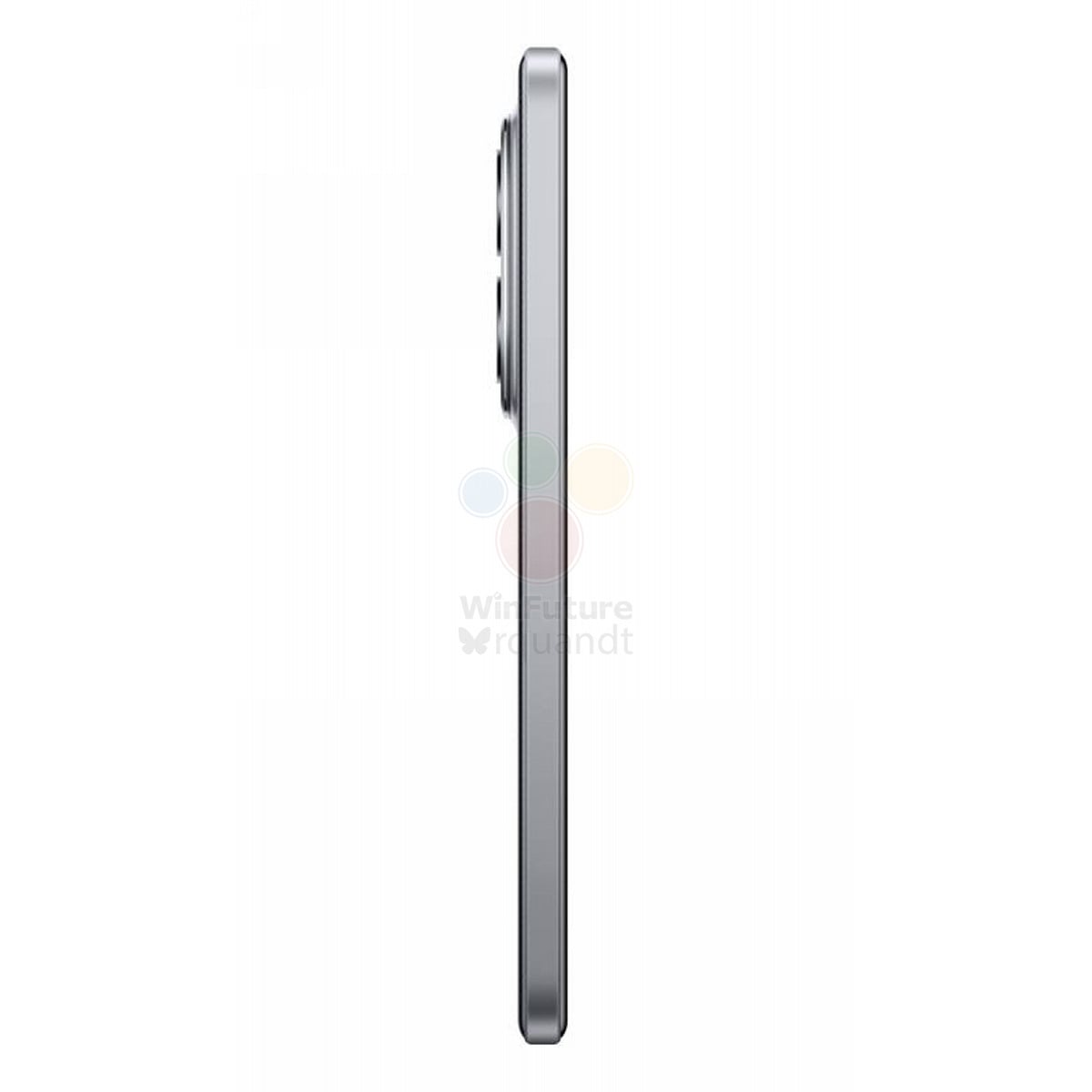
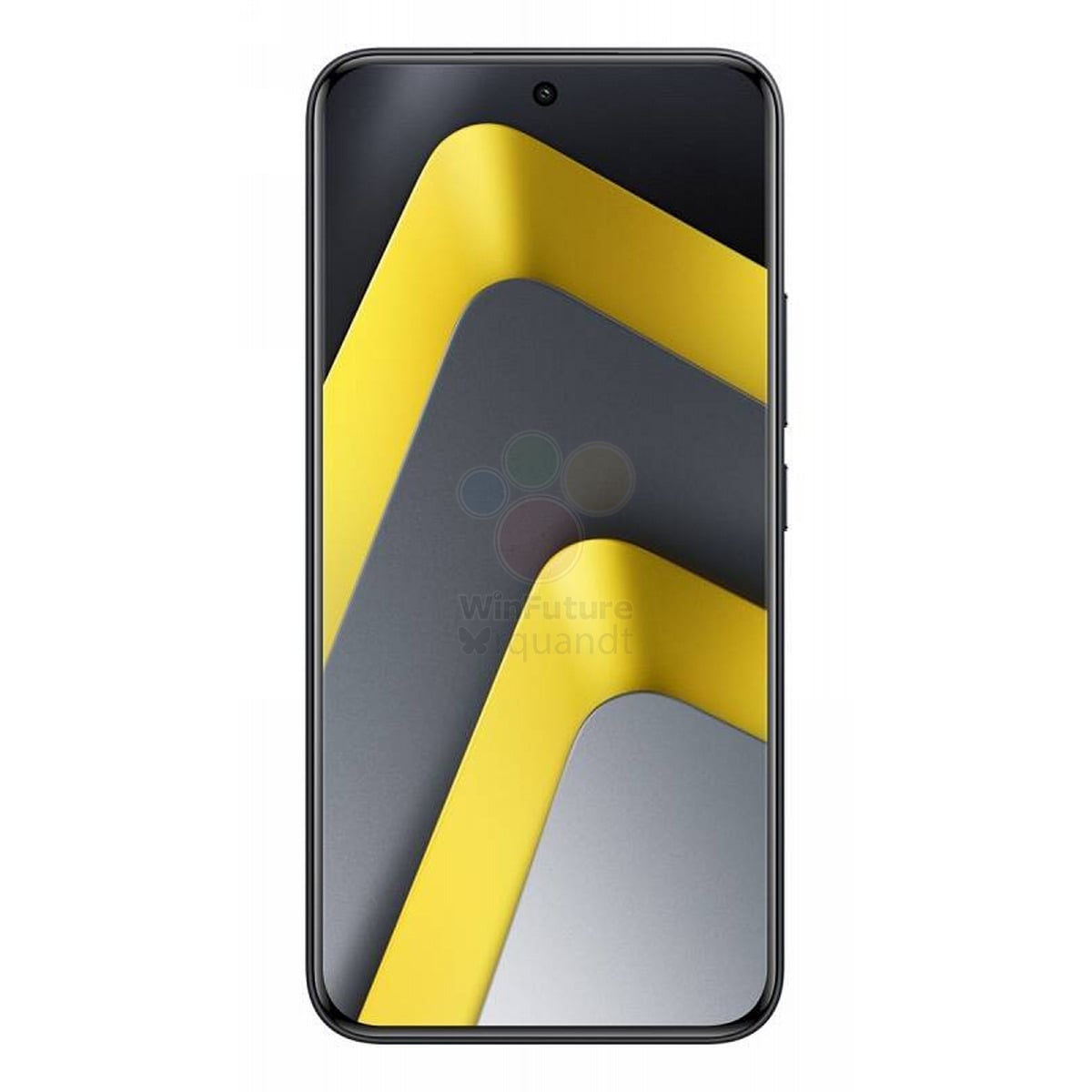
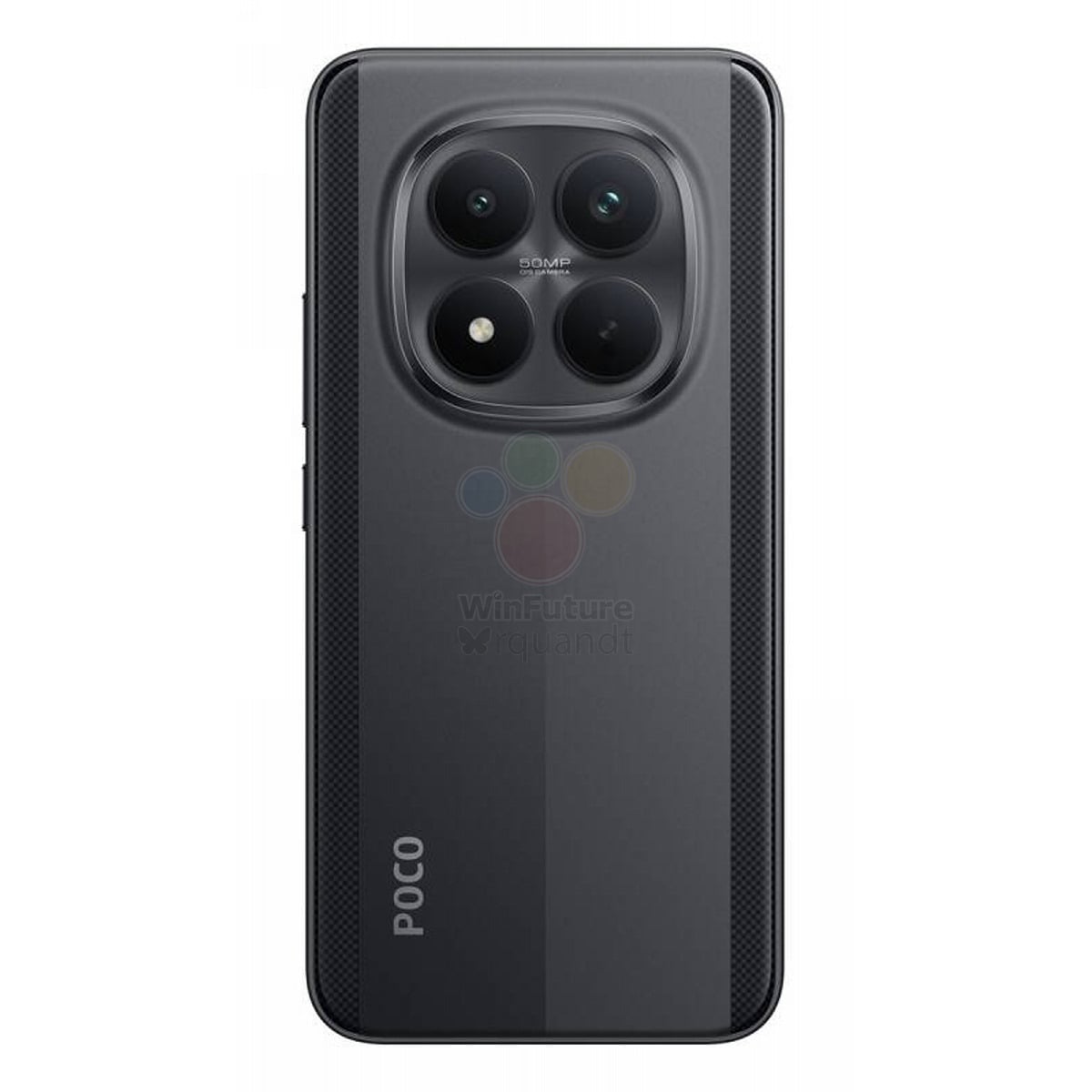
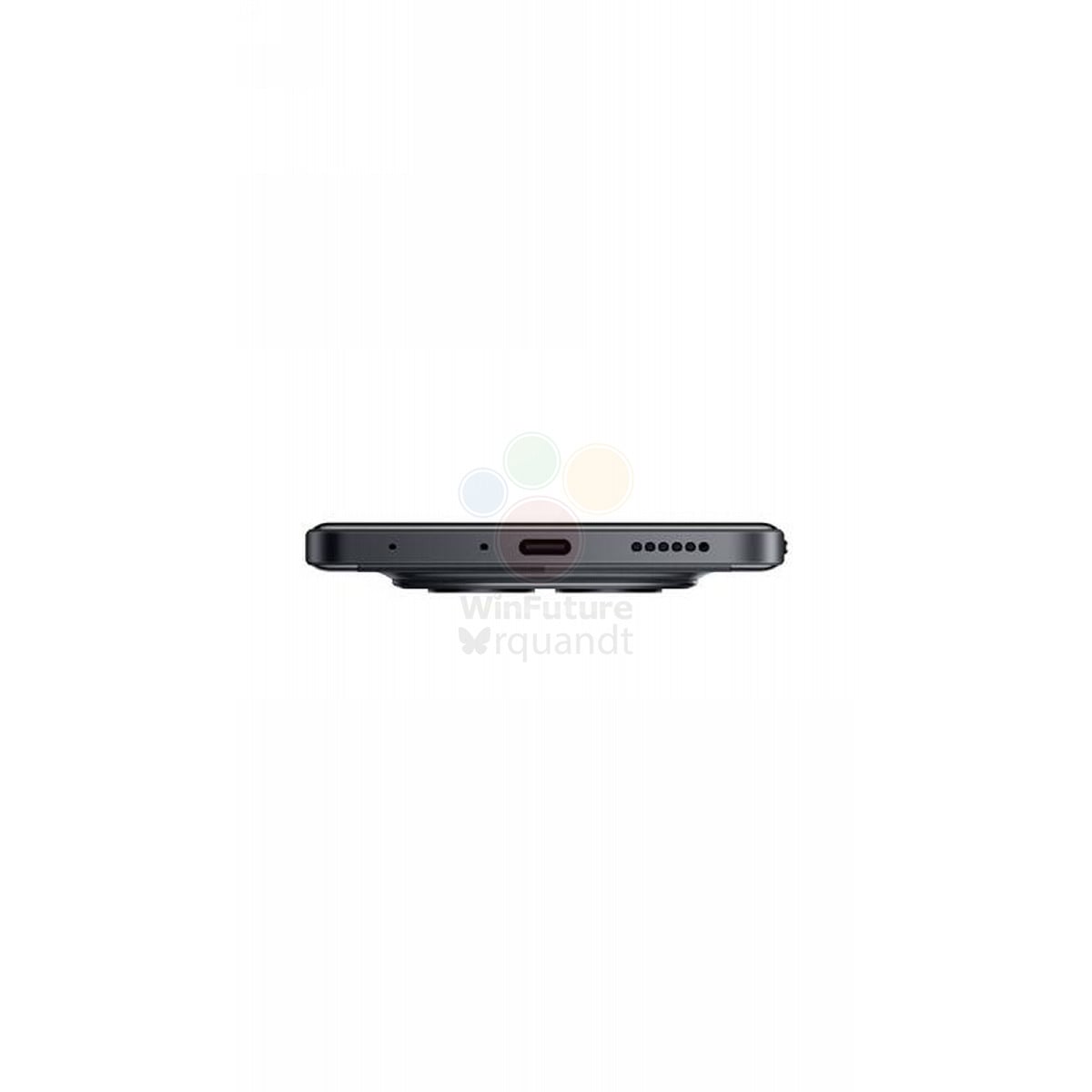
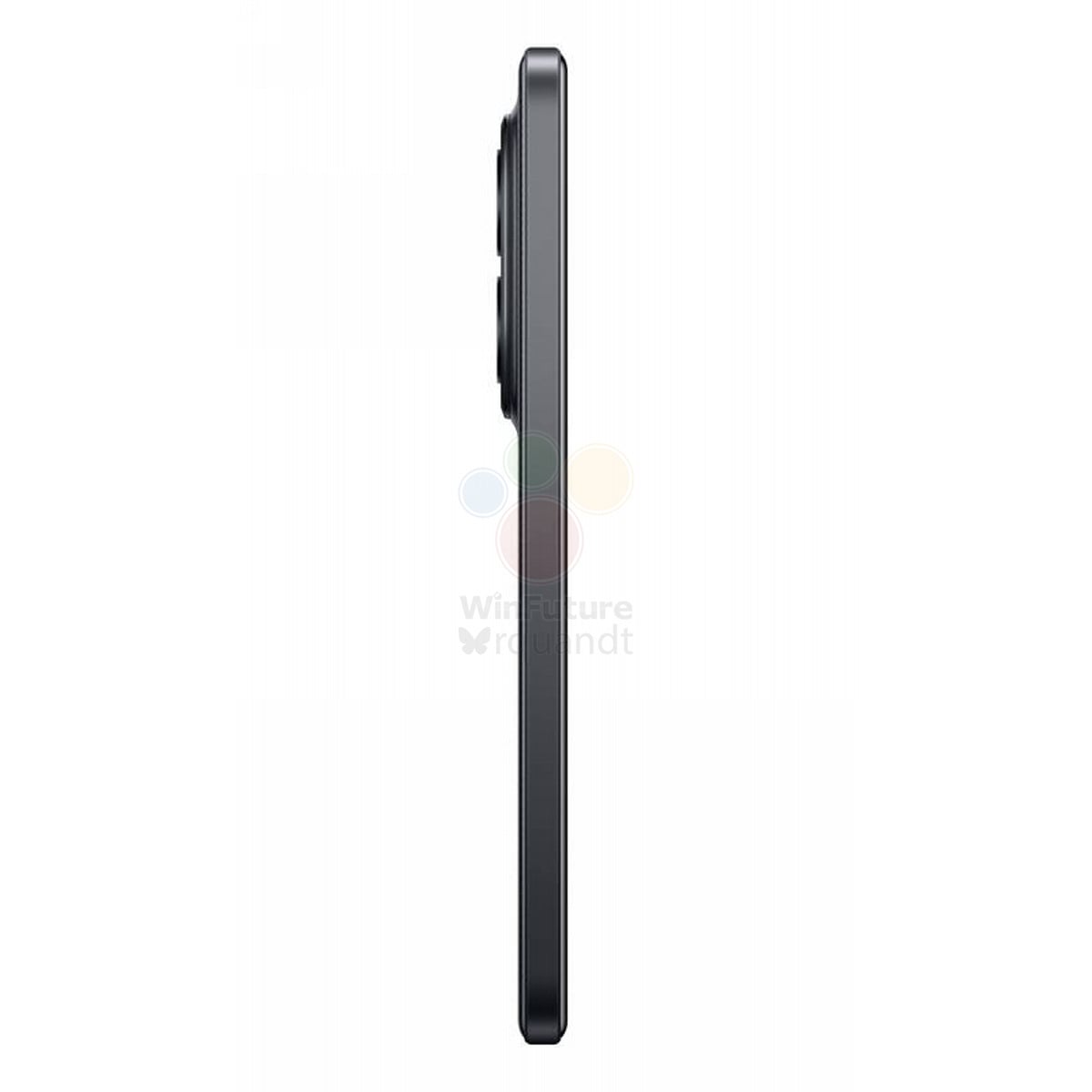
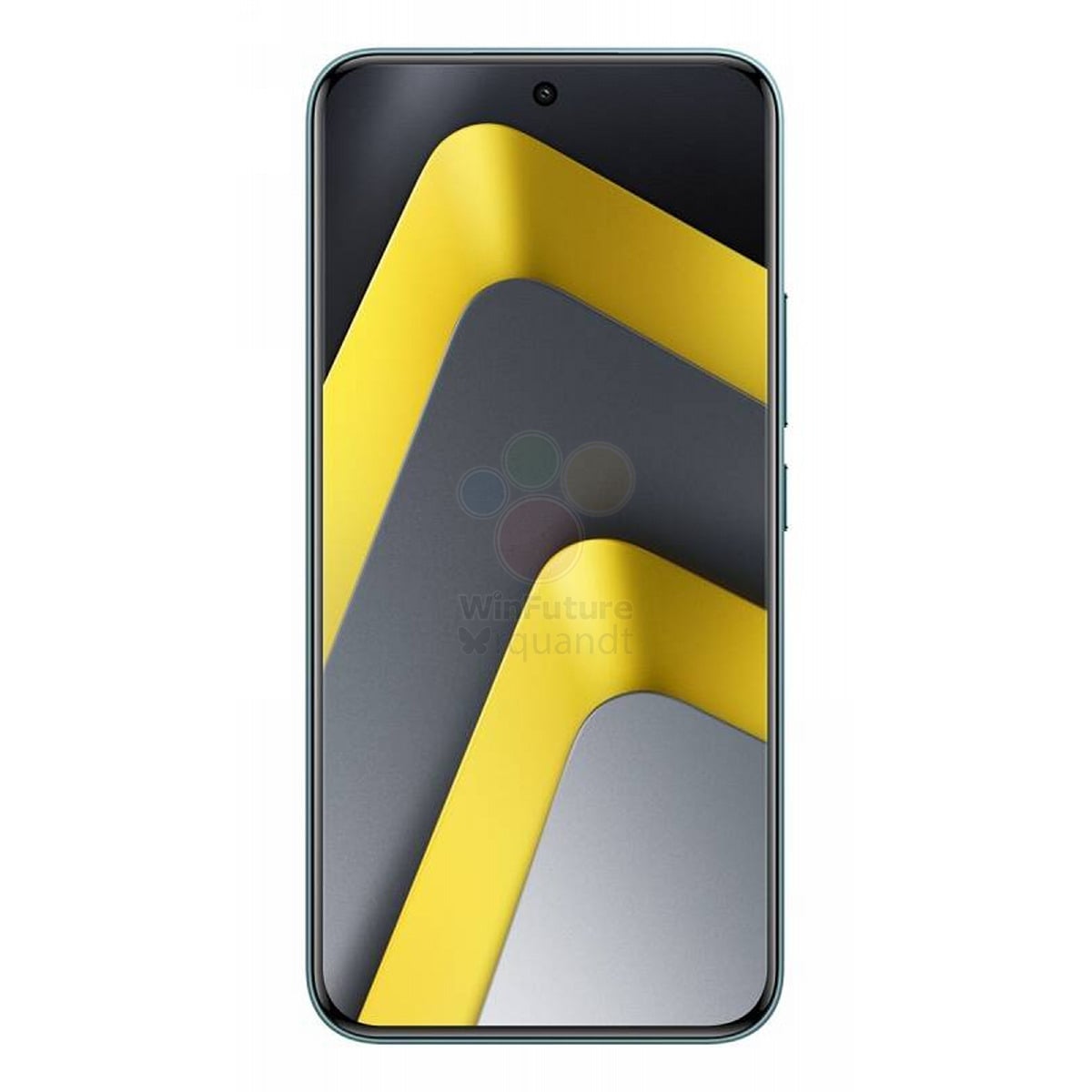
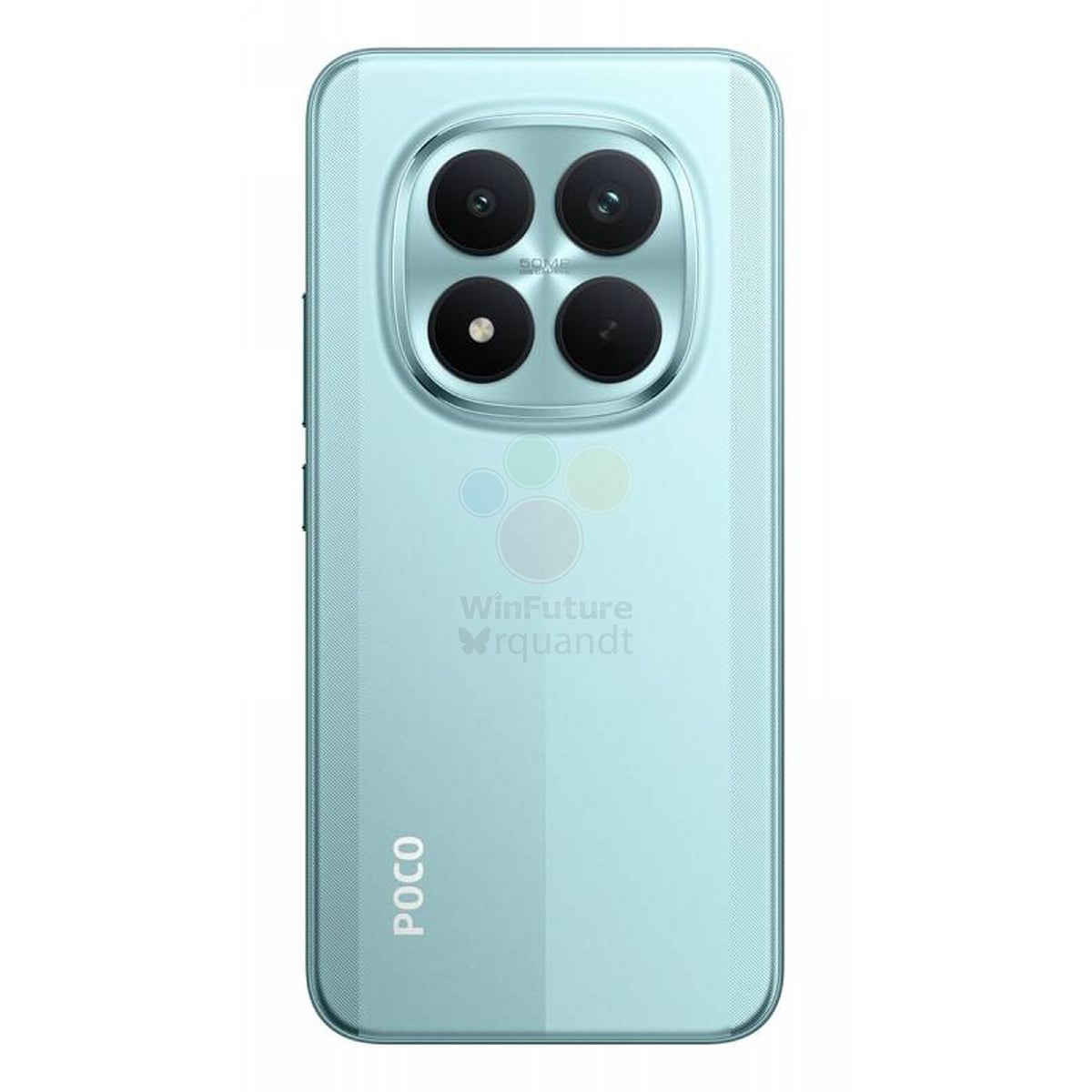
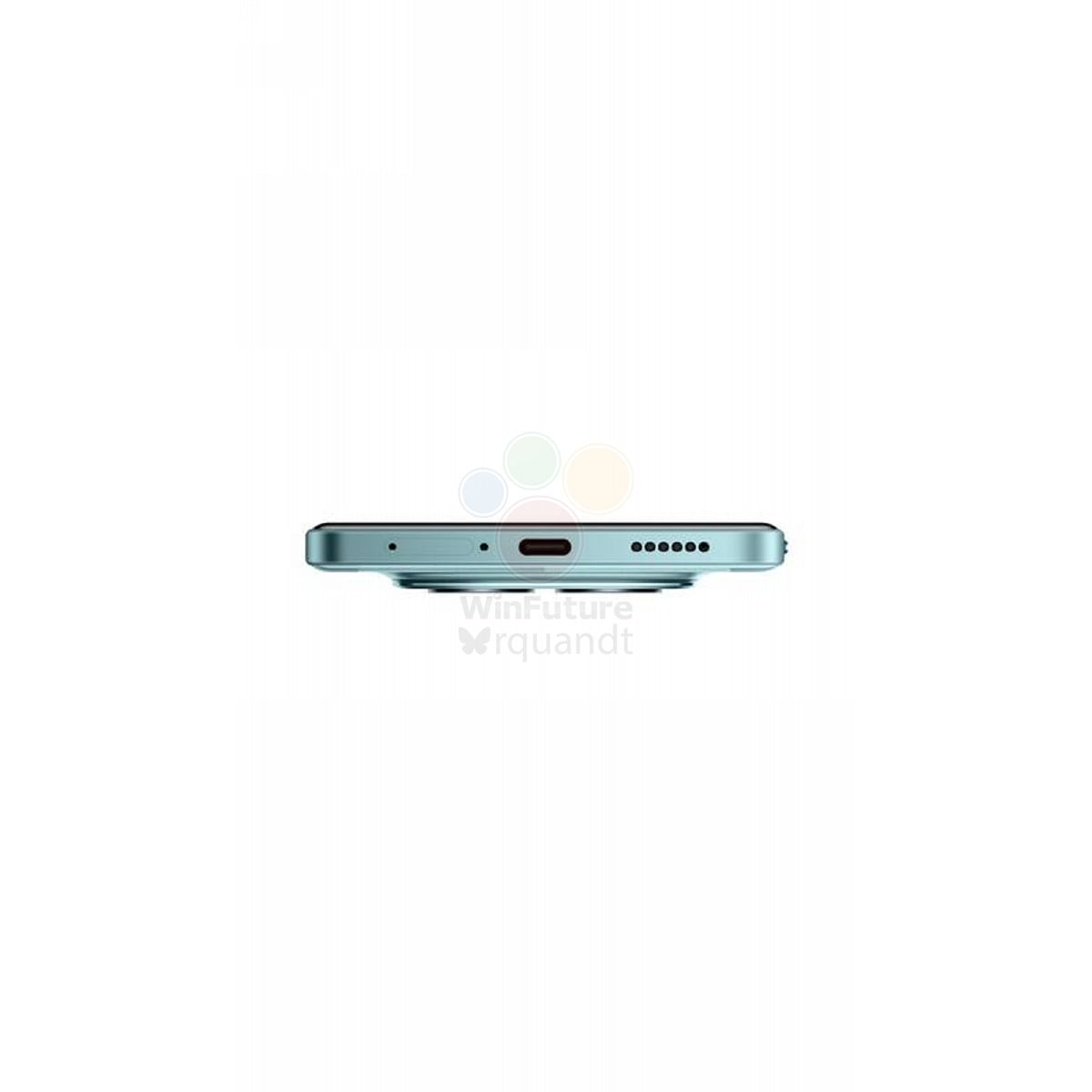
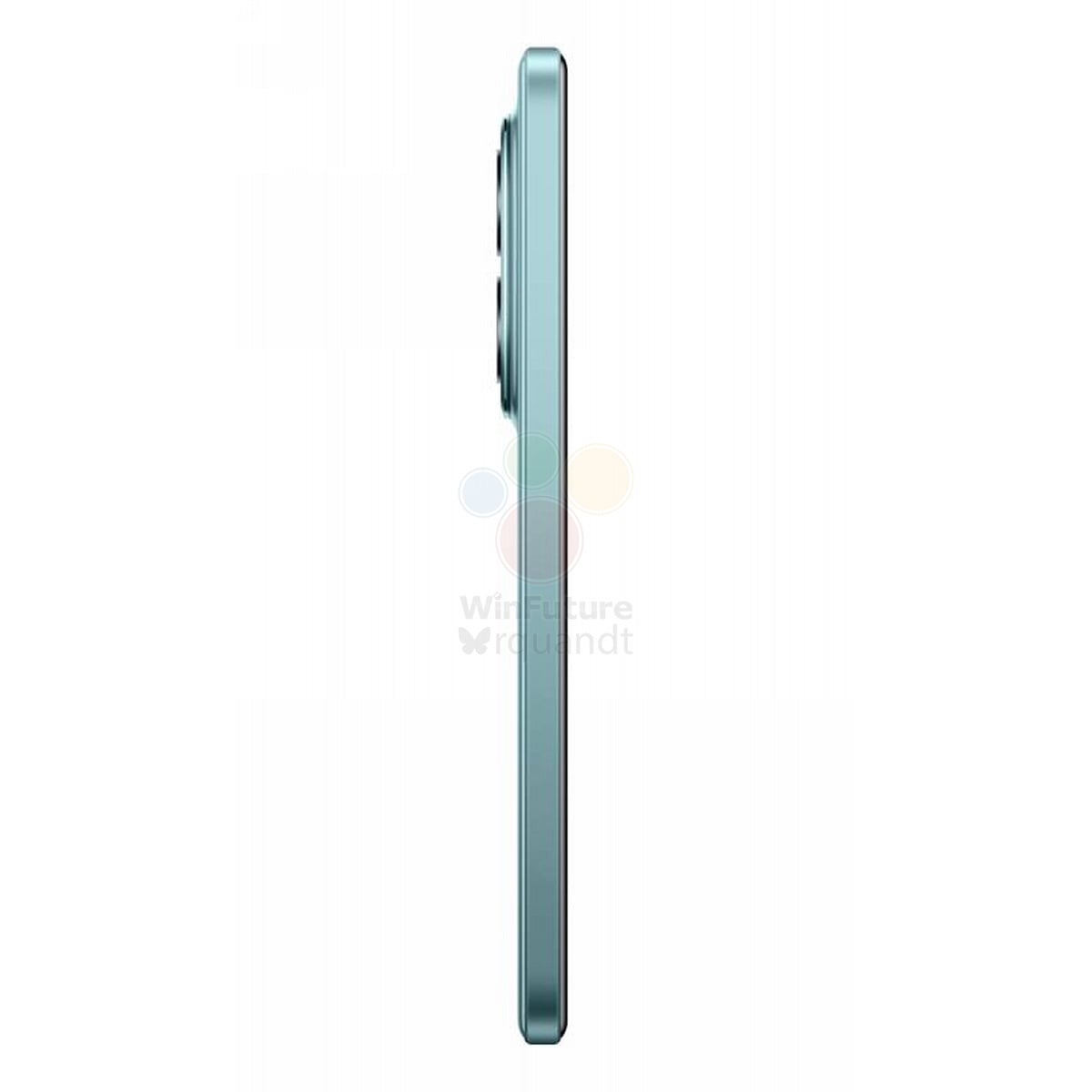
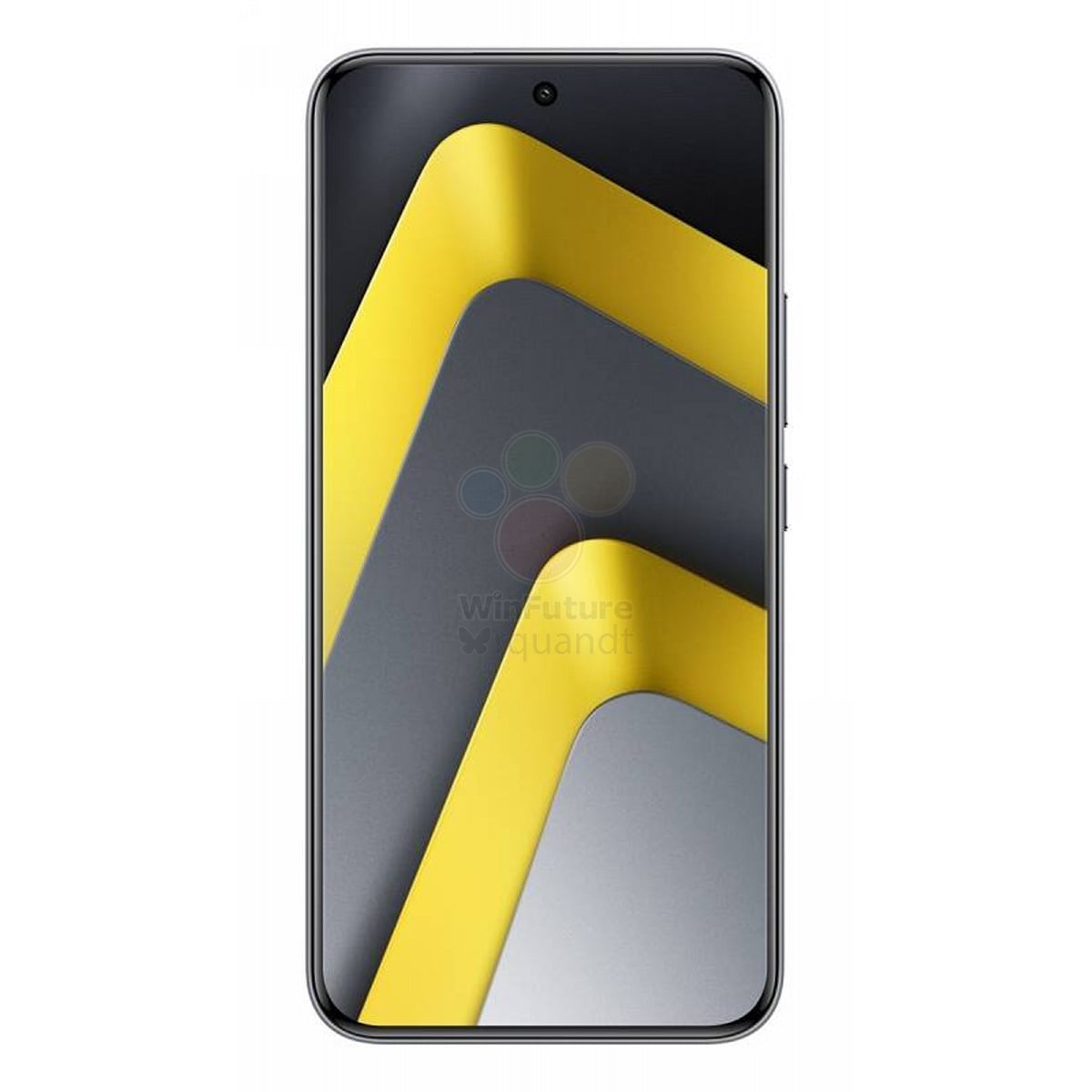
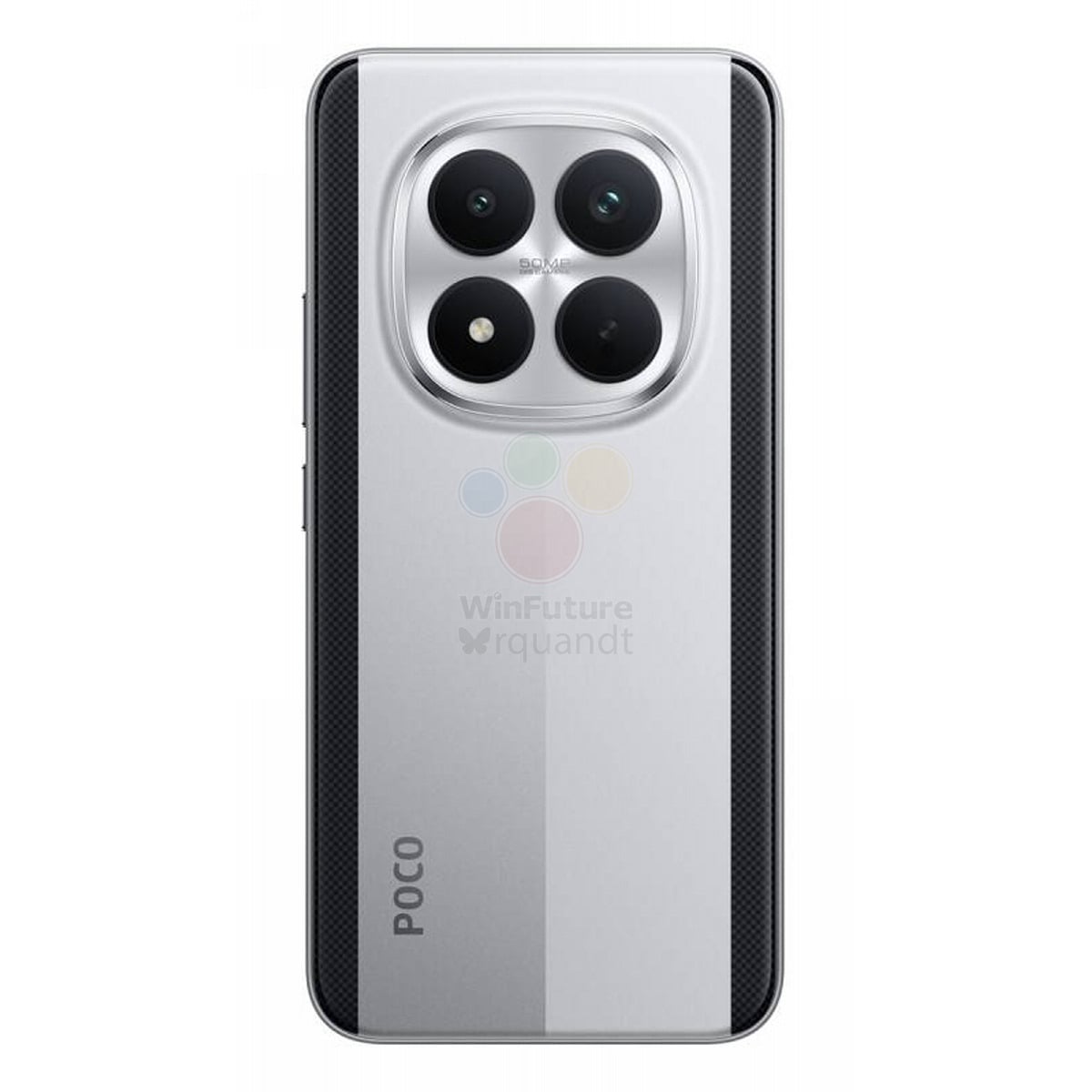
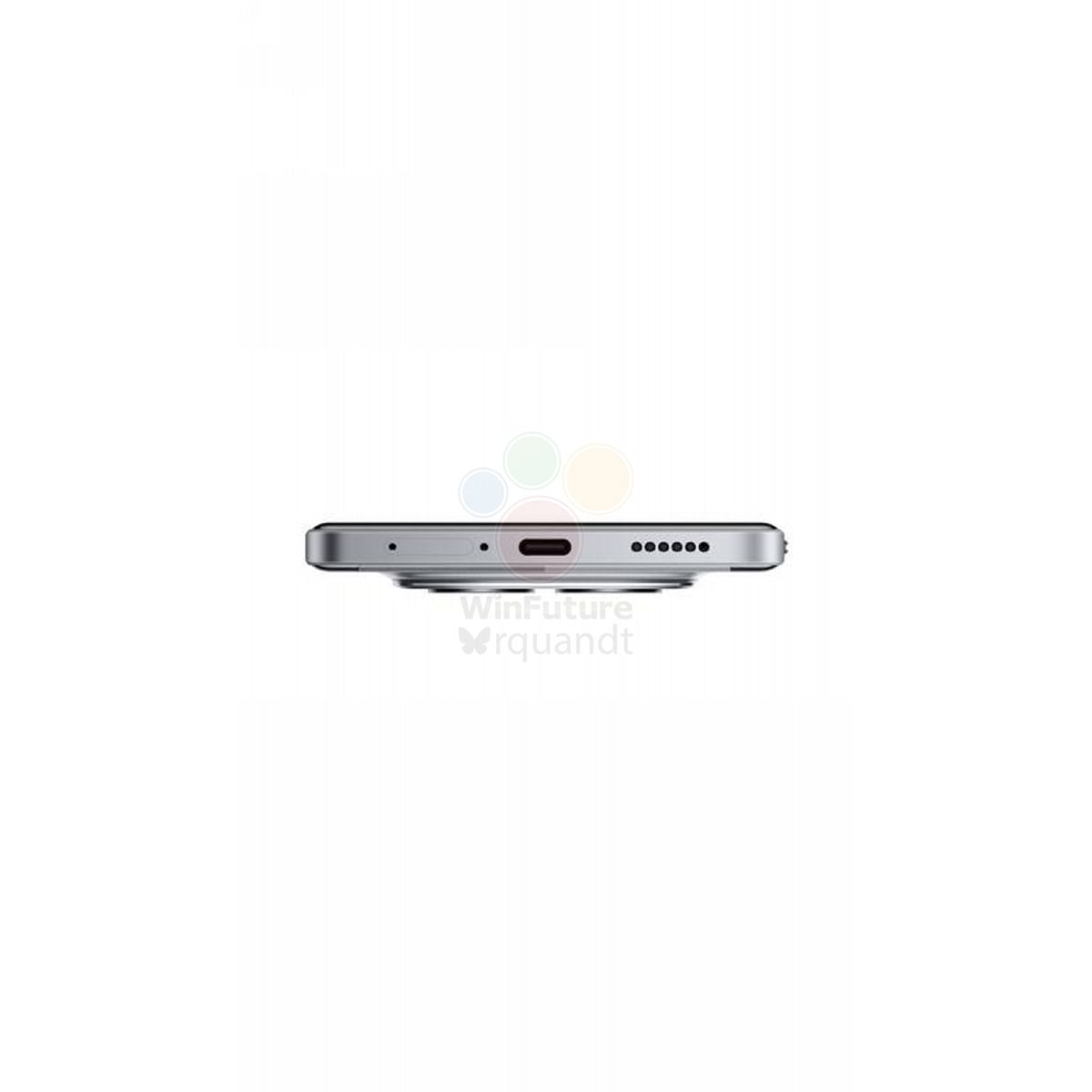
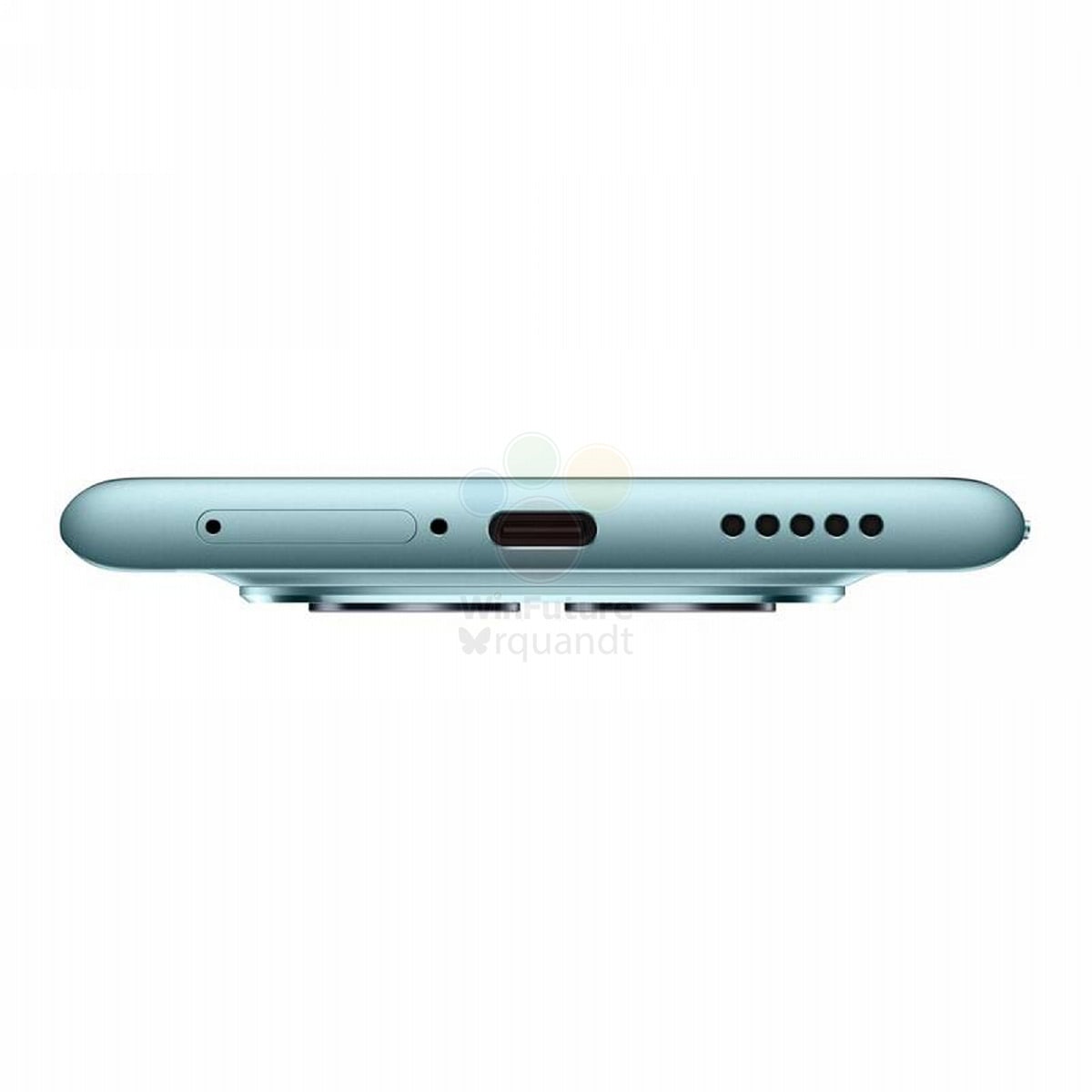
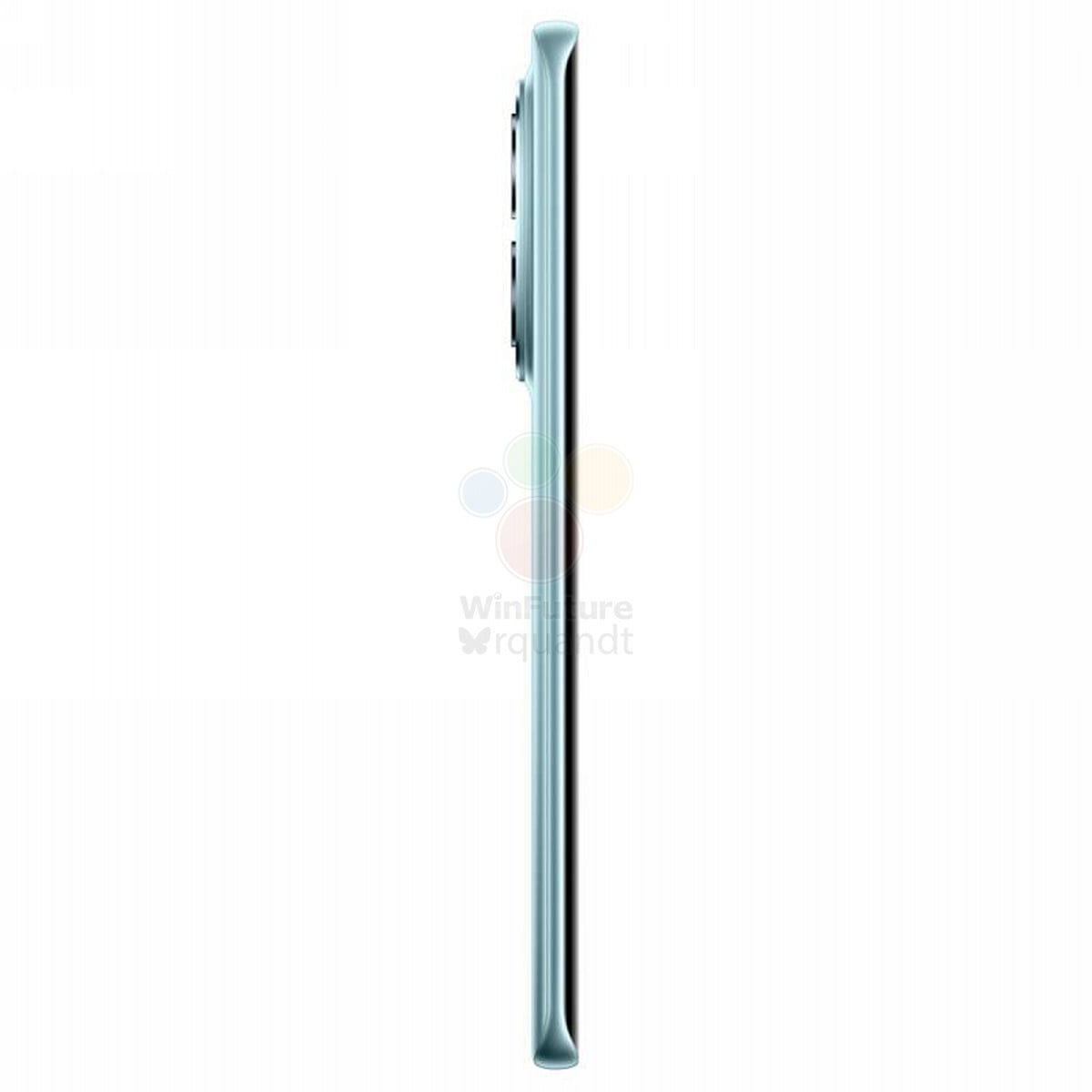
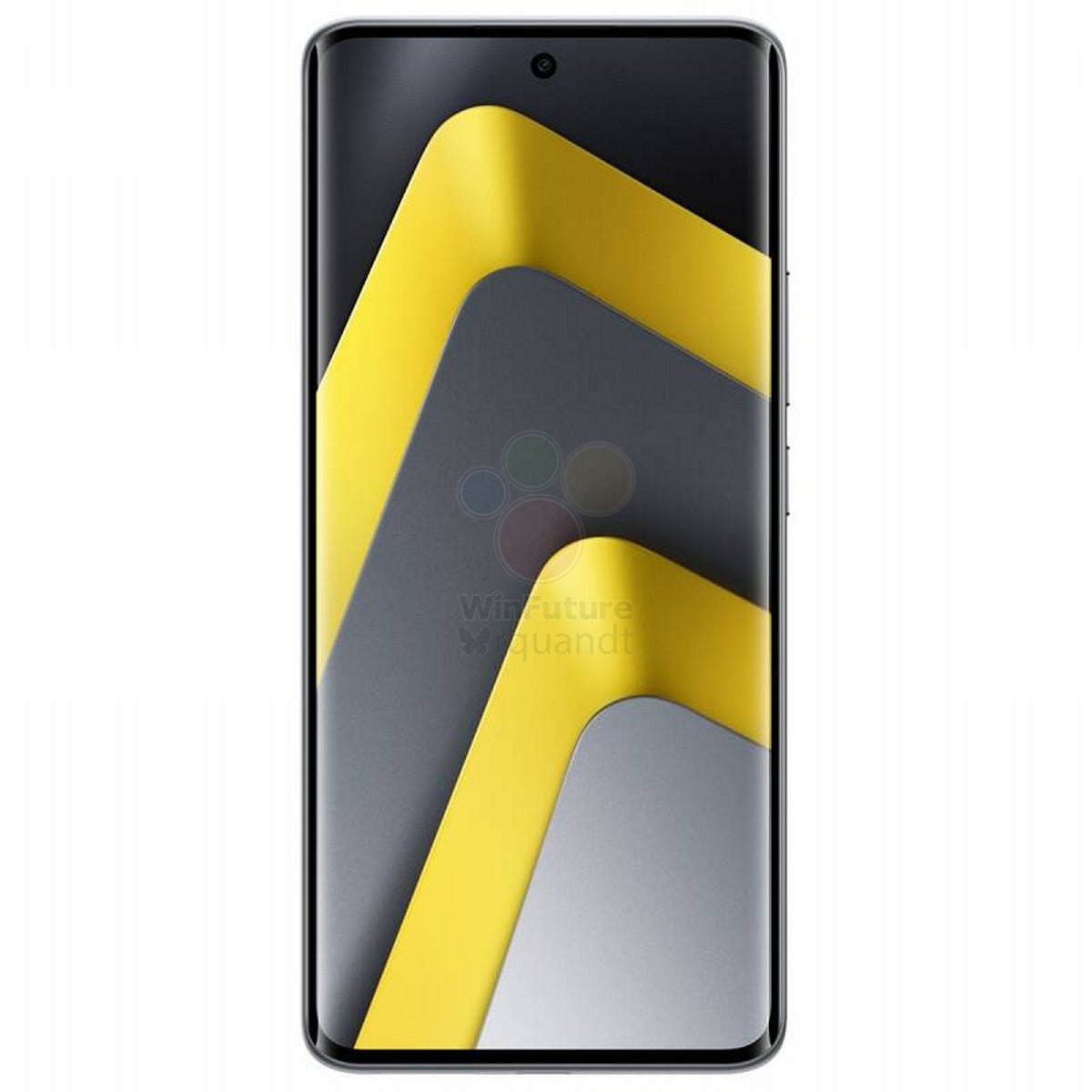
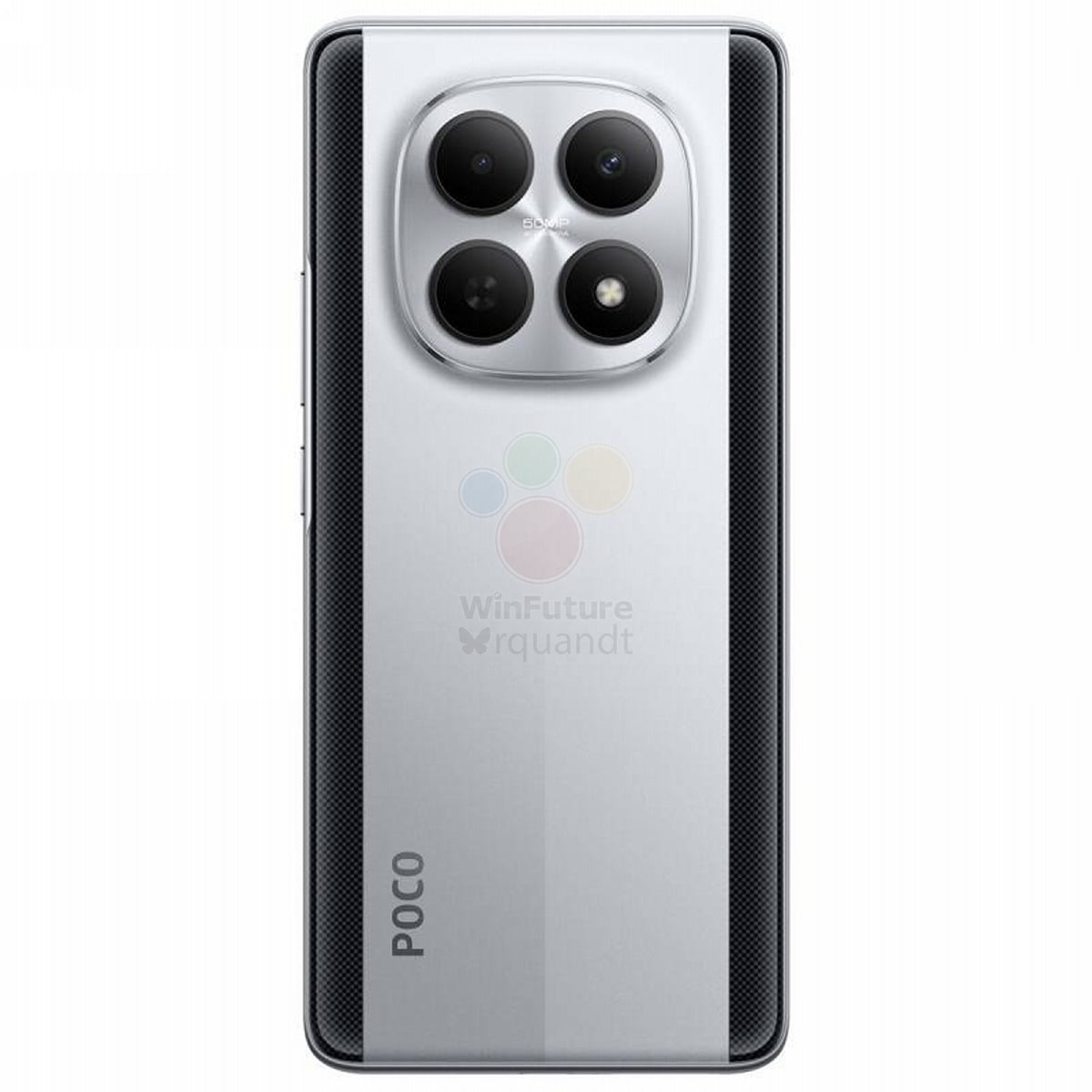
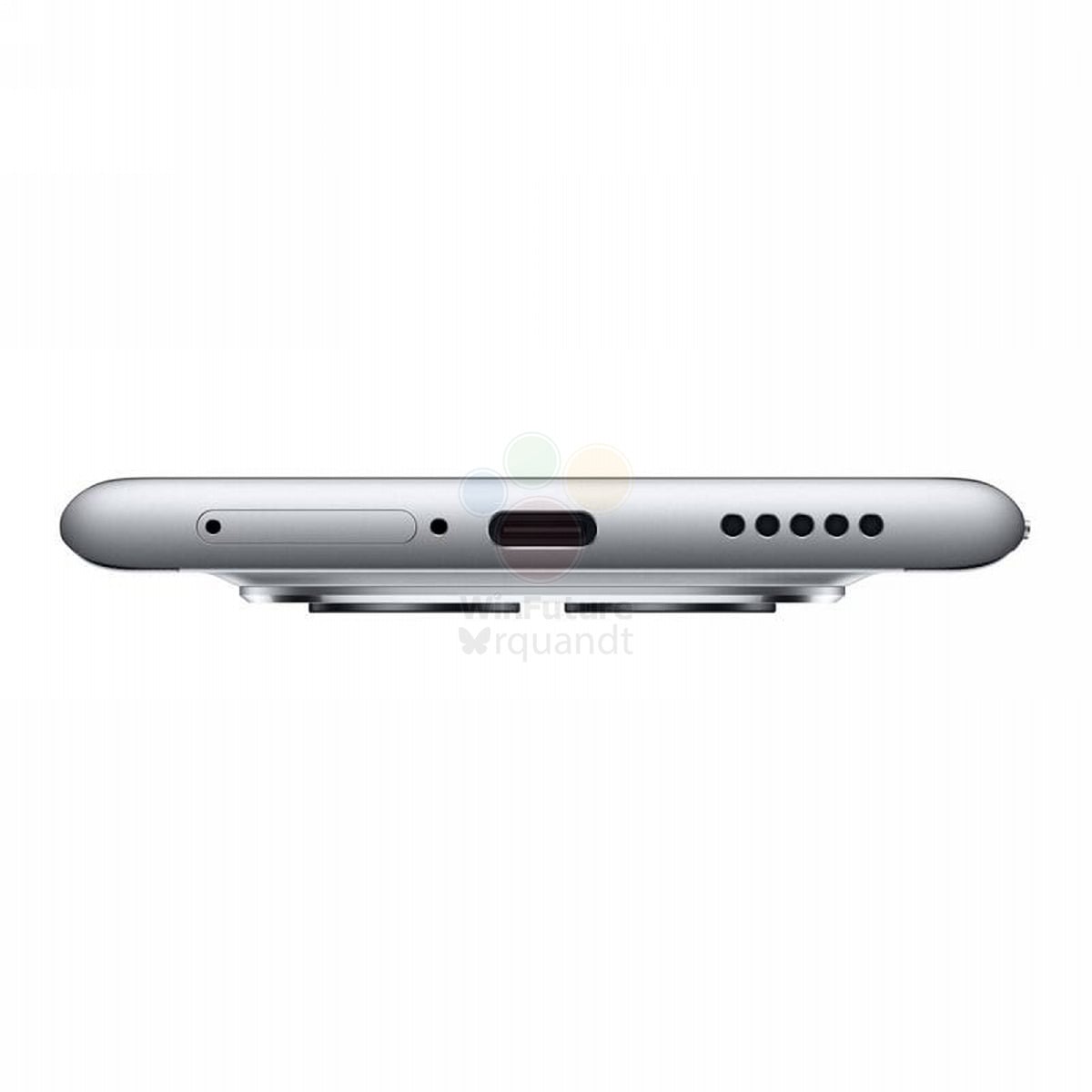
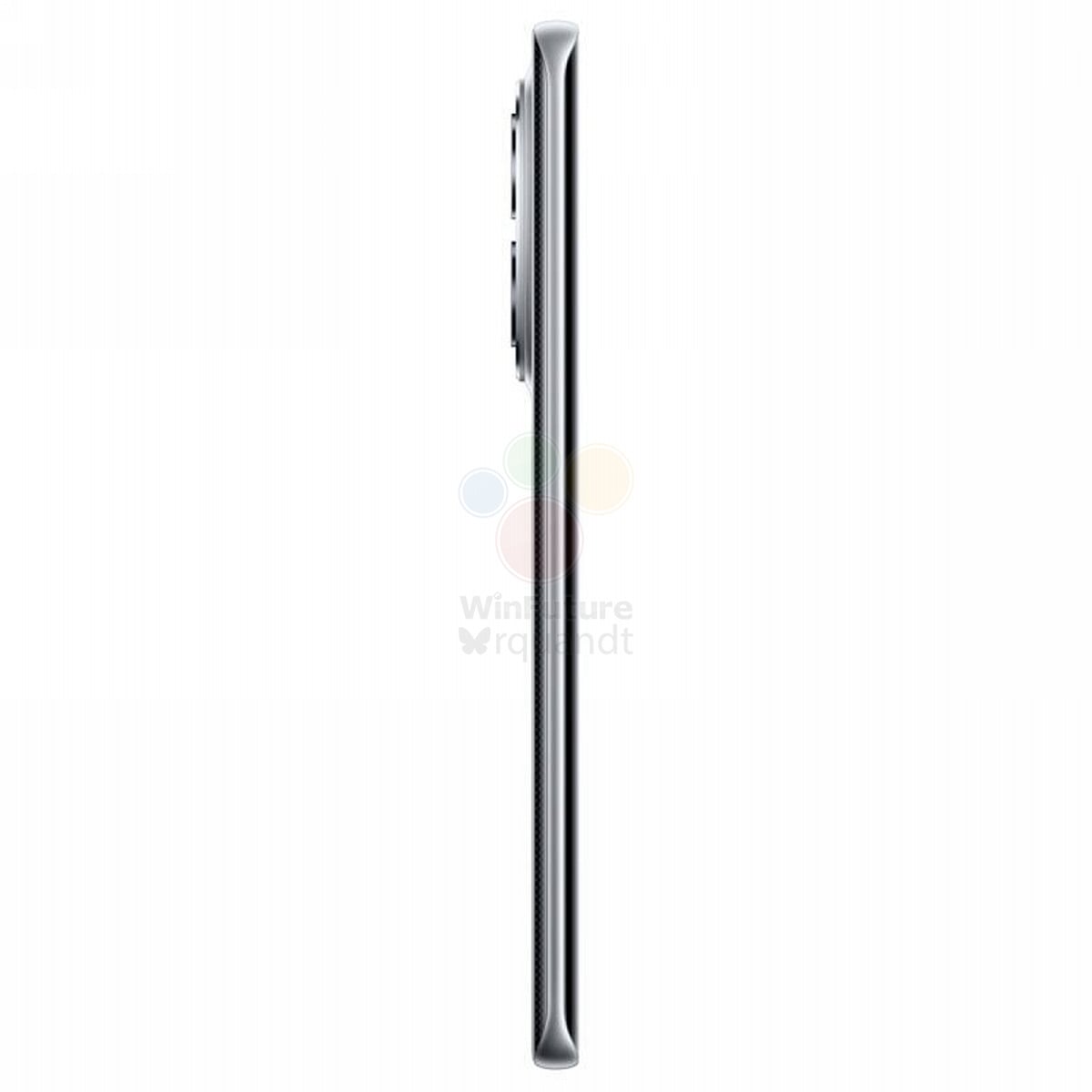
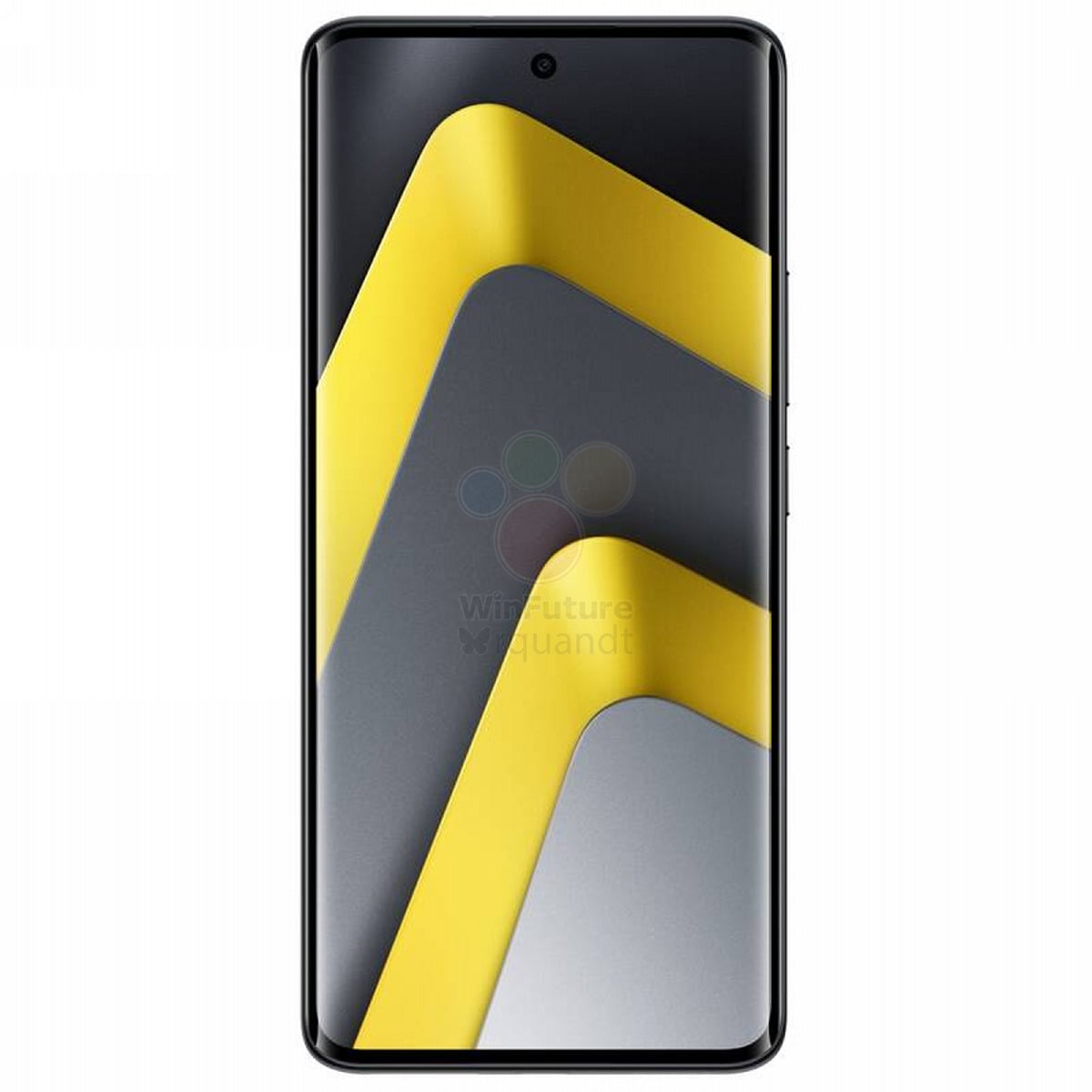
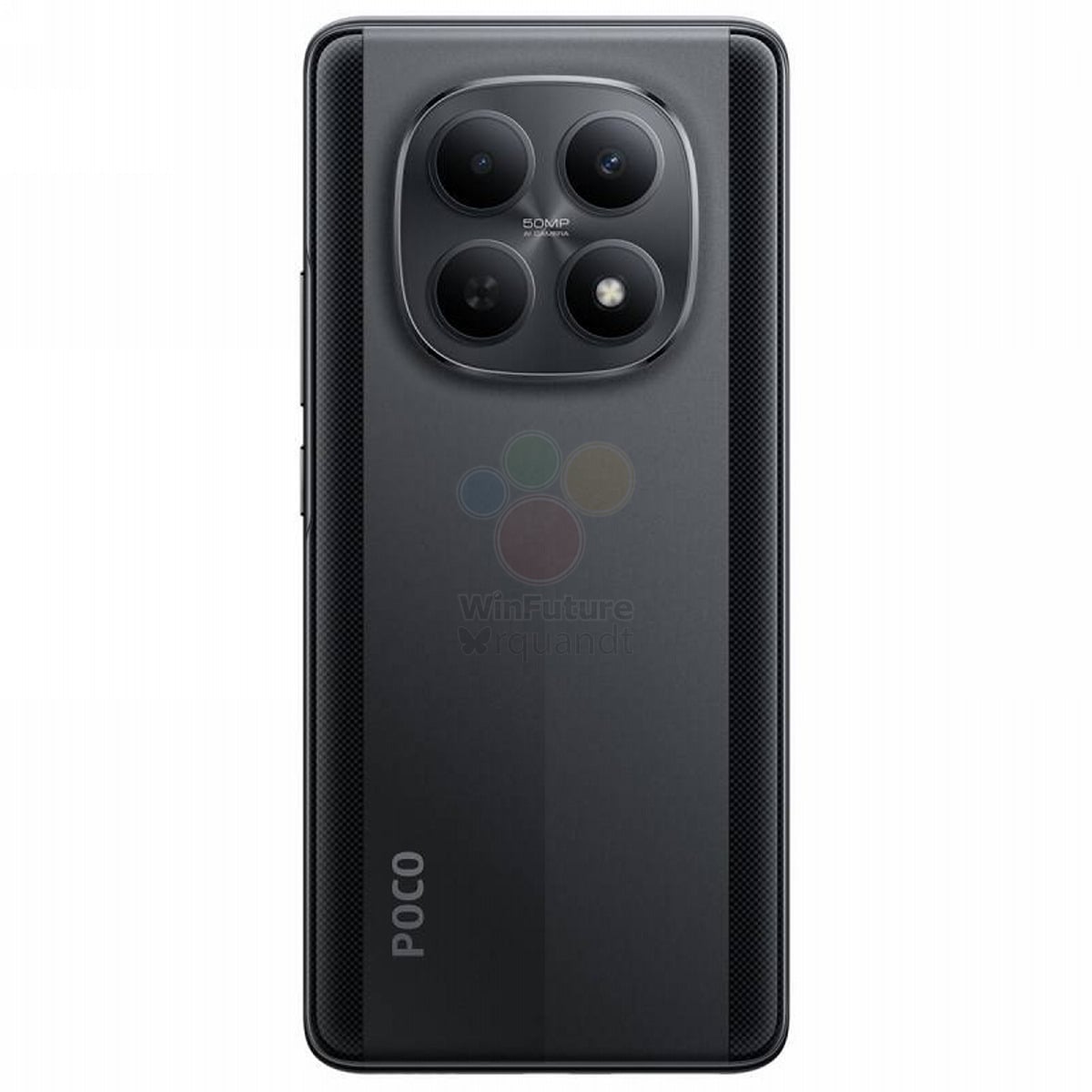
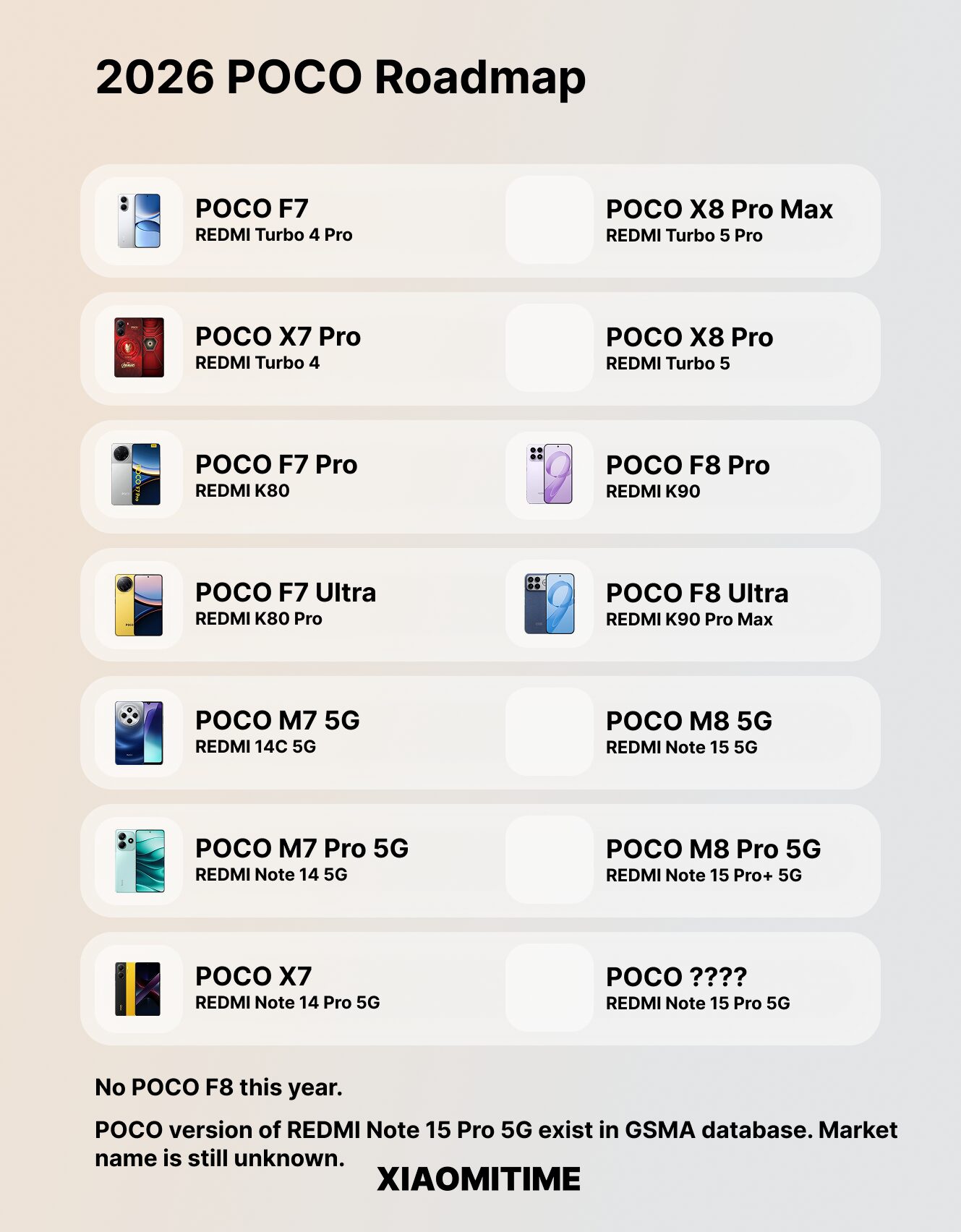
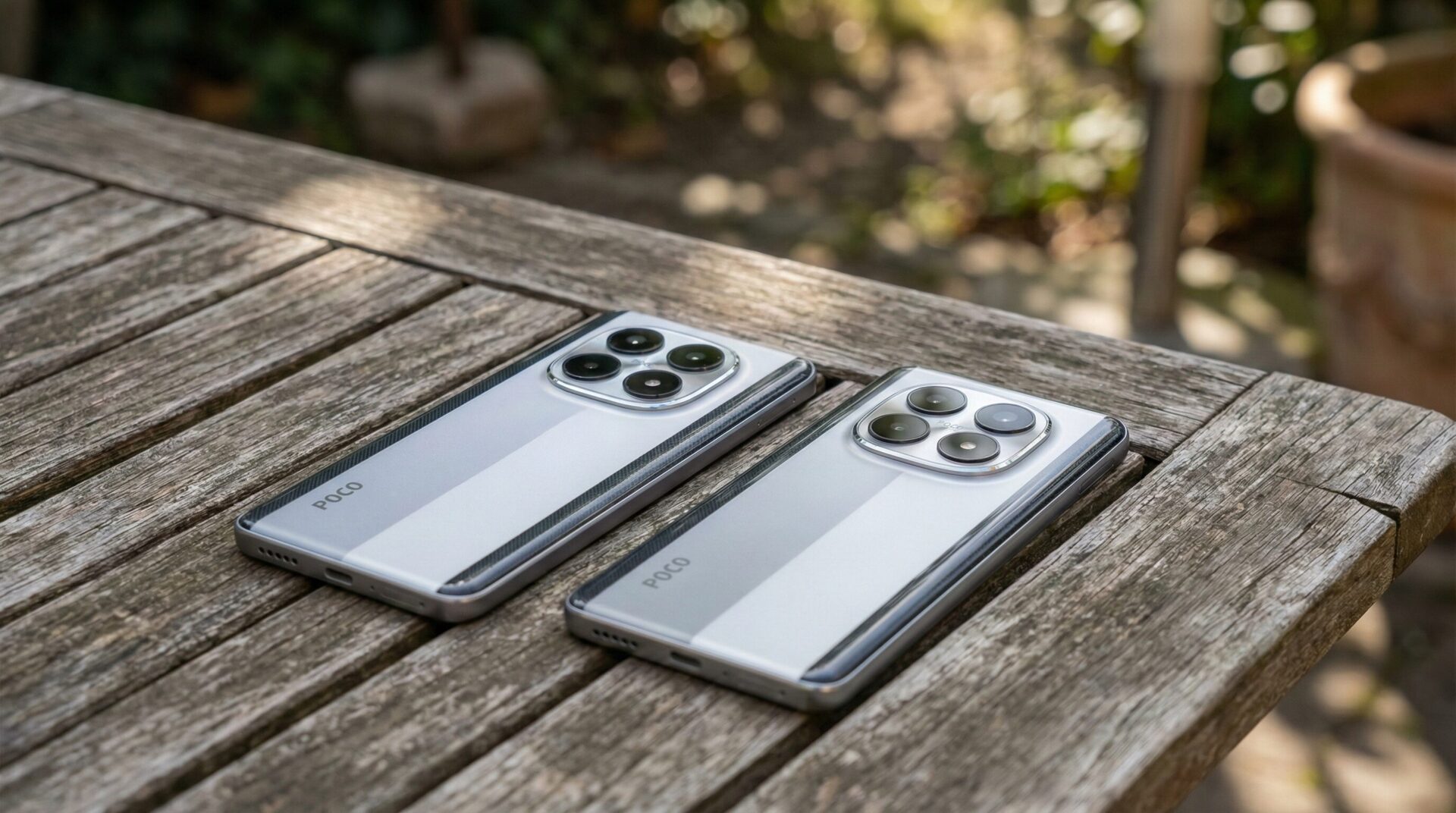
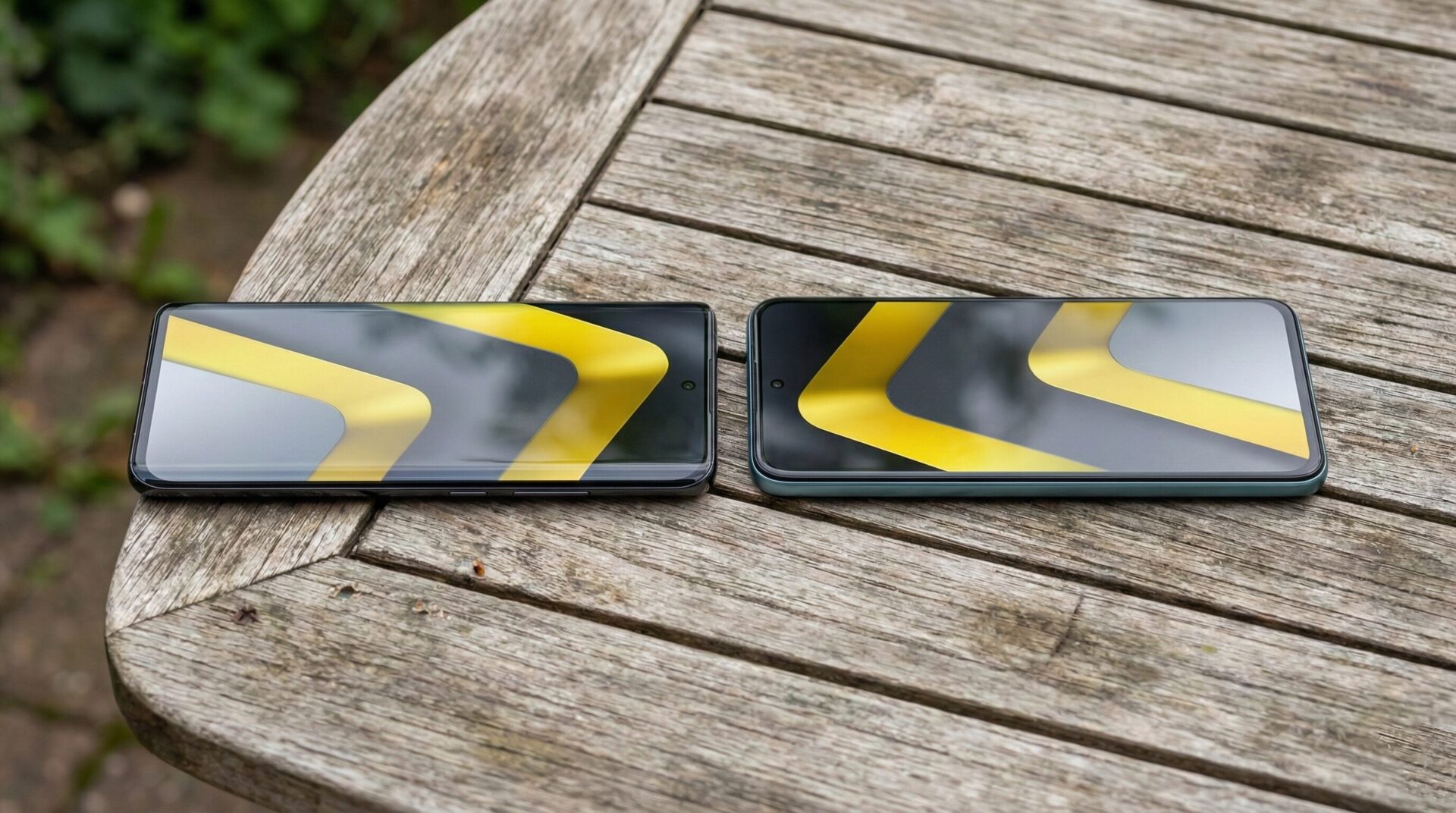
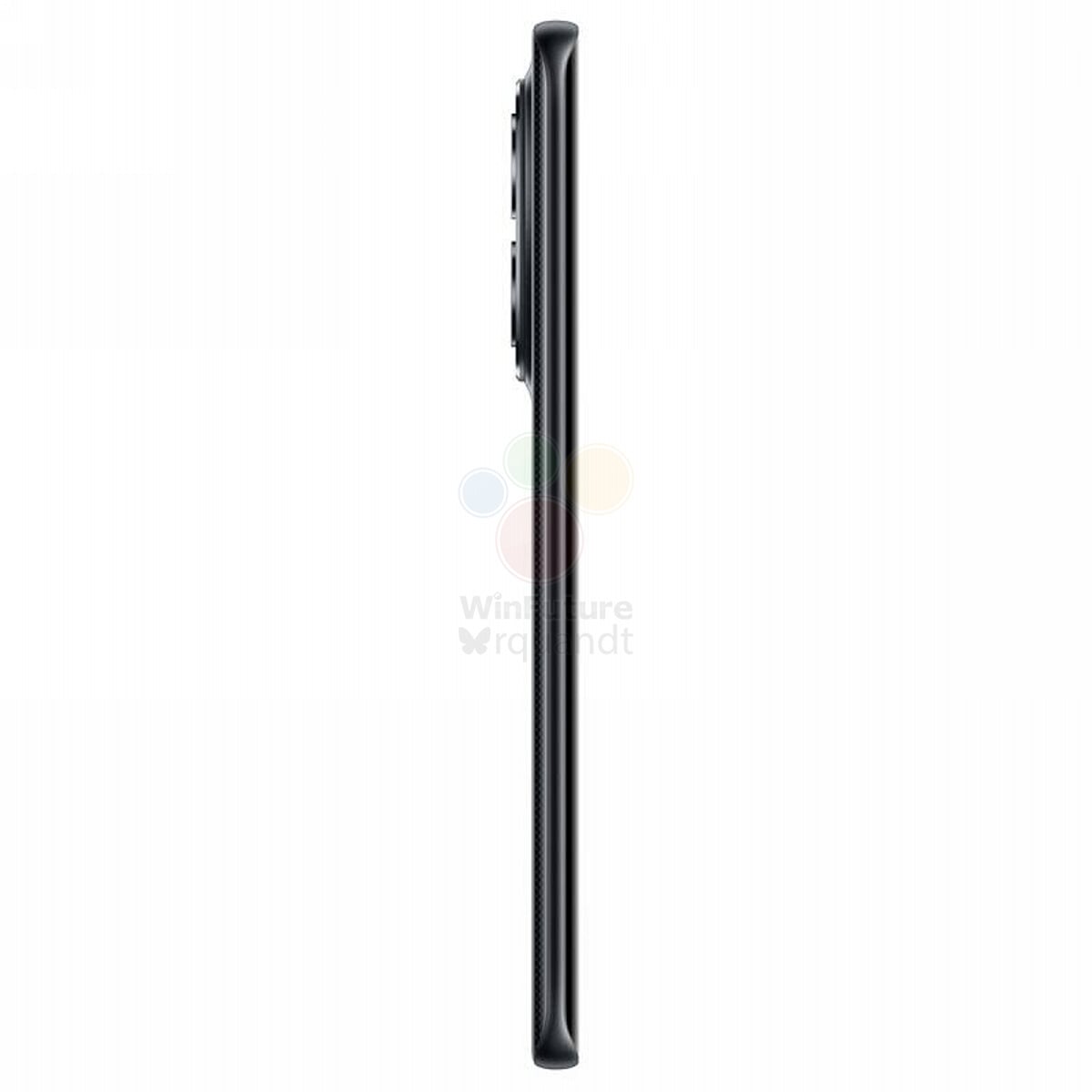
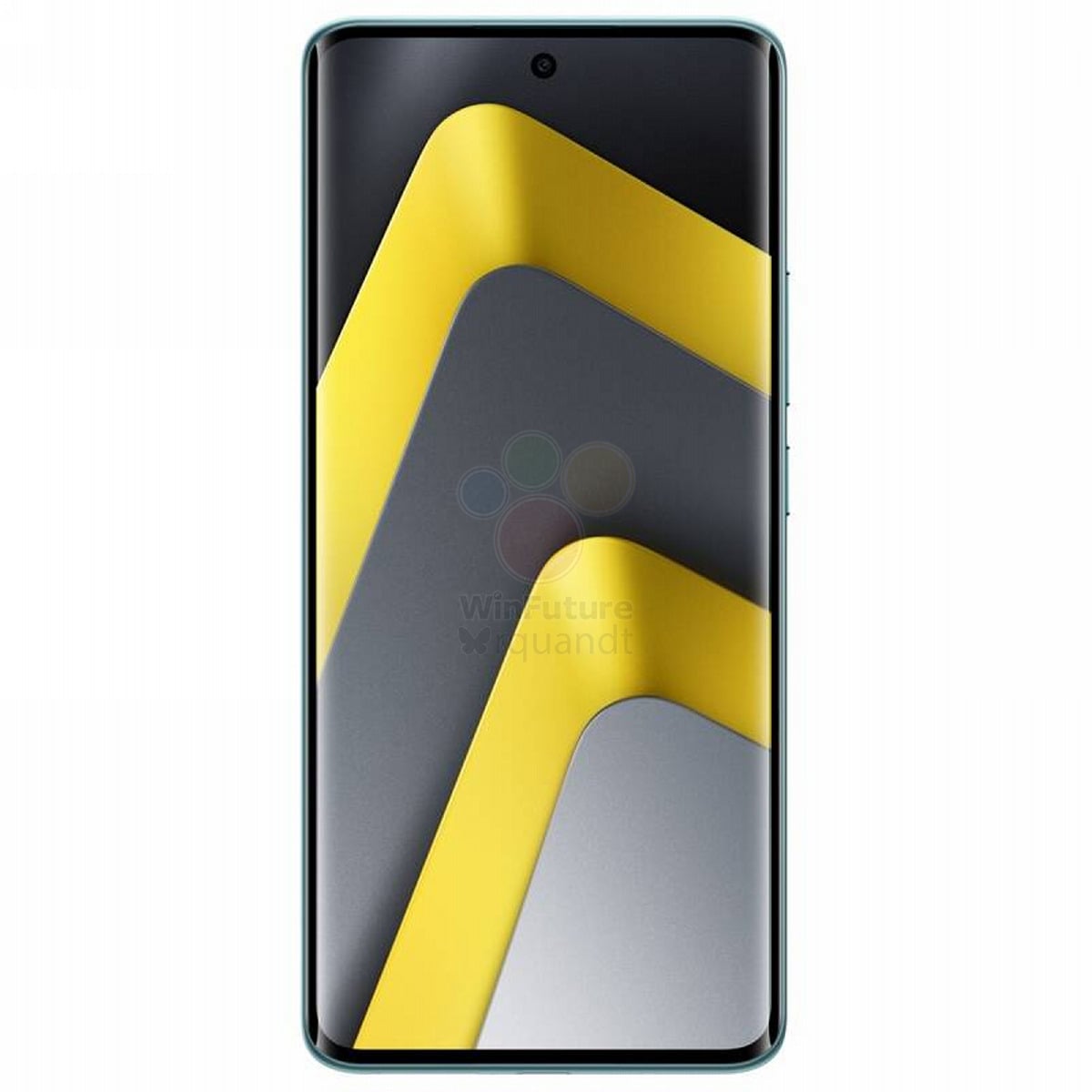
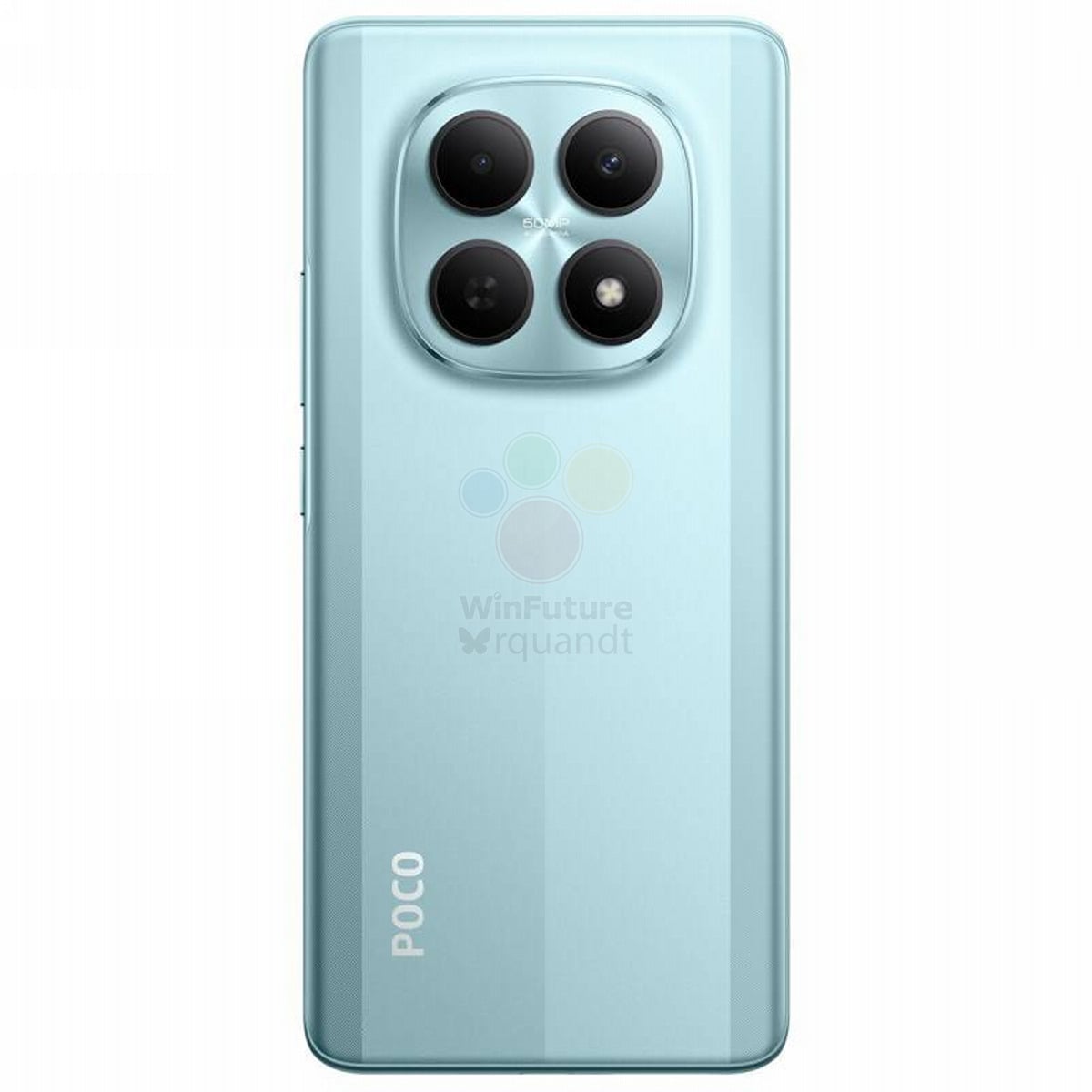
Where POCO is all set to extend its global smartphone lineup with POCO M8 and POCO M8 Pro, new leaks have now exposed official-looking images with early technical details. The devices positioned as affordable mid-range models based on Xiaomi’s latest Redmi Note lineup, according to information provided to WinFuture. Just like earlier generations, it seems POCO is all set to target value-oriented users with competitive specifications, large batteries, and fast charging. This follows off the heels of recent POCO roadmap leaks that have previously surfaced on XiaomiTime.com, along with POCO M8 series.
POCO M8 Pro: Focal Point at Big Display and Quick Charging
The more refined model is rumored to be the POCO M8 Pro. It reportedly sports a 6.83-inch display with an impressive resolution of 2772 × 1280 pixels, a 120Hz refresh rate, plus a smooth visual feature, making it right for daily use and media consumption. Under the hood, this phone uses the Snapdragon 7s Gen 4 chipset-a modern octa-core platform that’s positioned to balance performance and efficiency in the upper mid-range class.
Memory configurations would include 8GB or 12GB of RAM, coming in various combinations with 256GB or 512GB internal storage. Among other highlights would be the inclusion of a 6,500mAh battery that supports up to 100W fast charging. As for durability, an IP68 rating for resisting dust and water is also expected on the POCO M8 Pro.
POCO M8: Balanced Specs for Everyday Use
The regular POCO M8 addresses customers looking for a more budget-friendly variant without sacrificing the core features of modern smartphones. It’s expected to come with a slightly smaller 6.77-inch display and will be pushed by the Snapdragon 6 Gen 3 chipset. This platform is obviously less powerful than the Pro, but still adequate for everyday tasks, social media, and multimedia.
It is expected to come equipped with 8GB of RAM and 256GB of internal storage. The battery capacity is listed as 5,520mAh, with support for 45W fast charging. Unlike the Pro model, the POCO M8 is said to boast an IP65 rating, which suggests basic protection against dust and water splashes rather than full submersion resistance.
Launch Timeline and Market Positioning
If the latest information is to be believed, Xiaomi will unveil the POCO M8 series soon. Price details are not known for now, but judging by the positioning, these should be reasonably priced mid-range phones destined for worldwide markets. Given that both phones have been benchmarked and identified to run Android 15 HyperOS 2.2 out of the box, similar to other recent POCO M-series phones, they shall also ship with Xiaomi HyperOS.
Familiar Redmi Roots with a POCO Identity
It is not a new sight to see that the POCO M8 series, just like in previous generations, has a close connection with Redmi smartphones sold in China. Particularly, here, POCO M8 and POCO M8 Pro are redesigns of Redmi Note 15 and Redmi Note 15 Pro+, respectively, targeted for global markets. While the core hardware remains the same, POCO slaps its own branding elements, color options, and market positioning to make them much more relevant to international audiences.
Listings of various certification from different regions have, in fact, already confirmed such a relation, further establishing the fact that the POCO M8 series is also a part of Xiaomi’s greater strategy to reuse proven platforms across different brands. Given this strategy, POCO can continue with aggressive pricing while benefiting from Xiaomi’s mature supply chain and software ecosystem built around Xiaomi HyperOS.
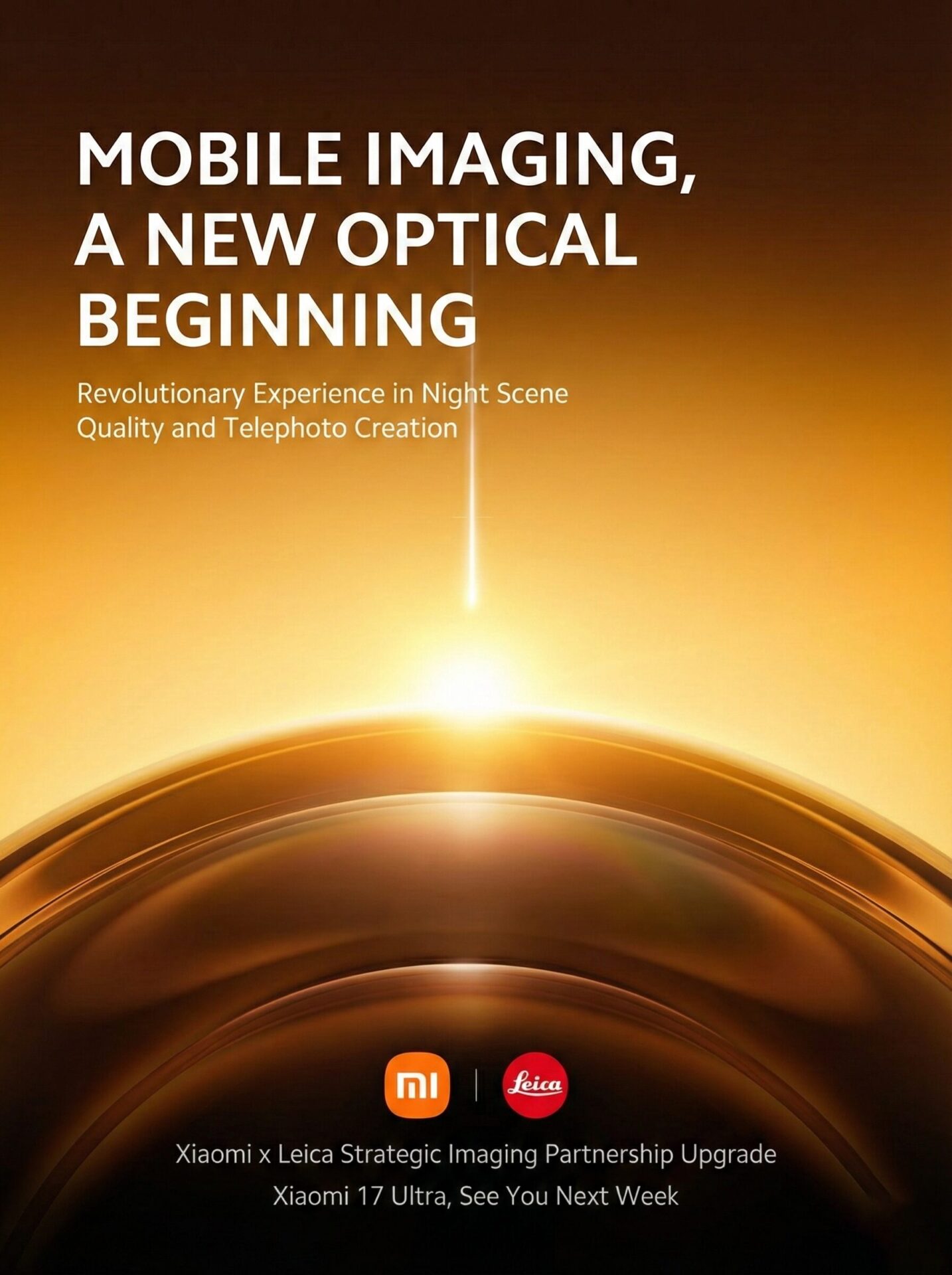
The company has now officially confirmed that the Xiaomi 17 Ultra is to be launched next week, thereby adding another milestone in its flagship series of smartphones. The official information regarding its launch was shared by no less a person than Lei Jun, who is the Founder, Chairman, and CEO of Xiaomi Corporation, thereby emphasizing its importance to this brand. Since it is to replace the Xiaomi 15 Ultra series, this new device will belong to the highest end of Xiaomi’s offerings in its high-end series of smartphones. Some of its previous models include the Xiaomi 15 Ultra series, the Xiaomi Ultra series, and Xiaomi HyperOS.
Launch Confirmation and Platform Details
Lei Jiun has just confirmed that Xiaomi 17 Ultra is set to arrive next week, as it is now not if, but when, as their product release timelines have just been set. The new smartphone is codenamed “Nezha.” As far as design is concerned, it follows the Ultra series that came before it, featuring their signature circular camera design that truly makes it one of a kind. In fact, it is powered by Qualcomm’s Snapdragon 8 Elite (Gen 5) chipset.
The gadget also comes along with Xiaomi HyperOS 3 as its operating system, which will offer better system optimization, interconnectivity between gadgets through Xiaomi HyperConnect, and enhanced power management. To complete all these, Xiaomi has also confirmed that the international version will come along with support for satellite communications. This is a feature that seeks to ensure uninterrupted communication, especially when in distant areas.
Xiaomi and Leica Strengthen International Partnership in Imaging
Xiaomi has also announced an upgradations in global imaging strategic partnership with Leica, entering a phase the company calls a “strategic co-creation model.” In this strategic venture, Xiaomi is going beyond tweaking and branding to collaborate on designing the optical system together. Xiaomi has revealed that this strategic tie will present a fresh and novel optical solution that will make a maiden appearance in the Xiaomi 17 Ultra model.
One of the most tangible consequences of this collaboration is the addition of the world’s first Leica APO telephoto lens in mobile technology. This new feature will enhance long-range image sharpness, colors, as well as night telephoto shots. According to Xiaomi, this new upgrade will also provide better performance in low-light photography, thus proving the Ultra series to be a camera-focused flagship.
Camera System and Hardware Enhancements
Early intel suggests Xiaomi has diversified the initial vision on the imaging capabilities on the 17 Ultra. They originally planned on using the four cameras on the rear. However, the Chinese brand has chosen the triple-camera setup, which includes 50MP + 50MP + 200MP telephoto cameras.
The main camera is expected to introduce a novel OmniVision OVX10500U sensor, said to be around 50 MP and come with a 1-inch sensor size, a record-breaking spec that Xiaomi has been employing selectively since the arrival of the Xiaomi 12S Ultra series phones. Meanwhile, the front camera has been improved to 50 MP and boasts a higher spec compared to the predecessor’s 32 MP sensor.
Differing from the Xiaomi 17 Pro, the Ultra variant will not come equipped with the rear secondary display.
Global Variant and Imaging Accessories
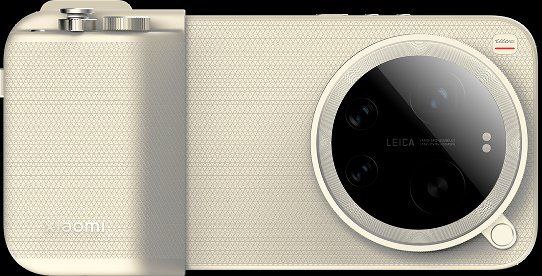
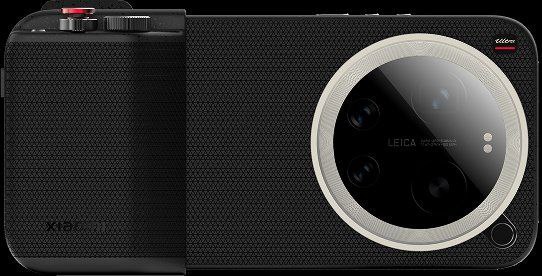
Additional certification records also show that a new Xiaomi accessory with the product number 25125PS17S has received China’s 3C certification. This accessory is expected to be a Professional Photography Handle, specifically created for the Xiaomi 17 Ultra electronics product, a power bank and professional image capture accessory.
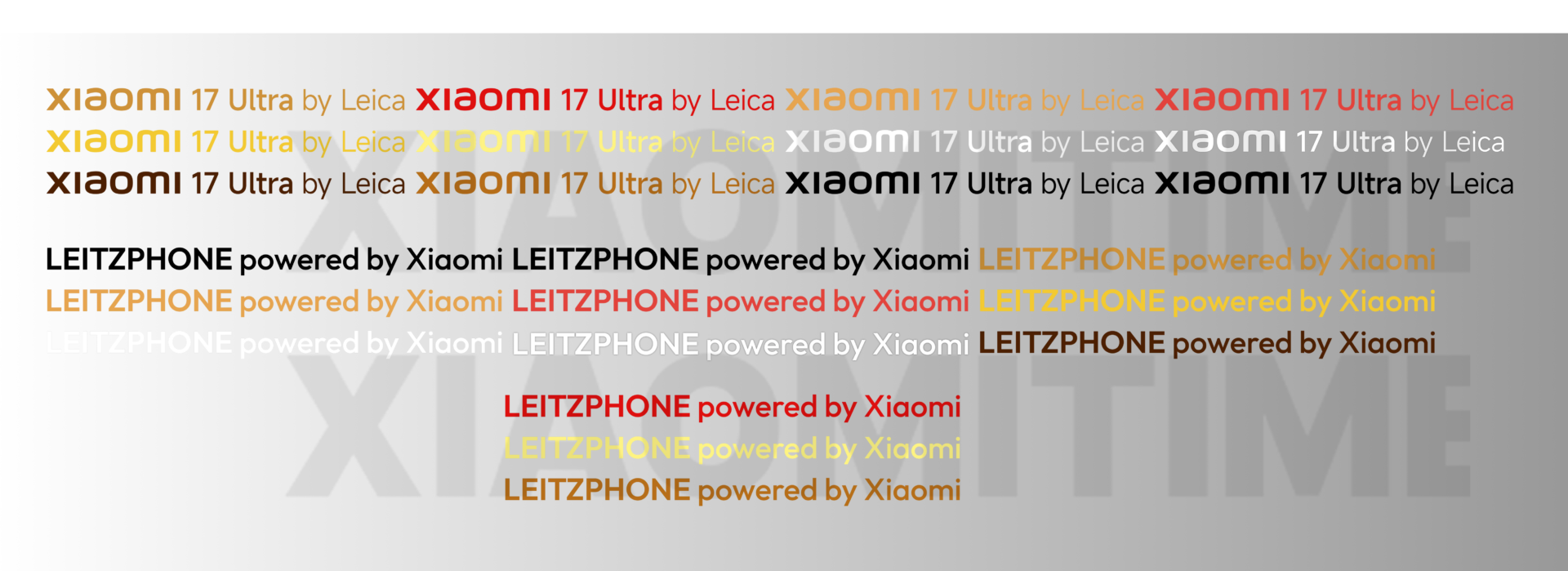
In addition to this, watermark information excavated by XiaomiTime reveals that Xiaomi has planned to adopt a new type of worldwide branding. This device will be launched overseas “Leitz Phone powered by Xiaomi,” and it will be named “Xiaomi 17 Ultra by Leica” in the Chinese marketplace.
From a bold announcement, Xiaomi’s entry into the world of automotive has rapidly evolved into a concrete long-term strategy. The Xiaomi SU7 does not come across as a short-term experiment but rather as one of the core pillars of the company’s “Human × Car × Home” ecosystem, in which smartphones, smart homes, and cars will run on the same software and service layer. Although Xiaomi has officially confirmed its ambition towards going global in 2027, 2025 is widely regarded as a preparation and validation year in Europe rather than a full-scale commercial launch. By that time, the SU7 will be benchmarked against electric sedans that have already begun to set the tone for the European market.
Xiaomi SU7 Positioning Before Its European Arrival
Before competitor listings are evaluated, conceptual clarity is again paramount on where the Xiaomi SU7 stands. Xiaomi takes a different approach to mobility: as an extension of its consumer electronics ecosystem into mobility, unlike traditional automakers. The SU7 lineup, underpinned by the Modena platform, supports both 400V and 800V electrical architectures prioritizing software-defined vehicle capabilities through Xiaomi’s HyperOS.
In Europe, in 2025, the activities of Xiaomi will be focused on homologation and real-world testing and on adapting to regulations, rather than on direct sales. In this positioning, the true rivals to the SU7 are not measured only by performance or range but by how well they tie in software with charging infrastructure with long-term ownership value within European regulations.
In cases where the number of tokens is too many, the effect is seen a little in non-interaction.
The European EV Market: Highly Competitive in 2025
There will be three major forces defining the European electric vehicle market in 2025. First, product offerings due to more stringent regulatory frameworks for safety, cybersecurity, and assisted driving systems. Second, trade policies and added tariffs on China-manufactured EVs that will affect pricing strategies. Third, consumer expectations will increasingly revolve around software stability, charging convenience, and after-sales support, rather than headline specifications alone.
In this landscape, Xiaomi SU7 will come up against both well-established global brands and aggressively expanding Chinese players who have secured a beachhead within the European continent.
Tesla Model 3 Highland: This is the Benchmark Xiaomi Needs to Beat
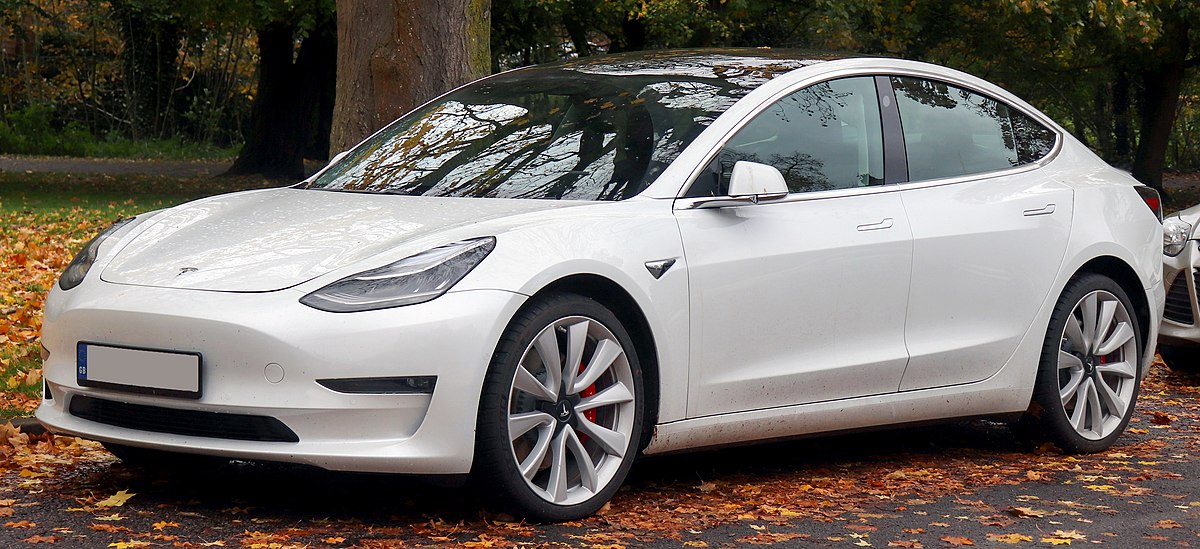
The Tesla Model 3-a refreshed “Highland” version-continues to be the reference in the European electric sedan segment: strong efficiency combined with competitive performance and unmatched charging convenience thanks to the Supercharger network.
From a technical point of view, Model 3 Long Range is focused on efficiency, offering very good WLTP range with relatively modest battery size. The Performance variant, on the other hand, competes directly with the Xiaomi SU7 Max in terms of acceleration and driving dynamics. Tesla’s advantage is not just about hardware but also very mature software ecosystem and extensive charging infrastructure across Europe.
The Model 3 stands for Xiaomi as the most direct challenger in terms of market perception, reliability, and all-round ownership experience.
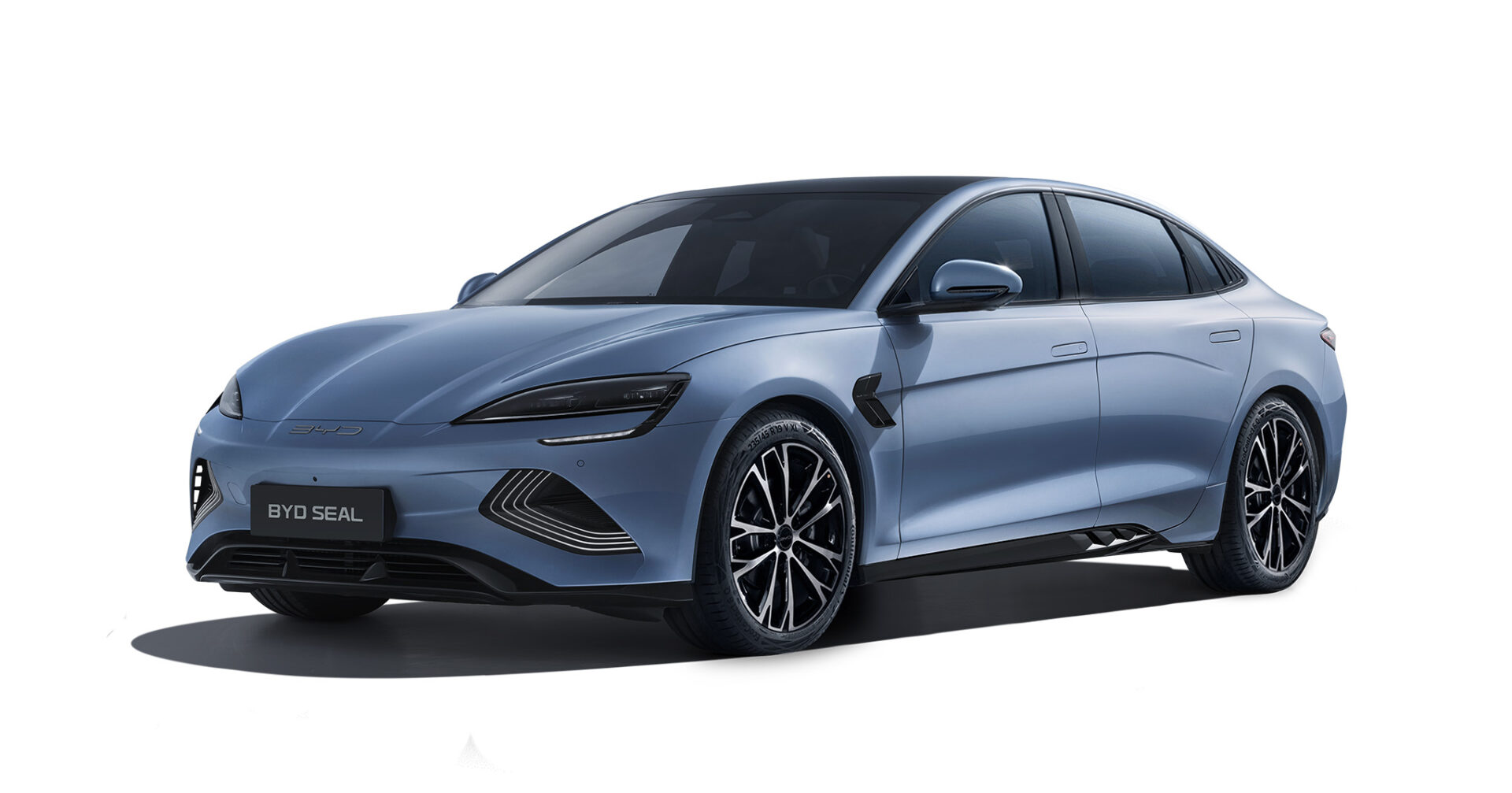
BYD Seal: The Most Balanced Chinese Competitor
The BYD Seal has probably been the strongest Chinese alternative in Europe, and the facelift arriving in 2025 will put it even stronger. Moving to an 800V architecture, doing faster charging (BYD claims the Seal will get an 80% charge in under 10 minutes), and using the proven Blade Battery technology, BYD focuses on long-term durability and cost efficiency.
Compared to Xiaomi SU7, BYD Seal presents a car with a pragmatic positioning rather than a performance-driven product. The extended battery warranty and competitive pricing-even considering the increased tariffs-make it particularly desirable to European customers keen on reliability and predictable ownership costs. This makes BYD one of the most relevant competitors that Xiaomi has to consider when planning its European pricing strategy.
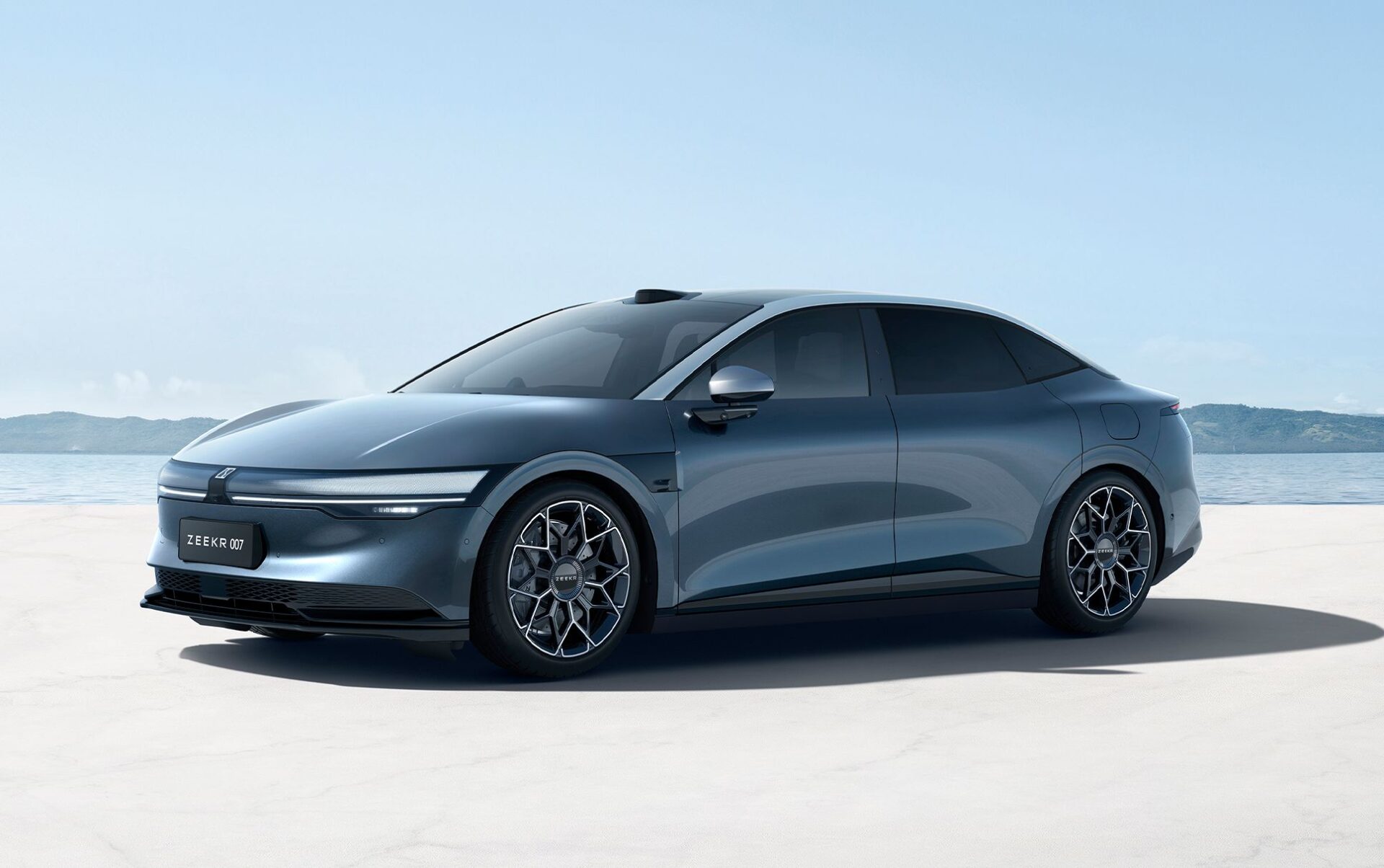
Zeekr 007 and Zeekr 7 GT: Technology and design as differentiators
Backed by Geely Group, Zeekr targets a more premium and design-oriented audience. The sedan version of the Zeekr 007 is one of the closest competitors to the SU7 in terms of charging speed, performance, and digital features, while the Zeekr 7 GT introduces a station wagon body style that is still highly popular in Europe.
With the presence of a high-performance electric estate, Zeekr enjoys a structural advantage in markets like Germany and Northern Europe, where practicality plays a decisive role. Xiaomi does not address this niche directly yet, with its current focus on sedan formats.
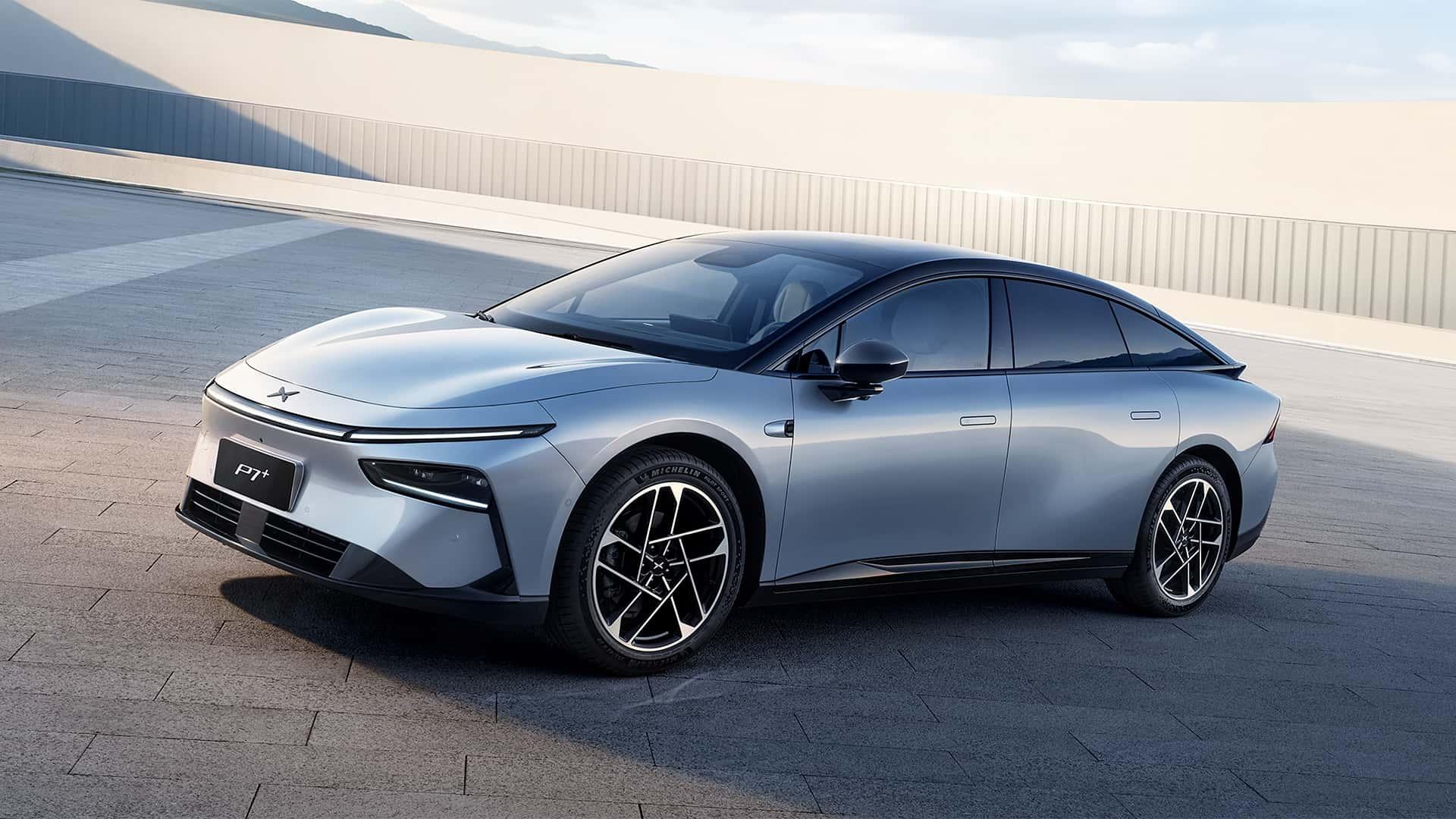
Xpeng P7+: Competition Focused on Software
Xpeng’s strategy in Europe will focus on AI and software-defined driving, and the P7+ is no exception, as the company focuses on cameras for assisted driving systems with high energy efficiency, seeking to use sophisticated driver assistance without LiDAR.
While Xiaomi will continue focusing on deep ecosystem integration using HyperOS, Xpeng positions itself as a pure “AI car” brand, a notion that dramatically increases the direct software-level rivalry between the two companies, especially among European tech-oriented consumers who value intelligent navigation, automation, and continuous over-the-air improvements.
European Premium Brands: Experience and Trust
Established European brands remain a critical ingredient in the competitive equation. These models-Volkswagen ID.7 GTX, BMW i4, Audi A6 e-tron, and Mercedes EQE-continue to dominate fleet sales and command substantial premiums due to ingrained brand trust, expansive service networks, and refined driving dynamics.
At this point, Mercedes leads in legally approved Level 3 assisted driving systems in Europe-a domain where Xiaomi will need a while to achieve regulatory clearance. While it may pip on some rivals on raw specifications, European brands hold a strong advantage in perceived quality and long-term support.
While Xiaomi’s global ambitions for the automotive sector are evident, timing and positioning will be everything in Europe. By 2025, the Xiaomi SU7 will find itself up against established leaders in the shape of Tesla Model 3, well-integrated Chinese rivals like BYD Seal and Zeekr 007, and trusted European premium brands. Each one of them sets a very high bar regarding either efficiency or software maturity or brand confidence. When Xiaomi finally hits the roads in earnest in Europe, it will be less about acceleration figures and more about how successfully it can translate its skills in ecosystems into a seamless ownership experience – compliant with regulations.
“The home strategy for Xiaomi in the year 2025 showcases a transition from individual product offerings to a highly integrated Human × Car × Home ecosystem. With Xiaomi HyperOS, the next generation of home offerings is centered on home and device automation, home and device security, and a device value proposition that goes beyond specifications.” The next generation home offerings of Xiaomi encompass a range of products, including robotic vacuum suction cleaners, air purification systems, Mini LED TVs, and home security solutions.
Intelligent Cleaning Solutions: At the Forefront in 2025
Xiaomi’s robotic vacuum cleaners continue to be one of the core strengths of their smart home business. In the year 2025, the product shall evolve to incorporate greater autonomy and enhanced edge cleaning, and improved hygienic standards by the means of superior base stations.
Xiaomi Robot Vacuum X20 Series
The X20 Pro comes with lower suction power of 7,000 Pa but provides longer battery life, making it ideal for use in large homes with open plans. The two vacuum cleaners are compatible with the Xiaomi HyperOS operating system, which enables the device to be automated with other smart devices such as purifiers and security cameras.
Air Quality and Health Devices Become More Essential
Indoor air purity is still an important issue around the world, and Xiaomi remedies this problem by using health-gear with numerous sensors.
Xiaomi Smart Air Purifier 6 and Elite
The Xiaomi Smart Air Purifier 6 brings forth state-of-the-art technology to detect PM1 levels, surpassing conventional air purification by monitoring PM2.5 values alone. The air purifier’s multi-filtering technique focuses on eliminating ultra-fine particles, odor, and air pollutants.
For large spaces, the Xiaomi Smart Air Purifier Elite provides an excellent clean air delivery rate along with plasma sterilization. Combined with HyperOS, these air purifiers can react to environmental information or the presence of users detected by other Xiaomi smart devices.
Mini LED Television Sets Offer Flagship Viewing Experience in More Homes
Another brand that is continuing with the democratization of technology is Xiaomi with its TV series.
Xiaomi TV S Pro Mini LED 2025
This is because the “Xiaomi TV S Pro Mini LED 2025” range integrates high brightness and local backlight control technology and also supports high-refresh rates and other fast-paced gaming elements. Since their brightness capabilities are now up to “3,000 nits” and their supported rates are now “144Hz,” it is clear that these TVs are meant both for viewing and for playing games. Therefore, their pricing by Xiaomi is meant to compete favorably with other more expensive TVs.
Smart Security: Changing Focus to Local Intelligence
Privacy and local processing are major considerations in the planned security products that Xiaomi will release in 2025.
Xiaomi Smart Camera C700 and Outdoor Solutions
The Xiaomi Smart Camera C700 comes with 4K Resolution and AI processing on the camera itself, thus less dependence on the Cloud. Other local functions of the camera are detection of infant cries, pet detection, and gesture call.
As far as the outdoors are concerned, the dual-camera and battery-run solution from Xiaomi offers the flexibility required to be installed anywhere while retaining the sophisticated motion detection functionality.
Towards an Integrated Ecosystem with Xiaomi HyperOS
Where Xiaomi’s 2025 domestic devices are most noticeably differentiated is within the level of ecosystem integration. This is made possible by Xiaomi HyperOS functionality that allows Xiaomi devices to work together seamlessly. This is inclusive of automation tasks that may be performed on smartphones, smart homes, and even Xiaomi cars.
Final Outlook
Xiaomi’s flagship home devices in 2025 demonstrate a sophisticated and strategic vision for smart home living. Indeed, instead of solely focusing on innovation and headlines, Xiaomi prioritizes user experience, interconnectivity, and added long-term value. This makes the brand a leader for users looking for a comprehensive smart home system, rather than simply smart devices. Source / Related: News from the Xiaomi ecosystem from sources such as mi.com
Xiaomi has officially confirmed the availability of a set of system bug fixes, which are scheduled to be released through the soon-to-be-available HyperOS updates for a number of smartphones and tablets. The announcement was released through the official Xiaomi community page, indicating the manufacturer’s commitment to providing stable software performance to its users. This release contains patches to system services including the clock, home screen animations, Google Play services, media audio, and application-related translation bugs.
Confirmed Bugs Scheduled for Fix
These upcoming updates will resolve several functional and localization errors that users have raised. According to Xiaomi, already identified and are in the process of fixing are these user-submitted errors:
Xiaomi 14T: Force close or non-responsive problem in the Clock app
Xiaomi 14: Smart charging feature not translated into Russian
Xiaomi Pad 7: Translation problem in Weather app
Xiaomi Pad 7: Google Play “force close” or “no response” problem
Xiaomi 15T Pro: Gallery Editor erase tool not functioning properly
Xiaomi 14 Ultra: Issue with system-level translation
Redmi Note 14: Odd animation behavior of the desktop (home screen)
Xiaomi 15: Multimedia sound is not available via speaker or Bluetooth
These patches are expected to be included in the incremental builds of HyperOS and not major version numbers, which means affected users can get an update in a relatively shorter time.
What This Means for Xiaomi Users
Though these issues do not contain any critical bugs, issues like audio issues in media, Google Play instability, and app crashes of the system app have a severe effect on functionality. Xiaomi’s recognition of these bugs means that these issues have also been tested within their internal environments, thus reducing the time taken to deploy.
Update Rollout Expectations
Xiaomi has not offered a specific date for the release of each of these bug fixes because these can differ from one region or model of devices to another. Nevertheless, once all these bug fixes have been included in the final HyperOS updates, these will all automatically be delivered to those who are using these devices via the system updater.
Xiaomi now takes a serious step towards realizing its dream of entering the global automotive industry, with new vehicular-related model numbers now visible in the GSMA database, which indicates the company’s plans to expand globally with China not the only destination in focus. As reported in the database, Xiaomi now assigns the first global ‘G’ suffix to an in-vehicle display model number-wise, which was not used by the company apart from its smartphones and smart devices.
GSMA Listing Discloses New Vehicle Platform
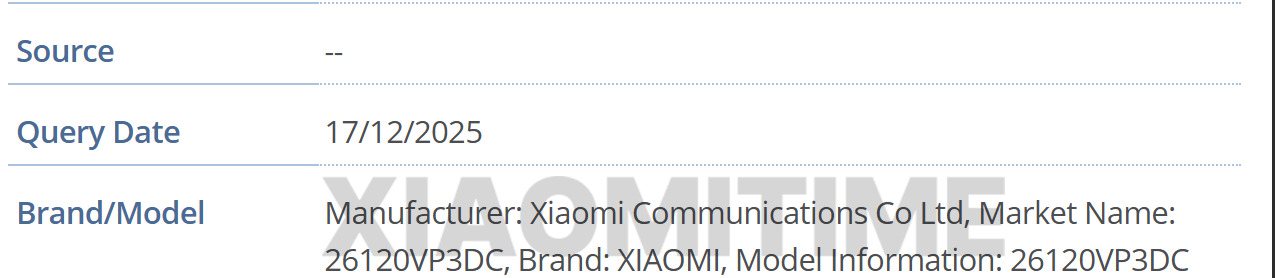
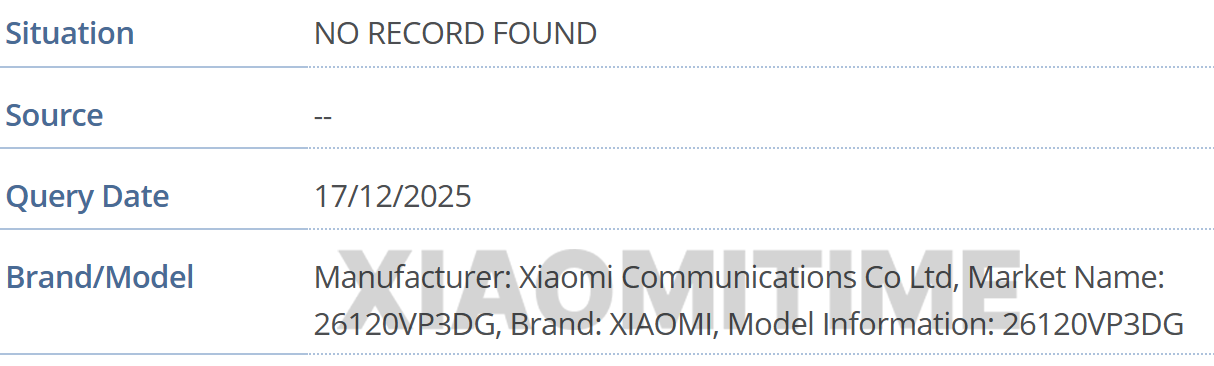
It appears in the GSMA database as two closely related models with numbers 26120VP3DG and 26120VP3DC, both expected to be released in December 2026. According to Xiaomi’s internal classification system, the last letter is very important. If the device has an “C” at the end, it is intended for China. On the other hand, “G” denotes worldwide devices. Till date, this has not been done on Xiaomi’s car hardware.
The fact that both versions are present is a strong indication that Xiaomi is working on a common vehicle platform for both China and global markets. The “VP” in the version name is known to represent Vehicle Platform, indicating that it is a vehicle component rather than a car accessory. This is a remarkable shift in Xiaomi car strategy.
What All This Means for Xiaomi’s Global Automobile Plans
Xiaomi cars feature cutting-edge display systems for use within vehicles, which are GSM-capable, thereby integrating cloud services and other ecosystem levels. The move to approve the global version of such a solution indicates an aspect of planned compliance with foreign markets regarding networks and regulations, not to mention China alone.
Strategically, it fits well with the long-term plan of Xiaomi. Xiaomi has always been touting the idea of an ecosystem that involves the seamless integration of smartphones, smart homes, and automobiles through Xiaomi HyperOS and Xiaomi HyperConnect. Achieving a globally certified automotive platform would be an essential step in this process.
Xiaomi recently announced that Xiaomi Auto will out for global in 2027.
At this point, the company has not made any official announcements about which car might be associated with the newly assigned model numbers. Here are some models that are expected to be part of the company’s lineup:
Global model of the Xiaomi SU7
A possible SU7 facelift
A next-generation Xiaomi SU8 or Xiaomi YU8
Xiaomi SU7 was unveiled in 2024 and was Xiaomi’s first entry into mass-produced electric vehicles. In light of the GSMA announcement, it is likely that the new platform is either an upgraded variant of an already established model or an all-new model that is targeting various global regions.
A Clear Signal Before 2026
Although Xiaomi has yet to make any official announcements regarding its car launch schedule in the international market, its presence at GSMA ranks among the most encouraging technical hints to date on this front. These certifications often start even before the public launch of new technologies, and it would seem that Xiaomi’s plans to expand its car sales to an international market are slowly turning from concept to reality. If this timeline becomes a reality, cars from Xiaomi may enter foreign markets by late 2026, further integrating its ecosystem into a global strategy, rewriting how hardware ecosystems collaborate.
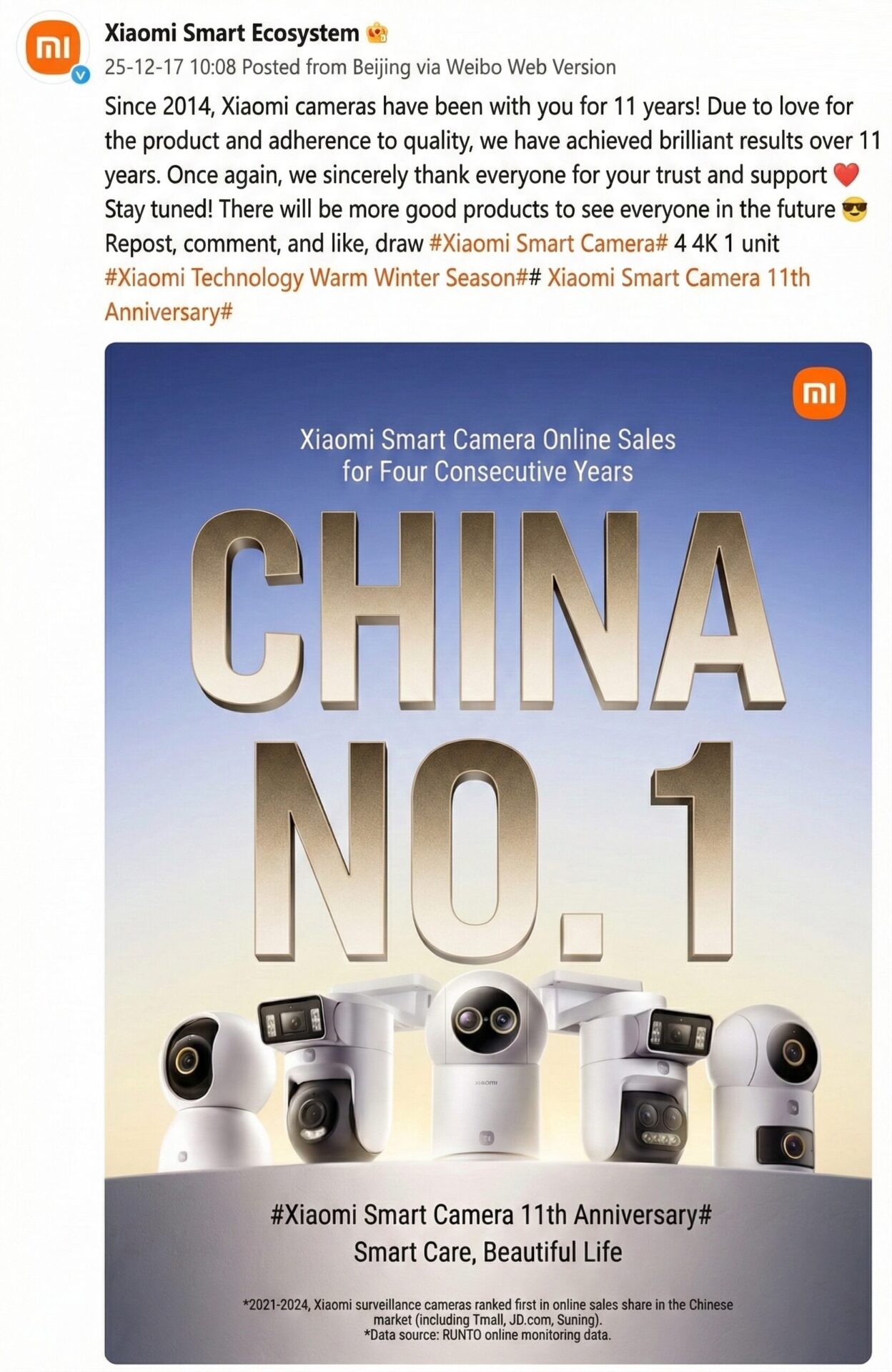
The Xiaomi Smart Ecosystem has announced that Xiaomi smart cameras have led the sales in the online market in China for the last four years running, thereby positioning the firm strongly in the smart home industry. From the information released today, it is clear that the brand led the others in the market share from 2021 to 2024.
The news announcement emphasizes the fact that the sales share in China’s online market, including the various E-commerce platforms of Tmall, JD.com, and Suning, was the highest by Xiaomi’s surveillance cameras. This information is derived from online monitoring data offered by RUNTO, a renowned research organization in China.
This is the culmination of Xiaomi’s efforts in hardware innovation, software support, and cost-effectiveness. Unlike other players that bank on promotions and advertisements for more visibility and reaching more customers in the market for smart cameras, Xiaomi has gained prominence because it has made consistent improvements in the quality of images produced by the smart camera and its ability to detect using AI algorithms.
From a market perspective, the ability to retain first place for four years running is a strong indicator of customer retention and loyalty. Being number one in China’s highly saturated smart home market is harder than reaching the pinnacle of consumer purchases.
Smart Home Strategy Goes Well Beyond Security Cameras
The success of Xiaomi in smart cameras is not a standalone achievement, but rather a reflection of a whole range of its smart home hardware offerings. In fact, its previous smart door locks were also the best-selling ones in China for a whole five years, with a cumulative sales amount of over 8 million.
Important factors underlying this performance are:
Strong integration with Xiaomi HyperOS
Integrated control by Xiaomi smart home apps
Firmware and feature enhancement
Diverse product portfolio catering to the requirements of consumers
Long-term market implications
Xiaomi’s successful tenure in online sales of smart cameras in the market for four years is proof that its ecosystem-oriented strategy is quite successful. Instead of marketing smart cameras as standalone devices, they are incorporated within an intelligent home ecosystem by Xiaomi.
With the growing maturity of the smart home industry, leadership over several years will increasingly be viewed not as a measure of demand but rather a measure of the maturity of the ecosystem. Xiaomi’s performance in this area indicates the alignment of their smart home strategy with the demands of the Chinese market.
Xiaomi has now found a way to enable the much-awaited recent apps page in the style of the original iOS on older versions of HyperOS without having to wait for the latest version, HyperOS 3. This is particularly important to those users who are fans of the visual treatment for multitasking in the style of the original iOS but do not want to leave the Xiaomi camp.
What Is iOS-Style Recent Apps UI?
The recent apps screen, à la iOS, sees the traditional app switcher replaced by vertically stacked cards that blur and fade as users swipe through them. Xiaomi, for instance, experimented with the concept of vertically stacked cards after conducting its community survey of users in 2023, where the company asked users if they would want the iOS layout for recent apps.
In HyperOS 3, this functionality works without any issues and can easily be activated from the system settings itself. Notwithstanding this, the Xiaomi developers have also provided the required framework for activation of the functionality in older HyperOS versions.
How to Enable It on Older Versions of HyperOS
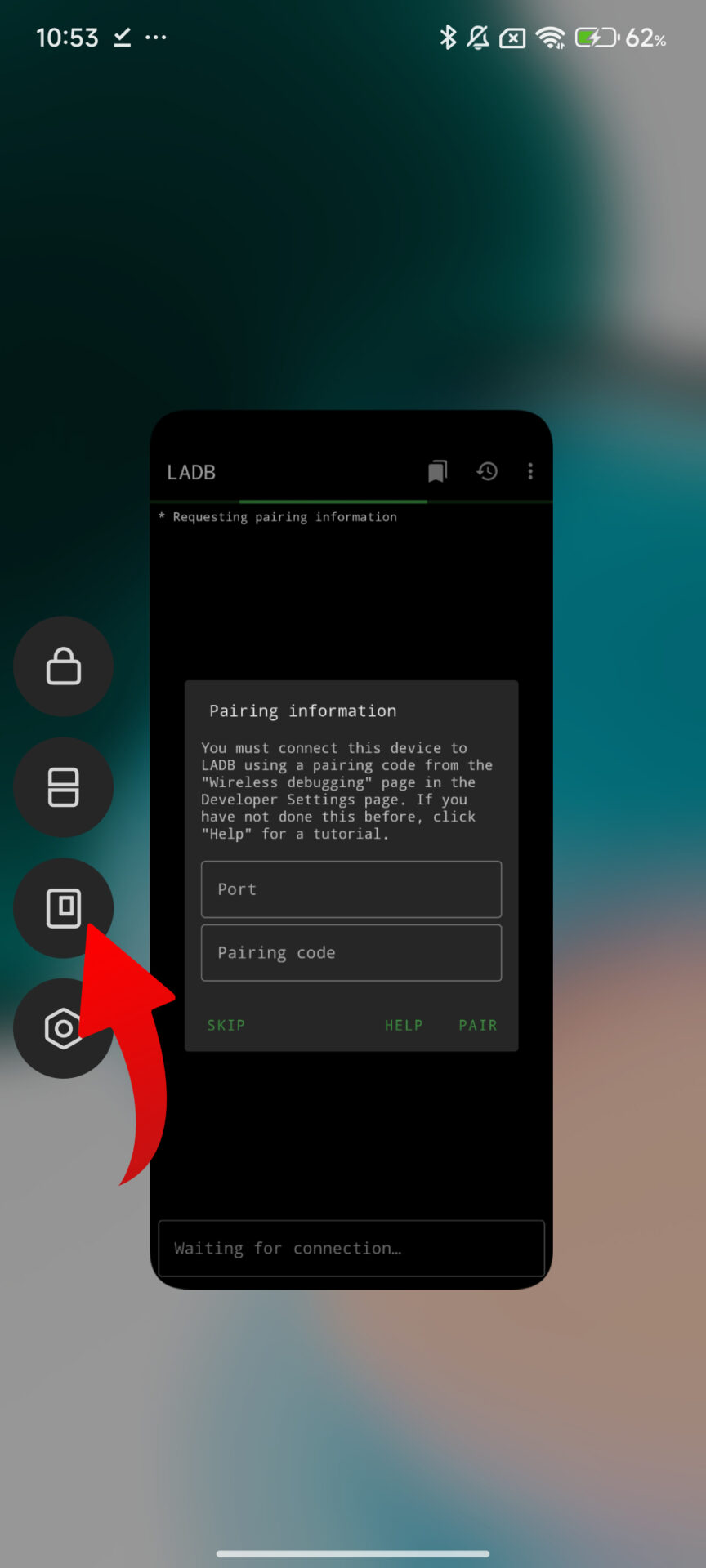
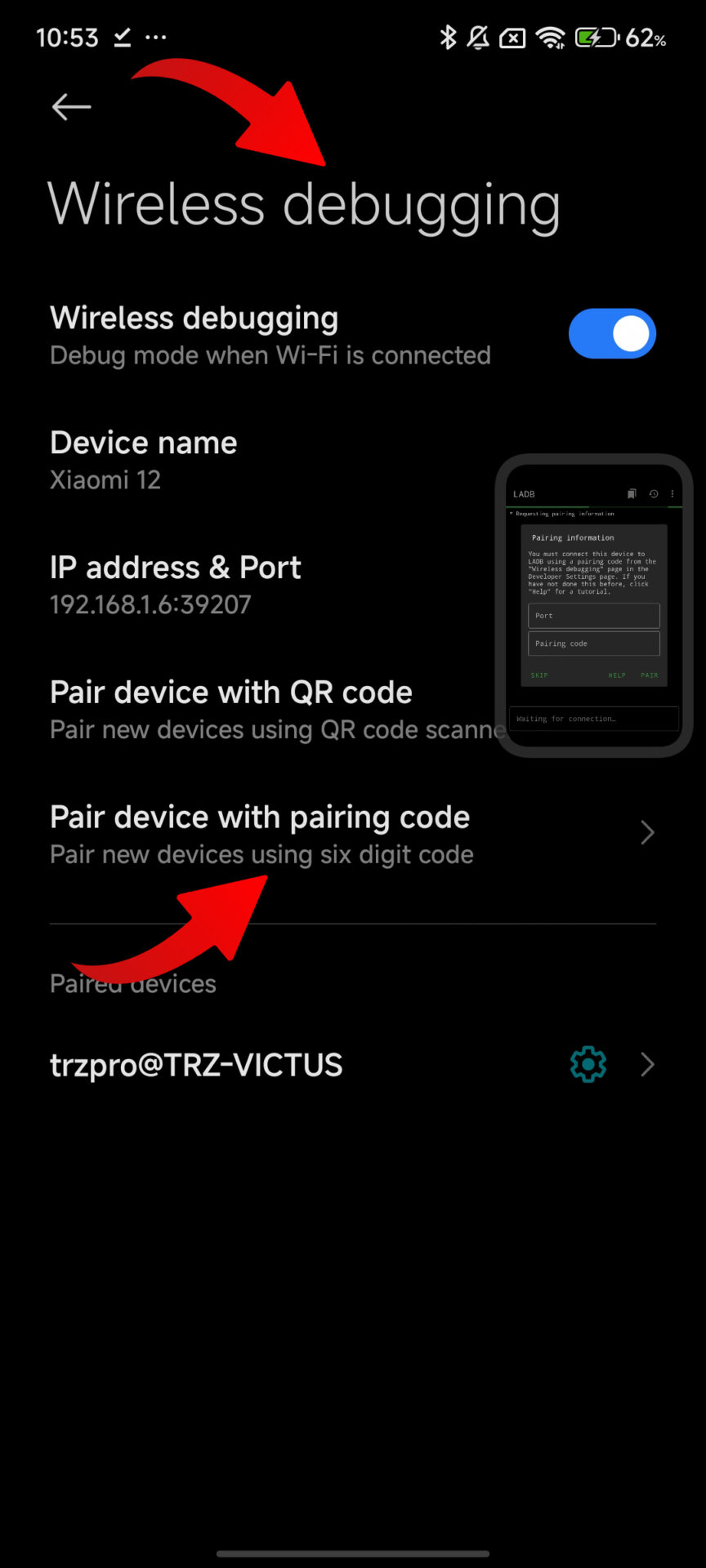
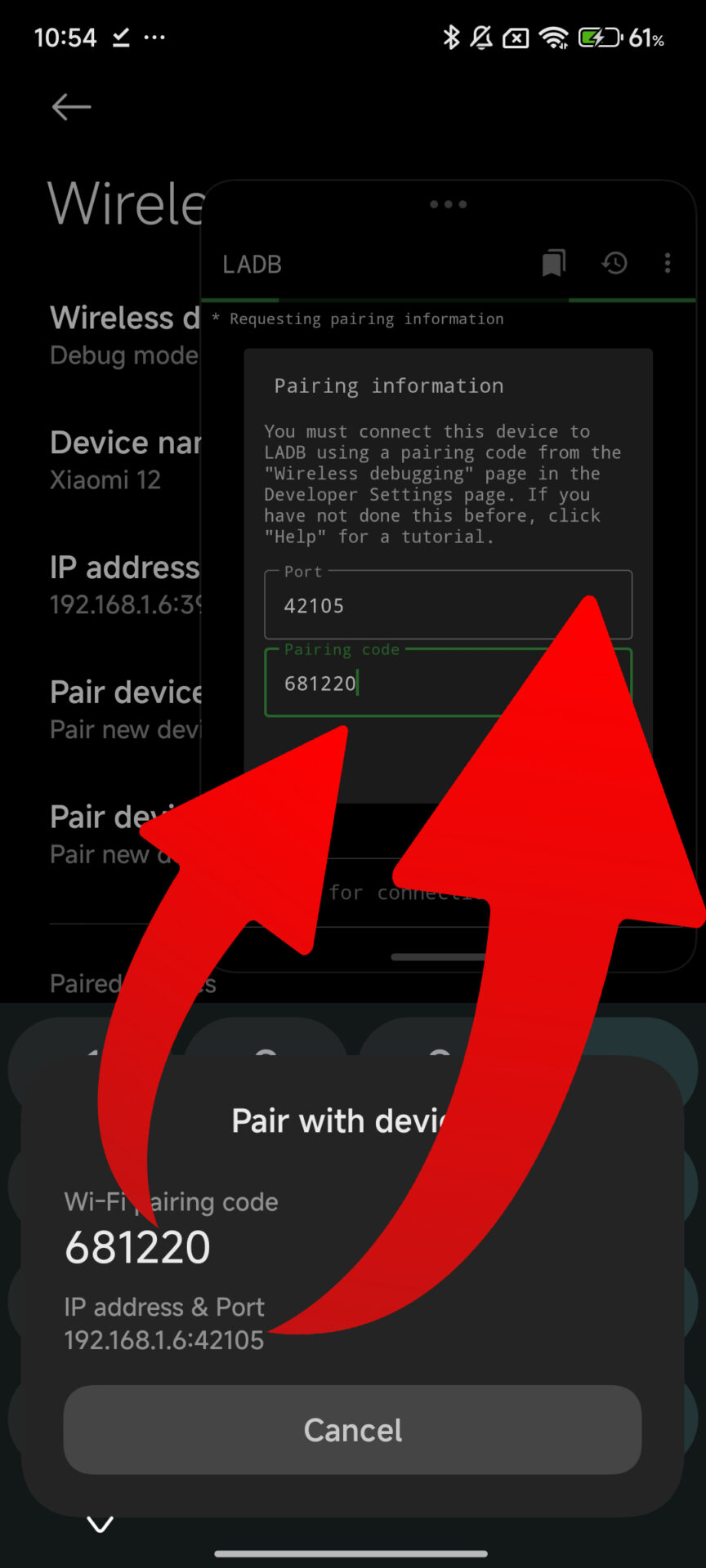
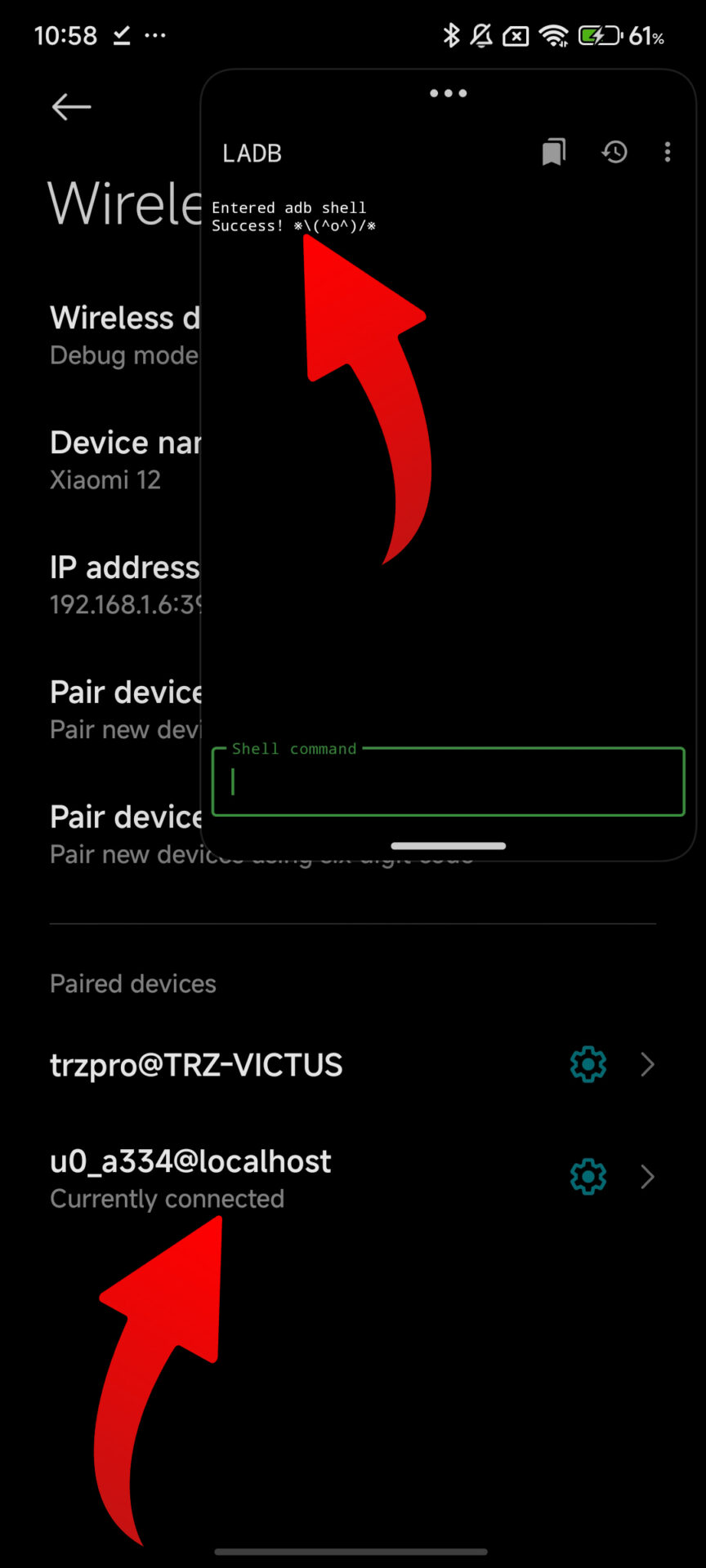
Before moving ahead, one must keep in mind that these steps do not need root access and are done using legitimate system parameters. A computer with ADB access or LADB setup is enough.
To enable the recent applications layout from the iOS style, just install latest HyperOS 3 Launcher and use the ADB connection to the device or the local ADB environment, and after that execute the command:
settings put global task_stack_view_layout_style 2
Once the command has been executed, the interface for viewing recently used applications transitions into the “card” layout. It is not necessary to reboot the device, though a reboot may help ensure that animations are stable on some devices.
LAdb installation
Go to Settings > About Phone.
Tap on HyperOS version several times until it says “You’re now a developer.”
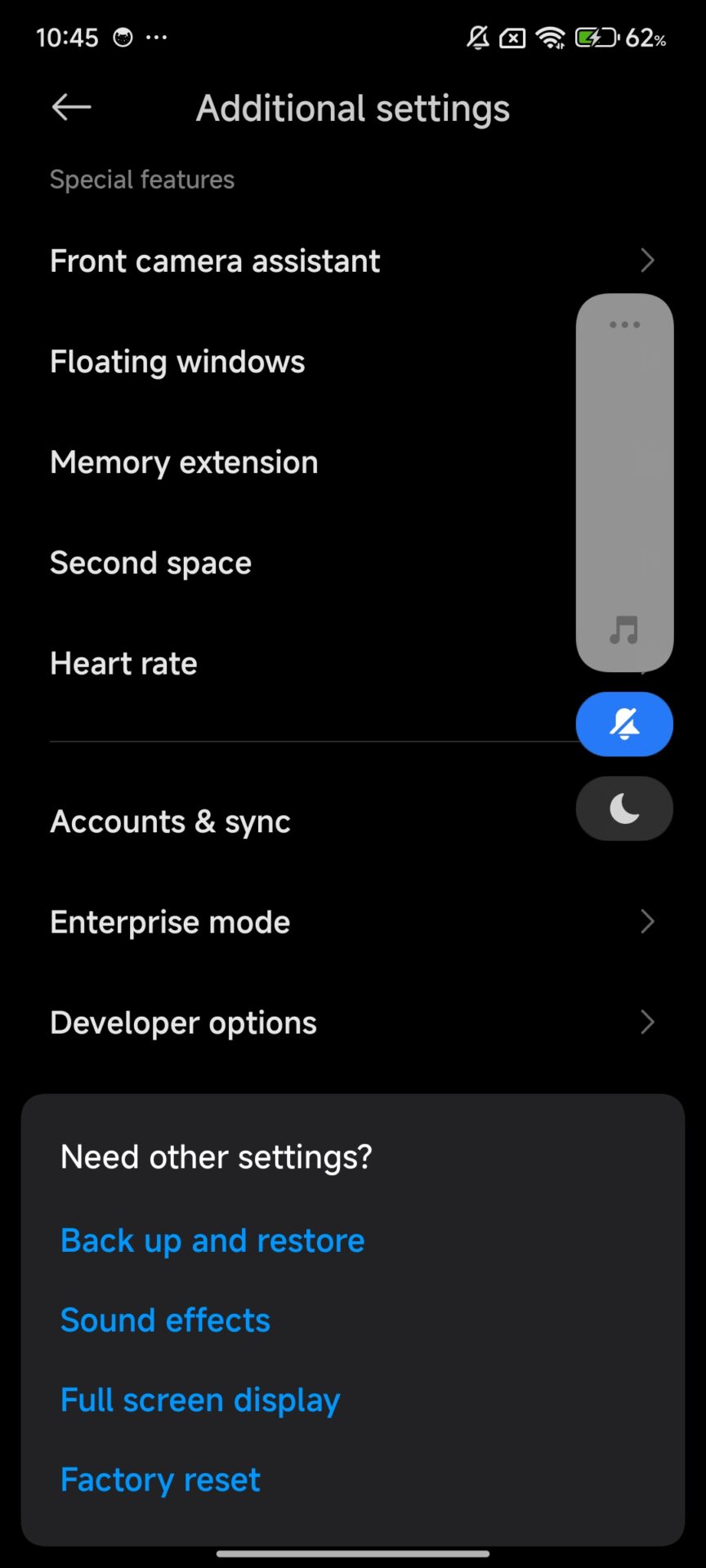
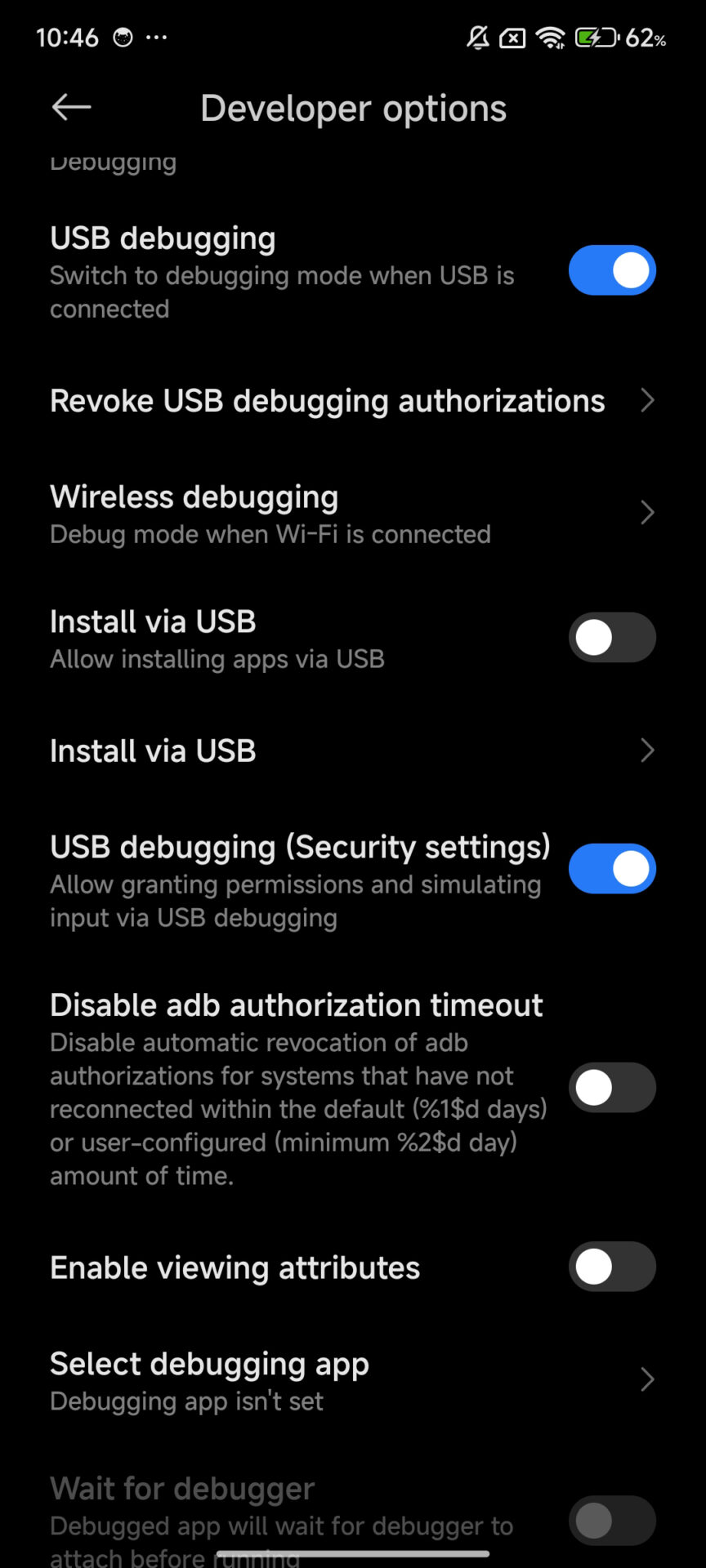
Go to Settings > Additional Settings > Developer Options.
Enable the following options:
USB Debugging
Install via USB
USB Debugging ON (Security Settings)
Download LADB
Behavior and Compatibility Details
When enabled, the animations are very close to Apple’s implementation, including the smooth vertical scrolling and blur effect on the cards while being offset on the screen. For devices with HyperOS 3, this same option is accessed from Settings > Recent Apps without any set commands.
Going by their testing and observations in the current beta, it is expected that Xiaomi will launch this interface on more devices when it releases HyperOS 3.1. It is also stable on most Snapdragon devices, including those running Snapdragon 8 Elite platforms.
Application Updates and Installation Information
Users who are interested in staying up to date with Xiaomi System Apps as well as its components can do so by obtaining the update through HyperOSUpdates.com or by using the MemeOS Enhancer downloaded from Google Play. The MemeOS Enhancer also allows users to have fun features, system updates, and update shortcuts.
As of this writing, though, the component version for this announcement is placed at RELEASE-6.01.03.1924, which is supportable on both HyperOS versions 3, and pick versions for earlier versions.

 Login
Login