Normal view

Received before yesterday

Xiaomi SU7 goes global: Europe’s strongest electric rivals in 2025

18 December 2025 at 09:00

From a bold announcement, Xiaomi’s entry into the world of automotive has rapidly evolved into a concrete long-term strategy. The Xiaomi SU7 does not come across as a short-term experiment but rather as one of the core pillars of the company’s “Human × Car × Home” ecosystem, in which smartphones, smart homes, and cars will run on the same software and service layer. Although Xiaomi has officially confirmed its ambition towards going global in 2027, 2025 is widely regarded as a preparation and validation year in Europe rather than a full-scale commercial launch. By that time, the SU7 will be benchmarked against electric sedans that have already begun to set the tone for the European market.

Xiaomi SU7 Positioning Before Its European Arrival

Before competitor listings are evaluated, conceptual clarity is again paramount on where the Xiaomi SU7 stands. Xiaomi takes a different approach to mobility: as an extension of its consumer electronics ecosystem into mobility, unlike traditional automakers. The SU7 lineup, underpinned by the Modena platform, supports both 400V and 800V electrical architectures prioritizing software-defined vehicle capabilities through Xiaomi’s HyperOS.

In Europe, in 2025, the activities of Xiaomi will be focused on homologation and real-world testing and on adapting to regulations, rather than on direct sales. In this positioning, the true rivals to the SU7 are not measured only by performance or range but by how well they tie in software with charging infrastructure with long-term ownership value within European regulations.

In cases where the number of tokens is too many, the effect is seen a little in non-interaction.

The European EV Market: Highly Competitive in 2025

There will be three major forces defining the European electric vehicle market in 2025. First, product offerings due to more stringent regulatory frameworks for safety, cybersecurity, and assisted driving systems. Second, trade policies and added tariffs on China-manufactured EVs that will affect pricing strategies. Third, consumer expectations will increasingly revolve around software stability, charging convenience, and after-sales support, rather than headline specifications alone.

In this landscape, Xiaomi SU7 will come up against both well-established global brands and aggressively expanding Chinese players who have secured a beachhead within the European continent.

Tesla Model 3 Highland: This is the Benchmark Xiaomi Needs to Beat

The Tesla Model 3-a refreshed “Highland” version-continues to be the reference in the European electric sedan segment: strong efficiency combined with competitive performance and unmatched charging convenience thanks to the Supercharger network.

From a technical point of view, Model 3 Long Range is focused on efficiency, offering very good WLTP range with relatively modest battery size. The Performance variant, on the other hand, competes directly with the Xiaomi SU7 Max in terms of acceleration and driving dynamics. Tesla’s advantage is not just about hardware but also very mature software ecosystem and extensive charging infrastructure across Europe.
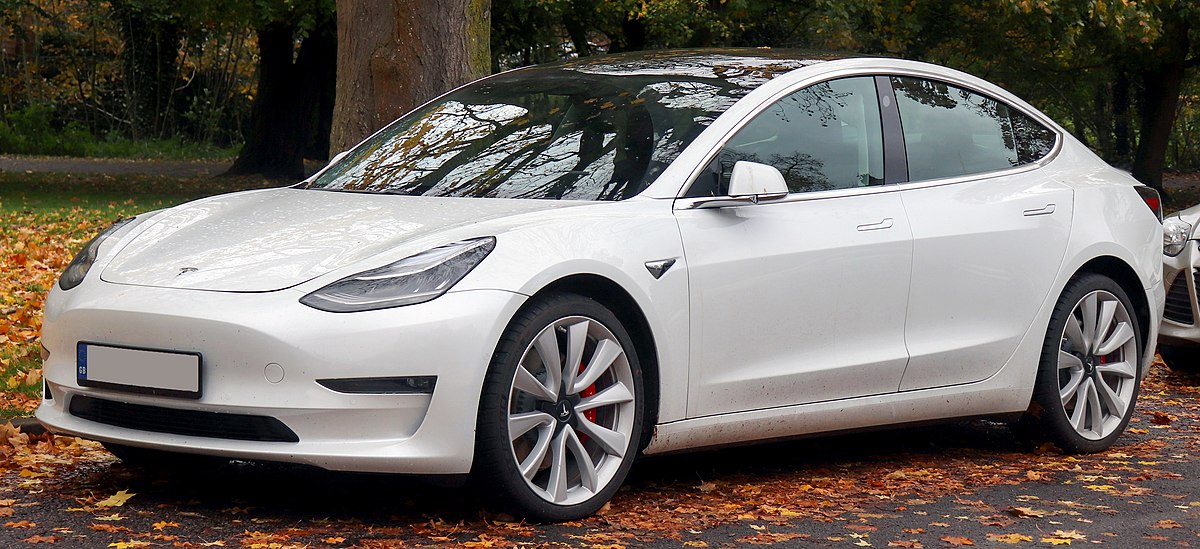
Tesla Model 3

The Model 3 stands for Xiaomi as the most direct challenger in terms of market perception, reliability, and all-round ownership experience.

BYD Seal: The Most Balanced Chinese Competitor

The BYD Seal has probably been the strongest Chinese alternative in Europe, and the facelift arriving in 2025 will put it even stronger. Moving to an 800V architecture, doing faster charging (BYD claims the Seal will get an 80% charge in under 10 minutes), and using the proven Blade Battery technology, BYD focuses on long-term durability and cost efficiency.
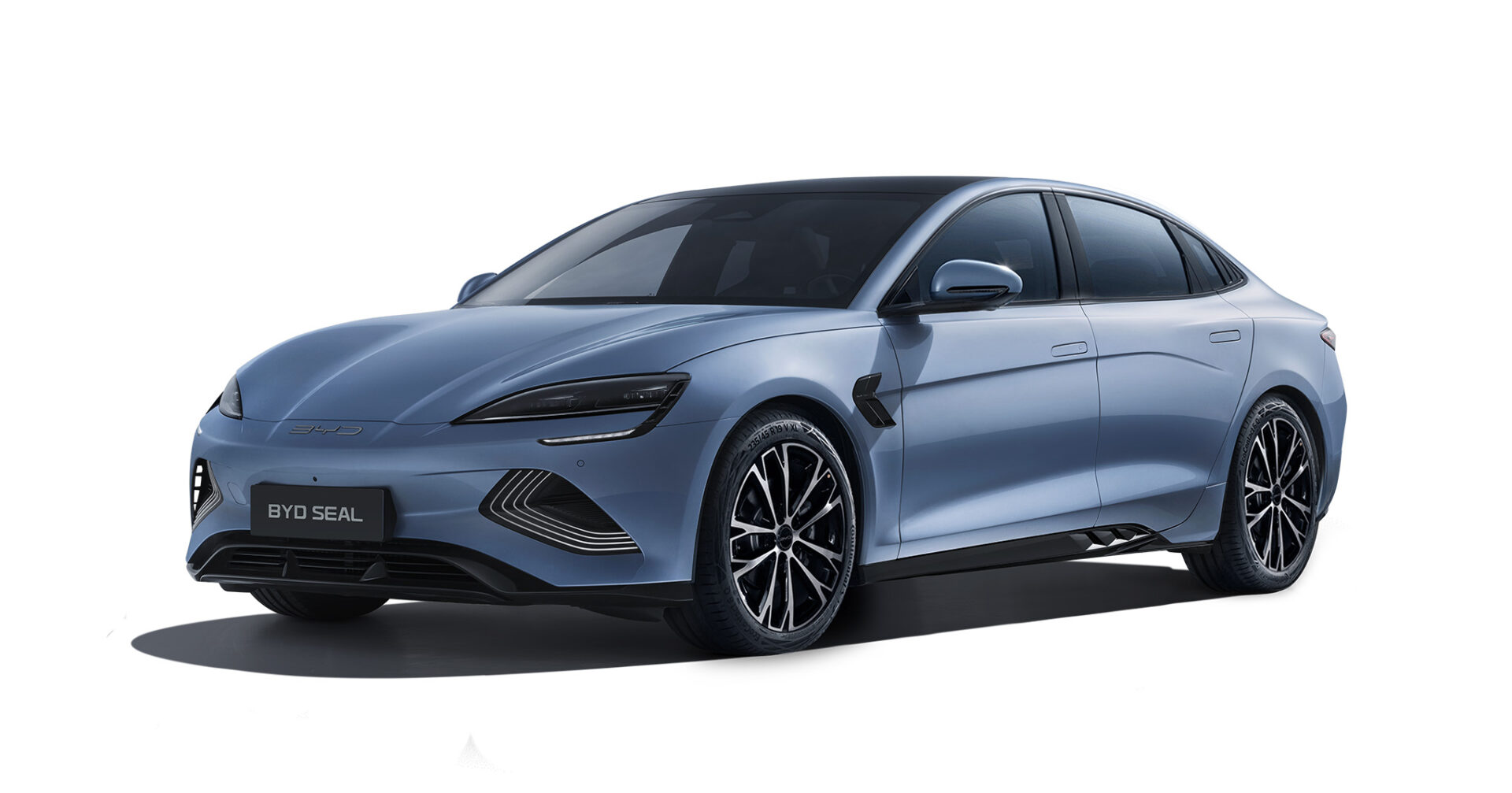
BYD Seal

Compared to Xiaomi SU7, BYD Seal presents a car with a pragmatic positioning rather than a performance-driven product. The extended battery warranty and competitive pricing-even considering the increased tariffs-make it particularly desirable to European customers keen on reliability and predictable ownership costs. This makes BYD one of the most relevant competitors that Xiaomi has to consider when planning its European pricing strategy.

Zeekr 007 and Zeekr 7 GT: Technology and design as differentiators

Backed by Geely Group, Zeekr targets a more premium and design-oriented audience. The sedan version of the Zeekr 007 is one of the closest competitors to the SU7 in terms of charging speed, performance, and digital features, while the Zeekr 7 GT introduces a station wagon body style that is still highly popular in Europe.
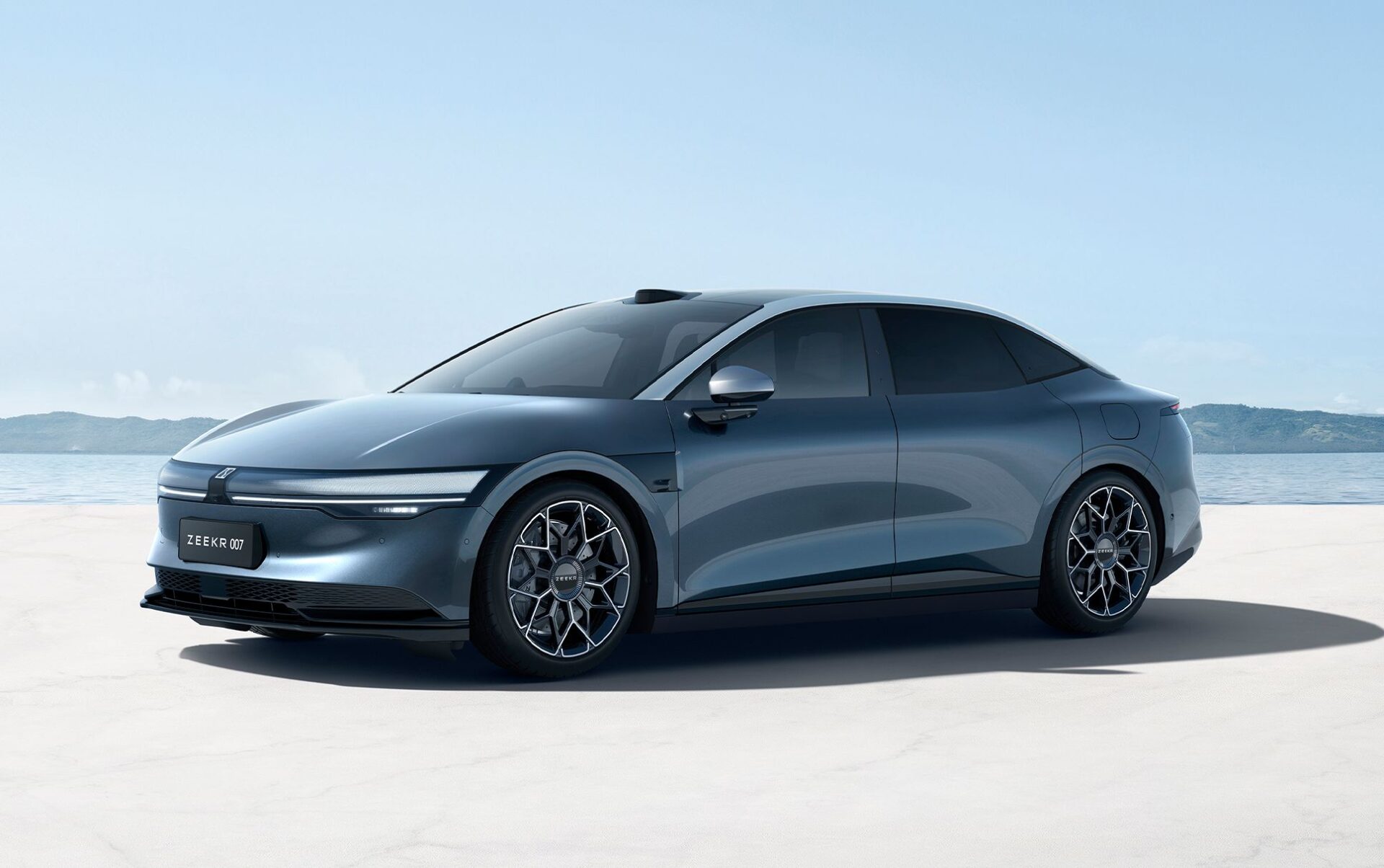
Zeekr 007

With the presence of a high-performance electric estate, Zeekr enjoys a structural advantage in markets like Germany and Northern Europe, where practicality plays a decisive role. Xiaomi does not address this niche directly yet, with its current focus on sedan formats.

Xpeng P7+: Competition Focused on Software

Xpeng’s strategy in Europe will focus on AI and software-defined driving, and the P7+ is no exception, as the company focuses on cameras for assisted driving systems with high energy efficiency, seeking to use sophisticated driver assistance without LiDAR.
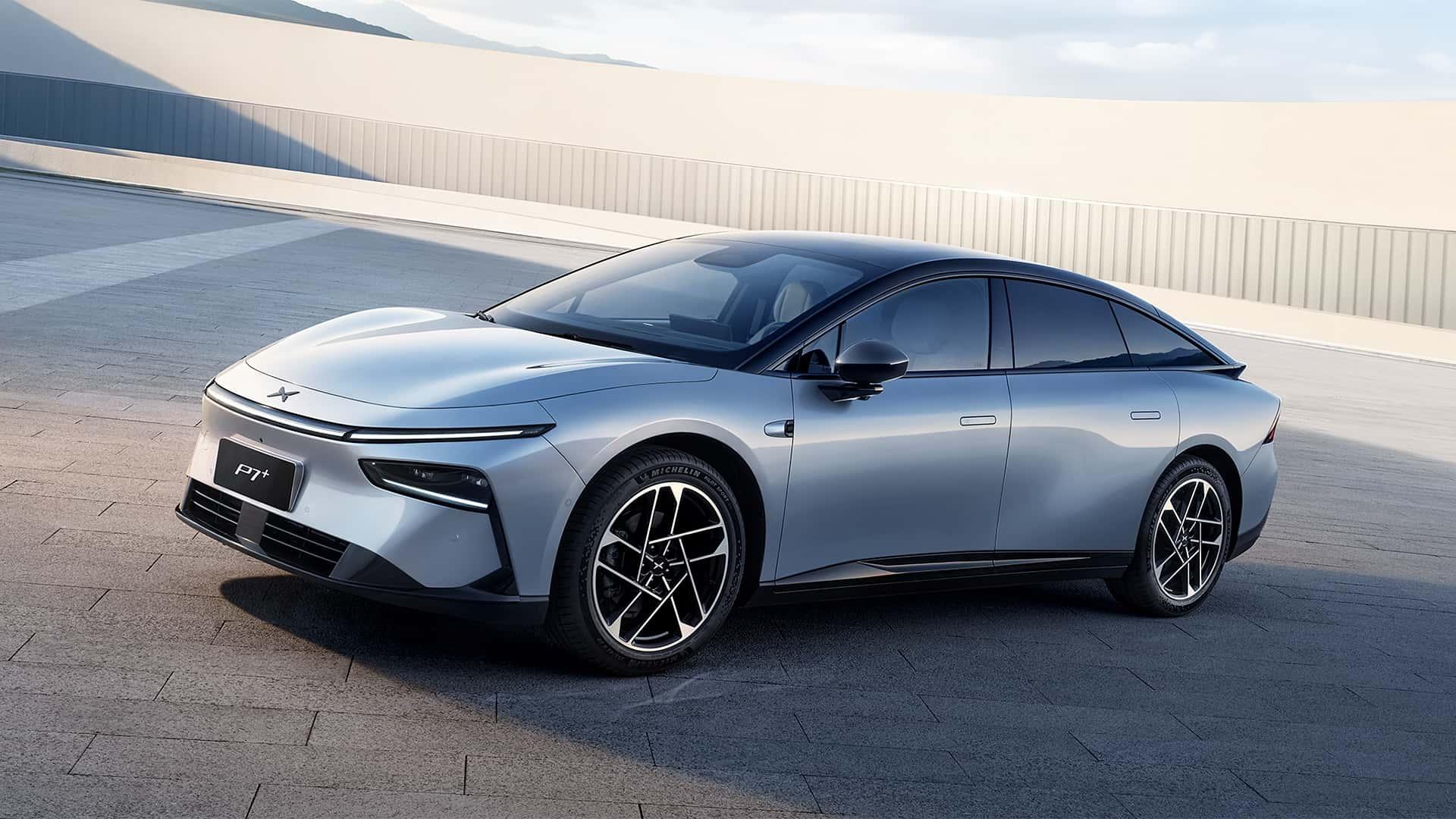
Xpeng P7

While Xiaomi will continue focusing on deep ecosystem integration using HyperOS, Xpeng positions itself as a pure “AI car” brand, a notion that dramatically increases the direct software-level rivalry between the two companies, especially among European tech-oriented consumers who value intelligent navigation, automation, and continuous over-the-air improvements.


European Premium Brands: Experience and Trust

Established European brands remain a critical ingredient in the competitive equation. These models-Volkswagen ID.7 GTX, BMW i4, Audi A6 e-tron, and Mercedes EQE-continue to dominate fleet sales and command substantial premiums due to ingrained brand trust, expansive service networks, and refined driving dynamics.
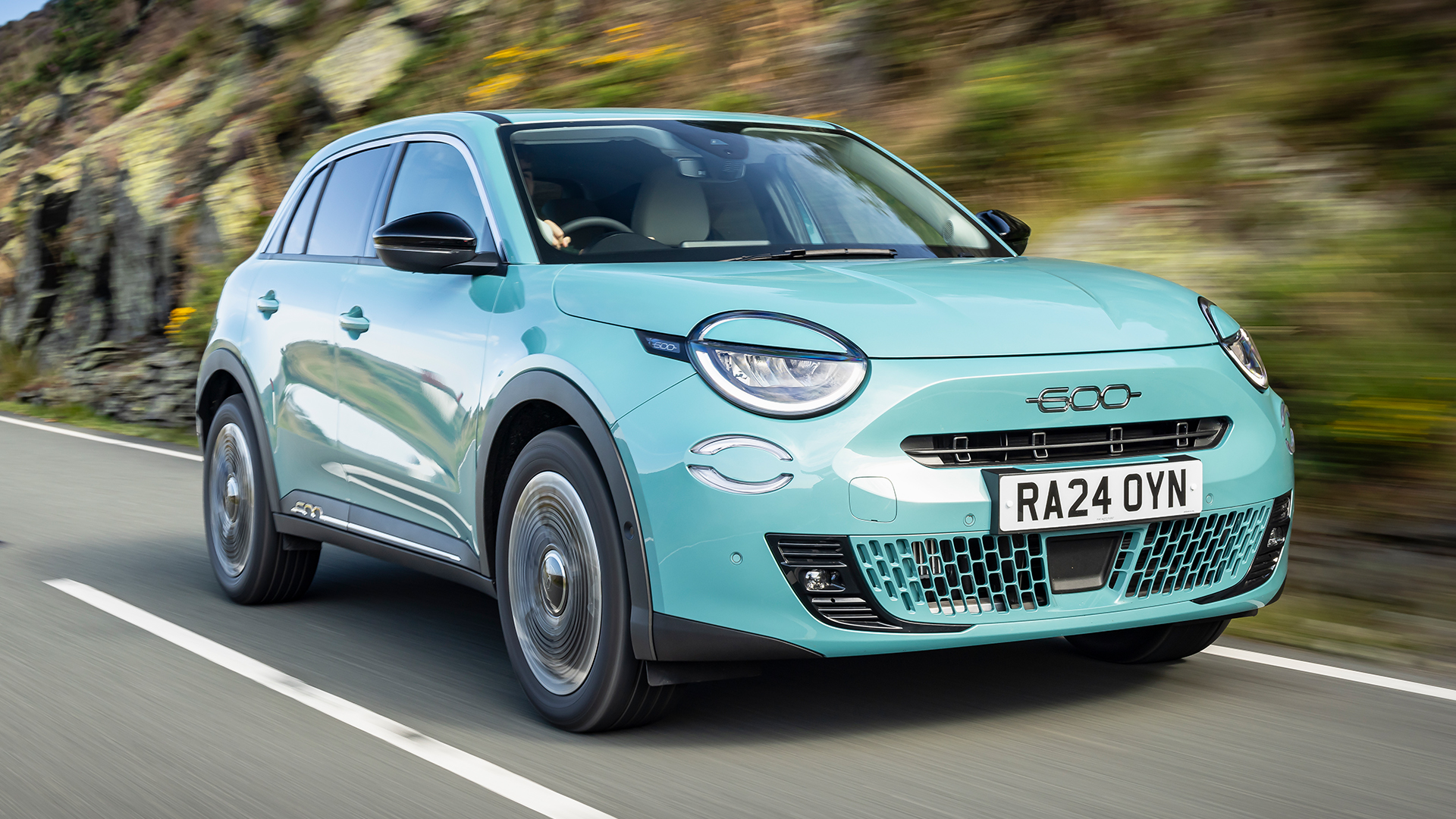
fiat 600e

At this point, Mercedes leads in legally approved Level 3 assisted driving systems in Europe-a domain where Xiaomi will need a while to achieve regulatory clearance. While it may pip on some rivals on raw specifications, European brands hold a strong advantage in perceived quality and long-term support.

While Xiaomi’s global ambitions for the automotive sector are evident, timing and positioning will be everything in Europe. By 2025, the Xiaomi SU7 will find itself up against established leaders in the shape of Tesla Model 3, well-integrated Chinese rivals like BYD Seal and Zeekr 007, and trusted European premium brands. Each one of them sets a very high bar regarding either efficiency or software maturity or brand confidence. When Xiaomi finally hits the roads in earnest in Europe, it will be less about acceleration figures and more about how successfully it can translate its skills in ecosystems into a seamless ownership experience – compliant with regulations.

Xiaomi Car’s first global model number spotted in GSMA database

17 December 2025 at 22:51

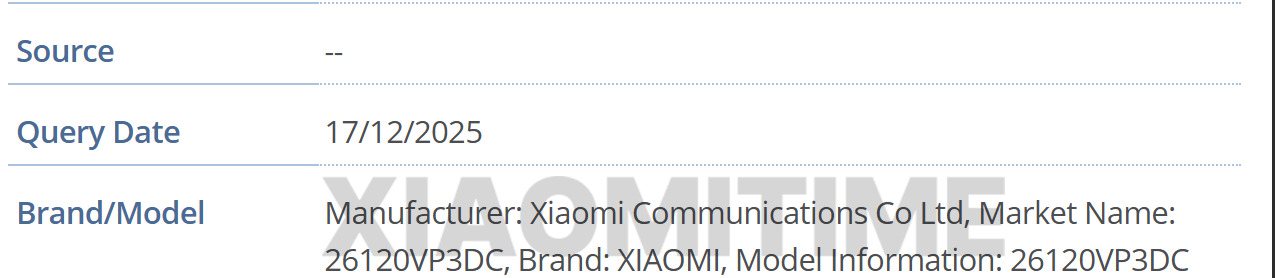
Xiaomi now takes a serious step towards realizing its dream of entering the global automotive industry, with new vehicular-related model numbers now visible in the GSMA database, which indicates the company’s plans to expand globally with China not the only destination in focus. As reported in the database, Xiaomi now assigns the first global ‘G’ suffix to an in-vehicle display model number-wise, which was not used by the company apart from its smartphones and smart devices.

GSMA Listing Discloses New Vehicle Platform

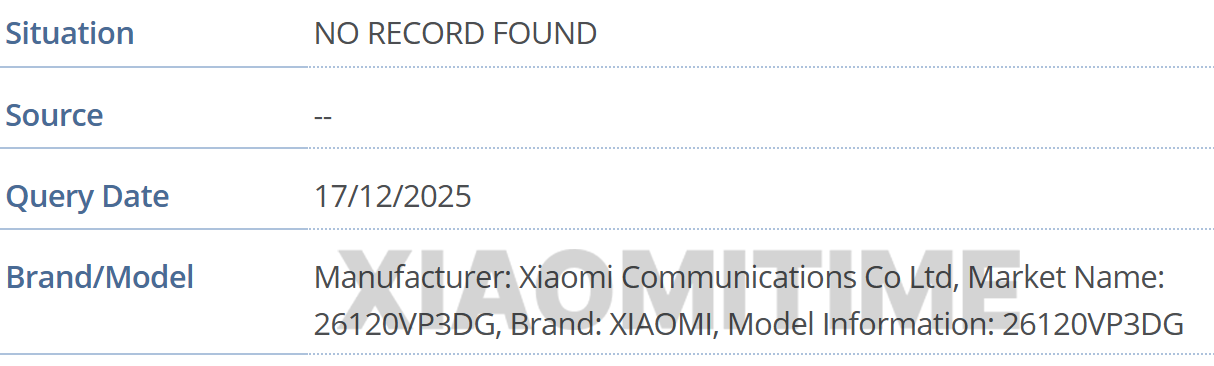
It appears in the GSMA database as two closely related models with numbers 26120VP3DG and 26120VP3DC, both expected to be released in December 2026. According to Xiaomi’s internal classification system, the last letter is very important. If the device has an “C” at the end, it is intended for China. On the other hand, “G” denotes worldwide devices. Till date, this has not been done on Xiaomi’s car hardware.

26120VP3DC 26120VP3DG

The fact that both versions are present is a strong indication that Xiaomi is working on a common vehicle platform for both China and global markets. The “VP” in the version name is known to represent Vehicle Platform, indicating that it is a vehicle component rather than a car accessory. This is a remarkable shift in Xiaomi car strategy.

What All This Means for Xiaomi’s Global Automobile Plans

Xiaomi cars feature cutting-edge display systems for use within vehicles, which are GSM-capable, thereby integrating cloud services and other ecosystem levels. The move to approve the global version of such a solution indicates an aspect of planned compliance with foreign markets regarding networks and regulations, not to mention China alone.

Strategically, it fits well with the long-term plan of Xiaomi. Xiaomi has always been touting the idea of an ecosystem that involves the seamless integration of smartphones, smart homes, and automobiles through Xiaomi HyperOS and Xiaomi HyperConnect. Achieving a globally certified automotive platform would be an essential step in this process.

Xiaomi recently announced that Xiaomi Auto will out for global in 2027.

Xiaomi is preparing to bring its electric cars to Europe in 2027

Which Xiaomi Car Could This Belong To?

At this point, the company has not made any official announcements about which car might be associated with the newly assigned model numbers. Here are some models that are expected to be part of the company’s lineup:

  • Global model of the Xiaomi SU7
  • A possible SU7 facelift
  • A next-generation Xiaomi SU8 or Xiaomi YU8

Xiaomi SU7 was unveiled in 2024 and was Xiaomi’s first entry into mass-produced electric vehicles. In light of the GSMA announcement, it is likely that the new platform is either an upgraded variant of an already established model or an all-new model that is targeting various global regions.

A Clear Signal Before 2026

Although Xiaomi has yet to make any official announcements regarding its car launch schedule in the international market, its presence at GSMA ranks among the most encouraging technical hints to date on this front. These certifications often start even before the public launch of new technologies, and it would seem that Xiaomi’s plans to expand its car sales to an international market are slowly turning from concept to reality. If this timeline becomes a reality, cars from Xiaomi may enter foreign markets by late 2026, further integrating its ecosystem into a global strategy, rewriting how hardware ecosystems collaborate.

The best Xiaomi car accessories for every budget in 2025

10 November 2025 at 07:31

In fact, Xiaomi’s car accessory division is not something secondary—it’s actually one of the foundational pillars that define its vision for a broadened ecosystem. Now, in this analysis, we are going to see not only how Xiaomi, with its principal brand lineups but its 70mai and Mijia subsidiaries as well, aims to revolutionize automotive technology but how it integrates Smart Living, Mobile Fun, and Automotive Security into a comprehensive ecosystem called Xiaomi HyperOS. From vehicle security (Dash Cam) to power solutions (Chargeamps & Jump starters).

Xiaomi’s Automotive Ecosystem: The Importance of Car Accessories

Unlike other hardware manufacturers, Xiaomi’s major approach or vision is to deliver a common user experience. The third component in this nexus formed between these three entities—the home and the smartphone—takes shape in Xiaomi’s Car. With Xiaomi’s SU7, its first electric car model, Xiaomi has formally entered into a new market. Orient propositions

With Xiaomi HyperOS connection to vehicles, users are afforded easy access to data, music, smart devices, and cloud-related functions. With this model, Xiaomi stands to benefit not only as a producer of electronic devices but initially as a mobility experience provider that integrates elements like comfort, smartness, and automation.

70mai Leads the Way to Smart Vehicle Safety

As a car electronics brand exclusively owned by Xiaomi Corporation, 70mai specializes in innovation related to dash cams. These products are characterized by the use of Sony STARVIS 2 sensors with high resolution, AI motion detection technology, and HDR night driving optimization.

Some of its major models are

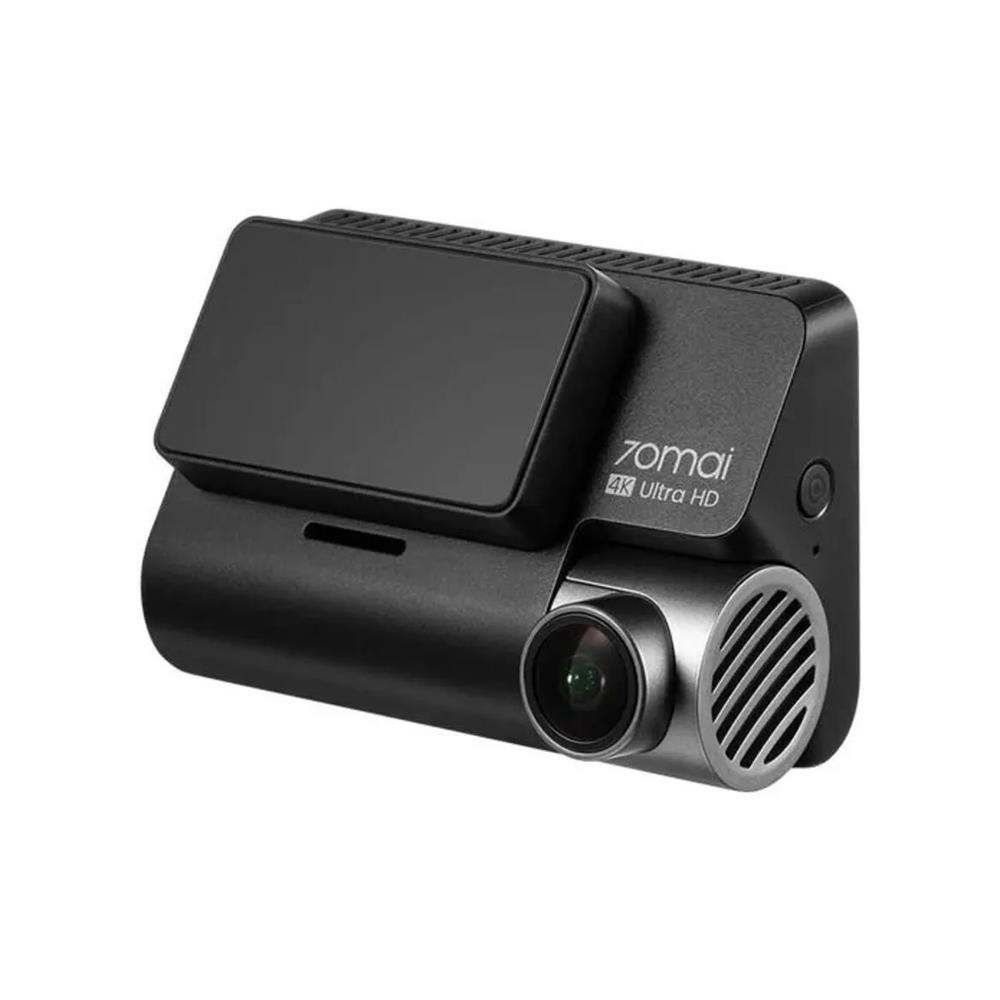
  • 70mai A810 (Flagship) – With true 4K resolution using a Sony STARVIS 2 IMX678 image sensor.
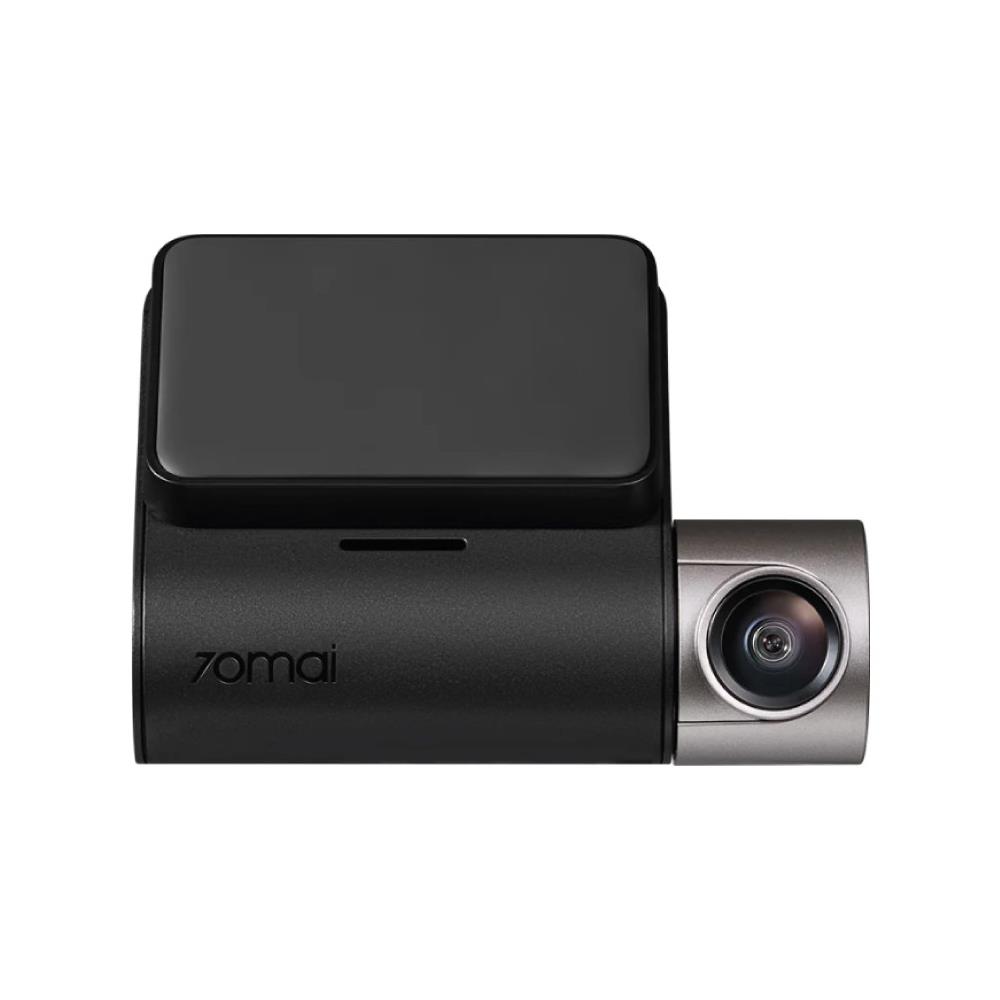
  • 70mai A510 (Middle range) – 2.5K video with IMX675.
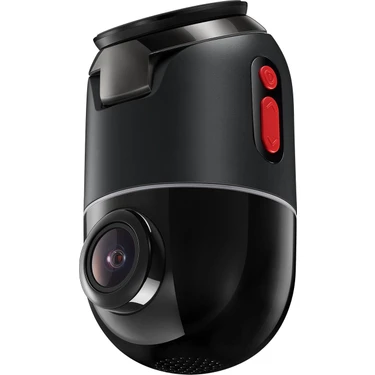
  • 70mai X200 Omni (Innovation Model) – Motorized 360-degree rotation with AI movement tracking.

The A810, in particular, has received praise for its exceptional clarity and affordability, outperforming other 4K models priced nearly twice as high.

70mai X200 Omni A510 A810

Mijia: Comfort and Power for Every Journey

In-car charging devices by Xiaomi are a reflection of its HyperCharge ideology, similar to that found in its flagship devices. These charging devices deliver charging speeds similar to those found in 100W or 120W devices.

Emphasized products are:

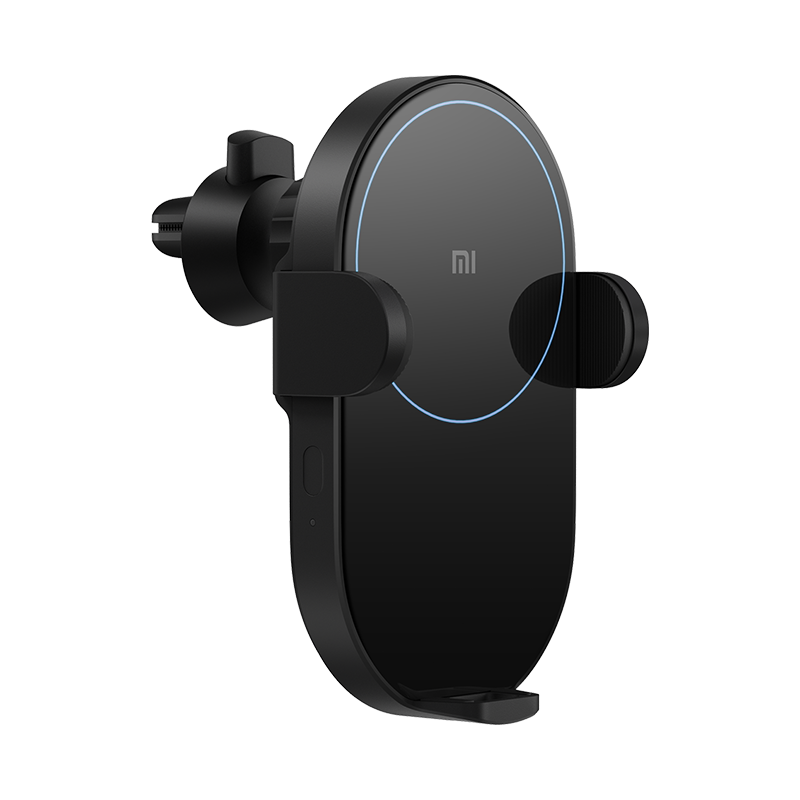
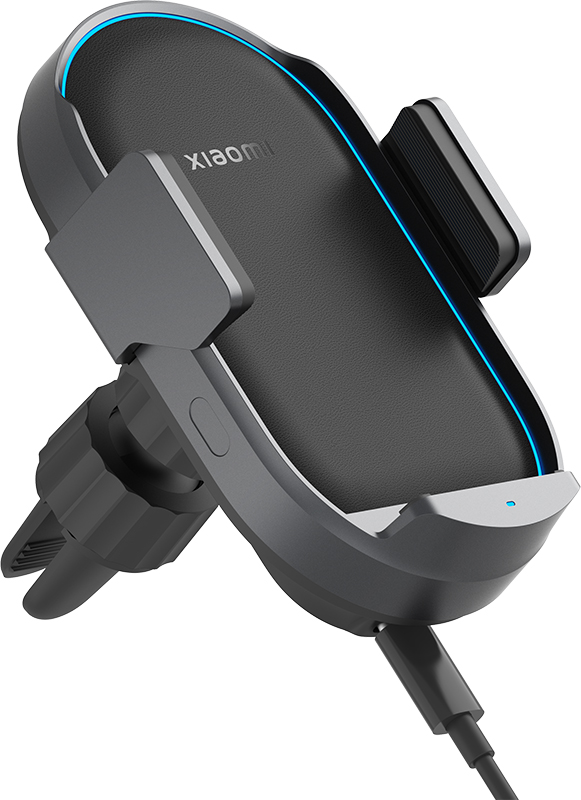
  • Xiaomi 50W Wireless Car Charger Pro – With automatic gripping mechanism, cooling function, and fast Qi charging for Xiaomi 14 Ultra phones.
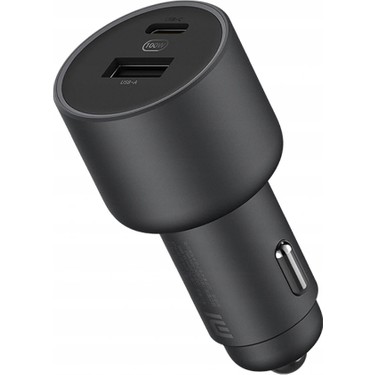
  • Xiaomi 100W Car Charger (1A1C) – Dual-port charging system designed to charge both laptops and mobile phones.
  • Xiaomi 20W Wireless Charger – Portable charging solution compatible with all devices.
Xiaomi 20W Wireless Charger Xiaomi 100W Car Charger 1A1C Xiaomi 50W Wireless Car Charger Pro

These devices enable Xiaomi’s car power system to become an essential extension of its innovation in smartphones.

Future Outlook: From Accessories to Integrated Automotive Intelligence

Xiaomi’s foray into the automobile industry not only revolves around automobile accessories but encompasses establishing a bridge between humans, vehicles, and residences. With an expanded line of vehicles and the integration of HyperOS into an increasing number of devices, these automobile accessories are set to forge a smart mobility ecosystem.

Xiaomi, 70mai, and Mijia’s collaboration makes sure that people are able to enjoy a smart, efficient, and safe driving experience regardless of budget. With that in mind, Xiaomi isn’t just integrating technology into vehicles. They are actually redefining how technology accompanies us.

❌