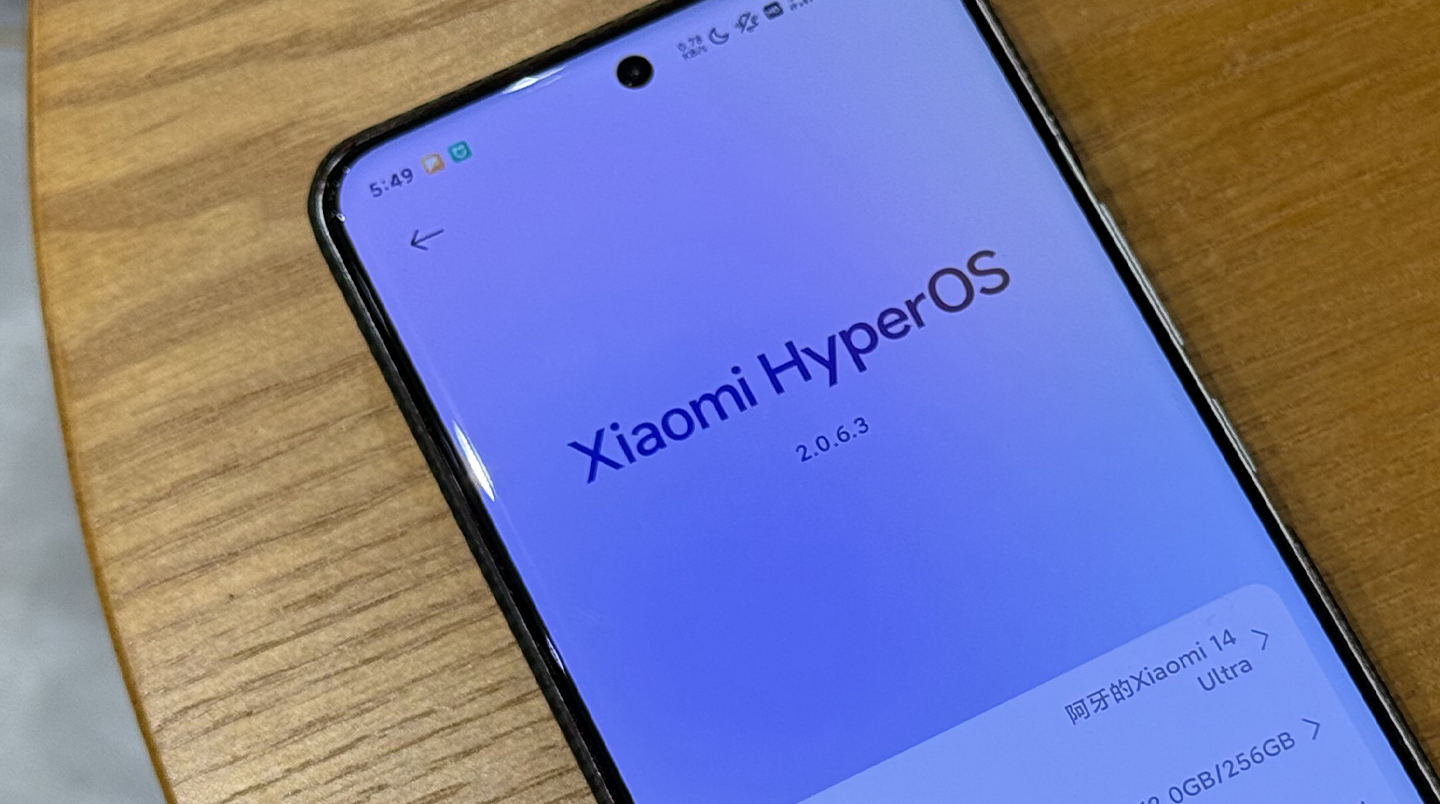
Xiaomi’s latest HyperOS 3 is built to deliver a smoother, more connected experience across devices — from smartphones to smart homes. While the stable rollout will initially target newer flagships, many older Xiaomi, Redmi, and POCO devices are still powerful enough to run ported versions of HyperOS 3 without performance issues. If volunteer developers bring the ROM to these models, users can enjoy nearly the same performance and fluidity as on official versions.
Here’s the list of Xiaomi devices that can run the ported HyperOS 3 ROM fully stable and responsive:
Xiaomi Mi 10 series
Xiaomi Mi 11 series
Xiaomi 12 Lite
Xiaomi 11T series
Xiaomi MIX 4
Redmi Note 12 series
Redmi Note 13 4G
Redmi K50 series
Redmi K40 series
POCO F3 series
POCO F4 series
POCO X4 series
Why These Devices Can Handle HyperOS 3
All of the mentioned phones are equipped with high-end Snapdragon or Dimensity processors, latest storage technologies, and GPU architectures that can adequately deliver HyperOS 3’s enhanced animations, AI-driven optimization, and HyperConnect ecosystem support. Most of these phones are based on Snapdragon 870, Snapdragon 888, or Dimensity 8100 chips, yielding adequate headroom for smooth system ports.
The performance is also dependent on ROM optimization quality. With one of the most active developer communities in the world in Xiaomi, it is likely that HyperOS 3 ports for these devices will offer reliable daily performance and full functionality.
How to Get the HyperOS 3 Port ROM
Intersted users can visit community ports on trusted Xiaomi development Telegram channels or another Telegram channels. If developers who port HyperOS 3 reach us on Telegram, we can publish it for users to be informed.
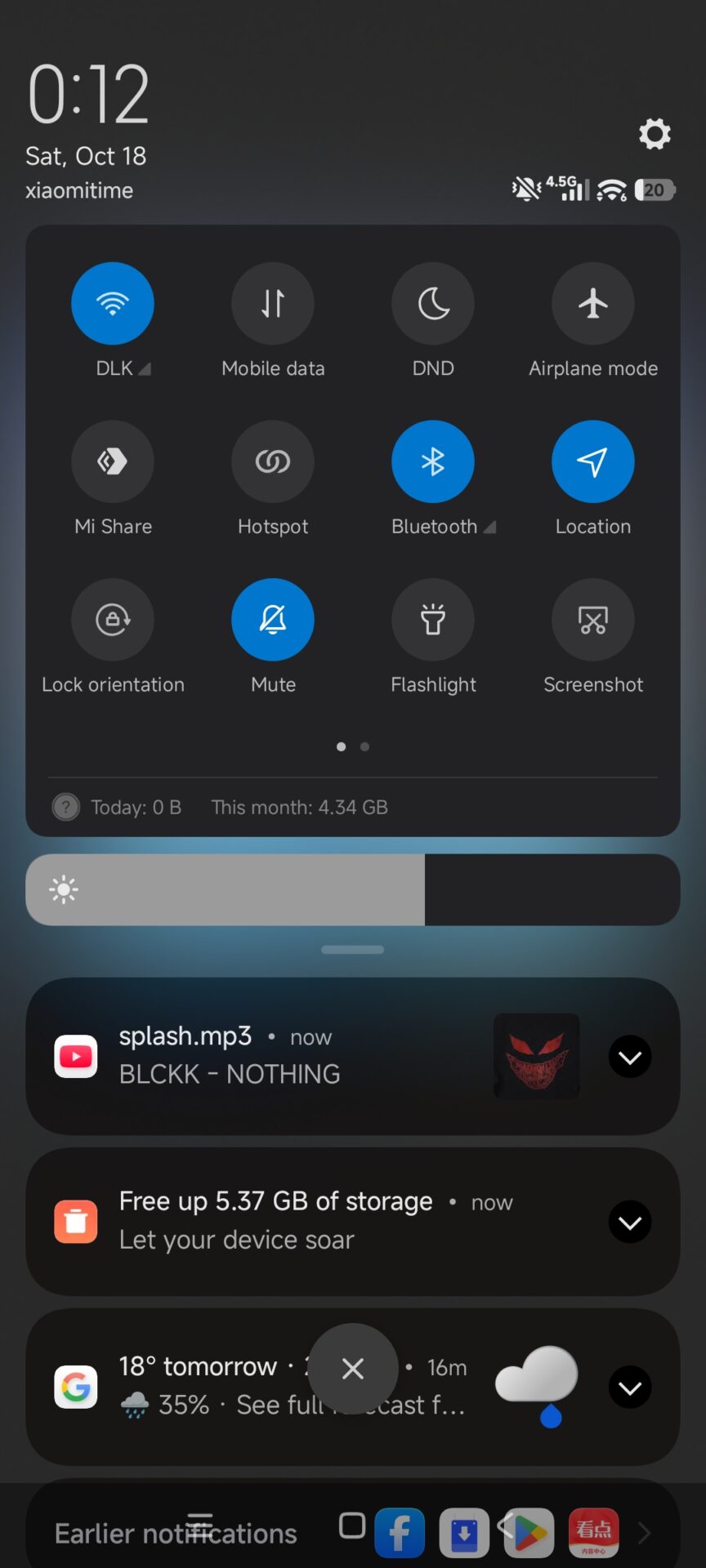
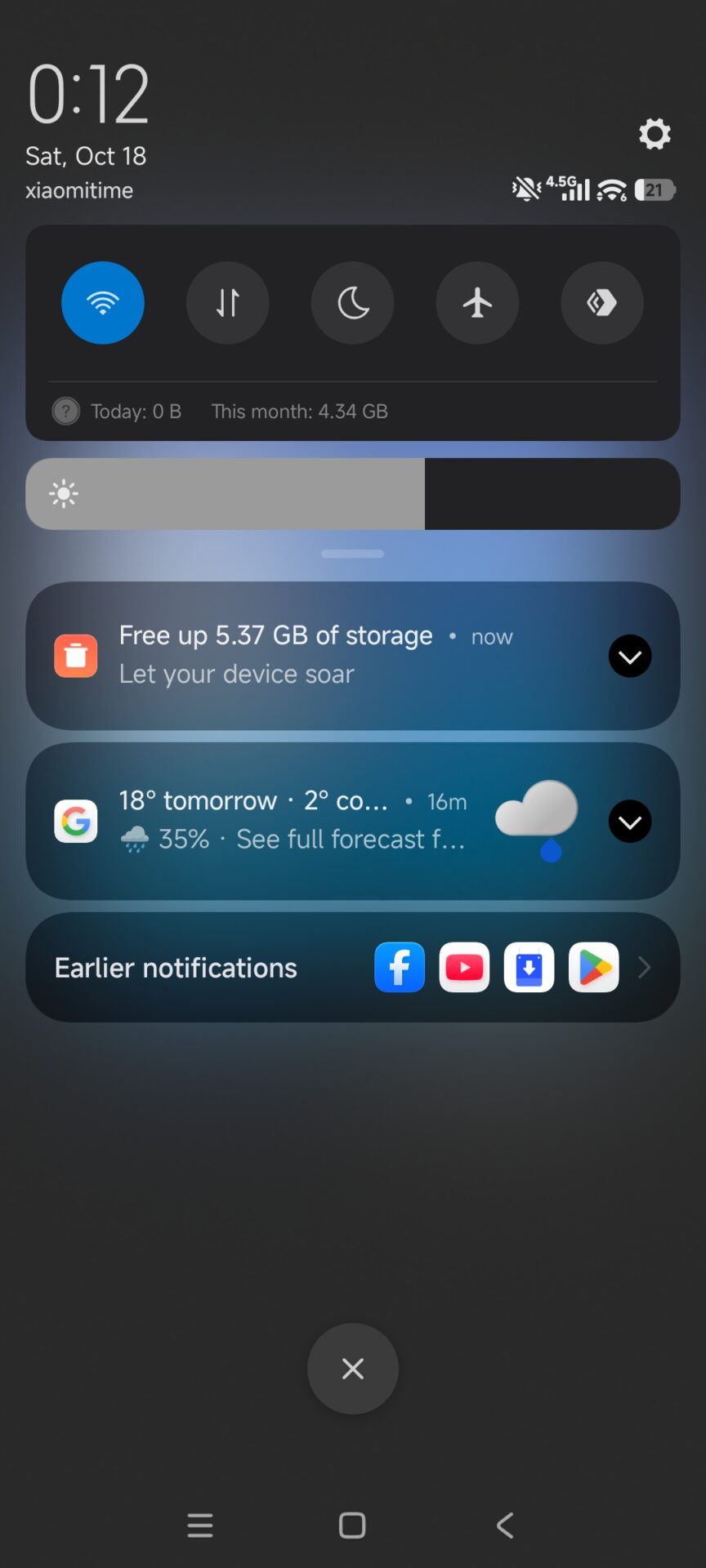
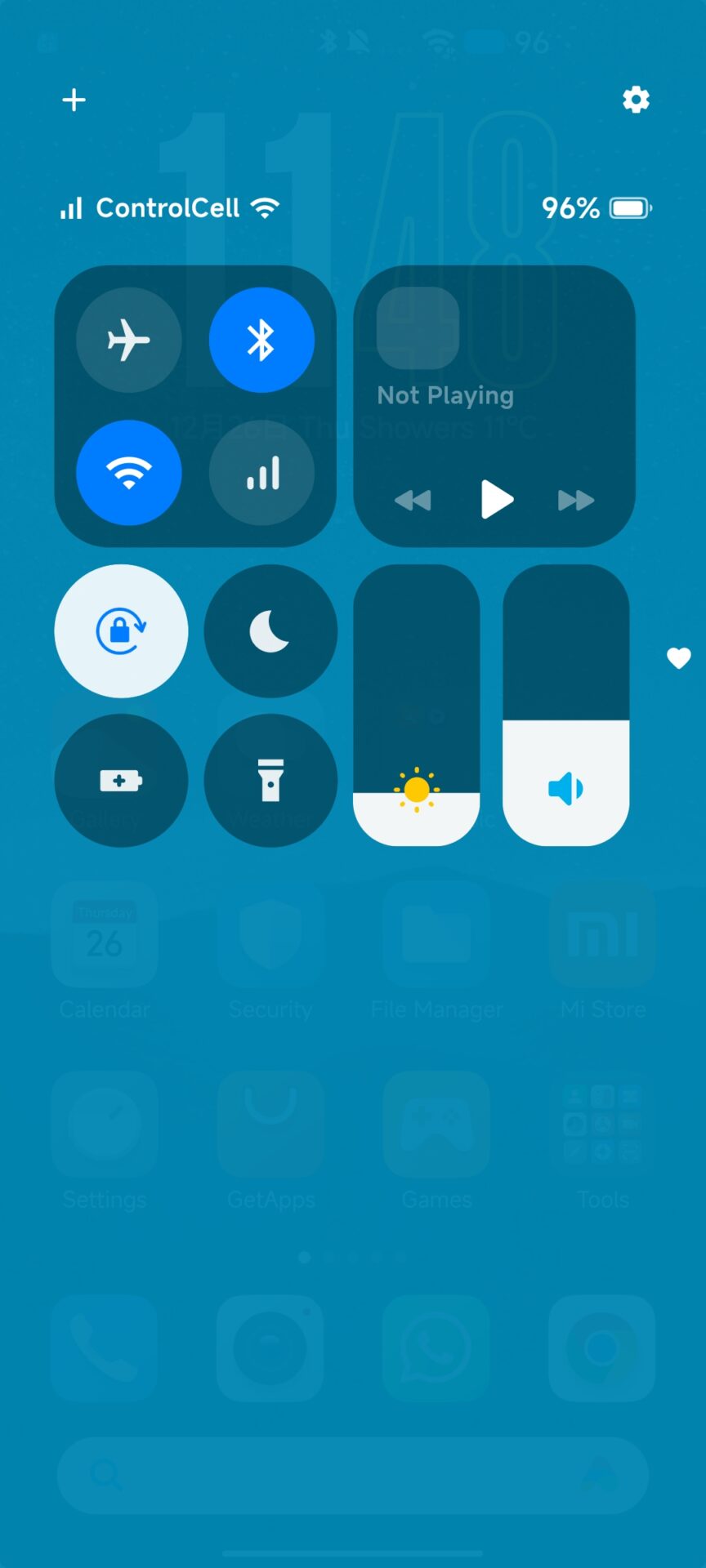
Some Xiaomi low-cost phones such as Redmi 15, Redmi 14C, and Redmi 13X still make use of the traditional Android-way control panel instead of the modern iOS-inspired Control Center on premium phones with HyperOS. The limitation here is primarily due to hardware and performance aspects, which hamper seamless rendering of advanced animations and transitions.
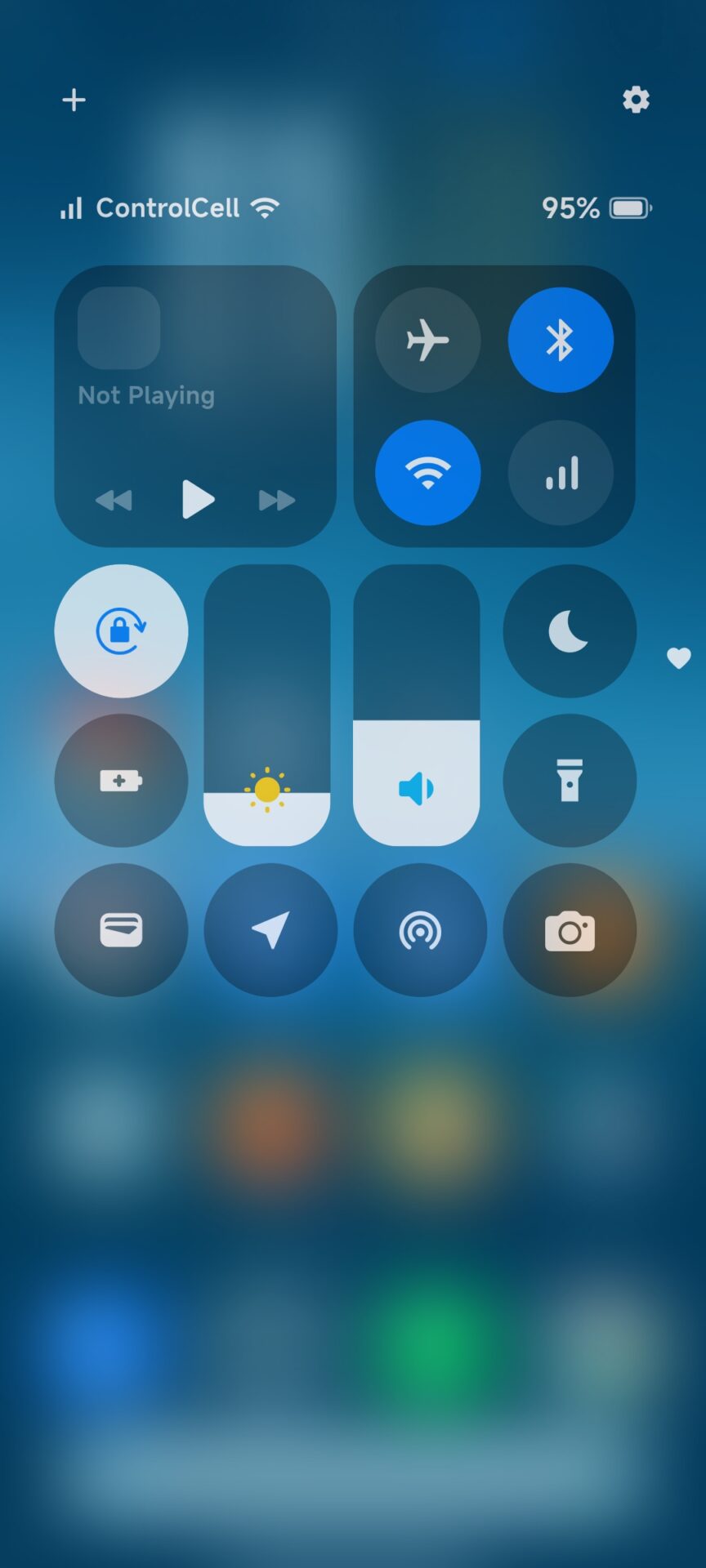
Despite this, Xiaomi users do not have to forgo the new design and features. With the help of third-party customization software like Control Center 18, it can be configured to resemble the new Control Center look on most Redmi and POCO phones.
Why Some Xiaomi Devices Don’t Have the New Control Center
Xiaomi’s updated Control Center—introduced alongside HyperOS 1.0—brings a clean layout, smoother animations, and adaptive brightness controls similar to iOS 18. However, not every device meets the required performance standards. Entry-level models with limited GPU and memory capacity may experience lag or frame drops when running the new UI, which is why Xiaomi restricts the feature to mid-range and flagship smartphones.
However, Xiaomi’s software platform is still flexible. Although your phone doesn’t natively support the latest control center, you can nonetheless enhance the visual experience with third-party solutions like Control Center 18, basically cloning the appearance and functionality of the HyperOS Control Center.
Get the New Control Center with Control Center 18
If your Redmi or Xiaomi phone does not have the new Control Center directly installed on it, you can easily replicate it with Control Center 18. This is a nearly exact layout with fluid animations, toggleable toggles, and swift access to your most frequently used settings.
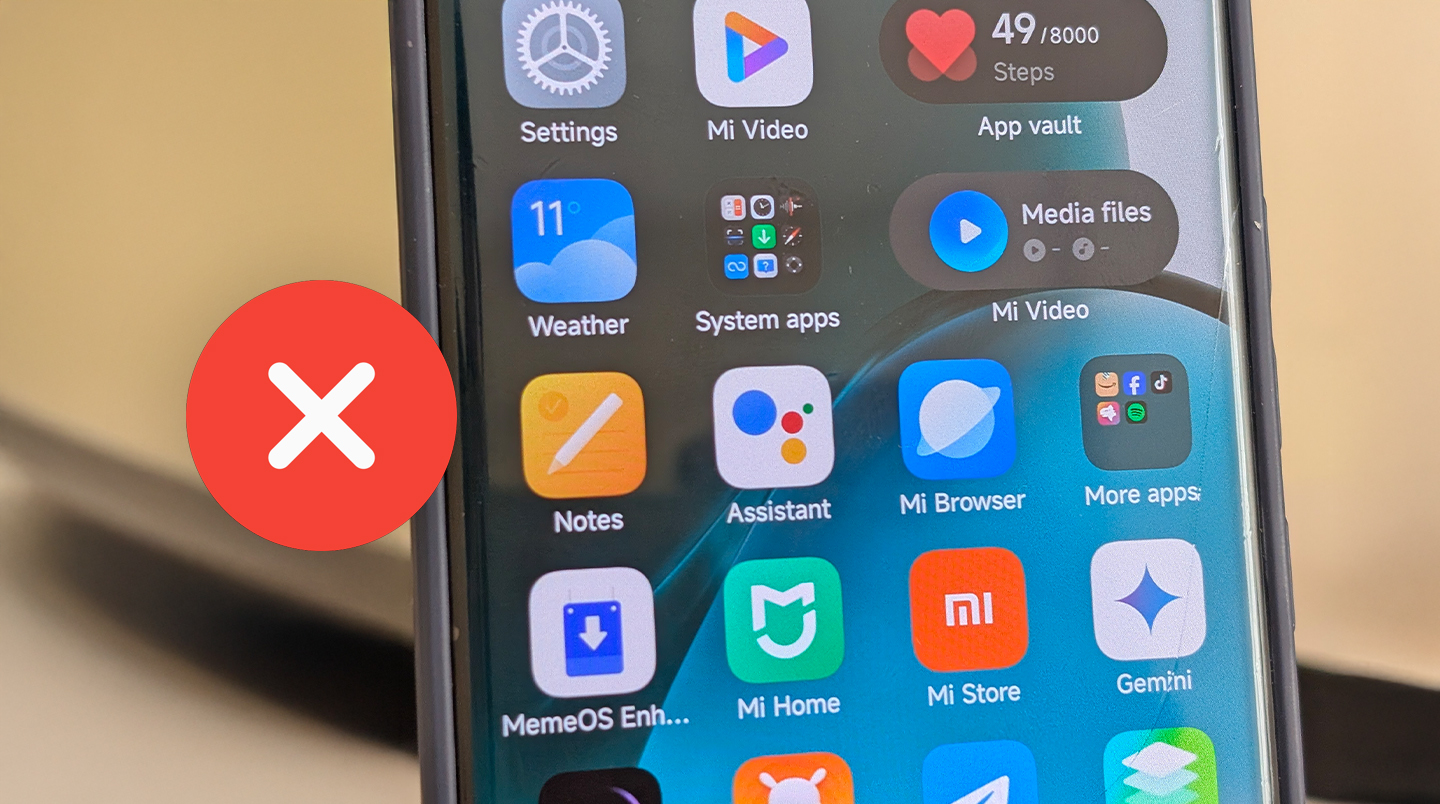
Or, you can find additional Xiaomi tweaking software at HyperOSUpdates.com or get MemeOS Enhancer from the Play Store to enable system elements that are invisible to everyone else, manually upgrade Xiaomi apps, and benefit from unique HyperOS features.
Warranty protection is important to enable free and safe repair services for factory-related faults in your Xiaomi devices. Xiaomi offers a warranty period—typically two years—for smartphones, tablets, and smart home appliances. During the warranty period, official Xiaomi service centers repair qualifying faults free of charge, with quality and secure work. Repairing your device at unauthorized or out-of-warranty shops, however, is risky and can irretrievably lose your warranty rights.
Things You Should Avoid to Stay Under Warranty
Being under warranty is a case of precaution and vigilance. Below are eight very important actions that will automatically void your Xiaomi warranty, regardless of where you are or what device model you use.
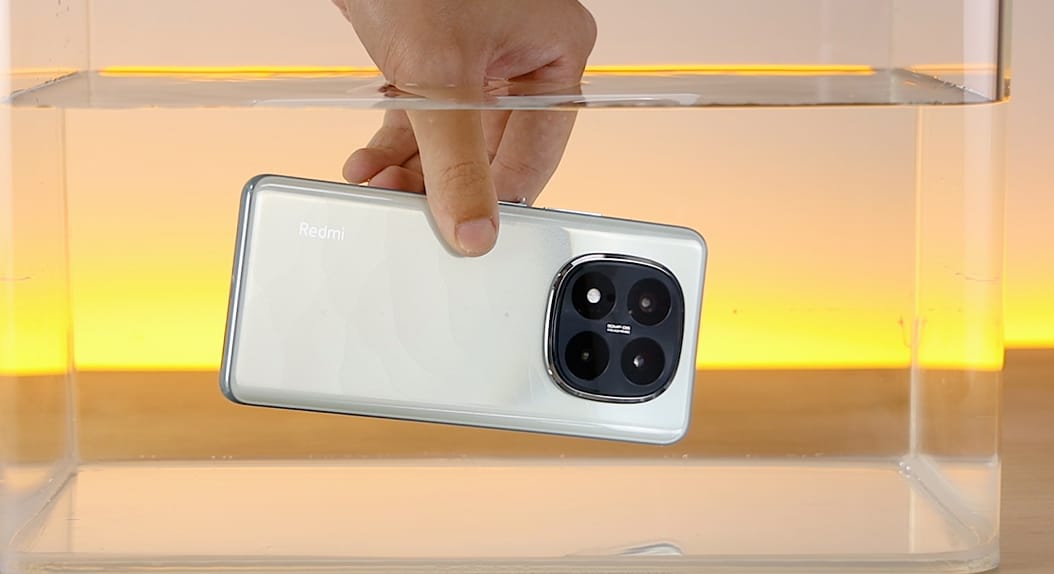
1. Avoid Submerging Your Device in Water
Unless your Xiaomi or Redmi device carries an IP68 water-resistant certification, you should stay away from liquids. Devices that are not waterproof-rated can suffer permanent internal damage when they come into contact with water, leading to an instant loss of warranty coverage.
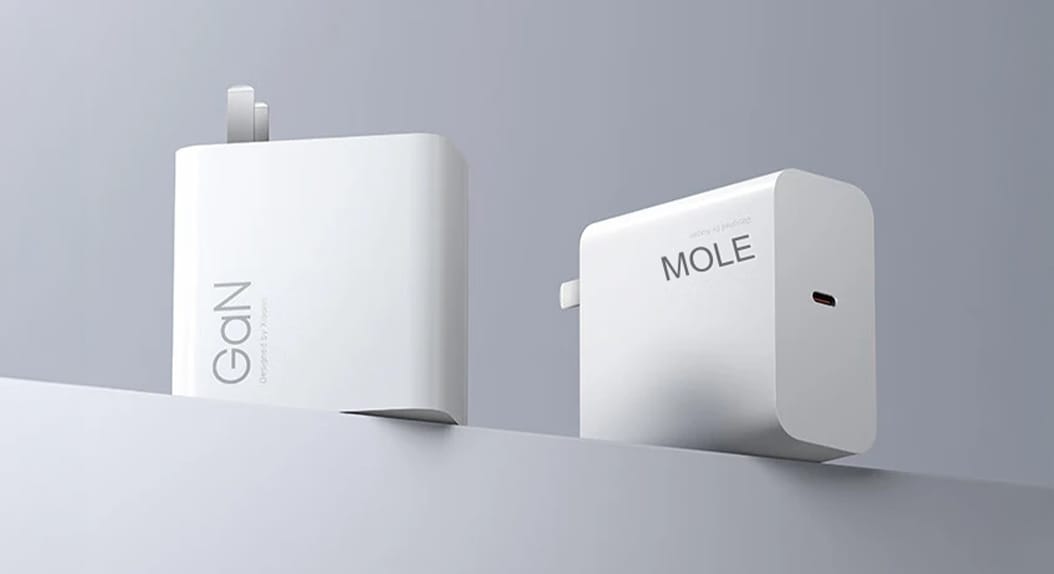
2. Never Use Non-Genuine or Unapproved Adapters
Unauthorized charging adapter usage is also one of the most frequent reasons for warranty cancellation. Each Xiaomi model runs on a certain voltage and charging system. The battery or internal components can be affected by incompatible charging output from adapters. Always employ original Xiaomi adapters or those specified in your device model.
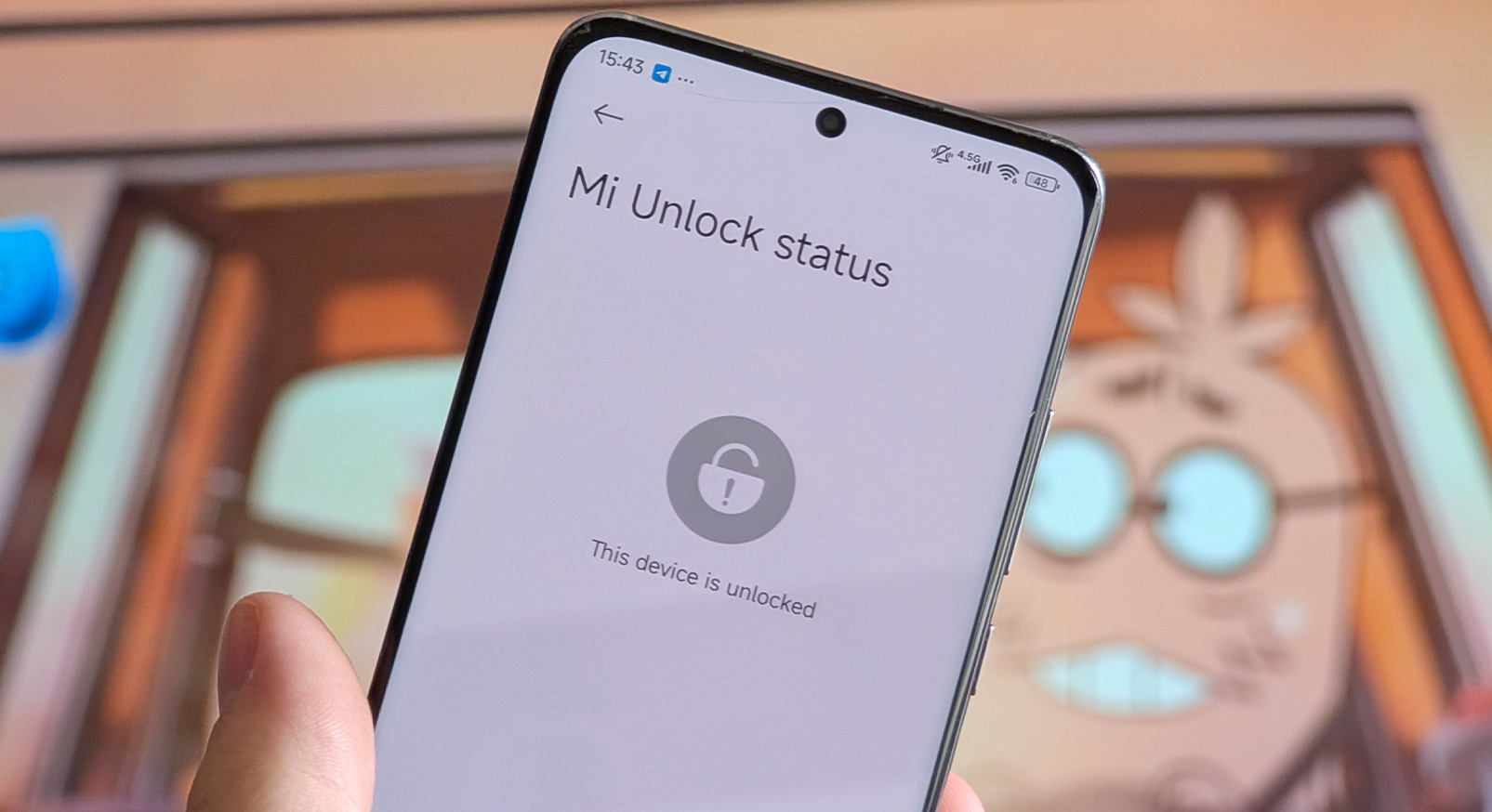
3. Never Root or Unlock the Bootloader
Rooting your phone or Bootloader unlocking could be tempting for personalization, but completely negates your warranty. Xiaomi regards such modifications as unauthorized interference with the operating system, even if you reflash the original software later. Once Bootloader is unlocked, the warranty is lost forever.
4. Do Not Install Custom ROMs
Flashing custom ROMs can improve performance or look, but Xiaomi officially discourages this. Devices flashed with non-official ROMs are not eligible for warranty service. Even if you reflash HyperOS later on, service centers can identify the modification and refuse repairs.
5. Avoid Physical Damage
Any form of self-damage, such as drops, cracks, or impacts, is a user responsibility. While Xiaomi phones are built with durable materials, physical damage repairs are chargeable, and warranty does not apply. Protective cases and screen guards maintain your warranty validity.
6. Avoid Hardware or Software Alterations
Changing your device physically (such as replacing parts or altering components) or performing unauthorized software modifications (such as overclocking) will invalidate the warranty. Xiaomi only repairs devices that are in their original factory state.
7. Know That Normal Wear And Tear Is Not Covered
Devices can naturally experience wear and tear over time. Color fading, battery degeneration, or scratches are normal usage effects and are not warrantable. Cleaning and maintenance of your device on a regular basis extend the life of your device and prevent unnecessary service fees.
8. Damage Caused by Natural Disasters Is Not Covered
Unfortunately, damage from natural disasters—such as floods, earthquakes, or fire—is not assured. Such accidents are considered under the category of acts of nature and are not within the control of the manufacturer.
Final Thoughts
With these eight simple but essential tips, you can keep your Xiaomi device under warranty and get any manufacturing flaws corrected efficiently without charge. Xiaomi encourages customers to utilize official service centers and accessories alone for secure and long-term usage.
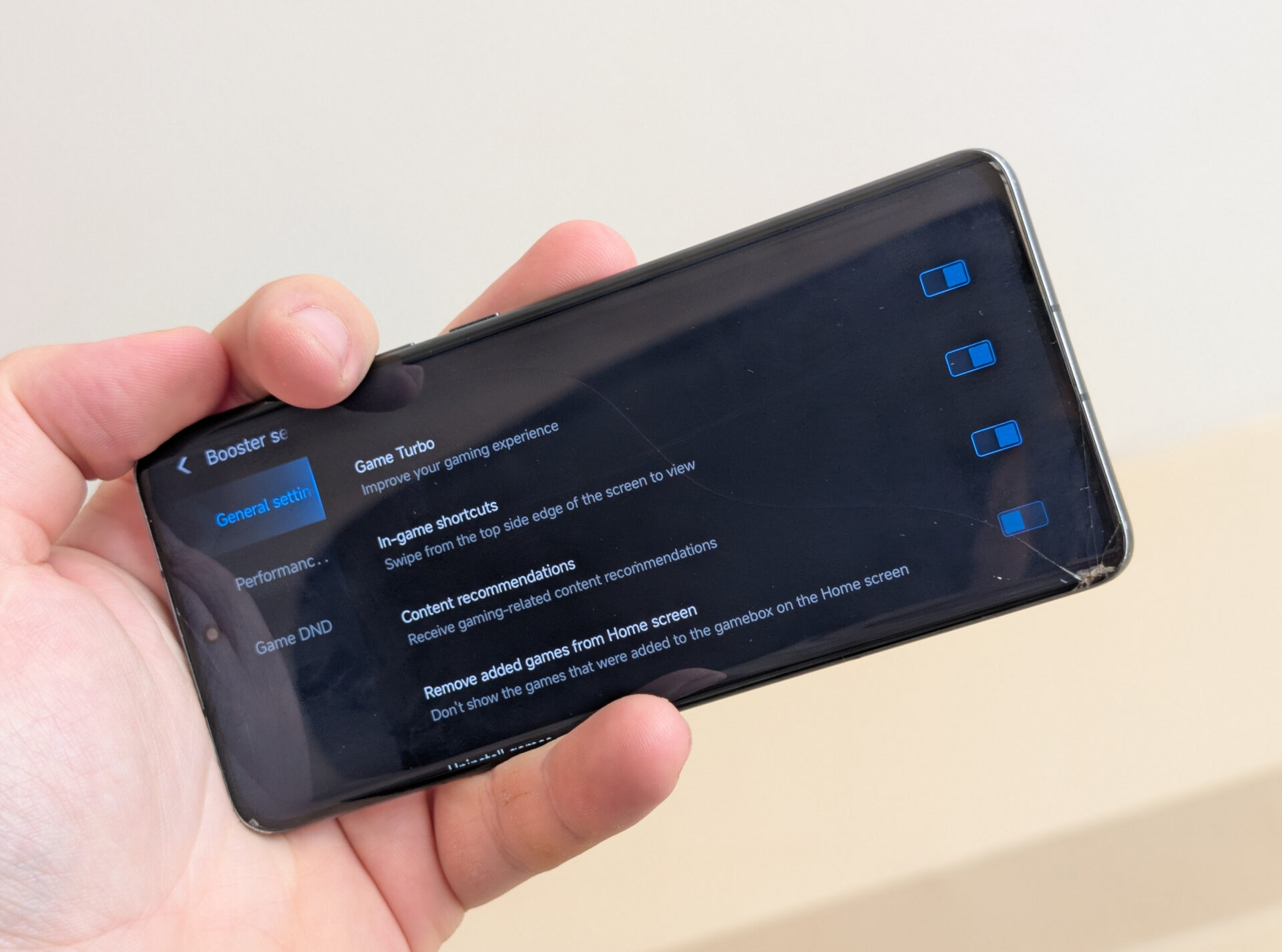
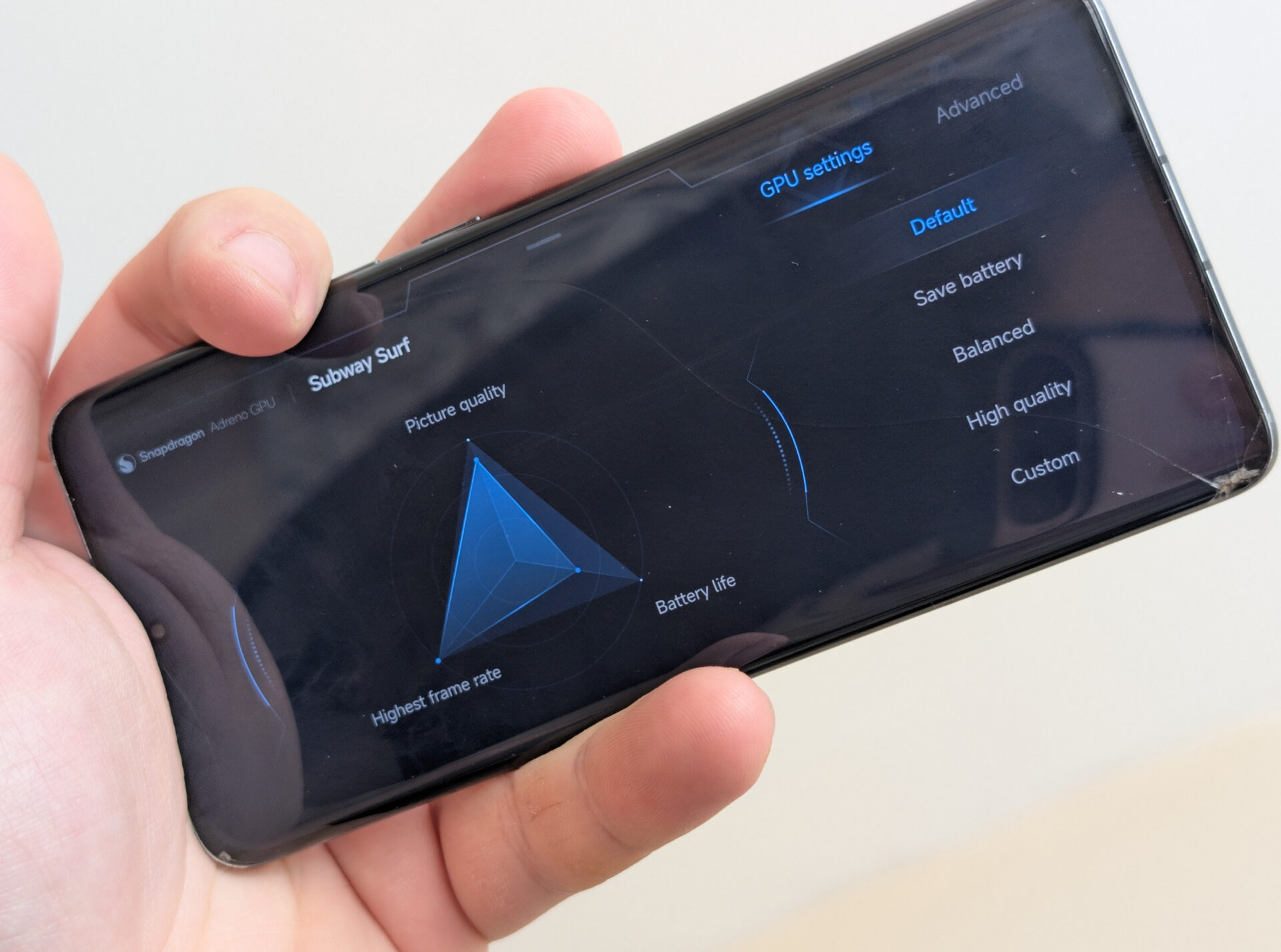
Most HyperOS gamers are dependent on Game Turbo, but hardly know its most potent feature — background app optimization — lies disabled by default. This feature has the potential to boost your gaming performance and interruptions by a great margin but lies in the depths of the settings. If you experience periodic loss of frames or irritating notification interrupts while gaming, it may be because your most important option lies disabled.
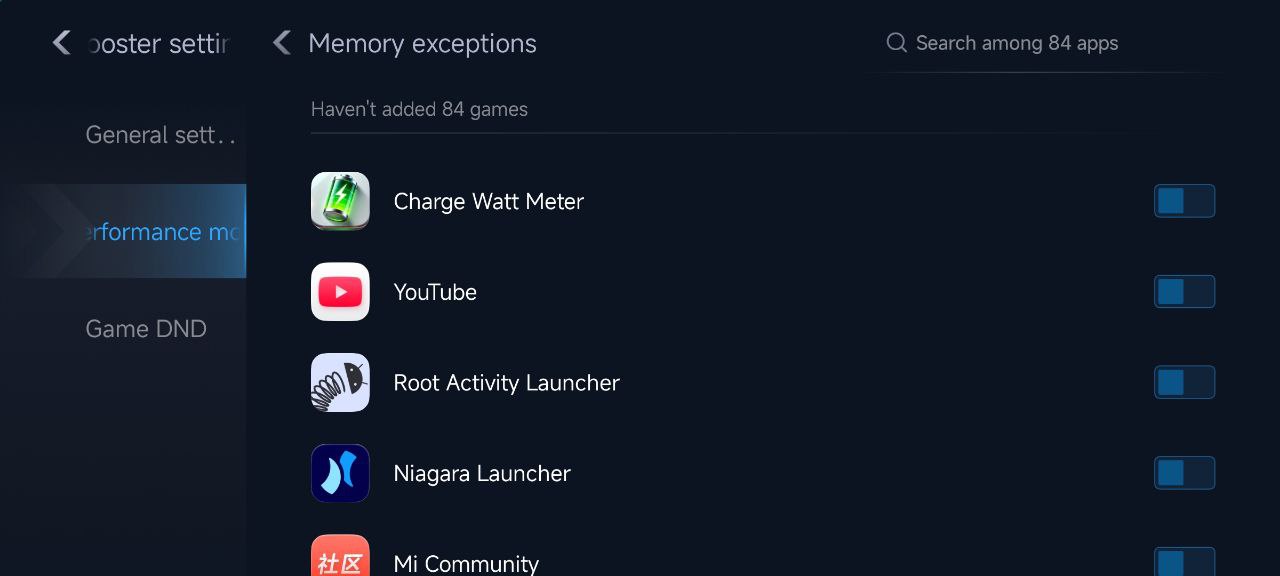
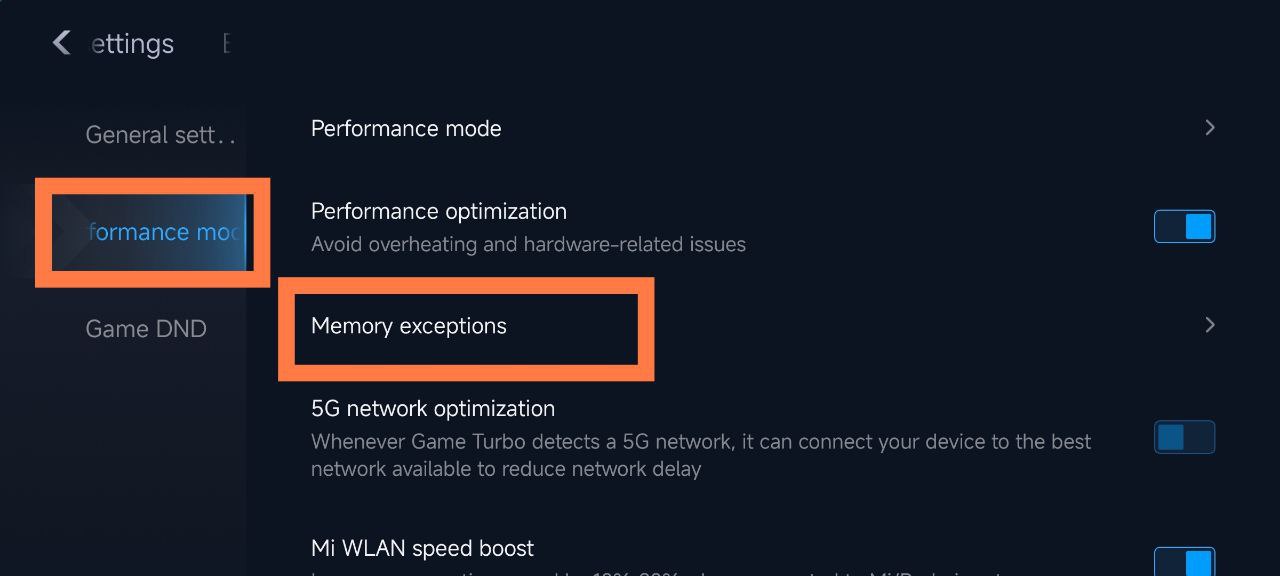
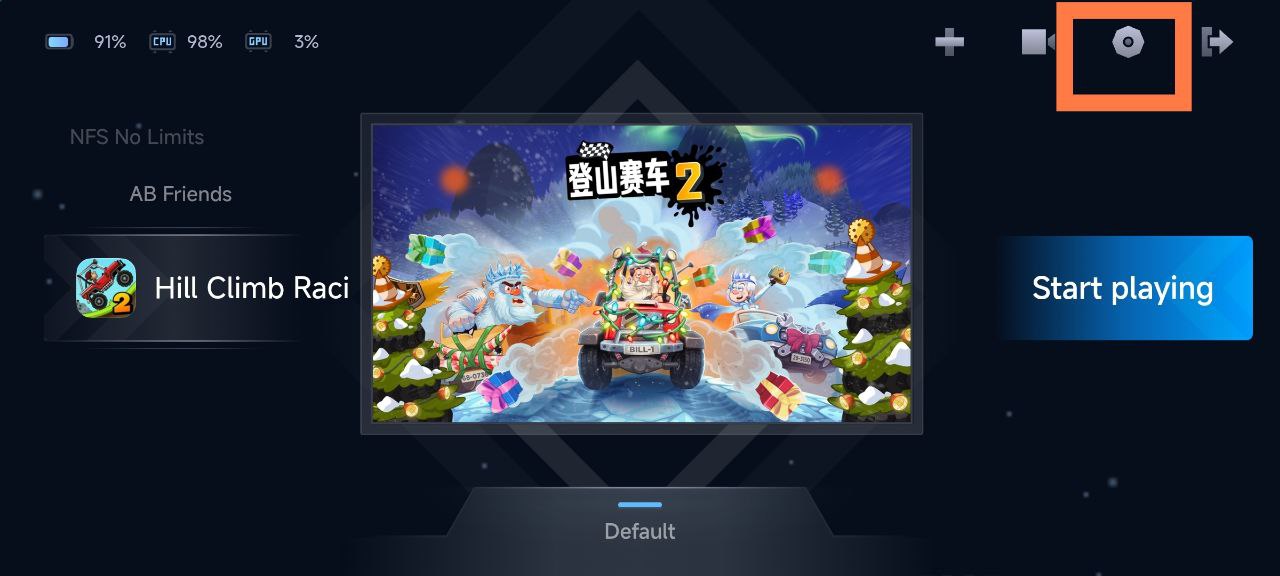
To enable it, simply open Game Turbo Settings > Performance > Memory Exceptions. From here, choose the applications that you want Game Turbo to forcibly end whenever you enter a game. This prevents unnecessary background applications from using memory or CPU cycles so your phone powers its gaming performance.
Why This Environment Is Important for Users
By allowing memory optimization, Game Turbo optimizes the system’s resources by releasing the RAM and keeping the frames stable in the course of playing. No interruptions by messaging or social app notifications will occur mid-match and thereby result in a smoother gaming experience.
This feature is particularly useful for Xiaomi, Redmi, and POCO smartphones that are running Snapdragon or Dimensity processors. Those playing Frequently playing gophers like Genshin Impact or PUBG Mobile will see distinct improvements in response and heat regulation when this feature is turned on.
Are you annoyed with Xiaomi phone performance or storage space? Your phone probably has at least a dozen or more unnecessary applications installed, eating away at precious resources that can also monitor your activities. Unnecessary apps, also referred to as “bloatware”, can substantially slow down your user experience by consuming battery, wasting storage, as well as compromising privacy. The good news is that most of these applications can be uninstalled safely to speed up your Xiaomi smartphone performance, extend battery, as well as recover storage space. The right method can turn your phone into a cleaner, speedier machine without affecting functionality.
MIUI and Xiaomi HyperOS System Bloatware
Prior to deleting any applications, it’s crucial to know which applications can safely be deleted. We have a complete list of Xiaomi bloatware that can safely be uninstalled by most users.
com.miui.cleanmaster: Cleaning app with abundant advertising that provides little return
com.miui.daemon: Background tracking application
com.miui.msa.global: Advertisement serving app that presents ads in MIUI
com.mi.webkit.core: Custom system webview by Xiaomi (Google’s would be better)
Most Xiaomi phones also have Google programs installed that you may not use:
com.google.android.apps.podcasts: Google Podcasts
com.google.android.apps.subscriptions.red: Google One
com.google.android.apps.photos: Google Photos
com.google.android.videos: Google TV
com.google.android.apps.tachyon: Google Duo
com.google.android.apps.wellbeing: Digital Wellbeing
How to Remove Bloatware
You can safely remove these apps by referring to our complete How to Debloat Xiaomi HyperOS tutorial. The removal process needs either ADB (Android Debug Bridge) commands or specialized debloat software that doesn’t involve root access.
Important: Uninstall the default file explorer (com.mi.android.globalFileexplorer) only after you’ve got an alternate file manager to ensure that a gap in functionality does not arise.
For the most convenient method to handle system applications and access hidden capabilities, you can download our MemeOS Enhancer application from the Play Store. This tool not only assists in deleting bloatware but also allows access to hidden Xiaomi settings, system application updates, as well as screen update management.
The moment we’ve all been waiting for is finally approaching! Xiaomi is continuing its preparations to launch the highly anticipated HyperOS 3, with the first global versions expected to be available in the coming days. This is not just a minor update; it’s a massive step forward, packed with a series of powerful AI enhancements, significant user interface redesigns, and deep performance optimizations.
For those following the latest HyperOS developments, this is the most exciting news of the year. The first wave of devices has been confirmed, and a wider range of popular phones and tablets are scheduled to receive this update in the first week of November. Get ready to experience a smarter, faster, and more intuitive version of Xiaomi’s revolutionary operating system.
The First Wave: These Devices Get HyperOS 3 First
Xiaomi has prepared HyperOS 3 Global versions for 16 models, indicating that the global launch is approaching. These devices will be the first to showcase the power of HyperOS 3 to the world.
POCO F7 Ultra: OS3.0.3.0.WOMEUXM, OS3.0.1.0.WOMMIXM, OS3.0.1.0.WOMTWXM, OS3.0.1.0.WOMRUXM
Xiaomi 15 Ultra: OS3.0.3.0.WOAEUXM
Xiaomi Pad 7 – OS3.0.2.0.WOZMIXM, OS3.0.3.0.WOYEUXM, OS3.0.2.0.WOYIDXM, OS3.0.2.0.WOYTRXM, OS3.0.2.0.WOYTWXM, OS3.0.2.0.WOYRUXM
Redmi Note 14 Pro+ 5G: OS3.0.2.0.WOPMIXM
POCO X7 Pro: OS3.0.2.0.WOJEUXM
Redmi Note 14 Pro 5G: OS3.0.4.0.WOOMIXM
Xiaomi Pad 7 Pro: OS3.0.3.0.WOYMIXM, OS3.0.3.0.WOYEUXM
POCO M7 4G, REDMI 15 4G:OS3.0.3.0.WBOMIXM
REDMI 13 5G: OS3.0.7.0.WNUINXM
POCO C75 – Redmi 14C – Redmi A3 Pro: OS3.0.5.0.WGTMIXM
Xiaomi 14: OS3.0.2.0.WNAMIXM has been suspended, OS3.0.3.0.WNCMIXM is expected to be released soon
POCO M6, Redmi 13, Redmi 13X: OS3.0.2.0.WNTMIXM
POCO F7: OS3.0.3.0.WOLMIXM, OS3.0.2.0.WOLINXM
POCO F7 Pro: OS3.0.4.0.WOKMIXM
POCO M6 Plus 5G, Redmi 13 5G, Redmi Note 13R: OS3.0.7.0.WNUINXM
More Devices Joining the Party This Month
Xiaomi plans to expand its HyperOS 3 Global program to a much wider range of devices in October and November. If you own one of the following, keep an eye out for the update notification!
Xiaomi 15 – Released
Xiaomi 15 Ultra – Released
Xiaomi 15T Pro – Released
Xiaomi 15T – Released
Xiaomi MIX Flip
REDMI Note 14 Pro+ 5G – Released
REDMI Note 14 Pro 5G / POCO X7 – Released
REDMI Note 14 Pro
REDMI Note 14
POCO F7 Ultra – Released
POCO F7 Pro – Released
POCO F7 – Released
POCO X7 Pro – Released
Xiaomi Pad Mini
Xiaomi Pad 7 – Released
Xiaomi Pad 7 Pro – Released
Xiaomi Pad 6S Pro
Xiaomi 14 Ultra
Xiaomi 14 – Released
Xiaomi 14T Pro
Xiaomi 14T
Redmi 13 / Redmi 13X / POCO M6 – Released
Redmi 14C / POCO C75 – Released
Redmi 15 / POCO M7 – Released
POCO F6 Pro
POCO X6 Pro
Redmi Note 13 Pro / POCO M6 Pro
What’s New in HyperOS 3? A Massive Leap Forward
New features arrived for HyperOS 3.
A Fresh New Look and Feel
Introducing “Hyper Island” and Seamless Connectivity
The Power of AI Unleashed
AI-powered notes: Automatically organize and summarize your thoughts.
AI Describe: Get descriptions for images and on-screen content.
AI Voice Translation: Real-time translation during calls and conversations.
AI Noise Reduction: Crystal-clear voice recordings by filtering out background noise.
AI Search: A more intuitive and powerful system-wide search.
AI Gallery Search: Find photos by describing what’s in them.
AI Dynamic Wallpapers: Now available globally, this feature turns your photos into stunning, animated video wallpapers.
The HyperOS 3 Global update for the flagship Xiaomi 14 series and more models will be prepared soon.
Xiaomi has just started rolling out a new update for Game Turbo this November 2025. This isn’t just a minor patch; it’s a significant enhancement delivered through the latest HyperOS Security app (version 11.7.3-250929.0.1). For those of us who live and breathe Xiaomi, this is another example of how the company seamlessly integrates powerful features into its ecosystem. Instead of a separate, clunky app, Game Turbo remains a core part of the security suite, reinforcing the brilliant all-in-one philosophy of Xiaomi HyperOS. This update continues the trend of constant improvement we’ve seen in other system apps, like the recent updates to the Xiaomi Gallery.
What’s New in the November 2025 Game Turbo?
This update focuses on refining the core mechanics that make a real difference during intense gameplay. Xiaomi’s engineers have clearly been listening to feedback, delivering targeted improvements that smooth out performance and make your device feel more responsive than ever. It’s all about giving you that competitive edge.
The key enhancements in this release include:
Buttery-Smooth Frame Rates: The optimization algorithms have been tweaked to provide a more stable and consistent frame rate, reducing stutters and lag in demanding titles.
Smarter Thermal Control: Play longer without the heat! The update brings improved thermal management to keep your device cool under pressure, ensuring sustained peak performance.
Lightning-Fast Touch Response: Every millisecond counts. Touch sensitivity has been recalibrated for more precise and immediate in-game interactions, from aiming to navigating menus.
Enhanced Focus Mode: Uninterrupted gameplay is now even better with expanded “do-not-disturb” features, letting you block out the world and focus solely on the win.
Optimized RAM Allocation: The system now does an even better job of allocating memory to your games, ensuring apps load faster and run efficiently in the background.
How to Get the Latest Game Turbo Update
Getting your hands on this game-changing update is incredibly simple. Since Game Turbo is part of the HyperOS Security app, all you need to do is update that single application. For the best experience and even more control over your device, we highly recommend using our very own MemeOS Enhancer app from the Google Play Store.
Who Gets the Update?
The update can be downloaded through the MemeOS Enhancer or HyperOSUpdates website. If you’re still using an older MIUI version, don’t worry! You can still access similar optimization features through the Game Launcher Turbo app available on the Google Play Store.
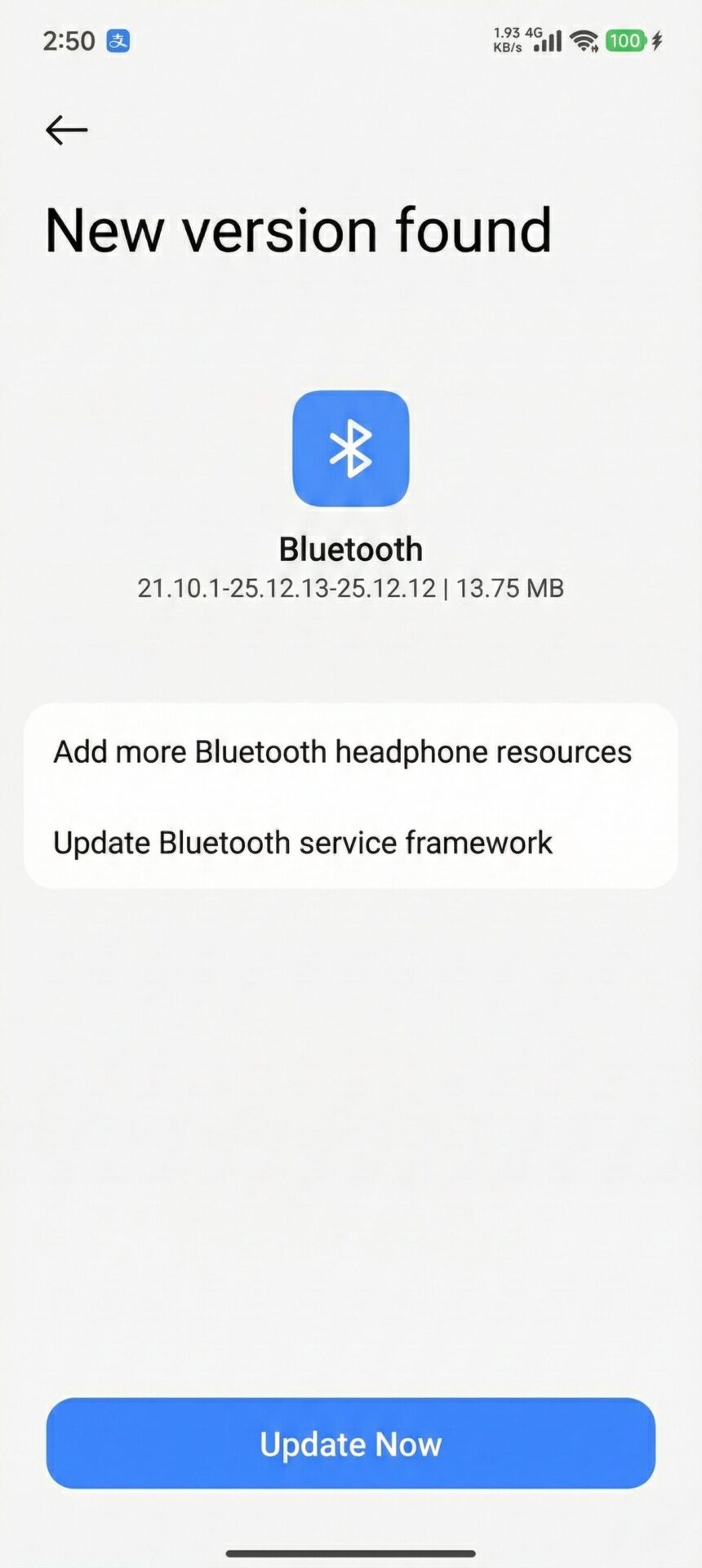
Xiaomi has released a comprehensive Bluetooth update for all compatible devices, bringing version with significant improvements to connectivity and device compatibility. This major system-level update addresses numerous connectivity issues while expanding support for a wider range of earphone models and accessories. Users across the globe are reporting enhanced audio performance, improved device pairing, and more stable connections with various Bluetooth peripherals. The update represents Xiaomi’s ongoing commitment to refining the user experience through regular system optimizations and ensuring seamless integration with the expanding ecosystem of wireless devices and accessories.
Key Improvements in Latest Update
The new Bluetooth update introduces several important enhancements that significantly improve the overall wireless experience for Xiaomi device users. The updated service framework provides a more robust foundation for future connectivity improvements.
Enhanced Device Compatibility
Extended support for additional earphone models
Improved recognition of third-party accessories
Better compatibility with various Bluetooth devices
Service Framework Updates
Updated Bluetooth service framework for better stability
Enhanced connection protocols for reliable pairing
Optimized power management for extended battery life
How to Install the Update
Installing this important Bluetooth update is straightforward and can be completed in just a few simple steps. Users should ensure their device is connected to WiFi before beginning the update process.
Installation Steps:
Open Settings app on your Xiaomi device
Navigate to Bluetooth settings
Look for the Updates section
Download and install
Device Compatibility and Availability
This Bluetooth update is rolling out globally to all compatible Xiaomi devices running HyperOS and MIUI. The update process may take several minutes depending on your internet connection speed and device performance capabilities.
Additional Benefits
Beyond the core improvements, users may notice enhanced audio quality when using supported earphones and improved connection stability during media playback. The update also includes background optimizations that contribute to better overall system performance.
For users interested in tracking additional Xiaomi system updates, these can be monitored through HyperOSUpdates.com or by installing the MemeOS Enhancer application from the Play Store. The MemeOS app provides access to hidden Xiaomi features, system app updates, and on-screen update notifications.
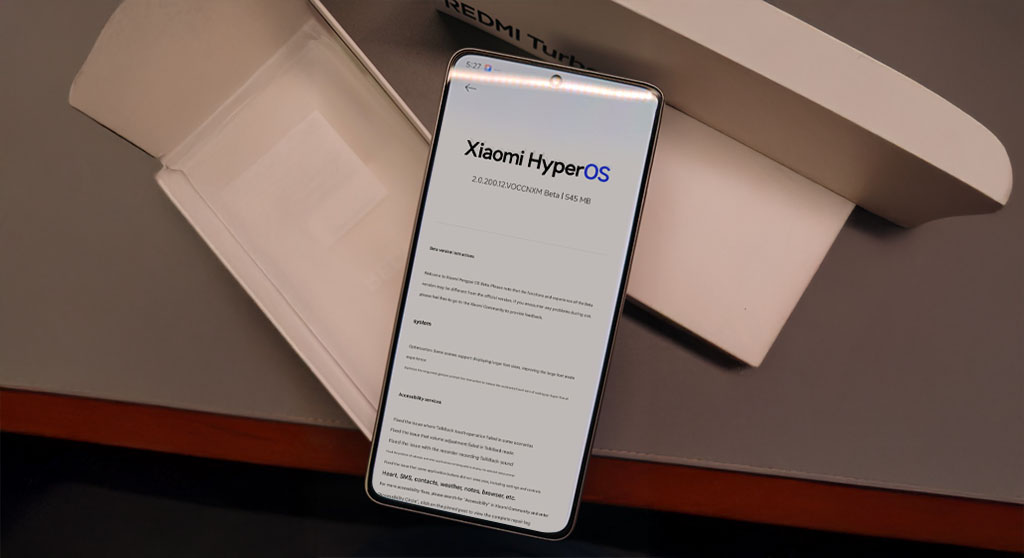
If you’re looking to stay ahead in the rapidly evolving tech landscape, Xiaomi’s Beta Tester program is your gateway to early HyperOS releases. The process to join is straightforward—apply during active recruitment windows, and you’ll gain access to pre-release features and participate in Xiaomi’s software development cycle. Typically, Xiaomi reopens Beta applications alongside major HyperOS updates, such as the anticipated HyperOS 3 or 2.2 rollout. Below, you’ll find the essentials for enrolling as a HyperOS Beta tester and leveraging early access to the latest software.
Strategic Advantages of Joining the HyperOS Beta Program
Participation in the HyperOS Beta program gives you exclusive access to upcoming features and system enhancements before they’re widely released. Beta testers are instrumental in Xiaomi’s R&D efforts, providing critical feedback and surfacing potential issues well ahead of public launch. This involvement ensures your insights contribute directly to product refinement.
Beta members are first in line for new features, offering them an immediate competitive edge. The program fosters a direct communication channel between users and Xiaomi’s development team, allowing your input to shape final release decisions. You’ll also gain valuable insight into Xiaomi’s product roadmap and future innovations.
For those seeking further customization and control, updates are available at HyperOSUpdates.com, and the MemeOS Enhancer app on the Play Store adds advanced management tools and access to hidden features.

 Login
Login