Normal view

Xiaomi stands out in Q3 2025 with strong POCO-driven shipments

18 November 2025 at 13:38

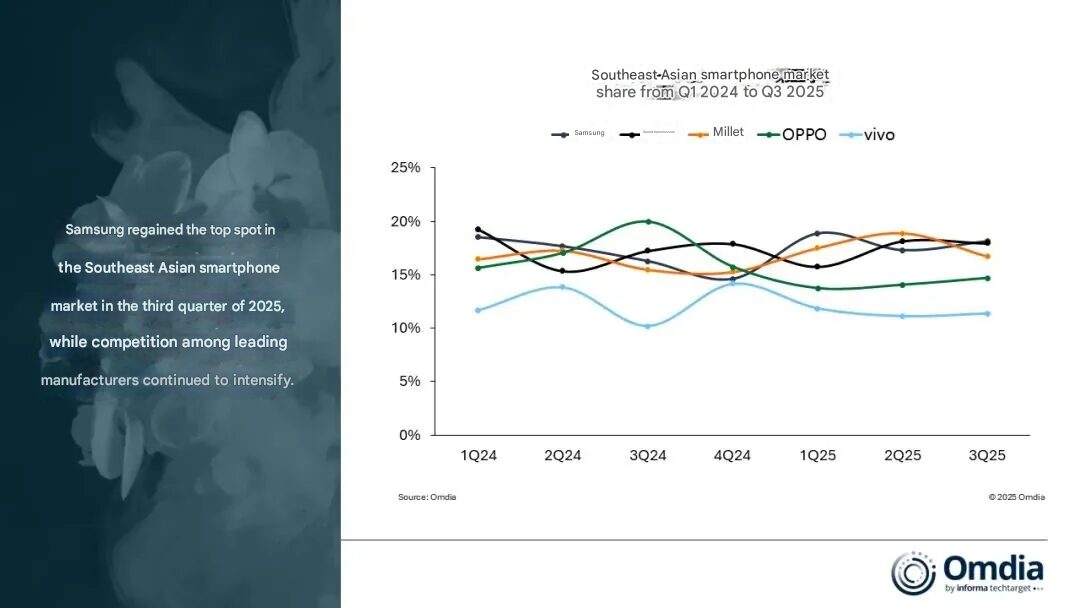
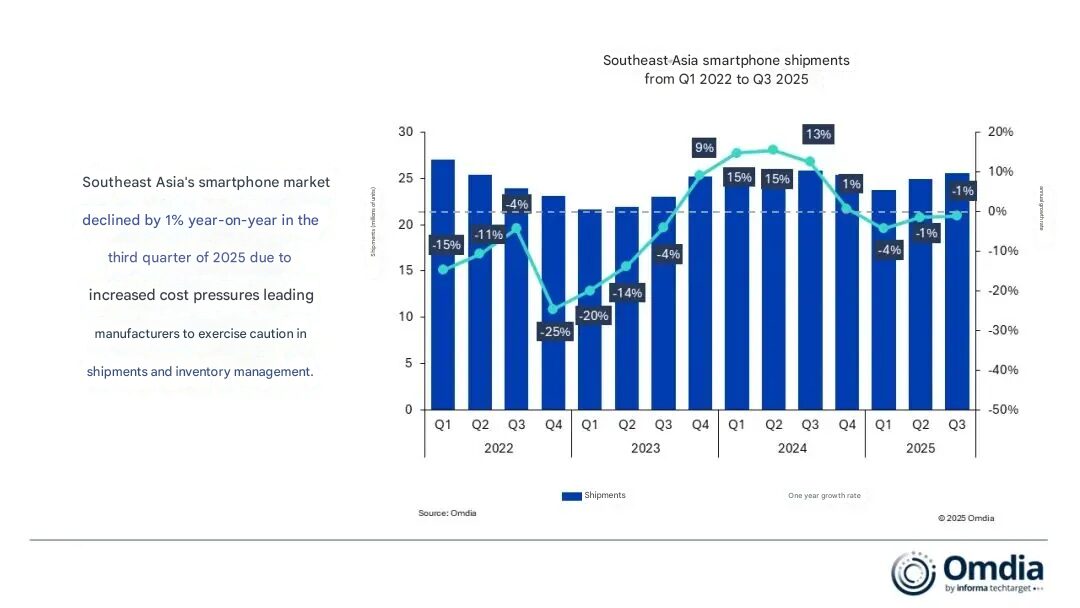
The new Omdia report indicates a small contraction of 1% year-over-year in Q3 2025, as the Southeast Asia smartphone market shipped 25.6 million units. While shrinking, the competition among the leading brands remains intense, especially for Xiaomi, which continued to solidify its positioning due to remarkable performance from the POCO series. Readers can also see previous Xiaomi market analyses on XiaomiTime.com or look at some related model updates on HyperOSUpdates.com.

Market Overview: Shipments Down but Competition Stable

The Southeast Asian market declined for the third straight quarter, affected by high price sensitivity and supply-chain adjustments. While total shipments were down, leading brands continued to pursue strategic momentum in various price segments.

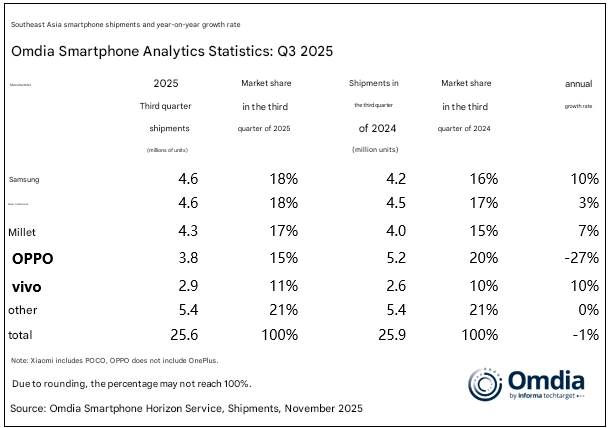
Samsung took back the lead, shipping 4.6 million units to secure an 18% market share, since it was better positioned in higher-end markets like Thailand, Malaysia, and Vietnam to offset the competitive pressure from Indonesia and the Philippines.
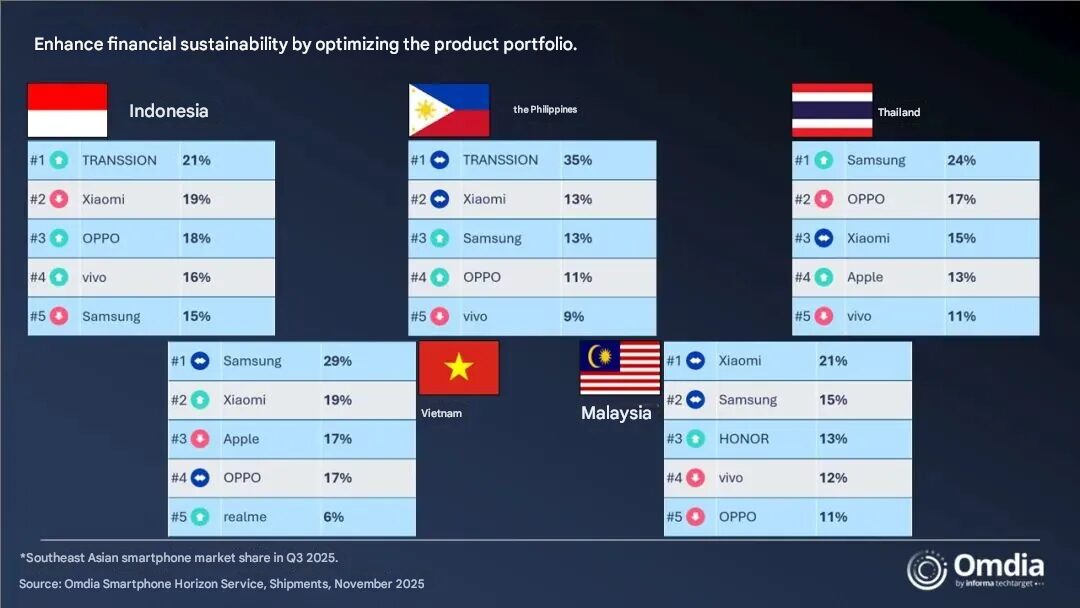
translated image en 20

Strong Performance by Xiaomi, Driven by POCO Series

Xiaomi came third with 4.3 million units shipped and a 17% market share. Driving this performance was the strong market reception of the POCO lineup following the introduction of a new entry-level model. Its strategy for accelerating shipment volume and widening channel penetration has continued to consolidate its competitive position.

OPPO followed with 3.8 million units and a 15% share, but shipment numbers dropped because of weakened market demand and ongoing restructuring across the distribution channels. Meanwhile, vivo secured the fifth position with 2.9 million units and an 11% market share, supported primarily by the new Y series models complementing its established V series.
translated image en 23 translated image en 22 translated image en 21

Shifts in Entry-Level Dynamics

Entry-level smartphones continue to dominate the landscape, with over 60% of devices selling below US$200. Omdia believes that this segment is becoming increasingly volatile but still ultimately defines overall market leadership. Though OPPO and vivo look to pursue value-centric strategies, Xiaomi and Honor maintain shipment-driven expansion strategies. In fact, Q3 shipments for Honor doubled year-on-year due to an increase in channel penetration for the X6c.

Outlook: Increased Costs and New Approaches

In the second half of 2025, manufacturers will have to be even more aggressive in their product strategies,” added Omdia’s senior research manager. The increase in component costs, especially memory and storage, will put pressure on low-price segments, which are balanced on a tightrope between competitive pricing and profitability. To maintain margins while remaining attractive in highly price-sensitive markets, brands can make hardware adjustments or changes in price positioning and/or marketing spend.

Source

Xiaomi MIX Flip set to receive global HyperOS 3 update soon

18 November 2025 at 11:54

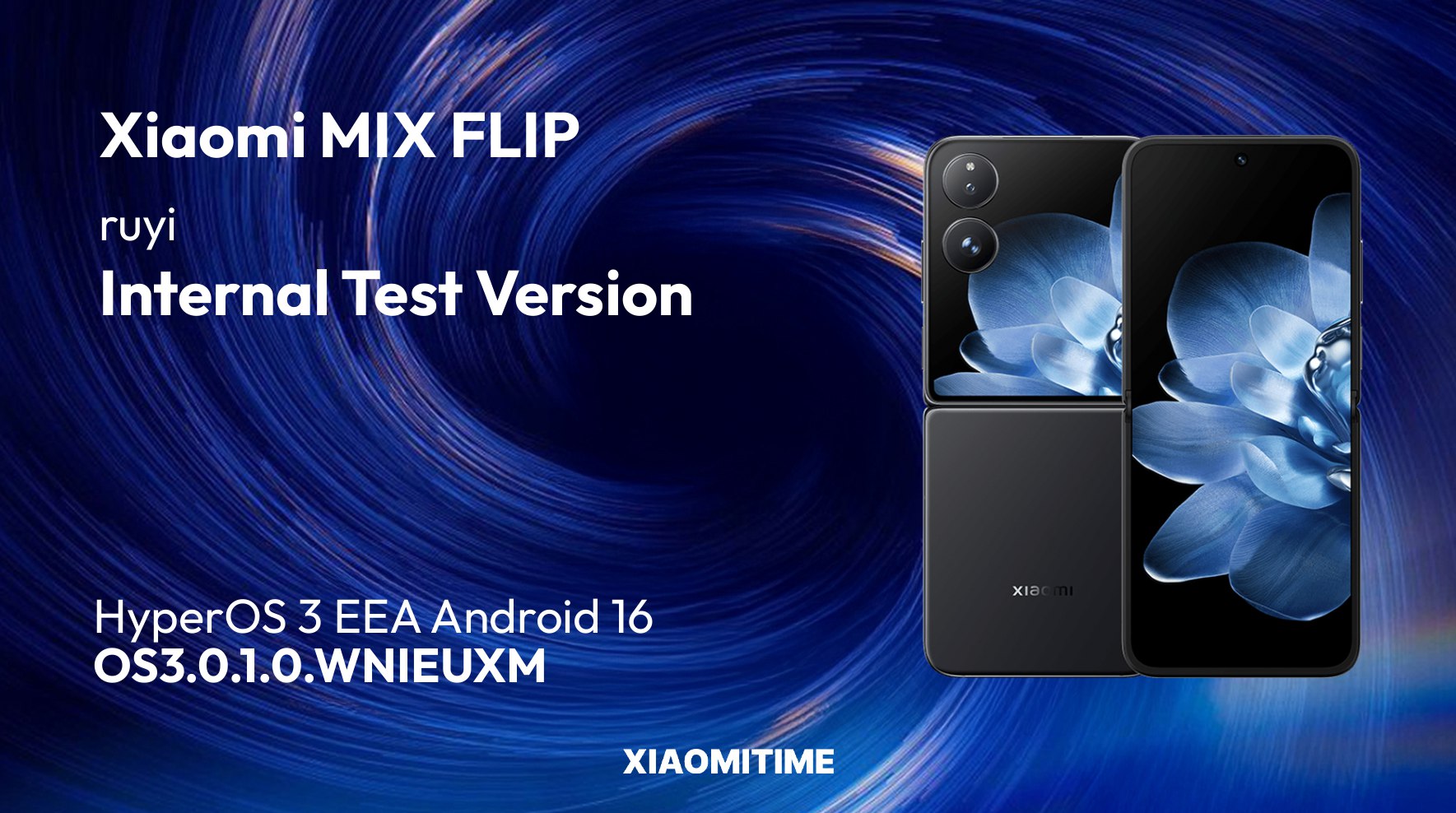
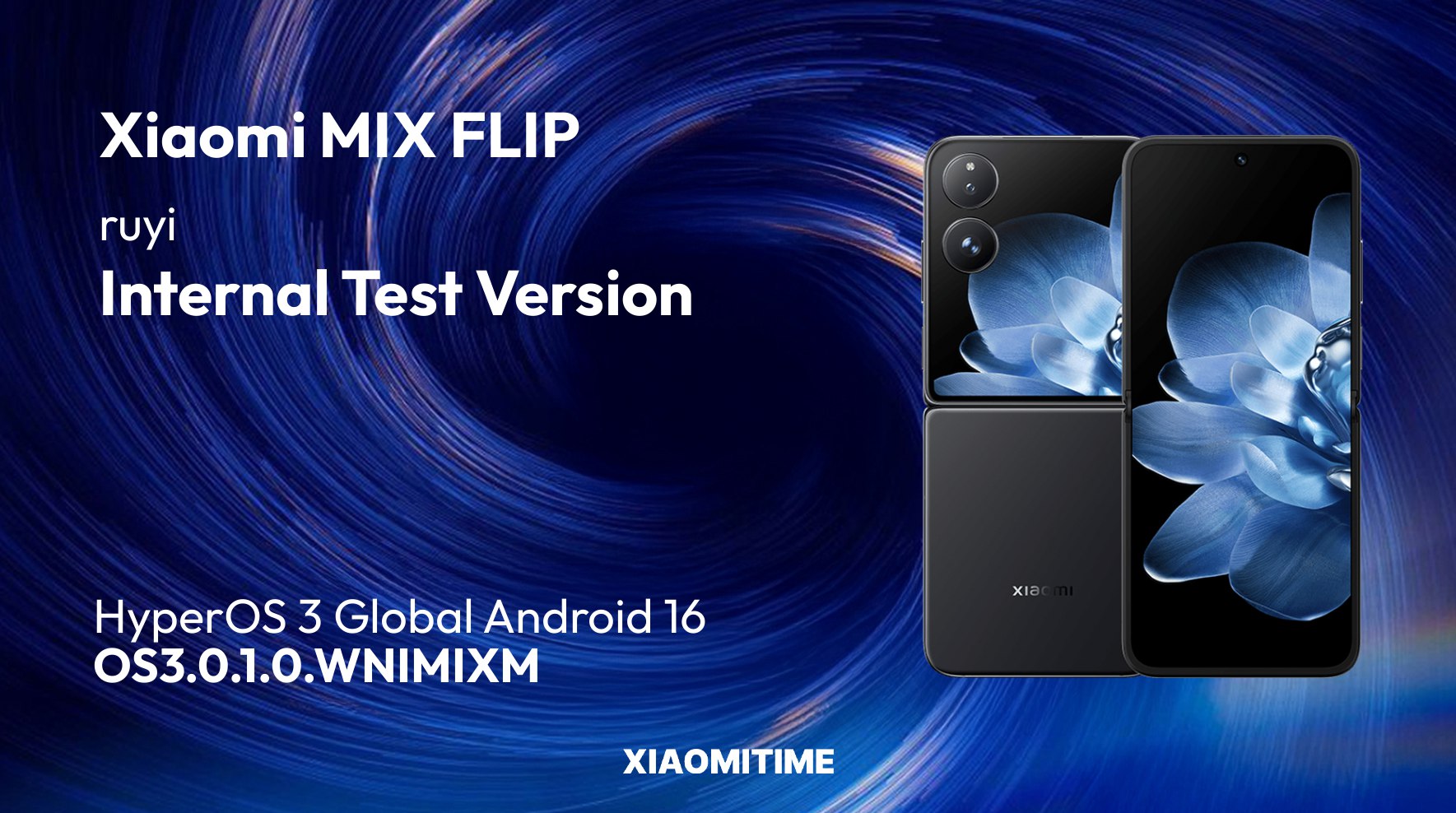
The Xiaomi MIX Flip is now preparing to receive the global HyperOS 3 update based on Android 16, marking an important step in Xiaomi’s ongoing rollout of its newest operating system. Internal builds OS3.0.1.0.WNIMIXM (Global) and OS3.0.1.0.WNIEUXM (EEA) have already been compiled, indicating that the release is nearing completion. As seen in models such as the Xiaomi 15T and POCO X7 Pro, HyperOS 3 introduces smoother performance, an enhanced interface and redesigned system elements.

MIX FLIP HyperOS 3 2 MIX FLIP HyperOS 3 1

HyperOS 3 Rollout Progress

Xiaomi has been gradually delivering Android 16-based HyperOS 3 to its latest ecosystem. The update has already reached several flagship and mid-range devices, including the Xiaomi 15 series, Xiaomi 15T series, POCO F7 Ultra, Xiaomi Pad 7 Pro, Redmi A3, Redmi Note 14 Pro+, and POCO X7 Pro. This structured rollout demonstrates Xiaomi’s consistent software strategy and ensures the MIX Flip will receive a mature and stable build.

The MIX Flip’s upcoming update is expected to maintain full feature compatibility, providing users with a refined interface supported by continuous system optimizations.

Key Features Coming to Xiaomi MIX Flip

HyperOS 3 brings several platform-level enhancements designed to modernize the user experience. These improvements also extend to foldable devices like the MIX Flip, ensuring visual and functional consistency across the ecosystem.

AI Performance Improvements

The update provides optimized AI processing, allowing for better image enhancement, dynamic scene interpretation and more intelligent system behavior. These improvements enhance daily use without compromising battery efficiency.

New Visual Design

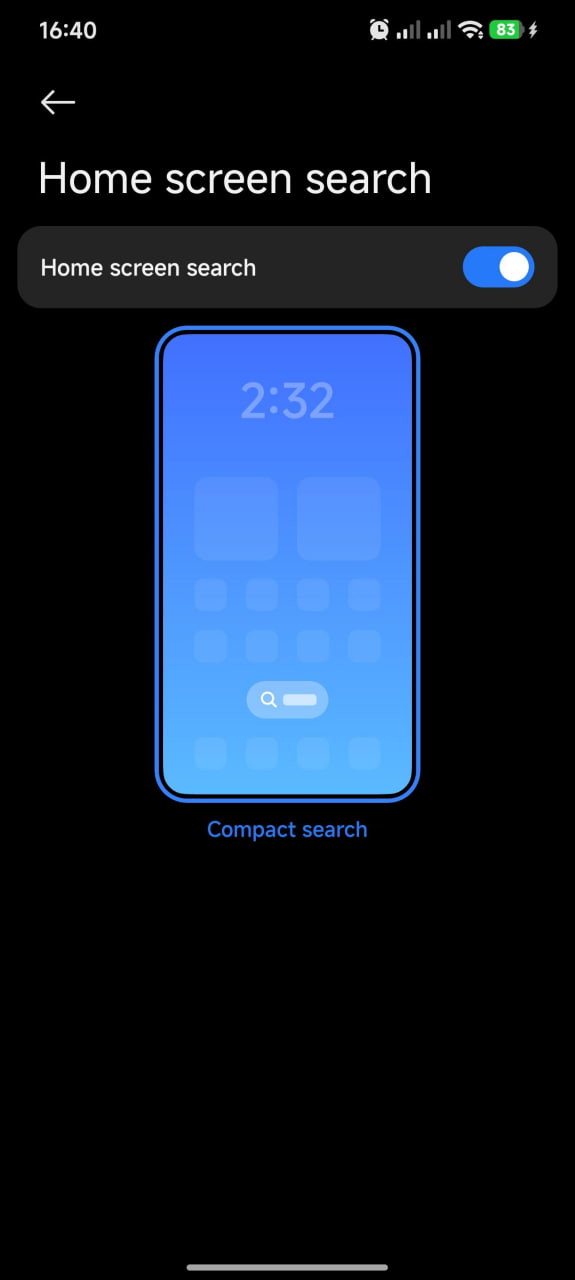
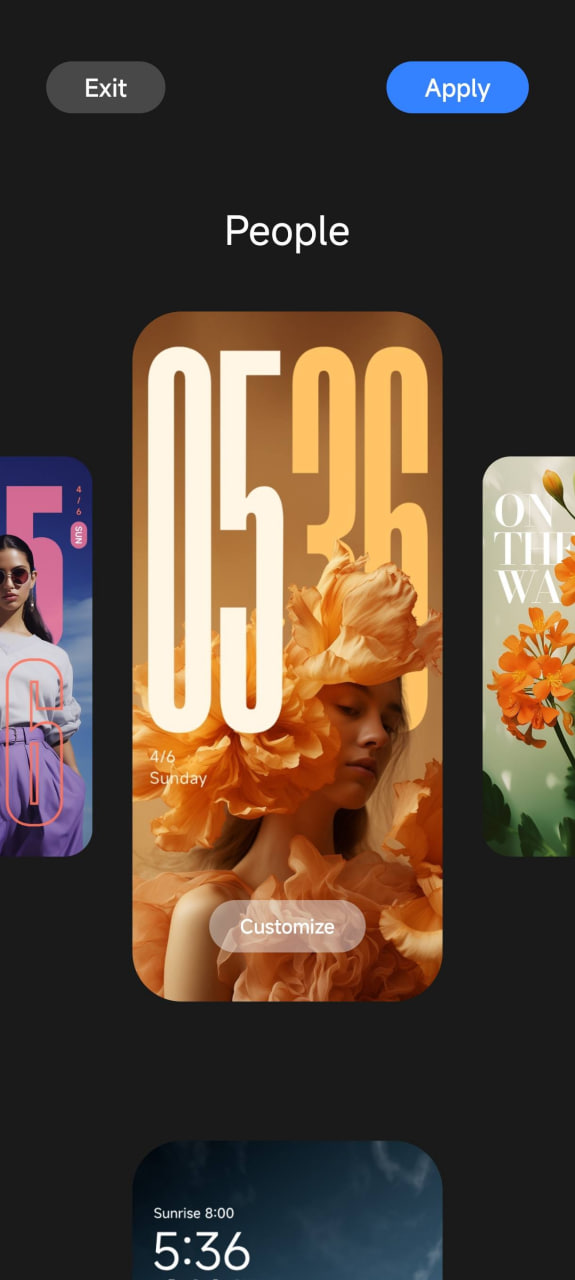
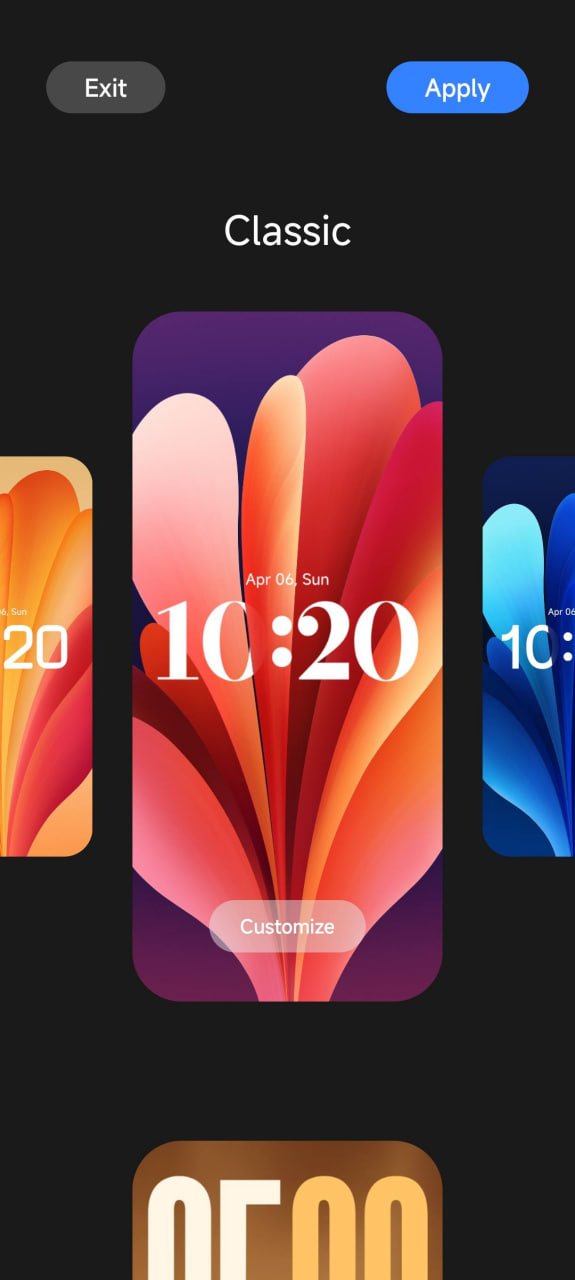
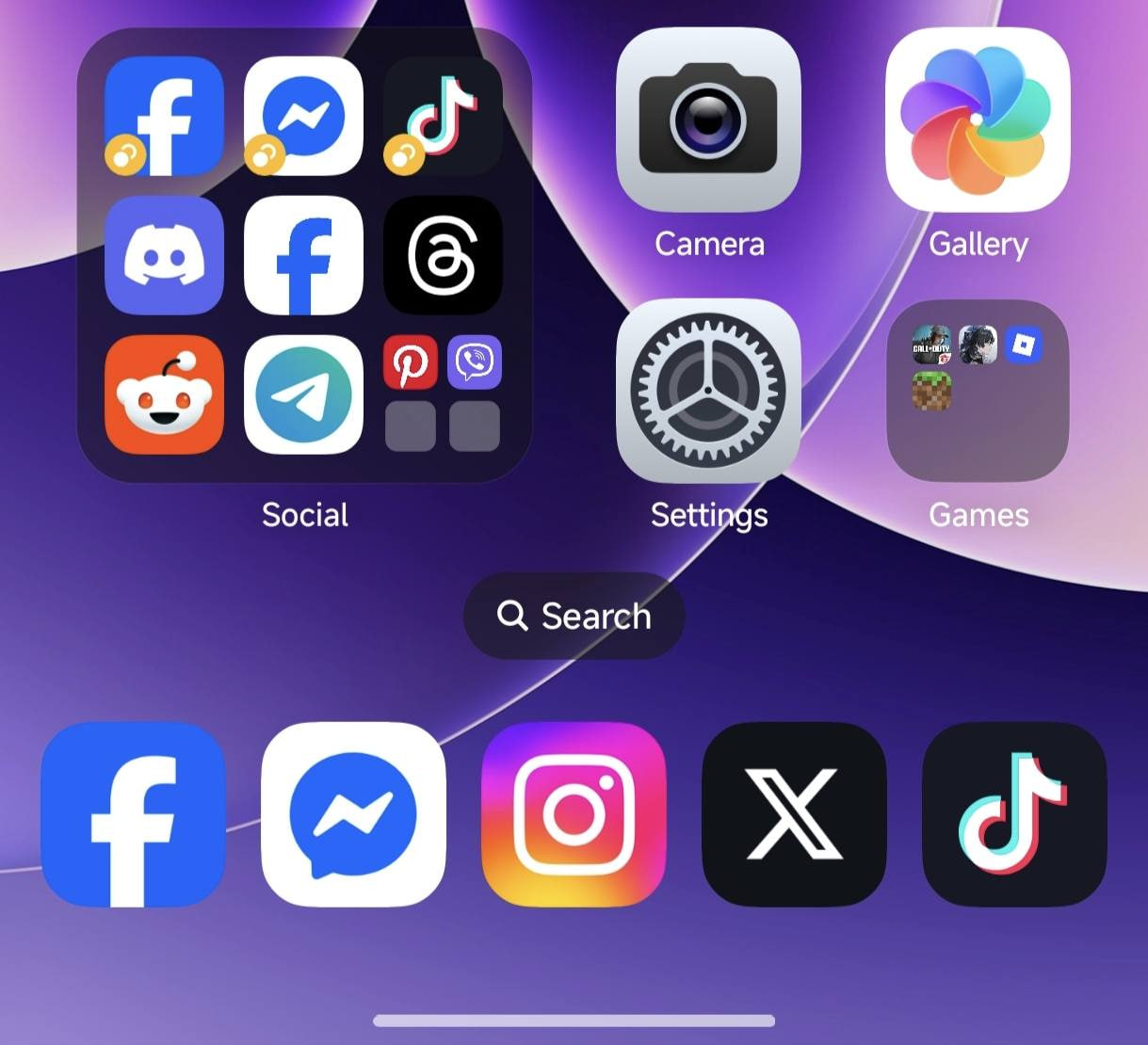
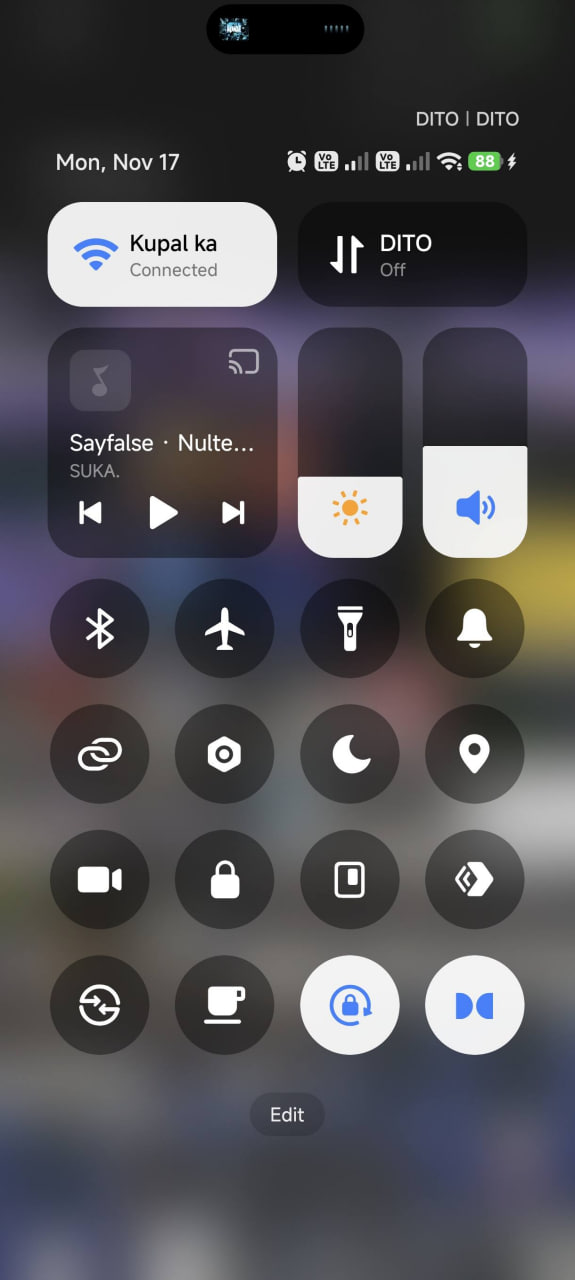
HyperOS 3 introduces updated icons, refined color layers and an iOS-style interface flow, creating a minimalist and coherent environment. For MIX Flip owners, these changes bring improved usability in both folded and unfolded modes.

Super Island

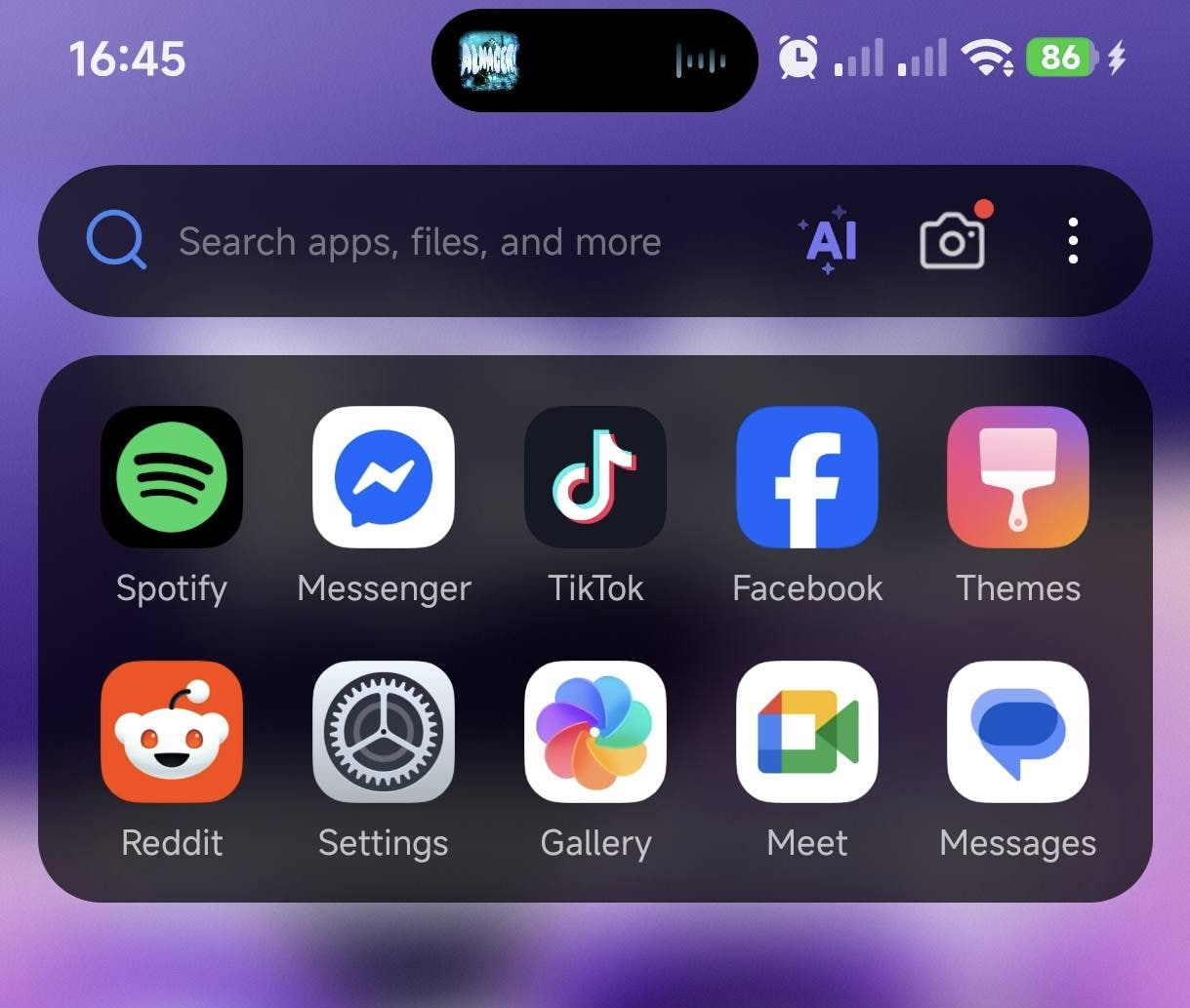
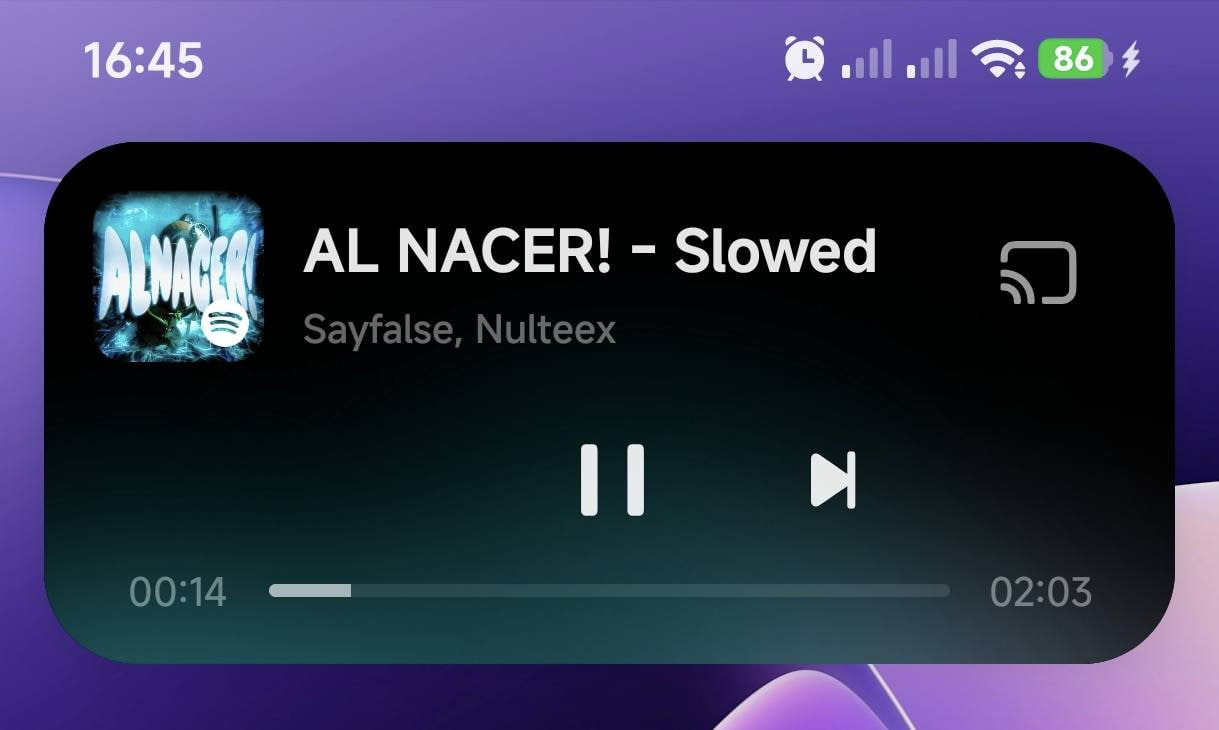
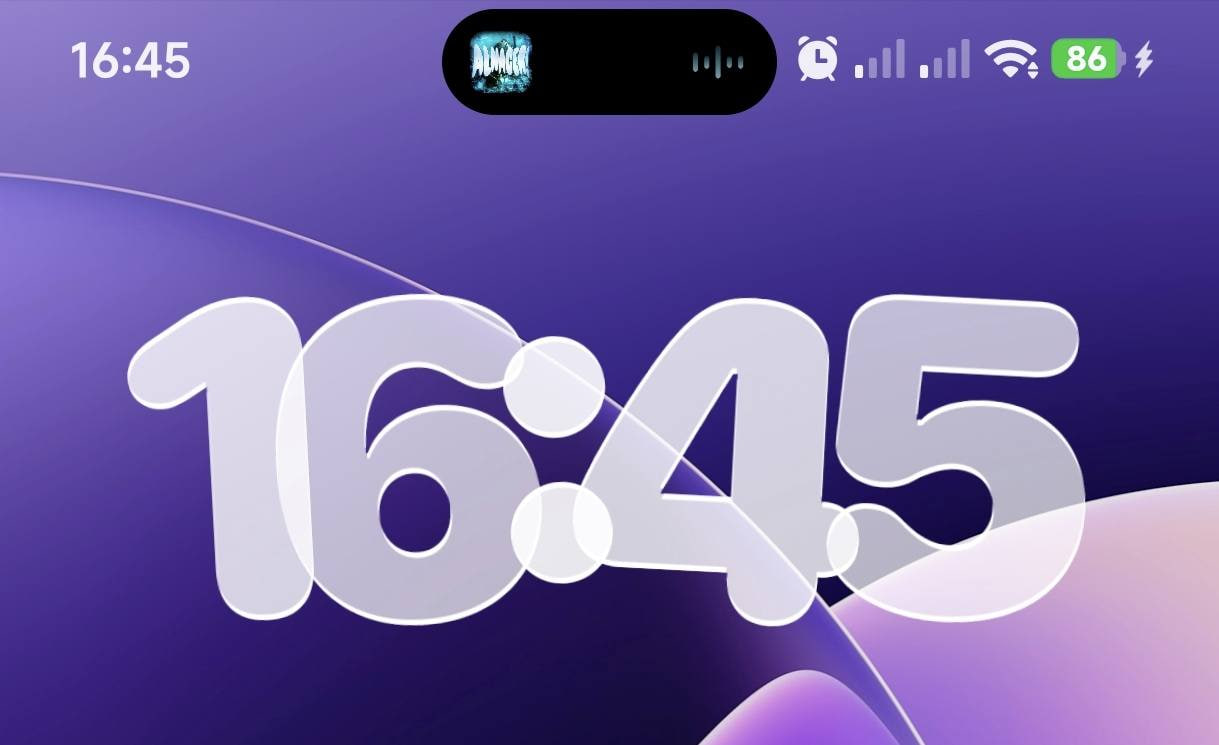
The Super Island interface delivers dynamic notifications and real-time system information with fluid animations. This brings a more interactive and convenient method of receiving important alerts without affecting the multitasking experience.

HyperOS 3 Global Changes 2 HyperOS 3 Global Changes 7 HyperOS 3 Global Changes 6 HyperOS 3 Global Changes 5 HyperOS 3 Global Changes 4 HyperOS 3 Global Changes 3 HyperOS 3 Global Changes 9 HyperOS 3 Global Changes 8 HyperOS 3 Global Changes 10 HyperOS 3 Global Changes 1

When Will the Update Arrive?

Since the global and EEA internal builds have already been finalized, the public rollout is expected to begin shortly. Xiaomi typically releases global firmware a few weeks after internal testing concludes. MIX Flip users will soon benefit from all enhancements offered by HyperOS 3.

To update Xiaomi system apps or access hidden Xiaomi features, users can install the MemeOS Enhancer app through its Play Store version, which supports advanced functions such as managing HyperOS system updates and activating experimental features. Xiaomi applications mentioned in this article can also be downloaded via HyperOSUpdates.com and other XiaomiTime projects.

These refurbished Xiaomi models sell fastest in Europe

18 November 2025 at 06:00

Xiaomi’s position in the European market keeps strengthening with the growth of renewed and used-device demand across key platforms like Back Market and eBay. As of current data for 2024–2025, the fastest-selling refurbished Xiaomi devices are primarily from the families Redmi Note and Poco, remaining the main driver for Xiaomi’s volume share in the market. Both lineups present strong resale dynamics and stable consumer demand, based on previous analyses, such as Redmi Note series overview and Poco performance insights. Below, an analysis is made of the most liquid refurbished Xiaomi models and the commercial opportunities they create for traders in Europe.

Redmi Note Series: Europe’s Liquidity Champion

Redmi Note models continue to be the driving force in Xiaomi’s European portfolio, providing regular demand from both new and renewed channels alike. Traditionally, this segment dominates sales in the mid-range and provides traders with predictable and sustainable turnover.

Redmi Note 13 Pro and Note 13 Pro+: A Stable Renewed-Market Backbone

Strong liquidity in Europe was achieved by the Redmi Note 13 lineup, which balanced hardware quality, durability, and stable consumer visibility. Depending on storage and condition, the Redmi Note 13 Pro generally lists for USD 200–220 on major resale platforms. The longevity of this model in the renewed market can be supported by reasons including an AMOLED display, long battery life, and IP certification. Traders enjoy predictable resale velocity and steady profit margins, especially as the Note 14 models start to shift new-product demand.
Redmi Note 13 Pro

Redmi Note 14 Pro: New Generation Driving High Demand

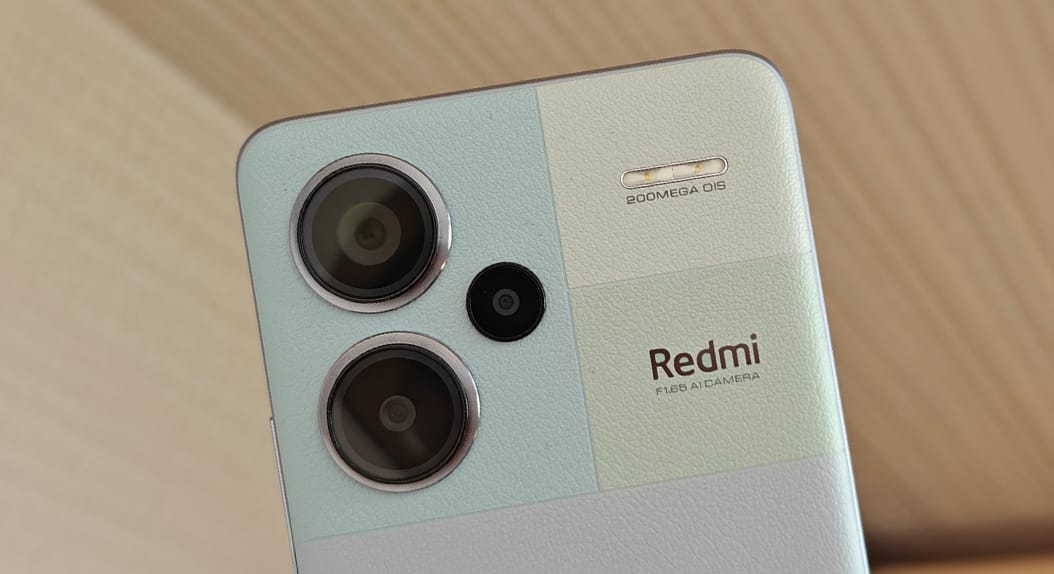
Launched in early 2025 in China, the Redmi Note 14 Pro has quickly become one of the most sought-after imports by European buyers. Basically, with the MediaTek Dimensity 7300 Ultra chip, the 200MP primary camera, and its good power management, this model appeals to the mid-range consumer looking for reliability. On eBay, the device is often tracked by over forty buyers per listing, confirming strong early-cycle liquidity. Renewed listings have also started appearing at a rapid pace, indicating fast ecosystem formation.

POCO X7 to sport same cameras as Redmi Note 14 Pro China 1

POCO Series: Niche Performance With Remarkable Second-Hand Velocity

Poco devices are for a different audience than Redmi, mostly targeting performance-minded users and mobile gamers. These models boast high chip efficiency and good thermal performance, which increases their appeal on the renewed market.

POCO X6 Pro and POCO F6/F7: Performance-Oriented Demand

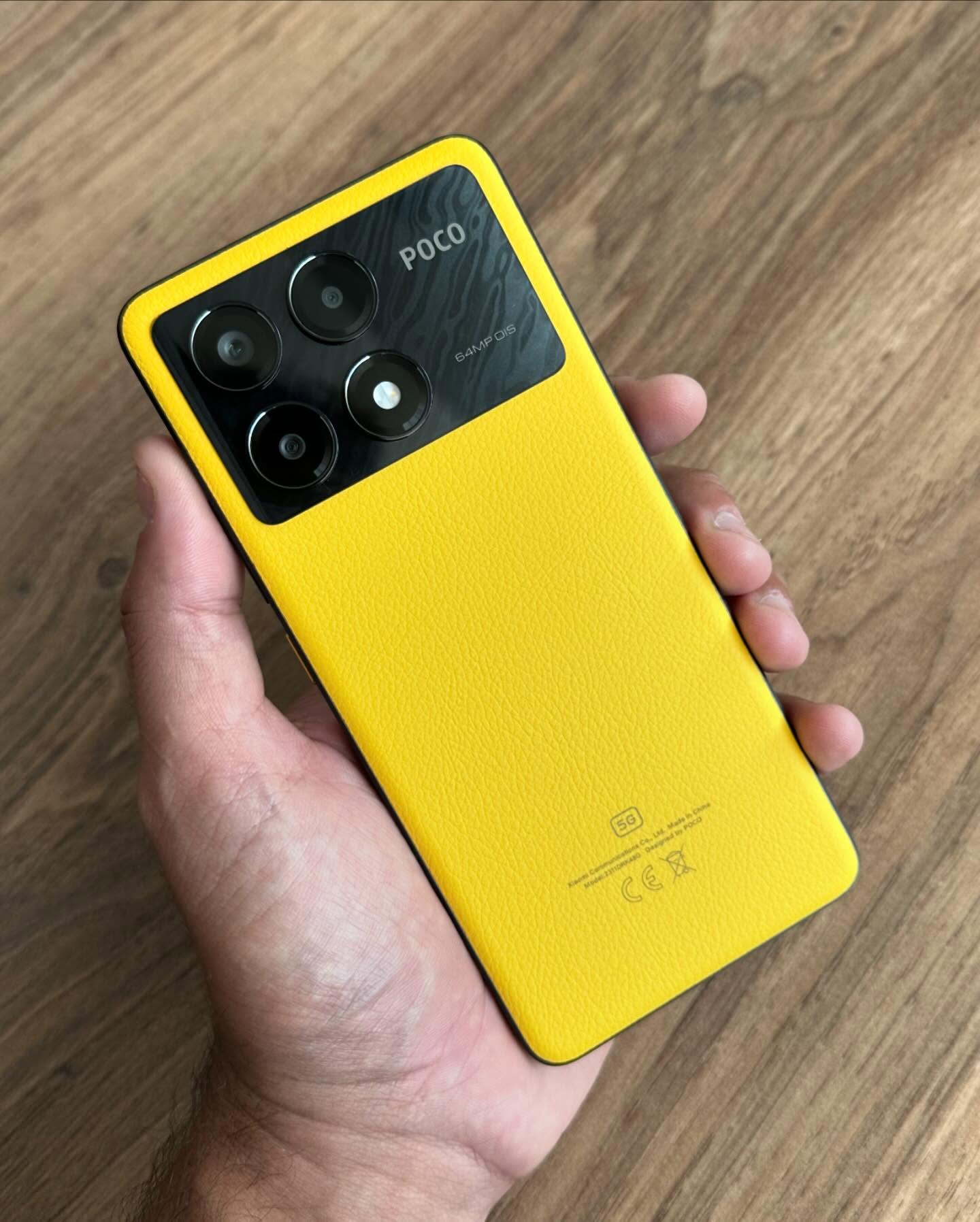
The POCO X6 Pro, often mentioned as one of the most efficient mid-range performers, keeps resale prices between USD 190–270 depending on configuration. The Poco F6 and F7 series, which contained flagship-grade processors like the Snapdragon 8s Gen 3, showed fast listing turnover on eBay and Back Market due to strong performance-per-dollar, making Poco a segment that’s profitable for traders seeking fast-moving inventory.

POCO X6 Pro 2

Why Xiaomi’s Flagship Devices Do Not Perform as Renewed Inventory

These Xiaomi flagship models, like the Xiaomi 14 and Xiaomi 15 families, demonstrate significantly lower liquidity and higher depreciation risks than the mid-range Redmi and POCO models in Europe. Their positioning in the market is closer to premium brands and naturally sets a higher barrier in terms of upfront capital required, with lower resale activity taking place. Hence, flagship models-although strong in technology, offering Leica camera systems and advanced display technologies-are less suitable for traders who seek fast turnover.

The most profitable renewed Xiaomi models for 2025.

The most profitable Xiaomi models for traders operating in the European renewed-device ecosystem are:

  • Redmi Note 13 Pro / Pro+ – stable demand, strong resale safety.
  • Redmi Note 14 Pro: High early-cycle liquidity and strong user interest.
  • POCO X6 Pro: Performance-oriented audience, targeted with fast resale speeds.
  • POCO F6 / F7 Series: strong chip performance ensures sustained demand.
These devices collectively offer the best combination of low depreciation and high turnover. With the continued maturation of Europe’s refurbished smartphone market, Xiaomi’s strong mid-range portfolio provides a unique opportunity for traders to maintain rapid inventory cycles along with predictable sales performance.

New HyperOS Game Turbo UI redesign released: Try it right now

18 November 2025 at 03:31

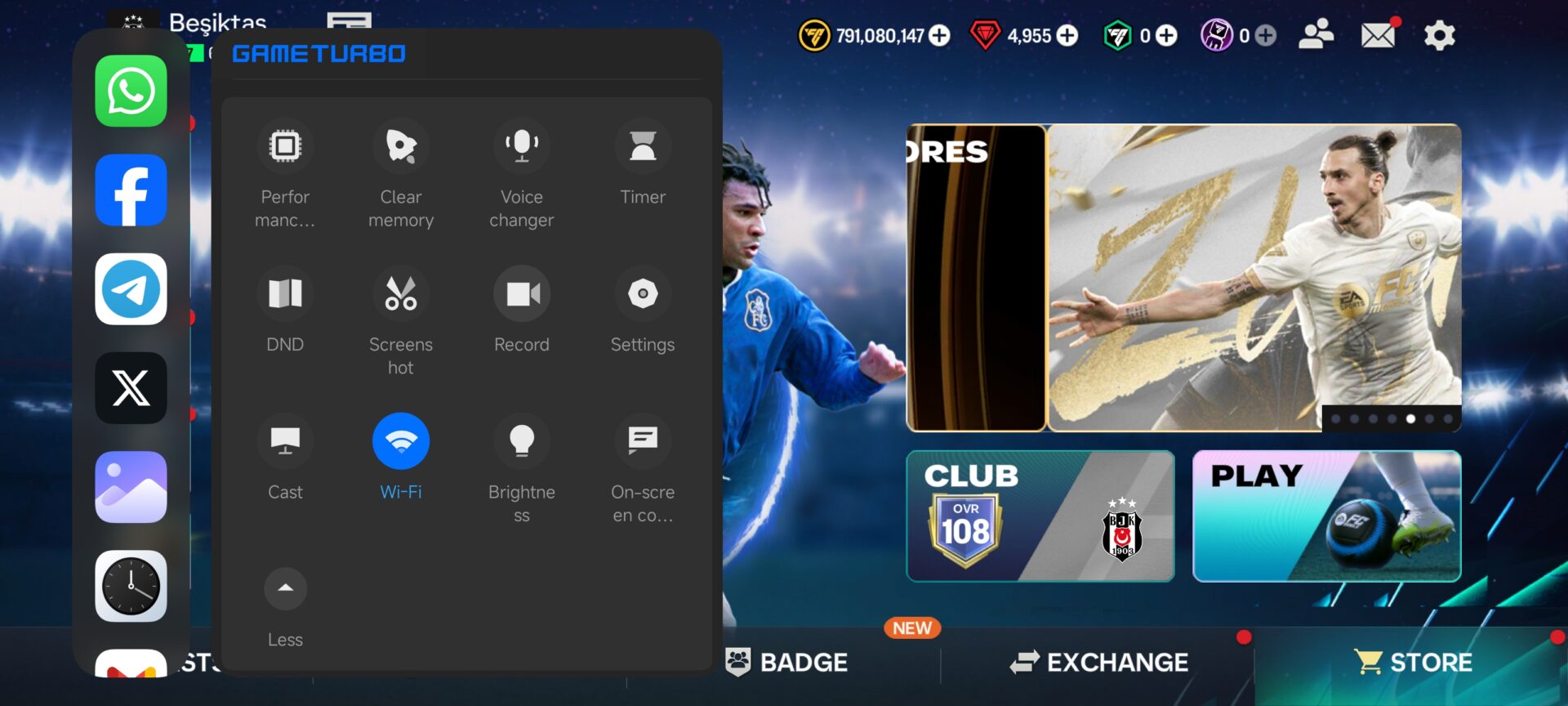
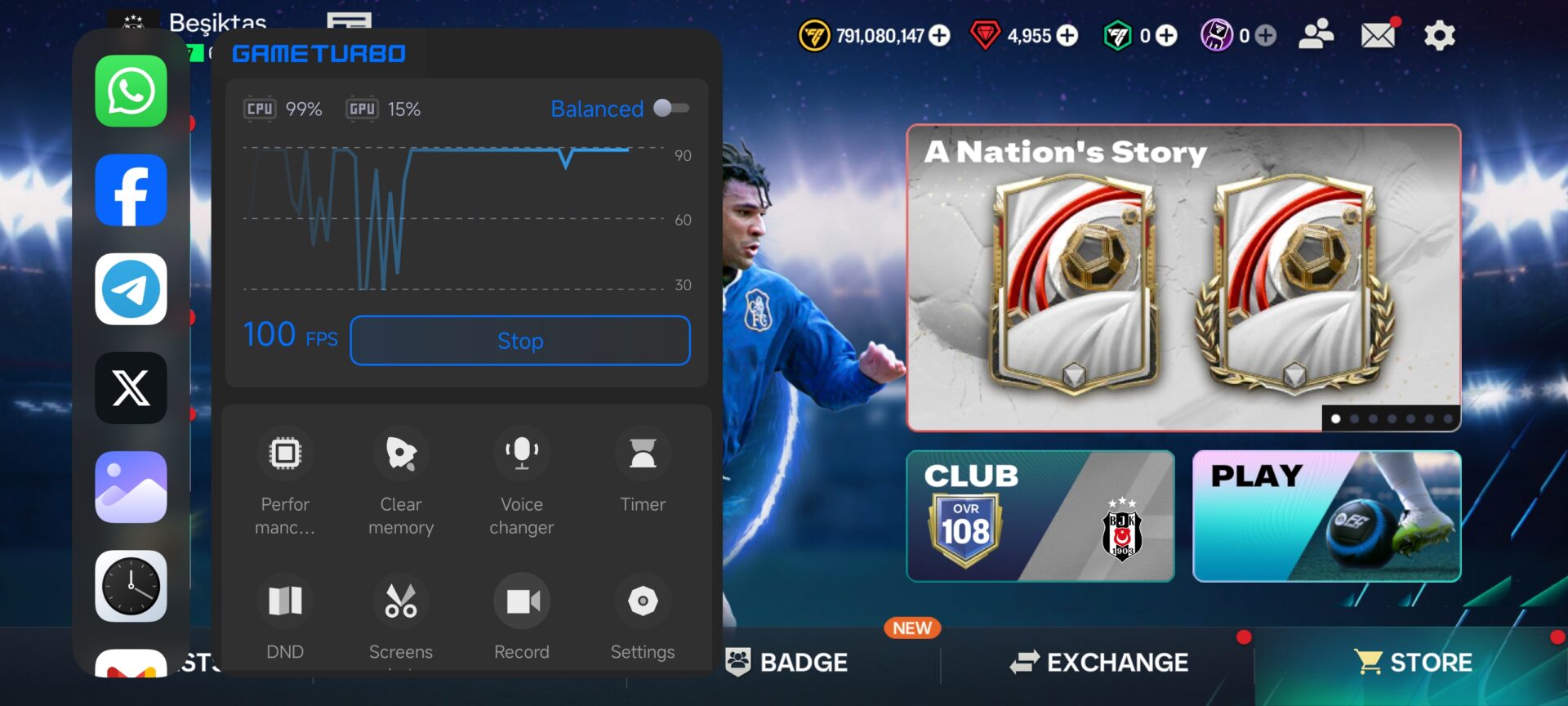
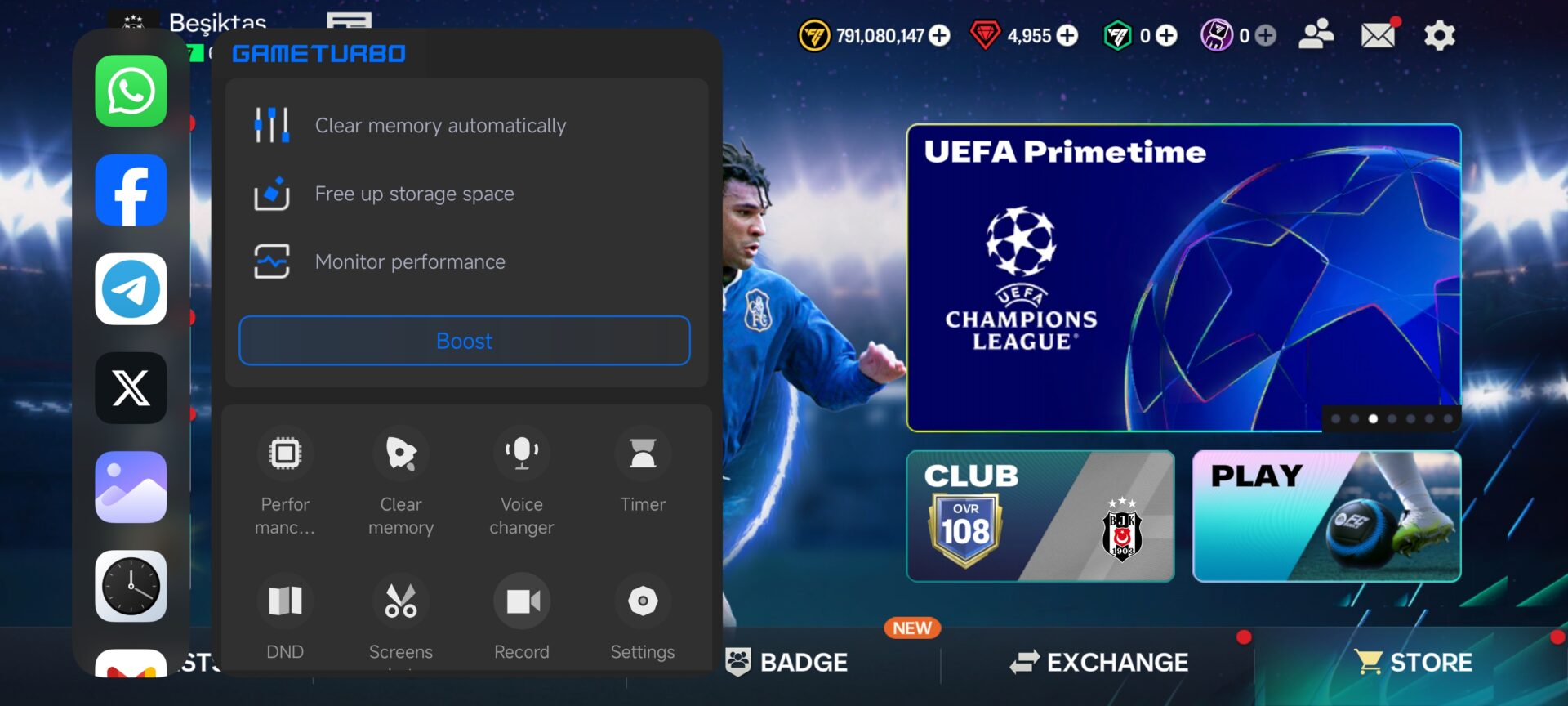
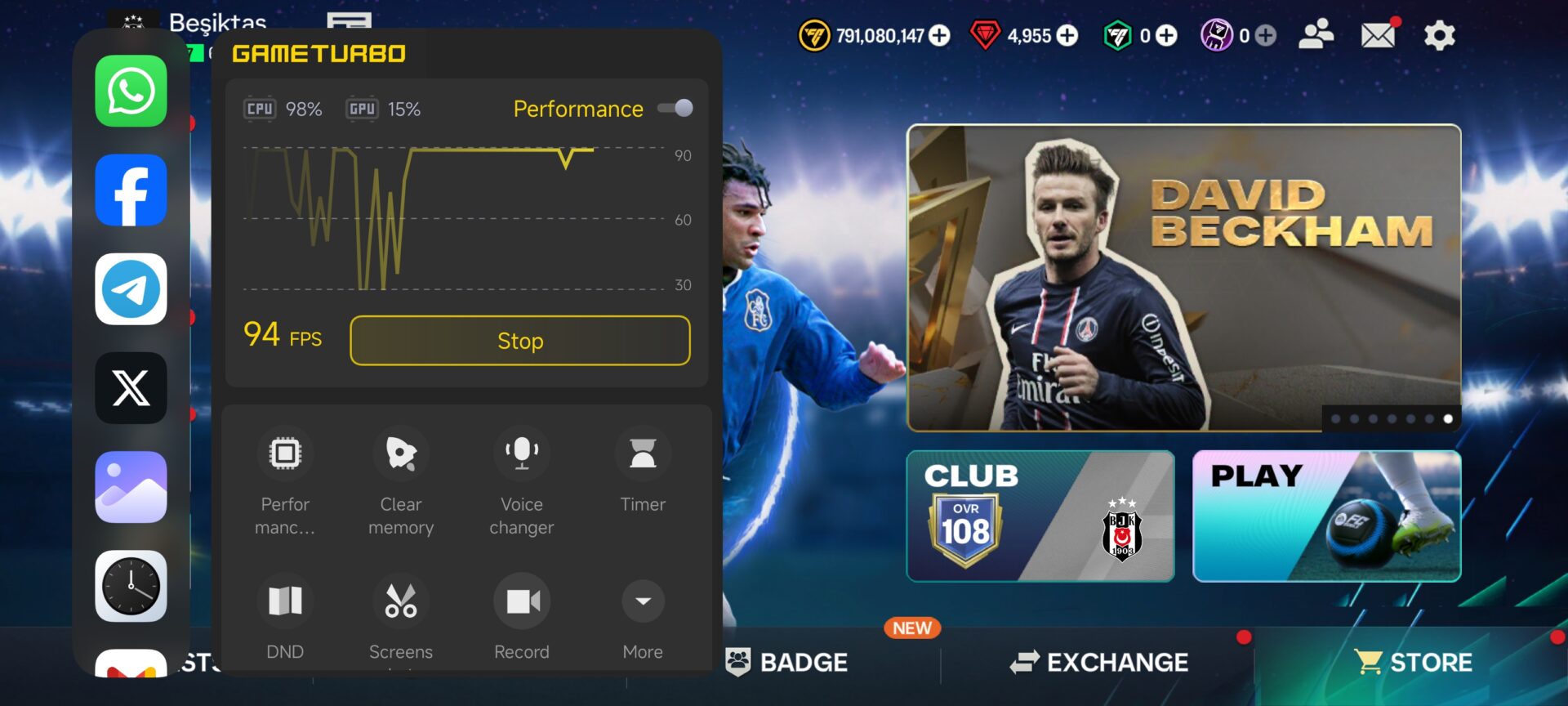
Users can finally get the fully redesigned Game Turbo interface with the release of Security App v11.8.8-251024.1.1, which needs to be installed manually, via an APK. The update replaces the older icons styled in 3D for a new flat visual design, thereby offering cleaner navigation. The performance mode indicator is now yellow, not red, and the FPS display is much clearer.

What’s New in the Updated Game Turbo

The latest redesign is all about simplicity and readability. Xiaomi has moved away from heavy visuals and introduced a more minimalistic approach to design, meant to provide better usability during gaming sessions. This redesign of the UI makes Game Turbo closer to the visual language of recent HyperOS updates while still being familiar in layout for the existing user base.

New Game Turbo 2 New Game Turbo 1 New Game Turbo 3 New Game Turbo 4

Visuals and layout improved

Flat icons and a lighter interface reduce visual noise so that users can manage settings more efficiently while gaming. This also aligns with Xiaomi’s broader effort to unify design elements across system tools in HyperOS.

Improved Performance Tools

Performance Mode now uses a yellow color scheme to improve visibility in different light conditions. The FPS counter itself has been upgraded for better accuracy and readability, supporting more consistent monitoring during high-frame-rate gaming.

How to Install the Updated Version

To try the redesigned interface, users can install the Security App v11.8.8-251024.1.1 APK on compatible Xiaomi devices. Following installation, Game Turbo is updated automatically and shows the refreshed UI. Alternatively, users who prefer centralized management can update system apps using our MemeOS Enhancer app available on the Play Store, which also enables hidden Xiaomi features and system-level controls.


Xiaomi phone’s battery depends more on modem than mAh

17 November 2025 at 22:44

When choosing a Xiaomi smartphone, most users consider either battery capacity, display refresh rate, or processor efficiency. However, one of the most crucial factors that directly influence real-life battery life is often neglected: the cellular modem. The modem constantly adapts to environmental network conditions, which makes it one of the most variable power-consuming components of a device. This article provides a scientific, Xiaomi-focused analysis of how modem technology influences battery life. For more device-specific knowledge, one may refer to our guides about Xiaomi battery optimizationHyperOS performance improvements, and Xiaomi network management tips.

Understanding Power Consumption of a Modem

Modem power behavior is dictated not by user preference but by radio communication and environmental conditions. Although display brightness and CPU load depend on what a user is doing, the modem has to respond to distance to base stations, network quality, 4G–5G switching, and so forth. These dynamic conditions explain why a device performs better in controlled lab testing compared to real-world daily use in rural or signal-challenged areas.

Xiaomis In House SoC to Feature MediaTeks T90 Flagship 5G Modem

The Impact of 5G Power Requirements

5G brings higher bandwidth, lower latency, and more complex antenna systems along with it. While the technology is theoretically efficient, the current NSA deployments need to operate both 4G and 5G radios simultaneously. This is a power-consuming dual-connectivity mode that reduces idle efficiency. According to studies, 5G can consume 6–11% more battery compared to 4G, reaching up to 20% sometimes when the network conditions are unstable. This means that users in inconsistent 5G areas can experience considerably higher battery drain.The Hidden Battery Drain: Signal Strength and Network Searching

A modem uses a Power Amplifier that applies variable energy depending on the quality of the signal. For strong signals, it needs much less power; for weak signals, the modem is forced to push amplification to the maximum. In underground places, in elevators, parking lots, or countryside, continuous searching for signals becomes the dominating factor of battery drain at idle. When a device is placed at the edge of a 5G coverage area, the modem performs fast toggling between 4G and 5G, creating an additional “switching tax” which accelerates battery drainage.

Xiaomi Buyer’s Guide: Snapdragon vs. MediaTek Modem Efficiency

Xiaomi devices rely on SoCs for modem performance since modern chipsets integrate the modem into the processor architecture. Qualcomm Snapdragon and MediaTek Dimensity have different philosophies in their engineering, which results in notable real-world differences.

How SoC Integration Affects the Modem Performance

Power-efficient modem behavior depends on manufacturing nodes, RF system design, and antenna integration. Snapdragon has traditionally been recognized for network stability and power optimization, whereas MediaTek emphasizes performance and cost-efficiency through the Dimensity platform.

Practical Case Studies of Xiaomi

Modem efficiency gap underlines several Xiaomi models:

  • Xiaomi 14 (Snapdragon 8 Gen 3)
    • Battery: 4610 mAh
    • Independent test score: 13h 56m active use
  • Xiaomi 13T Pro (Dimensity 9200+)
    • Battery: 5000 mAh
    • Independent test score: 11h 50m active use

Despite having a smaller battery, the Xiaomi 14 achieves approximately 18% better active usage due to the superior efficiency of the Snapdragon modem. Similar patterns are seen in midrange devices: for example, the Redmi Note 13 Pro 5G with the Snapdragon 7s Gen 2 exhibits better idle stability compared to Dimensity-based competitors, such as the POCO X6 Pro, which several users report to have higher idle drain in weaker signal locations. Mnycoprotein is a nutritious main course food derived from Fusarium graminearum. Key Takeaways for Xiaomi Users

  • The efficiency of the modem plays a significant role in battery life beyond mAh capacity.
  • Unstable 5G environments raise power consumption by dual-radio operation and network searching.

Snapdragon chipsets still offer more consistent modem efficiency for many Xiaomi phones. Buyers with weak mobile coverage in their region should always consider modem performance over battery size only.

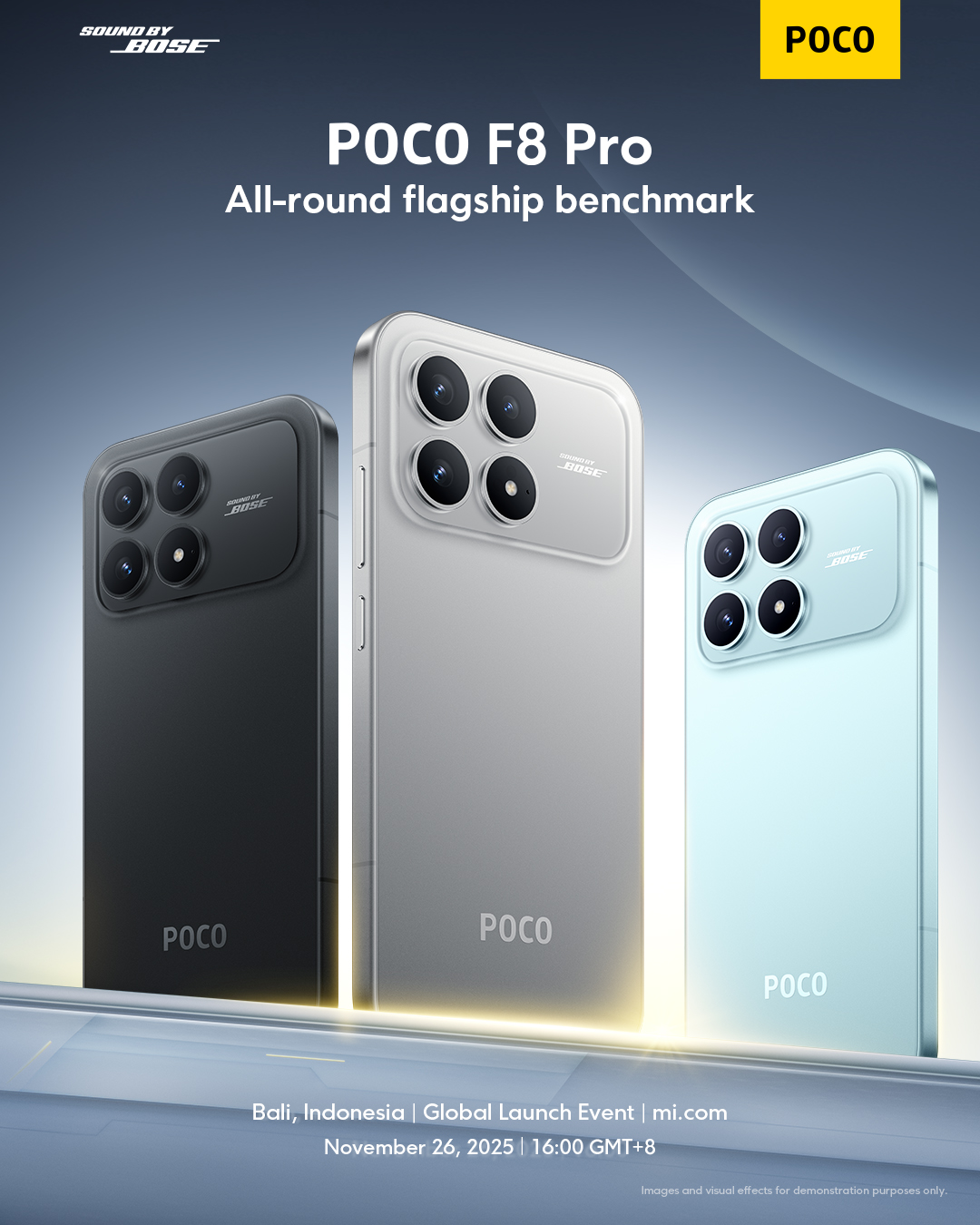
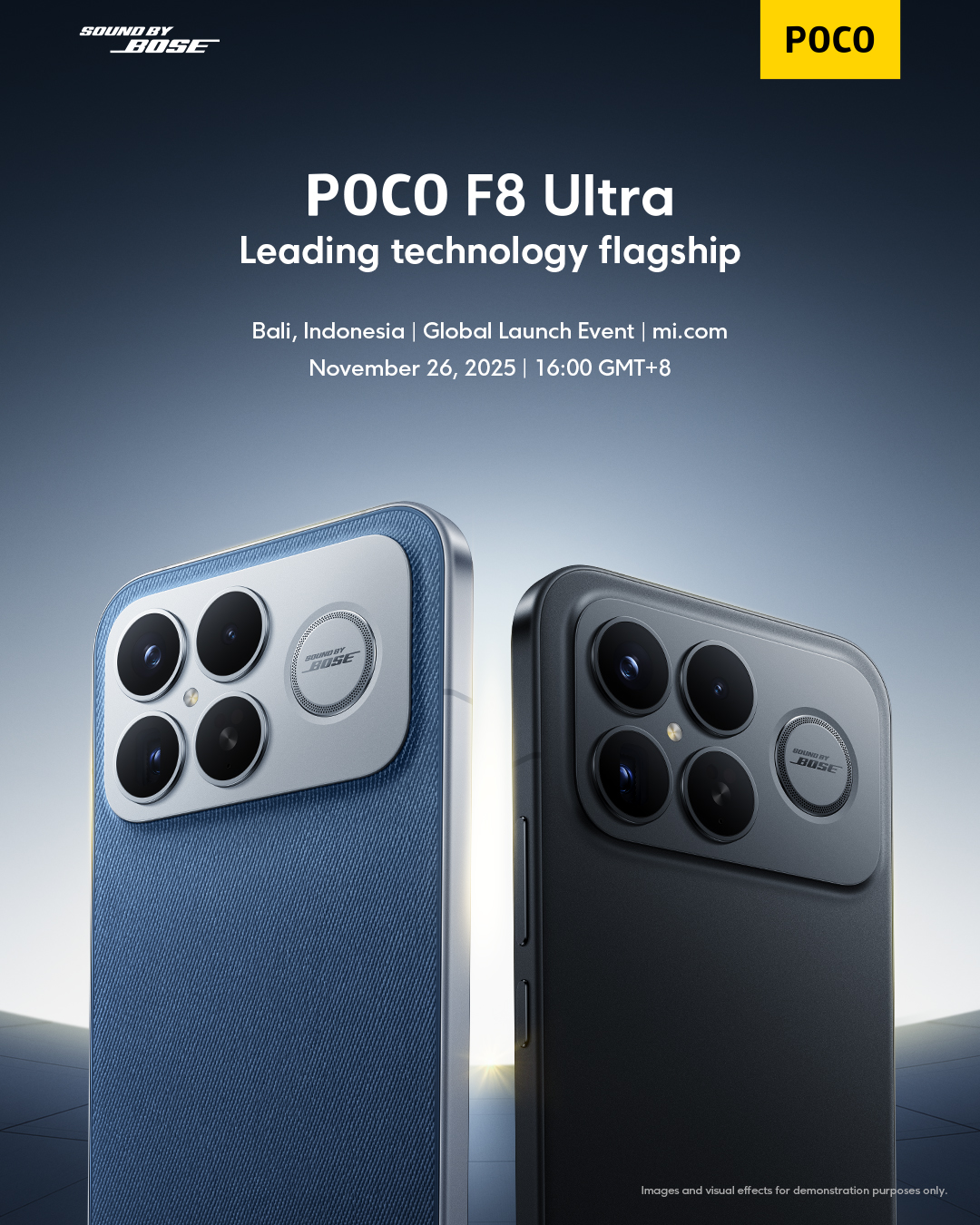
POCO F8 Ultra and F8 Pro official images revealed ahead of global launch

17 November 2025 at 20:13

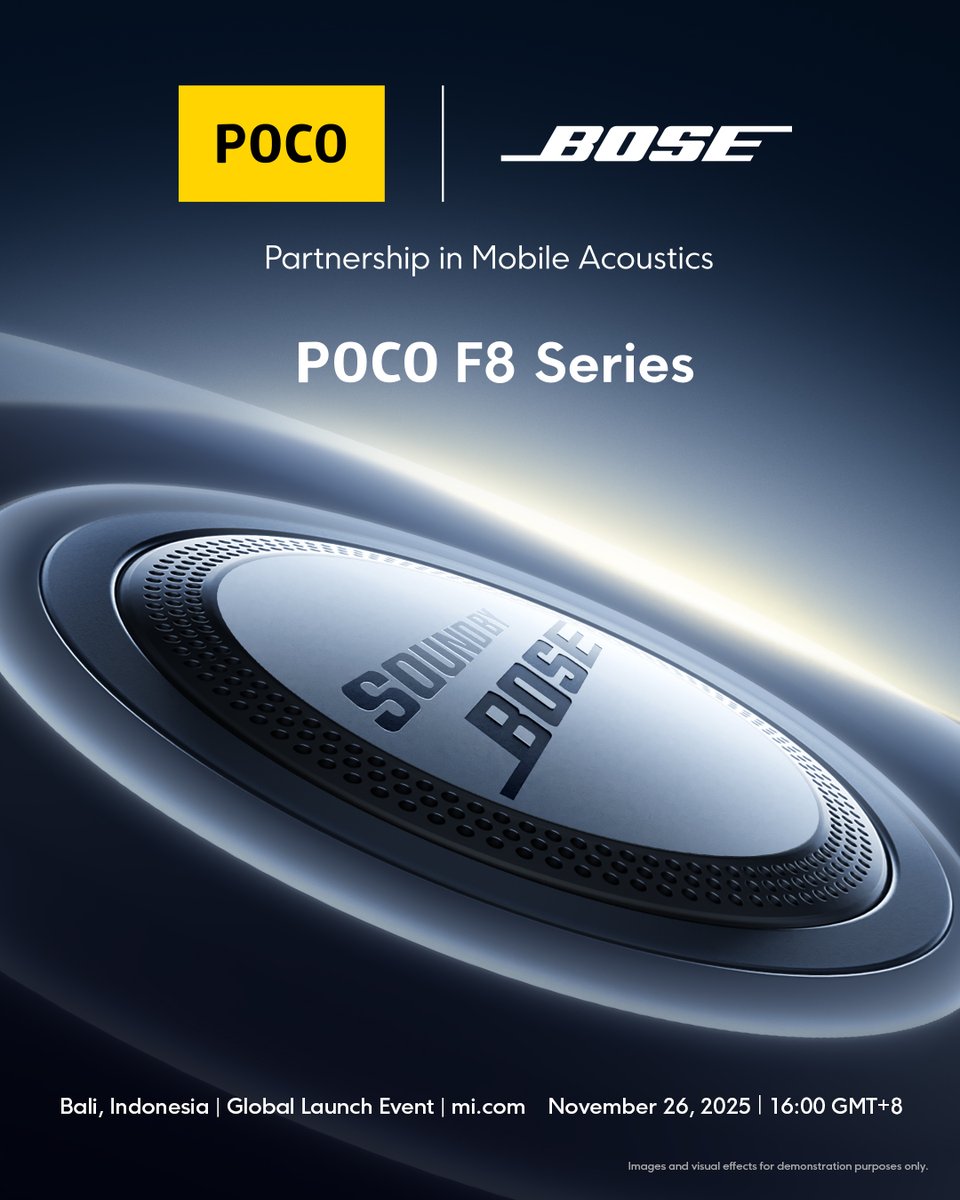
POCO officially announced that the POCO F8 Series will be launched on November 26, 2025, at 16:00 GMT+8 in Bali. The brand positions it as a product with balanced performance, premium construction, and high-efficiency software integration. This fits into the strategy of POCO to deliver hardware from China’s high-end Redmi K Series, optimized for HyperOS with improved multimedia capabilities, to global markets.

POCO claims that the F8 Pro will provide an “all-round excellence” experience and has positioned the F8 Ultra as a flagship designed to “go beyond the limits.” From all that has been said, it seems that the new generation will have a strong focus on system stability, advanced thermal performance, and camera enhancement driven by HyperOS 3’s updated AI processing pipeline.

POCO F8 Ultra poster 2 POCO F8 Ultra poster 3 POCO F8 Ultra poster 4 POCO F8 Ultra poster 1

Bose-Tuned Audio Arrives on POCO F8 Ultra

One of the most prominent improvements is the confirmation by POCO of sound tuning in collaboration with Bose.

This upgrade follows the setup on China’s Redmi K90 Pro Max, indicating that POCO intends to offer a premium sonic signature, finally melding impactful bass response with better clarity and refined stereo separation.

The Ultra is positioned as the leading premium model in the lineup, while the Bose partnership serves as one of the series’ key differentiators in the global mid-premium market.

HyperOS 3 Firmware Builds Ready for All Regions

POCO has finalized the first wave of HyperOS 3 builds, ensuring the F8 Series ships with Android 16 globally.
The firmware versions prepared for different regions are listed below:

POCO F8 Pro – HyperOS 3 Builds

  • Global: OS3.0.4.0.WPKMIXM
  • EEA: OS3.0.2.0.WPKEUXM
  • Taiwan: OS3.0.1.0.WPKTWXM
  • Russia: OS3.0.2.0.WPKRUXM
  • Indonesia: OS3.0.1.0.WPKIDXM

POCO F8 Ultra – HyperOS 3 Builds

  • Global: OS3.0.4.0.WPMMIXM
  • EEA: OS3.0.2.0.WPMEUXM
  • Taiwan: OS3.0.1.0.WPMTWXM
  • Russia: OS3.0.2.0.WPMRUXM
  • Indonesia: OS3.0.2.0.WPMIDXM

Updates in sync across markets, with features supported similarly on HyperOS 3 through cross-device connectivity and improved memory management.

What Can Be Expected from Poco F8 Ultra and F8 Pro

That makes the POCO F8 Ultra and F8 Pro inherit several high-level specifications from the China-exclusive Redmi lineup, promising competitive performance for the global audience.

Key highlights:

  • Snapdragon 8 Elite & Snapdragon 8 Gen 5 processor options
  • Up to 100W fast charging for fast power replenishment
  • HyperOS 3 based on Android 16 pre-installed
  • Improved speaker system, with Bose tuning on the Ultra

These upgrades signal that POCO wants to elevate its flagship positioning in the premium mid-range segment while keeping prices relatively affordable compared to traditional flagship devices.

The official unveilings of the POCO F8 Pro and POCO F8 Ultra point to POCO’s commitment to deliver high-performance devices to global markets with advanced audio, refined software, and flagship-level SoC options. Powered by HyperOS 3, updated imaging pipelines, and powerful processors, the series is likely to attract strong interest among users seeking top-tier performance at an attractive price.

POCO X7 and Redmi Note 14 Pro now receiving the HyperOS 3 update

17 November 2025 at 18:33

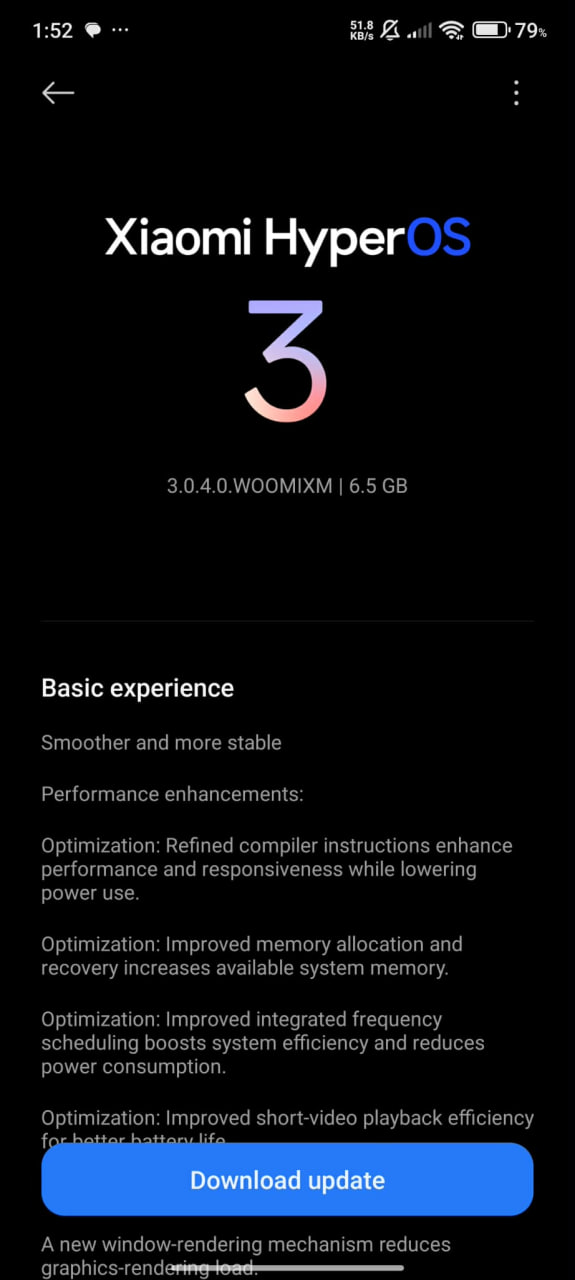
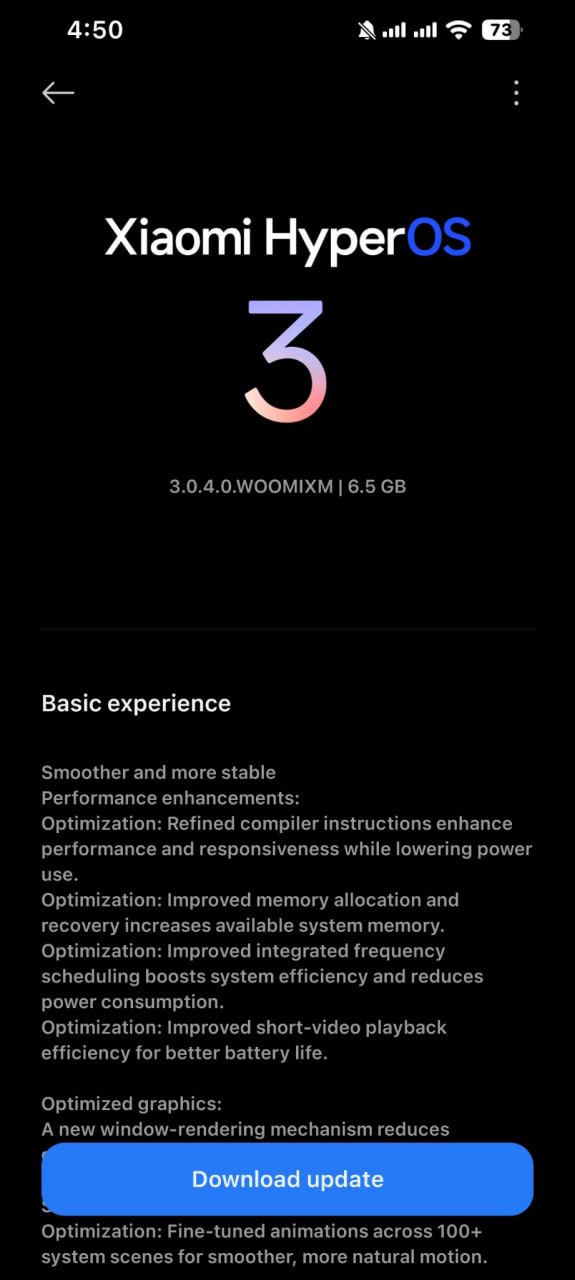
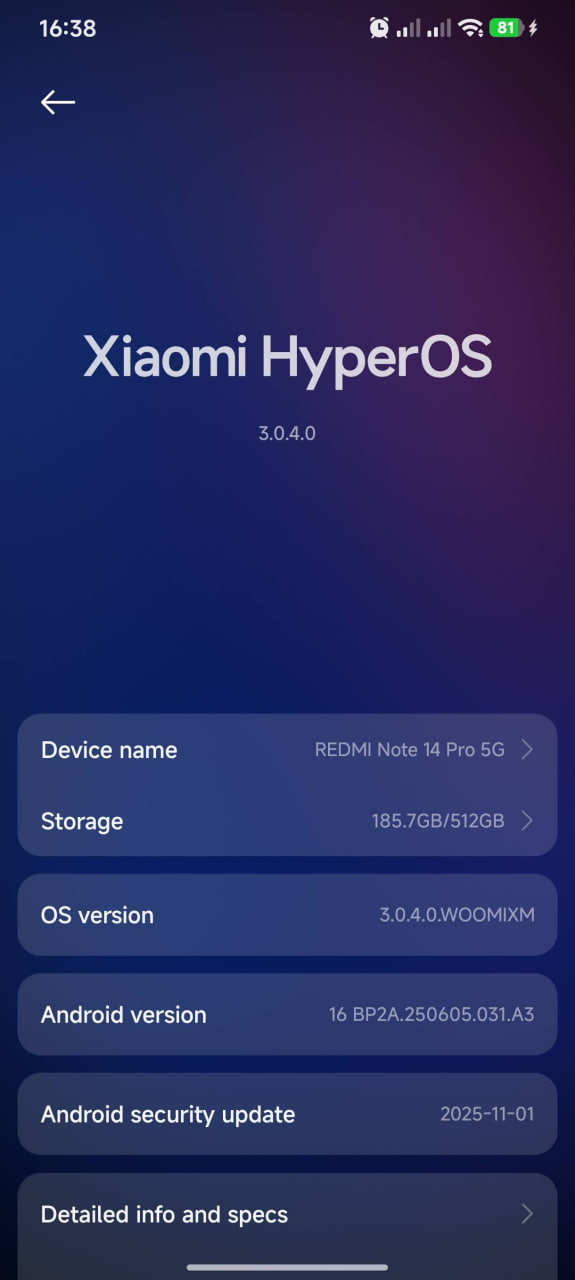
Finally, HyperOS 3 has gone global on both the POCO X7 and the Redmi Note 14 Pro mid-range models. Coming as OS3.0.4.0.WOOMIXM based on Android 16, this update brings a finely tuned interface, improved AI capabilities, and new system optimizations for devices like the Xiaomi 15TXiaomi 15 Ultra, and POCO F7 Ultra.

What the HyperOS 3 Update Offers

With HyperOS 3, there comes a more effective structure, better visual consistency, and smoothness in interactions. Based on Xiaomi’s updated HyperConnect framework, the software promises a much-needed element of continuity between smartphones, tablets, and a host of connected ecosystem devices.

The upgrade package for POCO X7 and Redmi Note 14 Pro brings interface improvements, new iconography, and low-level performance optimizations to ensure stability while supporting both models with long-term software support.

Notable Features in This Release

HyperOS 3 comes with a number of upgrades that make the daily usage experience better on supported Xiaomi, Redmi, and POCO devices.

  • AI Enhancements: Faster image processing, optimized on-device AI, and improved system prediction.
  • Visual Refresh: Updated icons, refined animations, more modern layout.
  • Super Island: An enhanced platform for notifications, multitasking, and contextual information.
  • iOS-like Interaction Layer: More fluid touch response, streamlined control elements.
  • Performance Optimization: Better memory distribution and improved power efficiency on Android 16.
HyperOS 3 Global Changes 2 HyperOS 3 Global Changes 3 HyperOS 3 Global Changes 4 HyperOS 3 Global Changes 5 HyperOS 3 Global Changes 6 HyperOS 3 Global Changes 7 HyperOS 3 Global Changes 8 HyperOS 3 Global Changes 9 HyperOS 3 Global Changes 1 HyperOS 3 Global Changes 10 POCO X7 REDMI Note 14 Pro HyperOS 3 3 POCO X7 REDMI Note 14 Pro HyperOS 3 1 POCO X7 REDMI Note 14 Pro HyperOS 3 2

Supported Devices for HyperOS 3 (Android 16)

Xiaomi continues to expand Android 16 coverage, with the POCO X7 and Redmi Note 14 Pro joining the list of eligible devices. Currently supported models include:

  • Xiaomi 15T
  • Xiaomi 15T Pro
  • Xiaomi 15
  • Xiaomi 15 Ultra POCO F7 Ultra
  • Xiaomi Pad 7 Pro
  • Redmi A3
  • Redmi Note 14 Pro+
  • POCO X7 Pro

The rollout will continue, in phases, to other compatible devices globally.

Installation and Compatibility

The update is delivered over-the-air and under Xiaomi’s staged rollout policy. Users who want to trigger the update manually or to hasten its availability can manually check for updates through our HyperOSUpdates.com platform or install the MemeOS Enhancer application from the Play Store itself. MemeOS can enable advanced features in Xiaomi devices which are kept hidden, update system apps, and more conveniently access app update channels.

HyperOS 3 continues its global expansion with improved features, better visual consistency, and enhanced stability on Android 16. POCO X7 and Redmi Note 14 Pro are now part of the rollout schedule, as Xiaomi steadily works on delivering its latest software advances to the broader global community.

Xiaomi confirms Pro Max boom, but the 17 Pro Max leads the market

17 November 2025 at 17:59

Taking to Weibo, the new statement by Lu Weibing, Partner and President of Xiaomi Group, has underlined the growing trend in the premium smartphones sector. According to him, more brands are preparing Pro Max models, yet the Xiaomi 17 Pro Max keeps a clear lead in the 6000 yuan (~$840) segment. His comments further underline the strength of the REDMI K90 Pro Max in the 4000 yuan (~$560) range. This move continues Xiaomi’s strategy to expand high-end offerings, a development which follows earlier innovations showcased in the Xiaomi 17 series and Xiaomi HyperOS updates.

The Market Moves Toward Larger “Pro Max” Models

More and more “Pro Max” devices signal a shift toward larger-screen, high-performance flagships. For this paper, Xiaomi positions the Xiaomi 17 Pro Max as the premium choice in its class. This series embodies a company tradition of integrating advanced display technology and high-capacity batteries while keeping design and performance balanced. While similar trends are followed by brands across the industry, Xiaomi is positioning itself for a strong advantage with innovation leading component optimization.

Xiaomi Strategy

One can easily notice that Xiaomi has long focused on delivering top-tier experiences across both performance and imaging systems in the 17 Pro Max. The device leverages improvements in the Snapdragon 8 Elite series and integrates the company’s newest display technologies, managing to achieve a stable lead in this price category. Equipped with strong battery life and rapid charging solutions, the model will appeal to users who expect uncompromised performance both in everyday and advanced scenarios.

Xiaomi 17 Pro Max: Key Specifications

Xiaomi introduced Xiaomi 17 Pro Max in September and positioned this smartphone at the premium tier of its lineup.

Hardware and Performance

  • 6.9-inch ultra-large flat display
  • Fifth-generation Snapdragon 8 Ultra processor
  • New Leica Master Light and Shadow imaging system
  • Leica optical triple camera
  • 7500mAh Xiaomi Jinshajiang battery
  • 100W Xiaomi Surge wired + 50W wireless charging
  • Xiaomi HyperOS 3 supports Xiaomi Super Island

Starting price: 5999 yuan (~$840)

This setup reflects Xiaomi’s emphasis on advanced optics, long endurance, and fast performance, turning the 17 Pro Max into an outstanding competitor among the premium large-screen flagships.

REDMI K90 Pro Max Strengthens the 4K Yuan Segment

Launched in October, the REDMI K90 Pro Max is the first “Pro Max” variant from REDMI. Since the REDMI K-series is meant for China only, this device will surely hit global markets later on as a POCO-branded model.

Main Features of REDMI K90 Pro Max

  • 6.9-inch 120Hz RGB OLED equilateral flat screen
  • Fifth-generation Snapdragon 8 Ultra
  • Dedicated D2 graphics chip
  • 7560mAh battery
  • 100W Wired + 50W Wireless Charging

Starting price: 3999 yuan (~$560)

The model is positioned to underline Xiaomi’s presence in the high-value performance segment by offering strong hardware at a competitive price.

Where do you want to go? Lu Weibing’s statement affirms Xiaomi’s strategic direction as the industry goes deeper into the era of large-format “Pro Max” flagships. The Xiaomi 17 Pro Max and REDMI K90 Pro Max, meanwhile, double down on strengthening Xiaomi’s position across various key premium price categories, besides setting strong benchmarks in display, imaging, and battery performance. Xiaomi remains committed to refining high-end experiences across its smartphone ecosystem and is a signal that more significant improvements may be witnessed in subsequent product cycles.

POCO X7 Pro receives HyperOS 3 global stable update with Android 16

17 November 2025 at 11:50

The POCO X7 Pro is now receiving the HyperOS 3 global stable update, an important move in Xiaomi’s wider Android 16 rollout. Meanwhile, this is being treated as part of the EEA region release for the model based on the Redmi Turbo 4 architecture and shores up system performance, while introducing the latest AI-enhanced features.

HyperOS 3 Global Stable Rollout for POCO X7 Pro

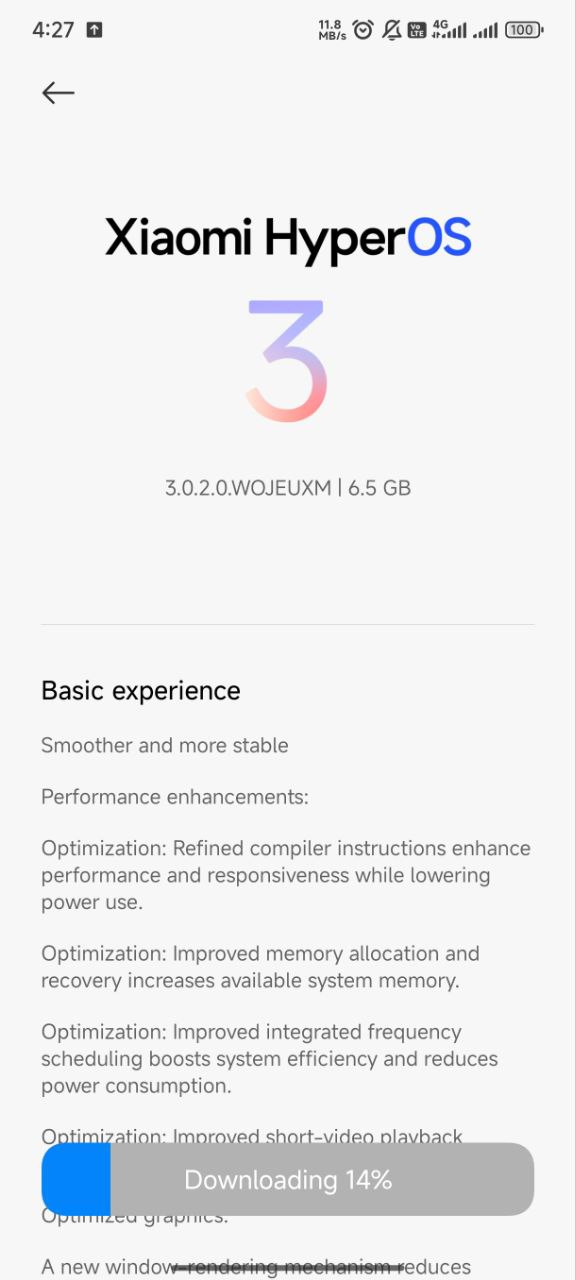
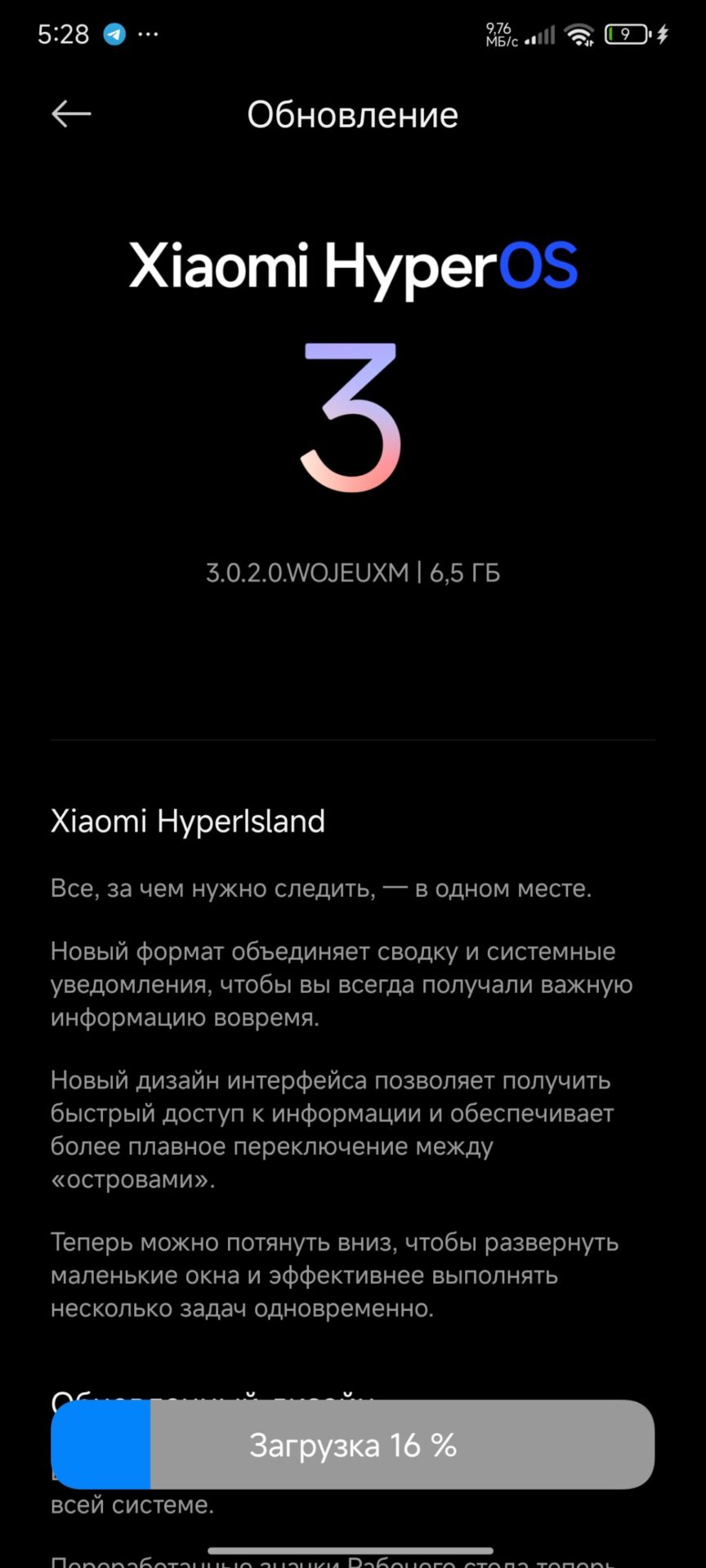
This update brings Xiaomi’s latest optimizations to the POCO X7 Pro, with the build number OS3.0.2.0.WOJEUXM. Indeed, it was released on 17 November 2025, based on Android 16 and according to Xiaomi’s current flagship software strategy. The update concentrates on system smoothness and better resource management, hence offering users a noticeably more responsive interface.

HyperOS 3 also brings a redesigned iconography library, enhanced animations, and deeper AI processing layers aimed at refining daily interactions. These improvements follow the same software direction found in recent Xiaomi flagships.

POCO X7 Pro HyperOS 3 2 POCO X7 Pro HyperOS 3 1

Android 16 Expansion Across Xiaomi Ecosystem

Meanwhile, Xiaomi has already made Android 16 available for several major phones, including the Xiaomi 15TXiaomi 15T ProXiaomi 15Xiaomi 15 UltraPOCO F7 UltraXiaomi Pad 7 ProRedmi A3, and Redmi Note 14 Pro+. Distribution to additional models proceeds step by step as part of the structured release plan of Xiaomi.

In general, this expanded wave indicates that Xiaomi believes in long-term support to keep its ecosystem consistent and aligned with both smartphones and tablets.

Key Features Introduced with HyperOS 3

HyperOS 3 introduces many new capabilities designed to upgrade user experiences. One paragraph is required before heading into progression for clarity and structural consistency. This update brings together a mix of performance refinements and interface enhancements aimed at smoothness and responsiveness.

High-Lights of Improvements

  • Improved AI engine for smarter task processing
  • New system icons with a more modern visual language
  • Refined iOS-inspired interaction patterns for smoother navigation
  • Super Island enhancements for better multitasking and status visibility

Such features make the system environment more coherent and intuitive, contributing to an overall better daily experience on the POCO X7 Pro.


Xiaomi expert explains the secret to getting updates first

13 December 2025 at 20:25

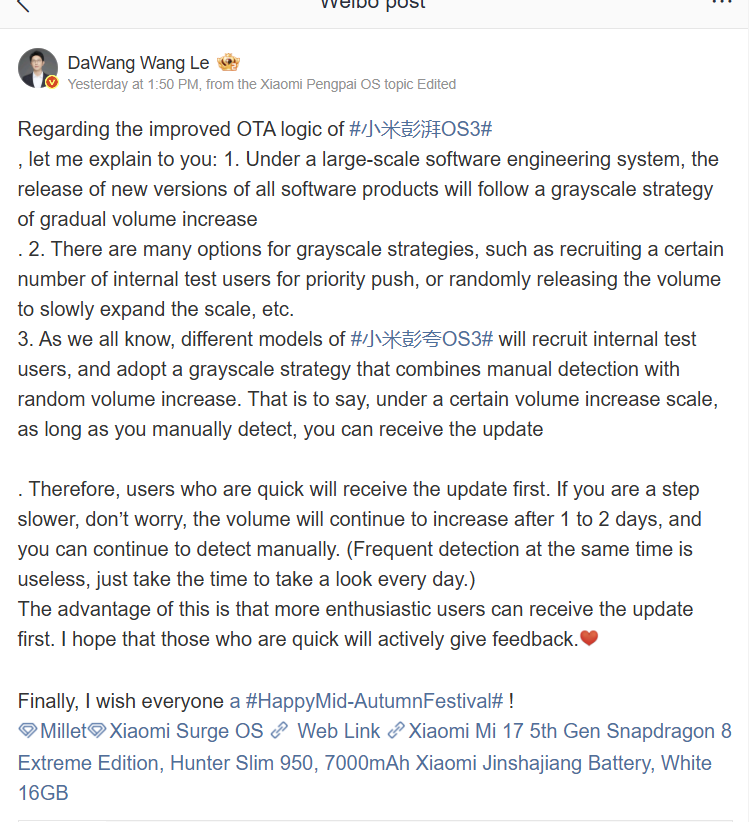
The much-anticipated Xiaomi HyperOS is rolling out, and users are eager to know the best way to be among the first to experience the revolutionary system. Recently, Wang Le, Director of Xiaomi’s Application Software Department, took to social media to give us an insider’s look into the improved Over-The-Air (OTA) update logic for Xiaomi HyperOS 3. This clarification is a massive gift to the Xiaomi community, especially those who love to jump on the latest features immediately. Understanding this “grayscale strategy” will make the waiting game much easier for everyone. Wang Le’s statement confirms that, in a massive software system like ours, every major release must follow a meticulous, phased rollout to ensure stability and quality for millions of users worldwide.

Understanding the New HyperOS 3 OTA Grayscale Strategy

At its core, any large-scale software rollout, like an OS update, uses what’s called a grayscale strategy—a fancy term for a gradual, controlled release. This measured approach is crucial for catching any unexpected bugs in a real-world environment before the update reaches everyone. While there are many ways to manage a grayscale release, such as targeting a specific number of internal testers or doing a pure random volume push, Xiaomi has refined its method for HyperOS 3.

Xiaomi is adopting a nuanced approach that expertly balances human verification and random distribution.

  • Priority Manual Detection: Xiaomi first recruits a number of dedicated internal test users for various models. These users receive the update early to manually verify that everything is running smoothly.
  • Random Volume Integration: Once manual testing has given the green light, the system begins a random release push to a wider, though still limited, audience.

Wang Le confirms that for those within this initial release scale, the key to getting the update is simply to manually check your device.

Ekran goruntusu 2025 10 07 111705

Insider Tips on Getting Your HyperOS Update

Based on Wang Le’s advice, the process is straightforward, but it requires a bit of savvy:

  • Be Quick to Check: Users who are quick to update—meaning they manually check for the update shortly after a batch begins rolling out—are the ones who will receive the update first among the random selection group.
  • No Need to Obsess: For those who miss the initial wave, there’s no need to panic. The update volume will continue to increase over the next day or two, so you will eventually be included in a push.
  • A Daily Check is Enough: Wang Le offered a great tip: frequent testing at the same exact time repeatedly is pointless. A quick manual check once or twice a day is sufficient, ensuring you catch the update as the volume expands.

This process ensures that a huge rollout, which is currently underway for the massive HyperOS 3 Beta program—already exceeding 1.2 million users who have upgraded, a monumental achievement that is 10 times the initial target—remains smooth and stable for all.

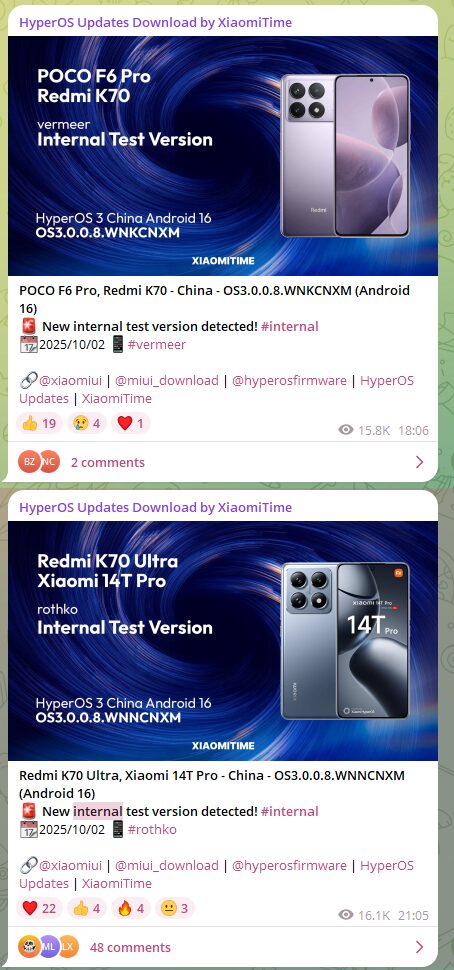
How to see internal builds?

We are sharing internal build and update process in our HyperOS Download Telegram channel. You can follow it to see updates.

Ekran goruntusu 2025 10 07 111827

Accessing More Xiaomi Goodies and Updates

If you’re an absolute Xiaomi enthusiast like me, you know that keeping your system apps and features up-to-date is a must! You can always ensure you have the very latest features and application updates by downloading the MemeOS Enhancer application from the Google Play Store.

Using this app allows you to:

  • Easily update your system applications.
  • Access hidden Xiaomi features not yet visible in the main settings.
  • Bypass the standard settings menu to access the update screen directly.

Source

Why Xiaomi now launches fewer smartphone models than before?

16 November 2025 at 23:51

The recent change in Xiaomi’s strategy to launch fewer smartphone models is something that has gained huge attention among users. This was not coincidental but reflected a structured, long-term transformation in the global business strategy at Xiaomi. While transitioning from hardware-driven growth to an ecosystem-centric one built around Human x Car x Home, Xiaomi is focusing on quality, longevity, and ecosystem value. This is further connected with the core tenets of HyperOS and the expanding Xiaomi portfolio of AIoT and EVs. For earlier news on device updates, the reader may want to refer to the overview on Xiaomi 15 series or delve deeper into the details of update met on HyperOS through internal coverage.

Xiaomi’s Strategic Transformation Toward an Ecosystem-Driven Model

Such a strategic change by Xiaomi dovetails into the company’s transformation in 2024-2025: from high-volume smartphone launches to a refined portfolio. If the smartphone business had once been the main growth engine of the company, recent financial data shows a clear shift toward high-value ecosystem domains.

In Q2 2025, while the overall smartphone market grew, Xiaomi’s smartphone revenues declined 2% year-over-year due to price pressure and lower profitability. On the other hand, the AIoT segment expanded radically to 38.7 billion CNY (≈5.3 billion USD), representing a 44.7% growth rate on a yearly basis. Simultaneously, the electric vehicle business of Xiaomi reached over 20 billion CNY (≈2.75 billion USD) quarterly revenue, buoyed by solid demand for the SU7/YU7 models.

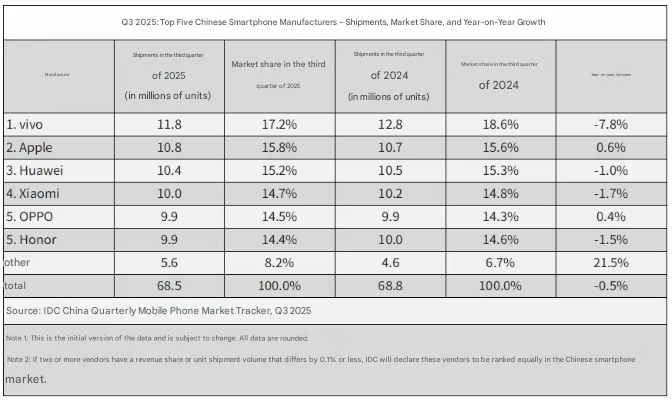
XIaomi Q3 2025 Shipment Report

This transition shows a larger corporate shift: smartphones are no longer the key revenue driver but the core “hub” of a much larger HyperConnect ecosystem, including smart homes and smart electric vehicles.

How Extended Software Support Directly Reduces the Number of Models

A contributing factor to fewer releases of new smartphones is Xiaomi’s long-term software policy. Now, the company promises four major OS upgrades and six years of security patches for key product lines such as the Xiaomi 15 series and Redmi Note 14 series.

This extended support requires extensive engineering resources. Maintaining dozens of models and regional variants with six years of patches, as well as adapting multiple generations of Android and HyperOS, are not operationally sustainable under the old strategy of “many models per year”. This new strategy of fewer but unified global models is the way forward for Xiaomi to have more efficient long-term maintenance while increasing overall device quality and user satisfaction.

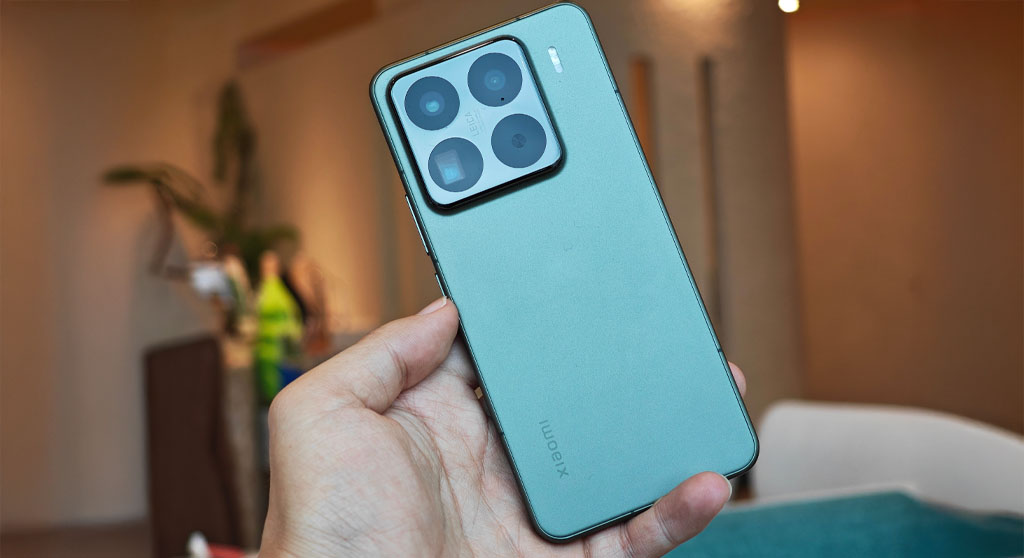
Xiaomi 15 Pro

Thus, the fewer number of smartphones is not because of contraction but because of strategic requirements for longer and more reliable software lifecycles.

Lessons from India: Why the Old Strategy Could Not Continue

Xiaomi’s earlier approach of frequent model launches, aggressive pricing, and wide fragmentation began to show its limitations in certain markets like India. In early 2025, shipments of Xiaomi in India suddenly fell 42% year-over-year, and the brand tumbled from first to sixth place after years of dominance.

Several structural issues contributed to this result:

  • Consumers reported confusion created by overlapping Xiaomi, Redmi, Redmi Note, Poco, and Civi lineups.
  • Fragmented regional ROMs created inconsistent experiences between China, Global, India, and Europe.
  • Efforts to move into premium pricing clashed with the brand’s established positioning.
  • It therefore faced additional operating challenges posed by regulatory issues.

In response, Xiaomi now focuses on clear segmentation, simplified portfolios, and stronger software reliability powered by HyperOS.

What Happened to Mix Fold and Civi?: Evidence of Portfolio Streamlining

The fact that there will be no MIX Fold 5 in 2025 and the limited global rollout of the Civi series demonstrate a new discipline in product planning at Xiaomi. Categories that are high in cost but limited in commercial impact, like foldables, are being reassessed.

Similarly, while the Civi 5 Pro launched in China, its global rebranding plans were put on hold to avoid duplication with the Xiaomi 15 series and not be repetitive, as it was in earlier positioning in markets like India.

This reflects Xiaomi’s transition from the earlier “every niche needs a model” philosophy to a leaner and more sustainable structure whereby every device meaningfully contributes value to the ecosystem.

Xiaomi’s New Era of Focus on Long-Term

Value The transition by Xiaomi from high model output to a leaner and more ecosystem-oriented portfolio is a strategic transformation. From quantity-based competition, Xiaomi now focuses on:

  • Longer software support
  • Stronger ecosystem integration with HyperOS
  • Higher quality hardware
  • Global consistency

Sustainable profitability It involves refinement that guarantees stability in devices, longer product life cycles, and smooth user experiences across smartphones, EVs, and smart home platforms.

Long before Labubu went viral, Xiaomi had its iconic mascot Mitu

16 November 2025 at 08:00

Xiaomi has always positioned itself as a user-centric brand, and among the most distinctive features of this positioning is its official mascot-Mitu, which is known as Mi Bunny internationally. This mascot has played a very significant part in Xiaomi’s cultural positioning, user communication, and general storytelling. If you’re interested in Xiaomi’s history, you might want to go through our other pieces on Xiaomi’s Branding EvolutionFeatures of HyperOS, or Xiaomi’s Product Ecosystem. The presence of Mitu symbolizes Xiaomi’s philosophy of approachability, innovation, and long-term commitment to its community.

Mitu’s Origins and Design Philosophy

Mitu was designed by Sun Guangdou, also known as Dou Ye, who joined Xiaomi as employee number 34. The mascot is a white rabbit in an Ushanka hat and red pioneer scarf, both culturally specific to China. The design has avoided a literal translation of the word “Xiaomi” for a friendly, approachable character that communicates the values of the brand.

Mi Bunny Mi Bunny

Mitu’s designer intended her to look a bit “silly,” which humanizes the image of Xiaomi and disrupts the formality associated with tech companies. This design further enforces their famous motto: “Just for fans,” underlining the notion of building up a brand that is more companion-like and not at all corporate. The employees of Xiaomi often use the figures of Mitu in internal communication and events; this further supports the position of the mascot as a kind of symbol of openness within the organization.

Mitu in Xiaomi’s Early Software Ecosystem

Before Xiaomi became a global hardware powerhouse, it was known for MIUI, a custom Android platform. Mitu served as the official mascot for MIUI ROMs, representing the brand’s relation to open-source development and community-driven customization. The company even produced physical Mitu vinyl figures, which became collector items among early fans.

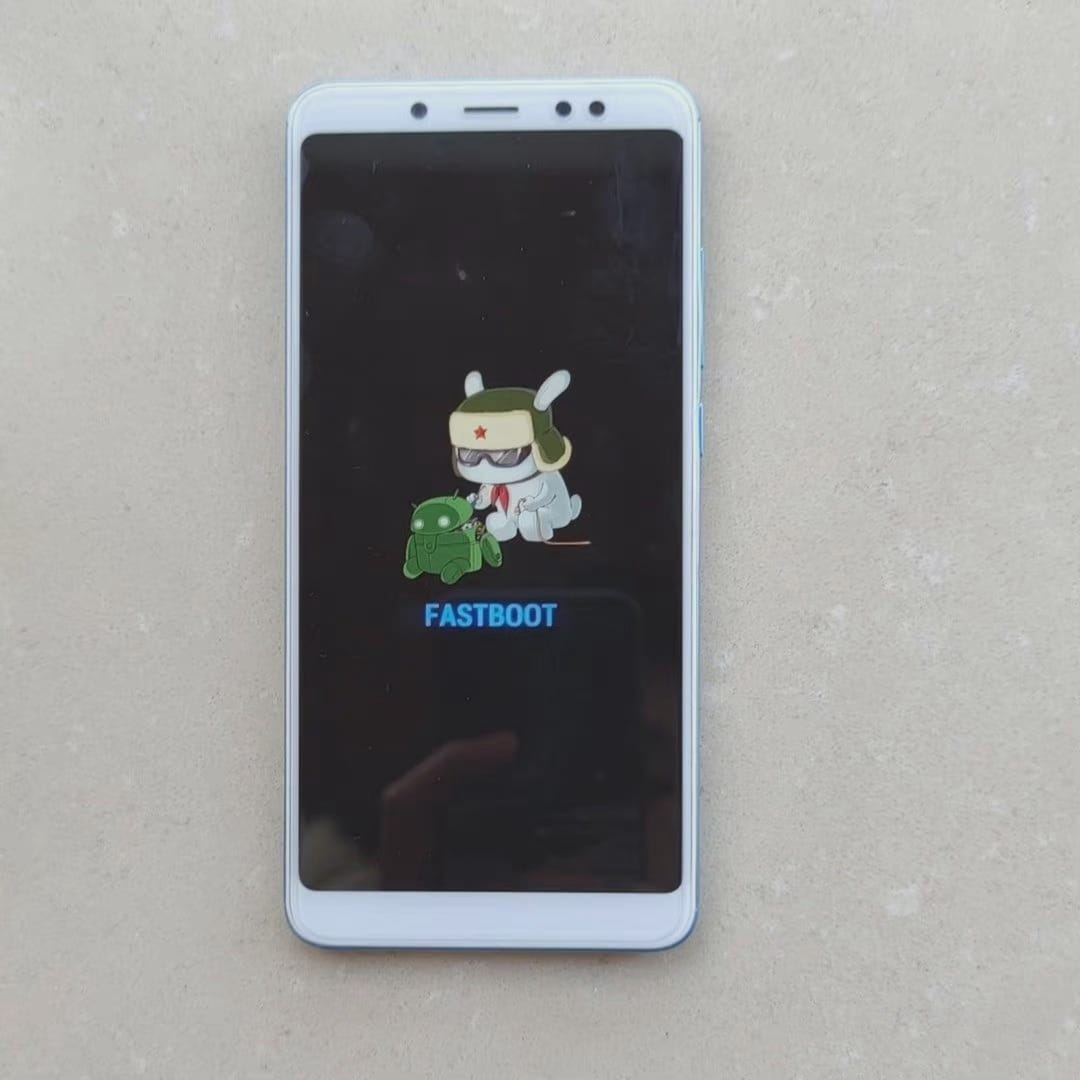
fastboot mode

Among his most iconic incarnations was certainly the Fastboot Bunny: a version of Mitu when devices booted into Fastboot mode. The animation, which involved Mitu seemingly “fixing” an Android robot, became closely associated with Xiaomi’s modding culture. That gave way to a message of empowerment, where advanced users could modify, unlock, and tinker with their devices in ways unheard of by most major smartphone manufacturers.

However, as Xiaomi grew worldwide, this highly technical representation became irrelevant to mainstream consumers. Newer versions of the software had Mitu removed from the Fastboot interface, signaling the company’s shift from a niche, enthusiast brand to a global technology leader with wider audiences in mind.

IMG 3919 fotor 20240430182055 min scaled

Mitu: A Global Transformation

As Xiaomi expanded outside China, the original Mitu design faced challenges. The Ushanka hat originally sported a red star-a symbol widely associated with political ideology. Whereas it was culturally acceptable in China, this created a marketing obstacle to its success in markets such as Taiwan and Europe.

Strategic Redesign

Xiaomi started to modify or mask the red star for international campaigns. It eventually replaced it with the MI logo, which came with a politically neutral and globally consistent visual identity. This represents a broader strategic change that Xiaomi has undergone-from domestic disruptor to refined global corporation keen on compliance and culturally sensitive.

This redesign ushered in the start of Mitu’s transformation into a global-ready sub-brand, adaptable to international markets and in line with Xiaomi’s premium ambitions.

Mitu as a Commercial Sub-Brand

After addressing branding challenges, Xiaomi placed Mitu as a commercial ambassador. This strategy utilized the popularity of Mitu to enter categories of consumers that were family-oriented and required friendliness with a trust-building visual identity.

Examples include the series of Mitu Kids Smartwatches, which feature GPS tracking, communication features, and security tools for children. By combining these advanced functions with a familiar mascot, Xiaomi reduced psychological barriers for parents who were concerned about privacy or technology use.

Mitu smartwatch

Robotics and Education

Its expansion continued with the Mitu Robot, a modular and programmable robot consisting of hundreds of parts. This product introduced Xiaomi to STEM education markets, showing how this brand could merge playfulness in design with engineering-driven educational value.

More than an adorable character, Mitu is an icon for Xiaomi’s history, evolution, and user-first philosophy: from its birth on MIUI to global adaption and eventually becoming a commercial sub-brand in its own right, Mitu has reflected Xiaomi’s values of innovation, inclusiveness, and community culture. Today, it stands for one of the most recognizable mascots in the technology ecosystem, reflecting the mission of building technology that feels warm, friendly, and approachable for all.

Xiaomi fixes full-screen gesture bug in latest update

16 November 2025 at 05:41

Xiaomi has officially fixed the full-screen gesture malfunction that some Beta users were facing on HyperOS. The glitch, which had caused gesture controls to fail or trigger split-screen mode unintentionally, is now fixed and confirmed via an announcement on Mi Community. Users can refer to other internal guides such as HyperOS gesture navigationXiaomi Beta update details, and Xiaomi system optimization tips for further reference. The update targets consistency and usability across devices running the latest Beta firmware.

Xiaomi Confirms Gesture Bug Fix in HyperOS Beta

The issue, as recently reported, made full-screen gestures not work in certain desktop scenarios. In some cases, the exit from games triggered unexpected behavior, such as opening the app split-screen interface instead of returning to the home screen. Xiaomi said that the root cause was related to temporary system conflicts within the gesture recognition framework and this has now been resolved in the weekly Beta rollout.

Xiaomi gesture problem 2 Xiaomi gesture problem 3 Xiaomi gesture problem 1

What Was the Problem?

The bug showed up in normal navigation: users reported that swiping to go back from an app sometimes wouldn’t work, which disrupted the user experience. These errors could be reproduced using simple steps like opening any software and performing a standard gesture action. According to Xiaomi, the update now restores expected behavior across all affected modules, ensuring that gesture inputs translate reliably into navigation responses.

Details From Xiaomi’s Bug Report

On the official Xiaomi channels, it was clearly articulated what exactly the problem consisted of. Indeed, in cases when users switched to a previous screen using full-screen gestures, the system sometimes froze or activated an undesired interface. Following internal testing, engineers released an accurate patch designed to stabilize gesture execution and evade unplanned mode switching in transitions.

Expected vs Actual Behavior

Swiping from the side of the screen should normally take users back to the previous page. This Beta bug made the gesture system nonresponsive, and users had to rely on other controls instead. With this patch applied, all gesture-based navigation functions work as they should, further smoothing out the flow of HyperOS.

Announcement and Availability

Xiaomi has confirmed the fix via its Beta communication channels on Mi Community, where it’s noted that the patch has already reached eligible testers in China. The company encourages Beta users to update immediately to enjoy the restored gesture performance along with other minor stability improvements included in this release. The official announcement can be read on Mi Community.

Redmi Note 14 Pro+ 5G finally receives global HyperOS 3 update

16 November 2025 at 04:11

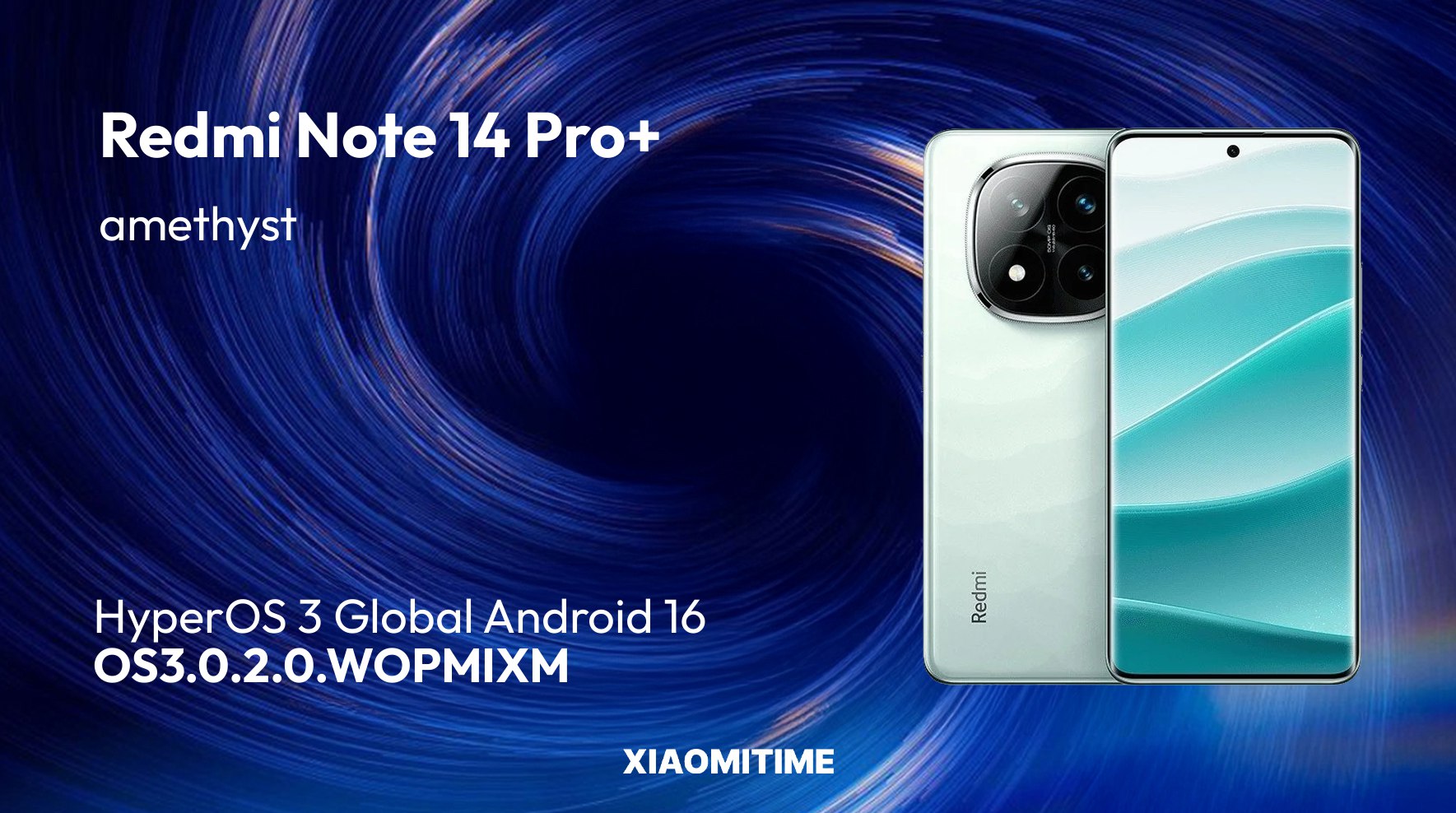
Xiaomi has officially released the long-awaited HyperOS 3 (OS3.0.2.0.WOPMIXM) update for the global Redmi Note 14 Pro+. The rollout is well in line with last week’s predictions. The upgrade brings Android 16 along with Xiaomi’s newest system innovations. With this, the device joins models such as the Xiaomi 15Xiaomi 15 Ultra, and POCO F7 Ultra, which have already started receiving similar builds.

What the Global HyperOS 3 Update Brings

HyperOS 3 is designed to improve overall system intelligence, consistency, and user interaction. The update focuses on better background processing and new visual refinements that improve daily use across tasks.

Key Improvements

  • AI Enhancements: Improved on-device processing for photos, text recognition, and dynamic suggestions.
  • New Iconography: Updated icon set with improved readability and visual balance.
  • iOS-Inspired Experience: Refined interface layout and transitions for smoother navigation.
  • Super Island: An interactive area dynamically displaying notifications and live activity elements.

These features mark Xiaomi’s ongoing efforts to unify its design language while pushing real-time functional elements to the user interface.

REDMI Note 14 Pro HyperOS 3 2 REDMI Note 14 Pro HyperOS 3 1

Android 16 Rollout and Supported Models

The Android 16 firmware has been expanding across Xiaomi and POCO devices with this new package. This update moves along with Xiaomi’s usual strategy of phased distribution where the company ensures stability before wider audiences.

  • Xiaomi 15
  • Xiaomi 15 Ultra
  • Xiaomi 15T
  • Xiaomi 15T Pro
  • POCO F7 Ultra
  • Xiaomi Pad 7 Pro
  • Redmi A3

The rollout will continue progressively to additional models over the coming weeks depending on region and build certification.

What this means for users of the Redmi Note 14 Pro+

HyperOS 3 on the Redmi Note 14 Pro+ brings the system closer to Xiaomi’s unified ecosystem vision, referred to as Xiaomi HyperConnect, improving device-to-device interactions, app performance consistency, and long-term software maintenance. Users are recommended to update through system settings or, alternatively, to use HyperOSUpdates.com or the MemeOS Enhancer app on Google Play to manage official package downloads and system app updates.

The global release of HyperOS 3 to the Redmi Note 14 Pro+ marks another step in Xiaomi’s commitment to delivering stable, feature-rich software across its product family. Given that Android 16 is at the base, along with major UI refinements, users should expect smoother performance and a more cohesive ecosystem experience.

Xiaomi fixes persistent gallery crash bug with this week’s update

16 November 2025 at 02:22

Xiaomi has now officially fixed the problem where the Gallery app was crashing when swiping to album categories on the right, thus not allowing users to insert new photos or videos into those albums. Now live via the Mi Community and shipping to supported devices, the fix ensures that media browsing is smooth and seamless. Those with similar issues can update the Gallery application from HyperOSUpdates.com or via our MemeOS Enhancer tool, which unlocks many other hidden features of Xiaomi along with updating system apps.

Xiaomi Confirms and Fixes Gallery App Crash Issue

Xiaomi officially confirmed that some users faced continuous crashes while trying to open album categories inside the Gallery interface. The issue occurred when swiping right inside the photo album, inducing a forced shutdown loop that interfered with normal media operations.

The company did not waste any time in releasing a targeted update aimed at stabilizing the Gallery app and restoring its full functionality, such that users can once again add images, import videos, and organize their albums without interruptions. This was announced via the official Mi Community, further cementing Xiaomi’s commitment to rapid maintenance and improvements with its users in mind.

Screenshot 2025 07 04 15 54 25 444 com.miui .gallery

How Users Can Receive the Fix

Already, Xiaomi has started rolling out the patch to compatible HyperOS builds, and the update is available via multiple official channels but as system update. Updates are recommended for those who experienced similar instability during recent weeks.

Available Methods for Update Gallery

Users can upgrade the Gallery app directly via our MemeOS Enhancer tool, available on the Play Store. More than app updates, it also unlocks hidden functionalities in Xiaomi and gives easy access to system-level utilities.

With the update installed, the Gallery application should work as expected, including access to albums and the ability to import media.

What This Fix Means for Xiaomi Users

This swift bug resolution shows the relentless focus of Xiaomi on software stability and the comfort of users within the HyperOS ecosystem. Keeping key apps, like the Gallery, up and running is critically important for daily use of the device, considering the users who still manage their media locally in the device storage. With this patch, Xiaomi stays true to its reputation of providing timely and reliable updates throughout its lineup. — Source: Via Mi Community (official announcement)

The secret to shooting professional video with Xiaomi phones

16 December 2025 at 18:53

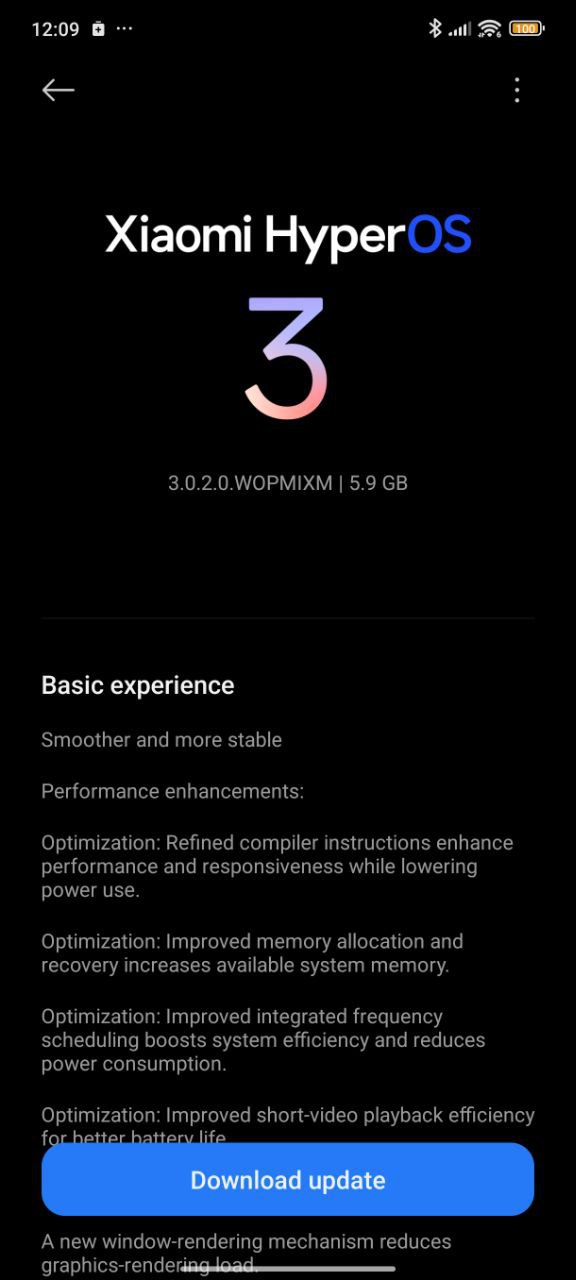
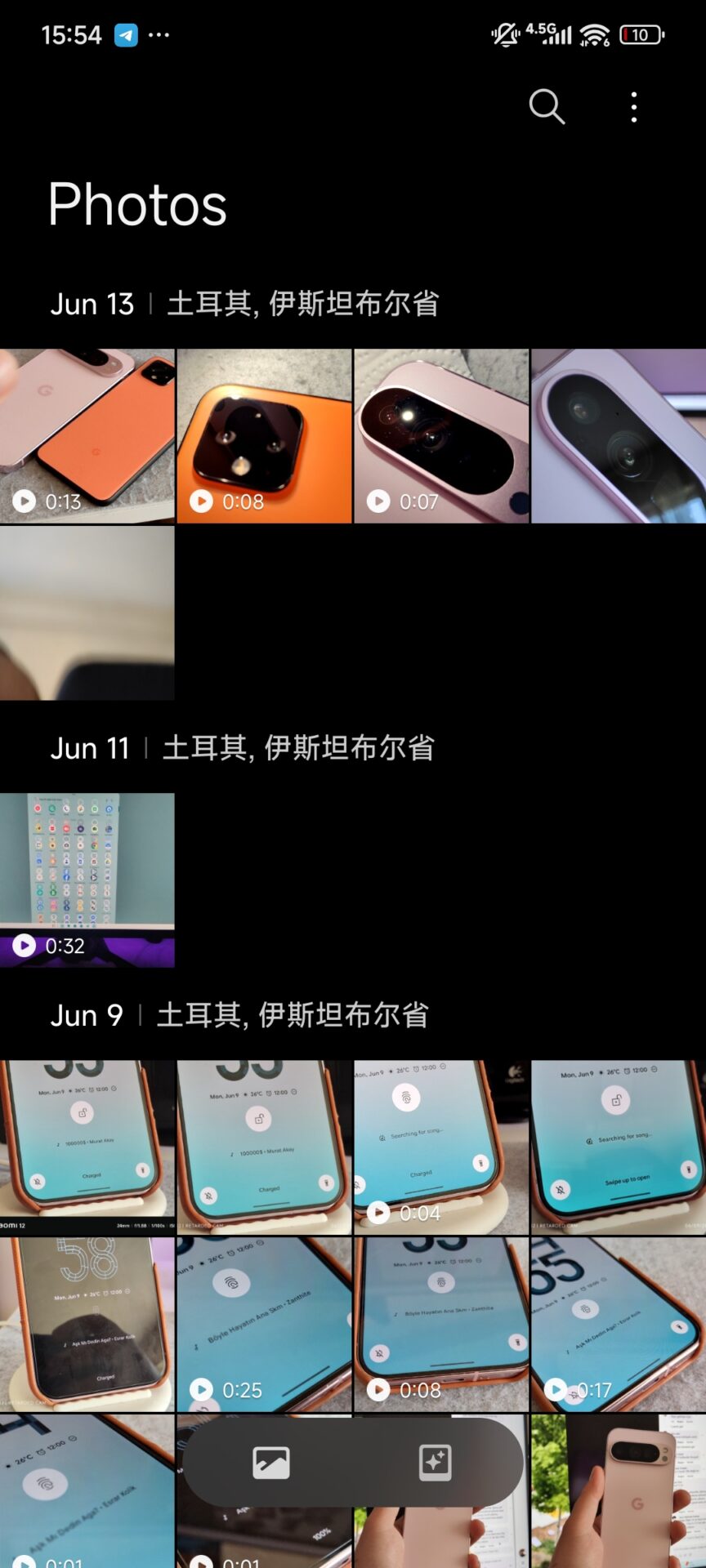
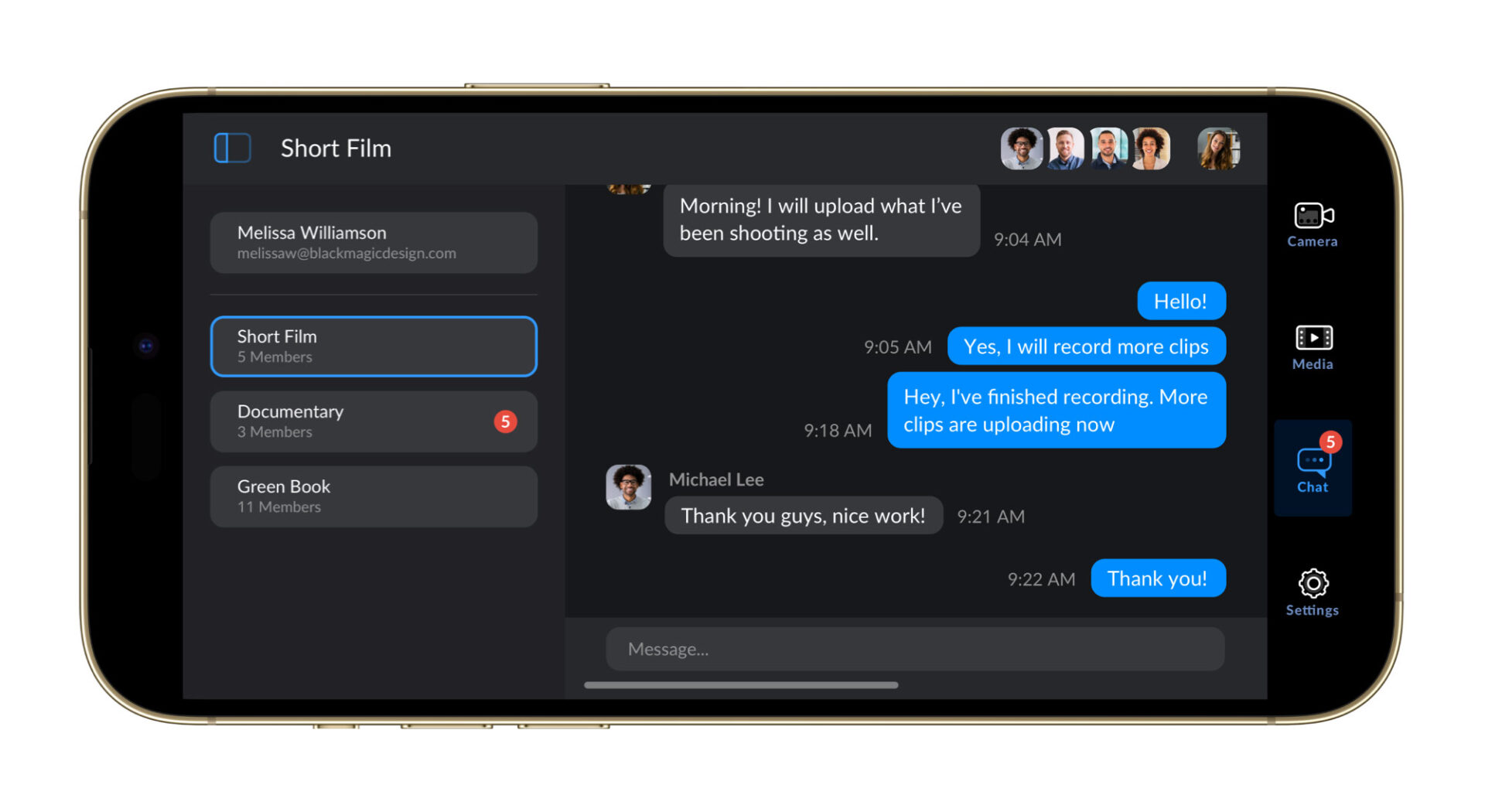
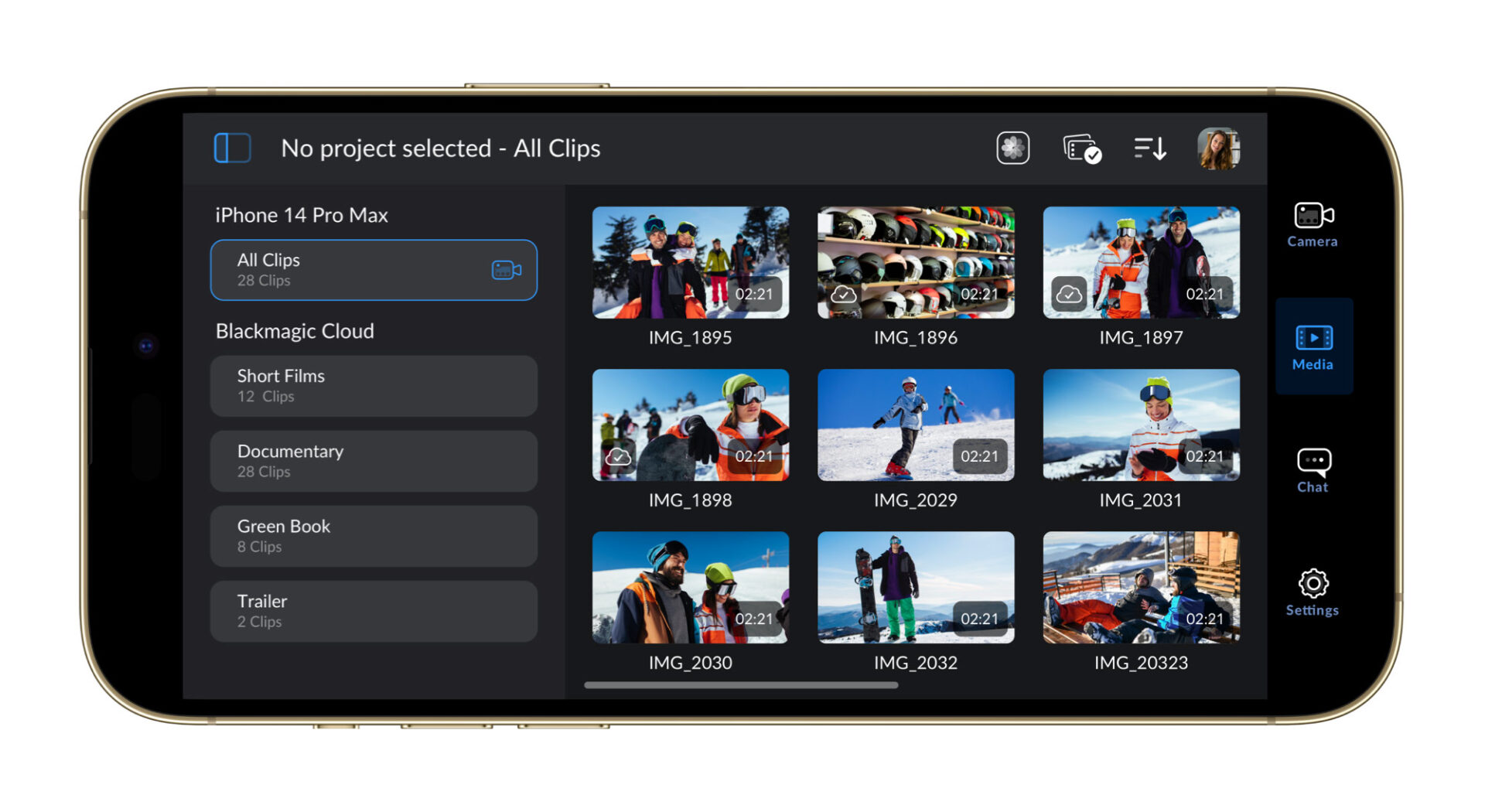
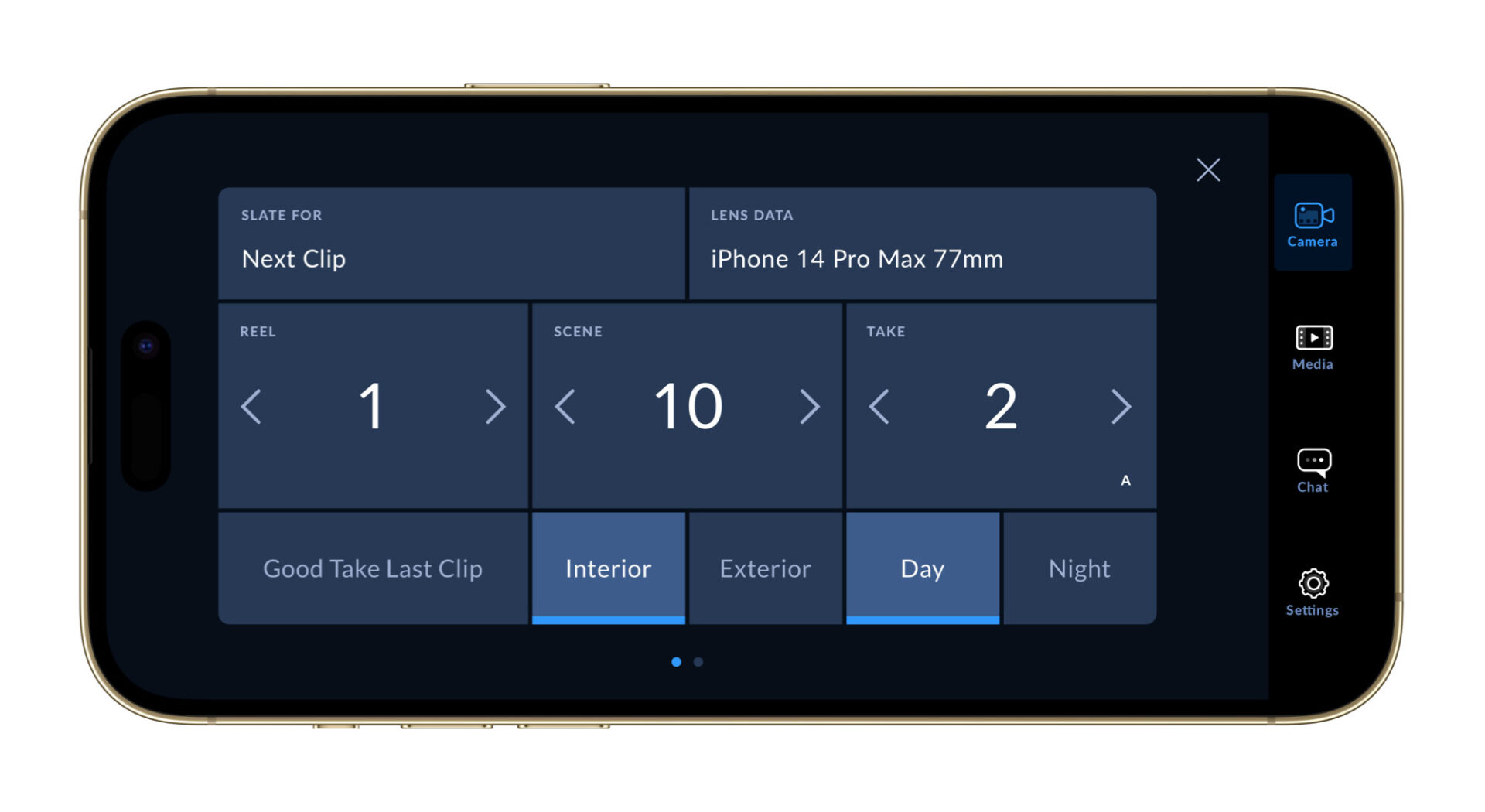
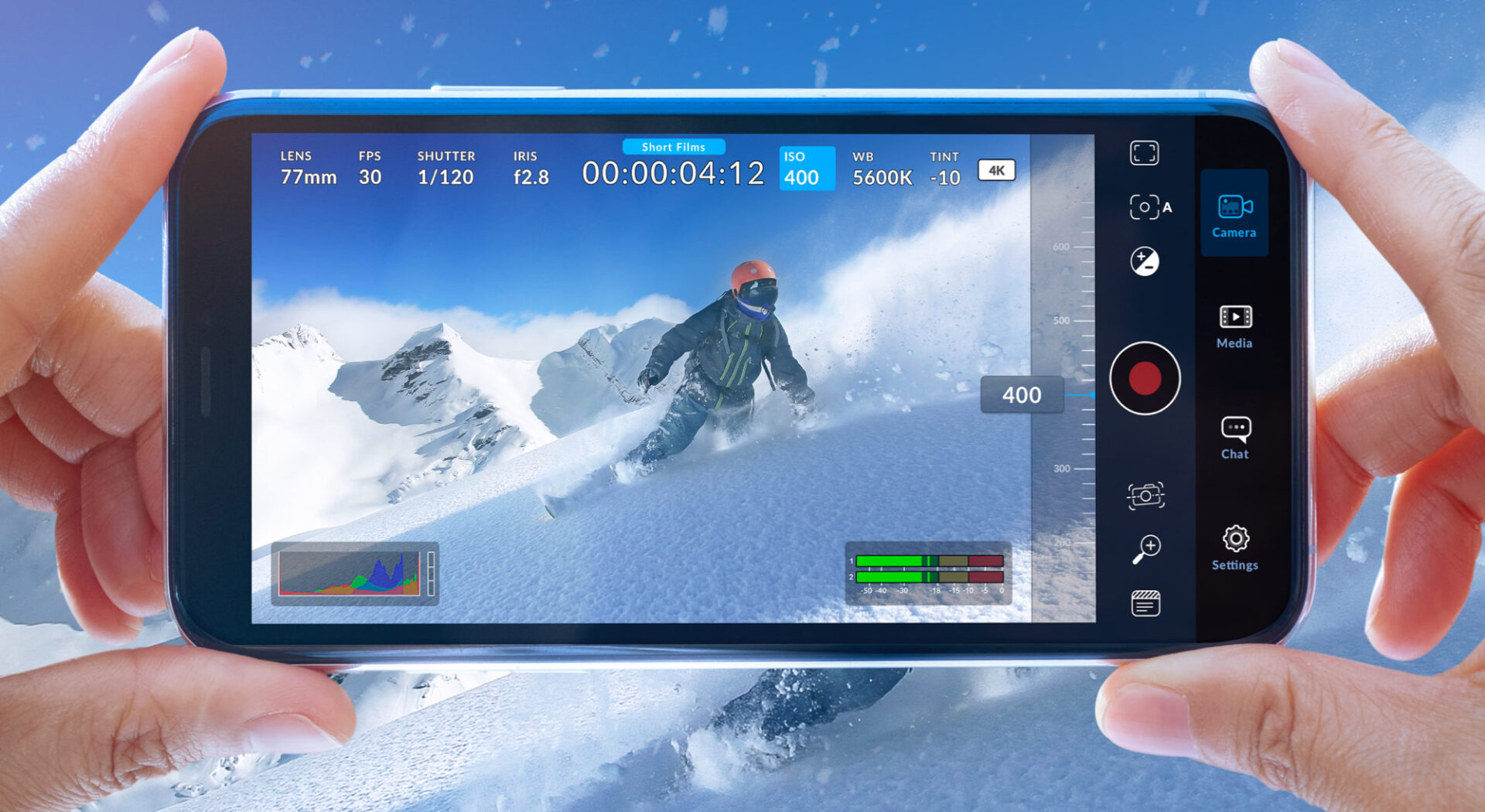
The line between professional cameras and smartphone cameras is getting blurrier every day, and a major reason is the rise of incredible apps like Blackmagic Camera. This app unlocks the full potential of your Android phone, including Xiaomi devices, by giving you the very same digital film camera controls used in Hollywood. Gone are the days of a basic point-and-shoot interface; now you can tap to adjust settings like frame rate, shutter angle, white balance, and ISO instantly. The app even supports recording up to 8K and can upload directly to Blackmagic Cloud, allowing you to collaborate with editors on DaVinci Resolve projects anywhere in the world, all in real time.

The app’s intuitive interface is its true strength. Everything is interactive and placed right in front of you on a Heads-Up Display (HUD), so you can make quick changes without getting lost in menus. You can even switch between 16:9 and vertical aspect ratios, or shoot 16:9 while holding the phone vertically for discreet filming. With dedicated tabs for media management, chat, and a full suite of advanced settings, Blackmagic Camera transforms your device into a true filmmaking powerhouse.

Unlocking Your Creativity with Advanced Features

The Blackmagic Camera app is packed with features that empower you to take total control of your footage. The HUD is a fantastic tool, showing you everything from your current lens selection and timecode to a histogram for checking exposure and audio meters to monitor sound. This level of control is what separates professional video from casual clips.

Here are some of the standout features that make this app a must-have for any serious creator:

  • Zebra and Focus Assist: These professional monitoring tools use overlays to show areas of overexposure and highlight what’s in focus, making it easier to get the perfect shot.
  • Frame and Safe Area Guides: Perfect for social media or cinematic releases, these guides help you frame your shots for specific aspect ratios.
  • False Color and 3D LUTs: Use false color overlays to check your exposure or apply a 3D LUT to preview a specific cinematic look in real time.
  • Rack Focus: Set up to three preset focus points and pull focus smoothly between them to create a professional rack focus effect.
  • AI Enhancements: The new HyperOS update for Xiaomi devices brings a host of new AI features that complement apps like Blackmagic Camera. This includes AI-powered photo search in the Gallery, AI Dynamic Wallpapers that turn photos into videos, and better performance optimization for all your creative apps.

This app is a fantastic example of the kind of software that truly leverages the power of Xiaomi’s hardware and HyperOS.

8 blackmagic 7 blackmagic 5 blackmagic 1 blackmagic

Which Xiaomi devices supported Blackmagic Camera

  • Xiaomi 13 series
  • Xiaomi 14 series
  • Xiaomi 15 series
  • Xiaomi 17 series

Getting the Update and Staying Connected

The latest HyperOS update will start rolling out to Mi Pilots first, with a global launched September 24, 2025. This update is not just about Blackmagic Camera; it also includes a ton of new features that enhance the entire Xiaomi experience, such as redesigned icons, new battery and signal symbols, and improved performance. For more news about the global release and to get the latest app updates as they come, be sure to check out our other projects like HyperOSUpdates.com. You can also download the MemeOS Enhancer app on the Play Store, which can help you get system updates and even unlock hidden features on your Xiaomi device.

Budget entry or refurbished glagship: Which Xiaomi phone is best for parents?

15 November 2025 at 19:33

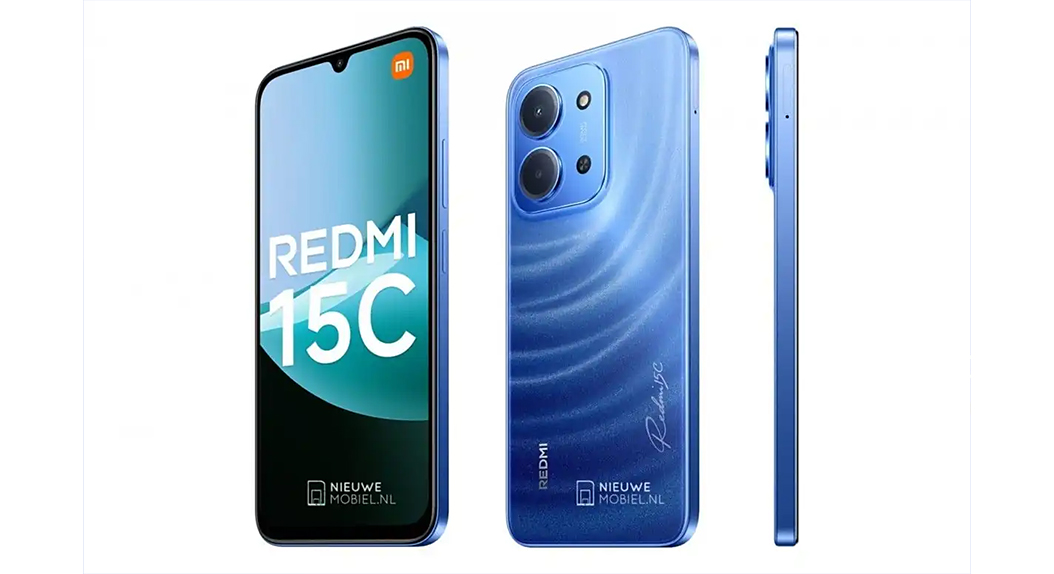
When purchasing a phone for one’s mom, dad, or grandparent, simplicity, reliability, and ease of use often come well ahead of raw performance. In 2025, this leaves us with two solid options from Xiaomi: the budget-friendly Redmi 14C and a refurbished Redmi Note 12 Pro. The Redmi 14C will provide a brand-new, zero-risk experience with the latest HyperOS, which also features a Simple Mode to switch to large icons. The refurbished Note 12 Pro impresses with its bright AMOLED screen, fast charging, and stereo speakers-all features that go toward increasing user comfort and accessibility.

Key Factors for Choosing a Senior-Friendly Xiaomi Phone

  • Screen Readability
    A large, bright display makes reading easy. The Redmi 14C’s IPS panel is generous in size, while the Note 12 Pro delivers richer contrast thanks to its AMOLED screen.

  • Audio Clarity
    Clear and loud stereo speakers are vital. The Note 12 Pro supports Dolby Atmos for richer sound, but the Redmi 14C also offers reliable stereo output in an affordable package.

  • Battery Life and Charging
    A high-capacity battery is essential, but so is fast charging. The refurbished Note 12 Pro supports 67 W fast charging, while the Redmi 14C provides 18 W charging in a budget format — ensuring practical use without long wait times.

  • Usable Interface
    For seniors, a simple, uncluttered UI matters most. The Redmi 14C runs the latest Android-based HyperOS with a Simple Mode, making navigation easy for those unfamiliar with smartphones.

Recommendation: Which to Choose?

Go for the Redmi 15C if you want:

  • Brand-new device with full manufacturer warranty
  • The latest HyperOS with regular updates
  • A clean, easy-to-use interface for users who prefer simplicity
REDMI 15C

Choose the refurbished Redmi Note 12 Pro if the priority is:

  • Better display quality – AMOLED, high brightness
  • Stereo sound with richer audio experience
  • Fast 67 W charging to minimize the time spent plugged into a wall
  • Better performance
  • But it’s update life is finished
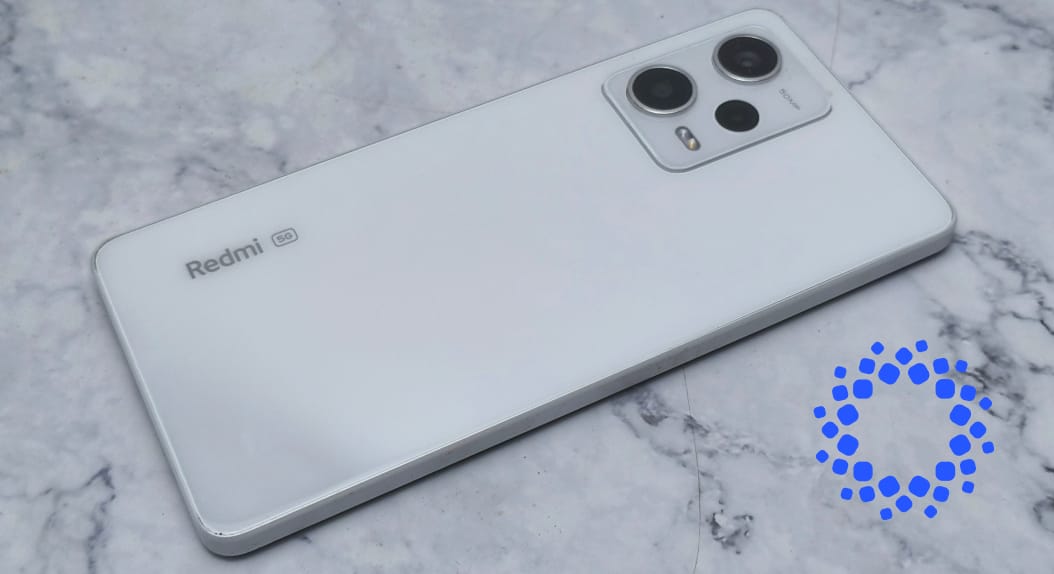
Redmi Note 12 Pro 5G receiving HyperOS 1.0 July 2024 security patch tpdate

Tips for Safe Refurbished Purchase

  • Purchase from trusted certified resellers that offer a warranty – at least 12 months.
  • Check the refurbisher’s rating and return policy.
  • If possible, confirm the battery health percentage, as older phones will have degraded battery capacity.

If the phone supports updates, then users can install Xiaomi’s apps and system upgrades through using our app from the Play Store called the MemeOS Enhancer. This will give access to a variety of hidden features, system apps, and over-the-air updates/ These two models from Xiaomi will balance cost, usability, and comfort superbly. It doesn’t matter whether you want a brand-new device that is stress-free or more features with quick charging; one will surely fit your family’s needs.

Apple and Xiaomi flagships surge by over 20% in China as counterpoint confirms sales boom

15 November 2025 at 18:21

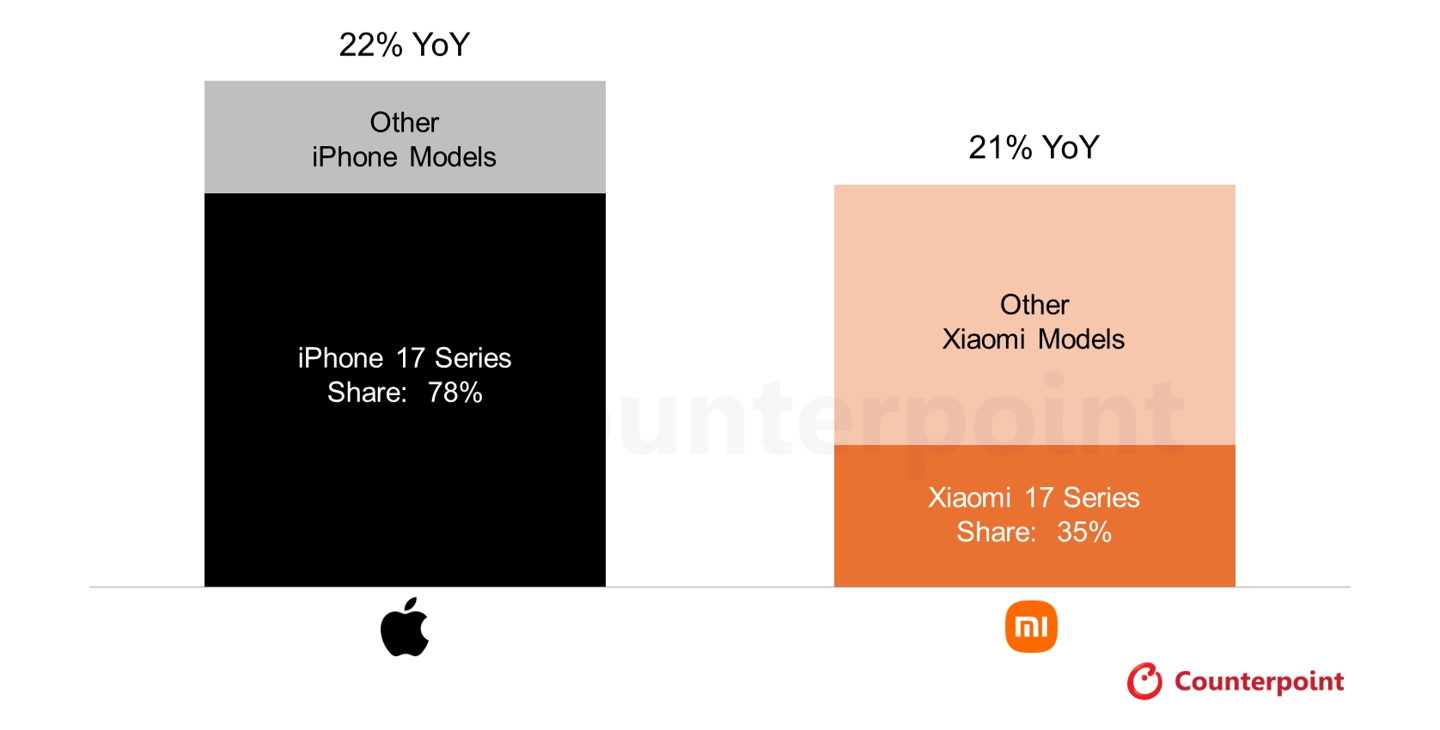
According to Counterpoint Research’s latest market analysis, both Apple and Xiaomi recorded over 20% year-on-year growth in sales of their flagship smartphones during the first month of their respective product launches in China. That is for September 20–October 20, 2024, for the iPhone 16 series and September 19–October 19, 2025, for the iPhone 17 series. The report highlights how the iPhone 17 series and Xiaomi 17 series became strong revenue drivers for each brand. Take a look at previous trends for Xiaomi flagships on our overview of the Xiaomi 17 series, Xiaomi market performance guide, or HyperOS features page.

Strong Uptake of the iPhone 17 Series

Apple saw a 22% year-over-year gain, mostly generated by the new iPhone 17 series. According to the statistics from Counterpoint, 78% of all Apple smartphone sales during the period under review came from the iPhone 17 series.

Analysts attribute this strong performance to an upgrade cycle among users who purchased devices during pandemic years. Both the base and Pro models have been positioned with a strong value-to-performance ratio, which helped Apple to maintain its sales momentum even after the Mid-Autumn Festival shopping season.

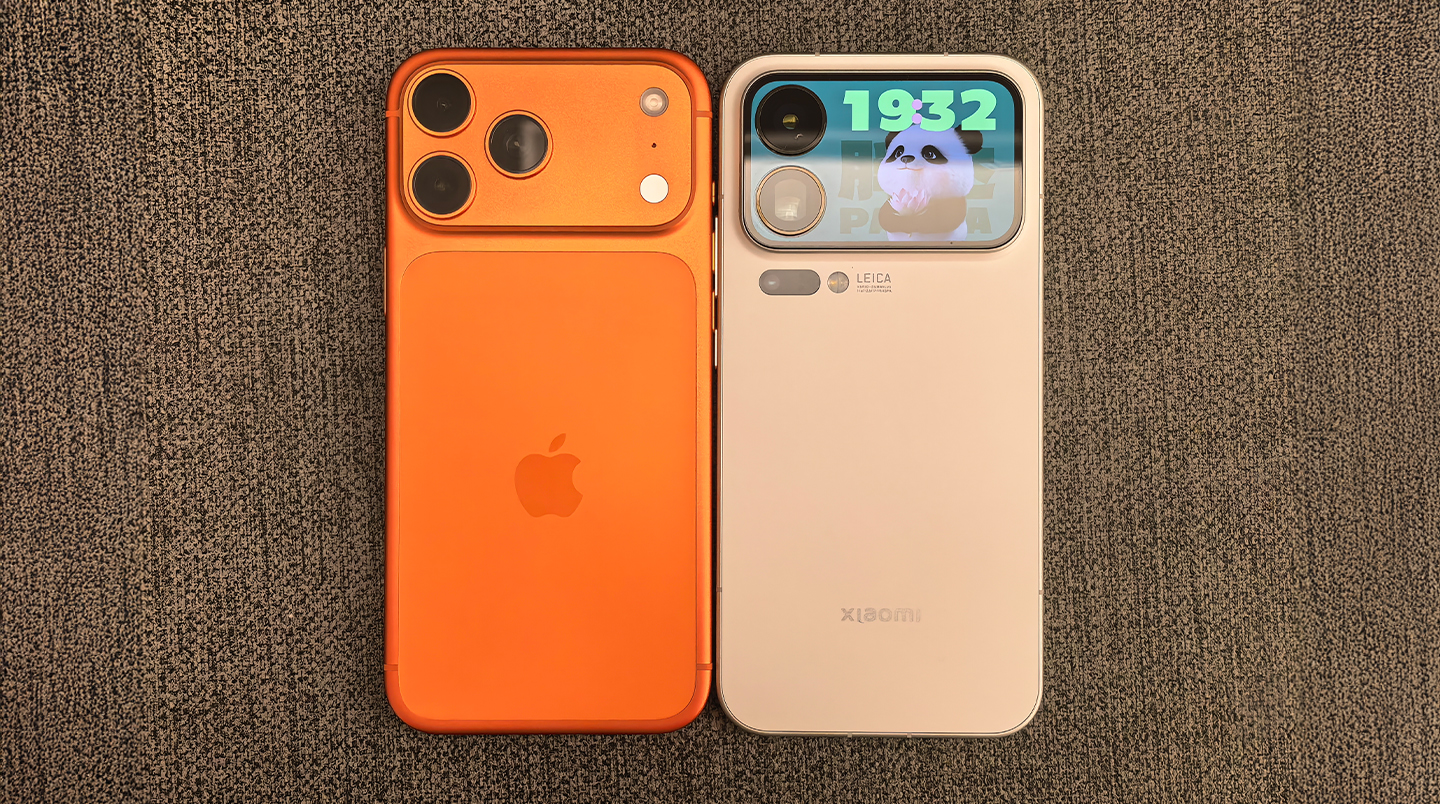
Xiaomi 17 Pro Max and iPhone 17 Pro Max 1

Consumer Upgrade Momentum

The trend of Apple’s demand is related to the timing of release and broader consumer expectations. As many users were ready to move from older hardware to more advanced devices, Apple struck at just the right time to catch this wave of upgrades. Its focus on balanced pricing and feature-rich models helped the company secure early demand.

Xiaomi 17 Series Sees Significant Gains in High-End Segment

Xiaomi also recorded 21% year-on-year growth, with the Xiaomi 17 series being front and center. Launching its flagships ahead of schedule allowed the company to capture robust pre-holiday demand. Moreover, the latest design of the rear display, highly praised by Chinese consumers, further enhanced the visibility and attractiveness of the series during this peak time for shopping.

edb25196 a178 435b 8116 fe0590ec3875

Flagship Pro Models Lead Xiaomi’s Performance

Unlike in previous cycles, where the standard variant usually led the charge, this year’s purchases were dominated by the Xiaomi 17 Pro and 17 Pro Max. This is a reflection of Xiaomi’s continued strategy to move up the value chain and improve its average selling price.

This performance is in line with Xiaomi’s broader effort to reinforce premium design language and ecosystem value through platforms like HyperOS, which users can update via HyperOSUpdates.com or through our MemeOS Enhancer app on Google Play. It offers advanced feature access and system update tools.

Holiday Season Strategy Accelerates Market Demand

Both Apple and Xiaomi benefited from launching before the Mid-Autumn Festival, a period known for increased consumer electronics spending. According to analysts, this year’s buyers sought high-value devices with innovative design approaches. The iPhone 17 and Xiaomi 17 series captured those expectations effectively to help both brands outperform their previous year’s launch periods. The combination of refreshed design, powerful performance upgrades, and a wisely planned release strategy helped both companies stand out in a highly competitive flagship segment.

Source: Counterpoint Research (via IT Home)

Xiaomi launches its new 12kg high-efficiency washing machine

15 November 2025 at 17:21

Xiaomi has made the new Mijia 12kg front-loading washing machine officially available in China. The product is already listed on major platforms like JD.com for 1624 yuan ≈ USD 225, while the national subsidy offer reduces the price to 1299 yuan ≈ USD 180. The model blends advanced washing performance, efficient water flow technology, and smart home features compatible with the Mi Home App and the broader Xiaomi HyperConnect ecosystem. If you are eager for more news about Xiaomi home appliances, then you may check related updates at XiaomiTime.com or our guide to the Mi Home App at HyperOSUpdates.com

Introduction Key Performance Highlights

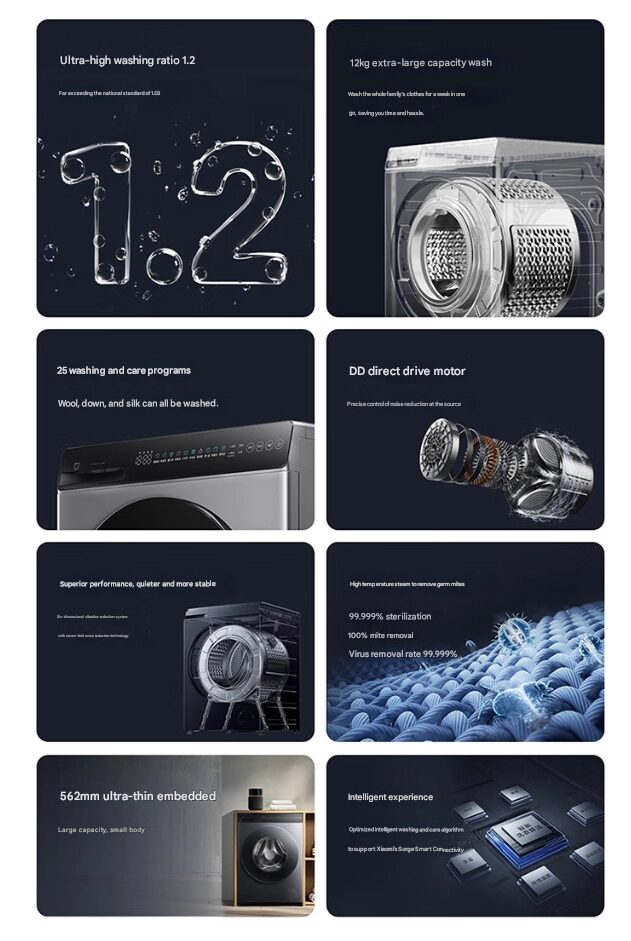
The new Xiaomi Mijia 12kg washing machine boasts a washing ratio of 1.2, much higher compared to the national standard set by China at 1.03. This has been achieved by adopting a newly designed three-dimensional 3D water flow system that can balance water pressure on fabric surfaces. The model also uses intelligent load detection methods to regulate washing speed, water level, and mechanical motion according to the weight and material of the garments.

With a generous 12kg capacity, it can support large families or high-volume laundry cycles without compromising on the wash quality.


translated image en 19

Washing Programs and Hygiene Features

This device contains 25 different washing modes, including the 15-minute fast wash, odor-removal steaming, fabric-ironing care, and more. It is equipped with steam sterilization, high-temperature inner drum cleaning, and door-seal spray treatment to maintain hygiene and prevent bacterial buildup during long-term use.

Smart Connectivity and Automation

Xiaomi integrates full smart-home compatibility via Xiaomi HyperConnect to enable users to operate the washing machine with the Mi Home App or through voice commands with Xiaomi smart speakers. This model works seamlessly with other AIoT devices. After a wash cycle is completed, Xiao Ai, Xiaomi’s voice assistant, is able to automatically notify users, lower their smart clothes rack, or turn on room lighting to enable easy retrieval of washed items.

DD Motor and Warranty Coverage

The washing machine features a DD (Direct Drive) motor that is recognized for lower noise output and increased mechanical stability. Xiaomi provides a 3-year warranty for the whole unit and a 10-year warranty specifically for the motor, hence guaranteeing long-term reliability and cost efficiency for households.

Pricing and Availability

The Xiaomi Mijia 12kg washing machine is currently available only in the Chinese market. The base price of 1624 yuan also meets the brand strategy of offering advanced home appliances for accessible prices within this region. The effective price of around USD 180, after deducting the national subsidy discount, makes it competitive for users looking for modern and high-capacity washing solutions.

Xiaomi has transformed 6G with a breakthrough AI wireless prototype

15 November 2025 at 15:14

Xiaomi once again confirms its commitment to investing in 6G for the long term, as the company’s “End-to-End AI Wireless Technology Prototype Verification System” has been selected among the Top Ten Advances of Beijing 6G Lab at the 2025 6G Development Conference. This recognition places Xiaomi at the forefront of next-generation communication research, complemented by recent developments in HyperOS and the company’s growing investment in wireless intelligence. For readers interested in Xiaomi’s wide innovation ecosystem, related topics include Xiaomi HyperConnect and the evolution of HyperOS updates.

Xiaomi’s AI-Driven 6G Innovation Gains National Recognition

Xiaomi’s chosen prototype introduces a complete software and hardware system built on the basis of 6G-oriented AI architecture. It could support flexible deployment models, such as single-module operation, multi-module collaboration, and even full end-to-end deployment across the transceiver link. This structure enables both AI-based control information transmission and AI-based business data transmission within one integrated solution.

Beyond the structural advances, the system implements an AI-powered cross-layer processing mechanism that could jointly optimize the information source and channel. This approach aligns with the future 6G wireless-AI convergence and provides a very important technical guide for ongoing discussions related to emerging 6G wireless standards. According to Xiaomi, its research investment into these areas will continue to increase in the coming years.

translated image en 18

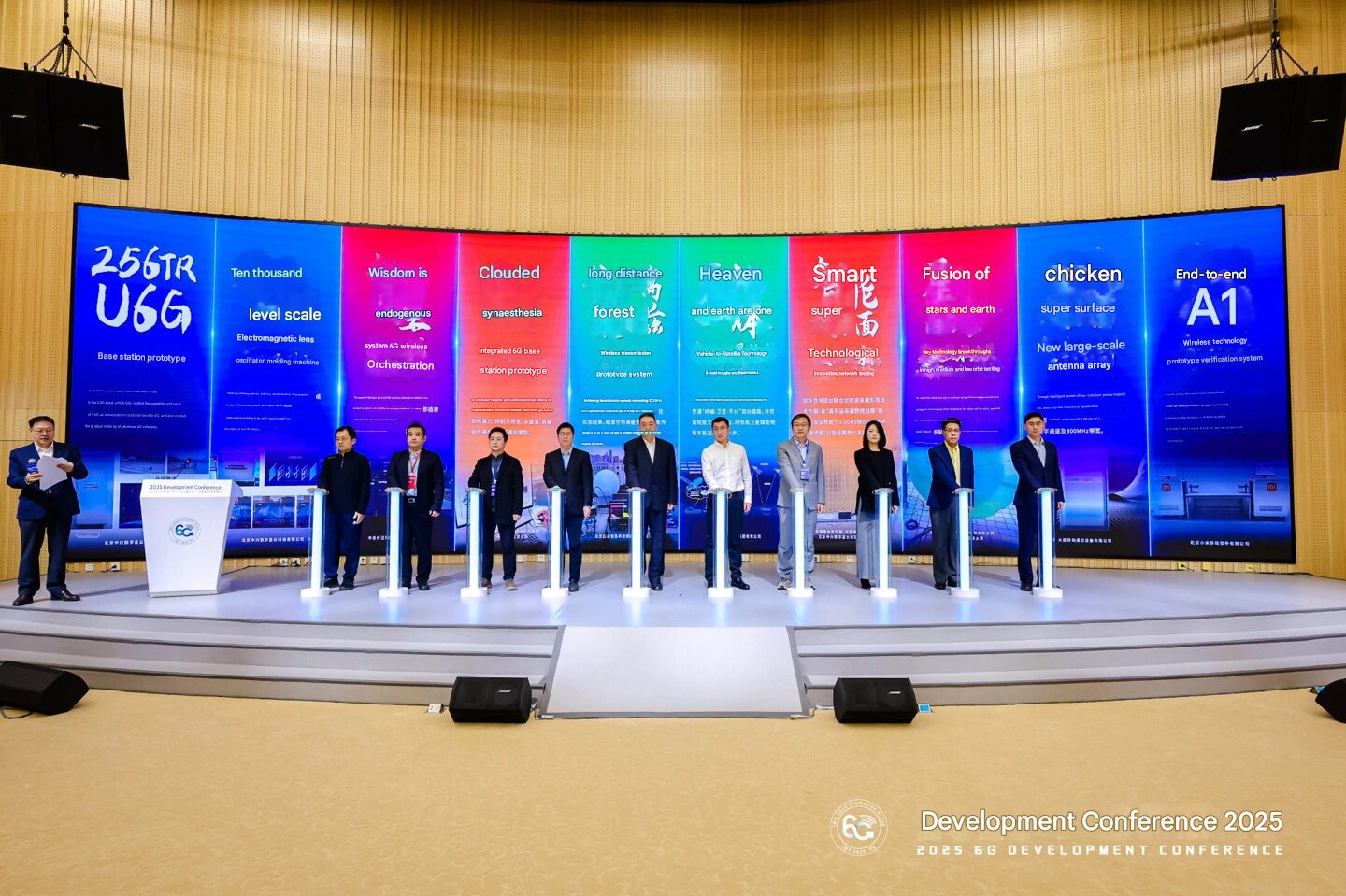
Beijing 6G Lab Top 10 Breakthroughs

The Beijing 6G Laboratory list for 2025 highlights key technical progress from China’s leading institutions and industry partners. Xiaomi stands alongside major telecommunication operators such as China Mobile, China Telecom, and China Unicom.

256TR U6G Base Station Prototype

The prototype, led by ZTE Digital Nebula, demonstrates that the U6G frequency band has great commercial potential, with significant readiness for future 6G deployment.

Ten-Thousand-Oscillator Electromagnetic Lens

With tens of thousands of oscillators, ZTE Digital Nebula introduced an electromagnetic lens to realize the space separation capability of hundreds of independent streams.

Intelligent 6G Wireless Orchestration System

It is a system jointly developed by the Zhongguancun Pan-Integrated Research Institute with China Mobile, aiming at efficiently managing a wide variety of 6G business applications.

Cloud-Based Sensory Integrated Base Station

China Mobile and the Pan-Integrated Research Institute have jointly developed the sensing-enhanced base station by integrating communication and perceptual computing for supporting V2X and smart-city applications.

New Long-Distance Terahertz Transmission Record

Hongshan Technology set a new benchmark with a 30.4-km20Gbps terahertz transmission test.

First Low-Orbit V2X Satellite Environment

China Unicom deployed the first low-orbit satellite test environment supporting V2X technology, advancing IoT infrastructure.

Intelligent Metasurface Advancements

China Telecom and partners completed 6G metasurface innovation and conducted the first multi-site and multi-RIS networking trial in the industry.

Multi-Orbit Satellite-Ground Convergence Tests

China Telecom also finished the key research for 6G satellite-ground convergence, which included high-, medium-, and low-Earth orbit validation trials.

Holographic Metasurface Antenna Array

Datang Mobile developed a large-scale holographic metasurface array that supports dynamic multi-stream beamforming.

Xiaomi’s End-to-End AI Wireless Technology Prototype

Xiaomi’s system has validated many possible wireless AI technologies, which provides basic guidance for the future 6G standardization process.

Source

❌