Normal view

Aluminium OS: Google’s plan to transform Android for PCs

25 November 2025 at 11:44

Google is officially accelerating one of its most significant platform shifts in its history. According to a new report from Android Authority, the company is pressing forward with a unified desktop system codenamed “Aluminium OS,” in a move that looks to bring together the best of ChromeOS and Android into a single next-generation desktop platform. If successful, this could be just the strategy that gives them a real foothold against Windows and macOS-markets where Google has struggled to make any meaningful traction thus far.

For years, Android has had phenomenal success on phones, tablets, wearables, TVs, cars, and XR devices but none on traditional PCs. Similarly, while ChromeOS has enjoyed success in education markets, it has not yet reshaped the broader desktop landscape. Now, Google seems prepared to rewrite that history.

A Unified Google Desktop Platform Was a Long Time Coming

Rumors throughout the past year have suggested that Google wants to transform Android into a complete desktop-capable OS for better hardware utilization and to provide a more compelling PC experience. These rumors started to materialize during the Qualcomm Snapdragon Summit in September, when Google confirmed that it was working with Qualcomm on a hybrid mobile-desktop computing platform running on next-generation AI technologies.

That announcement made it official: Android is coming to PCs.

“Aluminium OS” Confirmed Through Google Job Posting

A leak on Telegram from @FrostCore provided the first piece of actual evidence-a job listing from Google titled Senior Product Manager, Android, Laptops & Tablets-and pointed out the following:
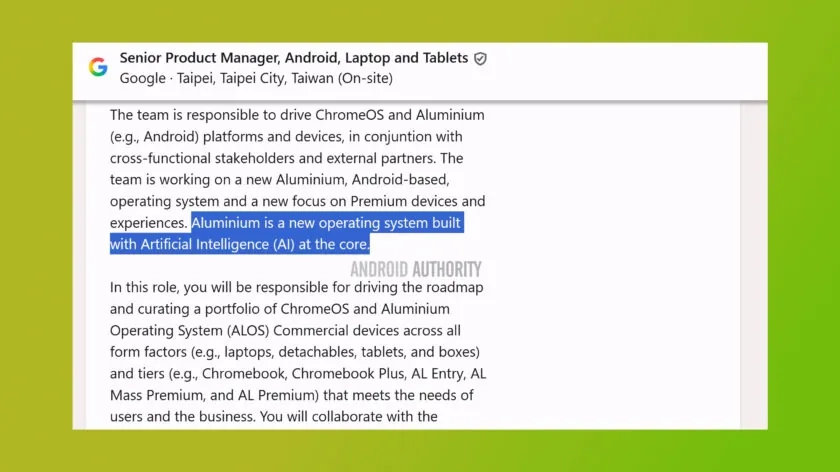
24a03f07 785d 49f1 af1b 6d364ec64859

This marks the first time Google has publicly tied the Aluminium project codename directly to an Android desktop OS. Its naming also aligns with Google’s existing structure. The British spelling “Aluminium” mirrors Chromium, the open-source foundation of ChromeOS — suggesting a similar open framework, but built around Android rather than Chromium OS.

AI at the Core: Aluminium OS Will Be Powered by Gemini

Just like Android XR, Aluminium OS is “built around AI”, confirms Google. This means deep integration of:

  • Gemini large models
  • Assistenti virtuali
  • System-level AI features across the interface

During the Snapdragon Summit, Google’s SVP Rick Osterloh promised that Google would bring Gemini, advanced AI assistants, and the full Android app ecosystem to PCs, combining the fluidity of mobile with desktop utility. Aluminium OS seems to be the system in which all these promises will come true. Target Market: Not Just Budget Chromebooks Anymore Among the information provided in the job listing, one of the most important details is the range of devices Aluminium OS is targeting. Unlike ChromeOS, mainly dominating low-cost laptops, Google is preparing Aluminium OS for a full product spectrum, including:

  • Laptops
  • 2-in-1 convertibles Tablets
  • Small desktop units (Chromebox-style devices)

Even more interesting are the new product tiers mentioned:

  • AL Entry
  • AL Mass Premium
  • AL Premium

These categories suggest that Android PCs will span from affordable devices to full high-end models, meaning Aluminium OS is not a successor to ChromeOS — but a parallel platform** designed to coexist and compete across multiple price segments.

Will ChromeOS Be Replaced? Will Chromebooks Be Upgradable?

These are the big, unresolved questions. Google has not yet clarified:

  • The fate of the ChromeOS brand
  • Whether existing Chromebooks will get an Aluminium OS option
  • How Android and ChromeOS apps will coexist or merge
  • When Aluminium OS devices will launch

Judging by the scale of development and internal job postings, Aluminium OS is still very much in active development — although major reveals might only appear in 2025. A New Era for Google’s Desktop Strategy With Google now openly hiring for Aluminium OS and integrating AI at the deepest levels of Android, the company is clearly preparing for a unified, AI-driven desktop future. As more details emerge regarding the interface, ecosystem, and device partners, Aluminium OS could turn out to be one of Google’s most ambitious product shifts since creating ChromeOS.

Source

Features that became standard in MIUI and HyperOS

13 December 2025 at 21:47

Innovation and user-centricity have marked Xiaomi’s software journey since 2010. MIUI V1, based on Android 2.2, brought a drawerless home screen and T9 dialer to get things simple and accessible. Later came weekly update cycles, theme engines, flat design, dual apps, split-screen, and advanced privacy features with subsequent updates. HyperOS continues this very evolution with the integration of Vela in HyperOS 1.0, AI-powered tools in HyperOS 2.0, and iOS-inspired interactions in HyperOS 3.0. Users witness much smoother, intelligent, and highly customizable Xiaomi devices across years.

MIUI Milestones and Innovations

  • MIUI V2 (2010): Introduced the weekly update model for keeping devices fresh and responsive.
  • MIUI V3 (2011): Brought a fully functional theme engine for personal customization.
  • MIUI V4 (2012): Antivirus and file manager applications were introduced for enhanced security.
  • MIUI V5, 2013: Rounded icons had been added and China-focused ecosystem established without Google apps.
  • MIUI 6-7 (2014–2015): Focused on flat design, improved performance, and large fonts.
  • MIUI 8-9 (2016–2017): Introduced Second Space, Dual Apps, split-screen, and speed optimizations.
  • MIUI 10-11 (2018–2019): Added full-screen gestures, nature-inspired sounds, dynamic fonts, and Mi Work Suite.
  • MIUI 12-12.5 (2020–2021): Introduced Super Wallpapers, improved privacy, lightweight system, and app removal.
  • MIUI 13-14 (2021–2022): Added Liquid Storage, widgets, Photon Engine, and Razor Project for performance and fluidity.
  • HyperOS 1 (2023): Integrated Vela services and a magazine-style lock screen connect ecosystem apps.
  • HyperOS 2 (2024):Introduced HyperCore system and AI features for enhancing the camera, multitasking, and system intelligence.
  • HyperOS 3 (2025): Added Hyper Island, iOS-style interactions, and refined AI integration, offering highly intuitive experiences across Xiaomi devices.
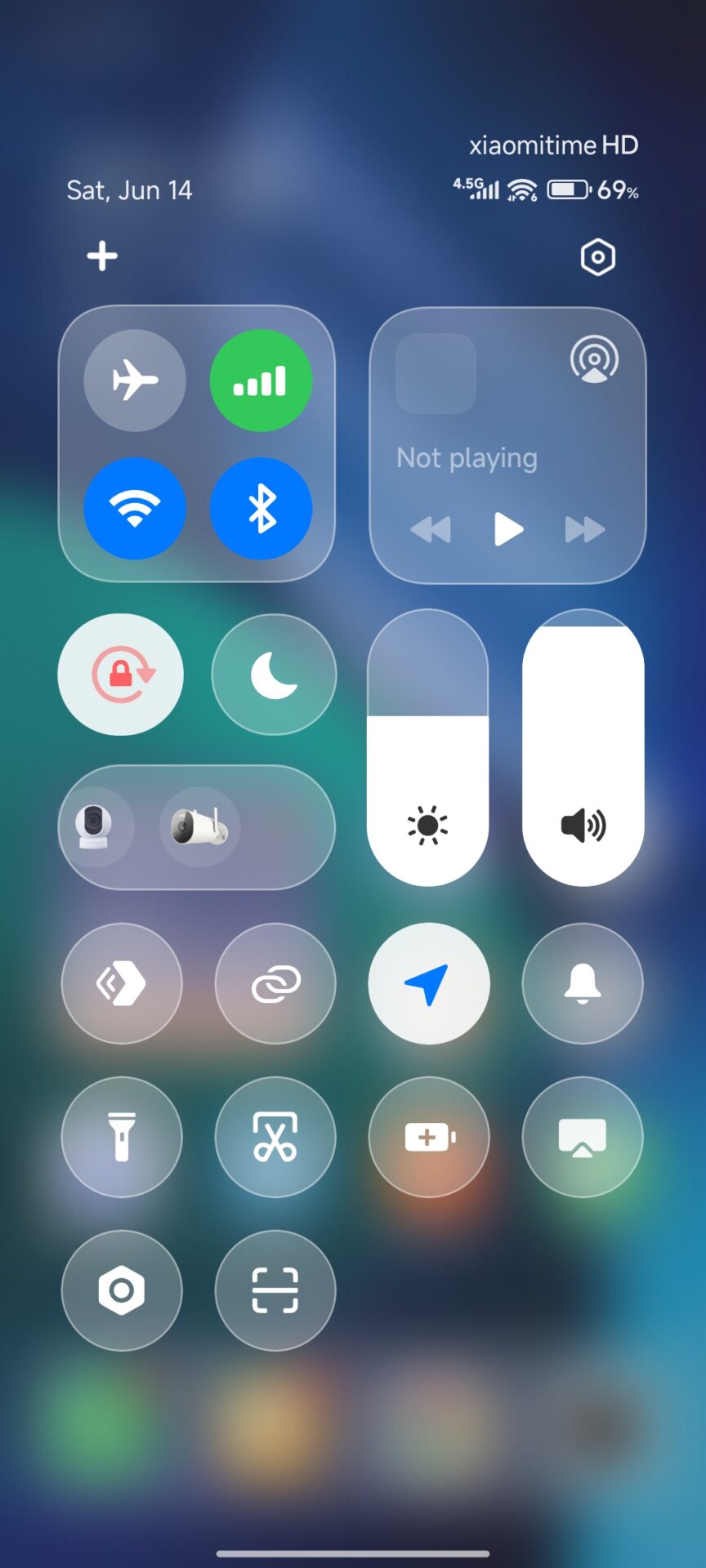
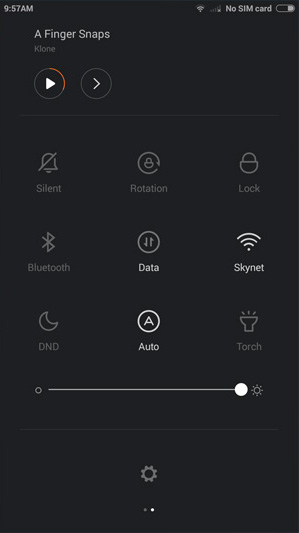
MIUI 6 Control Center Screenshot 2025 06 14 20 14 17 129 com.miui .home

HyperOS demonstrates a commitment by Xiaomi in combining intelligence with usability and ecosystem-wide integration so that devices are not only functional but adapt to the needs of an individual user.

All Xiaomi MIUI and HyperOS slogans

25 November 2025 at 07:00

the early days of MIUI, influenced by enthusiasts, to now AI-driven HyperOS, Xiaomi’s softwares have always relied on strong design identity and clear philosophical slogans. These slogans defined not only the system’s visual language but also the strategic direction of Xiaomi, its technological goals, and ambitions in ecosystem construction. This article outlines the evolution from the official slogans of MIUI V1 to HyperOS 3.0, showing how the company gradually refined user experience, expanded its ecosystem, and adapted to global expectations.

When Xiaomi entered the market in 2010, it did so as a software-first company. It launched MIUI before releasing any smartphone hardware. In doing so, it was able to secure user loyalty and test interface concepts via the weekly beta releases generally referred to as Orange Fridays. The earliest versions of MIUI had no formal slogan, yet this philosophy of “Born for Enthusiasts” was adopted by the community, and for its time, closely reflected Xiaomi’s development culture.

MIUI V1–V3: Innovation Driven by Users

These early versions introduced the theme engine, deep customization, integrated cloud services, and advanced T9 search. The underlying concept of the slogans is personalization and freedom, aligning with Xiaomi’s intent to provide a refined alternative to stock Android. These versions set up the foundation for Xiaomi’s long-term approach to user experience and ecosystem services.

In the period of MIUI V4–V5, Xiaomi adjusted the software strategy to further perfect the design. This generation featured professional aesthetics, more security layers, and stronger service integration.

MIUI V4: “Smart Simplicity, Infinite Possibilities”

MIUI V4 prioritized a cleaner interface without sacrificing depth or detail. The slogan emphasized balanced design: simple for everyday use, powerful in capability. With built-in permission controls and security tools, MIUI V4 reflected Xiaomi’s transition toward a safer mobile experience that could scale with the company.

MIUI V5: “Redefining Android”

MIUI V5 marked a clear attempt to elevate visual quality beyond typical Android offerings. From skeuomorphic textures and cinematic animations to expanded cloud integration, Xiaomi positioned MIUI as an ecosystem in and of itself. The tagline captured well the ambition of the brand in reshaping user expectations for the Android device ecosystem.

MIUI V5

MIUI 6: “Visually Stunning, Stunningly Simple”

MIUI 6 adopted bright color palettes and flat design principles. The slogan reflects this aesthetic shift to clarity, ease of use, and intuitive navigation. Applications dynamically adapt color themes to further enhance user immersion.

MIUI 6 1

MIUI 7: “Yours by Design”

This version focused on identity and customization. The Muse theme engine allowed users and designers to create an advanced theme without coding. Xiaomi targeted broader user groups by preloading styles and optimizing performance.

MIUI 7

MIUI 8: “Make Life Better”

MIUI 8 came with Dual Apps, Second Space, improved calculators, and enhanced long screenshot capabilities. The slogan had captured Xiaomi’s position that software should simplify real-world tasks and reduce dependency on external applications. From MIUI 9, Xiaomi focused on performance and AI-supported features. This period strengthened the efficiency of the system, its fluidity, and IoT interconnectivity.

MIUI 8

MIUI 9: “Lightning Fast”

Dynamic Resource Allocation made MIUI 9 much faster. Xiaomi pointed to actual improvements that showed lower latency and quicker app launches.

MIUI 9

MIUI 10: “Faster than Lightning”

With AI preload and full-screen gestures, MIUI 10 took responsiveness to a new high. The slogan reinforced Xiaomi’s ambition to predict user intent and deliver near-instant interactions.

MIUI 10

MIUI 11: “Innovation for Efficiency”

MIUI 11 honed productivity by redesigning file management, using nature-inspired system sounds, and offering advanced Always-on Display options. The slogan signaled maturity and functional stability.

HyperOS represents Xiaomi’s transition from a mobile UI to a universal ecosystem platform, unifying smartphones, smart homes, and vehicles.

MIUI 11 LOGO

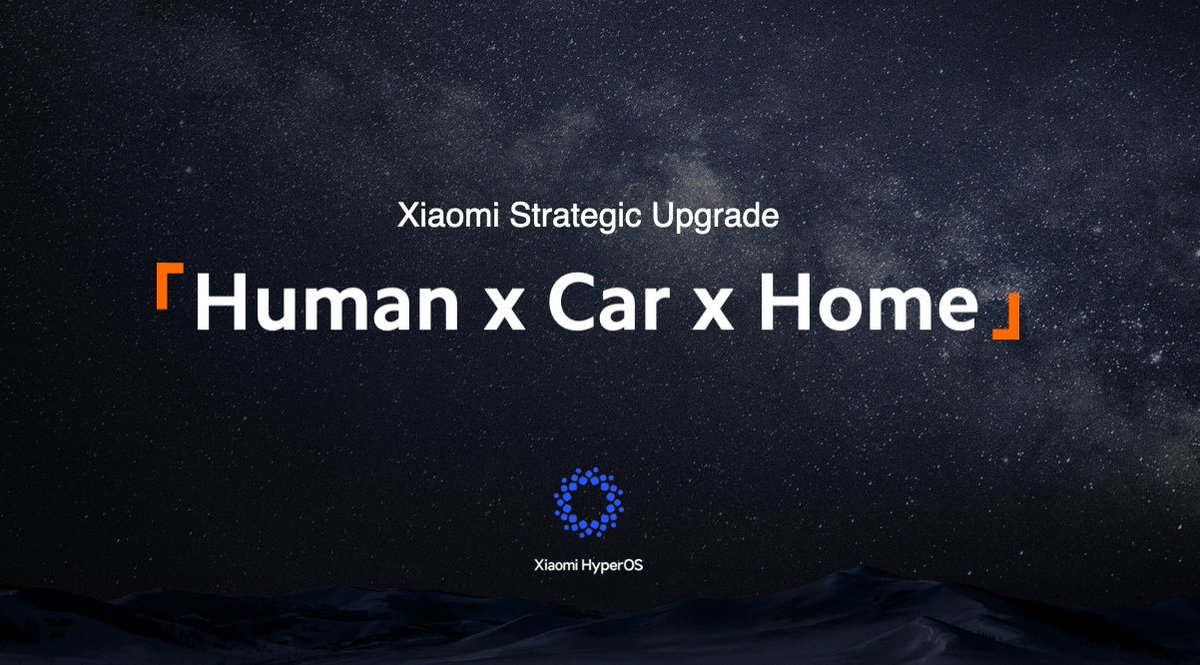
HyperOS: “Human × Car × Home”

Launched with a clear ecosystem vision, HyperOS focuses on real-time end-to-end data orchestration, lightweight architecture, and cross-device continuity. The slogan emphasizes harmonious interaction between personal devices and Xiaomi EV products.

HyperOS

HyperOS 2 & 3: “Everything Goes Smoothly”

HyperOS 2 and the following HyperOS 3 further develop system fluidity, AI-powered enhancements, a redesign of control elements, and cross-screen synergy. The slogan is consistent with the broader goal of Xiaomi to free everyday life from digital friction.

Hyperos 2 to 3

Xiaomi OS Evolution 

Operating System Release Year Core Slogan / Theme Strategic Goal Android Base
MIUI V1–V3 2010–2011 Born for Enthusiasts Build a community; Create an alternative to stock Android 2.2 – 2.3
MIUI V4 2012 Smart Simplicity Professionalize the UI; Reduce complexity 4.0
MIUI V5 2013 Redefining Android Design leadership; Compete with iOS aesthetics 4.1 – 4.4
MIUI 6 2014 Visually Striking, Surprisingly Simple Flat Design revolution 4.4 – 5.0
MIUI 7 2015 Designed for You Personalization; Theme economy; Lifestyle branding 5.0 – 6.0
MIUI 8 2016 Make Life Easier Practicality; Solving daily problems (Dual Apps) 6.0 – 7.0
MIUI 9 2017 Lightning Fast Performance; Combat system aging 7.0 – 7.1
MIUI 10 2018 Faster Than Lightning AI integration; Full-screen gestures 8.0 – 9.0
MIUI 11 2019 Productivity & Innovation / Life Gets Easier Productivity tools; Always-On Display (AOD) 9.0 – 10
MIUI 12 2020 Made Just for You Privacy protection; Visual overhaul (Super Wallpapers) 10 – 11
MIUI 12.5 2020 Faster, More Stable Reduce bloatware; Optimization 11
MIUI 13 2021 Fast and Stable Stability; Ecosystem preparation 12
MIUI 14 2022 Building a New Life Rebirth; Preparing for HyperOS 13
HyperOS 1.0 2023 Human x Car x Home Unified ecosystem; IoT integration; EV debut 14
HyperOS 2.0 2024 Leap Beyond the Moment AI-focused core (HyperAI) 15
HyperOS 3.0 2025 Faster, Smarter, and Smoother Full ecosystem fluidity; Frictionless interaction 16

From the enthusiast-centric MIUI V1 era to the expansive, AI-driven HyperOS ecosystem, Xiaomi’s slogans reflect the company’s vision, technological direction, and ecosystem goals. Each slogan defined not only a version’s marketing strategy but also vividly depicted how Xiaomi strove to improve design, performance, and seamless integration across its products. With HyperOS 3.0, Xiaomi further evolves toward an interconnected future in which devices operate as one unified system.

New update for the HyperOS 3 POCO Launcher has been released

13 December 2025 at 23:44

Xiaomi’s popular launcher, POCO Launcher, has just been treated to a brand new update, elevating the version number to RELEASE-6.01.02.1864-11221203. At first glance, on the surface, there does not appear to be any revolutionary changes, but this update has hidden, considerate changes beneath the hood. Created with the intent of providing smoother animations, improved memory management, and a slightly quicker app drawer load, this update is furthering POCO Launcher’s reputation of being one of Android’s most customizable, efficient launchers.

If you have a Xiaomi, POCO, or Redmi phone with the option for HyperOS, we seriously encourage you to update through either HyperOSUpdates.com or use the MemeOS Enhancer app on the Play Store. The MemeOS Enhancer removes hidden Xiaomi functionality, allows for direct screen updates, and even allows you to refresh system apps in seconds with ease.

What’s in This Update?

Although the changelog does not shout out significant overhauls, users may observe

  • Smooth app drawer animation transitions
  • Optimization of memory use
  • Quicker icon loading on older POCO devices
  • Minor user interface adjustments in settings menu
  • Improved handling of background processes

These behind-the-scenes optimizations also make for a smoother, more fluid user experience on mid-range and older Xiaomi devices.

POCO Launcher new update 1 POCO Launcher new update 6

Is It Worth Updating?

Without a doubt. While there isn’t any new, flashy widget or feature, performance and stability are what create or destroy the experience for the average user. This release might not appear any different, but it feels improved — tighter transitions, less hiccups, and improved responsiveness are something that any user will enjoy. To update, go to HyperOSUpdates.com.

And don’t forget that you’ll have additional utilities in case you’re employing the use of MemeOS Enhancer, including subtle feature toggles, HyperConnect background updater, and deep system accessibility for deeper personalization.

Three Xiaomi gadgets I’d take to a deserted island

25 November 2025 at 02:48

Surviving on a deserted island involves making proper choices, especially considering you can only carry three items. Xiaomi’s vast ecosystem, known for durability and depth in engineering, provides several suitable tools for extreme isolation scenarios. This review considers Xiaomi’s multi-brand ecosystem with a focus on survival priorities: shelter, hydration, and signalling.

Strategic Criteria for Xiaomi Survival Gear Selection

Choosing the best Xiaomi ecosystem tools for survival involves understanding how each product supports essential physiological needs. Deserted island environments eliminate modern infrastructure, placing energy independence, structural manipulation, and water safety as primary concerns. The Xiaomi ecosystem-under the umbrella of its Mi Ecosystem program-bridges practical instruments designed to support long-term resilience in off-grid environments.

Core Requirements in Complete Isolation

Survival priorities follow a predictable hierarchy: maintaining body temperature, securing clean water, and creating reliable communication signals. In such conditions, tools have to be versatile, mechanically dependable, and capable of performing without sources of external power. Xiaomi’s ecosystem solutions-which integrate these needs through reinforced materials, multipurpose mechanisms, and user-controlled energy generation-just mirror the practical engineering philosophy of the brand.

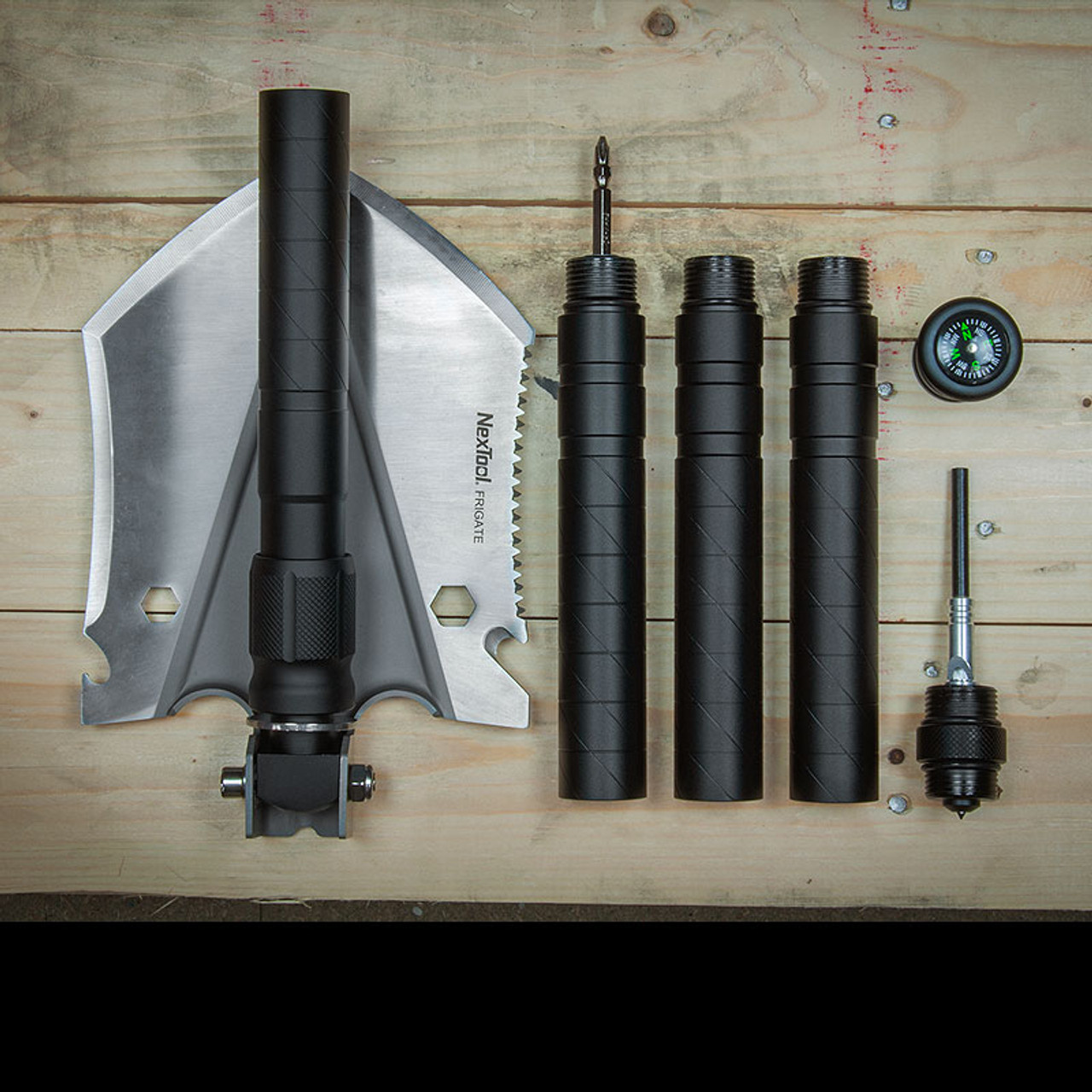
1. Nextool Frigate 14-in-1 Survival Shovel

The foundational tool is the Nextool 14-in-1 Frigate Survival Shovel because it allows for manipulation of the physical environment with minimal energy loss. The aviation-grade aluminum shaft is highly rigid, hence capable of withstanding extreme mechanical loads without deforming. This structural integrity is quite important in clearing debris, building shelter, and preparing the ground for water drainage.

next kt5524det3 46525

Mechanical Versatility and Engineering

The head of the shovel is made of high-carbon stainless steel, which keeps structural balance in hardness and corrosion resistance. The multi-angle locking system supports the traditional shovel use, hoe-angle trenching, and hook-position pulling. These modes greatly reduce energy expenditure on works such as root cutting, digging foundations or reaching elevated branches.

Integrated Survival Sub-Tools

Inside the handle, there are secondary tools of great importance in isolated environments: a ferrocerium rod allows for dependable ignition at over 3,000°C, providing fire for warmth, cooking, and sterilization; an integrated saw allows for precise wood cutting; an integral high-frequency whistle improves audible signaling range; a liquid compass supports safe navigation in heavy foliage; and a reinforced tail cap acts as both breaker and food-processing tool.

(Note – This problem set requires a strong understanding of probability. For Part A, please list all the individual probabilities, and then calculate the resulting probability. For Part B, list all the different combinations possible with the given dice.)

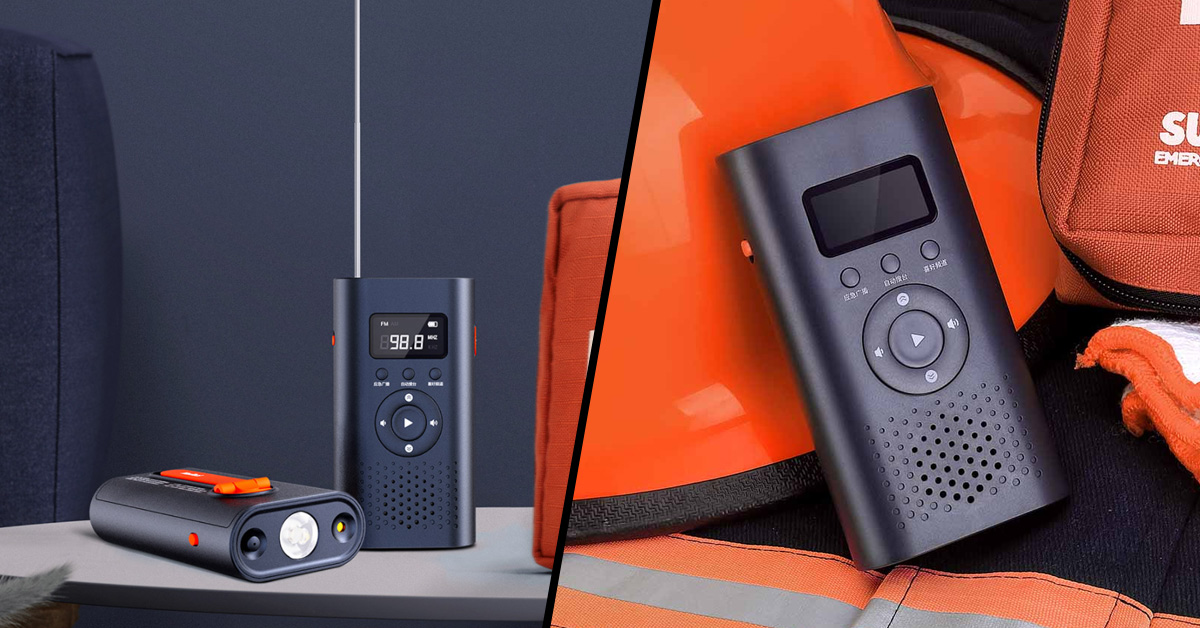
2. Nextool 6-in-1 Emergency Radio(Leiyin Series)

Once physical safety is established, communication and illumination become key. The Nextool 6-in-1 Emergency Radio is designed for complete electrical independence. Its internal 4500mAh lithium-ion cell, comparable to the 21700 cells used in electric vehicles, can provide very long operating times. More importantly, the hand-crank dynamo makes infinite recharging potential possible, catering well to situations where complete darkness or heavy storms have set in.

Energy Architecture and Utility

This allows the radio to serve as an energy hub, combining battery storage, crank-generated power, and USB output to ensure access to continuous lighting, radio signals, or emergency charging for secondary electronics. This could be beneficial in a variety of long-term isolation scenarios in which conventional solar panels may be affected by weather or physical damage.

nextool 6 v 1 nudzove zariadenie

Access to information and signalling

It contains a visible emergency strobe, audible siren, and red laser indicator with good long-distance visibility; particularly effective at night or when in humid coastal air. FM/AM radio functionality provides situational awareness by allowing the reception of weather broadcasts or rescue signals. This information plays a very important psychological role by helping individuals maintain orientation and morale.

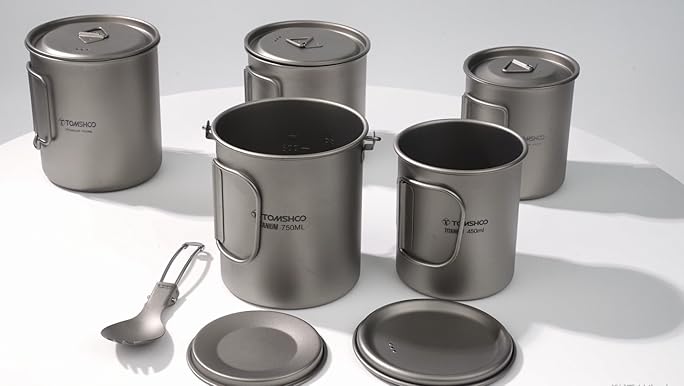
3. HuoHou Titanium Cooking Cup

Water safety determines the long-term viability on any deserted island. The HuoHou titanium cooking cup is selected because it provides one sure method to purify water: boiling. This is still considered the most valid method of sterilization. Food-grade titanium has several real advantages: low weight, extreme corrosion resistance, and chemical traces are absent. Thus, the cup is fit for daily use in both freshwater and seawater distillation setups.

A1b WeGVJoL. CR001431808 SR684386

Thermal Resistance and Food Preparation

The cup resists direct flame contact without structural distortion, thus supporting tasks such as boiling water, cooking of simple meals, or making herbal infusions. It further contributes to biological safety by reducing exposure to unpurified surface water sources. From a materials engineering perspective, titanium’s strength-to-weight ratio ensures long service life with minimal degradation.

Why These Three Xiaomi Tools Outperform Alternatives

While Xiaomi’s ecosystem also extends into solar panels, compact radios, and filtration devices, the selected trio provides a superior balance of durability, mechanical efficiency, and total energy independence. Each product supports a core survival function, respectively: environmental manipulation, long-term signalling capability, and water purification. Their combined roles address the three most critical risk categories for isolated environments, providing a complete, sustainable solution aligned with Xiaomi’s broader engineering philosophy.

Don’t worry if your Xiaomi misses Android 16 update

20 December 2025 at 05:05

Missing out on Android 16 for your Xiaomi device shouldn’t cause concern, as the update brings minimal user-facing changes compared to previous Android releases. Android 16’s own enhancements include better privacy handling, smoother system animations, and background process optimization, but these improvements are largely under-the-hood refinements rather than revolutionary features. The real value lies in HyperOS 2.3, which is essentially identical to HyperOS 2.2 in terms of functionality and user experience. Every device that received Android 15 updates will be eligible for HyperOS 3, making the Android 16 skip inconsequential for long-term device support. Users can enhance their current HyperOS experience by downloading our MemeOS Enhancer app for additional features and optimizations.

Android 16 Brings Limited Innovation

The update brings better system performance, improved security attributes, and polished UI elements in line with Android 16’s design philosophy, but these changes remain largely invisible to everyday users. Most improvements focus on backend optimizations rather than exciting new features that would dramatically change the user experience.

Notifications Android 16 Control Center HyperOS 2

HyperOS 3 vs HyperOS 2.2: Minimal Differences

The Android 16-based HyperOS 2.3 update delivers virtually identical functionality to its predecessor. Android 16 foundation provides improved system stability, enhanced performance optimization, and advanced security measures, but the core HyperOS experience remains unchanged for end users.

Your Path to HyperOS 3 Remains Secure

The most important consideration is future update eligibility. Devices that received Android 15 updates are guaranteed to receive HyperOS 3, regardless of Android 16 compatibility. This ensures long-term software support and access to meaningful feature updates.

Key Benefits of Staying Current

  • Security patches continue regardless of Android 16 availability
  • HyperOS 3 eligibility remains intact for Android 15 devices
  • Performance optimizations arrive through regular system updates
  • Feature parity maintained across supported device lineup

Stay informed about all HyperOS developments through HyperOSUpdates.com or by using our MemeOS Enhancer application, which provides early access to system enhancements and hidden Xiaomi features.

Xiaomi started the wave as new mini tablet competitors emerge

24 November 2025 at 19:20

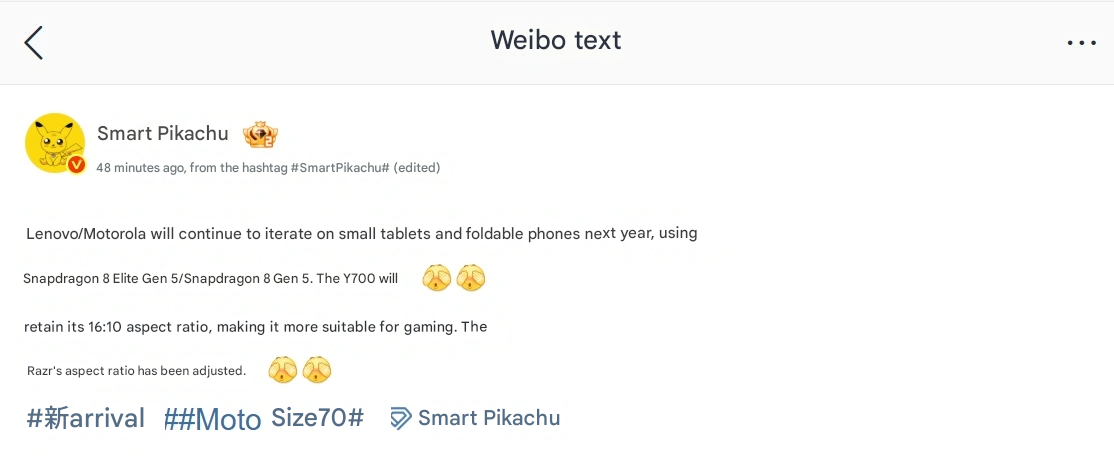
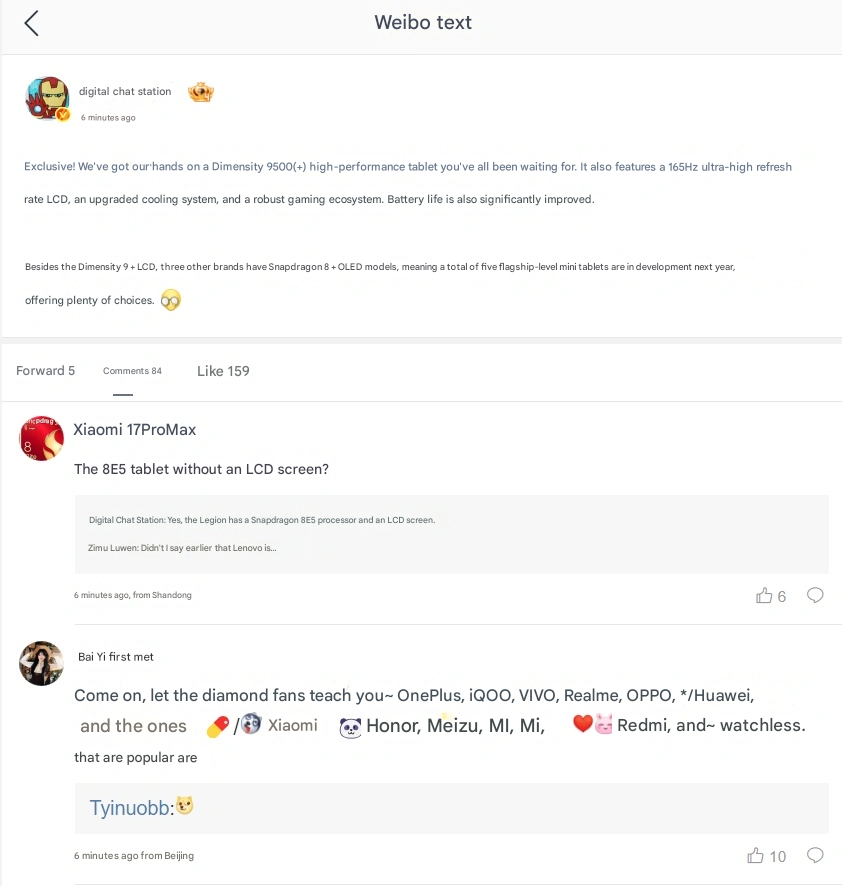
Xiaomi’s competitive position in the compact tablet market is expected to get hotter next year, as multiple manufacturers prepare flagship-level mini tablets with advanced performance features. According to early industry reports, five high-end small-format tablets are currently in development, including two LCD models with gaming-centric hardware. This trend strengthens expectations that the upcoming REDMI K Pad may directly challenge compact devices like the Xiaomi Pad Mini concept while expanding Xiaomi’s position in performance-focused mobile ecosystems.

High-Performance Mini Tablets: Industry’s Next Move

Recent reports indicate that one of the new compact tablets will be powered by the MediaTek Dimensity 9500+ chipset combined with a 165Hz ultra-high-refresh-rate LCD panel. It will also have an improved thermal management system and an ecosystem tuned for high-refresh-rate gaming. Early insights indicate solid improvements in sustained performance and battery life, making it one of the most advanced LCD-based gaming tablets in its class.

The leak also suggests that three other brands will prepare mini tablets with Snapdragon 8-series processors and OLED displays. These models aim to deliver premium visual quality and higher peak performance, offering consumers multiple flagship-level options across different display technologies.

translated image en 38 translated image en 37

REDMI K Pad Positioned for High-Refresh Gaming

The REDMI K Pad already balances performance and value in China and looks to be part of this burgeoning segment. Perhaps targeting users looking for a compact yet powerful entertainment device, Xiaomi is most likely preparing a next-generation gaming-class LCD screen with a strong mid-to-high-end chipset. This will be in line with Xiaomi’s strategy, offering diversified display options: OLEDs for cinematic viewing and LCDs for competitive gamers, due to the former’s lower latency and higher refresh stability.

The competitive positioning also suggests that the REDMI K Pad could serve as a bridge between Xiaomi’s mainstream tablet lineup and its performance-oriented gaming ecosystem, particularly with HyperOS optimizations.

Lenovo and Moto fortify their small-device portfolio.

Notably, according to industry sources, Lenovo Legion is planning a compact gaming tablet fitted with the Snapdragon 8E5 chip coupled with an LCD panel, a move that will further reinforce the demand for high-performance gaming displays in smaller form factors.

Follow-up leaks on November 14 showed that Lenovo and Motorola plan to continue their work on small tablets and compact foldables come 2025. The new Y700 (next-gen) is supposed to employ the Snapdragon 8 Ultra chip, but retain the 16:10 aspect ratio, a format preferred by gaming users due to its comfortable field of view.

Meanwhile, there are rumors that the new moto razr 70 foldable smartphone will adopt the Snapdragon 8 Gen 5 for better power efficiency and slightly different screen proportions.

A Growing Market for Advanced Mini Tablets

The simultaneous development of five flagship-grade compact tablets-especially with two high-end LCD models-points to renewed industry interest in high-performance small devices. For users looking for compact yet powerful hardware for gaming, entertainment, or productivity, 2025 is set to deliver a significant increase in options for both OLED and LCD display technologies.

Xiaomi releases HyperOS 3 November upgrade summary

24 November 2025 at 16:09

Xiaomi has officially announced the HyperOS 3 November Upgrade Summary, which comes along with enhancements oriented to AI-powered photo editing, the expansion of the Xiaomi Super Island experience, and great improvements across system media tools. The update summary refines user work processes and bolsters multimedia capabilities while improving the smart experience across compatible Xiaomi devices.

Super AI Photo Editing Arrives on HyperOS 3

A new Super AI Photo Editing tool from Xiaomi brings an intelligent approach to image enhancement in the Gallery app.

This feature removes the need for professional editing knowledge since a user only needs to select a photo and describe their intention to Xiao Ai, Xiaomi’s integrated assistant. The system will analyze the request and perform necessary adjustments, ensuring accurate and efficient output for both casual and advanced users.

Key Improvements in AI Photo Editing

  • Natural-language photo retouching guided by Xiao Ai
  • Automated adjustments without complex menus
  • Supports creative transformations for portraits, landscapes, and objects

Xiaomi Super Island Gains More App Integrations

This update extends the capabilities of Xiaomi Super Island, integrating it more closely with multimedia and system tools. This enhancement further reinforces an interactive card-style overlay that offers quicker access to real-time information and notifications.

New Enhancements

  • Compatible with Xiaomi Music and NetEase Cloud
  • Music: drag and share the music right away
  • Support for facial recognition in app lock notifications
  • Notifications for swipes of NFC cards now shown seamlessly in Super Island

These improvements allow users to enjoy a more responsive and interconnected system experience.

translated image en 36

Photo Album and Media Editing Tools

Overhauled Xiaomi has introduced a refreshed media management system designed to support more personalized creativity. New pet photo album auto-identifies and groups images of pets; watermark and editing tools have been reconstructed for deeper customization.

Highlighted Upgrades

  • Pet Album: Automatically categorizes photos of your pets

  • Watermark Enhancements:

    • Custom text and images

    • Adjustable frame background

    • Lens parameter toggles

  • Ultra-HD Portrait Editor: More detailed and precise retouching

  • Video Editor Upgrades:

    • New text styles with adjustable fonts, transparency, alignment

    • Video draft saving

    • Scalable video timeline for easier long-video editing

These features provide users with more professional-level tools directly in HyperOS, rather than relying on third-party apps.

Smarter Recorder and AI Wallpaper Capabilities

Xiaomi’s recorder application receives an important upgrade aimed at productivity and accessibility.
Users can now search recordings faster, organize content more efficiently, and access structured summaries generated through AI.

Recorder Enhancements

  • Faster and more accurate speech recognition, including technical terms and dialects

  • Quick navigation via app icons in categorized folders

  • Back-tap gesture shortcut for instant recording

  • AI-optimized transcript cleaning

AI Wallpaper Features

HyperOS 3 also introduces system-selected AI wallpapers and adds sharing and saving support for wallpapers generated from user-uploaded images.
This ensures a smoother experience for personalization across compatible devices.

The HyperOS 3 November Upgrade Summary highlights Xiaomi’s continued commitment to refining AI interaction, multimedia management, and connected system performance. These improvements align with HyperOS’s broader mission—delivering a seamless, intelligent, and cohesive digital environment across mobile and ecosystem products.

REDMI Buds 8 Pro certified: Xiaomi prepares its next TWS upgrade

24 November 2025 at 11:52

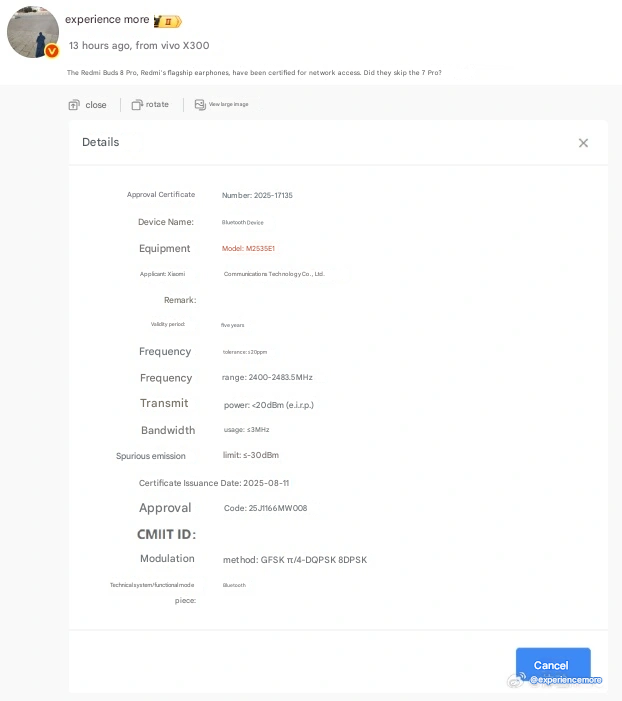
A new Xiaomi audio product has now made an appearance in China’s regulatory listings, hinting at an imminent addition to the firm’s wireless earphone portfolio. The gadget, bearing model number M2535E1, cleared the Ministry of Industry and Information Technology’s radio approval in August. If tipster @experiencemore is anything to go by, this model is actually part of the upcoming Redmi Buds 8 Pro, meaning Xiaomi is getting ready with a refresh of their popular mid-tier TWS series.

The certification only means that the Redmi Buds 8 Pro has passed essential regulatory procedures in China. This generally precedes the public announcements, which means that this product is going to hit the market soon. Xiaomi has not confirmed specifications, but from the given certification, it is certain that the development is finished and mass production probably started, too, which speaks volumes about how quickly this company expands its ecosystem.

translated image en 35

Xiaomi has not yet announced the launch date or price of the Redmi Buds 8 Pro, but given the timing of certifications and based on previous product launches, an official announcement might be coming quite soon. Positioned as an affordable yet technically rich offering, the Redmi Buds 8 Pro should contribute to firming up Xiaomi’s mid-segment audio lineup and retain support for the company’s HyperConnect ecosystem.

12 pro tips to instantly improve your Xiaomi experience

6 December 2025 at 17:41

Xiaomi HyperOS offers a fast and modern system design, but many users want deeper customization and smoother performance. With a few advanced optimizations, it is possible to enhance imaging quality, improve responsiveness, and create a cleaner user interface. In this guide, we explore key enhancements such as GCam integration, UI customization, gesture optimization, and ADB-based system tuning.

Enhancing Imaging Performance with GCam

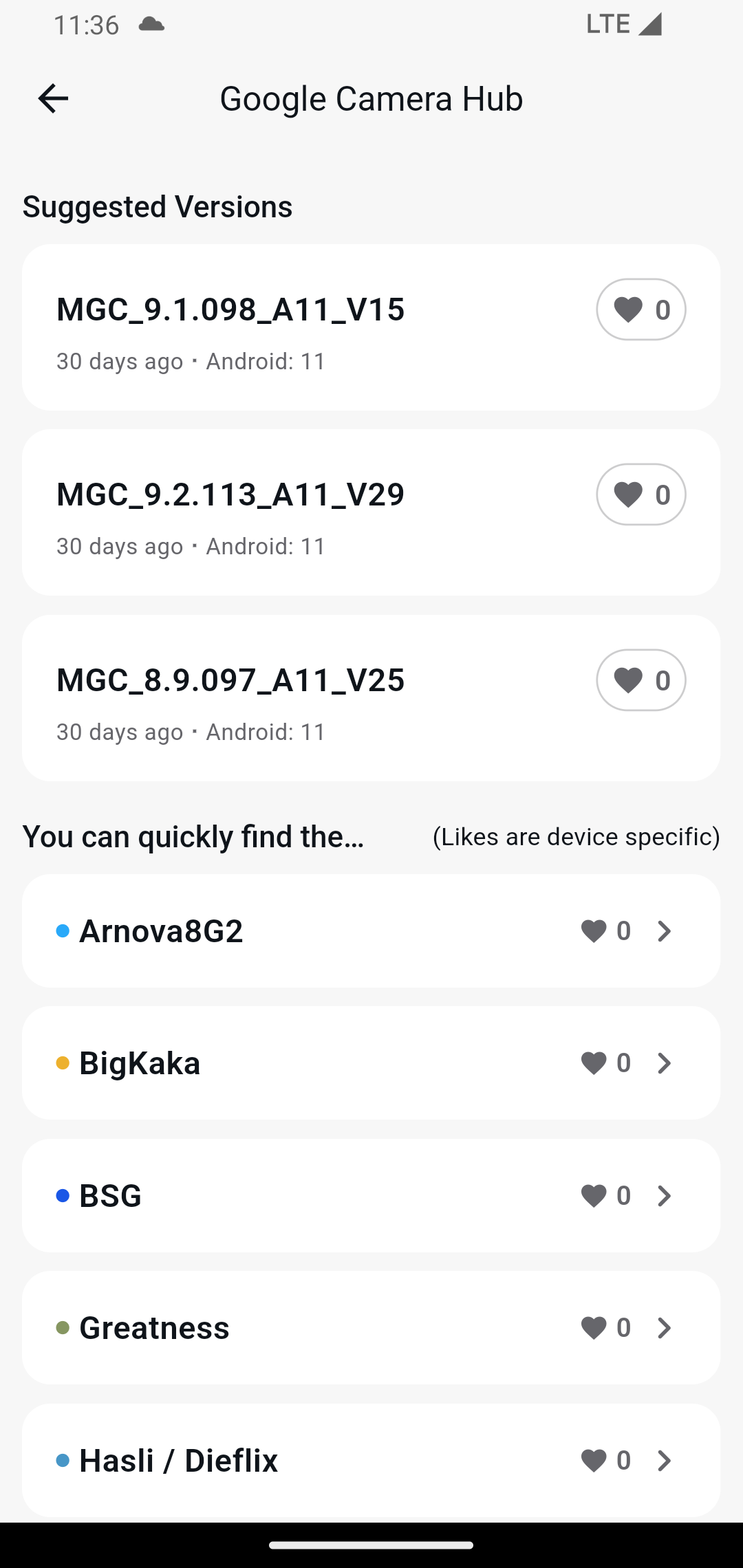
Google Camera (GCam) can significantly improve dynamic range, exposure balance, and night performance on HyperOS devices. Many Xiaomi models benefit from GCam’s HDR+ and Night Sight algorithms, especially when paired with the correct XML configuration.

Installing GCam requires loading the APK and importing an XML profile. The correct configuration ensures proper color tuning, sensor mapping, and advanced feature support. After creating the /GCam/Configs/ directory, users double-tap the viewfinder’s black border to import their XML file. This step ensures correct calibration for Xiaomi’s image signal processor.

You can use GCamLoader application to get latest GCam.

Screenshot 1731141370


Customizing the HyperOS Interface

Visual and sound customization tools allow users to make their device more personal and more functional.

Replacing Default Ringtones

HyperOS allows full customization of call tones by importing local audio files. Users simply navigate to Settings → Sound & Vibration to select or upload new tones. For dual-SIM devices, HyperOS also supports assigning different tones per SIM, increasing clarity in daily use.

Enabling Dynamic Animated Weather Wallpapers

HyperOS sometimes limits animated weather wallpapers on mid-range devices to preserve resources. Installing the Weather package restores full high-resolution animations. This version is originally designed for Xiaomi tablets but works effectively across HyperOS smartphones.

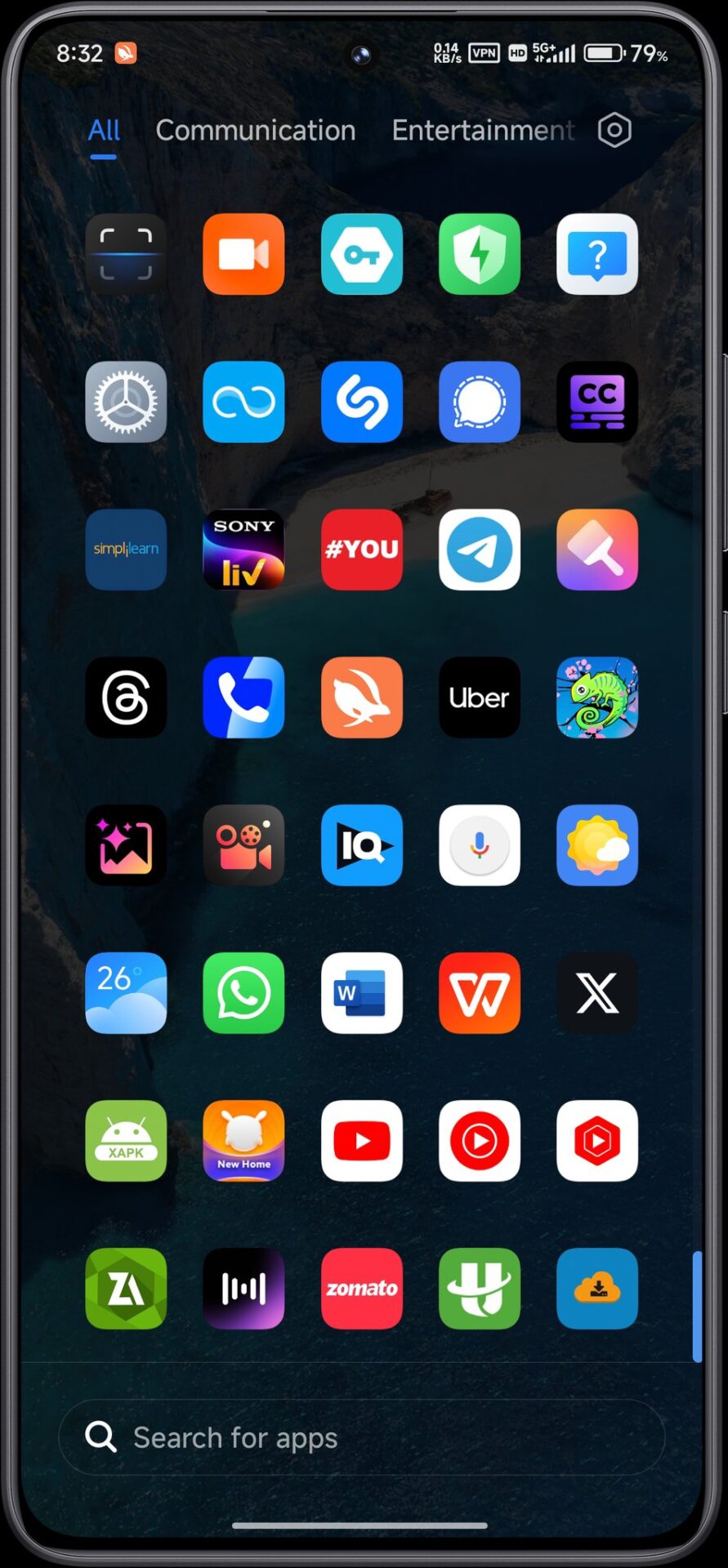
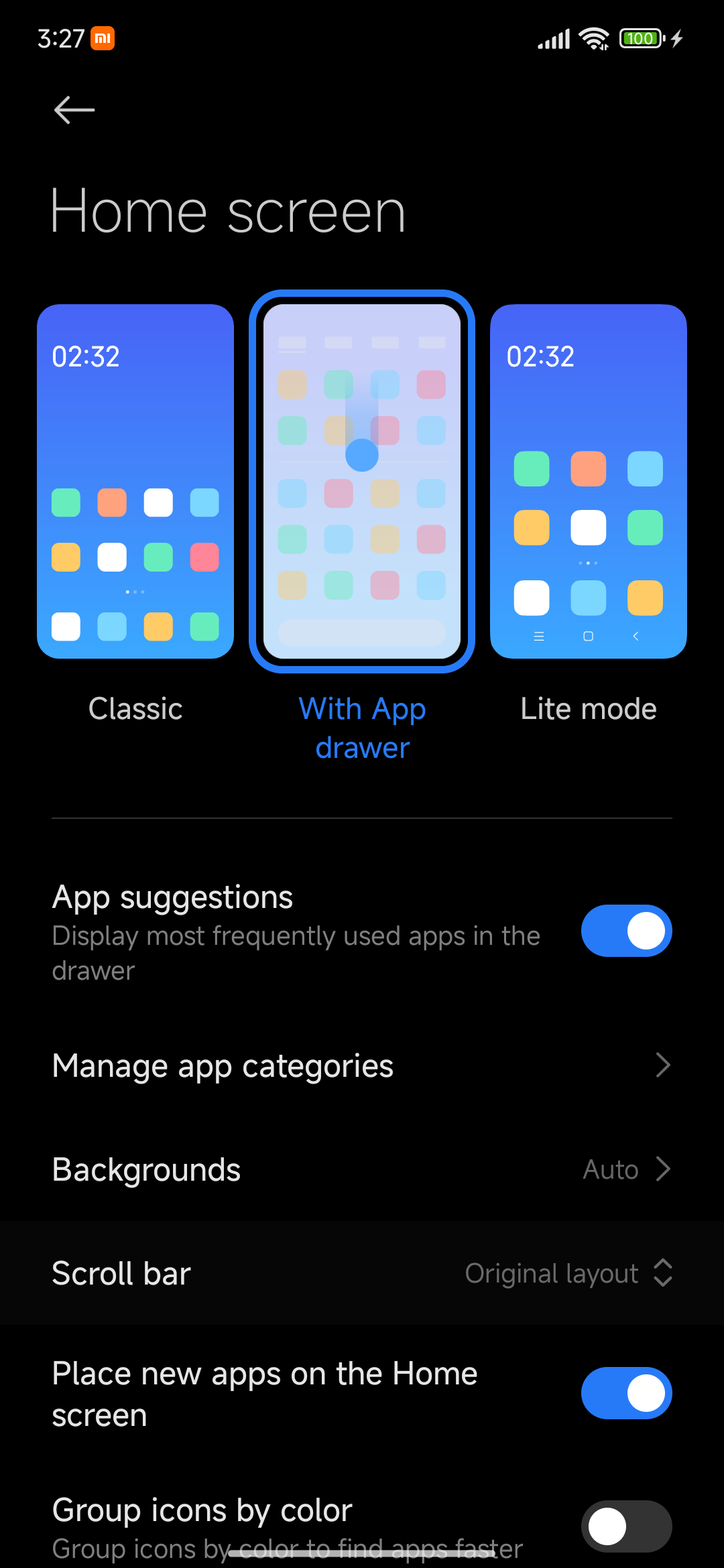
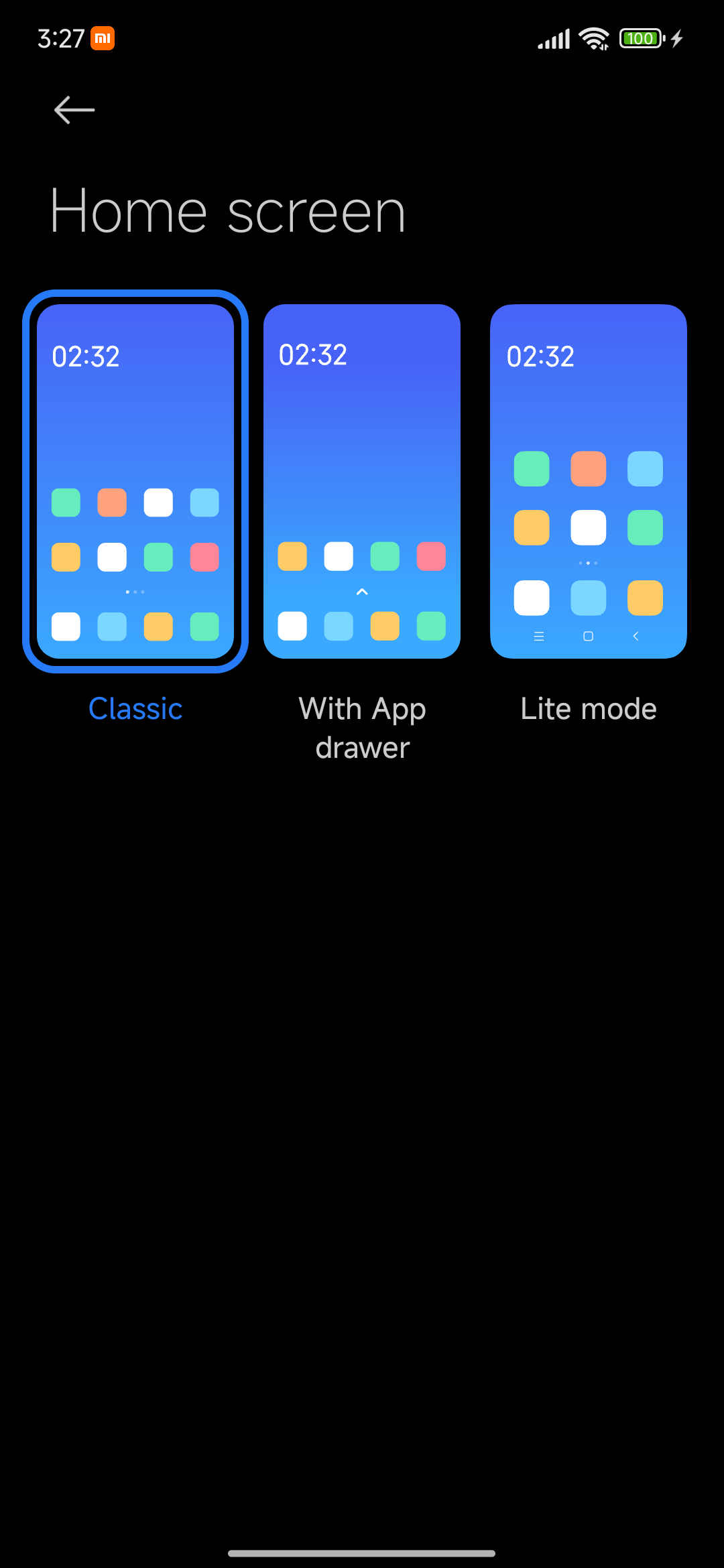
Switching to the App Drawer Layout

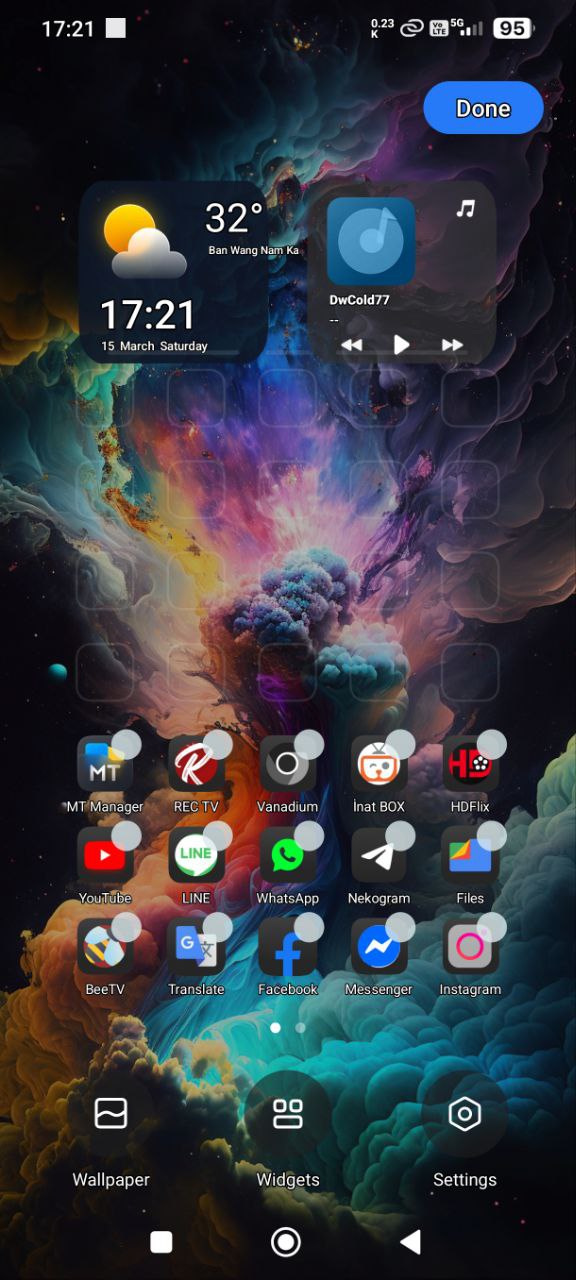
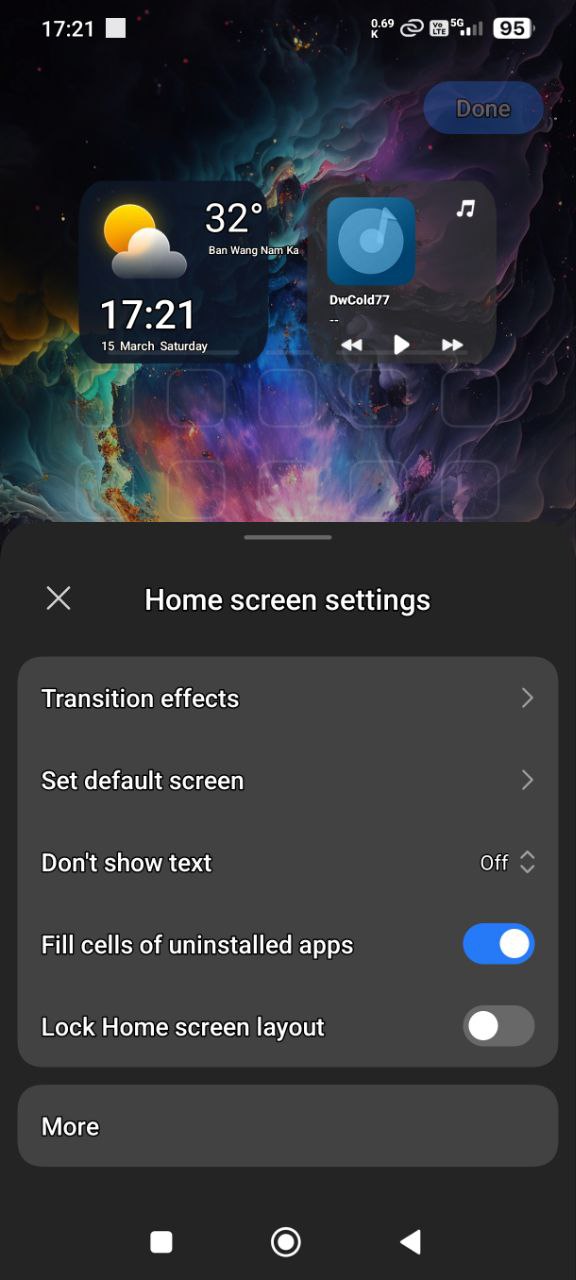
Users can enable App Drawer mode by going to Home Screen Settings → With App Drawer. This mode offers visual organization tools, category management, and a cleaner home layout.

HyperOS 2.0 Launcher Beta 3 App Drawer 3 App Drawer 2


Optimizing Gestures and Launchers

HyperOS restricts full-screen gesture support when third-party launchers are set as default. Power users often bypass this limitation using specialized methods. Tools such as Fluid Navigation Gestures (FNG) provide gesture overlays using Android Accessibility Services. This avoids system exploits while offering customizable swipe controls.

Deep System Optimization with ADB Debloating

ADB debloating removes unnecessary applications, improving RAM efficiency and reducing background power consumption. This method is safe when applied carefully and allows users to reinstall removed packages at any time.

How to debloat Xiaomi HyperOS without root


Performance Tuning for a Smoother Experience

Performance improvements in HyperOS depend on both visual settings and system balancing features.

Animation Scale Adjustments

Setting Window, Transition, and Animator scales to 0.5x creates an instantly snappier user experience. These changes reduce visual delay without impacting actual performance levels.

Using Performance Modes

HyperOS provides both automatic smart performance balancing and a high-power Performance Mode for demanding tasks such as gaming. Users can activate it via Settings → Battery → Performance Mode.-

Improving the Xiaomi HyperOS experience is a blend of thoughtful customization, correct tool usage, and ongoing system maintenance. By integrating GCam, fine-tuning visual and gesture settings, and carefully applying ADB optimizations, users can achieve a faster, cleaner, and more refined HyperOS environment. With responsible adjustments and regular system updates, HyperOS becomes a flexible, high-performance platform suitable for both casual and advanced users.


How Xiaomi built its global rise through pricing and ecosystem power

24 November 2025 at 07:00

Driving forces behind Xiaomi’s rapid global expansion include a unique strategic model, fusing cost leadership with ecosystem integration and profitable internet services. This structure, often referred to as the company’s “Iron Triangle,” links hardware and AIoT devices with high-margin digital services into one coherent growth engine. You can learn more about Xiaomi devices on our related pages: Xiaomi 15 seriesHyperOS features, and Xiaomi AIoT ecosystem**. In aggregate, these elements create a sustainable competitive advantage that fosters user loyalty and underpins sound financial performance.

The Foundations of Xiaomi’s Growth Model

Its expansion is underpinned by a business architecture designed to balance high volume, competitive pricing with integrated digital services. This model allows the company to deliver stable growth while maintaining profitability across diverse market segments.

Cost Leadership and Margin Commitment

Xiaomi’s long-term commitment to maintaining net profit margins for hardware at a level below 5% acts both as a pricing strategy and a tool to gain trust. This limit on margin bolsters consumer confidence, consolidates loyalty, and attracts a global user base with less fluctuation. With reduced marketing expenses, community-driven engagement also enables Xiaomi to redirect some resources into the affordability of devices. This perpetuates demand in emerging markets-especially in regions with prevailing purchasing behaviors driven by value.

Lei Jun rich

Ecosystem Penetration and User Retention

Hundreds of millions of devices are now connected within the AIoT ecosystem of Xiaomi, and smartphones will assume a central position in the interconnected digital environment. Such an architecture creates recurring engagement and reinforces long-term platform stickiness. The increasing number of users possessing five or more devices from Xiaomi represents its deep integration strategy and proves the ability to drive ecosystem-led retention. This integrated approach ensures that users remain within the Xiaomi environment for hardware refresh cycles and internet service consumption alike.

Revenue Structure and Cross-Subsidization Dynamics

Its financial success is closely linked with the “Iron Triangle” model, where Xiaomi maintains stable margins and supports aggressive expansion into new business categories.

Three-Segment Business Architecture

The company operates in three main verticals: It includes:

  • Smartphones: The largest revenue driver, supported by scale, competitive pricing, and broad global distribution.
  • AIoT and Lifestyle Products: Fast-growing segment that reinforces ecosystem depth and cross-device experiences.
  • Internet Services: The highest-margin vertical, driven by MIUI’s user base and integration with the HyperOS ecosystem.

Xiaomi uses a cross-subsidization structure, with hardware working on thin margins, but the business model ensures that the Internet Services bring in enterprise-level profitability. This allows it to sell devices aggressively while maintaining robust consolidated financial results.

Expansion Into EV and AI Industries

Investing in EVs and advanced AI capabilities is a long-term expansion vector for Xiaomi. These new segments are already contributing significantly to revenue, showing the company’s shift from traditional consumer electronics toward multi-industry innovation leadership. Growing R&D capacity supports this transition at Xiaomi, further strengthening imaging technology, processing performance, and software intelligence across product categories.

Lei Jun congratulation to Dongfeng Motor Corporation

Global Strategy, Localization, and Market Positioning

With flexible supply chains and fast regional adaptation, the broad global reach of Xiaomi is enabled. The operational agility allows the company to maintain consistent device availability and pricing even during periods of global instability.

Premiumization and Competitive Positioning

Over the last couple of years, Xiaomi has increasingly been making its way into premium segments to take on traditionally strong competitors like Samsung and Apple. This is further helped by advances in imaging, materials engineering, processor architecture, and industrial design. High-end products, such as flagships and foldables, are brand-building vehicles that raise Xiaomi’s perception in mature markets. Premium products also contribute to increasing the overall ASP and decreasing reliance on lower-margin businesses.

International Penetration and Retail Expansion

The offline store expansion strategy of Xiaomi strengthens its presence in Europe, Southeast Asia, and Latin America. In addition, localization efforts support product relevance, maintaining regulatory compliance, and region-specific marketing. This multilayered approach will definitely ensure stronger brand awareness and higher conversion rates across diverse consumer bases.

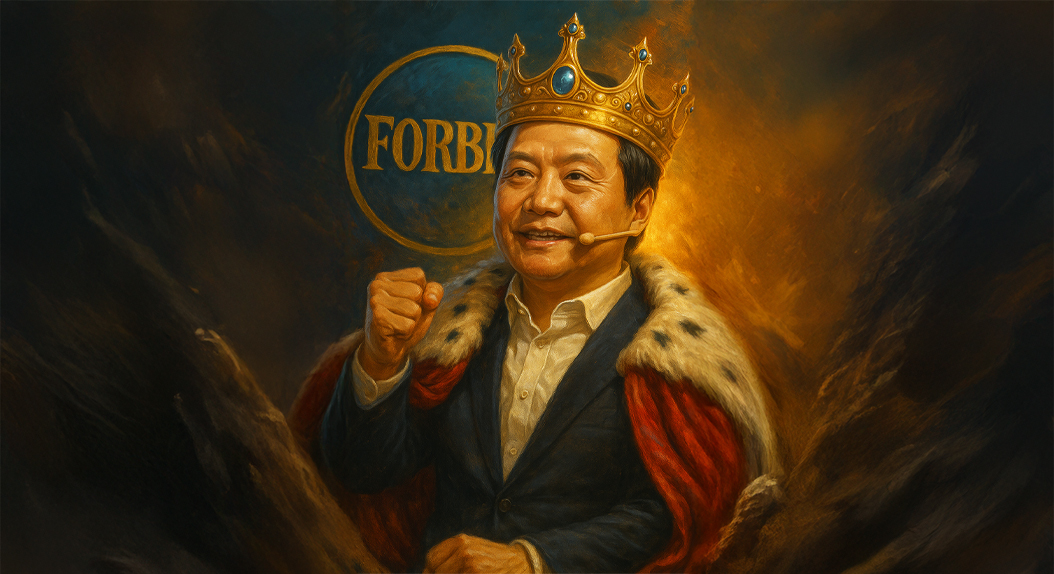
Forbes Lei Jun

AIoT Integration & Service Monetization

Xiaomi’s AIoT platform enhances the value chain by connecting smart home devices, apps, and internet services into one unified user experience.

Long-Term Ecosystem Value

With nearly 700 million connected IoT devices, Xiaomi’s ecosystem creates extensive behavioral data and interaction points that feed into personalized services, advertising efficiency, and high-margin digital offerings. The result is that the company will continue to have highly attractive monetization potential across all regions, with a strong predictable revenue stream over and above hardware cycles.

Xiaomi update stages explained: All steps to stable release

24 November 2025 at 03:33

Xiaomi’s internal build progression for HyperOS 3 (Android 16 and 15) provides a detailed view of how the company prepares major system updates across its ecosystem. Current indicators strongly suggest that HyperOS 3 has reached its final Release Candidate stage, positioning eligible devices for stable rollout within the projected window. Users can check update history via HyperOSUpdates. This analysis presents a structured overview of development progress, quality-control phases and distribution expectations.

Internal Software Structure and Release Candidate Verification

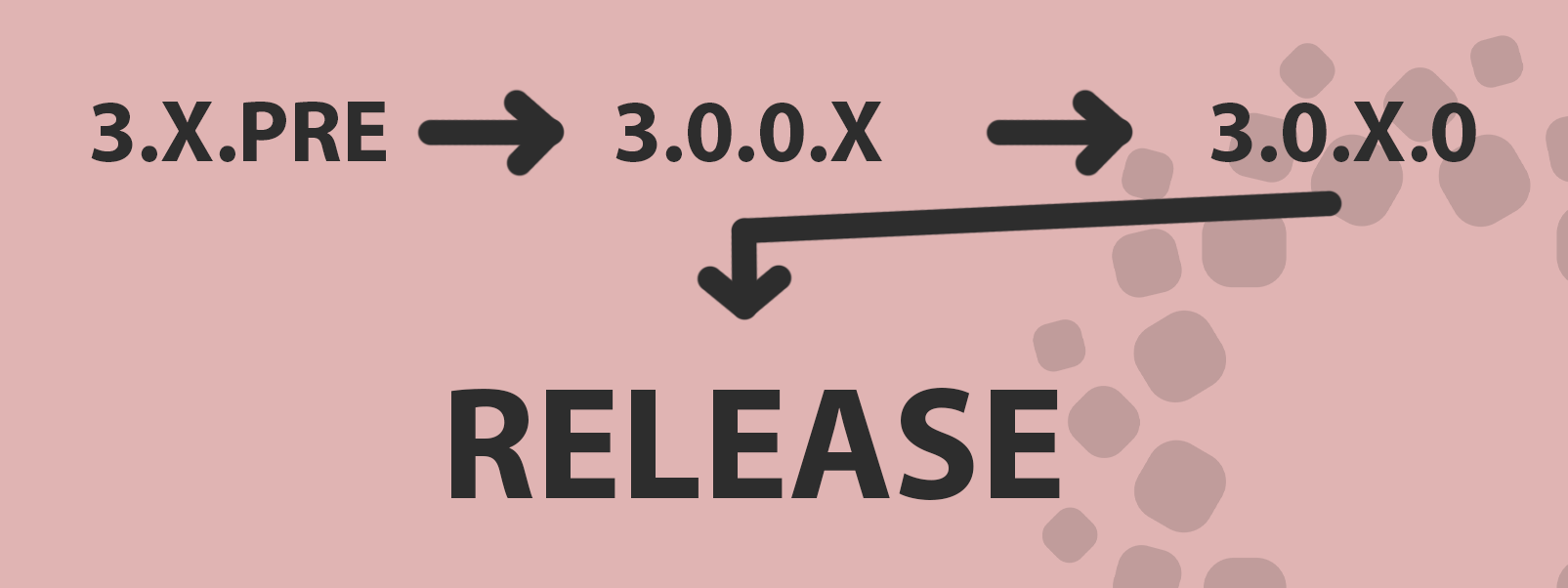
Xiaomi’s HyperOS build naming system offers reliable insight into development status, region targeting, and stability readiness. When a device transitions from the 3.0.X.PRE line to the OS3.0.0.X stable numbering format, the firmware is considered complete at a system-architecture level. The user-observed 3.0.X.0 build is consistent with Xiaomi’s “release-ready” convention and indicates that final verification stages have already been passed internally.

Breakdown of HyperOS Build Anatomy

The OS3.0.X.0 prefix defines the major system generation, confirming Android 16 and 15 integration and full feature maturity. Regional suffixes such as EUXM (for EEA) and MIXM (for Global) reflect Xiaomi’s standardized distribution flow. In Turkey, stable builds typically arrive under the TRXM, RUXM, TWXM, INXM, IDXM region code and follow EEA markets with minimal latency. The identified RC build demonstrates that the device has already reached the same structural tier as officially published stable packages for models such as POCO X7 Pro.

Ekran goruntusu 2025 11 23 222347

HyperOS Development Stages and Time-to-Stable Projection

Xiaomi applies a three-layer development framework before approving any version for mass deployment. Each stage focuses on a different quality vector such as architectural stability, performance refinement, or regional certification.

Overview of Testing Phases

The .PRE Alpha stage validates fundamental kernel integration with Android 16. The 3.0.0.X Beta phase comprises internal testing with extensive feedback from real-world scenarios. The 3.0.1.0 stage is the final milestone before regional rollout begins.

Empirical distribution data from HyperOS 3 deployments shows that the transition from release channel to public OTA commonly takes between one and four weeks. Given the synchronized progress across multiple Xiaomi models, the estimated rollout window of late November to mid-December 2025 remains consistent with Xiaomi’s historical release behavior.

RELEASE TIMELINE

HyperOS 3 Global Rollout Alignment and Market Synchronization

HyperOS 3.0 is scheduled as Xiaomi’s major annual platform update, with staged deployments beginning in China during early October 2025 and extending globally through November. The primary wave includes flagship and priority models such as the Xiaomi 15T series, POCO F7 Ultra and Xiaomi Pad 7.

EEA Benchmarks and other region market impact

The confirmed release of OS3.0.2.0 for POCO X7 Pro users in the EEA region demonstrates complete architectural stability. Historically, Turkey follows EEA by two to four weeks, supported by similar certification requirements and identical HyperOS feature sets. Because Xiaomi has already validated structural integrity across multiple device categories — including foldables, tablets and mid-range platforms — the probability of extended delays for TRXM, RUXM, TWXM, INXM, IDXM builds remains low.

Based on current evidence, HyperOS 3.0’s Release Candidate status confirms that the update is development-complete and awaiting only regional distribution sequencing. With Xiaomi’s ongoing preparations for HyperOS 3.1 already in progress, the company is prioritizing rapid stabilization of the 3.0 release line across all major markets. The expected rollout window of late November to mid-December 2025 aligns fully with Xiaomi’s distribution model and benchmark data from comparable devices.

How to install Xiaomi HyperOS 3 updates early with renaming trick

23 November 2025 at 19:52

Those who are really unable to wait for the latest features and improvements of Xiaomi HyperOS, they can update in several ways in advance of the official release. Below is a step-by-step guide to do this on the MemeOS Enhancer, HyperOS Updates Android apps.

How to download HyperOS updates early?

Using 3 different methods you can download HyperOS updates early.

HyperOS Downloader

Using the HyperOS Downloader Android app, you will be notified of early release updates and can download them.

HyperOS Downloader 8 HyperOS Downloader 7 HyperOS Downloader 6 HyperOS Downloader 5 HyperOS Downloader 4 HyperOS Downloader 3 HyperOS Downloader 2 HyperOS Downloader 1

Xiaomi Firmware Downloader or HyperOS Updates

You can download it manually via the Xiaomi Firmware Downloader feature in XiaomiTime or via the HyperOSUpdates website (the working logic is the same).

We also share all updates instantly on our Telegram channel. You can follow our MIUI & HyperOS Download channel.

Method 1: Standard Manual Update Installation

  1. OTA Update Package Download: Download in any of the following sources like XiaomiTime Downloader, HyperOS Updates, or the HyperOS Downloader Android app to get the OTA update package.
  2. Go to Device Settings: Go to Settings, then My Device.
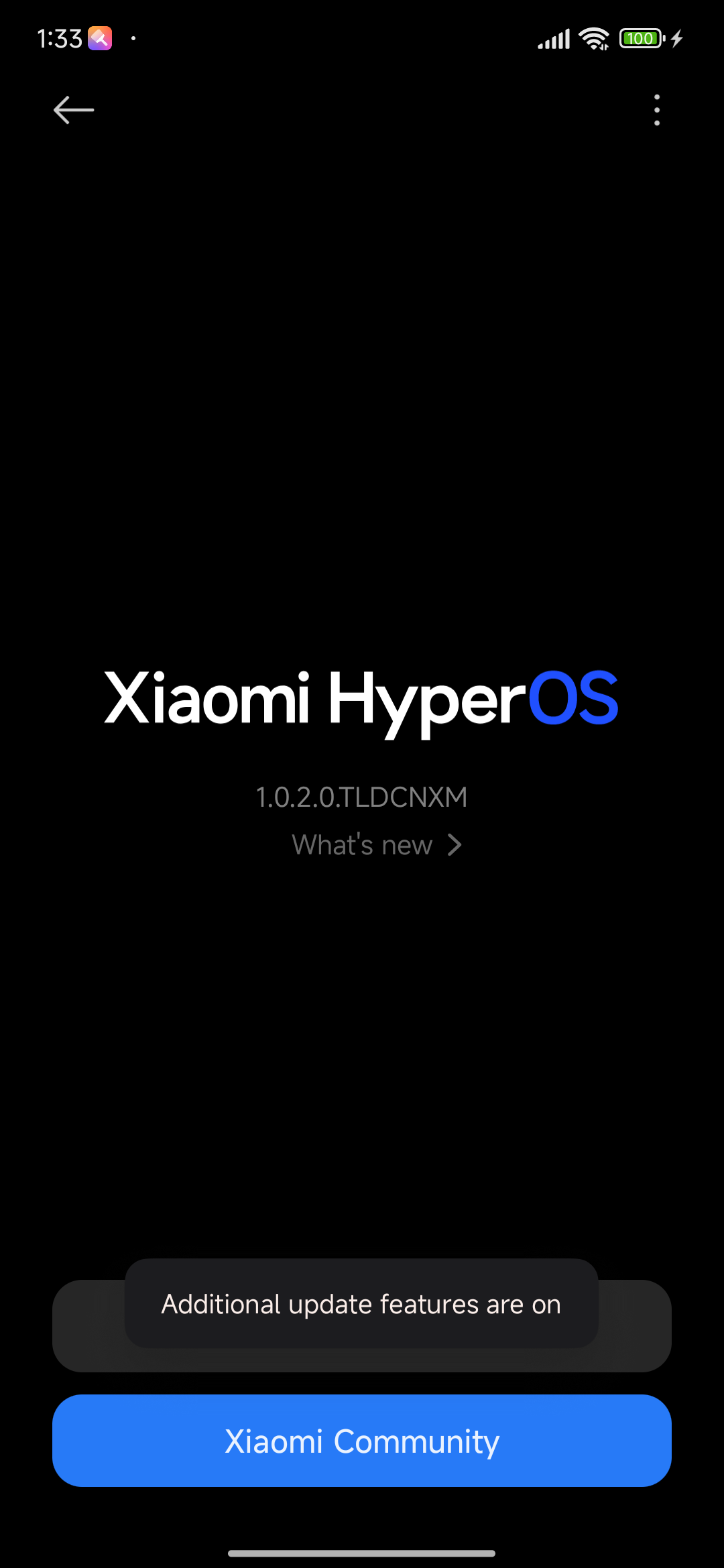
  3. Activate Any Extra Features: Tap on the HyperOS logo multiple times until the message “additional features are on” appears. This will open up more update options.
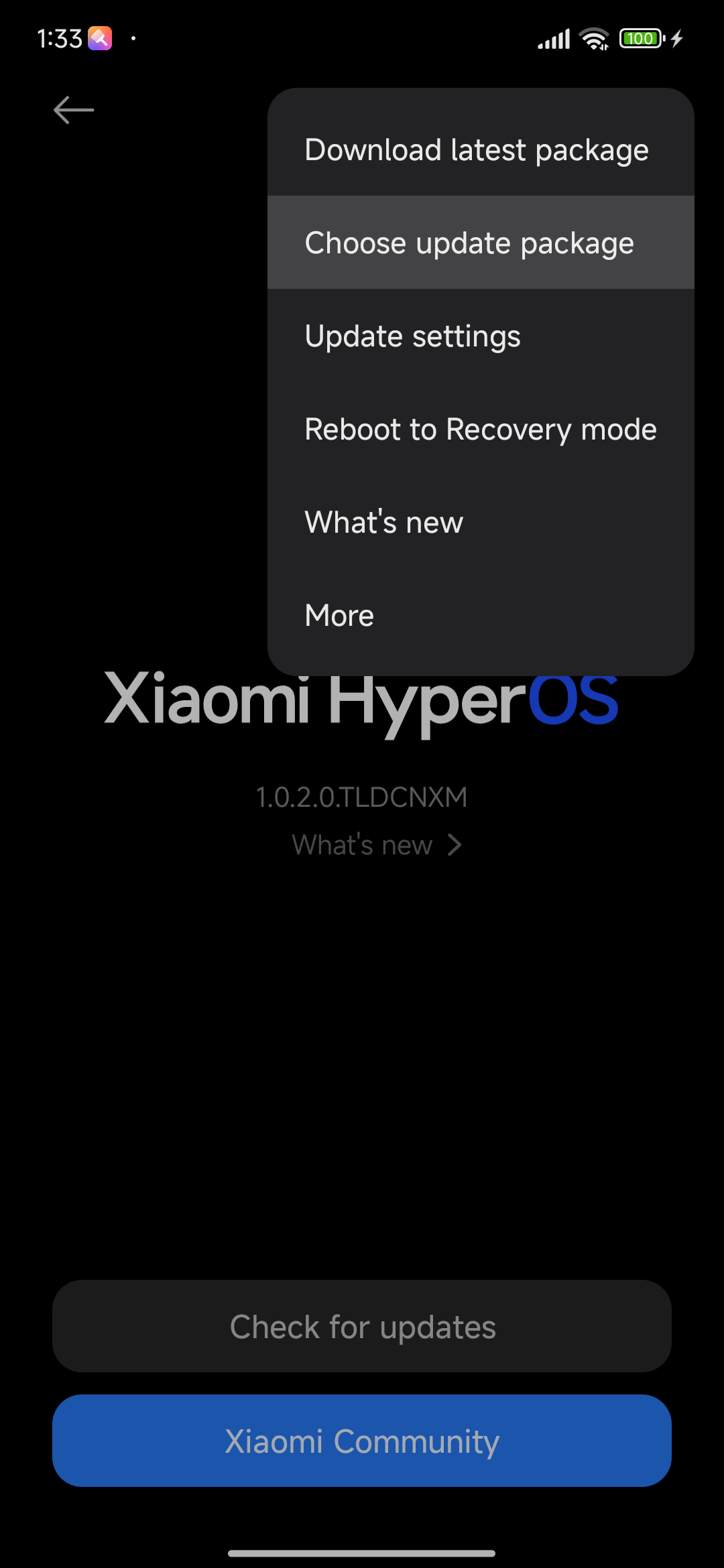
  4. Click on Update Menu: Tap on the update menu by (open the hamburger menu) three horizontal lines.
  5. Select the Update Package: Click on the “Choose update package.” From here, you can manually browse and select the file for updating.
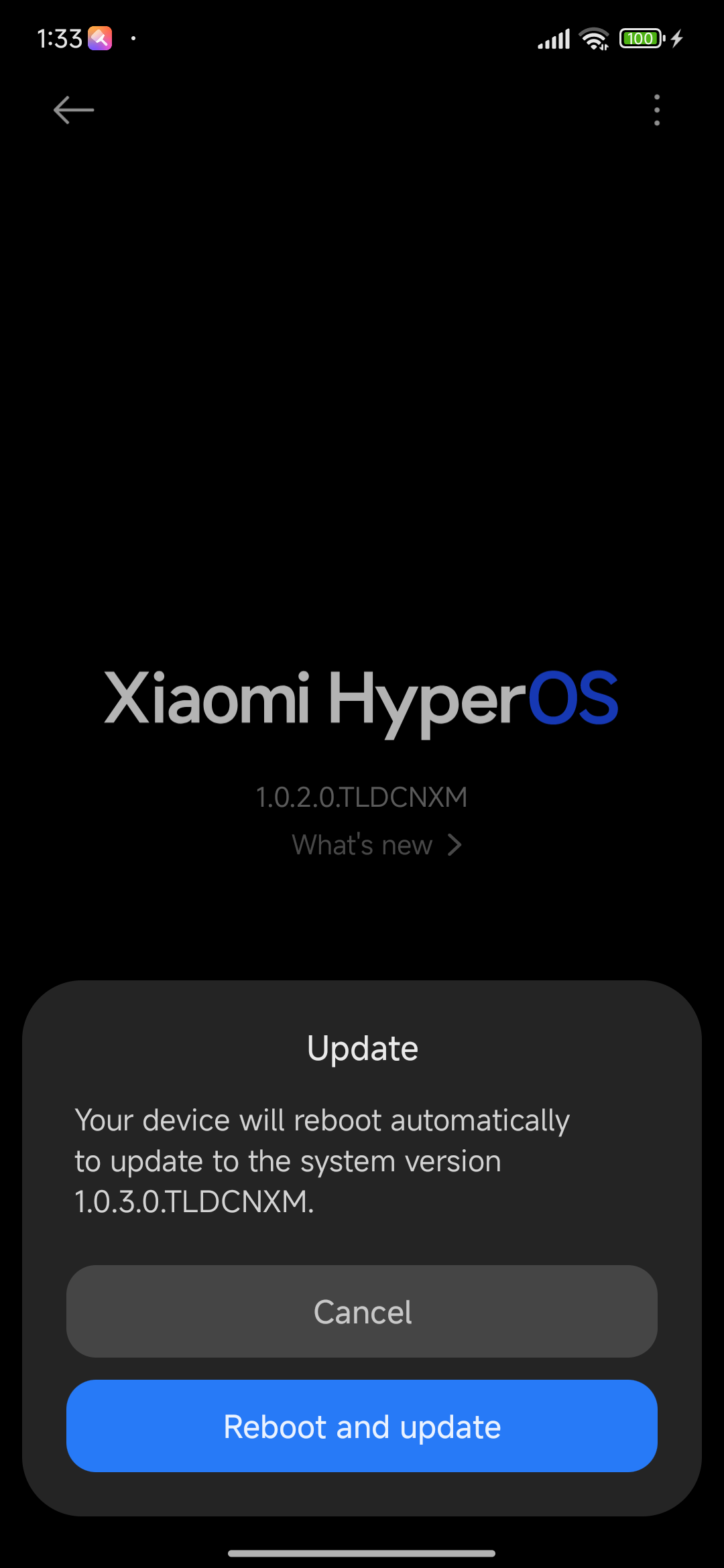
  6. Select Downloaded Package: Browse to the location where you saved the download of the package update and click on it.
  7. Confirm and Install: The system will ask you to confirm the installation. Tap Update, and the update process will start.
HyperOS Manual Update 3 HyperOS Manual Update 4 HyperOS Manual Update 1

Method 2: Rename Trick V2

If the standard method doesn’t work, you can try this alternative approach. This method will work.

  1. Download necessary files: Download the update file according to your current version number and the new version number that you would like to update to.
  2. Go to Device Configuration: Head towards the path of Settings > My Device and thump your HyperOS logo until you see the “additional features are on” message.
  3. Update Menu: Tap on the hamburger menu and press on the “Change update package”.
  4. Choose the Current Version Package: Choose the package of your software’s current version.
  5. Preparation for Update: Confirm the installation without closing the warning message.
  6. Rename Files: Use file manager, rename the new version Zip file to the present version file name.
  7. Replace Files: Copy the renamed new version file over the current version file.
  8. Finish the Update: After that, go back to the app from the Recent section and tap Update. This is especially helpful for flitting between Mi Pilot ROMs and Stable ROMs or different region.

Method 3: With the Help of HyperCeiler (Root)

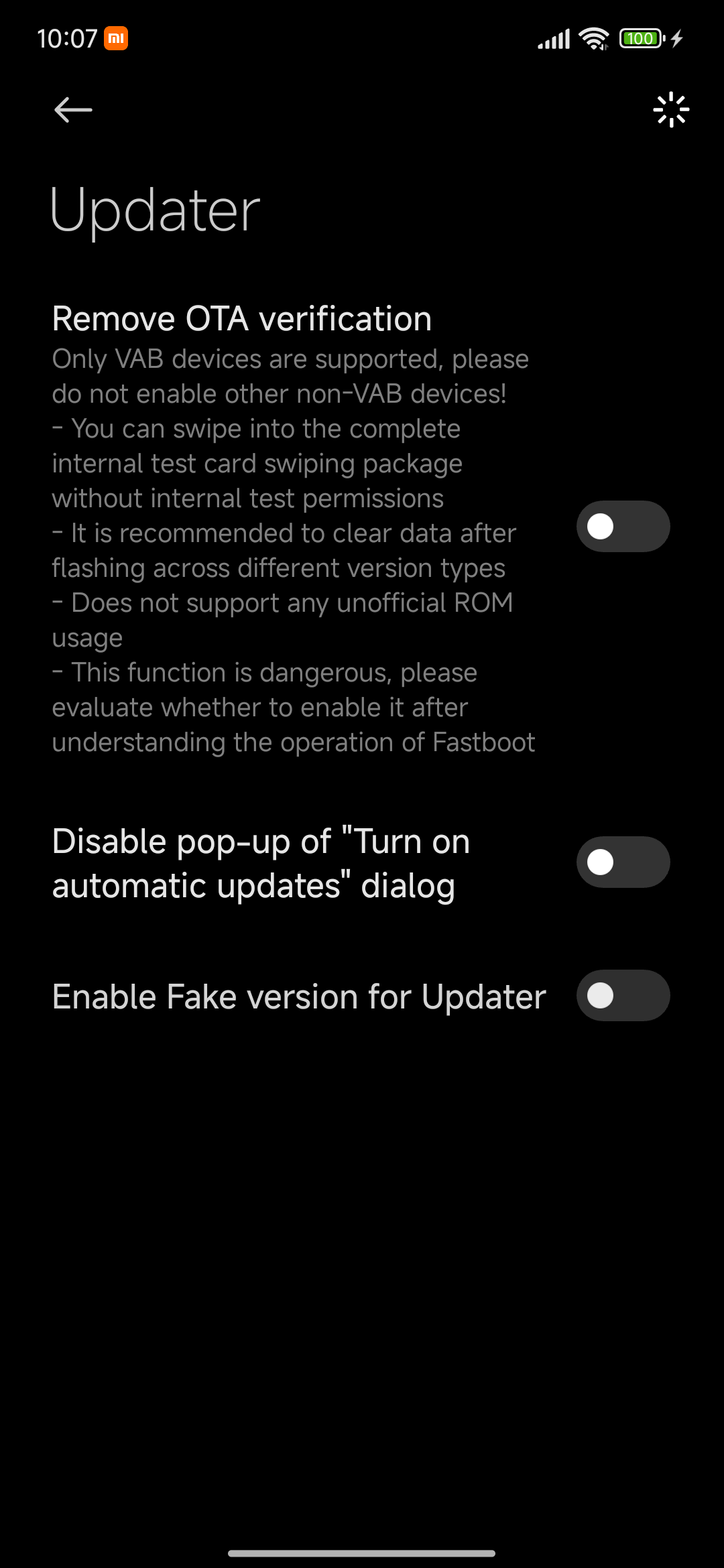
The module HyperCeiler enables bypassing of the version checks for rooted devices. If non-root methods doesn’t work, use this.

  1. Open HyperCeiler: Launch the HyperCeiler app on an Android device.
  2. Disabling Version Check: Go into the HyperCeiler application, navigate under Updater, and enable all options to turn off the version check.
  3. Standard Method Applied: Once the version check is turned off, find out steps in Method 1 on how to implement the update.
HyperCeiler Updater Options

Method 4: TWRP Recovery (Root)

TWRP, as in Team Win Recovery Project, is an open-source, custom recovery image for Android devices with a touch-capable interface for ease in handling advanced recovery and installation tasks.

  1. Download the Update Download the update package you want to apply.
  2. Enter TWRP Recovery Turn your phone off. Later, press the power and the volume up buttons simultaneously to power in TWRP recovery mode.
  3. Install Updates In TWRP, tap on Install, then locate the ROM Zip file and select it. Now swipe to flash.
  4. Reboot and Reflash TWRP Once the process finishes, just reboot the system. Note that it may also ask for reflashing TWRP image every time you flash any official update because it often replaces TWRP with Mi-Recovery.

This way, you will always be ahead in class and enjoy the new features of Xiaomi HyperOS prior to the official update release. Enjoy the discovery of new features and improvements!

Xiaomi HyperOS Bug Report (23 Nov 2025): New fixes on the way

23 November 2025 at 17:42

Xiaomi has updated a new weekly bug report on the Mi Community, clearly detailing the most relevant problems seen across HyperOS and the progress being made in regard to fixing them. This structured report series keeps users informed and provides transparency regarding software stability as the company continues refining its latest system. For readers who want to learn how to send feedback, our How to Report Bugs on HyperOS guide and HyperOS 3 update tracker can help through internal links.

Overview of the Weekly Bug Assessment

The weekly review that Xiaomi issues mentions the current bugs affecting selected devices and their current status regarding the fix. Given the transparency, users are informed on time without speculation. This week’s report, dated 23 November 2025, has listed two major issues that are related to certification and connectivity of recently released models. The company has confirmed that software engineers are already preparing corrective updates.

eSIM and Mobile Data Activation Issue on Xiaomi 15 Ultra

This week’s first reported case involves the Xiaomi 15 Ultra, where users started reporting failures to activate eSIM or access mobile data on the latest HyperOS version, OS3.0.3.0.WOAEUXM. Xiaomi has now provided some insight by stating that the root cause has been fully identified. The fix has already been integrated into the upcoming OS3.0.4.0.WOAEUXM build, which is currently being repacked with the latest November security patch before rollout. The company promised distribution once the final internal validation process is complete to ensure the best standards in terms of safety and performance.

Xiaomi 15 Ultra will be first ultra phone with eSIM

Play Protect Certification Issue on POCO X7 / Redmi Note 14 Pro 5G

The second reported problem affects the POCO X7-also known as Redmi Note 14 Pro 5G in China-where Google Play Protect certification fails to initialize in HyperOS version OS3.0.4.0.WOOMIXM. Because of this, the Google applications may not function as expected. According to Xiaomi’s engineering team, the issue has been officially confirmed and is presently under detailed investigation. Further updates will be shared in future weekly reports once the fix is fully validated and assigned to an upcoming release.

How Users Can Contribute to HyperOS Stability

Xiaomi hopes that its community could continue to provide support in reporting the issues of HyperOS accurately. Users may report bugs using our detailed guide available at the link shown below. Providing structured feedback allows engineers to speed up patch delivery and maintain user experiences stable.

POCO F8 Ultra’s late launch explained after this major issue

23 November 2025 at 15:50

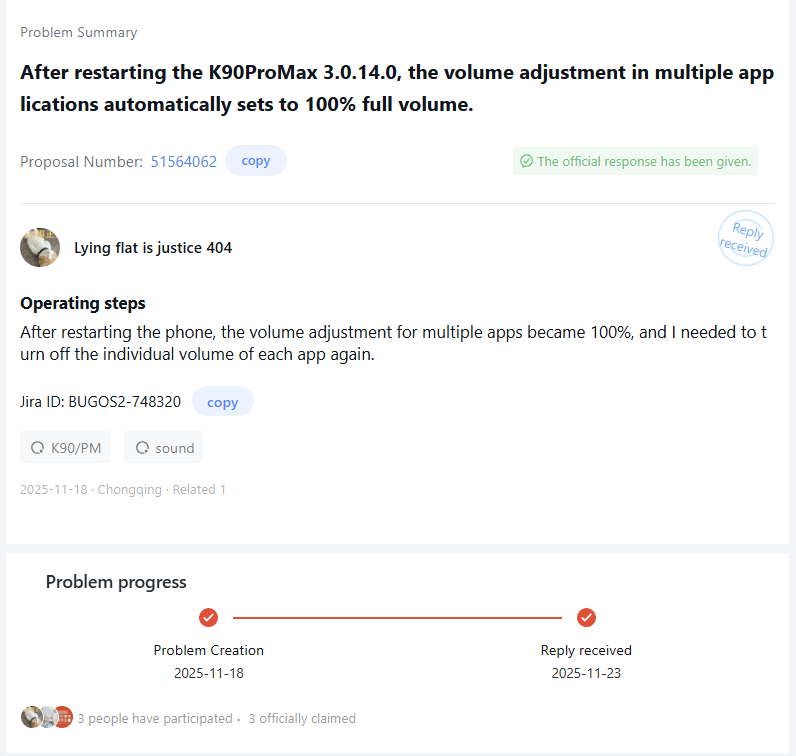
Xiaomi has now officially fixed a major audio bug on the REDMI K90 Pro Max, which is the China-exclusive model that will arrive globally as the POCO F8 Ultra. As per Xiaomi’s bug report platform, the device was returning to maximum volume when certain applications were reopened, which could create an undesirable scenario given the integrated Bose acoustic system.

Xiaomi Addresses the Audio Issue

The core issue included some instances when the volume in the REDMI K90 Pro Max would suddenly increase to full after a restart of particular applications. Considering that the model sports a Bose-tuned rear dual speakers, an unusual vertical layout for better spatial sound, such behavior threatened to cause discomfort for users and to provide inconsistent acoustic performance. Xiaomi’s audio engineering team pinpointed and fixed the problem early this week, which let the global release schedule for the device go forward without further delay.

Ekran goruntusu 2025 11 23 104853

Why This Fix Was Important

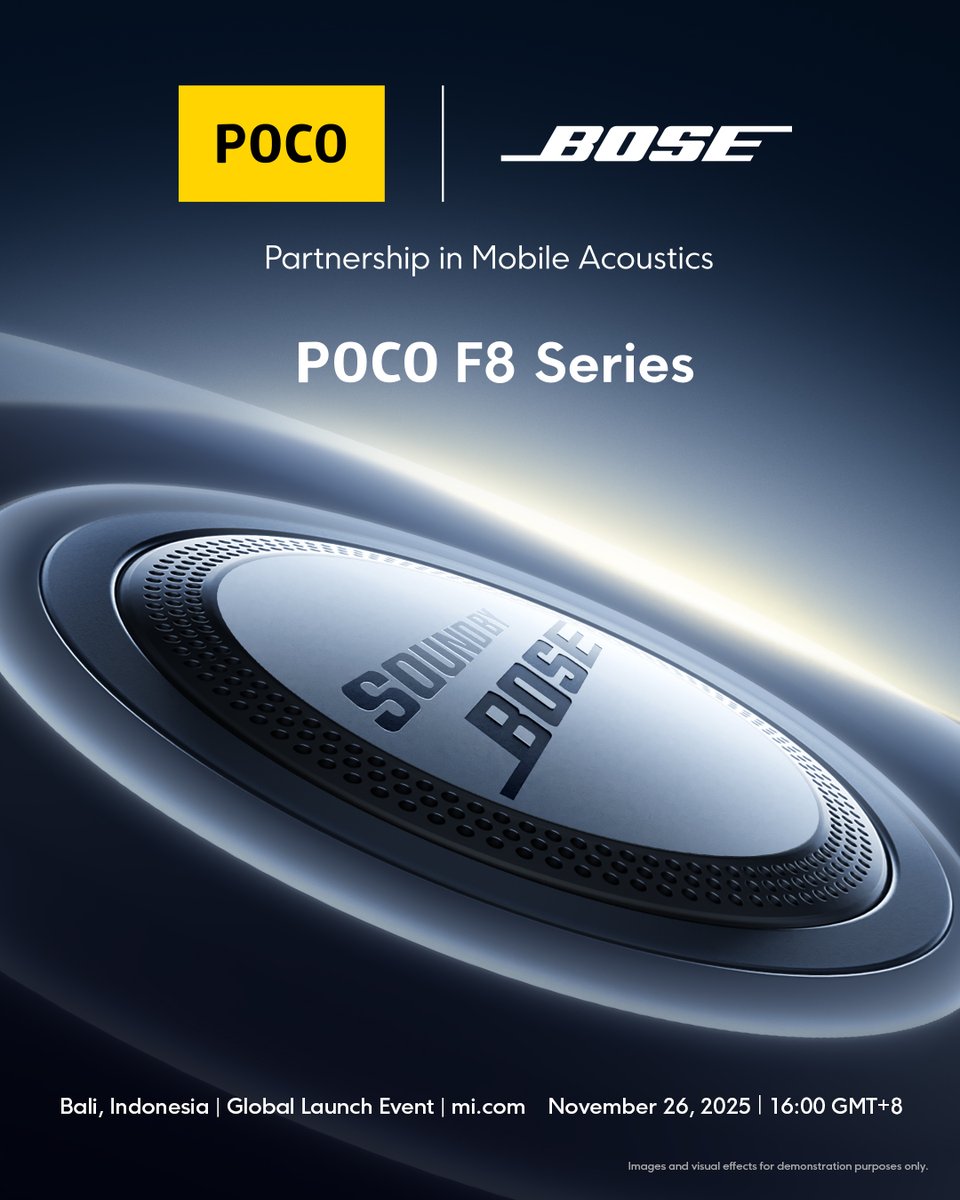
The partnership of Bose on this series with Xiaomi adds premium audio hardware to the smartphone, making any volume irregularities more noticeable. It was seen as important for stable volume management, both for ensuring user safety and market positioning of the phone. The patch ensures consistent output calibration across system processes, resolving the last pending issue before mass deployment.

POCO F8 Ultra Set for Global Introduction

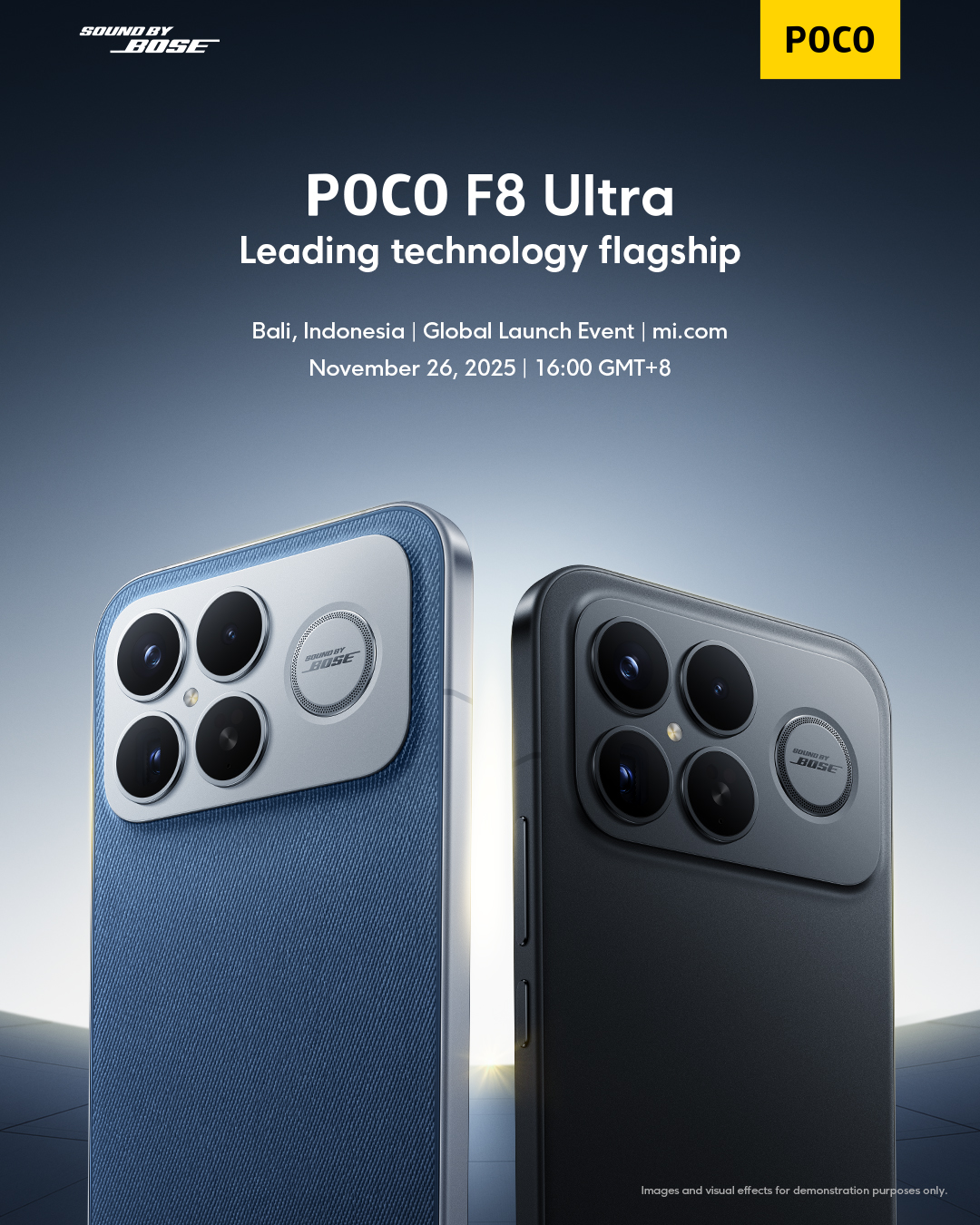
With the audio issue now out of the way, Xiaomi promptly kicked off the marketing sequence for the POCO F8 Ultra. The device will arrive on 26 November 2025, after its China counterpart stabilizes the software. Similar to past generations, the REDMI K-series keeps its China-only status, while the Ultra variant moves outside China under the POCO brand.

POCO F8 Ultra poster 1 POCO F8 Ultra poster 4

Launch Expectations

The POCO F8 Ultra is expected to retain the basic hardware layout of the REDMI K90 Pro Max: Bose-enhanced rear audio, a flagship-class processor from the Snapdragon 8 Elite line, and advanced imaging capabilities on par with Xiaomi’s high-end phones. Xiaomi added that all systems now fall within expected acoustic parameters and that the device is fully ready for consumer release.

The audio fix is added in this release, which points to Xiaomi’s commitment to pre-launch stability, especially for flagship-caliber models with unique hardware configurations. With the final patch applied, the POCO F8 Ultra looks all set for its end-November global debut.

Source

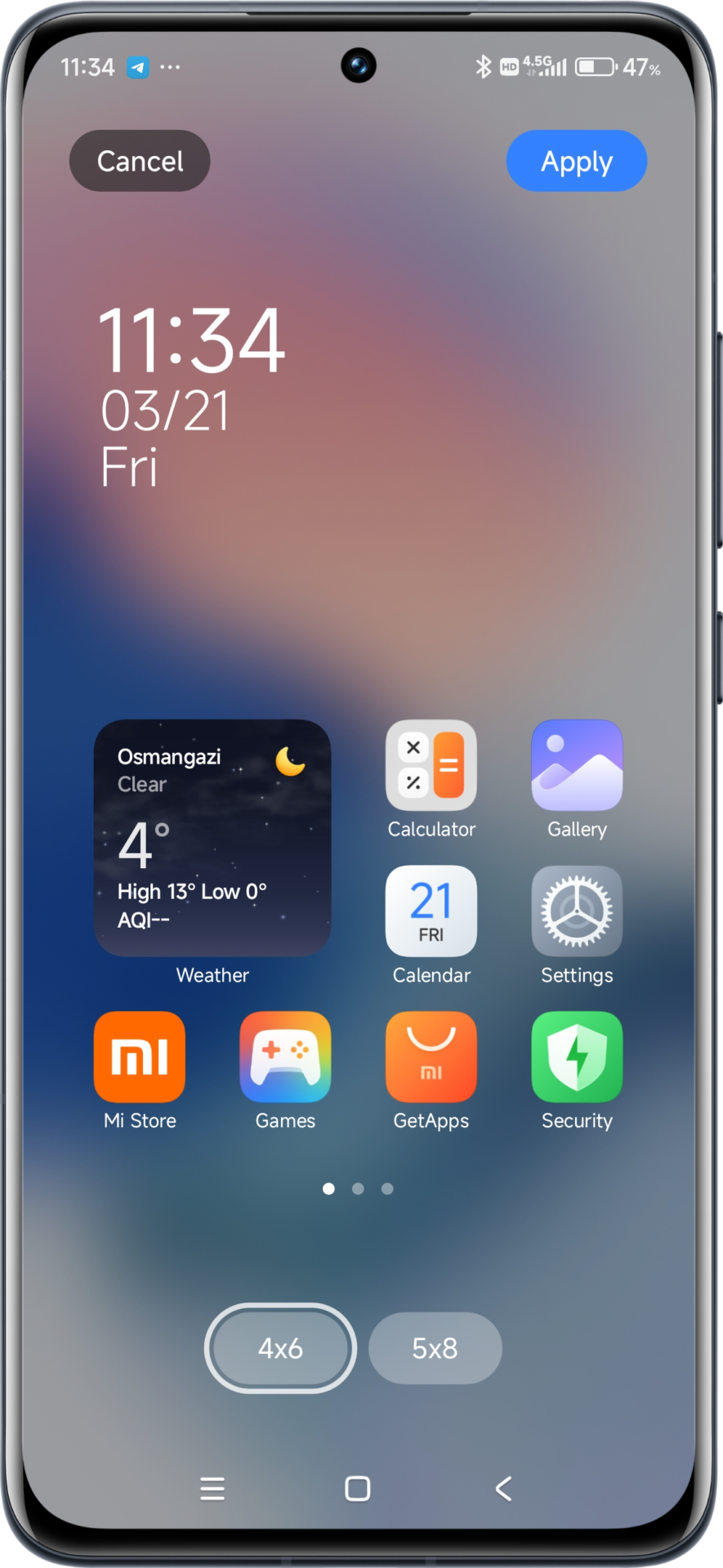
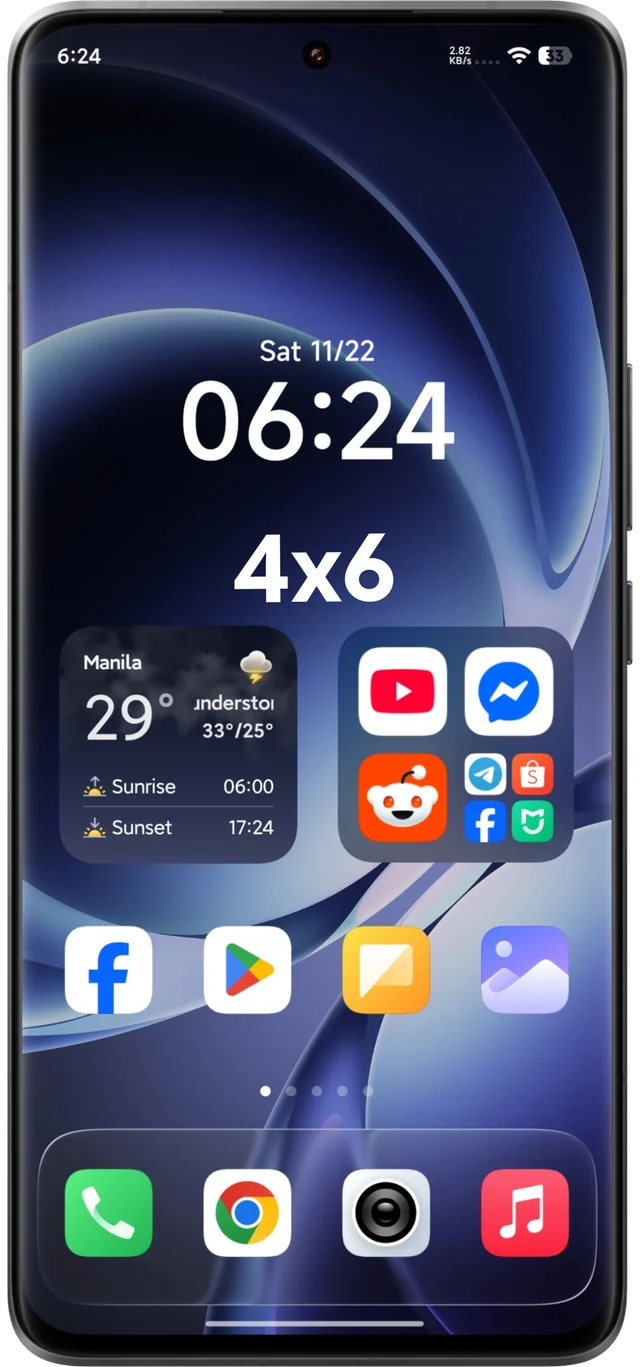
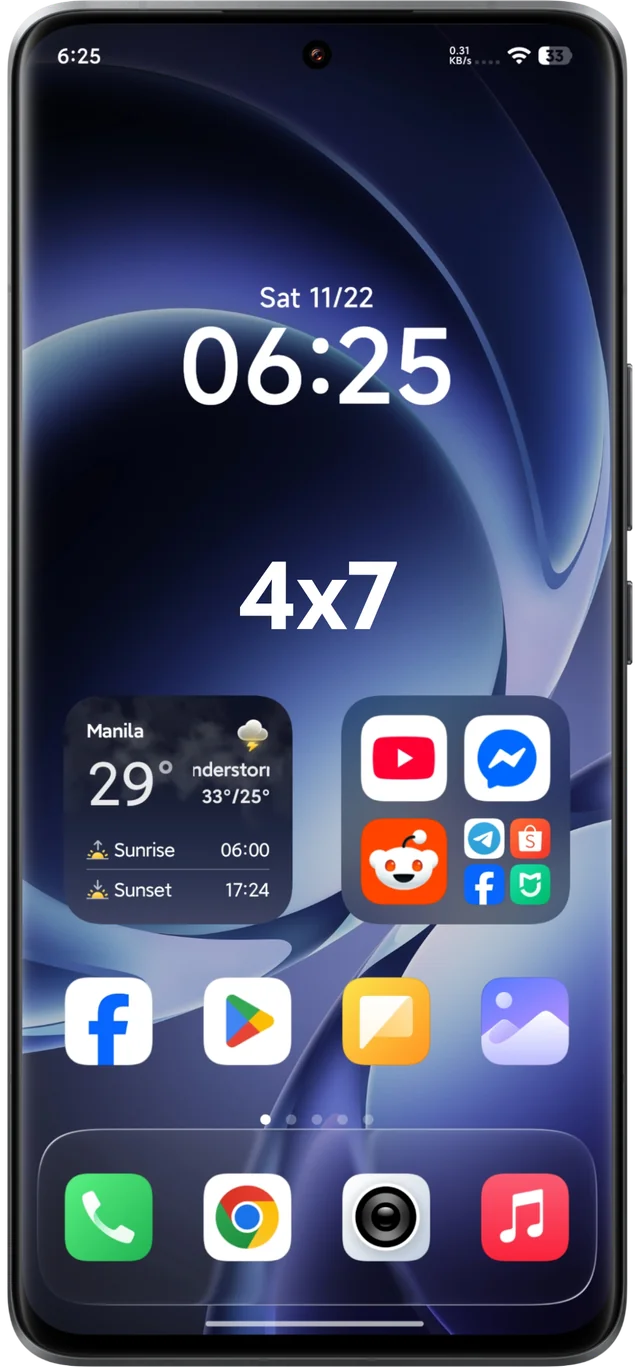
Why did Xiaomi remove the 4×7 layout in HyperOS Launcher?

23 November 2025 at 10:00

Xiaomi’s recent HyperOS launcher update has raised questions among users who noticed that traditional grid options such as 4×7 and 5×6 are no longer available. This adjustment, introduced through the latest System Launcher distribution, reflects Xiaomi’s strategy to unify the visual identity of HyperOS across smartphones, tablets, and automotive interfaces. The change also aligns with updated widget engines and layout rules introduced in HyperOS and documented in earlier analyses we published on HyperOSUpdates. These modifications indicate a broader transition from granular customization toward a more structured, ecosystem-optimized design language.

The Design Shift Behind HyperOS Grid Restrictions

Xiaomi’s transition from MIUI to HyperOS introduced the “Alive Design” framework, which emphasizes consistent spacing, animation sequences, and widget compatibility across all device classes. This shift requires predictable screen coordinates, making highly flexible grid configurations difficult to maintain. The company therefore standardized the launcher into two main profiles:

  • Standard (4×6)
  • Dense (5×9)

This design intentionally reduces layout fragmentation, ensuring that widgets, large folders, and features such as Super Island do not visually conflict with system animations or safe-zone boundaries on different screen types.

HyperOS 2.2 Launcher 3

Why the 4×7 Layout No Longer Fits HyperOS Standards

The 4×7 configuration was widely preferred for ergonomic balance, particularly on large displays. However, its removal corresponds to the technical direction of HyperOS. A 7-row grid complicates widget mathematics, particularly for components such as 2×2 and 4×2 interactive folders. These components rely on evenly divisible grid structures; Xiaomi found that 6 or 9 rows provide far more stable alignment for scalable elements. Additionally, the Super Island’s dynamic motion requires fixed spacing at the top portion of the display, which becomes more predictable with standardized grid models.
xiaomi removed the 4x7 layout why v0 xiaomi removed the 4x7 layout why v0

Technical Drivers Behind the New Grid Profiles

HyperOS relies on new spacing algorithms to ensure fluid performance across both flagship and budget devices.
Budget-oriented models—especially Redmi and POCO series—often have GPU-level restrictions defined by internal performance parameters. To ensure consistent 90Hz or 120Hz animation quality, the system disables complex density modes, including legacy grid formats. These restrictions prevent frame drops when Gaussian blur effects, folder scaling, and Super Island animations are active simultaneously.

What About POCO Launcher Users?

POCO Launcher uses a codebase separate from the primary Xiaomi System Launcher. As a result, even after receiving HyperOS, POCO devices may not feature the same grid logic or animation engine. The recents provider is also integrated directly into the stock launcher, which limits full gesture support on third-party launchers. This situation forces POCO users to stay within the default environment, making the reduced grid selection more noticeable than on standard Xiaomi devices.

Xiaomi’s removal of the 4×7 layout is not a regression but a deliberate architectural decision tied to the broader HyperOS vision of unified design across mobile, home, and automotive systems. By narrowing the grid offerings, Xiaomi preserves predictable widget alignment, strengthens system animations, and ensures performance stability across diverse hardware tiers. Although some users may prefer legacy flexibility, the shift ultimately supports the long-term evolution of the HyperOS ecosystem.

Xiaomi’s future plan: New iOS-style customized app icons

23 November 2025 at 07:00

The worldwide release of Apple’s iOS 18 has changed user expectations when it comes to interface personalization. But for the Android world, this presents a particular set of challenges. While Xiaomi HyperOS remains in development as a singular operating system, the recent release of HyperOS 3 has left some power users pondering exactly why there is a lack of granular aesthetic controls. Users updating devices such as the Redmi Note 15 Pro or the new Xiaomi 17 are finding features such as native icon tinting and modular Control Centers to be conspicuous by their absence, compared to other offerings.

The Strategic Architecture of HyperOS 3

The philosophy behind the development of HyperOS 3 differs a lot from traditional smartphone skins, as this operating system is targeted for the middleware layer to support the “Human x Car x Home” ecosystem, rather than being a standalone mobile interface. Such an integration strategy severely limits the flexibility of User Interface. For seamless connectivity with Xiaomi SU7 EV and smart home products, the system takes stability and uniformity as priorities over the open sandbox approach in versions of Android.

HyperOS 2.0 iOS Style icons 3 HyperOS 2.0 iOS Style icons 1 HyperOS 2.0 iOS Style icons 2

The latest builds, such as OS3.0.4.0.WOOMIXM, indicate a focus on backend kernel optimization rather than frontend customization tools. The “stabilization lag” in this area is one of calculated engineering decisions: with these specific UI elements locked, Xiaomi ensures that the Xiaomi HyperConnect framework works reliably across tablets like the Xiaomi Pad 8 and wearable devices like the Xiaomi Band 10, without user modifications breaking the layout consistency required by cross-device communication.

Technical Limitations in Customizing Icons

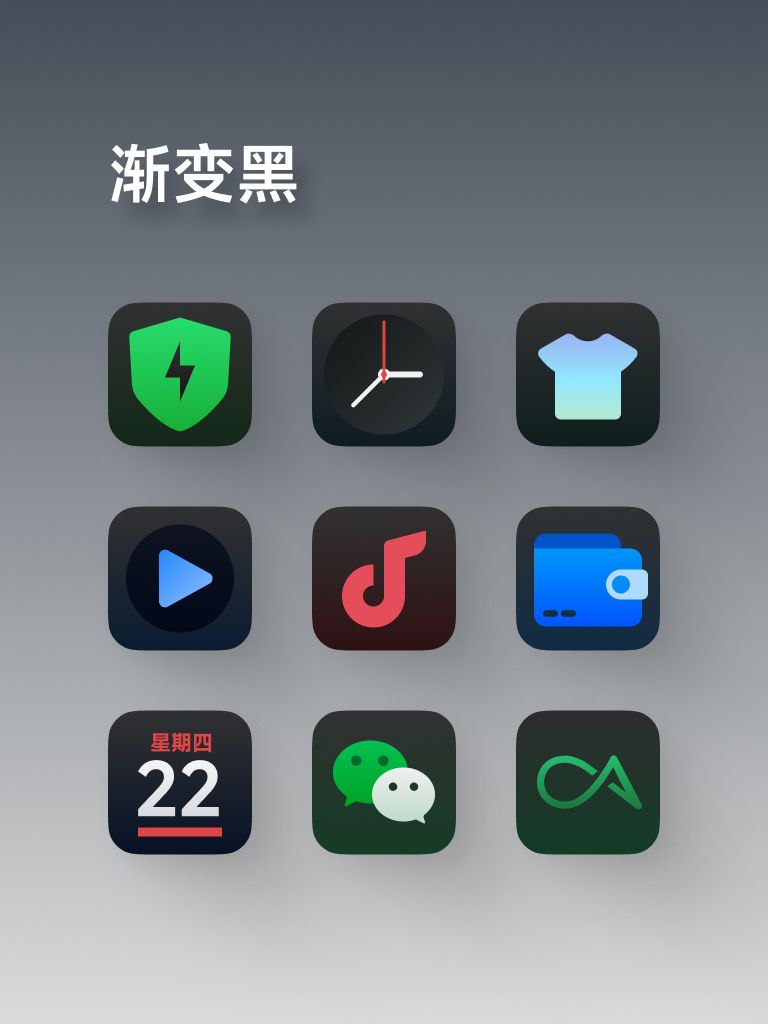
One sticking point is the comparative lack of native dark icon customization. iOS 18 on-device intelligence analyzes app icons, creating dark variants in real-time. Meanwhile, HyperOS 3.0 has a “white background” technical issue with legacy Android applications.

  • The Masking Problem: The system applies a uniform “squircle” mask to all icons. Without advanced AI processing to remove white backgrounds of third-party apps, forcing Dark Mode often results in visual inconsistencies.
  • The Super Icon Engine: Xiaomi’s proprietary “Super Icons” use a custom rendering engine that supports swiping gestures. Building in a global tinting feature would involve refactoring this entire framework to provide support for dynamic color overlays, which will likely be included in a future update, like HyperOS 4.0.

Economic Factors and Internet Services

There is also a clear economic motivation for these design decisions beyond mere technical limitations. Xiaomi uses a business model with very thin margins on hardware, requiring much stronger revenue streams from Internet Services. The Theme Store remains vital to this financial arrangement.

Were Xiaomi HyperOS to include a completely native, free “Icon Studio” that’s on par with iOS 26, it would immediately cannibalize any third-party icon pack and theme markets. The current ecosystem relies on a “freemium” incentive structure wherein users are encouraged to visit the Theme Store in order to fix visual inconsistencies in the stock OS. It protects the revenue brought in by the theme designers and maintains high DAU metrics for Xiaomi’s digital marketplace.
Community Solutions and System Enhancements

But while the native system would need to wait for future updates, the community filled the gap with high-quality themes, often labeled as “iOS 26” or “Dark Mode Pro.” These themes utilize static assets to provide the uniform aesthetic the OS is currently lacking.

Themed icons in Xiaomi HyperOS

Future Roadmap: HyperOS 4 and Beyond

Currently, industry analysis indicates that these missing features of customization are being strategically reserved for future hardware cycles. As Android 17 promises to bring deeper AI integration for UI assets, Xiaomi is also likely to be working on some sort of “HyperAI” solution to generate icons. This would explain how the company will position and market this feature as a technological breakthrough for future flagships, such as the Xiaomi 17 series. Until then, the rigidity of the Control Center has a functional rationale: it ensures IoT controls remain front-and-center, bolstering engagement with the broader smart home ecosystem. This approach may limit personalization, but it anchors the operating system in its role as a central command hub within the connected lifestyle.

Your Xiaomi shows an earlier activation date? Here’s the truth

23 November 2025 at 04:28

Some owners, including those of the Redmi Note 14 4G, have noticed that their phones reflect a first-activation date many weeks or even months before they had purchased the device. The situation has caused concern on platforms like Reddit, with buyers fearing they may have received a refurbished unit without their knowledge. However, according to system behavior and how logistics is done internally, this is normally harmless and does not point to prior use. As we explain below, the real indicator of a new device is hidden in the battery statistics and internal checks. For more information on devices, you can check out related content on HyperOSUpdates.com or guides about Xiaomi products.

Why Some Xiaomi Phones Show “Early Activation” Dates

The situation usually starts from the supply chain. Sellers, particularly those that handle imported or online-ordered units, usually do brief verification tests before shipping. Such checks include mere powering on of the device, making sure the screen is working, the firmware is loading correctly, and its serial number is verified. With such quick verification done, the system logs a “first use” timestamp, even if the phone was never really used by a consumer.

These tests do not degrade or alter the device, nor do they even change its status as a brand-new product. They only create an inaccurate impression for the buyer when reading system dates.

The Real Indicator: Battery Charge Cycles

The only surefire indicator about whether a Xiaomi device is actually new is the battery charge cycle counter. All phones from Xiaomi running Xiaomi HyperOS keep internal logs of cycles, which cannot be reset by sellers or standard system tools.

If your device shows:

  • 0 charge cycles
  • 100% battery health
  • No traces of wear from inside or outside.

then the hardware has never experienced real consumer use. A phone used even for a few days would reveal at least 1–3 charge cycles and noticeable changes in battery health. Therefore, a discrepancy in the activation date and purchase date is usually not evidence of refurbishment.

battery cycle

What Sellers Actually Do During Pre-Shipment Checks

Many logistics workflows follow the same general path, including:

  • Packaging inspection EN Serial number verification
  • Brief power-on test to ensure the device boots
  • Re-sealing of the box

These kinds of operations ensure that the device is delivered to a buyer in operational condition without defects. The system logs the first boot, but it cannot be considered real usage because no charging, configuration, or extended operation takes place.

This practice is common across manufacturers and does not affect warranty conditions or device performance.

How to Confirm Your Xiaomi Device Is Truly New

To confirm your phone’s authenticity and condition, please check the following:

  • Battery Cycles: 0 cycles means untouched hardware.
  • Battery health: Should be approximately 100%.
  • Box Condition: Factory-sealed unless pre-shipment checks were performed.
  • IMEI status: Origin can be checked with Xiaomi’s official IMEI verification tools.

If these conditions are met, the device is regarded as new, regardless of the system activation timestamp.

Should You Worry About This Issue?

No, the activation date is only a system marker and was created for logistic verification. It does not represent the actual use or renovation of the device. Provided battery statistics confirm zero cycles, the device is brand new. Knowledge of this behavior can help in avoiding unnecessary doubts and keep confidence at the time of purchase of a Xiaomi product.

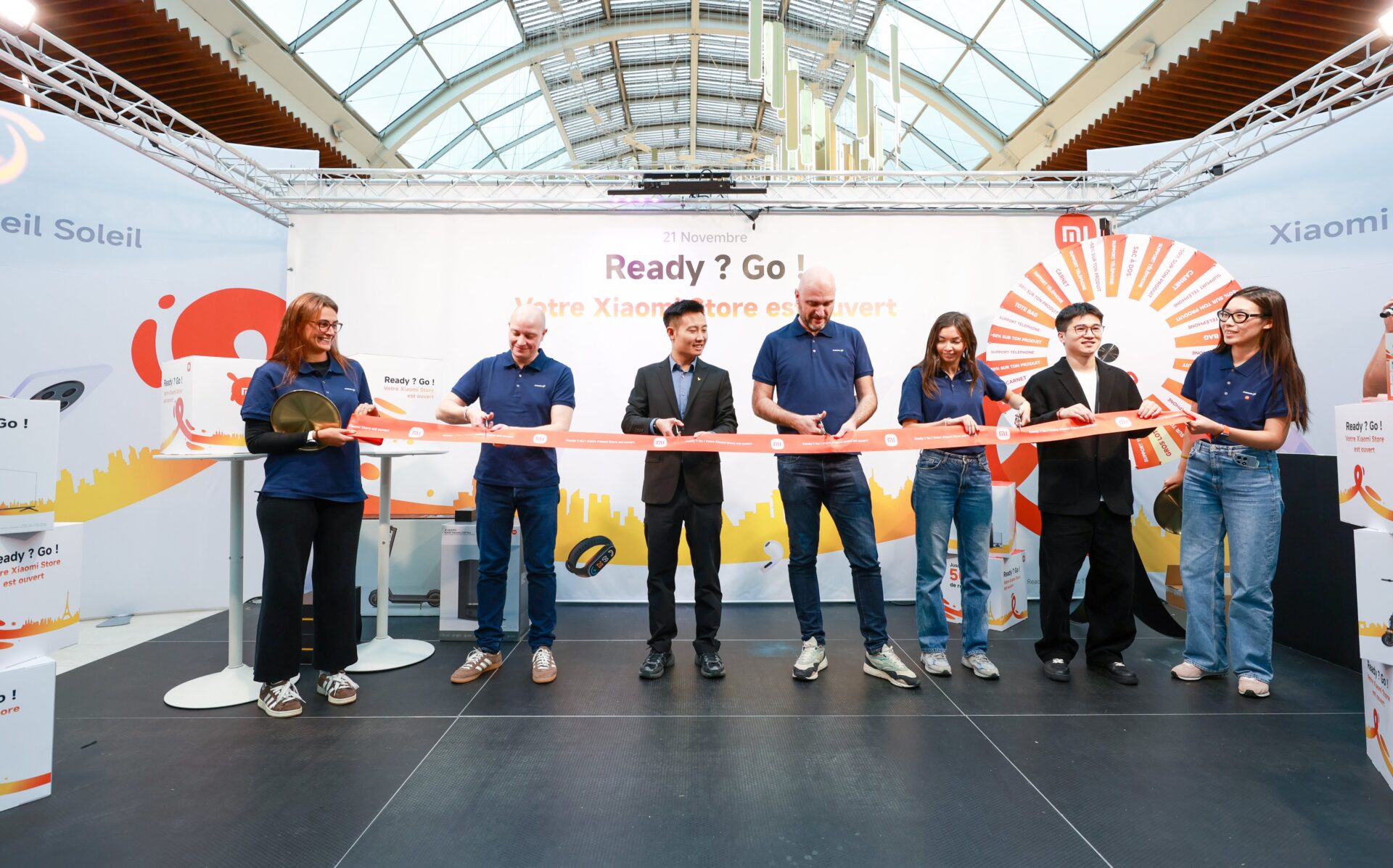
Xiaomi Home reopens in France with its first official store in Paris

23 November 2025 at 00:08

After years away, Xiaomi has returned to French retail with the grand opening of its first directly operated Xiaomi Home store in Paris. An important executive at the helm of the Xiaomi Group, Lu Weibing, officially announced the development. The new store builds on Xiaomi’s earlier presence in the country and strengthens its European retail strategy, which is already supported by products like the Xiaomi 15Redmi Note series, and an extensive portfolio of smart home devices available through partners like FNAC and Carrefour.

Xiaomi Returns to the French Market

Located in Créteil Soleil, this new directly operated store represents the brand’s return to France. An authorized store on the Champs-Élysées had been previously opened by the company; however, that store was operated by a third-party customer and thus was temporarily closed during the pandemic. This new store, however, is fully operated by Xiaomi, meaning that Xiaomi is committed to the French market in a stronger way for the long run.

This renewed physical appearance from Xiaomi aims at providing a far more integrated experience for French consumers across offerings from smartphones and tablets to wearables and smart home products. The brand will expand its visibility through direct retail, complementing its existing presence in online and offline partner channels.

Xiaomi STORE FRANCE 2 Xiaomi STORE FRANCE 3 Xiaomi STORE FRANCE 4 Xiaomi STORE FRANCE 1

Journey Since 2018

Xiaomi entered France officially in May 2018 with the opening of an authorized store on Boulevard Sébastopol in Paris. At that launch, it had introduced the Xiaomi MIX 2SRedmi Note 5, and a range of ecosystem products including the Xiaomi Electric Scooter. Xiaomi also partnered with major retail chains like FNACDARTY, and Carrefour, which ensures wide distribution of its products across the country.

This new official Xiaomi Home store reflects the brand’s strategic intention of enhancing customer engagement, providing hands-on product experiences, and extending after-sales support in a more direct and standardized way.

What French Consumers Can Expect

Xiaomi Homes are designed to house a whole product ecosystem, which includes:

  • Latest Xiaomi smartphones
  • Xiaomi Pad tablets AIoT products for smart homes Wearables including but not limited to Xiaomi Band and Xiaomi Watch models
  • Lifestyle and mobility products

The store in Paris will also support device consultation, hands-on trials, and product guidance, allowing users to better understand Xiaomi’s ever-expanding ecosystem.

Strengthening Global Expansion

This new opening further aligns with the broader global retail roadmap of Xiaomi, following the company’s keen emphasis on strengthening its presence in Europe. With the new store, Xiaomi demonstrates its confidence in the French market and further increases accessibility for its extensive product lineup.

Source

Xiaomi 15 Ultra price drops: Which countries offer the best deals?

22 November 2025 at 21:45

The Xiaomi 15 Ultra has entered one of its most significant global discount periods as retailers prepare for the arrival of the next-generation Xiaomi 17 Ultra. During the Black Friday 2025 season, the flagship saw substantial price cuts across Europe and China, with the former’s inventory optimization and the latter’s accelerated product cycles driving Xiaomi’s respective pricing strategies. This article examines where the Xiaomi 15 Ultra sees the most discounts, how varying regional markets affect its pricing, and what buyers should look toward prior to the official unveiling of the Xiaomi 17 Ultra. Additional insights into Xiaomi flagships can also be found in our Xiaomi 15 and Xiaomi 15 Pro coverage on XiaomiTime.com.

Global Pricing Strategy and Market Transition

At the same time, Xiaomi’s transition from the 15 Ultra to the upcoming 17 Ultra marks one of the fastest generational shifts in the company’s flagship roadmap. Before taking a closer look at country-specific discounts, it’s important to understand what strategic conditions may be responsible for these price drops. The company has pushed forward its release schedule and is expected to announce the Xiaomi 17 Ultra in China before the end of December 2025, powered by the Snapdragon 8 Elite Gen 5 platform and the latest HyperOS 3. Such an accelerated cycle naturally encourages retailers to clear Xiaomi 15 Ultra inventory ahead of the new model’s introduction.

Xiaomi 17 Ultra 1

Why the Price Is Falling

The flagship is consequently subjected to aggressive reductions, considering how early most retailers have started stock liquidation efforts. Retailers expect a very quick migration by consumers to the Xiaomi 17 Ultra when it launches with its higher-grade camera systems, AI performance, and design refinement. Also, the fact that there was no “Xiaomi 16” series, in a strategic move to get model numbering in line with Apple, makes this shift in expectations more pronounced before the next release.

Europe: The Largest Discounts in the World

Europe is the leading region with the strongest discounts for Xiaomi 15 Ultra, supported by competitive market conditions, seasonal retail campaigns, and requirements from distributors to clear their existing inventory.

Germany

For example, the German retailers MediaMarkt and Saturn offered significant Black Friday discounts. The recommended retail price for the Xiaomi 15 Ultra was about €1,499, reduced by an impressive 17% to about €1,239≈ USD 1,340. Flexible monthly financing boosts the competitiveness of the device in an inflation-strained market.

United Kingdom

The UK currently hosts some of the steepest price cuts, with the Xiaomi 15 Ultra falling from its £1,300 MSRP to nearly £860 ≈ USD 1,080 on Amazon UK. At this price level, the device becomes nearly £440 cheaper than Samsung’s Galaxy S25 Ultra, giving customers a strong flagship alternative at significantly lower costs.

Southern Europe

Platforms like those in Italy and Spain show periodic reductions, with pricing often below €1,100 ≈ USD 1,190. Retail variation is common, and prices tend to soften even further as the launch of the Xiaomi 17 Ultra draws closer.

Türkiye: High Taxes Limit Visible Discounts

Turkey continues to be one of the most challenging smartphone markets because of the strong taxation policies and currency volatility. Xiaomi 15 Ultra price cuts are relatively modest despite participating in “Efsane Kasım” sales.

A 16GB/512GB unit guaranteed by Xiaomi Türkiye varies from 74,899 TL to 90,000 TL (≈ USD 2,250–2,700), which surely reflects the impact of ÖTV, KDV, and other taxes. While a price of 74,899 TL is competitive within the local environment, this is still much more expensive than European pricing due to structural cost differences.

Buyers must ensure listings strictly mention “Xiaomi Türkiye Garantili” because devices with import warranty do not have any official support for servicing and have lower resale value generally.

India: Stable Pricing Through Festival Offers

The pricing of India’s Xiaomi 15 Ultra has not seen significant direct cuts. Discounts are instead offered by way of cashback schemes and exchange bonus during events over the Great Indian Festival and Big Billion Days.

The device usually sticks to the price of 109,999 INR ≈ USD 1,320, with minimal deviations. Controlled inventory along with limited volume in the Ultra category helps retain the pricing consistent through the season.

China and Cross-Border Platforms

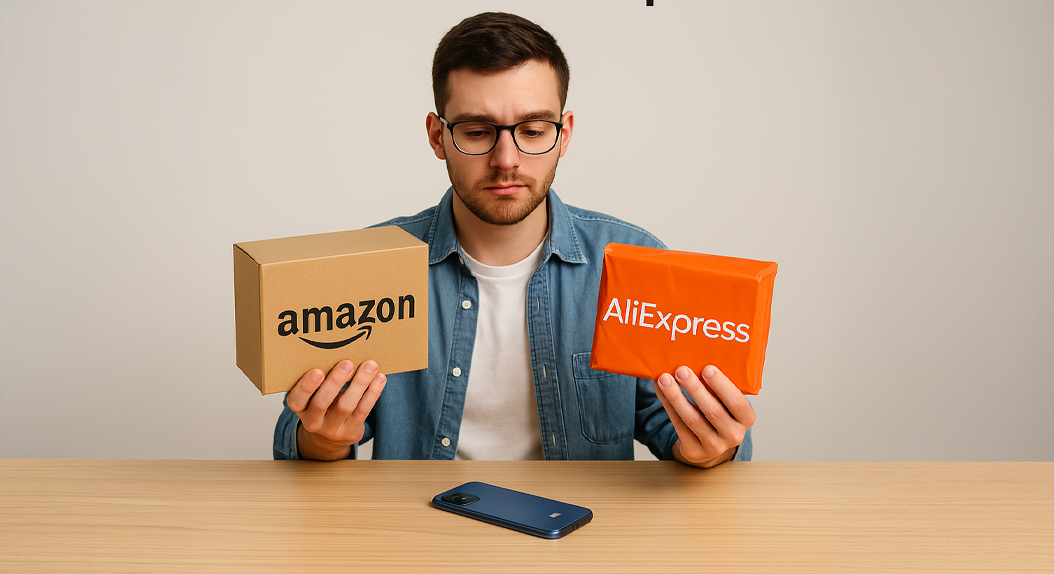
As the market most proximate to the launch of the Xiaomi 17 Ultra, China shows sharp declines, especially through online retailers. Global-version listings on major platforms like AliExpress range from USD 1,184 to USD 1,400, depending on region and storage configuration. However, for countries with strict IMEI registration policies, such as Türkiye, cross-border purchases may result in substantial additional fees.

amazon vs

Should You Wait for the Xiaomi 17 Ultra? The Xiaomi 17 Ultra is bound to bring in much-needed updates, including:

  • Snapdragon 8 Elite Gen 5 platform
  • New 200MP periscope zoom system
  • Updated 1-inch primary sensor
  • Increased battery efficiency through advanced fabrication processes

With a likely China debut between 22–28 December 2025, and worldwide sales around MWC 2026, the Xiaomi 17 Ultra may be a good value for power users who want cutting-edge AI features and advances in next-generation cameras. However, the Xiaomi 15 Ultra is still one of the most powerful premium imaging smartphones out there, at prices that have recently reached historic lows in multiple markets.

Xiaomi 17 Ultra leak reveals worlds first physical zoom camera

The Xiaomi 15 Ultra currently sees the most aggressive discounting in Germany, the UK, and Southern Europe, followed by China via global e-commerce channels. While Turkey and India show less pronounced reductions due to local economic factors, the device still participates in seasonal promotions. These price drops are directly related to the impending launch of the Xiaomi 17 Ultra and represent a great opportunity for consumers looking to get a premium flagship at a much lower price.

❌