Normal view

Xiaomi Mijia Central Air Conditioner Pro series goes official

6 December 2025 at 15:33

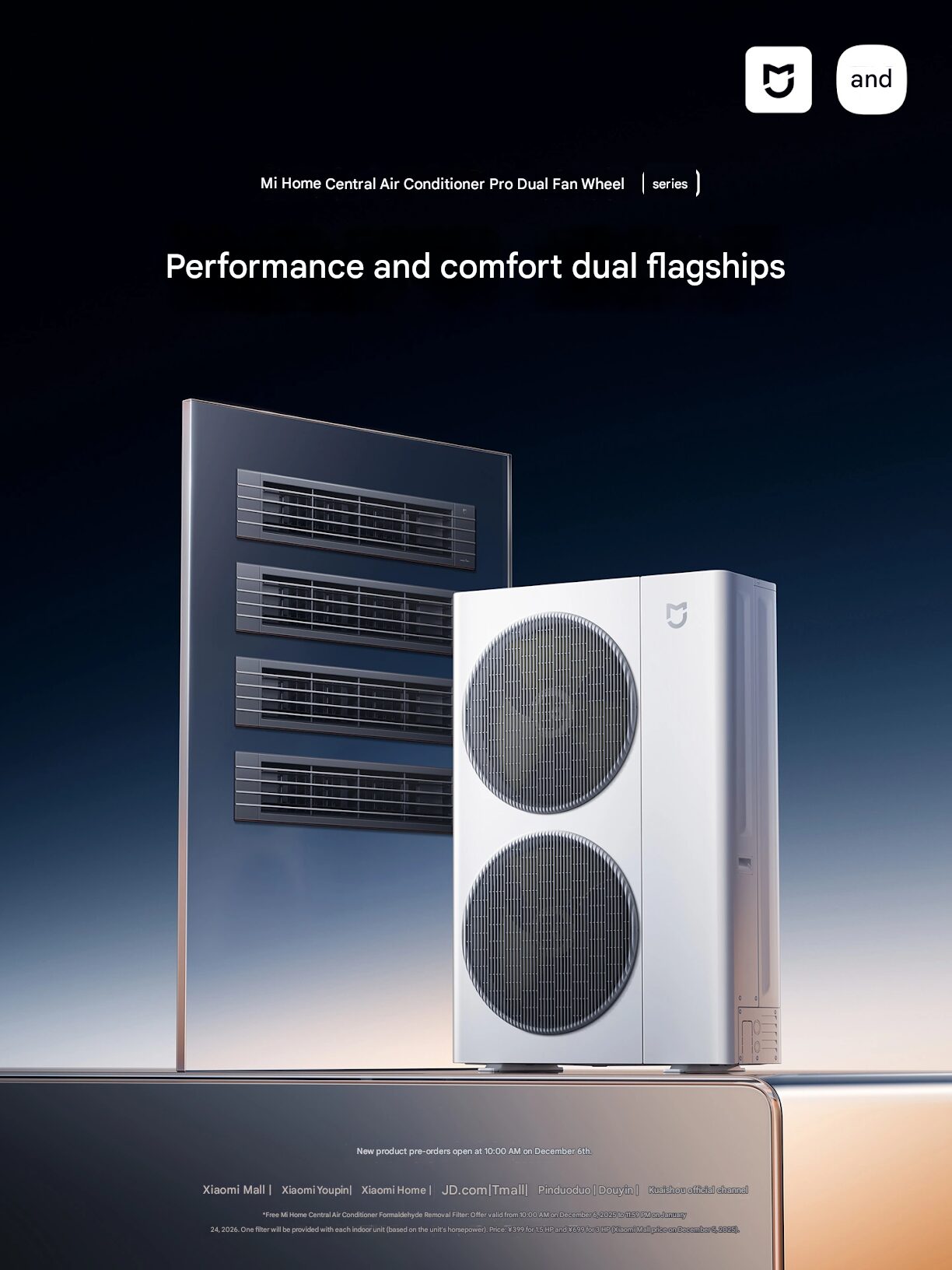
Xiaomi has officially launched the Mijia Central Air Conditioner Pro series in China with a new generation of high-performance HVAC solutions, further expanding the smart home ecosystem. It features 5HP, 6HP, Large 6HP, 7HP, and 8HP variants for medium to large-scale residential and commercial settings.

The all-new series focuses on efficient dual-fan cooling technology combined with dual-air-outlet architecture to offer enhanced airflow and energy management across various room configurations. Users can connect it with Xiaomi’s ecosystem through Xiaomi HyperOS devices and have smoother control via the Mi Home app.

Key Features of the New Pro Series

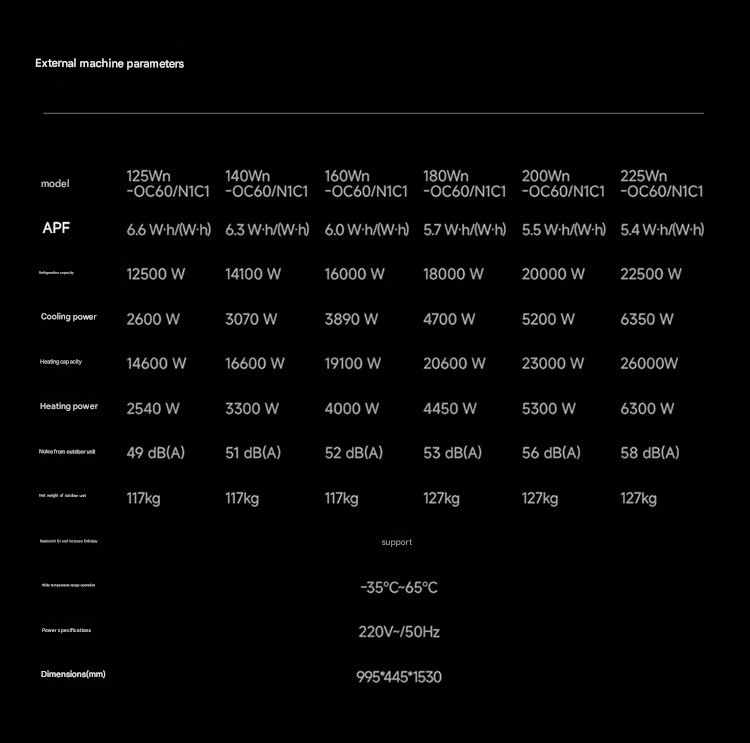
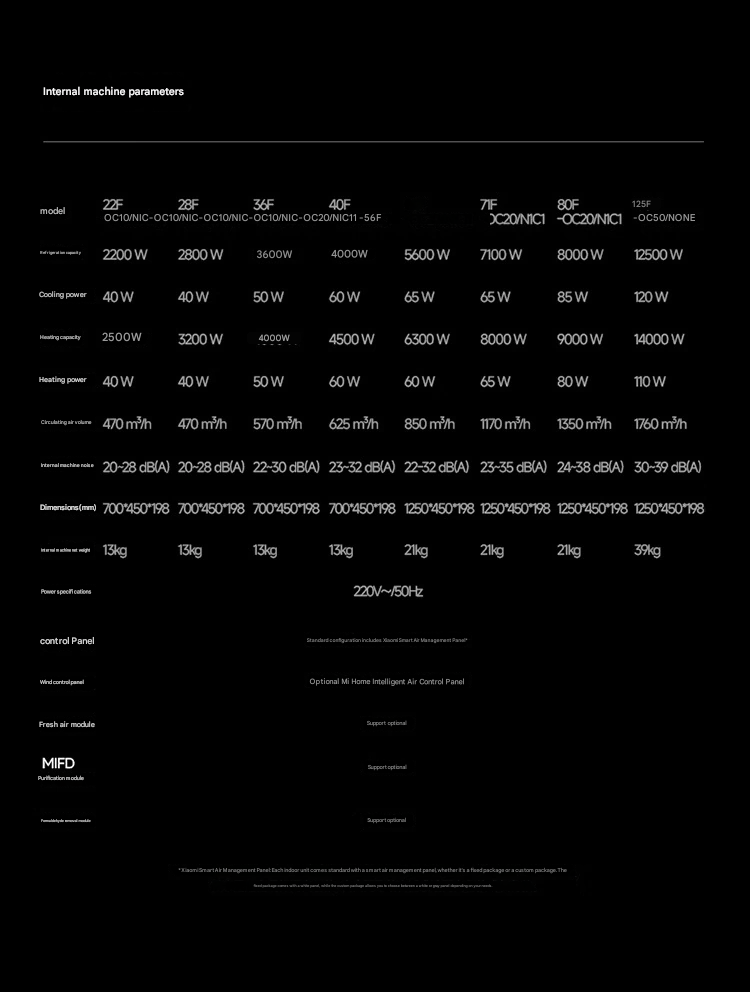
The new central air-conditioning series focuses on energy efficiency and stable cooling performance. Xiaomi has shared an official parameter comparison chart that reveals multiple horsepower variants including a 7HP model which hasn’t officially been released yet.
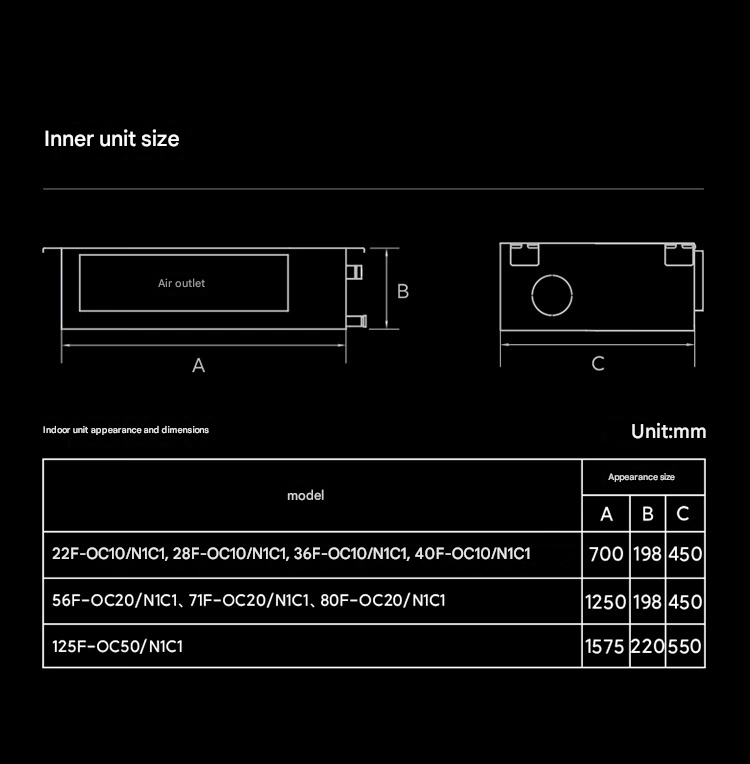
Xiaomi Mijia Central Air Conditioner Pro 4 Xiaomi Mijia Central Air Conditioner Pro 1 Xiaomi Mijia Central Air Conditioner Pro 2 Xiaomi Mijia Central Air Conditioner Pro 3

Performance and Efficiency of Cooling

Each model has particular APF values and cooling capacities to satisfy different installation needs. The dual-fan wheels combined with the dual air outlets support more stable airflow distribution, thus making the system suitable for multi-room cooling in modern smart homes.

System Design and Installation Options

Built for buildings that need true multi-room cooling reliability, the Mijia Central Air Conditioner Pro series incorporates a dual-fan system to raise air pressure and improves overall airflow, hence maintaining indoor temperatures stable during heavy usage. The dual-air-outlet structure provides flexibility for various installation designs, especially in multi-zone configurations.

This new series further supports deeper integration with Xiaomi’s smart home ecosystem, allowing users to control temperature, scheduling, and automation through connected devices under the Xiaomi HyperConnect platform. These features help optimize energy consumption and maintain consistent comfort throughout the year.

Availability

Pricing of the new Mijia Central Air Conditioner Pro series is not available yet. Since this product was introduced in China, global availability details are not known yet. Once Xiaomi releases full specifications and pricing in USD, we will update our coverage accordingly.

Source

Xiaomi tablet numbers may soon pass the iPad

6 December 2025 at 14:31

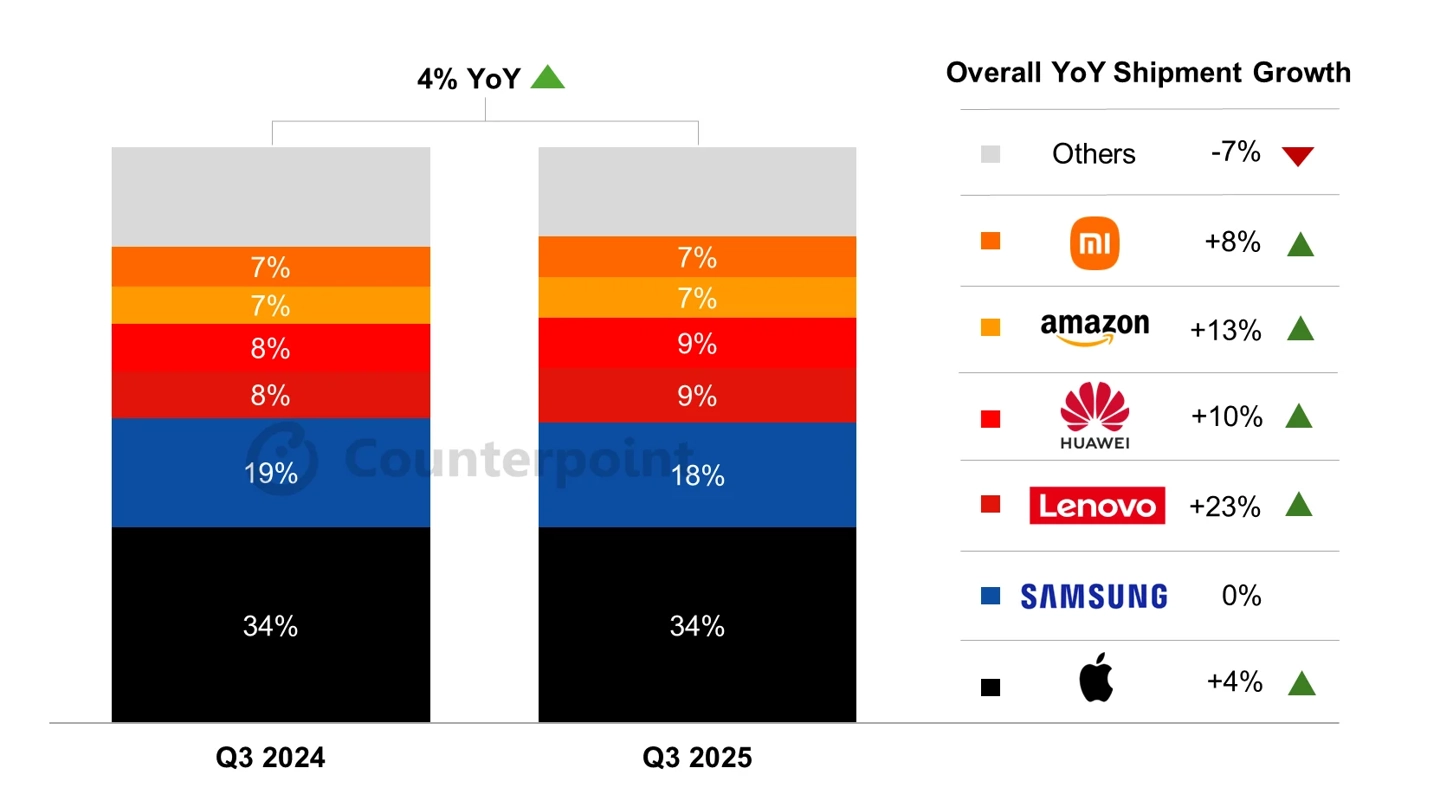
Counterpoint Research has issued a new market analysis of global tablet shipment performance in Q3 2025. According to the report, Apple remained on top, but Xiaomi was equally impressive with an 8% year-over-year growth reflecting its recently rising influence in the Android tablet ecosystem.

This Q3 2025 performance by Xiaomi is on the back of its recent portfolio boost that includes such devices as the Xiaomi Pad 6Xiaomi Pad 6S Pro, and preparations for the upcoming Xiaomi Pad 7 series. You may read more Xiaomi tablet updates on our Xiaomi Pad category and read about HyperOS improvements on HyperOSUpdates.com.

Overview of Global Tablet Market Trends

Results in the global tablet market were mixed in Q3 2025, with several major brands balancing each other. Apple managed to record a 4% increase, thanks to continued strong sales of its Pro and Air models.

An 8% increase by Xiaomi proves that its investment in high-performance, productivity-focused Android tablets is paying off with consistent market progress. This steady upward movement further reflects the increased adoption of large-screen HyperOS devices for education, entertainment, and office use.

9e10b321 a9b2 4307 9c77 a55a493f6cad

How Xiaomi Benefits From Market Changes

Xiaomi’s results suggest that competitive pricing, efficient hardware design, and tight integration with the Xiaomi HyperConnect ecosystem are helping the brand find stability in a competitive market. As more users choose tablets for hybrid work and personal productivity, Xiaomi’s mid-range and flagship tablet options continue to offer strong value in USD-converted pricing across global markets.

Factors Behind Apple’s Dominance and Xiaomi’s Growth

Apple has continued to lead the global market with a well-balanced product portfolio. High-end models boosted overall revenues even as average selling prices fell owing to promotional discounts. This is illustrative of how resilience at the premium segment supports broader market stability for Apple.

For Xiaomi, its 8% shipment increase aligns with the company’s strategic focus on balanced specifications, long battery life, and seamless connectivity across multiple devices. Product demand from regions such as Southeast Asia and Europe continues to contribute positively to Xiaomi’s global tablet momentum.

Outlook for the Market until 2026

Analysts estimate that Apple could see close to 10% growth in 2026, driven by both pent-up upgrade demand and the introduction of new display technologies such as OLED. Growing demand for premium models is likely to spur the entire industry and provide an opportunity for other brands, like Xiaomi, to launch more competitive high-tier tablets.

Global Shipment Share in Q3 2025

Below are the officially reported year-over-year shipment changes:

  • Apple: +4%
  • Samsung: 0%
  • Lenovo: +23%
  • Huawei: +10%
  • Amazon: +13%
  • Xiaomi: +8%

The results indicate that Xiaomi is part of those brands showing healthy and stable growth amid stagnation or slow recovery across key competitors.

Remarks With the 8% growth of Xiaomi in Q3 2025, the company marks a solid step toward strengthening its position in the global tablet market. Given that Xiaomi is preparing new tablets and keeps working on the optimization of HyperOS for large screens, the momentum is expected to continue well into 2026. The growing demand for both productive and entertainment-oriented Android tablets promises a favorable outlook for Xiaomi’s upcoming releases.

Source

Xiaomi quietly stops update support for 2 devices

6 December 2025 at 09:50

The Redmi 12C and its global equivalent, the POCO C55, have quietly hit the end of software update support by Xiaomi. The devices last received the October 2025 security patch, and no new firmware, including HyperOS 2, has been issued over the past two months. According to Xiaomi’s internal software roadmap, these models are expected to reach official EOL status in February 2026.

Why Redmi 12C and POCO C55 Reached EOL

Xiaomi has well-documented update policies for its entry-level series. The Redmi 12C and POCO C55 were pitched as affordable smartphones created for basic daily usage, normally receiving shorter cycles of support.

Before reaching EOL, each device completed its standard update window with regular Android patches and HyperOS maintenance releases. This is a planned transition to enable Xiaomi to prioritize resources on newer models and ensure ongoing system stability across the ecosystem.

Redmi 12C August

Expected End of Life Timeline

  • Last update: October 2025 security patch
  • No updates released: November–December 2025
  • Official EOL: Scheduled for February 2026
  • Affected models:
    • Redmi 12C (China)
    • POCO C55 (Global)

What Users Can Do After EOL

Even though the system firmware update has stopped, users can still continue improving device stability by updating supported system apps. Owners of Xiaomi devices have two sure ways:

Recommended Update Channels

  • HyperOSUpdates.com: provides direct links to Xiaomi system app packages.
  • MemeOS Enhancer app on Google Play – allows users to update system apps, enable hidden features of Xiaomi, and manage interface components smoothly.

EOL does not automatically affect device functionality, and users may still experience adequate performance for daily tasks.

Looking Ahead: Xiaomi’s Budget Strategy

Xiaomi keeps expanding its affordable portfolio with devices offering progressively higher performance and longer support cycles. The organic retirement of devices such as the Redmi 12C and POCO C55 is part of the larger transition to the improved ecosystem provided by HyperOS and more optimized update distribution. Future budget releases are expected to have a clearer software policy.

What is Xiaomi’s best-selling series?

6 December 2025 at 06:35

In fact, the expansion Xiaomi has seen between 2024 and 2025 underlines that the company continues to maintain formidable leadership throughout competitive markets. Internal market insights and industry analyses reveal that the Redmi Note series remains Xiaomi’s most successful smartphone line worldwide. This obviously rests on Xiaomi’s wide ecosystem strategy of HyperOS and other interconnected IoT products.

Xiaomi’s Market Position in 2024–2025

Xiaomi further consolidated its position in both mature and developing markets, maintaining a stable global market share of around 13–14%. Indeed, it has consistently pursued a multi-segment approach in different regions, balancing affordability and performance with ecosystem integration.

The company’s premiumization strategy further strengthened the Xiaomi flagship series, while the mass-market successes continued to be driven by the Redmi Note series.

Why Redmi Note Is Xiaomi’s Best-Selling Series

Thus, the Redmi Note series reached more than 400 million sales around the globe, making it the volume leader for Xiaomi. The series offers mid-range pricing with near-flagship features-a combination that attracts users in Europe, India, China, Latin America, and Turkey.

Key Reasons Behind Its Success

  • Long-term value with durable hardware
  • Competitive pricing under the USD 300 segment
  • Strong performance features, including 120Hz AMOLED and high-resolution cameras.
  • Wide distribution across retail and operator channels
  • Regular update cycle under Xiaomi HyperOS
REDMI NOTE 15 4G

Regional Trends Supporting the Dominance of Redmi Note

Xiaomi’s position differs in various markets, but Redmi Note remains the backbone across every region.

China

Competition is fierce, while Redmi Note has continued to complement a premium Xiaomi flagship lineup. Its durable design and strong price-to-performance ratio will keep the volume sales high.

India

The Redmi Note series is a cultural phenomenon and often ranks among the best-selling models in the country.

Europe & Latin America

Both regions have strong demand for the Redmi Note and T-Series models, with Redmi Note leading the volume-driven segments.

Supporting Lineups: Entry-Level Redmi and Premium Xiaomi

Though Redmi Note leads in terms of the total volume, the wider portfolio from Xiaomi also contributes to its success.

Redmi Number Series

Devices like the Redmi 13C and Redmi 14C drive sales in developing markets and create an entry point into the Xiaomi ecosystem.

Xiaomi Flagship Series

The Xiaomi 14 and Xiaomi 15 series continue to drive strong premium sales with higher margins. These models help Xiaomi compete better with Samsung and Apple in the upper tier segments.

POCO’s part in the growth of online markets

POCO models, especially the F and X Series, firm up Xiaomi’s online presence. These devices target performance-conscious users and usually lead the ranking during every e-commerce campaign.

Undoubtedly, the most successful and best-selling smartphone line of Xiaomi is the Redmi Note series, which alone has exceeded 400 million global unit sales. It strikes a fine balance between performance, durability, and affordability, hence being a strong choice for consumers looking at mid-range devices.

Though the flagship series of Xiaomi provides value elevation for both brand perception and margin, Redmi Note remains the primary volume engine and core component of its global growth strategy.

Xiaomi finally fixes home screen icon glitch in new launcher update

6 December 2025 at 01:00

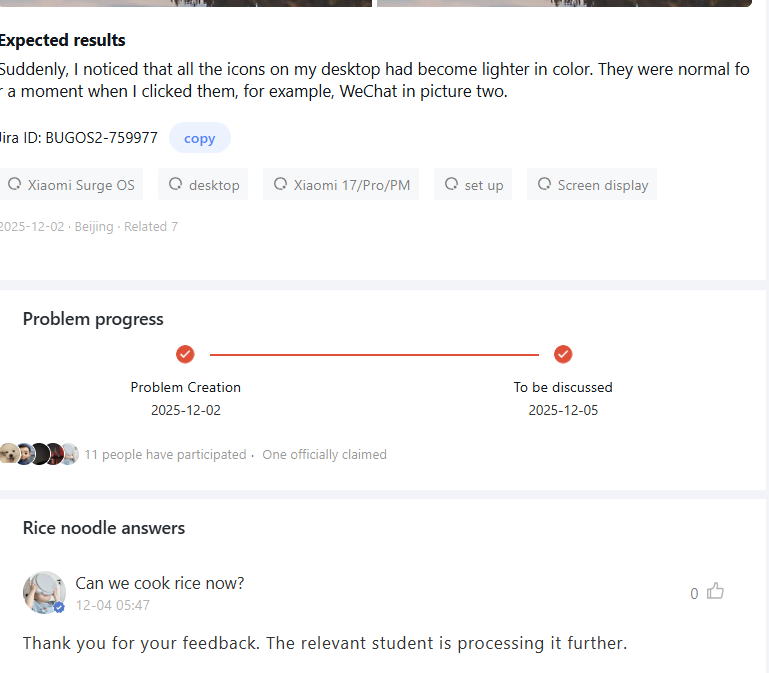
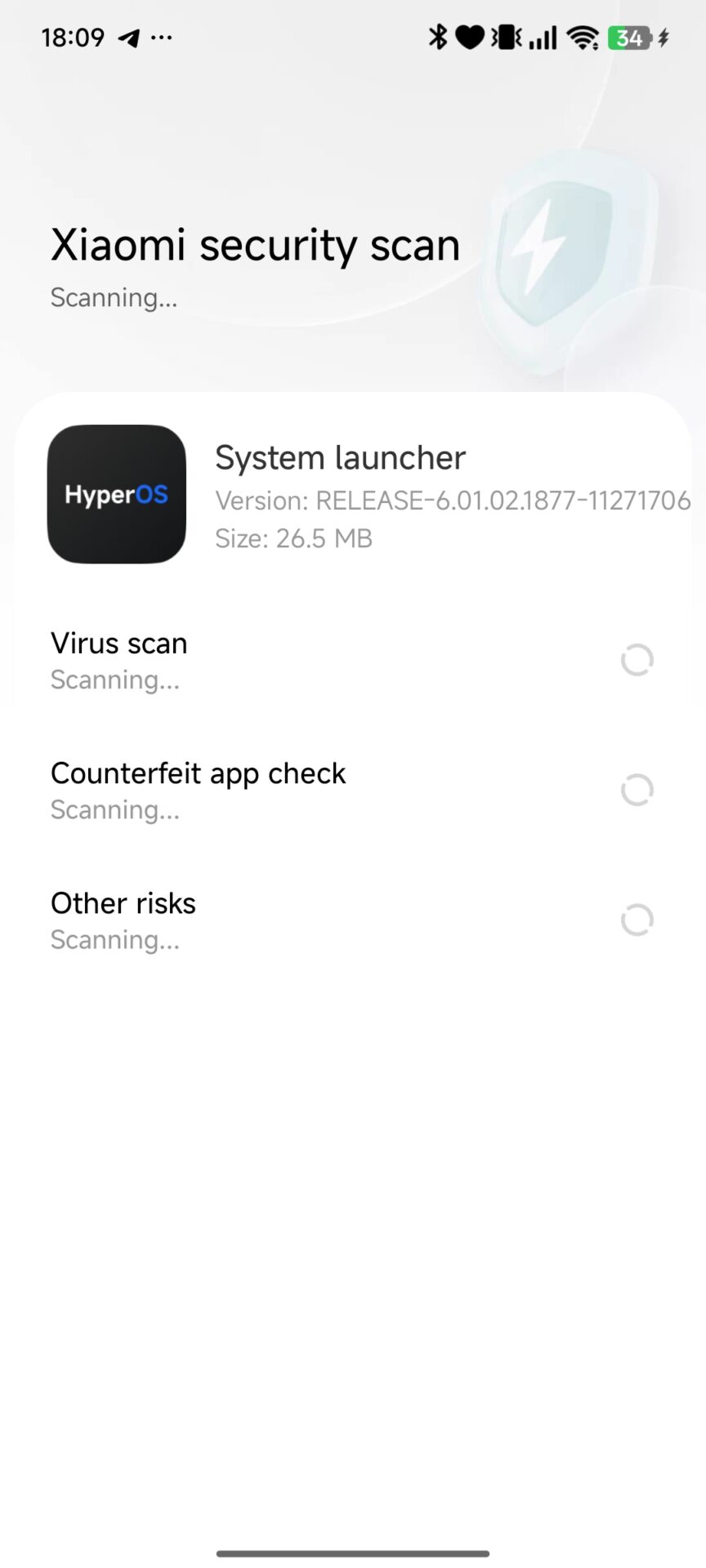
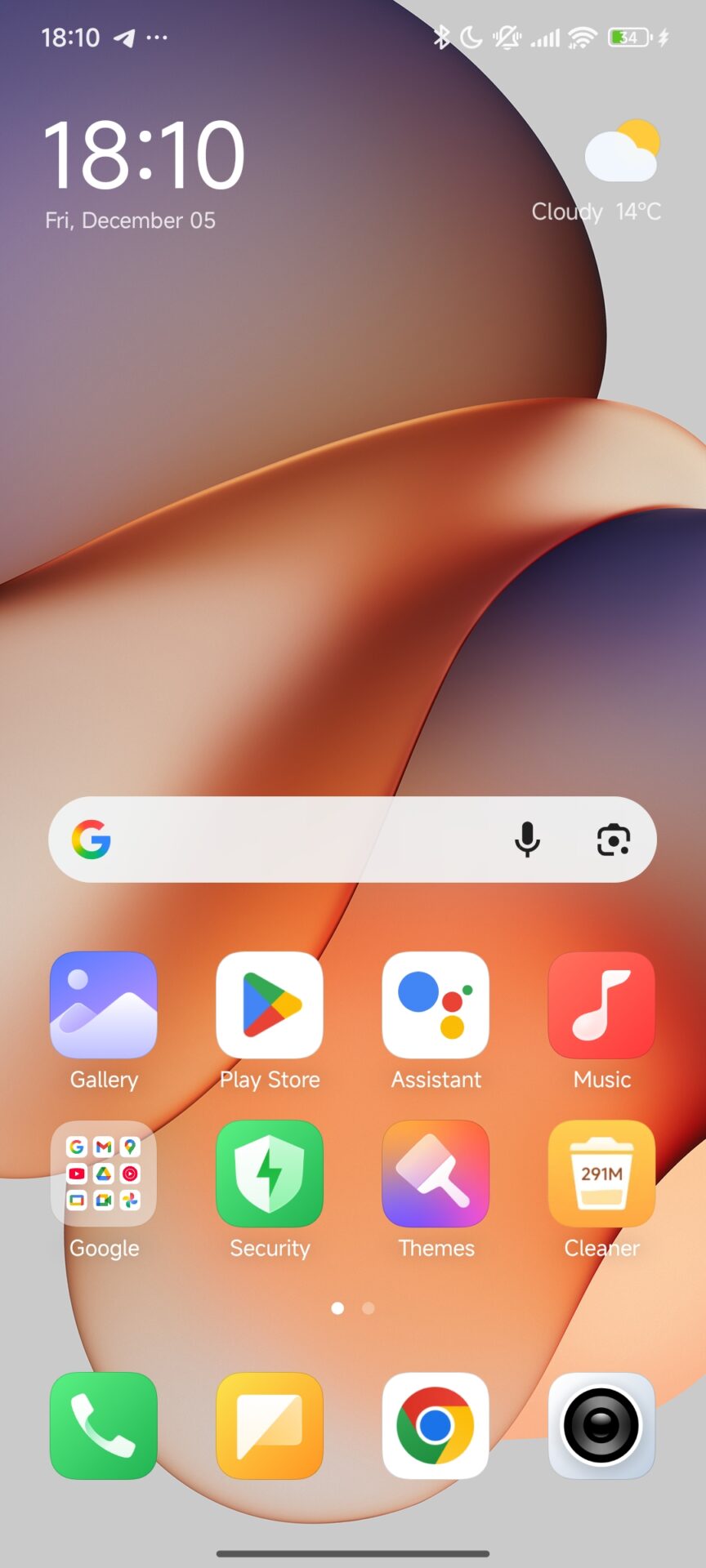
Xiaomi has now officially released a new update of the launcher that fixes a visual bug with desktop icons on HyperOS devices. Recently, some users encountered a situation where all home screen icons became lighter or semi-transparent, which often occurred after pressing the home button to return to the screen or after exiting any application. Now, Xiaomi has fixed this visual bug with the latest version of the launcher, which will ensure a more stable and consistent visual experience across the supported devices.

Xiaomi Addresses Icon Transparency Issue

Xiaomi has confirmed that some users experienced abnormal behavior with the home screen. The issue resulted in icons losing color temporarily, especially when users pressed the back key or closed apps. Other reports added that on December 25, some devices showcased fully transparent or semi-transparent icons on the whole desktop.

The issue was thereafter logged under Jira ID: BUGOS2-759977 and was reproducible under simple actions like returning back to the home screen or toggling between apps. The engineering team at Xiaomi responded immediately to ensure that users on HyperOS maintain a seamless visual experience.

Ekran goruntusu 2025 12 05 180827

Fixed Delivered in New Launcher Version

The problem was solved with the RELEASE-6.01.02.1876-11271428 version of the launcher by Xiaomi. This update stabilizes icon rendering, prevents random color fading, and ensures similar display behavior in case of such tasks as taking photos or switching apps.

You can update the launcher directly from the HyperOSUpdates.com app section, or you can install it using the MemeOS Enhancer app from Google Play. MemeOS Enhancer also enables additional features on Xiaomi phones, updates system apps, and allows users to easily view app updates directly on their screen.

Screenshot 2025 12 05 18 09 50 040 com miui global packageinstaller Screenshot 2025 12 05 18 10 07 068 com.miui .home

How to Update Your Xiaomi Launcher

To get the latest improvements, users can download the updated launcher by following these methods:

Updates guarantee a smoother interface, and the icons’ transparency bug doesn’t appear at all.

Additional Bug Details

At the time of initial user reports, the same problem occurred when capturing photos using the stock camera application. Immediately after taking a shot, the screen would shut off and then pop back on for some owners, thus invoking the icon display issue. The same behavior is stabilized with this new launcher update.

Install this update if you are on HyperOS, as it ensures full visual stability across the system interface.

Source

Xiaomi plans XRING O2 debut with the Xiaomi 17S series in 2026

5 December 2025 at 22:57

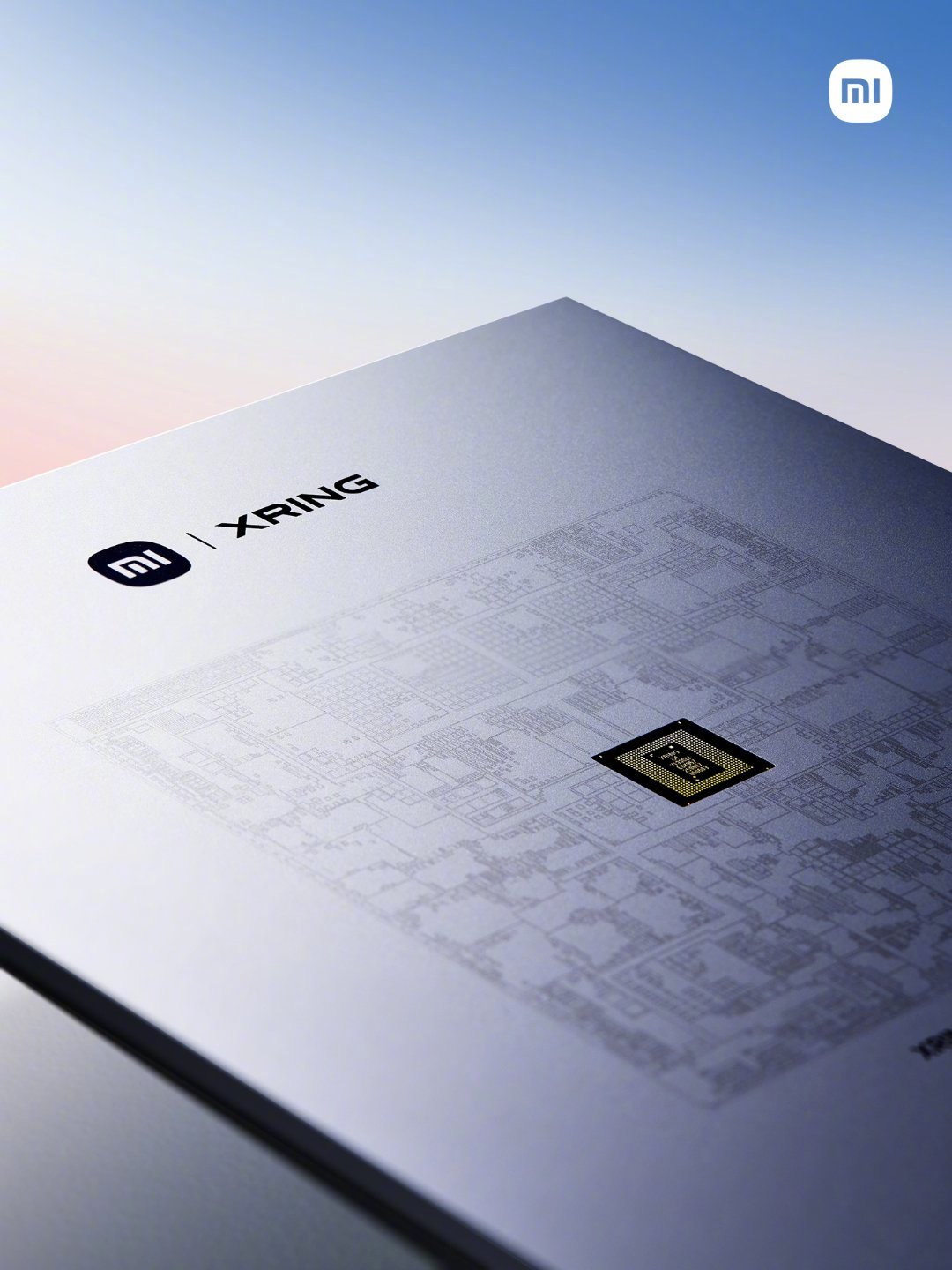
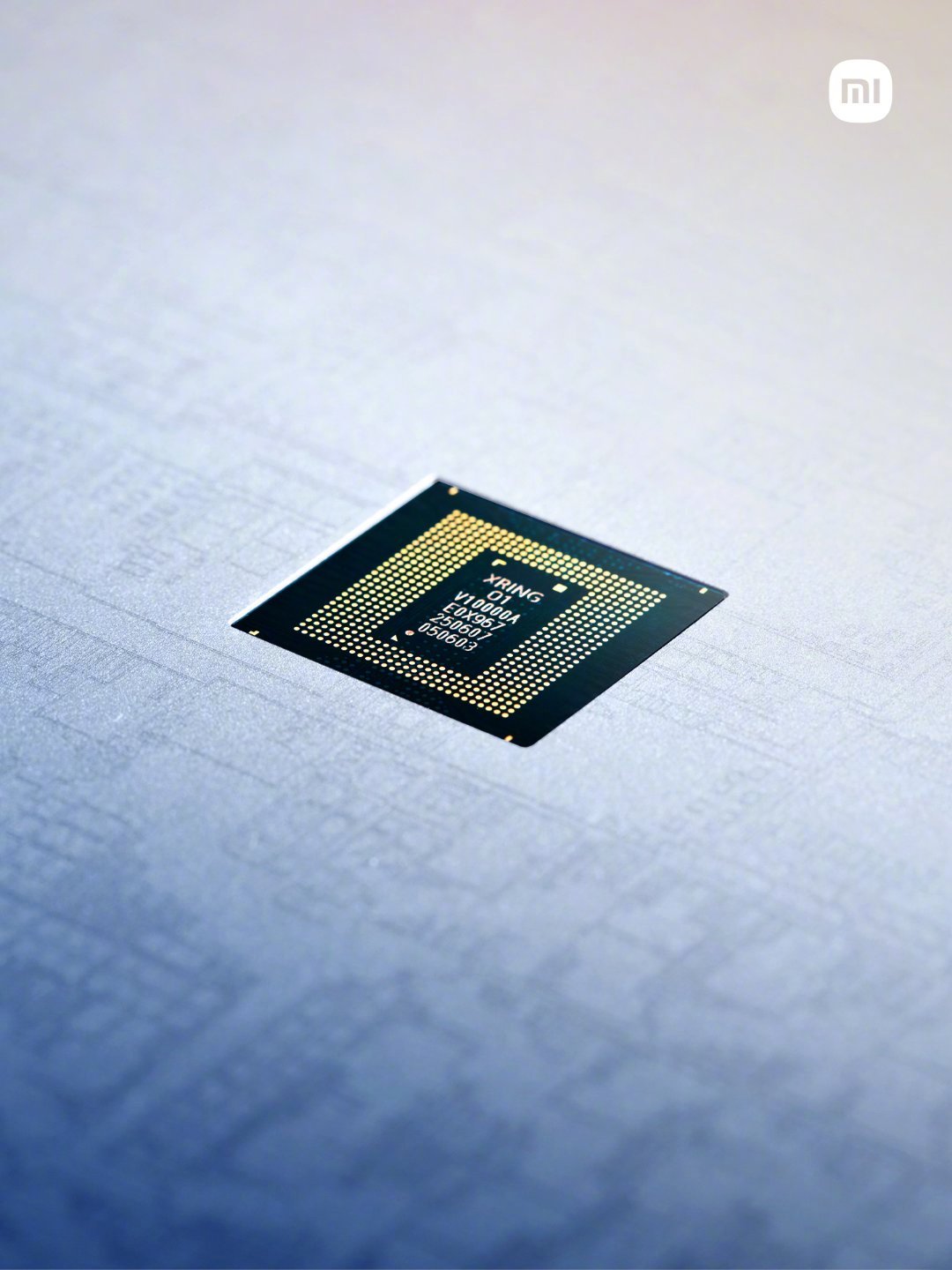
A new leak on the upcoming Xiaomi 17S series has revealed that the Chinese company is pushing forward with its long-term plan to develop advanced in-house processors. Currently, the Xiaomi 15S Pro introduced the company’s first custom chipset, the XRING O1, which marked an important milestone in Xiaomi’s silicon roadmap. Early reports now indicate that the next-generation XRING O2 chip is already in the works and expected to debut in the Xiaomi 17S series.

Ekran goruntusu 2025 12 05 170124

Xiaomi’s Next Step in In-House Chip Technology

A recent report from the well-known Chinese source Smart Pikachu says Xiaomi is already developing internally a new line of phones called the Xiaomi 17S series. The S-series has traditionally acted as Xiaomi’s experimental platform, allowing the company to test and refine its own silicon technologies before deploying them in mainstream global flagships.

Especially for this new generation, one could expect the introduction of the XRING O2, an upgraded custom processor that will continue Xiaomi’s strategy of reducing reliance on external suppliers and strengthening its technological independence.

Why the XRING O1 Was Important

The Xiaomi 15S Pro came as a mid-cycle refresh, which replaced the usual Qualcomm chipset with Xiaomi’s in-house XRING O1. While the overall hardware design of the device remained largely similar, the processor transition turned out to be the massive technological feat that showed Xiaomi was capable of creating a competitive high-performance chip and laid the base for even more advanced developments.

XRING O1 1 XRING O1 2

What to Expect from the XRING O2 Chip

Xiaomi is believed to be developing the XRING O2 using ARM’s Travis core, with the expectation that this will deliver measurable improvements in performance and efficiency over the first-generation platform.

The leak also mentions that the baseband development is still ongoing. Considering the fact that network components are usually the most complex part of any mobile chipset, this supports the expectation that the Xiaomi 17S series will not arrive before 2026. Xiaomi seems to be prioritizing stability and refinement instead of rushing to bring about the next major silicon upgrade.

Continue with China-Exclusive Strategy

As things stand now, the Xiaomi 17S series will not see releases outside the Chinese market, similar to the case with the 15S series. That is a controlled rollout to help the company improve and validate new chip architectures before a wider rollout. Until then, international Xiaomi smartphones will have to be content with the continuing use of Qualcomm’s Snapdragon 8 Elite and associated platforms.

Xiaomi’s Roadmap Toward Silicon Independence

The decision is not a short experiment for Xiaomi, but rather a long-term commitment. With the XRING O2 already in development, the brand is taking steady steps toward a more independent and optimized hardware ecosystem.

The 2026 release timeline gives Xiaomi enough room to enhance performance, ensure compatibility, and strengthen the XRING platform for future generations.

Source

Xiaomi 17 Ultra Leica Leitzphone Edition listed in GSMA database

5 December 2025 at 21:31

As competition among camera-focused flagship smartphones intensifies day by day, Xiaomi appears to be taking its long-standing partnership with German optics giant Leica to the next level. While leaks about the standard version of the Xiaomi 17 Ultra have been dominating the tech news lately, a new entry spotted in the IMEI database reveals that the brand is working on a much more ambitious project. This new model, marketed as the “Leica Leitzphone powered by Xiaomi,” stands out as a special edition aimed at combining luxury and performance in mobile photography.

Xiaomi 17 Ultra’s two variants have been officially confirmed

The first concrete information regarding the Xiaomi 17 Ultra series appeared recently. The first variant was spotted with the model number “2512BPNDAG”, and it was determined that the internal codename for this device is “P1”. This model is expected to be released as the standard “Ultra” model of the series. However, the truly exciting development occurred with a second variant added to the IMEI database, featuring a completely different naming scheme.

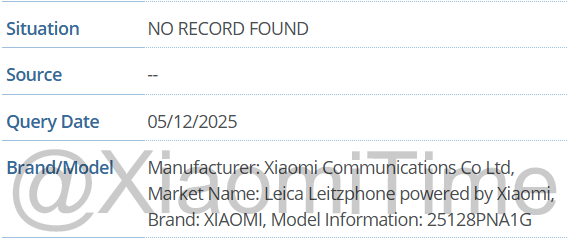
Xiaomi 17 Ultra Leica Leitzphone Edition 25128PNA1G

The newly detected record bears the model number “25128PNA1G”, and the internal codename for this device has been identified as “P1S”. The “S” suffix here is thought to represent words like “Special”. In the GSMA records, the marketing name for this model is explicitly listed as “Leica Leitzphone powered by Xiaomi”. This indicates that Xiaomi could announce this device under the name “Xiaomi 17 Ultra Leica Edition” or the more prestigious “Xiaomi 17 Ultra Leica Leitzphone Edition“.

The Leitz Legacy and Xiaomi Collaboration

There is a deep-rooted history behind this naming. The name “Leitz” comes from Ernst Leitz, the founder of the Leica brand. The Leitz family, a legend in the world of photography, represents perfectionism in optical engineering. Although Leica already produces a “Leitz Phone” series (the latest being the Leitz Phone 3) carrying its own brand in the Japanese market through a collaboration with Sharp, a global “Leitzphone” project with Xiaomi could be the brand’s biggest move in the mainstream flagship market. The combination of Xiaomi’s manufacturing power and Leica’s optical heritage could result in a device that sets the bar in smartphone photography.

Surprise change in camera setup: Shift from Quad to Triple

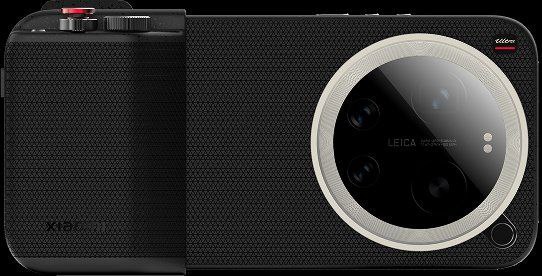
Leaked images of the “Photography Kit” clearly reveal the device’s rear camera layout and refute previous rumors of a “quad-camera” setup. According to the images, the Xiaomi 17 Ultra will come with a triple camera setup instead of four lenses. In the module design, it is observed that a special sensor area or space has been left where the fourth lens would typically be.

Xiaomi 17 Ultra photography kit 1 Xiaomi 17 Ultra photography kit 2

This indicates that instead of increasing the number of lenses, Xiaomi is focusing on optimizing the quality and sensor sizes of the existing lenses. The sensor configurations tested under the codename “Nezha” are listed as follows:

  • Main Camera: 50MP OVX10500U (also known as OV50X)  sensor.
  • Telephoto: 200MP S5KHPE
  • Ultra Wide Angle: 50MP OV50M or 50MP S5KJN5.
  • Front Camera: 50MP OV50M

The transition to a triple camera setup is interpreted as an engineering choice made specifically to make room for the massive 200MP telephoto sensor and a larger main sensor. Additionally, the leaked photography kit appears to include a dedicated grip and filter adapters that transform the device’s ergonomics into that of a DSLR camera.

Performance and Expectations

On the hardware side, the Xiaomi 17 Ultra and its special Leitzphone edition are expected to be powered by the Snapdragon 8 Elite Gen 5 mobile platform. The device, which will come out of the box with the HyperOS 3 operating system, will be equipped with advanced AI features and image processing algorithms exclusive to Leica. Furthermore, information suggests that the global version will support satellite communication.

The Xiaomi 17 Ultra series aims to be not just a smartphone, but a professional camera you can carry in your pocket. These two devices, codenamed “P1” and “P1S”, are expected to be introduced in the last quarter of 2025 (December 2025, based on the ‘2512’ in the model number) and are set to reshuffle the deck in the world of mobile photography.

Samsung’s new 25W wireless charging still can’t catch Xiaomi

5 December 2025 at 19:36

According to recent German reports, Samsung is working on a 25W magnetic wireless charger for the upcoming Galaxy S26 series, which significantly changes its long-held 15W limit. Of course, this is well behind the likes of Xiaomi, which already offers up to 50W wireless charging in its flagships. The new charger, modeled as EP-P2900, demonstrates Samsung’s attempt to improve its charging technologies while staying within the Qi2 standard.

Samsung Steps Into 25W Wireless Charging

According to the retailer-based data provided by WinFuture, the EP-P2900 charger uses a magnetic structure that automatically aligns the phone in place during charging. This way, stability is enhanced and energy loss reduced, which can minimize heating. The charger reportedly comes with a dark gray finish and a circular form factor housing the magnetic coil structure in a neat manner that aims to integrate well with Samsung’s general hardware design philosophy.

Beyond the Galaxy S26 lineup, the accessory seems to support Samsung’s foldable devices and Galaxy Buds series. This wider compatibility would indicate Samsung wants to create a more integrated charging ecosystem as part of its long-term hardware roadmap.

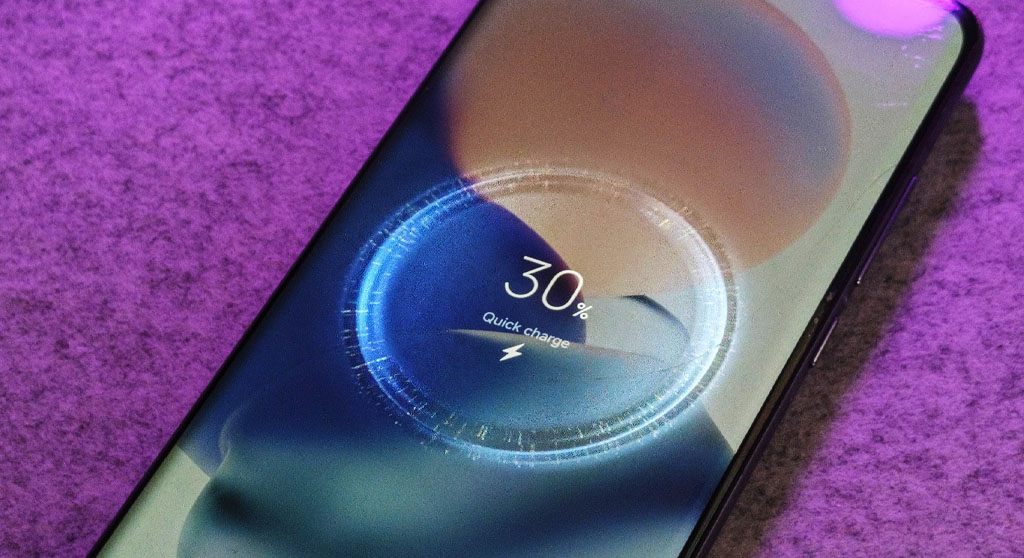
Xiaomi slow charging problem

Magnetic Design for Better Efficiency

The new magnetic design improves the accuracy of coil placement, which is one of the most critical points in improving wireless efficiency. With the charger attached securely, it ensures that the device will reach its maximum supported speed without interruption or overheating, affording a more consistent charging experience for daily use.

Although Samsung hasn’t made any official comments, the design direction seems to show that at the center of this upgrade are efficiency and thermal stability. This meets recent industry trends where manufacturers focus on balancing speed with durability.

Will all Galaxy S26 models support 25W?

According to industry observers, Samsung may be planning different charging speeds across the S26 series. The charger itself will reportedly support 25W output, but this will supposedly only be available on the Galaxy S26 Ultra, while the other models in the lineup, namely the S26 and S26 Plus, stick to lower wireless charging power levels.

Such a strategy would be in line with what Samsung has done in the past on previous generations when it gave the Ultra model some sort of exclusive hardware enhancement. Still, such speculation remains unconfirmed and dependent on Samsung’s final hardware calibration.

New “Super Fast Charging 3.0” Protocol

The company is reportedly working on a new charging protocol called Super Fast Charging 3.0 in an effort to optimize stability and extend battery life under higher power conditions. This technology might go live with the Galaxy S26 series as part of the overall upgrade of Samsung’s charging ecosystem.

It would also mark Samsung’s shift to more competitive charging solutions, especially in those markets where Xiaomi’s HyperCharge 50W wireless systems are well-established and widely adopted.

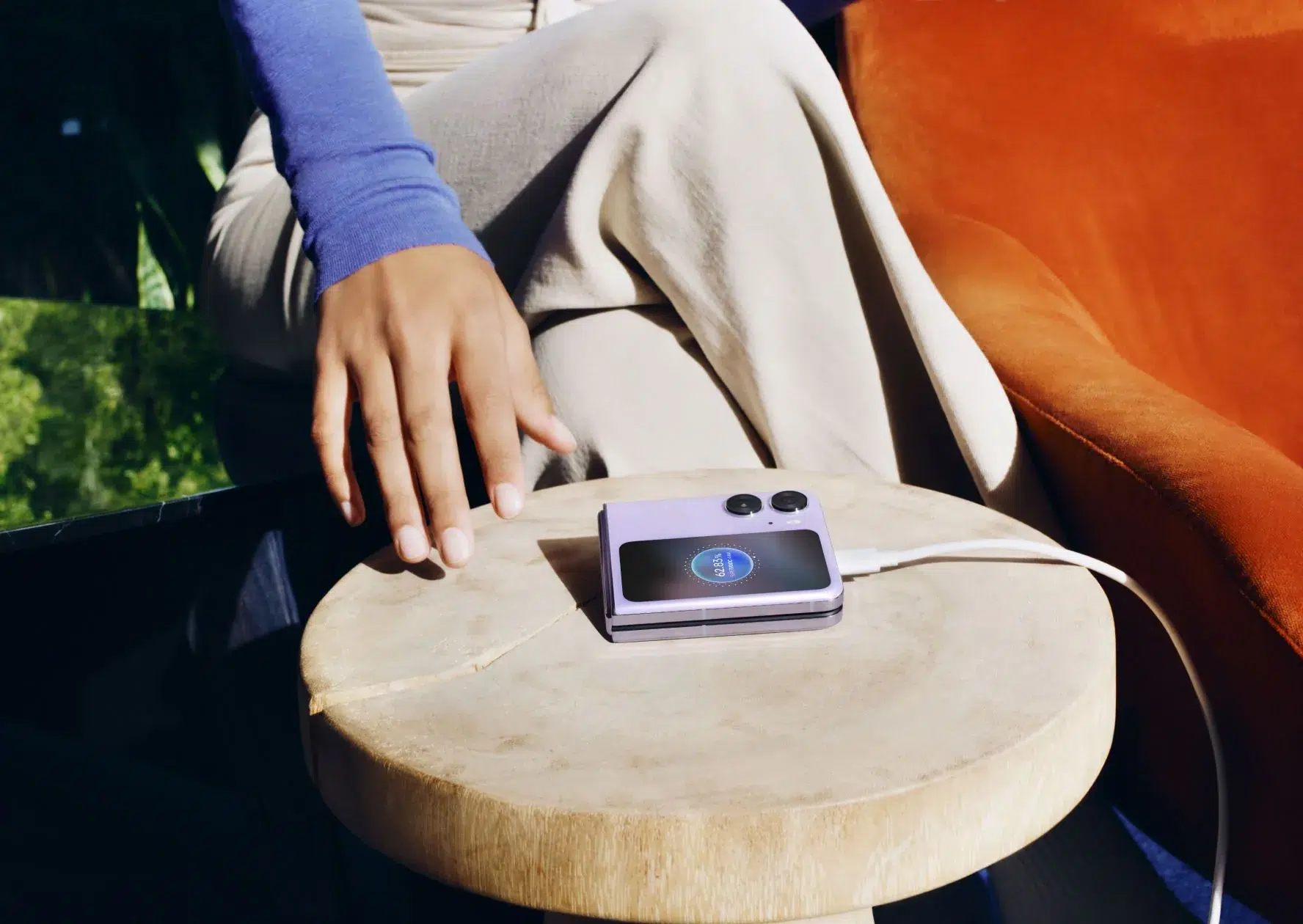
OPPO Find N2 Flip charging 1

Latest calculation date Newest calculation date on which redemption premium may be calculated Beginning of the premium period Start of the premium period during which a bondholder may have a bond redeemed.

Source

Xiaomi 14 Ultra received HyperOS 3 Global Update before Xiaomi 15 Ultra

5 December 2025 at 18:36

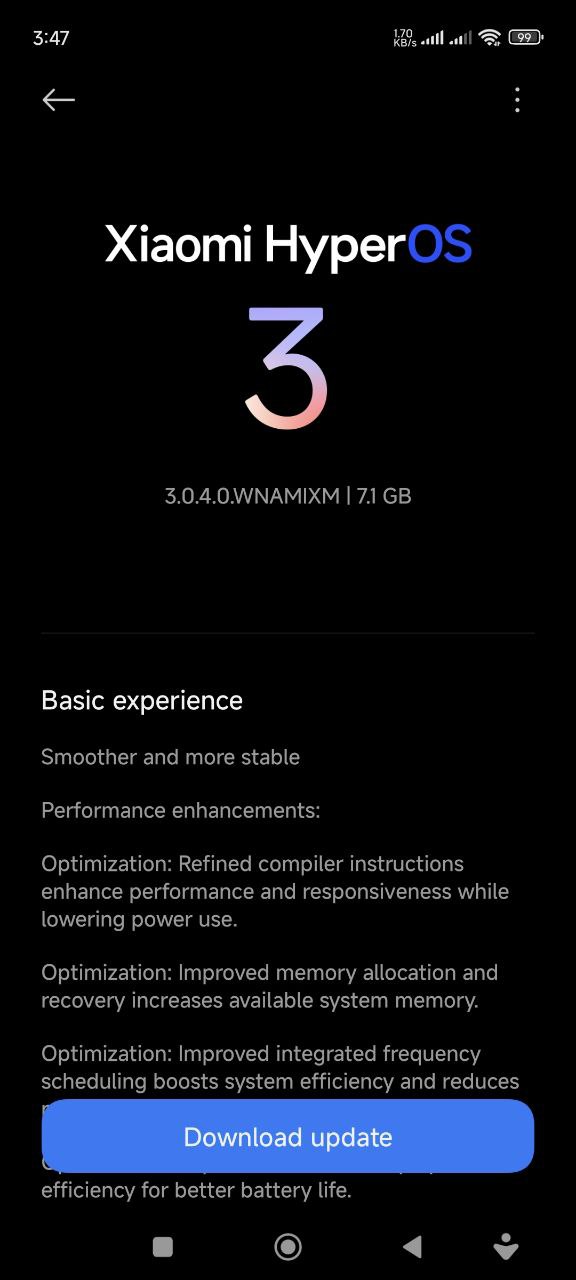
The Xiaomi 14 Ultra has officially begun receiving the HyperOS 3 Global update, bringing a refined user experience supported by enhanced AI capabilities and a polished visual design. The update, released as HyperOS 3.0.4.0.WNAMIXM, introduces several improvements that align with Xiaomi’s broader ecosystem advancements. Users can explore previous update details through pages like Xiaomi 14 updates and HyperOS 3 features for additional context. This release also marks one of the first major Android 16–based rollouts within Xiaomi’s global lineup.

Xiaomi 14 Ultra HyperOS 3 OS3.0.4.0.WNAMIXM

What the HyperOS 3 Update Brings to Xiaomi 14 Ultra

HyperOS 3 is designed to deliver a smoother and more adaptive interface. It introduces refined system animations, updated iconography, and a more cohesive visual language. These changes help maintain consistency across devices and ensure that the Xiaomi 14 Ultra feels modern and responsive after installation.

The update also integrates improvements to the system kernel, allowing better task allocation and more efficient resource usage. This results in reduced latency, better thermal control, and a more stable performance profile—especially noticeable during multitasking and camera operations.

Enhanced AI Features and Super Island

The new release strengthens Xiaomi’s on-device AI capabilities. HyperOS 3 allows the Xiaomi 14 Ultra to process tasks such as advanced image editing, contextual suggestions, and natural language operations more efficiently. These improvements aim to support everyday workflows without compromising battery life or system performance.

Alongside these additions, the update introduces Super Island, a feature designed to present real-time information through an adaptive, floating interface. The goal is to simplify interactions by displaying essential alerts, activities, and background processes in an accessible format.

Updated Icons and iOS-Style Experience

HyperOS 3 places a strong emphasis on visual clarity and accessibility. The updated icons are more consistent in geometry and color balance, offering a cleaner home screen layout. This update also refines the overall interaction style, providing an experience comparable to modern iOS design cues while preserving the flexibility of Android 16.

The Xiaomi 14 Ultra benefits from faster gesture responses, improved window transitions, and a more unified structure across menus and settings. These refinements collectively create a more predictable and reliable interface for daily use.

Update Details and Availability

The HyperOS 3.0.4.0.WNAMIXM build is rolling out progressively to Xiaomi 14 Ultra users in global regions. Since this is a major update based on Android 16, installation may require a larger download package and a longer optimization phase after reboot.

Users can also update Xiaomi system applications through HyperOSUpdates.com or via the MemeOS Enhancer app on Google Play. MemeOS Enhancer additionally provides access to hidden Xiaomi features and extended system app management tools.

❌