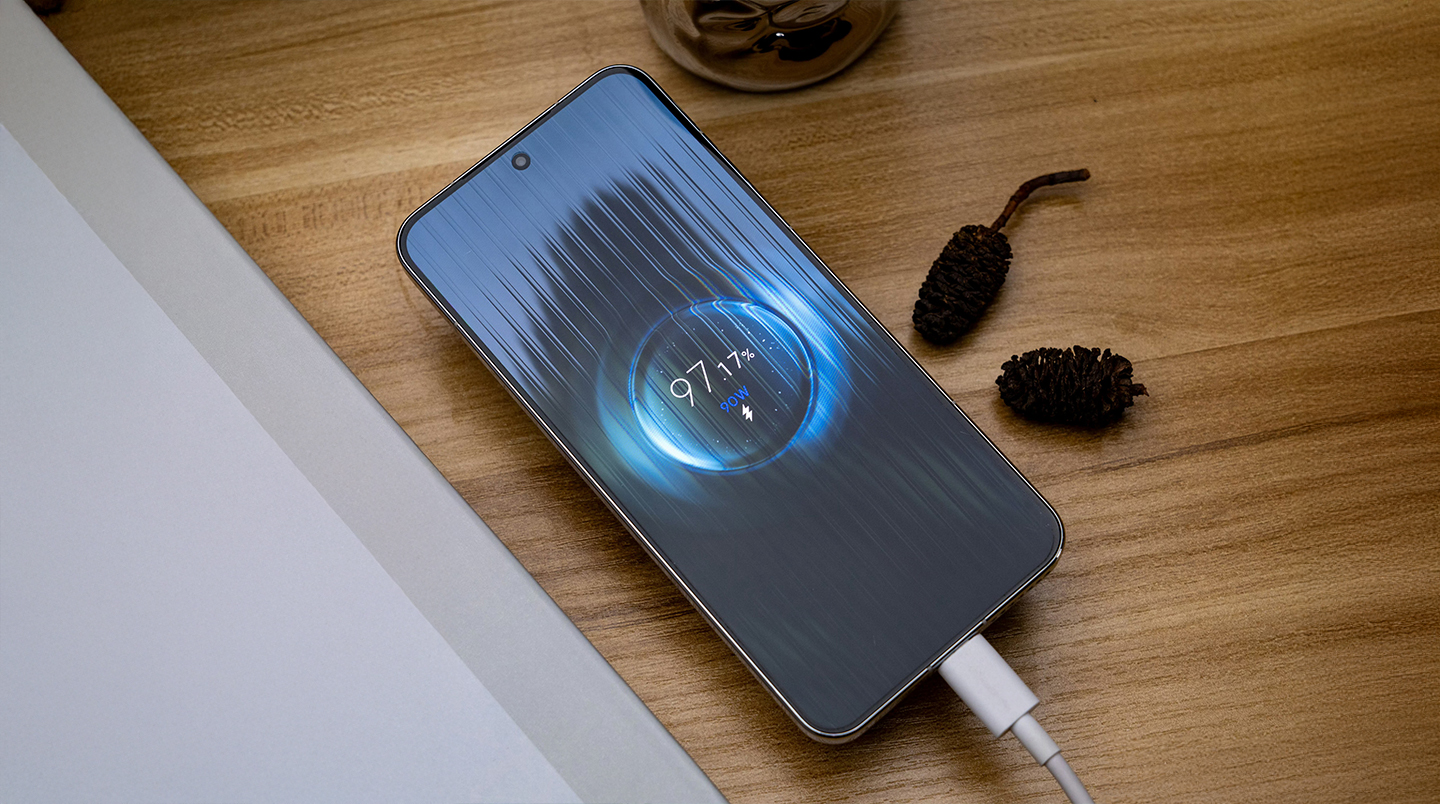
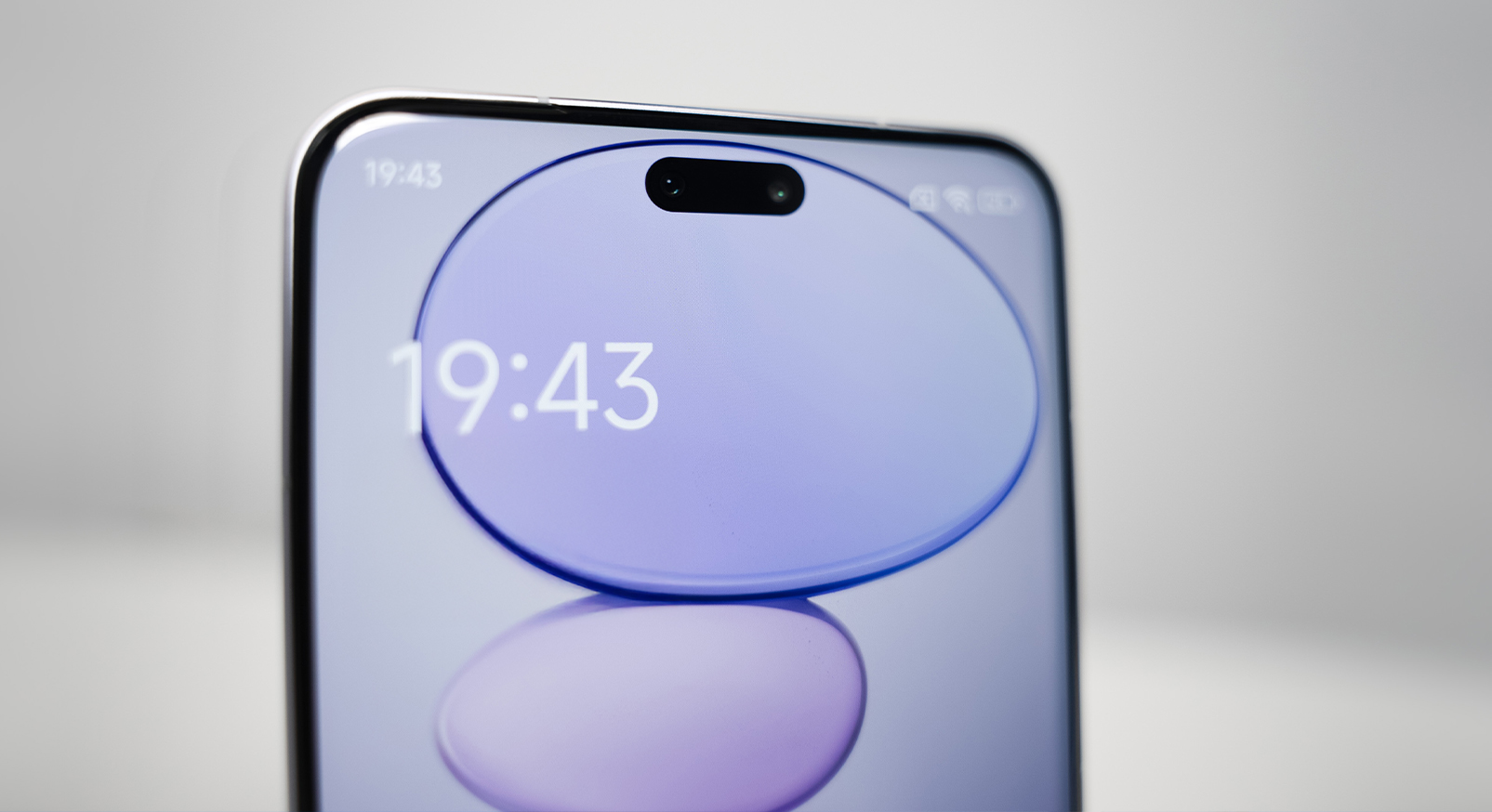
Do your formerly speedy Xiaomi phone feel slow now? There is a surprisingly simple way that can restore your phone to its former glory with no technical know-how or risky tweaks. This lesser-known tip has been helping thousands of Xiaomi enthusiasts regain their devices’ best performance in POCO, Redmi, and Xiaomi phones.
Simply deleting specific system cache files, and you can eliminate the accumulated digital clutter that is silently slowing down your favorite phone and restore it to the smooth, responsive feel that captured your heart with love at first sight.
Why Your Xiaomi Phone Slows Down With Time
Before we dive into the solution, we should know what makes smartphones slower with time. Launcher apps, initially designed to optimize and speed things up, accumulate cached information with time, which becomes cumbersome and counterintuitive. This digital clutter affects:
App loading times
Home screen animations
Efficiency in multitasking
Overall System Response Time
Battery performance
The good news is that this slowdown is transitory and does not represent any decline in your device’s hardware.
The Universal Xiaomi Quick Fix for All Devices
The solution varies depending on what Xiaomi sub-brand you’re using:
For POCO Users
Go to Settings
Navigate to Apps or Application Management
Find and click “POCO Launcher”
Tap on “Storage”
Select “Clear Cache”
Reboot your device.
For Xiaomi and Redmi Users
Tap Settings.
Go to Apps or Application Management
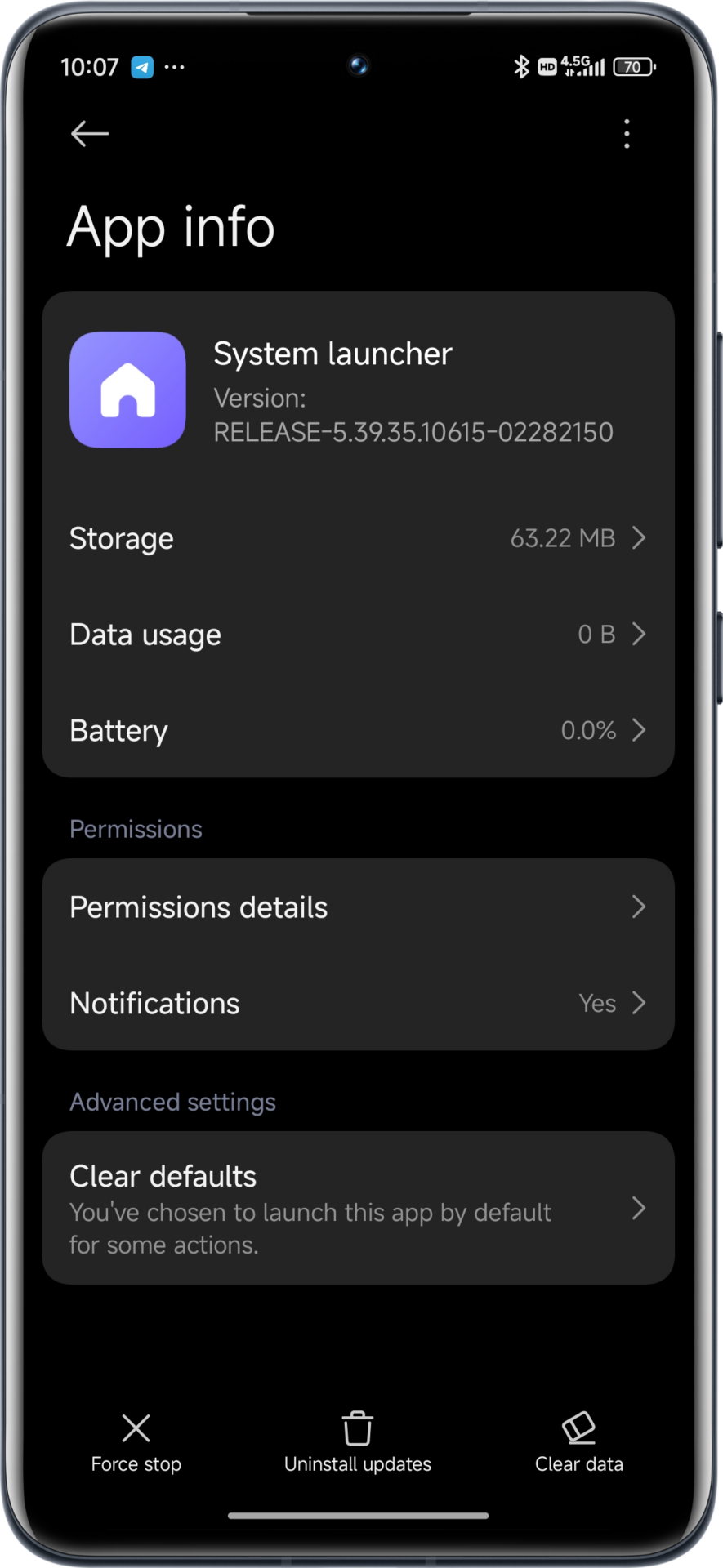
Find “System Launcher”
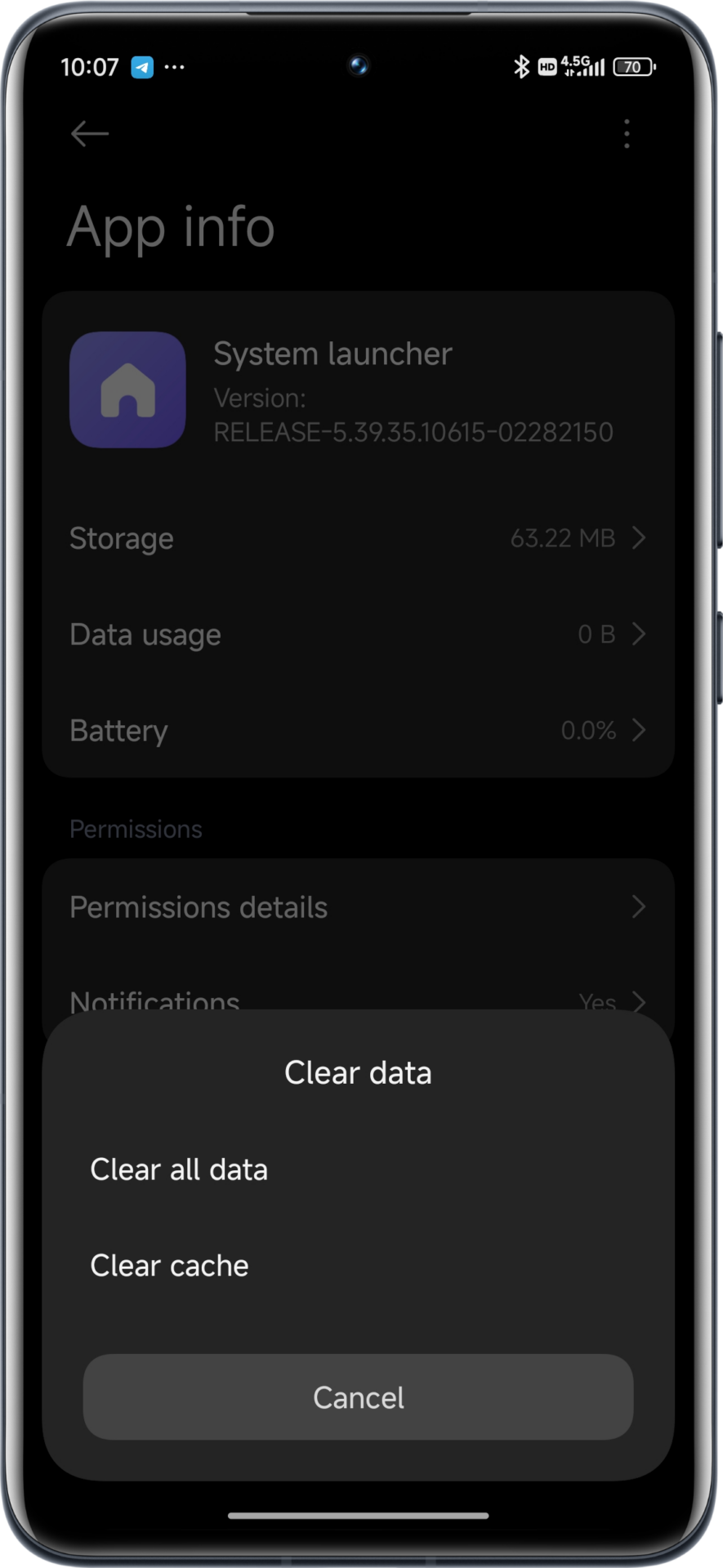
Tap on “Storage”
Select “Clear Cache”
Restart your phone.
This simple maintenance routine removes temporary files that have accumulated in your system launcher but does not remove any of your personal settings, information, or applications that you’ve installed.
Advantages Beyond Speed
Aside from the immediate performance enhancement, clearing your launcher cache periodically has a number of other benefits:
Decreased usage of RAM
Improved battery efficiency
Less frequent random app crashes
Smoother animations and transitions
Enhanced overall user experience
For the best results, carry out this routine maintenance once in 1-2 months in order to keep your Xiaomi device in top shape.b
Global OLED smartphone panel shipments showed strong momentum in the third quarter of 2025, supported by seasonal smartphone demand and rapid expansion in advanced display technologies. According to recent market analysis, worldwide OLED panel shipments increased significantly, reflecting the growing importance of premium smartphone models in the supply chain. This trend is especially relevant for brands such as Xiaomi 15, the software ecosystem developed around Xiaomi HyperOS, and the expanding smart device connectivity layer powered by Xiaomi HyperConnect.
Global OLED Panel Market Performance in Q3 2025
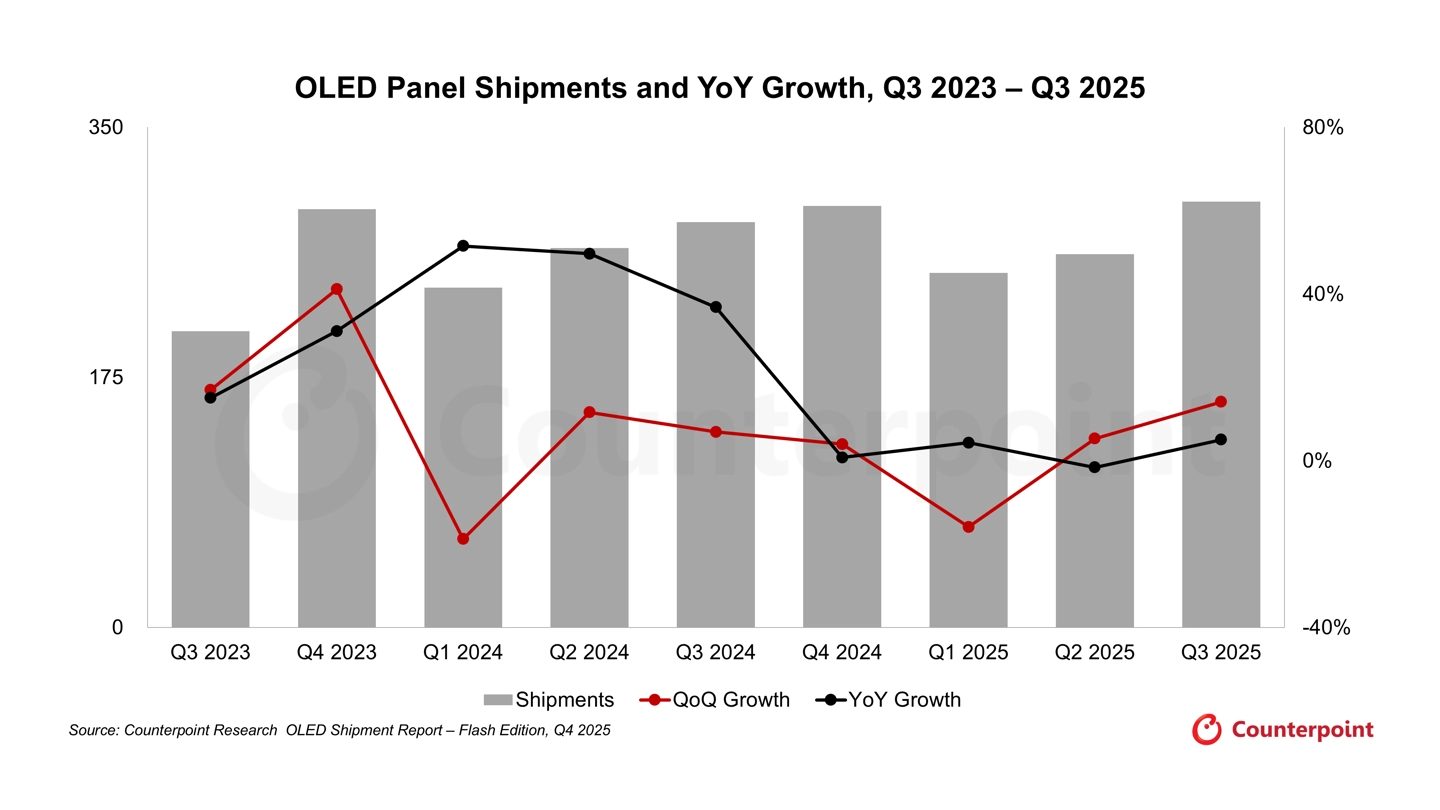
The third quarter of 2025 marked a clear acceleration in the global OLED panel market. Overall shipments rose by 14% quarter-over-quarter and 5% year-over-year, reflecting stable growth across multiple product segments. The main driver behind this trend was the strong seasonal demand for flagship smartphones, which traditionally peaks during this period. The data confirms that OLED technology is becoming the standard in premium and upper-midrange mobile devices, improving display quality and energy efficiency across the industry.
Market researchers highlighted that smartphone-focused OLED panels continued to be the most dynamic part of the market. Growth was not limited to mobile phones, as IT-focused OLED displays also delivered notable expansion, confirming the long-term structural shift away from LCD solutions.
Smartphone and IT Panels Show Strong Expansion
Smartphone OLED panels recorded a 16% quarter-over-quarter increase and a 6% year-over-year gain. This was largely attributed to the high demand for Apple’s iPhone 17 Pro series, which significantly increased panel orders throughout the quarter. At the same time, OLED panels designed for IT products, including monitors and professional displays, delivered even stronger results.
Shipments of display panels for IT devices increased by 21% month-over-month and surged by 55% year-over-year. This performance illustrates how quickly OLED technology is penetrating the notebook and monitor sectors. For smartphone brands such as Xiaomi, this broader ecosystem development is important, as it enables more consistent panel quality and supply stability for future flagship and upper-segment devices.
Manufacturer Performance and Xiaomi-Linked Supply Trends
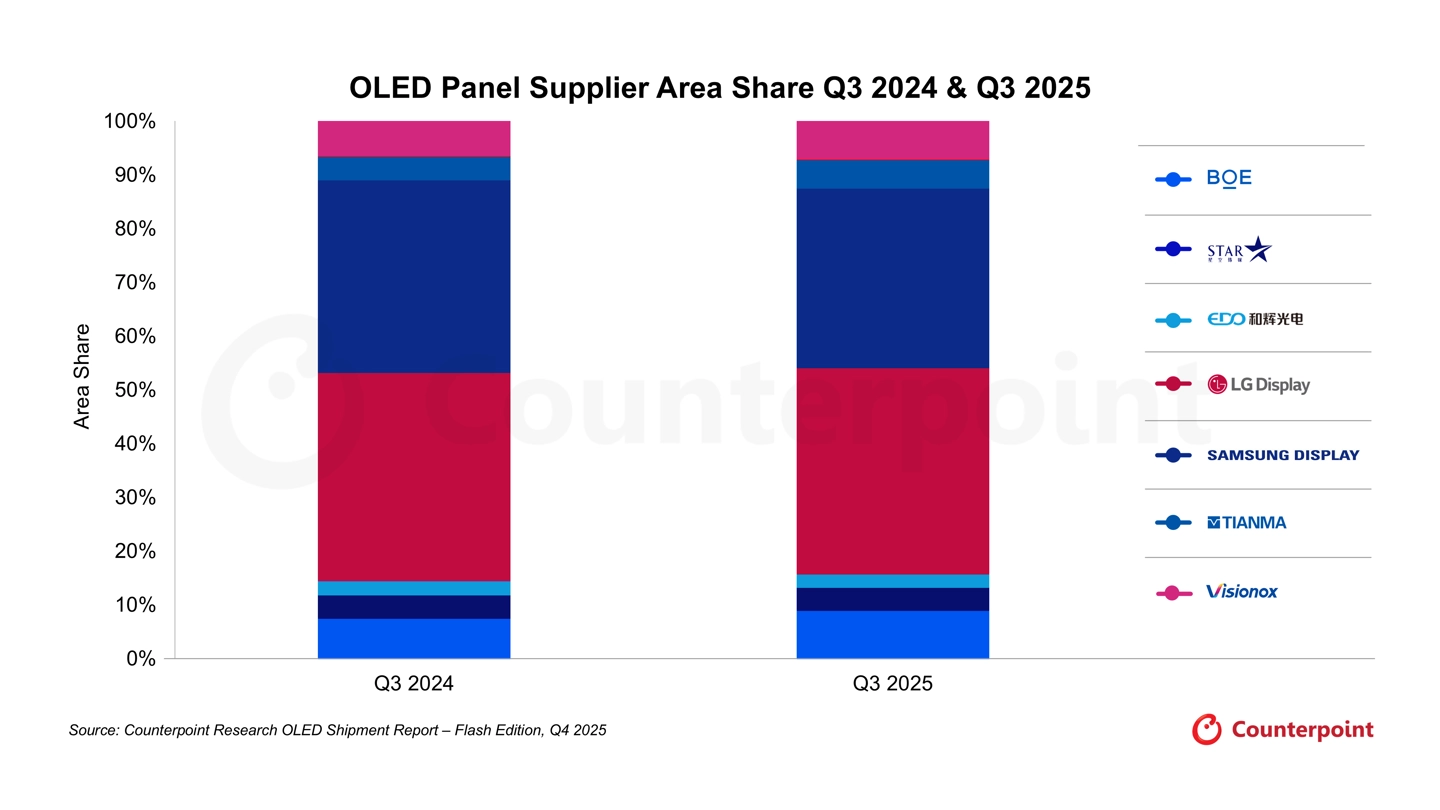
South Korean display manufacturers showed contrasting results during the quarter. LG Display achieved a 59% quarter-over-quarter surge in smartphone OLED panel shipments, driven mainly by large-scale orders linked to high-end smartphone production. Its smartwatch panels also expanded rapidly, with shipments growing by 121% quarter-over-quarter. As a result, LG Display maintained an industry-leading 38% area market share.
Samsung Display managed a 40% year-over-year increase in its display business, supported by strong demand for 27-inch QD-OLED panels. However, its OLED TV panel segment declined by 12% both quarter-over-quarter and year-over-year, reducing its total market area share to 33%.
Chinese manufacturers continued to strengthen their positions in the global supply chain. BOE registered 40% year-over-year growth in notebook OLED panels and 27% in smartphone panels, maintaining a stable 9% market share. Visionox improved its market position with 31% quarter-over-quarter growth, increasing its share from 6% to 7%. Tianma also expanded steadily, supported by growing demand from brands such as Honor and Xiaomi, achieving 11% quarter-over-quarter and 28% year-over-year shipment growth while holding a 5% market share.
Outlook for Xiaomi and the OLED Industry Toward 2026
Analysts expect the OLED industry to continue its expansion into 2026, with IT panels, especially monitors, becoming the primary growth engine. Although the OLED TV market remains relatively weak, the smartphone and IT categories are compensating through rising adoption rates and improved manufacturing efficiency.
For Xiaomi, this industry-wide growth creates favorable conditions for long-term product planning. Stable supply from Chinese manufacturers such as BOE and Tianma, along with ongoing investments in advanced OLED production, will support future Xiaomi flagship smartphones and smart devices. As OLED technology becomes more accessible, Xiaomi is expected to further enhance visual performance across its ecosystem while maintaining strong cost efficiency.
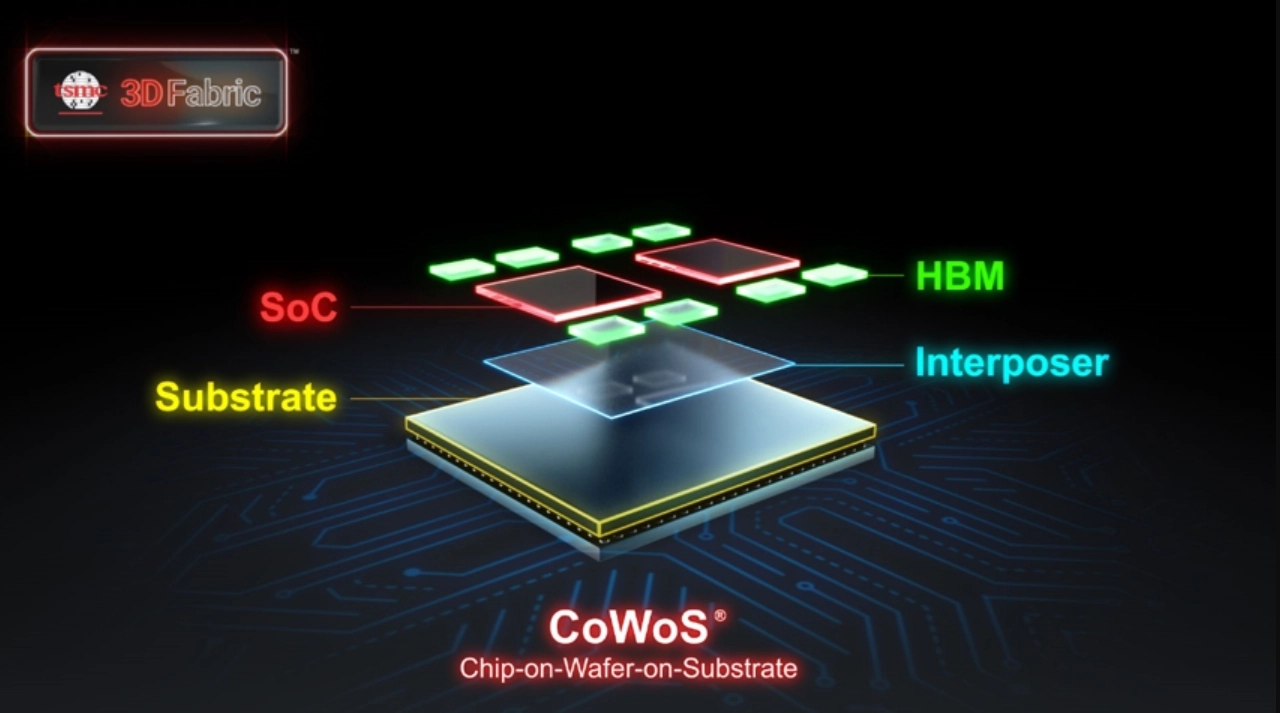
Currently, TSMC is under severe capacity pressure with its CoWoS advanced packaging production lines, which directly influences the global supply of chips for major technology brands. Industry reports suggest that rapid growth in the shipment of artificial intelligence processors and flagship mobile chipsets has pushed demand beyond existing manufacturing limits. This development is of particular interest to brands like Apple, Nvidia, and Xiaomi, whose high-performance products depend much on TSMC’s manufacturing ecosystem.
CoWoS capacity shortage changes global chip supply dynamics
The shortage now affects CoWoS, or Chip-on-Wafer-on-Substrate, technology that allows multiple chiplets to be integrated into a single advanced package. The manufacturing process is crucial for making high-performance AI accelerators and modern smartphone processors. Strong global demand for AI computing has fully booked TSMC’s CoWoS lines, creating serious delivery delays for key customers and forcing a strategic shift in production planning.
TSMC accelerates outsourcing to ASE and SPIL
It is for this reason that TSMC has begun to outsource some of its advanced packaging work to leading partners such as ASE Technology and SPIL to handle overflow demand. The decision will help unused external capacity to be brought online more quickly, hence reducing delivery times to major clients. These firms have invested several billions of USD in new facilities and equipment, enabling them to perform advanced packaging tasks in high volume. This collaborative model of production has now emerged as an important pillar in the global semiconductor supply chain.
Direct impact on Snapdragon Chip Production of Xiaomi
Snapdragon chipsets power the flagship and upper-midrange smartphones at Xiaomi, manufactured by the Taiwan Semiconductor Manufacturing Company. Advanced platforms such as Snapdragon 8 Elite are highly dependent on technologies linked to advanced wafer production and packaging. The indirect benefit for Xiaomi is that the acceleration of outsourcing and capacity expansion will stabilize the delivery of processors it uses in devices running Xiaomi HyperOS, ensuring more predictable launch timelines and consistent product availability across markets without disrupting Xiaomi’s long-term hardware roadmap.
Competitive pressure strengthens TSMC’s strategic position
This outsourcing also represents a defensive step against widening competition. Intel especially has invested much more in advanced packaging in its attempt to lure high-end customers such as Apple and Qualcomm. Increasing effective capacity through trusted partners minimizes the possibility that customers may abandon TSMC due to long wait times. Meanwhile, TSMC is still building new in-house packaging plants, but these in-house plants represent a long-term solution and not an immediate fix.
This strategy keeps the premium chipset ecosystem balanced, which Xiaomi also depends on and supports healthy growth across the broader mobile and AI industries.
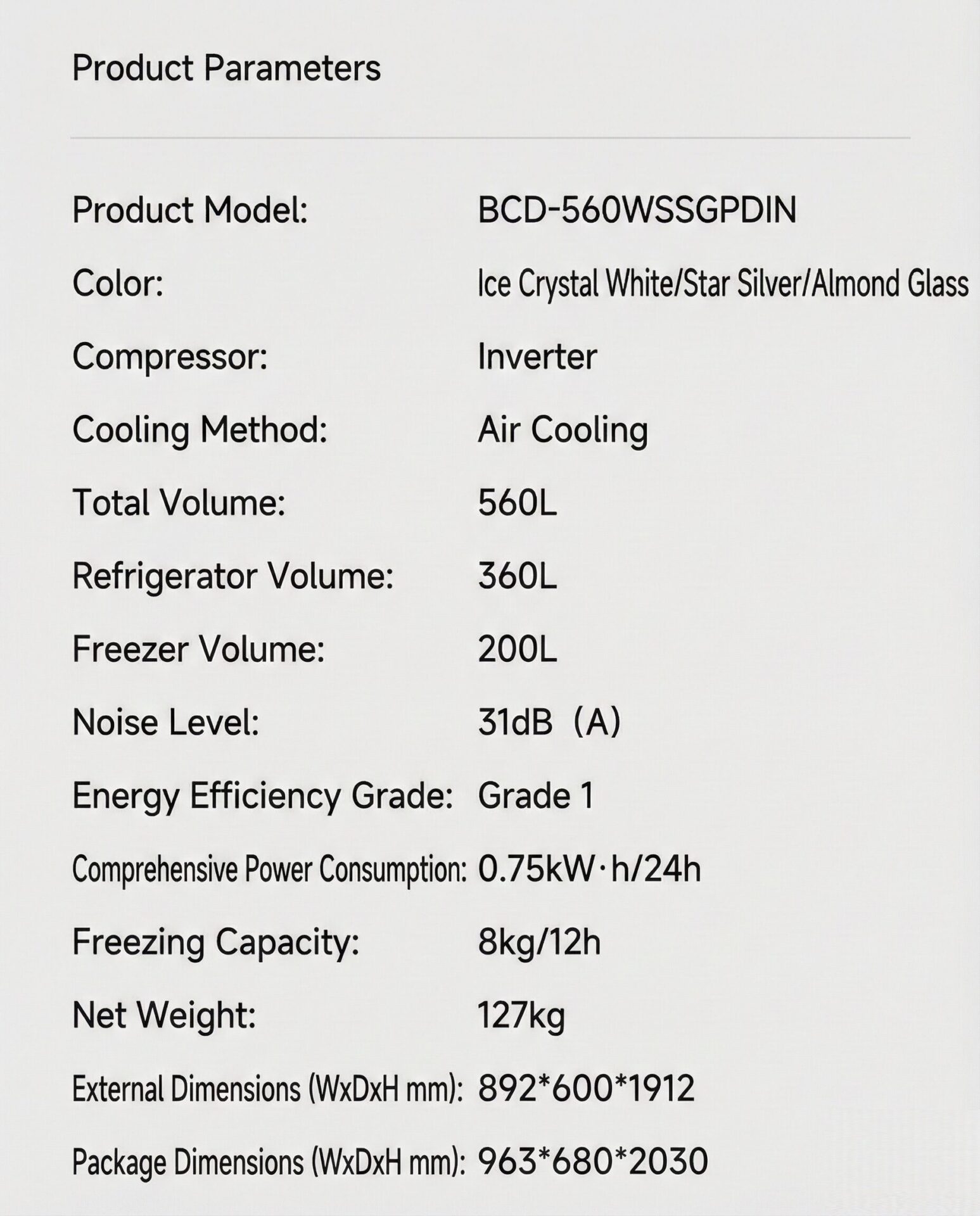
Xiaomi has officially announced the launch of the Mijia Refrigerator Pro Micro-Fresh Cross-Type Built-in 560L, furthering its smart home ecosystem with a top-tier, built-in cooling solution. The launch underlines Xiaomi’s strategy in the connected home appliance space, after recent developments across its Xiaomi HyperOS ecosystem. Announced in China, the refrigerator was pitched as a flagship model for hygiene, energy efficiency, and long-term food preservation.
Price and Availability in China
The Mijia Refrigerator Pro 560L was listed in China with its starting price at 6,999 yuan, around $970 USD as of current market exchange rates. Xiaomi has said that this model was launched for the Chinese market, with regional government subsidies potentially taking the local retail price down even further in those eligible areas. There is no word at the time of this writing on the global availability of the product, which is consistent with how Xiaomi typically approaches regional rollouts for major home appliances.
It is positioned within the premium category of built-in refrigerators, with long-term durability, energy efficiency, and smart home integration into the Xiaomi ecosystem.
Design, Capacity, and Storage Architecture
Unlike regular vertical refrigerators, this model uses a cross-type internal layout for better space organization and accessibility. The 560-liter capacity is designed for big households and built-in kitchen architectures.
The cabinet is designed to support a 60 cm ultra-thin flat embedded design, thus being able to align perfectly with modern kitchen furniture. Xiaomi introduced three color options for this model:
Ice Crystal White
Star Forged Silver
Apricot Glass
Xiaomi says the refrigerator uses Super Level 1 energy efficiency and can save up to the equivalent of three months of electricity costs per year compared to traditional models. This makes the device aligned with current energy conservation standards in smart home appliances.
Smart Hygiene and Freshness Technologies
The main technological feature of this model is Full-Area Ion Purification 2.0, which Xiaomi reports can achieve a bacteria removal rate of above 99.999% against E. coli. This technology is intended to maintain hygiene throughout the entire internal storage area.
Another central feature is Mijia Micro-Ice Fresh technology, supported by a dual independent cooling system. Indeed, with independent temperature regulation, fresh meat can reportedly stay preserved for as many as 10 days without freezing, maintaining texture and taste.
Further intelligent features include:
Fully automatic ice-making system
End-to-end antibacterial certification
NFC-based reminders of expired foods.
Positioning in Xiaomi’s Smart Home Strategy
The launch indicates Xiaomi’s investment in integrated home appliances compatible with the smart ecosystem. By combining hygiene technology, energy efficiency, and smart connectivity, the Mijia Refrigerator Pro 560L strengthens Xiaomi’s smart home portfolio in China, setting a technical benchmark for built-in appliances.
Xiaomi today officially announced the Mijia Washer Dryer Set Pro, a powerful new addition to its smart home ecosystem. This 12kg+12kg laundry solution brings advanced cleaning technology and Xiaomi HyperOS integration to modern households. The set is priced at 6999 CNY (approximately $965) with national subsidies and is a significant discount compared to the retail price of 8749 CNY (approximately $1,200). Sales are scheduled to begin at 8 PM on December 11th. This launch continues to demonstrate Xiaomi’s commitment to creating a cohesive smart living experience for users in China.
Advanced Electrolytic Washing Technology
The Washing Machine component of this set uses the super electrolysis technology developed by Xiaomi. This mechanism is designed to work on 20 different kinds of stubborn stains and ensures yellowed clothes can be whitened in one go. It supports an ultra-high washing ratio of 1.3, which far exceeds ordinary models and brings about deep cleaning performance.
Some of the key washing features include:
Dual Sterilization: Utilizes high-temperature steam and super electrolytic cold water to achieve a 99% sterilization rate across the whole water circuit.
Color Protection: Provides 4 times more colorfastness to keep fabrics looking new.
Multi-Purpose Programs: Supports 30 washing and care programs, including modes for fluffy down, delicate wool, odor-removing ironing, and a specialized pet hair removal wash.
Drying – Easy and Cleanly
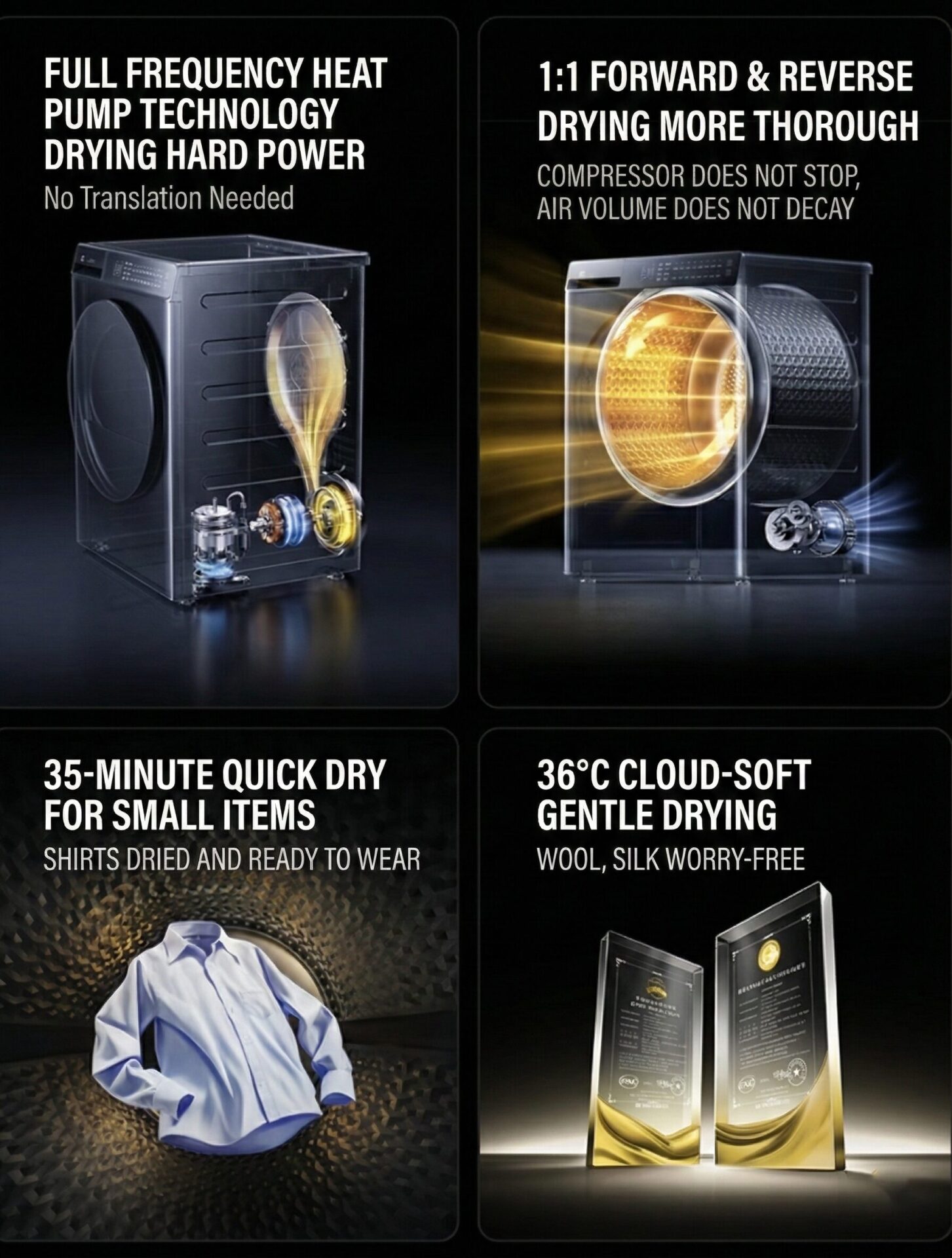
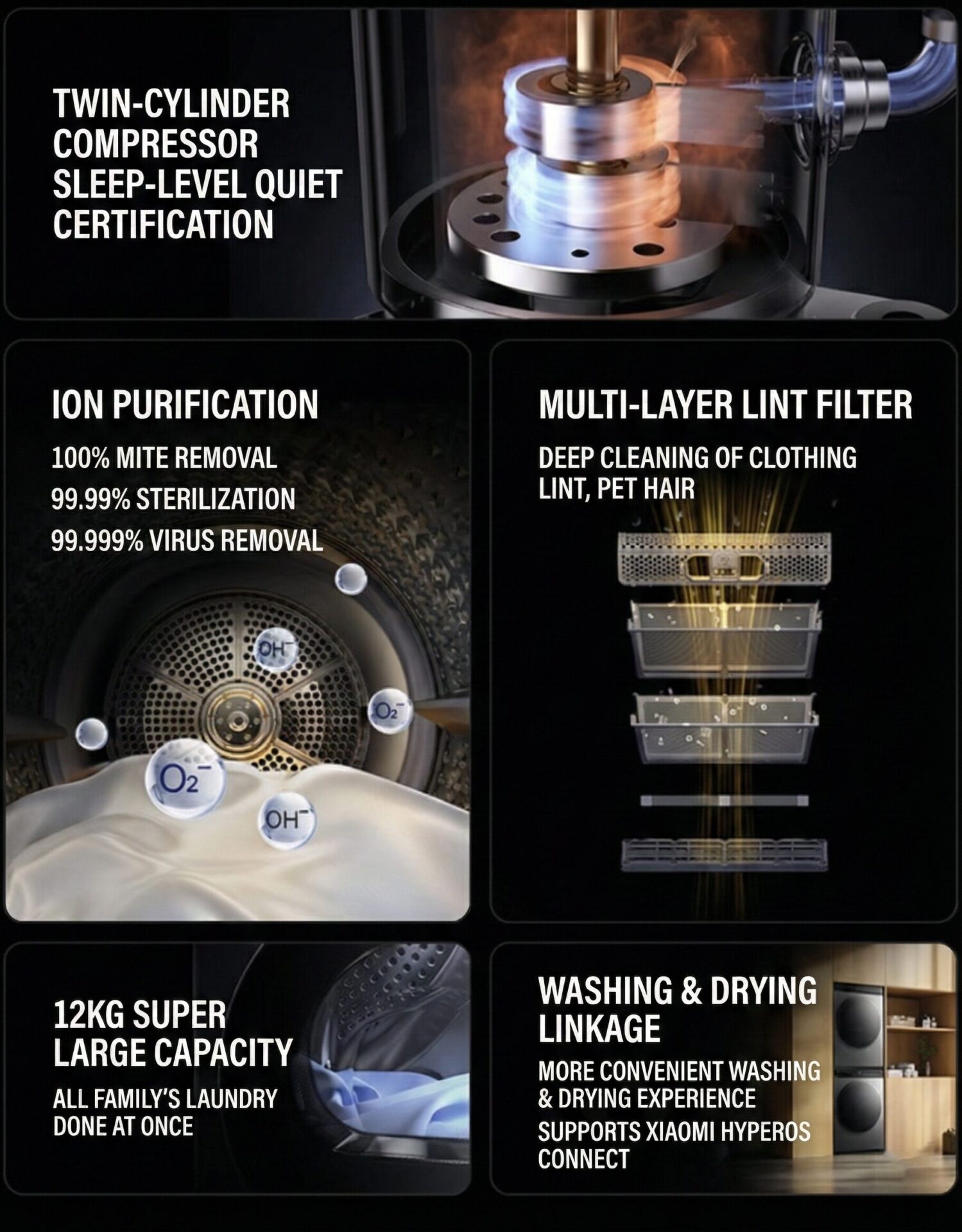
It comes equipped with an advanced super electrolytic intelligent heat pump system that is tailored for efficiency and fabric care. The machine uses a dual-cylinder compressor and supports 1:1 forward and reverse rotation. This mechanical action provides assurance of better drying through avoidance of tangling.
In this regard, there is the provision of a 35-minute quick-drying function for small pieces, while the option for a 36°C “cloud-like” gentle drying supports sensitive fabrics. This dryer also considers hygiene with ion purification technology: this system provides:
100% mite removal.
99.99% sterilization.
Virus removal: 99.999%
In addition, it comes fitted with several lint filtration systems and has earned a sleep-level low noise certification to make it appropriate for quiet domestic environs.
Integration with Xiaomi HyperConnect
The Mijia Washer Dryer Set Pro really stands out with the deep integration of Xiaomi HyperConnect. It enables seamless “linkage” between washing and drying processes: the washer can communicate with the dryer via the Xiaomi ecosystem to optimize settings for the size of the laundry load. The system also supports dual-channel intelligent dispensing, automatically calculating and dispensing the exact amount of detergent required for every cycle.
Note: This product is currently launched for the Chinese market.
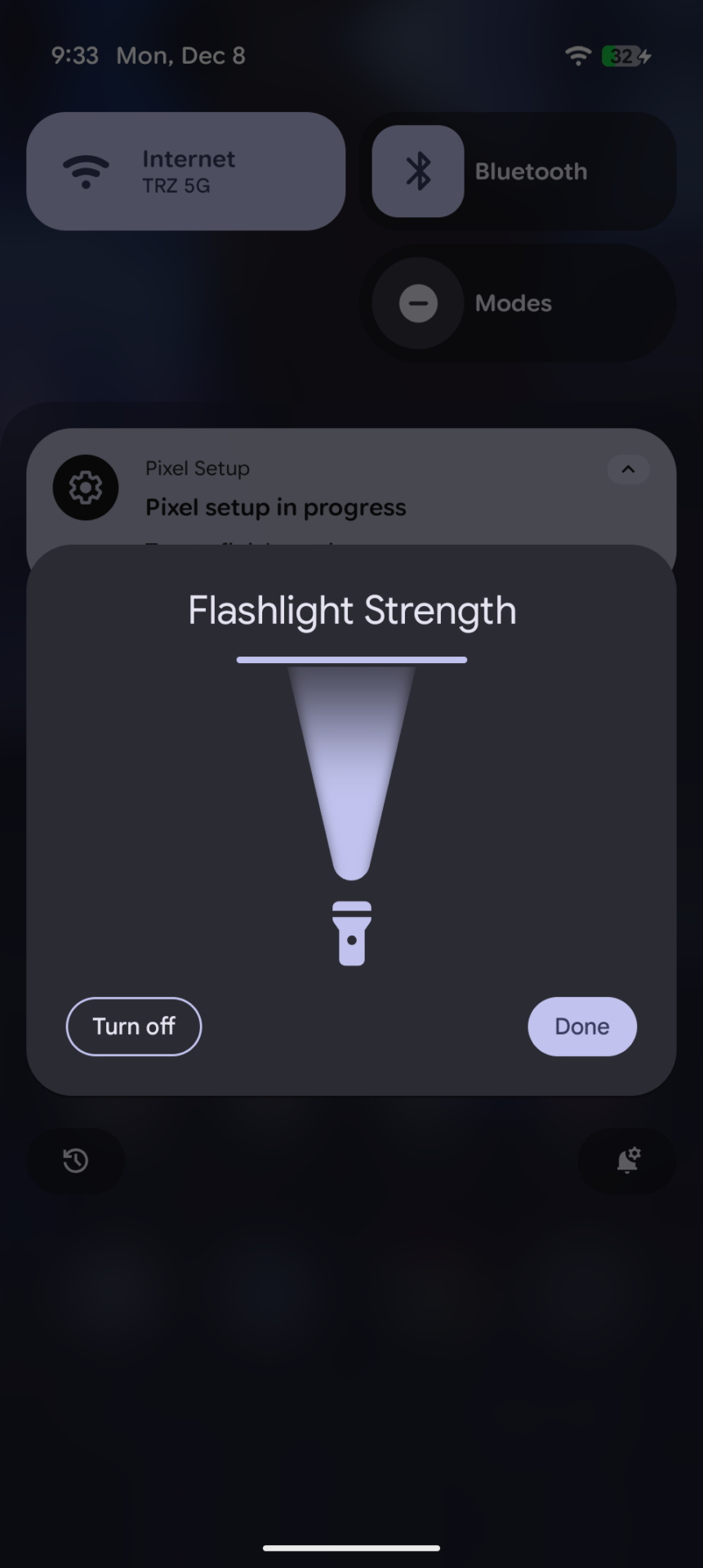
Google has officially introduced flashlight brightness control in the latest Android 16 Canary update, a feature long familiar to Xiaomi users. This functionality allows users to adjust the flashlight intensity directly from the Quick Settings panel, improving usability in dark environments. More details about Xiaomi system features can be found on XiaomiTime.com and update tracking is available via HyperOSUpdates.com.
Flashlight Brightness Control Arrives in Android 16
The new feature enables users to adjust the flashlight power level by long-pressing or tapping the flashlight icon in the Quick Settings menu. A brightness slider appears, allowing precise control over the LED intensity. This capability was first spotted in earlier Android 16 Canary builds around two months ago, but with the latest update, it has reached a more stable and smoother performance level, making it practical for daily use.
How the New System Works in Android
This system works by giving direct access to the hardware-level flashlight driver through the system interface. When the button is pressed, users can instantly see a brightness control bar without opening any separate application. This reduces latency and battery waste, especially in situations where full flashlight power is not required. The implementation is optimized for simplicity, ensuring that even entry-level users can use it comfortably.
The feature also improves thermal control, as lower brightness levels generate less heat. This helps protect device components and improves long-term LED durability.
Xiaomi Devices Had This Feature for Over a Year
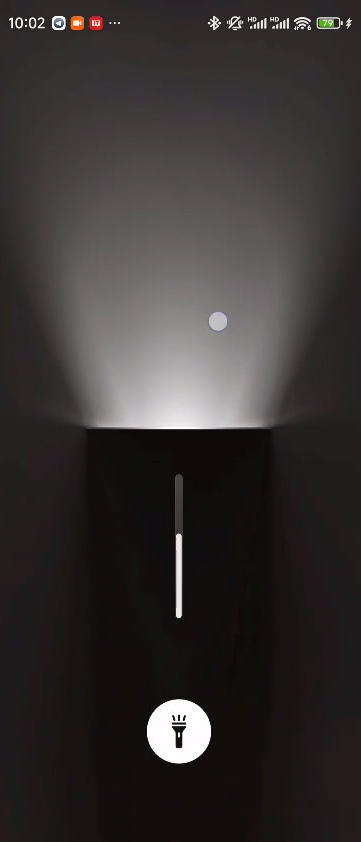
Xiaomi smartphones running Xiaomi HyperOS and earlier MIUI versions have offered flashlight brightness adjustment for more than a year. In Xiaomi devices, this feature is deeply integrated into the system framework and has been widely praised for its stability and smooth performance. Xiaomi introduced this feature as part of its user experience optimization strategy, especially focusing on battery efficiency and daily usability.
HyperOS Advantage in System-Level Hardware Control
Xiaomi HyperOS is known for its deep hardware and software integration. Features like flashlight brightness control are managed through Xiaomi HyperConnect services, which allow faster communication between system layers and physical components. This results in lower response times and better stability when adjusting hardware features in real time.
This early adoption shows Xiaomi’s long-term focus on practical innovation, even in small but important daily-use features.
Availability and Future Expectations
Currently, the flashlight brightness control feature is available in the Android 16 Canary builds. Since this is an early developer version, it may go through further optimization before reaching stable public releases. Manufacturers such as Xiaomi are expected to integrate this system with their own enhancements inside future Xiaomi HyperOS updates.
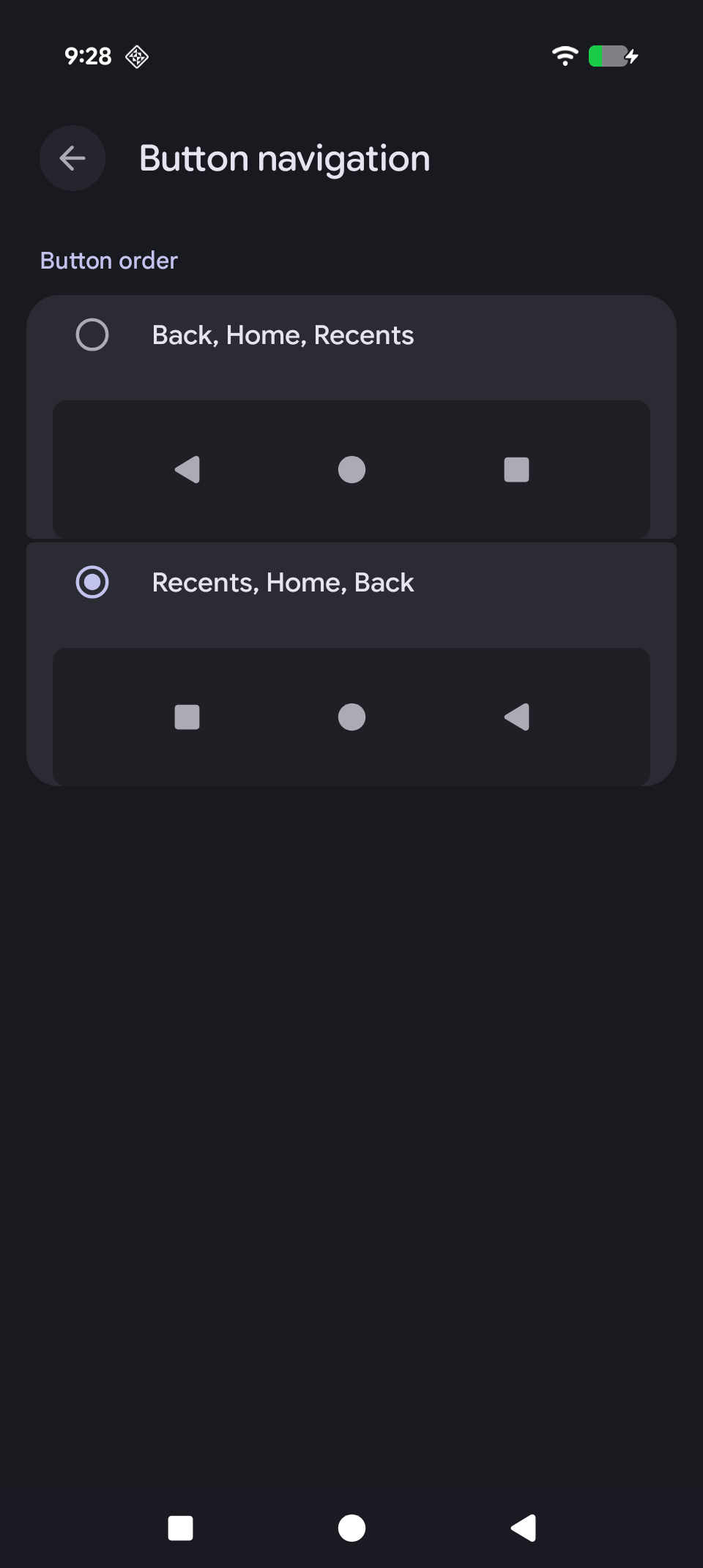
With the Android 16 Canary update, Google has silently introduced a practical feature that was in demand for a long time: being able to reverse the order of the navigation buttons. This means that users can change the default order of Recent Apps – Home – Back to Back – Home – Recent Apps, which should be more handy and personalizable. For Xiaomi users, this is not something new; the company has offered such functionality since the early days of MIUI, which was then further polished with the help of Xiaomi HyperOS.
Android 16 Canary Brings Native Button Reordering
With this new option available in Android 16 Canary, users can change the layout of the navigation bar directly from system settings. The feature is designed to improve one-handed use and adapt the interface to individual habits. Google’s native implementation means it’s compatible across a variety of display sizes and device form factors, making it particularly useful on large-screen smartphones and foldable devices.
Unlike third-party solutions, the feature is integrated directly into the system layer; it does not impact system stability or battery performance, which is critical for business and enterprise users relying on consistent device behavior. The change is part of Google’s broader effort to make Android more flexible without compromising security or performance.
Xiaomi Offered This Feature Years Ago with MIUI and HyperOS
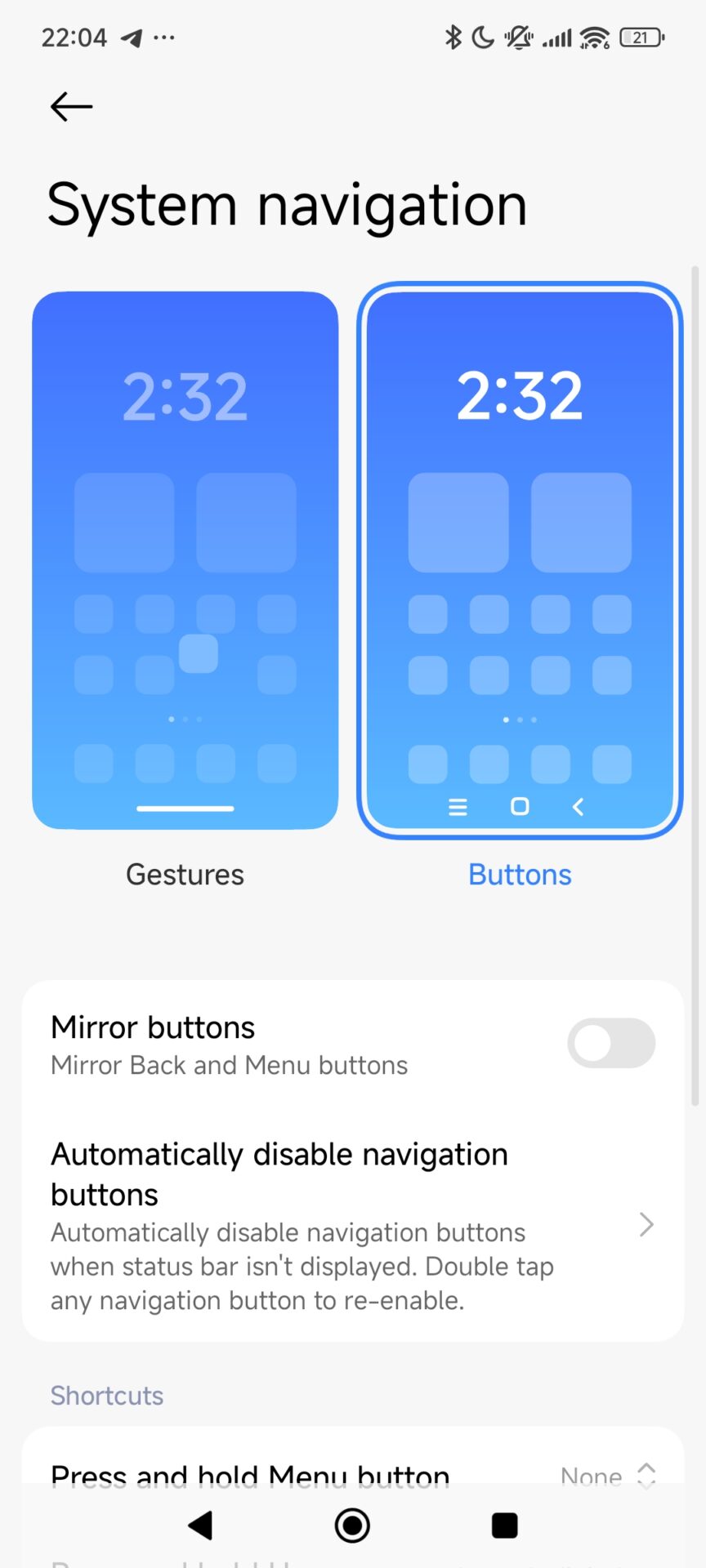
In fact, this functionality was provided long before the same became a common consideration in stock Android. Xiaomi, Redmi, and POCO users could easily change the order of the navigation keys using system settings – no need to dive into developer options or use third-party tools.
After transitioning to Xiaomi HyperOS, this feature was polished even more. Xiaomi optimized the navigation framework to function smoothly across gesture-based and button-based navigation systems. This extended experience stands as a testament to Xiaomi’s approach toward practical usability and real-world user behavior, which often would drive the wider Android development trends over time.
Why This Feature Matters for Productivity
While this might look like a minor modification, navigation ergonomics do contribute directly to daily productivity. Easier access to the Back key consequently simplifies multitasking, in particular for users working with multiple open apps, split-screen mode, and floating windows.
For enterprise-focused users, predictable navigation flow means reduced error rates and faster completion of tasks. At system level, this option also reduces the need for custom ROMs or third-party launchers that keep your devices secure and stable while still offering flexibility.
The status of the Android 15-based HyperOS 3 update for Xiaomi devices has become a key topic for users following system development closely. Recent internal build data shows that several devices are approaching release readiness, but progress has slowed over the last month.
According to internal changelogs tracked by XiaomiTime.com and software monitoring reports from HyperOSUpdates.com, some global builds are now reaching the critical release stage, especially for mid-range devices.
Current HyperOS 3 with Android 15 Build Status
At the moment, HyperOS 3 builds are under different testing phases across Xiaomi, Redmi, and POCO models. Most devices are still running internal stable or internal beta branches, which explains the slow public rollout.
The important technical detail is that builds reaching the 3.0.1.0 version number are considered ready for staged rollout, while 3.0.0.x versions remain in validation. This shows that Xiaomi is still focusing on stability rather than speed, aiming for a smooth commercial release.
Confirmed Build Versions by Device
The following devices currently appear in Xiaomi’s internal and regional testing channels, based on software branches:
Xiaomi 12T Pro: Global OS3.0.0.2, Other regions OS3.0.0.1
Xiaomi 12S Ultra: OS3.0.0.2
Xiaomi Pad 6 Max: OS3.0.0.2
Xiaomi Pad 6 Pro: OS3.0.0.2
Xiaomi MIX Fold 2: OS3.0.0.1
Xiaomi 13 Lite: EEA OS3.0.0.2, Other regions OS3.0.0.1
Xiaomi Civi 3: OS3.0.0.1
Xiaomi 12 Pro: OS3.0.0.2
Xiaomi 12 Pro: OS3.0.0.1
Xiaomi 12S Pro: Internal Alpha
Xiaomi 12S: Internal Alpha
REDMI K60 Pro: OS3.0.0.3
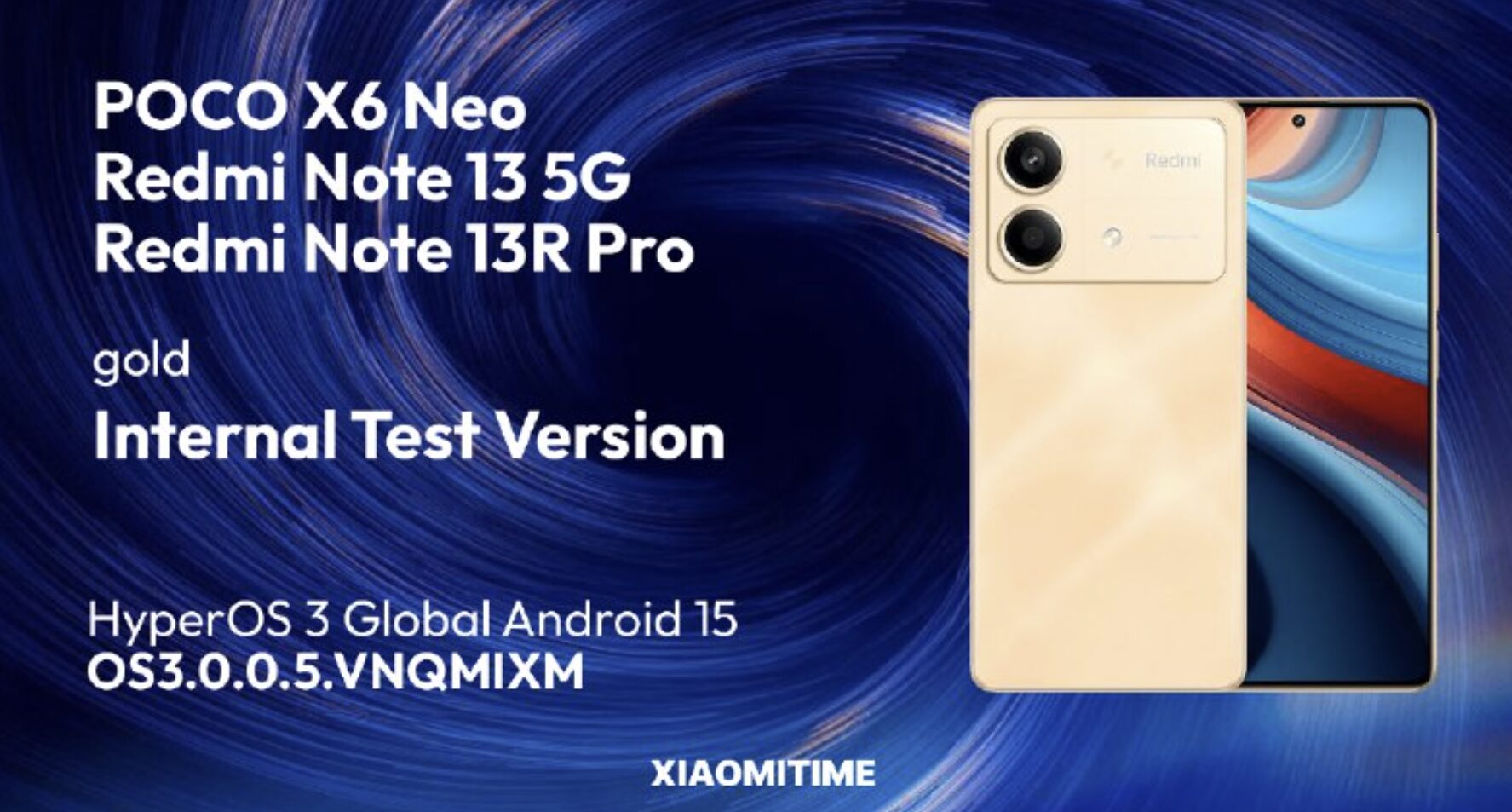
REDMI Note 13 5G: All regions under stable internal test, Global OS3.0.0.5
REDMI Note 12T Pro: OS3.0.0.2
POCO F5: OS3.0.0.1
POCO F5 Pro: OS3.0.0.1
REDMI K series devices remain China-only models, while their global equivalents are marketed under the POCO or Xiaomi T series, in line with Xiaomi’s regional strategy.
Likely First Device to Receive Public Update
Based on the current version branches, REDMI Note 13 5G is technically the closest device to public release. Its Global build has already reached OS3.0.0.5, which is significantly ahead of other devices. However, it should be noted that development progress has been almost static for the past month, indicating Xiaomi’s focus on deep system stability and compatibility testing rather than rapid deployment.
Another key point is platform divergence. While some newer Xiaomi devices are starting validation for Android 16, the listed models are strictly aligned with Android 15 + HyperOS 3, which places them in a different long-term support tier.
What HyperOS 3 Brings to These Devices
HyperOS 3 introduces several structured upgrades designed for daily performance and user interaction. These improvements are integrated into the system layer without disrupting existing workflows.
Key technical enhancements include:
AI-based system optimizations for resource management
Redesigned system icons with cleaner visual hierarchy
iOS-style user experience refinements for smoother animations
Introduction of Super Island for enhanced real-time activity display
It is confirmed that only Xiaomi 12T Pro will receive HyperOS 3 in this series, while the standard Xiaomi 12T will not be upgraded to this generation.
Release Readiness and Final Requirements
For public rollout, Xiaomi requires devices to reach the 3.0.1.0 branch. At present, most tested models are still on 3.0.0.x builds, meaning they are not yet in the final rollout window. Once this threshold is reached, staged OTA distribution will begin in selected regions before wider global availability.
Users can keep system apps up to date through HyperOSUpdates.com or by installing the MemeOS Enhancer tool from Google Play, which also unlocks hidden Xiaomi features and advanced update access.
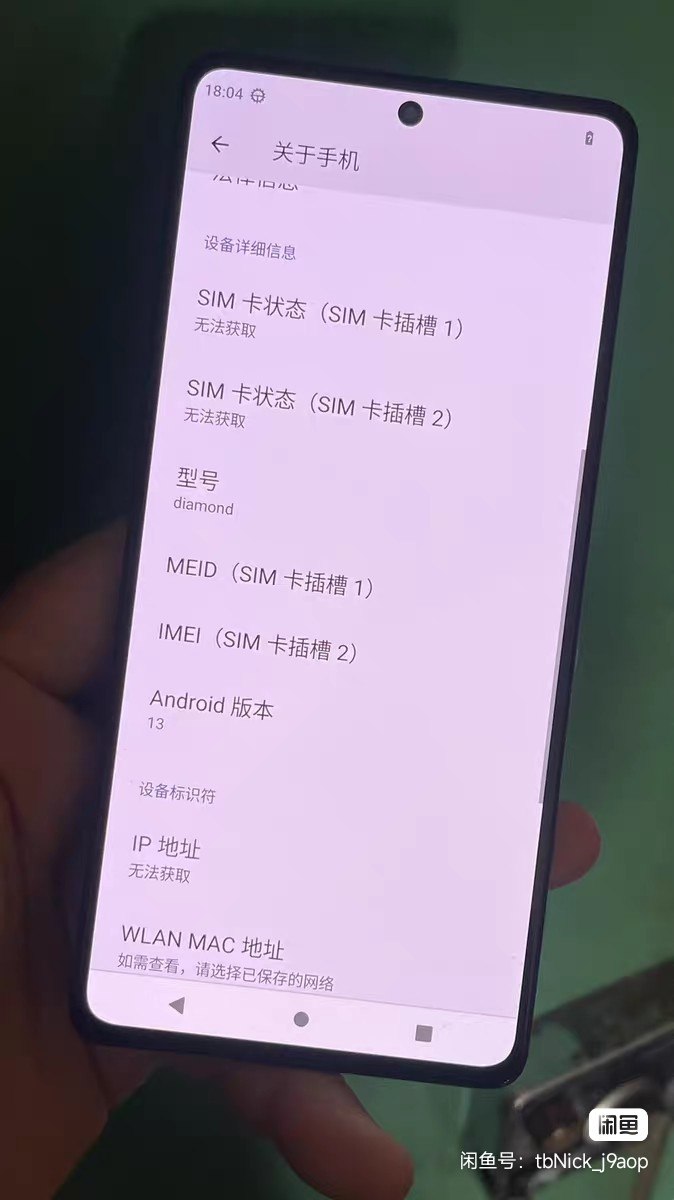
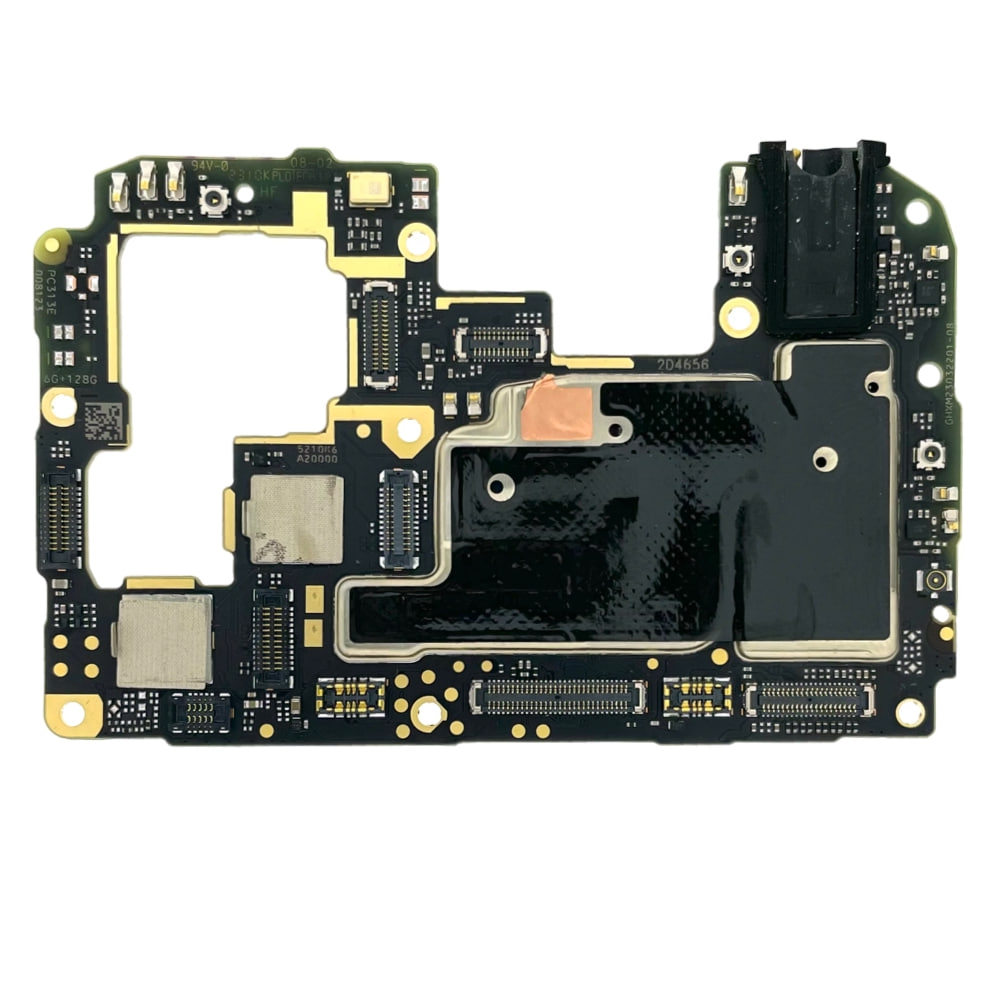
The Redmi Note 12 Pro 4G has long been a topic of discussion within Xiaomi’s product history, especially regarding its internal development process. According to internal records and Telegram leaks, the original project was codenamed “diamond” (model number M6), while the device that actually launched used the codename “sweet_k6a”. This situation shows a rare product replacement strategy by Xiaomi.
The Canceled “Diamond” Redmi Note 12 Pro 4G Project
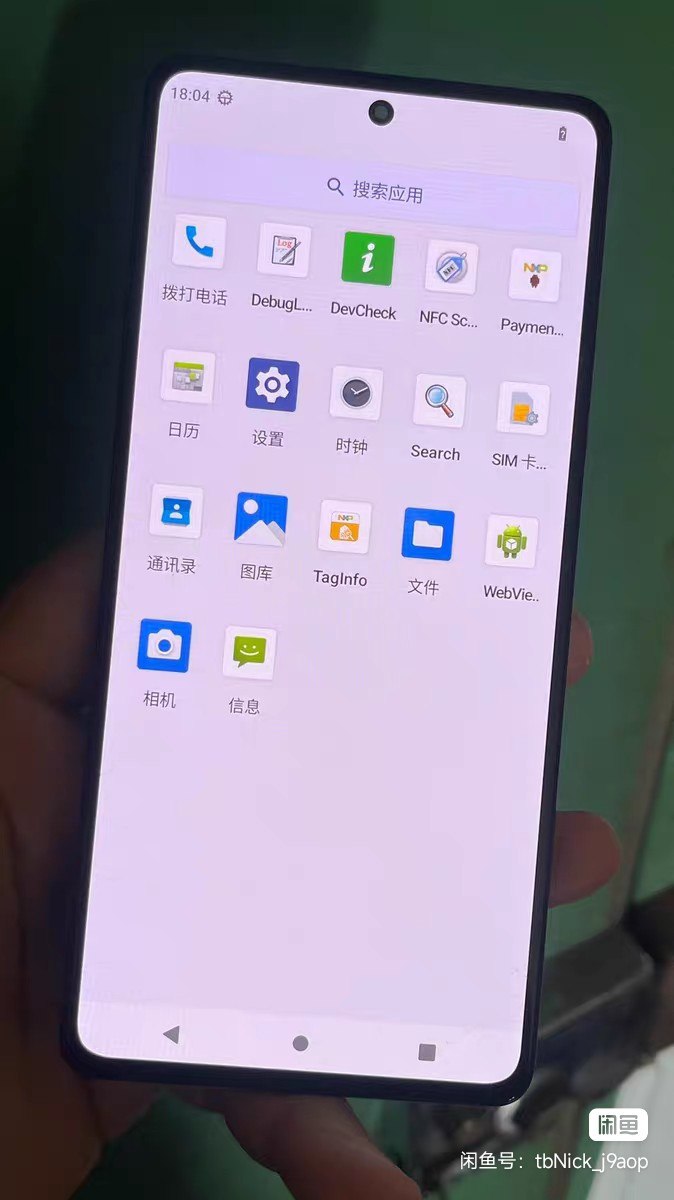
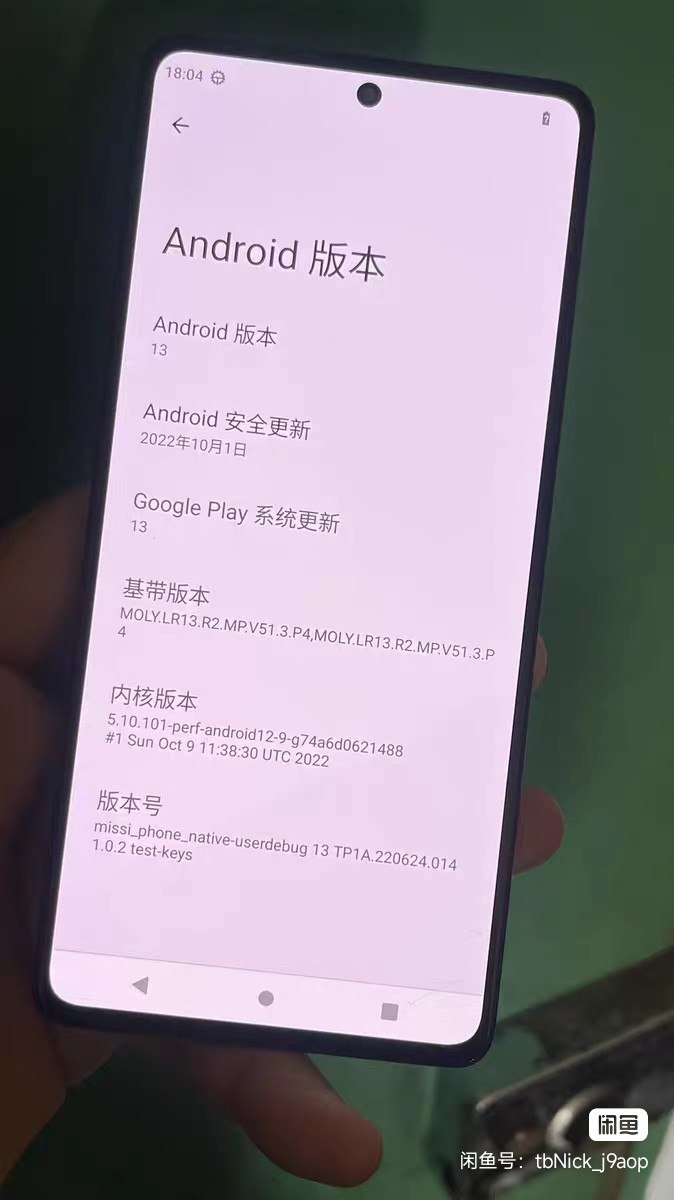
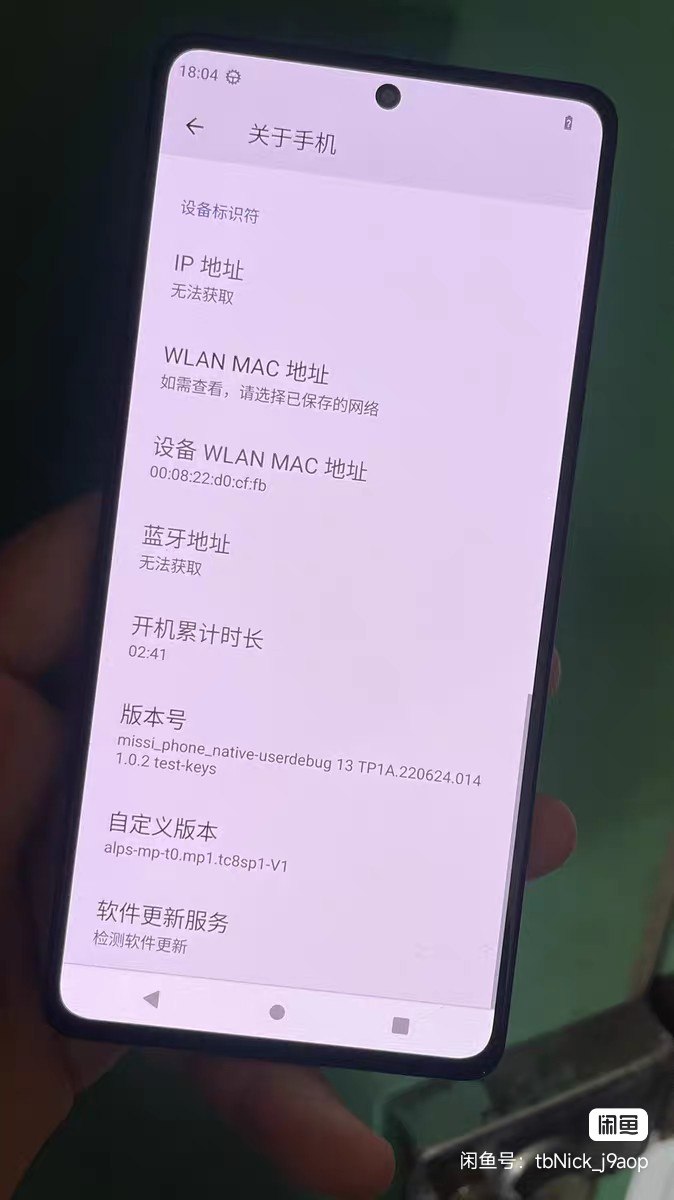
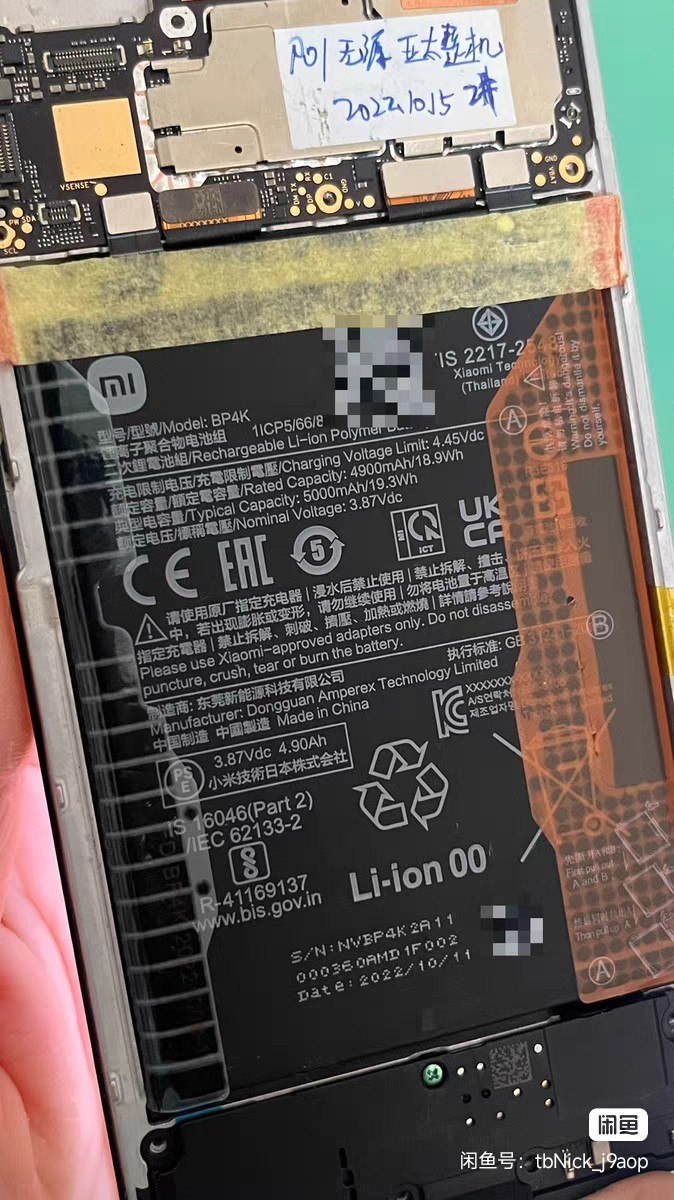
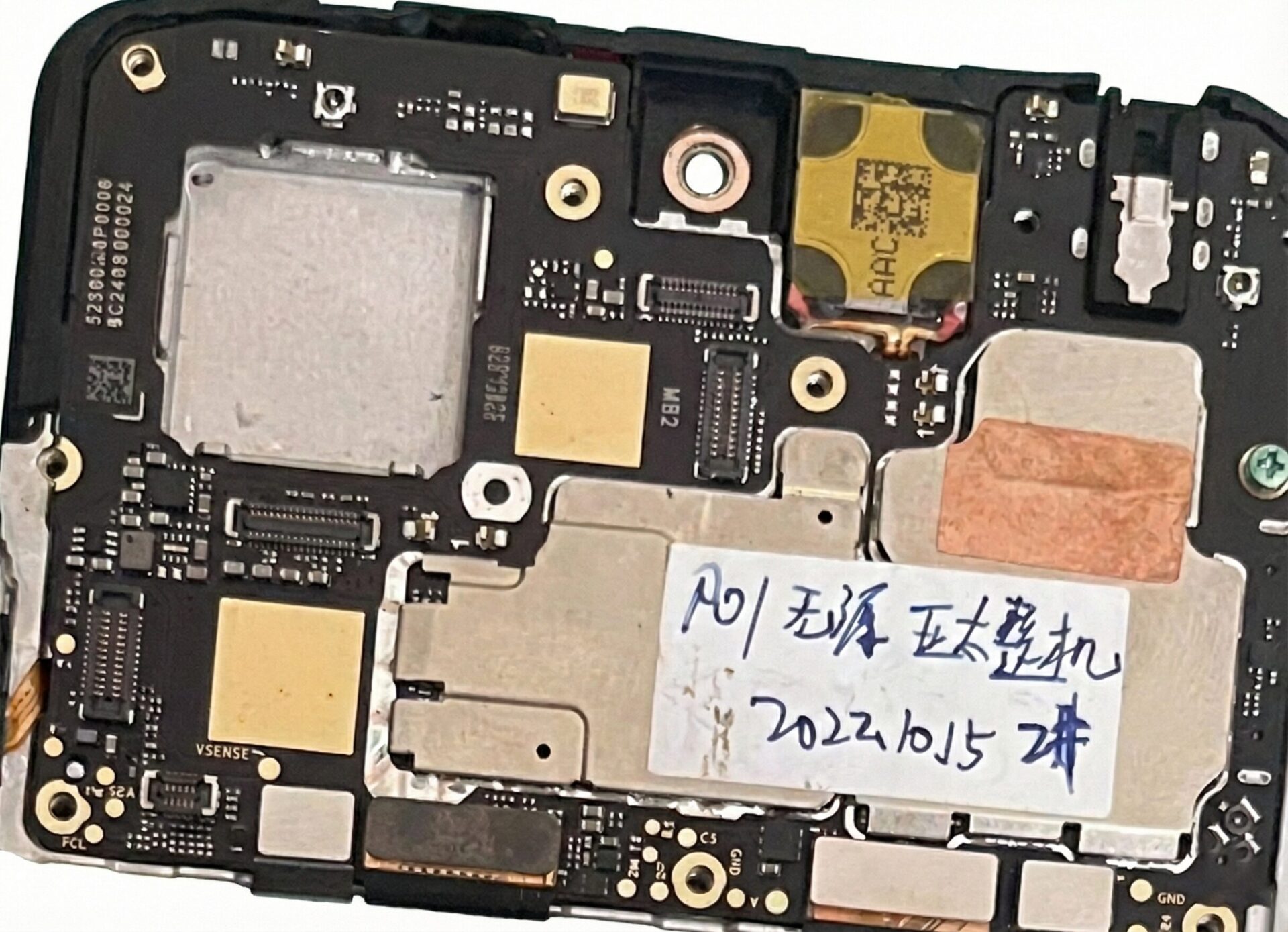
The original Redmi Note 12 Pro 4G was internally developed under the codename diamond (M6). Leaked production photos from our Telegram source revealed several key hardware details that never reached the market.
The prototype unit carried a 5,000 mAh battery and was powered by a MediaTek Helio G99 processor (MTK6789). Manufacturing data suggested a production date of October 11, 2022. The design appeared to include a triple rear camera layout, with a structure similar to the Redmi Note 12 Pro 5G series, including vertically aligned cameras and an additional sensor placed to the right.
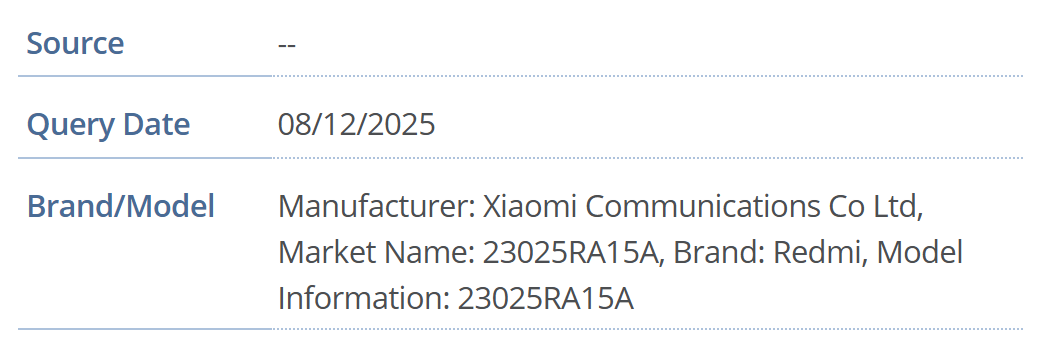
In addition, Xiaomi initially planned this device for a wide regional launch, including Global, EEA, Turkey, Indonesia, Taiwan, Russia, and China. However, only one model number, 23025RA15A, was recorded in the GSMA database, where the “A” region code indicated the Global market.
Why Xiaomi Released a Different Phone Instead
After canceling the diamond project, Xiaomi chose to release a different device under the same commercial name. The Redmi Note 12 Pro 4G that reached consumers used the codename sweet_k6a and the model number K6A.
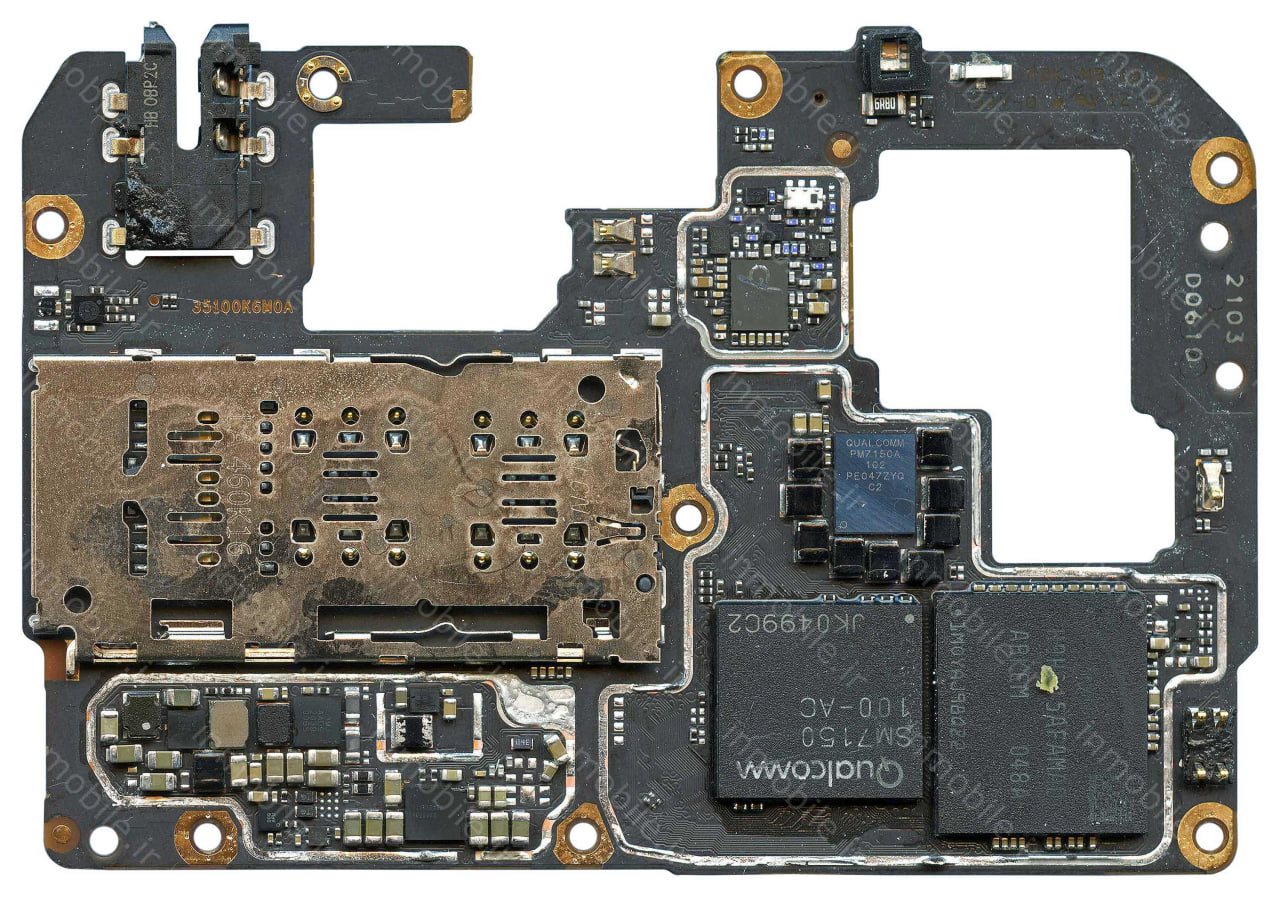
This hardware was extremely similar to the Redmi Note 10 Pro (sweet / K6). The final product reused major components and adopted the Snapdragon 732G processor. It was built on the Redmi Note 11 Pro 5G platform and officially launched on April 11, 2023.
This approach allowed Xiaomi to optimize production efficiency by reusing existing inventory, including chipsets and design parts, while maintaining stable performance and cost control.
The Helio G99 Strategy Appeared Later
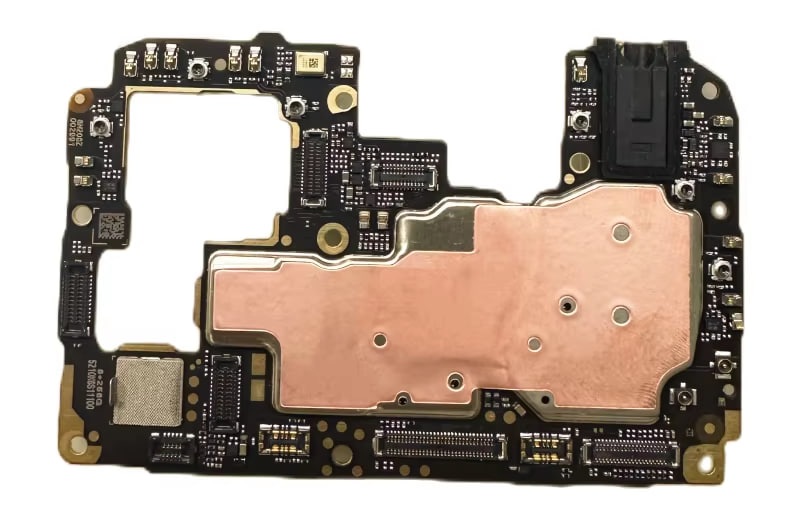
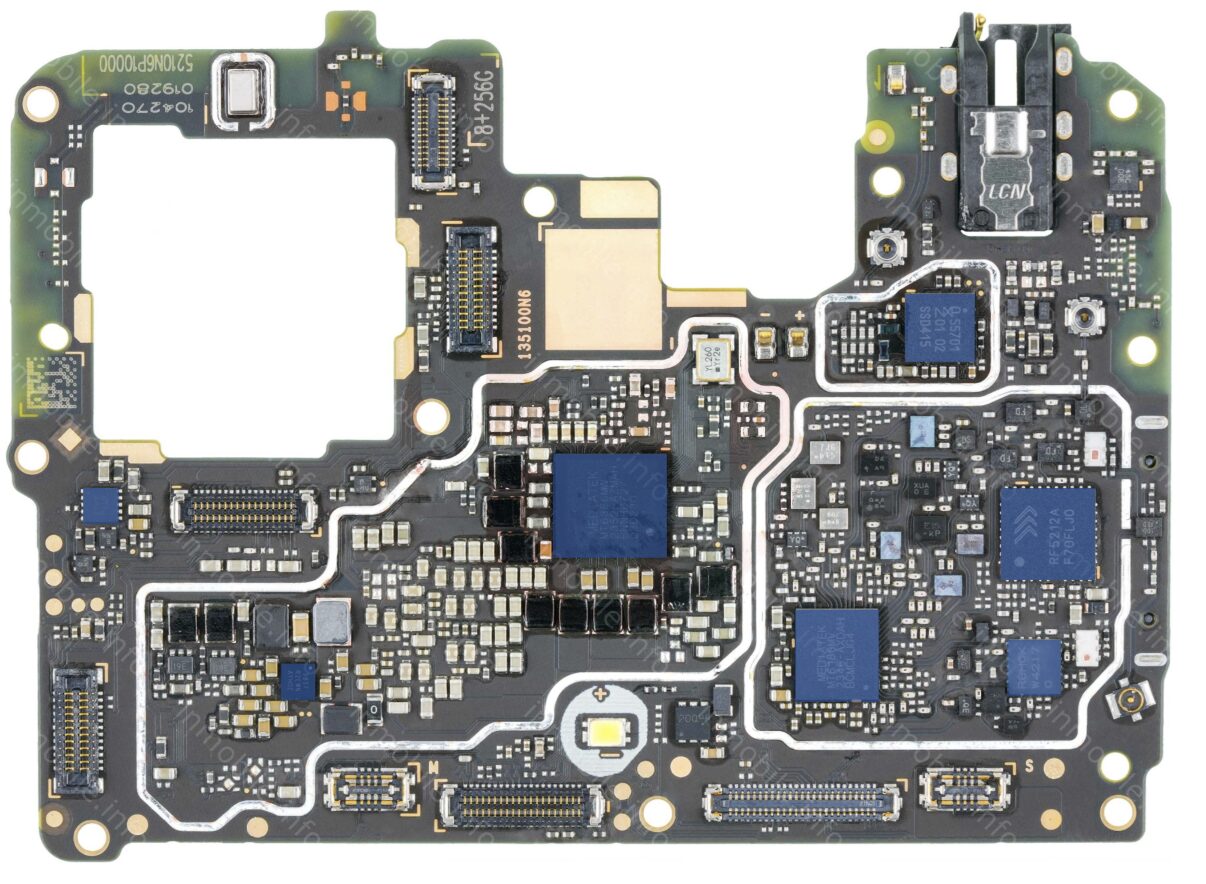
Although the original Redmi Note 12 Pro 4G with Helio G99 was canceled, Xiaomi did not abandon the processor. The MediaTek Helio G99 platform officially appeared later in the Redmi Note 13 Pro 4G, developed under the codename emerald. Motherboard almost have same design.
This timeline confirms that Xiaomi shifted the Helio G99 strategy to a newer generation device instead of introducing it earlier with the Note 12 series.
Summary of the Internal Change
So, in practical terms:
Diamond (M6) was the real Redmi Note 12 Pro 4G project.
Xiaomi canceled this version before launch.
Instead, sweet_k6a (K6A) was released as a renamed and optimized model. (combination of Redmi Note 11 Pro 5G + Redmi Note 10 Pro 4G)
The canceled model was planned for China and multiple global regions but never entered mass production.
This case remains one of the most interesting internal product shifts in Redmi’s mid-range lineup.
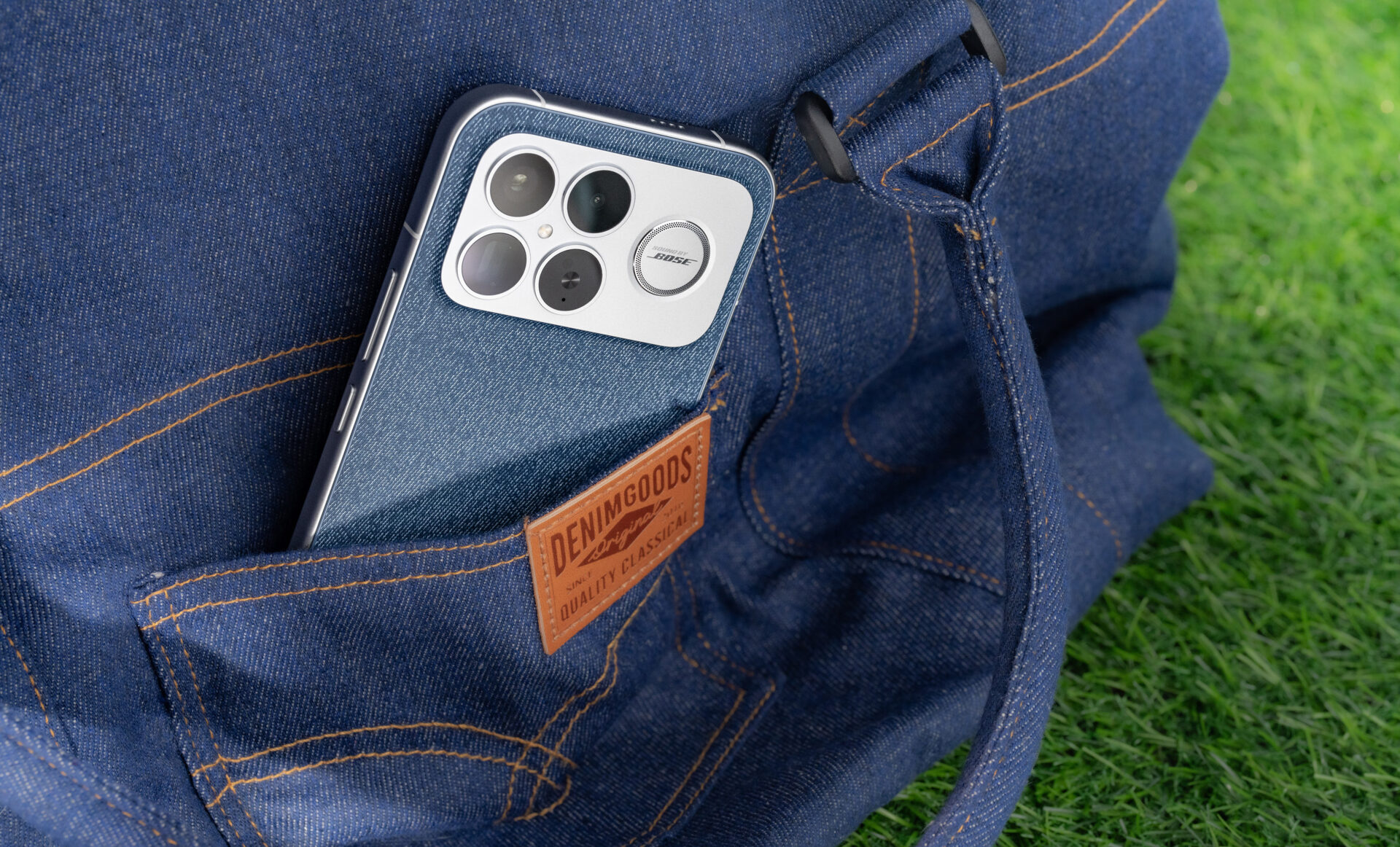
The global smartphone industry is entering a new design transition phase, and Xiaomi is right at the center. Recent regulatory changes, especially in Europe, are pushing manufacturers to rethink sealed smartphone designs and move toward user-serviceable components. This has evoked keen interest in whether Xiaomi may soon bring back the removable back cover in future models, especially at a time when sustainability, repairability, and long-term use of a device become strategic priorities.
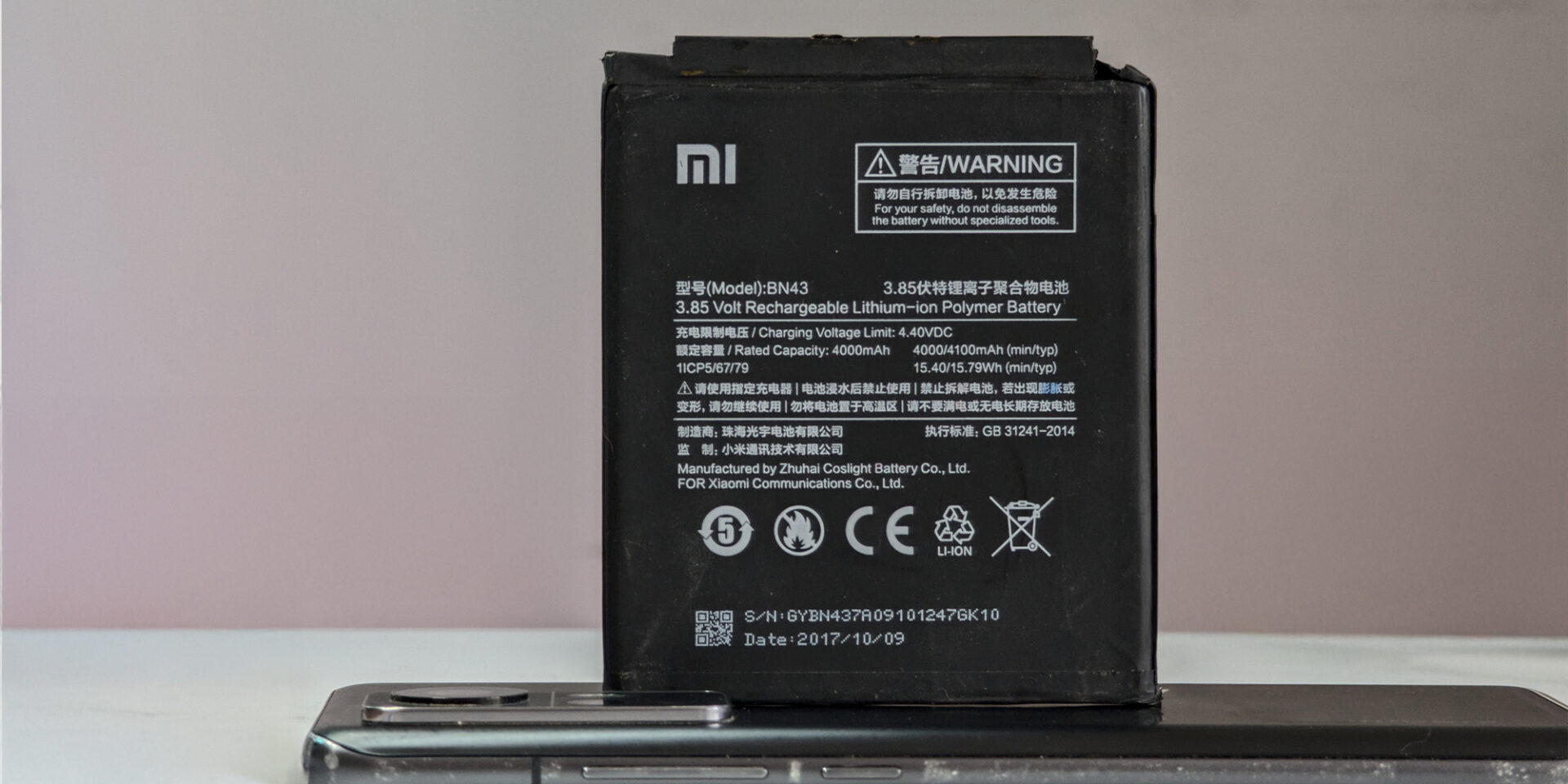
The main driver for this architectural shift is the European Union Battery Regulation 2023/1542, set to be fully enforced from 2027. Among other things, the regulation stipulates that batteries in portable electronic devices will be required to be easily removable by end users without heat, solvents, or dangerous tools. As Xiaomi is a big player in both the European market future products will have to fully comply with such rules.
Unlike the older removable plastic covers, this new paradigm does not mean returning to fragile designs. On the contrary, Xiaomi invests in advanced mechanical structures, reinforced frames, and precision sealing systems that support both durability and accessibility. This way, Xiaomi can maintain premium build quality while remaining aligned with strict legal requirements.
User-Replaceable Battery as a Compulsory Standard
The key technical requirement is that batteries must be replaceable using only widely available commercial tools, like standard screwdrivers and plastic prying tools, but not heating methods, chemicals, or special equipment. In this regard, traditional heat-based gluing should be abandoned by Xiaomi for safer, controllable fastening systems.
That directly points to a change in the future flagship models. Units that are likely to come after the Xiaomi 17 series will almost certainly have controlled opening mechanisms instead of fully sealed unibody chassis, as seen in the Xiaomi 14 Ultra and similar units.
Xiaomi’s Engineering Response to Removable Design Challenges
But instead of viewing this as a limitation, Xiaomi sees it as a technological opportunity. The company is therefore working on developing smart separation adhesives that can be electrically deactivated, allowing the back cover to be safely opened without the use of heat or force.
These electrically releasable bonding systems allow for strong structural integrity in everyday use while enabling clean separation upon the application of low-voltage current. The technology is likely to make its debut in forthcoming flagship lines as Xiaomi transitions into full regulatory compliance.
Investments in Solid-State Batteries
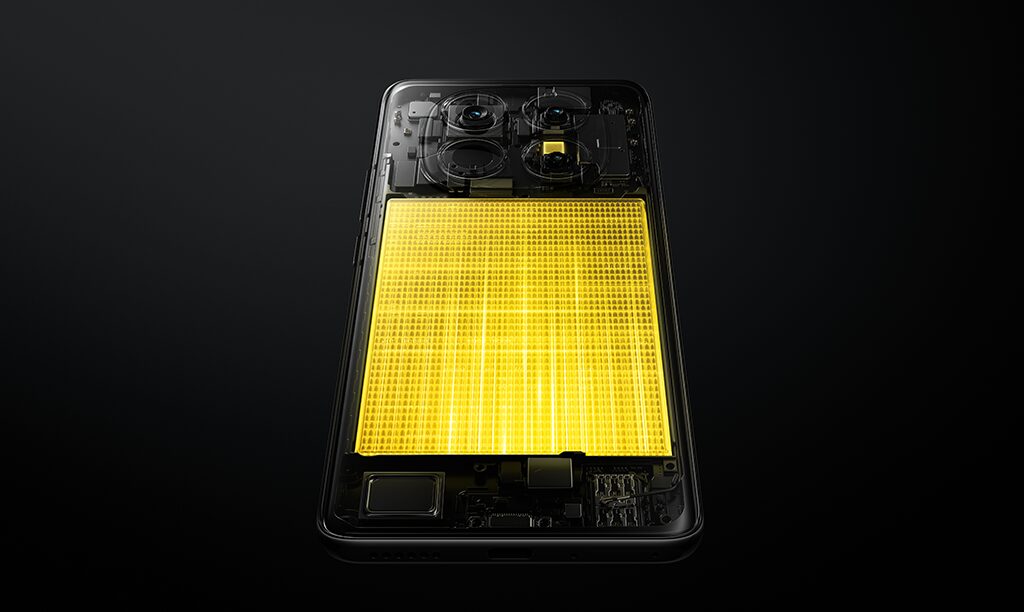
In an attempt to make user battery replacement safer, Xiaomi is heavily investing in solid-state battery technology. Unlike traditional lithium-ion cells, solid-state batteries utilize solid electrolytes that radically reduce fire and puncture risks, making them far more suitable for consumer-handled replacement.
Besides, solid-state batteries provide higher energy density, which supports Xiaomi in maintaining slim profiles of devices even while introducing mechanical locking structures and reinforced battery housings.
Timeline of Xiaomi’s Transition Strategy
Xiaomi 19 series have to be designed to be completely compliant with EU regulations, the back covers can be opened with simple tools or bundled accessories by users.
Although there are some rumors suggesting large battery upgrades, Xiaomi is focusing on balanced performance and durability rather than extreme capacity inflation. All expected pricing references are currently region-specific, and future devices introduced in China will be evaluated separately for global availability.
Benefits for the Second-Hand Market
Most devices featuring replaceable batteries hold more of their resale value. The presence of easily accessible battery modules in some Xiaomi devices will not make them obsolete and may provide better long-term value in an active market used smartphone market.
Software Adaptation Under HyperOS
But changing the hardware itself is not enough: Xiaomi’s software layer, HyperOS, will also need to evolve to automatically recognize when a battery replacement has occurred and readjust system performance. Software-based restrictions to block functionality of the device following part replacement are discouraged by regulations.
Removable back covers are not just coming back; they are being reimagined. Xiaomi is getting ready for a future where devices are durable, repairable, and user-friendly without any compromise on quality. Starting from 2027, Xiaomi smartphones will enter a new era of accessible hardware design, driven by legislation and supported by contemporary material science. This change is structural, moving toward longer-lived devices and a more circular technology economy.
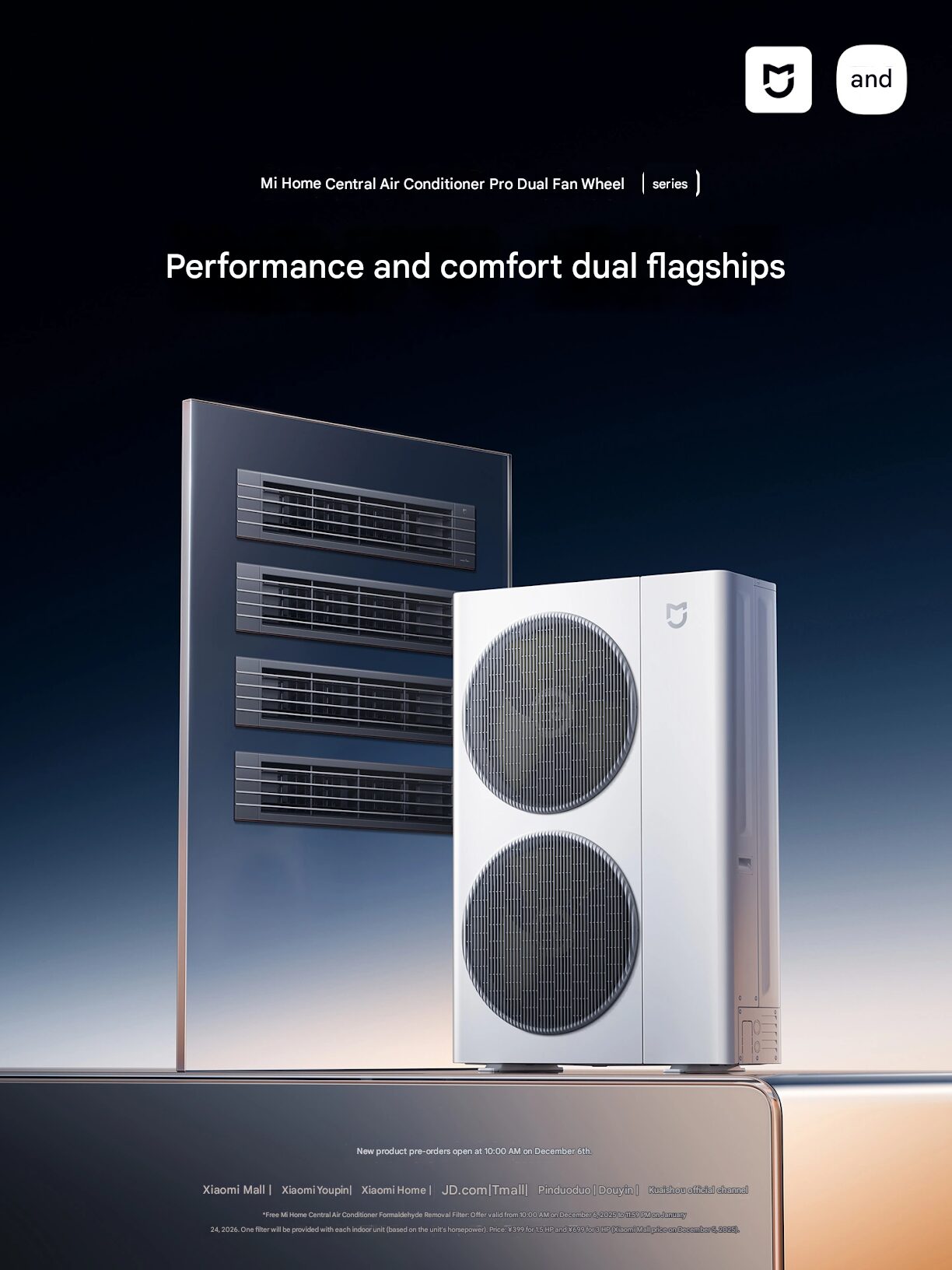
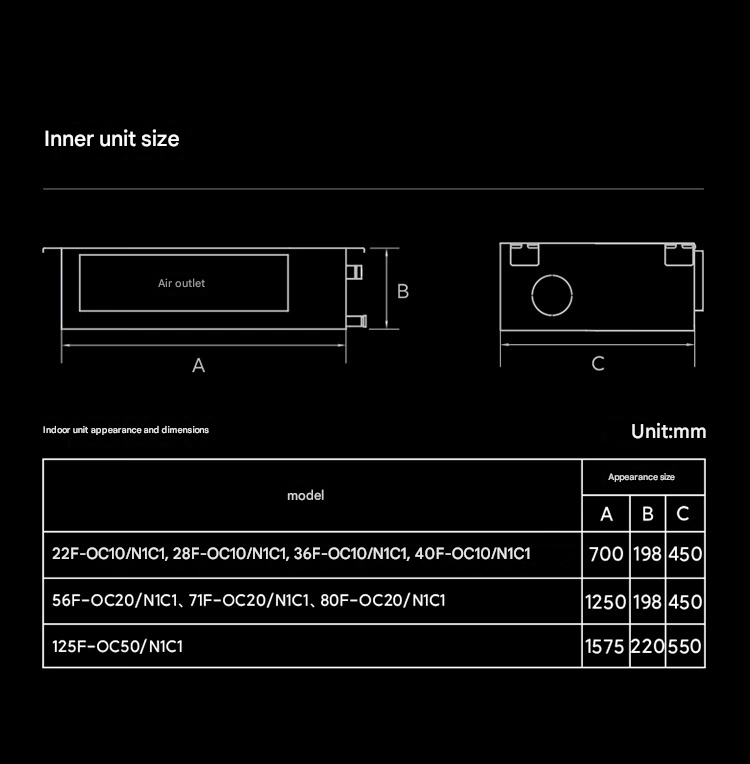
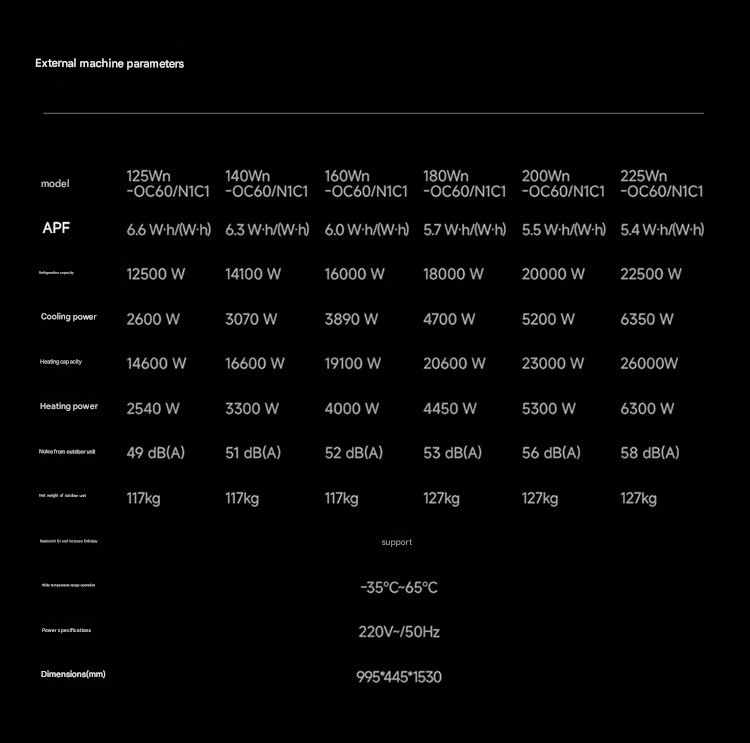
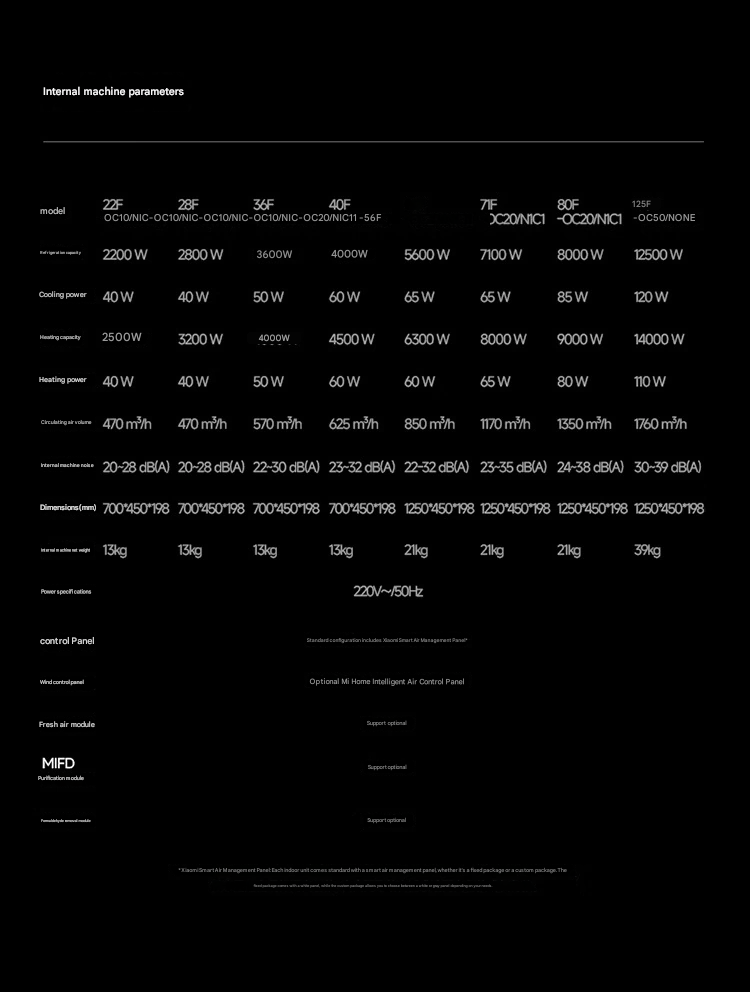
Xiaomi has officially launched the Mijia Central Air Conditioner Pro series in China with a new generation of high-performance HVAC solutions, further expanding the smart home ecosystem. It features 5HP, 6HP, Large 6HP, 7HP, and 8HP variants for medium to large-scale residential and commercial settings.
The all-new series focuses on efficient dual-fan cooling technology combined with dual-air-outlet architecture to offer enhanced airflow and energy management across various room configurations. Users can connect it with Xiaomi’s ecosystem through Xiaomi HyperOS devices and have smoother control via the Mi Home app.
Key Features of the New Pro Series
The new central air-conditioning series focuses on energy efficiency and stable cooling performance. Xiaomi has shared an official parameter comparison chart that reveals multiple horsepower variants including a 7HP model which hasn’t officially been released yet.
Performance and Efficiency of Cooling
Each model has particular APF values and cooling capacities to satisfy different installation needs. The dual-fan wheels combined with the dual air outlets support more stable airflow distribution, thus making the system suitable for multi-room cooling in modern smart homes.
System Design and Installation Options
Built for buildings that need true multi-room cooling reliability, the Mijia Central Air Conditioner Pro series incorporates a dual-fan system to raise air pressure and improves overall airflow, hence maintaining indoor temperatures stable during heavy usage. The dual-air-outlet structure provides flexibility for various installation designs, especially in multi-zone configurations.
This new series further supports deeper integration with Xiaomi’s smart home ecosystem, allowing users to control temperature, scheduling, and automation through connected devices under the Xiaomi HyperConnect platform. These features help optimize energy consumption and maintain consistent comfort throughout the year.
Availability
Pricing of the new Mijia Central Air Conditioner Pro series is not available yet. Since this product was introduced in China, global availability details are not known yet. Once Xiaomi releases full specifications and pricing in USD, we will update our coverage accordingly.
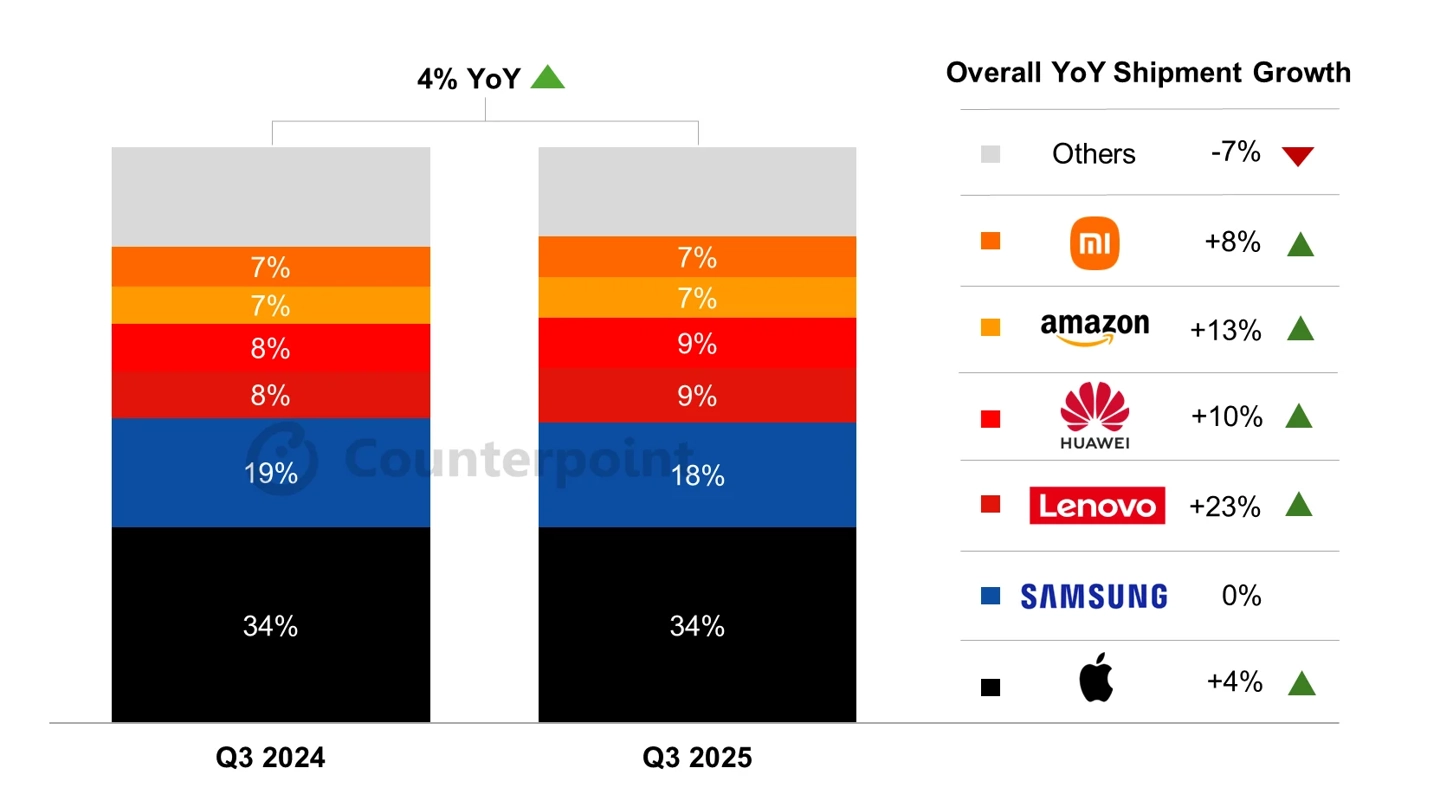
Counterpoint Research has issued a new market analysis of global tablet shipment performance in Q3 2025. According to the report, Apple remained on top, but Xiaomi was equally impressive with an 8% year-over-year growth reflecting its recently rising influence in the Android tablet ecosystem.
This Q3 2025 performance by Xiaomi is on the back of its recent portfolio boost that includes such devices as the Xiaomi Pad 6, Xiaomi Pad 6S Pro, and preparations for the upcoming Xiaomi Pad 7 series. You may read more Xiaomi tablet updates on our Xiaomi Pad category and read about HyperOS improvements on HyperOSUpdates.com.
Overview of Global Tablet Market Trends
Results in the global tablet market were mixed in Q3 2025, with several major brands balancing each other. Apple managed to record a 4% increase, thanks to continued strong sales of its Pro and Air models.
An 8% increase by Xiaomi proves that its investment in high-performance, productivity-focused Android tablets is paying off with consistent market progress. This steady upward movement further reflects the increased adoption of large-screen HyperOS devices for education, entertainment, and office use.
How Xiaomi Benefits From Market Changes
Xiaomi’s results suggest that competitive pricing, efficient hardware design, and tight integration with the Xiaomi HyperConnect ecosystem are helping the brand find stability in a competitive market. As more users choose tablets for hybrid work and personal productivity, Xiaomi’s mid-range and flagship tablet options continue to offer strong value in USD-converted pricing across global markets.
Factors Behind Apple’s Dominance and Xiaomi’s Growth
Apple has continued to lead the global market with a well-balanced product portfolio. High-end models boosted overall revenues even as average selling prices fell owing to promotional discounts. This is illustrative of how resilience at the premium segment supports broader market stability for Apple.
For Xiaomi, its 8% shipment increase aligns with the company’s strategic focus on balanced specifications, long battery life, and seamless connectivity across multiple devices. Product demand from regions such as Southeast Asia and Europe continues to contribute positively to Xiaomi’s global tablet momentum.
Outlook for the Market until 2026
Analysts estimate that Apple could see close to 10% growth in 2026, driven by both pent-up upgrade demand and the introduction of new display technologies such as OLED. Growing demand for premium models is likely to spur the entire industry and provide an opportunity for other brands, like Xiaomi, to launch more competitive high-tier tablets.
Global Shipment Share in Q3 2025
Below are the officially reported year-over-year shipment changes:
Apple: +4%
Samsung: 0%
Lenovo: +23%
Huawei: +10%
Amazon: +13%
Xiaomi: +8%
The results indicate that Xiaomi is part of those brands showing healthy and stable growth amid stagnation or slow recovery across key competitors.
Remarks With the 8% growth of Xiaomi in Q3 2025, the company marks a solid step toward strengthening its position in the global tablet market. Given that Xiaomi is preparing new tablets and keeps working on the optimization of HyperOS for large screens, the momentum is expected to continue well into 2026. The growing demand for both productive and entertainment-oriented Android tablets promises a favorable outlook for Xiaomi’s upcoming releases.
The Redmi 12C and its global equivalent, the POCO C55, have quietly hit the end of software update support by Xiaomi. The devices last received the October 2025 security patch, and no new firmware, including HyperOS 2, has been issued over the past two months. According to Xiaomi’s internal software roadmap, these models are expected to reach official EOL status in February 2026.
Why Redmi 12C and POCO C55 Reached EOL
Xiaomi has well-documented update policies for its entry-level series. The Redmi 12C and POCO C55 were pitched as affordable smartphones created for basic daily usage, normally receiving shorter cycles of support.
Before reaching EOL, each device completed its standard update window with regular Android patches and HyperOS maintenance releases. This is a planned transition to enable Xiaomi to prioritize resources on newer models and ensure ongoing system stability across the ecosystem.
Expected End of Life Timeline
Last update: October 2025 security patch
No updates released: November–December 2025
Official EOL: Scheduled for February 2026
Affected models:
Redmi 12C (China)
POCO C55 (Global)
What Users Can Do After EOL
Even though the system firmware update has stopped, users can still continue improving device stability by updating supported system apps. Owners of Xiaomi devices have two sure ways:
Recommended Update Channels
HyperOSUpdates.com: provides direct links to Xiaomi system app packages.
MemeOS Enhancer app on Google Play – allows users to update system apps, enable hidden features of Xiaomi, and manage interface components smoothly.
EOL does not automatically affect device functionality, and users may still experience adequate performance for daily tasks.
Looking Ahead: Xiaomi’s Budget Strategy
Xiaomi keeps expanding its affordable portfolio with devices offering progressively higher performance and longer support cycles. The organic retirement of devices such as the Redmi 12C and POCO C55 is part of the larger transition to the improved ecosystem provided by HyperOS and more optimized update distribution. Future budget releases are expected to have a clearer software policy.
In fact, the expansion Xiaomi has seen between 2024 and 2025 underlines that the company continues to maintain formidable leadership throughout competitive markets. Internal market insights and industry analyses reveal that the Redmi Note series remains Xiaomi’s most successful smartphone line worldwide. This obviously rests on Xiaomi’s wide ecosystem strategy of HyperOS and other interconnected IoT products.
Xiaomi’s Market Position in 2024–2025
Xiaomi further consolidated its position in both mature and developing markets, maintaining a stable global market share of around 13–14%. Indeed, it has consistently pursued a multi-segment approach in different regions, balancing affordability and performance with ecosystem integration.
The company’s premiumization strategy further strengthened the Xiaomi flagship series, while the mass-market successes continued to be driven by the Redmi Note series.
Why Redmi Note Is Xiaomi’s Best-Selling Series
Thus, the Redmi Note series reached more than 400 million sales around the globe, making it the volume leader for Xiaomi. The series offers mid-range pricing with near-flagship features-a combination that attracts users in Europe, India, China, Latin America, and Turkey.
Key Reasons Behind Its Success
Long-term value with durable hardware
Competitive pricing under the USD 300 segment
Strong performance features, including 120Hz AMOLED and high-resolution cameras.
Wide distribution across retail and operator channels
Regular update cycle under Xiaomi HyperOS
Regional Trends Supporting the Dominance of Redmi Note
Xiaomi’s position differs in various markets, but Redmi Note remains the backbone across every region.
China
Competition is fierce, while Redmi Note has continued to complement a premium Xiaomi flagship lineup. Its durable design and strong price-to-performance ratio will keep the volume sales high.
India
The Redmi Note series is a cultural phenomenon and often ranks among the best-selling models in the country.
Europe & Latin America
Both regions have strong demand for the Redmi Note and T-Series models, with Redmi Note leading the volume-driven segments.
Supporting Lineups: Entry-Level Redmi and Premium Xiaomi
Though Redmi Note leads in terms of the total volume, the wider portfolio from Xiaomi also contributes to its success.
Redmi Number Series
Devices like the Redmi 13C and Redmi 14C drive sales in developing markets and create an entry point into the Xiaomi ecosystem.
Xiaomi Flagship Series
The Xiaomi 14 and Xiaomi 15 series continue to drive strong premium sales with higher margins. These models help Xiaomi compete better with Samsung and Apple in the upper tier segments.
POCO’s part in the growth of online markets
POCO models, especially the F and X Series, firm up Xiaomi’s online presence. These devices target performance-conscious users and usually lead the ranking during every e-commerce campaign.
Undoubtedly, the most successful and best-selling smartphone line of Xiaomi is the Redmi Note series, which alone has exceeded 400 million global unit sales. It strikes a fine balance between performance, durability, and affordability, hence being a strong choice for consumers looking at mid-range devices.
Though the flagship series of Xiaomi provides value elevation for both brand perception and margin, Redmi Note remains the primary volume engine and core component of its global growth strategy.
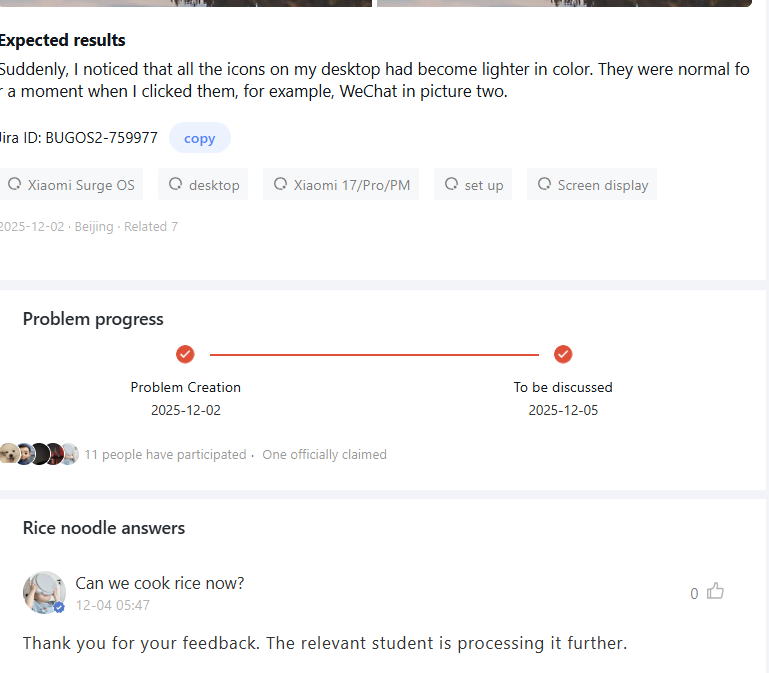
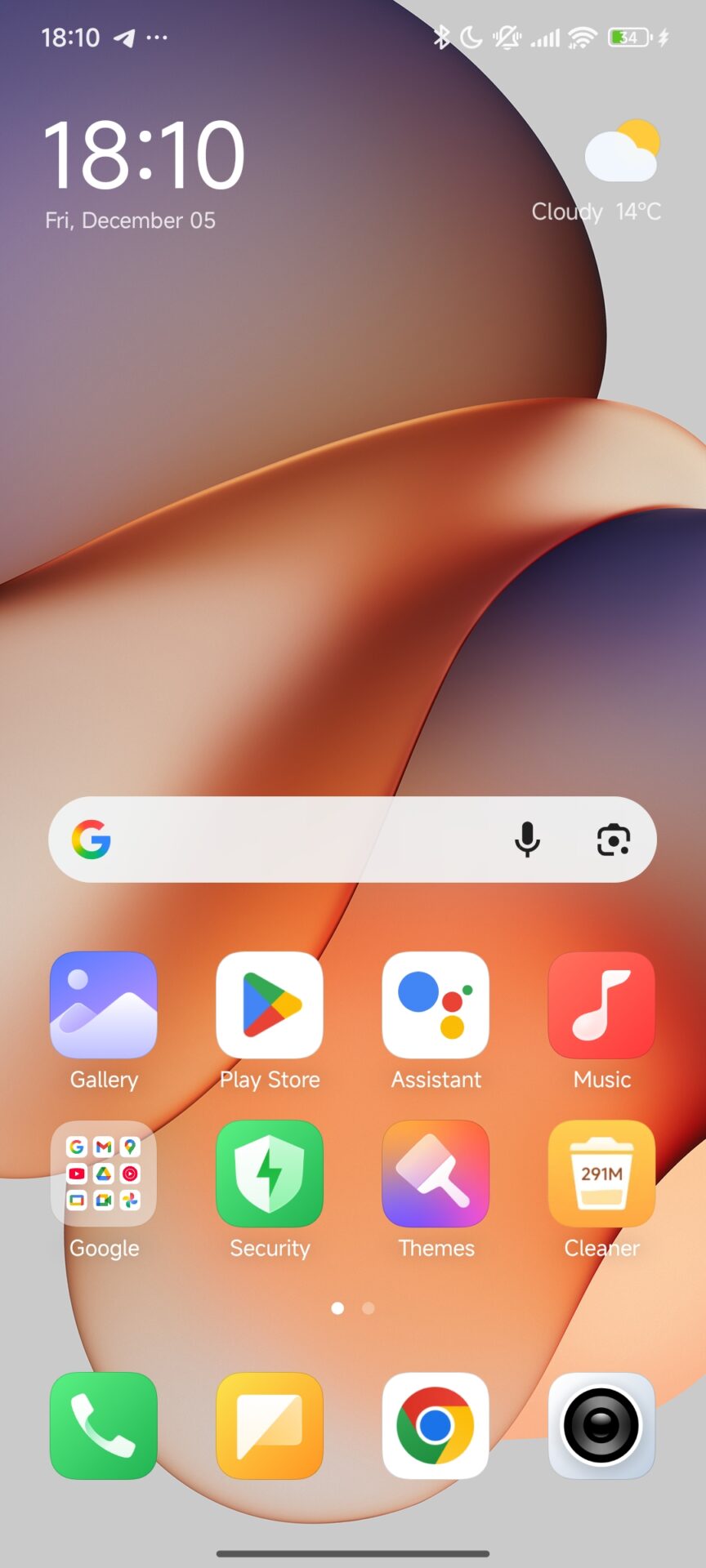
Xiaomi has now officially released a new update of the launcher that fixes a visual bug with desktop icons on HyperOS devices. Recently, some users encountered a situation where all home screen icons became lighter or semi-transparent, which often occurred after pressing the home button to return to the screen or after exiting any application. Now, Xiaomi has fixed this visual bug with the latest version of the launcher, which will ensure a more stable and consistent visual experience across the supported devices.
Xiaomi Addresses Icon Transparency Issue
Xiaomi has confirmed that some users experienced abnormal behavior with the home screen. The issue resulted in icons losing color temporarily, especially when users pressed the back key or closed apps. Other reports added that on December 25, some devices showcased fully transparent or semi-transparent icons on the whole desktop.
The issue was thereafter logged under Jira ID: BUGOS2-759977 and was reproducible under simple actions like returning back to the home screen or toggling between apps. The engineering team at Xiaomi responded immediately to ensure that users on HyperOS maintain a seamless visual experience.
Fixed Delivered in New Launcher Version
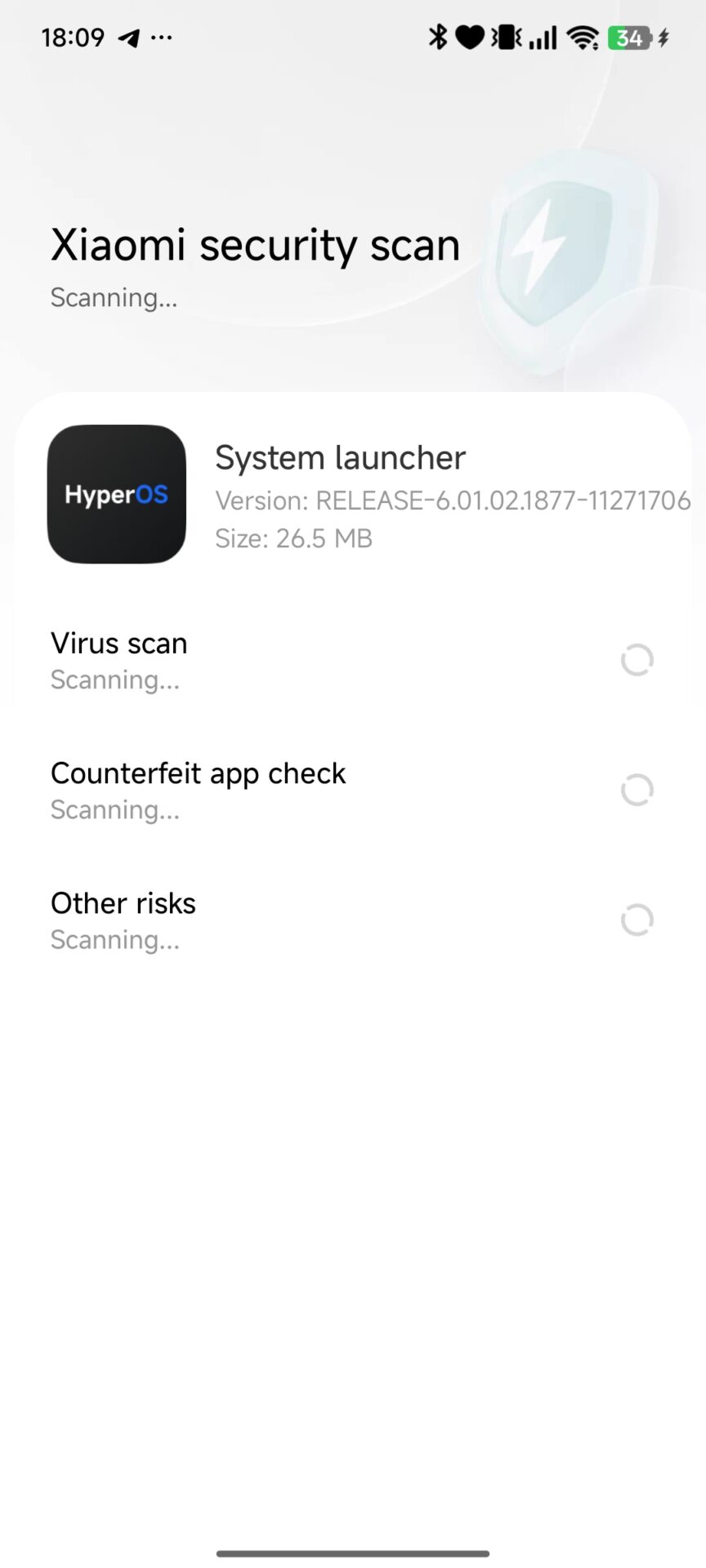
The problem was solved with the RELEASE-6.01.02.1876-11271428 version of the launcher by Xiaomi. This update stabilizes icon rendering, prevents random color fading, and ensures similar display behavior in case of such tasks as taking photos or switching apps.
You can update the launcher directly from the HyperOSUpdates.com app section, or you can install it using the MemeOS Enhancer app from Google Play. MemeOS Enhancer also enables additional features on Xiaomi phones, updates system apps, and allows users to easily view app updates directly on their screen.
How to Update Your Xiaomi Launcher
To get the latest improvements, users can download the updated launcher by following these methods:
Updates guarantee a smoother interface, and the icons’ transparency bug doesn’t appear at all.
Additional Bug Details
At the time of initial user reports, the same problem occurred when capturing photos using the stock camera application. Immediately after taking a shot, the screen would shut off and then pop back on for some owners, thus invoking the icon display issue. The same behavior is stabilized with this new launcher update.
Install this update if you are on HyperOS, as it ensures full visual stability across the system interface.
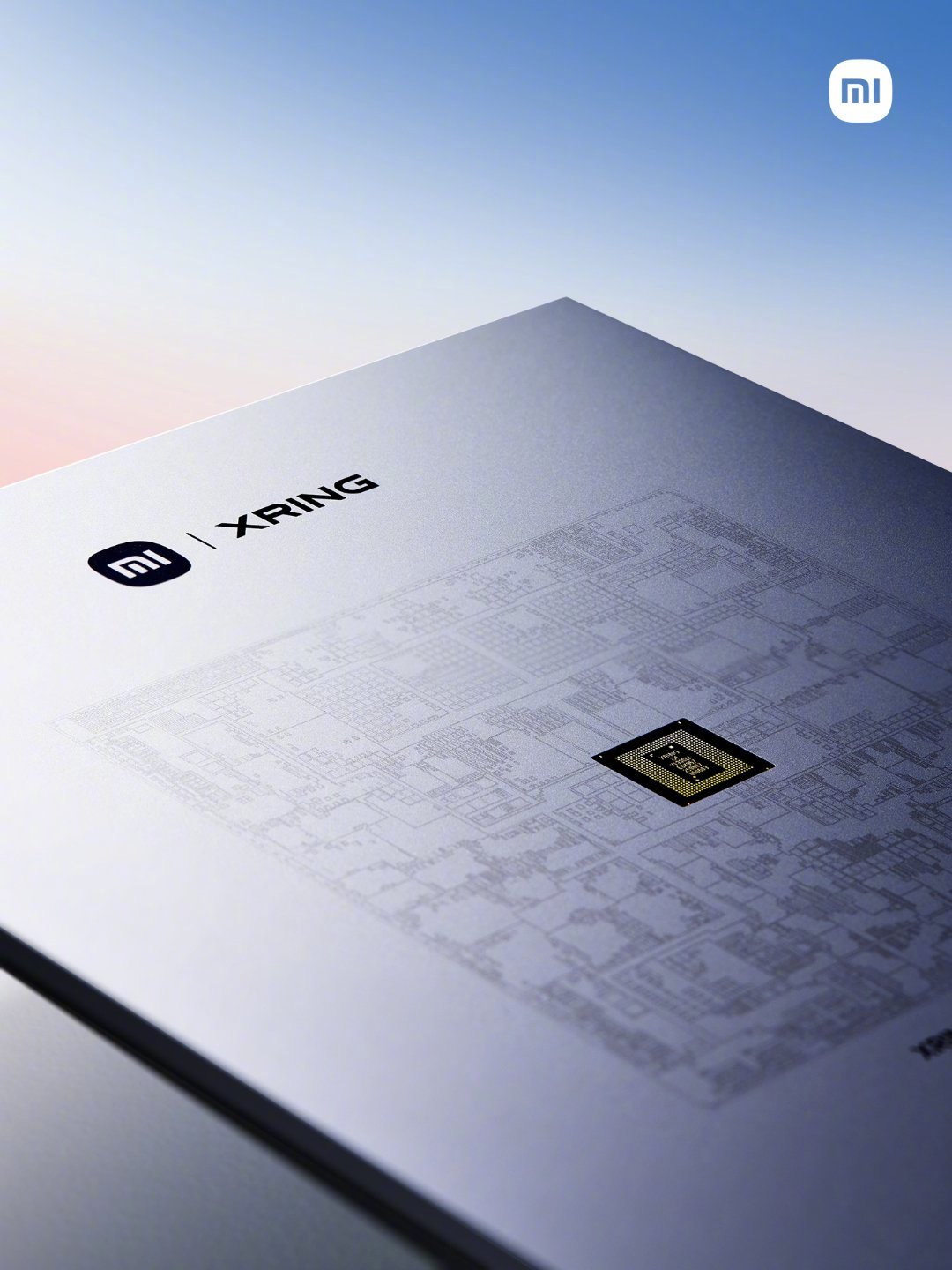
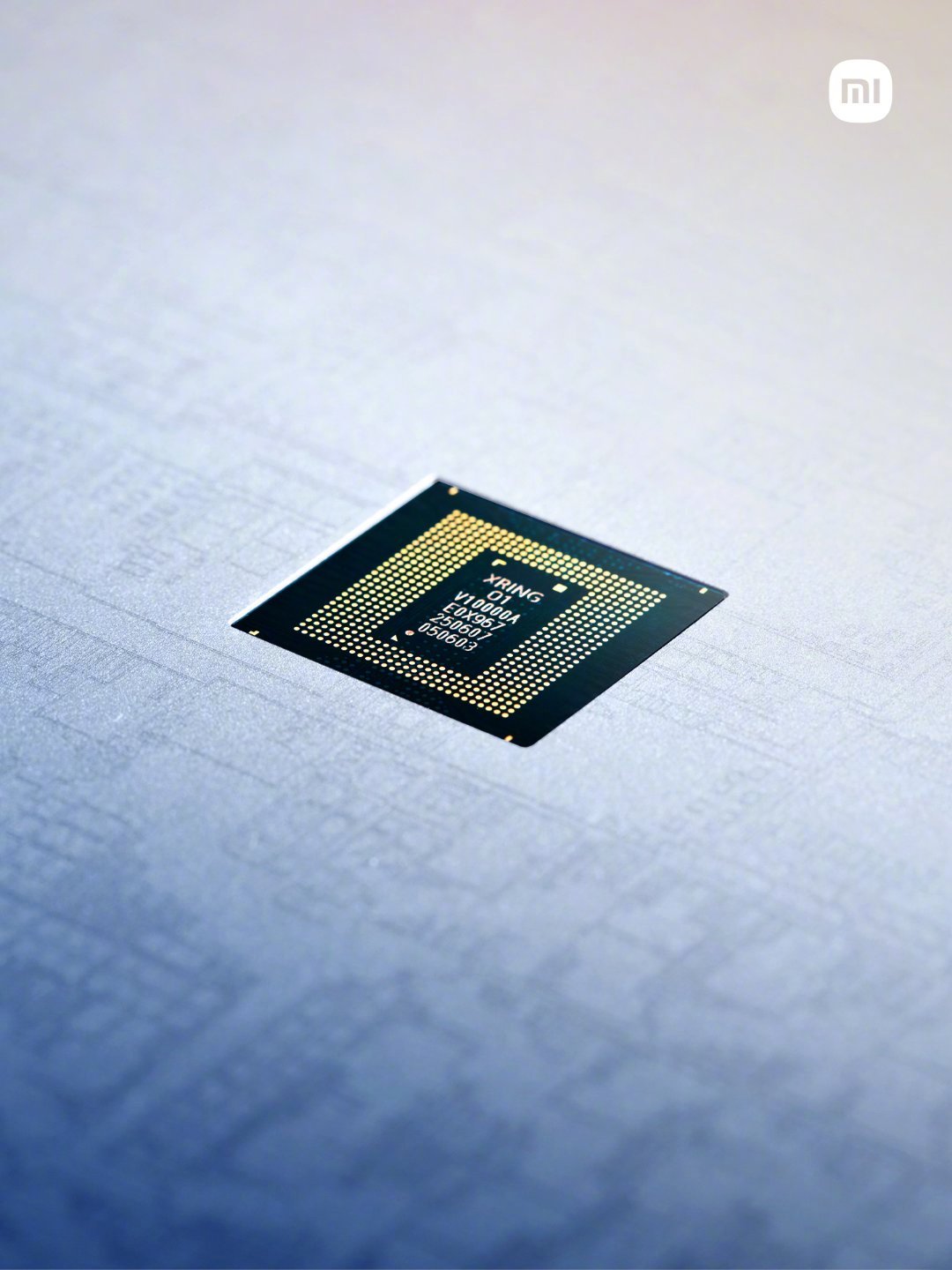
A new leak on the upcoming Xiaomi 17S series has revealed that the Chinese company is pushing forward with its long-term plan to develop advanced in-house processors. Currently, the Xiaomi 15S Pro introduced the company’s first custom chipset, the XRING O1, which marked an important milestone in Xiaomi’s silicon roadmap. Early reports now indicate that the next-generation XRING O2 chip is already in the works and expected to debut in the Xiaomi 17S series.
Xiaomi’s Next Step in In-House Chip Technology
A recent report from the well-known Chinese source Smart Pikachu says Xiaomi is already developing internally a new line of phones called the Xiaomi 17S series. The S-series has traditionally acted as Xiaomi’s experimental platform, allowing the company to test and refine its own silicon technologies before deploying them in mainstream global flagships.
Especially for this new generation, one could expect the introduction of the XRING O2, an upgraded custom processor that will continue Xiaomi’s strategy of reducing reliance on external suppliers and strengthening its technological independence.
Why the XRING O1 Was Important
The Xiaomi 15S Pro came as a mid-cycle refresh, which replaced the usual Qualcomm chipset with Xiaomi’s in-house XRING O1. While the overall hardware design of the device remained largely similar, the processor transition turned out to be the massive technological feat that showed Xiaomi was capable of creating a competitive high-performance chip and laid the base for even more advanced developments.
What to Expect from the XRING O2 Chip
Xiaomi is believed to be developing the XRING O2 using ARM’s Travis core, with the expectation that this will deliver measurable improvements in performance and efficiency over the first-generation platform.
The leak also mentions that the baseband development is still ongoing. Considering the fact that network components are usually the most complex part of any mobile chipset, this supports the expectation that the Xiaomi 17S series will not arrive before 2026. Xiaomi seems to be prioritizing stability and refinement instead of rushing to bring about the next major silicon upgrade.
Continue with China-Exclusive Strategy
As things stand now, the Xiaomi 17S series will not see releases outside the Chinese market, similar to the case with the 15S series. That is a controlled rollout to help the company improve and validate new chip architectures before a wider rollout. Until then, international Xiaomi smartphones will have to be content with the continuing use of Qualcomm’s Snapdragon 8 Elite and associated platforms.
Xiaomi’s Roadmap Toward Silicon Independence
The decision is not a short experiment for Xiaomi, but rather a long-term commitment. With the XRING O2 already in development, the brand is taking steady steps toward a more independent and optimized hardware ecosystem.
The 2026 release timeline gives Xiaomi enough room to enhance performance, ensure compatibility, and strengthen the XRING platform for future generations.
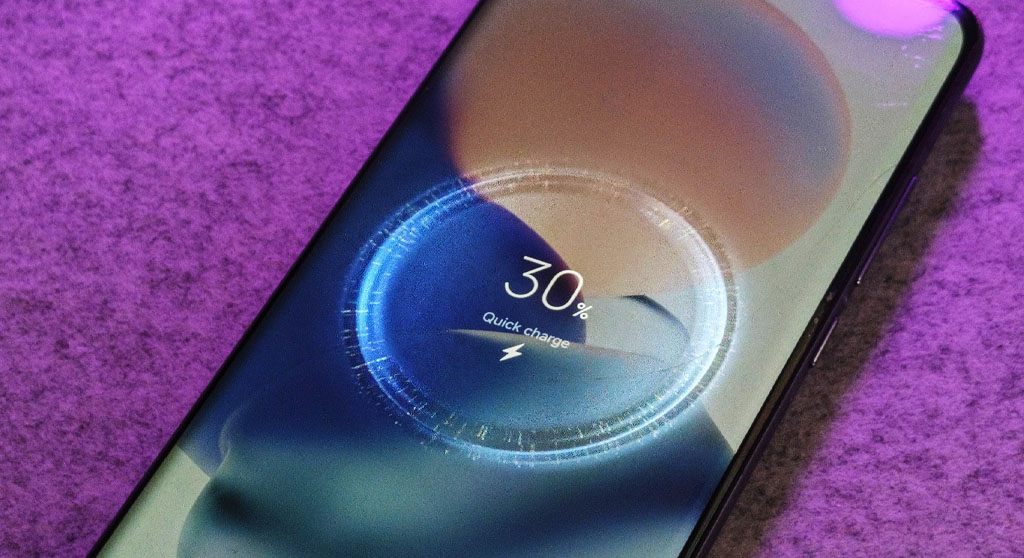
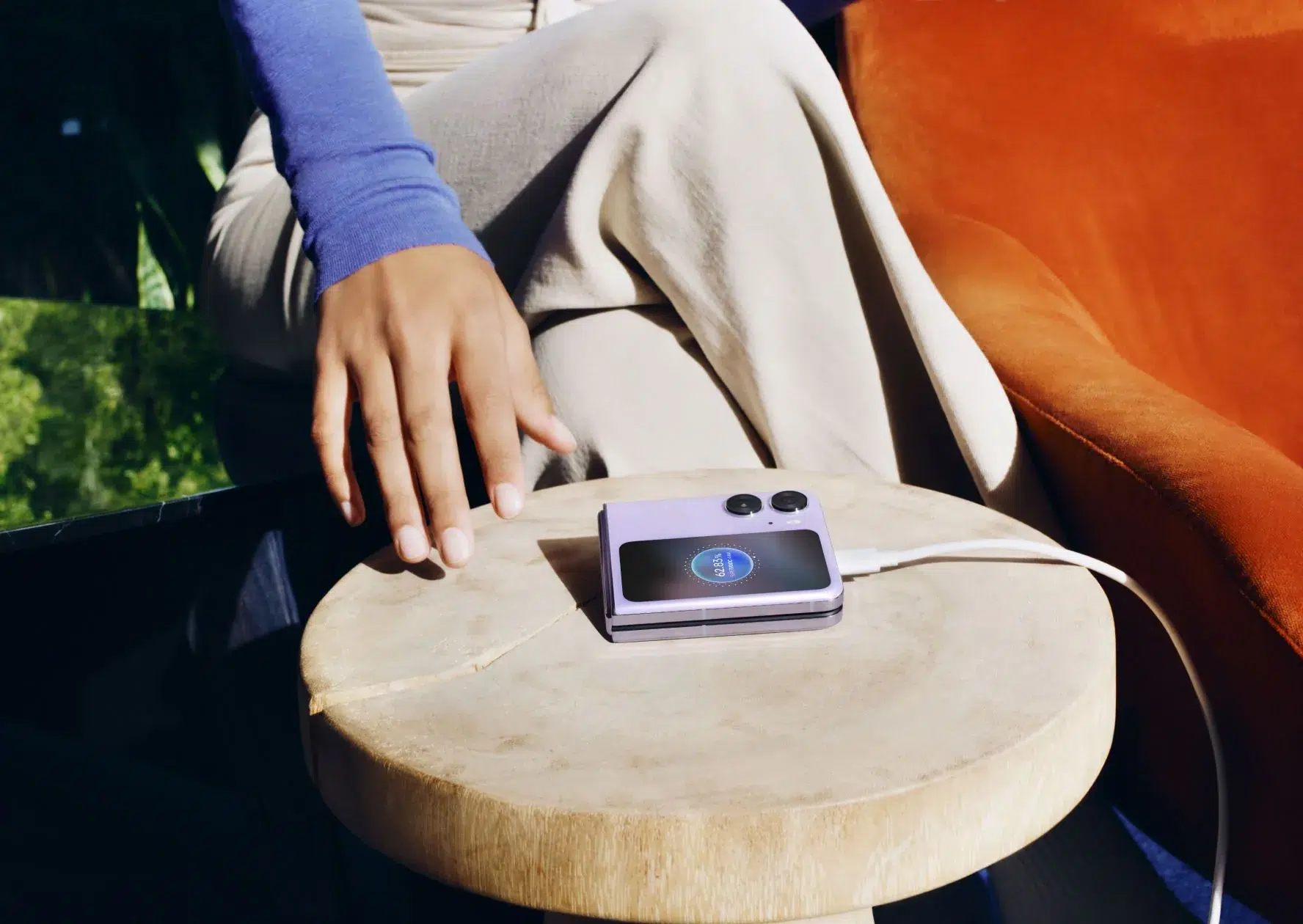
According to recent German reports, Samsung is working on a 25W magnetic wireless charger for the upcoming Galaxy S26 series, which significantly changes its long-held 15W limit. Of course, this is well behind the likes of Xiaomi, which already offers up to 50W wireless charging in its flagships. The new charger, modeled as EP-P2900, demonstrates Samsung’s attempt to improve its charging technologies while staying within the Qi2 standard.
Samsung Steps Into 25W Wireless Charging
According to the retailer-based data provided by WinFuture, the EP-P2900 charger uses a magnetic structure that automatically aligns the phone in place during charging. This way, stability is enhanced and energy loss reduced, which can minimize heating. The charger reportedly comes with a dark gray finish and a circular form factor housing the magnetic coil structure in a neat manner that aims to integrate well with Samsung’s general hardware design philosophy.
Beyond the Galaxy S26 lineup, the accessory seems to support Samsung’s foldable devices and Galaxy Buds series. This wider compatibility would indicate Samsung wants to create a more integrated charging ecosystem as part of its long-term hardware roadmap.
Magnetic Design for Better Efficiency
The new magnetic design improves the accuracy of coil placement, which is one of the most critical points in improving wireless efficiency. With the charger attached securely, it ensures that the device will reach its maximum supported speed without interruption or overheating, affording a more consistent charging experience for daily use.
Although Samsung hasn’t made any official comments, the design direction seems to show that at the center of this upgrade are efficiency and thermal stability. This meets recent industry trends where manufacturers focus on balancing speed with durability.
Will all Galaxy S26 models support 25W?
According to industry observers, Samsung may be planning different charging speeds across the S26 series. The charger itself will reportedly support 25W output, but this will supposedly only be available on the Galaxy S26 Ultra, while the other models in the lineup, namely the S26 and S26 Plus, stick to lower wireless charging power levels.
Such a strategy would be in line with what Samsung has done in the past on previous generations when it gave the Ultra model some sort of exclusive hardware enhancement. Still, such speculation remains unconfirmed and dependent on Samsung’s final hardware calibration.
New “Super Fast Charging 3.0” Protocol
The company is reportedly working on a new charging protocol called Super Fast Charging 3.0 in an effort to optimize stability and extend battery life under higher power conditions. This technology might go live with the Galaxy S26 series as part of the overall upgrade of Samsung’s charging ecosystem.
It would also mark Samsung’s shift to more competitive charging solutions, especially in those markets where Xiaomi’s HyperCharge 50W wireless systems are well-established and widely adopted.
Latest calculation date Newest calculation date on which redemption premium may be calculated Beginning of the premium period Start of the premium period during which a bondholder may have a bond redeemed.
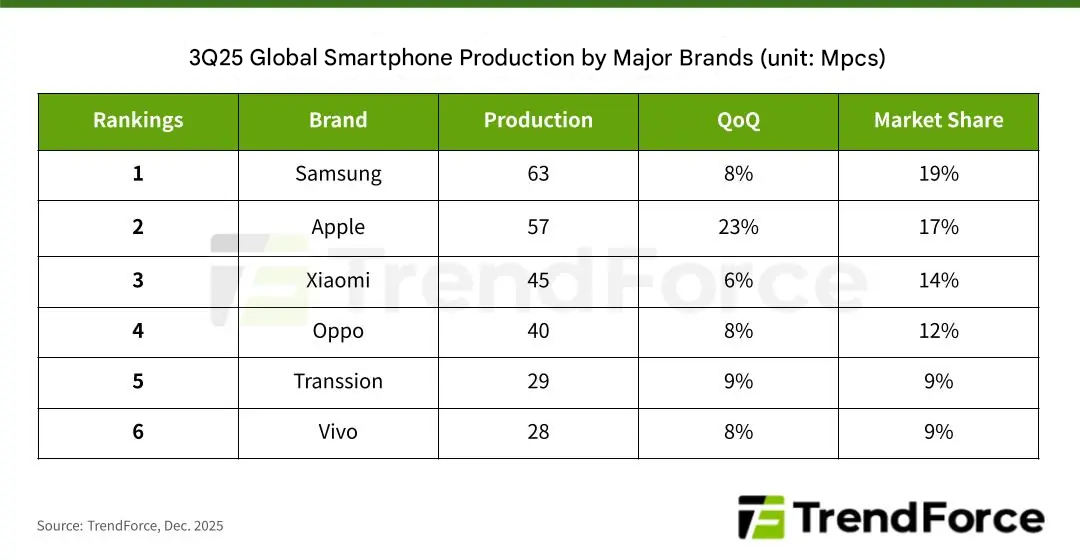
According to the latest market analysis by TrendForce, global smartphone production reached 328 million units in Q3 2025, representing a 9% quarter-on-quarter increase and a 7% year-on-year increase. Seasonal demand, the refreshed product portfolios of brands, and improved retail activity supported this growth. Xiaomi’s performance remained stable and competitive, thanks to strong mid-range and entry-level device demand and efficient channel stocking strategies.
Global Production Trends Strengthen in Q3 2025
Still, the smartphone market as a whole grew steadily in the third quarter as major manufacturers lined up their release schedules better with seasonal demand. According to the TrendForce market research organization, major brands started selling newly released products, which included refreshed flagship models and more affordable mid-range models that attracted a greater audience. Moreover, according to the report, profit margins might come under pressure from higher memory prices, with possible negative consequences for entry-level smartphones in the next quarters.
Q4 2025 Outlook: Growth Supported by Flagships and Retail Events
TrendForce expects global production to remain stable in Q4 2025, since the launches of flagships from several brands will fall in the same quarter as large-scale e-commerce campaigns. Promotional activity and holiday-season inventory build-up are likely to undergird short-term growth. However, memory supply may tighten up a bit, slightly reducing the annual expansion rate. Given these factors, the firm now projects 1.6% year-on-year growth for the whole 2025 smartphone market, trimming its previous forecast.
Brand-wise Breakdown: Xiaomi holds strong at Third Place
Following the rebound of the market, several leading brands reported significant quarter-on-quarter increases:
Samsung Leads with Renewed Foldables: Samsung manufactured approximately 63 million units, while recording an 8% QoQ growth and 19% global market share. Strong sales of the Galaxy A series, apart from positive consumer response for its latest line-up of foldables, gave its high-end portfolio a boost to maintain its lead.
Apple Posts Record Q3 Production: Apple followed with the delivery of around 57 million iPhones, setting a new record for Q3 production. The strategy to stick with the same price while increasing the storage in the base iPhone 17 paid dividends, while the redesigned iPhone 17 Pro lineup further accelerated sales in premium categories.
Xiaomi Records Stable and Competitive Growth: Xiaomi, including Redmi and POCO sub-brands, reached nearly 45 million units in Q3, with a solid 6% quarter-over-quarter increase. The growth of Xiaomi was driven by holiday-season stocking and the launch of competitive new devices in multiple price segments. Users can follow the latest software and device updates of Xiaomi by using MemeOS Enhancer, which is available on Google Play for opening up hidden features and updating Xiaomi system apps.
OPPO Strengthens in Key Global Regions: OPPO, including OnePlus and realme, shipped around 40 million units, up 8% QoQ, driven by improving demand in India, Southeast Asia, and Latin America.
Transsion Expands Rapidly in Emerging Markets: Transsion, which includes the brands TECNO, Infinix, and itel, manufactured over 29 million units, up 9% QoQ for a fifth-place finish, reflecting strong gains in both African and Asian markets.
vivo Continues Momentum Through iQOO: In total, vivo produced about 28 million units, up more than 8% QoQ, thanks to a strong performance from the iQOO series in mid-to-high-end sales and inventory preparation for holiday demand.
The key participants are the ones who strongly desire, and personally support, the benefits associated with downtown redevelopment.
Q3 2025 global smartphone production shows stable recovery among major brands. Xiaomi maintains its strong position in the top three, thanks to strategic product launches and stable performance in major regions. Though memory pricing remains a concern, overall market conditions and Q4 flagship rollouts are likely to sustain demand.
Xiaomi is speeding up its innovation tempo across smartphones, mobility, and connected ecosystems in 2025, introducing technologies that are changing the user’s expectations in the premium space. While Apple has continued to offer incremental updates to its long-standing design ethos, Xiaomi’s latest breakthroughs in battery science, camera engineering, and display health demonstrate a far more aggressive drive toward user-centric innovation. Features like HyperOS 3 integration, silicon-carbon batteries, and advanced Leica optics have now created a playing field wherein the iPhone user base takes even more notice of the widening chasm of technological disparity. Readers can take a look at more Xiaomi developments by checking Xiaomi 16 series details or HyperOS features on our site.
Xiaomi’s move to silicon-carbon battery architecture represents one of the most significant energy-storage upgrades in recent years. This material structure makes significantly higher energy density possible, which helps premium Xiaomi models incorporate capacities close to 7000 mAh without turning the devices too thick. Unlike traditional graphite-based lithium-ion designs, silicon anodes can hold considerably more lithium per gram, which directly contributes to superior performance under demanding use scenarios, such as 5G streaming, gaming, and extended navigation.
High-Power Fast Charging
Xiaomi pairs this high-capacity architecture with 100W wired and 50W wireless charging systems, allowing users to reach full charge levels in about half an hour and get rid of the traditional “overnight charging” habit. For iPhone users who are stuck at 40W, such flexibility might be extremely attractive, especially in a fast-paced or travel-intensive environment.
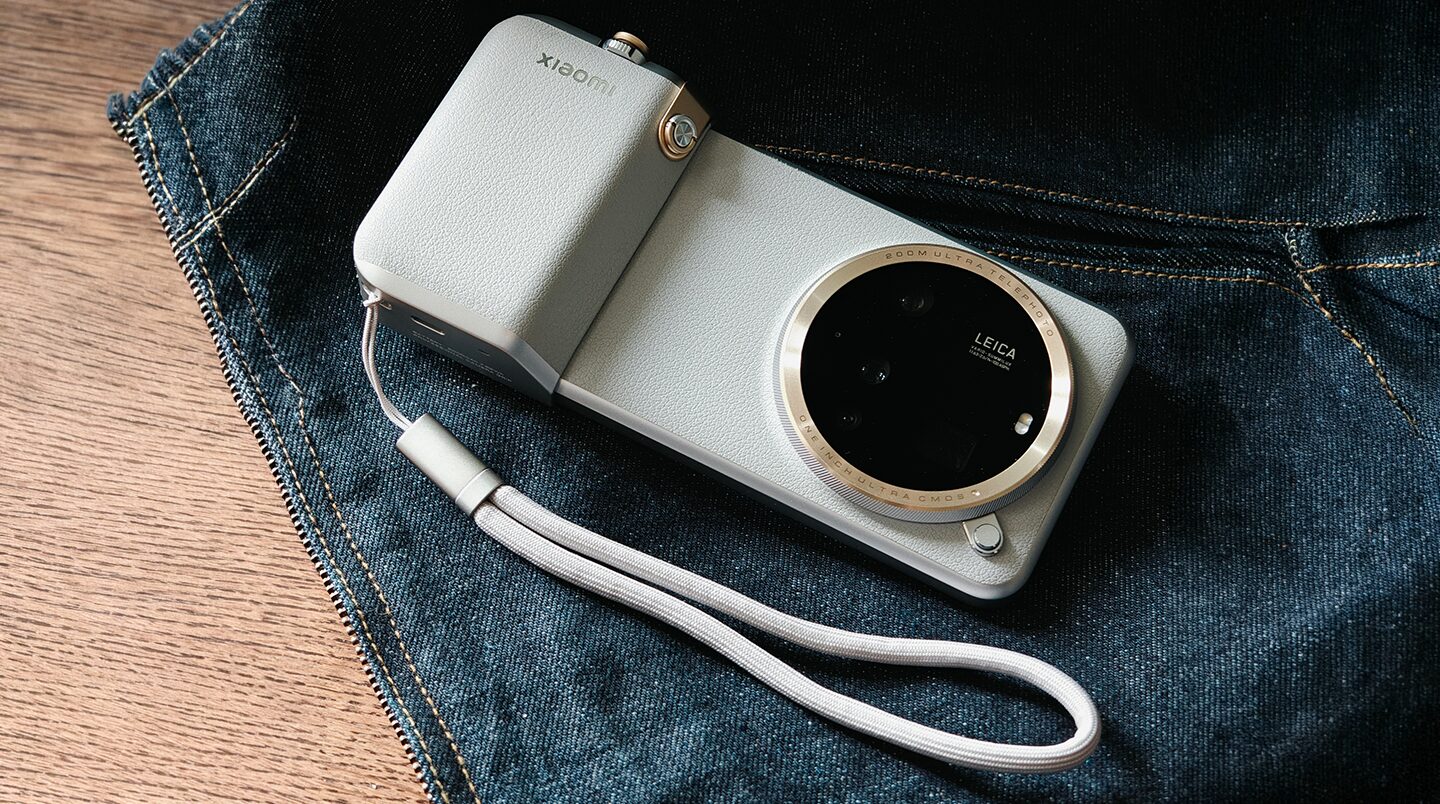
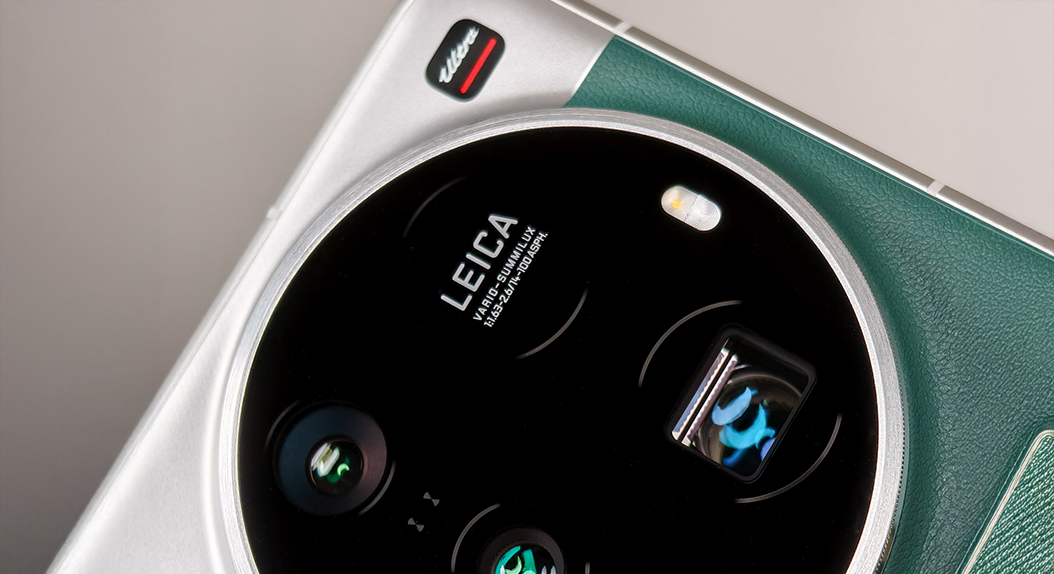
Xiaomi continues to strengthen the cooperation with Leica, and instead of software-heavy compensation, it focuses on superior physical imaging. The Xiaomi 15 Ultra and the upcoming 17 Ultra sport 1-inch class sensors, variable aperture modules, and even 200MP periscope telephoto units.
True Leica Optical Signature
These modules produce richer dynamic range, more natural depth transitions, and stronger color signature options like Leica Authentic and Leica Vibrant. Apple’s computational imaging does remain efficient, but Xiaomi’s superior sensor size and optics enable it to capture details which require far less post-processing intervention.
Display Health and Comfort: High-Frequency PWM Leadership
Emphasizing display health, Xiaomi introduces ultra-high-frequency PWM dimming, sometimes as high as 2160 Hz or even more. This diminishes visual fatigue, particularly in low-brightness conditions where users of the iPhone often suffer due to flicker-induced strain. Display tuning by Xiaomi positions the company among the leading brands in ergonomic screen engineering.
Compared to ordinary vertically restricted environments, HyperOS 3 gives users a more adaptive ecosystem. Beyond smartphones and tablets, it supports wearables, smart home devices, and even the Xiaomi SU7 electric vehicle platform. All this multilayer integration is part of Xiaomi’s “Human–Car–Home” long-term strategy of easing friction in cross-environment interactions.
In 2025, Xiaomi continues to innovate at a relentless pace, while its bold approach is gradually resetting expectations across the entire smartphone market. While competitors race to launch incremental upgrades, Xiaomi persists in bringing meaningful, user-centric breakthroughs to the market that constantly question long-standing industry status quo. With advances in battery science, imaging, display comfort, and ecosystem intelligence, Xiaomi remains one of the select few able and willing to reshape what the modern flagship experience should look and feel like. But as the landscape shifts, one thing becomes clear: Xiaomi is not just competing; it’s setting the cadence for the next frontier.
From basic input utilities, virtual keyboards have become intelligent, context-aware systems thanks to the rapid evolution of mobile computing. For HyperOS-powered Xiaomi devices, choosing the right keyboard is not only a question of comfort, but also directly affects the system’s performance, battery behavior, and accuracy of writing. In this article, we compare the three most efficient Android keyboard solutions for Xiaomi users-Microsoft SwiftKey, Gboard, and Yandex Keyboard-with a focus on supporting the language and integrating with HyperOS.
SwiftKey: Ideal for Power Users and Writers in Multiple Languages
SwiftKey stands out with its contextual AI engine and strong morphology predictions, as well as its advanced productivity tools. It is designed for users who often write extended texts on their devices; thus, it can provide a truly adaptive typing experience supported by cloud synchronization.
SwiftKey’s predictive model analyzes root words and suffix structures in real time, improving accuracy in agglutinative language use. The keyboard also offers clipboard persistence, allowing frequently used text blocks to remain saved for an indefinite period of time, unlike standard one-hour limitations seen on some of the alternatives. For those using Xiaomi across mobile and Windows, cloud clipboard integration is an important advantage.
Key Benefits
AI-based prediction supporting verb morphology
Cross-device clipboard synchronization
Integration with Copilot for tone correction and rewriting
Persistent clipboard entries
Gboard: Fastest and Most Stable Choice for Everyday Users
Gboard has always been known for its class-leading typing latency and consistent haptic feedback, at least on high-end Xiaomi phones that house proper linear vibration motors. The keyboard is optimized for speed and stability with a minimalistic profile.
Gboard features industry-leading voice dictation, courtesy of Google’s giant AI language models. Offline voice typing is also quite accurate, making it a great option for those who tend to write messages hands-free. Although highly stable on HyperOS, some models may still show the well-known bottom-gap layout issue brought in with Android 16.
Key Benefits
Lowest latency and smoothest input on HyperOS
Industry-leading voice typing with automatic punctuation
Strong compatibility with Xiaomi’s vibration engine
Simple design with consistent everyday performance
Yandex Keyboards
Yandex Keyboard is for those users who set their priorities on advanced linguistic accuracy, especially in sentence structures and colloquial phrasing. Its morphology engine handles informal speech, idiomatic expressions, and complex suffix combinations with higher contextual understanding.
The keyboard has integrated translation via Yandex’s natural language models for real-time bilingual messaging. Themes and layouts are customizable, though key sizing options are more limited compared with SwiftKey and Gboard.
Key Benefits
Real-time translation integrated into the keyboard
Strong contextual estimations for regional word use
Suitable for bilingual or multilingual communication
Overview and Comparison
Overview of Technical Comparison
Best for Productivity: Microsoft SwiftKey
Best for Speed and Stability: Gboard
Best for Linguistic Accuracy: Yandex Keyboard
Which One Xiaomi Users Should Opt for
If you need cross-device workflow and advanced text prediction, SwiftKey has the most extensive set of tools.
If stability and the fastest touch response under HyperOS is your utmost priority, then Gboard is still the best choice.

 Login
Login