Normal view

Mengenal Keluarga Rasulullah: Hasyim dan Abdul Muththalib

23 November 2025 at 12:00

Setiap Nabi memiliki nasab yang mulia, demikian pula Rasulullah Muhammad ﷺ. Beliau berasal dari garis keturunan yang terhormat di tengah masyarakat Arab. Nenek moyang terdekat beliau adalah ayah, kakek, dan kakek buyut yang juga dikenal karena kemuliaan akhlak serta kedudukan mereka. Pada kesempatan ini, kita akan menelusuri kisah keluarga Rasulullah ﷺ agar kita semakin mengenal […]

The post Mengenal Keluarga Rasulullah: Hasyim dan Abdul Muththalib appeared first on Muslim.or.id.

Why did Xiaomi remove the 4×7 layout in HyperOS Launcher?

23 November 2025 at 10:00

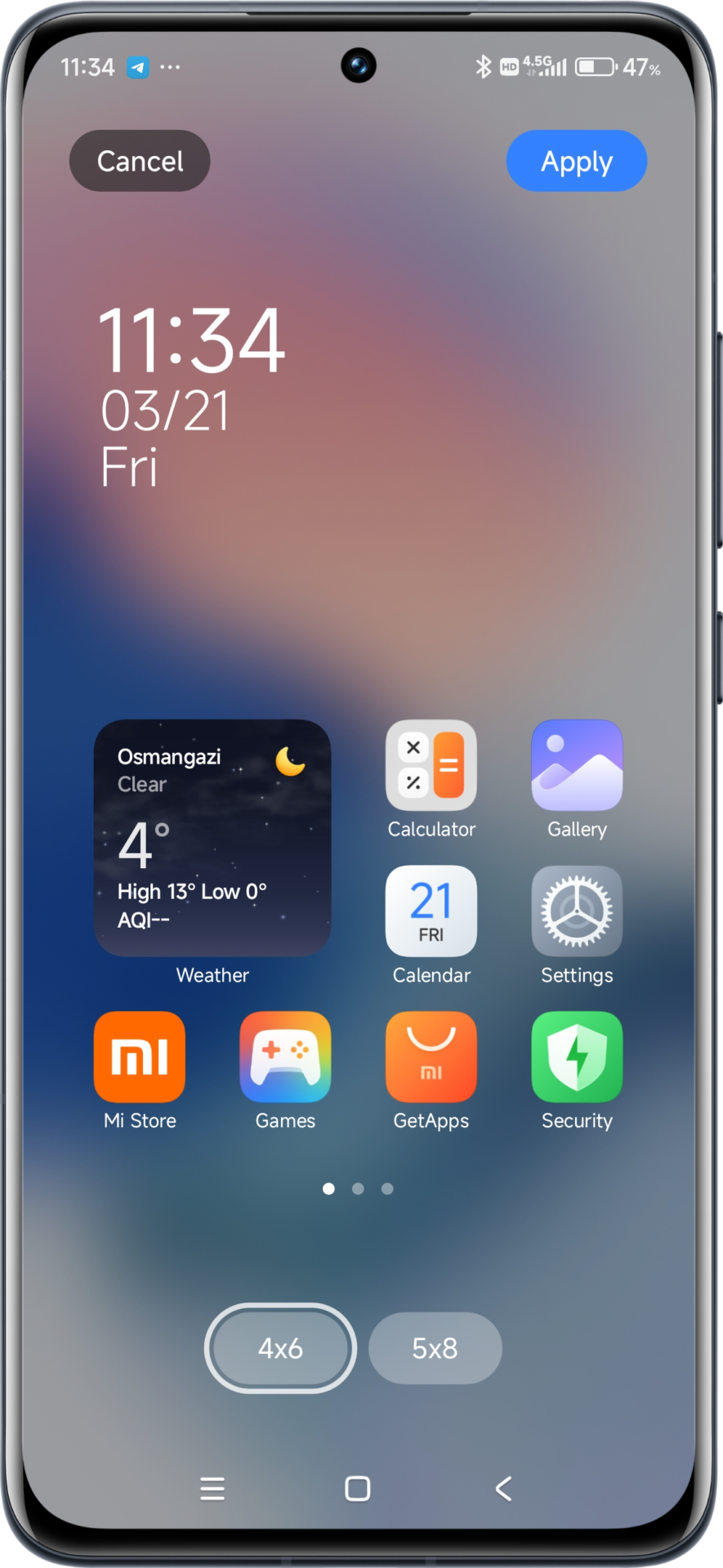
Xiaomi’s recent HyperOS launcher update has raised questions among users who noticed that traditional grid options such as 4×7 and 5×6 are no longer available. This adjustment, introduced through the latest System Launcher distribution, reflects Xiaomi’s strategy to unify the visual identity of HyperOS across smartphones, tablets, and automotive interfaces. The change also aligns with updated widget engines and layout rules introduced in HyperOS and documented in earlier analyses we published on HyperOSUpdates. These modifications indicate a broader transition from granular customization toward a more structured, ecosystem-optimized design language.

The Design Shift Behind HyperOS Grid Restrictions

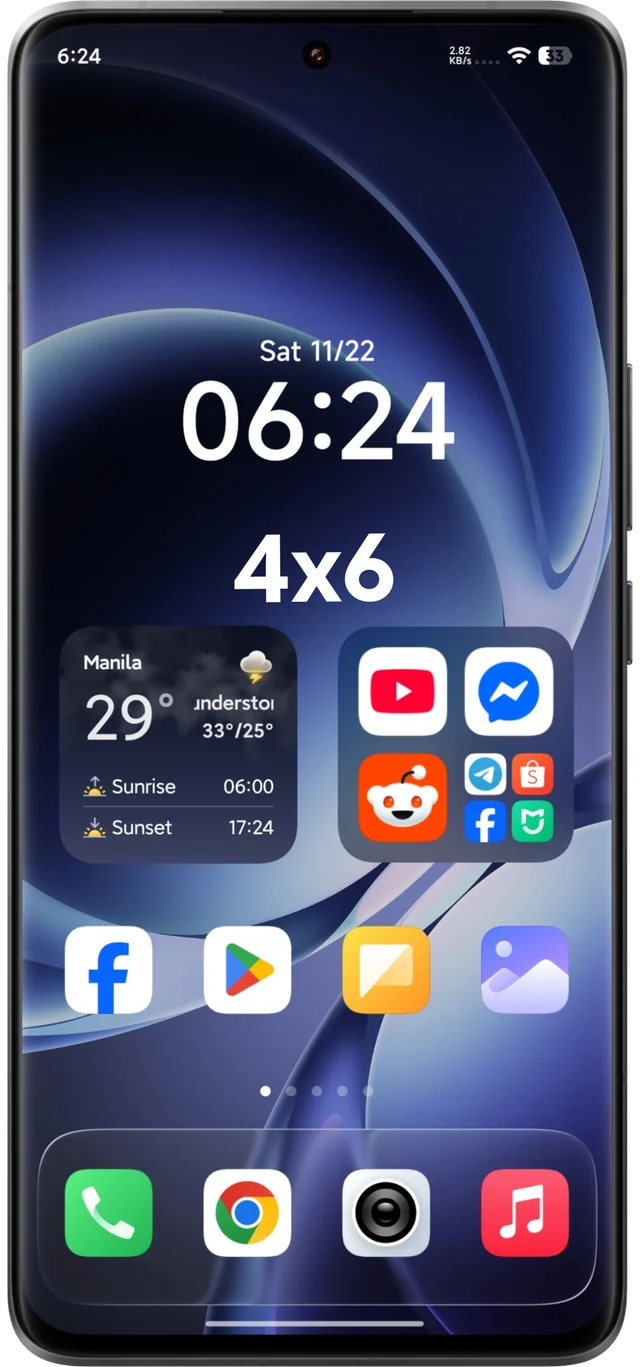
Xiaomi’s transition from MIUI to HyperOS introduced the “Alive Design” framework, which emphasizes consistent spacing, animation sequences, and widget compatibility across all device classes. This shift requires predictable screen coordinates, making highly flexible grid configurations difficult to maintain. The company therefore standardized the launcher into two main profiles:

  • Standard (4×6)
  • Dense (5×9)

This design intentionally reduces layout fragmentation, ensuring that widgets, large folders, and features such as Super Island do not visually conflict with system animations or safe-zone boundaries on different screen types.

HyperOS 2.2 Launcher 3

Why the 4×7 Layout No Longer Fits HyperOS Standards

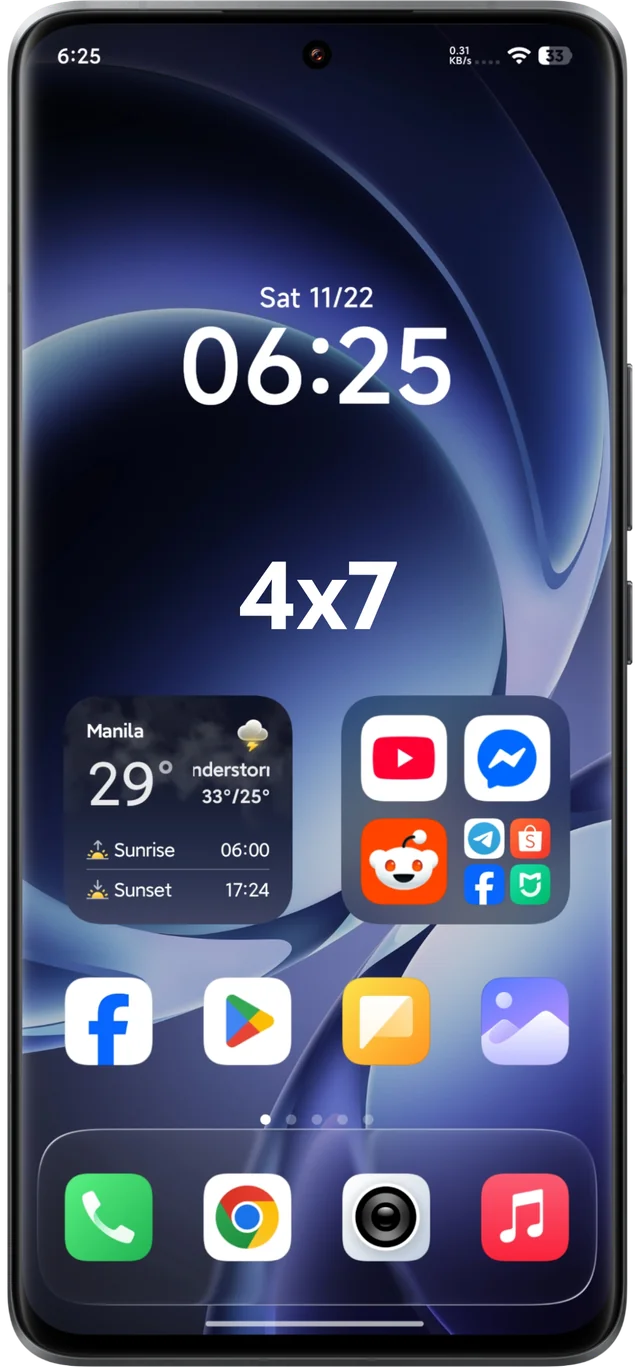
The 4×7 configuration was widely preferred for ergonomic balance, particularly on large displays. However, its removal corresponds to the technical direction of HyperOS. A 7-row grid complicates widget mathematics, particularly for components such as 2×2 and 4×2 interactive folders. These components rely on evenly divisible grid structures; Xiaomi found that 6 or 9 rows provide far more stable alignment for scalable elements. Additionally, the Super Island’s dynamic motion requires fixed spacing at the top portion of the display, which becomes more predictable with standardized grid models.

xiaomi removed the 4x7 layout why v0 xiaomi removed the 4x7 layout why v0

Technical Drivers Behind the New Grid Profiles

HyperOS relies on new spacing algorithms to ensure fluid performance across both flagship and budget devices.
Budget-oriented models—especially Redmi and POCO series—often have GPU-level restrictions defined by internal performance parameters. To ensure consistent 90Hz or 120Hz animation quality, the system disables complex density modes, including legacy grid formats. These restrictions prevent frame drops when Gaussian blur effects, folder scaling, and Super Island animations are active simultaneously.

What About POCO Launcher Users?

POCO Launcher uses a codebase separate from the primary Xiaomi System Launcher. As a result, even after receiving HyperOS, POCO devices may not feature the same grid logic or animation engine. The recents provider is also integrated directly into the stock launcher, which limits full gesture support on third-party launchers. This situation forces POCO users to stay within the default environment, making the reduced grid selection more noticeable than on standard Xiaomi devices.

Xiaomi’s removal of the 4×7 layout is not a regression but a deliberate architectural decision tied to the broader HyperOS vision of unified design across mobile, home, and automotive systems. By narrowing the grid offerings, Xiaomi preserves predictable widget alignment, strengthens system animations, and ensures performance stability across diverse hardware tiers. Although some users may prefer legacy flexibility, the shift ultimately supports the long-term evolution of the HyperOS ecosystem.

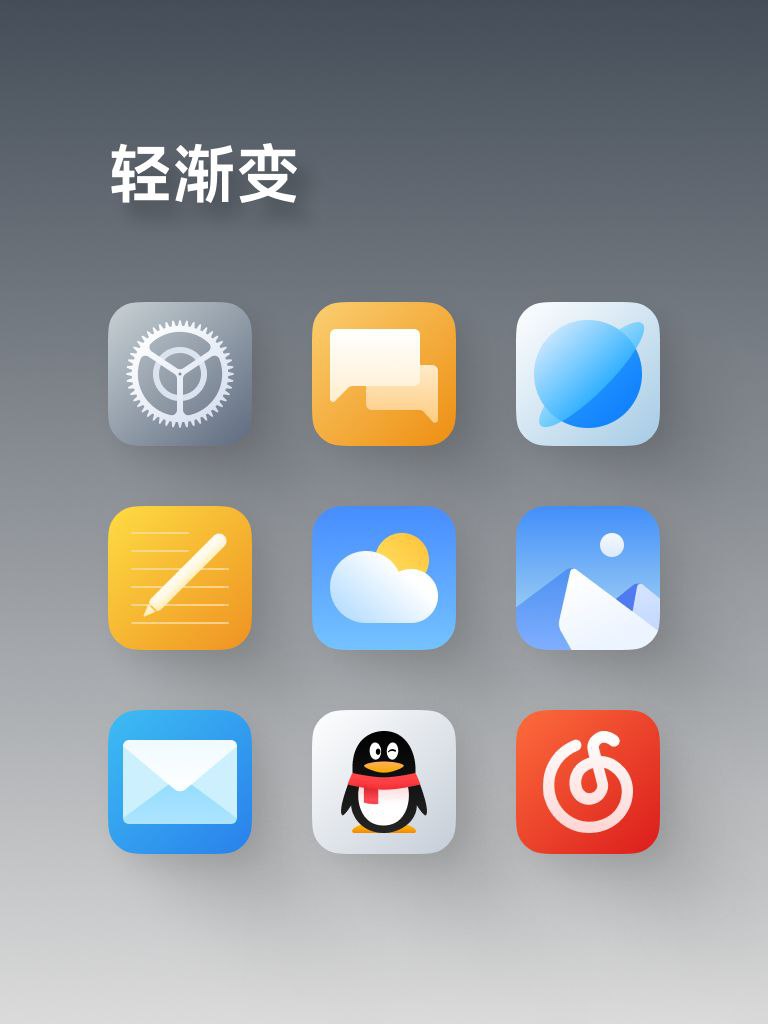
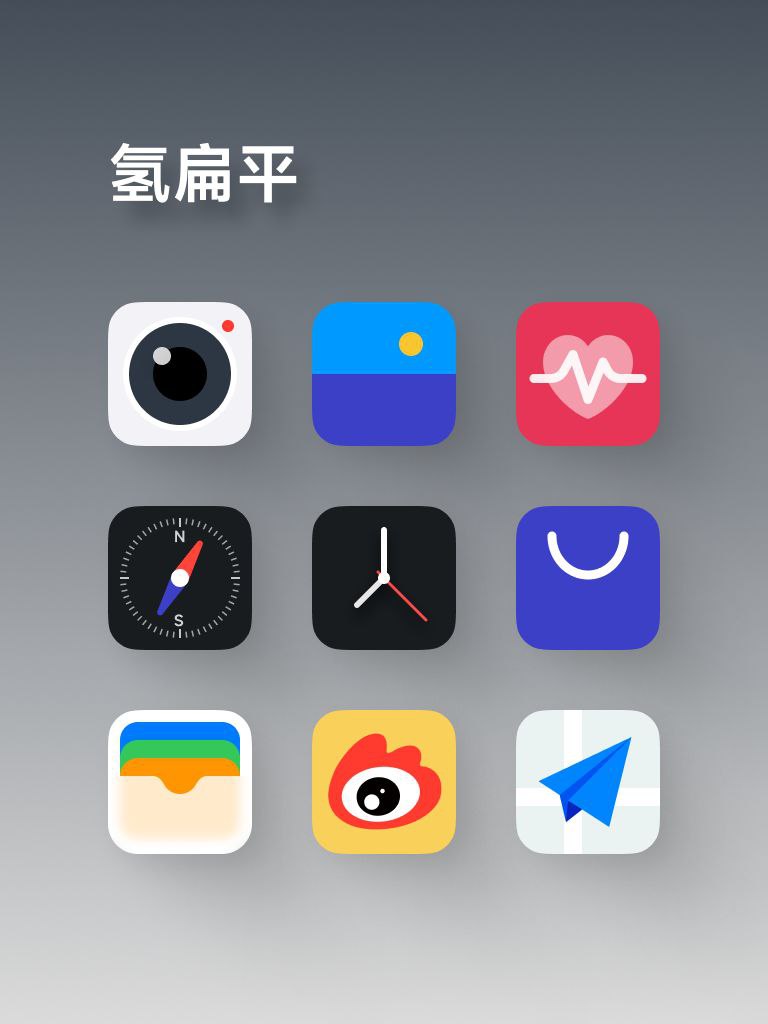
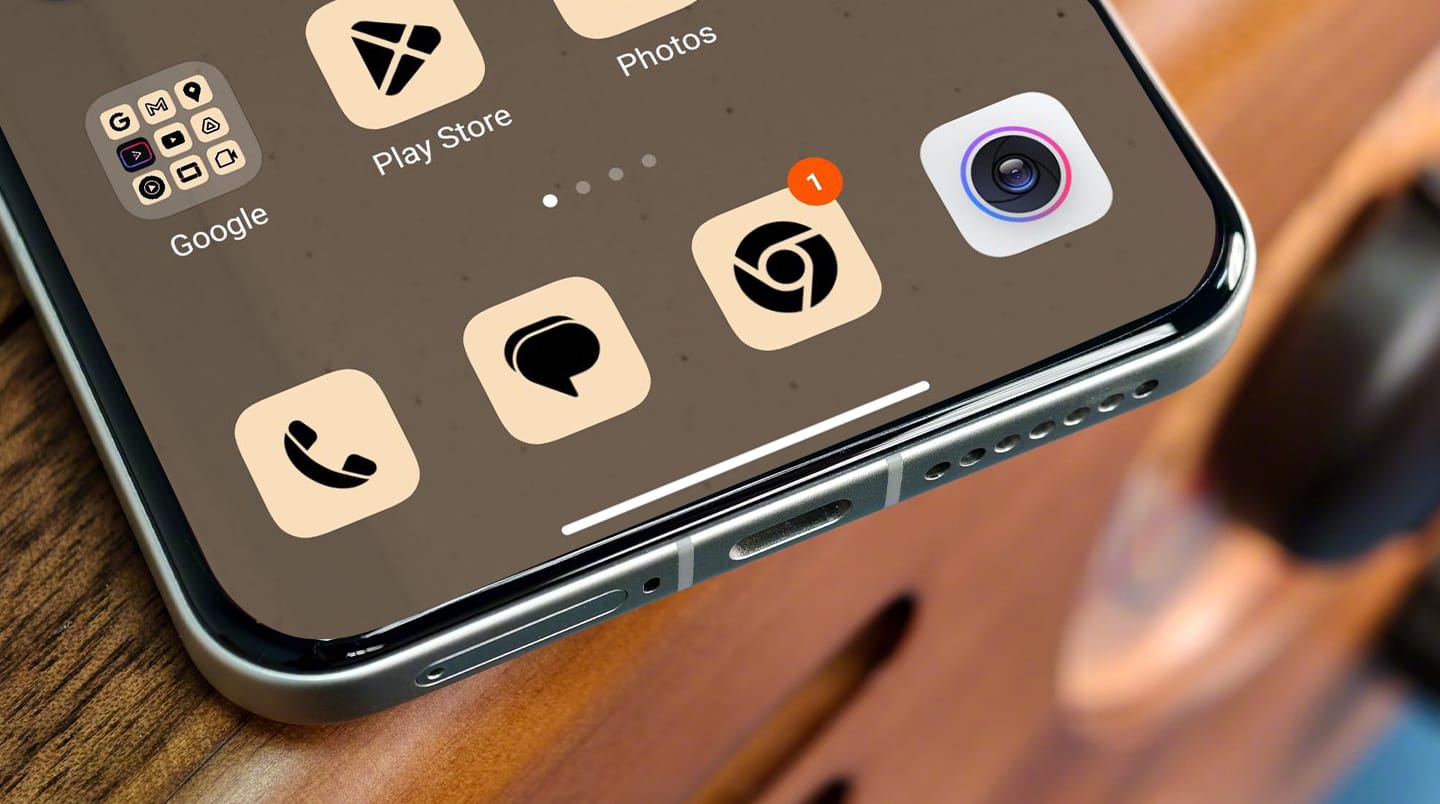
Xiaomi’s future plan: New iOS-style customized app icons

23 November 2025 at 07:00

The worldwide release of Apple’s iOS 18 has changed user expectations when it comes to interface personalization. But for the Android world, this presents a particular set of challenges. While Xiaomi HyperOS remains in development as a singular operating system, the recent release of HyperOS 3 has left some power users pondering exactly why there is a lack of granular aesthetic controls. Users updating devices such as the Redmi Note 15 Pro or the new Xiaomi 17 are finding features such as native icon tinting and modular Control Centers to be conspicuous by their absence, compared to other offerings.

The Strategic Architecture of HyperOS 3

The philosophy behind the development of HyperOS 3 differs a lot from traditional smartphone skins, as this operating system is targeted for the middleware layer to support the “Human x Car x Home” ecosystem, rather than being a standalone mobile interface. Such an integration strategy severely limits the flexibility of User Interface. For seamless connectivity with Xiaomi SU7 EV and smart home products, the system takes stability and uniformity as priorities over the open sandbox approach in versions of Android.

HyperOS 2.0 iOS Style icons 3 HyperOS 2.0 iOS Style icons 1 HyperOS 2.0 iOS Style icons 2

The latest builds, such as OS3.0.4.0.WOOMIXM, indicate a focus on backend kernel optimization rather than frontend customization tools. The “stabilization lag” in this area is one of calculated engineering decisions: with these specific UI elements locked, Xiaomi ensures that the Xiaomi HyperConnect framework works reliably across tablets like the Xiaomi Pad 8 and wearable devices like the Xiaomi Band 10, without user modifications breaking the layout consistency required by cross-device communication.

Technical Limitations in Customizing Icons

One sticking point is the comparative lack of native dark icon customization. iOS 18 on-device intelligence analyzes app icons, creating dark variants in real-time. Meanwhile, HyperOS 3.0 has a “white background” technical issue with legacy Android applications.

  • The Masking Problem: The system applies a uniform “squircle” mask to all icons. Without advanced AI processing to remove white backgrounds of third-party apps, forcing Dark Mode often results in visual inconsistencies.
  • The Super Icon Engine: Xiaomi’s proprietary “Super Icons” use a custom rendering engine that supports swiping gestures. Building in a global tinting feature would involve refactoring this entire framework to provide support for dynamic color overlays, which will likely be included in a future update, like HyperOS 4.0.

Economic Factors and Internet Services

There is also a clear economic motivation for these design decisions beyond mere technical limitations. Xiaomi uses a business model with very thin margins on hardware, requiring much stronger revenue streams from Internet Services. The Theme Store remains vital to this financial arrangement.

Were Xiaomi HyperOS to include a completely native, free “Icon Studio” that’s on par with iOS 26, it would immediately cannibalize any third-party icon pack and theme markets. The current ecosystem relies on a “freemium” incentive structure wherein users are encouraged to visit the Theme Store in order to fix visual inconsistencies in the stock OS. It protects the revenue brought in by the theme designers and maintains high DAU metrics for Xiaomi’s digital marketplace.

Community Solutions and System Enhancements

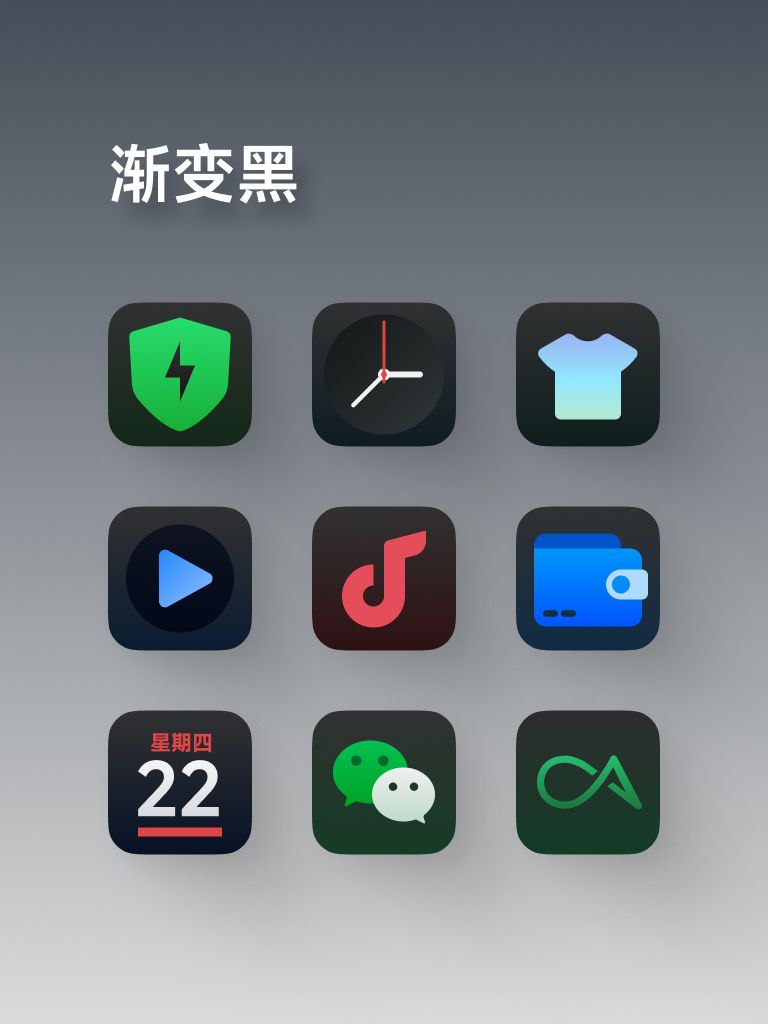
But while the native system would need to wait for future updates, the community filled the gap with high-quality themes, often labeled as “iOS 26” or “Dark Mode Pro.” These themes utilize static assets to provide the uniform aesthetic the OS is currently lacking.

Themed icons in Xiaomi HyperOS

Future Roadmap: HyperOS 4 and Beyond

Currently, industry analysis indicates that these missing features of customization are being strategically reserved for future hardware cycles. As Android 17 promises to bring deeper AI integration for UI assets, Xiaomi is also likely to be working on some sort of “HyperAI” solution to generate icons. This would explain how the company will position and market this feature as a technological breakthrough for future flagships, such as the Xiaomi 17 series. Until then, the rigidity of the Control Center has a functional rationale: it ensures IoT controls remain front-and-center, bolstering engagement with the broader smart home ecosystem. This approach may limit personalization, but it anchors the operating system in its role as a central command hub within the connected lifestyle.

Your Xiaomi shows an earlier activation date? Here’s the truth

23 November 2025 at 04:28

Some owners, including those of the Redmi Note 14 4G, have noticed that their phones reflect a first-activation date many weeks or even months before they had purchased the device. The situation has caused concern on platforms like Reddit, with buyers fearing they may have received a refurbished unit without their knowledge. However, according to system behavior and how logistics is done internally, this is normally harmless and does not point to prior use. As we explain below, the real indicator of a new device is hidden in the battery statistics and internal checks. For more information on devices, you can check out related content on HyperOSUpdates.com or guides about Xiaomi products.

Why Some Xiaomi Phones Show “Early Activation” Dates

The situation usually starts from the supply chain. Sellers, particularly those that handle imported or online-ordered units, usually do brief verification tests before shipping. Such checks include mere powering on of the device, making sure the screen is working, the firmware is loading correctly, and its serial number is verified. With such quick verification done, the system logs a “first use” timestamp, even if the phone was never really used by a consumer.

These tests do not degrade or alter the device, nor do they even change its status as a brand-new product. They only create an inaccurate impression for the buyer when reading system dates.

The Real Indicator: Battery Charge Cycles

The only surefire indicator about whether a Xiaomi device is actually new is the battery charge cycle counter. All phones from Xiaomi running Xiaomi HyperOS keep internal logs of cycles, which cannot be reset by sellers or standard system tools.

If your device shows:

  • 0 charge cycles
  • 100% battery health
  • No traces of wear from inside or outside.

then the hardware has never experienced real consumer use. A phone used even for a few days would reveal at least 1–3 charge cycles and noticeable changes in battery health. Therefore, a discrepancy in the activation date and purchase date is usually not evidence of refurbishment.

battery cycle

What Sellers Actually Do During Pre-Shipment Checks

Many logistics workflows follow the same general path, including:

  • Packaging inspection EN Serial number verification
  • Brief power-on test to ensure the device boots
  • Re-sealing of the box

These kinds of operations ensure that the device is delivered to a buyer in operational condition without defects. The system logs the first boot, but it cannot be considered real usage because no charging, configuration, or extended operation takes place.

This practice is common across manufacturers and does not affect warranty conditions or device performance.

How to Confirm Your Xiaomi Device Is Truly New

To confirm your phone’s authenticity and condition, please check the following:

  • Battery Cycles: 0 cycles means untouched hardware.
  • Battery health: Should be approximately 100%.
  • Box Condition: Factory-sealed unless pre-shipment checks were performed.
  • IMEI status: Origin can be checked with Xiaomi’s official IMEI verification tools.

If these conditions are met, the device is regarded as new, regardless of the system activation timestamp.

Should You Worry About This Issue?

No, the activation date is only a system marker and was created for logistic verification. It does not represent the actual use or renovation of the device. Provided battery statistics confirm zero cycles, the device is brand new. Knowledge of this behavior can help in avoiding unnecessary doubts and keep confidence at the time of purchase of a Xiaomi product.

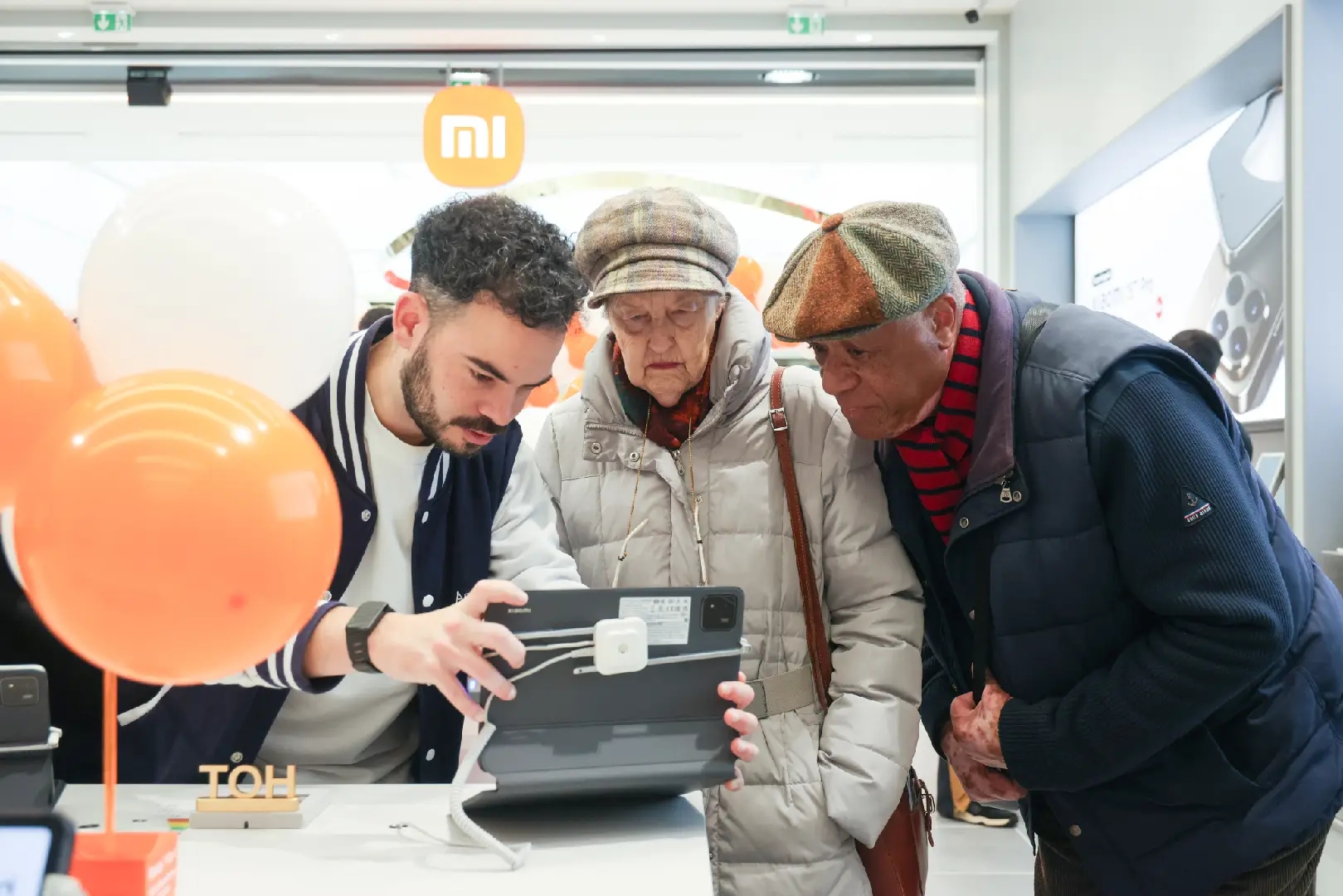
Xiaomi Home reopens in France with its first official store in Paris

23 November 2025 at 00:08

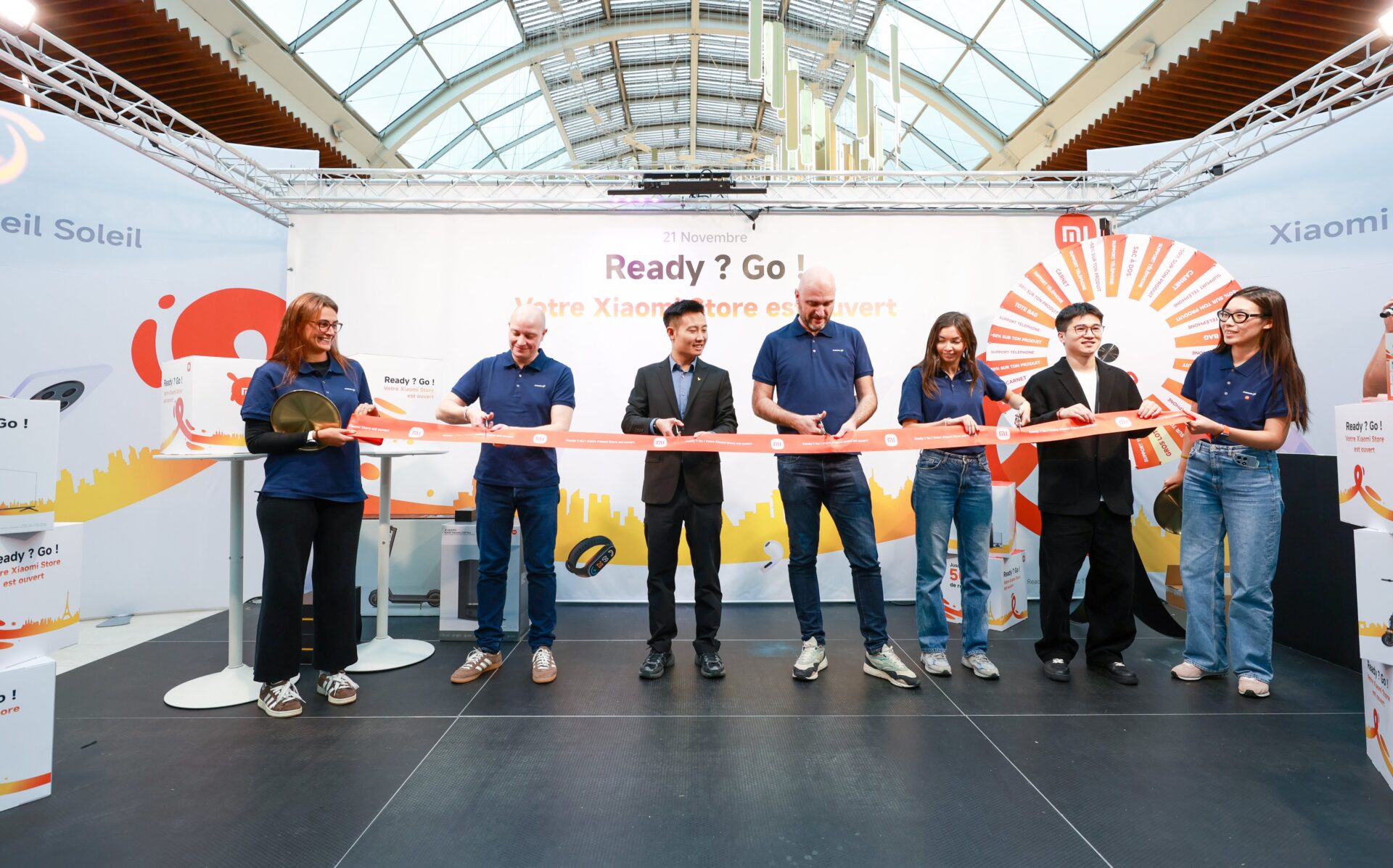
After years away, Xiaomi has returned to French retail with the grand opening of its first directly operated Xiaomi Home store in Paris. An important executive at the helm of the Xiaomi Group, Lu Weibing, officially announced the development. The new store builds on Xiaomi’s earlier presence in the country and strengthens its European retail strategy, which is already supported by products like the Xiaomi 15Redmi Note series, and an extensive portfolio of smart home devices available through partners like FNAC and Carrefour.

Xiaomi Returns to the French Market

Located in Créteil Soleil, this new directly operated store represents the brand’s return to France. An authorized store on the Champs-Élysées had been previously opened by the company; however, that store was operated by a third-party customer and thus was temporarily closed during the pandemic. This new store, however, is fully operated by Xiaomi, meaning that Xiaomi is committed to the French market in a stronger way for the long run.

This renewed physical appearance from Xiaomi aims at providing a far more integrated experience for French consumers across offerings from smartphones and tablets to wearables and smart home products. The brand will expand its visibility through direct retail, complementing its existing presence in online and offline partner channels.

Xiaomi STORE FRANCE 2 Xiaomi STORE FRANCE 3 Xiaomi STORE FRANCE 4 Xiaomi STORE FRANCE 1

Journey Since 2018

Xiaomi entered France officially in May 2018 with the opening of an authorized store on Boulevard Sébastopol in Paris. At that launch, it had introduced the Xiaomi MIX 2SRedmi Note 5, and a range of ecosystem products including the Xiaomi Electric Scooter. Xiaomi also partnered with major retail chains like FNACDARTY, and Carrefour, which ensures wide distribution of its products across the country.

This new official Xiaomi Home store reflects the brand’s strategic intention of enhancing customer engagement, providing hands-on product experiences, and extending after-sales support in a more direct and standardized way.

What French Consumers Can Expect

Xiaomi Homes are designed to house a whole product ecosystem, which includes:

  • Latest Xiaomi smartphones
  • Xiaomi Pad tablets AIoT products for smart homes Wearables including but not limited to Xiaomi Band and Xiaomi Watch models
  • Lifestyle and mobility products

The store in Paris will also support device consultation, hands-on trials, and product guidance, allowing users to better understand Xiaomi’s ever-expanding ecosystem.

Strengthening Global Expansion

This new opening further aligns with the broader global retail roadmap of Xiaomi, following the company’s keen emphasis on strengthening its presence in Europe. With the new store, Xiaomi demonstrates its confidence in the French market and further increases accessibility for its extensive product lineup.

Source

Xiaomi 15 Ultra price drops: Which countries offer the best deals?

22 November 2025 at 21:45

The Xiaomi 15 Ultra has entered one of its most significant global discount periods as retailers prepare for the arrival of the next-generation Xiaomi 17 Ultra. During the Black Friday 2025 season, the flagship saw substantial price cuts across Europe and China, with the former’s inventory optimization and the latter’s accelerated product cycles driving Xiaomi’s respective pricing strategies. This article examines where the Xiaomi 15 Ultra sees the most discounts, how varying regional markets affect its pricing, and what buyers should look toward prior to the official unveiling of the Xiaomi 17 Ultra. Additional insights into Xiaomi flagships can also be found in our Xiaomi 15 and Xiaomi 15 Pro coverage on XiaomiTime.com.

Global Pricing Strategy and Market Transition

At the same time, Xiaomi’s transition from the 15 Ultra to the upcoming 17 Ultra marks one of the fastest generational shifts in the company’s flagship roadmap. Before taking a closer look at country-specific discounts, it’s important to understand what strategic conditions may be responsible for these price drops. The company has pushed forward its release schedule and is expected to announce the Xiaomi 17 Ultra in China before the end of December 2025, powered by the Snapdragon 8 Elite Gen 5 platform and the latest HyperOS 3. Such an accelerated cycle naturally encourages retailers to clear Xiaomi 15 Ultra inventory ahead of the new model’s introduction.

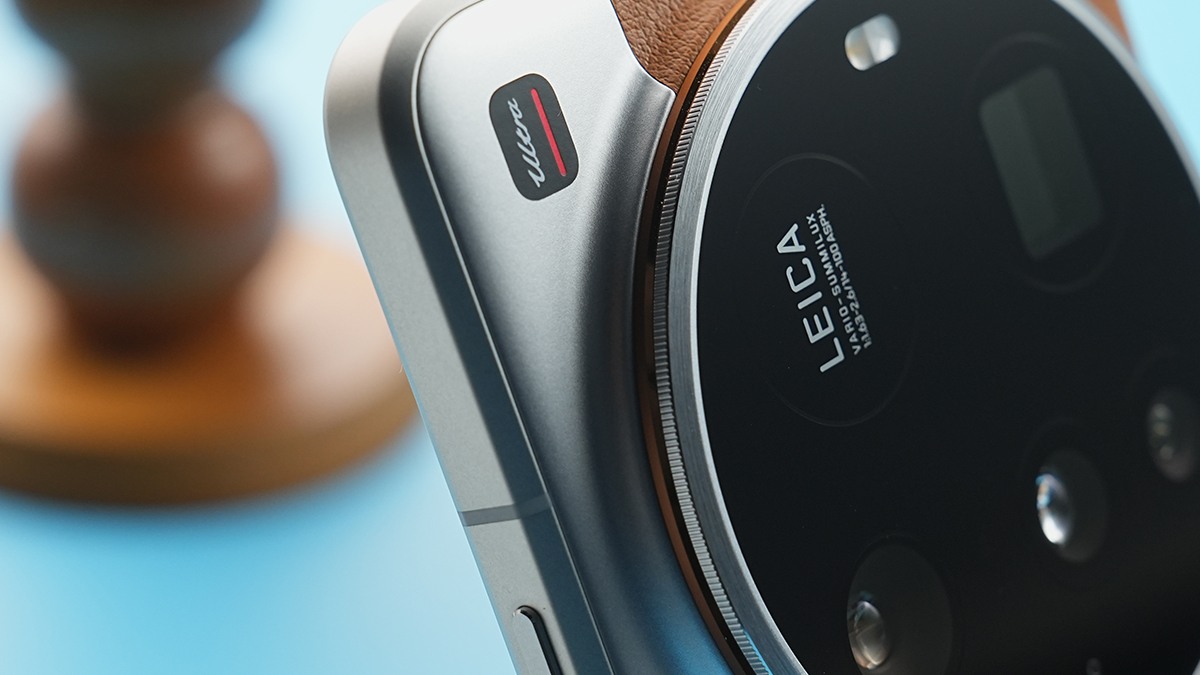
Xiaomi 17 Ultra 1

Why the Price Is Falling

The flagship is consequently subjected to aggressive reductions, considering how early most retailers have started stock liquidation efforts. Retailers expect a very quick migration by consumers to the Xiaomi 17 Ultra when it launches with its higher-grade camera systems, AI performance, and design refinement. Also, the fact that there was no “Xiaomi 16” series, in a strategic move to get model numbering in line with Apple, makes this shift in expectations more pronounced before the next release.

Europe: The Largest Discounts in the World

Europe is the leading region with the strongest discounts for Xiaomi 15 Ultra, supported by competitive market conditions, seasonal retail campaigns, and requirements from distributors to clear their existing inventory.

Germany

For example, the German retailers MediaMarkt and Saturn offered significant Black Friday discounts. The recommended retail price for the Xiaomi 15 Ultra was about €1,499, reduced by an impressive 17% to about €1,239≈ USD 1,340. Flexible monthly financing boosts the competitiveness of the device in an inflation-strained market.

United Kingdom

The UK currently hosts some of the steepest price cuts, with the Xiaomi 15 Ultra falling from its £1,300 MSRP to nearly £860 ≈ USD 1,080 on Amazon UK. At this price level, the device becomes nearly £440 cheaper than Samsung’s Galaxy S25 Ultra, giving customers a strong flagship alternative at significantly lower costs.

Southern Europe

Platforms like those in Italy and Spain show periodic reductions, with pricing often below €1,100 ≈ USD 1,190. Retail variation is common, and prices tend to soften even further as the launch of the Xiaomi 17 Ultra draws closer.

Türkiye: High Taxes Limit Visible Discounts

Turkey continues to be one of the most challenging smartphone markets because of the strong taxation policies and currency volatility. Xiaomi 15 Ultra price cuts are relatively modest despite participating in “Efsane Kasım” sales.

A 16GB/512GB unit guaranteed by Xiaomi Türkiye varies from 74,899 TL to 90,000 TL (≈ USD 2,250–2,700), which surely reflects the impact of ÖTV, KDV, and other taxes. While a price of 74,899 TL is competitive within the local environment, this is still much more expensive than European pricing due to structural cost differences.

Buyers must ensure listings strictly mention “Xiaomi Türkiye Garantili” because devices with import warranty do not have any official support for servicing and have lower resale value generally.

India: Stable Pricing Through Festival Offers

The pricing of India’s Xiaomi 15 Ultra has not seen significant direct cuts. Discounts are instead offered by way of cashback schemes and exchange bonus during events over the Great Indian Festival and Big Billion Days.

The device usually sticks to the price of 109,999 INR ≈ USD 1,320, with minimal deviations. Controlled inventory along with limited volume in the Ultra category helps retain the pricing consistent through the season.

China and Cross-Border Platforms

As the market most proximate to the launch of the Xiaomi 17 Ultra, China shows sharp declines, especially through online retailers. Global-version listings on major platforms like AliExpress range from USD 1,184 to USD 1,400, depending on region and storage configuration. However, for countries with strict IMEI registration policies, such as Türkiye, cross-border purchases may result in substantial additional fees.

amazon vs

Should You Wait for the Xiaomi 17 Ultra? The Xiaomi 17 Ultra is bound to bring in much-needed updates, including:

  • Snapdragon 8 Elite Gen 5 platform
  • New 200MP periscope zoom system
  • Updated 1-inch primary sensor
  • Increased battery efficiency through advanced fabrication processes

With a likely China debut between 22–28 December 2025, and worldwide sales around MWC 2026, the Xiaomi 17 Ultra may be a good value for power users who want cutting-edge AI features and advances in next-generation cameras. However, the Xiaomi 15 Ultra is still one of the most powerful premium imaging smartphones out there, at prices that have recently reached historic lows in multiple markets.

Xiaomi 17 Ultra leak reveals worlds first physical zoom camera

The Xiaomi 15 Ultra currently sees the most aggressive discounting in Germany, the UK, and Southern Europe, followed by China via global e-commerce channels. While Turkey and India show less pronounced reductions due to local economic factors, the device still participates in seasonal promotions. These price drops are directly related to the impending launch of the Xiaomi 17 Ultra and represent a great opportunity for consumers looking to get a premium flagship at a much lower price.

58 depth effect wallpapers gallery for Xiaomi HyperOS

22 November 2025 at 20:39

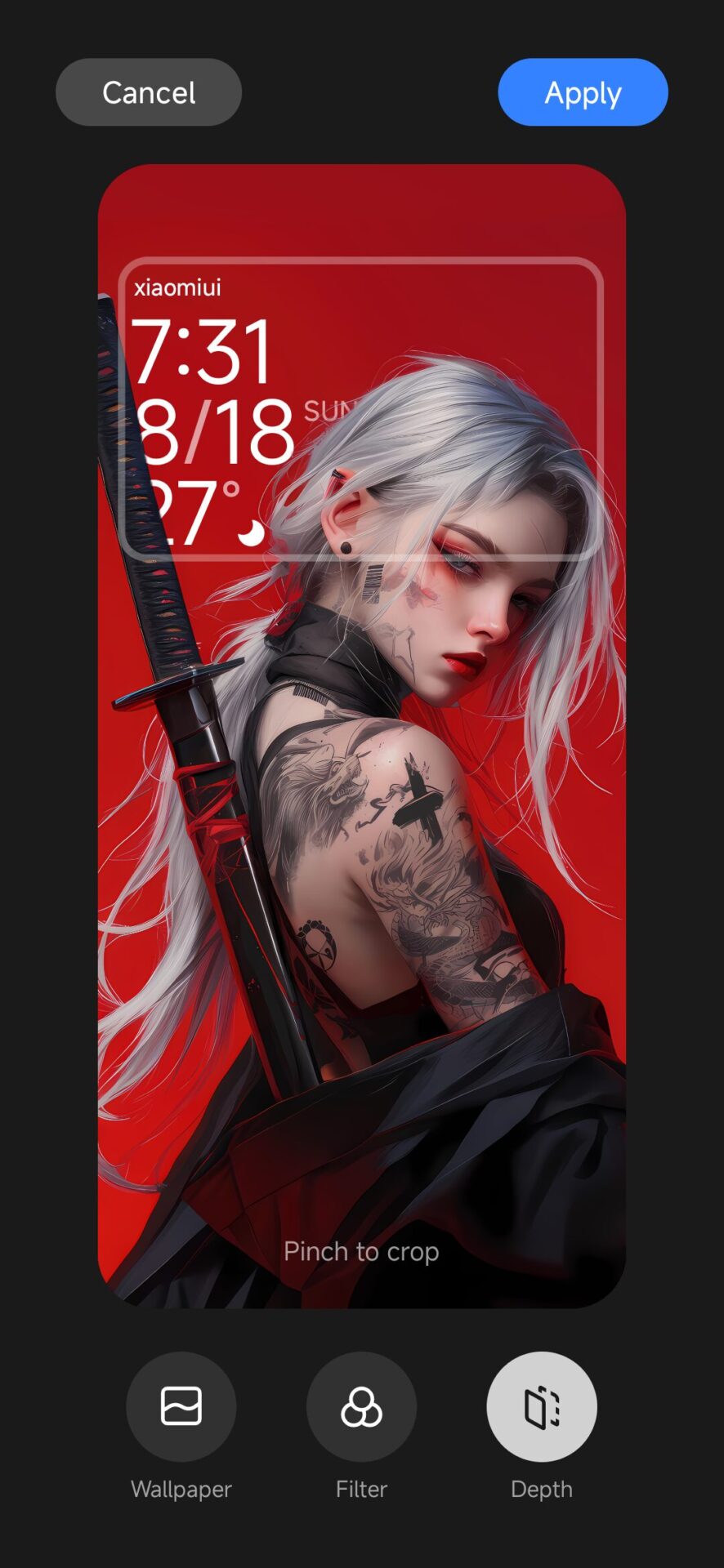
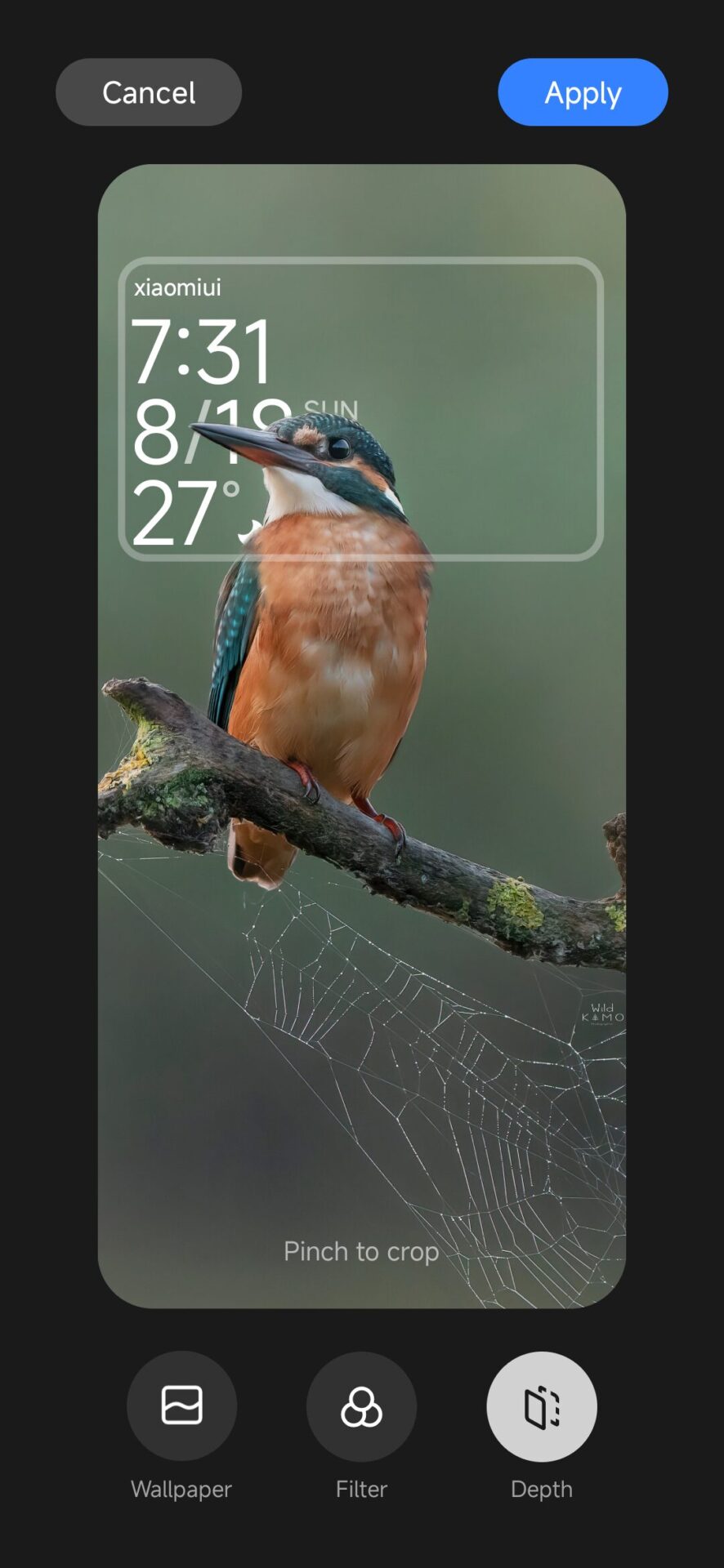
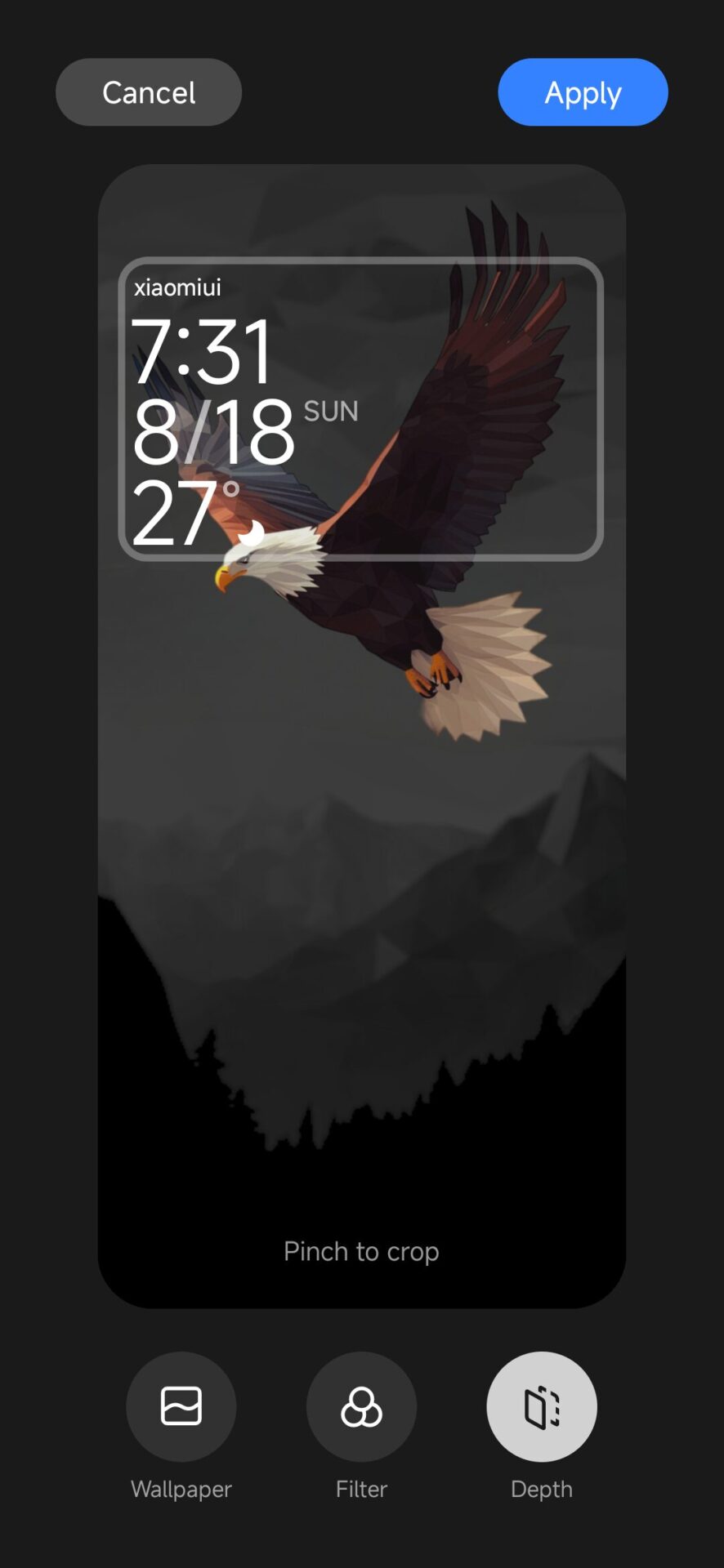
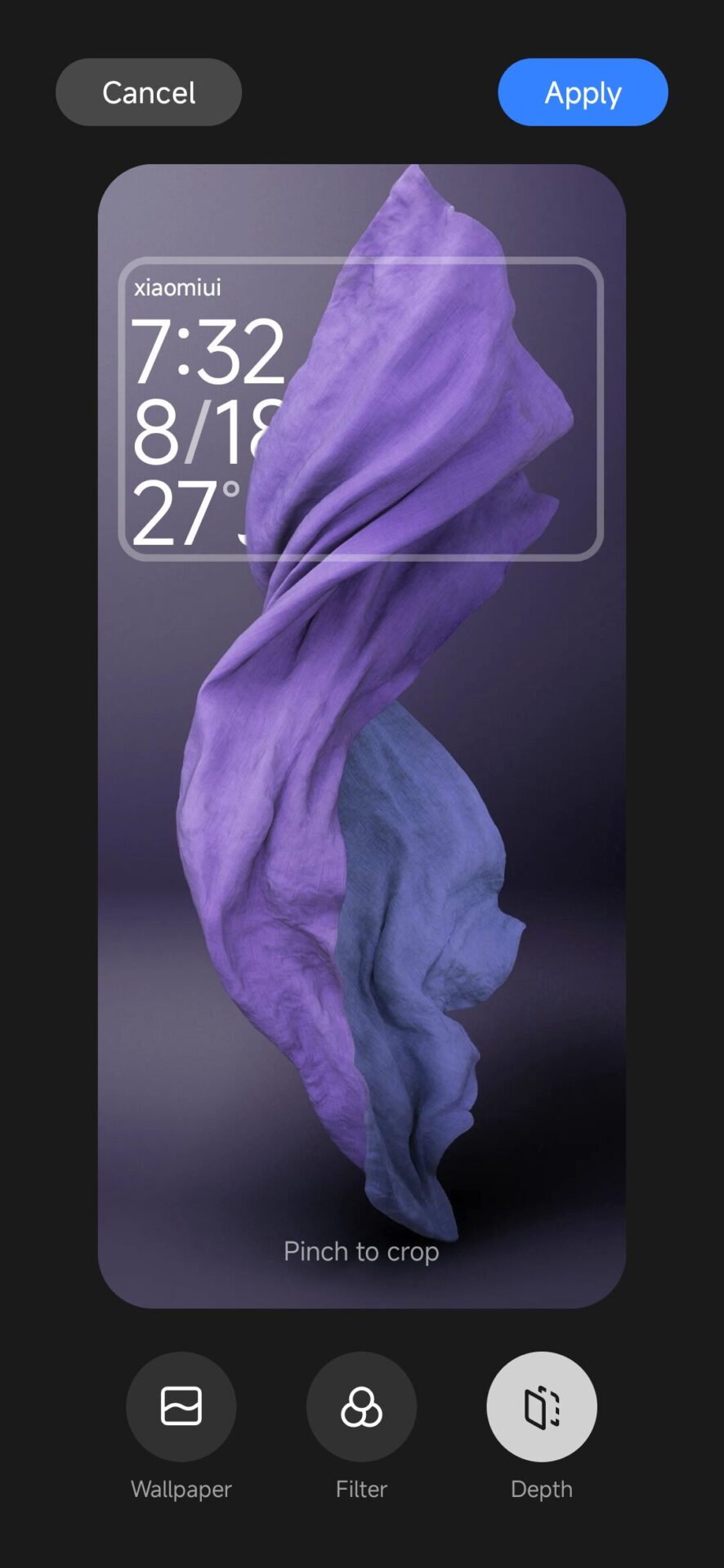
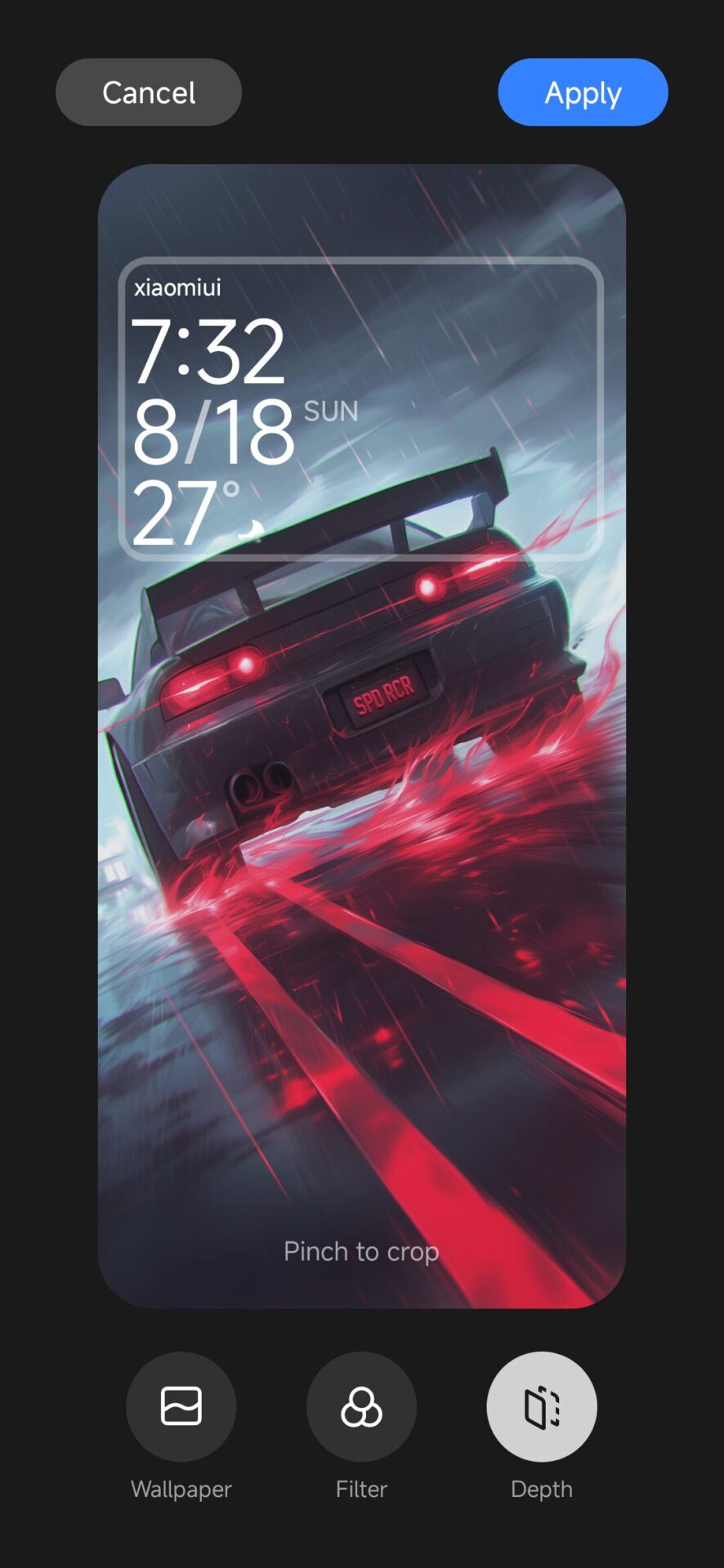
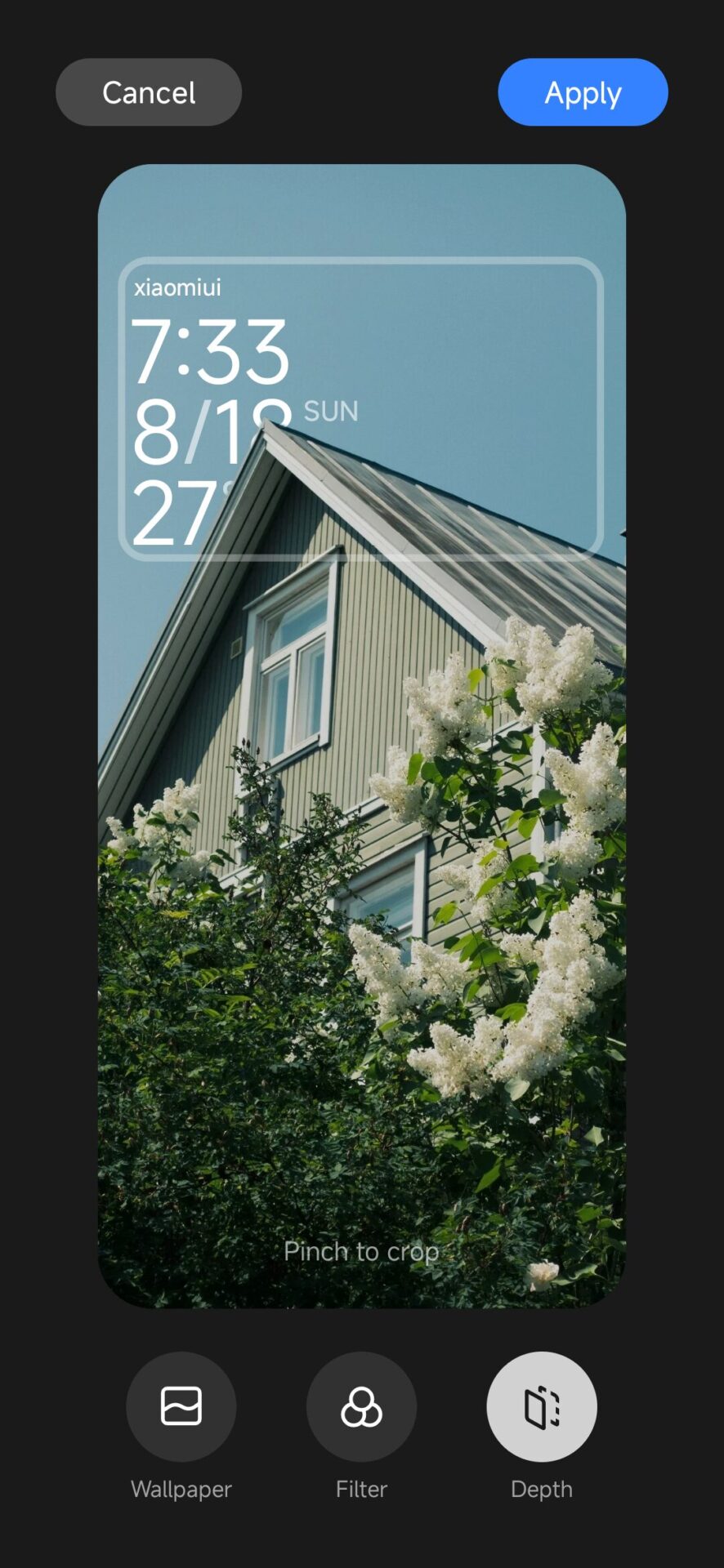
Some good news for Xiaomi fans! The all-new Depth Effect with HyperOS 3 for Xiaomi makes your lock screen wallpapers look dynamic and give them a 3D-like touch. A very popular feature in iOS has arrived in a Xiaomi, enabling a much more immersive and visually appealing experience. And today, to celebrate this, we present a collection of 58 wallpapers optimized for this feature, published exclusively on our Xiaomi fan website.

How to apply the wallpapers with depth effect to Xiaomi HyperOS 3

Activating depth effect on your Xiaomi device is quite simple. Here’s how you can customize your lock screen:

  • Enter the Lock Screen Customizer: Long press on an empty area of your lock screen to launch the customization of the lock screen.
  • Wallpaper: Select your picture from the gallery or download it from ours. The Depth Effect will automatically apply and give your lock screen an enthralling depth effect.

Why Depth Effect Wallpapers?

These depth effect wallpapers make the elements of the wallpaper float or show depth against the background. Not that it doesn’t already enhance the beauty of your device; it just makes everything look very fresh and modern every time you unlock your phone.

Exclusive Collection: 58 Depth Effect Wallpapers

To take full advantage of the feature, however, we’ve put together a special collection 58 free wallpapers supporting Depth Effect. Each of these is carefully selected to ensure it provides the best of visual experience when paired with Xiaomi’s HyperOS 3—ranging from a cool Pokémon theme to something as stunning as a forest theme.

Here are five previews to selected wallpapers from our Uwalls Telegram Channel. Dive into the full archive of 58 wallpapers and get the scoop on the Depth Effect for an impeccable visual experience on your Xiaomi device. To pick and download all wallpapers go to our Uwalls Telegram Channel.

Depth Wallpapers for Xiaomi HyperOS 1 Depth Wallpapers for Xiaomi HyperOS 2 Depth Wallpapers for Xiaomi HyperOS 3 Depth Wallpapers for Xiaomi HyperOS 4 Depth Wallpapers for Xiaomi HyperOS 5 Depth Wallpapers for Xiaomi HyperOS 6

Keep up to date with the HyperOS for Xiaomi Don’t miss new updates regarding features: save our website and visit us often to find out new wallpapers and other hot content about Xiaomi HyperOS. With the possibility of modifying the look of the Lock Screen using Depth Effect wallpapers, personal moments are becoming unique and interesting things each time the device is used. Have a look at the collection today and make the Xiaomi devices look amazingly alive with the Depth Effect feature under HyperOS 1.0. Stay tuned to our Xiaomi fan website for more tips, tricks, and updates. Happy customizing!

Solana Price Crash To $100 Likely As SOL Nears Death Cross, But There’s A Catch

23 November 2025 at 09:11

Solana is facing renewed bearish pressure as its price continues to slide, bringing the altcoin close to a critical support level that has not been tested in more than seven months. 

The ongoing decline reflects deepening market weakness, and technical indicators suggest that further losses may be ahead unless conditions shift quickly.

Solana Investors Are Facing Heavy Losses

Solana’s exponential moving averages are signaling the potential formation of a Death Cross.

This pattern occurs when the short-term EMA crosses below the long-term EMA, often indicating the start of a prolonged downtrend. Historical behavior suggests that Solana may be repeating earlier market cycles seen in Q1 and Q2 of this year.

During those periods, SOL fell 59% from the local top before the Death Cross fully materialized.

A similar setup today would send Solana toward $98, extending its current 47% drop from the local top.

These conditions highlight weakening sentiment and reinforce concerns about continued downside risk.

Want more token insights like this? Sign up for Editor Harsh Notariya’s Daily Crypto Newsletter here.

Solana EMAs.
Solana EMAs. Source: TradingView

Macro momentum also appears fragile. Solana’s net realized profit/loss ratio has fallen to its lowest level since June 2023, showing that holders are facing significant realized losses following the recent decline.

This metric often reflects broader sentiment shifts as investors reassess risk during rapid market downturns.

However, there is a notable silver lining. When the net realized profit/loss ratio dips below 0.1, reversals have historically followed.

This pattern played out in March, April, and September of 2023, each time signaling the start of a recovery.

If this trend repeats, Solana could see a meaningful bounce as realized losses saturate and selling pressure stabilizes.

Solana Realized Profit/Loss
Solana Realized Profit/Loss. Source: Glassnode

SOL Price Is Vulnerable

Solana trades at $127, holding just above the $123 support level. The altcoin is waiting for broader market stability and renewed investor confidence to fuel a rebound.

However, the indicators mentioned above suggest that the risks remain skewed to the downside.

If Solana moves closer to confirming a Death Cross, the price may continue falling, breaking below $123 and sliding to $105 or even $100.

Such a move would represent a 21.8% correction from current levels and revisit price zones last seen in March.

Solana Price Analysis.
Solana Price Analysis. Source: TradingView

If realized losses stabilize and investor sentiment improves, Solana could bounce from $123 and attempt a climb to $136.

A break above this barrier would open the path toward $157, invalidating the bearish thesis and restoring a more bullish structure.

The post Solana Price Crash To $100 Likely As SOL Nears Death Cross, But There’s A Catch appeared first on BeInCrypto.

HBAR Price Falls 18% A Week After Losing Its Month-Long Support

23 November 2025 at 06:04

Hedera has suffered a sharp decline over the past week, with its price falling to $0.130 after losing more than 18%. 

This drop is significant because HBAR broke below a crucial support level that had protected investors’ profits for more than a month. 

Hedera Is Following The King

Hedera’s correlation with Bitcoin currently sits at 0.97, one of its highest readings in months. This near-perfect correlation signals that HBAR is heavily mirroring Bitcoin’s price movement.

Such strong alignment becomes especially problematic during periods when BTC faces substantial pressure, as seen this past week.

With Bitcoin dropping to $84,408, HBAR has moved almost in lockstep. The high correlation has erased Hedera’s ability to move independently, making BTC’s decline one of the primary drivers behind the altcoin’s latest losses. 

Want more token insights like this? Sign up for Editor Harsh Notariya’s Daily Crypto Newsletter here.

HBAR Correlation To Bitcoin
HBAR Correlation To Bitcoin. Source: TradingView

Macro momentum indicators reinforce the bearish picture. The Chaikin Money Flow is sitting near an eight-month low, signaling heavy capital outflows from HBAR.

CMF measures buying and selling pressure, and a deeply negative reading indicates that investors are withdrawing funds at an accelerated pace.

These persistent outflows add pressure to the already declining price trend. As liquidity exits the asset, selling intensifies and recovery efforts weaken.

Unless inflows return, HBAR may continue facing difficulty in regaining upward momentum.

HBAR CMF
HBAR CMF. Source: TradingView

HBAR Price Can Bounce Back

HBAR is down 18% this week after slipping below the crucial $0.162 support level, which had held strong for more than a month.

Losing that support has exposed the altcoin to deeper declines and increased volatility as bearish sentiment grows.

Given that macro conditions have not improved, HBAR could drop to $0.120 from its current price of $0.129.

A fall below $0.120 may trigger additional losses, sending the price toward $0.110 as selling pressure builds.

HBAR Price Analysis.
HBAR Price Analysis. Source: TradingView

If bullish momentum returns, HBAR may attempt a recovery. A move above $0.133 would be the first step toward stabilizing the trend.

Breaking past $0.145 could open the path to $0.154 and higher, invalidating the bearish outlook and restoring investor confidence.

The post HBAR Price Falls 18% A Week After Losing Its Month-Long Support appeared first on BeInCrypto.

XRP Whale Selling Hits $480 Million In 48 Hours As Price Falls Below $2

23 November 2025 at 04:34

XRP has fallen below the key $2 psychological support level as bearish pressure intensifies across the broader market. The altcoin’s decline has accelerated over the past week, prompting significant selling from major holders. 

This shift in behavior from large investors has amplified downward momentum and weakened XRP’s short-term outlook.

XRP Whales Switch Their Stance

Whales have moved decisively from accumulation to heavy selling. Addresses holding between 10 million and 100 million XRP have dumped more than 250 million tokens in the past 48 hours alone, worth over $480 million.

This selling wave follows more than 20 consecutive days of accumulation by the same group of holders.

Such an abrupt shift signals a loss of conviction among large investors who had previously supported XRP’s rise. Their exit removes a crucial source of market strength and may prolong XRP’s decline. Without renewed confidence from whales, recovery momentum could weaken further and keep prices under pressure.

Want more token insights like this? Sign up for Editor Harsh Notariya’s Daily Crypto Newsletter here.

XRP Whale Holding
XRP Whale Holding. Source: Santiment

Macro indicators also highlight growing fragility. The MVRV Long/Short Difference has slipped below zero for the first time in five months, indicating that long-term holders have lost profitability. This shift pushes profit opportunity toward short-term holders, who tend to sell quickly once prices rise.

If XRP’s price rebounds even modestly, short-term holders may capitalize on their gains by selling, which could suppress upward movement. This dynamic often keeps volatility elevated and limits breakout potential. 

XRP MVRV Long/Short Difference
XRP MVRV Long/Short Difference. Source: Santiment

XRP Price May Need Support

XRP has fallen 23% over the past 11 days and trades at $1.92, sitting just under the $1.94 resistance level. The drop below $2.00 marks a significant psychological break and reinforces the current bearish sentiment across the market.

If whale selling accelerates and macro indicators worsen, XRP could fall further toward $1.79 or even lower. Such a move would deepen losses and extend the current downtrend as market sentiment weakens.

XRP Price Analysis.
XRP Price Analysis. Source: TradingView

However, if investor support stabilizes or broader market conditions improve, XRP may be able to reclaim $2.00 as support.

A successful recovery could lift the price toward $2.14 and higher, helping reverse recent losses and invalidating the bearish thesis.

The post XRP Whale Selling Hits $480 Million In 48 Hours As Price Falls Below $2 appeared first on BeInCrypto.

Grayscale’s Dogecoin and XRP ETFs Set for NYSE Debut on November 24

23 November 2025 at 02:26

Grayscale will introduce new exchange-traded fund products tied to Dogecoin and XRP on Nov. 24 after securing approval to list both vehicles on the New York Stock Exchange.

The Grayscale Dogecoin Trust ETF (GDOG) and the Grayscale XRP Trust ETF (GXRP) will debut as spot ETPs holding their respective underlying tokens.

Grayscale Expands ETF Lineup With Dogecoin and XRP

The firm is converting its existing private trusts into fully listed ETFs, a move that represents a major liquidity event for current investors.

GXRP will enter a market that already includes spot products from Canary Capital and Bitwise.

Those funds have drawn about $422 million in combined inflows during their first two weeks of trading, signaling early institutional interest in XRP-linked products.

XRP ETFs Daily Inflow Since Launch. Source: SoSoValue

On the other hand, GDOG will be one of the first Dogecoin ETF available to US investors.

Dogecoin, once a meme token, has grown into the ninth-largest cryptocurrency by market capitalization. Its deep retail following has made it one of the most frequently traded and discussed digital assets, a trend Grayscale expects will support ETF demand.

Considering this, Bloomberg Intelligence analyst Eric Balchunas said the product could attract as much as $11 million in volume on its first trading day.

Grayscale Dogecoin ETF $GDOG approved for listing on NYSE, scheduled to begin trading Monday. Their XRP spot is also launching on Monday. $GLNK coming soon as well, week after I think pic.twitter.com/c6nKUeDrtI

— Eric Balchunas (@EricBalchunas) November 21, 2025

GDOG and GXRP’s launch broadens the mix of crypto ETFs available in the US market, extending the industry’s expansion beyond Bitcoin and Ethereum products that dominated the initial wave of approvals.

Their arrival also reflects shifting regulatory conditions in Washington.

Both approvals are part of a broader acceleration in digital asset oversight under Securities and Exchange Commission (SEC) Chairman Paul Atkins.

Since taking office, Atkins has moved the agency away from a “regulation by enforcement” approach and toward a disclosure-focused framework.

Through his “Project Crypto” initiative, he has signaled that the SEC is open to reviewing compliant digital asset products, clearing the path for issuers seeking to list new ETFs.

The post Grayscale’s Dogecoin and XRP ETFs Set for NYSE Debut on November 24 appeared first on BeInCrypto.

Pi Coin Price Rise May Slow Down As Investors’ Bullishness Saturates

22 November 2025 at 23:52

Pi Coin’s recent upward momentum has started to cool, with the altcoin facing a 5% pullback in the past 24 hours. The rise in price earlier this week has now met short-term resistance as inflows show signs of saturation. 

This shift suggests that the strong buying activity supporting the rally may slow in the near term.

Pi Coin Faces Slight Bearishness

The Chaikin Money Flow is slipping after touching the 0.15 level, signaling weakening capital inflows.

CMF tracks money entering and exiting an asset, and while 0.20 is typically viewed as a saturation point, Pi Coin’s threshold appears lower. Historically, a move above 0.15 has often led to both price reversals and netflow declines.

This pattern may repeat, as Pi Coin has struggled to maintain inflows once CMF breaks above this zone.

A renewed drop in capital could pull the price lower in the coming sessions, creating short-term bearish pressure. 

Want more token insights like this? Sign upa for Editor Harsh Notariya’s Daily Crypto Newsletter here.

Pi Coin CMF
Pi Coin CMF. Source: TradingView

Despite the slip in sentiment, macro indicators still show pockets of strength. The Relative Strength Index remains in bullish territory above the neutral line.

This means Pi Coin is managing to sustain buying interest even as broader market sentiment trends bearish. Strong RSI readings often imply underlying resilience.

One contributing factor is Pi Coin’s negative correlation with Bitcoin.

As BTC weakens, Pi Coin has avoided following the typical market trend, allowing it to maintain upward movement independently. This divergence continues to support the asset, even with inflows softening.

Pi Coin RSI
Pi Coin RSI. Source: TradingView

PI Price Is Finding Its Footing

Pi Coin is trading at $0.241, sitting just below the $0.246 resistance level. The altcoin’s 5% drop yesterday reflects short-term bearish pressure. This has eased but not disappeared entirely. Price action suggests a cautious environment as traders wait for stronger signals.

If buying strength continues to fade, Pi Coin could slip below the $0.234 support or remain range-bound between $0.234 and $0.246.

Consolidation appears likely unless inflows strengthen again, which historically has taken time once CMF retreats.

Pi Coin Price Analysis.
Pi Coin Price Analysis. Source: TradingView

However, if capital inflows rise again, Pi Coin may break above the $0.246 resistance.

A successful move could lift the price to $0.250 and potentially to $0.260. This would invalidate the bearish outlook and restore short-term bullish momentum.

The post Pi Coin Price Rise May Slow Down As Investors’ Bullishness Saturates appeared first on BeInCrypto.

Solana Considers Cutting $3 billion in SOL Emissions in its Biggest Economic Shift Yet

22 November 2025 at 22:45

Solana is weighing a radical shift in its economic model that would eliminate approximately 22.3 million SOL ($2.9 billion) from projected emissions over the next six years.

As a result, the proposal would aggressively fast-track the transition of the blockchain to a low-inflation environment.

Solana’s Plan to Tighten Supply Risks Squeezing Nearly 50 Validators

The measure, formally titled SIMD-0411, proposes doubling the Solana network’s annual disinflation rate from 15% to 30%.

“Doubling the disinflation rate requires modifying a single parameter, making it the simplest possible protocol change that delivers a meaningful reduction in inflation. This adjustment will not consume core developer resources. It carries minimal risk of introducing bugs or unforeseen edge cases,” the authors argued.

If passed, Solana would hit its “terminal” inflation target of 1.5% in roughly three years, ie, by 2029. Notably, that milestone was originally scheduled for 2032.

Proponents describe the current emissions schedule as a “leaky bucket” that continually dilutes holders and creates persistent sell pressure.

By tightening supply, the network hopes to emulate the scarcity mechanics that have historically benefited Bitcoin and Ethereum.

“Our modeling indicates that, over the next 6 years, total supply would be approximately 3.2% lower (a reduction of 22.3 million SOL) than under the current inflation schedule. At today’s SOL price, this equates to roughly $2.9 billion in reduced emissions. Excessive emissions create persistent downward price pressure, distorting market signals and hindering fair price comparison,” they wrote.

Solana’s Disinflation Proposal. Source: Solana Floor

Beyond price support, the plan seeks to overhaul the incentive structure for decentralized finance (DeFi).

Moreover, the proposal argues that high inflation mirrors high interest rates in traditional finance, raising the “risk-free” benchmark and discouraging borrowing.

Considering this, Solana aims to push capital out of passive validation and into active liquidity provision by compressing nominal staking yields. Those yields are projected to fall from 6.41% to 2.42% by the third year.

Solana's Staking Reward and Inflation Rate.
Solana’s Staking Reward and Inflation Rate. Source: Staking Rewards

However, this “hard money” pivot carries operational risks.

The reduction in subsidies will inevitably squeeze validator margins.

The proposal estimates that up to 47 validators could become unprofitable within three years as rewards dry up. However, the authors describe this level of churn as minimal.

Still, it raises questions about whether the network will consolidate around larger, better-capitalized operators that can survive on transaction fees alone.

Despite these concerns, early backing from key ecosystem players suggests Solana is prepared to trade subsidized growth for greater stability. The shift reflects a move toward positioning the network as a more mature, scarcity-driven asset class.

The post Solana Considers Cutting $3 billion in SOL Emissions in its Biggest Economic Shift Yet appeared first on BeInCrypto.

Bitcoin ETFs Hit Record $11.5 Billion Volume as Most Investors Slip Into Losses

22 November 2025 at 19:08

US spot Bitcoin exchange-traded funds just posted their busiest trading session ever, even as the recent slide in the cryptocurrency’s price has left the average ETF investor holding losses.

The surge in activity marks a new phase in the market’s adjustment to this month’s selloff in the sector.

BlackRock’s IBIT on Top as $238 Million Inflows Return Amid Market Stress

On November 21, Bloomberg Senior ETF Analyst Eric Balchunas reported that the 12 spot Bitcoin ETFs recorded $11.5 billion in combined trading volume.

US Bitcoin ETFs Record Trading Volume.
US Bitcoin ETFs Record Trading Volume. Source: Eric Balchunas

Balchunas described the spike in volume as “wild but normal,” noting that ETFs and other asset classes tend to record elevated turnover during periods of market stress.

He said such bursts of activity often signal the release of liquidity as investors reshuffle positions.

The elevated turnover reflected brisk two-way participation, with some investors cutting exposure while others took advantage of lower prices to add to positions.

BlackRock’s IBIT led the surge, generating $8 billion in turnover and accounting for more than 69% of all spot Bitcoin ETF trading that day. This was IBIT’s highest-volume session since launch, though the fund still ended the day with $122 million in outflows.

“Also, no surprise record week for Put volume in IBIT.. this is one thing that may help people stay the course, they can always buy some puts as a hedge while they stay long,” Balchunas added.

Meanwhile, other Bitcoin ETFs, led by Fidelity’s FBTC, posted net inflows of more than $238 million.

Despite this inflow, the 12 Bitcoin investment vehicles are on course for their worst trading month, with net outflows of more than $3.5 billion.

US Bitcoin ETFs Monthly Flows.
US Bitcoin ETFs Monthly Flows. Source: SoSoValue

This substantial outflow and record session come as the average spot Bitcoin ETF holder has slipped into the red.

Data from Bianco Research shows the weighted average purchase price for spot Bitcoin ETF inflows stood at $91,725 as of November 20.

The average Spot BTC ETF holder is now in the red. pic.twitter.com/fMb5ln2we7

— Jim Bianco (@biancoresearch) November 20, 2025

Bitcoin’s drop below that level this week pushed most holders, including those who entered the market in January 2024, into unrealized losses.

Bitcoin fell roughly 12% this week to as low as $80,000 before recovering to $84,431 as of press time. This price performance extends a month-long slide and reinforces the risk-off sentiment across digital assets.

The post Bitcoin ETFs Hit Record $11.5 Billion Volume as Most Investors Slip Into Losses appeared first on BeInCrypto.

Bitcoin Slide Leaves Over 70% of Active capital in Losses as Sentiment Collapses

22 November 2025 at 18:21

Bitcoin’s recent drop toward $80,000 has driven most active capital in the asset into losses, signaling a shift in market conditions for the world’s largest cryptocurrency.

Bitcoin has erased nearly 35% from its October peak of about $126,000 after sinking to a seven-month low. As a result, it is now generating one of the largest waves of unrealized losses this cycle.

Over 70% of US Dollars Invested in Bitcoin is in Loss

According to data from on-chain analytics firm Checkonchain, the price rout has forced more than 70% of the capital allocated to Bitcoin underwater.

Bitcoin analyst James Check explains that 71.2% of the network’s realized capitalization carries a cost basis of at least $86,500. This metric prices each coin in the circulating supply at the value it last moved on-chain.

This chart shows the USD value of every coin in the Bitcoin supply priced when it last transacted onchain.

Think of this as our collective invested cost basis.

Over 70% of the USD invested in Bitcoin is now underwater. pic.twitter.com/9o89sg5y7d

— _Checkmate 🟠🔑⚡☢️🛢️ (@_Checkmatey_) November 21, 2025

Thus, it effectively represents the aggregate entry price for the market’s active investors.

So, with Bitcoin recently tumbling below that critical waterline, a flood of buyers who entered during the late-2024 and early-2025 rallies now face mounting losses. Many of these investors are effectively trapped in positions that no longer break even.

This heavy concentration of volume near the highs indicates that short-term holders are experiencing acute stress. It is forcing their Net Unrealized Profit and Loss metrics to collapse to cycle lows.

Bitcoin Market Sentiment Reaches 2-Year Low

Meanwhile, this fracture in the broader market structure is further corroborated by Glassnode data.

The firm’s Relative Unrealized Loss indicator, which tracks the dollar value of coins held below their acquisition price relative to total market capitalization, has spiked to 8.5%. In a typical, healthy bull market, this metric generally remains below 5%.

The Relative Unrealized Loss in the market is now trading at 8.5%.

📉https://t.co/7VWlmcu84i https://t.co/kmfckmV6ix pic.twitter.com/2UKM7a8ggj

— glassnode (@glassnode) November 21, 2025

So, the current breach suggests that the drawdown represents a significant “market reset” of the asset’s ownership base rather than a standard volatility correction.

While prices have staged a modest recovery to the $84,543 level at press time, the psychological damage to the retail sector appears severe.

Social media sentiment has cratered to its lowest point since December 2023, according to blockchain analytics platform Santiment.

The firm said its analysis of social media commentary across X, Reddit, and Telegram shows that retail traders are capitulating and panic-selling at levels unseen in two years.

Bitcoin Social Media Sentiment.
Bitcoin Social Media Sentiment. Source: Santiment

Historically, such extreme levels of bearishness often act as a contrarian signal, suggesting that the market may be clearing out weak hands in preparation for a local bottom.

The post Bitcoin Slide Leaves Over 70% of Active capital in Losses as Sentiment Collapses appeared first on BeInCrypto.

Harga Solana Anjlok ke US$100 Nampaknya Saat SOL Mendekati Death Cross, Tapi Ada Kejutan

23 November 2025 at 09:11

Solana menghadapi tekanan bearish baru saat harga terus menurun, membawa altcoin ini mendekati level support kritis yang belum pernah diuji selama lebih dari tujuh bulan.

Penurunan yang berkelanjutan mencerminkan kelemahan pasar yang mendalam, dan indikator teknis menunjukkan bahwa kerugian lebih lanjut mungkin terjadi kecuali kondisi berubah dengan cepat.

Investor Solana Menghadapi Kerugian Besar

Exponential moving averages Solana menunjukkan potensi pembentukan Death Cross.

Pola ini terjadi ketika EMA jangka pendek memotong di bawah EMA jangka panjang, seringkali menunjukkan awal dari tren turun yang berkepanjangan. Sejarah menunjukkan bahwa Solana mungkin mengulangi siklus pasar sebelumnya seperti pada Q1 dan Q2 tahun ini.

Selama periode tersebut, SOL jatuh 59% dari puncak lokal sebelum Death Cross sepenuhnya terjadi.

Pengaturan serupa hari ini dapat membawa Solana menuju US$98, memperpanjang penurunan 47% dari puncak lokal saat ini.

Kondisi ini menyoroti sentimen yang melemah dan memperkuat kekhawatiran tentang risiko penurunan yang berlanjut.

Ingin wawasan token lebih seperti ini? Daftarlah untuk Buletin Kripto Harian Editor Harsh Notariya di sini.

Solana EMAs.
Solana EMAs | Sumber: TradingView

Momentum makro juga nampaknya lemah. Rasio keuntungan/rugi yang direalisasikan bersih Solana telah turun ke level terendah sejak Juni 2023, menunjukkan bahwa holder mengalami kerugian yang signifikan setelah penurunan terbaru.

Metrik ini sering mencerminkan perubahan sentimen yang lebih luas saat investor menilai ulang risiko selama penurunan pasar yang cepat.

Namun, ada sisi positif yang menonjol. Ketika rasio keuntungan/rugi yang direalisasikan bersih turun di bawah 0,1, pembalikan secara historis terjadi.

Pola ini terjadi pada Maret, April, dan September 2023, setiap kali menandakan awal pemulihan.

Jika tren ini berulang, Solana dapat melihat pantulan yang signifikan saat kerugian yang direalisasikan mencapai titik jenuh dan tekanan jual stabil.

Solana Realized Profit/Loss
Keuntungan/Kerugian Solana yang Direalisasikan | Sumber: Glassnode

Harga SOL Nampaknya Rentan

Solana diperdagangkan pada US$127, bertahan tepat di atas level support US$123. Altcoin ini menunggu stabilitas pasar yang lebih luas dan keyakinan investor baru untuk memicu reli.

Namun, indikator yang disebutkan di atas menunjukkan bahwa risiko tetap condong ke sisi penurunan.

Jika Solana mendekati konfirmasi Death Cross, harga dapat terus turun, menembus di bawah US$123 dan meluncur ke US$105 atau bahkan US$100.

Pergeseran ini akan mewakili koreksi 21,8% dari level saat ini dan mengunjungi kembali zona harga yang terakhir terlihat pada bulan Maret.

Solana Price Analysis.
Analisis Harga Solana | Sumber: TradingView

Jika kerugian yang direalisasikan menstabilkan dan sentimen investor membaik, Solana dapat memantul dari US$123 dan mencoba naik ke US$136.

Breakout di atas penghalang ini akan membuka jalan menuju US$157, membatalkan tesis bearish dan mengembalikan struktur yang lebih bullish.

Harga HBAR Turun 18% Seminggu Setelah Kehilangan Support Sebulan

23 November 2025 at 06:04

Hedera mengalami penurunan tajam selama minggu terakhir, dengan harganya jatuh ke US$0,130 setelah kehilangan lebih dari 18%.

Penurunan ini signifikan karena HBAR menembus di bawah level support penting yang telah melindungi keuntungan investor selama lebih dari sebulan.

Hedera Mengikuti Raja

Koefisien korelasi Hedera dengan Bitcoin saat ini berada di 0,97, salah satu bacaan tertinggi dalam beberapa bulan. Korelasi yang hampir sempurna ini menunjukkan bahwa pergerakan harga HBAR sangat meniru pergerakan harga Bitcoin.

Hubungan yang sangat kuat ini menjadi masalah, terutama saat BTC menghadapi tekanan besar, seperti yang terlihat minggu lalu.

Dengan Bitcoin jatuh ke US$84.408, HBAR bergerak hampir searah. Korelasi tinggi ini telah menghilangkan kemampuan Hedera untuk bergerak secara mandiri, membuat penurunan BTC menjadi salah satu pendorong utama di balik kerugian terbaru altcoin ini.

Ingin wawasan token lebih banyak seperti ini? Daftar untuk mendapatkan Harian Crypto Newsletter dari Editor Harsh Notariya di sini.

HBAR Correlation To Bitcoin
Korelasi HBAR dengan Bitcoin | Sumber: TradingView

Indikator momentum makro memperkuat gambaran bearish. Chaikin Money Flow berada di dekat level terendah delapan bulan, menandakan aliran keluar modal besar dari HBAR.

CMF mengukur tekanan beli dan jual, dan pembacaan yang sangat negatif menunjukkan bahwa investor menarik dana dengan kecepatan tinggi.

Aliran keluar yang terus-menerus ini menambah tekanan pada tren harga yang sudah menurun. Ketika likuiditas keluar dari aset, penjualan meningkat dan upaya pemulihan melemah.

Jika tidak ada aliran masuk yang kembali, HBAR mungkin akan terus menghadapi kesulitan untuk mendapatkan kembali momentum naik.

HBAR CMF
HBAR CMF | Sumber: TradingView

Harga HBAR Bisa Pulih

HBAR turun 18% minggu ini setelah menembus di bawah level support penting US$0,162, yang telah bertahan kuat selama lebih dari sebulan.

Kehilangan support tersebut telah membuat altcoin rentan terhadap penurunan lebih dalam dan volatilitas yang meningkat seiring berkembangnya sentimen bearish.

Mengingat kondisi makro tidak membaik, HBAR bisa turun ke US$0,120 dari harga saat ini US$0,129.

Penurunan di bawah US$0,120 bisa memicu kerugian tambahan, mengirim harga ke arah US$0,110 seiring meningkatnya tekanan jual.

HBAR Price Analysis.
Analisis Harga HBAR | Sumber: TradingView

Jika momentum bullish kembali, HBAR mungkin mencoba untuk pulih. Gerakan di atas US$0,133 akan menjadi langkah pertama untuk menstabilkan tren.

Menembus US$0,145 bisa membuka jalan menuju US$0,154 dan lebih tinggi, membatalkan pandangan bearish dan memulihkan kepercayaan investor.

❌