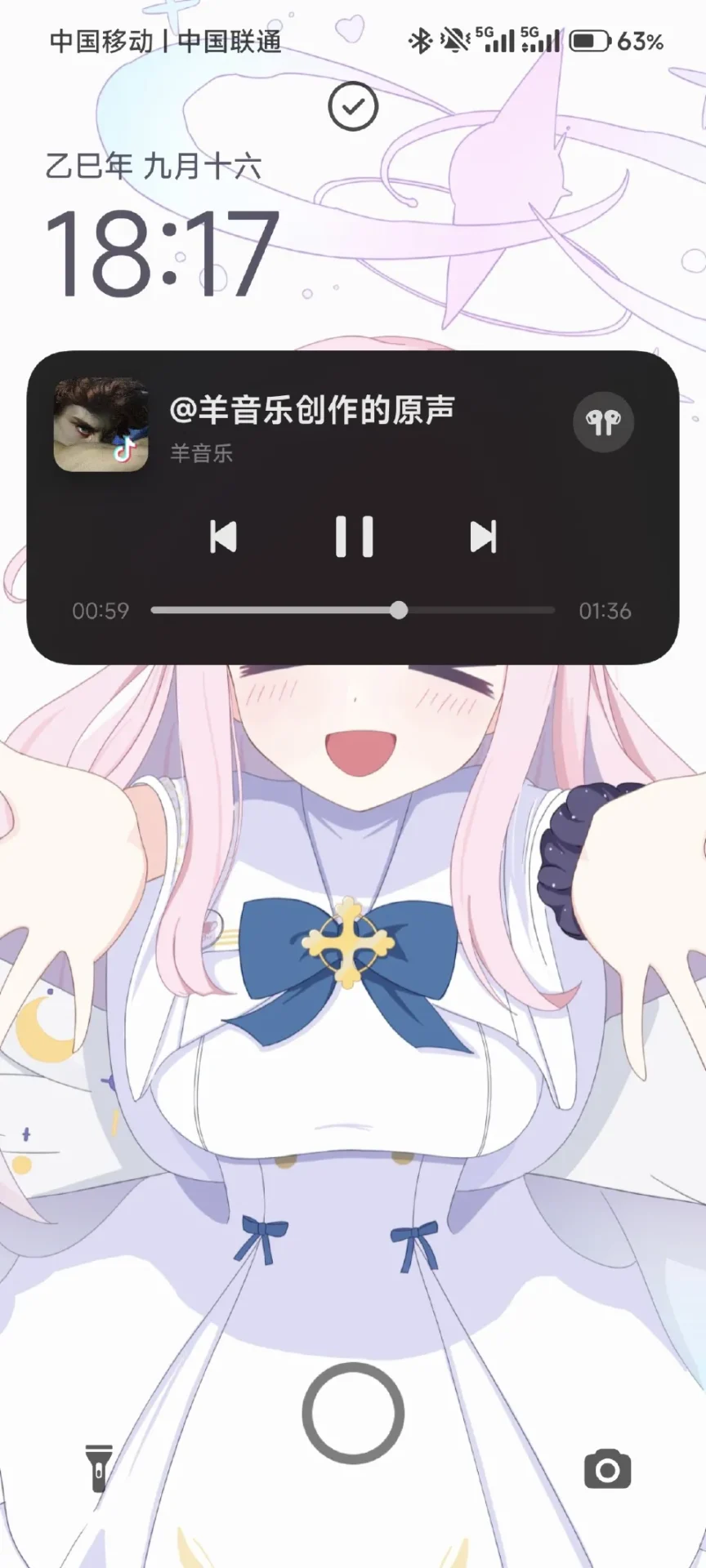
Xiaomi has brought about an subtle yet refined visual transformation with the forthcoming HyperOS 3 update with the new folder interruption animation to increase the smoothness and flow of the user interface. The announcement comes from the popular Chinese technology blogger @MT with the revelation that this development is part of the ongoing user interface enhancement that has been noticed in the latest versions of Xiaomi’s operating system. If you want to try new launcher animations, please wait new APK release. It will be available on HyperOSUpdates.com.
Available on All Devices Supporting HyperOS 3
As stated in the blog post, this new feature is not found exclusively on the latest Xiaomi flagships such as Xiaomi 16 and Redmi K80 Ultra. Rather, it is accessible to all devices qualified to receive the HyperOS 3 update. This means that those people who still use old but supported smartphones such as Xiaomi 14T and Redmi Note 13 Pro are also entitled to take advantage of the enhanced folder transition animations.
The animation makes opening the folder more seamless with smooth interruption and closure; this is Xiaomi’s aim to provide a unified and elegant user interface to its whole ecosystem.
Gaussian Blur and Theme Customization
When enquiring about the ‘Gaussian blur effect’ on smaller folders in themes, the blogger explained that this feature ‘already exists’, albeit with the activation ‘dependent on the implementation’ by the theme developer. This means that designers who use the HyperConnect design framework by Xiaomi get to implement more creativity in terms of the level of blur/download effect on the background of the folder.
This flexibility in design highlights Xiaomi’s increasing emphasis on user experience and personalization, as each device that features HyperOS has a distinct feel to it.
What’s Next for HyperOS 3
The HyperOS 3 update is another move by Xiaomi aimed at perfecting the speeds and animations on the gesture interface. Xiaomi has taken yet another step to ensure that it offers a more dynamic and coherent visual look with this latest folder animation.
You can keep up with the latest improvements in Xiaomi’s operating system and also get the latest applications and themes with the use of MemeOS Enhancer found on Google Play Store. The application can also unlock secret features within the Xiaomi device.
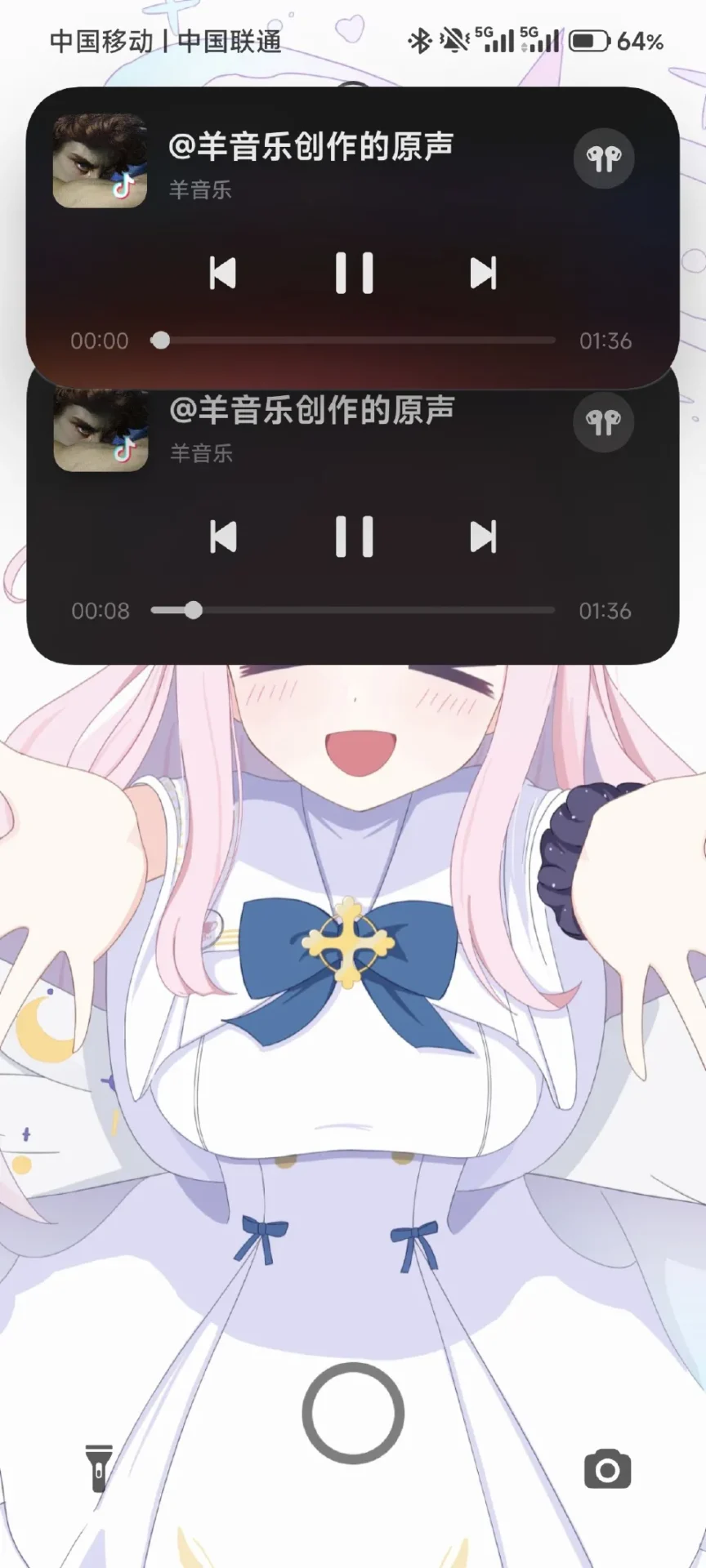
One issue that was recently solved by Xiaomi affects the Super Island function but has since transformed to Music Island in November. The issue made the island stay on display even after the screen has been turned off. The problem was caused by the Always-On Display (AOD). The updated version will see to the seamless flow between these interactive features and AOD display functions.
For more details about the latest improvements made by Xiaomi to its software, you can visit [HyperOS
The Source of the Bug
The problem cropped up after users expanded the Super Island and then turned the screens off on their phones. The effect was that instead of fading away as required, the island element was retained and ended up hindering the AOD function. The Xiaomi team referred to this issue as an issue related to screen-off animations and AOD rendering layers.
How the Fix Works
The solution ensures that whenever the user locks the phone after opening the Island, the Always-On Display is displayed as intended without any overlay issue. The Super Island as well as Music Island will be automatically concealed.
Xiaomi’s Continuous Software Improvement
Part of this solution is to optimize dynamic user interfaces that are promoted with the advent of HyperOS. The more that Super Island and Music Island features develop further, the more the operating environments that come with Xiaomi smartphones are dynamically adaptive.
The proactive measures taken by the company ensure that even smaller bugs are taken care of quickly—retaining its fame for smooth performance and smart design on all devices.
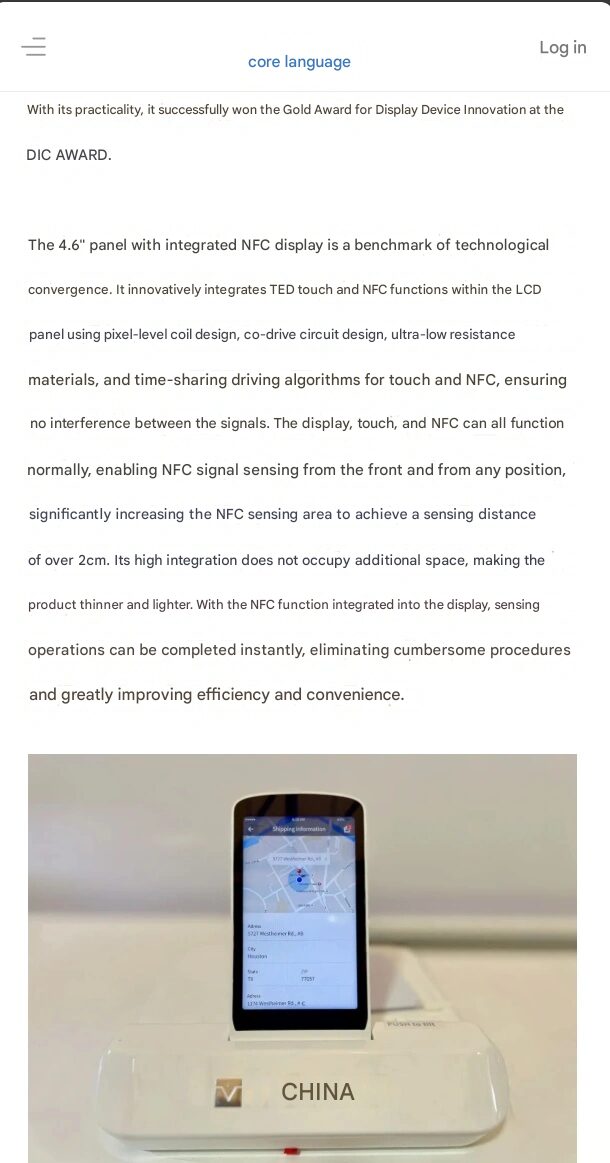
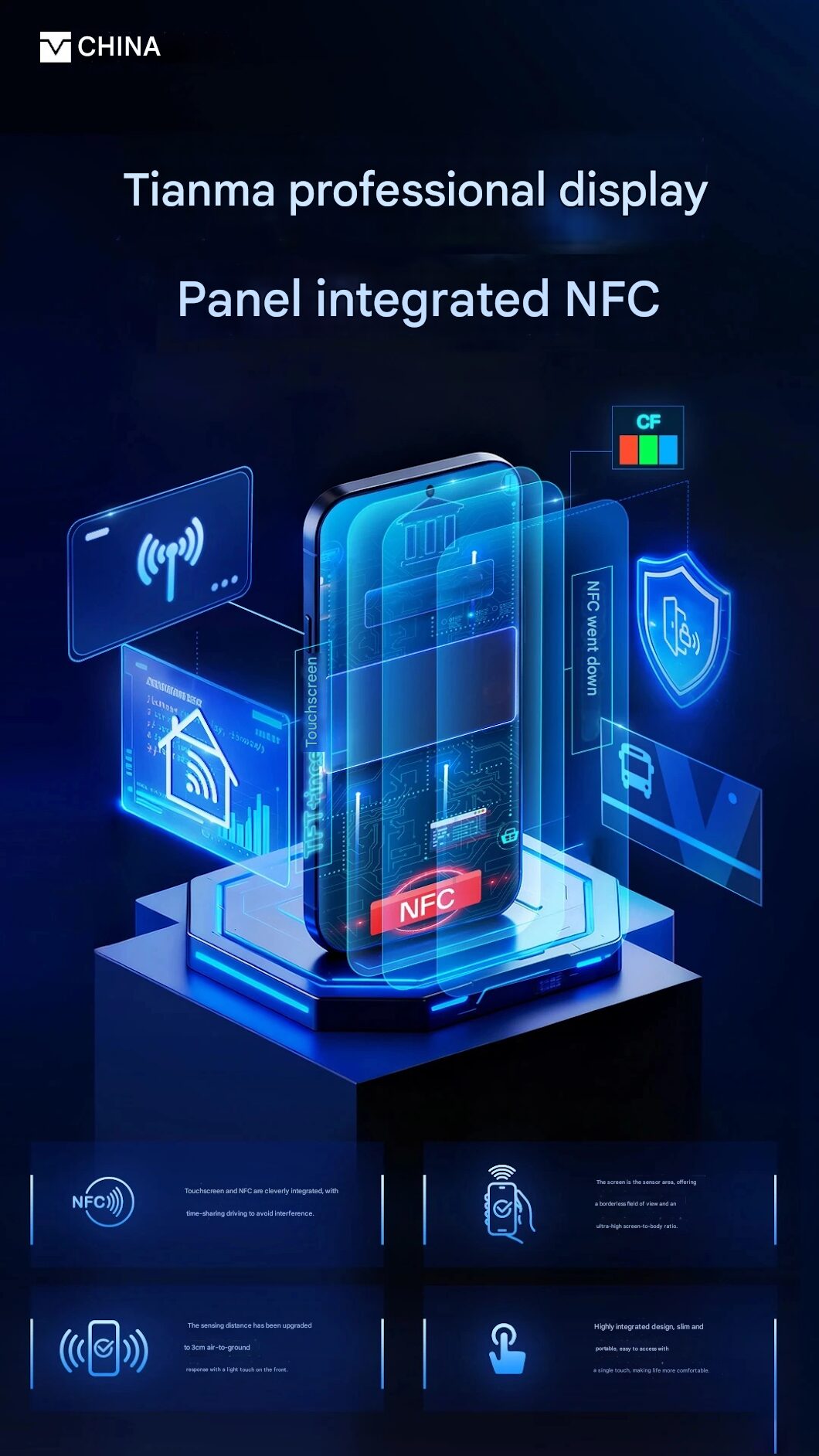
Tianma has recently launched its very first display with built-in NFC capabilities that combines the touch and NFC modules in one layer. The firm boasts that its new display offers an impressive 3cm air contact sensitivity that lets people interact with an NFC system without touching it. Information about such technology was shared on the company’s WeChat account and soon caught the attention of the smartphone market, particularly Xiaomi that is always the first to integrate latest display technology features from popular manufacturers.
Revolutionary Design: Touch + NFC in One Panel
In Tianma’s explanation, the display employs an integrated touch+NFC architecture that allows parallel operations—that is, NFC card transactions can be carried out even when the display is in active use. The display employs time-sharing drive algorithms to ensure that touch and NFC operations are carried out without disruptions.
This technology has the potential to unlock new use cases in smartphones, tablets, and smart home appliances since Near Field Communications transactions like money transfers, entry functions, and data sharing can be possible on the surface.
How It Could Help Xiaomi Devices
If Xiaomi chooses to implement such technology in the Xiaomi 16 series and Redmi K80 Ultras in the future, user convenience and product design are likely to be greatly improved. The slim and lightweight design that the technology boasts is perfectly in line with the engineering requirements that Xiaomi has set within its HyperConnect ecosystem to facilitate seamless connectivity between devices.
This team’s “air contact response” may also redefine experiences with Xiaomi Pay and Mi Wallet, whereby consumers would be capable of making payments by hovering over the terminals with phones. These will be faster and more hygienic compared to current touch-sensitive technologies.
Beyond smartphones – Extending to Smart Homes and Industries
Other than displaying on phones, Tianma’s display Find application in access control systems, conference card reader terminals, and public transport terminals. As Xiaomi extends its smart home offerings with offerings such as Xiaomi Smart Door Locks and Mijia control panels, this display might enable more seamless HyperConnect experiences.
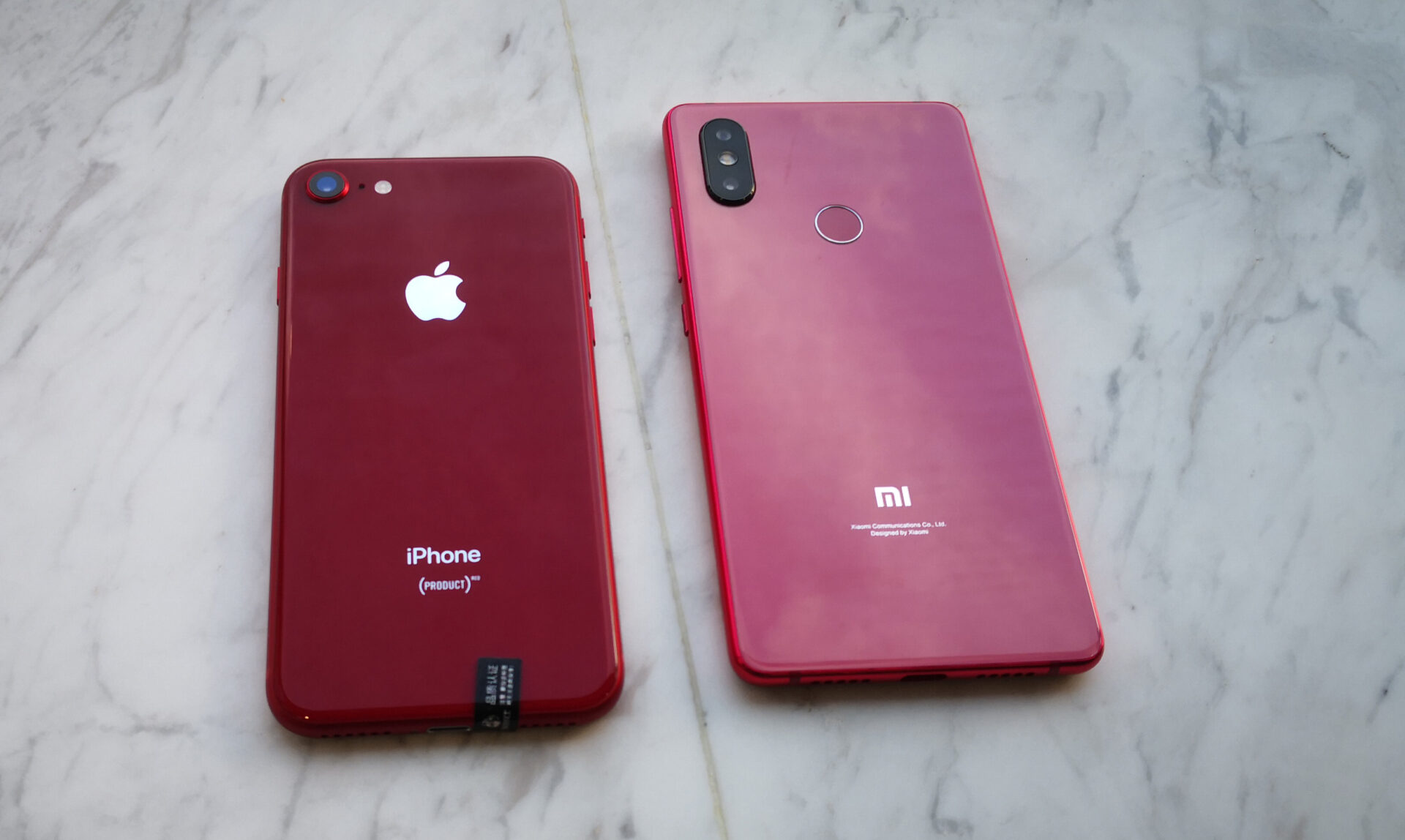
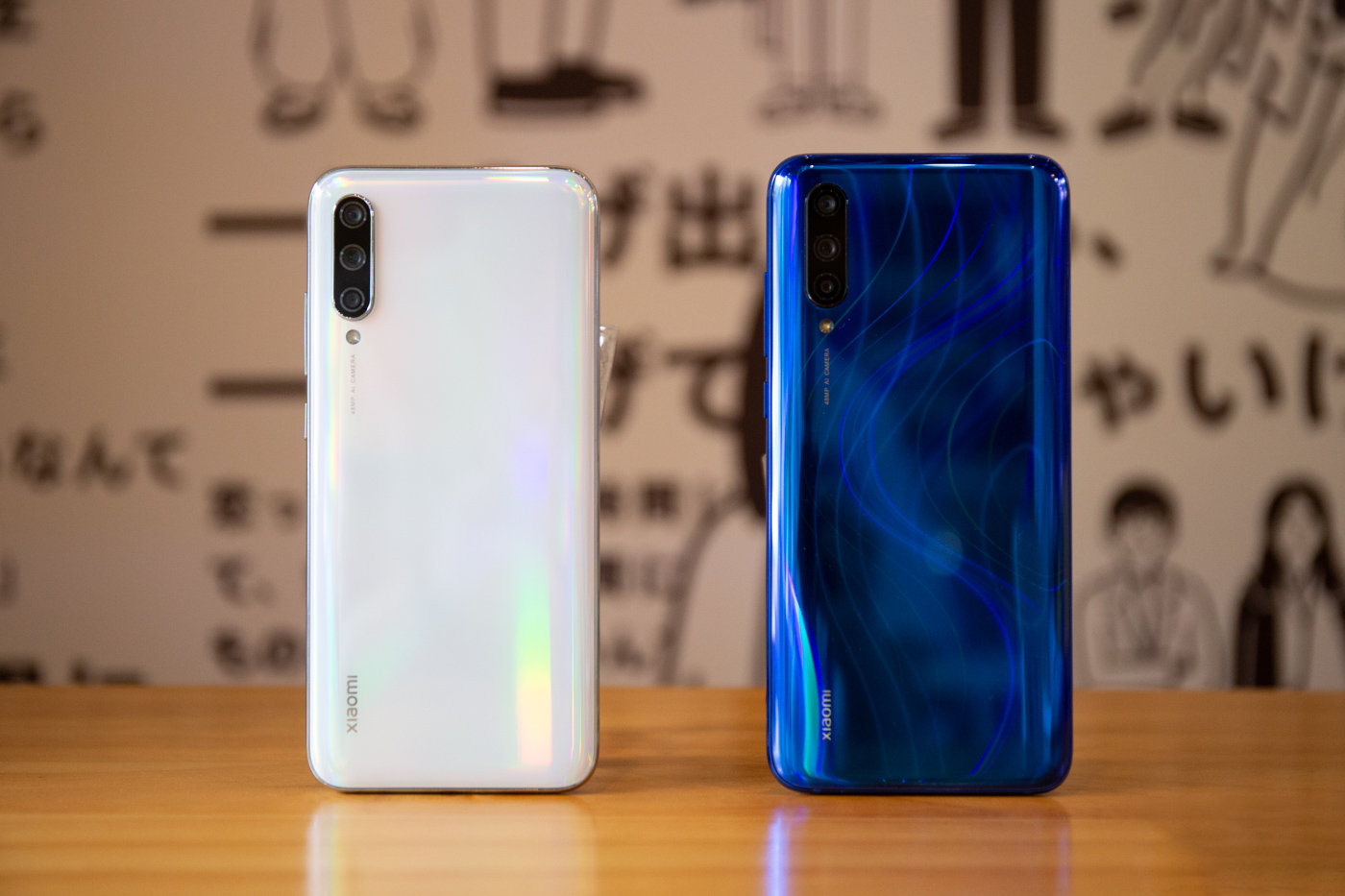
The smartphone industry has always shown tremendous pace in terms of advancement and development, be it in terms of technology and advancements or in terms of design identities. Around 2018-2019, models such as Xiaomi, Redmi, and Mi had come up with some of the most striking and fascinating smartphones that had been produced until then. Examples include Xiaomi Mi A2, Redmi Note 7, Mi 8 SE, and Mi 9, which had striking red colors and mesmerizing gradient finishes that are referred to as the “art of reflection.” Devices during that time, like the Redmi Note 7, were more than just colorful; they sold over 20 million units within the first seven months. But with the evolution of the 12, 13, 14, and soon 15 series from Xiaomi, this colorful trend has gradually disappeared. The answer to that question is more than just a trend; it lies within the depths of a massive market shift that has been spawned by psychology and the new Xiaomi brand ideology.
From Fiery Reds to Elegant Tones: The Maturity of Color
Red was previously linked to energy and uniqueness in the Xiaomi design ethos but later became characteristic of mid-range devices instead. Products such as Redmi Note 6 Pro and Mi 8 SE incorporated energetic red hues to entice more young buyers. However, the “fun” and “playful” strategy started to feel outdated in the higher end segment since more customers began to favor “elegance” over “fun.” Apple’s (PRODUCT)RED initiative was instrumental in redefining the meaning of this color in the sector. Rather than focusing on red as a mainstream color option, Apple chose to highlight it as a Special Edition color that was tied to giving back to society.
Today, red has managed to transition from being one of the mainstream color options to something that symbolizes luxury in the niche sector that Xiaomi operates in. In terms of CMF (Color, Material, Finish) in 2025, there was a trend towards mature colors such as Burgundy and Cherry Red that embody ‘sophistication’ rather than ‘exuberance.’ These colors tend to be less about ‘youthful’happiness and more about ‘embodied
“Reflection Art,” the Era of Minimalism Concludes; “Minimalism Equals Luxury”
The end to gradient finishes and reflective backs is more about the bigger design trend shift. The Mi 9 or Mi 11 models had “reflection art” designs with complex gradients, whereas more recent releases such as Xiaomi 12 and Xiaomi 13 opted for more subtle matte finishes. What constitutes luxury today is the hallmark of minimalism. In fact, research has found that consumers believe that clean lines, neutral colors, and simple surfaces are an indicator of higher quality and more authenticity. Conversely, gaudy designs are subconsciously associated with lower-cost items that are trying to “mask” inferior quality.
Not to mention that this perfectly correlates with the aim to set the latest devices – particularly Xiaomi 14 and 15 series – side by side with those of Apple and Samsung among others within the elite segment. Then there is Xiaomi’s collaboration with Leica that has further strengthened this move by blending classic camera-inspired minimalism with superior craftsmanship.
Xiaomi and Leica – The Redefinition of High-End Brand Identity
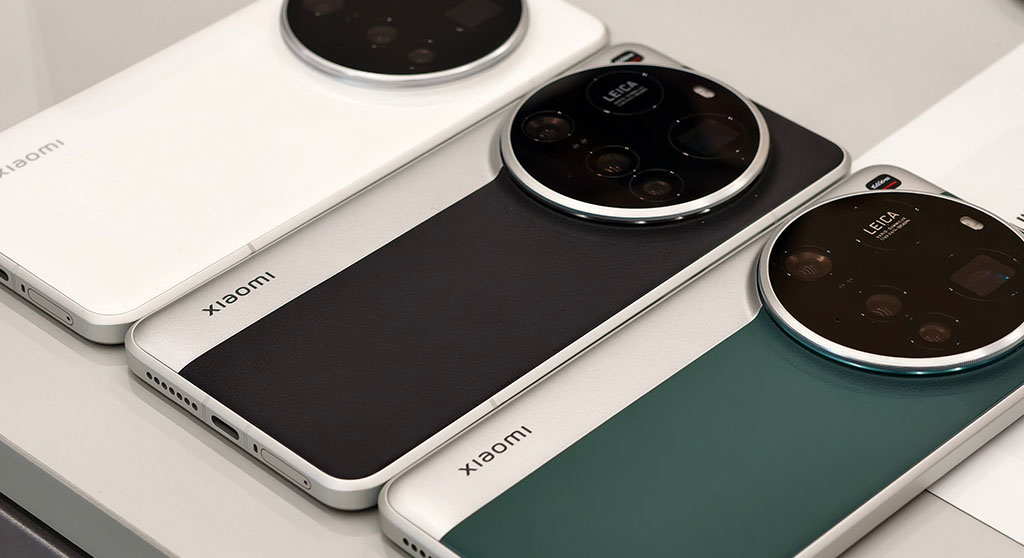
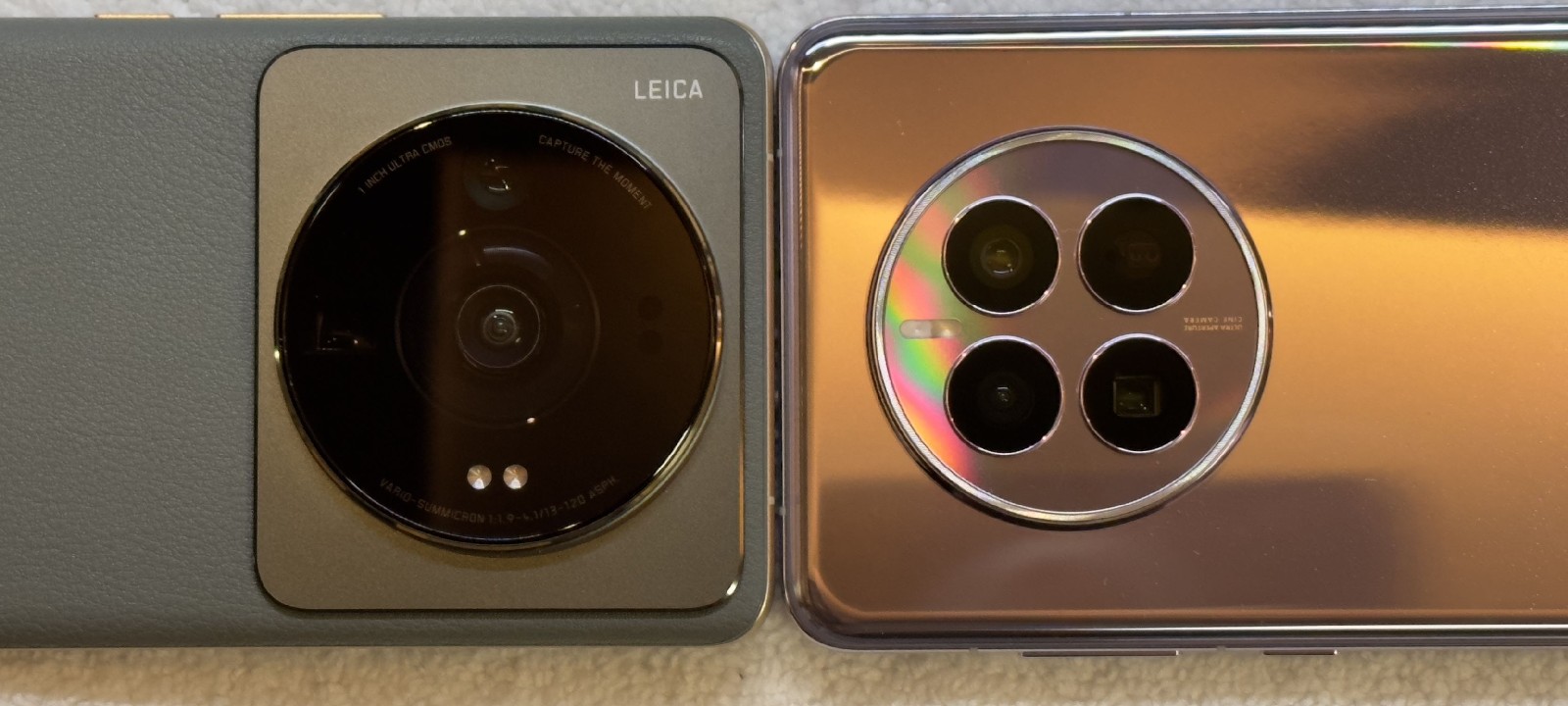
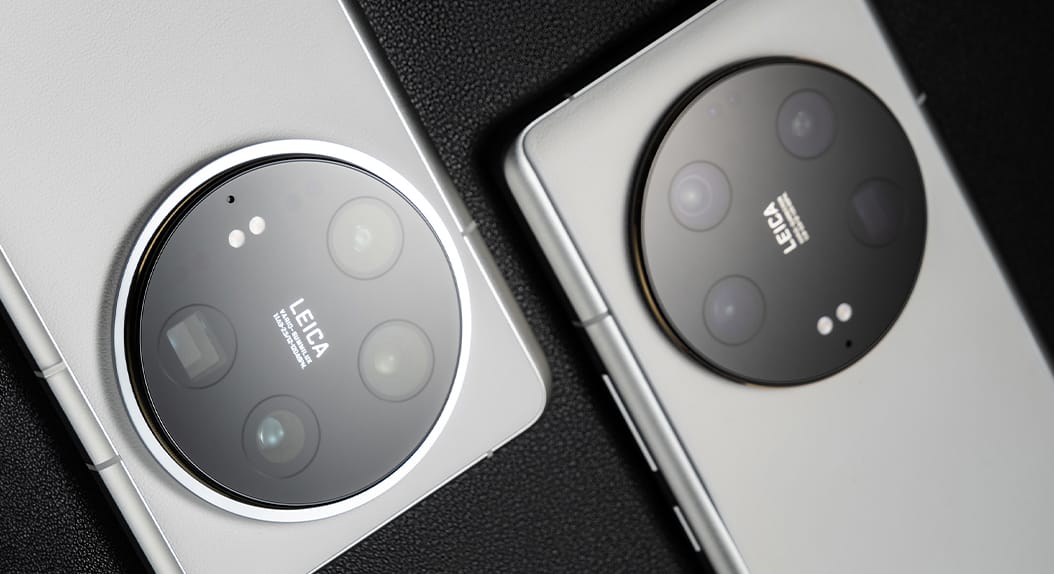
The partnership between Xiaomi and Leica marks one of the most dramatic design shifts that Xiaomi has undergone. The Leica brand has managed to establish itself over one hundred years with its focus on precision engineering and minimalist design. In adapting the Leica design, Xiaomi has had to move away from the gradient colors that defined its brand identity. The impact can be seen in contemporary flagships such as the Xiaomi 15 Ultra, adorned with PU leather finishes, metallic bodies, and camera-oriented designs that take inspiration from Leica’s vintage models. The emphasis has shifted from “how the device shines” to “what the device represents,” symbolizing ‘craftsmanship’ and ‘excellence’ in imaging.
Looking Ahead: The Psychology of Calm Design
In the current world that is visually overstimulated, consumers want to feel calm and comforted rather than visually pleased. This is the reason behind the adoption of wellness-inspired color themes such as Peach Fuzz, Mocha Mousse, and others pastel colors that are more inclined to emotional wellness. A smartphone has shifted from being an ‘excitement device’ to an ‘extension of lifestyle and calmness’. Xiaomi’s current CMF strategy fully adopts this trend. The brand’s move from colored plastic to more mature materials such as matte glass, titanium, and leather constitutes the entire industry’s change to more timeless designs.
The absence of vivid colors in smartphones is rather an indicator of design maturity and has nothing to do with creativity. Xiaomi’s transformation from the colorful Redmi Note 7 to the Leica-designed Xiaomi 15 Ultra is an indicator that the brand has matured over the years.
In today’s world, premium minimalism, visual wellness, and strategic collaborations are what drive true value every day, not bright colors. A war of color has transformed itself to be about calmness, class, and craftsmanship.
The past decade has seen Xiaomi transform from a fast follower to a true pioneer in the area of smartphone camera technology. While the Mi 8’s camera setup was modest enough, the brand has come a long way to produce Leica-designed wonders such as Xiaomi 14 Ultra. This extensive study identifies eight groundbreaking technologies that brought about a change in Xiaomi’s camera perspective—from pixel race to sensor technology, ISP development, and AI technology. Learn about how Xiaomi has made its way to the list of most-technologically-advanced smartphone camera brands. Related reading:
The Megapixel Milestone: Mi Note 10 & The Era Of “All-Scenario” Photography
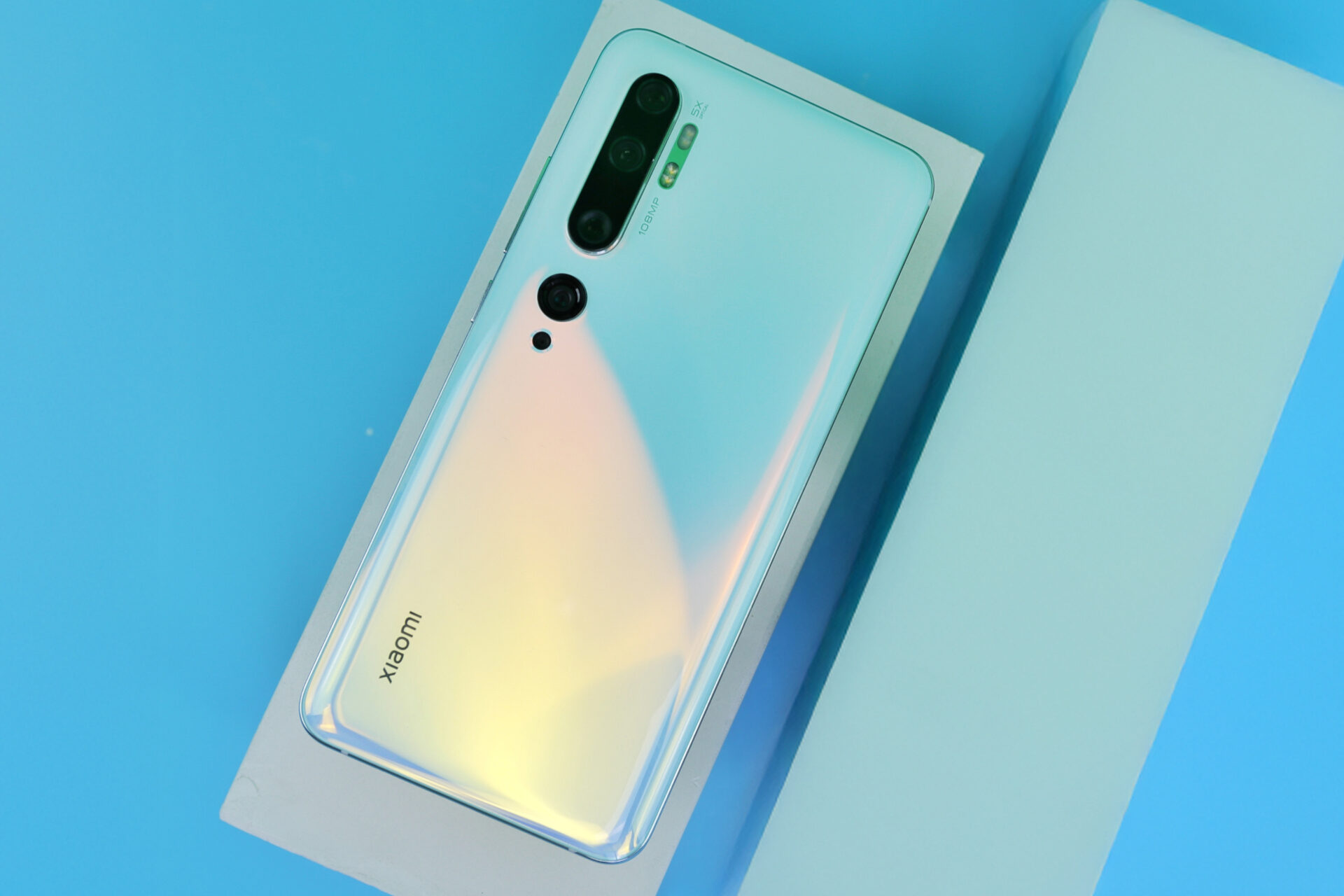
The Mi Note 10 (Mi CC9 Pro in China) was the first significant move by Xiaomi in the international photography arena with the world’s first 108MP penta-camera solution. A joint development with Samsung, the 1/1.33-inch HMX camera sensor producedGroundbreaking pixel count—12 times higher definition than 4K. But there was more to the story; Xiaomi brought with it the “All-Scenario” ideology that combined five distinct camera lenses to cater to all photography requirements—wide to macro. Though this technology was revolutionary in terms of capturing details, it also made Xiaomi realize the limits of image processing; hence, the company embarked on developing its own imaging processor to reduce dependence on others.
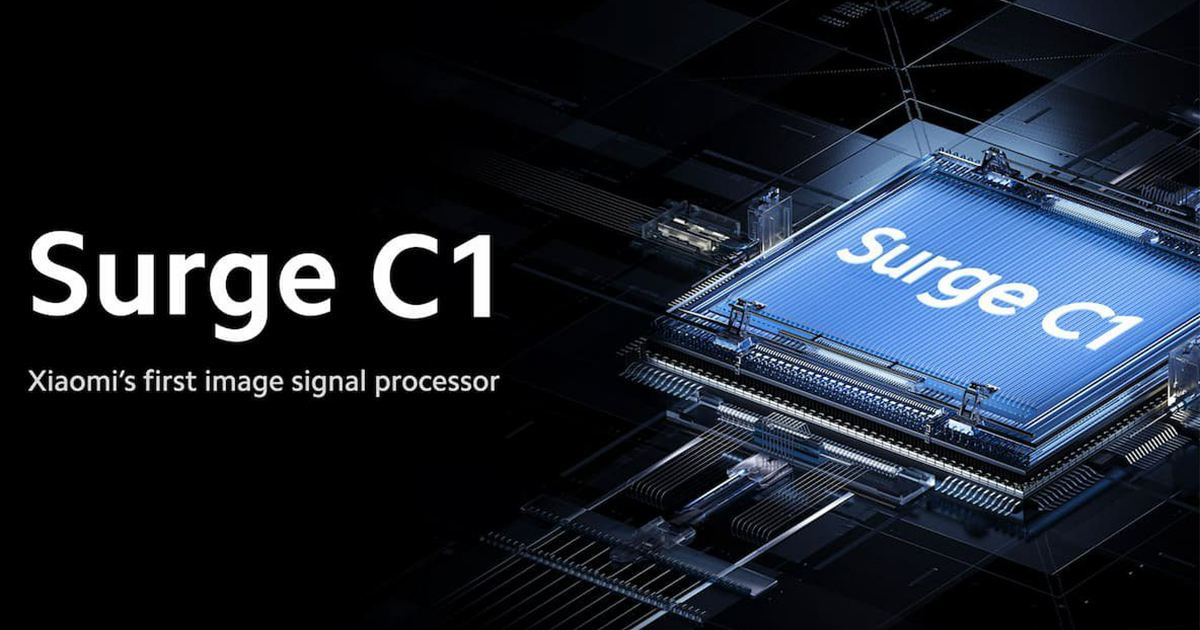
Imaging Independence: The Surge C1 ISP
The Mi Mix Fold was accompanied in the market by the Surge C1 ISP; this was the first proprietary ISP that Xiaomi had come up with. The ISP aimed to boost the “Holy Trinity” functions in imaging processing; these include Auto Focus (AF), Auto Exposure (AE), and Auto White Balance (AWB). The Surge C1 processor had dual filters with double signal efficiency. Thus, by controlling the imaging pipeline, Xiaomi was able to hone its camera signature—towards establishing the technology basis for Leica Authentic and Vibrant models that later became standard in its flagships.
Breaking Boundaries – Periscope Zoom Technology in Mi 10 Ultra
Xiaomi set the standard to be “Ultra” with Mi 10 Ultra. Equipped with 48MP 1/2.0-inch Periscope Sensor with 120mm telephoto reach and 120x digital zoom, this device was already breaking boundaries with telephoto camera imaging. In contrast to other devices that had to settle with lower-quality secondary cameras, this company made sure that every camera in this device was outstanding—aptly called “Zoom King” by DXOMark. “This model has transformed the camera philosophy of Xiaomi to ‘no compromise on the lenses’.
Mechanical Innovation: The Liquid Lens
Redefining the boundaries of optical technology, Xiaomi launched the world’s first smartphone Liquid Lens with the Mi Mix Fold smartphone. Notably designed to mimic the function and structure of the human eye, the bionic lens was capable of adjusting its curvature to enable telephoto and macro photography within milliseconds. The technology was particularly essential in addressing the space constraints presented by folding smartphones.
The One-Inch Era: Sony IMX 989 and Co-Development
The Xiaomi 12S Ultra was the first phone to use the 1-inch Sony IMX989 sensor uncut—a joint development with Sony in a $15 million R&D investment. The collaboration was the dawn of a new era—Xiaomi was no longer assembling components; rather, they began to copartner in imaging hardware design to produce professional photography. The outcome? A new industry standard for natural depth, low light sensitivity, and sensor efficiency.
Leica Partnership—When Art and Engineering Converge
The collaboration in 2022 between Xiaomi and Leica further reinforced the brand identity in terms of camera capabilities. From Xiaomi 12S Ultra onwards, customers enjoyed the features of Leica Authentic and Vibrant, the Summicron lens’ perfect focus, and Leica’s exclusive visual storytelling expertise that fills the gap between technical photography and artistic storytelling. Through this collaboration, Xiaomi was transformed from “a company that innovates in hardware to one that influences camera culture.”
Adaptive Aperture and AI Focus: Intelligent Photography
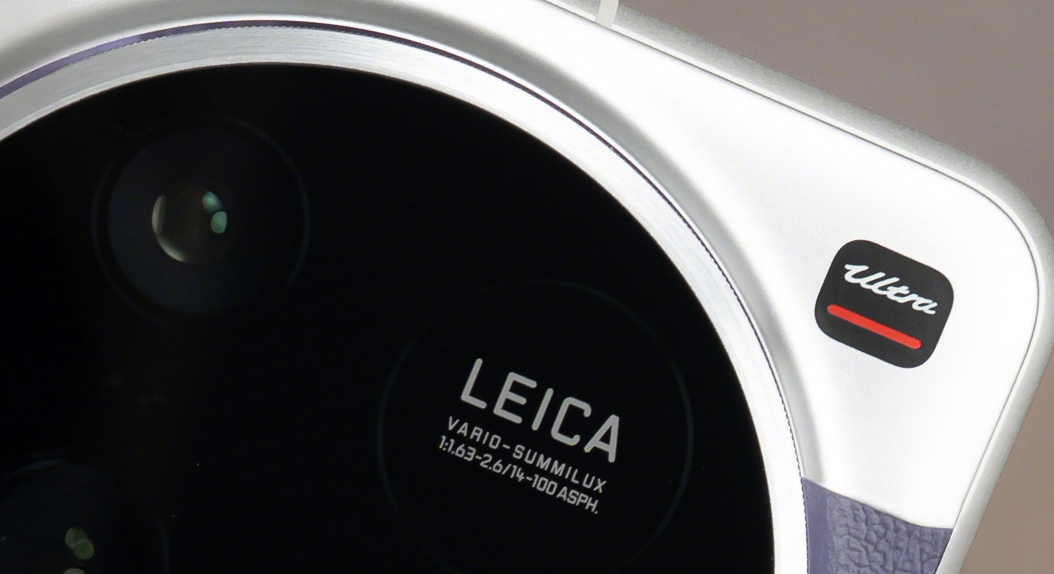
The Xiaomi 13 Ultra and 14 Ultra brought variable aperture (f/1.63-4.0) features to allow manual camera adjustments to depth-of-field effect properties. They further featured Xiaomi ProFocus with impressive AI-powered technologies that supported accurate motion and eye tracking capabilities similar to those found on professional Sony Alpha camera models. These achievements placed Xiaomi in a leading position within AI optical engineering.
The Future of Xiaomi Imaging
From 108MP cameras to joint development with Leica cameras and Surge processors, the camera development trajectory of Xiaomi exemplifies a move from spec war to sense perfection. In each successive version, there has been an increase in vertical integration to redefine boundaries in camera technology. In the current era of camera technology with AI, computational optics and neural enhancement are areas that.

 Login
Login