Reading view

Why Xiaomi ends software updates earlier than competition

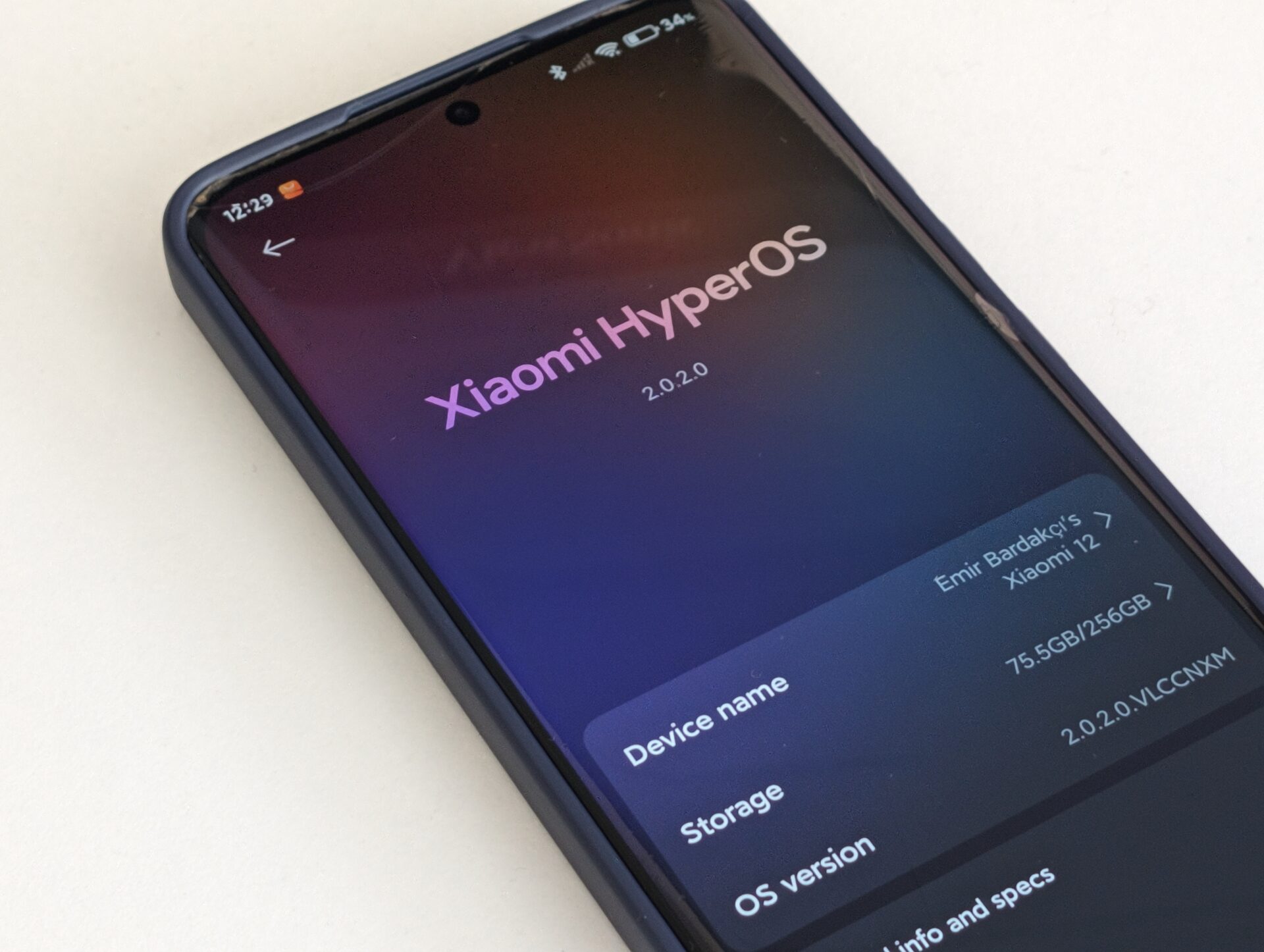
Xiaomi’s device policies are a point of concern for users, as it becomes confusing when a particular Xiaomi device hits the End-of-Life stage earlier than other brands. This explanation will help users understand how Xiaomi selects the support time for their OS and how it differs from other companies like Samsung and Google. To gain further knowledge, you can refer to HyperOSXiaomi security updates, and Xiaomi device policies in related sections of your website.

Xiaomi’s Economics Model and Effects of OS Support

Xiaomi’s hardware company has a regulatory mandate that sets a limit of no more than a 5% net profit for all devices. Such a low-margin business model, though making devices more accessible, creates a limitation in generating funds for software development. Unlike other high-end smartphones that earn profits from their $800+ flagships, Xiaomi’s average selling price stays between $150-$300.

Moreover, every upgrade of the Android OS involves substantial engineering, certification, and testing expenses. With a low-margin device, it may take two to three OS generation cycles, which would be beyond the lifespan of profit value of that device. Therefore, Xiaomi focuses on feature updates of HyperOS and security updates, which provide a freshness experience without incurring costs related to OS development.

Fragmented Product Portfolio and Engineering Load

Xiaomi launches many models in a year compared to Apple and Google. Also, there are various ROMs for every device like Global, EEA, India, Indonesia, Türkiye, and China ROMs. This brings a huge maintainability matrix. Xiaomi software teams would have to prioritize their work in either high volume or flagship series, hence dropping priority for other devices.

Rebranding strategies, like a Redmi smartphone turning into a POCO worldwide or a similar Xiaomi T series model, further add variability in software. This enhances EOL projections as engineering efficiency declines.

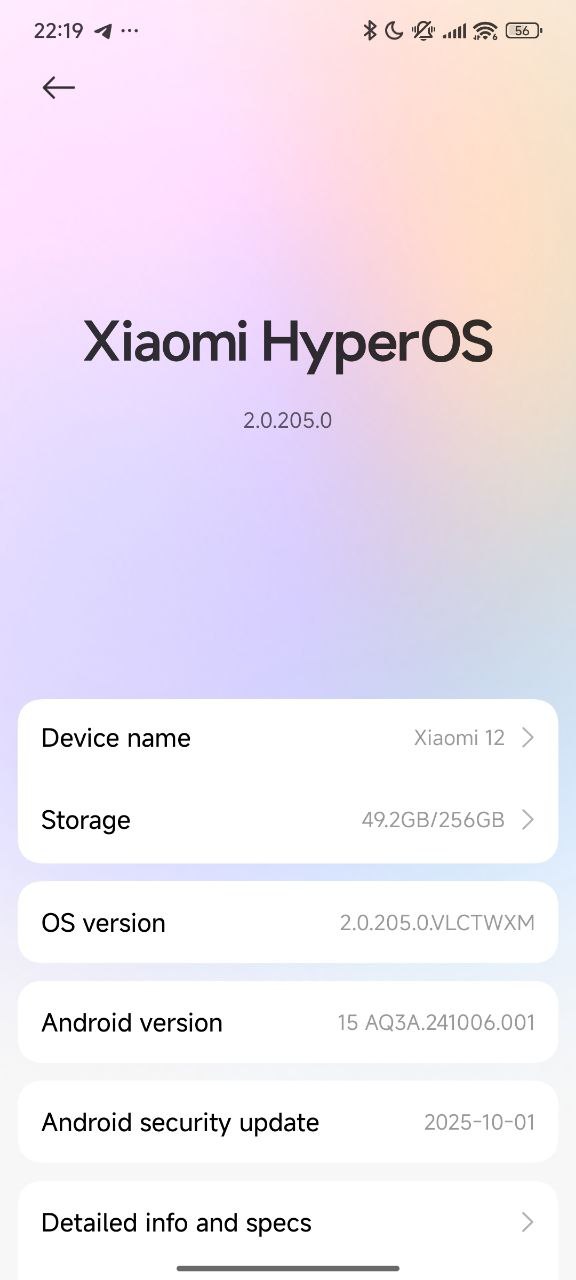
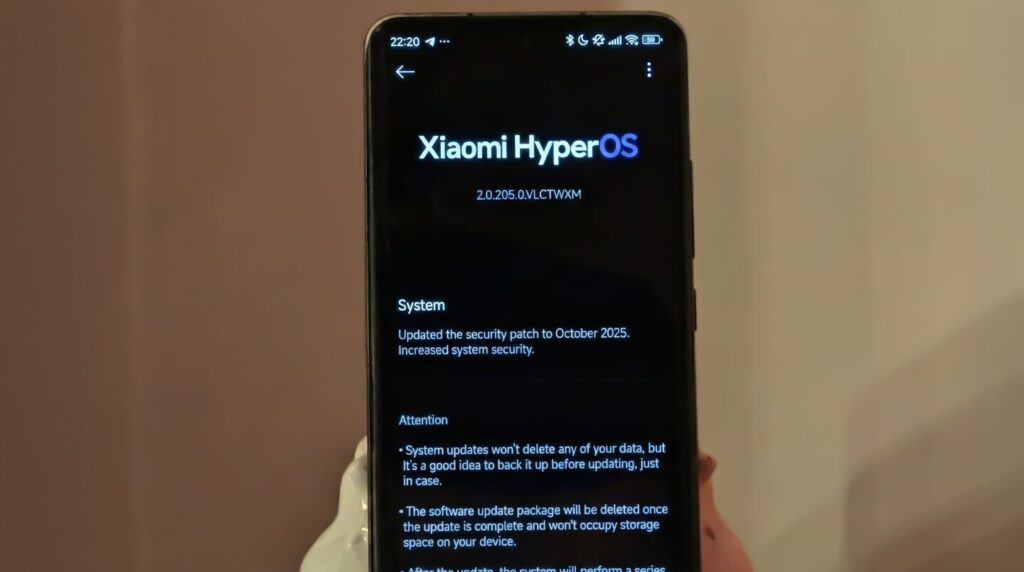
Xiaomi devices to receive their final update with Android 15

SoC Dependency and BSP Limitations

Upgrading of the Android OS requires support from Board Support Packages (BSP) offered by manufacturers of the chips. Xiaomi cannot upgrade a device if Qualcomm, MediaTek has stopped releasing updates to drivers for key hardware components like GPU, ISP, and modem. Budget models offered by MediaTek are especially vulnerable since their support lifespan will be shorter than that of Qualcomm’s flagship chipsets like Snapdragon 8 Elite.

Without updated BSP components, Xiaomi can only offer backports for security fixes, which means no OS updates, causing early OS-level EOL.

HyperOS and “Decoupling” Strategy

To maintain a balance between costs and customer satisfaction, Xiaomi has classified the “Android Base Layer” and “HyperOS Experience Layer” as follows: This allows:

  • New features without upgrading to a new version of Android
  • Able to run on legacy hardware
  • Decreased certification costs

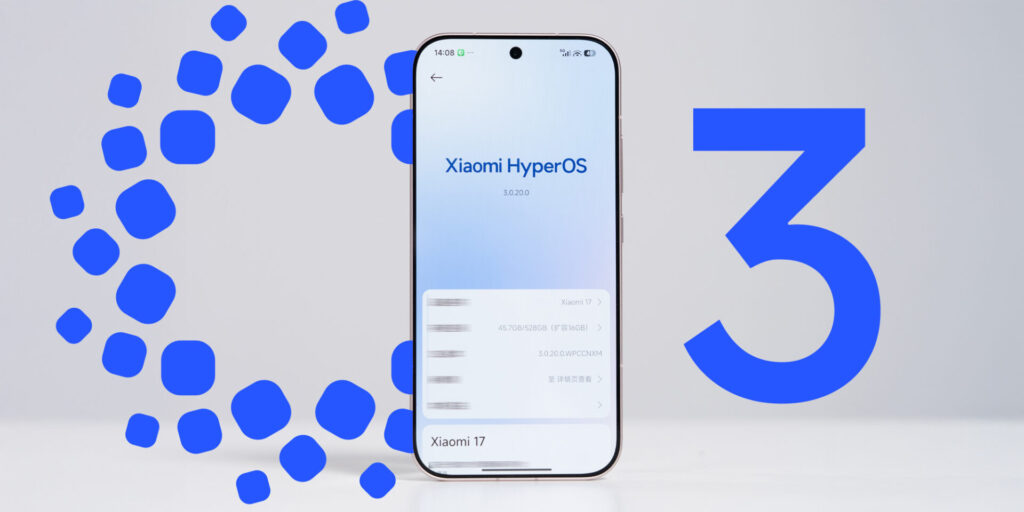
Some models are updated with HyperOS 3, which is based on Android 16, while others get a backported version, either from Android 15. Thus, there is device uniformity in their software.
Android 16 Xiaomi

Regulator Influence and Shifts in the Future

The 2025 EU Eco-Design Directive will oblige producers to support their software for a longer period. There are signs of adjustment already, for example in new Xiaomi series, which are starting to support longer OS cycles, particularly in Europe, where it is obligatory.
  •  

Xiaomi prepares Android 16 to a model marked as EOL on Android 15

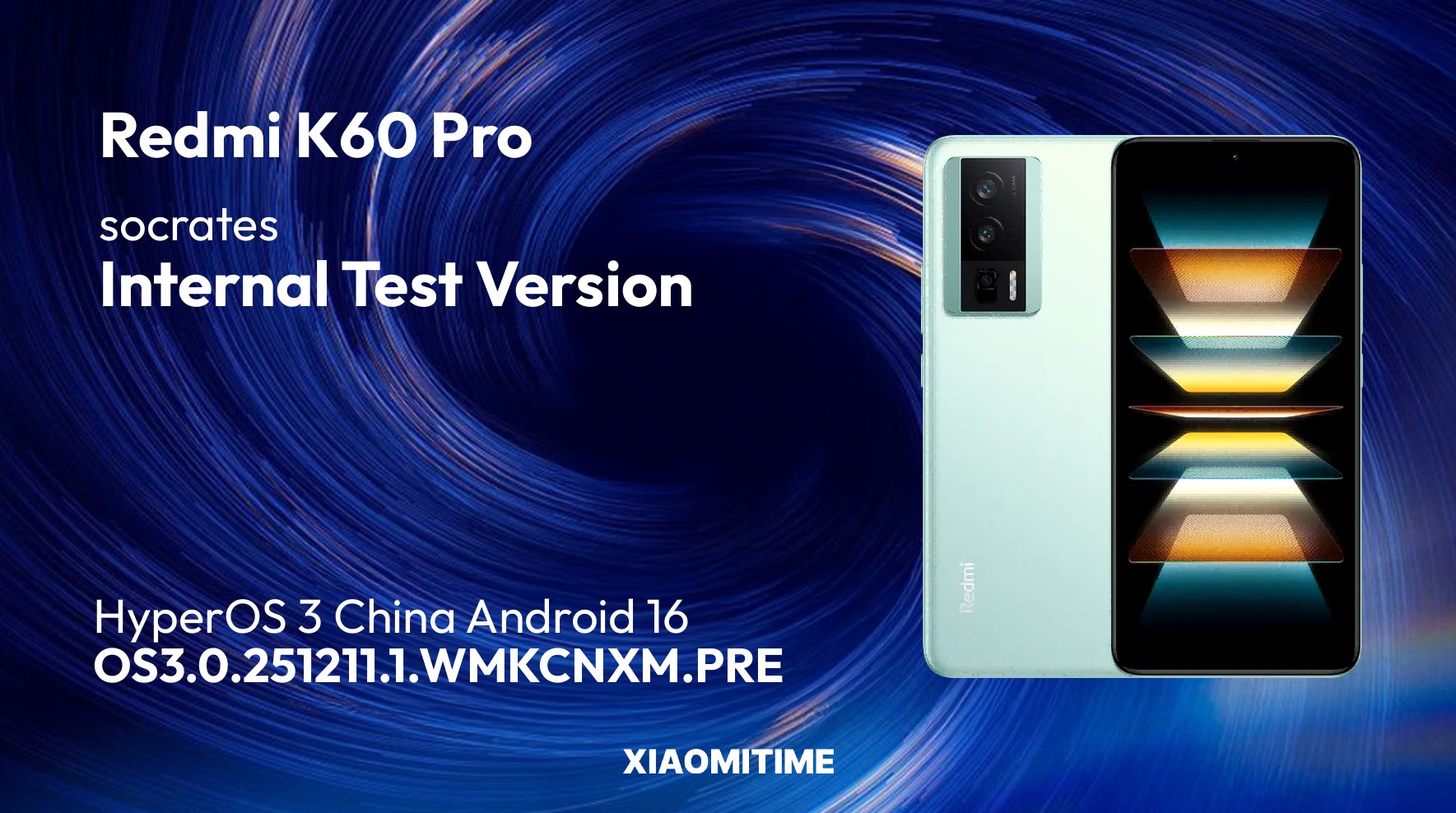
Xiaomi has surprised all of us with a new development in their software updates, starting testings of HyperOS 3 on Android 16 for Redmi K60 Pro in China, ditching their initial test builds running on Android 15. Preliminary data has revealed that a new internal build number OS3.0.251211.1.WMKCNXM.PRE has been detected, which means that Xiaomi has started sticking to a superior version of Android in their updates.

photo 2025 12 11 22 48 22

Transition from Android 15 to Android 16 in Test Builds

Xiaomi has also been testing an Android 15-based HyperOS 3 version of Redmi K60 Pro with OS3.0.251029.1.VMKCNXM.PRE. The sudden upgrade to Android 16 indicates that development work has been happening in a relatively accelerated manner. This upgrade also supports Xiaomi’s aim of offering their smartphones a longer software lifecycle.

The REDMI K60 Pro model is available in China only, so this particular test does not affect other models worldwide. This launch, however, could signify that other Xiaomi and Redmi models are also set to test their systems using Android 16-based HyperOS 3.

Effect Possibilities for Other Xiaomi Smartphones

Since Redmi K60 Pro series models are a part of China-exclusive series, users worldwide may not feel this upgrade. However, initial tests on Android 16 reveal that Xiaomi has a unified plan for updates in upcoming HyperOS updates.

If Xiaomi pursues this further, several flagship and high-end mid-rangers are set to get similar builds of Android 16 in 2025.

  •  

Honor WIN series leak reveals MIX FOLD 3-like design

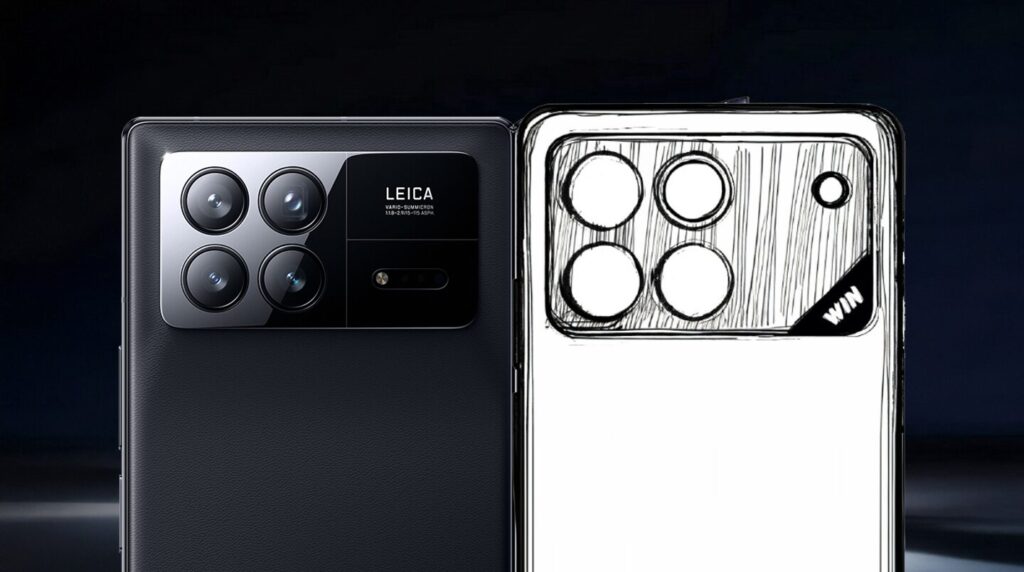
The Laos leak of the Honor WIN series brings a horizontal matrix camera design and a naming area design, almost identical to that of the 2023 Xiaomi MIX FOLD 3, with a left-aligned camera area and a tidy and clean branded area on the other side. To know further about related information, you can check about Xiaomi flagship design, features of HyperOS, or Xiaomi security updates at our website.

Design Based on a Recognizable Pattern

Blogger @旺仔百事通 has shared drawings that confirm a horizontal matrix camera and a GT-style nameplate element. This device does not support a quad-camera design, and a Magic8 series would be ideal for a person interested in photography. The design layout appears similar to that of Xiaomi MIX FOLD 3, with a rectangular left-sided camera cluster.

HONOR WIN


Hardware Requirements for the WIN Series

Honor engineers further clarified that “in the WIN series, a dual-flagship with super-powerful performance” would be launched. Market sources point out that this lineup would possibly offer Snapdragon 8 Elite, as well as Snapdragon 8 Elite (5th generation) processors, along with support for 100W fast charging.

Subtle Link with Design Principles of MIX FOLD 3

There seems to be some similarity between this smartphone design and the Xiaomi Mi MixFold 3, which has a structured rectangular camera island. Although it’s not a foldable smartphone, it appears that it follows a similar design principle of symmetry.

MIX FOLD 3

Source

  •  

Xiaomi could lower RAM on 2026 models as component prices surge

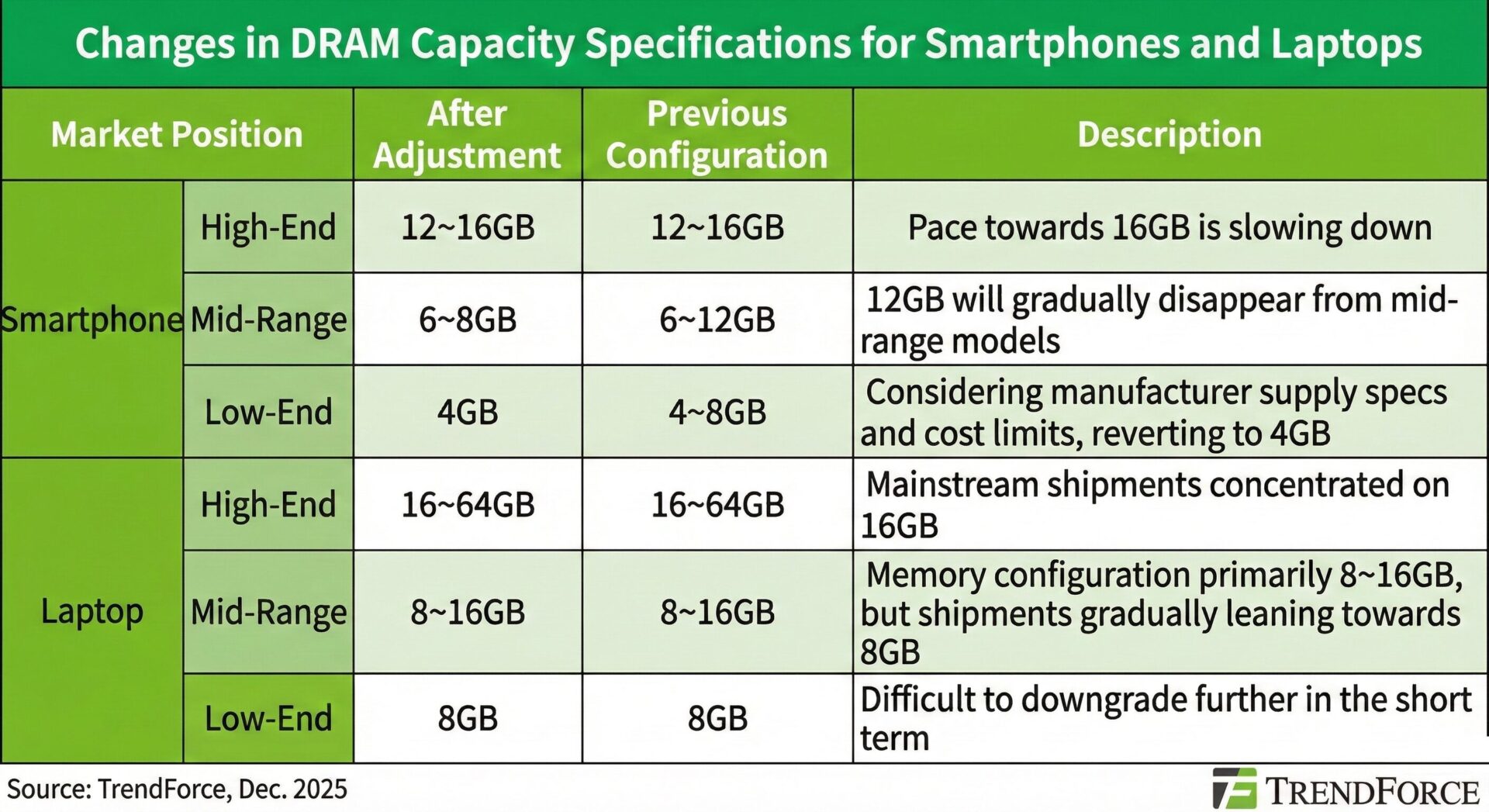
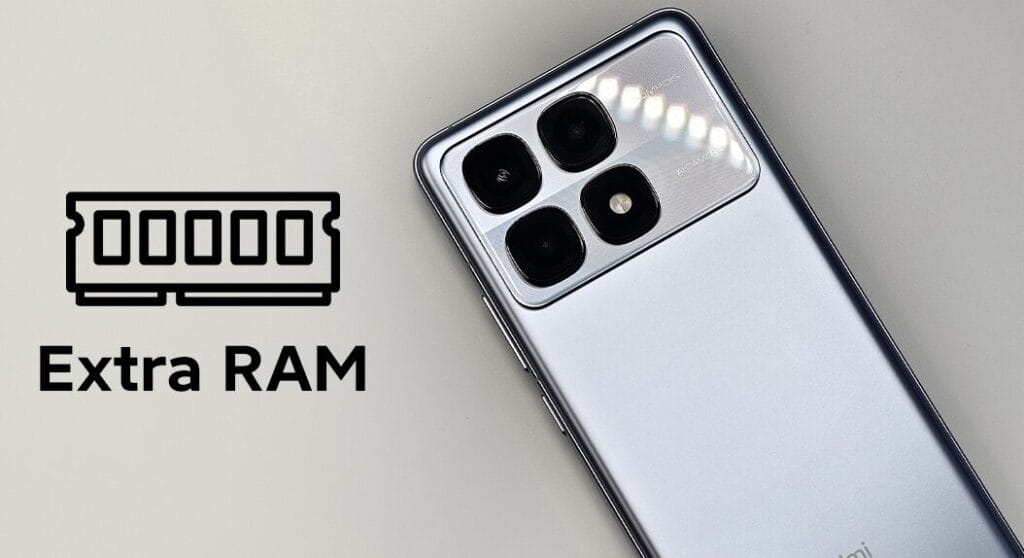
The most recent market survey from TrendForce paints a tough picture for the global smartphone and laptop markets due to a sharp increase in memory costs projected for early 2026. This change affects product pricing and specifications, particularly in the mid and low-end sectors. Brands are also seen to consider downgrading specifications due to memory playing a bigger role in BOM costs.

The Increasing Cost of Memory and Its Effect on the Industry

Trendforce believes that as time passes, the proportion of BOM costs that DRAM represents will continue to increase in 2026. Even in those product lines that are known for their high profit, like the iPhone, this trend will continue. Android manufacturers, who make use of memory as a major selling point, will now find themselves in a tight spot due to increasing memory costs. This particular point will affect Xiaomi especially, as 12GB RAM in their mid-range series is a common setup.

2026 ram problems

Mainland China and Android Firms: Impacts

The report further points out that memory-dependent product segments would face tough times in maintaining their competitive pricing. With increasing DRAM prices, companies are likely to make changes in supply cycles of last-gen models, along with increasing new model pricing. “User and mainstream product segments, with their usual 8GB and 12GB of RAM, may return to norm-touch baseline models with increasing manufacturing costs.”

Laptop Market will also Undergo Structural Changes

Computer manufacturers are also expected to rearrange their product offerings. High-end ultrabooks that feature soldered RAM cannot easily cut down RAM size. Such models are believed to be the ones that would immediately experience a huge jump in pricing.

Consumer Laptops Receive a Temporary Fix

The consumer laptop market has buffers of inventory and access to lower-priced memory stock, providing a mechanism for a stable market for a temporary period. But from the second quarter of 2026, cutbacks in specifications and/or pricing of DRAMs would become inevitable. The budget market would also face tough conditions in cutting memory further, owing to processing needs and OS.

TrendForce Forecasts Reduction in Specifications in 2026

The report underlines that “reducing specifications” or “delaying upgrades” are expected to be important levers for manufacturers of smartphones and PCs. This will be most notable for changes induced by DRAM, where companies are likely to standardize memory specifications on “the lowest acceptable level for a given market segment.”

  • High-end and mid-end smartphones: RAM advancements will emerge with a stabilization of minimum industry requirements.
  • Low-end smartphones: Expected to return to 4 GB RAM in 2026.
  • Low-cost laptops: Not likely to see a cut in DRAM.

This trend will change industry expectations in terms of entry-level and mid-tier offerings.

Source

  •  

Xiaomi 17 Ultra blind pre-orders quietly begin in China

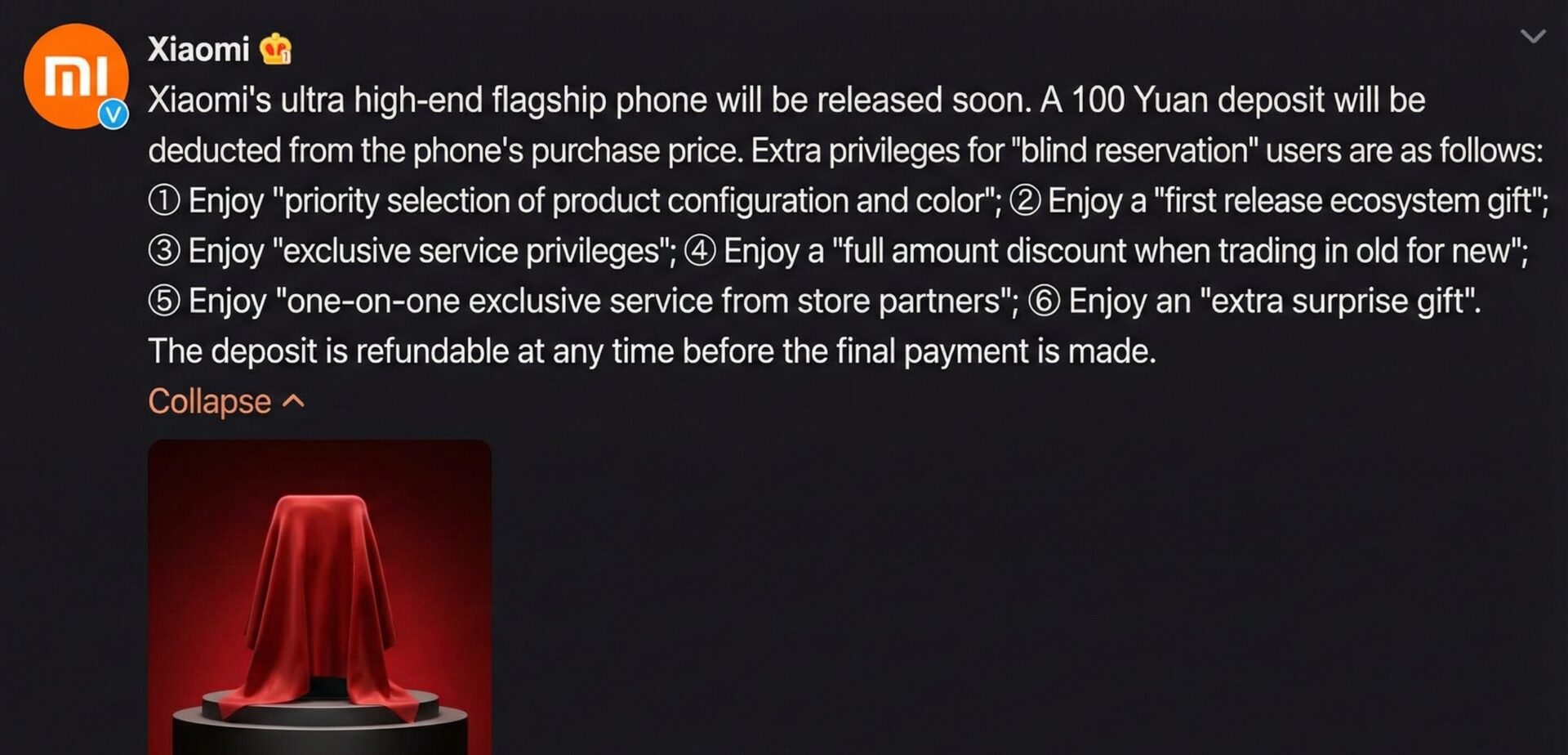
Employees at Xiaomi Home stores have started informing customers about a new ¥100 ≈ $14 USD, fully refundable blind pre-order campaign for what they term the company’s “annual flagship imaging phone.” Although no model name has been officially confirmed, the timing, recent certifications, and earlier leaks strongly indicate that this device is indeed the Xiaomi 17 Ultra.

Xiaomi 17 Ultra Pre Order

What We Currently Know About the Xiaomi 17 Ultra

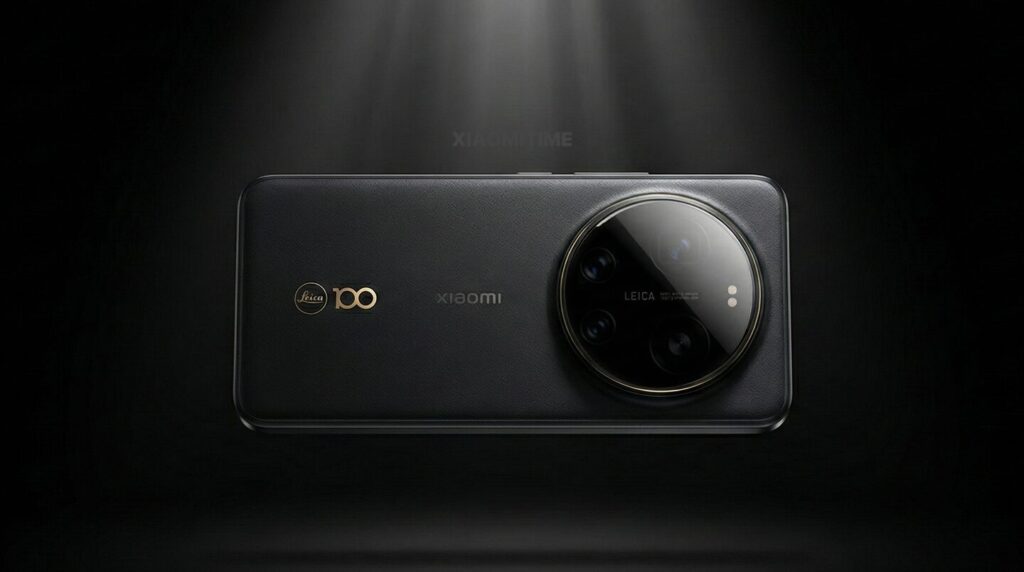
One of the most advanced photography-focused flagships to date, the Xiaomi 17 Ultra, is taking shape. If earlier reports by XiaomiTime in November are anything to go by, then this device, codenamed “Nezha”, will carry the circular camera module design that made its debut on the Xiaomi 15 Ultra. It will do this to retain a better visual identity while making necessary changes internally.

Major attractions include the introduction of Qualcomm Snapdragon 8 Elite (5th-gen), a next-generation flagship chipset from Qualcomm. The model will equally run on HyperOS 3 to guarantee an optimized experience with respect to imaging, power efficiency, and AI-driven scenarios. International versions are sure to support satellite communication as well, which steps up the outreach toward emergency-grade connectivity for users in remote environments.

Confirmation Whispers from Bloggers and Certification Listings

Industry blogger @SmartPikachu suggested that an “annual imaging flagship” will launch between December 15 and December 25, bolstering rumors the 17 Ultra will launch before year’s end. Just days earlier, a new Xiaomi device with model number 25125PS17S cleared China’s MIIT 3C certification on November 19. Tipster @DigitalChatStation, known for his leaks, explained this is a professional photography grip accessory compatible with the 17 Ultra that doubles as a power bank. He added this is the first accessory to be officially tied to the Snapdragon 8 Elite platform under all three major certifications.

Variants to Expect: Standard and Leica Special Edition

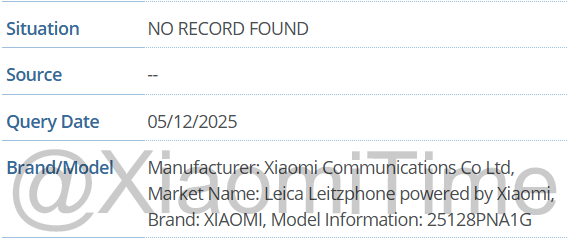
This generation introduces an expanded lineup. Beyond the standard Xiaomi 17 Ultra (model P1), Xiaomi is working on a special collaboration premium model, called the “Leica Leitzphone powered by Xiaomi”, model P1S. This edition will more fully integrate imaging with Leica’s optical and colour science know-how, offering class-leading photographic capabilities in the process.

Xiaomi 17 Ultra Leica Leitzphone Edition 25128PNA1G

Early Pre-Order Strategy and Consumer Expectations

This is a reason for Xiaomi’s confidence in the market appeal of the 17 Ultra, as it has decided to start blind pre-orders with a symbolic ¥100 refundable deposit. Such campaigns usually allow retail locations to measure early demand while giving customers priority access once the device is officially unveiled. With Xiaomi’s reputation for delivering advanced imaging technology, especially in Ultra-series flagships, the response from consumers is expected to be strong.

Feature Expected Details
Chipset Snapdragon 8 Elite Gen 5
OS HyperOS 3 Android 16
Camera Housing Circular module (similar to 15 Ultra)
Special Features Satellite connectivity (Global)
Accessory Professional photography grip with built-in power bank
Variants P1 (Standard), P1S (Leica Edition)
Pre-Order ¥100 ≈ $14 USD (refundable), offline only

In other words, the fact that the early blind pre-order campaign has begun is a pretty good indicator that the Xiaomi 17 Ultra is almost ready, and will go on to become Xiaomi’s most powerful imaging flagship of 2025. With satellite communication, a strong Snapdragon 8 Elite chipset, HyperOS 3, and a new Leica edition, this model certainly has a lot expected of it.

  •  

Android 17 will boost Xiaomi’s app lock security to a new level

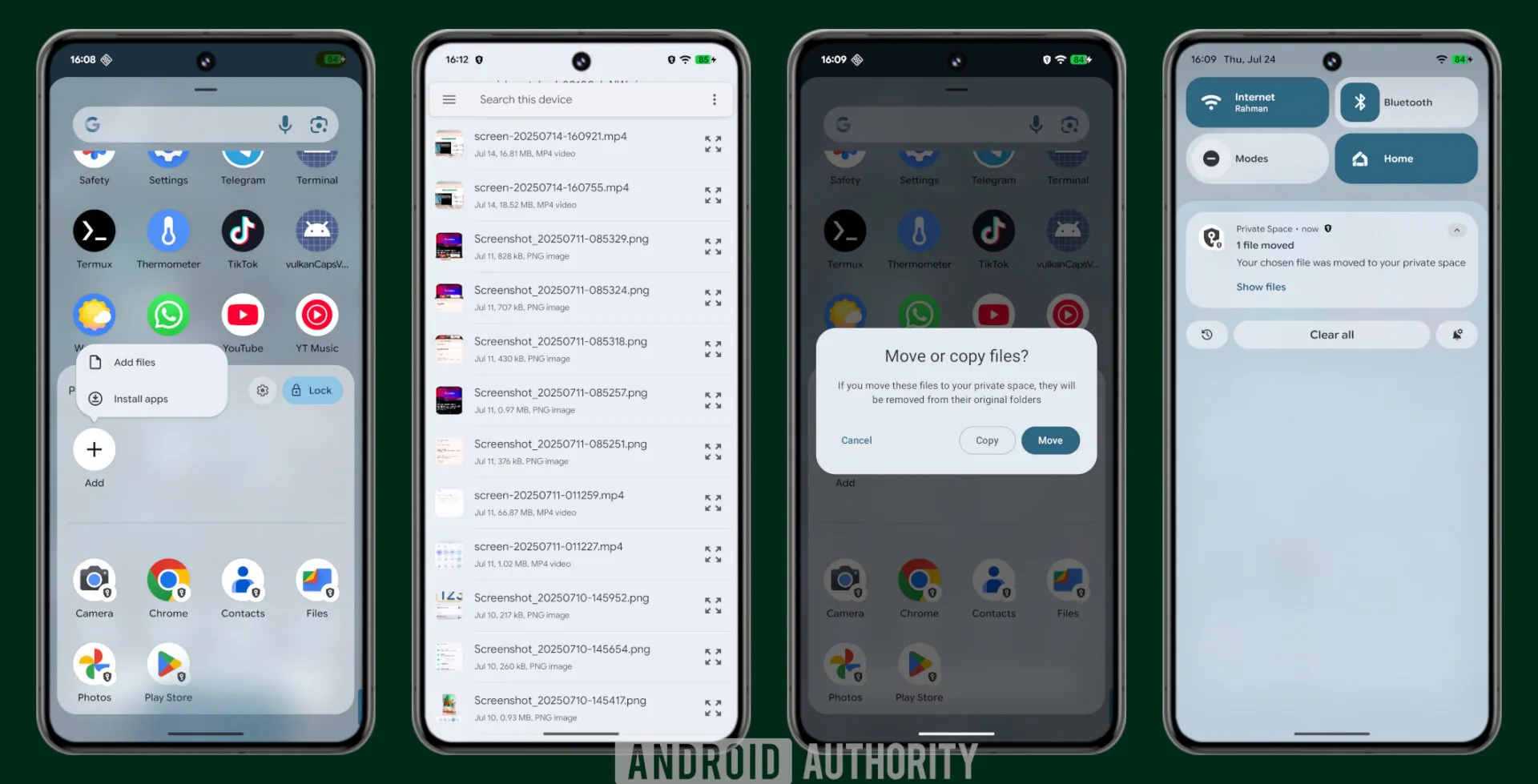
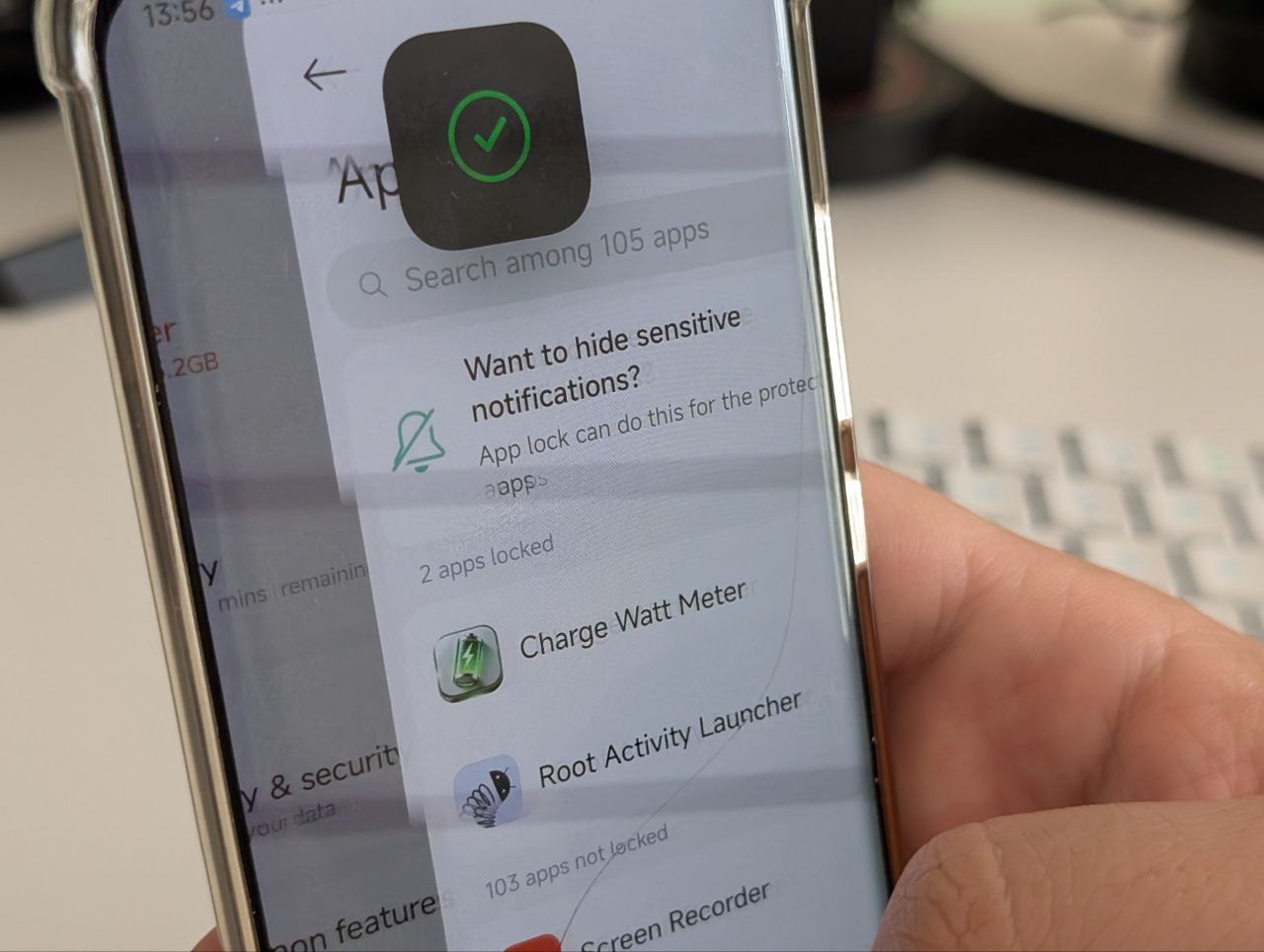
The system app locking feature with Android 17 will be a native implementation of an app lock system and an important milestone in Google’s roadmap for mobile security. This feature is bound to be especially welcome among Xiaomi users who have enjoyed built-in app lock features since the days of MIUI. According to a report by Android Authority, citing evidence from early code in the latest Android Canary release, Google seems to be working on deeper, system-level integration that will bring better security, improved power efficiency, and easier usability.

Android 17 Introduces a True System-Level App Lock

The Android platform has always lacked an integrated, launcher-based app lock mechanism. While Xiaomi’s own App Lock has been available from MIUI to HyperOS to address this need, stock Android relied on less efficient options for this purpose. With Android 17, Google is finally going to bridge this gap by introducing a permission structure named LOCK_APPS, which can be found in the Android Canary 2512 build.

Moving files to Private Space in Android 1920w 979h.jpg

This finding emphasizes that this new functionality will be able to be executed by only the system apps and the launchers with the role HOME, lest third-party utilities abuse the mechanism. This reflects Google’s current shift toward platform security tightening, while maintaining efficient system-level performance.

Comparison of Currently Available App Lock Options

Below is a short comparison of existing solutions for Android versus the future native system:

Feature / Method Private Space (Android 15) Third-Party App Locks Native App Lock (Android 17)
Security Level High Medium Very High
Power Efficiency High Low High
Usability Low (restricted access) Moderate High
Requires Excessive Permissions No Yes No
System Integrated Partial No Yes

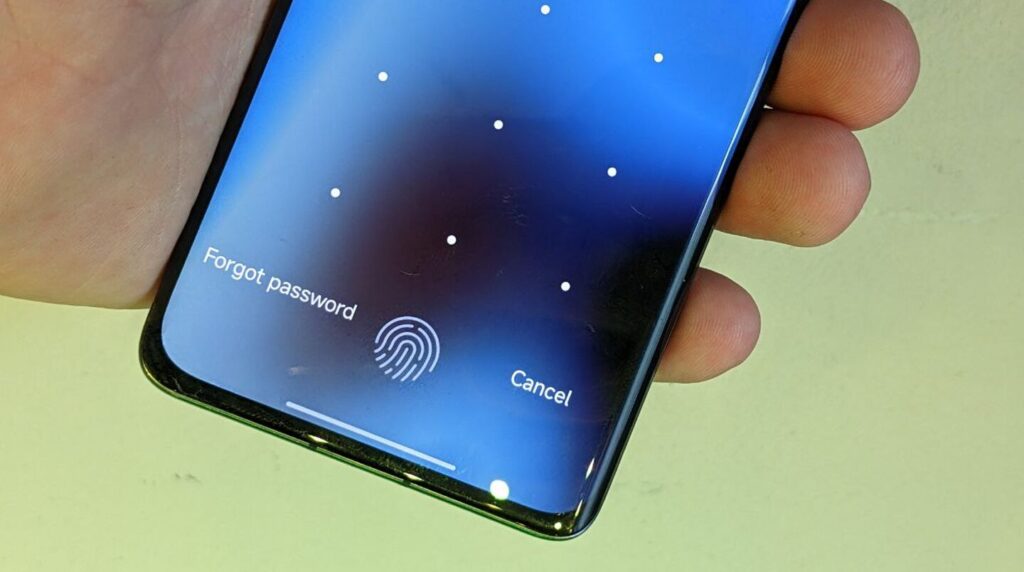
Android 17’s new approach means that unlocking depends on the standard Biometric Prompt API, which lets users authenticate with a fingerprint, facial recognition, or a PIN before an app opens. This refinement makes the behavior consistent with Xiaomi’s existing use today but provides a more consistent behavior for the rest of the Android ecosystem.

How the New App-Lock Mechanism Works

The Canary build reveals that the system logic allows the user to long-press any application icon on the launcher. If locking is supported, the launcher sends a SET_APP_LOCK request to Android’s core security service. Following eligibility check, the system pops up a confirmation interface to ask users whether they want to lock or unlock the selected application.

This approach eliminates dependencies on third-party services and avoids monitoring of background windows, which was done by most third-party applications previously and often resulted in battery drain and/or possible privacy leaks. For Xiaomi users who are used to the optimized performance of HyperOS, this new standard of Android might further enhance device security while staying lightweight.

HyperOS 3 Face Unlock 2

Supported Categories of Devices

Based on the code setup today, Google applies the restrictions to maintain compatibility. The feature will not apply to anything larger than a handheld device, meaning it will not turn on for:

  • Android Automotive systems
  • OS smartwatches by wear
  • Android TV platforms

This will keep Android 17’s application lock effective and avoid mess on systems whose lock flows may be very different from phone environments.

Expected Time of Release

Since Android 16 is already on the verge of being finalized and its QPR updates rarely add new APIs, the actual app lock would be coming much later in the release of Android 17. This also means versions of Xiaomi devices participating in beta programs or even future HyperOS iterations based on Android 17 will get the full, integrated security experience.

Notably, Xiaomi has provided app lock functions since early versions of MIUI. With Google now providing a unified system standard, Xiaomi’s implementation should fit in even better, potentially enhancing speed, security, and reliability throughout the whole HyperOS ecosystem.

It is stressed that such ‘favorable’ presentation of one’s personality by means of clothes should not result in discrepancy between what people actually are and what they try to become.

Source

  •  

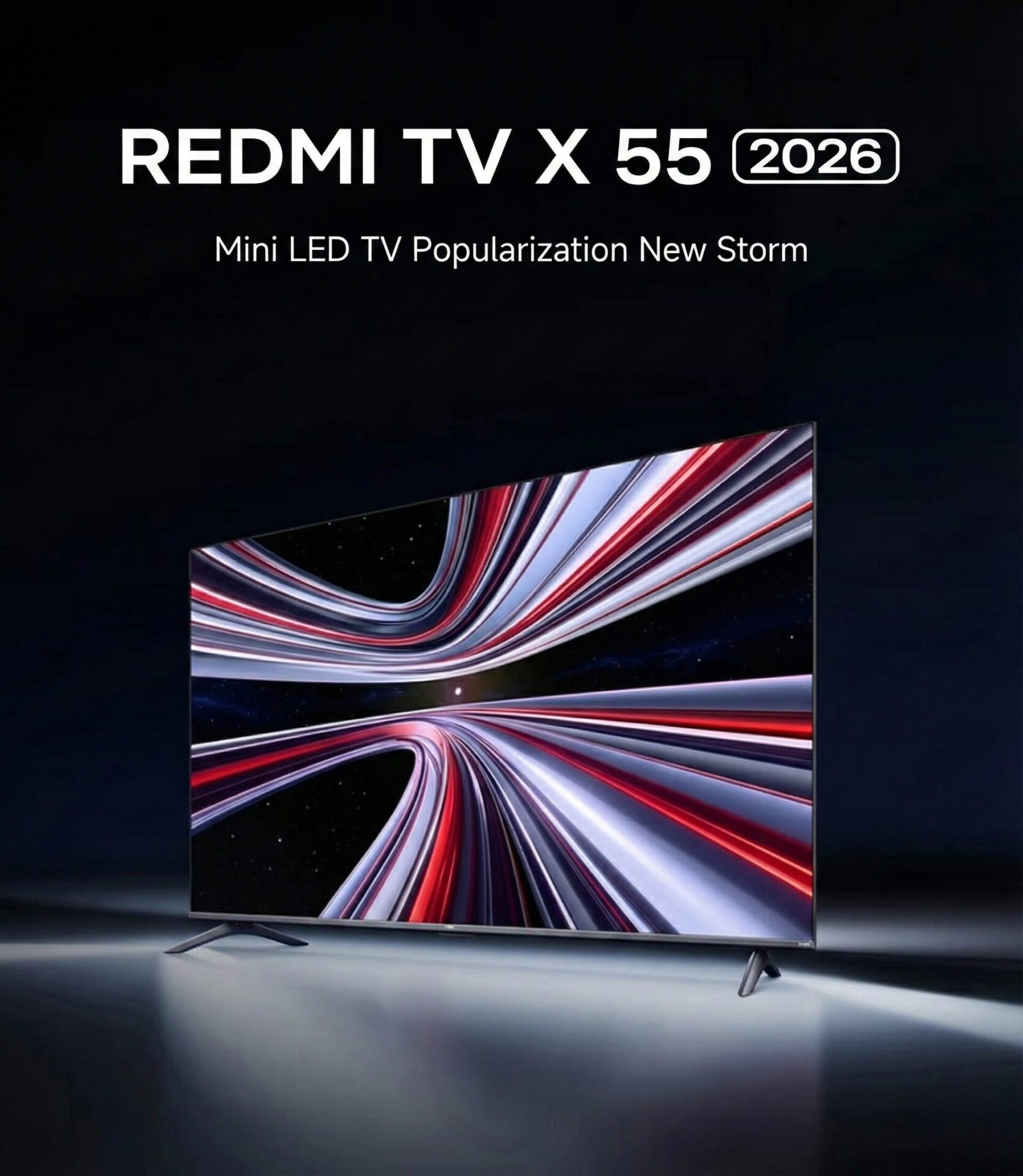
REDMI TV X 2026 comes with 288Hz mini LED panel

The Redmi TV X 2026 line-up officially went on sale in China with 55 inches, 65 inches, and 75 inches of Mini LED, high brightness, and other features. Like in previous releases, this line-up of televisions comes with Xiaomi’s latest ecosystem enhancements in regards to HyperOS 3, providing a seamless experience for users.

Important Features of Redmi TV X 2026 Series

The Redmi TV X 2026 series brings a superior visual experience with even more budget-friendly models. Every model in this series comes with Mini LED backlit technology with zone control for greatly improved picture quality.

Display and Refresh Rate Technology

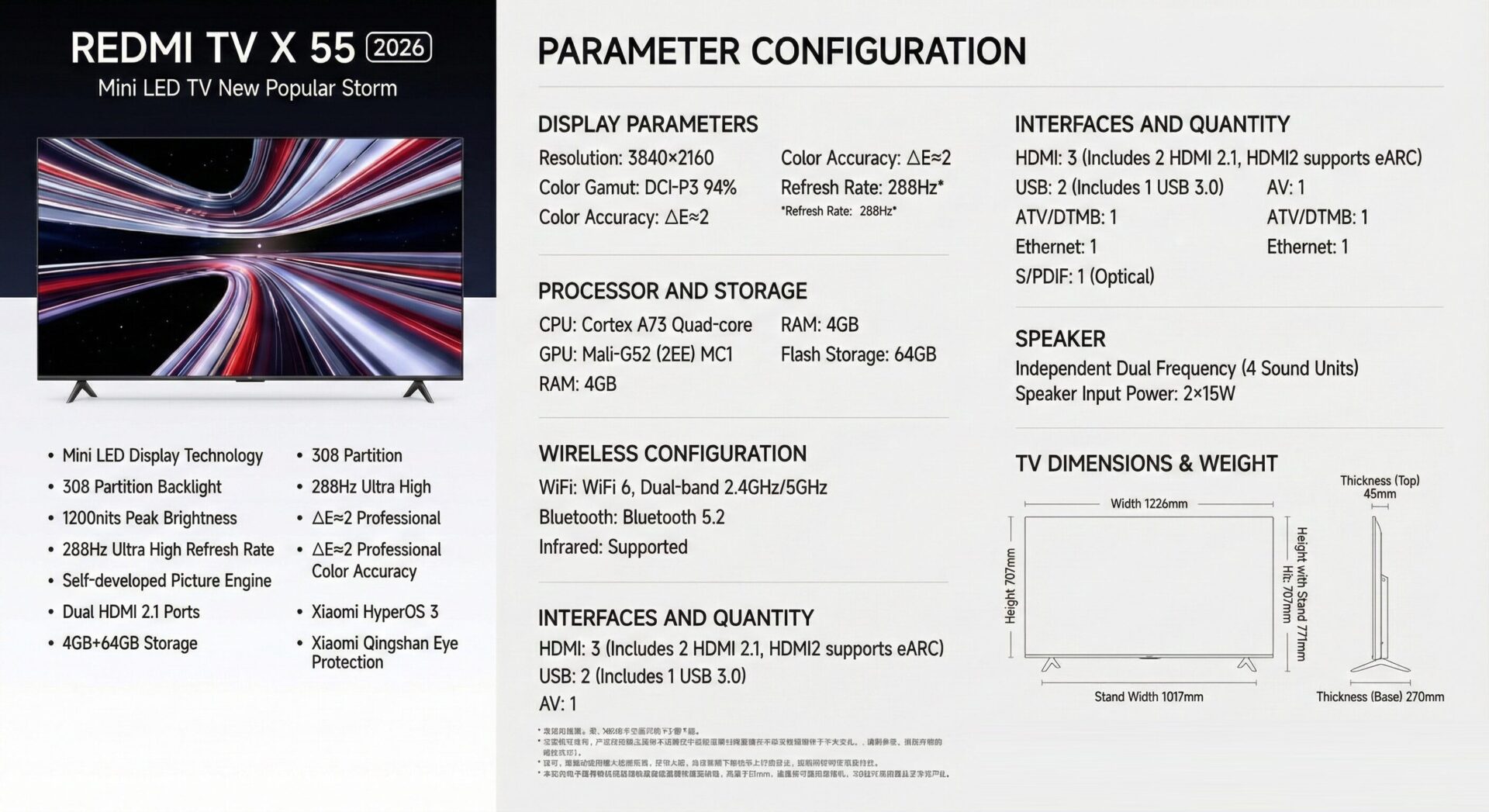
The lineup has been equipped with amazing brightness and refresh rate features that are ideal for both entertainment and gaming. With a peak brightness of 1200 nits and 94% coverage of DCI-P3, the TVs offer vibrant and true colors. With a native refresh rate of 4K 144Hz, as well as support for 288Hz ultra-high refresh rate in 2K, 1080p, it has been ideal for reaction-based content.

REDMI TV X 55 2026 3

Performance and Connectivity

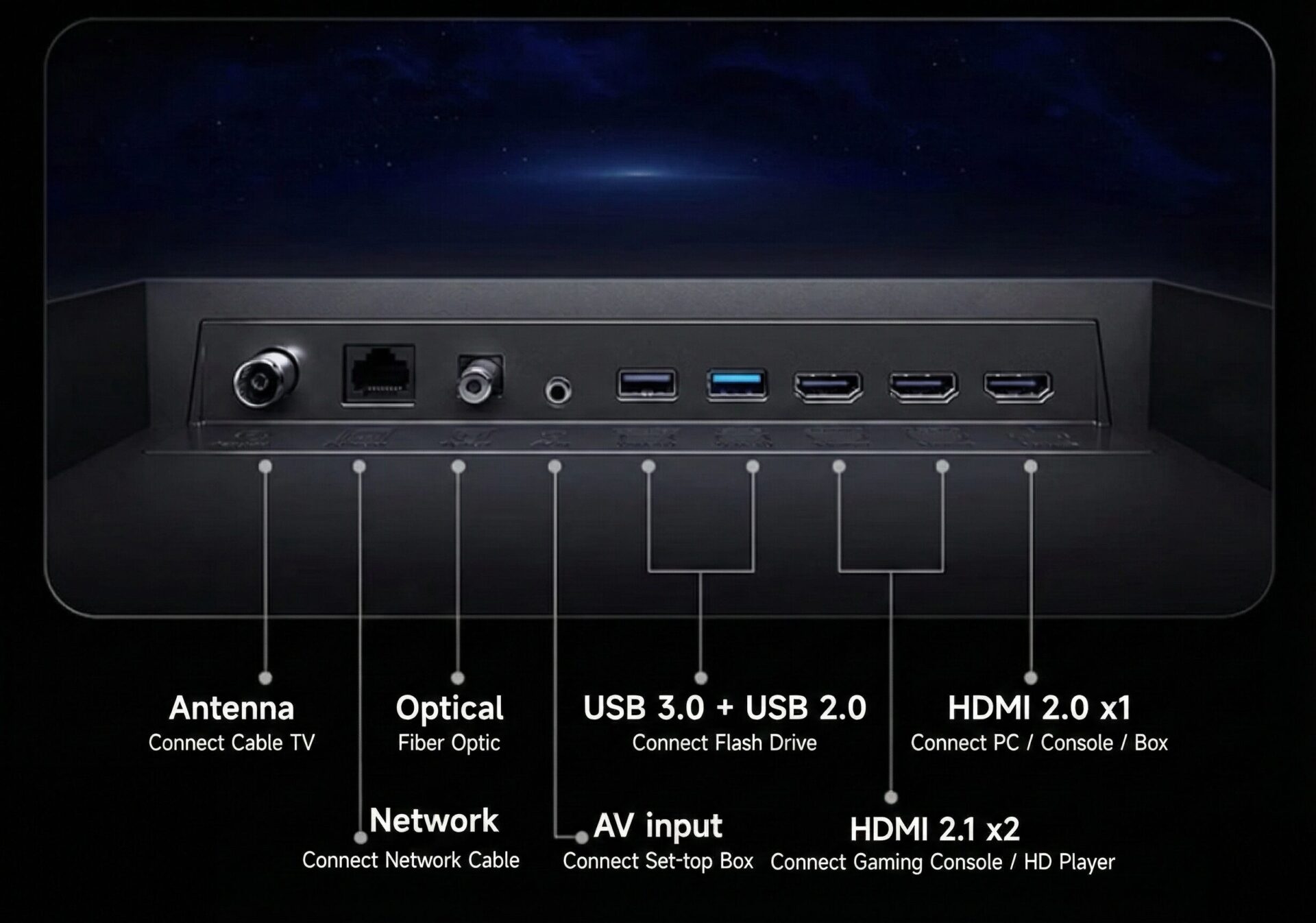
With a quad-core A73 chipset, this series provides users with quicker application execution speed and a smoother UI experience due to HyperOS 3. The TVs are equipped with dual HDMI 2.1 interfaces, which support VRR and ALLM functions. WiFi 6 connectivity has been improved for better wireless data transmission.

Pricing and Model Breakdown

The starting prices are as follows, which are for the Chinese market. These are converted in USD for your convenience:

Model Price (CNY) Approx. USD Mini LED Zones
Redmi TV X 55″ 2499 yuan ~$350 USD 308 zones
Redmi TV X 65″ 2999.2 yuan ~$420 USD 384 zones
Redmi TV X 75″ 3799.2 yuan ~$530 USD 512 zones

These pricing strategies earmark that Redmi TV X 2026 lineup as being among Xiaomi’s most budget-friendly Mini LED TVs, offering top-end hardware capabilities.

REDMI TV X 55 2026 2 REDMI TV X 55 2026 1

Supplementary Specifications

A comprehensive configuration list has been given below for easy comparison among models:

Core Specs Overview

Feature Redmi TV X 55″ Redmi TV X 65″ Redmi TV X 75″
Resolution 4K 4K 4K
Peak Brightness 1200 nits 1200 nits 1200 nits
Refresh Rate 144Hz (Native) / 288Hz (Enhanced) Same Same
Storage 4GB RAM + 64GB ROM Same Same
Processor Quad-core A73 Quad-core A73 Quad-core A73
Dolby Vision Supported Supported Supported
WiFi WiFi 6 WiFi 6 WiFi 6

Final Thoughts Redmi TV X 2026 series:

Redmi has always been a company that “pushes boundaries” when it comes to offering superior display technologies in budget-centric segments. The confluence of Mini LED technology, 4K 144Hz refreshing rates, and HyperOS 3 ensures a “balanced product” for all those who value either gaming, online content, or home theatre viewing. Redmi users are aware that these new models “integrate seamlessly with other Xiaomi smart devices” thanks to “Xiaomi HyperConnect.”

Source

  •  

The most effective ways to contact Xiaomi customer service worldwide

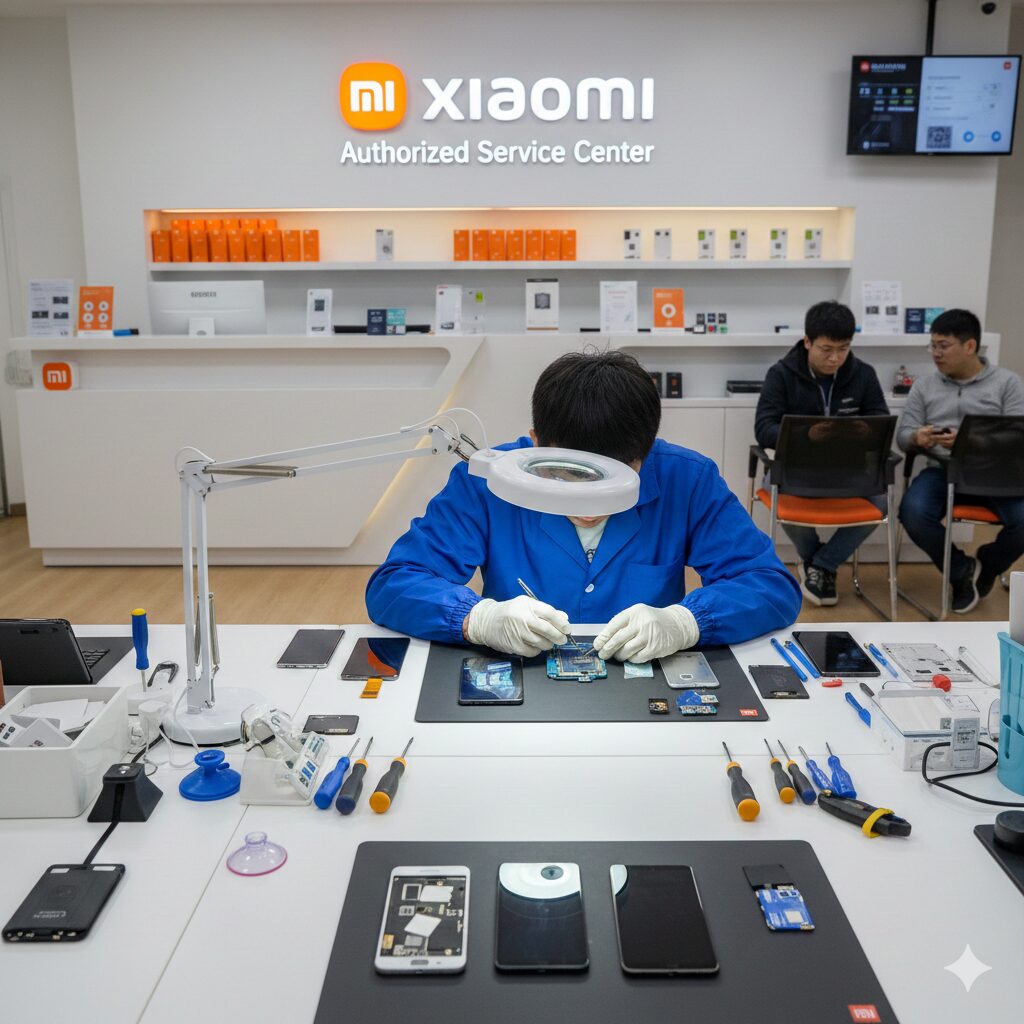
Xiaomi’s customer service has evolved globally into a multilayered setup that is designed to help millions of users of smartphones, IoT devices, and smart home products. Such a service model reflects the company’s “Smartphone × AIoT” strategy and is tailored according to each region’s regulatory environment, user expectations, and service demand.

As we have explained in detail in guides on Xiaomi International WarrantyHyperOS updates, and Xiaomi Support Centers, the brand integrates digital channels, physical centers, and authorized partners in an effort to enable a consistent experience. Xiaomi’s hybrid system works under a continuous mechanism to ensure seamless assistance for its users, whether they are from India, China, Europe, or Southeast Asia.

How Xiaomi’s Global Support System Works

Xiaomi follows a glocalized model which blends direct service centers with strategic authorized partners per market requirements. This will enable the company to scale up fast, maintaining high service quality across many product categories.

Xiaomi Service

Hybrid Service Model of Xiaomi

It adopts two main structures in the regions: the direct service management that heavily relies on China and India, with full control of the user experience, and an authorized partner model in both Western Europe and North America, where companies such as SBE Ltd. of the UK, B2X of the EU, and Anovo of Spain are managing the operations. Both systems would therefore be structured to comply with regional legislation, ensure after-sales consistency, and provide transparent repair processes.

Key Components of the Global Service Framework

The support structure comprises digital self-service tools, on-site repair centers, premium customer lounges, WhatsApp support lines, and community-driven help channels; all these layers make it possible for the company to offer accessible technical assistance at all consumer touchpoints.

International Warranty and Regional Policies

Xiaomi has kept a flexible warranty model, which varies based on local legal requirements and user segments. The company differentiates between standard regional warranties and the premium International Warranty Service.

Xiaomi International Warranty Service (IWS)

It is only available in premium models such as Xiaomi 15 Ultra, Xiaomi 14 Ultra, Xiaomi 13 Ultra, Xiaomi 13 Pro, Xiaomi 12 Pro, and Xiaomi MIX Flip. It allows users to receive repairs in eligible countries regardless of the device’s original purchase location. The policy covers repairs but excludes device replacement, misuse damage, and grey market purchases.

Xiaomi International Warranty Service IWS

European Union and Global Warranty Standards

In the European Union, Xiaomi observes the obligatory 24-month protection rules. Devices bought in Spain, France, Italy, or other EU countries can be serviced across the whole EU. On the other hand, in global markets such as India and Southeast Asia, there is normally a 12-month standard warranty. Accessories normally have a 6-month coverage period.

Regional Service Center Operations

Because of variances in market size, user behavior, and local logistics, Xiaomi’s operational strategy is very different between regions. Below is a tabular comparison of customer service operations in Europe and Asia.

Europe: Partner-Driven High-Compliance Network

European countries depend on strong authorized service partners conforming to GDPR, EU warranty laws, and industrialized repair procedures.

Country Hotline Service Hours Notes
France 0805 370 916 Mon–Fri 09:00–20:00 Extended evening service
Italy 800 690 921 Mon–Fri 09:00–20:00 High-demand regions
Spain 900 128 128 Mon–Fri 09:00–21:00 Longest service window
Germany 0800 223 11 44 Mon–Fri 08:00–20:00 Early opening
UK 0800 021 1888 Mon–Fri 09:00–18:00 Operated by SBE Ltd
Poland +48 800 111 332 Mon–Fri 08:00–20:00 East-EU logistics hub

These differences reflect market maturity and consumer expectations, as well as regional labor regulations.

India and China: High-Touch, High-Density Service Network

India itself hosts more than 100 service centers, Premium Service Centers in major cities, and repair vans on wheels. China has similarly adopted a dense model with deep integration into Xiaomi’s retail ecosystem. Both regions also offer multilingual AI support bots and very extensive 7-day access.

Xiaomi servicee e1765448153911

Distributed and Digital-First Model: Southeast Asia

These countries include Indonesia, Malaysia, and the Philippines, which leveraged a hybrid model with WhatsApp integrations for diagnosis, remote diagnostics, and strong logistics networks to overcome geographic challenges such as island-based populations with different infrastructures.

Table of Regional Comparison – Asia Pacific

Country Hotline Service Hours Notes
India 1800 103 6286 08:00–23:00 (Daily) Widest availability
Indonesia 00180300650029 09:00–18:00 WhatsApp support until 24:00
Malaysia 1800 18 0112 09:00–18:00 Mall-based centers
Philippines 1800-1110-3128 Business Hours Collection-point structure

How to Contact Xiaomi Customer Service

For reaching customer support at Xiaomi, there are a few different avenues depending on your region.

Officially Supported Communication Channels

  • Phone Hotlines: Region-specific support lines with localized service hours
  • Official Website: Live chat, warranty check, and booking for repair
  • Xiaomi Support App: Firmware diagnostics and service scheduling WhatsApp-selected territories: quick communication and tracking of the status
  • Premium Service Centres: Offering on-site repair and consultation for flagship models

Community and Self-Service Tools

  • Mi Community Forums: Discussions and basic troubleshooting led by peers
  • HyperOSUpdates.com: Checking HyperOS firmware packages and updates
  • MemeOS Enhancer (Play Store): Updates system apps, enables hidden Xiaomi features, and allows HyperOS OTA downloads

The customer service structure for Xiaomi will be globally positioned to deliver scalable, efficient, and regionally relevant support across a multitude of markets. Advanced warranty models, strong digital channels, and reliable authorized partners make sure users in Europe, India, or Southeast Asia get consistent support. This shows how the brand is committed to bringing hardware and AIoT together with user-centric support into one global approach.

  •  

New DroidLock Android virus locks phones and threatens 24-hour file deletion

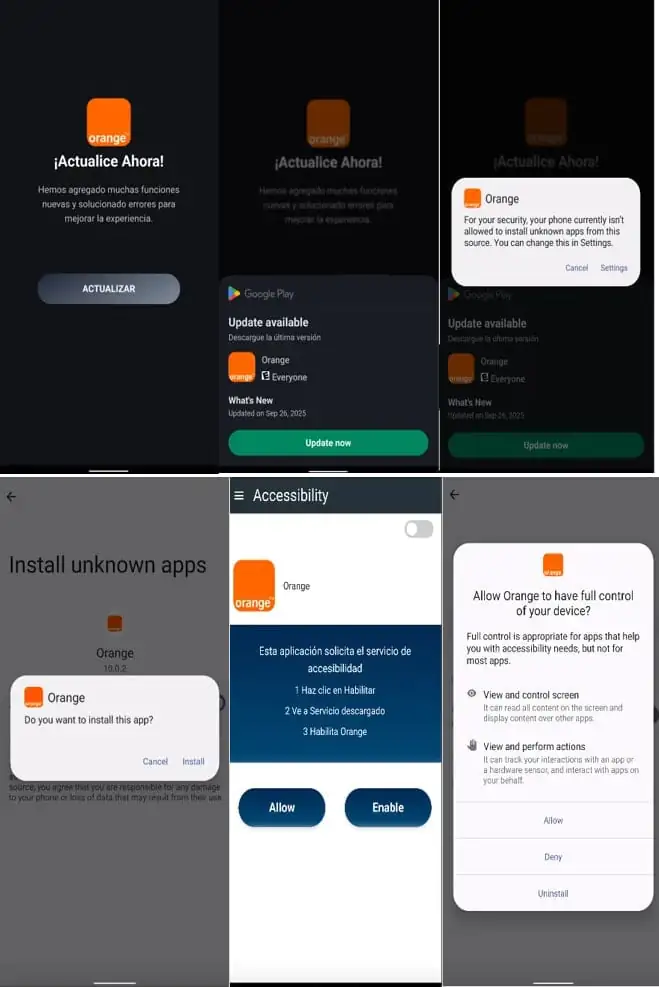
A ransomware for Android, now known as DroidLock, has spread online in a very short time, seriously endangering mobile device users who install software from unofficial sources. The malware was reported by BleepingComputer on December 10 and was discovered by mobile security company Zimperium. It primarily affects Spanish-speaking users via malicious websites. The malware tricks victims by using a fake “system update” interface, similar to other menaces previously discussed on our platform, like HyperOS security improvements and Xiaomi’s built-in protection tools.

The infection chain of DroidLock relies on a multi-stage dropper, which is camouflaged as a regular application. Upon user consent to install the fake update, the malware deploys its malicious payload in silent mode. This kind of layering greatly increases the chances of bypassing user awareness, especially on devices with relaxed security settings.

How DroidLock Carries Out Its Attack

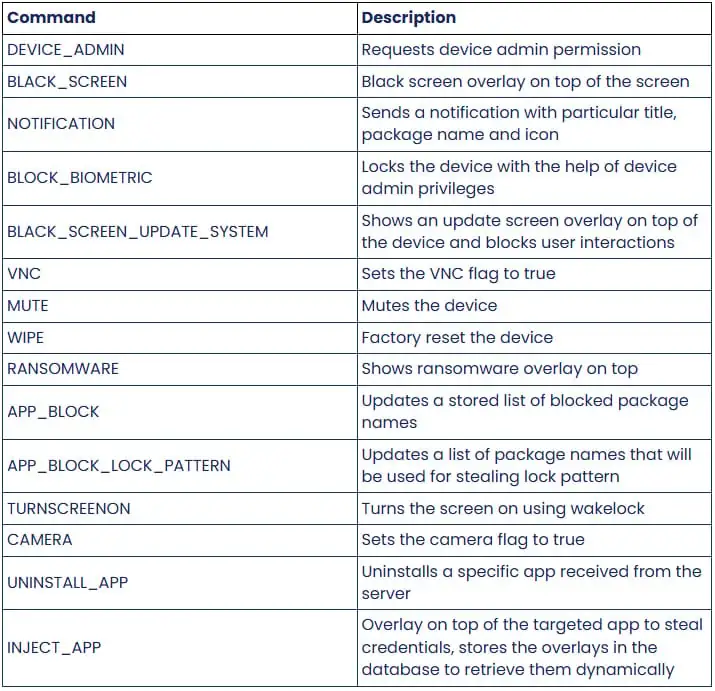
Once installed, DroidLock immediately requests two critical permissions: Device Manager and Accessibility Services. These permissions enable the execution of as many as 15 special, malicious commands.

d05ad9b7 f862 4b7d a97f 61626a24794b

DroidLock’s Primary Capabilities

Below is a simplified table summarizing what the malware can do based on:

Capability Description
Device Muting Silences device audio to hide notifications
Remote Camera Activation Enables attackers to use the camera remotely
App Uninstallation Removes selected applications
SMS & Call Log Theft Extracts sensitive communication data
Transparent Overlay Captures screen unlock patterns
Remote VNC Control Provides full device access when idle

Once having full control, DroidLock enables a VNC-based remote access channel that lets attackers operate the device as if it were in their hands. The malware even runs a transparent full-screen overlay to capture the user’s lock pattern or PIN, sending it straight to the attacker.

A Screen-Lock Ransomware Strategy, Not File Encryption

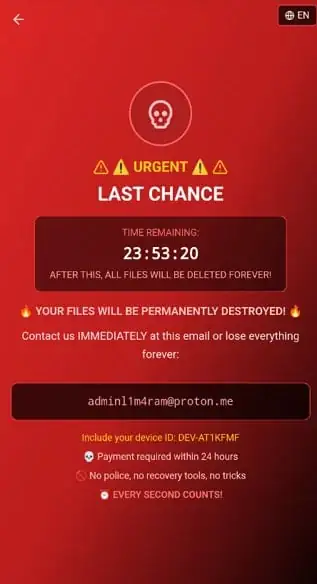
Unlike classic ransomware, which encrypts user files, DroidLock focuses on screen-locking extortion through a persistent WebView overlay. The approach of blocking all interaction by using a full-screen layer on top of the interface and modifying device settings related to its PIN or biometric locking completely locks the device.

The attackers then show a ransom message with a contact address via ProtonMail, stating that all the files will be deleted within 24 hours if the victim does not pay up. No encryption of any files occurs, but the severe lockout effect is essentially the same in terms of the extortion outcome.

Feature Explanation
Fullscreen Overlay Prevents any exit or local control
Biometric/PIN Modification Forces complete device lockout
24-Hour Threat Psychological pressure tactic
ProtonMail Contact Anonymous communication channel
8783a122 0c5a 4500 b2e4 cee5a0b35786 1 8783a122 0c5a 4500 b2e4 cee5a0b35786 3531e4aa 0805 47ef aee0 13f642dae1dc

How Users of Xiaomi Can Stay Protected

As a member of the Google App Defense Alliance, Zimperium has already shared DroidLock’s signature with Google. Devices that have Google Play Protect enabled now can automatically detect and block this malware.

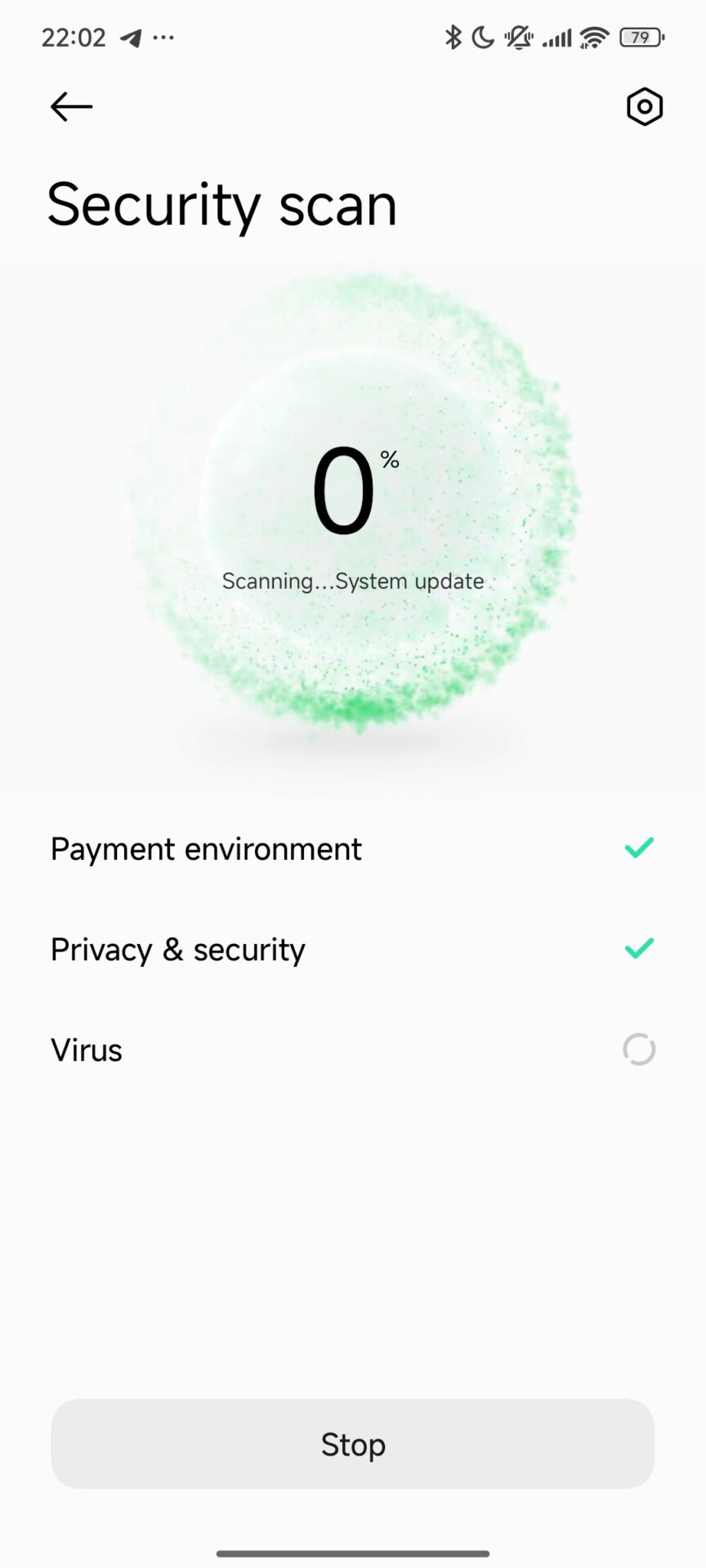
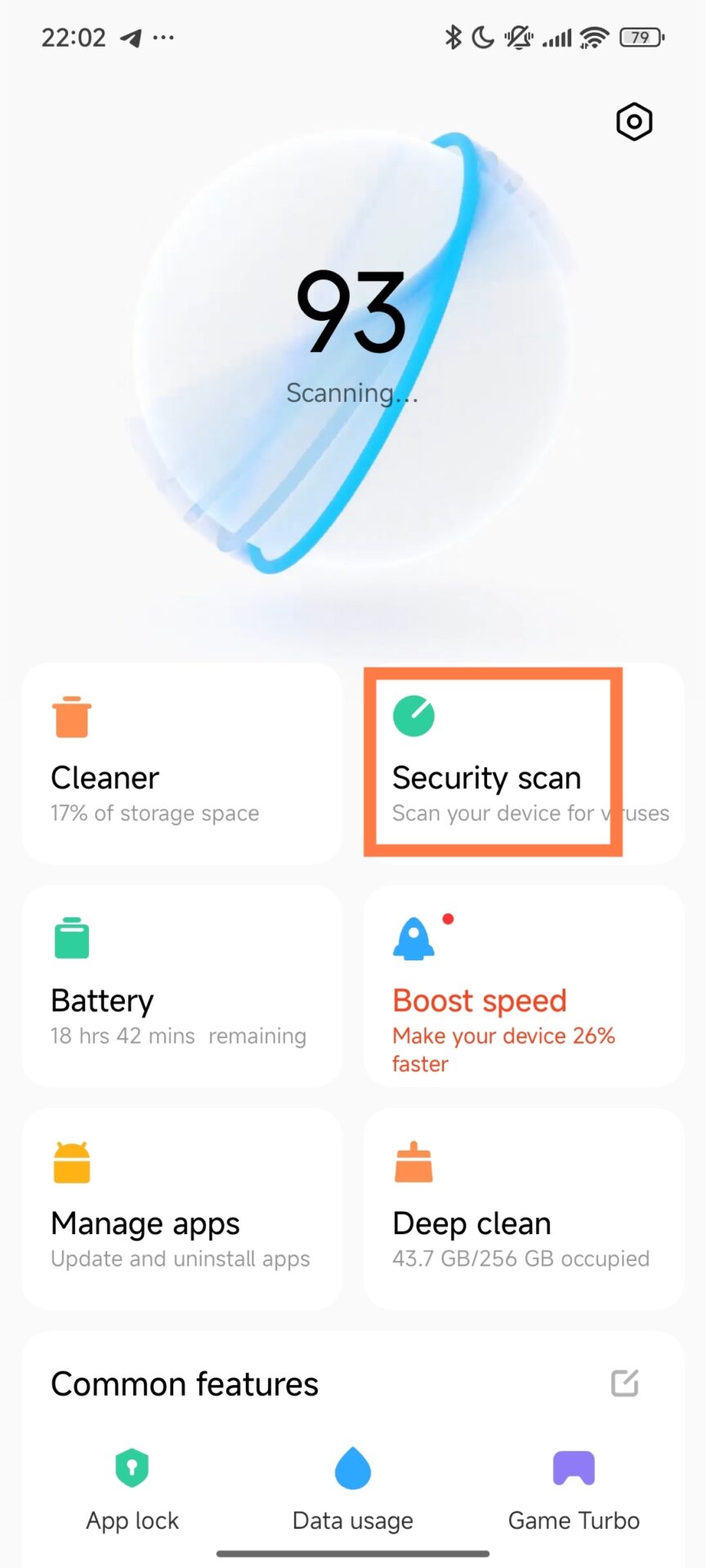
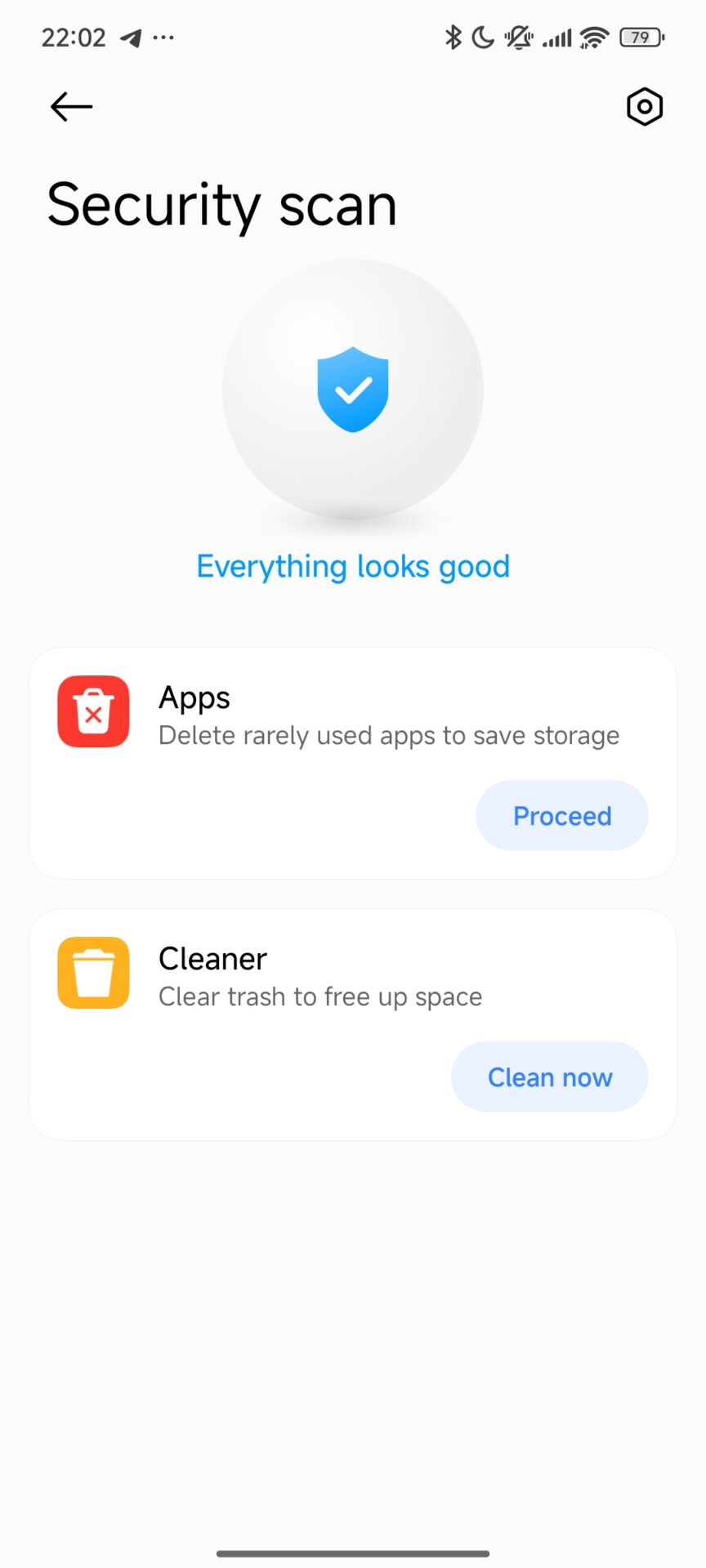
However, Xiaomi users have an added advantage in that: Recommended Security Measures for Xiaomi Perform regular malware scans using the Xiaomi Security app.

  • Avoid installing applications outside Google Play Store or GetApps.
  • Be very careful when reviewing any permission request related to Accessibility.
  • Keep HyperOS and all system apps updated through MemeOS Enhancer or HyperOSUpdates.com.
Screenshot 2025 12 07 22 02 40 591 com.miui .securitycenter Screenshot 2025 12 07 22 02 23 608 com miui securitycenter edit Screenshot 2025 12 07 22 02 45 790 com.miui .securitycenter


DroidLock supersedes a new wave of Android ransomware that depends on a screen-locking activity rather than a file encryption system. Due to its multi-staged infection method, powerful remote-control abilities, and aggressive ransom tactics, users have to be careful with installation sources and device scanning.

Source

  •  

India’s Q3 2025 tablet market falls 19% while Xiaomi sees an 8.9% drop in sales

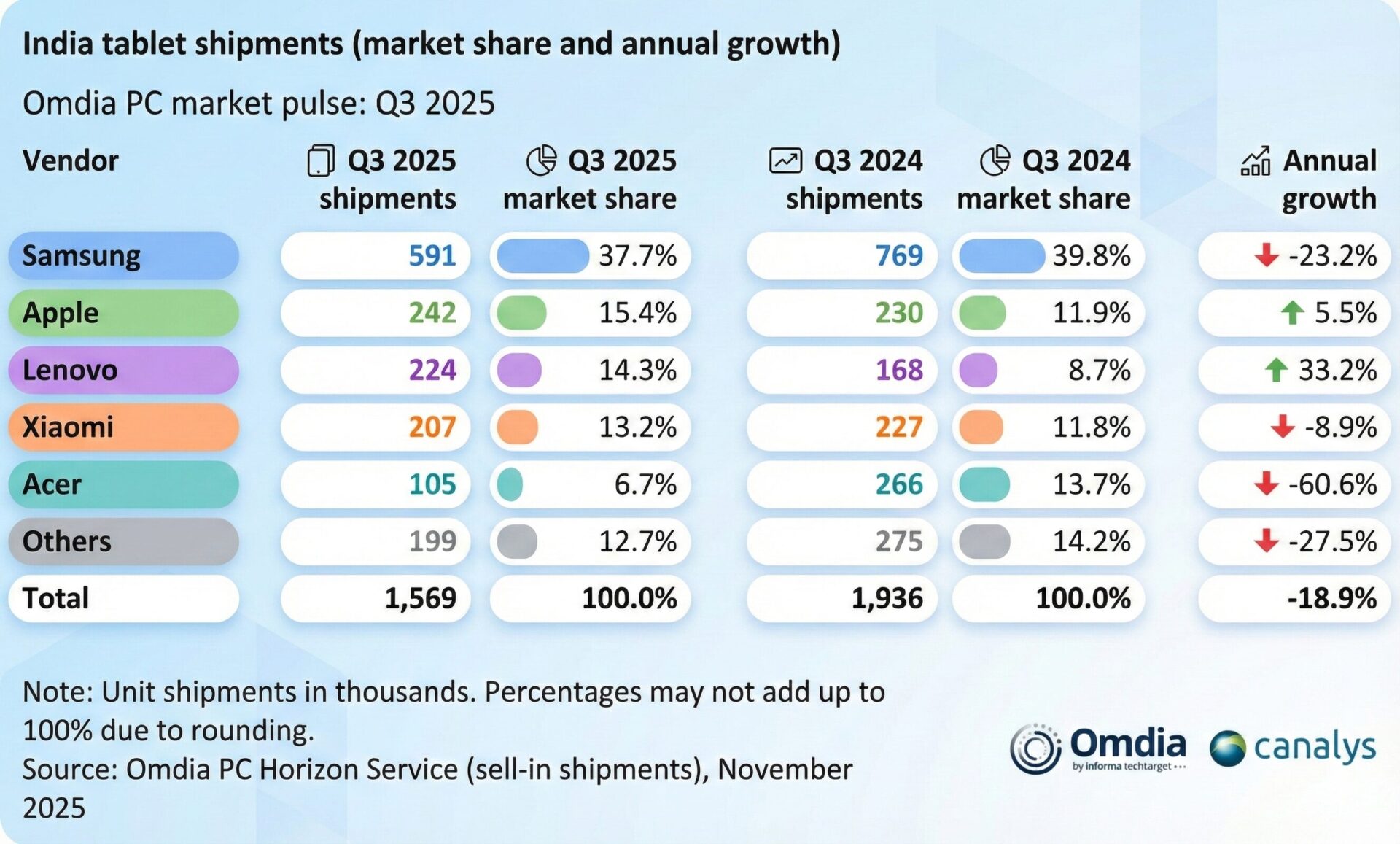
The latest Omdia analysis shows a mixed landscape in India’s Q3 2025 computing market, where the PC segment achieved double-digit annual growth while the tablet market contracted notably. According to Omdia’s report, India’s PC shipments reached 4.9 million units during the quarter, representing a 13% year-on-year rise. Notebook and desktop demand remained strong thanks to holiday-season inventory buildup and a decent business procurement cycle. Meanwhile, tablet shipments declined 19%, with Xiaomi posting an 8.9% year-on-year decline, despite continuing to enjoy healthy traction in the consumer segment. Additional Xiaomi shipment data can be seen in our sections on Xiaomi market data and Xiaomi Pad series performance.

India’s PC Market Registers Record Growth in Q3 2025

India’s wider PC market presented strong momentum across the quarter. Omdia noted that notebook shipments grew 12% to 4 million units, while desktop shipments jumped 18% to 920,000 units. These increases were principally driven by early holiday inventory builds and brands’ continued execution with delivery performance for enterprise customers. This combination allowed the PC market to reach its highest Q3 volume to date.

Xiaomi India Tablet Sales

The consumer PC market grew strongly, up 20% year-on-year. Online retail activity was more intense, with early promotions, while offline channels continued to grow, thanks to selective discounts and well-structured cashback programs. At the high end, shipments of premium laptops expanded by 27%, reflecting an increased consumer preference for better performance.

Overview of PC Brand Performance

The following table outlines the total PC shipment in India for Q3 2025:

Brand Shipments (Units) Market Share YoY Change
HP 1,317,000 27% +1.3%
Lenovo 891,000 18.3% +14.4%
Acer 742,000 15.2% +12.5%
ASUS 522,000 10.7% +20.6%
Dell 505,000 27% +5.1%

These results point to stable enterprise demand and strong consumer enthusiasm, contributing to one of the best quarters for PCs in India.

India’s Tablet Market Shrinks Despite Consumer Increase

In contrast to the PC growth trajectory, India’s tablet market declined 19% year-on-year, with total shipments falling to 1.6 million units. The contraction was primarily driven by delays in government-backed education procurement programs, which traditionally account for large shipment volumes. However, consumer tablet demand increased 14% on the back of entertainment-oriented usage and seasonal retail promotions.

Overview of the Performance of Brands Selling Tablets

Brand Shipments (Units) Market Share YoY Change
Samsung 591,000 37.7% –23.2%
Apple 242,000 15.4% +5.5%
Lenovo 224,000 14.3% +33.2%
Xiaomi 207,000 13.2% –8.9%
Acer 105,000 6.7% –60.6%

The shipment volume of 207,000 units by Xiaomi signals stability in this marketplace, regardless of the overall downturn. Xiaomi has retained its position as one of the core tablet vendors in India with a 13.2% share. Consumer-driven demand, especially for models positioned in the affordable entertainment and productivity categories, continues to support Xiaomi’s long-term presence in the region.

Xiaomi’s Position in India and Market Dynamics

Although Xiaomi saw an 8.9% YoY decline in tablet shipments, the context of its overall performance has been quite resilient. Consumer demand for tablets surged, but total market shipments have been impacted by temporary delays in public-sector projects. Once procurement cycles get back to normal, brands such as Xiaomi are expected to pick up shipment momentum again, more so with price-optimized models and reliable regional channel support.

This leads to the company’s long-standing presence in India’s consumer technology ecosystem, from smartphones, Xiaomi Pad, smart home products, and experiences on HyperOS, which in-turn maintains competitiveness for quarters to come.

Source

  •  

REDMI Note 15 series quietly goes global with sales starting next week

The Redmi Note 15 series has been officially introduced to global markets, starting with an unexpected soft launch in Poland. This new lineup brings huge improvements in display quality, battery life, and camera capabilities, furthering Xiaomi’s strategy of strengthening its mid-range portfolio. Models in the series previously appeared in China last August, and they now reach international users with competitive pricing and a polished feature set.

Global Pricing and Availability

The Redmi Note 15 family hits Poland with five configurations, both LTE and 5G, and shipping begins within a week. That makes this one of the earliest global releases for the series this season. Prices are below – converted to USD for easier comparison, but keep in mind these are local Polish listings:

Model Poland Price Approx. USD
Redmi Note 15 LTE 1,099 PLN ~$290
Redmi Note 15 5G 1,199 PLN ~$315
Redmi Note 15 Pro LTE 1,499 PLN ~$395
Redmi Note 15 Pro 5G 1,699 PLN ~$445
Redmi Note 15 Pro+ 5G (8/256 GB) 1,999 PLN ~$520
Redmi Note 15 Pro+ 5G (12/256 GB) 2,299 PLN ~$600

The price places the Redmi Note 15 series in a balanced position for users looking at a strong media performance with long battery life without falling into flagship prices.

G71lScVXYAEZkKD G71lPyvXYAAMeGD G71kZ XsAAZHR7

Key Specifications and Hardware Overview

The choices between the different connectivity variants further divide the chipset options on the Redmi Note 15 lineup. Xiaomi continues to segment its LTE and 5G models along processor family lines to optimize performance efficiency and thermal stability.

Below is a detailed comparison of the four main models:

Feature Redmi Note 15 LTE Redmi Note 15 5G Redmi Note 15 Pro LTE Redmi Note 15 Pro 5G
Processor Helio G100-Ultra Snapdragon 6 Gen 3 Helio G200-Ultra Dimensity 7400-Ultra
Main Camera 108 MP 108 MP (OIS) 200 MP 200 MP (OIS)
Battery 6000 mAh 5520 mAh 6500 mAh 6580 mAh
Charging 33W Fast Charging 45W 45W
Display 6.77″ FHD+ AMOLED 6.77″ FHD+ AMOLED 120Hz AMOLED 120Hz 1.5K CrystalRes AMOLED 120Hz
IP Rating IP64 IP65 IP65 IP68

Enhanced Display and Camera End

It brings in significant enhancements in display and camera functionality, starting with the 1.5K CrystalRes AMOLED panel of the Pro 5G model. On top of this, there is increased pixel density and better color accuracy than previous Redmi Note generations. At the same time, the 200 MP OIS cameras of the Pro models bring in better clarity in night shots and smoother video capture.

Battery and Charging Performance

For battery capacity, Xiaomi continues with its battery-focused philosophy in the lineups that it offers, varying between 5520 mAh and 6580 mAh for extended daily usage. The Pro models offer 45W fast charging, striking a good balance between refueling speed and battery health.

The new Redmi Note 15 series embodies the steady advancement of Xiaomi into the mid-range segment. With improved displays, big batteries and powerful high-resolution cameras, the series is likely to attract strong interest across the globe-in particular, through such channels as Google Discover and through regional online retailers. At the start of shipments next week, these are set to be among the most accessible and feature-rich of their class.

Source

  •  

Xiaomi’s hidden feature that ends family arguments instantly

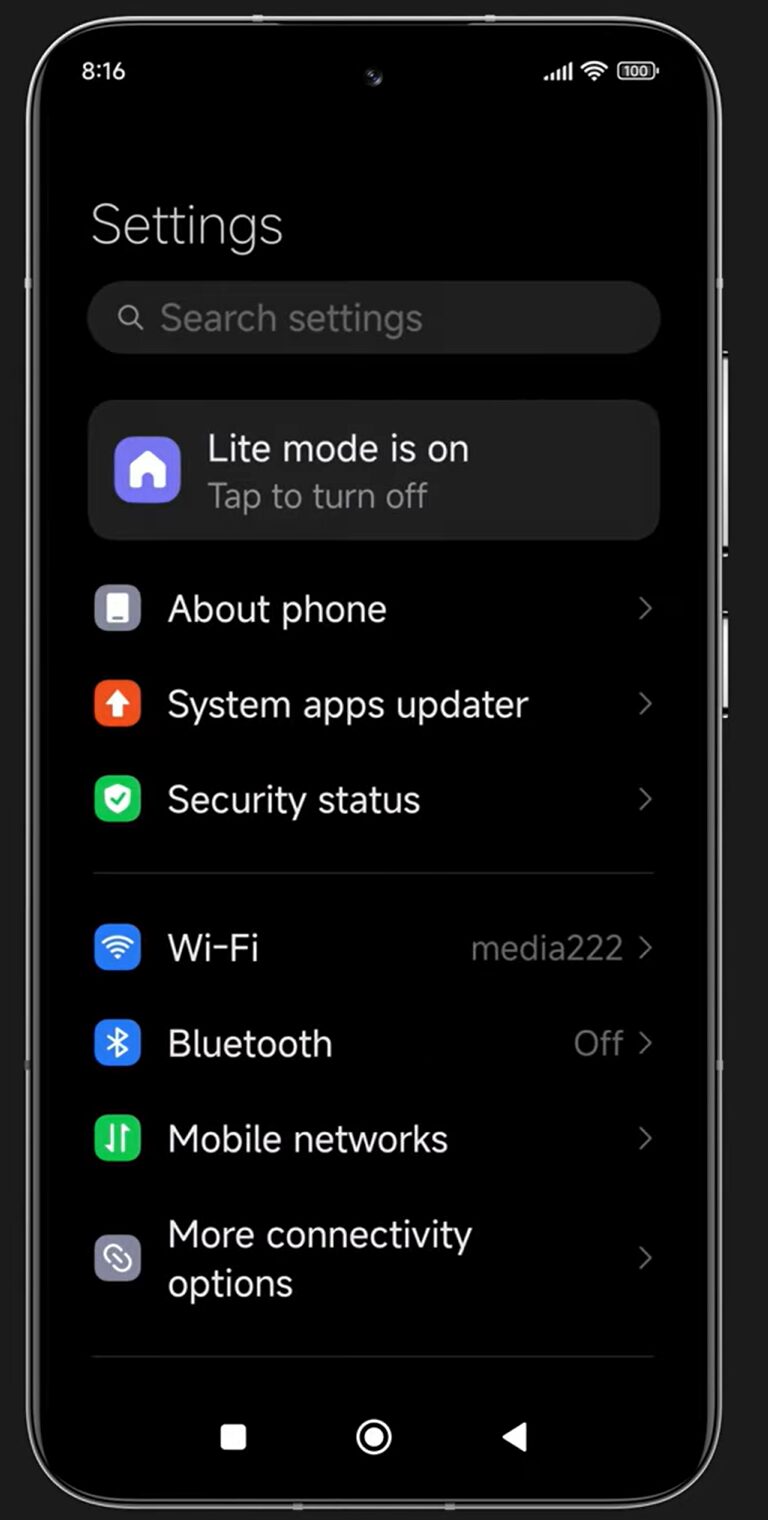
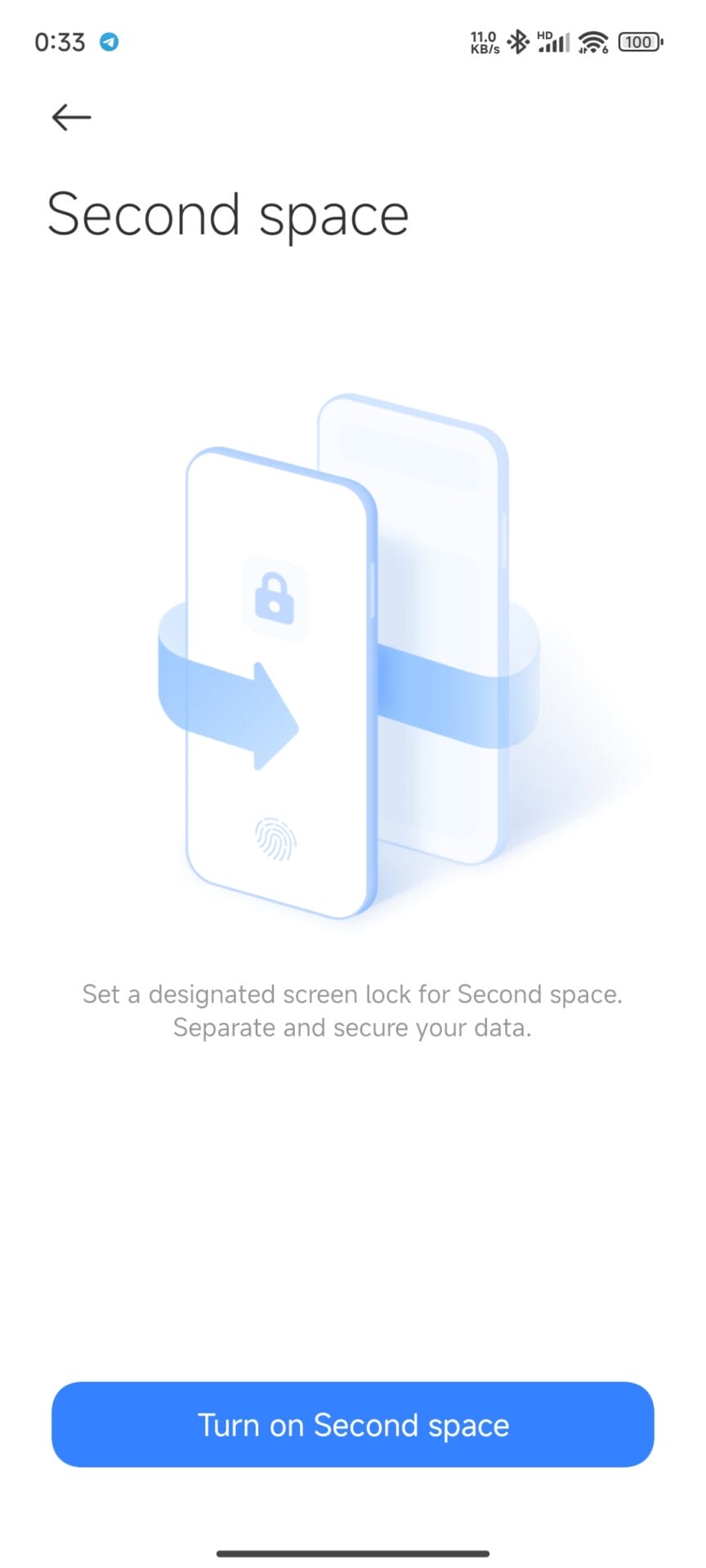
In the modern smartphone era, digital misunderstandings between generations have become more common, especially inside families. Xiaomi has directly addressed this challenge with smart interface features designed to simplify complex smartphone interactions. Through tools such as Lite ModeSecond Space, and system-level remote support, Xiaomi created a user experience that reduces stress, prevents mistakes, and helps families communicate more effectively. This article explains how these features work and why they are becoming essential for peaceful daily smartphone use.

How Xiaomi Solves Generational Tech Conflicts

Xiaomi identified that most family-level digital conflicts come from three primary causes: interface complexity, accidental changes, and privacy concerns. Instead of reducing features, the company introduced structured modes that change how the operating system behaves based on user needs. These solutions are available on Xiaomi smartphones using MIUI and Xiaomi HyperOS, and they are optimized for stability, accessibility, and long-term daily use. The approach does not remove power from the system, it reorganizes the user journey for clarity.

Lite Mode: A Simplified Interface for Stress-Free Use

Lite Mode transforms the phone into a clean, large-button, high-contrast interface that is easy to understand. Icons are larger, menus are shorter, and gestures are replaced with visible navigation buttons. This dramatically lowers error rates and eliminates confusion caused by hidden menus. Technically, Xiaomi restructures the user interaction layer to minimize touch sensitivity errors and visual overload.

Key technical advantages of Lite Mode:

  • Larger icons and system-wide text scaling
  • Simplified 3×3 home screen layout
  • Disabled complex gestures
  • Protected app deletion behavior
Lite Mode

Second Space: Privacy Without Confrontation

Second Space creates a physically isolated virtual environment inside the same phone. This feature is based on Android’s multi-user architecture but enhanced by Xiaomi with biometric triggers. Different fingerprints can open different virtual spaces, creating two separate digital worlds.

This prevents family-related conflict by:

  • Separating photos, chats, and app history
  • Allowing “guest mode” usage without suspicion
  • Maintaining full data encryption separately

Why Second Space Works Better Than App Locks

Unlike traditional app locking, Second Space does not show “restricted” warnings. The user simply sees a clean, empty environment. This avoids emotional tension and keeps the experience natural and respectful.

Screenshot 2024 05 14 00 33 38 728 com.miui .securitycore

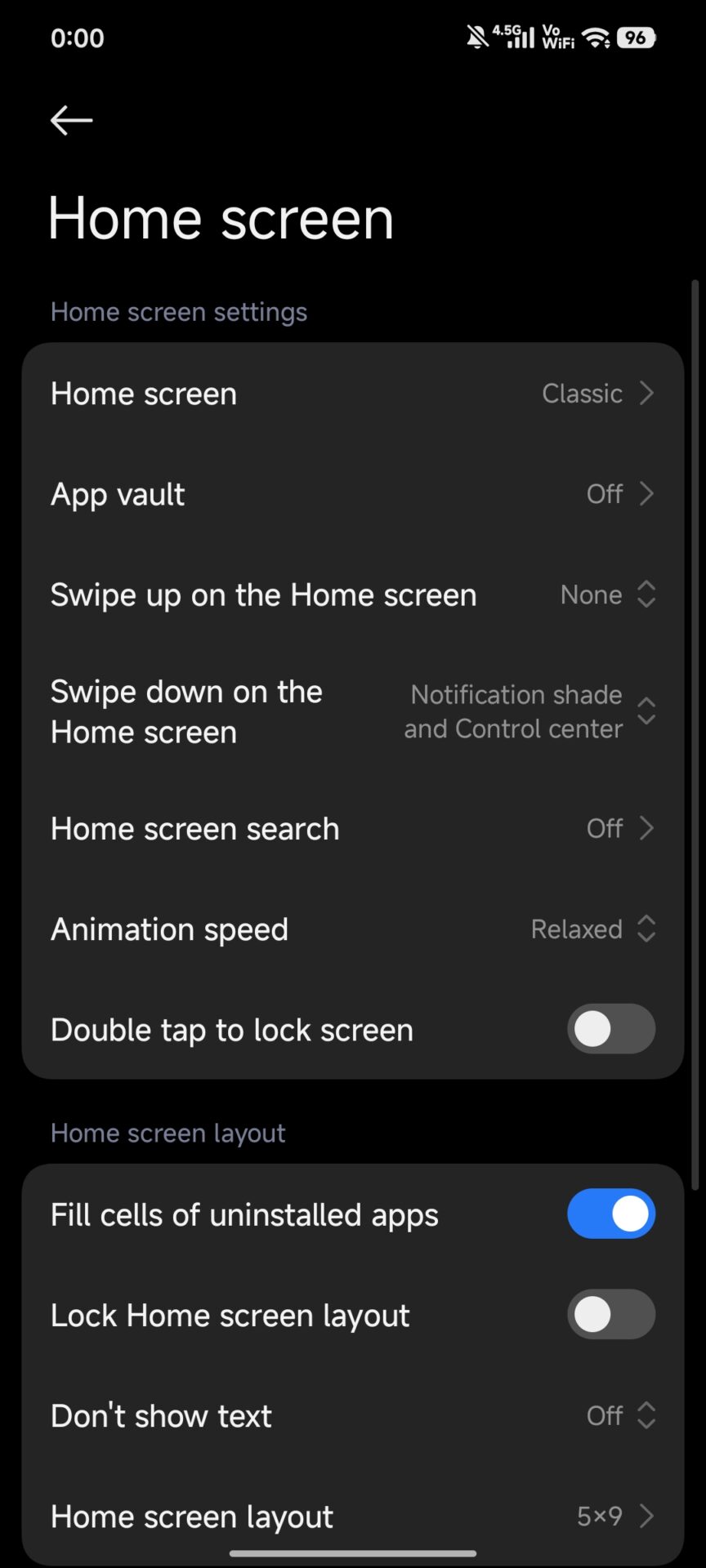
Lock Home Screen Layout for Stability

Many conflicts do not start from mistakes but from small visual changes. Xiaomi allows users to lock the entire home screen structure.

Benefits of home screen locking:

  • Prevents icon movement
  • Stops accidental app deletion
  • Preserves long-term muscle memory

This feature is located under Settings > Home Screen > Lock Home Screen Layout.

Screenshot 2025 12 11 00 00 37 824 com.miui .home

Remote Support Via Screen Sharing

Xiaomi supports integrated remote assistance through native video calling and screen sharing. Instead of explaining problems verbally, users can visually show the screen in real time.

This reduces:

  • Miscommunication
  • Call duration
  • Emotional frustration during support calls

In supported regions, limited remote control functionality is also enabled through Xiaomi system services.

Competitive Advantage of Xiaomi in This Area

Compared to similar platforms:

  • Xiaomi provides deeper Lite Mode system control than Samsung One UI
  • Offers full Second Space virtual session unlike Apple iOS, which lacks real isolation
  • Makes all features available even on budget Redmi devices, improving accessibility

This makes Xiaomi especially attractive for families seeking stable, stress-free digital environments.

Key Benefits Summary

  • Reduced digital errors
  • Improved family communication
  • Greater privacy protection
  • Lower emotional friction in daily usage

Final Evaluation

Xiaomi has positioned itself not only as a hardware brand, but as a human-centered software innovator. By designing Xiaomi HyperOS and MIUI around real behavioral patterns, the company created solutions that prevent family-level digital tension without removing technological power. These features work quietly in the background, delivering psychological comfort through practical engineering.

  •  

Xiaomi 15 vs Xiaomi 17: Not much changes for compact lovers

The global smartphone market is currently in a mature phase where hardware innovations have become incremental and user upgrade cycles are getting longer. In this context, brands are forced to compete not only on raw specifications but also on strategic positioning, naming, and disruptive technologies. Xiaomi’s Xiaomi 15 and the later Xiaomi 17 models represent a clear example of this transformation. Xiaomi 17 is positioned not as an evolutionary step, but as a structural leap in energy density, processor architecture, and optical engineering.

Strategic Positioning and Naming Shift

Xiaomi’s decision to skip the “Xiaomi 16” naming and jump directly to Xiaomi 17 reflects a high-level brand strategy. This move is widely interpreted as an effort to align product generations with global competitors and to reinforce the psychological perception of technological leadership. In consumer behavior studies, higher model numbers are consistently associated with newer innovation cycles. Xiaomi used this insight to reposition itself as a market shaper rather than a market follower.

Launch Timeline Comparison

Model China Launch Global Availability Chipset
Xiaomi 15 October 2024 Early 2025 Snapdragon 8 Elite
Xiaomi 17 September 2025 Early 2026 Snapdragon 8 Elite Gen 5

The faster release cycle of Xiaomi 17 shows how Xiaomi has accelerated its research and development timelines, especially in flagship product lines.

Xiaomi 17

Industrial Design and Physical Engineering

Xiaomi continues to focus on compact flagship engineering. Despite major internal upgrades, Xiaomi 17 maintains almost identical physical dimensions to Xiaomi 15, which is a notable materials engineering achievement.

Parameter Xiaomi 15 Xiaomi 17 Performance Insight
Height 152.3 mm 151.1 mm More compact handling
Width 71.2 mm 71.8 mm Improved aspect balance
Thickness 8.08 mm 8.1 mm Negligible increase
Weight ~191 g ~191 g Optimized material use
Protection IP68 IP68 Same durability class

The use of Dragon Crystal Glass in Xiaomi 17 increases drop resistance while keeping weight stable.

Xiaomi 17 Display

Display Technology Improvements

Xiaomi upgraded the OLED material generation to achieve higher brightness and better efficiency. This upgrade is directly linked to improved battery endurance.

Feature Xiaomi 15 Xiaomi 17
Size 6.36-inch 6.30-inch
Panel LTPO OLED (M9) LTPO OLED (M10)
Peak Brightness 3200 nits 3500 nits
Refresh Rate 1–120Hz 1–120Hz

Higher PWM dimming in Xiaomi 17 improves eye comfort in low-light usage scenarios without compromising color accuracy.

Xiaomi 17 display

Processing Power and Performance Architecture

The difference between the two models becomes clearer when examining chipset evolution.

Specification Xiaomi 15 Xiaomi 17
Processor Snapdragon 8 Elite Snapdragon 8 Elite Gen 5
Manufacturing Process TSMC 3nm TSMC Advanced 3nm
Prime Core Speed 4.32 GHz 4.60 GHz
GPU Adreno 830 Adreno 840
AI Engine Hexagon (2024) Hexagon (2025)

Benchmark comparisons show around 25% higher single-core and 24% higher multi-core performance for Xiaomi 17, enabling stronger sustained performance under heavy workloads.

Battery Technology and Charging Systems

The most critical difference is the shift to Silicon-Carbon battery technology.

Feature Xiaomi 15 Xiaomi 17
Battery Capacity 5400 mAh (China) 7000 mAh
Battery Type Li-Ion Silicon-Carbon
Wired Charging 90W 100W
Wireless Charging 50W 50W
Reverse Wireless 10W 22.5W

This creates a real-world two-day usage scenario in compact flagship form, which was previously unattainable in this size category.

Xiaomi 17

Camera System and Optical Engineering

Xiaomi enhanced its Leica-tuned camera system with a focus on image integrity rather than aggressive ultra-wide distortion.

Camera Module Xiaomi 15 Xiaomi 17
Main Sensor Light Fusion 900 Light Hunter 950
Dynamic Range 13.5 EV 16.5 EV
Ultra-Wide 14mm (115°) 17mm (102°)
Telephoto 60mm (2.6x) 60mm (2.6x)
Front Camera 32 MP 50 MP

The move from 14mm to 17mm ultra-wide optics significantly improves edge sharpness and geometric accuracy.

Software Ecosystem and Connectivity

Xiaomi 15 launched with HyperOS 2, while Xiaomi 17 ships with HyperOS 3 based on Android 16. HyperOS 3 deepens integration across the Xiaomi Human x Car x Home ecosystem, enabling seamless interactions with devices such as Xiaomi SU7. Xiaomi 15 already got HyperOS 3 update.

8f4241dbly1i6aqgew5r4j237g254hdt 1

Users can update core Xiaomi system apps through HyperOSUpdates.com or by installing the MemeOS Enhancer application from Google Play.

This provides access to hidden Xiaomi features, system app updates, and advanced update channels.

Key Differences at a Glance

Category Xiaomi 15 Xiaomi 17 Advantage
Performance High Very High Xiaomi 17
Battery Life One day Up to two days Xiaomi 17
Display Premium Enhanced Premium Xiaomi 17
AI Processing Advanced Next-generation Xiaomi 17

Xiaomi 15 established a strong foundation in compact flagship engineering. Xiaomi 17, however, represents a structural leap by combining Snapdragon 8 Elite Gen 5 performance, Silicon-Carbon battery chemistry, and refined optical systems. This is not a routine generational update, but a recalibration of what a compact flagship can deliver. Xiaomi’s choice to skip a model number aligns with the scale of the technological advancements introduced.

  •  

No need for China ROM: HyperOS Global is finally equal

Xiaomi has remarkably reduced the performance and optimization gap between the HyperOS China and HyperOS Global editions. Compared to the previous generations of software, the China ROM provided better quality in terms of animation speed, memory management, and system response. Today, with the new builds of HyperOS, Xiaomi has aligned the core system optimizations of both versions, which places the Global ROM close in daily performance.

HyperOS Global Optimization Reaches China-Level Performance

Thus, with the recent system-level changes, Xiaomi has moved to unify China and Global builds in task scheduling, background process control, and animation pipelines. All these technical alignments reduce frame drops, improve battery efficiency, and stabilize thermal behavior under heavy workloads. The update strategy focuses on identical kernel-level tuning and memory compression technologies in both ROM types.

HyperOS 2 China installed on Xiaomi 12

As a result, the real-world performance gaps for launching apps, multitasking, and gaming have shrunk. Global users now get access to better power management algorithms, improved storage I/O handling, and smarter scheduling of the CPU core without having to flash unofficial firmware.

No Practical Need for China ROM Anymore

Before HyperOS, many of the power users were installing China ROMs to get more stable system behaviors and earlier feature releases, but this meant that they had to install Google Mobile Services manually, removing Chinese system applications and operating in an English-only environment-a sequence of steps that added significantly to the complexity and potential instability.

Xiaomi HyperOS 2 Global version is finally rolling out

Now, Xiaomi ships Global HyperOS with equivalent system-level optimizations. This gives users complete integration of Google services, compatibility with regional apps, and consistent performance without sacrificing usability or security. In this way, the Global ROM has become a practical choice for business and productivity users.

Now, Global HyperOS delivers an ideal blend of speed, stability, and compatibility. Xiaomi has unified animation frameworks, touch response calibration, and memory leak prevention mechanisms across both versions; hence, the consistent smoothness of scrolling, the faster wake-up times, and higher efficiency in standby.

  •  

POCO F6 Pro finally gets HyperOS 3 with Android 16 and Super Island

The POCO F6 Pro has officially received the HyperOS 3 update based on Android 16, bringing a major software evolution to Xiaomi’s global flagship platform. This release focuses on AI-level system optimizations, smoother visual interactions, and performance stability for demanding users. The update is currently available through the official Recovery ROM channel and confirms Xiaomi’s long-term software strategy for premium POCO devices.

HyperOS 3 Arrives on POCO F6 Pro

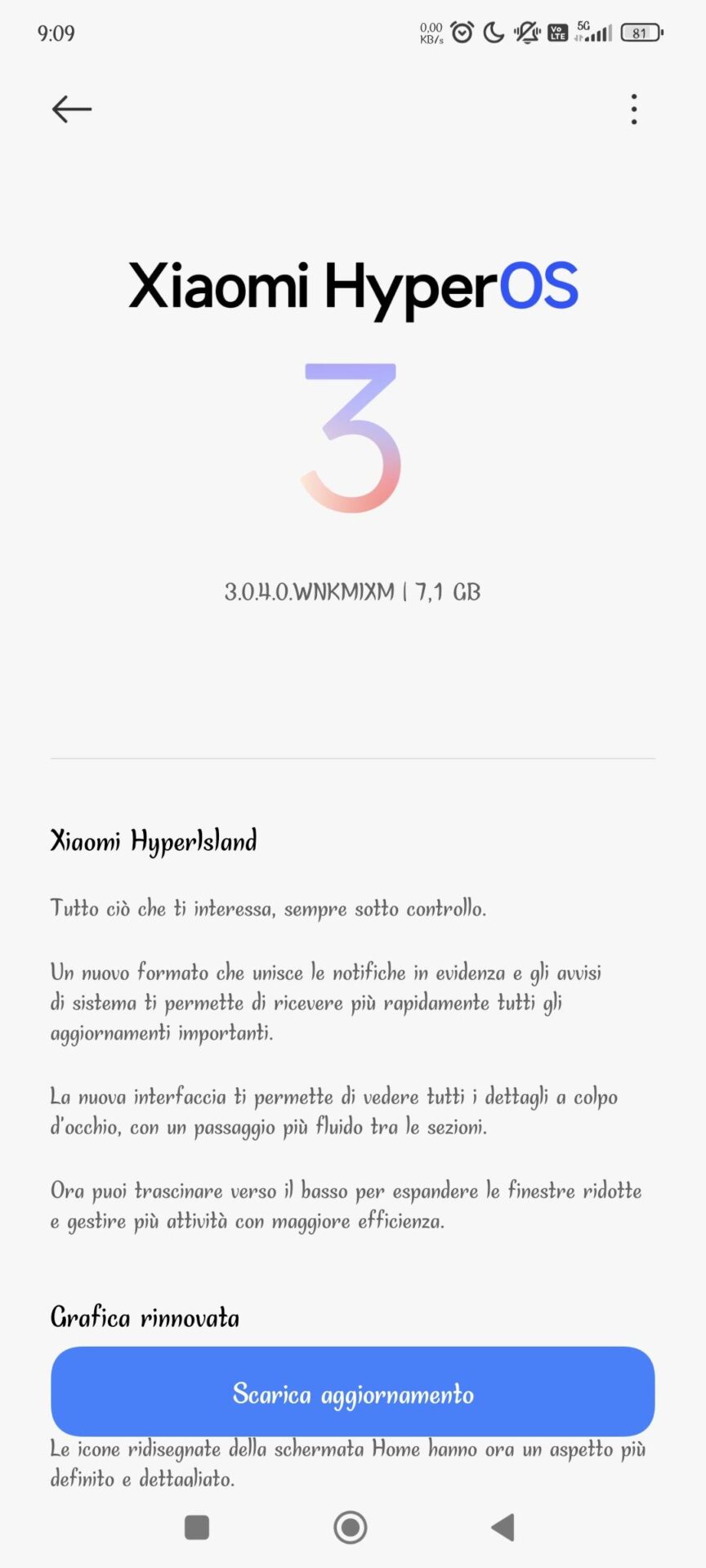
This new firmware, identified as OS3.0.4.0.WNKMIXM, has been released for the global variant of the device, internally linked to the Redmi K70 platform. The update confirms that Xiaomi is aligning POCO’s flagship lineup with its latest system architecture and long-term Android policy. HyperOS 3 is built to deliver stronger system-level intelligence, lower power consumption, and more responsive animations across daily usage scenarios, including gaming, multitasking, and professional workloads.

Key Technical Details

The update strengthens system stability and modernizes the user interface while keeping a consistent business-grade experience.

  • Device codename: vermeer_global
  • Base system: Android 16
  • Build number: OS3.0.4.0.WNKMIXM
  • Distribution type: Recovery ROM
  • Region: Global (POCO F6 Pro / Redmi K70 platform)
POCO F6 Pro HyperOS 3

What HyperOS 3 Brings to Users

HyperOS 3 introduces a structured and more efficient visual language that focuses on real-world usability instead of heavy visual effects. Xiaomi has refined application icons, added a clearer notification hierarchy, and introduced a smoother version of the iOS-style interaction experience, while keeping Android’s flexibility intact. A new feature called Super Island enhances multitasking by improving how floating windows, background tasks, and mini-widgets behave across the system.

Main Improvements Included

Users receive a balanced combination of performance, visual, and AI-level upgrades:

  • Advanced AI system optimizations for background tasks
  • Refreshed system icons with better visual clarity
  • iOS-style visual flow with improved gesture animations
  • Super Island for smarter floating windows and task continuity
  • Enhanced battery efficiency under heavy usage

Update Availability and Installation Notes

The HyperOS 3 update is currently distributed via Recovery ROM and is intended for global POCO F6 Pro models. Xiaomi continues to maintain regional stability by releasing this build in phases to ensure long-term reliability. Users are encouraged to follow official Xiaomi update behavior and avoid unofficial packages.

For users who want to keep Xiaomi system apps updated, HyperOSUpdates.com also provides access through XiaomiTime.com’s trusted projects, including direct update support via the MemeOS Enhancer app on Google Play.

  •  

How to wait HyperOS 3 update in smartest way

The HyperOS 3 update is a major progression of Xiaomi’s software lifecycle, based on Android 15 and Android 16, with the goal of strengthening the “Human × Car × Home” ecosystem. To global users, especially for those using regional ROMs such as TR, this waiting process is often dictated by staged rollouts and backend technical limits. Understanding how the OTA system works and how Xiaomi prioritizes devices can turn waiting from a passive experience into a controlled and strategic process.

How Xiaomi Distributes HyperOS 3 Updates

Xiaomi relies on a global OTA system with BigOTA servers and several layers of CDN. When users tap “Check for updates” in the Xiaomi HyperOS updater, the device sends out encrypted identifiers like ROM version, region code, and device model. The server will compare those parameters against a dynamic white list.

If the device is in an active rollout wave, the server responds with a secure download link and validation hash; if not, the device receives a “No updates available” response. This explains why updates are available online for some users, while their devices still show nothing.

There is also an option called “Get updates earlier.” This feature registers the device into a buffer rollout pool. Technically, it can move the update window forward by 24–72 hours but only if the firmware is already prepared for the device and region.

Updater App 1 Updater App 2

Beta Programs and Stable Beta Access

The most straightforward way to get HyperOS 3 early would be through Xiaomi’s official beta programs, which are now integrated into the Xiaomi Community app. The older Mi Pilot program has shifted to a point-based system.

They have to accrue at least 60 community points to get qualified. Points are gained through profile setup, daily check-ins, and basic interactions such as likes, views, and shares. After qualification, applicants have to pass a short risk-awareness test to confirm they understand what a beta software is.

Stable Beta builds are usually distributed a few weeks ahead of public stable releases. These are near-final builds, but they are still monitored for critical issues. Once those are validated, the same build is pushed to the general public.

Since Xiaomi tests on larger populations first, China, India, and Europe get firmware first. The other region ROMs follow later after regional certification and network-level validation are done.

Safe Waiting Strategies for HyperOS 3

Waiting correctly really is a matter of maximizing official channels without affecting device safety. Enabling the “Get updates earlier” option, maintaining the Xiaomi Community score above 60 points, and tracking firmware versions from trusted sources are some safe and effective ways to do this.

HyperOS Updates MemeOS Enhancer About Phone

Other more aggressive methods involve renaming packages and unlocking bootloaders, although they are not advisable to anyone but technically savvy users, since these might invalidate warranties and some app security layers.

HyperOS 3 is conceptualized as a long-term platform, bridging the gaps between smartphones, tablets, cars, and home devices under a single software vision. The most accurate way to do this would be through relying on the official updater mechanisms, community beta accesses, and controlled tracking of firmware releases. This approach helps safeguard the integrity of the device while being able to experience new features as early as possible.

  •  

10 things Xiaomi HyperOS 3 copied from iOS 26

3Xiaomi has always been known for taking inspiration from the best in the tech industry, and with the arrival of HyperOS 2, users are noticing some familiar design elements that look almost identical to Apple’s iOS 26. From system icons to unique interface animations, Xiaomi seems to have borrowed a series of ideas while adapting them into its own ecosystem. You can explore our latest HyperOS 3 coverage or discover hidden Xiaomi features through our MemeOS Enhancer app.

Familiar designs in HyperOS 3

While Xiaomi puts its own polish on software, several similarities to iOS 26 are hard to miss. The most noticeable changes appear in visual design, app layouts, and certain animations that mirror Apple’s style.

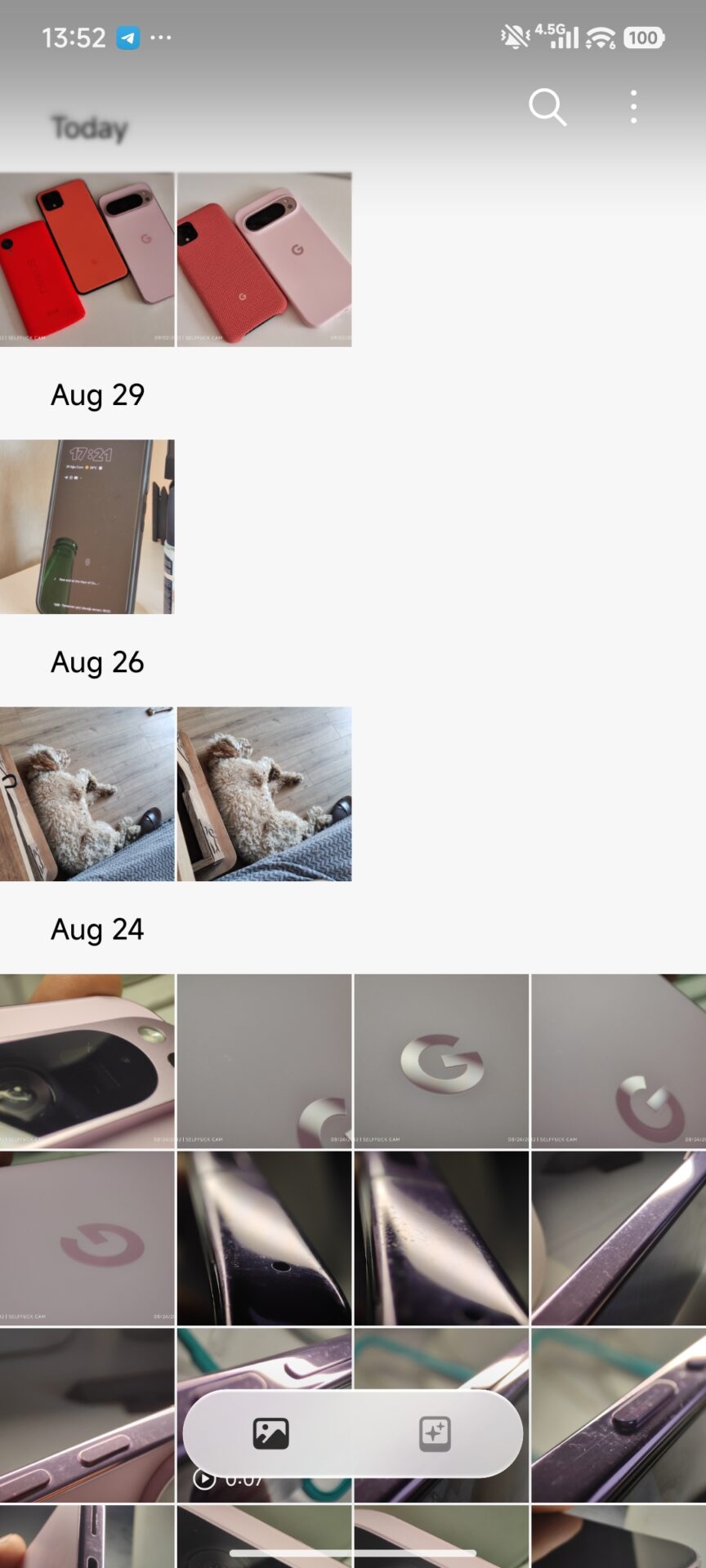
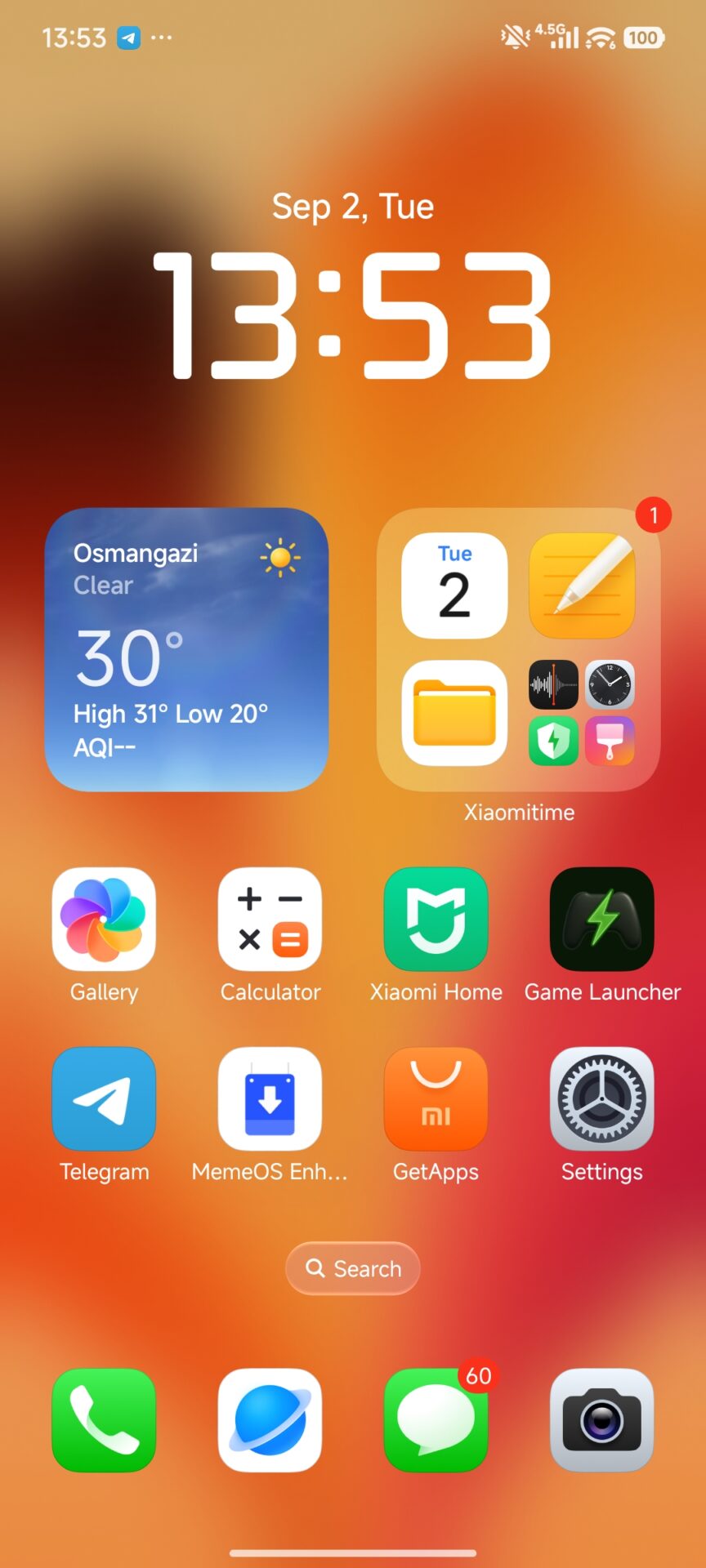
1. Liquid glass design

The new launcher and gallery adopt a liquid glass effect, closely resembling Apple’s refined translucent backgrounds. This gives the interface a premium appearance, though it feels highly familiar to iOS users.

HYPERos 3 LIQUID GLASS 1 HYPERos 3 LIQUID GLASS 2 HYPERos 3 LIQUID GLASS 3 HYPERos 3 LIQUID GLASS 4

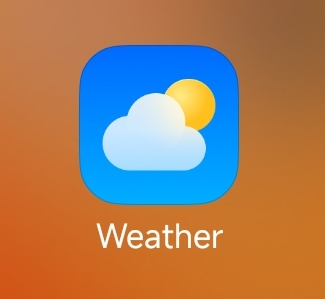
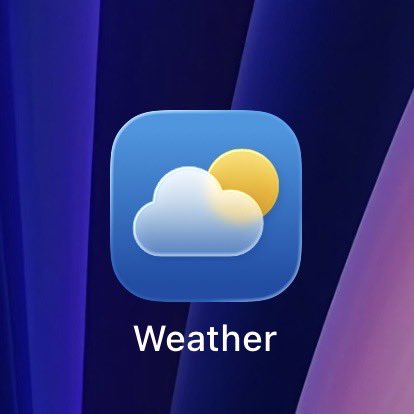
2. Weather app icon

The Weather app icon now adopts the flat, bright color tones seen in iOS 26, with a clear sun-cloud combination.

Weather 1 Weather 2

3. Dynamic Island

Xiaomi has expanded its interactive notification area, taking cues from Dynamic Island, offering smooth transitions for calls, music, and system alerts.

HyperOS 3 Dynamic Island Review 10 HyperOS 3 Dynamic Island Review 8 HyperOS 3 Dynamic Island Review 5 HyperOS 3 Dynamic Island Review 11

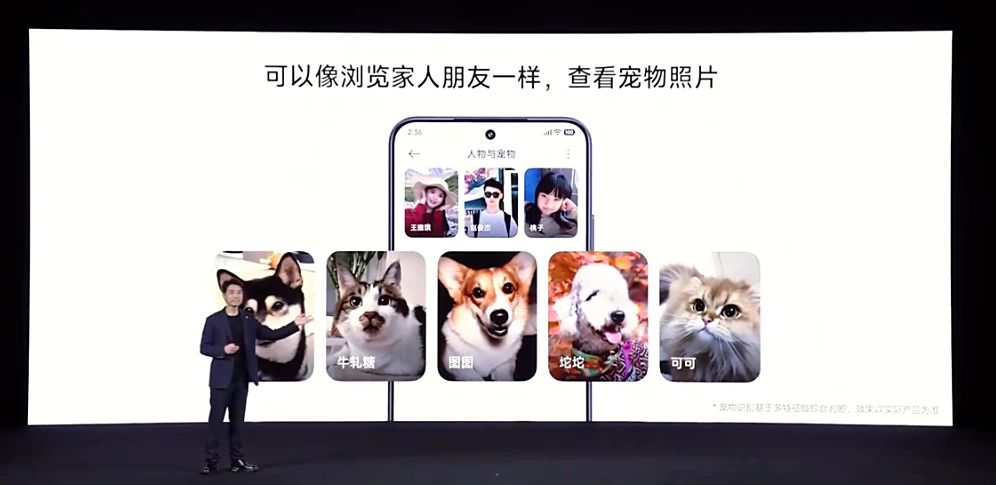
4. New albums feature

The Gallery app now offers an “auto-sorted albums” feature, reminiscent of iOS photo organization, automatically grouping people, pets, and events.

Gallery 1

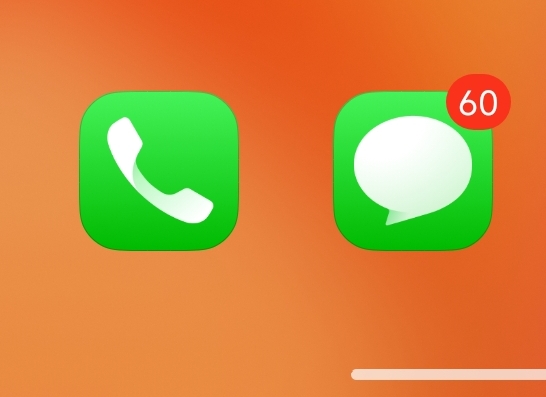
5. Dialer and Messages icons

Both Dialer and Messages icons have shifted to rounded shapes with solid colors, mirroring Apple’s minimalistic design philosophy.

Screenshot 2025 09 02 13 55 32 001 com.miui .home edit iOS icon

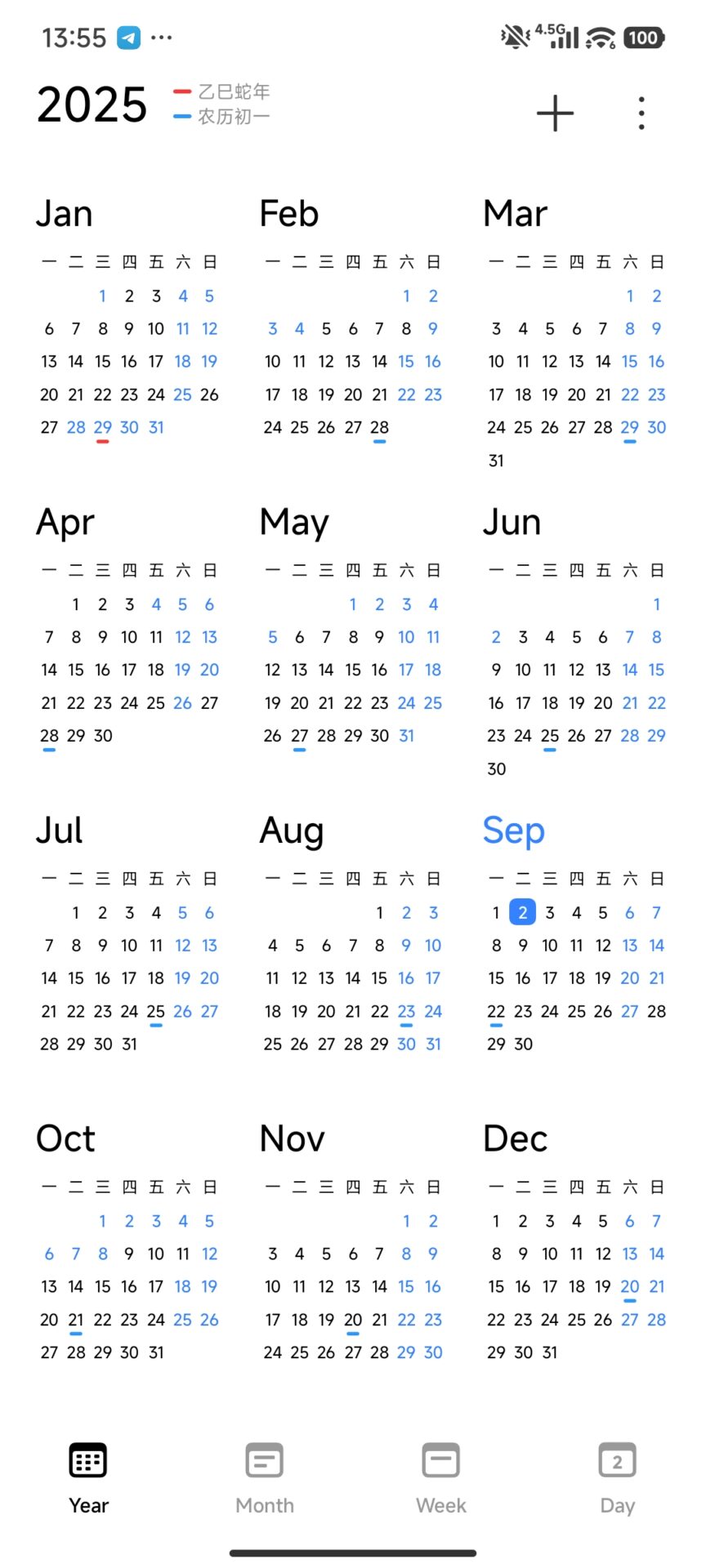
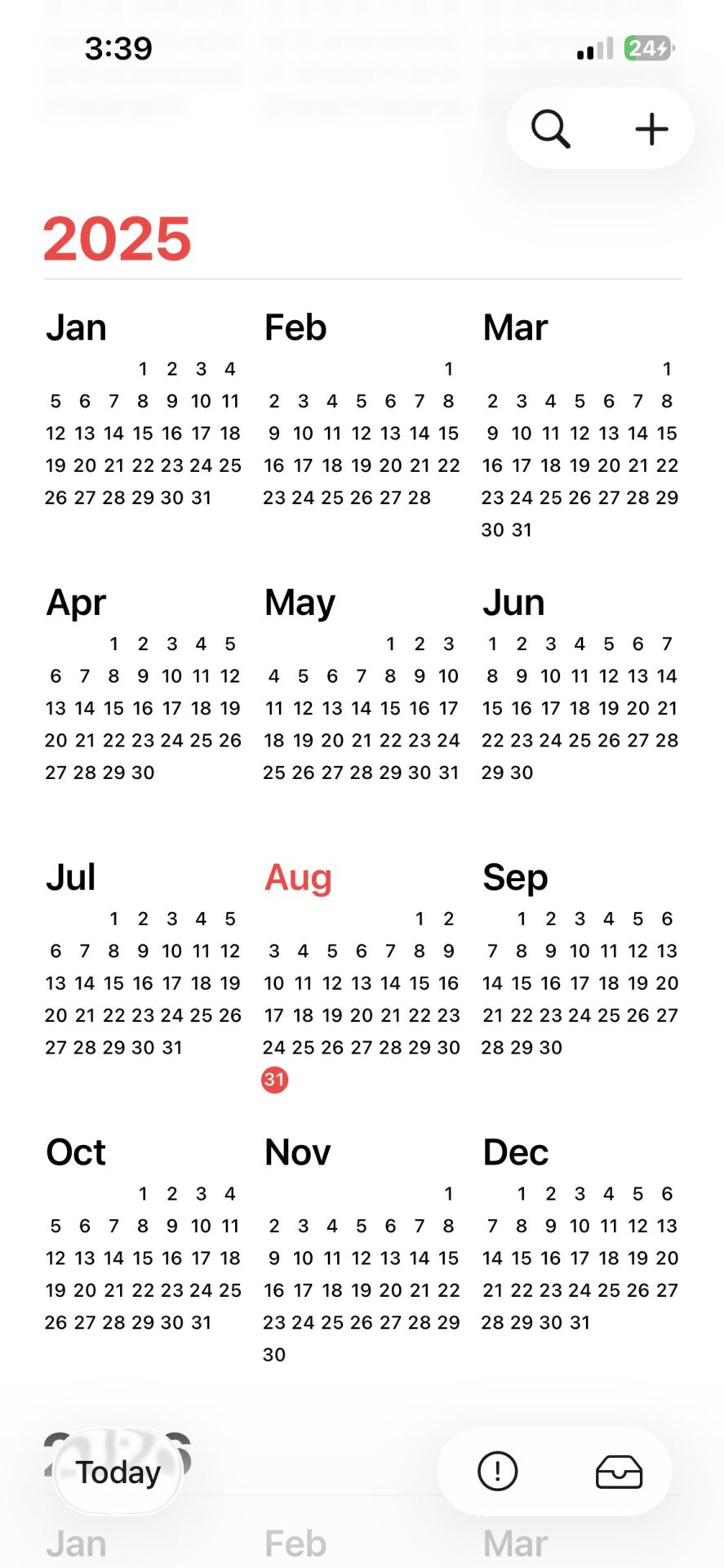
6. Calendar app design

The Calendar app now features a cleaner white background with bold day indicators, strongly echoing Apple’s approach.

Screenshot 2025 09 02 13 55 51 130 com.android.calendar GztaAGnb0AAAPjQ

7. Face ID animations

Unlock animations for Face Unlock have been redesigned with circular wave motions nearly identical to iOS 26’s Face ID visuals.

HyperOS 3 Face Unlock 1 HyperOS 3 Face Unlock 2

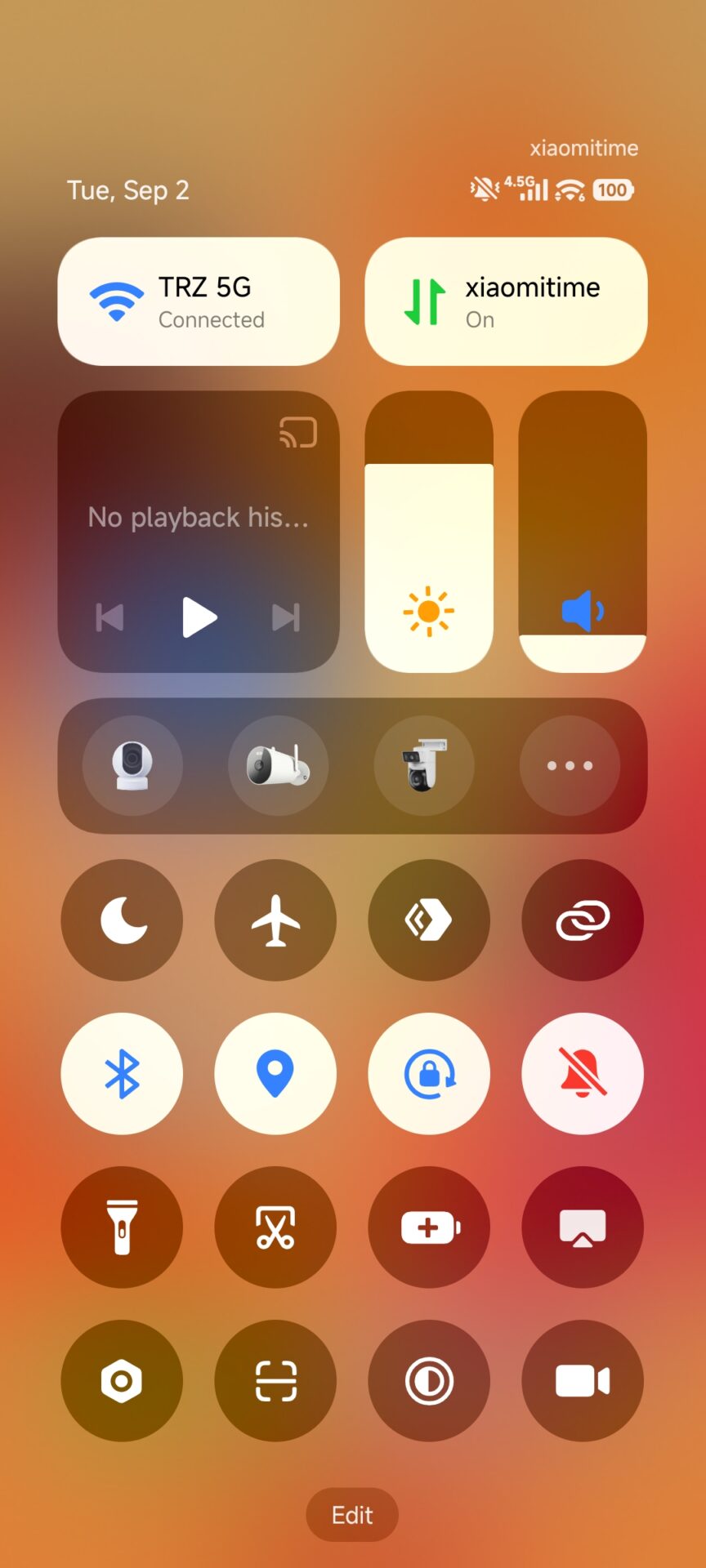
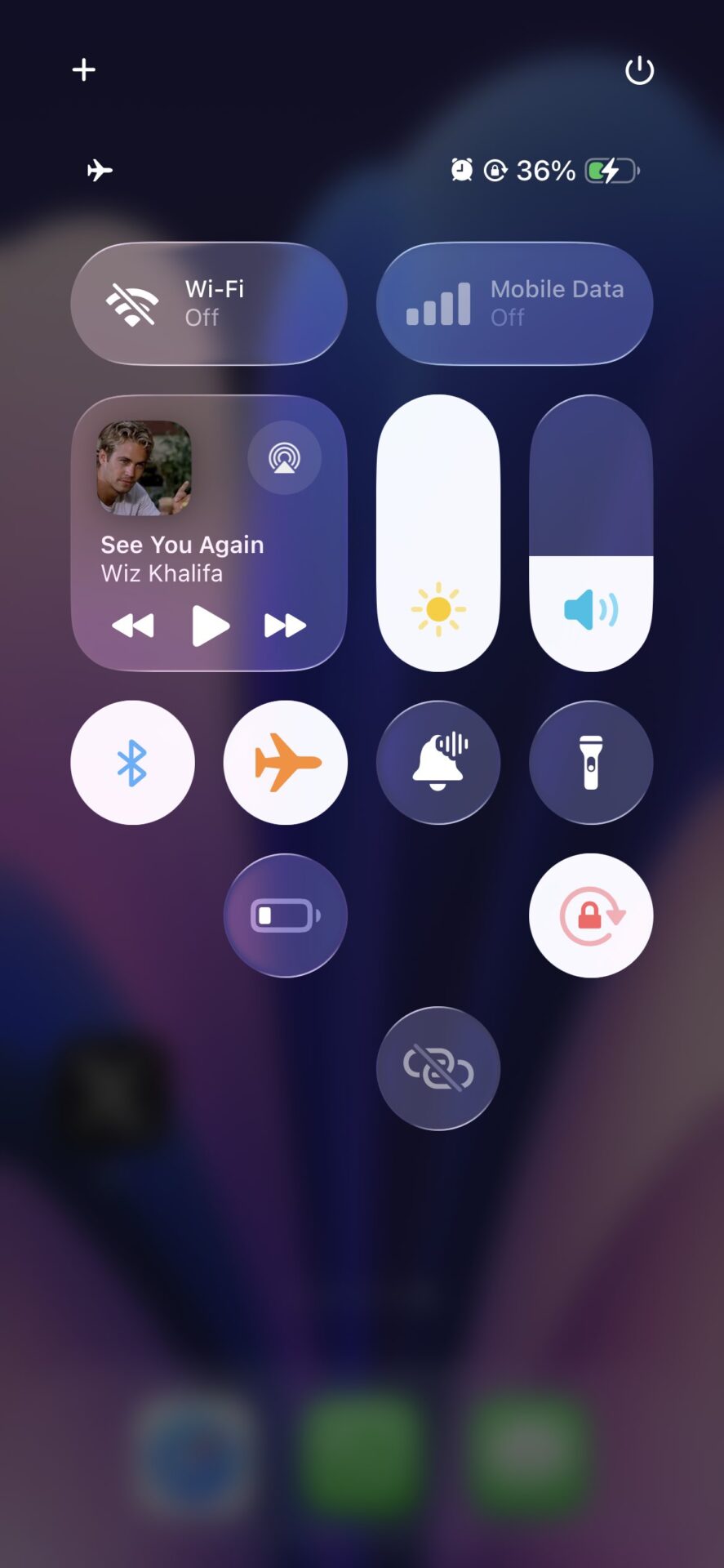
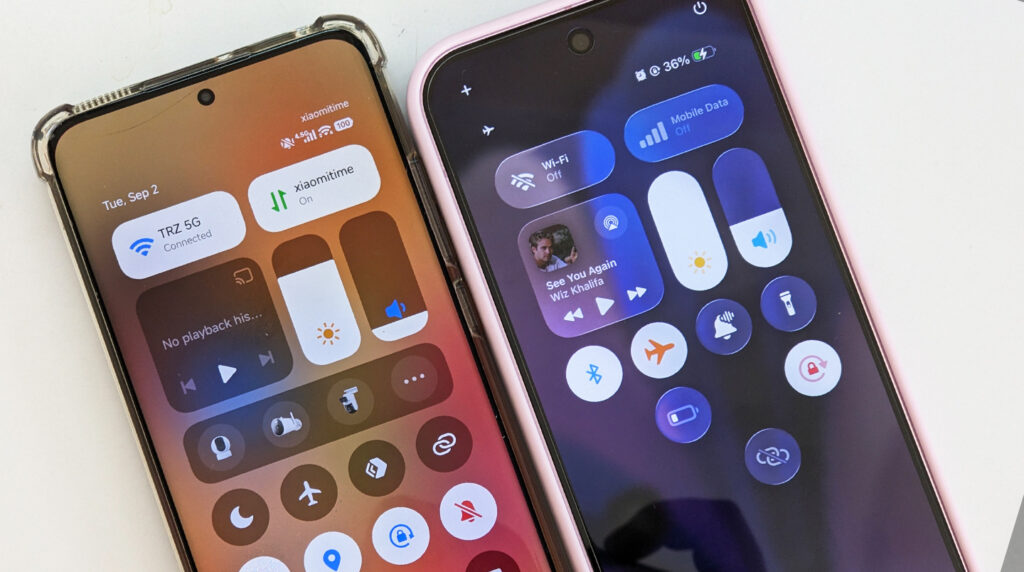
8. Control center icons

The Control Center includes redesigned icons for Bluetooth, flashlight, and brightness, all adopting Apple-like rounded toggles.

HyperOS 3 Control Center iOS 26

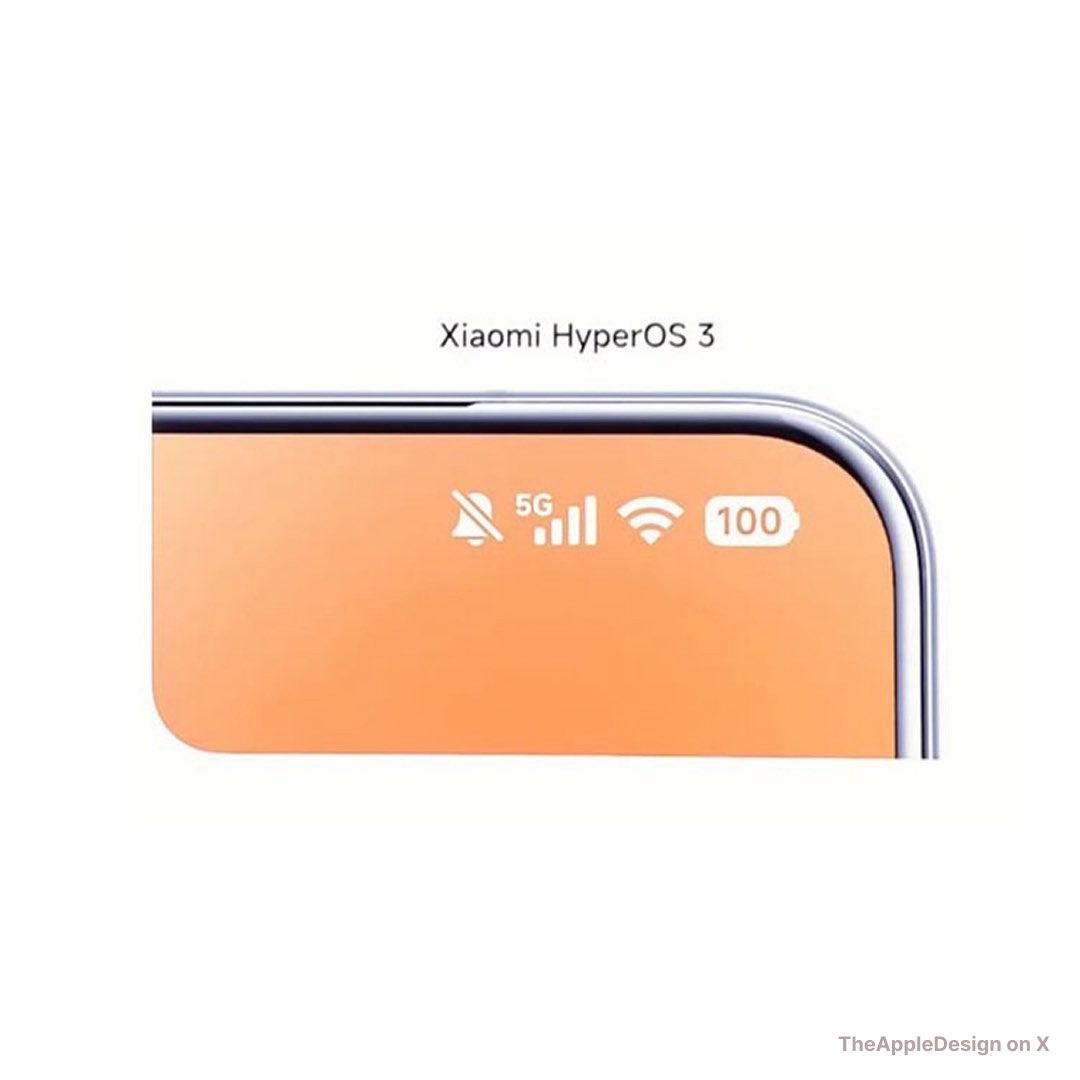
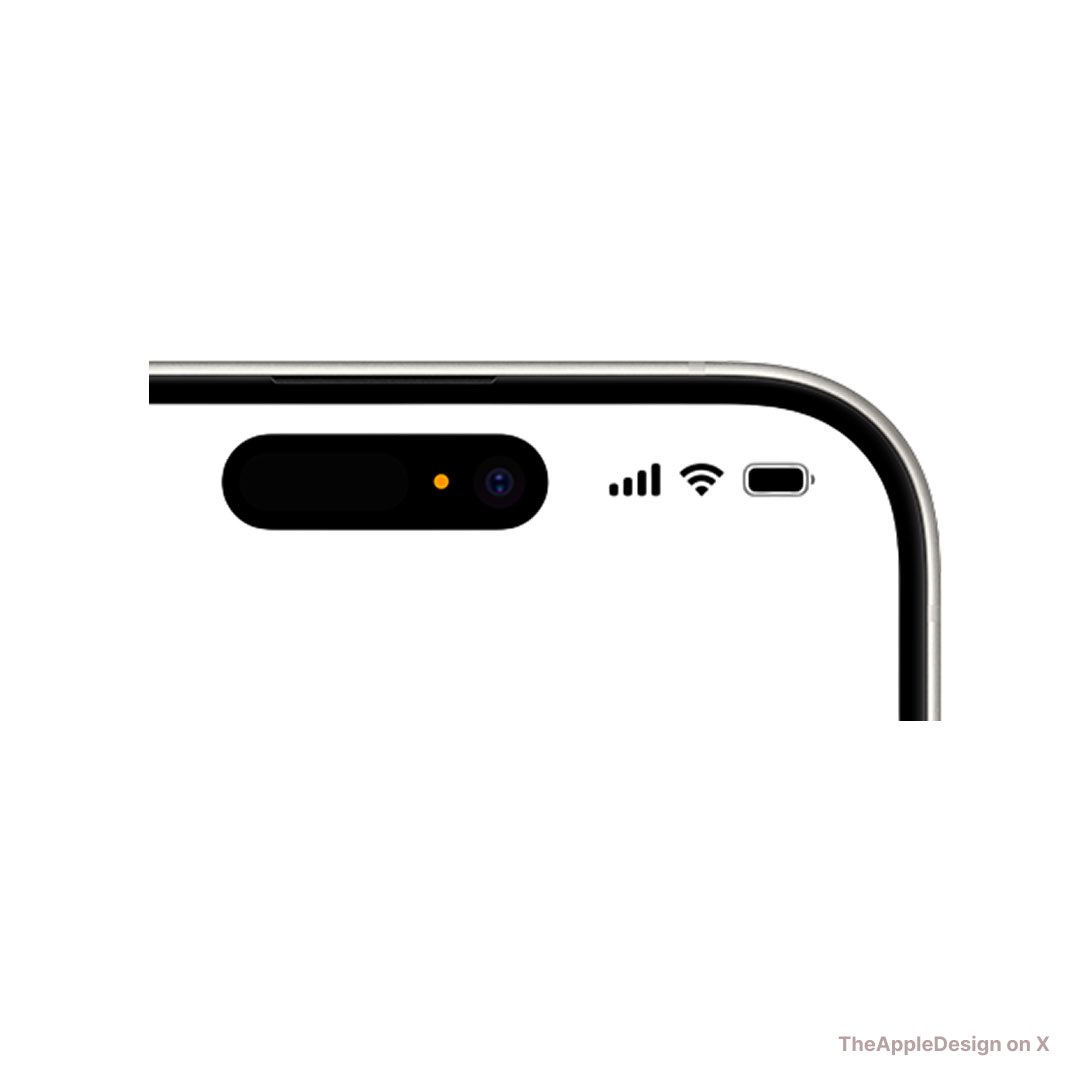
9. Signal and Wi-Fi icons

Even the signal bars and Wi-Fi indicators have been tweaked to look closer to the minimalistic iOS 26 versions.

GztaFkKb0AAIfVA GztaFknbsAAsG W

10. Overall polish

Taken together, these changes add up to a familiar experience. While Xiaomi markets these updates as fresh, many users will immediately notice their Apple-inspired origins.


Source: Apple Design

  •  

Double your Xiaomi speed with this simple trick instantly

Do your formerly speedy Xiaomi phone feel slow now? There is a surprisingly simple way that can restore your phone to its former glory with no technical know-how or risky tweaks. This lesser-known tip has been helping thousands of Xiaomi enthusiasts regain their devices’ best performance in POCO, Redmi, and Xiaomi phones.

Simply deleting specific system cache files, and you can eliminate the accumulated digital clutter that is silently slowing down your favorite phone and restore it to the smooth, responsive feel that captured your heart with love at first sight.

Why Your Xiaomi Phone Slows Down With Time

Before we dive into the solution, we should know what makes smartphones slower with time. Launcher apps, initially designed to optimize and speed things up, accumulate cached information with time, which becomes cumbersome and counterintuitive. This digital clutter affects:

  • App loading times
  • Home screen animations
  • Efficiency in multitasking
  • Overall System Response Time
  • Battery performance

The good news is that this slowdown is transitory and does not represent any decline in your device’s hardware.

The Universal Xiaomi Quick Fix for All Devices

The solution varies depending on what Xiaomi sub-brand you’re using:

For POCO Users

  1. Go to Settings
  2. Navigate to Apps or Application Management
  3. Find and click “POCO Launcher”
  4. Tap on “Storage”
  5. Select “Clear Cache”
  6. Reboot your device.

For Xiaomi and Redmi Users

  1. Tap Settings.
  2. Go to Apps or Application Management
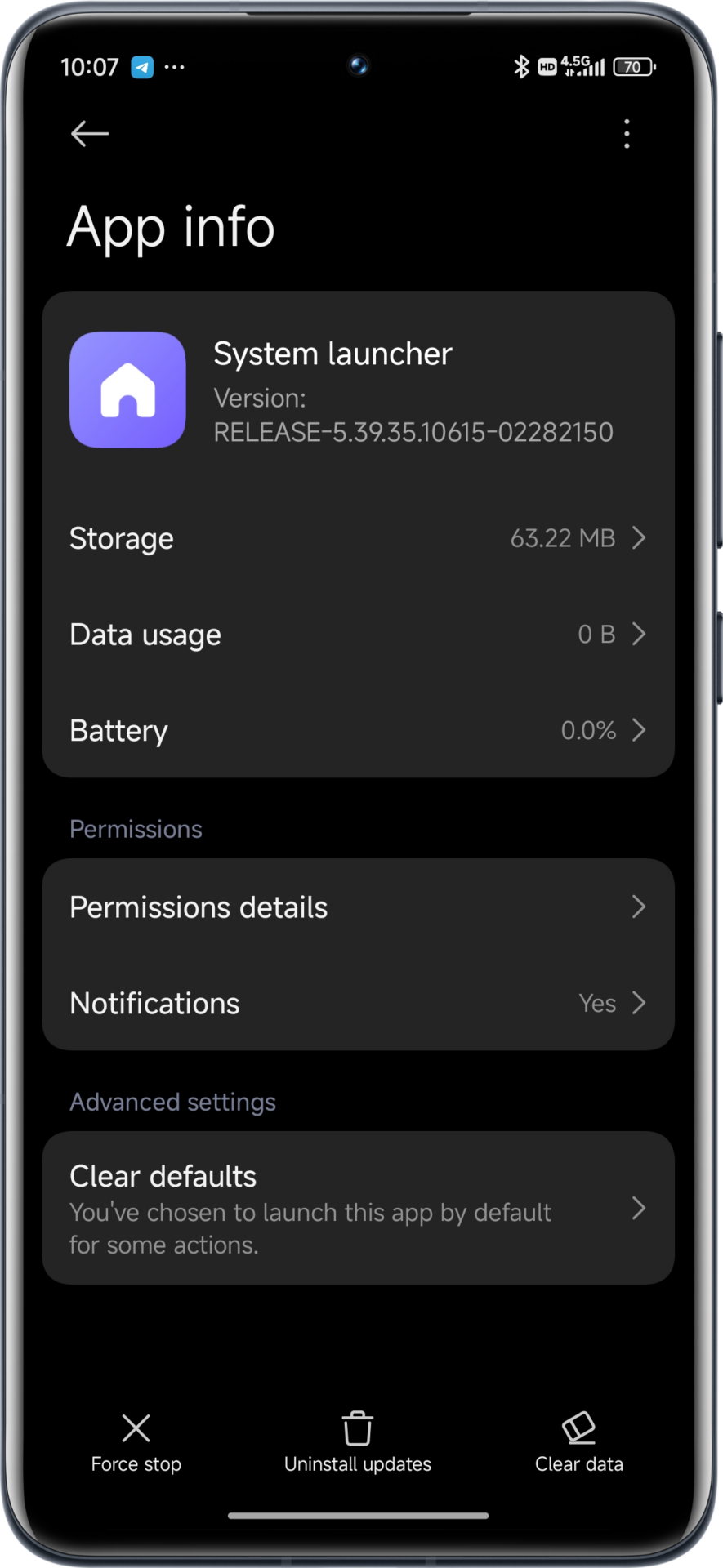
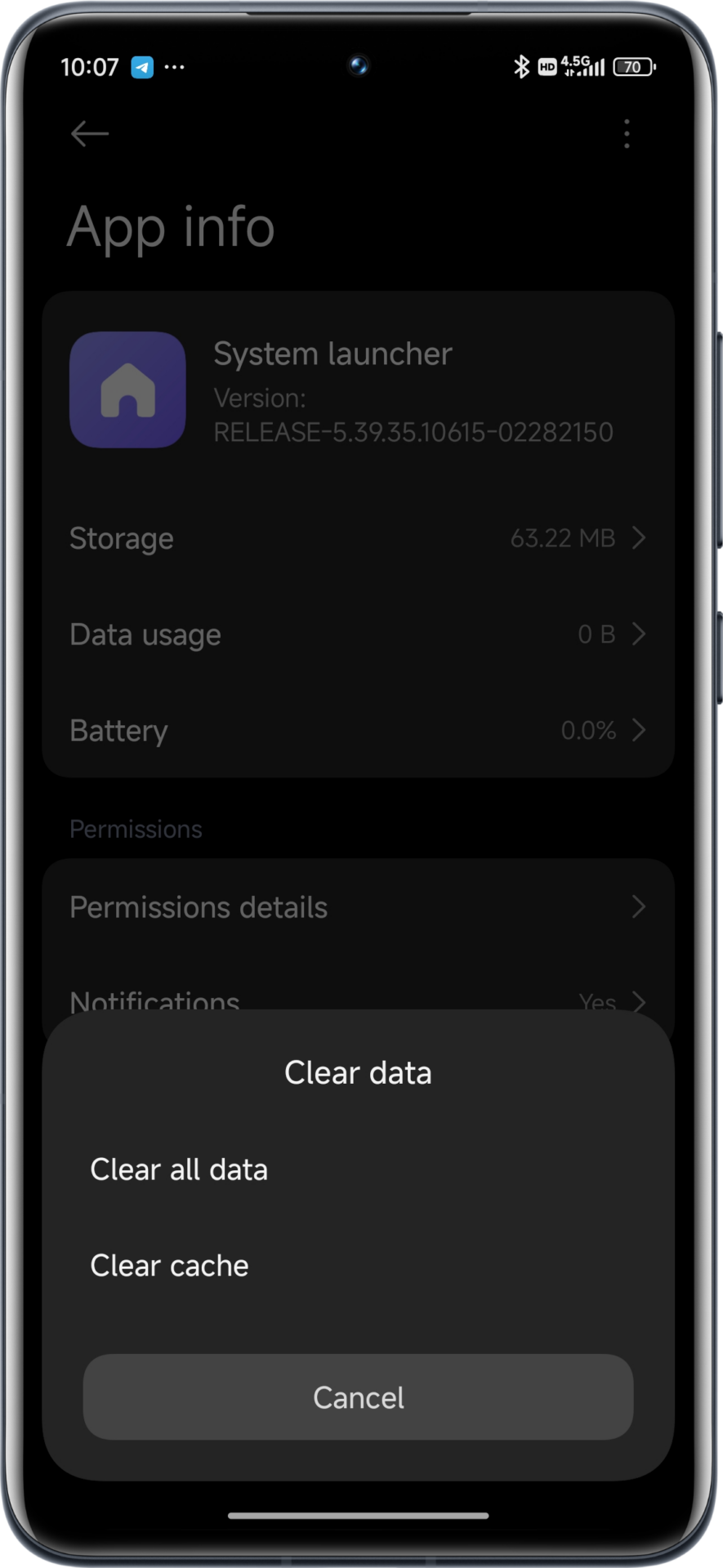
  3. Find “System Launcher”
  4. Tap on “Storage”
  5. Select “Clear Cache”
  6. Restart your phone.
Screenshot 2025 03 13 22 07 28 114 com miui securitycenter edit Screenshot 2025 03 13 22 07 33 951 com miui securitycenter edit

This simple maintenance routine removes temporary files that have accumulated in your system launcher but does not remove any of your personal settings, information, or applications that you’ve installed.

Advantages Beyond Speed

Aside from the immediate performance enhancement, clearing your launcher cache periodically has a number of other benefits:

  • Decreased usage of RAM
  • Improved battery efficiency
  • Less frequent random app crashes
  • Smoother animations and transitions
  • Enhanced overall user experience

For the best results, carry out this routine maintenance once in 1-2 months in order to keep your Xiaomi device in top shape.b

  •  

Xiaomi gains as OLED panel sales jump 16%

Global OLED smartphone panel shipments showed strong momentum in the third quarter of 2025, supported by seasonal smartphone demand and rapid expansion in advanced display technologies. According to recent market analysis, worldwide OLED panel shipments increased significantly, reflecting the growing importance of premium smartphone models in the supply chain. This trend is especially relevant for brands such as Xiaomi 15, the software ecosystem developed around Xiaomi HyperOS, and the expanding smart device connectivity layer powered by Xiaomi HyperConnect.

Global OLED Panel Market Performance in Q3 2025

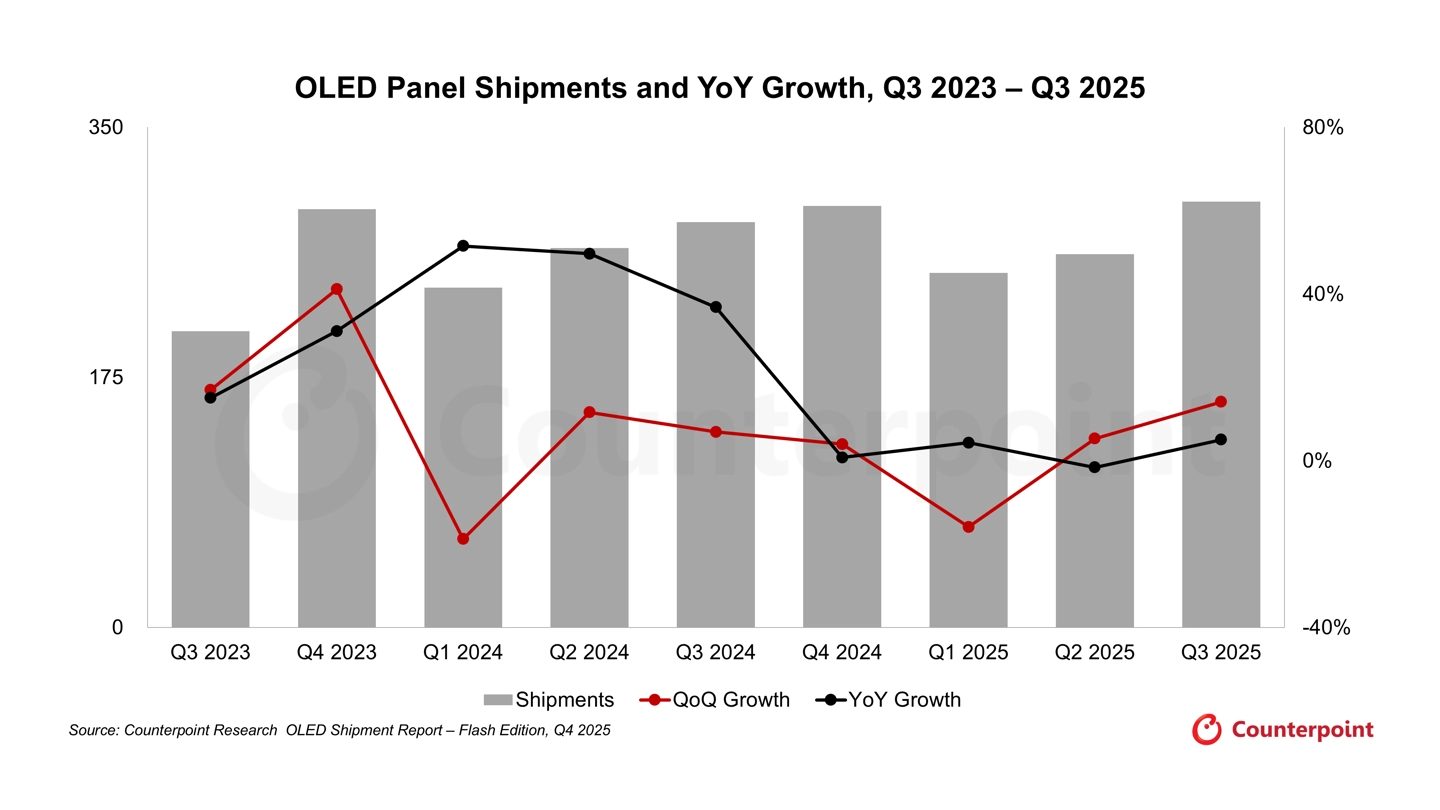
The third quarter of 2025 marked a clear acceleration in the global OLED panel market. Overall shipments rose by 14% quarter-over-quarter and 5% year-over-year, reflecting stable growth across multiple product segments. The main driver behind this trend was the strong seasonal demand for flagship smartphones, which traditionally peaks during this period. The data confirms that OLED technology is becoming the standard in premium and upper-midrange mobile devices, improving display quality and energy efficiency across the industry.

e7b00722 096a 4a20 a689 8ca174be69b2

Market researchers highlighted that smartphone-focused OLED panels continued to be the most dynamic part of the market. Growth was not limited to mobile phones, as IT-focused OLED displays also delivered notable expansion, confirming the long-term structural shift away from LCD solutions.

Smartphone and IT Panels Show Strong Expansion

Smartphone OLED panels recorded a 16% quarter-over-quarter increase and a 6% year-over-year gain. This was largely attributed to the high demand for Apple’s iPhone 17 Pro series, which significantly increased panel orders throughout the quarter. At the same time, OLED panels designed for IT products, including monitors and professional displays, delivered even stronger results.

a8979831 7546 4fee a089 669302471a95

Shipments of display panels for IT devices increased by 21% month-over-month and surged by 55% year-over-year. This performance illustrates how quickly OLED technology is penetrating the notebook and monitor sectors. For smartphone brands such as Xiaomi, this broader ecosystem development is important, as it enables more consistent panel quality and supply stability for future flagship and upper-segment devices.

Manufacturer Performance and Xiaomi-Linked Supply Trends

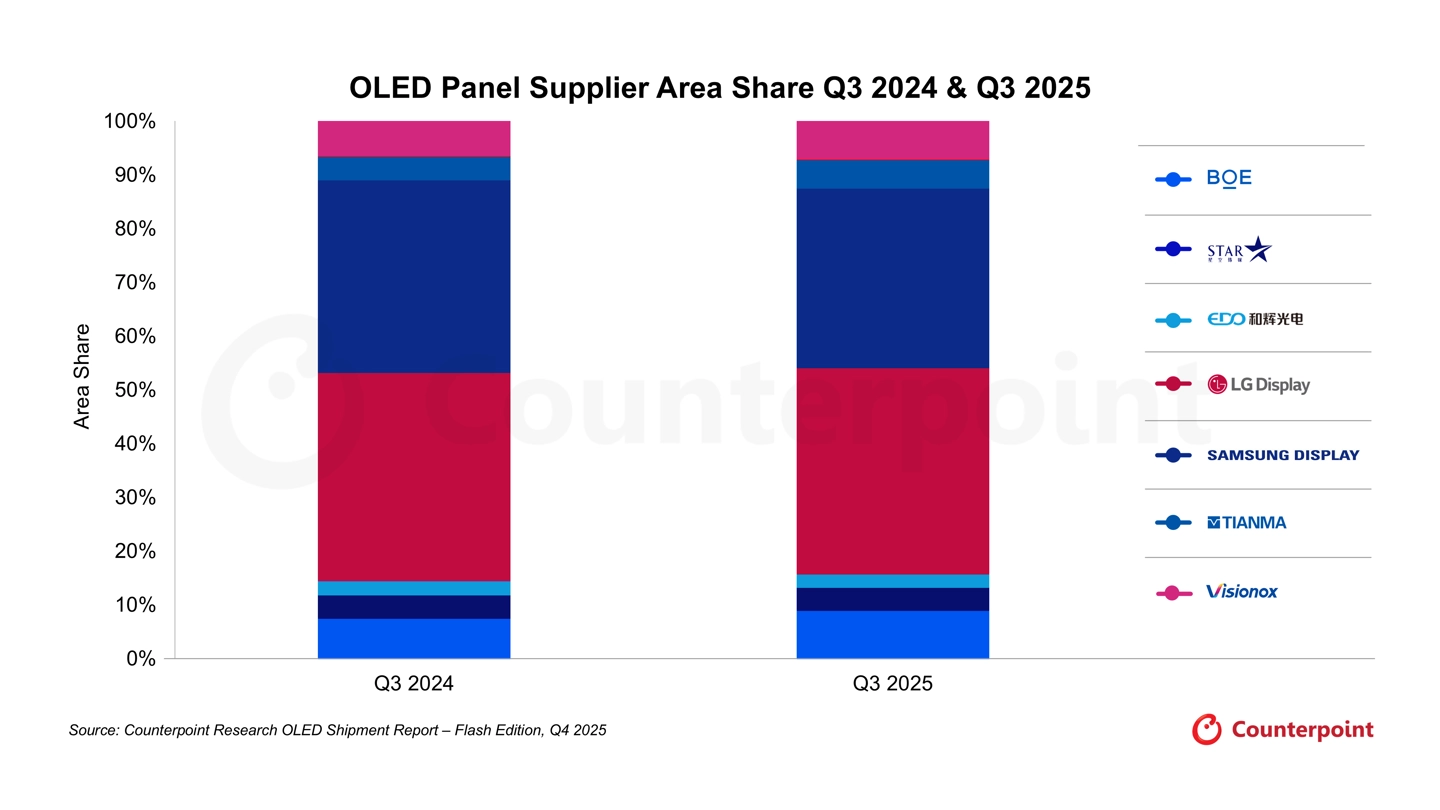
South Korean display manufacturers showed contrasting results during the quarter. LG Display achieved a 59% quarter-over-quarter surge in smartphone OLED panel shipments, driven mainly by large-scale orders linked to high-end smartphone production. Its smartwatch panels also expanded rapidly, with shipments growing by 121% quarter-over-quarter. As a result, LG Display maintained an industry-leading 38% area market share.

Samsung Display managed a 40% year-over-year increase in its display business, supported by strong demand for 27-inch QD-OLED panels. However, its OLED TV panel segment declined by 12% both quarter-over-quarter and year-over-year, reducing its total market area share to 33%.

Chinese manufacturers continued to strengthen their positions in the global supply chain. BOE registered 40% year-over-year growth in notebook OLED panels and 27% in smartphone panels, maintaining a stable 9% market share. Visionox improved its market position with 31% quarter-over-quarter growth, increasing its share from 6% to 7%. Tianma also expanded steadily, supported by growing demand from brands such as Honor and Xiaomi, achieving 11% quarter-over-quarter and 28% year-over-year shipment growth while holding a 5% market share.

Outlook for Xiaomi and the OLED Industry Toward 2026

Analysts expect the OLED industry to continue its expansion into 2026, with IT panels, especially monitors, becoming the primary growth engine. Although the OLED TV market remains relatively weak, the smartphone and IT categories are compensating through rising adoption rates and improved manufacturing efficiency.
For Xiaomi, this industry-wide growth creates favorable conditions for long-term product planning. Stable supply from Chinese manufacturers such as BOE and Tianma, along with ongoing investments in advanced OLED production, will support future Xiaomi flagship smartphones and smart devices. As OLED technology becomes more accessible, Xiaomi is expected to further enhance visual performance across its ecosystem while maintaining strong cost efficiency.
Source

  •  

TSMC improves chip delivery for Xiaomi flagship phones

Currently, TSMC is under severe capacity pressure with its CoWoS advanced packaging production lines, which directly influences the global supply of chips for major technology brands. Industry reports suggest that rapid growth in the shipment of artificial intelligence processors and flagship mobile chipsets has pushed demand beyond existing manufacturing limits. This development is of particular interest to brands like Apple, Nvidia, and Xiaomi, whose high-performance products depend much on TSMC’s manufacturing ecosystem.

CoWoS capacity shortage changes global chip supply dynamics

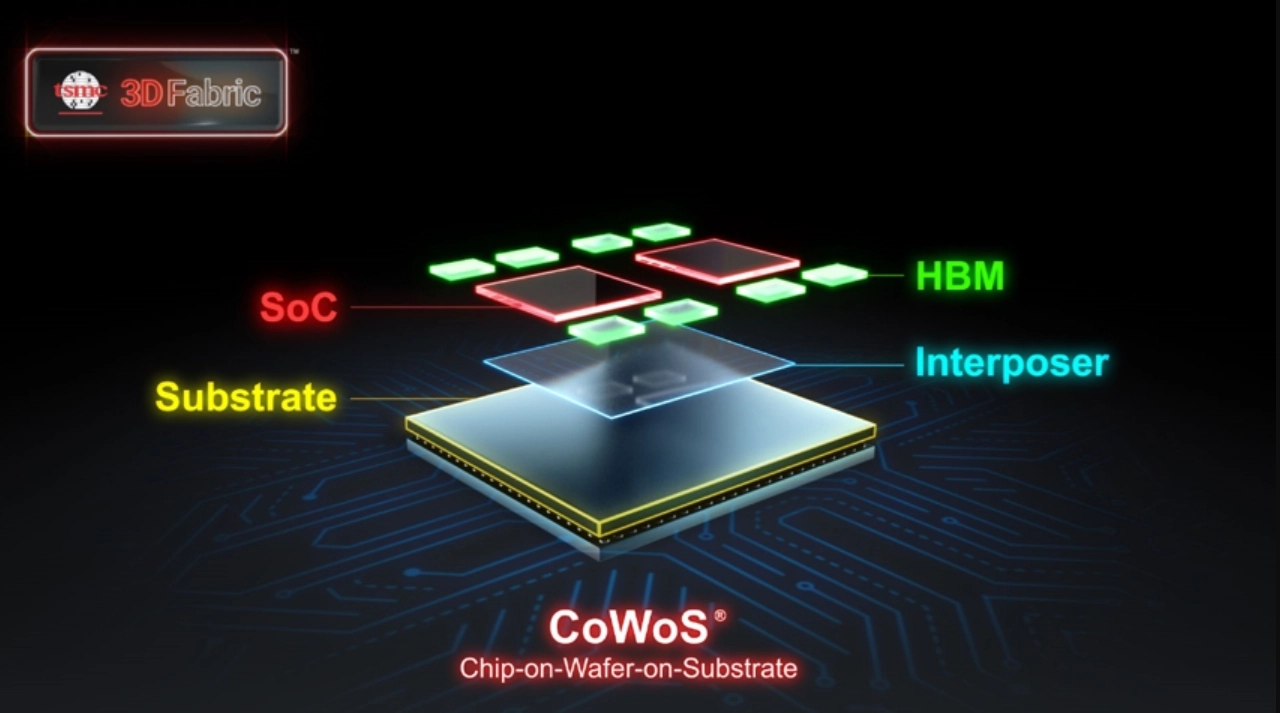
The shortage now affects CoWoS, or Chip-on-Wafer-on-Substrate, technology that allows multiple chiplets to be integrated into a single advanced package. The manufacturing process is crucial for making high-performance AI accelerators and modern smartphone processors. Strong global demand for AI computing has fully booked TSMC’s CoWoS lines, creating serious delivery delays for key customers and forcing a strategic shift in production planning.

70164618 8499 4796 a86e 4e0290072a4c

TSMC accelerates outsourcing to ASE and SPIL

It is for this reason that TSMC has begun to outsource some of its advanced packaging work to leading partners such as ASE Technology and SPIL to handle overflow demand. The decision will help unused external capacity to be brought online more quickly, hence reducing delivery times to major clients. These firms have invested several billions of USD in new facilities and equipment, enabling them to perform advanced packaging tasks in high volume. This collaborative model of production has now emerged as an important pillar in the global semiconductor supply chain.

Direct impact on Snapdragon Chip Production of Xiaomi

Snapdragon chipsets power the flagship and upper-midrange smartphones at Xiaomi, manufactured by the Taiwan Semiconductor Manufacturing Company. Advanced platforms such as Snapdragon 8 Elite are highly dependent on technologies linked to advanced wafer production and packaging. The indirect benefit for Xiaomi is that the acceleration of outsourcing and capacity expansion will stabilize the delivery of processors it uses in devices running Xiaomi HyperOS, ensuring more predictable launch timelines and consistent product availability across markets without disrupting Xiaomi’s long-term hardware roadmap.

Competitive pressure strengthens TSMC’s strategic position

This outsourcing also represents a defensive step against widening competition. Intel especially has invested much more in advanced packaging in its attempt to lure high-end customers such as Apple and Qualcomm. Increasing effective capacity through trusted partners minimizes the possibility that customers may abandon TSMC due to long wait times. Meanwhile, TSMC is still building new in-house packaging plants, but these in-house plants represent a long-term solution and not an immediate fix.

This strategy keeps the premium chipset ecosystem balanced, which Xiaomi also depends on and supports healthy growth across the broader mobile and AI industries.

Source

  •  
❌