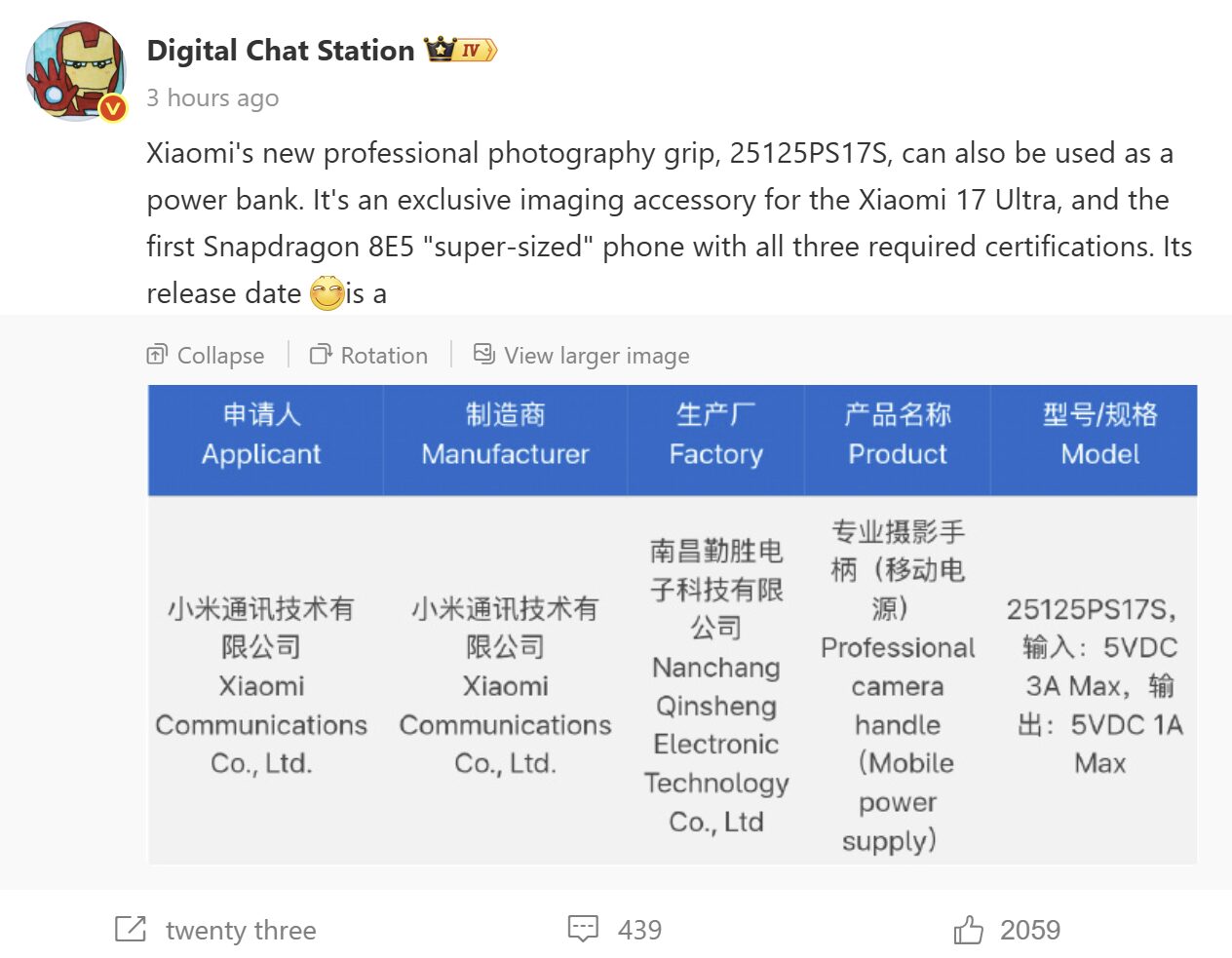
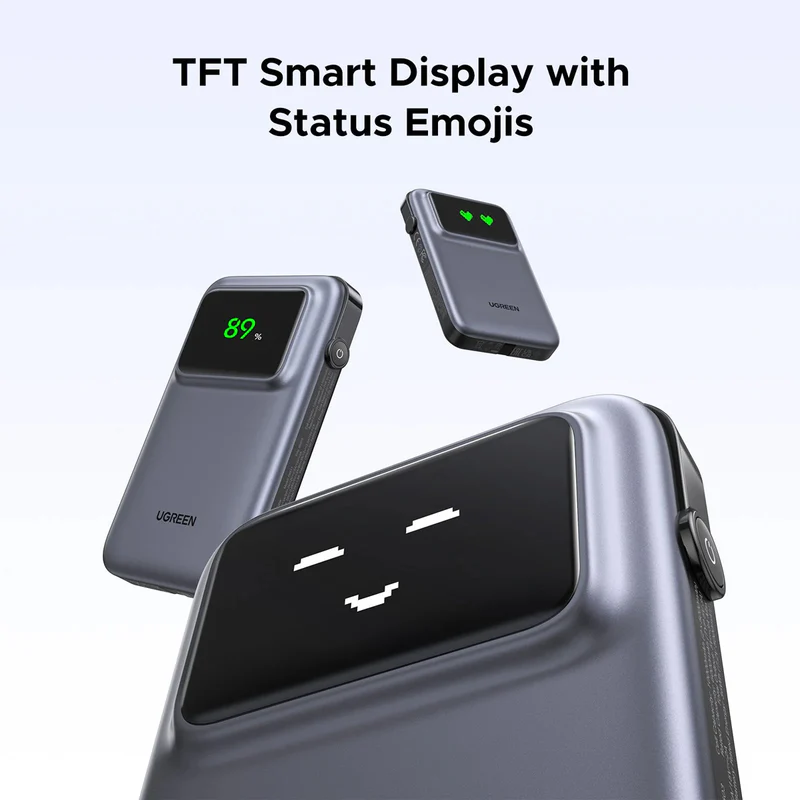
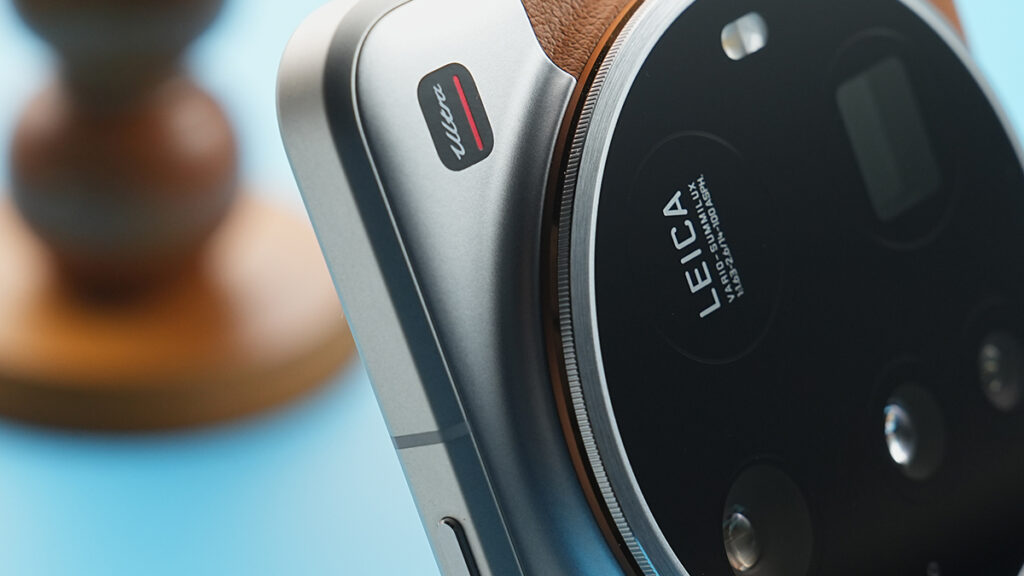
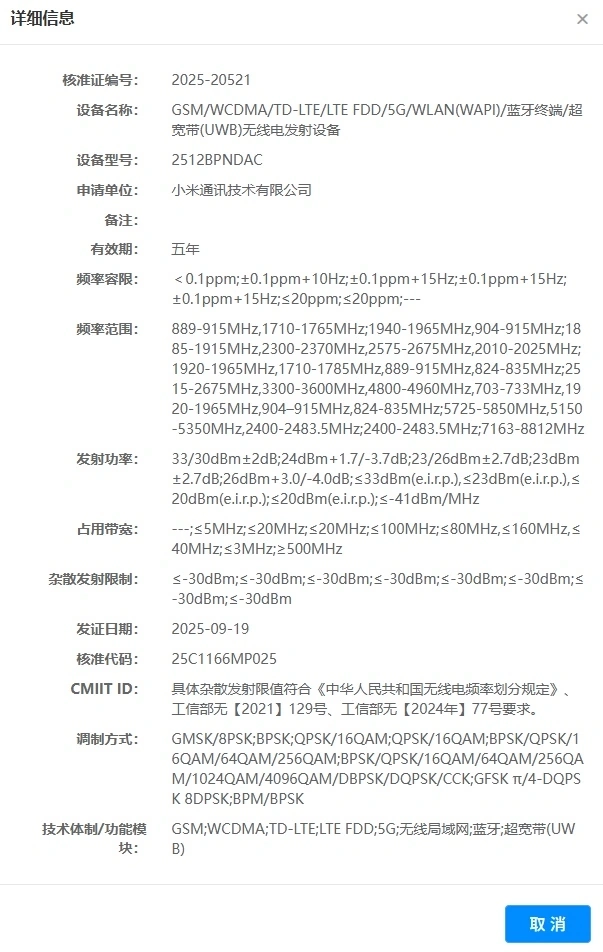
A new Xiaomi accessory with the model number 25125PS17S has been certified via 3C certification by China’s Ministry of Industry and Information Technology, confirming its role as the next professional photography handle designed for the Xiaomi 17 Ultra. Industry sources, including Digital Chat Station, indicate this accessory will feature power-bank functionality, further improving convenience during field photography.
What the New Certification Tells Us
The certificate confirms that Xiaomi is working on an advanced camera handle developed specifically for the Xiaomi 17 Ultra, and this will become the first device based on the Snapdragon 8 Elite platform to obtain all three regulatory approvals. The accessory is likely to serve both as an ergonomic grip and as an emergency source of power, which would reflect Xiaomi’s strategy for integrating imaging-focused design with practical mobility enhancements.
Like its predecessor models, the Xiaomi 17 Ultra is intended to extend its professional imaging ecosystem. Given that the official specifications remain undisclosed, early reports indicate that this clip-on grip will mark a major upgrade from existing solutions by integrating both hardware and usability improvements fitted for mobile creators.
Expected Features According to Previous Imaging Kits
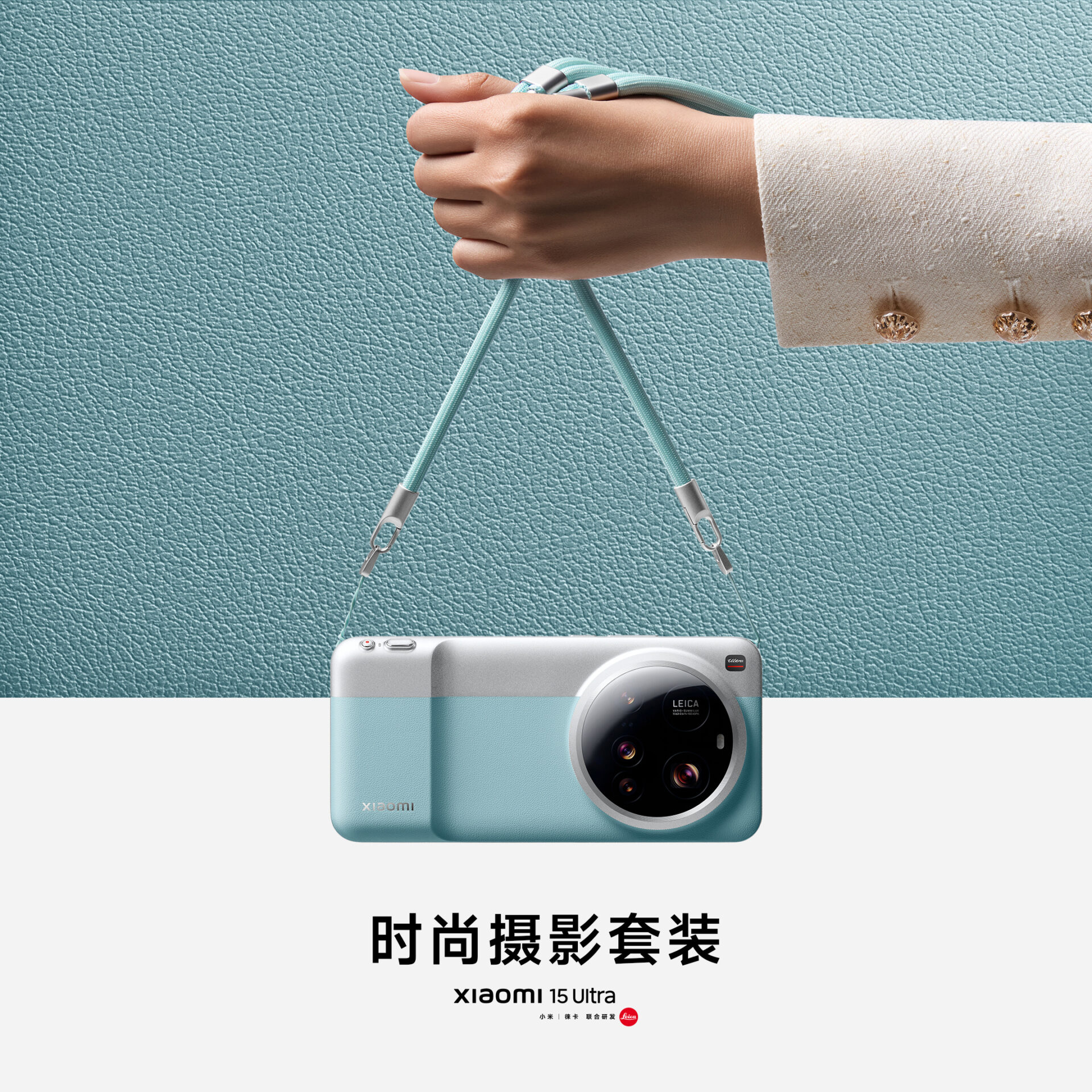
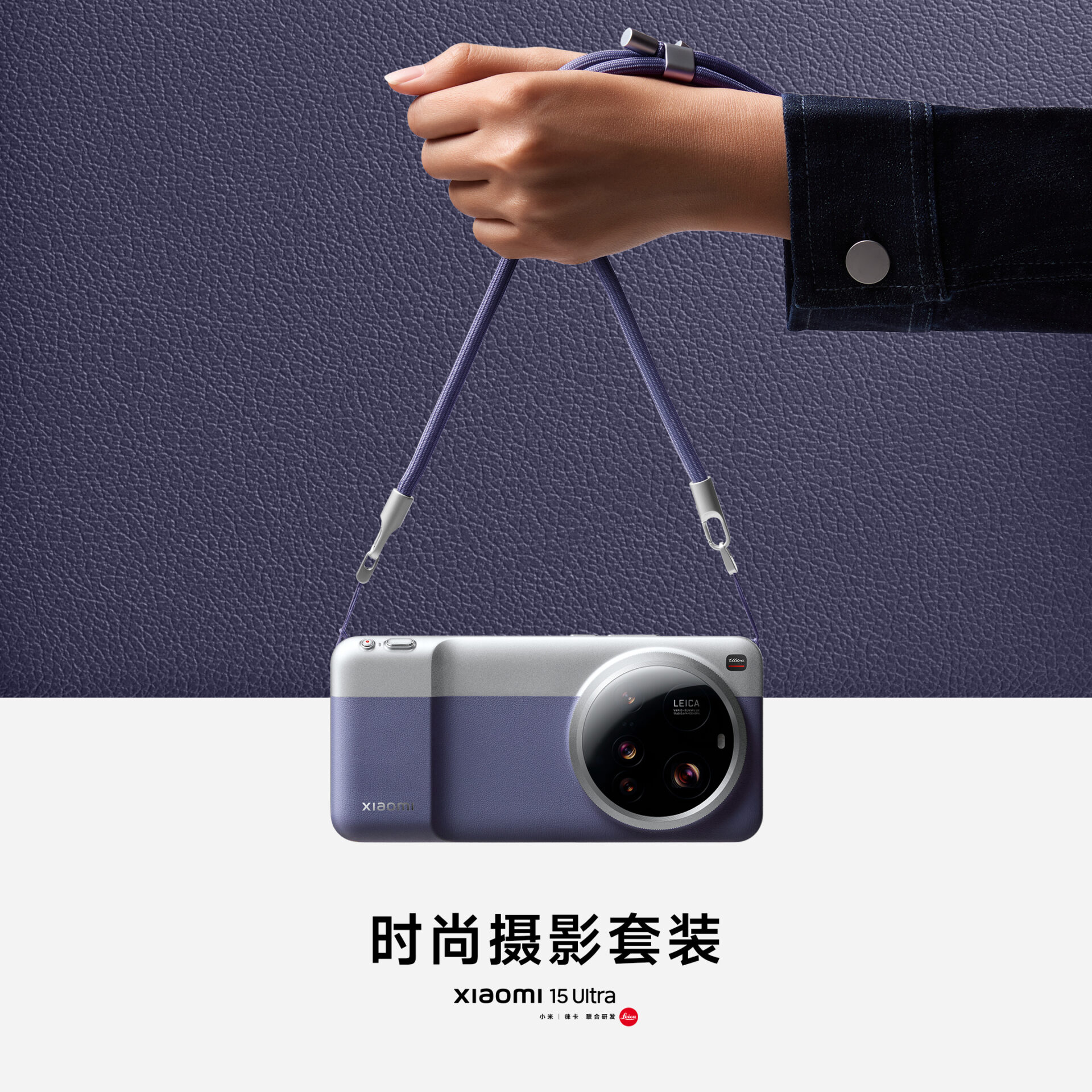
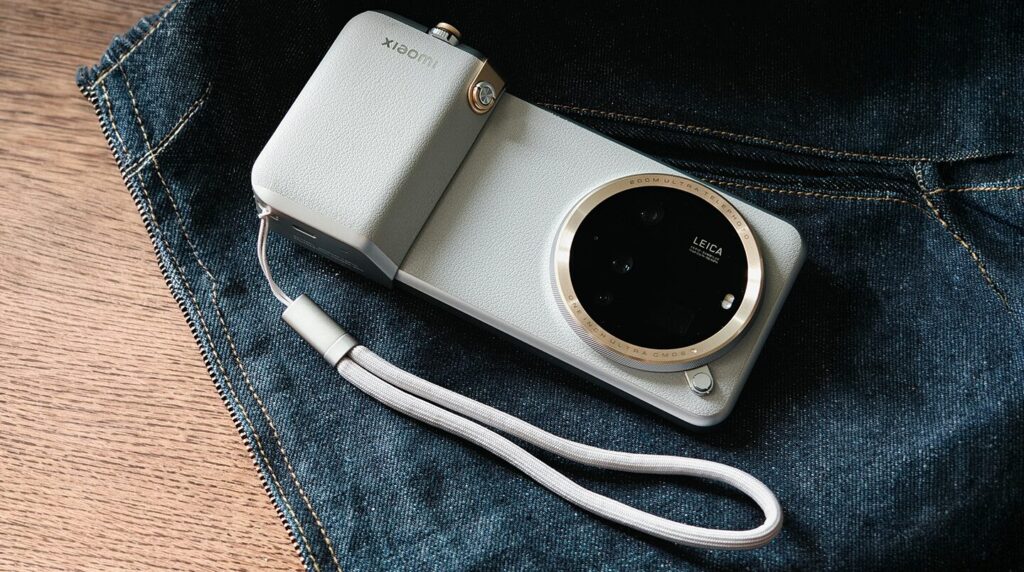
Pricing and specifications regarding the new model have not been announced, but earlier kits provide some good reference points. To put that into perspective, the Xiaomi 15 Ultra Professional Imaging Kit launched in China for 999 yuan (around USD 140), while bundle pricing reached 699 yuan (around USD 98). The kits have come in various finishes, including Gold Gray and a Collector’s Edition variant, introducing modular design attributes.
Key design elements observed in the previous generation:
Detachable metal finger grip suited for long handheld sessions
Replaceable physical shutter button for tactile photography
Integrated 2000 mAh battery enabling on-the-go charging
IP 54 protection against dust and splashes
Support for 90W Xiaomi Hyper Wired Fast Charging
These features give a hint about how Xiaomi might position the new grip, especially if the company wants to extend ergonomic stability, battery redundancy, and durability for outdoor imaging.
How It Fits Into Xiaomi’s Imaging Strategy
The Xiaomi 17 Ultra is expected to further expand Xiaomi’s mobile imaging systems through a cohesive accessory ecosystem. The new photography handle, by incorporating power support with improved hand-feel, also falls into the long-term strategy of the company in terms of hardware-level upgrade to imaging capability without asking customers to migrate to traditional cameras. This direction is also consistent with the broader goals of the HyperOS ecosystem, which prioritize seamless accessory integration along with professional workflow support.
The long-term evolution of Xiaomi’s software experience has raised an important discussion among users: should Xiaomi further move into adopting an iOS-inspired visual language, or return to a more original and performance-oriented identity similar to MIUI 9? As the Human x Car x Home ecosystem by Xiaomi expands with HyperOS, this debate has gained momentum across global markets. Early feedback collected from community reports, interface reviews, and feature comparisons shows that user expectations vary considerably depending on usage habits and device categories.
Changing the Game from MIUI 9 to HyperOS
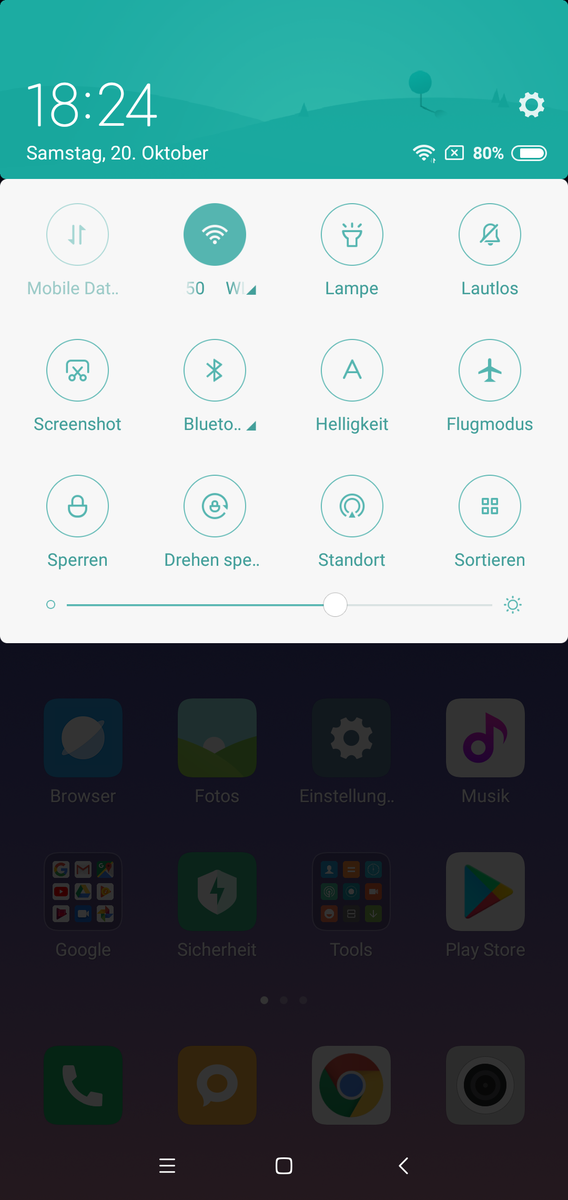
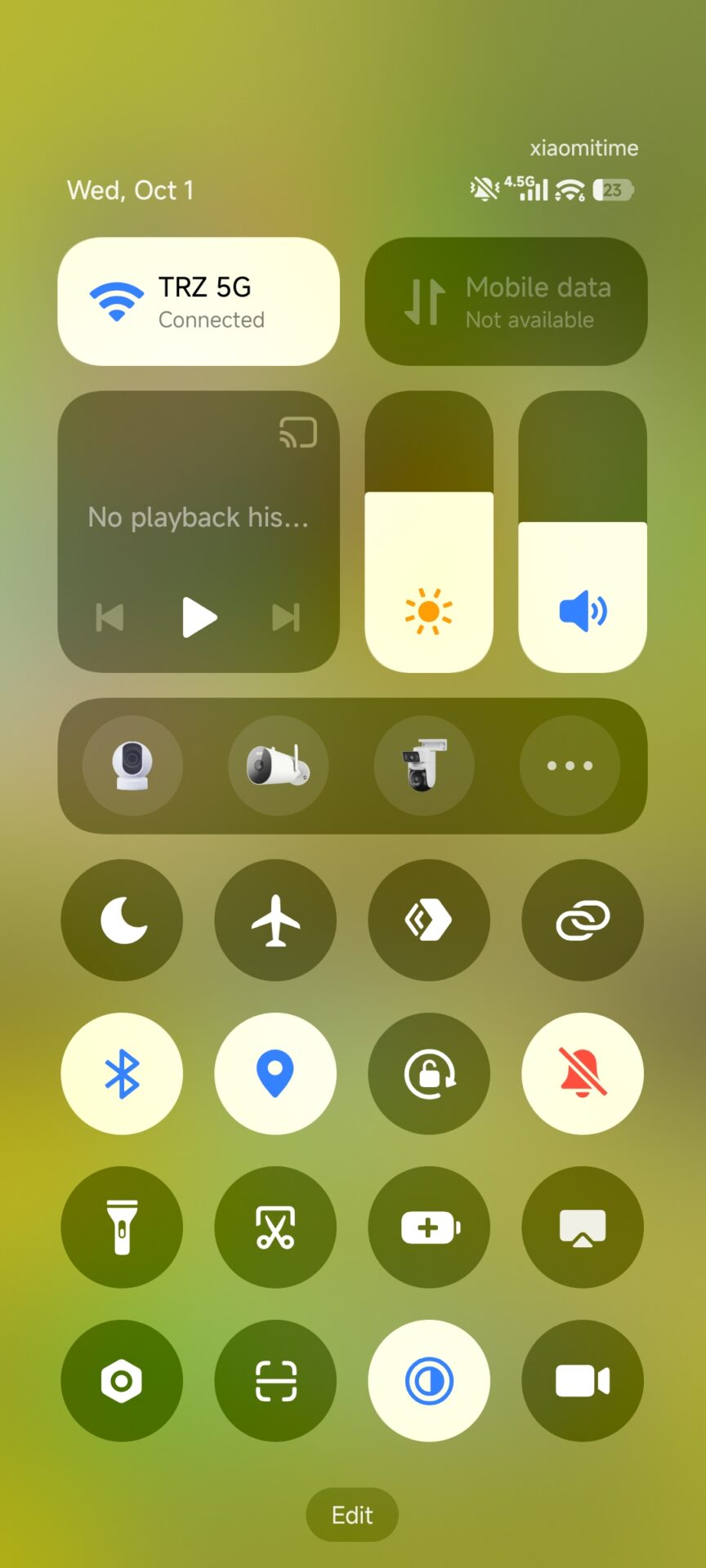
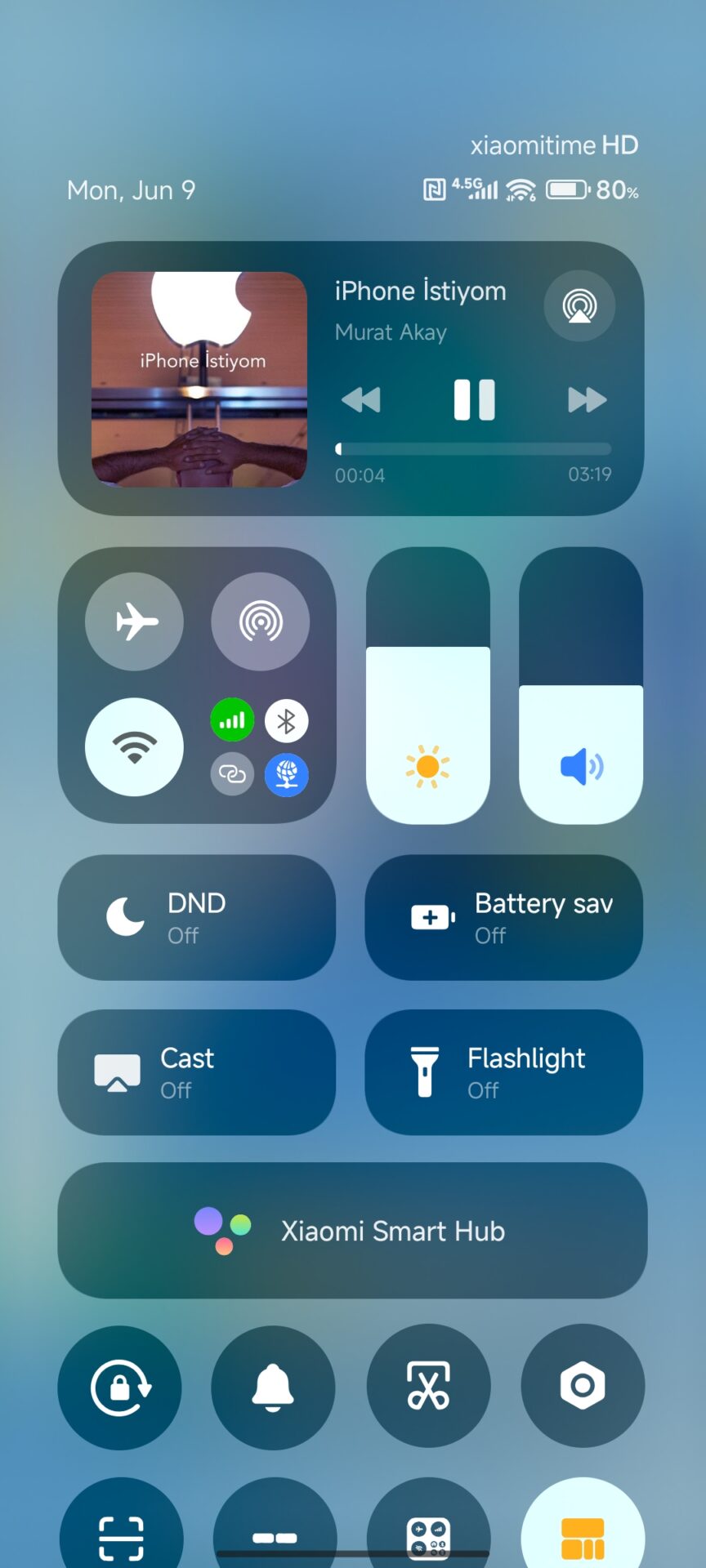
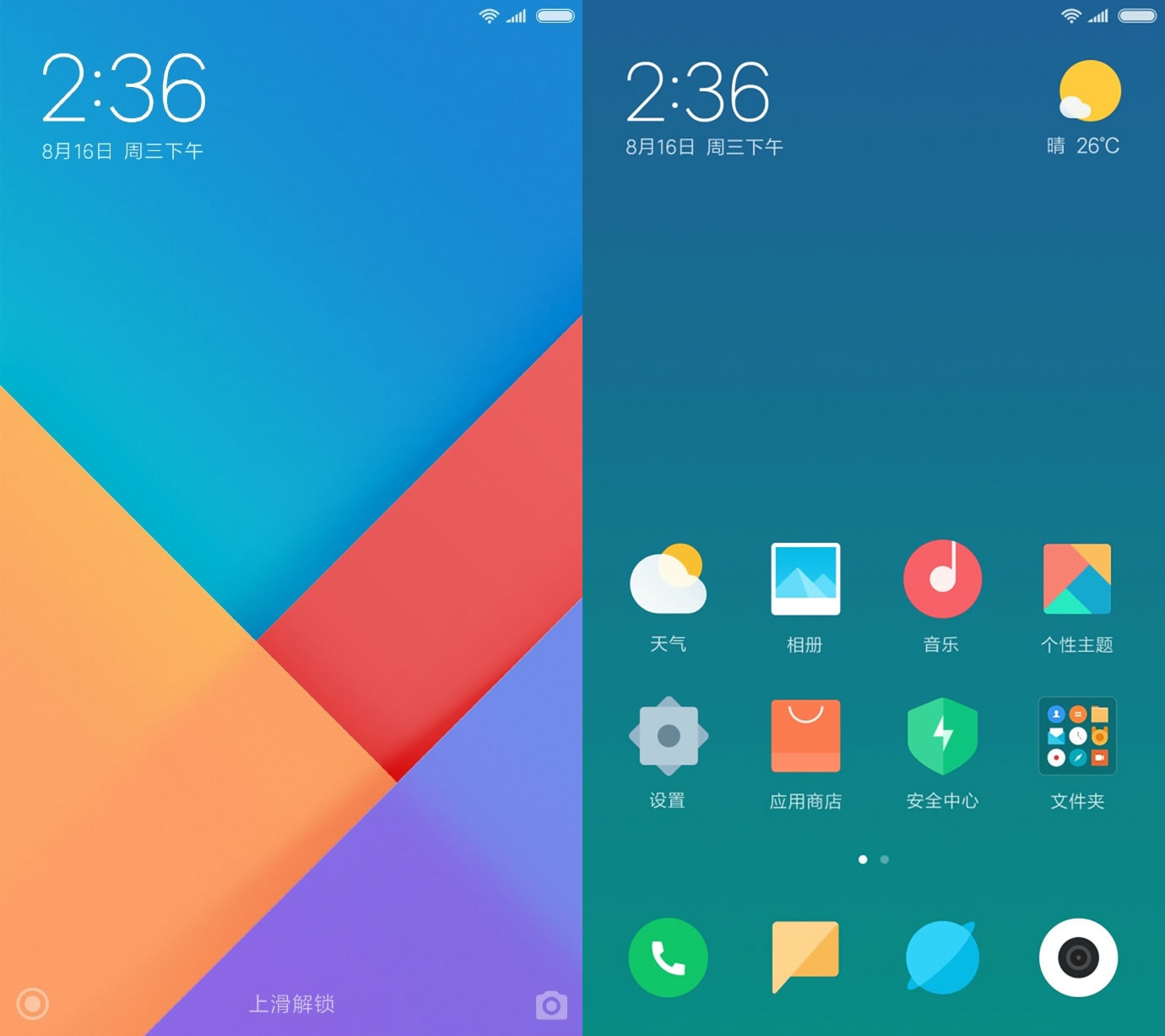
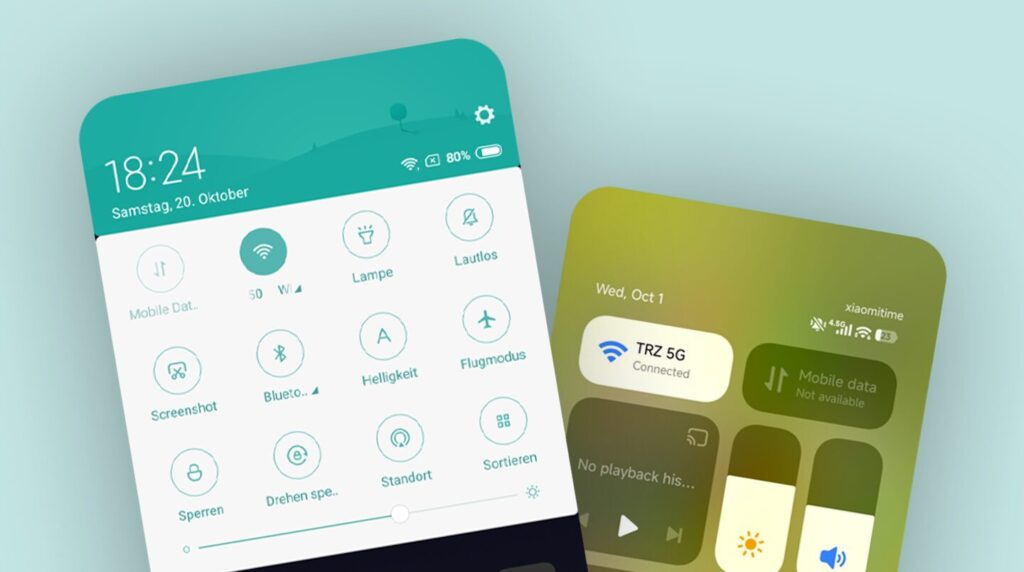
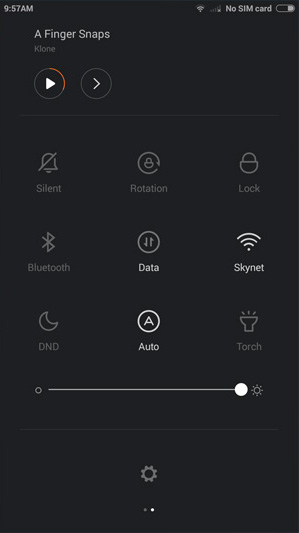
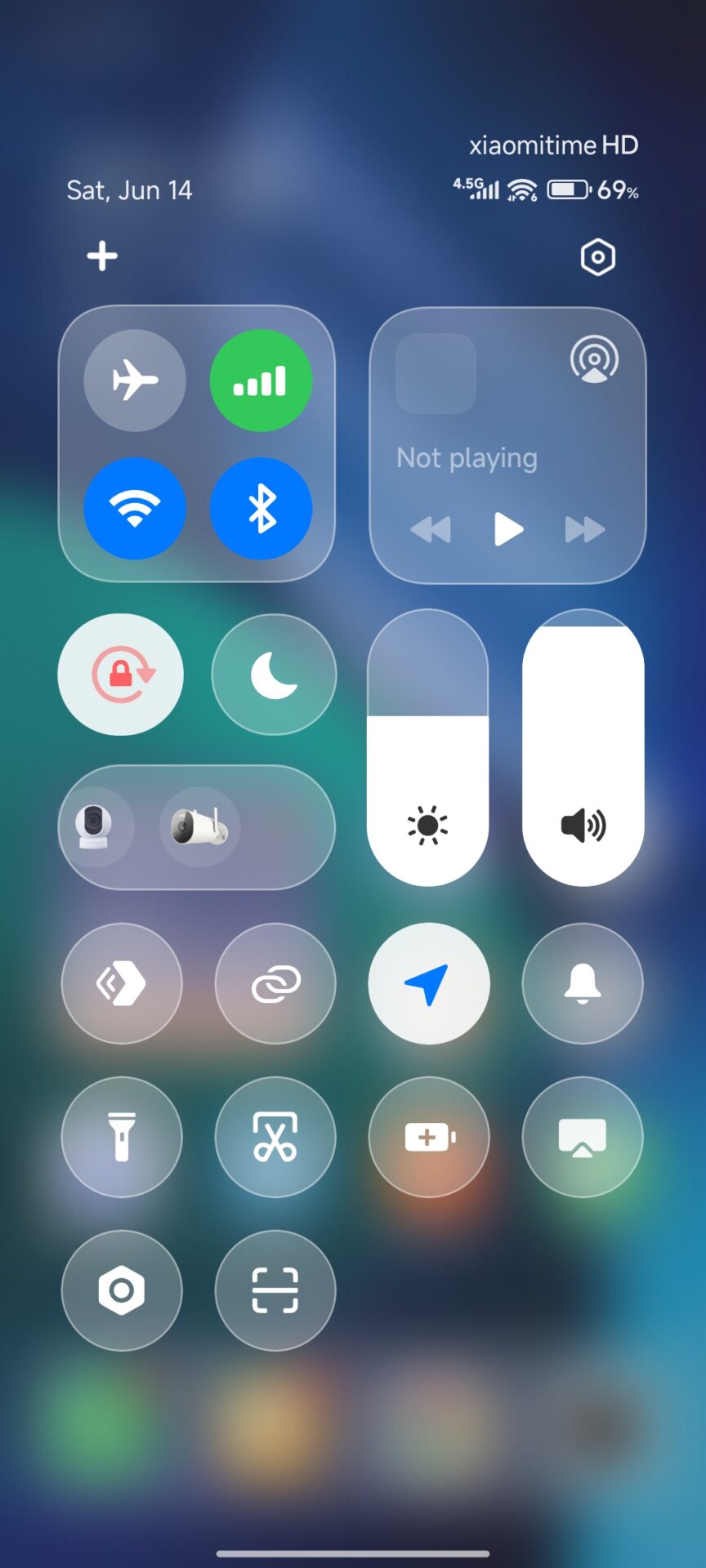
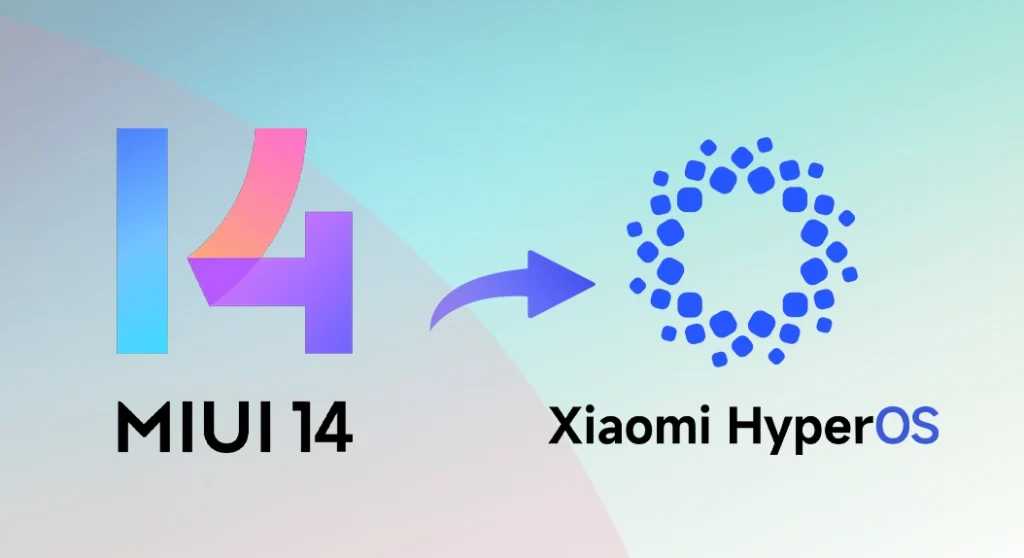
Only in that comparison-the performance-first engineering of MIUI 9 versus the modern visual architecture of HyperOS-can the design transformation of Xiaomi be contextualized. While MIUI 9 aimed for minimalism, fast animations, and strict resource allocation, HyperOS replaced those with advanced rendering effects, layered blur structures, and a split Control Center reminiscent of modern iOS releases.
The Role of Design Evolution
This shift to a richer visual identity has been influenced by evolving user needs, larger display technologies, and the requirement for an interface suitable for phones, tablets, wearables, and automotive systems. Because HyperOS acts as a unified platform across these categories, consistency is favored over pure performance. The reason being that some users appreciate its premium aesthetics, whereas others miss the direct and fast interaction model of MIUI 9.
Why Some Users Prefer an iOS-Like Experience
For many users, including those who have recently migrated from iPhone or are used to the iOS-influenced design language, Xiaomi’s new direction is highly valued. They point out that daily operations are much more intuitive with the familiar layout, unified toggles, dynamic elements like Super Island, and better visual depth.
Adoption Patterns Across Markets
iOS remains a strong aspirational reference point in China, especially in premium segments. HyperOS from Xiaomi resonates strongly with users seeking modernity and consistency across smartphones, tablets, and the SU7 vehicle. This alignment further improves app compatibility patterns for large-scale local services such as WeChat, Alipay, and Meituan, in support of overall user satisfaction.
Why Some Users Prefer Xiaomi’s Original Approach
On the other hand, long-time Xiaomi users, power enthusiasts, and Android-centric communities believe that Xiaomi should work towards a more distinguished visual identity. For this audience, MIUI 9 is valued due to its fast response times, all-in-one notification panel, and less complex animation logic.
Performance, Consistency and Control
It is also not uncommon for them to point out that, with less powerful hardware, the visual effects-real-time blurring, dynamic renderings-actually limit performance. They want options for how the interface works, such as being able to toggle between the Android-style unified panel and the new split Control Center; the inability to do so on some of the HyperOS builds tends to be a major factor of dissatisfaction.
Strategic Factors Behind Xiaomi’s Current Direction
From the perspective of business, design decisions by Xiaomi strongly support broader strategic objectives: with increasing exposure to the premium smartphone category, along with growing the ecosystem via SU7 and smart home products, a unified visually rich interface becomes of prime importance.
Alignment with the Premium Segment
The high-end Xiaomi offerings, like the Xiaomi 15 Ultra or Xiaomi 14 Ultra, usually match up to and surpass the flagships of iPhones in categories above the $900 USD range. For these categories, visual polish and perceived premium quality make a huge difference in user expectations. The aesthetic approach of HyperOS attains this with a modern, recognizable design and consistency across product lines.
Whether Xiaomi wants to give users an iOS-like interface or something quintessentially Xiaomi in design is a question that does not have a singular answer. Instead, it reflects the diversity of Xiaomi’s global audience: power users emphasize originality and performance efficiency, while mainstream and premium-segment users value familiarity, visual sophistication, and ecosystem consistency.
As Xiaomi continues to develop HyperOS for phones, vehicles, and smart home devices, the challenge will be juggling this diversity while sustaining a coherent design identity.
With Xiaomi, Redmi, and POCO smartphones continuing to adopt brighter AMOLED displays, multi-core Snapdragon 8 Elite processors, and high-speed 5G modems, demands for stable, fast, and efficient mobile energy solutions have increased significantly. These technologies raise energy consumption and create a clear need for power banks capable of activating Xiaomi’s fast-charging standards such as Mi Turbo Charge and HyperCharge. In this article, we will be discussing the most balanced 10,000mAh power banks optimized for Xiaomi devices, complemented with a technical comparison for users across the global market.
Understanding Energy Requirements in the Xiaomi Ecosystem
There’s also the fact that high-refresh AMOLED panels and advanced chips significantly increase current draws, so fast-charging support is already quite a necessity. For Xiaomi users, the most valuable power bank is not the one offering the highest mAh, but rather the one capable of triggering the correct Xiaomi fast-charge protocol. A 10,000mAh capacity remains the most practical level because it balances weight efficiency, travel compatibility, and charging speed.
Why 10,000mAh is the Optimal Capacity
A typical unit with 10,000mAh weighs between 200g and 250g, adequate for everyday use and short trips. Versions with 20,000mAh usually exceed the 450g threshold to become less portable. Furthermore, 10,000mAh is well below the 100Wh limit imposed by aviation, which makes it safe for cabin transportation on international flights. This means that, for Xiaomi users, the ratio of performance to portability is highest in this category.
Top 5 Power Banks for Xiaomi, Redmi and POCO
1. Cuktech 10 (PB100P) – Peak Performance Leader
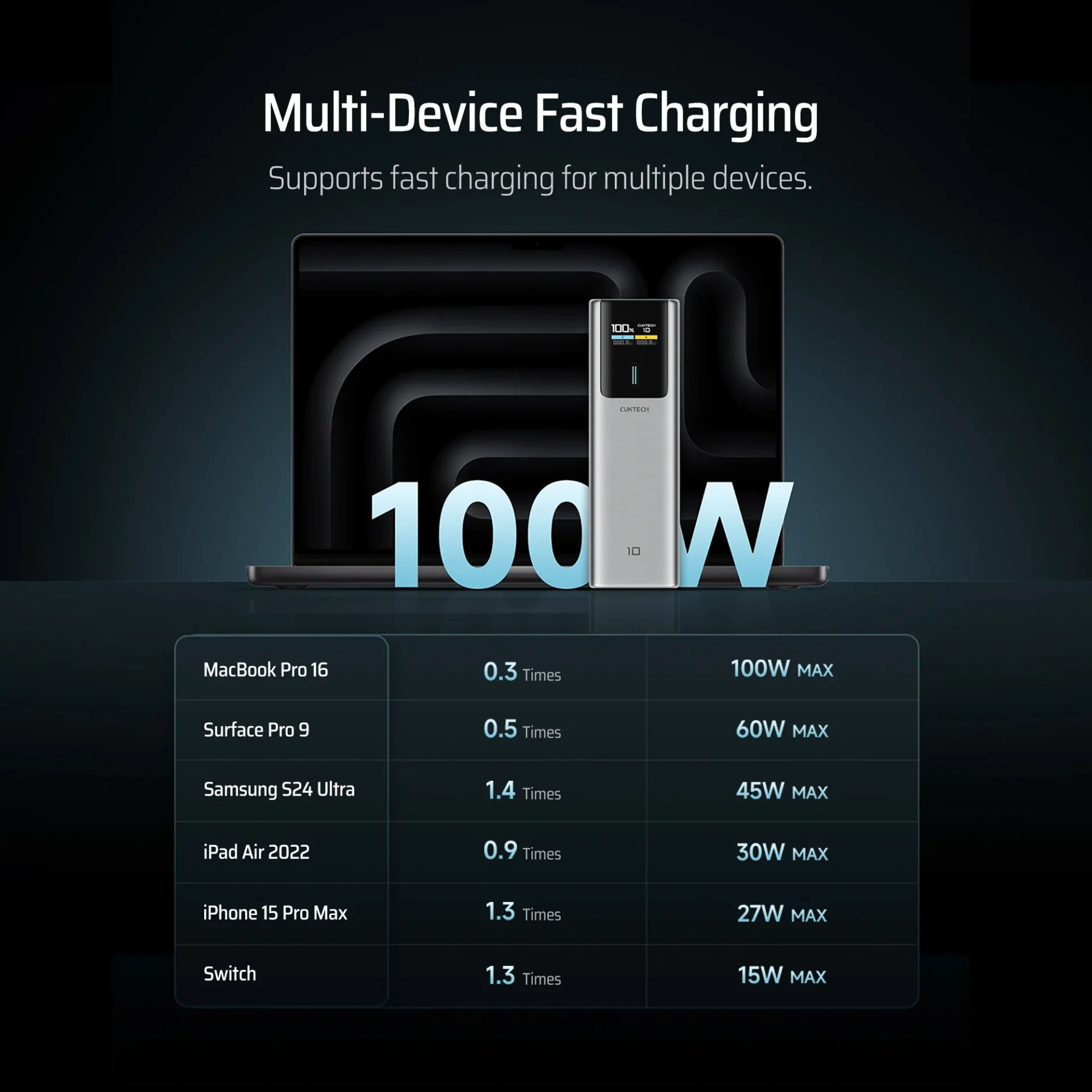
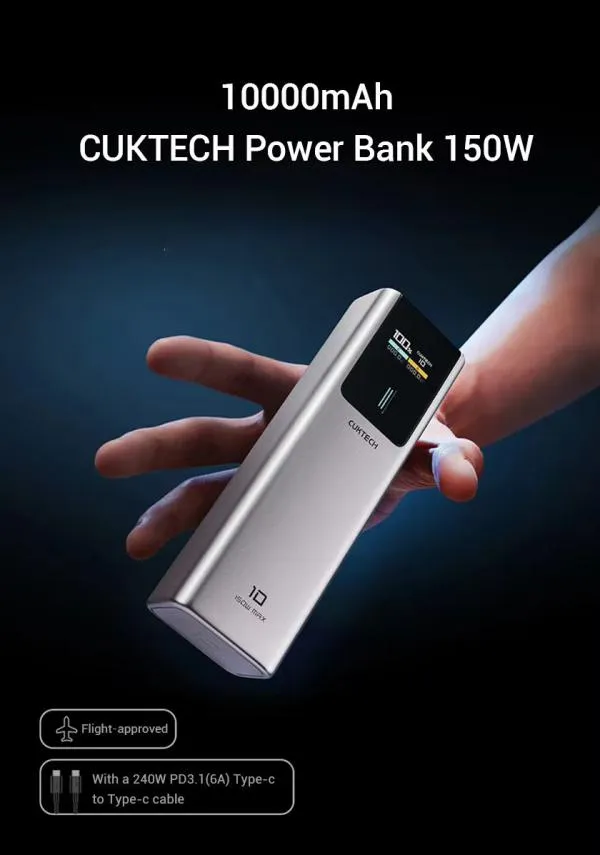
Cuktech is part of Xiaomi’s former ZMI power solutions division and presents one of the most impressive engineering designs in the class. The Cuktech 10 boasts 21700 battery cells, popular in electric vehicle engineering, that provide stable voltage and superior thermal efficiency.
The device supports up to 120W Xiaomi HyperCharge, which will allow models like the POCO F6 Pro or Xiaomi 13 Pro to reach their maximum charging profiles using compatible cables. With a 90W input rating, the power bank itself recharges much quicker than usual designs, allowing for greater uptime for intensive users.
2. Xiaomi 33W Power Bank 10000mAh Pocket Edition Pro
This model caters specifically to Xiaomi’s mainstream 33W charging ecosystem, used in devices such as the Redmi Note series and the POCO X series. Thanks to compatibility with Xiaomi’s internal PMIC, the device consistently triggers Mi Turbo Charge without falling back to lower USB-PD levels. The compact design makes it perfect for everyday carrying, and dual-direction 22.5W fast charging means efficient recovery time.
3. Xiaomi 33W Integrated Cable Power Bank
This alternative 10,000mAh Xiaomi option comes with an inbuilt USB-C cable that should reduce accessory clutter when traveling. With its dedicated 33W output, it provides reliable performance for Redmi Note and POCO devices, especially for users who prefer a minimalistic, cable-free design. Its integrated cable also eliminates handshake issues with low-quality third-party cables.
4. Baseus Adaman2 30W
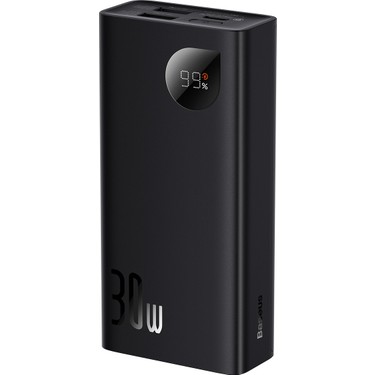
Baseus integrates modern USB-PD and PPS standards, enabling compatible Xiaomi devices to reach up to 30W charging in global markets. The metal housing supports effective heat dissipation, making the unit suitable for mid-range POCO or Redmi models that benefit from stable power delivery. The efficient cell structure and compact form factor also support extended longevity.
5. UGREEN Uno 30W
UGREEN’s Uno 30W offers PPS-enabled charging that benefits the Xiaomi devices capable of flexible voltage negotiation. Though it doesn’t trigger Xiaomi’s proprietary fast-charge profiles like Mi Turbo Charge, the universal PD compatibility makes it really great for multi-device use. If you have a mixed ecosystem of laptops, tablets, and accessories, this model delivers widespread flexibility.
The best power bank for a Xiaomi, Redmi, or POCO user should support not only high mAh capacity but also correct protocol compatibility. Models like the Cuktech 10 and Xiaomi Pocket Edition Pro stand out by offering flawless handshake performance with the Chinese company’s charging architecture, while Baseus and UGREEN are strong PD-PPS alternatives with international users in mind. Comparing the output in wattage, cell structure, and protocol support will enable buyers to make the best choice for efficient real-world mobility.
MIUI’s journey between 2010 and 2024 created one of the most influential Android software ecosystems in the world. As Xiaomi prepares its whole lineup for the fully optimized HyperOS environment, many users still remember the defining features that differentiated MIUI. From deep customization tools to advanced privacy systems, MIUI restructured how millions interact with their Xiaomi, Redmi, and POCO devices. In this analysis, we look into the five most iconic MIUI features that etched a permanent mark on Xiaomi’s software identity.
The Theme Store: Where Personalization Enters a Whole New Dimension
The MIUI Theme Store was one of Xiaomi’s first innovations, offering users a single-tap way to change the look and feel of their device. MIUI introduced a system-level theme engine that replaced icons, fonts, animations, and UI elements. This level of accessible customization was a significant departure from the limited aesthetic controls in early Android versions, which helped set MIUI apart from its competitors.
Design Ecosystem and Global Availability
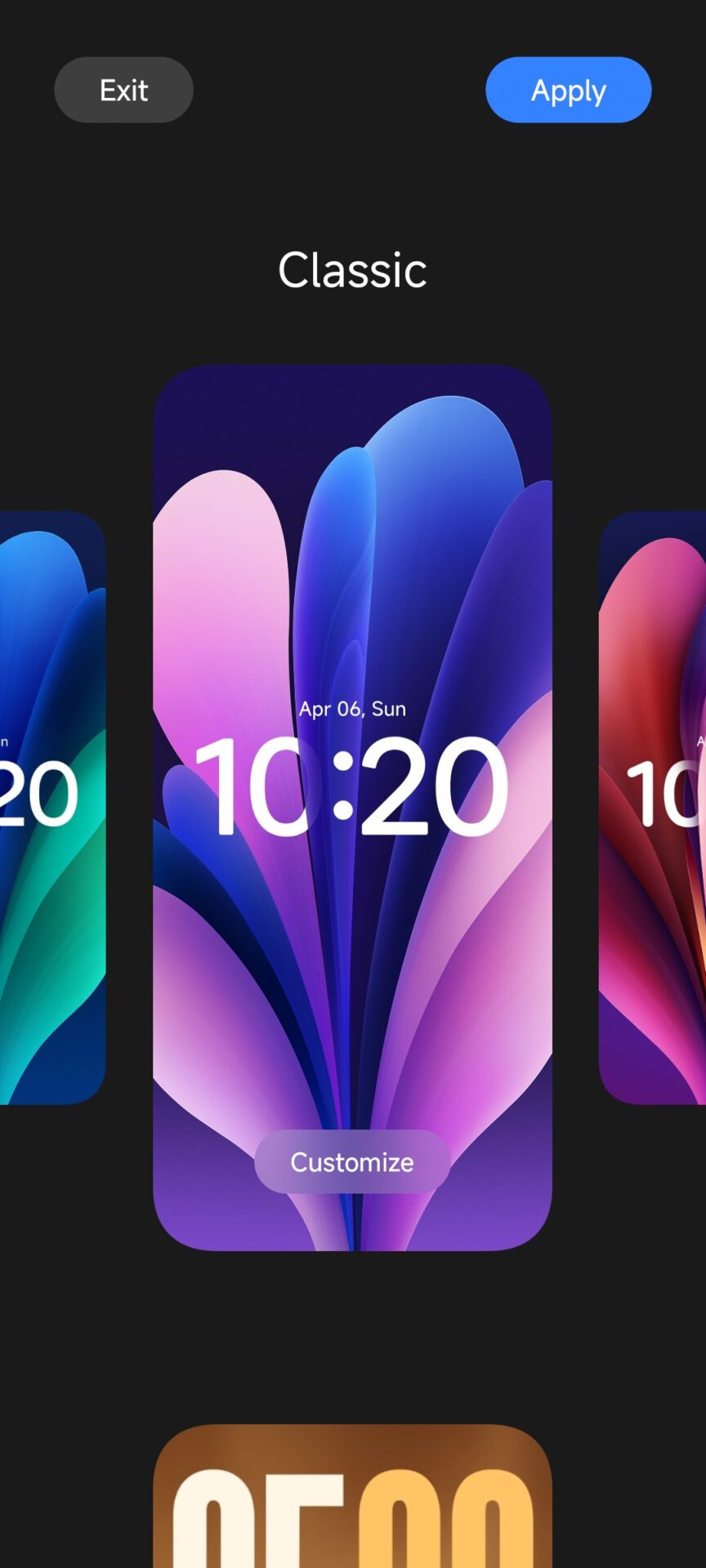
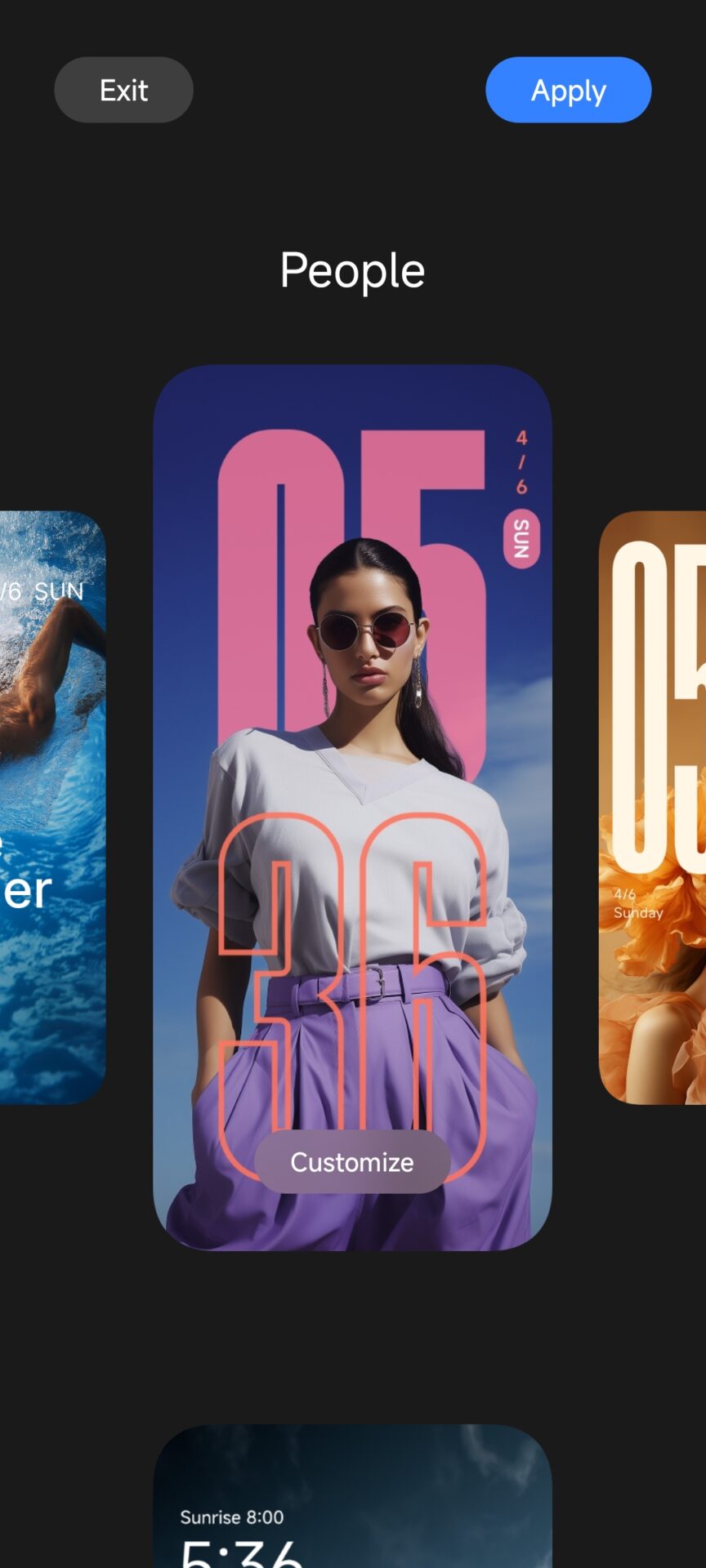
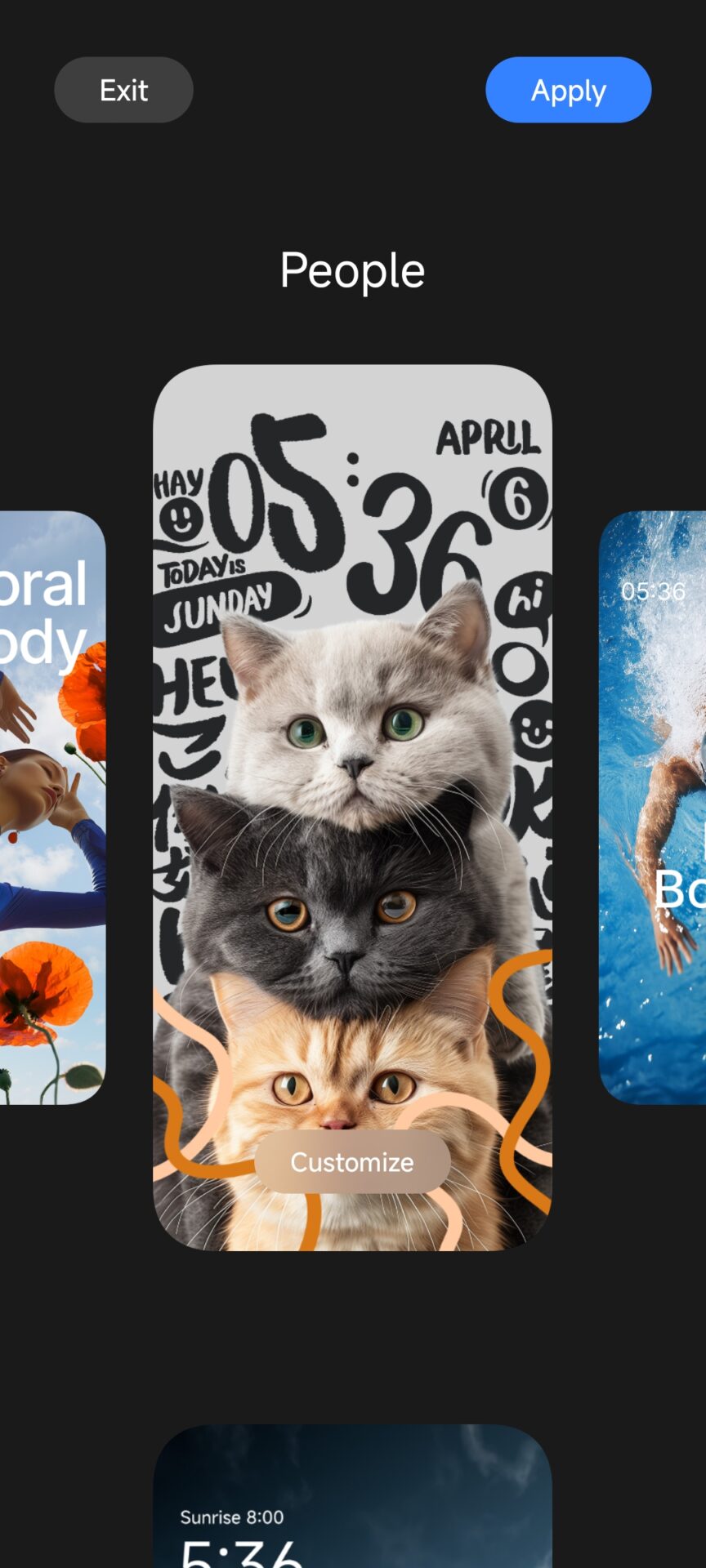
With time, the Theme Store grew to include professional-grade designs, added monetization tools, and region-specific content. China ROM users had always enjoyed deeper customization options—things like advanced fonts and animated lock screens, for instance—but region switching often allowed global users to unlock added features. HyperOS introduced new “artistic lock screens” and depth effects, although many of the older MIUI themes are no longer compatible.
Second Space: One Device, Two Worlds
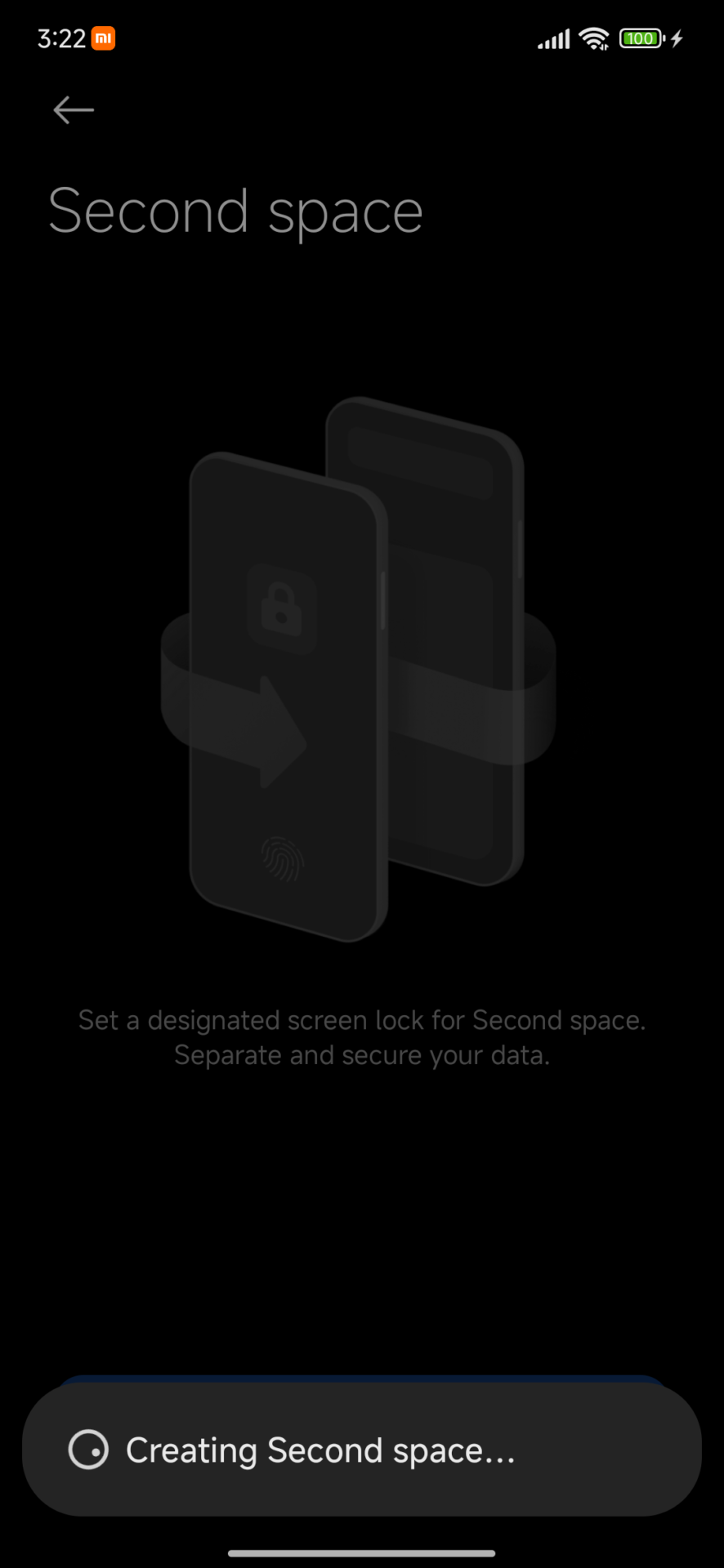
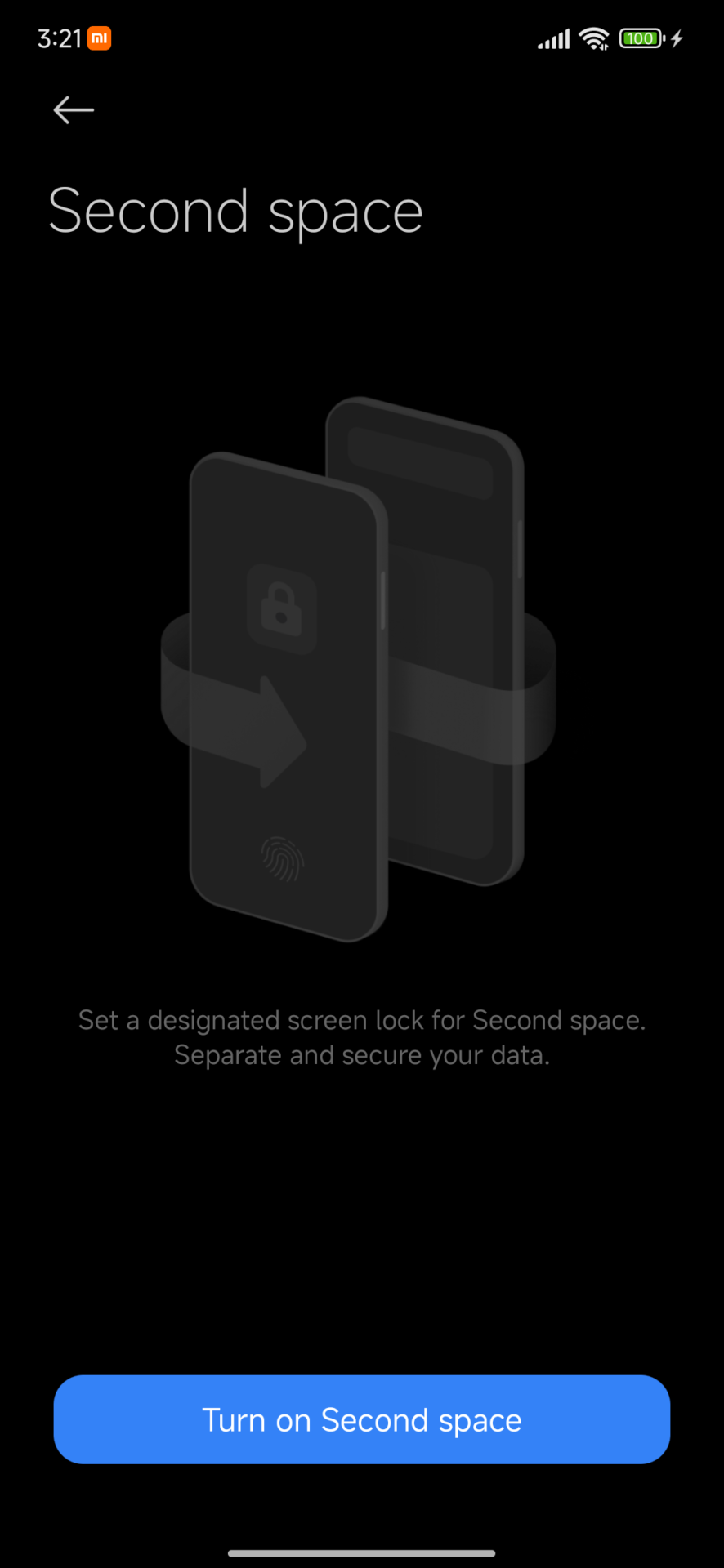
Second Space, launched with MIUI 8, was one of the most innovative features for privacy in the industry. It was not a simple user profile, but a separate space with its apps, files, and settings. And unlocking each of them with different fingerprints made the experience seamless and highly secure.
Privacy and Professional Separation
Second Space let users delineate a clear line between the private and professional digital spaces. Though Xiaomi continues support for advanced privacy tools in the form of HyperOS, Second Space has been dialed back due to performance requirements on lower-cost devices, making it more of a premium model staple.
Dual Apps: Organizing Personal and Business Identities
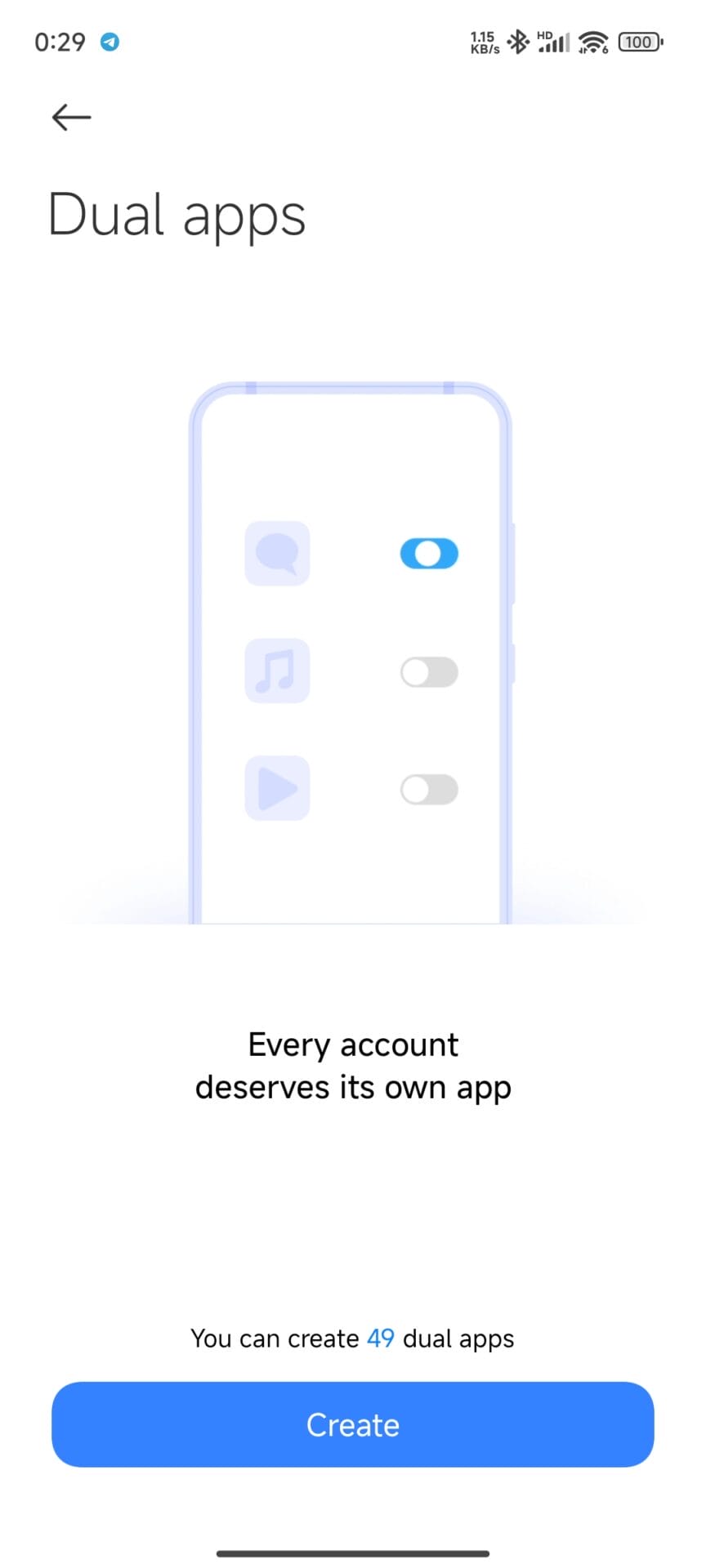
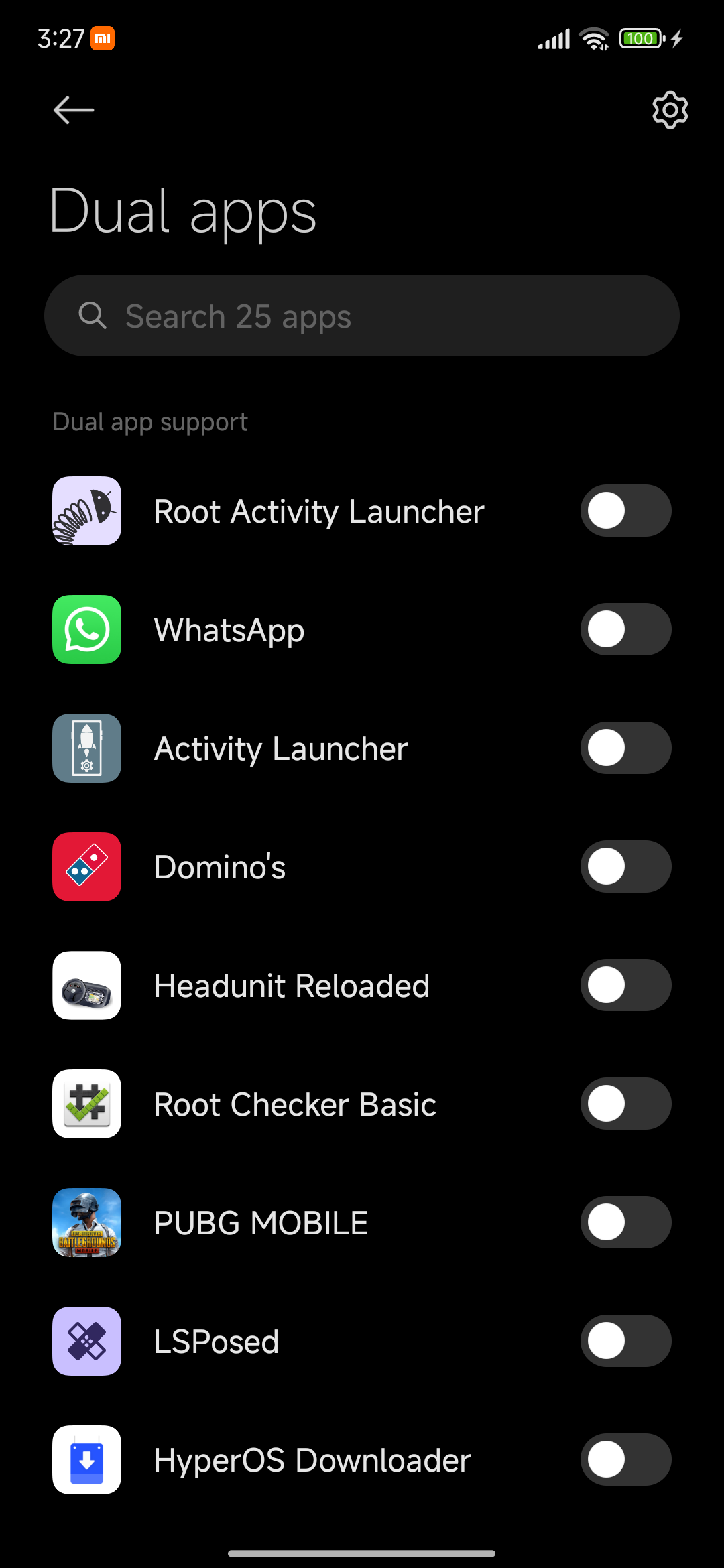
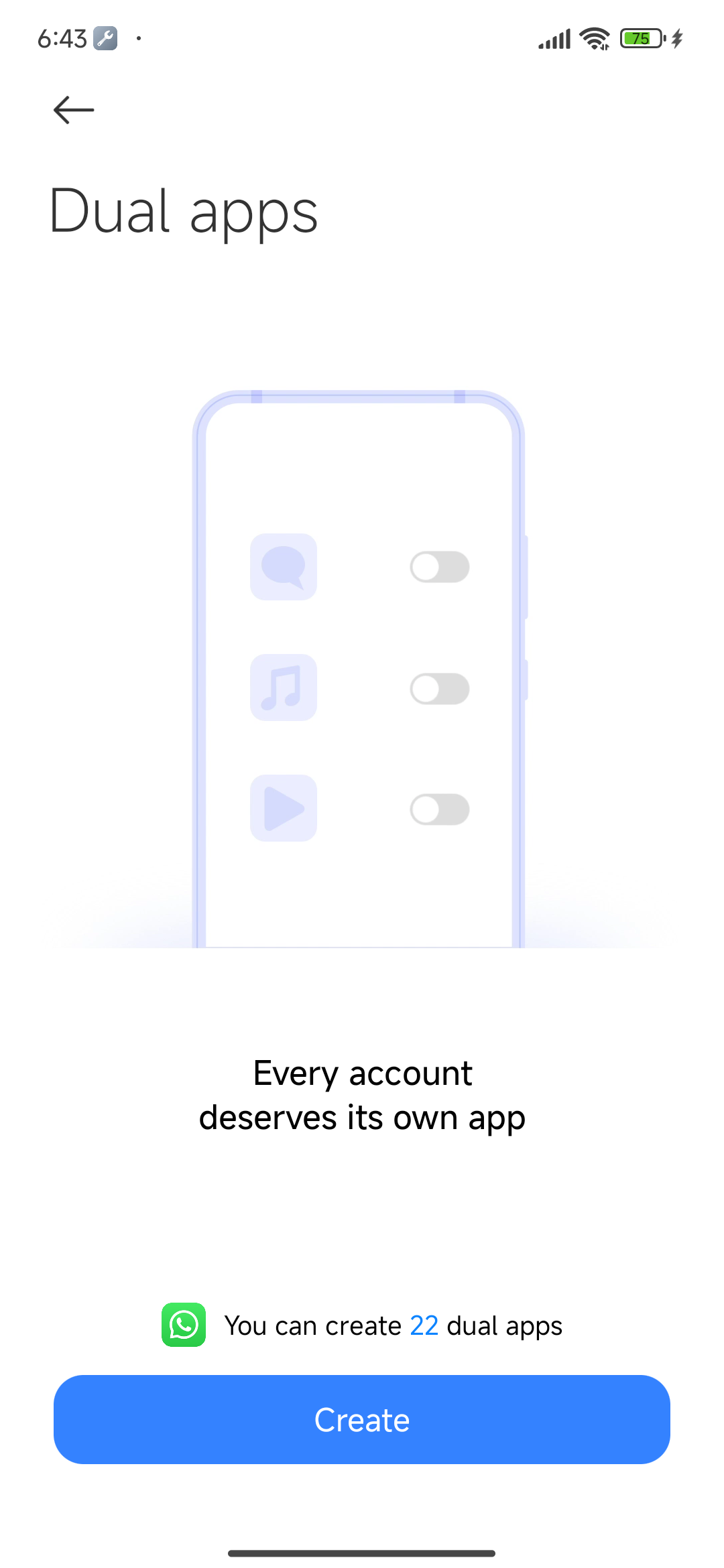
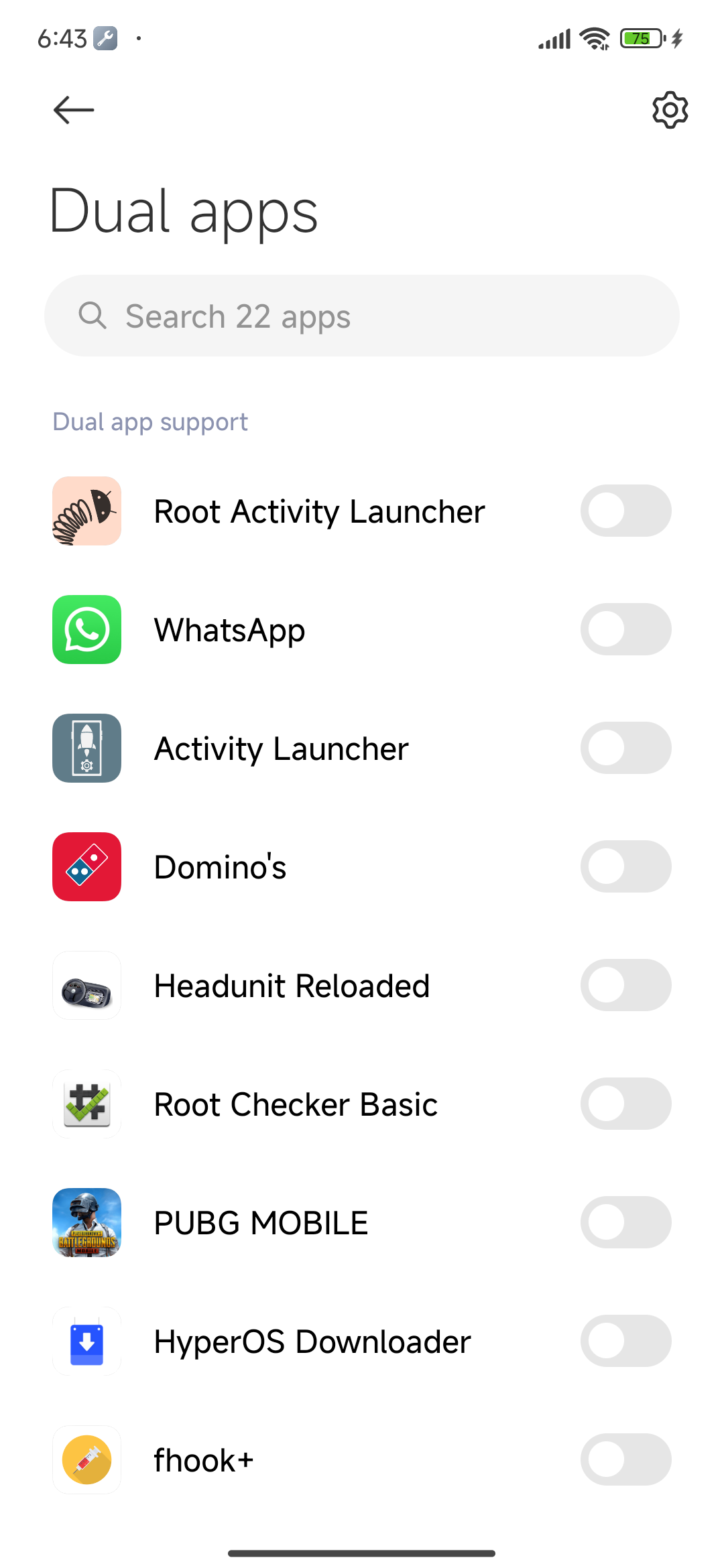
In areas where dual-SIM usage is the norm, MIUI’s Dual Apps feature became a vital utility. It popped up with MIUI 8 and gave users the ability to create separate instances of apps like WhatsApp or Facebook without having to rely on slow, ad-heavy third-party cloning tools.
Stability through system-level integration
Dual Apps relied on system-level managed profiles for better performance and fewer compatibility issues. The feature is also widely available on HyperOS, but some background limitations remain to be optimized for notifications and multitasking.
Scrolling Screenshots: Efficient Content Capture
Years before Google added long screenshot support to Android, MIUI users were taking screenshots of entire webpages, chats, or documents with an intuitive scroll-to-capture feature. This convenience became a daily essential for millions of users and contributed to MIUI’s reputation for practical innovation.
Influence on Industry Standards
MIUI implemented this feature so well that it encouraged Android developers to natively support it in later versions. In HyperOS, this feature lives along with the native engine of Android and keeps on providing reliable long-form screenshot captures.
Super Wallpapers: Visual Excellence on the Lock Screen
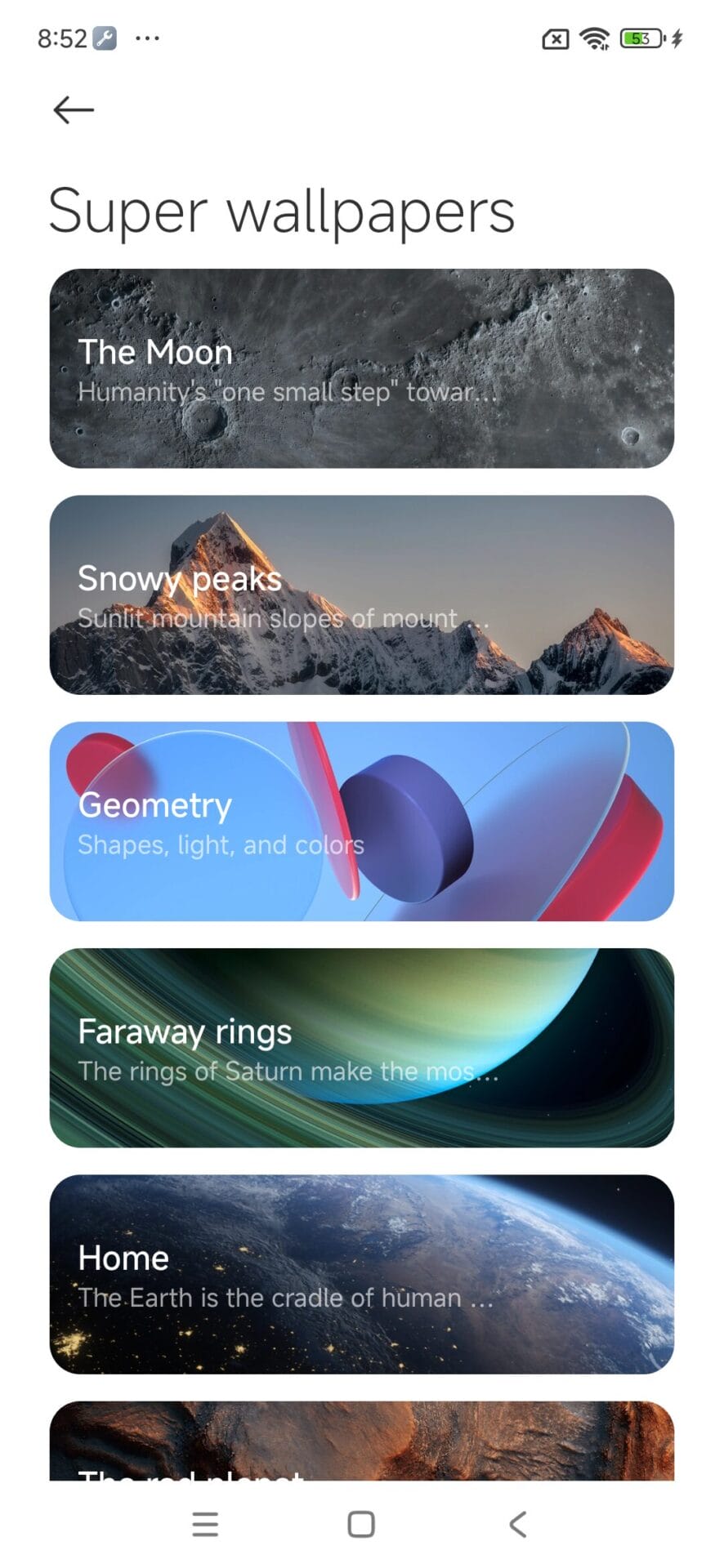
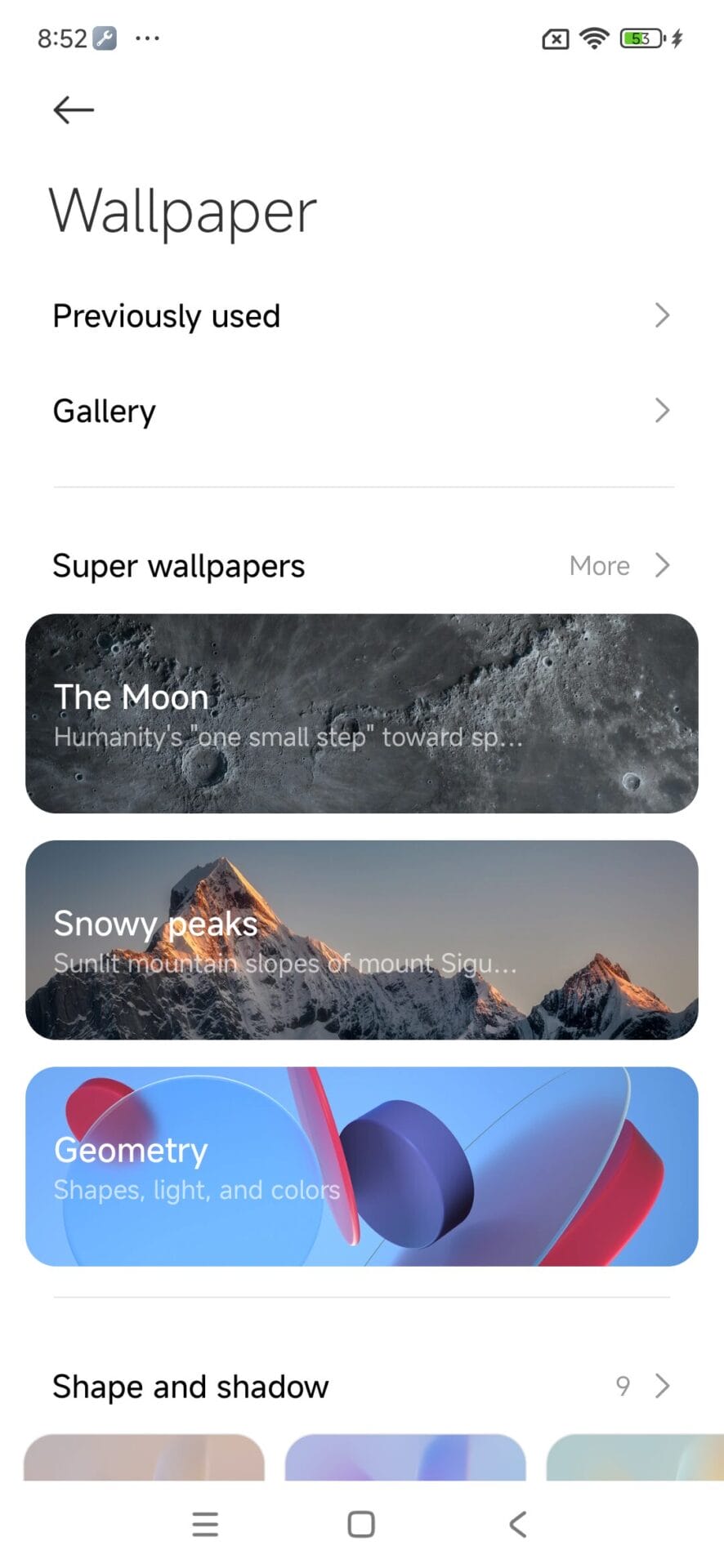
Introducing one of the most graphically advanced smartphone experiences of the decade, MIUI 12’s Super Wallpapers combine high-resolution satellite imagery with 3D animation. Users transitioned seamlessly from Always-On Display to Lock Screen and Home Screen through cinematic zoom sequences.
Hardware Requirements and HyperOS Evolution
Because of the processing demands, Super Wallpapers were limited to high-end Xiaomi and Redmi devices, which boast powerful GPUs. Super Wallpapers remain exclusive to HyperOS, with additions like The Moon continuing Xiaomi’s work to make visually smooth and immersive designs.
Intro and Conclusion: The Never-Dying Spirit of MIUI
While Xiaomi is transitioning towards the more efficient and ecosystem-driven platform HyperOS, among the long-time users, the memories of MIUI are strong. Each of the features discussed here—Theme Store, Second Space, Dual Apps, Scrolling Screenshots, and Super Wallpapers—are more than just tools; they represent Xiaomi’s ambition to extend control, creativity, and convenience to users at every level. HyperOS refines this system with modern architecture, but the legacy of MIUI will continue to influence Xiaomi’s software philosophy.
The regional firmware structure at Xiaomi has become a key differentiator of user experience on both HyperOS and the legacy MIUI devices. Each region—be it EEA, Global, Taiwan, Indonesia, India, or Russia—employs different system applications, privacy architectures, and feature sets. For most users, this often boils down to whether native call recording, dialer integration, update cadence, and system stability fit their expectations. This article provides a clear technical overview of regional ROM variations, referencing our resources such as Xiaomi HyperOS features and Xiaomi 14 series updates for deeper context.
Understanding Xiaomi’s Regional ROM Structure
Thus, the global strategy of software distribution by Xiaomi is based on compliance with local legislations, the policy of Google Mobile Services, and particular market requirements. That is why several lines of firmware can have the same hardware base but work with different application ecosystems. Regional ROM identities are given by firmware code names such as EU, MI, TW, ID, IN, or RU, shaping the system experience in their own way.
Typically, a Xiaomi ROM will include a unified kernel layer, a framework layer with partial integration of either Google or Xiaomi cloud services, and then a top application layer where differences tend to be most apparent. Call recording, SMS frameworks, the default type of dialer, and pre-installed applications all fall under this topmost layer completely, meaning there are some functional reasons to prefer certain regions over others.
Why Taiwan (TW) is the optimal region
The Taiwan ROMs stick with Xiaomi’s native dialer and messaging applications, thus offering integrated call recording without audible announcements. That makes the Taiwan variant one of the most wanted ROMs from users around the world who value consistent functionality and local-first Xiaomi design. Another great thing about the ROM is that it is free of excessive third-party apps and retains full compatibility with global hardware.
Despite getting major HyperOS updates a bit later than Global or EEA ROMs, Taiwan builds tend to exhibit better stability since they package in fixes rolled out in earlier regions. With the balance of feature richness, regulatory flexibility, and Xiaomi-native application support, Taiwan represents the most optimal choice for people who want a unified experience of HyperOS.
Europe (EEA) Region: Stability and Compliance
Since the EEA ROM is based on European data protection and digital market regulations, it removes system ads, limits telemetry, and has strict privacy boundaries. Xiaomi optimizes EEA firmware for consistency and reliability, often releasing its updates before most other regions except China. Although native call recording isn’t supported due to Google Dialer requirements, the EEA ROM is highly recommended to those who want regulatory compliance, data security, and long-term stability.
Indonesia (ID) Region: A Functional Alternative
Indonesia ROMs also use Xiaomi’s native dialer and messaging suite, offering call recording and better integration with the Xiaomi ecosystem. However, the region includes more partner apps to satisfy the needs of the local market. Some phones with HyperOS 2.0 have started featuring early hints of a move back to Google Dialer, but for now this is model dependent. It works, but this uncertainty puts Indonesia below Taiwan in terms of predictable feature support over the longer term.
HyperOS 2 and 3 Effects on Regional Variations
HyperOS 2 and 3 has a much more unified codebase, reducing the visual and functional differences between regions. However, this is still hampered by regulatory constraints on dialer availability and the behavior of call recording. Some regions, especially Indonesia, have seen partial alignment to Global standards in HyperOS 2 and 3 On the contrary, Taiwan still sticks with Xiaomi’s homebrew communication suite, solidifying it as a stable and feature-complete option.
Safely Switching Regions and Bootloader Considerations
Users can switch regions by unlocking their bootloader, flashing the desired ROM, and relocking, provided that hardware and firmware compatibility is maintained. Most Global hardware can support Taiwan, EEA, Indonesia, Russia, and Turkey ROMs for proper relocking. However, if relocking with mismatched hardware-for example, installing Global firmware on a China-specific model-it will brick the device irreversibly. For users who do not unlock the bootloader, OTA region-switching methods are work.
Recommended Xiaomi Region Selection Summary
Best Overall:Taiwan (TW) – Native dialer, stable performance, minimal bloat.
Best for Privacy & Stability:EEA (EU) – GDPR compliance and early updates.
Best Alternative with Native Dialer:Indonesia (ID) – Functional but variable.
Best for Pure Google Experience:Global (MI) – Broad availability and support.
The latest report from Android Authority mentions something very important for high-end Android devices on the Snapdragon 8 Elite and Snapdragon 8 Elite Gen 5 platforms. This includes future Xiaomi models such as the Xiaomi 15 series, Xiaomi 17 series, POCO F7 Ultra, POCO F8 Ultra, and MIX Flip 2. According to information provided through development platforms, a new open-source Turnip driver is under preparation with the goal of solving emulator stuttering, frame drops, and compatibility issues, problems that even the most powerful chipsets have suffered from.
Why Emulator Performance Has Struggled on Snapdragon 8 Elite
While the Snapdragon 8 Elite and the fifth generation Snapdragon 8 Elite Gen 5 platforms are powerful for large Android games, many reports have emerged of decreased stability when trying to run various PC, Switch, and PS3 emulators. Sometimes, this can be a compatibility problem that may make players prefer older chips, like Snapdragon 8 Gen 3, because they run these emulators more smoothly under specific conditions.
This limitation has caught the attention of Xiaomi users and developers, who expect consistency in stability across flagship smartphones from the brand, given how those devices often push the limits of mobile gaming and AI performance. The focus has now shifted to low-level driver improvements that better unlock the newest Adreno GPU hardware.
New Turnip Driver Will Bring Optimized Support
Developers on Mesa GitLab and the GameHub Discord channel confirm that a new iteration of the open source Turnip driver is in development, and could start to ship in early 2026. Qualcomm engineer Rob Clark said the driver will explicitly support:
Adreno 840 GPU – used in the Snapdragon 8 Elite Gen 5
Adreno 830 GPU – used in the Snapdragon 8 Elite
That’s important for Xiaomi’s roadmap because a number of the company’s upcoming flagships and premium smartphones are expected to feature these platforms. The Turnip driver is renowned for providing better accuracy, lower error rates, and superior shader handling in intensive emulation titles.
How the New Driver Can Improve Xiaomi Devices
The open source driver Turnip is already outperforming the official Qualcomm one when using more advanced emulator applications, like:
GameHub
RPCSX-UI-Android
Eden
In the upcoming update, Xiaomi users can expect: Benefits of improved performance
Reduced stuttering and frame drops during heavy emulation
Higher rendering stability at high resolutions
Better compatibility with next-generation emulator builds
Fewer graphical errors in complex 3D titles
More effective GPU usage on Snapdragon 8 Elite platforms
These improvements directly translate into a smoother and more reliable gaming experience on future Xiaomi flagships.
Models by Xiaomi That Are Expected to Benefit
The following upcoming Xiaomi devices are expected to use Snapdragon 8 Elite or Elite Gen 5 chipsets, and therefore will benefit from this development:
Xiaomi 15 Series
Xiaomi 17 Series
POCO F7 Ultra
POCO F8 Ultra
POCO F8 Pro
Xiaomi MIX Flip 2
For those users who uses Xiaomi, emulator-related GPU driver improvements might come even earlier thanks to developer communities.
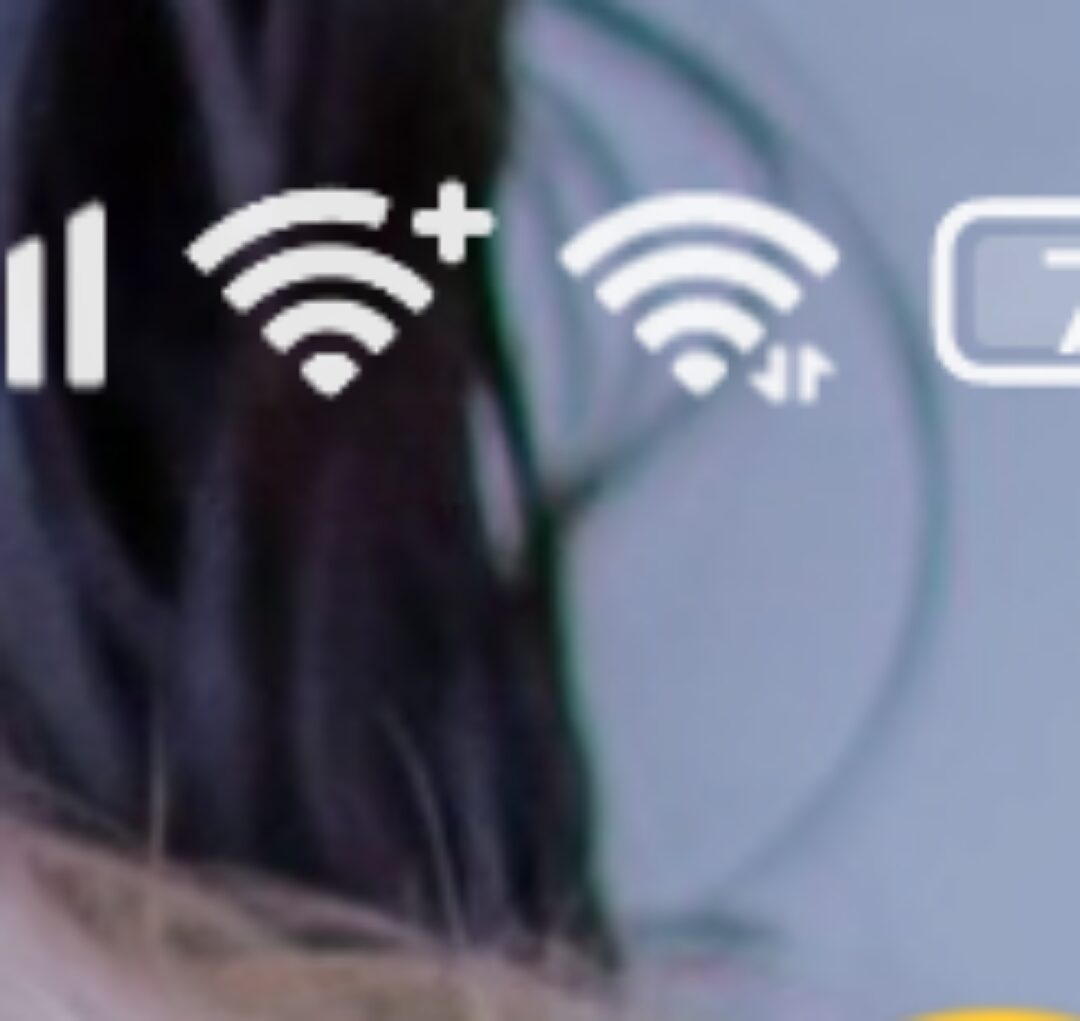
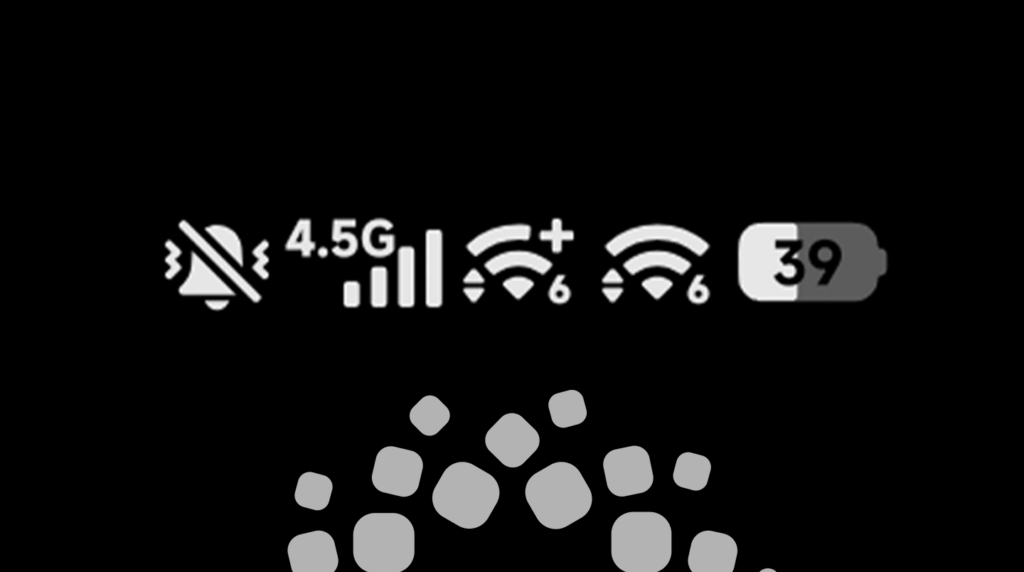
Every now and then, some Xiaomi users notice that two Wi-Fi icons show up in the status bar, leading some to wonder if the device is connecting to two different networks at once. In truth, this is not a bug-it just reflects some of the advanced multi-link connectivity frameworks that Xiaomi has utilized in HyperOS and its earlier versions of MIUI. Features such as Dual-Band Wi-Fi Acceleration and Wi-Fi 7 MLO (Multi-Link Operation) enable various frequency bands to be used simultaneously to improve stability, reduce latency, and enhance reliability. If you’re new here, please check out related technical topics such as Xiaomi HyperOS features or Xiaomi network optimization tools on our website.
Understanding Xiaomi’s Dual Wi-Fi Connectivity System
Devices powered by Xiaomi feature simultaneous multiband communication enabled by hardware capabilities in modules of Qualcomm FastConnect and platforms of MediaTek HyperEngine. When this function is on, the system may indicate a parallel link using two Wi-Fi icons. The device can thus use 2.4GHz and 5GHz (or 6GHz in the case of Wi-Fi 7 routers) to make the operating system distribute traffic and maintain consistent performance automatically, without user interference.
Hardware Layer Behind Multi-Band Networking
Smartphones from Xiaomi with FastConnect or MediaTek HyperEngine platforms handle the radio chains separately, so the two frequency bands can work independently. This gives way to a reliable parallel data path that will keep working even if one band experiences congestion or interference. Therefore, users may feel that their internet performance during a video call, downloading from the cloud, or while playing games is more stable.
HyperOS has developed a more integrated network orchestration framework, which is called Xiaomi HyperConnect. This framework assesses the signal quality, device temperature, and application demand. Instead of manually turning on dual-band modes, multi-link is usually turned on automatically by the system for latency-sensitive tasks. On HyperOS, the second Wi-Fi icon appears only when necessary, while Wi-Fi 7 networks use a single icon marked with identifiers like “7+”.
How HyperOS Decides When to Use Multi-Link
HyperOS works with an intelligent decision engine that decides if the device is benefiting from multi-band connectivity. The system temporarily shuts off the auxiliary channel in cases of poor RSSI at the secondary band, overheating of the device, or when there is no active data flow. This avoids all unnecessary power consumption while maintaining the high performance during resource-intensive operations.
Practical Scenarios Where Two Wi-Fi Links Help
Such advantages of Xiaomi’s dual-band system are pronounced in cases with fluctuation of the signal environment, as well as when different frequency bands behave unpredictably. The system features continuous operation regardless of environmental interference.
Introduction to Use Cases
Online gaming stability: Game Turbo leverages both bands to stabilize ping and avoid latency spikes.
High-speed downloads: Multi-path downloads, under appropriate router configurations, may realize marginal gains in speed.
Indoor roaming: Switching between rooms becomes smoother because the second connection prevents momentary drops when the primary band weakens.
Power Consumption and Network Compatibility Considerations
Dual Wi-Fi channels increase energy consumption by approximately 20% to 40%, depending on conditions such as signal strength and thermal load. This secondary link may be automatically switched off by the Xiaomi devices if the system detects excessive temperature rise. Mesh networks or routers, which have their merged SSIDs, can also limit this dual-band feature, making it necessary to split the 2.4GHz and 5GHz bands for full compatibility.
When Users Should Disable Dual-Band Mode
This is because, when the smartphone requests multiple IP addresses for dual links, IP conflicts or authentication resets may occur if the router uses aggressive security filtering. In such a case, disabling the feature may be a much better option, at least on corporate or enterprise Wi-Fi environments.
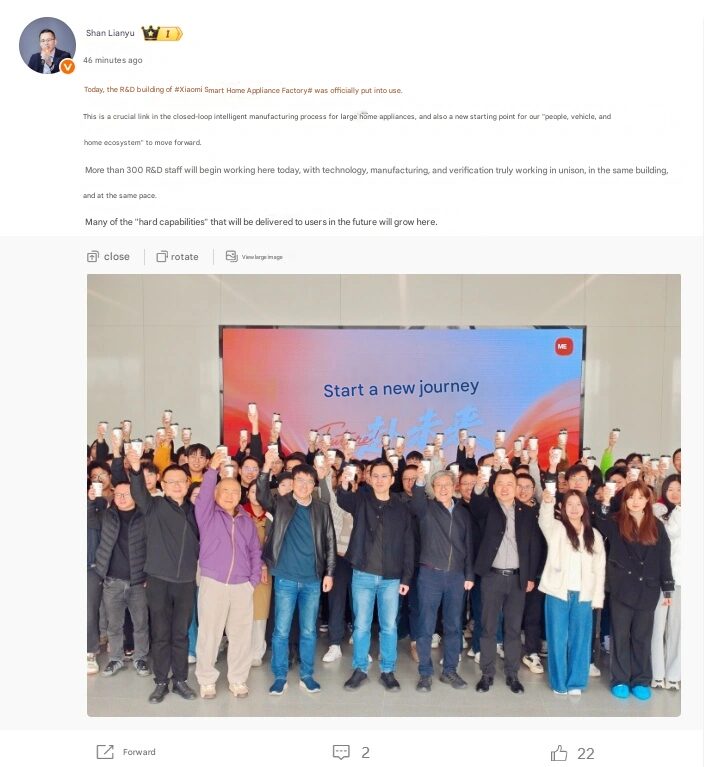
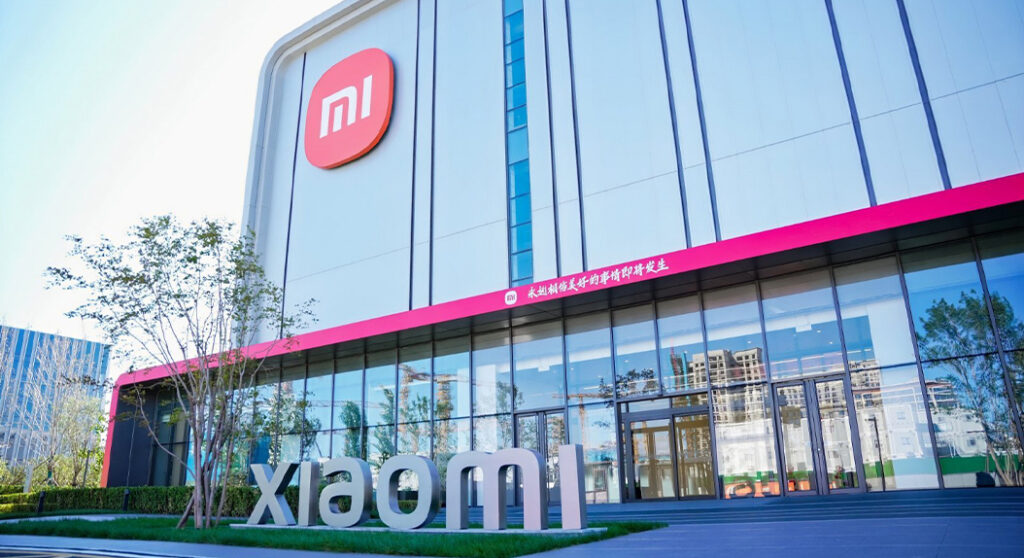
Xiaomi officially opened its new Smart Home Appliance Factory R&D Building, marking an important milestone in the company’s intelligent manufacturing strategy and its expanding human-vehicle-home ecosystem. According to the General Manager of Xiaomi’s Large Home Appliances Department, this new facility will serve as a central hub where more than 300 R&D engineers come together to accelerate development across multiple product categories. With this step, Xiaomi is on course with its long-term vision for fully integrated smart living solutions across mobile devices, smart home appliances, and connected ecosystems.
Xiaomi Opens New R&D Facility: A Strategic Step Forward
Located at the heart of Xiaomi’s manufacturing pipeline, the new R&D building unifies core research, engineering, production, and verification processes under one roof. This structure is designed to increase operational efficiency and enhance product reliability. Starting work with more than 300 engineers on-site, Xiaomi aims to synchronize technological innovation with real-time manufacturing, enabling faster product iteration and higher-quality outcomes.
A Vision for Ecosystem Connectivity
This facility further supports Xiaomi’s long-term objective of developing a more seamless human-vehicle-home ecosystem. According to Xiaomi, many of the advanced capabilities that users will see in appliances in the future will be developed inside this building. This covers energy efficiency enhancements, AI-driven automation, and deeper integration with Xiaomi HyperOS for unified control of devices.
Smart Manufacturing Powered by Xiaomi’s Self-Developed Platforms
The smart home appliance factory in Wuhan, which just started production in October, is adopting the company’s self-developed Xiaomi Surge Smart Manufacturing Platform. Equipped with AI-driven visual quality inspection, this system ensures an extremely high production precision at an increased rate. This marks Xiaomi’s effort to set new industry standards while expanding its presence in high-end home appliances.
One benchmark of the facility is the capability to produce, on average, one high-end air conditioner every 6.5 seconds. It also conducts 100% accurate testing of components, made possible by advanced AI systems. These practices ensure consistency in quality and build trust among consumers in Xiaomi’s smart home products.
Full In-House Production of Smart Home Appliances
Xiaomi confirmed that from now on, all major home appliances, including air conditioners, refrigerators, and washing machines, would be developed and manufactured by itself. This achievement plays a very important role in changing people’s perception-that Xiaomi relies mainly on OEM production-instead, the company is establishing its position as a comprehensive supplier of smart home technologies with strong independent R&D capability.
What This Means for the Future of Xiaomi’s Smart Home Lineup
The opening of this R&D building is seen as a major step forward by Xiaomi in its strategy for smart appliances. With R&D, production, and verification all located in one place, Xiaomi is better equipped to create more technically sophisticated, robust, and user-oriented products. Its integration with HyperOS will offer enhanced cross-device communication for consumers, bringing a smoother and more intelligent living experience.
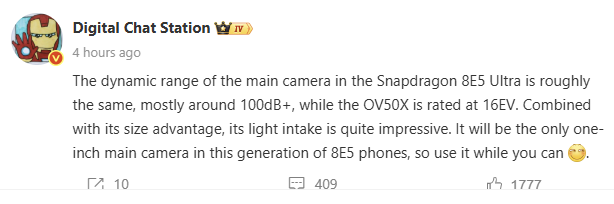
The latest reports from the industry suggest that one of the incoming Snapdragon 8 Elite Gen 5 flagships will feature a “super-sized” one-inch main camera sensor with over 100dB of dynamic range, and all evidence currently points to the Xiaomi 17 Ultra being that device. Initial information from insiders like Digital Chat Station suggests that this new generation of imaging might bring one of the best low-light and HDR performances on any Xiaomi flagship.
A New Imaging Breakthrough With the OV50X Sensor
Recent insights reveal that it uses OmniVision’s OV50X, a next-generation one-inch sensor with a claimed dynamic range of 16EV, which translates to over 100dB in practical scenarios. This expanded dynamic range allows the sensor to catch significantly more highlight and shadow detail, especially in demanding lighting conditions. Thanks to its larger light-intake area, the sensor positions the Xiaomi 17 Ultra as one of the few Snapdragon 8 Elite Gen 5 flagships offering a true one-inch optical setup.
Lofic Technology: Enabling Higher Performance
The blogger also corroborated that the sensor uses LOFIC (Lateral Overflow Integration Capacitor) technology-a feature utilized by OmniVision and SmartSens, while Sony will use it next year. LOFIC basically allows sensors to retain detail in very bright settings without losing any integrity within shadows. The nature of this underlying technology improves HDR photography and offers better, more predictable performance between low and high light levels.
Advantages of LOFIC for Flagship Imaging
The LOFIC improves the handling of sensors regarding overflow charges for reduced clipping in highlights and smoother tonal transitions, making the upcoming Xiaomi 17 Ultra especially capable for landscape, night, and motion photography, where exposure consistency is crucial.
Advanced Optics and Exclusive Lens Technology
According to industry sources, the flagship in question will have:
A super-large f/1.6X equivalent aperture main sensor
Next-generation LOFIC technology
Full-element optical coatings
A 200MP periscope telephoto lens with an equivalent aperture of F8.6±
Mid-to-long-range optical zoom capability
An optical module exclusively developed for this manufacturer, strengthening speculation that it belongs to Xiaomi’s Ultra-tier platform
These elements put together indicate that Xiaomi is working on one of the most advanced mobile photography systems, especially for telephoto consistency and long-range clarity.
If consistent hints from industry analysts and the listed specifications are anything to go by, this camera system is very likely to make its debut on the Xiaomi 17 Ultra, which is known for its imaging-first design philosophy. Ultra models from Xiaomi have traditionally brought major leaps in camera hardware, and this one-inch OV50X setup fits perfectly with the strategy seen in previous generations.
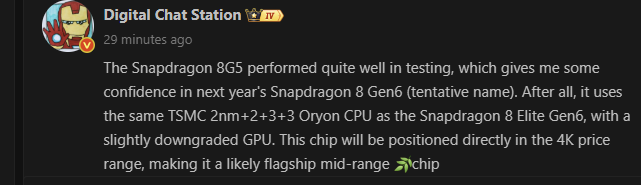
Recent reports on the semiconductor industry have revealed some exciting details about the forthcoming Snapdragon 8 Gen 6 processor to be used in future mobile devices. According to reliable insiders, this new chipset will be employing the latest TSMC 2nm manufacturing process and a powerful 2+3+3 Oryon CPU architecture. This could be an effort to bring flagship-level performance down to devices in the $550 price range.
Advanced Architecture and Manufacturing
According to the latest technical details shared by Digital Chat Station, the Snapdragon 8 Gen 6 will adopt a similar CPU architecture as the premium Snapdragon 8 Elite series. The chipset is expected to boast 2+3+3 cores using the famous Oryon CPU design. Although the central processing unit retains flagship specifications, the GPU specification could be a little toned down compared to the “Ultra” variants. That allows the chipset to maintain remarkable computational capability while keeping better thermal efficiency on the new 2nm node.
Pricing and Positioning in the Market
Market analysis indicates that this new silicon is targeted at effectively addressing the premium mid-range segment. The chipset is expected to power devices in the price range of 4,000 CNY, approximately $550 USD. This places the processor as a primary choice for “sub-flagship” smartphones in the coming year. With TSMC’s 2nm process, manufacturers are able to offer users a premium experience with high-end efficiency without the prohibitive costs associated with the absolute top-tier models.
Comparison with Previous Generations
To place this leap in perspective, consider how it evolved from the Snapdragon 8 Gen 5. The Gen 5 platform was powered by the third-generation Oryon CPU, housing two prime cores running at 3.8 GHz and six performance cores operating at 3.32 GHz. That generation boasted a 36% increase in CPU performance and a 46% increase in AI performance over the Snapdragon 8 Gen 3. Moving on to the Snapdragon 8 Gen 6 with the jump to the 2nm process is the next substantial evolution in that journey, which promises even higher sustained performance for the next technology.
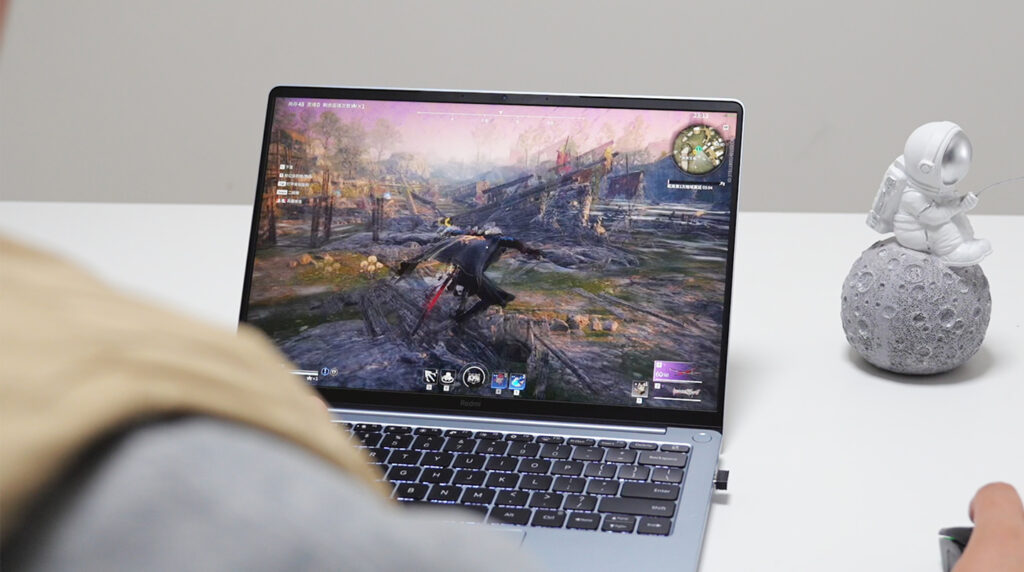
With the PC industry going towards AI-integrated hardware and cross-device ecosystems, the strategic question is whether Xiaomi will expand its laptop portfolio into global markets. Ongoing changes in supply chain stability, the operating system of choice, and evolving consumer expectations have reconfigured the competitive landscape among major Chinese brands. For readers already aware of Xiaomi’s ecosystem through products such as the Xiaomi Pad 6, Xiaomi Pad 7, or through in-depth reports on HyperOS Connect, this report provides a clear and structured view on whether Xiaomi is well-positioned to compete against Huawei in the global laptop category.
Xiaomi’s Strategic Position in the Global PC Market
These are a number of strong advantages that Xiaomi holds in the high-performance laptop space. The company continues to have access to the latest Intel and Qualcomm platforms, without the geopolitical restrictions imposed against Huawei. Consequently, this places Xiaomi in a position to provide modern technologies such as the latest Intel Core Ultra platform with advanced NPUs for AI workloads. This level of flexibility enhances Xiaomi’s competitiveness in regions where Windows-based systems continue to dominate consumer and enterprise purchasing behavior.
At the same time, Huawei remains hamstrung by international trade restrictions that limit its supply of x86 processors and the licensing of Windows. Its pivot to HarmonyOS-based laptops secures long-term independence, but global customers may face software incompatibility issues, especially outside of China, where Google Mobile Services remain vital.
Hardware Competitiveness
More recently, Xiaomi has featured aluminum unibody casings in its latest notebooks, and high-capacity batteries with high refresh rate displays make them ideal for those users who fall into hybrid categories that amalgamate productivity with high levels of entertainment or light gaming workloads. Huawei’s MateBook series still stands out in color accuracy, build quality, and 3:2 display ratios, but the over-reliance on previous-generation processors in international markets will very much create performance gaps in AI-focused tasks.
Ecosystem Integration: HyperOS Connect vs. Huawei Super Device
Ecosystem synchronization has become a defining metric for purchasing decisions in the premium laptop segments. Huawei’s Super Device architecture remains one of the most sophisticated multi-device solutions available on the market, offering seamless cross-screen control, distributed hardware sharing, and low latency communication. This structure is widely respected in the domestic Chinese market, where HarmonyOS is deeply integrated into daily workflow.
It’s also important to note that Xiaomi’s HyperOS Connect is very rapidly evolving and stands to gain from being closely tied to Google services: the system allows for clipboard transfer, screen casting, notification syncing, and camera sharing across Xiaomi phones, tablets, and upcoming laptop models. You may update Xiaomi’s ecosystem applications through HyperOSUpdates.com or our MemeOS Enhancer app on the Play Store, which would also unlock additional system-level capabilities.
Potential for Consumer Acceptance
With Google services on board, in addition to being familiar with Android, Xiaomi laptops could be more accessible than Huawei’s HarmonyOS-based systems for global users. It would mean lowering the transition barriers for international consumers who rely daily on Gmail, Google Photos, Maps, and other services from Google. Xiaomi, therefore, might benefit from broader retail availability in Europe, among emerging markets, where Huawei has operational constraints.
Can Xiaomi Realistically Compete with Huawei Globally?
With a clear technical lead in CPU generation, AI processing capability, and software compatibility, Xiaomi laptops are well-positioned to find global favor. Competitive pricing—commonly 30–40% below comparable Huawei models—further strengthens Xiaomi’s hand. Yet to be surmounted are the more fundamental issues of after-sales service, warranty infrastructure, and long-term reliability expectations from Western consumers.
Huawei has maintained strong brand loyalty within key markets due to its premium designs and long-term ecosystem maturity, along with a steady presence in enterprise deployments. Xiaomi’s mix of advanced hardware, approachable software, and aggressive pricing strategies could position it as a serious global competitor-if the company chooses to expand its laptop lineup internationally.
Xiaomi has the required technological foundation and ecosystem maturity to take on Huawei in the laptop business within global markets. While Huawei continues with strong innovation capabilities and a refined ecosystem, Xiaomi’s lack of geopolitical restrictions opens up its access to state-of-the-art processors, thus making it competitive. Its success in such an expansion will come down to whether Xiaomi can scale after-sales service operations to further strengthen a reliable global support network.
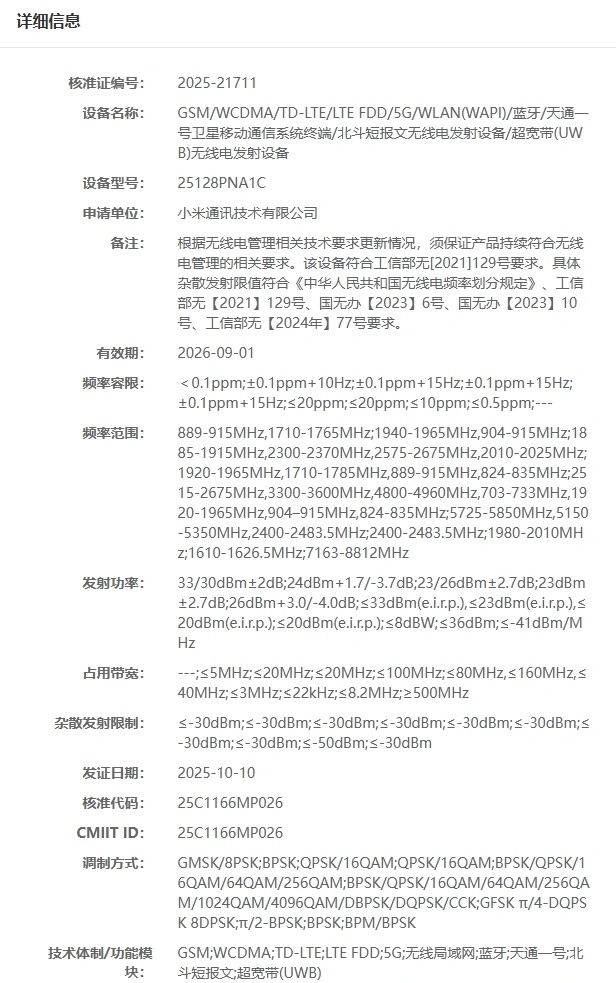
The upcoming Xiaomi 17 Ultra series has just completed its network access certification in China, meaning that it signals a coming-of-age of sorts for the brand as far as a major product launch goes. According to early details, the series will bring in UWB ultra-wideband, 100W fast charging, and advanced communication options. In addition to a new flagship phone, the company is also readying a real smartwatch running Android/Xiaomi HyperOS, along with a Bluetooth/UWB-enabled Xiaomi Tag that extends the company’s smart ecosystem. These come after features and technologies such as Xiaomi HyperConnect and those that had been explored on the Xiaomi 17 lineup.
Xiaomi Prepares a New Smartwatch Running Android/HyperOS
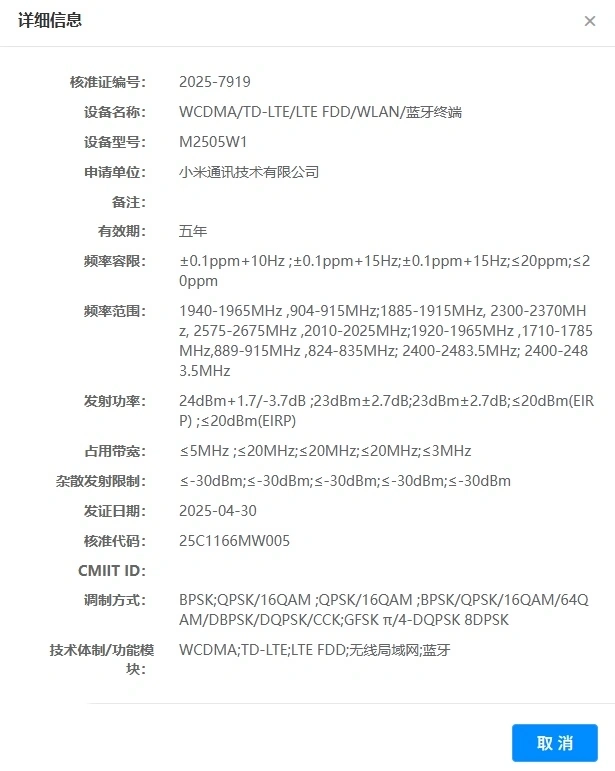
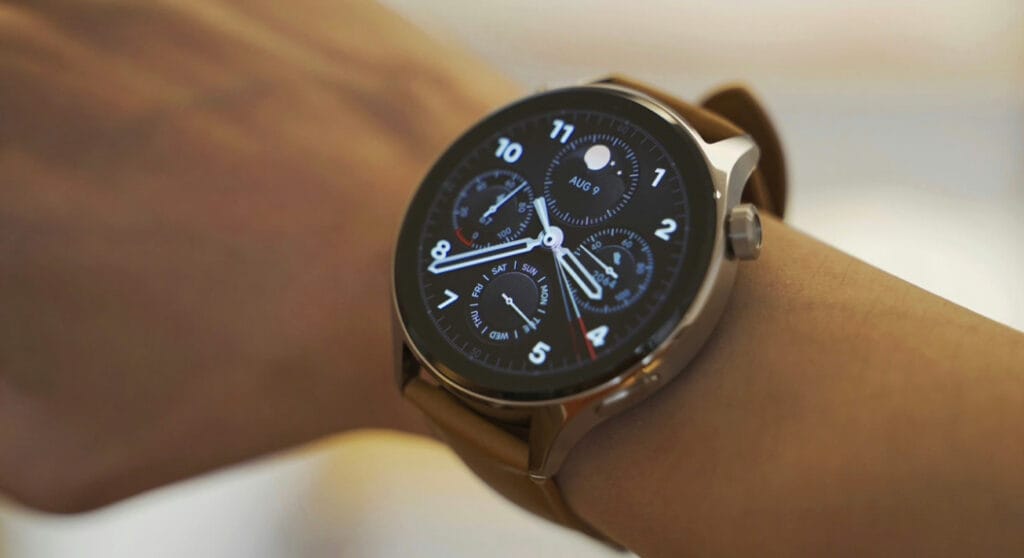
Xiaomi is set to launch a full-featured smartwatch that will be capable of providing even stronger independence from smartphones. The device reportedly comes with a 930mAh rated battery, an independent eSIM module, and a dedicated eUICC chip for secure connectivity. This hints that Xiaomi positions the smartwatch as an independent means of communication rather than a companion accessory. It is expected to deeply integrate with Xiaomi HyperOS to provide better cross-device operations and seamless connectivity with various devices, like Xiaomi Pad 7 or Xiaomi 17 series models.
eSIM and Extended Battery Capacity
The integration of a robust battery with eSIM capability indicates Xiaomi’s focus on endurance and mobility. The application of eSIM support allows users to make calls, send messages, and access data networks independently of their smartphones, aligning with the brand’s overarching goal to create a more unified and seamless device ecosystem, particularly for users who already utilize services made available via apps distributed through our platforms, such as HyperOSUpdates.com and the MemeOS Enhancer application on Google Play.
Xiaomi Tag Brings Bluetooth and UWB Precision Tracking
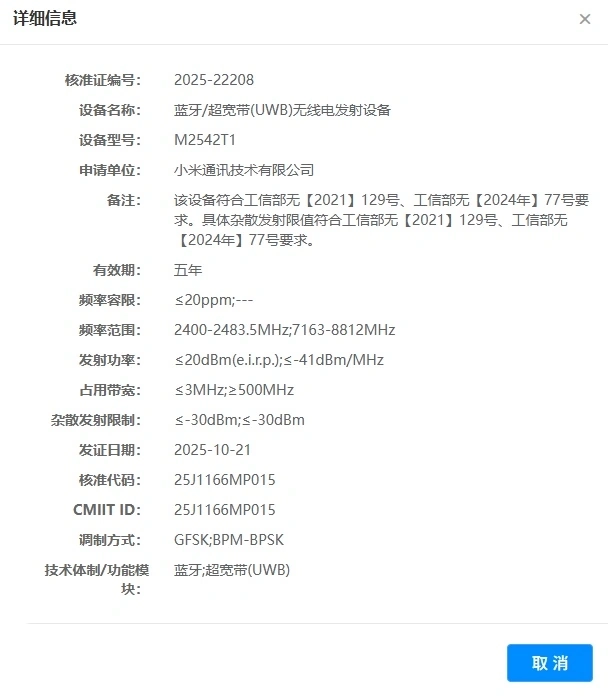
Meanwhile, Xiaomi is preparing a new generation location tracker-codenamed Xiaomi Tag-with support for both Bluetooth and UWB ultra-wideband. UWB allows for high-precision distance and direction detection, making the location of items much more accurate. This directly helps Xiaomi in its growing smart home and IoT product lines and reinforces the long-term ecosystem strategy for the company.
Patent Background and Tracking Technology
In a related patent, filed by Beijing Xiaomi Mobile Software Co., Ltd. in 2017 and authorized in 2021, there is described a “Method and device for finding items,” which seems to be similar to the functionality of analogous global tracking systems. The document describes a system employing UWB for high-accuracy item recognition, much like solutions already in place by vendors like Apple’s AirTag, but designed to work natively within Xiaomi’s cross-device network under HyperOS.
Xiaomi 17 Ultra and Satellite Edition Arrive With New Capabilities
The Xiaomi 17 Ultra and its Satellite Edition have also passed network certification. The satellite version supports BeiDou short messaging and Tiantong-1 satellite communication, allowing users to stay connected in remote areas without traditional cellular coverage. Combined with the upcoming smartwatch and Xiaomi Tag, the whole launch represents a significant expansion of Xiaomi’s premium ecosystem offering.
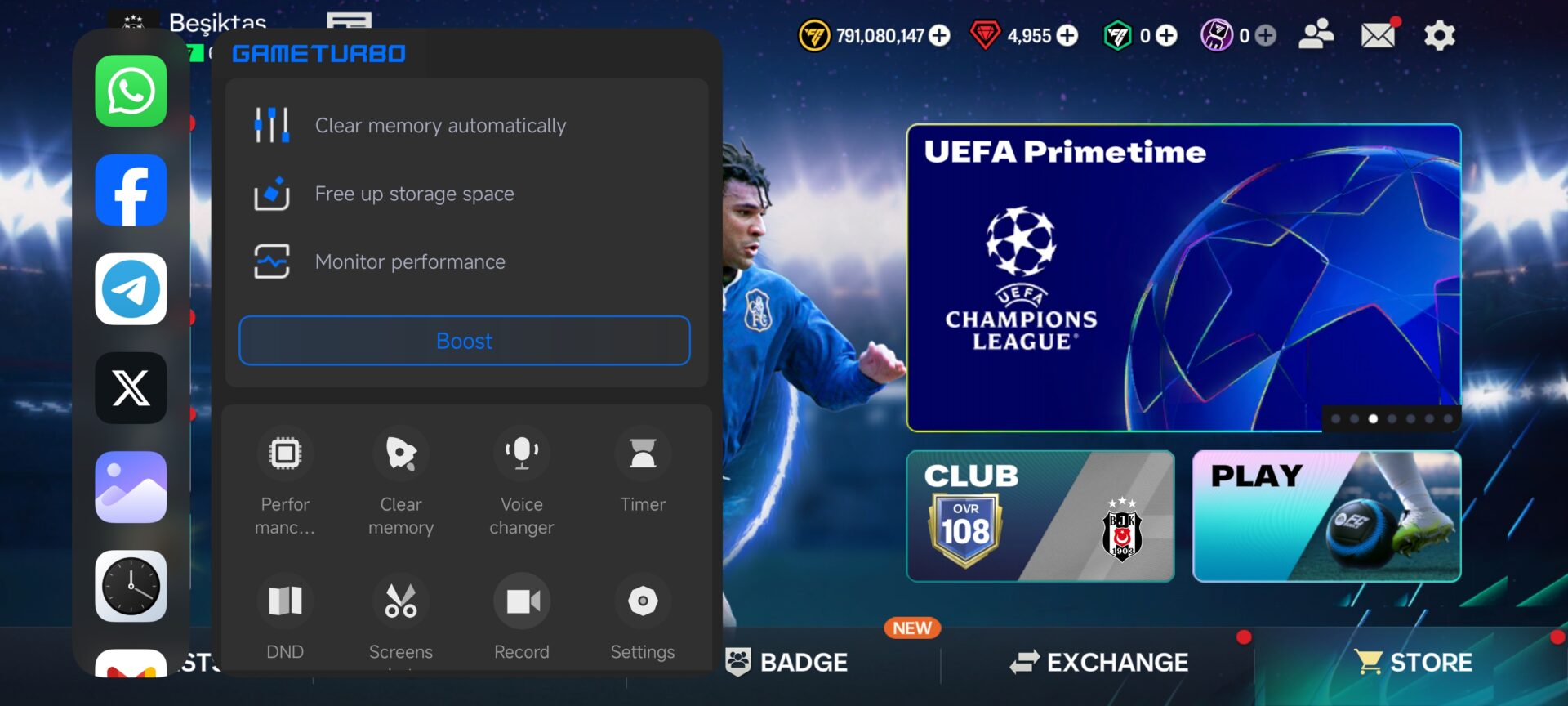
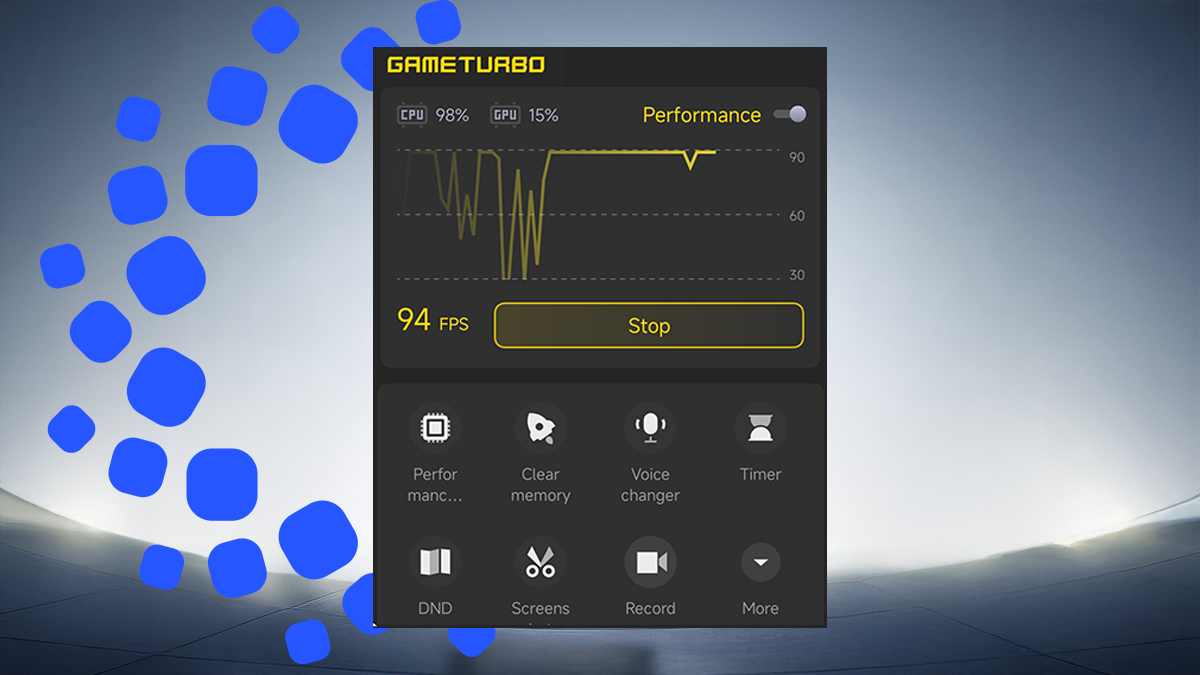
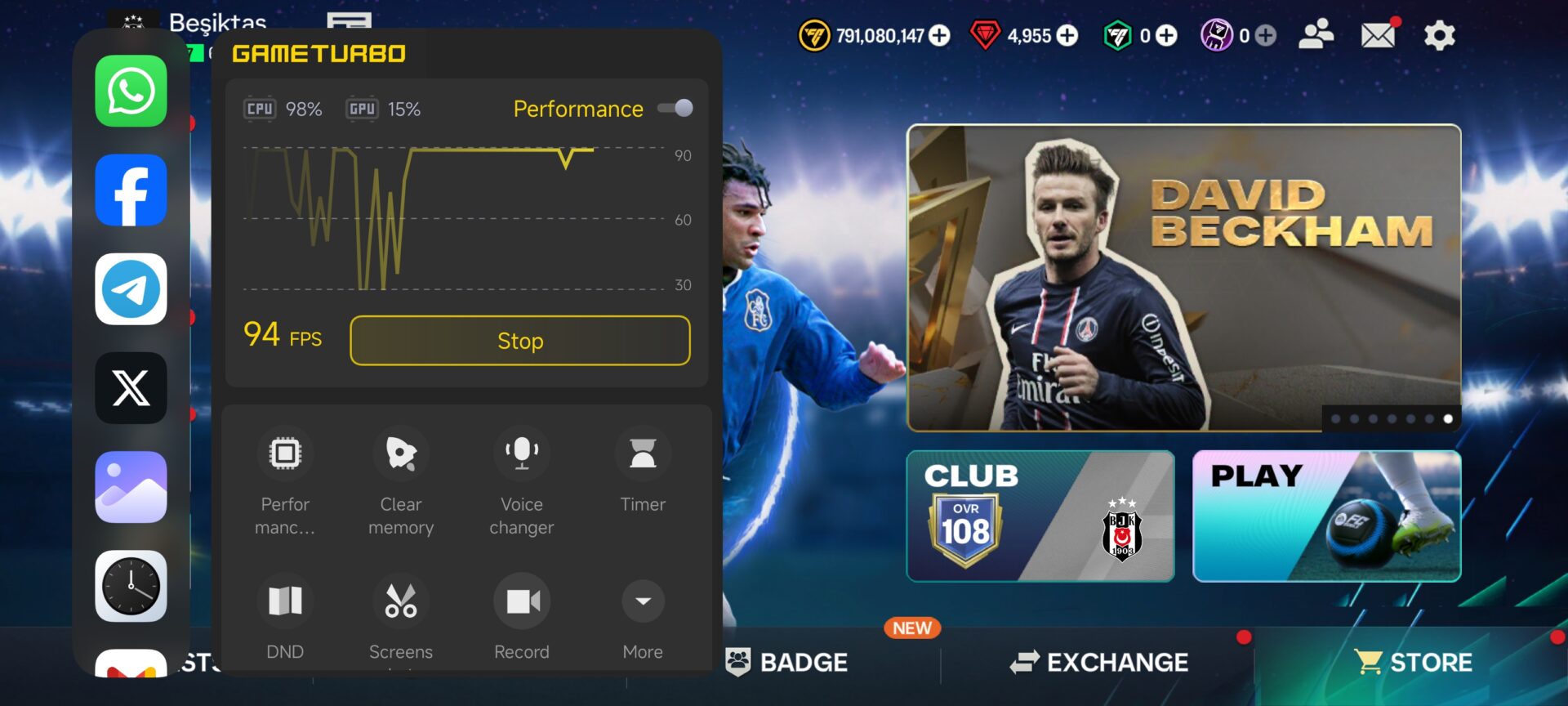
Xiaomi continuously strives to refine the user experience by periodically updating the system applications. The recent release brings in critical updates for the core Security app and the System Service Plugin, which significantly improves the stability of both apps. This fresh build, version 11.8.1, directly targets HyperOS performance and carries further feature additions in Game Turbo to let users have a smooth gaming session. Users seeking system stability should definitely keep an eye on this release. This update addresses several known bugs present in the previous versions, ensuring that your device works at peak efficiency for daily tasks and also during mobile gaming.
Update Technical Details
The company made these updates available relatively recently to ensure users have the latest optimizations. The update package has two different applications: the Security app itself and the System Service Plugin. The Security app was updated to version 11.8.1-251122.0.1 with an approximate file size of 65.95 MB. Meanwhile, the System Service Plugin was updated to version 12.0.6-251121.0.1, weighing 53 MB.
These updates are mainly based on the HyperOS China ROM, but the architecture is common. The most noticeable change in this release is the addition of the latest Game Turbo. This will offer better management of resources when it comes to gaming, reducing lag and offering much-improved thermal performance. The developers have also addressed different background crashes reported in the previous builds from earlier this month.
Installation Guide for Global Users
While these APKs work on most phones and devices, Global ROM users have to install these in a different way. Since these are builds from the China software channel, you need to install the System Service Plugin along with the Security application.
This would mean if one only installs the Security app on a Global ROM without its accompanying plugin, the application might not open or features like Game Turbo will not show up as they should. Installing both files makes sure the required libraries are available for the application to function correctly on non-China firmware.
How to Download and Update
The APK files are available for manual download via the links below. For a more automated and feature-rich experience, users are encouraged to utilize the MemeOS Enhancer application.
Using MemeOS Enhancer you can easily update system applications, unblock hidden features of Xiaomi that are not available by default, and get seamless updates of other system components. You can download the app from the Google Play Store here: MemeOS Enhancer. Otherwise, you can download the single files from our database:
WhileGear up with Xiaomi, which is aggressively pushing forward with the deployment of its latest operating system interface, Xiaomi HyperOS 3, across the global market. Indeed, after weeks of considerable improvements by the software development team, the comprehensive plan for the rollout of the first batch of compatible devices is about to be completed. Just recently, internal builds have been released for the Xiaomi 15 series and other flagship models, leaving only four specific smartphones to complete this initial development phase. This update brings many essential changes in the user interface and system performance, marking an important milestone in the entire ecosystem.
Finalising First Wave
The software team has successfully completed the builds for the last members of the first wave, making sure to cover a wide release spectrum: the compact Xiaomi Pad Mini is now fully prepared for all regions, while the innovative Xiaomi MIX Flip has its update builds ready for Global and EEA regions.
Where the mid-range segment is concerned, the Redmi Note 14 4G update is prepared for the India region only, while the first Redmi Note 14 Pro 4G build will go to the Global market. Technically, when these are pushed, the first batch will be complete.
Completed Rollouts and New Features
The list of devices that have got their stable builds in this first batch is quite long. This includes the flagship Xiaomi 15 series, the Xiaomi 15T series, and the Redmi Note 14 Pro 5G along with the Pro+ 5G. Moreover, the upcoming POCO X7 series and POCO F7 series, along with the Xiaomi Pad 7 series have gotten their software ready. Interestingly, the pace has been so fast that devices planned for the second batch have also started to get their releases early.
Xiaomi HyperOS 3 brings several essential improvements in user experience. It will boast of major AI enhancements, newly designed system icons, and a slick interface that will introduce an iOS-esque feel to the device. Among those is the much-anticipated Super Island, with dynamic notifications and means for interaction. Of course, users who want to look for early updates or enable some hidden system features, or update some system apps ahead of the official OTA can use our MemeOS Enhancer app. It gives you access to advanced controls and helps to keep your device fine-tuned.
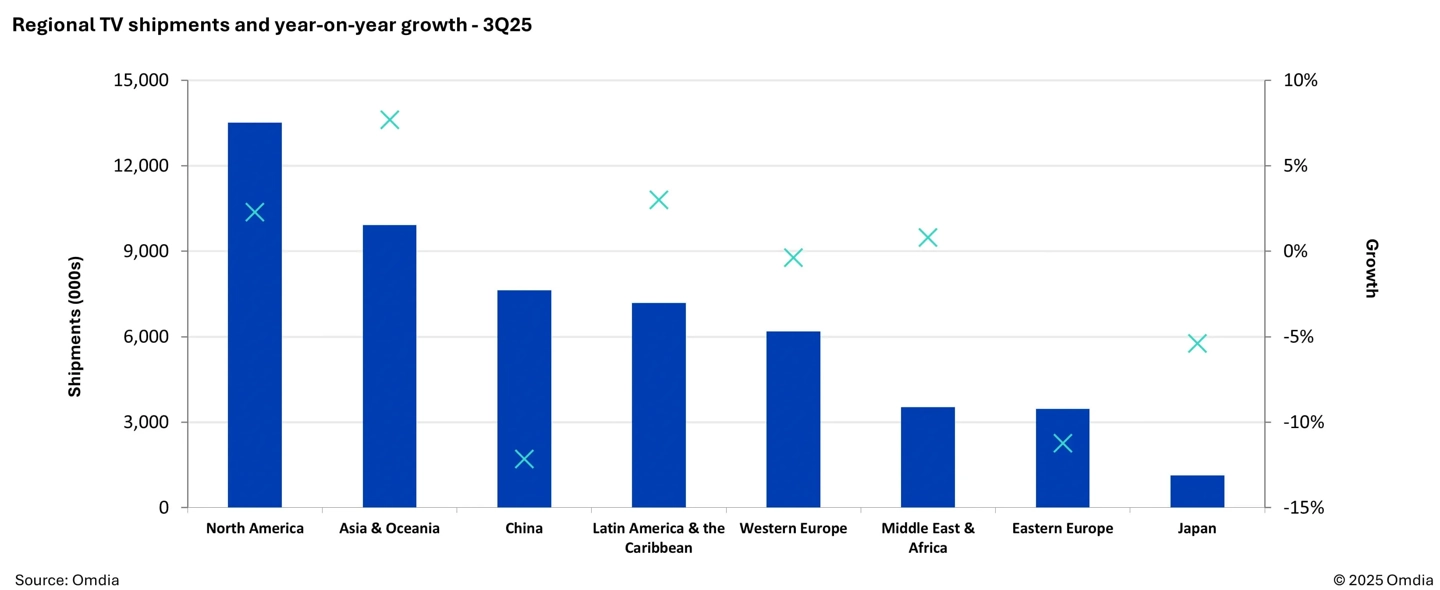
According to a new report from Omdia, global TV shipments are forecasted to reach 52.5 million units in Q3 2025 – a minor 0.6% year-on-year decline. However, in a vastly different trend, the Chinese market recorded a 12.2% year-on-year drop in the same quarter. This development marks a clear regional divergence and underlines the shifting TV consumption patterns across the globe.
Why China’s TV Shipments Declined
China’s sharp decline is related to the rapid growth last year due to government subsidy programs. These subsidies accelerated TV upgrades, particularly in mainstream families, and effectively brought forward future demand. Since most users have completed their upgrades, Q3 2025 entered a natural cooling phase.
With demand normalization, manufacturers like the major Xiaomi TV segments saw measurable shipment volume slowdowns as the domestic market adjusted to last year’s surge.
Diverging Trends Emerge in Global Markets
While China contracted, the other regions put in a far more balanced performance. North America registered a 2.3% year-on-year increase, reflecting stable consumer confidence in the region. The Asian and Oceanian markets proved even stronger, growing 7.7% year-on-year.
These markets have now become strategic pillars for Chinese brands in search of new growth opportunities. With the weakening domestic momentum, companies are focusing on neighboring regions where the smart TV penetration continues to rise.
Impact on Large-Screen TV Categories
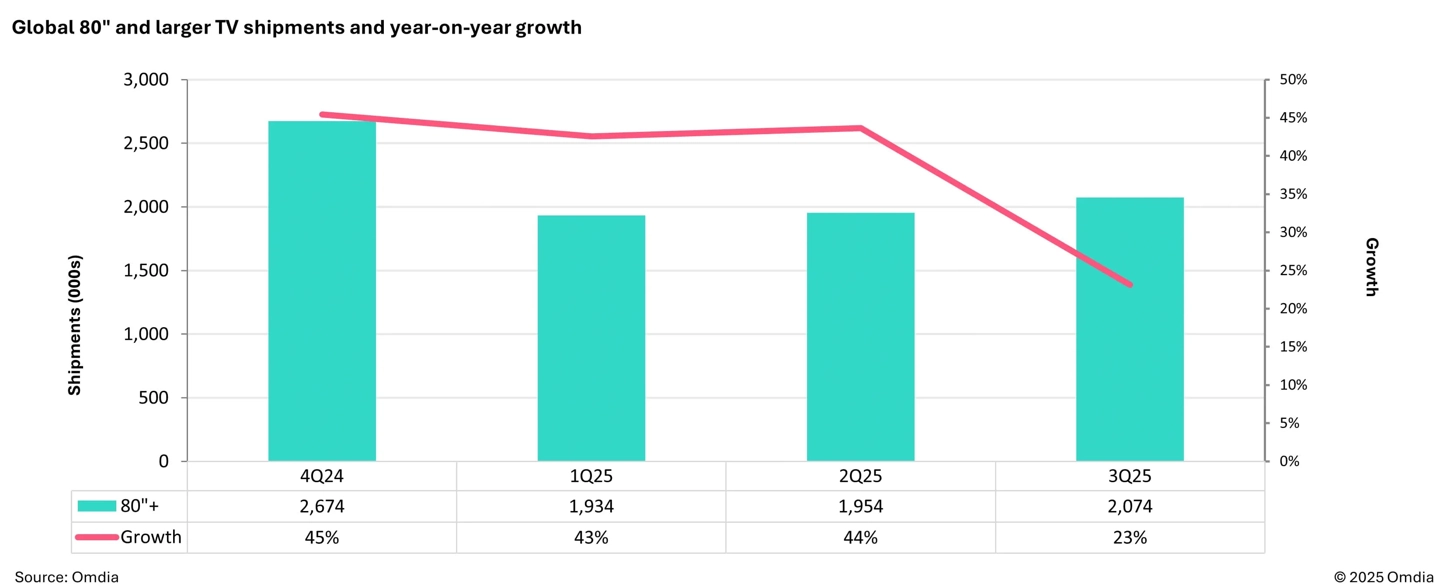
The slowdown in China directly weighed on large-format television shipments. Omdia’s data has the 80-inch and above category seeing its quarterly growth rate fall from more than 40% last year to 23.1%. Similarly, the segment of 70–79 inches cooled to 1.1%, reflecting the broader market saturation. This indicates that even the high-end segments, which always remained resilient due to strong premium consumers, are also starting to stabilize. For brands planning future display innovations—such as Xiaomi’s premium TV lineup—recalibration in the market is going to be key to product positioning.
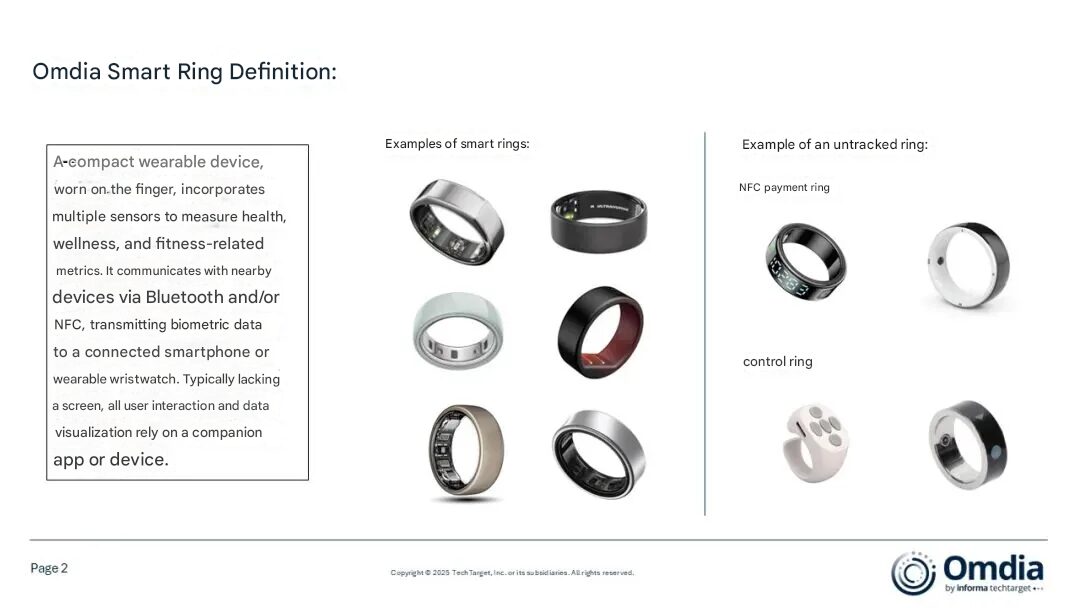
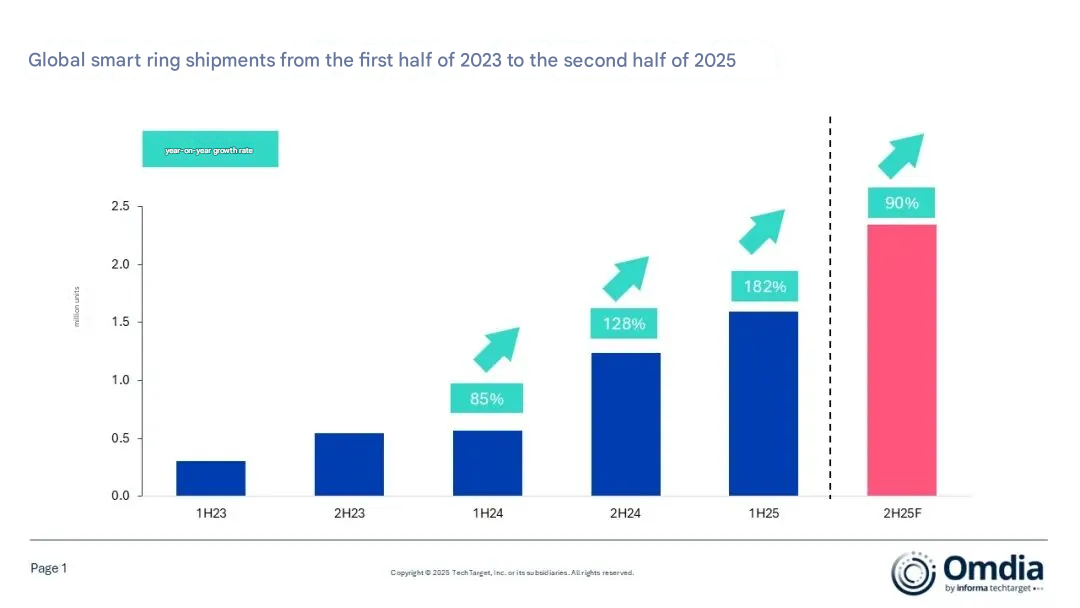
According to new data from research firm Omdia, the global smart ring market has now entered its strongest growth phase. The wearable segment, which has been gradually expanding over the past few years, is now showing measurable momentum. In 2023, smart ring shipments reached 850,000 units, but then sharply rose to 1.8 million units in 2024. In 2025, the first half alone saw shipments of 1.6 million units with full-year shipment estimates poised to top 4 million units.
This rapid trend upward points to the compact health-tracking device’s growing relevance in the broader wearable ecosystem. For users exploring Xiaomi’s wearables landscape, categories ranging from the Xiaomi Band 9 to the HyperOS health ecosystem continue their evolution in line with this global shift.
Market Leadership and Competitive Landscape
Omdia’s latest report shows a few key brands currently dominating the smart ring sector. Before looking at individual players, it has to be seen that smart rings are gaining attention due to their offering of precise health monitoring in a minimal form factor, with their appeal particularly strong among consumers looking for an alternative to traditional wrist-based wearables.
Leading Brands
Oura stays clear at the top, owning 74% of total shipments during the first half of 2025, while Ultrahuman and Samsung are tied with a 9% market share each, and RingConn contributes 5% to the overall market. The remaining share comes from various other companies: Circular, Noise, boAt, and Zepp. These brands together contribute to the increasing diversity of the segment by offering users different design and functionality options.
Growing Consumer Demand for Compact Health Solutions
Indeed, smart rings have become one of the fastest-growing device categories in the wearable industry, driven by two major factors: growing interest among consumers in simplified health-tracking solutions and manufacturers’ efforts toward diversified product strategies. The compact, discreet nature of smart rings suits tech enthusiasts and health-oriented users who appreciate convenience yet do not want to sacrifice functionality.
A survey in 2025 pointed out an interesting fact: 43% of the respondents were not in possession of any wearable wristband, while 51% reported having no intention of buying such a gadget. Several participants reported discomfort sleeping with watches or fitness bands and frequent charging as the main reasons. Smart rings are a comfortable and unobtrusive alternative that could achieve great opportunities to reach new user groups and expand the global wearable ecosystem.
The Future Impact on the Wearable Ecosystem
As interest continues to rise, smart rings may turn into one of the main drivers of the wearables market. Their potential to integrate well with existing platforms—including wider health data frameworks like Xiaomi’s HyperConnect services—means that they are well-placed for continued expansion. With full-year shipments likely to top 4 million units in 2025, the category remains poised for the next breakthroughs in miniaturized sensor tech, energy efficiency, and ecosystem compatibility.
According to recent reports from the industry, China is getting ready to impose the most stringent safety standards ever used on portable power banks. The MIIT organized a series of technical seminars in October and November to complete the “Technical Specification for Safety of Portable Power Banks” expected to replace the current 3C certification. These regulations will affect major manufacturers, including brands known for advanced battery technology such as Xiaomi. For readers who want to know more about related standards and coming smart device trends, you may also refer to internal coverage: Xiaomi HyperOS and Xiaomi Battery Safety technologies.
The New National Standard and Its Scope
The upcoming specification is an overall upgrading of the previous national standard, covering the whole product chain of device structure, circuit board to battery cell. MIIT gathered nearly 300 industry-chain enterprises, from chip suppliers to cell manufacturers, to assess feasibility. Their input finally formed the draft, which is expected to be announced this December, published officially in February 2026, and fully implemented from June 2026.
According to industry representatives, these rules will substantially raise the barrier to entry. It is reported that many factories currently lack the capability to meet the new requirements, which naturally means that the market will filter out the low-quality production.
Major Changes Introduced by the New Rules
Some of the key improvements the new standard introduces aim at enhancing transparency, consumer awareness, and overall battery safety. This direction goes hand in hand with Xiaomi’s long-standing focus on battery health technologies across power banks and smartphones.
Product-Level Revisions
The most evident change at the product level includes the recommended lifespan that needs to be printed on the casing of the device. Additionally, manufacturers need to include the full name of the OEM company. This modification will provide enhanced traceability and also make users aware of the time period for which the product is designed to function safely.
Transparency of Circuit Board
Another huge jump is the mandate that all power banks need to have an LCD display or an internet-connected companion app. These interfaces have to display vital information like battery health, cycle count, and overall condition. In other words, power banks are moving from being mostly opaque “black box” gadgets to transparent smart accessories, just like the smart power bank ecosystem that Xiaomi has recently introduced.
Battery Cell Safety Enhancements
The biggest technical upgrade comes to the battery cells. The new standard strengthens several critical tests:
Nail penetration safety verification
Thermal abuse test raised from 130°C/30 minutes to 135°C/60 minutes
Overcharge voltage limit increased to 1.4× rated voltage
These enhancements directly address the root causes of thermal runaway and safety events involving batteries. Manufacturers utilizing advanced cell technologies, such as those partnering with CATL or Sunwoda, should be able to make these improvements without significant hardship.
Impact on the Power Bank Industry
The MIIT estimates that close to 70% of existing production capacity may exit the market once the regulations take effect. Only manufacturers with strong R&D capability and high-quality supply chains will continue mass production.
These changes might create new opportunities for well-established technology brands in general, and Xiaomi in particular, as the company has earned a strong global reputation for safe, reliable power banks. Advanced smart power bank platforms might become a standard product category, not an optional premium feature.
Part A: Multiple Choice Questions Timeline of Implementation
December 2025: Public consultation
February 2026: Official publication
June 2026: Full enforcement, the 3C certification will become invalid
During the drafting stage, extensive experimental verification was conducted by institutions including the China Electronics Technology Standardization Institute, CATL, Sunwoda, Huawei Terminal, and others. The scientific basis of the new safety framework is supported by their findings.
Recommended Safe Service Life Markings
According to the new rules, power banks should clearly show the following phrase:
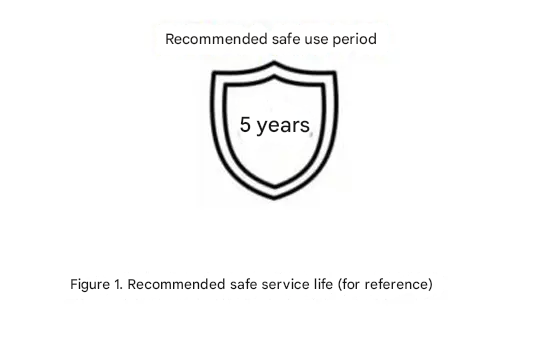
“Recommended safe service life is × years.”
Manufacturers may define the value based on their product characteristics. The example “5 years” shown in early illustrations is only a template.
Refined national standards by China mark a transformative step toward a safer, smarter, and more transparent portable power bank market. The transition of power banks from simple to intelligent, connected energy accessories is moving in the same direction of technology that Xiaomi has pursued in the smart hardware ecosystem. Such requirements are bound to uplift the quality of products while offering users more detailed and clear information about device condition and longevity.
Google is officially accelerating one of its most significant platform shifts in its history. According to a new report from Android Authority, the company is pressing forward with a unified desktop system codenamed “Aluminium OS,” in a move that looks to bring together the best of ChromeOS and Android into a single next-generation desktop platform. If successful, this could be just the strategy that gives them a real foothold against Windows and macOS-markets where Google has struggled to make any meaningful traction thus far.
For years, Android has had phenomenal success on phones, tablets, wearables, TVs, cars, and XR devices but none on traditional PCs. Similarly, while ChromeOS has enjoyed success in education markets, it has not yet reshaped the broader desktop landscape. Now, Google seems prepared to rewrite that history.
A Unified Google Desktop Platform Was a Long Time Coming
Rumors throughout the past year have suggested that Google wants to transform Android into a complete desktop-capable OS for better hardware utilization and to provide a more compelling PC experience. These rumors started to materialize during the Qualcomm Snapdragon Summit in September, when Google confirmed that it was working with Qualcomm on a hybrid mobile-desktop computing platform running on next-generation AI technologies.
That announcement made it official: Android is coming to PCs.
“Aluminium OS” Confirmed Through Google Job Posting
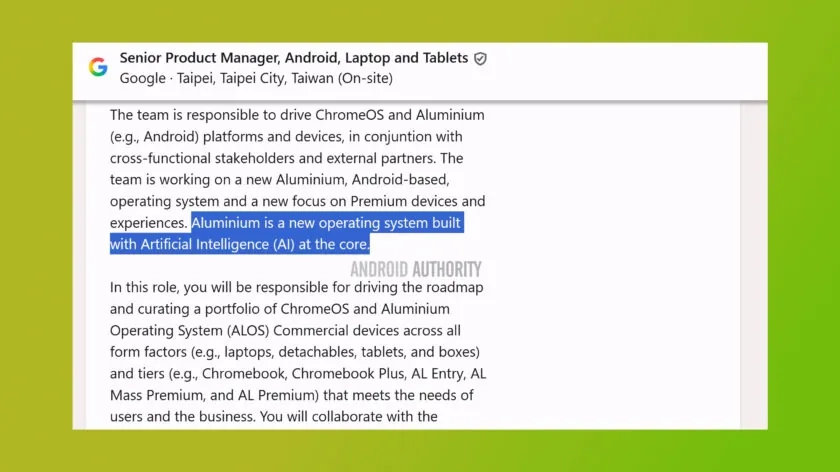
A leak on Telegram from @FrostCore provided the first piece of actual evidence-a job listing from Google titled Senior Product Manager, Android, Laptops & Tablets-and pointed out the following:
This marks the first time Google has publicly tied the Aluminium project codename directly to an Android desktop OS. Its naming also aligns with Google’s existing structure. The British spelling “Aluminium” mirrors Chromium, the open-source foundation of ChromeOS — suggesting a similar open framework, but built around Android rather than Chromium OS.
AI at the Core: Aluminium OS Will Be Powered by Gemini
Just like Android XR, Aluminium OS is “built around AI”, confirms Google. This means deep integration of:
Gemini large models
Assistenti virtuali
System-level AI features across the interface
During the Snapdragon Summit, Google’s SVP Rick Osterloh promised that Google would bring Gemini, advanced AI assistants, and the full Android app ecosystem to PCs, combining the fluidity of mobile with desktop utility. Aluminium OS seems to be the system in which all these promises will come true. Target Market: Not Just Budget Chromebooks Anymore Among the information provided in the job listing, one of the most important details is the range of devices Aluminium OS is targeting. Unlike ChromeOS, mainly dominating low-cost laptops, Google is preparing Aluminium OS for a full product spectrum, including:
Laptops
2-in-1 convertibles Tablets
Small desktop units (Chromebox-style devices)
Even more interesting are the new product tiers mentioned:
AL Entry
AL Mass Premium
AL Premium
These categories suggest that Android PCs will span from affordable devices to full high-end models, meaning Aluminium OS is not a successor to ChromeOS — but a parallel platform** designed to coexist and compete across multiple price segments.
Will ChromeOS Be Replaced? Will Chromebooks Be Upgradable?
These are the big, unresolved questions. Google has not yet clarified:
The fate of the ChromeOS brand
Whether existing Chromebooks will get an Aluminium OS option
How Android and ChromeOS apps will coexist or merge
When Aluminium OS devices will launch
Judging by the scale of development and internal job postings, Aluminium OS is still very much in active development — although major reveals might only appear in 2025. A New Era for Google’s Desktop Strategy With Google now openly hiring for Aluminium OS and integrating AI at the deepest levels of Android, the company is clearly preparing for a unified, AI-driven desktop future. As more details emerge regarding the interface, ecosystem, and device partners, Aluminium OS could turn out to be one of Google’s most ambitious product shifts since creating ChromeOS.
Innovation and user-centricity have marked Xiaomi’s software journey since 2010. MIUI V1, based on Android 2.2, brought a drawerless home screen and T9 dialer to get things simple and accessible. Later came weekly update cycles, theme engines, flat design, dual apps, split-screen, and advanced privacy features with subsequent updates. HyperOS continues this very evolution with the integration of Vela in HyperOS 1.0, AI-powered tools in HyperOS 2.0, and iOS-inspired interactions in HyperOS 3.0. Users witness much smoother, intelligent, and highly customizable Xiaomi devices across years.
MIUI Milestones and Innovations
MIUI V2 (2010): Introduced the weekly update model for keeping devices fresh and responsive.
MIUI V3 (2011): Brought a fully functional theme engine for personal customization.
MIUI V4 (2012): Antivirus and file manager applications were introduced for enhanced security.
MIUI V5, 2013: Rounded icons had been added and China-focused ecosystem established without Google apps.
MIUI 6-7 (2014–2015): Focused on flat design, improved performance, and large fonts.
MIUI 8-9 (2016–2017): Introduced Second Space, Dual Apps, split-screen, and speed optimizations.
MIUI 10-11 (2018–2019): Added full-screen gestures, nature-inspired sounds, dynamic fonts, and Mi Work Suite.
MIUI 12-12.5 (2020–2021): Introduced Super Wallpapers, improved privacy, lightweight system, and app removal.
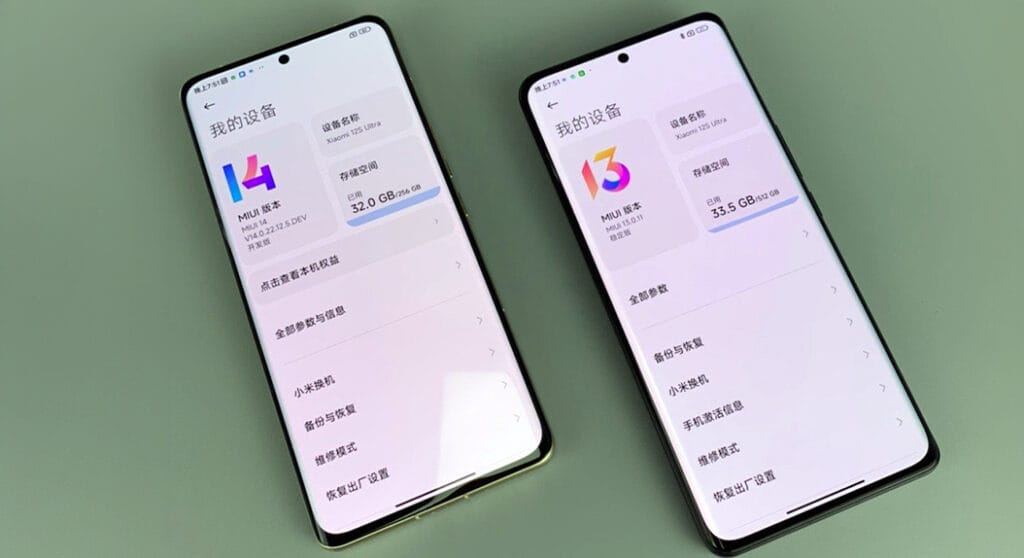
MIUI 13-14 (2021–2022): Added Liquid Storage, widgets, Photon Engine, and Razor Project for performance and fluidity.
HyperOS 1 (2023): Integrated Vela services and a magazine-style lock screen connect ecosystem apps.
HyperOS 2 (2024):Introduced HyperCore system and AI features for enhancing the camera, multitasking, and system intelligence.
HyperOS 3 (2025): Added Hyper Island, iOS-style interactions, and refined AI integration, offering highly intuitive experiences across Xiaomi devices.
HyperOS demonstrates a commitment by Xiaomi in combining intelligence with usability and ecosystem-wide integration so that devices are not only functional but adapt to the needs of an individual user.
the early days of MIUI, influenced by enthusiasts, to now AI-driven HyperOS, Xiaomi’s softwares have always relied on strong design identity and clear philosophical slogans. These slogans defined not only the system’s visual language but also the strategic direction of Xiaomi, its technological goals, and ambitions in ecosystem construction. This article outlines the evolution from the official slogans of MIUI V1 to HyperOS 3.0, showing how the company gradually refined user experience, expanded its ecosystem, and adapted to global expectations.
When Xiaomi entered the market in 2010, it did so as a software-first company. It launched MIUI before releasing any smartphone hardware. In doing so, it was able to secure user loyalty and test interface concepts via the weekly beta releases generally referred to as Orange Fridays. The earliest versions of MIUI had no formal slogan, yet this philosophy of “Born for Enthusiasts” was adopted by the community, and for its time, closely reflected Xiaomi’s development culture.
MIUI V1–V3: Innovation Driven by Users
These early versions introduced the theme engine, deep customization, integrated cloud services, and advanced T9 search. The underlying concept of the slogans is personalization and freedom, aligning with Xiaomi’s intent to provide a refined alternative to stock Android. These versions set up the foundation for Xiaomi’s long-term approach to user experience and ecosystem services.
In the period of MIUI V4–V5, Xiaomi adjusted the software strategy to further perfect the design. This generation featured professional aesthetics, more security layers, and stronger service integration.
MIUI V4 prioritized a cleaner interface without sacrificing depth or detail. The slogan emphasized balanced design: simple for everyday use, powerful in capability. With built-in permission controls and security tools, MIUI V4 reflected Xiaomi’s transition toward a safer mobile experience that could scale with the company.
MIUI V5: “Redefining Android”
MIUI V5 marked a clear attempt to elevate visual quality beyond typical Android offerings. From skeuomorphic textures and cinematic animations to expanded cloud integration, Xiaomi positioned MIUI as an ecosystem in and of itself. The tagline captured well the ambition of the brand in reshaping user expectations for the Android device ecosystem.
MIUI 6: “Visually Stunning, Stunningly Simple”
MIUI 6 adopted bright color palettes and flat design principles. The slogan reflects this aesthetic shift to clarity, ease of use, and intuitive navigation. Applications dynamically adapt color themes to further enhance user immersion.
MIUI 7: “Yours by Design”
This version focused on identity and customization. The Muse theme engine allowed users and designers to create an advanced theme without coding. Xiaomi targeted broader user groups by preloading styles and optimizing performance.
MIUI 8: “Make Life Better”
MIUI 8 came with Dual Apps, Second Space, improved calculators, and enhanced long screenshot capabilities. The slogan had captured Xiaomi’s position that software should simplify real-world tasks and reduce dependency on external applications. From MIUI 9, Xiaomi focused on performance and AI-supported features. This period strengthened the efficiency of the system, its fluidity, and IoT interconnectivity.
MIUI 9: “Lightning Fast”
Dynamic Resource Allocation made MIUI 9 much faster. Xiaomi pointed to actual improvements that showed lower latency and quicker app launches.
MIUI 10: “Faster than Lightning”
With AI preload and full-screen gestures, MIUI 10 took responsiveness to a new high. The slogan reinforced Xiaomi’s ambition to predict user intent and deliver near-instant interactions.
MIUI 11: “Innovation for Efficiency”
MIUI 11 honed productivity by redesigning file management, using nature-inspired system sounds, and offering advanced Always-on Display options. The slogan signaled maturity and functional stability.
HyperOS represents Xiaomi’s transition from a mobile UI to a universal ecosystem platform, unifying smartphones, smart homes, and vehicles.
HyperOS: “Human × Car × Home”
Launched with a clear ecosystem vision, HyperOS focuses on real-time end-to-end data orchestration, lightweight architecture, and cross-device continuity. The slogan emphasizes harmonious interaction between personal devices and Xiaomi EV products.
HyperOS 2 & 3: “Everything Goes Smoothly”
HyperOS 2 and the following HyperOS 3 further develop system fluidity, AI-powered enhancements, a redesign of control elements, and cross-screen synergy. The slogan is consistent with the broader goal of Xiaomi to free everyday life from digital friction.
Xiaomi OS Evolution
Operating System
Release Year
Core Slogan / Theme
Strategic Goal
Android Base
MIUI V1–V3
2010–2011
Born for Enthusiasts
Build a community; Create an alternative to stock Android
From the enthusiast-centric MIUI V1 era to the expansive, AI-driven HyperOS ecosystem, Xiaomi’s slogans reflect the company’s vision, technological direction, and ecosystem goals. Each slogan defined not only a version’s marketing strategy but also vividly depicted how Xiaomi strove to improve design, performance, and seamless integration across its products. With HyperOS 3.0, Xiaomi further evolves toward an interconnected future in which devices operate as one unified system.

 Login
Login