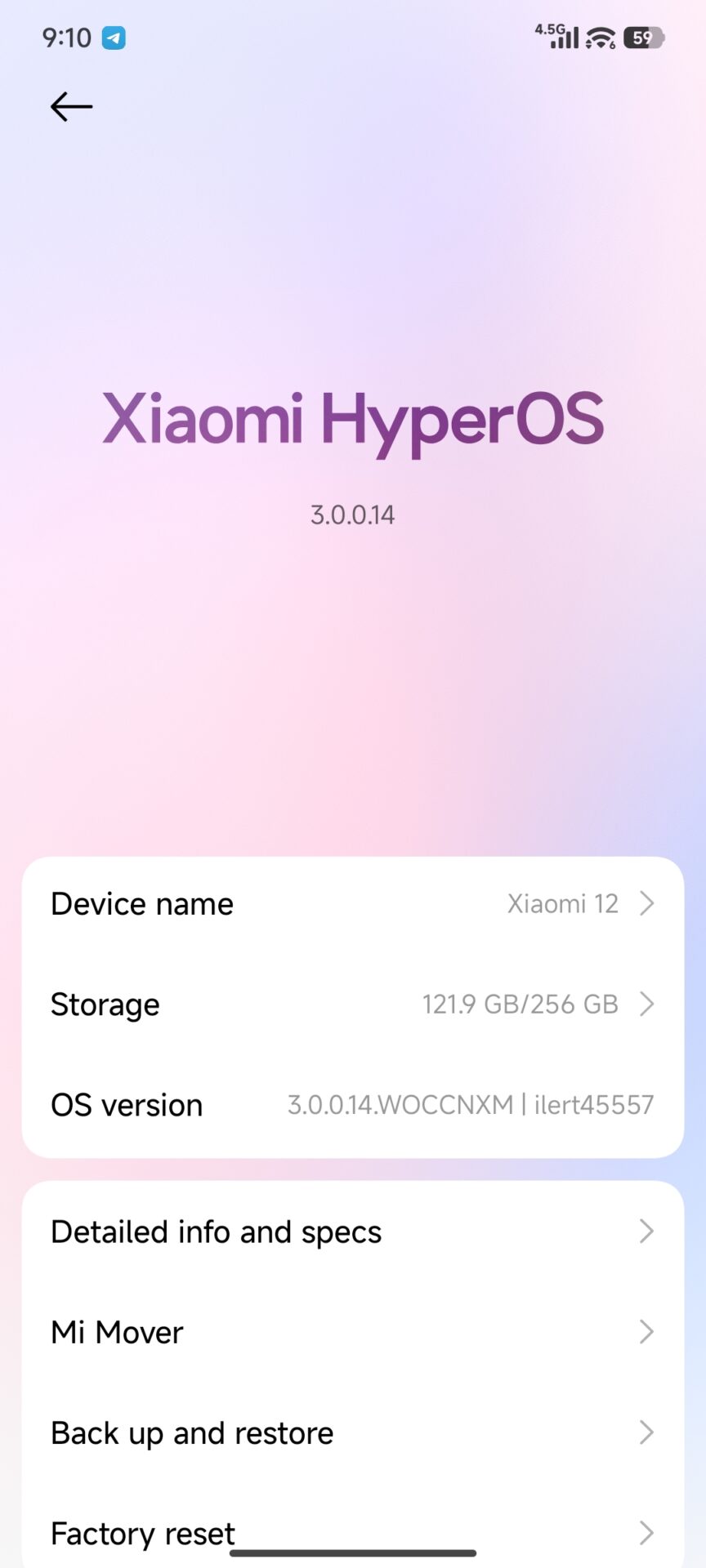
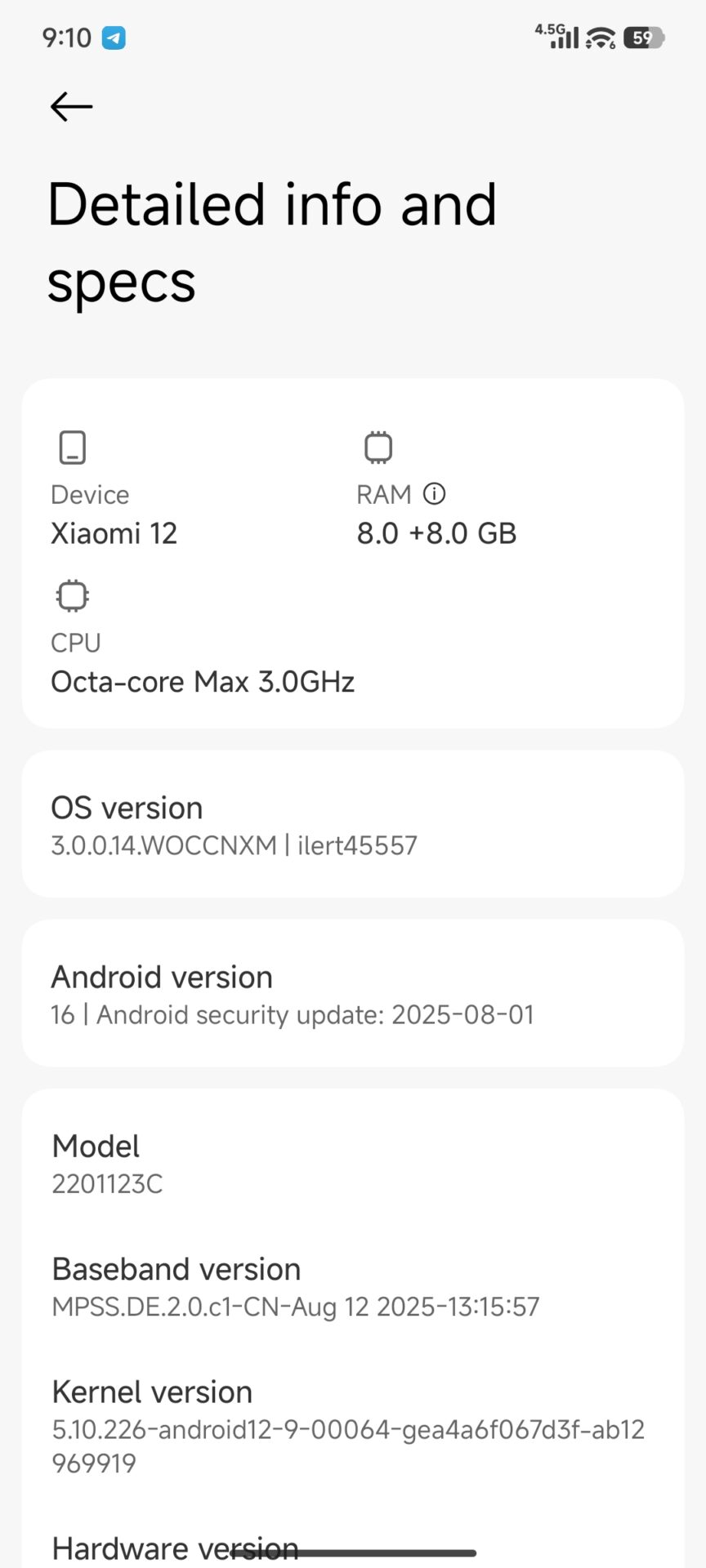
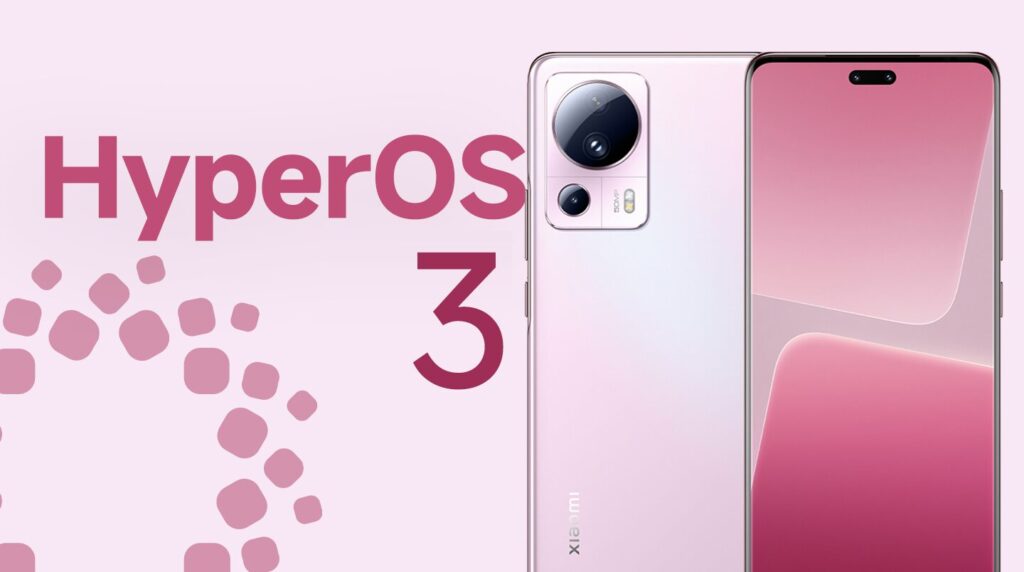
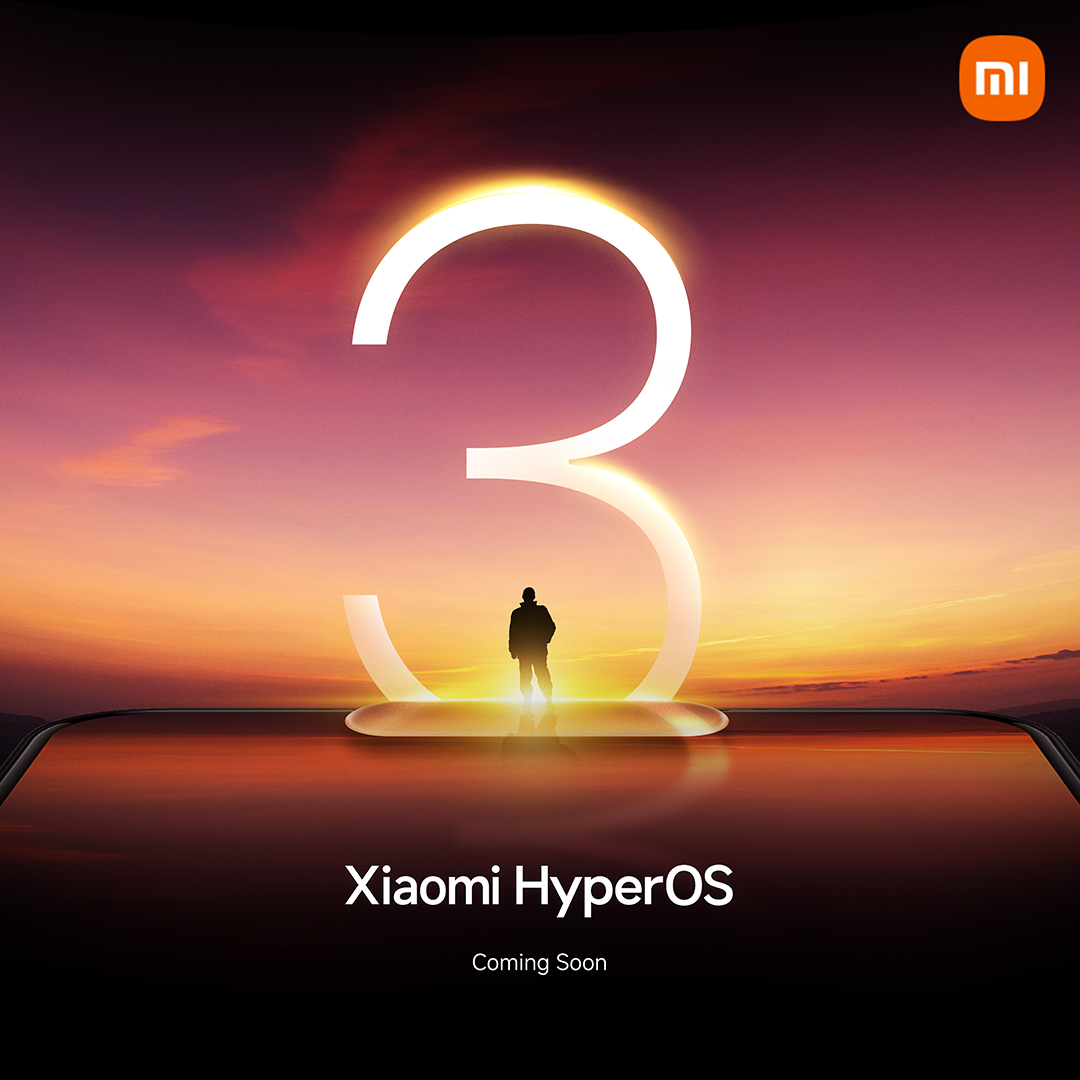
Xiaomi officially rolled out HyperOS 3 in China on August 28, 2025, with a global release started September 24, 2025. This deployment brings two versions to the table: one based on Android 15, the other on Android 16. Notably, this year’s approach is different. Devices running the Android 15 version of HyperOS 3 may not get the follow-up incremental updates like HyperOS 3.1 and 3.2, while the Android 16 group will receive future features and enhancements. To assist users, our XiaomiTime page offers a complete breakdown of eligible devices for both OS variants, ensuring stakeholders can monitor the rollout and stay informed.
HyperOS 3’s update package delivers several user experience improvements and core system upgrades, including:
A refreshed set of icons and visual updates for a more contemporary appearance
Updated battery and signal indicators for increased clarity
“Dynamic Island” notifications, bringing interactive alerts and shortcuts similar to recent iPhone features
Subtle UI adjustments to streamline everyday interactions
Cross-device iPhone call and SMS forwarding capabilities, enhancing continuity for users
Enhanced animations and blur effects, boosting the interface’s overall polish
Performance optimizations that reportedly deliver up to 30% greater efficiency
Missing Features
Some features based on Android 16 will be missing on Android 15 based HyperOS 3.
Security updates. It’s already embeded to Android 16 but you can get via Android 15 security patches.
Android 15 users will not receive HyperOS 3.1
That’s all.
After the global release, Mi Pilot participants will be first in line to field test HyperOS 3. Pending successful validation, the rollout will expand to flagship models, then gradually reach mid-range and budget devices. This phased deployment is a strategic move to maintain software stability and user satisfaction at each phase.
Performance improvements form the cornerstone of this release, focusing on more responsive memory management and faster app launch times. For owners of older devices, these refinements may extend device longevity and improve daily usability—underscoring Xiaomi’s commitment to ongoing customer value and product lifecycle support.
The Xiaomi 13 Lite, better known as the Xiaomi Civi 2 worldwide, has now joined the initial stage of HyperOS 3 internal testing. This kick-starts the important activity leading to its imminent release. Several regions have started getting the preliminary OS3.0.0.1 builds over Android 15: Global, Turkey, Taiwan, and Russia. This has validated that Xiaomi has been preparing the rollout on a larger scale.
Overview of HyperOS 3 Internal Test Build
The first internal test version detected for the Xiaomi 13 Lite is labeled OS3.0.0.1, which represents the earliest stage of stable testing. For a public release to be possible, this version has to move on to OS3.0.1.0, normally the build assigned for readiness to roll out. This structured approach ensures regional stability and consistent performance across all relevant markets.
Regional Availability of the Internal Build
Xiaomi has released this early test firmware for several regions at the same time, proving that the development process is synchronized worldwide. Early access is a sign that Xiaomi wants to finalize HyperOS 3 for the Xiaomi 13 Lite in a unified timeline, rather than in waves.
Global version – OS3.0.0.1.VLLMIXM
Turkey version – OS3.0.0.1.VLLTRXM
Taiwan version – OS3.0.0.1.VLLTWXM
Russia version – OS3.0.0.1.VLLRUXM
These builds are strictly internal and not intended for public installation. Users looking to follow region-specific firmware releases may track software developments at HyperOS Updates or seek further information through the XiaomiTime ecosystem, including the MemeOS Enhancer app on the Play Store. With this utility tool, users can fetch system app updates, access hidden Xiaomi features, and over-the-air firmware details.
What HyperOS 3 Means for Xiaomi 13 Lite Users
HyperOS 3 is designed to be more efficient and AI-optimized, perfecting system responsiveness and device longevity. More importantly, the update will bring improved multitasking behavior to the Xiaomi 13 Lite, better animation, more appropriate resource distribution, and enhanced security layers dedicated to Android 15. Those are not part of the internal logs; still, HyperOS 3 maintains Xiaomi’s long-term philosophy in terms of fluidity and stability over multiple hardware generations.
This update also ensures broader platform consistency, aligning Xiaomi’s mid-range and premium devices under a unified interface and performance model. As internal testing moves from OS 3.0.0.1 to OS 3.0.1.0, concrete details about user-facing improvements will be more accessible.
When Will the Update Roll Out?
Although Xiaomi has not announced the date of its public rollout, internal detection of the build usually points toward preparing for the release. Once OS3.0.1.0 surfaces on Xiaomi’s official servers, the firmware will be ready for deployment in phases across all supported regions.
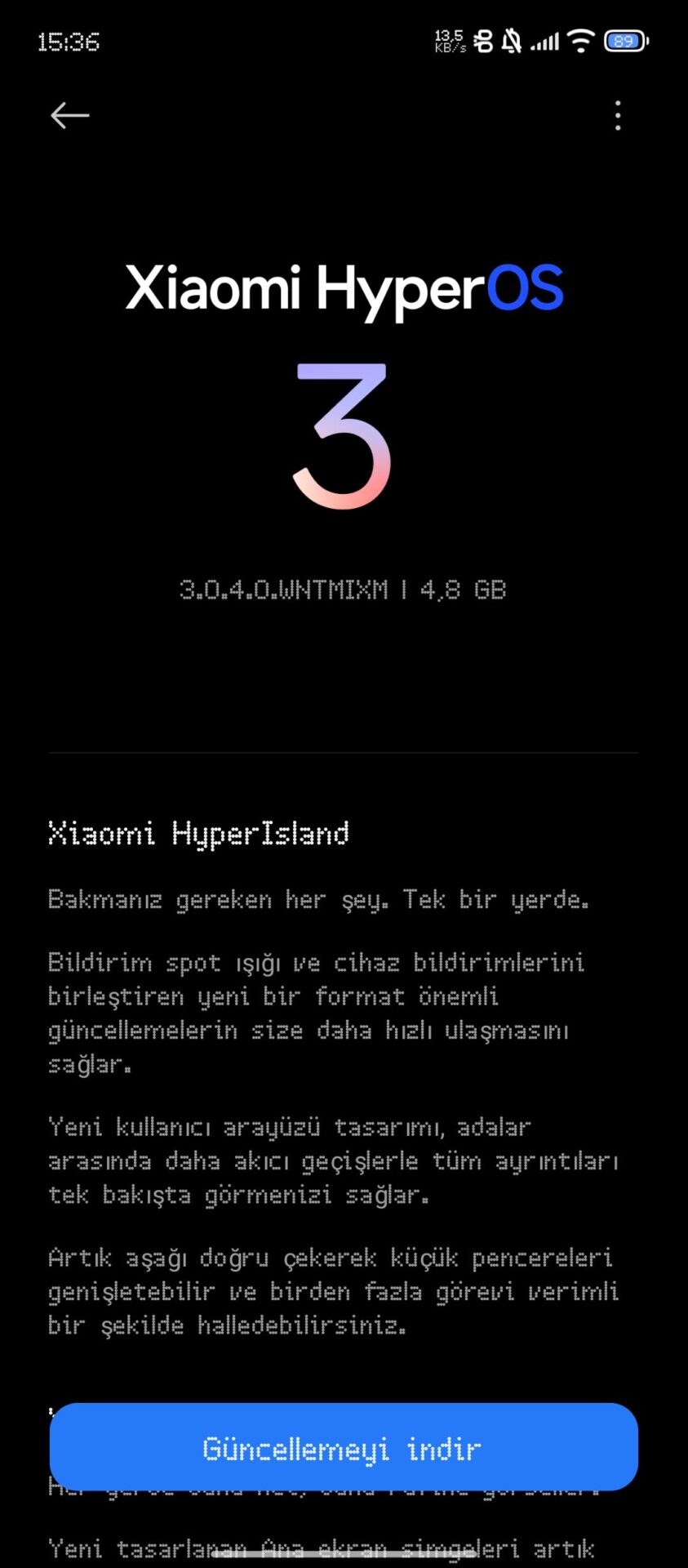
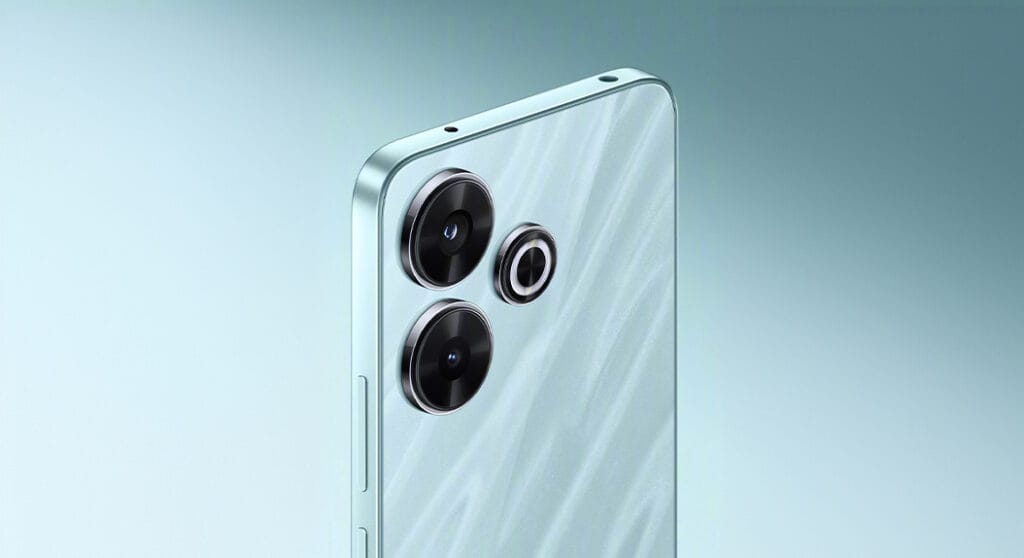
The Redmi 13 and its global twin, the POCO M6, have now started receiving the first Global Stable build of HyperOS 3, which represents a major milestone in the strategic expansion of Xiaomi’s next-generation software. The update, first provided for beta testers, runs on Android 16 and brings new AI performance, redesigned system icons, and Xiaomi’s latest Super Island interface. Readers may also view previous rollouts such as the HyperOS 3 update list and the Xiaomi device upgrade roadmap on our site to keep up with the wider ecosystem transition.
HyperOS 3 Global Stable Build Details
Xiaomi has officially confirmed and released the first stable package of HyperOS 3 for testers under the version OS3.0.4.0.WNTMIXM. The firmware is distributed globally, focusing on bringing a cleaner interface and better system management. While currently available for beta testers only, the build signals that a full public release is not very far either.
The update strengthens the system’s AI layer, refines background optimization, resource allocation, and smoothness across core apps. HyperOS 3 also elevates visual clarity with refreshed icons and integrates a more intuitive control layout inspired by clean and efficient user interaction principles.
What HyperOS 3 Adds to Redmi 13 and POCO M6
HyperOS 3 is Xiaomi’s most cohesive operating system iteration to date. This update focuses on modern usability standards while still keeping things light and responsive as valued by Redmi and POCO users.
Key Improvements
The new software brings improved stability and responsiveness with updated scheduling algorithms and AI-driven task handling. These improvements will help devices maintain smooth performance across communication, entertainment, and daily productivity tasks.
Super Island Interface
Super Island introduces a kinetic visual element that reacts to activity from charging, alerts, media playback, and system events to create at-a-glance information and enhance day-to-day system interaction.
Rollout Process and User Availability
Since this is the first Global Stable release provided to beta testers, the wider distribution will be based on feedback from the testing phase. Xiaomi usually extends the distribution in weeks once stability is ascertained. Users can upgrade system apps or Xiaomi-related apps via HyperOSUpdates.com or the MemeOS Enhancer app on the Play Store. MemeOS Enhancer also unlocks many hidden Xiaomi features and includes extended system access for advanced users.
The update to HyperOS 3 on both the Redmi 13 and POCO M6 signals that more entry-level and mid-range devices are about to join the global wave of upgrade announcements.
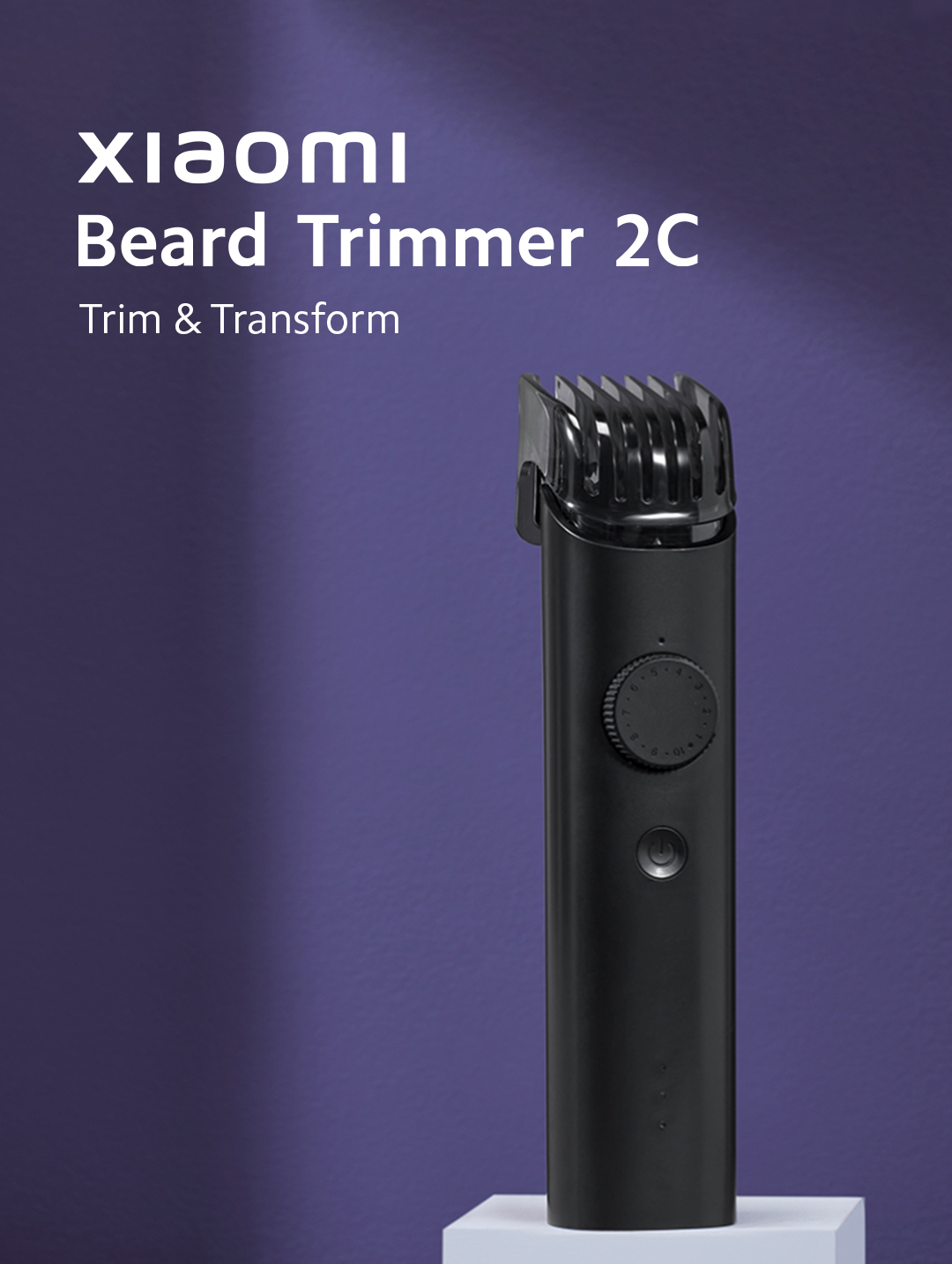
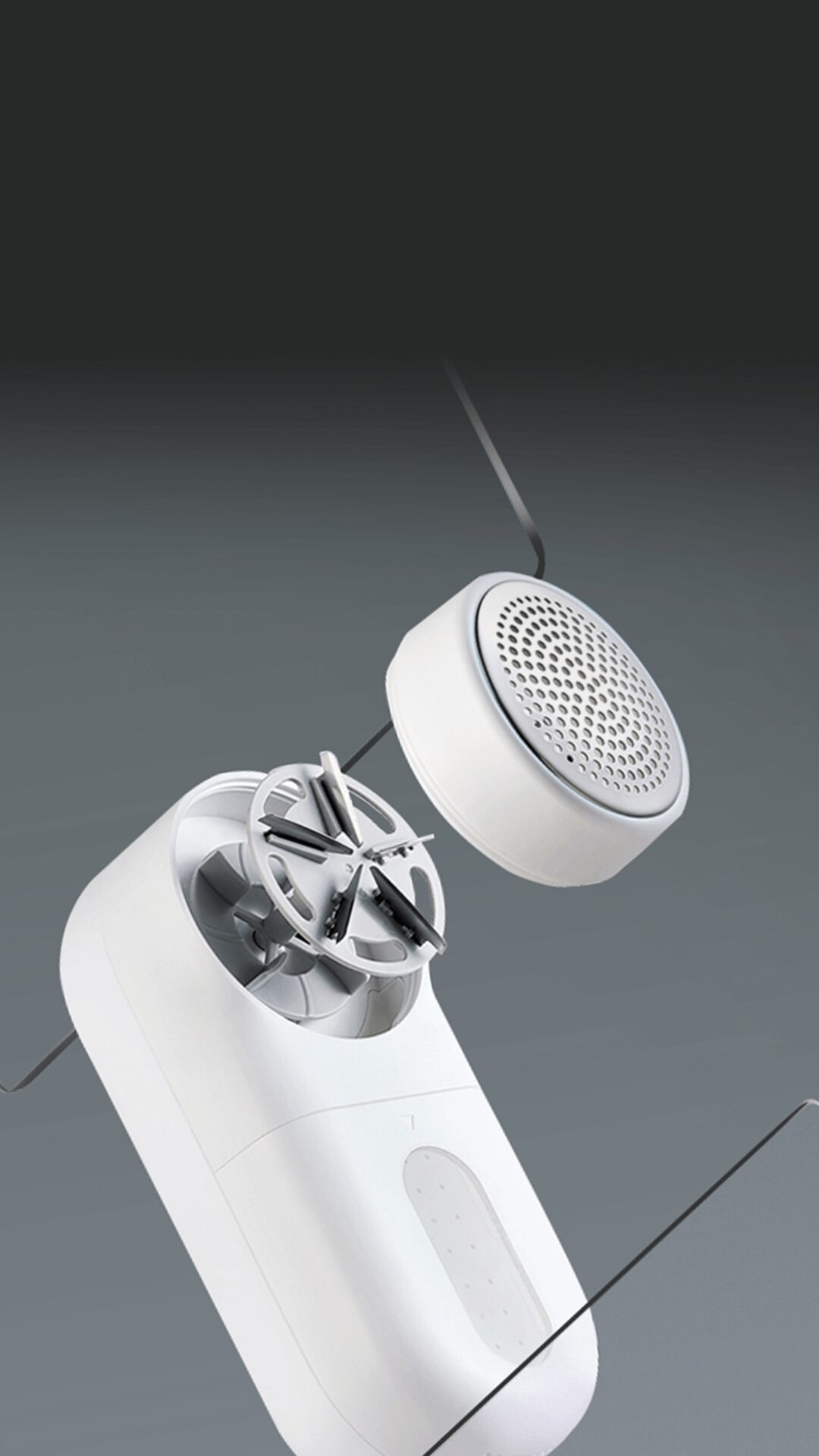
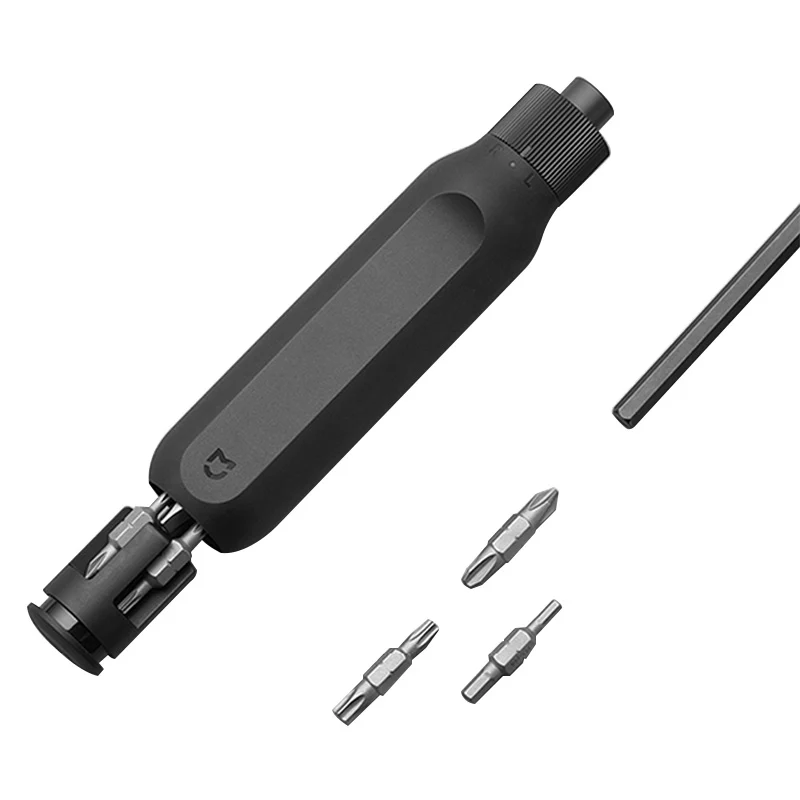
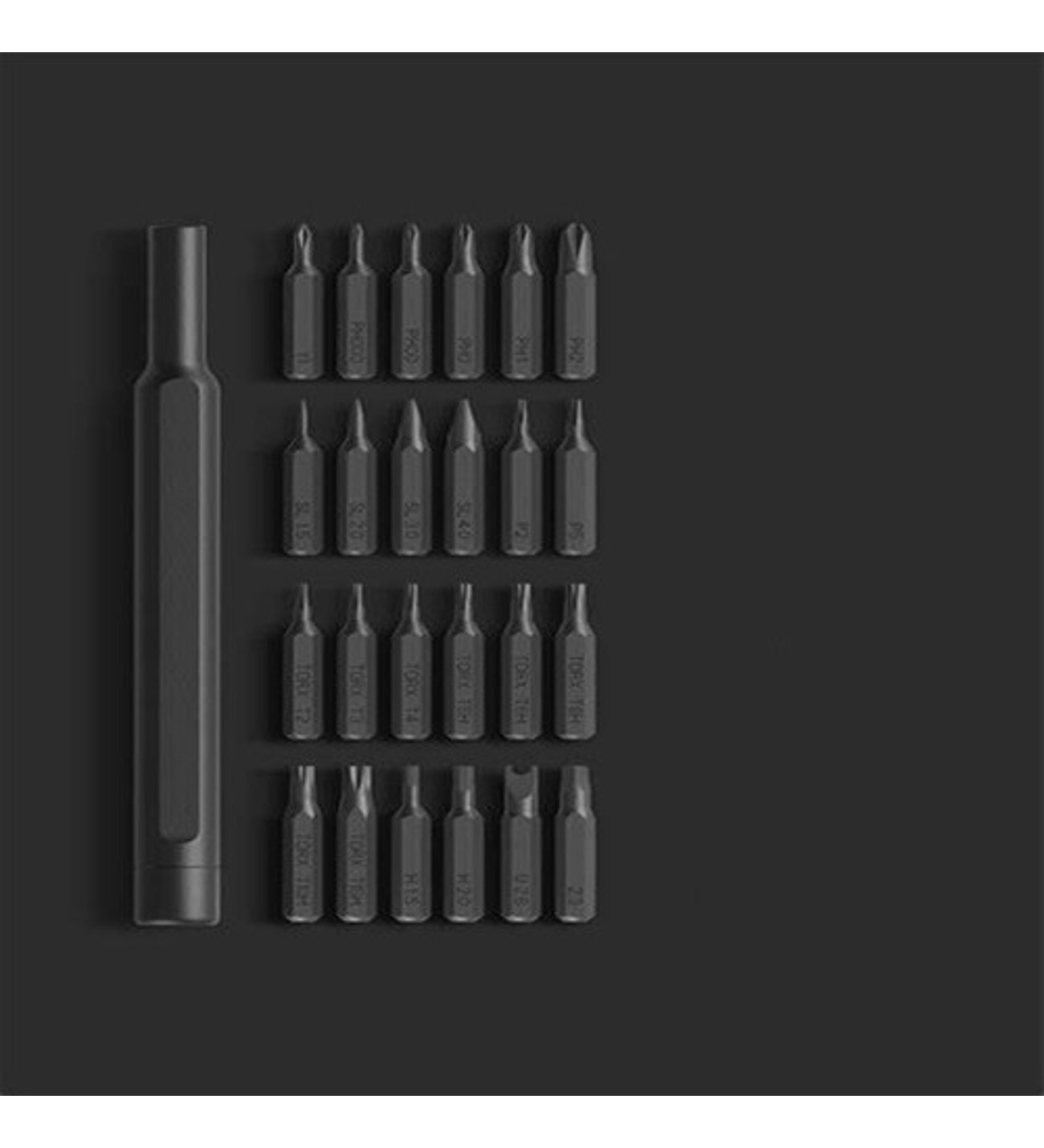
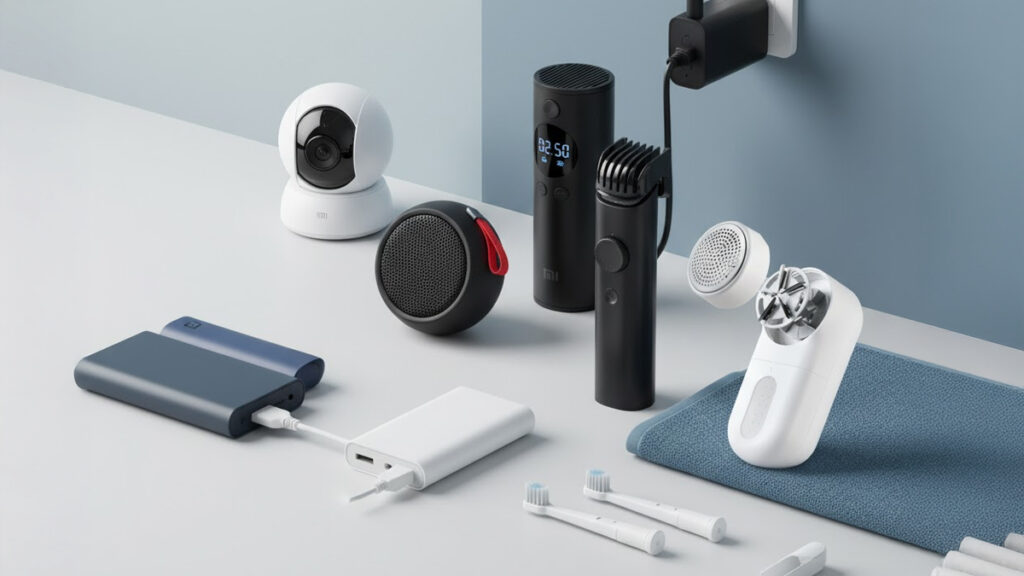
The 2025 Xiaomi Advent Calendar presents a skillfully curated selection of 24 gadgets in the smart home, energy, office, personal care, and entertainment categories. Each item in the calendar is chosen with a view to daily usability, quality, and integration within the Xiaomi ecosystem. Readers can look upon related devices, such as Mi Smart Plug 2, Xiaomi Smart Band 8 Active, and Mi LCD Writing Tablet, to better plan their Advent surprises. This countdown ensures that Xiaomi enthusiasts will enjoy their month of seamless, practical, and festive tech experiences.
Complete 24-Day Xiaomi Advent Calendar Selection
The table below summarizes all 24 items with categories and estimated China-only launch prices, converted to USD for reference.
Day
Product Name
Category
Est. Price (USD)
1
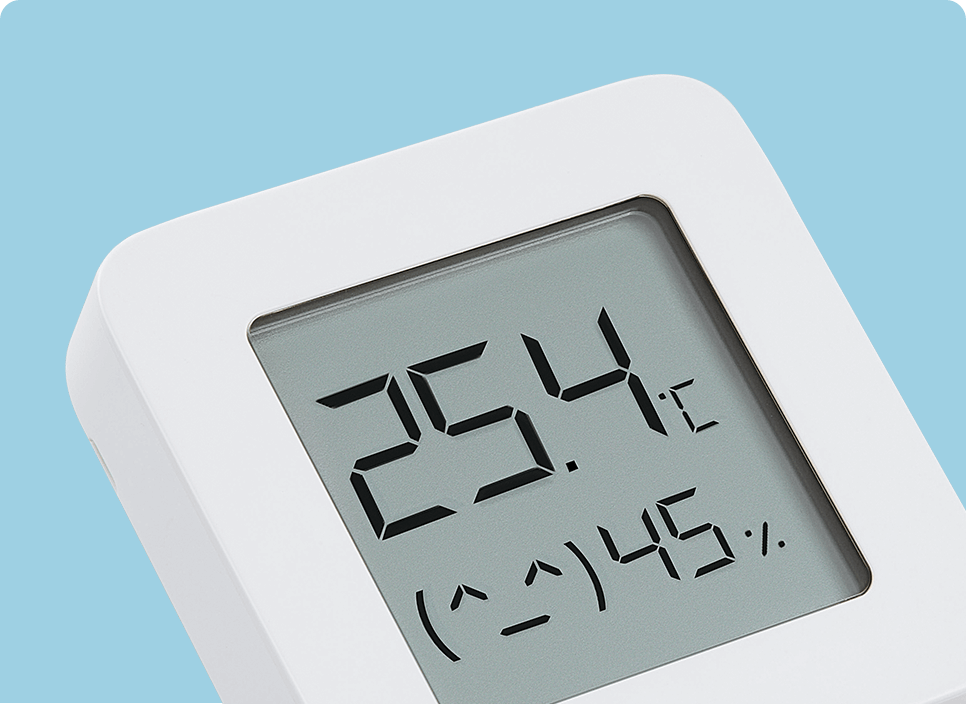
Mi Temp & Humidity Monitor 2
Sensor
~$11
2
Mi Window & Door Sensor 2
Security
~$12–18
3
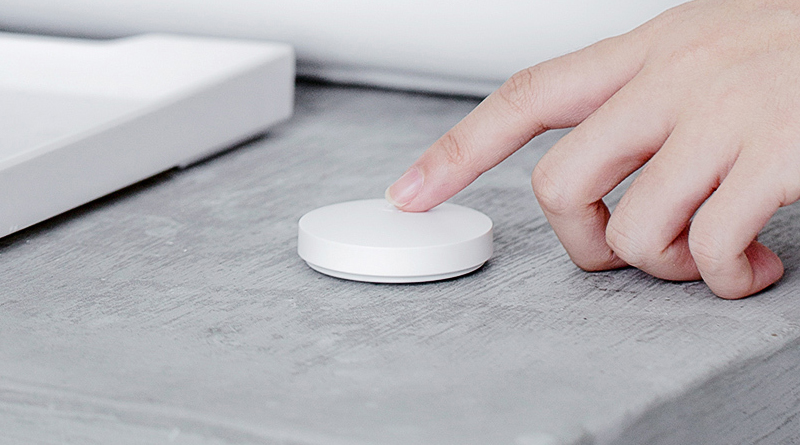
Mi Wireless Switch
Control
~$22
4
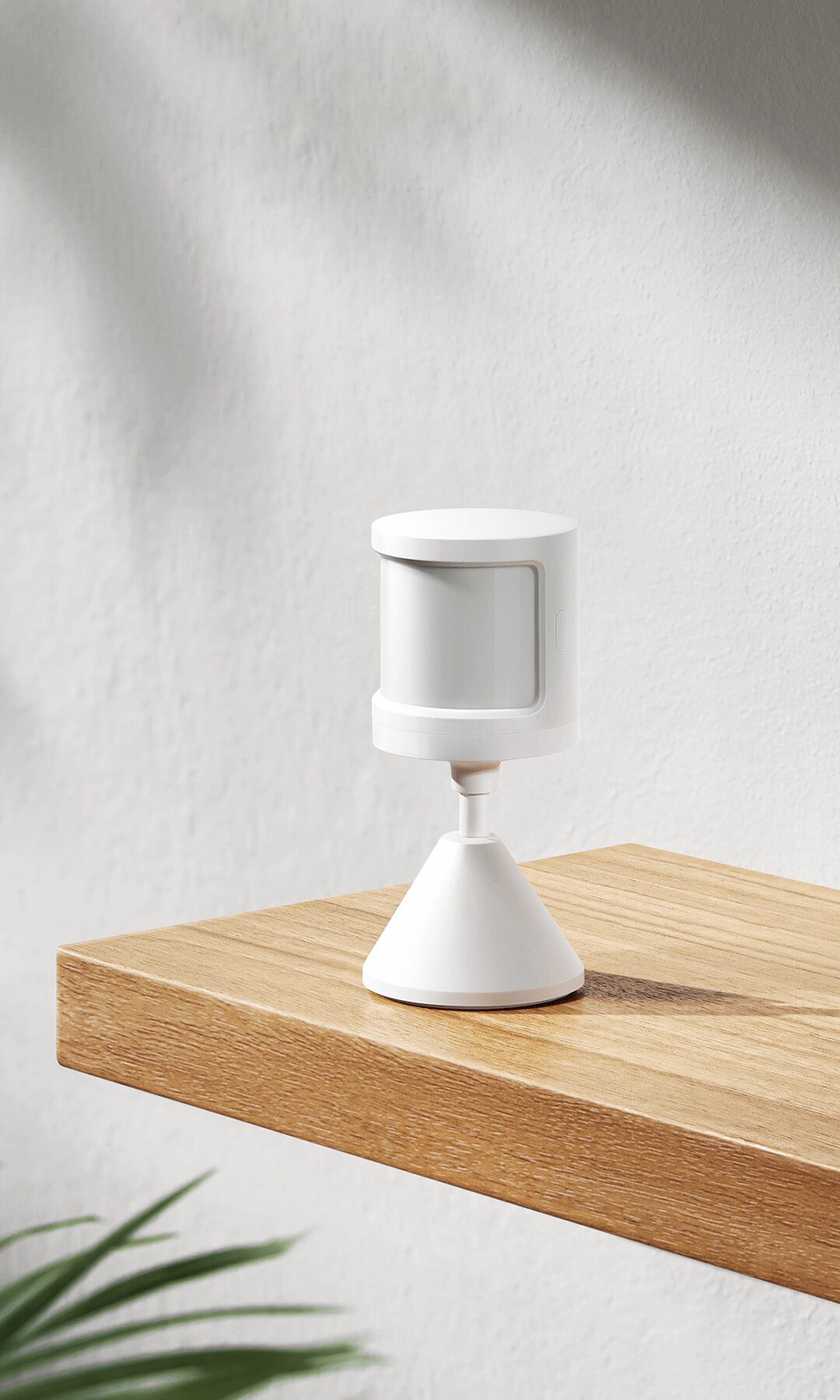
Mi Motion Sensor
Security
~$22
5
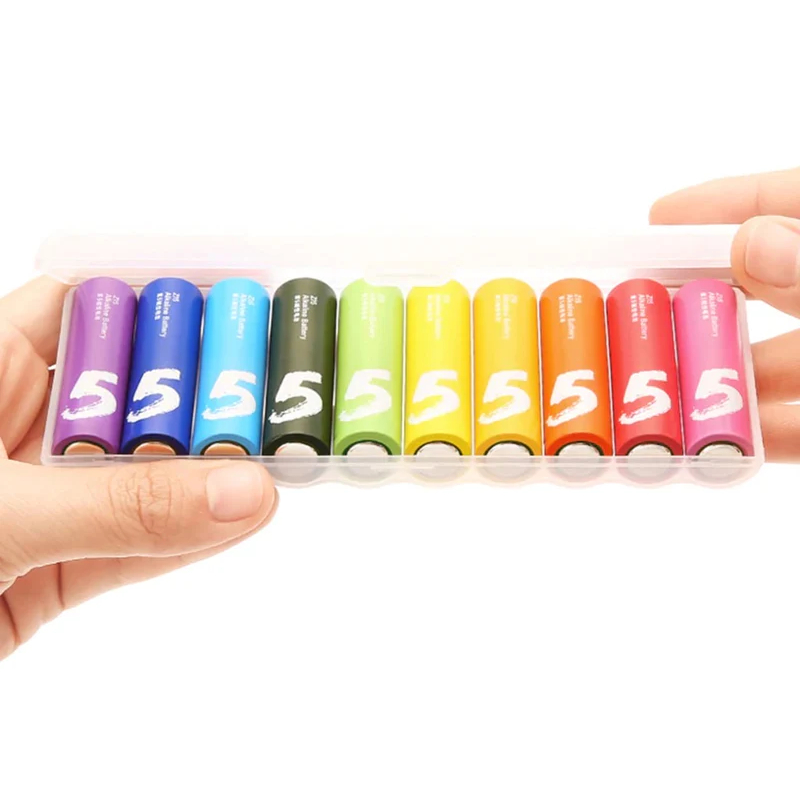
Rainbow Batteries (10-pack)
Energy
~$7
6
Mi Smart LED Bulb Essential
Lighting
~$12–18
7
Mi Night Light 2 (Bluetooth)
Lighting
~$11
8
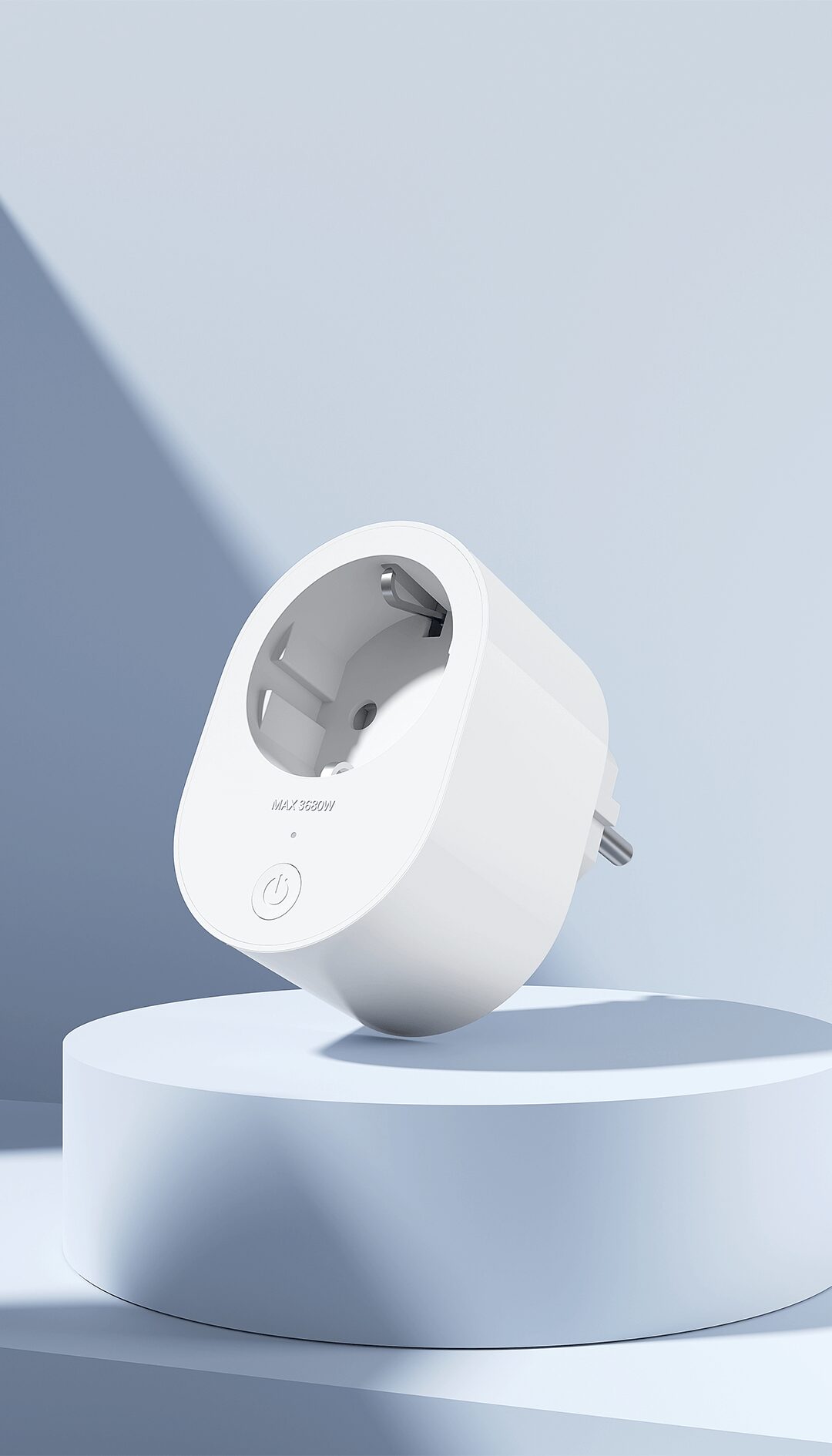
Mi Smart Plug 2 (Wi-Fi)
Energy
~$16–29
9
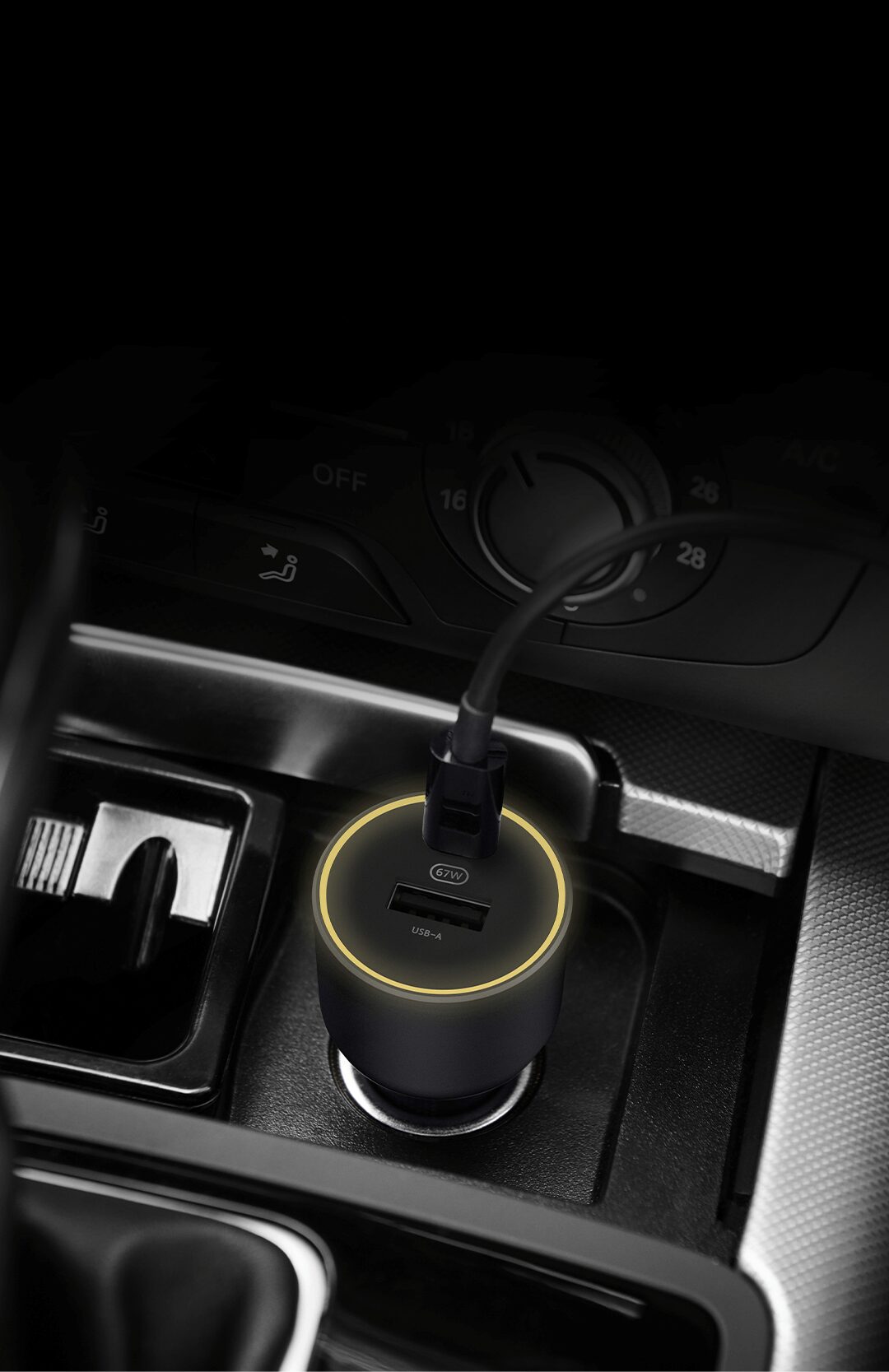
Xiaomi 67W Car Charger
Auto
~$4
10
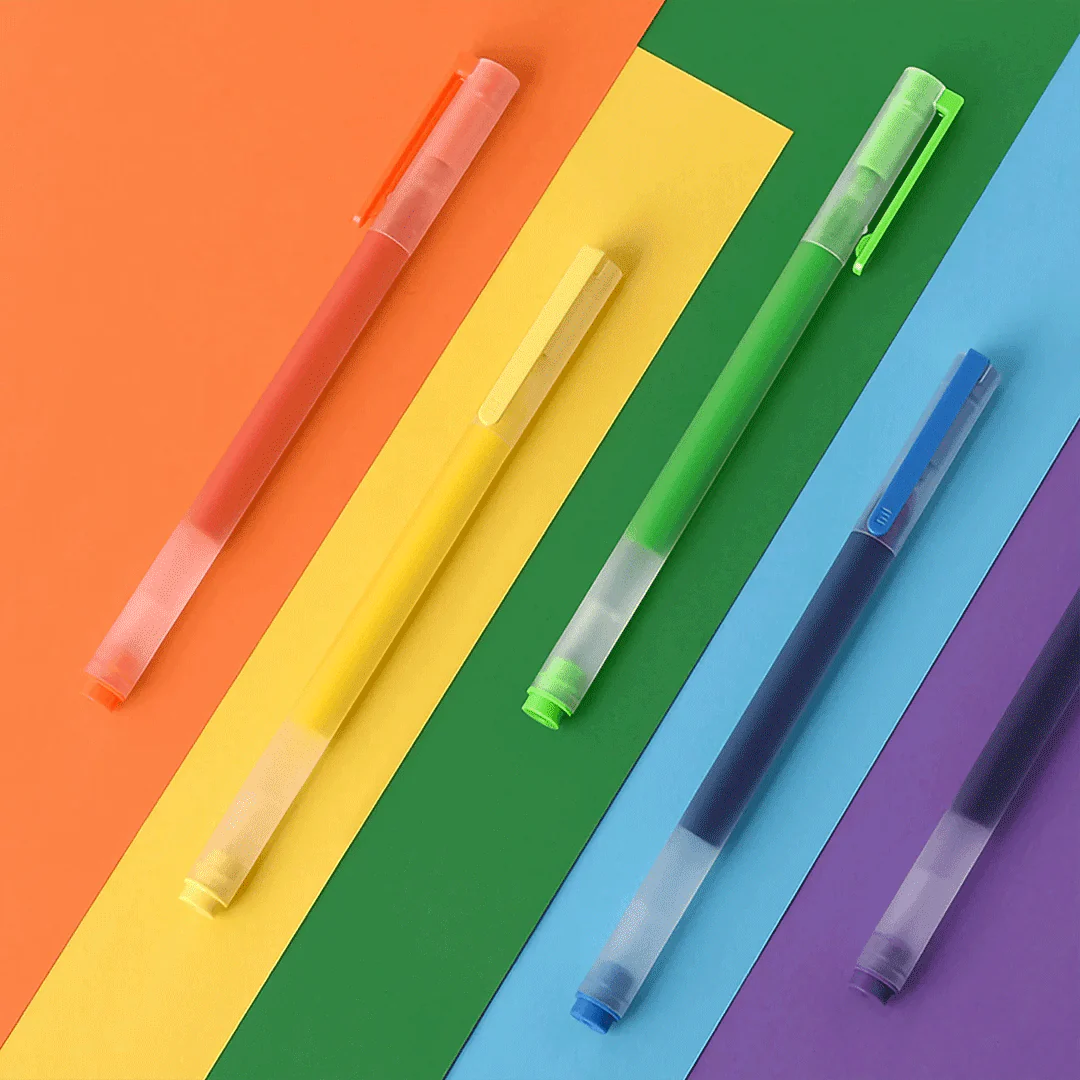
Mi High-Capacity Gel Pen
Office
~$7
11
Mi LCD Writing Tablet
Office
~$31
12
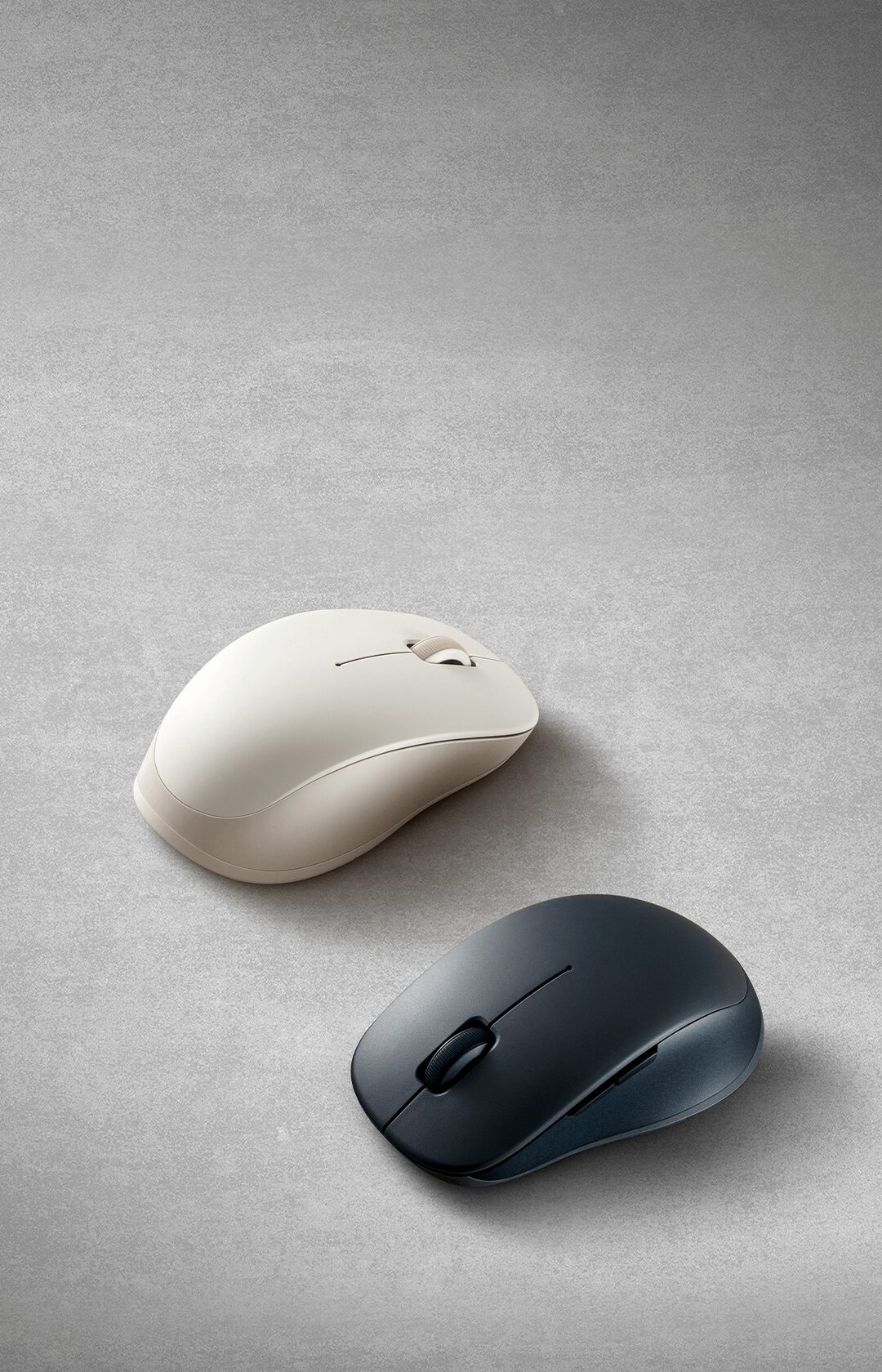
Mi Dual Mode Mouse Silent
Office
~$15
13
Mi Precision Screwdriver Kit
Tool
~$32–61
14
Mijia Wiha/16-in-1 Ratchet
Tool
~$30
15
Mijia Nail Clipper
Personal Care
~$10
16
Mijia Lint Remover
Personal Care
~$14–19
17
Mi Beard Trimmer (Kit/Attachment)
Personal Care
~$30
18
Mi Toothbrush Head (3-pack)
Personal Care
~$7–9
19
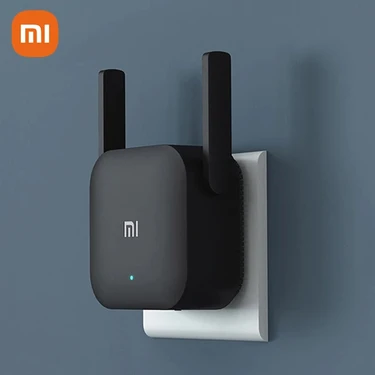
Mi WiFi Range Extender Pro
Network
~$25–28
20
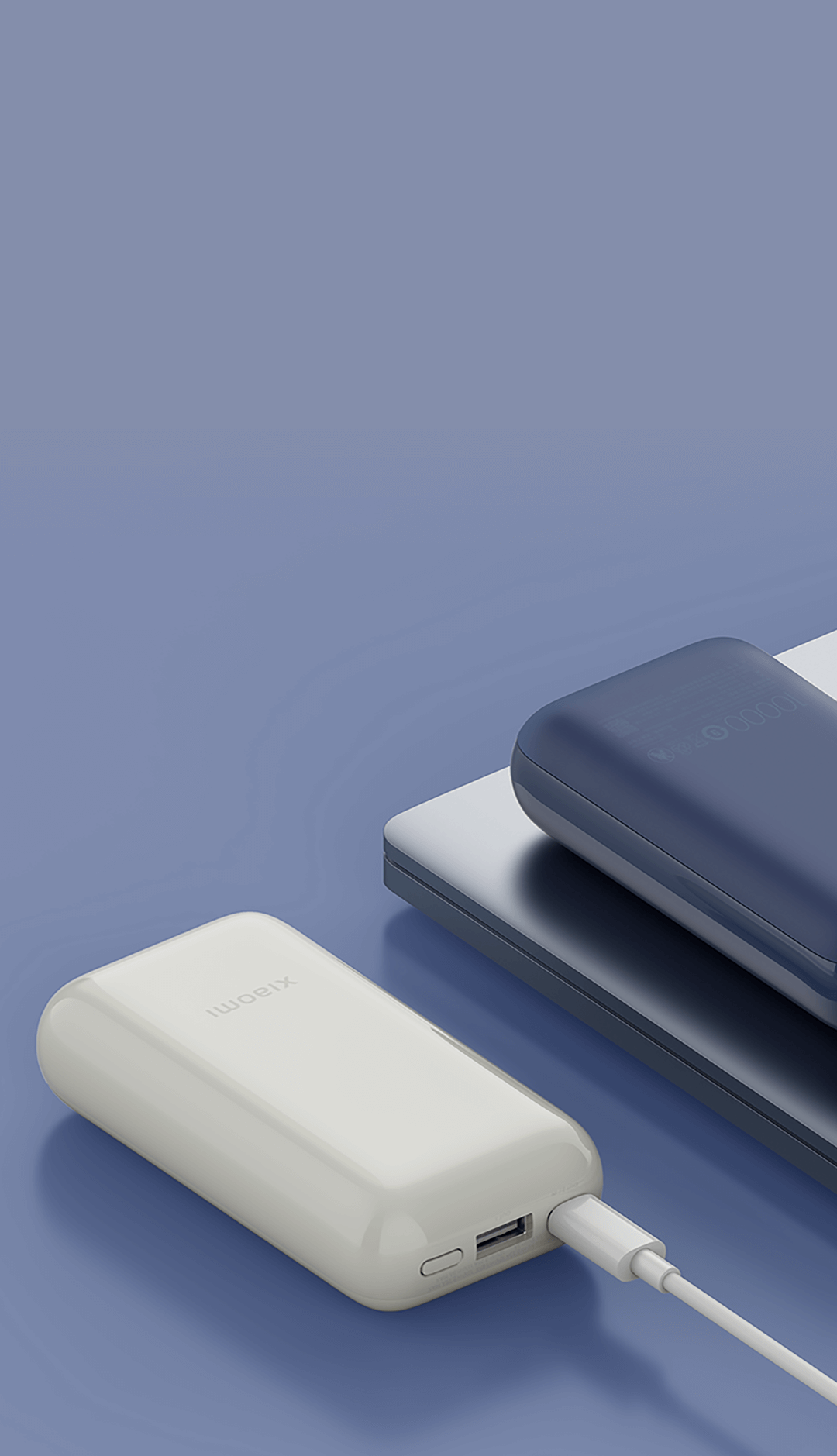
Pocket Edition Pro Power Bank
Energy
~$32
21
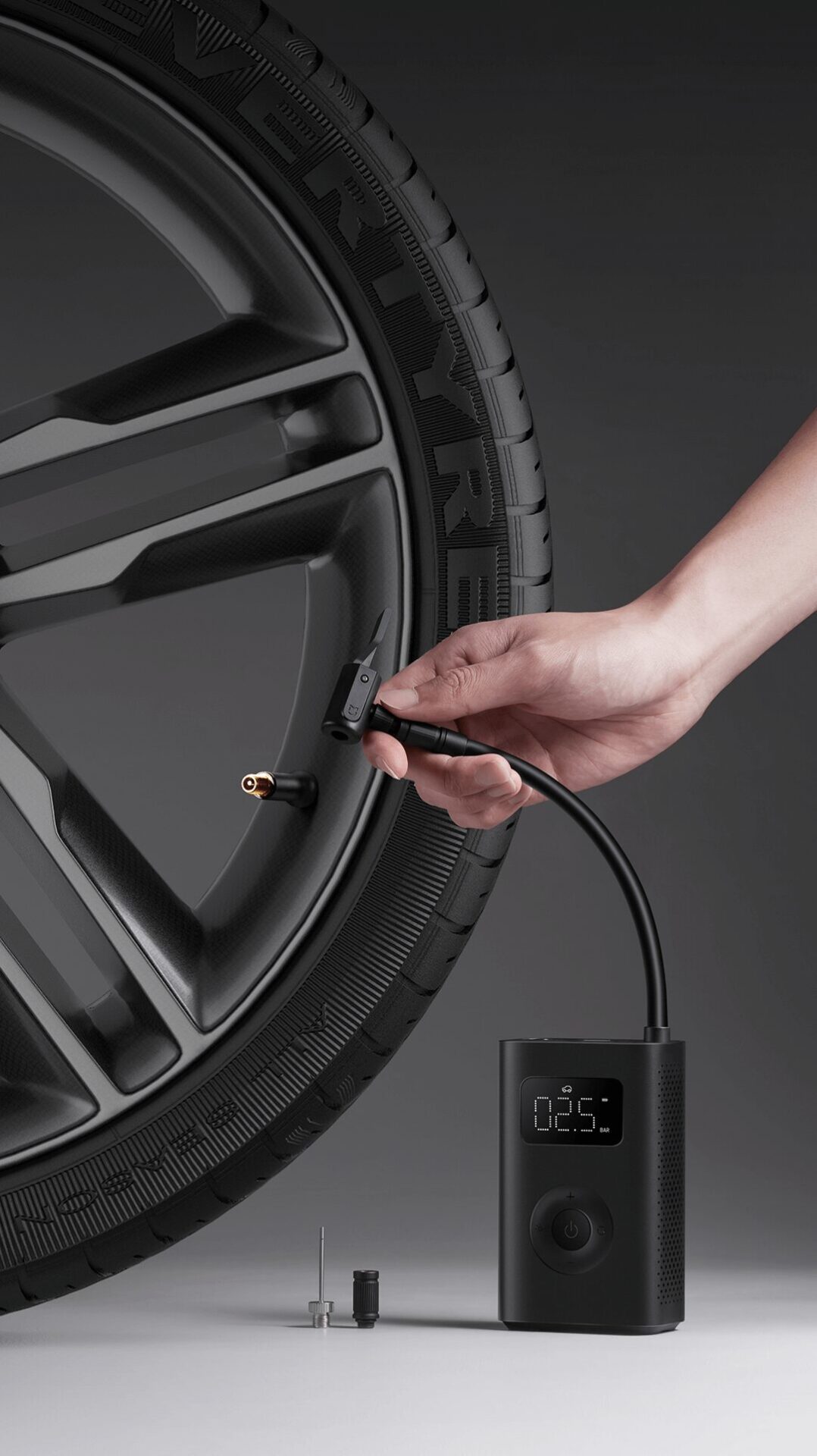
Portable Air Compressor 2
Auto/Tool
~$7–8
22
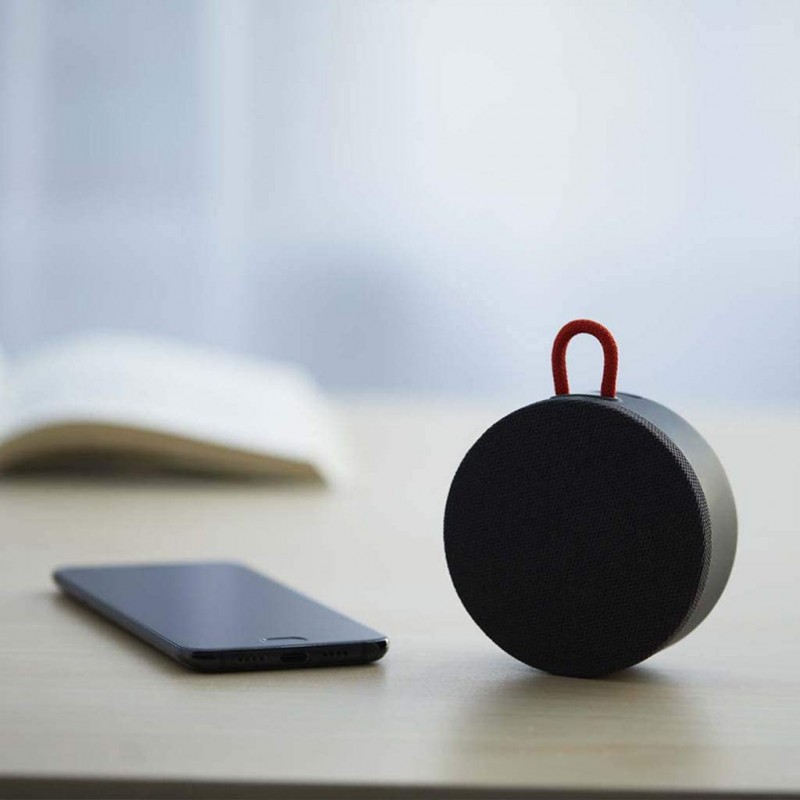
Mi Portable Speaker Mini
Audio
~$13
23
Xiaomi Smart Camera C200
Security
~$74–99
24
Xiaomi Smart Band 8 Active
Wearable
~$27–29
How to Use the Xiaomi Advent Calendar
This calendar is perfect for all tech-enthusiasts-to-be, for families, or as an office gift. Each gadget is integrated with Xiaomi HyperOS devices to automate smart homes and provide connectivity.
Black Friday 2025 is poised to be one of the most strategic shopping periods for Xiaomi’s ecosystem users. By analyzing 2025 technical data, consumer feedback trends, and internal analytics, a few Xiaomi devices stand out as high-value purchases that offer long-term benefits. The buying roadmap in this article has highlighted the models whose value-for-money is highest based on performance, durability, and current market pricing.
Top Xiaomi Devices Worth Buying This Black Friday
Xiaomi’s wide portfolio brings multiple strong candidates this year. The following analysis describes the advantages of each device and price expectations in USD based on current exchange rates.
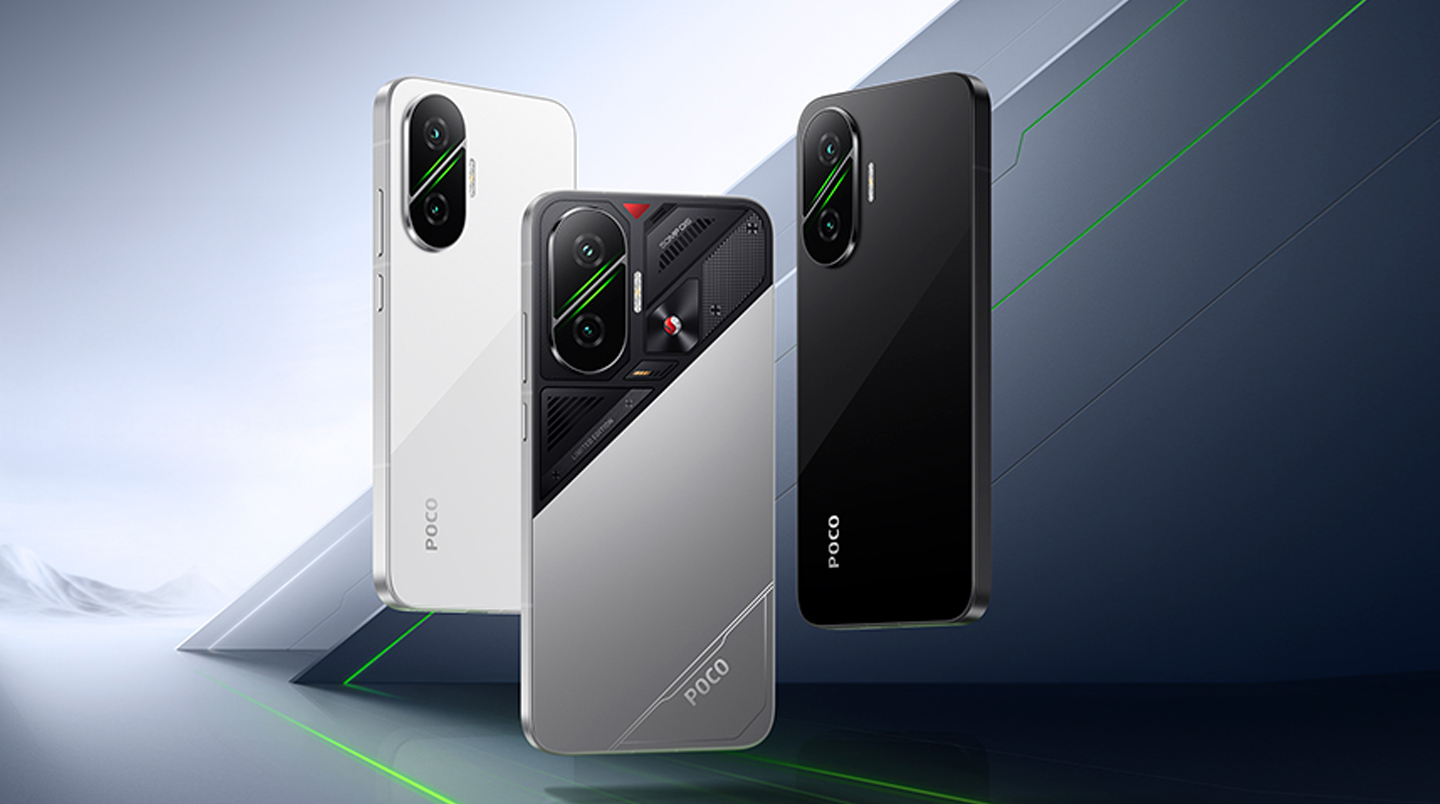
POCO F7: Best Long-Term Investment
The POCO F7 is on top, powered by the Snapdragon 8 Gen 3 chipset, IP68 certification, and a bigger 6500 mAh battery. All this makes it an ideal choice if one wants long-term stability with flagship-level endurance. The recommended target price is below USD 890, offering remarkable value for its category.
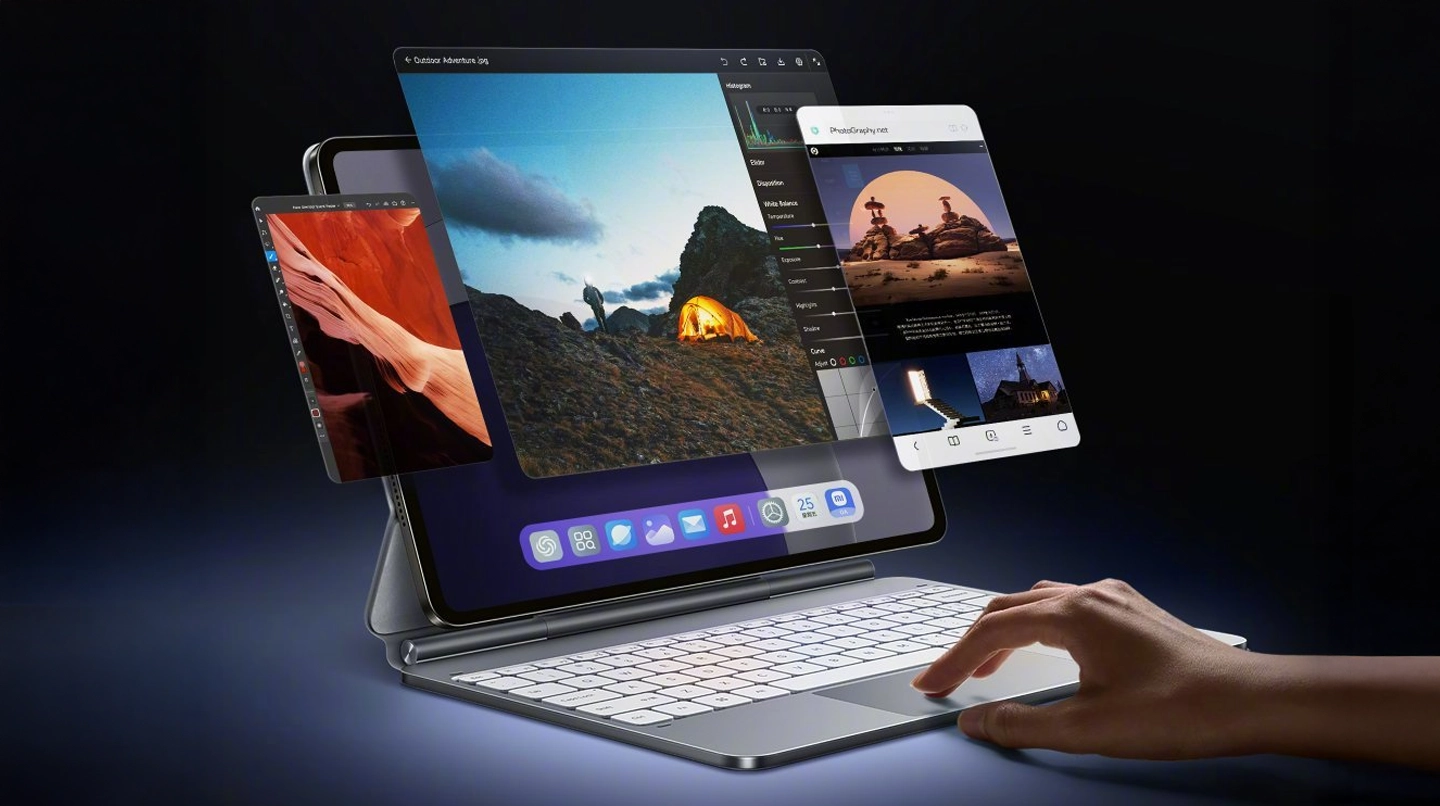
Xiaomi Pad 7 Pro – High-Value Black Friday Opportunity
Xiaomi Pad 7 Pro is unique in this listing owing to a limited stock allocation of approximately 200 units planned for Black Friday, but it represents a strong performance profile and extended software support, making it equally adept at productivity and entertainment. This target price will add up to approximately USD 745, which is worth spending.
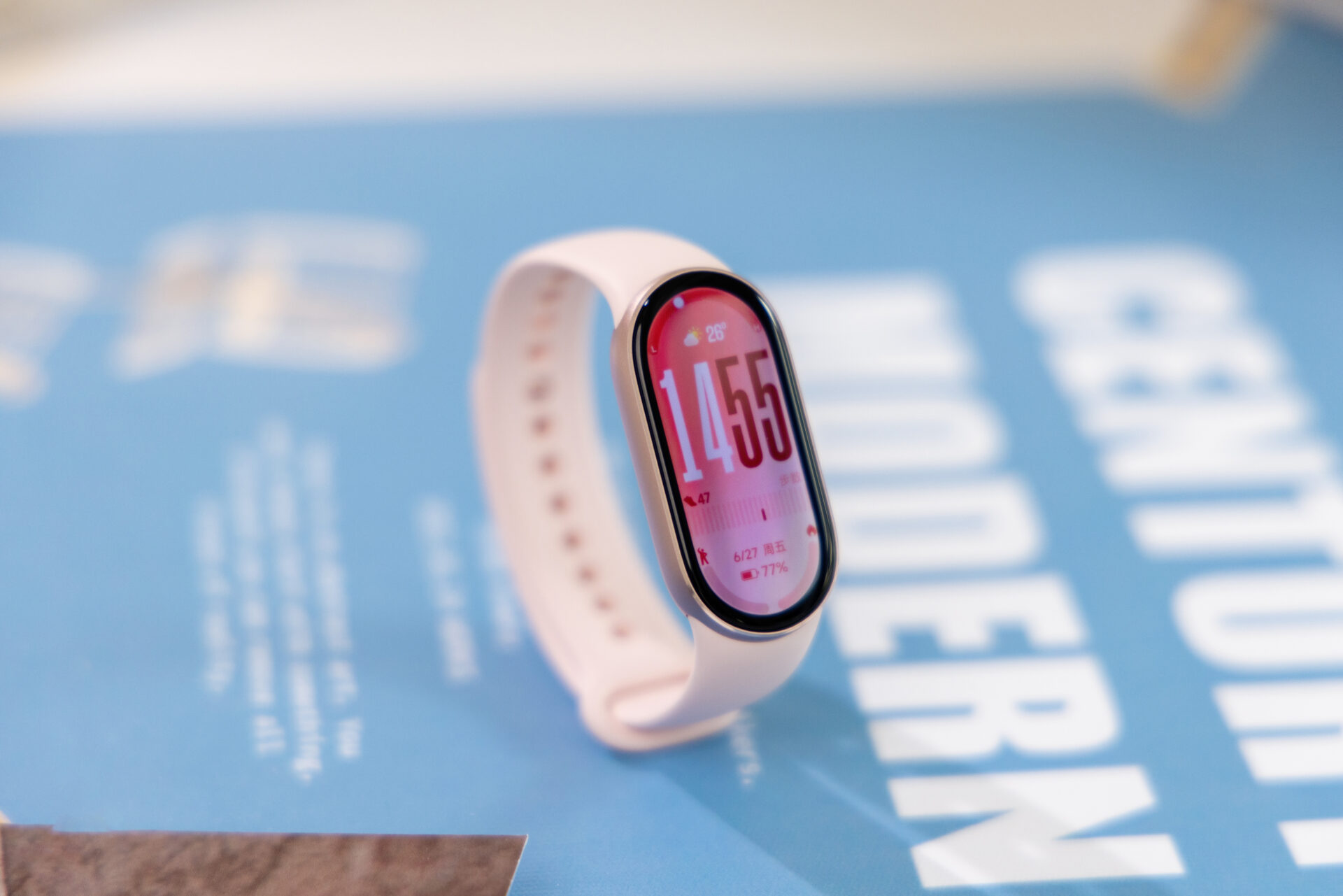
Xiaomi Smart Band 10 – Safe, Low-Risk Purchase
The Smart Band 10 is an extremely accessible yet reliable accessory that features improved material quality. This device can be geared towards almost all users as a basic wearable. For a target price of around USD 48, it offers strong everyday utility with minimal downside.
Xiaomi 15T Pro – A Practical High-End Alternative
For users who cannot reach the cost of top-tier USD 3,000 smartphones, the Xiaomi 15T Pro presents an excellent alternative. With its Leica-tuned camera system, high performance, and long software support cycle, it should be one of the most balanced premium options. A competitive target price is around USD 1,425.
Robot Vacuum X20+
Robot Vacuum X20+ can be a strong cleaning solution, but purchase conditions matter. It is recommended due to the higher pump failure risk only from sellers offering device replacement or extended insurance options. A fair price falls between USD 600–660.
Xiaomi Scooter 4 Ultra
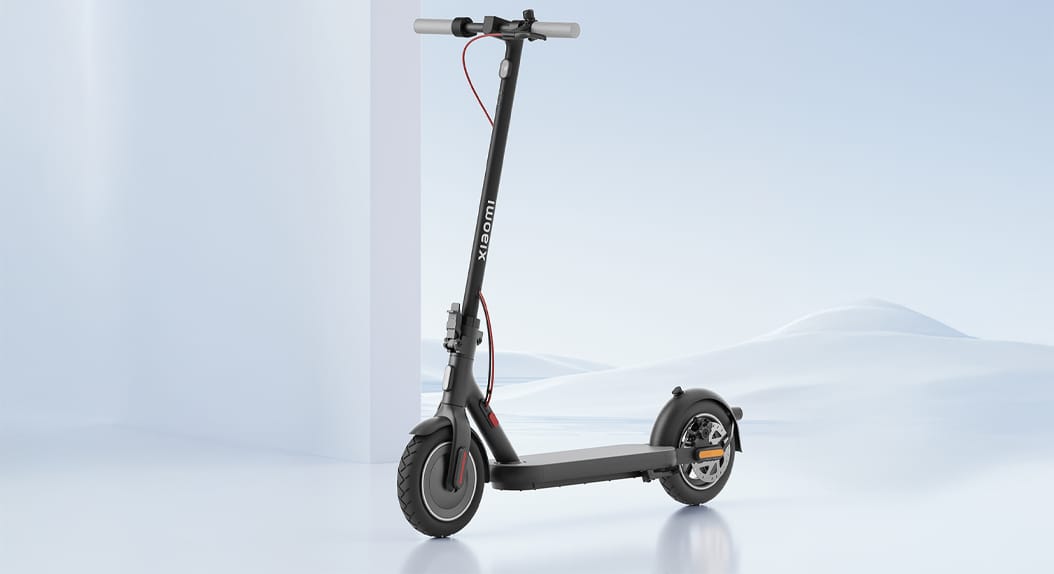
Scooter 4 Ultra is not for everyone, but it’s perfect for those living in hilly areas since it has superior torque. It is much more stable compared to the model 4 Pro and has better durability in the long run. Pricing by region varies widely.
Products You Should Avoid This Black Friday
The Xiaomi ecosystem indeed presents a number of impressive models; however, some appliances show repetitive problem patterns, according to 2025 data and consumer reports. The following models are not recommended due to either high return rates or known mechanical limitations:
Robot Vacuum S10T – Hair-cutting mechanism malfunctions and navigation inconsistencies
Robot Vacuum S10+ – Mop motor and water pump failure risks
Xiaomi G20 Stick Vacuum • Poor battery life for main cleaning, so it’s suitable only as an auxiliary option.
Xiaomi Black Friday 2025 Buying Summary
This year’s data shows that performance, battery endurance, risk factors, and seller policy differences are important in making the right purchase of Xiaomi. While some models offer undeniable value at the right price, others should be approached with caution due to possible issues that may arise from maintenance. Xiaomi apps, such as Xiaomi HyperOS or Xiaomi ecosystem tools, can be updated through HyperOSUpdates.com or via our project MemeOS Enhanceron Google Play, which also provides hidden Xiaomi features and extended system app updates.
Xiaomi has finally confirmed HyperOS 3 for India via the focused Xiaomi HyperOS India account, and this announcement signals the start of a new rollout cycle for several major devices. According to the notice, HyperOS 3 is touted to feature a notable uptick in performance, upgraded AI capabilities, and a much cleaner interface-all in line with Xiaomi’s relentless software evolution.
HyperOS 3 Announced for India
Xiaomi HyperOS 3 comes to India, furthering system efficiency, visual clarity, and AI-driven operations. According to confirmation on the dedicated India account, the update will bring in smoother transitions, redesigned system icons, and a modern user interface with fluid interaction models. These features further promise consistency across Xiaomi, Redmi, and POCO devices while maintaining light resource usage.
The update also brings with it several improvements to Xiaomi HyperConnect, better privacy controls, and optimization of long-term device stability. This version aims at day-to-day performance enhancement without increasing power consumption.
Current Build Versions Released in India
While Xiaomi has already pushed several early HyperOS 3 builds for the key models, the builds have given a glimpse of the new system’s behavior on different tiers of hardware. The following versions are confirmed for India:
Xiaomi 15 Ultra – OS3.0.2.0.WOAINXM (Android 16)
Xiaomi 15 – OS3.0.1.0.WOCINXM (Android 16)
POCO F7 – OS3.0.2.0.WOLINXM
POCO M6 Plus 5G / Redmi 13 5G – OS3.0.7.0.WNUINXM (Android 16) released
These are the initial releases that mark Xiaomi’s gradual expansion of HyperOS 3 across the lineup in 2024–2025. More will join the list in the months to come.
Key Features Introduced With HyperOS 3
HyperOS 3 introduces meaningful upgrades toward the goal of creating a more harmonious and natural user experience. Designated to use AI to do a better job of task prediction, resource distribution, and photo classification, it also redesigns many icons for better visual clarity across bright and dark environments.
Of special note is the addition of Super Island, which is an information hub that dynamically creates itself around your notifications and live activities. It draws inspiration from the concept of layered interactions. Supporting fast, glanceable updates with minimal disruption to the user’s primary task, the system offers improved animations and better spacing for a more immersive experience when using the system.
Ecosystem Integration and App Support
HyperOS 3 further improves Xiaomi’s device ecosystem by providing more stable pairing and faster communication across phones, tablets, and wearables. All these will facilitate seamless transitions between Xiaomi Pad 7, Xiaomi Band 9, and other future IoT products. Users who want to update Xiaomi apps, including system tools, can use the MemeOS Enhancerapp via the Play Store; this unlocks hidden features and system utilities too.
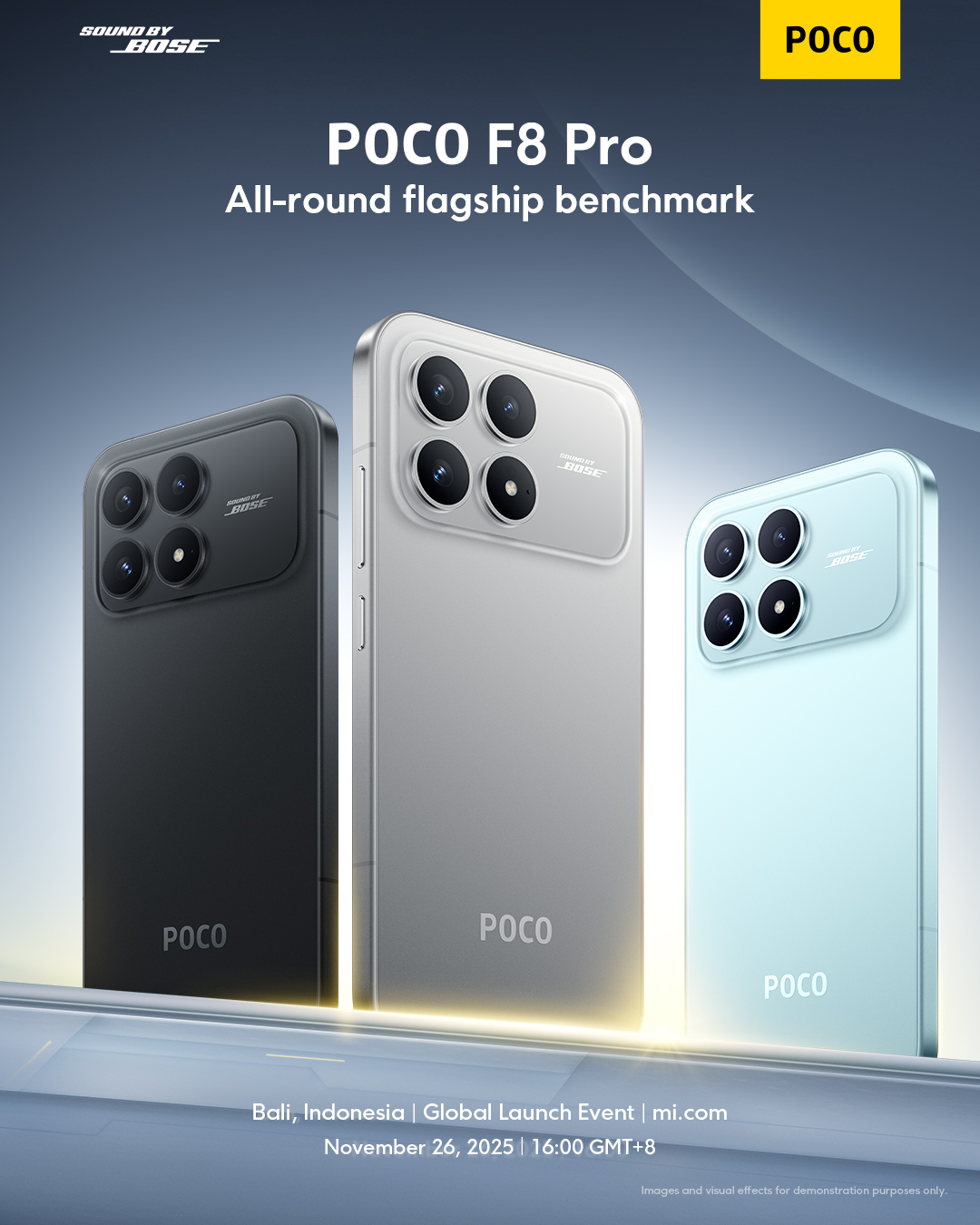
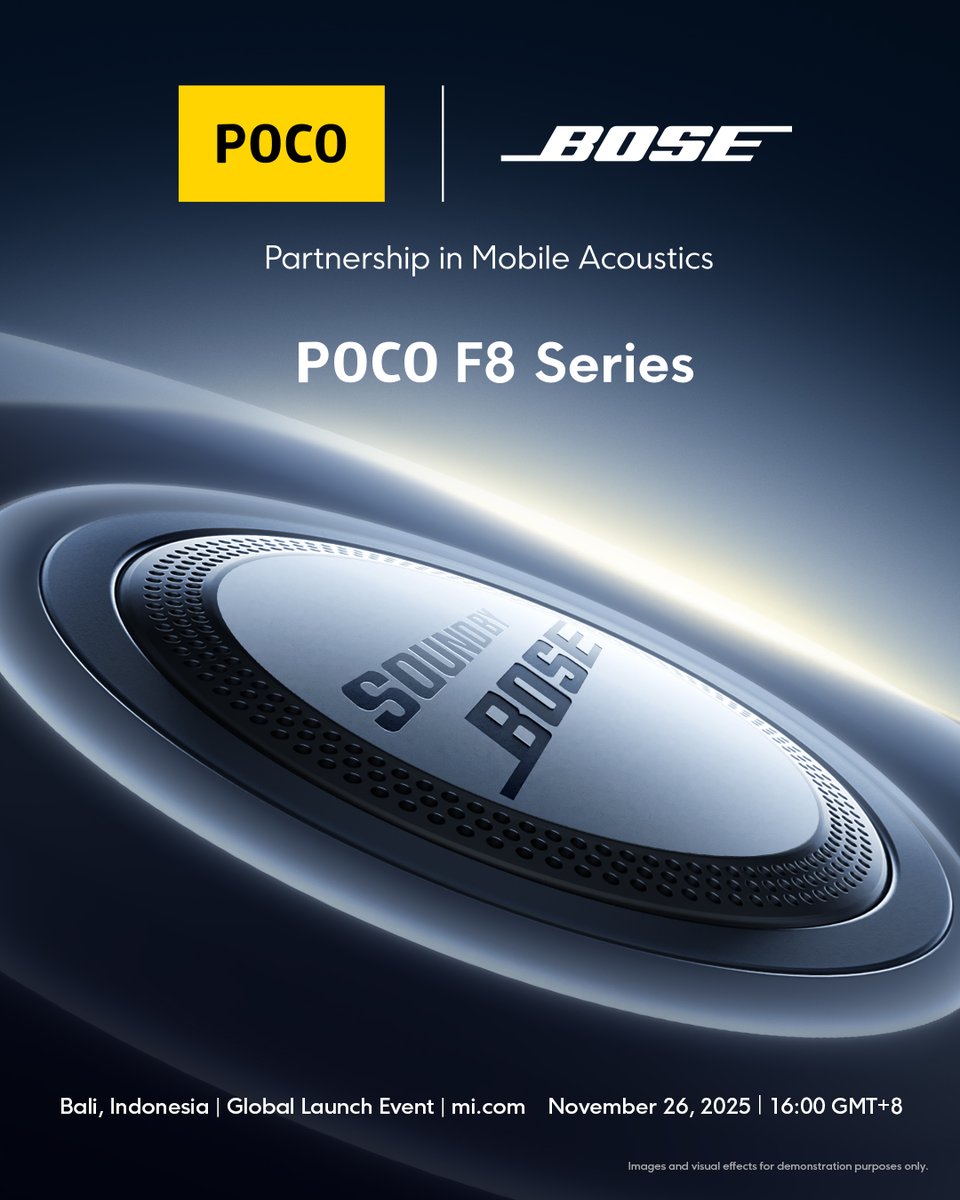
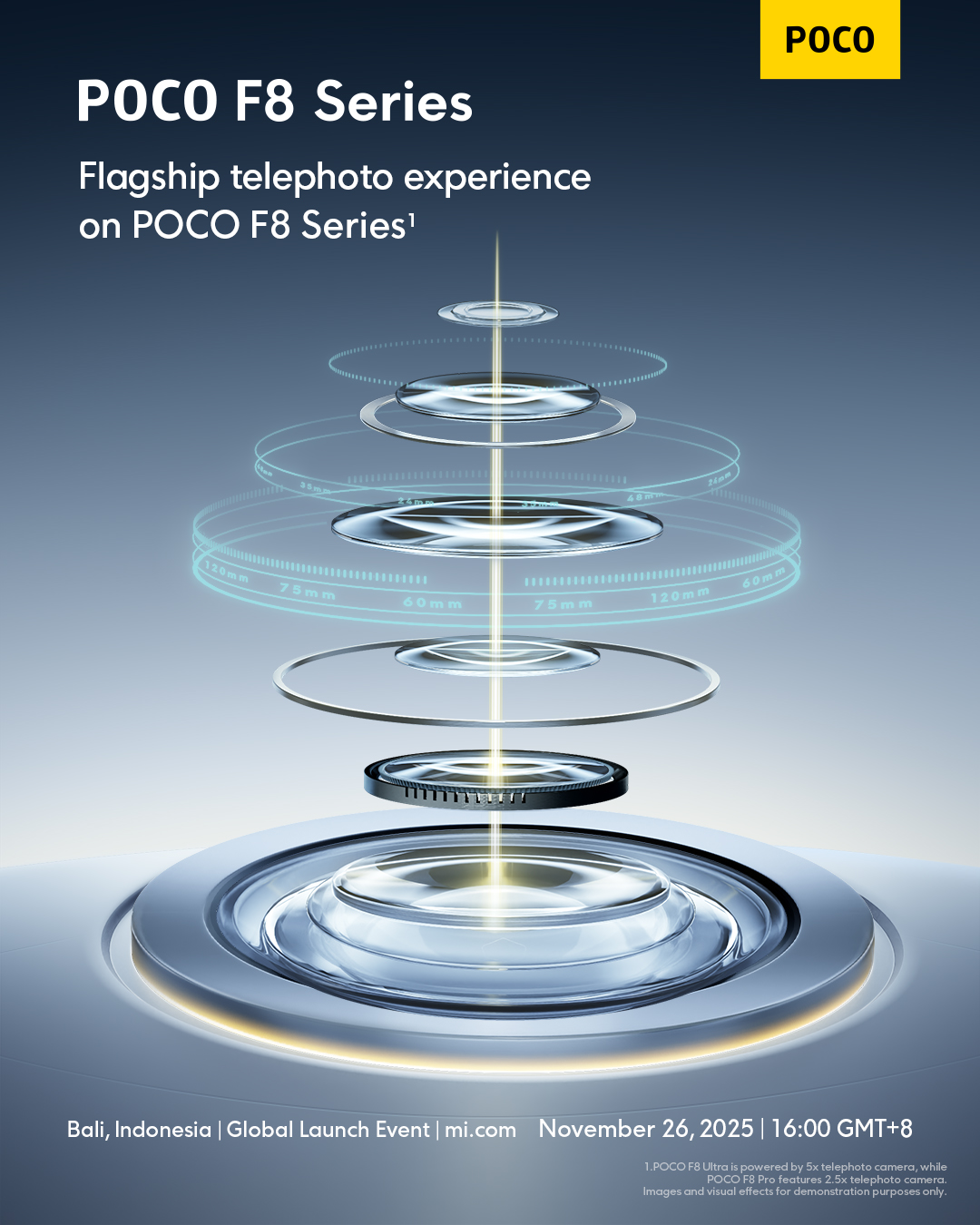
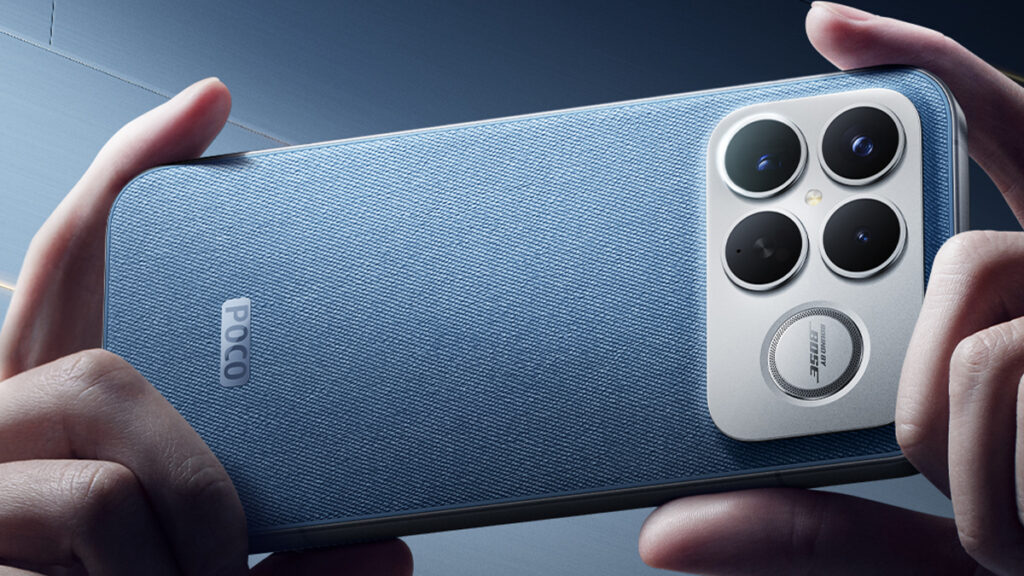
The POCO F8 Ultra series arrives with major camera and battery upgrades. It will introduce itself to the world on November 26. The POCO F8 Ultra features a 5x telephoto shooter that can capture faraway scenes with remarkable clarity. These are the global variants of the Redmi K90 series, continuing Xiaomi’s tradition of offering high-end hardware for an affordable price tag. Other Xiaomi gadgets include the Xiaomi Pad 7, among others listed on HyperOSUpdates.com.
POCO F8 Ultra: Imaging and Performance Focus
The POCO F8 Ultra introduces a 5x telephoto lens designed for stable and detailed long-range photography. This new hardware is targeted at both close-up macro scenes and distant landscapes with balanced clarity. The device also integrates the Snapdragon 8 Elite Gen 5, which represents the top tier of Qualcomm’s processing lineup, providing enhanced computational photography and AI-assisted imaging.
From the sound of it, the F8 Ultra-with its big camera setup-offers a better balance between processing power and optical capabilities compared to past models in the F series lineup.
Battery Capacity Differences Compared to China Models
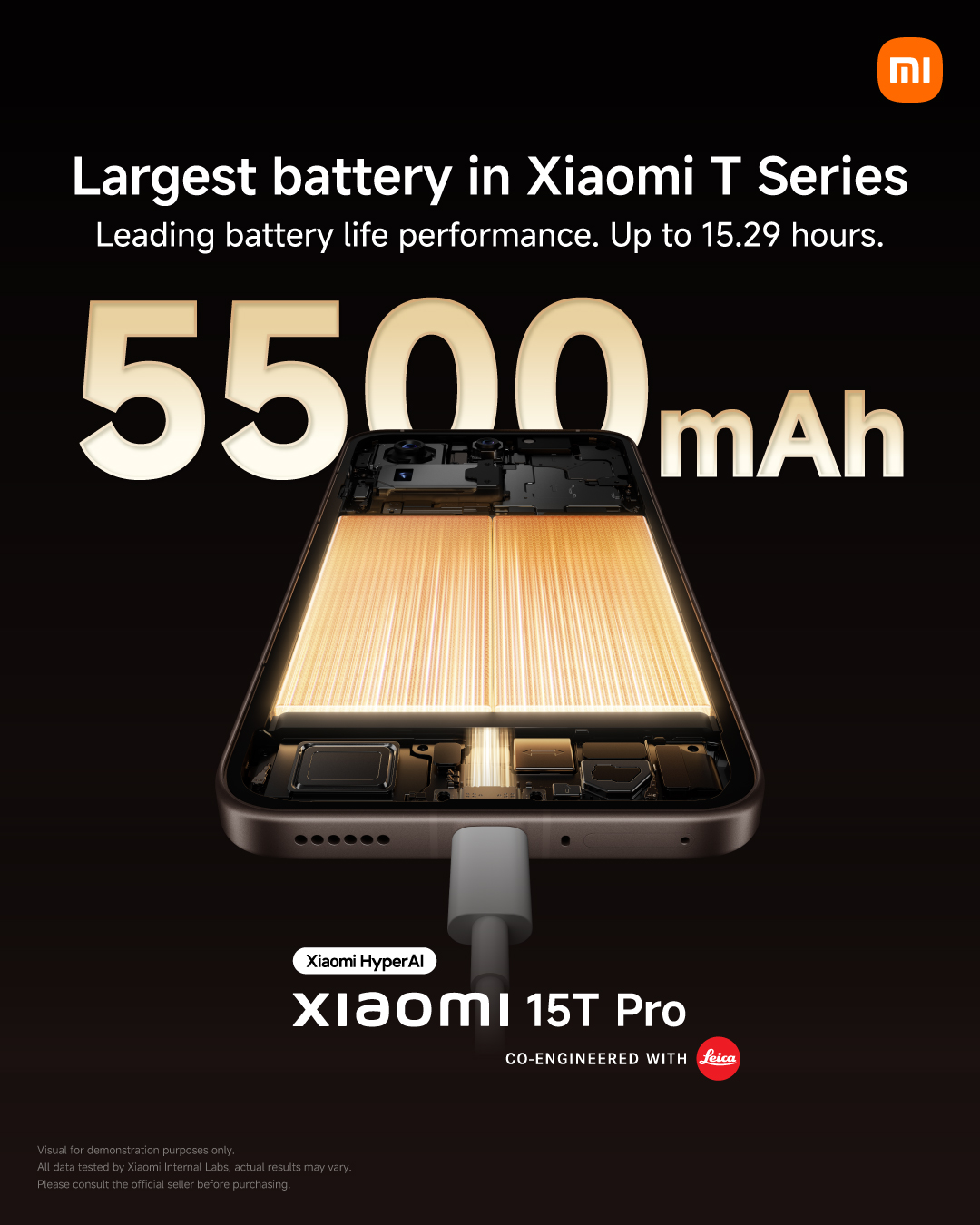
While it houses a 6500 mAh (typ) battery on the global POCO F8 Ultra, the Redmi K90 Pro Max, which was exclusive to China, had a larger 7560 mAh module. The reason for this is that Xiaomi has done so to optimize weight conditions, certification circumstances, and international charging standards. Still, this 6500 mAh cell remains considerably above industry averages and brings extended screen-on times suitable for gaming, navigation, and multimedia uses.
POCO F8 Pro: Snapdragon 8 Elite for Efficient Performance
The POCO F8 Pro comes with a standard Snapdragon 8 Elite for solid computational power, well-suited not only for gaming but also productivity tasks. This model is intended for those users who want to reach flagship-level experiences without the extra telephoto hardware.
Its global battery capacity is listed at 6210 mAh, while the Chinese version of it, Redmi K90, integrates an 8000 mAh module. Even with this smaller capacity in the global version, efficiency tuning in HyperOS contributes to longer real-world performance intervals, especially under mixed usage.
Unified Family Approach
Xiaomi is positioning the POCO F8 Ultra and POCO F8 Pro as performance-driven models under a unified ecosystem approach. Supported by HyperOS optimization and extended memory management, both models deliver smoother task switching and better resource allocation across gaming and productivity workloads.
Launch Timeline and Availability
Continuing Xiaomi’s yearly update cycle for the POCO flagship, the POCO F8 series will be announced on November 26 globally. Pricing will likely be detailed at launch, but POCO devices compete within the upper-midrange flagship category, usually landing below equivalent offerings from rival brands.
Modern mobile computing devices demand exponential power growth, paralleling Moore’s Law in transistor density. However, energy storage has historically lagged behind. Xiaomi addresses this critical bottleneck with its revolutionary Jinshajiang battery technology and the intelligent MiPPS charging protocol. Going from conventional graphite to silicon-carbon anodes, Xiaomi strikes a balance between achieving high energy density without sacrificing longevity. This report analyzes how both the Xiaomi 15 and Xiaomi 14 Ultra leverage these innovations in order to mitigate the thermodynamic risks commonly found in ultra-fast charging speeds.
The Electrochemical Shift: From Graphite Limits to Silicon Revolution
Since commercialization in 1991, graphite has represented the industrial standard due to its structural stability. However, the increasing power consumption of modern smartphones, together with demands for thinner form factors, has pushed graphite to its theoretical capacity limits. Xiaomi’s Jinshajiang technology represents the necessary transition to a silicon-based architecture that can transcend these physical constraints.
While traditional graphite anodes are limited to a specific capacity of about 372 mAh/g, silicon forms an alloy with lithium, theoretically achieving 4200 mAh/g. Xiaomi’s latest flagships employ a Silicon-Carbon composite structure. Teardown analysis reveals that cells present in devices such as the Xiaomi 14 Ultra have about 6% silicon content. This propels the energy density to a class-leading 779 Wh/L. The more extreme implementation can be found on the ultra-thin magnetic power bank, where the silicon content tops out at 16%, allowing 5000mAh to be fitted within a 6mm thick chassis.
Engineering Solutions for Volume Expansion
Volume Expansion. This massive energy density advantage of silicon comes with a significant mechanical drawback. Where graphite expands about 7-10% upon charging, silicon particles can expand up to 300%. Left unchecked, this results in particle pulverization, loss of electrical contact, and destruction of the SEI layer. Xiaomi employs a multi-layered engineering strategy to neutralize these risks.
Laser-Patterned Energy Channels
In an effort to control physical stress, Xiaomi employs microscopic engineering at the electrode level. Dubbed “Energy Groove” technology, it involves creating 2,376 micro-channels on the surface of the electrode by laser patterning. The channels perform a twofold function: they act as a mechanical buffer zone, in which silicon particles expand without deforming the pouch of the battery, while they function as ion highways, increasing infiltration by the electrolyte to lower internal resistance during high-speed charging.
Bionic Self-Healing Electrolyte
Beyond mechanical solutions, Xiaomi guarantees chemical stability due to a “bionic self-healing barrier.” Unlike the rigid traditional SEI layers that crack under silicon expansion, the polymer-infused layer of Xiaomi exhibits high ductility. Similar to human skin, it can repair the micro-cracks formed during charging cycles. This mechanism avoids electrolyte dry-out and absorbs chemical stress induced by HyperCharge technology.
MiPPS and HyperCharge: Thermodynamic Control
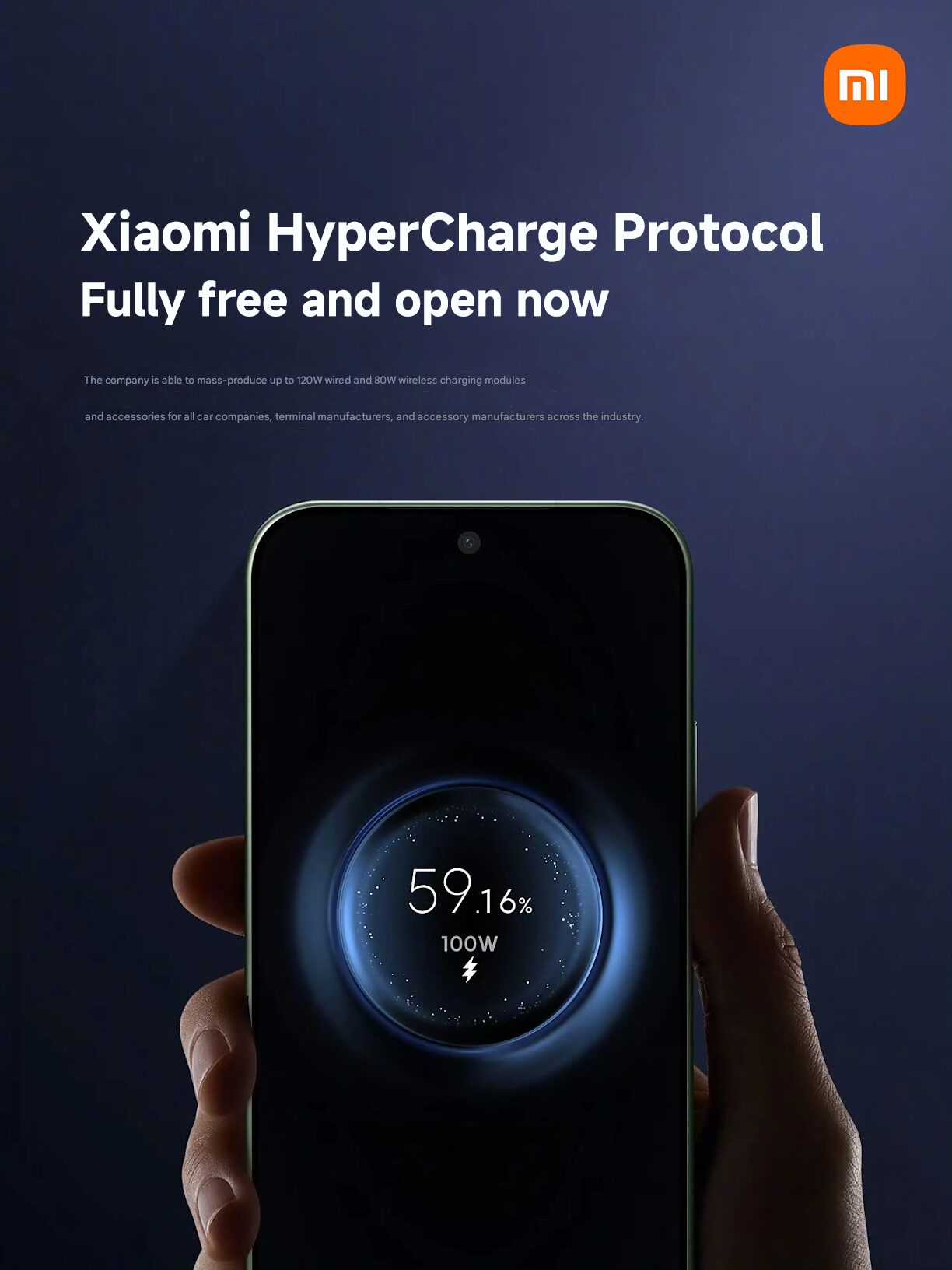
Hardware alone cannot prevent thermal damage due to fast charging. It is all about managing the electrical parameters with utmost precision, namely voltage and current. This is where the Xiaomi HyperCharge architecture and the MiPPS protocol rewrite safety standards.
From PD to MiPPS – the Evolution
Traditional USB Power Delivery protocols only allow fixed voltage profiles; for example, 9V or 15V, which forces the phone to step down the voltage internally and generates excessive heat. MiPPS, or Xiaomi Programmable Power Supply, enables highly granular voltage control with steps as small as 20mV. This allows “Direct Charging,” where the adapter supplies the exact voltage required by the battery, effectively moving the heat source from the phone to the wall adapter.
Dual Charge Pump Architecture
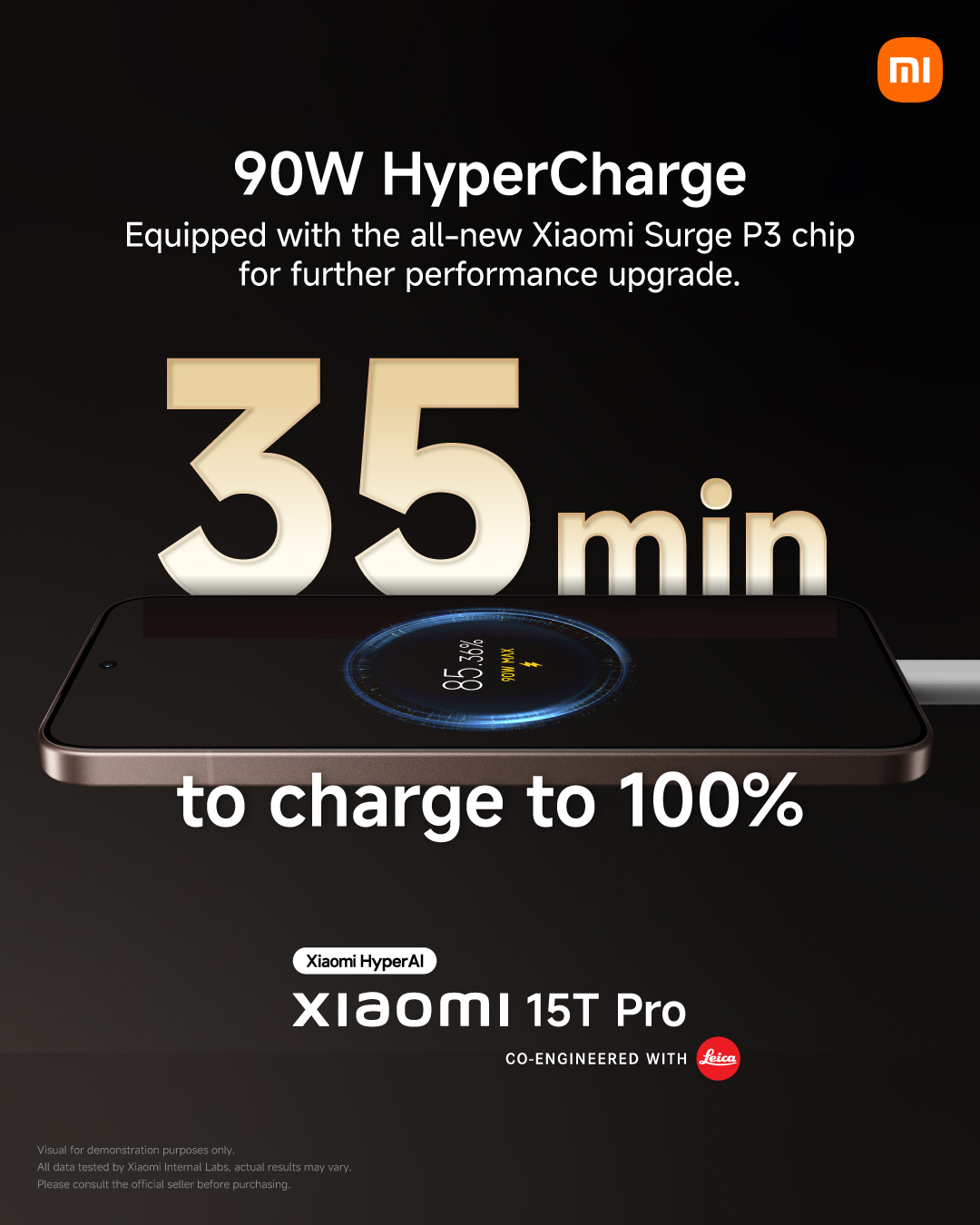
To ensure safe speeds of 90W and 120W, Xiaomi employed a Dual Charge Pump architecture, powered by Surge P1 and Surge P3 chips, respectively. These chips split the incoming current and convert voltage at an ultra-high efficiency of 96.8%. Instead of wasting energy as heat, as traditional circuits do, the Surge chips employ minimal thermal loss, preventing the battery from “cooking” during the charging process.
The Surge Chipset Ecosystem: Active Safety Management
One key differentiator in Xiaomi’s strategy is in offloading battery management from the main Snapdragon 8 Elite processor onto dedicated custom silicon. The Surge G1 battery management chip is the brain of this operation, enabling real-time millisecond-level voltage and temperature monitoring. The Surge G1 chip performs dynamic SOA analysis. In case the ambient temperature is higher than expected, or if the battery is showing signs of aging, the chip intelligently reduces the charge rate. Its ISP capability can even detect micro changes in internal chemistry due to drops or impacts and prevent thermal runaway before it starts.
The 1600 Cycle Standard: Real-World Durability
Does this tech actually work in the real world? The industry benchmark holds that a battery is “healthy” when it still retains 80% of its capacity after 800 cycles. Xiaomi, however, guarantees that its Jinshajiang batteries will retain 80% of capacity after 1600 cycles. This effectively doubles the lifespan of the battery compared to competitors. User feedback and independent tests confirm that despite using silicon and 90W+ charging speeds, degradation rates remain minimal. Paired with the IceLoop* cooling system, which separates vapor and liquid channels to improve thermal efficiency by 100%, Xiaomi has successfully proven that fast charging does not need to damage battery health.

 Login
Login