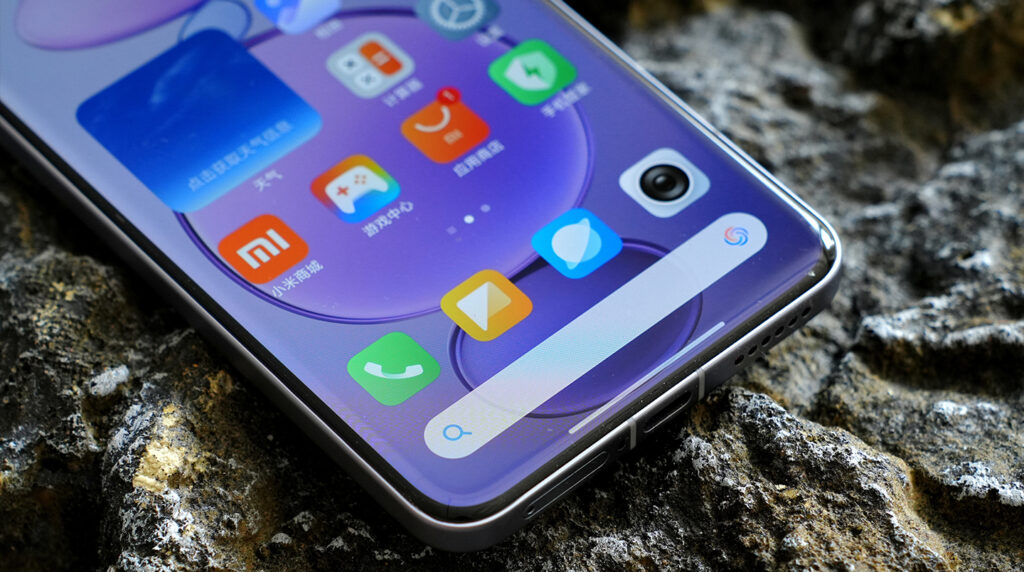
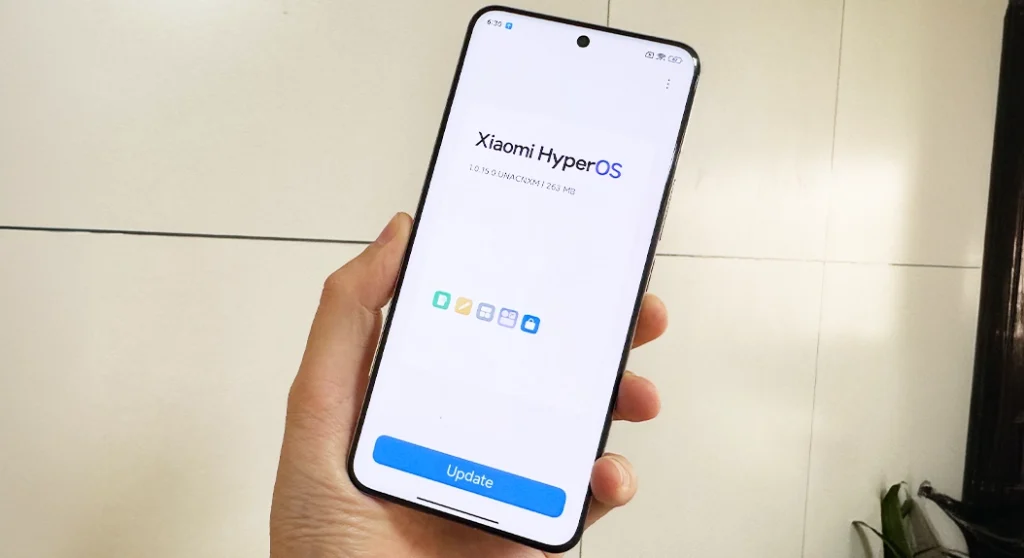
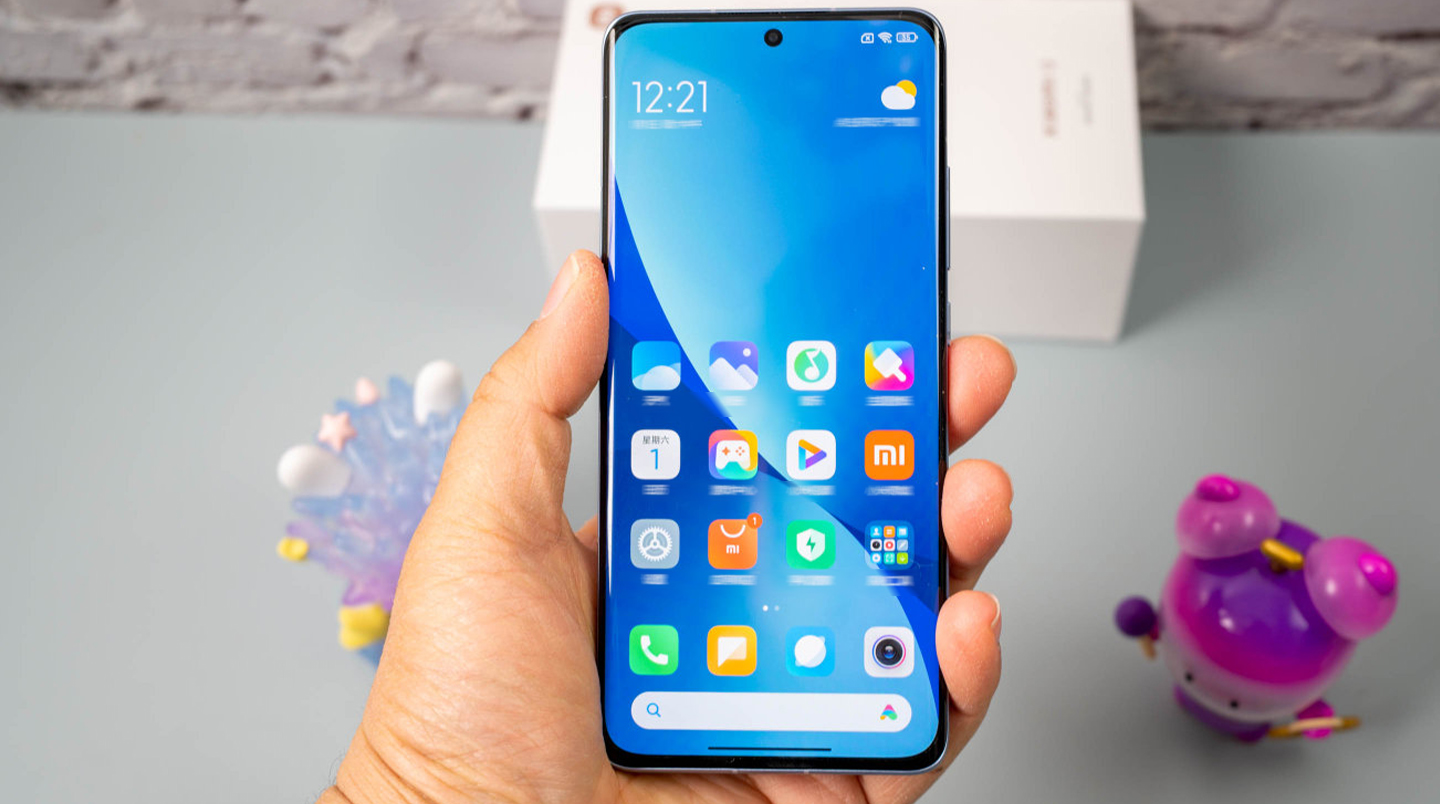
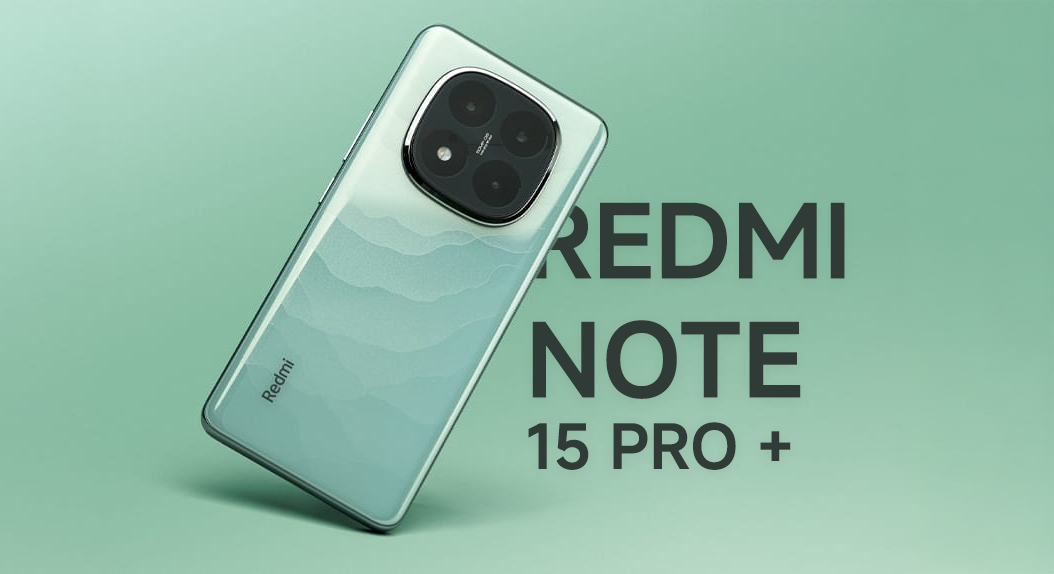
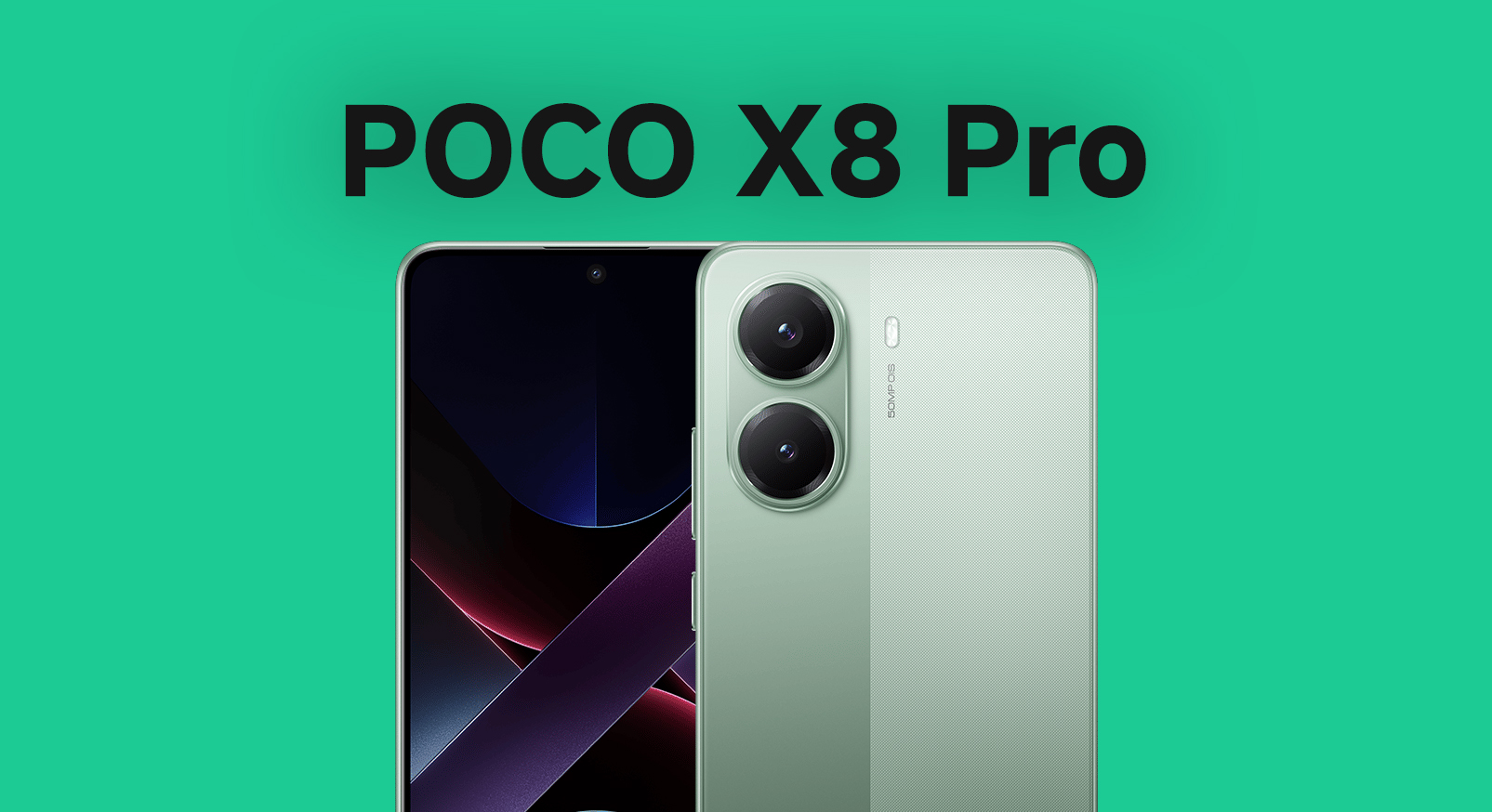
Xiaomi has just solved the serious system freezing bug on the Redmi K70 and Redmi K90 models, which are integrated with the HyperOS 3.0.9.0 system version. The flaw made users unable to control the full screen gestures, meaning that the users’ attempt to go home or switch between apps was made impossible. The bug was reported with the Proposal Number 50440080 and Feedback Number 52366349.
Details of the Gesture Freeze Bug
In November, some Redmi K90 users reported that, when the status bar was in gray because of the long press on the desktop gesture indicator line, swiping the screen up would result in the failure of the full screen gestures feature immediately thereafter, meaning that the multitasking or home gestures would cease to work once activated because the only remedy was to restart the device.
This bug impacted “fully screen gesture navigation” users, those who prefer the interface feature of full-screen gesture navigation. The bug was immediately reported on the tracker system by Xiaomi’s development team, moving on to the “To Be Discussed” stage for discussion on how the problem will be solved.
Xiaomi’s Quick Response and Permanent Fix
Due to active community responses, the technical team from Xiaomi was able to quickly identify the problem and provide a patch fix for the freeze occurring in the hypertech version of the HyperOS. The fix also prevents freezing, with the desktop gesture line working smoothly without freezing, even with heavy desktop usage.
The solution will be released with the stable build of HyperOS, coming to Redmi K70, Redmi K90 soon. However, Xiaomi is once again proving commitment to stability as well as user feedback, with their keen attention to customers, with their good, long-established track record.
For years, Xiaomi’s software updates were often described as a lottery — some devices received the latest HyperOS versions early, while others waited months. But since 2024, Xiaomi has shifted toward a transparent and structured policy. The company’s Trust Center now clearly lists every device’s official End-of-Life (EOL) date, giving users a reliable view of how long their phones will receive both Android and HyperOS updates.
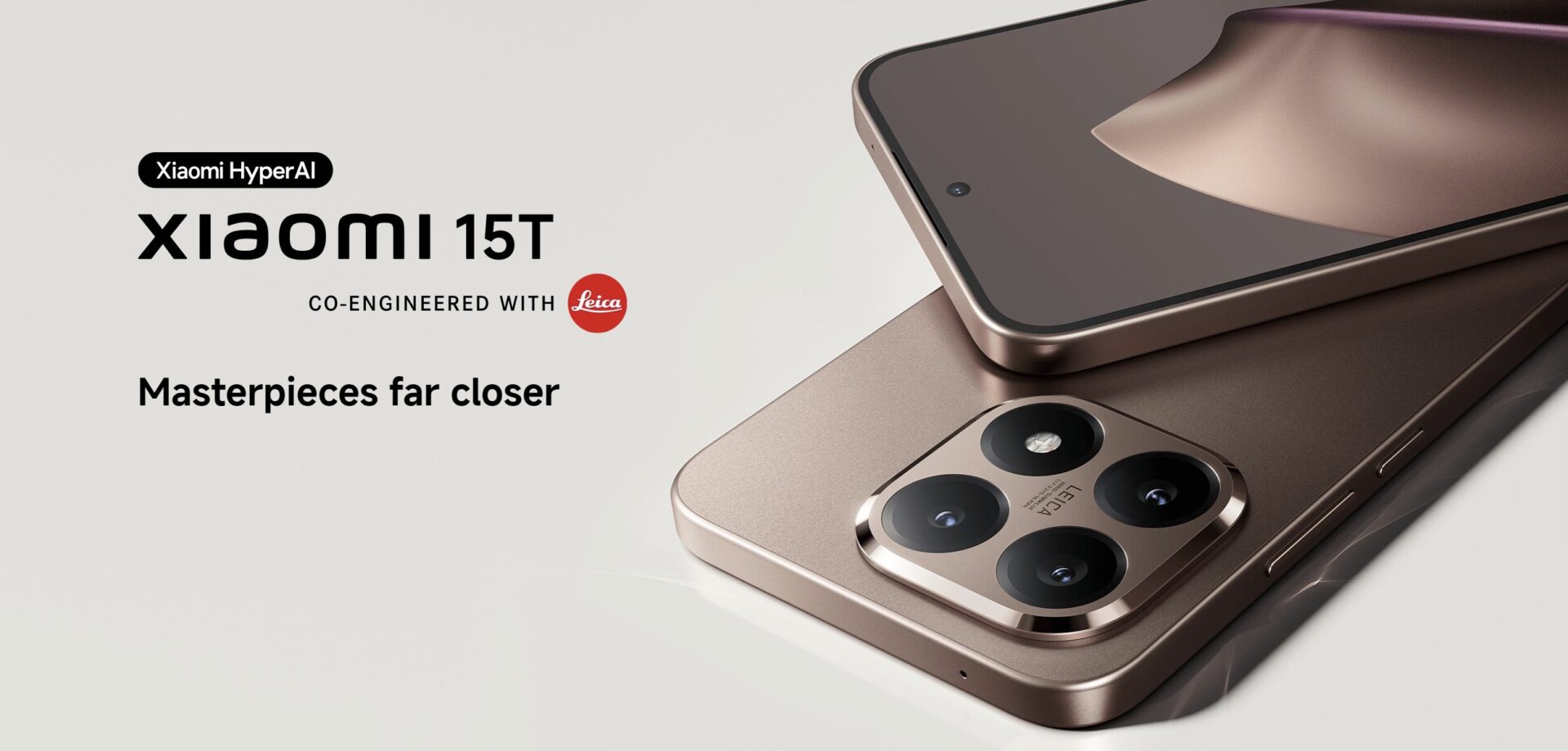
This new six-year promise means Xiaomi users no longer need to wonder whether their device will be supported. For example, phones like the Xiaomi 15T and 15T Pro are guaranteed updates until September 2031 — ensuring four major Android upgrades (up to Android 19 / HyperOS 6) and six years of security patches.
Xiaomi 15T and 15T Pro: Peak Performance Meets Long-Term Support
The Xiaomi 15T series is a top-tier recommendation for anyone who values both hardware and longevity. Both models debuted with Android 15 and HyperOS 2, and they are among the first to receive HyperOS 3 (Android 16) updates.
Xiaomi 15T (non-Pro) is the more practical choice. It offers slightly slower charging (67W) and a 120Hz screen instead of 144Hz and Dimensity 8400 Ultra but retains the same six-year update support for around USD 930 (approx. 32,599 TL).
For software enthusiasts, the 15T offers nearly identical longevity to the Pro at a much lower cost.
Redmi 15 Series: Budget Champions with 2031 EOL
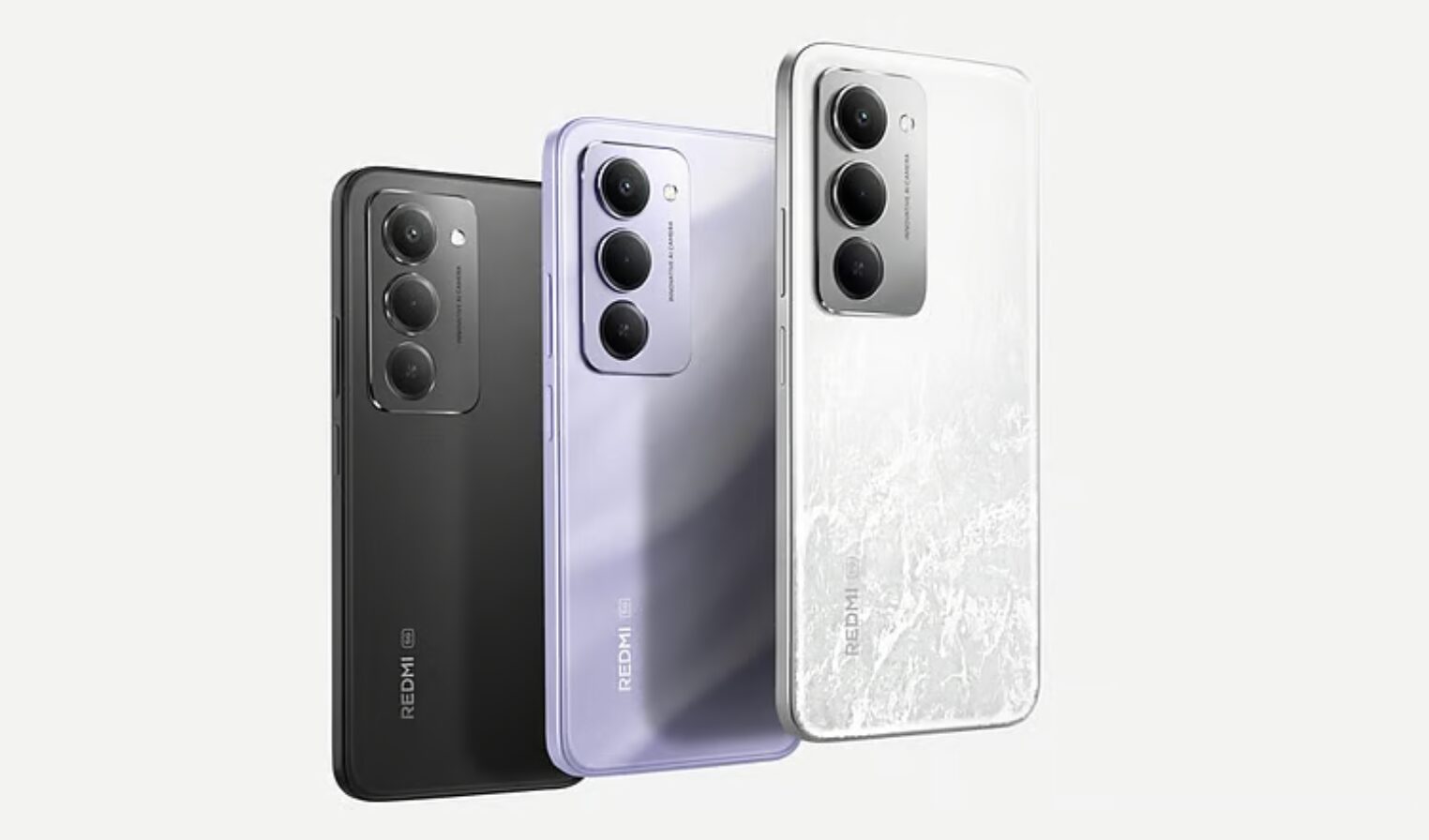
Even Xiaomi’s entry-level Redmi 15 lineup is now included in the six-year support plan — a milestone in budget smartphone sustainability.
Redmi 15 (5G)
Display: 6.9-inch LCD, 144Hz, FHD+
Processor: Snapdragon 6s Gen 3
Battery: 7000mAh, 33W charging
Price: ~USD 330 (approx. 11,999 TL)
Redmi 15C (4G) and 15C 5G models are cheaper, priced around USD 200–230, but their 720p HD+ screens and entry-level chipsets limit long-term usability. While these phones will receive security patches until 2031, performance for modern apps may decline by 2029.
For families or parents needing reliability over power, these remain the most cost-effective options.
The Redmi Note 14 Series Dilemma
While the Redmi Note 14 (5G) and 14 Pro (5G) only promise updates until 2029, the Redmi Note 14 (4G) stands out as an unexpected gem. It’s officially covered under Xiaomi’s six-year program, making it an ideal midrange option.
The Note 14 (4G) is a near-perfect middle ground between cost, performance, and longevity — ideal for users who want future-ready performance without overspending.
Still Worth It? Xiaomi 14T and 14T Pro (EOL 2029)
Launched in 2024, the Xiaomi 14T and 14T Pro are still powerful but have shorter support lifespans (until 2029). The 14T Pro, priced at USD 960 (approx. 33,999 TL), even costs more than the newer 15T despite offering two fewer years of support.
However, the standard 14T, at USD 710 (approx. 24,989 TL), remains a reasonable mid-tier choice if you can compromise on longevity for cost savings.
Conclusion: Best Xiaomi Phones for Update Lovers (2025 Edition)
Model
EOL Date
Final Android
Display
CPU
Battery
Price (USD)
Verdict
Xiaomi 15T Pro
Sep 2031
Android 19
6.83″ AMOLED 144Hz
Dimensity 9400+
5500mAh / 90W
1,200
Ultimate power, full support
Xiaomi 15T
Sep 2031
Android 19
6.83″ AMOLED 120Hz
Dimensity 8400-Ultra
5500mAh / 67W
930
Best all-rounder
Redmi Note 14 (4G)
Mar 2031
Android 18
6.67″ AMOLED 120Hz
Helio G99 Ultra
5500mAh / 33W
380
Best budget balance
Redmi 15 (5G)
Sep 2031
Android 19
6.9″ LCD 144Hz
Snapdragon 6s Gen 3
7000mAh / 33W
330
Budget endurance pick
Redmi 15C (4G/5G)
Sep 2031
Android 19
6.9″ LCD 120Hz
Helio G81 / Dimensity 6300
6000mAh / 33W
200–230
For basic users only
Xiaomi 14T
Sep 2029
Android 18
6.67″ AMOLED 144Hz
Dimensity 8300-Ultra
5000mAh / 67W
710
Older but capable
Final Recommendation
Best All-Round Choice:Xiaomi 15T — perfect blend of price, performance, and six-year longevity.
Budget Hero:Redmi Note 14 (4G) — affordable and future-proof for six years.
Family Pick:Redmi 15 (5G) — huge battery and excellent value for non-demanding users.
With Xiaomi’s new transparent update policy, 2025 marks the first time buyers can make an informed, long-term choice — from the premium Xiaomi 15T Pro to the affordable Redmi 15 lineup, there’s finally a Xiaomi phone for every kind of “update fanatic.”
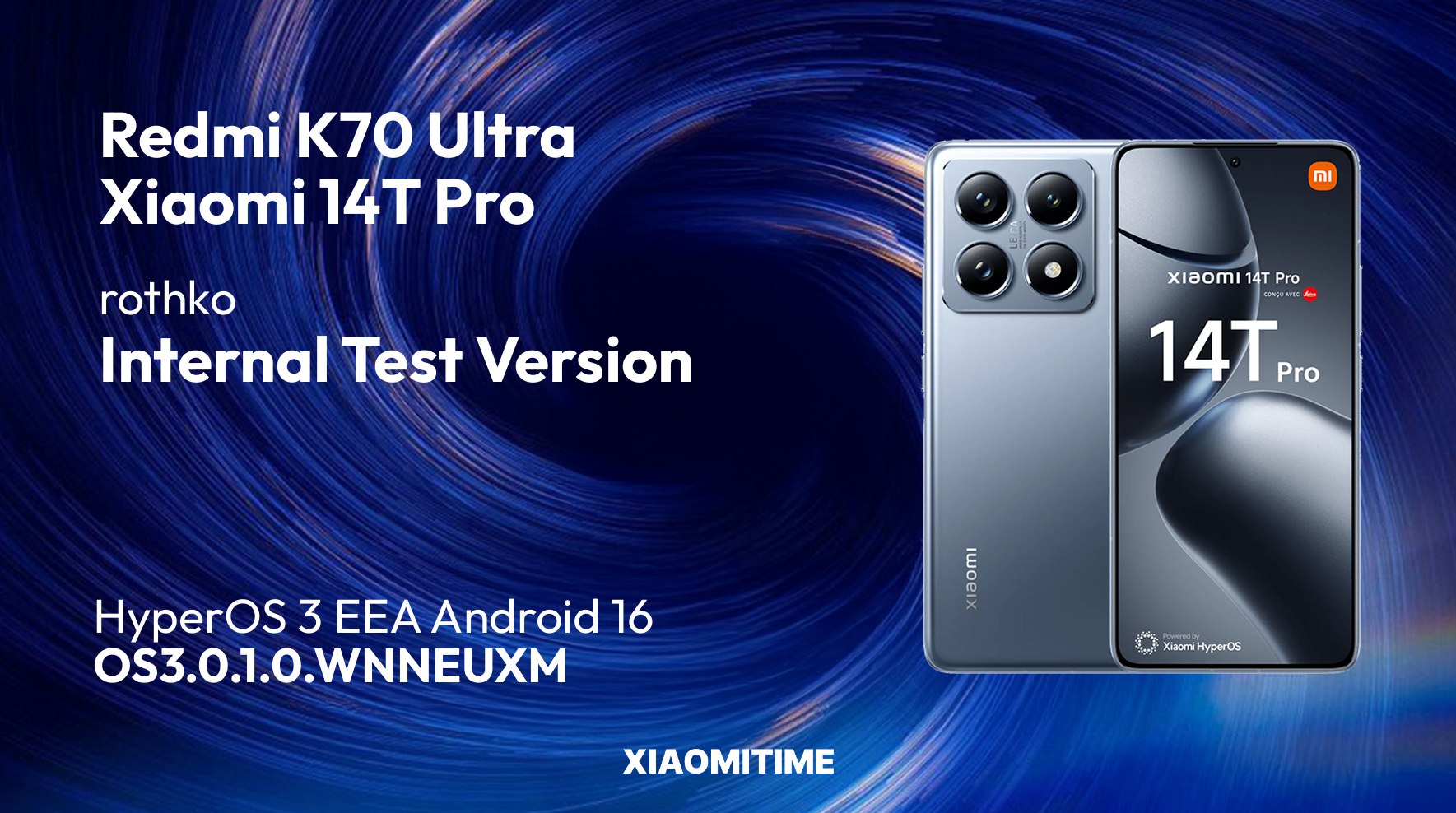
Xiaomi is ready to release HyperOS 3 (Android 16) update for the Xiaomi 14T Pro, dubbed OS3.0.1.0.WNNEUXM. This build is already classified as stable-ready internal build, so the rollout is just around the corner. When the update is available, users will be able to enjoy faster operation, an overhauled system interface, or other AI-based solutions that will revamp the entire HyperOS system. You can also track the necessary updates on the websiteHyperOSUpdates.com
What’s New in HyperOS 3
The HyperOS 3 brings with it many massive system upgrades, including those of intelligence and design. Xiaomi has designed its interface with the intention of offering its users an even iOS-like visual treatment, coupled with new icons, animatics, and smooth animations. Notably, there is the inclusion of Super Island, which is the multitasking feature with info-bubbles for apps, notifications, and system tasks.
Moreover, the AI engine on Xiaomi smartphones is optimised to provide even better support for real-time scene recognition, smart editing, and intelligent image enhancement.
Supported Devices | Expanding Globally
Apart from the Xiaomi 14T Pro, the Android 16-based HyperOS 3 has already been developed or launched for other flagship, mid-range smartphones, including:
Xiaomi 15T and Xiaomi 15T Pro
Xiaomi 15 and Xiaomi 15 Ultra
POCO F7 Ultra
Xiaomi Pad 7 Pro
Redmi A3
The rollout will proceed worldwide over the coming weeks with region-specific OTA updates being made available to users.
Updating & Exploring More Features
Once the update is available, users can check for it via Settings > About Phone > System Update. Alternatively, Xiaomi users can download official packages or receive update notifications faster using HyperOSUpdates.com or through the MemeOS Enhancer app, available on Google Play Store.
The MemeOS Enhancer app allows you to unlock hidden Xiaomi features, update system apps, and even access exclusive HyperOS settings directly from your device.
The well-known POCO Launcher, one of the mainstay components of the entire Xiaomi software offering, has now received the much-awaited update with the version HyperOS 2.2 (RELEASE-5.39.40.11739-10131736). The recent software update was rolled out on November 7, 2025 with the main motive of offering boosted speed, optimized graphics, as well as smooth compatibility with HyperOS 2.
What’s New in HyperOS 2.2 for POCO Launcher
The POCO Launcher latest update, for HyperOS 2.2, brings minor optimisations to the POCO Launcher, with version code 539411739. The installation size of the package is 22.67 MB and has undergone optimisations to support the improvements of system animation engine, courtesy of Xiaomi, on the HyperOS 2 platform.
Apart from the optimised processing, there is also optimised background memory management and faster responses to gestures. All these are aimed at making the tasks of multi-tasking extremely smooth, even for the latest device versions with the HyperOS 2-based firmware.
Improved Integration with the HyperOS 2 Ecosystem
The update also enhances integration with Xiaomi’s HyperConnect service, offering the convenience of device control without restrictions on the type of device, whether smartphone, tablet, or home appliances. This is ideal for managing Xiaomi Pads, SMART TV, or IoT devices from the interface itself.
For those who are interested in trying other system apps, you can readily update or unlock the hidden Xiaomi capabilities by installing the MemeOS Enhancer from the Google Play store.
Updating the POCO Launcher
Users can manually install the update for the POCO Launcher from the our HyperOSUpdates project, or from the tool MemeOS Enhancer. The application also gives the user extra controls over the appearance of the OS, therefore allowing them to gain early updates to other apps from Xiaomi even before they are available to the public.
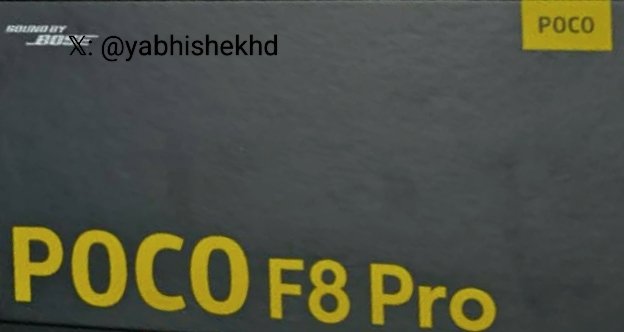
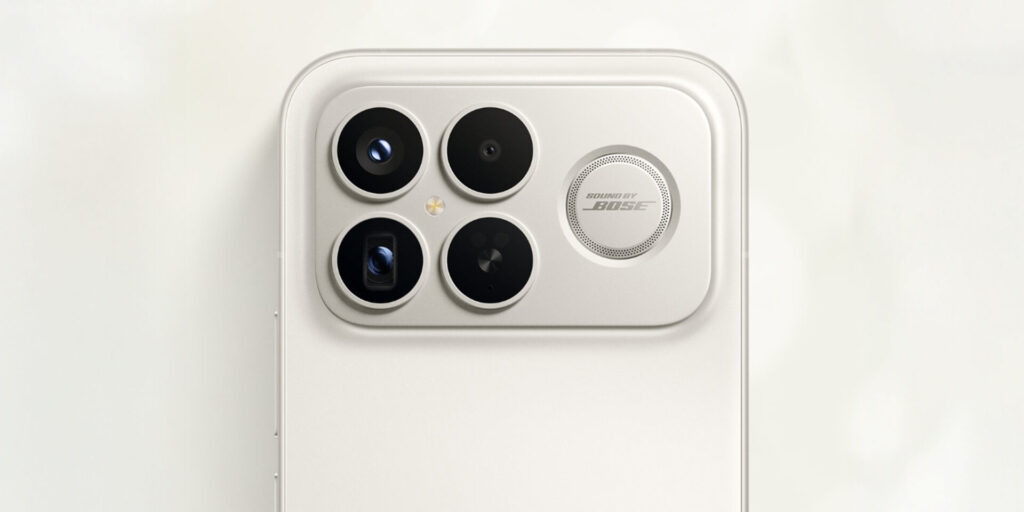
A leaked package has revealed the packing box of the coming POCO F8 Pro, confirming the device’s special partnership with BOSEfor sound optimization. The package is clearly labeled with the “Sound by BOSE” logo, emphasizing the device’s immersion sound capabilities, but the package also confirms the lack of the charging adapter inside, going with the latest technology trend of cutting down on packing contents for environmental concerns.
A Rebranded Flagship of the Redmi K90
The POCO F8 Pro is also believed to be the international name for the Redmi K90 because the device will be launching exclusively in the Chinese market only. Like in the past, the F-series smartphones from POCO will also feature an optimized design, combined with the integrated software aspects in the HyperOS system, providing an optimized international mobile experience. The device is also said to provide the best possible performance with the help of the Snapdragon 8 Elite processor, with the support of a 6.59-inch OLED screen and the ultrasonic fingerprint sensor for faster unlocking capabilities.
Premium Camera & Display Features
The camera system on the upcoming device, the POCO F8 Pro, will be equipped with 50MP main sensors, intended to provide professional-standard photos in different lighting setups. Moreover, the OLED screen is believed to support high refresh rates, along with HDR10+ technology, which will provide brilliant viewing with smooth user interaction. Furthermore, with BOSE’s sound-tuning technology, the partnership is anticipated to bring a superior viewing experience, especially in the areas of Gaming, Videos, or Music Streaming.
Global Launch is imminent
Although there is yet no confirmation from the company on the release date, the package photos reveal that the launching of the device is likely imminent. The association with BOSE puts the POCO F8 Pro amongst the elite audio-focused smartphones from the company, thanks to the merging of flagships with optimized sound quality.
The rollout of the new motion watermark effect has completed for Xiaomi’s HyperOS 3 camera system, according to an announcement made by Xiaomi Camera Product Manager Bao Li. The new motion watermark effect will enable users to show the dynamic watermark effect with the detailed information about the photos, including the latitude, longitude, lens, and time taken for the click. It is another move by Xiaomi aimed at developing the personalize options for its smartphones’ cameras, part of the HyperOS system.
The way the motion watermark works
The motion watermarking functionality provides users with the ability to overlay animated visual effects on pictures and videos, merging the two aspects of embedding meta-data, which are art and technology. The service gives each shot its own identity, especially important for those who travel the world, creating content, or simply capturing the moments and their environmental surrounding.
Users are able to remove the camera data manually or wait for the notification of the resource update from the camera application in order to re-download the watermark resource, making sure that all the visual themes, motion icons, etc. are the latest design updates from the Xiaomi development team.
Enabling the Motion Watermark on Xiaomi
Turning on the new feature is easy:
Swipe down on the main camera interface to access the Quick Menu.
Tap the “Watermark” button
Choose “More watermarks” from the list.
The “Motion Watermark” category can be found, allowing you to select the desired design style by tapping Edit.
Once configured, the camera embeds the motion watermark you’ve selected into the image or video, along with creative visual elements and detailed data overlays.
Future Rollout & Worldwide Outlook
Currently, the update is only available for Chinese HyperOS 3 versions, but there will be a global update in the upcoming months. The recent software updates from Xiaomi, which include AI camera functions and HyperConnect sync capabilities, show the devs’ commitment to creating an integrated picture-taking experience on different gadgets, such as the Xiaomi 15, Redmi K80 Ultra, or the Xiaomi Pad 7 device.
For those users who are interested in upgrading the system camera or exploring the hidden functions of their Xiaomi device, the MemeOS Enhancer app on the Google Play Store will enable them to access unique Xiaomi tools and HyperOS system updates from the same platform.
The motion watermark feature in the Xiaomi HyperOS 3 camera brings another element of innovation in relation to mobile imaging. The device combines creativity with data, making Xiaomi’s commitment to the intersection of technology and personalization once again evident on the surface. Although the technology is only available in the Chinese market, the world is eagerly waiting for the international rollout by Xiaomi fans.
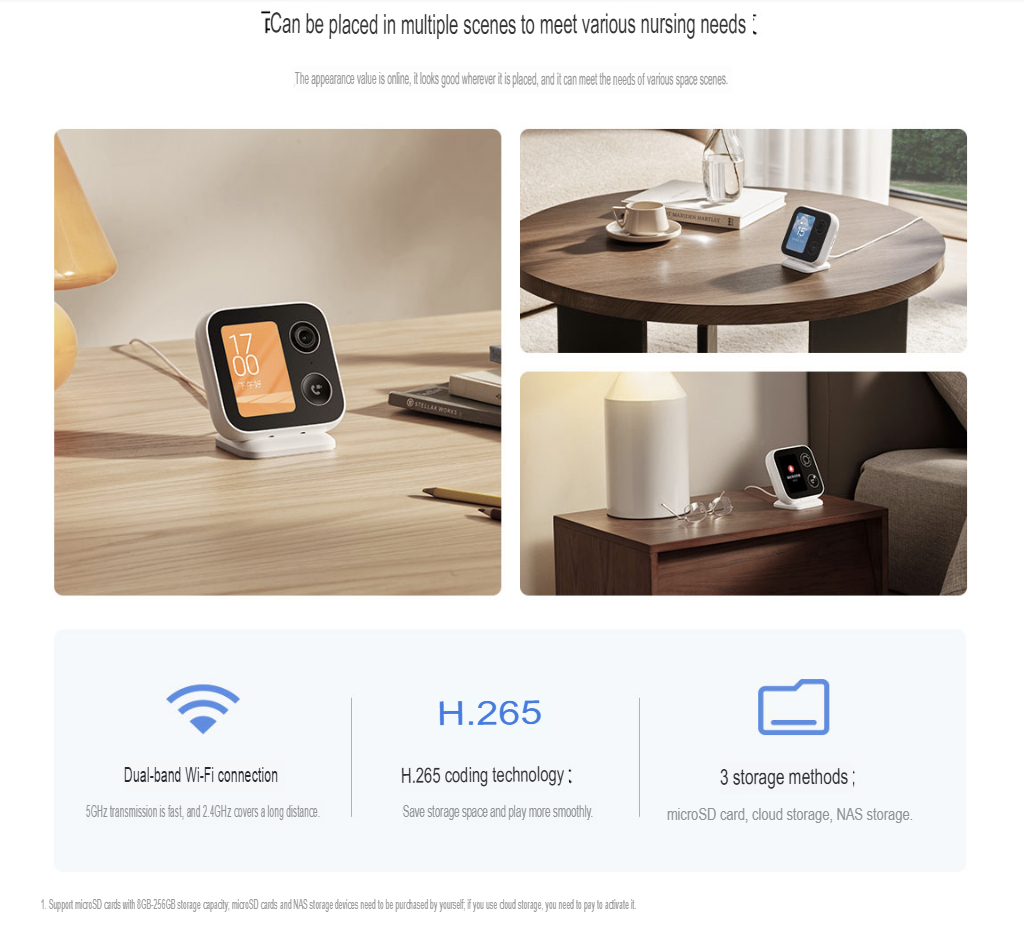
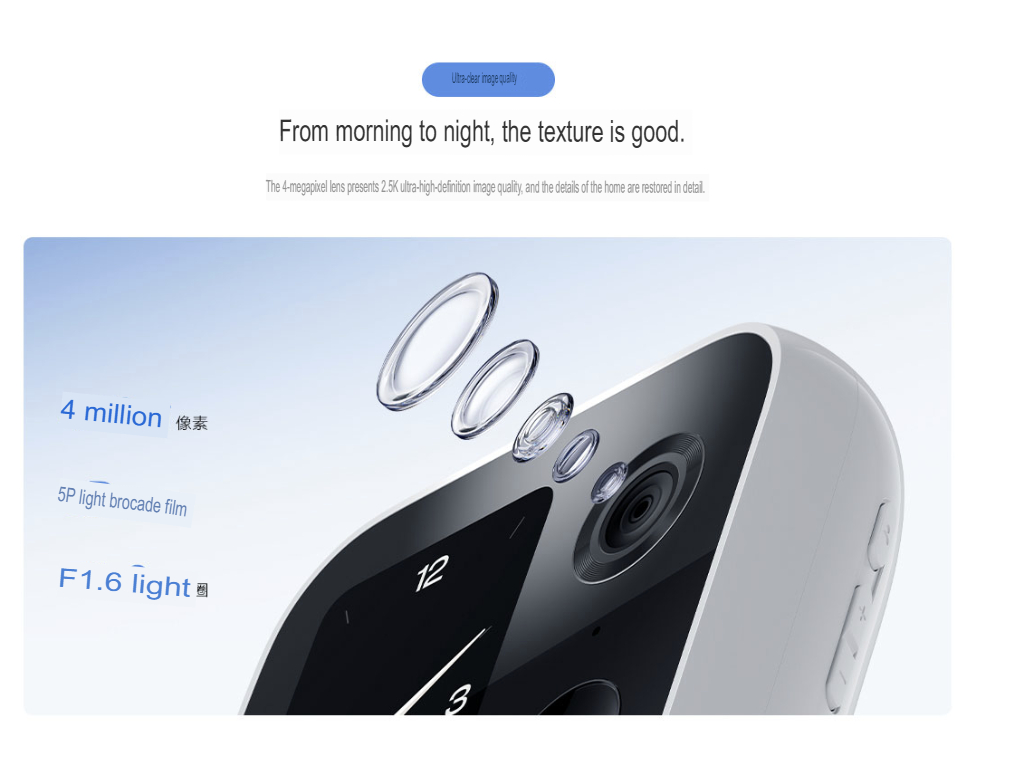
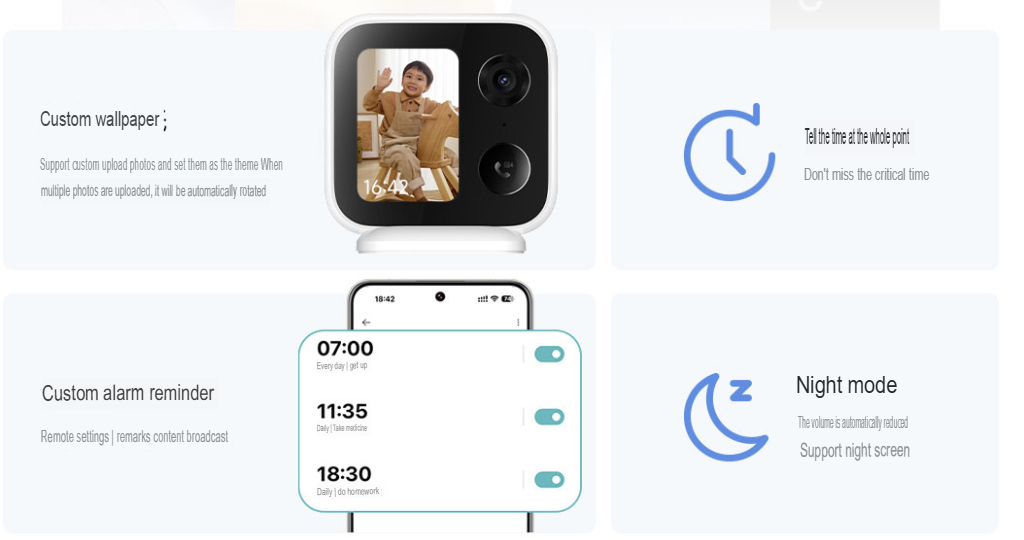
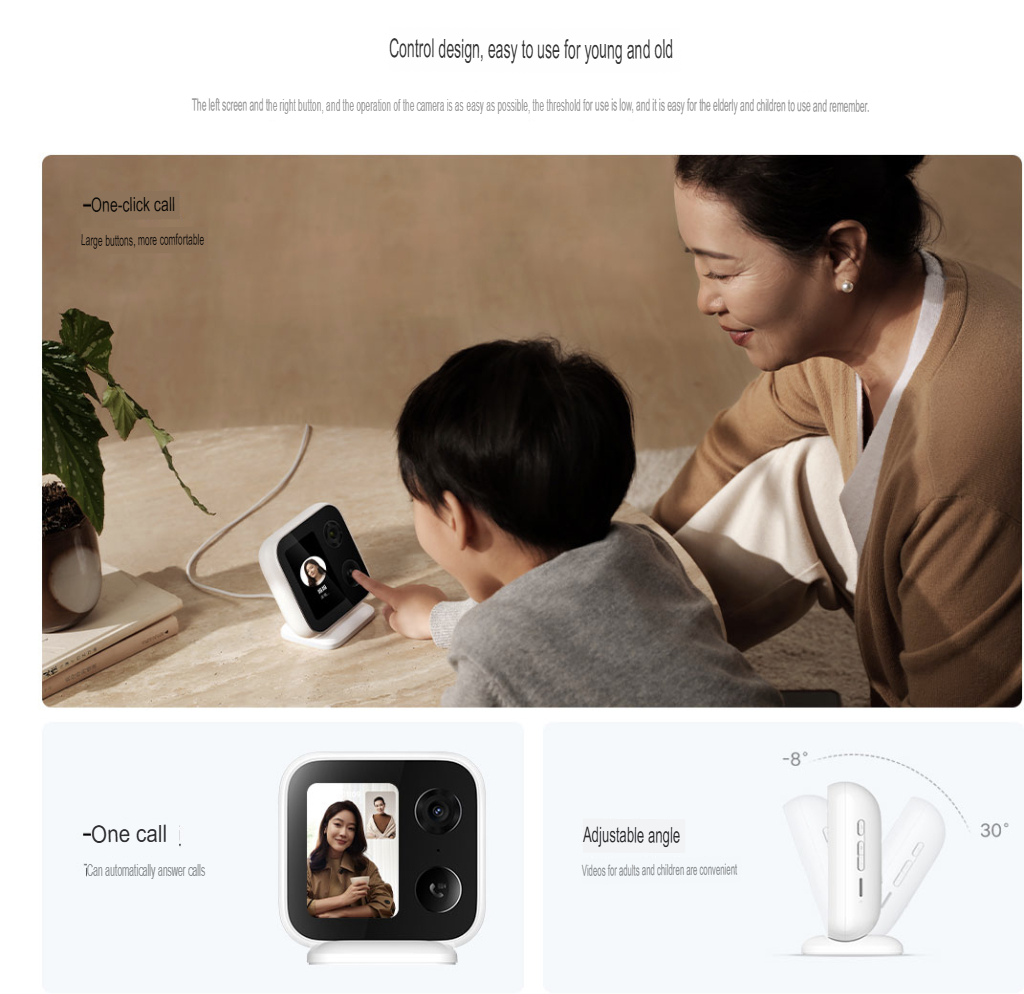
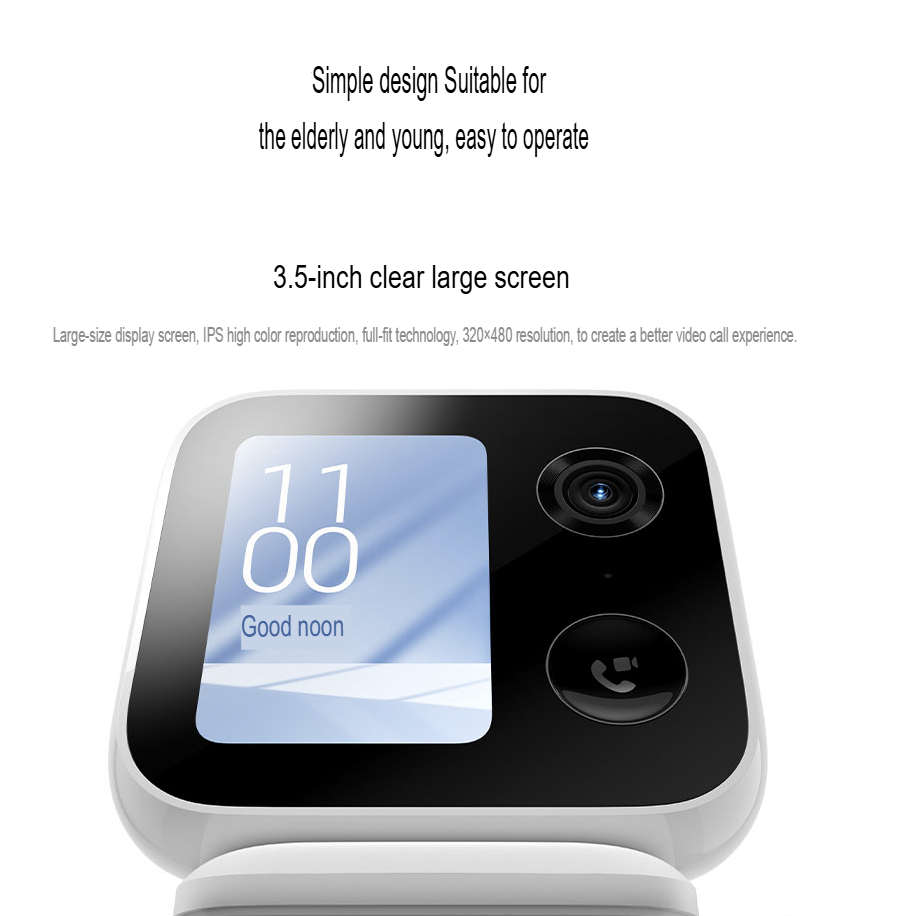
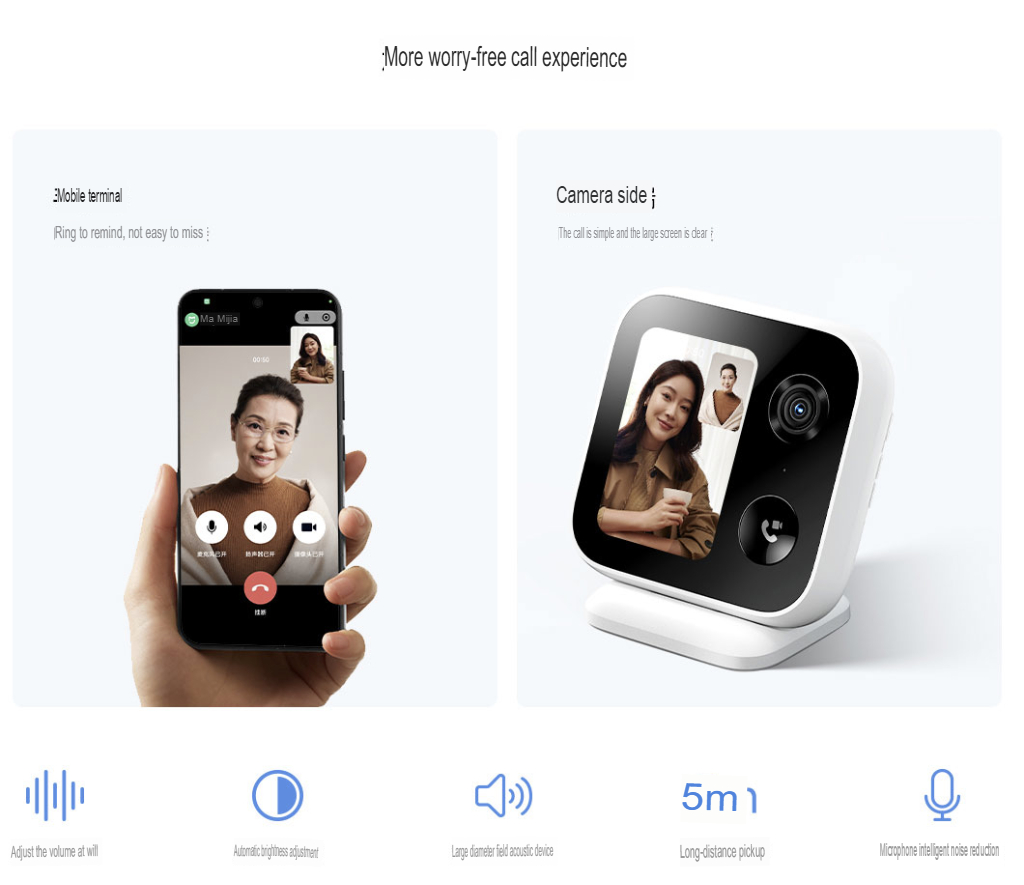
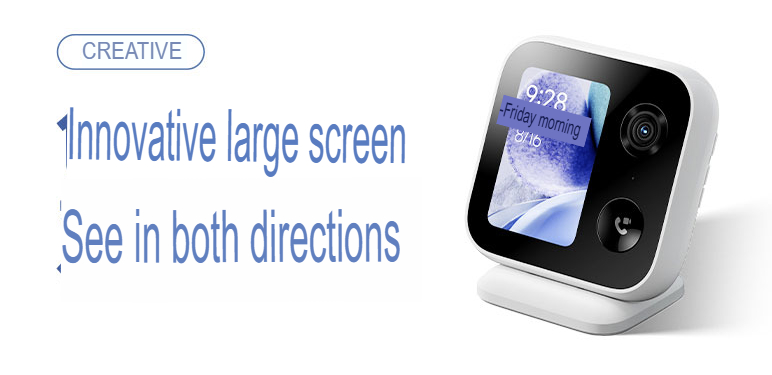
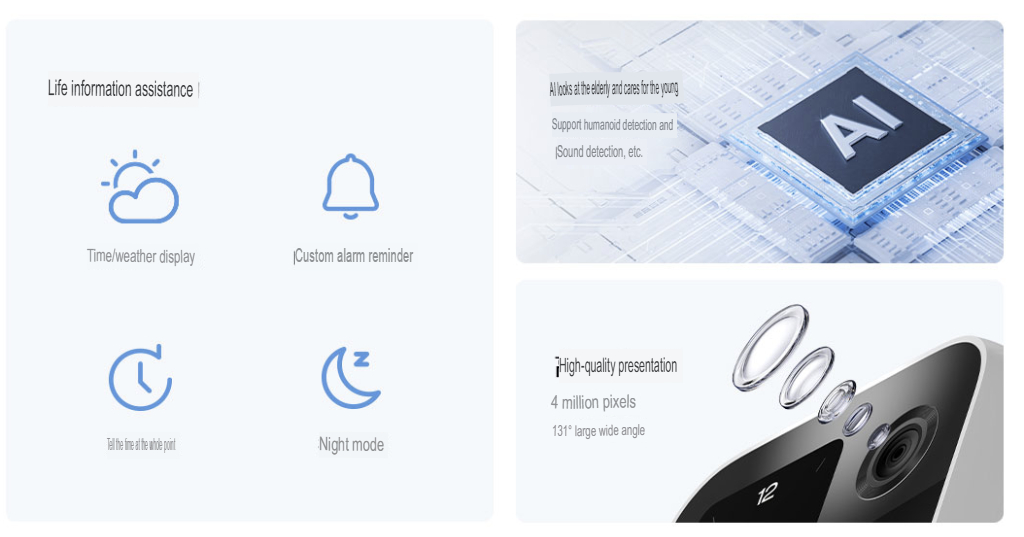
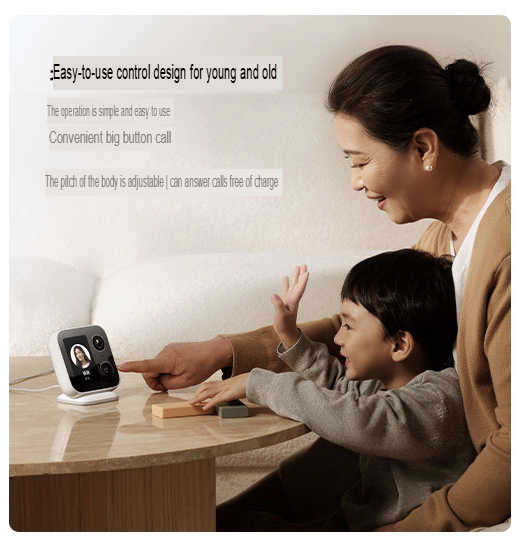
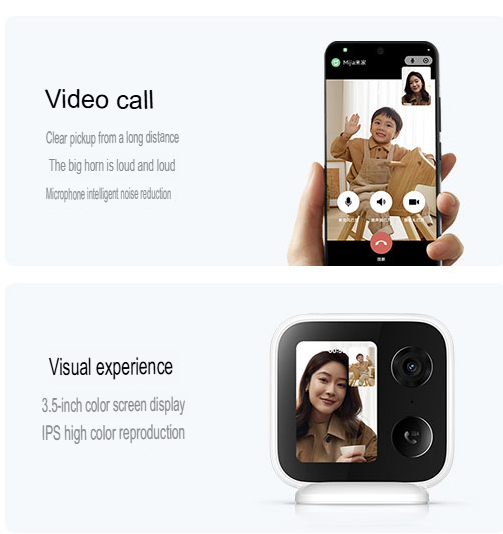
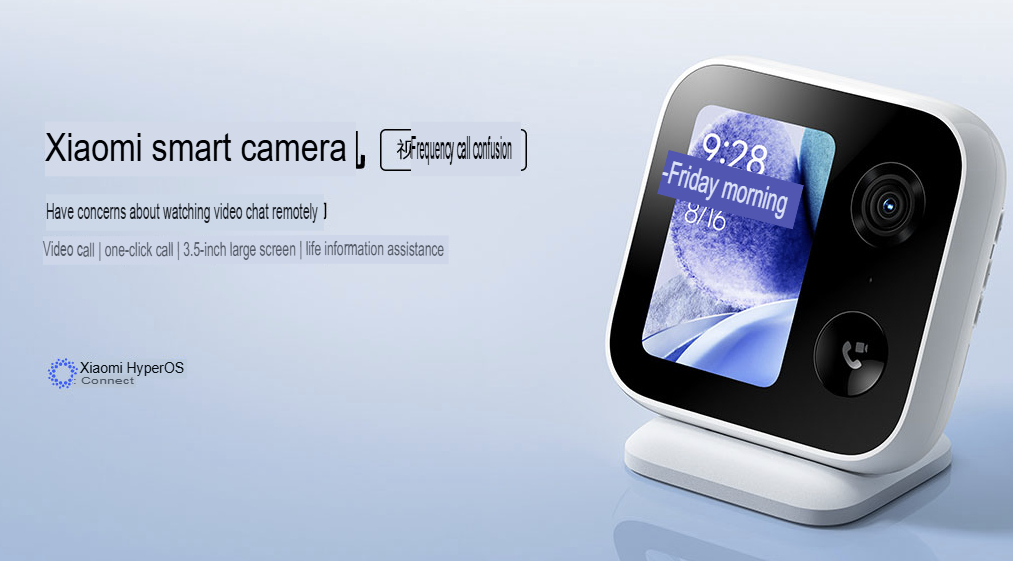
The just-launched device from Xiaomi, dubbed the Smart Camera Video Call Version, also raises an obvious question: ”Do we really need the likes of this product?” The product, in essence, is intended for families, seniors, or kids and supports easy one-click video calls coupled with AI-based surveillance capabilities. There is a 3.5-inch screen, 4MP wide-angle lens, and infrared night vision functionality to help fill the communication gap between, or among, members of the same family, apart from the fact that the device also serves as a mini home assistant of sorts. The price tag is only 175 yuan or about 24 USD.
Designed for Families, Not Just Surveillance
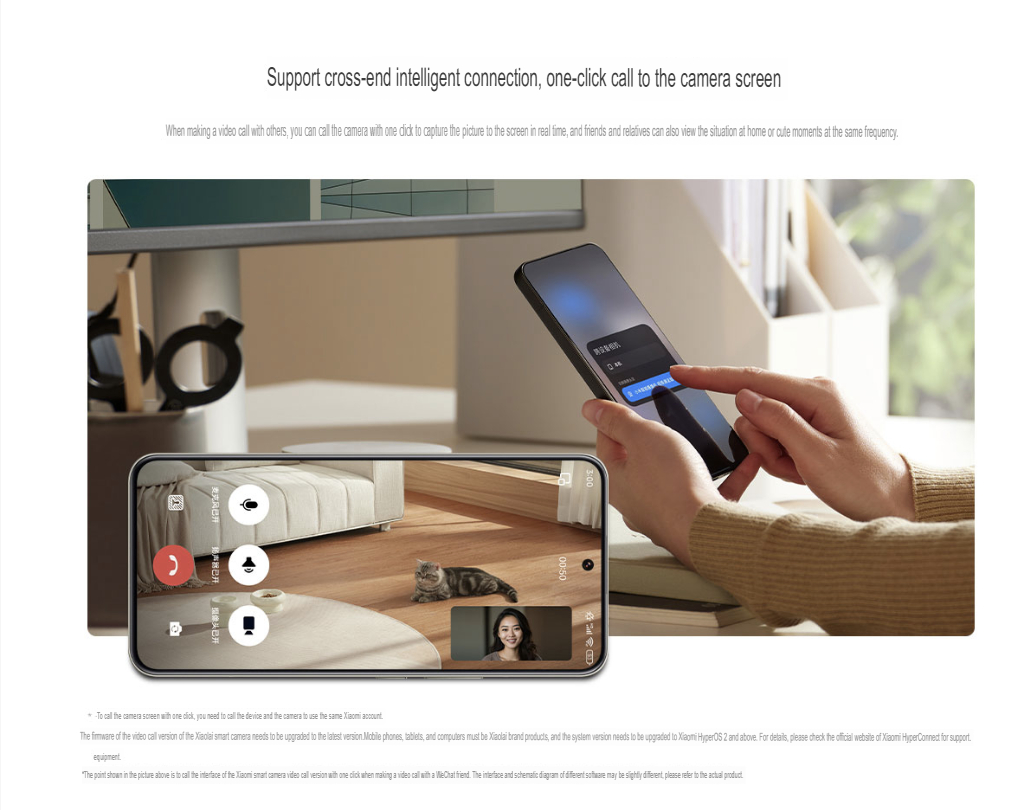
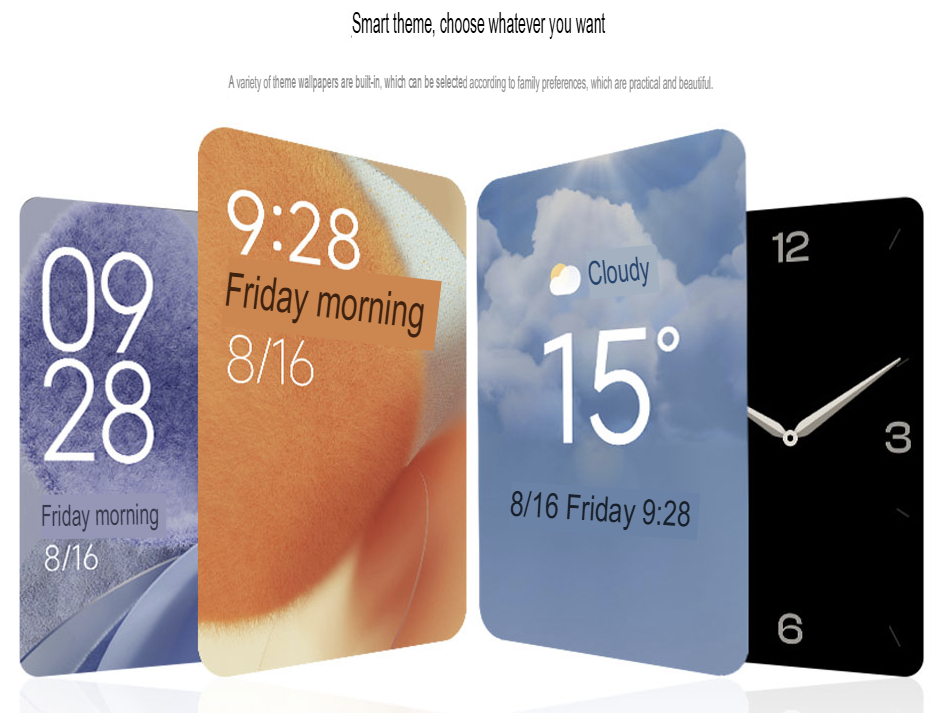
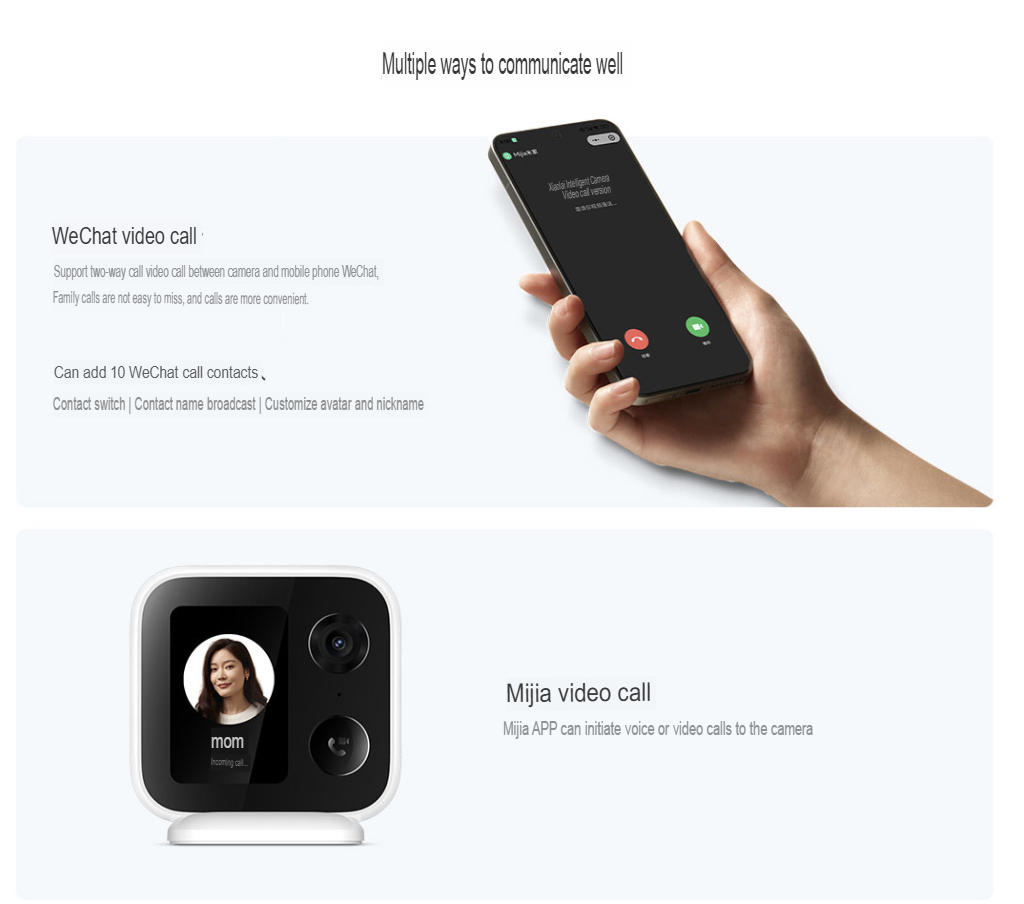
Contrary to conventional security cameras, the Xiaomi Smart Camera Video Call Version prioritizes linking the human heart over just home or personal security. The device boasts the ability to initiate two-way video calls through the Mi Home app or WeChat platforms, which is extremely beneficial for alone seniors or parents who wish to monitor their children remotely. The presence of personal alarm notifications, photograph wallpapers, and current weather updates on the screen gives the impression that the device is emotional, or more of an emotional companion, aside from just an elegant camera.
Practical or Redundant?
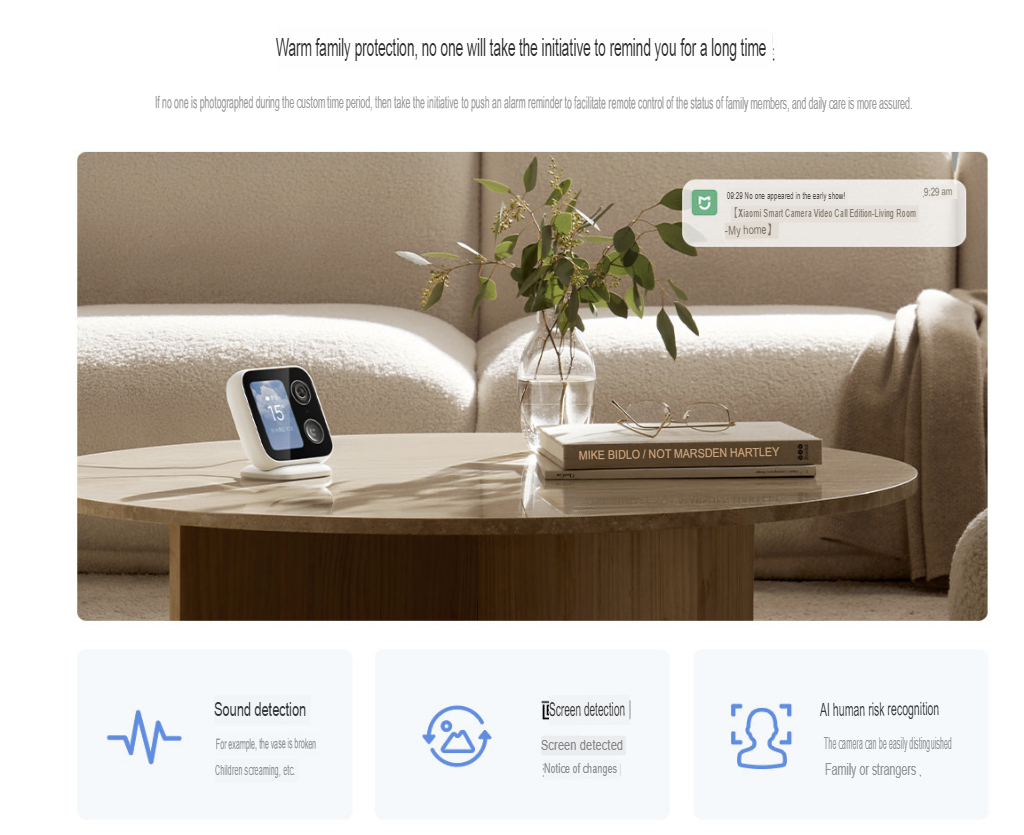
The question then is, do we need the product? Well, that depends on how one looks at “smart living.” Those households already stocked with smartphones, tablets, and AI assistants will likely view the extra device with raised eyebrows. Yet, those consumers over the age of 65 who are struggling with complex interfaces will be well served by the easy one-button calling feature of the product, with its AI-driven person recognition, audio alert, and remote alerting capabilities providing even greater peace of mind for those separated by geographical distances with older children or older spouses, or those with older children who are
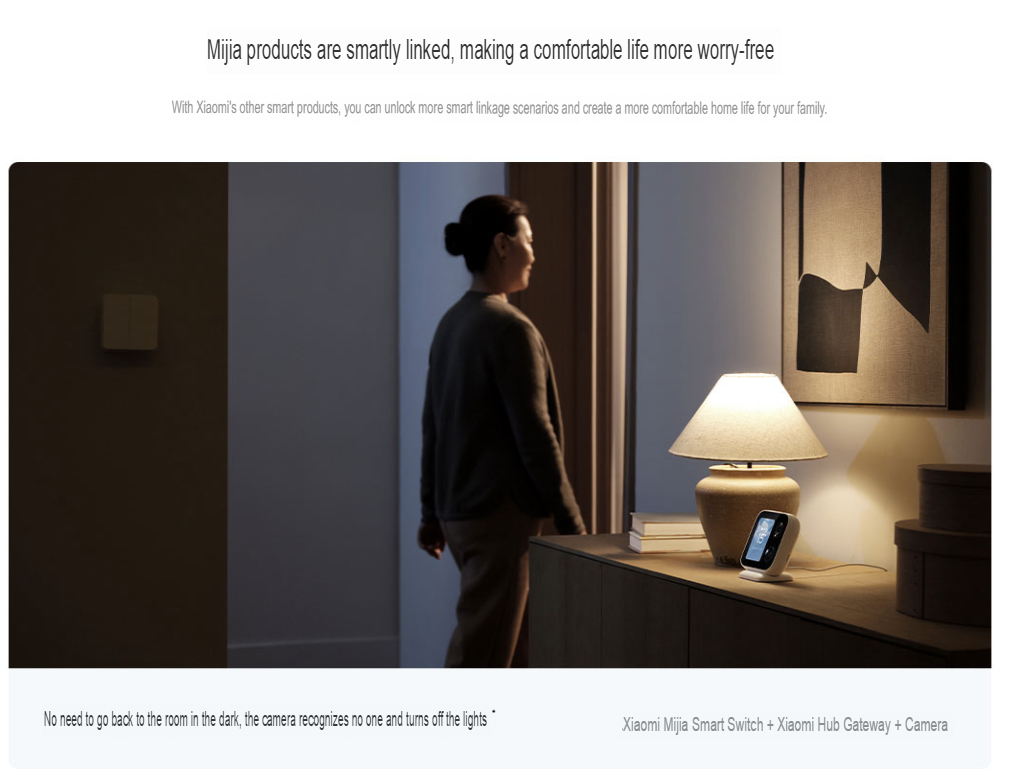
Moreover, once networked with HyperConnect, it is also capable of controlling other intelligent gadgets, switching off the lights, alerting others, or even starting an emergency call with the help of another connected Bluetooth Button. Not just another intelligent camera, it is now part of the entire network system.
A Niche but Meaningful Innovation
The Xiaomi Smart Camera Video Call Version may or may not appeal to all, but it definitely marks the way ahead for human-centered smart technology. This product focuses on the need for simplicity, universality, and emotional involvement, rather than just boasting about its capabilities. Although the tech-savviness of the device may go unnoticed by technology fanatics, any other family will surely value its design, which provides users with reliable communication and safety solutions.
“In today’s world, technology can seem so anonymous, but the newest gadget from the technology firm, Xiaomi, is a poignant reminder that sometimes the greatest technologies are the simplest, especially if those technologies help us connect with the people we love in the most basic way — with one click”
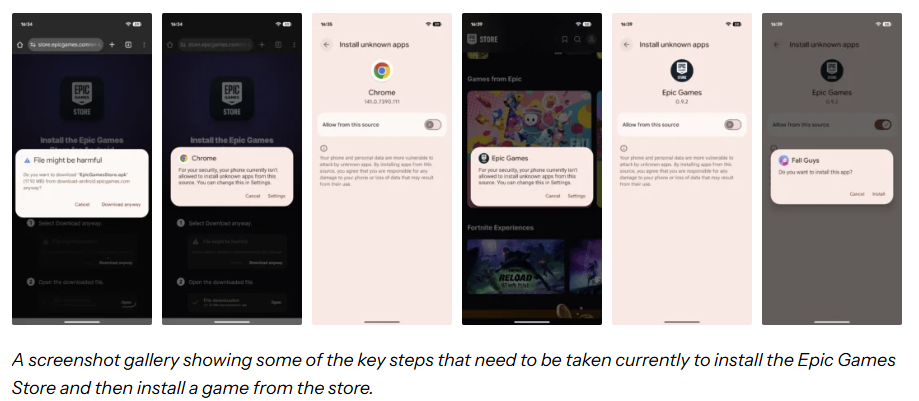
The tech news website Android Authority broke the news that Google is working on an “unprecedented” shift with the arrival of Android 17 because of its recent agreement with the developer of the popular app store, Epic Games. According to an article on the news site IT Home, the upcoming change will implement the service “Registered App Stores,” marking the “industry standard” to revamp the way the Google Play store relates to other apps. This service is scheduled to appear with the upcoming Android 17 OS, probably toward the end of 2026, but will be in effect until June 2032.
Registered Application Stores & One Click Install
The future system will enable one-click installation of apps by accredited third-party app stores from their official websites. When installing an app, the system will provide the neutral “Single Store Installation Screen” instead of the conventional alert screen, providing users with the same smooth installation process provided by Google Play.
This will also give these app stores the installation permission (INSTALL_PACKAGES) by default, which will reduce barriers to entry for users and developers significantly. Such policies may also bring more competitors to the current innovation in the Android app store market.
For users of Xiaomi smartphones, these developments could mean the following: Easier integration of alternative app markets on smartphones running on HyperOS.
Google’s New Rules & Developers’ Rights
To promote fair competition, the settlement outlines several restrictions on Google’s future actions:
Google cannot prevent OEMs or carriers from pre-installing third-party app stores on their mobile device products, at least for the first three years.”
The firm is prohibited from having exlusive revenue-sharing agreements with other firms, like Samsung, to limit other app stores.
There will be *free operation of third-party stores on the Google platform until 2032 without any download charges.
All these steps are part of the efforts made by Google to encourage transparency and prevent any anti-competitive practices in the Android environment.
New Payment Commission Policy
Among the most significant changes is the “in-app payment policy” issued by Google itself. Under the change, “Developers will be able to provide alternative payment solutions, such as links to other websites or the use of other payment providers, in addition to Google Play Billing.”
However, Google will also charge the service fee:
Up to 20% for in-game purchases
Up to 9% for subscription payments, payments other than games,
This structure will be operative from, no later than, March 31, 2026. Although there are commissions to be paid, the flexibility of payments on multiple platforms is indeed an encouraging step towards an open Android platform.
The Future of Android 17 & Verification by Developers
Despite these changes, the verification requirement for developers is still required, meaning that the unfettered side-loading will be eliminated from the future versions of the Android system. However, many believe that the Android 17 policies will contribute to the creation of the healthiest marketplace, taking into consideration the needs of the entire community, starting from the developers to the users.
With the impending arrival of Android 17, perhaps the push will also instigate the adoption of flexibility in its application ecosystem by HyperOS 3 and beyond, an ideal integration with the innovation networked by Xiaomi.
Xiaomi is on its way towards launching its eagerly awaited Xiaomi 18, slated for October 2026. Interestingly, this is when Rockstar Games is pushing back its expected date of launching GTA VI into the distant future. Originally expected in Autumn 2025, GTA VI is expected on Nov 19, 2026, thereby providing ample time for Xiaomi to upstage its competitors. Xiaomi is all set to treat its audience with its Xiaomi 18, offering them advanced technology, powered by SD8 Elite Gen6, perfect assistants for gaming and multi-tasking, Xiaomi is going all out!
Xiaomi-18 is set on following up on the success of its predecessor, Xiaomi-17, launched in August of 2025, and received quite favorably from reviewers and buyers alike. Xiaomi-18 promises improved processing speed, improved design, and improved camera functionality, all encased within a slick and futuristic design that has enough of that wow-factor for enthusiasts of gaming and emerging technology on their mobile platforms just waiting for them, just on time for GTA VI releases and other gaming necessities that require all that processing power and functionality they could possibly be getting for their money on a device as portable as a cell phone.
Even as the world of smartphones awaits this upcoming release, there is no doubt that Xiaomi is again at the forefront of innovation in mobile technology. Stay updated for more as we find out more about its features and price for Xiaomi 18.
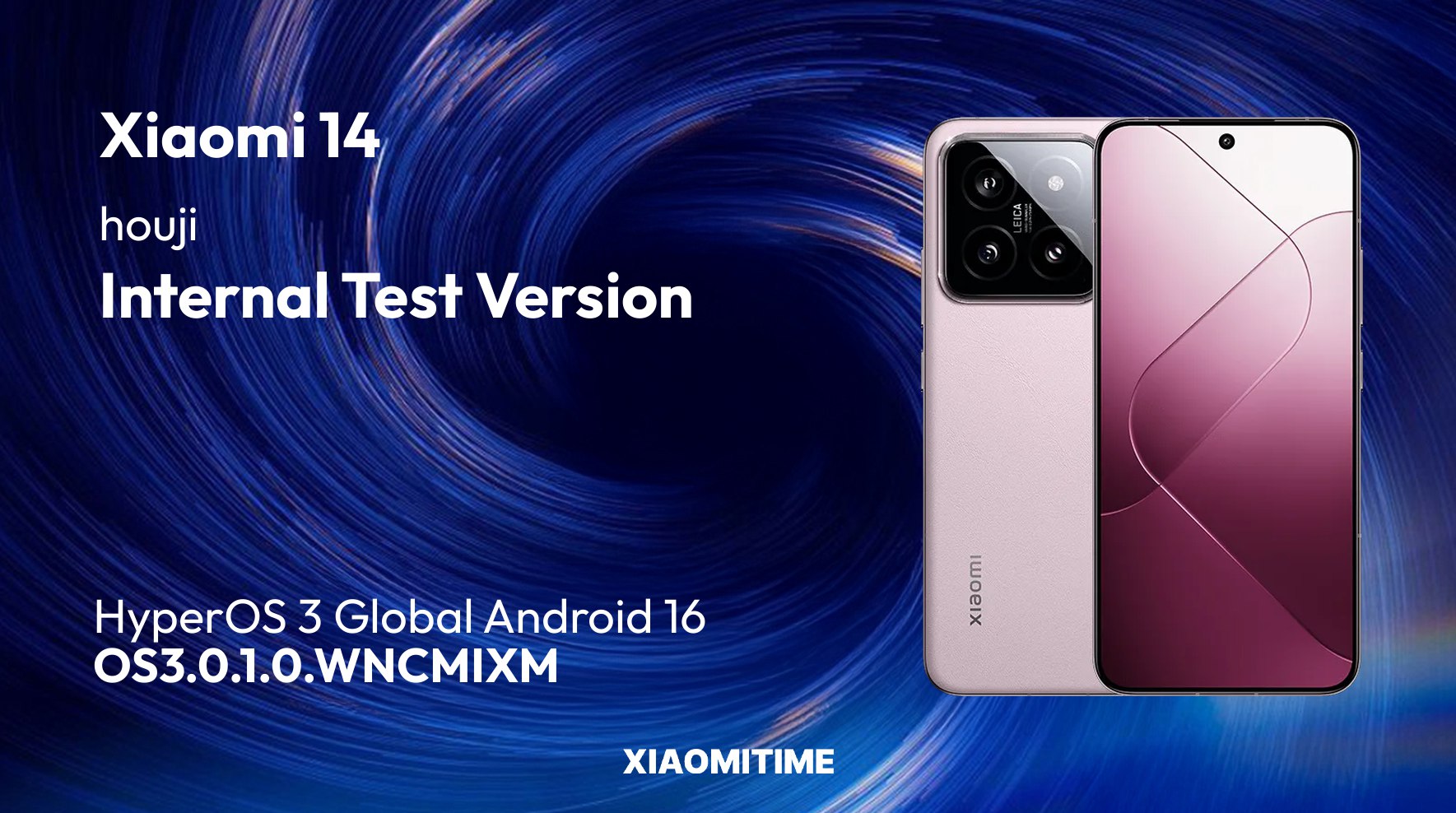
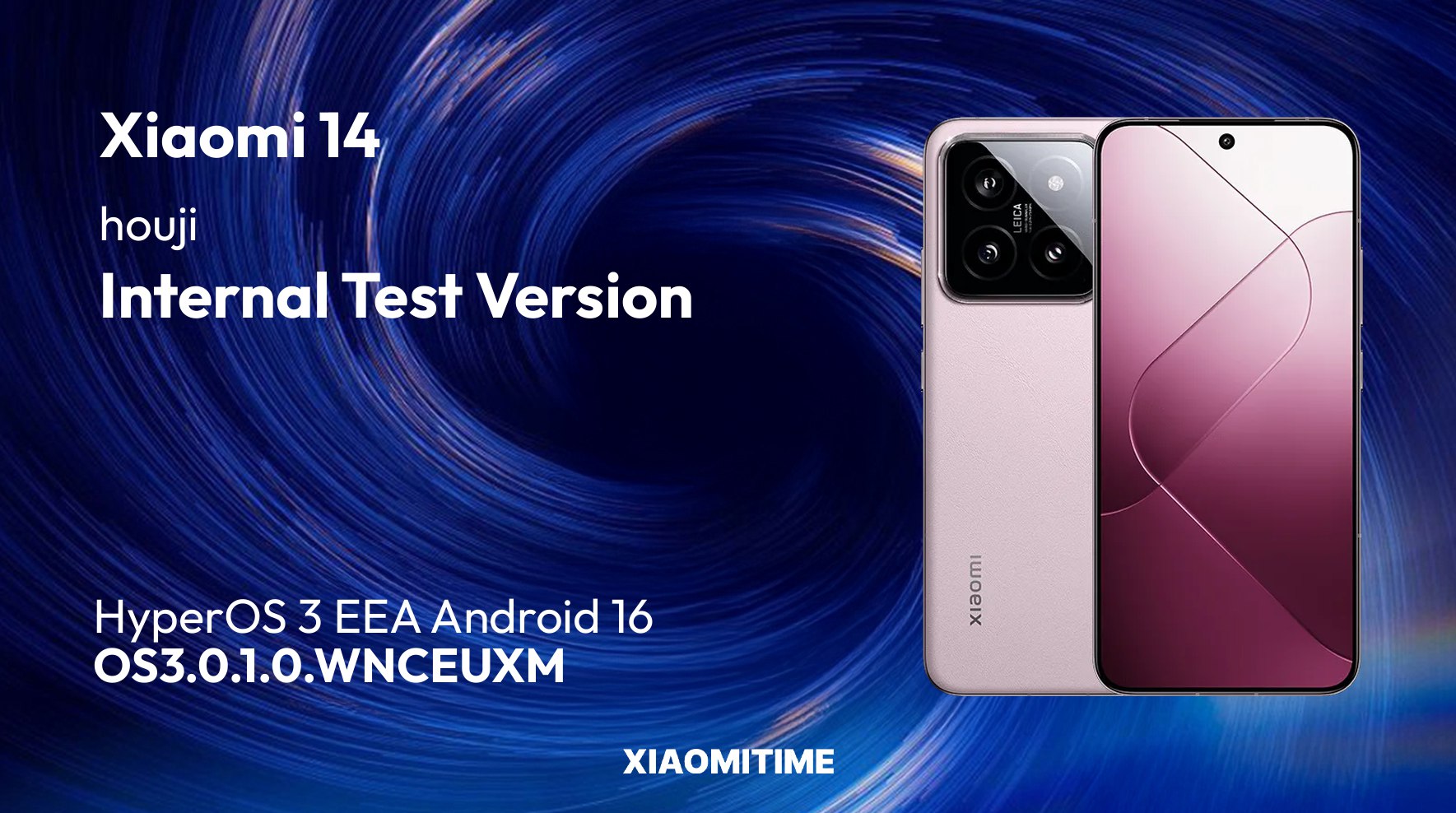
Xiaomi 14 series phones can expect the eagerly awaited update of HyperOS 3.0, expected this week, coming along with the new operating system versions of OS3.0.1.0.WNCEUXM for EEA and OS3.0.1.0.WNCMIXM for Global, all of them based on Android 16. All these are still at the internal testing phase and are close to being finally launched for public consumption. They bring about very promising developments and optimizations for functionality, such as AI technology, user interface, and overall smooth interaction.
With the release of Android 16 launched on a global scale for other Xiaomi devices as well, this upgrade is all set to boost the functioning of Xiaomi’s flagship and mid-range series phones and devices. The new version of HyperOS 3 brings forth ample AI enhancements, making your Xiaomi 14 device smarter and more user-friendly than before.
In particular, people who would prefer having this update earlier can directly download Xiaomi’s new applications via HyperOSUpdates or MemeOS Enhancer from the Play Store, and this would enable them to upgrade their system applications and unlock more features as well.
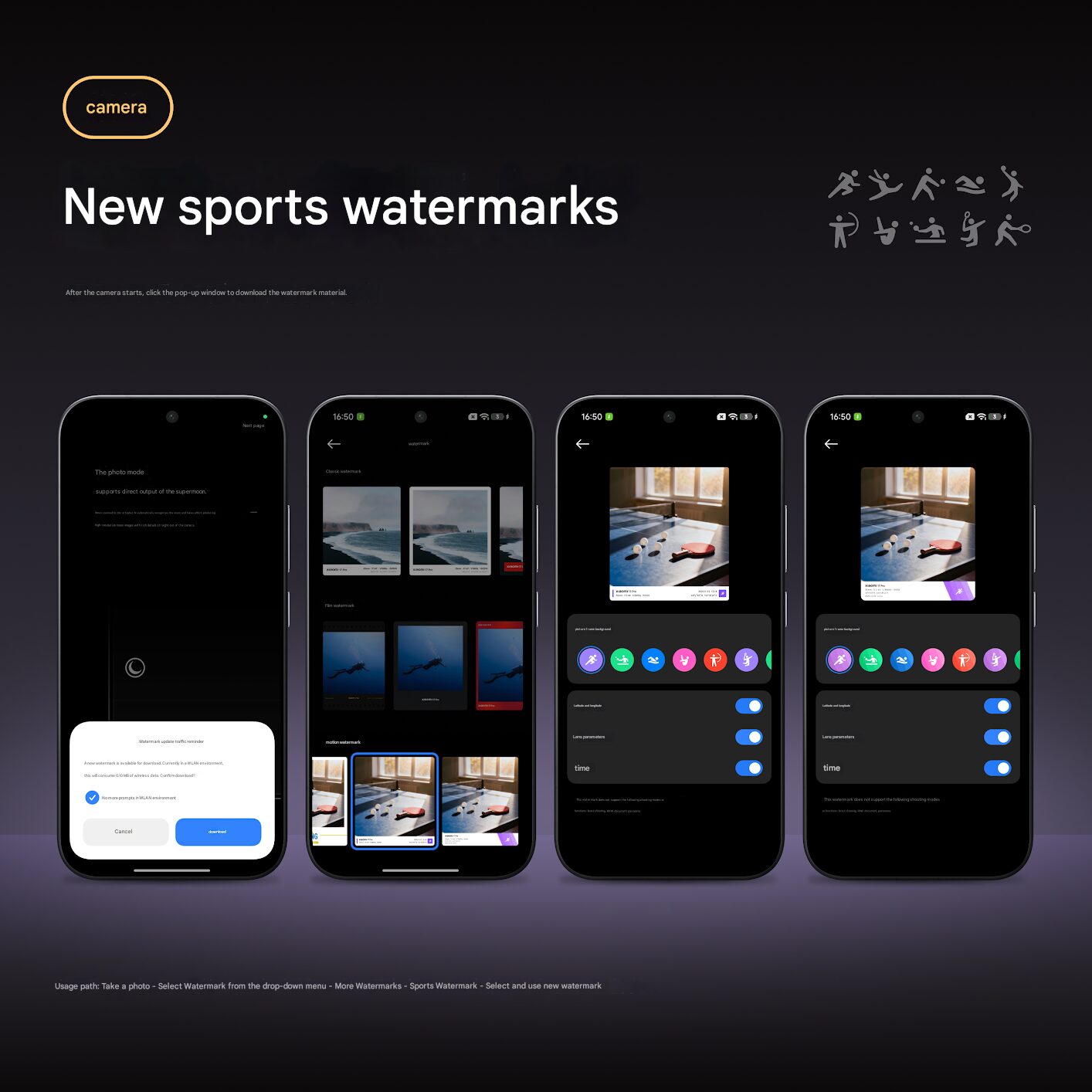
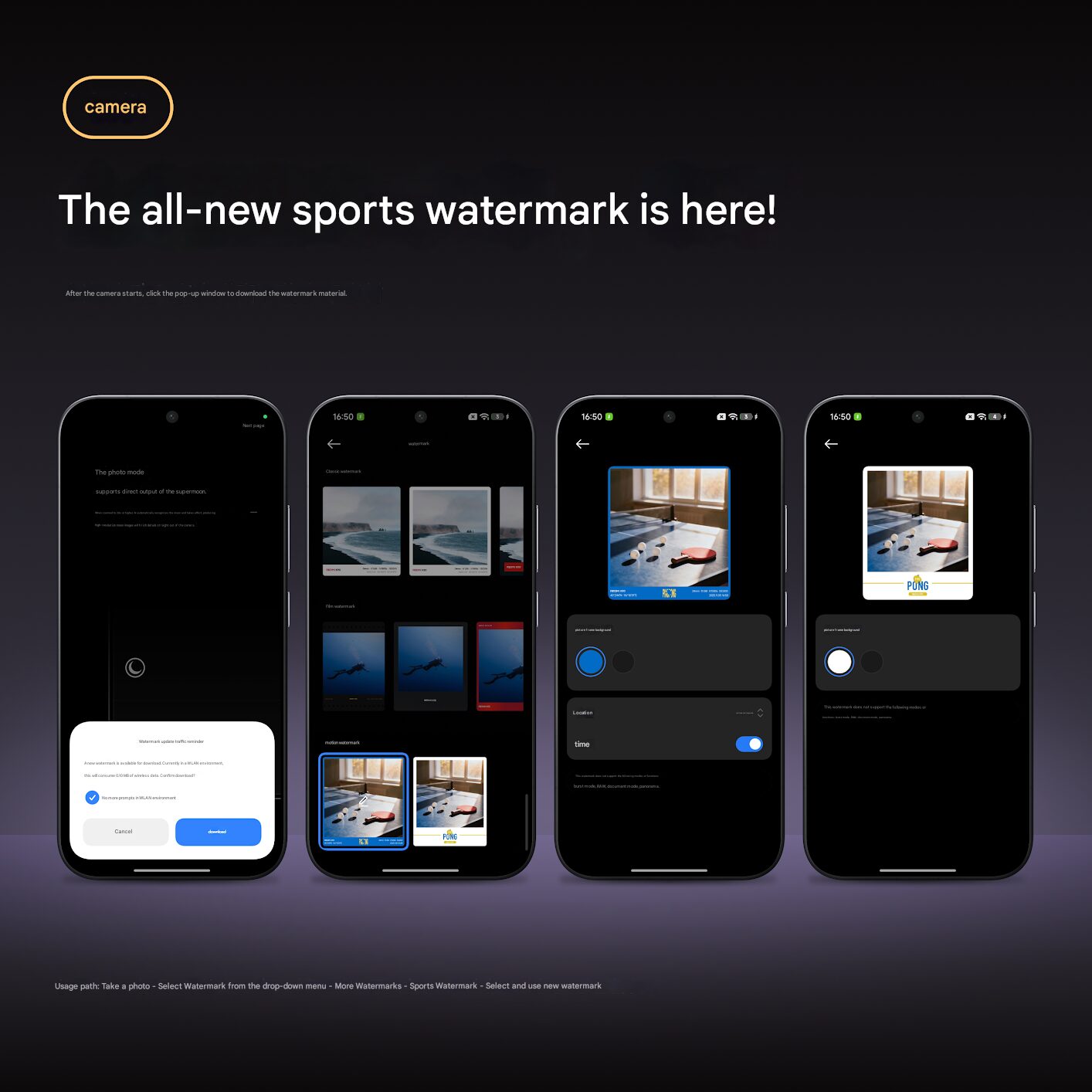
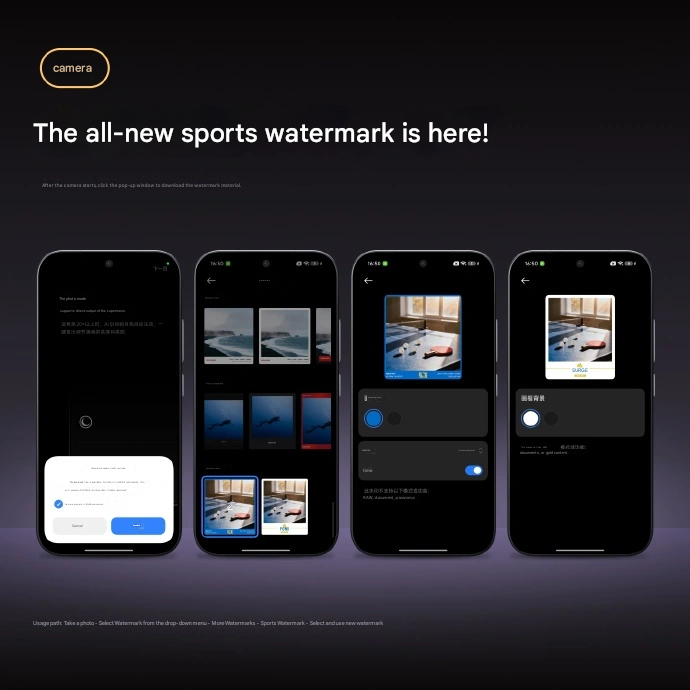
Xiaomi has begun implementing two new motion watermarks for its camera app on Xiaomi and Redmi phones. Additionally, these watermarks are still under gray scale phased rollout and have a sports theme of “PING PONG” that gives users more flexibility when it comes to customization. Both of these new motion watermarks feature two distinct color styles. First, one comes along with a gold or blue ribbon placed below the captured image, and these have black and white backgrounds available. Secondly, one of these watermarks comes along with a table tennis silhouette pattern and supports black and blue backgrounds. Again, these watermarks symbolize Xiaomi’s efforts towards providing its users personalization through its native camera app.
Limited gray-scale rollout phase
At this point, these watermarks have not been made available for all users yet. Xiaomi has, however, released them incrementally as part of a gray scale testing phase. Few users got access to these watermarks before they can be fully released.
If your device supports this feature, a pop-up window will appear on your camera app, and you will be asked to download the new motion watermarks. Downloading this feature will enable its usage on your camera application permanently through its watermark library.
How to use watermarks
Launch the Camera app and swipe down from the main screen to open the menu.
Tap on “Watermark”
Choose “More watermark”
Under the “Motion Watermark” section, select your favorite “PING PONG” style.
Press the Edit icon in the middle of the screen to personalize the watermark and imprint it on your images.
These new features highlight Xiaomi’s efforts to continue improving photography on devices operating on HyperOS software. Xiaomi’s intention is to offer personalized and engaging photography, combined with optimal device functionality and smooth operations through continuous rollout updates.
Xiaomi has begun rolling out an update for its HyperOS Launcher that will enhance its operation and compatibility worldwide. Now available is RELEASE-6.01.02.1321-10302137 that has been tried on HyperOS 2.2 and has proven fully functional for Global as well as China builds. Today, all users, whether owning Xiaomi, Redmi, or POCO phones and having installed HiperOS on them, can have a more stable HyperOS operation thanks to this improvement of its Launcher interface.
Xiaomi has, through this update, reiterated its efforts towards optimizing the wider HyperOS system ecosystem. Unlike past versions, this one is mainly aimed at optimizing animation smoothness, memory, and app drawer transition effects, as reported by some of its early testers, who observed that application switching is much faster and more fluid, especially when running Snapdragon 7 Gen 1 or MediaTek Helio SoC based devices.
Available for All HyperOS Regions
The new HyperOS 3 Launcher is compatible with all active Xiaomi regions, meaning that users of Chinese and Global ROM phones can run this launcher. If you’d like to upgrade your system launcher manually, you can download the latest system launcher from our other project HyperOSUpdates.com, or through our app available on the Play Store MemeOS Enhancer. Downloading MemeOS Enhancer will, of course, unlock Xiaomi hidden system features, system app upgrades, and
What’s Next for HyperOS 3?
Xiaomi is also reported to be working on enhancements for its HyperOS 3 development branch, including improvements such as a revamped control center, dynamic icons, and application grouping through AI technology. Although there is no official timeline available, internal testing reveals that these enhancements are expected to roll out in early 2025.
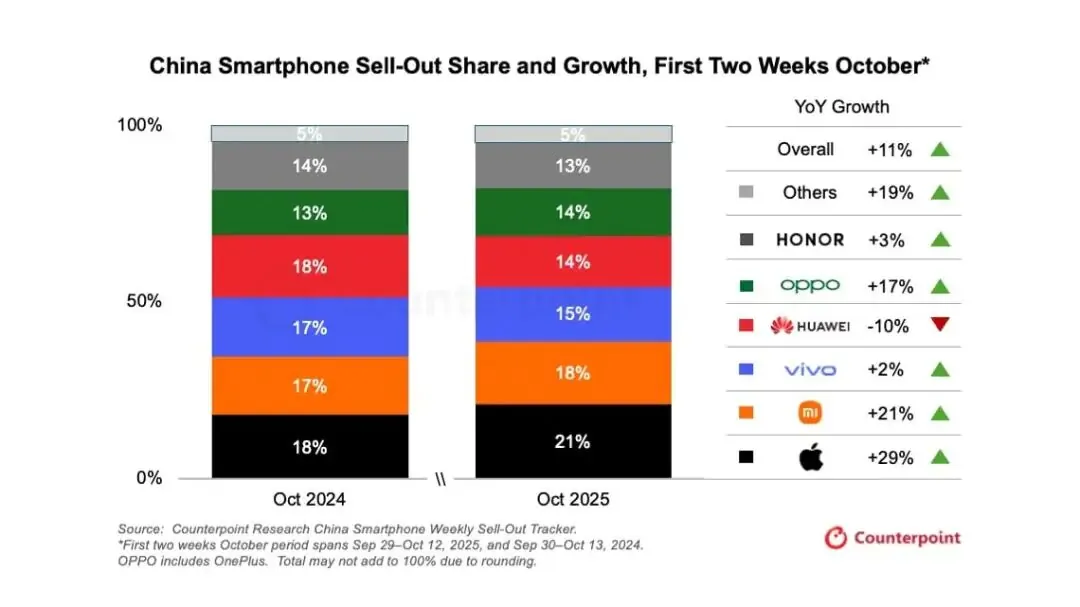
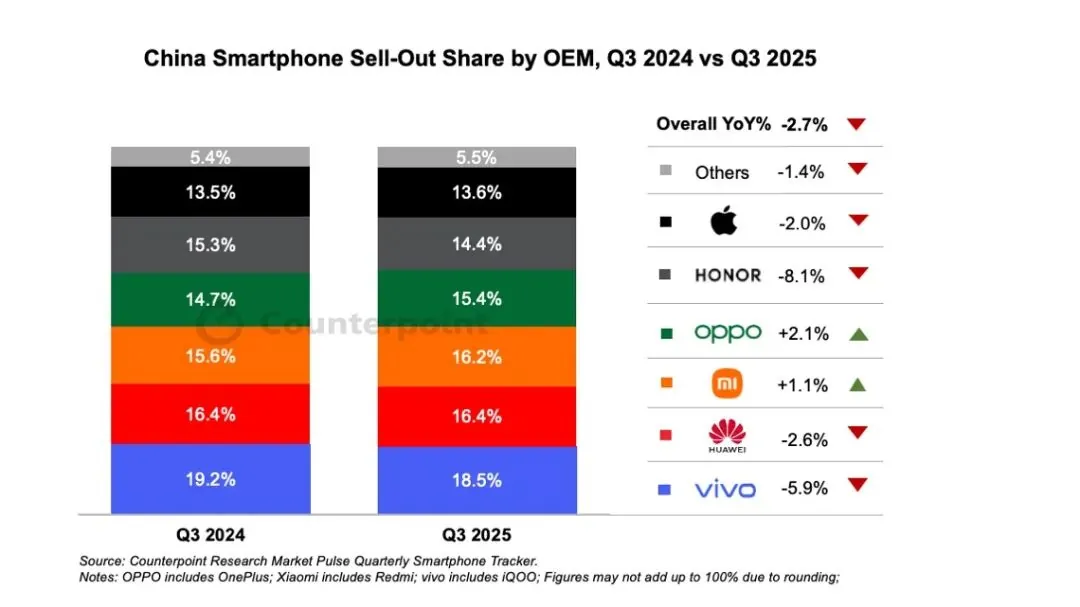
In its native China, Xiaomi has managed to display its ability to sustain itself despite having an ever more competitive market for smartphones. As per Counterpoint Research, the overall sales of smartphones in China have decreased by 2.7% on a year-over-year basis withinQ3 of2025; however, Xiaomi has still manageda growth ofa whoppinga1.1% due to the success of itsRedMi K80 as well as RedMi Note 15 series of smartphones. Moreover, its most recently releasedXiaomi17 series, including17 Pro and 17 Pro Max, has received anenthusiastic receptioninthe
Xiaomi’s Expansion within Its Original Market
China has always been Xiaomi’s bedrock and innovation center, namely where its journey started back in 2010, thanks to Lei Jun’s leadership. Xiaomi has kept its strong link with local consumers through its affordable prices, superior technology, and large HyperConnect ecosystem. Even as China slows down its sales of handsets, Xiaomi manages to boost market share through its premium offerings that suit tech and price-sensitive enthusiasts alike.
Its balanced strategy and strong Q3, especially its ability to focus on Snapdragon 8 Elite Gen 5-based flagship offerings and MediaTek Dimensity-based mid-range phones, is noteworthy, as this allows it to meet market segments’ demand and stay profitable at the same time.
Competing in a Tough Market
Although vivo continued leading with a market share of 18.5%, its sales experienced a slight drop due to heightened competitiveness in the market. Huawei, OPPO, and Honor experienced the same scenario, as Huawei is still waiting for its ecosystem migration to HarmonyOS NEXT to fully gain pace. OPPO’s sales increased, thanks to OnePlus and its gaming-centric Ace 5 and OnePlus 13 series, which proved popular among youths.
By comparison, Xiaomi has used its intelligence and branding to secure a strong second place in growth rate, only behind Apple, whose iPhone 17 series is still doing well.
Future of Xiaomi within China
Meanwhile, as Xiaomi readies itself for the future quarters, the brand is fixated on perfecting its ecosystem through HyperOS 2, AI camera technology, and UWB Smart Connectivity—technologies that would solidify its stance not only across Chinese shores but across other countries as well.
With its roots entrenched in Chinese culture, Xiaomi Mi is symbolic of innovation that has evolved through China and integrated technology and design concepts effectively and creatively. Moreover, its aptness and adaptability during market contraction have reinforced its success as one of China’s most future-aware technology giants.
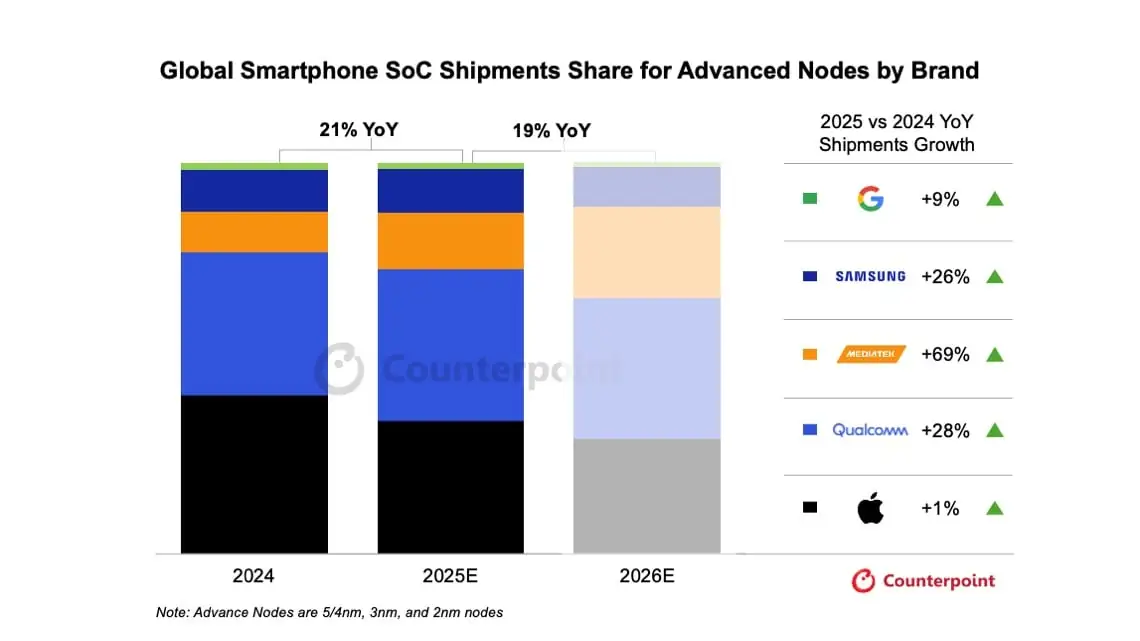
Xiaomi is lining up a dual-chip technology for 2025, as it has continued its partnership with Qualcomm and MediaTek for its future flagship and mid-range series. As indicated by the most recent report from Counterpoint Research, the worldwide market for SoC offerings for smartphones is on the cusp of a big transformation, as SoC offerings based on 5nm and below are expected to finally pass 50% of all shipments for the first time ever. Under this paradigm shift, Xiaomi is adopting Qualcomm’s Snapdragon 8 Elite Gen 5 and MediaTek’s Dimensity 9400 solutions for its offerings.
Xiaomi’s Dual-SoC Plan for 2025
Xiaomi has always used a two-fold chipset strategy that has helped them strike a balance between high-performance and affordable phones. Coming to Xiaomi’s Xiaomi 17 series and Xiaomi 17 Ultra, they would be powered by Snapdragon 8 Elite Gen 5, and REDMI K80 Ultra and Xiaomi 15S Pro would be powered by MediaTek’s Dimensity 9400 chipset.
In 2025, achieving this balance will be more imperative than before, as chipset vendors begin mass producing chips based on 3nm technology, offering enhancements in AI computing, gaming, and power consumption, which are essential components of HyperOS 2.0 and Xiaomi HyperConnect ecosystem development.
Qualcomm Superintendent, MediaTek Accelerates
Based on Counterpoint’s forecast, Qualcomm is expected to continue its lead as the primary supplier of advanced-process SoCs, registering 28% YoY growth in shipments in 2025 and contributing 39% of market shares. Xiaomi’s premium series’ preference for Snapdragon 8 Elite Gen 5 fabrication technology puts it at the pinnacle of processing and power efficiency benchmarks.
On the other hand, MediaTek is accelerating its transition as well. With the expected growth of shipped advanced-process chips of 69%, its Dimensity 9000 and 9400 series will be playing an integral role in Xiaomi’s mid-range as well as its performance-focused lineup of phones as well. Keeping in view Xiaomi’s direction of incorporating MediaTek platforms into its Redmi K series, POCO, and Xiaomi T-series phones as well.
TSMC and Samsung Lead Next-Gen Semiconductor Manufacture
Both TSMC and Samsung Foundry play a critical role for Xiaomi’s ecosystem. According to Counterpoint, TSMC is expected to retain more than 75% of market share in advanced SoC shipping by 2025, with a growth rate of 27% per year. By 2026, mass production of 2nm chips is expected from TSMC and Samsung Foundry, allowing Xiaomi, Apple, Qualcomm, and MediaTek to roll out their new-generation platforms based on this technology.
Additionally, this new generation of innovation for chips will enable Xiaomi to upgrade its AI, camera, and connectivity functionality of future smartphones and other intelligent products.
Future Built on Performace and Smarts
In this shifting landscape of semiconductors, Xiaomi has adopted a flexible strategy of blending Snapdragon and MediaTek SoCs for its future survival in the market. With HyperOS 2.0 technology fully optimized for 3nm and coming soon on 2nm, one can expect Enhancements in AI Multitasking, Camera, and Power Efficiency on Xiaomi, Redmi, and POCO phones soon.
By 2026, Xiaomi’s products will fully incorporate the latest and greatest chip technology and be one of the leading forces in the next era of intelligent mobile computing.
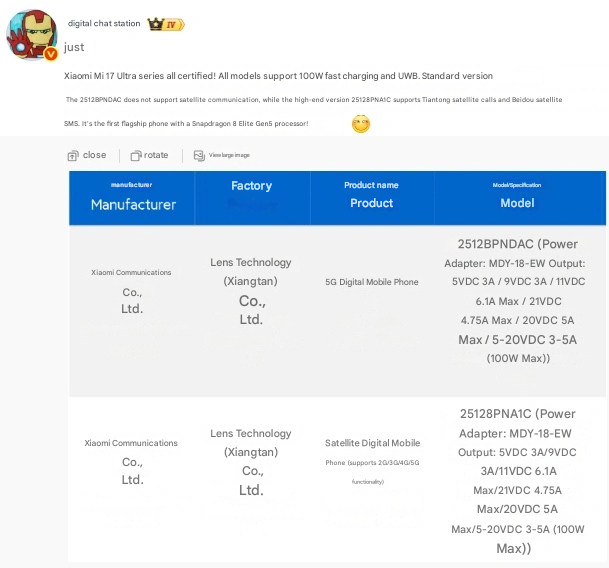
Xiaomi has officially passed through 3C certification, confirming premium upgrades like up to 100W fast charging, UWB, and satellite communication functionality. Two new devices, namely 2512BPNDAC and 25128PNA1C, have recently surfaced. have confirmed These devices are Xiaomi 17 Ultra series.They have standard UWB, and satellite functions or support Tiantong satellite telephony and satellite SMS and rely on Snapdragon 8 Elite Gen5 processing technology.
Xiaomi 17 Ultra: Giant Leap Forward for Connectivity and Camera Features
Xiaomi’s 17 Ultra is Xiaomi’s most audacious step ahead in the realm of communication and camera technology until now. Xiaomi has purposed this model to be enabled with UWB (Ultra-WideBand), providing advanced interaction functionality, as well as complementing Xiaomi’s ecosystem as a whole, whether it is smart homes or cars.
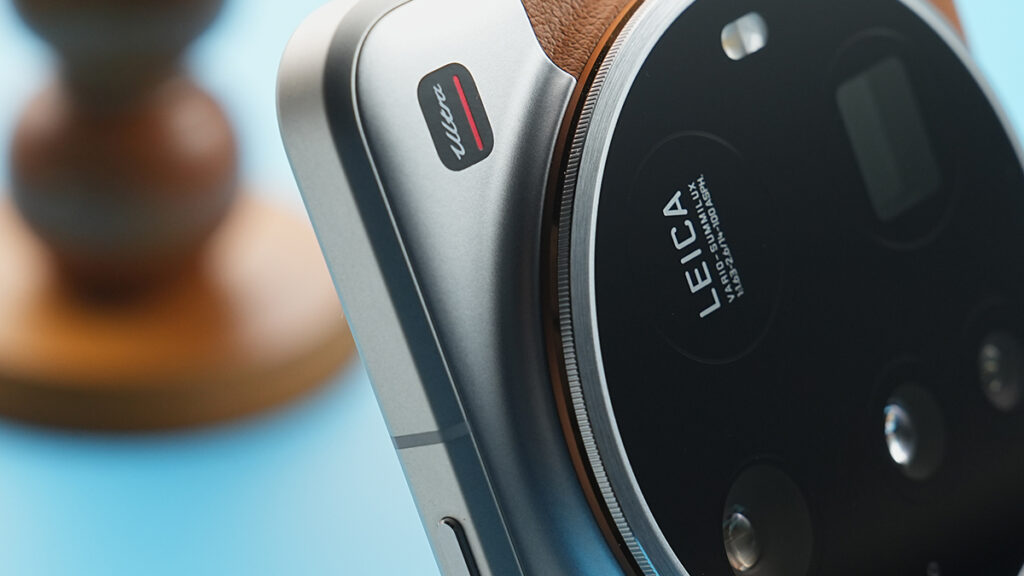
According to blogger leaks, the Xiaomi 17 Ultra sports an advanced large circular camera system that incorporates the industry’s largest sensor and a new telephoto system. Additionally, it is expected to have an external lens system for advanced photography. By integrating its multispectral sensor and physical zoom system, this device is intended to have DSLR camera capability, a significant advancement from its predecessor, Xiaomi 14 Ultra.
Xiaomi’s UWB Extension on Different Devices
With the arrival of Xiaomi’s range of electric cars, UWB is now more integral than ever before as part of device interconnectivity. For example, Xiaomi’s 15S Pro boasts UWB functionality for keyless car entry and automatic trunk opening. Xiaomi is set to break all barriers again with its new Xiaomi 17 Ultra, offering improved functionality for proximity detection, contactless payments when going through transit gates, and operating and managing other devices.
Global Release coming soon.
Global variant model numbers of Xiaomi’s 17 Ultra series could be 2512BPNDAG and 25128PNA1G. Unlike previous years that saw Xiaomi forgo satellite connectivity, this time around, the satellite capability is expected to be included as well, marking a huge advancement in Xiaomi’s plans for its flagships on the global market.
Equipped with Snapdragon 8 Elite Gen 5 processor, 100W fast wired charging, and advanced camera hardware, this series of Xiaomi 17 Ultra is expected to be one of the most powerful and interconnected phones of 2026.
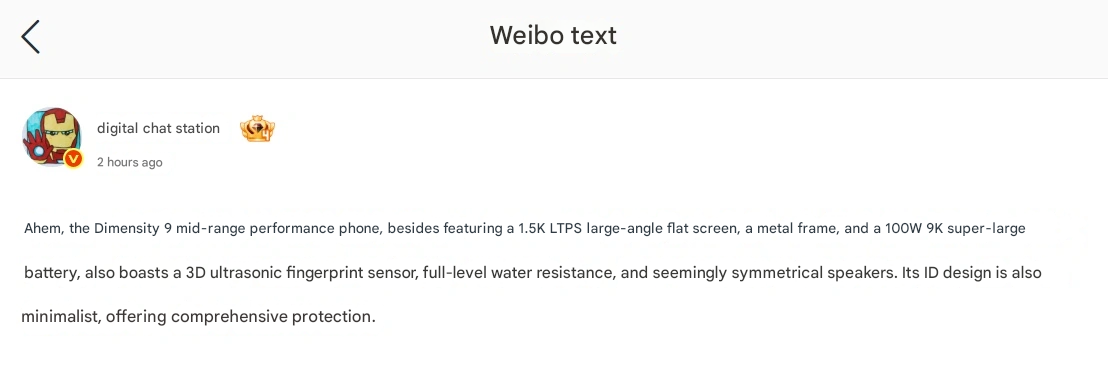
This new mid-range smartphone with MediaTek Dimensity 9 is in the making and is said to be none other than the Redmi Turbo 5 Pro as popular tipster @DigitalChatStation. This new smartphone is soon to take over in terms of battery performance by offering a 9000mAh single-cell silicon battery that will have 100W fast charging capabilities—an entirely new experience in mid-range technology.
Advanced Design and Display Capabilities
Redmi Turbo 5 Pro is also rumored to come with a 1.5K LTPS large angle flat screen that will offer colorful and clear visuals while gaming or watching. This product’s metallic body and simplified design trend match well with Xiaomi’s latest designs in recent versions. Moreover, Redmi Turbo 5 Pro is also likely to offer several exciting features such as a 3D ultrasonic fingerprint sensor or IP-rated water-resistant capabilities as well as dual symmetrical speakers.
Community Speculation and Insider Clues
In an attempt to quash user speculations, DigitalChatStation teased that it will include a “vertical Deco” design – a unique camera setup that might make Redmi Turbo 5 Pro unique compared to its contemporaries. Although some users related this compact design to OnePlus Ace 5 Ultra’s release, rumors also lingered about an affiliation with an impending Xiaomi 17 Air. But according to this blogger, it is not related to the latter, thus solidifying speculations that it is actually Redmi Turbo 5 Pro.
Battery Technology and Charging Innovation
In a previous report, it was highlighted that Xiaomi has already finalized its 9000mAh± single-cell silicon battery and is currently testing 10000mAh± options in its lab. This is just one of the signs of Xiaomi’s desire to have a balance between its energy density and charging speed. Moreover, it is also predicted that this new flagship will come with 100W flash charging technology so that it is possible to completely charge its large battery within 30 minutes.
Quick Look Back Redmi Turbo 4 Pro
By comparison, the Redmi Turbo 4 Pro came with a Snapdragon 8s Gen 4 chipset, a 6.83-inch 1.5K LTPS flat screen, a 50MP + 8MP dual-camera setup, and 90W fast charging as well as 22.5W reverse charging. It also featured charging capabilities for earphones, Smartwatches, and similar accessories. Now, it appears that the Turbo 5 Pro will prove to be its real successor in terms of longer battery life and flagship specs.
A new tablet from POCO, a sub-brand of Xiaomi, has been spotted lurking in the background at Geekbench. This new tablet is listed with a model number of 25099RP08G and is rumored to come as a new POCO Pad X1. This new tablet will allegedly come paired with a Snapdragon 7+ Gen 3 SoC, an 8GB of RAM option, and will boot Android 15 with a new HyperOS skin, as reported by GizChina & IT Home.
That is, with a single core score of 1811 points and a multi-core score of4600 points, it is clear that POCO Pad X1 is a powerful mid-range gadget. This is because it will be capable of offering an efficient performance similar to that of flagships at an affordable price. Note that this performance was from an engineering prototype and is therefore likely to be varied when it is in the market.
Reports indicate that the POCO Pad X1 has a common foundation in terms of hardware with the Xiaomi Pad 7, whose launch in China has already been done. This is a product that is equipped with a Snapdragon 7+ Gen 3 SoC that is known to offer a lot of power while consuming low power. On its part, an 11.2-inch 144Hz LCD screen, 8850mAh battery, and 45W fast charging component is present in the Xiaomi Pad 7.
It is likely that this tablet will come with some minor design differences like color versions and brand differences that are common in POCO’s line of globally sold products. This tablet will fall in a category that is neither fully budget nor fully flagship, so it will come at a cheaper rate than that of Xiaomi’s Pad Series.
Expected release and software details
POCO Pad X1 will be launched soon in countries around the globe as a part of POCO’s ever-expanding line of affordable performance-centric offerings. POCO Pad X1 is also likely to come pre-installed with Android 15 based HyperOS.
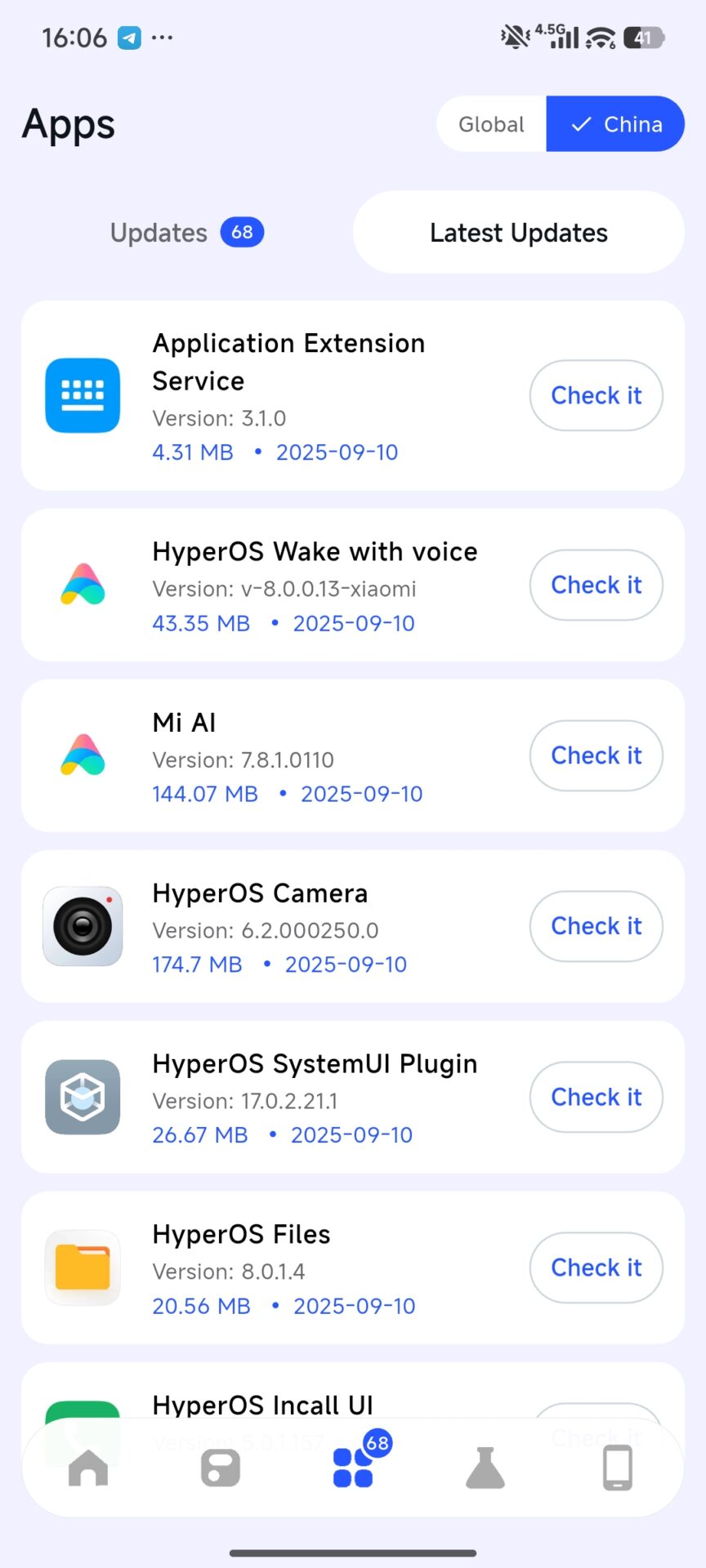
Xiaomi has rolled out a comprehensive list of system app updates in the new HyperOS 3 Global update. All the apps have been blessed with better stability, performance optimization, and smoother user interface design for a seamless experience.
1. Themes Manager (v3.0.2.7-global)
The updated Themes brings more customization features with quicker theme loading and silky-smooth UI previews. Size: 61.49 MB
2. File Manager (V1-250018)
The File Manager receives a more advanced search mechanism and improved access permissions for plugged-in devices. Size: 28.54 MB
3. Gallery (4.3.0.23-global)
The Gallery app receives AI-powered photo classification and faster cloud syncing features. Size: 101.04 MB
4. Music (9.24.05.091817i)
The HyperOS Music player receives improved equalizer settings and a new Now Playing layout. Size: 105.8 MB
5. Security Center (11.7.5-251014.1.1)
Security Center now introduces real-time threat detection and power-saving background scanning. Size: 91.47 MB
6. Launcher (RELEASE-6.01.02.1562-10141736)
The new HyperOS Launcher adds features for icon animations, multitasking, and home screen customization. Size: 23.7 MB
Quicker System Connectivity and AI Integration
Aside from this, the update also includes a fresh HyperConnect build that refines cross-device communication between Xiaomi smartphones, tablets, wearables, and smart home devices. The system is now unified for smooth file transfer, clipboard sharing, and instant task transfer between devices.
Additionally, QuickBall (v16.0.0.9.0)and Mi Share (v4.0.6.global) have been updated for better gesture responsiveness and faster device discovery, reinforcing Xiaomi’s ongoing efforts to create a truly connected smart ecosystem.
How to Get HyperOS 3 Global Apps
Users can now test these new versions by downloading them from HyperOSUpdates.com or through the MemeOS Enhancer application from the Google Play Store. MemeOS Enhancer also enables users to access hidden Xiaomi features, update system apps, and download OTA updates from the screen.
The HyperOS 3 Global Stable update demonstrates Xiaomi’s dedication to enhancing the user experience across all devices, blending AI capabilities with smooth performance and cross-device harmony. With these improvements, Xiaomi continues to redefine how its ecosystem functions on a global scale.
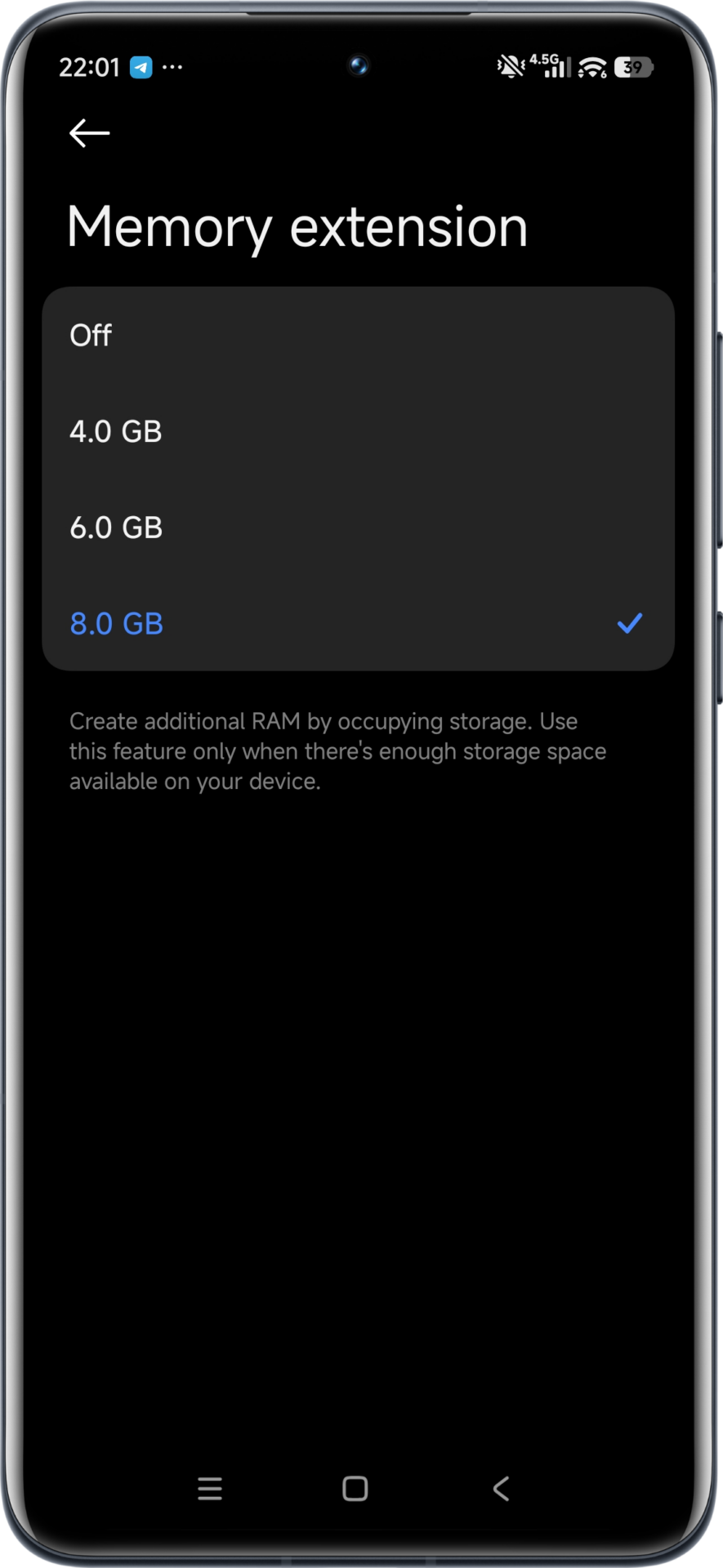
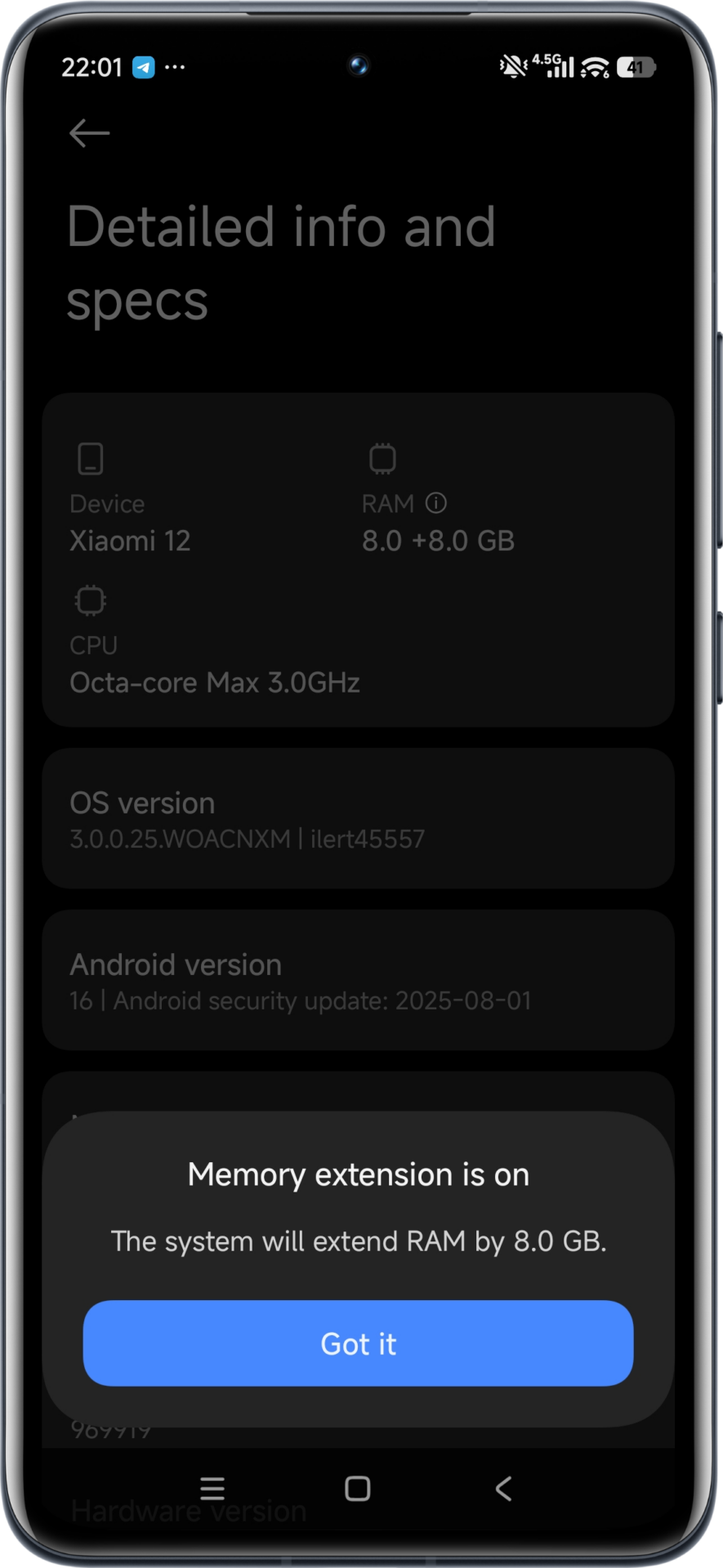
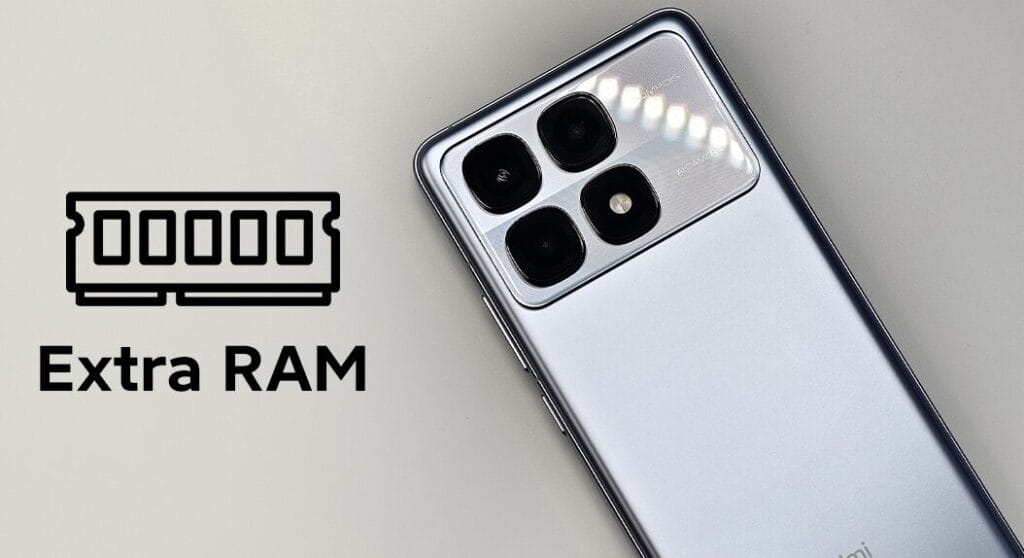
Xiaomi’s Extra RAM (also known as Memory Extension) does work, but only in specific situations. It’s not as powerful as real physical RAM, yet it provides noticeable benefits for users with lower-end devices. The feature temporarily borrows a piece of your phone’s internal storage (UFS) — let’s say 3GB, 5GB, or 8GB — and converts it into virtual memory.
How Virtual RAM Works
Physical RAM is extremely fast and holds the data of running applications. Virtual RAM, however, borrows a slower section from the device’s storage. When your phone runs out of physical RAM, Xiaomi’s system moves less active apps to this extended memory instead of closing them.
For instance, when you transition from Chrome, Instagram, and a game, Memory Extension helps park unused apps into this slower memory. When you return, the app takes less time to open than opening it from scratch — but not as fast as if it were to stay in physical RAM.
When It’s Actually Useful
The feature shines on phones with 4GB or 6GB of RAM. It blocks background apps from closing and improves multitasking performance. It’s especially useful for low-end phones like the Redmi Note and POCO mid-range series that still employ modest memory configurations.
However, for 8GB or 12GB RAM phones, its benefit is very restricted. Such devices never use their full physical RAM, and therefore the extra virtual space provides little or no improvement in regular usage.
What It Doesn’t Do
Does not improve gaming performance: Games always employ the fast, physical RAM and GPU computation.
Does not increase FPS: It does not affect frame rates.
Wears out storage life slightly: It keeps reading and writing to storage, which in theory affects it ever so slightly over extended use.
Summary Table
Situation
Effective
Explanation
4–6 GB RAM phones
Very useful
Keeps more apps open and multitasking better
8 GB+ RAM phones
Minimal benefit
You likely won’t even notice a difference
Gaming performance
No effect
Control of game speed by type of RAM and GPU
Final Thoughts
In summary, Xiaomi’s Extra RAM feature is a smart optimization that helps lower and mid-range devices handle multitasking more efficiently. But on high-end models like the Xiaomi 17 or POCO F8 Pro, it’s largely redundant — more of a convenience feature than a true performance booster.
Xiaomi is still the king of gaming smartphones in 2025 with its extensive lineup of high-performance but affordable phones. If you are a person who appreciates the POCO F series for its flagship level of performance, the Xiaomi T series for balance performance, or the Redmi Note Pro+ for a budget phone experience, Xiaomi has something in store for every gamer to cater to their requirements. Each series offers a specific blend of speed, efficiency, and cooling technology specifically designed for gaming.
POCO F Series – The game-changing champion
The POCO F series remains among the most gaming-friendly phone lines for enthusiasts. Powered by premium chips like the Snapdragon 8 Elite, great cooling mechanisms, and high refresh rate AMOLED displays, POCO F phones deliver buttery-smooth gaming even on the graphically heaviest of games. With large batteries and fast charging support, they are ideal for marathon gaming sessions without overheating or performance throttling.
Xiaomi T series
The Xiaomi T series (also called the Redmi K Ultra series in China) is another excellent choice for gamers seeking near-flagship performance for mid-range costs. Such phones tend to have high-performance processors, better vapor chamber cooling, and 120Hz displays. The Xiaomi T series offers top-notch performance together with sleek design, thus suitable for gaming as well as everyday usage.
Redmi Note Pro+ series – The budget gamer’s choice
For people seeking great gaming performance at affordable prices, the Redmi Note Pro+ is an excellent choice. It may not compete with mainline chips but delivers optimized mid-grade processors, optimized GPU performance, and smooth 120Hz panels—all for a superior balance of price vs. gaming quality.
POCO X Series – Balanced and affordable
The POCO X series bridges the gap between budget and flagship performance. It is targeted towards casual gamers who want decent gaming performance with not a compromise on battery life or camera capability. They often inherit software optimizations from higher-end POCO F models to deliver consistent frame rates in mainstream mobile games.
Last words
Whether you are a high-end competitive gamer or just a casual player, Xiaomi’s diverse series from the POCO F, POCO X, Redmi Note Pro+, and Xiaomi T series offers capable devices in every price tier. Their match of strong hardware, efficient cooling, and MIUI/HyperOS optimizations puts Xiaomi among the very best brands for mobile gaming in 2025.

 Login
Login