Normal view

Received yesterday — 24 December 2025 Xiaomi News & Update

5 cool Xiaomi case types you need to see

24 December 2025 at 08:00

The peripheral environment of mobile computing devices has experienced a paradigm shift in the latest technological age. The idea of a protective cover began transforming from just an armor shell to an elaborate environment of performing interfaces for gadgets such as Xiaomi 17 and POCO F8 Pro. The selection of an apt cover would soon reach equal importance to that of the device itself in defining its efficiency of functionality. This study will uncover five different designs of a cover that can upgrade the user interface environment of the Xiaomi series.

The Professional Photography Grip System

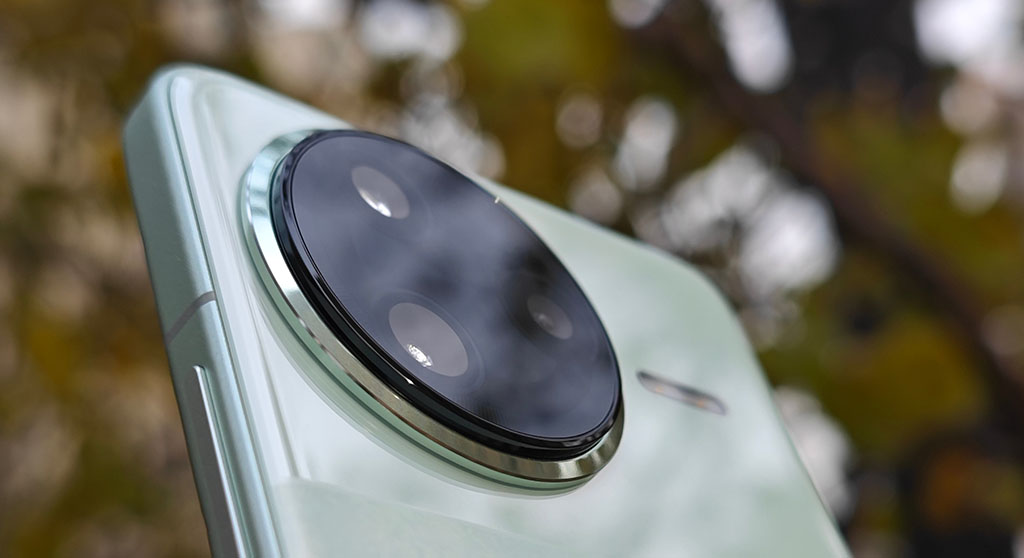
As camera aficionados, the standard protective casing is not enough when it comes to optical image quality. The Xiaomi 15 Ultra Photography Kit is the epitome of its class, almost making the smartphone function like a professional camera. These cases have their own nano-tech leather texture, which is necessary not only for aesthetics but also for grip when taking videos or pictures.
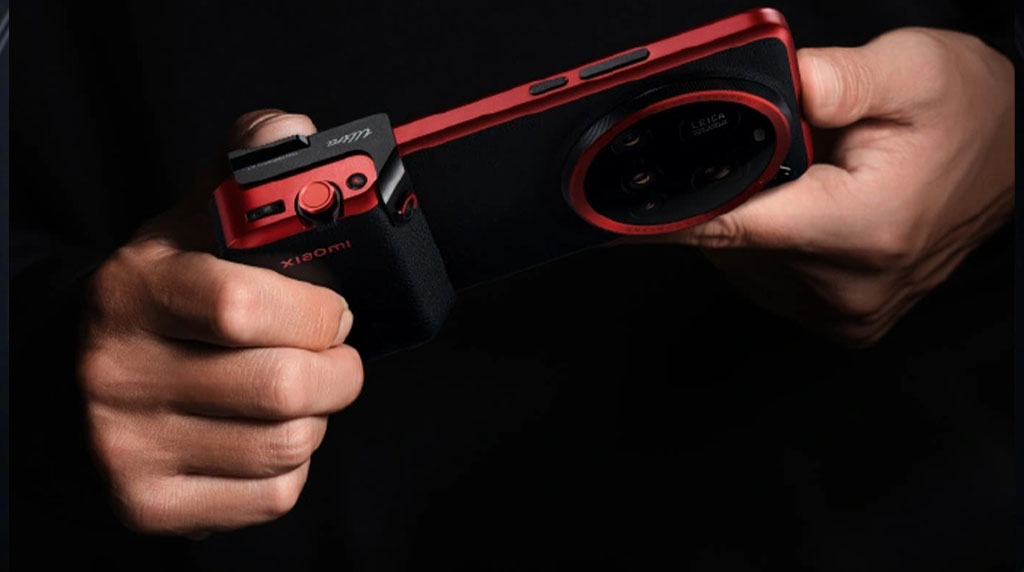
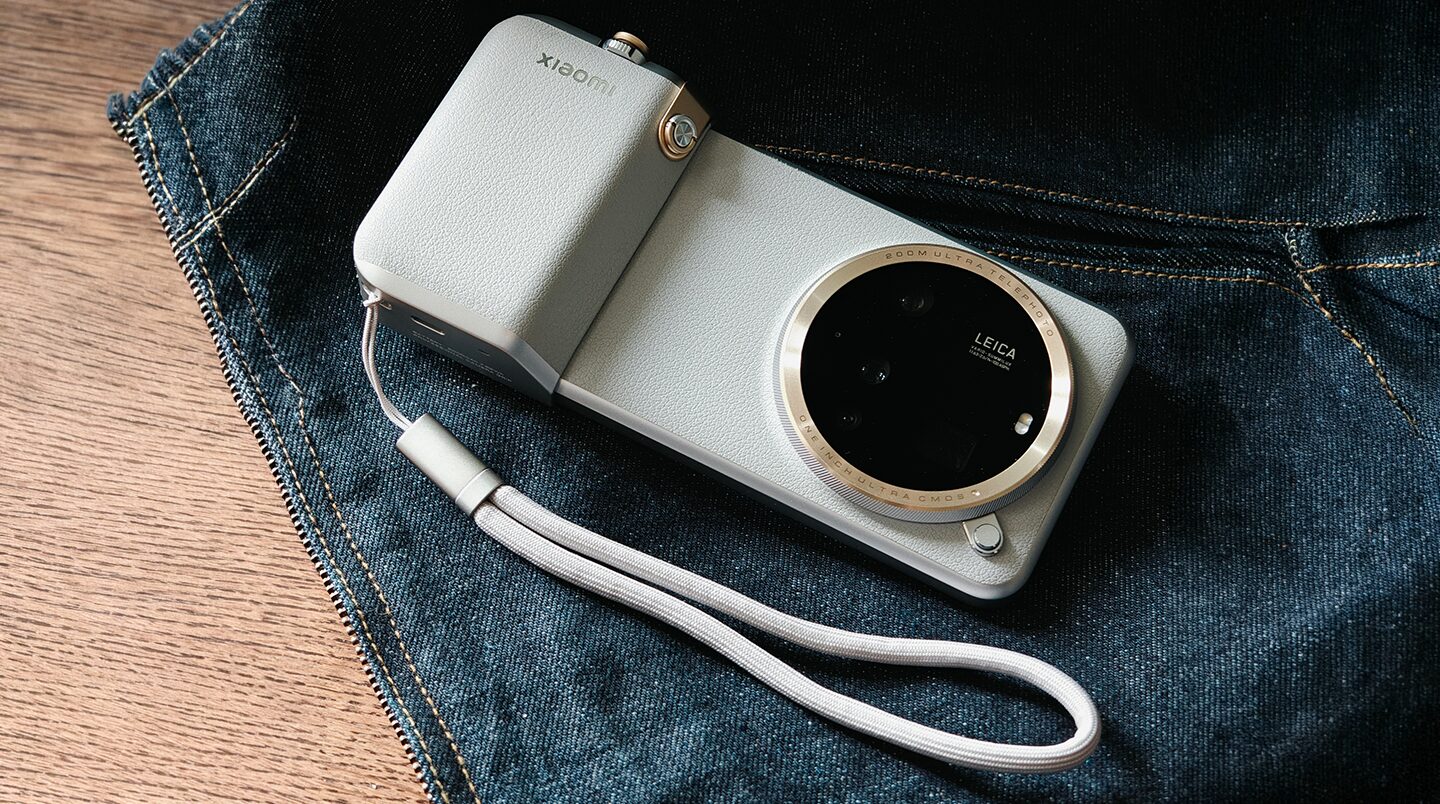
15 Ultra photography kit Xiaomi 15 Ultra Photography Kit

Beyond the ergonomic aspects, these systems comprise a professional shutter and a zoom lever designed to directly communicate with the device via a short-range connectivity technology such as USB-C and Bluetooth. Another important addition that can be found is the presence of a 67mm filter adapter, enabling the use of professional ND and polarized filters, thereby filling a gap between computational photography and physics. These grips also provide a separate battery pack that can prevent battery exhaustion due to a powerful image signal processor.

Thermodynamic Cooling Enclosures

The introduction of advanced silicon variants, including the Snapdragon 8 Elite, has led to thermal efficiency becoming one of the most important considerations for mobile gaming. Thermodynamic armor cases are specifically designed to counter the effects of thermal throttling. These cases feature a composite design comprising layers of graphene and metals in direct contact with the back glass of the smartphone.

Active Cooling Integration

The highest level of advancements in this segment has magnetic induction rings that support external Peltier coolers. These cases efficiently manage the heat transition from the vapor chamber to the external cooling system, either by reducing the material thickness where it makes contact or adopting a copper window for the cooling sink. This ensures that the device operates at its highest clock speed without degradation, which has major impacts for competitive gaming in terms of performance.

Aramid Fibre and Composite Minimalist Shells

However, in cases where the user requires protectant properties without sacrificing the slim look of the device, Aramid-fiber composites are the scientifically preferable option. Commonly known by brands such as Kevlar, it has strength-to-weight ratios five times greater than even steel. They are usually molded with a thickness of less than 0.8mm, maintaining the original ID design of the Xiaomi 15 smartphone.
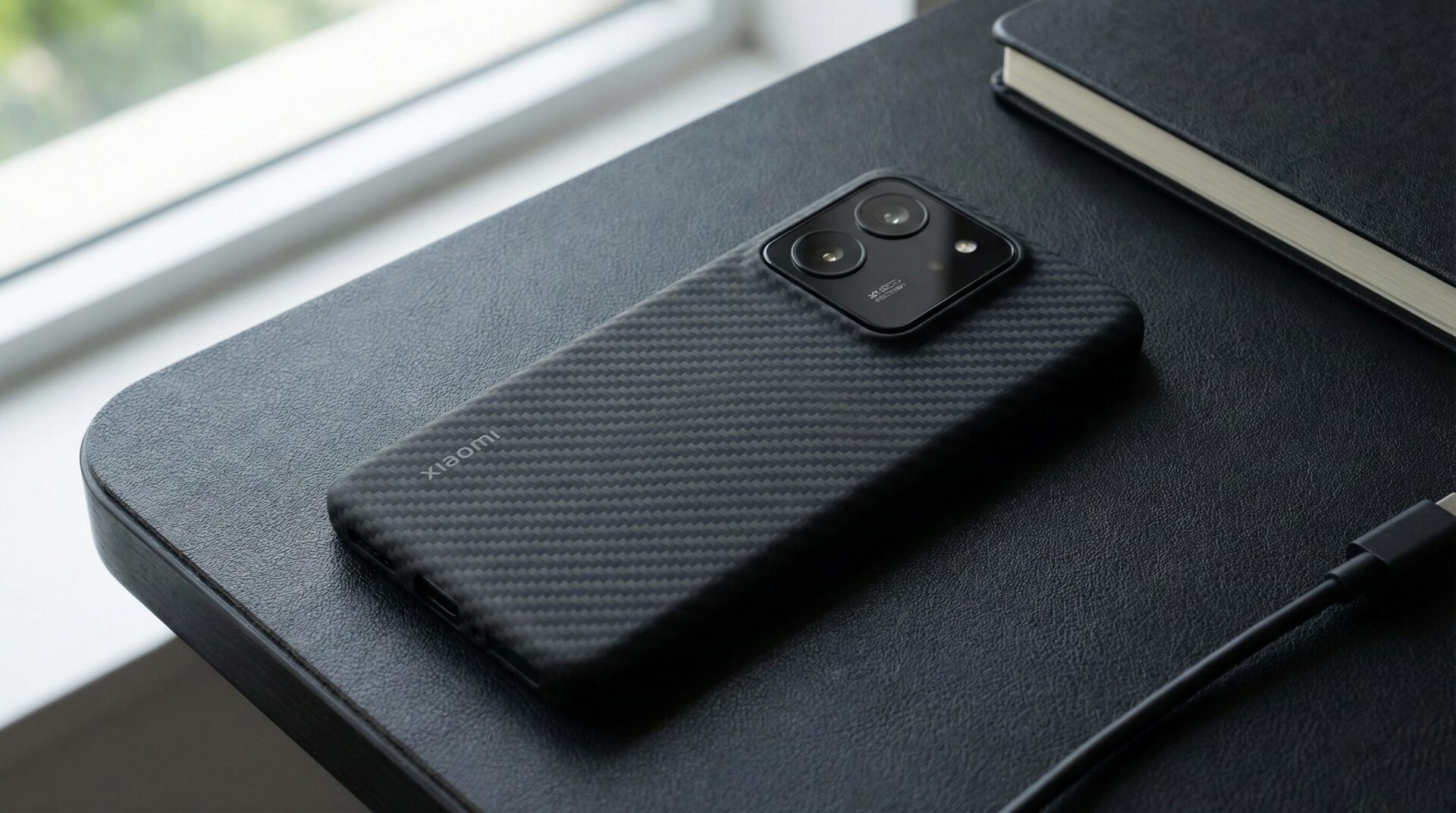
Carbon Case Xiaomi 15

While carbon fiber may cause interference with signal reception, Aramid fiber remains non-conductive to ensure that there are no effects related to the connectivity features like the 5G, Wi-Fi, or the GPS signal. It’s the best type to use during the present connectivity generation and allures with durability against scratches and slight impacts, along with the ability to retain the “naked” experience. The texture type includes the 600D/1500D weave, attributed to its sophisticated matte finish that resists finger and oil stains better than the polycarbonate type.

Functional Utility and Privacy Guards

The incorporation of utility functionality within the case design helps to solve privacy and media viewing needs at the same time. This type of utility is characterized by the incorporation of “CamShields,” which shield the lens array physically when they are not in operation. This serves as an assured privacy solution for possible software attacks as well as prevents damage to the glass optics within the XRING O1 due to abrasion.
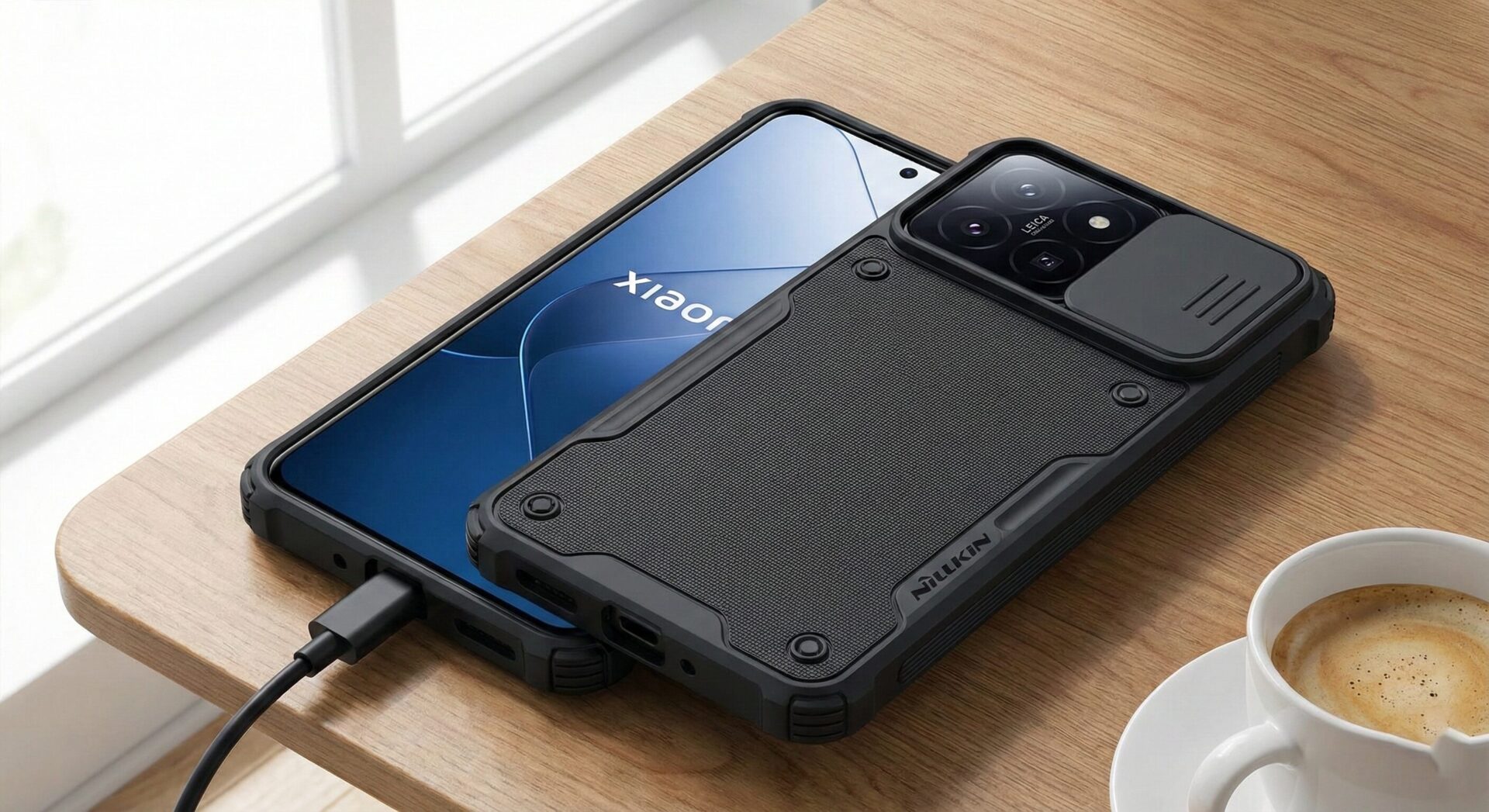
CamShield Case Xiaomi 14

Moreover, such mechanisms can also serve as strong kick stands that allow the device to be mounted upright for video calls or playing content. This feature makes it unnecessary to purchase additional accessories since a device can serve multiple functions. Such cases make it convenient for devices inside an individual’s ecosystem to connect using magnetic mountings for a smooth transition to car stands or connectivity with Xiaomi Pad 8 accessories using the Xiaomi HyperConnect protocols.

System Optimization and Software Maintenance

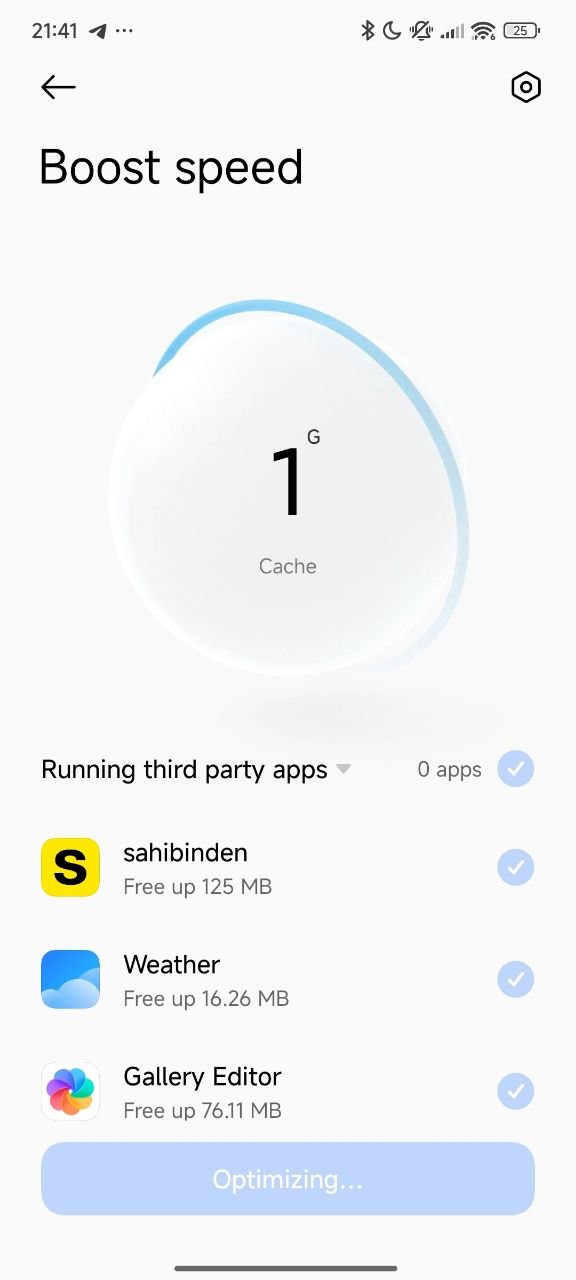
While it is essential to focus on physical protection, it has to be accompanied by attention to the internal health of the device. The photography kits and smart covers usually work in collaboration with particular system applications to achieve maximum efficiency. This calls for regular updates of system applications.

Xiaomi MIX Alpha was an impressive concept—so why was it cancelled?

24 December 2025 at 04:14

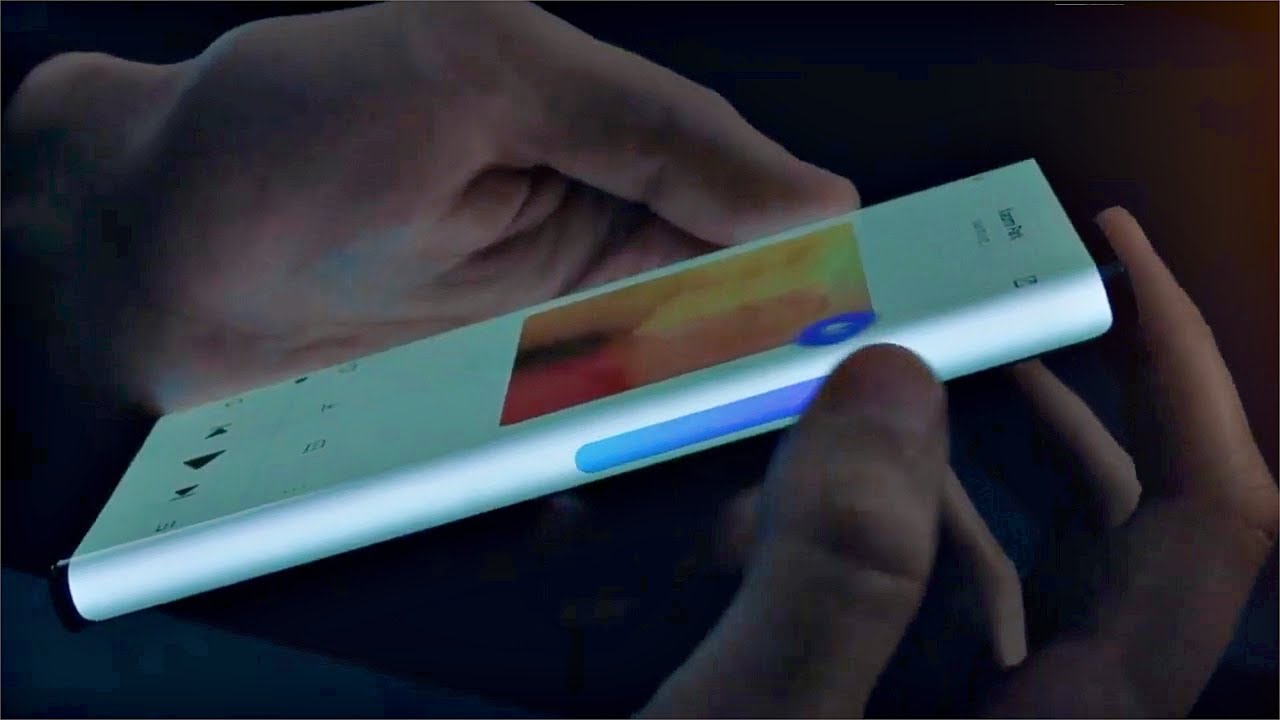
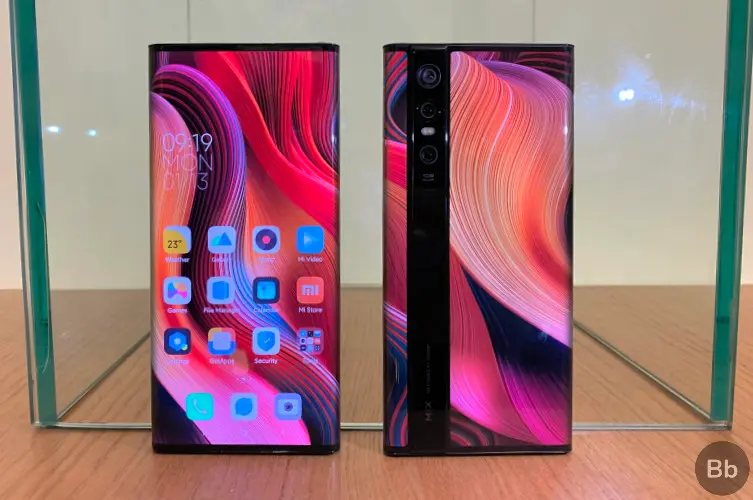
The Xiaomi MIX Alpha changed the smartphone industry in 2019 with its unique design and 180.6% screen-to-body ratio. Although this device remained a concept due to technical limits, its legacy continues to shape the future of Xiaomi phones. New reports indicate that Xiaomi is planning to bring this vision back in 2026 with advanced technologies found in the upcoming Xiaomi 15 Ultra and new foldable devices. Let’s analyze the future of this surround display technology.

The Engineering Marvel of Xiaomi MIX Alpha

The MIX Alpha was not just a smartphone; it was a glimpse into the future. It featured a “Surround Display” that wrapped around the entire body. The device used TC4 Titanium Alloy for its frame, which is three times stronger than stainless steel.

MI MIX ALPHA

Also, it introduced the world’s first 108MP camera sensor developed with Samsung. The screen resolution was 2088 x 2250 pixels, offering a sharp visual experience. However, there were no physical buttons. The sides used pressure-sensitive sensors and linear motors to simulate touch, a technology we might see again in the future.

MIX ALPHA

Why Was the Project Cancelled?

Xiaomi officially cancelled the MIX Alpha in 2020. The company faced huge challenges in mass production. It was impossible to manufacture the device efficiently at that time.

Production and Structural Challenges

The main problem was the yield rate. Producing a 360-degree flexible OLED screen was very difficult. Only a few panels passed the quality tests. This pushed the cost to approximately $2,800 (19,999 Yuan), and this price was only for the Chinese market. Additionally, assembling the battery and motherboard inside a “glass tube” caused thermal management issues. The cooling system was not effective enough for the Snapdragon processor.

mi mix alpha

We will probably not see a direct Xiaomi MIX Alpha replica in 2026. However, its technology will live on in the Xiaomi MIX Tri-Fold and the quad-curved Xiaomi MIX 5. The dream of a buttonless, all-screen phone is closer than ever.

Do smartphone camera sensors really degenerate with time?

23 December 2025 at 22:48

Smartphone cameras have become an integral part of the Xiaomi ecosystem, ranging from Redmi smartphones in China to the Xiaomi T series worldwide. With the growing usage of long exposure, night photography, and 4K videos, concerns have started rising regarding the age of image sensors, shutter counts for Android smartphones, and their overall reliability. This article will present an overall analysis of image sensors in terms of CMOS technology, Android camera systems, and top image sensors available in the market from Sony, Samsung, and OmniVision technologies.

Do Smartphone Camera Sensors Physically Degradate?

Camera smart phones utilize CMOS sensors, which are completely different from how conventional camera mechanisms are designed. CMOS sensors do not contain any shutter that moves; consequently, there are no friction issues as experienced in digital SLR cameras.

Over an extremely long time, the CMOS image sensor may exhibit a slight aging effect of the semiconductor material due to heat, voltage, and use. This kind of aging effect takes place over a longer period, which is much longer than the average three to five years of a smartphone’s life cycle. As a fact, the degradation of image quality by the aging effect of the image sensor has been considered highly improbable.

POCO F7 Pro camera

What is generally considered ‘camera aging’ may be generated by other matters, including scratched lens glass, dust accumulation, and modifications achieved through software upgrades rather than anything having to do with the camera sensors.

Does Android Phone Have a Shutter Count?

“Shutter count” is a term that is related to cameras that have mechanical shutters. The shutter opens and closes each time an image is taken, and this action activates a moving component. Android smartphones do not have mechanical shutters. They have digital rolling shutters. The sensor is scanned line by line.

Because of this design, a traditional number of shutter activations becomes irrelevant for Android phones. Though the manufacturer may record camera use statistics for testing and analysis, this number is not a good indication of the camera sensor status. A short video recording may accumulate thousands of sensor read cycles, rendering the number of photos irrelevant.

In conclusion, shutter count in smart phone cameras is not a good indicator of their longevity and dependability.

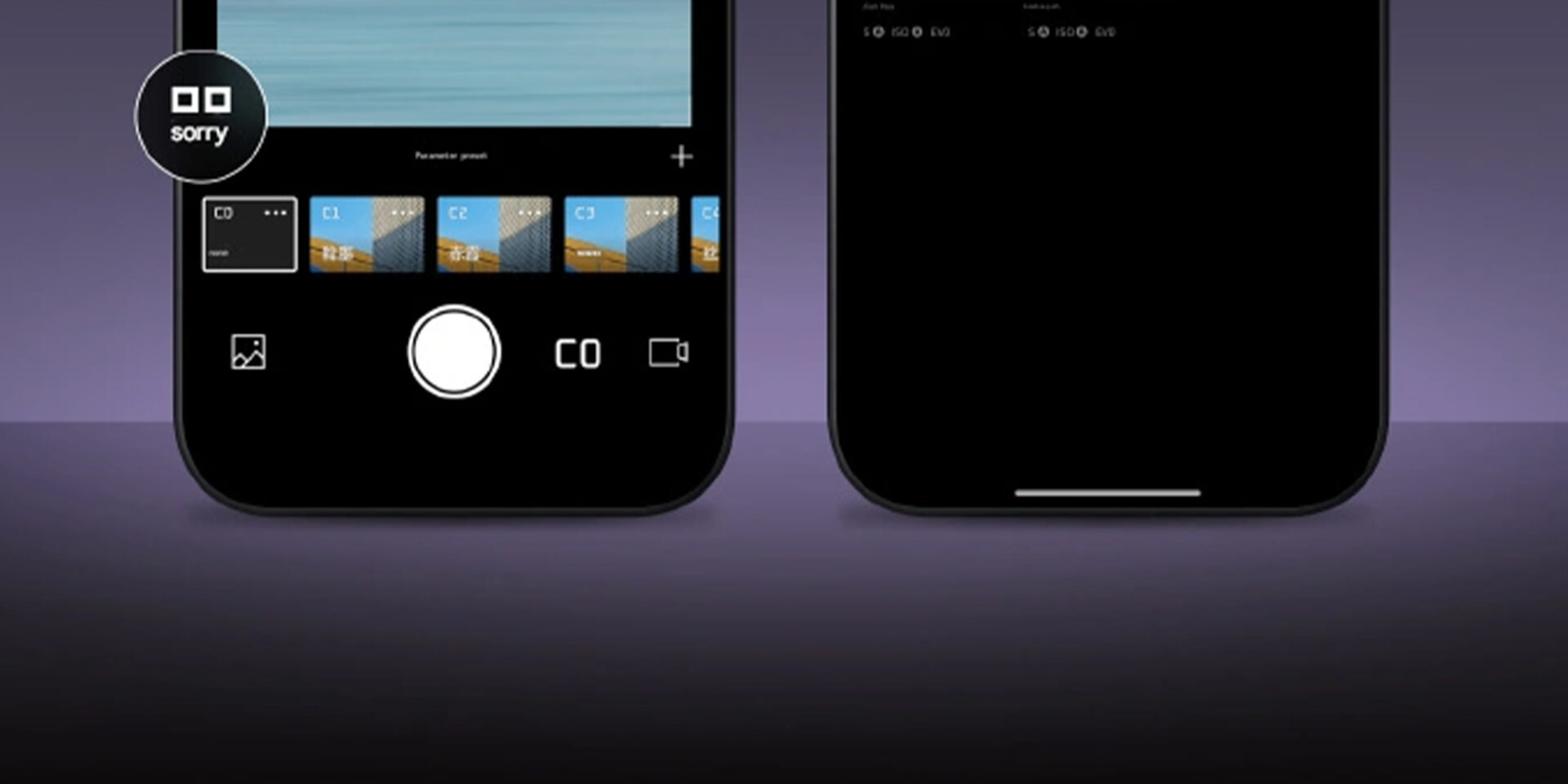
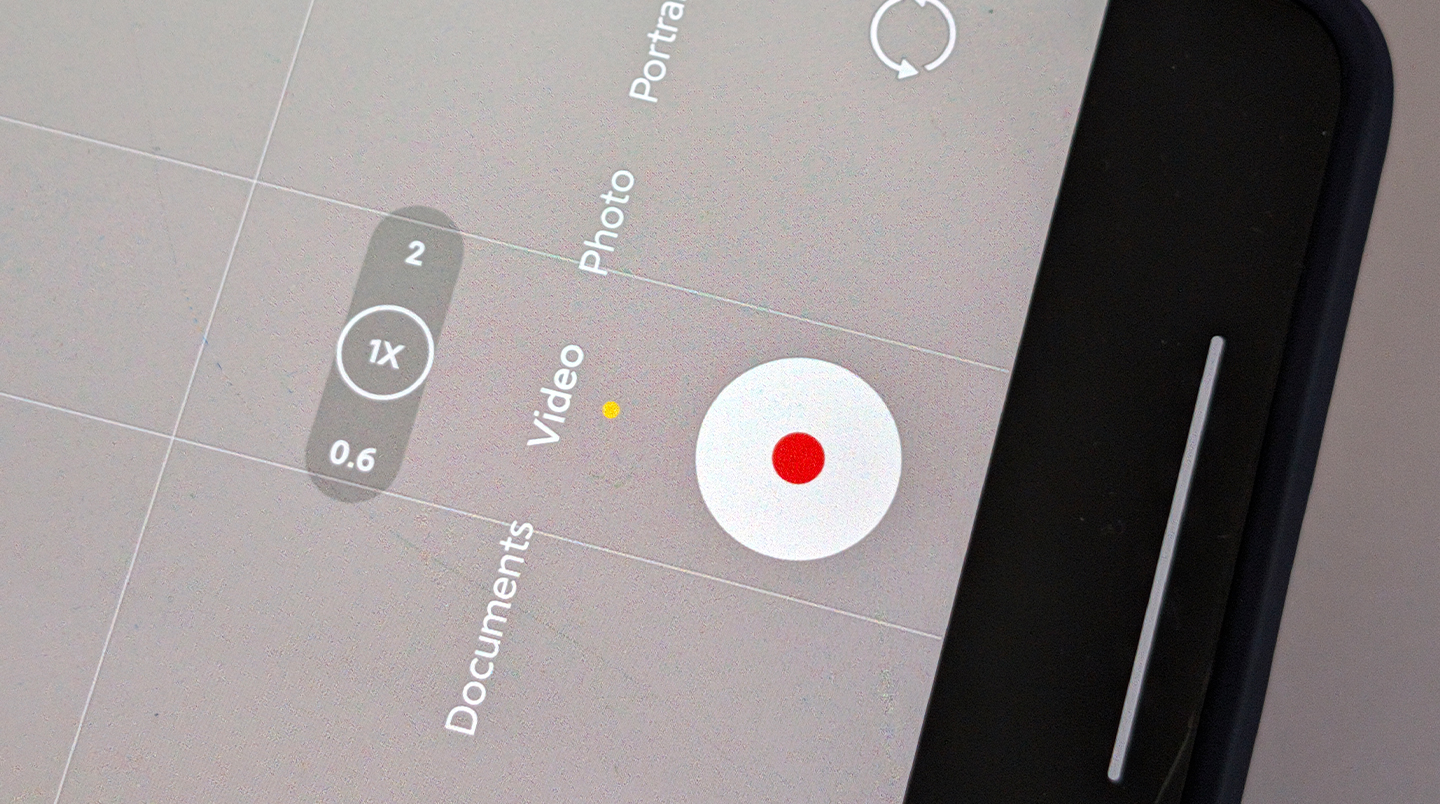
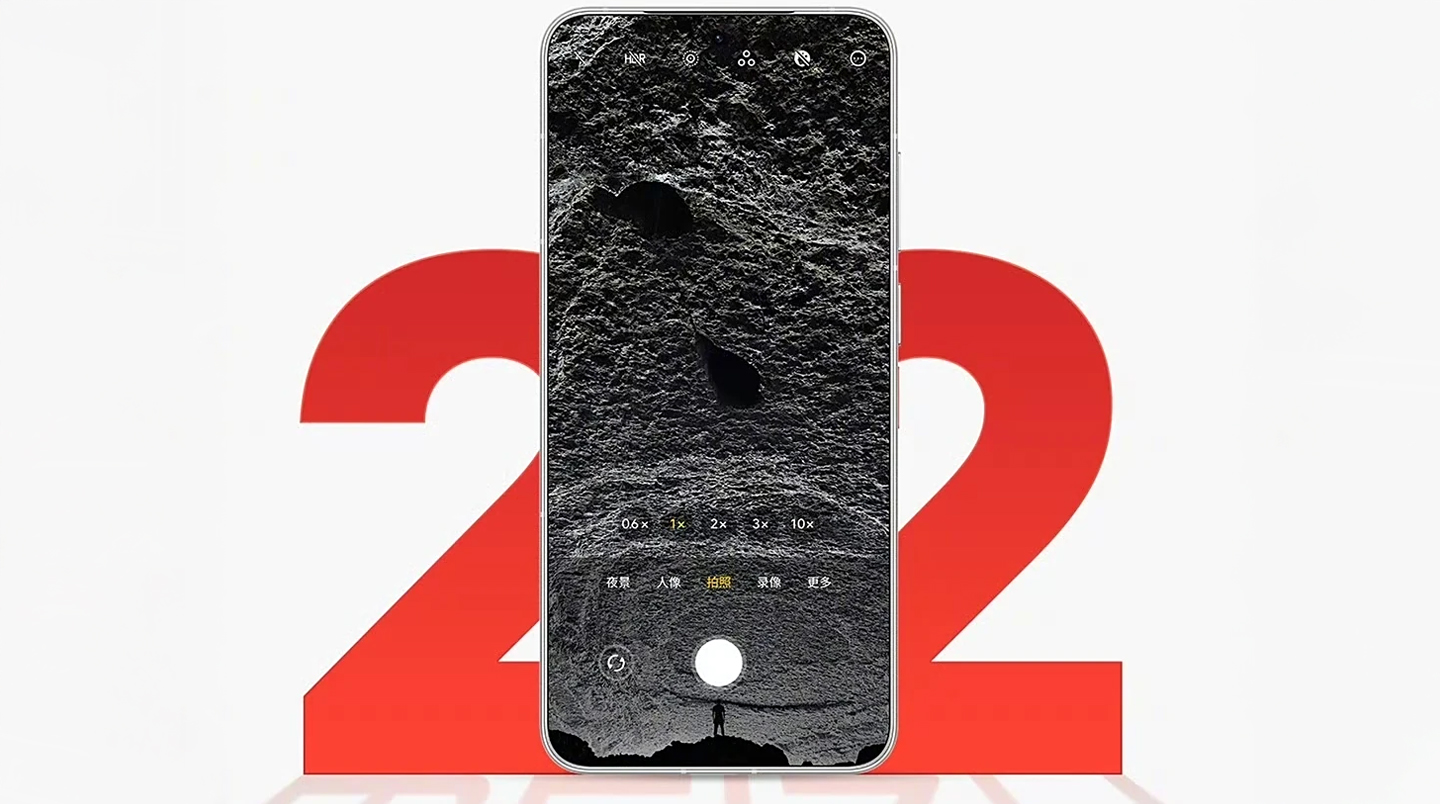
Xiaomi 17 camera UI

Do Long Exposure and Night Modes Damage the Sensor?

Long exposure photography on Android smartphones does not work like traditional single shot long exposure photography. It uses computational photography, and the process involves smartphones like those provided by Xiaomi, Samsung, and Google.

Rather than leaving the sensor active for several minutes without stopping, the device records numerous quick exposures and then stacks the images in software. This not only avoids heating up the sensor but is also not as taxing on the electronics.

Moreover, Android has protective mechanisms for overheating. If temperature levels are reached which are harmful to the sensor and processor, the camera application is turned off routinely by the camera application itself. Normal functionality of a camera allows for safe long exposure shots and astrophotography.

However, damage from light comes only from intense light sources like direct sunlight or a laser beam, which can damage pixels on a sensor in seconds.

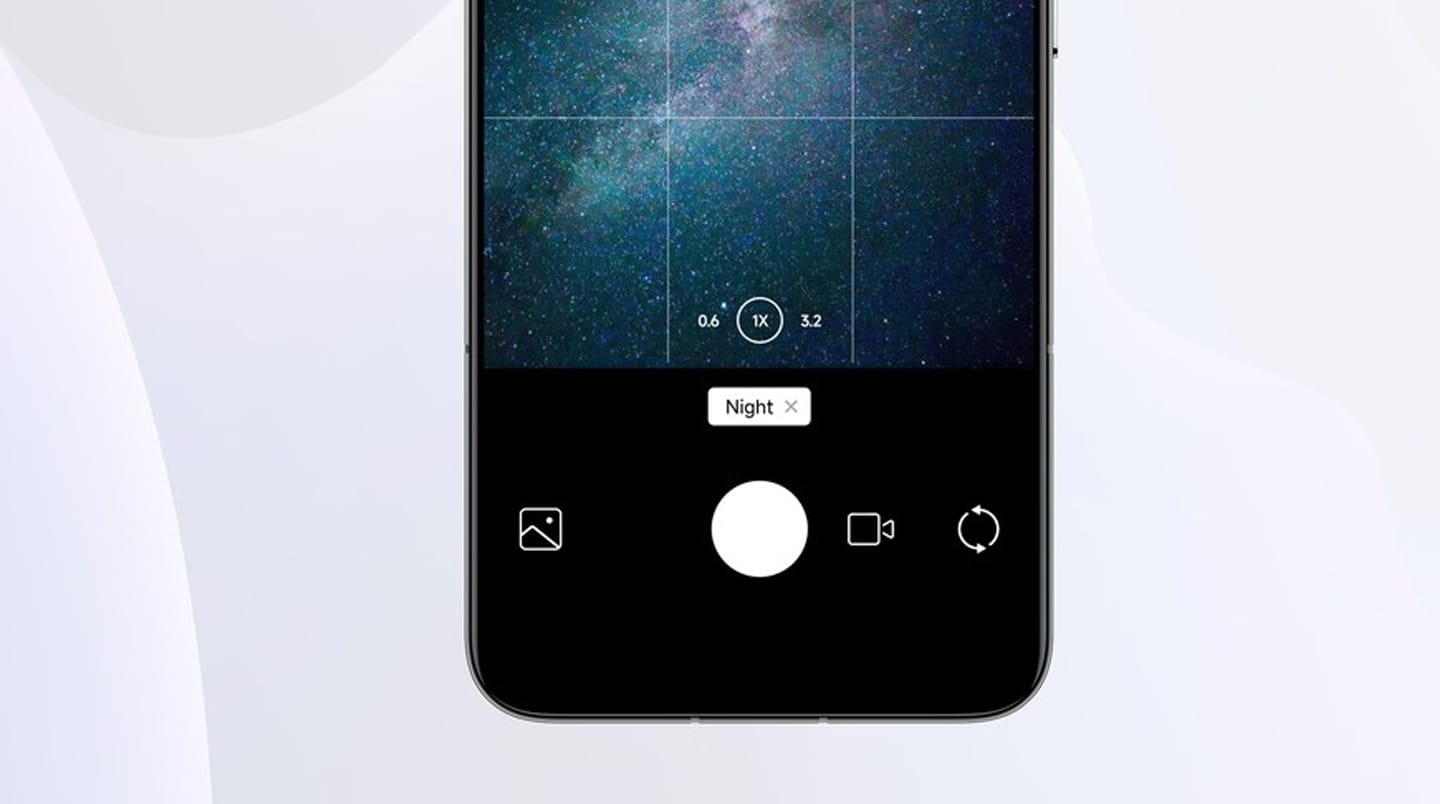
Night Mode Xiaomi Camera

The Actual Weak Spot: OIS and Moving Components

The disadvantage in camera module failures can be seen when camera malfunctions, usually being linked to Optical Image Stabilization rather than image sensors. The OIS module promotes minute electromagnetic actuators that offset hand motion.

With time, mechanical fatigue or heavy vibrations resulting from mounting the phone on the handlebars of a motorcycle may affect these parts. Examples of malfunctioning parts are those that give out “rattling noises” or “unstable video” as well as those that create “focusing problems.” All these failures are mechanical, not semiconductor

Xiaomi hyperos video

Final Verdict

The sensors of the smartphone camera do not “wear out.” Neither is there a significant shutter count on an Android device, and long exposures are safe because of advances in computational photography and heat management. The selection of the sensor does affect the image qualities or options but not the longevity of the sensor.

As a consumer of Xiaomi smartphones, all that is required for maintaining the camera is to clean the lens periodically and avoid direct laser and sunlight exposure and unnecessary vibrations for the camera. In regular operating conditions, a camera inside a smartphone will function properly for its lifespan.

Xiaomi might roll out HyperOS 3 for 25 devices before 2026

23 December 2025 at 21:36

Xiaomi, is ready to kick-start its HyperOS 3 update even earlier than 2026. Internal server information suggests that HyperOS 3 builds are already labeled ready to release for various devices. Sources revealed through tracking on our website HyperOSUpdates.com that the software updates are not beta updates but are. This suggests Xiaomi aims to complete a large-scale rollout phase before the end of 2025, reinforcing its commitment to long-term software support across phones and tablets.

Status of HyperOS 3 Deployment Prior to 2026

HyperOS 3 marks the beginning of a new era of Xiaomi’s single-os ecosystem, ditching the older system versioning for a more modern, sophisticated name. Below are the improvements that are already live on Xiaomi servers, sporting the status of “ready to release,” which means that there are no other stages within the company for it to pass through.

The following devices will be receiving HyperOS 3, based on their server records:

Cihaz Modeli Durum
Xiaomi 13T The stable internal beta has not yet begun
Xiaomi 12S / 12S Pro The stable internal beta has not yet begun
Xiaomi 12 / 12 Pro Internal stable beta
Xiaomi 12T Pro Internal stable beta
Xiaomi 12S Ultra Internal stable beta
Xiaomi 13 Lite / Xiaomi Civi 2 Internal stable beta
POCO C85 4G Internal stable beta
Xiaomi Civi 3 Internal stable beta
Xiaomi MIX Fold 2 Internal stable beta
Redmi Pad Pro 5G Internal stable beta
Redmi K50 Ultra Internal stable beta
Redmi Note 12 Turbo Internal stable beta
Redmi Pad SE 8.7 Wi-Fi Internal stable beta
POCO F5 Internal stable beta
Redmi 15C 4G Internal stable beta
Xiaomi Pad 6 Max 14 Ready to release
Xiaomi Pad 6 Pro Ready to release
Xiaomi 13T Pro Ready to release
Redmi K60 Ultra Ready to release
Redmi K60 Ready to release
POCO F5 Pro Ready to release
Redmi 15 Ready to release
POCO C75 Ready to release
POCO F6 Ready to release
POCO X6 Neo Ready to release
POCO Pad M1 Ready to release
POCO M6 Pro 4G Ready to release
POCO M7 4G Ready to release
POCO M7 Pro 5G Ready to release
Redmi 15 4G Ready to release
Redmi Note 15 Ready to release
Redmi Pad Pro Ready to release
Redmi Pad 2 Pro Ready to release
Redmi Pad 2 Ready to release
Redmi A4 Ready to release
Redmi Pad SE 4G Ready to release
Redmi Note 13 Pro+ Ready to release
Redmi Note 13 Pro 4G Ready to release
POCO M7 5G Ready to release
Redmi 14C / Redmi A3 Pro Ready to release

All models have been marked as ready, so Xiaomi can start rolling out staged rollout distributions without public beta stages.

Android 15 and Android 16 Separation

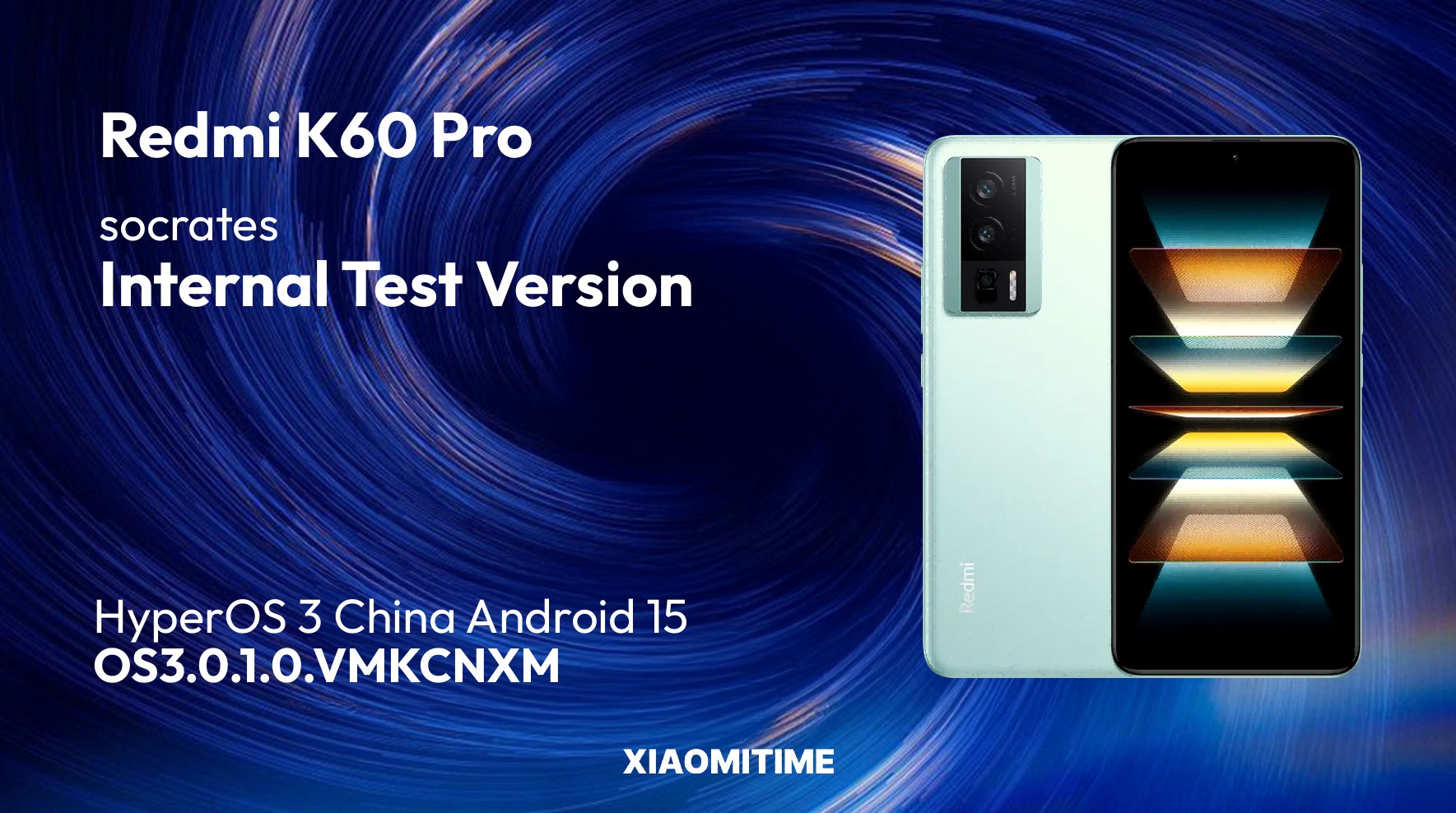
Not all versions of the HyperOS 3 support the same Android system. For instance, several models of higher-end devices, including the Xiaomi Pad 6 Max 14 model, as well as the Xiaomi Pad 6 Pro and REDMI K60 Pro variants, have been confirmed to support Android 15 and HyperOS 3 systems.

photo 2025 12 20 12 19 41

Support for other devices listed above will still be running the current Android system, although they will be provided with the full interface of HyperOS 3 system framework. Devices out of the list have already started being updated for Android 16 HyperOS systems.

What HyperOS 3 Brings

Much like its predecessor, the fingerprint recognition feature in the preliminary version of the operating system remains in the original version as well. Nevertheless, the emphasis in HyperOS

  • Optimizations involving sophisticated systems with the use of
  • New system icons & animations
  • More unified iOS-style interaction experience
  • Improved features of Super Island related to notifications and multitasking
  • Improved Xiaomi HyperConnect support on smartphones, tablets, and smart devices

Applications of the system can also be updated separately through MemeOS Enhancer app found at Google Play, which also allows the enabling of hidden functions of Xiaomi.

Release Timeline Expectations

Although Xiaomi has yet to confirm any details on the schedule of the rollout, the status of the servers is evidently indicating that it may be rolled out in phases even before the end of 2025. As always, this is still dependent on the region and model variant, and it is also dependent on the testing of stability, although the availability of the final version is already an indicator that it won’t be delayed.

How to check if your Xiaomi device is eligible to receive the HyperOS 3.1 update

23 December 2025 at 20:15

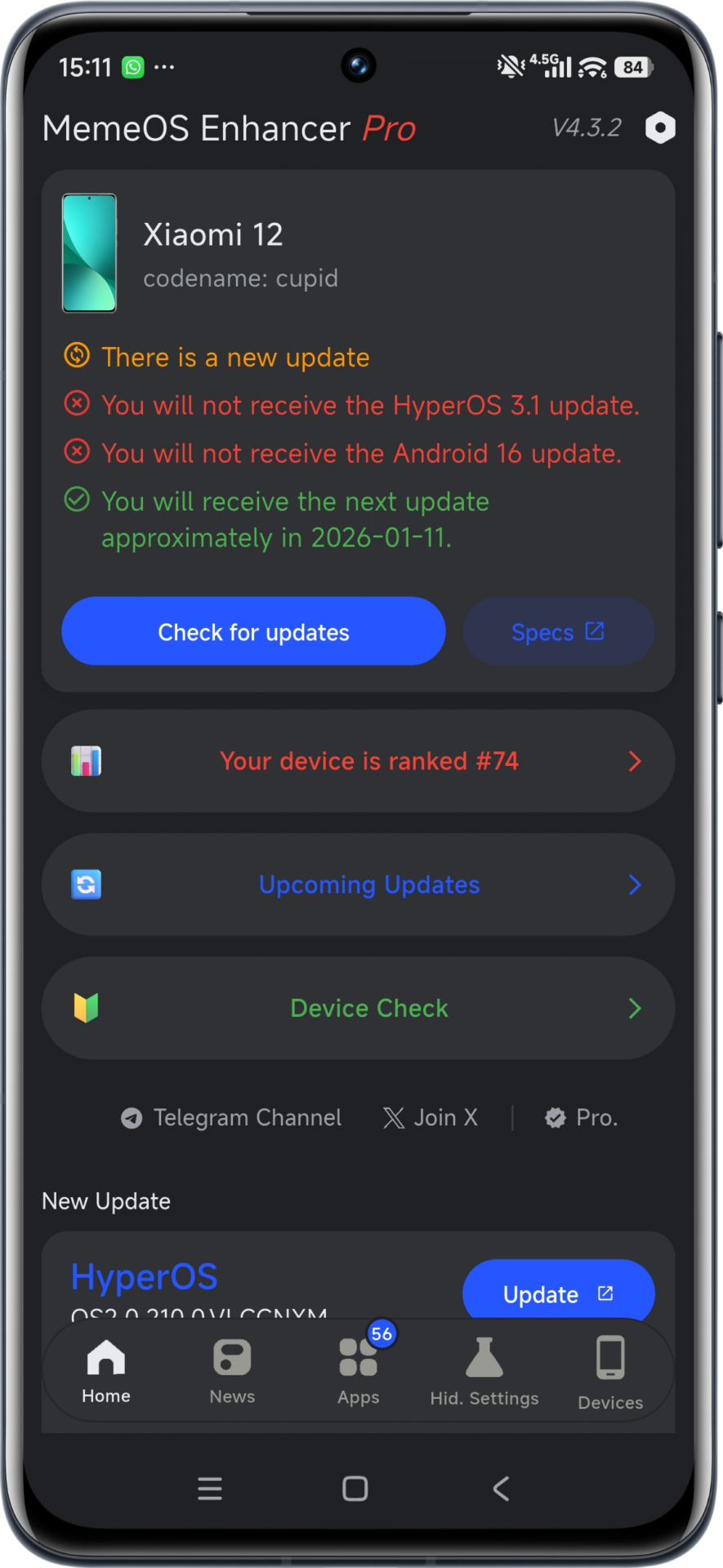
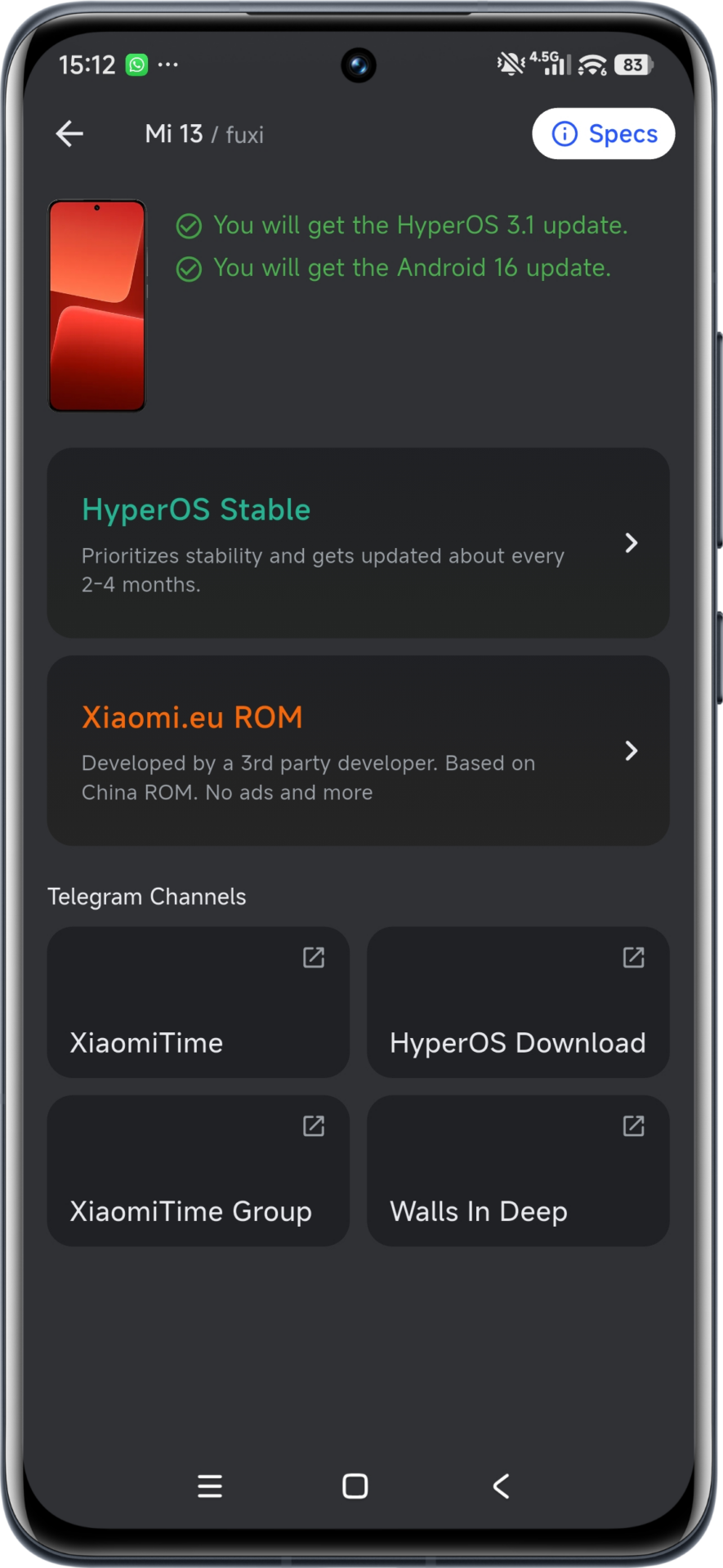
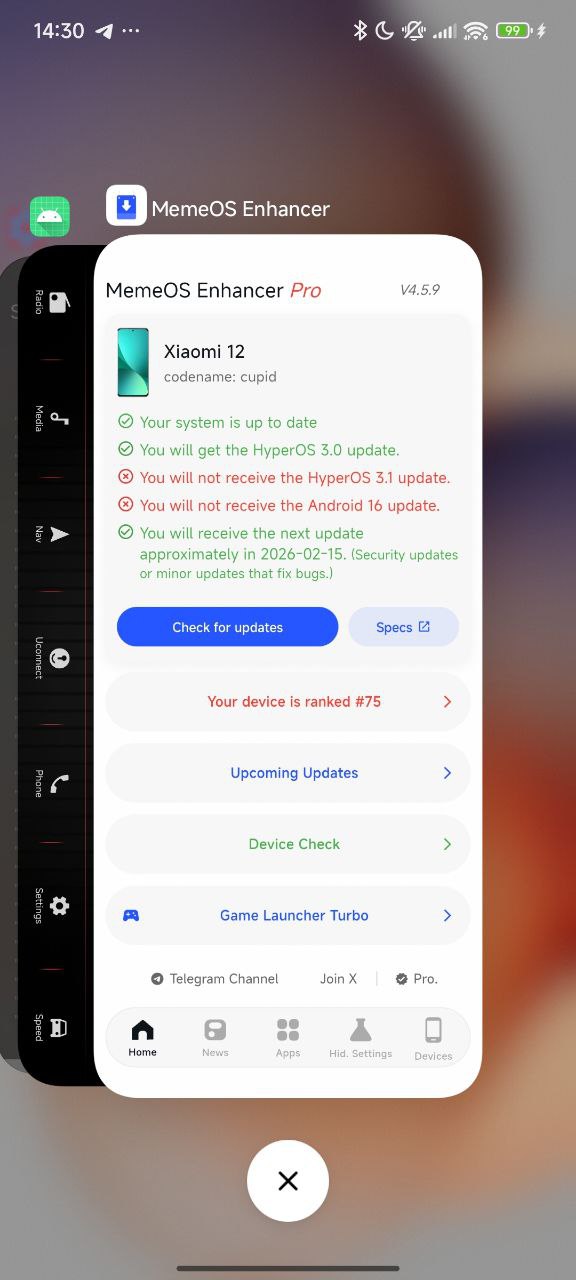
Xiaomi fans can now easily check if their devices are eligible for the HyperOS 3.1 update through the MemeOS Enhancer app. Through downloading the app from the Google Play Store and running it, users can see an option on the homepage showing whether their device is to receive HyperOS 3.1 or not. You can also follow the latest update rollout news through our partner site HyperOSUpdates.com.

Which Devices Will Receive HyperOS 3.1?

According to Xiaomi’s current software roadmap, all models eligible for Android 16 will also receive the HyperOS 3.1 update. This ensures that most of Xiaomi’s latest flagships and several mid-range models will continue to benefit from Xiaomi’s latest AI-powered interface improvements and performance optimizations.

MemeOS Enhancer HyperOS 3.1 eligible 1 MemeOS Enhancer HyperOS 3.1 eligible 2

The update brings a major visual change — the introduction of a new iOS-style Recent Apps menu, which allows smoother multitasking and improved memory management. Additionally, Xiaomi is refining animations and enhancing system stability to make the user experience more fluid and modern.

What’s New in HyperOS 3.1

HyperOS 3.1 marks another step in Xiaomi’s mission to unify its software ecosystem. Users can expect:

  • Overhauled multitasking interface from iOS inspiration.
  • Enhanced performance and resource optimization for seamless switching.
  • Greater AI penetration between applications and settings.

To gain access to the above new features the moment they are released, Xiaomi users are invited to download MemeOS Enhancer, which also unlocks system hidden options, refurbishes system apps, and enables on-screen firmware access for tinkerers who enjoy discovering the latest capabilities of Xiaomi.

Why Xiaomi ended the POCO Store app?

23 December 2025 at 18:00

The POCO Store app has quietly disappeared from Android, raising questions among users who followed POCO as a distinct Xiaomi sub-brand. This change is not a technical failure or a regional bug. It is part of Xiaomi’s long-term strategy to simplify its digital ecosystem and unify all sub-brands under a single retail and service structure. Similar transitions have already been seen across Xiaomi software platforms, including HyperOS and Xiaomi HyperConnect. Users can now access POCO products through the main Xiaomi Store experience, already familiar from devices like Xiaomi Pad 6 and Xiaomi Band 9.

POCO Store App Shutdown: What Officially Changed

Xiaomi officially ended support for the POCO Store app at the end of 2024. The standalone POCO website and Android application were gradually redirected to Xiaomi’s main retail platform. From a business perspective, this move reduces duplicated infrastructure and creates a consistent purchase and support experience.

POCO Store 2 POCO Store 1

The POCO Store app was removed from Google Play, and its backend services were deactivated. As a result, users who still have the app installed may see connection errors or empty pages. Xiaomi now sells all POCO smartphones directly through the Mi Store app and the global Xiaomi website.

Key changes users should know:

  • The POCO Store app is discontinued and will not return.
  • All POCO devices are now sold via mi.com and the Mi Store app.
  • Warranty, invoices, and support are handled through Xiaomi accounts.

How Xiaomi Migrated POCO Users and Data

Xiaomi did not remove the POCO Store without preparation. During the transition period, user purchase history, warranty records, and loyalty data were migrated into Xiaomi’s central account system. Users can still access historical invoices and order details through their Xiaomi Account privacy panel.

POCO Points, previously used only in the POCO Store, were merged into the Mi Points program. This allows users to redeem points across a wider range of Xiaomi products, including smartphones, wearables, and smart home devices.

POCO Digital Service Status in 2025 User Action
POCO Store App Discontinued Uninstall recommended
POCO Website Redirected Automatically opens mi.com
POCO Points Migrated Available as Mi Points
Warranty Support Unified Managed by Xiaomi Support

India-Specific Situation: App Store Confusion Explained

In India, some users associate the “POCO Store” with the preinstalled GetApps marketplace rather than the shopping app. These are separate services. Xiaomi India replaced GetApps with the Indus App Store through a system update in early 2025. This change is unrelated to the global POCO Store shutdown.

The replacement happened automatically via OTA updates, which explains why some users saw an app disappear or change without manual action. This decision aligns with Xiaomi’s local software partnerships and regional compliance strategy.

Why Xiaomi Chose Full Ecosystem Integration

Xiaomi’s current strategy focuses on a unified “Human x Car x Home” ecosystem. Maintaining separate stores for sub-brands like POCO no longer fits this model. With HyperOS running across phones, tablets, cars, and smart home products, Xiaomi aims to provide one consistent digital entry point.

From an operational standpoint, this consolidation lowers maintenance costs, improves inventory management, and removes confusion around service centers and warranties. For users, it means fewer apps and a clearer support structure.

What Users Should Do Now

Users who still have the POCO Store app installed can safely uninstall it. Purchasing POCO devices now requires using the Mi Store app or Xiaomi’s official website. POCO phones continue to receive HyperOS updates normally, and software updates can also be tracked via HyperOSUpdates.com or through the MemeOS Enhancer app on Google Play, which provides access to system app updates and additional Xiaomi features.

From Mi 10 Ultra to Xiaomi 17 Ultra: History of flagship-level innovation

23 December 2025 at 16:51

Since the year 2020, Xiaomi’s Ultra series have always showcased a serious engineering intent, as opposed to just being a mere boosting exercise. Every Ultra variant that Xiaomi released acted as a development playfield for Xiaomi’s top-notch hardware, camera technology, and even power management. Starting from those initial experiments in superfast charging to the current professional-grade camera rigs co-developed with Leica, Xiaomi’s Ultra series seem to highlight how the company wants to differentiate its top engineering milestones. Below are the top innovations that were brought about by each Xiaomi Ultra series.

Mi 10 Ultra: Triple 120

With the introduction of Mi 10 Ultra by Xiaomi, the aim was clear. This smartphone emphasized hardware supremacy over other compromises.

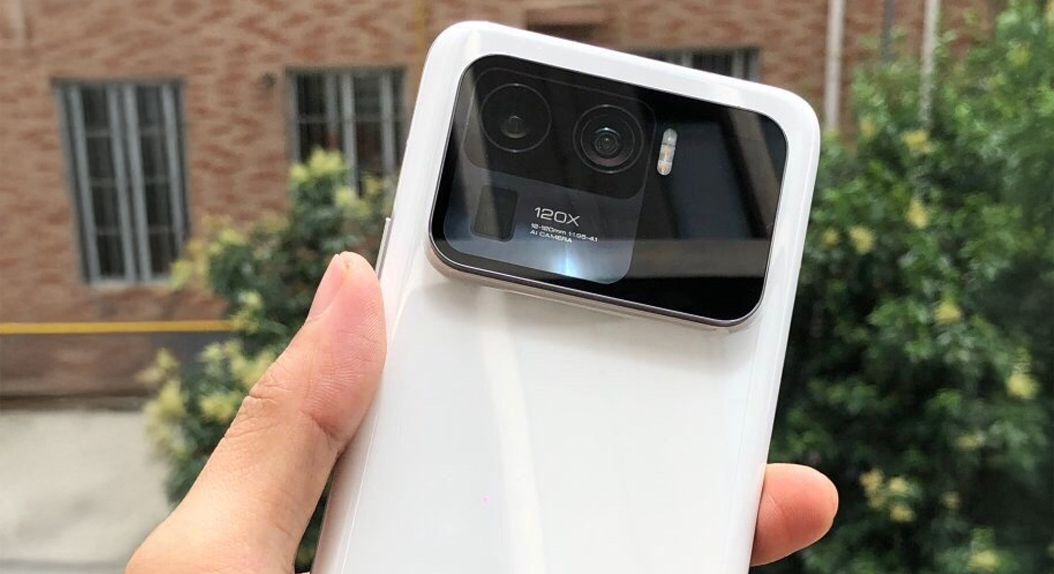
The osmotic change was the 120W wired fast charging feature, 120X zoom, 120Hz display which Xiaomi’s first “120” combo phone. To achieve this, there was a dual-cell battery. Concurrently, there was a partnership with a 120Hz high refresh rate OLED panel and a 120Hz periscope zoom camera system.

This model was used to create the Ultra philosophy: if a technology was possible, it fitted into the Ultra range.

Mi 10 Ultra


Xiaomi 11 Ultra: 50MP Era

With the Mi 11 Ultra, the brand turned its focus from charging speed to the physics of photography. TheSamsung GN2 sensor was a huge move towards professional photography.

Xiaomi 11 Ultra

Even before Xiaomi incorporated bigger sensors on their cameras, most smartphone cameras relied heavily on software processing. Also, since the GN2 was bigger, it captured light better to produce a noise-reduced image with a natural-looking dynamic range. Another feature that indicates that Xiaomi was not afraid to try out novel ideas is the rear display for self-portrait shots.

Altough it was quite heavy, the Mi 11 Ultra showed that sensor size counts in mobile photography.


Xiaomi 12S Ultra: Leica and 1″ sensor

Xiaomi 12S Ultra marked the turning point. It was the first phone of the Ultra series that collaborated with Leica cameras and came along with a Sony and Leica-co-developed 1-inch camera sensor.

Xiaomi 12S Ultra

Prior to Leica, the focus of Xiaomi Cameras was on brightness and saturation. But after Leica, the color science turned more conservative and realistic. There were also two modes of photography: Leica Authentic and Leica Vibrant. These allowed users to adjust the nature of the image without affecting the detail.

It was also a generation that enjoyed enhanced efficient processing, which provided better thermal stability and performance.


Xiaomi 13 Ultra: Variable Aperture

The Xiaomi 13 Ultra finetuned the Leica collaboration and introduced elements found in professional cameras.

Among the most impressive upgrades is that of the “Variable Aperture” on the main camera. This gives the user the ability to manage focus and sharpness based on the environment. Furthermore, Xiaomi optimized the image sensor quality of each camera so that color and brightness remain consistent when switching.

Xiaomi 13 Ultra

Xiaomi has also launched a photographic kit that can be used optionally, enhancing ergonomics and encouraging thoughtful photography. This indicates that the Ultra series stands out for professional photographers.


Xiaomi 14 Ultra: AISP

With the Xiaomi 14 Ultra, the emphasis in the Xiaomi series was more on the computational photography and less on the hardware. The launch of Xiaomi AISP introduced image processing through AI-based fusion.

Xiaomi 14 Ultra

The new technology enabled better zoomed image reconstruction, a more accurate portrait image, and superior video processing. The enhancement in the more efficient 1-inch image sensor meant low power consumption and more dynamic range. Additionally, Sony’s AI-based solutions, such as Sony’s AI denoising engine

However, Ultra devices at this level of sophistication are as much a function of software intelligence as they are of physical devices.

Xiaomi 15 Ultra: 200MP Telephoto

The Xiaomi 15 Ultra advanced technology for far-field imaging. Notably, this device is characterized by a 200MP periscope telephoto camera, which supports Detailed zoom capabilities with minimal digital distortion.

For this purpose, Xiaomi used Snapdragon 8 Elite and introduced a silicon-carbon battery with higher energy density. This allowed the phone to function efficiently and run for an extended period despite the higher processing demands of higher resolution cameras.

Xiaomi 15 Ultra

Telephoto Macro added even more versatility to the camera, aligning well with Xiaomi’s emphasis on optical capability.


Xiaomi 17 Ultra

Preliminary information confirms that for Xiaomi 17 Ultra, they would focus on innovations at a sensor level and not on multiple camera lenses. Implementation of LOFIC technology is likely to improve the dynamic range by recording both highlights and shadows in a single frame.

Xiaomi 17 Ultra 1

Such variables help eliminate motion artifacts and ensure consistency in the videos. Another factor that suggests Xiaomi’s move to skip the “16 Ultra” name might be a result of the company’s implementation of the global flagship trends is the lack of the four megapixels camera.

Xiaomi Ultra Innovation Timeline

Model Key Innovation Main Focus
Mi 10 Ultra 120W 120X 120Hz 120 combo
Mi 11 Ultra Large GN2 sensor 50MP and back screen
Xiaomi 12S Ultra Leica partnership Color science
Xiaomi 13 Ultra Variable aperture Creative control
Xiaomi 14 Ultra Xiaomi AISP AI imaging
Xiaomi 15 Ultra 200MP periscope Long-range zoom
Xiaomi 17 Ultra APO lens and LOFIC sensor Dynamic range

In the Xiaomi Ultra series, each generation brings forward a specific, significant, and innovative technology that does not purely rely on improvements but on something more profound. Thus, the Xiaomi Ultra series has transformed from focusing on raw technological specs to considering the aspects of both computation, energy, and camera enhancement, hence bringing the company’s definition of a flagship mobile phone into the picture.

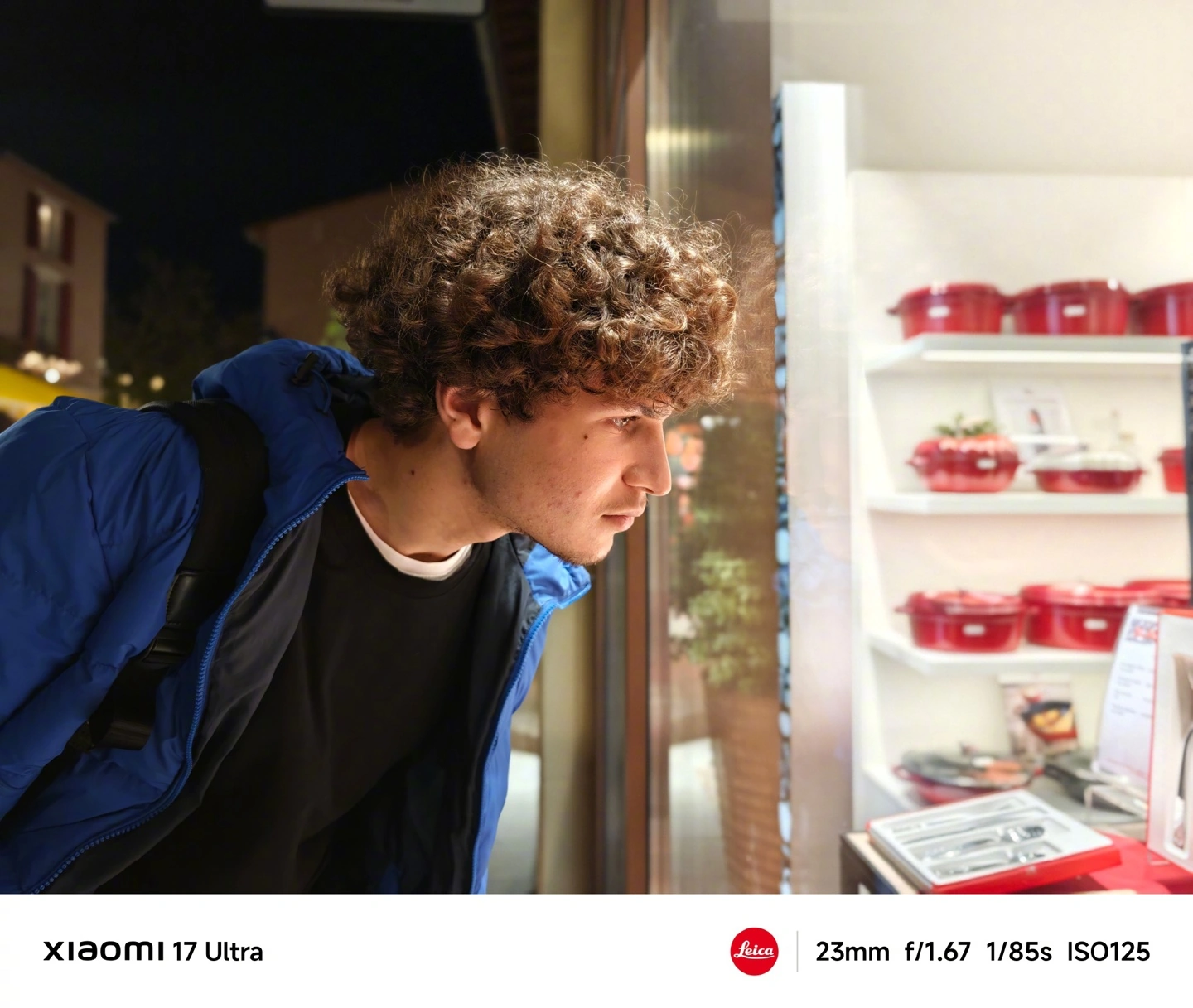
Xiaomi 17 Ultra uses a 75–100mm Leica 200MP lens with full optical output

23 December 2025 at 14:47

Xiaomi has indeed confirmed that the Xiaomi 17 Ultra will feature an industry-first Leica 200MP true optical zoom camera, which marks a milestone in mobile imaging. Various details were shared on Xiaomi’s official channels, which announced the all-new telephoto system without relying on digital cropping by giving full optical output. The announcement further seals the long-term partnership of Xiaomi with Leica, pointing to its continued emphasis on the brand’s optical engineering.

Leica 200MP Optical Zoom: New Telephoto Standard

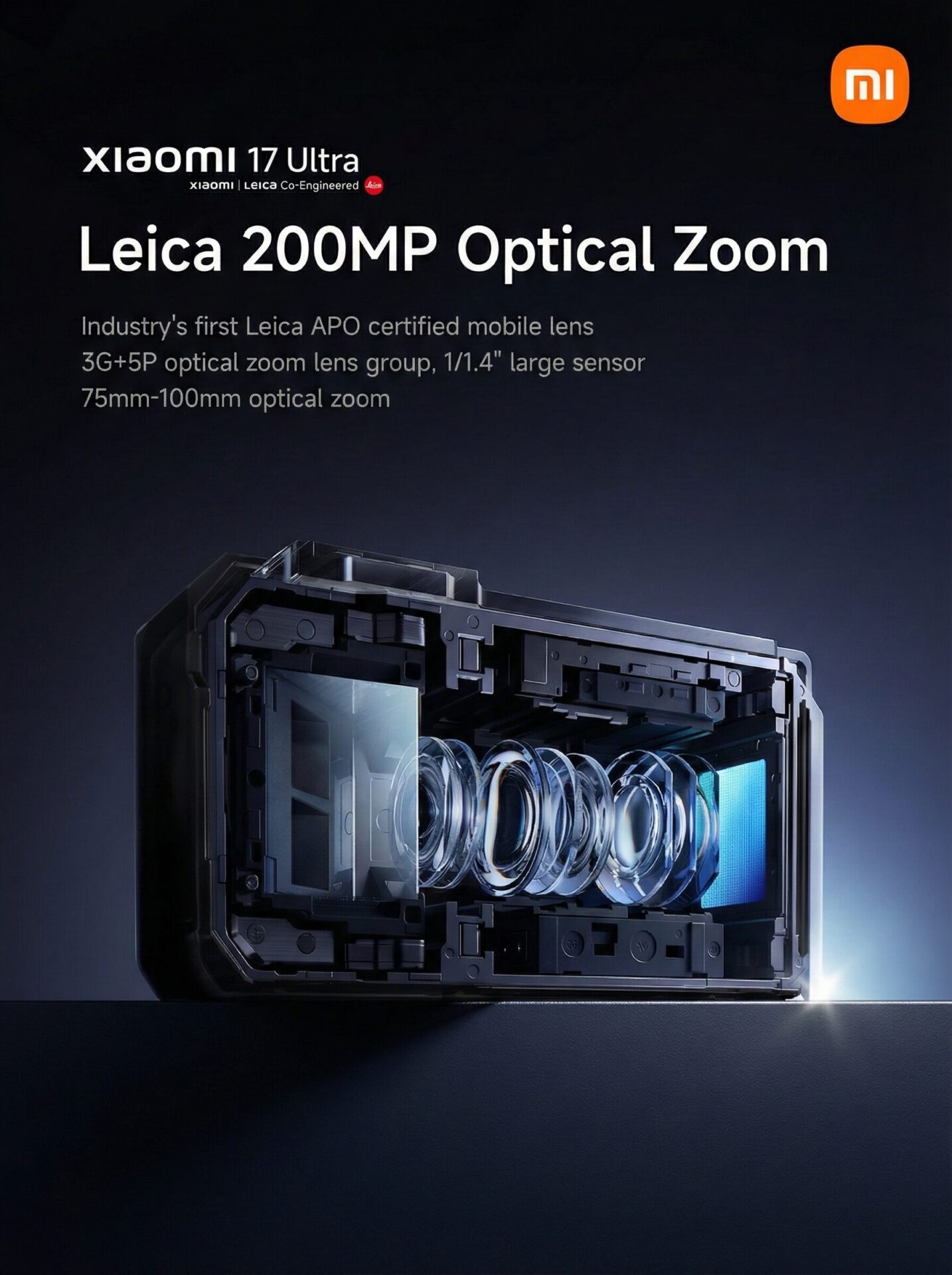
The Xiaomi 17 Ultra will become the very first smartphone with the receipt of Leica APO optical certification for a telephoto lens. Xiaomi confirms this is not some software-based zoom solution but a real optical system capable of maintaining image quality across the zoom range.

This lens supports 75mm to 100mm continuous optical zoom with full 200-megapixel optical output. In avoiding digital crop methods, Xiaomi ensures consistent resolution, true-to-life colors, and controlled chromatic aberration through zooming. Leica APO certification further confirms that the lens meets strict optical precision standards commonly associated with professional camera equipment.

XIAOMI 17 Ultra Poster 1

Advanced Structure of Lenses and Optical Engineering

Behind this newly minted camera system is a design choice Xiaomi calls a 3G + 5P dual floating lens group, claimed as the most complex optical structure the manufacturer has ever attempted. This construction allows for continuous optical zoom within a compact smartphone module while preserving clarity and focus accuracy.

Xiaomi then dove in a little deeper to explain some of the technical features, stating that the design lies on the same principle as in traditional camera zoom lenses. Several floating components work in collaboration to manage focus, zoom movement, and optical compensation within the lens body. With this, several lossless focal lengths can be supported using just one telephoto module, decreasing the pressure on multiple fixed lenses being used.

Key highlights of optics include the

  • 200MP 1/1.4-inch large sensor for telephoto imaging
  • 75–100mm continuous optical zoom range
  • Certification of optical APO from Leica
  • True optical zoom without any digital crop

Imaging System and Additional Camera Features

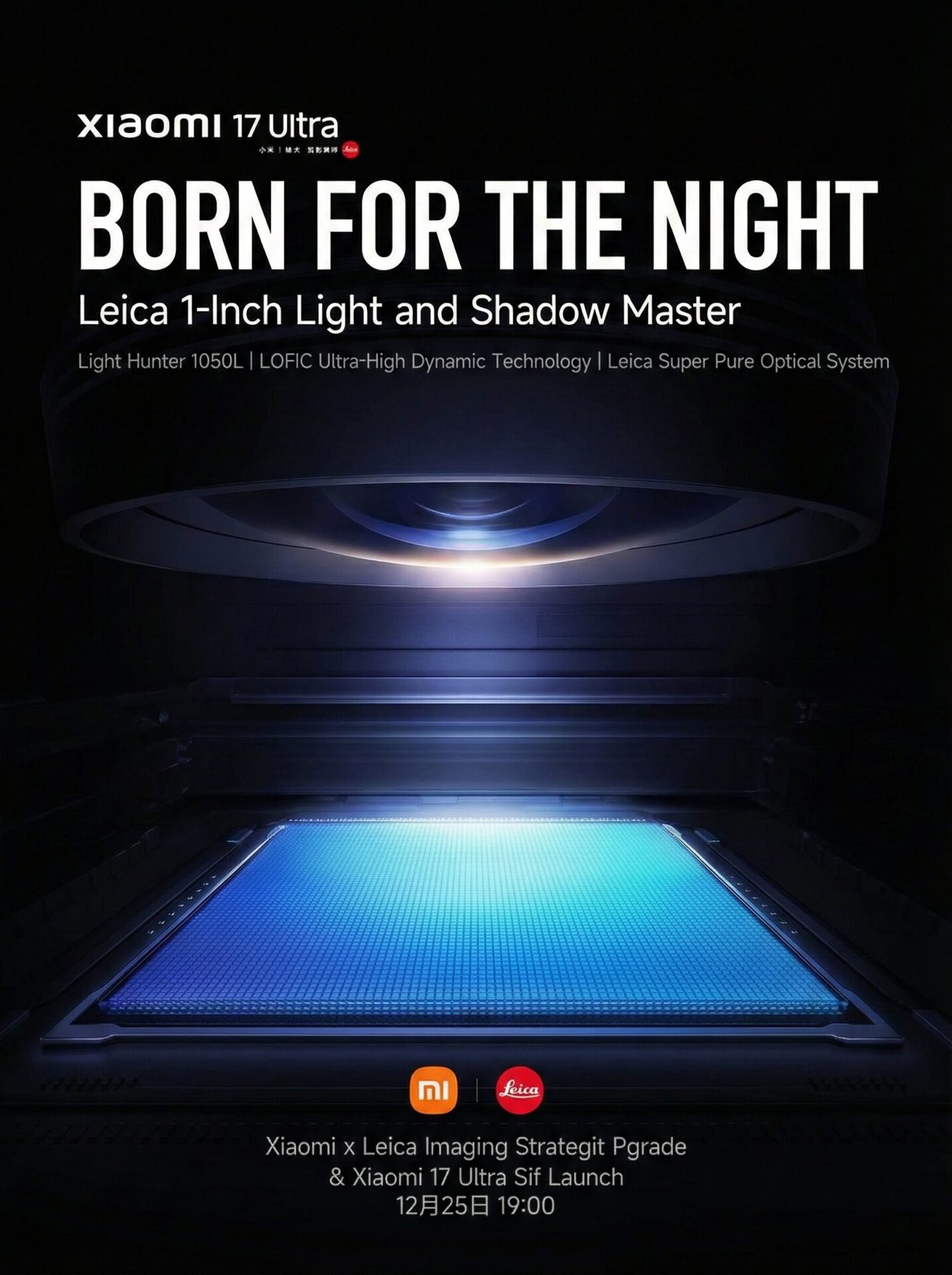
In addition to the telephoto lens, the Xiaomi 17 Ultra is also equipped with a Leica 1-inch main camera, combined with the Light and Shadow Hunter 1050L sensor. Xiaomi has combined LOFIC ultra-high dynamic range technology, allowing for better single-frame dynamic range, hence achieving exquisite exposure in every shot, even in low-light scenarios.

XIAOMI 17 Ultra Poster 2

According to Xiaomi, this setup brings night shots that are cleaner and with balanced highlights/shadows-much less aggressive in post-processing. The device also supports four portrait focal lengths, all covered by a single lens system, improving the flexibility for portrait photography.

XIAOMI 17 ULTRA CAMERA SAMPLES 3 XIAOMI 17 ULTRA CAMERA SAMPLES 2 XIAOMI 17 ULTRA CAMERA SAMPLES 1 XIAOMI 17 ULTRA CAMERA SAMPLES 5 XIAOMI 17 ULTRA CAMERA SAMPLES 7 XIAOMI 17 ULTRA CAMERA SAMPLES 8 XIAOMI 17 ULTRA CAMERA SAMPLES 4 XIAOMI 17 ULTRA CAMERA SAMPLES 6

Design and Positioning

Xiaomi also confirmed the Xiaomi 17 Ultra as the thinnest Ultra model in the history of the company at 8.29mm, making it about 11.3% thinner compared to its predecessor. The phone uses a refined frame, a compact rear camera module for improved ergonomics, and a flat display with rounded corners.

Lei Jun added that the Leica 200MP optical zoom signifies yet another leap in Xiaomi’s strategic miniaturization of optics and brings smartphone photography one step closer to the experience achieved by professional camera systems.

Received before yesterday Xiaomi News & Update

REDMI users report call noise bug: Fix rolled out by Xiaomi

22 December 2025 at 09:45

Xiaomi has now confirmed an audio issue related to calls, which affects some models from the Redmi Note 14 series. As per the recent community posting, some users have faced some unusual audio pops while making calls, as well as one-sided audio issues in certain conditions. Xiaomi engineers confirmed this issue, and currently, this issue is under investigation.

Details of the Reported Issue

The error mainly occurs when there are voice calls. It has two forms. Users may experience crackling sounds or static noise, which in turn sounds similar to electric current, when they are making calls. Another time it may happen is when there is only audio from one side of the conversation, meaning that it will not be possible for the other person to hear anything from the user of the Redmi Note 14.

dialer phone calling 1

Significantly, Xiaomi has reported that it has been able to reproduce this problem within its lab settings. This is an important point because it suggests that these are not isolated complaints and are considered a genuine technical issue by Xiaomi.

Devices and Software Versions Affected

This problem is only applicable to selected models and HyperOS versions. The affected combinations as confirmed by Xiaomi are as follows:

  • Redmi Note 14
  • Redmi Note 14 Pro

These users are more likely to experience the problems mentioned with phone calls.

Xiaomi’s Official Response and On-going Analysis

Xiaomi has confirmed that the matter is currently being examined together with the chipset vendor. This shows that the possible underlying cause could be related to the interaction at the hardware level rather than the HyperOS software issue. This, in turn, means that the corresponding fixing procedure could involve more than just updating the system.

If the results of the investigation reveal that the problem is not caused directly by Xiaomi’s software environment, the devices may qualify for evaluation on the basis of the warranty system. The strategy follows Xiaomi’s typical procedure of addressing possible hardware-related issues through formal service channels.

What Users Should Expect Next

At this point, there is no particular timeline scheduled by Samsung for a fix. But Xiaomi’s acknowledgment of this issue, which has been communicated clearly, is an indication that a fix is already on its way. It is recommended that users stick to the stable builds.

Source

Xiaomi looks into BGMI & PUBG crashes resulting in resets

22 December 2025 at 08:30

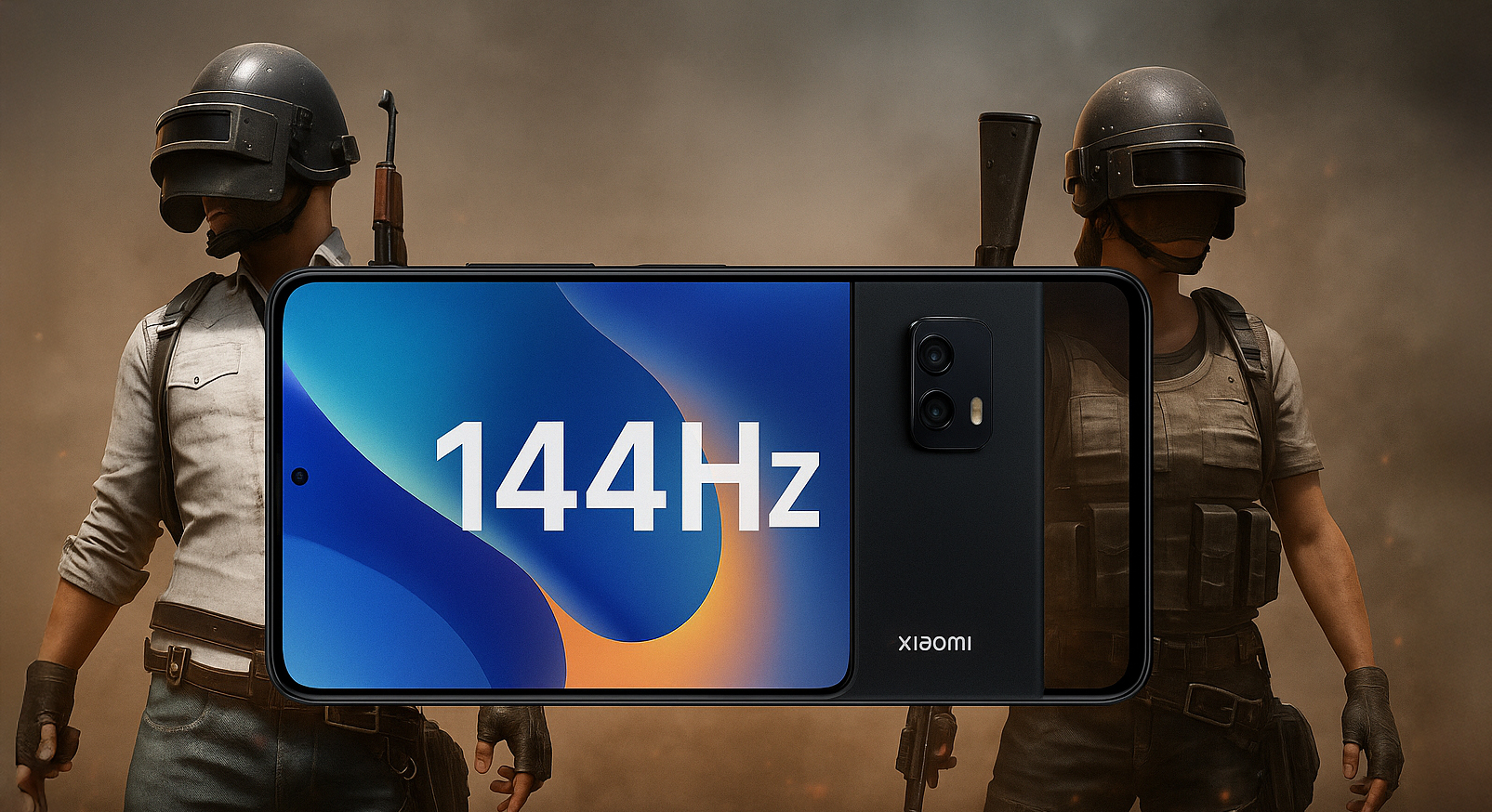
Xiaomi has come forward about a stability issue impacting the most popular mobile games like BGMI and PUBG in some of their new devices. In a statement put out via the Xiaomi Community, the issue seems to be causing some users to encounter crashes, closure, and unexpected rebooting in some cases. Interestingly, Xiaomi has confirmed that they are actively investigating this issue. Indeed, this bit of information is quite important for users who have been tracking Xiaomi software updates via XiaomiTime.com, HyperOSUpdates.com, and recent HyperOS feedback.

Devices & Software Affected

The problem has been reported to be affecting a few models of Xiaomi and POCO devices that run specific builds of HyperOS. Xiaomi has clarified that not all their users are affected by this problem, but enough reports have been received to initiate an inquiry.

Affected devices include:

  • POCO F7
  • Xiaomi Pad 7
  • Xiaomi 14

These are based on the Xiaomi HyperOS and have been rolled out as a result of the recent system update cycles to enhance performance and support more demanding applications.

pubg 144hz

Current Status of the Issue

Xiaomi has confirmed that the issue related to the crash of the BGMI or PUBG game on the device is under analysis. Currently, the issue has not received a temporary workaround or hotfix from Xiaomi. However, the fact that the issue has been confirmed to be under analysis means that the issue will receive a hotfix or update once testing is complete.

Xiaomi’s approach is in line with its typical update methodology, which deals with issues arising after widespread deployment via incremental OTA updates and does not rush out fixes before thorough analysis. Mi fans are encouraged to stay updated and watch out for official announcements through the Xiaomi Community.

What Users Can Do in the Meantime

In During this time, steps can be taken by users affected by this issue to limit any potential issues:

  • Games should always be updated to their latest version available from the official app store.
  • Do not engage in background-heavy multitasking while playing BGMI or PUBG.
  • Report problems via the Xiaomi Feedback app to help expedite diagnosis.

Update HyperOS system apps, and this can also be accomplished on HyperOSUpdates.com, as well as by using MemeOS Enhancer, which is a Google Play download. Though following these steps may not completely resolve the bug, it could prove helpful for system stability until a bug-fixing update from Xiaomi is out.

Source

Xiaomi reports launcher crash fix following system crashes on all devices

22 December 2025 at 07:00

Xiaomi has confirmed a critical bug within the System Launcher for various phones running current HyperOS updates. According to the confirmed reports from the manufacturer, some users experience frequent force closes, screens flickering, icons missing from the home screen, as well as entering into Safe Mode unexpectedly.


System Launcher Issue Identified by Xiaomi

The problem affects all Xiaomi devices with certain versions of HyperOS and has a definite connection to irregular activities carried out by the System Launcher. It has also been detected by Xiaomi’s team of engineers that crashes may happen randomly while using the home screen.

The impacted versions of the software are OS3.0.3.0.WNNEUXMOS3.0.4.0.WNEEUXMOS3.0.5.0.WOSEUXM, and OS3.0.5.0.WNCEUXM.


Root Cause: Weather Widget Conflict

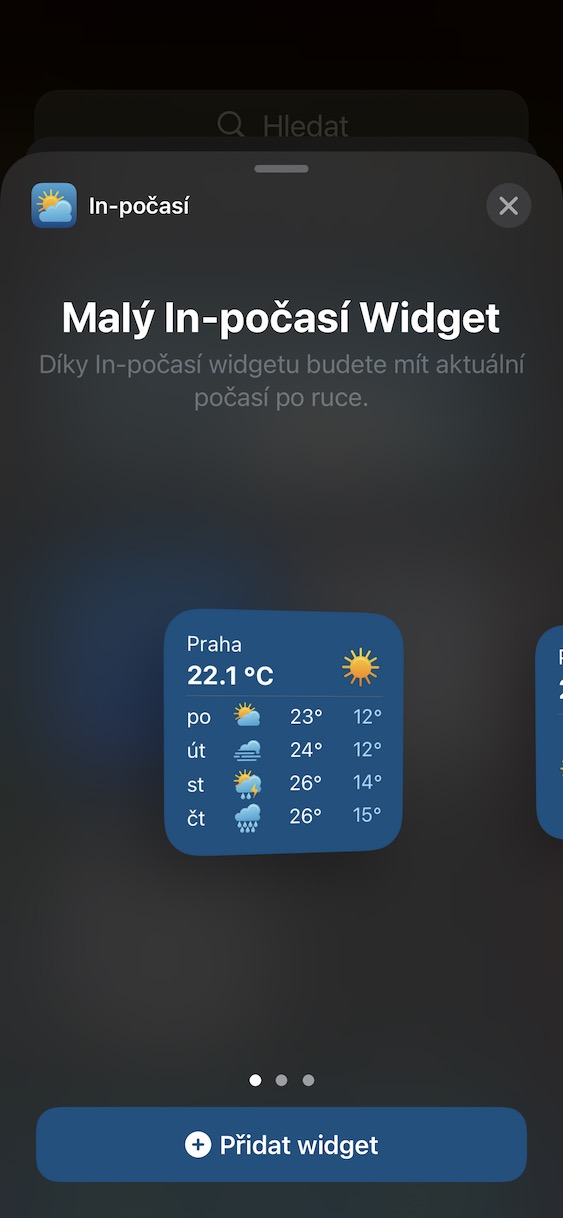
Xiaomi has identified the issue as being linked to the “in-počasí” weather widget, which conflictswith the System Launcher. When this widget runs on the home screen, it could lead to constant crashes, ultimately causing the phone to switch to safe mode.

in pocasi

This will enable Xiaomi to efficiently isolate the problem. At the time of writing, the development team is finishing work on a System Launcher update to completely solve the problem of instability without the need to update the entire system. When it comes out, it will be pushed by Xiaomi.


Temporary Migration for Infected Users

Until an official permanent solution is out, a temporary fix has been recommended by Xiaomi.

  • Long press on home screen
  • Find the “in-počasí” weather widget
  • Remove the widget entirely from the home screen

Followers of this step will immediately notice an improvement in system stability. There is no loss of data and no need to factory reset your device.

Rollout of Update & Next Steps

There is confirmation from Xiaomi regarding a System Launcher update for fixing the issue, which would be rolled out as soon as internal tests are over. There are reports of reaffirmation of swift issue resolution and communication from the company regarding general issues related to software.

It is recommended that users have auto-update functionality enabled and be on the lookout for the announced Xiaomi update platforms.

Source

Xiaomi looks into call audio problem faced by POCO users

22 December 2025 at 04:34

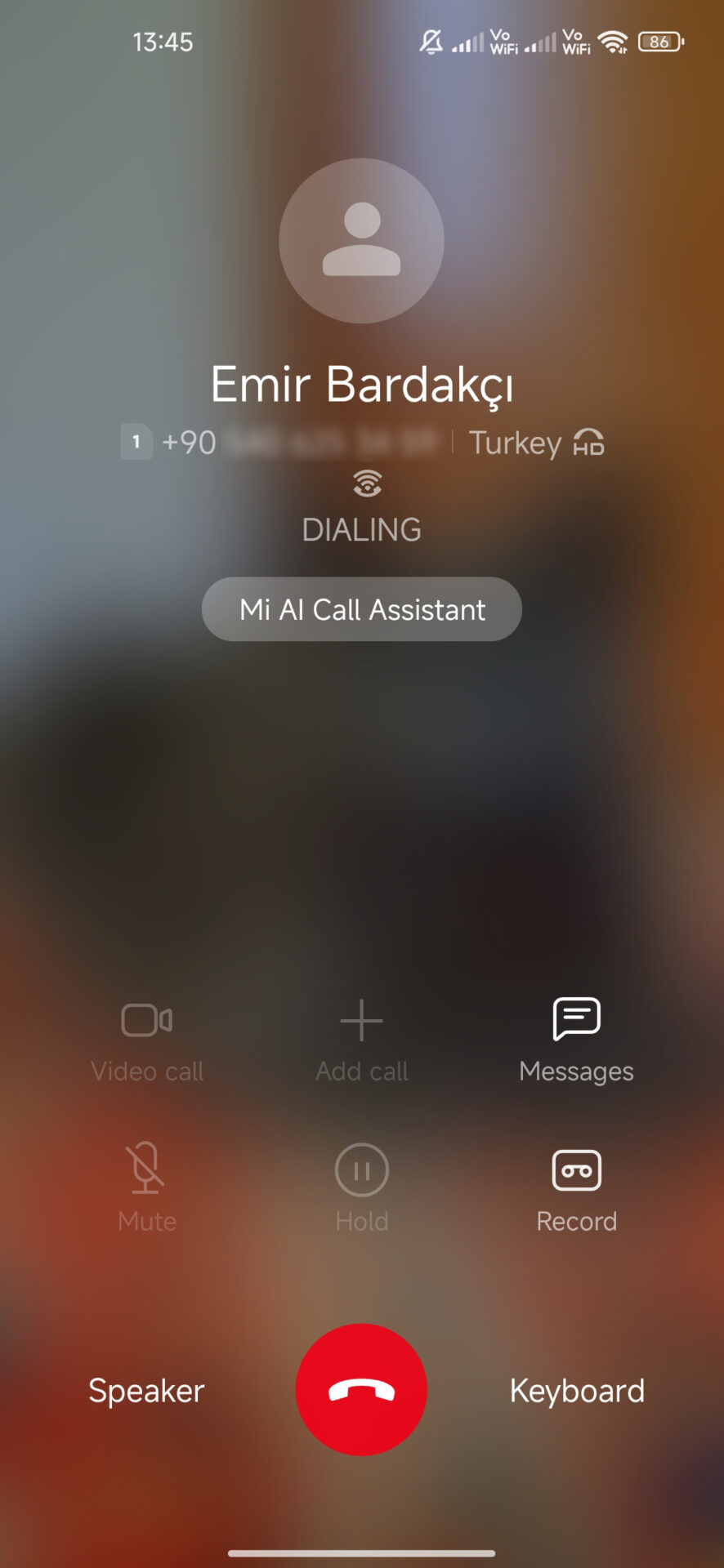
Xiaomi has also acknowledged a problem with calls for the POCO F7 Ultra, stating it is working on a solution for it. Apparently, some individuals cannot hear calls when a particular update for HyperOS has been installed, according to an explanation from the tech firm. This bug was spotted on the OS3.0.3.0.WOMEUXM system and is under tech analysis at the moment, as released by Xiaomi through their official forums. This update, and other related ones, can also be followed at HyperOSUpdates.com as well as at XiaomiTime.com.

Status the call issue for the POCO F7 Ultra enhancement request

The issue has been identified by Xiaomi as a known problem, which has been acknowledged by the company, implying that this problem is not being overlooked but is, in fact, being considered carefully by Xiaomi. Currently, the attention is directed at determining the cause rather than implementing a temporary remedy for this problem in their next release.

Screenshot 2025 08 30 13 45 33 128 com.android.incallui

The impacted device is only the POCO F7 Ultra, which is the international variant of the REDMI K80 Ultra, whereas the impacted software version is OS3.0.3.0.WOMEUXM. None other have been known to have this issue at this point and appear to only be version related.

Xiaomi collects user logs for in-depth analysis

To speed up this troubleshooting process, Xiaomi has already begun to contact users affected by this issue and has asked for logs. The role of these logs is crucial in determining if this bug has something to do with audio drivers, modems, or call handling at the Hypers OS level. Xiaomi made it clear that user collaboration will help speed up this troubleshooting process and will also enhance the accuracy of the solution.

What affected users can expect next

Currently, Xiaomi has not announced a concretes release date yet on when the update will be released to fix the call audio issue mentioned above. However, based on previous HyperOS maintenance, the solution is usually delivered on a small incremental OTA update after a certain amount of data has been accumulated.

In the meantime, it is recommended that users update their devices, cooperate with the logging participation, and wait for official notifications. Xiaomi’s open communication about this matter portrays the structured approach by the organization in software quality control, especially concerning the flagship level of devices from POCO.

Source

Xiaomi is investigating camera shaking problem

22 December 2025 at 04:03

Xiaomi has now confirmed that it is looking into a camera issue reported by some users of the Redmi Note 13 Pro+ 5G in Uzbekistan. From what has been conveyed on Xiaomi communities, some users who are running version OS2.0.209.0.VNOMIXM, which is the HyperOS version, have reported some unusual camera operations like shaking and weird mechanical clicks. Xiaomi has revealed that this problem is now undergoing technical evaluation, and users are advised to remain updated via official Xiaomi news platforms like XiaomiTime.com, HyperOSUpdates.com, and other appropriate Xiaomi product support pages.

Investigation of Reported Camera Problem

The issue reportedly observed on the device is when the users switch on the camera on the Redmi Note 13 Pro+ 5G. Sometimes, the camera may shake or produce unexpected sounds. Such symptoms may relate to optical image stabilization problems on the device. Xiaomi claims that there are no relations between the issue and hardware malfunctions and that the analysis is still in process.

Xiaomi 15 Ultra dominates camera comparison against rivals

This particular issue has been noted only on the mobile device running the HyperOS build OS2.0.209.0.VNOMIXM and is specifically reported only in the Uzbekistan market. There have been no reports of the same in other markets so far, and it seems this issue might be restricted to that particular build or market.

Assessing Xiaomi and Going Forward

Xiaomi engineers are busy analyzing system logs and cases in order to discover the cause of this camera instability issue. Xiaomi has categorized this issue under “under analysis” before they release a small update in their camera app or perhaps through an over-the-air update.

Meanwhile, users are encouraged to ensure their gadgets are updated and refrain from flashing unauthorized firmware versions. It is further advisable to take up the system feedback feature to provide feedback, thereby reducing diagnostic times with accurate diagnoses.

Affected Users Should Know This

For customers experiencing this problem with the Redmi Note 13 Pro+ 5G, Xiaomi has not provided any guidance or recommendation for any immediate physical repairs. On the assumption of earlier occurrences, the irregularities related to the camera issues should be addressed by gradual updates on the HyperOS.

Why does your Xiaomi phone use so much RAM?

22 December 2025 at 02:46

Xiaomi users will find the memory usage of their phone is always high even if the phone is used lightly. Such usage patterns are more noticed when the phones are using Xiaomi HyperOS and are nothing to be alarmed about since there is nothing wrong with the hardware of the phone. HyperOS is designed to always keep the background and commonly used applications loaded into memory.

How HyperOS Optimizes the Utilization of the Android Operating System’s RAM

HyperOS is not a lightweight Android wrapper. It supports a number of middleware layers on top of the Android kernel, which includes the system services, graphic elements, and ecosystem of the Chinese vendor Xiaomi.

This implies that the operating system has a preference to utilize RAM rather than letting it be idle. As a matter of fact, the operating system views idle RAM as wasted memory. This is why HyperOS chooses to fill that memory with application caching and background tasks that can be accessed instantly.

Xiaomi RAM 2

Primary Factors Responsible for High Usage of RAM on Xiaomi Devices

  • Continuous system-level services for analytics, synchronization, and security
  • Advanced UI effects for Control Center and System UI
  • Artificial intelligence app preloading for quicker app launches
  • Side-by-Side Running of Google Services and Xiaomi Services

For devices with 6 GB to 8 GB of RAM, this situation may contribute to the feeling of a constant “always full” state of RAM, while system performance is actually stable.

How HyperOS Manages RAM Differently From Stock Android

The low growth in RAM capacity is not an isolated situation with Xiaomi. This is associated with memory market conditions worldwide. Companies producing memory are now focusing on producing server and AI-grade memory, which is more lucrative compared to the LPDDR RAM used in smartphones.

Consequently, the 8GB and 12GB variants have been adopted across the technology industry. Larger sizes have been practically reserved for flagship devices featuring exorbitant pricing models. The reigning approach adopted by Xiaomi involves optimizing for software performance rather than pursuing a constant scaling up of memory sizes.

Xiaomi RAM 3 Xiaomi RAM 1

Is High RAM Usage Actually a Problem?

In most cases, No. It should be said that a large RAM usage level is normal for contemporary Android operating systems, such as HyperOS, and this level should not be considered a criterion of a problem or a setback in a device’s performance. The most important factor in this case is user experience.

Xiaomi is further enhancing HyperOS technology by making improvements with regard to memory scheduling and handling background processes.

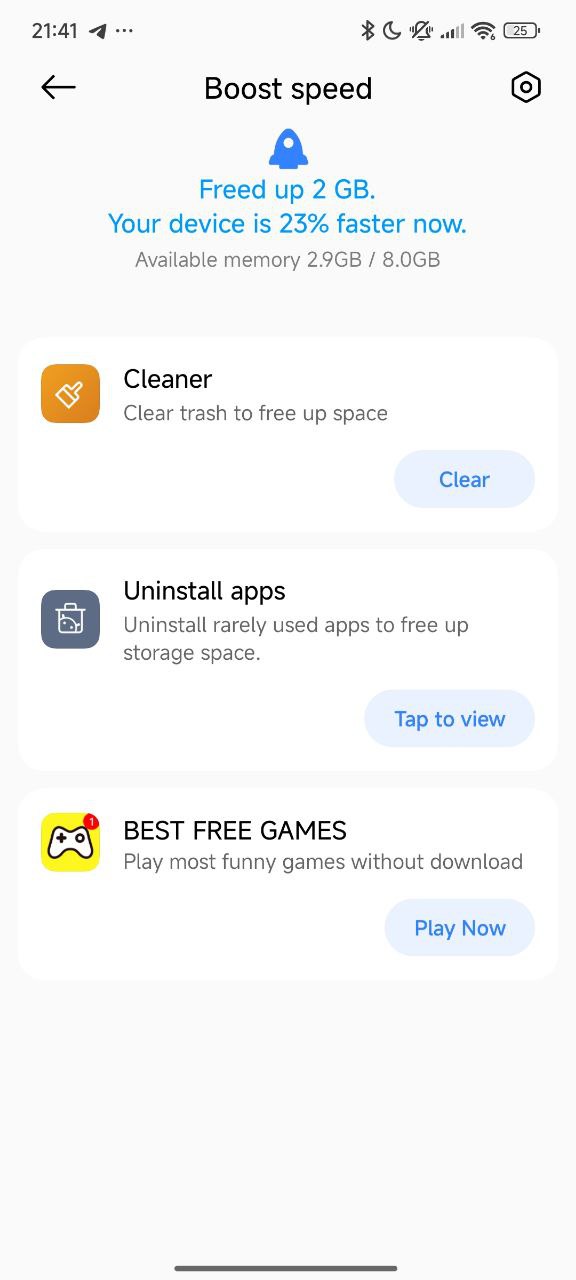
The world High RAM consumption on Xiaomi phones is neither a bug nor a defect; it is a result of modern Android design and HyperOS architecture. As global memory prices continue to increase, it is software optimization, and not hardware upgrade, that is given greater preference. By understanding how HyperOS works with RAM and implementing some system tweaks, you will be able to enjoy a stable and optimized performance on your phone.

Xiaomi releases unexpected HyperOS fix update to EOL device

21 December 2025 at 23:52

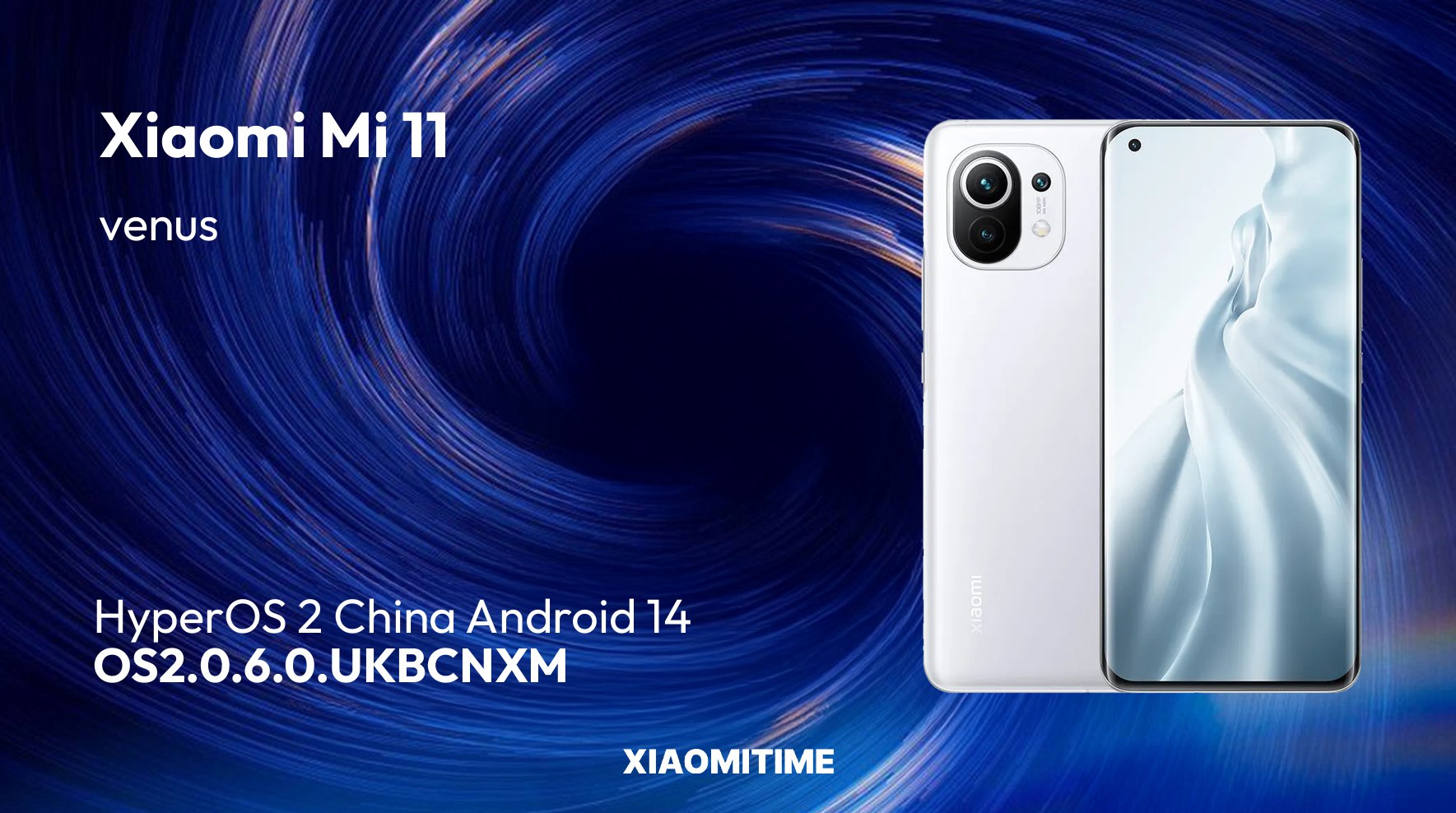
Xiaomi has just rolled out an update to the software on the Xiaomi Mi 11 (China), despite having ended the life cycle of this device over a year ago. This update, titled OS2.0.6.0.UKBCNXM, comes with the operating system of Android 14 and was released on December 21, 2025.

According to the changelog, this particular release has emphasized eliminating bugs that happened in some usage patterns. In fact, this particular release has not included new features, but it has greatly improved system stability, showing that Xiaomi still values their users’ experience, including for those that are already EOL.

HyperOS Update Mi 11

What makes this update more noteworthy is the timing. Xiaomi Mi 11’s update support ended on December 1, 2024; hence this update is quite rare as it comes after the end-of-life phase of the device. Not many devices get such post-life upgrades in the Android world. It’s good that Xiaomi is committed to fixing problems even after supporting the device has ended.

Mi 11 EOL date

It’s worth mentioning that the beta update is exclusively available for the China ROM. But nonetheless, it is a reassuring message for loyal fans of the Mi 11 series and it further enhances the image of Xiaomi when it comes to looking after the software of its devices even years later.

This unsolicited upgrade comes as a refreshing treat for those Mi 11 users in China, since it is an upgrade for the device despite the Mi 11 having been discontinued.

Xiaomi could end POCO launcher and switch to HyperOS Launcher

21 December 2025 at 21:14

There seem to be very obvious similarities between POCO Launcher and HyperOS Launcher, based on the recent developments in the system software of Xiaomi. One of the most apparent indicators of this convergence is the version number. POCO Launcher was sporting its own RELEASE-6.01 version, but it has now been updated to RELEASE-4.50, which is the same as the HyperOS Launcher version. This is not just a matter of number, as the features, updates, and even design concepts are the same.

Differences That Appeared as Visual and Functional Are Vanishing

At this point, aside from version unification, there are changes to the POCO Launcher icon as well. In previous designs, POCO smartphones had a distinct launcher icon design that stood out as a brand identity feature. In new designs, the launcher icon is identical to that of HyperOS Launcher. This also applies to application package size, which is almost identical; this further reinforces that POCO and Xiaomi’s launchers are identical and share the same codebase. From a software development point of view, it promotes code unification and enables Xiaomi to address optimizations on POCO and Xiaomi devices more effectively.

POCO Launcher

Strategy for Moving Towards a Unified Launcher

Xiaomi has been working towards streamlining its software experience with HyperOS. Having two separate build versions of the launcher with the same set of features causes redundant development. It can be safely expected, based on the current situation, that Xiaomi might end the development of POCO Launcher altogether with HyperOS 4, perhaps in the year 2026.

In such a scenario, devices from the POCO series will arrive with the HyperOS Launcher right from the start. This will help the users of the POCO series get the latest features, animations, or boosters from the HyperOS Launcher, side by side with the Xiaomi flagships.

What This Means for POCO Users

However, this would be a very beneficial move for consumers. Having a common launcher will translate to quicker releases, fewer bugs, and a common experience on all smartphones. This will also mean that Xiaomi will be spending time on delivering quality experience on one common launcher rather than enhancing different launchers according to brands.

HyperOS 3 Launcher iOS recents 2 HyperOS 3 Launcher iOS recents 1

Nevertheless, the overall evidence seems to suggest a smooth and managed merge rather than an outright dismissal. Xiaomi seems to be gearing up its users for a unified launcher experience that fits in with its overall vision of HyperOS.

Xiaomi HyperOS 3.1 needs this control center feature

21 December 2025 at 19:25

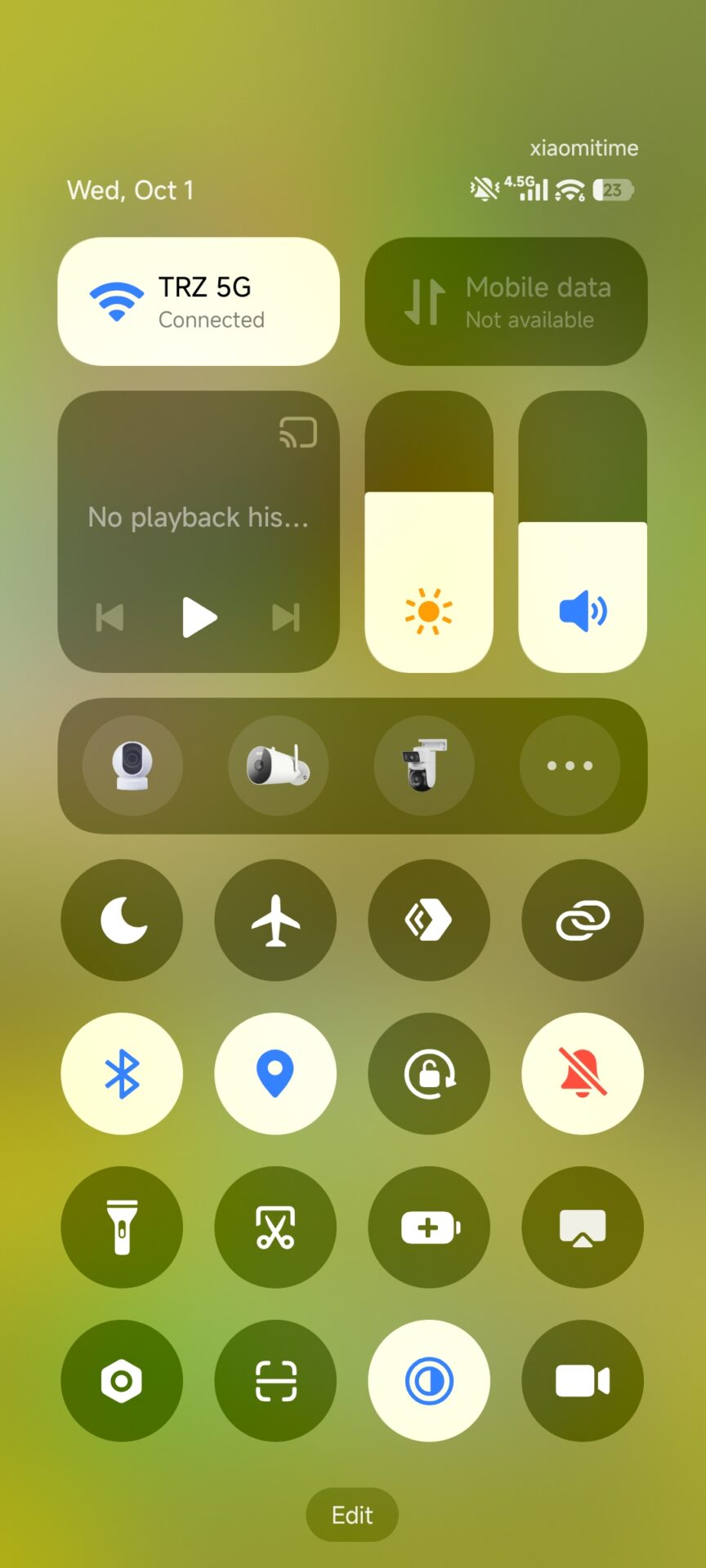
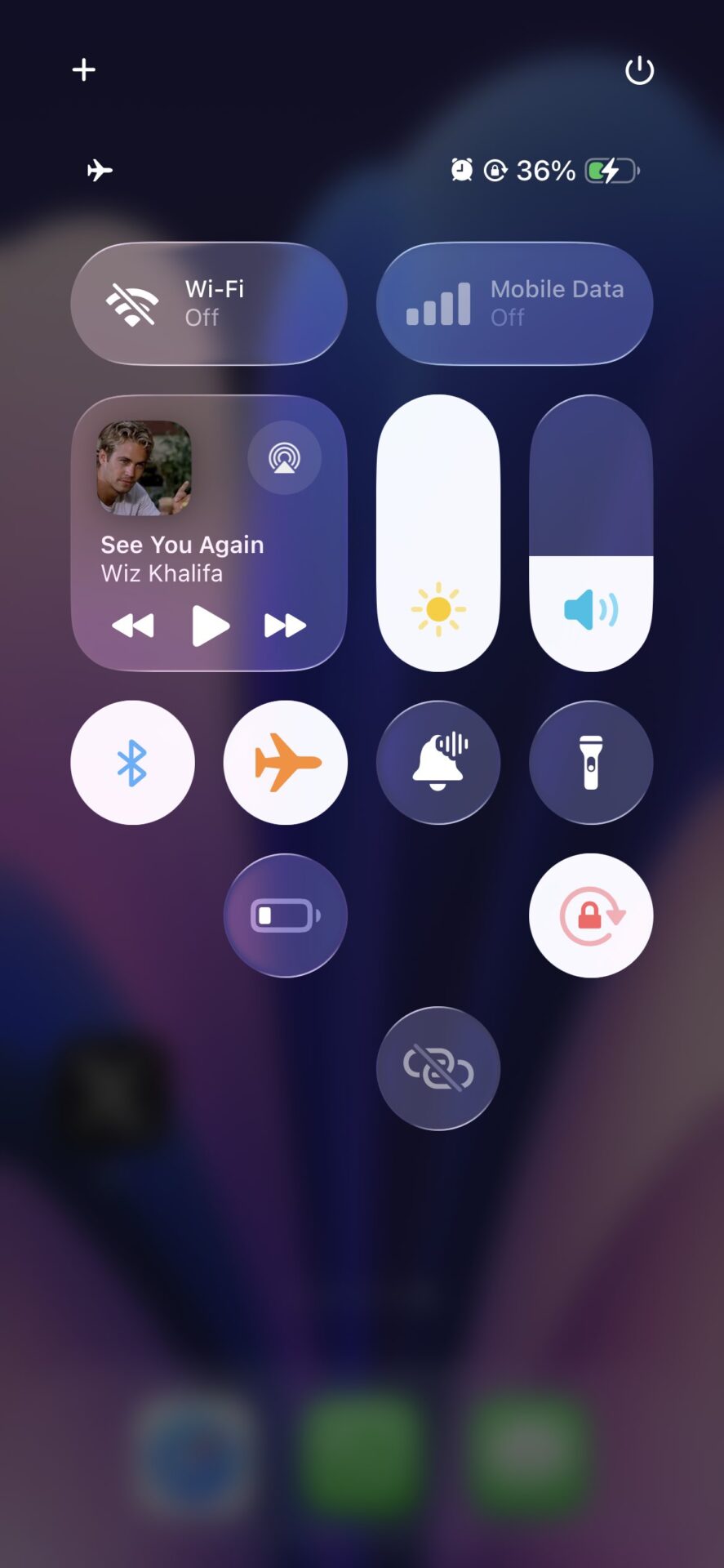
The future of smartphone personalization is here, and it’s time for Xiaomi HyperOS to take the next leap. When we look at the evolution of operating systems, it’s clear that users want more control over the aesthetics and functionality of the tools they use most frequently. The Quick Settings panel—that crucial, one-swipe-away hub for Wi-Fi, Mobile Data, and Bluetooth—is an area ripe for a significant upgrade. While Xiaomi’s software has always excelled in providing a deep level of customization, a key feature found in rival operating systems would solidify HyperOS’s position as a leader in user-centric design. We’re talking about fully editable Quick Settings icons, covering everything from size to placement, a simple but profound change that would elevate the daily user experience dramatically.

Why Full Quick Settings Customization is Essential for HyperOS

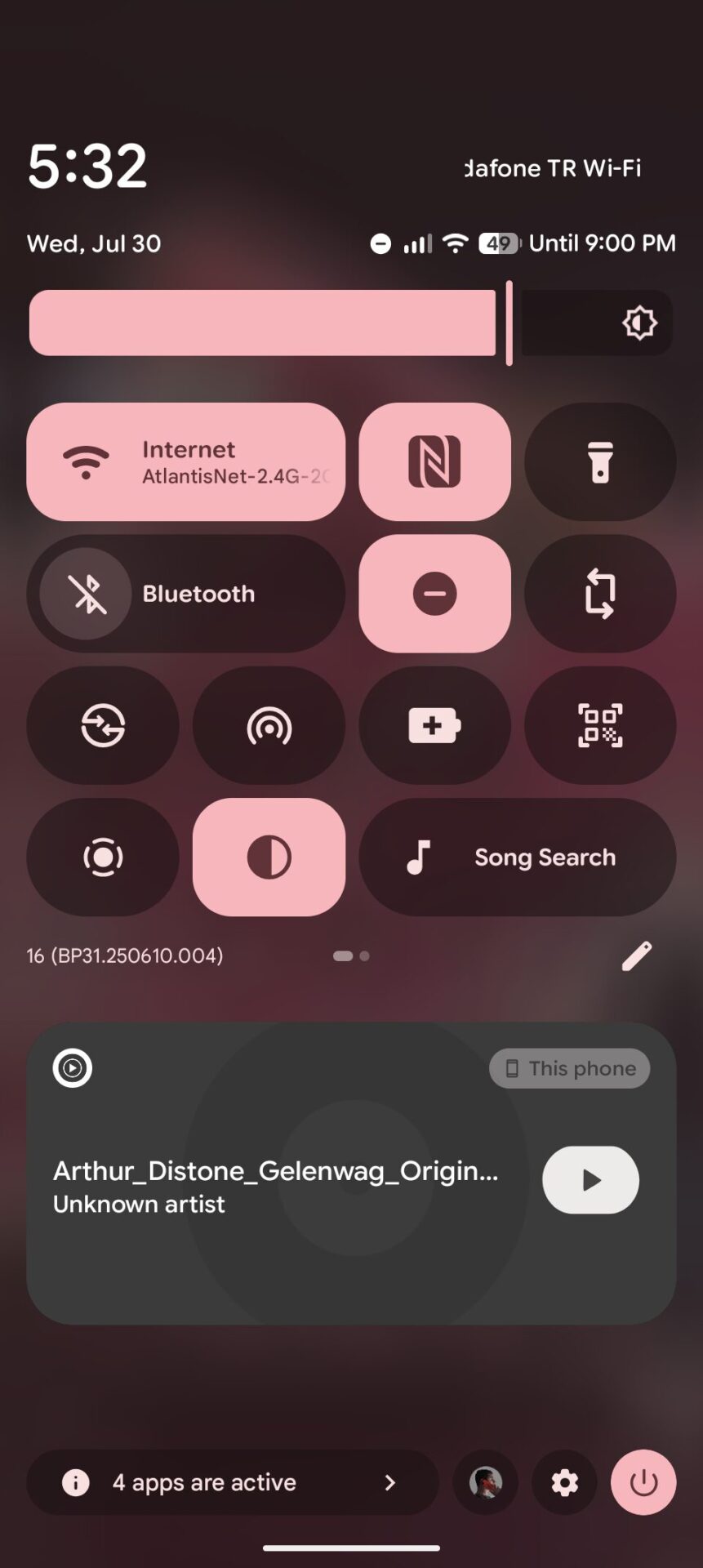
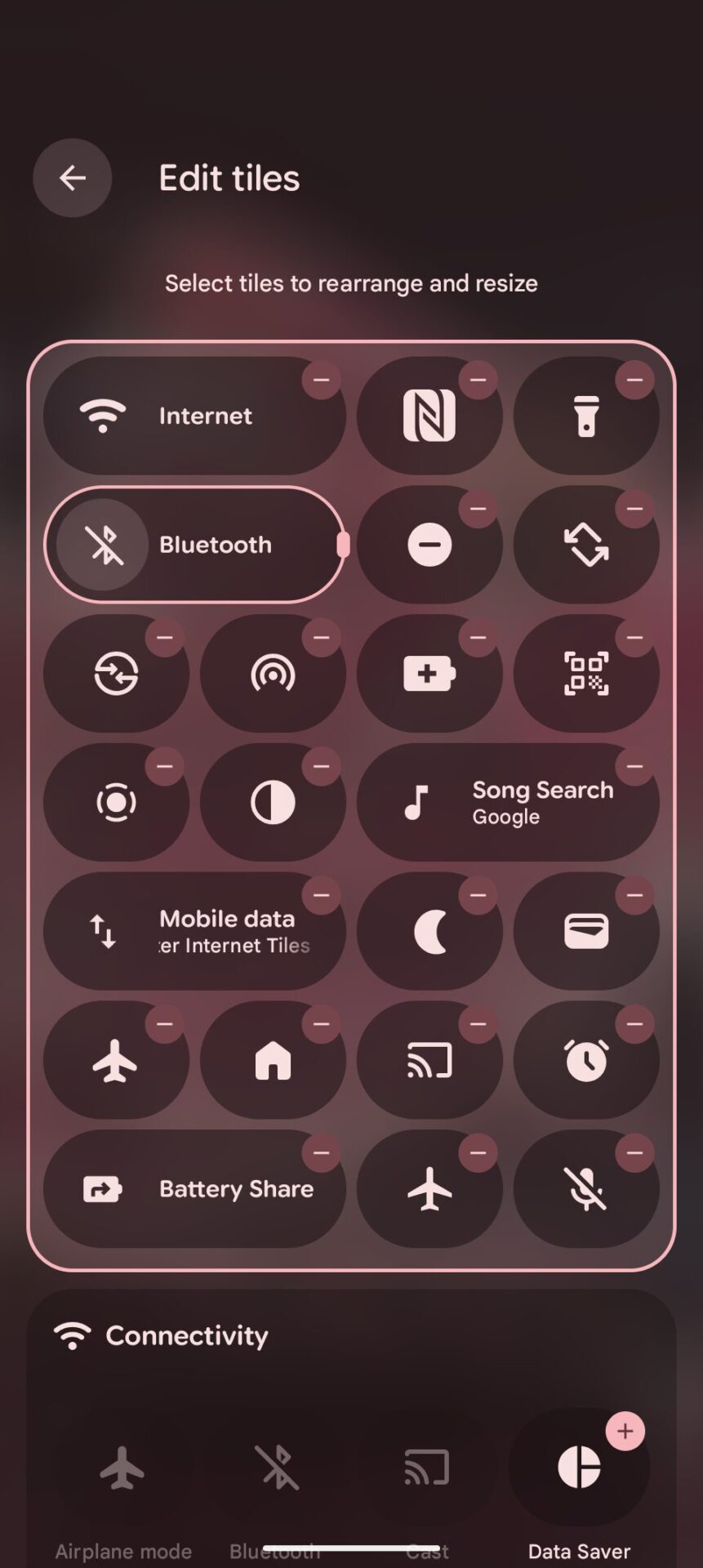
Today’s smartphone users demand an experience that feels truly their own. Releases of iOS 26 and Android 16, that users will gain the ability to adjust the size and arrangement of their Quick Settings toggles. This level of flexibility is currently limited within the current iteration of Xiaomi’s interface. For instance, while some toggles at the bottom of the panel can be rearranged to suit a user’s preference, core icons like Mobile Data and Wi-Fi are often fixed in size and position. Furthermore, the option to resize any of these toggles—making them larger for easier tapping or smaller to fit more options on screen—is simply unavailable.

HGyperos cONTROL center iOS 26 Android 16 QPR1 3 Android 16 QPR1 4

What We’d Love to See in Xiaomi HyperOS 3.1

The upcoming HyperOS 3.1 update is the perfect opportunity for Xiaomi to introduce this powerful customization tool. Imagine being able to tap and drag any icon—from the flashlight toggle to the screen recorder—and freely adjust its size from a compact square to a larger, more prominent button. This feature isn’t just about aesthetics; it’s about accessibility and efficiency. Users with visual impairments could benefit from larger toggles, while power users could consolidate more information into a single view. The ability to completely customize the entire Quick Settings matrix would provide a significant boost to user satisfaction.

Key Customization Features to Include:

  • Free-Form Icon Resizing: Allow users to choose between small (1×1), medium (2×1 or 1×2), or large (2×2) tile sizes for any available toggle.
  • Total Placement Freedom: Enable movement of all toggles, including core system functions like Wi-Fi and Mobile Data, to any spot on the grid.
  • Persistent Custom Layouts: Ensure that custom layouts are saved and sync seamlessly across all Xiaomi HyperConnect devices, including Xiaomi Pad and compatible smart home equipment.

Elevating the Experience with Xiaomi Apps

To truly enhance the HyperOS experience, users can already explore deeper levels of system control and customization beyond the main settings app. If you are eager to get your hands on system app updates or hidden features right now, you can check out a powerful utility.

We are confident that the development team behind HyperOS will listen to the community and bring this highly requested feature in version 3.1, further cementing Xiaomi’s reputation for delivering an innovative and personalized mobile experience.

Xiaomi Gallery gets massive update with reversible editing

21 December 2025 at 16:57

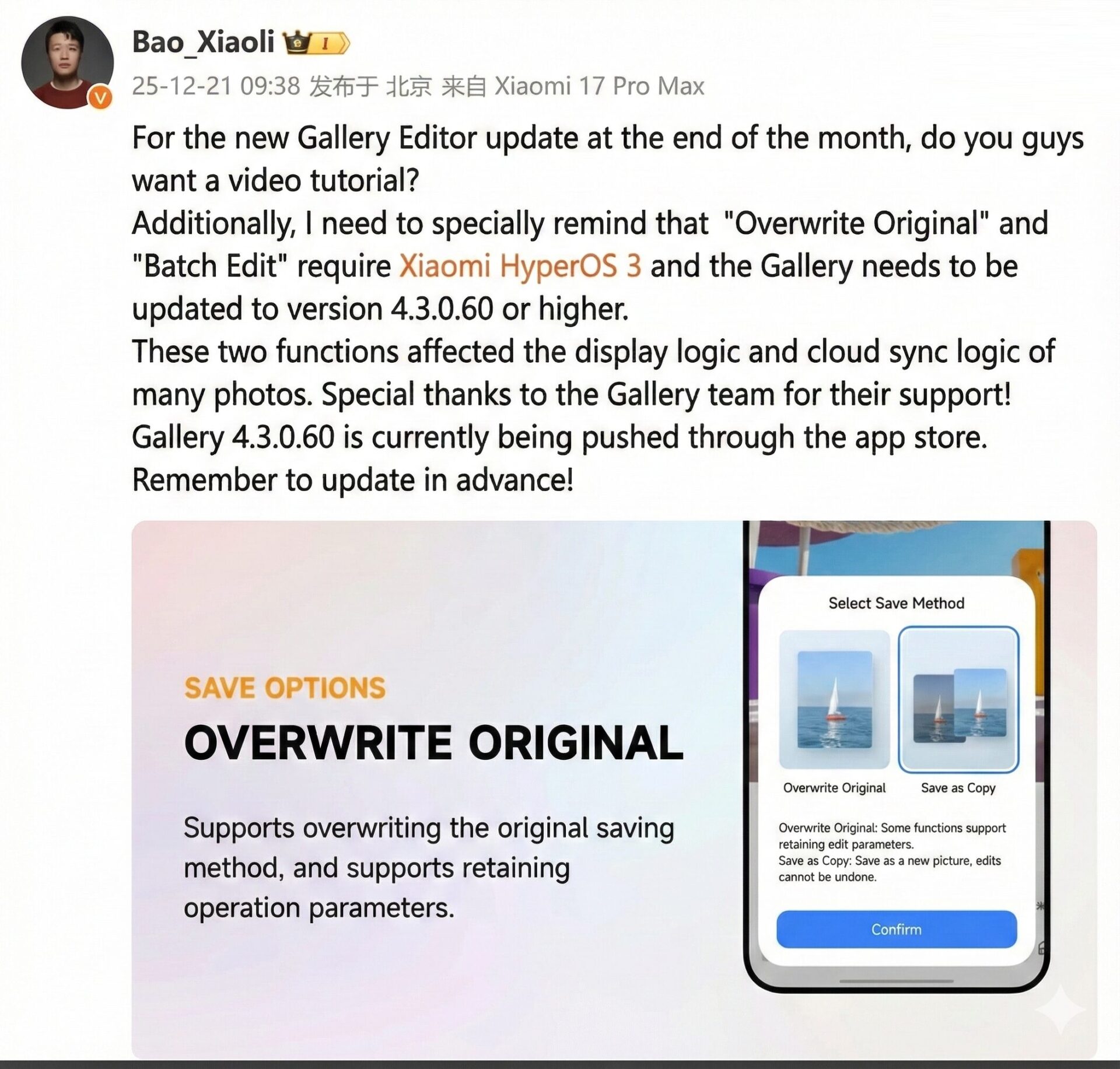
A major overhauling of the integrated Photo Album Editor feature is being planned by the team at Xiaomi, with a focus on long overdue functionality related to increased productiveness and safety when dealing with user data. According to a company release from the Product Manager of Camera Department of Xiaomi’s team – Bao Xiaoli – this upgrade is set to be implemented by the end of this month and is intended to bring about a more flexible and productive photo editing experience for users of supported models from Xiaomi.

A More Flexible Editing Rule for Everyday Use

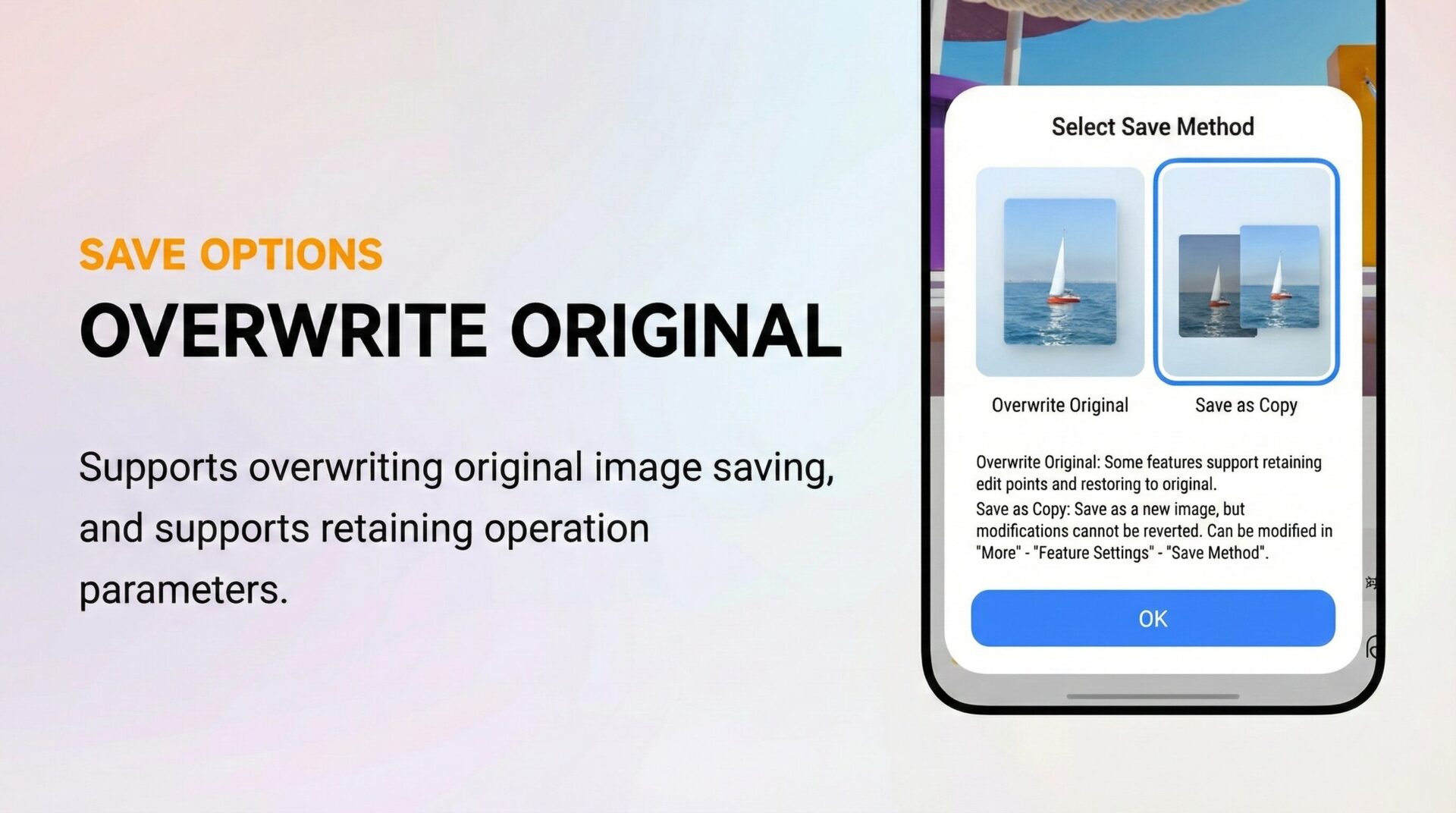
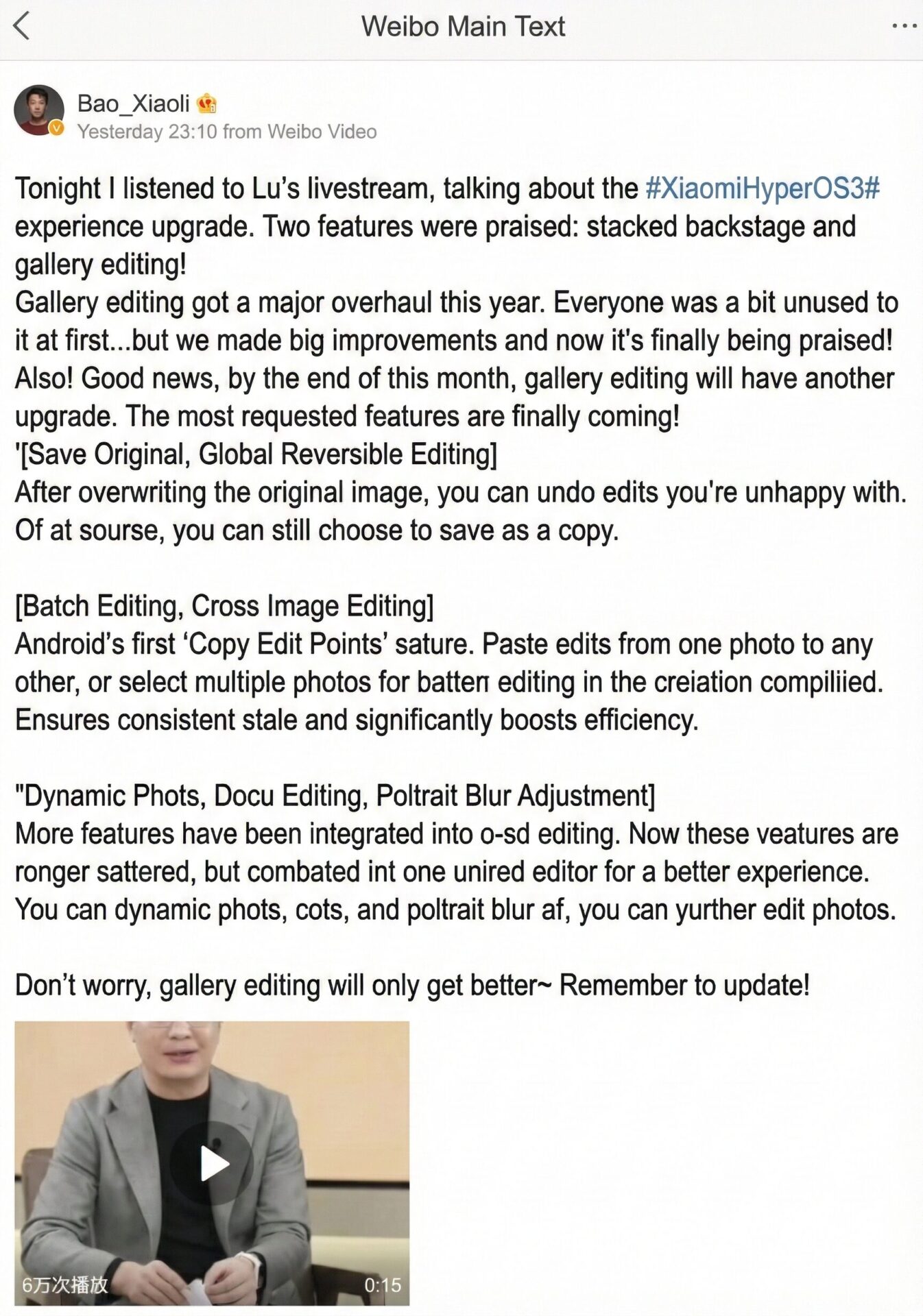
However, the update includes one of the most sought-after features, where it becomes possible to preserve the original image while permitting global reversible modifications. With the introduction of a new “Overwrite Original Image” choice, all modifications will be fully reversible at any point in time. This will allow overwriting solutions, incorporating safety elements typical for non-destructive technologies, delivering a convenient and professional solution for common users. For those who choose a conventional approach, there won’t be any modifications for “Save as Copy.”

Overwrite Original Gallery Editor 2

It is intended to help with editing confidence, particularly in those who often change files and wish to go back on versions after making adjustments without duplicating files multiple times. It is always important to focus on quality over quantity and also remember to trust the process and be patient.

Batch Editing and Cross-Image Copying Finally Arrive on Android

Another important enhancement is the availability of the batch editing and cross-image editing capabilities. Xiaomi is launching the new “Copy Edit Point” feature on the Android platform. This facilitates the user in copying the applied edits from one picture and pasting them on another. Also, multiple pictures can be selected for editing purposes right from the creation menu.

Overwrite Original Gallery Editor 3 Overwrite Original Gallery Editor 1

This extension boosts efficiency, especially among those that want to upload a collection of images, such as their favorite album, travel, or work images.

One Stop Editor With Expanded Abilities

Xiaomi has also improved its editing interface by incorporating a number of features that were previously done using distinct editing tools. For example, picture correction, doc editing, and portrait blur correction can now be done using one interface. This has made editing simpler, but at the same time has ensured that users are also able to tweak photos after using professional effects.

Requirements for System and Version

As explained in the Xiaomi guidelines, the “Overwrite Original Image” and “Batch Editing” functions are only possible with Xiaomi HyperOS 3. Moreover, the photo album app needs to be of version 4.3.0.60 or later since this service affects image display logic and cloud sync functionality.

Source

What happened to LCD in-display fingerprint technology seen on Redmi Note 8 Pro?

21 December 2025 at 06:30

The concept of putting a fingerprint scanner on an LCD display panel itself had gained considerable attention, mainly from the mid-range smartphone sector, which could not afford the high prices for OLED panels at that time. Towards the end of 2019-2020, the Redmi brand from Xiaomi showed off this idea with the Redmi Note 8 Pro, which used an LCD in-display fingerprint solution that was made possible by Tianma.

Technological Difficulty of LCD In-Display Fingerprint Solution

In contrast to OLED screens, the LCD screen requires a backlight unit with a complex optical stack. In this optical stack, light gets blocked and scattered. This makes the process of capturing biometric information via the screen using optical fingerprint sensors highly challenging.

To resolve this, Tianma modified some of the parts of the LCD stack in order to enable the passage of infrared light more easily. For the Redmi Note 8 Pro prototype, an infrared sensor algorithm combining modified films and backlight units worked in collaboration. Advanced image processing algorithms were applied in order to smoothen noisy fingerprint data from the LCD structure.

Although it was functional in the demos, this technology caused added expense, size, and complexity relative to normal LCD modules.

Market Reality & Strategic Shift by Xiaomi

By 2020, the smartphone industry experienced a rapid evolution that was unforeseen. The price of the AMOLED screen had dropped dramatically, especially in China, enabling manufacturers such as Xiaomi or REDMI to use an AMOLED screen in many models, including low-price ones. In the meantime, the side-mounted capacitive fingerprint scanner gained popularity because of its price advantage and ease of use.

Xiaomi 15 series got an ultrasonic fingerprint sensor

With the Redmi Note 10 lineup, Xiaomi began this pivot in their mid-range offerings toward using AMOLED screens. This helped eliminate the cost-effective rationale for developing complex LCD implementations for in-display fingerprint scanning. This means that their LCD in-display fingerprint project never made it into mass production.

What Happened to Tianma’s Technology?

Even as Tianma had to put its LCD in-display fingerprint solution on the back-burner, the company did not turn its back on research involving sensor integration. The company simply repurposed its know-how to other areas of interest to OLED technology, such as optoelectronic hybrid integration. This technology is employed for sophisticated sensing applications. The current focus of Tianma’s research and development efforts is on OLED technology display panels, as well as automotive display panels and industrial display panels.
Final Assessment

The LCD in-display fingerprint sensor, as seen on the Redmi Note 8 Pro, was a technical prototype, demonstrating the feasibility of the idea. However, due to lower prices of AMOLED screens, simpler ways, or because of Xiaomi’s preference for AMOLED screens, it could not see the light of day. It is a fact, now in 2025, that if any mobile telephone has an LCD display, its fingerprint reader is placed either on the side or on the back. If it is in-display, then it is OLED.
Source and other prototypes

REDMI Note 15 Lunar New Year Editions Appear, Sales Start on January 1

21 December 2025 at 01:26

Xiaomi has officially listed the REDMI Note 15 Lunar New Year Edition smartphones on JD.com, confirming a festive refresh for the popular series. The special editions will go on sale in China at 10:00 AM on January 1, 2026. According to the listing, all three models focus on refined design rather than hardware changes.

Festive Design Focus for the REDMI Note 15 Series

The Lunar New Year editions introduce new color themes inspired by the Spring Festival. The REDMI Note 15 and REDMI Note 15 Pro arrive in a cherry red finish, while the REDMI Note 15 Pro+ features a warmer brown-toned New Year color. Xiaomi positions these versions as seasonal alternatives, keeping specifications identical to the standard models released earlier this year.

Note 15 China

This approach allows users to choose a festive appearance without compromising familiarity or performance. Availability is currently limited to the Chinese market.

REDMI Note 15 and Note 15 Pro Highlights

The standard REDMI Note 15 was introduced in August and focuses on slim design and balanced performance. It features a dual-curved OLED Super Sunlight display with high peak brightness, a large battery, and IP66-rated dust and splash resistance. The device emphasizes comfort in hand with a thin body profile.

The REDMI Note 15 Pro upgrades the experience with a larger 1.5K OLED flat display and a 120Hz refresh rate. It uses the Dimensity 7400 Ultra processor and shares enhanced protection features such as reinforced glass and an ultra-thin chassis. Battery capacity is increased to support extended daily use.

REDMI Note 15 Pro+ Specifications Overview

The REDMI Note 15 Pro+ stands as the top-tier option in the series. It is the first device powered by the Snapdragon 7s series fourth-generation platform. Key highlights include:

  • 6.83-inch 1.5K Super Sunlight OLED display
  • Triple rear camera system with a 50MP main sensor and 50MP telephoto
  • Enhanced durability with improved drop and water resistance
  • Large battery designed for long-term endurance
Redmi Note 15 Pro Plus 5G 2

Xiaomi confirms that the REDMI Note 15 Lunar New Year Edition lineup is currently available for pre-order in China and will officially launch on January 1, 2026.

Source

❌