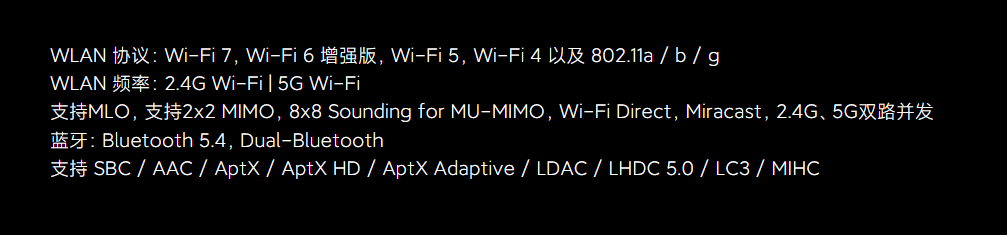
Recently, the Xiaomi 17 series launched a massive technical discussion in the mobile world regarding connectivity standards. While the global Xiaomi 17 Ultra comes with revolutionary Bluetooth 6.0 technology, the variants sold in China appear to be stuck with Bluetooth 5.4. This regional difference is not related to saving hardware costs but rather originates in complex regulatory frameworks.
The Power of Snapdragon 8 Elite
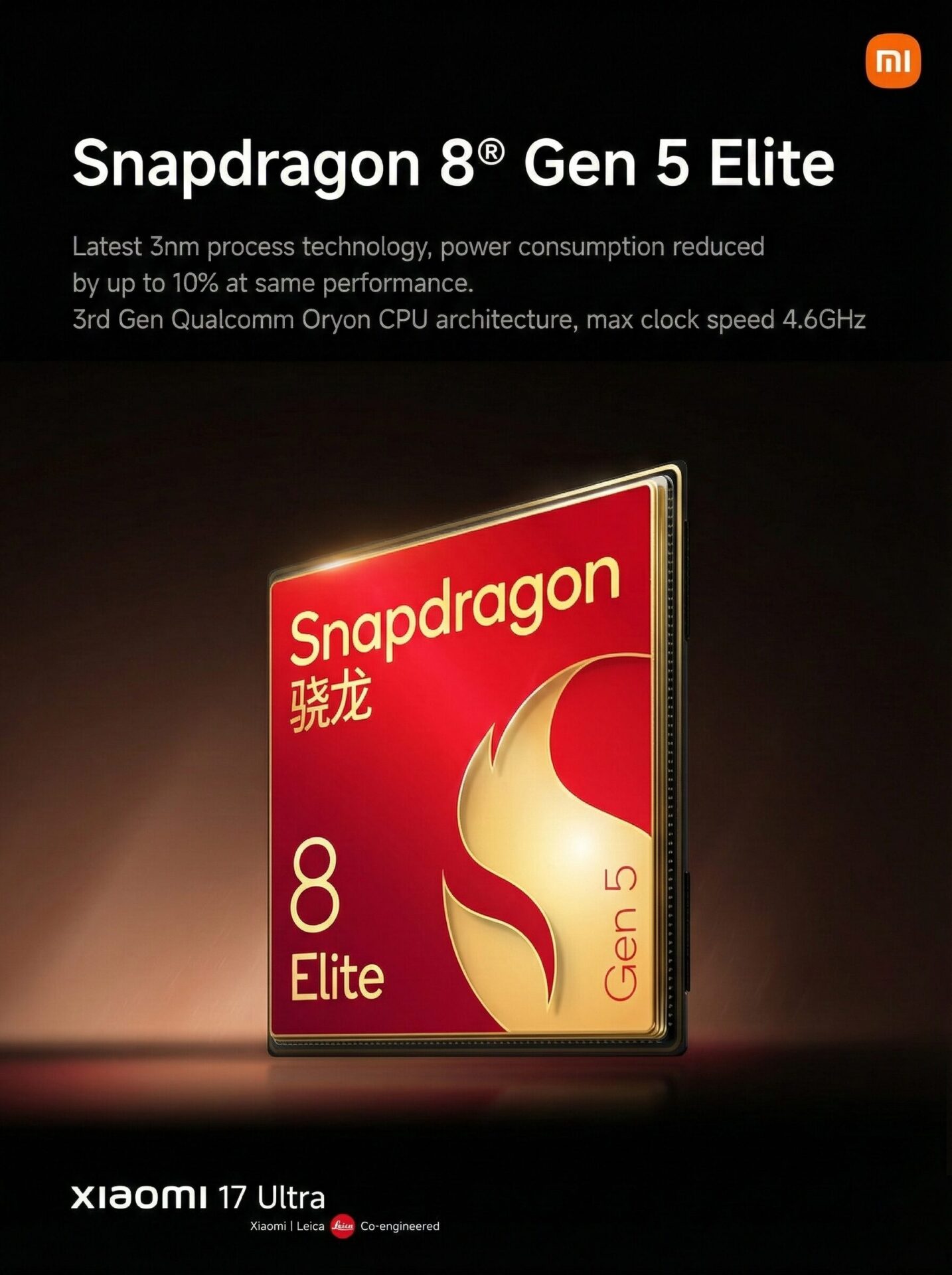
The entire Xiaomi 17 lineup comes with the latest Snapdragon 8 Elite (Gen 5) platform. This chipset features the FastConnect 7900 system, which is fully capable of supporting Bluetooth 6.0 and Ultra-Wideband UWB technologies on a hardware level.
Since the hardware is identical, this limitation is purely based on software. FastConnect 7900 comes with AI-optimized radio frequency management; it physically supports “Channel Sounding,” which is the core feature of the new Bluetooth standard. This indicates pretty clearly that Xiaomi hasn’t removed any antennas or chips from the Chinese models; they have just disabled the feature in the HyperOS software kernel for that region.
Regulatory Barriers and SRRC
Most of this difference falls between the shoulders of SRRC in China. Bluetooth 6.0 features a new feature, “Channel Sounding”, that enhances location accuracy.
Spectrum Issues: This uses a 2.4 GHz band with transmissions of a continuous wave. It is also interference, where the current Chinese regulations on “Short Range Devices” are very strict about interference avoidance.
Certification: The testing protocols for this new signal type were not ready in China at the time of the release.
This is why Xiaomi had to launch the device with Bluetooth 5.4 in China, as the certification process was not complete; to avoid more delays. But the Global version (Model 2512BPNDAG) has been certified by FCC, thus allowing these advanced features right away.
Benefits Accrued to Users Worldwide
With Bluetooth 6.0, global users will see considerable advantages. The most critical enhancement brings centimeter-level precision for digital car keys. If you happen to have a supported vehicle, the device could only unlock it when physically close to you, as compared to the relay attacks. It is pretty much safer compared to the older RSSI-based methods used in the Chinese firmware.
While Chinese users wait for a regulatory update, for the global users, all these features would be available right out of the box. Keeping system apps updated will ensure a smooth run on your device. You can easily update system components using our MemeOS Enhancer app from Play Store. This app will also help you access the hidden HyperOS features and manage advanced updates.
Released only three weeks ago, the recent apps interface like iOS has very quickly made a name for itself as the highlight of 2025 for Xiaomi enthusiasts. Although the new HyperIsland found in HyperOS 3 was a great addition, it seems that “card pile up” multitasking UI has won hearts absolute all over. This new development, which was expected towards the end of the year, has fulfilled a demand that was created back in a 2023 survey.
A Sleek Visual Experience
Although it has been some weeks since its launch, it has been appreciated for its fluid animations that give it an elite look similar to other competing platforms. Cards are stacked with a special blur look when scrollers scroll through them in contrast to the original grid system used by this platform in the previous version. This new look has been stable on Hyper OS 2 as well as Hyper OS 3 and has a fabulous look that perfectly fits into its design language. This is currently the most optimized multitasking system available on a Xiaomi device.
Easy Installation Guide
Although this is a pending feature in the future HyperOS 3.1 worldwide update, this was available months ago in the form of an update to the launcher. To enable this feature, you can download the latest Launcher APK from our site and installation guide for HyperOS 2 or unsupported devices, which is HyperOS Updates. To get the most out of our services, we recommend that you download the following application: MemeOS Enhancer. This will enable you to update the system components and access hidden features of your smartphone easily from the Play Store using the following link: MemeOS Enhancer.
Following the release of the first HyperOS 3 stable update on October 14, 2025, numerous users started speculating the real disparity between HyperOS 3 Global and HyperOS 3 China. Although the two variants run off the identical base, Xiaomi made minute changes in order to accommodate regional requirements. Although it is widely believed that there is little functional disparity between the variants—the couple of which we do notice is critical to the user interface.
What is HyperOS Global?
HyperOS Global is designed for global users in areas such as EEA, India, Turkey, Taiwan, Russia, Indonesia and the Global build. The key purpose is to offer an effortless, global user interface with multilingual support and integration with Google service. It is shipped with Google Play Store, Google Maps, and other Google applications and is easier for global users to be used without China. Xiaomi phone and messaging app exist on some global Xiaomi phones.
Moreover, region-specific preloaded applications could be slightly different with respect to the location in which the device is retailed. Xiaomi also localizes system regionalization so people in each region get a smooth and native-like experience that meets regional regulations and regional language settings.
What is HyperOS China?
Conversely, HyperOS China is specially made for the in-market audience. Since China imposes regulations on Google offerings, this variant lacks Google applications. Xiaomi implements Chinese locals in lieu of Google offerings such as Google Play, Maps, and Assistant.
HyperOS China also comes with China-specific apps and features, likeChinese platform integration with local popular social platforms, regional payment solutions, and particular government applications. They give the localized and effective usage experience in mainland China.
Key Differences Between HyperOS Global and China
The choice between HyperOS China and HyperOS Global mainly comes with service integration, rather than performance or design.
Here are the comparison’s key points:
Google Services: Available in Worldwide; missing in China.
Preloaded Apps: Global ships with Google Contacts, Messages, and Dialer, but China ships with Xiaomi’s in-house apps.
Localization: The global builds accommodate more languages and regional affinities.
Visual Interface: The both versions contain the alike design, animation, and system type, with almost the same system features.
Even with such differences, the UI and animation of the system performance do not differ between the two versions because Xiaomi strives to streamline the software ecosystem under HyperOS.
Overall, HyperOS 3 Global and HyperOS 3 China hold no significant difference in appearance and motion. Differences exist mainly in terms of Google service integration and region optimizations. The users internationally will enjoy faster global app exposure, and the users in China enjoy closer integration with the local platforms.
Finally, the decision between the two rests within your region and ecosystem preferences. Either way you go with it, Xiaomi’s HyperOS provides you with a smooth, unifying experience across all devices. –
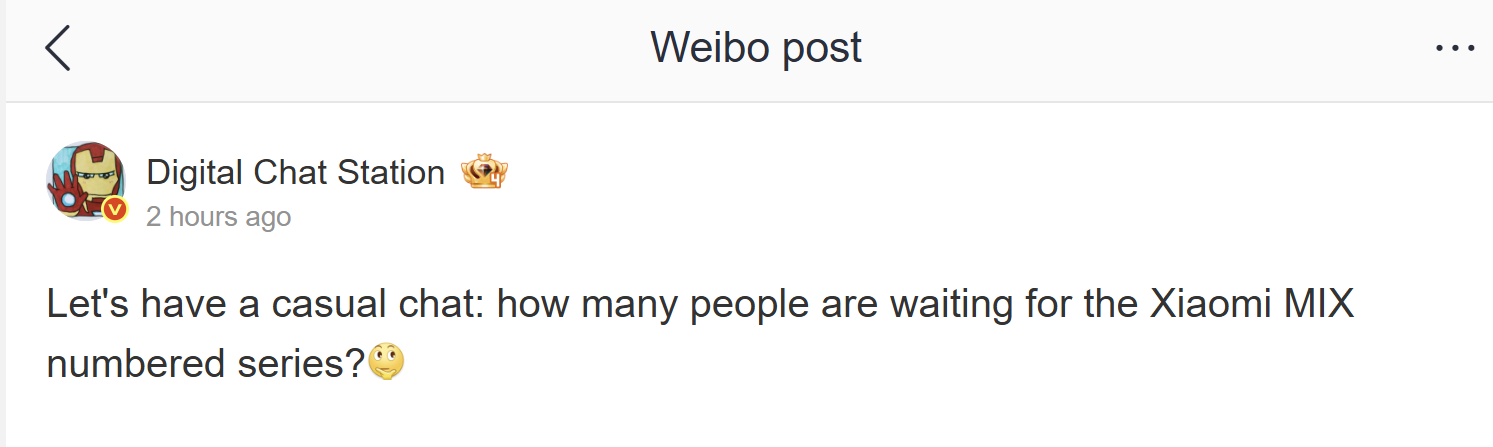
Xiaomi’s MIX series has always been a symbol of innovation and the use of cutting-edge technology. Recently, famous tipster Digital Chat Station dropped a hint on Weibo that really started the rumor mill churning regarding the possible launch of the Xiaomi MIX 5. In case this rumor turns out to be true, then the upcoming model might carry the baton of its predecessors with state-of-the-art features.
Looking Back: Xiaomi MIX 4
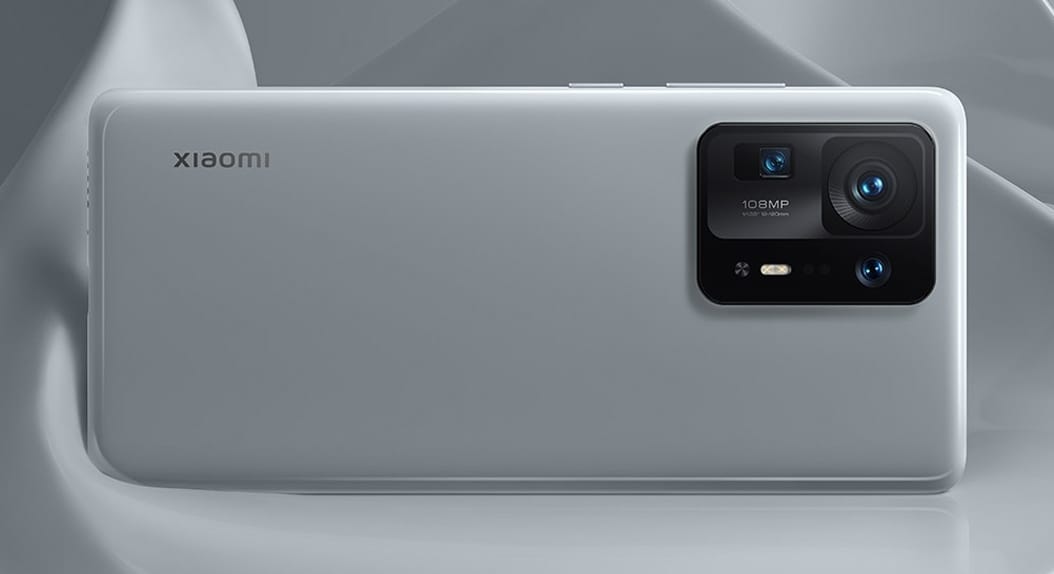
There were two features that set it apart as a real game-changer. When the Xiaomi MIX 4 launched in August 2021, it was a critical milestone for smartphone design. The phone packed an under-display camera for the first time ever in the world, and thus provided a seamless, no-frills display. Building off the capacity of the Snapdragon 888+ and with its premium ceramic body, the MIX 4 did great among tech enthusiasts and went beyond, even with China exclusivity. With that said, given its performance and feature combination, it is not at all surprising to see such a loyal fanbase end up for the MIX series.
What Is Next for Xiaomi MIX 5?
With the MIX 5, Xiaomi is bound to push forward with innovative design, possibly improving under-display camera technology leaked last year to give the world a truly bezel-less screen. Advancement in display and camera technology may set a new benchmark for smartphones, more so if the company unlocks the latest Snapdragon chips for even more power and efficiency.
The design of the MIX 5 is very much likely to continue from where its predecessor left off in premium aesthetics, elegance, and innovation. Ceramic bodywork, state-of-the-art screen, and a camera setup would make MIX 5 definitely irresistible with class-leading performance and unique design.
The future of Xiaomi’s flagship lineup.
In the eventuality that the Xiaomi MIX 5 does come, it could ensure a new beginning and a relaunch for the flagship series of the brand with the new upcoming technologies mixed with this design. This is as far as one can go without the official confirmation, with the rumor mill continually heating up for the MIX 5.
The Chinese technology firm, however, made an official announcement about the HyperOS China status on December 26, 2025, in regards to the bugs that have been resolved and those that are currently being looked into. As per the announcement made through the Xiaomi Community, some camera lock screen anomalies for high-end series Xiaomi as well as REDMI have already been resolved, while work is in progress to address the remaining bugs.
Fixed Issues in Recent HyperOS China Builds
In the latest HyperOS China versions, Xiaomi engineers have affirmed that a variety of camera issues have been completely resolved. These camera issues are mainly related to user interface issues and orientation issues when using cameras, preferably on the lock screen.
The problems that have been resolved:
Camera UI anomalies in certain scenarios on Xiaomi 17 Pro Max (version 3.0.34.0).
Camera orientation issues on the lock screen affecting:
Xiaomi 15 Pro (version 3.0.5.0)
Xiaomi 14 Ultra (version 3.0.4.0)
Xiaomi 14 Pro (version 3.0.4.0)
Xiaomi 14 (version 3.0.4.0)
REDMI K80 Pro (version 3.0.3.0)
Xiaomi has also told its customers that these solutions must be checked for validation after installing the identified firmware updates, as these enhancements are provided through system updates.
Issues Currently Under Development
Along with the resolved issues, Xiaomi also posted a list of known issues that are still being worked on by the HyperOS development communities. Such issues do not occur on all Mi Band devices but may show up under certain conditions. The topics now under investigation are:
Continuously showing face recognition icon while expanding Xiaomi Super Island on Xiaomi 17 Pro Max with 3.0.34.0 ROM installed.
Lock screen showing very large white playing cards in some scenarios in Xiaomi 17 Pro (version 3.0.34.0).
Inconsistencies regarding animation effects when opening notifications as small Windows for Xiaomi 15 on version 3.0.5.0.
Unable to open the calendar app on the -1 screen on REDMI Turbo 4 Pro devices (version 3.0.4.0).
Xiaomi has said that the developments on the above-mentioned issues will be updated on a weekly announcement.
Ways That Users Can Stay Up-To-Date
Xiaomi advises maintaining the system apps and HyperOS components up to date. Users can upgrade the supported apps from HyperOSUpdates.com or through the MemeOS Enhancer app from the Google Play Store. MemeOS Enhancer also offers the facility of accessing the hidden functionalities of the Xiaomi device, other system app updates, and shortcuts of updates. Xiaomi has also emphasized the importance of user feedback in enhancing the stability of HyperOS. Users are also encouraged to report any issues they encounter.
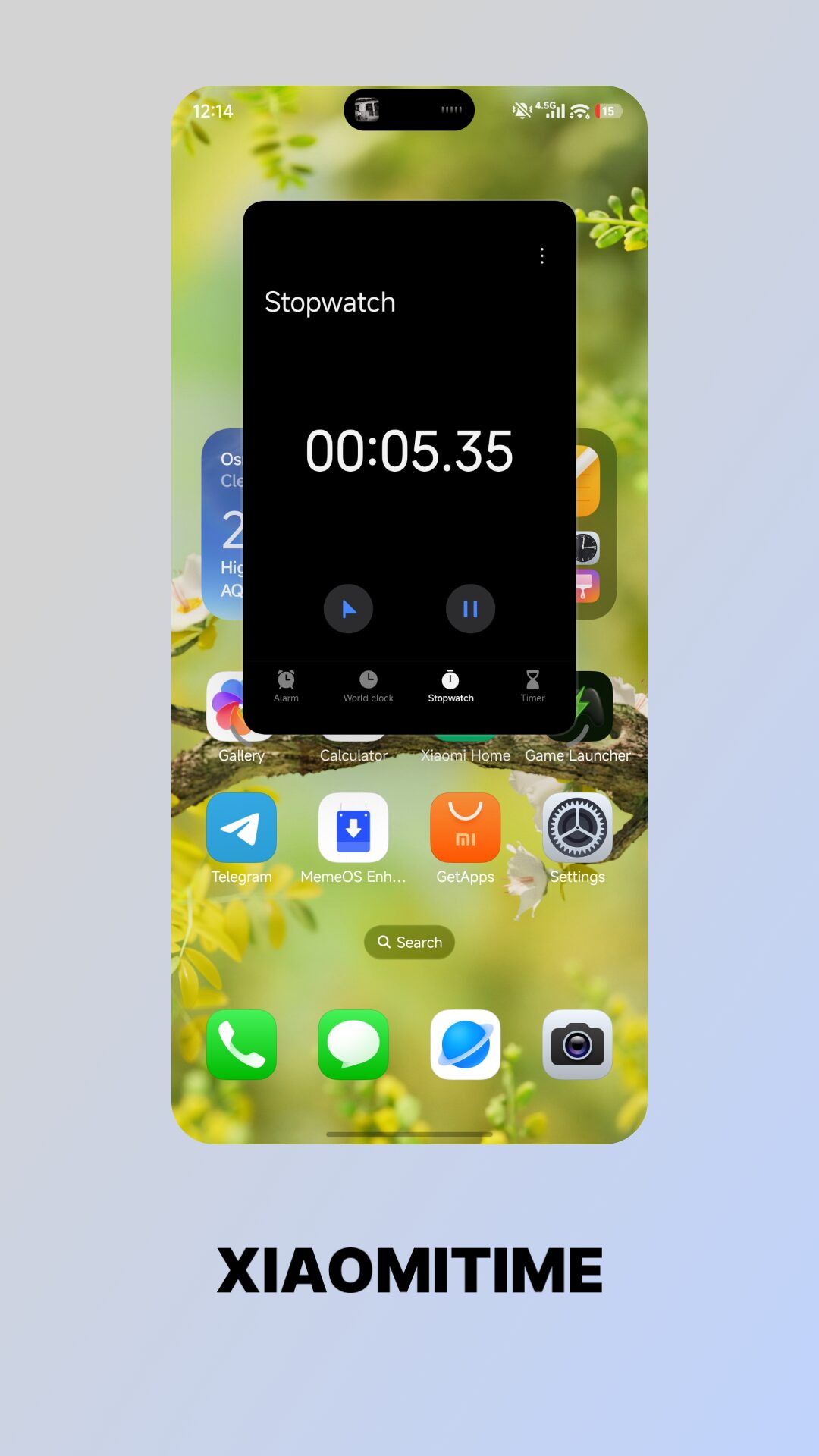
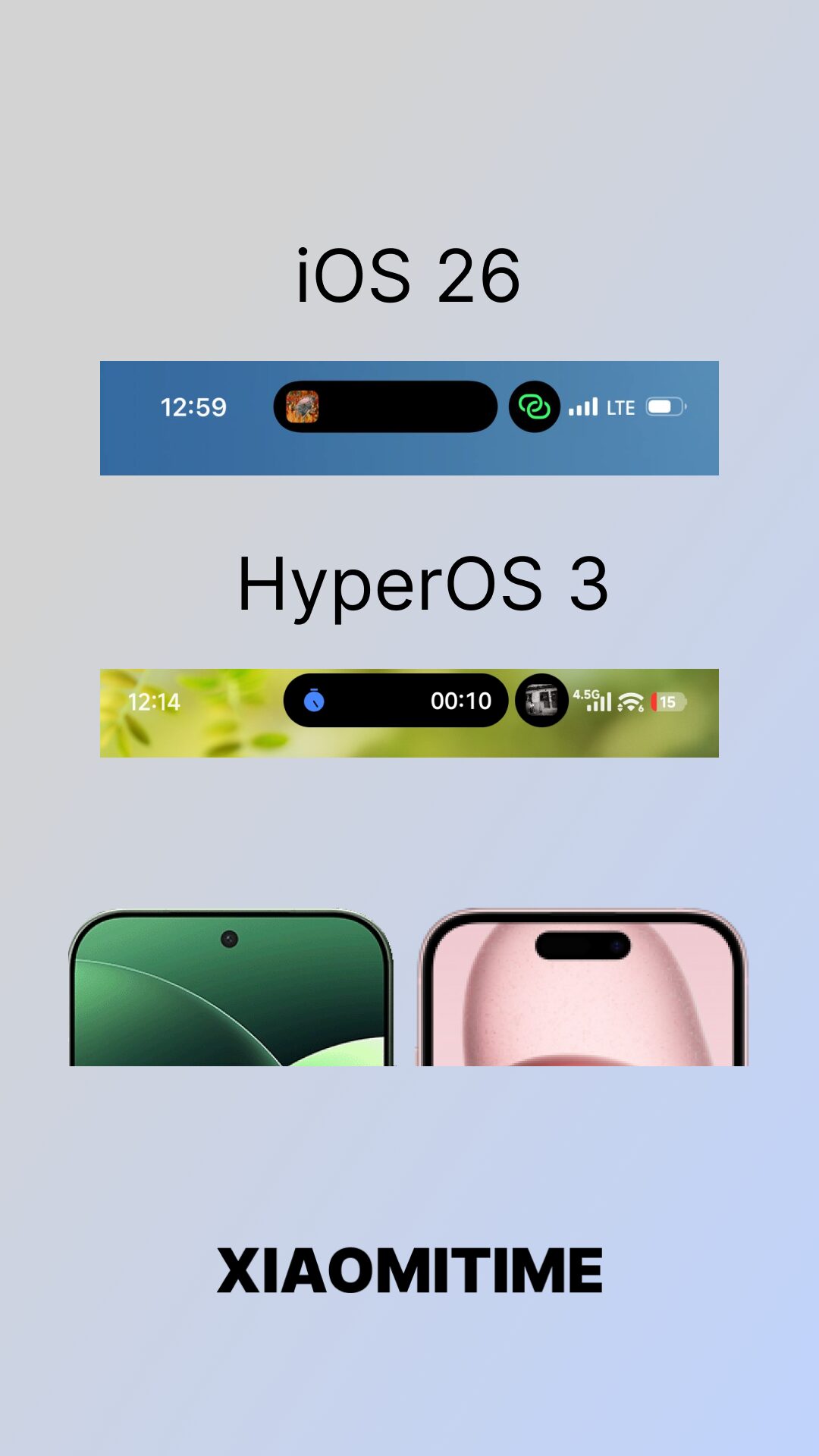
It’s an exciting time for Xiaomi fans as the company makes preparations for the global rollout of HyperOS 3, a historic upgrade that will change the smartphone experience forever. One of the most anticipated additions is HyperIsland, a feature that turns the front camera area into a fully interactive multitasking hub. Unlike Apple’s Dynamic Island, Xiaomi’s implementation focuses on practicality — allowing users to switch from notifications directly into multi-window or floating apps. This innovation highlights Xiaomi’s continuous effort to enhance both productivity and user experience across its devices.
A Giant Leap in Mobile Interaction
HyperIsland is not about visual appeal or design flash; it’s truly a leap forward in the functionality of mobiles. Apple’s Dynamic Island, found on the likes of the iPhone 14 Pro, iPhone 15, and future iPhone 17, is itself a fashionable notification space, whereas the Xiaomi method offers the system integration more deeply.
Imagine receiving a message or notification — with just a tap, HyperIsland expands into a fully functional floating window, letting users respond instantly without disrupting their current activity. This seamless approach to multitasking is a hallmark of HyperOS 3, showcasing Xiaomi’s goal to not merely follow trends but to perfect them through innovation and engineering.
Designed for Seamless Multitasking
One of the standout aspects of HyperIsland is its usability. For users who constantly juggle between apps, Xiaomi’s new system design makes multitasking effortless. Whether you’re replying to messages while streaming a video or referencing notes during a meeting, everything happens in one fluid motion.
Quick Conversion: Tap the HyperIsland to turn a notification into a live floating app window.
Space Efficiency: Keep a full-screen immersive view without clutter or interruptions.
True Multitasking: Instantly open apps in a mini-window directly from the dynamic notification area.
This feature exemplifies Xiaomi’s design philosophy — smooth transitions, reduced friction, and productivity at your fingertips.
Availability and Device Support
The global release of HyperOS 3 will begin in October, and HyperIsland will be accessible for millions of people across the world. But for the time being, this feature will be available only on mid-range and flagships to ensure the best experience. A few low-end phones and some Xiaomi Pad series models may be excluded at least for now, since Xiaomi focuses on delivering the best experience on high-end hardware.
Preparing for HyperOS 3
If you’re eagerly awaiting the update, get your device ready. Buyers can download the MemeOS Enhancer app from the Play Store to manually update system apps, unlock hidden capabilities, and prepare for the forthcoming HyperOS 3 launch. The tool keeps you on top of every single improvement Xiaomi releases, delivering a smoother and faster upgrade process.
Tianma Microelectronics made an official announcement regarding its mass production of its new 185Hz AMOLED screen technology on this day. This is quite an accomplishment for the screen technology sector after their success with 165Hz screens. Though the upcoming POCO X8 series relies on conventional 120Hz panels at present, this new technology may open doors for faster screens to appear on future versions of Xiaomi phones. These displays offer faster response times and minimize lag while watching videos on any Xiaomi HyperOS.
Revolutionary Display Technology
The display screen boasts the world’s first discrete pixel circuit design called AMOLED, developed by Tianma. It has the advantage of using an independent dual-track driving system for data writing and DTFT threshold compensation. This technique has proven successful in overcoming the limitation of speed and accuracy, which were not meant to exist together in the conventional system. When it comes to ultra-high refresh rates, the screen’s compensation speed has been greatly enhanced. The first frame’s brightness ratio improves by 13.4%, and image retention is adjusted by 61%.
Enhanced Gaming Performance
The 185Hz high refresh rate display of Tianma has been tested and certified for several flagship mobile games. It provides fast response time of less than 5.4ms per frame. Along with intelligent touch algorithm technology for fast latency, there is no ghosting effect in dynamic images. The display also provides better dark details, providing a fast-responding touch experience for e-sports. In order to consume less power, the screen adopts new generations of low-power light-emitting technology. Along with full-scene intelligent flicker dimming technology, it also provides healthy vision protection.
Xiaomi and Future Implementation
Xiaomi phones have been sporting 120Hz displays. The Xiaomi 10T sports a 144Hz display. Xiaomi has been maintaining that record for its highest display refresh rate up to now. There are reports that an upcoming Xiaomi device sports an innovative 165Hz screen. It may take longer for Xiaomi to take advantage of the new technology of Tianma’s 185Hz displays. However, its R&D prowess to support up to an impressive 240Hz display has been announced by Tianma.
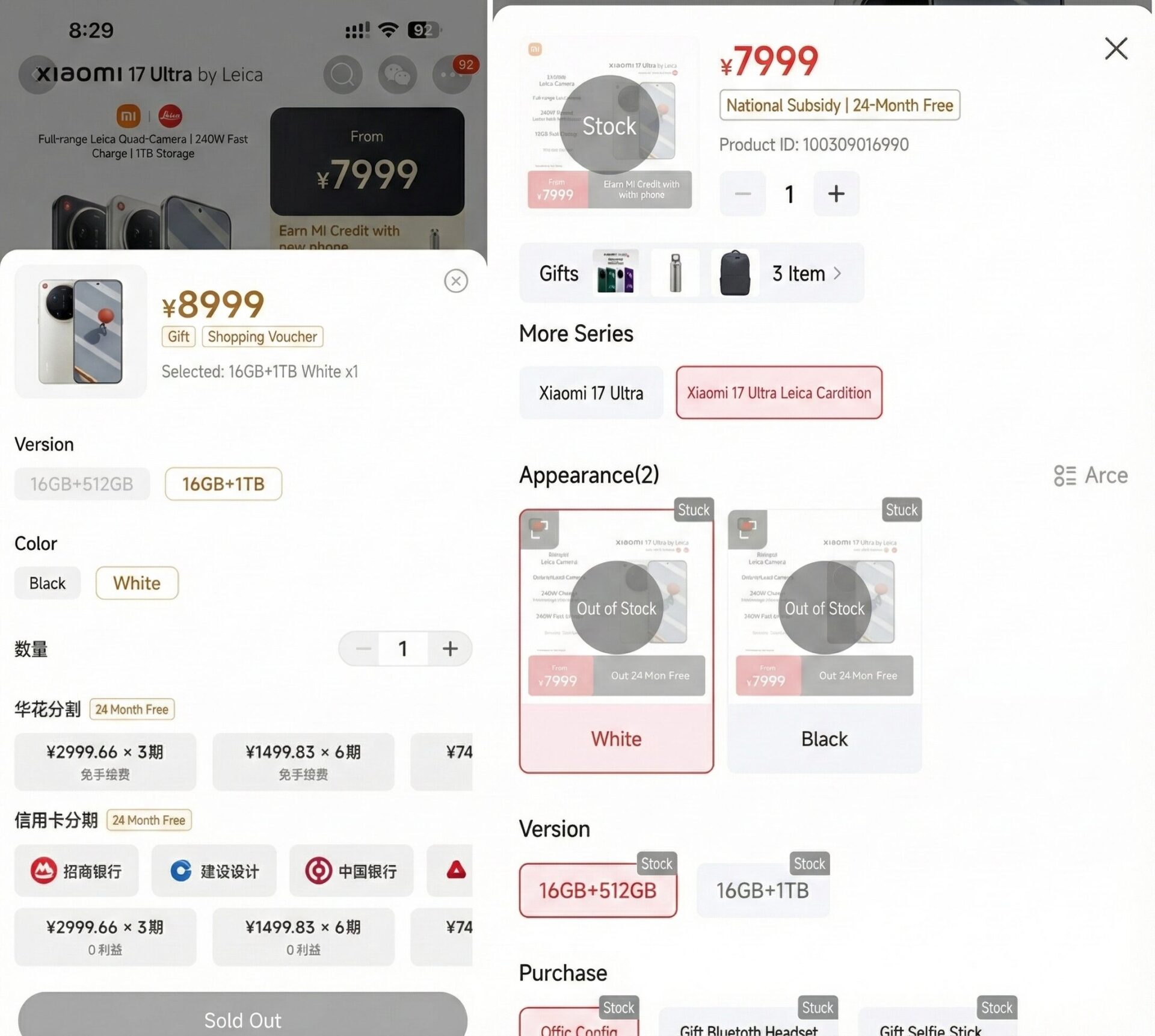
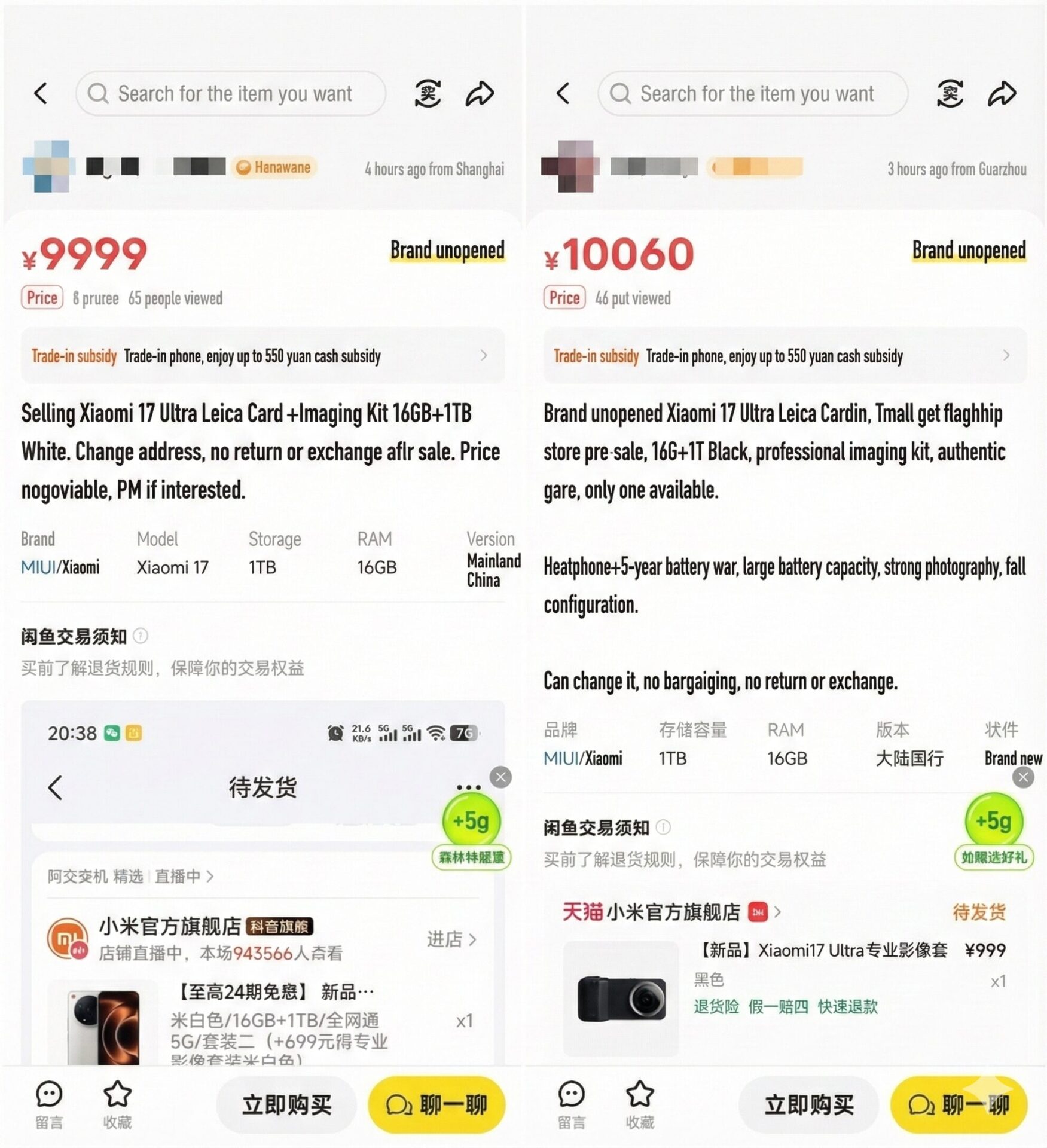
The newly launched Xiaomi 17 Ultra series has taken the Chinese market by storm, specifically the premium Leica Edition. After its official release last night, the limited supply was bought up immediately due to high demand from photography enthusiasts. Some reports indicated that it already appeared on second-hand trading platforms with inflated price tags. This surge in popularity illustrates the robust appeal of Xiaomi’s newest flagship in innovation in mobile imaging technology.
High Demand and Market Response
The Xiaomi 17 Ultra Leica Edition made its debut by carrying a starting price of 7,999 CNY, which translates to approximately $1,115 USD. From such positioning, one might assume that the inventory won’t be flying off the shelves too fast, but that wasn’t what happened when it was initially released.
Social media platforms were blowing up with comments when Xiaomi Group President Lu Weibing posted about it. Many fans were sharing in their luck by showing screenshots of how they managed to get an order in, while others were simply commenting on how fast it went out of stock. Because of this scarcity, units have since shown up on third-party sites where sellers are charging well over the official retail price.
Distinctive Design and Camera Features
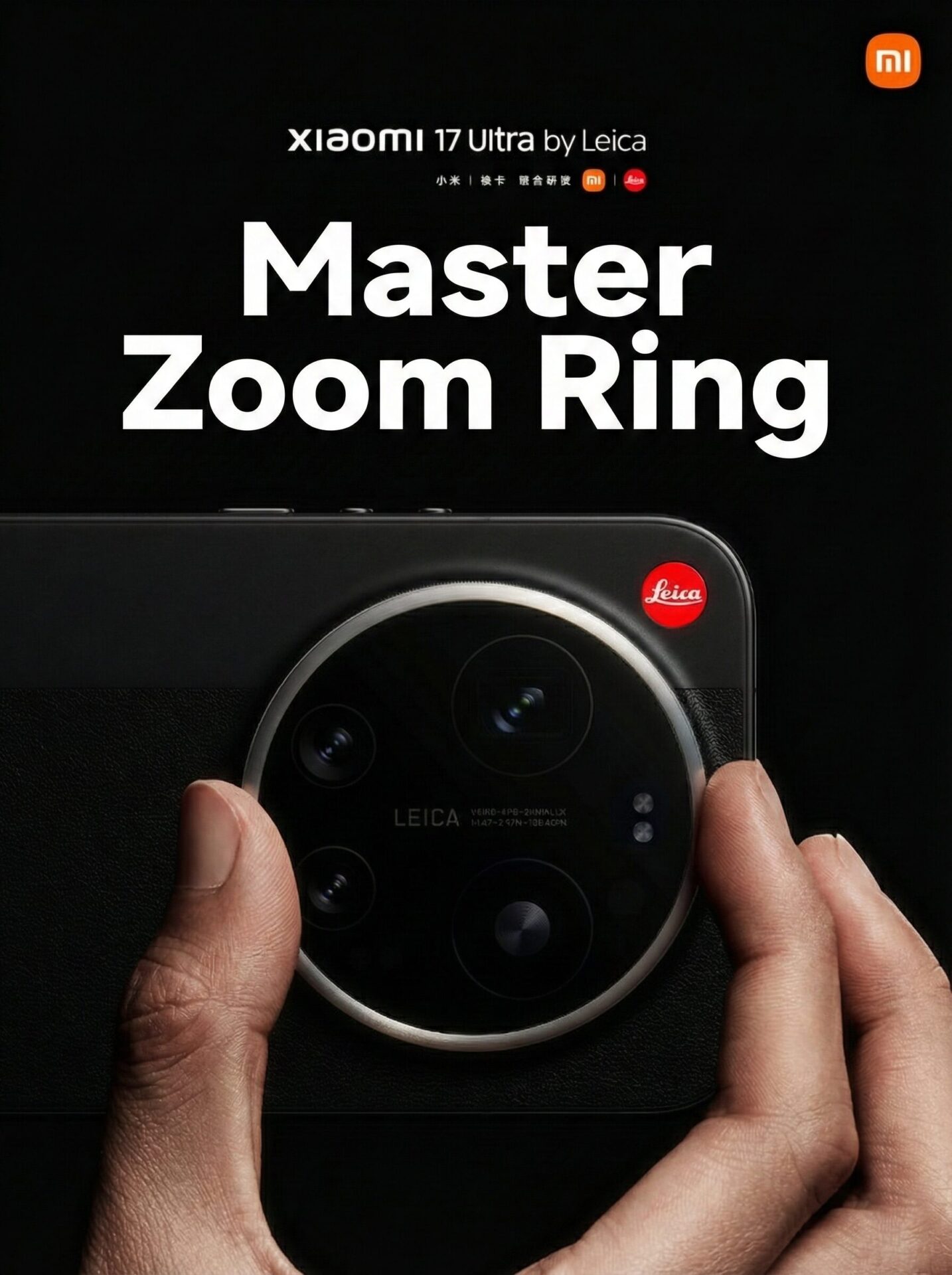
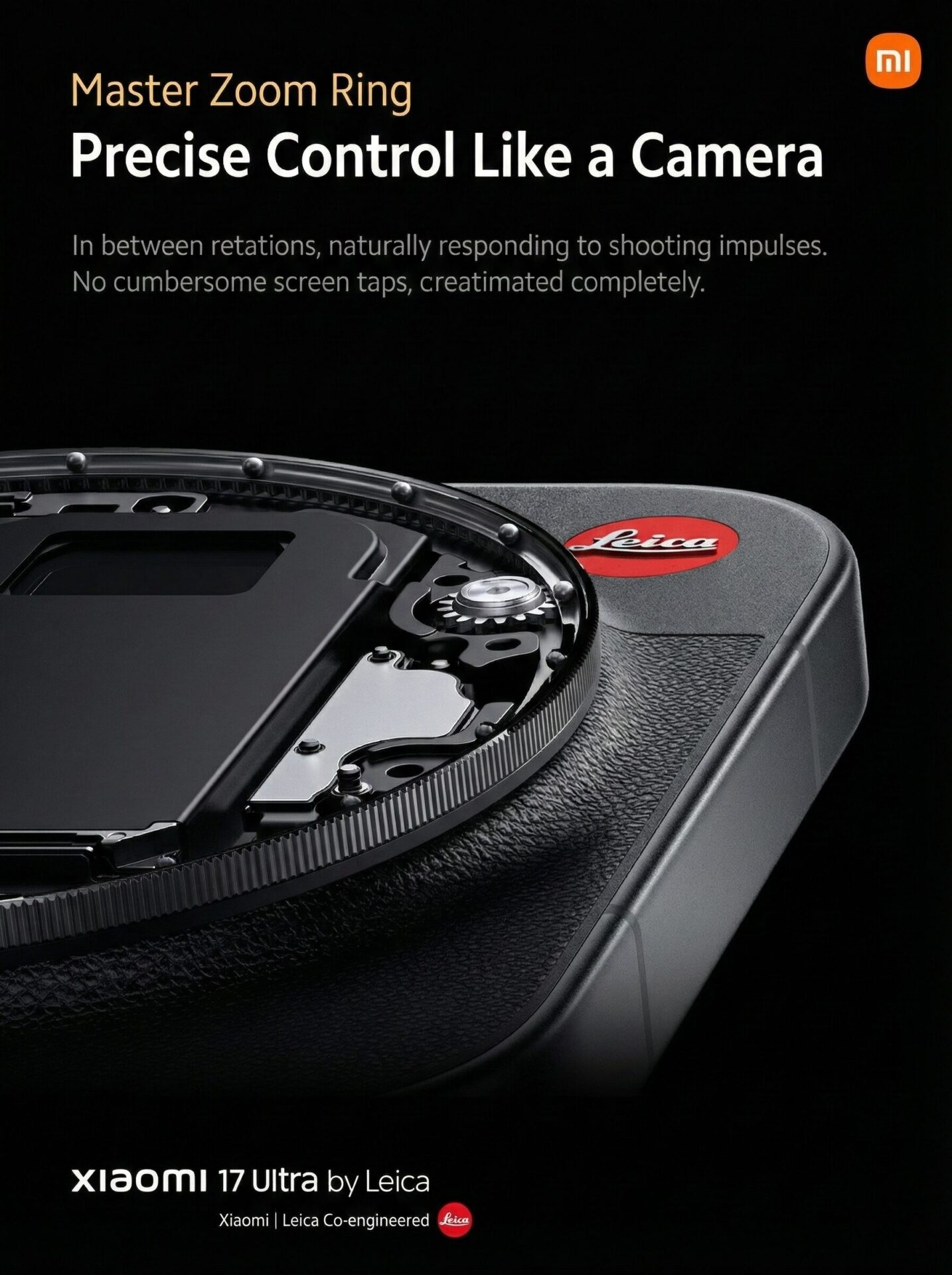
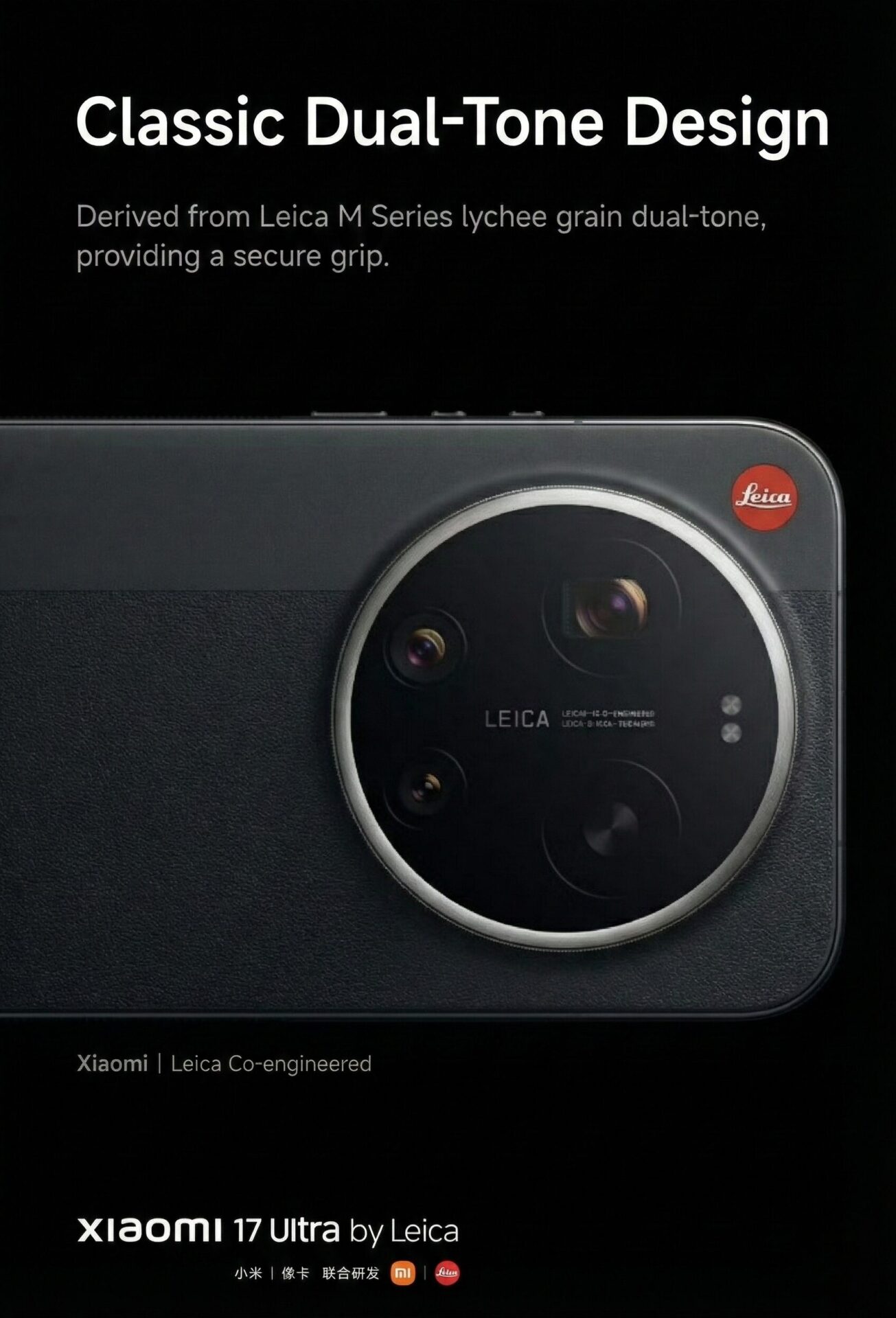
This particular model lures photographers with its distinctive aesthetic and functional hardware. It boasts a classic dual-tone design with the iconic Leica “red label” on the rear side. Perhaps one of the most striking features in the Master Zoom Ring, which emulates the manual operation of classic cameras. It enables exposure compensation and white balance to be adjusted physically. There’s also the software featuring the “Leica Moment” mode for that nostalgic texture effect, reminiscent of yore from classic CCD sensors.
Note: We kindly suggest updating your system apps to enjoy enhanced camera experiences and hidden features. You can follow our HyperOSUpdates.com portal or download our MemeOS Enhancer app from the Play Store. This app will help you manage updates and unlock advanced system capabilities.
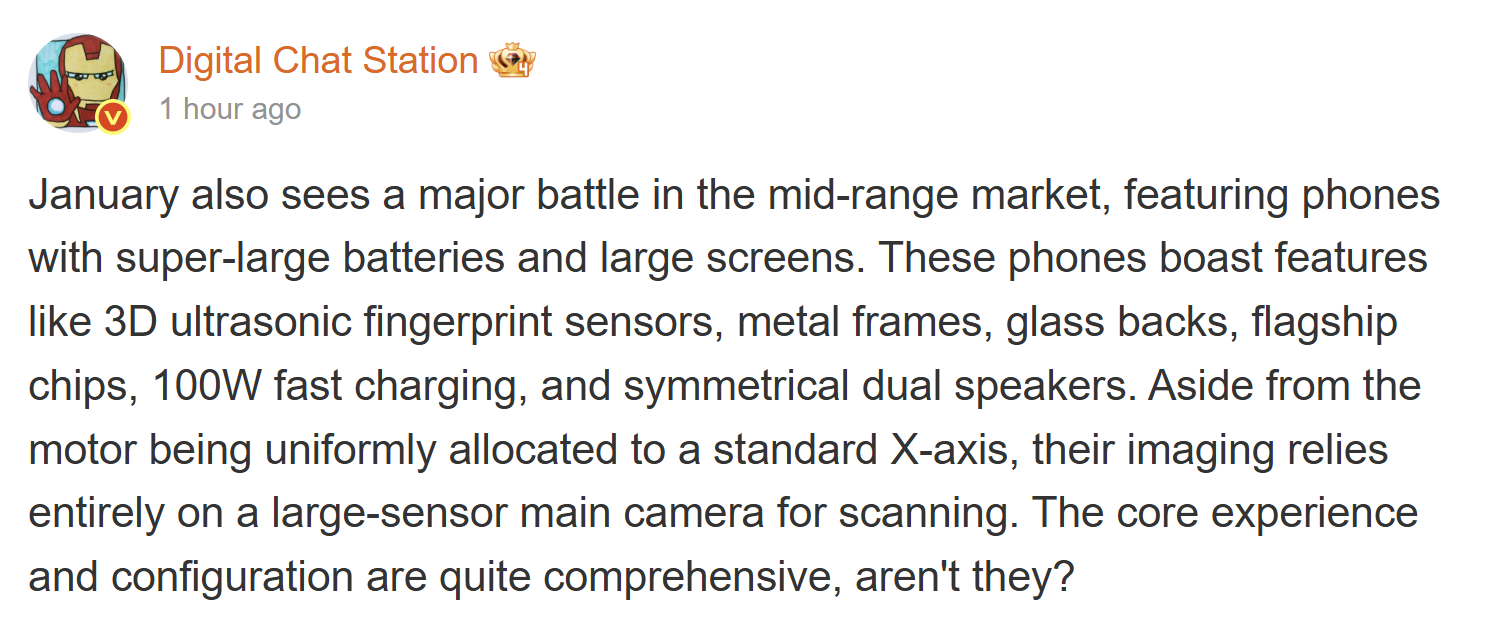
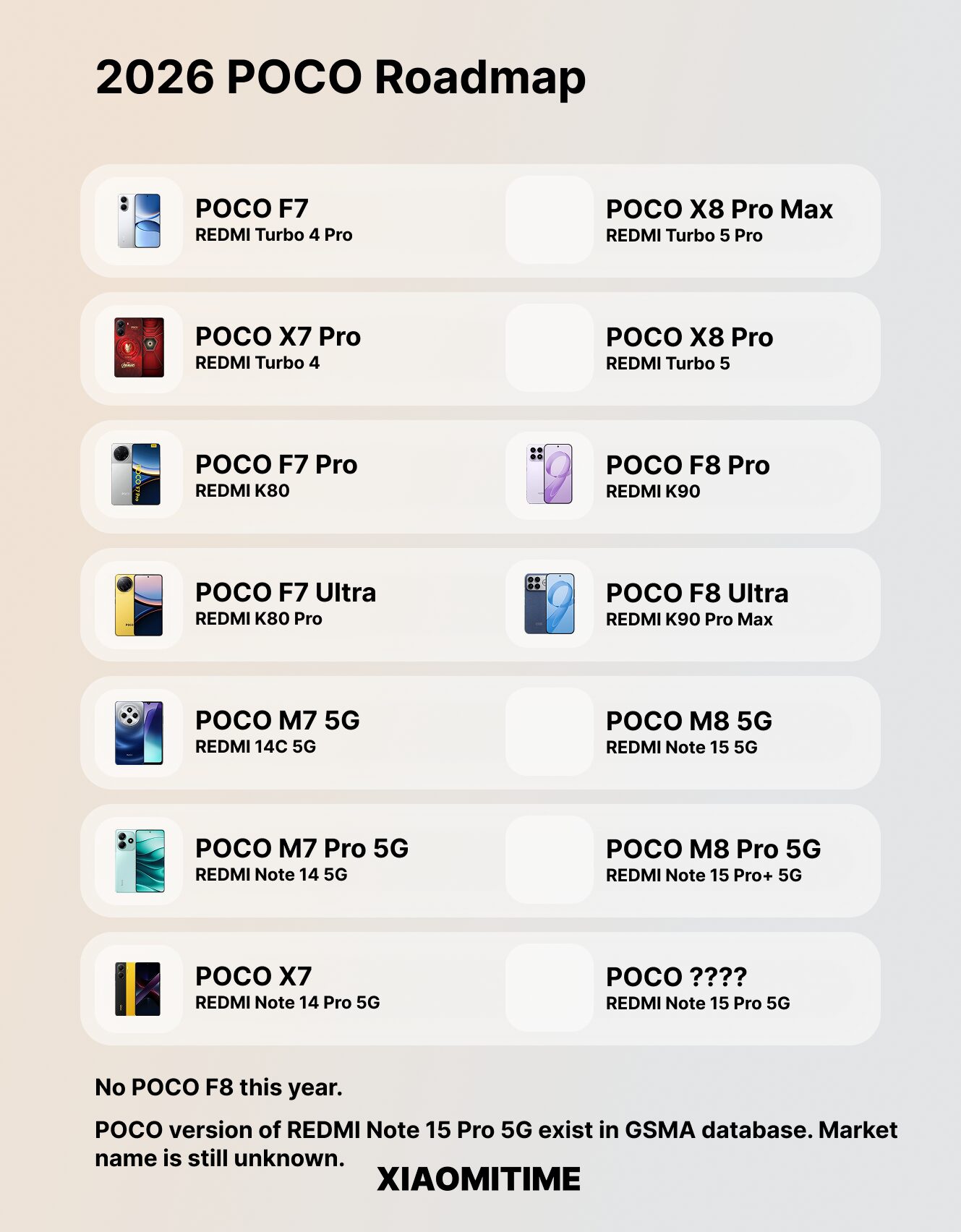
The mid-range smartphone market in China is about to see a heated upgrade war in early next year. Based on new details provided by Weibo tipster Digital Chat Station, it is learned that Xiaomi is planning to offer prominent flagship-grade functionalities in their forthcoming REDMI Turbo 5 series, globally POCO X8 series models. The rumor hints at some serious emphasis on performance, battery, and high-end hardware components to make the series a serious player in the January launch market.
Feature-Packed Hardware Enters the Mainstream
The REDMI Turbo 5 lineup will likely feature elements typically found in high-end phones. These will include a 3D ultrasonic fingerprint sensor for enhanced fingerprint scanning speed and accuracy, including when scanning wet fingers. The new product will have a flagship chipset, although its name has not been disclosed yet.
Along with an improvement in performance, there are expectations of a metal body and a glass rear panel. This aligns with Xiaomi’s decision to focus on upper mid-range models and enhance their build quality without adding costs. The smartphone also boasts stereo speakers with symmetrical tuning for better multimedia.
Batteries, Charging, and Image Focus
In Section
Among these, perhaps the most prominent highlight has been offered through the extra-large battery accompanied by 100W fast charging. This could well indicate that Xiaomi has been aiming for consumers looking for a battery life that doesn’t come at the cost of slower charging times. Features like this are now being offered in many Chinese mid-rangers.
In terms of camera technology, it needs to provide a large main camera sensor instead of using several secondary lenses. This design philosophy has proven to be quite good in Xiaomi smartphones in focusing on overall image performance instead of being led by market-promotion of multiple camera lenses. However, for the vibration motor, it will be a standard X-axis motor.
Market Timing and Competition
Going by the timeline of the exposed information, the REDMI Turbo 5 series smartphones are expected to be unveiled before the Spring Festival (17 Feb 2026), probably in the first month of the 2026, which is January. The device will be competing directly with other offerings in the market such as the OnePlus Turbo series, iQOO Z11 Turbo, and the realme Neo8. The three phones are expected to focus on large displays, high capacity batteries, and powerful performance. The phone will be sold as POCO X8 series globally.
As with all former REDMI K and Turbo series devices before it, it’s safe to assume that REDMI Turbo 5 would be exclusive to China, with a global rollout via the POCO X8 series at a later date. It would be interesting to see just what Xiaomi has up its sleeves for its initial 2026 lineup releases.
xThe act of downloading applications from sources other than the Play Store is quite common among Xiaomi fans. The end result is that unused APK installer files end up being stored on Xiaomi devices. In time, such files consume valuable space without anyone knowing. However, with Xiaomi HyperOS, there is an effective solution to this issue that can be accomplished in just seconds via a function found on its operating system. The function operates automatically without requiring any knowledge. Many Xiaomi and POCO devices support this feature.
HyperOS Mechanism to Identify Un-used APK Files
HyperOS comes equipped with sophisticated storage management features that extend beyond simple file cleaning. These features are part of Xiaomi’s system-level optimization initiative and aim to enhance device performance over time. HyperOS does not depend on third-party cleaning software but instead utilizes its own intelligence to scan internal memory effectively and correctly.
APK Detection Inside the Security App
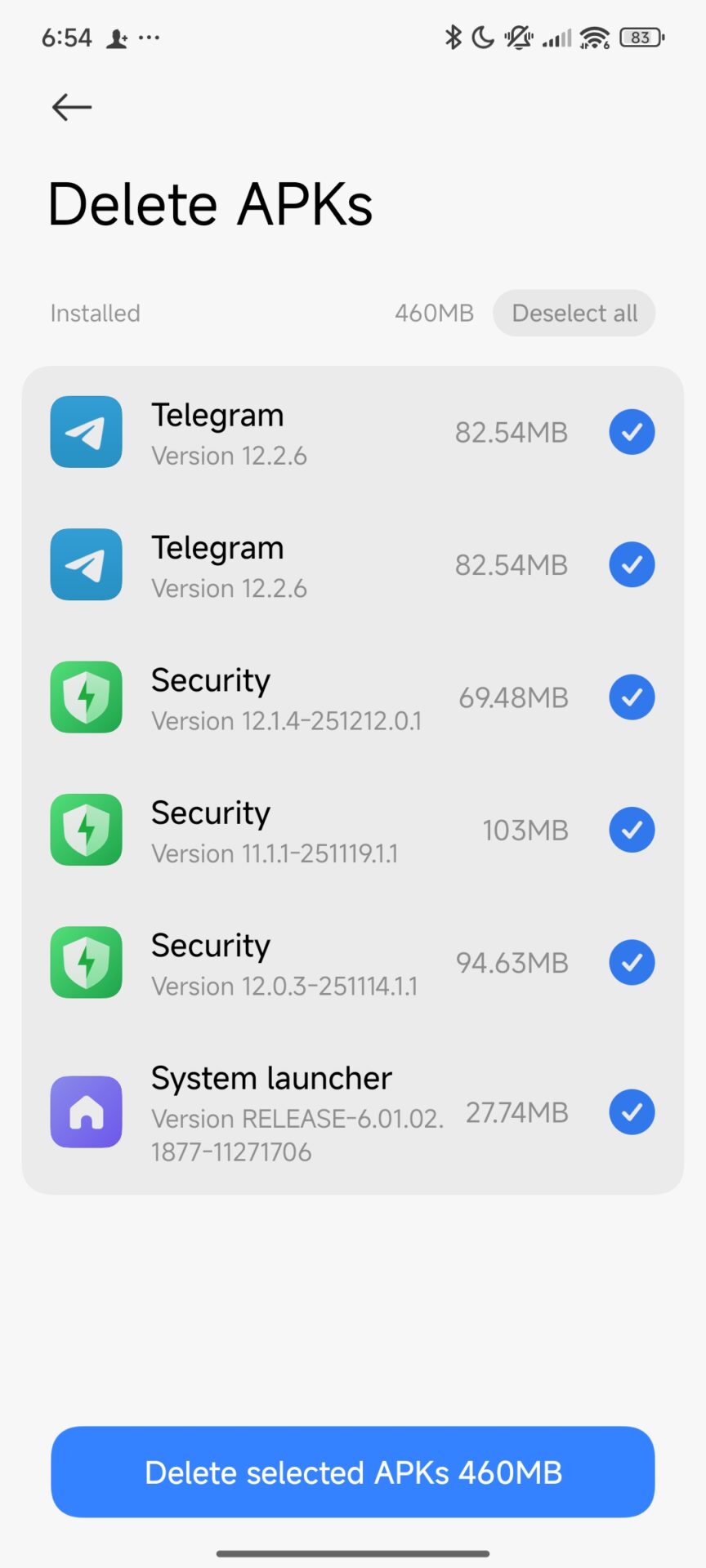
HyperOS looks for APK files in the internal memory within the Security application, which are no longer needed in the device. These files are the ones left after manually installing applications in the device or after un-hibernating applications. It identifies the files with no functionality to offer to the device, thus showing the space that can be saved.
This procedure is entirely transparent. Users can check the identified files for removal to make sure that vital files are not deleted accidentally.
One Tap APK Cleanup Explained
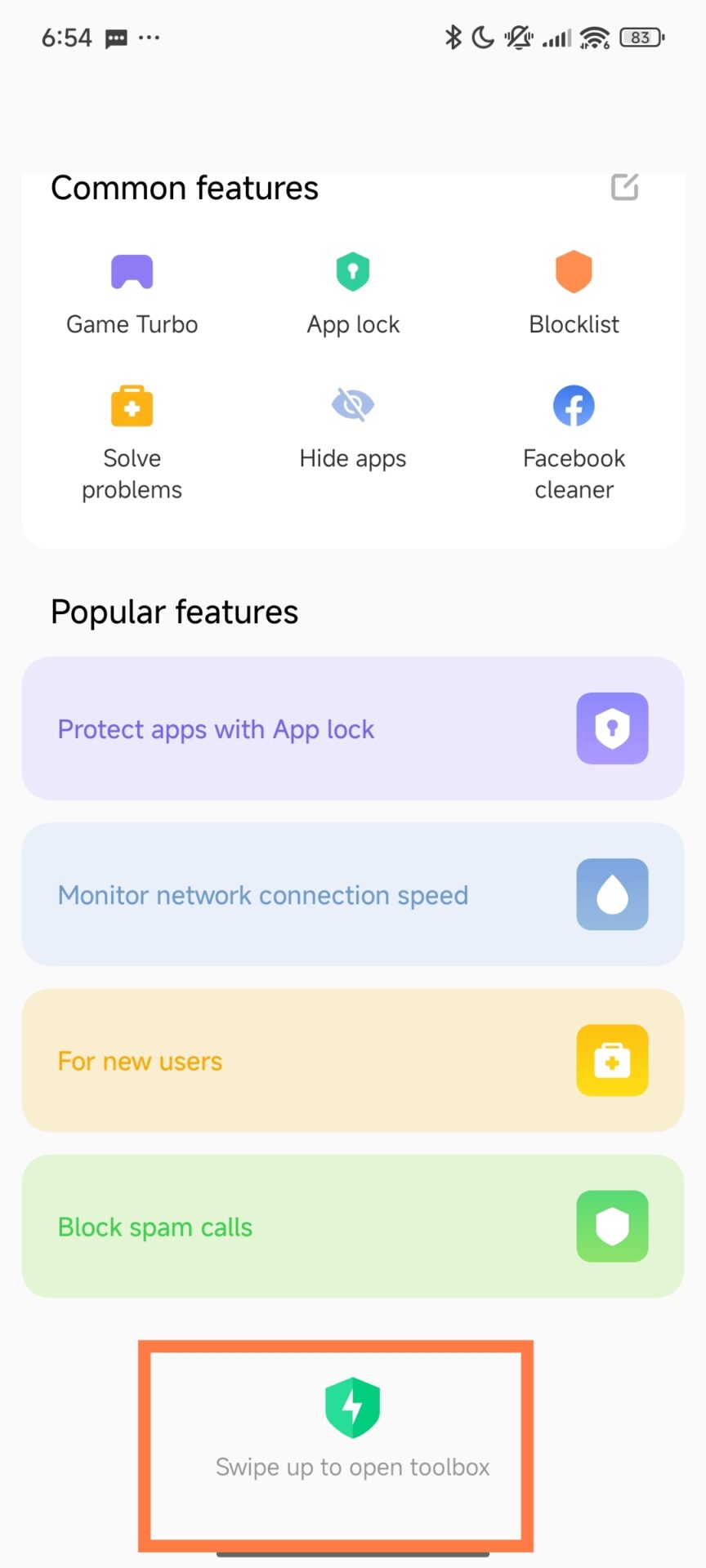
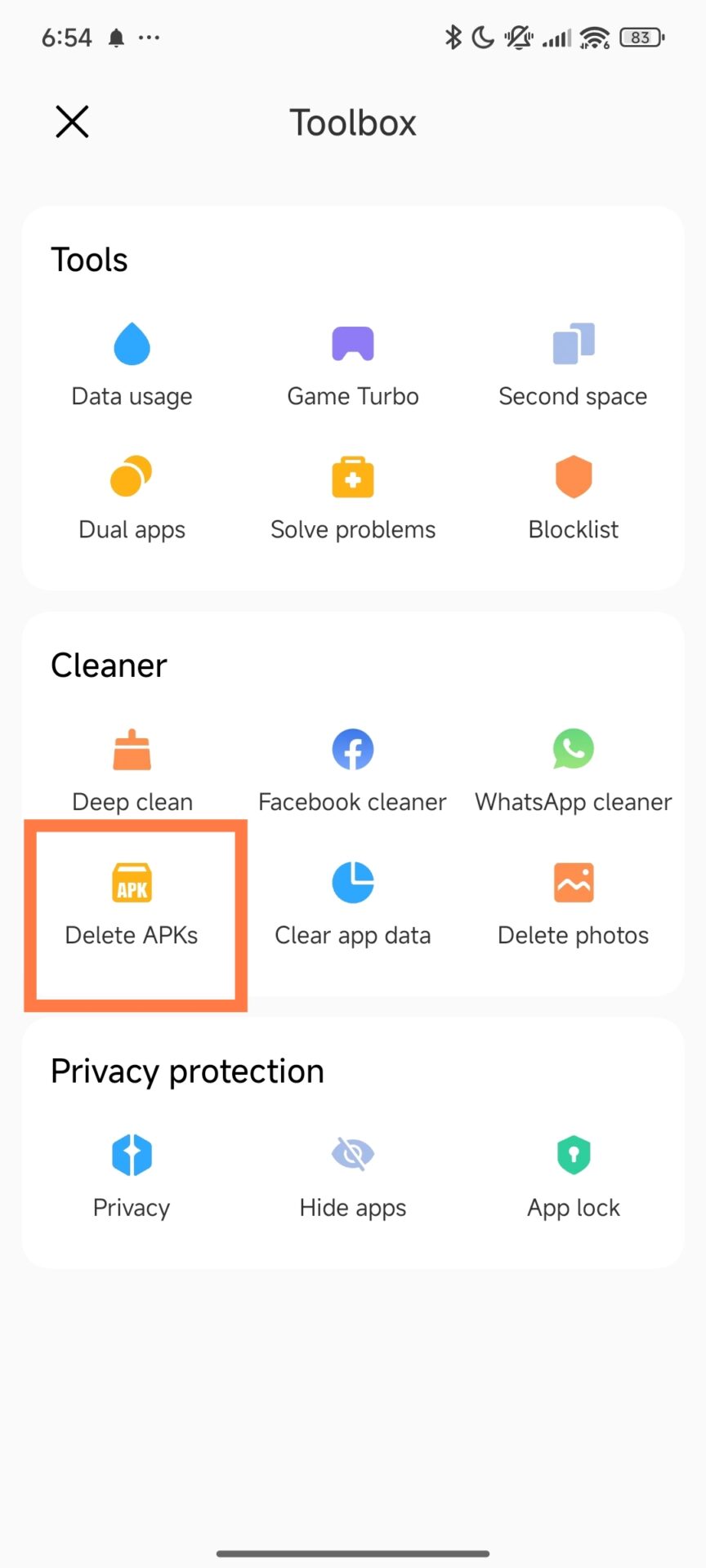
Once the Security application is opened, users are then able to navigate to the delete APKS option from the general tools category. The process then allows HyperOS to scan for unused APKS.
The important advantages of this feature are:
Unused APK detection
Clear indication of recoverable storage capacity
Single tap deletion without browsing
Does not affect installed and active programs
This is helpful in that it eliminates the hassle of digging into the File Manager where APK files tend to be dispersed all over in download folders.
Why This Matters for Long-Term Storage Health
Unused APKs can appear to be insignificant files, but they tend to accumulate over time, considering that many people test applications outside of Google’s marketplace. They pose a problem if these files continue to accumulate with time due to people who regularly test applications.
For users who want to keep the system apps on Xiaomi updated, one can make use of HyperOSUpdates.com or the MemeOS Enhancer app which is available on the Google Play Store. Apart from that, MemeOS Enhancer also allows access to hidden functionalities in Xiaomi.
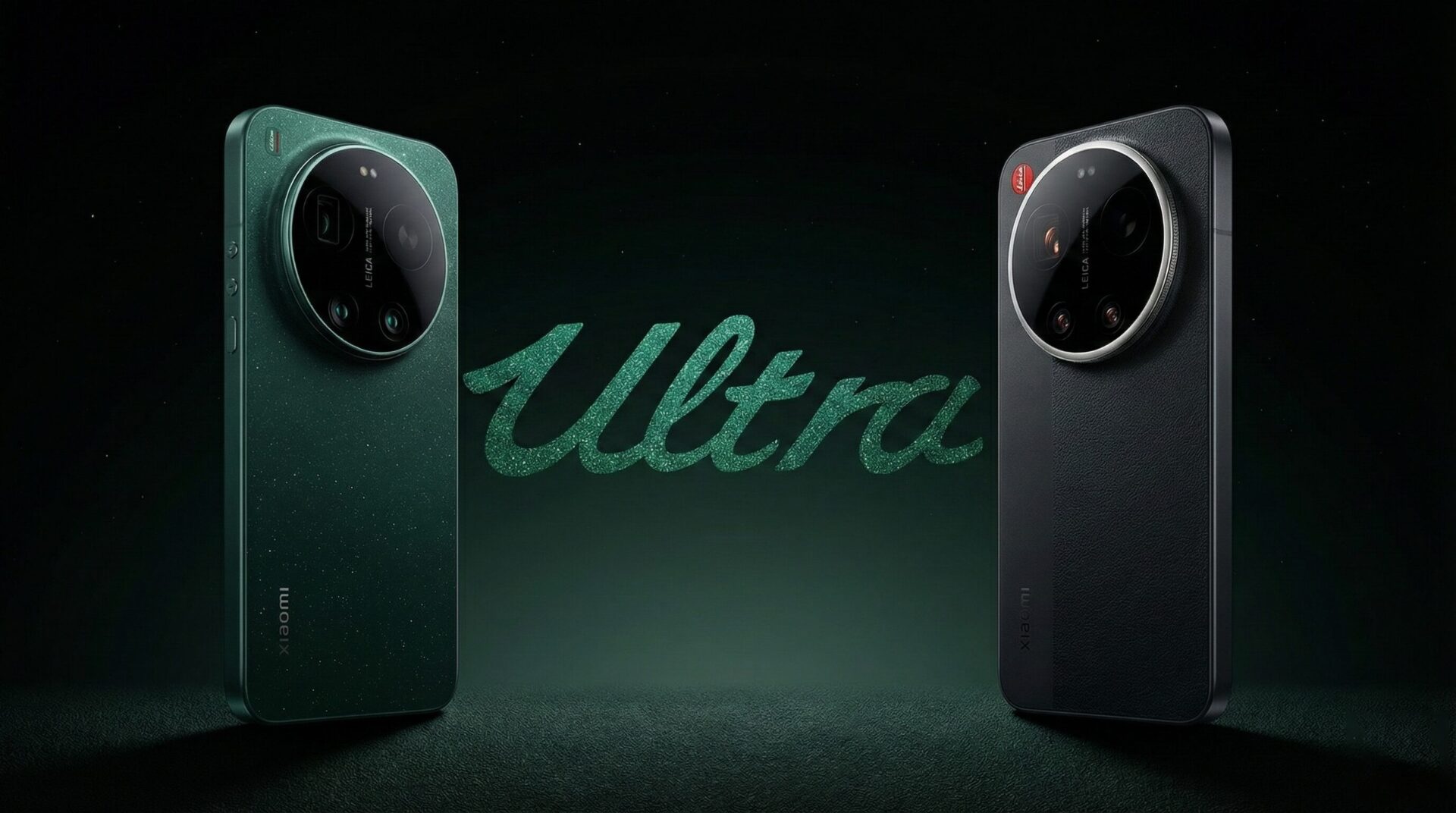
The arrival of the series known as Xiaomi 17 Ultra has presented an intriguing predicament for those who purchase top-end smartphones. Xiaomi has divided its high-end product into two separate entities: the regular Xiaomi 17 Ultra, crafted for general luxury aficionados, and the second, called the Xiaomi 17 Ultra Leica Edition, created for aficionados and professionals alike. Even though both possess the same Snapdragon 8 Elite Gen 5 soul, they possess separate natures altogether. Here’s the complete distinction on why the latter warrants its premium price tag.
1. Design: Modern Flow vs. Mechanical Grip
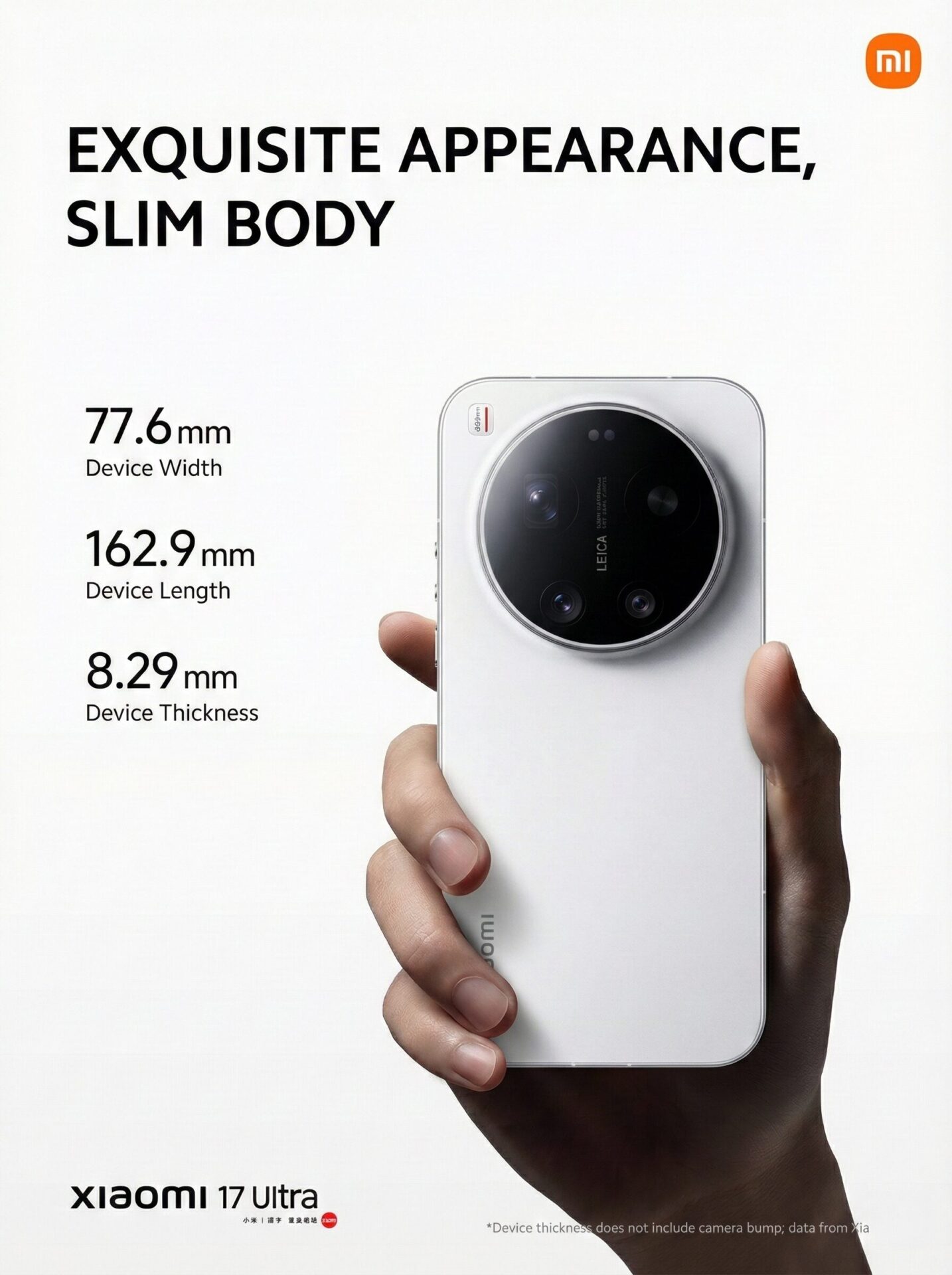
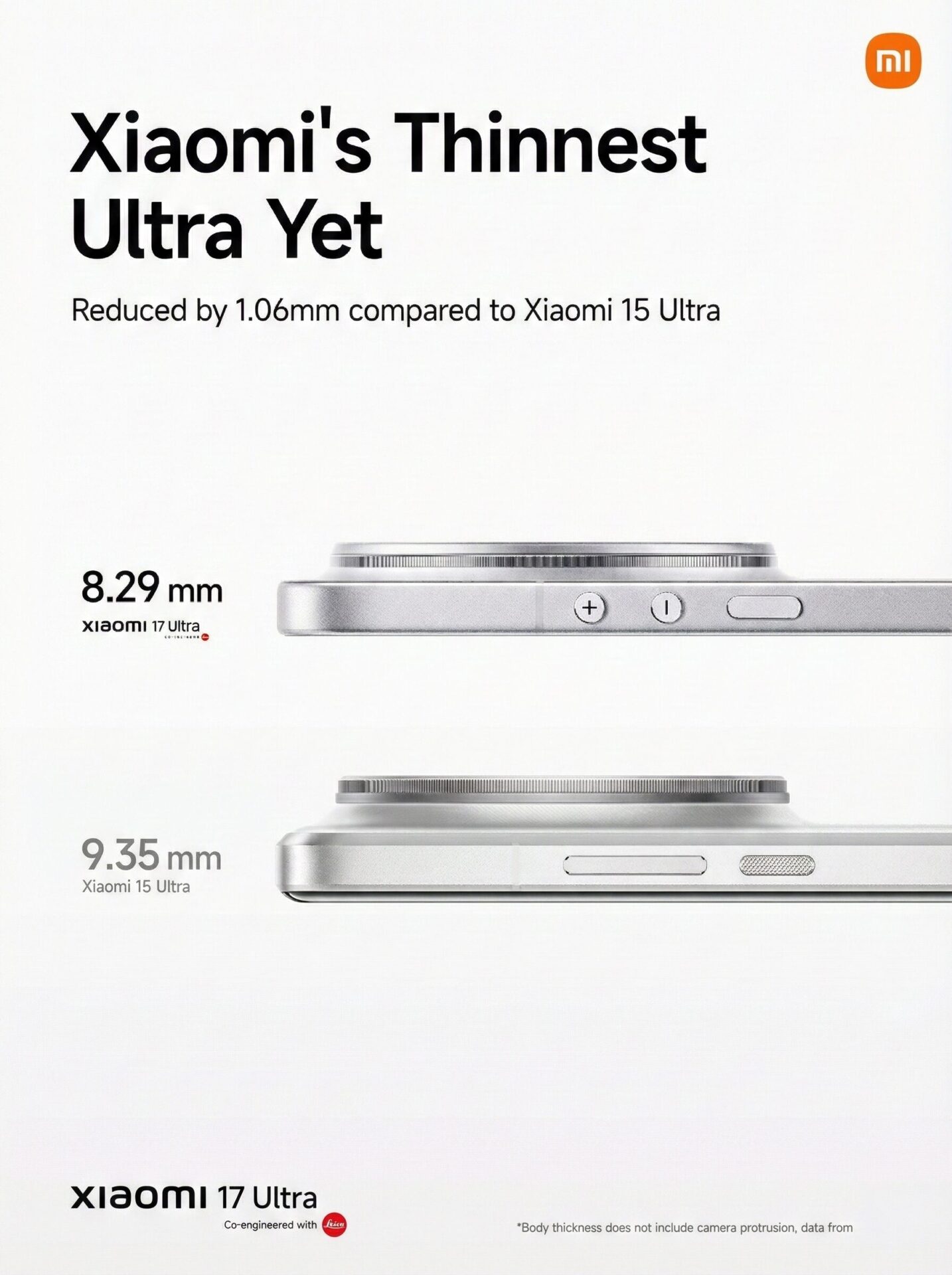
The visual language used in both devices has different aims. The standard Xiaomi 17 Ultra comes with an all-new 2D flat screen and ultra-narrow equal bezels and an 8.29mm thin body. The device is made to be elegant and comfortable and comes in glass and eco-leather materials such as Starry Green.
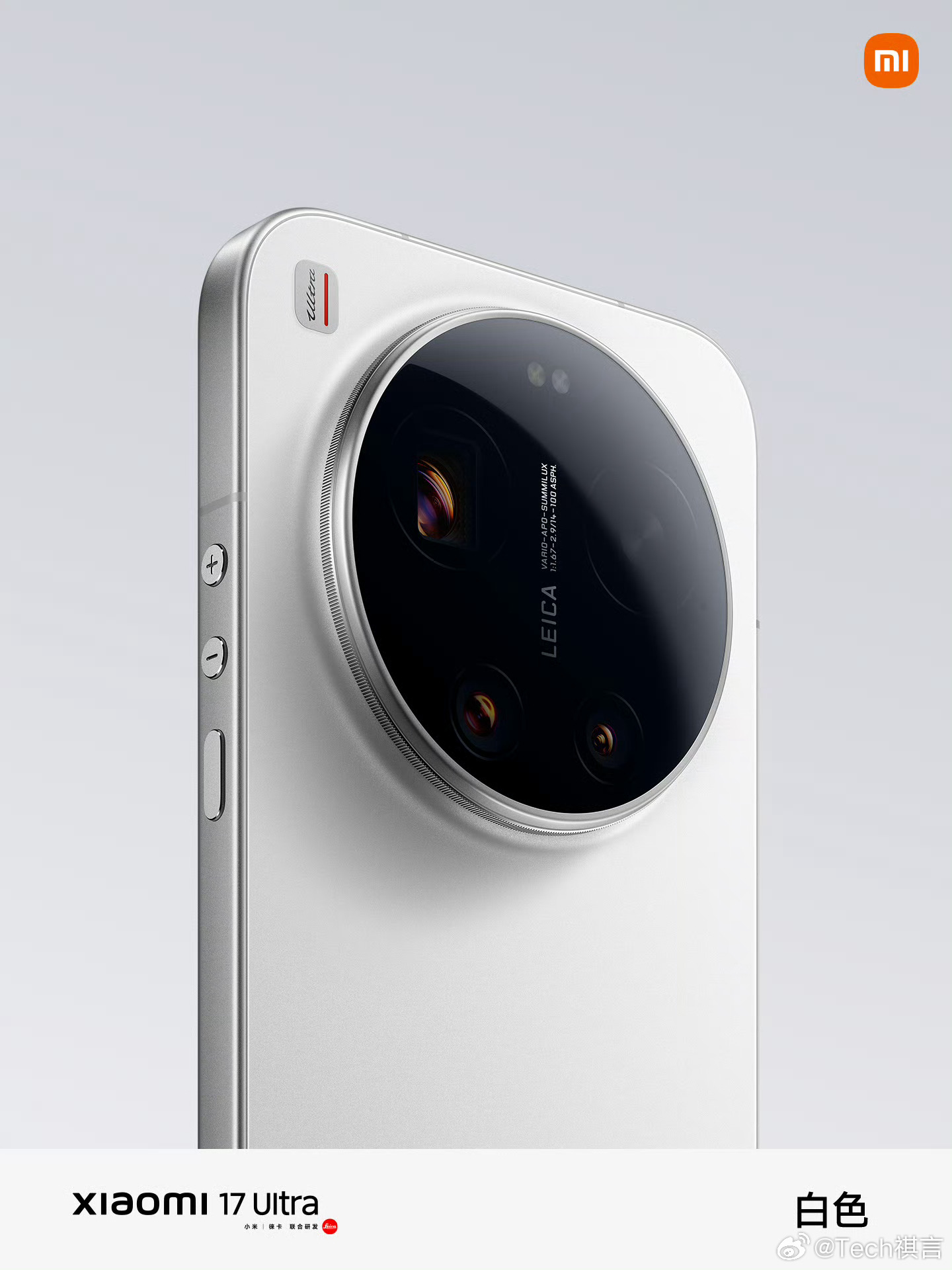
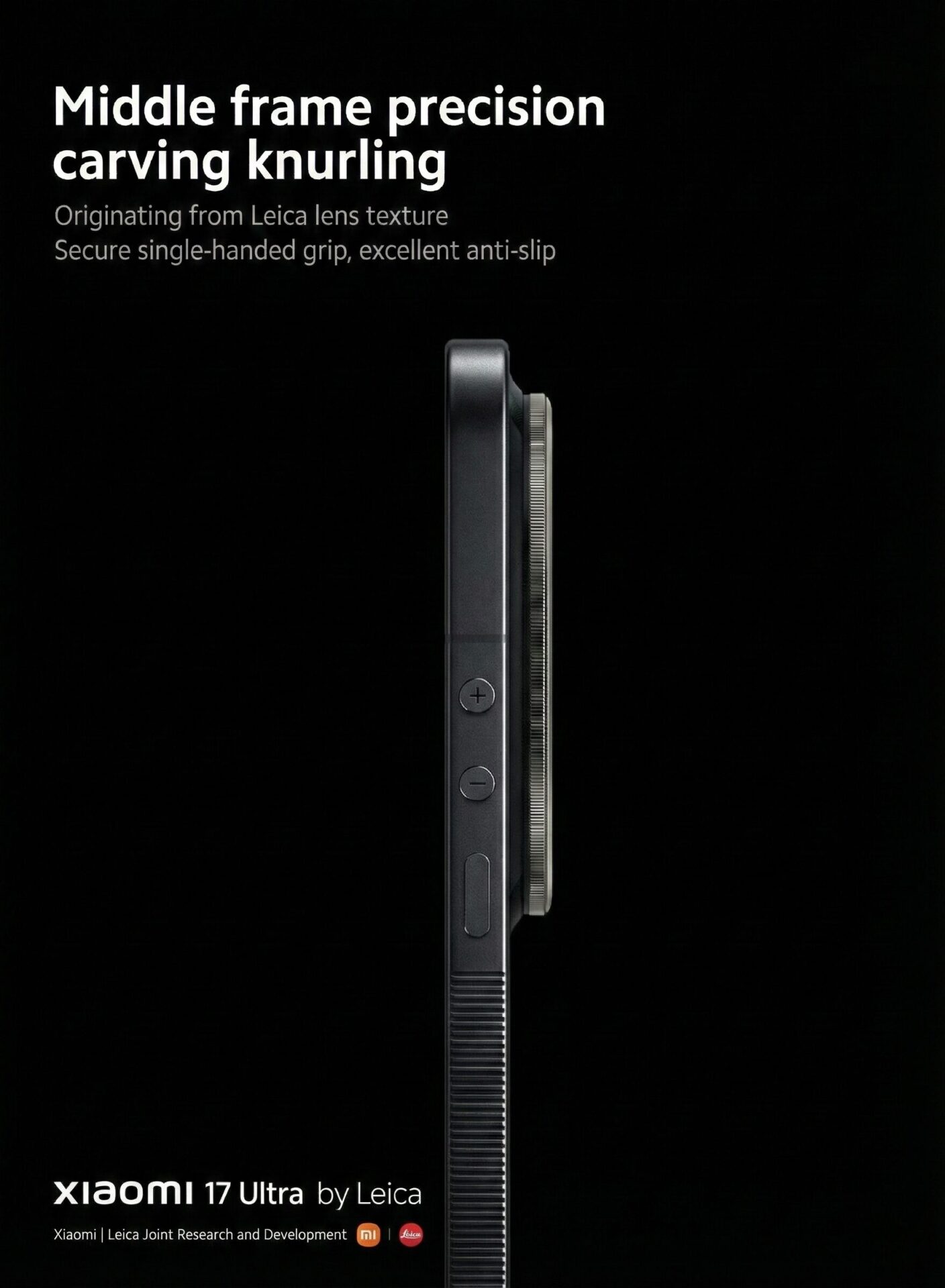
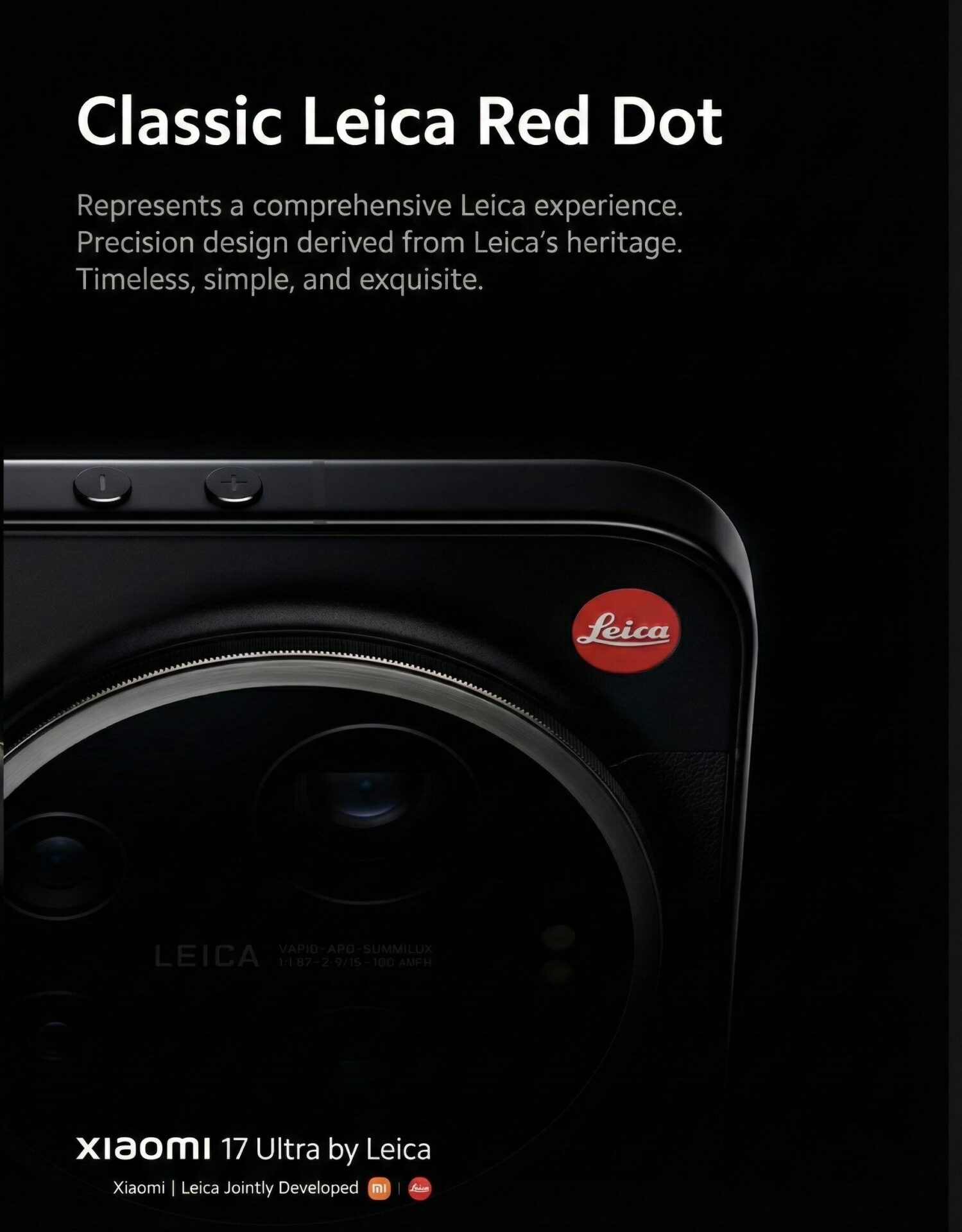
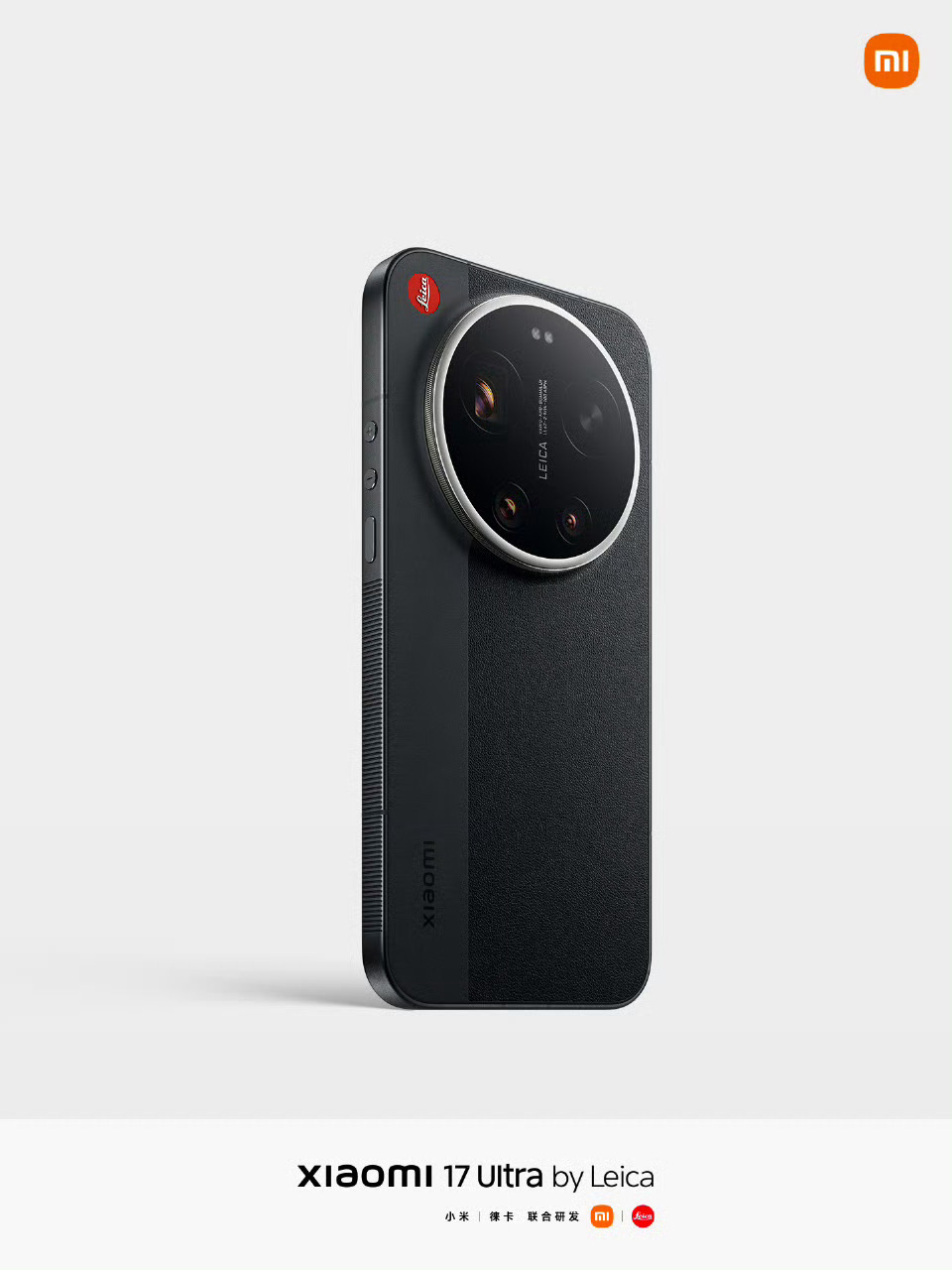
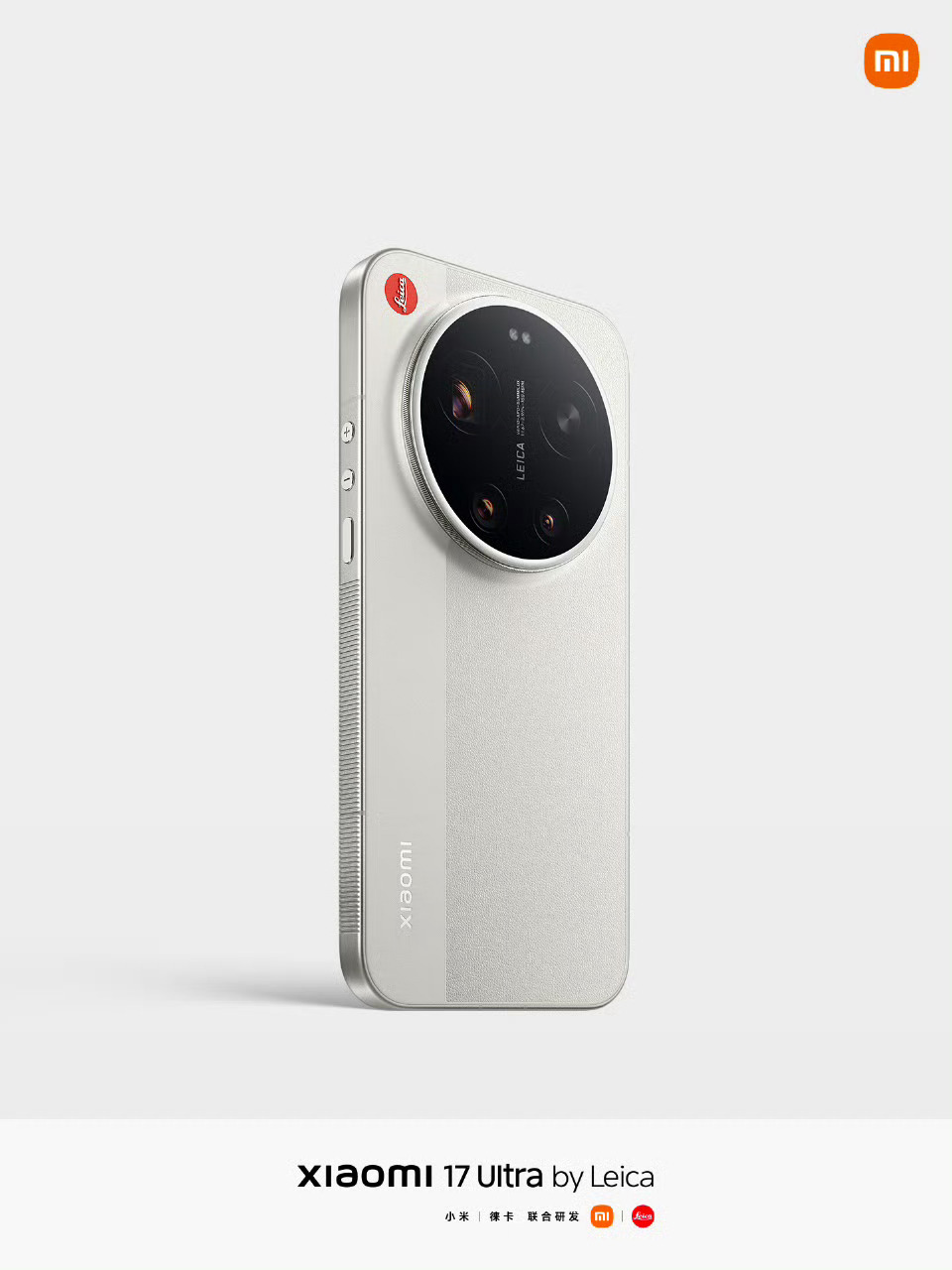
The Leica Edition, however, is a tank when it comes to construction. The camera is ever so slightly thicker, at 8.5mm, to house the mechanical components inside. The design boasts a characteristic knurled mid-frame design that copies the design of a manual focus camera lens, with fantastic grip to show for it. The back is skinned with a customized vegan leather design that comes as a tribute to the Leica M line, complete with the legendary Leica Red Label design as well. This is a camera that phones home.
2.The Master Zoom Ring
The biggest noticeable difference is in the way the controls are handled. The conventional model uses the touchscreen for all camera settings. The Leica Edition features Mechanical Master Zoom Ring.
This features a physical, turnable ring that is incorporated in the camera module. This gives a photographer the ability to change the focus length or even focus in a way that does not conceal the screen. This offers a great sense of feel as well as accuracy that software sliders can never offer.
3. Imaging Software: The “Leitz” Look
Both cameras feature the exact same top-of-their-class hardware: the 1-inch Light Hunter 1050L sensor, along with the 200MP periscope zoom. The Leica Edition is treated to a one-of-a-kind software experience.
It comes with the Leica Professional System, which allows modes not available with the regular version of the camera:
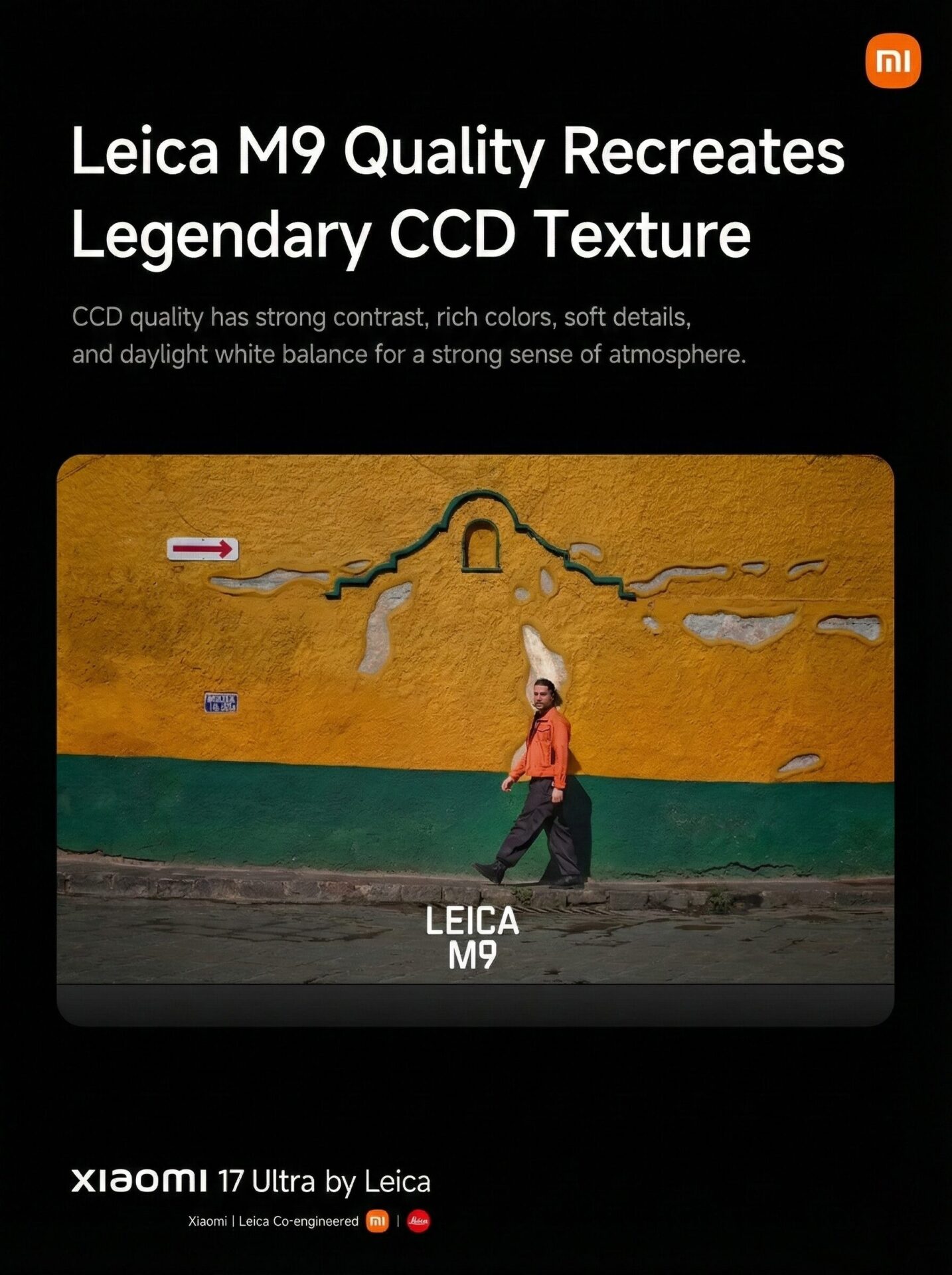
Leica M9 Model: Offers a nostalgic CCD-sensor color science like in the M9 model body.
Leica M3 + MONOPAN 50: A specific contrast-rich monochrome camera mode for artistic monochrome photography.
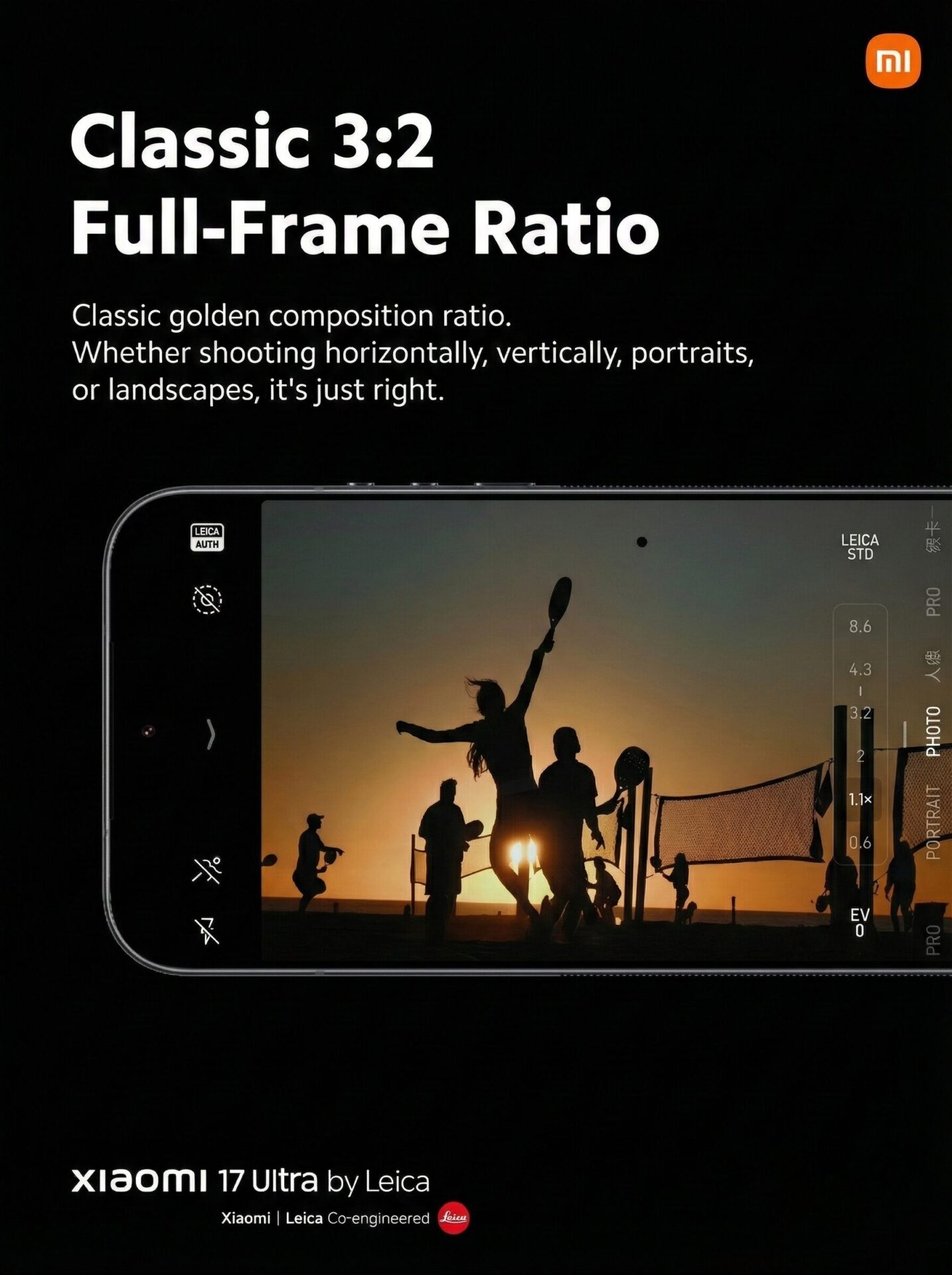
Classic 3:2 Aspect Ratio: Natively recorded format that simulates 35mm film frames.
Verdict
A slim, powerful, and IP69 waterproof flagships-section Xiaomi 17 Ultra is what I can call a perfect buy if one needs a device for daily use. For a professional who would rather use hardware-based privacy encryption features as well as the pleasure of a mechanical zoom ring, there is nothing better than a Xiaomi 17 Ultra Leica Edition. These two models are well-integrated with the Apple ecosystem.
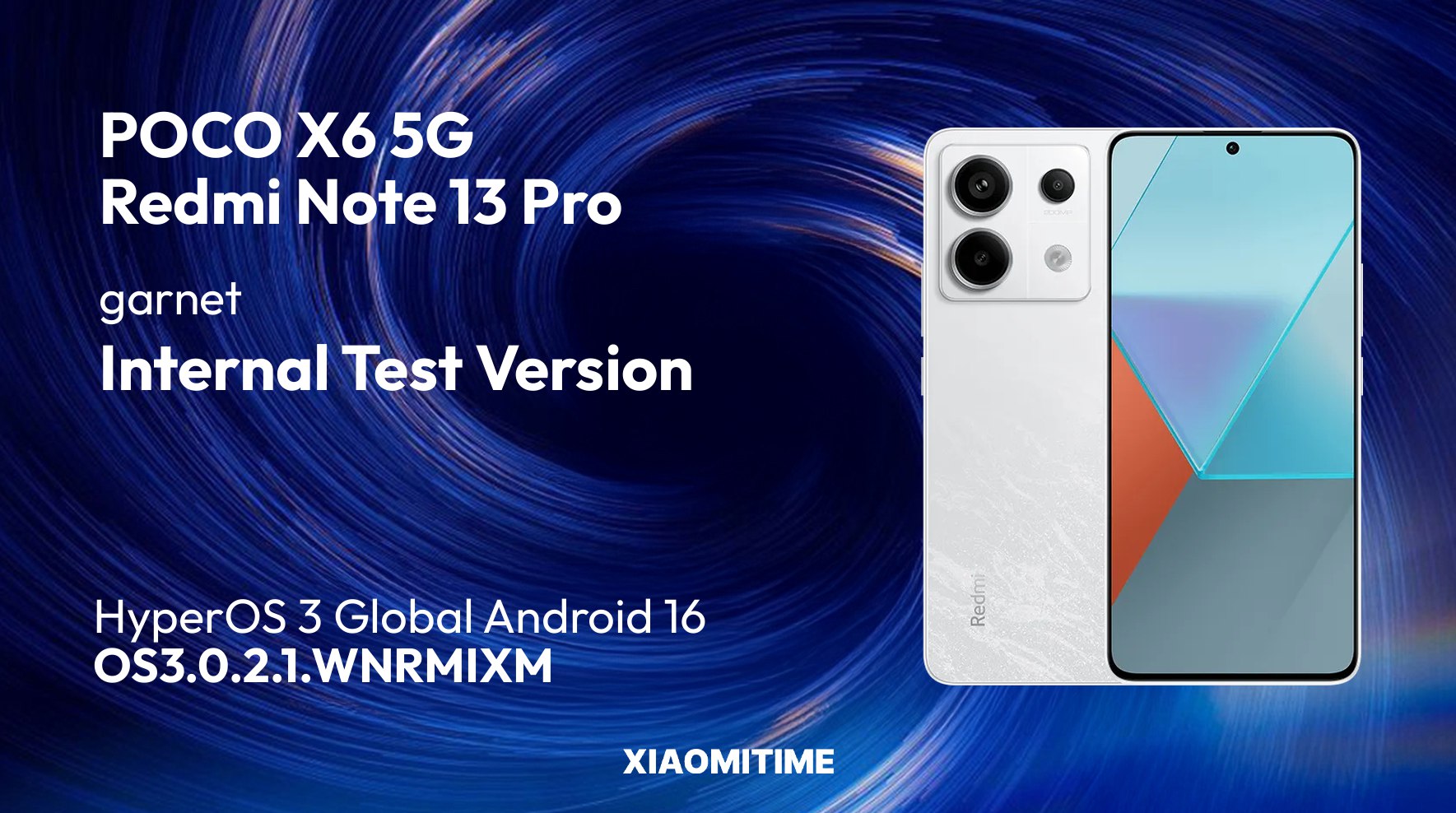
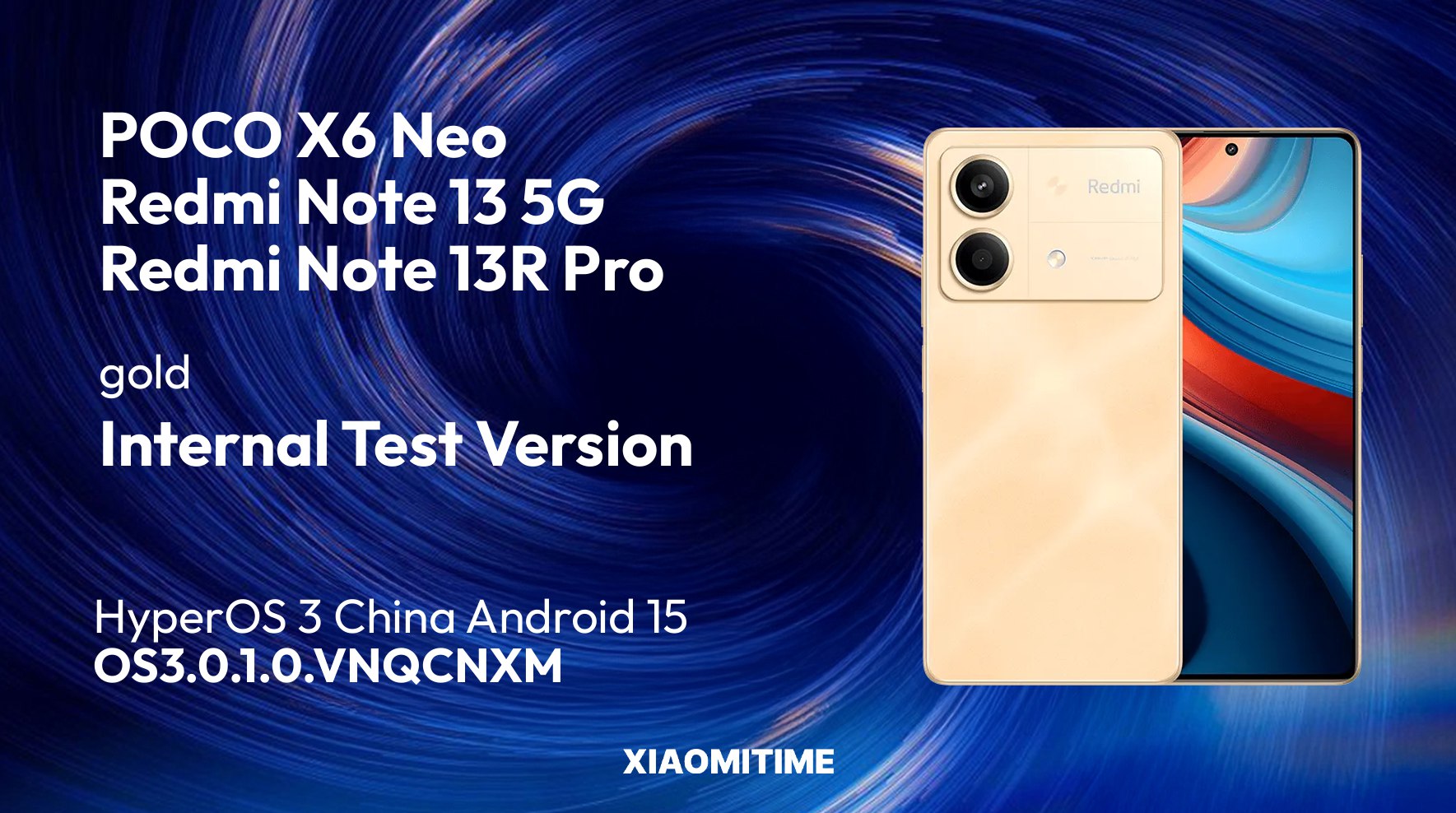
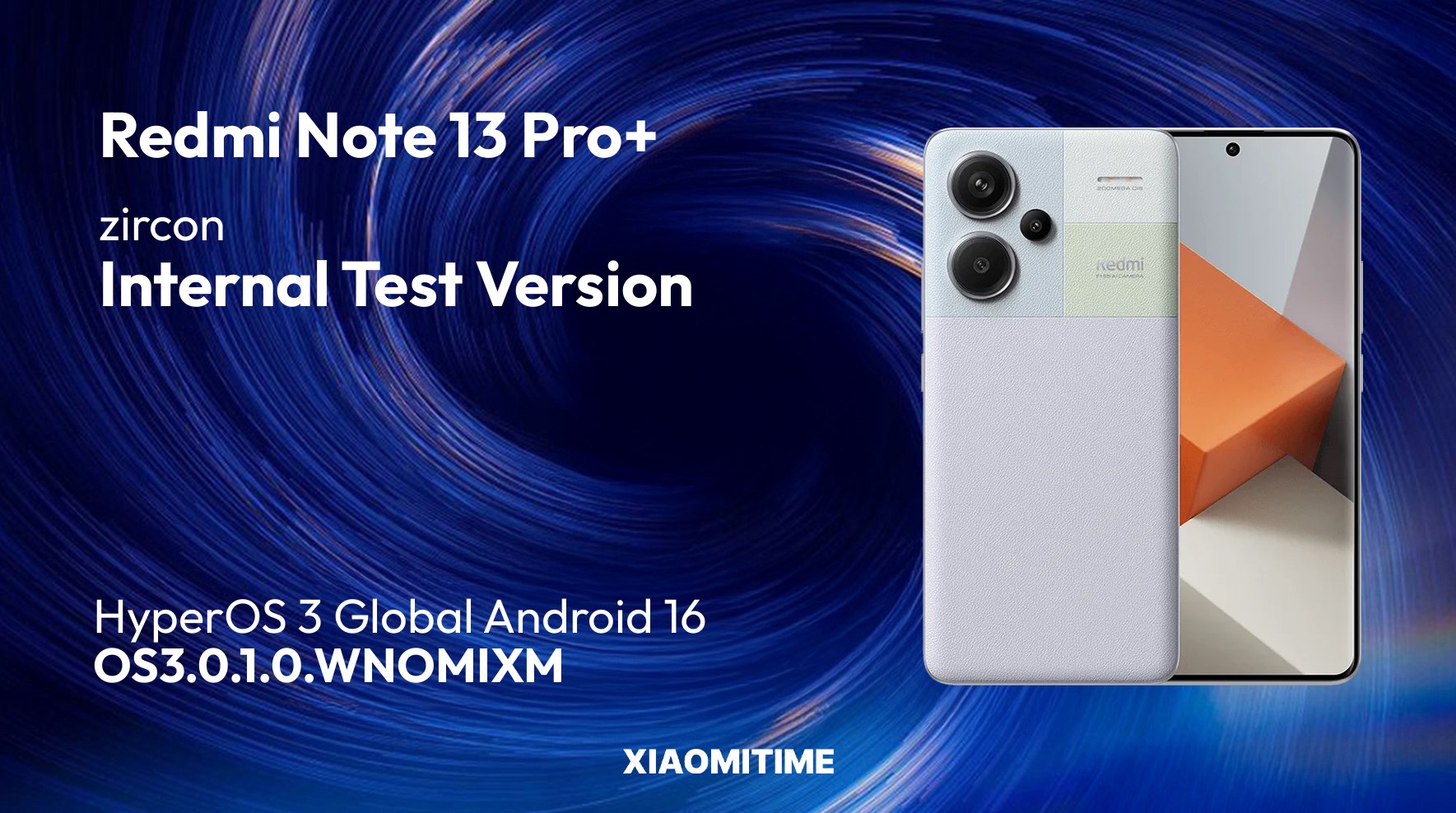
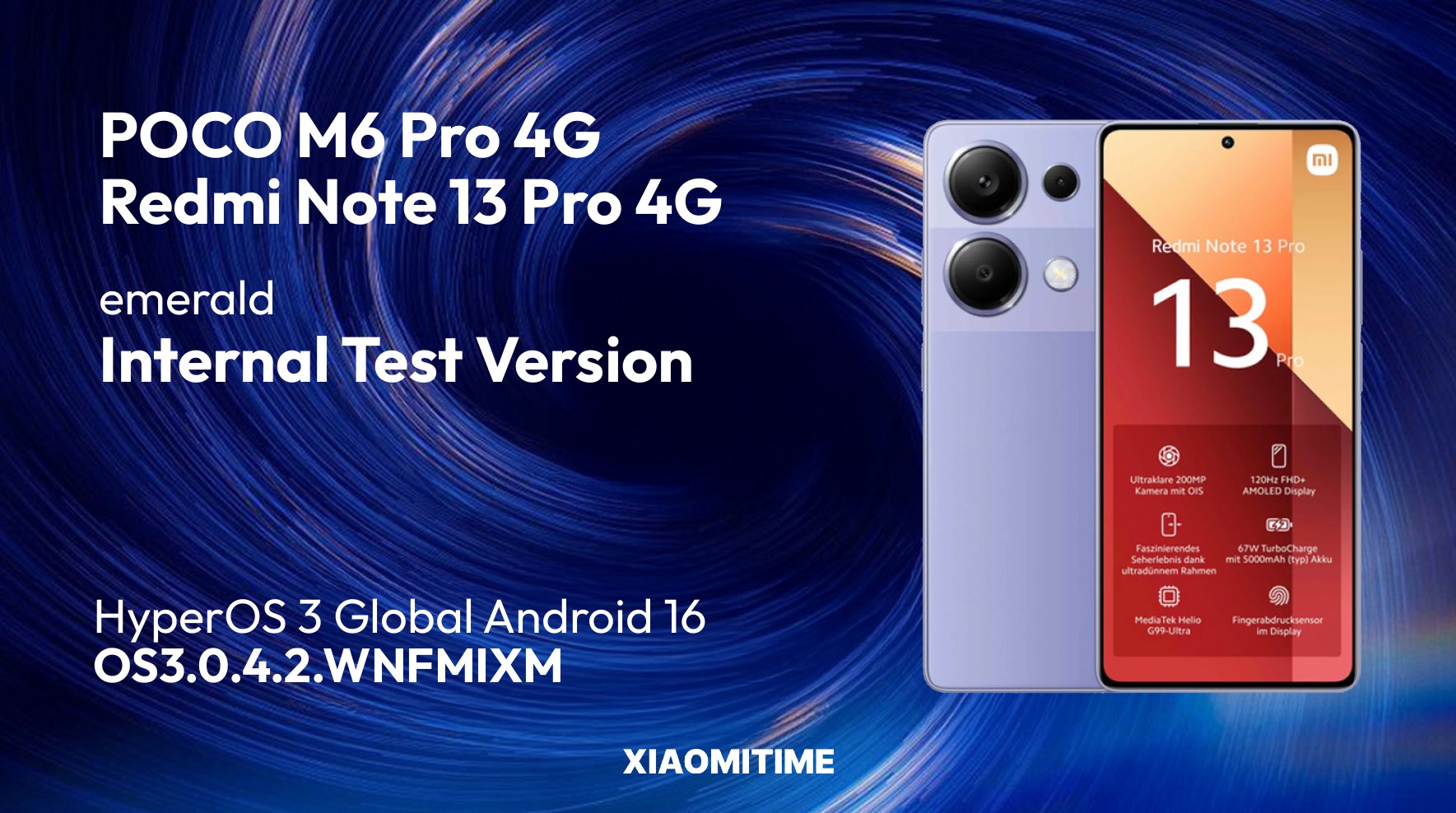
Xiaomi has begun to detail a rollout strategy for HyperOS 3, and the REDMI Note 13 series is now conspicuously on the update roadmap. Going by internal testing data, several models within the family have already reached beta or readiness status in various regions. The development places the REDMI Note 13 series further along in their road to Xiaomi’s next-generation software experience.
HyperOS 3 Development Status for REDMI Note 13 Series
HyperOS 3 focuses on system intelligence, interface consistency, and smoother cross-device interaction within the Xiaomi ecosystem. Xiaomi also separates devices into “ready” and “internal beta” before the public release, basically for ensuring stability across most hardware variants.
Device Model
China
Global
EEA (Europe)
India
Other Regions
REDMI Note 13 Pro 5G
Ready
Ready
Ready
Internal Beta
Internal Beta
REDMI Note 13 Pro (4G)
Internal Beta
Internal Beta
Internal Beta
Internal Beta
Internal Beta
REDMI Note 13 Pro+ 5G
Ready
Ready
Ready
Ready
Internal Beta
REDMI Note 13 5G
Ready
Internal Beta
Internal Beta
Internal Beta
Internal Beta
Devices marked as “ready” have a realistic chance of receiving the stable HyperOS 3 update before the end of 2025, without entering 2026.
What HyperOS 3 Brings to REDMI Note 13 series
HyperOS 3 is designed as an evolutionary update, not a radical redesign. Xiaomi prioritizes usability, performance efficiency, and AI-based system enhancements.
The key highlights include:
Improved AI for smarter system behavior
New icon design aligned with Xiaomi’s latest visual language
Refined iOS-inspired system animations and interactions
Super Island, providing improved notification and activity display
These changes are made to provide a more cohesive user experience across smartphones and tablets, further extending into Xiaomi’s wide smart device ecosystem through Xiaomi HyperConnect.
Expected Rollout Strategy
Xiaomi’s modus operandi is to always roll out updates first in China, followed by Global, EEA, and then regional builds. The internal beta stages may last a few weeks depending on feedback and stability metrics. Users should expect a staged rollout starting with models that were already marked as ready.
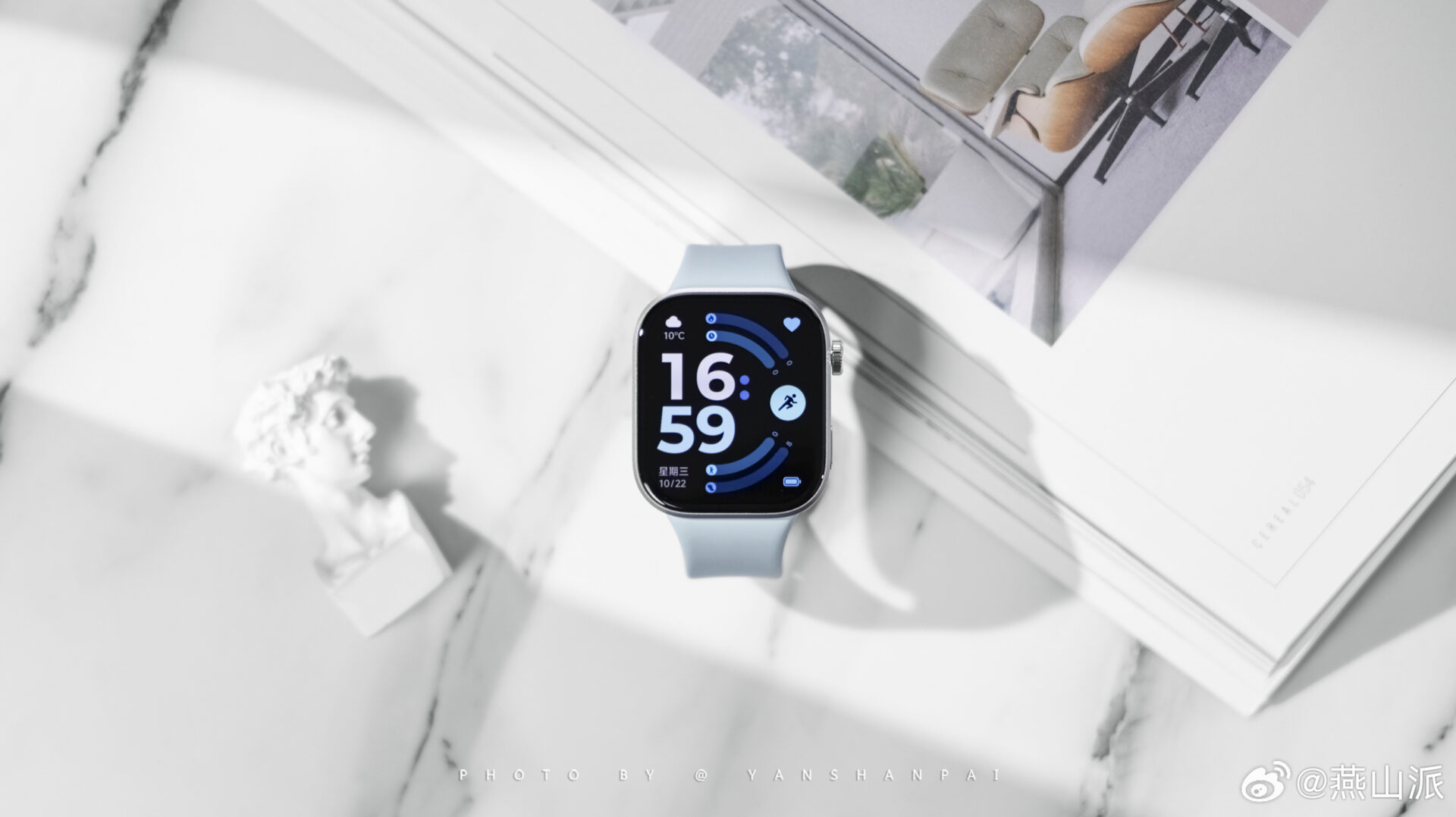
The Xiaomi x Leica Imaging Strategic Cooperation Upgrade press conference marked the launch of the new Xiaomi Watch 5 series, a flagship smartwatch brand that emphasizes healthcare and standalone communication capabilities. It was accompanied by the Xiaomi 17 Ultra and offers a host of ‘firsts for Xiaomi’s smart wearable line’. According to Xiaomi, ‘the Watch 5 series is available in mainland China only at the time of its global availability and release’, with prices starting at ‘about $280 for the basic version and about $320 for the eSIM version’. However, ‘subsidies can reduce the starting price to nearly $250’.
Premium Design and Display Focus
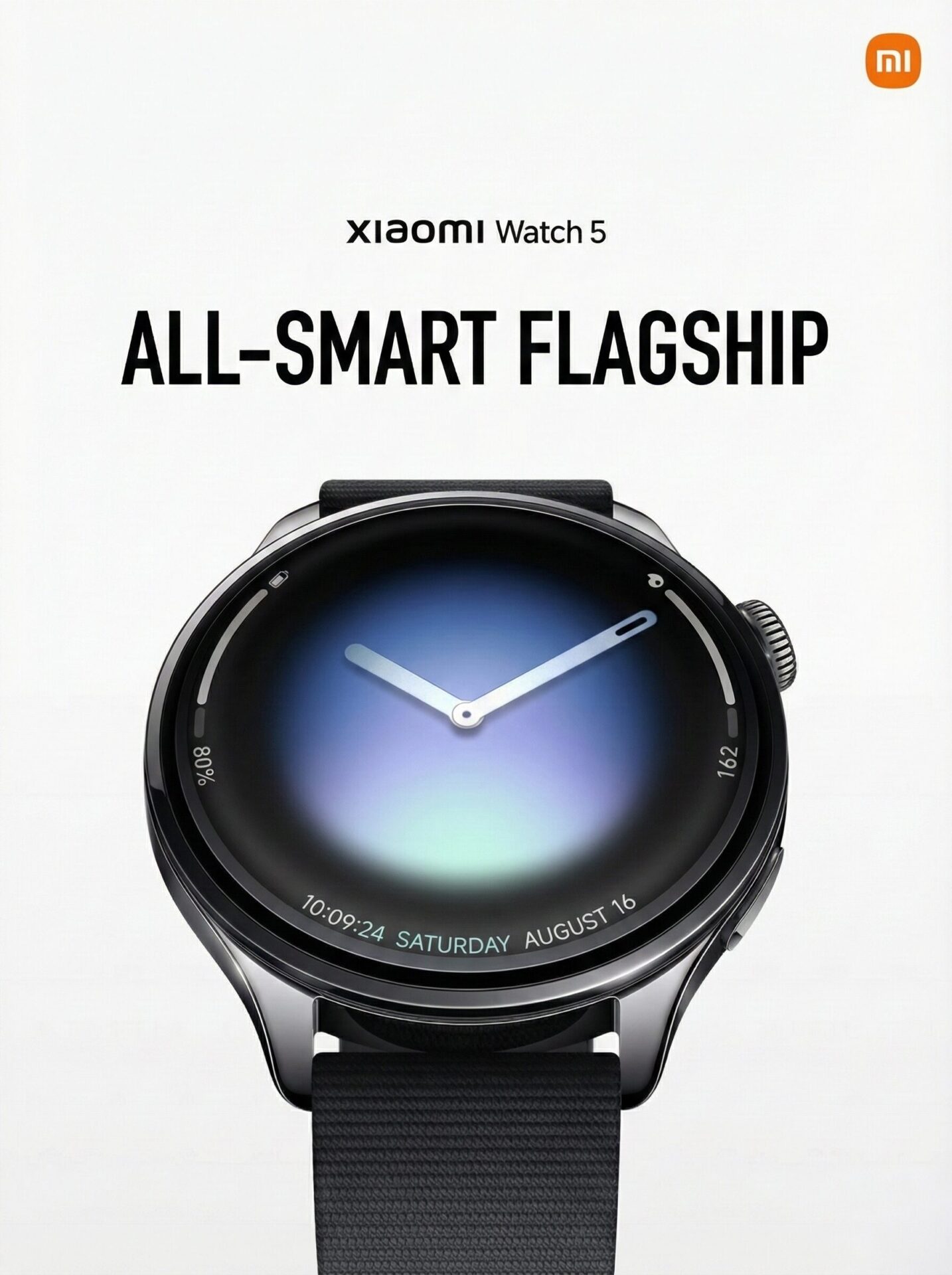
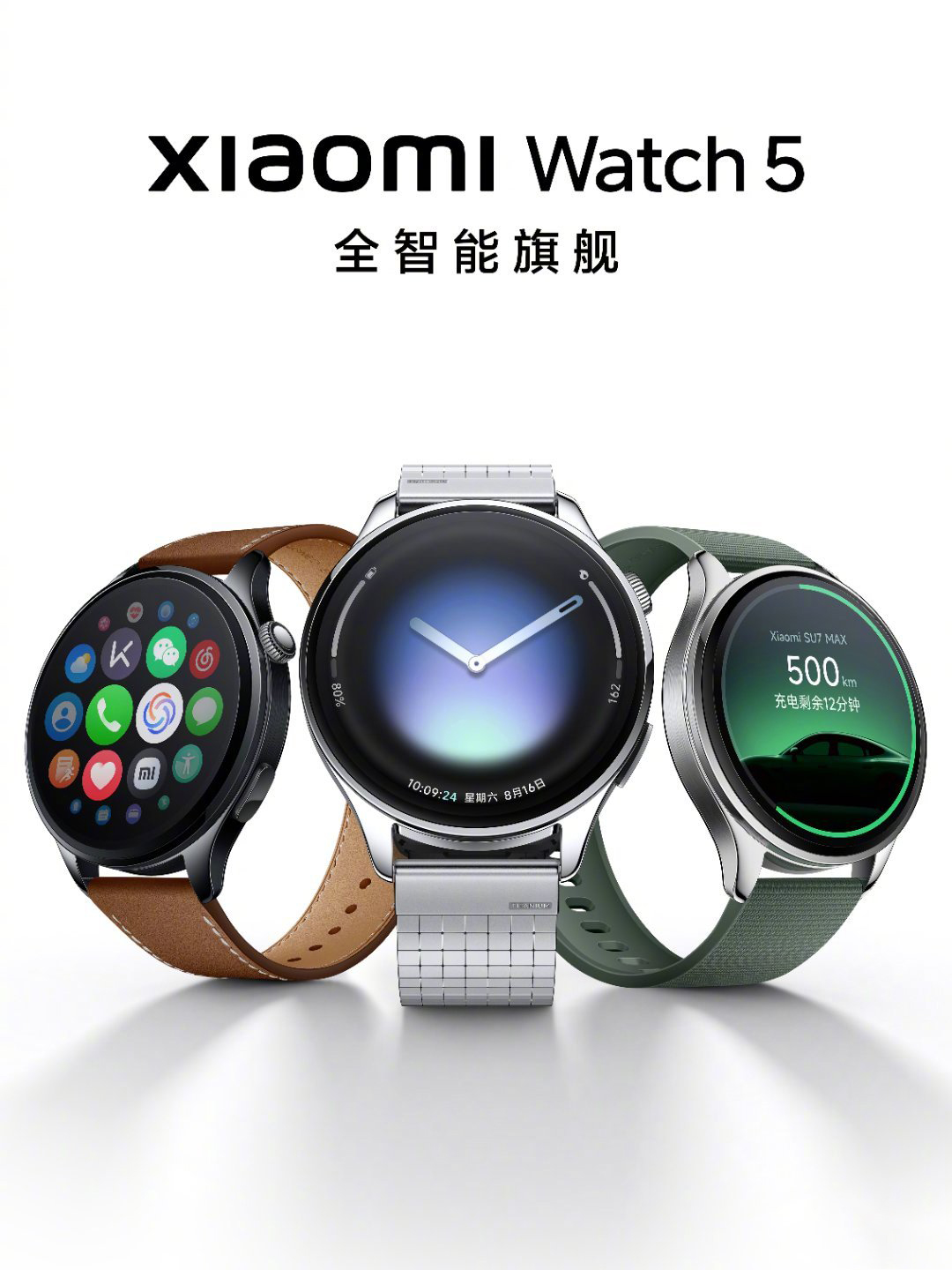
Xiaomi Watch 5 sports a premium design language, keeping in mind durability in long-term usage. Xiaomi has utilized double-sided artificial sapphire glass along with a stainless steel unibody case. Coming to the display, Xiaomi uses an 1.54-inch AMOLED display with a peak level of 1500 nits global brightness with an ultra-narrow 2.6mm bezel on the front.
Before going into the details about the hardware features, it is worth noting that Xiaomi provides more than one strap type according to the buyer’s preference. These include khaki green and black fluoroelastomer straps, genuine leather straps, as well as a premium “3D-printed titanium strap.” The watch comes with a contact charging system that provides a safe charging experience.
Dual-Core Architecture and Battery Life
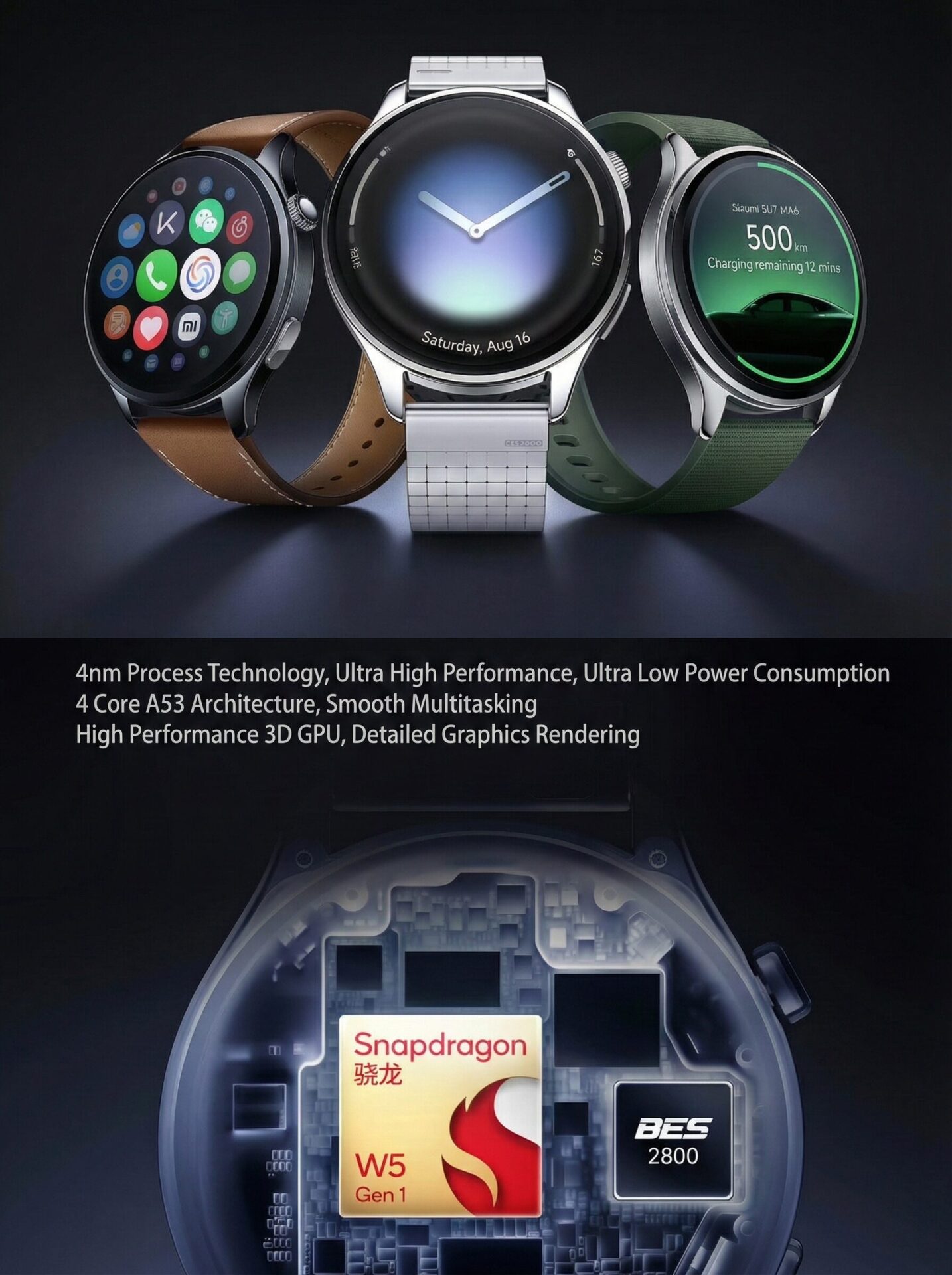
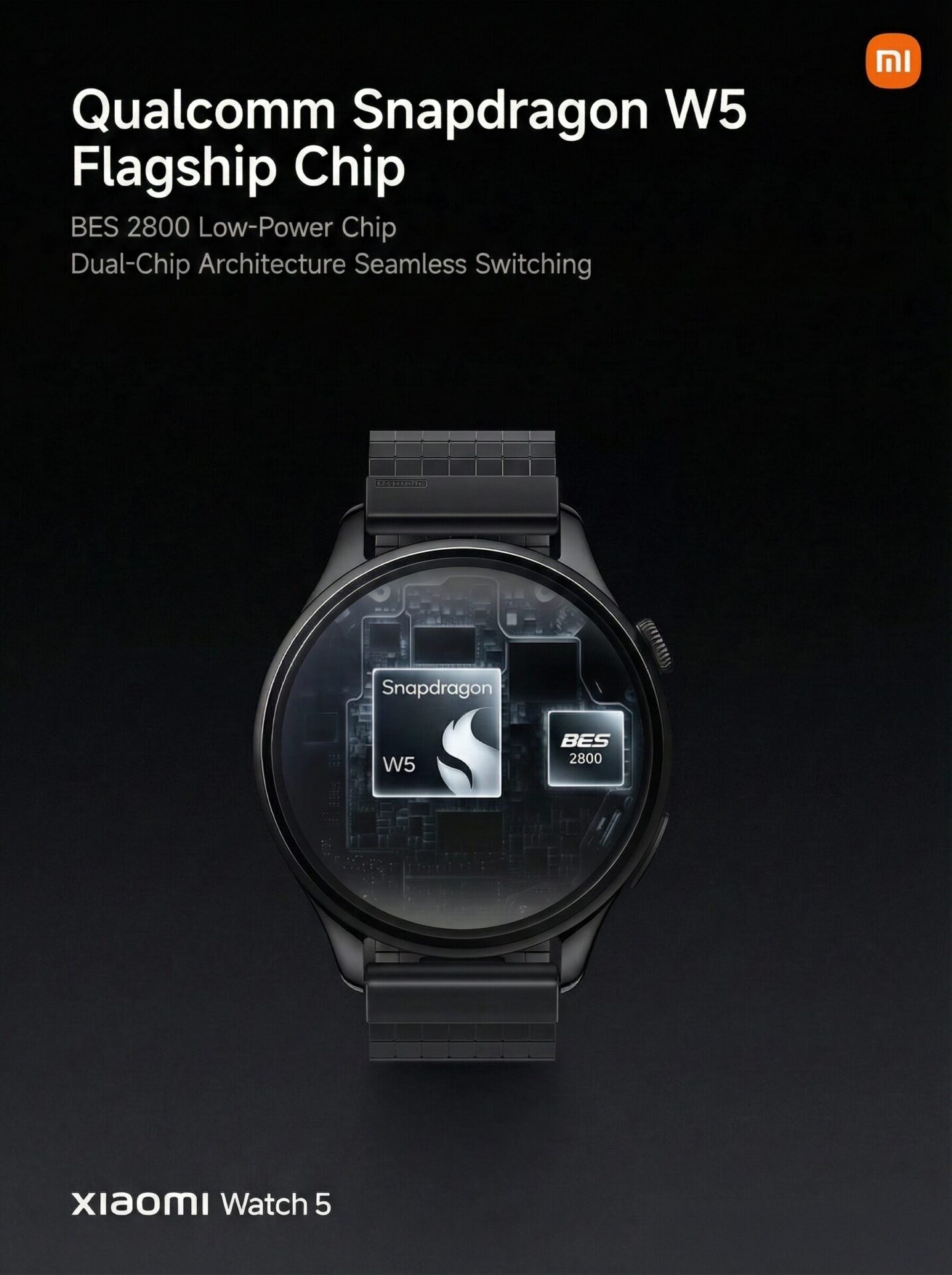
Regarding performance, Xiaomi markets its Watch 5 device as a “fully intelligent flagship watch.” Its performance is guaranteed by dual-core dual-system architecture, incorporating Snapdragon W5, designed with 4nm process technology, and BES2800 low power processor. Dual-core dual-system architecture enables this smartwatch to perfectly integrate performance and power consumption.
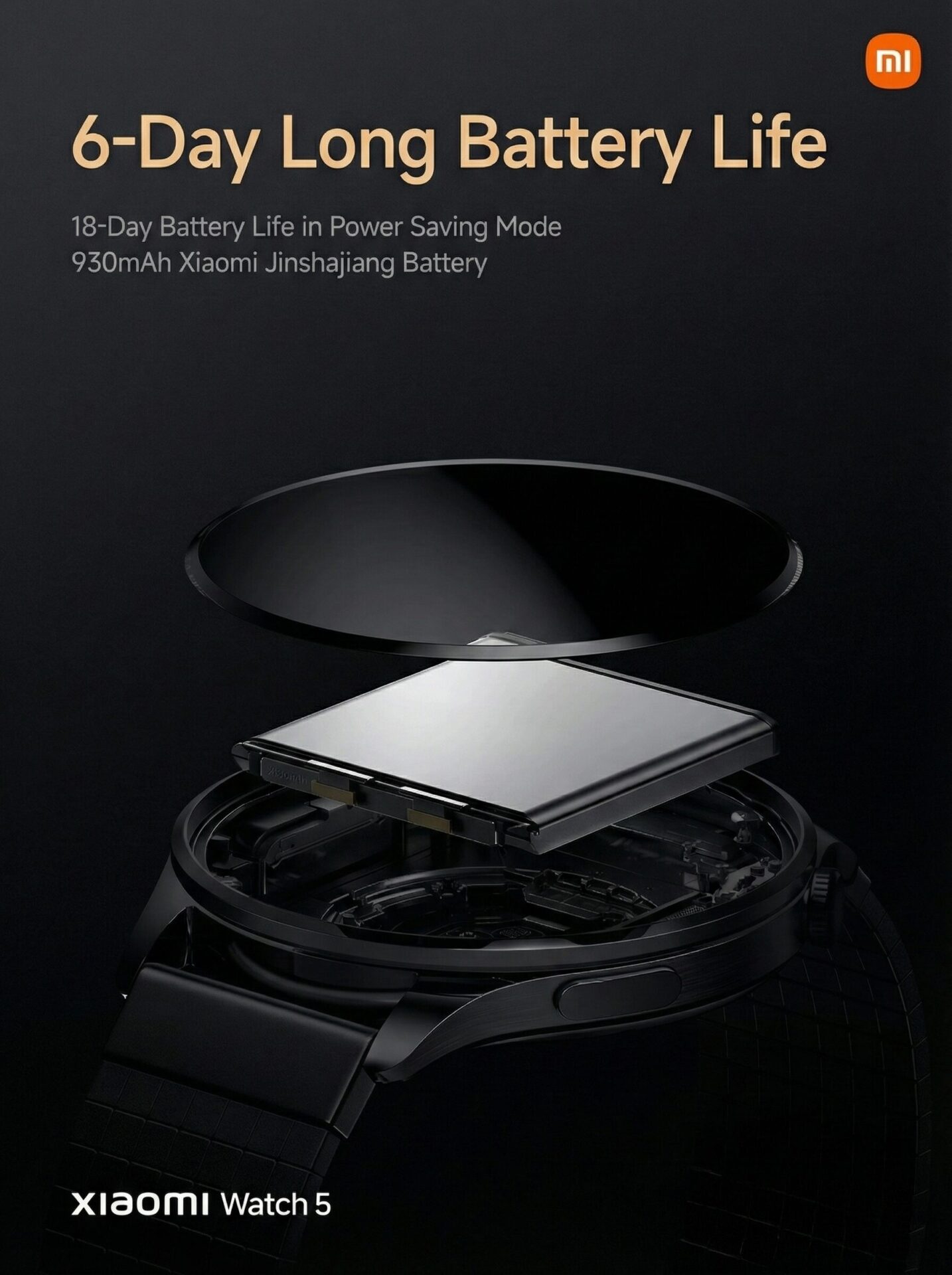
In this way, the Xiaomi Watch 5 can run apps by itself, such as payment and guidance systems, without a smartphone being present. According to Xiaomi, the performance mode ensures a battery life up to 6 days, and if it switches to power-saving mode, it can be operational for up to 18 days.
Advanced Health Sensors and Smart Features
“Health monitoring is also one of the Xiaomi Watch 5’s key highlights.” It comes with “Xiaomi’s first EMG (Electromyography) sensor” that allows gesture control and is compatible with other Xiaomi products with support for “Xiaomi HyperConnect.” Other functions include an “ECG heart rate sensor” and the ability to support “150+ sports modes” and offer “Super AI capabilities” optimized for their smartwatches.
Xiaomi system apps can then be updated by visiting HyperOSUpdates.com or using the MemeOS Enhancer application found on Google Play Store that offers more functions such as Xiaomi hidden features.
Enthusiasts have finally got the waiting out of their systems with the launch of the Xiaomi 17 Ultra; a device which has already proven to be a benchmark in mobile photography and has already been crowned the “king of mobile photography” because of its amazing abilities and qualities in this area and other areas as well.
But what’s amazing is also the “view experience” offered by Xiaomi’s “HyperOS 3,” which is nothing but breathtaking, and in connection with this milestone event in the world of technology and gadgets, we have something special to share with the tech community today in the form of official stock wallpapers in its “raw” form to capture the “soul” of this technology’s creations and achievements and to allow tech enthusiasts to experience this technology in their current gadgets immediately and effectively.
A Symphony of Geometry and Optics
The Xiaomi 17 Ultra’s design language is deeply entrenched in the ideology of “Light and Shadow,” a nod to the brand’s partnership with Leica. The official wallpapers embody this theme through the use of spherical geometry and light refractions which simulate the effects of a high-end camera lens. Contrary to the abstract art form of last year’s chaotic designs, these wallpapers embody a composed and professional look that celebrates depth and definition. The flowing curves and sharp lines of these wallpapers can easily mesh with Xiaomi 17 Ultra’s physical design to give a seamless transition from hardware to software.
Optimized for Next-Gen Displays
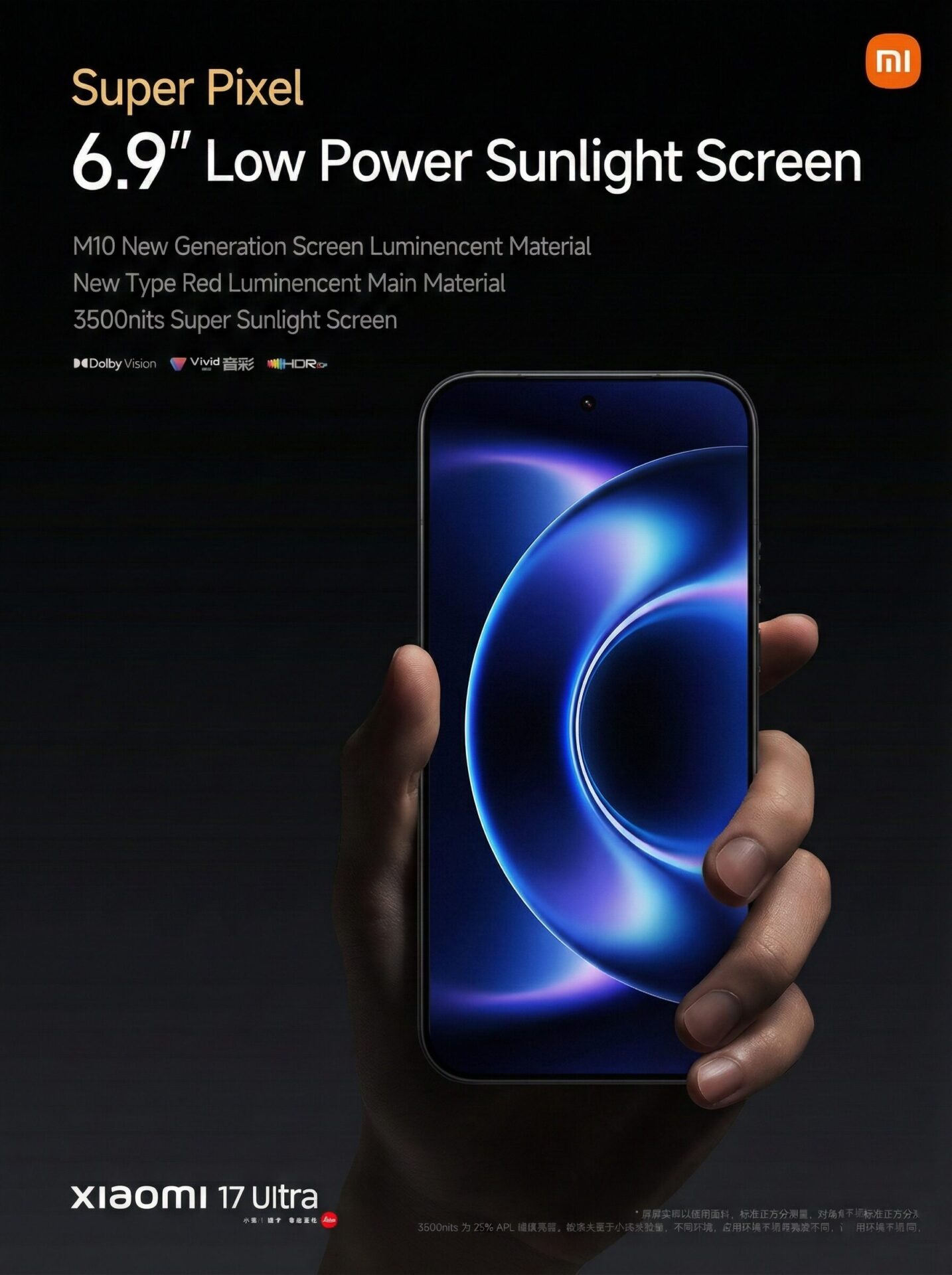
All of these wallpapers are carefully optimized for the newly featured 6.9-inch 2K LTPO screen of the device, which features the use of the M10 luminous material. This means that these wallpapers have perfect blacks in order to conserve power but also come with maximum contrast achieved with highly highlighted bright colors.
Wallpaper Collection
We’ve extracted the four major “hero” wallpapers that match each color variation for the device. Download links for the wallpapers at their full resolutions are available below:
Nebula Purple: This is quite dark and has violet and indigo colors combined. Recommended for those who like the dark look.
Deep Ocean Blue: It symbolizes the smooth flowing nature of the new operation system. It is an aquatic teal color gradient.
Molten Orange: This design is a picture of contrast, with warm tones of copper evoking the potency of the Snapdragon 8 Elite Gen 5 processor.
Aurora Green: A new, nature-based color scheme that exactly matches the Starry Green ceramic back of the limited edition smartphone.
Ready to give a new look to your existing device with the beauty of Xiaomi 17 Ultra? We have uploaded the entire and full image set with no compression onto our clouds for you. To give you full-resolution images with no compression artifacts at all, we advise you to download from us directly. Click on the link below to check out our Xiaomi Time Telegram Channel, which features not only these wallpapers but also cool ringtones and system dumps of this new smartphone. Do not forget to join the group in case you want notifications about similar future releases.
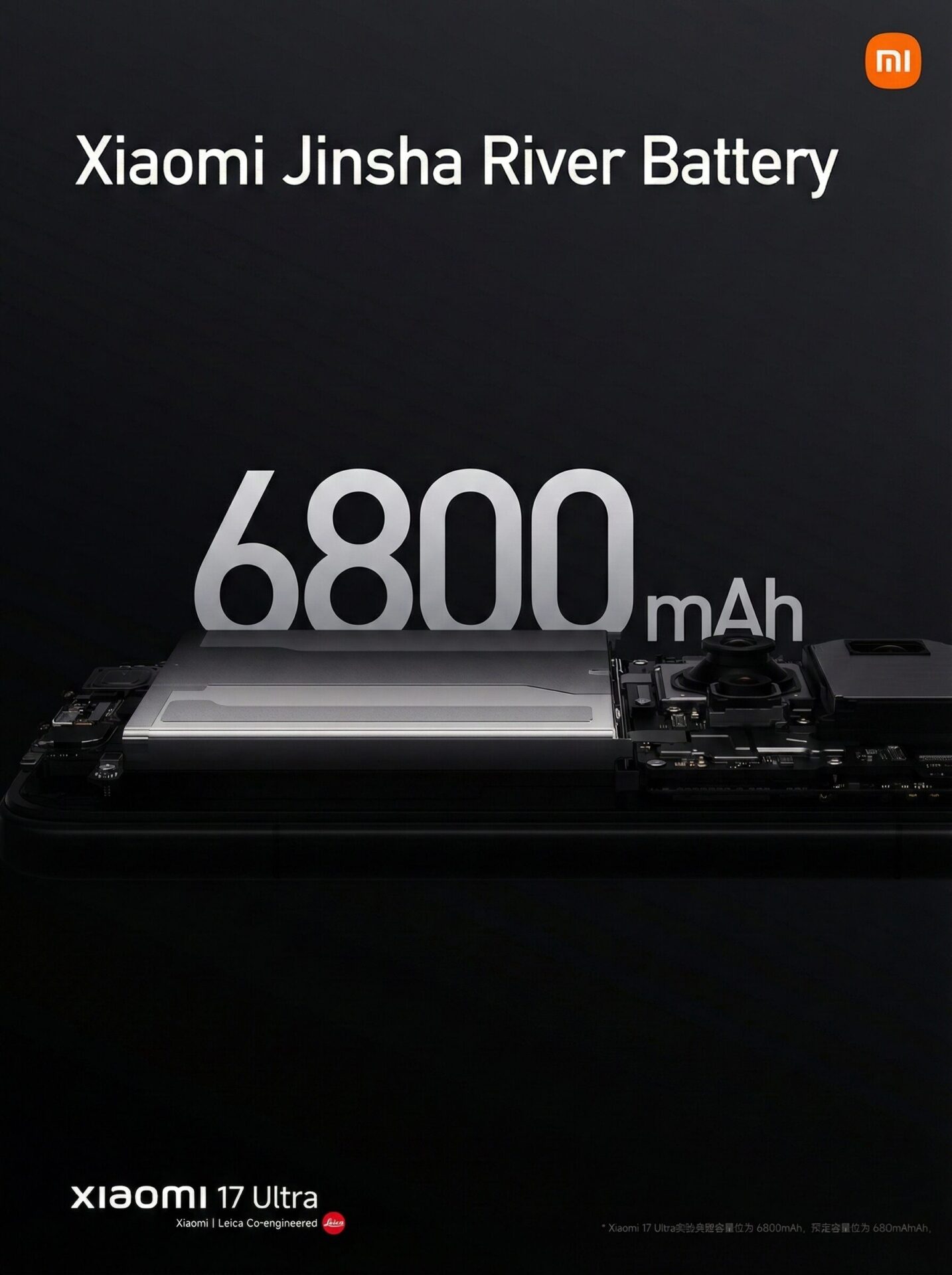
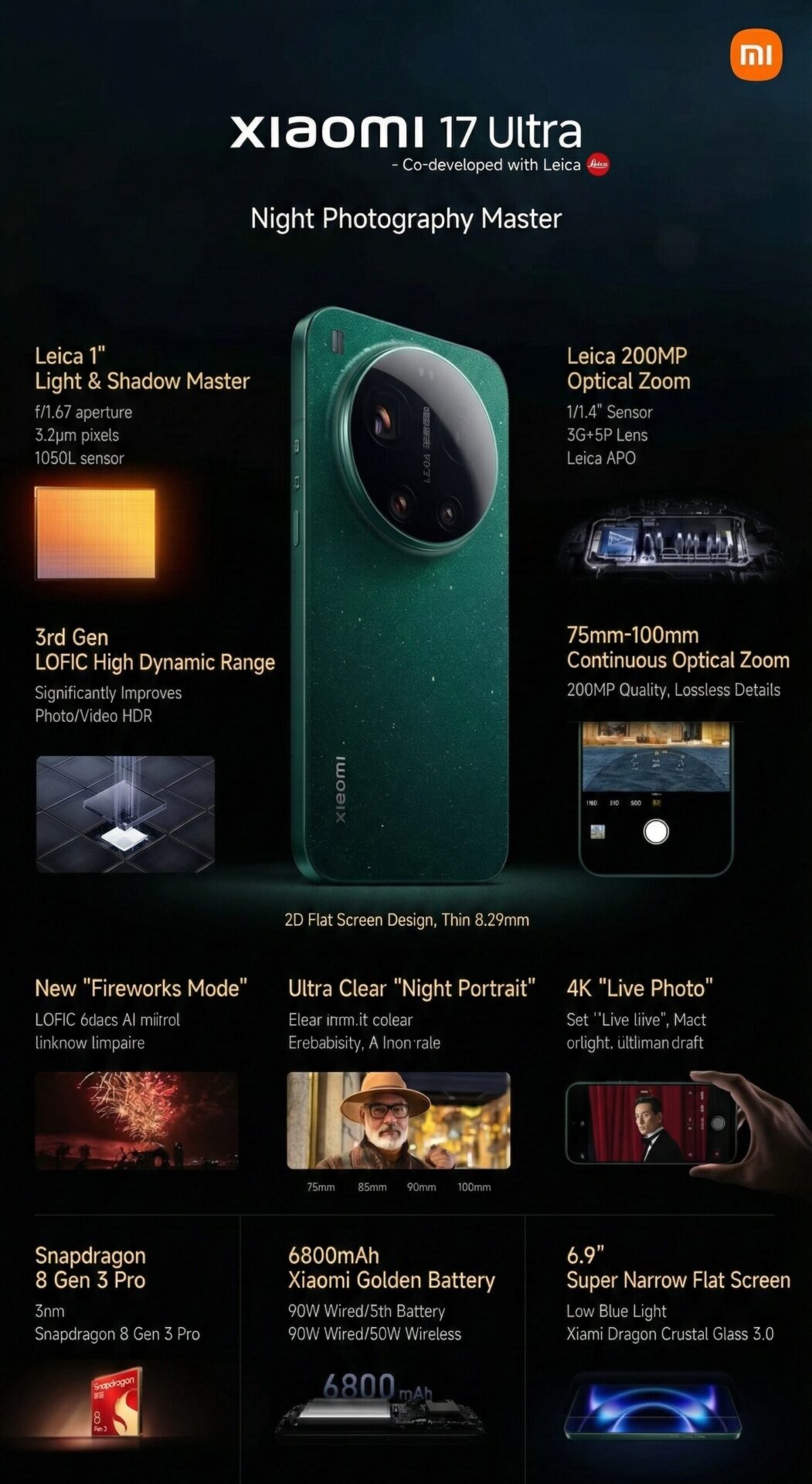
The world of mobile photography has just escalated in a huge way with the launch in China today of the Xiaomi 17 Ultra. Not only has it come up with a Xiaomi HyperOS 3 which is revolutionary in every sense of the term, but it also boasts a massive 6800mAh battery that leaves all other smartphones in 2026 in the lurch. Even though fans are still relishing the benefits of “Xiaomi 15 Ultra,” this new smartphone comes with the Snapdragon 8 Elite processor and sports a 2D flat screen. This smartphone marks the culmination of the relationship between Xiaomi and Leica, providing all that “Xiaomi fans” have been waiting for in their dreams.
A Revolutionary Camera System
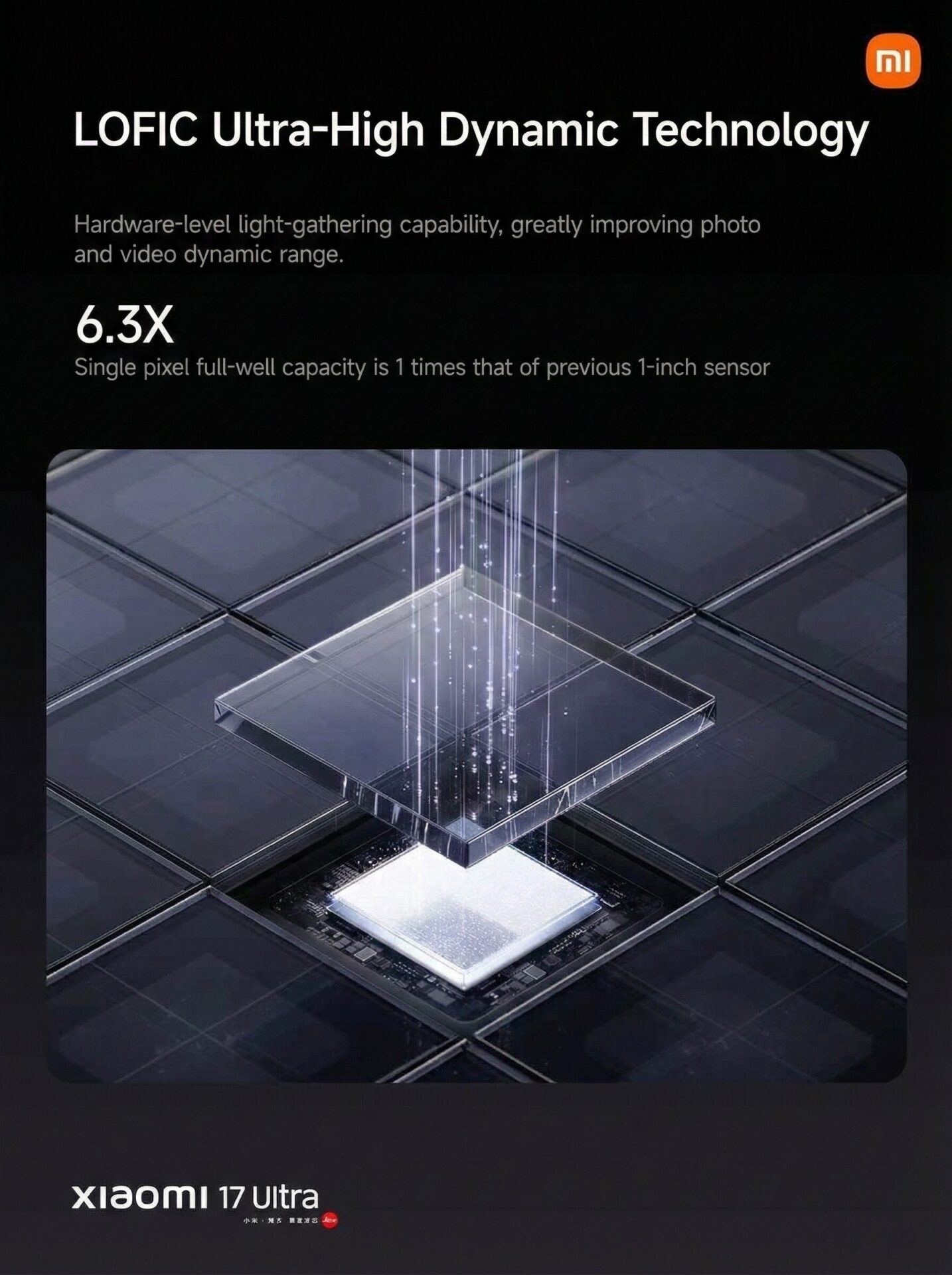
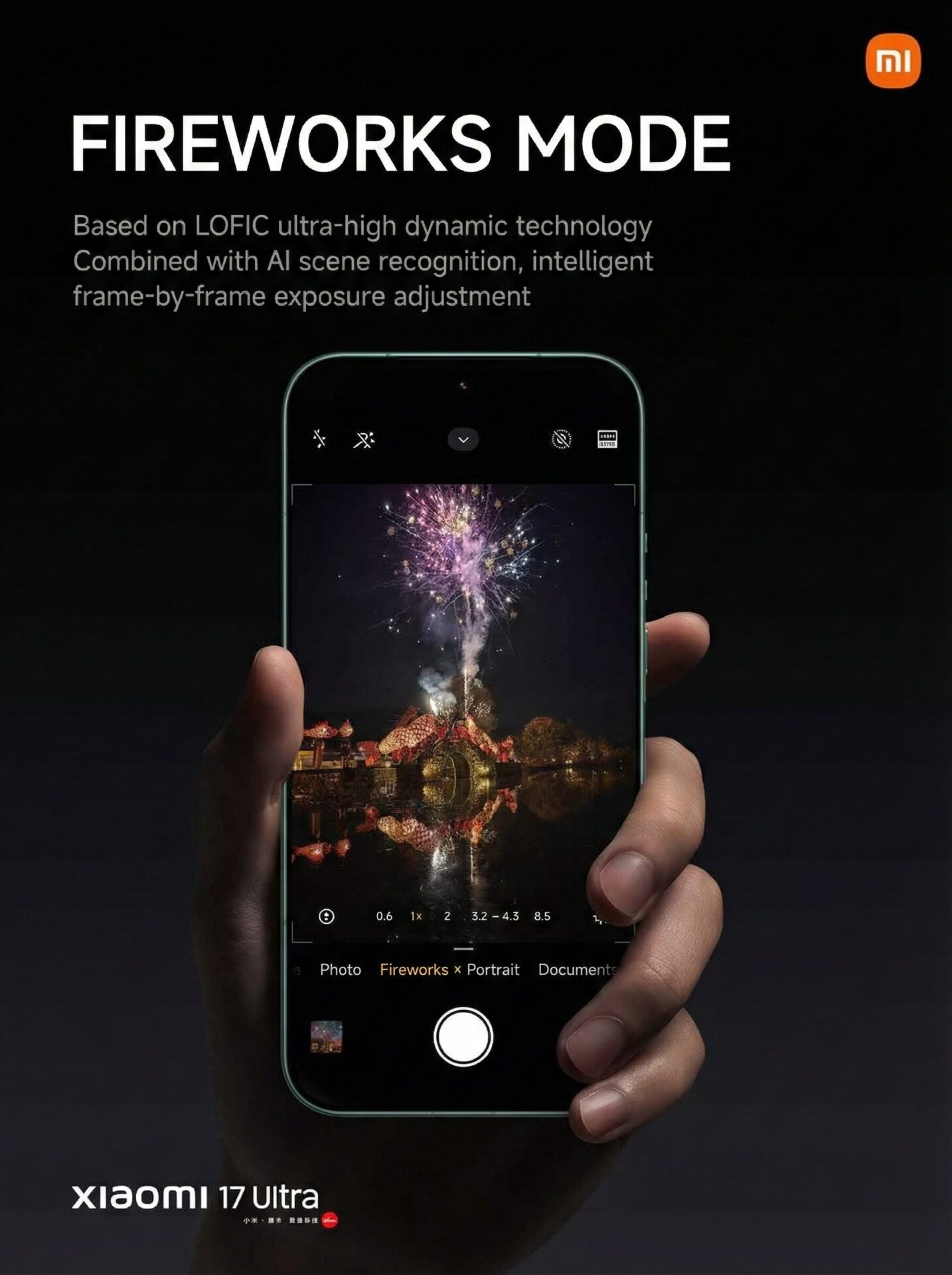
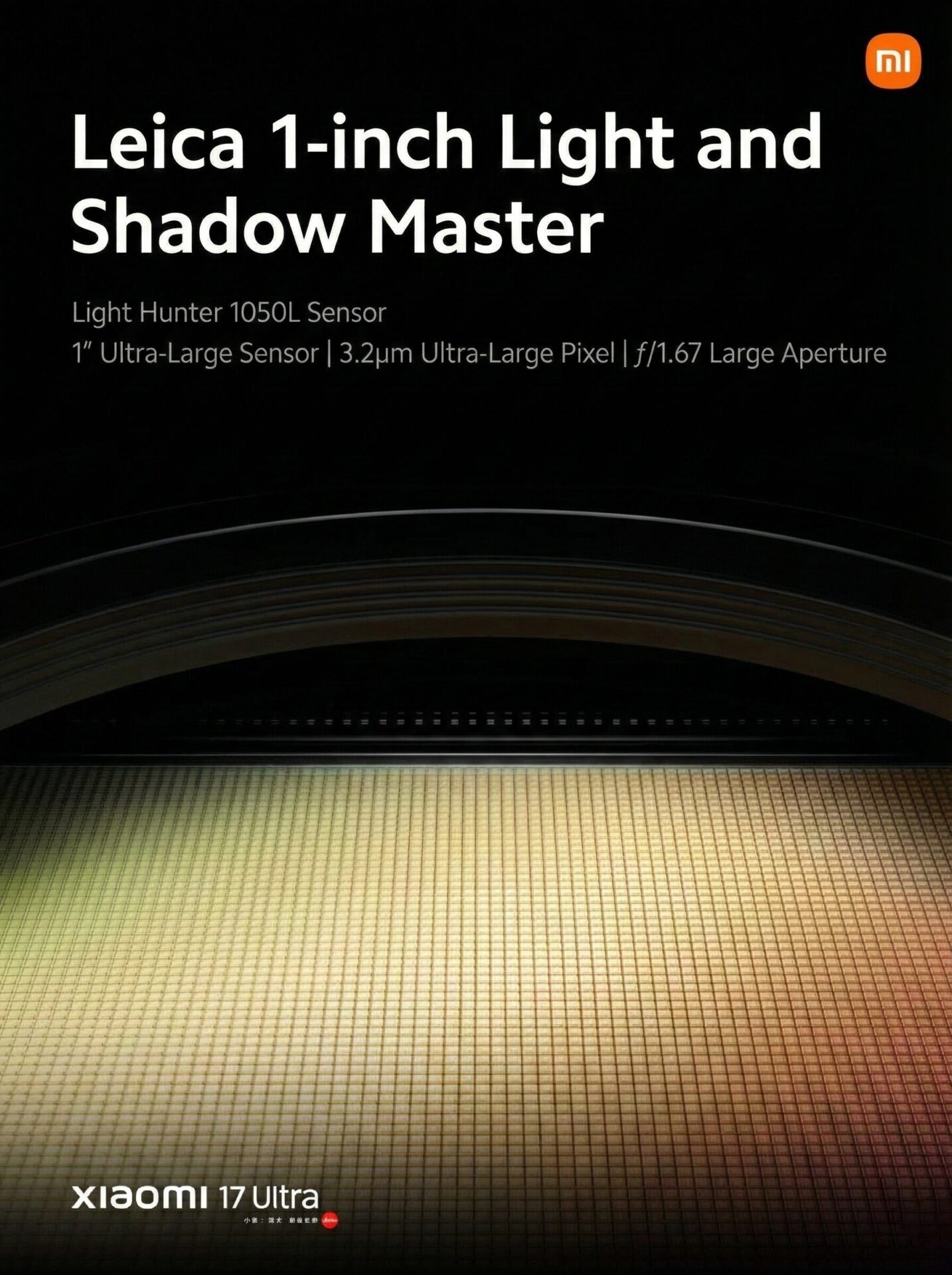
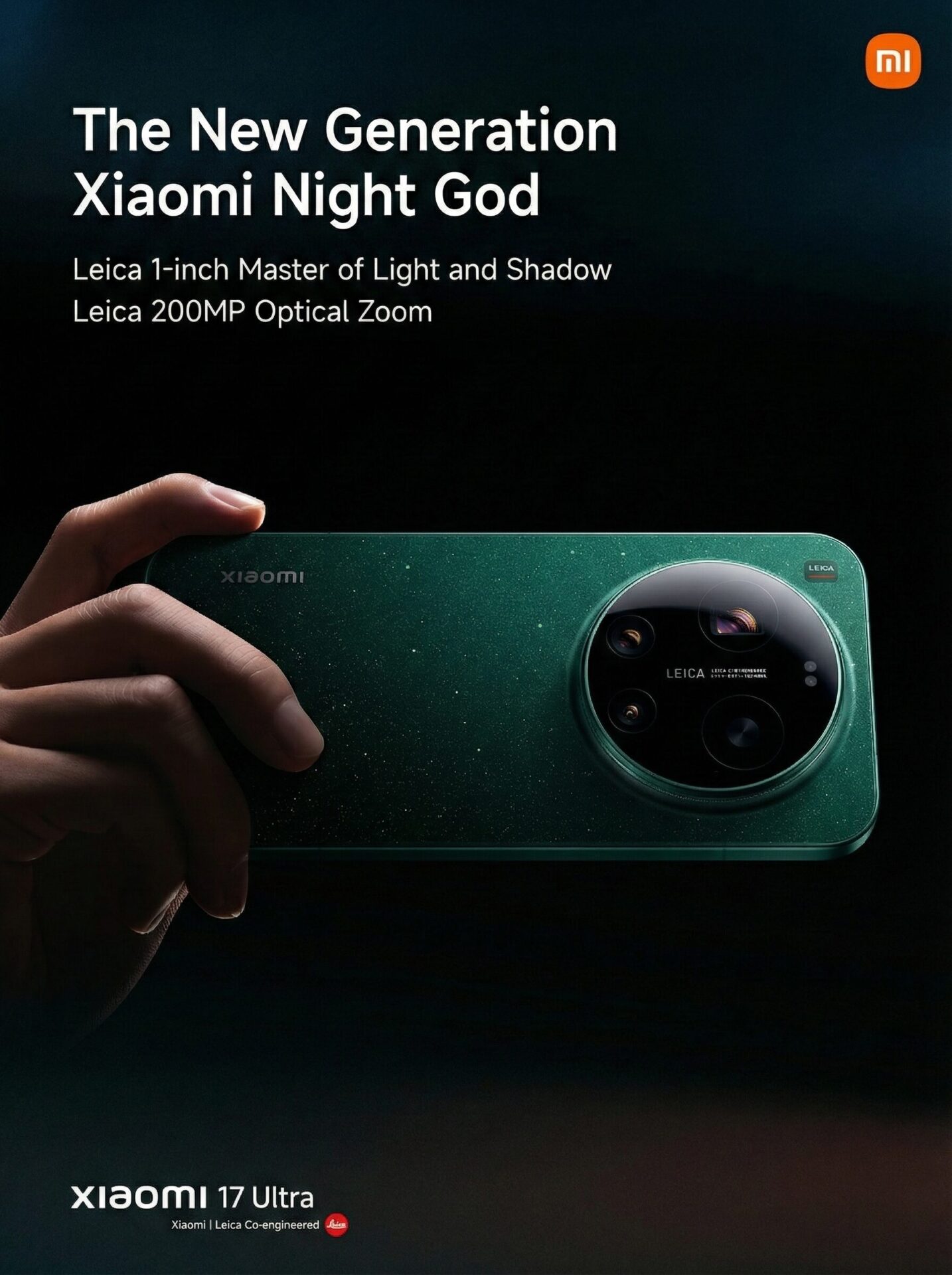
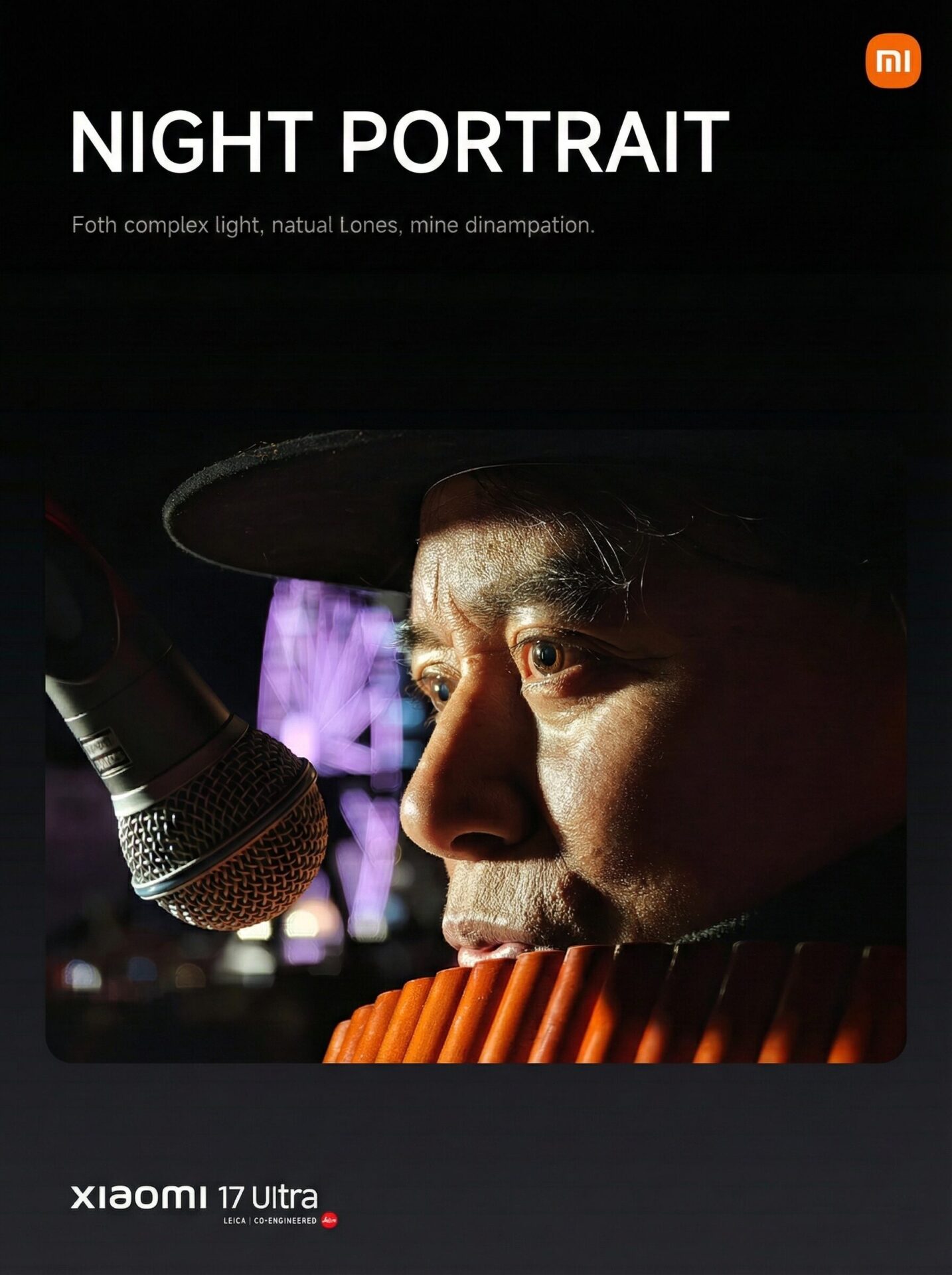
The Xiaomi 17 Ultra breaks the mold with its innovative primary camera design, touted as the “best camera ever designed” by the company. It comes with the Leica 1-inch “Light Master” camera sensor, the light Hunter 1050L, which comes with the revolutionary ultra-HDR technology of LOFIC. This makes it possible to take spectacular images at night with controlled highlights and maintain rich detail. Additionally, there is also a “Fireworks Mode” designed for capturing colors of the night sky without overexposure.
The Age of 200MP Optical Zoom
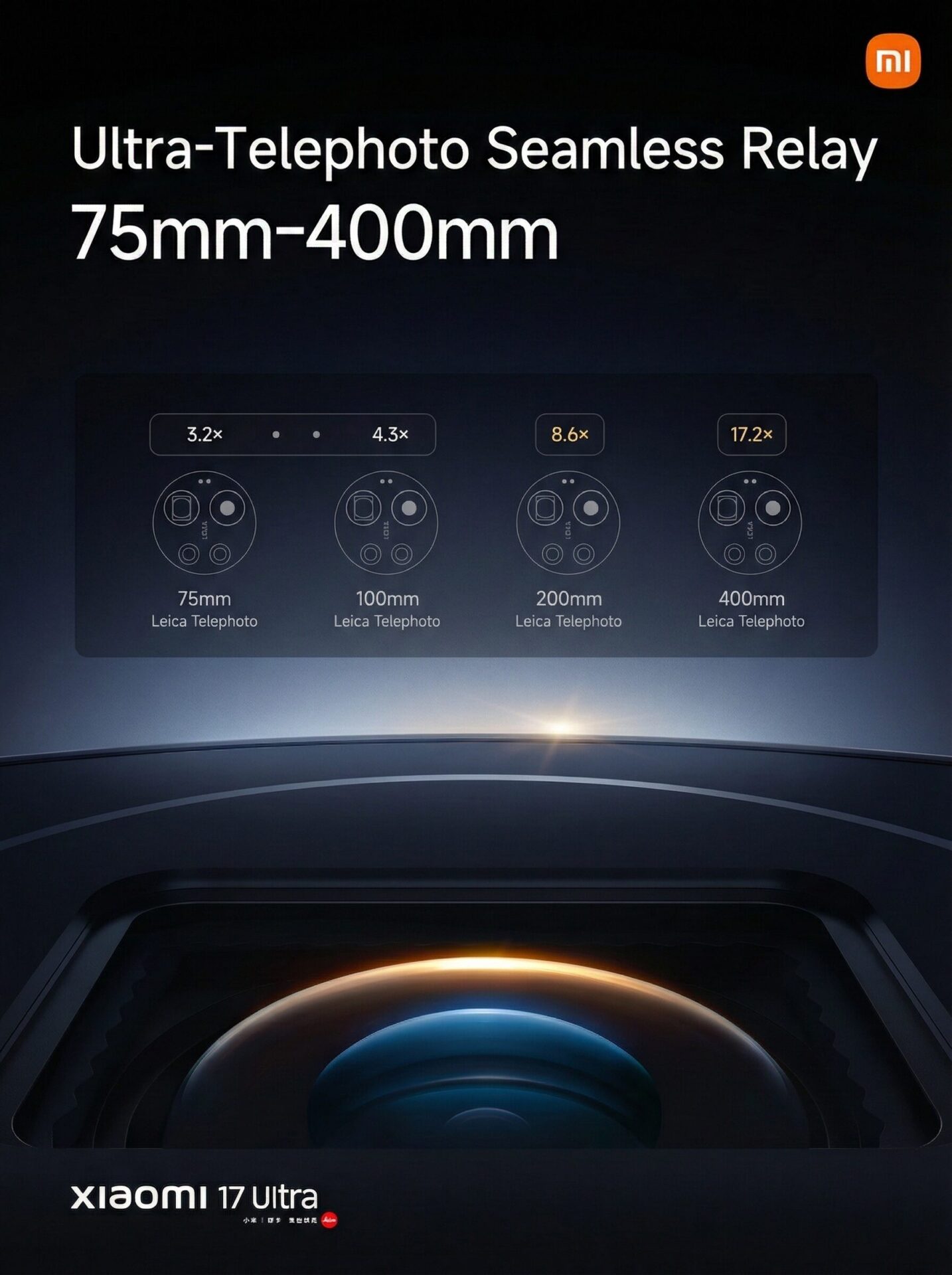
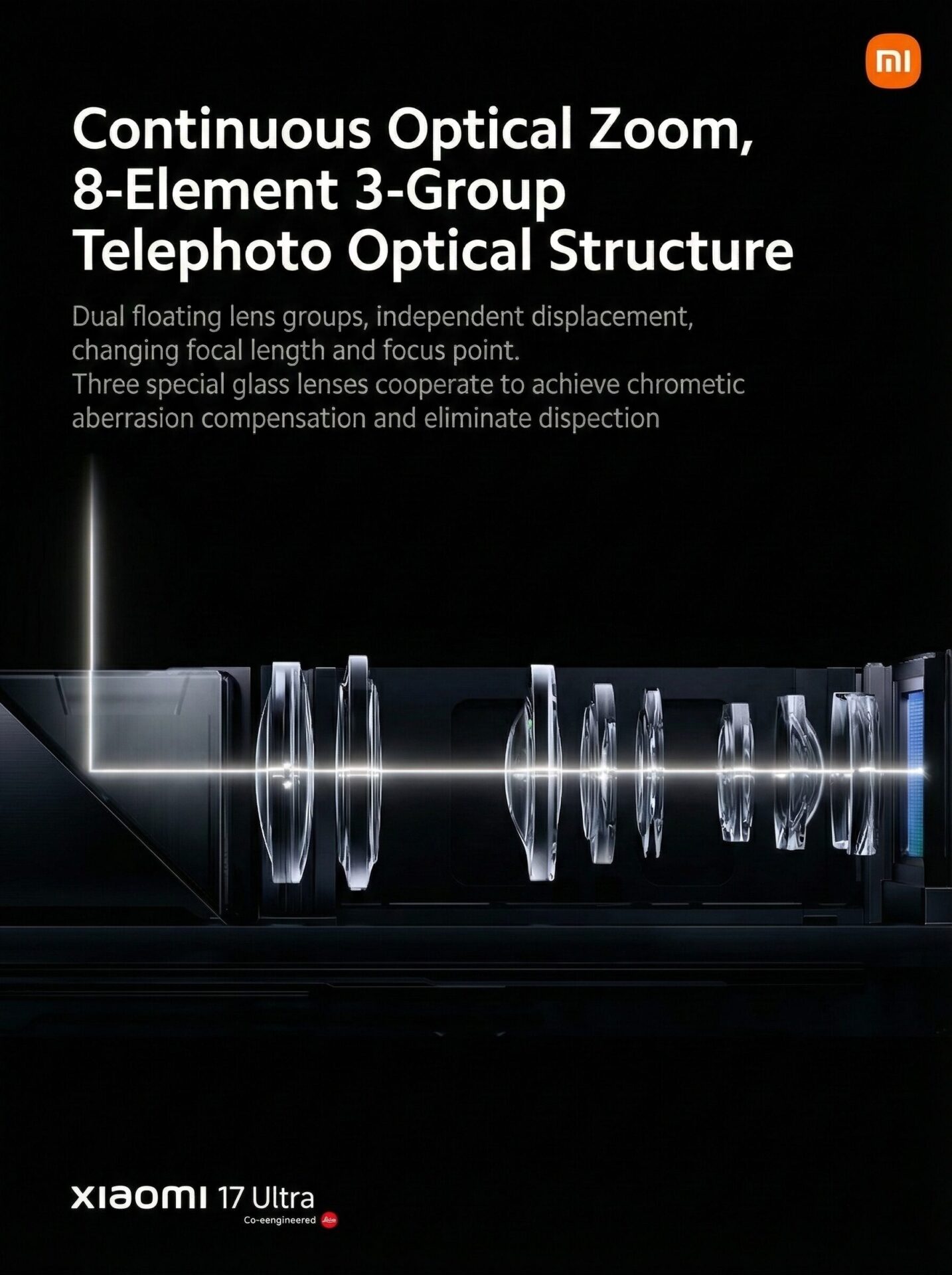
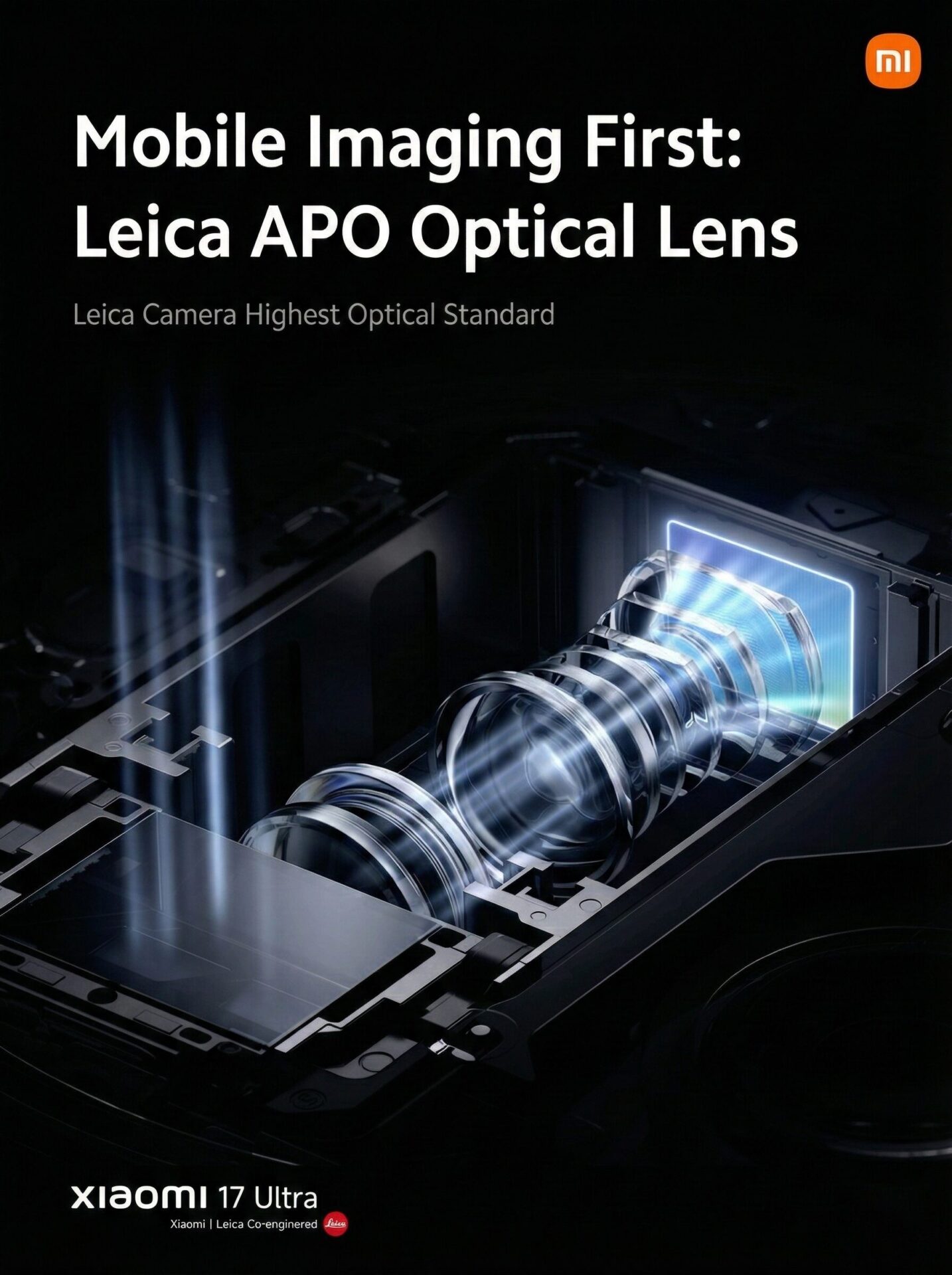
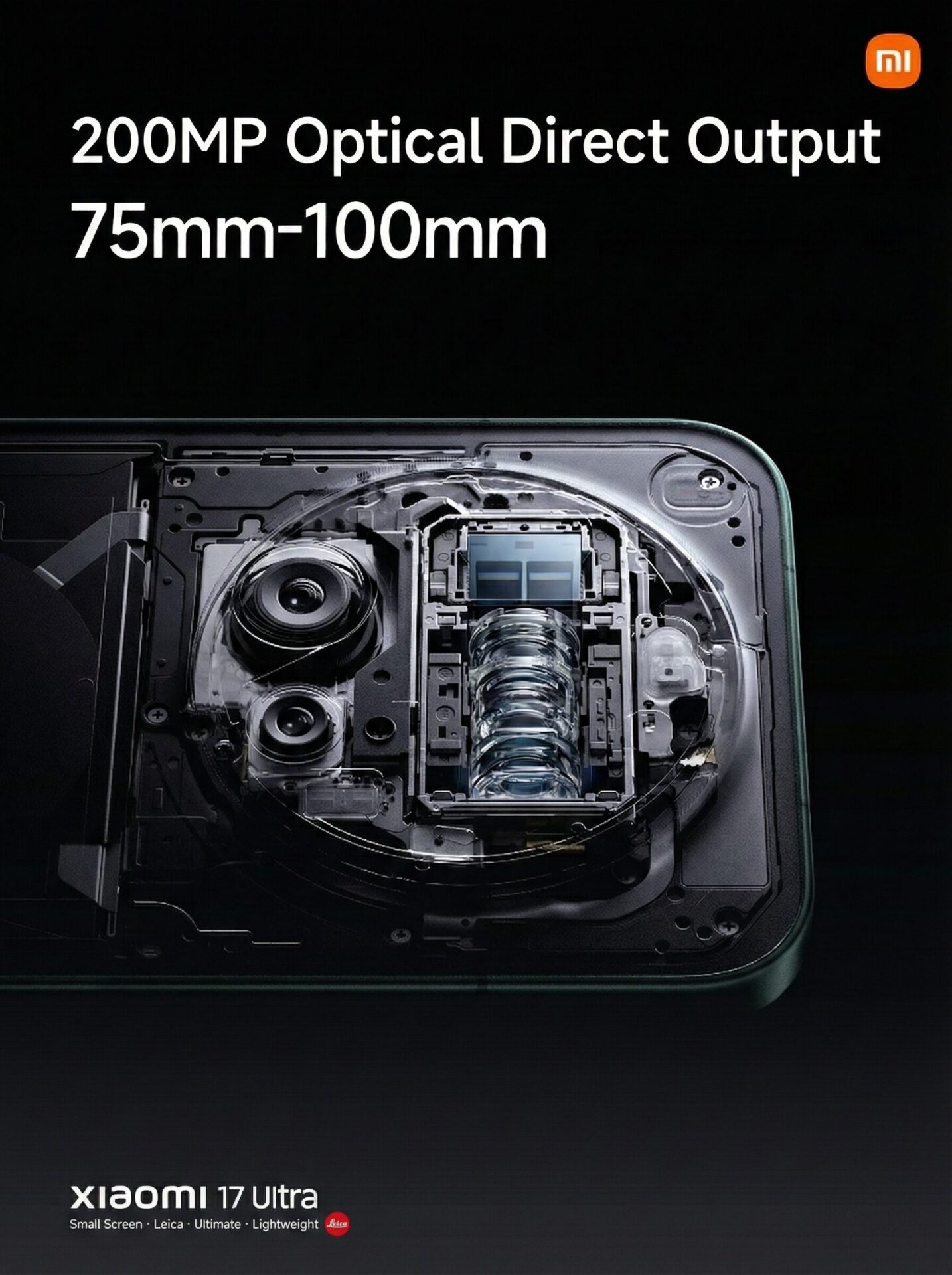
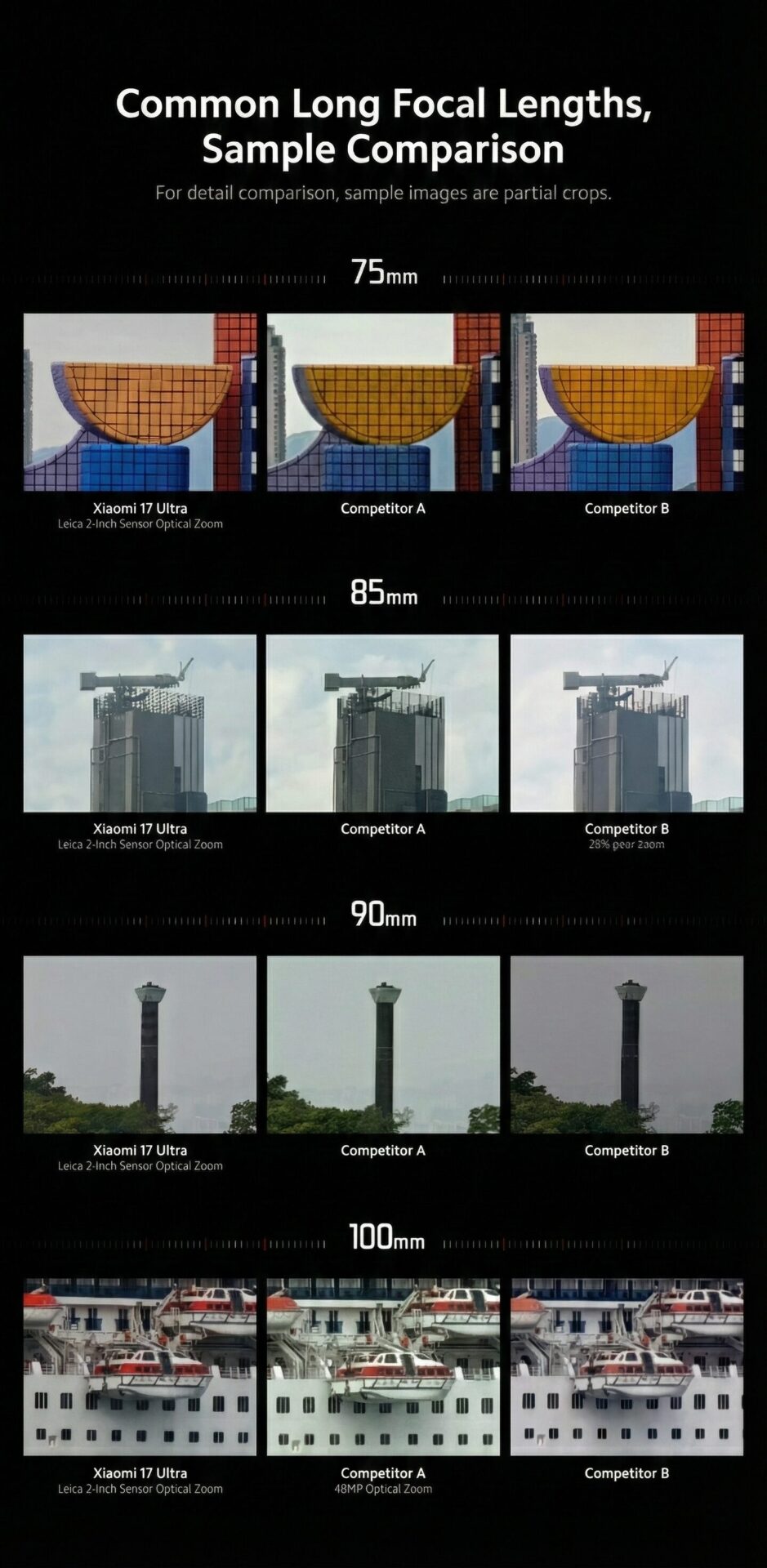
One area that stands out with this device is its support for 200MP optical zoom offered by Leica lenses. With the 1/1.4 ”large image sensor and 3G+5P telephoto optical design, the device provides continuous optical zooming from 75mm to 100mm. Thus, it offers uninterrupted picture clarity that doesn’t lose quality due to cropping, thereby entering a new era for all other devices with their mobile photography capabilities due to the optical zooming feature offered by this device.
It provides flawless super telephoto images even at 200mm and 400mm with the lens having the ability to handle optical outputs at all these distances.
Performance & Battery Life
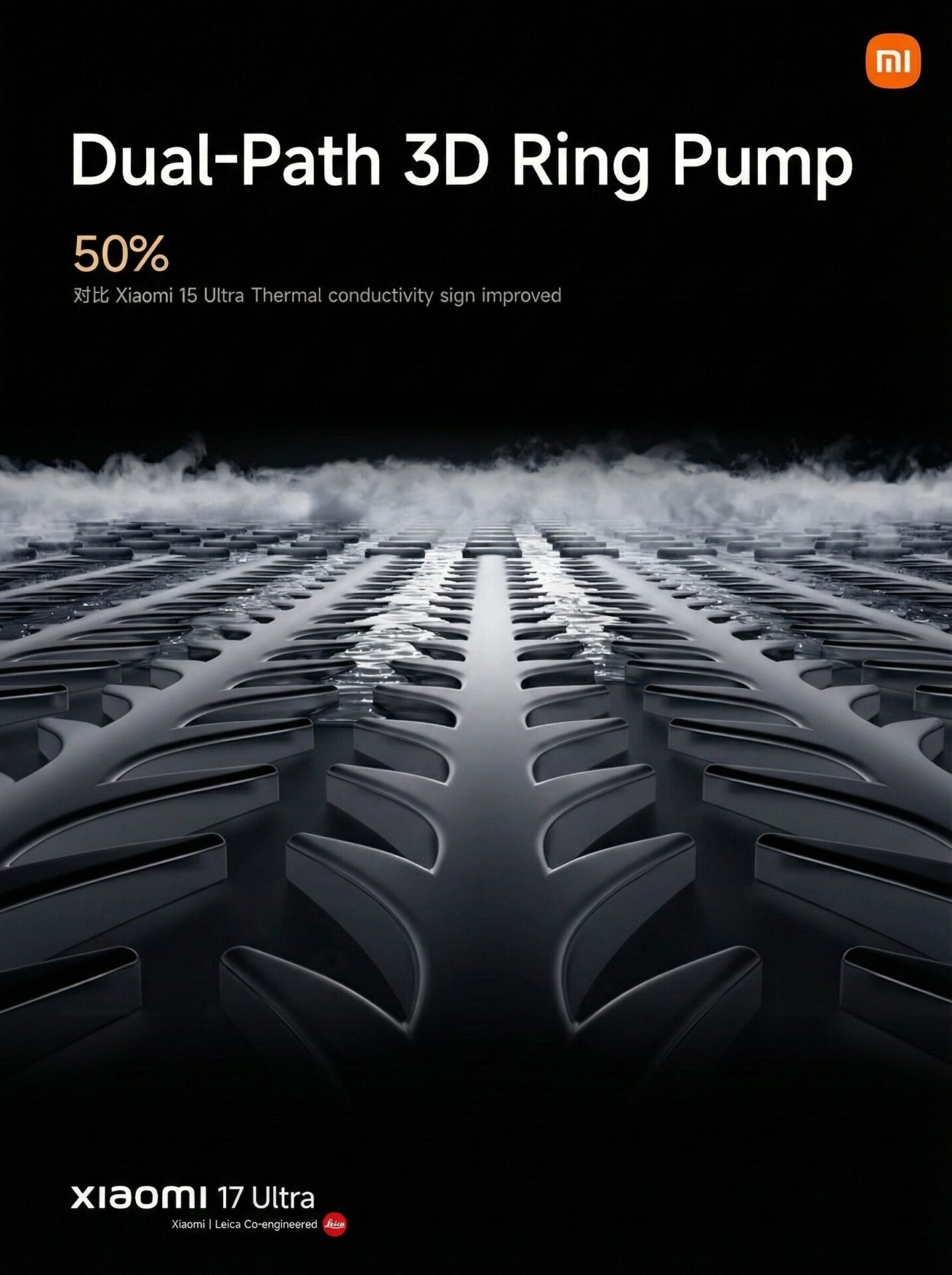
Technologically, the phone runs on the Fifth Generation Snapdragon 8 Elite Mobile Platform, made using TSMC’s third-generation 3nm process. The CPU brings a huge boost in computing power despite consuming lower power. It requires a huge cooler to dissipate all the heat that it produces during operation. For this purpose, it has a dual-path three-dimensional ring cooling pump.
Massive 6800mAh Jinshajiang Battery
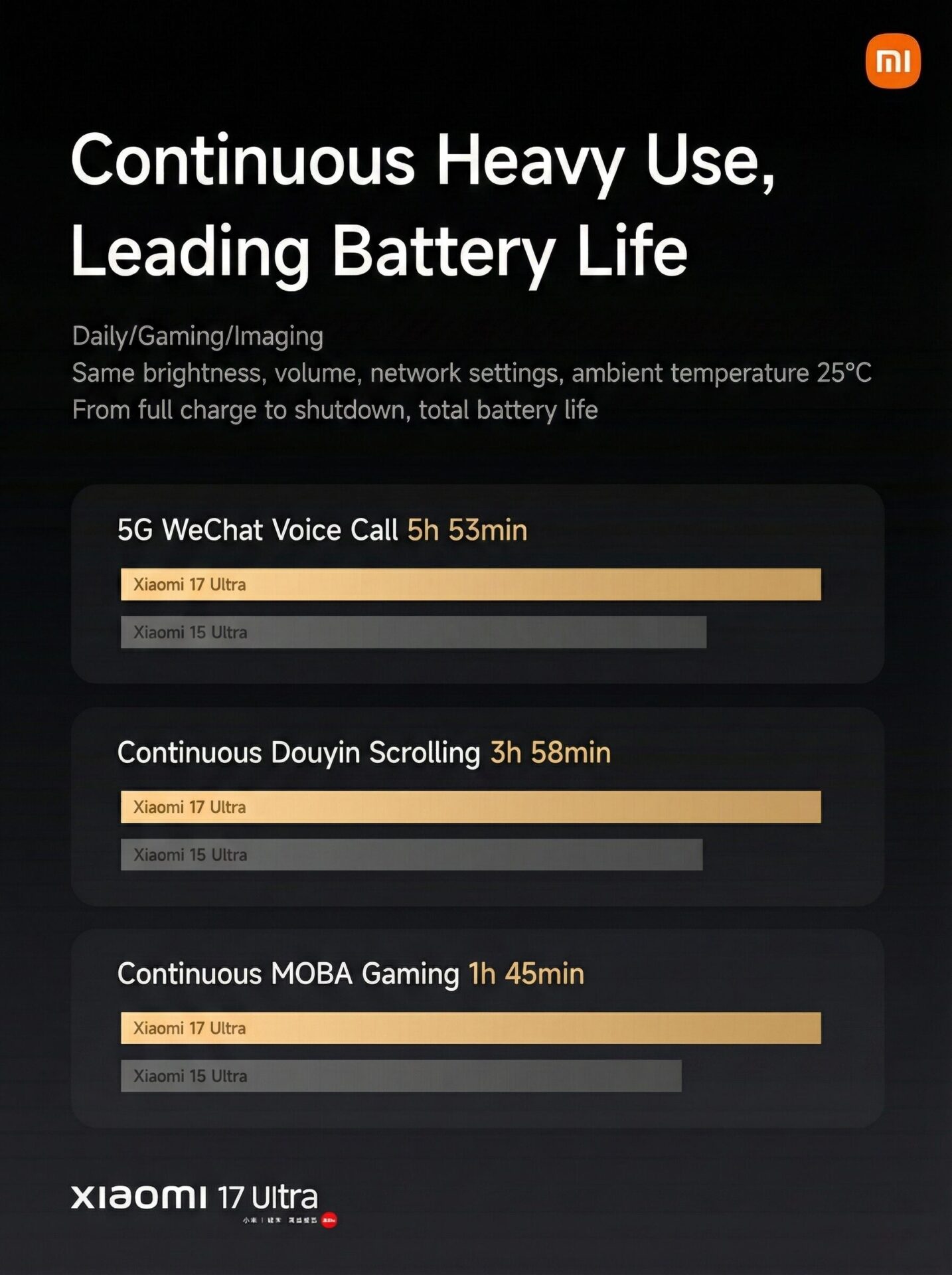
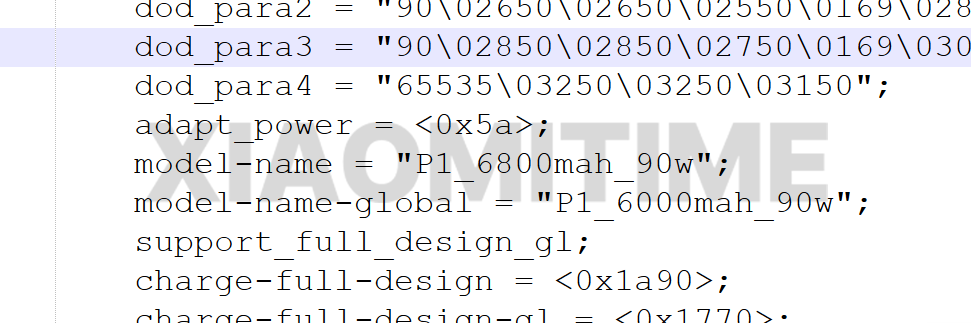
One of the most amazing upgrades has to be the battery capacity. The Chinese variant comes with a whopping 6800mAh Xiaomi Jinshajiang battery, and this is expected to result in super-long battery life for the smartphone and cater to the needs of heavy users as well. It must be mentioned here that the Global variant is expected to come with a 6000mAh capacity because of different safety standards in different regions. The smartphone comes with the capability to be charged with a whopping 90W and 50W wireless charging as well.
Design and Display Excellence
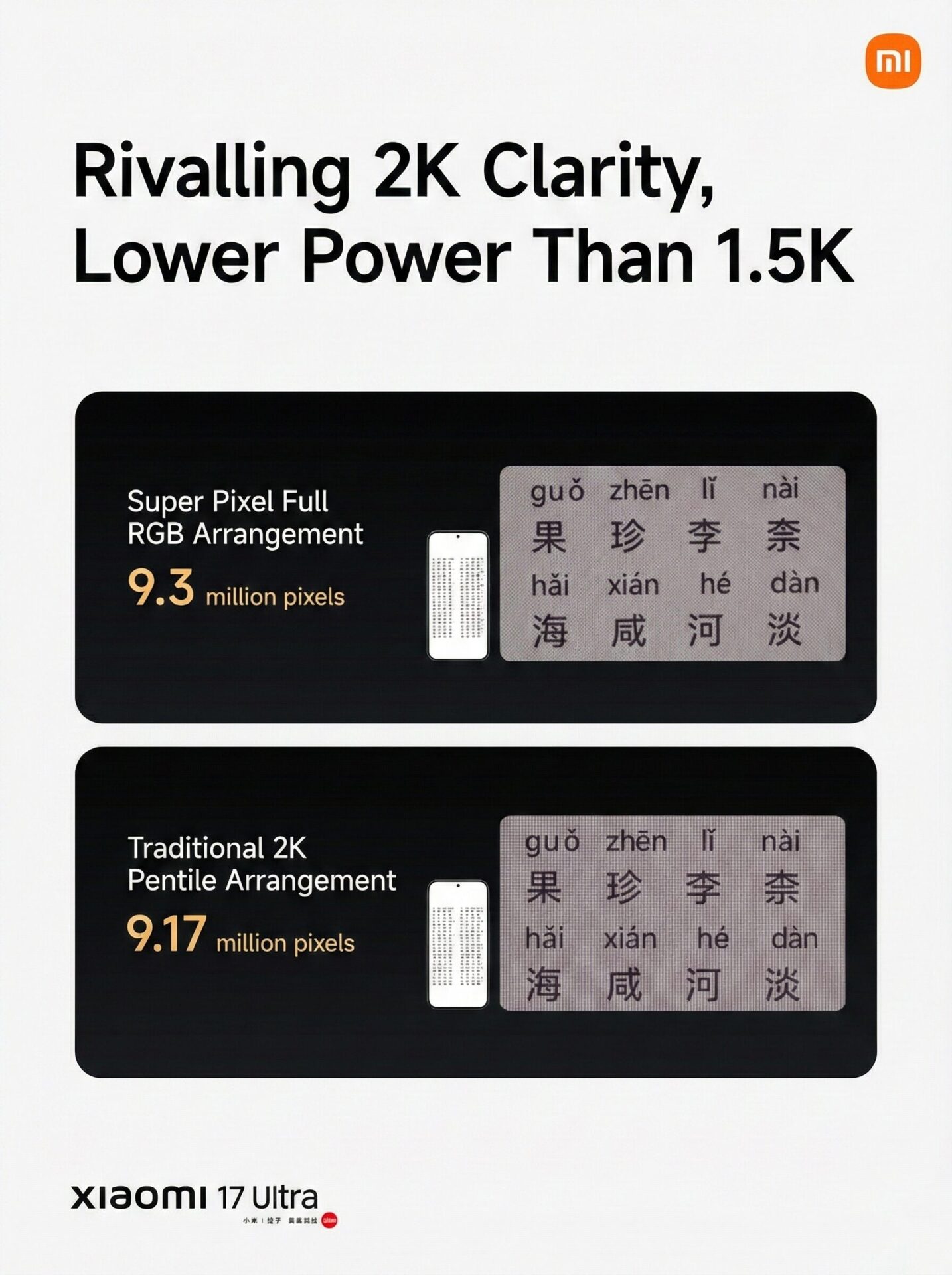
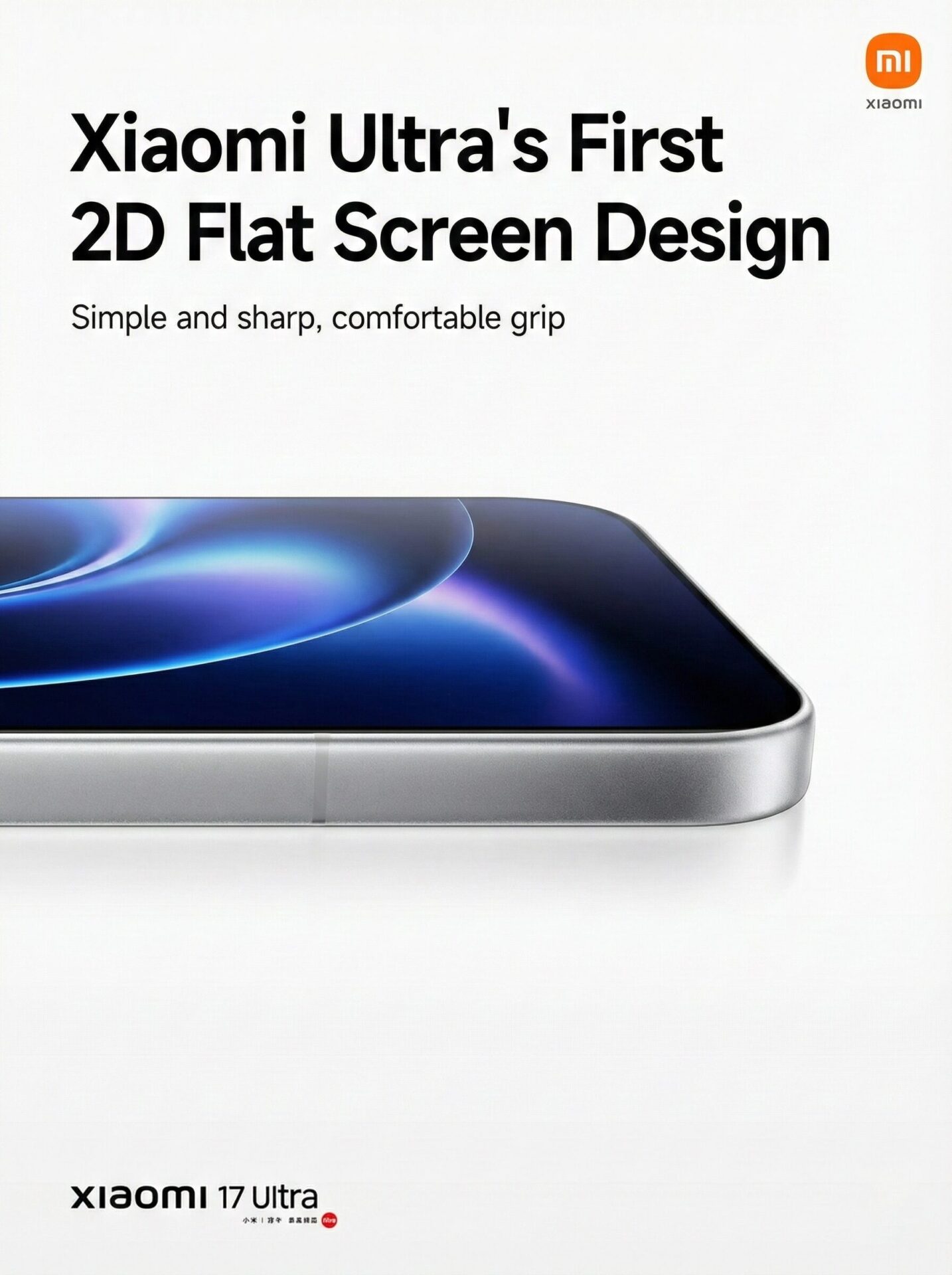
Xiaomi has at last equalized premier camera capabilities with ergonomic comfort. The Xiaomi 17 Ultra comes with a 6.9-inch ultra-narrow four-sided equal-bezel straight screen. The 2D flat screen ensures there are no issues of accidental touches, in addition to an immersive screen experience. The device measures an amazingly thin 8.29mm, making it the slimmest Ultra device so far. The DECO mini design helps in promoting one-handed use convenience.
Strong Build Quality
The device is quite durable as evidenced by IP66, IP68, and IP69 certifications for protection against both dust and water. Whether it is withstanding water jets or immersion, an environmental test device like the Xiaomi 17 Ultra is capable of withstanding challenging environmental conditions.
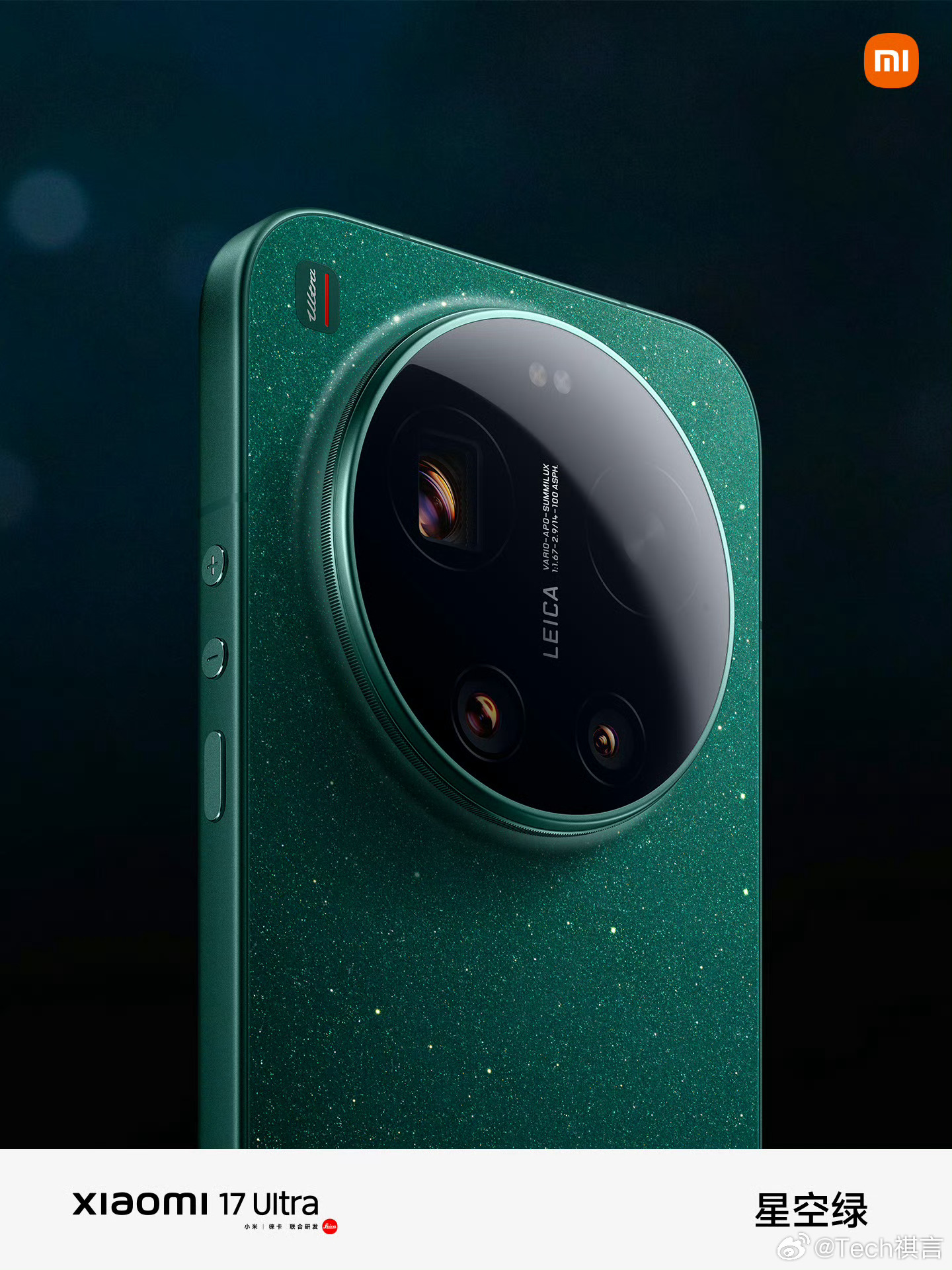
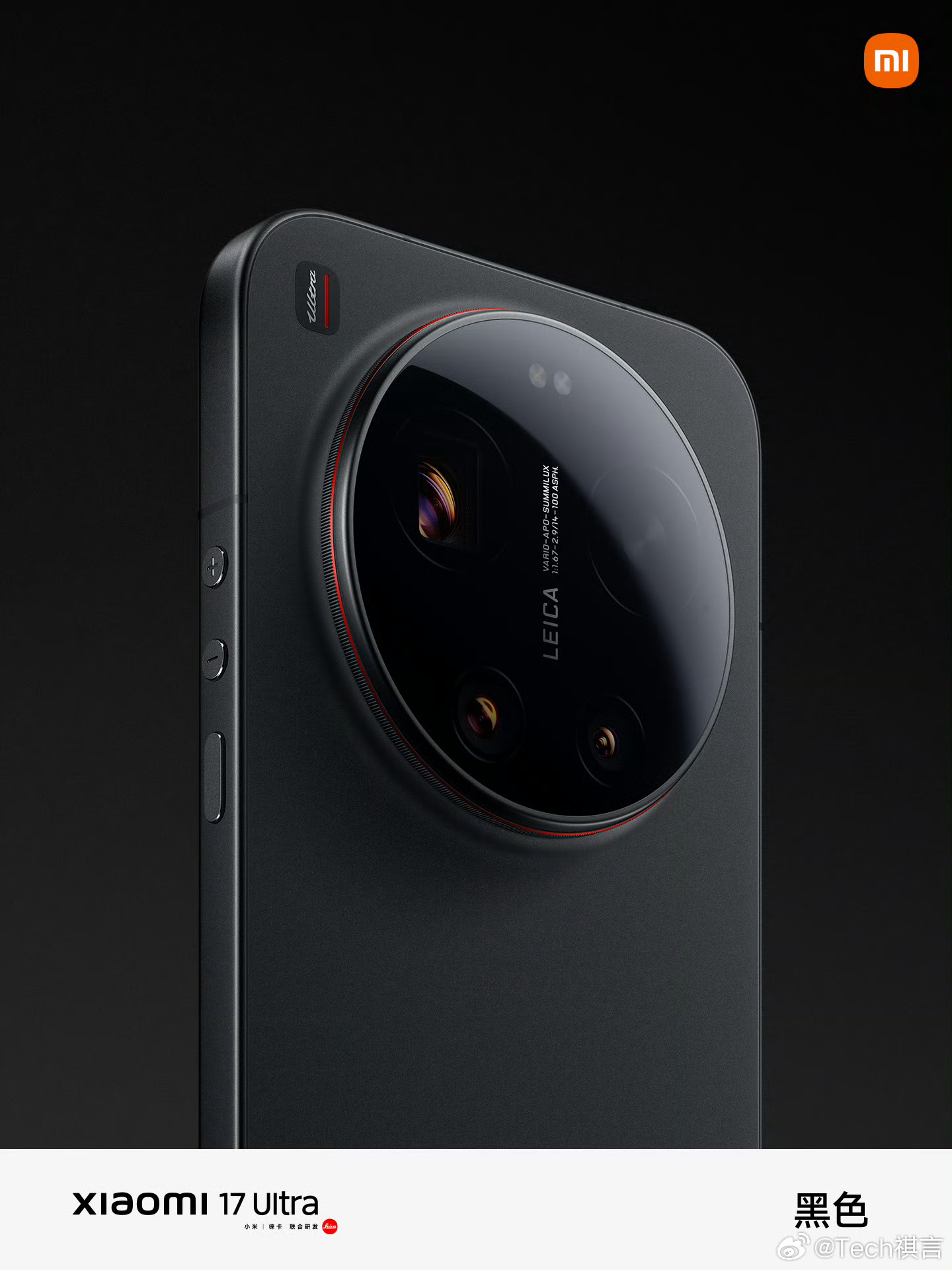
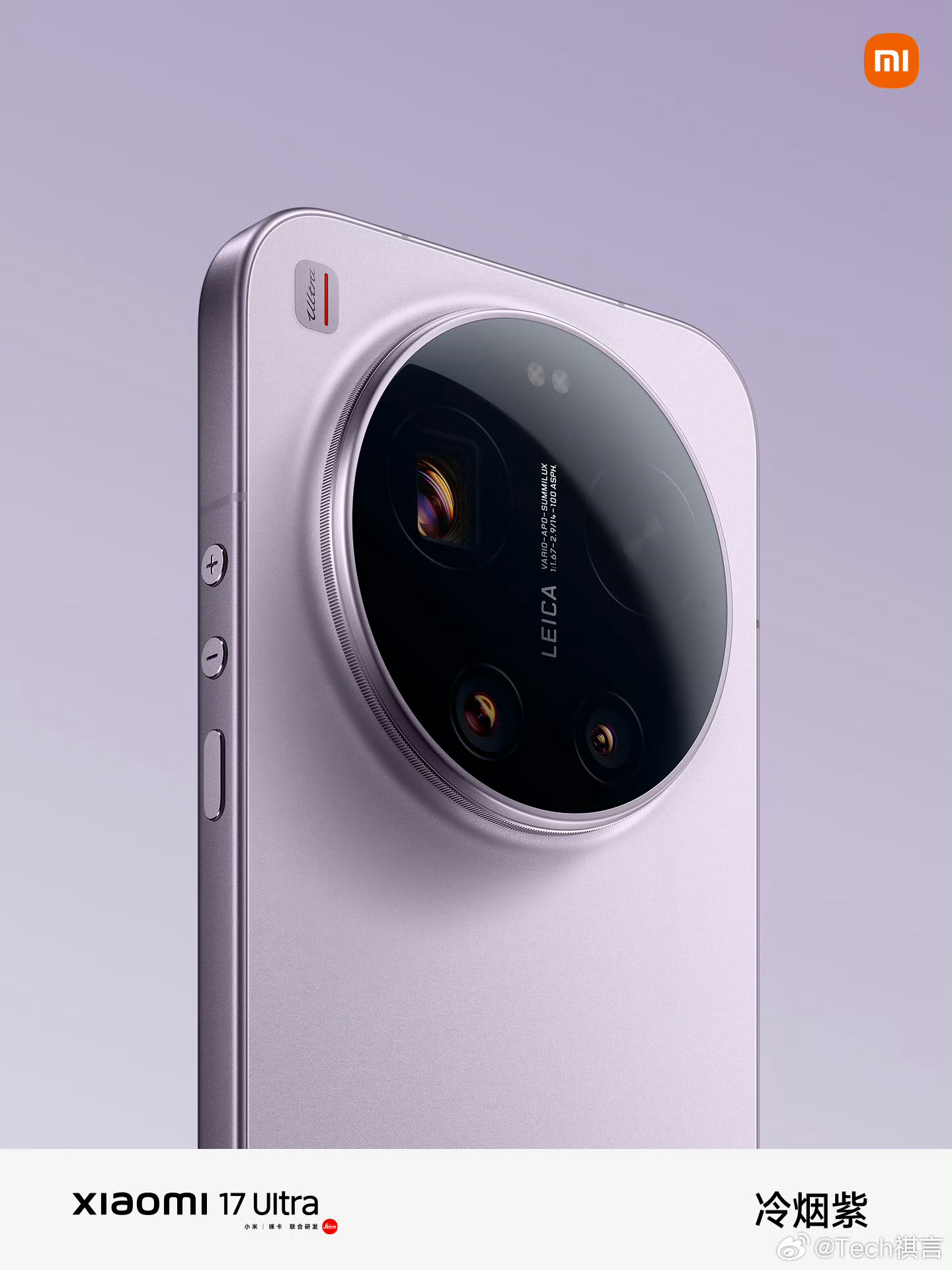
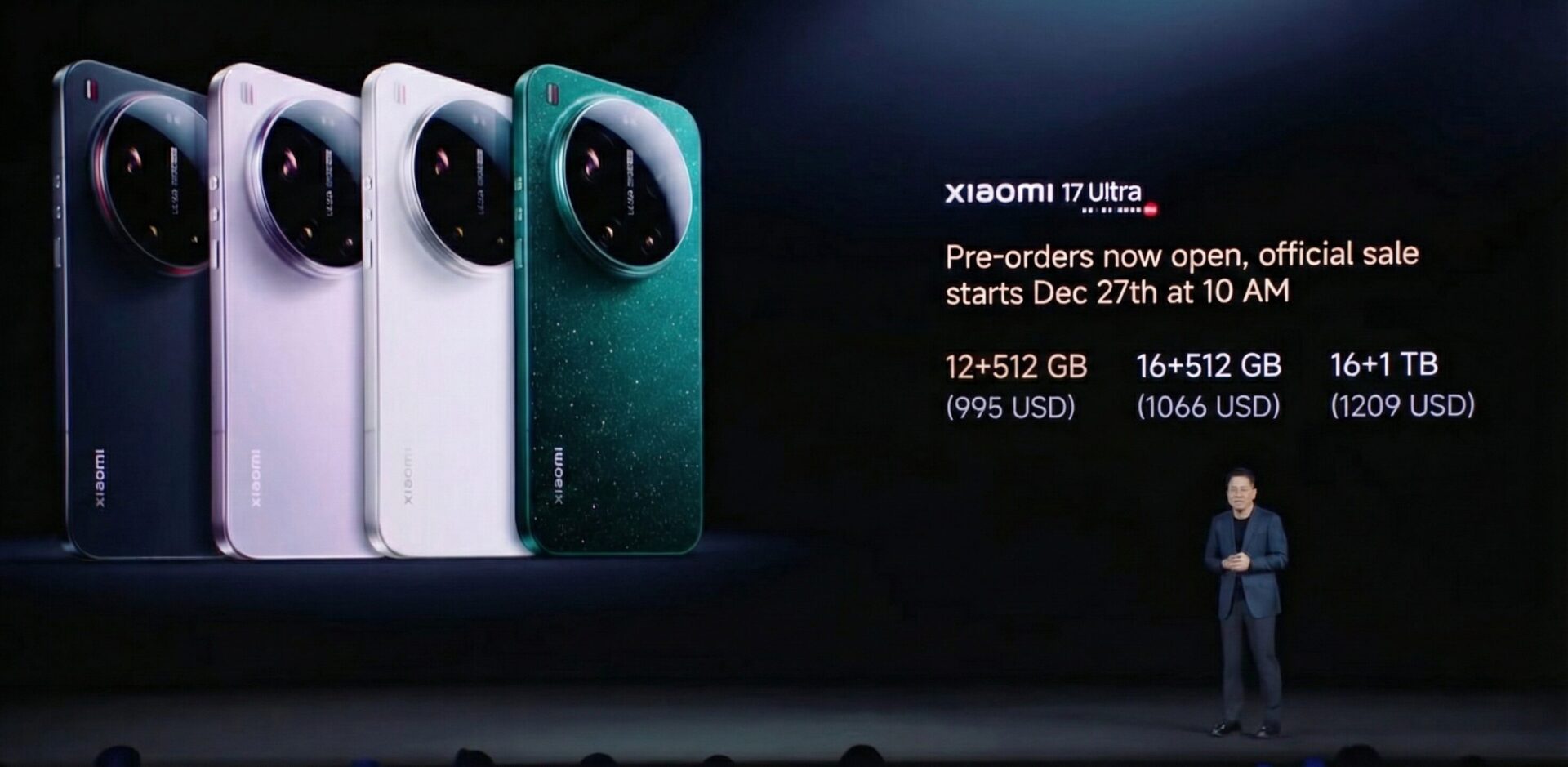
Each device is available in four vastly beautiful colors: Starry Green, Cool Smoke Purple, Starry Green/White-Black versions, as well as Black/White colors.
Leitzphone by Xiaomi: The Ultimate Edition
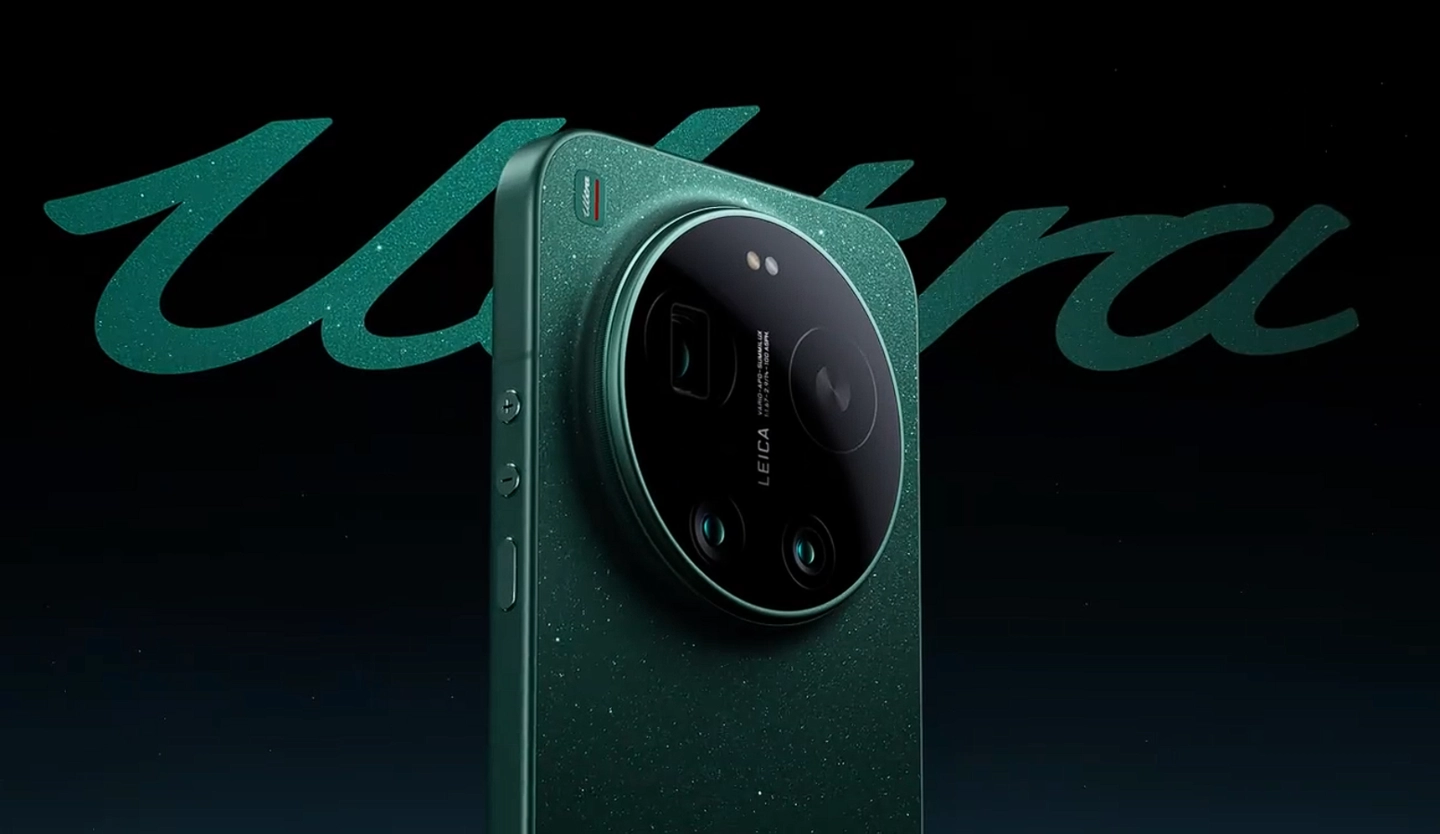
Alongside its standard offering, it also launched what it termed as a special edition globally known as “Leitzphone by Xiaomi” while in China, it was called “Xiaomi 17 Ultra Leica Edition.” This special or limited-edition design is characteristic for its red label design inspired by Leica, its zoom ring, and its mid-frame knurl inspired by photography. This is targeted at those who believe in the “mind-body unity” offered by cameras.
Exclusive Features
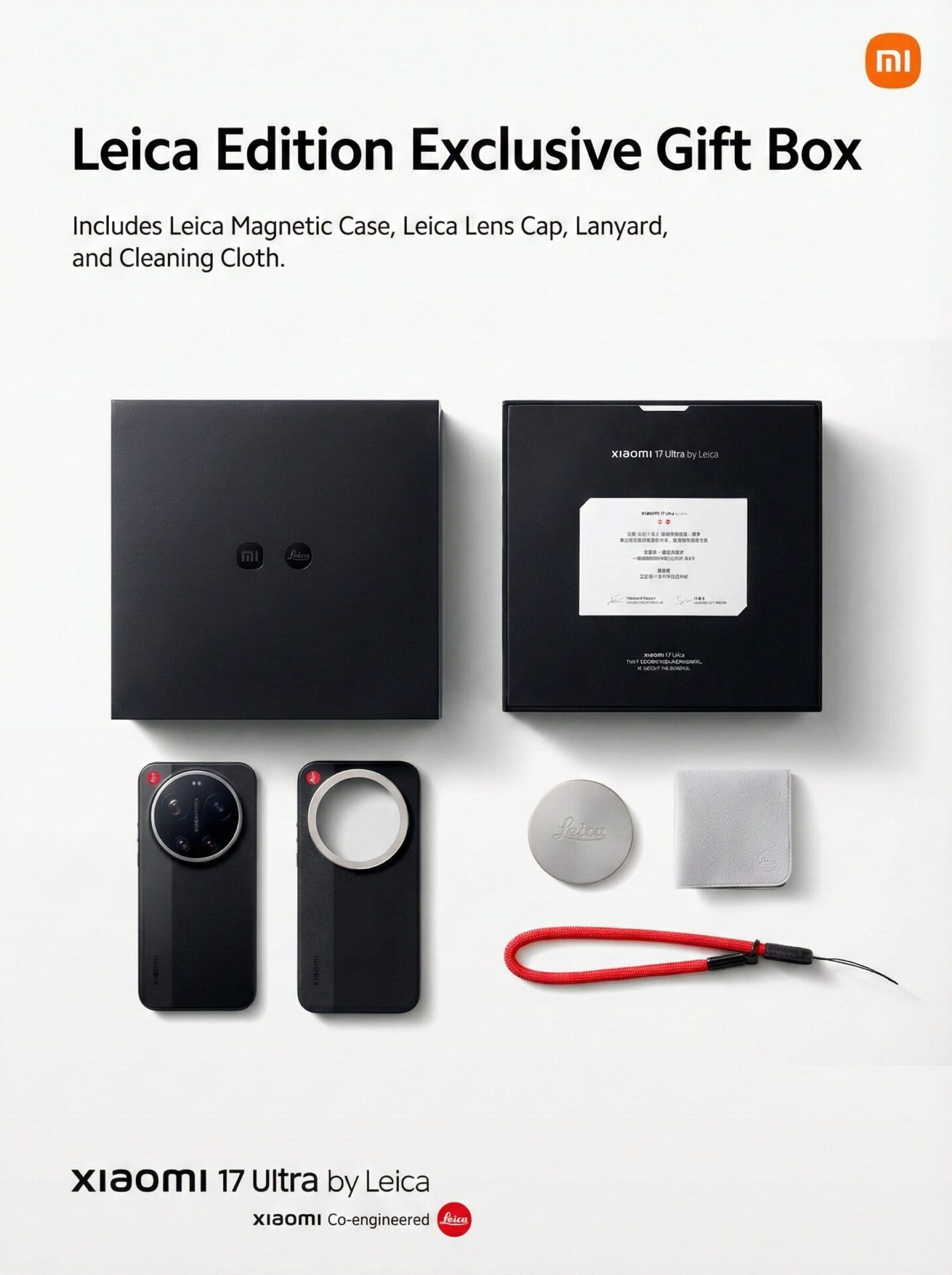
The Leitzphone from Xiaomi has a gift box which consists of a magnetic protective case, a lens cap, and a lanyard. The new addition is only equipped with a feature named “Leica Moment,” which has a retro version of Leica M9 and M3 quality. It will be announced as Leitzphone on global.
Software and Ecosystem
The device is powered by the brand new Xiaomi HyperOS 3, which features extensive interconnectivity with the Apple environment. Users can now operate their Xiaomi smartphones directly on an iPhone or Mac, additionally allowing them to share clipboards effortlessly.
Pricing and Market Availability
The Xiaomi 17 Ultra has officially launched in the Chinese market, positioning itself as a premium contender in the flagship segment. The pricing structure reflects the significant advancements in the device’s optical zoom capabilities and the new silicon-carbon battery technology. Currently, these configurations are exclusive to China, with international pricing to be confirmed upon the global release for both. The device is available in multiple memory and storage combinations to cater to professional users and content creators.
According to new information pulled from MI code, the company is working on the global version of the Xiaomi 17 Ultra, which comes with a significant hardware change compared to the China-exclusive model. Specifically, the global variant will pack a smaller battery. Going by history, this move does not come as a surprise since Xiaomi often employs such tactics during global launches, although this change doesn’t impact the core positioning of the device in terms of performance.
Battery Capacity Difference Between China and Global Model
The most crucial difference between the two versions, however, is their battery size: although the Xiaomi 17 Ultra hits the Chinese market with a 6,800 mAh battery, its global counterpart will reportedly come with a 6,000 mAh unit. Looking at that, such a cut seems related more to different regional certification requirements and some internal design changes rather than cost-cutting measures.
Even with the smaller battery, Xiaomi is not changing the charging technology. The global Xiaomi 17 Ultra will also support 90W wired fast charging, which ensures its competitive charging times and maintains the premium user experience as expected from the Ultra series.
Xiaomi 17 Ultra other specs
Besides the battery adjustment, everything else remains mostly uniform across regions. The Xiaomi 17 Ultra will likely be very focused on camera performance, carrying the baton of Xiaomi’s Ultra line of thought.
Expected camera setup includes:
50MP OV10500U 1-inch main sensor
200MP Samsung ISOCELL HPE periscope telephoto camera
50MP ultra-wide-angle camera
It will be powered by the Snapdragon 8 Elite Gen 5 processor, making the Xiaomi 17 Ultra one of the most powerful Android smartphones in its class. It is expected that memory and storage options for the device will remain mostly identical through different markets.
Pricing Impact & Market Positioning
Prices could change with the rising memory and component costs. The pricing for the Xiaomi 17 Ultra could go up by 500–1000 yuan, or around $70–$140 USD, in China. Given that these prices are based on information from China, global pricing has not yet been confirmed.
Historically, Xiaomi adjusts global pricing based on taxes, logistics, and regional market conditions. The battery reduction does not necessarily indicate a lower market positioning but more of strategic regional adaptation.
The LOB development (also known as the master budget) and the strategic budget are combined to form the comprehensive budget or master budget.
The smartwatch market worldwide is going back to growth this year, and Xiaomi is solidifying a leading position within such a recovery. According to the latest forecast from Counterpoint Research, shipments should increase steadily after the slowdown of last year. Brands will be helped by fresh hardware platforms, optimization of software, and more powerful health-focused features.
Global Smartwatch Market Returns to Growth
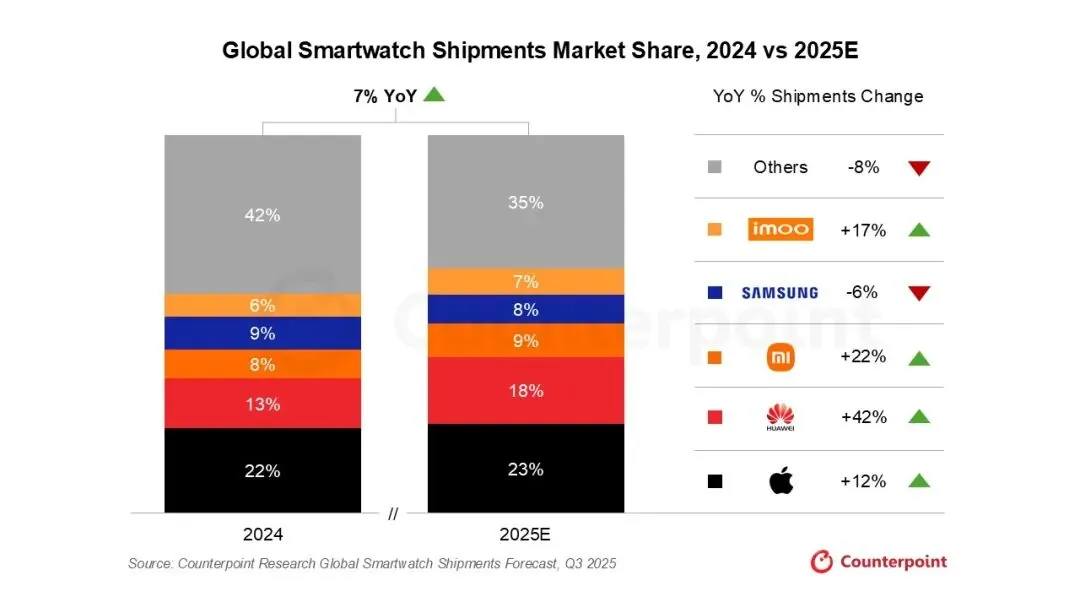
It has begun a period of recovery after the contraction in 2024. According to research by Counterpoint Research, worldwide smartwatch shipments are set to increase around 7% year over year by the end of 2025. This is mainly led by refreshed product portfolios, efficiency gains in chips, and deeper integration between hardware and software platforms.
Consumers are also showing increased interest in mid-to-high-end smartwatches. Advanced health monitoring, longer battery life, and tighter integrations with smartphones are no longer high-end exclusives but expected features.
China Becomes the Core Growth Engine
China has now become the most important growth engine for the global smartwatch market. Analysts at Counterpoint add that three of the world’s top five smartwatch brands come from China. Government-backed consumer subsidies and climbing household incomes have accelerated the cycles of device replacements.
Xiaomi is leading this with its wide product portfolio, ranging from affordable smart bands to feature-rich smartwatches. The ecosystem approach, driven by the integration of Xiaomi HyperOS and HyperConnect, increases user retention and cross-device usage. Consequently, China’s global market share is projected to grow from 25% in 2024 to 31% in 2025.
Xiaomi Among the Top Five Brands in the World
According to data, the top five smartwatch makers in 2025 could be Apple, Huawei, Xiaomi, Samsung, and Xiaotiancai. Apple leads the list, followed by Xiaomi as it consolidates its position with steady shipment volumes and an aggressive pricing policy.
Huawei is expected to demonstrate a 42% year-on-year shipment growth, whereas Samsung may show a slight decline. Meanwhile, Xiaomi enjoys the dividends of having a balanced portfolio and a strong brand, especially in Asia and emerging markets.
Apple’s newest smartwatch generation saw shipment growth of 12% YoY in Q3 2025, breaking a long period of decline. This helps to give more stability to the overall market and indicates the renewed confidence of consumers across the category.
Consider the case of a circle which is tangent to two intersecting straight lines both internally and externally.
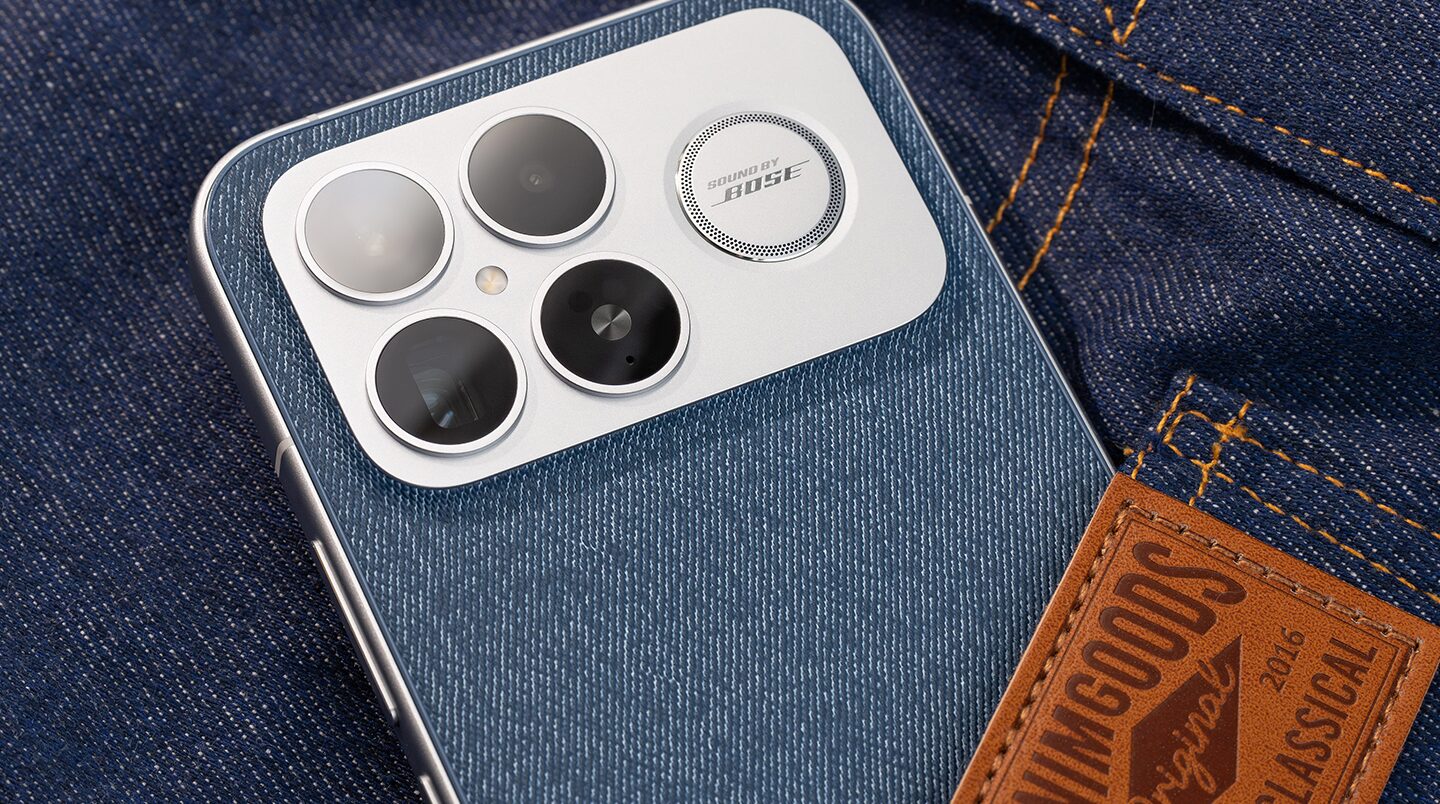
Recently, the term “Deco” has been adopted more frequently at Xiaomi as a description of camera module design on their smartphones. Deco means a lot more than a camera hump on a smartphone. On the ecosystem at Xiaomi, Deco encompasses Industrial Design, Structural Design, Thermal Design, as well as Brand Identity. As smartphones get bigger and their camera modules get more complex, Deco has become a major design component that determines the aesthetics of a smartphone within the Xiaomi brand.
Deco as a Concept in Industrial Design
Deco is an in-house terminology, which is an acronym for either “Decorative Part” or “Decorative Cover”. For Xiaomi devices, it describes how it is a structural component containing camera senor, flash, or other minor elements with an added visual appeal on the back of the device.
From a design perspective, Deco has three important functions. First, it gives physical protection to the sensitive equipment of cameras, such as large image sensors and periscope lenses. Second, it gives visual order by combining various parts into a unified whole instead of using lots of separated parts in the design of cutouts. Third, it contributes to brand differentiation because the rear panel of the mobile phone has become an important section where brands showcase themselves.
Xiaomi never refers to this design feature as the “camera bump.” Instead, the word “Deco” repositions it as a Designed Feature and not a compromise.
Xiaomi Main Series: Deco Camera-Focused Design
Xiaomi’s flagship series is Deco-based and emphasizes photography and crafting. It sports a different design language for each sub-series but conveys one common message: photography is at the top of the list.
Ultra Series & Circular Deco
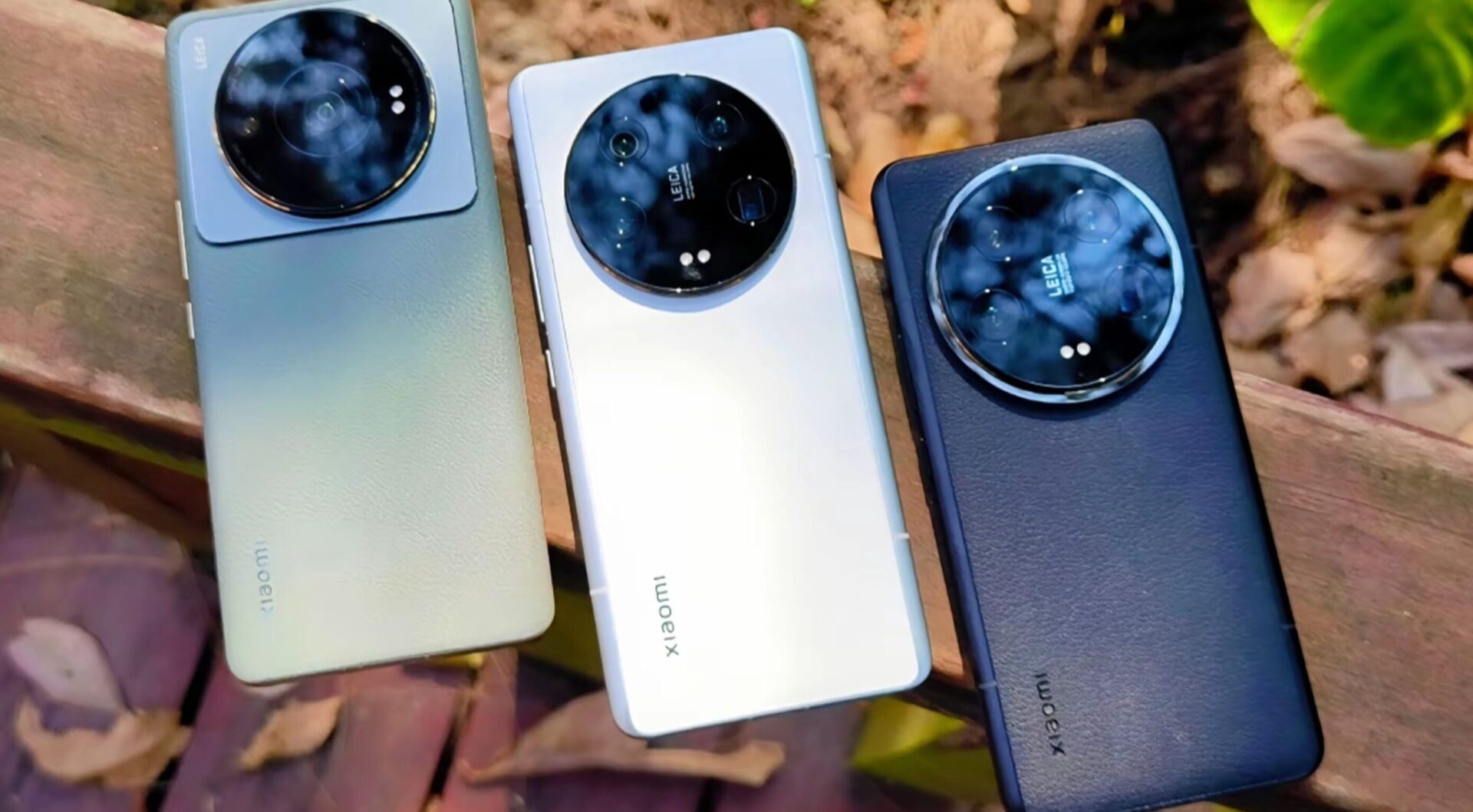
In the Ultra series of Xiaomi devices, such as the Xiaomi 14 Ultra and Xiaomi 15 Ultra, the Deco design is generally larger and round. This design directly relates to camera lens assemblies used in professional photography. The round shape is a visual indicator of optics and a testament to the camera capabilities of this line of devices.
The circular design of the Deco also enables Xiaomi to distribute a variety of sensors in a well-balanced design. The usage of metal alloys, ceramic materials, and textured surfaces increases durability and control over light reflection. This gives the camera a smooth yet not-so-glossy look.
Number Series and Integrated Square Decoration
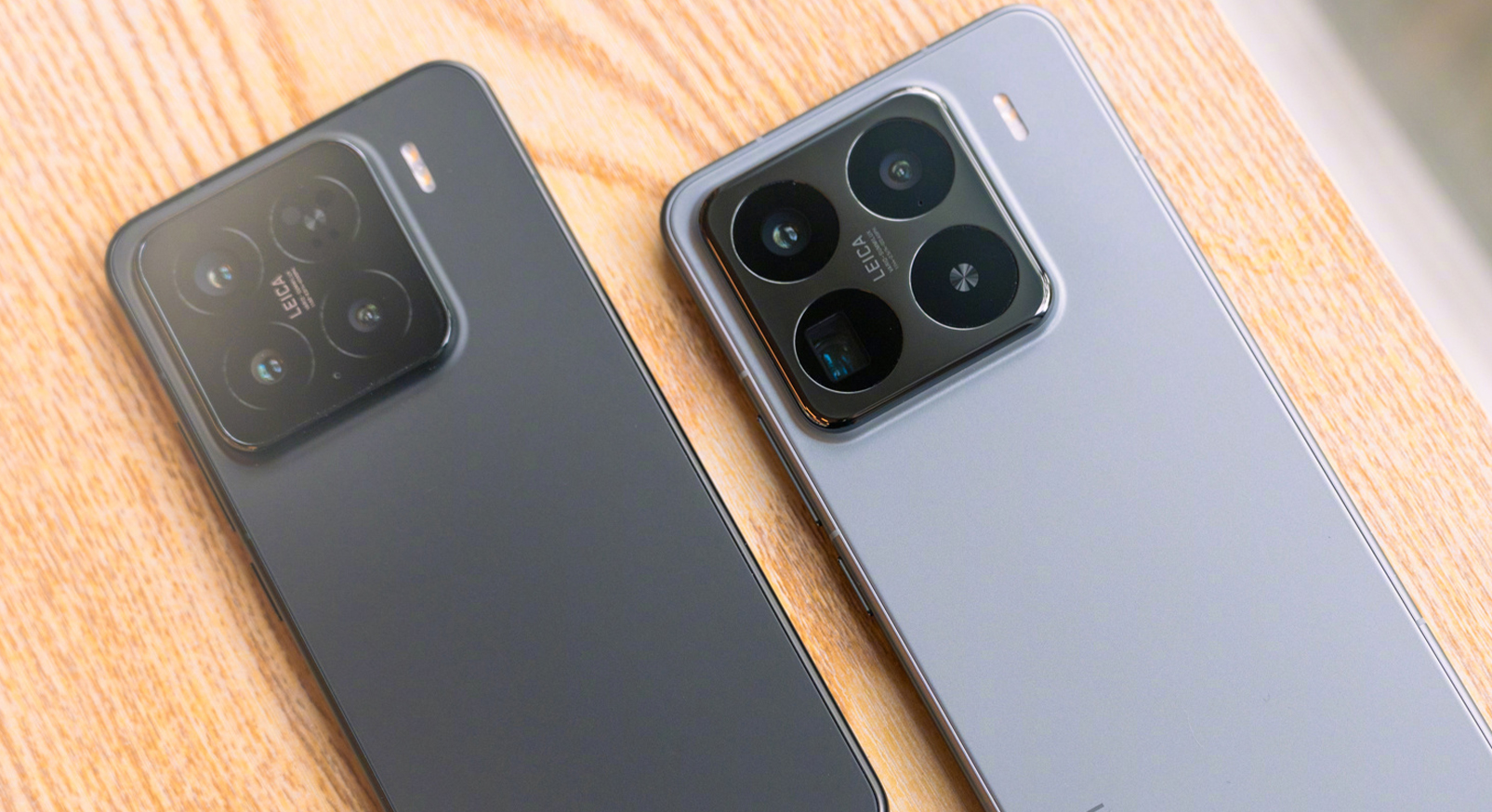
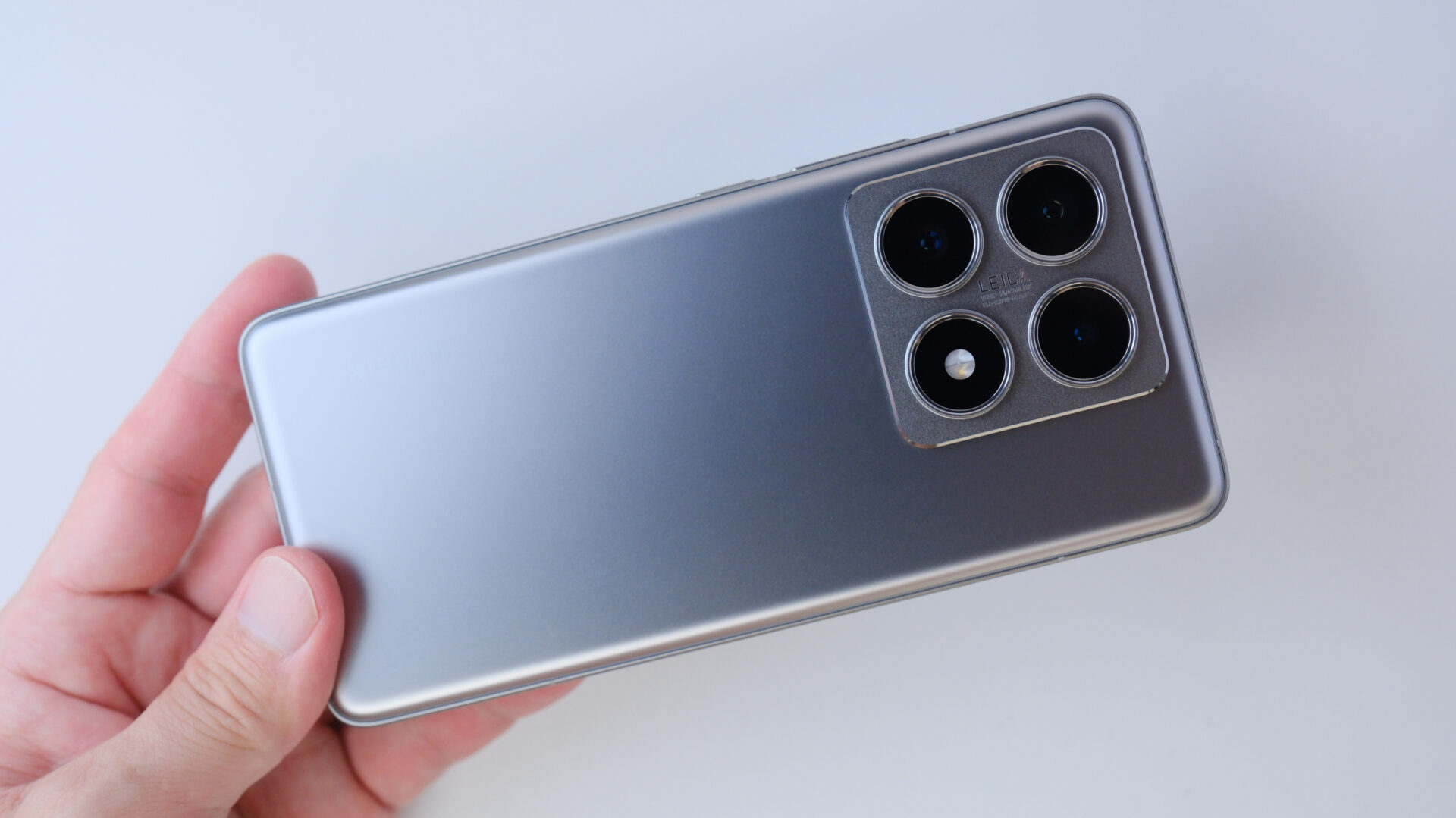
General flagship designs, like Xiaomi 15 and Xiaomi 15 Pro, tend to sport a square or rounded-square Deco. Recent lines from Xiaomi have incorporated a trend of a smooth Deco transition into the rear panel. Additionally, this design provides better grip and fewer corners that may pose a risk or pain when held in the hand but maintains a camera zone that looks different from the rest of the phone.
POCO Phones: The Performace-Centric Decor Language
POCO smartphones are sister products to Xiaomi’s offerings but are aimed at a different market altogether. Accordingly, their Deco series also have a ‘philosophy’ of their own that is centered on speed, power, and gaming identity instead of photography capabilities.
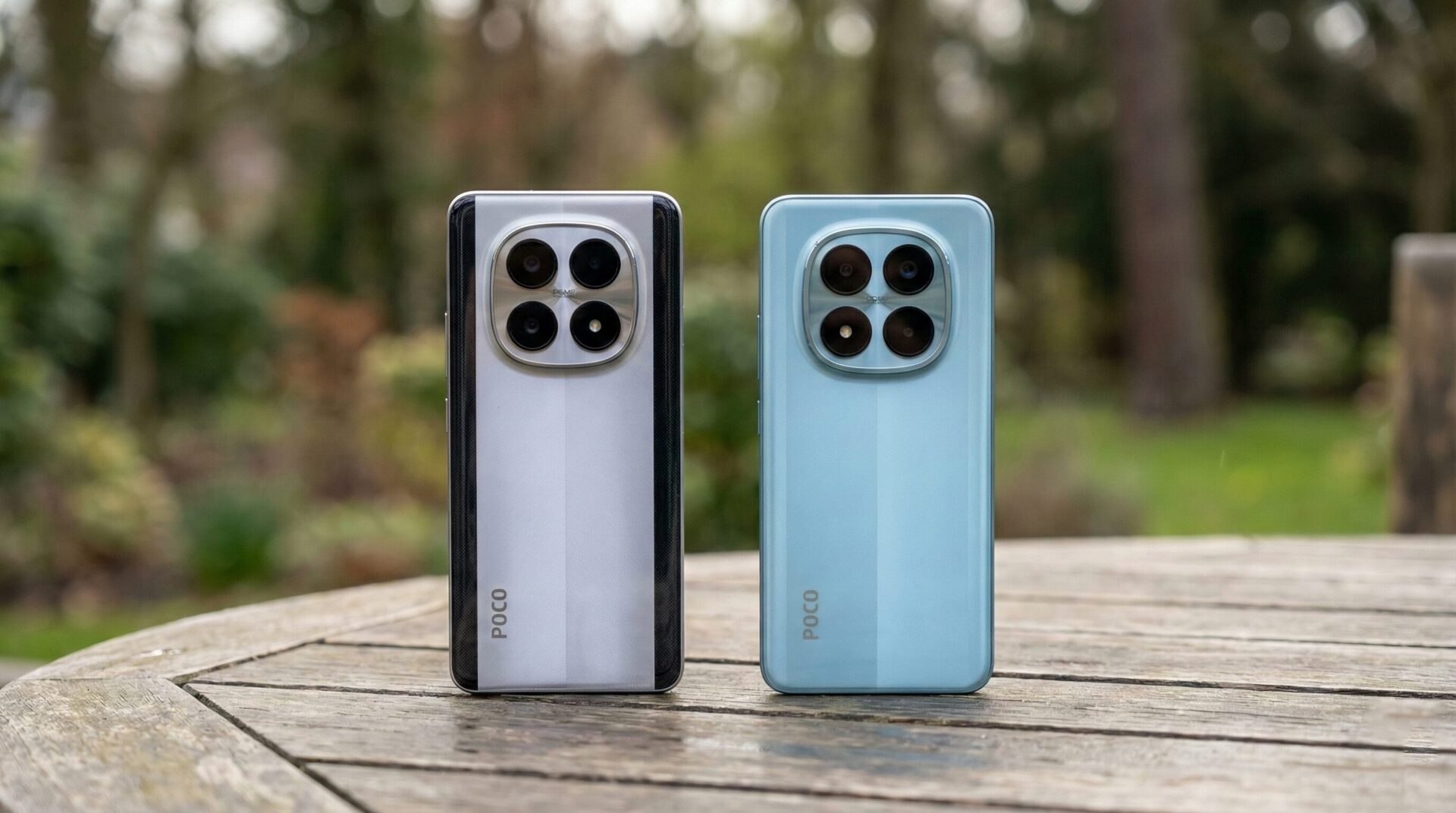
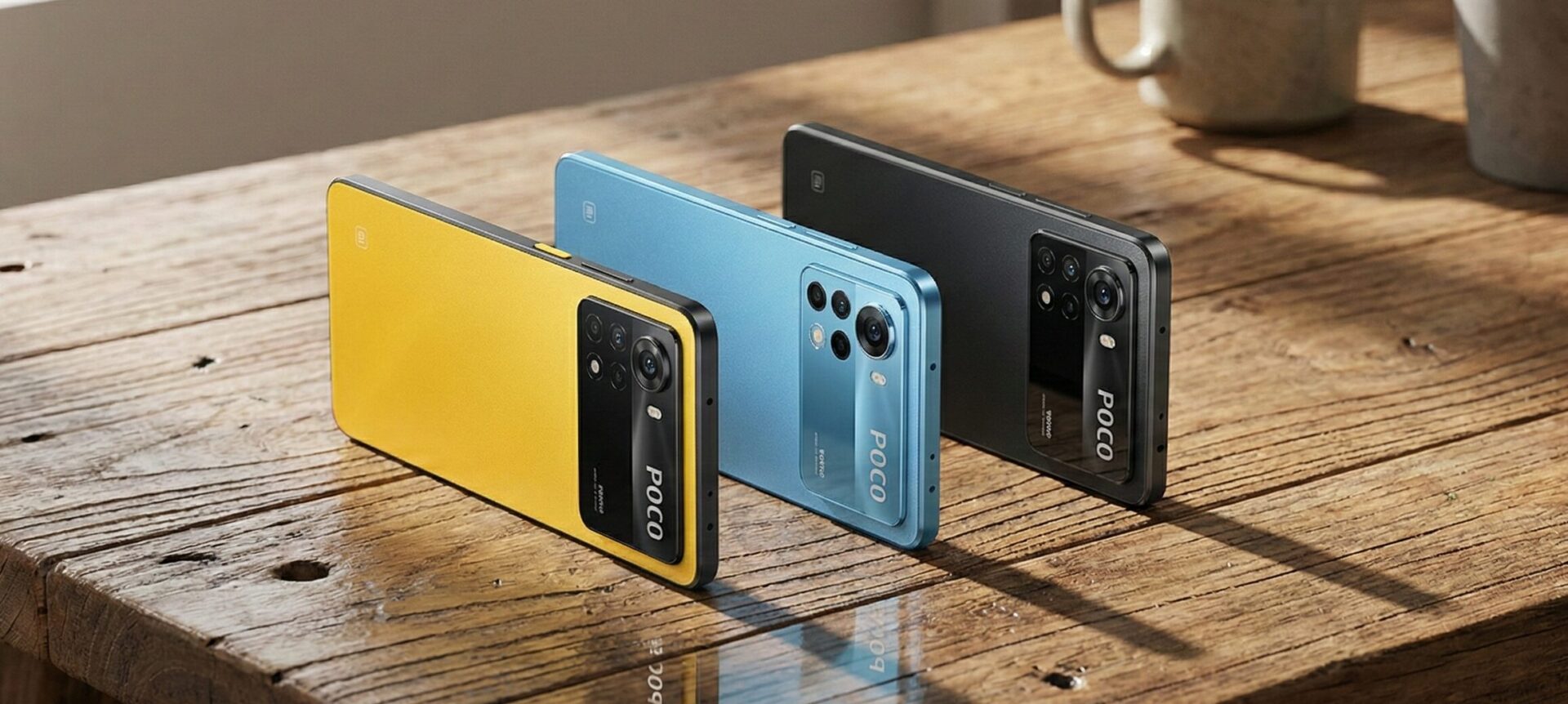
Instead of circular designs, rectangular or “Racetrack” designs of Deco layouts are utilized in POCO models. Such designs are characterized by their inspiration from machinery and autos, giving a more aggressive appearance to the phones. Contrasting patterns, texture, and larger camera frames are incorporated, making the POCO phones distinct, even when they have the same specifications as Redmi or Xiaomi smartphones.
In certain POCO cameras, the Deco is also involved in thermal management, serving as a passive heat sink plate that is then cooled by internal components. This is why POCO camera modules appear to be larger and more rugged.
Redmi’s Well-Rounded Strategy
Design-wise, Mi is positioned in-between Xiaomi and POCO. Mi Deco designs are relatively simpler and symmetrical. This is for ease of use and cost-effectiveness. Having cameras aligned at the center is also common, providing balance when placed on a surface.
Although it has been more holding back, Redmi Deco range may take inspiration from the high-end offerings of the brand like vegan leather or metallic finish to give a premium feel when it comes to mid-range offerings.
Materials and Manufacturing in Deco
The current Xiaomi Deco modules are made employing advanced manufacturing technology. CNC machining, cold carving, and surface hardening are implemented to make it durable as well as consistent in terms of look. The Deco section is the most prominent area in a smartphone, so scratch resistance and strength become very important in this regard of these products by Xiaomi.
In performance-oriented models, the Deco materials may also be beneficial in Heat Dissipation, which will be very helpful in handling high workloads such as gaming or video recording.
Why Deco Matters to Users
For consumers, Deco is more than just a design feature. Deco goes on to influence the overall feel of the mobile device on a desk, how it feels when in hand, as well as how it is perceived with regards to its overall quality. A good Deco design is an indicator of the primary feature of the mobile device it holds.
Within Xiaomi mobile phones, “Deco is a strategic design architecture, not simply a camera design.” This design approach integrates protection, engineering, and visual communication into “a single module or device, known as a mega device.” Within Xiaomi smartphones, Deco is used for highlighting “imaging authority,” POCO is known for its emphasis on “power and performance” and its “mechanical designs,” while Redmi is recognized for its emphasis “on balance and functionality.”
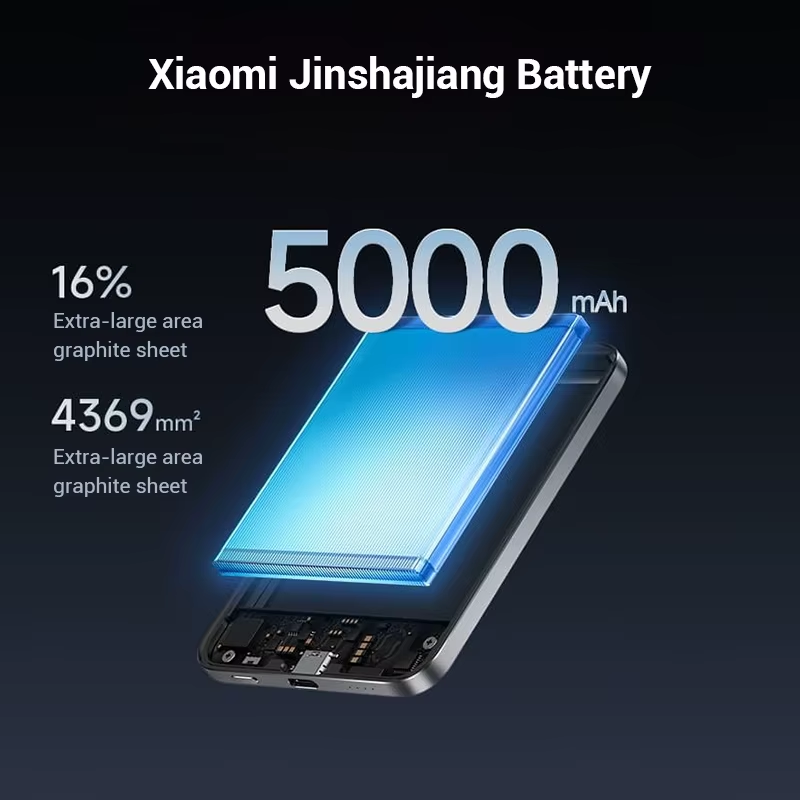
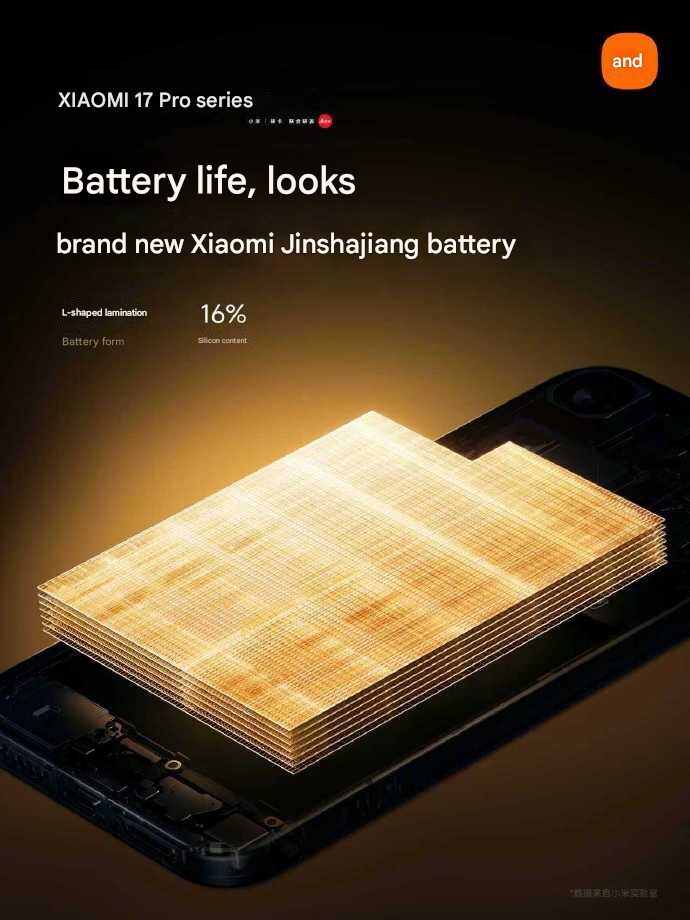
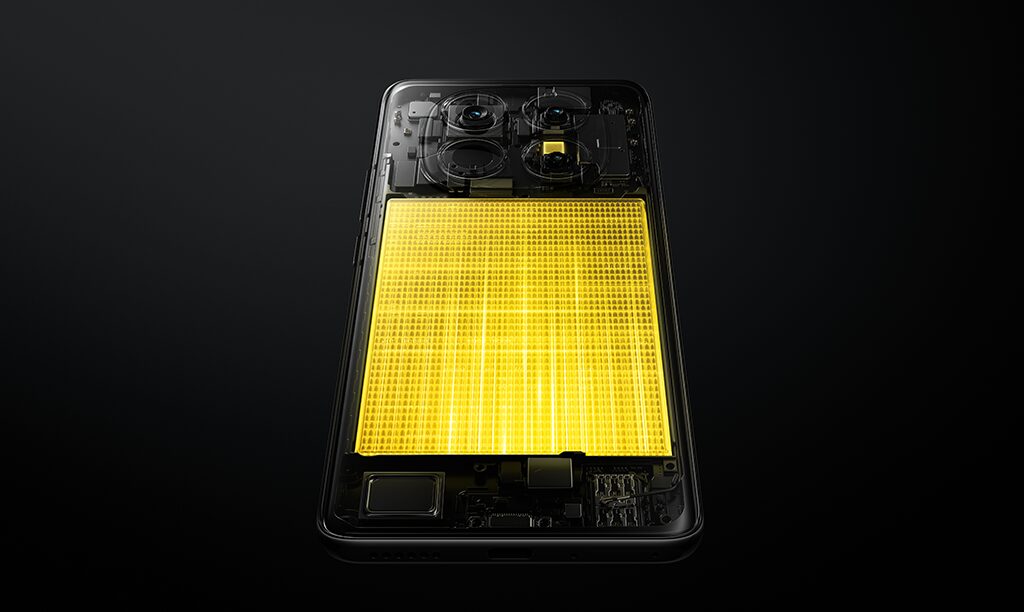
Xiaomi has been pouring significant investment into battery technology as mobile performance has been increasing with enhanced chipsets – such as the Snapdragon 8 Elite chipset and battery-sucking display technologies. The Jinshajiang battery is also referred to as Xiaomi’s Golden Sands battery and marks Xiaomi’s new technology in energy storage that focuses on increasing battery energy density without having to increase overall device size. Already integrated into Xiaomi’s Xiaomi 14 Ultra and Xiaomi Mix Fold series lines of mobile phone products is this battery technology that is complemented by Xiaomi HyperOS.
The Jinshajiang battery uses a Silicon-Carbon (Si-C) anode material rather than the usual graphite-based lithium batteries. Silicon has a higher capacity to absorb lithium ions in comparison to graphite. Nonetheless, silicon expanded during charging in the past.
Xiaomi overcomes this issue by mixing nano-sized silicon particles with a stable carbon structure. However, it increases the stress level, reducing the overall storage capacity but still keeping it usable. For smartphones, the level of silicon is kept low to maintain stability, but for other accessories, like power banks, it is allowed to be high.
Main features of Jinshajiang battery technology are:
Higher volumetric energy density than graphite batteries
Longer lifespan through proper expansion of silicon
Compatibility with conventional lithium-ion production infrastructure
Market maturity regarding smartphones and foldables
With such an approach, Xiaomi manages to pack larger batteries into a slimmer body without any concerns about safety or quality. Please select a book to read online for free.
Self-Healing Electrolytes and Battery Longevity
Aside from anode material properties, the Jinshajiang battery also brings an innovative self-healing electrolyte interface. When running through a regular charging cycle, micro-cracks could potentially form at the interface of the anode and electrolyte materials.
Xiaomi incorporates elastic polymer additives in its electrolyte, enabling the additives to adjust according to the volume expansion properties of the silicon material. In the event that small defects arise, the interface is capable of recovering itself, thus offsetting degradation due to long use. As per company stats, this ensures that the battery maintains 80% capacity at 1,600 charge cycles, surpassing the current industry standard.
This is beneficial for consumers because it helps the battery remain healthy for several years into the future. This is especially true for high-end models that support fast charging.
Xiaomi Solid-State Battery
Though the Jinshajiang batteries are already in large-scale production, Xiaomi is working on the development of solid-state batteries. Solid-state batteries use solid materials instead of the liquid components in regular batteries. This increases the safety of the batteries as well as their energy density.
Xiaomi’s research in the area of solid-state batteries tries to reach energy density of over 1,000 Wh/L, enabling batteries of a much smaller size to hold significant amounts of power. Currently, it’s only in the prototype and patent stage and would initially be seen in electric cars and later in gadgets.
Anticipated benefits of Xiaomi solid-state batteries are:
Higher energy density compared to lithium-ion batteries
Fire safety as a result of non-flammable electrolytes
Improved low-temperature performance
Long-term potential in electric cars and mobile phones
For now, Xiaomi will continue to use Jinshajiang cells as a transitional technology until mature solid-state energy storage solutions emerge.
Feature
Xiaomi Jinshajiang Battery
Xiaomi Solid-State Battery
Battery Type
Advanced lithium-ion
Next-generation solid-state
Electrolyte Structure
Liquid electrolyte with elastic polymer
Fully solid electrolyte
Anode Material
Silicon-Carbon (Si-C)
Lithium metal (theoretical)
Silicon Usage
~6% (phones), up to 16% (accessories)
None
Energy Density
779 – 843 Wh/L
1,000+ Wh/L
Safety Level
Improved, liquid-based
Very high, minimal fire risk
Swelling Risk
Controlled
Nearly eliminated
Charge Cycle Life
~1,600 cycles (80% capacity)
Targeting 1,000+ cycles
Low-Temperature Performance
Standard lithium-ion behavior
More stable at −20°C
Production Status
Mass production
R&D / prototype stage
Used In
Xiaomi 14 Ultra, Mix Fold series
No commercial products yet
Short-Term Availability
Yes
No
Long-Term Strategy
Transition technology
Final target technology
Final Thoughts
Xiaomi Jinshajiang battery technology is no marketing speak but an upgrade which is based on material science advancements for Silicon-Carbon battery chemistry and electrolyte stabilization. It allows for thinner batteries with larger capacities and longer lifetimes for current smartphones from Xiaomi. Simultaneously, the research into solid-state batteries by Xiaomi traces out a future for both smartphones and electric cars which can redefine both categories altogether.
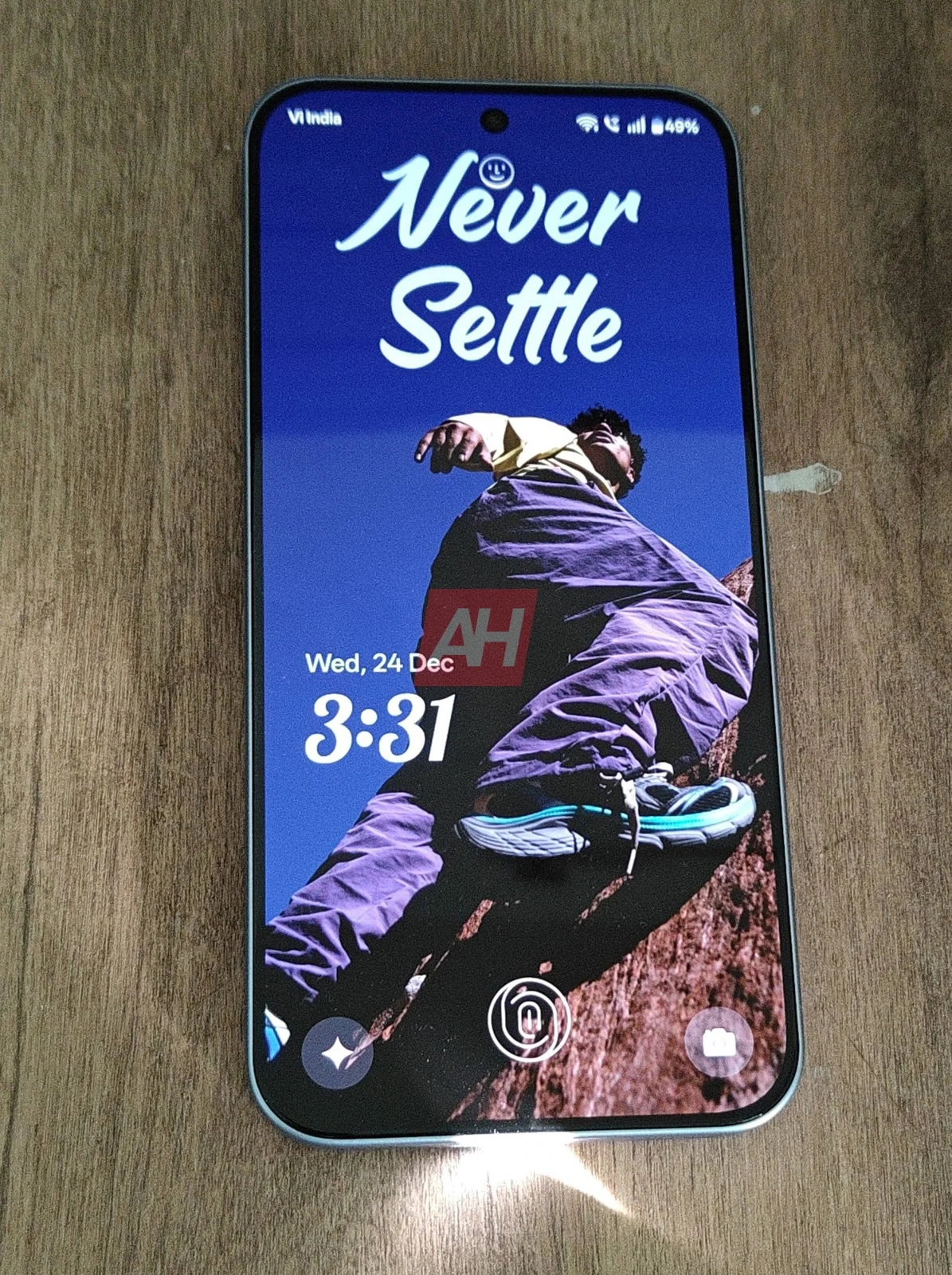
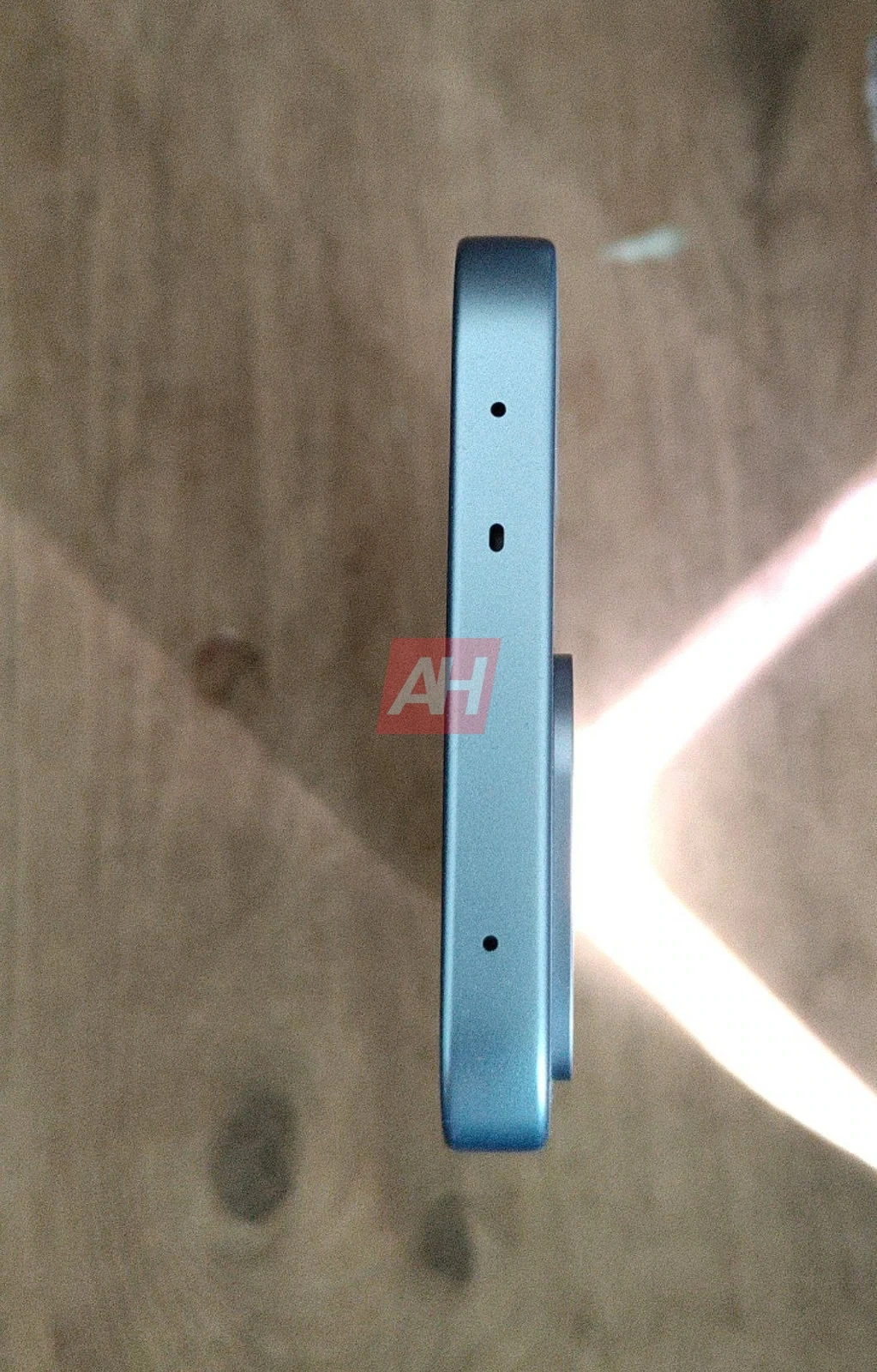
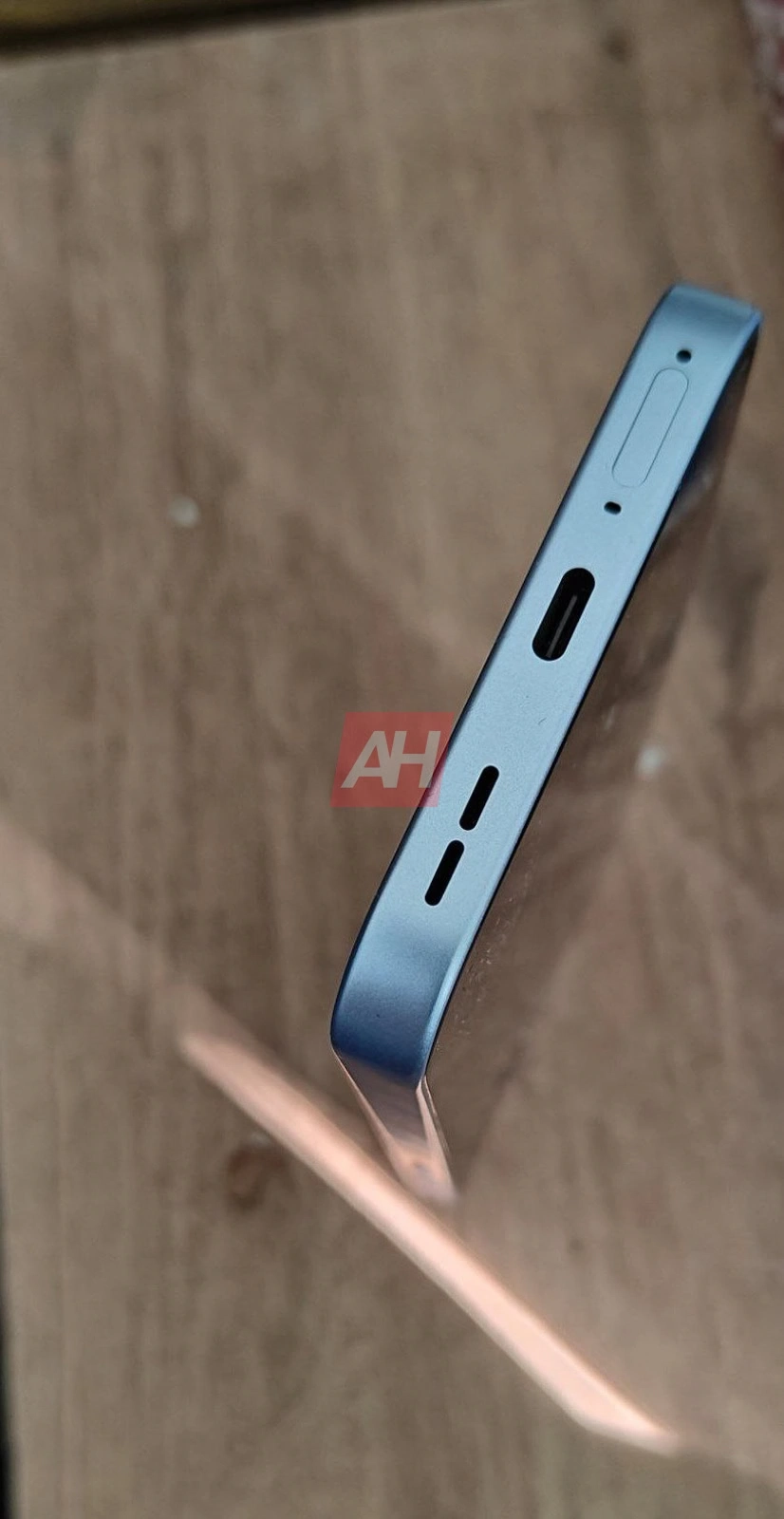
The global variant of the OnePlus Turbo has shown up in leaked real-world photos, giving users a glimpse into important hardware specifications, leading to further conversations about the future of smartphones’ battery life. According to a recent news report from Android Headlines, the new gadget boasts the codename “Prado” and is intended to be a global device. The leaked information is also important to owners of Xiaomi gadgets because such models could potentially impact the future design of Xiaomi smartphones such as the Xiaomi 17T.
Design and Build Details
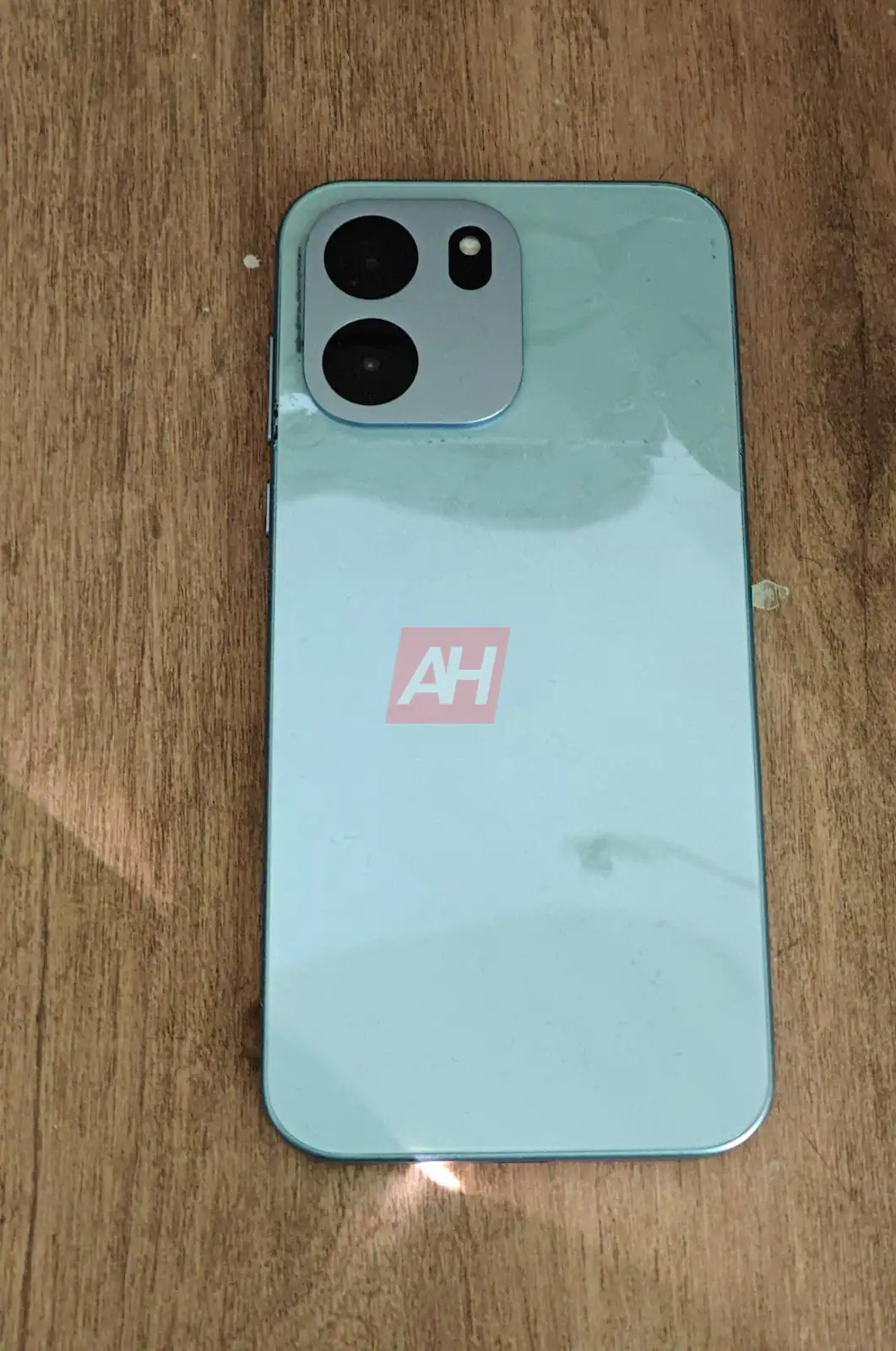
Leaked images reveal that the OnePlus Turbo comes with a traditional design pattern. The camera module on the back of the smartphone is situated at the upper-left position. The camera features a dual-camera configuration with a 50-megapixel primary camera and an 8-megapixel ultra-wide camera. To remain in the budget segment, the smartphone comes with a glossy plastic design instead of glass or metal.
Until now, two different color versions have appeared. While the black option has a traditional gloss finish, the blue model boasts a rather interesting blue-green hue. It appears that OnePlus wants to find a middle ground in terms of cost and distinctiveness.
Battery Capacity And Charging Orientation
One of the most interesting things about this leak is the enormous 9000mAh battery that comes with this phone. If true, this would mean that the OnePlus Turbo has one of the largest batteries found among mainstream smartphones available today. The phone will feature 80W SUPERVOOC fast charging support so that the battery can be charged quickly because of the large battery size.
As far as Xiaomi is concerned, this is an important piece of news. According to very recent reports, the new REDMI K90 Ultra line slated for release in China could come with a battery capacity of almost 10,000mAh, at least according to Chinese standards. As already seen above, REDMI K Ultra variants tend to give rise to the T series range offered by Xiaomi across the globe, and thus the new Xiaomi 17T may come with an almost equally massive battery capacity but with a slightly smaller capacity for the global variants.
Performance and Display Specifications
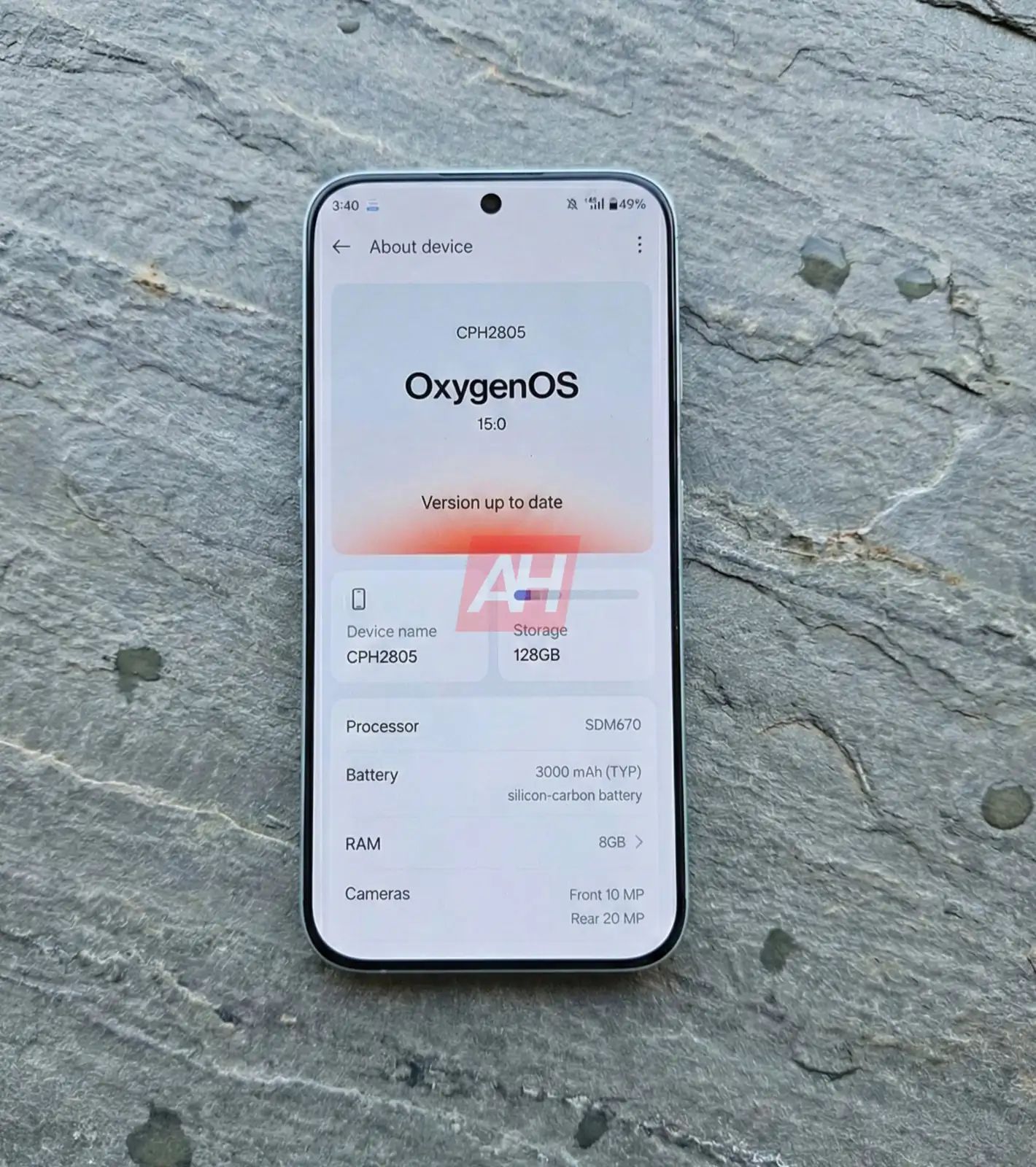
Leaked “About phone” screenshots also reveal that the global version of the OnePlus Turbo may be fueled by a Qualcomm Snapdragon 7s Gen 4 chipset, in combination with 8GB of memory and storage of up to 256GB. Nevertheless, it has been said that system information pages are generally unreliable in a pre-release model.
Regarding the chip, sources reveal that the OnePlus Turbo phone will be equipped with a Qualcomm Snapdragon 7s Gen 4 chip , paired with 8GB of RAM and up to 256GB of storage. However, previous AnTuTu benchmark scores indicated that the domestic OnePlus Turbo phone will be equipped with the Qualcomm Snapdragon 8s Gen 4 mobile platform .
As far as the display is concerned, it is believed to be accompanied by a 6.8-inch OLED screen with 1.5K resolution, set at 144Hz refresh rates. This is aimed at delivering smooth performance for day-to-day activity, gaming, and other functions without entering premium territory.
Timeline of Launching For The Markets
There are reports of it being unleashed in around March 2026, possibly at the Mobile World Congress 2026 in Barcelona. The device is set to arrive first in India, with the probable launch in other countries as OnePlus Nord.
For Xiaomi, this leak highlights increasing competition in battery technology. If the Xiaomi 17T arrives with a 9000mAh-class battery, combined with Xiaomi HyperOS optimizations, it could become a strong alternative in the upper mid-range segment.

 Login
Login