Normal view

Received — 15 December 2025 Xiaomi News & Update

Global chip foundry revenue jumps 8.1% in Q3 2025

15 December 2025 at 10:00

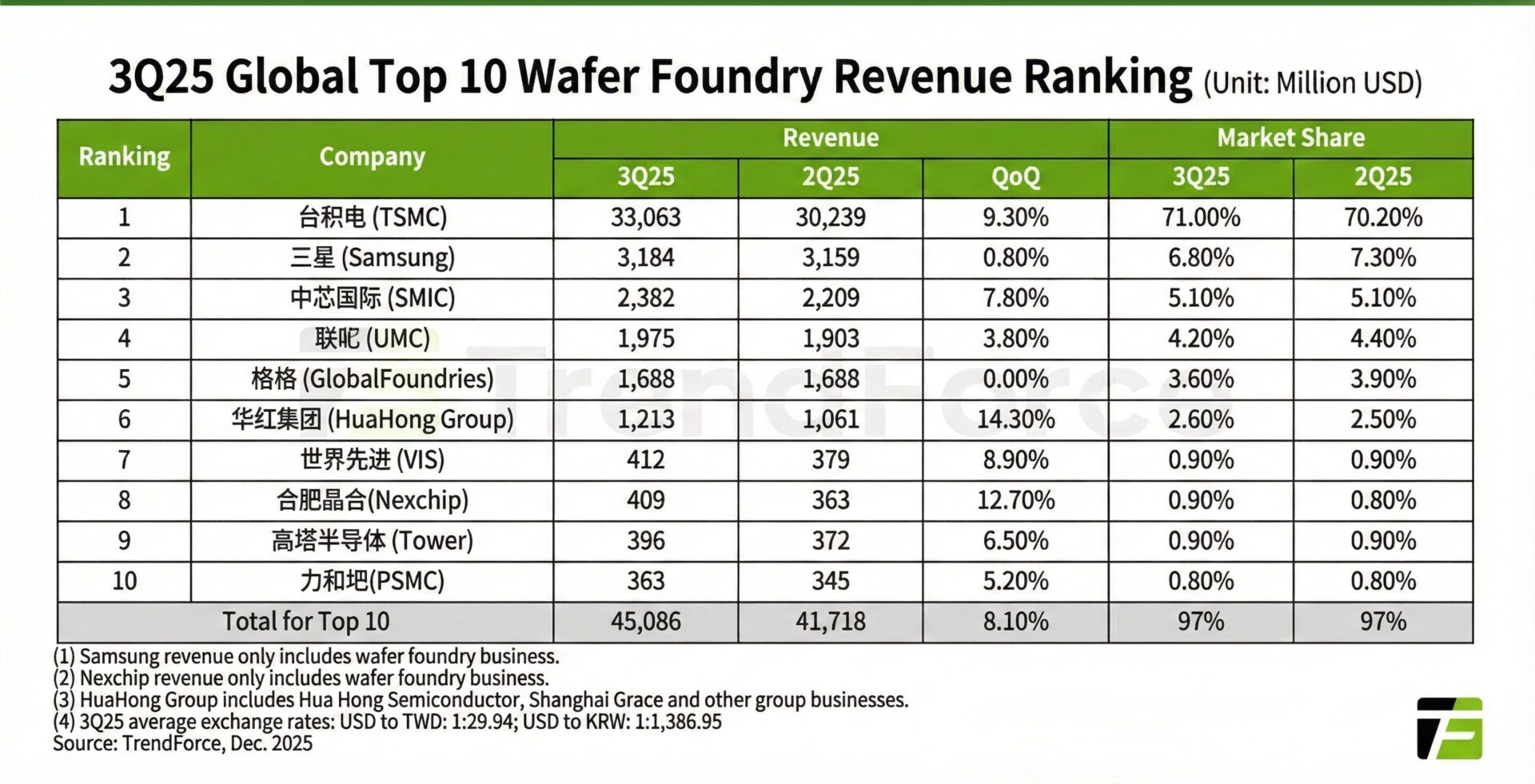
The latest data from TrendForce shows that the global semiconductor manufacturing industry recorded solid growth in the third quarter of 2025. Combined revenue for the world’s top ten semiconductor foundries was up 8.1% quarter-on-quarter to reach $45.09 billion. Indeed, this attests to the ongoing momentum of advanced chip manufacturing-a field Xiaomi has kept a close eye on while expanding its long-term silicon ambitions through projects like XRING O1 and its wider Xiaomi HyperOS ecosystem.

Recent chip design and supply chains have also been important in flagship platforms such as Snapdragon 8 Elite, which is behind many Xiaomi devices.

Overview of Semiconductor Foundry in Q3 2025-TrendForce

According to TrendForce’s latest report, the ranking of the global top ten wafer foundries remained stable in Q3 2025. The industry still was occupied by three major groups: TSMCSamsung Foundry, and then a cluster including SMIC, UMC, GlobalFoundries, and Hua Hong.
2025 chip

One notable change within the list was Chip Integrated Circuits, which passed Tower Semiconductor in quarterly revenue and moved up the list to eighth place. That movement reflects a general uptick in the level of competition within mature and specialty process nodes, even as advanced nodes remain the primary driver of revenue.

The total revenue of $45.09 billion underlines how resilient the foundry sector has become despite ongoing geopolitical uncertainties and fluctuating component prices.

Advanced Nodes and AI Workloads Continue to Fuel Growth

Demand relating to AI HPC, flagship mobile CPUs, and supporting chips for new consumer electronics was the main growth engine in Q3 2025. TrendForce pointed out that 7nm and below advanced process technologies contributed the most to overall revenue growth during the quarter.

These advanced nodes are indispensable for modern smartphone SoCs, AI accelerators, and data center processors. Xiaomi’s premium smartphones, tablets, and smart devices heavily depend on such an ecosystem, particularly as the company pushes through tighter hardware–software optimization with Xiaomi HyperOS and connected services under Xiaomi HyperConnect.

Outlook for Q4 2025 and Beyond

TrendForce projects that growth momentum will be relatively more muted in Q4 2025. As memory prices rise, and the global supply chain prepares cautiously for 2026, foundries and clients are now making more conservative production plans.

Even if the automotive and industrial control sectors improve their demand, the overall capacity utilization growth is expected to remain limited. Therefore, in the last quarter of the year, year-over-year revenue growth for the top ten foundries may significantly slow down.

Can Xiaomi’s XRING Enter the Global Foundry Top 10?

Apart from that, one commonly asked question among the followers of Xiaomi is whether Xiaomi XRING would be able to enter the top ten foundries of semiconductors around the world. From a realistic industry perspective, this is **unlikely in the near term.

This places XRING in a position as a strategic internal chip initiative rather than one focused on large-scale commercial foundry services, with a focus on customized silicon, integration optimization, and long-term technological independence. The top ten is very heavily skewed towards companies with decades of experience, enormous capital expenditure, and global customer bases.

However, even without truly competing with behemoths like Apple and Samsung in the high-end SoC game, XRING can still make quite a difference for Xiaomi in performance efficiency, power management, and system-level optimization of several smartphones, Xiaomi Pad, wearables, and smart home products. This way, a long-term outlook applies to cementing Xiaomi’s ecosystem without necessarily having to engage in direct competition with established foundry behemoths.

Source

Without Xiaomi, these smartphone features would have arrived much later

15 December 2025 at 07:00

The global smartphone industry has moved very fast over the past 15 years, but that pace was not an accident. Since its founding in 2010, Xiaomi has acted as a structural accelerator, pushing advanced hardware and software features into mainstream price segments years, if not decades, before traditional market leaders had planned. The question “what would smartphones look like without Xiaomi?” is thus not an exercise in branding but rather a strategic assessment of how innovation diffusion, pricing discipline, and consumer expectations were rewritten. This article considers which key features in the modern smartphone may have been significantly delayed-or remained in the exclusive domain-without sustained market pressure from Xiaomi.

Bezel-less displays became mainstream faster because of Xiaomi

Before 2016, the designs of smartphones were harnessed by a really conservative formula. Thick top and bottom bezels, physical buttons, and the aspect ratio of 16:9 dominated even premium devices. With such a perspective, supply-chain stability was more important for manufacturers than an industrial redesign, considering that existing LCD and OLED panels were cost-effective and reliable.
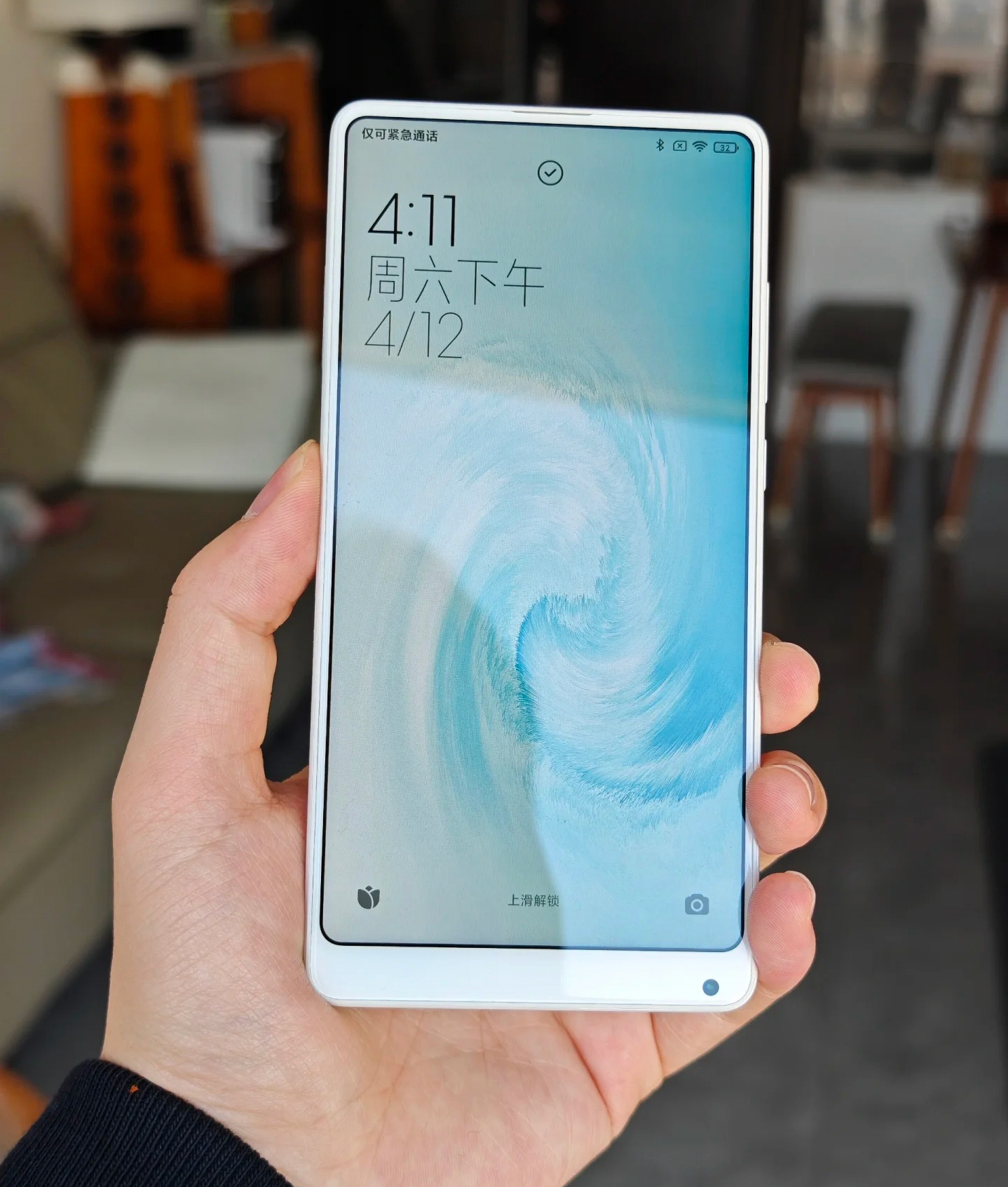
MIX MIX 2 MIX MIX 1

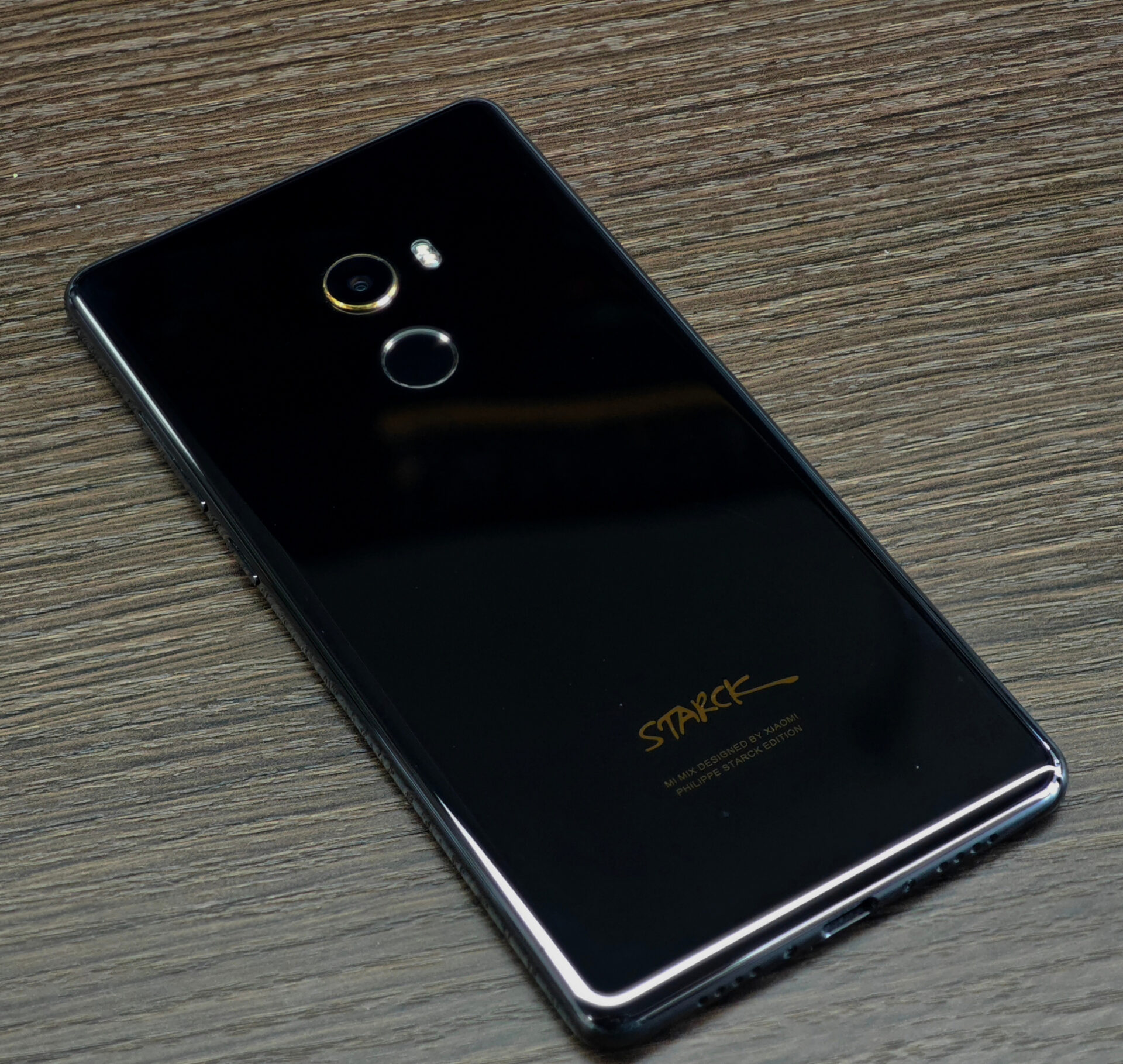
Xiaomi broke this balance when it introduced the Mi Mix in late 2016. Unlike earlier experimental concepts, Mi Mix was commercially available and produced at scale. This near bezel-less front design showed that radical changes in form could be successful in real markets and not just in showcases of technologies. That single product shifted industry timelines.

Without Xiaomi being willing to commercialize these highly risk-laden designs, bezel-less displays would probably have remained confined to a few niche models for at least several years to come. Flagship-wide adoption and subsequent mid-range trickle-downs would have taken much longer, as would today’s tall-aspect-ratio and immersive displays down to the lower rungs.

High-resolution camera sensors would have remained niche.

Between 2015 and 2018, the general consensus within the industry of smartphone cameras was that 12MP sensors struck the golden mean between image quality, processing speed, and storage efficiency. Apple and Google moved forward with computational photography rather than raw resolution, reinforcing this consensus.

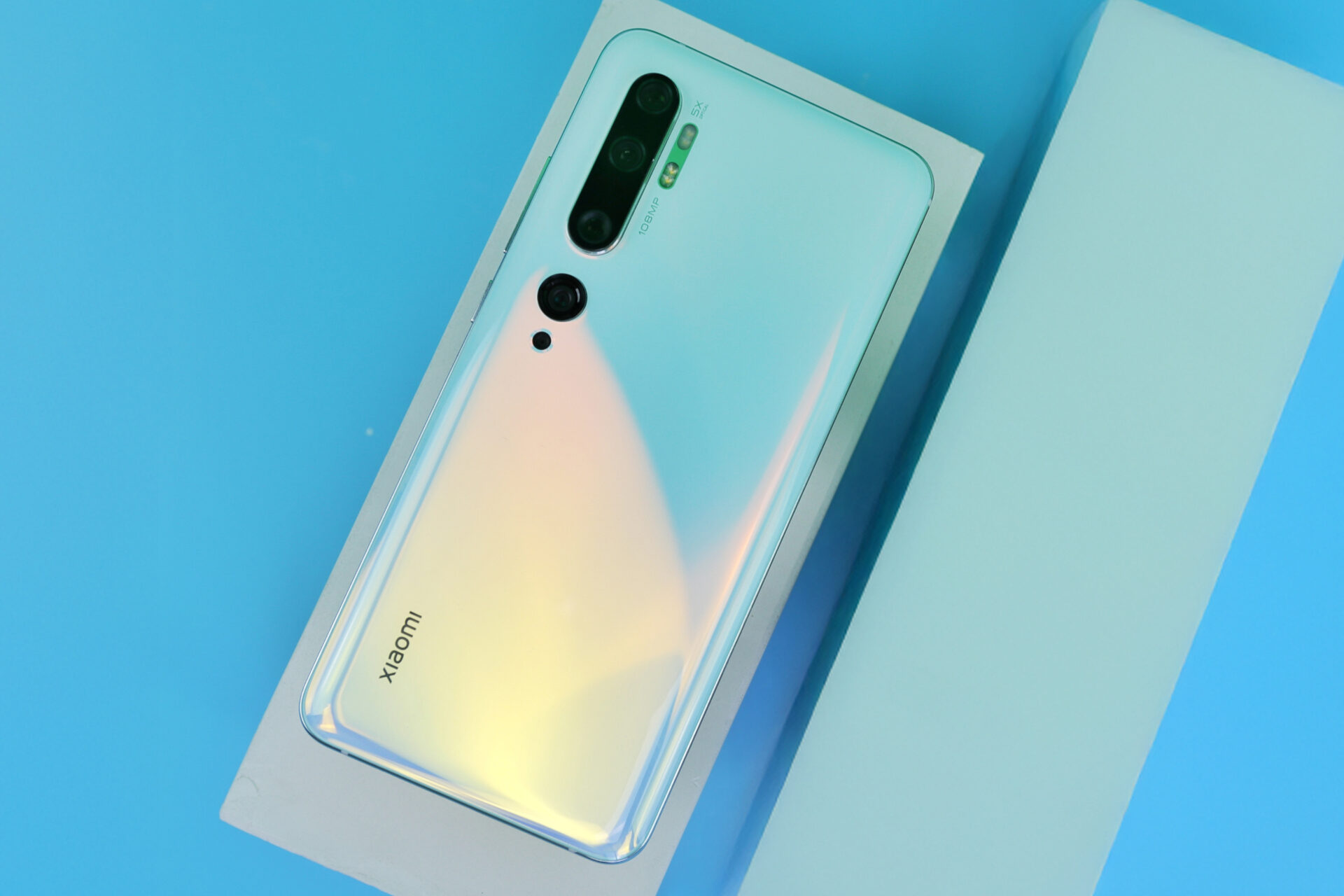
Xiaomi had bucked this trend with its strategic partnership with Samsung’s ISOCELL division and became an early commercial partner for the 64MP and later 108MP sensors, taking on early risks regarding higher data throughput, autofocus complexity, and software optimization. Devices like the Mi Note 10 proved that ultra-high-resolution sensors could be viable for end-consumers.

Mi Note 10 Pro

Without Xiaomi in the market, most likely these sensors would have remained showcases rather than mass-market components; similarly, the pixel-binning technologies now common across most Androids would have taken far longer to mature if it wasn’t for the large-scale deployment and feedback Xiaomi enabled.

Ultra-fast charging would not become expected worldwide.

In the wake of several battery safety incidents in the mid-2010s, most major brands adopted conservative charging strategies. Power levels stagnated for several years at 15W–25W, especially outside China where regulatory caution was higher.

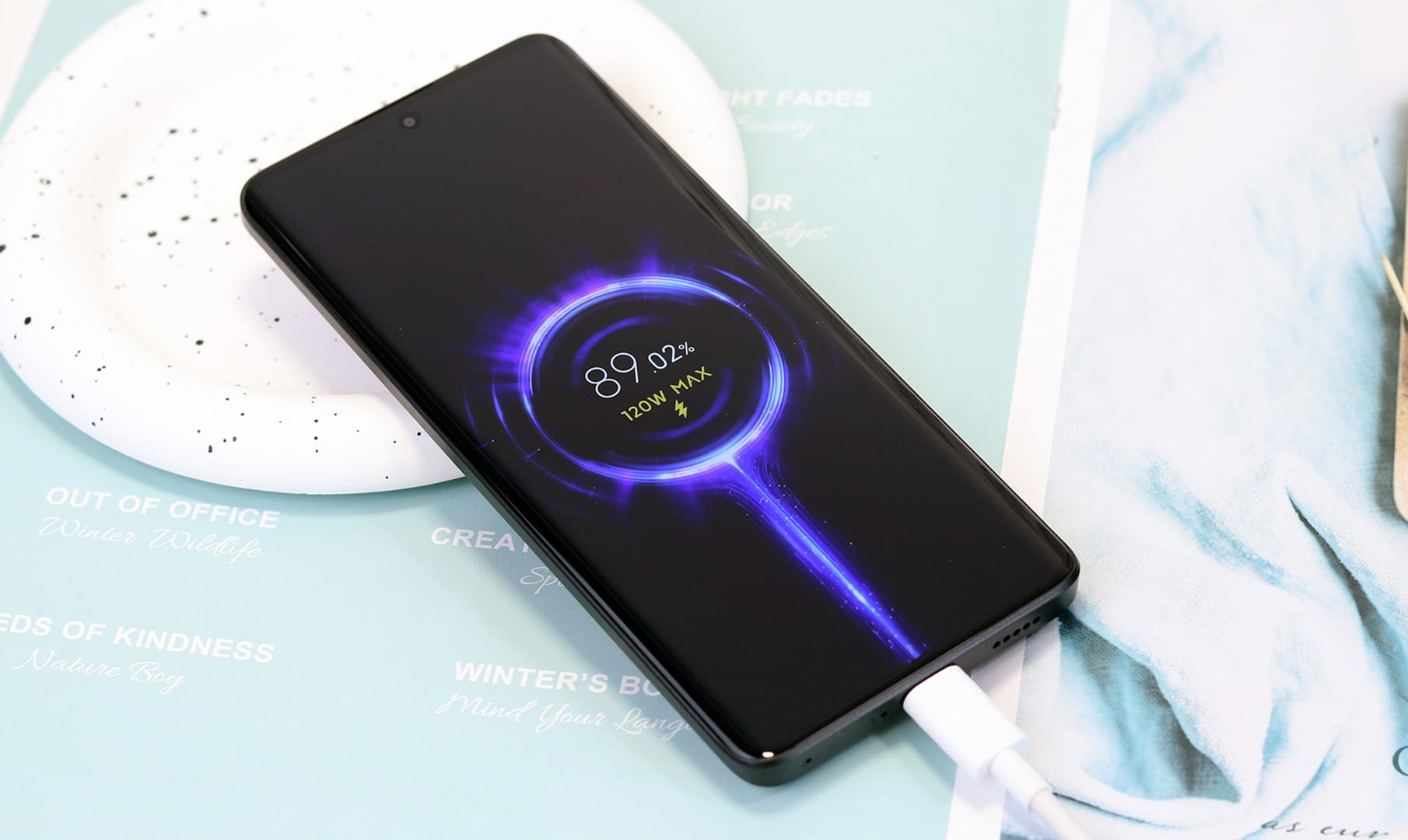
The Company Xiaomi chose to go its separate way: by investing heavily in battery chemistry, thermal control, and the charging architecture – the company normalized triple-digit charging speeds for everyday consumers. Technologies such as 120W wired charging and high-speed wireless didn’t become limited to concept devices, having shipped into the retail products.

Try HyperOS' new charging feature before release

Without Xiaomi’s ambition for global scale, ultra-fast charging would probably have remained a regional feature, mostly isolated to China. Western markets may also still think 30W-40W charging is “fast,” rather than full-day power in minutes.

Affordable Flagship Performance Would Be Rare

One of the most structural contributions from Xiaomi is pricing discipline. The company’s long-stated commitment to low hardware margins was ultimately forcing competitors to reconsider just how much performance could be offered at mid-range prices.

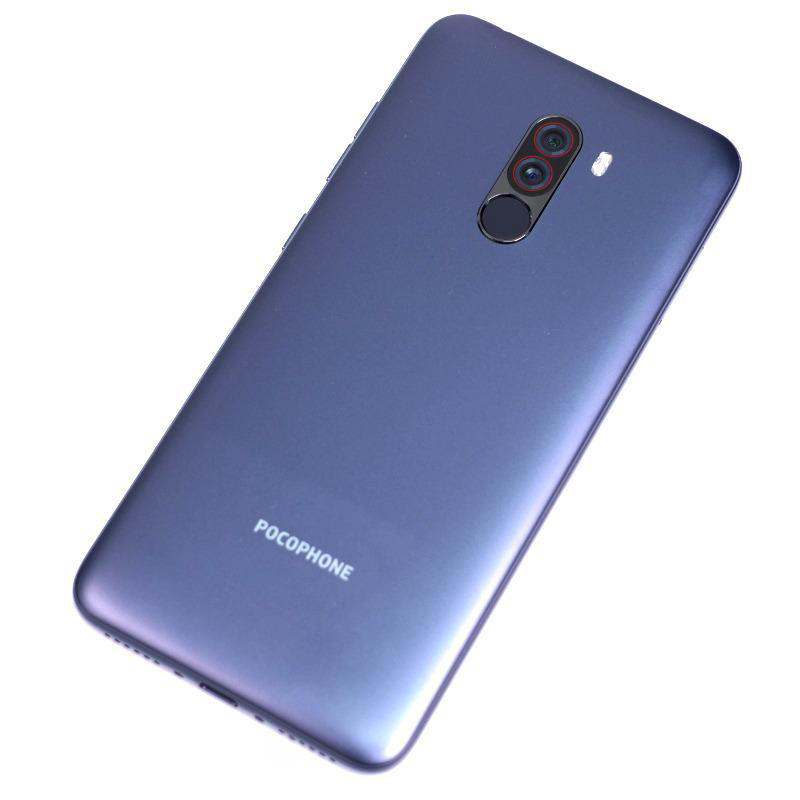
Devices like the Pocophone F1 proved that flagship-class processors didn’t have to come at premium prices, rebalancing consumer perception. The strategy redefined whole product lines in the industry: from Samsung’s Galaxy A series to newer “performance-focused” sub-brands.

poco f1

When it comes to the market without Xiaomi, one can imagine the gap between premium and mid-range devices would be far wider. High-performance chipsets would have remained tightly segmented, and flagships’ trendy slogan of “flagship-level power at an accessible price” would be far less common.

Some Practical Hardware Features May Be Gone

Some hardware features survived largely because Xiaomi kept supporting them at scale. IR blasters are one clear example: many manufacturers shifted away from IR transmitters in favor of smart-home connectivity, but Xiaomi knew that infrared would remain relevant to users in emerging markets and with legacy devices.

By retaining IR blasters across both flagship and budget models, Xiaomi preserved a feature that might otherwise have vanished entirely. Similarly, experimental designs such as transparent back panels were commercially tested by Xiaomi years before other brands popularized it.

But without Xiaomi’s volume-driven validation, they surely would have been written off as unprofitable curiosities.

Smart Home Devices Would Be Less Accessible

But the impact of Xiaomi extends beyond just smartphones. Its ecosystem-driven strategy rationalized entry barriers for smart home adoption. Inexpensive lighting, air purifiers, cameras, and robot vacuums could be programmed and installed in middle-income homes since Xiaomi treated hardware as part of a service ecosystem.

Xiaomi Home GUide

Without this plan, smart home technology would likely stay restricted to the premium brands, with higher average prices and slowing rates of adoption outside developed markets. Integration between phone, home, and connected devices would also feel far less standardized.

Conclusion: Xiaomi’s Real Impact Is Acceleration

More important features influenced by Xiaomi are not defined solely by invention, but by timing: bezel-less displays, ultra-fast charging, high-resolution cameras, flagship-grade performance would all exist eventually—but not when they did, and not at their current price levels. In that sense, Xiaomi’s legacy is not only the products it sells but the market behavior it forces. Many devices available today across multiple brands are indirect outcomes of Xiaomi’s pressure on pricing, specifications, and adoption speed. Without that pressure, smartphones in 2025 would probably be more expensive and more segmented, with less consumer focus. Weeks prior to having hip replacement surgery, he stopped smoking cold turkey and started walking longer distances.

I reverted to navigation buttons on HyperOS, and what I found unexpected

15 December 2025 at 01:18

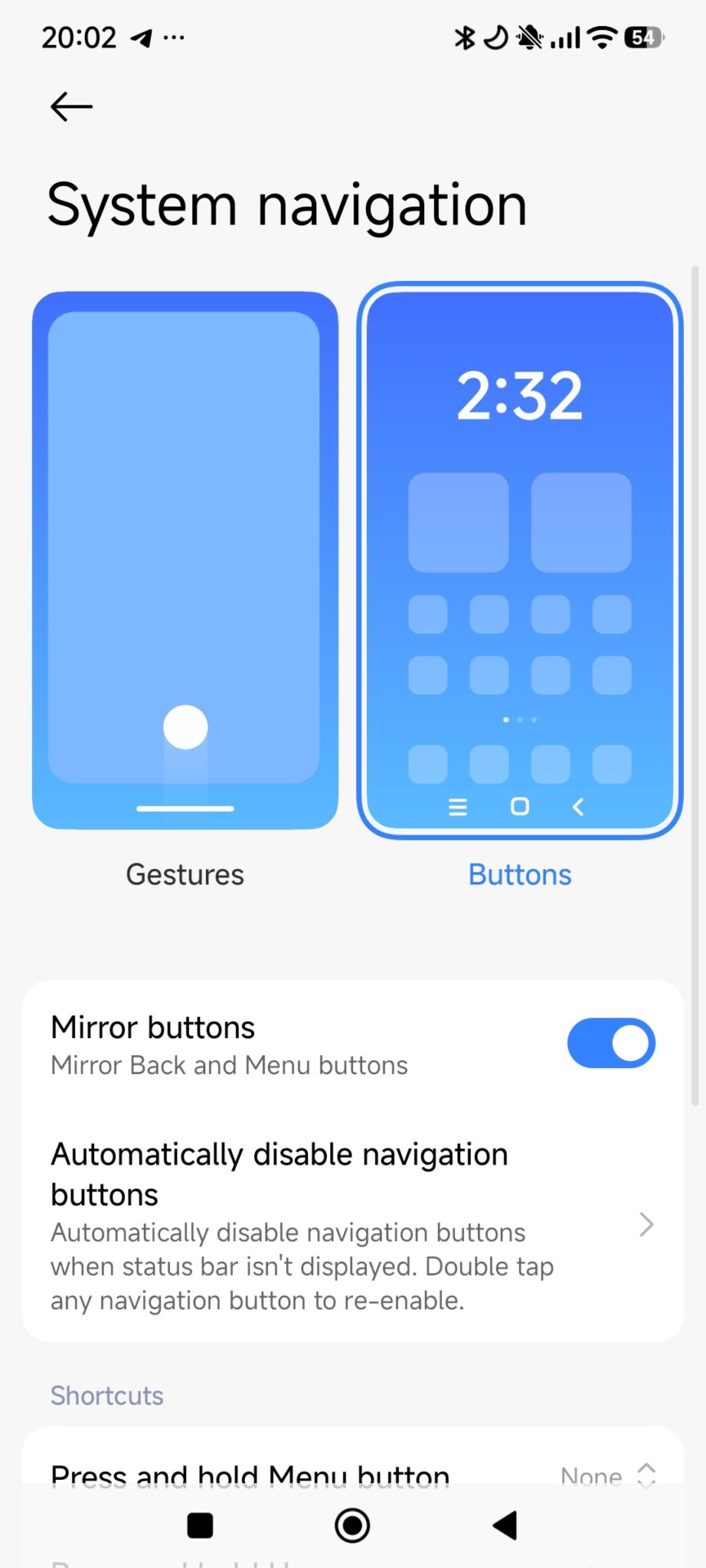
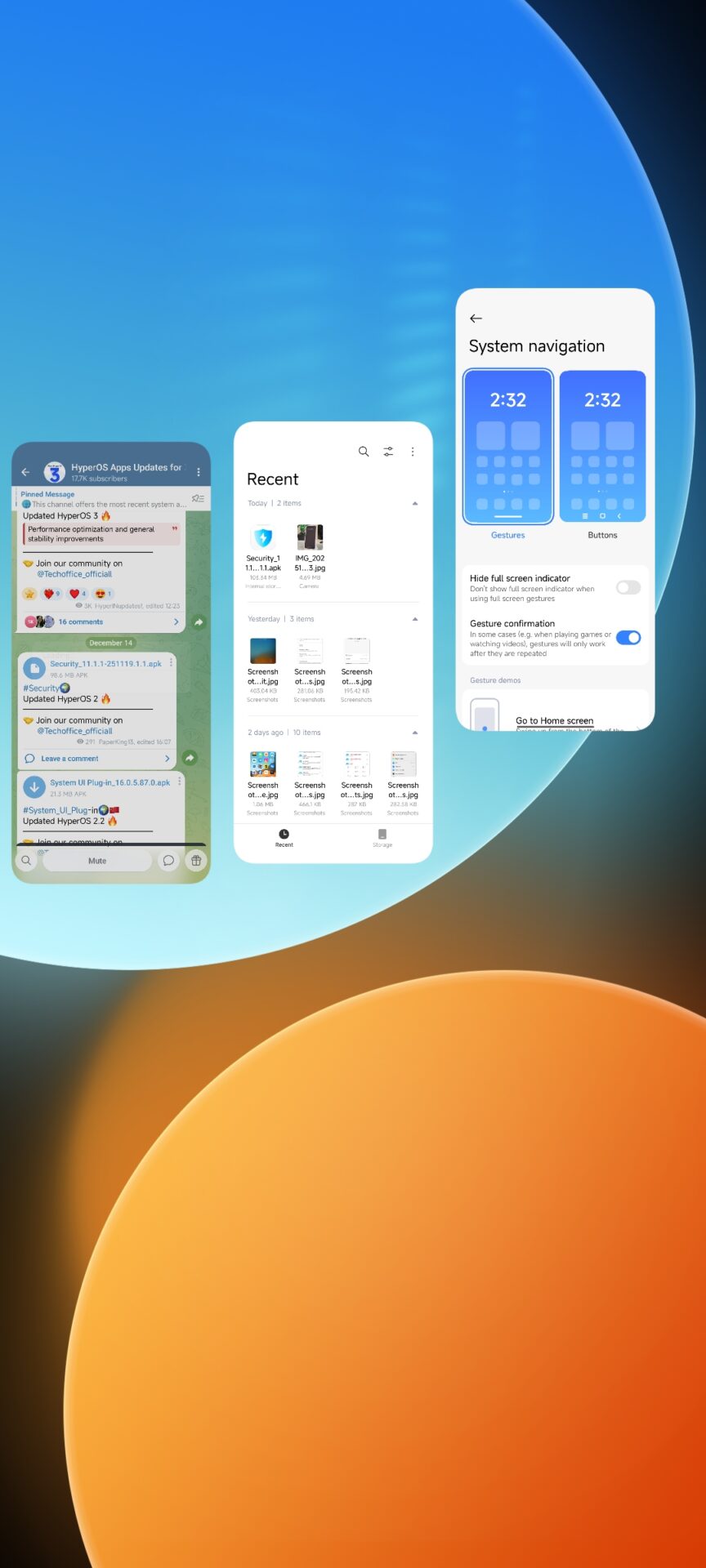
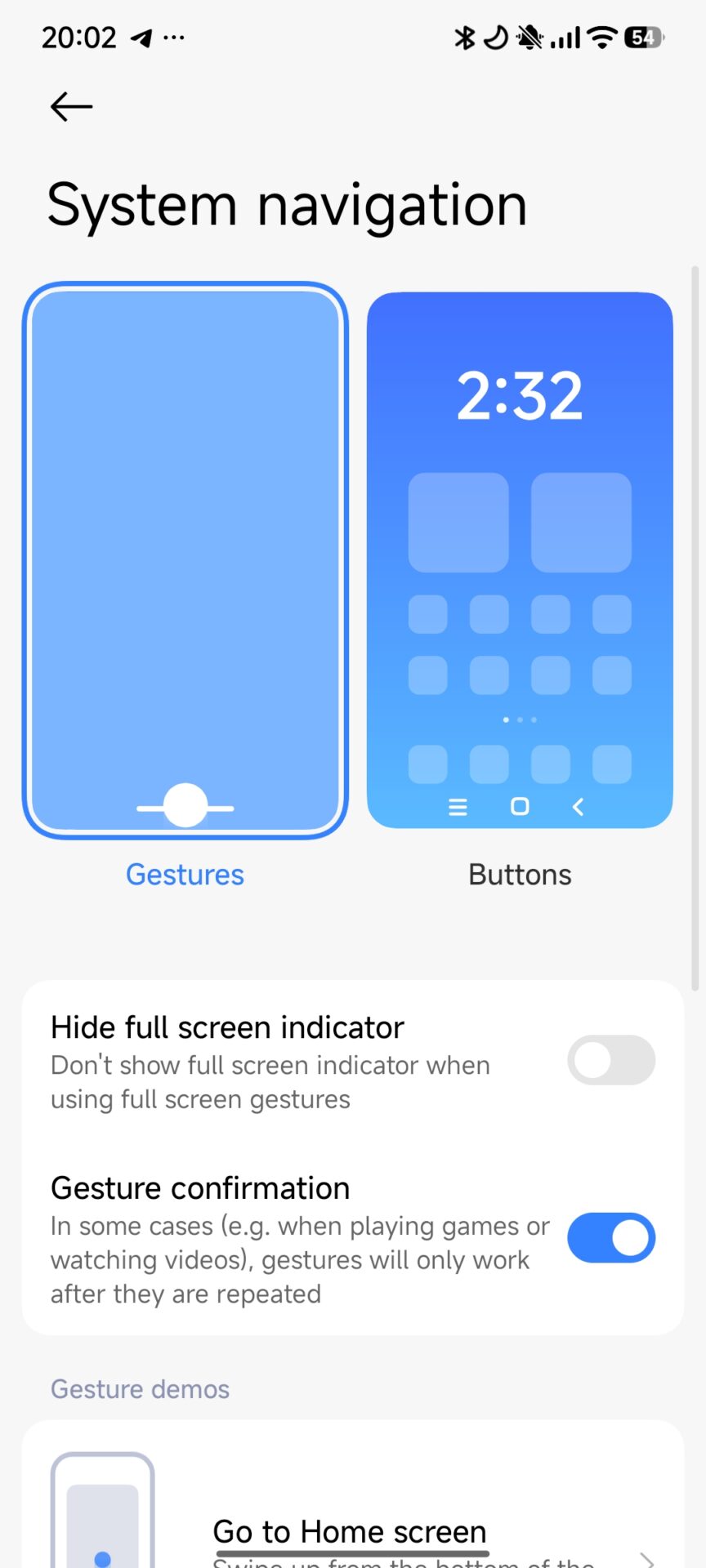
Navigation gestures are commonly claimed as the default, most efficient way of interacting with the modern Android ecosystem. Still, various technical limitations, especially when working with third-party launchers on Xiaomi devices running HyperOS, may force users to revert to the traditional three-button navigation system. In this article, we will try to understand what really happens when navigation buttons replace gestures on Xiaomi smartphones, focusing on user adaptation, system architecture, and measurable impacts on everyday use.

Setting up Gesture Navigation vs Button Navigation on Xiaomi HyperOS

Xiaomi’s HyperOS is based on Android’s modern navigation framework, but it enforces harsher restrictions when system-level gestures interact with non-default launchers. In the case of users migrating from Xiaomi’s System Launcher to third-party alternatives, including Nova Launcher, the HyperOS often kills gesture navigation and reverts to a three-button layout by default.

HyperOS 2 Launcher now features blur wallpaper option

Short-Term Adaptation: Why Users Change More Quickly Than You Think

Switching back to using navigation buttons can feel disruptive, particularly to users who have become accustomed to the more fluid experience of using edge-based gestures. However, practical observation has demonstrated that most users adapt within days. This is because button-based navigation is not a new skill but an interaction pattern learned beforehand.

From a usability perspective, this rapid adaptation can be explained by procedural memory: The brain does not relearn from zero how to navigate; instead, it merely reinstates older motor patterns developed through years of button-based use of Androids. In about 72 hours or so, navigation starts to work and is mostly automatic again, even though it will not feel as smooth as gestures.

Navigation bar gestures 1 1 Navigation bar gestures 2 Navigation bar gestures 3 Navigation bar gestures 4

Workarounds for Advanced Users

Users who appreciate extra capabilities or efficiency in screen space have some advanced options. Gestures can be partly returned with ADB commands, or their work can be regulated with third-party gesture applications, but such methods demand accuracy in configuration. Xiaomi also provides some system features, like Second Space, which in some cases can allow gestures to remain on for a temporary period with non-default launchers.

However, users who are interested in a more conservative and fully-supported setup may find the transition to button-based navigation provides the most stable HyperOS experience over the long-term.

The switch back to button navigation in Xiaomi HyperOS is not as jarring as it seems. While the gestures remain more space-efficient and ergonomically quicker, the button navigation feels the benefits of system stability, predictable behavior, and fast user adaptation. The trade-off involves a minor loss of display area and reduced immersion, weighed against compatibility and reliability.

Xiaomi releases new Security V12 update with new Game Turbo UI

14 December 2025 at 22:00

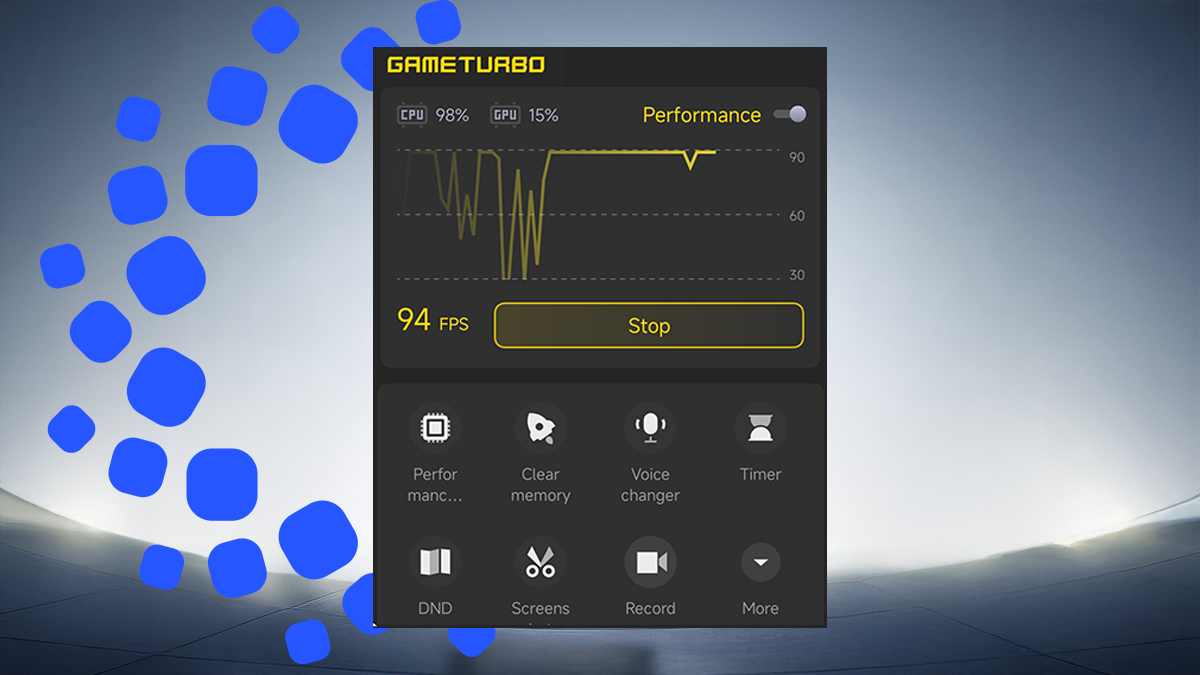
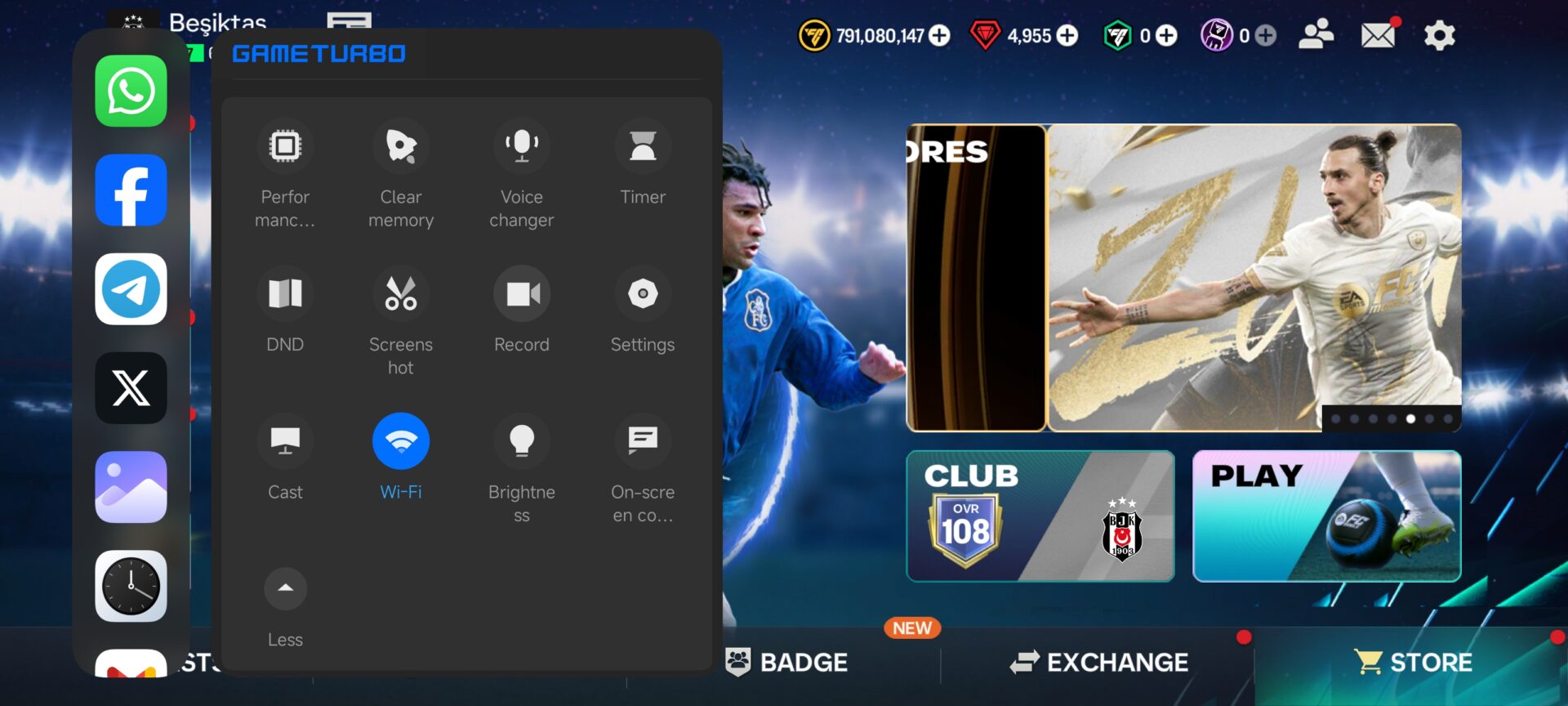
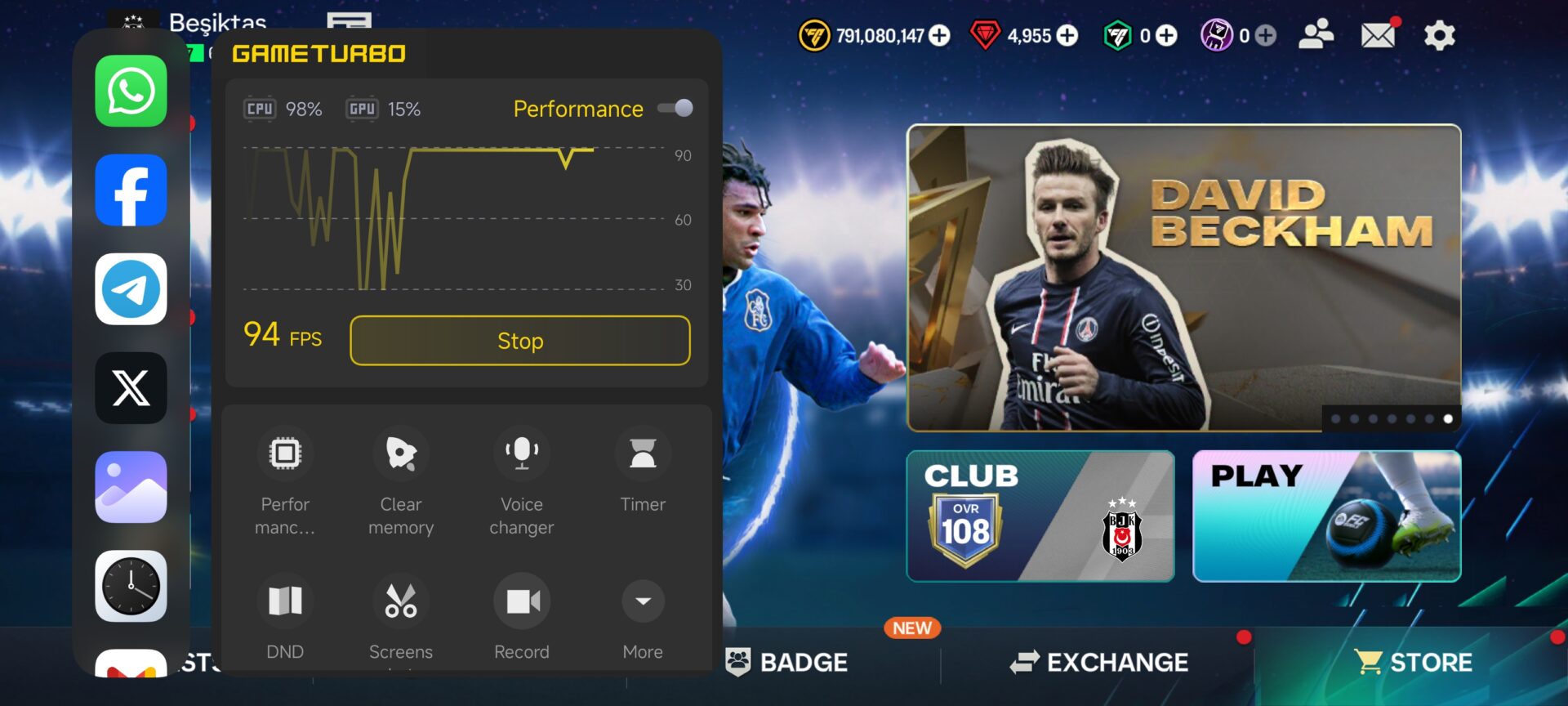
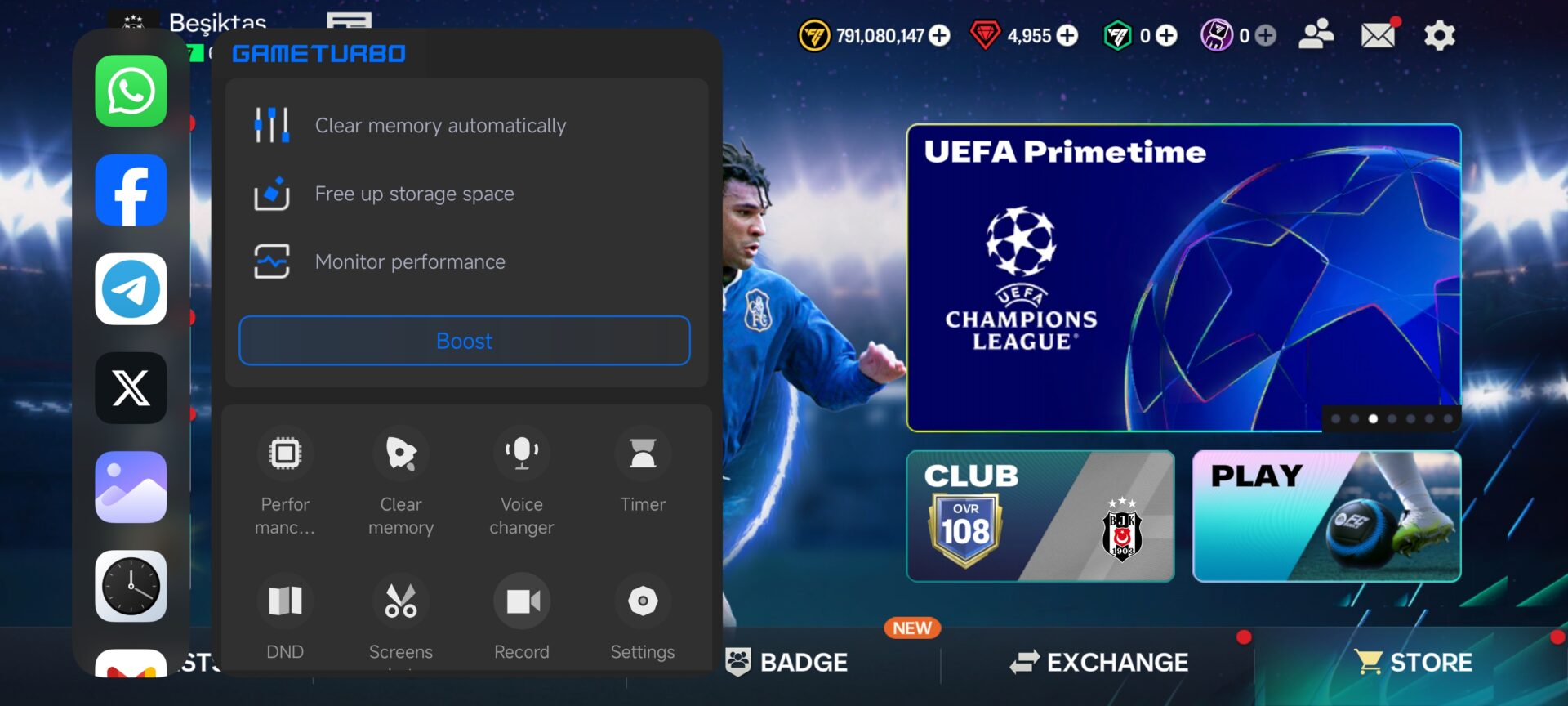
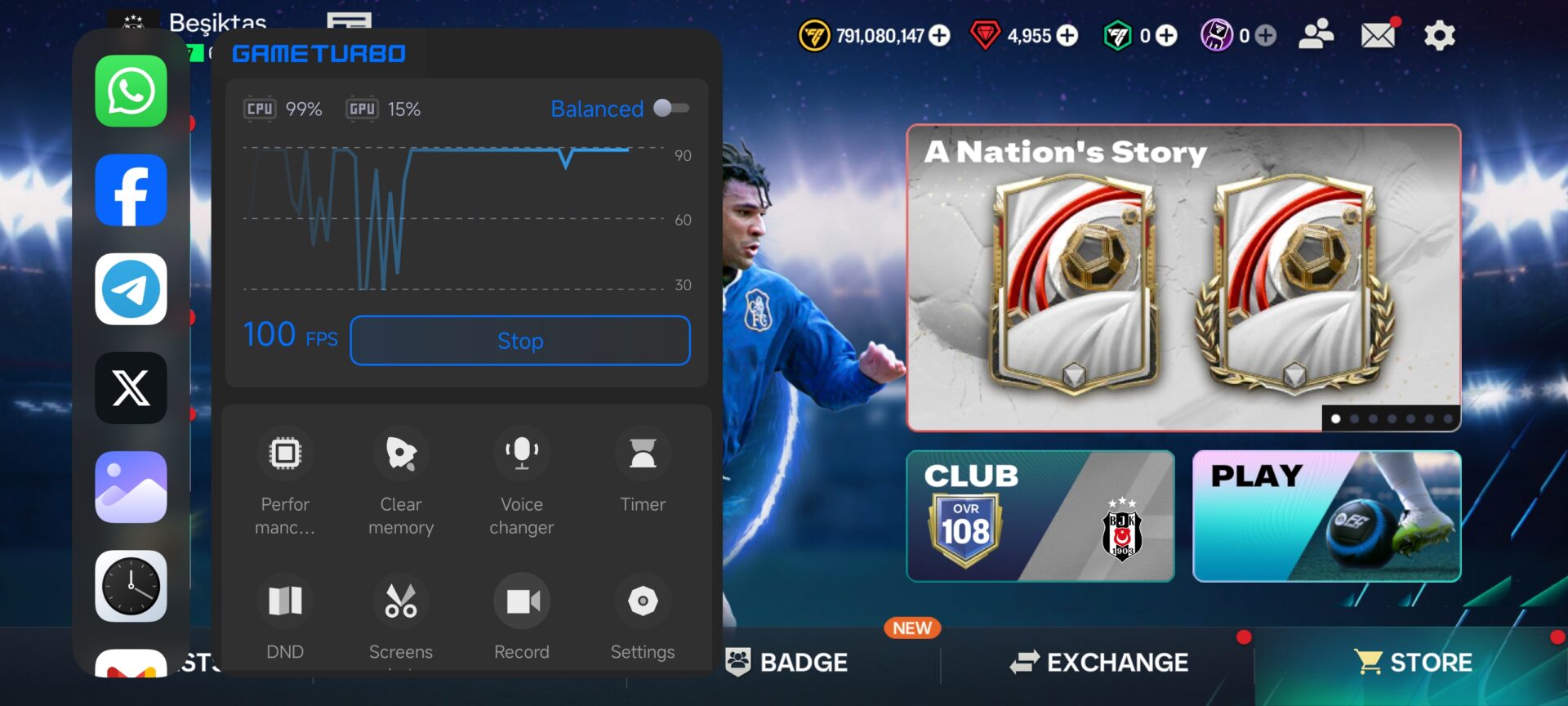
Xiaomi has finally released a major update for its stock Security app, signaling the introduction of the V12 generation. The newest build bears the number V12.0.6-251121.1.1 and is primarily focused on system infrastructure changes. However, this would be very interesting for those awaiting the release of the next HyperOS stage, as the new build provides a complete revamp of the Game Turbo interface and advanced system optimization logic. With this update, [Xiaomi] is finally preparing a serious revolution in the way background processes are handled and gaming performance is optimized on global devices.

A New Era of Optimization

This build marks the first public release of the V12 branch for the Security app. Unlike the incremental updates that came before it, the V12 series is a package deal of deep architectural changes that fit with future system iterations. Of particular note in the changelog is the refined optimization engine, which promises to clear caches and free up memory without affecting user activity. The shift to v12.0.6 would thus indicate that Xiaomi is laying the groundwork for more intensive uses of software, keeping devices fluid and responsive during more strenuous tasks.

New Game Turbo New Game Turbo 2 New Game Turbo 4 New Game Turbo 3 New Game Turbo 1

Turbo Capabilities for Enhanced Gaming

The most noteworthy addition in this update, though, is the upgraded Game Turbo module. Xiaomi has optimized the user interface for quicker access to performance modes and floating windows. New optimization algorithms work in silent mode in the background to give priority to network stability and frame rates during gameplay. Enthusiasts using their devices for competitive gaming will appreciate how much more smooth the transition from the game to system notifications has become, with latency and input lag significantly reduced.

How to Install the Update

Keeping system applications updated is very crucial for maintaining the security and performance stability of any device. Users can easily update this application from our other projects, HyperOSUpdates.com, or through our MemeOS Enhancer application on the Play Store. The MemeOS Enhancer app unlocks special capabilities beyond simple updates for users. Among such capabilities are unlocking hidden Xiaomi settings, updating other system applications seamlessly, and managing screen refresh rates, among the common updater features.

Honor may launch 200MP periscope camera before Xiaomi 17 Ultra

14 December 2025 at 20:45

According to recent reports on supply chains, a 200MP 1/1.28-inch domestically produced periscope camera is already under testing, which signifies a massive change in flagship smartphone imaging. Industry sources note that this sensor is more likely to show up first on an upcoming Honor flagship and not on a Xiaomi model, contrary to earlier rumors. In fact, there were earlier leaks that attached this technology to the Xiaomi 17 Ultra but later reports have unraveled that assumption as incorrect.

New 200MP Domestic Periscope Enters Testing Phase

The information came from famous Chinese tipster Digital Chat Station, who said a 200MP periscope solution featuring an approximately 1/1.28-inch sensor size is already in active testing. Judging by the discussion within the comments, it’s widely believed that the prototype device belongs to Honor. That means Honor might become one of the first brands to commercialize this next-generation telephoto technology, especially in the ultra-flagship segment.

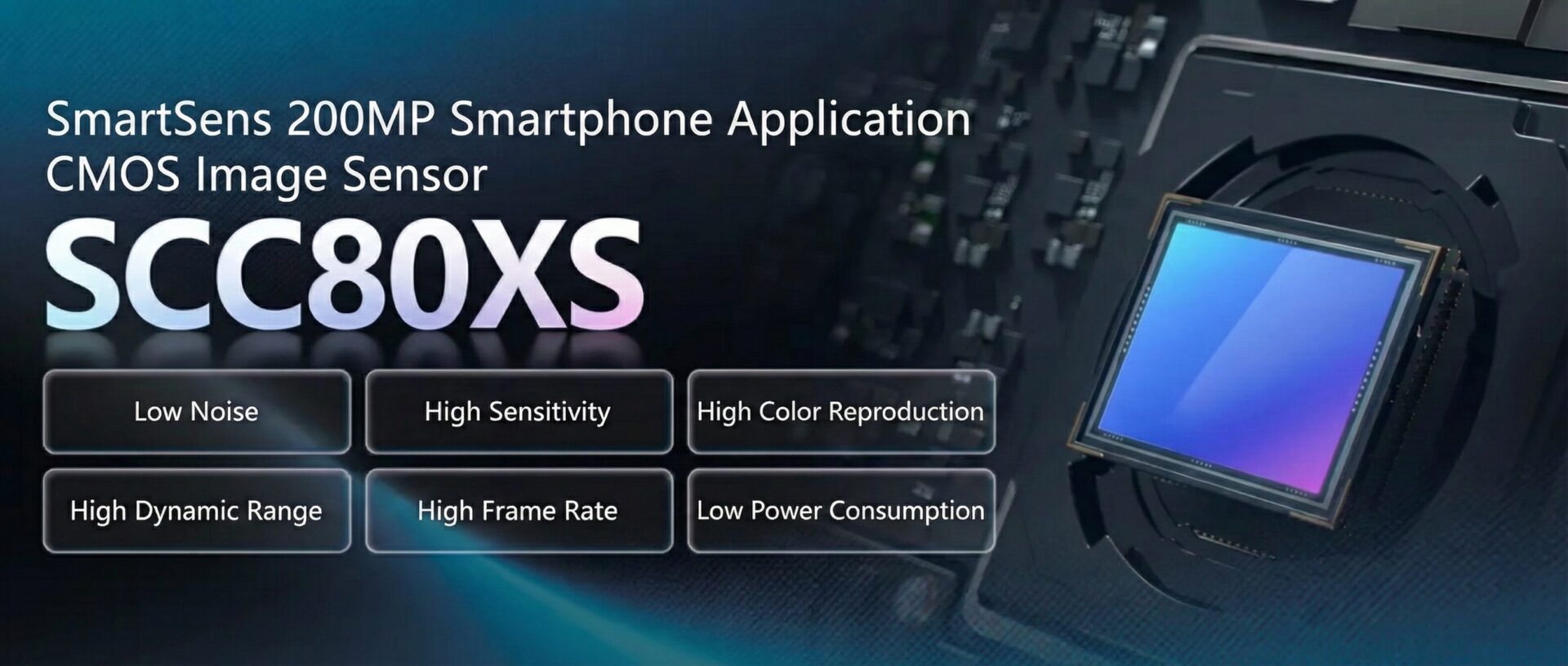
SCC80XS 1

Technically, a 1/1.28-inch sensor coupled with a periscope lens is an excellent balance between light intake, optical zoom capability, and thickness of the device. This is likely to improve long-range photography by a huge margin, especially under difficult lighting conditions.

Domestic Sensor Suppliers Gain Momentum

Additional context provided earlier indicated that flagship smartphones next year will still use 1-inch main camera sensors, while domestic suppliers are expected to contribute more to telephoto innovation. It is said that several new 200MP sensors are in development, including the SmartSens SCC80XS and OmniVision OV52A / OV52B, all with 0.61μm pixels and a 1/1.28-inch format.

Importantly, these sensors are designed from their inception to feature periscope lens structures-a trend also taking shape within the industry as a whole, whereby there is a reduction in dependence on overseas components for imaging without sacrificing resolution and optical performance.

SmartSens and OmniVision Production Timeline

SmartSens officially introduced the SCC80XS 200MP CMOS image sensor on October 16. Targeting both the main and secondary cameras for high-end smartphones, this allows great flexibility for the manufacturer that may wish to deploy multiple 200MP camera solutions. Meanwhile, OmniVision’s OV52A production line is scheduled to go into mass production in the first half of next year, using domestically developed manufacturing processes while also supporting primary and telephoto roles.

Xiaomi 17 Ultra Rumor Explanation

While earlier speculation suggested that this might be a 200MP domestic periscope sensor for Xiaomi in the Xiaomi 17 Ultra, new information reviewed in recent leaks by sources focused on Xiaomi suggests this is now no longer correct. Xiaomi is still working on advanced imaging solutions, but this particular sensor is now more closely aligned with Honor’s roadmap.

As always, you can update your system apps and camera components as soon as possible by following HyperOSUpdates.com or the MemeOS Enhancer application available on Google Play that, besides the mentioned above, offers access to hidden Xiaomi features and advanced options for system update.

Source

OnePlus uses REDMI’s Turbo branding to enter the mid-range market

14 December 2025 at 19:25

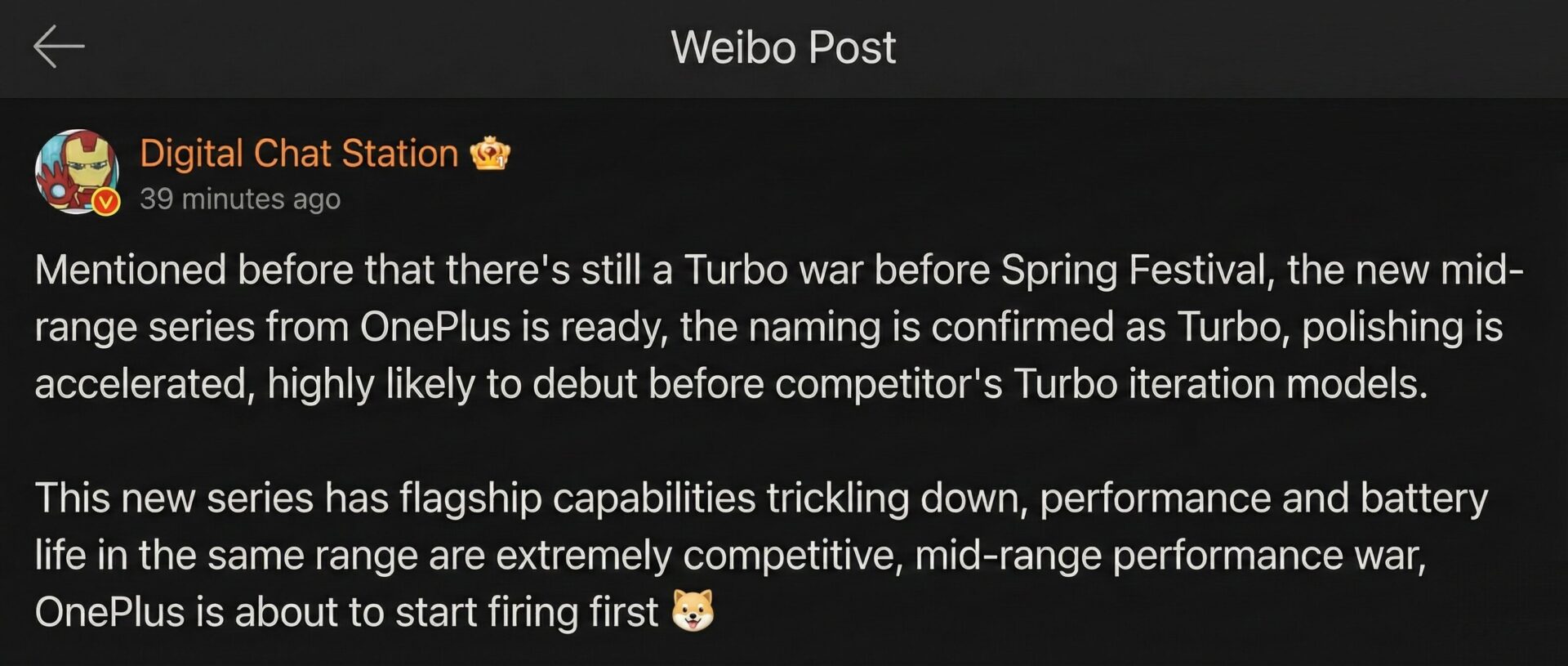
As revealed by a well-known Weibo blogger in the tech circle @DigitalChatStation, OnePlus is set to release a completely new range of mid-range mobile devices branded as Turbo. However, it appears that this is almost ready for release and could actually precede other devices with similar features that could be in the works. This announcement is timely since Chinese firms are rushing to meet the demands of the next range of mid-range devices with exceptional processing power, with such devices having been characterized by a series of Xiaomi-led “Redmi Turbos” or “POCO” flagship models like the REDMI Turbo 3.

Positioning and core focus of the Turbo series

Early reports indicate that the OnePlus Turbo line is aimed at offering almost flagship performance at a more reasonable price point. The blogger is keen to point out that both the processing power that can be achieved as well as the endurance of the battery would be very competing for such devices. This is no different from what Xiaomi does with its devices that offer big batteries, good chipsets, with good heat management solutions.

OnePlus Turbo 2

Moreover, the name “Turbo” is also special. Xiaomi is using “Turbo” branding consistently to position it as a performance-oriented device, or at least position it as such in the Redmi-series offerings. This is more evident in the REDMI K series or the Turbo series that is exclusive to the Chinese markets. This is eventually renamed to the global counterparts of either the POCO or the Xiaomi T series. This fact about OnePlus following the same pattern for their devices reveals the influence of Xiaomi’s branding rationale in the industry.

Displaying the graph

An interesting discussion that took place in the comment section of the initial blog post suggested that high refresh rates would become one of the defining features of such displays. Though no official numbers were mentioned, the blogger revealed that ultra-high refresh rates would become a reality in the current year with more widespread support in the upcoming year. This is in line with what is taking place in the market, as higher refresh rates, 1.5K resolution, or even touch sampling rates are becoming commonplace.

From a performance standpoint, upcoming mid-range processor solutions like MediaTek’s Dimensity 8500-series, as well as the coming Snapdragon 8-series variant by Qualcomm, are projected to drive this respective market. It is important to acknowledge that what Xiaomi has achieved with their mid-range devices is actually the benchmark for what is to come.

A Known Strategy in a Competitive Market

Industry observations reveal that various companies are gearing up for a fierce “mid-range performance phone” battle before the Spring Festival season in China. Batteries from the 7,000 mAh variant onwards, metal bodies, and advanced in-display fingerprint technology are anticipated to become more widespread. It is not surprising that various companies are treading the same path since Xiaomi had taken the initial step to shape the expectations of their users.

Although OnePlus Turbo is about to present its own vision, it is more of a reflection of a market influenced by consistency in Xiaomi’s brand positioning for performance with their products. It is inevitably true that the rising levels of competitiveness would eventually mean better products for the end-consumer at a lower cost.

Source

Xiaomi sets festival date to unveil 10 new products

14 December 2025 at 18:16

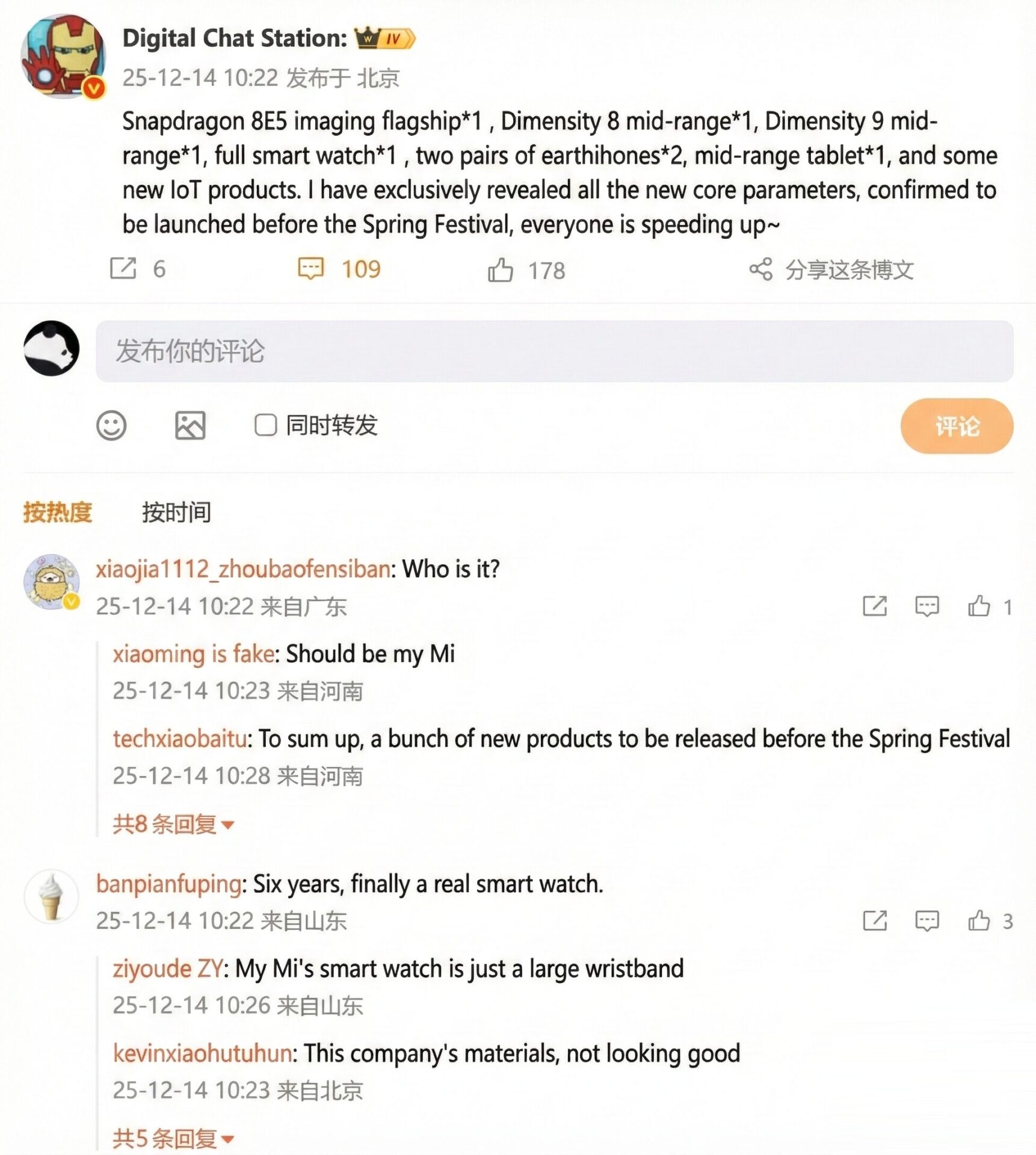
Ahead of the Spring Festival, Xiaomi’s product roadmap reportedly has surfaced, pointing to a wide range of new devices across smartphones, wearables, tablets, and IoT. According to information shared by well-known leaker Digital Chat Station, the launches that are lined up include a new imaging-focused flagship powered by the Snapdragon 8 Elite platform, several mid-range smartphones using MediaTek chipsets, and finally, a fully smart Android-based smartwatch. It further strengthens the multi-category ecosystem strategy of Xiaomi.

DCS Xiaomi festival

High-End Product Lineup Anticipated before the Spring Festival

The leak suggests an unusually dense launch window before the Spring Festival, with several price segments and product categories; this would agree with Xiaomi’s recent strategy of refreshing its core lineup before major shopping seasons get underway in China.

Reported planned products to include:

  • One Snapdragon 8 Elite imaging flagship – Xiaomi 17 Ultra
  • One Dimensity 8 series mid-range smartphone – REDMI Turbo 5
  • One Dimensity 9 series mid-range smartphone – REDMI Turbo 5 Pro / Max
  • One fully smart watch running Android with Xiaomi HyperOS
  • Two new pairs of wireless earbuds
  • One new mid-range tablet
  • Several additional IoT products expanding Xiaomi’s smart ecosystem

Snapdragon 8 Elite Imaging Flagship Details

As informed earlier by IT Home, Xiaomi retail staff in China have already informed users about a refundable pre-order campaign for an annual imaging flagship. This deposit amount is 100 CNY, which, if converted to dollars, will be around 14 USD, and will be returned in full upon the final deal. Although the device name hasn’t been officially confirmed, based on the release schedule and their usual behavior, there’s significant possibility this model will be the Xiaomi 17 Ultra and will see only a China-exclusive launch in the first place.

Traditionally, Xiaomi’s Ultra-branded flagships are all about advanced camera systems, materials, and silicon. It is expected that the Snapdragon 8 Elite platform will offer significant improvements in terms of AI image processing, computational photography, and much better power efficiency, all under Xiaomi HyperOS.

Fully Smart Watch – With eSIM, HyperOS

Among other leak tidbits, one has also learned about a new full-fledged smartwatch powered by Android paired with Xiaomi’s proprietary skin called HyperOS. This new variant, however, is expected to be different from Xiaomi’s wearables that focused more on fitness instead.

Reported specifications include:

  • A built-in 930mAh rated battery
  • eSIM support via an independent eUICC chip
  • Full app functionality under Android and Xiaomi HyperOS

Full app functionality under Android and Xiaomi HyperOS This would put the device more toward being an actual smartwatch, rather than a companion wearable, and reinforce Xiaomi’s ambitions in the smart wearables segment.

Mid-Range Phones, Tablet, and Ecosystem Expansion

Apart from high-end hardware, Xiaomi is allegedly gearing up for several mid-range smartphones using the MediaTek Dimensity platforms. Such products would be more balanced in terms of performance and efficiency while keeping pricing competitive in the Chinese market. Additionally, a new mid-range tablet could be launched, which might extend the current range of Xiaomi Pad products across entertainment and productivity users.

Source

Will HyperOS 4 get lock screen widgets after Android 16 QPR2 update?

14 December 2025 at 17:15

Xiaomi’s software history demonstrates a very calculated approach to lock screen features, balancing design, security, and performance. From the earliest versions of MIUI to the current HyperOS ecosystem, lock screen widgets have never truly existed as they have in stock Android. Now that Android 16 officially returns lock screen widgets, many are focusing their attention on whether Xiaomi will include this in HyperOS 4. This paper looks at the historical background, current limitations, and sets realistic future expectations based on the strategic evolution of MIUI, HyperOS, and the Android platform.

Did MIUI ever support lock screen widgets?

MIUI has traditionally followed a different design philosophy from stock Android. It didn’t expose this capability directly to users, even when this was supported out-of-the-box by Android itself.

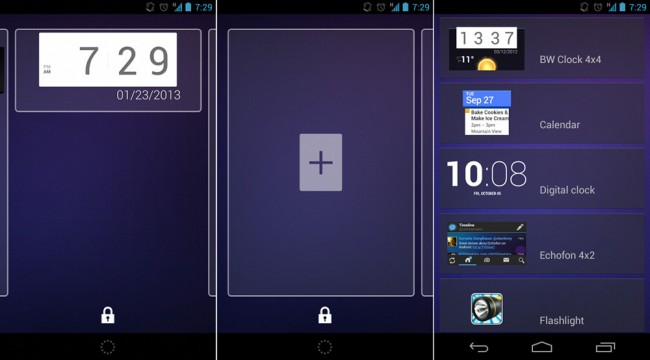
Back in the days of Android 4.2 Jelly Bean, Google introduced native lock screen widgets via the Android framework. Yet, MIUI V5 bypassed the native Android lock screen and instead used a customized solution for its own graphical interface. This meant users could not add third-party app widgets to the lock screen, similar to how owners did on Nexus devices. Xiaomi opted for visual consistency, performance stability, and tight system control over raw flexibility.

Lockscreen widgets Android 4.2

Instead of being true widgets, MIUI had components based on themes built into its Theme Engine. These elements seemed dynamic but were technically part of the system UI, not independent app widgets. This helped Xiaomi keep design coherence but blocked interaction with third-party applications.

The Long Gap: From MIUI to Early HyperOS

After Android 5.0, Google removed the feature of lock screen widgets totally and shifted towards rich notifications. Xiaomi’s strategy was well-matched with this trend. MIUI continued to improve notifications, the visuals on a lock screen, and theme customizations rather than widget-style interaction.

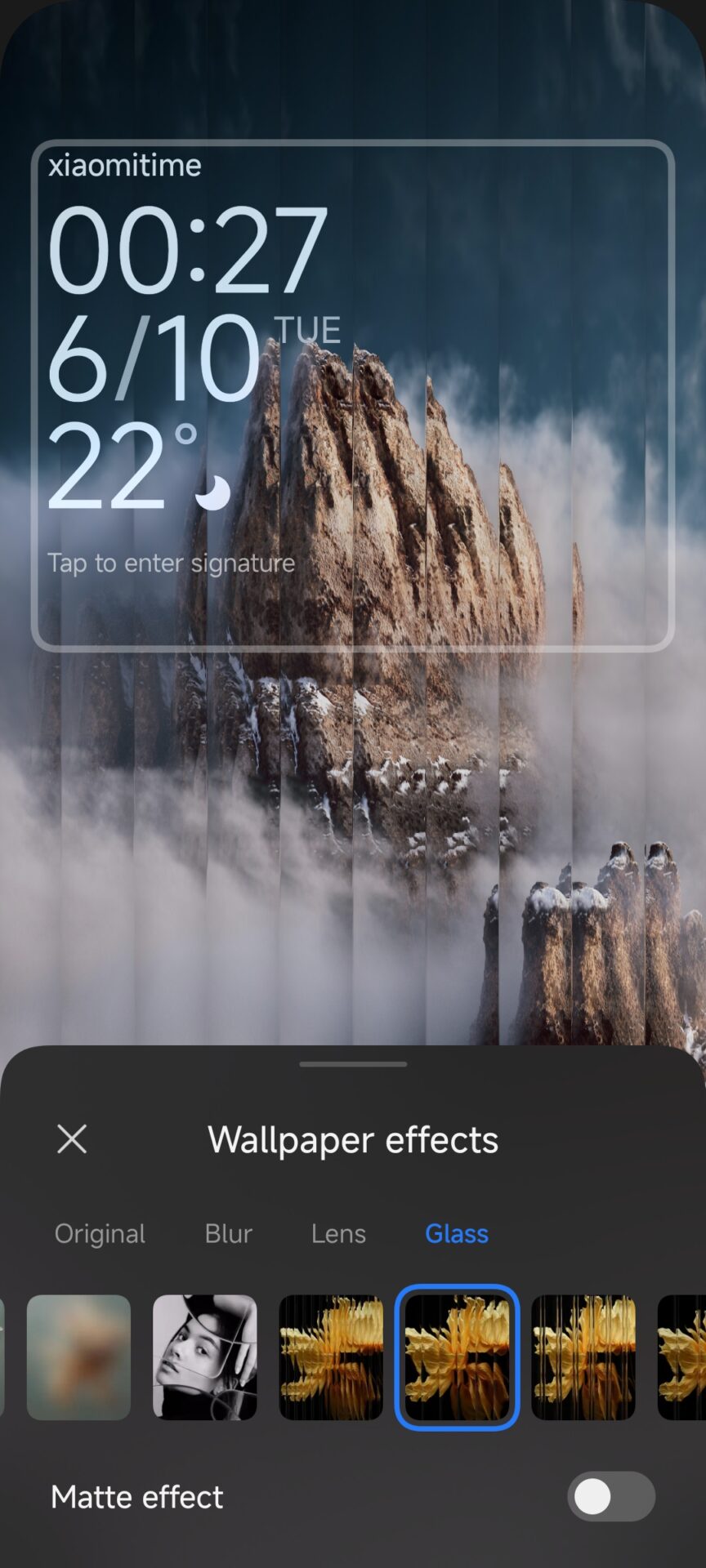
But with the shift to HyperOS from MIUI, Xiaomi reworked its software architecture and placed phones, tablets, wearables, and IoT under a single ecosystem. Even now, HyperOS 1 and HyperOS 2 restrict lock screen info to system-defined elements: time, weather, and basic status indicators. These aren’t Android widgets, but controlled UI components managed by Xiaomi.

Screenshot 2025 06 09 21 47 28 965 lockscreen edit Screenshot 2025 06 10 00 27 40 574 lockscreen

Such a design would ensure the efficiency of the battery and security, especially across a wide range of devices, including mid-range and entry-level hardware.

Android 16 and the return of lock screen widgets

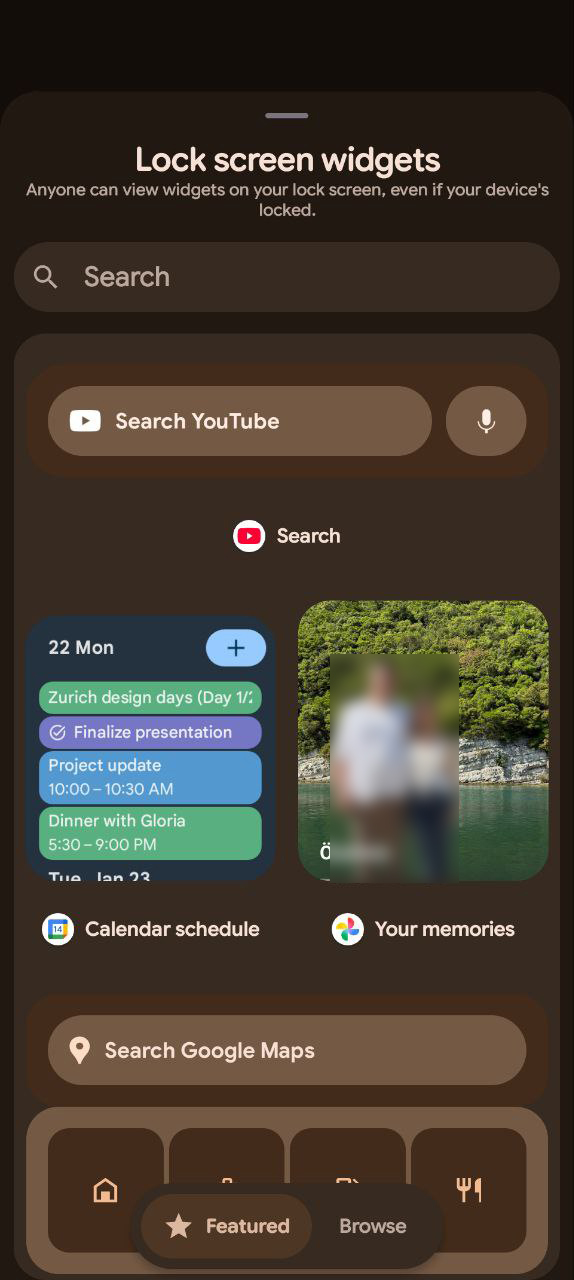
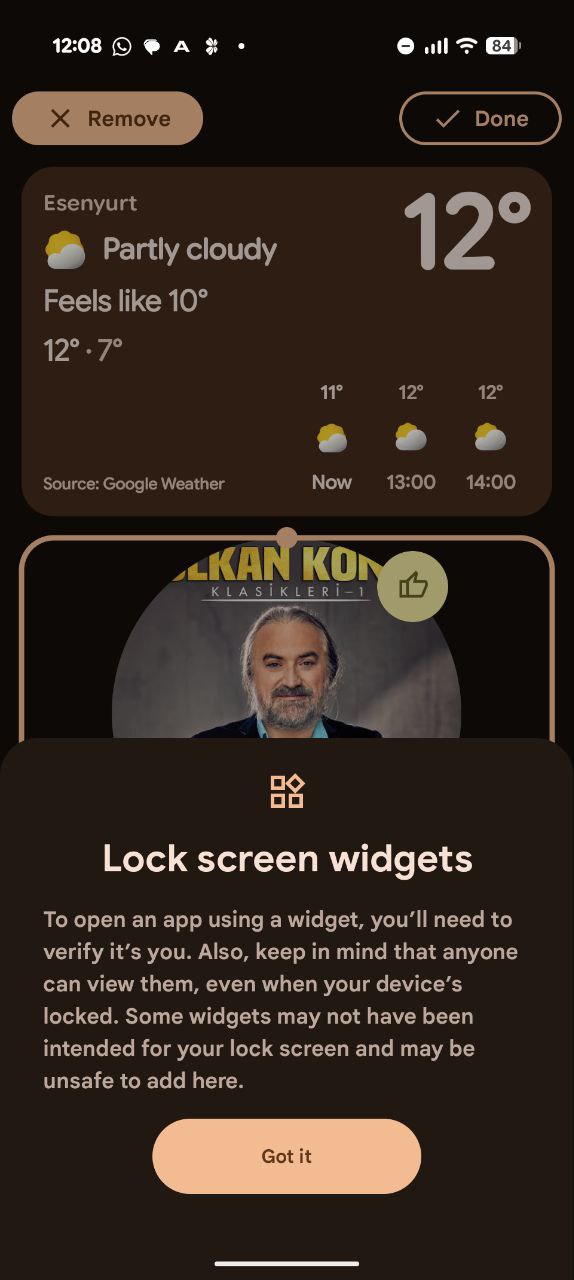
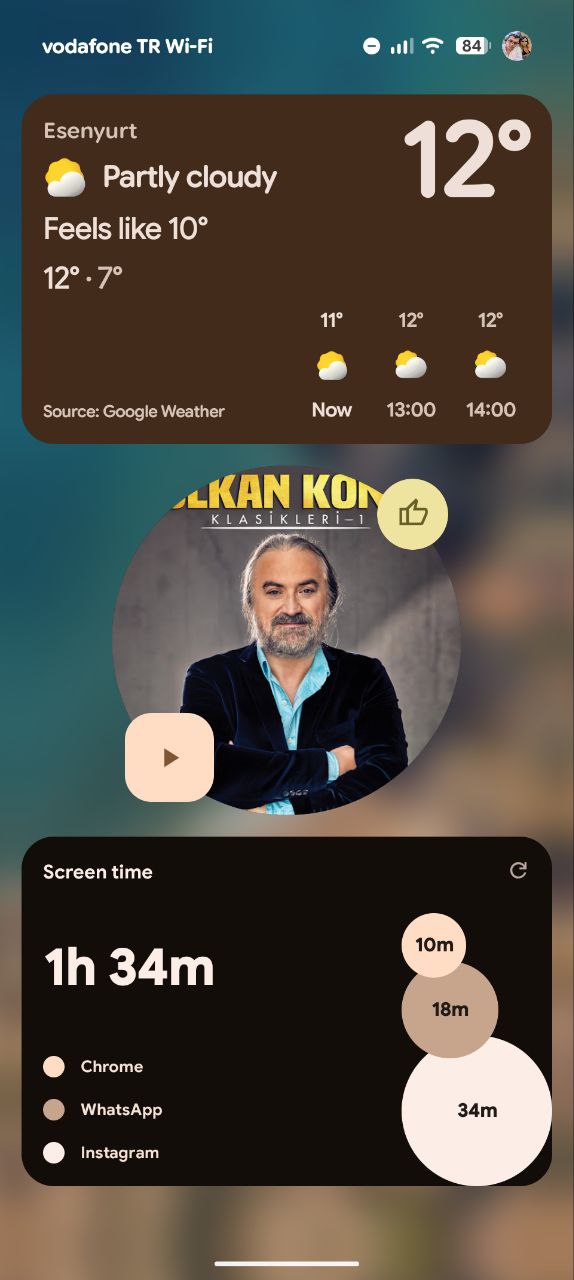
Android 16 comes complete with a more secure widget framework on its lock screen. This isn’t like the older implementation used in Android 4.2, which is based on a new system where there are these layered panels and restricted data access that help with keeping user privacy intact. Widgets can show limited information while the device is locked and fully unlock upon biometric authentication.

Android 16 QPR2 Lock Screen Widgets 1 Android 16 QPR2 Lock Screen Widgets 2 Android 16 QPR2 Lock Screen Widgets 3

This means a lot for Xiaomi-Android 16’s architecture fits better with the principles of HyperOS, making integration more plausible than what was possible in the MIUI era. Xiaomi has joined the developer programs for Android 16 with its recent flagship devices, implying early internal tests and preparation on the platform level.

Will HyperOS 4 Support Lock Screen Widgets?

So, yes, lock screen widgets are very likely to materialize with HyperOS 4, but with controlled deployment-validated use cases rather than free-for-all widget placement. Key expectations include the following:

  • System-level support based on Android 16 APIs
  • Strong focus on Xiaomi services, smart home controls, and vehicle integration
  • Design consistency with HyperOS lock screen styles
  • Battery- and performance-aware update intervals

This solution could enable users to verify important information or control connected devices without having to unlock the phone, while maintaining Xiaomi’s visual identity.

Strategic Importance for Xiaomi’s Ecosystem

Lock screen widgets fit naturally into Xiaomi’s long-term “Human × Car × Home” strategy. From smartphones to the Xiaomi Pad series, smart home appliances, and beyond to cars, quickly accessing information will be even more critical.

In this context, lock screen widgets are not just a cosmetic feature but also a functional bridge between devices that will make HyperOS more competitive with other major ecosystems, while being well-aligned with Xiaomi’s design discipline.

Final

MIUI never really supported native lock screen widgets, in the true Android sense, and neither did HyperOS continue that more controlled approach. But Android 16 changes the underlying technology in a way that aligns with Xiaomi’s goals. For that reason, HyperOS 4 is likely to bring lock screen widgets, but in a filtered and limited capacity rather than giving full freedom. This would be more of a natural development, rather than a backpedal of Xiaomi’s philosophy, providing users with helpful glanceable information while keeping performance, security, and ecosystem consistency intact.

Xiaomi’s historic GaN breakthrough paves the way for 6G Era

14 December 2025 at 15:48

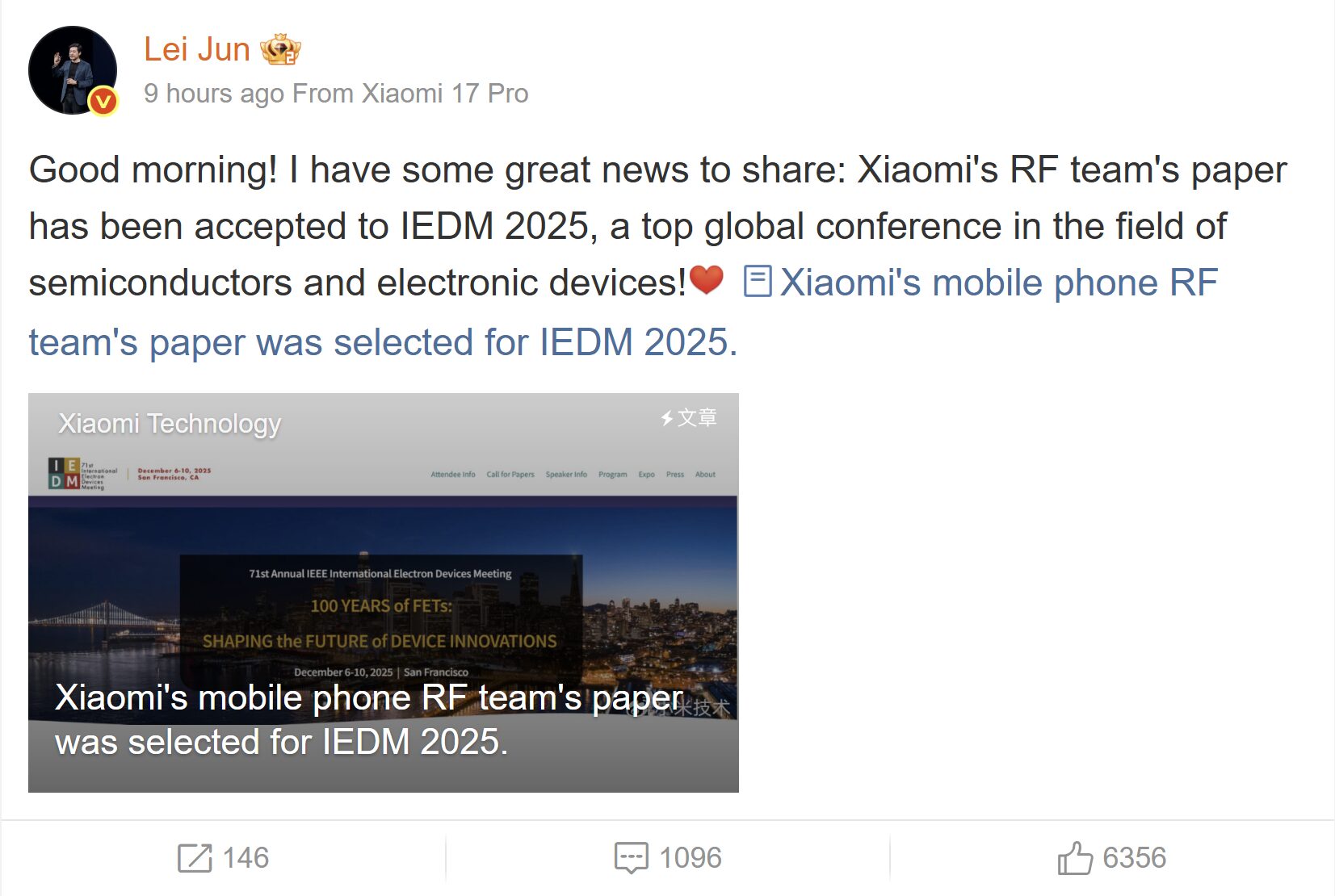
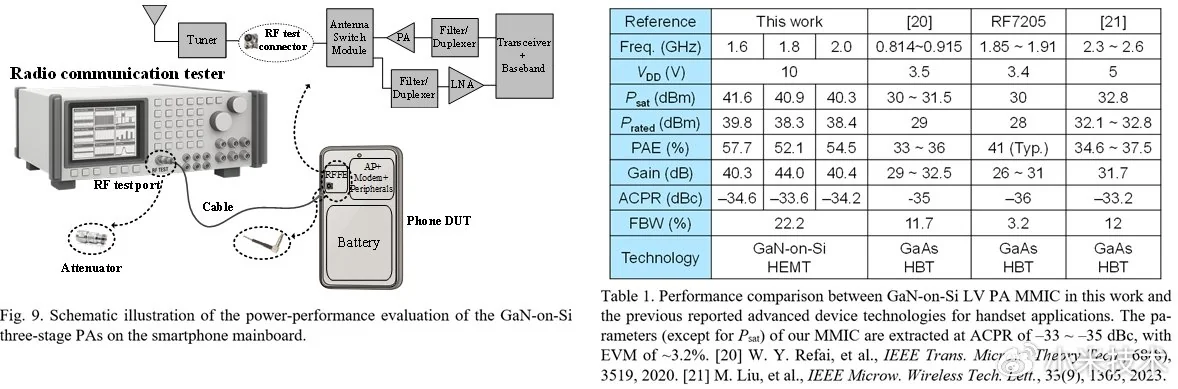
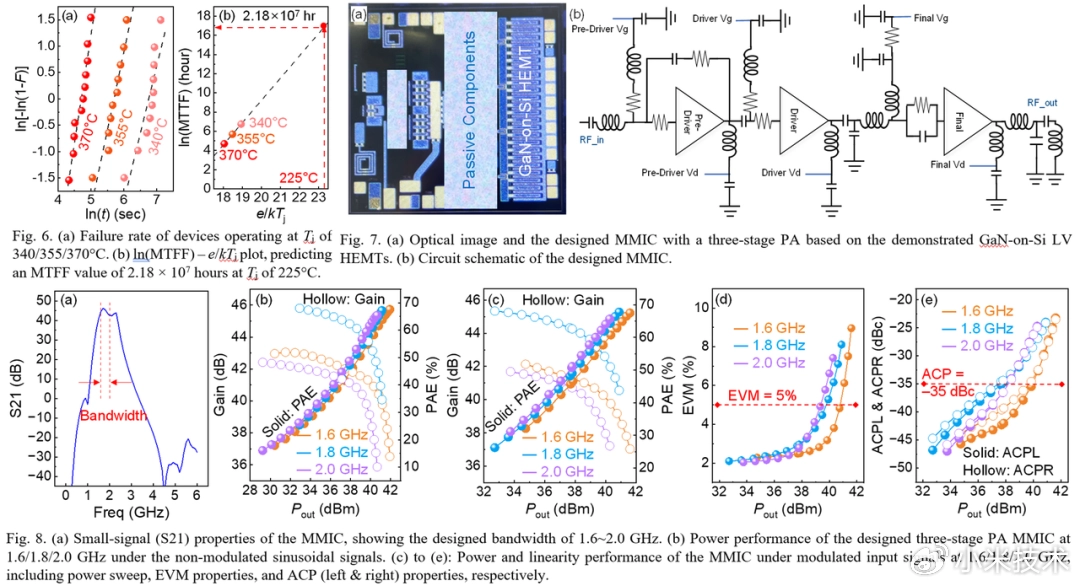
Almost making history in the semiconductor community with their phenomenal research paper that got selected for the esteemed IEDM 2025 conference, Xiaomi boss Lei Jun finally announces that their research team, namely the RF team for the Xiaomi mobile phone, managed to develop a new technology called Gallium Nitride (GaN) for mobile phones. This breakthrough significantly tackles the pertinent power consumption problem for the era of the 6G network and is a substantial improvement for the hardware of future Xiaomi phones.

Ekran goruntusu 2025 12 14 104557

Solving the Power Problem

With the advent of the next-generation mobile technology, 6G from 5G, the power consumption of data speeds is straining the existing technology to the point of collapse. The existing Gallium Arsenide (GaAs) amplifier that has been utilized for the past four decades is nearing its peak in terms of heat and energy efficiency. Although Gallium Nitride (GaN) is a better material than their predecessor, their voltage always had to be high (28V/48V), which is not feasible in a smartphone.

6G GaN 2 6G GaN 3 6G GaN 4 6G GaN 1

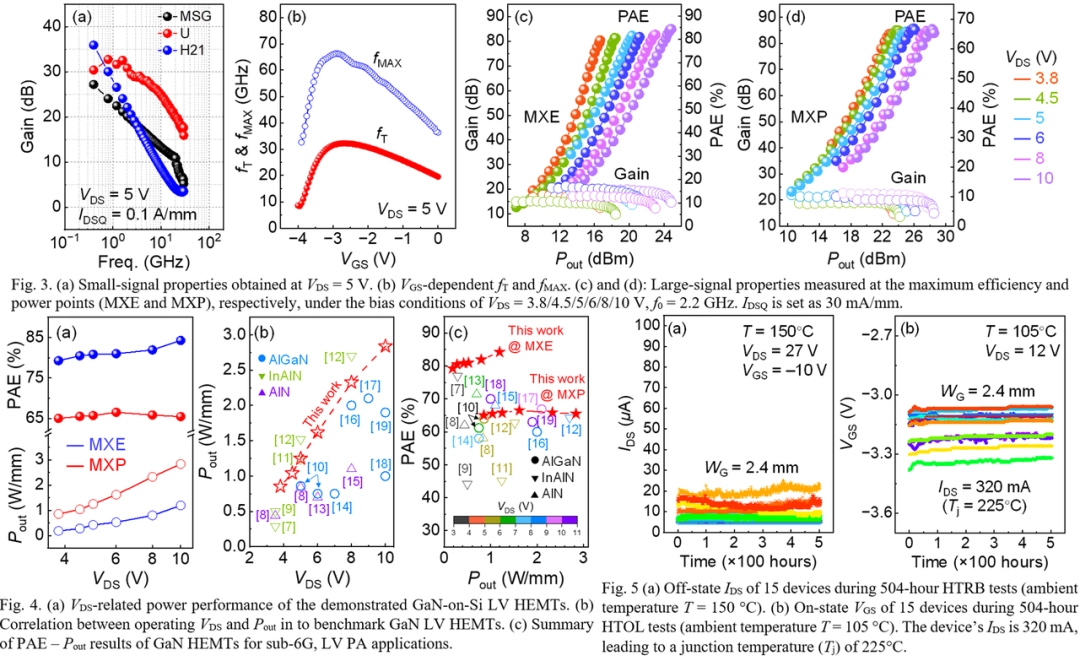
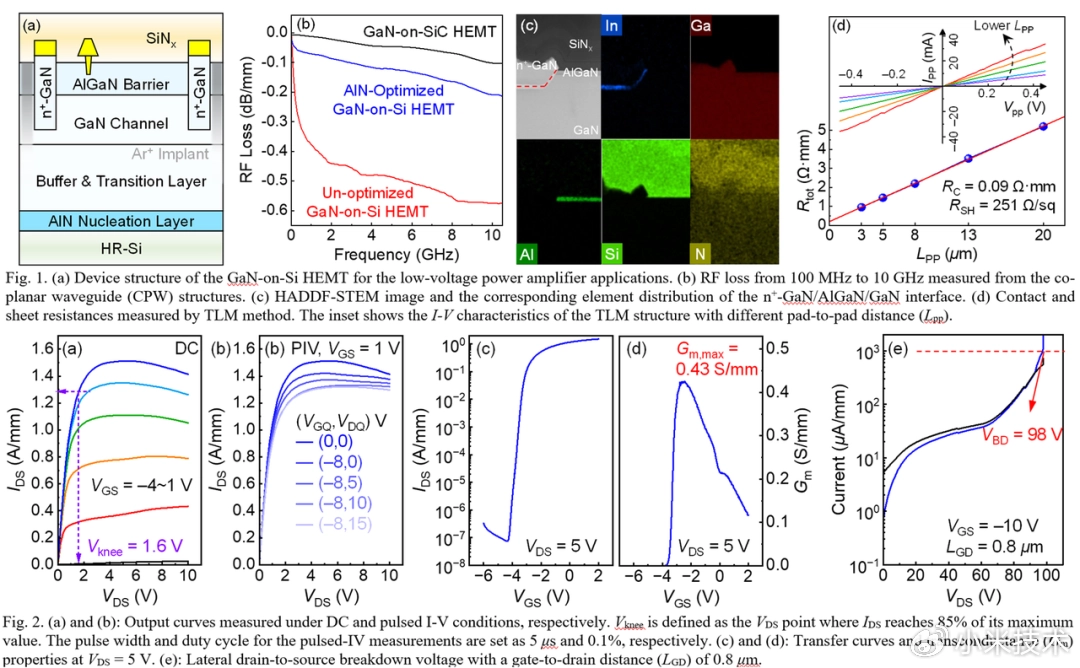
Xiaomi’s research team is one that has managed to break this barrier. They were able to develop a low voltage solution of silicon-based GaN, which works effectively in the power conditions of a mobile phone. This development helps fill the gap between materials that are high performance and those that are consumer grade.

Record-Breaking Performance

The selected paper describes a High Mobility Transistor (GaN HEMT) that provides outstanding performance. This innovative technology allows for a power-added efficiency of more than 80% at a low operating voltage of only 10V. This is a huge improvement over previous technology, with more power density but without the heating problem of previous materials.

Thus, through semiconductor optimization and minimizing the losses of the radio frequency, Xiaomi has demonstrated that GaN is feasible for incorporation into the RF front end of mobile phones. Not only does this work validate the technology in the academic circle, but it also opens the door to mass production, ensuring that phones become faster and cooler in the very near future.

Source, Source 2

Received — 14 December 2025 Xiaomi News & Update

What happens if Xiaomi earbuds go missing?

14 December 2025 at 11:00

With the rapid adoption of true wireless earbuds across the continent, compact audio devices became a big part of everyday life in Europe, but at the same time, this increased the chances of losing them even more. Xiaomi’s Redmi Buds, Xiaomi Buds, and their POCO-branded equivalents-sold as Xiaomi T series globally-are among the widely used ones within the European Economic Area, where its small size and cable-free design can become a practical disadvantage.

Understanding what can and cannot be done in case of a loss will help manage expectations and take the right technical steps.

Understanding how to locate Xiaomi earbuds

Before recovery attempts, it is critical to acknowledge the technical limitations of wireless earbuds. Unlike smartphones, Xiaomi earbuds do not include any GPS modules or cellular connectivity. Location detection must therefore be indirect and depends entirely on Bluetooth signals and software ecosystems.

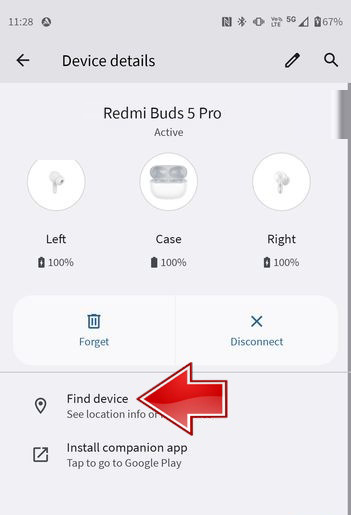
Find earbuds

Modern Xiaomi earbuds employ Bluetooth Low Energy, usually based on Bluetooth 5.2 or 5.3, or newer standards. When an earbud is outside its charging case and has some battery power, it periodically broadcasts a signal. Smartphones can estimate proximity using the signal strength values, commonly referred to as RSSI. This method will only work for short distances, typically less than ten meters, and thick walls, commonly found in European buildings, will weaken signals considerably.

This normally means that when the earbuds are inside the charging case and the lid is closed, Bluetooth transmission is usually disabled at the hardware level. In this state, digital tracking isn’t possible. Of course, once the battery is completely dead, all signal transmission stops, making the recovery a purely physical search.

Using Effective Xiaomi & Google Software Tools

Xiami, on their part, offers simple recovery capabilities via the official earbuds management application. Thus, the “Find your earphones” feature can only be helpful in quiet indoor environments like homes or offices because it allows users to initiate a loud ringing from the earbuds provided they are currently connected to the phone.

The application also logs the last known location where the Bluetooth connection was active. This is static information and does not update if, at some point afterward, the earbuds have moved. It is rather to be used as a reference point than as live data from tracking.

find headphones

Newer Xiaomi earbuds that support Google Fast Pair are able to integrate with Google’s “Find My Device” network. If an Android device is nearby an, in a sense, misplaced earbud, it may anonymously detect the Bluetooth signal and report an approximate location back to the owner. This can be very helpful if your earbuds go missing in a busy urban area, though the earbuds do need to have some juice left in them. A completely dead earbud cannot be found via this network.

Practical steps toward recovery in Europe

Timing is most crucial when the earbuds are lost. When the device still has power, taking action as soon as possible improves the possibility of recovering these devices.

Check the last known location of the Xiaomi Earbuds in the app or using Google Find My Device. Return to that area with Bluetooth turned on. In indoor environments, lowering background noise and activating the sound alert narrows down their location. Third-party Bluetooth scanner apps may help advanced users by showing how the signal strength changes as a person walks through a space.

If the loss took place in a public transport or shared area, contact the local lost-and-found services. European transport operators often list small electronic items only descriptively without serial number, but having the purchase documentation may help.

Replacement options and cost considerations

If recovery is unsuccessful, replacement becomes the next decision point. With the exception of very few cases, officially individual earbuds or charging cases are hardly sold as stock items in official Xiaomi channels in Europe. Some replacements may be offered for a fee by authorized service centers, with prices often approaching that of a new set, especially in the case of budget models.

IndividualIssues with Third-Party Sellers

Some third-party sellers sell single earbuds, mostly sourced from outside the EU. Although this offers cost savings for premium models, shipping times and possible warranty limitations should be carefully weighted. For more affordable Redmi Buds variants, buying a new pair is often the most convenient and pragmatic approach.

After having replaced a single earbud, users need to make a full reset and re-pair it so that the new and existing parts will be able to synchronize appropriately. Firmware updates via the official app are highly recommended for stable performance.

Future preventive measures

Sometimes, prevention is better than recovery. It’s highly recommended to enable Google Find My Device at setup. Protective cases with keyrings attached or an external Bluetooth tracker attached inside the charging case can greatly reduce most risks. Doing periodic system app updates through trusted sources such as HyperOSUpdates.com or using tools like the MemeOS Enhancer application will let one have the bleeding-edge features added into the ecosystem and all stability enhancements.

Losing European Xiaomi earbuds is a manageable situation when one understands the real technical and logistic facts. Recovery tools based on Bluetooth can work within conditions, and there are no guarantees provided. For premium segment models, the replacement of a single module might be economically reasonable; in entry-level ones, it is often more advisable to replace them completely. As in most cases, the best strategy remains one of proactive prevention, which combines software activation with physical accessories and informed habits of use.

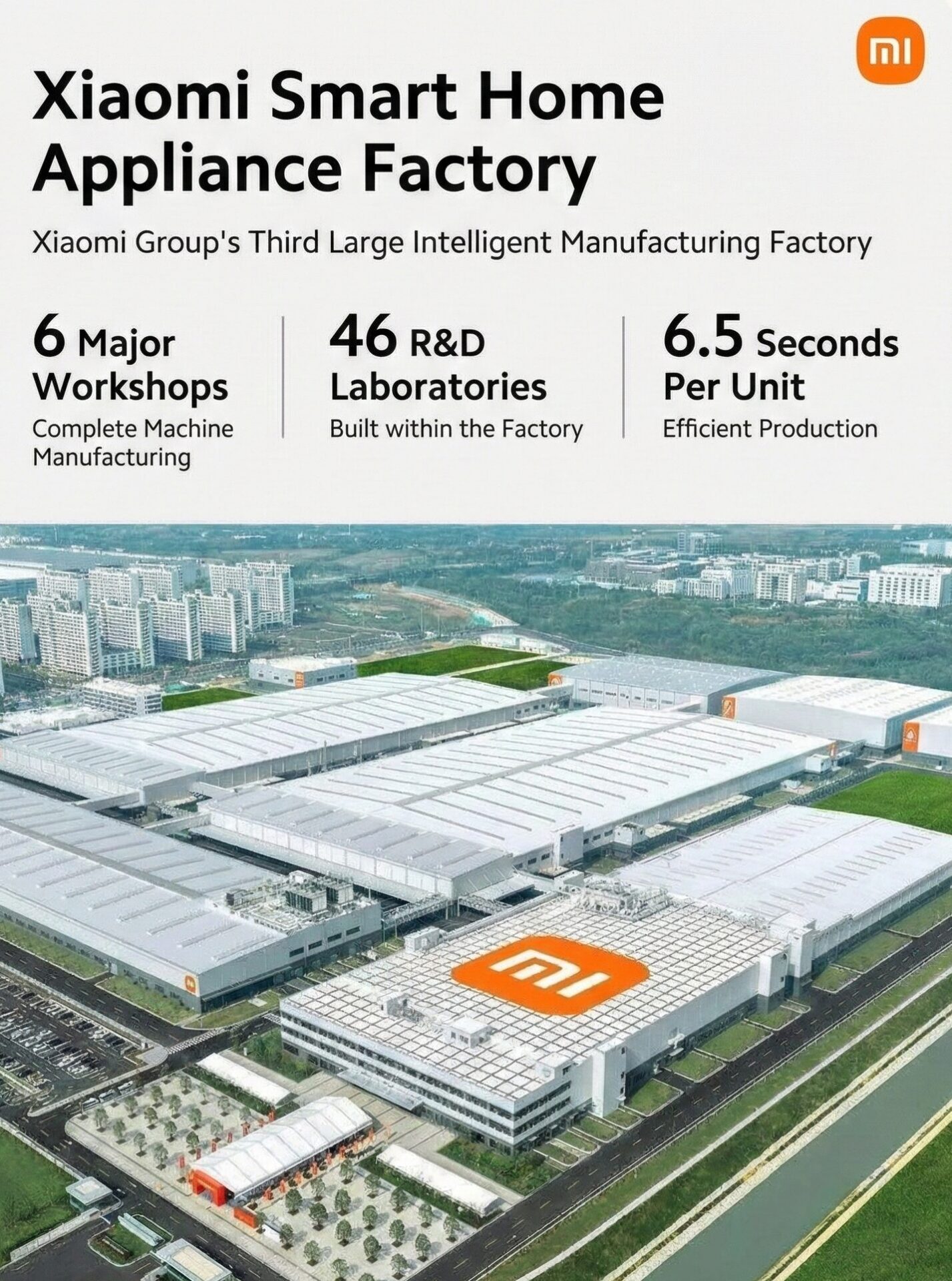
Xiaomi’s new factory can produce an air conditioner within 6.5 seconds

14 December 2025 at 07:30

Xiaomi has also stepped up the pace of its plans for home appliances globally by investing in a brand new massive production line in China, which is set to increase efficiency exponentially. Now that Xiaomi/Mijia refrigerators, air conditioners, and washing machines are rolling out from China into even more countries worldwide, Xiaomi has introduced a new generation factory that is optimized for speed, efficiency, and scalability.

The establishment of a new production base for Xiaomi home appliances

In order to cope with the increasing global demand, Xiaomi has launched a factory that is specifically used for making home appliances – Wuhan Xiaomi Smart Home Appliance Factory. This is the very first factory Xiaomi has set up that specifically focuses on producing large home appliances, as most of Xiaomi’s previous products are smartphones, televisions, etc.

In the words of Lu Weibing, Partner, and President of Xiaomi Group, as well as the CEO of the Xiaomi brand, “Phase one of our factory has been completed, and we are already operating at full capacity.” This means that the factory is currently operating at full capacity with optimized production lines for efficiency. This is a demonstration of the commitment by Xiaomi to vertical integration and intelligent manufacturing practices.

Xiaomi smart appilance factory

The Wuhan factory is significant because of the rate at which it produces its goods. It takes only 6.5 seconds to produce a unit of the Mi Home Central Air Conditioner Pro Dual Fan Wheel.

The factory now has a total of six professional production lines, which include the entire assembly process of air conditioners for residential and central air-conditioning systems. This helps Xiaomi increase production speed with minimum human labor inputs, ensuring high standards of quality control. The initial production of air conditioners from this factory is now readied for commercial launch.

Xiaomi’s Third Mega Factory & Strategic Milestone

The Wuhan Smart Home Appliance Factory is the third giant smart factory established by Xiaomi, after its state-of-the-art smartphone factory and the automotive super factory. But this particular factory holds a special strategic place because it is Xiaomi’s maiden giant factory only for home appliances.

Xiaomi is making a bold statement with a significant investment in appliance manufacturing, which means that the brand no longer considers smart home devices a secondary product line to the smartphones. This is because Xiaomi is now making smart home devices a fundamental component of the overall expansion strategy, which is linked to Xiaomi HyperConnect and the AIoT ecosystem.

Fast construction: a paradigm of efficiency established

Other than the rate of production, the construction schedule of the Wuhan plant has been of some interest. The plant is situated in the East Lake Technology Development Zone, with the foundation stone being laid on November 26 of last year. The construction started within three months of the signed contract, with the main structure completed on January 20, 2025.

The completion of a huge such industrial project within such a short period has set a certain benchmark within Xiaomi, as far as project completion is concerned. It clearly shows that Xiaomi is applying a certain efficiency technique from product development to infrastructure development.

Source

Xiaomi could jump straight to the Xiaomi 20 series, skipping 19

14 December 2025 at 03:12

Xiaomi may make another daring naming move by bypassing the Xiaomi 19 series and going straight for the Xiaomi 20 lineup this time, as reported lately. It would echo Apple’s supposedly bypassing the iPhone 19 model to commemorate the 20th-anniversary release of iPhone with the iPhone 20 series in 2027. Xiaomi had already done a comparable naming revision with the Xiaomi 17 Pro Max with a move for apple’s “Pro Max” pattern and skipping 16 series. Xiaomi 17 Pro Max launch already indicated that Xiaomi will not hesitate to make a revision.

Why Xiaomi might bypass “19”

Skipping the naming convention of Xiaomi 19 is no cult decision. In the Chinese context, 19 has no unique cultural meaning, but skipping it may find marketing synchronism with Apple. As Apple’s 2027 series will commemorate two decades of iPhone life, Xiaomi might find a mirage of linking its flagship naming with Apple’s to validate its high-end standing in the international market.

This was also a repetition of what was seen in 2017 after Apple bypassed the iPhone 9 release and came out with the iPhone X during its 10th-anniversary celebrations. In a similar way, Xiaomi may utilize the name Xiaomi 20 to release innovative technologies like camera systems integrated with AIHyperOS 5, or Snapdragon 8 Elite 7th-generation processors.

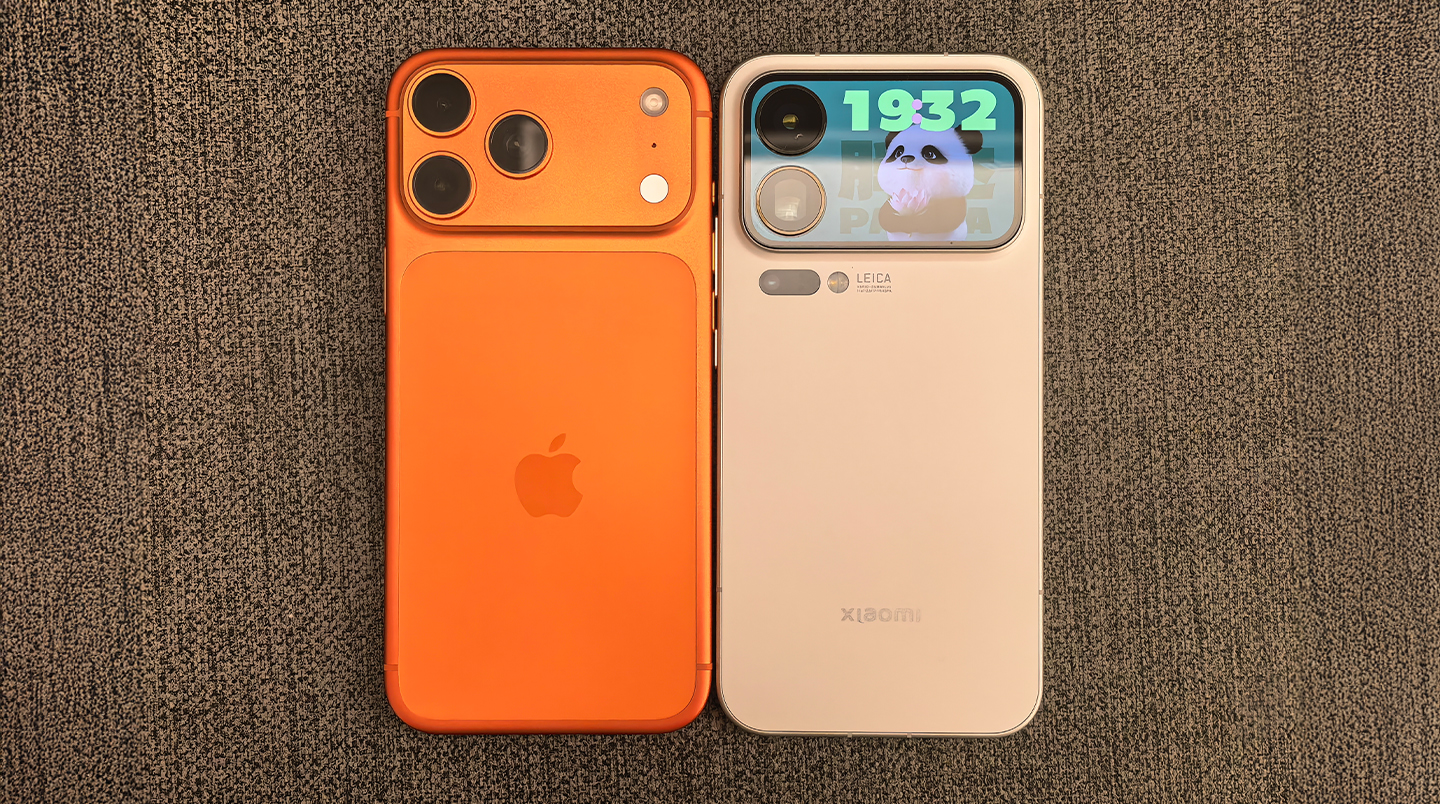
Xiaomi 17 Pro Max and iPhone 17 Pro Max 1

It was a symbolic move for Xiaomi’s second decade.

If this rumor holds water, Xiaomi’s Xiaomi 20 series will come out somewhere around 2027, which will open a new page for the smartphone. Aligning itself numerically with its counterpart Apple, Xiaomi strengthens its identity as a world-class smartphone brand that sets trends, not emulates.

This naming convergence also benefits marketing for Xiaomi, allowing users to compare the iPhone 20 side by side with Xiaomi 20 more easily — a subtle but potent positional stroke in smartphone marketbrand rivalry.

Source

IKEA launches Donut-Shaped Qi2 charger with two unexpected functions

13 December 2025 at 19:12

IKEA has officially introduced a new Qi2 wireless charging accessory, dubbed the VASTMARKE Wireless Charger and it is already turning heads due to its peculiar donut-shaped design and practical hidden functions. Priced at $9.99 USD, the accessory aims at users who want an affordable Qi2 solution that will handle current smartphones. As this technology becomes increasingly common throughout flagship devices, accessories like this show how design and usability can be combined in a basic, cost-effective product.

A minimal design, centered around Qi2 standards.

The VASTMARKE Wireless Charger comes with the Qi2 wireless charging standard supported, ensuring compatibility with the newest smartphones using magnetic alignment to ensure effective power delivery. Qi2 support translates into stable charging performance and proper coil positioning, particularly important for newer devices.

IKEA VASTMARKE Qi2 Wireless Charger 1420x774 1

The charger includes built-in magnets that allow it to align correctly with MagSafe-compatible phones, among other magnetic systems. In this way, it will be suitable for recent models of iPhones and newer Androids that support magnetic wireless charging. The integrated USB-C cable reflects the current standard and secures broad compatibility with modern power adapters.

Although the charger up until now is available only in a variant of bright red color, the focus of IKEA here is clearly on function rather than aesthetic variety.

Chapter Two Hidden Functions That Improve Daily Use

Beyond its price and Qi2 support, what makes the VASTMARKE charger special is the fact that it contains two features, both of which are hidden in plain sight.

First, the donut-shaped top portion can be flipped back and used as a built-in phone grip; through it, one can slip his fingers behind the charger, like in a PopSocket, to hold the phone securely while operating.

The same donut structure thus serves as a cable management system: the charging cable can be wrapped neatly around the center of the charger and then hidden inside the top cover. It will help make desks and bags tidier by not making cables get in the way during transportation or storage.

These small but thoughtful design choices also fit with IKEA’s long-standing approach of marrying affordability with practical solutions for everyday living.

Availability and Market Positioning

Currently, the IKEA VASTMARKE Qi2 Wireless Charger is available for online purchase through IKEA’s website, though shipping demands a minimum order of 35 USD. It is to be noted that in-store pickups will vary by region.

While not designed with Xiaomi devices in mind because there aren’t any Xiaomi with Qi2 compatible. Qi2-compatible accessories such as this are slowly but surely becoming more relevant within the wider Android ecosystem as more and more magnetic wireless charging standards are adopted.

Source

Received — 13 December 2025 Xiaomi News & Update

REDMI Turbo 5 Pro certified in China, release expected very soon

13 December 2025 at 17:25

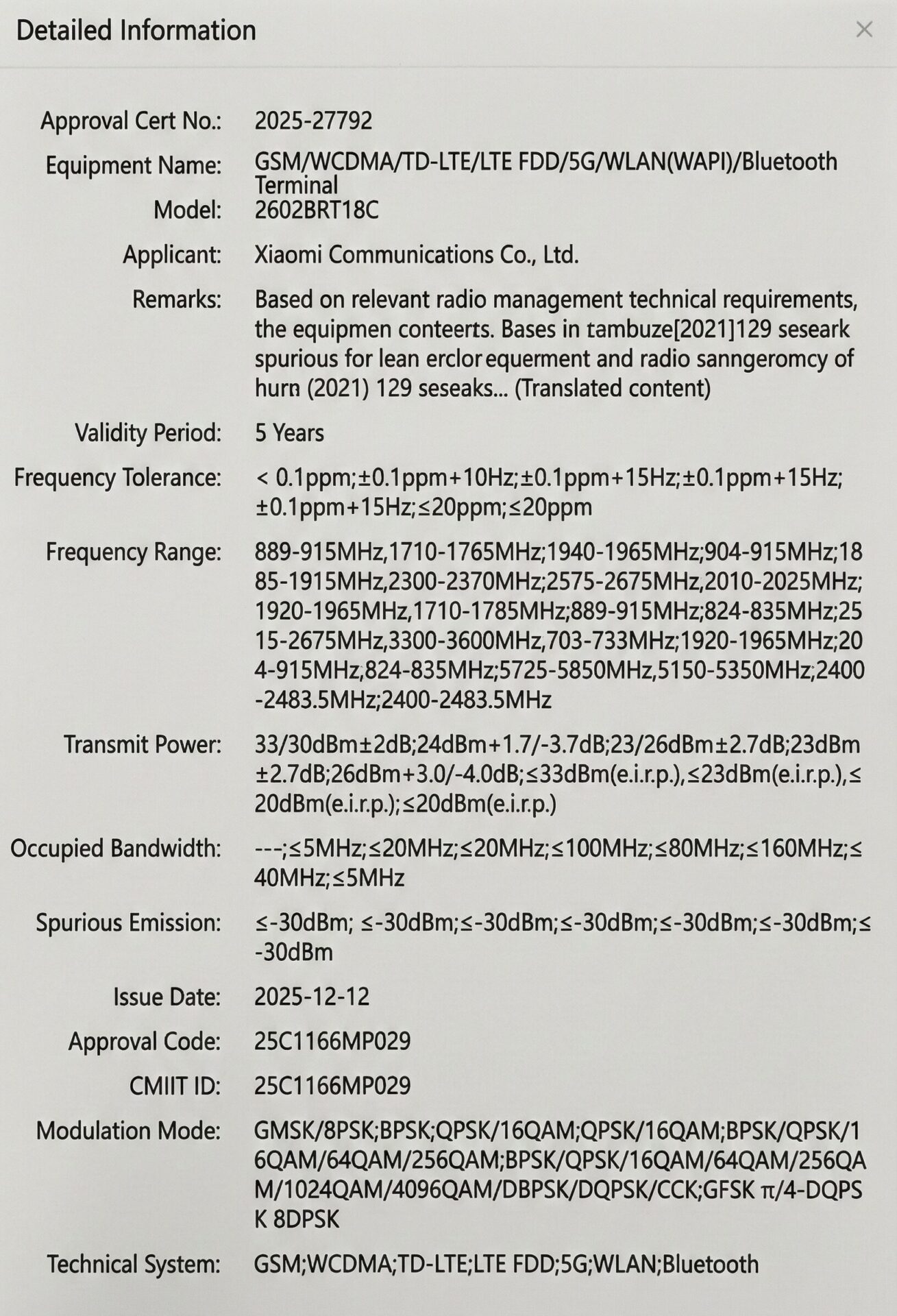
There is a brand new Xiaomi device that has already obtained SRRC radio certification, which indicates that the release of this device might be closer than we think. The device, with the model number 2602BRT18C, is most likely a part of the REDMI TURBO 5 series, as suggested by the most reliable Chinese leakers. In the preliminary details available, it has been suggested that this particular device might be known as REDMI TURBO 5 Pro, which might enter the markets prior to the Chinese Spring Festival.

SRRC Certification: Evidence of Launch Preparation

This is a significant regulatory step that Xiaomi has accomplished before launching the smartphone in China. According to blogger @SmartPikachu, the newly approved smartphone qualifies for the series named “REDMI Turbo 5.” This is consistent with previous reports that stated Xiaomi is fast-tracking its product lineup calendar for the early part of 2025, especially within the mid-to-high-end performance lineup.

REDMI TRUBO 5

Industry insiders have also revealed that Xiaomi is set to launch two versions of the Redmi 5 Turbo, as well as some ecosystem products such as headsets, computers, and desktop charging devices. The earliest date for the launch is said to be January or February, which is even before the Spring Festival.

Performance Positioning and Hardware Expectations

On the basis of the details shared by @DigitalChatStation, the REDMI Turbo 5 Pro is set to become a substantially upgraded version in the performance segment. This product is going to come with the only flagship processor available in this segment, with intensive tuning as well as optimized cache. Although the processor has not been identified, this device is aimed at providing a performance close to that of the flagship within a relatively affordable price segment.

Battery life and charging are also emphasized as significant improvements. Specifically, the alleged specs list the biggest battery in the segment with 100W fast charging. There are claims of a 9000mAh capacity, which, assuming they are true, would be a significant marker in the Turbo line, further solidifying its position centered on endurance.

Design, Characteristics, Market Position

Regarding design and quality, the REDMI Turbo 5 Pro is predicted to use a metal frame with a minimalist industrial design. Other technologies said to be used are a 3D ultrasonic fingerprint sensorfull-level water resistance, as well as symmetrical stereo speakers, which are meant to provide a well-rounded user experience.

In terms of pricing, it is reported that it is targeted at the CNY 2,500 price segment, which is roughly translated to USD 350-360. This is a positioning that marks it as a follow-up to the performance roles hitherto occupied by the REDMI K series models.

For comparison, REDMI TURBO 4 PRO came with the Snapdragon 8s Gen 4 chipset, a 6.83-inch 1.5K LTPS screen, a 50MP dual-camera setup, and support for 90W fast charging. The TURBO 5 PRO, therefore, is set to come with significant improvements in terms of performance, endurance, and design.

Global Branding Outlook

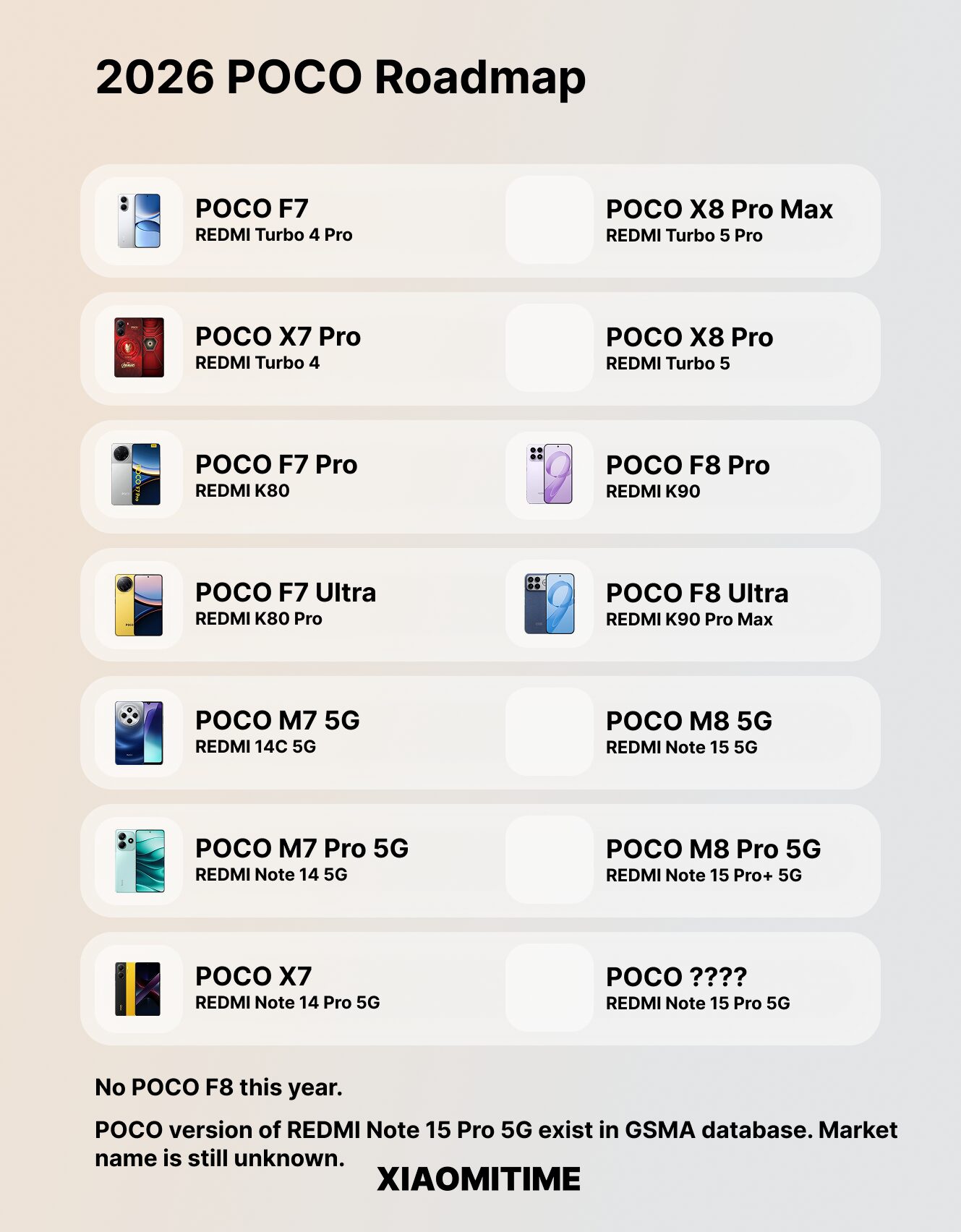
Like the previous ones, the REDMI Turbo series is only available in China. In the international arena, the REDMI Turbo 5 is set to be released as POCO X8 Pro, while the REDMI Turbo 5 Pro is going to be released as POCO X8 Pro Max. Xiaomi has been following this pattern with regard to naming conventions to make the offerings consistent on a geographic basis.

POCO 2026 Lineup

Xiaomi has not yet confirmed the launch dates and specifications, but regulatory filings, as well as consistent leaks, indicate that an announcement is imminent. This is set to come in the coming weeks when Xiaomi readies the lineup for the beginning of 2025.

Xiaomi HyperOS 3 vs iOS 26 vs OneUI 8: Which one is best?

13 December 2025 at 12:34

In The mobile operating system market, as of 2025, has transcended the realms of hardware competition and entered a new era characterized by AI integration, ecosystem development, and design optimization. The market is ruled by three schools of operating philosophy – Xiaomi HyperOS 3Samsung OneUI 8, and Apple iOS 26. The operating philosophy of each operating system dictates the operating principles, each differing by Apple’s Design Centric attitude, Samsung’s Utility Smart approach, and Xiaomi’s Ecosystem Centric hybrid model.

Within this dynamic ecosystem, Xiaomi strives to harmonize quality design and open flexibility. Based on the company’s Human × Car × Home vision, HyperOS 3 succeeds the company’s initiatives, blending aesthetic flexibility with smart connectivity among devices ranging from smartphones to cars.

Apple iOS 26: The “Liquid Glass” Paradigm

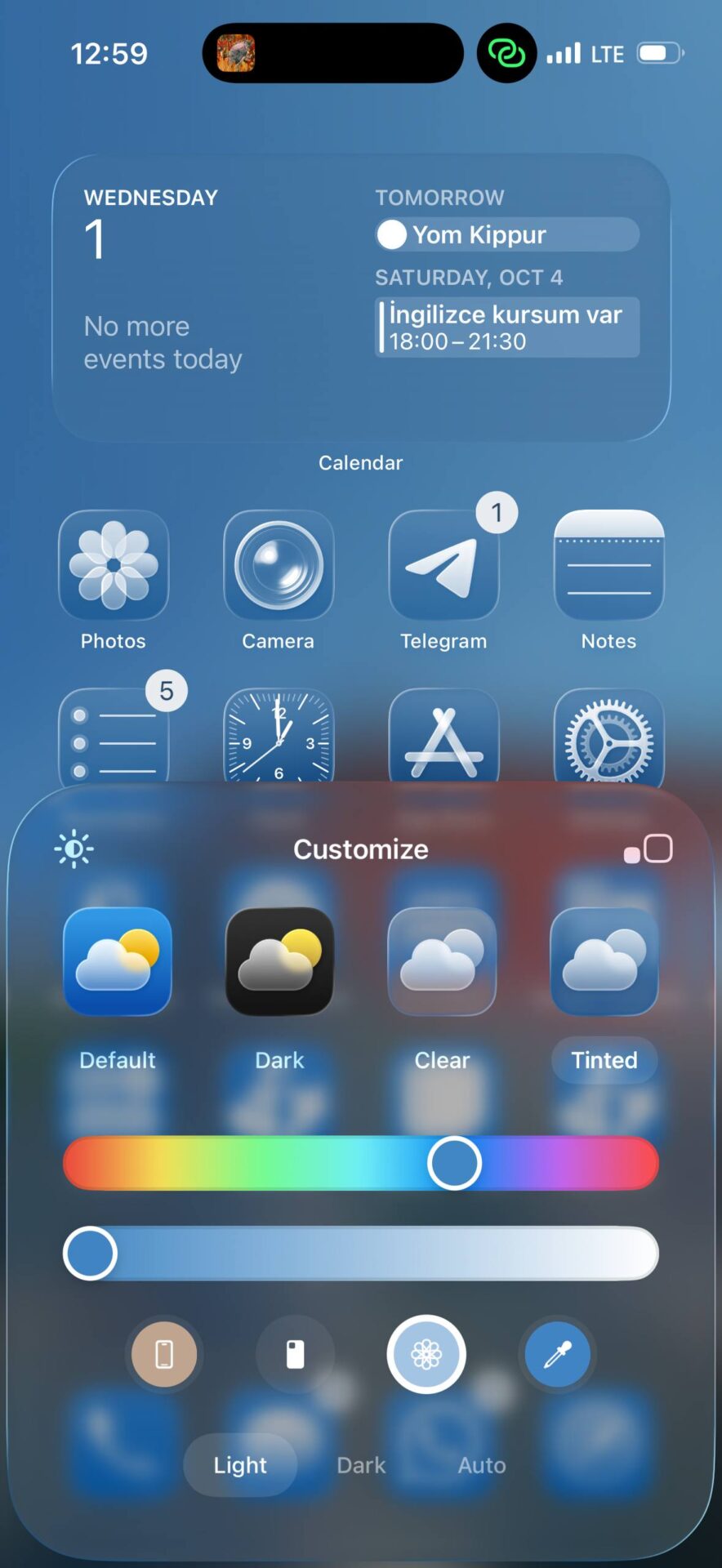
In The visual transformation is so radical that they have termed it Liquid Glass, the most dramatic change to their UI since iOS 7. The semi-transparent UI copied glass optics as glass indeed reflects and refracts light dynamically. While its aesthetic effect is dramatic, users have complained that they could not read well, so they included a Tinted Mode in their iOS 26.1 upgrade, a rare departure by Apple, which often favors aesthetics over utility.

iOS 26 iOS 26 5

Samsung OneUI 8: Pragmatic Intelligence

The Samsung approach elevates dependability and artificial intelligence integration rather than focusing on what the visuals hold. The decision to pass on Google’s Material 3 Expressive design philosophy enhances Samsung’s gesture of independence by centering their approach on dependability and productivity features like KnoxDeX, and AI Agents. OneUI 8, therefore, establishes a clear distinction as a stand-alone operating system.

OneUI 8 1 OneUI 8 2

Xiaomi HyperOS 3: Hybrid, or rather, ‘Premium

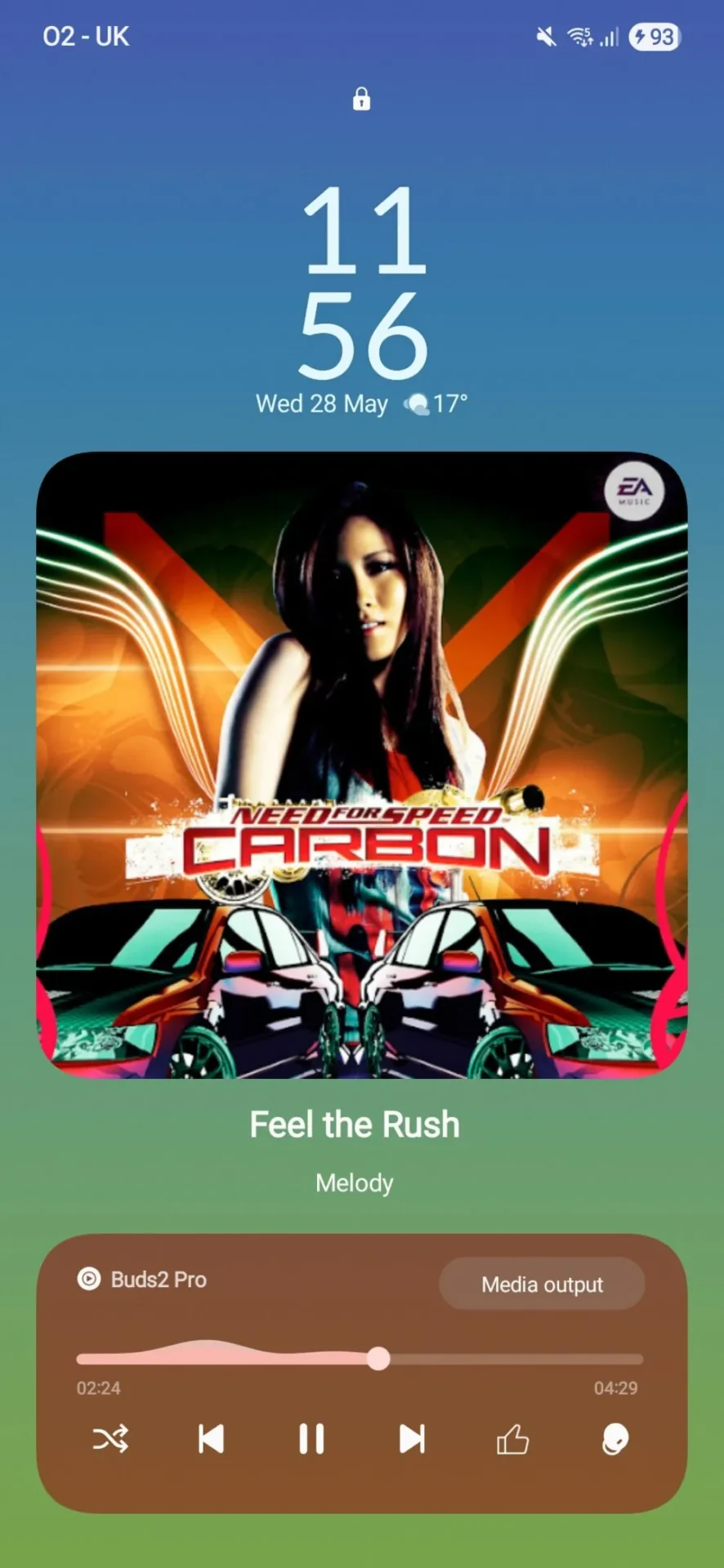
HyperOS 3 combines the elegant interface features inspired by iOS with the flexibility offered by Android operating systems. The new operating system features rounded icons, smooth blur effects, and the HyperIsland, which is the Xiaomi interface name for a feature similar to Dynamic Island found on other devices by a competing brand, iOS. The new operating system will feature an interface familiar to iOS devices but will still come with strong roots in Android, as designed by developers

HyperOS Theme 3 HyperOS 3 Launcher 11

Control Center: Freedom vs. Refinement

  • Apple iOS 26: Offers full customization, so users can move, resize, and organize tiles, which is the first big move toward personalization by Apple.
  • Samsung OneUI 8.5 carries this even further, allowing the resizing of buttons, which is perfect optimization for power users.
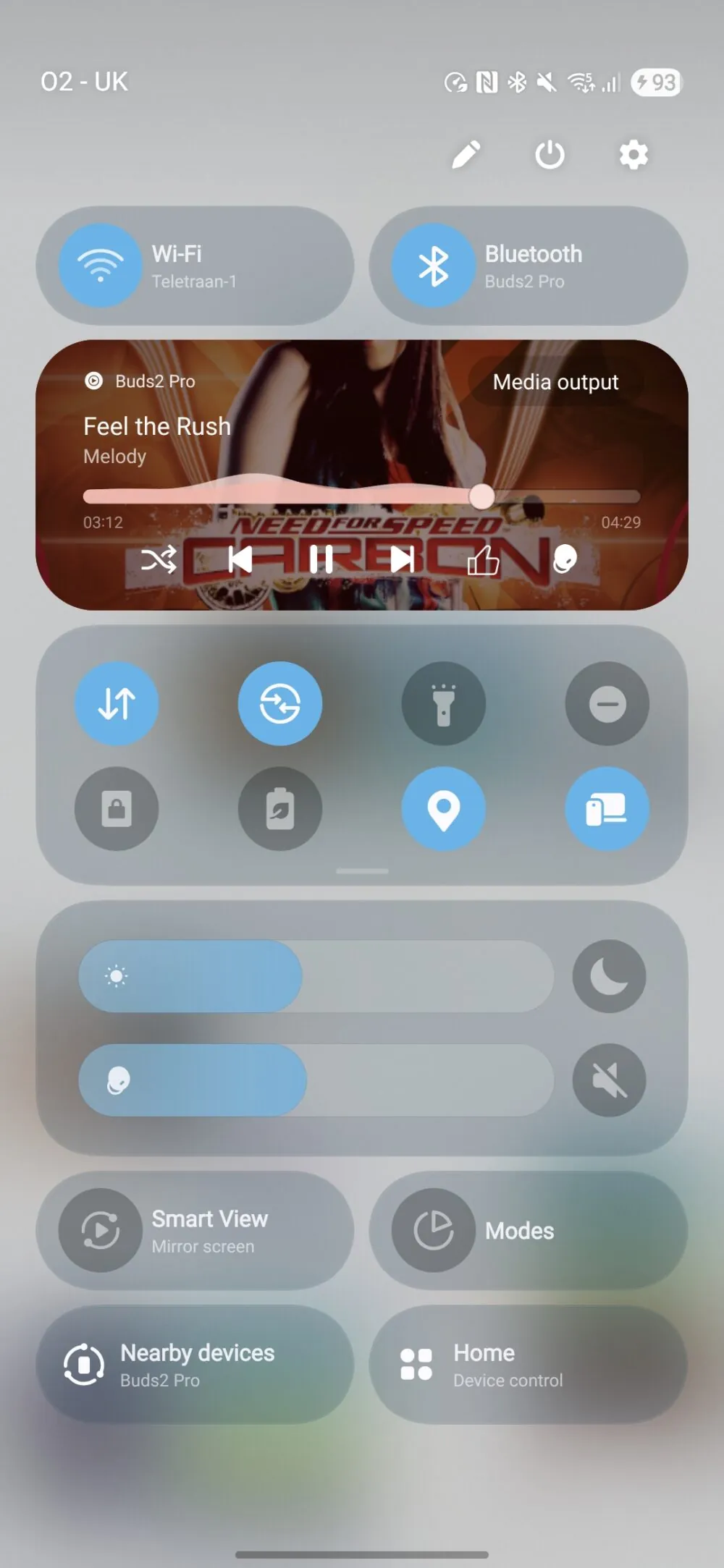
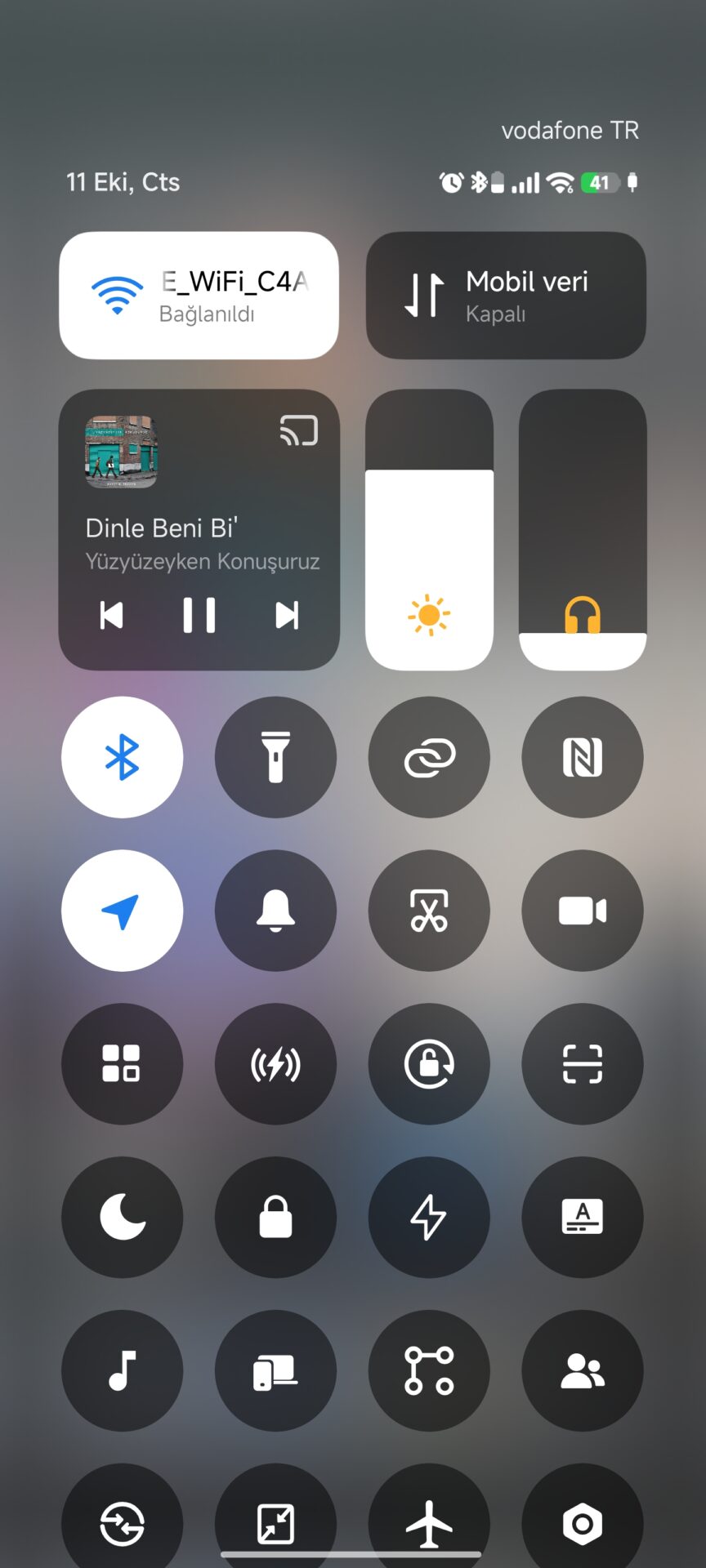
  • Xiaomi HyperOS 3, on the other hand, provides visual sophistication but insufficient customization. Even as its Live Blur Effect provides immaculate clarityfunctionality flexibility is subordinate to its peers. For the Android operating system

Home Screen Intelligence

  • The Samsung company converts their launcher into an “AI-powered query hub” by utilising the Finder AI, which supports various other AI models, including Gemini and Gauss AI. The Samsung company modifies their
  • Apple stresses Personal Aesthetic Control, which involves widget placement and On-Device Apple Intelligence Features.
  • Xiaomi‘s HyperAI enhances the launcher by making it an ecosystem control center, capable of connecting phones, tablets, as well as smart devices around a person’s living space. Additionally, the technology offers functions such as AI Writing, Image Recognition, and Voice Transcription.

Animation and Navigation: The Feel of Speed

  • Apple iOS 26 employs a physics-based Jelly Effect that simulates realistic movement.
  • Xiaomi HyperOS 3 achieves near-iOS fluidity with responsive transitions — especially on flagship models. However, animation performance varies across hardware tiers.
  • Samsung OneUI 8 emphasizes speed and consistency, prioritizing responsiveness over aesthetic expression.

Update Strategy: Three Paths to Longevity

  • Apple continues to dominate simultaneous deployment, rolling out iOS updates globally across all eligible devices on Day 1.
  • Samsung leads in software longevity, offering up to seven years of support for flagship models.
  • Xiaomi, however, follows a broad deployment strategy, targeting an extensive range of devices across price segments — reflecting its commitment to inclusivity rather than exclusivity.

Final Thoughts

The 2025 OS competition is a matter of performance, but even more, philosophy.

  • Apple perfects beauty and emotion.
  • Samsung masters function and control.
  • Xiaomi balances ecosystem unity and user freedom.

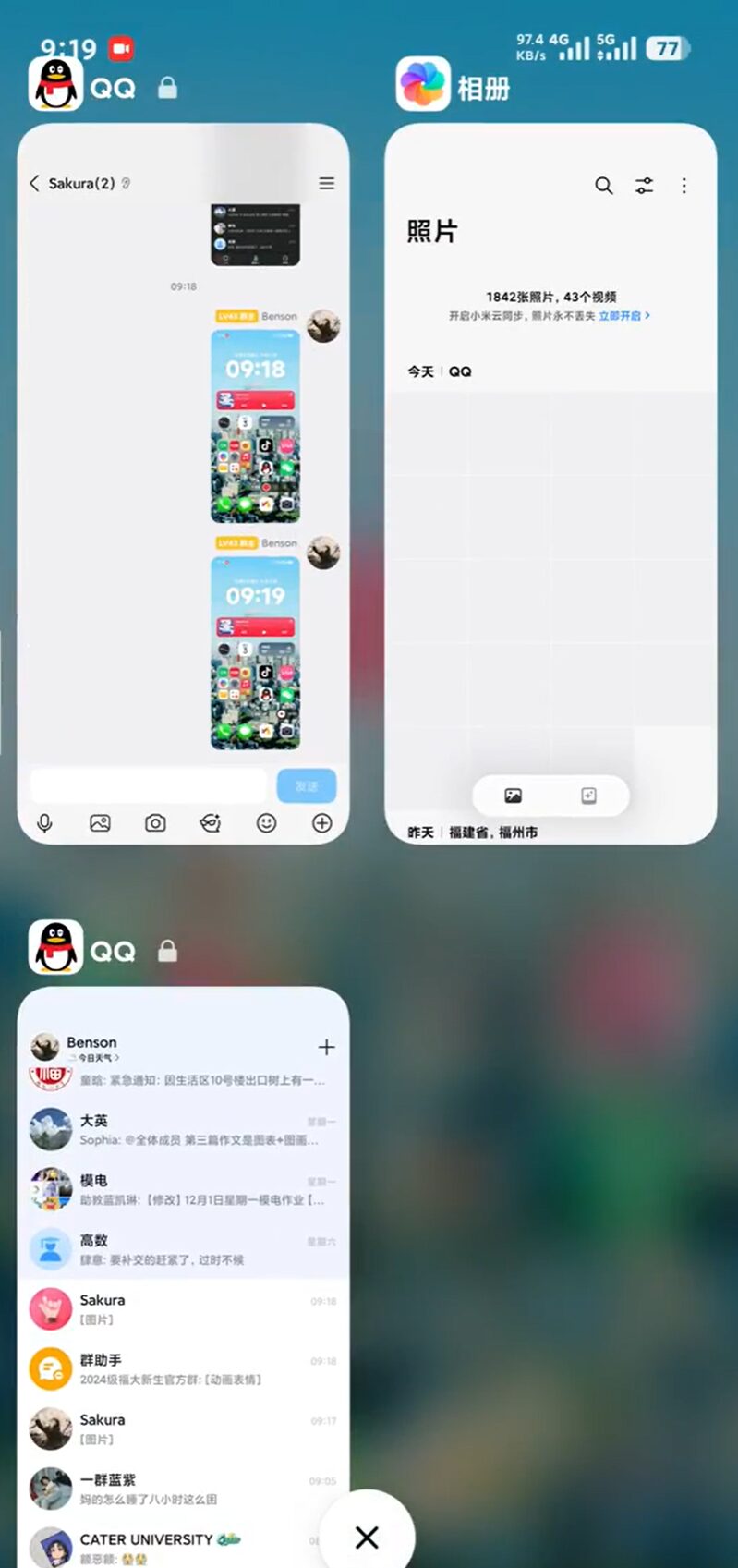
Xiaomi fixes bug in recent apps preview with new launcher update

13 December 2025 at 09:00

The issue with the recent apps preview image repeating on the desktop after December 25 has already been lifted by Xiaomi. It initially happened because a user took a screenshot, sent it to a social networking app, and then removed it. The issue, as confirmed by Xiaomi itself, was completely harmless and has already been resolved with HyperOS Launcher, which is released as an update via HyperOSUpdates.com or MemeOS Enhancer, an app on Google Play.

Xiaomi Acknowledges Problem and Offers Solution

Xiaomi attributed the bug to the screenshot-taking process and said it doesn’t have anything to do with phone performance. It has issued a solution for the bug using the HyperOS Launcher Update, which will make sure that previewing recent apps will work as before.

Ekran goruntusu 2025 12 13 003613

How to Update

Users can download and install the latest Launcher from:

Final Recommendation for Affected Users

But if you’re still facing the issue with repeated preview, then you can simply upgrade your HyperOS Launcher to the latest edition. It will completely eliminate your problem and will provide smooth functionality on HyperOS devices.

Source

Why Taiwan ROM became the top priority when choosing a Xiaomi phone

13 December 2025 at 07:00

The strategic role of regional software variations has become increasingly important for Xiaomi users seeking long-term stability, functional freedom, and consistent performance. With hardware capabilities usually dominating decision-making, such as processor efficiency, camera sensors, and display quality, the software layer defines the daily user experience. Indeed, many experienced Xiaomi users have cited the Taiwan (TW) Global ROM as their main criterion, as it is generally seen as a perfect balance between customization, privacy, and functional completeness.

Understanding Xiaomi’s Regional Software Ecosystem

Xiaomi does this by deploying a variety of ROM types in the global markets for conformation to local regulations and device alignment with user expectations. Therefore, the variety of ROM types differs not only in language support or pre-installed applications but also in the rules of privacy, the behavior of dialers, and security settings. This form of a multi-layered software distribution model allows Xiaomi to make perfect adaptations without necessarily touching or tampering with the core hardware framework.

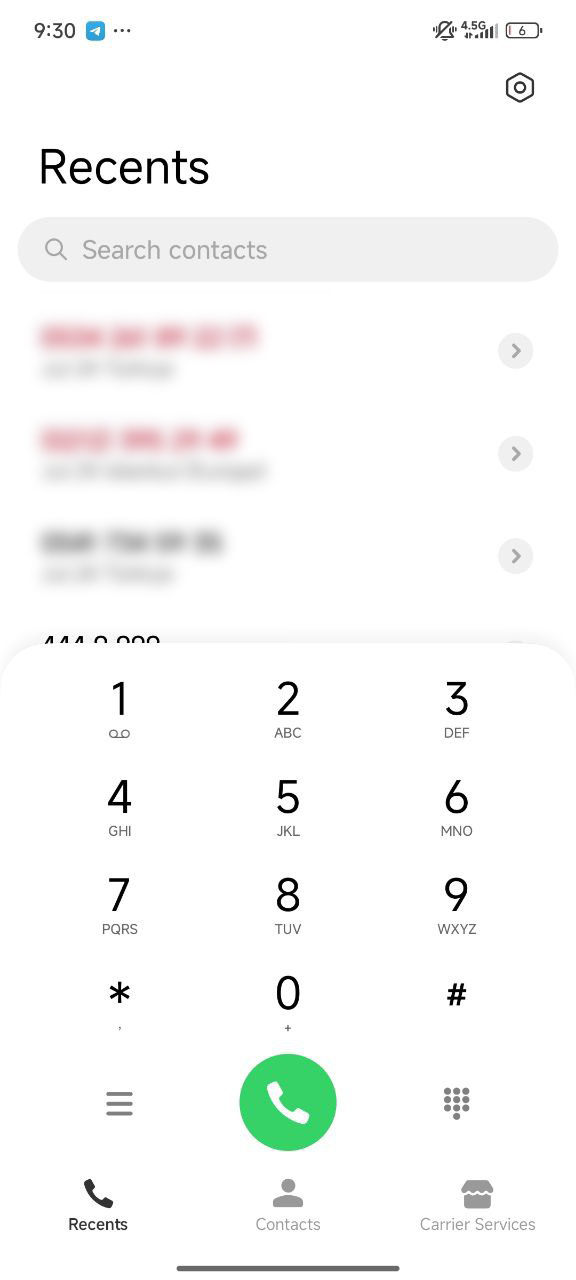
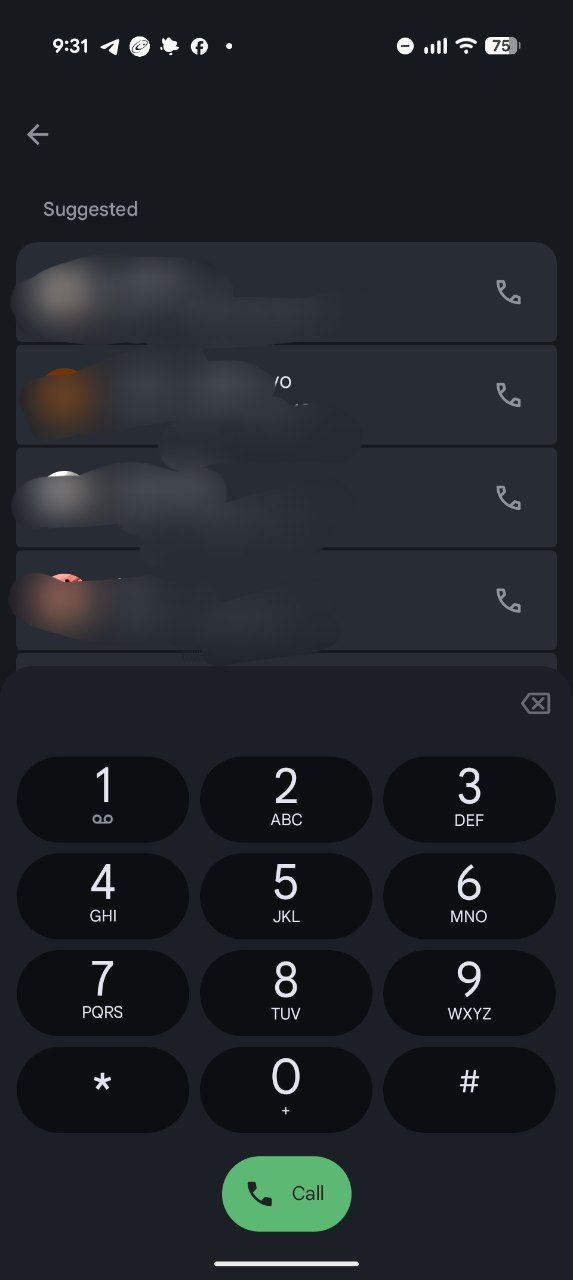
dialer 1 dialer 2

Technically, regional ROMs do share the same skeleton, but they differ in terms of communication applications, network settings, and update policies. For example, Global and EEA ROMs use Google’s communication suite, as required by law, while China and Taiwan variants stick to Xiaomi’s native dialer. As a result, the Taiwan ROM presents an interesting mashup: fully compatible Google services with Xiaomi system-level apps means one gets to experience HyperOS more cohesively.

The Taiwan ROM Advantage in Daily Communication

But the starkest contrast is in the communication tool category. Google’s Dialer, which comes compulsory on a number of regional ROMs, introduces audible call-recording alerts such as “This call is now being recorded” for compliance. These alerts break professional or personal workflows. Silent call recording is retained on the Xiaomi Dialer found on the Taiwan ROM, along with enhanced T9 search, and design consistency to interface and system-level audio handling.

MIUI Dialer

This can be particularly useful for users who often engage in business discussions or need secure documentation of conversations. Recordings are stored in system directories, easy to access, and allow for easier archiving and data management. Interface elements also fully align with the interface language of HyperOS, strengthening overall UI consistency.

Technical comparison of Taiwan ROM versus Indonesia

Though both regions retain Xiaomi’s native dialer, the biggest differences come in terms of update cadence, system cleanliness, and regulatory obligation. Taiwan is considered a premium-grade software distribution region; HyperOS updates are faster, security patches more stable, and third-party pre-installed applications fewer in number.

Indonesia ROM includes various local e-commerce and media apps, which are required by the market demand. Taiwan ROM has a more lean, minimum, and professional software build with less background activities, which supports smoother transitions between major HyperOS releases. This is repeatedly emphasized in community benchmarks and user feedback.

Optimize the performance of HyperOS under Taiwan ROM.

HyperOS introduces a new and improved rendering engine with advanced memory scheduling and a performance framework per Xiaomi’s “Alive Design” principles. These optimizations work more consistently on the Taiwan ROM since there are lesser regulatory restrictions and fewer modifications due to Google’s ecosystem policies.

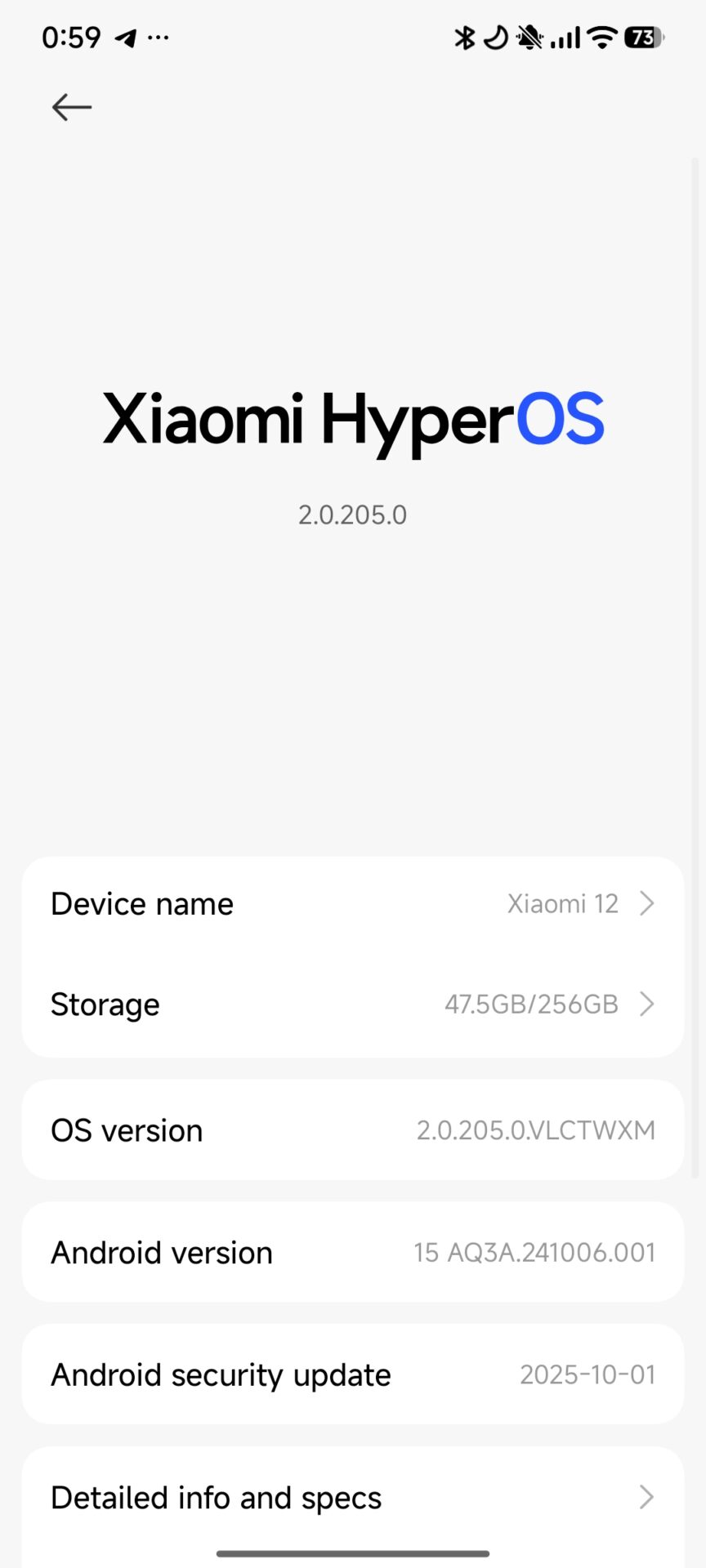
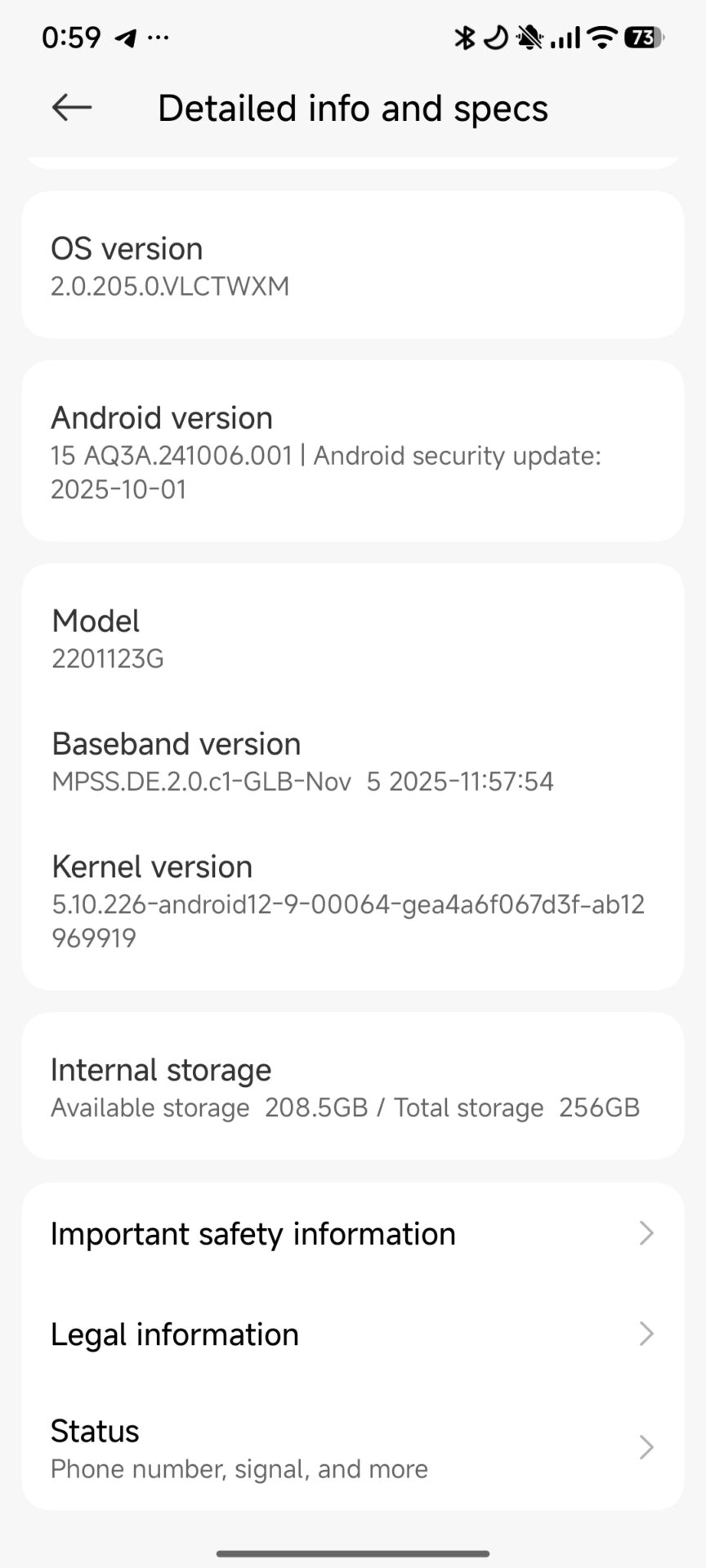
about phone xiaomi 1 about phone xiaomi 2

The result is an interface that is smoother, the performance of the standby power is more stable, and the effective use of resources. Besides that, making optional services like com.miui.analytics and com.miui.msa.global unavailable through usual ADB methods doesn’t sacrifice anything about the system’s functionality and provides even greater freedom to the user.

Security, NFC Payments and Compliance Integrity

Taiwan is a region with a highly adopted NFC-based payment. Due to this, it pushes Xiaomi to keep the operating system in rigorous compliance with Google Play Integrity and financial security protocols. Devices running with Taiwan ROMs—purchased in Europe later and cross-flashed—retain full NFC payment compatibility, a situation that extends further to banking applications, encryption frameworks, and biometric authentication. Such stability makes the Taiwan ROM’s reputation quite strong as secure and dependable global-grade software.

POCO kills X8 and F8 as the M8 lineup rises: New 2026 model strategy explained

13 December 2025 at 04:34

Every year, Xiaomi fans eagerly wait to see how Redmi smartphones will be transformed into their POCO counterparts. But in 2025, this transformation has taken an unexpected turn. Based on IMEI records and Mi Code data, POCO is making a major shift in its product strategy. The most surprising development is that the POCO X8 series appears to be cancelled, while the POCO M8 series is expanding and becoming one of the brand’s central lineups.

This article explores all known Redmi → POCO transformations, cancelled models, updated naming strategies, and how POCO is restructuring its segment hierarchy for 2025.

POCO 2026 Lineup

2025 POCO Model Mapping: What Mi Code Confirms

According to Mi Code entries, here is the accurate mapping of Redmi models to their upcoming POCO versions:

Redmi → POCO Transformations (2025 Lineup)

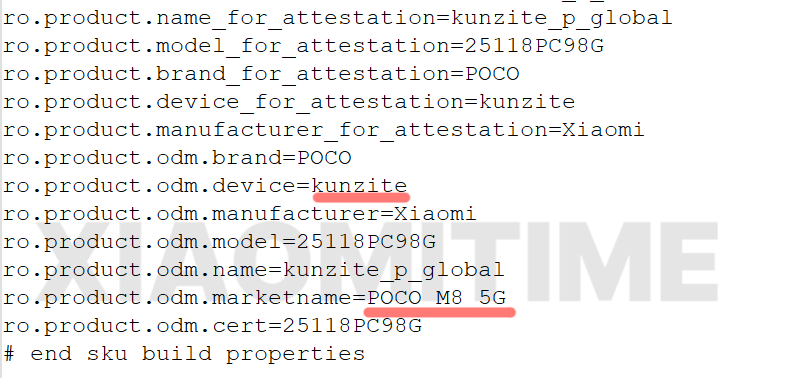
  • Redmi Note 15 5G (kunzite)POCO M8 5G
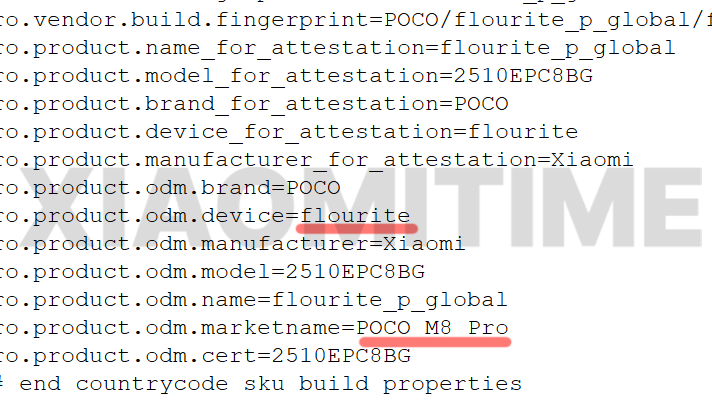
  • Redmi Note 15 Pro+ 5G (flourite)POCO M8 Pro 5G
  • Redmi K90 Pro Max (myron)POCO F8 Ultra
  • Redmi K90 (annibale)POCO F8 Pro
  • Redmi Turbo 5 Pro Max (dash)POCO X8 Pro Max
  • Redmi Turbo 5 (klee)POCO X8 Pro / Iron Man Special Edition

This mapping clearly shows that POCO is shrinking the X series and shifting its focus toward the M series and F series, redefining the brand’s overall structure.

POCO M8 Pro poco note 15 pro 5g POCO M8 5G

POCO X8 Is Cancelled: Redmi Note 15 Pro 5G Won’t Become a POCO Device

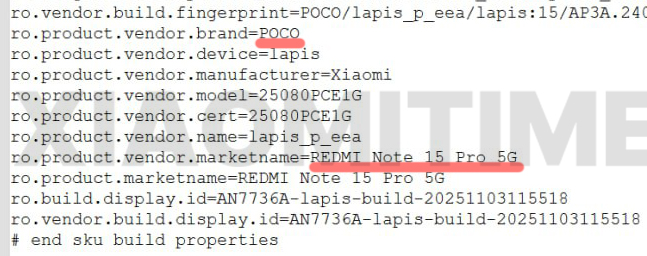
For months, fans expected Redmi Note 15 Pro 5G (Lapis) to launch globally as POCO X8—similar to last year’s Redmi Note 14 Pro 5G → POCO X7 transformation.

But the new leaks reveal the opposite:

  • The device appears in IMEI as a POCO variant,
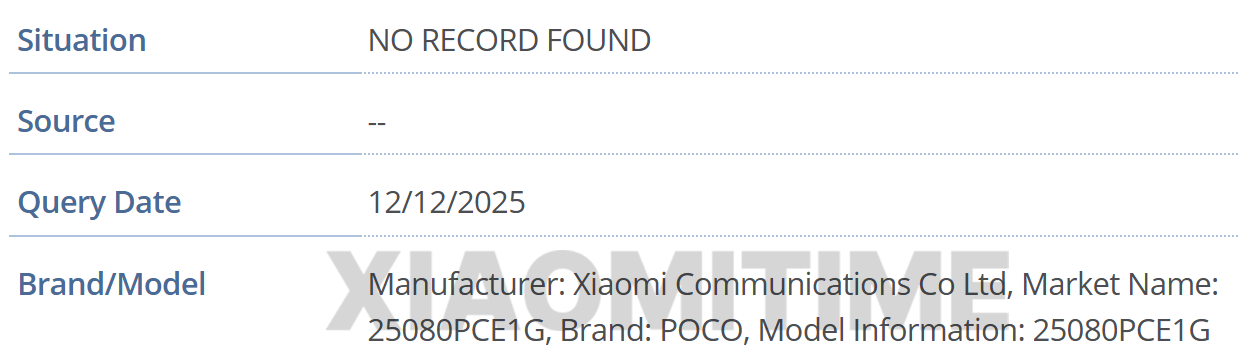
  • Yet GSMA database still doesn’t list any market name,
  • Even the Pro+ version is being launched as POCO M8 Pro 5G,
  • There is no confirmed commercial registration for X8,
  • No POCO X8-related marketing data has surfaced.

These signs strongly indicate that POCO X8 is fully cancelled and Redmi Note 15 Pro 5G may not receive a POCO rebrand this year.

25080PCE1G

POCO M8 Series Becomes the New Center of the Brand

POCO M7 sold exceptionally well last year, and Xiaomi now appears to be doubling down. This year, the M series:

  • Includes more models
  • Covers more price segments
  • Receives stronger hardware
  • Gains Pro versions at higher performance levels
  • Becomes POCO’s main mid-range lineup

A key indicator is that even Redmi Note 15 Pro+ 5G is being converted into POCO M8 Pro 5G, something previously unheard of.

Last year:

  • Redmi Note 14 5G → POCO M7 Pro 5G

This year:

  • POCO M7 5G is launching independently
  • POCO M8 and M8 Pro are taking over the mid-range segment

This clearly shows that POCO M series is rising aggressively in 2025.

POCO F Series Repositions: Only F8 Pro and F8 Ultra Will Launch

The Redmi K90 lineup determines POCO’s F series each year. For 2025:

  • Redmi K90 Pro Max → POCO F8 Ultra
  • Redmi K90 → POCO F8 Pro

Most interestingly:

  • There will be no standard POCO F8 model this year.

POCO is now positioning the F series exclusively as a premium “flagship killer” range, focusing only on Pro and Ultra variants.


POCO X Series

  • POCO X8 (standard) is gone.
  • POCO X8 is replaced with POCO X8 Pro and Iron Man Edition as the key model.
  • POCO X8 Pro Max

This proves the X series is no longer the brand’s main mid-range focus. Instead, it becomes a limited and more performance-oriented lineup.


POCO’s 2025 Segment Hierarchy: F > X > M > C

POCO’s portfolio is now more structured and clearly segmented:

  1. F Series → Premium, flagship-killer class
  2. X Series → Upper mid-range, reduced lineup
  3. M Series → Mainstream mid-range, expanded lineup
  4. C Series → Entry-level budget devices

This hierarchy highlights POCO’s intention to simplify its product portfolio while strengthening each lineup’s identity.

Conclusion: POCO Reshapes Its Entire Strategy for 2025

Compared to last year, POCO is undergoing a significant transformation:

  • POCO X8 is cancelled.
  • POCO M8 series expands dramatically.
  • Redmi Note 15 Pro 5G may not receive a POCO rebrand.
  • POCO F8 focuses only on Pro and Ultra models.
  • X series shrinks to a two key model: X8 Pro and X8 Pro Max.

With this lineup, POCO aims to create a clearer product structure that appeals to both performance-focused users and mainstream consumers.

Xiaomi fixes small lockscreen clock bug in upcoming update

13 December 2025 at 02:36

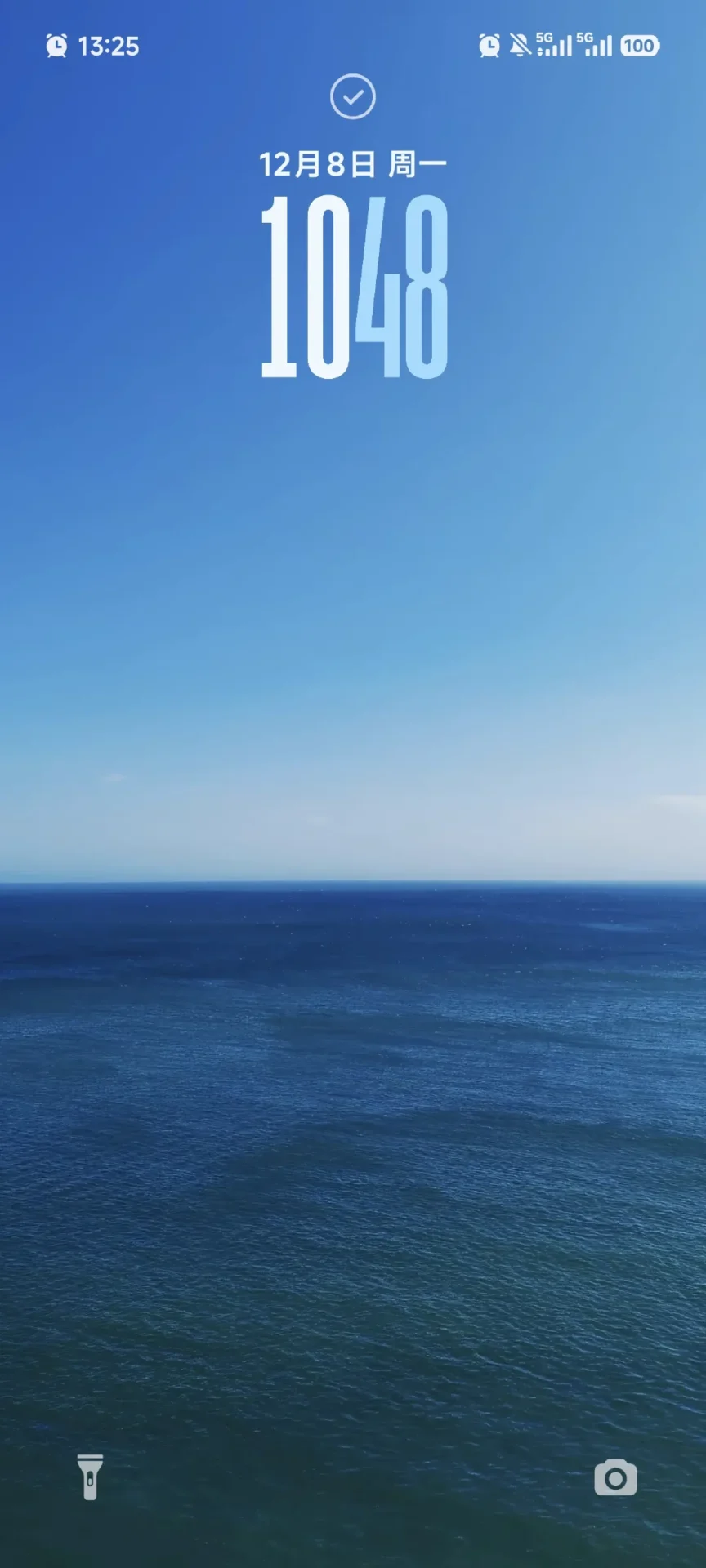
Xiami has now confirmed it has fixed a longstanding lockscreen clock behavior bug with the next HyperOS update, where the clock would be stuck in its compact “notification mode” when no alerts were available. This bug made it so that it looked like there was always an active notification on the lockscreen clock and had users complaining about an inconsistent experience across devices running HyperOS

What caused the Lockscreen Clock Bug?

This bug came via the system’s auto-adjusting feature, which compresses the lockscreen clock when a notification occurs and goes back to its bigger format when an alert has been dismissed. But due to a system-level glitch, sometimes the clock remained in its smaller format-even when there are no running apps or notifications. This behavior creates a misleading visual cue, making users think there’s an alert running in the background when there isn’t.

Lock screen clock bug 2 Lock screen clock bug 3 Lock screen clock bug 1

The engineers at Xiaomi traced the bug to the notification flag in the lockscreen module, which wasn’t being reset when specific conditions were met. The fix ensures the flag correctly updates; now the clock goes back to its normal size instantaneously when notifications are cleared.

The Patch Arrives with the Next HyperOS Update

Xiaomi indicates that the correction is part of the next build of HyperOS that would roll out to compatible devices in due time. Developers and early access builds are expected to be the first to receive the update, with stable-channel users to follow shortly. This further tightens the clean visual design of HyperOS, along with its lockscreen elements.

Why This Fix Matters for HyperOS Users

Xiaomi’s lockscreen design focuses on clarity, and the clock is probably one of the most viewable elements on any device. Ensuring that the clock behaves consistent with itself is important in terms of both usability and system polish. The screen makes Xiaomi reinforce the commitment it made in refining the user experience and eliminating those minute inconsistencies that make a difference in daily interaction with the device.

Besides that, this update has become part of system optimization that takes place within the company as Xiaomi readies more refinements across the interface to make HyperOS more reliable without losing visual harmony between the devices.

Source

HyperOS 4 may turn Xiaomi phones into full gaming consoles on Android 17

13 December 2025 at 01:49

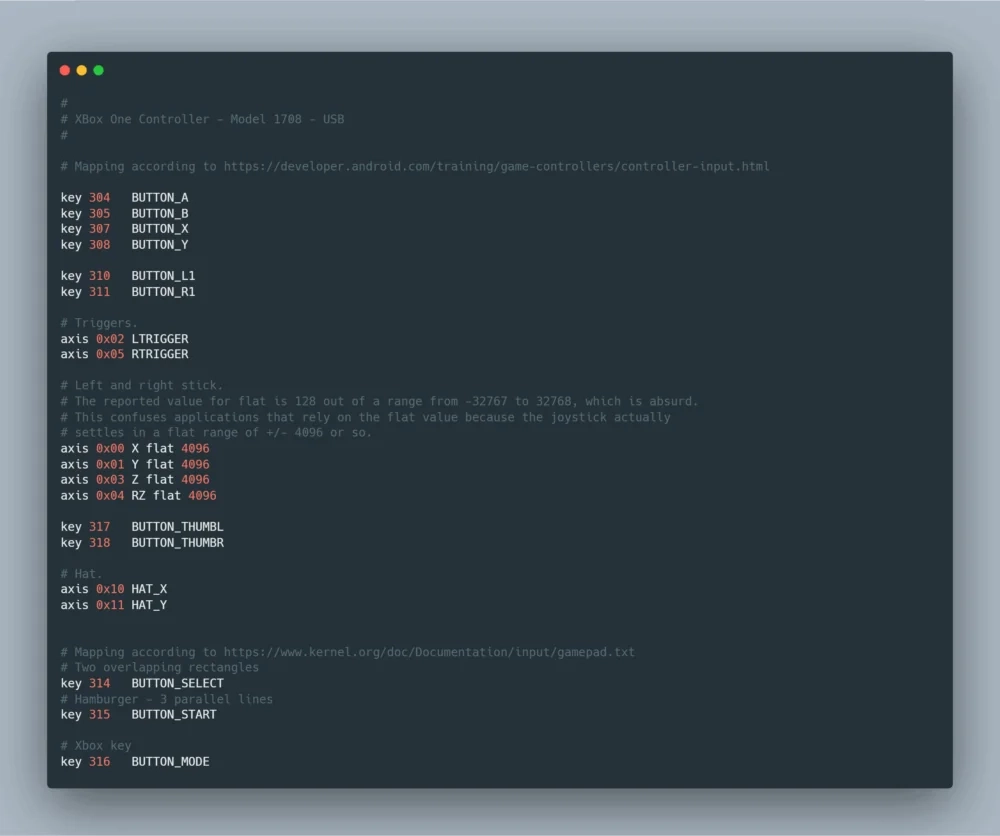
With Android 17, Google readies a set of advanced enhancements for gamers, focusing on system-level updates to game controller support and the overall gaming experience. Based on the first results from the newest Android Canary build, it will boast native gamepad button remapping and a fully featured virtual gamepad, capabilities that could significantly raise the bar on gameplay on devices like Xiaomi phones running future HyperOS versions. These are part of Google’s increasing focus on cloud gaming and the growing usage of different form factors for devices.

What Android 17 Will Change for Game Controller Support

Android 17 brings foundational improvements to the game controller ecosystem. Previous versions of Android relied on preset button profiles, most commonly optimized for Xbox controllers. However, many gamers prefer custom layouts either due to accessibility needs, ergonomic comfort, or cross-platform muscle memory. With Android 17, Google will natively support remapping buttons in the system, hence decreasing the reliance on game-specific settings or third-party tools.

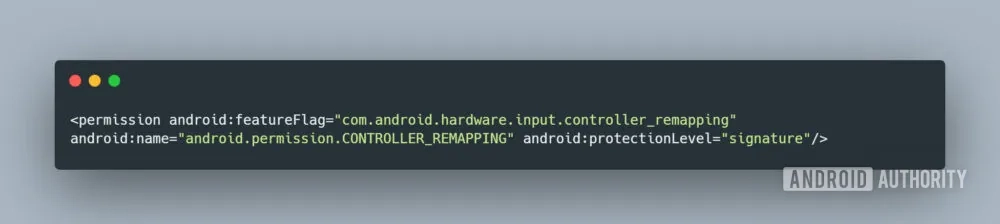
A new system permission appears in the framework, android.permission.CONTROLLER_REMAPPING, which is controlled by the feature flag com.android.hardware.input.controller_remapping. It’s available only for system-level applications signed with the platform key. This ensures consistent and stable remapping without using external tools or ADB-based workarounds.

Android 17 game controller 2 Android 17 game controller 3 Android 17 game controller 1

New Gamepad Settings Menu for Centralized Management

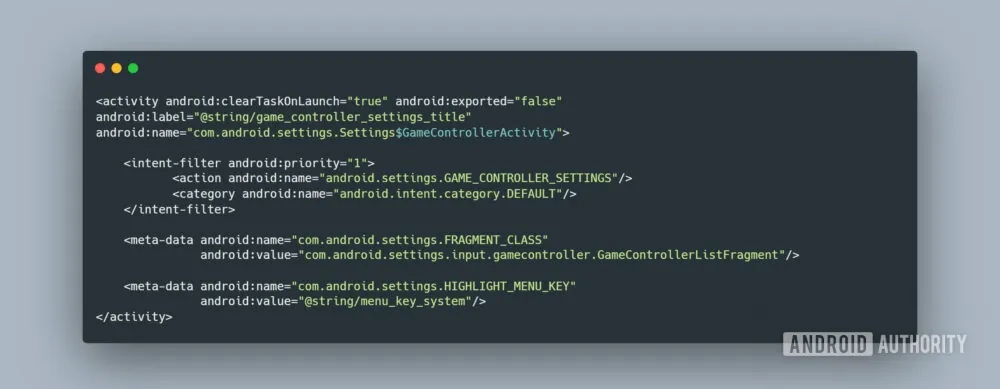
Google has added a still-dormant gamepad management page to the Settings app. The screen is expected to display controllers connected via the controller pairing feature, along with options for management like remapping of buttons and configuration settings.

This centralized structure enhances ease of use and will allow players to tweak each controller from system settings, regardless of the manufacturer or connection method.

Such improvements align well with Xiaomi’s strong focus on gaming optimization across devices running HyperOS-both the Xiaomi Pad series and high-performance smartphones with Snapdragon 8 Elite-class processors.

Virtual Gamepad: The Software Game Controller for All Games

One of the major new capabilities in Android 17 is the virtual game controller that works in a similar way to the existing virtual camera framework. The virtual controller is able to register hardware identifiers so that games see it as an actual physical controller. This allows deep input customization that hasn’t been possible before. The key features supported by the virtual controller include: ABXY and functional menu keys

  • L1/R1 and L2/R2 (with analog trigger capability)
  • Dual joysticks and integrated joystick buttons
  • Directional pad (D-pad)
  • Fully axis-based input handling

This system can inject remapped or simulated inputs directly into the input channel. The feature is also designed to map touch controls to physical button inputs, which is especially important for mobile titles that don’t natively support gamepads. The same kind of mapping technology already exists on ChromeOS and Google Play Games for PC.

What This Means for the Future of Android and Xiaomi Devices

Android 17 is still over six months away from release, but its gaming-oriented improvements will likely shape the next generation of mobile gaming. System-level button remapping, touch-to-button mapping, and a virtual controller will all go toward improving user experience across traditional smartphones and tablets and future Android-based PCs. These developments, for Xiaomi users, might come together quite smoothly with the upcoming versions of HyperOS. Future devices, including successors of the Xiaomi 15 series, Xiaomi Pad models, and high-end Xiaomi gaming rigs, will benefit from enhanced controller support, especially in cloud gaming services and emulation environments.

Source

❌