Normal view

Received yesterday — 22 December 2025 XiaomiTime

REDMI users report call noise bug: Fix rolled out by Xiaomi

22 December 2025 at 09:45

Xiaomi has now confirmed an audio issue related to calls, which affects some models from the Redmi Note 14 series. As per the recent community posting, some users have faced some unusual audio pops while making calls, as well as one-sided audio issues in certain conditions. Xiaomi engineers confirmed this issue, and currently, this issue is under investigation.

Details of the Reported Issue

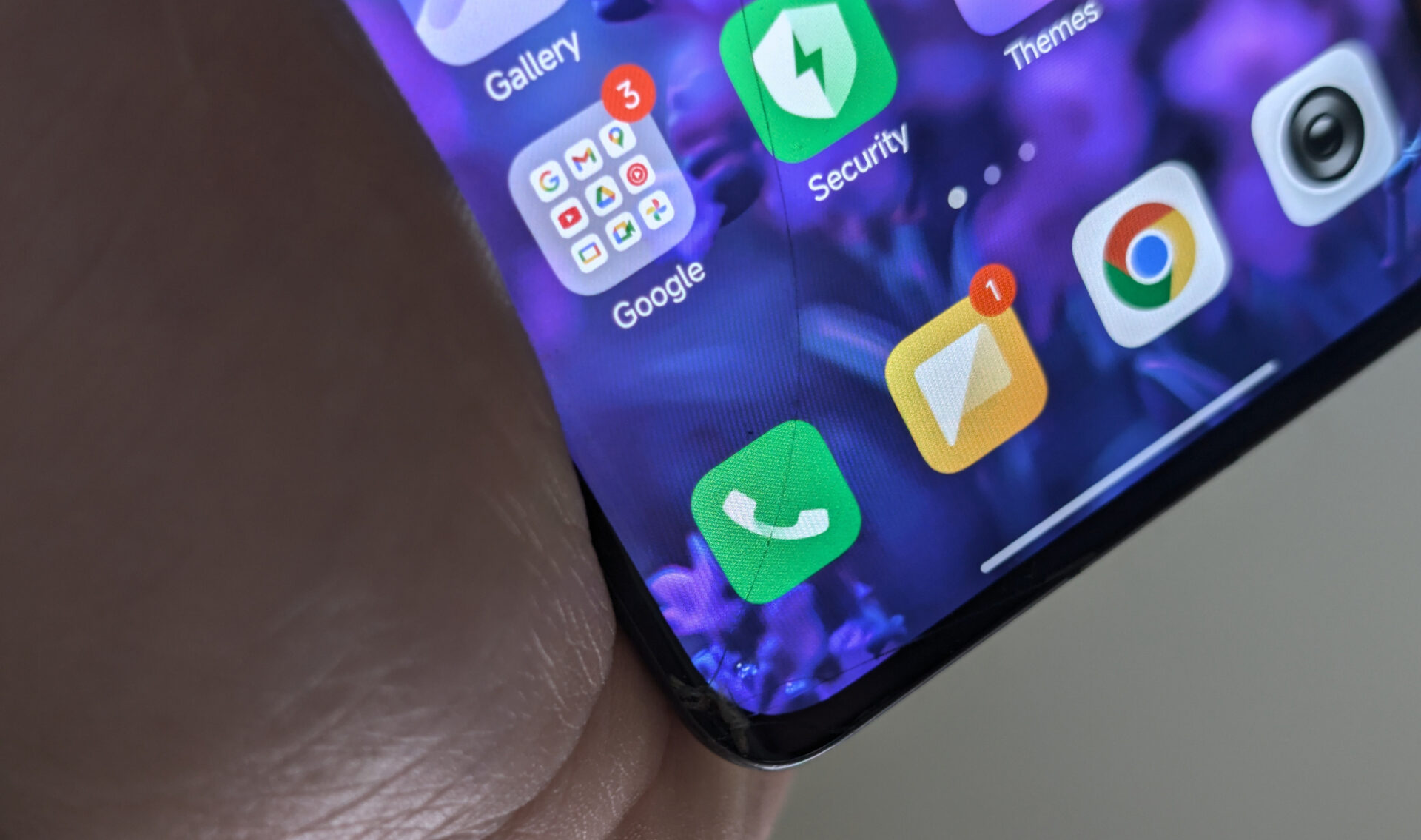
The error mainly occurs when there are voice calls. It has two forms. Users may experience crackling sounds or static noise, which in turn sounds similar to electric current, when they are making calls. Another time it may happen is when there is only audio from one side of the conversation, meaning that it will not be possible for the other person to hear anything from the user of the Redmi Note 14.
dialer phone calling 1

Significantly, Xiaomi has reported that it has been able to reproduce this problem within its lab settings. This is an important point because it suggests that these are not isolated complaints and are considered a genuine technical issue by Xiaomi.

Devices and Software Versions Affected

This problem is only applicable to selected models and HyperOS versions. The affected combinations as confirmed by Xiaomi are as follows:

  • Redmi Note 14
  • Redmi Note 14 Pro

These users are more likely to experience the problems mentioned with phone calls.

Xiaomi’s Official Response and On-going Analysis

Xiaomi has confirmed that the matter is currently being examined together with the chipset vendor. This shows that the possible underlying cause could be related to the interaction at the hardware level rather than the HyperOS software issue. This, in turn, means that the corresponding fixing procedure could involve more than just updating the system.

If the results of the investigation reveal that the problem is not caused directly by Xiaomi’s software environment, the devices may qualify for evaluation on the basis of the warranty system. The strategy follows Xiaomi’s typical procedure of addressing possible hardware-related issues through formal service channels.

What Users Should Expect Next

At this point, there is no particular timeline scheduled by Samsung for a fix. But Xiaomi’s acknowledgment of this issue, which has been communicated clearly, is an indication that a fix is already on its way. It is recommended that users stick to the stable builds.

Source

Xiaomi looks into BGMI & PUBG crashes resulting in resets

22 December 2025 at 08:30

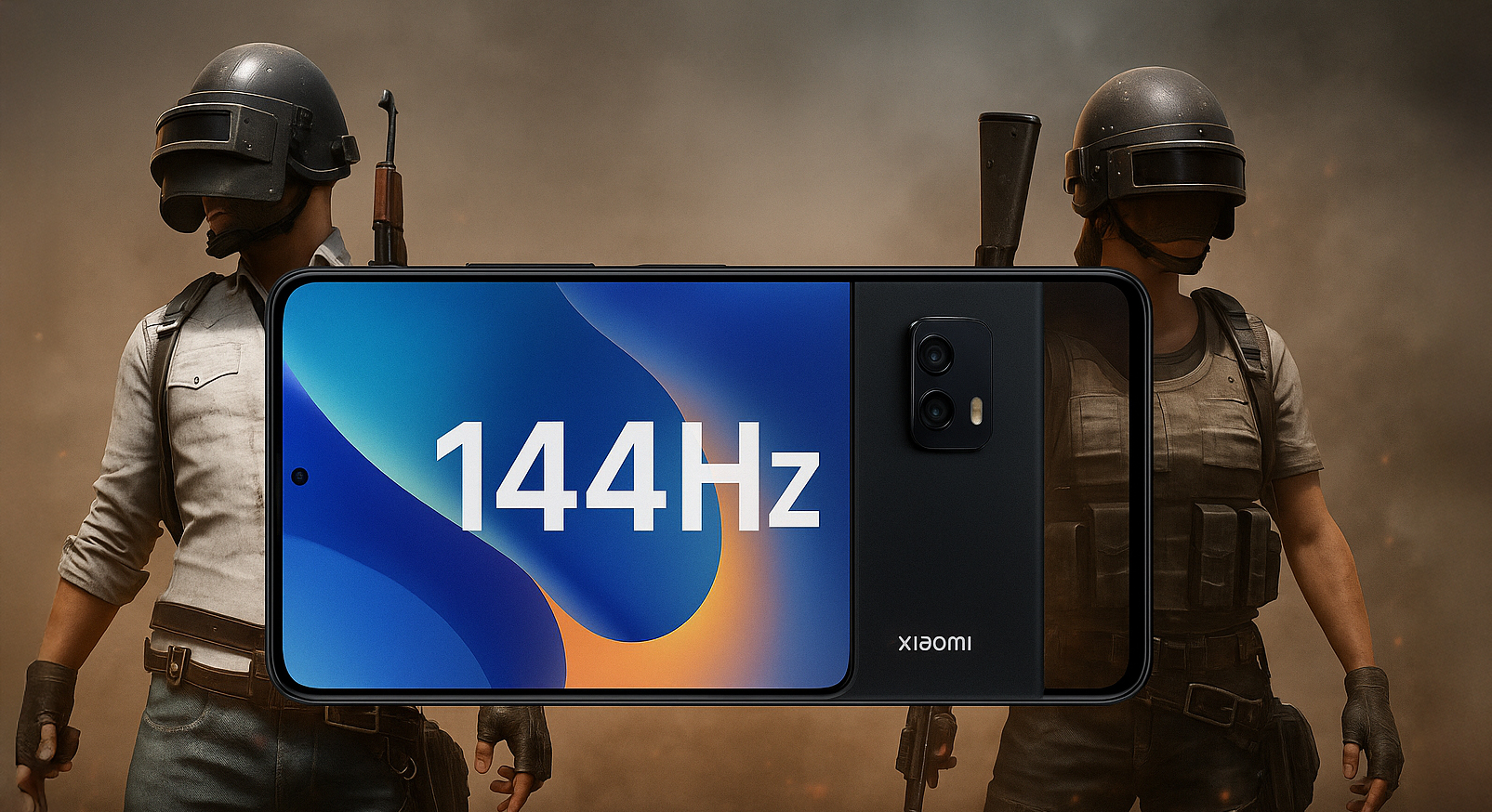
Xiaomi has come forward about a stability issue impacting the most popular mobile games like BGMI and PUBG in some of their new devices. In a statement put out via the Xiaomi Community, the issue seems to be causing some users to encounter crashes, closure, and unexpected rebooting in some cases. Interestingly, Xiaomi has confirmed that they are actively investigating this issue. Indeed, this bit of information is quite important for users who have been tracking Xiaomi software updates via XiaomiTime.com, HyperOSUpdates.com, and recent HyperOS feedback.

Devices & Software Affected

The problem has been reported to be affecting a few models of Xiaomi and POCO devices that run specific builds of HyperOS. Xiaomi has clarified that not all their users are affected by this problem, but enough reports have been received to initiate an inquiry.

Affected devices include:

  • POCO F7
  • Xiaomi Pad 7
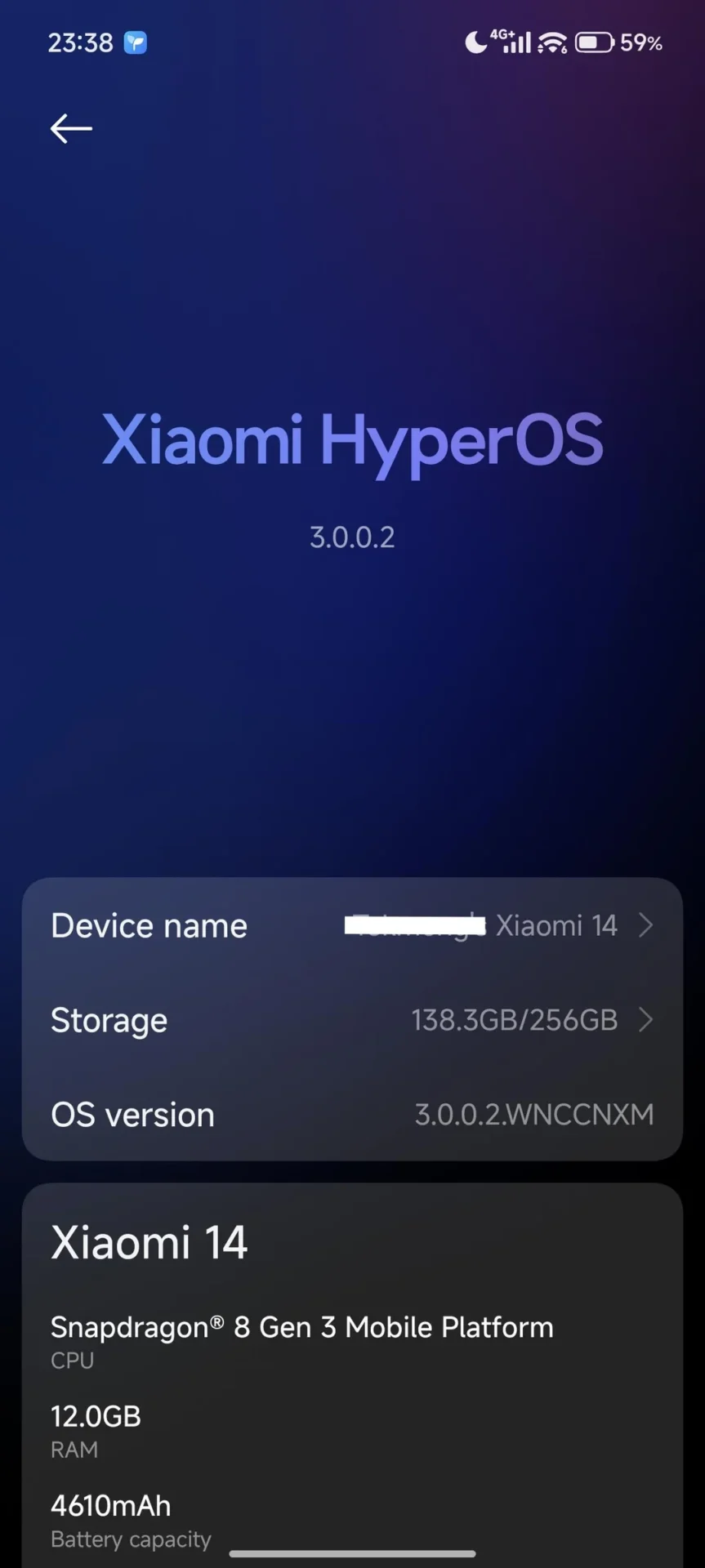
  • Xiaomi 14

These are based on the Xiaomi HyperOS and have been rolled out as a result of the recent system update cycles to enhance performance and support more demanding applications.

pubg 144hz

Current Status of the Issue

Xiaomi has confirmed that the issue related to the crash of the BGMI or PUBG game on the device is under analysis. Currently, the issue has not received a temporary workaround or hotfix from Xiaomi. However, the fact that the issue has been confirmed to be under analysis means that the issue will receive a hotfix or update once testing is complete.

Xiaomi’s approach is in line with its typical update methodology, which deals with issues arising after widespread deployment via incremental OTA updates and does not rush out fixes before thorough analysis. Mi fans are encouraged to stay updated and watch out for official announcements through the Xiaomi Community.

What Users Can Do in the Meantime

In During this time, steps can be taken by users affected by this issue to limit any potential issues:

  • Games should always be updated to their latest version available from the official app store.
  • Do not engage in background-heavy multitasking while playing BGMI or PUBG.
  • Report problems via the Xiaomi Feedback app to help expedite diagnosis.

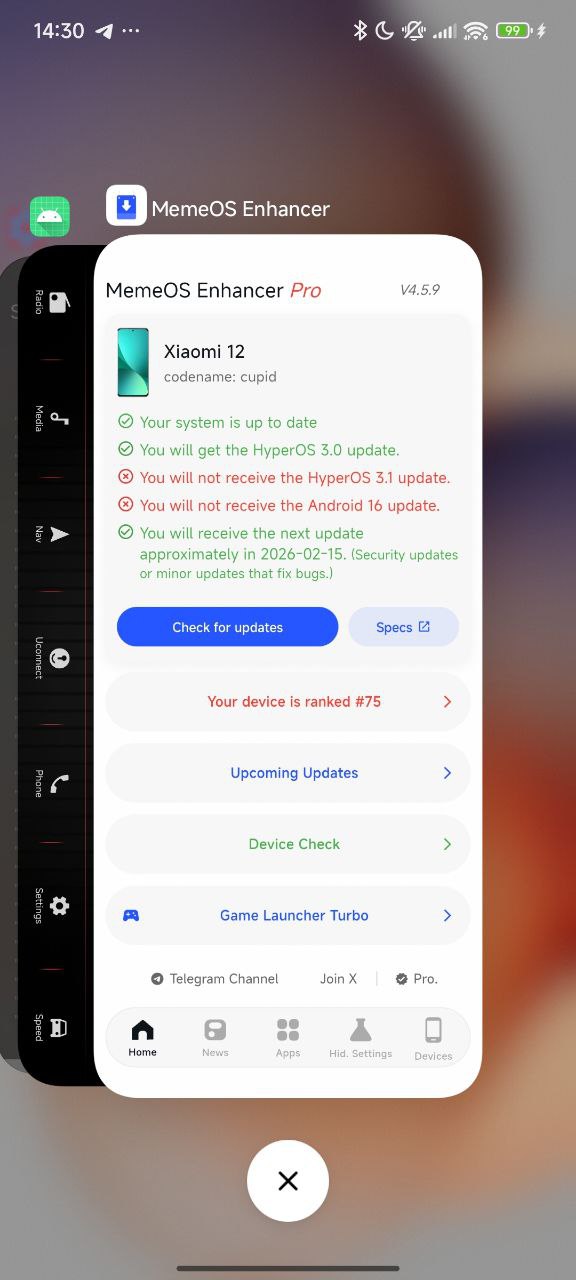
Update HyperOS system apps, and this can also be accomplished on HyperOSUpdates.com, as well as by using MemeOS Enhancer, which is a Google Play download. Though following these steps may not completely resolve the bug, it could prove helpful for system stability until a bug-fixing update from Xiaomi is out.

Source

Xiaomi reports launcher crash fix following system crashes on all devices

22 December 2025 at 07:00

Xiaomi has confirmed a critical bug within the System Launcher for various phones running current HyperOS updates. According to the confirmed reports from the manufacturer, some users experience frequent force closes, screens flickering, icons missing from the home screen, as well as entering into Safe Mode unexpectedly.


System Launcher Issue Identified by Xiaomi

The problem affects all Xiaomi devices with certain versions of HyperOS and has a definite connection to irregular activities carried out by the System Launcher. It has also been detected by Xiaomi’s team of engineers that crashes may happen randomly while using the home screen.

The impacted versions of the software are OS3.0.3.0.WNNEUXMOS3.0.4.0.WNEEUXMOS3.0.5.0.WOSEUXM, and OS3.0.5.0.WNCEUXM.


Root Cause: Weather Widget Conflict

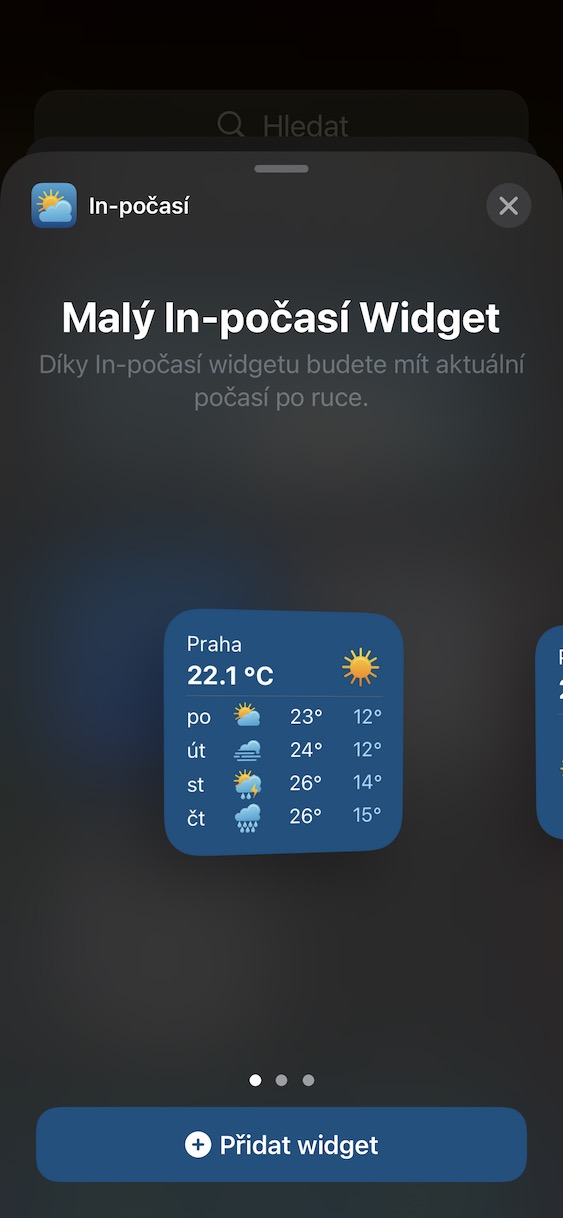
Xiaomi has identified the issue as being linked to the “in-počasí” weather widget, which conflictswith the System Launcher. When this widget runs on the home screen, it could lead to constant crashes, ultimately causing the phone to switch to safe mode.

in pocasi

This will enable Xiaomi to efficiently isolate the problem. At the time of writing, the development team is finishing work on a System Launcher update to completely solve the problem of instability without the need to update the entire system. When it comes out, it will be pushed by Xiaomi.


Temporary Migration for Infected Users

Until an official permanent solution is out, a temporary fix has been recommended by Xiaomi.

  • Long press on home screen
  • Find the “in-počasí” weather widget
  • Remove the widget entirely from the home screen

Followers of this step will immediately notice an improvement in system stability. There is no loss of data and no need to factory reset your device.

Rollout of Update & Next Steps

There is confirmation from Xiaomi regarding a System Launcher update for fixing the issue, which would be rolled out as soon as internal tests are over. There are reports of reaffirmation of swift issue resolution and communication from the company regarding general issues related to software.

It is recommended that users have auto-update functionality enabled and be on the lookout for the announced Xiaomi update platforms.

Source

Xiaomi looks into call audio problem faced by POCO users

22 December 2025 at 04:34

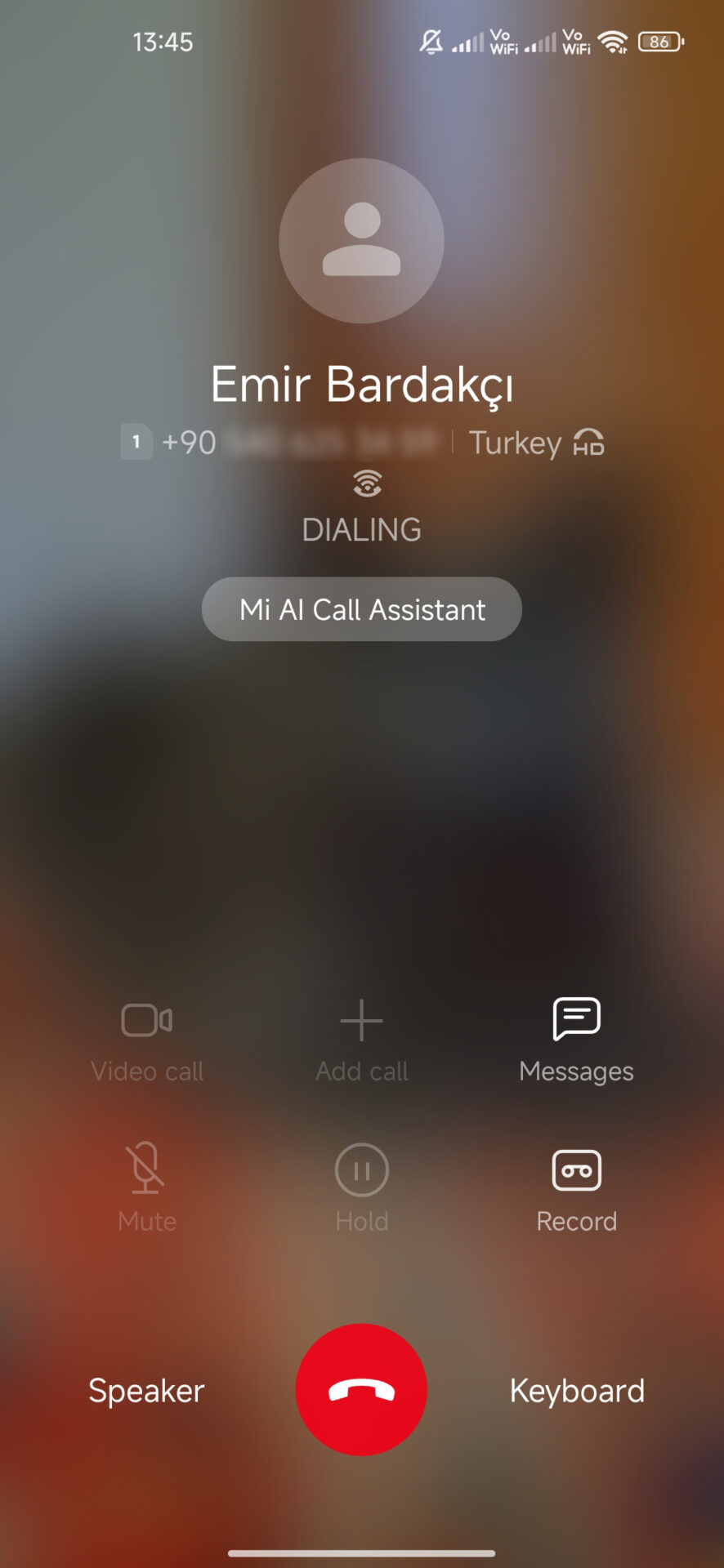
Xiaomi has also acknowledged a problem with calls for the POCO F7 Ultra, stating it is working on a solution for it. Apparently, some individuals cannot hear calls when a particular update for HyperOS has been installed, according to an explanation from the tech firm. This bug was spotted on the OS3.0.3.0.WOMEUXM system and is under tech analysis at the moment, as released by Xiaomi through their official forums. This update, and other related ones, can also be followed at HyperOSUpdates.com as well as at XiaomiTime.com.

Status the call issue for the POCO F7 Ultra enhancement request

The issue has been identified by Xiaomi as a known problem, which has been acknowledged by the company, implying that this problem is not being overlooked but is, in fact, being considered carefully by Xiaomi. Currently, the attention is directed at determining the cause rather than implementing a temporary remedy for this problem in their next release.

Screenshot 2025 08 30 13 45 33 128 com.android.incallui

The impacted device is only the POCO F7 Ultra, which is the international variant of the REDMI K80 Ultra, whereas the impacted software version is OS3.0.3.0.WOMEUXM. None other have been known to have this issue at this point and appear to only be version related.

Xiaomi collects user logs for in-depth analysis

To speed up this troubleshooting process, Xiaomi has already begun to contact users affected by this issue and has asked for logs. The role of these logs is crucial in determining if this bug has something to do with audio drivers, modems, or call handling at the Hypers OS level. Xiaomi made it clear that user collaboration will help speed up this troubleshooting process and will also enhance the accuracy of the solution.

What affected users can expect next

Currently, Xiaomi has not announced a concretes release date yet on when the update will be released to fix the call audio issue mentioned above. However, based on previous HyperOS maintenance, the solution is usually delivered on a small incremental OTA update after a certain amount of data has been accumulated.

In the meantime, it is recommended that users update their devices, cooperate with the logging participation, and wait for official notifications. Xiaomi’s open communication about this matter portrays the structured approach by the organization in software quality control, especially concerning the flagship level of devices from POCO.

Source

Xiaomi is investigating camera shaking problem

22 December 2025 at 04:03

Xiaomi has now confirmed that it is looking into a camera issue reported by some users of the Redmi Note 13 Pro+ 5G in Uzbekistan. From what has been conveyed on Xiaomi communities, some users who are running version OS2.0.209.0.VNOMIXM, which is the HyperOS version, have reported some unusual camera operations like shaking and weird mechanical clicks. Xiaomi has revealed that this problem is now undergoing technical evaluation, and users are advised to remain updated via official Xiaomi news platforms like XiaomiTime.com, HyperOSUpdates.com, and other appropriate Xiaomi product support pages.

Investigation of Reported Camera Problem

The issue reportedly observed on the device is when the users switch on the camera on the Redmi Note 13 Pro+ 5G. Sometimes, the camera may shake or produce unexpected sounds. Such symptoms may relate to optical image stabilization problems on the device. Xiaomi claims that there are no relations between the issue and hardware malfunctions and that the analysis is still in process.
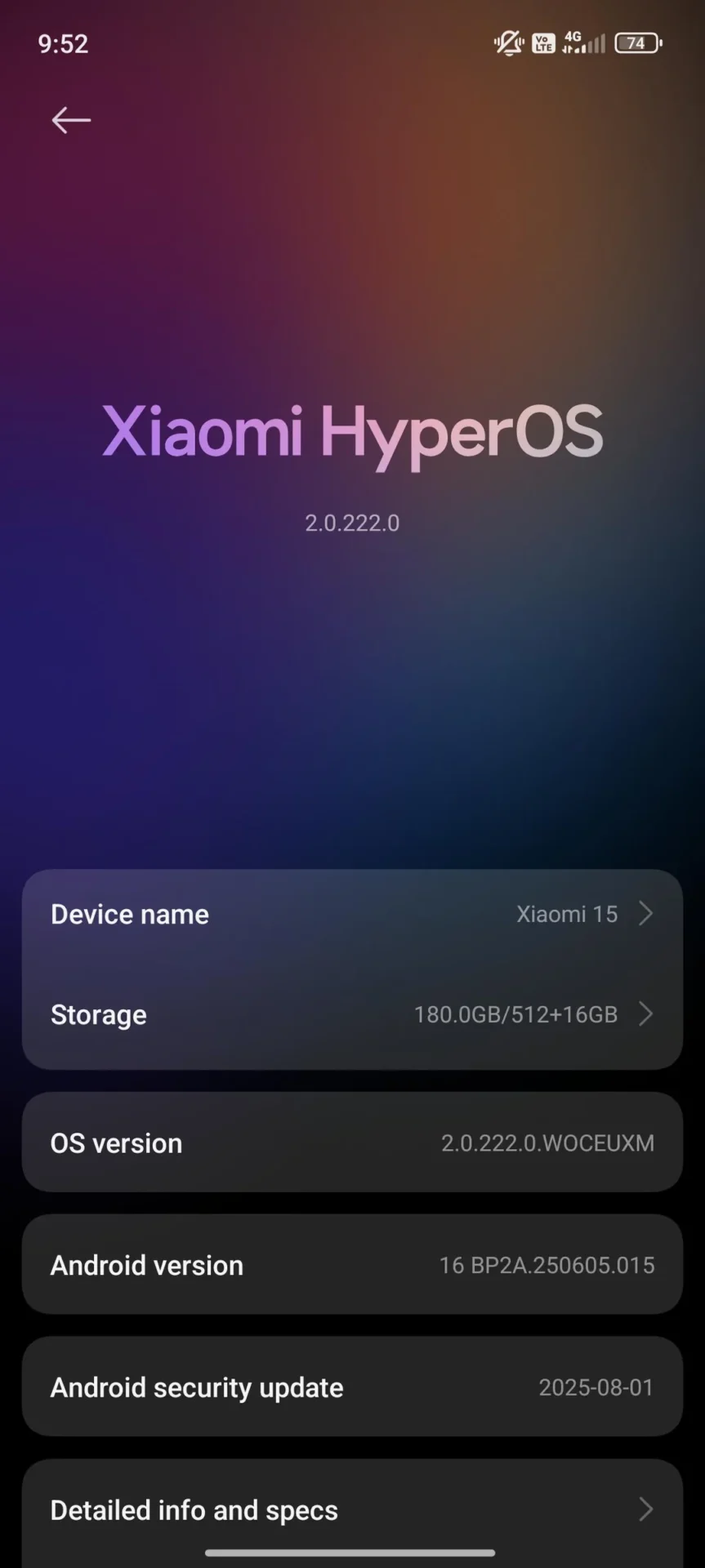
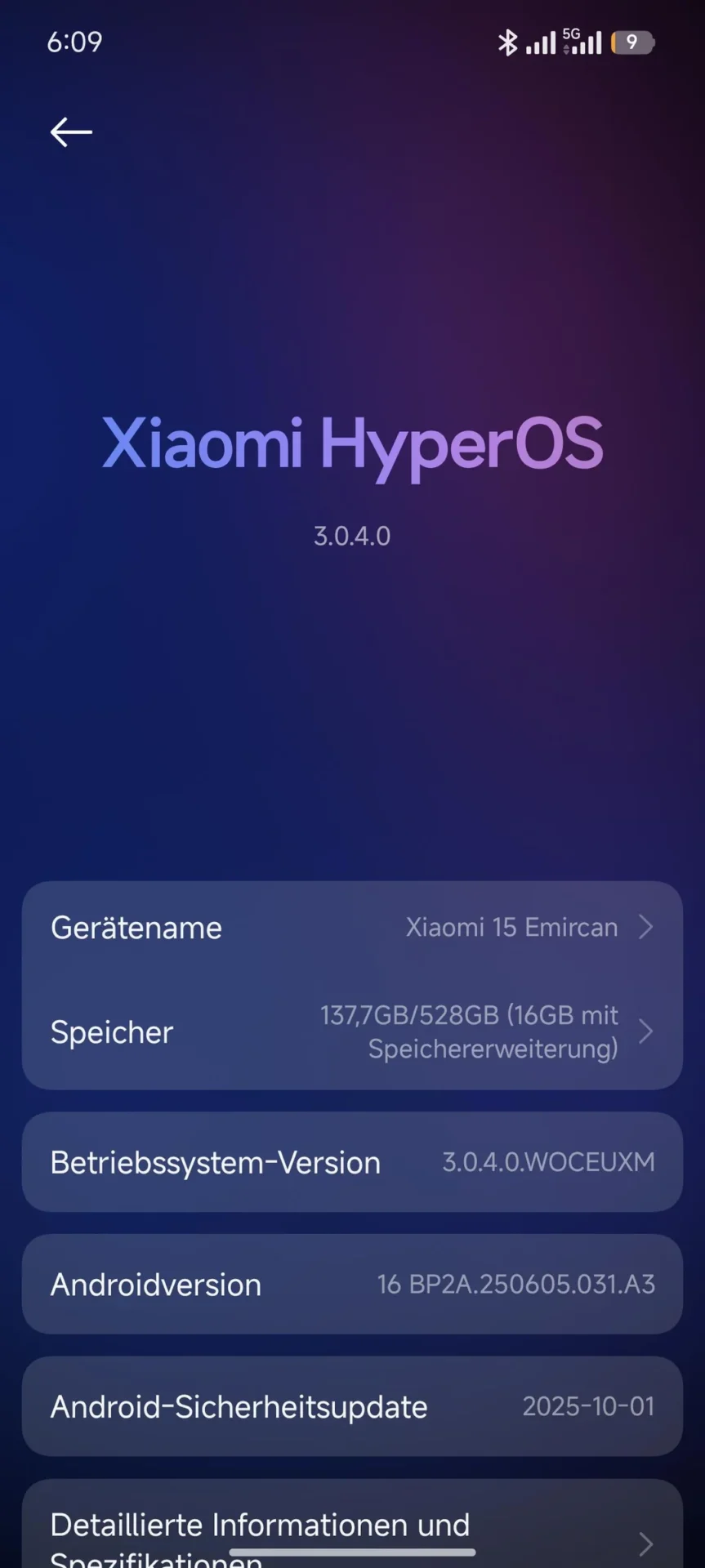
Xiaomi 15 Ultra dominates camera comparison against rivals

This particular issue has been noted only on the mobile device running the HyperOS build OS2.0.209.0.VNOMIXM and is specifically reported only in the Uzbekistan market. There have been no reports of the same in other markets so far, and it seems this issue might be restricted to that particular build or market.

Assessing Xiaomi and Going Forward

Xiaomi engineers are busy analyzing system logs and cases in order to discover the cause of this camera instability issue. Xiaomi has categorized this issue under “under analysis” before they release a small update in their camera app or perhaps through an over-the-air update.

Meanwhile, users are encouraged to ensure their gadgets are updated and refrain from flashing unauthorized firmware versions. It is further advisable to take up the system feedback feature to provide feedback, thereby reducing diagnostic times with accurate diagnoses.

Affected Users Should Know This

For customers experiencing this problem with the Redmi Note 13 Pro+ 5G, Xiaomi has not provided any guidance or recommendation for any immediate physical repairs. On the assumption of earlier occurrences, the irregularities related to the camera issues should be addressed by gradual updates on the HyperOS.

Why does your Xiaomi phone use so much RAM?

22 December 2025 at 02:46

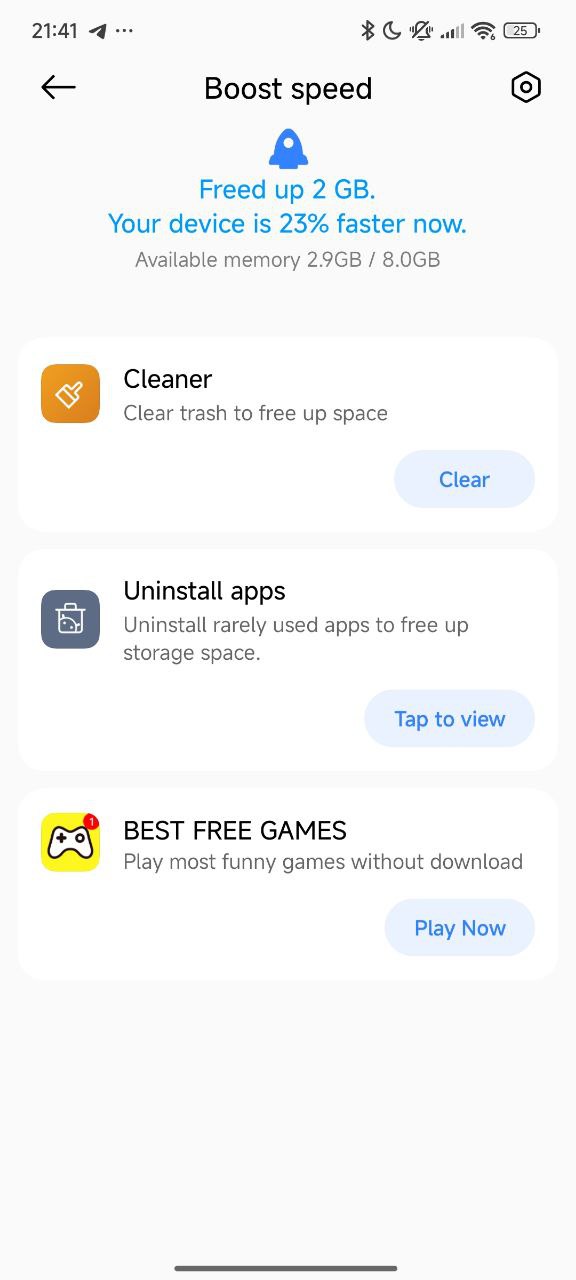
Xiaomi users will find the memory usage of their phone is always high even if the phone is used lightly. Such usage patterns are more noticed when the phones are using Xiaomi HyperOS and are nothing to be alarmed about since there is nothing wrong with the hardware of the phone. HyperOS is designed to always keep the background and commonly used applications loaded into memory.

How HyperOS Optimizes the Utilization of the Android Operating System’s RAM

HyperOS is not a lightweight Android wrapper. It supports a number of middleware layers on top of the Android kernel, which includes the system services, graphic elements, and ecosystem of the Chinese vendor Xiaomi.

This implies that the operating system has a preference to utilize RAM rather than letting it be idle. As a matter of fact, the operating system views idle RAM as wasted memory. This is why HyperOS chooses to fill that memory with application caching and background tasks that can be accessed instantly.

Xiaomi RAM 2

Primary Factors Responsible for High Usage of RAM on Xiaomi Devices

  • Continuous system-level services for analytics, synchronization, and security
  • Advanced UI effects for Control Center and System UI
  • Artificial intelligence app preloading for quicker app launches
  • Side-by-Side Running of Google Services and Xiaomi Services

For devices with 6 GB to 8 GB of RAM, this situation may contribute to the feeling of a constant “always full” state of RAM, while system performance is actually stable.

How HyperOS Manages RAM Differently From Stock Android

The low growth in RAM capacity is not an isolated situation with Xiaomi. This is associated with memory market conditions worldwide. Companies producing memory are now focusing on producing server and AI-grade memory, which is more lucrative compared to the LPDDR RAM used in smartphones.

Consequently, the 8GB and 12GB variants have been adopted across the technology industry. Larger sizes have been practically reserved for flagship devices featuring exorbitant pricing models. The reigning approach adopted by Xiaomi involves optimizing for software performance rather than pursuing a constant scaling up of memory sizes.

Xiaomi RAM 3 Xiaomi RAM 1

Is High RAM Usage Actually a Problem?

In most cases, No. It should be said that a large RAM usage level is normal for contemporary Android operating systems, such as HyperOS, and this level should not be considered a criterion of a problem or a setback in a device’s performance. The most important factor in this case is user experience.

Xiaomi is further enhancing HyperOS technology by making improvements with regard to memory scheduling and handling background processes.

The world High RAM consumption on Xiaomi phones is neither a bug nor a defect; it is a result of modern Android design and HyperOS architecture. As global memory prices continue to increase, it is software optimization, and not hardware upgrade, that is given greater preference. By understanding how HyperOS works with RAM and implementing some system tweaks, you will be able to enjoy a stable and optimized performance on your phone.

Xiaomi releases unexpected HyperOS fix update to EOL device

21 December 2025 at 23:52

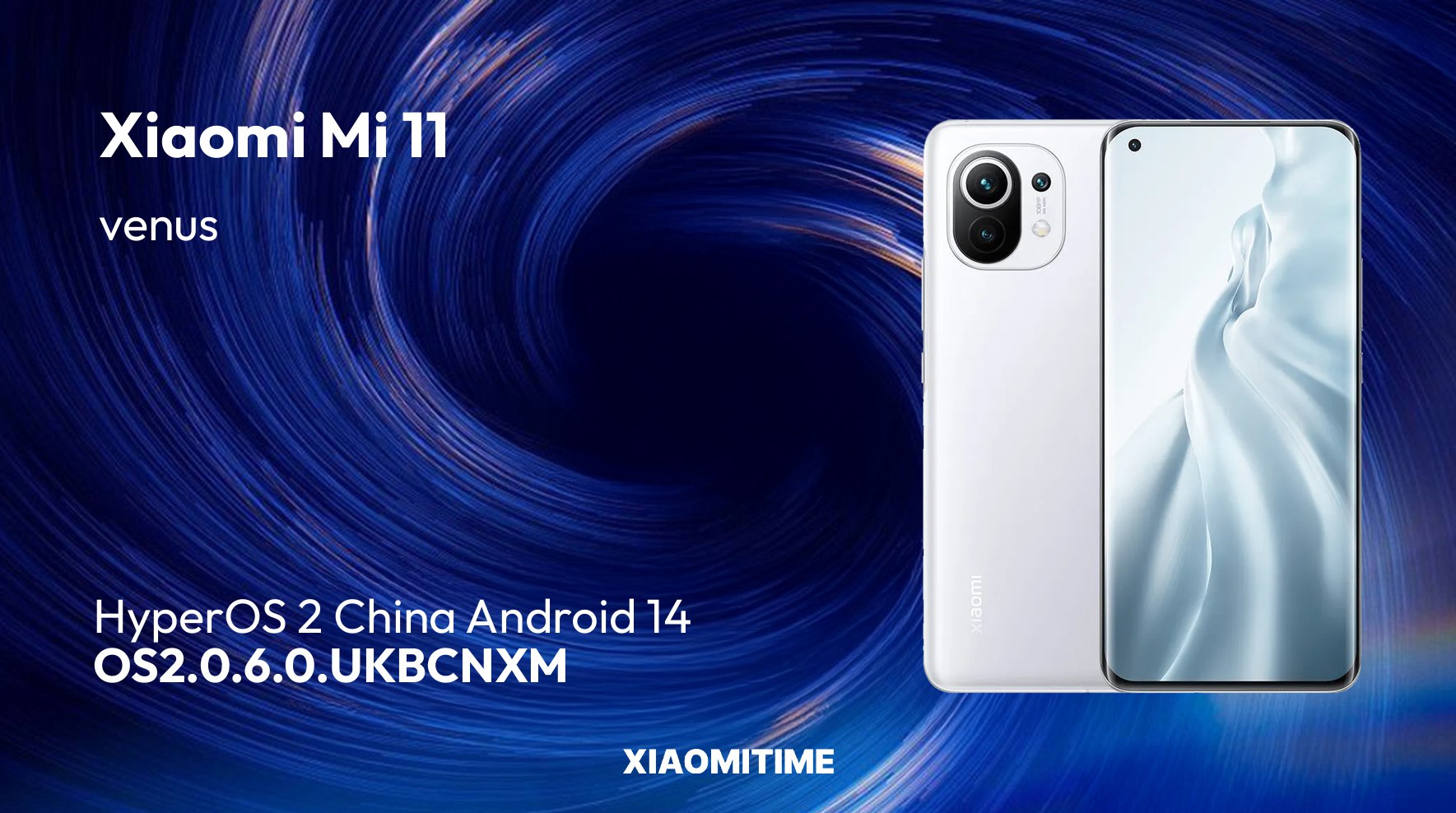
Xiaomi has just rolled out an update to the software on the Xiaomi Mi 11 (China), despite having ended the life cycle of this device over a year ago. This update, titled OS2.0.6.0.UKBCNXM, comes with the operating system of Android 14 and was released on December 21, 2025.

According to the changelog, this particular release has emphasized eliminating bugs that happened in some usage patterns. In fact, this particular release has not included new features, but it has greatly improved system stability, showing that Xiaomi still values their users’ experience, including for those that are already EOL.

HyperOS Update Mi 11

What makes this update more noteworthy is the timing. Xiaomi Mi 11’s update support ended on December 1, 2024; hence this update is quite rare as it comes after the end-of-life phase of the device. Not many devices get such post-life upgrades in the Android world. It’s good that Xiaomi is committed to fixing problems even after supporting the device has ended.

Mi 11 EOL date

It’s worth mentioning that the beta update is exclusively available for the China ROM. But nonetheless, it is a reassuring message for loyal fans of the Mi 11 series and it further enhances the image of Xiaomi when it comes to looking after the software of its devices even years later.

This unsolicited upgrade comes as a refreshing treat for those Mi 11 users in China, since it is an upgrade for the device despite the Mi 11 having been discontinued.

Xiaomi could end POCO launcher and switch to HyperOS Launcher

21 December 2025 at 21:14

There seem to be very obvious similarities between POCO Launcher and HyperOS Launcher, based on the recent developments in the system software of Xiaomi. One of the most apparent indicators of this convergence is the version number. POCO Launcher was sporting its own RELEASE-6.01 version, but it has now been updated to RELEASE-4.50, which is the same as the HyperOS Launcher version. This is not just a matter of number, as the features, updates, and even design concepts are the same.

Differences That Appeared as Visual and Functional Are Vanishing

At this point, aside from version unification, there are changes to the POCO Launcher icon as well. In previous designs, POCO smartphones had a distinct launcher icon design that stood out as a brand identity feature. In new designs, the launcher icon is identical to that of HyperOS Launcher. This also applies to application package size, which is almost identical; this further reinforces that POCO and Xiaomi’s launchers are identical and share the same codebase. From a software development point of view, it promotes code unification and enables Xiaomi to address optimizations on POCO and Xiaomi devices more effectively.

POCO Launcher

Strategy for Moving Towards a Unified Launcher

Xiaomi has been working towards streamlining its software experience with HyperOS. Having two separate build versions of the launcher with the same set of features causes redundant development. It can be safely expected, based on the current situation, that Xiaomi might end the development of POCO Launcher altogether with HyperOS 4, perhaps in the year 2026.

In such a scenario, devices from the POCO series will arrive with the HyperOS Launcher right from the start. This will help the users of the POCO series get the latest features, animations, or boosters from the HyperOS Launcher, side by side with the Xiaomi flagships.

What This Means for POCO Users

However, this would be a very beneficial move for consumers. Having a common launcher will translate to quicker releases, fewer bugs, and a common experience on all smartphones. This will also mean that Xiaomi will be spending time on delivering quality experience on one common launcher rather than enhancing different launchers according to brands.

HyperOS 3 Launcher iOS recents 2 HyperOS 3 Launcher iOS recents 1

Nevertheless, the overall evidence seems to suggest a smooth and managed merge rather than an outright dismissal. Xiaomi seems to be gearing up its users for a unified launcher experience that fits in with its overall vision of HyperOS.

Xiaomi HyperOS 3.1 needs this control center feature

21 December 2025 at 19:25

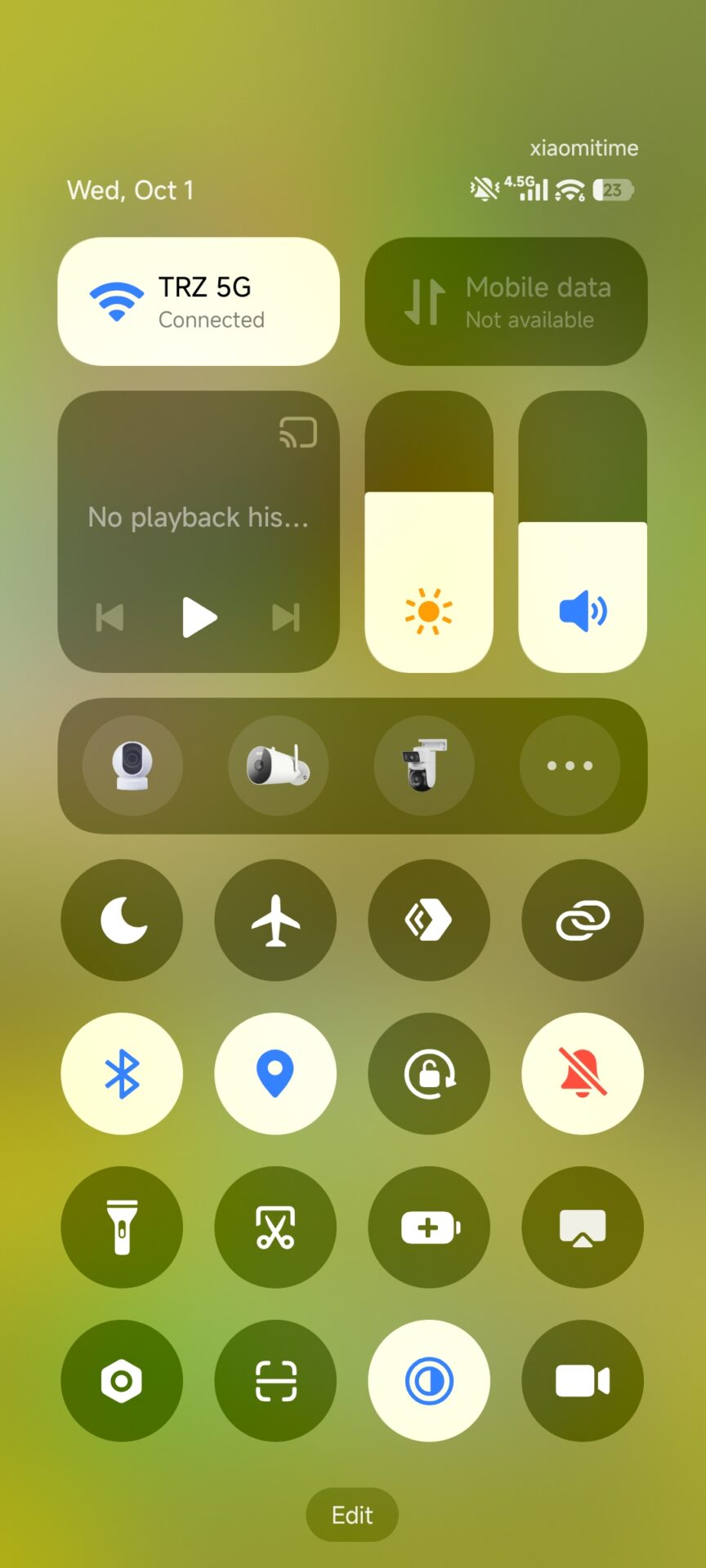
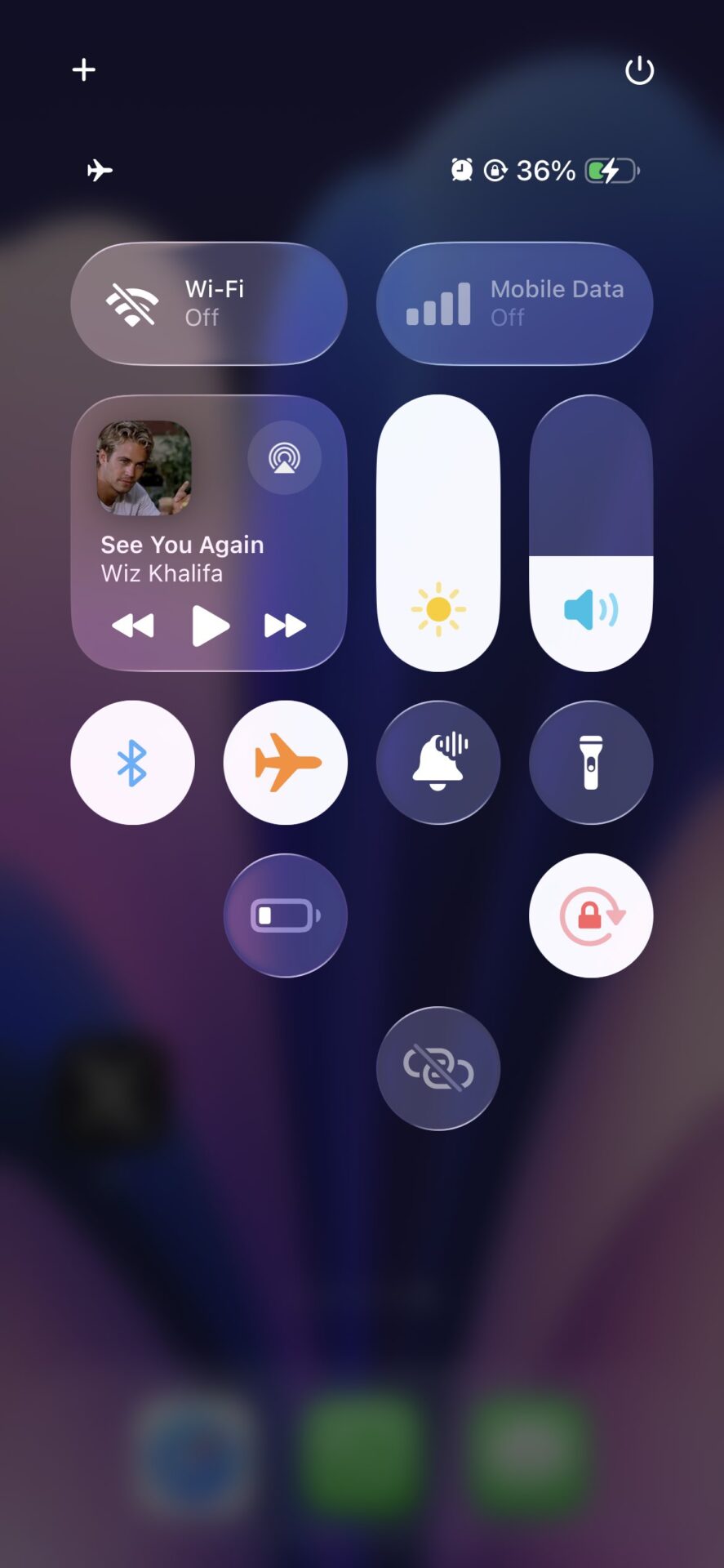
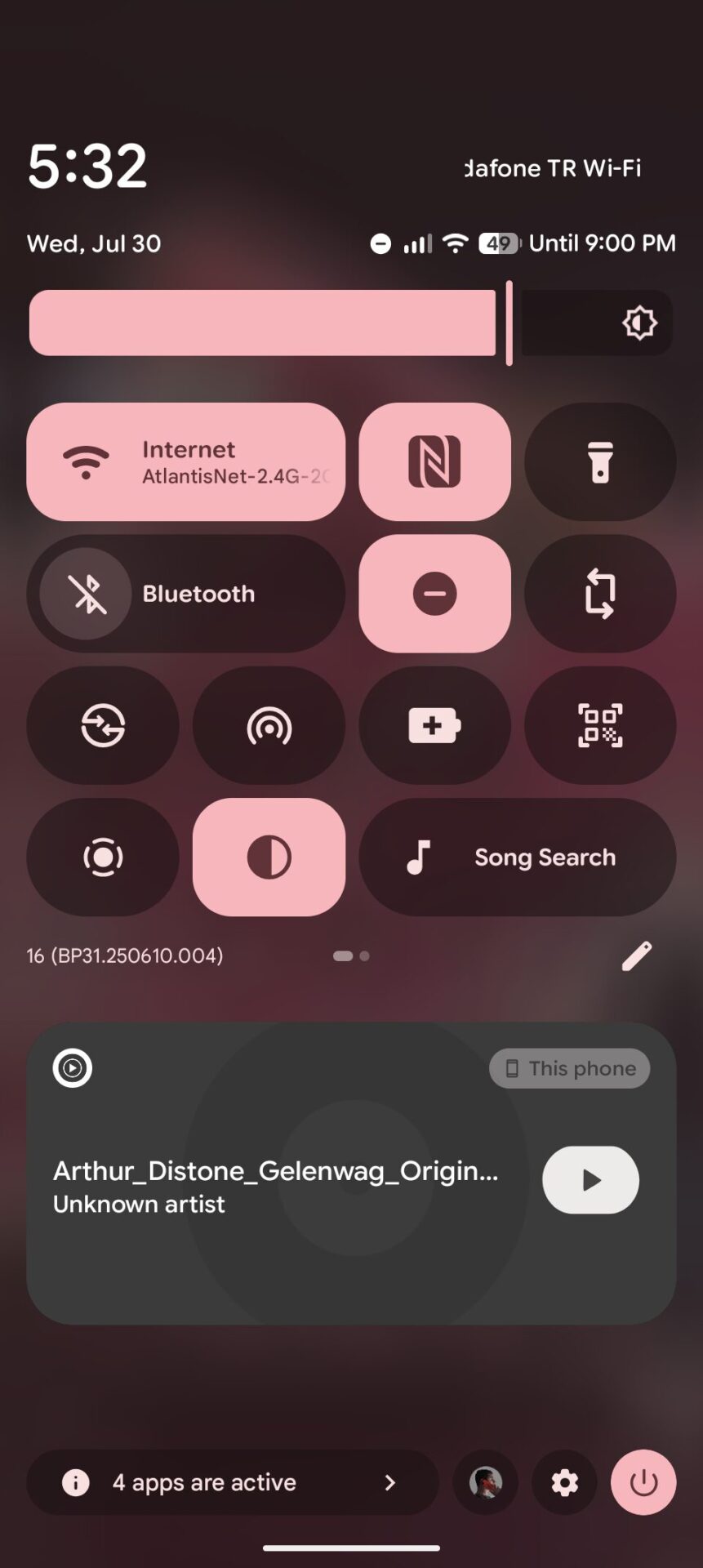
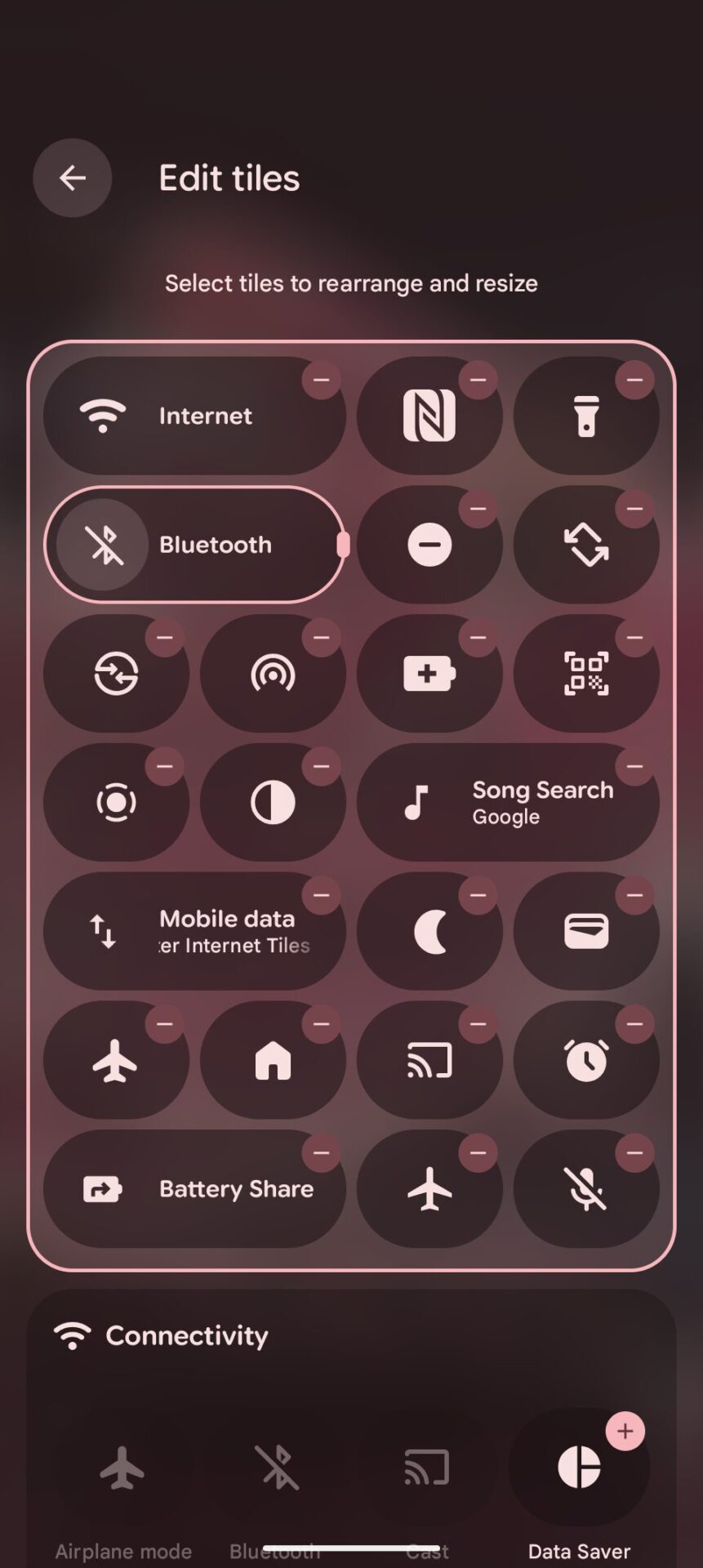
The future of smartphone personalization is here, and it’s time for Xiaomi HyperOS to take the next leap. When we look at the evolution of operating systems, it’s clear that users want more control over the aesthetics and functionality of the tools they use most frequently. The Quick Settings panel—that crucial, one-swipe-away hub for Wi-Fi, Mobile Data, and Bluetooth—is an area ripe for a significant upgrade. While Xiaomi’s software has always excelled in providing a deep level of customization, a key feature found in rival operating systems would solidify HyperOS’s position as a leader in user-centric design. We’re talking about fully editable Quick Settings icons, covering everything from size to placement, a simple but profound change that would elevate the daily user experience dramatically.

Why Full Quick Settings Customization is Essential for HyperOS

Today’s smartphone users demand an experience that feels truly their own. Releases of iOS 26 and Android 16, that users will gain the ability to adjust the size and arrangement of their Quick Settings toggles. This level of flexibility is currently limited within the current iteration of Xiaomi’s interface. For instance, while some toggles at the bottom of the panel can be rearranged to suit a user’s preference, core icons like Mobile Data and Wi-Fi are often fixed in size and position. Furthermore, the option to resize any of these toggles—making them larger for easier tapping or smaller to fit more options on screen—is simply unavailable.

HGyperos cONTROL center iOS 26 Android 16 QPR1 3 Android 16 QPR1 4

What We’d Love to See in Xiaomi HyperOS 3.1

The upcoming HyperOS 3.1 update is the perfect opportunity for Xiaomi to introduce this powerful customization tool. Imagine being able to tap and drag any icon—from the flashlight toggle to the screen recorder—and freely adjust its size from a compact square to a larger, more prominent button. This feature isn’t just about aesthetics; it’s about accessibility and efficiency. Users with visual impairments could benefit from larger toggles, while power users could consolidate more information into a single view. The ability to completely customize the entire Quick Settings matrix would provide a significant boost to user satisfaction.

Key Customization Features to Include:

  • Free-Form Icon Resizing: Allow users to choose between small (1×1), medium (2×1 or 1×2), or large (2×2) tile sizes for any available toggle.
  • Total Placement Freedom: Enable movement of all toggles, including core system functions like Wi-Fi and Mobile Data, to any spot on the grid.
  • Persistent Custom Layouts: Ensure that custom layouts are saved and sync seamlessly across all Xiaomi HyperConnect devices, including Xiaomi Pad and compatible smart home equipment.

Elevating the Experience with Xiaomi Apps

To truly enhance the HyperOS experience, users can already explore deeper levels of system control and customization beyond the main settings app. If you are eager to get your hands on system app updates or hidden features right now, you can check out a powerful utility.

We are confident that the development team behind HyperOS will listen to the community and bring this highly requested feature in version 3.1, further cementing Xiaomi’s reputation for delivering an innovative and personalized mobile experience.

Xiaomi Gallery gets massive update with reversible editing

21 December 2025 at 16:57

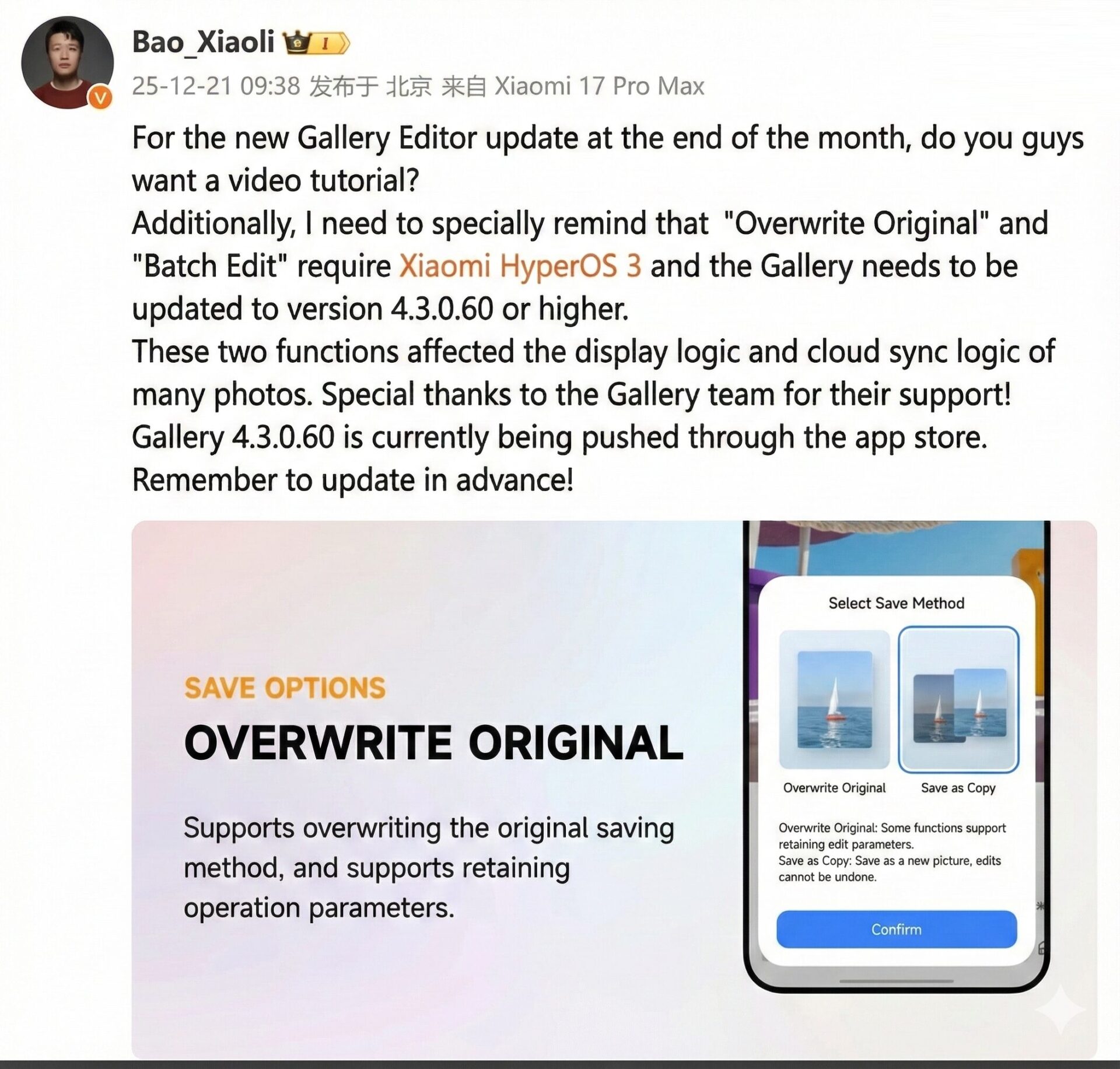
A major overhauling of the integrated Photo Album Editor feature is being planned by the team at Xiaomi, with a focus on long overdue functionality related to increased productiveness and safety when dealing with user data. According to a company release from the Product Manager of Camera Department of Xiaomi’s team – Bao Xiaoli – this upgrade is set to be implemented by the end of this month and is intended to bring about a more flexible and productive photo editing experience for users of supported models from Xiaomi.

A More Flexible Editing Rule for Everyday Use

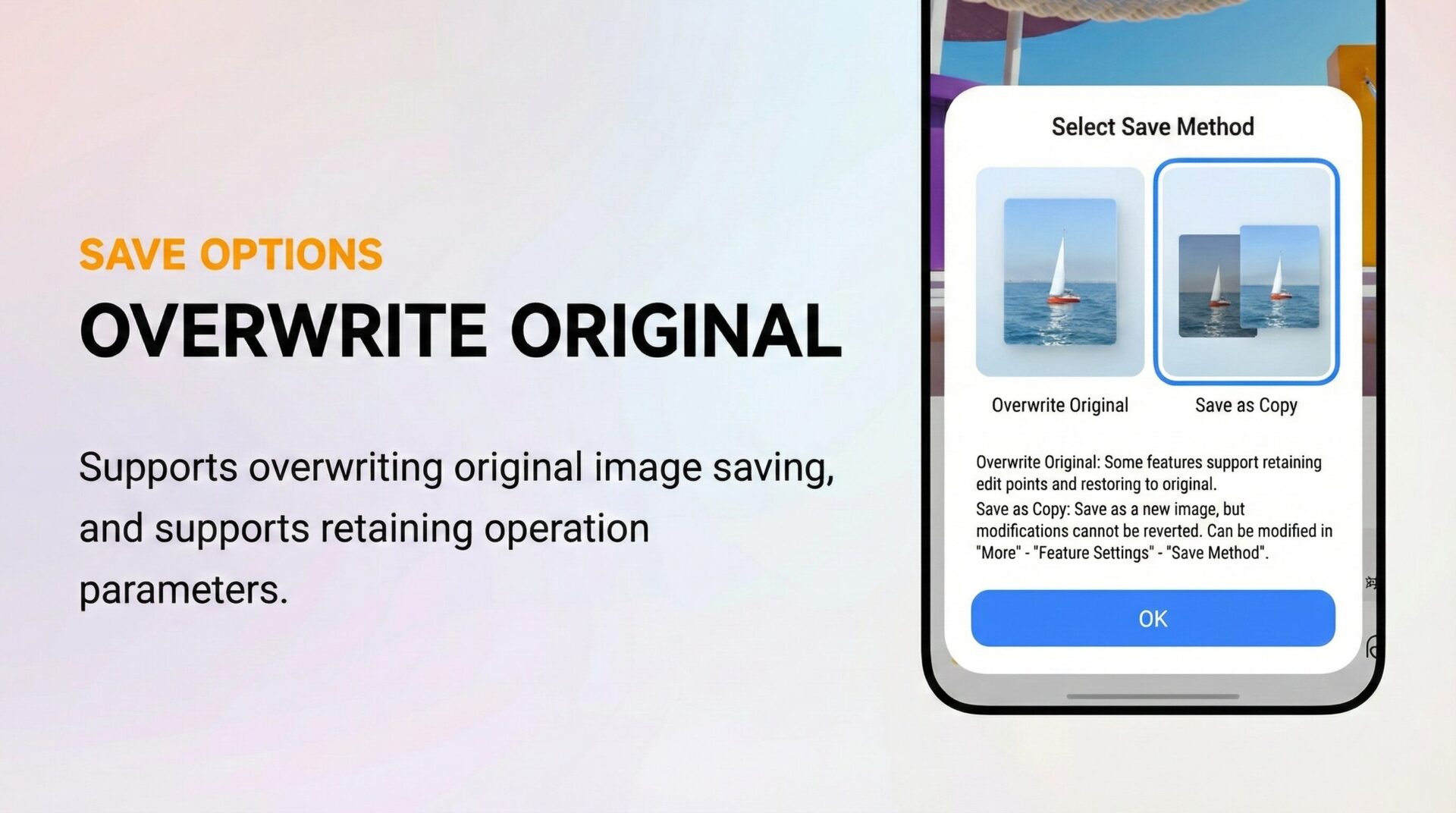
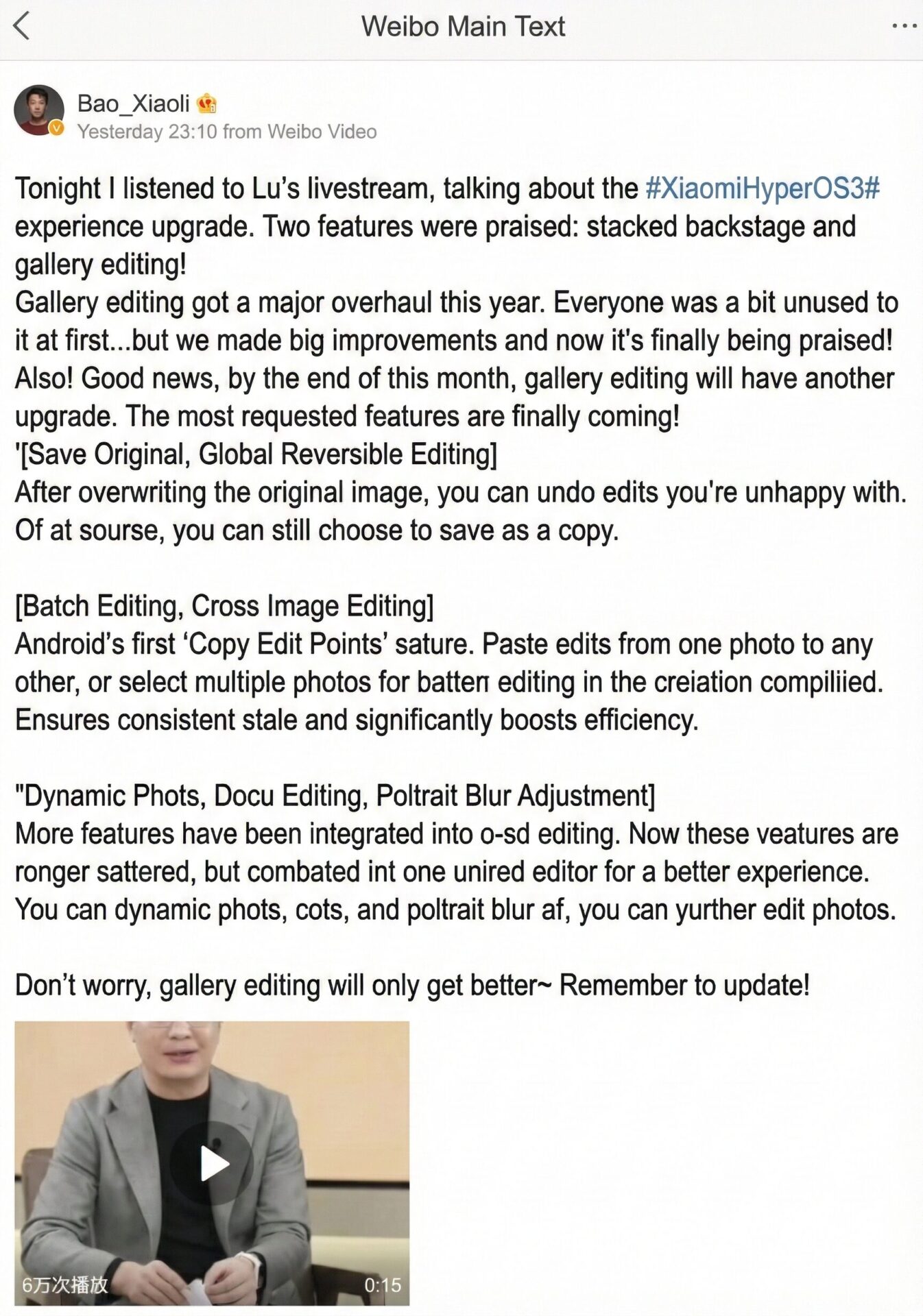
However, the update includes one of the most sought-after features, where it becomes possible to preserve the original image while permitting global reversible modifications. With the introduction of a new “Overwrite Original Image” choice, all modifications will be fully reversible at any point in time. This will allow overwriting solutions, incorporating safety elements typical for non-destructive technologies, delivering a convenient and professional solution for common users. For those who choose a conventional approach, there won’t be any modifications for “Save as Copy.”

Overwrite Original Gallery Editor 2

It is intended to help with editing confidence, particularly in those who often change files and wish to go back on versions after making adjustments without duplicating files multiple times. It is always important to focus on quality over quantity and also remember to trust the process and be patient.

Batch Editing and Cross-Image Copying Finally Arrive on Android

Another important enhancement is the availability of the batch editing and cross-image editing capabilities. Xiaomi is launching the new “Copy Edit Point” feature on the Android platform. This facilitates the user in copying the applied edits from one picture and pasting them on another. Also, multiple pictures can be selected for editing purposes right from the creation menu.

Overwrite Original Gallery Editor 3 Overwrite Original Gallery Editor 1

This extension boosts efficiency, especially among those that want to upload a collection of images, such as their favorite album, travel, or work images.

One Stop Editor With Expanded Abilities

Xiaomi has also improved its editing interface by incorporating a number of features that were previously done using distinct editing tools. For example, picture correction, doc editing, and portrait blur correction can now be done using one interface. This has made editing simpler, but at the same time has ensured that users are also able to tweak photos after using professional effects.

Requirements for System and Version

As explained in the Xiaomi guidelines, the “Overwrite Original Image” and “Batch Editing” functions are only possible with Xiaomi HyperOS 3. Moreover, the photo album app needs to be of version 4.3.0.60 or later since this service affects image display logic and cloud sync functionality.

Source

Received before yesterday XiaomiTime

What happened to LCD in-display fingerprint technology seen on Redmi Note 8 Pro?

21 December 2025 at 06:30

The concept of putting a fingerprint scanner on an LCD display panel itself had gained considerable attention, mainly from the mid-range smartphone sector, which could not afford the high prices for OLED panels at that time. Towards the end of 2019-2020, the Redmi brand from Xiaomi showed off this idea with the Redmi Note 8 Pro, which used an LCD in-display fingerprint solution that was made possible by Tianma.

Technological Difficulty of LCD In-Display Fingerprint Solution

In contrast to OLED screens, the LCD screen requires a backlight unit with a complex optical stack. In this optical stack, light gets blocked and scattered. This makes the process of capturing biometric information via the screen using optical fingerprint sensors highly challenging.

To resolve this, Tianma modified some of the parts of the LCD stack in order to enable the passage of infrared light more easily. For the Redmi Note 8 Pro prototype, an infrared sensor algorithm combining modified films and backlight units worked in collaboration. Advanced image processing algorithms were applied in order to smoothen noisy fingerprint data from the LCD structure.

Although it was functional in the demos, this technology caused added expense, size, and complexity relative to normal LCD modules.

Market Reality & Strategic Shift by Xiaomi

By 2020, the smartphone industry experienced a rapid evolution that was unforeseen. The price of the AMOLED screen had dropped dramatically, especially in China, enabling manufacturers such as Xiaomi or REDMI to use an AMOLED screen in many models, including low-price ones. In the meantime, the side-mounted capacitive fingerprint scanner gained popularity because of its price advantage and ease of use.

Xiaomi 15 series got an ultrasonic fingerprint sensor

With the Redmi Note 10 lineup, Xiaomi began this pivot in their mid-range offerings toward using AMOLED screens. This helped eliminate the cost-effective rationale for developing complex LCD implementations for in-display fingerprint scanning. This means that their LCD in-display fingerprint project never made it into mass production.

What Happened to Tianma’s Technology?

Even as Tianma had to put its LCD in-display fingerprint solution on the back-burner, the company did not turn its back on research involving sensor integration. The company simply repurposed its know-how to other areas of interest to OLED technology, such as optoelectronic hybrid integration. This technology is employed for sophisticated sensing applications. The current focus of Tianma’s research and development efforts is on OLED technology display panels, as well as automotive display panels and industrial display panels.

Final Assessment

The LCD in-display fingerprint sensor, as seen on the Redmi Note 8 Pro, was a technical prototype, demonstrating the feasibility of the idea. However, due to lower prices of AMOLED screens, simpler ways, or because of Xiaomi’s preference for AMOLED screens, it could not see the light of day. It is a fact, now in 2025, that if any mobile telephone has an LCD display, its fingerprint reader is placed either on the side or on the back. If it is in-display, then it is OLED.

Source and other prototypes

REDMI Note 15 Lunar New Year Editions Appear, Sales Start on January 1

21 December 2025 at 01:26

Xiaomi has officially listed the REDMI Note 15 Lunar New Year Edition smartphones on JD.com, confirming a festive refresh for the popular series. The special editions will go on sale in China at 10:00 AM on January 1, 2026. According to the listing, all three models focus on refined design rather than hardware changes.

Festive Design Focus for the REDMI Note 15 Series

The Lunar New Year editions introduce new color themes inspired by the Spring Festival. The REDMI Note 15 and REDMI Note 15 Pro arrive in a cherry red finish, while the REDMI Note 15 Pro+ features a warmer brown-toned New Year color. Xiaomi positions these versions as seasonal alternatives, keeping specifications identical to the standard models released earlier this year.

Note 15 China

This approach allows users to choose a festive appearance without compromising familiarity or performance. Availability is currently limited to the Chinese market.

REDMI Note 15 and Note 15 Pro Highlights

The standard REDMI Note 15 was introduced in August and focuses on slim design and balanced performance. It features a dual-curved OLED Super Sunlight display with high peak brightness, a large battery, and IP66-rated dust and splash resistance. The device emphasizes comfort in hand with a thin body profile.

The REDMI Note 15 Pro upgrades the experience with a larger 1.5K OLED flat display and a 120Hz refresh rate. It uses the Dimensity 7400 Ultra processor and shares enhanced protection features such as reinforced glass and an ultra-thin chassis. Battery capacity is increased to support extended daily use.

REDMI Note 15 Pro+ Specifications Overview

The REDMI Note 15 Pro+ stands as the top-tier option in the series. It is the first device powered by the Snapdragon 7s series fourth-generation platform. Key highlights include:

  • 6.83-inch 1.5K Super Sunlight OLED display
  • Triple rear camera system with a 50MP main sensor and 50MP telephoto
  • Enhanced durability with improved drop and water resistance
  • Large battery designed for long-term endurance
Redmi Note 15 Pro Plus 5G 2

Xiaomi confirms that the REDMI Note 15 Lunar New Year Edition lineup is currently available for pre-order in China and will officially launch on January 1, 2026.

Source

Xiaomi Auto speeds up store expansion with new $14M incentive plan

20 December 2025 at 22:30

Xiaomi Auto has officially announced a large-scale dealer subsidy program in an effort to promote the development of their offline dealer channels across the whole country. According to Jiemian News, the firm has already issued more than 100 million yuan (approximately $14 million) of subsidies to car dealers, especially focused on car-integrated retail stores.

Dealer Subsidy Policy Details

According to the established subsidy policy for Xiaomi Auto, there is a clear unconditional benefit for the dealers. Stores erected in 2024 will be eligible for a subsidy of 100,000 yuan (about $14,000). Simultaneously, stores completed before December 15, 2025, will be eligible for a far more substantial subsidy amount of 500,000 yuan (about $70,000).

These payments are independent of any new sales volume or operational commitments. The new pattern of payment aims to ease the entry process for partners as well as promote a quicker expansion of physical presence for Xiaomi Auto in the major regions of China. This strategy implies that Xiaomi aims to emphasize stability and confidence building with its partners at a critical phase of expansion.

Xiaomi YU7

Fast Growth of Xiaomi Auto’s Sales and Stores

According to publicly available data quoted by IT Home, Xiaomi Auto sold 46,249 new energy passenger vehicles in November 2025. Of these, 33,729 units of YU7 models were sold in the wholesale market, reflecting its widespread adoption.

As far as new store openings are concerned, Xiaomi Auto opened 17 new stores in November, and the cumulative number of new stores reached 441 in 131 cities in China. The goal is to establish 36 new stores in December and cover seven new cities, including Hengyang and Mianyang, in addition to those already being served. As of November 30, Xiaomi Auto had opened 249 service outlets in 144 cities.

“Red Envelope” Incentives and Forthcoming Changes in Policies

According to sources with knowledge of the issue, some distributors have received more than 4 million yuan (approximately 560,000 USD) of subsidies handed out with so-called “red packets.” Such subsidies were perceived more as appreciation presents than the kind of compensation related to channel performance.

Going forward, Xiaomi is said to be making preparations for another round of policy adjustment. This will cover more flexible guidelines for the management of store performance and the incentive scheme. This will help create a less strenuous operating environment for dealers, given the expansion of Xiaomi Auto.

Source

Android 15 HyperOS 3 stable appears for a device tied to Android 16

20 December 2025 at 21:00

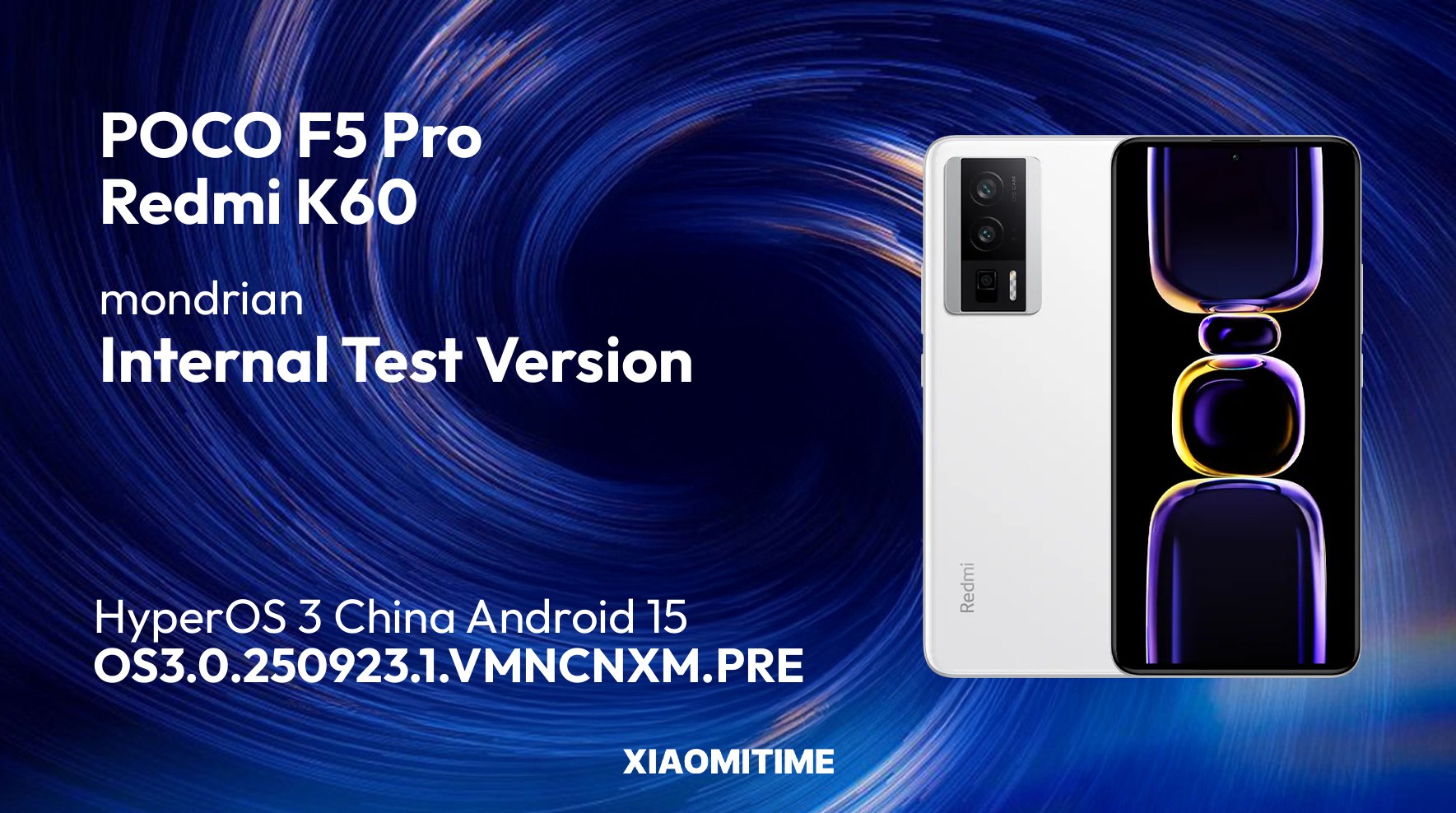
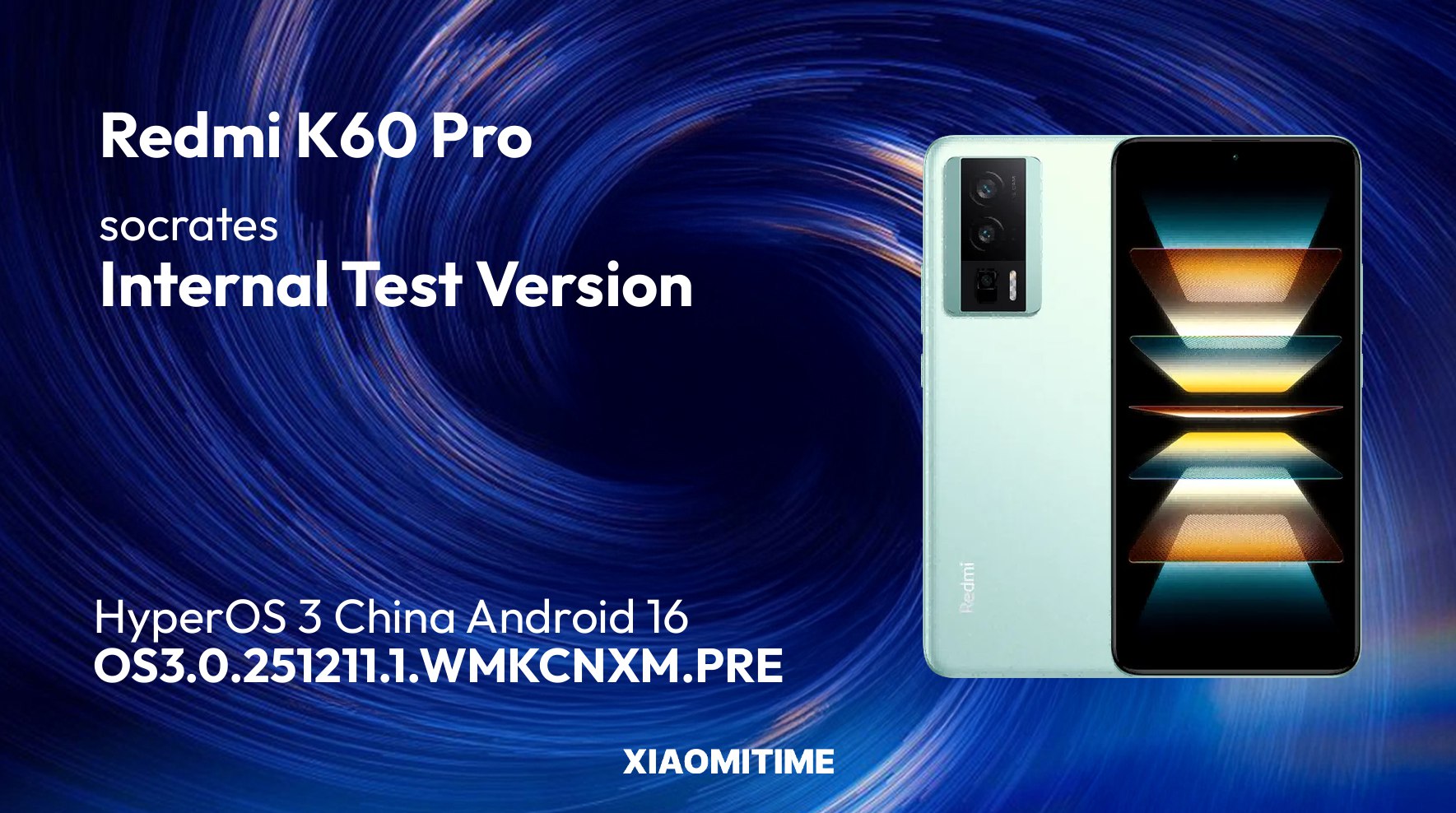
Xiaomi recently made the news for its software plans for REDMI K60 Pro, and there are questions being asked from the technical community regarding the HyperOS updates. In October, the company started the efforts for the Android 15 HyperOS 3 update for REDMI K60 Pro, and the internal Android 16 updates commenced from December 11th, 2025. There have been situations like this in the Xiaomi updates in the past as well, especially in the major HyperOS updates.

HyperOS 3 Hits Stable Release for REDMI K60 Pro

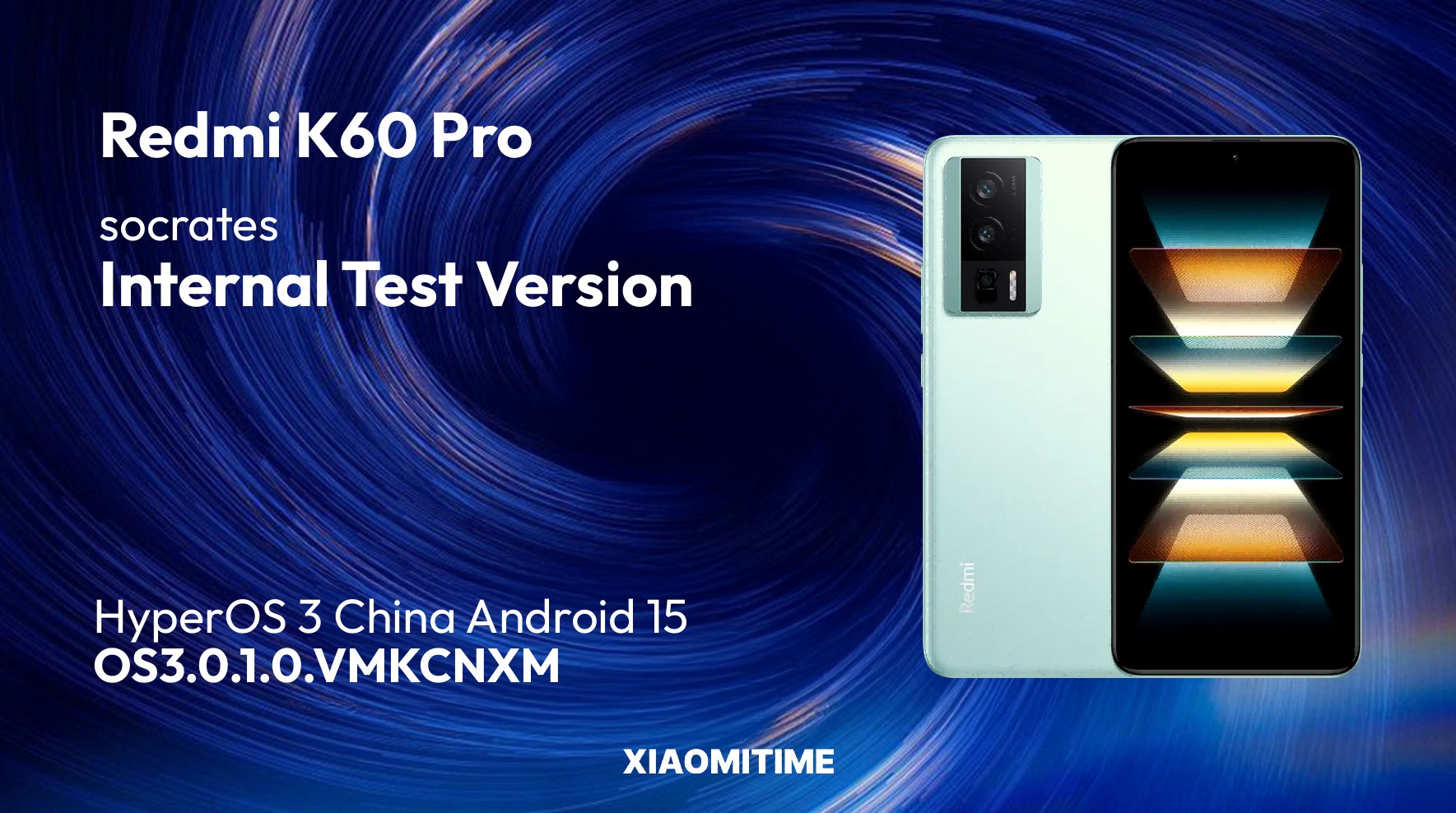
Xiaomi has now managed to compile what looks like a ready-for-launch stable version of HyperOS 3, based on Android 15, for the REDMI K60 Pro in China. Further, the OS3.0.1.0.VMKCNXM firmware indicates this will follow a public rollout phase. To sum it up, this means that consumers will experience performance enhancement, enhancements in security, as well as improvements in system stability, in comparison to previous tests.

photo 2025 12 20 12 20 03 photo 2025 12 20 12 19 42 photo 2025 12 20 12 19 41

Currently, Xiaomi has not yet revealed the exact date of its official launch, although the compiled stable version of the update usually specifies the nearing distribution of the file. A normal course of action accomplished by Xiaomi would be the gradual distribution of the update in order to avoid problems.

Why Android 15 Now If Android 16 Is in Testing?

Prior to the examination of the expectations associated with Android 16, there is a need to understand the update process employed by Xiaomi. Xiaomi can work on various versions or updates of Android simultaneously. The release of Android 15 does not imply the cancelation of the Android 16 version. On the contrary, it provides necessary updates for the current version, leaving the ensuing Android version unchanged. But we shouldn’t forget that Android 16 might also be canceled.

It gives Xiaomi the ability to maintain the continuity of the security patches and ensures that the devices from the brand stay on the HyperOS feature roadmap. From the business perspective, the continuity becomes extremely essential compared to jumping to the next version of the Android OS.

Will REDMI K60 Pro Get Android 16?

As of the current date, Xiaomi has not officially announced Android 16 support for the REDMI K60 Pro. Internal beta versions do not always mean that the OS will be officially released. Yet, previous Xiaomi models received this internal beta version of the OS several months before the official announcement of the OS support.

Based on the hardware capabilities of the REDMI K60 Pro, the recent emphasis by Xiaomi on supporting the software for a longer period, the prospect of running Android 16 appears plausible. Final confirmation can be expected near the time of the release of the stable version of Android 16.

What Users Should Expect Next

For now, one should expect the Android 15-based HyperOS 3 stable update to come to China only. Because REDMI K60 Pro is China-only device.

Xiaomi confirms HyperOS 3 launcher beta split-screen thumbnail border bug

20 December 2025 at 19:31

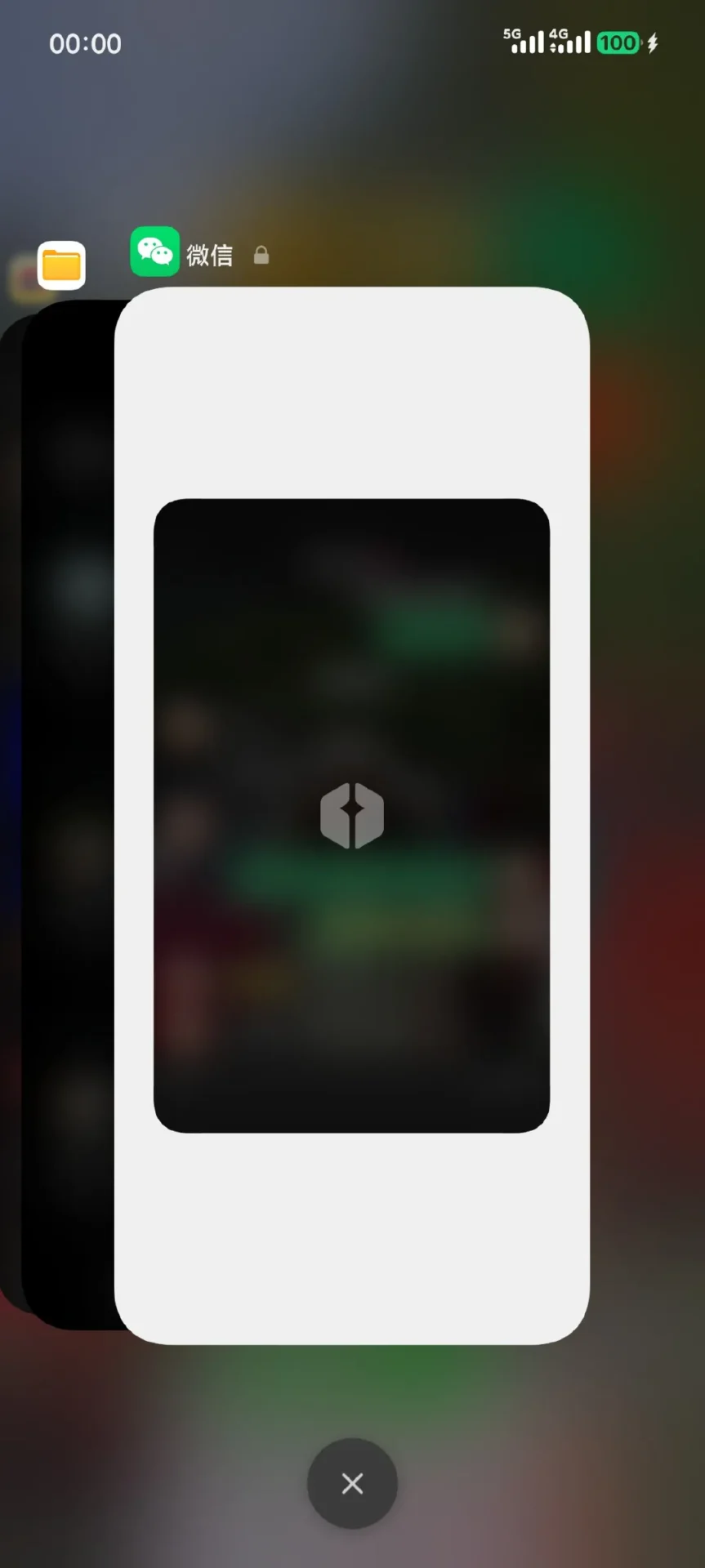
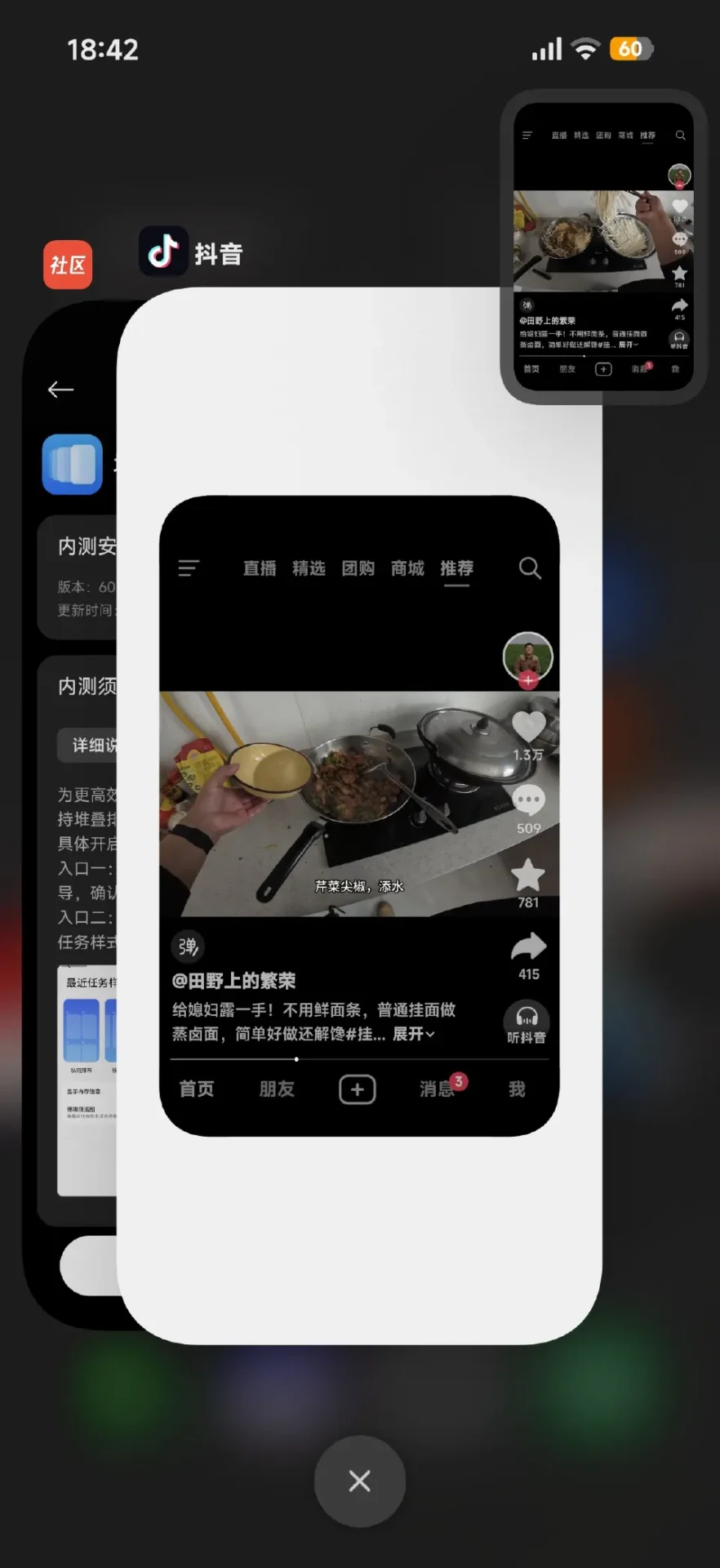
Xiaomi has officially stated that it is currently developing a software solution for the visual problem occurring on the HyperOS 3 beta launcher, specifically on the new iOS-inspired layout for the recently used apps view. The bug occurs in split-screen or small window configurations, where the display of the thumbnail of the used app cards is bug-filled. This issue has, according to feedback from the official Xiaomi community, already received the thumbs-up for being a valid software project.

HyperOS 3 launcher bug description

The bug has come to light during the desktop beta test of HyperOS 3 in December 2015. If the users enable the split-screen mode or the window mode and then try to switch to the recent apps screen, the background task cards may come into view over-zoomed, featuring a white border around the thumbnails.

HyperOS 3 Launcher Thumbnail Bug 1 HyperOS 3 Launcher Thumbnail Bug 2

This problem has also been logged by Xiaomi in Proposal Number: 52682489, confirming that it has been reviewed and entered into the development pipeline. The bug report submitted by a beta tester includes feedback on the expected outcome, and this helps in the process of discovering the cause of the problem.

Impact of the issue on daily usage

Though this bug does not lead to crashes or loss of data, this bug has a direct effect on multitasking experience, which is one of the major areas that HyperOS 3 has emphasized. The redesigned page for recent apps is designed to ensure smooth transitions and improve memory awareness. Though this feature has some flaws, such as improper scaling and white edges, background apps become difficult to identify.

Xiaomi HyperOS “iOS-style recent apps” feature is now available to download

As far as system design, it looks like there’s inconsistent UI scaling and rendering being performed while the foreground app changes size dynamically. It’s expected that the engineers behind Xiaomi will be able to address this issue with some launcher-level optimization, which shouldn’t be too long off, given that this is purely at the framework level.

What users can expect next

According to the company, “the expected outcome of the issue fix would be correct rendering of the background thumbnails in all multitasking modes such as split screens and floating windows.” After the fix has been tested and validated within the company, the update might be released for HyperOS 3 Launcher beta testers first.

Xiaomi confirms fix for camera crash for some devices

20 December 2025 at 18:00

Xiaomi has just acknowledged a newly reported camera problem that affects the REDMI K90 Pro Max and confirmed that the fix is already in preparation for the upcoming updates. As shared through an official feedback channel of Xiaomi, the problem showed up after the recent beta release and specifically affects professional camera presets.

Camera Preset Crash Identified in Beta Version

A bug report says that on the REDMI K90 Pro Max running version 3.0.18.0, launching certain camera-specific professional mode presets instantly triggers a crash in the Camera app. Users mentioned that these presets worked fine on the previous software version, meaning this bug has been introduced with the new beta and is not related to hardware.

Camera UI

According to the official report, the crash happens right after selecting a saved pro preset; this happens in such a way that the users cannot go into any of the advanced camera settings. The standard photo and video modes do work just fine, but the instability makes use of the device’s advanced photography features-a major selling point for the series in China rather limited.

Status- Xiaomi’s Response and Fix

Xiaomi has labeled the bug as “Replied” within its internal bug tracking system, stating that the related engineers have successfully reproduced the problem. Accordingly, the proposal number 52644009 shows that the case is now under active investigation, and Xiaomi has managed to categorize it as a camera-related software regression linked to the beta build.

While Xiaomi didn’t provide an exact timeline for rollout, such fixes usually come in the next incremental beta update before merging into a stable release. This also aligns with Xiaomi’s usual HyperOS update policy, where critical app crashes are to be prioritized for maintaining system stability and user trust.

What Users Can Expect Next

Until the fix is released, users using affected builds should refrain from using saved professional presets within the Camera app. Users can update system components through official channels once the updated build is available or keep related Xiaomi apps updated via HyperOSUpdates.com or the MemeOS Enhancer app on the Play Store, which also grants access to hidden Xiaomi features and system app updates.

The K series of the REDMI devices are exclusive to China, and their counterparts usually come under the POCO brand for the rest of the world. Therefore, this particular problem affects only the Chinese beta firmware and doesn’t affect the global models at all.

Source

Xiaomi confirms fix for dynamic photo flip bug in upcoming update

20 December 2025 at 16:46

Recently, Xiaomi has officially confirmed a new bug fix that is set to be released with a future system update, alongside the fixing of a visual bug spotted by customers on the new Xiaomi Civi 5 Pro. The problem, according to the customer feedback platform available on the company’s website, relates to the Dynamic Photos feature, leading to an unexpected reversal of the image from left to right during viewing. The fact that the company has continued to emphasize the stability of their software on the Xiaomi HyperOS platform, including the mid-range offerings, is an important aspect of the company’s performance at the current mid-term.

Confirmed Problem in Xiaomi Civi 5 Pro

The issue was found on the Xiaomi Civi 5 Pro with the software version of OS3.0.3.0, and the problem is that the Dynamic Photos might turn horizontally when browsing, even if the original image was taken normally. This problem is seen to occur very often without any particular trigger. Xiaomi has recognized the bug with proposal number 51733572 and stated that it is being addressed by the software team.

Dynamic Photo Flip Problem 2 Dynamic Photo Flip Problem 1

Such a bug will neither influence the photo quality nor will it have any effect on the integrity of data, though it may affect the user experience, particularly when users use Dynamic Photos extensively to record short moments with motion. Xiaomi’s acknowledgement of this bug indicates that it has been reproduced within the company, which is considered a system-level inconsistency rather than a hardware problem.

The Planned Solution and Update Process

Xiaomi mentioned that this bug will be solved in a future system update. Although it’s difficult to mention the time frame for the release of this update, bug fixes such as this are normally released through the incremental Xiaomi HyperOS software updates, which are usually pushed out in batches once it’s ready. The update will then be available for download through the system updater.

For those who want their system applications and components to be updated to their latest versions, some Xiaomi system apps regarding camera support as well as media service applications can also be traced through HyperOSUpdates.com or using the MemeOS Enhancer App from Google Play Store. The app enables connections to system app updates, hidden functions in Xiaomi Androids, as well as tracking updates from theandroid itself.

Xiaomi’s Software Maintenance PROCESS

This is typical of the software maintenance approach at Xiaomi, where the company focuses on the swift acknowledgment of feedback bugs. Xiaomi’s goal to provide a consistent user experience across all devices seems to include the elimination of bugs such as the inversion of the Dynamic Photo feature.

It’s likely that as the Xiaomi HyperOS finds applications on an increasing number of models and in different parts of the globe, bug fixes and optimization tweaks will continue to be rolled out to ensure that the focus on long-term software support by Xiaomi is maintained.

Xiaomi fixes green camera bug in next update

20 December 2025 at 15:05

Just been announced by the company are bug fixes that will come with the next HyperOS update, with the aim of enhancing the stability of the camera environment and the accuracy of image processing. According to the latest update by the developers at Xiaomi, some of the awaiting bug corrections include the improvement of the problem with the Xiaomi 17 series when the resulting photos exhibit an abnormal green tinge.

Problem with the Camera Identified in the Xiaomi 17

Xiaomi revealed that the green-tinged image output issue was found in the Xiaomi 17 smartphones that use HyperOS 3.0.32.0. The bug was noticed to mainly affect image captures made through certain modes, such as the combination of white balance and High Dynamic Range imaging. Although the bug is only intermittent for certain users, internal testing conducted at Xiaomi indicated the bug could cause problems with image color accuracy, an aspect that is very important for flagship smartphones.

Green Camera Bug 1 Green Camera Bug 2

The good news is that the problem is only related to the software and there’s no involvement of the camera hardware. According to the clarification, users who are experiencing this issue are not required to send back their devices for any repairs or replacements. Xiaomi engineers have already made tweaks on the algorithm level to address the color calibration.

Fixes Scheduled in Future HyperOS Updates

Xiaomi has confirmed that the following correction for the issue of generating green-shot photographs will be provided as part of an upcoming HyperOS update. The update will enhance camera image processing pipelines so as to provide correct coloring without affecting the overall photography style, which was adjusted for the Xiaomi 17 models. Alongside this correction, Xiaomi is also likely going to provide some minor bug fixes based on user responses given through their respective feedback platforms.

Users are urged to update their system and camera apps. The Xiaomi system apps could also be updated individually through reliable platforms. The majority of the Xiaomi apps can be downloaded from HyperOSUpdates.com or through the MemeOS Enhancer application found in Google Play Store, which also gives users access to hidden capabilities within the Xiaomi device, as well as system application updates.

Xiaomi’s Ongoing Software Optimization Strategy

This announcement is based on Xiaomi’s overall strategy for their HyperOS, focusing on iterative improvements following major versions. Unlike other manufacturers which take a considerable amount of time for major version releases, Xiaomi keeps on churning out iterative solutions that repair issues from practical user perspectives that are often addressed by concerned users. For the Xiaomi 17, camera function remains a major concern, and such patches help the brand keep the users satisfied.

Although Xiaomi has not yet rolled out the exact timeline for the deployment of the solution, the bug is expected to be resolved in the near-term HyperOS update after final verification.

Source

Xiaomi reveals plans for REDMI Note 15 Spring Festival edition

19 December 2025 at 22:37

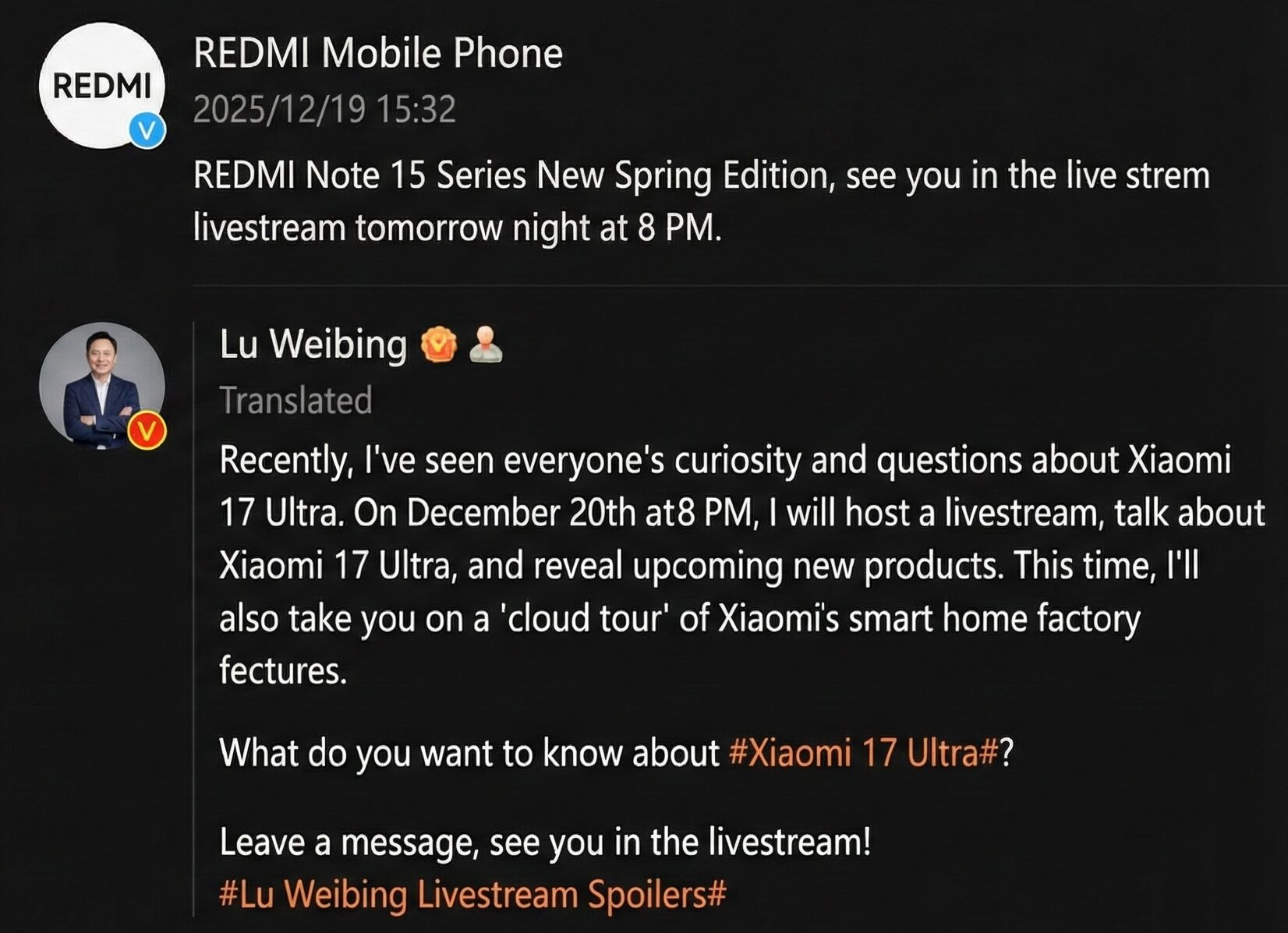
Xiaomi has announced an official live stream for the REDMI Note 15 Spring Festival Edition through its official live stream event scheduled to happen on December 20, 8:00 PM China Time. The live stream event has been announced through the official platform by none other than the Lu Weibing, the Partner and President of Xiaomi Group, and reposted by the official REDMI account. The live event will see the Xiaomi devices provider give the latest updates on the impending launch of the Xiaomi 17 Ultra.

The REDMI Note 15 Spring Festival Edition Gets the Limelight

The live streaming event is expected to focus mainly on the REDMI Note 15 Spring Festival Edition, which is a variation launched specifically due to the Chinese New Year festivities, catering only to the Chinese market. Xiaomi has not announced any details regarding this particular device, except that it is expected to be more of a design variation rather than an overhaul.

REDMI Note 15 festival edition

REDMI’s models for Spring Festival usually involve design elements inspired by culture and are limited in distribution. Like other models in the REDMI K and REDMI Note series special editions, this particular type will probably be confined in China, at least for now, with no information on models that can be found globally under the POCO brand name.

What to Expect From the Live Stream

Besides the REDMI Note 15 Spring Festival Edition, there are other products that Lu Weibing is expected to talk about briefly, such as the future Xiaomi 17 Ultra product line. Even though there are no technical details expected, product previews give a hint about the upcoming timelines of their launch. Users, who want to update their Xiaomi system apps, can also use HyperOSUpdates.com or download the MemeOS Enhancer app from the Play Store, which gives access to the update of system apps and more features of Xiaomi.

Source

Top benefits of Android 16 update for Xiaomi users

19 December 2025 at 20:36

Xiaomi smartphones such as the Xiaomi 15, Xiaomi 15 UltraXiaomi 15TXiaomi 15T ProPOCO F7 Ultra, as well as the Redmi A3, have officially started receiving the update of Android 16. This upgrade is expected to provide a new user experience focused on the improvement of usability, multitasking, as well as privacy. As this rollout of the Android 16 is set to continue in the entire online community, Xiaomi smartphones supporting HyperOS based on Android 16 already enjoy new interface updates as well as optimized background processes.

What’s New in Android 16

Android 16 is primarily geared towards making the overall experience of a smartphone more intuitive, more responsive, as well as more secure. Some of the key features of this operating system include

  • Auto Grouping of Notifications. Predictive back gesture that allows the user a preview before navigating back to the previous screen.
  • Adaptive refresh rate that balances a smooth display with battery life.
  • Desktop windowing mode, optimized to improve productivity on a large screen, such as in the Xiaomi Pad 7 Pro.
  • Trade-in Mode, where device resets are ensured to be secure before disposal.

These functionalities ensure that Xiaomi customers enjoy a seamless multitasking experience as well as security control capabilities on phones as well as tablets.

Xiaomi Android 16 2 Xiaomi Android 16 3 Xiaomi Android 16 1

How Android 16 Improves Xiaomi’s HyperOS

Xiaomi’s HyperOS, which had previously impressed as a performance optimizer with a smooth user interface, is bundled flawlessly with the under-the-hood enhancements of Android 16. This is despite the fact that the user interface of Android 16 and that of Android 15 look no different on a Xiaomi phone, as a result of the API-level differences.

This update also improves Xiaomi’s HyperConnect ecosystem in order to ensure there is a seamless connectivity between the various Xiaomi gadgets including smartphones, tablets, as well as home smart products.

Security & Accessibility Upgrade

Android 16 comes with many new privacy features that are strengthened by HyperOS, a trusted security environment offered by Xiaomi. “Identity Check” brings a new concept of having a biometric verification process in addition to trusted zones, and “Advanced Protection” consolidates anti-scam, malware, and network shields under a single umbrella called a “hub.”

Accessibility is also enhanced in this new model through functions such as LE Audio support, in which one can use the phone as a microphone for hearing aids. This is a reflection of the shared mission of inclusiveness between Google and Xiaomi.

Android 16 does not bring any radical changes to the Xiaomi HyperOS experience in particular, rather enhancing it further with optimized improvements. Beginning from multitasking functions to privacy-centric management solutions, this update will keep Xiaomi users at par with all the advanced technological innovations offered by new Android updates.

Reference: Android 16 Official Overview

❌