Normal view

Xiaomi 17 Ultra vs Leica Edition: 3 exclusive features for extra $100

26 December 2025 at 10:00

The arrival of the series known as Xiaomi 17 Ultra has presented an intriguing predicament for those who purchase top-end smartphones. Xiaomi has divided its high-end product into two separate entities: the regular Xiaomi 17 Ultra, crafted for general luxury aficionados, and the second, called the Xiaomi 17 Ultra Leica Edition, created for aficionados and professionals alike. Even though both possess the same Snapdragon 8 Elite Gen 5 soul, they possess separate natures altogether. Here’s the complete distinction on why the latter warrants its premium price tag.

1. Design: Modern Flow vs. Mechanical Grip

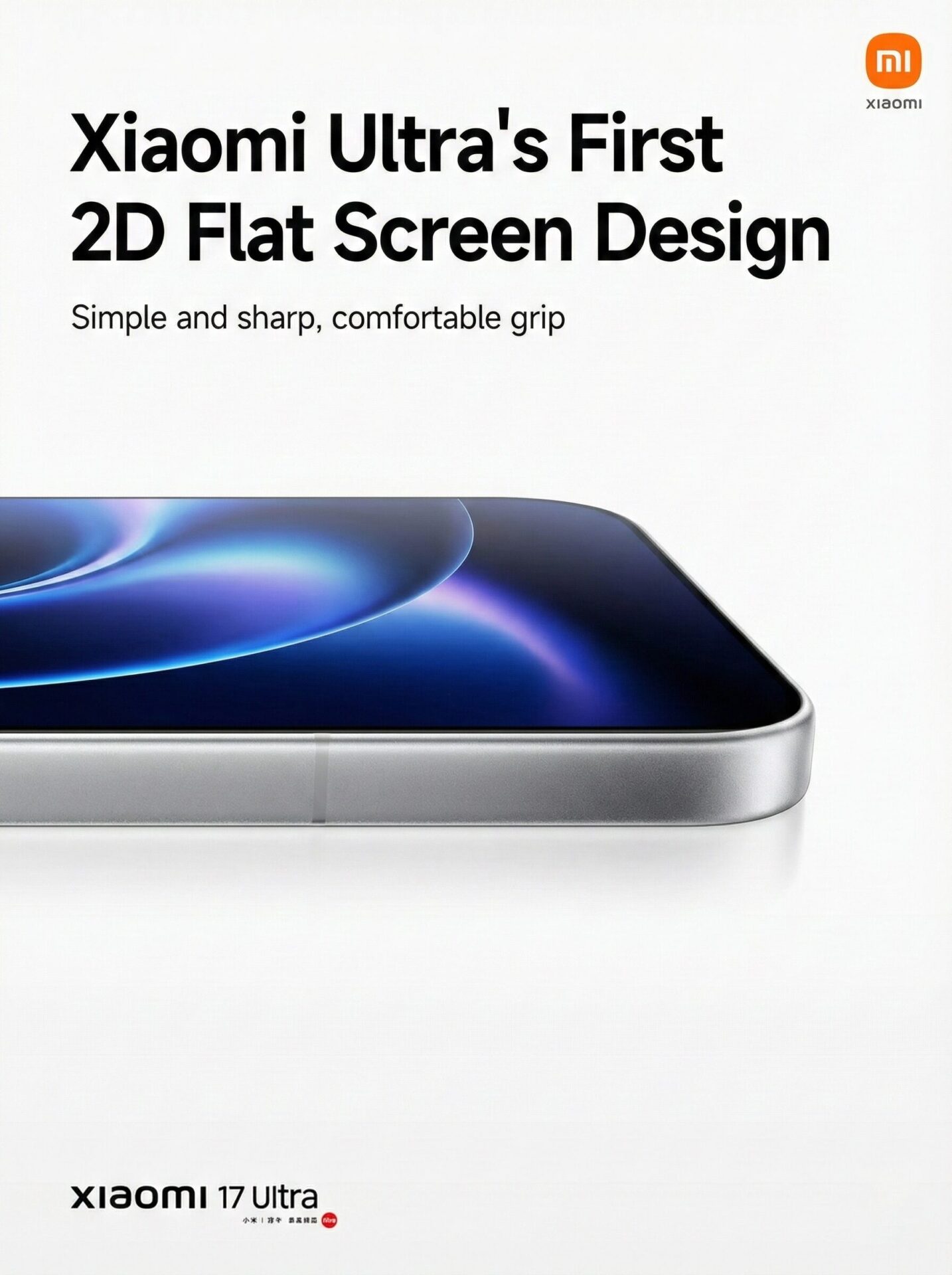
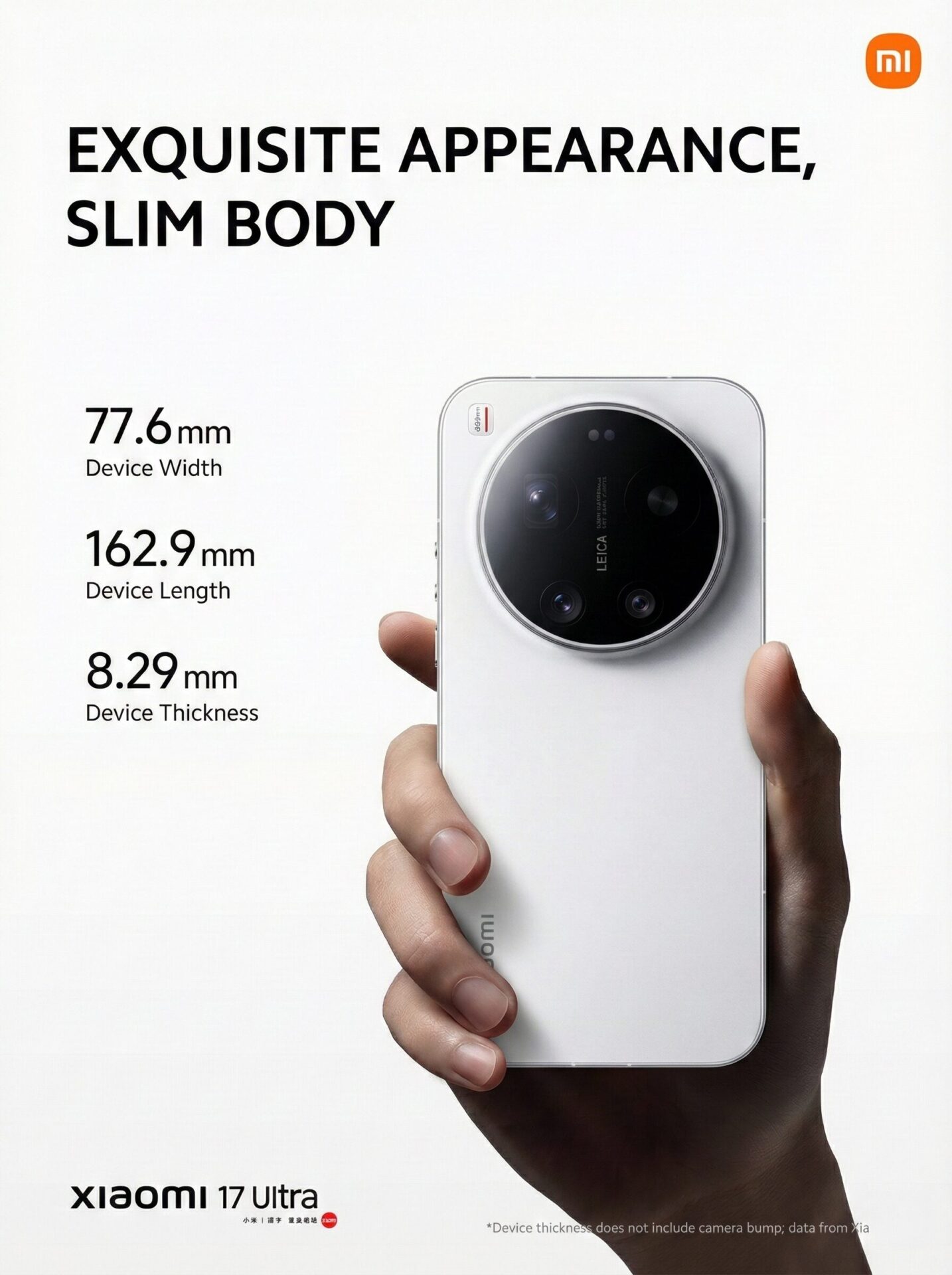
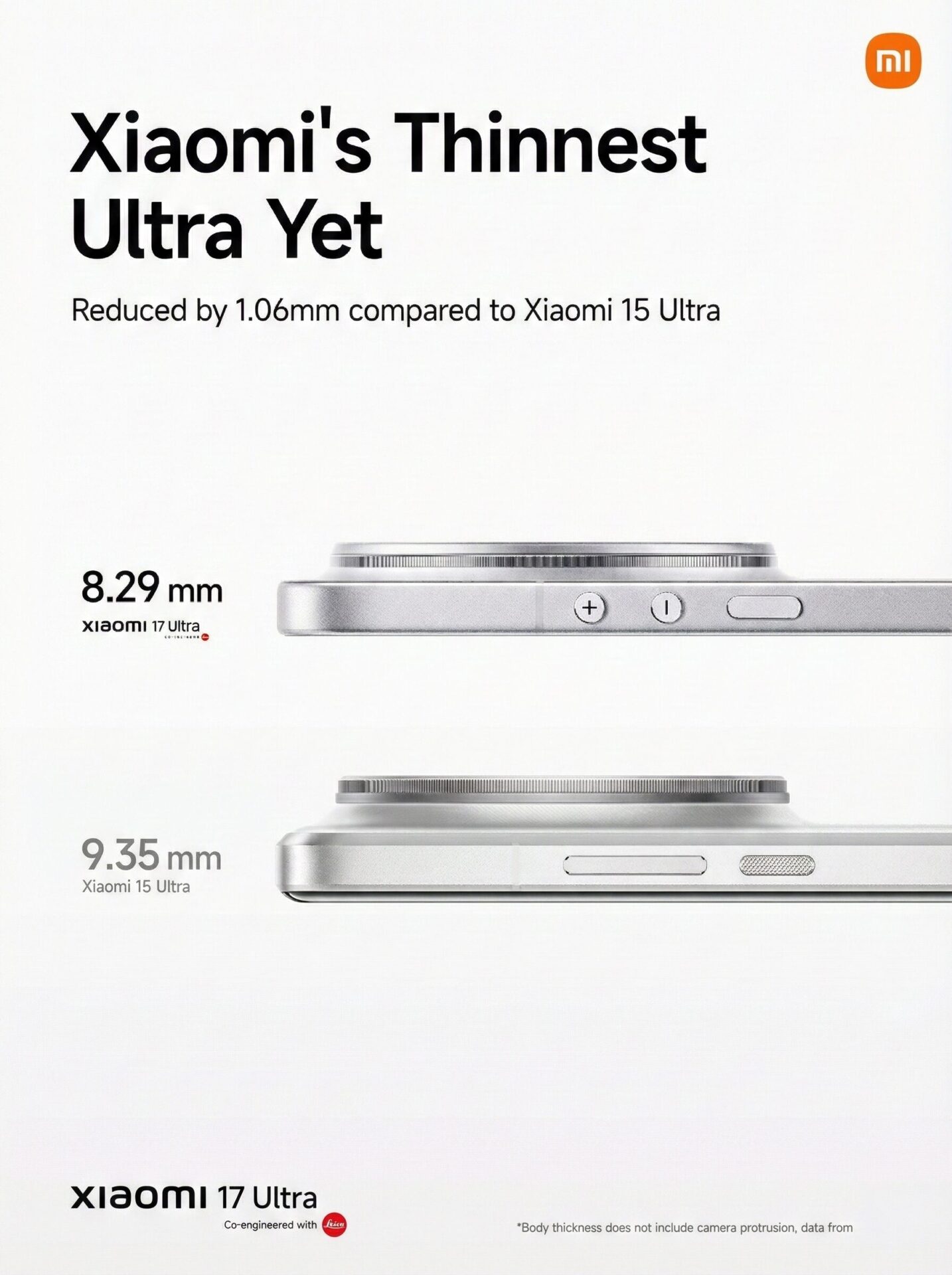
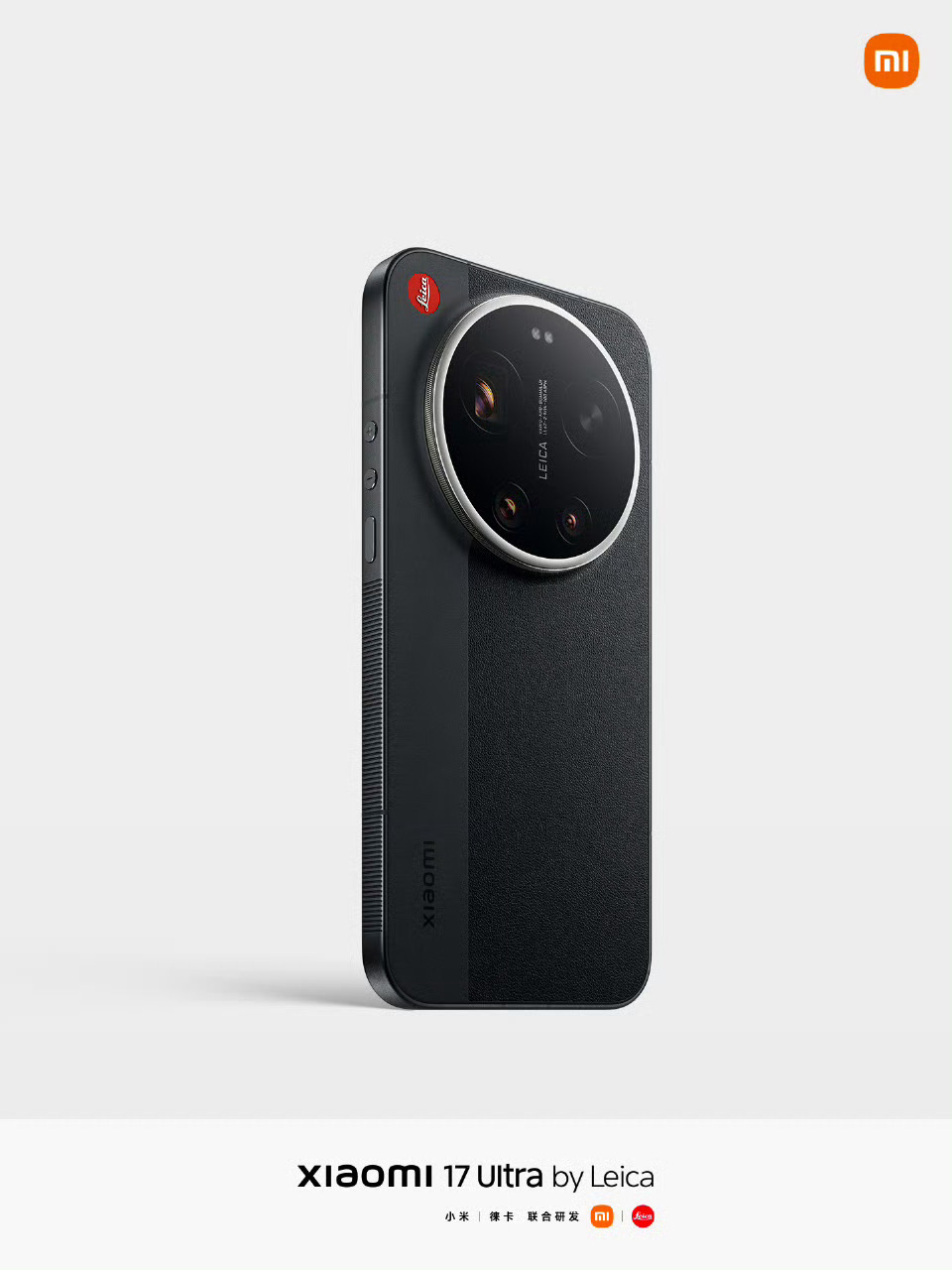
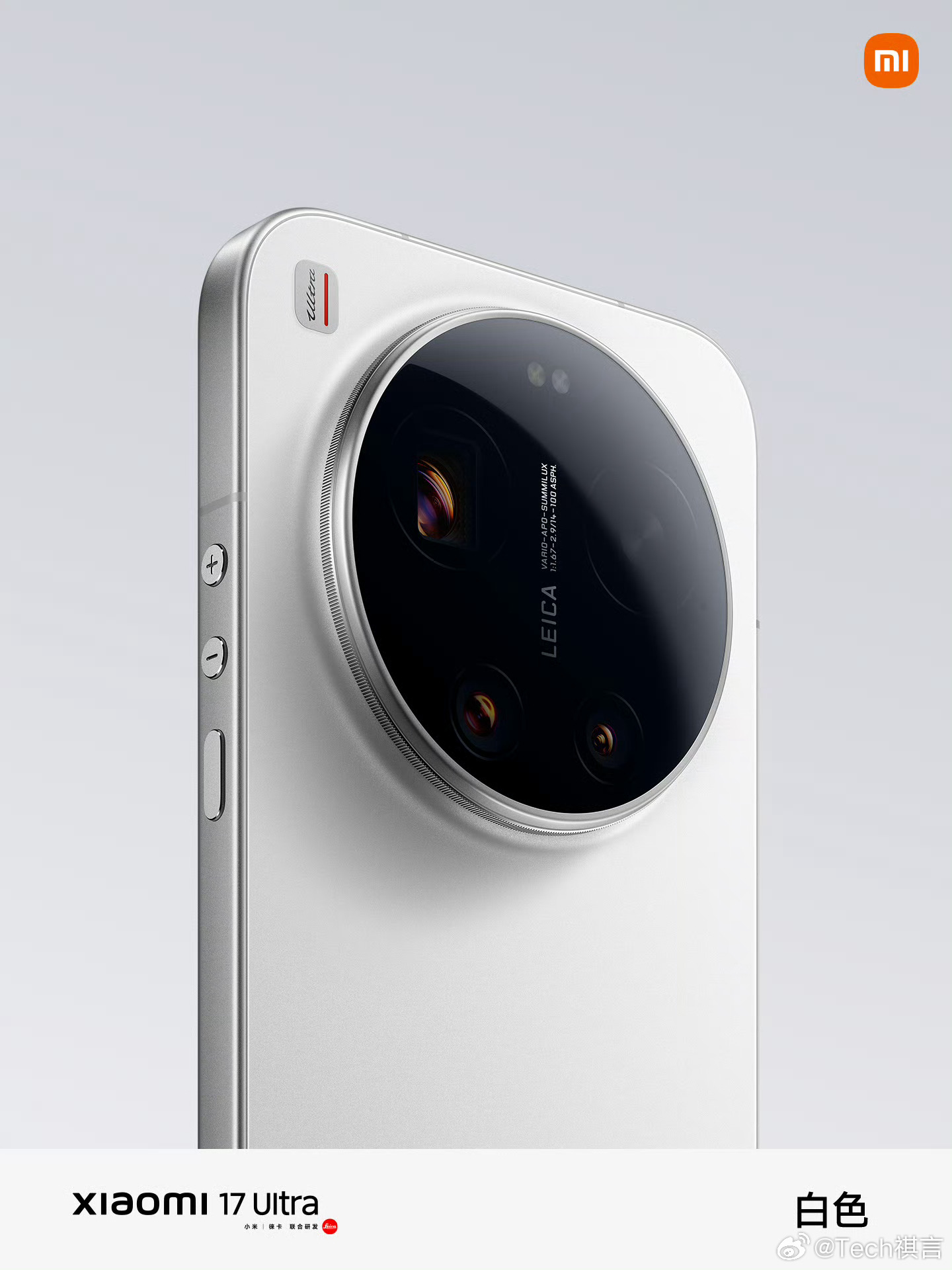
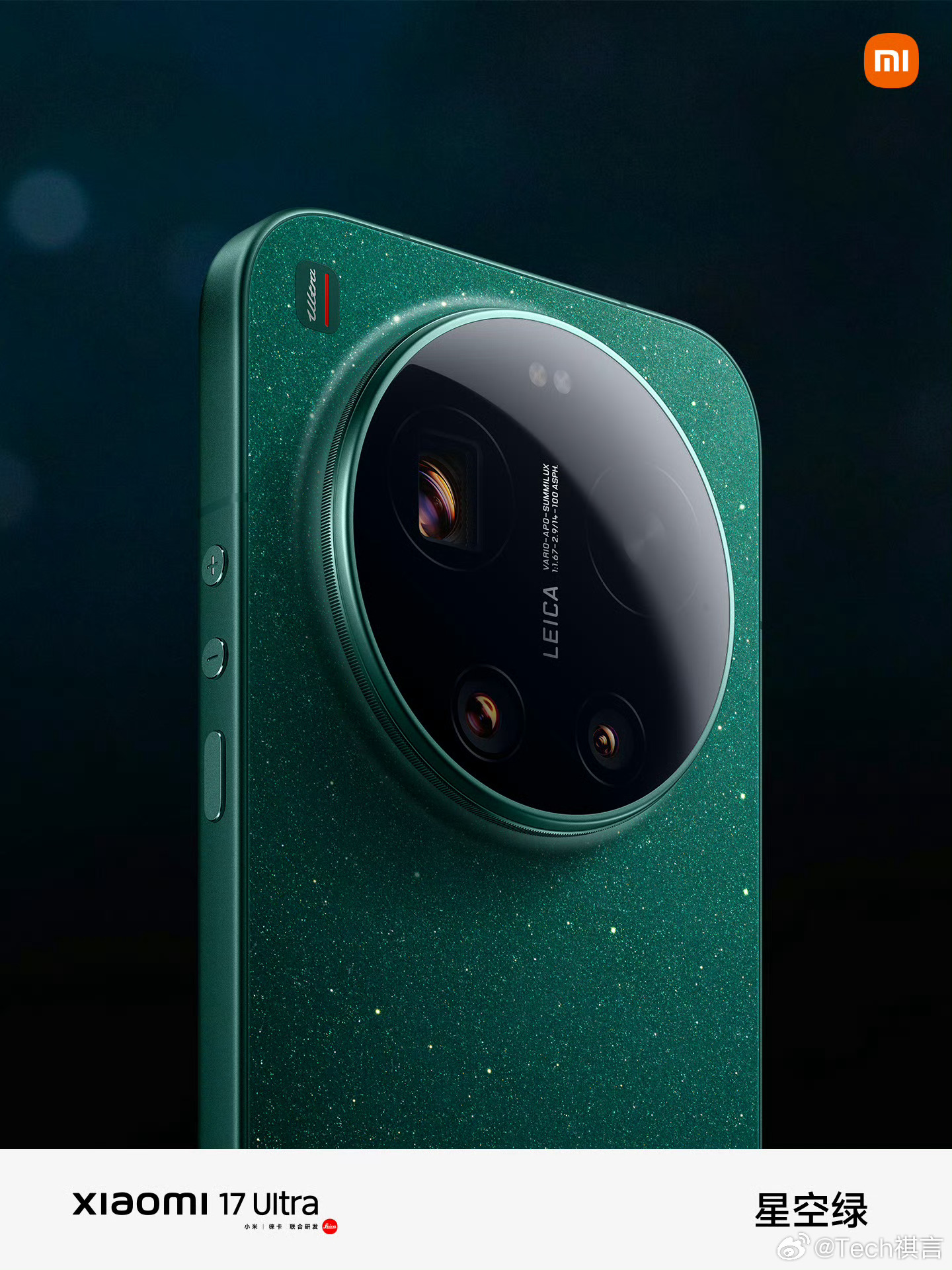
The visual language used in both devices has different aims. The standard Xiaomi 17 Ultra comes with an all-new 2D flat screen and ultra-narrow equal bezels and an 8.29mm thin body. The device is made to be elegant and comfortable and comes in glass and eco-leather materials such as Starry Green.

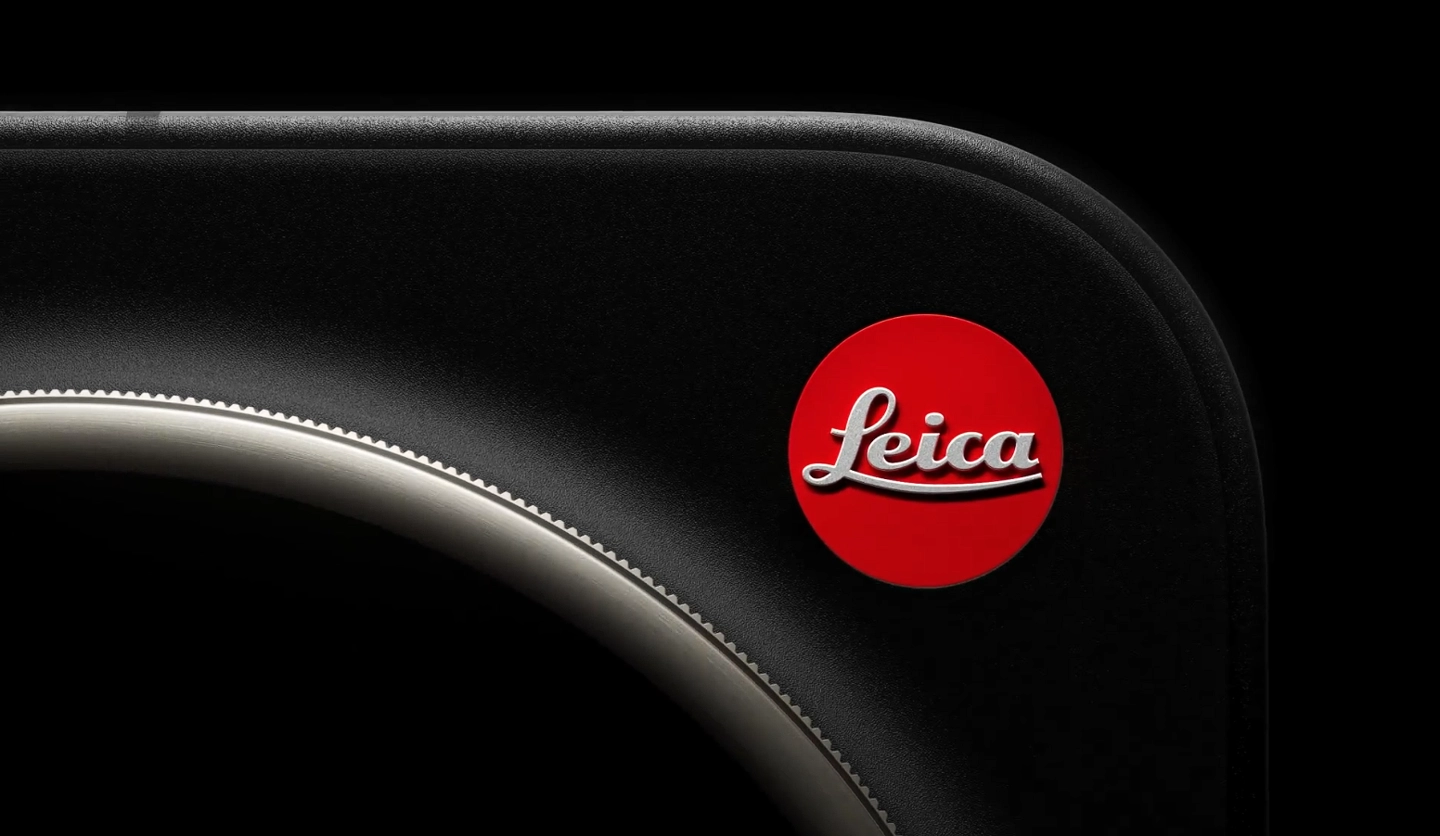
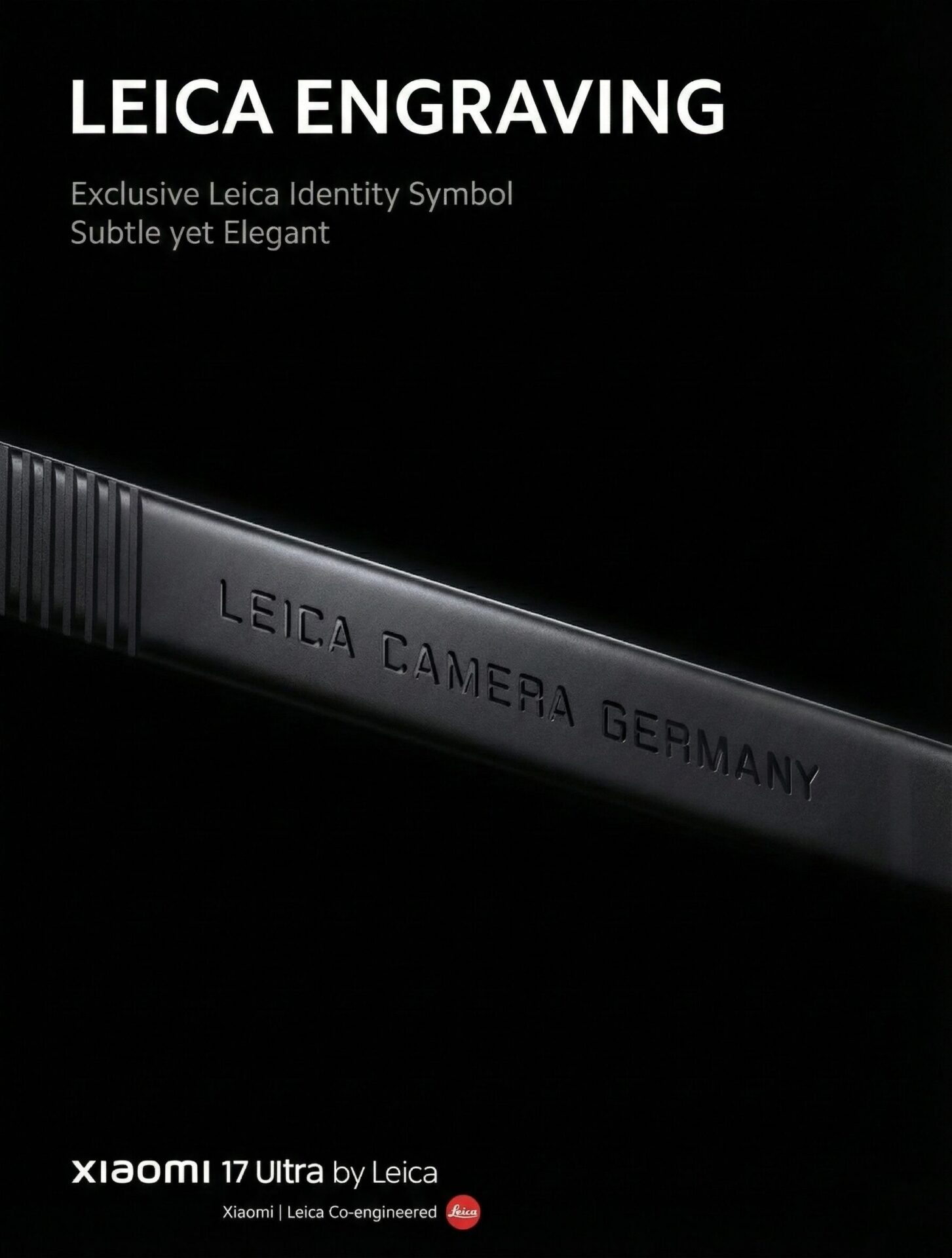
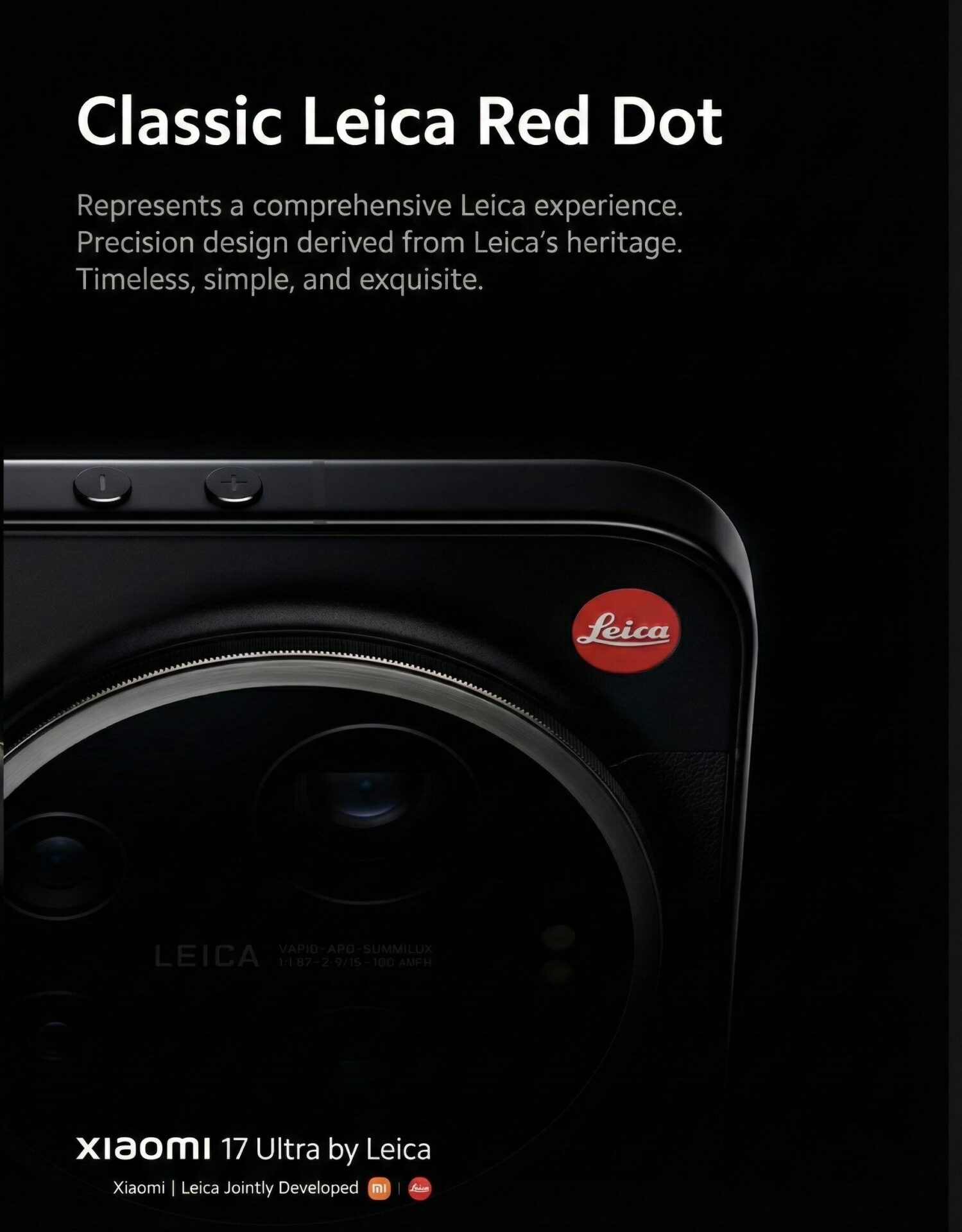
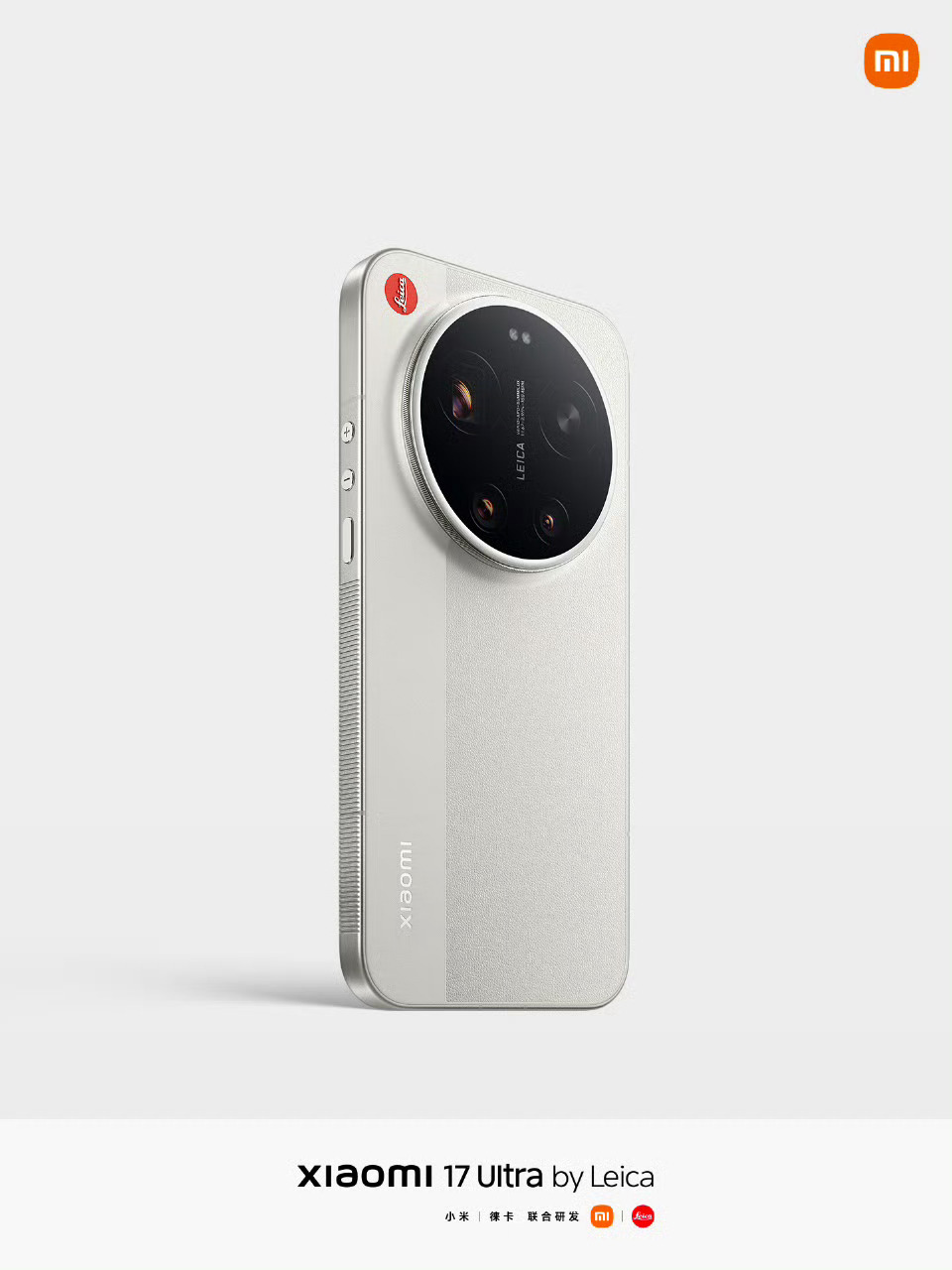
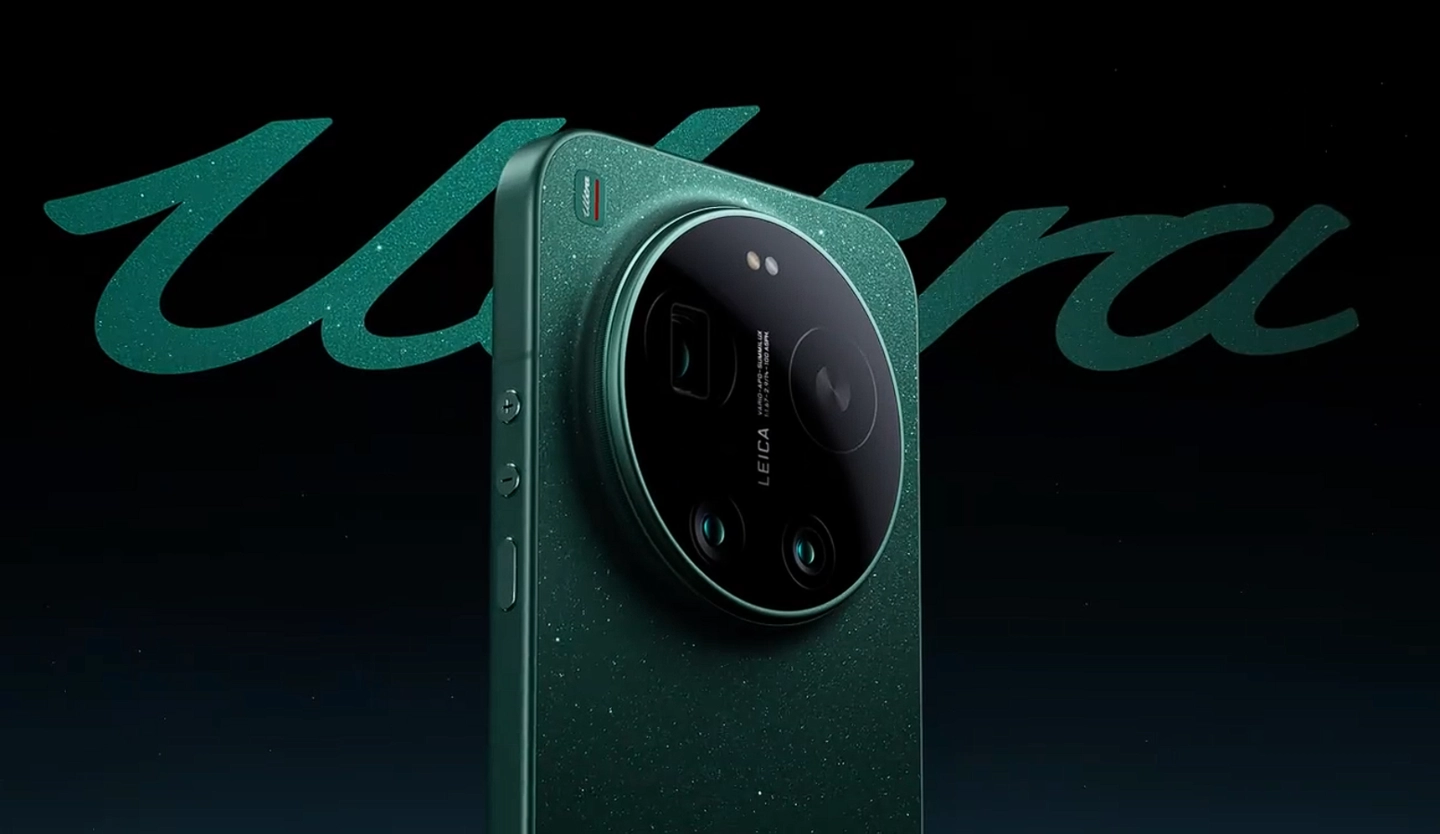
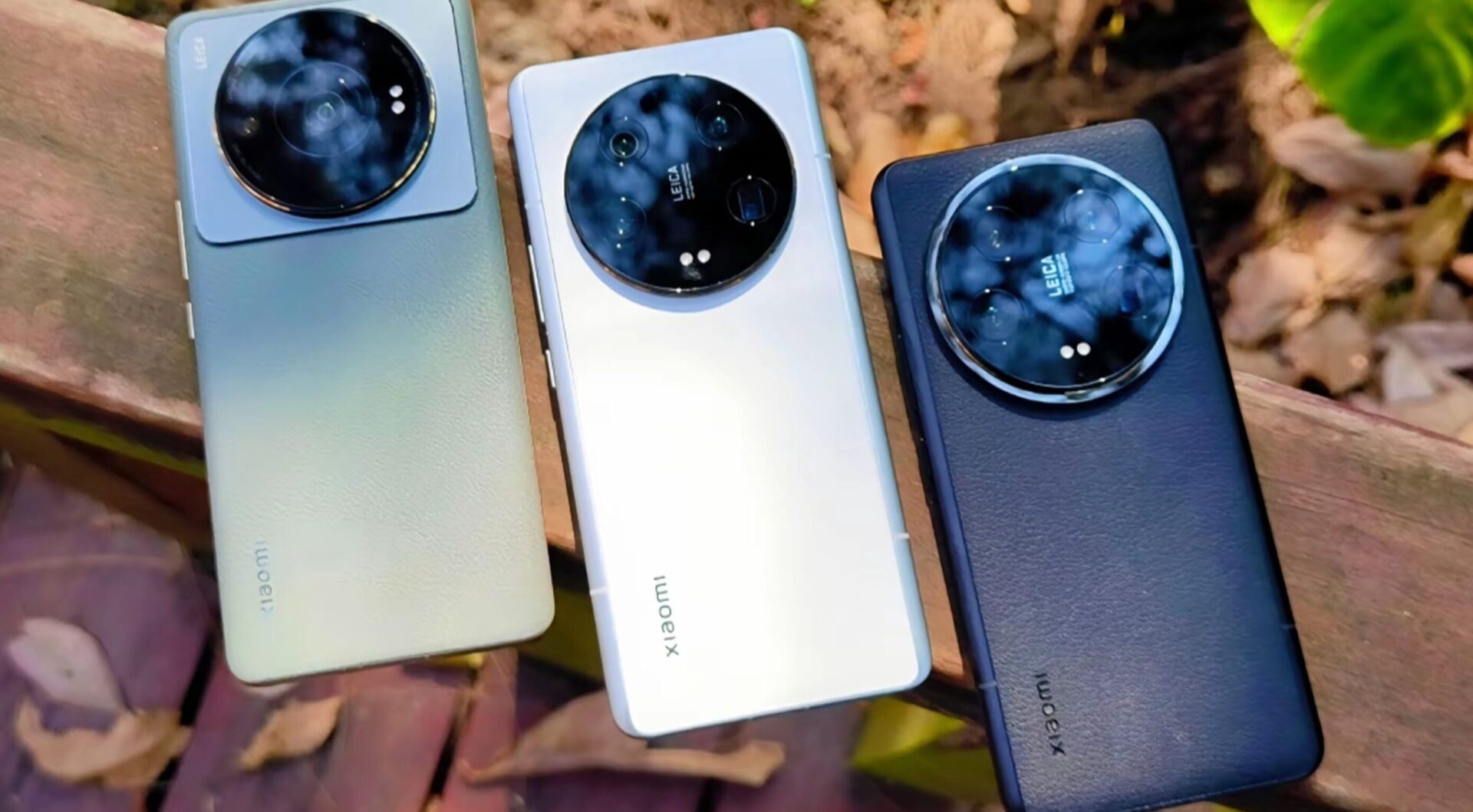
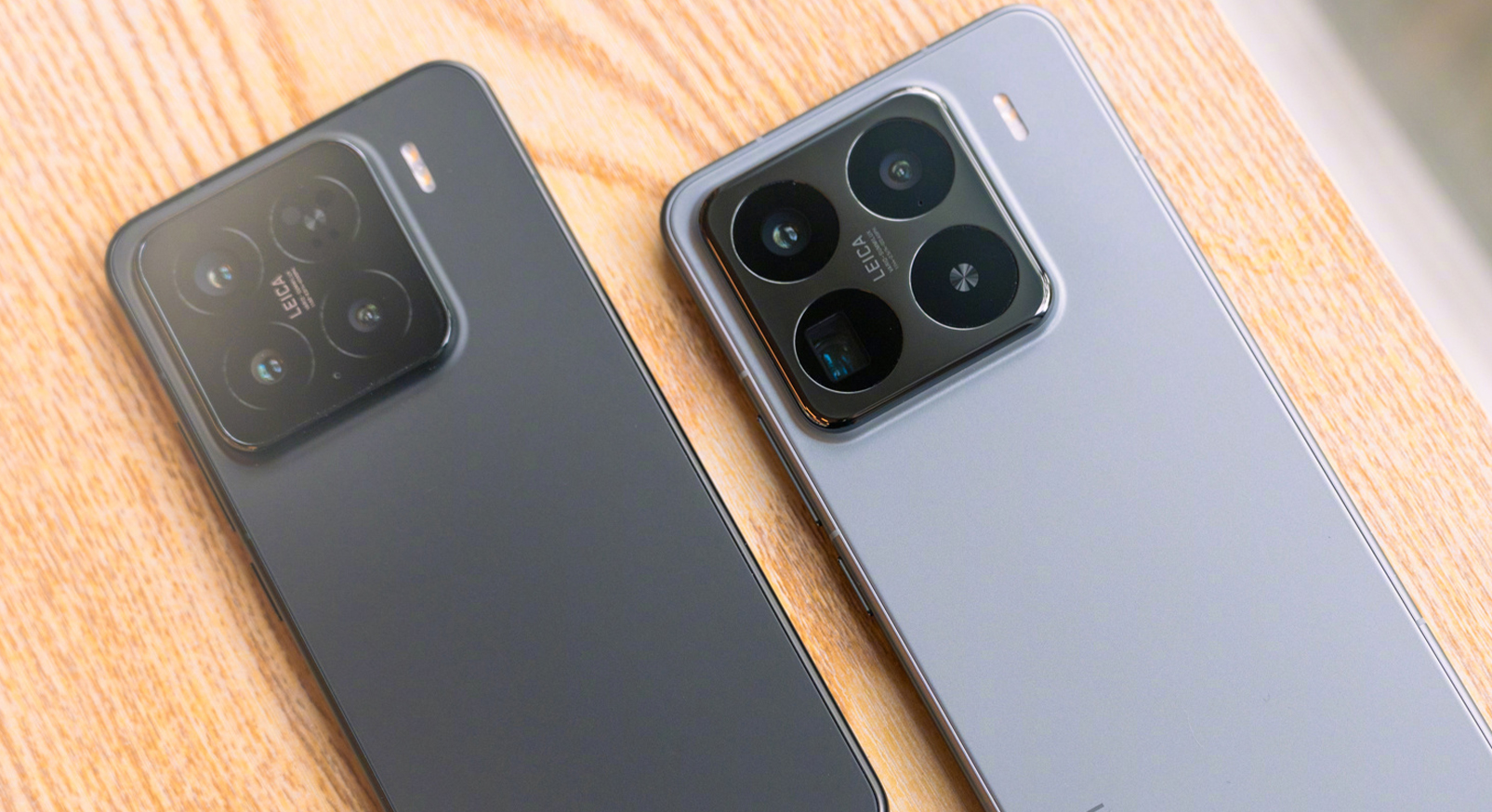
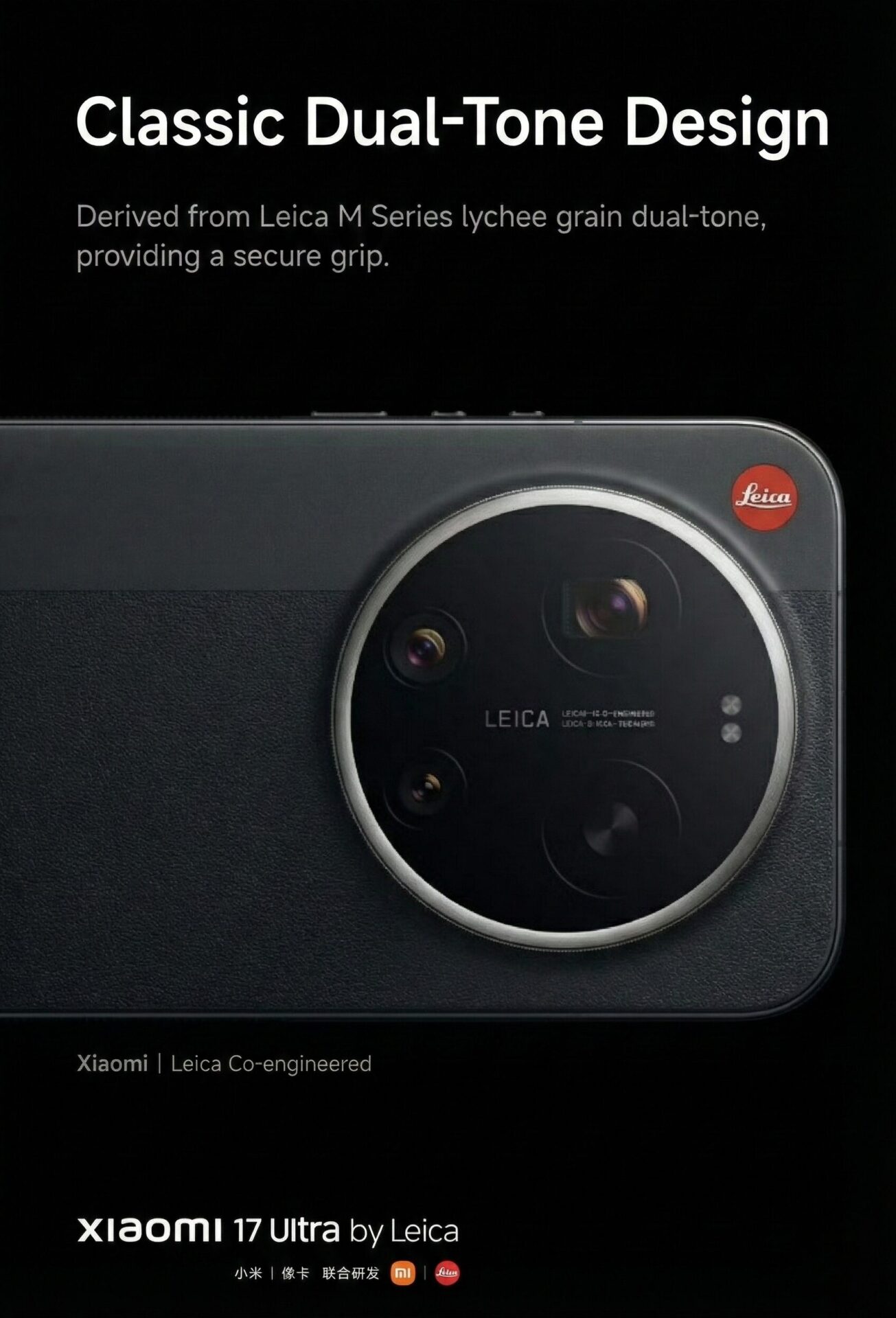
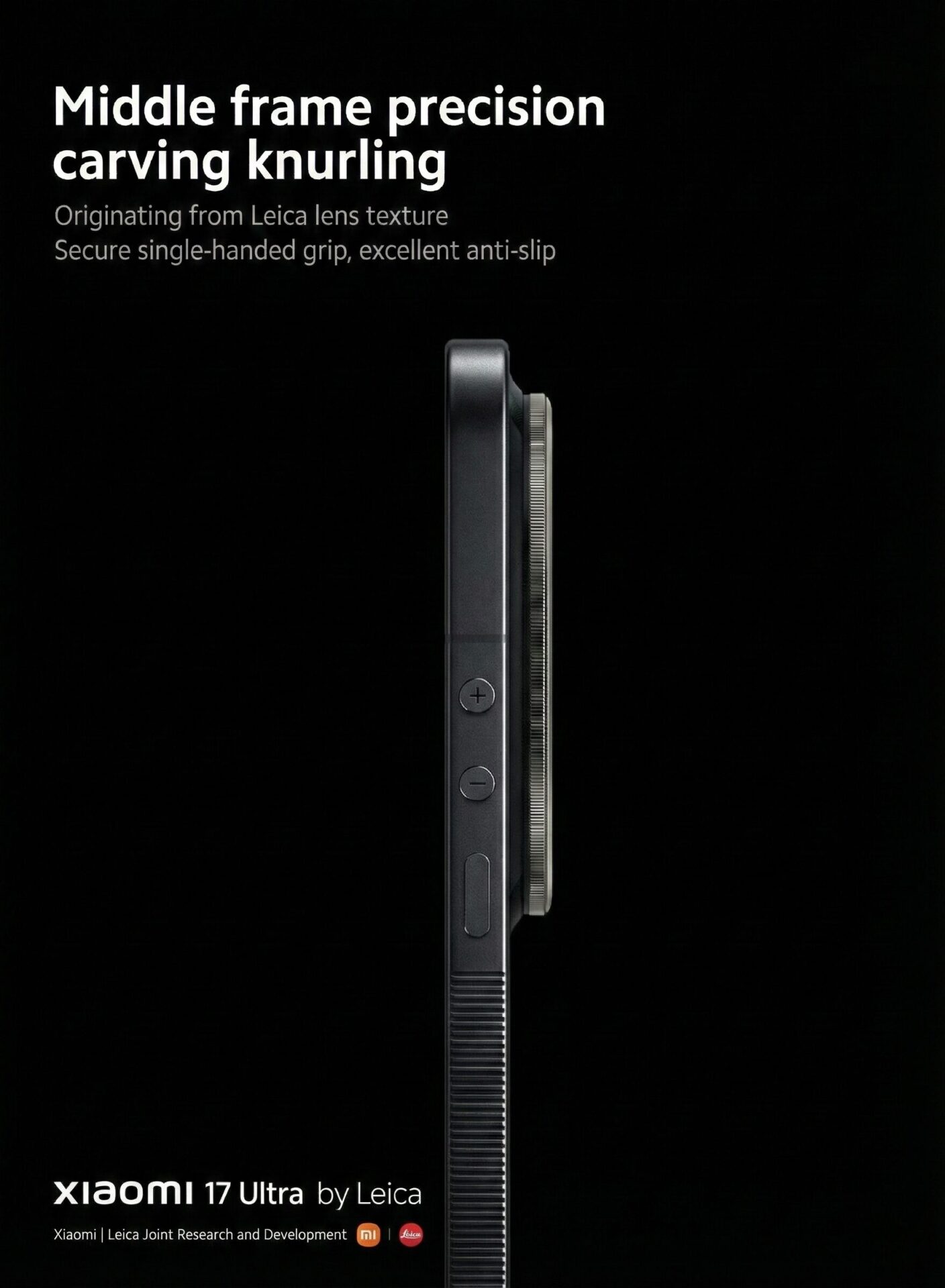
The Leica Edition, however, is a tank when it comes to construction. The camera is ever so slightly thicker, at 8.5mm, to house the mechanical components inside. The design boasts a characteristic knurled mid-frame design that copies the design of a manual focus camera lens, with fantastic grip to show for it. The back is skinned with a customized vegan leather design that comes as a tribute to the Leica M line, complete with the legendary Leica Red Label design as well. This is a camera that phones home.
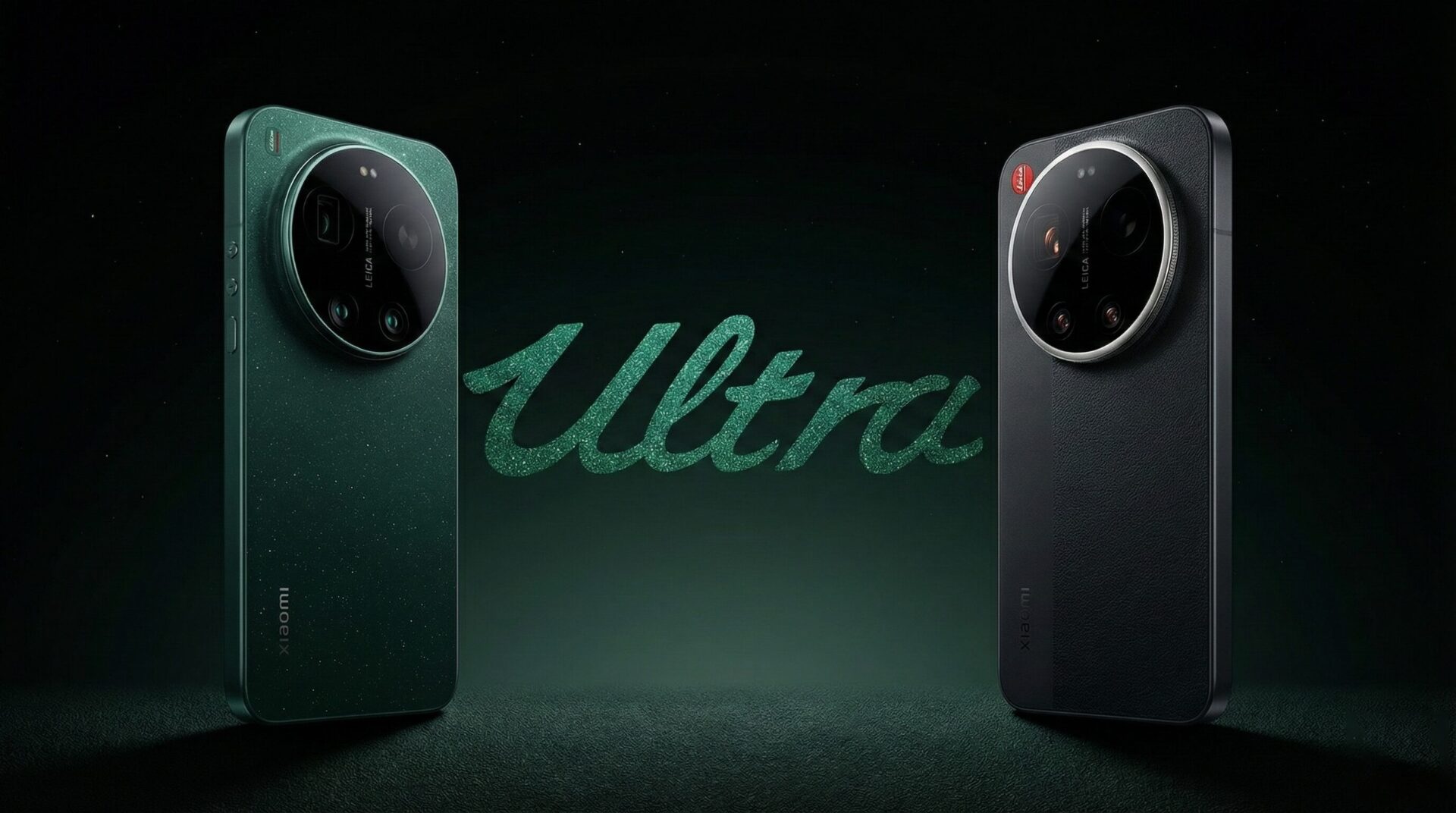
Xiaomi 17 Ultra series Xiaomi 17 Ultra by Leica 1

2.The Master Zoom Ring

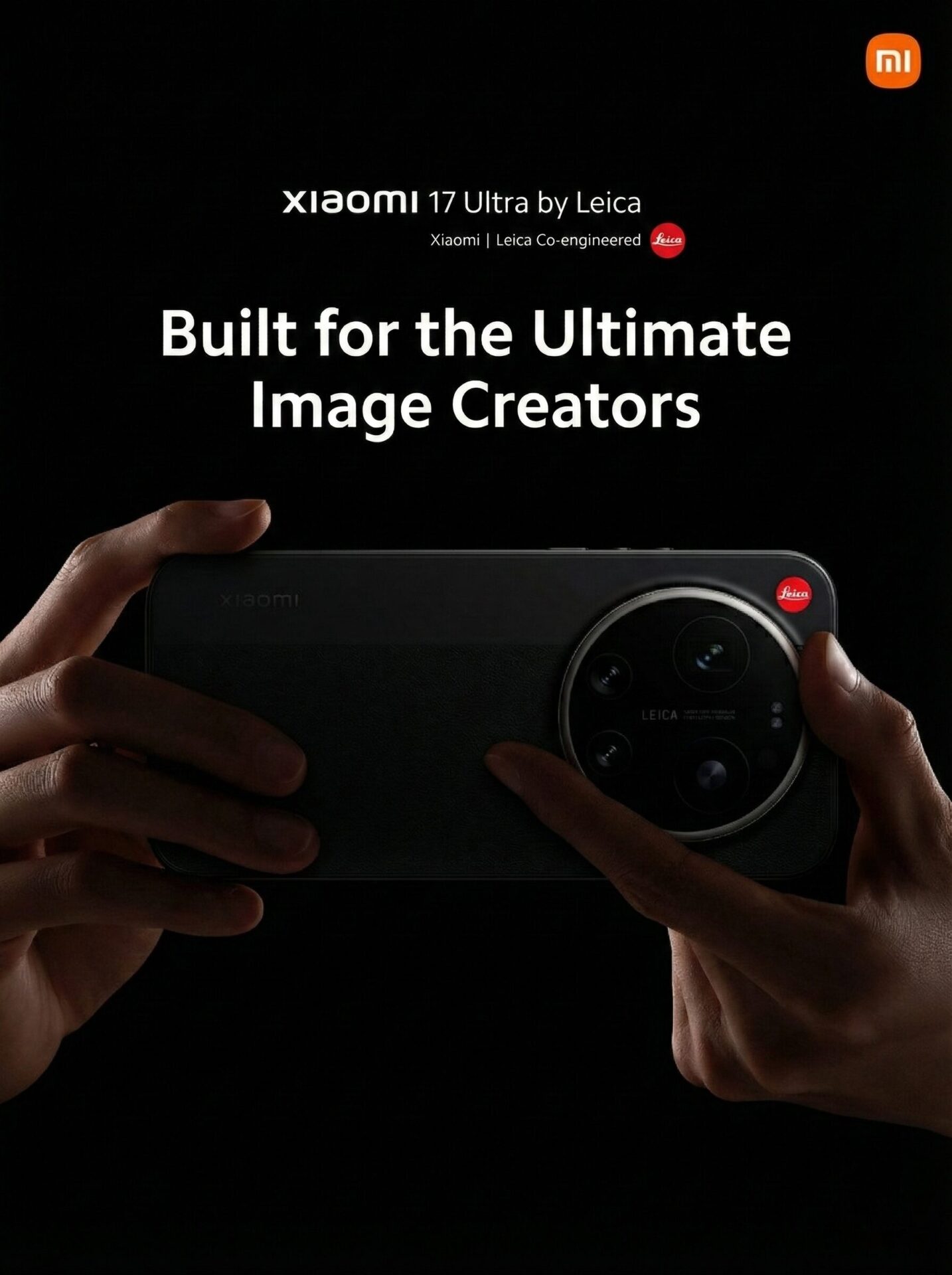
The biggest noticeable difference is in the way the controls are handled. The conventional model uses the touchscreen for all camera settings. The Leica Edition features Mechanical Master Zoom Ring.

This features a physical, turnable ring that is incorporated in the camera module. This gives a photographer the ability to change the focus length or even focus in a way that does not conceal the screen. This offers a great sense of feel as well as accuracy that software sliders can never offer.
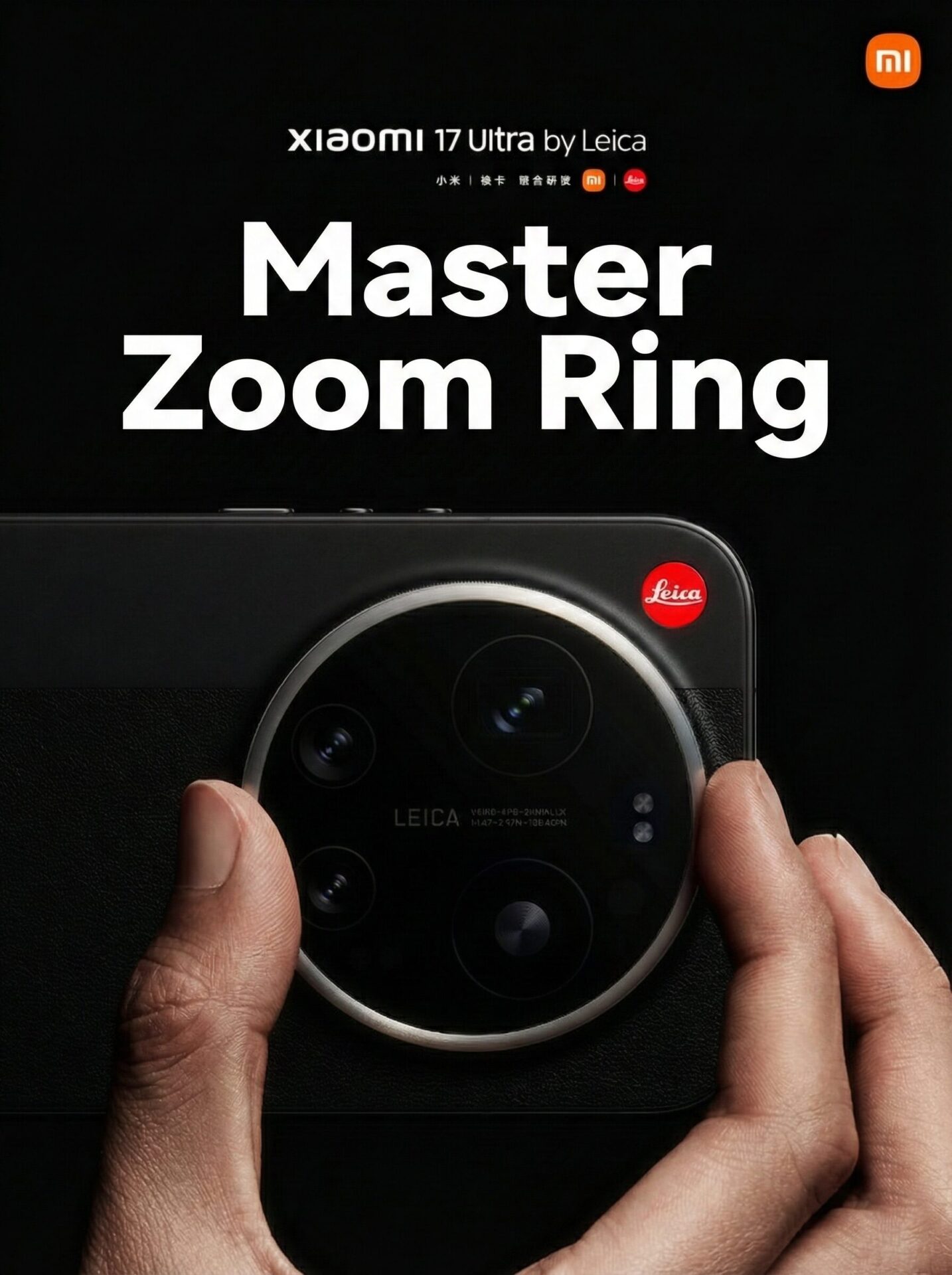
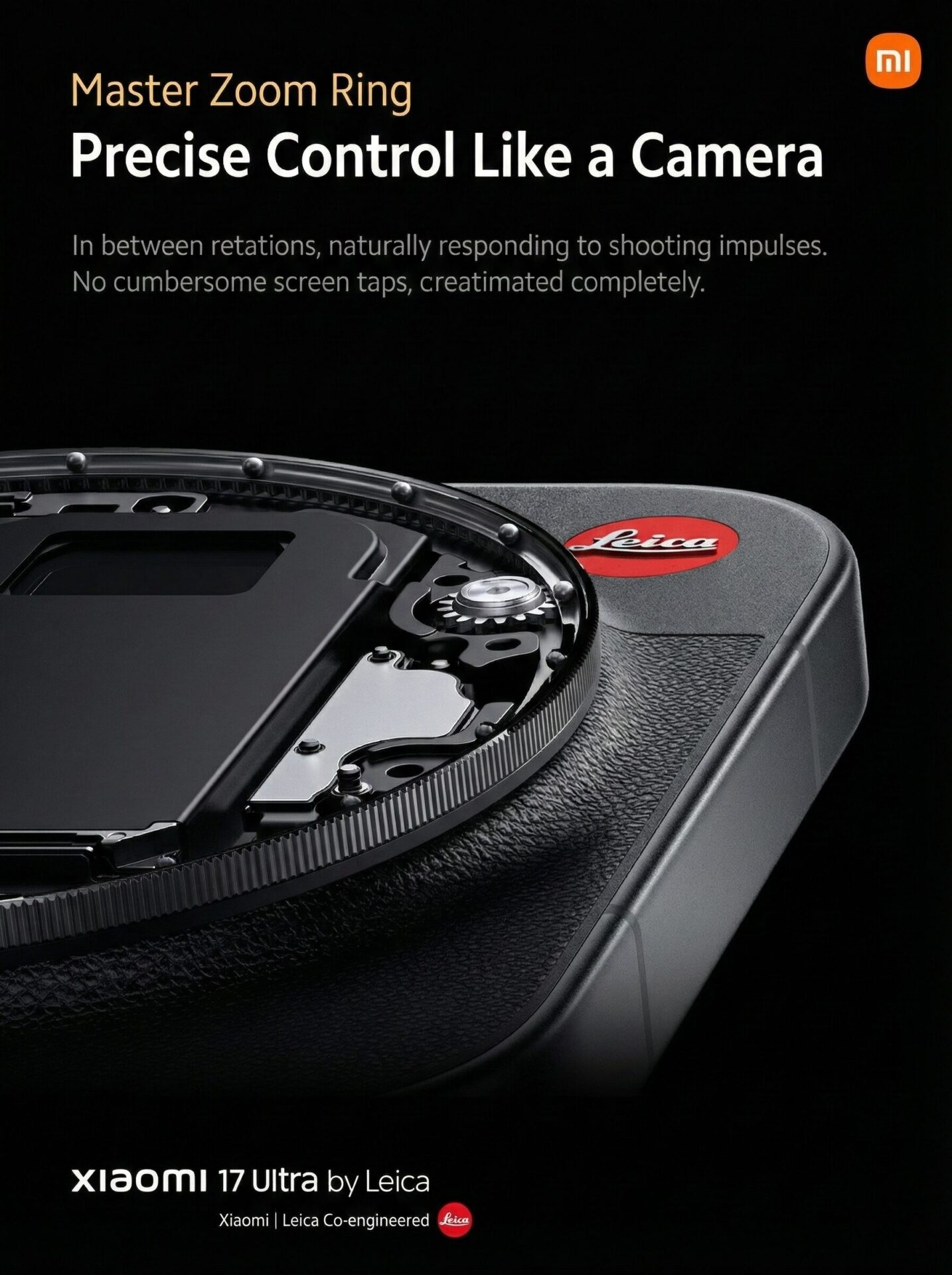
Leitzphone Master Zoom Ring 3 Leitzphone Master Zoom Ring 2 Xiaomi 17 Ultra Telephoto zoom

3. Imaging Software: The “Leitz” Look

Both cameras feature the exact same top-of-their-class hardware: the 1-inch Light Hunter 1050L sensor, along with the 200MP periscope zoom. The Leica Edition is treated to a one-of-a-kind software experience.

It comes with the Leica Professional System, which allows modes not available with the regular version of the camera:

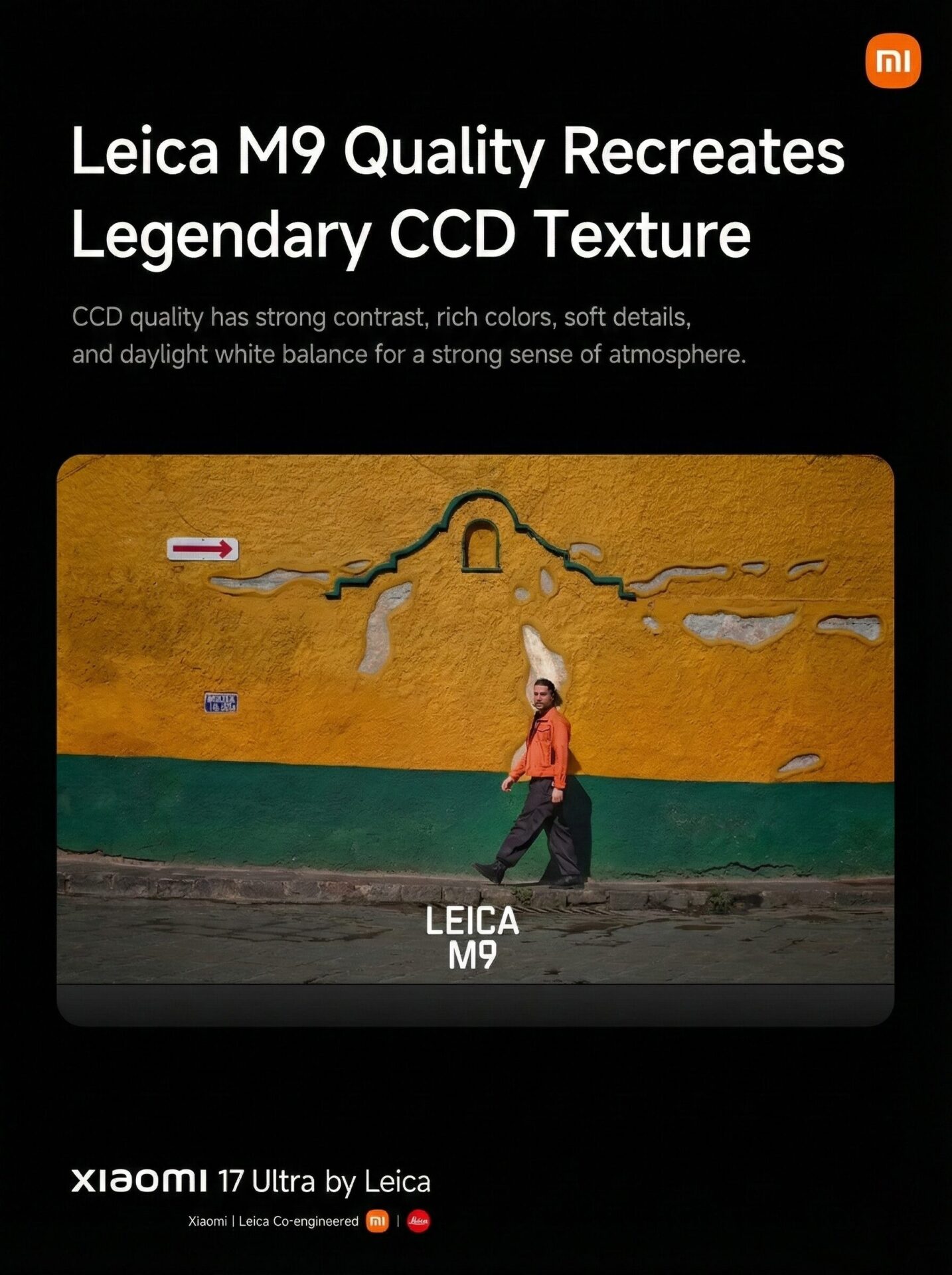
  • Leica M9 Model: Offers a nostalgic CCD-sensor color science like in the M9 model body.
  • Leica M3 + MONOPAN 50: A specific contrast-rich monochrome camera mode for artistic monochrome photography.
  • Classic 3:2 Aspect Ratio: Natively recorded format that simulates 35mm film frames.
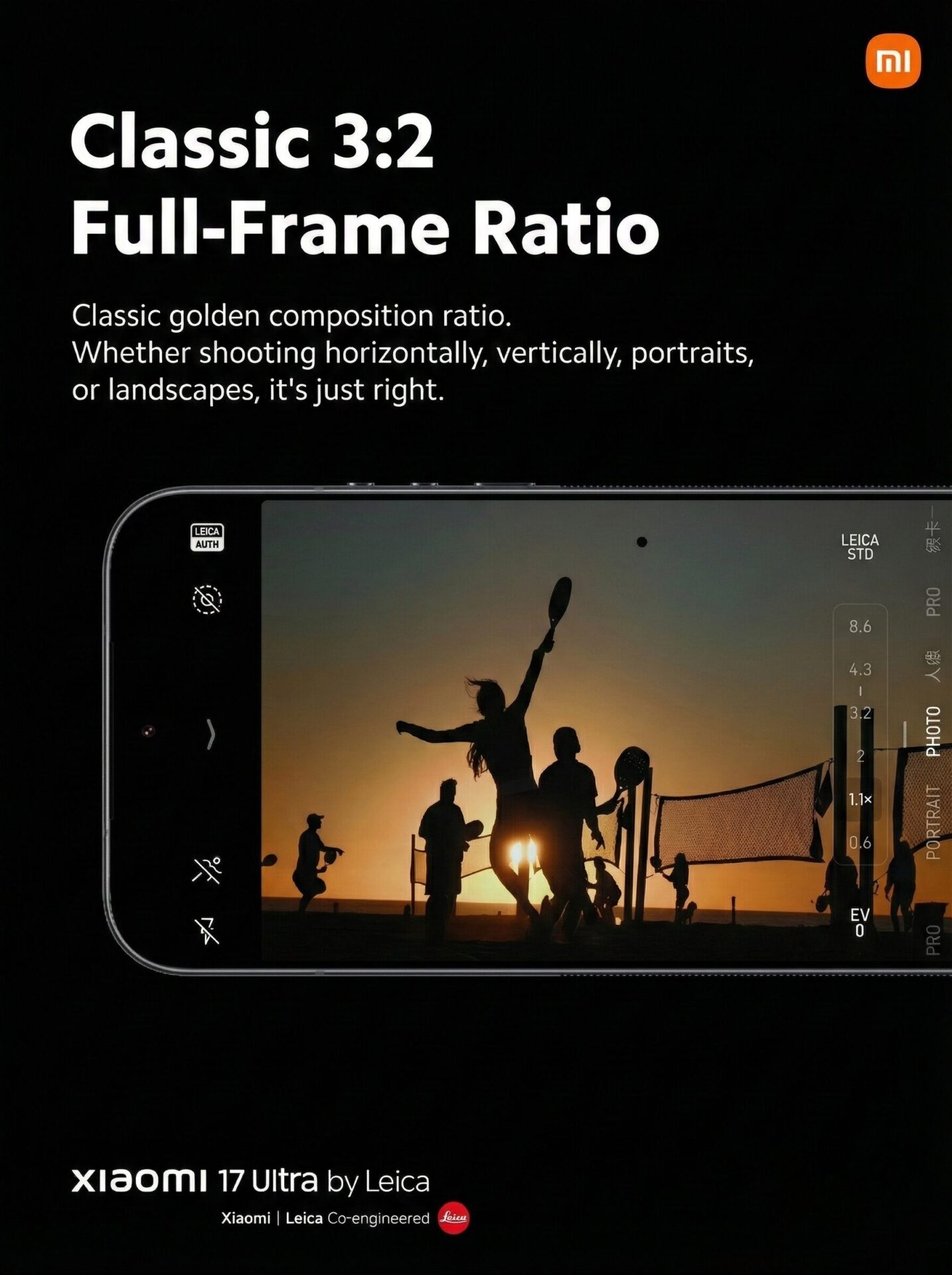
Leitzphone Camera Fetures 3 Leitzphone Camera Fetures 2 Leitzphone Camera Fetures 1

Verdict

A slim, powerful, and IP69 waterproof flagships-section Xiaomi 17 Ultra is what I can call a perfect buy if one needs a device for daily use. For a professional who would rather use hardware-based privacy encryption features as well as the pleasure of a mechanical zoom ring, there is nothing better than a Xiaomi 17 Ultra Leica Edition. These two models are well-integrated with the Apple ecosystem.

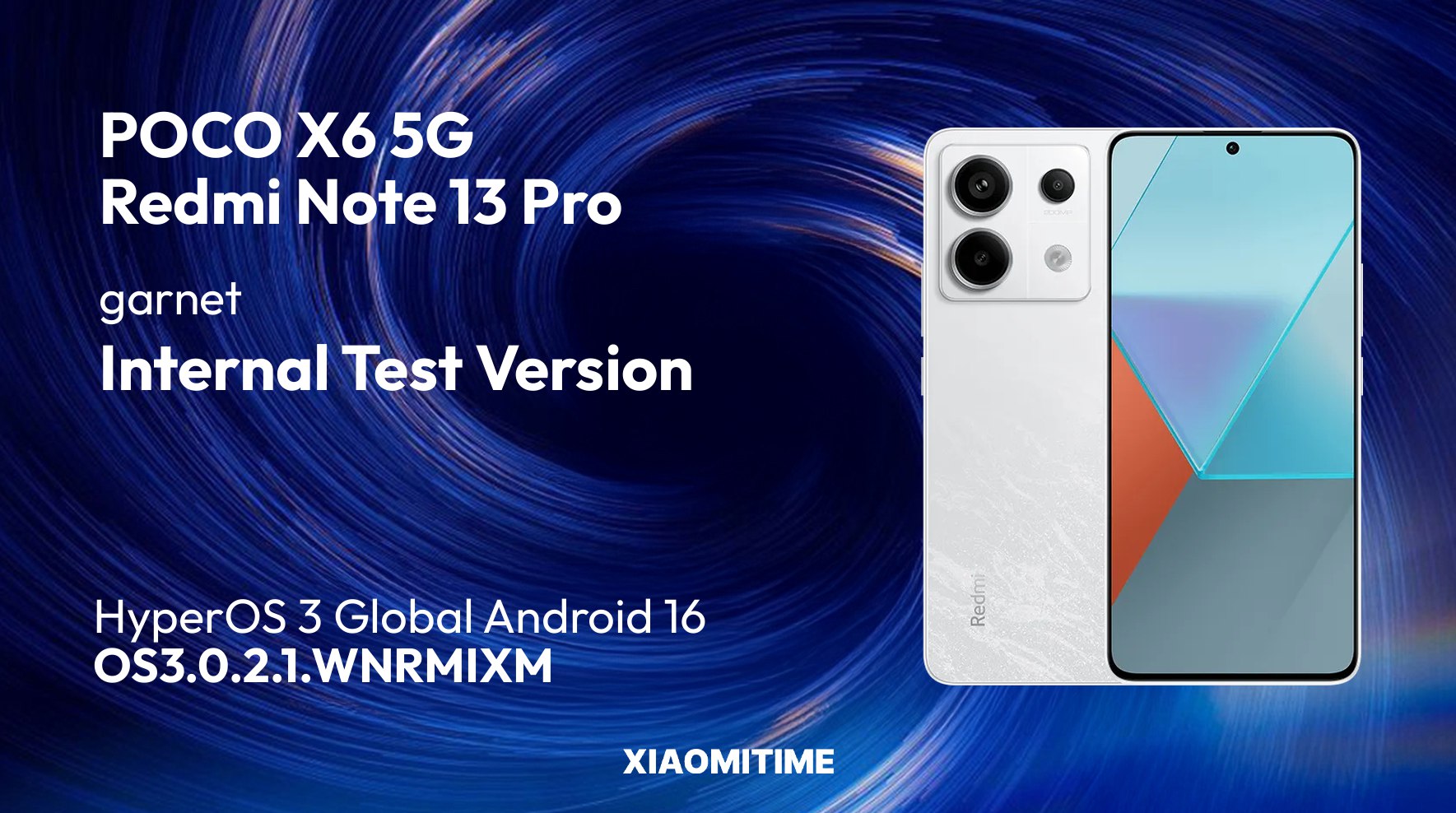
When will the REDMI Note 13 series receive the HyperOS 3 update?

26 December 2025 at 07:30

Xiaomi has begun to detail a rollout strategy for HyperOS 3, and the REDMI Note 13 series is now conspicuously on the update roadmap. Going by internal testing data, several models within the family have already reached beta or readiness status in various regions. The development places the REDMI Note 13 series further along in their road to Xiaomi’s next-generation software experience.

HyperOS 3 Development Status for REDMI Note 13 Series

HyperOS 3 focuses on system intelligence, interface consistency, and smoother cross-device interaction within the Xiaomi ecosystem. Xiaomi also separates devices into “ready” and “internal beta” before the public release, basically for ensuring stability across most hardware variants.

Device Model China Global EEA (Europe) India Other Regions
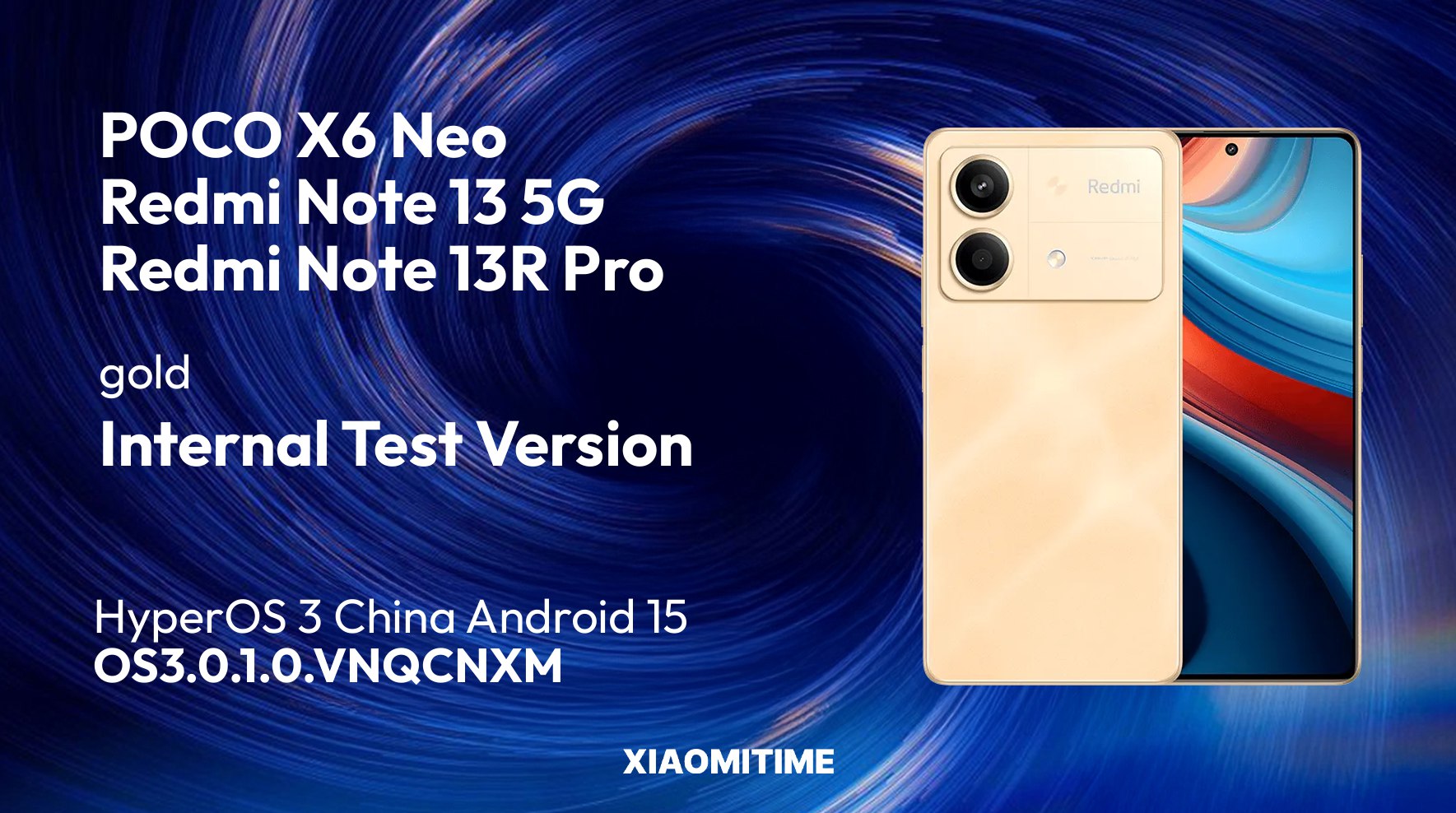
REDMI Note 13 Pro 5G Ready Ready Ready Internal Beta Internal Beta
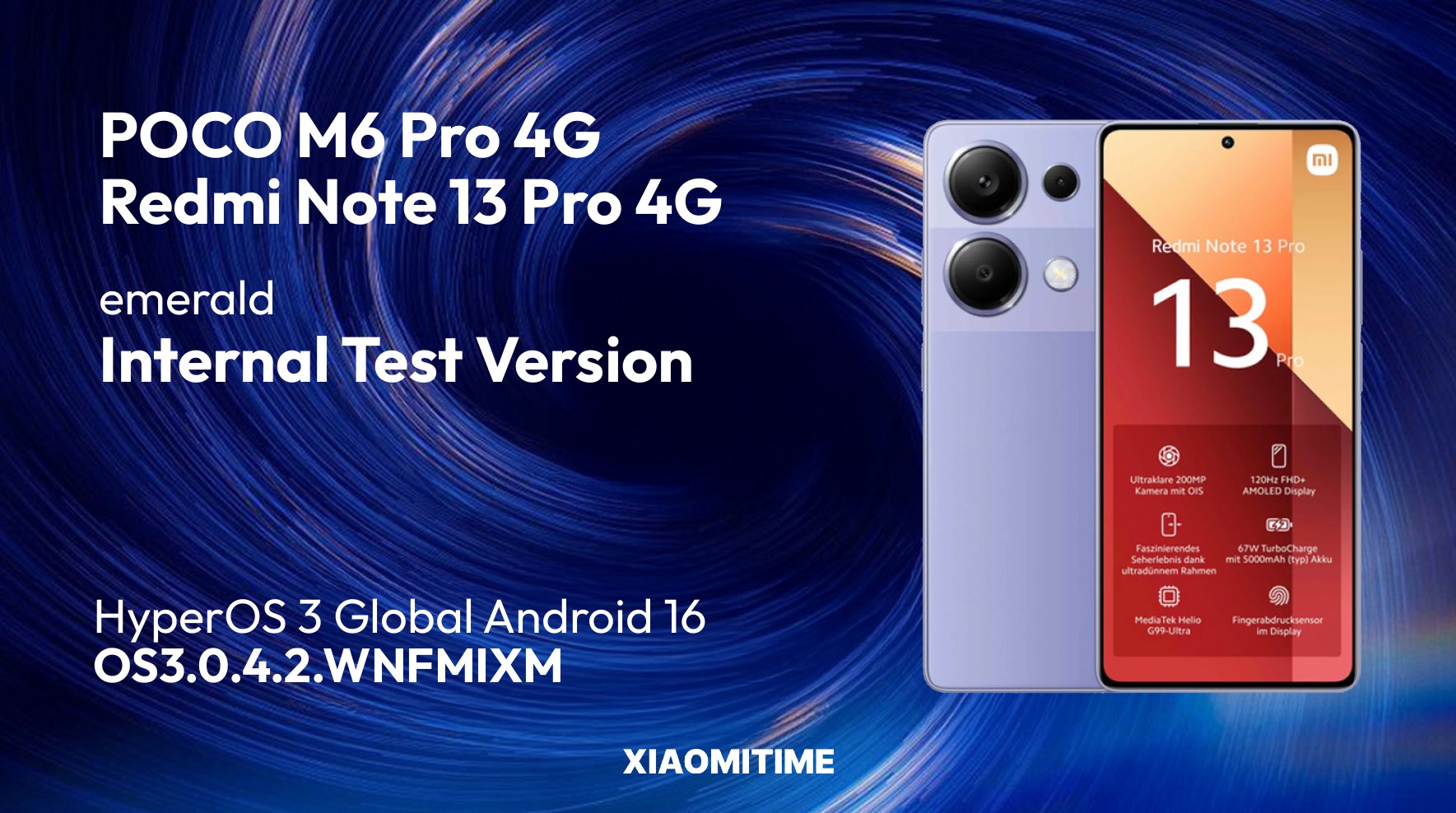
REDMI Note 13 Pro (4G) Internal Beta Internal Beta Internal Beta Internal Beta Internal Beta
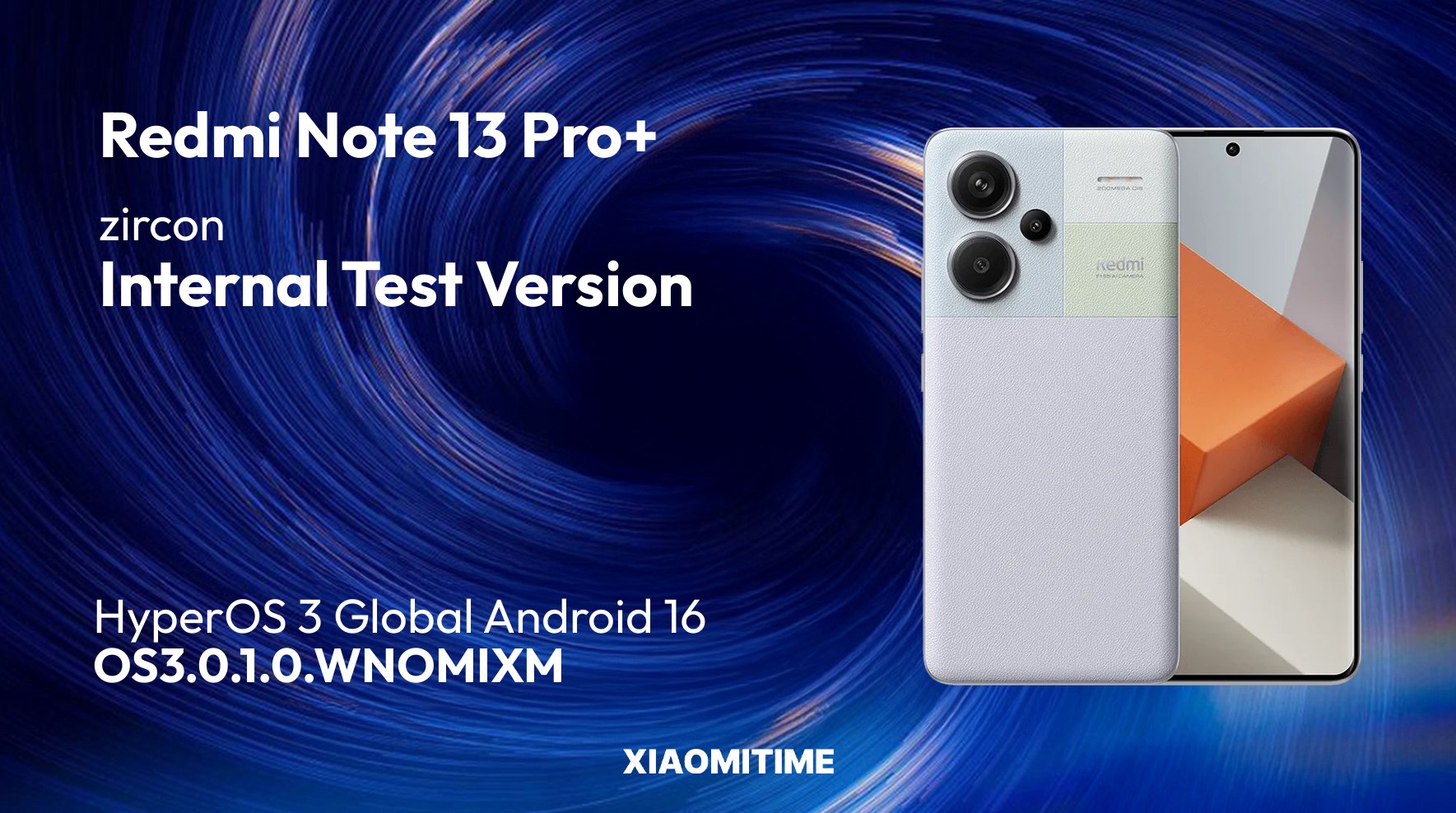
REDMI Note 13 Pro+ 5G Ready Ready Ready Ready Internal Beta
REDMI Note 13 5G Ready Internal Beta Internal Beta Internal Beta Internal Beta

Devices marked as “ready” have a realistic chance of receiving the stable HyperOS 3 update before the end of 2025, without entering 2026.

REDMI Note 13 2 REDMI Note 13 3 REDMI Note 13 4 REDMI Note 13 1

What HyperOS 3 Brings to REDMI Note 13 series

HyperOS 3 is designed as an evolutionary update, not a radical redesign. Xiaomi prioritizes usability, performance efficiency, and AI-based system enhancements.

The key highlights include:

  • Improved AI for smarter system behavior
  • New icon design aligned with Xiaomi’s latest visual language
  • Refined iOS-inspired system animations and interactions
  • Super Island, providing improved notification and activity display

These changes are made to provide a more cohesive user experience across smartphones and tablets, further extending into Xiaomi’s wide smart device ecosystem through Xiaomi HyperConnect.

Expected Rollout Strategy

Xiaomi’s modus operandi is to always roll out updates first in China, followed by Global, EEA, and then regional builds. The internal beta stages may last a few weeks depending on feedback and stability metrics. Users should expect a staged rollout starting with models that were already marked as ready.

Xiaomi Watch 5 launched with EMG Sensor and eSIM

26 December 2025 at 04:55

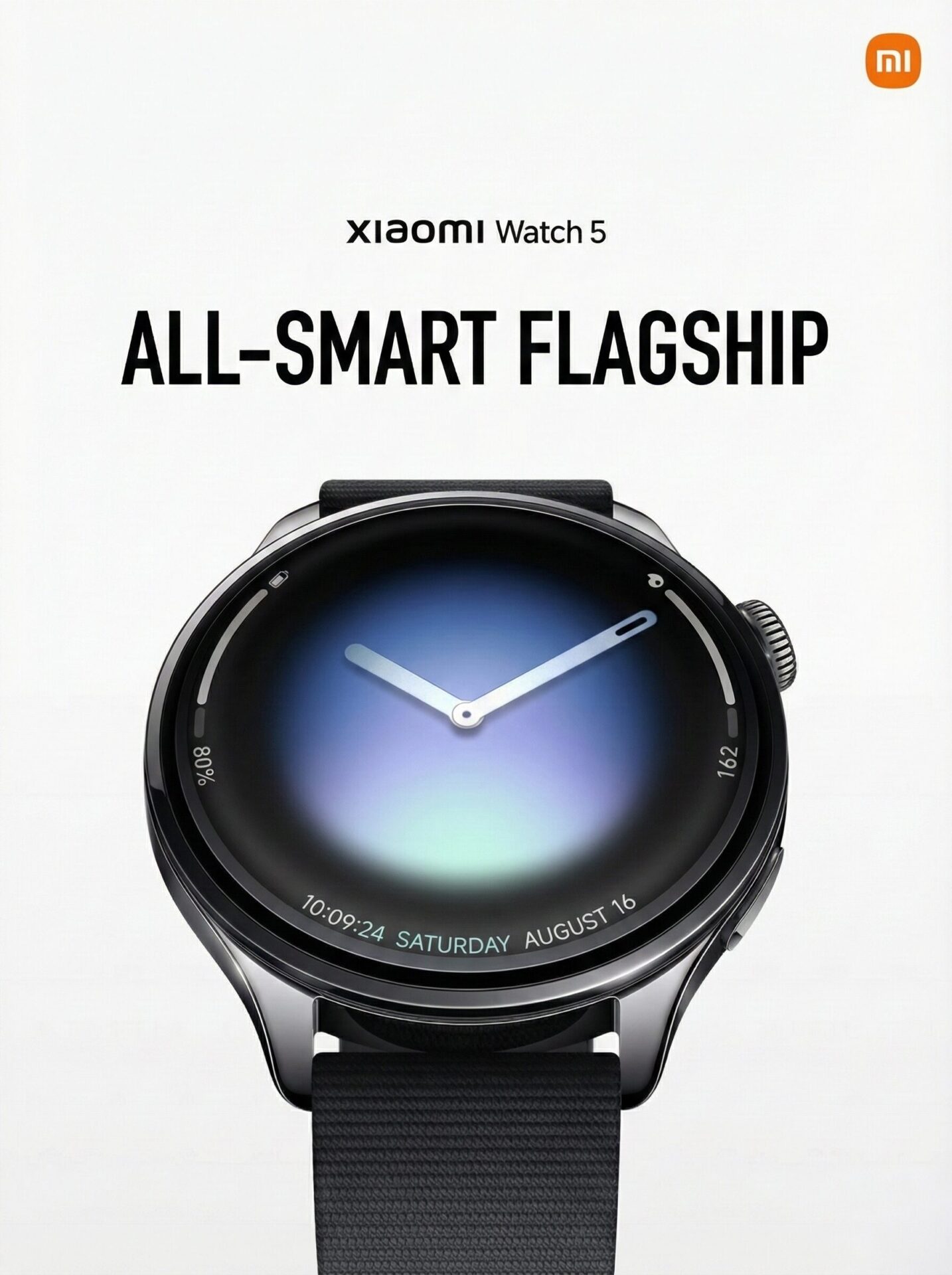
The Xiaomi x Leica Imaging Strategic Cooperation Upgrade press conference marked the launch of the new Xiaomi Watch 5 series, a flagship smartwatch brand that emphasizes healthcare and standalone communication capabilities. It was accompanied by the Xiaomi 17 Ultra and offers a host of ‘firsts for Xiaomi’s smart wearable line’. According to Xiaomi, ‘the Watch 5 series is available in mainland China only at the time of its global availability and release’, with prices starting at ‘about $280 for the basic version and about $320 for the eSIM version’. However, ‘subsidies can reduce the starting price to nearly $250’.

Premium Design and Display Focus

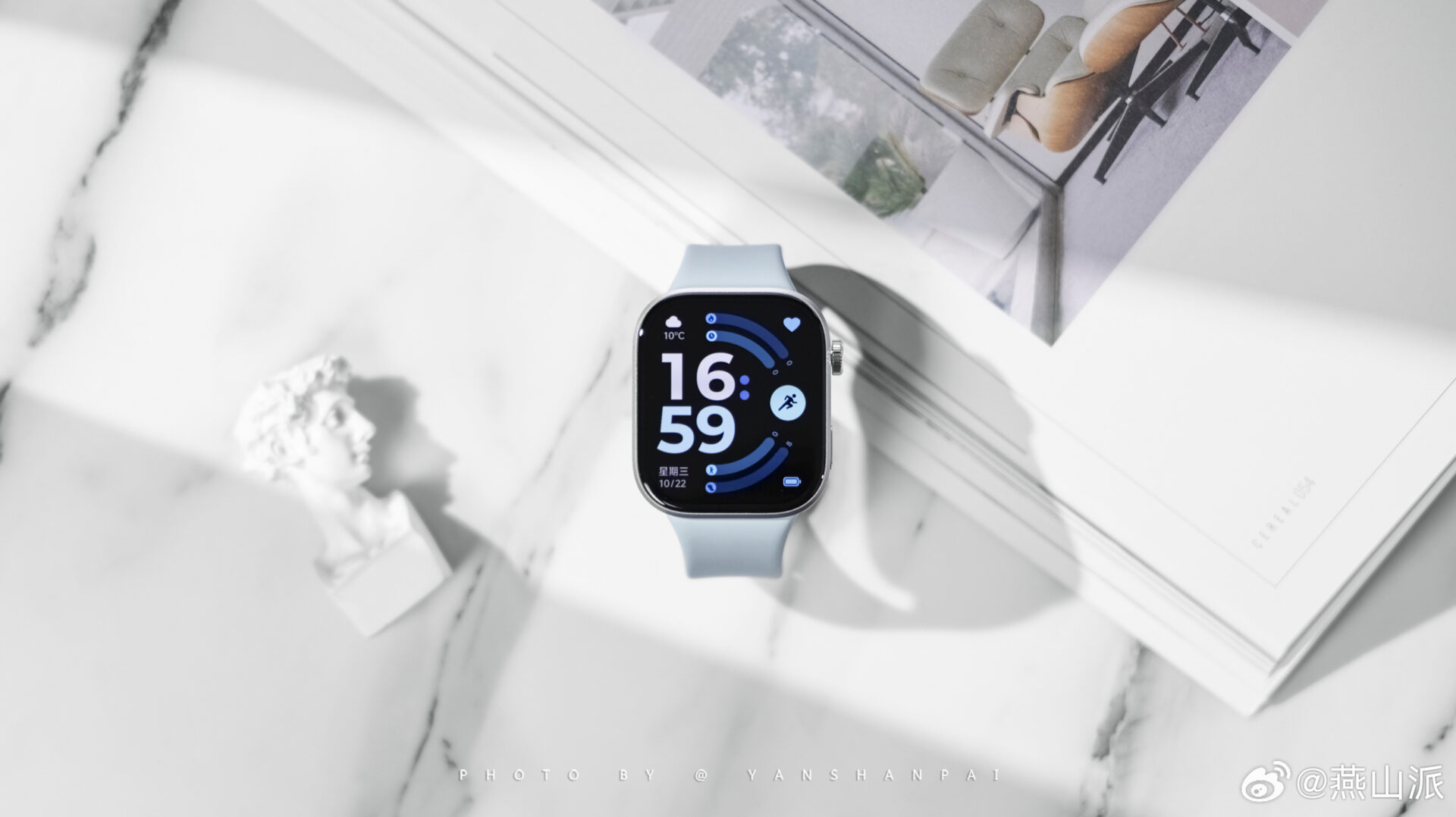
Xiaomi Watch 5 sports a premium design language, keeping in mind durability in long-term usage. Xiaomi has utilized double-sided artificial sapphire glass along with a stainless steel unibody case. Coming to the display, Xiaomi uses an 1.54-inch AMOLED display with a peak level of 1500 nits global brightness with an ultra-narrow 2.6mm bezel on the front.

Xiaomi watch 5 6

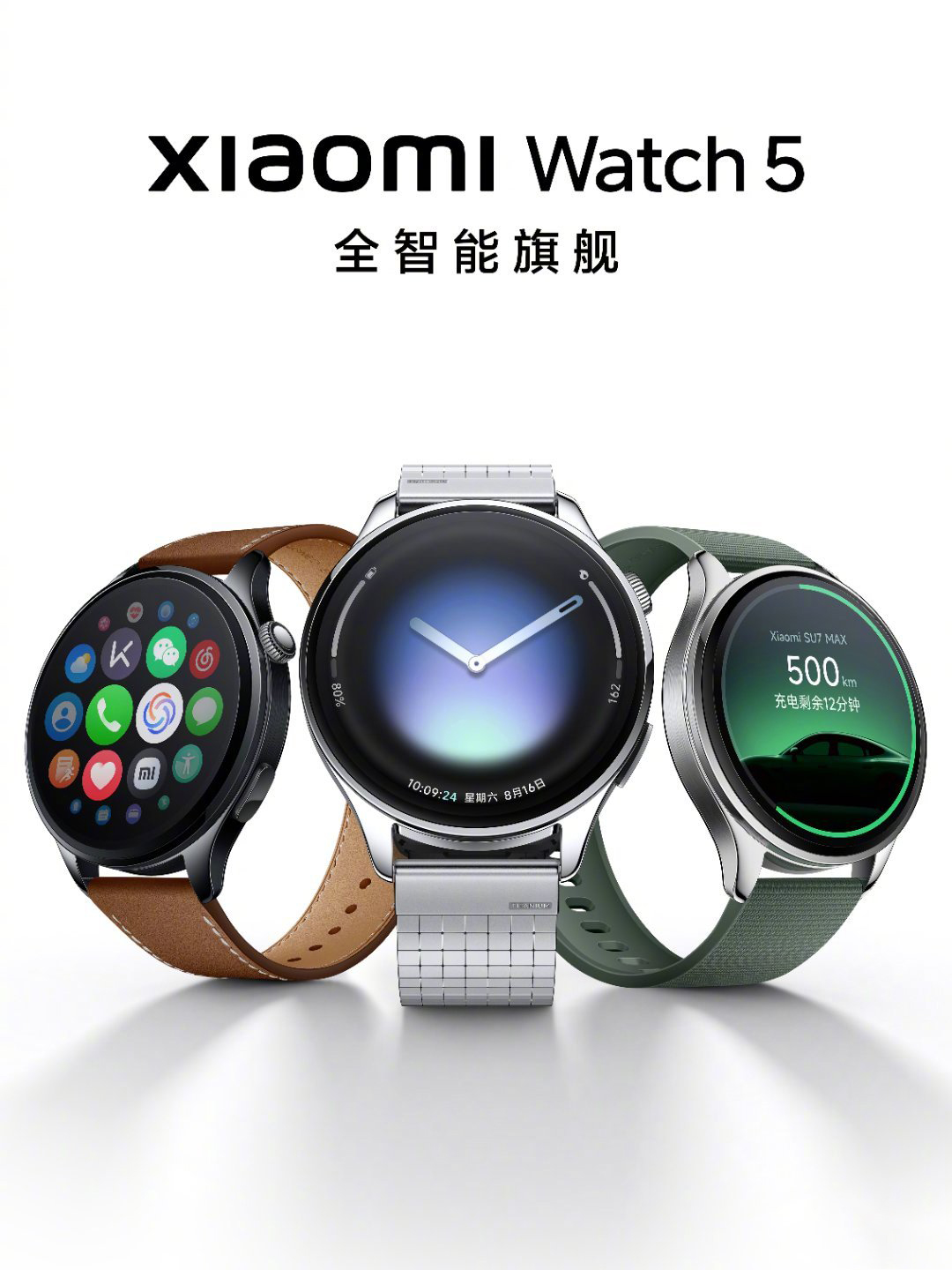
Before going into the details about the hardware features, it is worth noting that Xiaomi provides more than one strap type according to the buyer’s preference. These include khaki green and black fluoroelastomer straps, genuine leather straps, as well as a premium “3D-printed titanium strap.” The watch comes with a contact charging system that provides a safe charging experience.

Dual-Core Architecture and Battery Life

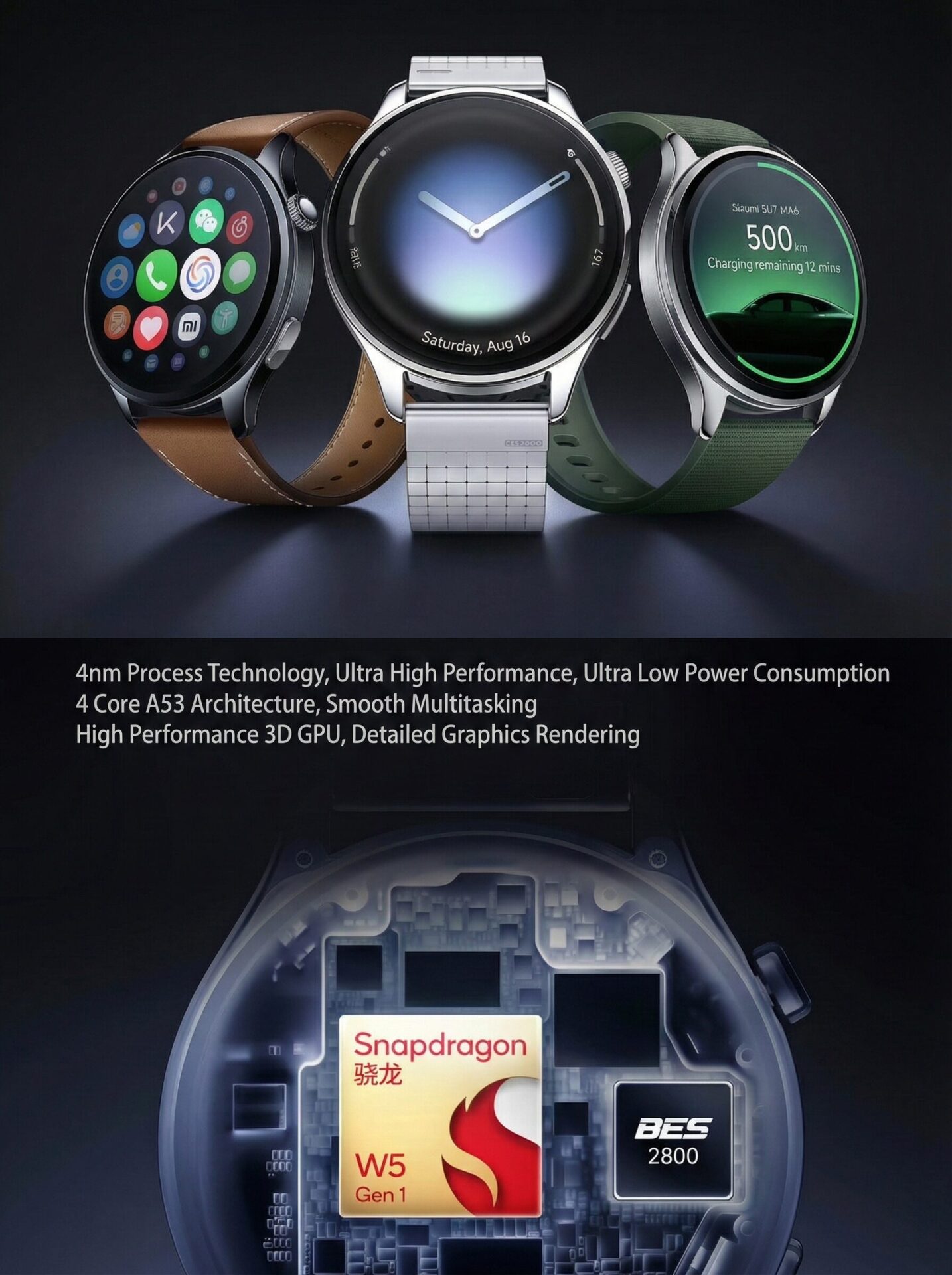
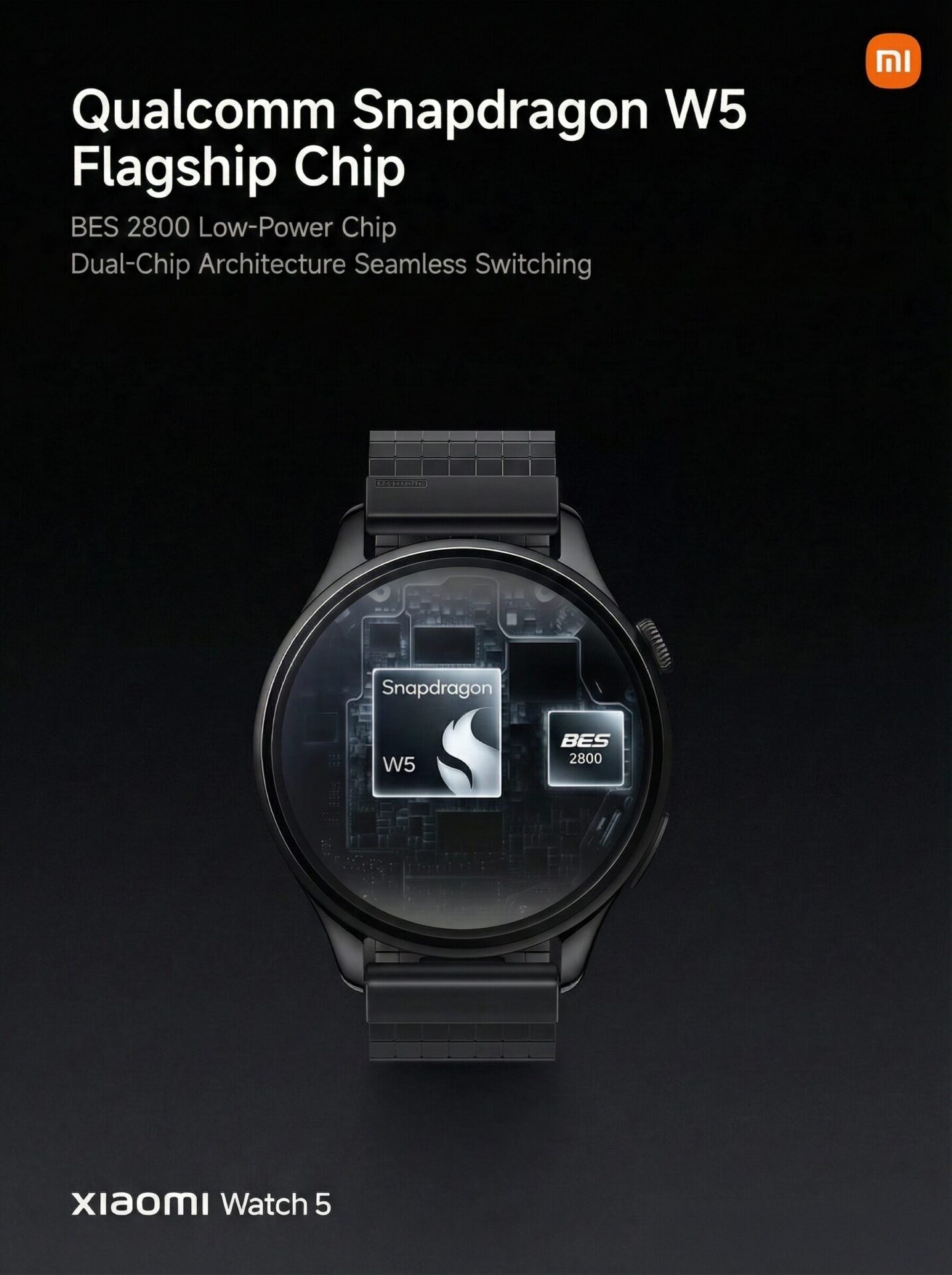
Regarding performance, Xiaomi markets its Watch 5 device as a “fully intelligent flagship watch.” Its performance is guaranteed by dual-core dual-system architecture, incorporating Snapdragon W5, designed with 4nm process technology, and BES2800 low power processor. Dual-core dual-system architecture enables this smartwatch to perfectly integrate performance and power consumption.

Xiaomi watch 5 5 Xiaomi watch 5 4

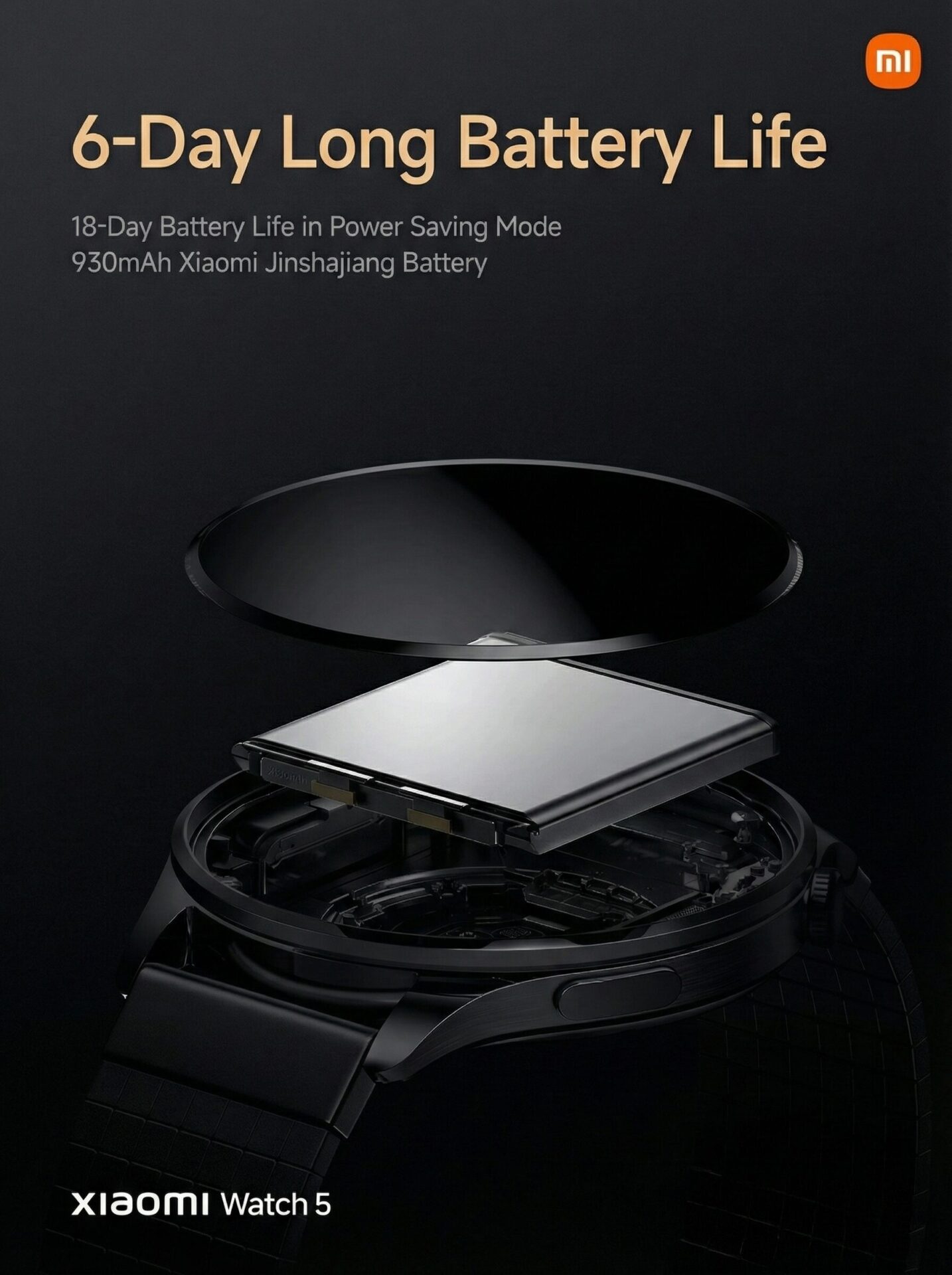
In this way, the Xiaomi Watch 5 can run apps by itself, such as payment and guidance systems, without a smartphone being present. According to Xiaomi, the performance mode ensures a battery life up to 6 days, and if it switches to power-saving mode, it can be operational for up to 18 days.

Advanced Health Sensors and Smart Features

“Health monitoring is also one of the Xiaomi Watch 5’s key highlights.” It comes with “Xiaomi’s first EMG (Electromyography) sensor” that allows gesture control and is compatible with other Xiaomi products with support for “Xiaomi HyperConnect.” Other functions include an “ECG heart rate sensor” and the ability to support “150+ sports modes” and offer “Super AI capabilities” optimized for their smartwatches.

Xiaomi watch 5 7 Xiaomi watch 5 1 1

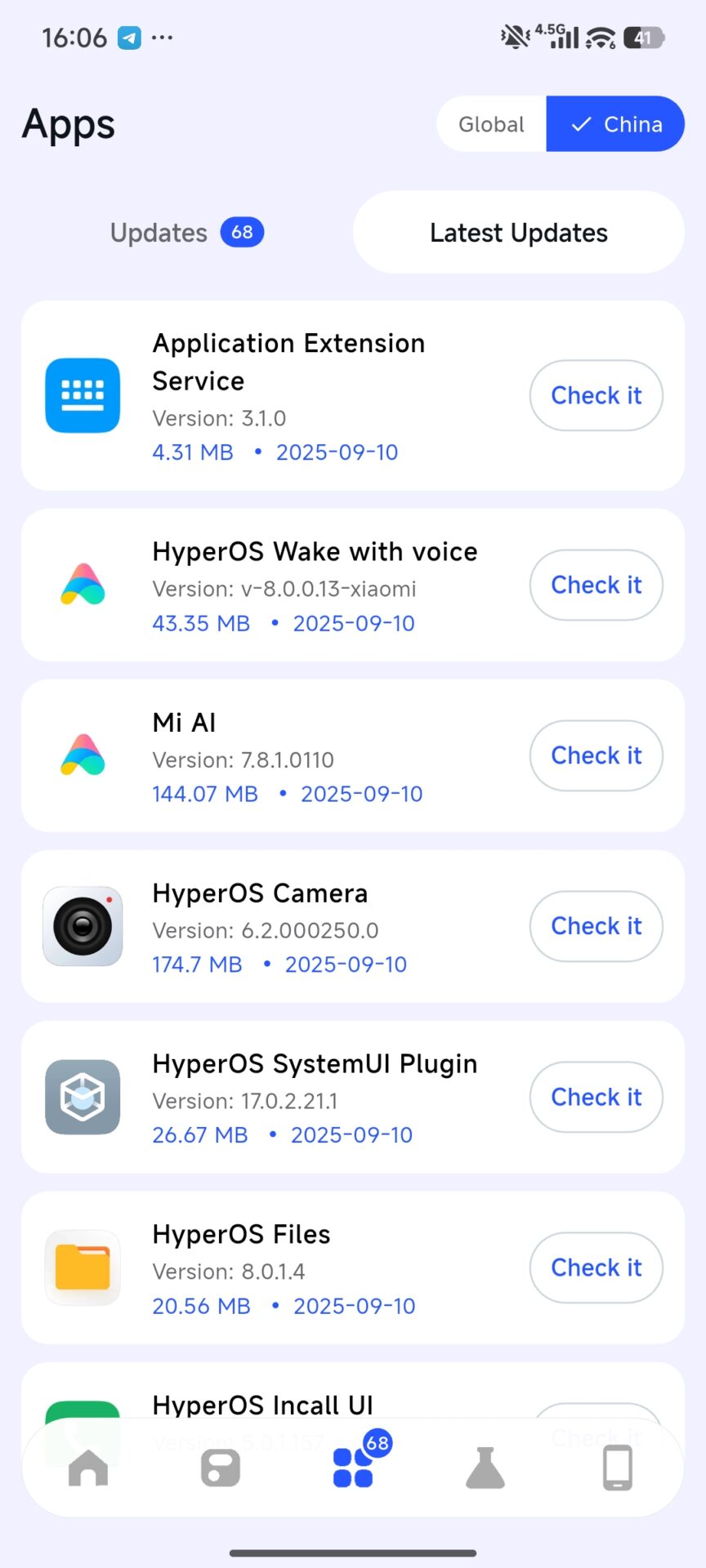
Xiaomi system apps can then be updated by visiting HyperOSUpdates.com or using the MemeOS Enhancer application found on Google Play Store that offers more functions such as Xiaomi hidden features.

Xiaomi 17 Ultra wallpapers out: Get the breathtaking 4K collection

25 December 2025 at 22:12

Enthusiasts have finally got the waiting out of their systems with the launch of the Xiaomi 17 Ultra; a device which has already proven to be a benchmark in mobile photography and has already been crowned the “king of mobile photography” because of its amazing abilities and qualities in this area and other areas as well.

But what’s amazing is also the “view experience” offered by Xiaomi’s “HyperOS 3,” which is nothing but breathtaking, and in connection with this milestone event in the world of technology and gadgets, we have something special to share with the tech community today in the form of official stock wallpapers in its “raw” form to capture the “soul” of this technology’s creations and achievements and to allow tech enthusiasts to experience this technology in their current gadgets immediately and effectively.

A Symphony of Geometry and Optics

The Xiaomi 17 Ultra’s design language is deeply entrenched in the ideology of “Light and Shadow,” a nod to the brand’s partnership with Leica. The official wallpapers embody this theme through the use of spherical geometry and light refractions which simulate the effects of a high-end camera lens. Contrary to the abstract art form of last year’s chaotic designs, these wallpapers embody a composed and professional look that celebrates depth and definition. The flowing curves and sharp lines of these wallpapers can easily mesh with Xiaomi 17 Ultra’s physical design to give a seamless transition from hardware to software.

Xiaomi 17 Ultra display

Optimized for Next-Gen Displays

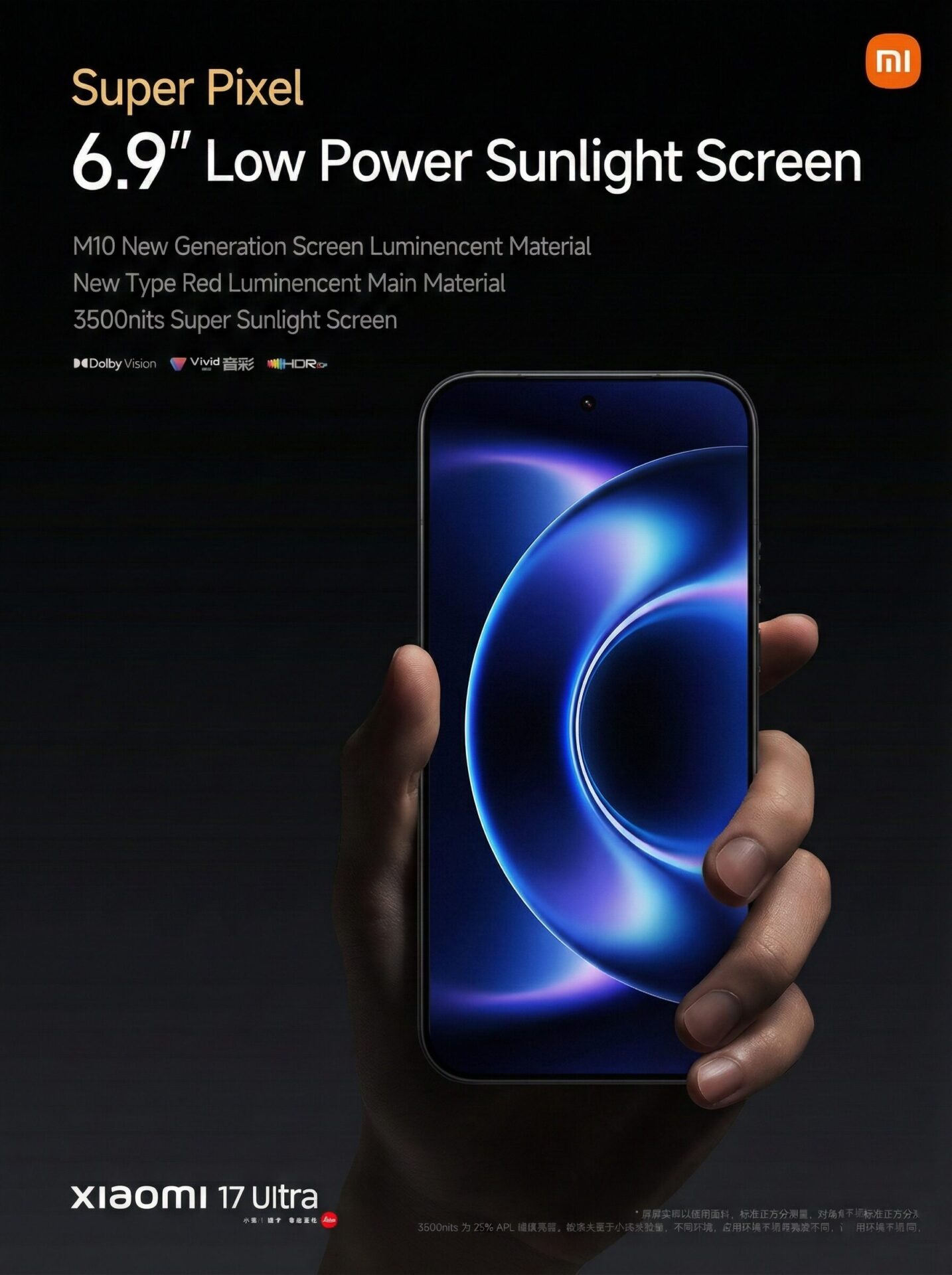
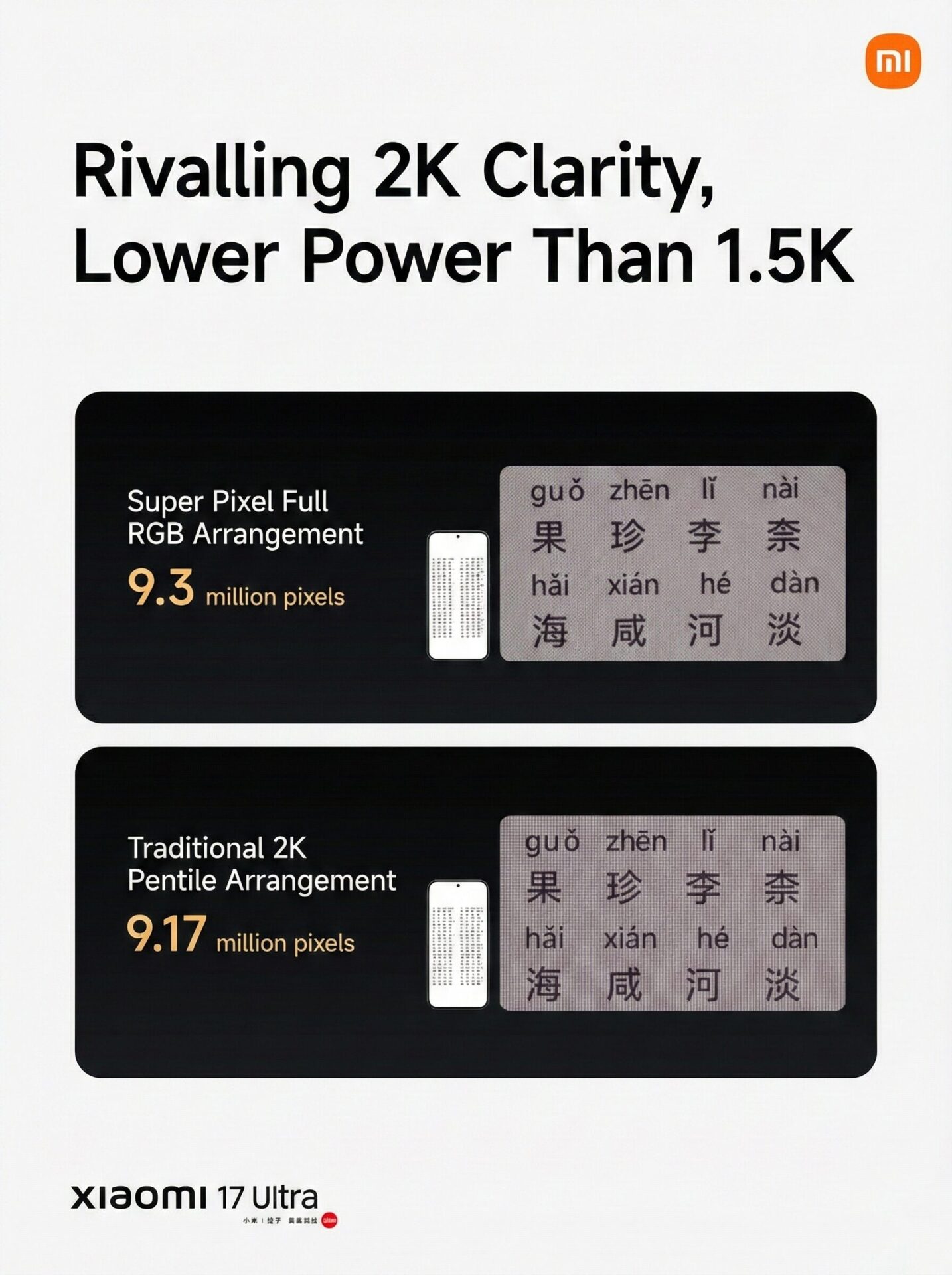
All of these wallpapers are carefully optimized for the newly featured 6.9-inch 2K LTPO screen of the device, which features the use of the M10 luminous material. This means that these wallpapers have perfect blacks in order to conserve power but also come with maximum contrast achieved with highly highlighted bright colors.

Wallpaper Collection

We’ve extracted the four major “hero” wallpapers that match each color variation for the device. Download links for the wallpapers at their full resolutions are available below:

  • Nebula Purple: This is quite dark and has violet and indigo colors combined. Recommended for those who like the dark look.
  • Deep Ocean Blue: It symbolizes the smooth flowing nature of the new operation system. It is an aquatic teal color gradient.
  • Molten Orange: This design is a picture of contrast, with warm tones of copper evoking the potency of the Snapdragon 8 Elite Gen 5 processor.
  • Aurora Green: A new, nature-based color scheme that exactly matches the Starry Green ceramic back of the limited edition smartphone.
Xiaomi 17 Ultra Wallpaper 1 Xiaomi 17 Ultra Wallpaper 2 Xiaomi 17 Ultra Wallpaper 3 Xiaomi 17 Ultra Wallpaper 4


Ready to give a new look to your existing device with the beauty of Xiaomi 17 Ultra? We have uploaded the entire and full image set with no compression onto our clouds for you. To give you full-resolution images with no compression artifacts at all, we advise you to download from us directly. Click on the link below to check out our Xiaomi Time Telegram Channel, which features not only these wallpapers but also cool ringtones and system dumps of this new smartphone. Do not forget to join the group in case you want notifications about similar future releases.

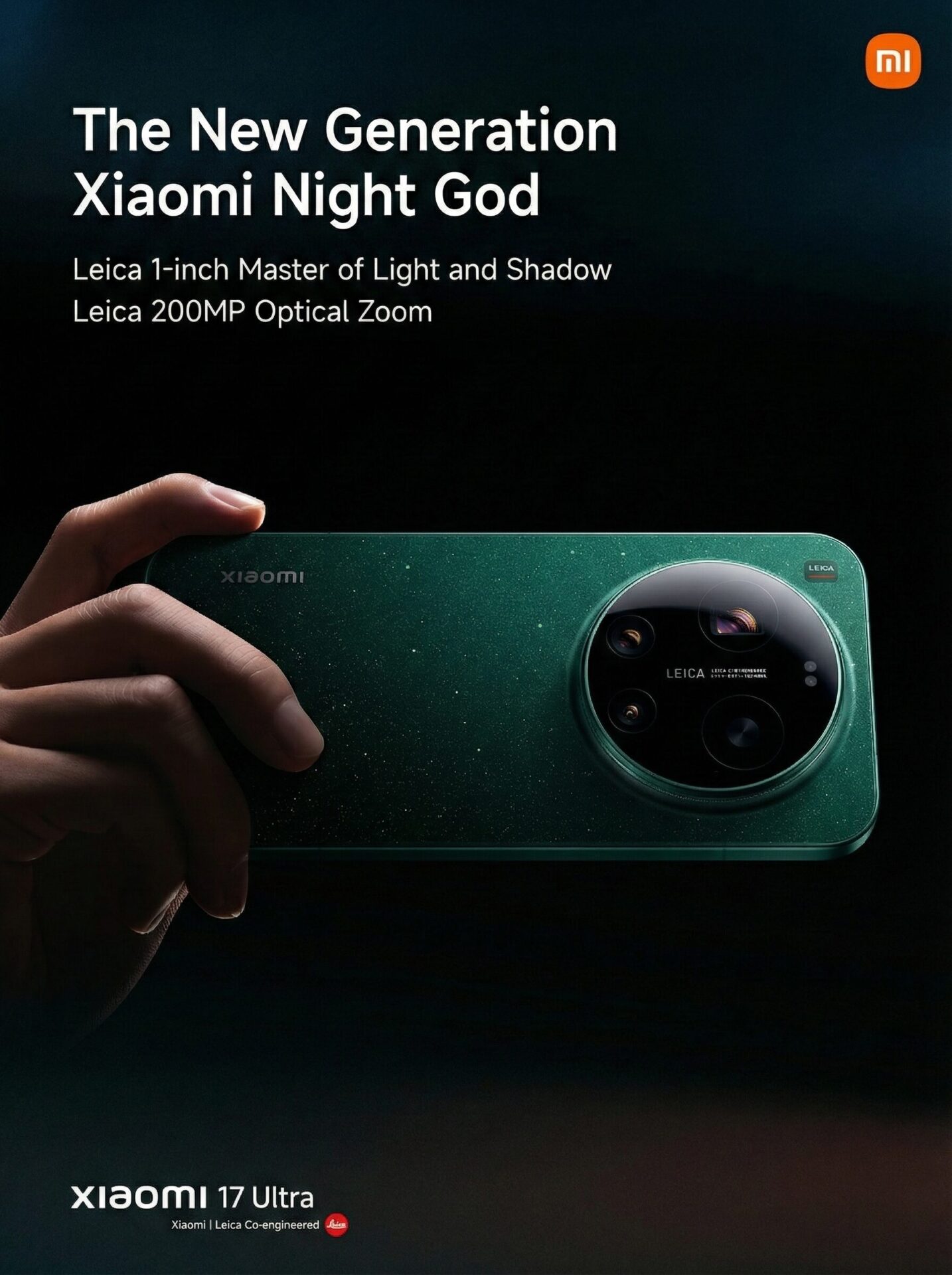
Xiaomi 17 Ultra & Leica Edition debuts with the world’s best 200MP optical zoom camera

25 December 2025 at 20:39

The world of mobile photography has just escalated in a huge way with the launch in China today of the Xiaomi 17 Ultra. Not only has it come up with a Xiaomi HyperOS 3  which is revolutionary in every sense of the term, but it also boasts a massive 6800mAh battery that leaves all other smartphones in 2026 in the lurch. Even though fans are still relishing the benefits of “Xiaomi 15 Ultra,” this new smartphone comes with the Snapdragon 8 Elite processor and sports a 2D flat screen. This smartphone marks the culmination of the relationship between Xiaomi and Leica, providing all that “Xiaomi fans” have been waiting for in their dreams.

A Revolutionary Camera System

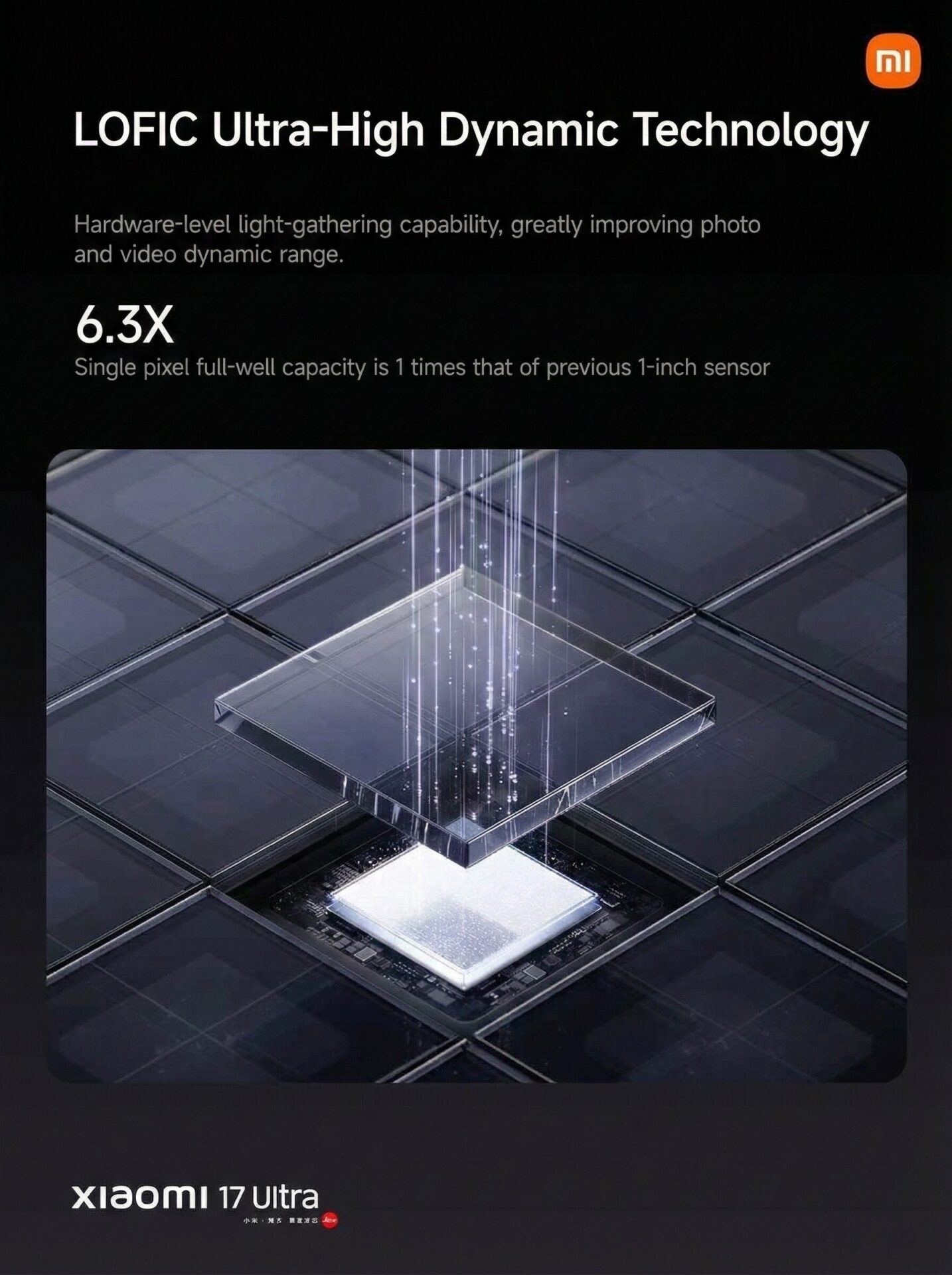
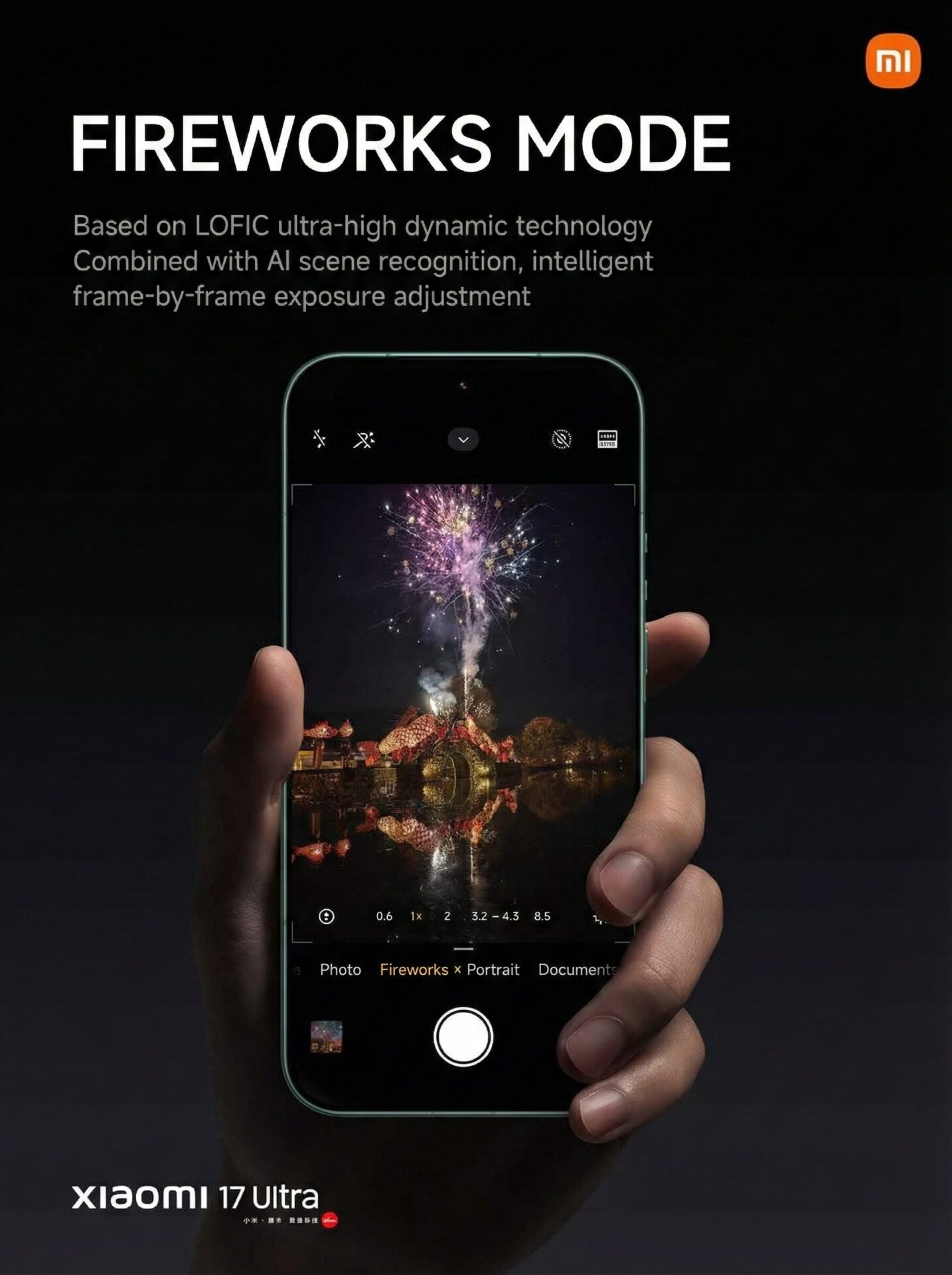
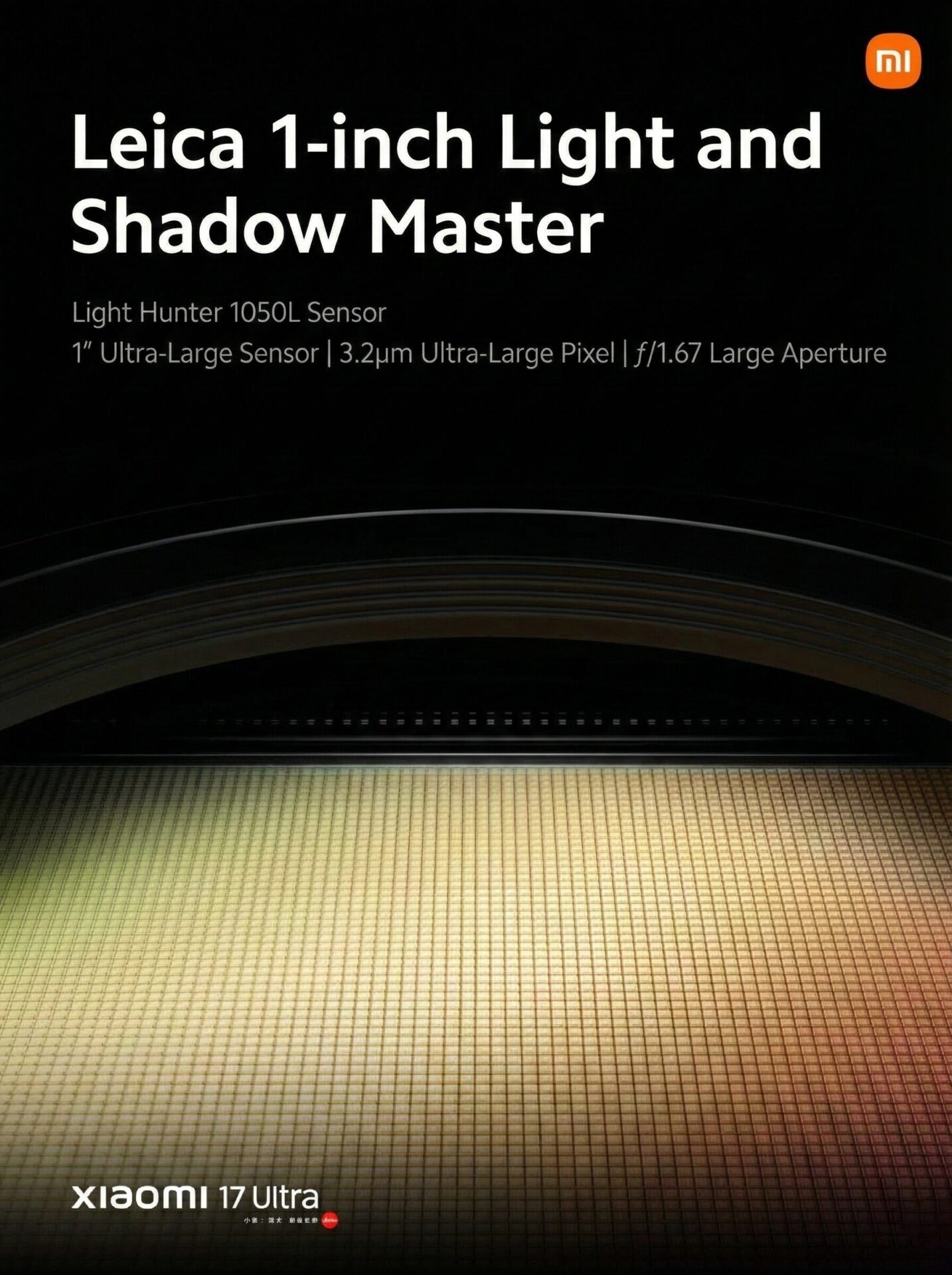
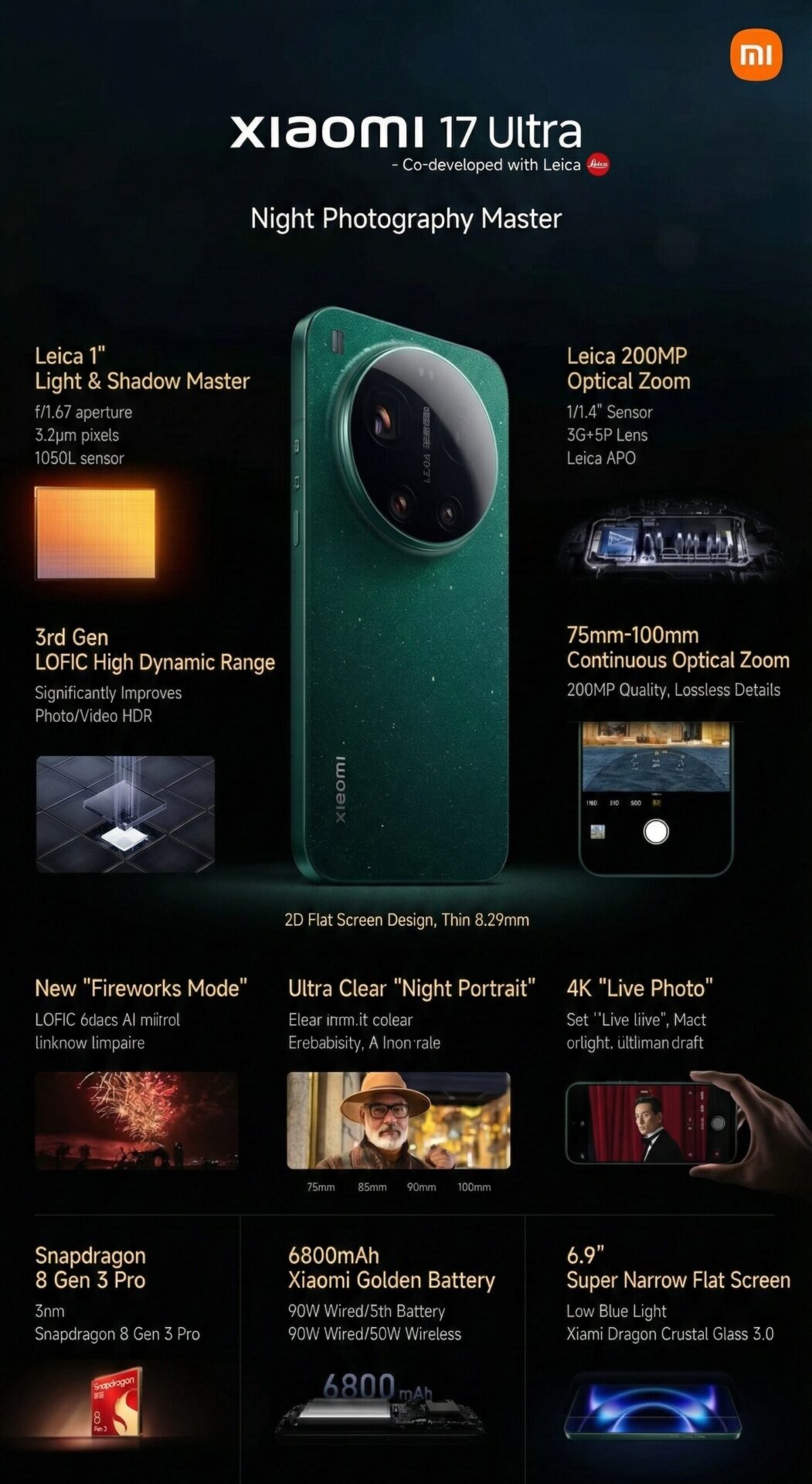
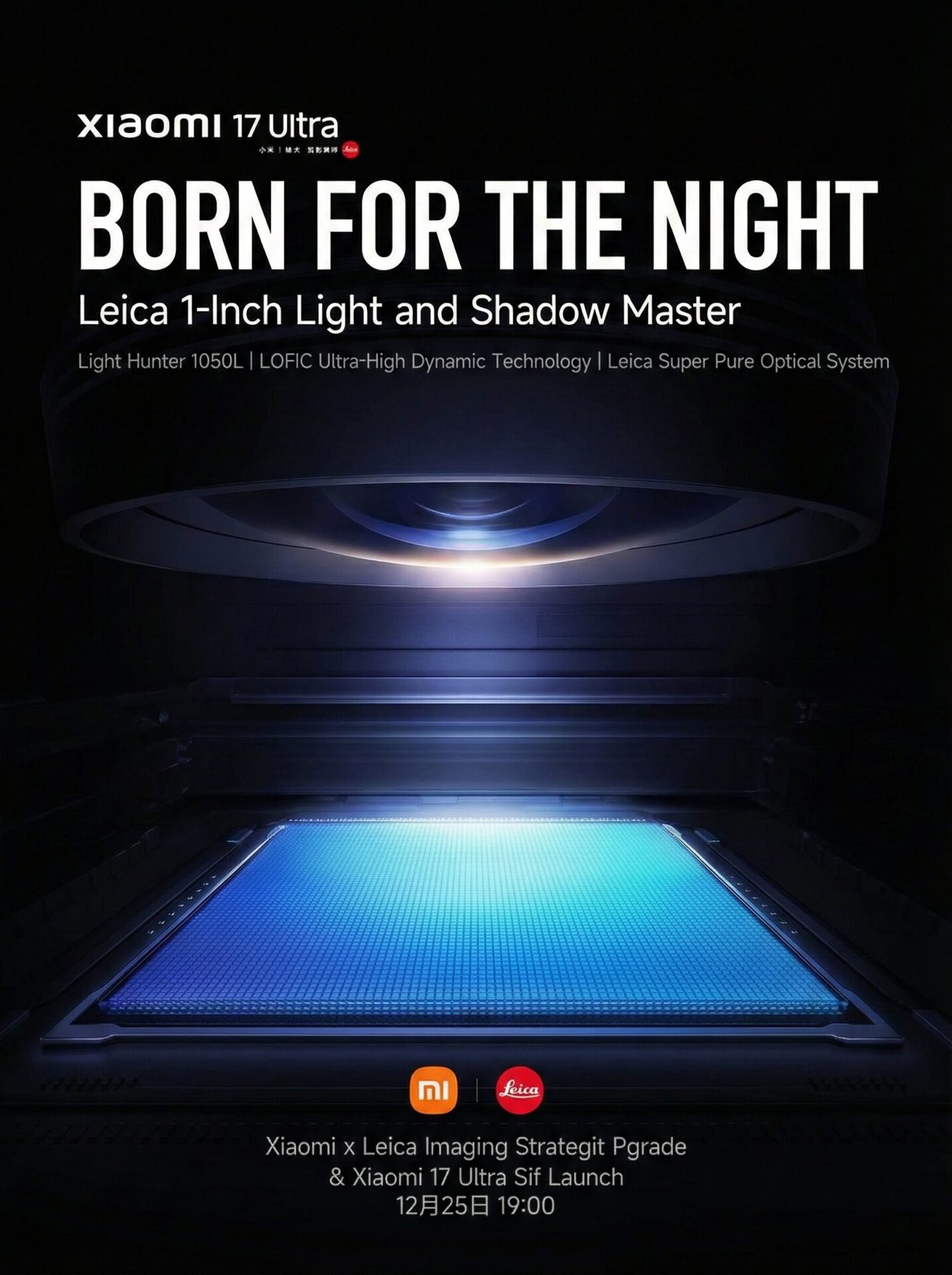
The Xiaomi 17 Ultra breaks the mold with its innovative primary camera design, touted as the “best camera ever designed” by the company. It comes with the Leica 1-inch “Light Master” camera sensor, the light Hunter 1050L, which comes with the revolutionary ultra-HDR technology of LOFIC. This makes it possible to take spectacular images at night with controlled highlights and maintain rich detail. Additionally, there is also a “Fireworks Mode” designed for capturing colors of the night sky without overexposure.

Xiaomi 17 Ultra camera LOFIC Xiaomi 17 Ultra Fireworks Mode Xiaomi 17 Ultra main camera Xiaomi 17 Ultra night mode

The Age of 200MP Optical Zoom

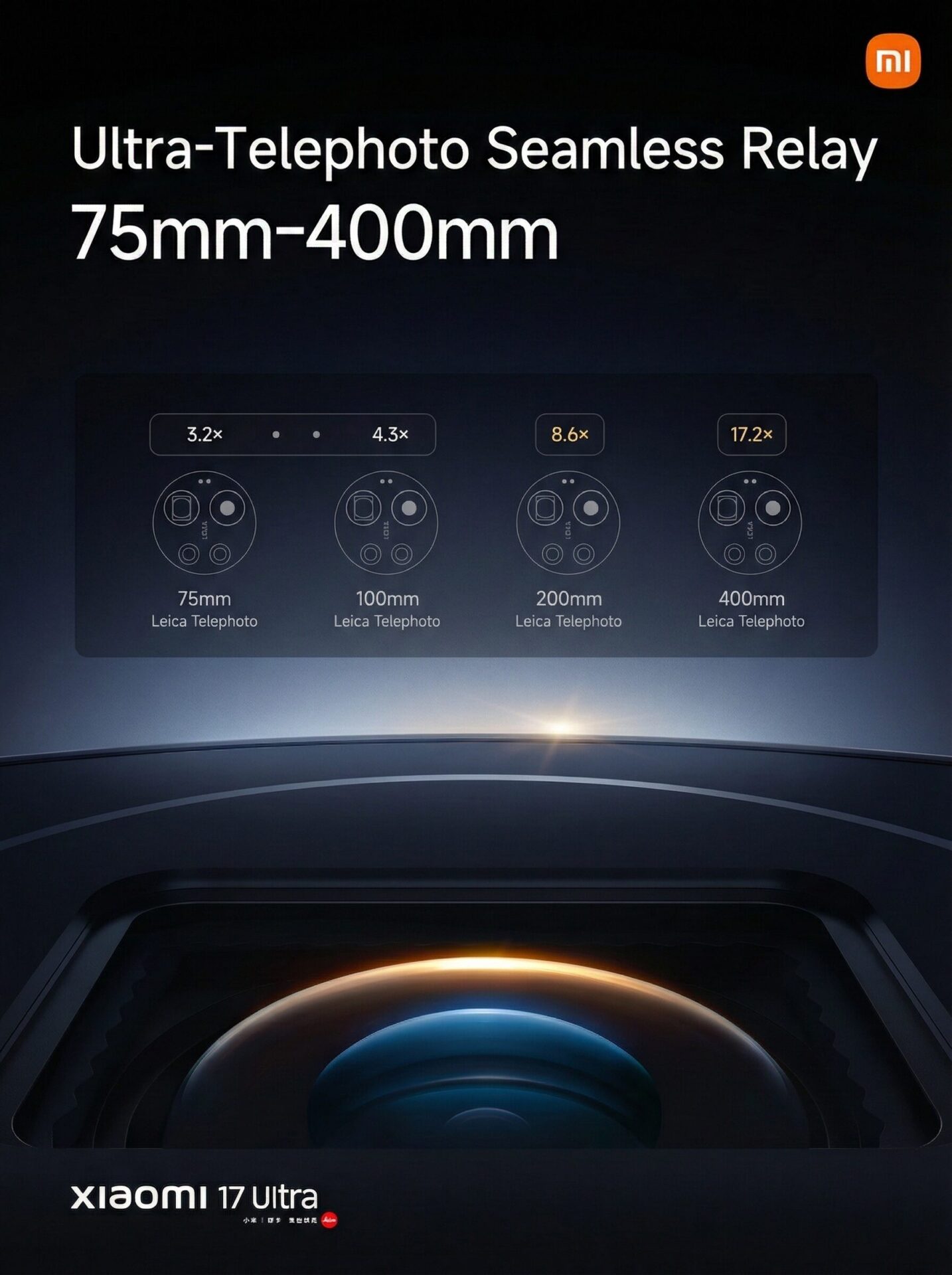
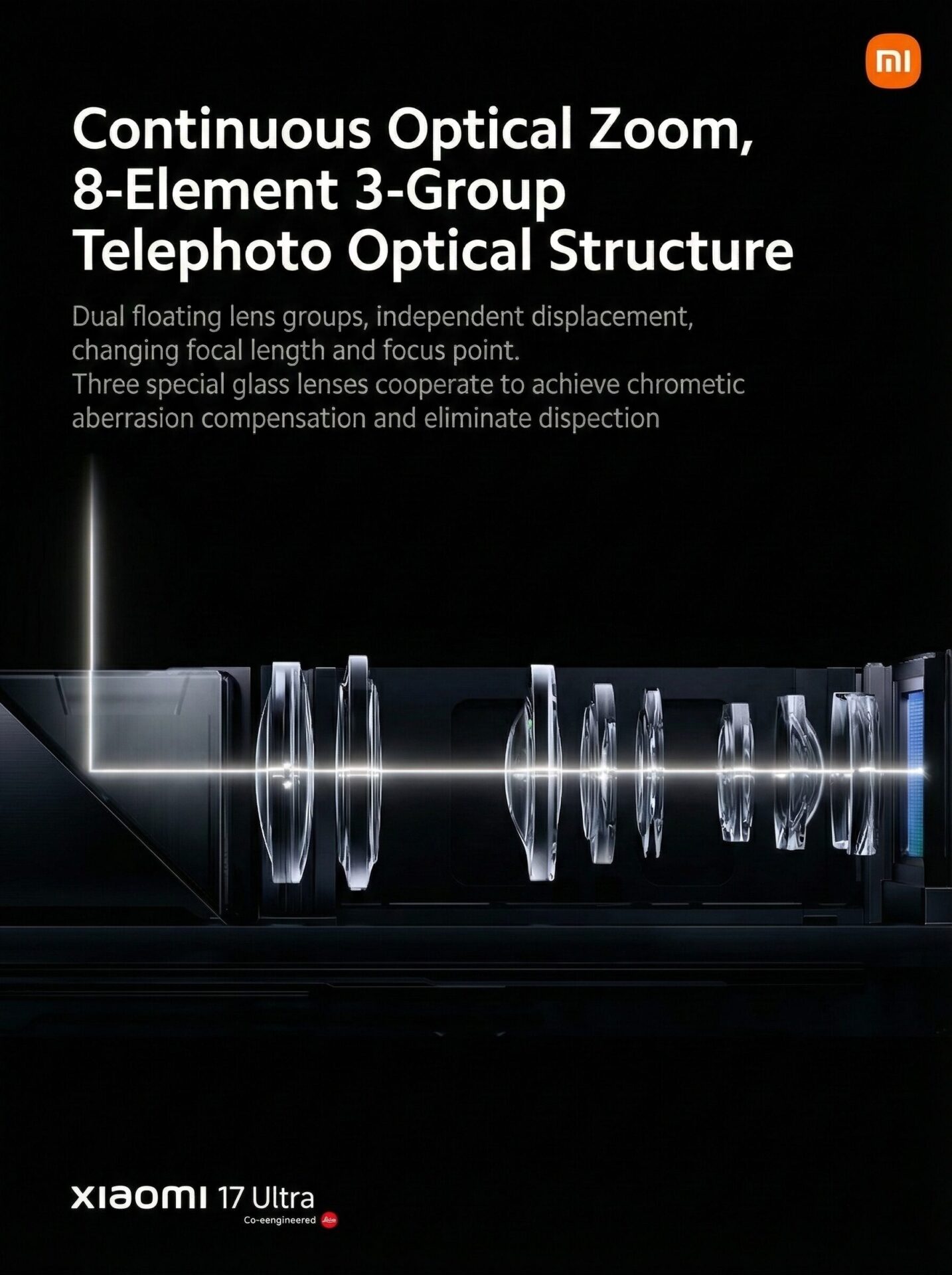
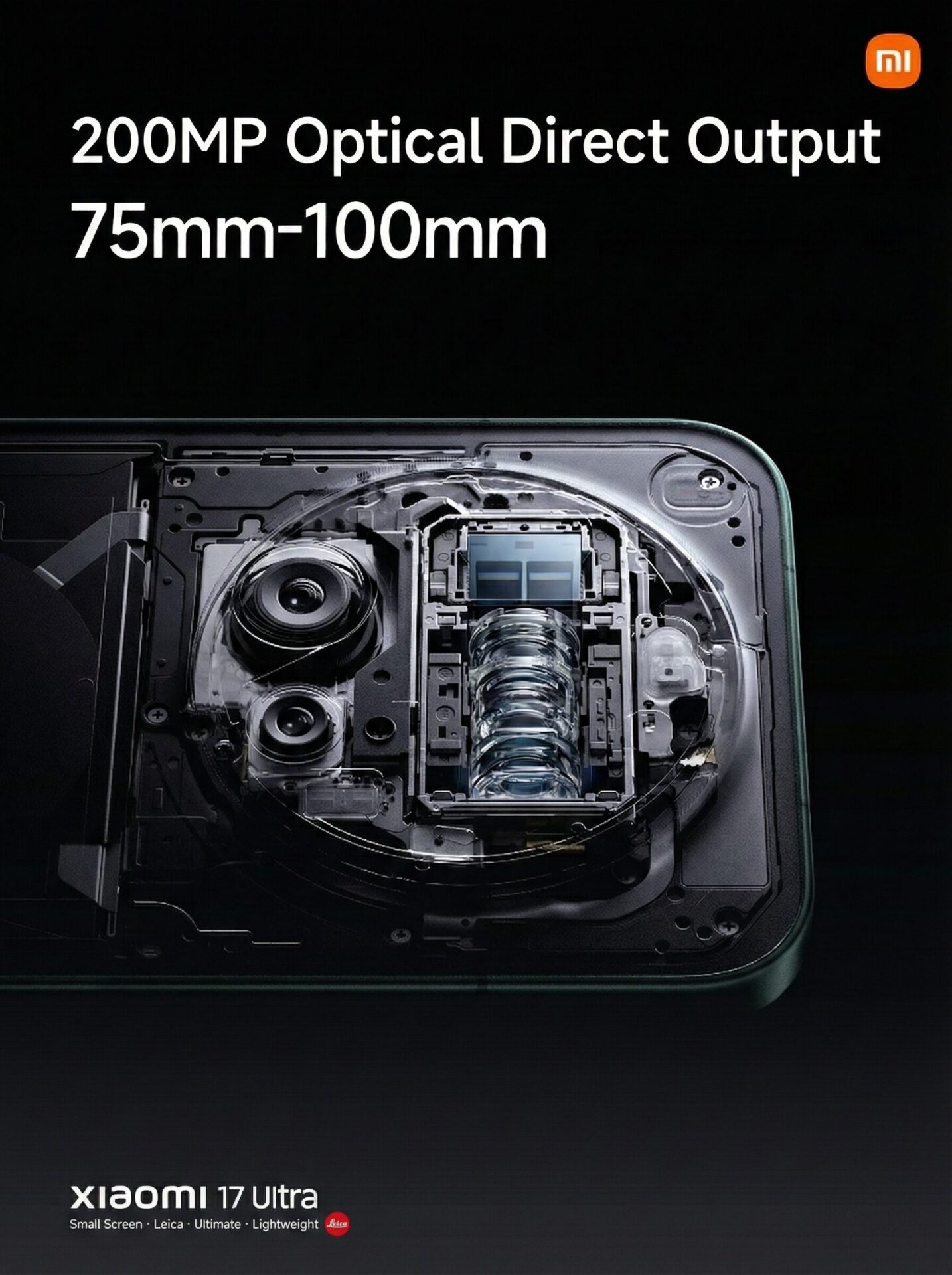
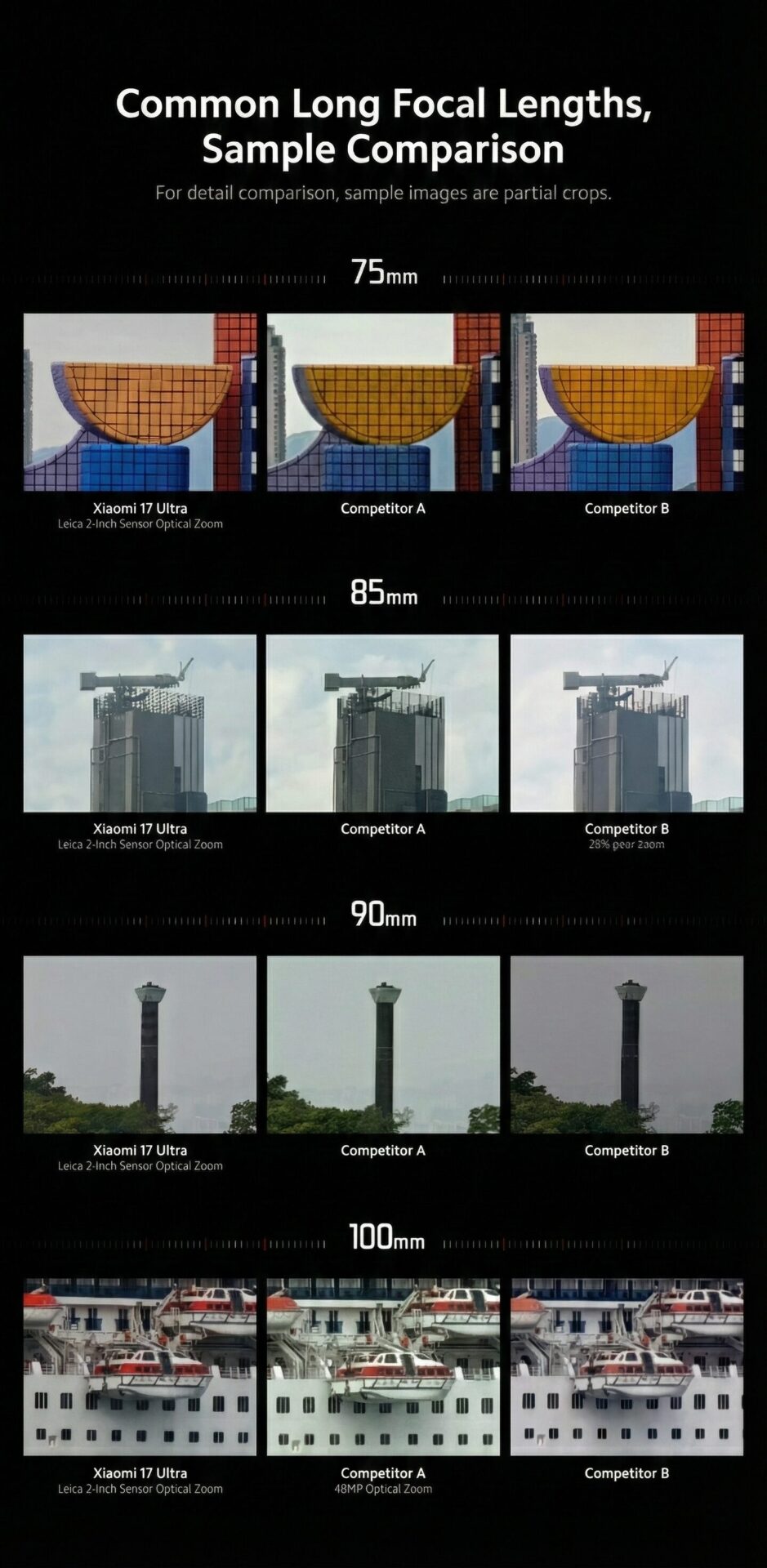
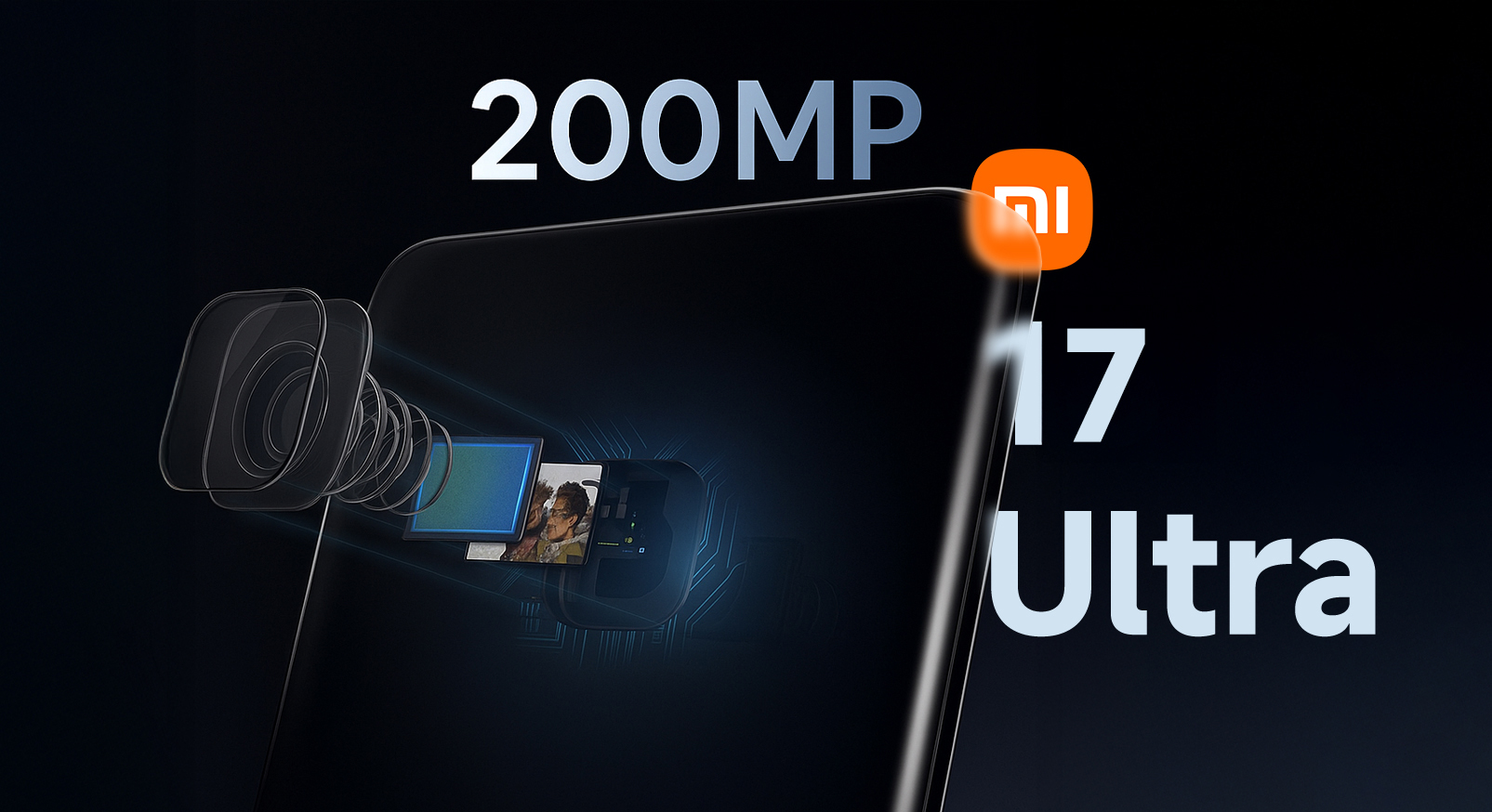
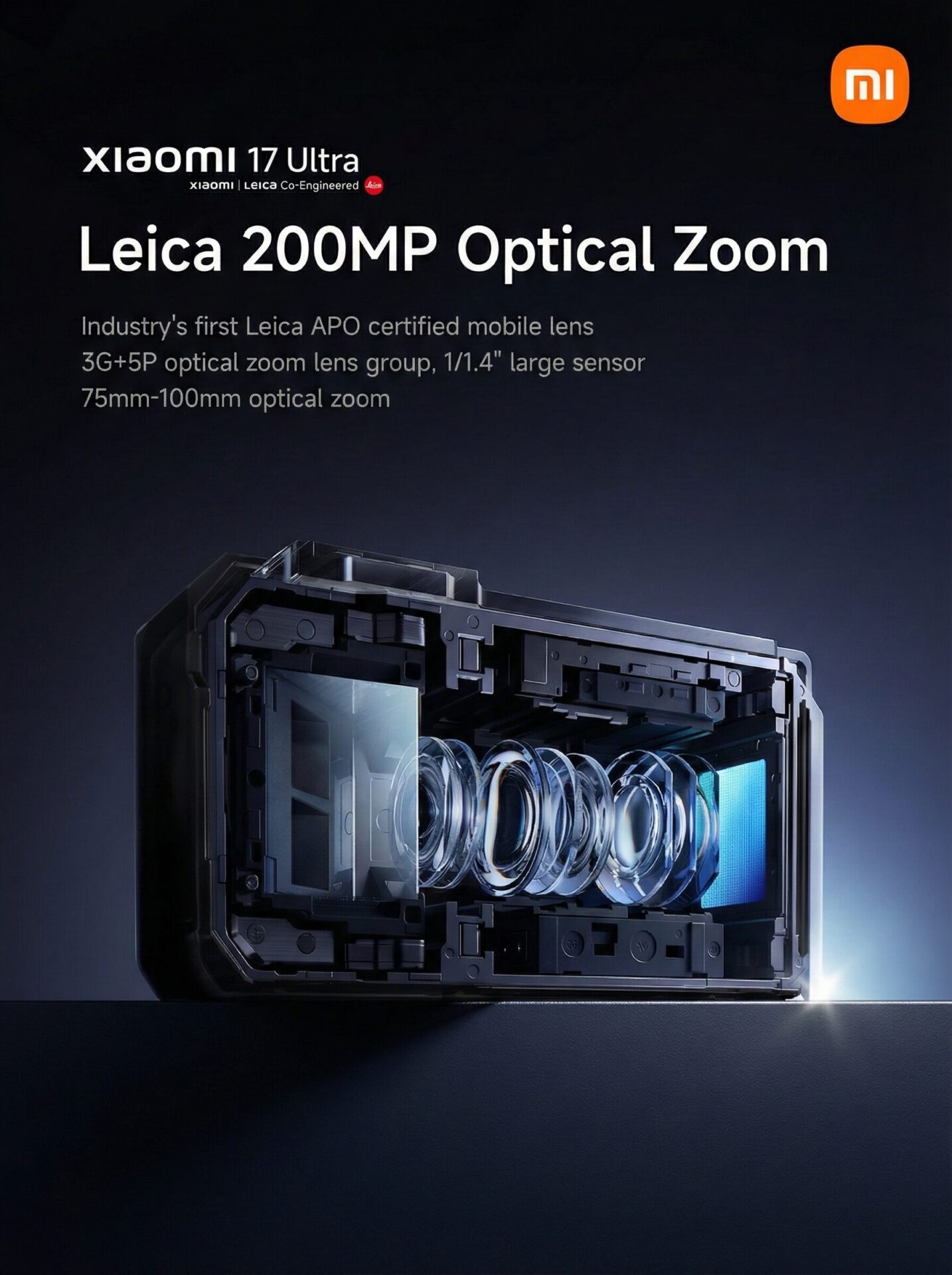
One area that stands out with this device is its support for 200MP optical zoom offered by Leica lenses. With the 1/1.4 ”large image sensor and 3G+5P telephoto optical design, the device provides continuous optical zooming from 75mm to 100mm. Thus, it offers uninterrupted picture clarity that doesn’t lose quality due to cropping, thereby entering a new era for all other devices with their mobile photography capabilities due to the optical zooming feature offered by this device.

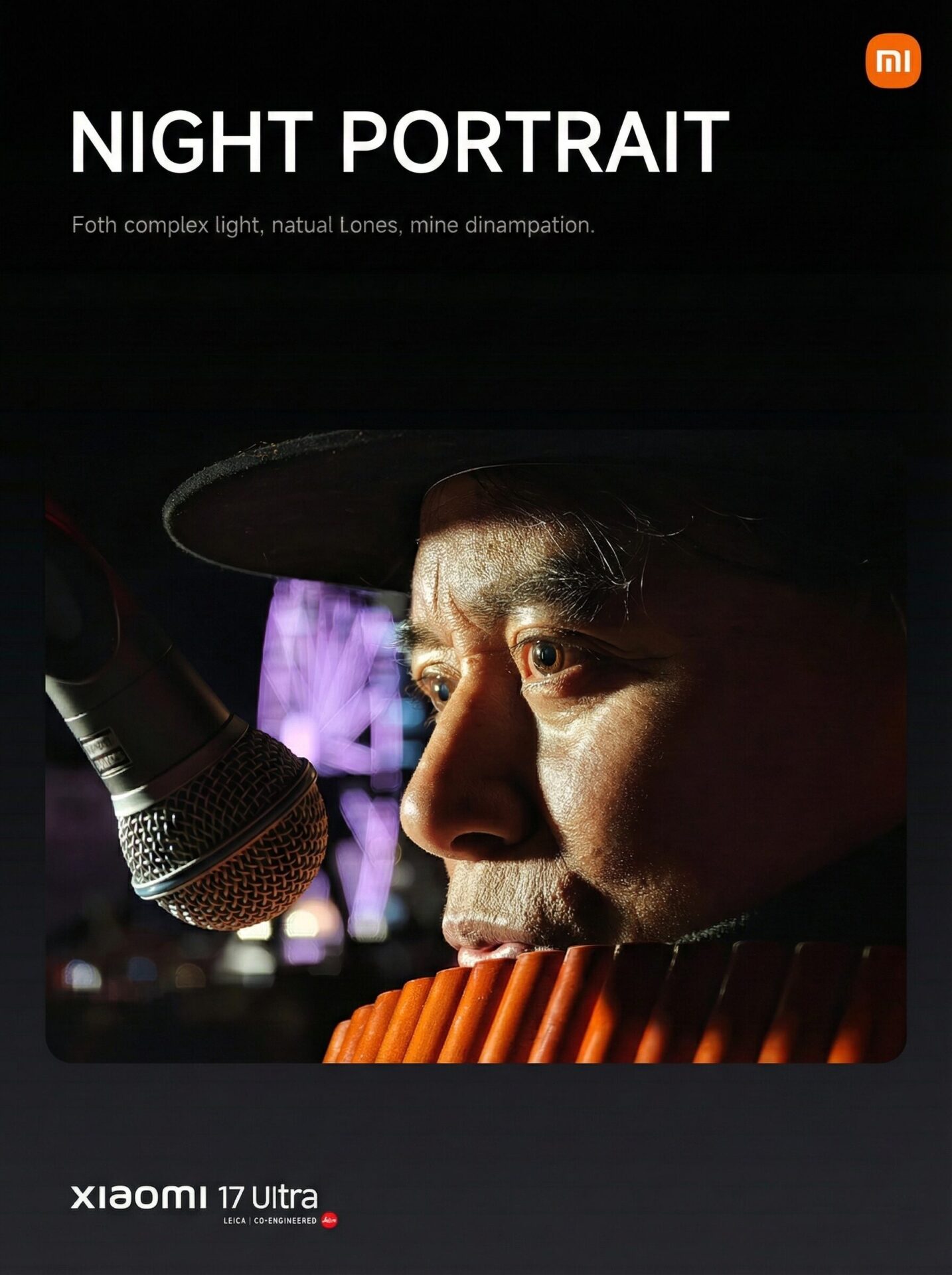
Xiaomi 17 Ultra Telephoto zoom Xiaomi 17 Ultra Main Camera Lens Xiaomi 17 Ultra Telephoto APO lens Xiaomi 17 Ultra TELEPHOTO Camera Xiaomi 17 Ultra Night Portrait Xiaomi 17 Ultra Zoom Comparison

It provides flawless super telephoto images even at 200mm and 400mm with the lens having the ability to handle optical outputs at all these distances.

Performance & Battery Life

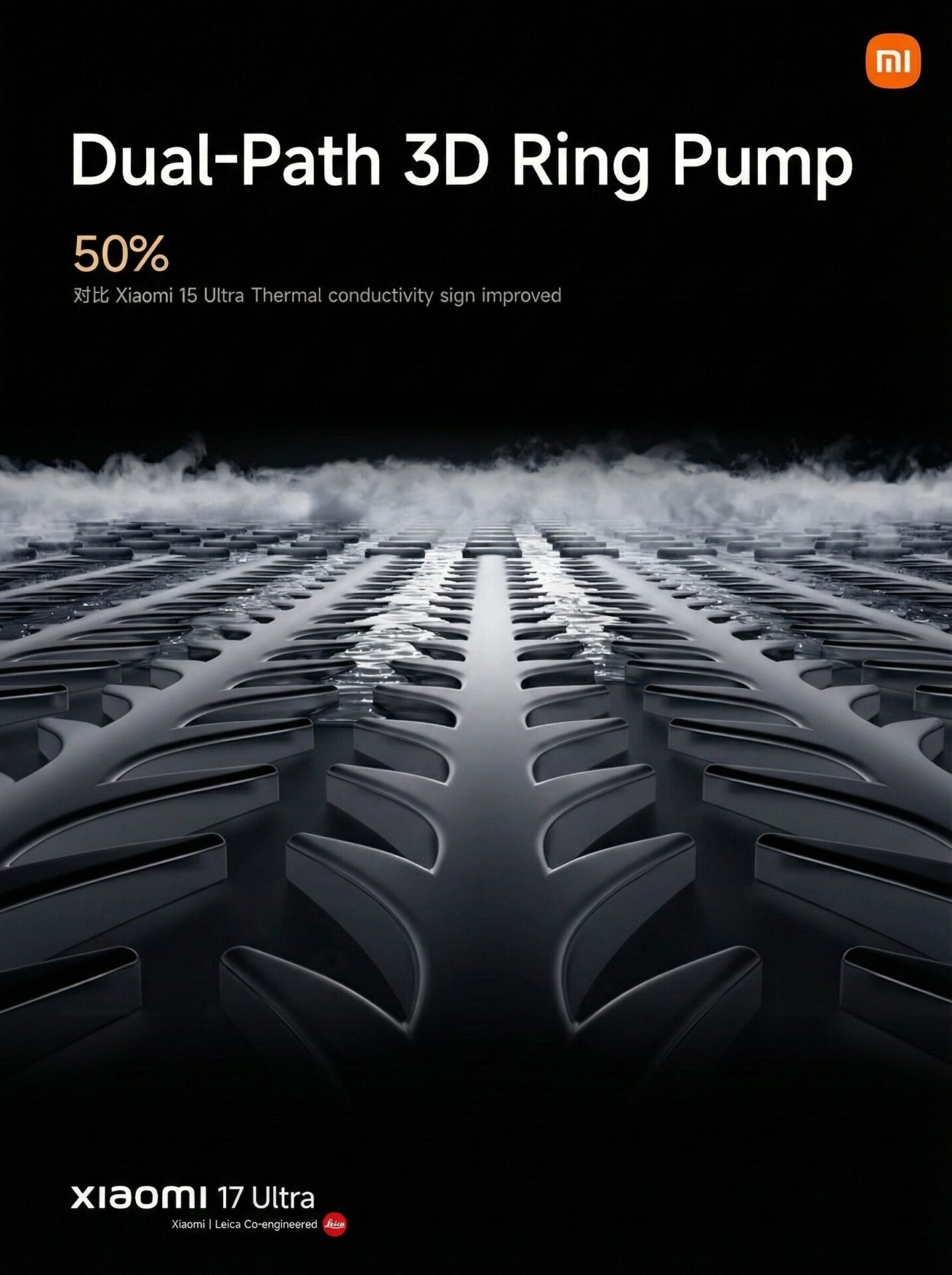
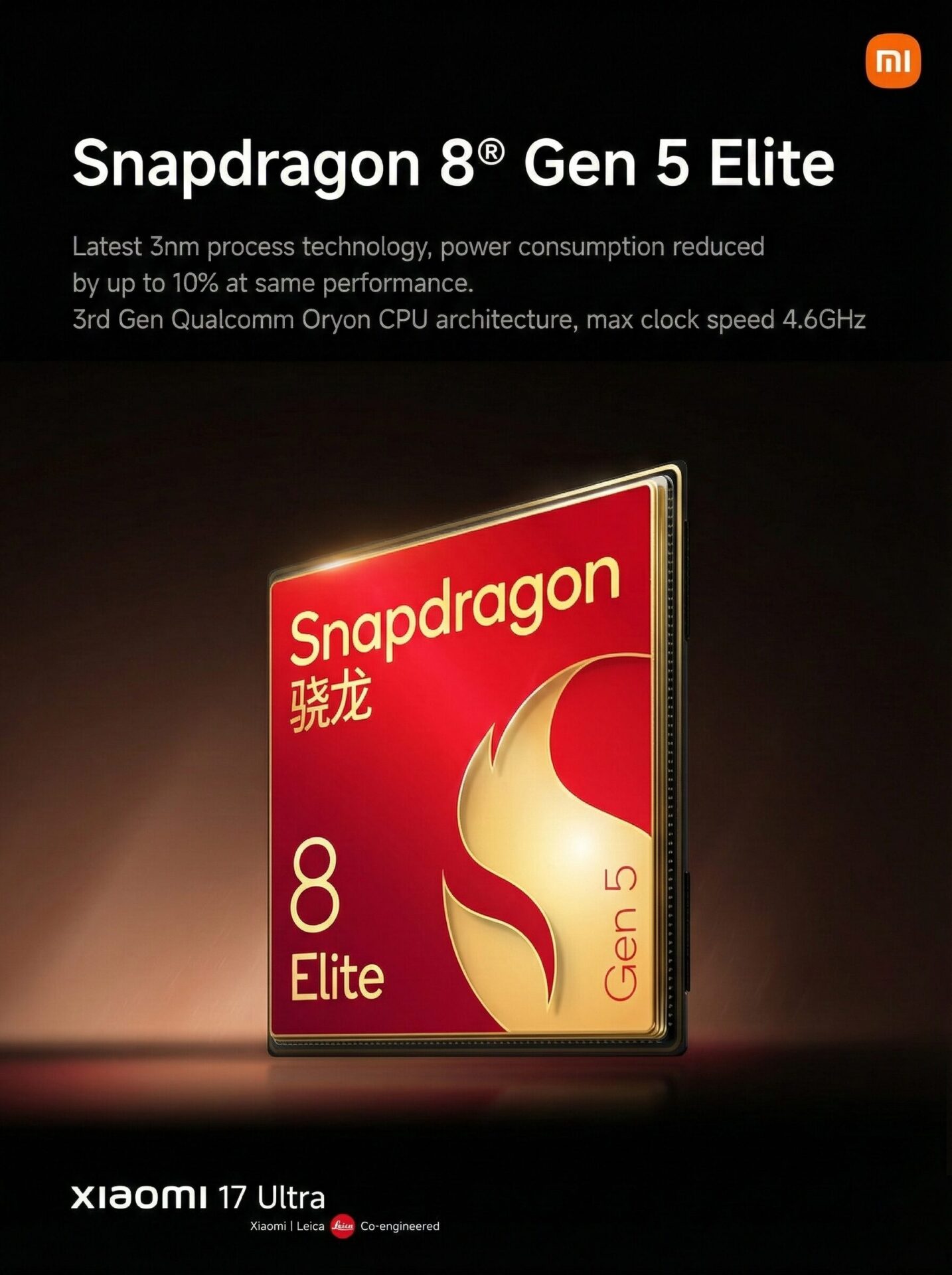
Technologically, the phone runs on the Fifth Generation Snapdragon 8 Elite Mobile Platform, made using TSMC’s third-generation 3nm process. The CPU brings a huge boost in computing power despite consuming lower power. It requires a huge cooler to dissipate all the heat that it produces during operation. For this purpose, it has a dual-path three-dimensional ring cooling pump.

Xiaomi 17 Ultra Cooling System Xiaomi 17 Ultra CPU 8 gen 5 Elite Gen 5 Xiaomi 17 Ultra display comparison

Massive 6800mAh Jinshajiang Battery

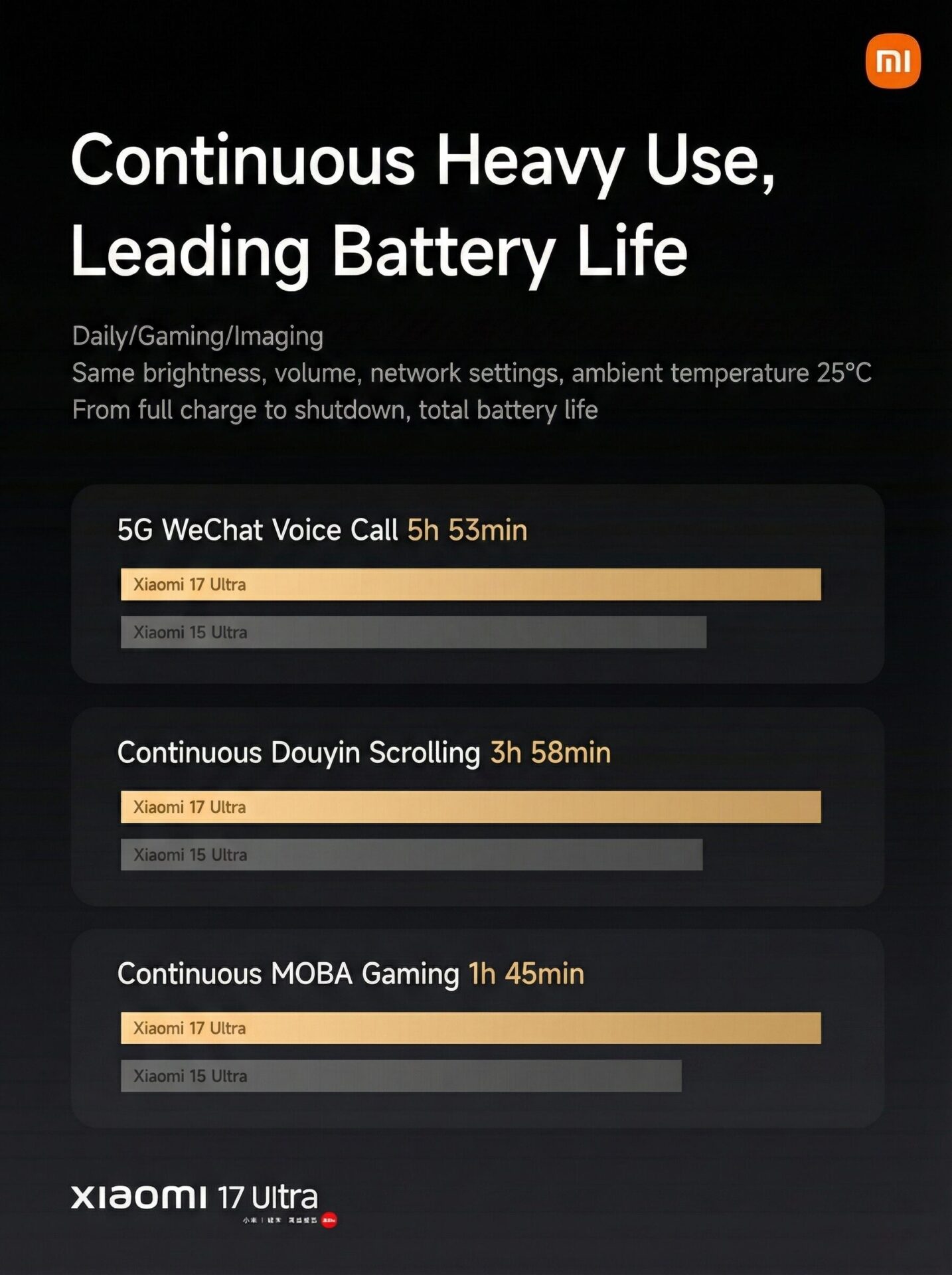
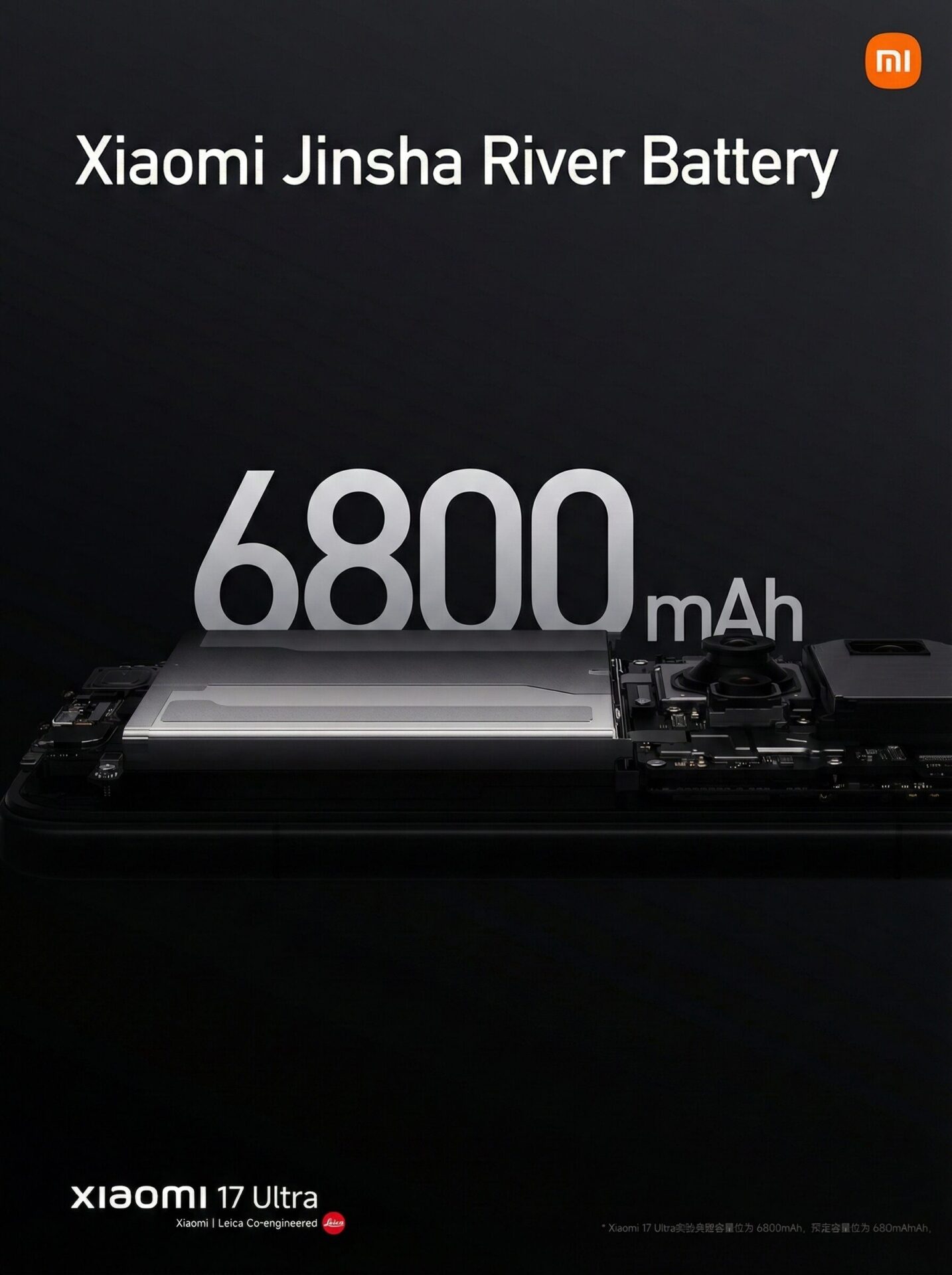
One of the most amazing upgrades has to be the battery capacity. The Chinese variant comes with a whopping 6800mAh Xiaomi Jinshajiang battery, and this is expected to result in super-long battery life for the smartphone and cater to the needs of heavy users as well. It must be mentioned here that the Global variant is expected to come with a 6000mAh capacity because of different safety standards in different regions. The smartphone comes with the capability to be charged with a whopping 90W and 50W wireless charging as well.

Xiaomi 17 Ultra Battery China Xiaomi 17 Ultra Battery Life

Design and Display Excellence

Xiaomi has at last equalized premier camera capabilities with ergonomic comfort. The Xiaomi 17 Ultra comes with a 6.9-inch ultra-narrow four-sided equal-bezel straight screen. The 2D flat screen ensures there are no issues of accidental touches, in addition to an immersive screen experience. The device measures an amazingly thin 8.29mm, making it the slimmest Ultra device so far. The DECO mini design helps in promoting one-handed use convenience.

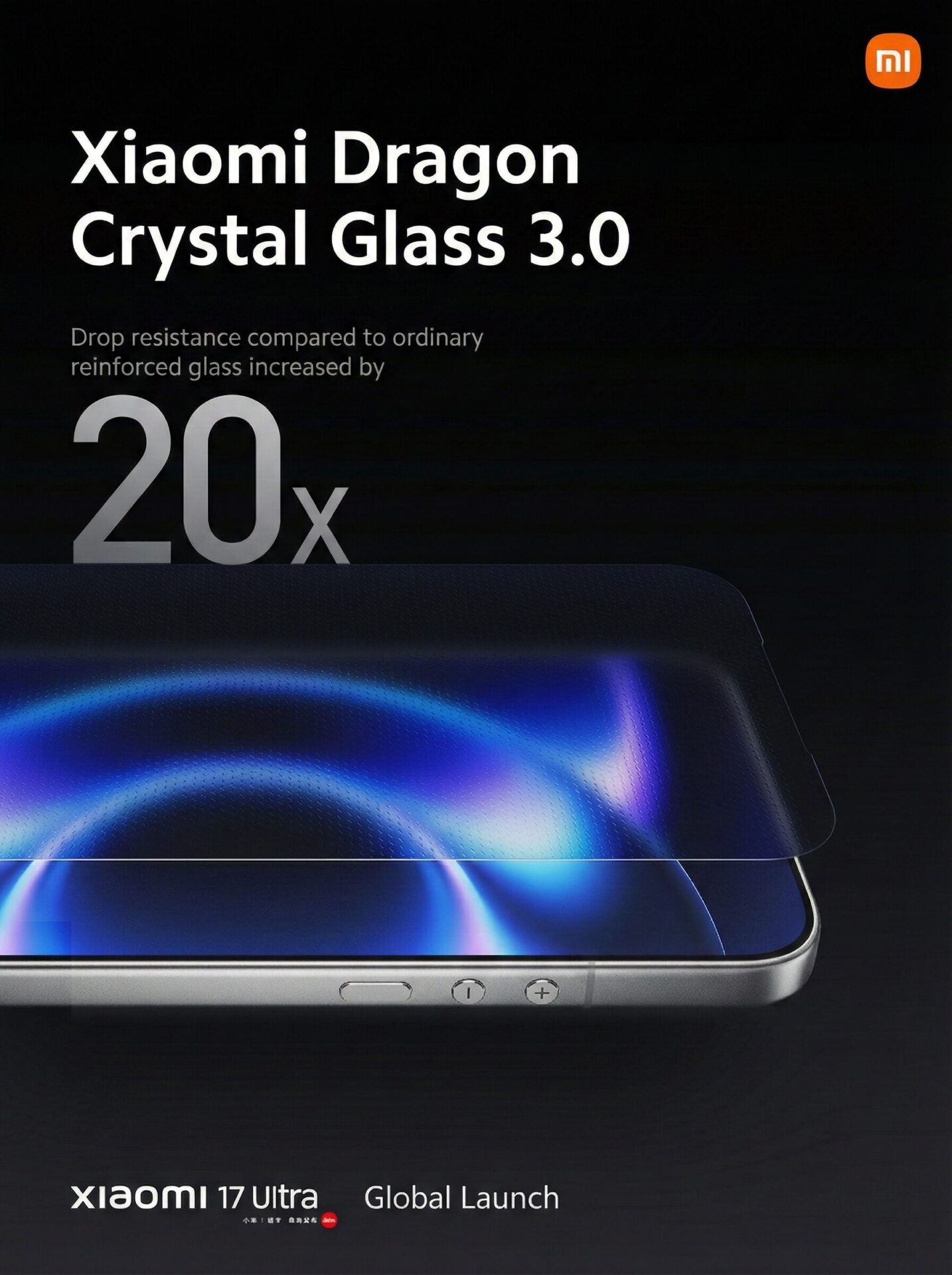
Xiaomi 17 Ultra Display Flat Design Xiaomi 17 Ultra size Xiaomi 17 Ultra Thinnest Xiaomi 17 Ultra display Xiaomi 17 Ultra Dragon Crystal Glass 3.0

Strong Build Quality

The device is quite durable as evidenced by IP66, IP68, and IP69 certifications for protection against both dust and water. Whether it is withstanding water jets or immersion, an environmental test device like the Xiaomi 17 Ultra is capable of withstanding challenging environmental conditions.

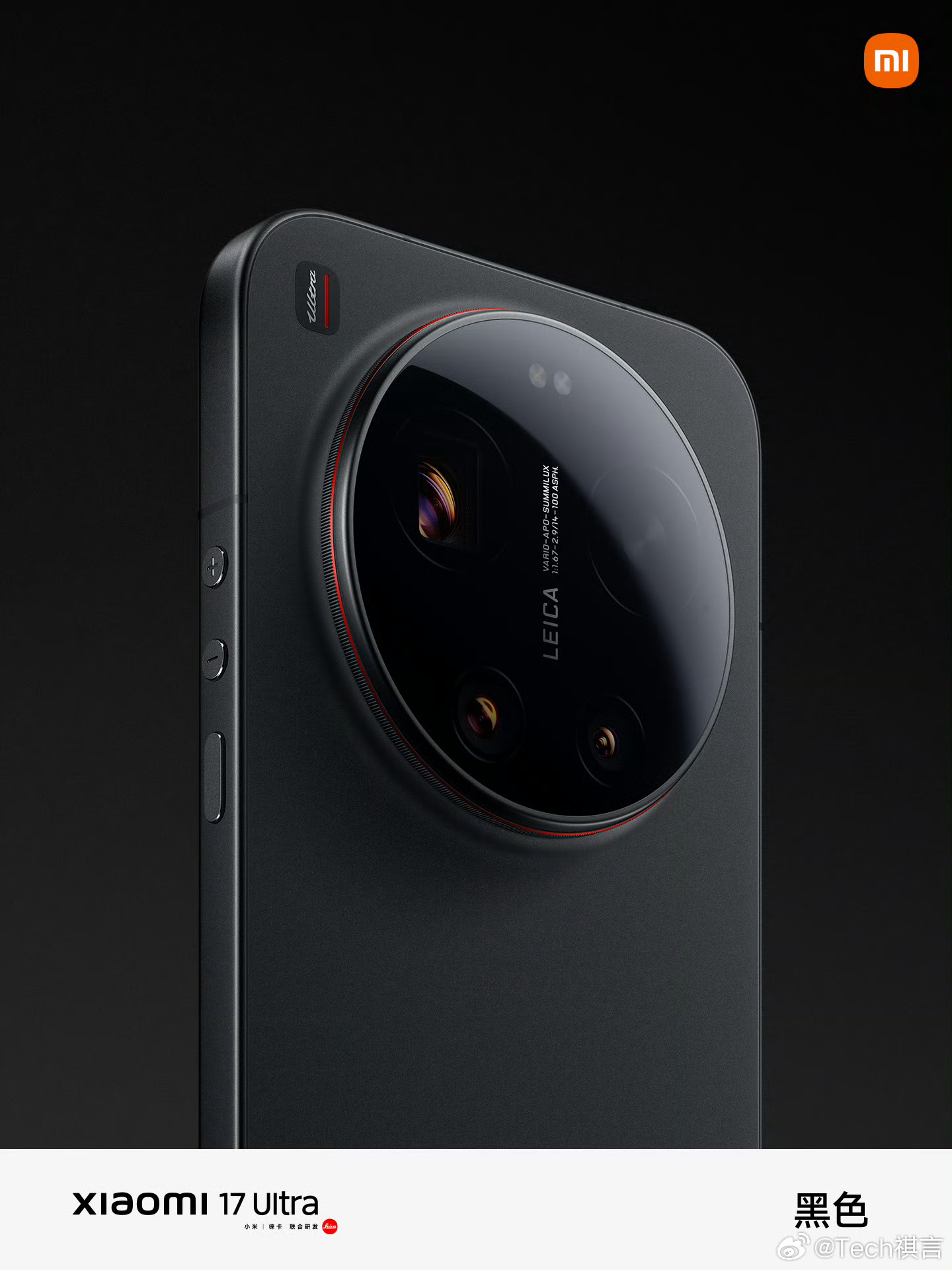
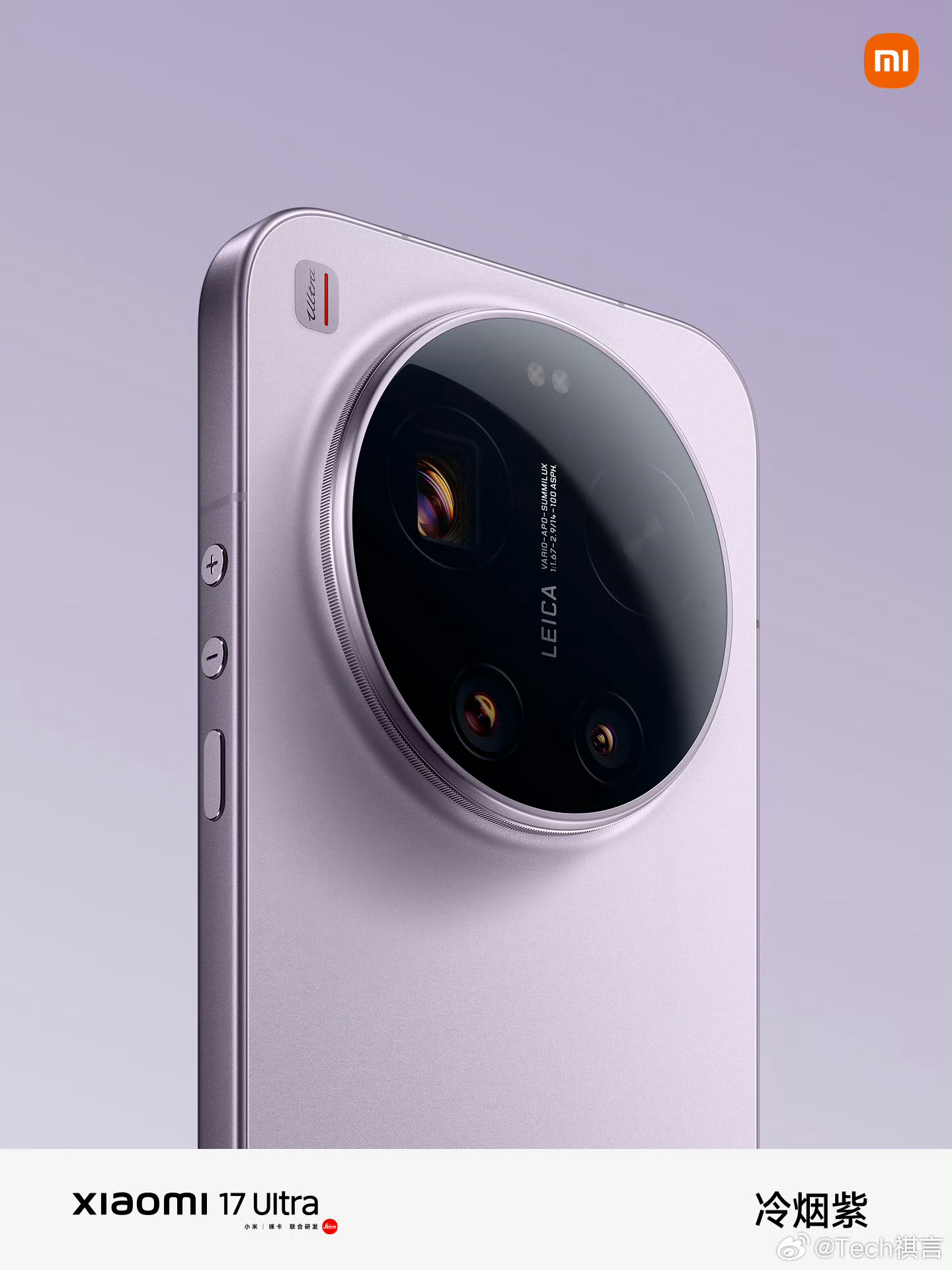
Each device is available in four vastly beautiful colors: Starry Green, Cool Smoke Purple, Starry Green/White-Black versions, as well as Black/White colors.

Xiaomi 17 Ultra Colors 1 Xiaomi 17 Ultra Colors 2 Xiaomi 17 Ultra Colors 3 Xiaomi 17 Ultra Colors 4

Leitzphone by Xiaomi: The Ultimate Edition

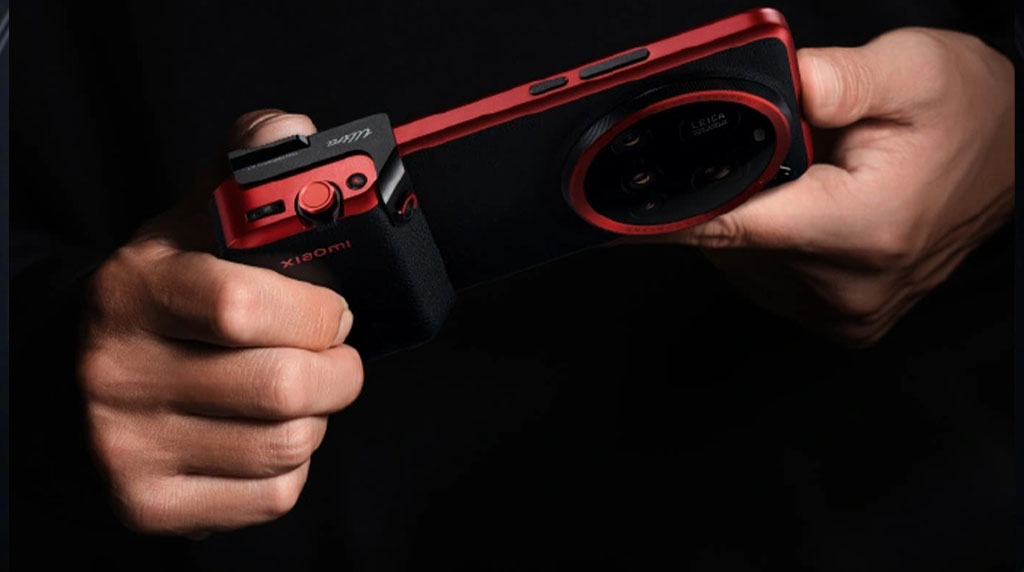
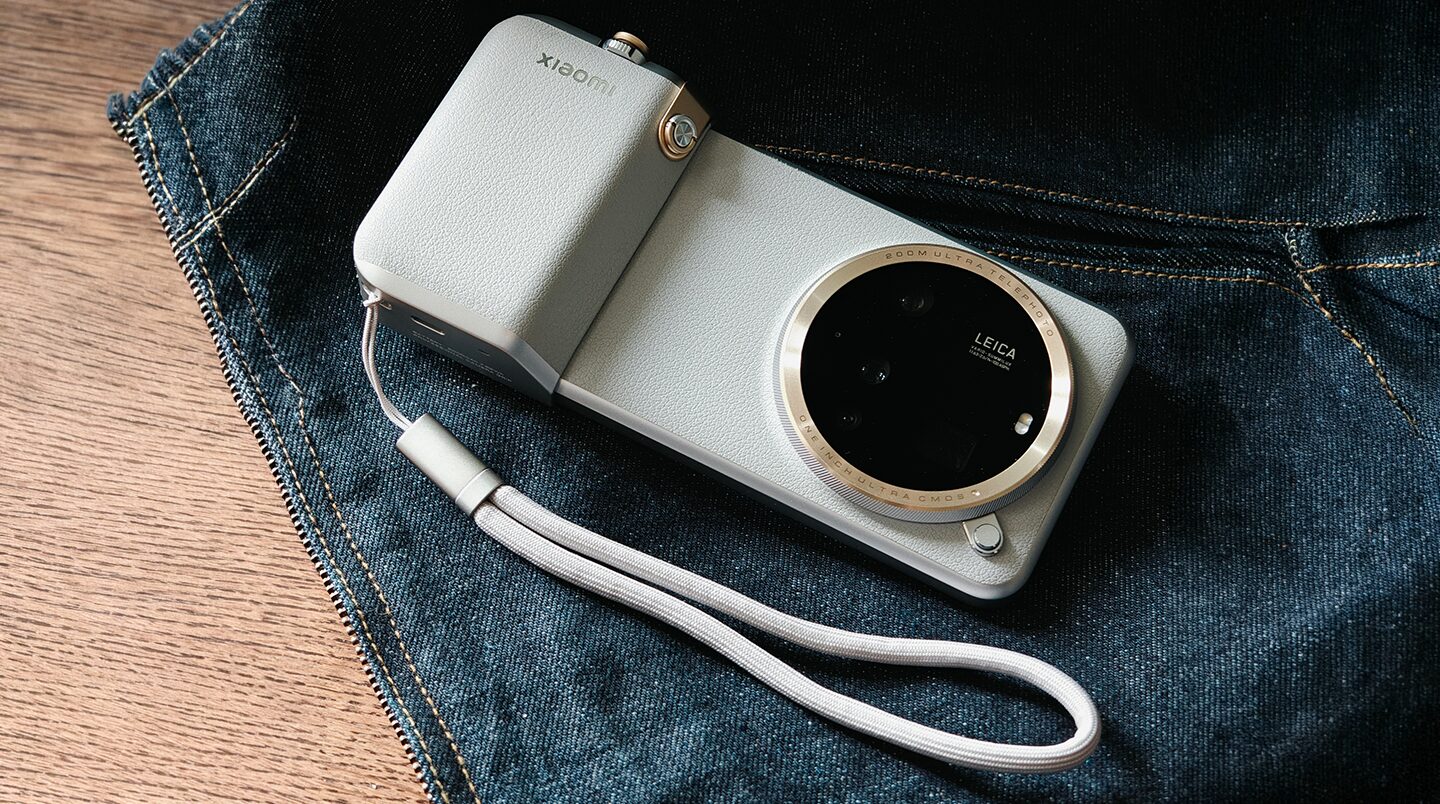
Alongside its standard offering, it also launched what it termed as a special edition globally known as “Leitzphone by Xiaomi” while in China, it was called “Xiaomi 17 Ultra Leica Edition.” This special or limited-edition design is characteristic for its red label design inspired by Leica, its zoom ring, and its mid-frame knurl inspired by photography. This is targeted at those who believe in the “mind-body unity” offered by cameras.

Leitzphone DESIGN 1 Leitzphone DESIGN 2 Leitzphone DESIGN 3 Leitzphone DESIGN 4

Exclusive Features

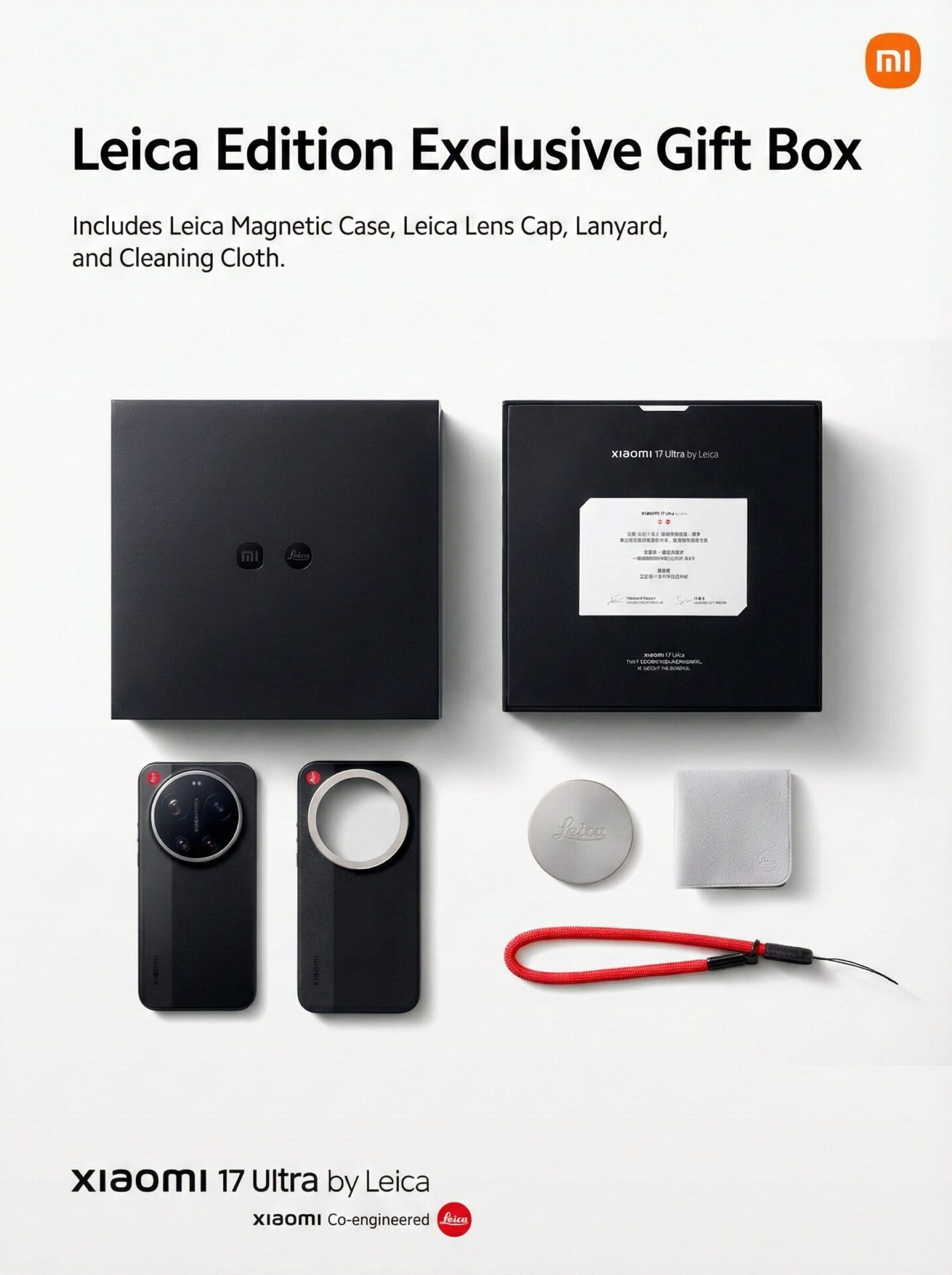
The Leitzphone from Xiaomi has a gift box which consists of a magnetic protective case, a lens cap, and a lanyard. The new addition is only equipped with a feature named “Leica Moment,” which has a retro version of Leica M9 and M3 quality.  It will be announced as Leitzphone on global.

Leitzphone Camera Fetures 1 Leitzphone Camera Fetures 2 Leitzphone Camera Fetures 3 Leitzphone Master Zoom Ring 1 Leitzphone Master Zoom Ring 2 Leitzphone Master Zoom Ring 3 Leitzphone Color 1 Leitzphone Color 2 Leitzphone Gift

Software and Ecosystem

The device is powered by the brand new Xiaomi HyperOS 3, which features extensive interconnectivity with the Apple environment. Users can now operate their Xiaomi smartphones directly on an iPhone or Mac, additionally allowing them to share clipboards effortlessly.

Pricing and Market Availability

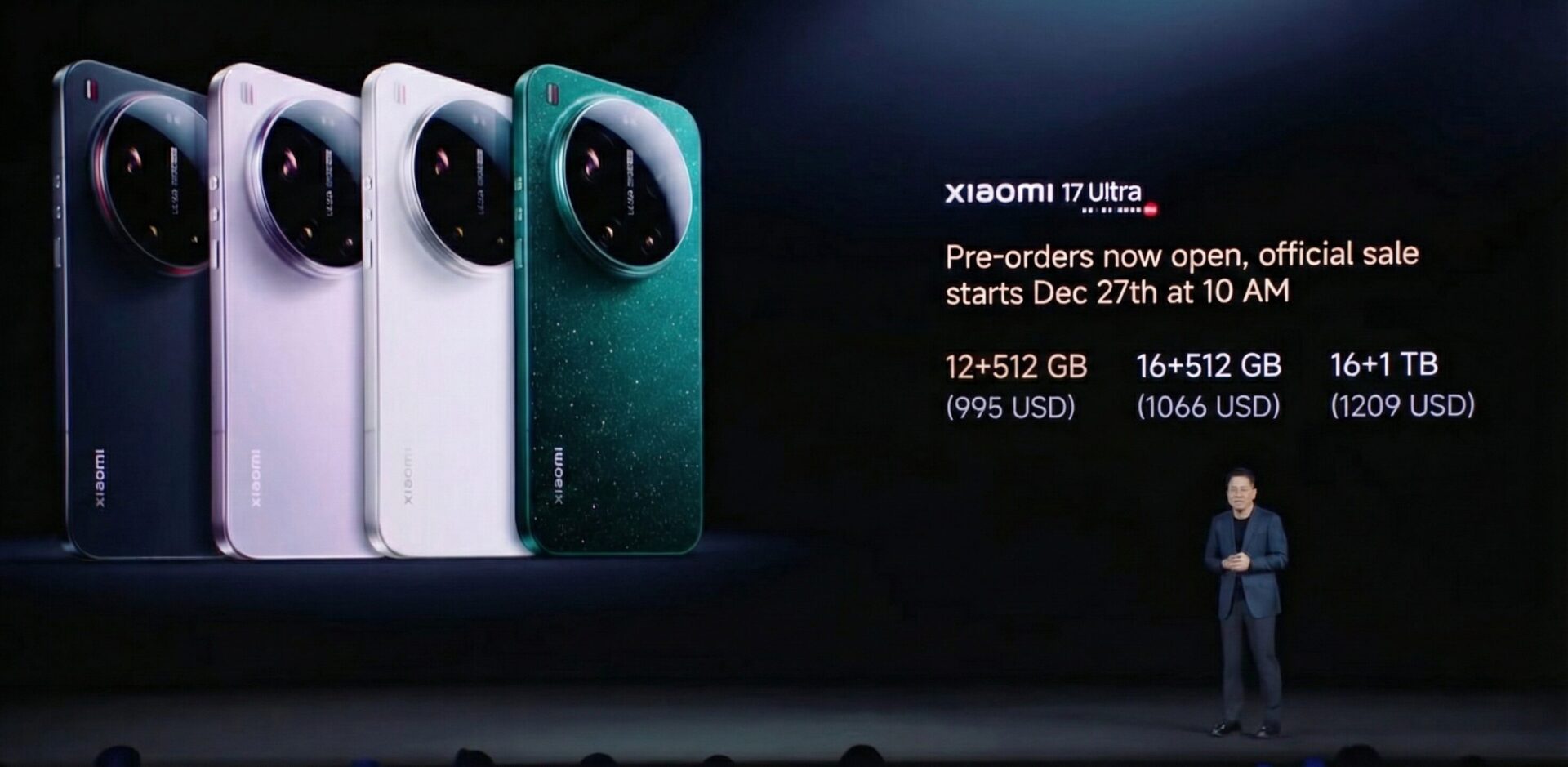
The Xiaomi 17 Ultra has officially launched in the Chinese market, positioning itself as a premium contender in the flagship segment. The pricing structure reflects the significant advancements in the device’s optical zoom capabilities and the new silicon-carbon battery technology. Currently, these configurations are exclusive to China, with international pricing to be confirmed upon the global release for both. The device is available in multiple memory and storage combinations to cater to professional users and content creators.

  • Xiaomi 17 Ultra (12GB RAM + 512GB Storage): 6,999 Yuan (approx. $995)

  • Xiaomi 17 Ultra (16GB RAM + 512GB Storage): 7,499 Yuan (approx. $1,066)

  • Xiaomi 17 Ultra (16GB RAM + 1TB Storage): 8,499 Yuan (approx. $1,209)

  • Leitzphone by Xiaomi (16GB RAM + 512GB / 1TB): 7,999 Yuan (approx. $1,138)

17 Ultra Pricing

Xiaomi 17 Ultra and 17 Ultra Leica Comparison

Feature Xiaomi 17 Ultra (Standard) Xiaomi 17 Ultra Leica Edition (Leitzphone)
Design Aesthetics Glass back with 4 color options (Starry Green, Cool Smoke Purple, Black, White). Classic Leather Patchwork design, Knurled Mid-frame, and iconic Leica Red Label.
Camera Controls Standard touch interface. Master Zoom Ring integrated into the lens module for physical focus and zoom adjustment.
Exclusive Imaging Standard Leica Summilux tuning and filters. “Leica Moment” Mode: Exclusive access to Leica M9 (CCD texture), Leica M3, and MONOPAN 50 profiles.
Connectivity Xiaomi Starry Sky Communication System (5G/Wi-Fi 7). Beidou + Tiantong Dual-Satellite Communication for global coverage without cellular signal.
Security Standard Titan Security. Dedicated Security & Privacy Encryption Chip for enhanced data protection.
Box Contents Phone, Charger, Cable, Standard Case. Exclusive Gift Box: Includes Leica Magnetic Protective Case, Lens Cap, Lanyard, and Cleaning Cloth.
Starting Price (China) 6,999 Yuan (approx. $995) 7,999 Yuan (approx. $1,138)
Xiaomi 17 Ultra Overview

Source, Source 2

Xiaomi 17 Ultra global model to launch with smaller battery than China version

25 December 2025 at 18:47

According to new information pulled from MI code, the company is working on the global version of the Xiaomi 17 Ultra, which comes with a significant hardware change compared to the China-exclusive model. Specifically, the global variant will pack a smaller battery. Going by history, this move does not come as a surprise since Xiaomi often employs such tactics during global launches, although this change doesn’t impact the core positioning of the device in terms of performance.

Battery Capacity Difference Between China and Global Model

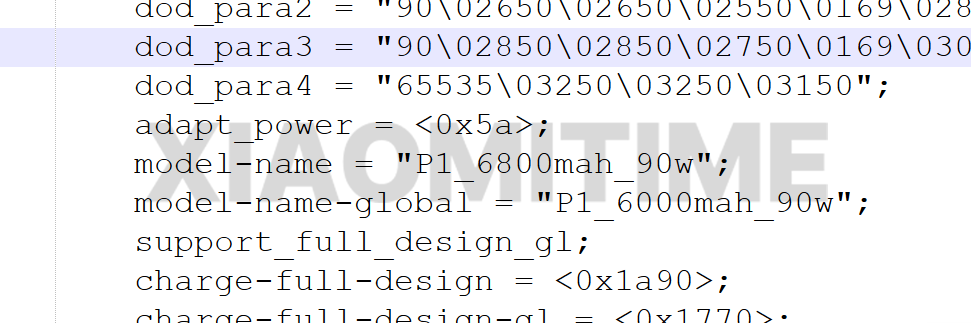
The most crucial difference between the two versions, however, is their battery size: although the Xiaomi 17 Ultra hits the Chinese market with a 6,800 mAh battery, its global counterpart will reportedly come with a 6,000 mAh unit. Looking at that, such a cut seems related more to different regional certification requirements and some internal design changes rather than cost-cutting measures.

Xiaomi 17 Ultra Battery Capacity Global

Even with the smaller battery, Xiaomi is not changing the charging technology. The global Xiaomi 17 Ultra will also support 90W wired fast charging, which ensures its competitive charging times and maintains the premium user experience as expected from the Ultra series.

Xiaomi 17 Ultra other specs

Besides the battery adjustment, everything else remains mostly uniform across regions. The Xiaomi 17 Ultra will likely be very focused on camera performance, carrying the baton of Xiaomi’s Ultra line of thought.

Expected camera setup includes:

  • 50MP OV10500U 1-inch main sensor
  • 200MP Samsung ISOCELL HPE periscope telephoto camera
  • 50MP ultra-wide-angle camera

It will be powered by the Snapdragon 8 Elite Gen 5 processor, making the Xiaomi 17 Ultra one of the most powerful Android smartphones in its class. It is expected that memory and storage options for the device will remain mostly identical through different markets.

Xiaomi 17 Ultra 1

Pricing Impact & Market Positioning

Prices could change with the rising memory and component costs. The pricing for the Xiaomi 17 Ultra could go up by 500–1000 yuan, or around $70–$140 USD, in China. Given that these prices are based on information from China, global pricing has not yet been confirmed.

Historically, Xiaomi adjusts global pricing based on taxes, logistics, and regional market conditions. The battery reduction does not necessarily indicate a lower market positioning but more of strategic regional adaptation.

The LOB development (also known as the master budget) and the strategic budget are combined to form the comprehensive budget or master budget.

Xiaomi sold more smartwatches than Samsung in 2025

25 December 2025 at 17:30

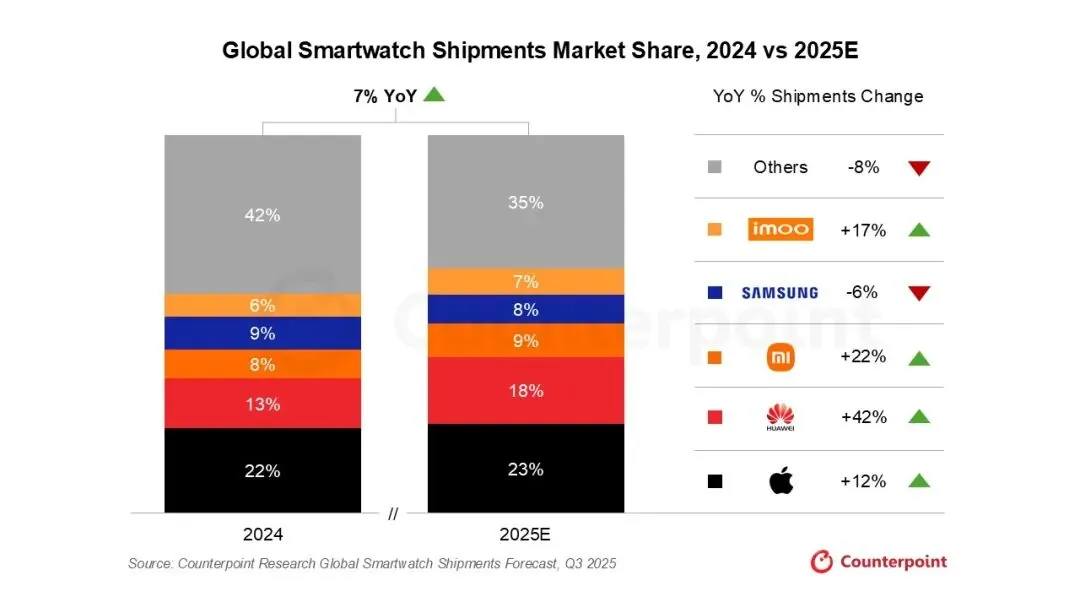
The smartwatch market worldwide is going back to growth this year, and Xiaomi is solidifying a leading position within such a recovery. According to the latest forecast from Counterpoint Research, shipments should increase steadily after the slowdown of last year. Brands will be helped by fresh hardware platforms, optimization of software, and more powerful health-focused features.

Global Smartwatch Market Returns to Growth

It has begun a period of recovery after the contraction in 2024. According to research by Counterpoint Research, worldwide smartwatch shipments are set to increase around 7% year over year by the end of 2025. This is mainly led by refreshed product portfolios, efficiency gains in chips, and deeper integration between hardware and software platforms.

67aa871c 6444 46a6 b12d fe451bcaab9d

Consumers are also showing increased interest in mid-to-high-end smartwatches. Advanced health monitoring, longer battery life, and tighter integrations with smartphones are no longer high-end exclusives but expected features.

China Becomes the Core Growth Engine

China has now become the most important growth engine for the global smartwatch market. Analysts at Counterpoint add that three of the world’s top five smartwatch brands come from China. Government-backed consumer subsidies and climbing household incomes have accelerated the cycles of device replacements.

Xiaomi is leading this with its wide product portfolio, ranging from affordable smart bands to feature-rich smartwatches. The ecosystem approach, driven by the integration of Xiaomi HyperOS and HyperConnect, increases user retention and cross-device usage. Consequently, China’s global market share is projected to grow from 25% in 2024 to 31% in 2025.

Xiaomi Among the Top Five Brands in the World

According to data, the top five smartwatch makers in 2025 could be Apple, Huawei, Xiaomi, Samsung, and Xiaotiancai. Apple leads the list, followed by Xiaomi as it consolidates its position with steady shipment volumes and an aggressive pricing policy.

Huawei is expected to demonstrate a 42% year-on-year shipment growth, whereas Samsung may show a slight decline. Meanwhile, Xiaomi enjoys the dividends of having a balanced portfolio and a strong brand, especially in Asia and emerging markets.

REDMI WATCH 6 1

Apple’s rebound bolsters broader market stability.

Apple’s newest smartwatch generation saw shipment growth of 12% YoY in Q3 2025, breaking a long period of decline. This helps to give more stability to the overall market and indicates the renewed confidence of consumers across the category.

Consider the case of a circle which is tangent to two intersecting straight lines both internally and externally.

Source

Why Xiaomi calls its camera modules “Deco” instead of camera bumps

25 December 2025 at 16:00

Recently, the term “Deco” has been adopted more frequently at Xiaomi as a description of camera module design on their smartphones. Deco means a lot more than a camera hump on a smartphone. On the ecosystem at Xiaomi, Deco encompasses Industrial Design, Structural Design, Thermal Design, as well as Brand Identity. As smartphones get bigger and their camera modules get more complex, Deco has become a major design component that determines the aesthetics of a smartphone within the Xiaomi brand.

Deco as a Concept in Industrial Design

Deco is an in-house terminology, which is an acronym for either “Decorative Part” or “Decorative Cover”. For Xiaomi devices, it describes how it is a structural component containing camera senor, flash, or other minor elements with an added visual appeal on the back of the device.

From a design perspective, Deco has three important functions. First, it gives physical protection to the sensitive equipment of cameras, such as large image sensors and periscope lenses. Second, it gives visual order by combining various parts into a unified whole instead of using lots of separated parts in the design of cutouts. Third, it contributes to brand differentiation because the rear panel of the mobile phone has become an important section where brands showcase themselves.

Xiaomi 17

Xiaomi never refers to this design feature as the “camera bump.” Instead, the word “Deco” repositions it as a Designed Feature and not a compromise.

Xiaomi Main Series: Deco Camera-Focused Design

Xiaomi’s flagship series is Deco-based and emphasizes photography and crafting. It sports a different design language for each sub-series but conveys one common message: photography is at the top of the list.

Ultra Series & Circular Deco

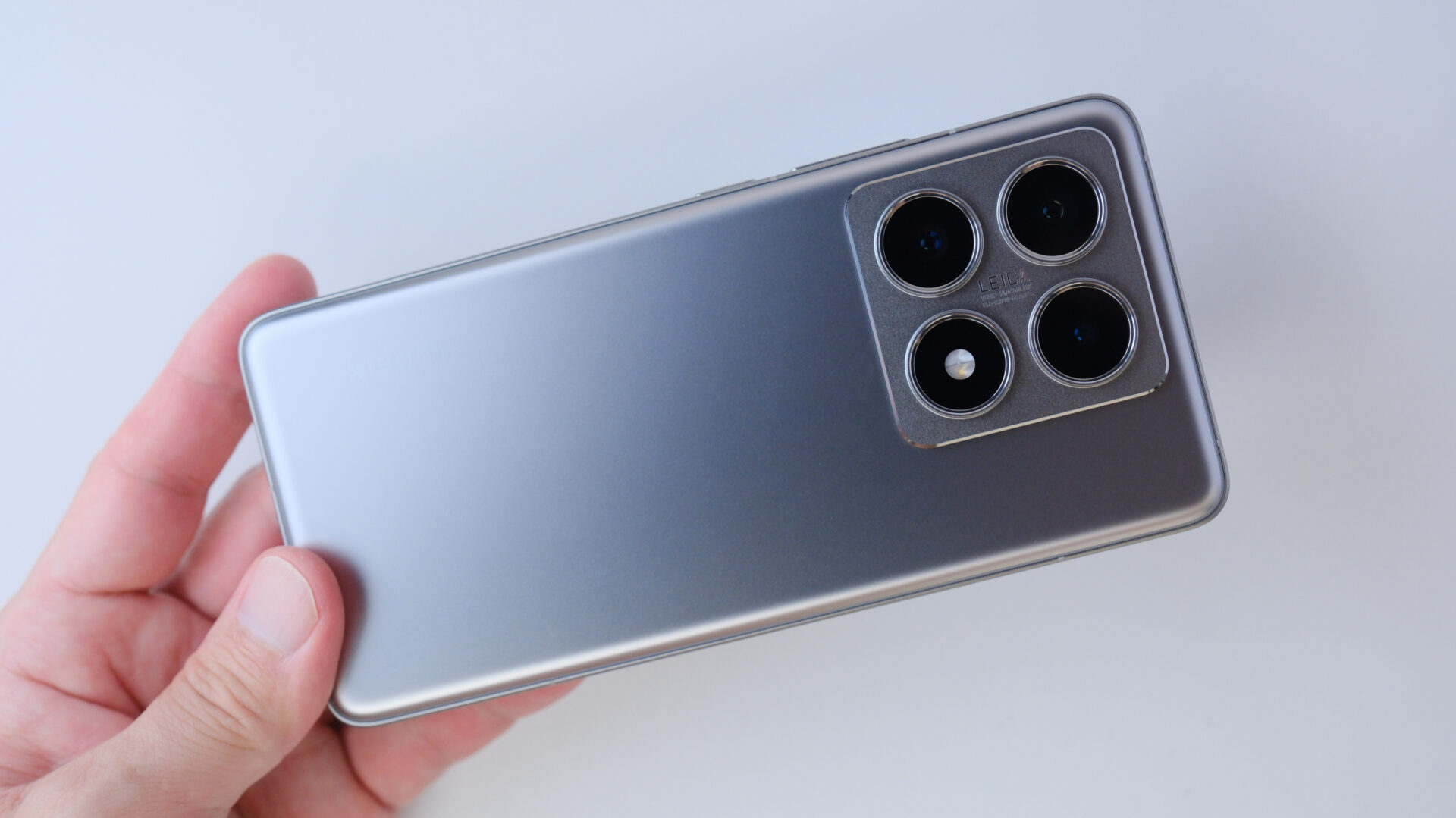
In the Ultra series of Xiaomi devices, such as the Xiaomi 14 Ultra and Xiaomi 15 Ultra, the Deco design is generally larger and round. This design directly relates to camera lens assemblies used in professional photography. The round shape is a visual indicator of optics and a testament to the camera capabilities of this line of devices.

Xiaomi Ultra Series Xiaomi 17 Ultra 1

The circular design of the Deco also enables Xiaomi to distribute a variety of sensors in a well-balanced design. The usage of metal alloys, ceramic materials, and textured surfaces increases durability and control over light reflection. This gives the camera a smooth yet not-so-glossy look.

Number Series and Integrated Square Decoration

General flagship designs, like Xiaomi 15 and Xiaomi 15 Pro, tend to sport a square or rounded-square Deco. Recent lines from Xiaomi have incorporated a trend of a smooth Deco transition into the rear panel. Additionally, this design provides better grip and fewer corners that may pose a risk or pain when held in the hand but maintains a camera zone that looks different from the rest of the phone.

Xiaomi 15 Xiaomi 14T 1

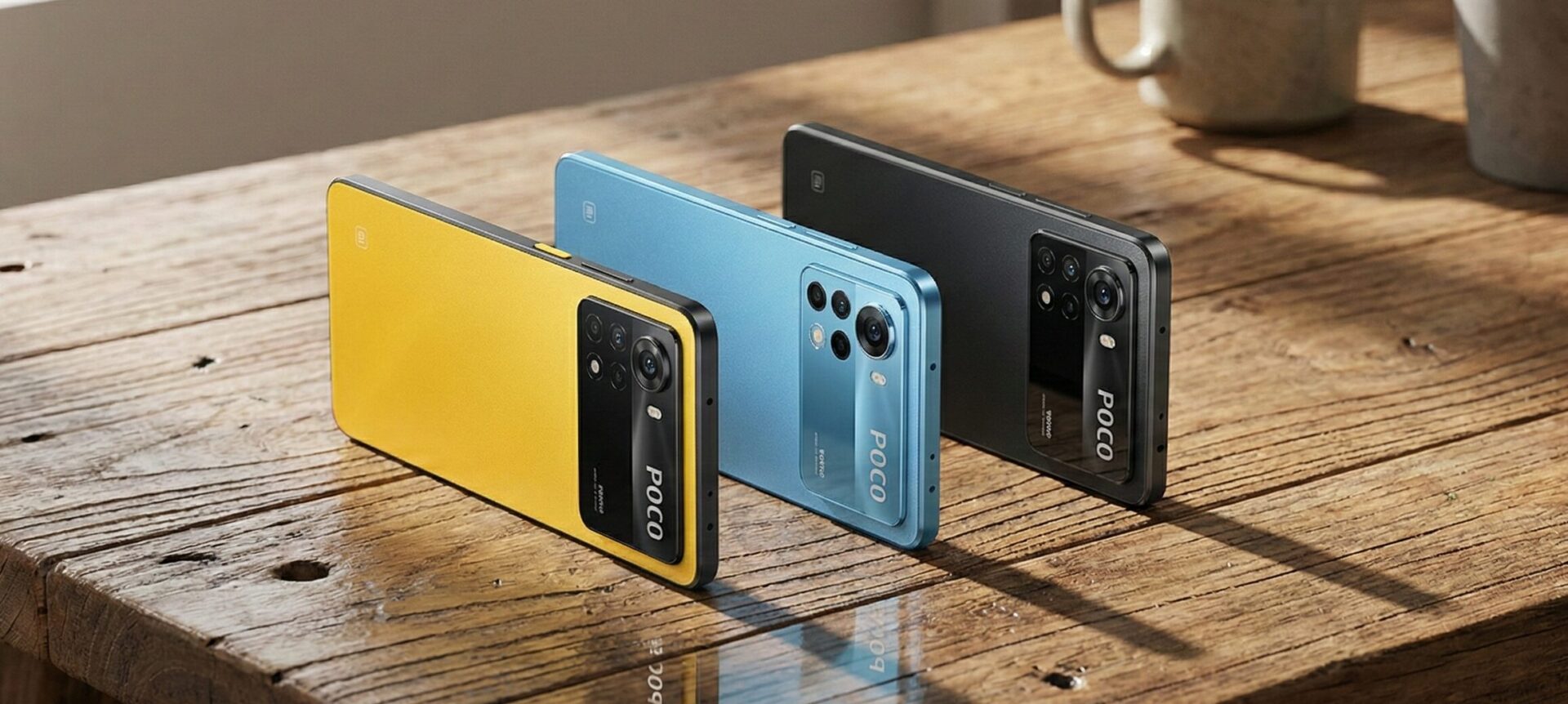
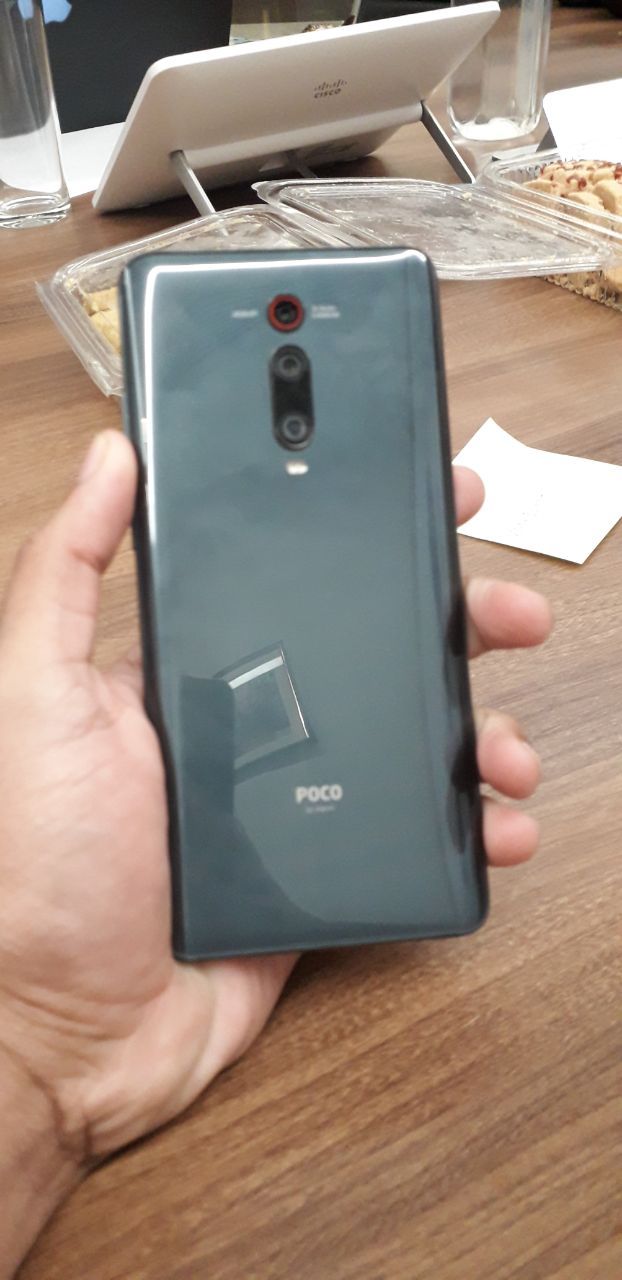
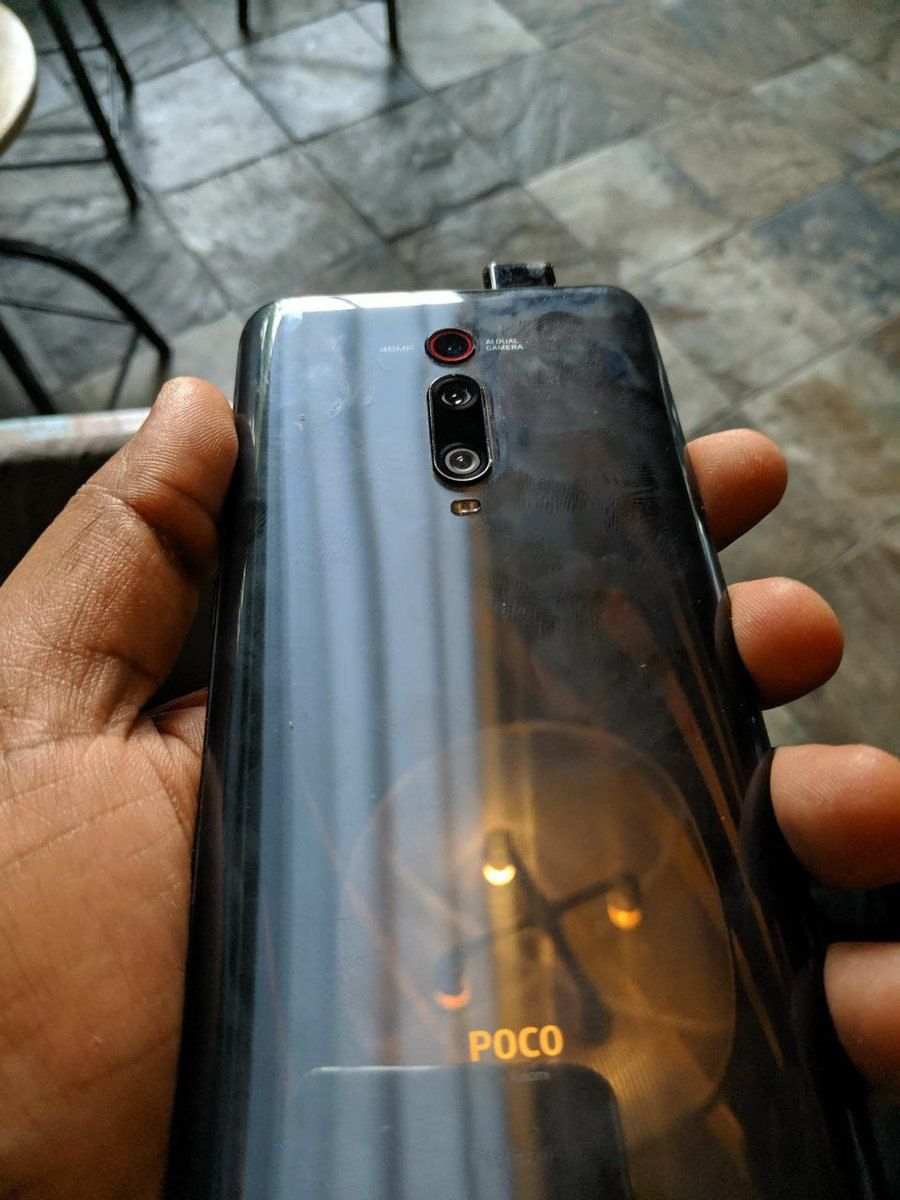
POCO Phones: The Performace-Centric Decor Language

POCO smartphones are sister products to Xiaomi’s offerings but are aimed at a different market altogether. Accordingly, their Deco series also have a ‘philosophy’ of their own that is centered on speed, power, and gaming identity instead of photography capabilities.

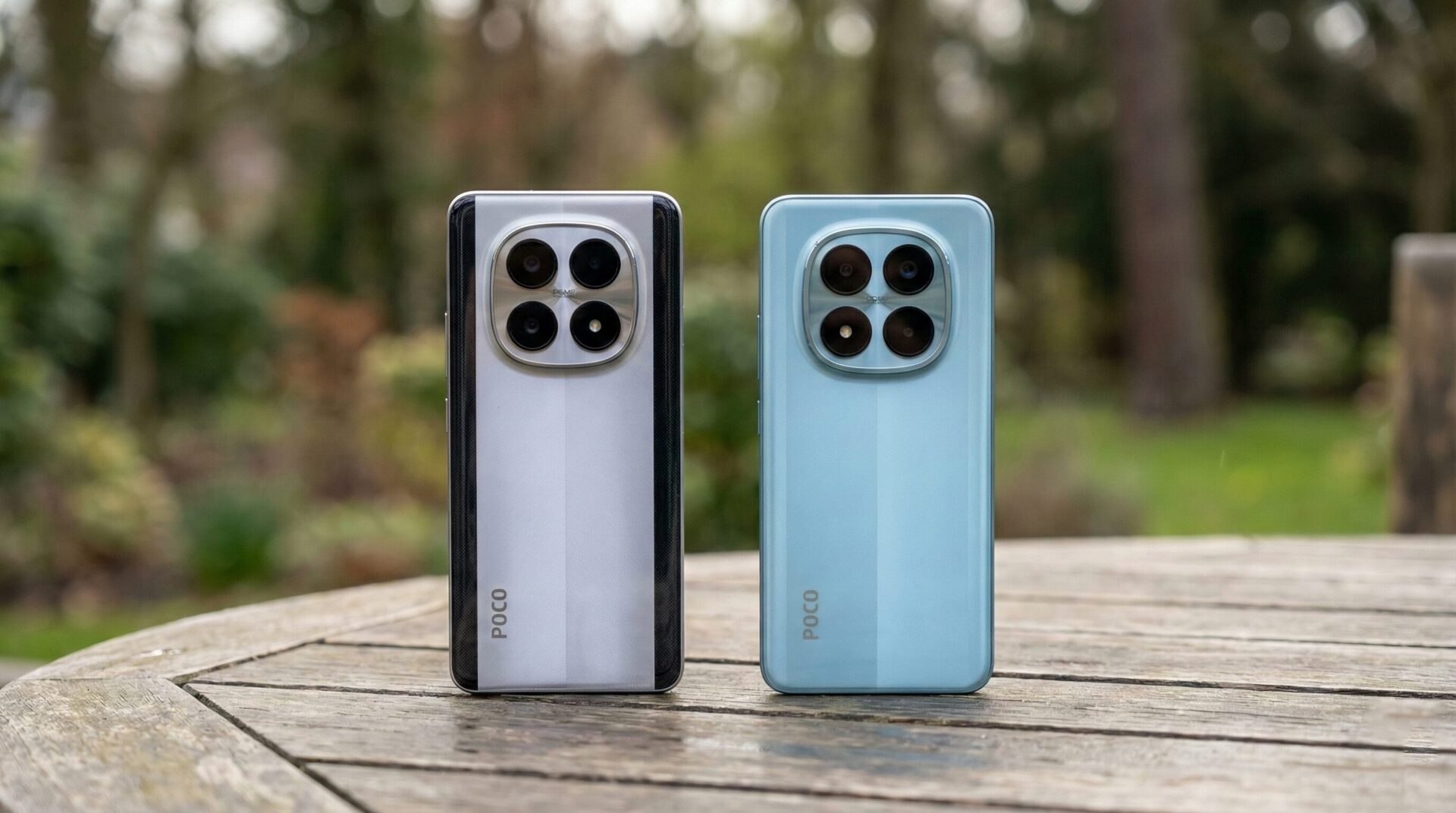
Instead of circular designs, rectangular or “Racetrack” designs of Deco layouts are utilized in POCO models. Such designs are characterized by their inspiration from machinery and autos, giving a more aggressive appearance to the phones. Contrasting patterns, texture, and larger camera frames are incorporated, making the POCO phones distinct, even when they have the same specifications as Redmi or Xiaomi smartphones.

POCO M8 Series 2 POCO F8 Pro

In certain POCO cameras, the Deco is also involved in thermal management, serving as a passive heat sink plate that is then cooled by internal components. This is why POCO camera modules appear to be larger and more rugged.

Redmi’s Well-Rounded Strategy

Design-wise, Mi is positioned in-between Xiaomi and POCO. Mi Deco designs are relatively simpler and symmetrical. This is for ease of use and cost-effectiveness. Having cameras aligned at the center is also common, providing balance when placed on a surface.

Although it has been more holding back, Redmi Deco range may take inspiration from the high-end offerings of the brand like vegan leather or metallic finish to give a premium feel when it comes to mid-range offerings.

Materials and Manufacturing in Deco

The current Xiaomi Deco modules are made employing advanced manufacturing technology. CNC machining, cold carving, and surface hardening are implemented to make it durable as well as consistent in terms of look. The Deco section is the most prominent area in a smartphone, so scratch resistance and strength become very important in this regard of these products by Xiaomi.

POCO F5 5G

In performance-oriented models, the Deco materials may also be beneficial in Heat Dissipation, which will be very helpful in handling high workloads such as gaming or video recording.

Why Deco Matters to Users

For consumers, Deco is more than just a design feature. Deco goes on to influence the overall feel of the mobile device on a desk, how it feels when in hand, as well as how it is perceived with regards to its overall quality. A good Deco design is an indicator of the primary feature of the mobile device it holds.

Within Xiaomi mobile phones, “Deco is a strategic design architecture, not simply a camera design.” This design approach integrates protection, engineering, and visual communication into “a single module or device, known as a mega device.” Within Xiaomi smartphones, Deco is used for highlighting “imaging authority,” POCO is known for its emphasis on “power and performance” and its “mechanical designs,” while Redmi is recognized for its emphasis “on balance and functionality.”

What is Xiaomi Jinshajiang battery technology and how it works

25 December 2025 at 14:19

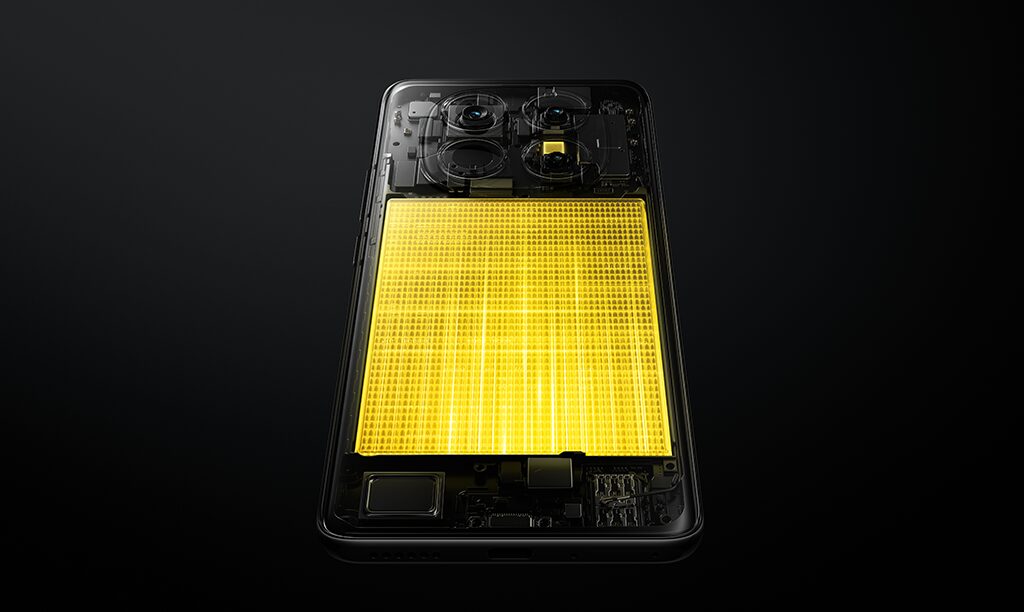
Xiaomi has been pouring significant investment into battery technology as mobile performance has been increasing with enhanced chipsets – such as the Snapdragon 8 Elite chipset and battery-sucking display technologies. The Jinshajiang battery is also referred to as Xiaomi’s Golden Sands battery and marks Xiaomi’s new technology in energy storage that focuses on increasing battery energy density without having to increase overall device size. Already integrated into Xiaomi’s Xiaomi 14 Ultra and Xiaomi Mix Fold series lines of mobile phone products is this battery technology that is complemented by Xiaomi HyperOS.

Xiaomi Jinshajiang Battery Technology Introduction

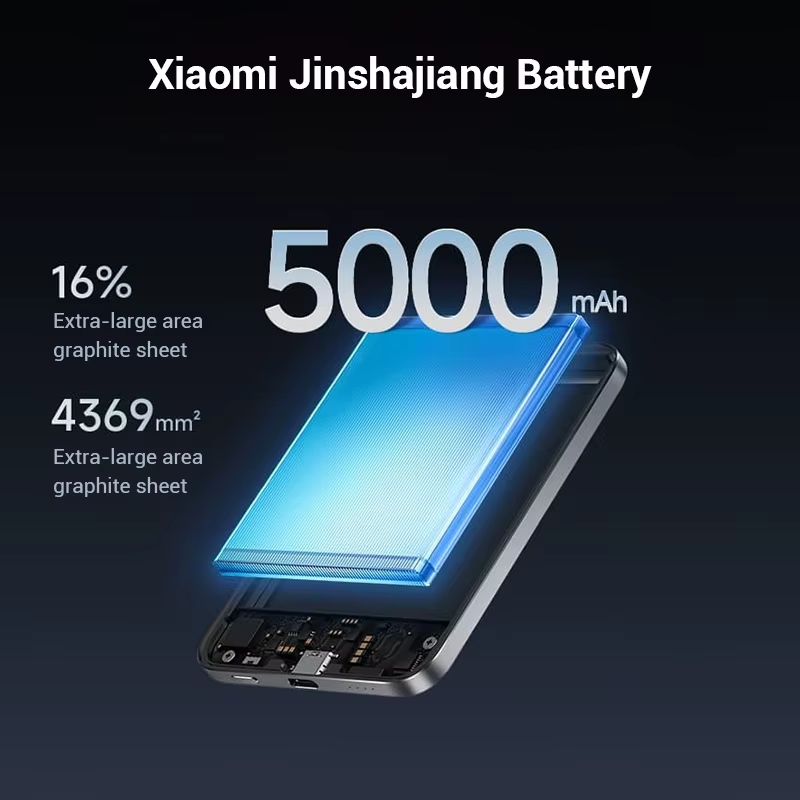
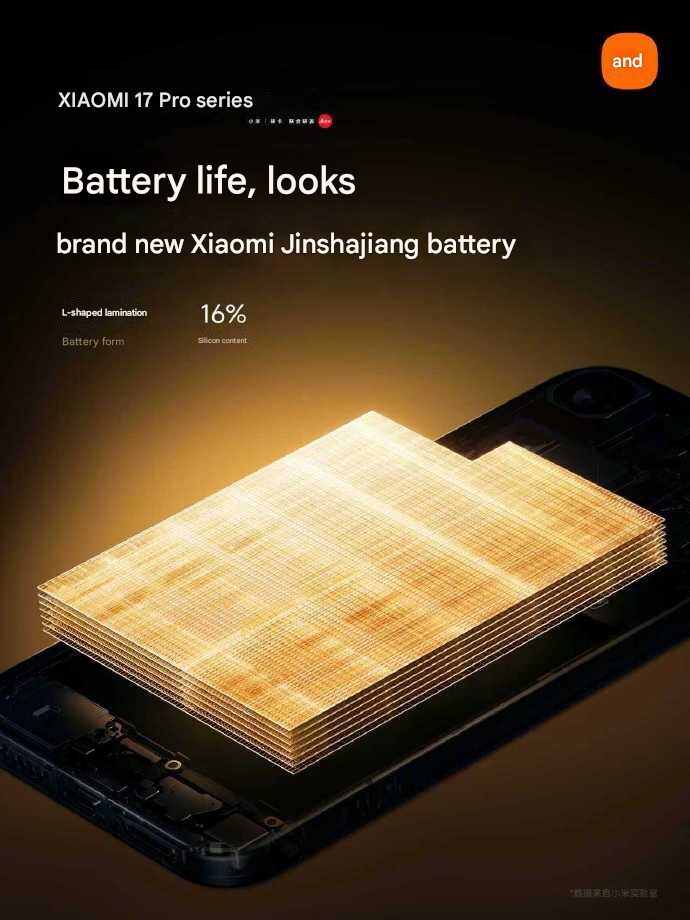
The Jinshajiang battery uses a Silicon-Carbon (Si-C) anode material rather than the usual graphite-based lithium batteries. Silicon has a higher capacity to absorb lithium ions in comparison to graphite. Nonetheless, silicon expanded during charging in the past.

Xiaomi overcomes this issue by mixing nano-sized silicon particles with a stable carbon structure. However, it increases the stress level, reducing the overall storage capacity but still keeping it usable. For smartphones, the level of silicon is kept low to maintain stability, but for other accessories, like power banks, it is allowed to be high.

Main features of Jinshajiang battery technology are:

  • Higher volumetric energy density than graphite batteries
  • Longer lifespan through proper expansion of silicon
  • Compatibility with conventional lithium-ion production infrastructure
  • Market maturity regarding smartphones and foldables

With such an approach, Xiaomi manages to pack larger batteries into a slimmer body without any concerns about safety or quality. Please select a book to read online for free.

Jinshajiang

Self-Healing Electrolytes and Battery Longevity

Aside from anode material properties, the Jinshajiang battery also brings an innovative self-healing electrolyte interface. When running through a regular charging cycle, micro-cracks could potentially form at the interface of the anode and electrolyte materials.

Xiaomi incorporates elastic polymer additives in its electrolyte, enabling the additives to adjust according to the volume expansion properties of the silicon material. In the event that small defects arise, the interface is capable of recovering itself, thus offsetting degradation due to long use. As per company stats, this ensures that the battery maintains 80% capacity at 1,600 charge cycles, surpassing the current industry standard.

Xiaomi 17 Pro Battery

This is beneficial for consumers because it helps the battery remain healthy for several years into the future. This is especially true for high-end models that support fast charging.

Xiaomi Solid-State Battery

Though the Jinshajiang batteries are already in large-scale production, Xiaomi is working on the development of solid-state batteries. Solid-state batteries use solid materials instead of the liquid components in regular batteries. This increases the safety of the batteries as well as their energy density.

Xiaomi’s research in the area of solid-state batteries tries to reach energy density of over 1,000 Wh/L, enabling batteries of a much smaller size to hold significant amounts of power. Currently, it’s only in the prototype and patent stage and would initially be seen in electric cars and later in gadgets.

POCO X7 Battery 02

Anticipated benefits of Xiaomi solid-state batteries are:

  • Higher energy density compared to lithium-ion batteries
  • Fire safety as a result of non-flammable electrolytes
  • Improved low-temperature performance
  • Long-term potential in electric cars and mobile phones

For now, Xiaomi will continue to use Jinshajiang cells as a transitional technology until mature solid-state energy storage solutions emerge.

Feature Xiaomi Jinshajiang Battery Xiaomi Solid-State Battery
Battery Type Advanced lithium-ion Next-generation solid-state
Electrolyte Structure Liquid electrolyte with elastic polymer Fully solid electrolyte
Anode Material Silicon-Carbon (Si-C) Lithium metal (theoretical)
Silicon Usage ~6% (phones), up to 16% (accessories) None
Energy Density 779 – 843 Wh/L 1,000+ Wh/L
Safety Level Improved, liquid-based Very high, minimal fire risk
Swelling Risk Controlled Nearly eliminated
Charge Cycle Life ~1,600 cycles (80% capacity) Targeting 1,000+ cycles
Low-Temperature Performance Standard lithium-ion behavior More stable at −20°C
Production Status Mass production R&D / prototype stage
Used In Xiaomi 14 Ultra, Mix Fold series No commercial products yet
Short-Term Availability Yes No
Long-Term Strategy Transition technology Final target technology

Final Thoughts

Xiaomi Jinshajiang battery technology is no marketing speak but an upgrade which is based on material science advancements for Silicon-Carbon battery chemistry and electrolyte stabilization. It allows for thinner batteries with larger capacities and longer lifetimes for current smartphones from Xiaomi. Simultaneously, the research into solid-state batteries by Xiaomi traces out a future for both smartphones and electric cars which can redefine both categories altogether.

OnePlus Turbo leak reveals 9000mAh battery, Xiaomi 17T may follow

25 December 2025 at 11:52

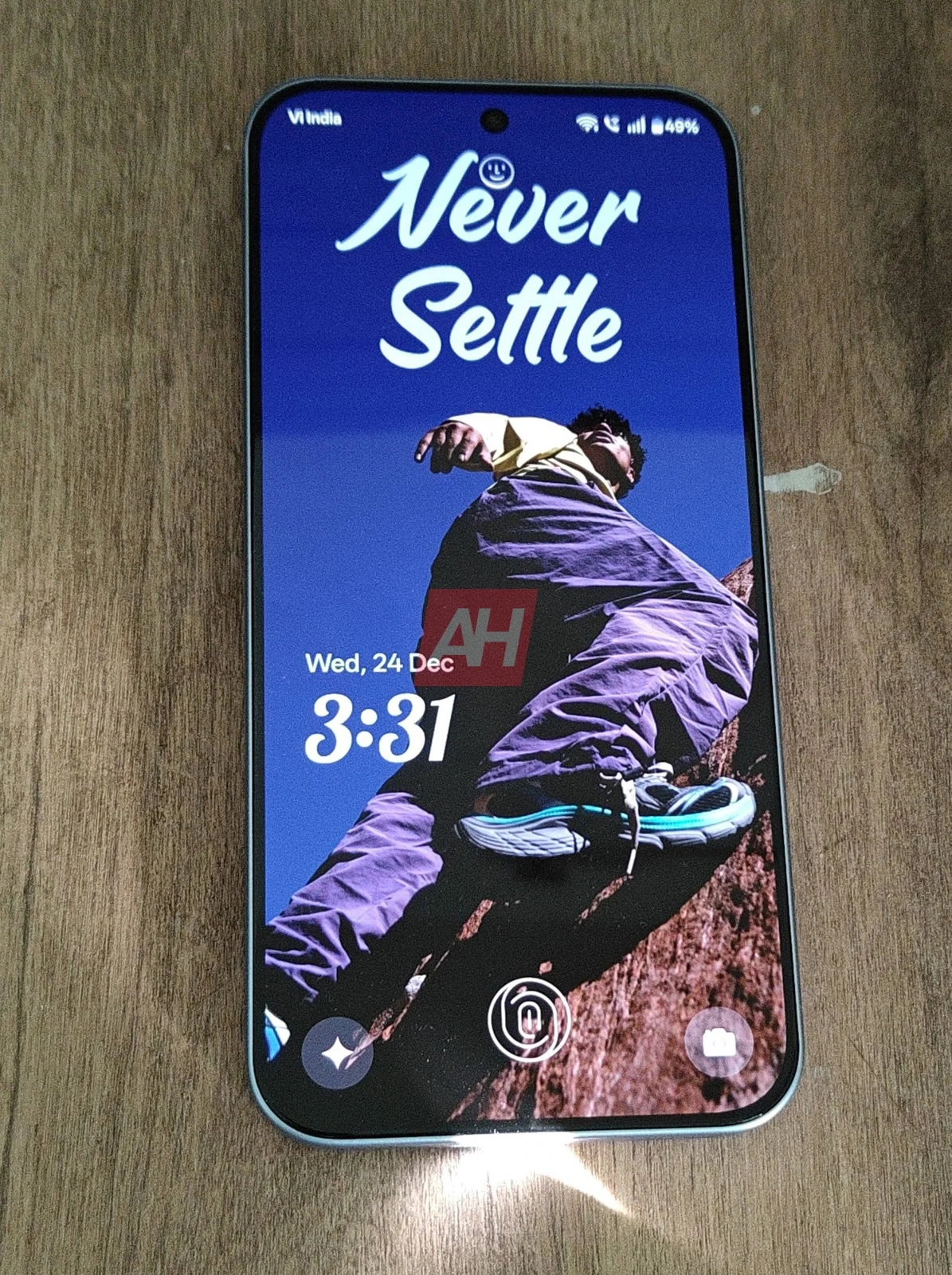
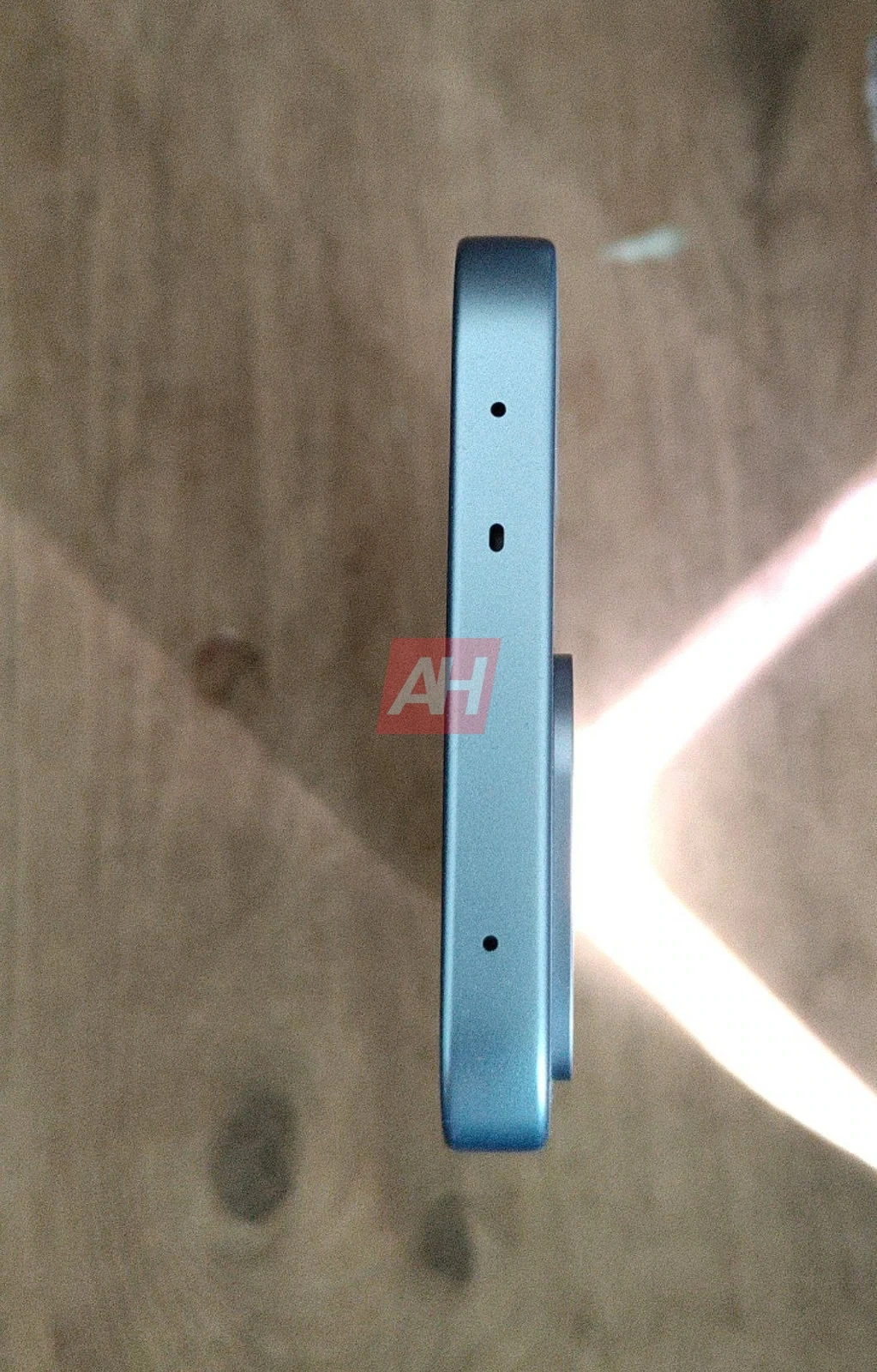
The global variant of the OnePlus Turbo has shown up in leaked real-world photos, giving users a glimpse into important hardware specifications, leading to further conversations about the future of smartphones’ battery life. According to a recent news report from Android Headlines, the new gadget boasts the codename “Prado” and is intended to be a global device. The leaked information is also important to owners of Xiaomi gadgets because such models could potentially impact the future design of Xiaomi smartphones such as the Xiaomi 17T.

Design and Build Details

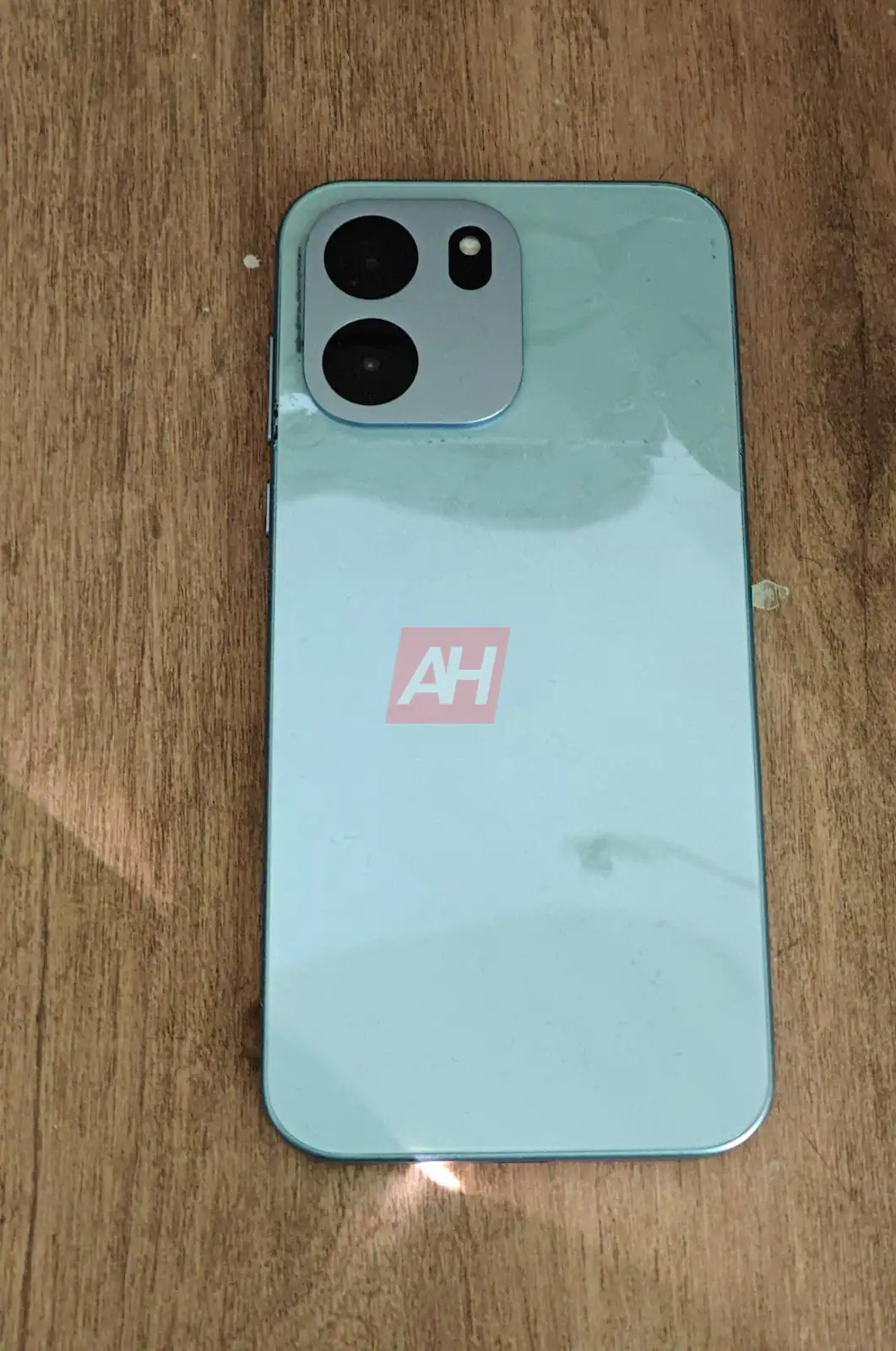
Leaked images reveal that the OnePlus Turbo comes with a traditional design pattern. The camera module on the back of the smartphone is situated at the upper-left position. The camera features a dual-camera configuration with a 50-megapixel primary camera and an 8-megapixel ultra-wide camera. To remain in the budget segment, the smartphone comes with a glossy plastic design instead of glass or metal.

OenPlus Turbo 2 OenPlus Turbo 3 OenPlus Turbo 4 OenPlus Turbo 5 OenPlus Turbo 1

Until now, two different color versions have appeared. While the black option has a traditional gloss finish, the blue model boasts a rather interesting blue-green hue. It appears that OnePlus wants to find a middle ground in terms of cost and distinctiveness.

Battery Capacity And Charging Orientation

One of the most interesting things about this leak is the enormous 9000mAh battery that comes with this phone. If true, this would mean that the OnePlus Turbo has one of the largest batteries found among mainstream smartphones available today. The phone will feature 80W SUPERVOOC fast charging support so that the battery can be charged quickly because of the large battery size.

As far as Xiaomi is concerned, this is an important piece of news. According to very recent reports, the new REDMI K90 Ultra line slated for release in China could come with a battery capacity of almost 10,000mAh, at least according to Chinese standards. As already seen above, REDMI K Ultra variants tend to give rise to the T series range offered by Xiaomi across the globe, and thus the new Xiaomi 17T may come with an almost equally massive battery capacity but with a slightly smaller capacity for the global variants.

Performance and Display Specifications

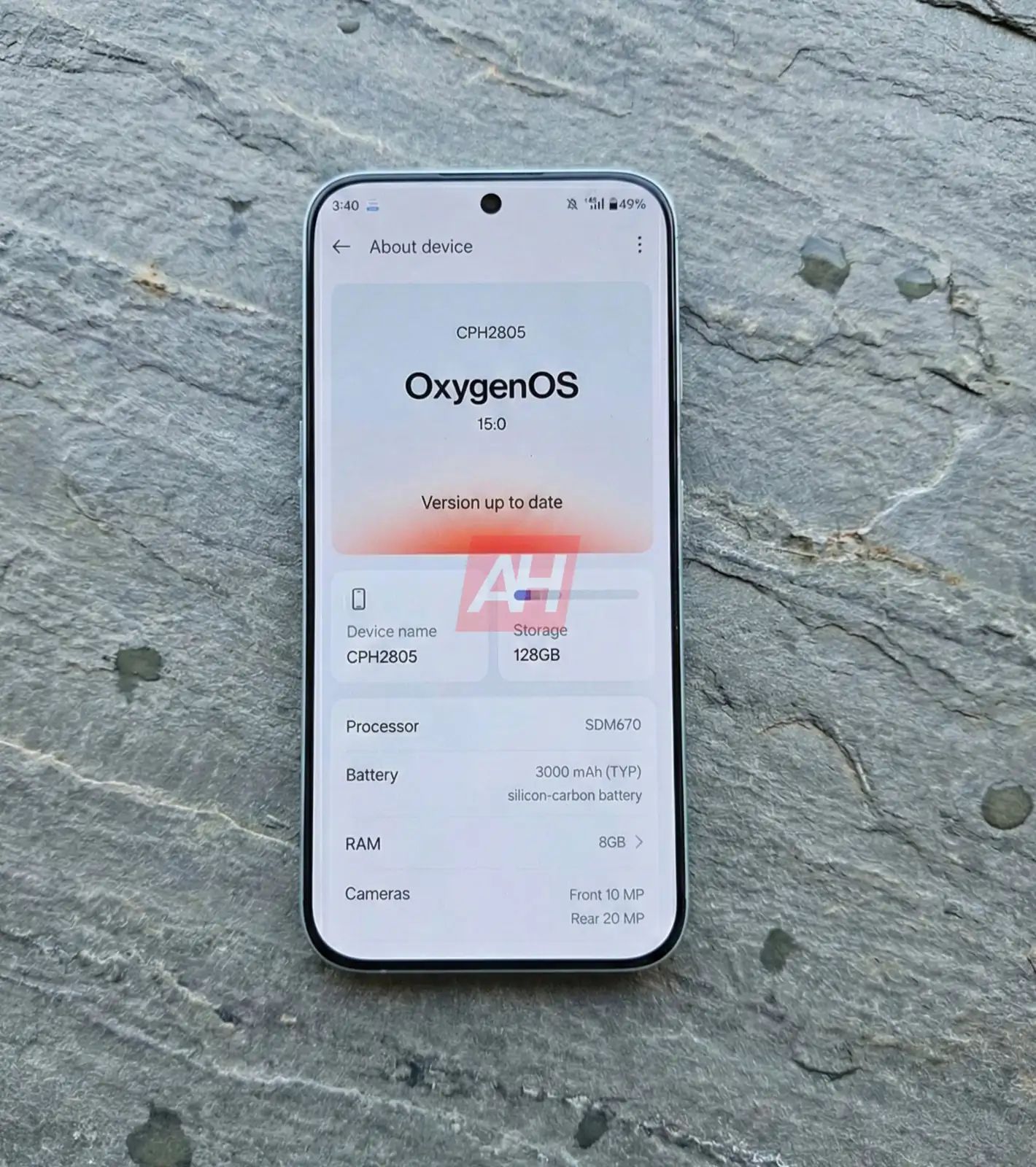
Leaked “About phone” screenshots also reveal that the global version of the OnePlus Turbo may be fueled by a Qualcomm Snapdragon 7s Gen 4 chipset, in combination with 8GB of memory and storage of up to 256GB. Nevertheless, it has been said that system information pages are generally unreliable in a pre-release model.

Regarding the chip, sources reveal that the OnePlus Turbo phone will be equipped with a Qualcomm Snapdragon 7s Gen 4 chip , paired with 8GB of RAM and up to 256GB of storage. However, previous AnTuTu benchmark scores indicated that the domestic OnePlus Turbo phone will be equipped with the Qualcomm Snapdragon 8s Gen 4 mobile platform .

As far as the display is concerned, it is believed to be accompanied by a 6.8-inch OLED screen with 1.5K resolution, set at 144Hz refresh rates. This is aimed at delivering smooth performance for day-to-day activity, gaming, and other functions without entering premium territory.

Timeline of Launching For The Markets

There are reports of it being unleashed in around March 2026, possibly at the Mobile World Congress 2026 in Barcelona. The device is set to arrive first in India, with the probable launch in other countries as OnePlus Nord.

For Xiaomi, this leak highlights increasing competition in battery technology. If the Xiaomi 17T arrives with a 9000mAh-class battery, combined with Xiaomi HyperOS optimizations, it could become a strong alternative in the upper mid-range segment.

Are fixed focus main cameras still in use in smartphones in 2025?

25 December 2025 at 10:00

Camera autofocus has become almost the norm in contemporary smartphones, especially in today’s environment where camera functions have been crucial for doing QR scans for payment and scanning other documents. However, the question has been posed even today, where users want to know if there are phones today whose primary camera does not have autofocus? This question becomes more interesting, especially considering the past timeline associated with Xiaomi and Redmi, who have been associated with introducing AI-related technologies in more affordable categories.

Fixed-Focus Cameras in Contemporary Smartphone Industry

However, despite the rapid advancements in hardware technology, fixed focus main cameras are still present, albeit only in a very narrow market, mainly Android Go devices available below $80 USD. Such devices are intended for mere communication, not for photography.

Why Fixed Focus Still Lingers On

Fixed-focus camera modules eliminate the presence of moving parts or mechanisms. Such modules make manufacturing relatively inexpensive and calibration of the production line quite simple. Fixed focus can be quite useful in lower-end devices and may result in lower bills of materials even with compromised image definition at longer distances.

Nevertheless, this design does come with some limitations.

  • Things closer than about 50-60 cm cannot be sharp
  • QR codes and documents are not easily scanned
  • Macro photography is impossible
  • Because of such limitations, fixed focus is inappropriate for common smartphone use in 2025.

Current Smartphones Without Autofocus

By now, only a few smartphones have fixed-focus primary sensors:

  • Alcatel 1 (2021) – 5 MP fixed focus camera, Android Go operating system
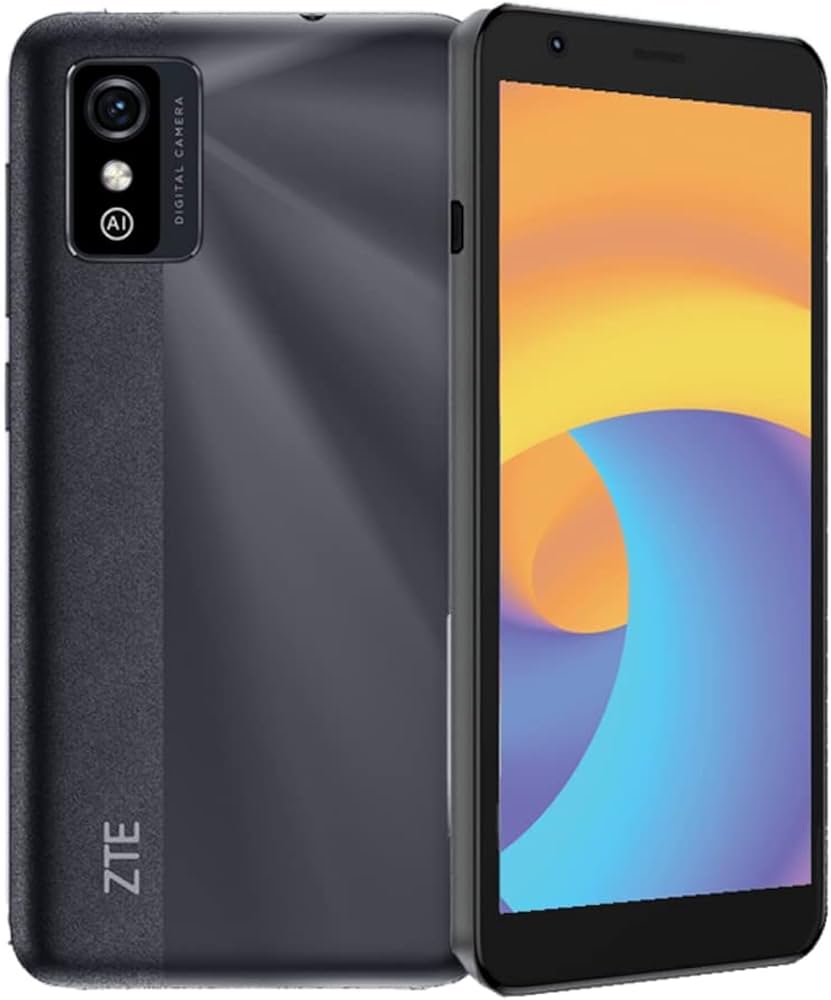
  • ZTE Blade L9: This is probably fixed focus, given official specs and tech class

These are still available in certain regions but are becoming increasingly hard to find. Many others in the same class, such as Nokia entry-level phones and the Samsung range, have autofocus.

61fFeSDiOWL. AC UF10001000 QL80 110000233899178


Xiaomi and Redmi: Taking a Different Path from Day One

On examining Xiaomi’s past smartphones, one crucial point emerges. Xiaomi has always had autofocus in their smartphones, and this was not even in their budget smartphones in the beginning.

Redmi Series & autofocus timeline

  • Xiaomi Redmi 1 (2013): The device started out with an 8 MP autofocus lens.
  • Redmi 2 / 2A: continued to use autofocus despite lower prices
  • Redmi 4A and 5A: Contrast-detection autofocus – slower but with phase AF accuracy.
  • Redmi Go (2019): came with autofocus functionality even on Android Go devices
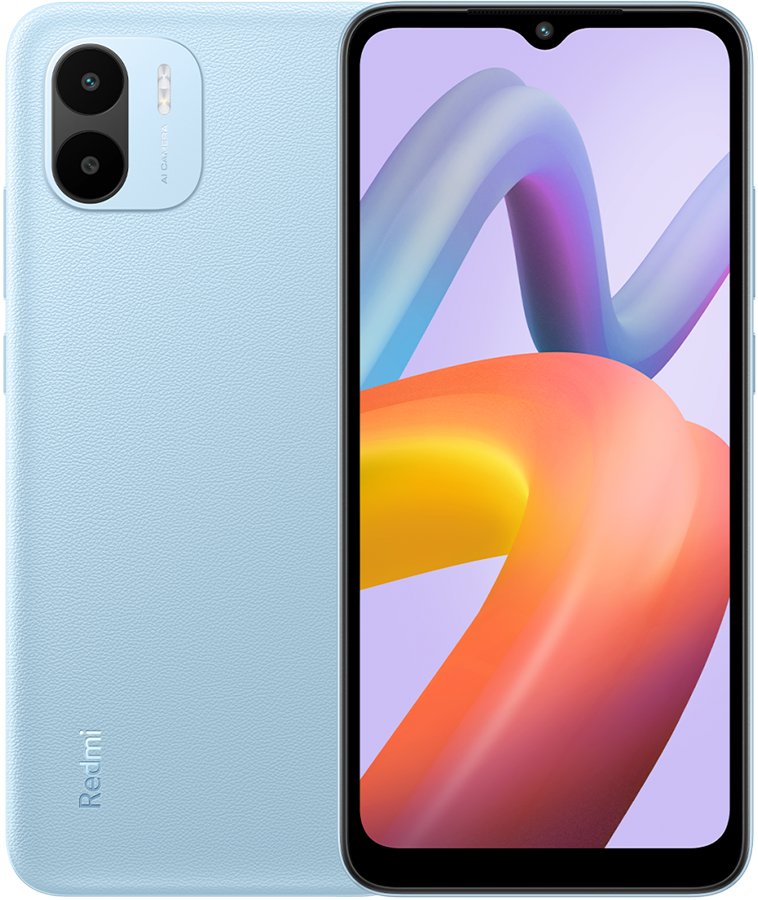
  • Redmi A1, A2, and A3 (from 2022 to 2024)

This proves an essential fact: there is not a single mainstream Redmi device with a fixed focus primary camera. Xiaomi was always focused on usability, especially QR code scanning, which is crucial in the digital payment system in China.

Redmi A2

Devices Often Confused With Fixed Focus

Certain confusion is caused by the secondary or niche products in the Xiaomi ecosystem.

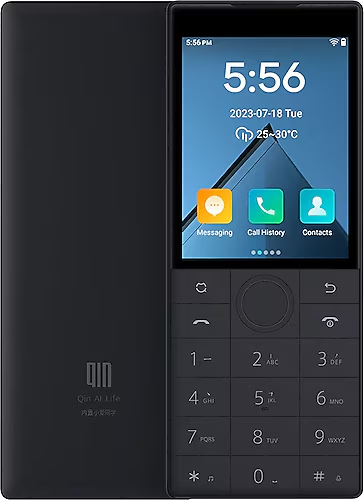
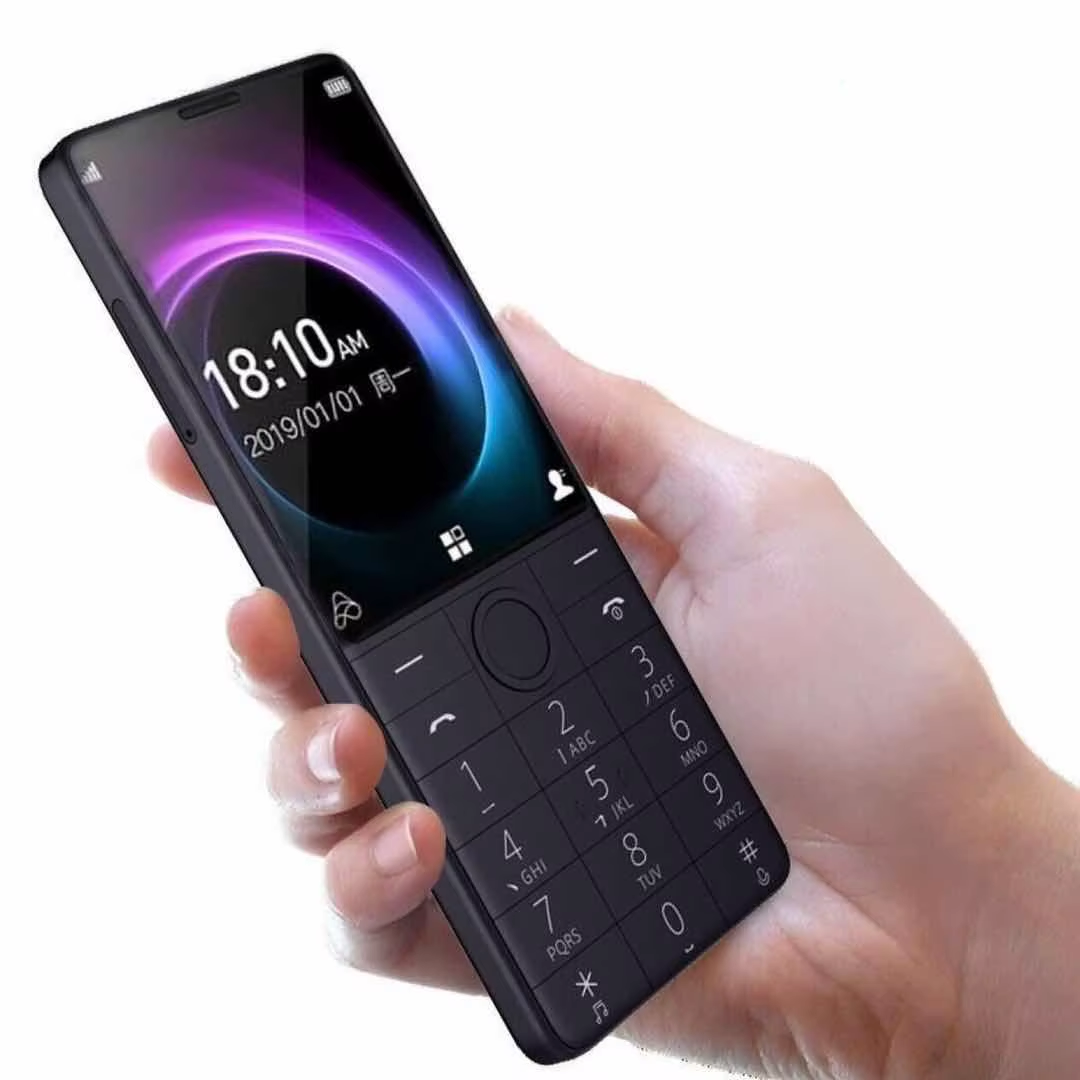
Qin (Duoqin)

  • The Qin 1s+ model employed a very simple fixed focus camera
  • Qin F22 (non-Pro) lacks a camera altogether

These devices are not part of the Redmi brand, targeting people who follow minimalistic designs or who are conscious about security. These devices are not indicative of Xiaomi’s overall smartphone offerings.

Qin F22 The Qin 1s

Why Autofocus Matters More Than Ever

In 2025, focus means more than better picture quality.

  • QR payments need close range acuity
  • Document scanning and OCR require clear edges of the scanned text
  • Banking and identification verification fail in blurred photographs

This accounts for why even entry-level models such as Redmi feature focus adjustment, though fixed-focus solutions remain limited to outdated ultra-budget models.

Yes, camera phones featuring a fixed focus camera in 2025 are still around in the market. They are primarily available in the budget segment of the Android Go line. Phones such as Alcatel 1 are still in the market. However, using them is quite challenging in today’s time.

Looking at it from a Xiaomi perspective, the answer to this question is clearer

No mainstream Xiaomi or RedMi smartphone has ever been released with a fixed focus main camera. Autofocus has been an essential specification right from the start of the RedMi smartphones in 2013. In fact, from the perspective of those who are planning to purchase an entry-level smartphone today, taking into account the Redmi A-series brand in the market means obtaining autofocus capabilities in the rear camera, which was not possible before at this low cost.

How a Xiaomi phone is made: From components to HyperOS

25 December 2025 at 07:31

Xiaomi has changed the way smartphones are made from being assembly line products to fully automated and analytical production lines. Today, Xiaomi phones are made using global supply chain integration and AI-enabled quality control. Whether it’s high-end models such as the Xiaomi 15 line or budget phones, each smartphone undergoes certain standards to be qualified as production-quality items. This guide tells you how a smartphone is made at Xiaomi in detail.

Design, Planning, and Component Sourcing

Before the physical production of the device itself, the company engages in product definition, industrial design, as well as hardware planning. These activities are conducted within the Xiaomi company through research teams in Xiaomi HyperOS.

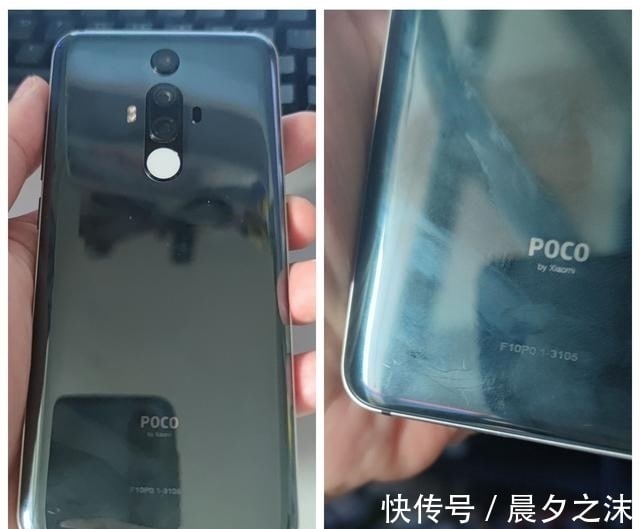
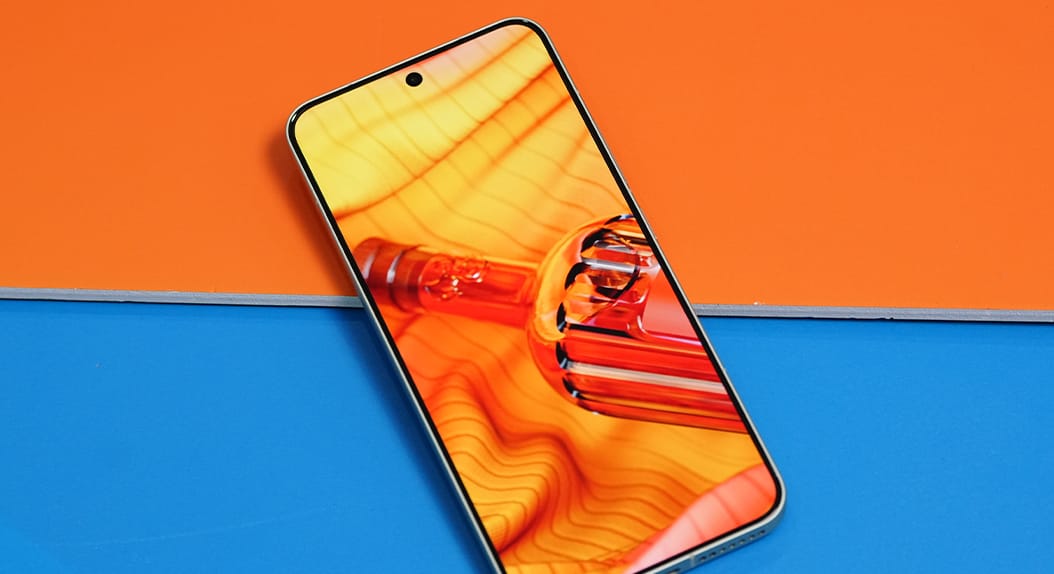
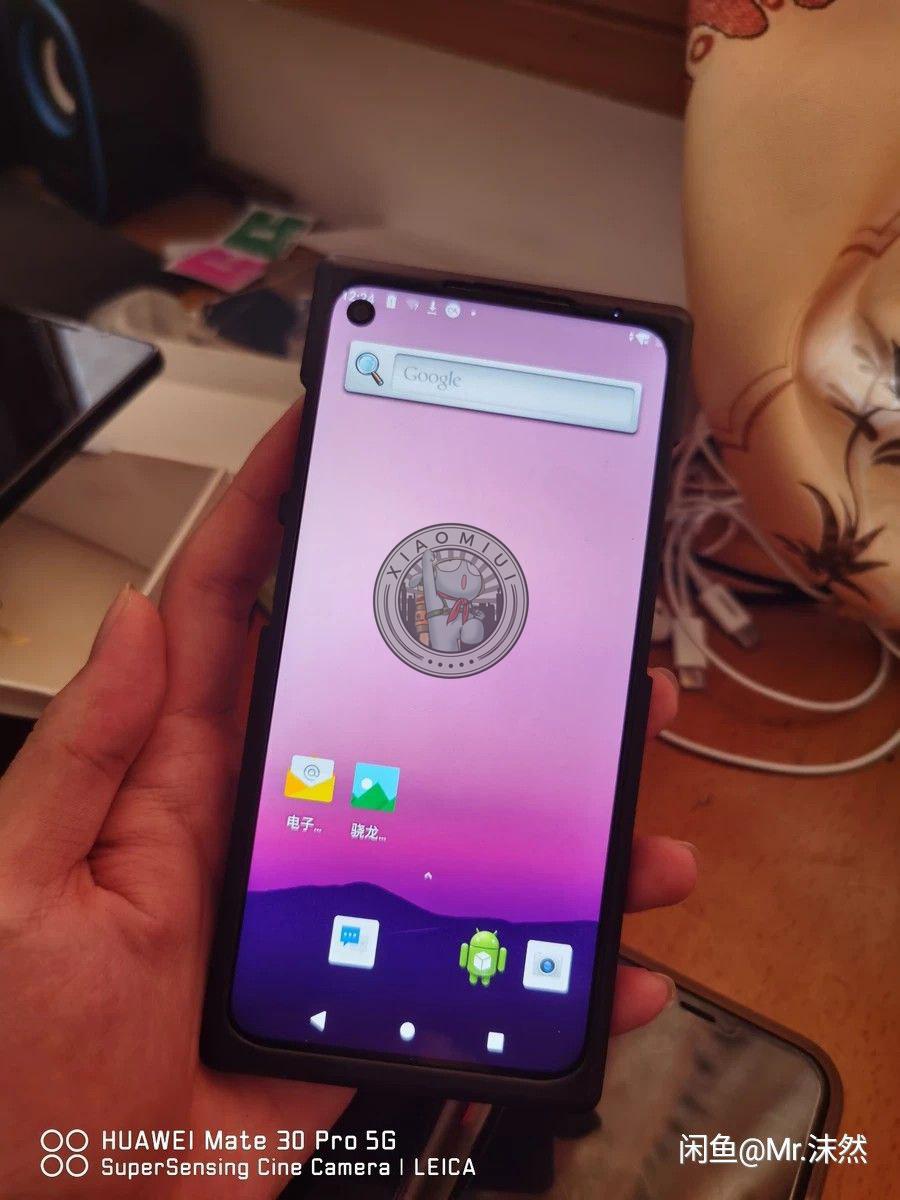
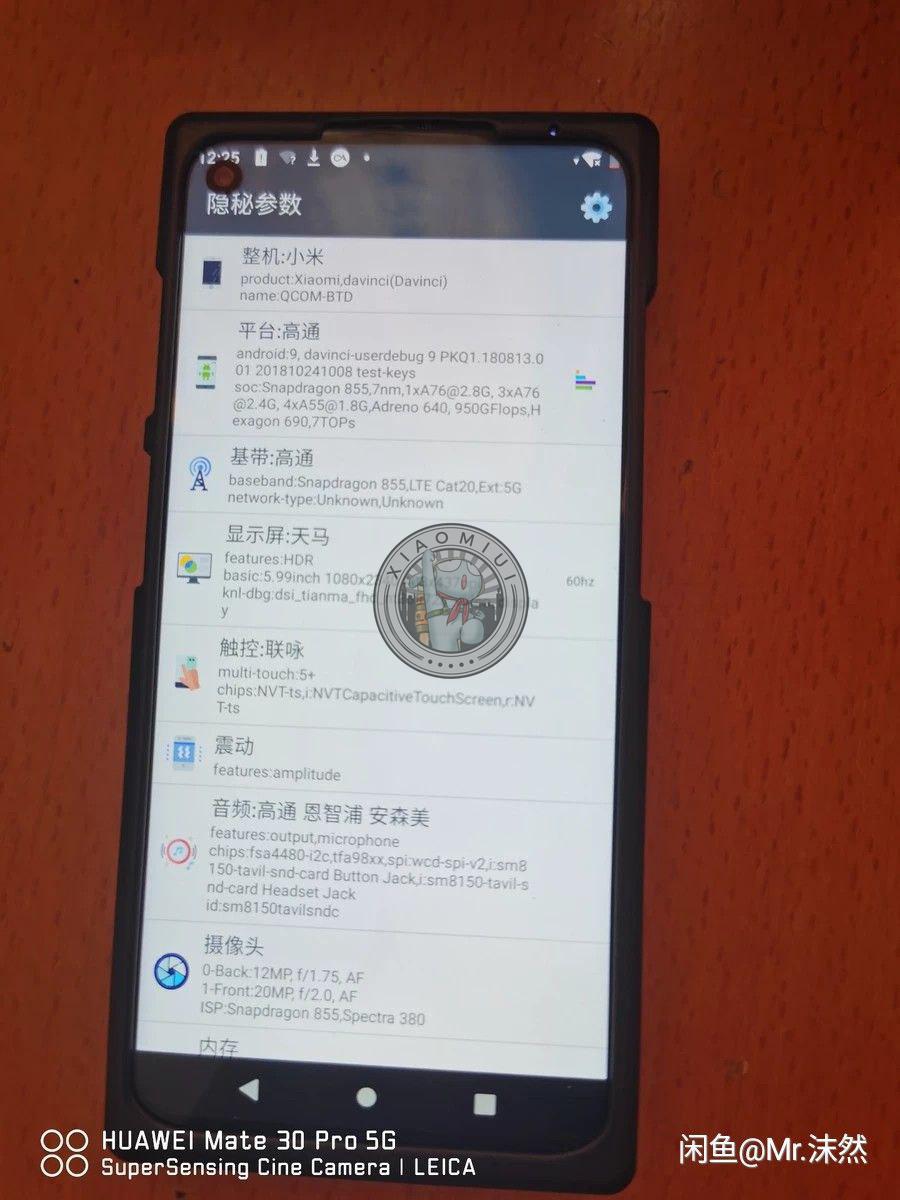
davinci 2 davinci 3 davinci 4 davinci 1

Xiaomi employs a hybrid model of manufacturing. First, Xiaomi uses ODM manufacturers for most of its entry-level as well as mid-segment phones, whereas it relies upon its smart factory networks in China, known as Xiaomi smart factories, for most of its flagship phones as well as innovations nowadays. In this way, it not only manages cost but also delivers premium qualities.

Key Component Supply Chain

For instance, to minimize risks and ensure smooth production, Xiaomi has a diversified supplier network.

  • Proccesors: Qualcomm Snapdragon 8 Elite in high-tier smartphones, other tiers by MediaTek
  • Displays: TCL CSOT, Samsung Display, BOE, Visionox
  • Camera sensors: Sony, OmniVision
  • Batteries: ATL, Sun

Such an approach enhances the stability of the supply and the supplies’ price efficiencies while not affecting the quality.

Xiaomi 15 display

Producing Motherboards and SMT Assembly

The production process kicks off with the manufacturing of the smartphone’s mainboard. This process uses Surface Mount Technology, where thousands of components are placed on a printed circuit by robots.

Solder paste application is followed by high-speed placement of processors, memory, and micro-components by automated machines. Boards are then processed in reflow ovens, where they are bonded using heat. Optical inspection systems, guided by artificial intelligence, verify if there is any error in placement or soldering.

Display Module Assembly & Lamination

One of the costliest and most sensitive parts of a smartphone is the display. The company receives semi-finished units in the form of OLED displays, but finally assembling them in a cleanroom environment.

To begin, the protective glass, known as Dragon Crystal Glass, needs to be made. The joining of the glass and the OLED screen will be done by the use of optically clear adhesive and in a vacuum to prevent air pockets from forming. Once this has been carried out, the screens will be placed in the pressure chamber to get rid of microscopic air pockets.

Final Assembly and Structural Integration

When the basic modules are completed, the phone begins the final assembly stage, called FATP (Final Assembly, Test, and Packaging). Robotics begins assembling the phone’s main board, battery, cameras, speakers, and cooling systems.

The materials with thermal properties and liquid cooling design are applied with high precision. After fastening the internal components, the display and the back panel are sealed with controlled pressure, meeting the requirements for water and dust resistivity rating of IP68.

Software Installation and Calibration

However, the primary function of the device is completed after the hardware is assembled. Xiaomi then embeds the Xiaomi HyperOS onto the device at the factory level. All the devices then get secured identifiers like IMEI and DRM keys.

photo 2025 12 24 22 42 07 photo 2025 12 24 22 42 05

The phone also undergoes automatic calibration. The displays are color-calibrated, cameras are adjusted and tested, and sensors are ensured for accuracy. All these are aimed at ensuring that all devices are offering a standard experience, irrespective of batch.

The users can later update the system applications on the Xiaomi smartphone using HyperOSUpdates.com or download the MemeOS Enhancer app from Google Play, which also enables the use of hidden features on Xiaomi smartphones.

Quality Control and Reliability Testing

All the Xiaomi phones are tested for quality before they are packaged. The testing includes stress tests, temperature variation tests, button presses, as well as charging simulations.

The devices are also tested for drop strength and exposure to humidity to ensure that they can withstand actual conditions. Any device that does not pass this test is eliminated from the production process.

Xiaomi’s mobile manufacturing is a result of what is achieved when efficiency, robotics, and engineering come together. Xiaomi is able to ensure consistency in product quality by making use of suppliers across the world, as well as AI-enabled manufacturing lines, so that they produce millions of devices a year.

REDMI Gaming Laptop paused for 2025 as Xiaomi confirms new thin laptops

24 December 2025 at 23:00

Through a public interaction on Weibo, Xiaomi has explained in detail its laptop roadmap for next year. Ma Zhiyu, the Product Marketing Director at Xiaomi confirmed there will not be any update in the REDMI gaming laptop lineup for 2025, but development of new thin and light ones will continue. This statement gives clear directions to users following Xiaomi’s PC strategy, especially those tracking updates alongside Xiaomi HyperOS developments on platforms like XiaomiTime.com, HyperOSUpdates.com, and the broader Xiaomi ecosystem.

REDMI Gaming Laptop Update Officially Ruled Out

On Weibo, in a Q&A session on December 22nd, Ma Zhiyu answered directly the question of users regarding the REDMI gaming laptops’ future. His answer was clear and without ambiguity: there won’t be any new model of REDMI gaming laptops next year. This confirmation effectively put on hold expectations for a short-term refresh of Xiaomi’s performance-oriented notebook series.

REDMI Gaming LAPTOP STATUS

The latest in this series still is the Redmi G Pro 2024, which launched in China in mid-2024. Since it came specifically for the Chinese market, the price was announced in local currency, and neither plans were declared nor was the device positioned as a global heater.

Thin and Light Laptops Become the Focus

Unlike the gaming series, Xiaomi did confirm that its lightweight and portable laptop lineup will see further investment. When asked if REDMI ultrabooks would still see updates next year, Ma Zhiyu answered in the affirmative, and said new thin and light models are actively in the works.

This approach aligns with Xiaomi’s larger hardware strategy, one that increasingly focuses on portability, power efficiency, and inter-device integration via both Xiaomi HyperOS and Xiaomi HyperConnect. Thin and light laptops play an integral role in this ecosystem, especially for users relying on seamless collaboration between phones, tablets, and PCs.

What This Portends for Xiaomi Laptop Users

Clearing the smoke, rather than creating it, was Xiaomi’s confirmation. If anything, users looking to buy gaming laptops should not look to REDMI for a refresh in 2025, while those searching out lightweight productivity machines can expect some new offerings. This balanced strategy continues to underscore how Xiaomi works to optimize resources while strengthening its integrated device ecosystem.
Source

Why 200MP telephoto cameras are the next step for Xiaomi

24 December 2025 at 22:00

Smartphone camera technology has progressed to a level where the size of the sensor, computational photography, and optical quality are equally important. Although Xiaomi has already optimised the wide-angle and ultra-wide-angle cameras to a compact camera standard, telephoto cameras were stuck at a low quality because bulk limitations existed. However, with recent flagships, particularly the Ultra line, it is now evident that 200MP telephoto sensors are here to stay as a remedy to long-standing zoom issues.

The Essential Shortcoming in Conventional Telephoto Cameras

Traditional telephoto cameras on mobile devices come with fixed focal ratios of 3x or 5x. Zoom ratios in between are determined by digital zoom, resulting in reduced detail and clarity of the shot, as observed when zooming from 3x to 5x.

200MP 17 ultra

A 200MP telephoto sensor marks a departure from this strategy. Here, a region of a high-resolution image is cropped, rather than upscaling. The concept of cropping a region of a high-resolution image, also known as ‘lossless in-sensor zoom’, ensures that detail and texture are maintained even at a wide zoom ratio.

How 200MP Telephoto Sensors Enhance Picture Quality

A telephoto sensor that has high resolution is more than just megapixels. The actual benefit of such an imaging sensor is in its size and binning capabilities.

Contemporary 200MP sensors usually provide a 1/1.4-inch sensor size and are equipped with high-tech pixel binning ideas. When in low-light environments, several of their pixels combine to form larger “pixels,” which enhances image brightness and reduces image noises. The sensor goes to high resolution in high-light environments, making zoom of 5x, 10x, or even higher zoom possible without degrading image quality.

  • Consistent image quality from mid to long zoom
  • Better low-light telephoto performance
  • Natural background compression for portraits
  • Reduced need for multiple telephoto lenses

Telephoto Macro and Video Benefits

Telephoto cameras of high resolution enhance close-up photography as well. In traditional close-up photography, ultra-wide-angle lenses need to be employed when shot very close, while telephoto close-up photography enables photographers to take close-up photos of subjects from a greater distance.

8k video

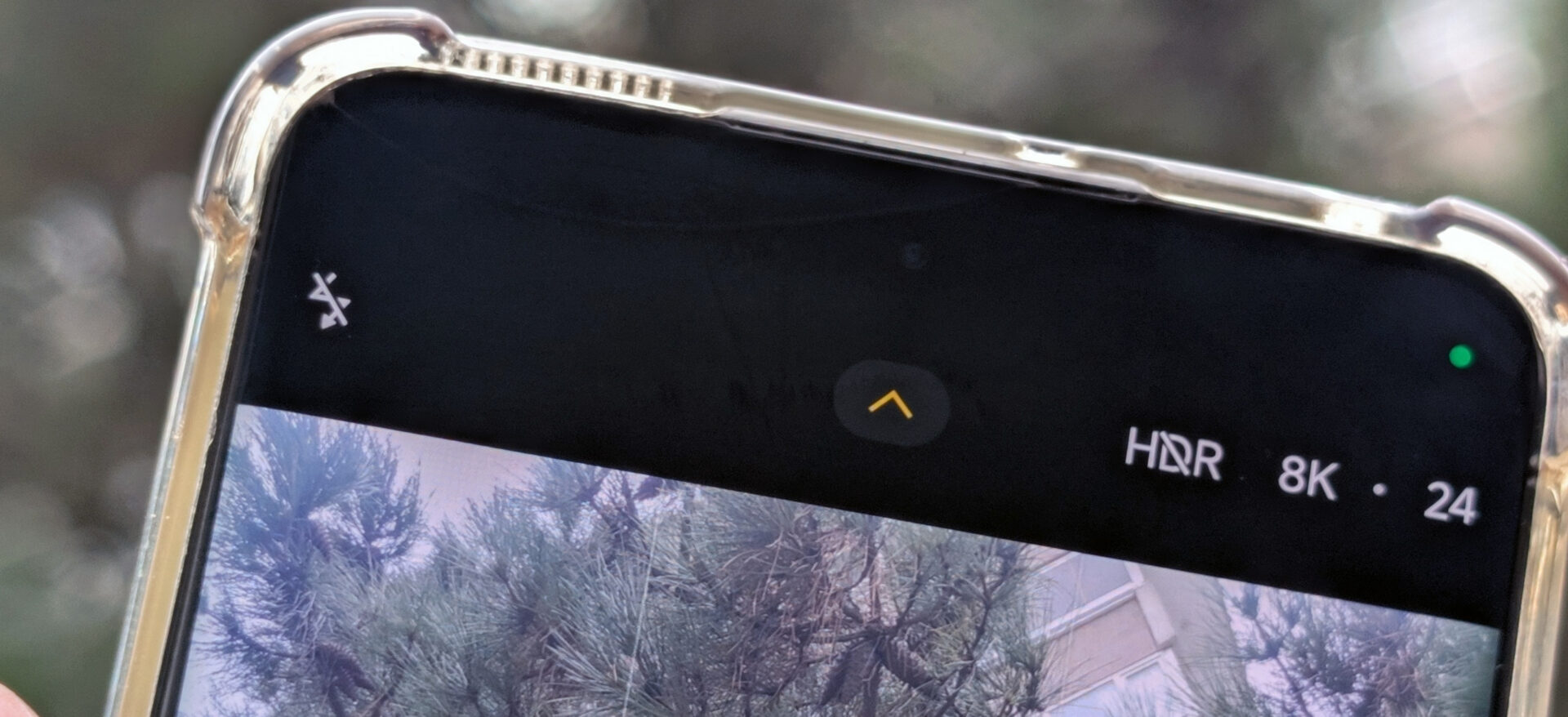
Regarding video, the presence of a 200MP sensor makes possible 8K video recording capabilities via the telephoto lens. Additionally, it enables smooth digital zooming capabilities during 4K video recording. This feature comes handy during concerts, wildlife, and content creation.

Xiaomi’s Direction and the Xiaomi 17 Ultra Outlook

Xiaomi has been at the forefront in incorporating cutting edge cameras, particularly in its Ultra series. The coming models are likely to come with a Leica-tuned 200MP telephoto lens that includes functionalities such as:

  • 1/1.4-inch large sensor
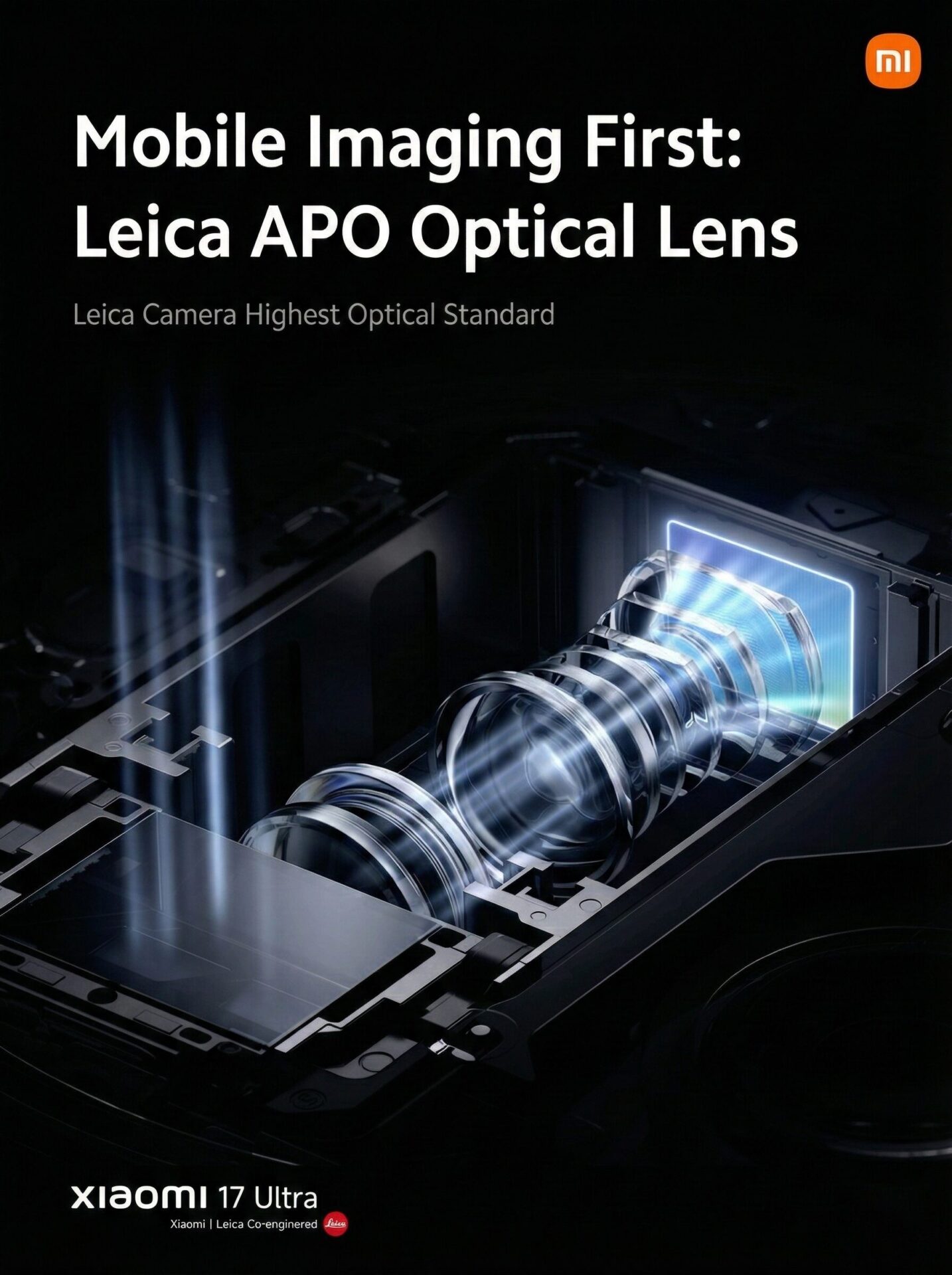
  • Leica APO-certified optics
  • Floating lens group for macro and long-range focus
  • Optical zoom range between 75mm and 100mm (approximately 3.2x–4.3x)

Looking at the layout, it appears that the goal of Xiaomi’s design is to replace several telephoto lenses with one.

XIAOMI 17 Ultra Poster 2 XIAOMI 17 Ultra Poster 1

200MP telephoto cameras are not a marketing gimmick but a solution within the boundaries of physical and optical limitations in smartphones. This is because 200MP telephoto cameras offer a combination of improved zoom shots in clear images, better performances in low light environments, better macro shots, as well as enhanced video functionalities. It is a technology upgrade in the Xiaomi high-end series of smartphones.

Xiaomi 17 Ultra Leica Edition lets you zoom by rotating the camera lens

24 December 2025 at 20:58

Xiaomi launched a tease of what might be considered a new generation of smartphone camera technology within the Xiaomi range, aptly titled as Xiaomi 17 Ultra Leitz Edition or, as it is recognized globally, as Leitzphone. Issued directly by Lei Jun on Weibo, this new offering includes a rotating camera ring intended to help make manual cameras a part of mobile photography. Recognized as the Leica-centric variant of the Xiaomi 17 Ultra, this product indicates Xiaomi’s long-term initiative of linking innovative hardware with expert optical technology.

A Novel Hardware Solution for Smartphone Camera Photography

“The most notable difference of the Xiaomi 17 Ultra Leitz Edition is that it has a rotatable camera ring with a circle design on the back. Unlike the typical camera modules that solely serve decorative functions, the ring is fully functional. With it, the camera can easily switch between levels of photography in the event of macro or zoom photography with the physical rotation of the ring. This feature is dubbed the “Master Zoom Ring”.

The standard version of the 17 Ultra retains the same rounded design for the cameras, but without the rotating system. Another difference that can easily be noticed is the brand positioning, since the standard model sports the ‘Ultra’ lettering on the rear panel, whereas the Leitz Edition model uses the red Leica logo standing in place of the ‘ Ultra’ lettering.
Advanced Leica Telephoto System

A lot of importance is given by Xiaomi to the telephoto camera in the Xiaomi 17 Ultra series. According to initial specs, Leitz Edition features several firsts in the industry as certified by Leica.

Key telephoto highlights:

  • Leica 200MP Optical Zoom camera
  • 1/1.4-inch large telephoto sensor
  • World’s first Leica APO-certified mobile telephoto lens
  • 3G + 5P floating lens structure
  • Optical zoom range of 75mm to 100mm (3.2x–4.3x)

This design is intended to provide better color reproduction, lower chromatic aberrations, and more consistent image quality across various focal lengths. Xiaomi’s design emphasizes optical optimization over heavy post-processing.

Complete Camera Configuration Details & Essential Specs

Apart from the telephoto setup, the expected shooting hardware on the Xiaomi 17 Ultra Leitz Edition consists of a well-rounded triple-camera setup. The primary camera comes coupled with the 50MP OV50-series 1-inch sensor, focusing on high dynamic range and night photography. The sensor comes in combination with the 200MP Samsung ISOCELL HPE periscope camera and 50MP ultra-wide lens.

Leica Xiaomi 17 Ultra

On the performance front, the device comes with the Snapdragon 8 Elite Gen 5 processor, which will provide top-class power management. The 6,800mAh power cell supports all this, as the brand has been concentrating on increasing the capacity of batteries without making their thickness increased.

Owing to the rising cost of memory components, the expected price escalation is around 500-1,000 yuan compared to the earlier series. Xiaomi has been anticipated to unveil the prices formally soon. The expected launch is currently limited to China alone, though the international launch under the “Leitzphone” brand has yet to be ascertained.

leitzphone

Xiaomi’s vision for The Leitz Edition

Xiaomi 17 Ultra Leitz Edition captures Xiaomi’s wider image-centric strategy: a shift of focus from “software-centric improvements” to hands-on, tangible creativity. With Master Zoom Ring, a mechanical interface, Xiaomi is catering to a segment of “photography enthusiasts who prioritize quality in every single shoot.”

Rather than a direct competitor or a variant of the Xiaomi 17 Ultra standard model, it is a specific solution for a particular type of client with a focus that is solely centered on image capture. This also points towards a possible continuation or further development of innovative camera technology based on hardware through Leica by Xiaomi.

Source

💾

Auf YouTube findest du die angesagtesten Videos und Tracks. Außerdem kannst du eigene Inhalte hochladen und mit Freunden oder gleich der ganzen Welt teilen.

New Google Android toy combines transparent design with maze gameplay

24 December 2025 at 20:10

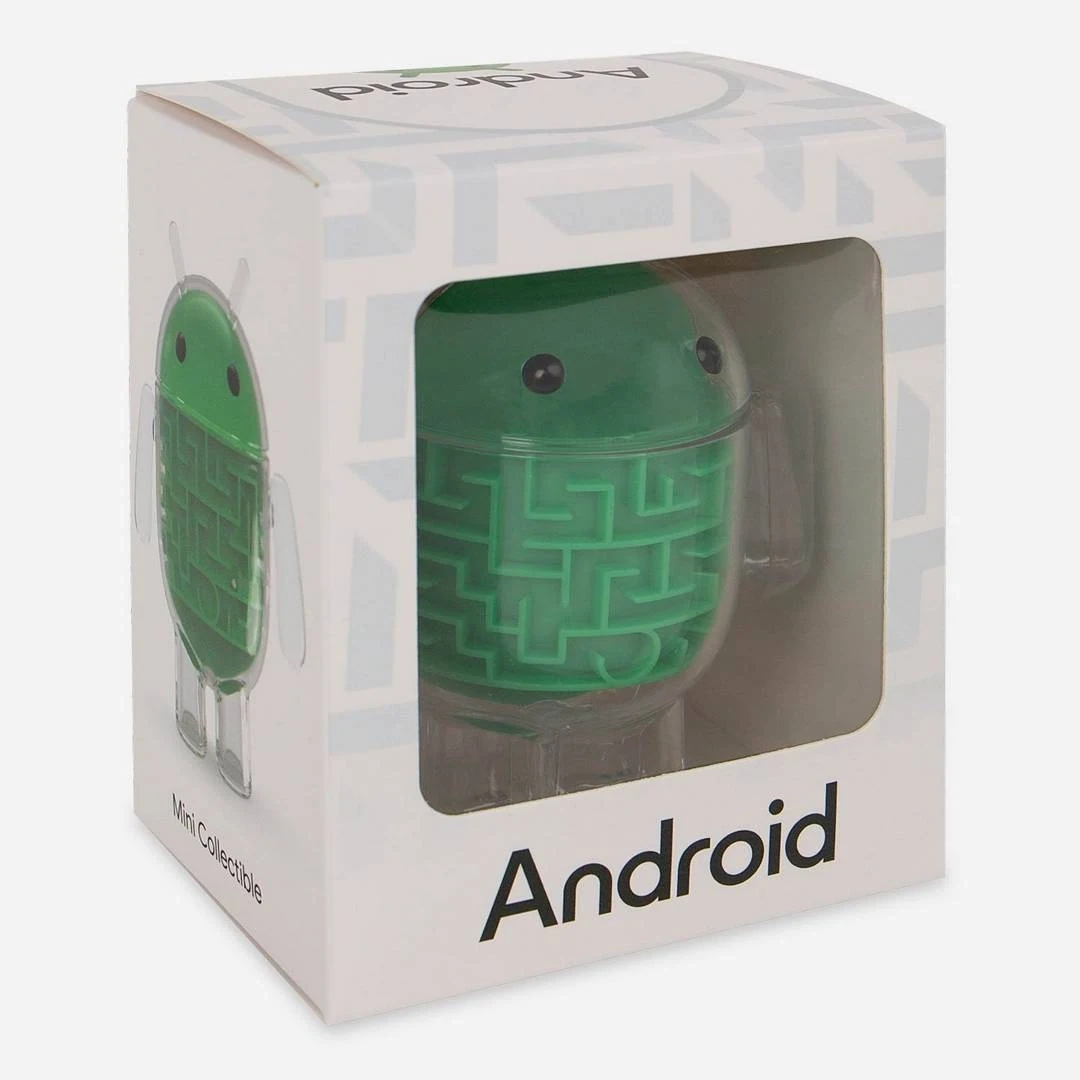
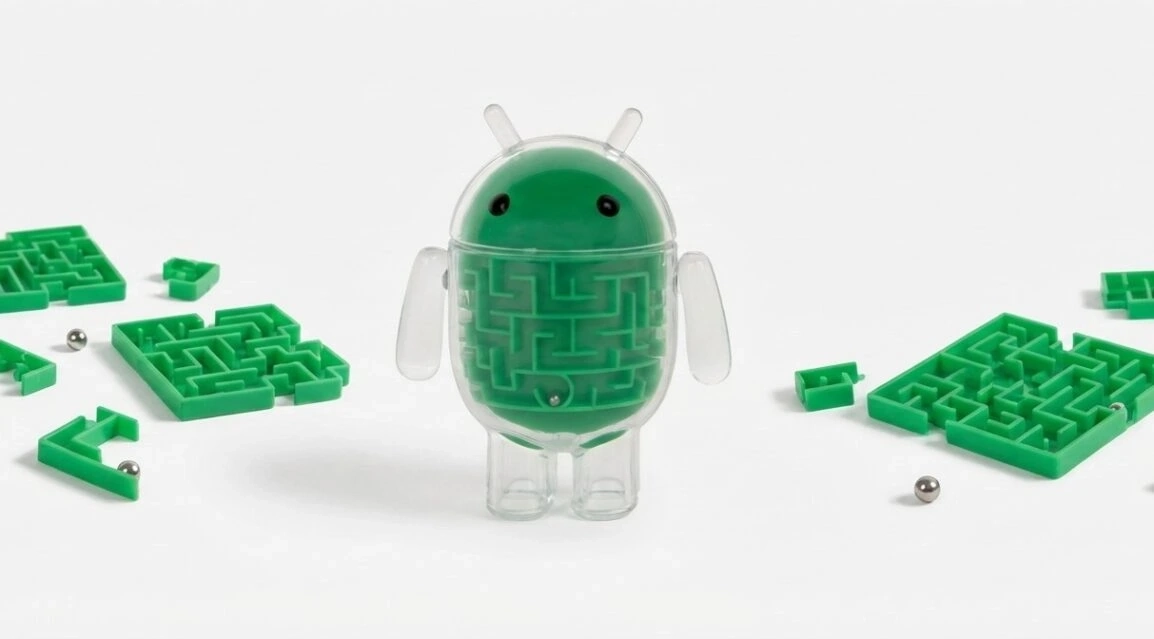
Google has unveiled a new collectible that combines design, nostalgia, and the element of interaction. According to the latest reports, the official Google Store has launched Android a-MAZE-ing Collectible, a see-through Android mascot statue that comes with a 3D ball maze game. This particular gadget lacks the conventional functionality of standing still as an office decoration.

A Transparent Design Based on Interaction

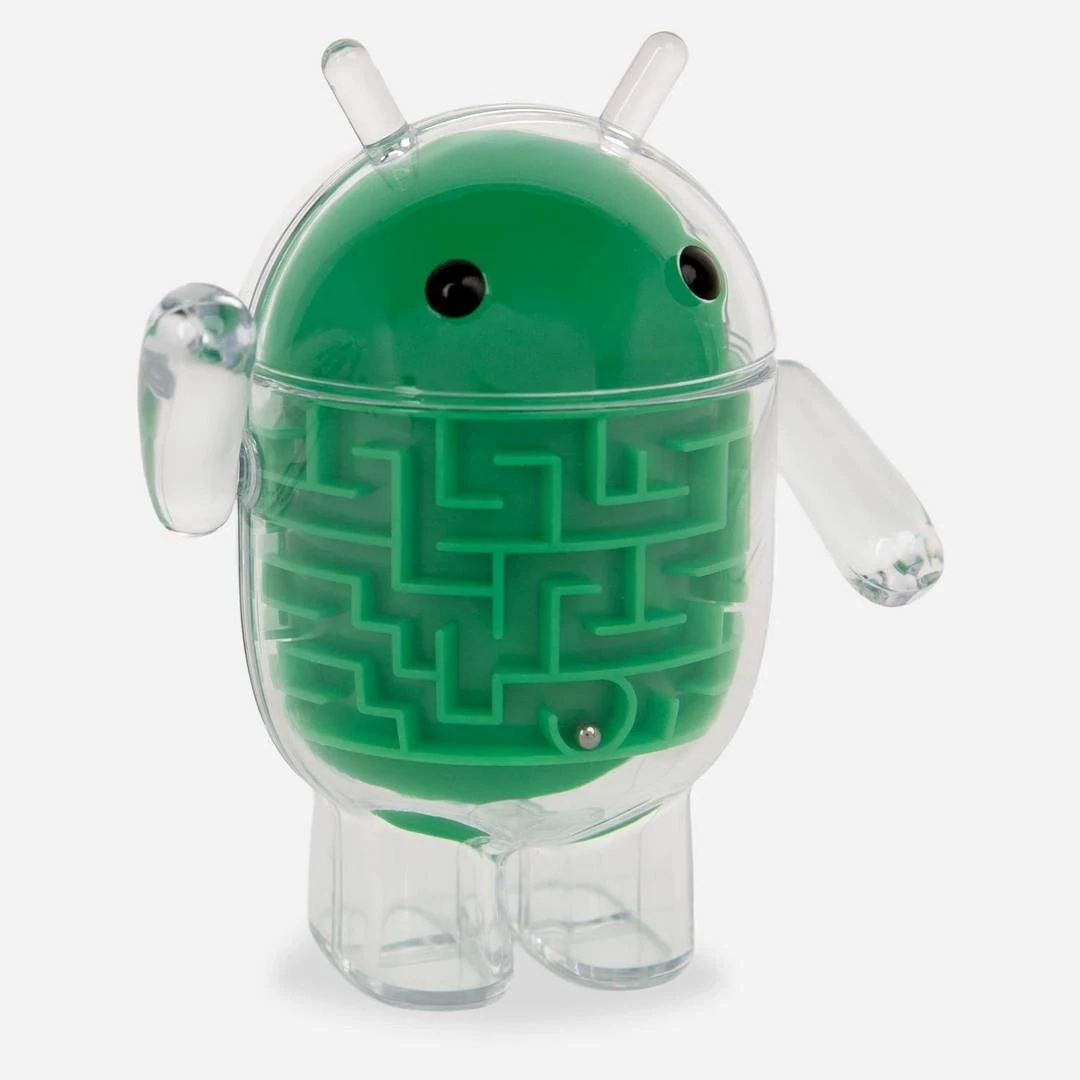
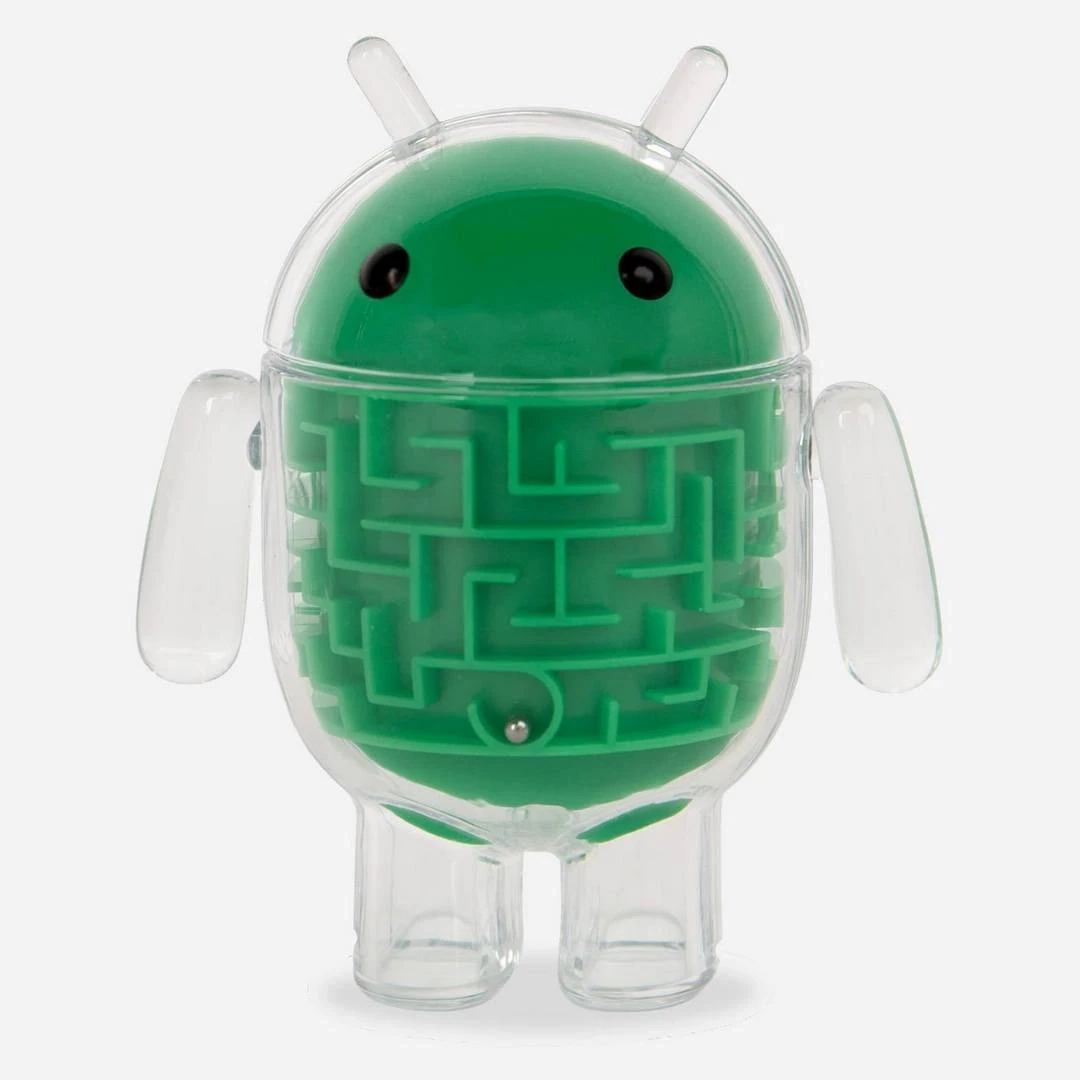
The Android a-MAZE-ing Collectible is about 3 inches (7.6 cm) in height and comes with a completely transparent packaging case. By doing this, the transparent packaging case allowed the green maze within the Android to be visible from all perspectives. Google included in the Android figure a metallic ball that moved through an intricate path within the case, thus creating something that is based on functions rather than mere decoration.

The approach reflects a growing trend within the tech industry to experience things offline and by touch. Much like smart home devices or minimalist gadgets, the aim within these designs is to achieve simplicity, robustness, and long-term use without digital interaction, as seen with devices such as smart home controllers.

Android A Maze ing robot 2 Android A Maze ing robot 3 Android A Maze ing robot 4 Android A Maze ing robot 1

Classic Maze Game without Electronics

This toy figurine does not require the use of batteries, sensors, or software. In this game, the user controls the movement of the metal ball using the figure by tilting it left, right, up, or down in an attempt to guide it from the start point to the finish point within the maze.

In an effort to make the gameplay more flexible, Google has incorporated moving joints in the arms of the Android robot. With these, users can personalize the position in which they wish the maze robot’s posture to appear while solving the maze.

Key Product Features include:

  • Fully transparent Android robot body
  • Integrated 3D metal ball maze
  • Movable arms with adjustable joints
  • No batteries, charging, or app required
  • Compact size suitable for desks or shelves

Pricing, Availability, and Stock Status

The Android a-MAZE-ing Collectible is currently available on the Google Store. The figurine costs $24 USD, but shipping in the United States will be about $10 USD, making it a total of $34 USD.

According to market information, the supply of units is limited. It was reported that towards the end of December 2025, only under 1,100 units were left.

A Tangible Collectible Item in a Digital Age

Though Xiaomi continues to expand its ecosystem in terms of HyperOS and smart home devices, Google’s Android figurine points to another direction where interaction has nothing to do with screens and connectivity. The product is targeted at users who prioritize focus and breaks in addition to their love for technology.

Source

POCO Launcher gets new HyperOS 3 Christmas 2025 update

24 December 2025 at 18:44

The POCO Launcher has finally been treated to the latest HyperOS 3 update, with improved animation and the addition of a brand-new gesture feature. The update comes in the form of version RELEASE-6.01.03.1901-12061926, weighing only 22.4 MB, and has already started rolling out worldwide. The update tested on HyperOS 2.2 and it works.

A Smarter Way to Access Apps

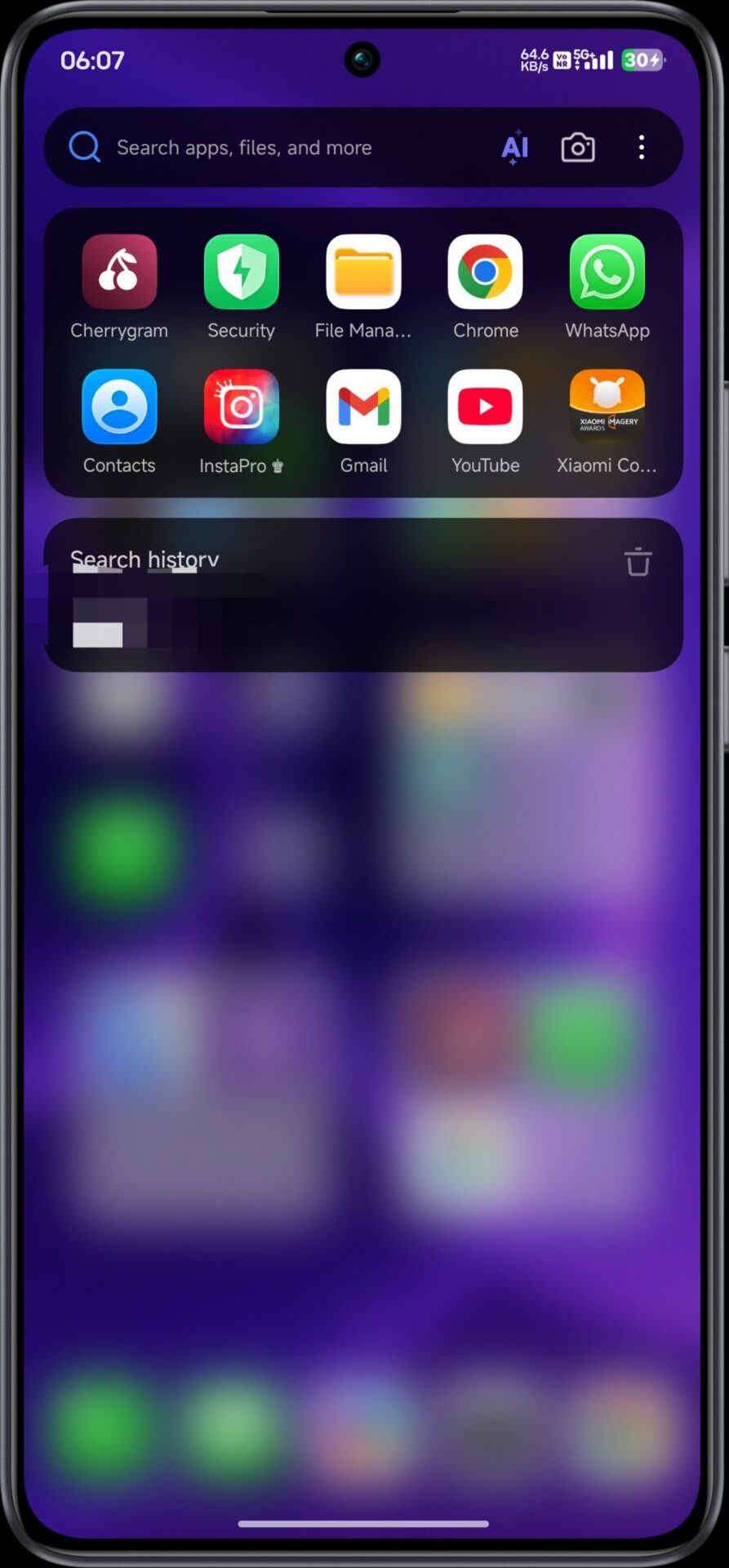
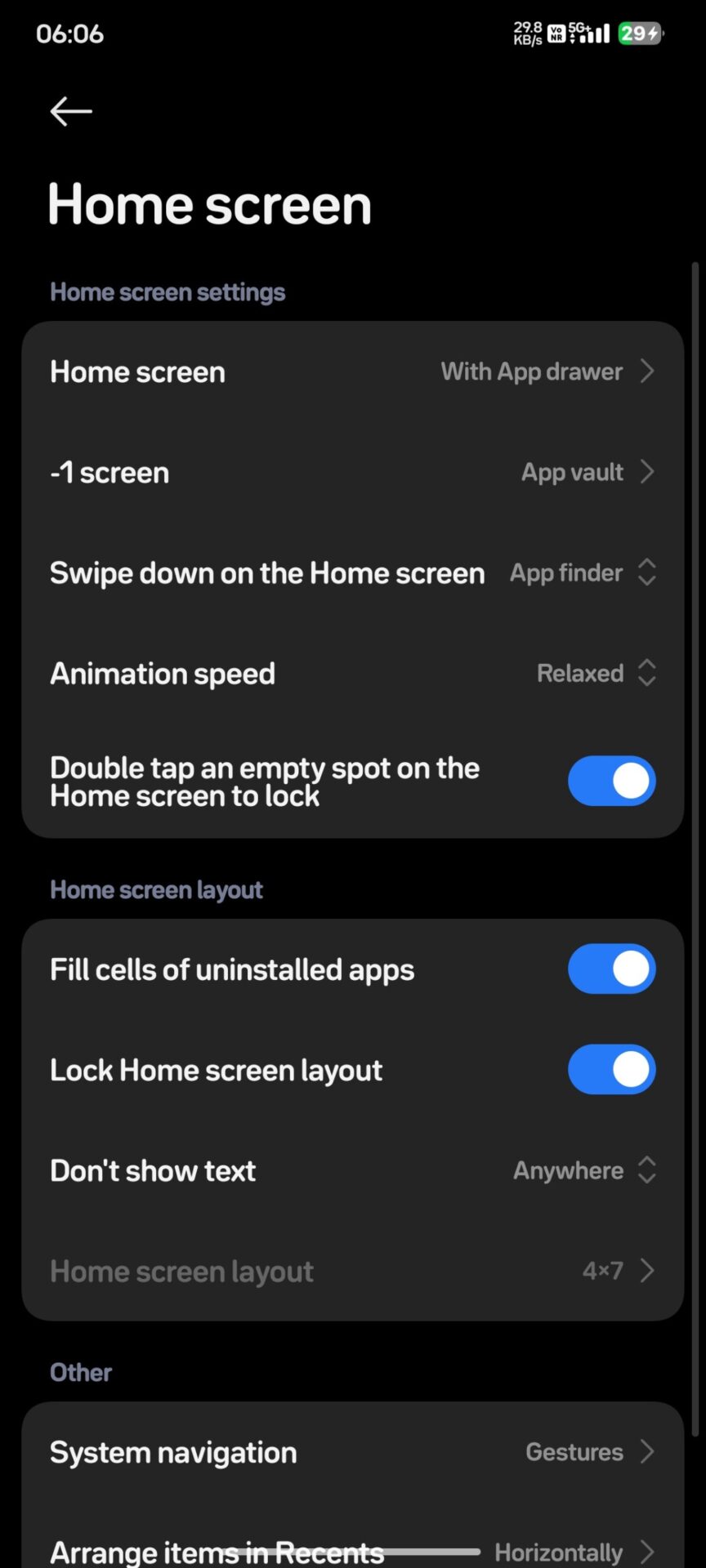
Among the most notable additions found in the update is the addition of the “Swipe down on the home screen to open App Finder” feature. This functionality enables users to gain access to any app without needing to navigate to the app drawer. This addition shows that Xiaomi has been paying attention to user experience optimization as a goal under the development of the HyperOS 3.

App finder POCO Launcher 2 App finder POCO Launcher 1

Improved HyperOS 3 Animations

Besides the new gesture implementation, the update also brings enhanced HyperOS 3 animation effects, allowing for a more fluid and responsive interface. Such visually-oriented upgrades have helped Xiaomi achieve their goal of a unified user experience between POCO devices, Redmi smartphones, and other Xiaomi devices operating under the HyperOS 3 operating system.
Update Details

  • Version: RELEASE-6.01.03.1901-12061926
  • Region: Global
  • Release Date: December 24, 2025
  • File Size: 22.4 MB

Updates can also be downloaded manually from HyperOSUpdates.com or MemeOS Enhancer app.

MemeOS Enhancer 2 MemeOS Enhancer 1


Xiaomi 17 Ultra appeared on Geekbench with Snapdragon 8 Elite Gen 5

24 December 2025 at 18:06

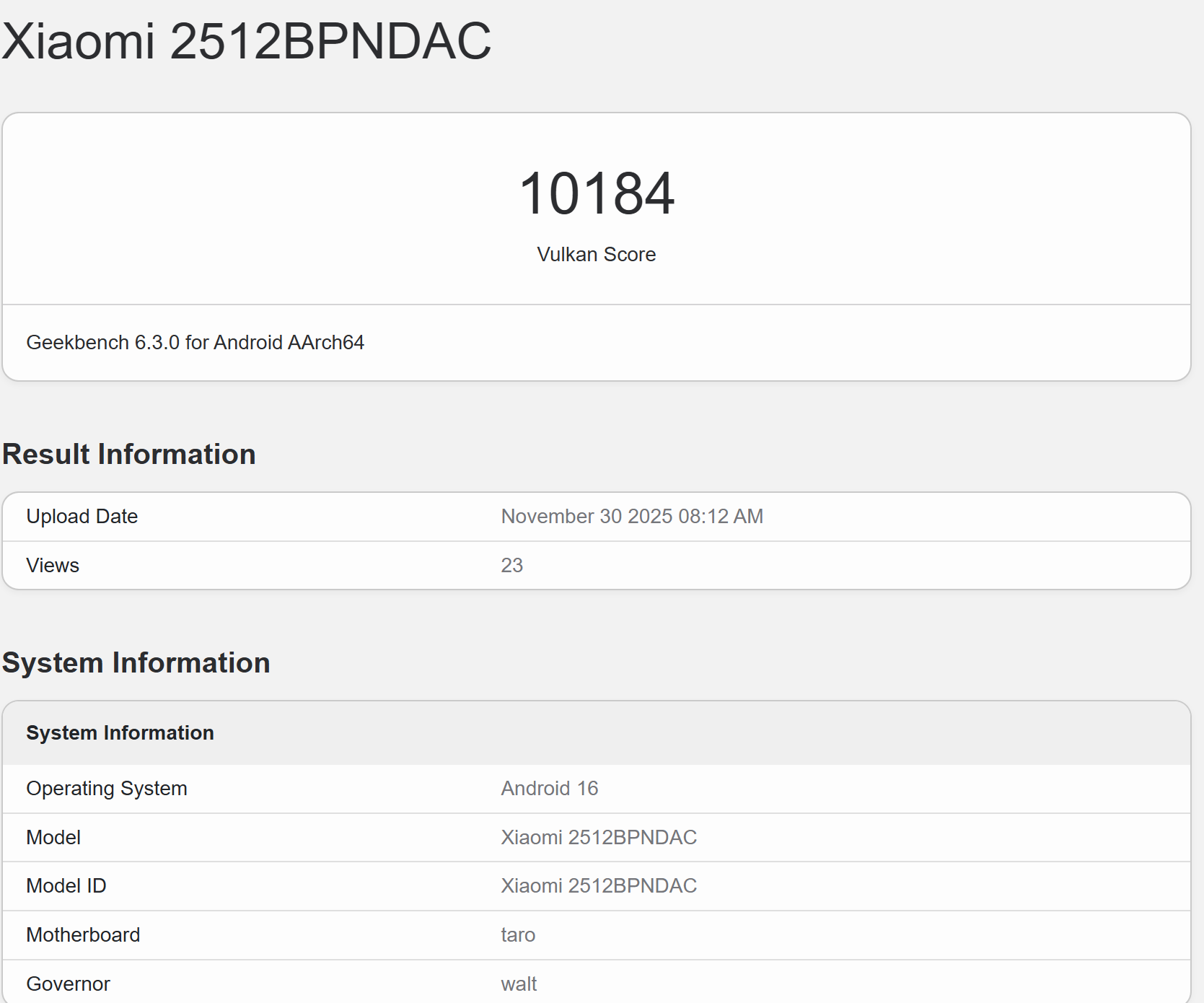
The Xiaomi 17 Ultra has recently been seen in the Geekbench benchmark listing, showing important specifications of the phone even before its official launch. The Geekbench listing of this device, with the name 2512BPNDAC, not only confirms top performance but also shows how closely it will match the already reviewed Xiaomi 17 Pro.

The early presence of this device in the benchmark list further supports speculations that the coming Ultra-series device will target performance, power, and platform optimization in the HyperOS environment.

Geekbench Performance Details

The Xiaomi 17 Ultra, as reported by the Geekbench database, scored 3,559 points in single-core and 10,854 points in multi-core tests. This is about what is expected of phones that come powered by Qualcomm’s latest flagship processor, indicating stable CPU scheduling and thermal management. Moreover, this shows that Xiaomi is still concentrating on optimizing at a system level instead of just optimizing at the CPU clock rate.

Xiaomi 17 Ultra Geekbench

The bench-marking data also reveals that the testing of the device was done with at least 12GB of RAM, which is now a standard for Xiaomi’s Ultra lines. The 12GB RAM is important for enhanced multitasking functions, AI capabilities, and stability of software operations, especially with the Android 16 operating system.
Snapdragon 8 Elite and HyperOS 3

The specifications of the Xiaomi 17 Ultra feature the Qualcomm Snapdragon 8 Elite, marking the fifth generation of Qualcomm’s flagship platform. This processor aims to provide better CPU power optimization, AI capabilities, and power management. This move by Xiaomi correlates with its approach of using high-end processors and integrating them with their software.
On the software front, the device supports Xiaomi HyperOS 3, based on Android 16. HyperOS 3 is believed to offer optimized system animations, enhanced management of background tasks, and cohesion between all Xiaomi smartphones, tablets, and smart home devices by using Xiaomi HyperConnect. The developments are required for a smooth interface on all Xiaomi devices.

Launch Event and Expectations

The Xiaomi x Leica Imaging Strategic Cooperation Upgrade and Xiaomi 17 Ultra New Product Launch Conference has been scheduled by Xiaomi for December 25 at 19:00 (China Time). Though the pricing information has not been mentioned, the new products will definitely include improvements in the cameras, which have been developed by Xiaomi and Leica.

As the Xiaomi 17 Ultra has been listed only in Chinese benchmarking websites, it is expected to first appear in China. The global details have not been confirmed at this point.

Xiaomi 17 Ultra Leica Edition confirmed with iconic red logo design

24 December 2025 at 11:39

The first look at the Xiaomi 17 Ultra Leica Edition has been shared in an official video by Xiaomi. The confirmation of this news indicates that the renowned Leica Red Label will be imprinted on the brand-new device. The reason behind this design notion demonstrates the amalgamation of the age-old image legacy with the contemporary smartphone segment. As covered in our previous articles related to the Xiaomi 17 Ultra, this device will launch on December 25th at 19:00.

Unique Packaging & Design Features

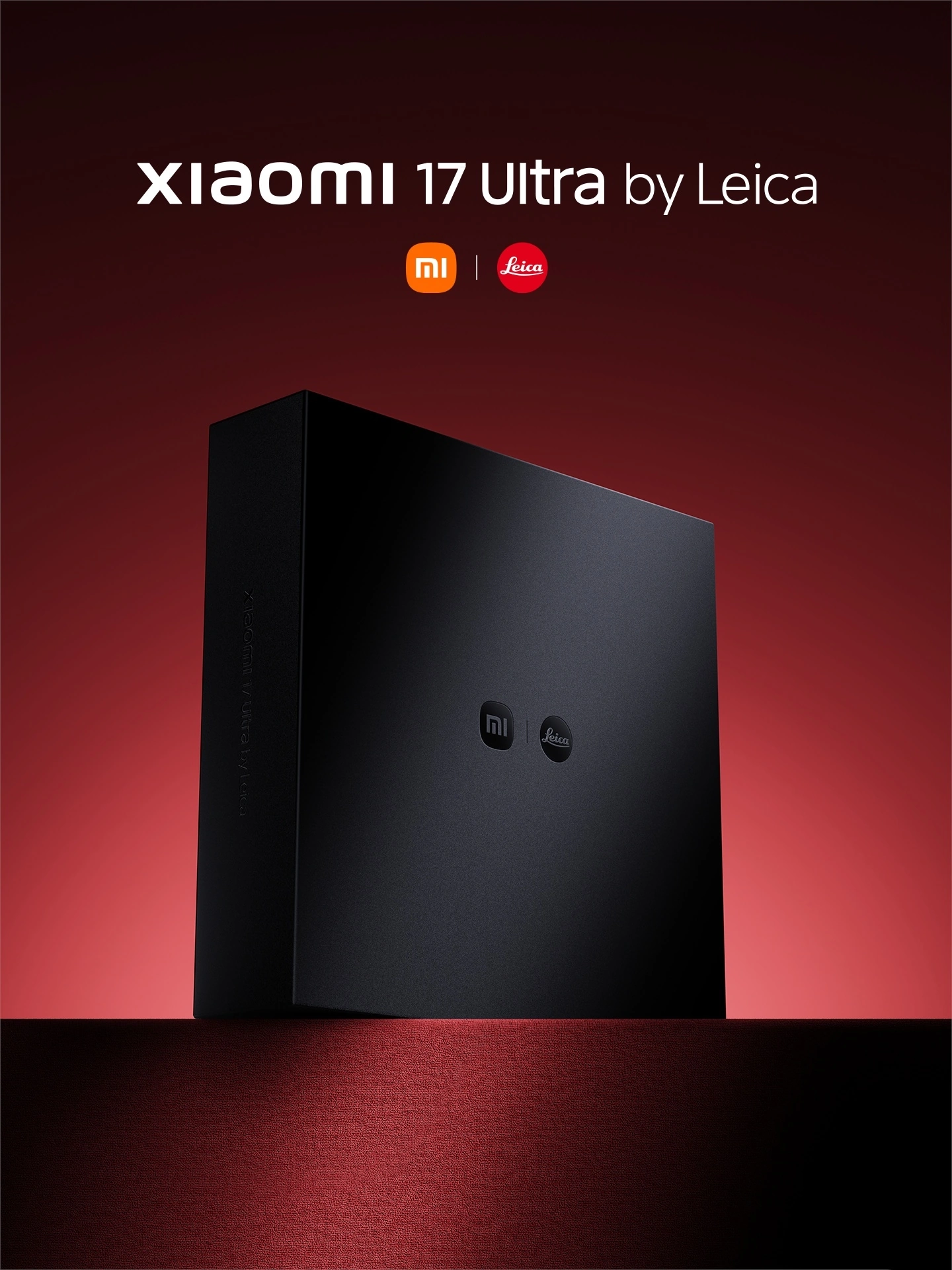
As per the recent official posters available, the Xiaomi 17 Ultra Leica Edition comes with a special package design. The package comes with a very elegant black design that features the Xiaomi logo as well as the famous “Cola” red logo from the renowned Leica brand. This makes it very different from the standard package.

Xiaomi 17 Ultra by Leica 2 Xiaomi 17 Ultra by Leica 1

The standard variant of the Xiaomi 17 Ultra has “LEICA” inscribed in a text format on the camera module. The fact that the logo itself has been included in the Leica version points towards its higher positioning and implies that there is some collaboration between the two brands. This particular design goes well with photography enthusiasts who are impressed by the traditional look of the camera brand being from Germany.

Xiaomi 17 Ultra 1

Strategic Branding and International Availability

The event is named “Xiaomi × Leica Imaging Strategic Cooperation Upgrade,” and that speaks volumes about improvements in mobile image processing algorithms and hardware. But branding differs based on regions.

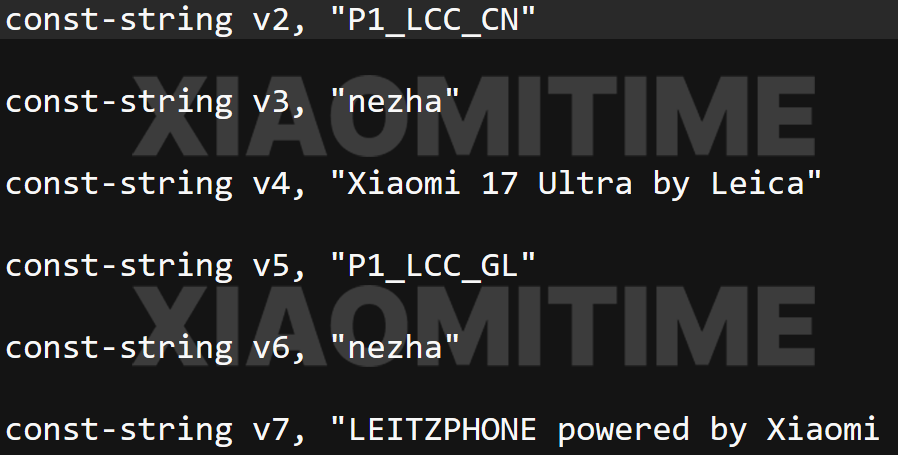
As reported first on XiaomiTime last week, this particular handset will have different titles depending on the region where it will be released. For mainland China, it will be launched as Xiaomi 17 Ultra by Leica. For Global, this handset is expected to hit the market as Leitzphone by Xiaomi. Such an endeavor is an evidence that Xiaomi is taking special care of its target audience in every region while using identical premium hardware components for all regions.

💾

Auf YouTube findest du die angesagtesten Videos und Tracks. Außerdem kannst du eigene Inhalte hochladen und mit Freunden oder gleich der ganzen Welt teilen.

5 cool Xiaomi case types you need to see

24 December 2025 at 08:00

The peripheral environment of mobile computing devices has experienced a paradigm shift in the latest technological age. The idea of a protective cover began transforming from just an armor shell to an elaborate environment of performing interfaces for gadgets such as Xiaomi 17 and POCO F8 Pro. The selection of an apt cover would soon reach equal importance to that of the device itself in defining its efficiency of functionality. This study will uncover five different designs of a cover that can upgrade the user interface environment of the Xiaomi series.

The Professional Photography Grip System

As camera aficionados, the standard protective casing is not enough when it comes to optical image quality. The Xiaomi 15 Ultra Photography Kit is the epitome of its class, almost making the smartphone function like a professional camera. These cases have their own nano-tech leather texture, which is necessary not only for aesthetics but also for grip when taking videos or pictures.

15 Ultra photography kit Xiaomi 15 Ultra Photography Kit

Beyond the ergonomic aspects, these systems comprise a professional shutter and a zoom lever designed to directly communicate with the device via a short-range connectivity technology such as USB-C and Bluetooth. Another important addition that can be found is the presence of a 67mm filter adapter, enabling the use of professional ND and polarized filters, thereby filling a gap between computational photography and physics. These grips also provide a separate battery pack that can prevent battery exhaustion due to a powerful image signal processor.

Thermodynamic Cooling Enclosures

The introduction of advanced silicon variants, including the Snapdragon 8 Elite, has led to thermal efficiency becoming one of the most important considerations for mobile gaming. Thermodynamic armor cases are specifically designed to counter the effects of thermal throttling. These cases feature a composite design comprising layers of graphene and metals in direct contact with the back glass of the smartphone.

Active Cooling Integration

The highest level of advancements in this segment has magnetic induction rings that support external Peltier coolers. These cases efficiently manage the heat transition from the vapor chamber to the external cooling system, either by reducing the material thickness where it makes contact or adopting a copper window for the cooling sink. This ensures that the device operates at its highest clock speed without degradation, which has major impacts for competitive gaming in terms of performance.

Aramid Fibre and Composite Minimalist Shells

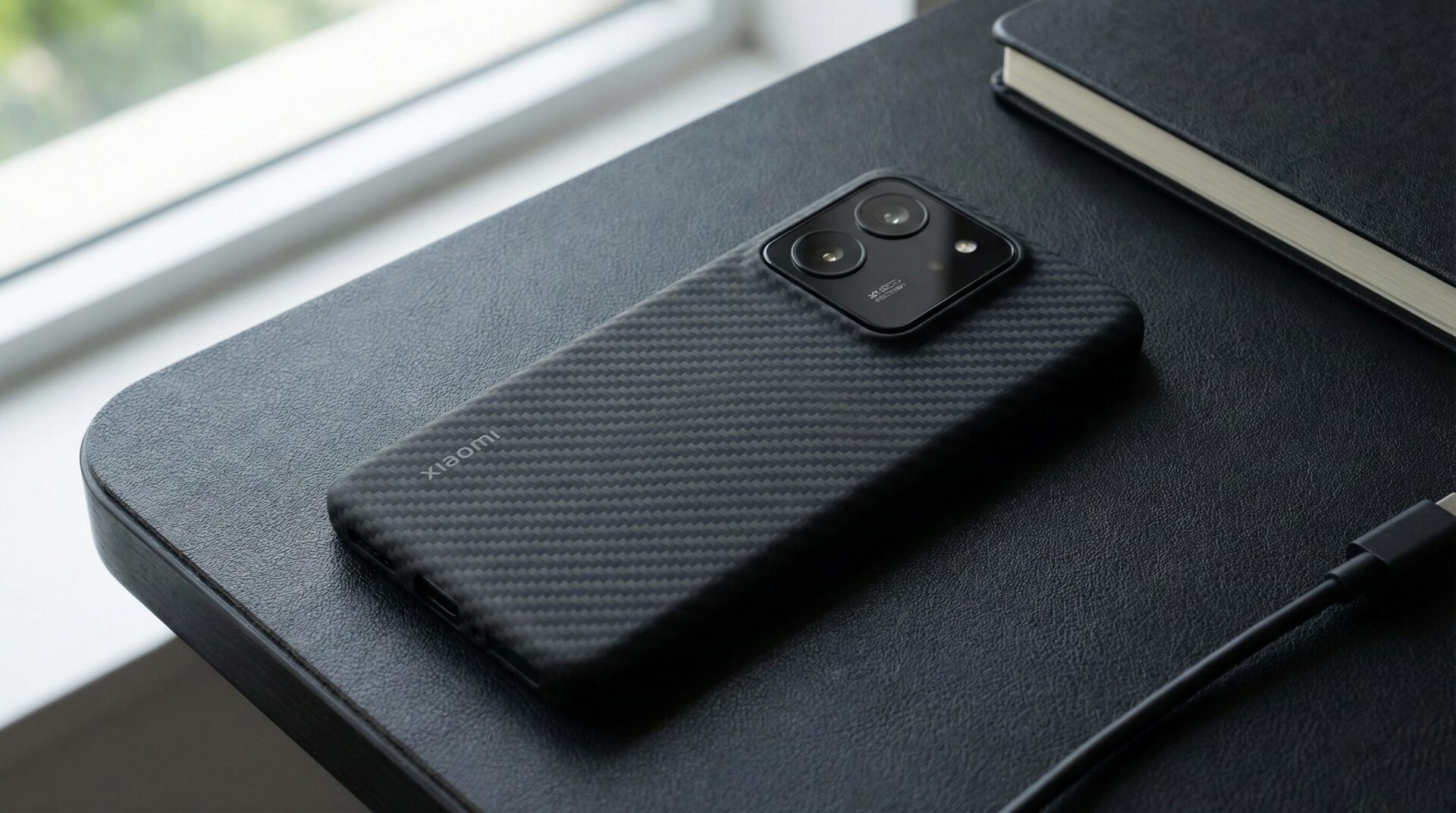
However, in cases where the user requires protectant properties without sacrificing the slim look of the device, Aramid-fiber composites are the scientifically preferable option. Commonly known by brands such as Kevlar, it has strength-to-weight ratios five times greater than even steel. They are usually molded with a thickness of less than 0.8mm, maintaining the original ID design of the Xiaomi 15 smartphone.

Carbon Case Xiaomi 15

While carbon fiber may cause interference with signal reception, Aramid fiber remains non-conductive to ensure that there are no effects related to the connectivity features like the 5G, Wi-Fi, or the GPS signal. It’s the best type to use during the present connectivity generation and allures with durability against scratches and slight impacts, along with the ability to retain the “naked” experience. The texture type includes the 600D/1500D weave, attributed to its sophisticated matte finish that resists finger and oil stains better than the polycarbonate type.

Functional Utility and Privacy Guards

The incorporation of utility functionality within the case design helps to solve privacy and media viewing needs at the same time. This type of utility is characterized by the incorporation of “CamShields,” which shield the lens array physically when they are not in operation. This serves as an assured privacy solution for possible software attacks as well as prevents damage to the glass optics within the XRING O1 due to abrasion.

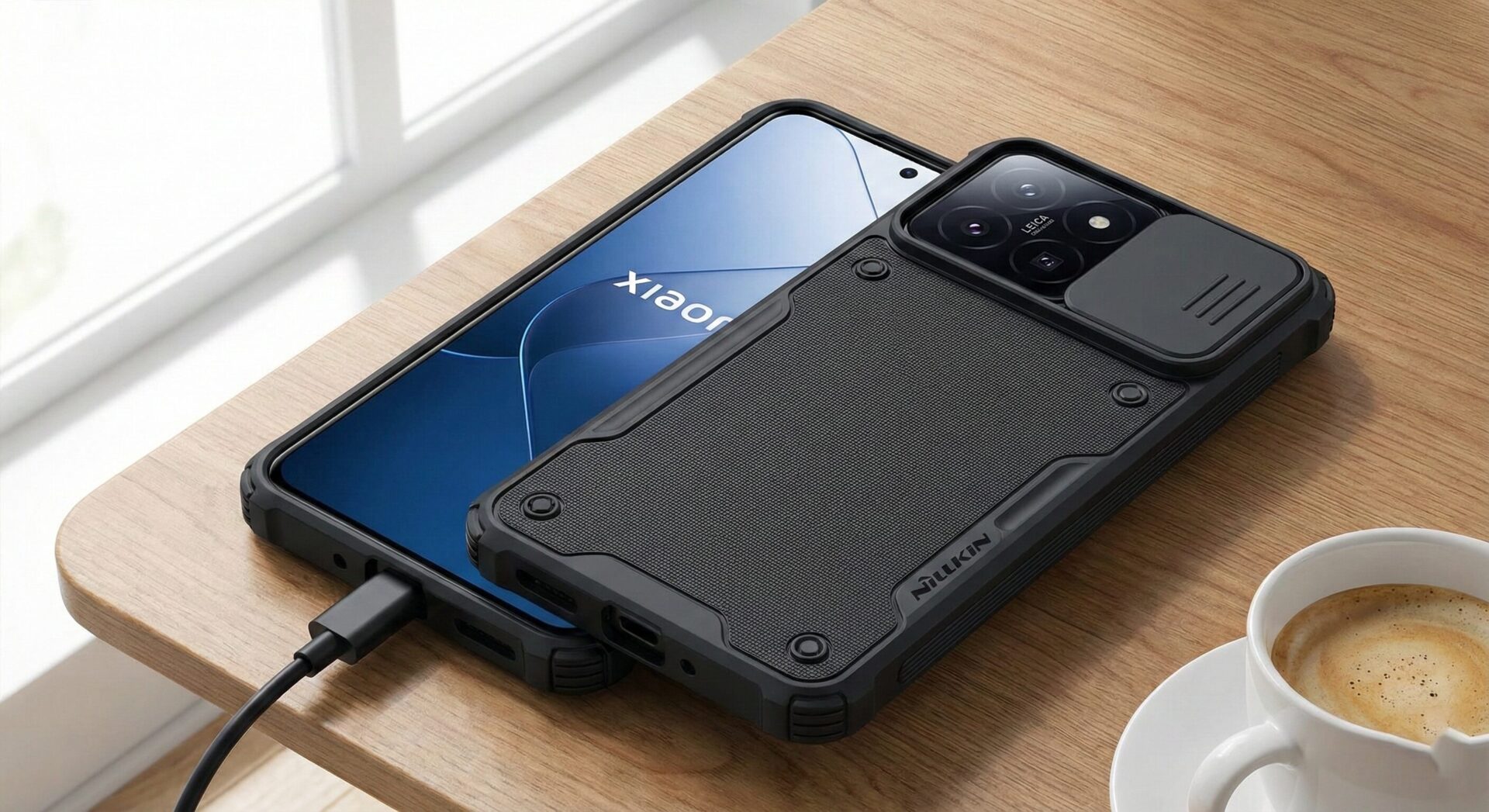
CamShield Case Xiaomi 14

Moreover, such mechanisms can also serve as strong kick stands that allow the device to be mounted upright for video calls or playing content. This feature makes it unnecessary to purchase additional accessories since a device can serve multiple functions. Such cases make it convenient for devices inside an individual’s ecosystem to connect using magnetic mountings for a smooth transition to car stands or connectivity with Xiaomi Pad 8 accessories using the Xiaomi HyperConnect protocols.

System Optimization and Software Maintenance

While it is essential to focus on physical protection, it has to be accompanied by attention to the internal health of the device. The photography kits and smart covers usually work in collaboration with particular system applications to achieve maximum efficiency. This calls for regular updates of system applications.

❌