Normal view

What happens if Xiaomi earbuds go missing?

14 December 2025 at 11:00

With the rapid adoption of true wireless earbuds across the continent, compact audio devices became a big part of everyday life in Europe, but at the same time, this increased the chances of losing them even more. Xiaomi’s Redmi Buds, Xiaomi Buds, and their POCO-branded equivalents-sold as Xiaomi T series globally-are among the widely used ones within the European Economic Area, where its small size and cable-free design can become a practical disadvantage.

Understanding what can and cannot be done in case of a loss will help manage expectations and take the right technical steps.

Understanding how to locate Xiaomi earbuds

Before recovery attempts, it is critical to acknowledge the technical limitations of wireless earbuds. Unlike smartphones, Xiaomi earbuds do not include any GPS modules or cellular connectivity. Location detection must therefore be indirect and depends entirely on Bluetooth signals and software ecosystems.
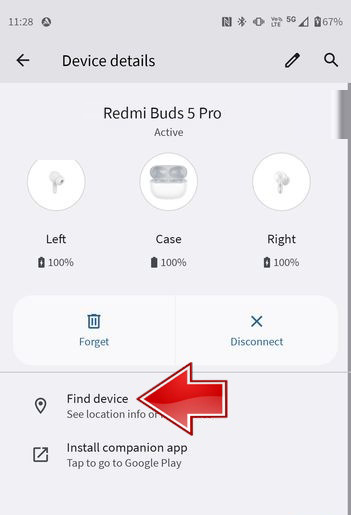
Find earbuds

Modern Xiaomi earbuds employ Bluetooth Low Energy, usually based on Bluetooth 5.2 or 5.3, or newer standards. When an earbud is outside its charging case and has some battery power, it periodically broadcasts a signal. Smartphones can estimate proximity using the signal strength values, commonly referred to as RSSI. This method will only work for short distances, typically less than ten meters, and thick walls, commonly found in European buildings, will weaken signals considerably.

This normally means that when the earbuds are inside the charging case and the lid is closed, Bluetooth transmission is usually disabled at the hardware level. In this state, digital tracking isn’t possible. Of course, once the battery is completely dead, all signal transmission stops, making the recovery a purely physical search.

Using Effective Xiaomi & Google Software Tools

Xiami, on their part, offers simple recovery capabilities via the official earbuds management application. Thus, the “Find your earphones” feature can only be helpful in quiet indoor environments like homes or offices because it allows users to initiate a loud ringing from the earbuds provided they are currently connected to the phone.

The application also logs the last known location where the Bluetooth connection was active. This is static information and does not update if, at some point afterward, the earbuds have moved. It is rather to be used as a reference point than as live data from tracking.

find headphones

Newer Xiaomi earbuds that support Google Fast Pair are able to integrate with Google’s “Find My Device” network. If an Android device is nearby an, in a sense, misplaced earbud, it may anonymously detect the Bluetooth signal and report an approximate location back to the owner. This can be very helpful if your earbuds go missing in a busy urban area, though the earbuds do need to have some juice left in them. A completely dead earbud cannot be found via this network.

Practical steps toward recovery in Europe

Timing is most crucial when the earbuds are lost. When the device still has power, taking action as soon as possible improves the possibility of recovering these devices.

Check the last known location of the Xiaomi Earbuds in the app or using Google Find My Device. Return to that area with Bluetooth turned on. In indoor environments, lowering background noise and activating the sound alert narrows down their location. Third-party Bluetooth scanner apps may help advanced users by showing how the signal strength changes as a person walks through a space.

If the loss took place in a public transport or shared area, contact the local lost-and-found services. European transport operators often list small electronic items only descriptively without serial number, but having the purchase documentation may help.

Replacement options and cost considerations

If recovery is unsuccessful, replacement becomes the next decision point. With the exception of very few cases, officially individual earbuds or charging cases are hardly sold as stock items in official Xiaomi channels in Europe. Some replacements may be offered for a fee by authorized service centers, with prices often approaching that of a new set, especially in the case of budget models.

IndividualIssues with Third-Party Sellers

Some third-party sellers sell single earbuds, mostly sourced from outside the EU. Although this offers cost savings for premium models, shipping times and possible warranty limitations should be carefully weighted. For more affordable Redmi Buds variants, buying a new pair is often the most convenient and pragmatic approach.

After having replaced a single earbud, users need to make a full reset and re-pair it so that the new and existing parts will be able to synchronize appropriately. Firmware updates via the official app are highly recommended for stable performance.

Future preventive measures

Sometimes, prevention is better than recovery. It’s highly recommended to enable Google Find My Device at setup. Protective cases with keyrings attached or an external Bluetooth tracker attached inside the charging case can greatly reduce most risks. Doing periodic system app updates through trusted sources such as HyperOSUpdates.com or using tools like the MemeOS Enhancer application will let one have the bleeding-edge features added into the ecosystem and all stability enhancements.

Losing European Xiaomi earbuds is a manageable situation when one understands the real technical and logistic facts. Recovery tools based on Bluetooth can work within conditions, and there are no guarantees provided. For premium segment models, the replacement of a single module might be economically reasonable; in entry-level ones, it is often more advisable to replace them completely. As in most cases, the best strategy remains one of proactive prevention, which combines software activation with physical accessories and informed habits of use.
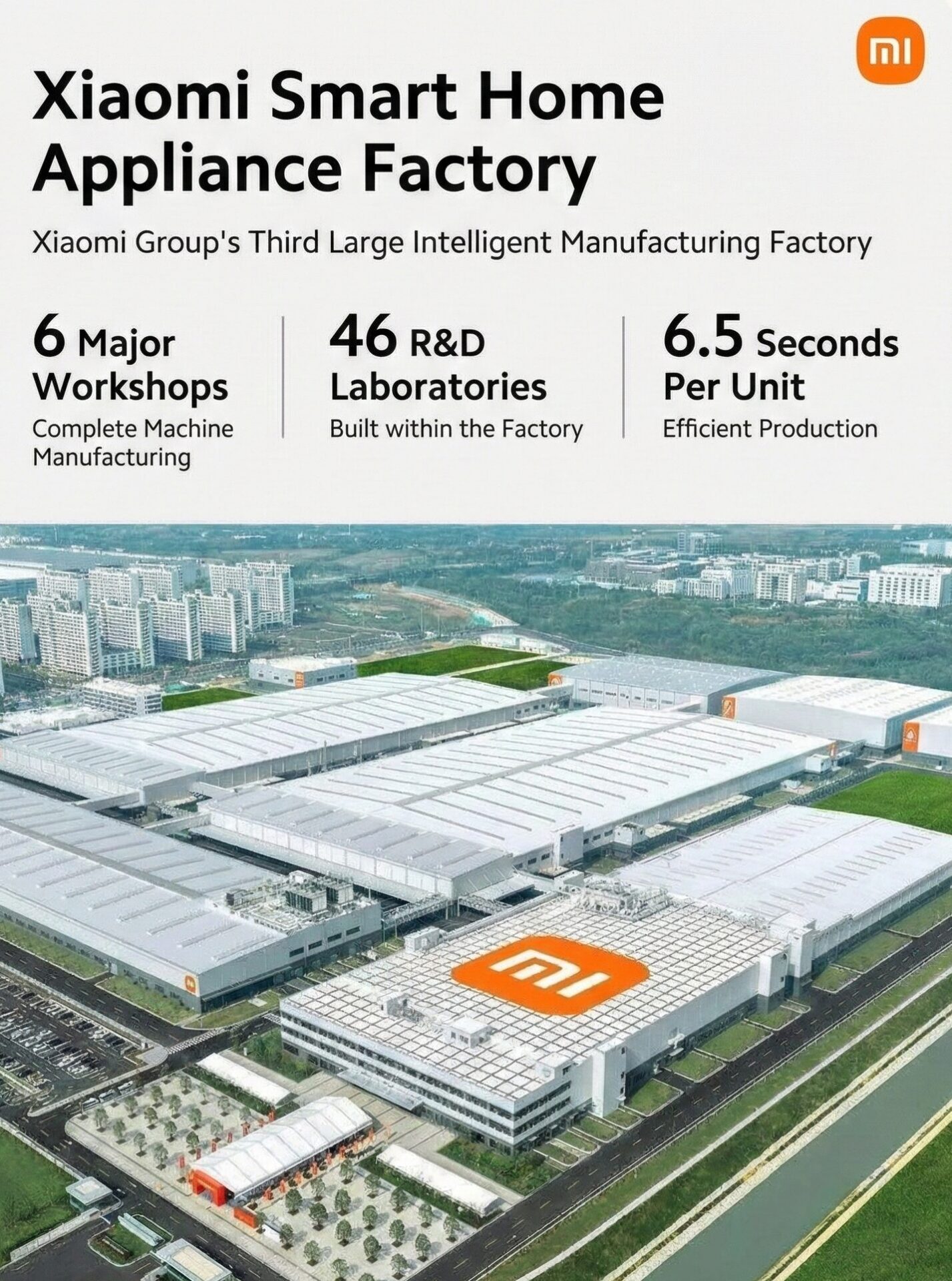
Xiaomi’s new factory can produce an air conditioner within 6.5 seconds

14 December 2025 at 07:30

Xiaomi has also stepped up the pace of its plans for home appliances globally by investing in a brand new massive production line in China, which is set to increase efficiency exponentially. Now that Xiaomi/Mijia refrigerators, air conditioners, and washing machines are rolling out from China into even more countries worldwide, Xiaomi has introduced a new generation factory that is optimized for speed, efficiency, and scalability.

The establishment of a new production base for Xiaomi home appliances

In order to cope with the increasing global demand, Xiaomi has launched a factory that is specifically used for making home appliances – Wuhan Xiaomi Smart Home Appliance Factory. This is the very first factory Xiaomi has set up that specifically focuses on producing large home appliances, as most of Xiaomi’s previous products are smartphones, televisions, etc.

In the words of Lu Weibing, Partner, and President of Xiaomi Group, as well as the CEO of the Xiaomi brand, “Phase one of our factory has been completed, and we are already operating at full capacity.” This means that the factory is currently operating at full capacity with optimized production lines for efficiency. This is a demonstration of the commitment by Xiaomi to vertical integration and intelligent manufacturing practices.

Xiaomi smart appilance factory

The Wuhan factory is significant because of the rate at which it produces its goods. It takes only 6.5 seconds to produce a unit of the Mi Home Central Air Conditioner Pro Dual Fan Wheel.

The factory now has a total of six professional production lines, which include the entire assembly process of air conditioners for residential and central air-conditioning systems. This helps Xiaomi increase production speed with minimum human labor inputs, ensuring high standards of quality control. The initial production of air conditioners from this factory is now readied for commercial launch.

Xiaomi’s Third Mega Factory & Strategic Milestone

The Wuhan Smart Home Appliance Factory is the third giant smart factory established by Xiaomi, after its state-of-the-art smartphone factory and the automotive super factory. But this particular factory holds a special strategic place because it is Xiaomi’s maiden giant factory only for home appliances.

Xiaomi is making a bold statement with a significant investment in appliance manufacturing, which means that the brand no longer considers smart home devices a secondary product line to the smartphones. This is because Xiaomi is now making smart home devices a fundamental component of the overall expansion strategy, which is linked to Xiaomi HyperConnect and the AIoT ecosystem.

Fast construction: a paradigm of efficiency established

Other than the rate of production, the construction schedule of the Wuhan plant has been of some interest. The plant is situated in the East Lake Technology Development Zone, with the foundation stone being laid on November 26 of last year. The construction started within three months of the signed contract, with the main structure completed on January 20, 2025.

The completion of a huge such industrial project within such a short period has set a certain benchmark within Xiaomi, as far as project completion is concerned. It clearly shows that Xiaomi is applying a certain efficiency technique from product development to infrastructure development.

Source

Xiaomi could jump straight to the Xiaomi 20 series, skipping 19

14 December 2025 at 03:12

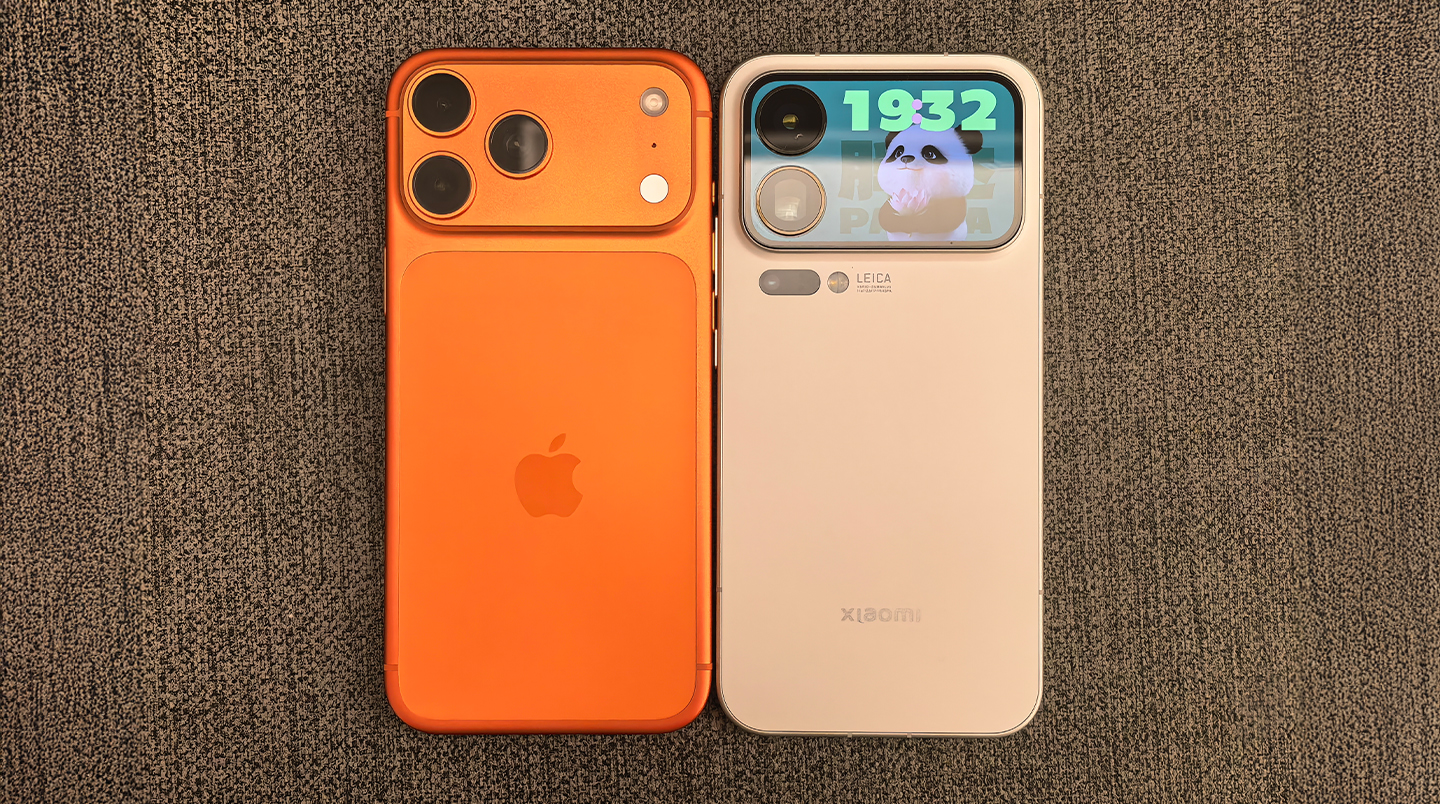
Xiaomi may make another daring naming move by bypassing the Xiaomi 19 series and going straight for the Xiaomi 20 lineup this time, as reported lately. It would echo Apple’s supposedly bypassing the iPhone 19 model to commemorate the 20th-anniversary release of iPhone with the iPhone 20 series in 2027. Xiaomi had already done a comparable naming revision with the Xiaomi 17 Pro Max with a move for apple’s “Pro Max” pattern and skipping 16 series. Xiaomi 17 Pro Max launch already indicated that Xiaomi will not hesitate to make a revision.

Why Xiaomi might bypass “19”

Skipping the naming convention of Xiaomi 19 is no cult decision. In the Chinese context, 19 has no unique cultural meaning, but skipping it may find marketing synchronism with Apple. As Apple’s 2027 series will commemorate two decades of iPhone life, Xiaomi might find a mirage of linking its flagship naming with Apple’s to validate its high-end standing in the international market.
This was also a repetition of what was seen in 2017 after Apple bypassed the iPhone 9 release and came out with the iPhone X during its 10th-anniversary celebrations. In a similar way, Xiaomi may utilize the name Xiaomi 20 to release innovative technologies like camera systems integrated with AIHyperOS 5, or Snapdragon 8 Elite 7th-generation processors.

Xiaomi 17 Pro Max and iPhone 17 Pro Max 1

It was a symbolic move for Xiaomi’s second decade.

If this rumor holds water, Xiaomi’s Xiaomi 20 series will come out somewhere around 2027, which will open a new page for the smartphone. Aligning itself numerically with its counterpart Apple, Xiaomi strengthens its identity as a world-class smartphone brand that sets trends, not emulates.

This naming convergence also benefits marketing for Xiaomi, allowing users to compare the iPhone 20 side by side with Xiaomi 20 more easily — a subtle but potent positional stroke in smartphone marketbrand rivalry.

Source

IKEA launches Donut-Shaped Qi2 charger with two unexpected functions

13 December 2025 at 19:12

IKEA has officially introduced a new Qi2 wireless charging accessory, dubbed the VASTMARKE Wireless Charger and it is already turning heads due to its peculiar donut-shaped design and practical hidden functions. Priced at $9.99 USD, the accessory aims at users who want an affordable Qi2 solution that will handle current smartphones. As this technology becomes increasingly common throughout flagship devices, accessories like this show how design and usability can be combined in a basic, cost-effective product.

A minimal design, centered around Qi2 standards.

The VASTMARKE Wireless Charger comes with the Qi2 wireless charging standard supported, ensuring compatibility with the newest smartphones using magnetic alignment to ensure effective power delivery. Qi2 support translates into stable charging performance and proper coil positioning, particularly important for newer devices.

IKEA VASTMARKE Qi2 Wireless Charger 1420x774 1

The charger includes built-in magnets that allow it to align correctly with MagSafe-compatible phones, among other magnetic systems. In this way, it will be suitable for recent models of iPhones and newer Androids that support magnetic wireless charging. The integrated USB-C cable reflects the current standard and secures broad compatibility with modern power adapters.

Although the charger up until now is available only in a variant of bright red color, the focus of IKEA here is clearly on function rather than aesthetic variety.

Chapter Two Hidden Functions That Improve Daily Use

Beyond its price and Qi2 support, what makes the VASTMARKE charger special is the fact that it contains two features, both of which are hidden in plain sight.

First, the donut-shaped top portion can be flipped back and used as a built-in phone grip; through it, one can slip his fingers behind the charger, like in a PopSocket, to hold the phone securely while operating.

The same donut structure thus serves as a cable management system: the charging cable can be wrapped neatly around the center of the charger and then hidden inside the top cover. It will help make desks and bags tidier by not making cables get in the way during transportation or storage.

These small but thoughtful design choices also fit with IKEA’s long-standing approach of marrying affordability with practical solutions for everyday living.

Availability and Market Positioning

Currently, the IKEA VASTMARKE Qi2 Wireless Charger is available for online purchase through IKEA’s website, though shipping demands a minimum order of 35 USD. It is to be noted that in-store pickups will vary by region.

While not designed with Xiaomi devices in mind because there aren’t any Xiaomi with Qi2 compatible. Qi2-compatible accessories such as this are slowly but surely becoming more relevant within the wider Android ecosystem as more and more magnetic wireless charging standards are adopted.

Source

REDMI Turbo 5 Pro certified in China, release expected very soon

13 December 2025 at 17:25

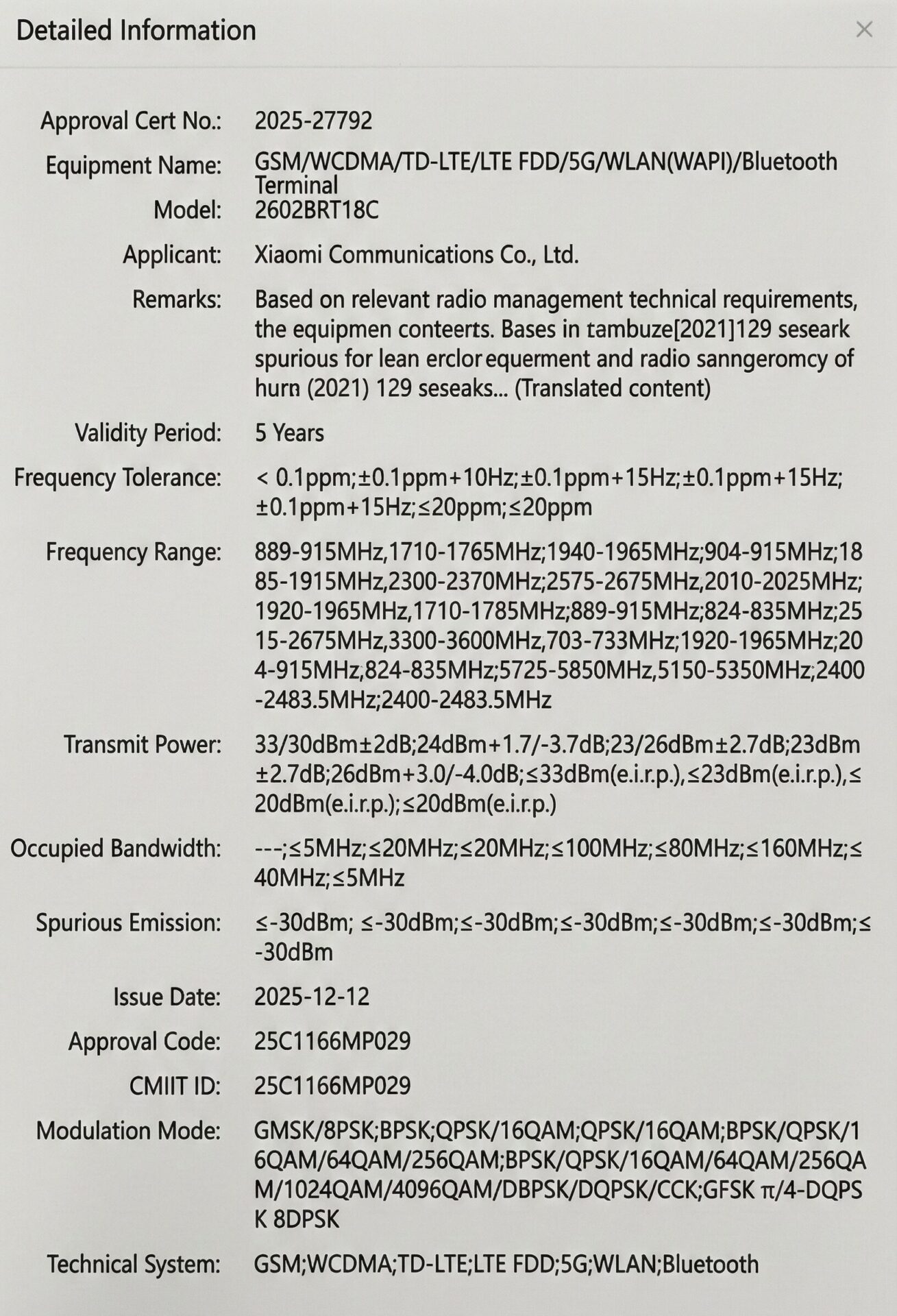
There is a brand new Xiaomi device that has already obtained SRRC radio certification, which indicates that the release of this device might be closer than we think. The device, with the model number 2602BRT18C, is most likely a part of the REDMI TURBO 5 series, as suggested by the most reliable Chinese leakers. In the preliminary details available, it has been suggested that this particular device might be known as REDMI TURBO 5 Pro, which might enter the markets prior to the Chinese Spring Festival.

SRRC Certification: Evidence of Launch Preparation

This is a significant regulatory step that Xiaomi has accomplished before launching the smartphone in China. According to blogger @SmartPikachu, the newly approved smartphone qualifies for the series named “REDMI Turbo 5.” This is consistent with previous reports that stated Xiaomi is fast-tracking its product lineup calendar for the early part of 2025, especially within the mid-to-high-end performance lineup.

REDMI TRUBO 5

Industry insiders have also revealed that Xiaomi is set to launch two versions of the Redmi 5 Turbo, as well as some ecosystem products such as headsets, computers, and desktop charging devices. The earliest date for the launch is said to be January or February, which is even before the Spring Festival.

Performance Positioning and Hardware Expectations

On the basis of the details shared by @DigitalChatStation, the REDMI Turbo 5 Pro is set to become a substantially upgraded version in the performance segment. This product is going to come with the only flagship processor available in this segment, with intensive tuning as well as optimized cache. Although the processor has not been identified, this device is aimed at providing a performance close to that of the flagship within a relatively affordable price segment.

Battery life and charging are also emphasized as significant improvements. Specifically, the alleged specs list the biggest battery in the segment with 100W fast charging. There are claims of a 9000mAh capacity, which, assuming they are true, would be a significant marker in the Turbo line, further solidifying its position centered on endurance.

Design, Characteristics, Market Position

Regarding design and quality, the REDMI Turbo 5 Pro is predicted to use a metal frame with a minimalist industrial design. Other technologies said to be used are a 3D ultrasonic fingerprint sensorfull-level water resistance, as well as symmetrical stereo speakers, which are meant to provide a well-rounded user experience.

In terms of pricing, it is reported that it is targeted at the CNY 2,500 price segment, which is roughly translated to USD 350-360. This is a positioning that marks it as a follow-up to the performance roles hitherto occupied by the REDMI K series models.

For comparison, REDMI TURBO 4 PRO came with the Snapdragon 8s Gen 4 chipset, a 6.83-inch 1.5K LTPS screen, a 50MP dual-camera setup, and support for 90W fast charging. The TURBO 5 PRO, therefore, is set to come with significant improvements in terms of performance, endurance, and design.

Global Branding Outlook

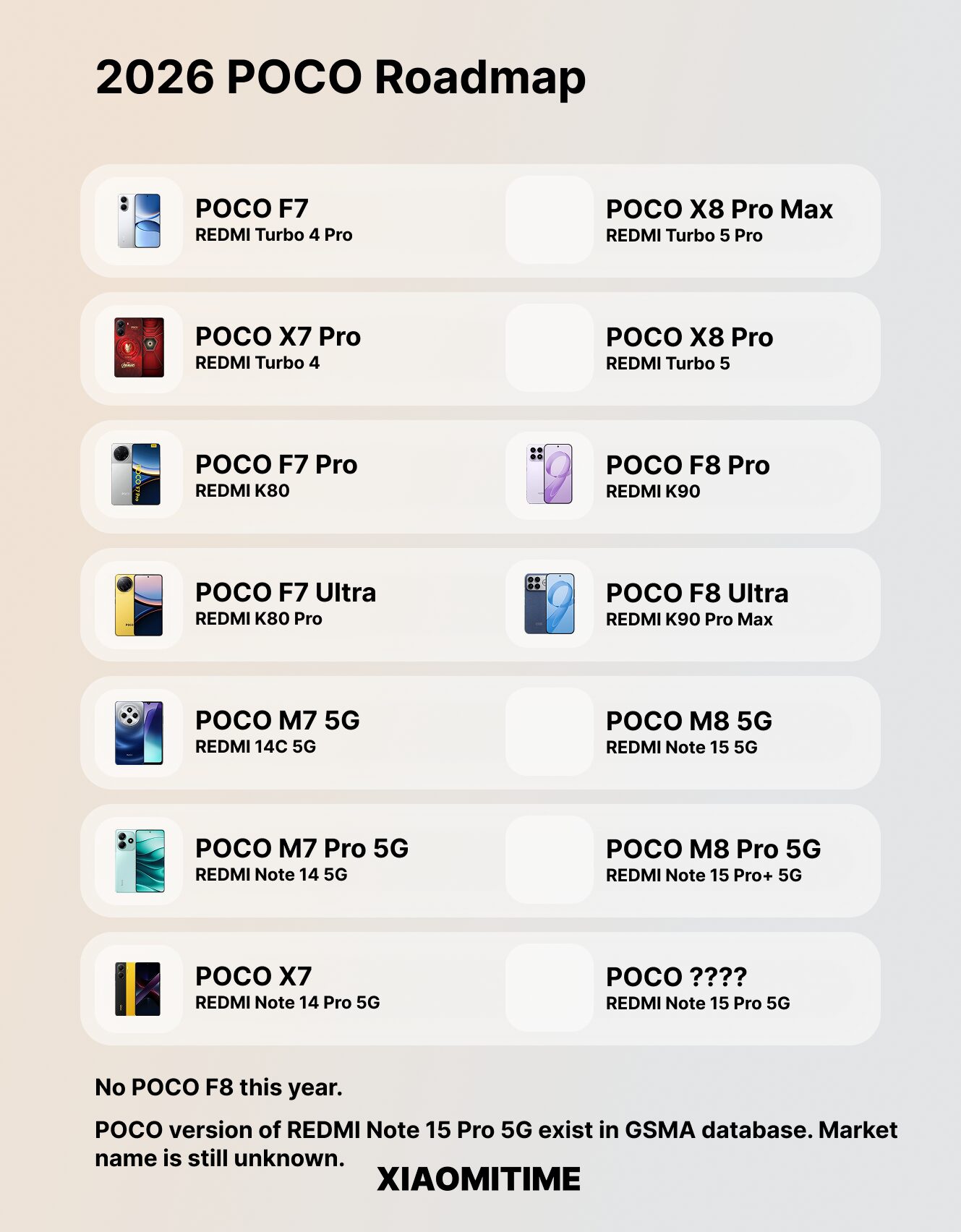
Like the previous ones, the REDMI Turbo series is only available in China. In the international arena, the REDMI Turbo 5 is set to be released as POCO X8 Pro, while the REDMI Turbo 5 Pro is going to be released as POCO X8 Pro Max. Xiaomi has been following this pattern with regard to naming conventions to make the offerings consistent on a geographic basis.

POCO 2026 Lineup

Xiaomi has not yet confirmed the launch dates and specifications, but regulatory filings, as well as consistent leaks, indicate that an announcement is imminent. This is set to come in the coming weeks when Xiaomi readies the lineup for the beginning of 2025.

Xiaomi HyperOS 3 vs iOS 26 vs OneUI 8: Which one is best?

13 December 2025 at 12:34

In The mobile operating system market, as of 2025, has transcended the realms of hardware competition and entered a new era characterized by AI integration, ecosystem development, and design optimization. The market is ruled by three schools of operating philosophy – Xiaomi HyperOS 3Samsung OneUI 8, and Apple iOS 26. The operating philosophy of each operating system dictates the operating principles, each differing by Apple’s Design Centric attitude, Samsung’s Utility Smart approach, and Xiaomi’s Ecosystem Centric hybrid model.

Within this dynamic ecosystem, Xiaomi strives to harmonize quality design and open flexibility. Based on the company’s Human × Car × Home vision, HyperOS 3 succeeds the company’s initiatives, blending aesthetic flexibility with smart connectivity among devices ranging from smartphones to cars.

Apple iOS 26: The “Liquid Glass” Paradigm

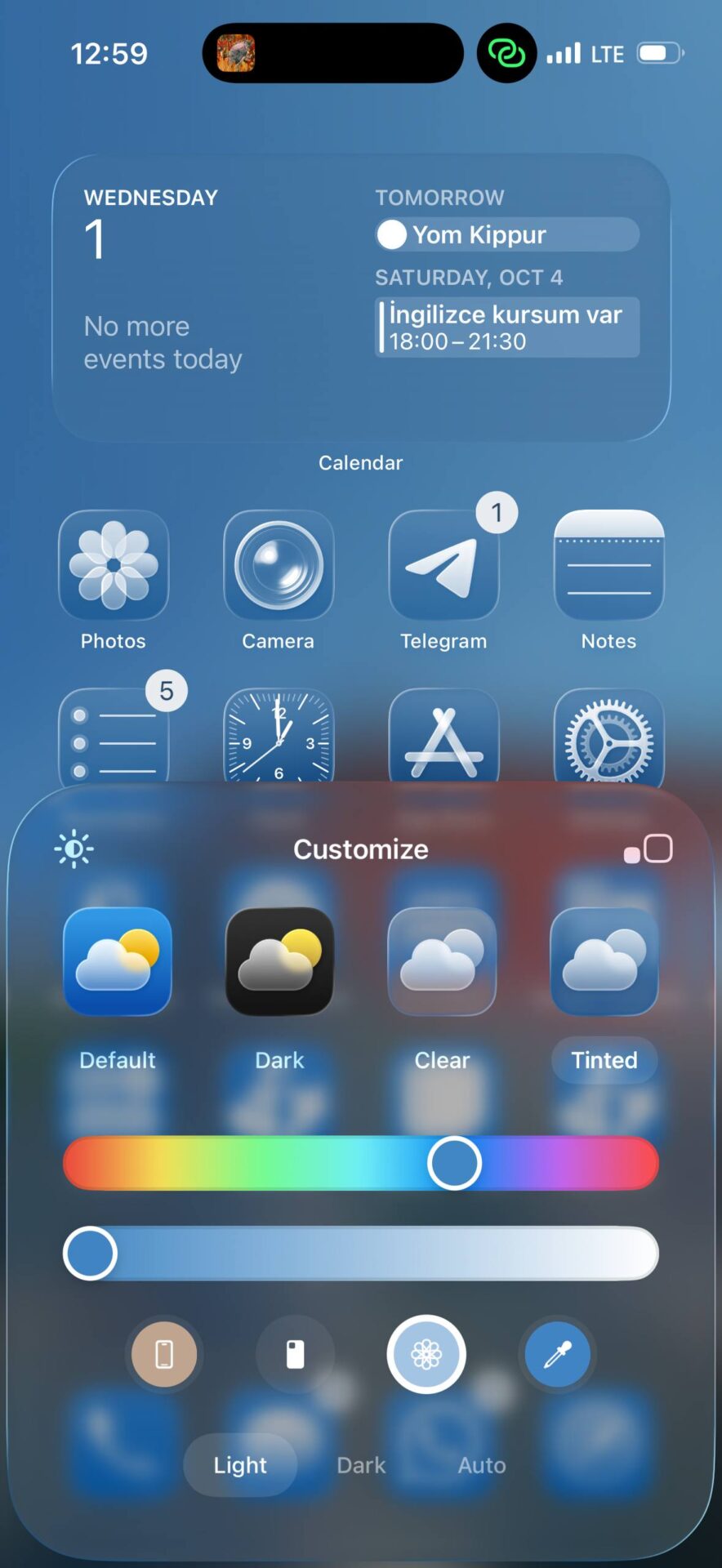
In The visual transformation is so radical that they have termed it Liquid Glass, the most dramatic change to their UI since iOS 7. The semi-transparent UI copied glass optics as glass indeed reflects and refracts light dynamically. While its aesthetic effect is dramatic, users have complained that they could not read well, so they included a Tinted Mode in their iOS 26.1 upgrade, a rare departure by Apple, which often favors aesthetics over utility.

iOS 26 iOS 26 5

Samsung OneUI 8: Pragmatic Intelligence

The Samsung approach elevates dependability and artificial intelligence integration rather than focusing on what the visuals hold. The decision to pass on Google’s Material 3 Expressive design philosophy enhances Samsung’s gesture of independence by centering their approach on dependability and productivity features like KnoxDeX, and AI Agents. OneUI 8, therefore, establishes a clear distinction as a stand-alone operating system.

OneUI 8 1 OneUI 8 2

Xiaomi HyperOS 3: Hybrid, or rather, ‘Premium

HyperOS 3 combines the elegant interface features inspired by iOS with the flexibility offered by Android operating systems. The new operating system features rounded icons, smooth blur effects, and the HyperIsland, which is the Xiaomi interface name for a feature similar to Dynamic Island found on other devices by a competing brand, iOS. The new operating system will feature an interface familiar to iOS devices but will still come with strong roots in Android, as designed by developers

HyperOS Theme 3 HyperOS 3 Launcher 11

Control Center: Freedom vs. Refinement

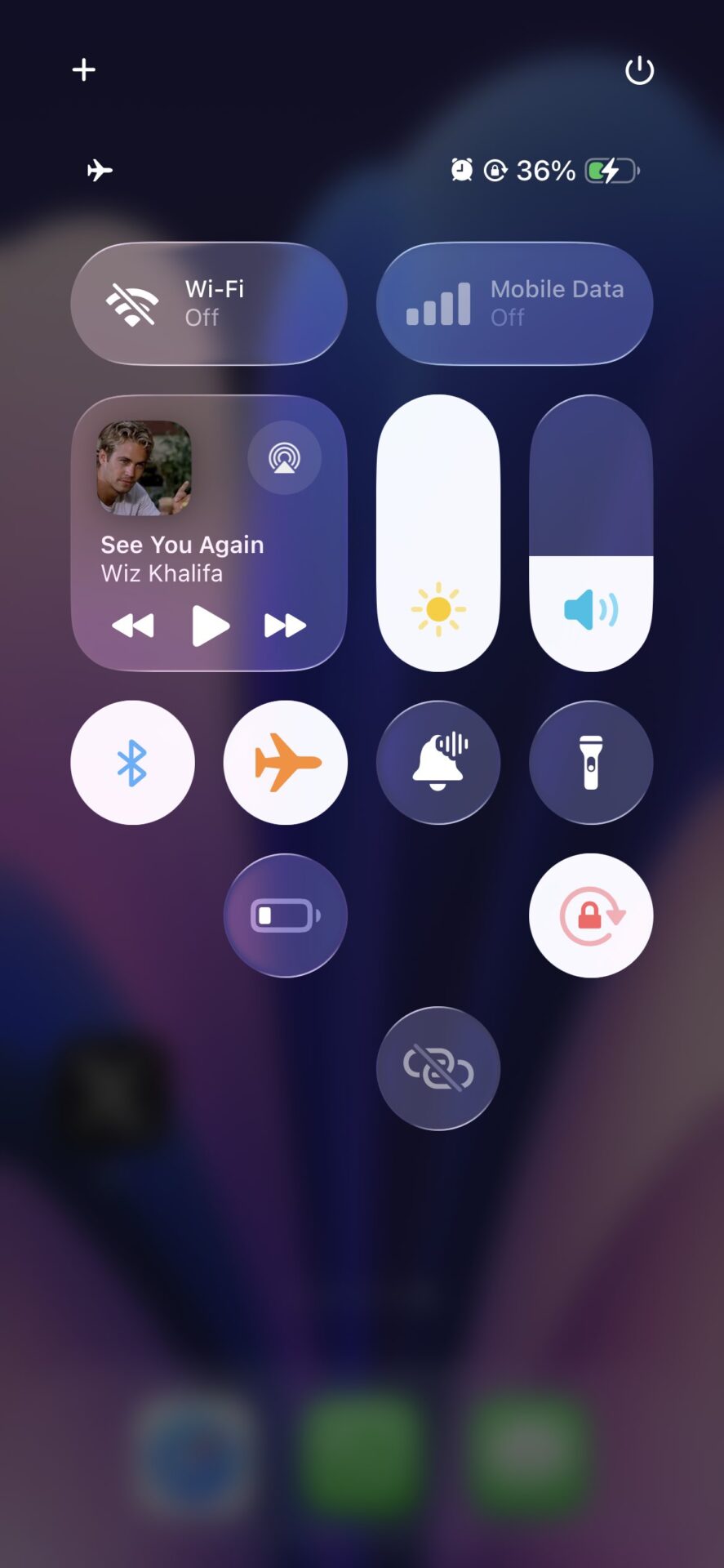
  • Apple iOS 26: Offers full customization, so users can move, resize, and organize tiles, which is the first big move toward personalization by Apple.
  • Samsung OneUI 8.5 carries this even further, allowing the resizing of buttons, which is perfect optimization for power users.
  • Xiaomi HyperOS 3, on the other hand, provides visual sophistication but insufficient customization. Even as its Live Blur Effect provides immaculate clarityfunctionality flexibility is subordinate to its peers. For the Android operating system

Home Screen Intelligence

  • The Samsung company converts their launcher into an “AI-powered query hub” by utilising the Finder AI, which supports various other AI models, including Gemini and Gauss AI. The Samsung company modifies their
  • Apple stresses Personal Aesthetic Control, which involves widget placement and On-Device Apple Intelligence Features.
  • Xiaomi‘s HyperAI enhances the launcher by making it an ecosystem control center, capable of connecting phones, tablets, as well as smart devices around a person’s living space. Additionally, the technology offers functions such as AI Writing, Image Recognition, and Voice Transcription.

Animation and Navigation: The Feel of Speed

  • Apple iOS 26 employs a physics-based Jelly Effect that simulates realistic movement.
  • Xiaomi HyperOS 3 achieves near-iOS fluidity with responsive transitions — especially on flagship models. However, animation performance varies across hardware tiers.
  • Samsung OneUI 8 emphasizes speed and consistency, prioritizing responsiveness over aesthetic expression.

Update Strategy: Three Paths to Longevity

  • Apple continues to dominate simultaneous deployment, rolling out iOS updates globally across all eligible devices on Day 1.
  • Samsung leads in software longevity, offering up to seven years of support for flagship models.
  • Xiaomi, however, follows a broad deployment strategy, targeting an extensive range of devices across price segments — reflecting its commitment to inclusivity rather than exclusivity.

Final Thoughts

The 2025 OS competition is a matter of performance, but even more, philosophy.

  • Apple perfects beauty and emotion.
  • Samsung masters function and control.
  • Xiaomi balances ecosystem unity and user freedom.

Xiaomi fixes bug in recent apps preview with new launcher update

13 December 2025 at 09:00

The issue with the recent apps preview image repeating on the desktop after December 25 has already been lifted by Xiaomi. It initially happened because a user took a screenshot, sent it to a social networking app, and then removed it. The issue, as confirmed by Xiaomi itself, was completely harmless and has already been resolved with HyperOS Launcher, which is released as an update via HyperOSUpdates.com or MemeOS Enhancer, an app on Google Play.

Xiaomi Acknowledges Problem and Offers Solution

Xiaomi attributed the bug to the screenshot-taking process and said it doesn’t have anything to do with phone performance. It has issued a solution for the bug using the HyperOS Launcher Update, which will make sure that previewing recent apps will work as before.

Ekran goruntusu 2025 12 13 003613

How to Update

Users can download and install the latest Launcher from:

Final Recommendation for Affected Users

But if you’re still facing the issue with repeated preview, then you can simply upgrade your HyperOS Launcher to the latest edition. It will completely eliminate your problem and will provide smooth functionality on HyperOS devices.

Source

Why Taiwan ROM became the top priority when choosing a Xiaomi phone

13 December 2025 at 07:00

The strategic role of regional software variations has become increasingly important for Xiaomi users seeking long-term stability, functional freedom, and consistent performance. With hardware capabilities usually dominating decision-making, such as processor efficiency, camera sensors, and display quality, the software layer defines the daily user experience. Indeed, many experienced Xiaomi users have cited the Taiwan (TW) Global ROM as their main criterion, as it is generally seen as a perfect balance between customization, privacy, and functional completeness.

Understanding Xiaomi’s Regional Software Ecosystem

Xiaomi does this by deploying a variety of ROM types in the global markets for conformation to local regulations and device alignment with user expectations. Therefore, the variety of ROM types differs not only in language support or pre-installed applications but also in the rules of privacy, the behavior of dialers, and security settings. This form of a multi-layered software distribution model allows Xiaomi to make perfect adaptations without necessarily touching or tampering with the core hardware framework.

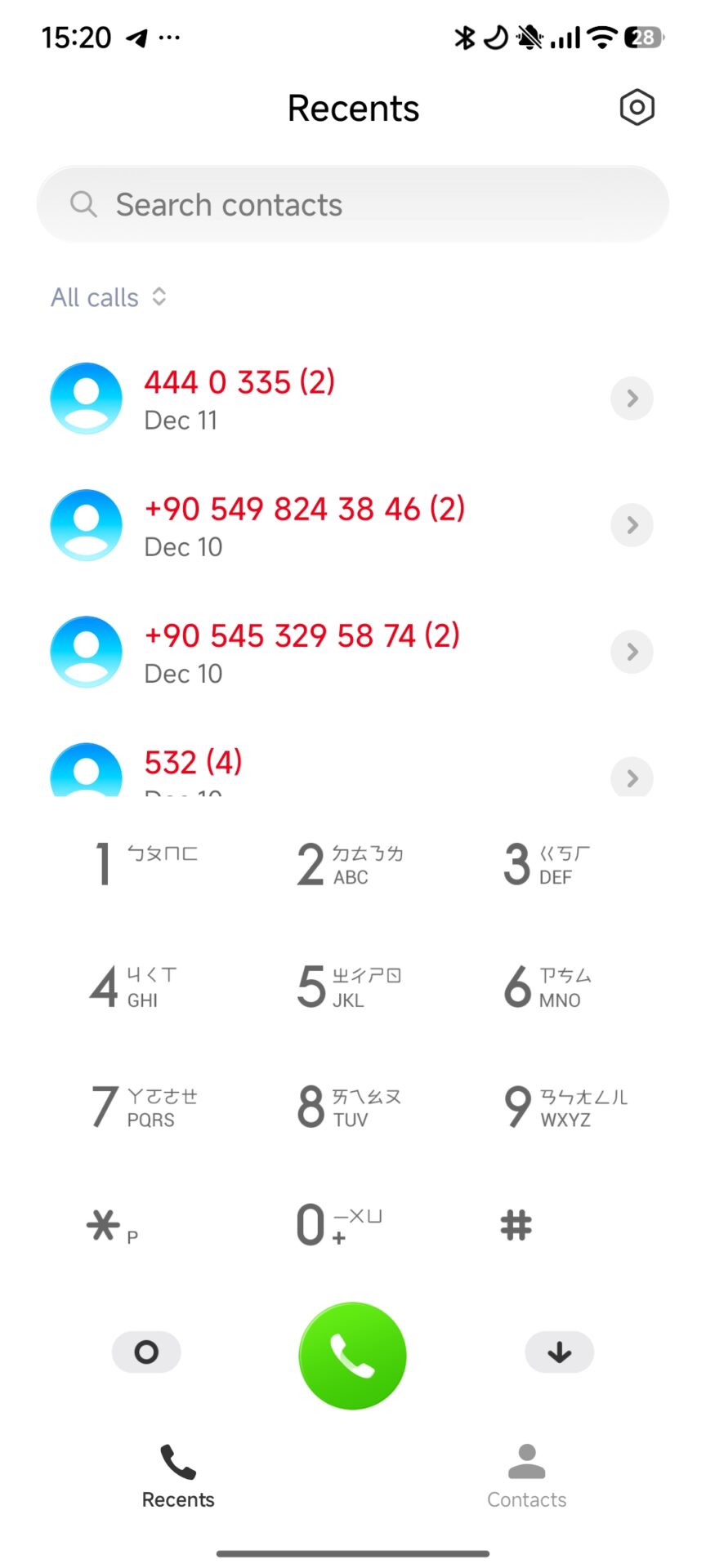
dialer 1 dialer 2

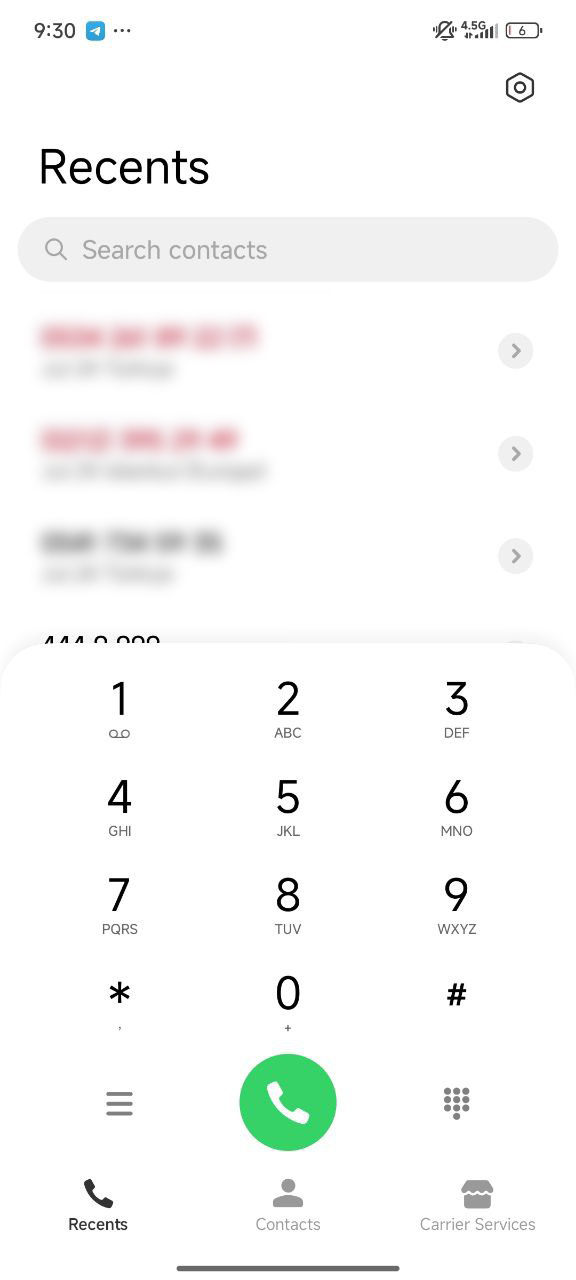
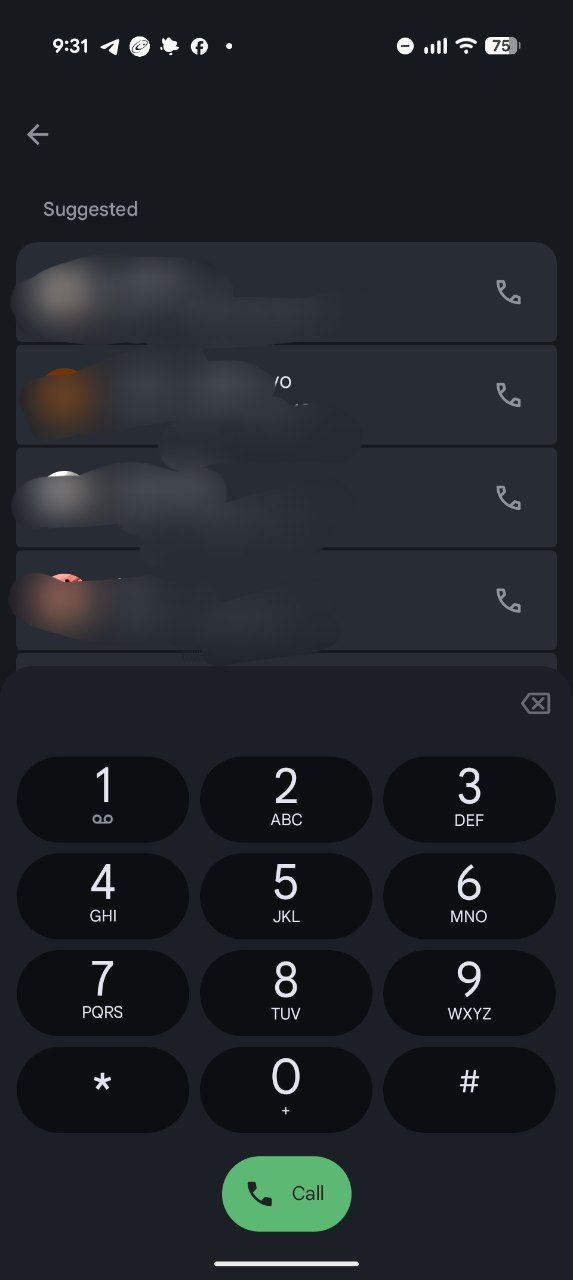
Technically, regional ROMs do share the same skeleton, but they differ in terms of communication applications, network settings, and update policies. For example, Global and EEA ROMs use Google’s communication suite, as required by law, while China and Taiwan variants stick to Xiaomi’s native dialer. As a result, the Taiwan ROM presents an interesting mashup: fully compatible Google services with Xiaomi system-level apps means one gets to experience HyperOS more cohesively.

The Taiwan ROM Advantage in Daily Communication

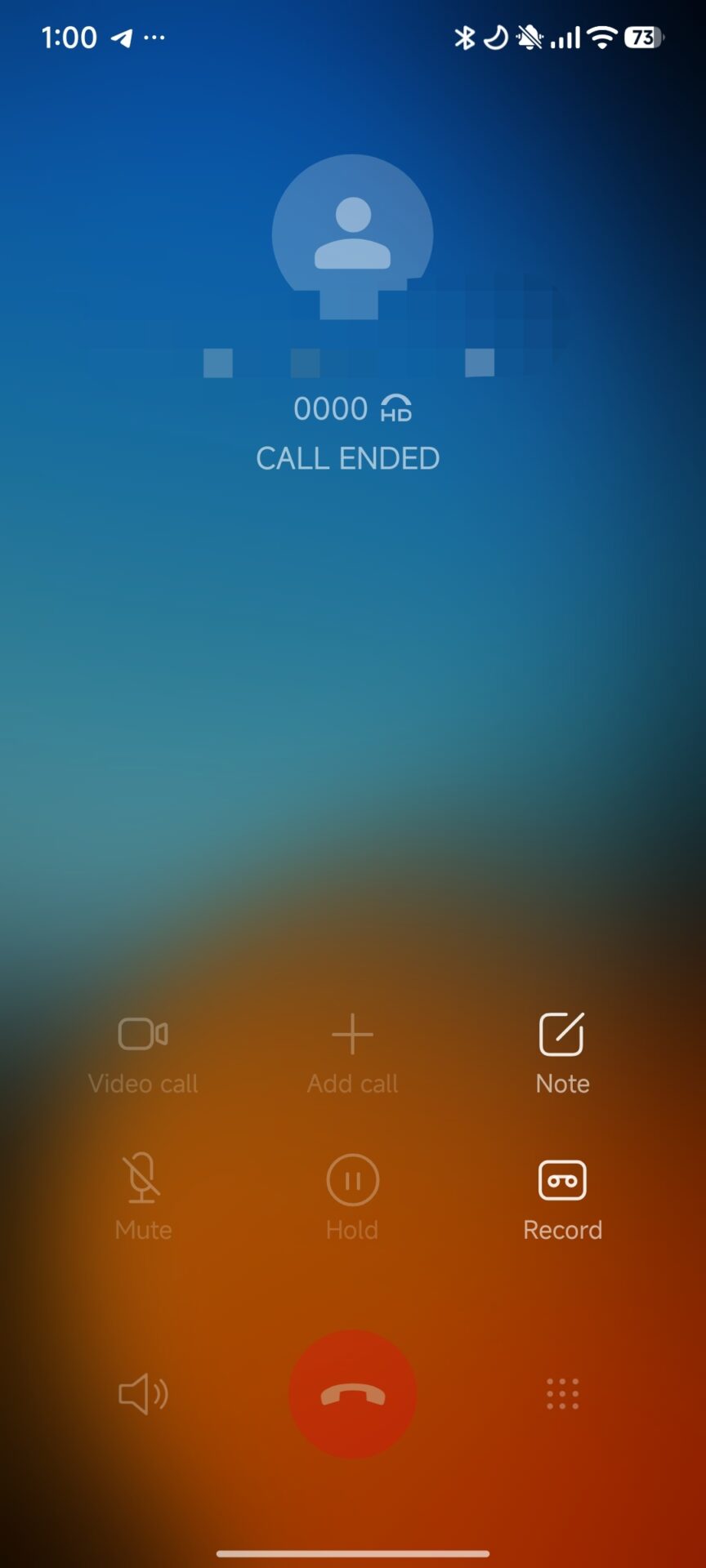
But the starkest contrast is in the communication tool category. Google’s Dialer, which comes compulsory on a number of regional ROMs, introduces audible call-recording alerts such as “This call is now being recorded” for compliance. These alerts break professional or personal workflows. Silent call recording is retained on the Xiaomi Dialer found on the Taiwan ROM, along with enhanced T9 search, and design consistency to interface and system-level audio handling.

MIUI Dialer

This can be particularly useful for users who often engage in business discussions or need secure documentation of conversations. Recordings are stored in system directories, easy to access, and allow for easier archiving and data management. Interface elements also fully align with the interface language of HyperOS, strengthening overall UI consistency.

Technical comparison of Taiwan ROM versus Indonesia

Though both regions retain Xiaomi’s native dialer, the biggest differences come in terms of update cadence, system cleanliness, and regulatory obligation. Taiwan is considered a premium-grade software distribution region; HyperOS updates are faster, security patches more stable, and third-party pre-installed applications fewer in number.

Indonesia ROM includes various local e-commerce and media apps, which are required by the market demand. Taiwan ROM has a more lean, minimum, and professional software build with less background activities, which supports smoother transitions between major HyperOS releases. This is repeatedly emphasized in community benchmarks and user feedback.

Optimize the performance of HyperOS under Taiwan ROM.

HyperOS introduces a new and improved rendering engine with advanced memory scheduling and a performance framework per Xiaomi’s “Alive Design” principles. These optimizations work more consistently on the Taiwan ROM since there are lesser regulatory restrictions and fewer modifications due to Google’s ecosystem policies.

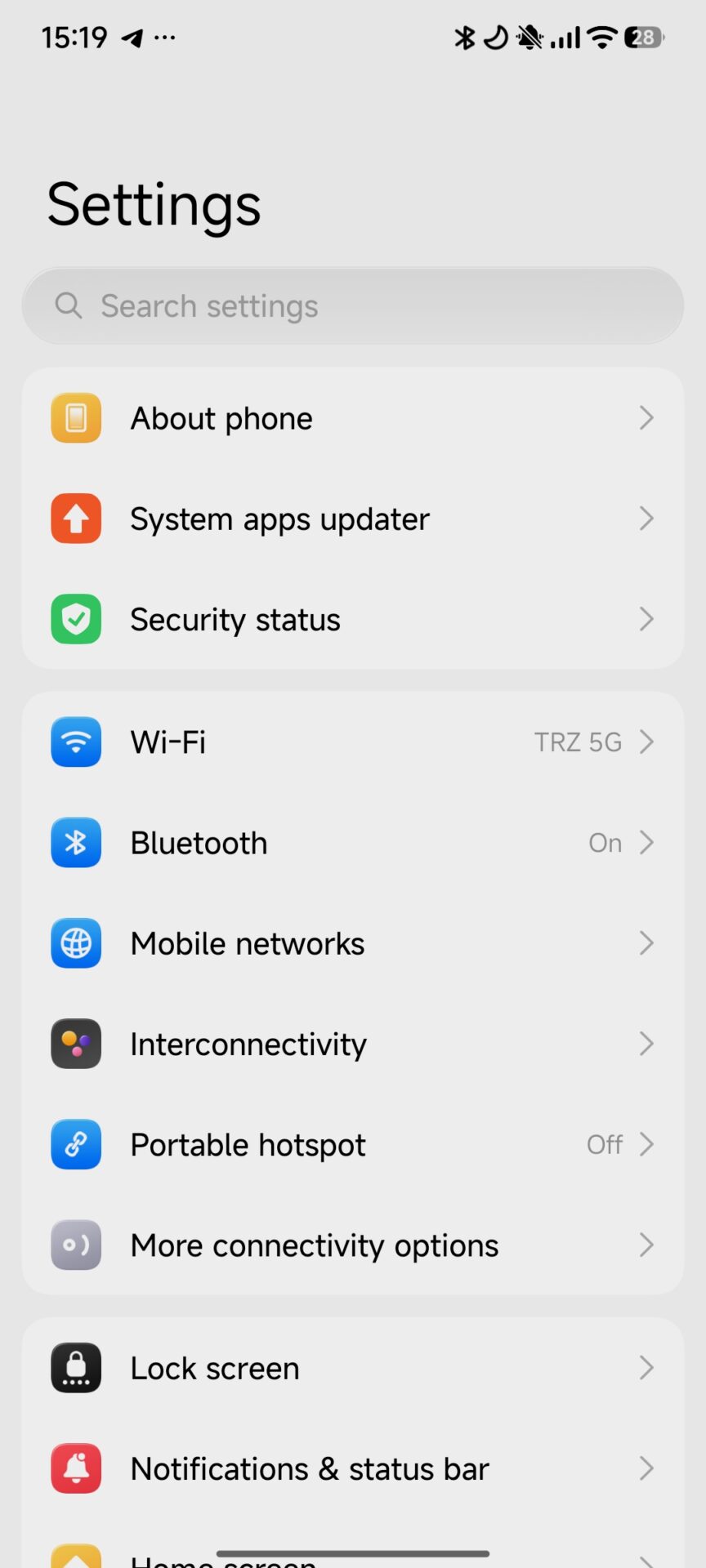
about phone xiaomi 1 about phone xiaomi 2

The result is an interface that is smoother, the performance of the standby power is more stable, and the effective use of resources. Besides that, making optional services like com.miui.analytics and com.miui.msa.global unavailable through usual ADB methods doesn’t sacrifice anything about the system’s functionality and provides even greater freedom to the user.

Security, NFC Payments and Compliance Integrity

Taiwan is a region with a highly adopted NFC-based payment. Due to this, it pushes Xiaomi to keep the operating system in rigorous compliance with Google Play Integrity and financial security protocols. Devices running with Taiwan ROMs—purchased in Europe later and cross-flashed—retain full NFC payment compatibility, a situation that extends further to banking applications, encryption frameworks, and biometric authentication. Such stability makes the Taiwan ROM’s reputation quite strong as secure and dependable global-grade software.

POCO kills X8 and F8 as the M8 lineup rises: New 2026 model strategy explained

13 December 2025 at 04:34

Every year, Xiaomi fans eagerly wait to see how Redmi smartphones will be transformed into their POCO counterparts. But in 2025, this transformation has taken an unexpected turn. Based on IMEI records and Mi Code data, POCO is making a major shift in its product strategy. The most surprising development is that the POCO X8 series appears to be cancelled, while the POCO M8 series is expanding and becoming one of the brand’s central lineups.

This article explores all known Redmi → POCO transformations, cancelled models, updated naming strategies, and how POCO is restructuring its segment hierarchy for 2025.

POCO 2026 Lineup

2025 POCO Model Mapping: What Mi Code Confirms

According to Mi Code entries, here is the accurate mapping of Redmi models to their upcoming POCO versions:

Redmi → POCO Transformations (2025 Lineup)

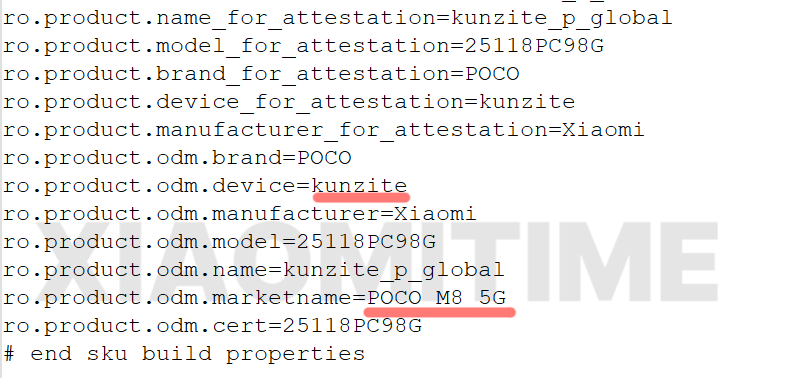
  • Redmi Note 15 5G (kunzite)POCO M8 5G
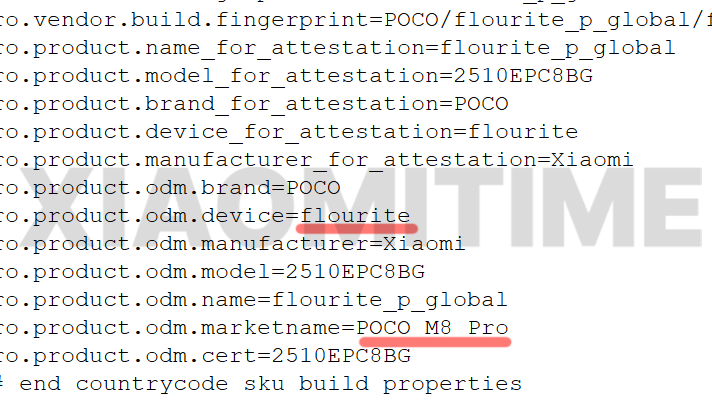
  • Redmi Note 15 Pro+ 5G (flourite)POCO M8 Pro 5G
  • Redmi K90 Pro Max (myron)POCO F8 Ultra
  • Redmi K90 (annibale)POCO F8 Pro
  • Redmi Turbo 5 Pro Max (dash)POCO X8 Pro Max
  • Redmi Turbo 5 (klee)POCO X8 Pro / Iron Man Special Edition

This mapping clearly shows that POCO is shrinking the X series and shifting its focus toward the M series and F series, redefining the brand’s overall structure.

POCO M8 Pro poco note 15 pro 5g POCO M8 5G

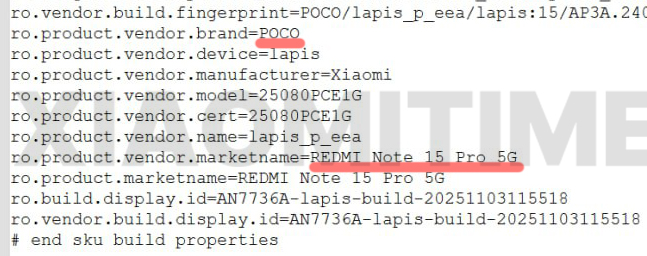
POCO X8 Is Cancelled: Redmi Note 15 Pro 5G Won’t Become a POCO Device

For months, fans expected Redmi Note 15 Pro 5G (Lapis) to launch globally as POCO X8—similar to last year’s Redmi Note 14 Pro 5G → POCO X7 transformation.

But the new leaks reveal the opposite:

  • The device appears in IMEI as a POCO variant,
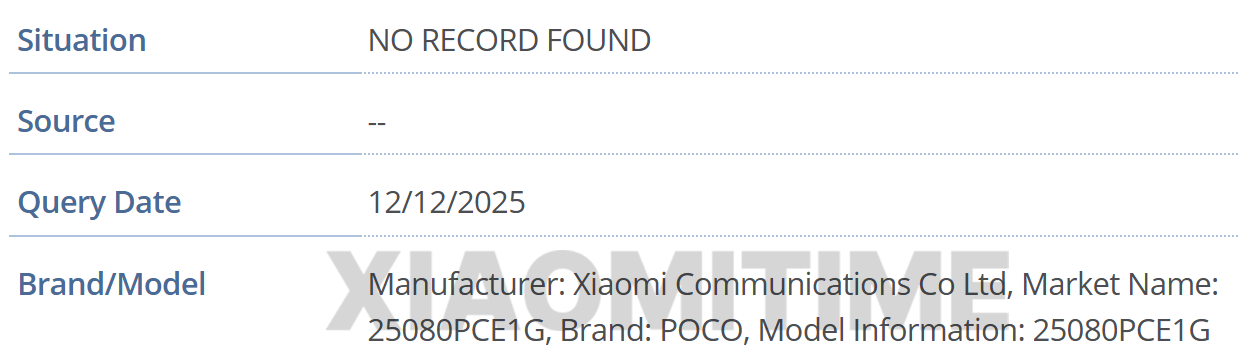
  • Yet GSMA database still doesn’t list any market name,
  • Even the Pro+ version is being launched as POCO M8 Pro 5G,
  • There is no confirmed commercial registration for X8,
  • No POCO X8-related marketing data has surfaced.

These signs strongly indicate that POCO X8 is fully cancelled and Redmi Note 15 Pro 5G may not receive a POCO rebrand this year.

25080PCE1G

POCO M8 Series Becomes the New Center of the Brand

POCO M7 sold exceptionally well last year, and Xiaomi now appears to be doubling down. This year, the M series:

  • Includes more models
  • Covers more price segments
  • Receives stronger hardware
  • Gains Pro versions at higher performance levels
  • Becomes POCO’s main mid-range lineup

A key indicator is that even Redmi Note 15 Pro+ 5G is being converted into POCO M8 Pro 5G, something previously unheard of.

Last year:

  • Redmi Note 14 5G → POCO M7 Pro 5G

This year:

  • POCO M7 5G is launching independently
  • POCO M8 and M8 Pro are taking over the mid-range segment

This clearly shows that POCO M series is rising aggressively in 2025.

POCO F Series Repositions: Only F8 Pro and F8 Ultra Will Launch

The Redmi K90 lineup determines POCO’s F series each year. For 2025:

  • Redmi K90 Pro Max → POCO F8 Ultra
  • Redmi K90 → POCO F8 Pro

Most interestingly:

  • There will be no standard POCO F8 model this year.

POCO is now positioning the F series exclusively as a premium “flagship killer” range, focusing only on Pro and Ultra variants.


POCO X Series

  • POCO X8 (standard) is gone.
  • POCO X8 is replaced with POCO X8 Pro and Iron Man Edition as the key model.
  • POCO X8 Pro Max

This proves the X series is no longer the brand’s main mid-range focus. Instead, it becomes a limited and more performance-oriented lineup.


POCO’s 2025 Segment Hierarchy: F > X > M > C

POCO’s portfolio is now more structured and clearly segmented:

  1. F Series → Premium, flagship-killer class
  2. X Series → Upper mid-range, reduced lineup
  3. M Series → Mainstream mid-range, expanded lineup
  4. C Series → Entry-level budget devices

This hierarchy highlights POCO’s intention to simplify its product portfolio while strengthening each lineup’s identity.

Conclusion: POCO Reshapes Its Entire Strategy for 2025

Compared to last year, POCO is undergoing a significant transformation:

  • POCO X8 is cancelled.
  • POCO M8 series expands dramatically.
  • Redmi Note 15 Pro 5G may not receive a POCO rebrand.
  • POCO F8 focuses only on Pro and Ultra models.
  • X series shrinks to a two key model: X8 Pro and X8 Pro Max.

With this lineup, POCO aims to create a clearer product structure that appeals to both performance-focused users and mainstream consumers.

Xiaomi fixes small lockscreen clock bug in upcoming update

13 December 2025 at 02:36

Xiami has now confirmed it has fixed a longstanding lockscreen clock behavior bug with the next HyperOS update, where the clock would be stuck in its compact “notification mode” when no alerts were available. This bug made it so that it looked like there was always an active notification on the lockscreen clock and had users complaining about an inconsistent experience across devices running HyperOS

What caused the Lockscreen Clock Bug?

This bug came via the system’s auto-adjusting feature, which compresses the lockscreen clock when a notification occurs and goes back to its bigger format when an alert has been dismissed. But due to a system-level glitch, sometimes the clock remained in its smaller format-even when there are no running apps or notifications. This behavior creates a misleading visual cue, making users think there’s an alert running in the background when there isn’t.

Lock screen clock bug 2 Lock screen clock bug 3 Lock screen clock bug 1

The engineers at Xiaomi traced the bug to the notification flag in the lockscreen module, which wasn’t being reset when specific conditions were met. The fix ensures the flag correctly updates; now the clock goes back to its normal size instantaneously when notifications are cleared.

The Patch Arrives with the Next HyperOS Update

Xiaomi indicates that the correction is part of the next build of HyperOS that would roll out to compatible devices in due time. Developers and early access builds are expected to be the first to receive the update, with stable-channel users to follow shortly. This further tightens the clean visual design of HyperOS, along with its lockscreen elements.

Why This Fix Matters for HyperOS Users

Xiaomi’s lockscreen design focuses on clarity, and the clock is probably one of the most viewable elements on any device. Ensuring that the clock behaves consistent with itself is important in terms of both usability and system polish. The screen makes Xiaomi reinforce the commitment it made in refining the user experience and eliminating those minute inconsistencies that make a difference in daily interaction with the device.

Besides that, this update has become part of system optimization that takes place within the company as Xiaomi readies more refinements across the interface to make HyperOS more reliable without losing visual harmony between the devices.

Source

HyperOS 4 may turn Xiaomi phones into full gaming consoles on Android 17

13 December 2025 at 01:49

With Android 17, Google readies a set of advanced enhancements for gamers, focusing on system-level updates to game controller support and the overall gaming experience. Based on the first results from the newest Android Canary build, it will boast native gamepad button remapping and a fully featured virtual gamepad, capabilities that could significantly raise the bar on gameplay on devices like Xiaomi phones running future HyperOS versions. These are part of Google’s increasing focus on cloud gaming and the growing usage of different form factors for devices.

What Android 17 Will Change for Game Controller Support

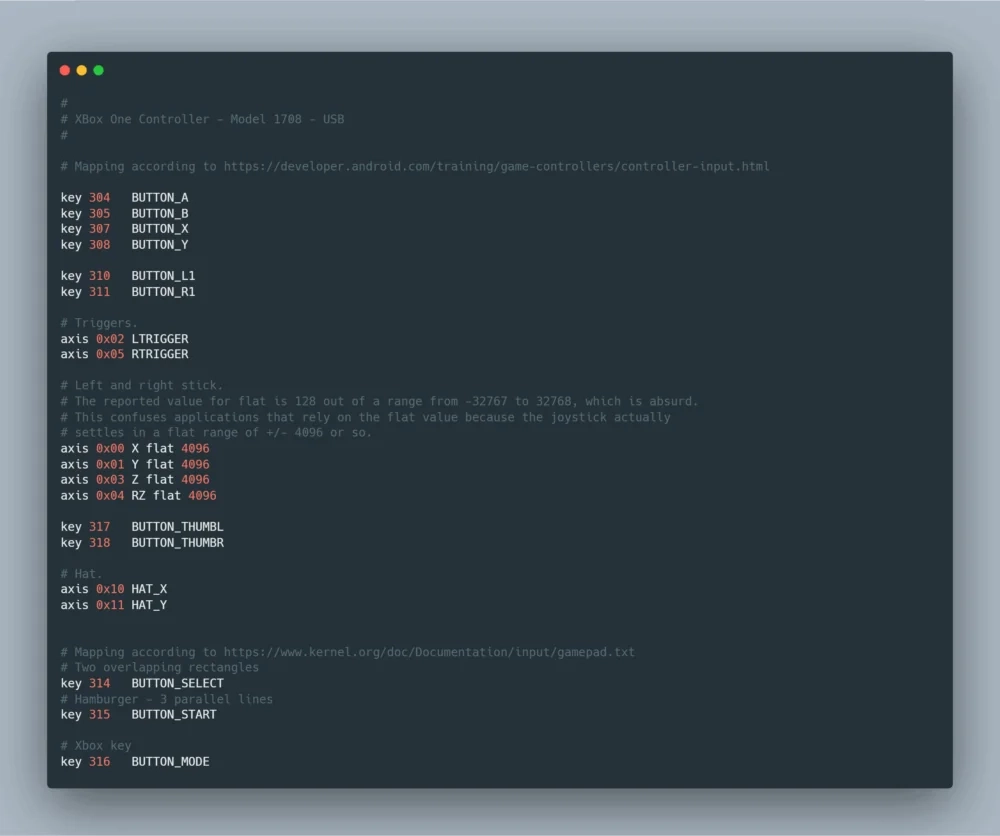
Android 17 brings foundational improvements to the game controller ecosystem. Previous versions of Android relied on preset button profiles, most commonly optimized for Xbox controllers. However, many gamers prefer custom layouts either due to accessibility needs, ergonomic comfort, or cross-platform muscle memory. With Android 17, Google will natively support remapping buttons in the system, hence decreasing the reliance on game-specific settings or third-party tools.

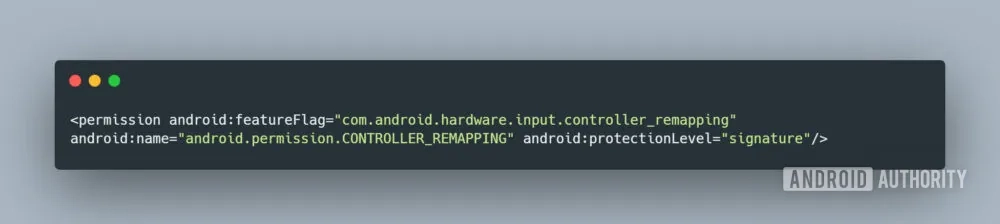
A new system permission appears in the framework, android.permission.CONTROLLER_REMAPPING, which is controlled by the feature flag com.android.hardware.input.controller_remapping. It’s available only for system-level applications signed with the platform key. This ensures consistent and stable remapping without using external tools or ADB-based workarounds.

Android 17 game controller 2 Android 17 game controller 3 Android 17 game controller 1

New Gamepad Settings Menu for Centralized Management

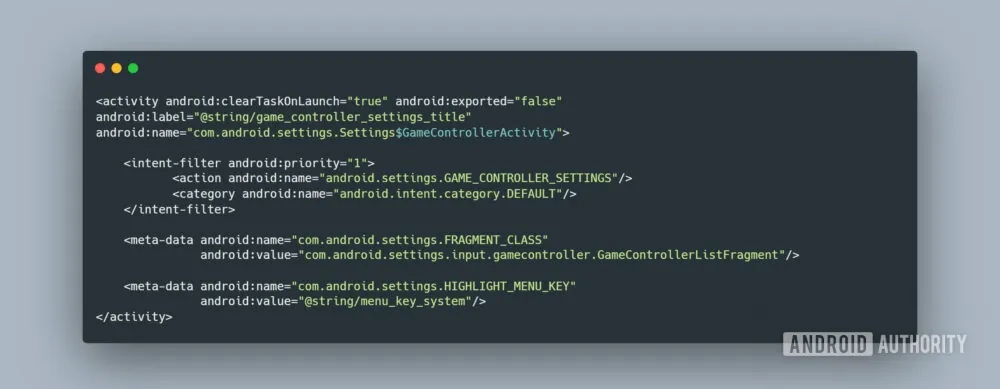
Google has added a still-dormant gamepad management page to the Settings app. The screen is expected to display controllers connected via the controller pairing feature, along with options for management like remapping of buttons and configuration settings.

This centralized structure enhances ease of use and will allow players to tweak each controller from system settings, regardless of the manufacturer or connection method.

Such improvements align well with Xiaomi’s strong focus on gaming optimization across devices running HyperOS-both the Xiaomi Pad series and high-performance smartphones with Snapdragon 8 Elite-class processors.

Virtual Gamepad: The Software Game Controller for All Games

One of the major new capabilities in Android 17 is the virtual game controller that works in a similar way to the existing virtual camera framework. The virtual controller is able to register hardware identifiers so that games see it as an actual physical controller. This allows deep input customization that hasn’t been possible before. The key features supported by the virtual controller include: ABXY and functional menu keys

  • L1/R1 and L2/R2 (with analog trigger capability)
  • Dual joysticks and integrated joystick buttons
  • Directional pad (D-pad)
  • Fully axis-based input handling

This system can inject remapped or simulated inputs directly into the input channel. The feature is also designed to map touch controls to physical button inputs, which is especially important for mobile titles that don’t natively support gamepads. The same kind of mapping technology already exists on ChromeOS and Google Play Games for PC.

What This Means for the Future of Android and Xiaomi Devices

Android 17 is still over six months away from release, but its gaming-oriented improvements will likely shape the next generation of mobile gaming. System-level button remapping, touch-to-button mapping, and a virtual controller will all go toward improving user experience across traditional smartphones and tablets and future Android-based PCs. These developments, for Xiaomi users, might come together quite smoothly with the upcoming versions of HyperOS. Future devices, including successors of the Xiaomi 15 series, Xiaomi Pad models, and high-end Xiaomi gaming rigs, will benefit from enhanced controller support, especially in cloud gaming services and emulation environments.

Source

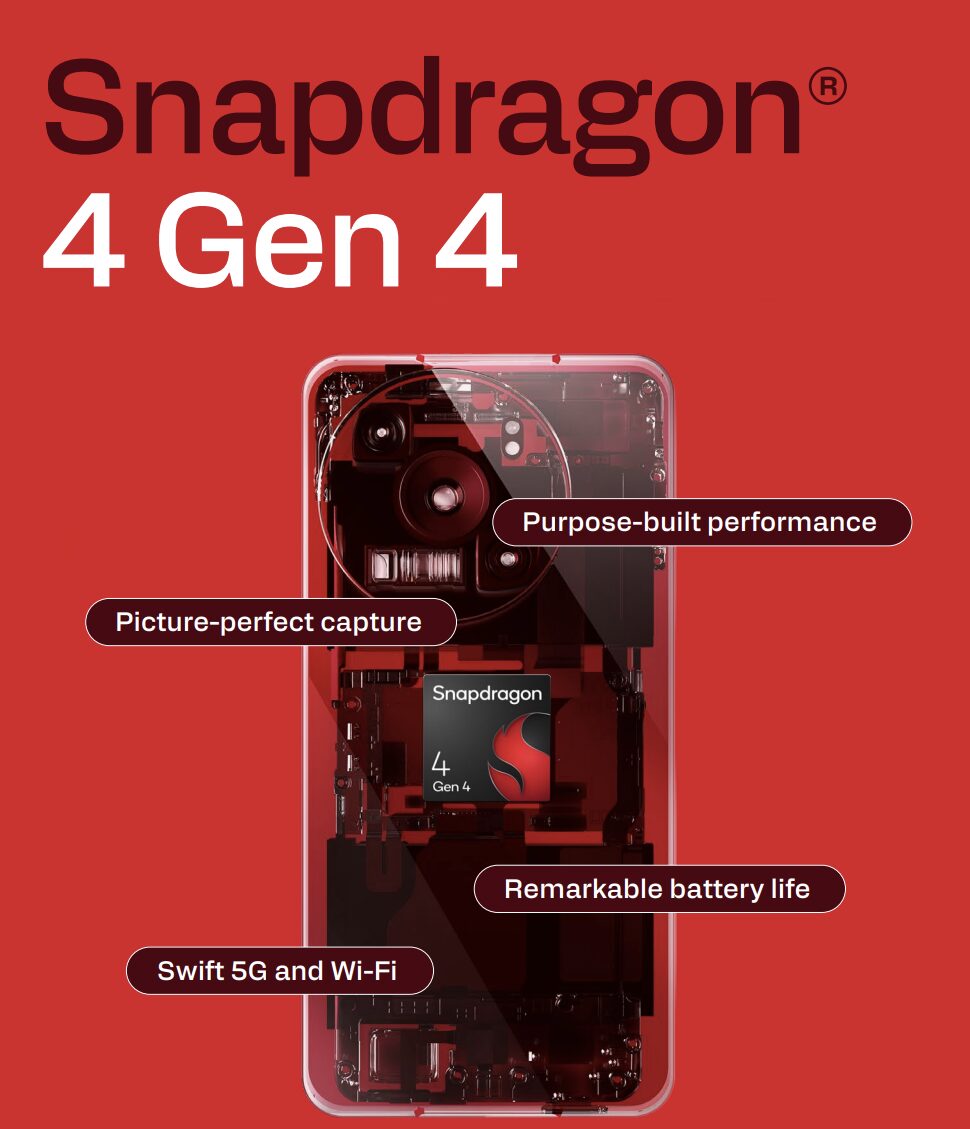
Snapdragon 4 Gen 4 and 6s 4G Gen 2 launched

12 December 2025 at 22:34

The newly announced Snapdragon 4 Gen 4 brings 5G capability and improved power efficiency to budget-friendly smartphones, positioning it as one of Qualcomm’s most balanced entry-level platforms. While the architecture resembles the Snapdragon 685, the updated modem, faster charging support and enhanced image processing make it more suitable for modern affordable devices. Readers who follow our Snapdragon 8 Elite coverage or explore our HyperOS insights can see how Qualcomm continues optimizing the low-end segment with a scientific, efficient approach.

Snapdragon 4 Gen 4 Highlights

Snapdragon 4 Gen 4 is designed specifically for manufacturers targeting low-cost 5G phones. The platform focuses on efficiency, balanced performance and improved daily usability rather than peak benchmark scores.

Ekran goruntusu 2025 12 12 172904

General Performance Improvements

The chipset integrates a Kryo CPU paired with an Adreno GPU, enabling smoother application handling, responsive animations and support for up to 120 FPS display refresh rates. This ensures a more modern user experience in budget models without raising device cost significantly. Qualcomm’s design targets everyday reliability rather than flagship-level output, keeping thermals and power draw stable.

Camera and Imaging

The Snapdragon 4 Gen 4 includes advanced image processing via hardware-level multi-frame noise reduction. This upgrade supports up to 108 MP sensors, allowing clearer low-light photography and faster image capture. The ISP architecture aligns with Qualcomm’s newer generation pipelines, bringing consistent results even in entry-level segments.

Connectivity and Charging

One of the key improvements is its 5G capability for affordable models. Combined with Qualcomm Quick Charge 4+, devices can reach 50% battery level in about 15 minutes. This allows brands within Xiaomi’s ecosystem to build more reliable mid-range alternatives for users needing fast, efficient charging and wider network access.

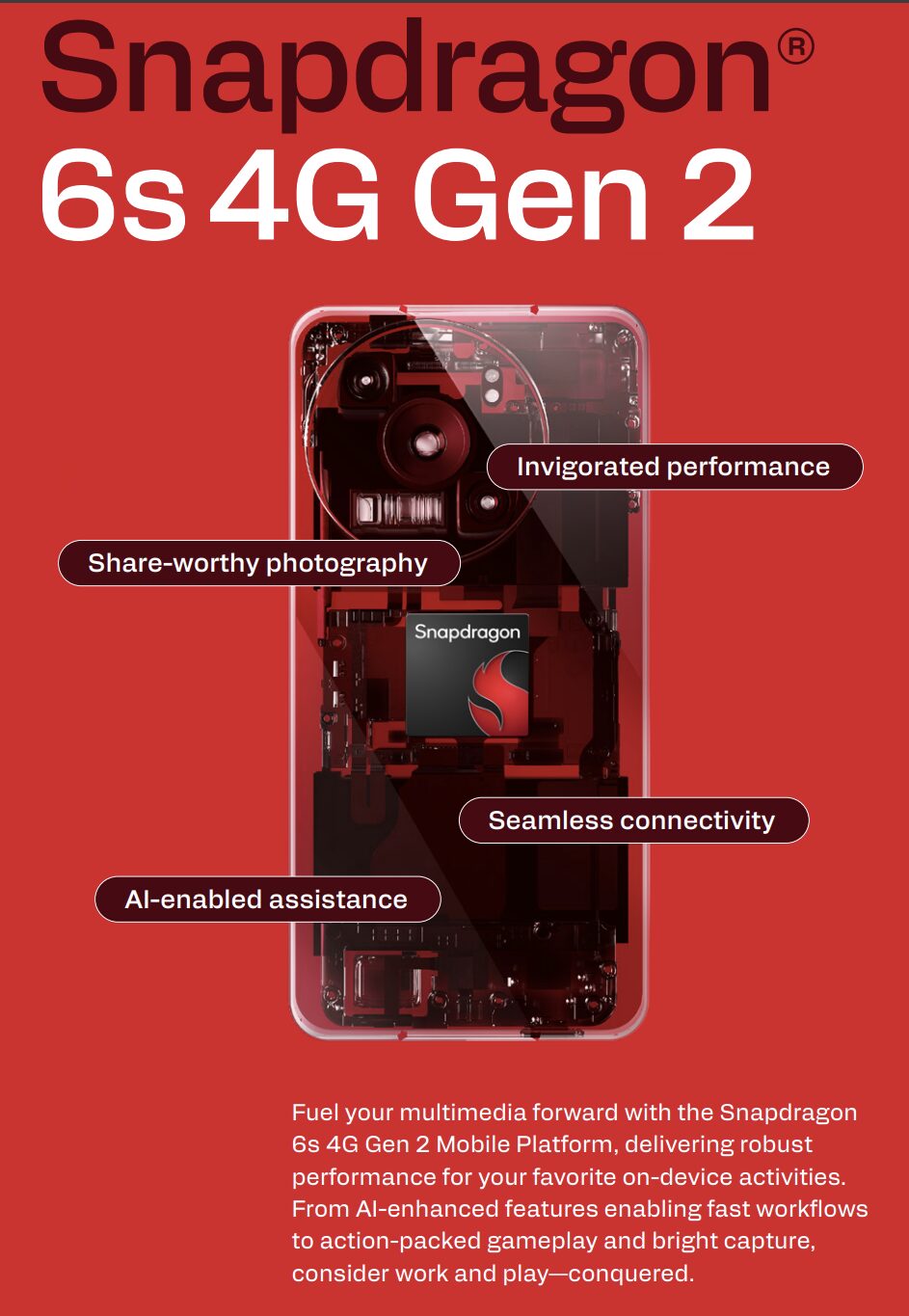
Snapdragon 6s 4G Gen 2 Overview

Unlike Snapdragon 4 Gen 4, Snapdragon 6s 4G Gen 2 targets users who prefer stable 4G performance without adopting 5G. The chipset introduces a 2.9 GHz Kryo CPU, delivering up to 51% improved processing speed and 20% enhanced GPU performance over its predecessor.

Ekran goruntusu 2025 12 12 172935

Hardware Design

Developed on a 6nm process, it supports FHD+ 120 Hz displays similar to mid-range offerings. The architecture enables smooth gaming and multimedia performance, making it a suitable option for manufacturers in developing markets.

Connectivity and Imaging

Since this is a 4G-only platform, it relies on the Qualcomm LTE modem. It supports Wi-Fi 5 and Bluetooth 5.2, ensuring stable data transfer. The Spectra ISP provides up to 108 MP photography with zero shutter lag for single or triple camera systems.

Charging Technology

Quick Charge 3.0 support enables the device to reach 80% battery level in approximately 35 minutes. Although not as fast as Quick Charge 4+, it remains practical for low-cost smartphones that emphasize battery longevity rather than raw speed.

Snapdragon 4 Gen 4 vs Snapdragon 6s 4G Gen 2

Feature Snapdragon 4 Gen 4 Snapdragon 6s 4G Gen 2
Network 5G 4G LTE
CPU Speed ~2.3 GHz Up to 2.9 GHz
Charging QC 4+ (50% / ~15 min) QC 3.0 (80% / ~35 min)
Camera 108 MP + Noise Reduction 108 MP (Spectra ISP)
Display Support 120 FPS 120 Hz FHD+

Both chipsets are expected to power entry-level and lower mid-range smartphones starting in 2026, bringing modern standards to more accessible price segments.

We found a new and best iOS-inspired theme for HyperOS 3 and below

12 December 2025 at 20:36

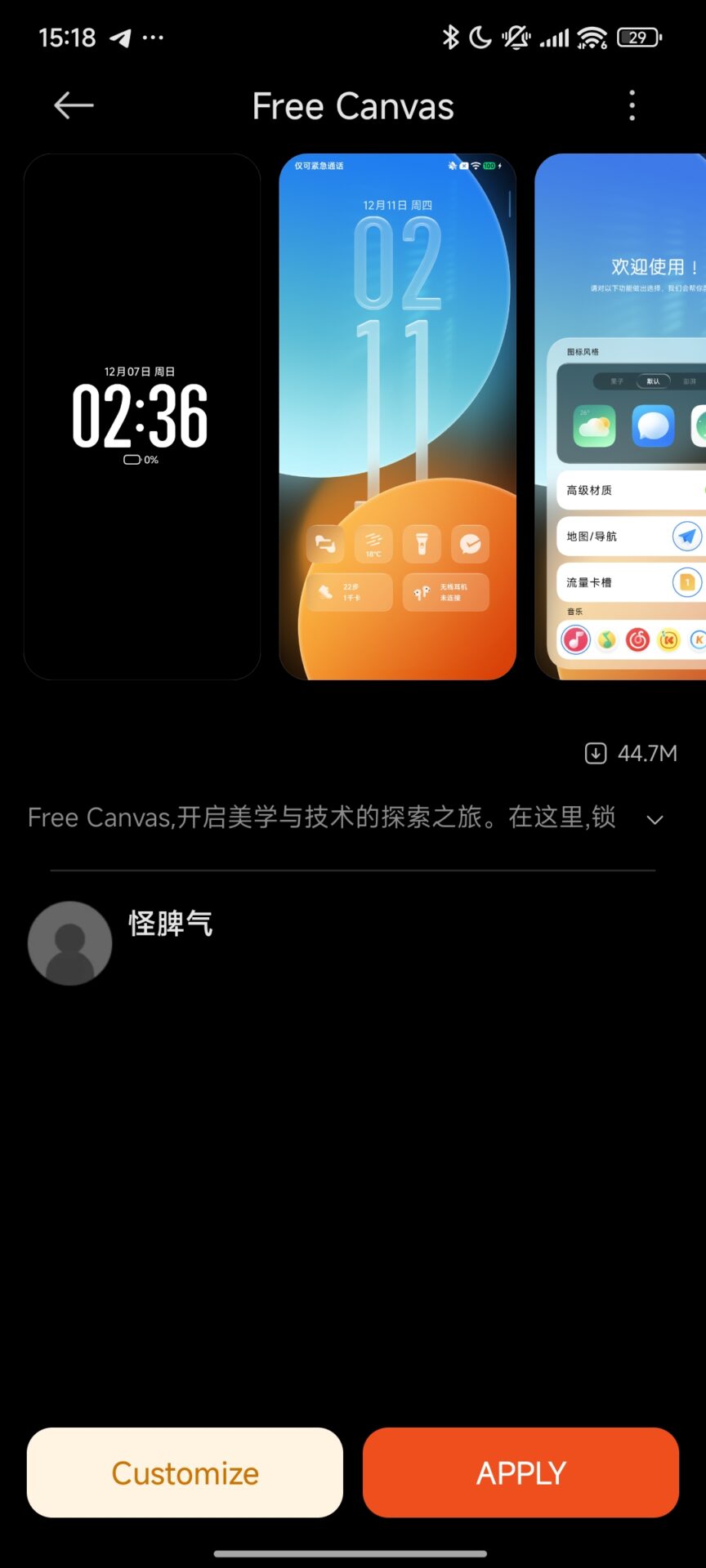
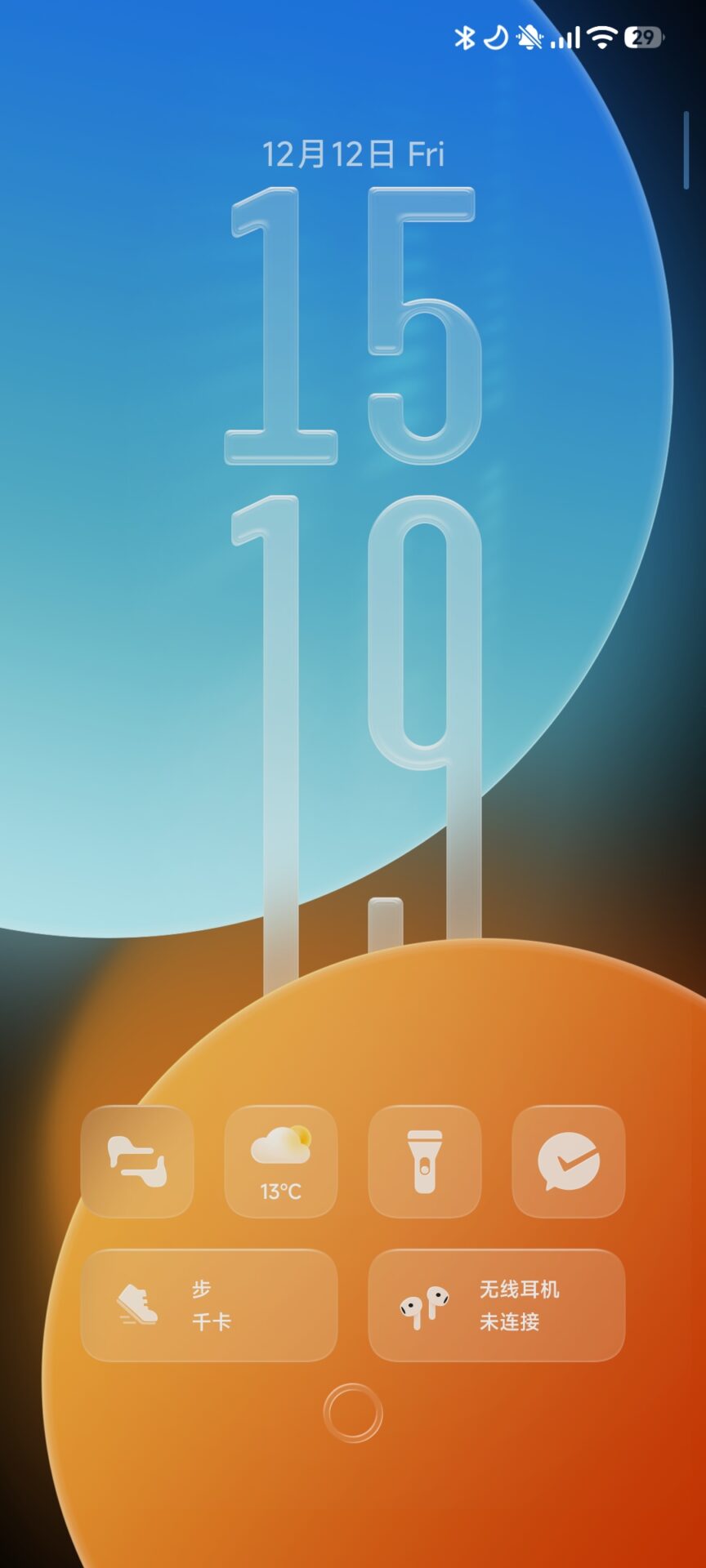
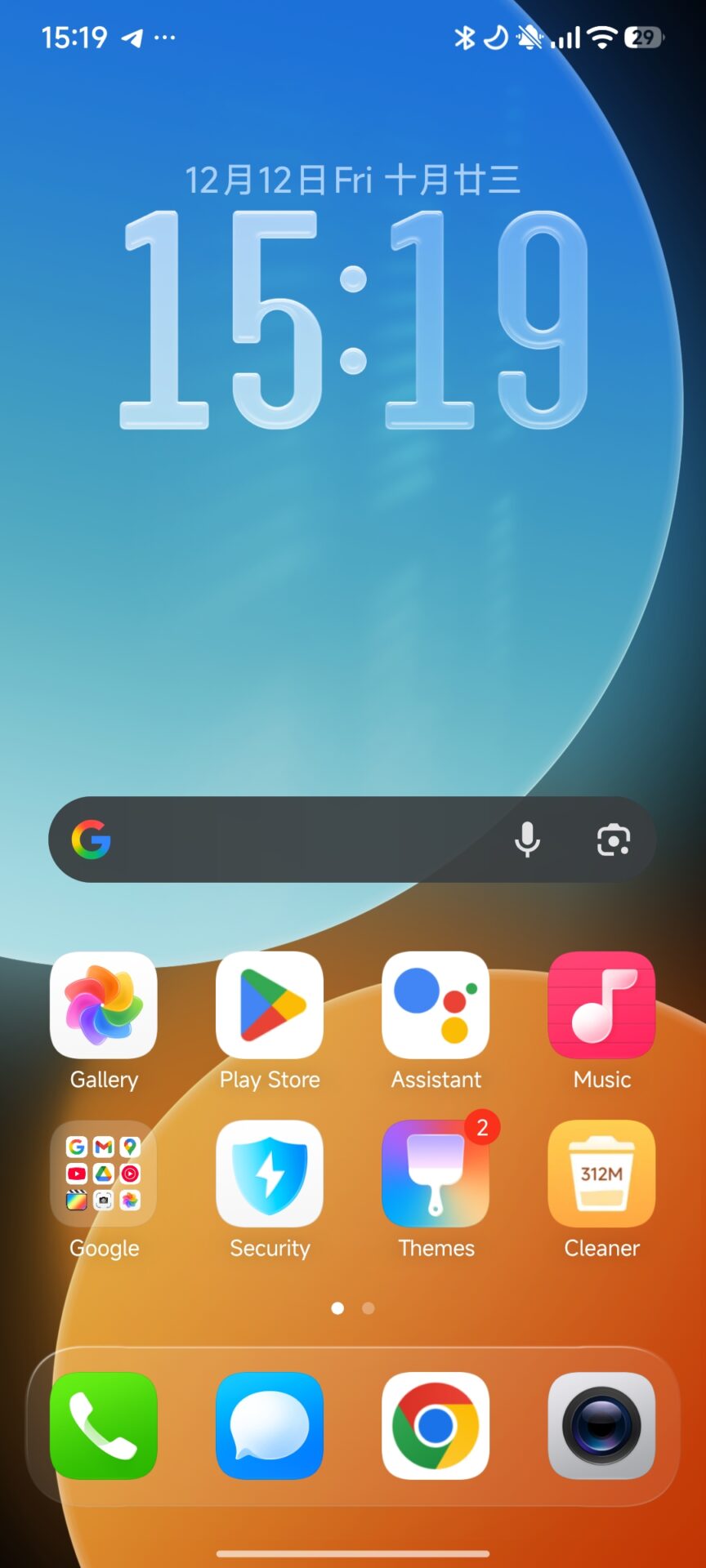
The OFree Canvas theme has received a remarkable response from HyperOS enthusiasts and ranks among the most appreciated designs. It features an iOS-like design with an exclusive Xiaomi design touch. It is fully compatible with HyperOS 3.0, providing an optimized liquid glass look and feel with smooth animation and a modern UI layout. Users can download Xiaomi themes without opening Xiaomi’s theme store, as they can follow the theme installation guide.

What OFree Canvas Does Differently

OFree Canvas: It presents a clean and high-end look. Despite taking inspiration from iOS, it manages to integrate Xiaomi’s preferred elements, ensuring a well-balanced solution and familiarity for people switching from an Apple device. OFree Canvas’ liquid glass texture and optimized icon designs effectively contribute towards offering a sharper look on different devices running HyperOS. It becomes an efficient option for daily usage.

iOS Theme for HyperOS 2 iOS Theme for HyperOS 3 iOS Theme for HyperOS 1 iOS Theme for HyperOS 4 iOS Theme for HyperOS 5 iOS Theme for HyperOS 6 iOS Theme for HyperOS 7 iOS Theme for HyperOS 8 iOS Theme for HyperOS 9

Key Visual Elements

OFree Canvas brings some design elements that make it more useful and beautiful. It contains gradient layers that have an attractive look on images with high and low brightness. It keeps a simple structure on its app layout. All these factors make it useful as it maintains consistency for people who like simple designs.

Installation and Availability

The theme has been confirmed to be compatible with HyperOS 3, and it can be applied without any worries. Enthusiasts wanting to get these themes on Xiaomi devices beyond the stores will be pleased to know they can get an installation tutorial from XiaomiTime.com. The theme creator, Weird Temper, ensures that it works properly on all devices.

To enable downloads for the backup file, there is access via the shared package offered on the theme developer’s channel.

Why HyperOS Users Will Like This Theme

HyperOS user demands include better themes with a focus on better navigation and an aesthetic look. OFree Canvas maintains a perfect blend with excellent readability, transparency effects, and a consistent interface across various system Apps. This greatly improves the UI paradigm with no impact on performance, making it a highly useful and attractive option.

Xiaomi climbs to top three as global TWS market reaches 92.6M units

12 December 2025 at 18:20

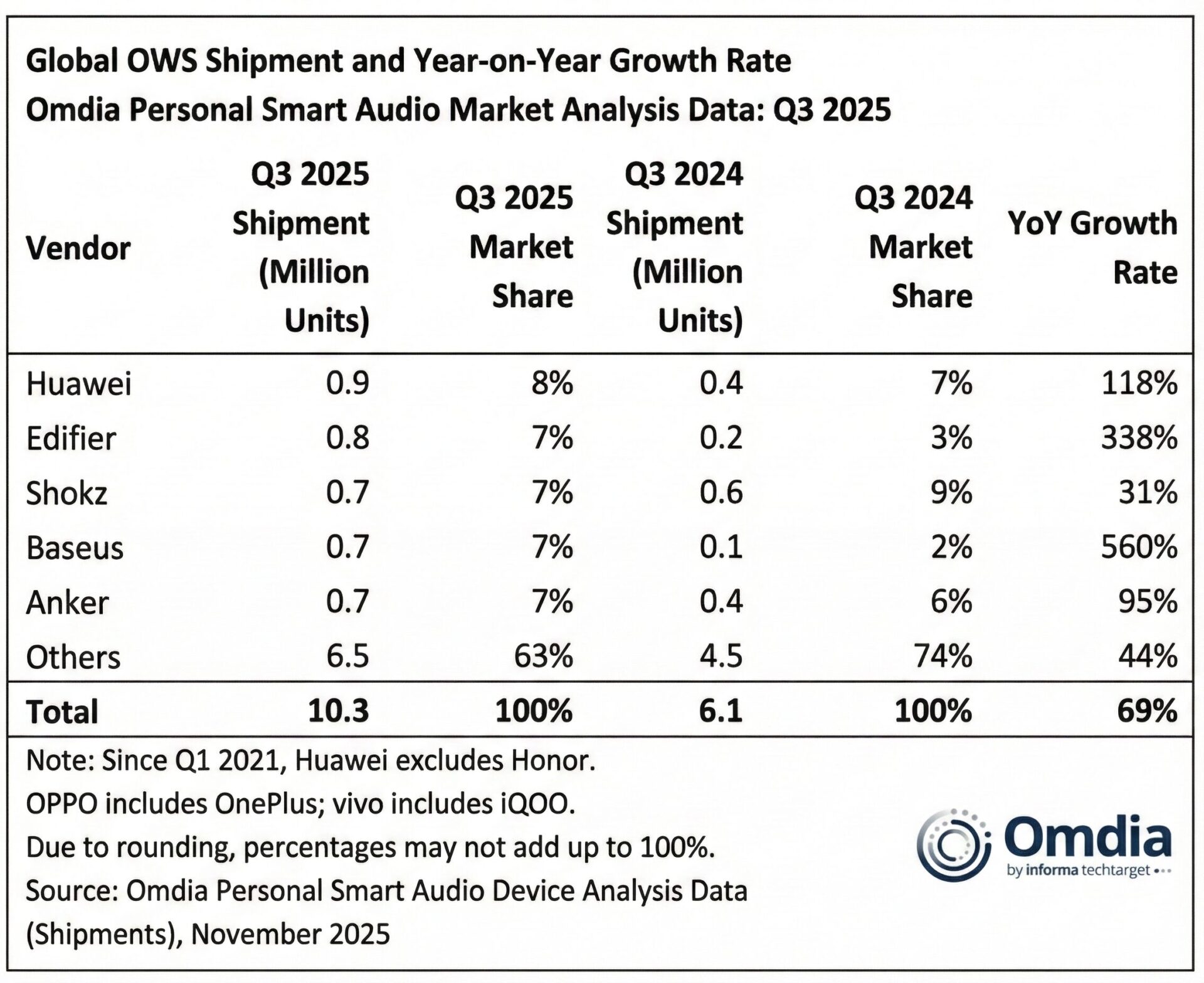
True Wireless Stereo earbuds have shipped 92.6 million units in the third quarter of 2025, as shown in recent data released by Omdia. Despite a marginal growth rate of 0.33%, there was a marked transition towards Open-Back Wireless Systems. The market had broken the 10 million unit milestone for these wireless systems, thus compensating for the 4% drop witnessed in regular True Wireless Stereo earbuds.

TWS Sales: Apple Maintains Lead, Xiaomi Fastest Growing

As revealed in this report, traditional TWS shipments reached 82 million units, owing to changes in user behavior. Not withstanding this change, market leaders continued to perform well.

Key Results – Shipment

  • Apple: 18.9 million units (-4% YoY), 20% market share
  • Xiaomi: 8.6 million units (+24% YoY), 9% market share
  • Samsung: 7 million units (-16% YoY), 8% market share
  • boAt: 6.7 million units (-11% YoY), 7% market share
  • Huawei: 5 million units (+35% YoY), 5% market share

Xiaomi suffered among the fastest rates among major brands, indicating a strong focus on demand for audio products and an even more prominent role within ecosystems.

Strong Rise of Open-Back OWS Earphones

Open-back wireless systems (OWS) experienced outstanding performance, which boosted market presence within the category. Various brands were recognized as leaders within the market, as identified by research firm Omdia

OWS Shipment Highlights

  • Huawei: 900,000 units (+118% YoY), 8% market share
  • Edifier: 800,000 units (+338% YoY), 7% market share
  • Cena: 700,000 units (+31% YoY), 7% market share
  • Baseus: 700,000 units (+560% YoY), 7% market share
  • Anker: 700,000 units (+95% YoY), 7% market share

The fact that there was consistent growth across various brands shows that there is an emerging demand from consumers for comfort-centric and non-in-ear audio solutions.


Market Outlook: OWS will attain 40 Million Units by 2026

According to a forecast by Omdia40 million units of OWS will be shipped in 2026, accounting for 10% of the overall True Wireless Stereo market share. Notable among these changes will be:

Key Trends To Watch

  • AI-driven personalized sound profiles
  • Cross-device ecosystem integration, especially in multi-device environments
  • Comfort-centered product design
  • Greater energy efficiency and improved microphones for clear communication

As Xiaomi continues expanding its AI and ecosystems strategy, it will be perfectly poised with its offerings within the TWS and OWS product lines.

Source

Apple’s foldable iPhone risks disrupting Xiaomi 17 Fold series

12 December 2025 at 16:40

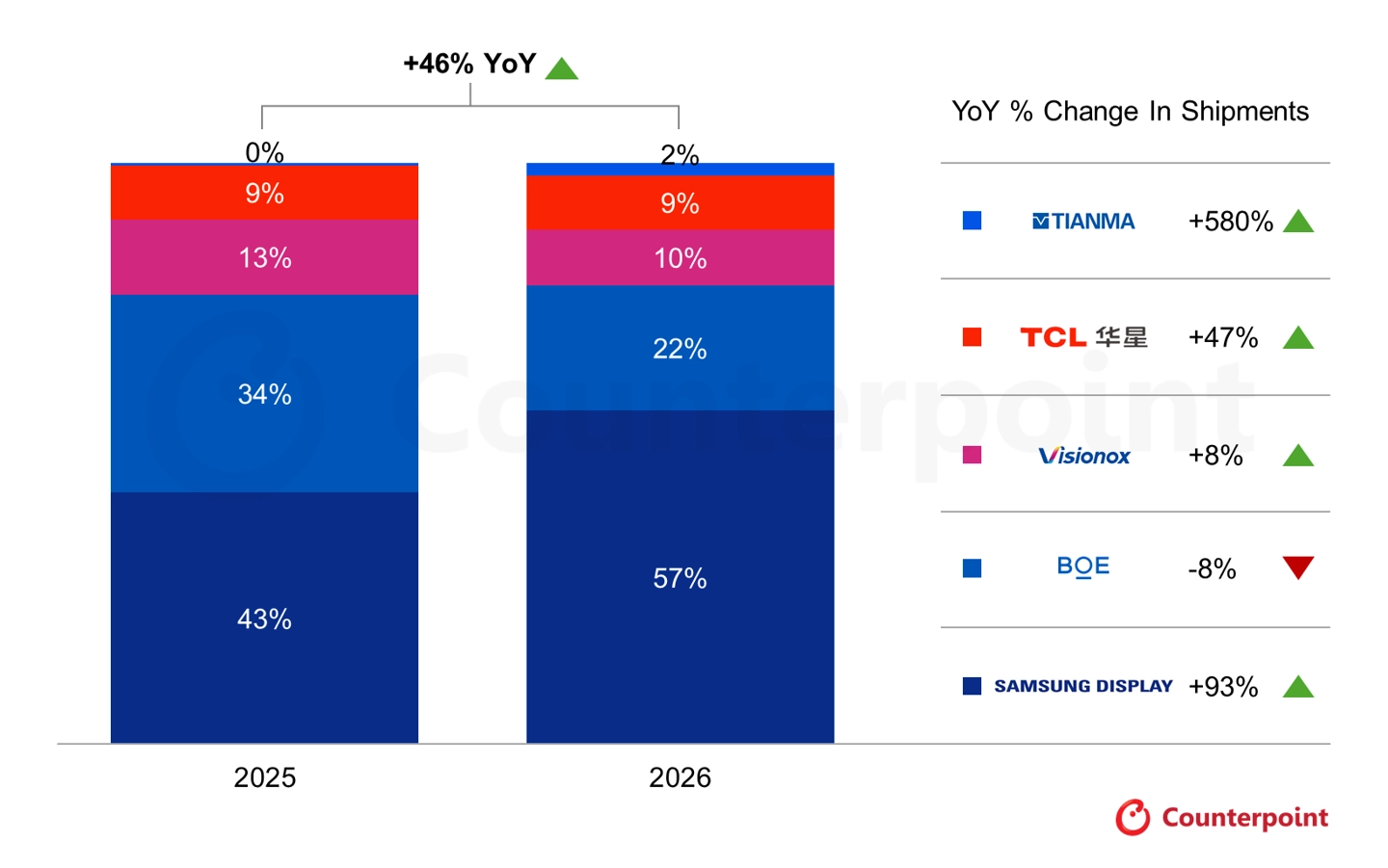
The global shipment of foldable smartphone panels will shoot up by 46% year-over-year in 2026, as suggested by a latest report from Counterpoint Research. The major reason for this upsurge will be the entry made by Apple in the foldable smartphone market. It will have a significantly influential role on global designs. As can be noticed in our reports on Xiaomi foldable innovationsXiaomi device policies, and HyperOS, prominent brands are rushing ahead with their plans to catch up with these developments.

Apple’s Entry and Its Effect on the Foldable Industry

Apple will be set to start procuring panels for its first foldable iPhone as from 2026. It represents an exciting paradigm shift within the global foldable industry as Apple’s entry will be poised to drive demand, uniform designs, and user preference shifts towards larger and productivity-driven screen form factors.

Industry analyst Guillaume Chansin emphasizes Apple’s impact will “revitalize the foldable panel supply chain” and stimulate suppliers to raise production and market expectations. From Xiaomi’s expertise with foldable panels, achieved via MIX Fold series, it’s clear dedicated panel R&D influences brand direction. Although Xiaomi MIX Fold 5 failed to make an appearance in 2025 as expected, Xiaomi still participated at MWC 2025 with Xiaomi MIX Flip 2, but it will be back with Xiaomi 17 Fold and Xiaomi 17 Flip.

Samsung Display Holds on to Leads

Samsung Display is forecast to obtain around 57% market share for foldable panels in 2026, with mature technology, efficiency, and a large supply chain. Samsung Display will be the main beneficiary of the emerging market created by Apple’s entry.

Other major suppliers will experience mixed fortunes:

  • BOE: -8%
  • Visionox: 8%
  • TCL CSOT: 47%
  • Tianma: 580

The growing popularity of larger foldable panels will also raise the Average Selling Price (ASP) for displays in the next year, boosting profitability for the industry.

80a50068 6855 4198 b8ed ff4adde85e66

Book-Style Foldables Emerge as the Preferred Form Factor

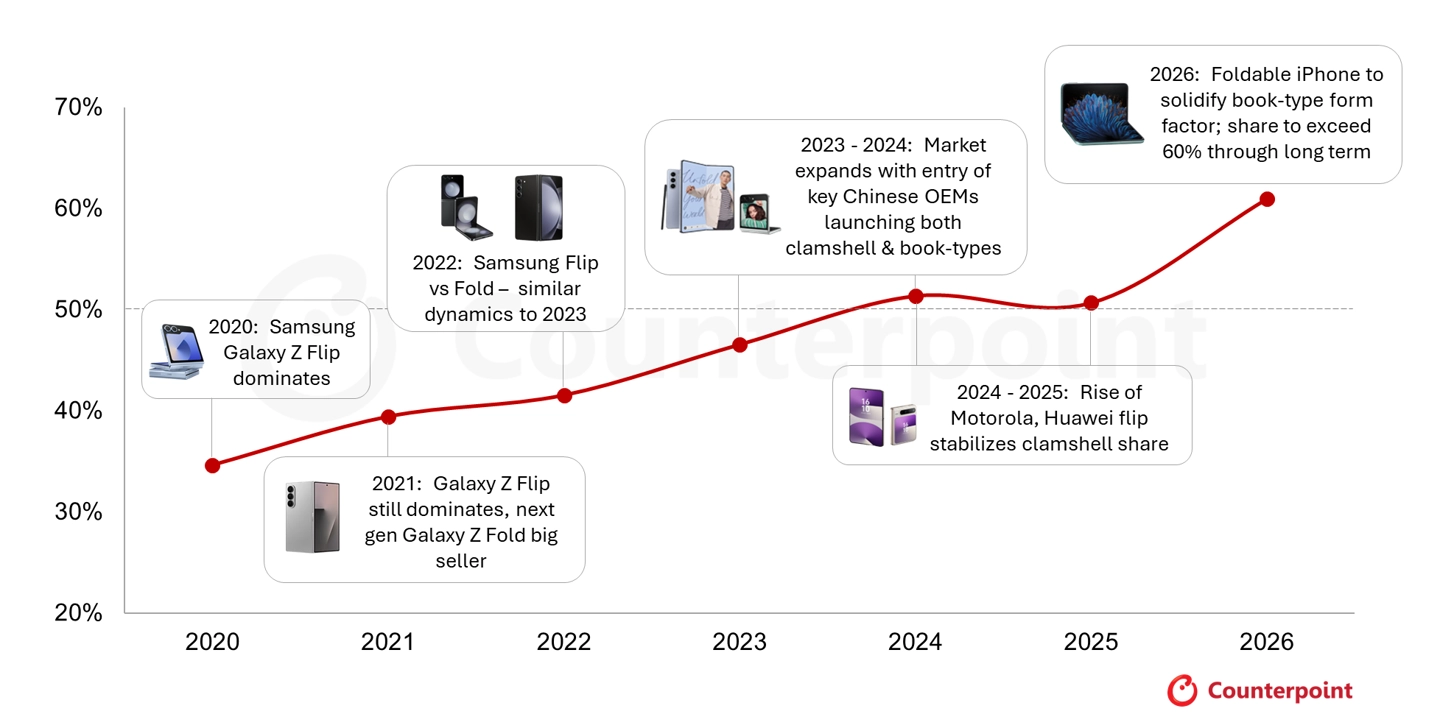
There have been major shifts in consumer preferences towards book-like foldables and larger internal screens. There have been several years of exploration with vertically foldable devices, and there has been a focus on devices with productivity capabilities on the level of a tablet.

A good example here would be the Samsung Galaxy Z Fold7 lineup. During the latter half of 2025, it became evident that for the first time, there were more sales of horizontally foldable models, like Fold, as compared to the vertically foldable models, like Flip.

3d9e6b47 c946 4237 9aa5 e7d9d03db17c

Industry expert Liz Lee breaks down that while foldable phones cost more compared with traditional smartphones, they offer additional benefits that make it worthwhile for users.

Xiaomi Foldable Device Plans Could Be Affected

As Apple has entered the market for foldable devices and Samsung is also strengthening its lead, the market competition will intensify. Because Xiaomi has been working on panels for a long term and with its previous MIX Fold series, it will be well-equipped to counter.

Skipping MIX Fold 5 in 2025 while concentrating on the MIX Flip 2, a comeback strategy with Xiaomi 17 Fold and Xiaomi 17 Flip is being implemented. It will be seamlessly combining Xiaomi’s display engineering, hinge longevity, and Xiaomi HyperOS, which aims at completing productivity, advancements.

So, with an expanding market for foldable phones, it leads to a question of whether Apple can offer an equivalent level of folding experience that Xiaomi and some early starters have perfected with time.

Only time will show how Apple will disrupt the market andwhether Xiaomi again raises the bar with its return in 2026.

Source

HyperOS 4 could get Android 16’s new AI-powered notification organizer

12 December 2025 at 14:00

The most recent Android 16 QPR2 software update brings with it a “Notification Organizer” solution, which aims to manage notifications in a smarter way using on-device AI. I appears that this functionality has been released for Pixel 9 and Pixel 10 series phones. These notifications are analyzed using local AI models, which then categorize them in a meaningful way. To find out more information about Android, Xiaomi software, and this system, please refer to our in-depth pages such as HyperOSXiaomi security updates, and Xiaomi device policies.

New AI Notification Organizer for Android 16

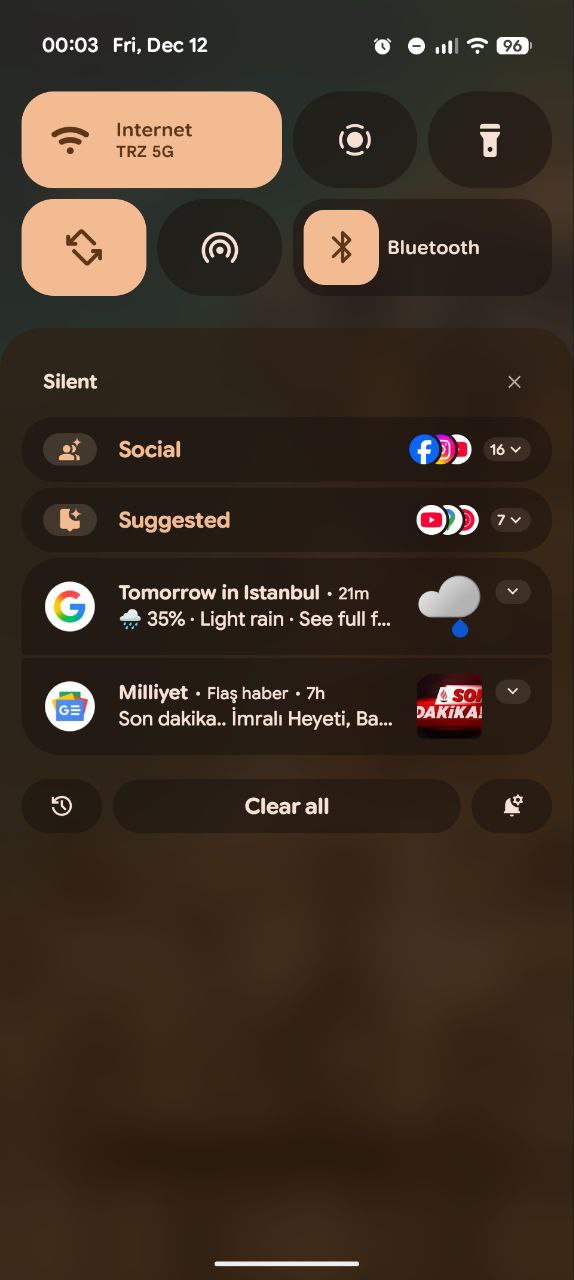
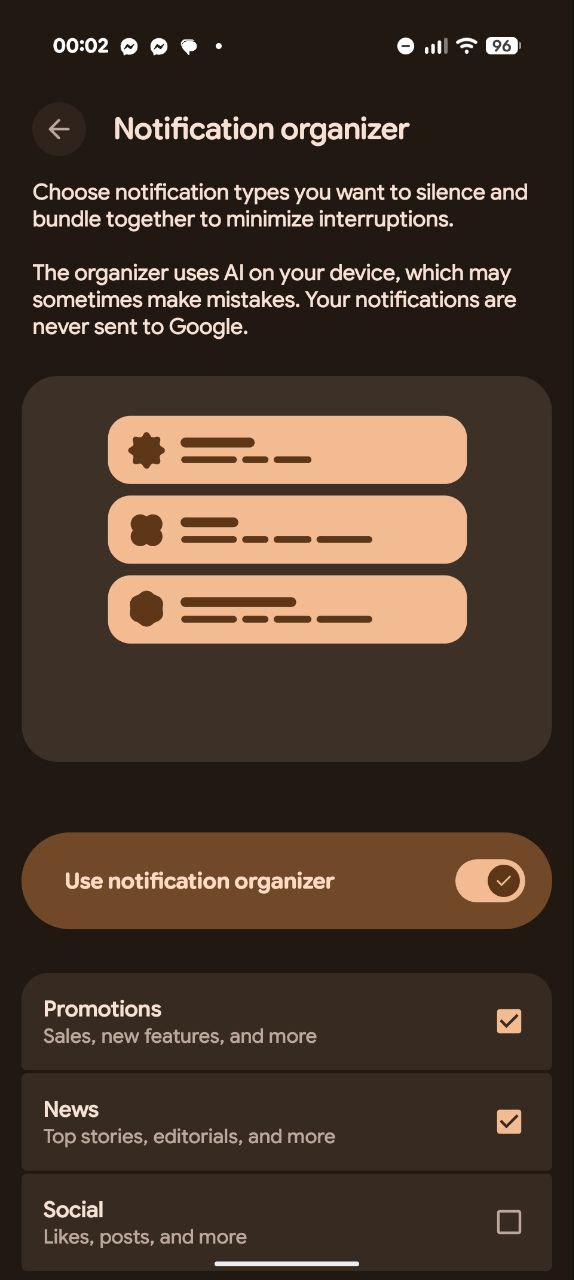
Google’s Notification Organizer is a major improvement over traditional notification filtering. Unlike traditional ways of notifying users, in which all notifications from a specific app fall under a general category, this service takes into consideration the text of all notifications. This ensures that notifications from a certain application are marked in different categories.

Notification Organizer 1 Notification Organizer 2

Device and Region Requirements

To qualify for use of this feature, certain requirements must be met. This feature has, until now, been restricted to models of Pixel 9 and Pixel 10 series phones and does not apply to models like the Pixel 9a. Secondly, a user needs to set their device language to English and make their region set to eligible countries, which are either in Australia, Canada, Germany, Japan, the United Kingdom, or the United States.

AI-Powered Categories

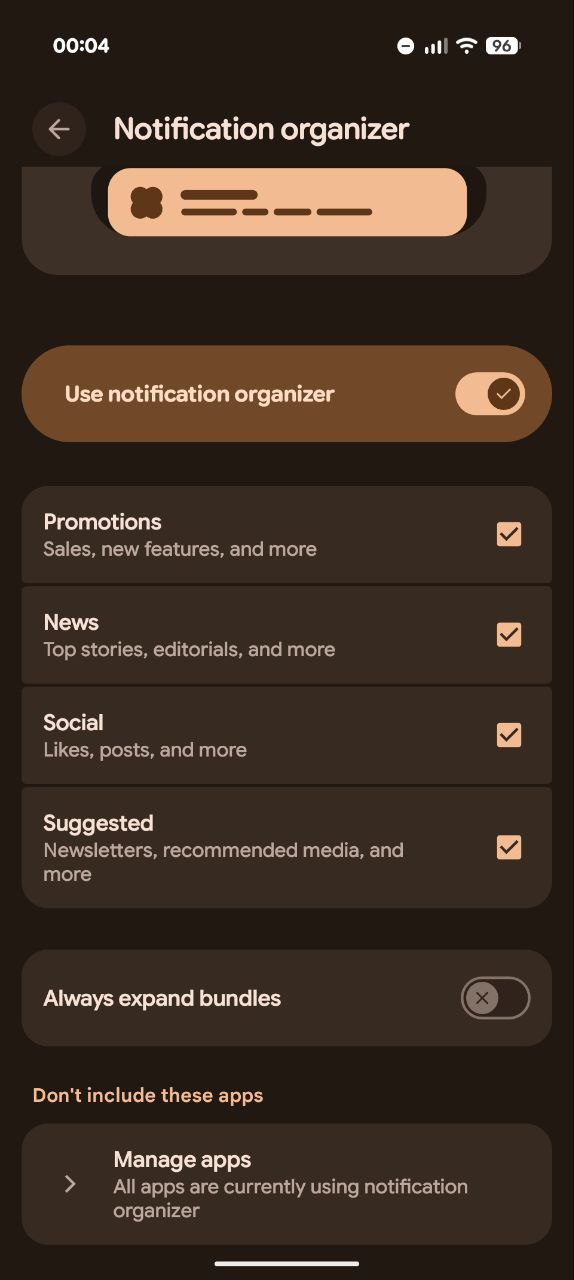
Contrary to traditional notification management, this novel approach involves on-device AI analysis in real-time. Upon turning it on, Android has been seen to automatically set up two default filtering types: News and Promotions. Google News notifications are categorized under News, for instance, while other notifications from YouTube Music are categorized as Promotions. Other types, including Social and Suggestions, can also be turned on.

photo 2025 12 12 00 04 52

How it Affects User Experience

This functionality ensures that there are no unwanted vibrations and sounds since low priority notifications are moved to the silent part of a notification shade. This functionality also assists users in staying focused. This is accomplished by controlling notifications that would otherwise interfere with staying focused. The “Always Expand Groups” feature provides a means of tracking sorted notifications when needed.

What This Means for Xiaomi Users

The Google QPR updates of the Quarterly Platform Release are not available for Xiaomi smartphones. This means that Xiaomi will be able to provide a similar set of features, if not better, in their HyperOS 4 with the support of Android 17, offering a superior experience of notification management.

Why Xiaomi ends software updates earlier than competition

12 December 2025 at 09:00

Xiaomi’s device policies are a point of concern for users, as it becomes confusing when a particular Xiaomi device hits the End-of-Life stage earlier than other brands. This explanation will help users understand how Xiaomi selects the support time for their OS and how it differs from other companies like Samsung and Google. To gain further knowledge, you can refer to HyperOSXiaomi security updates, and Xiaomi device policies in related sections of your website.

Xiaomi’s Economics Model and Effects of OS Support

Xiaomi’s hardware company has a regulatory mandate that sets a limit of no more than a 5% net profit for all devices. Such a low-margin business model, though making devices more accessible, creates a limitation in generating funds for software development. Unlike other high-end smartphones that earn profits from their $800+ flagships, Xiaomi’s average selling price stays between $150-$300.

Moreover, every upgrade of the Android OS involves substantial engineering, certification, and testing expenses. With a low-margin device, it may take two to three OS generation cycles, which would be beyond the lifespan of profit value of that device. Therefore, Xiaomi focuses on feature updates of HyperOS and security updates, which provide a freshness experience without incurring costs related to OS development.

Fragmented Product Portfolio and Engineering Load

Xiaomi launches many models in a year compared to Apple and Google. Also, there are various ROMs for every device like Global, EEA, India, Indonesia, Türkiye, and China ROMs. This brings a huge maintainability matrix. Xiaomi software teams would have to prioritize their work in either high volume or flagship series, hence dropping priority for other devices.

Rebranding strategies, like a Redmi smartphone turning into a POCO worldwide or a similar Xiaomi T series model, further add variability in software. This enhances EOL projections as engineering efficiency declines.

Xiaomi devices to receive their final update with Android 15

SoC Dependency and BSP Limitations

Upgrading of the Android OS requires support from Board Support Packages (BSP) offered by manufacturers of the chips. Xiaomi cannot upgrade a device if Qualcomm, MediaTek has stopped releasing updates to drivers for key hardware components like GPU, ISP, and modem. Budget models offered by MediaTek are especially vulnerable since their support lifespan will be shorter than that of Qualcomm’s flagship chipsets like Snapdragon 8 Elite.

Without updated BSP components, Xiaomi can only offer backports for security fixes, which means no OS updates, causing early OS-level EOL.

HyperOS and “Decoupling” Strategy

To maintain a balance between costs and customer satisfaction, Xiaomi has classified the “Android Base Layer” and “HyperOS Experience Layer” as follows: This allows:

  • New features without upgrading to a new version of Android
  • Able to run on legacy hardware
  • Decreased certification costs

Some models are updated with HyperOS 3, which is based on Android 16, while others get a backported version, either from Android 15. Thus, there is device uniformity in their software.

Android 16 Xiaomi

Regulator Influence and Shifts in the Future

The 2025 EU Eco-Design Directive will oblige producers to support their software for a longer period. There are signs of adjustment already, for example in new Xiaomi series, which are starting to support longer OS cycles, particularly in Europe, where it is obligatory.

Xiaomi prepares Android 16 to a model marked as EOL on Android 15

12 December 2025 at 07:30

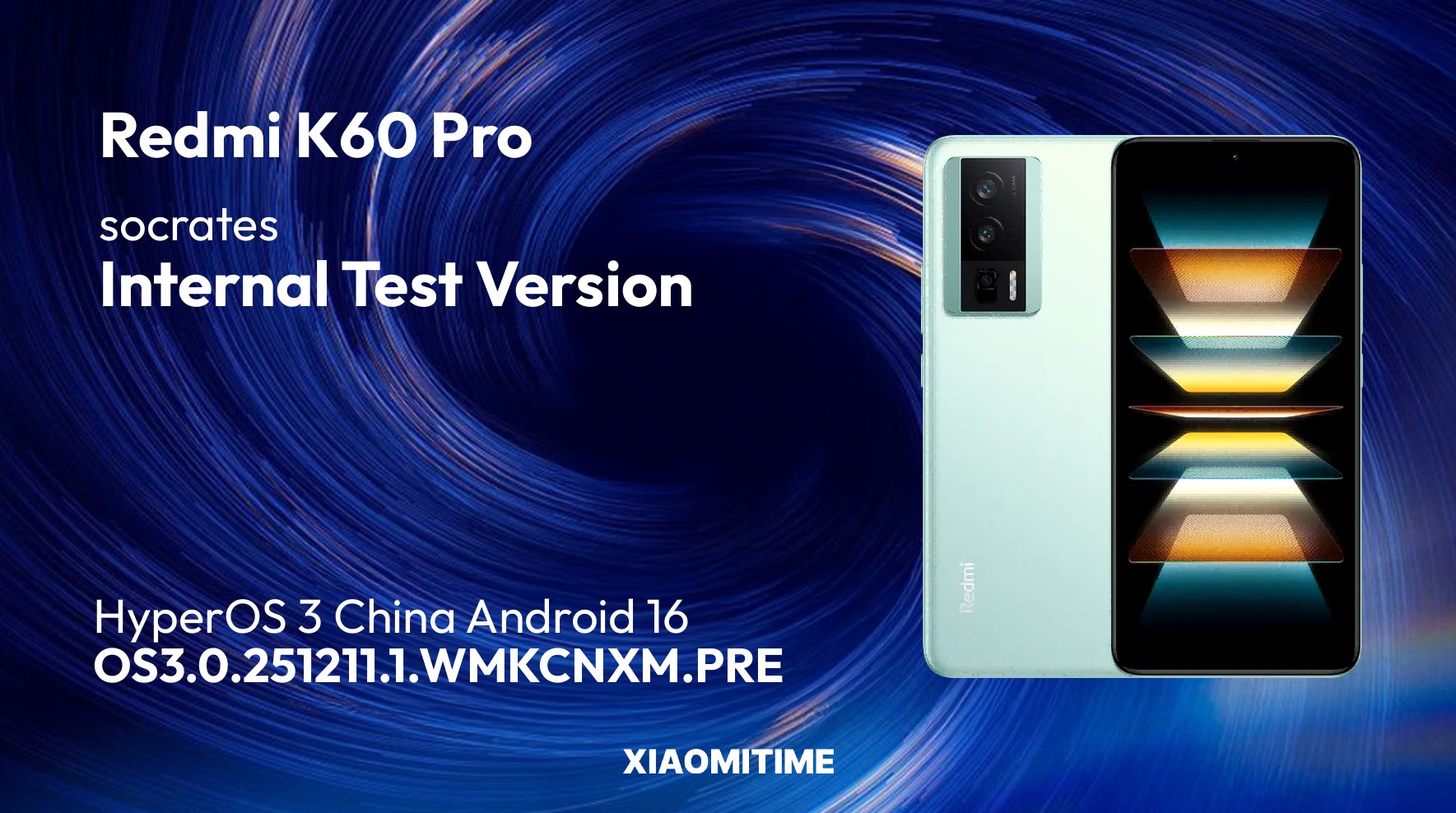
Xiaomi has surprised all of us with a new development in their software updates, starting testings of HyperOS 3 on Android 16 for Redmi K60 Pro in China, ditching their initial test builds running on Android 15. Preliminary data has revealed that a new internal build number OS3.0.251211.1.WMKCNXM.PRE has been detected, which means that Xiaomi has started sticking to a superior version of Android in their updates.

photo 2025 12 11 22 48 22

Transition from Android 15 to Android 16 in Test Builds

Xiaomi has also been testing an Android 15-based HyperOS 3 version of Redmi K60 Pro with OS3.0.251029.1.VMKCNXM.PRE. The sudden upgrade to Android 16 indicates that development work has been happening in a relatively accelerated manner. This upgrade also supports Xiaomi’s aim of offering their smartphones a longer software lifecycle.

The REDMI K60 Pro model is available in China only, so this particular test does not affect other models worldwide. This launch, however, could signify that other Xiaomi and Redmi models are also set to test their systems using Android 16-based HyperOS 3.

Effect Possibilities for Other Xiaomi Smartphones

Since Redmi K60 Pro series models are a part of China-exclusive series, users worldwide may not feel this upgrade. However, initial tests on Android 16 reveal that Xiaomi has a unified plan for updates in upcoming HyperOS updates.

If Xiaomi pursues this further, several flagship and high-end mid-rangers are set to get similar builds of Android 16 in 2025.

Honor WIN series leak reveals MIX FOLD 3-like design

12 December 2025 at 05:31

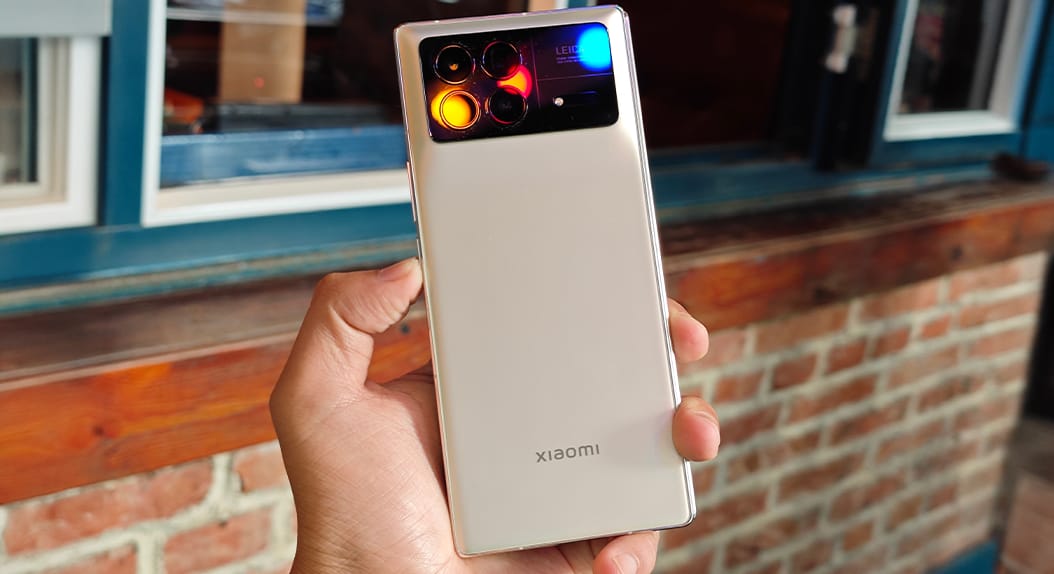
The Laos leak of the Honor WIN series brings a horizontal matrix camera design and a naming area design, almost identical to that of the 2023 Xiaomi MIX FOLD 3, with a left-aligned camera area and a tidy and clean branded area on the other side. To know further about related information, you can check about Xiaomi flagship design, features of HyperOS, or Xiaomi security updates at our website.

Design Based on a Recognizable Pattern

Blogger @旺仔百事通 has shared drawings that confirm a horizontal matrix camera and a GT-style nameplate element. This device does not support a quad-camera design, and a Magic8 series would be ideal for a person interested in photography. The design layout appears similar to that of Xiaomi MIX FOLD 3, with a rectangular left-sided camera cluster.

HONOR WIN


Hardware Requirements for the WIN Series

Honor engineers further clarified that “in the WIN series, a dual-flagship with super-powerful performance” would be launched. Market sources point out that this lineup would possibly offer Snapdragon 8 Elite, as well as Snapdragon 8 Elite (5th generation) processors, along with support for 100W fast charging.

Subtle Link with Design Principles of MIX FOLD 3

There seems to be some similarity between this smartphone design and the Xiaomi Mi MixFold 3, which has a structured rectangular camera island. Although it’s not a foldable smartphone, it appears that it follows a similar design principle of symmetry.

MIX FOLD 3

Source

Xiaomi could lower RAM on 2026 models as component prices surge

12 December 2025 at 04:00

The most recent market survey from TrendForce paints a tough picture for the global smartphone and laptop markets due to a sharp increase in memory costs projected for early 2026. This change affects product pricing and specifications, particularly in the mid and low-end sectors. Brands are also seen to consider downgrading specifications due to memory playing a bigger role in BOM costs.

The Increasing Cost of Memory and Its Effect on the Industry

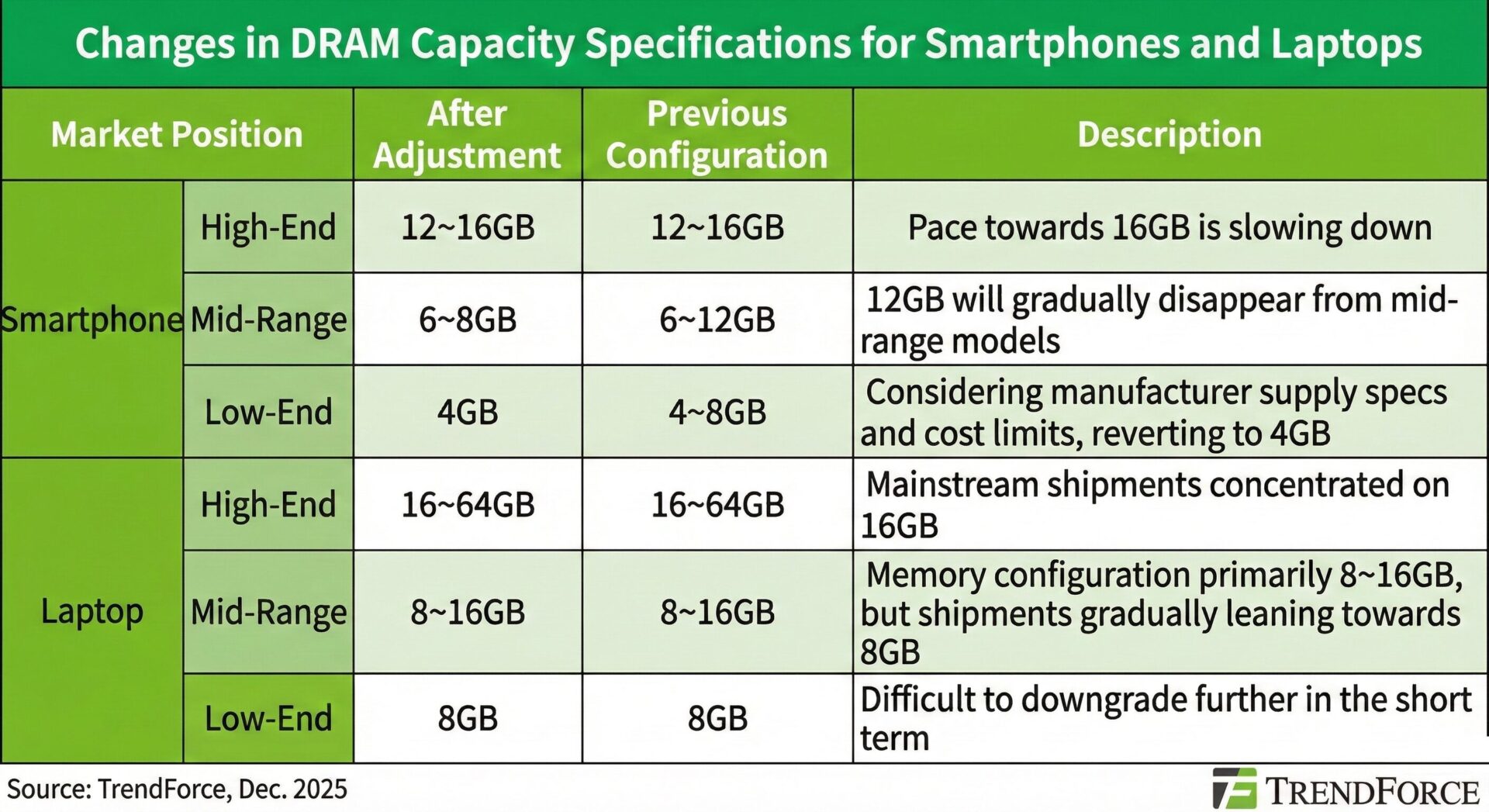
Trendforce believes that as time passes, the proportion of BOM costs that DRAM represents will continue to increase in 2026. Even in those product lines that are known for their high profit, like the iPhone, this trend will continue. Android manufacturers, who make use of memory as a major selling point, will now find themselves in a tight spot due to increasing memory costs. This particular point will affect Xiaomi especially, as 12GB RAM in their mid-range series is a common setup.

2026 ram problems

Mainland China and Android Firms: Impacts

The report further points out that memory-dependent product segments would face tough times in maintaining their competitive pricing. With increasing DRAM prices, companies are likely to make changes in supply cycles of last-gen models, along with increasing new model pricing. “User and mainstream product segments, with their usual 8GB and 12GB of RAM, may return to norm-touch baseline models with increasing manufacturing costs.”

Laptop Market will also Undergo Structural Changes

Computer manufacturers are also expected to rearrange their product offerings. High-end ultrabooks that feature soldered RAM cannot easily cut down RAM size. Such models are believed to be the ones that would immediately experience a huge jump in pricing.

Consumer Laptops Receive a Temporary Fix

The consumer laptop market has buffers of inventory and access to lower-priced memory stock, providing a mechanism for a stable market for a temporary period. But from the second quarter of 2026, cutbacks in specifications and/or pricing of DRAMs would become inevitable. The budget market would also face tough conditions in cutting memory further, owing to processing needs and OS.

TrendForce Forecasts Reduction in Specifications in 2026

The report underlines that “reducing specifications” or “delaying upgrades” are expected to be important levers for manufacturers of smartphones and PCs. This will be most notable for changes induced by DRAM, where companies are likely to standardize memory specifications on “the lowest acceptable level for a given market segment.”

  • High-end and mid-end smartphones: RAM advancements will emerge with a stabilization of minimum industry requirements.
  • Low-end smartphones: Expected to return to 4 GB RAM in 2026.
  • Low-cost laptops: Not likely to see a cut in DRAM.

This trend will change industry expectations in terms of entry-level and mid-tier offerings.

Source

❌