Reading view

Simple ways to increase benchmark performance on Xiaomi devices

To reach high benchmark scores on Xiaomi, Redmi and POCO devices, one needs to have an understanding of how the HyperOS manages performance, thermal limits, and background services. Benchmark behavior on these devices is different compared to stock Android because Xiaomi has advanced system scheduling, thermal frameworks, and power optimization layers. Here we analyze the key techniques one can utilize for achieving top synthetic benchmark performance in a stable and measurable fashion.

Understanding Performance Architecture on Xiaomi Devices

Xiaomi smartphones run on a multi-layer performance management model that strikes a balance between device longevity, heat generation, and user experience quality. This means that in order to achieve peak synthetic results, there’s a need to control thermal states, CPU frequency behavior, and foreground task priority. The principles stay constant across Xiaomi, Redmi (China), and POCO (Global) models using Snapdragon or Dimensity chipsets.

Why Benchmark Variability Takes Place

Benchmark tests don’t produce consistent results, since environment temperature, background processes, and load distribution all have an impact on CPU and GPU behavior. DVFS algorithms employed by Xiaomi prevent the device from wasting power, but also mean that it may lower frequencies in the middle of a test. By optimizing thermal conditions and ensuring a minimum amount of system noise, the score becomes much more predictable and reproducible.
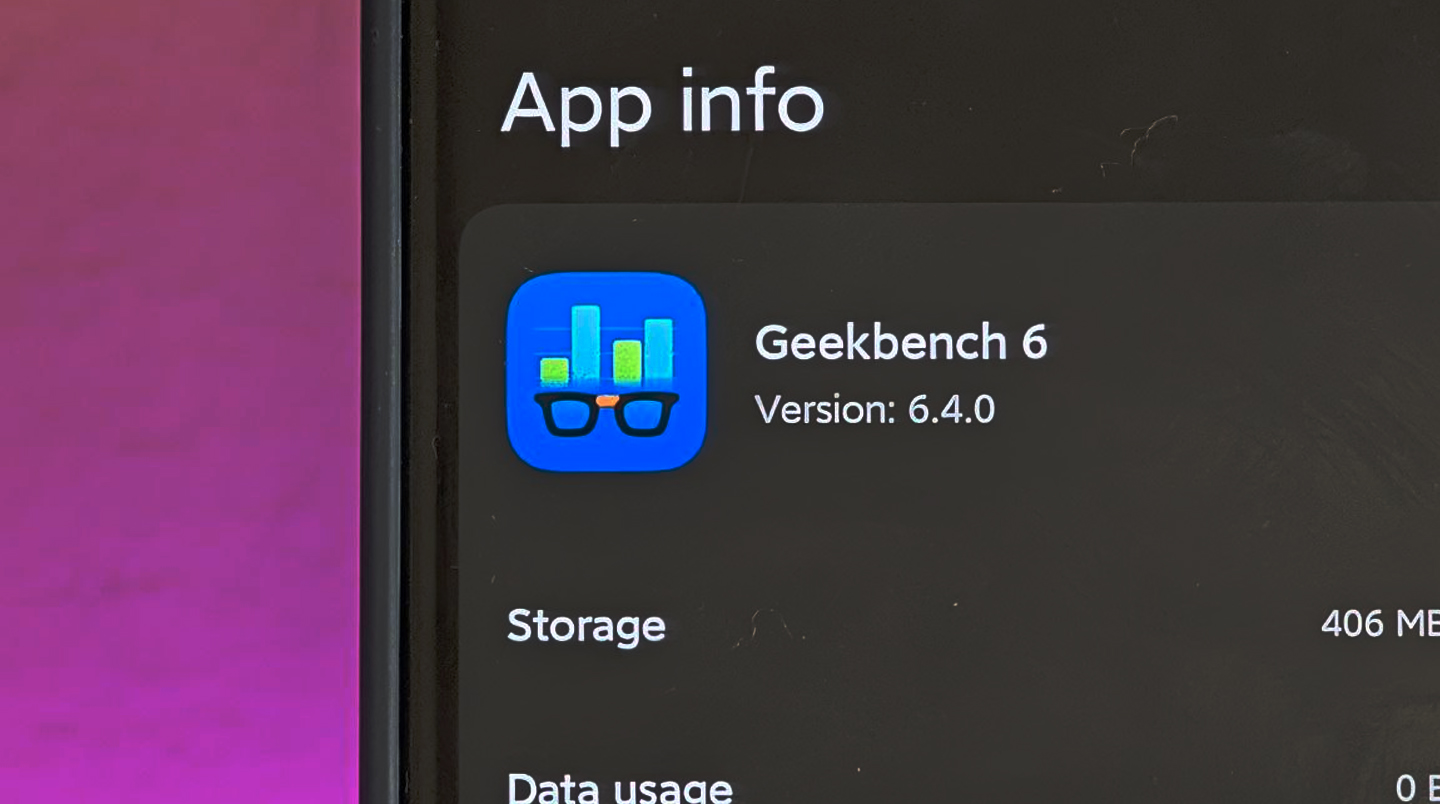
Geekbench 6.4

HyperOS Power Profiles and Performance Mode

HyperOS brings an improved “Smart Performance Balance” framework that analyzes real-time workload distribution and thermal loads. This system works well for maintaining long-term efficiency in normal conditions, but it requires a much aggressive profile in synthetic benchmarks to sustain frequency peaks.

Enable Performance Mode

Performance Mode in Settings > Battery temporarily removes standard power restrictions, increases CPU boost duration, and raises thermal thresholds. Tests show that users can observe noticeably improved GPU stability and higher multi-core CPU values when this mode is active. It should be disabled afterward to return the device to daily-use efficiency.

Role of Game Turbo

Although designed for gaming, the Game Turbo feature enhances CPU affinity, optimizes touch sampling rates, and reduces latency. Adding benchmark apps manually to Game Turbo will ensure that the foreground test receives priority access to system resources, thereby enhancing UX and render-heavy benchmark segments.
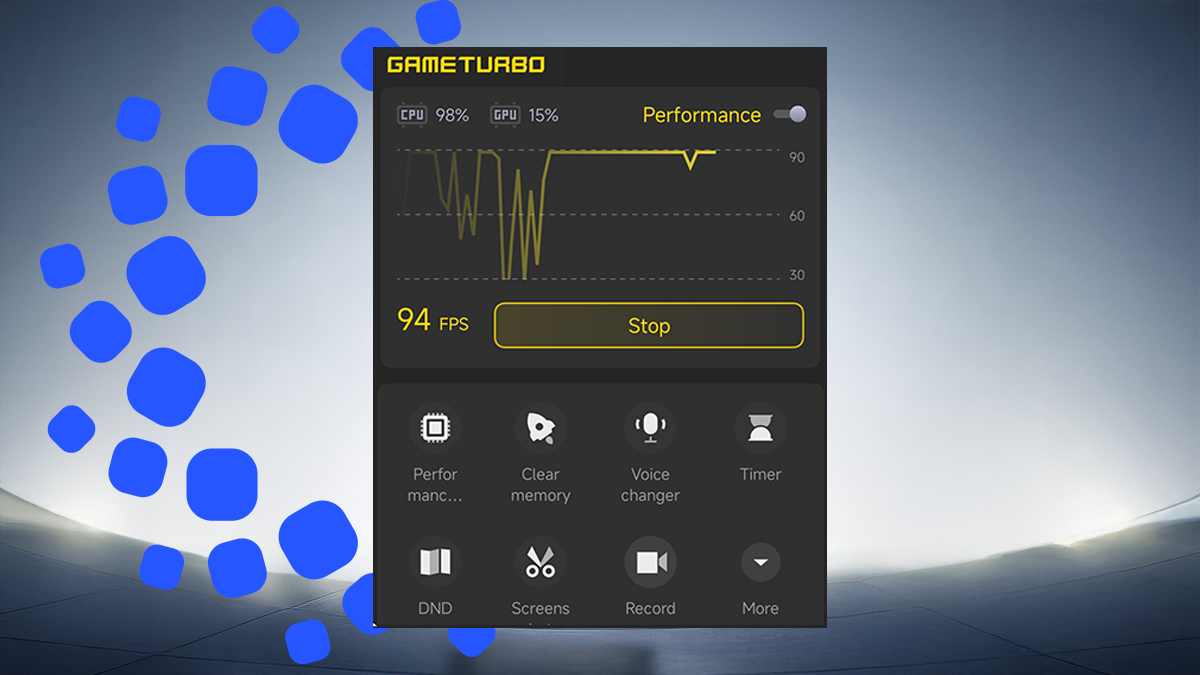
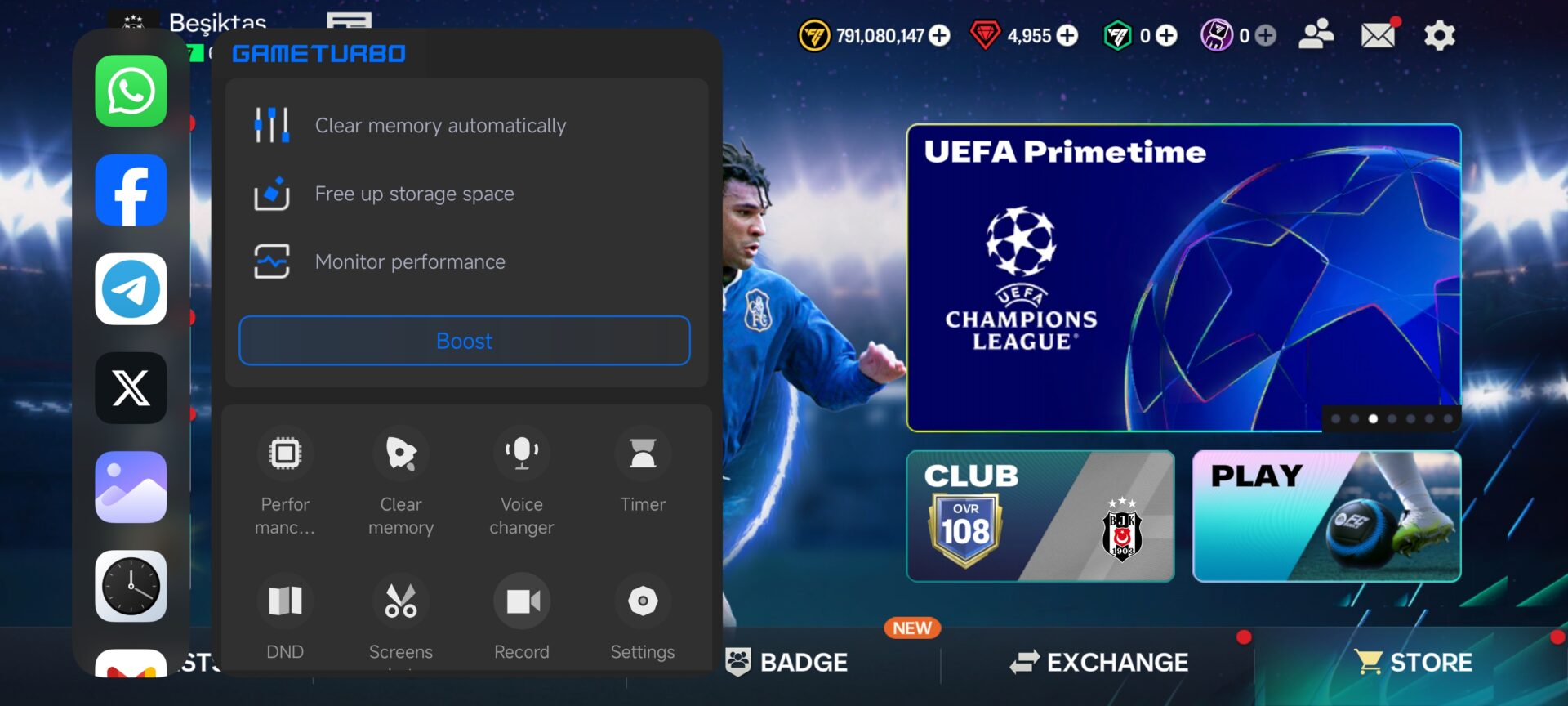
New Game Turbo New Game Turbo 3

Joyose Management: Xiaomi’s Thermal Guardian

“Joyose” is an internal Xiaomi service for thermal and performance management. It acts like a safety layer that prevents overheating by moderating CPU/GPU frequencies. While necessary for daily use, it may lower benchmark stability during long-duration tests.

How Joyose Affects Benchmarks

Joyose can limit FPS output, adjust CPU clocks downward, and control display brightness to lower heat generation. These interventions prevent thermal saturation but can reduce synthetic peak results. Advanced users sometimes disable the service temporarily via ADB or Shizuku-based tools; however, Xiaomi strongly recommends against long-term deactivation because it may cause thermal imbalance and device instability.

Memory Management: Physical RAM vs. Memory Extension

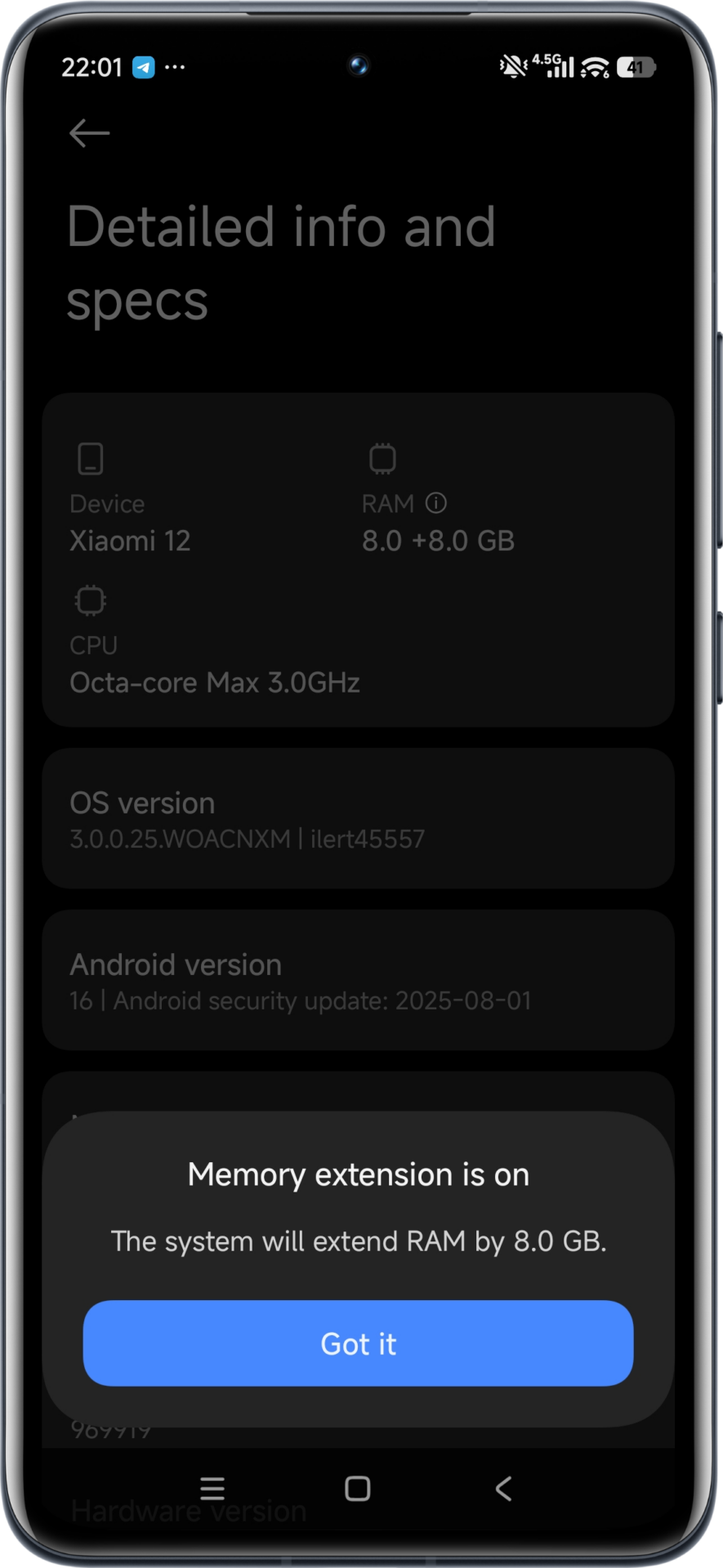
HyperOS includes “Memory Extension,” a feature that converts part of the ROM into virtual RAM. Although valuable during general usage with devices with lower amounts of RAM, benchmark workloads need the fastest available memory.

Optimal Configuration

  • Devices with 8GB RAM or higher should turn off Memory Extension for best throughput in benchmarks.
  • Devices with 4GB–6GB RAM may use minimal extension if memory-intensive tests risk restarting due to low RAM.
  • This strategy ensures that memory-intensive workloads avoid slow ROM read/write operations during tests.
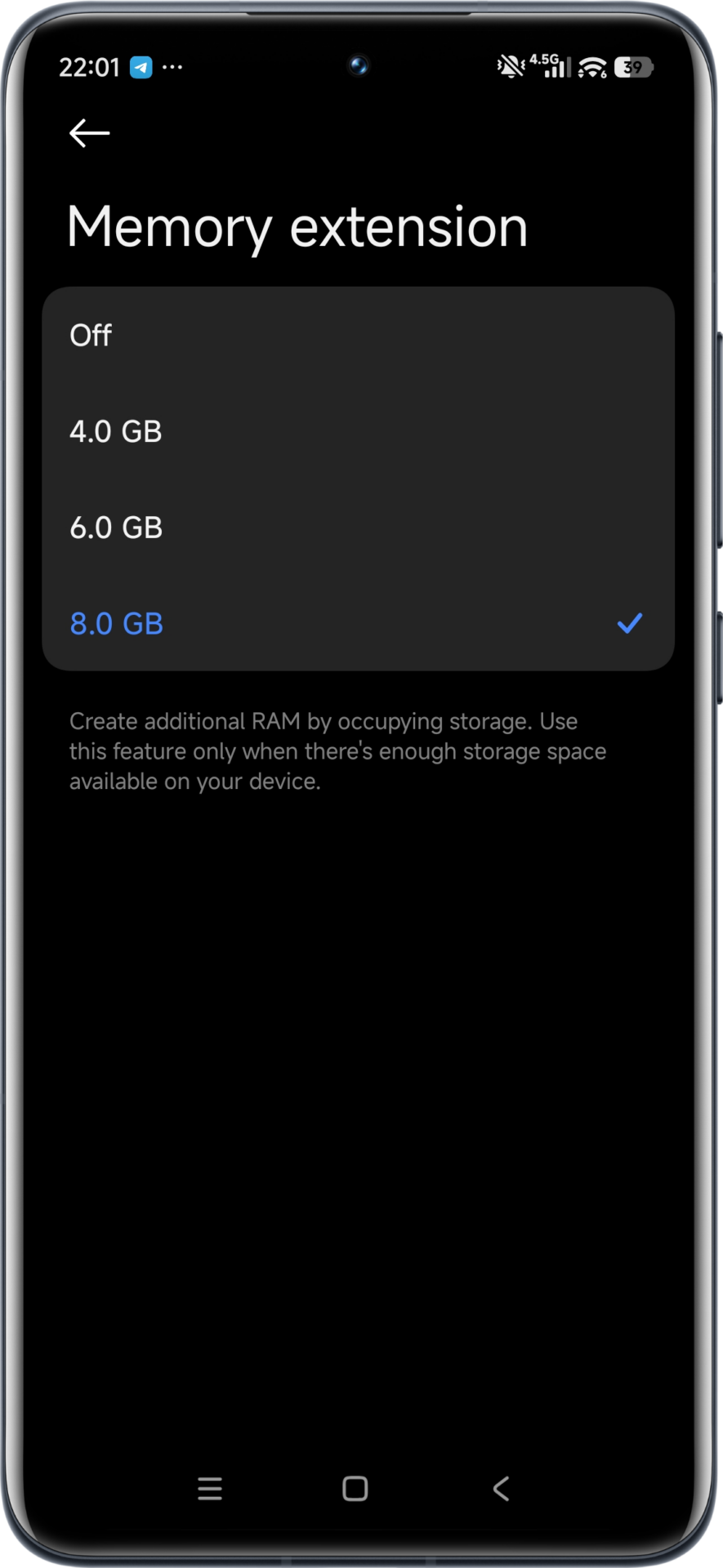
EXTRA Ram 1 EXTRA Ram 2

Benchmark Optimizations – Developer Options

Several developer settings contribute directly to benchmark score consistency. Changes Recommended

  • Disable 4x MSAA: Avoids the extra, unnecessary GPU oversampling workload.
  • Background Process Limit: “No Background Processes”: Ensures full CPU availability.
  • Disable animation scales: Slightly improves UX-based benchmark modules.
  • Disable logger buffer: Reduces CPU interrupts from log-writing events.

These changes should be reverted after testing to maintain system stability and functionality.

Thermal Control and Cooling Strategy

The most determining variable in a benchmark performance is heat. When the device reaches about 45°C–48°C, thermal throttling reduces the core frequencies to protect the device.

  • Effective Cooling Methods
  • Start tests from a cold baseline, around 20°C.
  • Employ external active coolers, such as Peltier-based clip-on modules.
  • Avoid successive tests without cooling periods.

These are techniques that prolong the time a chipset can stay at peak frequency, in turn raising total benchmark output directly. – Key Recommendations for High Benchmark Scores Below is a summarized list of essential Xiaomi-specific recommendations.

  • Enable Performance Mode.
  • Add benchmark apps to Game Turbo.
  • Keep the device temperature low using an active cooler.
  • Disable the Memory Extension if RAM ≥ 8GB.
  • Disable 4x MSAA and cap background processes.
  • Avoid repeated tests without cooling periods.
  • Ambient temperature should be at least 20°C to maintain consistent results.

While Xiaomi, Redmi and POCO smartphones are fitted with multi-layered system frameworks that focus on real-world efficiency rather than short-term synthetic performance, users can achieve significantly higher and more stable benchmark scores using appropriate methods: for example, temperature control, power mode optimization and other forms of system configuration. All these techniques help HyperOS shape workload distribution in a specific way to ensure the results remain reproducible and also scientifically grounded.
  •  

Xiaomi HyperOS Weekly Report: 12 bugs are now fixed

Xiaomi is further enhancing its user experience by resolving issues in its software that have been brought forward by the global community. In its latest weekly bug report, it is pertinent to note that quite a number of issues have been fixed in the Xiaomi HyperOS UI of its different smartphones and tablets. Users of Xiaomi 15T Pro and POCO smartphones will be glad to know that the overall stability of system applications has been enhanced as a result of these changes. It has been confirmed that the issues in the Xiaomi Pad 7 have been fixed.
Connectivity and Network Enhancements

Stable network connectivity is a key requirement for the functionality of smart modern devices. The engineering team has been able to address the issues of network instability on some of the budget and mid-range smart device models. Specifically, issues related to internet connectivity through mobile data and signal reception have been addressed.
  • Abnormal call connection between tablet and phone [Redmi Pad 2 4G]
  • No Service [Redmi 14C 5G]
  • Cannot access internet via mobile data [POCO X7 Pro]
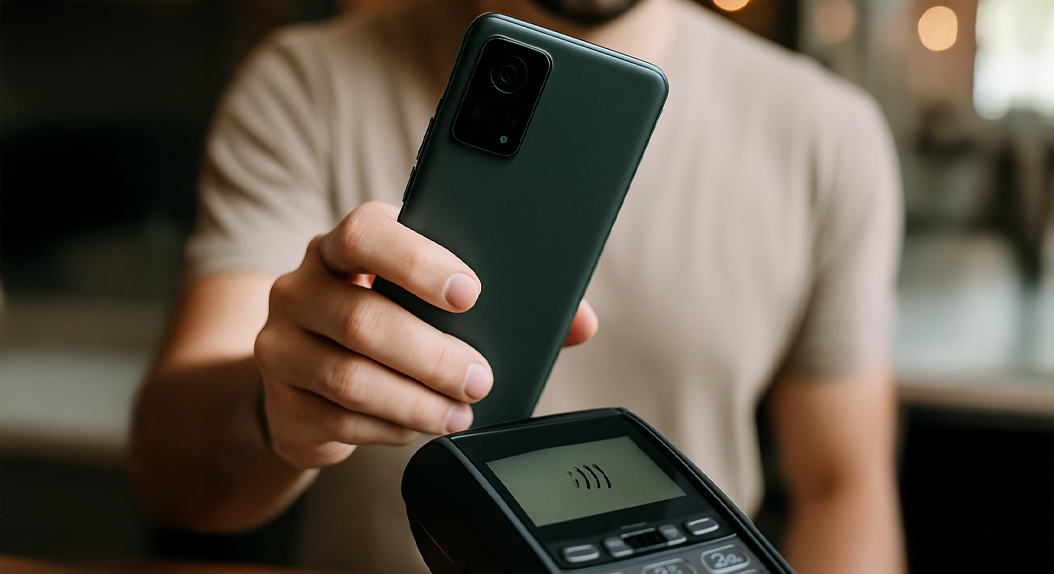
  • NFC not working [Redmi Note 14 Pro]
nfc payment

Multimedia and Display Optimization

Image performance as well as camera reliability are major reasons why one would be interested in purchasing a Xiaomi smartphone. Certain problems related to display dimming and camera lag in high-performance variants are addressed by the developer team. Moreover, audio settings are also fixed to enable proper switching from Dolby Sound mode to 3D Surround sound.
  • Screen color displays dimly [POCO F8 Pro]
  • Camera lag [POCO X7 Pro]
  • Unable to switch Dolby Sound to 3D Surround [POCO F8 Ultra]
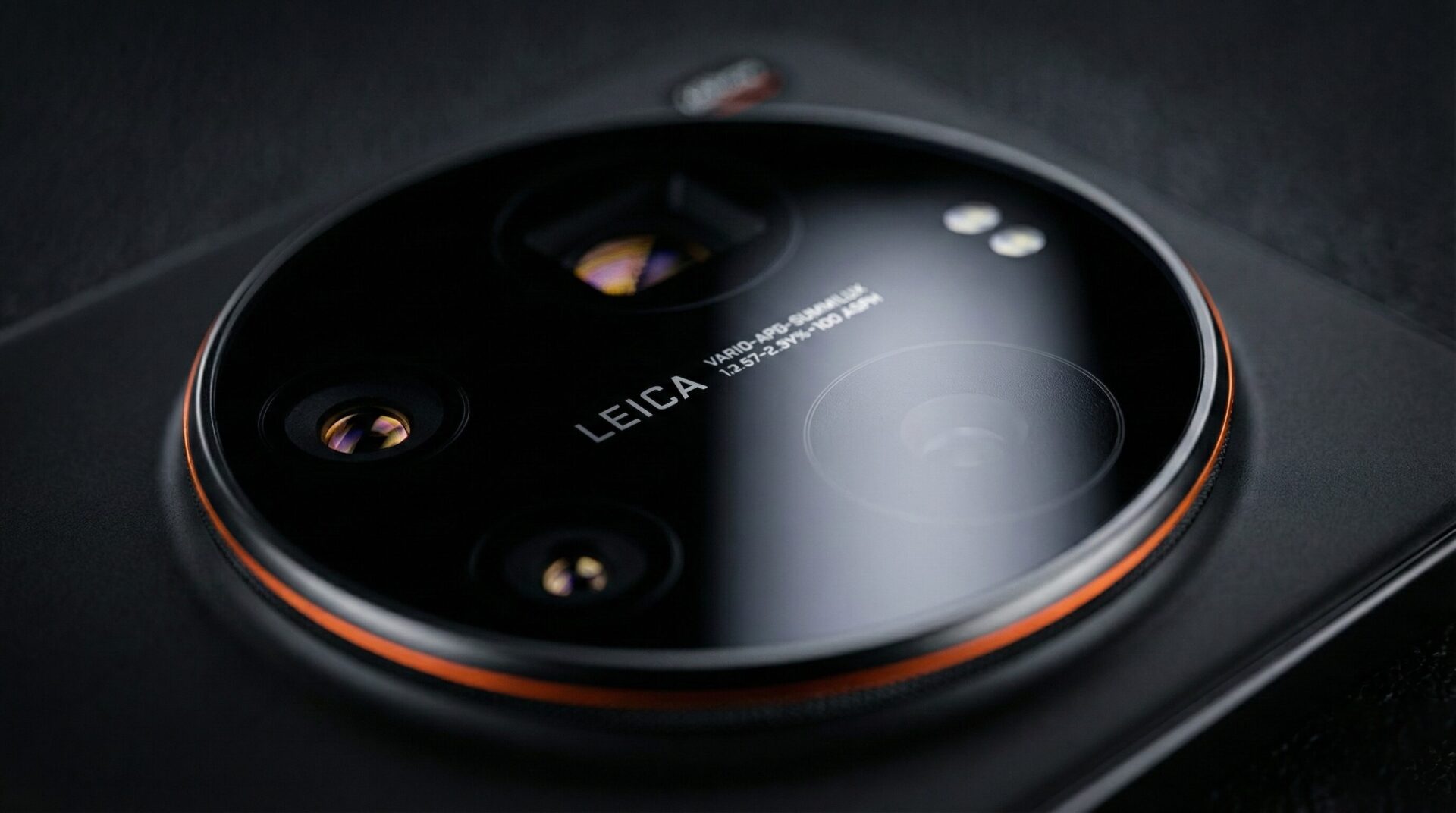
Xiaomi 17 Ultra Camera

System Stability and Application Fixes

The general system stability has been enhanced by fixing application crashes and charging issues. Users who encountered freezes and unjustified shutdowns of apps can now look forward to a seamless interface. It is vital to update system applications to prevent these types of glitches. Users can access these application updates through our project HyperOSUpdates.com or by using the application ‘MemeOS Enhancer’. Download the MemeOS Enhancer application by visiting the Play Store. By using the MemeOS application, not only will it update the system applications in your phone, but it will also give access to hidden functions in Xiaomi phones in addition to facilitating screen update operations.

  • Messenger has stopped [Xiaomi Pad 7]
  • Weather Can’t update data [Xiaomi 15T Pro]
  • App freeze or no response [Redmi Note 13 Pro+ 5G]
  • Wired charging failure [Redmi Note 14 5G / POCO M7 Pro 5G]
  • Auto shutdown [Redmi Note 14 Pro]

The Necessity of Upgrading Timely

The fact that Xiaomi is working on these particular problems that have been affecting the user experience is a very reassuring thing. The sheer number of these solutions that have been implemented, ranging from basic signal reception in entry-level variants all the way to high-end audio functionalities in flagship variants, goes to show that Xiaomi is covering all bases when it comes to system care. The solutions will reach Xiaomi devices through Over-the-Air (OTA) updates in the next few days. It is essential that the software of your Xiaomi, Redmi, or POCO device remains updated in order to eliminate these glitches and ensure smooth usage.

Source

  •  

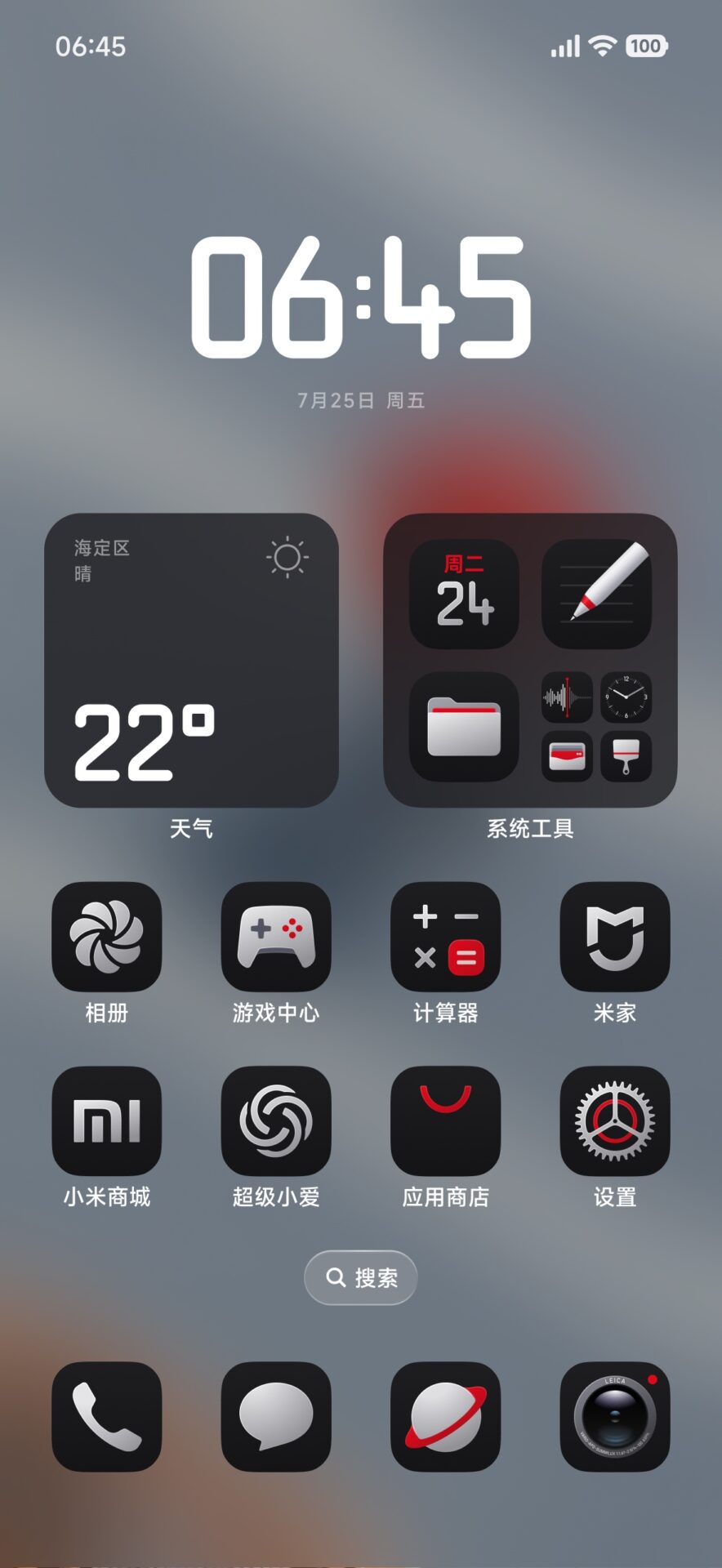
Install exclusive Xiaomi 17 Ultra Leica theme on your HyperOS device

The launch of the Xiaomi 17 Ultra, featuring impressive Leica camera systems, is highly awaited, and many of you might already have seen the fantastic Xiaomi 17 Ultra Leica theme, giving your phone an exclusive look in the near future. But we have an important announcement for all the Xiaomi supporters, as the Xiaomi 17 Ultra Leica theme is now available on all Xiaomi phones running the Xiaomi HyperOS version 2 and 3.

Visual Enhancements & Features

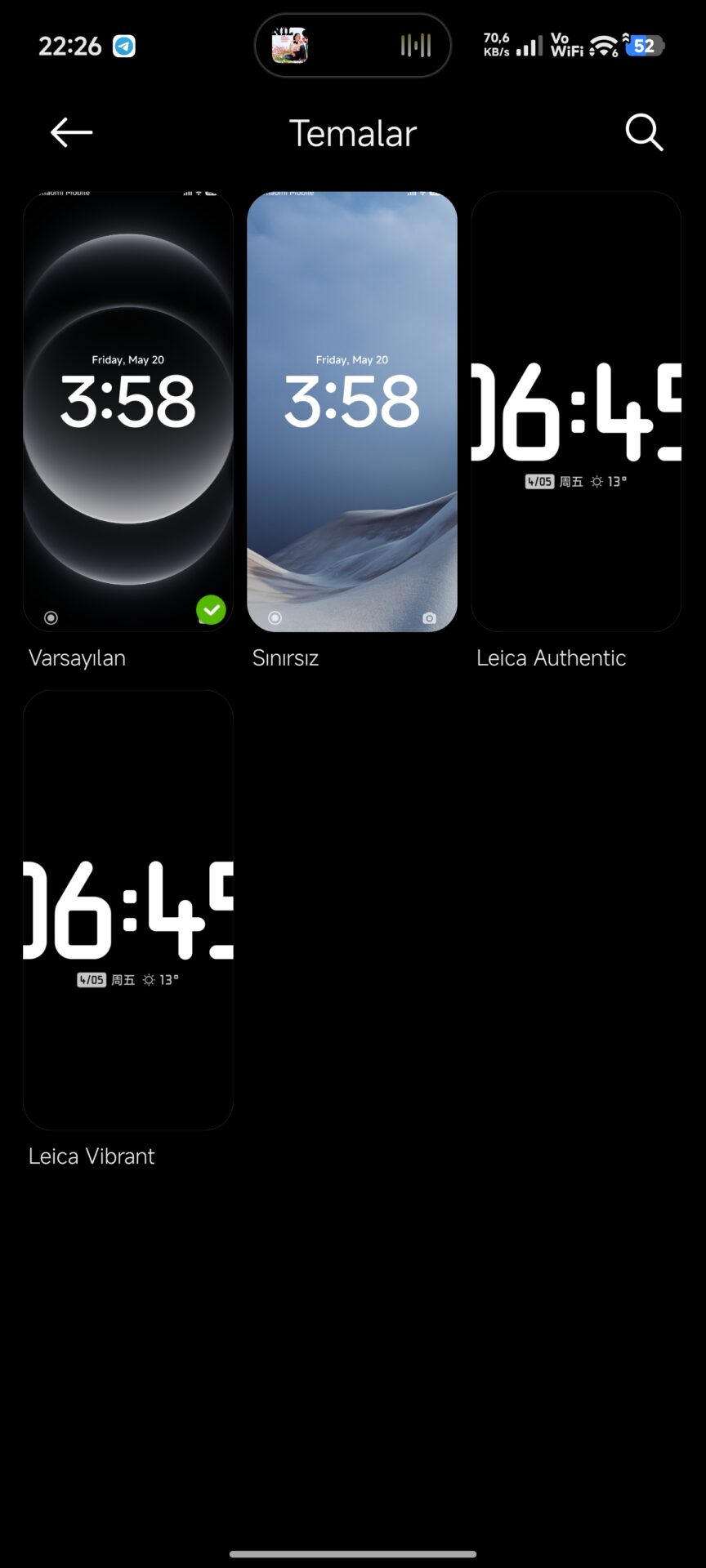
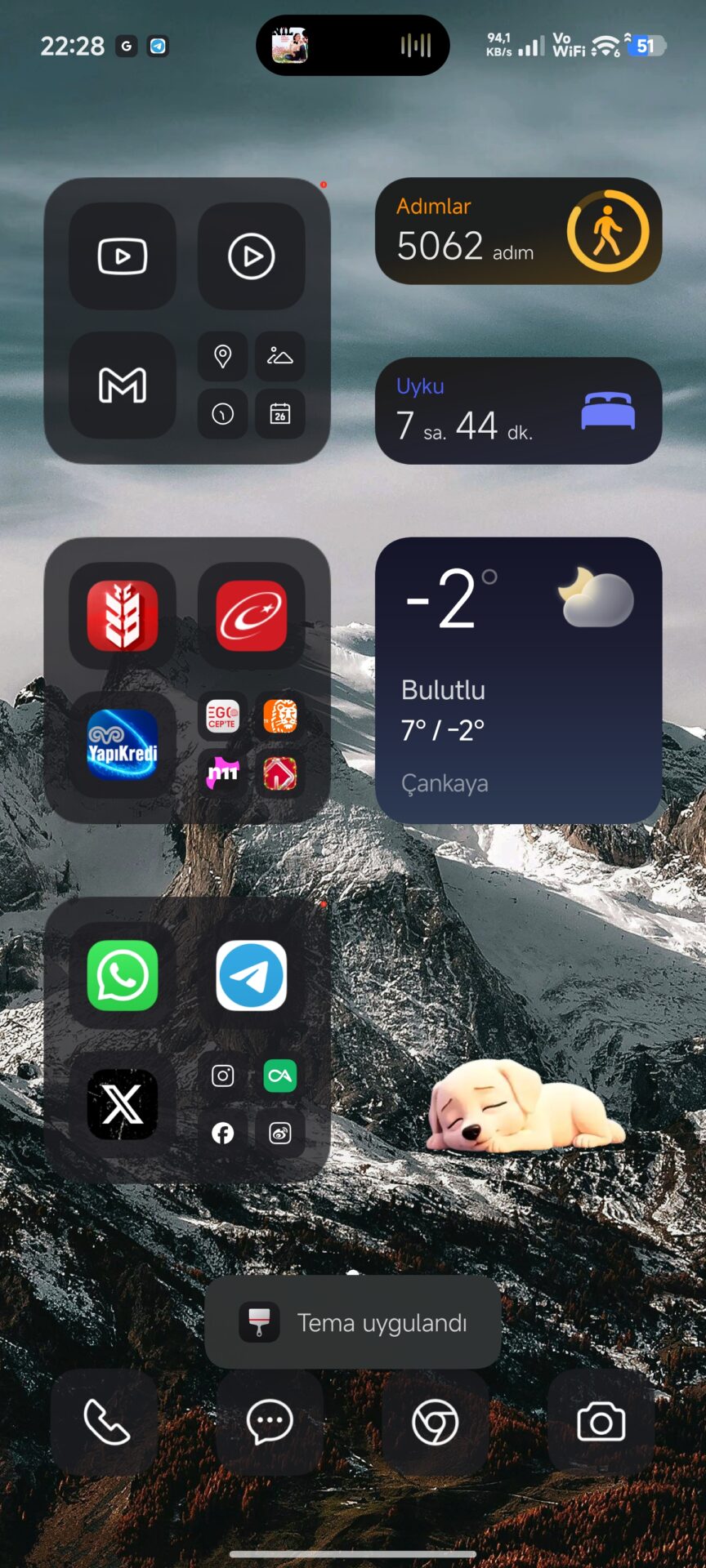
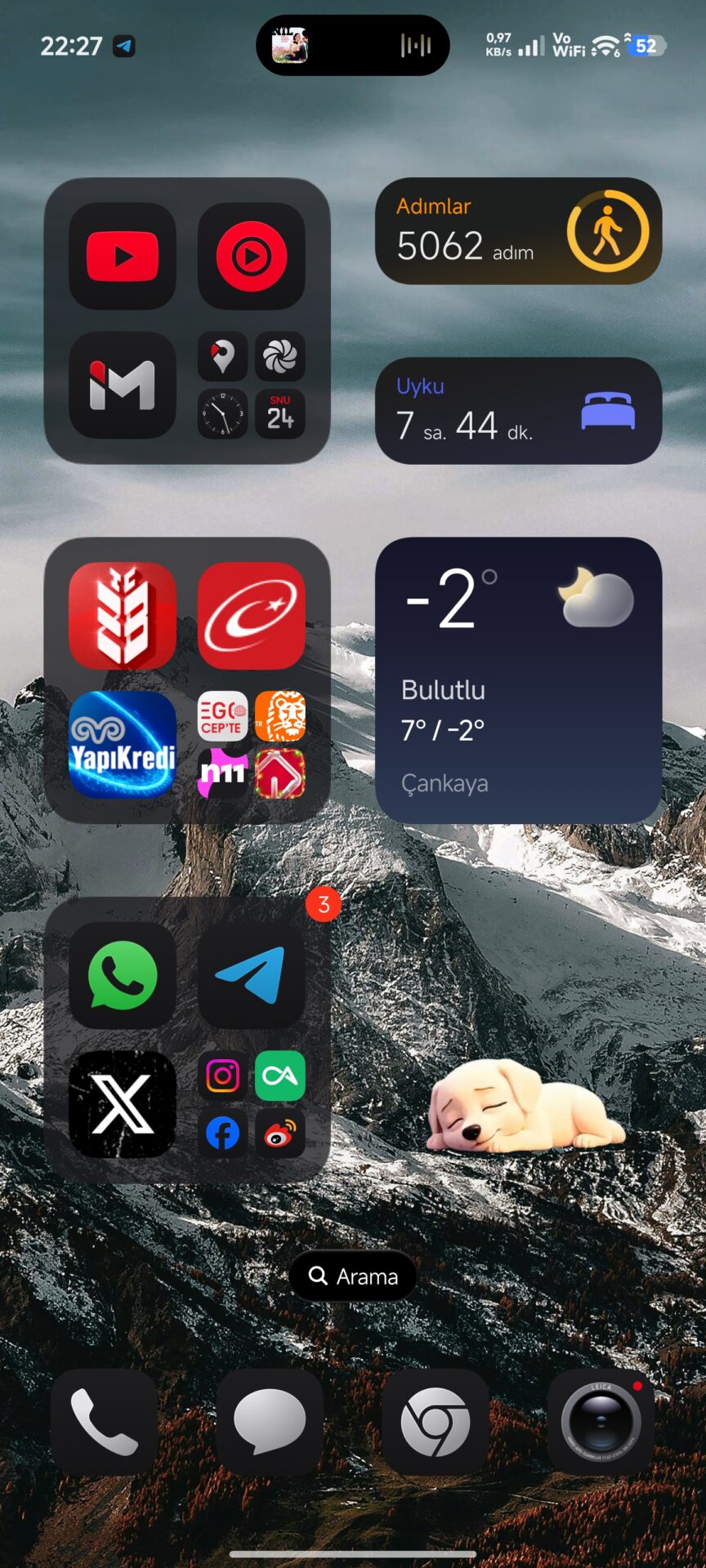
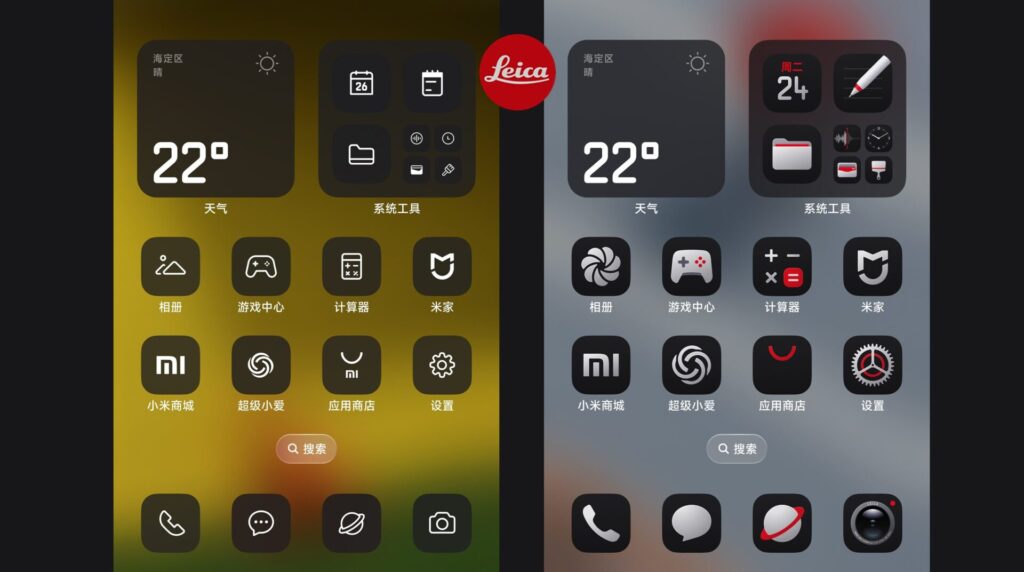
This theme package offers more than just a simple background switch; it offers a complete overhaul of the system. This design system adheres to the partnership between Xiaomi and Leica, with elegant and minimalist designs. Users can expect a complete overhaul of the system icons and high-resolution wallpapers that showcase the “Ultra” look.

In addition to this, the theme alters fundamental elements of the system. It comes along with a custom boot animation that overrides the original boot logo of the operating system. In addition to this, the clock widgets on the home screen and the lock screen widget have been changed to align with the professional theme of the operating system.

Leica Theme Xiaomi 2 preview launcher 0 Leica Theme Xiaomi 3 Leica Theme Xiaomi 4 Leica Theme Xiaomi 5 Leica Theme Xiaomi 6

How to Install the Theme manually

As this is an exclusive modification, it needs a different type of installation procedure, which involves file management, as opposed to a standard download from the Theme Store.

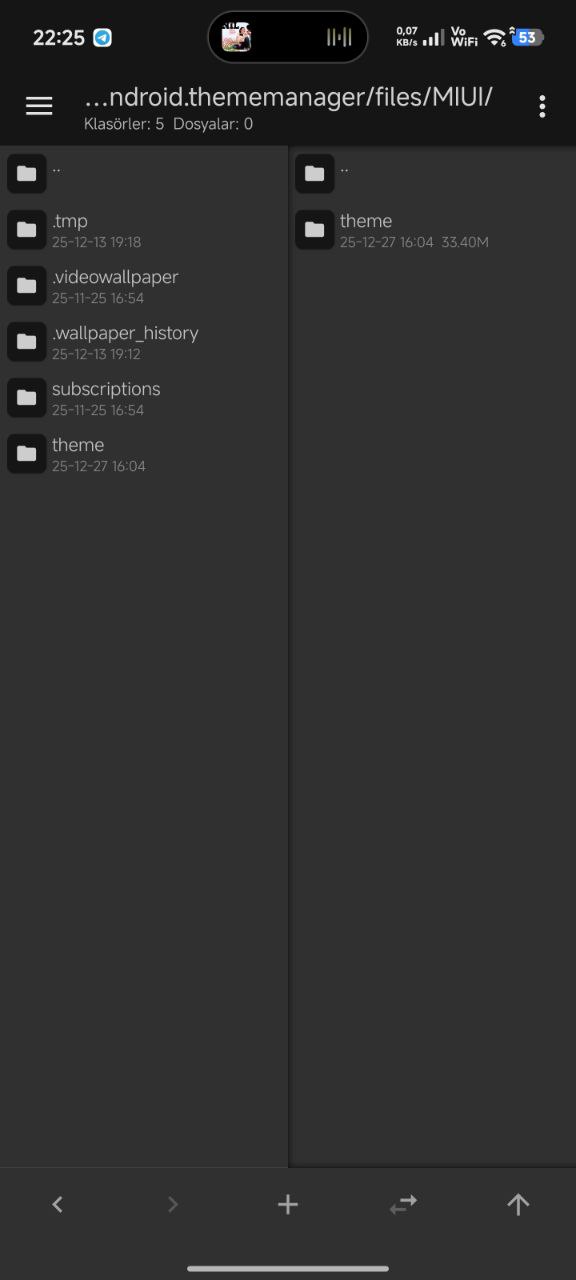
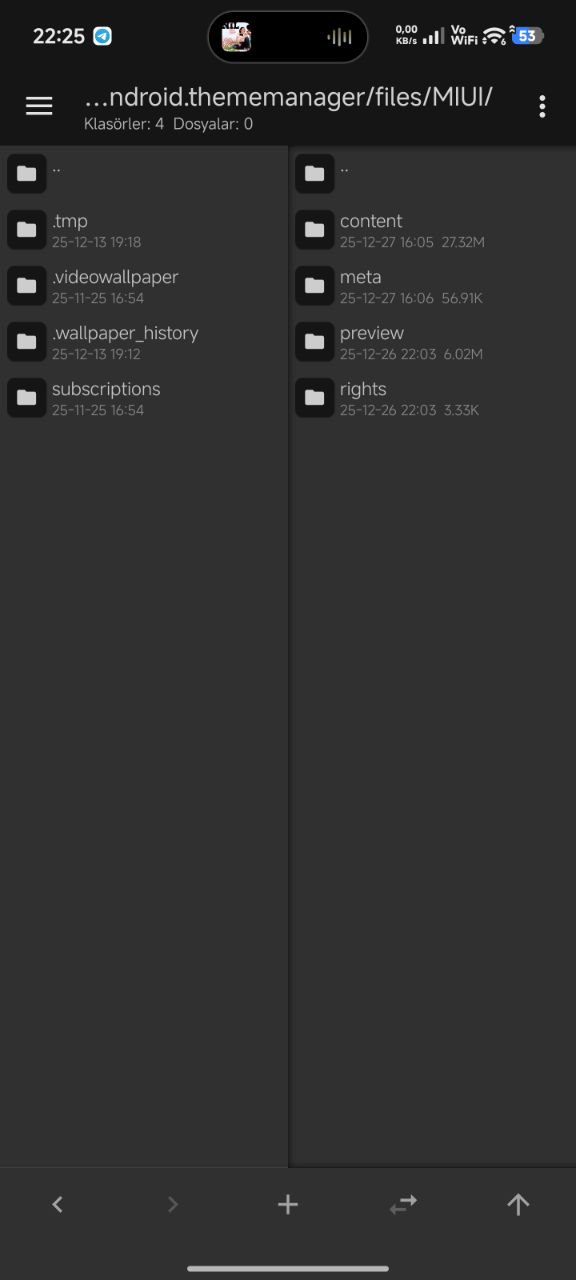
  1. Download the zip file that contains the theme assets.
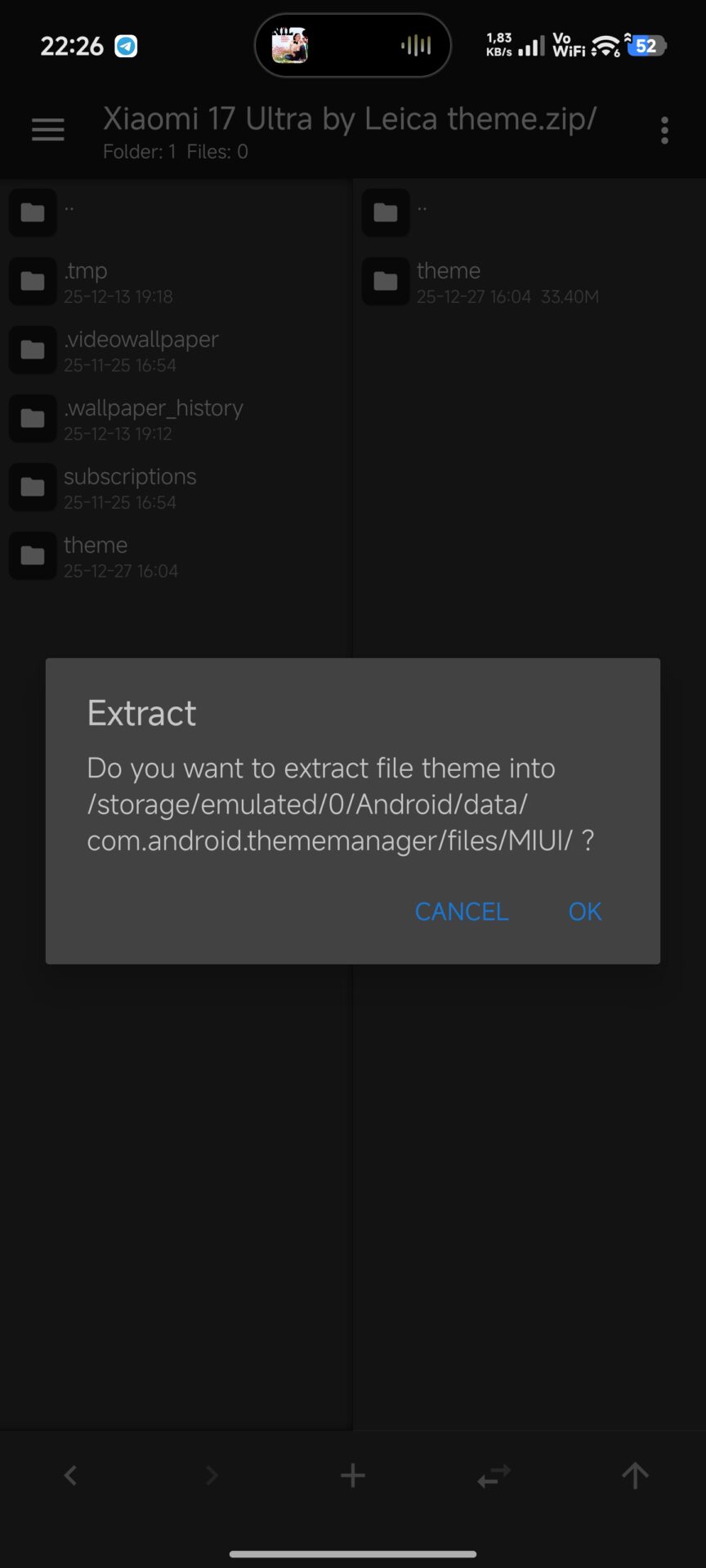
  2. Unpack the contents of the file into your phone’s internal storage.
  3. Now, find the extracted folder and place it in the following directory, overwriting existing files: Android/data/com.android.thememanager/files/MIUI
Manual Theme Installation 3 Manual Theme Installation 4 Manual Theme Installation 2 Manual Theme Installation 1 Screenshot 2025 12 30 22 28 51 393 com.miui .home Screenshot 2025 12 30 22 27 07 323 com.miui .home

To make the process work properly, your system apps need to be updated.

For the update process, we recommend that you update the Xiaomi Theme Manager or other Xiaomi system applications using the resource at HyperOSUpdates.com. Alternatively, the MemeOS Enhancer application from the Google Play Store can be used by the user to enable the update of the system applications, access the hidden Xiaomi functions, and control the over-the-air updates. Download MemeOS Enhancer Here After the files have been installed in the right place, just restart the device. The result of the procedure will give you the high-end Xiaomi 17 Ultra experience on your existing mobile phone.

  •  

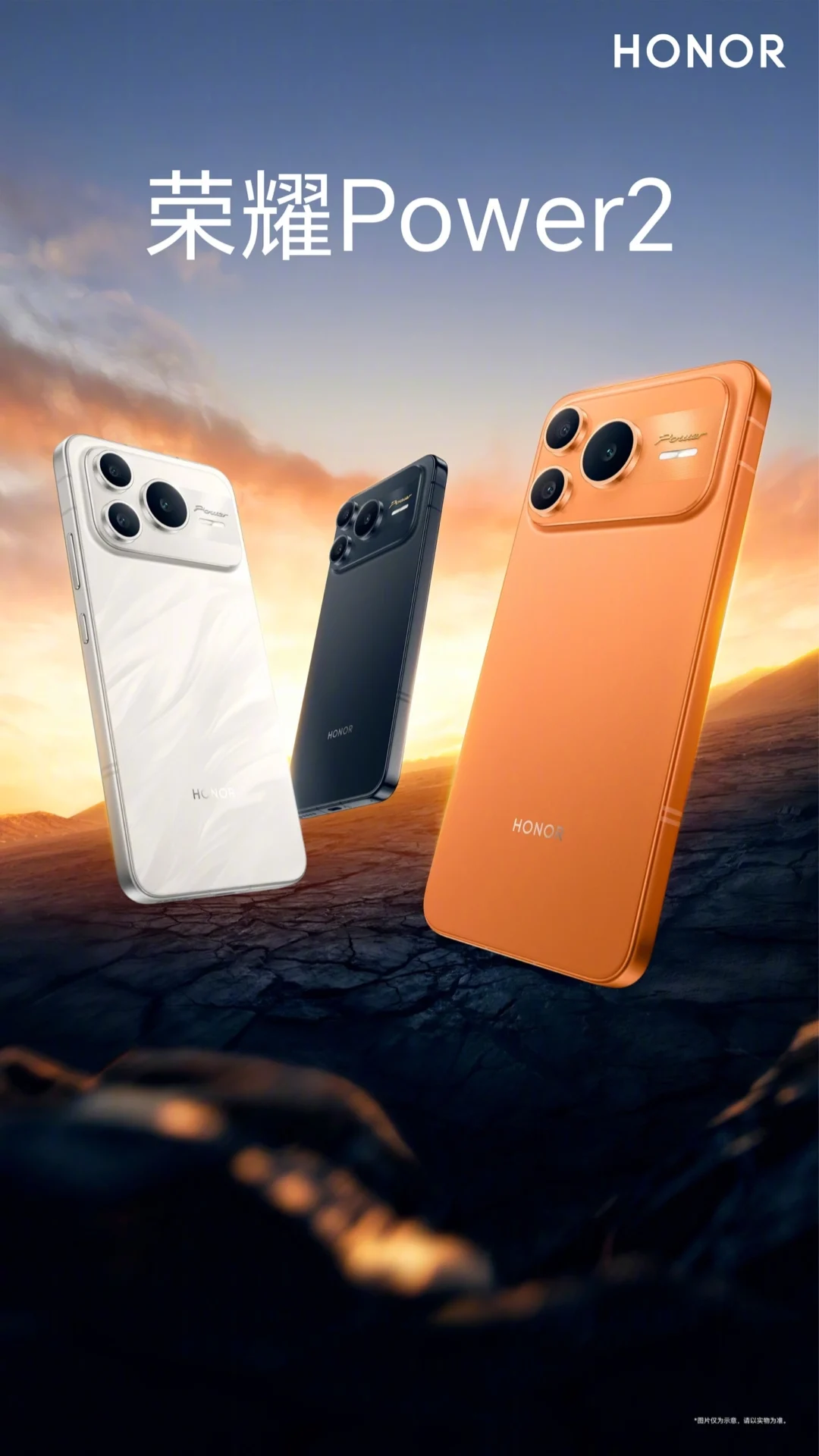
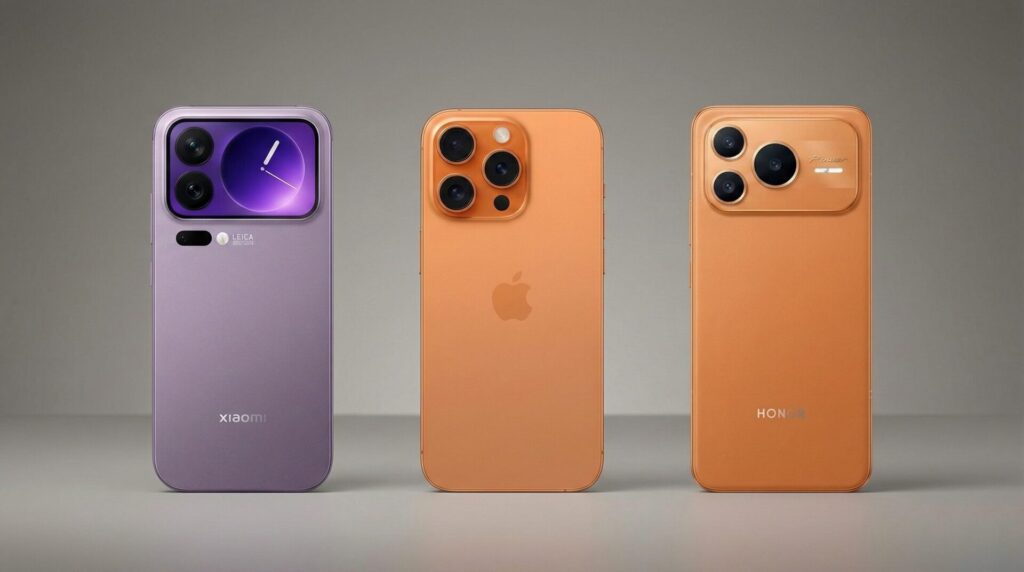
Honor copies iPhone 1:1 design while Xiaomi just takes the name

The mobile industry is exhibiting an interesting trend, as Xiaomi launched the Xiaomi 17 Pro Max, as well as the Xiaomi HyperOS, which has led to comparisons between the former and iOS 26. While the discussions on Xiaomi include the issue of product naming, the Honor Power2, which is similar to the iPhone series, was launched by Honor. The Honor Power2 will hit the market on January 5 in China.

Remarkable Battery Capabilities

One feature which makes the latest Honor Power2 exciting is its impressive battery technology. The device is packed with a fourth-generation battery from Qinghai Lake with a massive capacity to deliver 10080mAh power. This particular battery capability makes it essentially a portable charger in the device.

Honor Power 2

Government reports show it supports SuperCharge technology of up to 80W. It also supports reverse charging of up to 27W. This makes it possible to charge devices using this smartphone on the go. Energy efficiency is a concern most smartphone buyers consider today.

Design Features and Connectivity

Honor has incorporated a very sophisticated design approach for the phone. The phone is infused with a carefully crafted matte metal body that has been created using the unibody cold-carving process. The weight of the smartphone is approximately 216 grams.

It was also sold with the name “Elevator Signal King” because of the connection capabilities it offers. It uses the latest generation of Hongyan Communication technology, which is the second generation. It also features the best antenna specifications available, with an increase of up to 200% signal strength with weak signals.

  • Display: 6.79-inch 1.5K 120
  • Processor: MediaTek Dimensity 8500 Elite
  • Camera: 50MP f/1.88 primary camera + 5MP secondary camera
  • Front Camera: 16MP sensor
  • Battery: 10080mAh with 80W Wired Charging

Market Competition and Availability

The launch of the Honor Power2 proves that raising battery capacity and advancements in communication technology are what the future of smartphones holds. With regards to design, taking on iPhone features, competition from the new Xiaomi smartphones is still intense. For all Xiaomi smartphone users wanting to stay updated on any software advancements, visiting HyperOS Updates is advisable. How consumers globally receive the new generation of smartphones that come with larger battery capacity will be very beneficial.

  •  

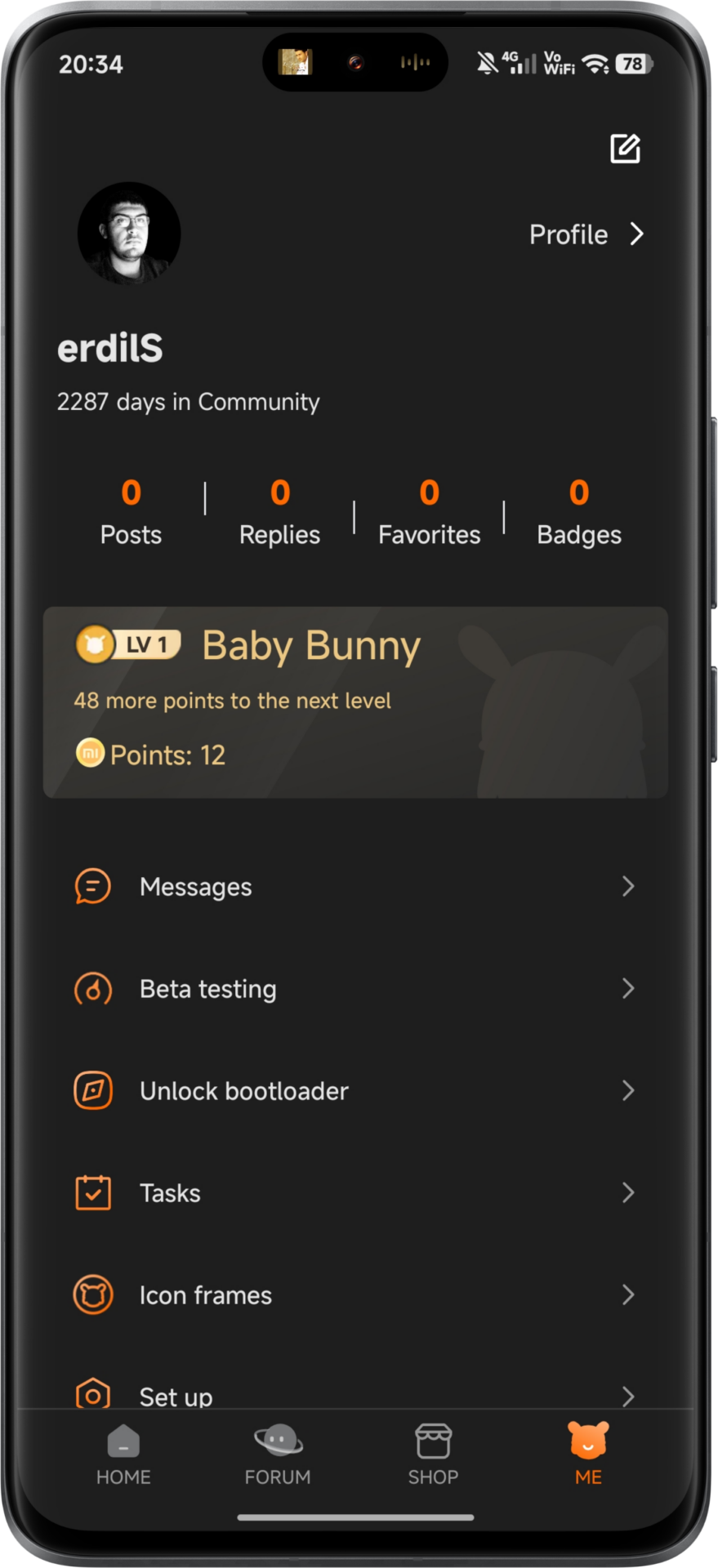
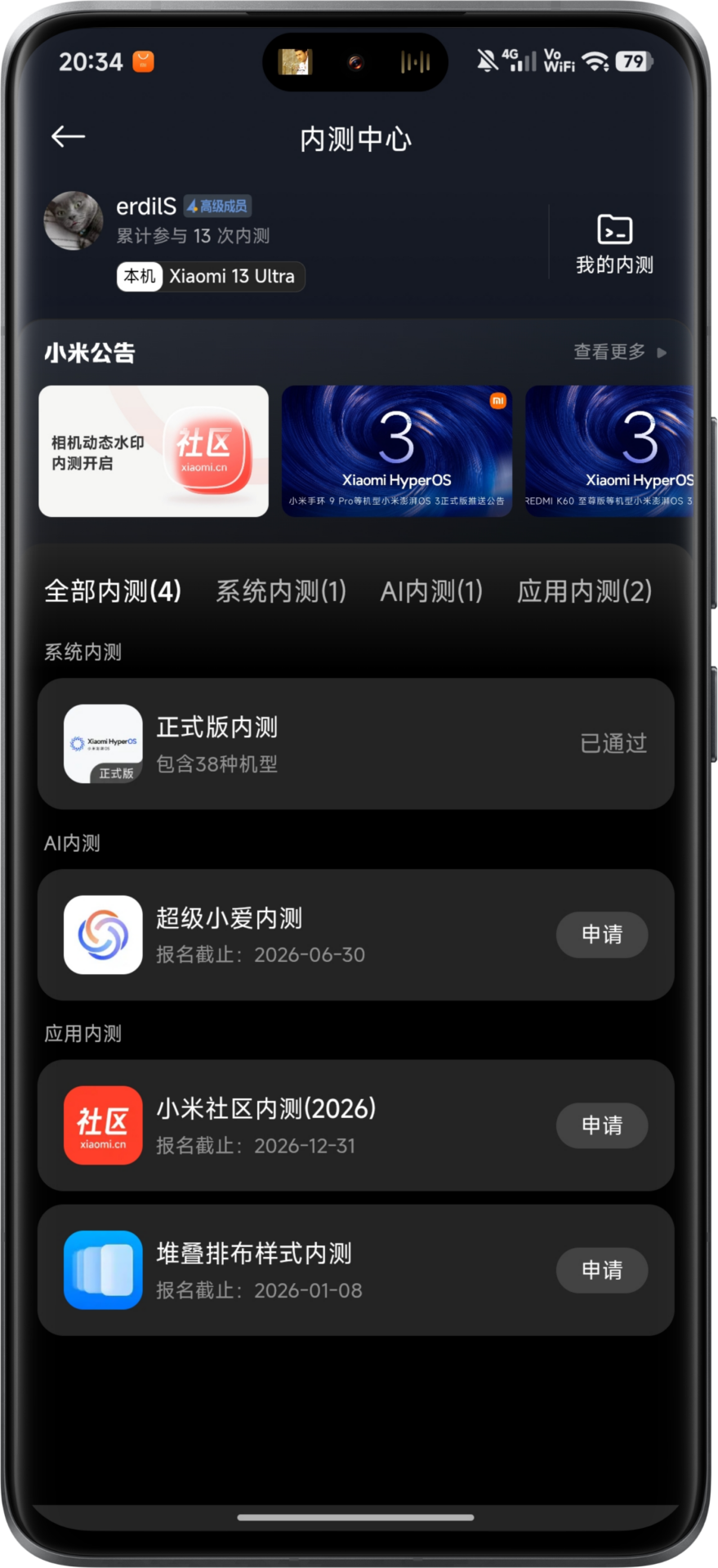
Xiaomi completely removes bootloader unlock option

Xiaomi has removed its application portal from a particular section of its Mi Community app in China regarding bootloader unlocking. This facility, where advanced users could apply to change features in their devices, is no longer visible in its place. Though it was already a very difficult task with a very low success ratio in such applications, its complete removal signifies an end to this online procedure in China. You may follow any new news about Xiaomi HyperOS or read about Xiaomi Pad 7 specs on our website to be updated about its influence.

More Control Over Software

Removing the unlocking option is a dramatic change for Xiaomi regarding device security in its home country. A user from China was required to apply for unlocking the device’s bootloader, but chances of getting it unlocked were estimated to be around 0.00001%. It was not an easy process but could be done.

Mi Community Global Mi Community China

However, with the removal of the entry point through the Mi Community China application, Xiaomi has shut the door to unauthorized modifications of the software in Chinese versions of the device since the modification entry point is no longer available.

Unconventional Workarounds and Service Center Incidents

But before the complete removal of the restrictions, users would look for different ways of working around the restrictions. There was a significant case that took place a few months back involving an authorized service center in China. The user took the device to the center claiming that the software was faulty. Since the authorized service center staff have the equipment necessary for the unlocking of the bootloader for the purposes of restoring the firmware, the staff unlocked the device.

Xiaomi users stole their phones from the service center to unlock the bootloader

In a rather well-known development, the individual allegedly unlocked the device immediately following the unlocking of the bootloader, effectively acquiring the unlocked device without having to wait through application times. This particular form of ‘social engineering’ has received attention on forums as a last resort. As the application is no longer available, physical interference by authorized servicing staff, whether accidental or intentional, seems to be one of the last possible avenues left, as far as theory is concerned.

What About Global Users?

This has triggered conversations about the future implications of bootloader unlocking in the international market. This is because the current policy for international users is not the same. They can unlock their bootloaders by requesting permission to do so after waiting for approximately 30 days. But recent developments in China pose the concern that policies in China may affect the international market in the future.

💾

Auf YouTube findest du die angesagtesten Videos und Tracks. Außerdem kannst du eigene Inhalte hochladen und mit Freunden oder gleich der ganzen Welt teilen.

  •  

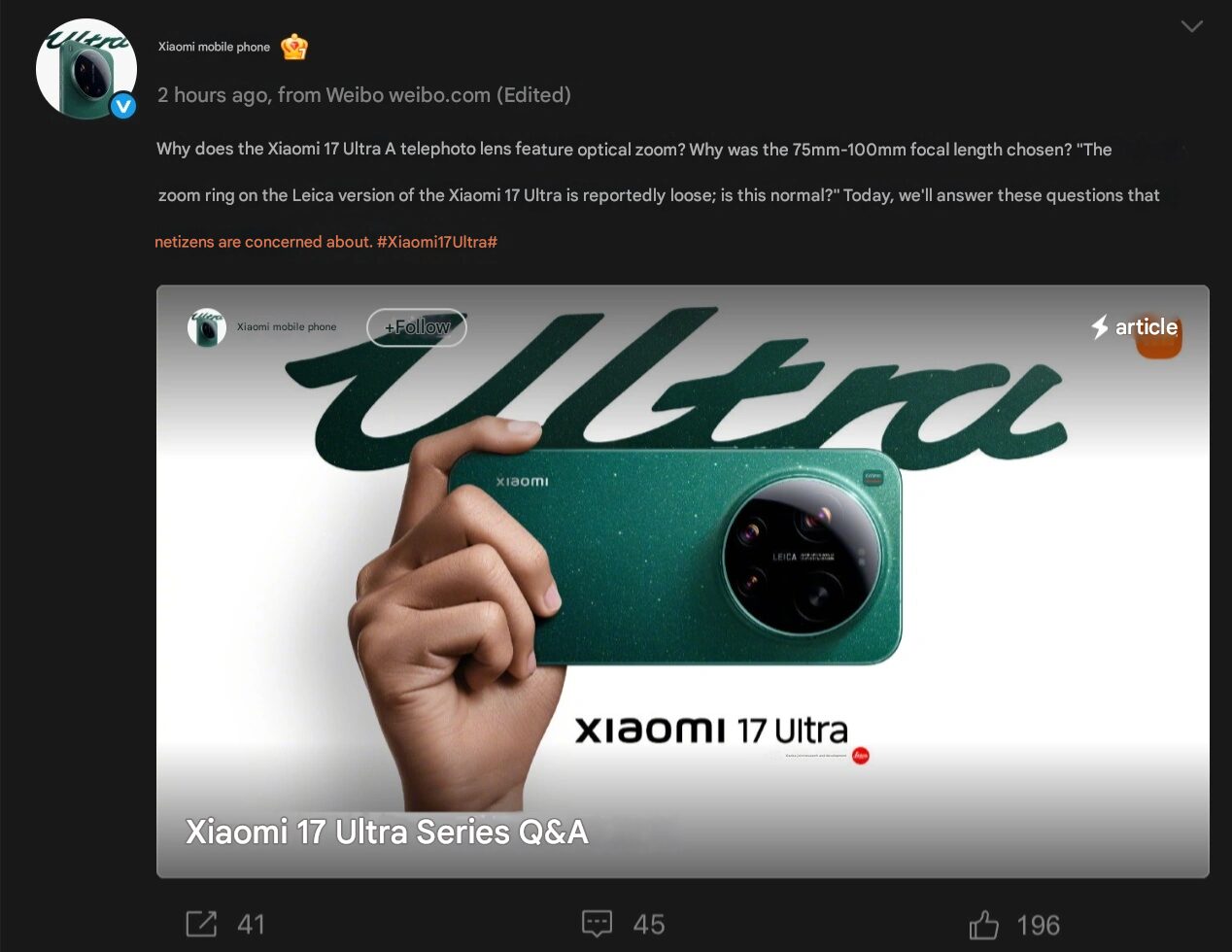
Explanation by Xiaomi for loose Xiaomi 17 Ultra Leica Edition zoom rings

Recently, Xiaomi launched its new Xiaomi 17 Ultra Leica series with a very innovative camera design, where some users found a slight looseness in its mechanical components. There were concerns about the stability of its Master Zoom Ring and if such a condition pointed to a problem with it. Xiaomi has answered these concerns regarding the new technology in its gadget.

PSA: Do NOT rush to buy the Xiaomi 17 Ultra by Leica if you are outside of China. There are many complaints on RED and Weibo that show videos of the unstable camera ring knocking about when you tap on it. Here’s an example from Weibo user 6Ghz。 pic.twitter.com/WiOlm0Nr2k

— Devinarde (@Devinarde) December 30, 2025

Engineering the Master Zoom Ring

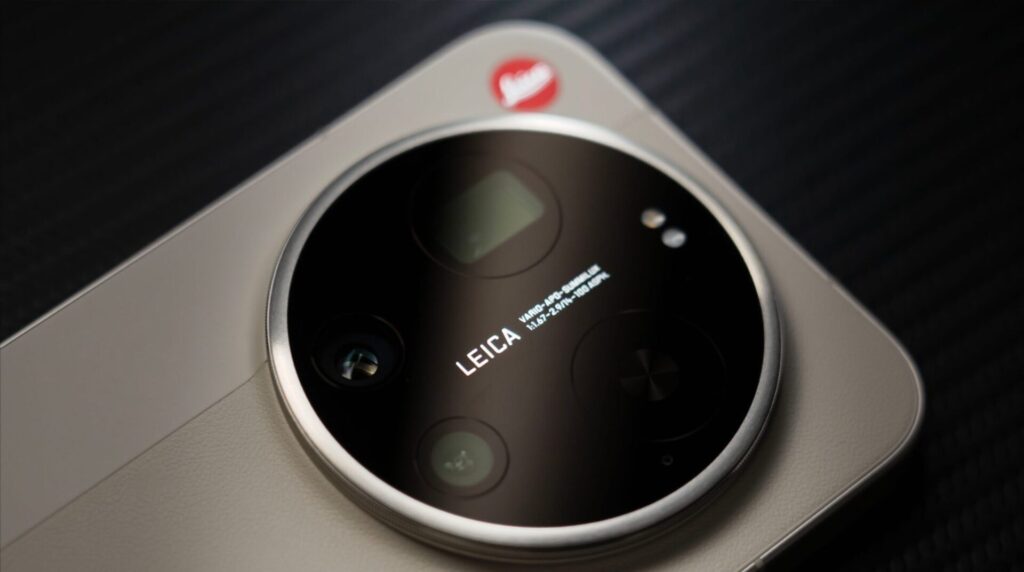
Master Zoom Ring on the Xiaomi 17 Ultra Leica: This is a rather complicated component. It has a design that is referred to as a “sandwich structure” and consists of no less than 26 separate parts. To ensure that this component remains intact when the camera is dropped, designers had to introduce some special tolerances regarding its movement.

Xiaomi 17 Ultra 7

When you shake the Master Zoom Ring, it may be slightly movable or make some sound when tapped. It is a normal property of this physical object. It guarantees that the ring will work properly even after a long period of time. The most important thing is that it won’t affect the ring functionality or IP66, IP68, and IP69 dust and water resistance of the device. Xiaomi has conducted drop and high temperature tests for this feature.

Why the Camera Module Rattles

There is also a “clapperboard-like” sound emitting from the camera module when you shake this handset. It is a typical phenomenon with new-generation smartphones with large cameras, but on this handset, this sound is more prominent owing to its sophisticated cameras. The Xiaomi 17 Ultra series comes with OIS on both main cameras and telephoto cameras.

  • Greater Motor Space: In the new telephoto lens “200MP periscope,” the space for the motor displacement has significantly increased. A total of 7mm space is reserved for the motor displacement, whereas in its precursor, it was 1.5mm only.
  • Active Stabilization: In this area, the lens system is free to move in the absence of the camera. This is how the sound is generated. But as soon as the camera picks up motion or is turned on, the system prevents this from occurring.

Optimizing Camera Performance

The hardware capabilities found in the Xiaomi 17 Ultra need proper software to control the OIS motors and “Leica Moment” abilities. To guarantee that these components are working at their best, it is essential that you are always running the latest versions of the system applications. You can update the application software from HyperOSUpdates.com or through our MemeOS Enhancer application.

Through downloading the app from the Google Play Store, users can update system apps, enjoy screen-off update support, as well as unlock hidden Mi features in their Xiaomi device.

  •  

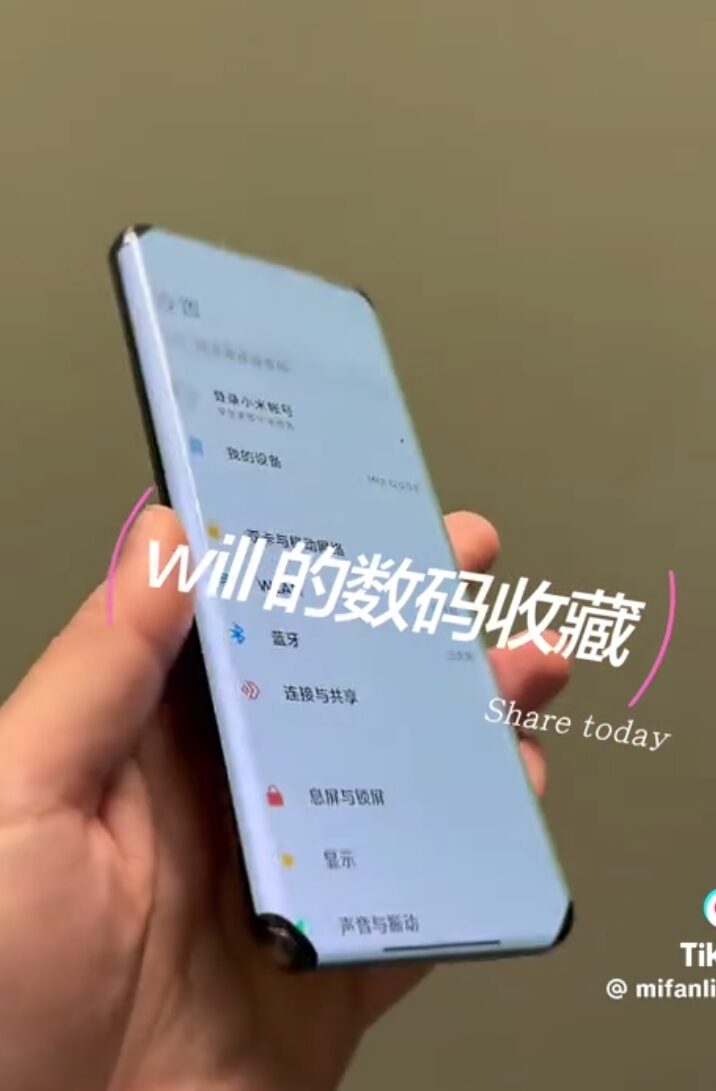
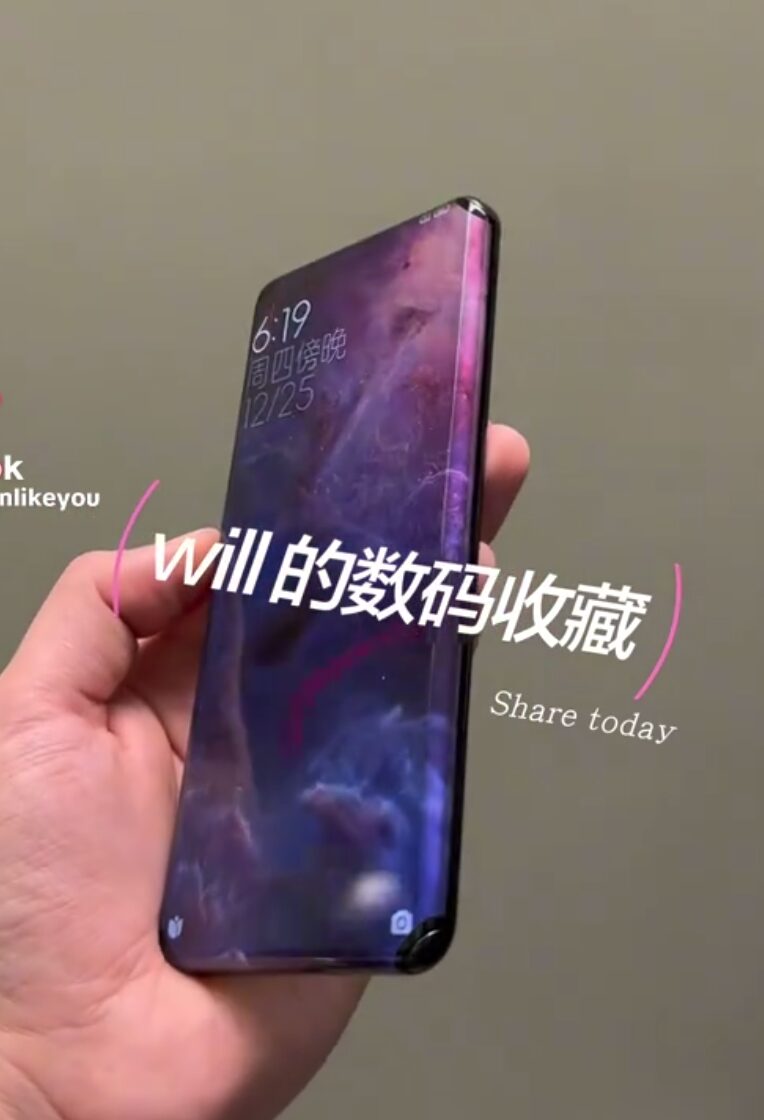
Apple follows Xiaomi: Quad-curved screens are coming to iPhone

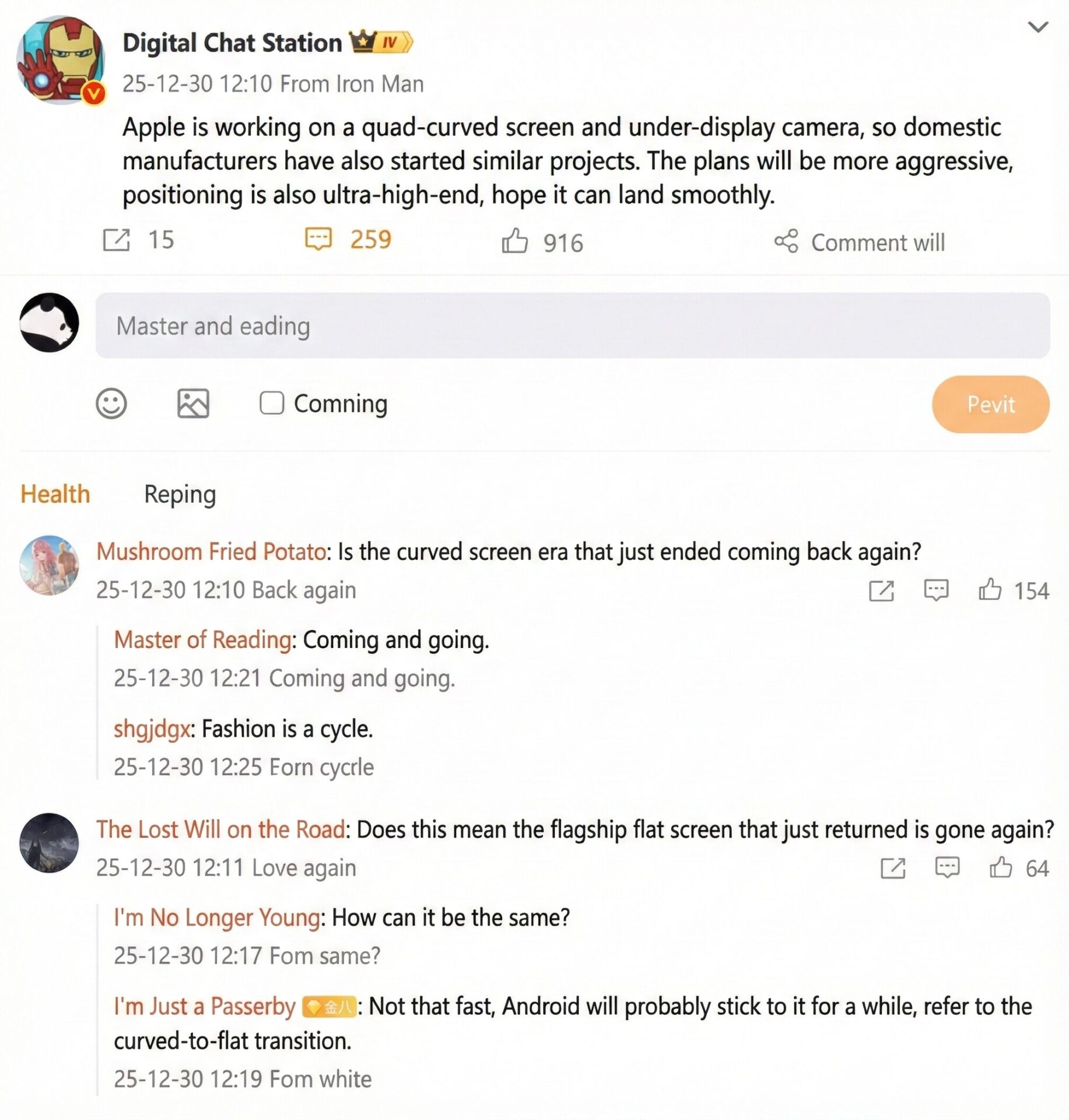
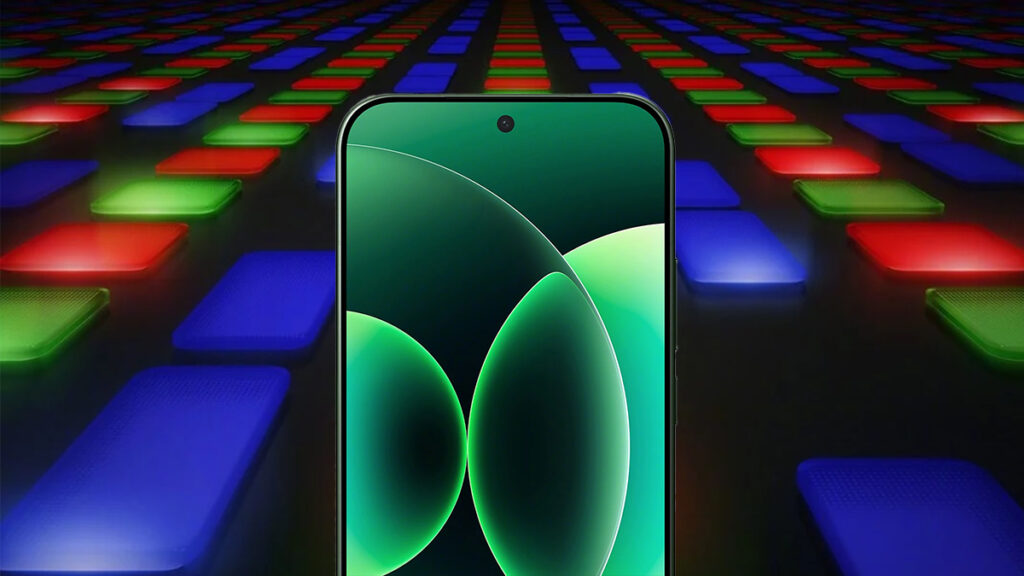
Quad-curved screens are coming back with new under-display camera technology. However, recent leaks in the smartphone industry point towards a massive design change in the coming period related to display technology. Although various vendors such as Xiaomi and other firms in the industry were recently preferring flat-screen panels in their premium offerings, recent leaks suggest that Apple as well as various domestic players in China are working on quad-curved screen panels coupled with under-display cameras.

These innovations will allow users to enjoy the true full-screen display without the existence of any bezel or notch on the screen of their smartphones. Even though the Xiaomi 17  lineup along with other contemporary rivals feature flat panels, it is likely that the days of curved panels will return in an advanced form.

A change in design philosophy

According to the tech insider DigitalChatStation, Apple is working on a solution with a quad-curved screen. The screen will reportedly include a front camera seamlessly embedded beneath the screen itself. But this particular project was not the only one from Apple. Chinese brands have also developed such projects. Chinese brands have been working on ultra-premium products. They have been designing aggressive curves for their high-end smartphones. But this development was unexpected. It appears that the industry had agreed upon flat screens for ease of use.

iPhone 4D display

History of Xiaomi Smartphones with Waterfall Screens

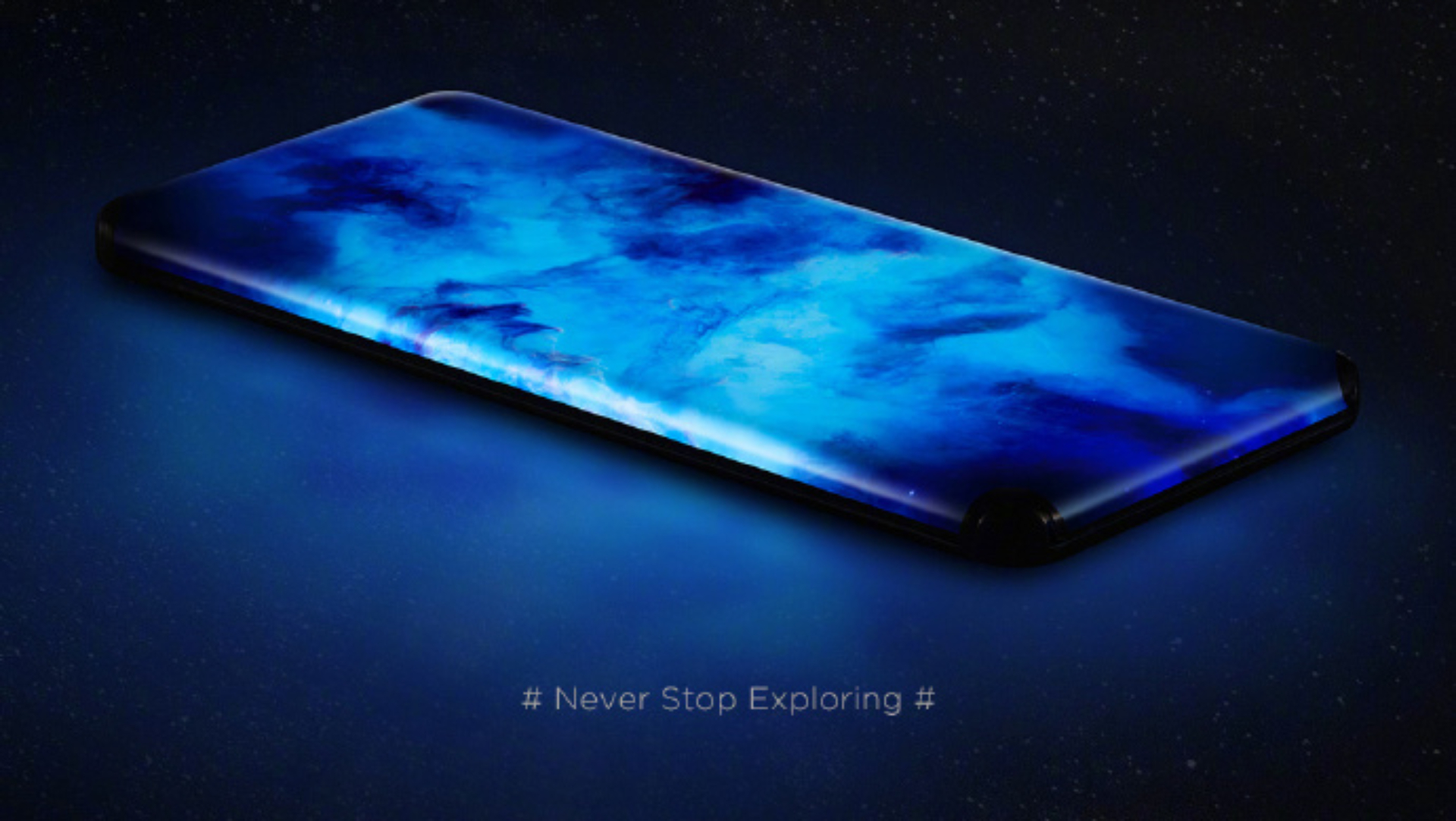
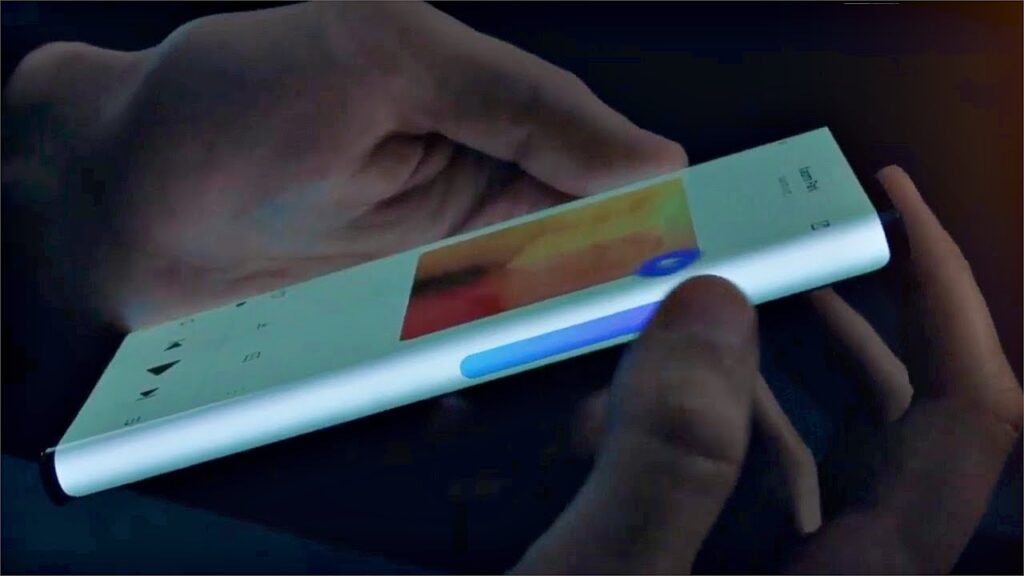
The design concept explored here is not new to Xiaomi by any means. The company showcased a concept smartphone in 2021 with an impressive 88-degree hyper-quad-curved screen design. The concept smartphone was codenamed U4, and it came with a “waterfall display” design in which the screen and glass curvatures went around every side of the phone. The design envisioned removing the need for ports and buttons altogether and using press sensors in their place. Although the design trends in the industry went back to flat displays in the Xiaomi 13 series, this concept research shows that Xiaomi has the tech to successfully incorporate such quad-curved concepts.

Xiaomi waterfall U4 2 U4 1

Why Return to Curves?

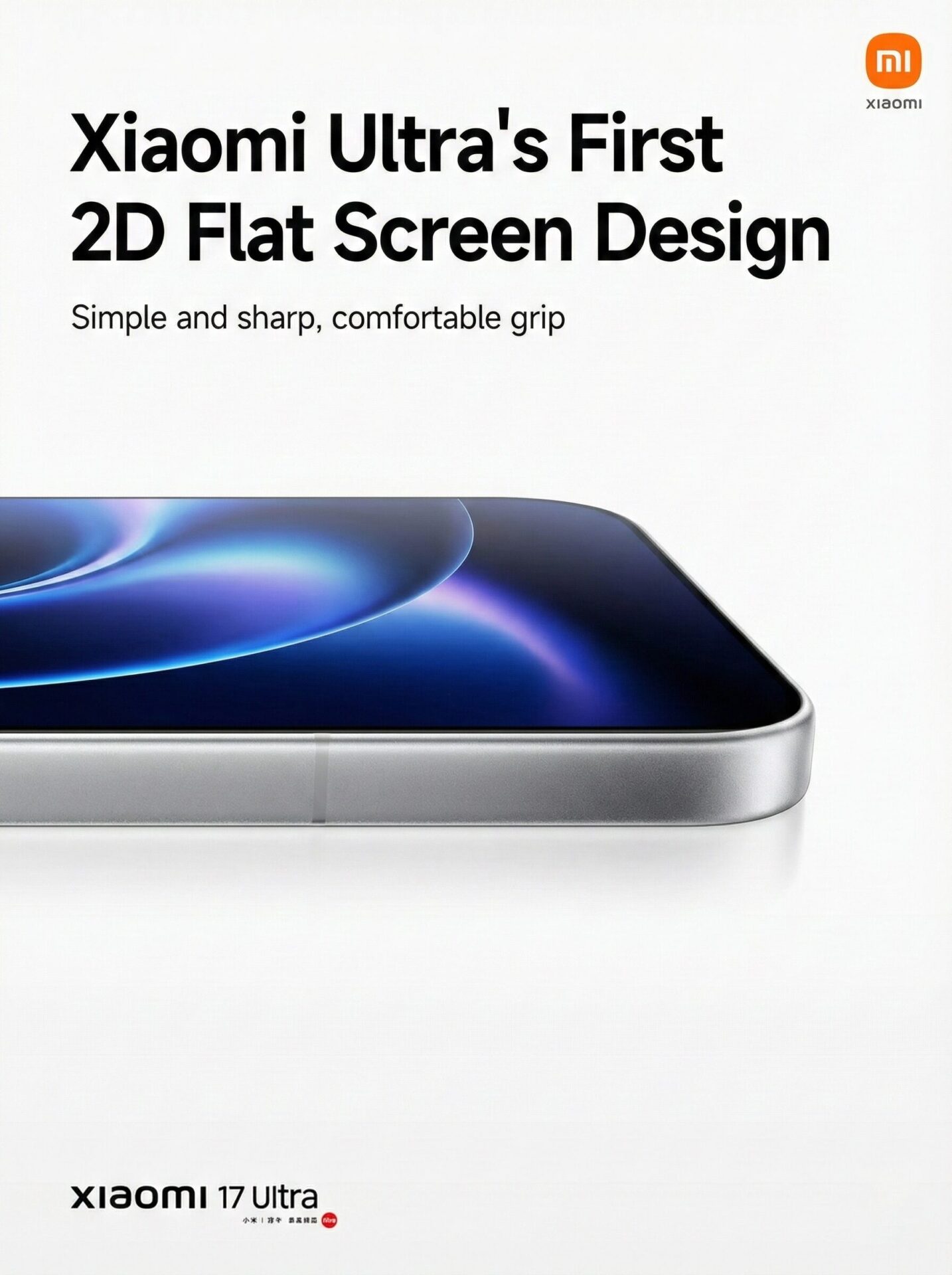
In the smartphone sector, trends tend to follow a cyclical pattern. Recently, Xiaomi went back to the flat display design in Xiaomi 17 Ultra models. However, the need to achieve a screen-to-body ratio of 100% is leading to the revival of the Quad-Curved Display. Contrary to the idea of the ‘edge’ screens that were trendy a couple of years ago, the latest generation of screens seeks to eliminate the frame altogether, resulting in the appearance that the picture is levitating on the surface.

Xiaomi 17 Ultra Display Flat Design
  •  

Exclusive: Mysterious ‘Redmi Turbo’ smartphone is expected to be introduced in India

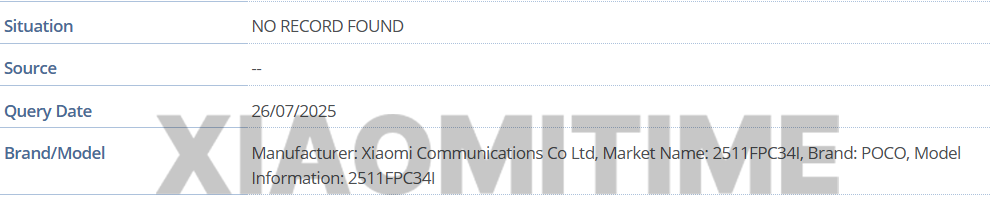
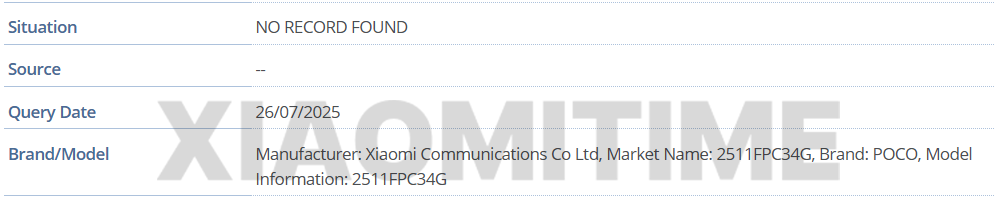
The smartphone industry is buzzing with new discoveries in the GSMA database regarding Xiaomi’s future roadmap. A mysterious new model number, 2606FRT34I, has recently surfaced, suggesting a significant shift in Xiaomi’s regional strategy for the coming years. This discovery indicates that the Redmi Turbo series might be making a specific return to the Indian market alongside other sub-brands. While we previously saw the POCO X8 Pro listed for global release, this specific model number points directly to a Redmi branding for India, sparking intense discussion among Xiaomi fans about future product lineups.

Decoding the New Model Numbers

Xiaomi uses specific internal codes to identify devices before they are officially announced. The newly spotted number, 2606FRT34I, offers crucial details when analyzed against previous data. The “2606” prefix hints at a potential launch window around June 2026. Furthermore, the letters “RT” signify the Redmi Turbo line, while “PC” is reserved for POCO devices.

REDMI Turbo 5 India

To understand the confusion and excitement, we must look at the previously discovered model numbers:

  • 2511FPC34G: POCO X8 Pro (Global Market)
  • 2511FPC34I: POCO X8 Pro (Indian Market)
  • 2511FRT34C: Redmi Turbo 5 (Chinese Market)

The existence of a new “I” variant (India) with “RT” (Redmi Turbo) branding is highly unusual. Typically, Redmi Turbo devices from China are rebranded as POCO devices for Global and Indian markets. This suggests Xiaomi might be planning to sell both POCO and Redmi Turbo versions in India simultaneously, offering users more distinct choices in the performance segment.

Turbo 5 and POCO X8 Pro 2 Turbo 5 and POCO X8 Pro 3 Turbo 5 and POCO X8 Pro 1

Rumored Specifications and Features

While the official launch is still far away, leaks regarding the upcoming Redmi Turbo 5 series and a potential “Pro” model have started to circulate. These early reports paint a picture of a high-performance device designed to dominate the mid-range category.

The upcoming series is rumored to include the following specifications:

  • Processor: MediaTek Dimensity 9 chipset for flagship-level performance.
  • Battery: A massive 9000mAh battery, ensuring extended usage times.
  • Charging: 100W fast charging support.
  • Display: A sharp 1.5K LTPS display panel.
  • Design: A unique vertical Deco camera design.

These specifications suggest that the Redmi Turbo 5 series will focus heavily on battery life and raw processing power.

Strategic Implications

The potential reintroduction of the Redmi Turbo brand to India is a fascinating strategic move. It raises questions about how Xiaomi differentiates between POCO and Redmi in the same region. If the 2606FRT34I indeed launches as a Redmi Turbo, it indicates a change in how Xiaomi positions its performance-oriented devices, possibly targeting a different demographic than the POCO X series. We will continue to monitor the GSMA database for further confirmations regarding this interesting development.

  •  

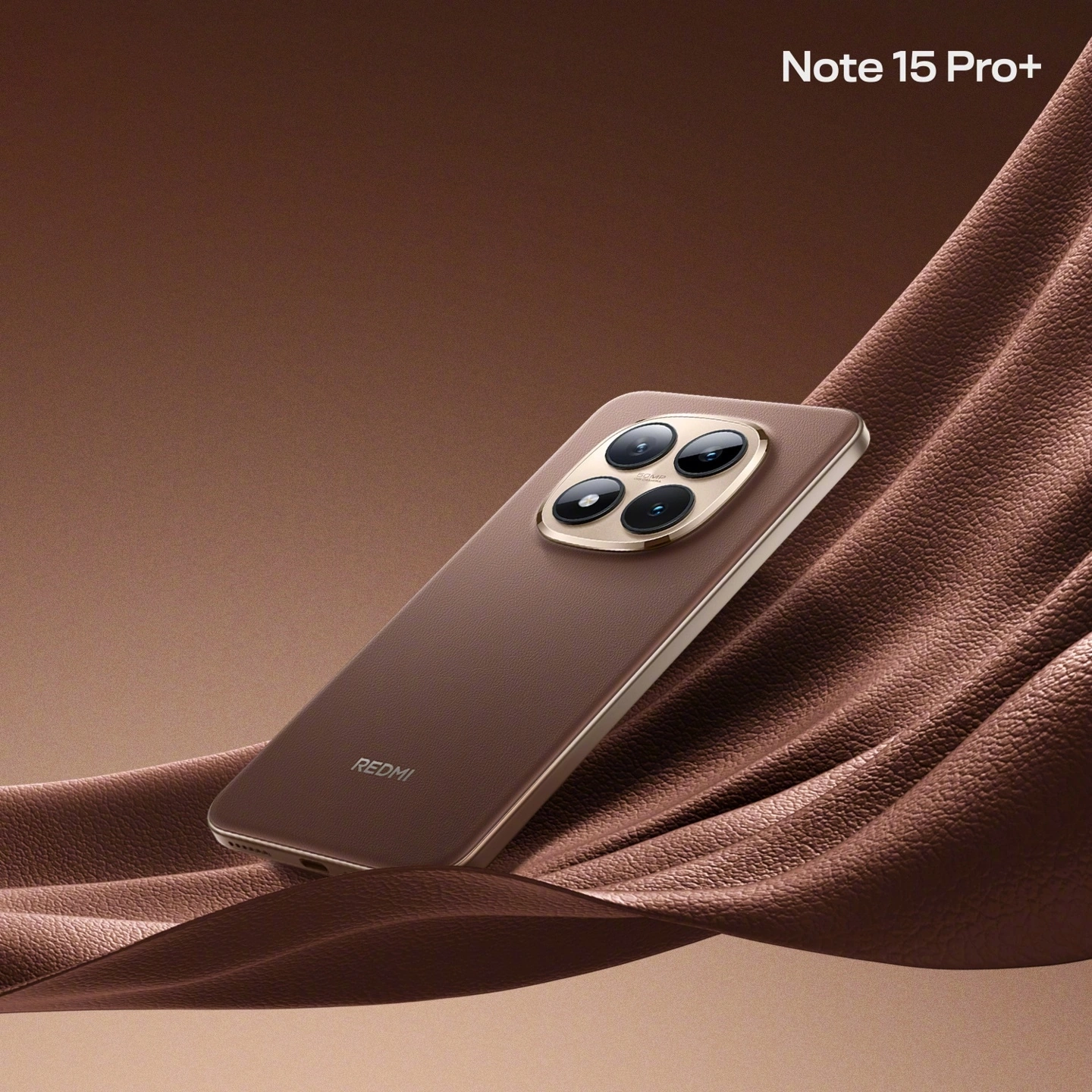
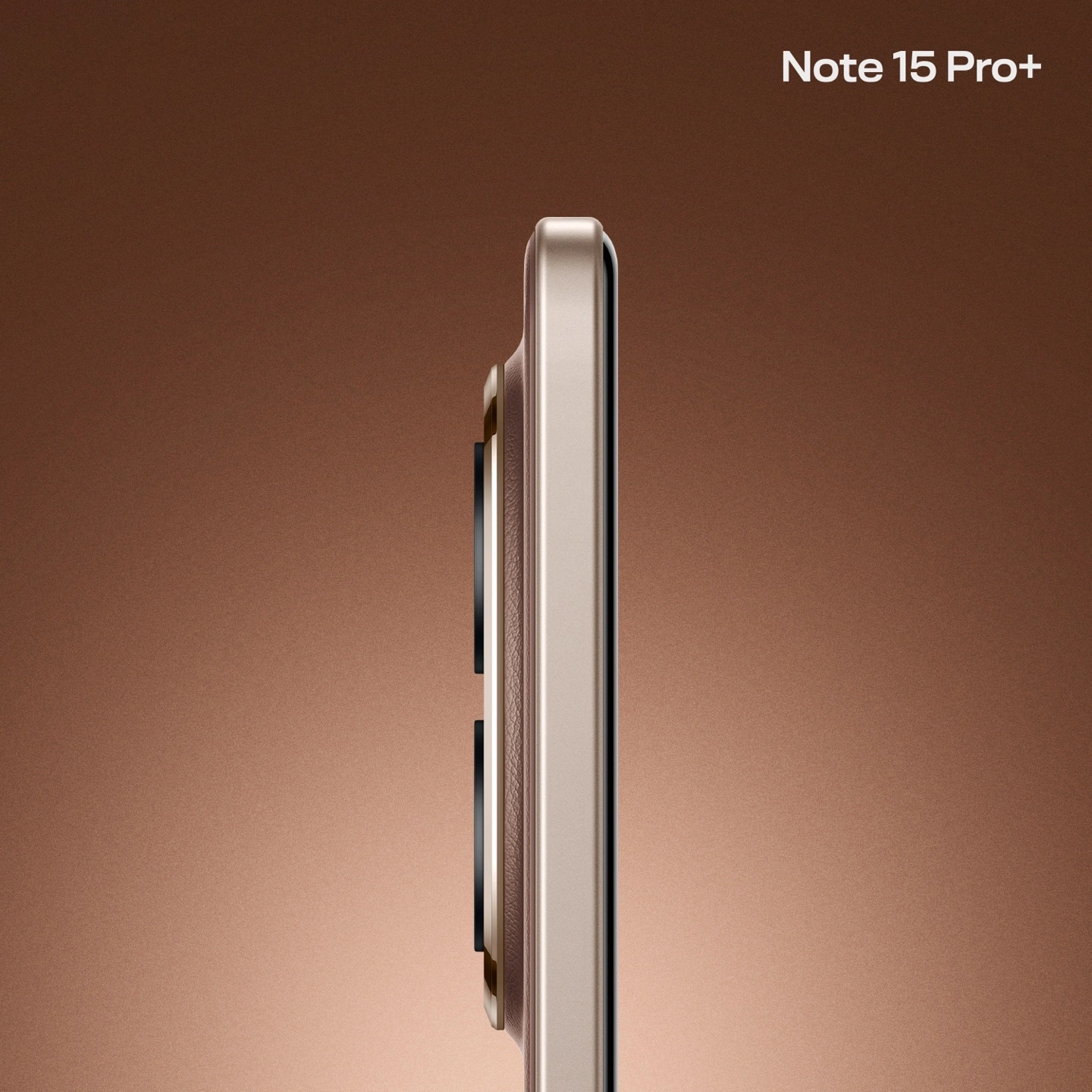
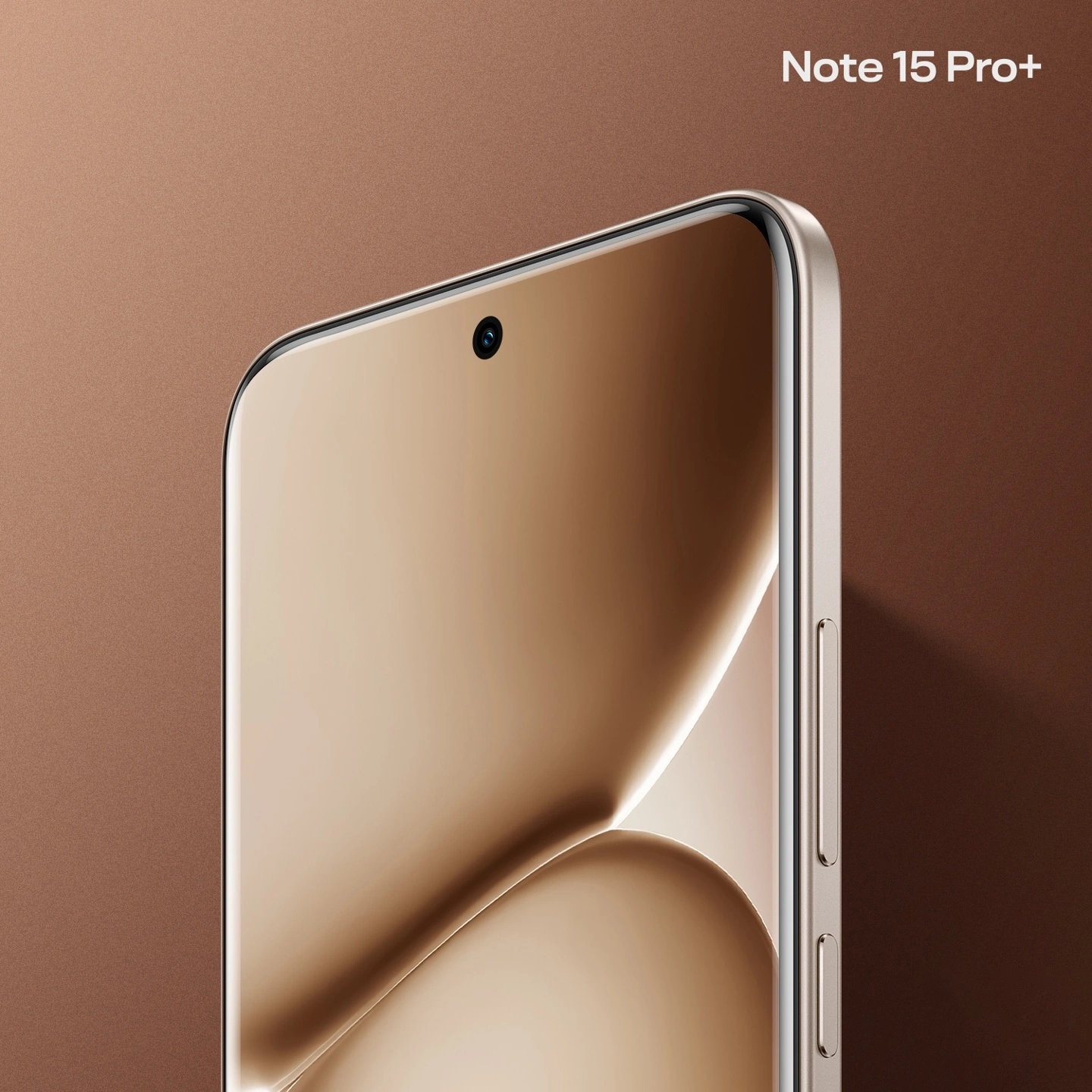
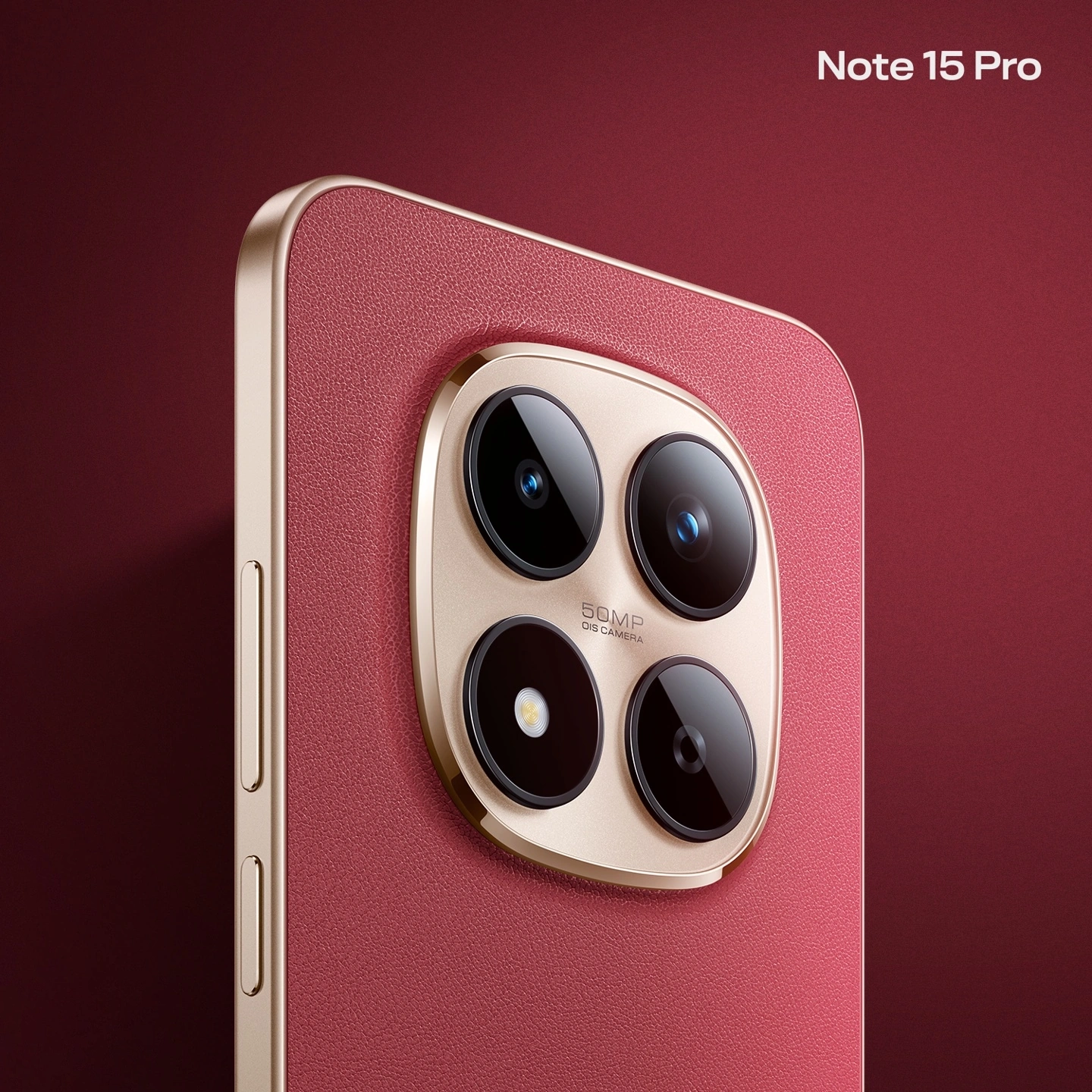
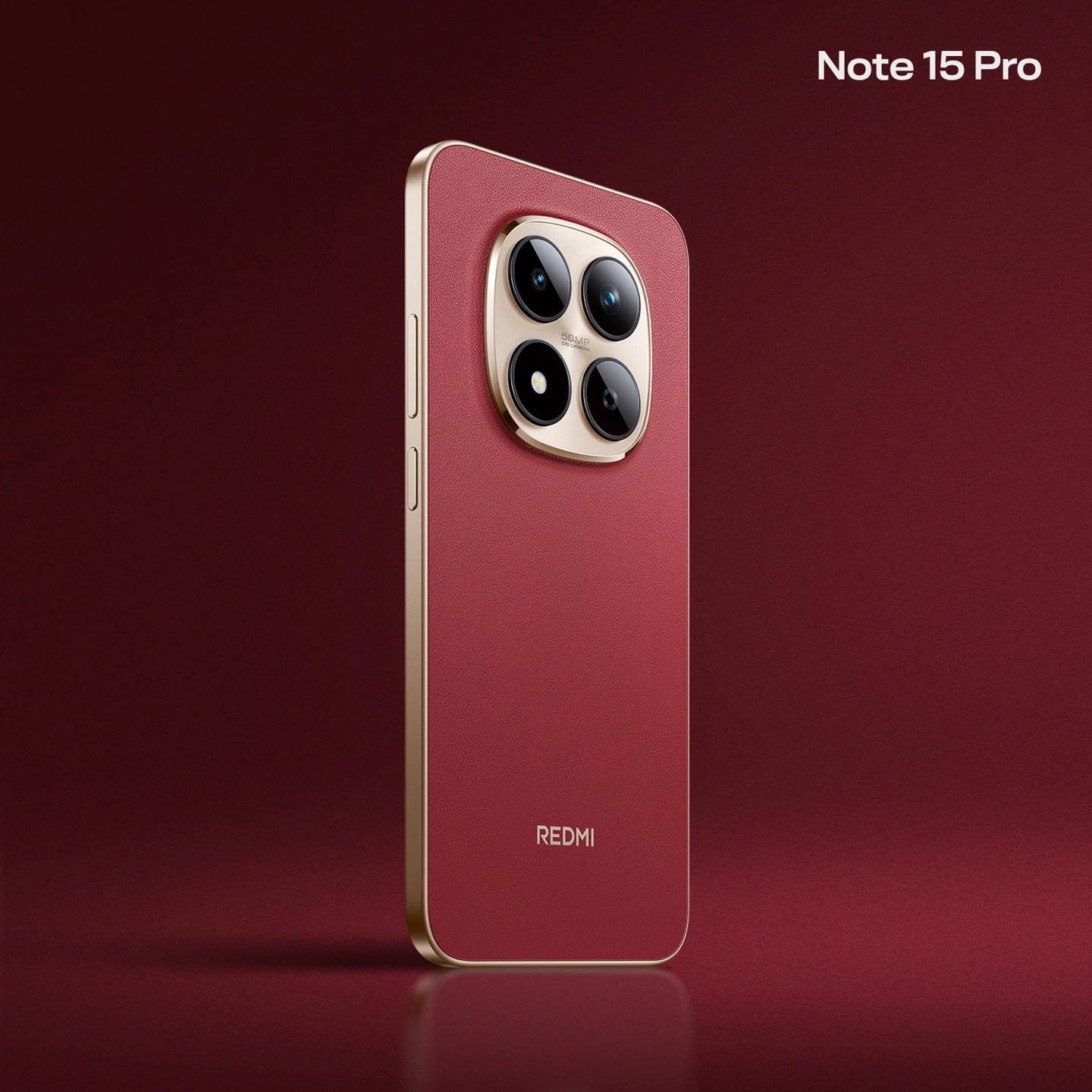
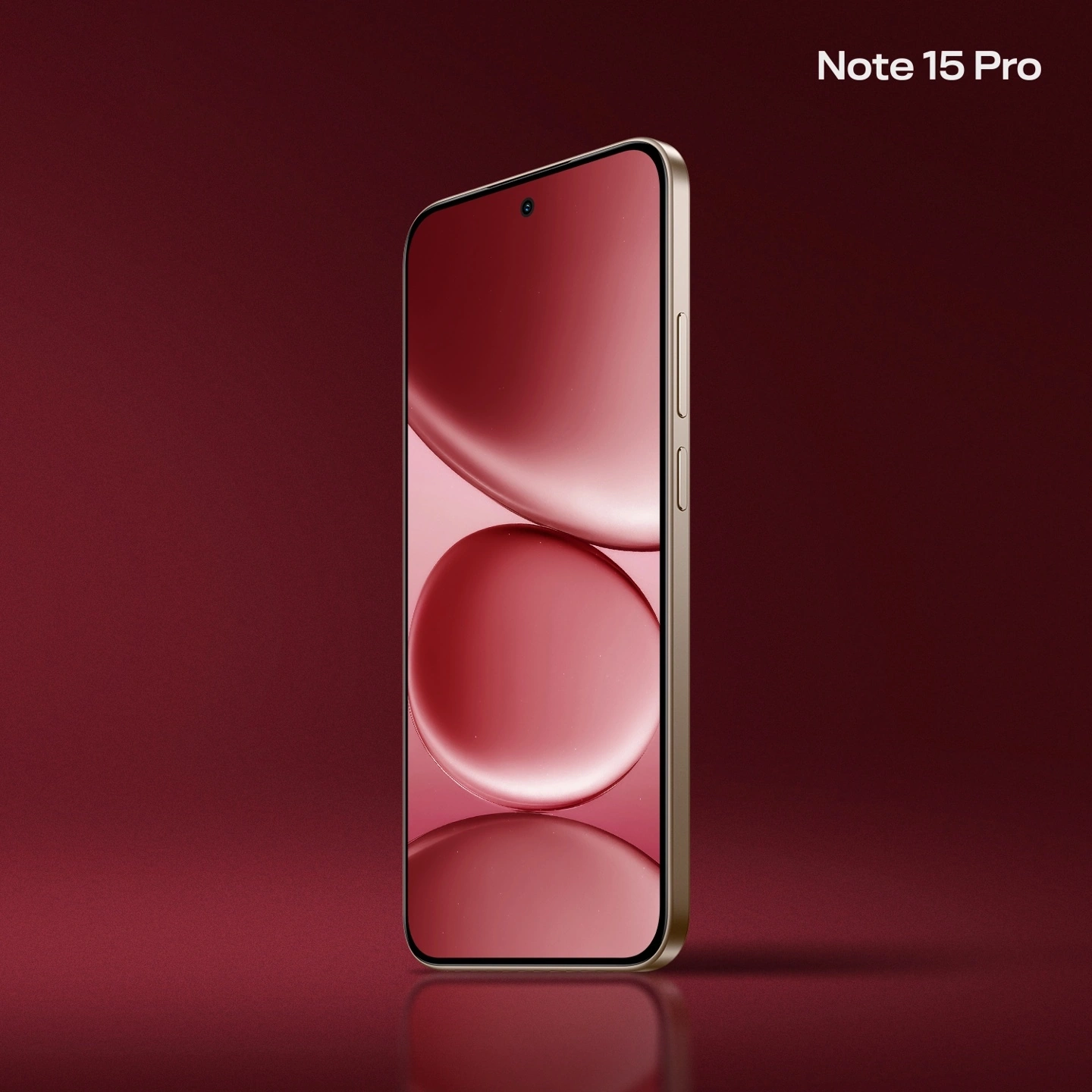
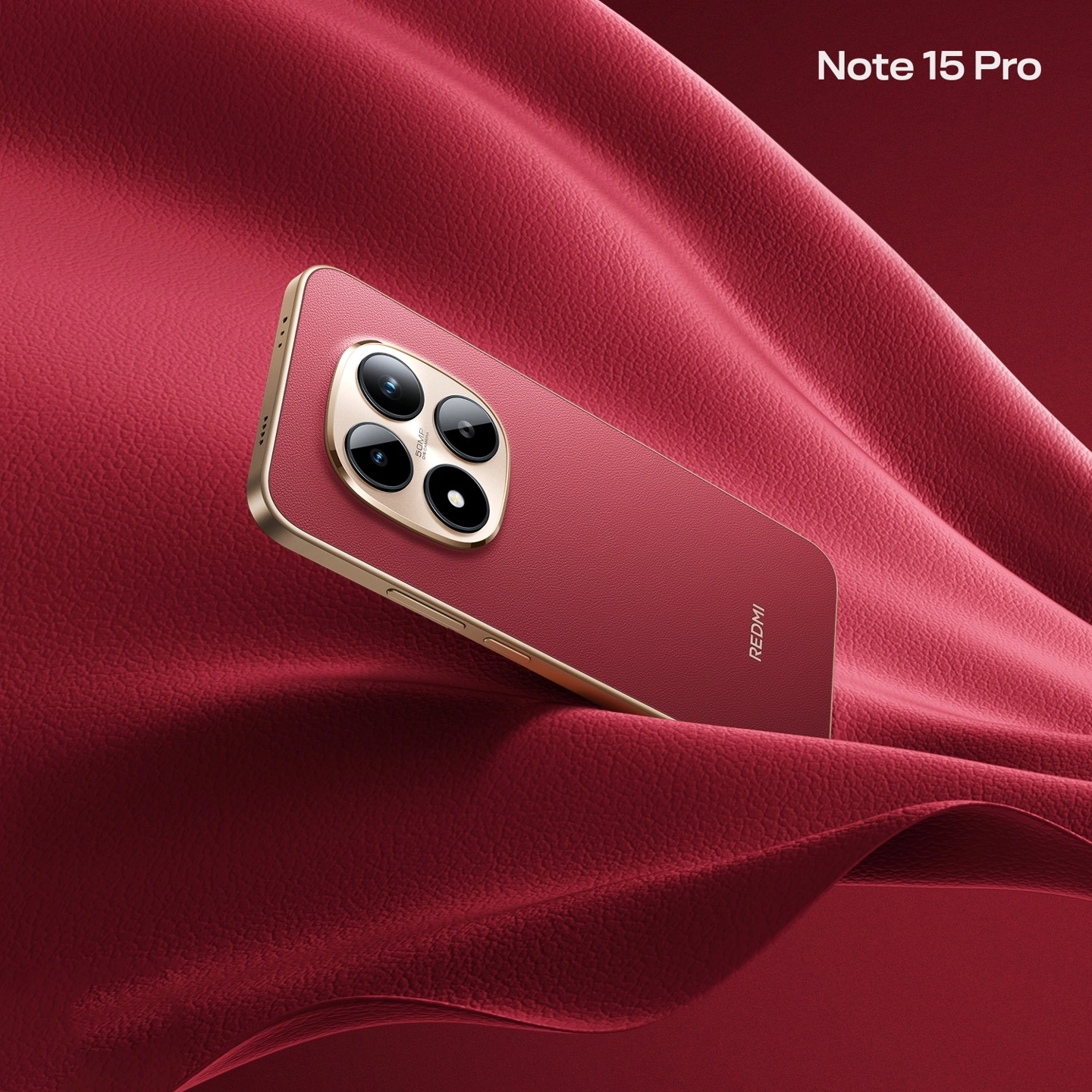
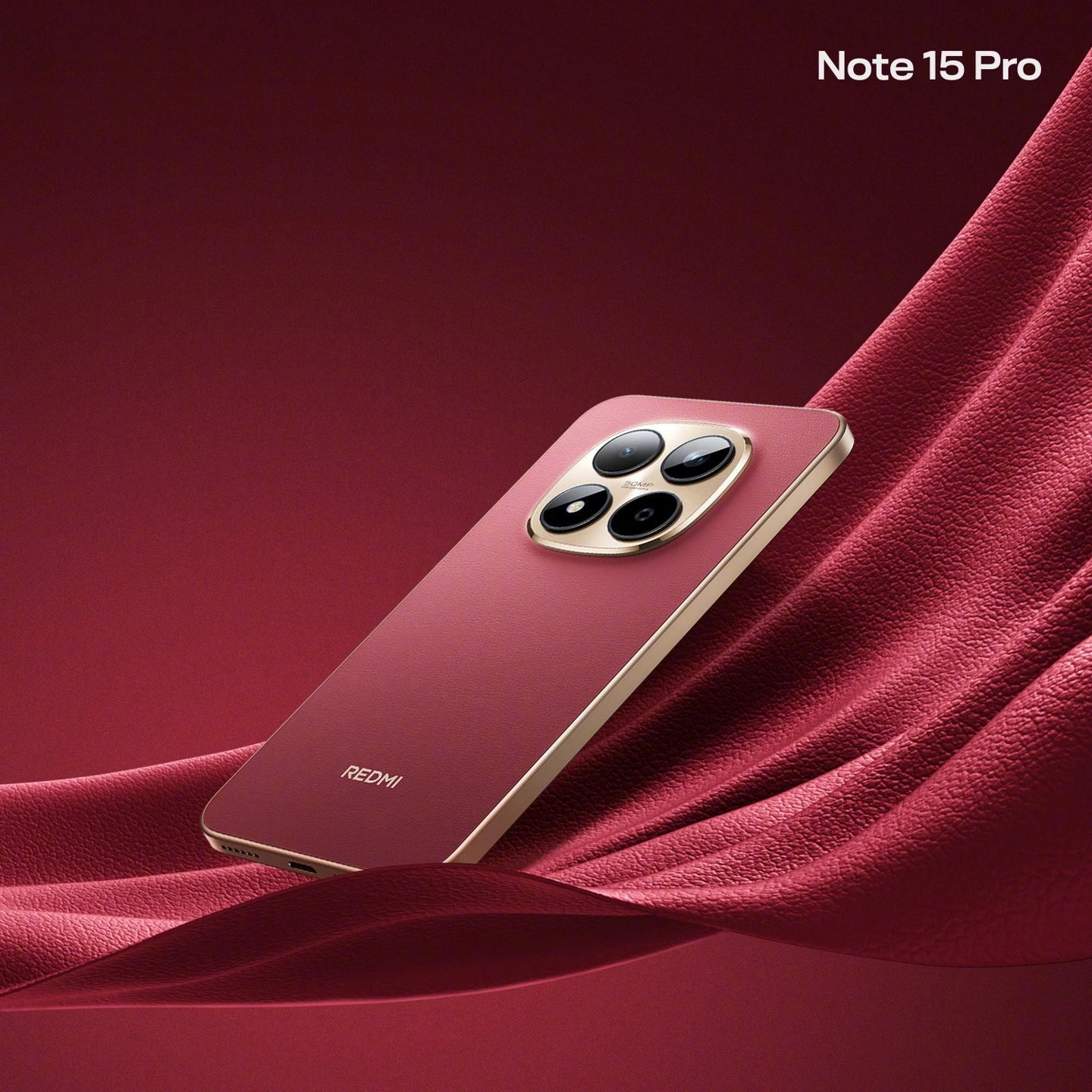
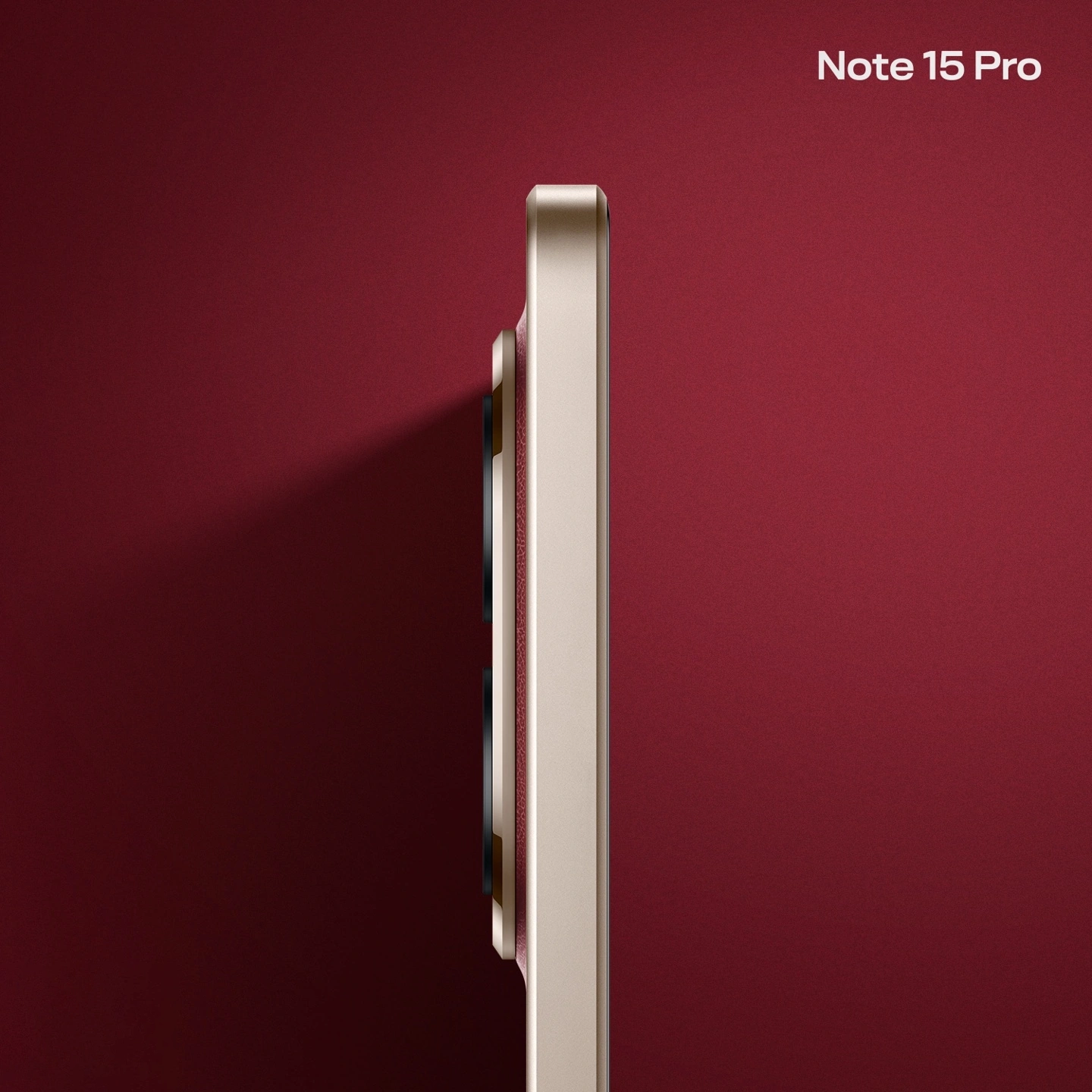
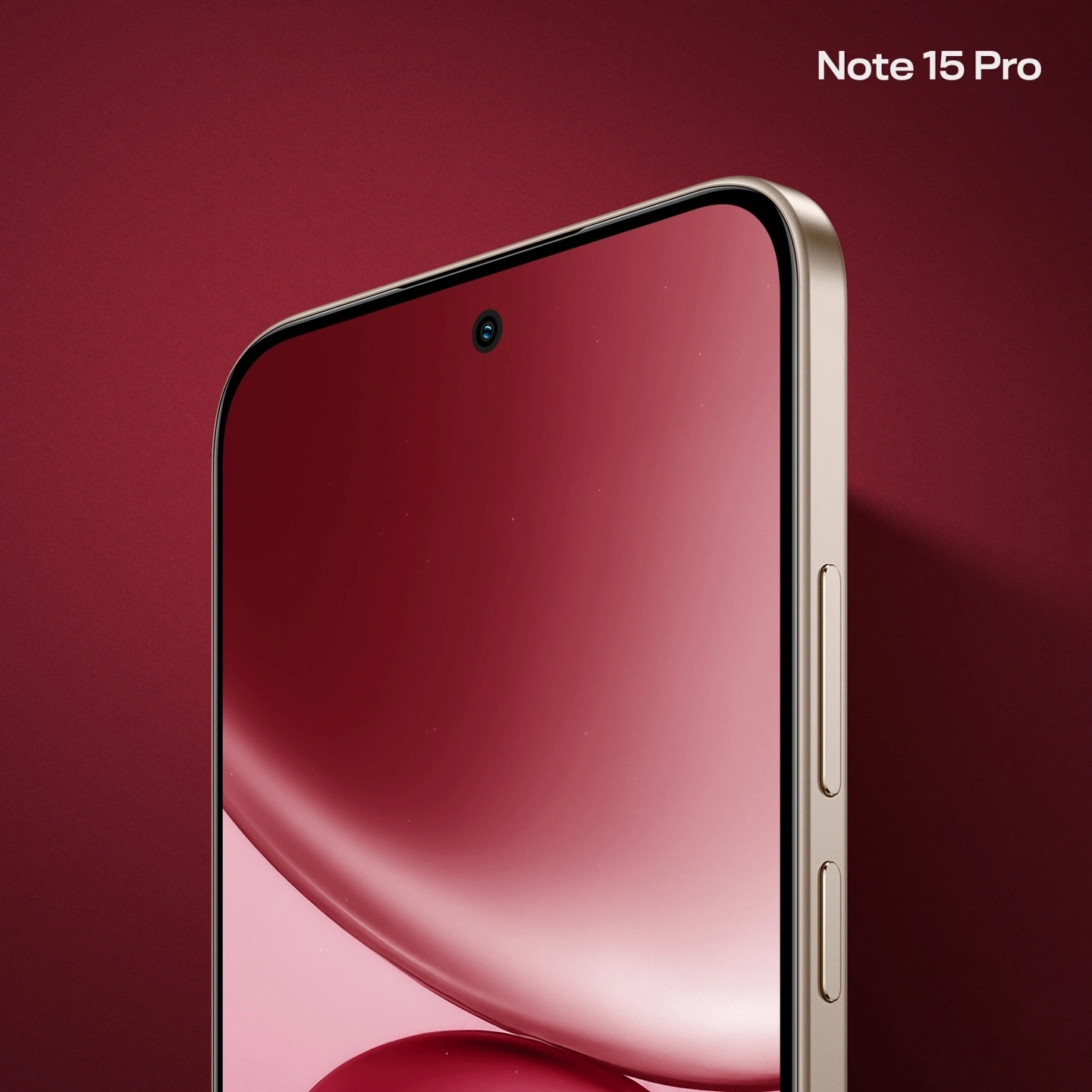
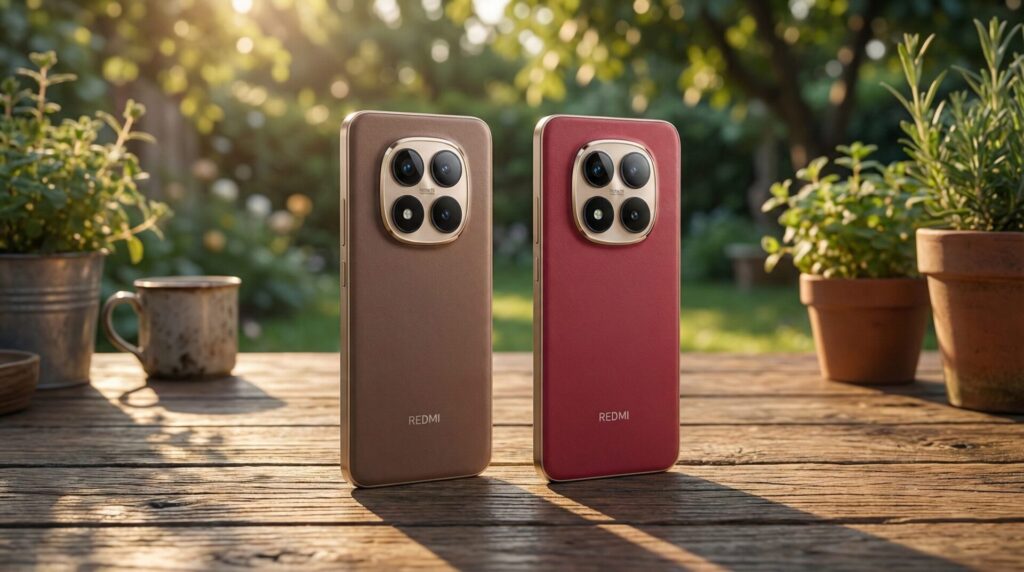
You will love the new Redmi Note 15 Pro colors launching on new year’s day

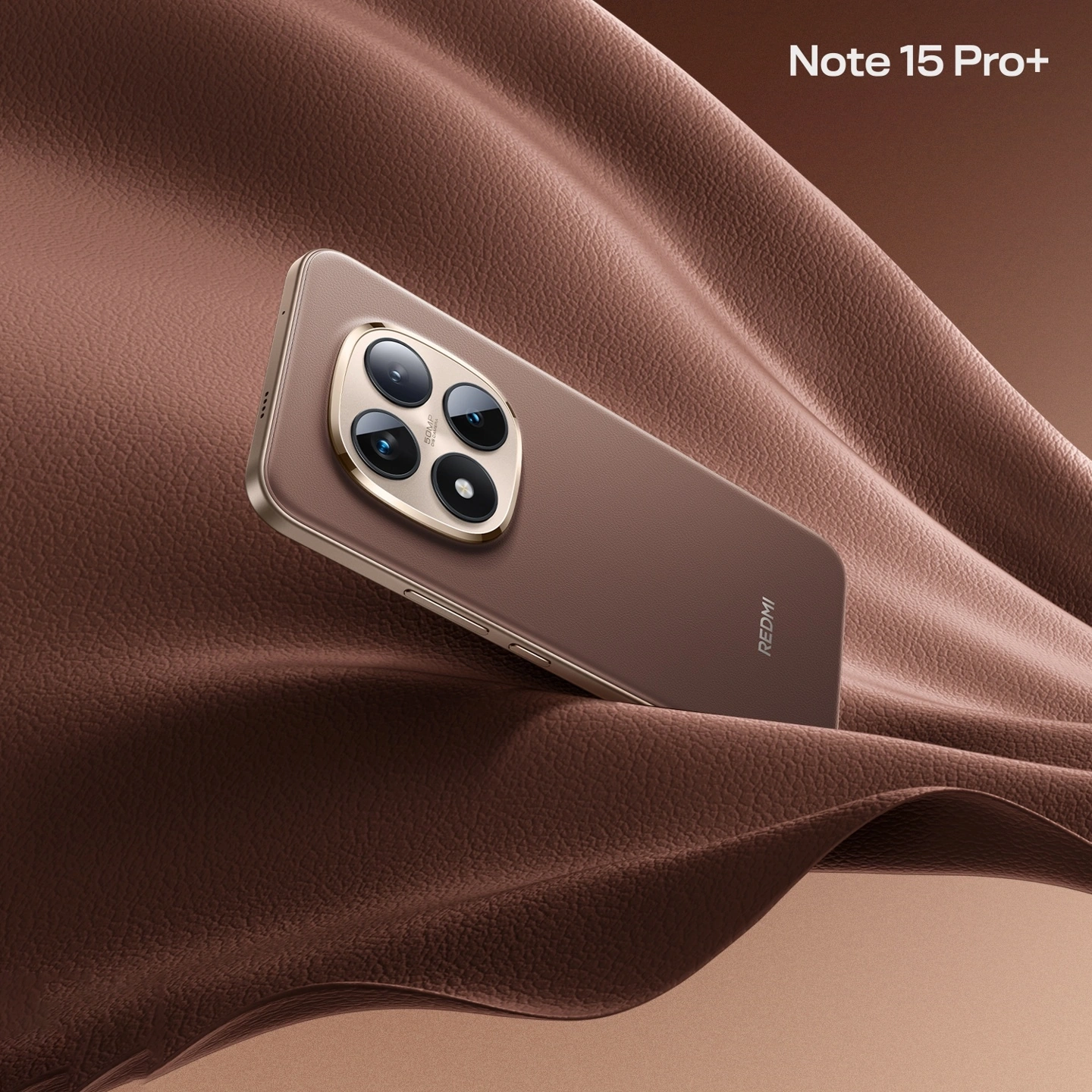
Xiaomi’s subsidiary brand, Redmi, has announced a colorful beginning to the year as the Redmi Note 15 Pro series is treated to two beautiful color schemes. The company stated that the handsets will go on sale from January 1st at 10:00 AM, offering the two new color schemes: Mocha Brown and Cherry Red. Although the two new colors are a joy to look at, it is essential to note that this offering is only available to the Chinese market. Fans having the benefit of the Xiaomi HyperOS on their device will enjoy the two new looks.

Fresh Aesthetics Meet Powerful Hardware

The inclusion of Mocha Brown and Cherry Red not only brings a refreshing look to the Redmi Note 15 Pro series, but it also brings a level of maturity to the design. These two new models are able to retain the slim design of the series while giving consumers more personal expression. It’s important for global fans not to set their hopes too high, as seen in previous cases involving a particular model within the Xiaomi lineup. These two are currently exclusive to China. The hardware specifications of the phone are impressive.

The regular version features a third-generation Snapdragon 6 chip, as well as a 5800mAh battery, in a 7.35mm body. The Pro variants take this to the next level:

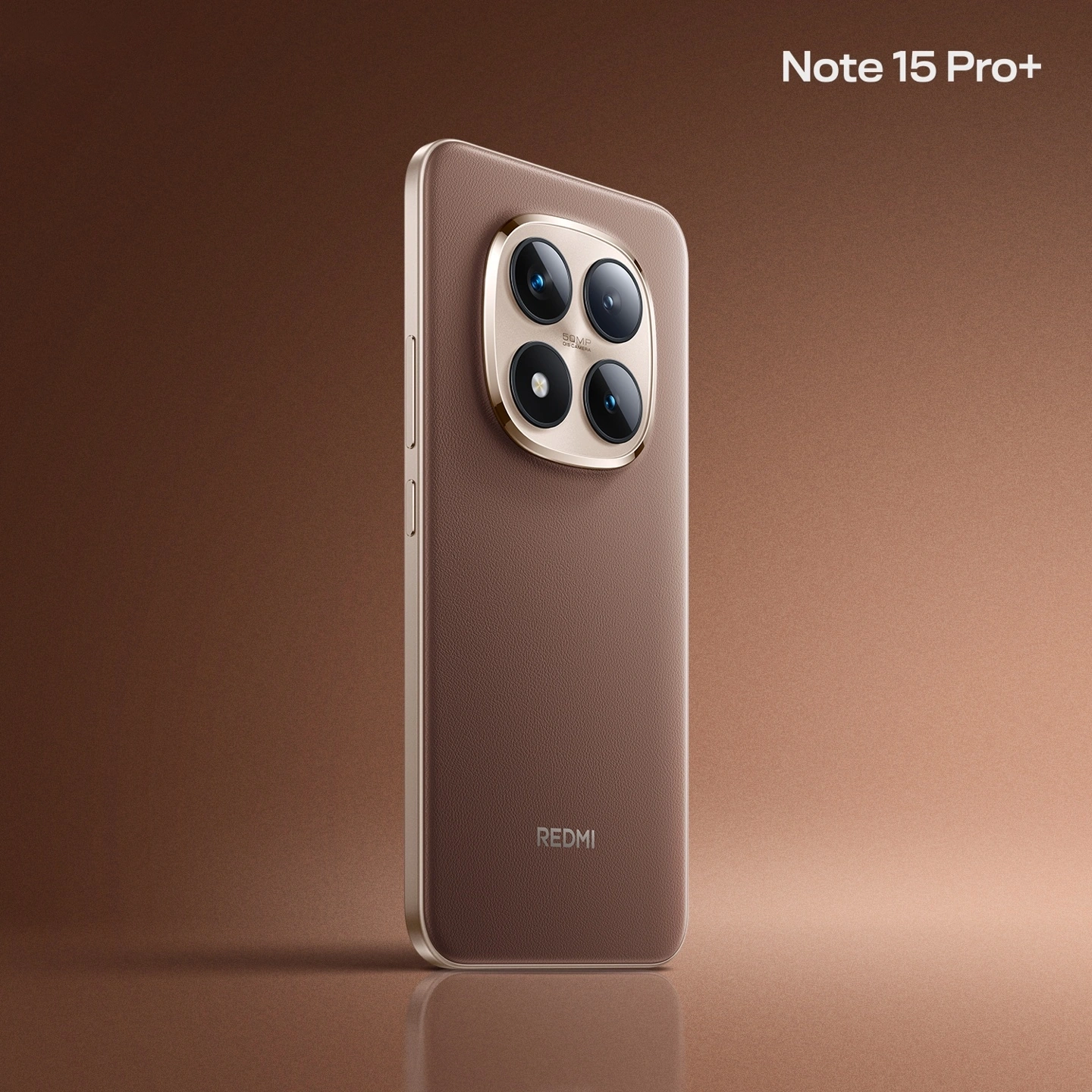
  • Redmi Note 15 Pro: 6.83” 1.5K flat OLED screen (120Hz & 3200 nits). Comes equipped with the Dimensity 7400 Ultra chipset. There is a huge 7000mAh battery inside.
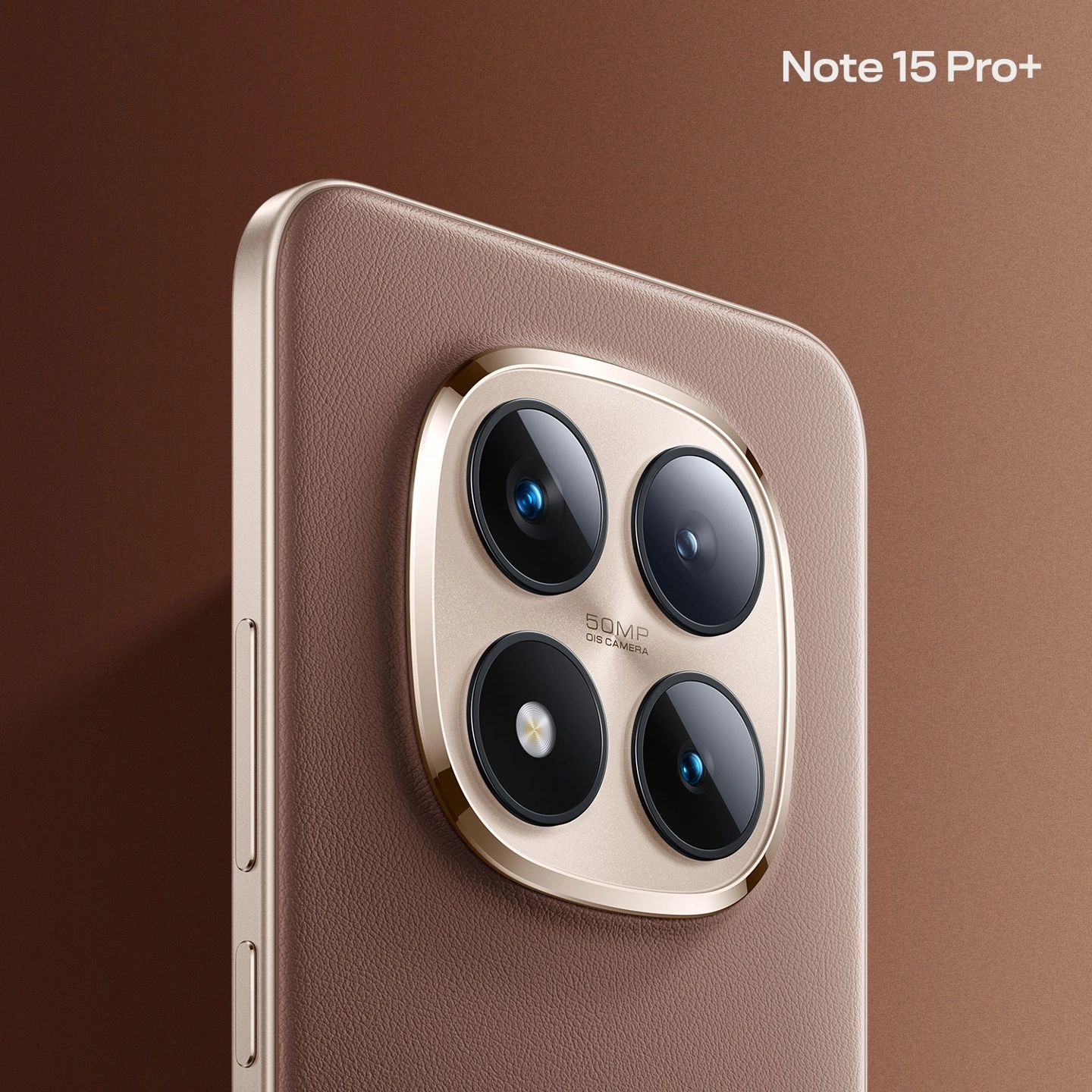
  • Redmi Note 15 Pro+: The first model that introduced the Snapdragon 7S Gen 4 processor, featuring a trinity of cameras with a 50MP primary sensor, a 50MP telephoto lens, and an 8MP ultra-wide lens.
REDMI Note 15 Pro Mocha Brown 1 REDMI Note 15 Pro Mocha Brown 8 REDMI Note 15 Pro Mocha Brown 7 REDMI Note 15 Pro Mocha Brown 6 REDMI Note 15 Pro Mocha Brown 5 REDMI Note 15 Pro Mocha Brown 4 REDMI Note 15 Pro Mocha Brown 3 REDMI Note 15 Pro Mocha Brown 2 REDMI Note 15 Pro Cherry Red 1 REDMI Note 15 Pro Cherry Red 8 REDMI Note 15 Pro Cherry Red 7 REDMI Note 15 Pro Cherry Red 6 REDMI Note 15 Pro Cherry Red 5 REDMI Note 15 Pro Cherry Red 4 REDMI Note 15 Pro Cherry Red 3 REDMI Note 15 Pro Cherry Red 2

Price and Availability

The colours come at an excellent price, although it is worth remembering that these are Chinese market prices. Approximate price in USD is given below:

  • Redmi Note 15 (Standard): ~ $139 (999 CNY)
  • Redmi Note 15 Pro: ~ $195 (1399 CNY)
  • Redmi Note 15 Pro+: ~ $278 (1999 CNY)

Though the specifications are tempting, the China exclusivity of the new colors has put a question mark on the international launch of these new colors as well. Only time will tell whether Xiaomi has plans to launch these gorgeous Mocha Brown and Cherry red colors internationally soon or not.

  •  

From Mi Max to Mi Note: Why these ‘Old but Gold’ series are gone

The past ten years have seen the world of smartphones shift towards radical ecosystem integration and high-end brand focus. Xiaomi, one such key catalyst in this transition, has deliberately narrowed down its product offerings by halting the production of some erstwhile iconic series, such as the Mi Max series, the Mi Note series, and the Mi A series.

Mi Max series

The reason why Xiaomi stopped the Mi Max series was mainly because of the convergence of display sizes in the mobile industry. When Xiaomi brought out their first Mi Max with a display size of 6.44 inches, they brought out a product which belonged to a new ‘phablet’ category altogether. The new generation of smartphones and even entry-level models have displays of up to 6.8 inches. Xiaomi brought out their new Xiaomi Pad 7 and their Mix Fold series, and therefore, the need for a ‘phablet’ series became obsolete.

Mi Max 3 and Mi A1 2

Mi Note series

Historically, the Mi Note line has provided a premium extension to the normal digital line. However, with the evolution of the main flagship line to include “Pro” and “Ultra” models, there has been a level of competition within the company. This particular segment has already been filled by the Number line of Xiaomi smartphones, while the more design-oriented Civi line has taken over.

Mi Note series

Mi Android One series

The discontinuation of the Mi A series, which ran on the Android One platform, is also a drastic change in the business ideology. Unlike the MIUI or the Xiaomi HyperOS, the Android One did not allow the incorporation of the Xiaomi services. With the brand growing into the internet services company, the presence of the series that did not contribute to the Xiaomi ecosystem would have resulted in losses.

Mi Max 3 and Mi A1 1

MIX series

Although many lineages have been discontinued, the Mix series remains the epitome of innovation. After the release of the Snapdragon 8 Elite Gen 5, rumors have been circulating that the non-foldable MIX 5 may make a comeback in 2026. It will come equipped with innovative under-display camera tech and a ceramics unibody to continue its lineage as a “concept” flagship smartphone.

MIX MIX 2 MIX MIX 1

Brief Comparison of Cancelled Xiaomi Series

Series Name Core Value Proposition Reason for Discontinuation Modern Spiritual Successor
Mi Max Enormous Screen & Battery Screen size standardization Every phone
Mi Note Premium Design & Camera Overlap with Digital Pro/Ultra No
Mi A Stock Android Experience Ecosystem and revenue conflict No
Mi CC Youth & Selfie Focus Rebranding for global markets Xiaomi Civi / Lite Series
Mi Play Budget Data-Centric Cannibalization by Redmi/POCO Redmi A and POCO C series

The retirement of these legendary lineups was not indicative of failure, but rather the beginning of the journey towards integration. Rather than holding on to specialized models, Xiaomi adopted the strategy to become the top technology company with the Xiaomi HyperOS, as well as the “Human x Car x Home” ecosystem. The Mi Max and Mi A series are nostalgic “old golds” for Xiaomi enthusiasts, while the legacy continues with the advanced Xiaomi Pad 7 and the revolutionary MIx Fold series. As we enter the year 2025, the impending comeback of the MIX 5 series with the Snapdragon 8 Elite Gen 5 performance capabilities epitomizes the continuously strong passion for innovative experimentation by Xiaomi.

  •  

Why Global Xiaomi have Bluetooth 6.0 while China have 5.4

Recently, the Xiaomi 17 series launched a massive technical discussion in the mobile world regarding connectivity standards. While the global Xiaomi 17 Ultra comes with revolutionary Bluetooth 6.0 technology, the variants sold in China appear to be stuck with Bluetooth 5.4. This regional difference is not related to saving hardware costs but rather originates in complex regulatory frameworks.

The Power of Snapdragon 8 Elite

The entire Xiaomi 17 lineup comes with the latest Snapdragon 8 Elite (Gen 5) platform. This chipset features the FastConnect 7900 system, which is fully capable of supporting Bluetooth 6.0 and Ultra-Wideband UWB technologies on a hardware level.

Since the hardware is identical, this limitation is purely based on software. FastConnect 7900 comes with AI-optimized radio frequency management; it physically supports “Channel Sounding,” which is the core feature of the new Bluetooth standard. This indicates pretty clearly that Xiaomi hasn’t removed any antennas or chips from the Chinese models; they have just disabled the feature in the HyperOS software kernel for that region.

Bluetooth 5.4

Regulatory Barriers and SRRC

Most of this difference falls between the shoulders of SRRC in China. Bluetooth 6.0 features a new feature, “Channel Sounding”, that enhances location accuracy.

  • Spectrum Issues: This uses a 2.4 GHz band with transmissions of a continuous wave. It is also interference, where the current Chinese regulations on “Short Range Devices” are very strict about interference avoidance.
  • Certification: The testing protocols for this new signal type were not ready in China at the time of the release.

This is why Xiaomi had to launch the device with Bluetooth 5.4 in China, as the certification process was not complete; to avoid more delays. But the Global version (Model 2512BPNDAG) has been certified by FCC, thus allowing these advanced features right away.

Benefits Accrued to Users Worldwide

With Bluetooth 6.0, global users will see considerable advantages. The most critical enhancement brings centimeter-level precision for digital car keys. If you happen to have a supported vehicle, the device could only unlock it when physically close to you, as compared to the relay attacks. It is pretty much safer compared to the older RSSI-based methods used in the Chinese firmware.

While Chinese users wait for a regulatory update, for the global users, all these features would be available right out of the box. Keeping system apps updated will ensure a smooth run on your device. You can easily update system components using our MemeOS Enhancer app from Play Store. This app will also help you access the hidden HyperOS features and manage advanced updates.

  •  

Best HyperOS feature of 2025: iOS style recent apps

Released only three weeks ago, the recent apps interface like iOS has very quickly made a name for itself as the highlight of 2025 for Xiaomi enthusiasts. Although the new HyperIsland found in HyperOS 3 was a great addition, it seems that “card pile up” multitasking UI has won hearts absolute all over. This new development, which was expected towards the end of the year, has fulfilled a demand that was created back in a 2023 survey.

A Sleek Visual Experience

Although it has been some weeks since its launch, it has been appreciated for its fluid animations that give it an elite look similar to other competing platforms. Cards are stacked with a special blur look when scrollers scroll through them in contrast to the original grid system used by this platform in the previous version. This new look has been stable on Hyper OS 2 as well as Hyper OS 3 and has a fabulous look that perfectly fits into its design language. This is currently the most optimized multitasking system available on a Xiaomi device.

HyperOS 3 Launcher new update 1 HyperOS 3 Launcher new update 2

Easy Installation Guide

Although this is a pending feature in the future HyperOS 3.1 worldwide update, this was available months ago in the form of an update to the launcher. To enable this feature, you can download the latest Launcher APK from our site and installation guide for HyperOS 2 or unsupported devices, which is HyperOS Updates. To get the most out of our services, we recommend that you download the following application: MemeOS Enhancer. This will enable you to update the system components and access hidden features of your smartphone easily from the Play Store using the following link: MemeOS Enhancer.

  •  

HyperOS 3 China vs HyperOS 3 Global: What’s the Difference?

Following the release of the first HyperOS 3 stable update on October 14, 2025, numerous users started speculating the real disparity between HyperOS 3 Global and HyperOS 3 China. Although the two variants run off the identical base, Xiaomi made minute changes in order to accommodate regional requirements. Although it is widely believed that there is little functional disparity between the variants—the couple of which we do notice is critical to the user interface.

What is HyperOS Global?

HyperOS Global is designed for global users in areas such as EEAIndiaTurkeyTaiwan, Russia, Indonesia and the Global build. The key purpose is to offer an effortless, global user interface with multilingual support and integration with Google service. It is shipped with Google Play StoreGoogle Maps, and other Google applications and is easier for global users to be used without China. Xiaomi phone and messaging app exist on some global Xiaomi phones.

Moreover, region-specific preloaded applications could be slightly different with respect to the location in which the device is retailed. Xiaomi also localizes system regionalization so people in each region get a smooth and native-like experience that meets regional regulations and regional language settings.

HyperOS 3 Global Apps 1 HyperOS 3 Global Apps 2 HyperOS 3 Global Apps 3

What is HyperOS China?

Conversely, HyperOS China is specially made for the in-market audience. Since China imposes regulations on Google offerings, this variant lacks Google applications. Xiaomi implements Chinese locals in lieu of Google offerings such as Google Play, Maps, and Assistant.

HyperOS China also comes with China-specific apps and features, likeChinese platform integration with local popular social platforms, regional payment solutions, and particular government applications. They give the localized and effective usage experience in mainland China.

HyperOS 3 China Apps 1 HyperOS 3 China Apps 2 HyperOS 3 China Apps 3

Key Differences Between HyperOS Global and China

The choice between HyperOS China and HyperOS Global mainly comes with service integration, rather than performance or design.

Here are the comparison’s key points:

  • Google Services: Available in Worldwide; missing in China.
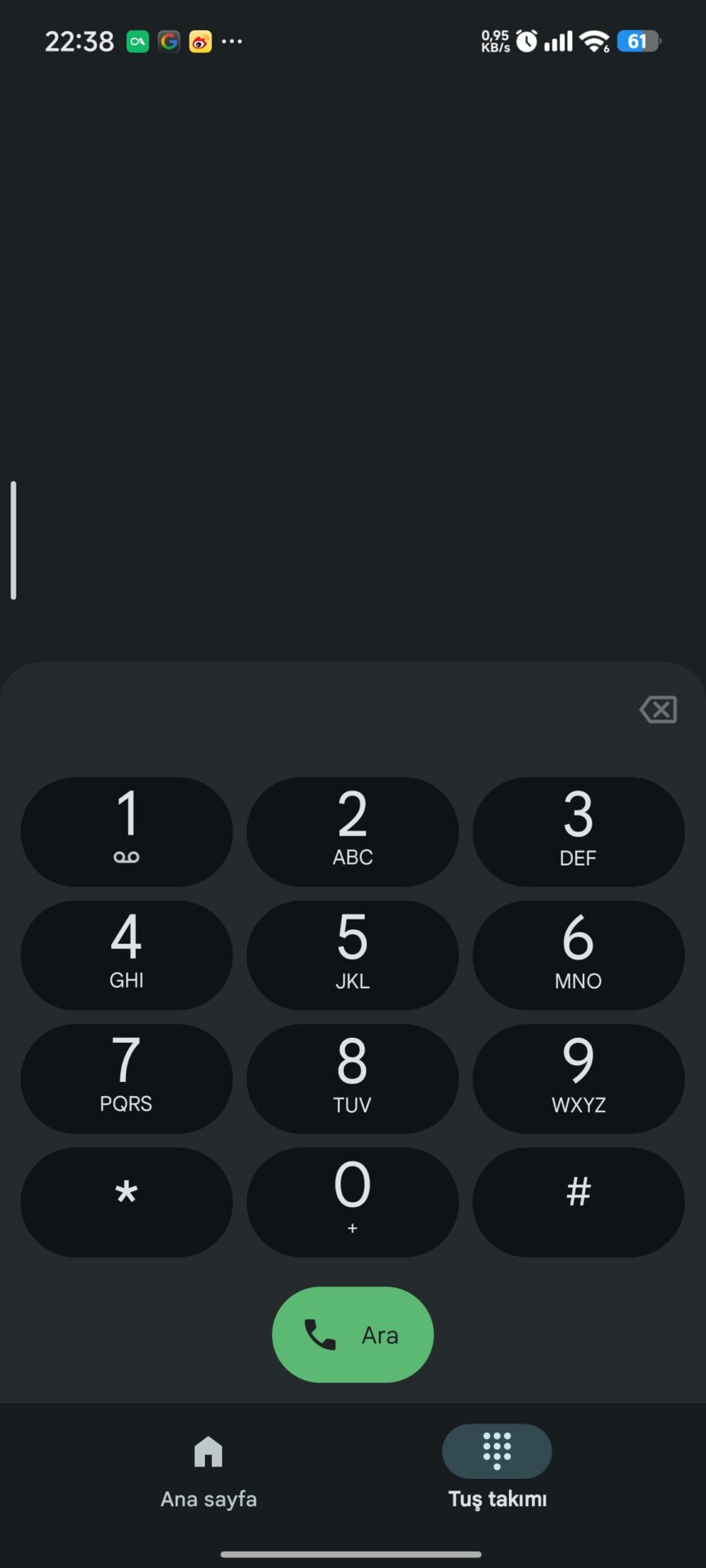
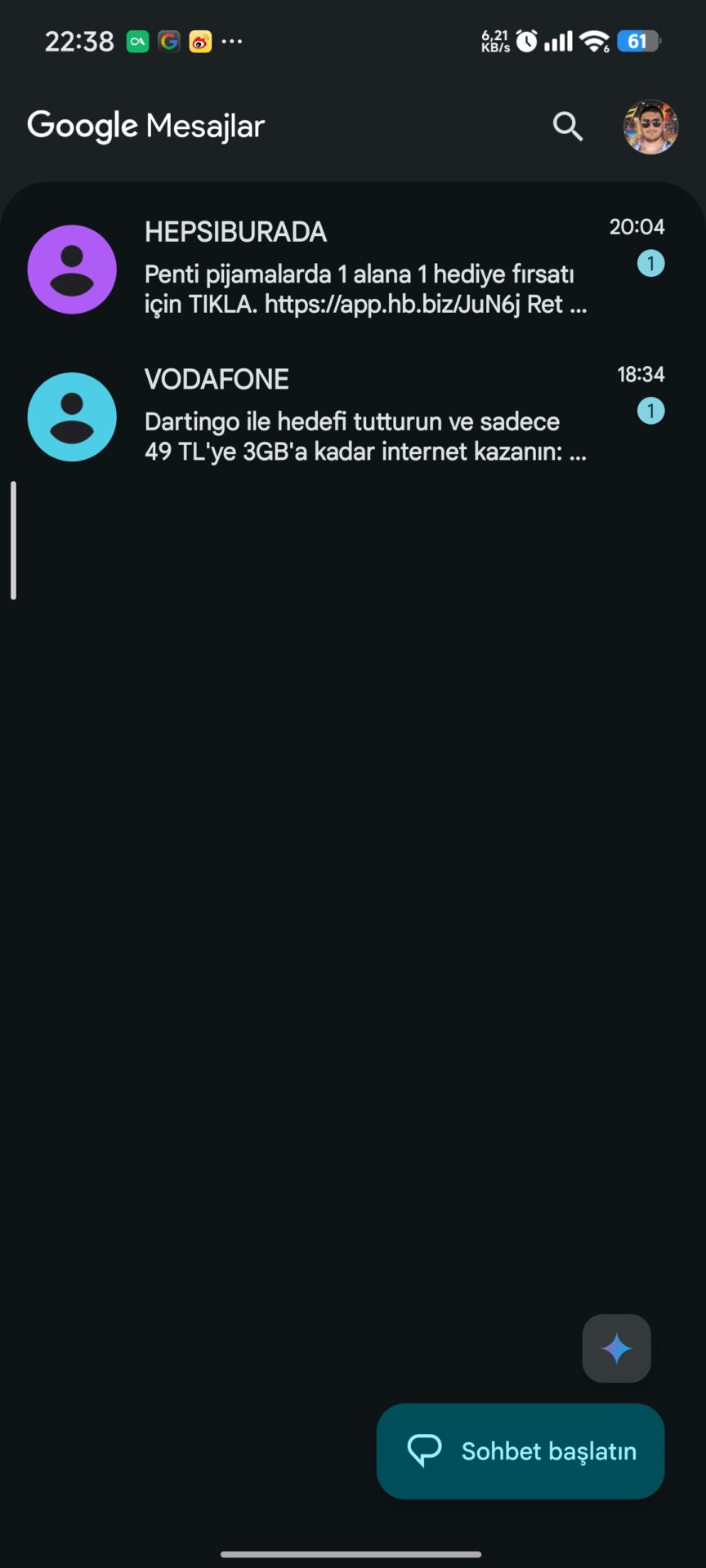
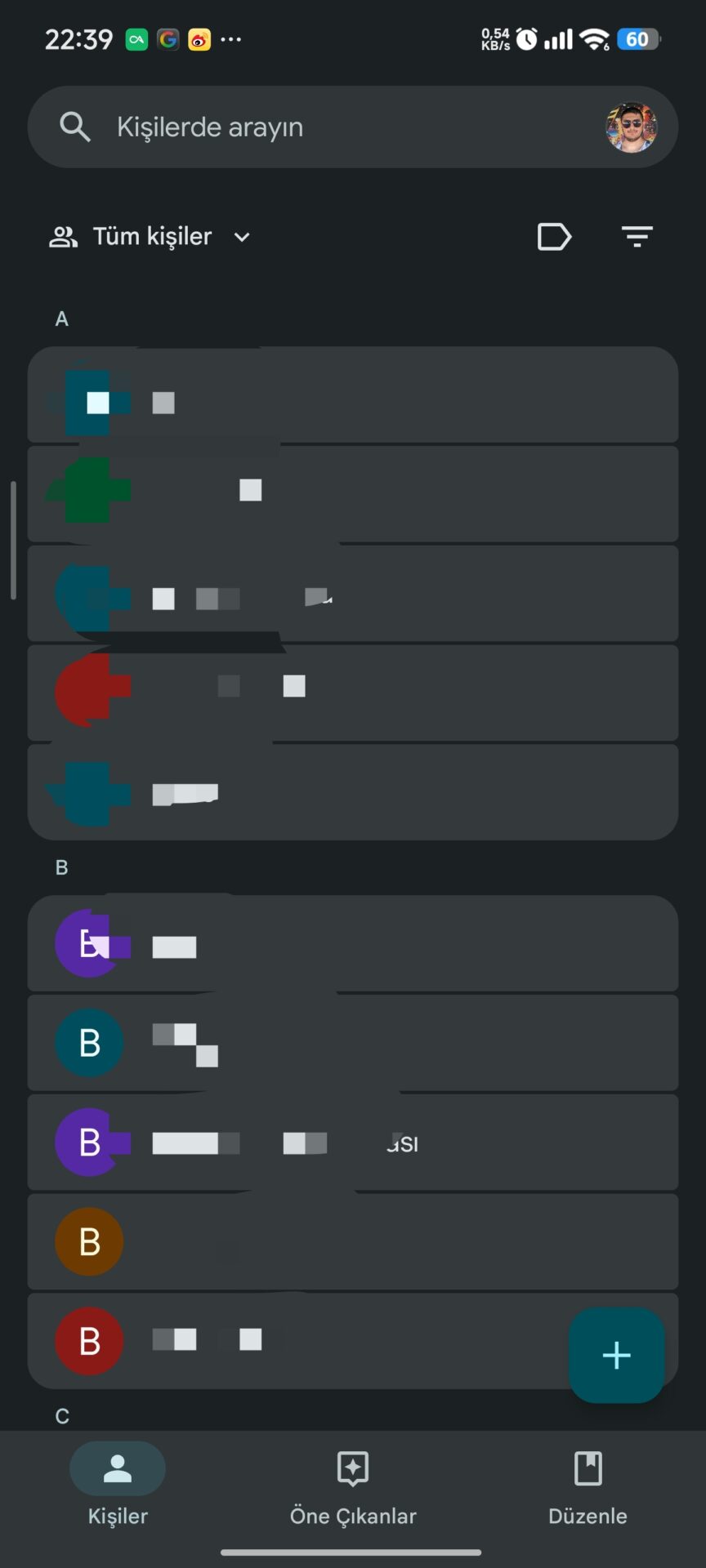
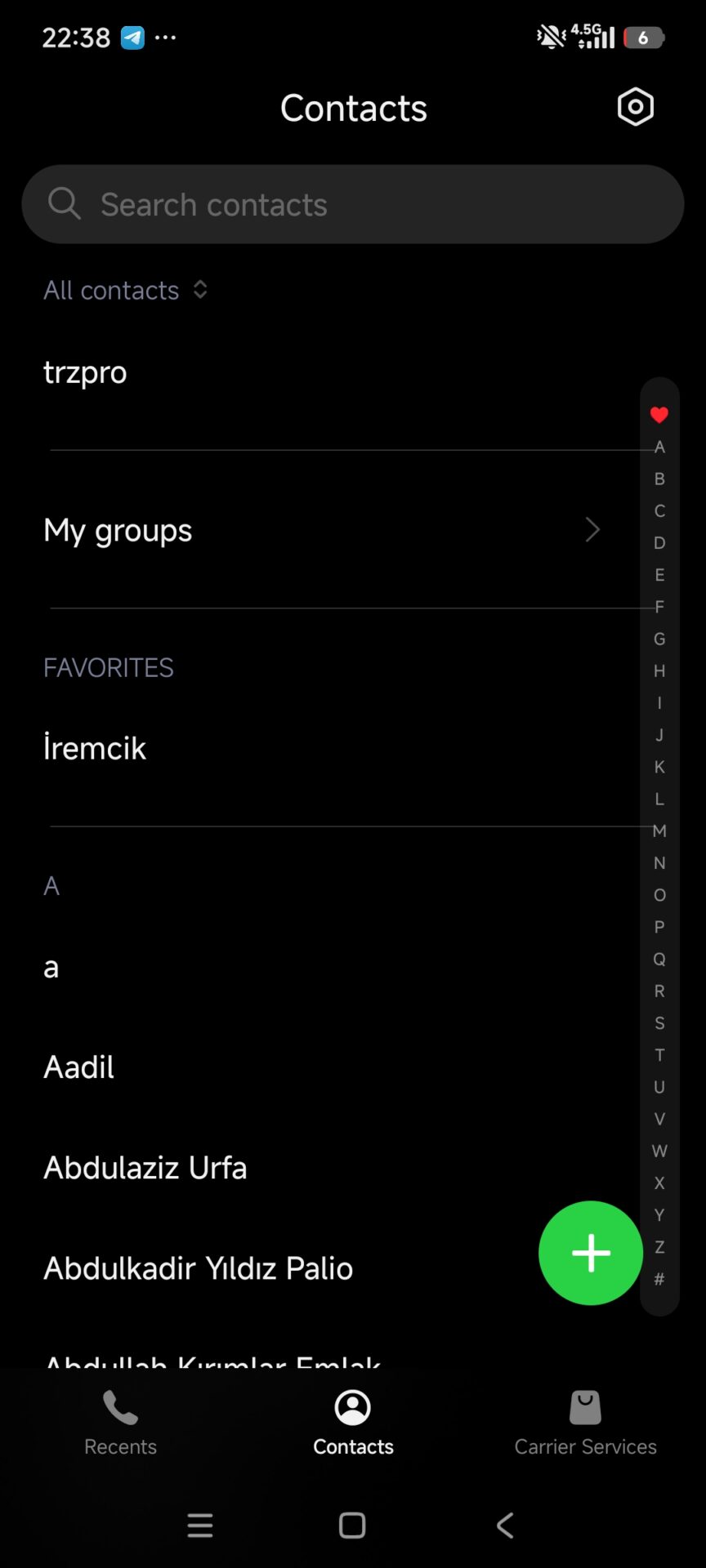
  • Preloaded Apps: Global ships with Google Contacts, Messages, and Dialer, but China ships with Xiaomi’s in-house apps.
  • Localization: The global builds accommodate more languages and regional affinities.
  • Visual Interface: The both versions contain the alike design, animation, and system type, with almost the same system features.

Even with such differences, the UI and animation of the system performance do not differ between the two versions because Xiaomi strives to streamline the software ecosystem under HyperOS.

Can HyperOS 3 China be installed on the Global Xiaomi phone?

Overall, HyperOS 3 Global and HyperOS 3 China hold no significant difference in appearance and motion. Differences exist mainly in terms of Google service integration and region optimizations. The users internationally will enjoy faster global app exposure, and the users in China enjoy closer integration with the local platforms.

Finally, the decision between the two rests within your region and ecosystem preferences. Either way you go with it, Xiaomi’s HyperOS provides you with a smooth, unifying experience across all devices. –

  •  

New leaks suggest Xiaomi MIX 5 launch is possible soon

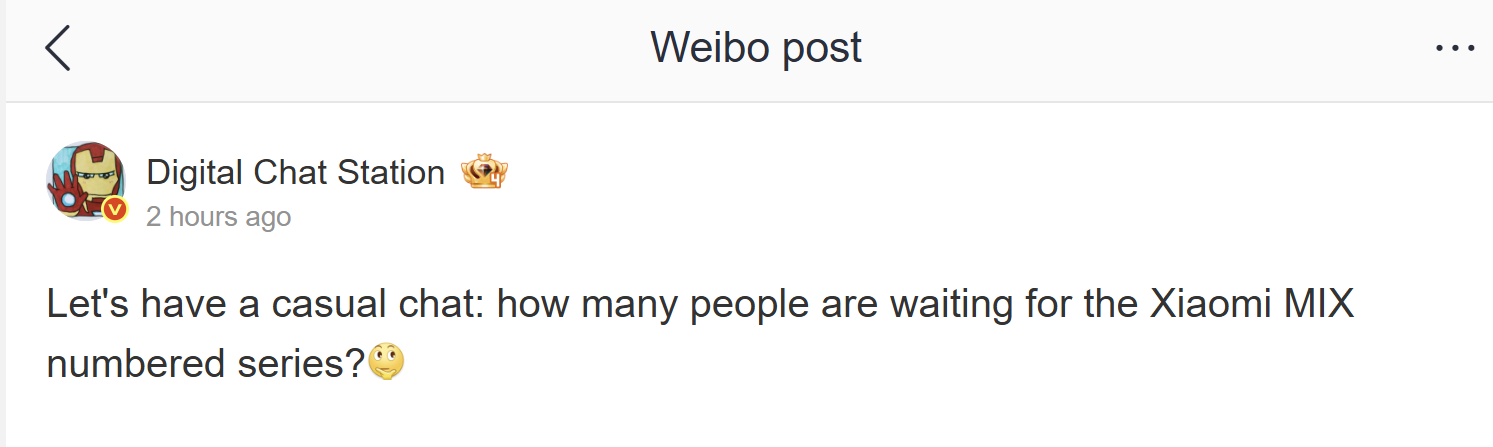
Xiaomi’s MIX series has always been a symbol of innovation and the use of cutting-edge technology. Recently, famous tipster Digital Chat Station dropped a hint on Weibo that really started the rumor mill churning regarding the possible launch of the Xiaomi MIX 5. In case this rumor turns out to be true, then the upcoming model might carry the baton of its predecessors with state-of-the-art features.

Xiaomi MIX 5 information DCS

Looking Back: Xiaomi MIX 4

There were two features that set it apart as a real game-changer. When the Xiaomi MIX 4 launched in August 2021, it was a critical milestone for smartphone design. The phone packed an under-display camera for the first time ever in the world, and thus provided a seamless, no-frills display. Building off the capacity of the Snapdragon 888+ and with its premium ceramic body, the MIX 4 did great among tech enthusiasts and went beyond, even with China exclusivity. With that said, given its performance and feature combination, it is not at all surprising to see such a loyal fanbase end up for the MIX series.

Xiaomi Mi MIX 5 leaked comes with unique features

What Is Next for Xiaomi MIX 5?

With the MIX 5, Xiaomi is bound to push forward with innovative design, possibly improving under-display camera technology leaked last year to give the world a truly bezel-less screen. Advancement in display and camera technology may set a new benchmark for smartphones, more so if the company unlocks the latest Snapdragon chips for even more power and efficiency.

The design of the MIX 5 is very much likely to continue from where its predecessor left off in premium aesthetics, elegance, and innovation. Ceramic bodywork, state-of-the-art screen, and a camera setup would make MIX 5 definitely irresistible with class-leading performance and unique design.

The future of Xiaomi’s flagship lineup.

In the eventuality that the Xiaomi MIX 5 does come, it could ensure a new beginning and a relaunch for the flagship series of the brand with the new upcoming technologies mixed with this design. This is as far as one can go without the official confirmation, with the rumor mill continually heating up for the MIX 5.

Source

  •  

Xiaomi details latest HyperOS China fixes affecting flagship devices

The Chinese technology firm, however, made an official announcement about the HyperOS China status on December 26, 2025, in regards to the bugs that have been resolved and those that are currently being looked into. As per the announcement made through the Xiaomi Community, some camera lock screen anomalies for high-end series Xiaomi as well as REDMI have already been resolved, while work is in progress to address the remaining bugs.

Fixed Issues in Recent HyperOS China Builds

In the latest HyperOS China versions, Xiaomi engineers have affirmed that a variety of camera issues have been completely resolved. These camera issues are mainly related to user interface issues and orientation issues when using cameras, preferably on the lock screen.

The problems that have been resolved:

  • Camera UI anomalies in certain scenarios on Xiaomi 17 Pro Max (version 3.0.34.0).

  • Camera orientation issues on the lock screen affecting:

    • Xiaomi 15 Pro (version 3.0.5.0)

    • Xiaomi 14 Ultra (version 3.0.4.0)

    • Xiaomi 14 Pro (version 3.0.4.0)

    • Xiaomi 14 (version 3.0.4.0)

    • REDMI K80 Pro (version 3.0.3.0)

Xiaomi has also told its customers that these solutions must be checked for validation after installing the identified firmware updates, as these enhancements are provided through system updates.

Issues Currently Under Development

Along with the resolved issues, Xiaomi also posted a list of known issues that are still being worked on by the HyperOS development communities. Such issues do not occur on all Mi Band devices but may show up under certain conditions. The topics now under investigation are:

  • Continuously showing face recognition icon while expanding Xiaomi Super Island on Xiaomi 17 Pro Max with 3.0.34.0 ROM installed.
  • Lock screen showing very large white playing cards in some scenarios in Xiaomi 17 Pro (version 3.0.34.0).
  • Inconsistencies regarding animation effects when opening notifications as small Windows for Xiaomi 15 on version 3.0.5.0.
  • Unable to open the calendar app on the -1 screen on REDMI Turbo 4 Pro devices (version 3.0.4.0).

Xiaomi has said that the developments on the above-mentioned issues will be updated on a weekly announcement.

Ways That Users Can Stay Up-To-Date

Xiaomi advises maintaining the system apps and HyperOS components up to date. Users can upgrade the supported apps from HyperOSUpdates.com or through the MemeOS Enhancer app from the Google Play Store. MemeOS Enhancer also offers the facility of accessing the hidden functionalities of the Xiaomi device, other system app updates, and shortcuts of updates. Xiaomi has also emphasized the importance of user feedback in enhancing the stability of HyperOS. Users are also encouraged to report any issues they encounter.

Source

  •  

Xiaomi HyperIsland vs iOS Dynamic Island comparison

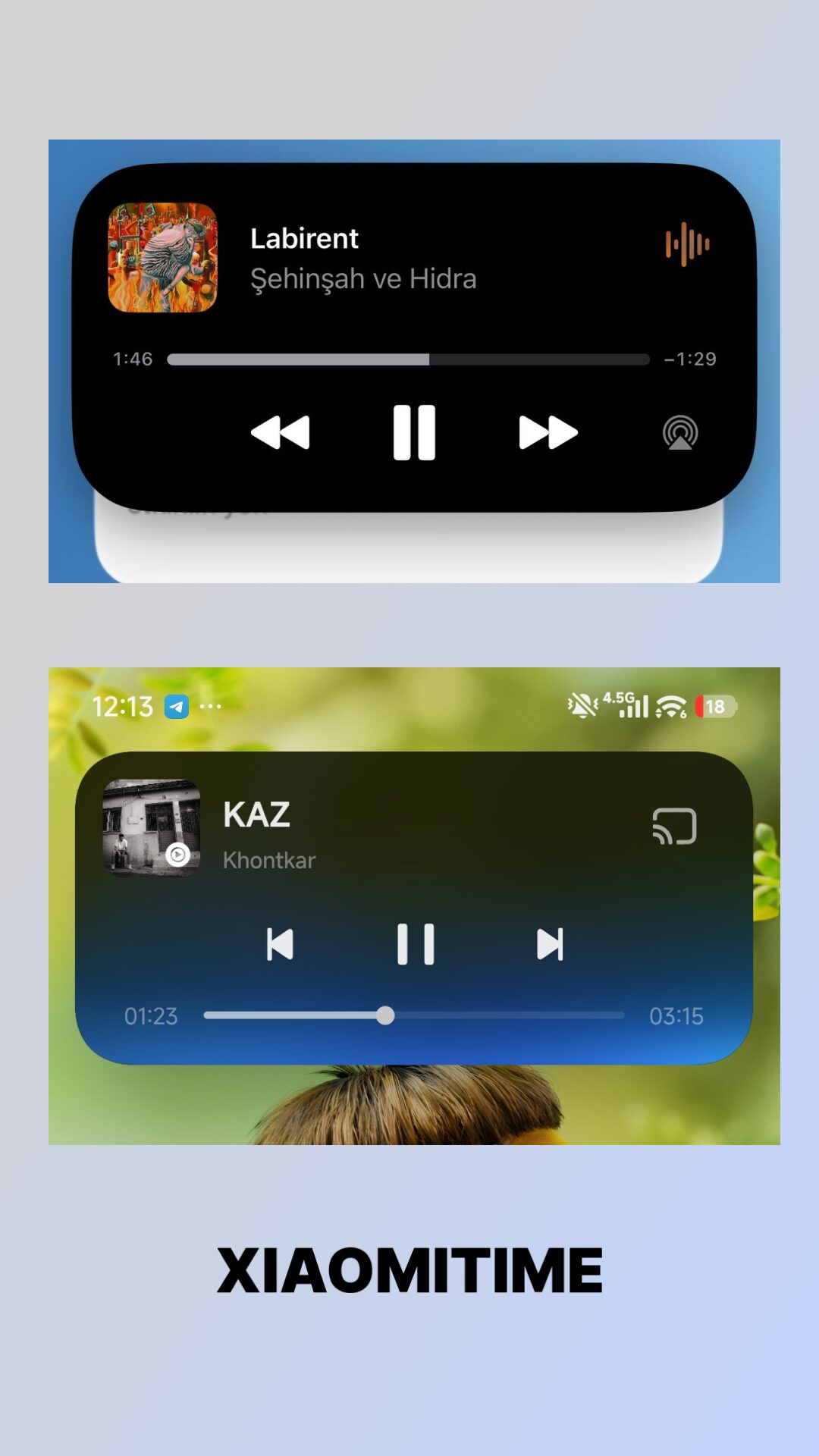
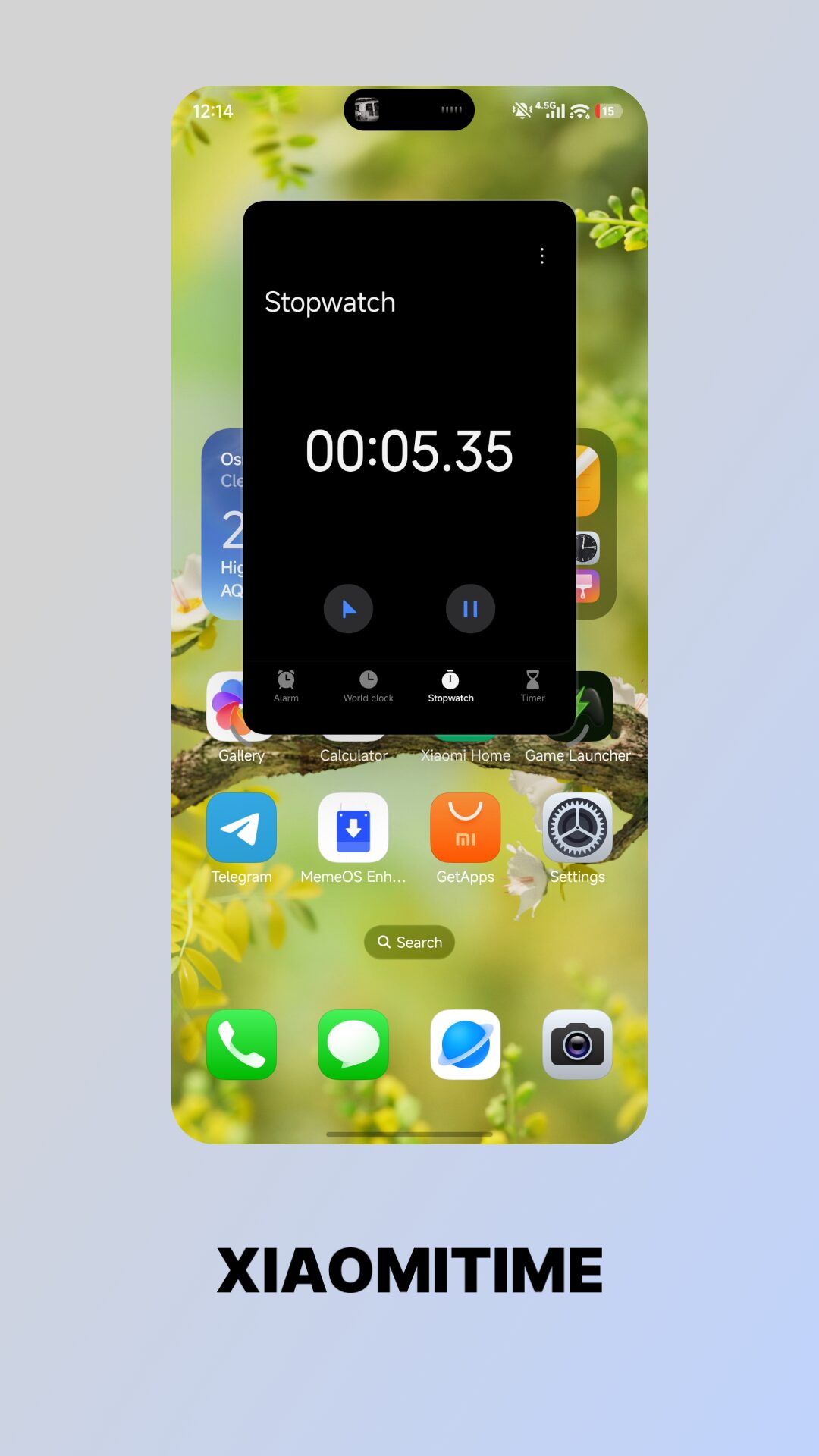
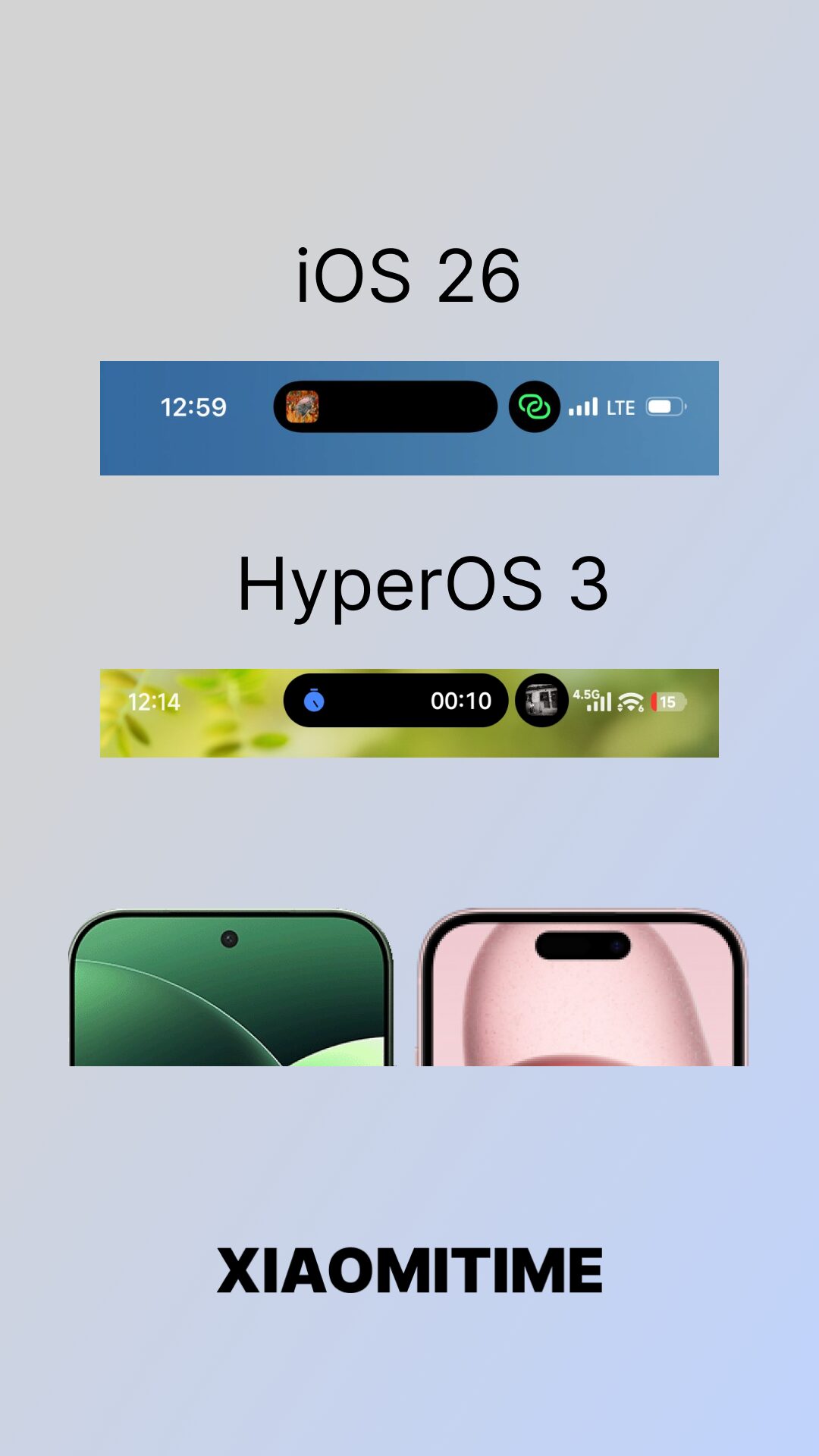
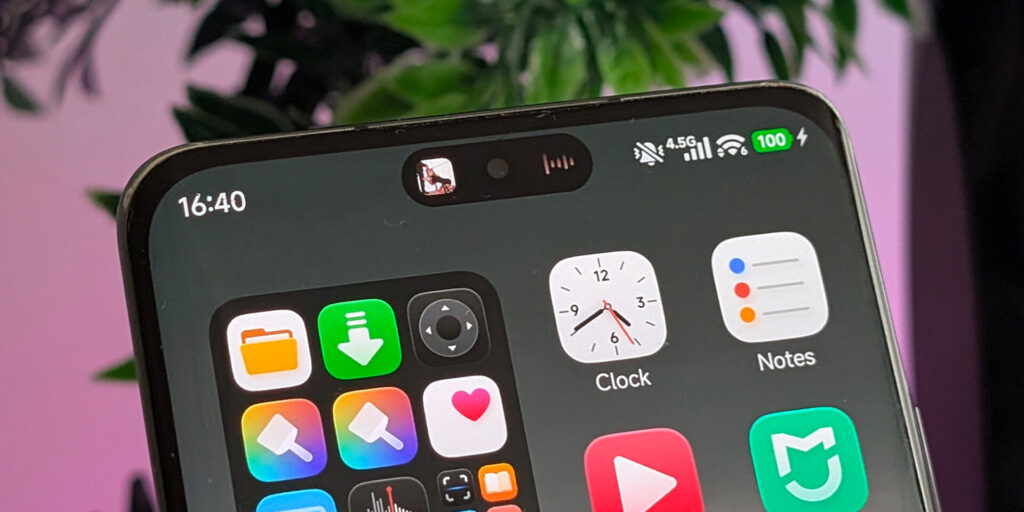
It’s an exciting time for Xiaomi fans as the company makes preparations for the global rollout of HyperOS 3, a historic upgrade that will change the smartphone experience forever. One of the most anticipated additions is HyperIsland, a feature that turns the front camera area into a fully interactive multitasking hub. Unlike Apple’s Dynamic Island, Xiaomi’s implementation focuses on practicality — allowing users to switch from notifications directly into multi-window or floating apps. This innovation highlights Xiaomi’s continuous effort to enhance both productivity and user experience across its devices.

A Giant Leap in Mobile Interaction

HyperIsland is not about visual appeal or design flash; it’s truly a leap forward in the functionality of mobiles. Apple’s Dynamic Island, found on the likes of the iPhone 14 ProiPhone 15, and future iPhone 17, is itself a fashionable notification space, whereas the Xiaomi method offers the system integration more deeply.

Imagine receiving a message or notification — with just a tap, HyperIsland expands into a fully functional floating window, letting users respond instantly without disrupting their current activity. This seamless approach to multitasking is a hallmark of HyperOS 3, showcasing Xiaomi’s goal to not merely follow trends but to perfect them through innovation and engineering.

Frame 33

Designed for Seamless Multitasking

One of the standout aspects of HyperIsland is its usability. For users who constantly juggle between apps, Xiaomi’s new system design makes multitasking effortless. Whether you’re replying to messages while streaming a video or referencing notes during a meeting, everything happens in one fluid motion.

  • Quick Conversion: Tap the HyperIsland to turn a notification into a live floating app window.
  • Space Efficiency: Keep a full-screen immersive view without clutter or interruptions.
  • True Multitasking: Instantly open apps in a mini-window directly from the dynamic notification area.

This feature exemplifies Xiaomi’s design philosophy — smooth transitions, reduced friction, and productivity at your fingertips.

Frame 32

Availability and Device Support

The global release of HyperOS 3 will begin in October, and HyperIsland will be accessible for millions of people across the world. But for the time being, this feature will be available only on mid-range and flagships to ensure the best experience. A few low-end phones and some Xiaomi Pad series models may be excluded at least for now, since Xiaomi focuses on delivering the best experience on high-end hardware.

Frame 31

Preparing for HyperOS 3

If you’re eagerly awaiting the update, get your device ready. Buyers can download the MemeOS Enhancer app from the Play Store to manually update system apps, unlock hidden capabilities, and prepare for the forthcoming HyperOS 3 launch. The tool keeps you on top of every single improvement Xiaomi releases, delivering a smoother and faster upgrade process.

  •  

Tianma mass produces 185Hz AMOLED: A new display milestone

Tianma Microelectronics made an official announcement regarding its mass production of its new 185Hz AMOLED screen technology on this day. This is quite an accomplishment for the screen technology sector after their success with 165Hz screens. Though the upcoming POCO X8 series relies on conventional 120Hz panels at present, this new technology may open doors for faster screens to appear on future versions of  Xiaomi phones. These displays offer faster response times and minimize lag while watching videos on any Xiaomi HyperOS.

Revolutionary Display Technology

The display screen boasts the world’s first discrete pixel circuit design called AMOLED, developed by Tianma. It has the advantage of using an independent dual-track driving system for data writing and DTFT threshold compensation. This technique has proven successful in overcoming the limitation of speed and accuracy, which were not meant to exist together in the conventional system. When it comes to ultra-high refresh rates, the screen’s compensation speed has been greatly enhanced. The first frame’s brightness ratio improves by 13.4%, and image retention is adjusted by 61%.

Tianma 185Hz

Enhanced Gaming Performance

The 185Hz high refresh rate display of Tianma has been tested and certified for several flagship mobile games. It provides fast response time of less than 5.4ms per frame. Along with intelligent touch algorithm technology for fast latency, there is no ghosting effect in dynamic images. The display also provides better dark details, providing a fast-responding touch experience for e-sports. In order to consume less power, the screen adopts new generations of low-power light-emitting technology. Along with full-scene intelligent flicker dimming technology, it also provides healthy vision protection.

Xiaomi and Future Implementation

Xiaomi phones have been sporting 120Hz displays. The Xiaomi 10T sports a 144Hz display. Xiaomi has been maintaining that record for its highest display refresh rate up to now. There are reports that an upcoming Xiaomi device sports an innovative 165Hz screen. It may take longer for Xiaomi to take advantage of the new technology of Tianma’s 185Hz displays. However, its R&D prowess to support up to an impressive 240Hz display has been announced by Tianma.

  •  

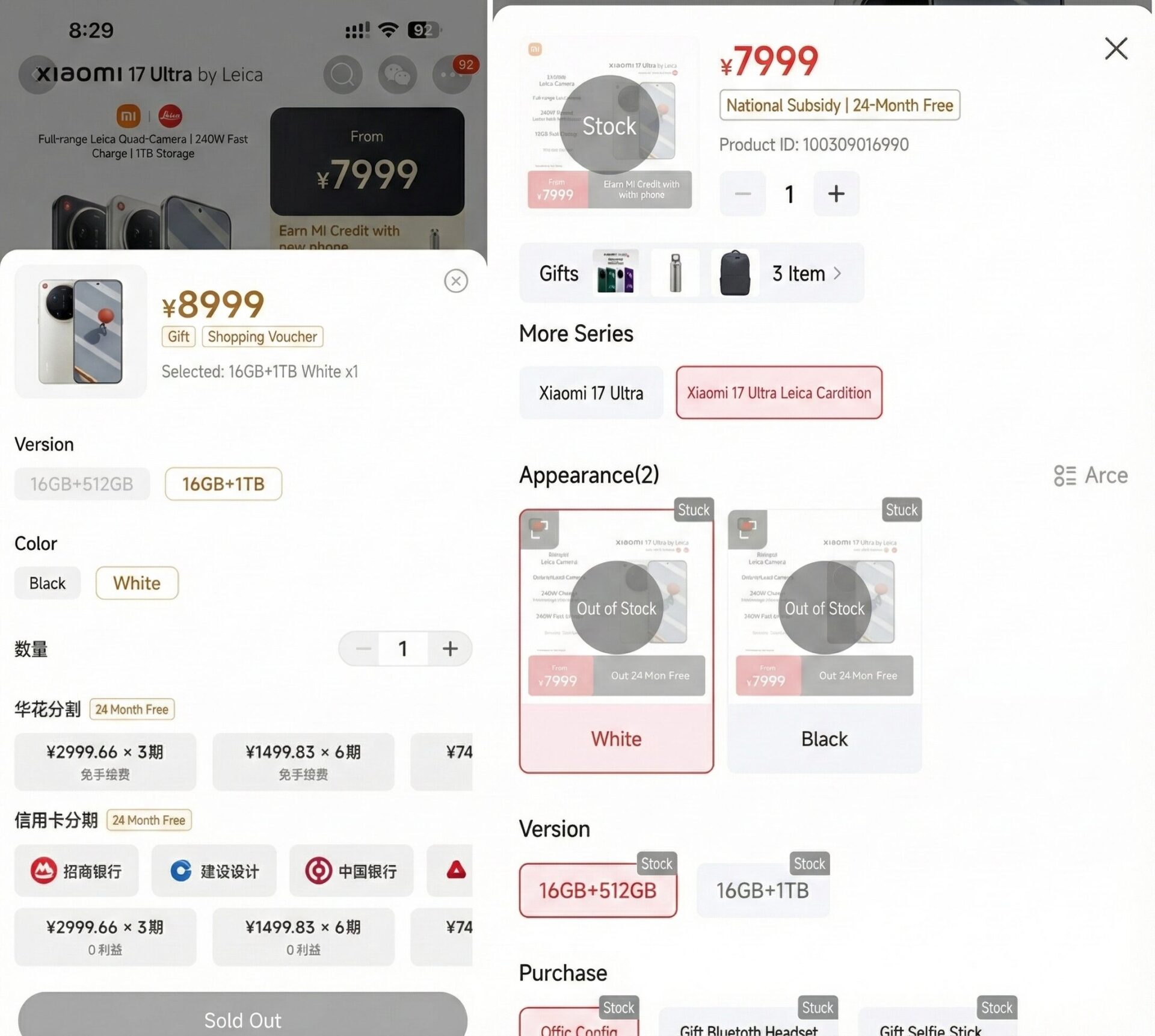
Xiaomi 17 Ultra Leica Edition sold out in a flash: Prices skyrocket

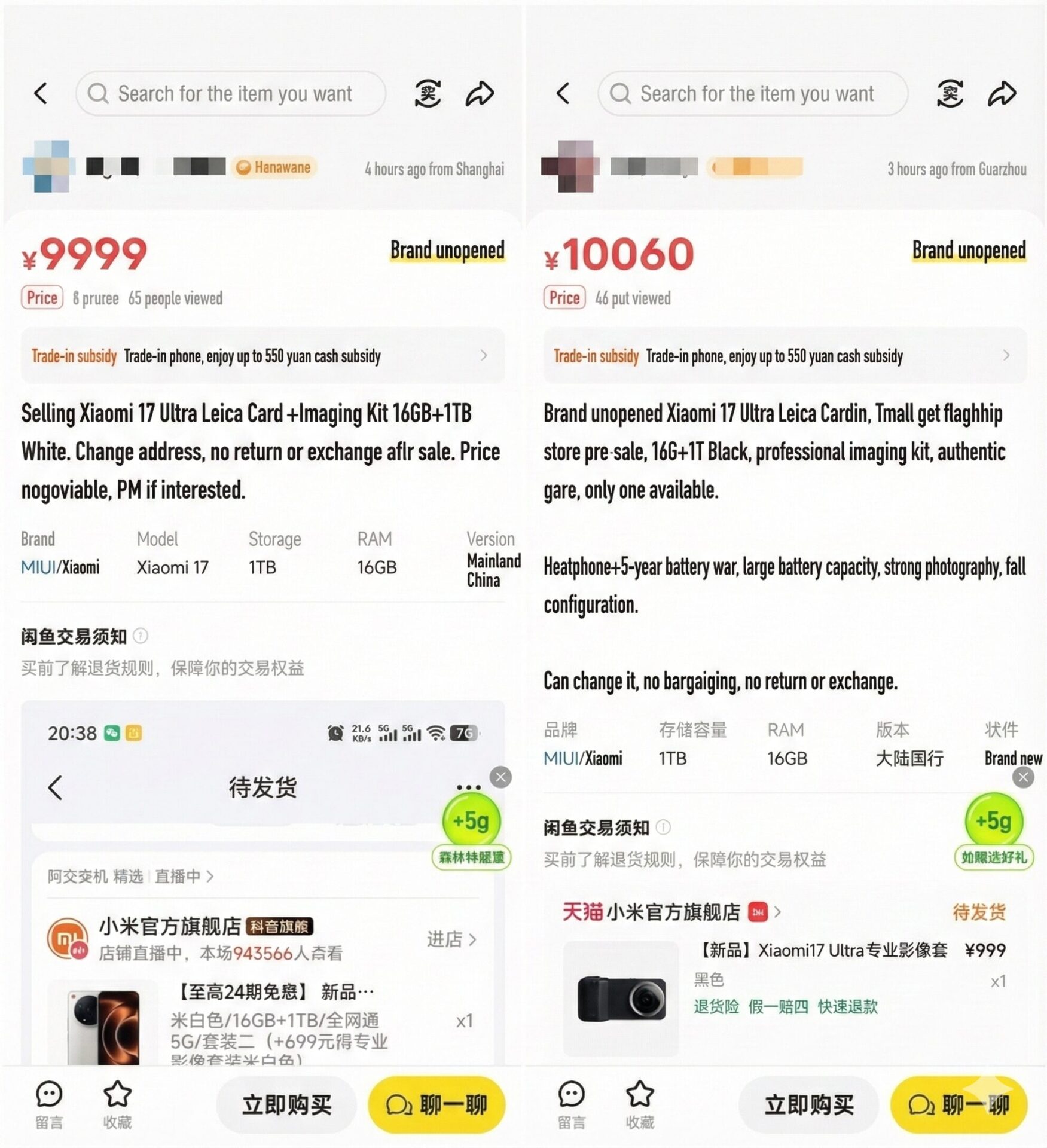
The newly launched Xiaomi 17 Ultra series has taken the Chinese market by storm, specifically the premium Leica Edition. After its official release last night, the limited supply was bought up immediately due to high demand from photography enthusiasts. Some reports indicated that it already appeared on second-hand trading platforms with inflated price tags. This surge in popularity illustrates the robust appeal of Xiaomi’s newest flagship in innovation in mobile imaging technology.

High Demand and Market Response

The Xiaomi 17 Ultra Leica Edition made its debut by carrying a starting price of 7,999 CNY, which translates to approximately $1,115 USD. From such positioning, one might assume that the inventory won’t be flying off the shelves too fast, but that wasn’t what happened when it was initially released.

17 Ultra sold out

Social media platforms were blowing up with comments when Xiaomi Group President Lu Weibing posted about it. Many fans were sharing in their luck by showing screenshots of how they managed to get an order in, while others were simply commenting on how fast it went out of stock. Because of this scarcity, units have since shown up on third-party sites where sellers are charging well over the official retail price.

Xiaomi 17 Ultra karaborsa

Distinctive Design and Camera Features

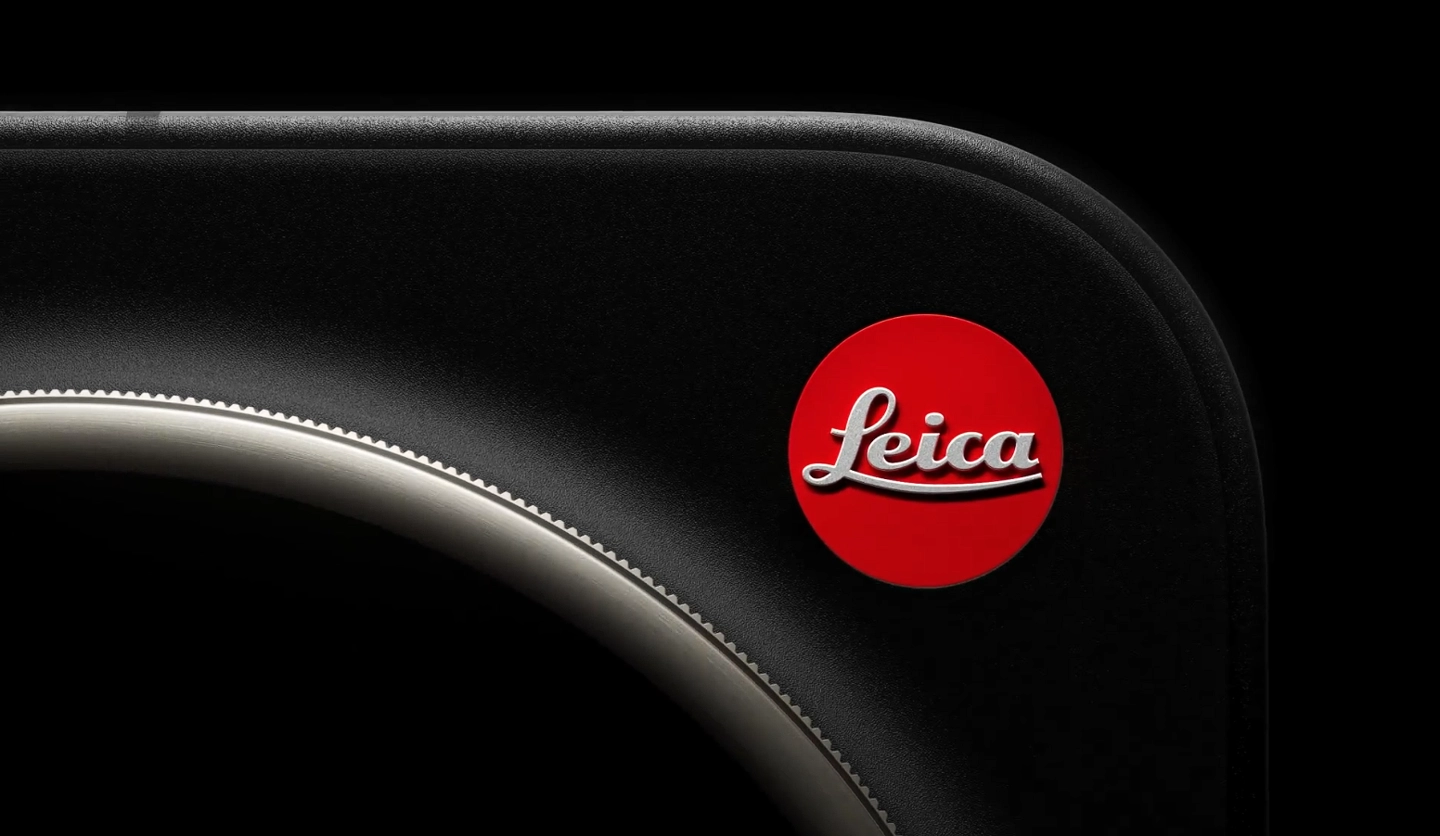
This particular model lures photographers with its distinctive aesthetic and functional hardware. It boasts a classic dual-tone design with the iconic Leica “red label” on the rear side. Perhaps one of the most striking features in the Master Zoom Ring, which emulates the manual operation of classic cameras. It enables exposure compensation and white balance to be adjusted physically. There’s also the software featuring the “Leica Moment” mode for that nostalgic texture effect, reminiscent of yore from classic CCD sensors.

Xiaomi 17 Ultra by Leica 1

Note: We kindly suggest updating your system apps to enjoy enhanced camera experiences and hidden features. You can follow our HyperOSUpdates.com portal or download our MemeOS Enhancer app from the Play Store. This app will help you manage updates and unlock advanced system capabilities.

  •  

POCO X8 Pro is expected to feature an ultrasonic fingerprint sensor

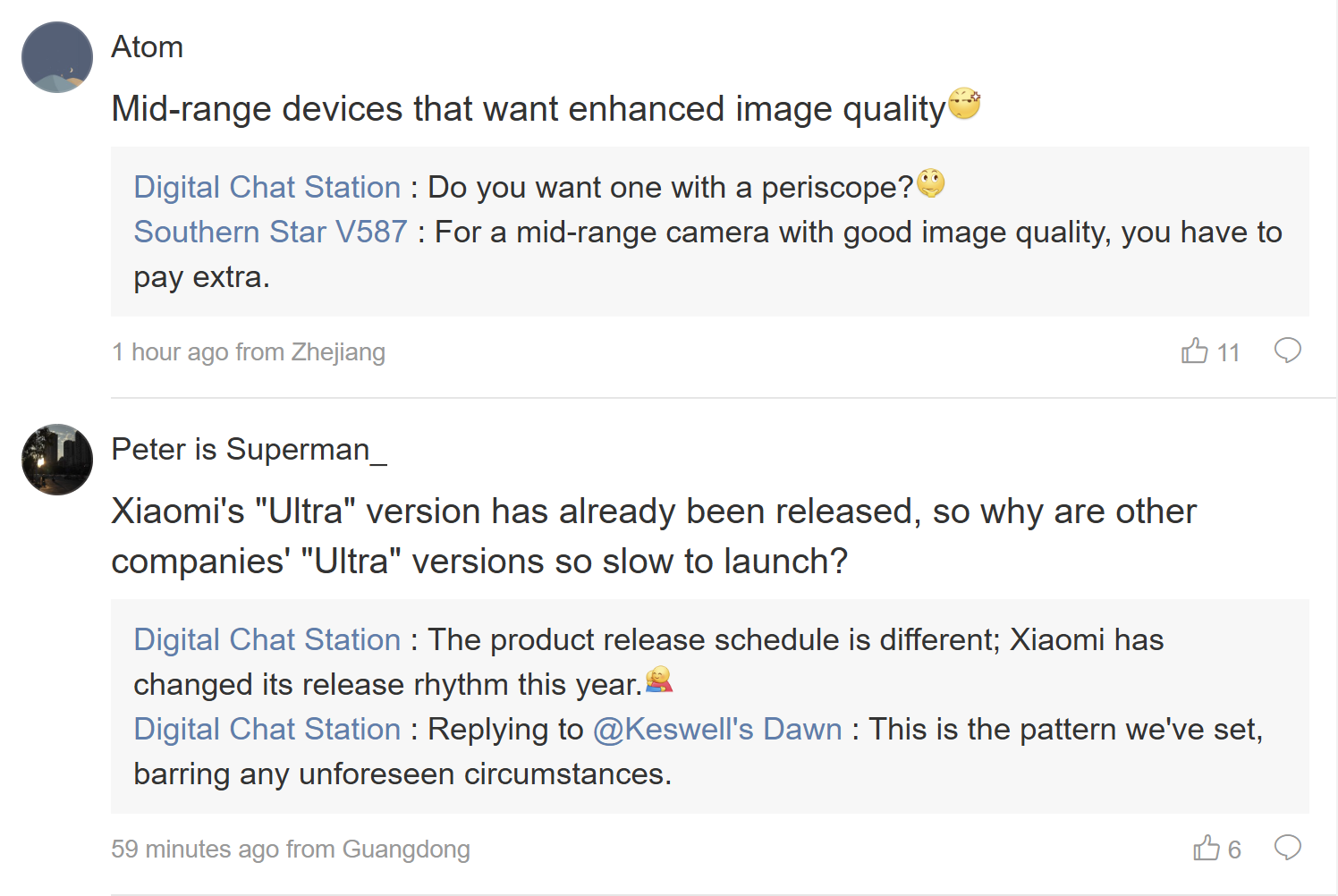
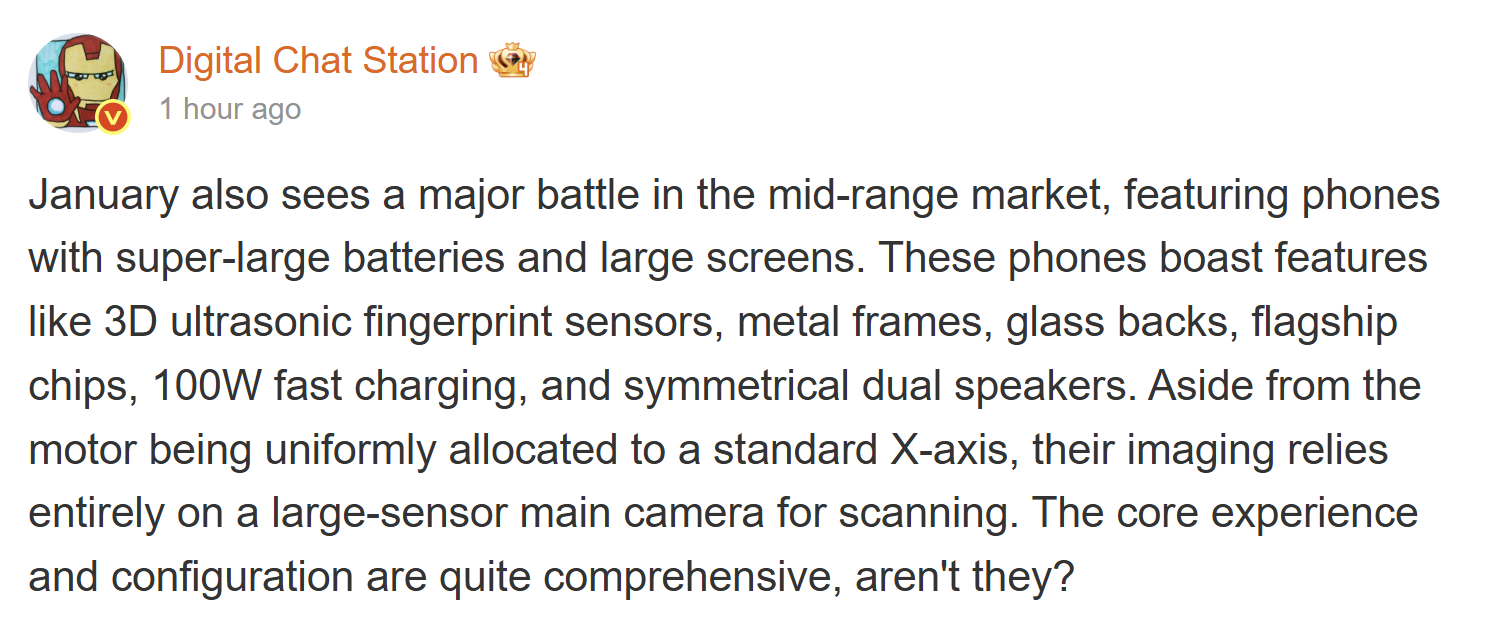
The mid-range smartphone market in China is about to see a heated upgrade war in early next year. Based on new details provided by Weibo tipster Digital Chat Station, it is learned that Xiaomi is planning to offer prominent flagship-grade functionalities in their forthcoming REDMI Turbo 5 series, globally POCO X8 series models. The rumor hints at some serious emphasis on performance, battery, and high-end hardware components to make the series a serious player in the January launch market.

Feature-Packed Hardware Enters the Mainstream

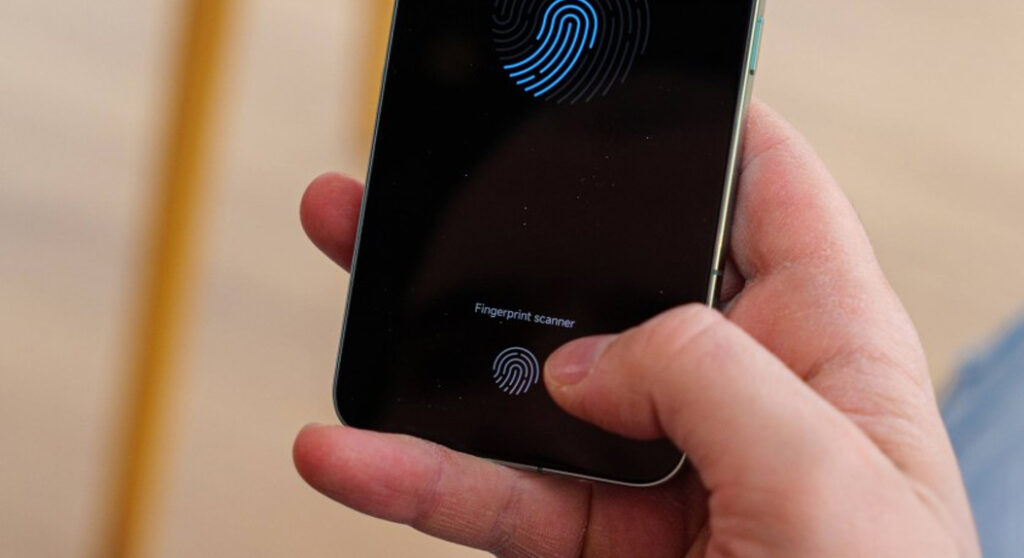
The REDMI Turbo 5 lineup will likely feature elements typically found in high-end phones. These will include a 3D ultrasonic fingerprint sensor for enhanced fingerprint scanning speed and accuracy, including when scanning wet fingers. The new product will have a flagship chipset, although its name has not been disclosed yet.

REDMI TUrbo 5 ultrasnoci 1 REDMI TUrbo 5 ultrasnoci 2 REDMI TUrbo 5 ultrasnoci 3

Along with an improvement in performance, there are expectations of a metal body and a glass rear panel. This aligns with Xiaomi’s decision to focus on upper mid-range models and enhance their build quality without adding costs. The smartphone also boasts stereo speakers with symmetrical tuning for better multimedia.

Batteries, Charging, and Image Focus

In Section

Among these, perhaps the most prominent highlight has been offered through the extra-large battery accompanied by 100W fast charging. This could well indicate that Xiaomi has been aiming for consumers looking for a battery life that doesn’t come at the cost of slower charging times. Features like this are now being offered in many Chinese mid-rangers.

In terms of camera technology, it needs to provide a large main camera sensor instead of using several secondary lenses. This design philosophy has proven to be quite good in Xiaomi smartphones in focusing on overall image performance instead of being led by market-promotion of multiple camera lenses. However, for the vibration motor, it will be a standard X-axis motor.

Market Timing and Competition

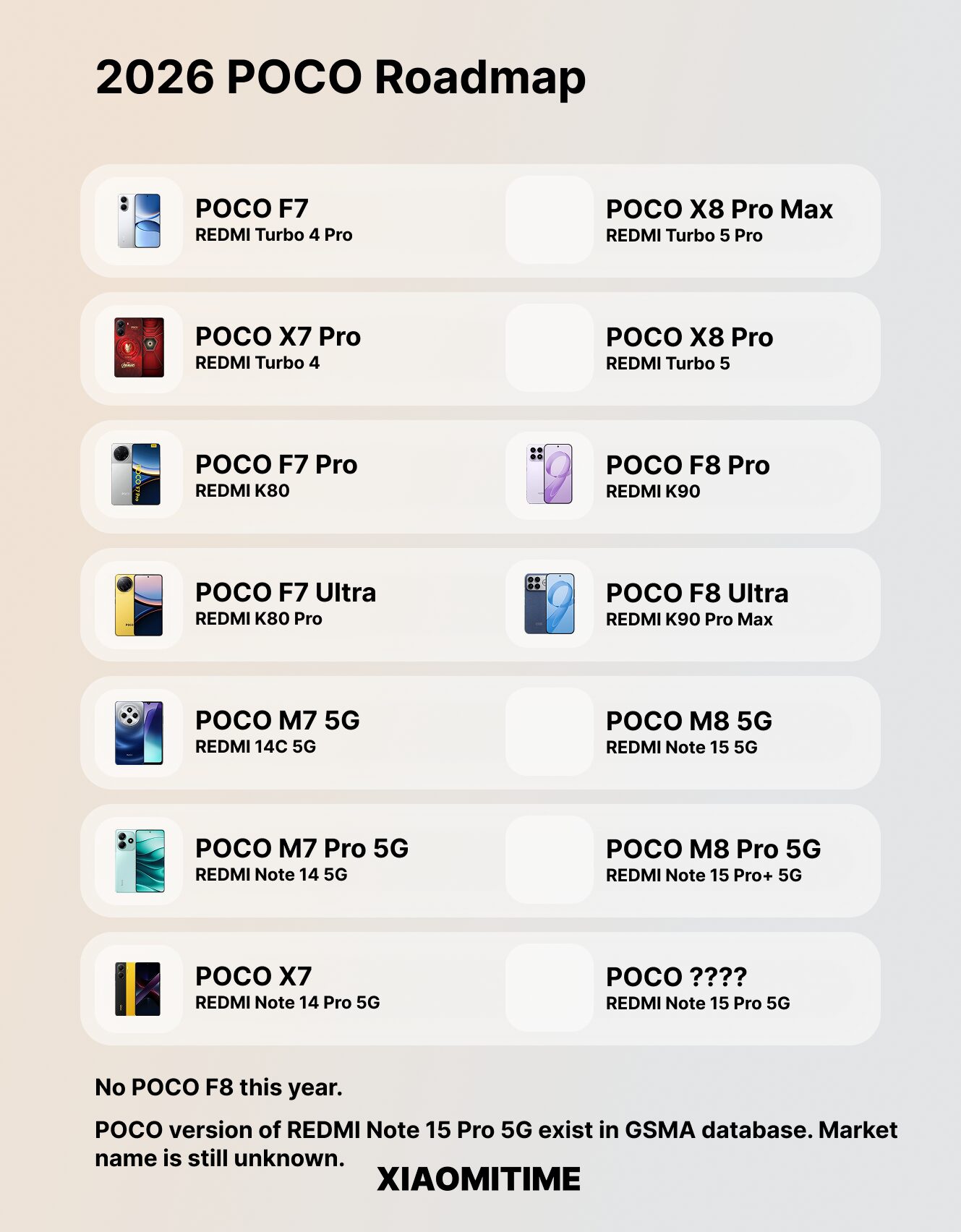
Going by the timeline of the exposed information, the REDMI Turbo 5 series smartphones are expected to be unveiled before the Spring Festival (17 Feb 2026), probably in the first month of the 2026, which is January. The device will be competing directly with other offerings in the market such as the OnePlus Turbo series, iQOO Z11 Turbo, and the realme Neo8. The three phones are expected to focus on large displays, high capacity batteries, and powerful performance. The phone will be sold as POCO X8 series globally.

POCO 2026 Lineup

As with all former REDMI K and Turbo series devices before it, it’s safe to assume that REDMI Turbo 5 would be exclusive to China, with a global rollout via the POCO X8 series at a later date. It would be interesting to see just what Xiaomi has up its sleeves for its initial 2026 lineup releases.


Source

  •  

This HyperOS feature cleans junk APK files instantly with a single tap

xThe act of downloading applications from sources other than the Play Store is quite common among Xiaomi fans. The end result is that unused APK installer files end up being stored on Xiaomi devices. In time, such files consume valuable space without anyone knowing. However, with Xiaomi HyperOS, there is an effective solution to this issue that can be accomplished in just seconds via a function found on its operating system. The function operates automatically without requiring any knowledge. Many Xiaomi and POCO devices support this feature.

HyperOS Mechanism to Identify Un-used APK Files

HyperOS comes equipped with sophisticated storage management features that extend beyond simple file cleaning. These features are part of Xiaomi’s system-level optimization initiative and aim to enhance device performance over time. HyperOS does not depend on third-party cleaning software but instead utilizes its own intelligence to scan internal memory effectively and correctly.

APK Detection Inside the Security App

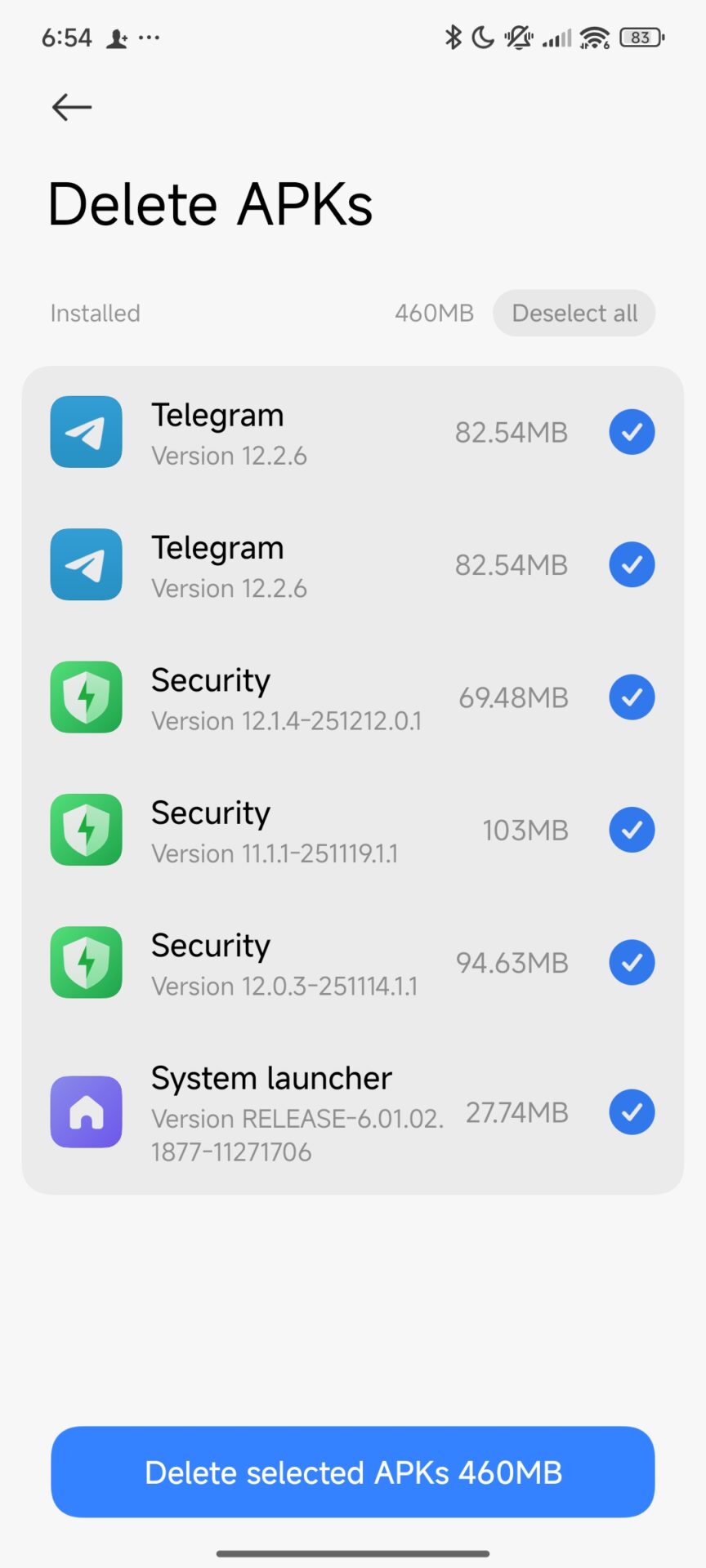
HyperOS looks for APK files in the internal memory within the Security application, which are no longer needed in the device. These files are the ones left after manually installing applications in the device or after un-hibernating applications. It identifies the files with no functionality to offer to the device, thus showing the space that can be saved.

This procedure is entirely transparent. Users can check the identified files for removal to make sure that vital files are not deleted accidentally.

Delete APK Security App 1 Delete APK Security App 2 Delete APK Security App 3 Delete APK Security App 4

One Tap APK Cleanup Explained

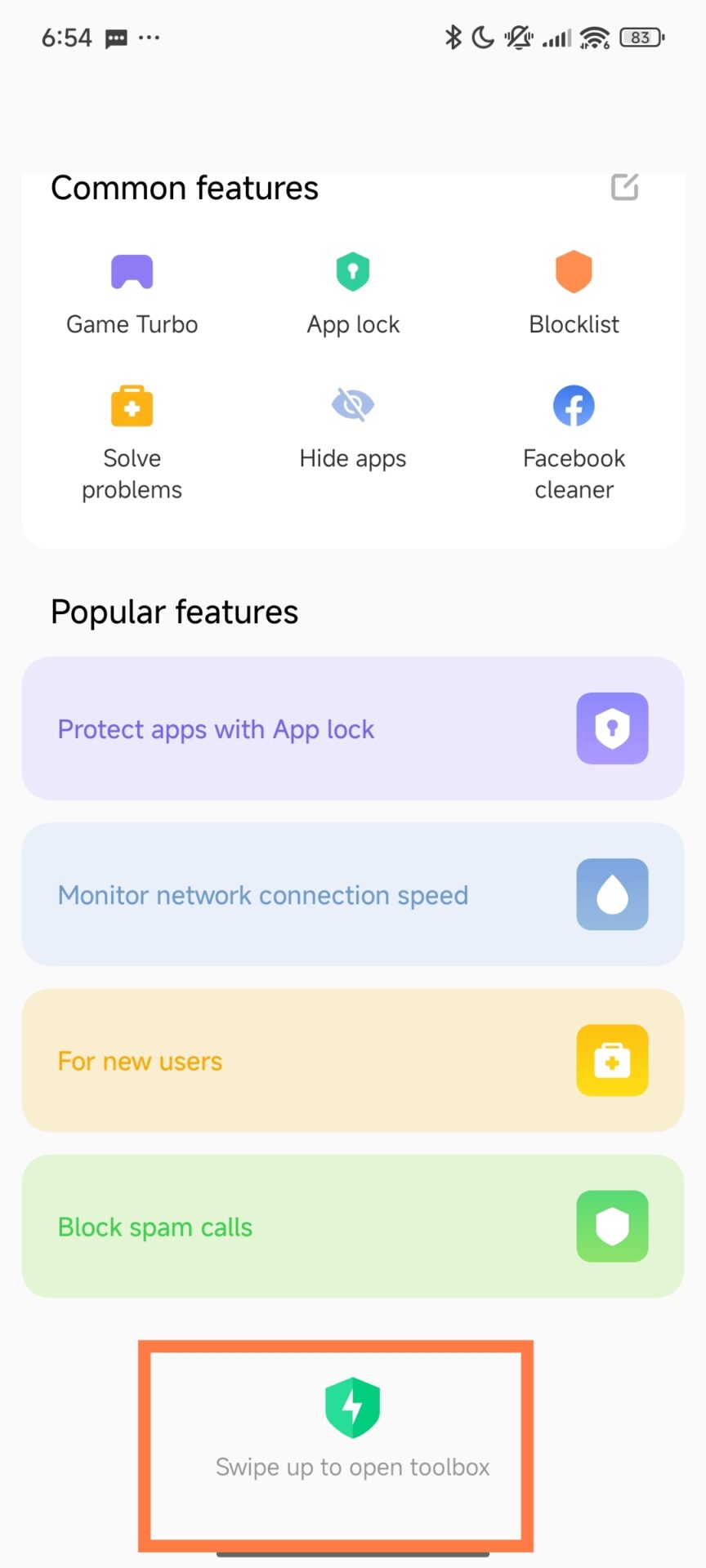
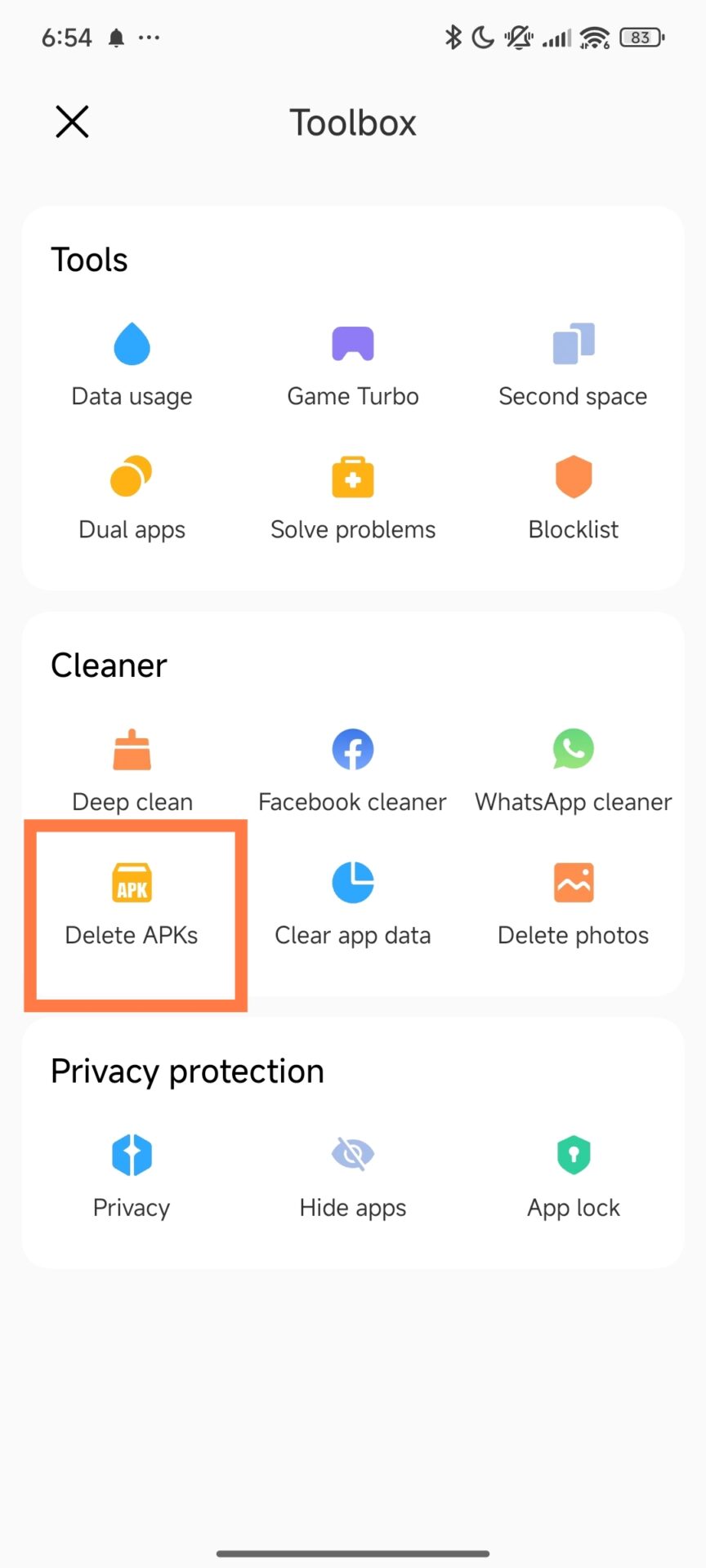
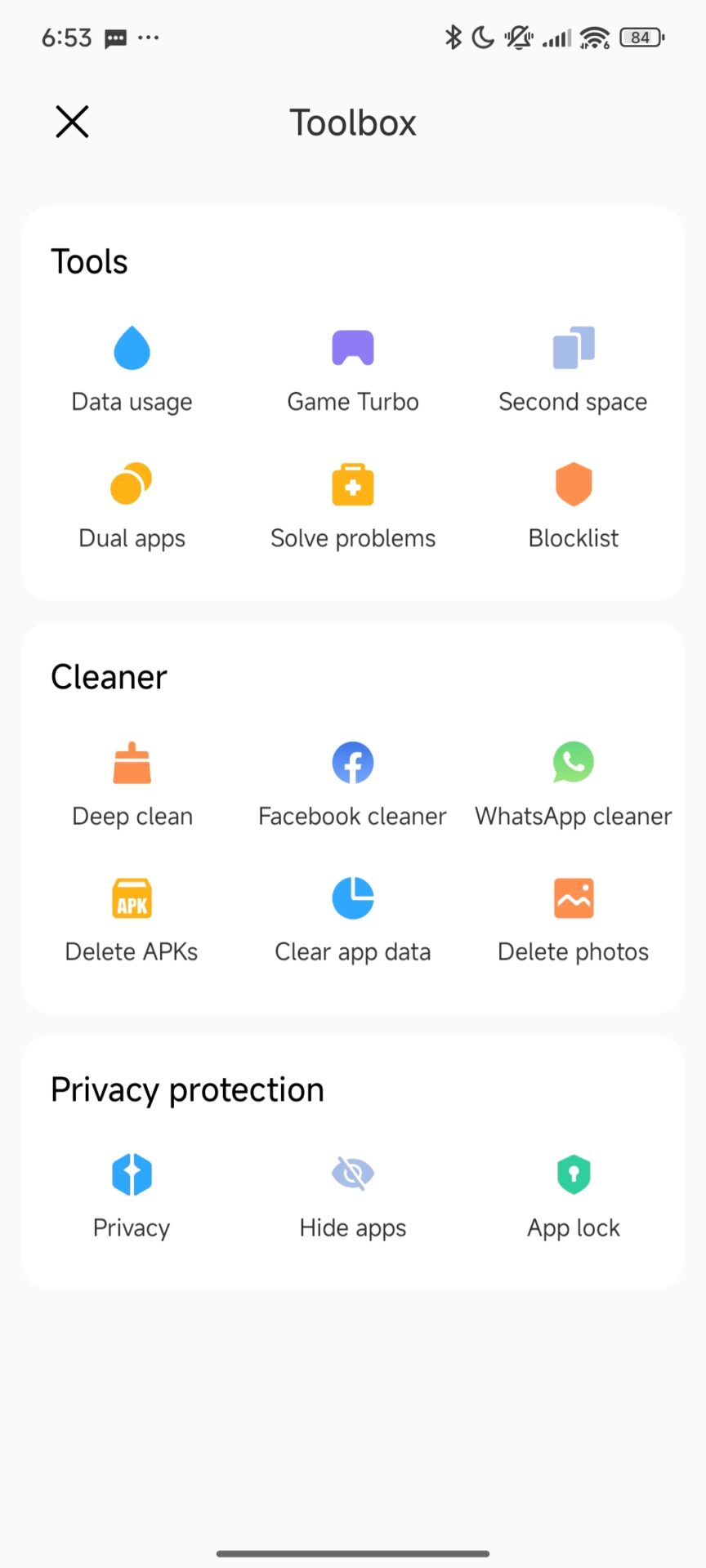
Once the Security application is opened, users are then able to navigate to the delete APKS option from the general tools category. The process then allows HyperOS to scan for unused APKS.

The important advantages of this feature are:

  • Unused APK detection
  • Clear indication of recoverable storage capacity
  • Single tap deletion without browsing
  • Does not affect installed and active programs

This is helpful in that it eliminates the hassle of digging into the File Manager where APK files tend to be dispersed all over in download folders.

Why This Matters for Long-Term Storage Health

Unused APKs can appear to be insignificant files, but they tend to accumulate over time, considering that many people test applications outside of Google’s marketplace. They pose a problem if these files continue to accumulate with time due to people who regularly test applications.

For users who want to keep the system apps on Xiaomi updated, one can make use of HyperOSUpdates.com or the MemeOS Enhancer app which is available on the Google Play Store. Apart from that, MemeOS Enhancer also allows access to hidden functionalities in Xiaomi.

  •  
❌