Reading view

5 cool Xiaomi case types you need to see

The peripheral environment of mobile computing devices has experienced a paradigm shift in the latest technological age. The idea of a protective cover began transforming from just an armor shell to an elaborate environment of performing interfaces for gadgets such as Xiaomi 17 and POCO F8 Pro. The selection of an apt cover would soon reach equal importance to that of the device itself in defining its efficiency of functionality. This study will uncover five different designs of a cover that can upgrade the user interface environment of the Xiaomi series.

The Professional Photography Grip System

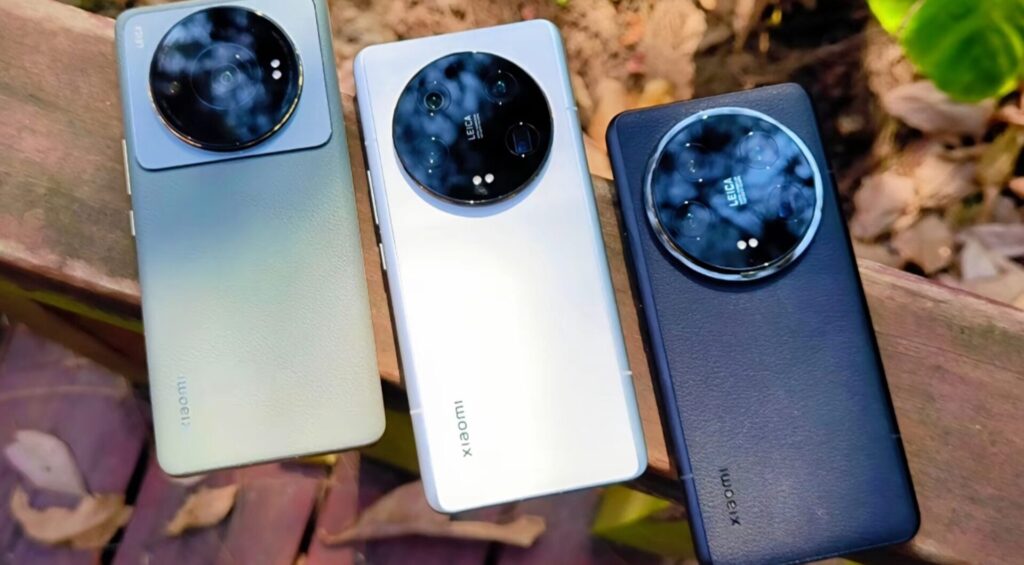
As camera aficionados, the standard protective casing is not enough when it comes to optical image quality. The Xiaomi 15 Ultra Photography Kit is the epitome of its class, almost making the smartphone function like a professional camera. These cases have their own nano-tech leather texture, which is necessary not only for aesthetics but also for grip when taking videos or pictures.
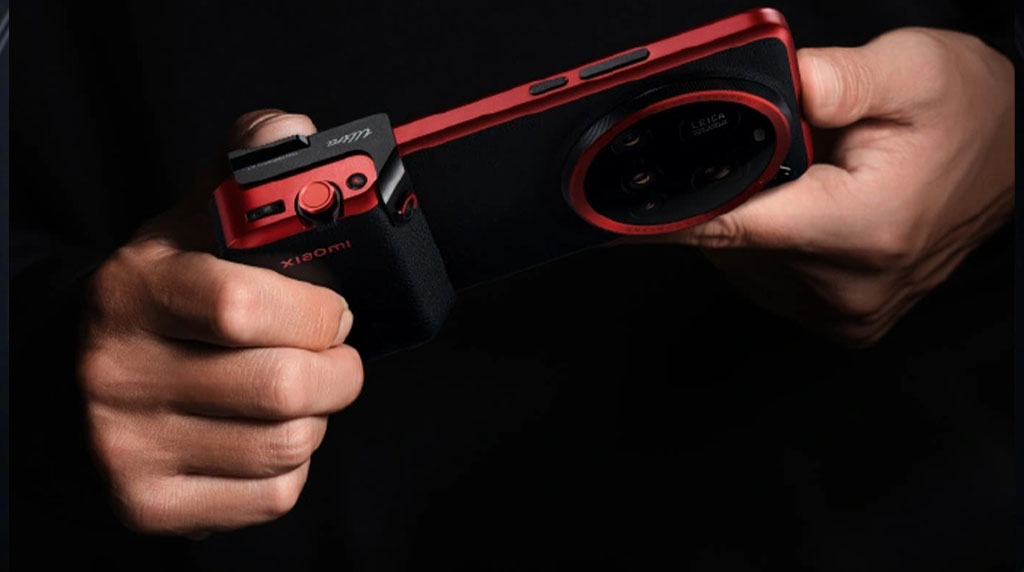
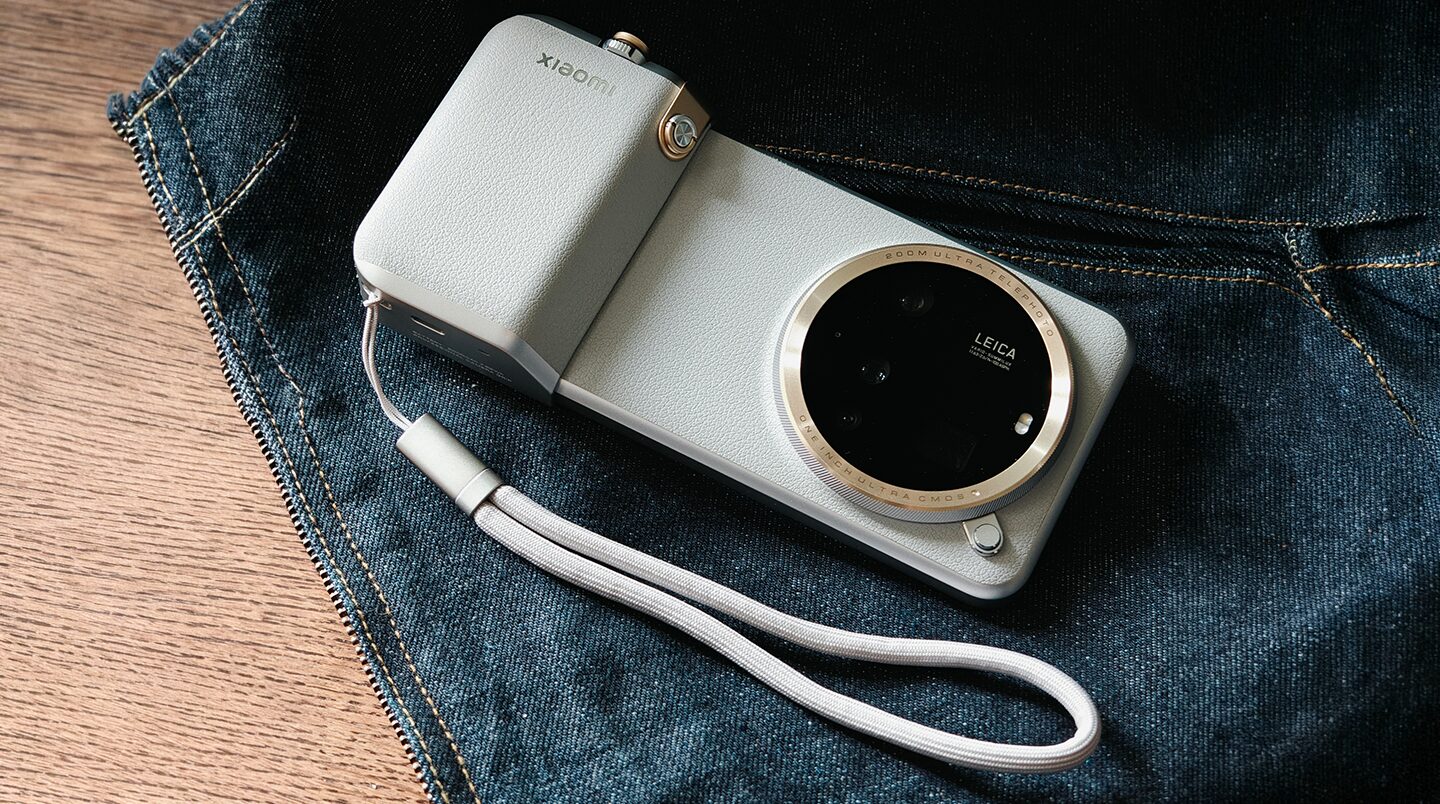
15 Ultra photography kit Xiaomi 15 Ultra Photography Kit

Beyond the ergonomic aspects, these systems comprise a professional shutter and a zoom lever designed to directly communicate with the device via a short-range connectivity technology such as USB-C and Bluetooth. Another important addition that can be found is the presence of a 67mm filter adapter, enabling the use of professional ND and polarized filters, thereby filling a gap between computational photography and physics. These grips also provide a separate battery pack that can prevent battery exhaustion due to a powerful image signal processor.

Thermodynamic Cooling Enclosures

The introduction of advanced silicon variants, including the Snapdragon 8 Elite, has led to thermal efficiency becoming one of the most important considerations for mobile gaming. Thermodynamic armor cases are specifically designed to counter the effects of thermal throttling. These cases feature a composite design comprising layers of graphene and metals in direct contact with the back glass of the smartphone.

Active Cooling Integration

The highest level of advancements in this segment has magnetic induction rings that support external Peltier coolers. These cases efficiently manage the heat transition from the vapor chamber to the external cooling system, either by reducing the material thickness where it makes contact or adopting a copper window for the cooling sink. This ensures that the device operates at its highest clock speed without degradation, which has major impacts for competitive gaming in terms of performance.

Aramid Fibre and Composite Minimalist Shells

However, in cases where the user requires protectant properties without sacrificing the slim look of the device, Aramid-fiber composites are the scientifically preferable option. Commonly known by brands such as Kevlar, it has strength-to-weight ratios five times greater than even steel. They are usually molded with a thickness of less than 0.8mm, maintaining the original ID design of the Xiaomi 15 smartphone.
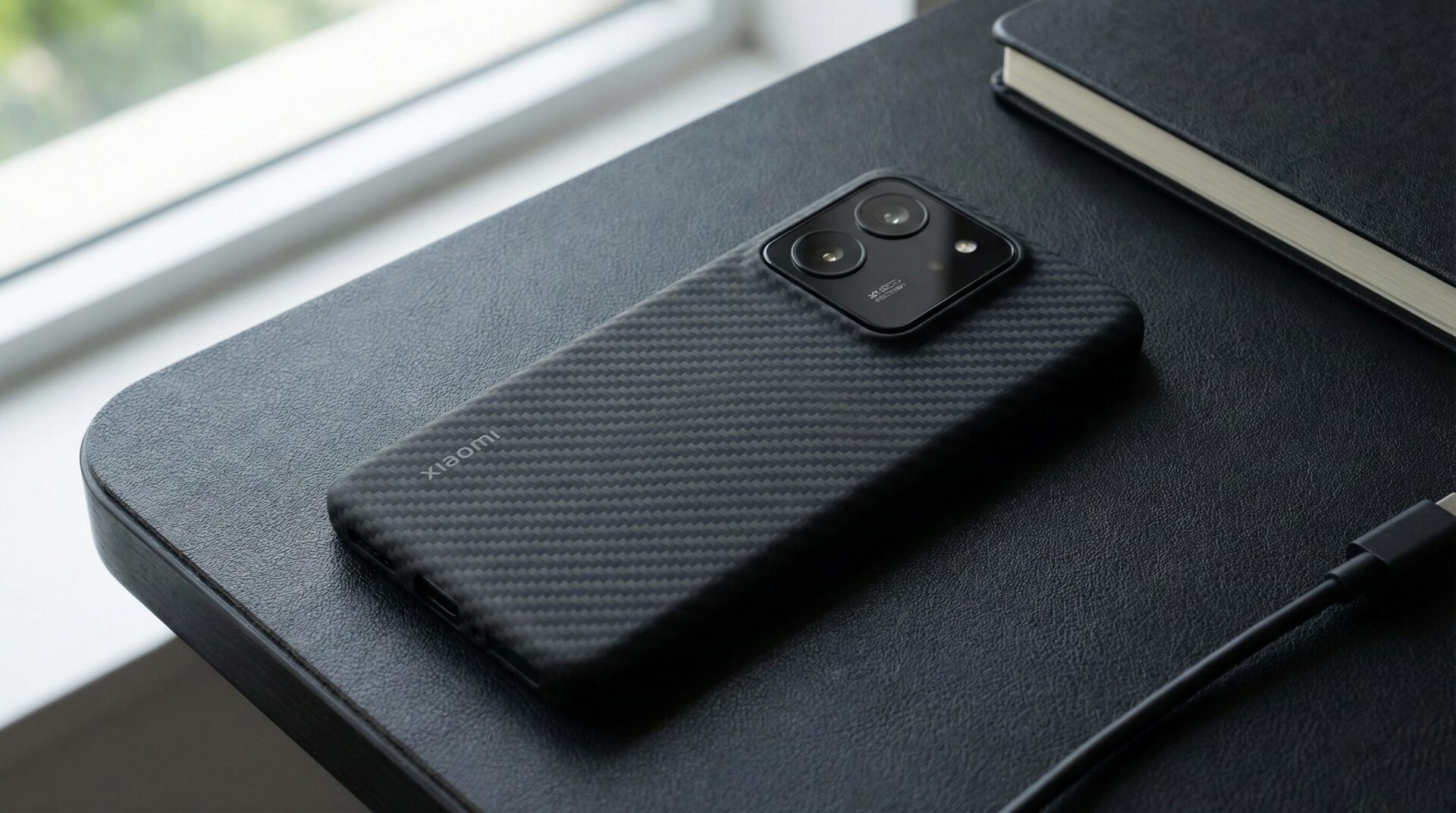
Carbon Case Xiaomi 15

While carbon fiber may cause interference with signal reception, Aramid fiber remains non-conductive to ensure that there are no effects related to the connectivity features like the 5G, Wi-Fi, or the GPS signal. It’s the best type to use during the present connectivity generation and allures with durability against scratches and slight impacts, along with the ability to retain the “naked” experience. The texture type includes the 600D/1500D weave, attributed to its sophisticated matte finish that resists finger and oil stains better than the polycarbonate type.

Functional Utility and Privacy Guards

The incorporation of utility functionality within the case design helps to solve privacy and media viewing needs at the same time. This type of utility is characterized by the incorporation of “CamShields,” which shield the lens array physically when they are not in operation. This serves as an assured privacy solution for possible software attacks as well as prevents damage to the glass optics within the XRING O1 due to abrasion.
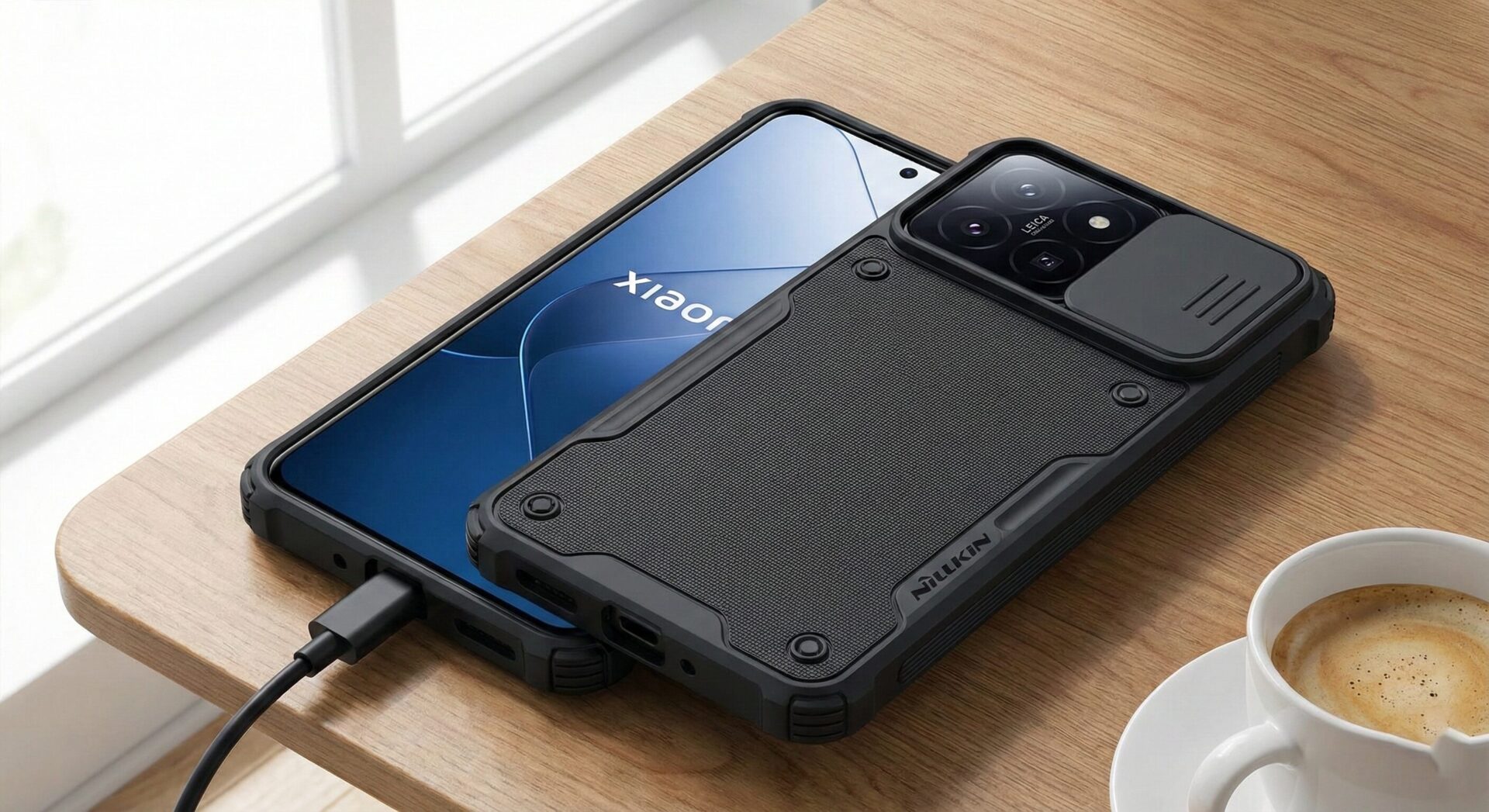
CamShield Case Xiaomi 14

Moreover, such mechanisms can also serve as strong kick stands that allow the device to be mounted upright for video calls or playing content. This feature makes it unnecessary to purchase additional accessories since a device can serve multiple functions. Such cases make it convenient for devices inside an individual’s ecosystem to connect using magnetic mountings for a smooth transition to car stands or connectivity with Xiaomi Pad 8 accessories using the Xiaomi HyperConnect protocols.

System Optimization and Software Maintenance

While it is essential to focus on physical protection, it has to be accompanied by attention to the internal health of the device. The photography kits and smart covers usually work in collaboration with particular system applications to achieve maximum efficiency. This calls for regular updates of system applications.

  •  

Xiaomi MIX Alpha was an impressive concept—so why was it cancelled?

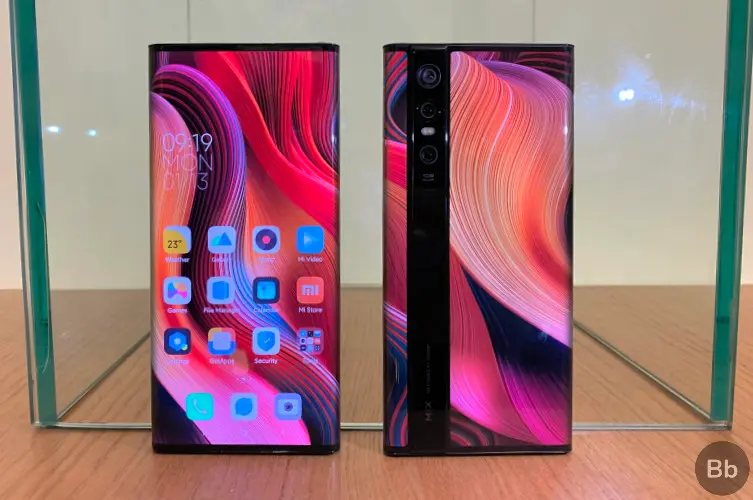
The Xiaomi MIX Alpha changed the smartphone industry in 2019 with its unique design and 180.6% screen-to-body ratio. Although this device remained a concept due to technical limits, its legacy continues to shape the future of Xiaomi phones. New reports indicate that Xiaomi is planning to bring this vision back in 2026 with advanced technologies found in the upcoming Xiaomi 15 Ultra and new foldable devices. Let’s analyze the future of this surround display technology.

The Engineering Marvel of Xiaomi MIX Alpha

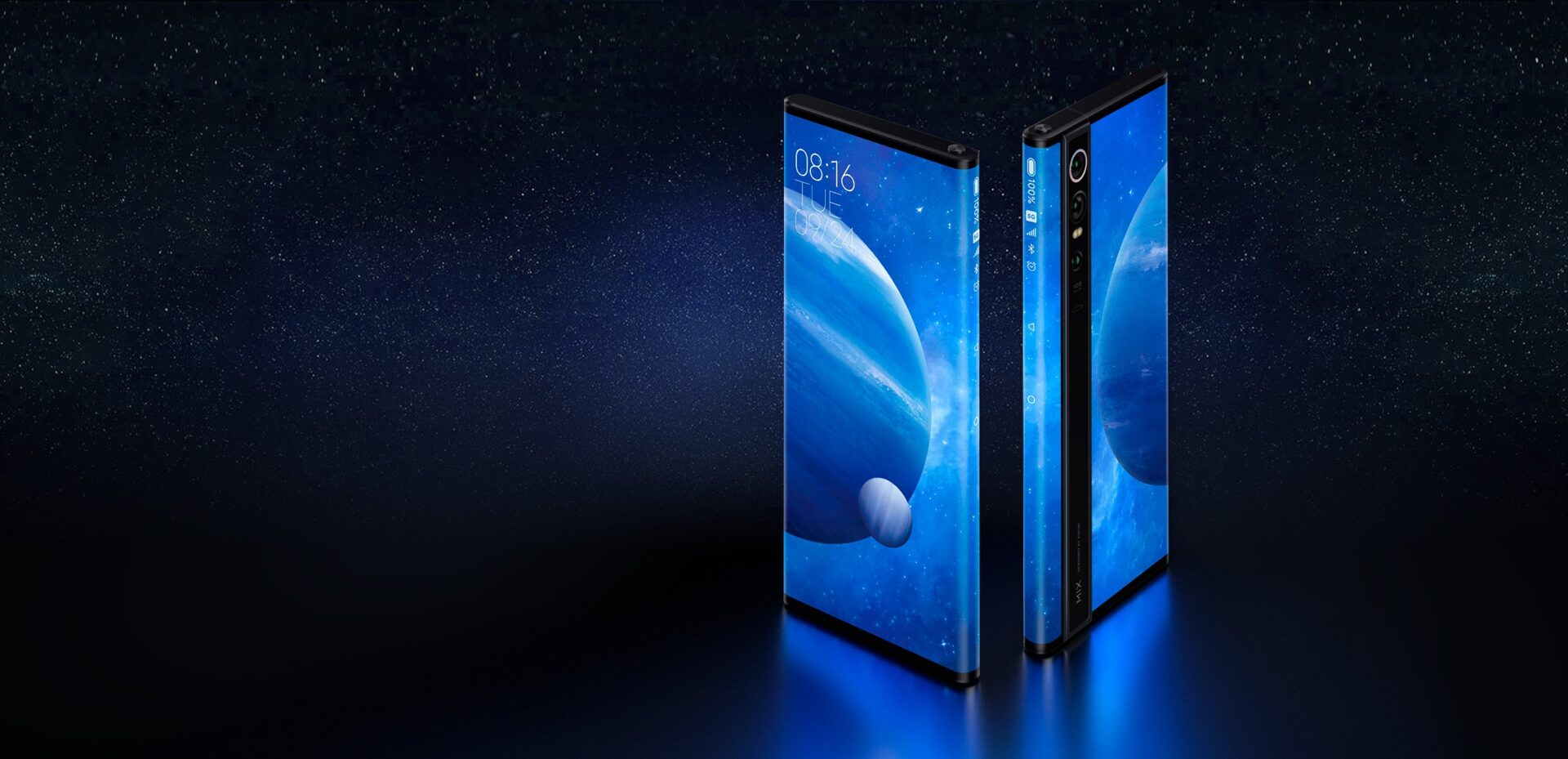
The MIX Alpha was not just a smartphone; it was a glimpse into the future. It featured a “Surround Display” that wrapped around the entire body. The device used TC4 Titanium Alloy for its frame, which is three times stronger than stainless steel.

MI MIX ALPHA

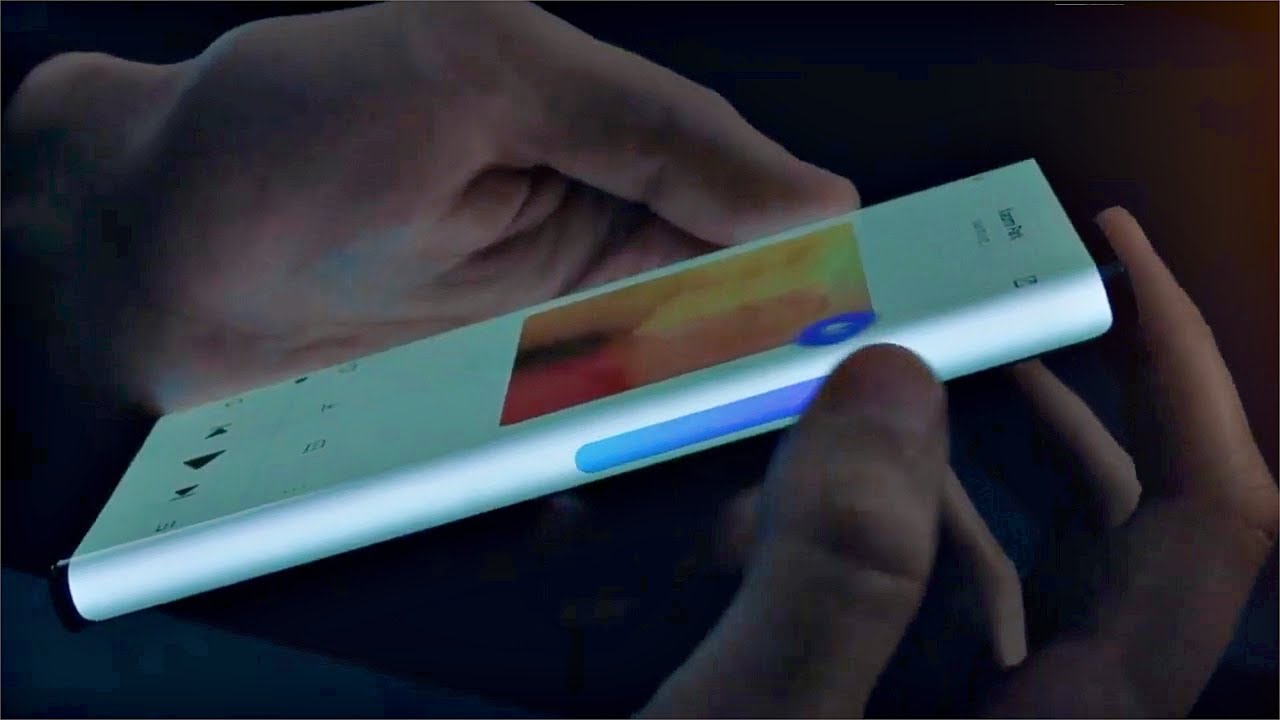
Also, it introduced the world’s first 108MP camera sensor developed with Samsung. The screen resolution was 2088 x 2250 pixels, offering a sharp visual experience. However, there were no physical buttons. The sides used pressure-sensitive sensors and linear motors to simulate touch, a technology we might see again in the future.

MIX ALPHA

Why Was the Project Cancelled?

Xiaomi officially cancelled the MIX Alpha in 2020. The company faced huge challenges in mass production. It was impossible to manufacture the device efficiently at that time.

Production and Structural Challenges

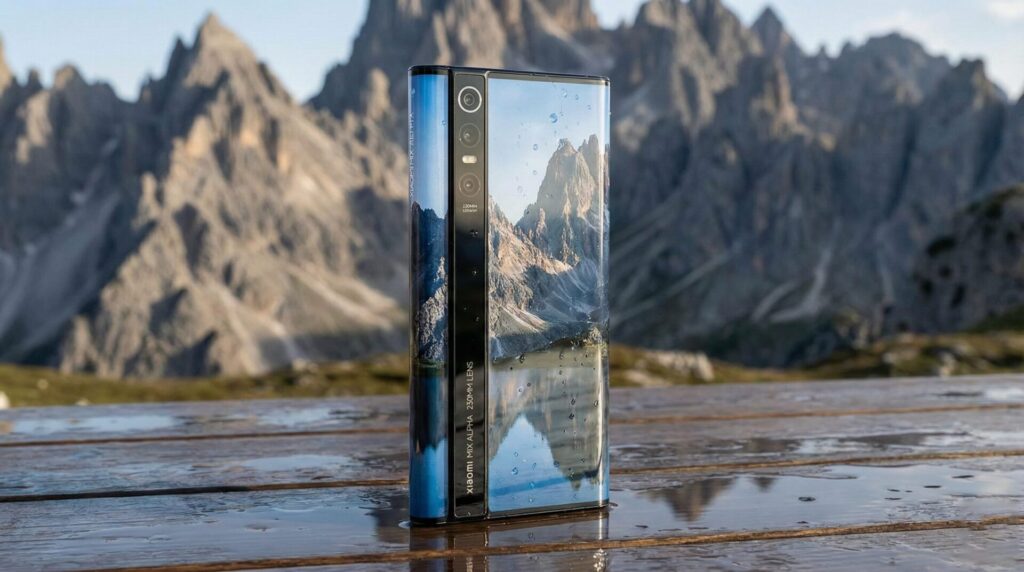
The main problem was the yield rate. Producing a 360-degree flexible OLED screen was very difficult. Only a few panels passed the quality tests. This pushed the cost to approximately $2,800 (19,999 Yuan), and this price was only for the Chinese market. Additionally, assembling the battery and motherboard inside a “glass tube” caused thermal management issues. The cooling system was not effective enough for the Snapdragon processor.

mi mix alpha

We will probably not see a direct Xiaomi MIX Alpha replica in 2026. However, its technology will live on in the Xiaomi MIX Tri-Fold and the quad-curved Xiaomi MIX 5. The dream of a buttonless, all-screen phone is closer than ever.

  •  

Do smartphone camera sensors really degenerate with time?

Smartphone cameras have become an integral part of the Xiaomi ecosystem, ranging from Redmi smartphones in China to the Xiaomi T series worldwide. With the growing usage of long exposure, night photography, and 4K videos, concerns have started rising regarding the age of image sensors, shutter counts for Android smartphones, and their overall reliability. This article will present an overall analysis of image sensors in terms of CMOS technology, Android camera systems, and top image sensors available in the market from Sony, Samsung, and OmniVision technologies.

Do Smartphone Camera Sensors Physically Degradate?

Camera smart phones utilize CMOS sensors, which are completely different from how conventional camera mechanisms are designed. CMOS sensors do not contain any shutter that moves; consequently, there are no friction issues as experienced in digital SLR cameras.

Over an extremely long time, the CMOS image sensor may exhibit a slight aging effect of the semiconductor material due to heat, voltage, and use. This kind of aging effect takes place over a longer period, which is much longer than the average three to five years of a smartphone’s life cycle. As a fact, the degradation of image quality by the aging effect of the image sensor has been considered highly improbable.

POCO F7 Pro camera

What is generally considered ‘camera aging’ may be generated by other matters, including scratched lens glass, dust accumulation, and modifications achieved through software upgrades rather than anything having to do with the camera sensors.

Does Android Phone Have a Shutter Count?

“Shutter count” is a term that is related to cameras that have mechanical shutters. The shutter opens and closes each time an image is taken, and this action activates a moving component. Android smartphones do not have mechanical shutters. They have digital rolling shutters. The sensor is scanned line by line.

Because of this design, a traditional number of shutter activations becomes irrelevant for Android phones. Though the manufacturer may record camera use statistics for testing and analysis, this number is not a good indication of the camera sensor status. A short video recording may accumulate thousands of sensor read cycles, rendering the number of photos irrelevant.

In conclusion, shutter count in smart phone cameras is not a good indicator of their longevity and dependability.

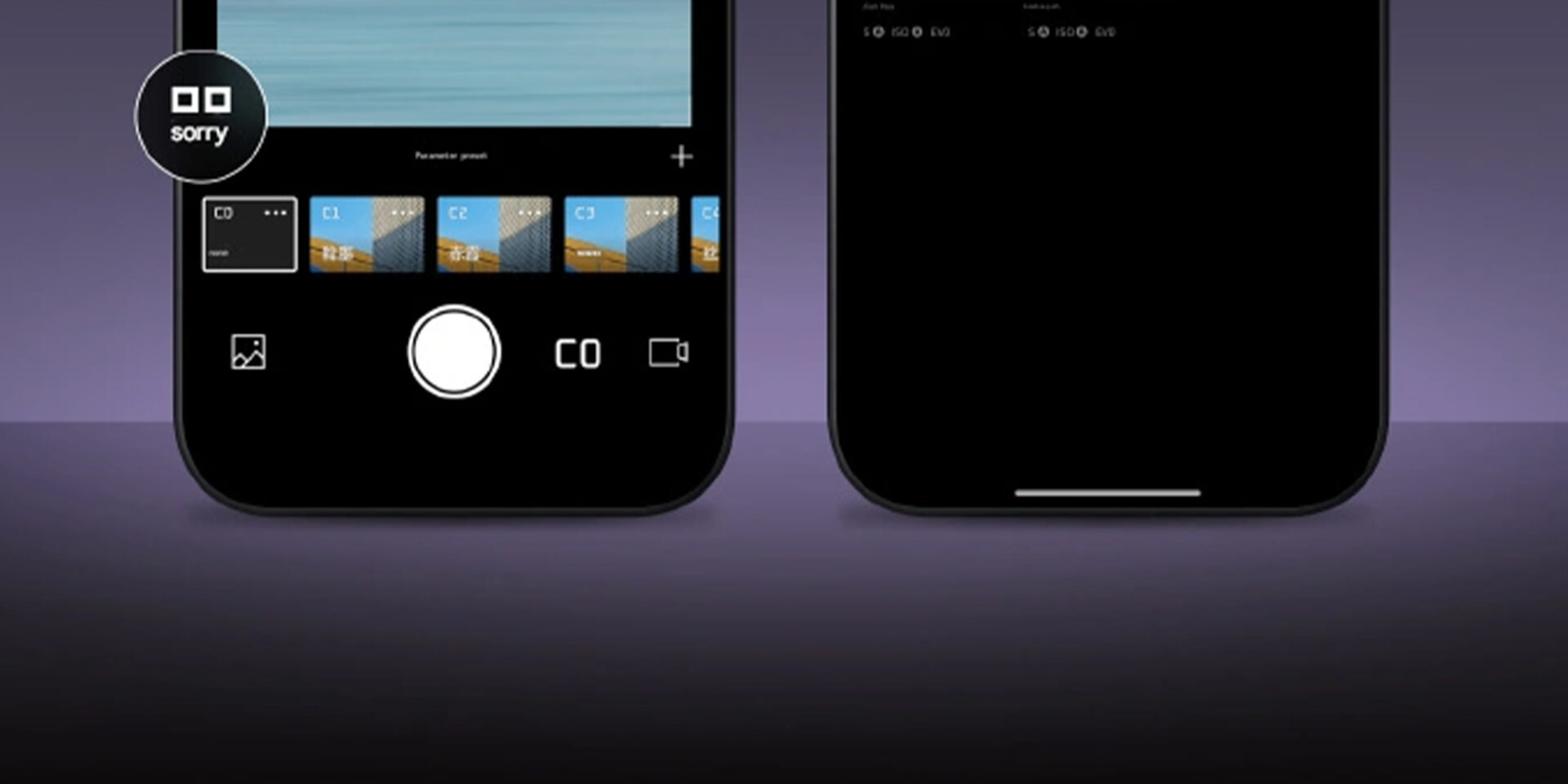
Xiaomi 17 camera UI

Do Long Exposure and Night Modes Damage the Sensor?

Long exposure photography on Android smartphones does not work like traditional single shot long exposure photography. It uses computational photography, and the process involves smartphones like those provided by Xiaomi, Samsung, and Google.

Rather than leaving the sensor active for several minutes without stopping, the device records numerous quick exposures and then stacks the images in software. This not only avoids heating up the sensor but is also not as taxing on the electronics.

Moreover, Android has protective mechanisms for overheating. If temperature levels are reached which are harmful to the sensor and processor, the camera application is turned off routinely by the camera application itself. Normal functionality of a camera allows for safe long exposure shots and astrophotography.

However, damage from light comes only from intense light sources like direct sunlight or a laser beam, which can damage pixels on a sensor in seconds.

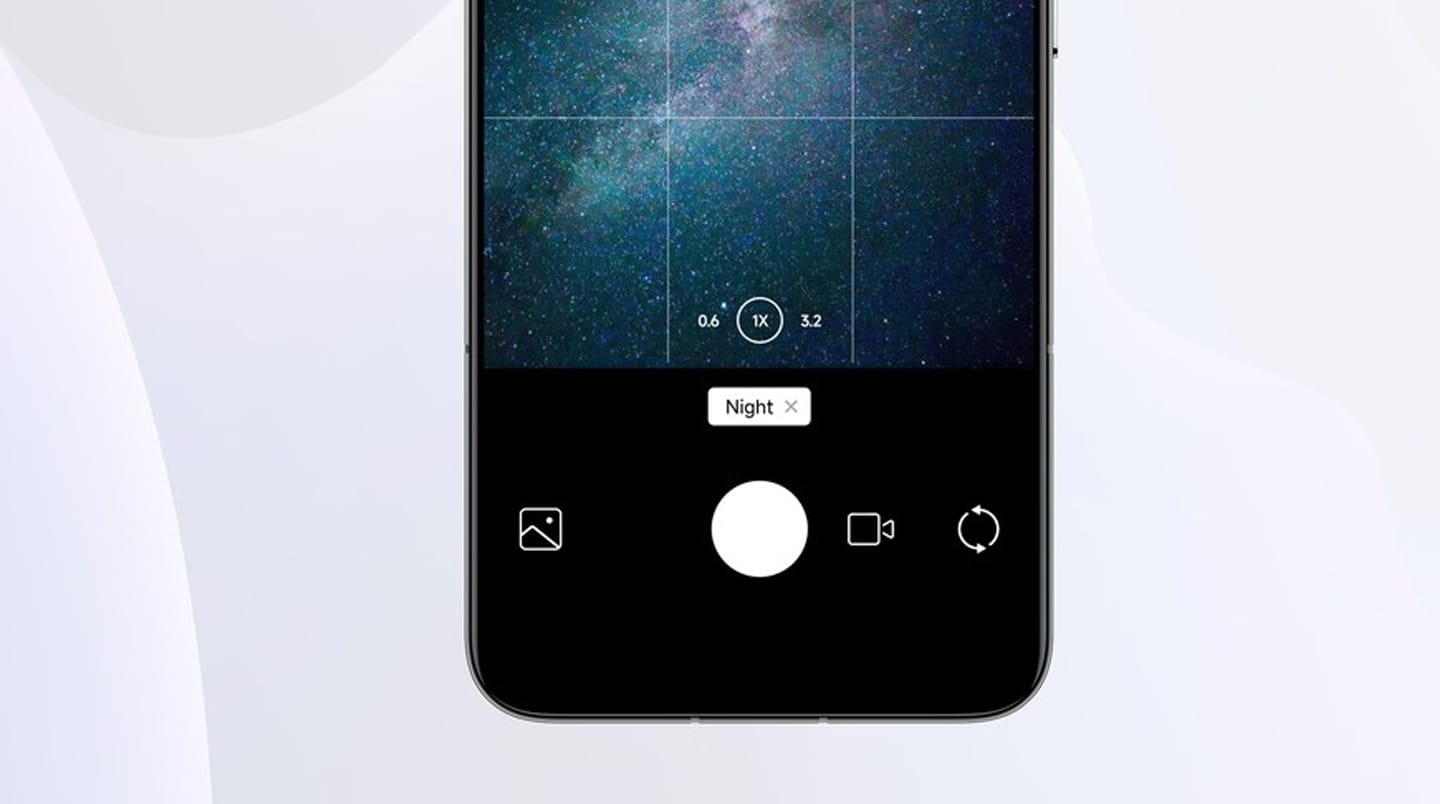
Night Mode Xiaomi Camera

The Actual Weak Spot: OIS and Moving Components

The disadvantage in camera module failures can be seen when camera malfunctions, usually being linked to Optical Image Stabilization rather than image sensors. The OIS module promotes minute electromagnetic actuators that offset hand motion.

With time, mechanical fatigue or heavy vibrations resulting from mounting the phone on the handlebars of a motorcycle may affect these parts. Examples of malfunctioning parts are those that give out “rattling noises” or “unstable video” as well as those that create “focusing problems.” All these failures are mechanical, not semiconductor

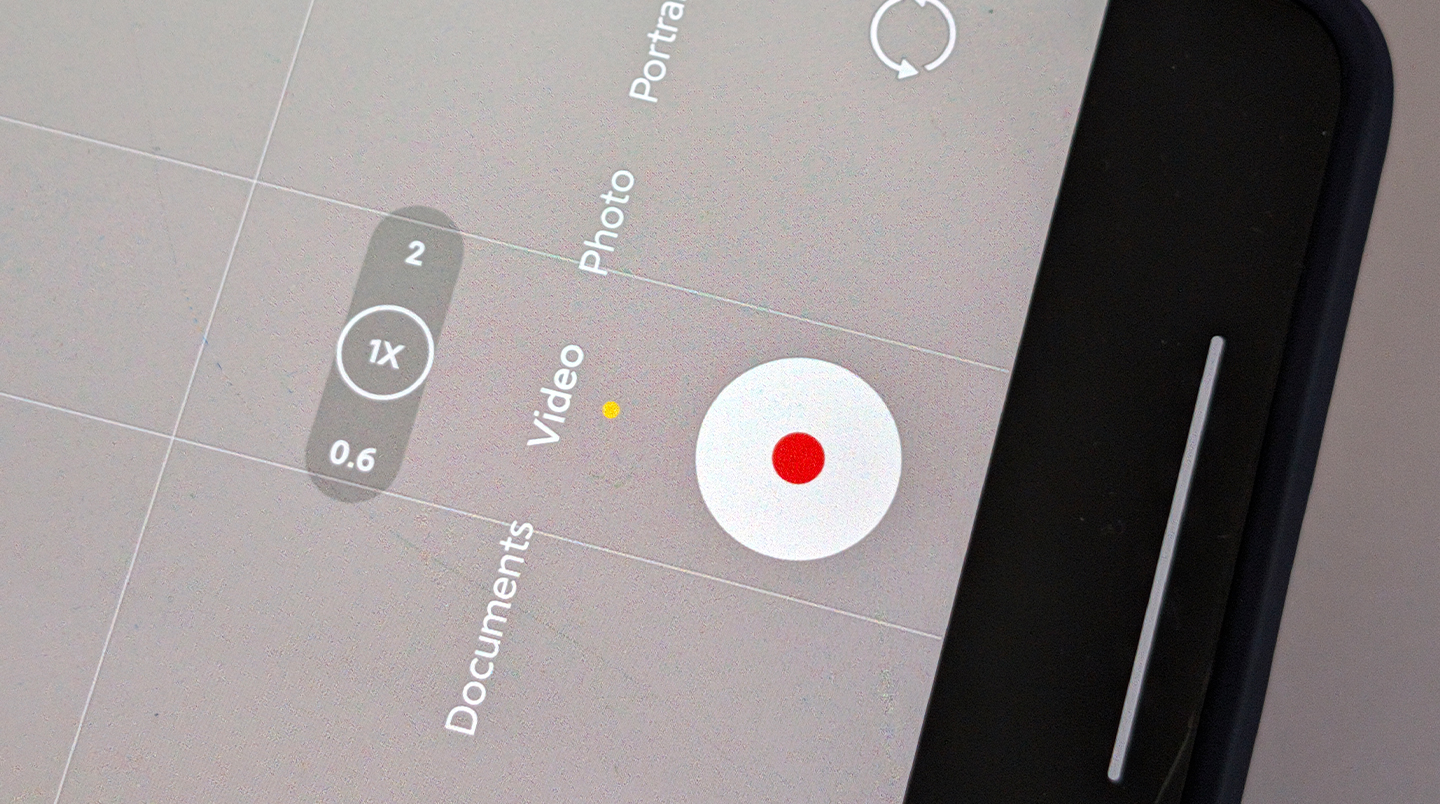
Xiaomi hyperos video

Final Verdict

The sensors of the smartphone camera do not “wear out.” Neither is there a significant shutter count on an Android device, and long exposures are safe because of advances in computational photography and heat management. The selection of the sensor does affect the image qualities or options but not the longevity of the sensor.

As a consumer of Xiaomi smartphones, all that is required for maintaining the camera is to clean the lens periodically and avoid direct laser and sunlight exposure and unnecessary vibrations for the camera. In regular operating conditions, a camera inside a smartphone will function properly for its lifespan.

  •  

Xiaomi might roll out HyperOS 3 for 25 devices before 2026

Xiaomi, is ready to kick-start its HyperOS 3 update even earlier than 2026. Internal server information suggests that HyperOS 3 builds are already labeled ready to release for various devices. Sources revealed through tracking on our website HyperOSUpdates.com that the software updates are not beta updates but are. This suggests Xiaomi aims to complete a large-scale rollout phase before the end of 2025, reinforcing its commitment to long-term software support across phones and tablets.

Status of HyperOS 3 Deployment Prior to 2026

HyperOS 3 marks the beginning of a new era of Xiaomi’s single-os ecosystem, ditching the older system versioning for a more modern, sophisticated name. Below are the improvements that are already live on Xiaomi servers, sporting the status of “ready to release,” which means that there are no other stages within the company for it to pass through.

The following devices will be receiving HyperOS 3, based on their server records:

Cihaz Modeli Durum
Xiaomi 13T The stable internal beta has not yet begun
Xiaomi 12S / 12S Pro The stable internal beta has not yet begun
Xiaomi 12 / 12 Pro Internal stable beta
Xiaomi 12T Pro Internal stable beta
Xiaomi 12S Ultra Internal stable beta
Xiaomi 13 Lite / Xiaomi Civi 2 Internal stable beta
POCO C85 4G Internal stable beta
Xiaomi Civi 3 Internal stable beta
Xiaomi MIX Fold 2 Internal stable beta
Redmi Pad Pro 5G Internal stable beta
Redmi K50 Ultra Internal stable beta
Redmi Note 12 Turbo Internal stable beta
Redmi Pad SE 8.7 Wi-Fi Internal stable beta
POCO F5 Internal stable beta
Redmi 15C 4G Internal stable beta
Xiaomi Pad 6 Max 14 Ready to release
Xiaomi Pad 6 Pro Ready to release
Xiaomi 13T Pro Ready to release
Redmi K60 Ultra Ready to release
Redmi K60 Ready to release
POCO F5 Pro Ready to release
Redmi 15 Ready to release
POCO C75 Ready to release
POCO F6 Ready to release
POCO X6 Neo Ready to release
POCO Pad M1 Ready to release
POCO M6 Pro 4G Ready to release
POCO M7 4G Ready to release
POCO M7 Pro 5G Ready to release
Redmi 15 4G Ready to release
Redmi Note 15 Ready to release
Redmi Pad Pro Ready to release
Redmi Pad 2 Pro Ready to release
Redmi Pad 2 Ready to release
Redmi A4 Ready to release
Redmi Pad SE 4G Ready to release
Redmi Note 13 Pro+ Ready to release
Redmi Note 13 Pro 4G Ready to release
POCO M7 5G Ready to release
Redmi 14C / Redmi A3 Pro Ready to release

All models have been marked as ready, so Xiaomi can start rolling out staged rollout distributions without public beta stages.

Android 15 and Android 16 Separation

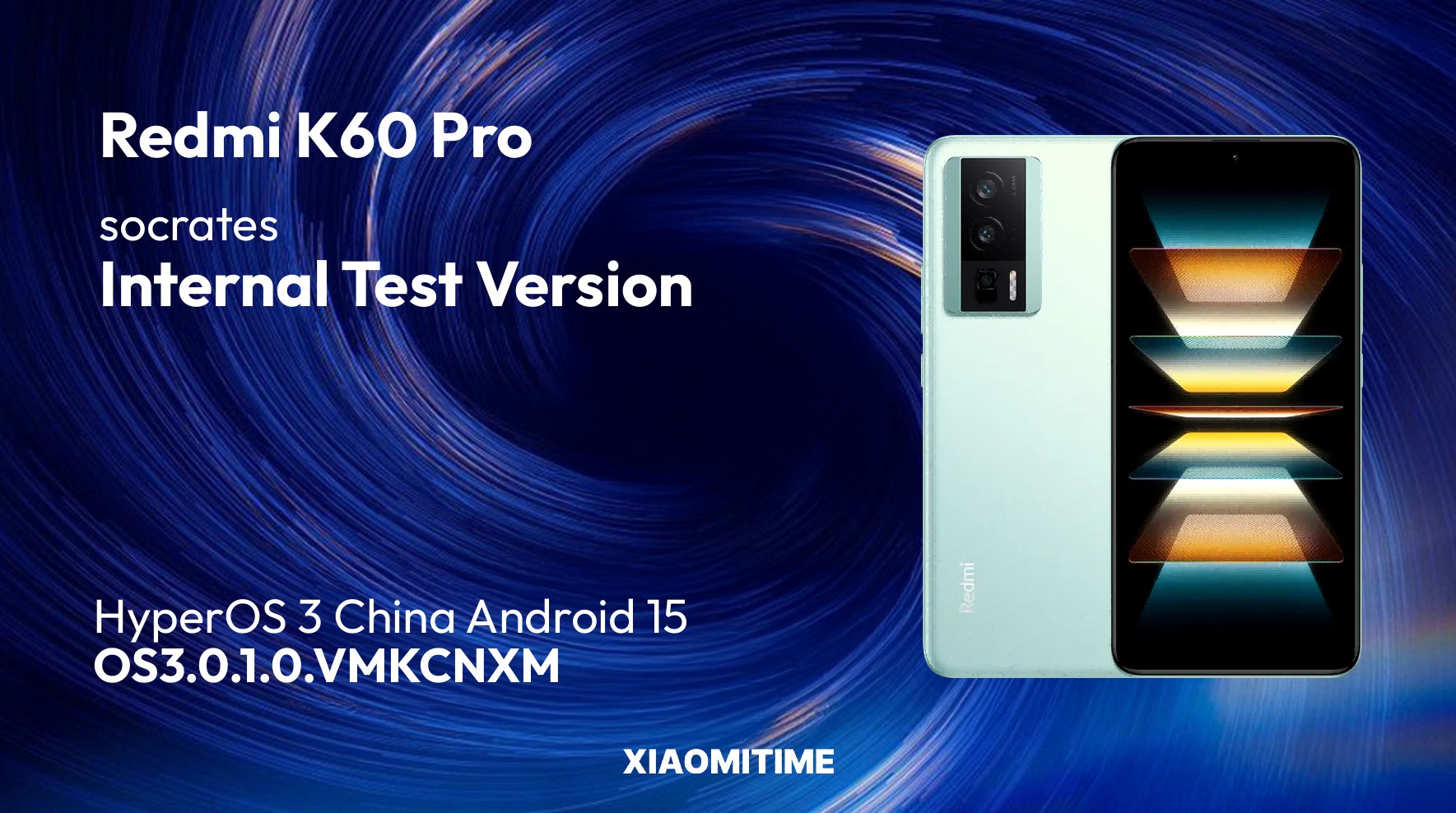
Not all versions of the HyperOS 3 support the same Android system. For instance, several models of higher-end devices, including the Xiaomi Pad 6 Max 14 model, as well as the Xiaomi Pad 6 Pro and REDMI K60 Pro variants, have been confirmed to support Android 15 and HyperOS 3 systems.

photo 2025 12 20 12 19 41

Support for other devices listed above will still be running the current Android system, although they will be provided with the full interface of HyperOS 3 system framework. Devices out of the list have already started being updated for Android 16 HyperOS systems.

What HyperOS 3 Brings

Much like its predecessor, the fingerprint recognition feature in the preliminary version of the operating system remains in the original version as well. Nevertheless, the emphasis in HyperOS

  • Optimizations involving sophisticated systems with the use of
  • New system icons & animations
  • More unified iOS-style interaction experience
  • Improved features of Super Island related to notifications and multitasking
  • Improved Xiaomi HyperConnect support on smartphones, tablets, and smart devices

Applications of the system can also be updated separately through MemeOS Enhancer app found at Google Play, which also allows the enabling of hidden functions of Xiaomi.

Release Timeline Expectations

Although Xiaomi has yet to confirm any details on the schedule of the rollout, the status of the servers is evidently indicating that it may be rolled out in phases even before the end of 2025. As always, this is still dependent on the region and model variant, and it is also dependent on the testing of stability, although the availability of the final version is already an indicator that it won’t be delayed.

  •  

How to check if your Xiaomi device is eligible to receive the HyperOS 3.1 update

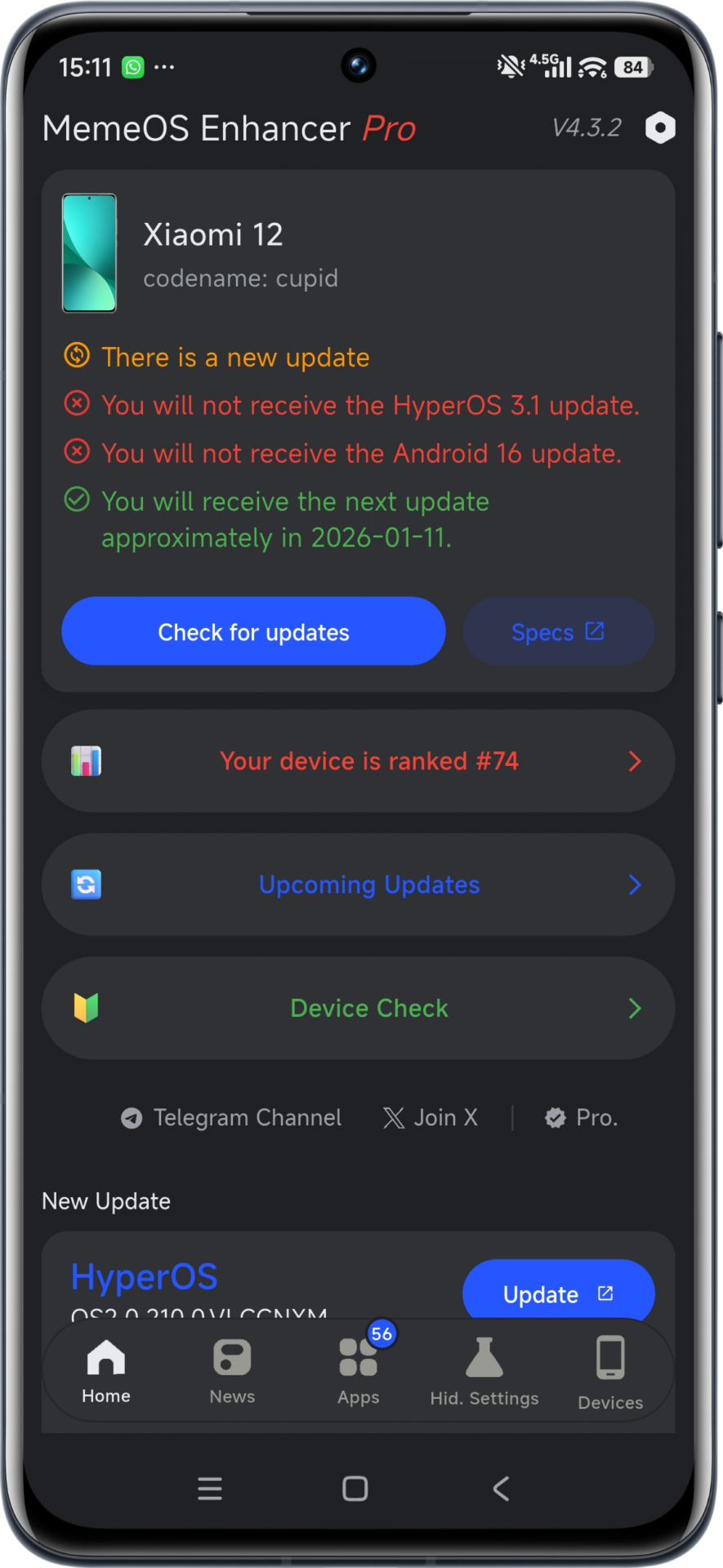
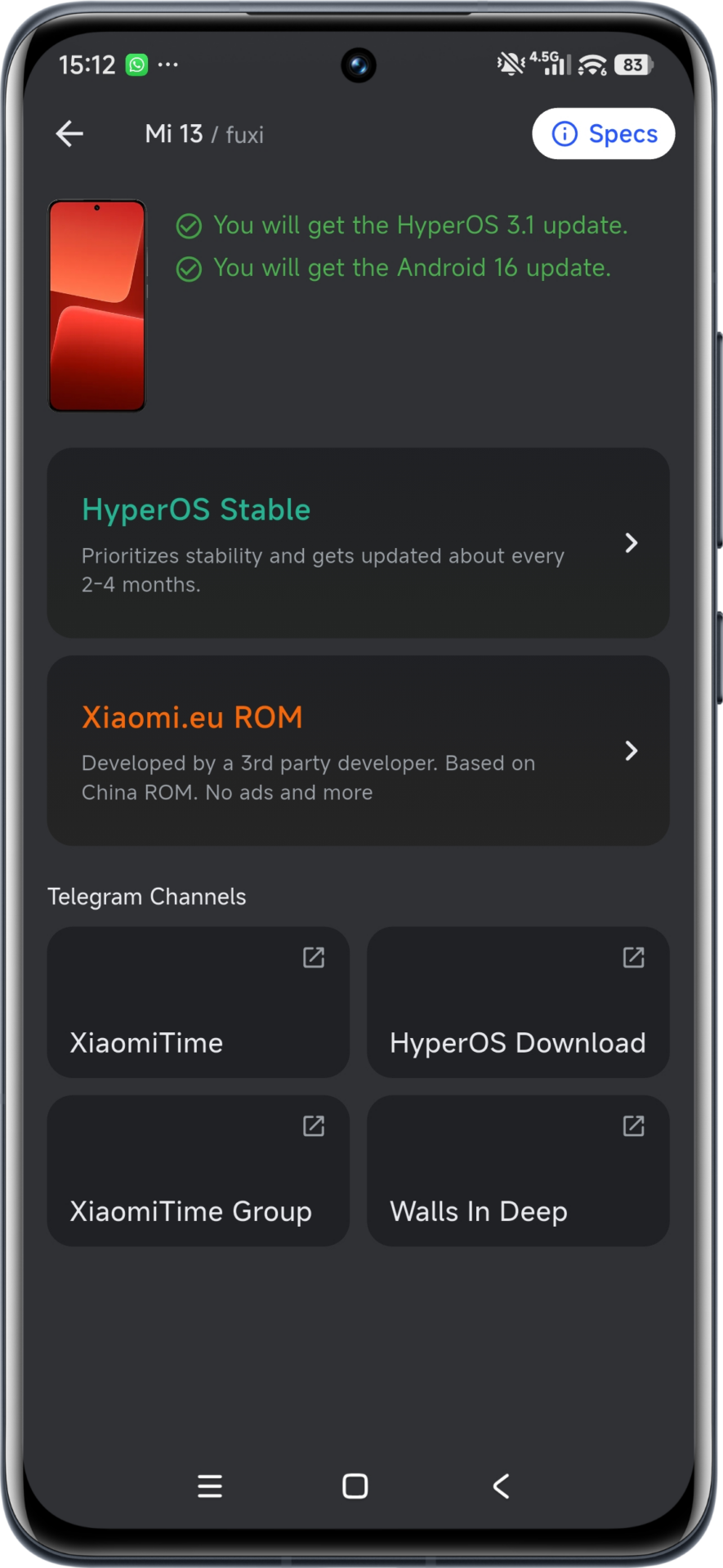
Xiaomi fans can now easily check if their devices are eligible for the HyperOS 3.1 update through the MemeOS Enhancer app. Through downloading the app from the Google Play Store and running it, users can see an option on the homepage showing whether their device is to receive HyperOS 3.1 or not. You can also follow the latest update rollout news through our partner site HyperOSUpdates.com.

Which Devices Will Receive HyperOS 3.1?

According to Xiaomi’s current software roadmap, all models eligible for Android 16 will also receive the HyperOS 3.1 update. This ensures that most of Xiaomi’s latest flagships and several mid-range models will continue to benefit from Xiaomi’s latest AI-powered interface improvements and performance optimizations.
MemeOS Enhancer HyperOS 3.1 eligible 1 MemeOS Enhancer HyperOS 3.1 eligible 2

The update brings a major visual change — the introduction of a new iOS-style Recent Apps menu, which allows smoother multitasking and improved memory management. Additionally, Xiaomi is refining animations and enhancing system stability to make the user experience more fluid and modern.

What’s New in HyperOS 3.1

HyperOS 3.1 marks another step in Xiaomi’s mission to unify its software ecosystem. Users can expect:

  • Overhauled multitasking interface from iOS inspiration.
  • Enhanced performance and resource optimization for seamless switching.
  • Greater AI penetration between applications and settings.

To gain access to the above new features the moment they are released, Xiaomi users are invited to download MemeOS Enhancer, which also unlocks system hidden options, refurbishes system apps, and enables on-screen firmware access for tinkerers who enjoy discovering the latest capabilities of Xiaomi.

  •  

Why Xiaomi ended the POCO Store app?

The POCO Store app has quietly disappeared from Android, raising questions among users who followed POCO as a distinct Xiaomi sub-brand. This change is not a technical failure or a regional bug. It is part of Xiaomi’s long-term strategy to simplify its digital ecosystem and unify all sub-brands under a single retail and service structure. Similar transitions have already been seen across Xiaomi software platforms, including HyperOS and Xiaomi HyperConnect. Users can now access POCO products through the main Xiaomi Store experience, already familiar from devices like Xiaomi Pad 6 and Xiaomi Band 9.

POCO Store App Shutdown: What Officially Changed

Xiaomi officially ended support for the POCO Store app at the end of 2024. The standalone POCO website and Android application were gradually redirected to Xiaomi’s main retail platform. From a business perspective, this move reduces duplicated infrastructure and creates a consistent purchase and support experience.

POCO Store 2 POCO Store 1

The POCO Store app was removed from Google Play, and its backend services were deactivated. As a result, users who still have the app installed may see connection errors or empty pages. Xiaomi now sells all POCO smartphones directly through the Mi Store app and the global Xiaomi website.

Key changes users should know:

  • The POCO Store app is discontinued and will not return.
  • All POCO devices are now sold via mi.com and the Mi Store app.
  • Warranty, invoices, and support are handled through Xiaomi accounts.

How Xiaomi Migrated POCO Users and Data

Xiaomi did not remove the POCO Store without preparation. During the transition period, user purchase history, warranty records, and loyalty data were migrated into Xiaomi’s central account system. Users can still access historical invoices and order details through their Xiaomi Account privacy panel.

POCO Points, previously used only in the POCO Store, were merged into the Mi Points program. This allows users to redeem points across a wider range of Xiaomi products, including smartphones, wearables, and smart home devices.

POCO Digital Service Status in 2025 User Action
POCO Store App Discontinued Uninstall recommended
POCO Website Redirected Automatically opens mi.com
POCO Points Migrated Available as Mi Points
Warranty Support Unified Managed by Xiaomi Support

India-Specific Situation: App Store Confusion Explained

In India, some users associate the “POCO Store” with the preinstalled GetApps marketplace rather than the shopping app. These are separate services. Xiaomi India replaced GetApps with the Indus App Store through a system update in early 2025. This change is unrelated to the global POCO Store shutdown.

The replacement happened automatically via OTA updates, which explains why some users saw an app disappear or change without manual action. This decision aligns with Xiaomi’s local software partnerships and regional compliance strategy.

Why Xiaomi Chose Full Ecosystem Integration

Xiaomi’s current strategy focuses on a unified “Human x Car x Home” ecosystem. Maintaining separate stores for sub-brands like POCO no longer fits this model. With HyperOS running across phones, tablets, cars, and smart home products, Xiaomi aims to provide one consistent digital entry point.

From an operational standpoint, this consolidation lowers maintenance costs, improves inventory management, and removes confusion around service centers and warranties. For users, it means fewer apps and a clearer support structure.

What Users Should Do Now

Users who still have the POCO Store app installed can safely uninstall it. Purchasing POCO devices now requires using the Mi Store app or Xiaomi’s official website. POCO phones continue to receive HyperOS updates normally, and software updates can also be tracked via HyperOSUpdates.com or through the MemeOS Enhancer app on Google Play, which provides access to system app updates and additional Xiaomi features.

  •  

From Mi 10 Ultra to Xiaomi 17 Ultra: History of flagship-level innovation

Since the year 2020, Xiaomi’s Ultra series have always showcased a serious engineering intent, as opposed to just being a mere boosting exercise. Every Ultra variant that Xiaomi released acted as a development playfield for Xiaomi’s top-notch hardware, camera technology, and even power management. Starting from those initial experiments in superfast charging to the current professional-grade camera rigs co-developed with Leica, Xiaomi’s Ultra series seem to highlight how the company wants to differentiate its top engineering milestones. Below are the top innovations that were brought about by each Xiaomi Ultra series.

Mi 10 Ultra: Triple 120

With the introduction of Mi 10 Ultra by Xiaomi, the aim was clear. This smartphone emphasized hardware supremacy over other compromises.

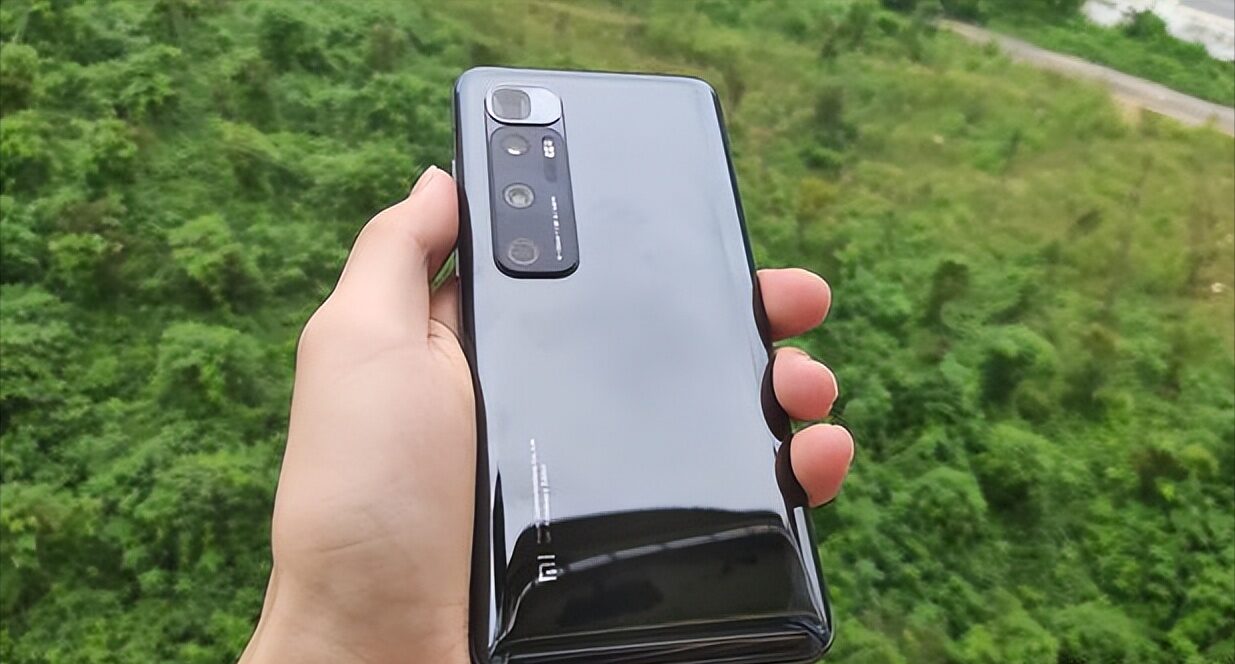
The osmotic change was the 120W wired fast charging feature, 120X zoom, 120Hz display which Xiaomi’s first “120” combo phone. To achieve this, there was a dual-cell battery. Concurrently, there was a partnership with a 120Hz high refresh rate OLED panel and a 120Hz periscope zoom camera system.

This model was used to create the Ultra philosophy: if a technology was possible, it fitted into the Ultra range.

Mi 10 Ultra


Xiaomi 11 Ultra: 50MP Era

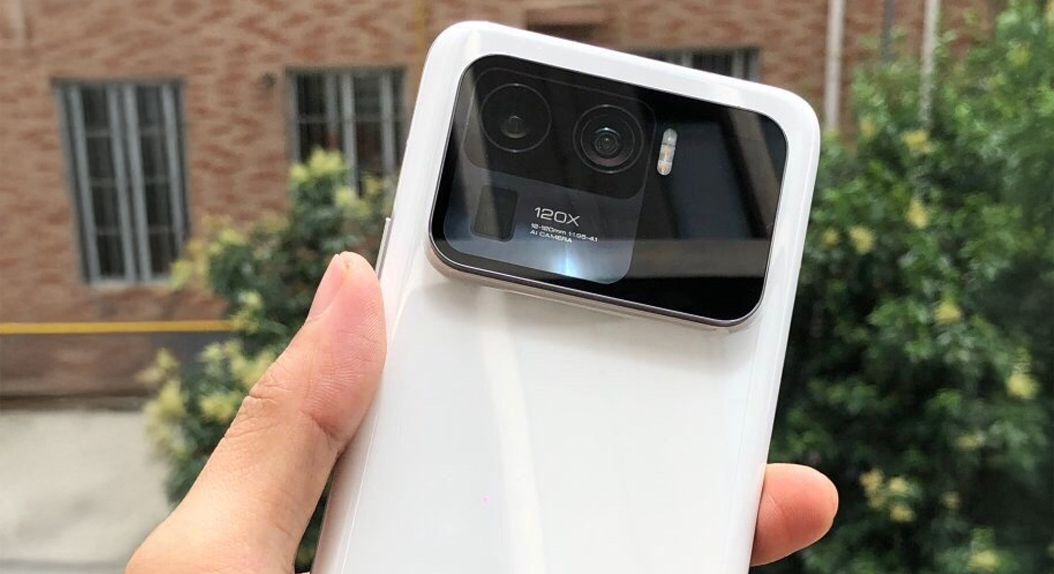
With the Mi 11 Ultra, the brand turned its focus from charging speed to the physics of photography. TheSamsung GN2 sensor was a huge move towards professional photography.

Xiaomi 11 Ultra

Even before Xiaomi incorporated bigger sensors on their cameras, most smartphone cameras relied heavily on software processing. Also, since the GN2 was bigger, it captured light better to produce a noise-reduced image with a natural-looking dynamic range. Another feature that indicates that Xiaomi was not afraid to try out novel ideas is the rear display for self-portrait shots.

Altough it was quite heavy, the Mi 11 Ultra showed that sensor size counts in mobile photography.


Xiaomi 12S Ultra: Leica and 1″ sensor

Xiaomi 12S Ultra marked the turning point. It was the first phone of the Ultra series that collaborated with Leica cameras and came along with a Sony and Leica-co-developed 1-inch camera sensor.

Xiaomi 12S Ultra

Prior to Leica, the focus of Xiaomi Cameras was on brightness and saturation. But after Leica, the color science turned more conservative and realistic. There were also two modes of photography: Leica Authentic and Leica Vibrant. These allowed users to adjust the nature of the image without affecting the detail.

It was also a generation that enjoyed enhanced efficient processing, which provided better thermal stability and performance.


Xiaomi 13 Ultra: Variable Aperture

The Xiaomi 13 Ultra finetuned the Leica collaboration and introduced elements found in professional cameras.

Among the most impressive upgrades is that of the “Variable Aperture” on the main camera. This gives the user the ability to manage focus and sharpness based on the environment. Furthermore, Xiaomi optimized the image sensor quality of each camera so that color and brightness remain consistent when switching.

Xiaomi 13 Ultra

Xiaomi has also launched a photographic kit that can be used optionally, enhancing ergonomics and encouraging thoughtful photography. This indicates that the Ultra series stands out for professional photographers.


Xiaomi 14 Ultra: AISP

With the Xiaomi 14 Ultra, the emphasis in the Xiaomi series was more on the computational photography and less on the hardware. The launch of Xiaomi AISP introduced image processing through AI-based fusion.

Xiaomi 14 Ultra

The new technology enabled better zoomed image reconstruction, a more accurate portrait image, and superior video processing. The enhancement in the more efficient 1-inch image sensor meant low power consumption and more dynamic range. Additionally, Sony’s AI-based solutions, such as Sony’s AI denoising engine

However, Ultra devices at this level of sophistication are as much a function of software intelligence as they are of physical devices.

Xiaomi 15 Ultra: 200MP Telephoto

The Xiaomi 15 Ultra advanced technology for far-field imaging. Notably, this device is characterized by a 200MP periscope telephoto camera, which supports Detailed zoom capabilities with minimal digital distortion.

For this purpose, Xiaomi used Snapdragon 8 Elite and introduced a silicon-carbon battery with higher energy density. This allowed the phone to function efficiently and run for an extended period despite the higher processing demands of higher resolution cameras.

Xiaomi 15 Ultra

Telephoto Macro added even more versatility to the camera, aligning well with Xiaomi’s emphasis on optical capability.


Xiaomi 17 Ultra

Preliminary information confirms that for Xiaomi 17 Ultra, they would focus on innovations at a sensor level and not on multiple camera lenses. Implementation of LOFIC technology is likely to improve the dynamic range by recording both highlights and shadows in a single frame.

Xiaomi 17 Ultra 1

Such variables help eliminate motion artifacts and ensure consistency in the videos. Another factor that suggests Xiaomi’s move to skip the “16 Ultra” name might be a result of the company’s implementation of the global flagship trends is the lack of the four megapixels camera.

Xiaomi Ultra Innovation Timeline

Model Key Innovation Main Focus
Mi 10 Ultra 120W 120X 120Hz 120 combo
Mi 11 Ultra Large GN2 sensor 50MP and back screen
Xiaomi 12S Ultra Leica partnership Color science
Xiaomi 13 Ultra Variable aperture Creative control
Xiaomi 14 Ultra Xiaomi AISP AI imaging
Xiaomi 15 Ultra 200MP periscope Long-range zoom
Xiaomi 17 Ultra APO lens and LOFIC sensor Dynamic range

In the Xiaomi Ultra series, each generation brings forward a specific, significant, and innovative technology that does not purely rely on improvements but on something more profound. Thus, the Xiaomi Ultra series has transformed from focusing on raw technological specs to considering the aspects of both computation, energy, and camera enhancement, hence bringing the company’s definition of a flagship mobile phone into the picture.

  •  

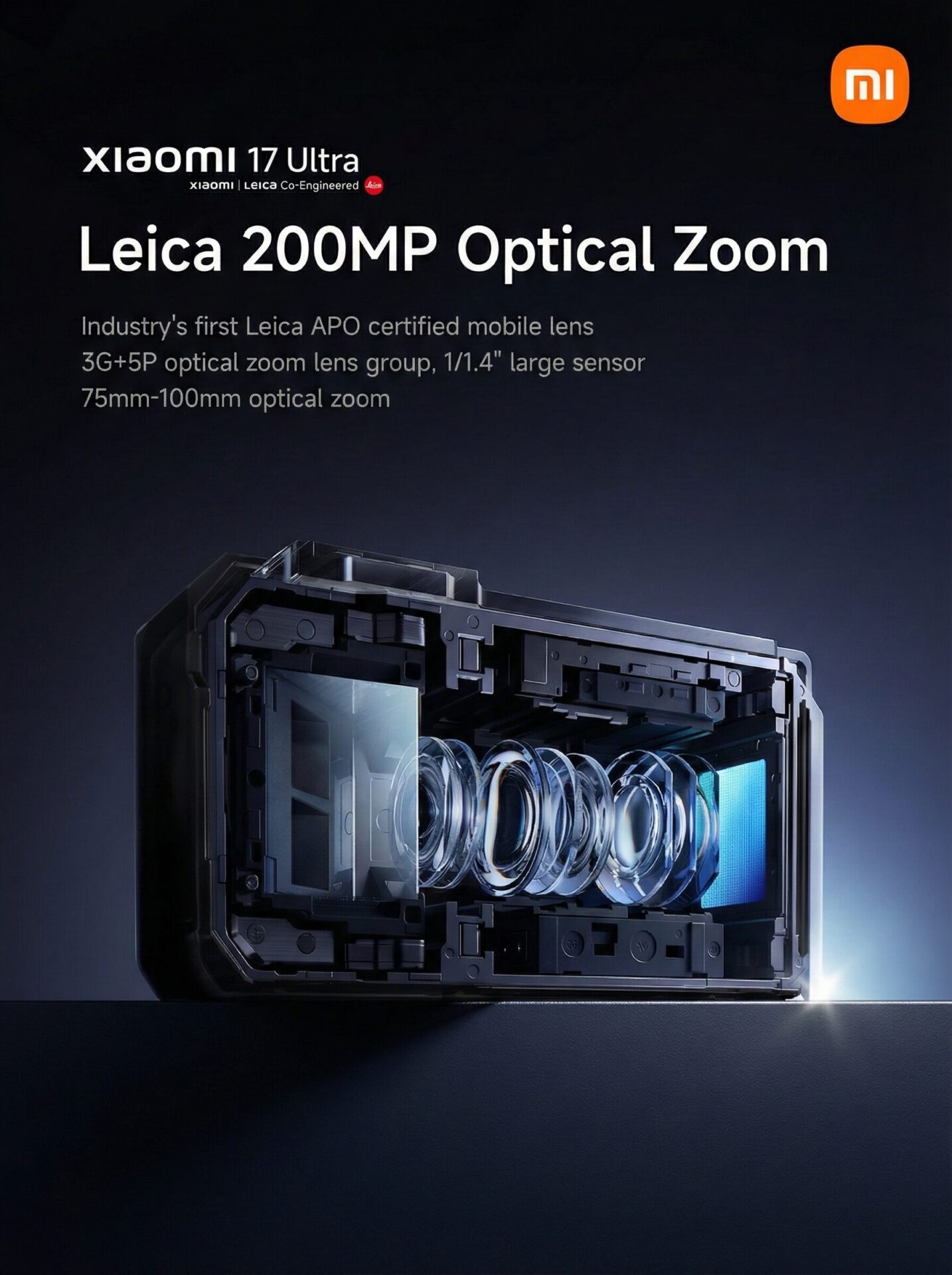
Xiaomi 17 Ultra uses a 75–100mm Leica 200MP lens with full optical output

Xiaomi has indeed confirmed that the Xiaomi 17 Ultra will feature an industry-first Leica 200MP true optical zoom camera, which marks a milestone in mobile imaging. Various details were shared on Xiaomi’s official channels, which announced the all-new telephoto system without relying on digital cropping by giving full optical output. The announcement further seals the long-term partnership of Xiaomi with Leica, pointing to its continued emphasis on the brand’s optical engineering.

Leica 200MP Optical Zoom: New Telephoto Standard

The Xiaomi 17 Ultra will become the very first smartphone with the receipt of Leica APO optical certification for a telephoto lens. Xiaomi confirms this is not some software-based zoom solution but a real optical system capable of maintaining image quality across the zoom range.

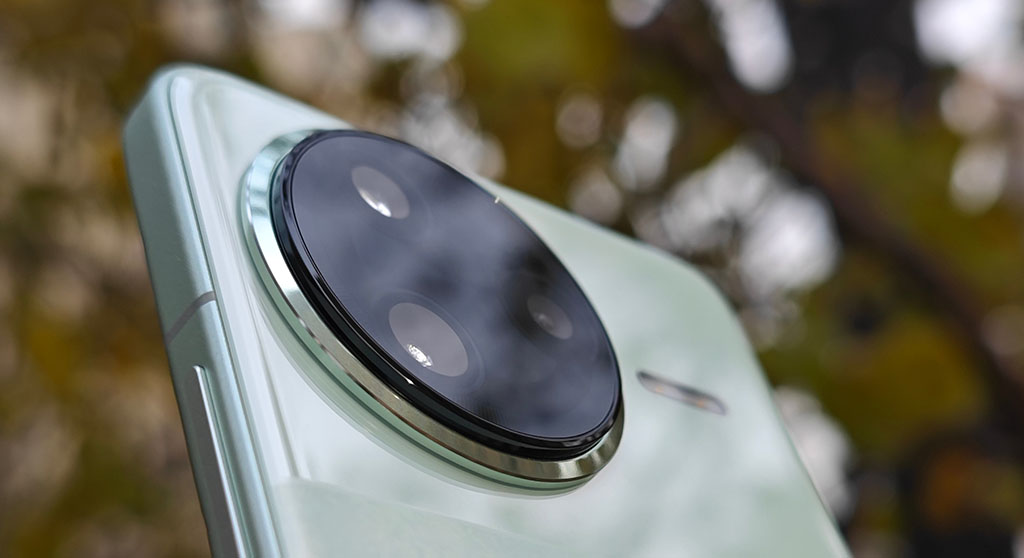
This lens supports 75mm to 100mm continuous optical zoom with full 200-megapixel optical output. In avoiding digital crop methods, Xiaomi ensures consistent resolution, true-to-life colors, and controlled chromatic aberration through zooming. Leica APO certification further confirms that the lens meets strict optical precision standards commonly associated with professional camera equipment.

XIAOMI 17 Ultra Poster 1

Advanced Structure of Lenses and Optical Engineering

Behind this newly minted camera system is a design choice Xiaomi calls a 3G + 5P dual floating lens group, claimed as the most complex optical structure the manufacturer has ever attempted. This construction allows for continuous optical zoom within a compact smartphone module while preserving clarity and focus accuracy.

Xiaomi then dove in a little deeper to explain some of the technical features, stating that the design lies on the same principle as in traditional camera zoom lenses. Several floating components work in collaboration to manage focus, zoom movement, and optical compensation within the lens body. With this, several lossless focal lengths can be supported using just one telephoto module, decreasing the pressure on multiple fixed lenses being used.

Key highlights of optics include the

  • 200MP 1/1.4-inch large sensor for telephoto imaging
  • 75–100mm continuous optical zoom range
  • Certification of optical APO from Leica
  • True optical zoom without any digital crop

Imaging System and Additional Camera Features

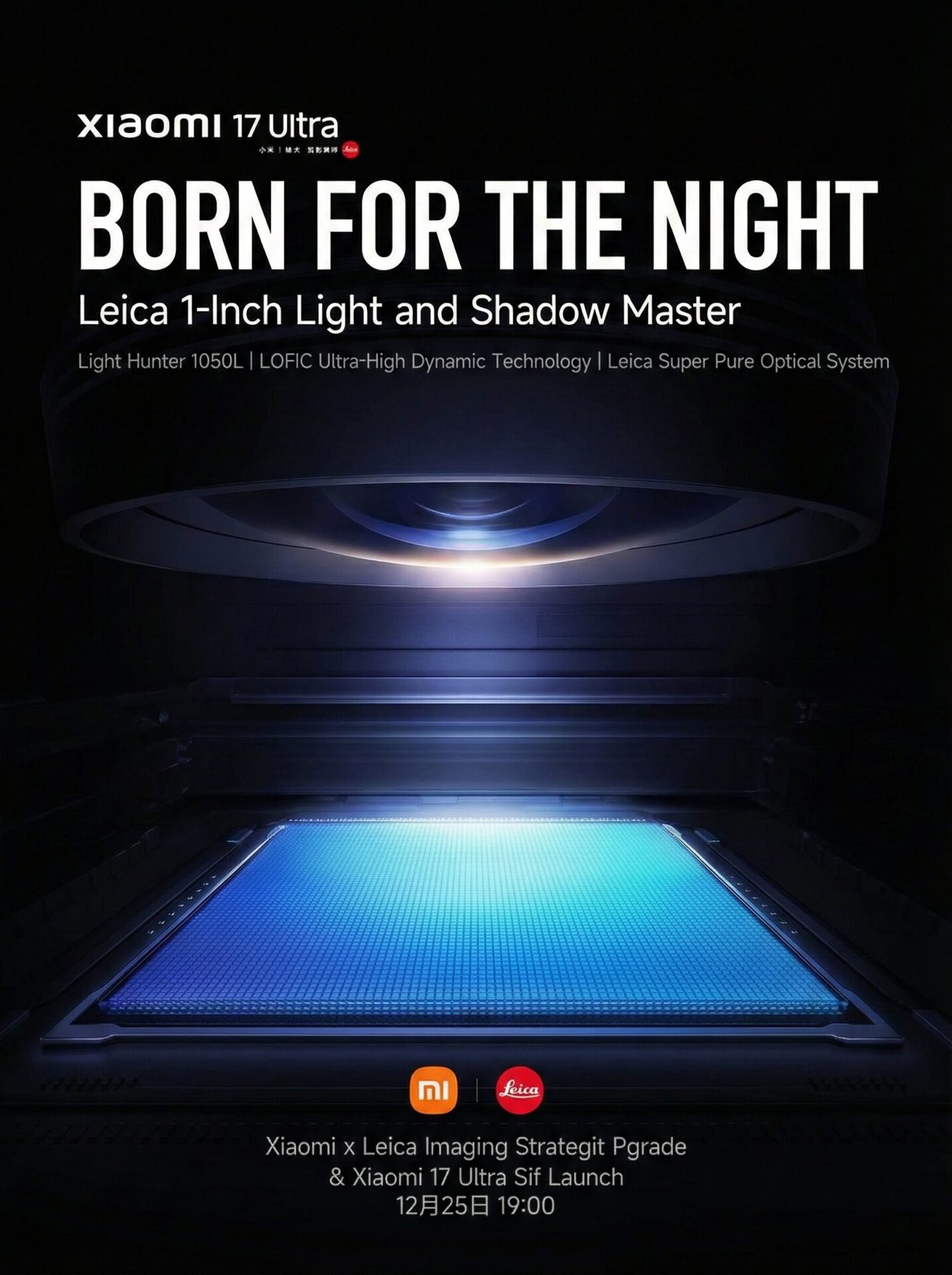
In addition to the telephoto lens, the Xiaomi 17 Ultra is also equipped with a Leica 1-inch main camera, combined with the Light and Shadow Hunter 1050L sensor. Xiaomi has combined LOFIC ultra-high dynamic range technology, allowing for better single-frame dynamic range, hence achieving exquisite exposure in every shot, even in low-light scenarios.

XIAOMI 17 Ultra Poster 2

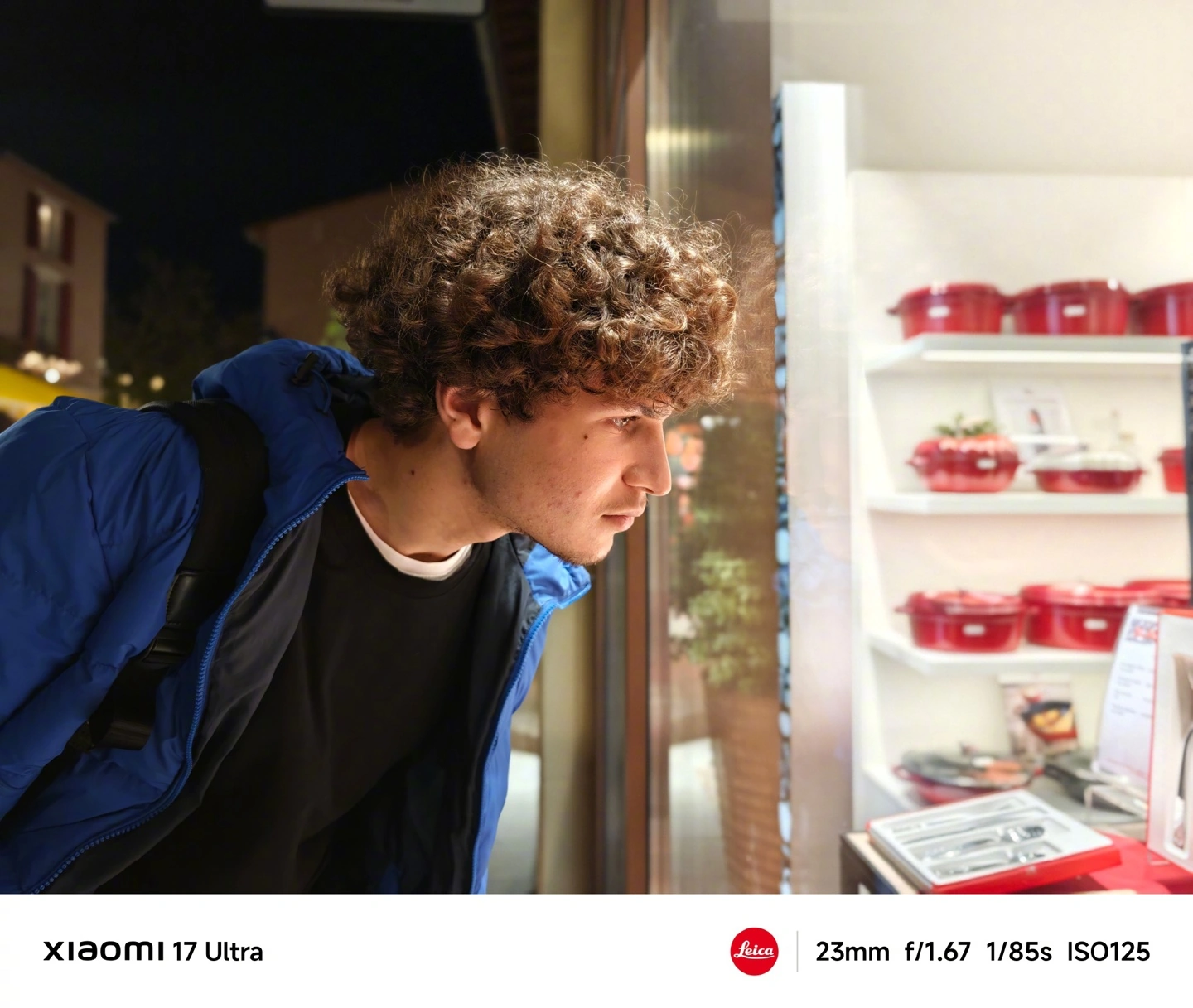
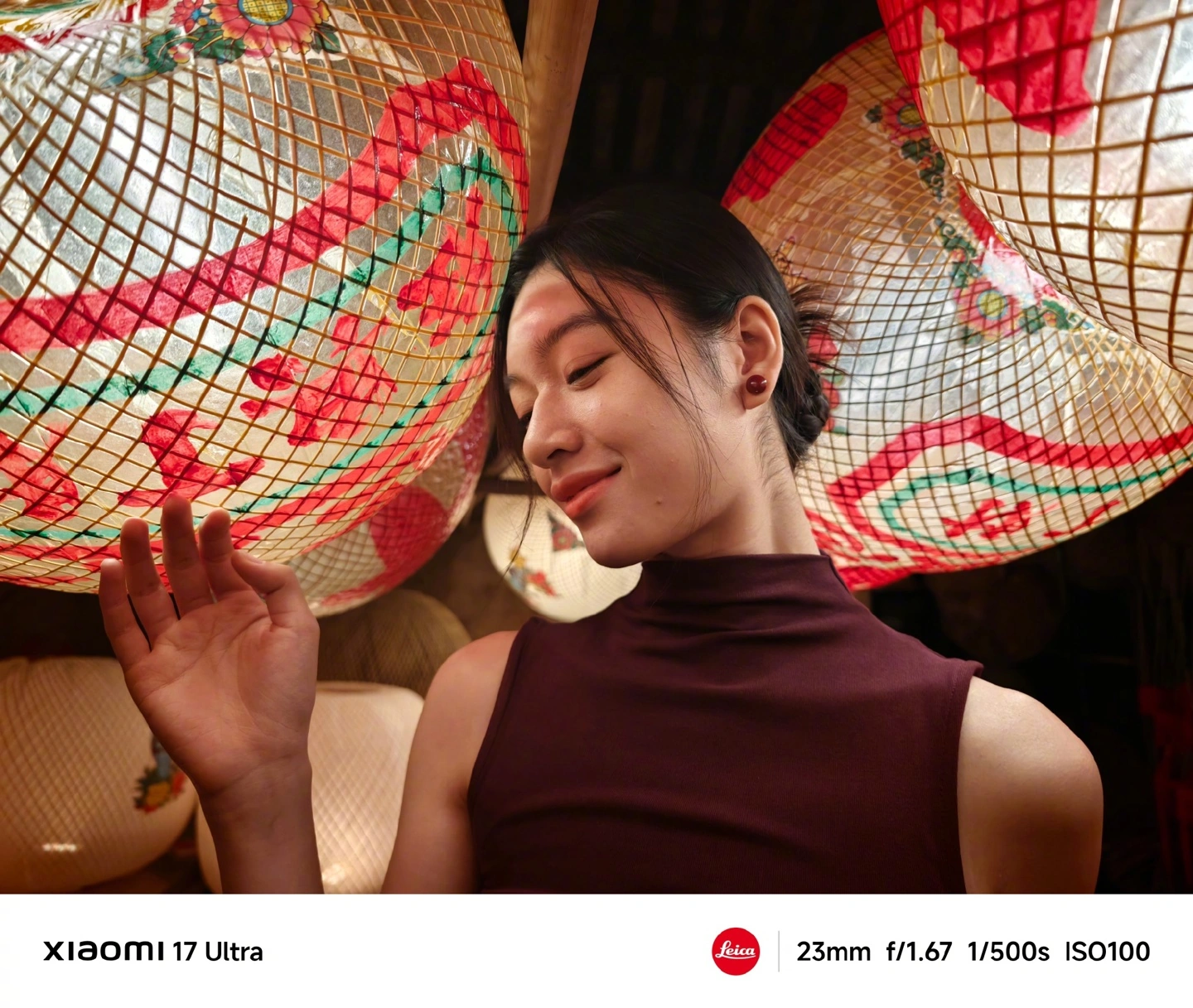
According to Xiaomi, this setup brings night shots that are cleaner and with balanced highlights/shadows-much less aggressive in post-processing. The device also supports four portrait focal lengths, all covered by a single lens system, improving the flexibility for portrait photography.

XIAOMI 17 ULTRA CAMERA SAMPLES 3 XIAOMI 17 ULTRA CAMERA SAMPLES 2 XIAOMI 17 ULTRA CAMERA SAMPLES 1 XIAOMI 17 ULTRA CAMERA SAMPLES 5 XIAOMI 17 ULTRA CAMERA SAMPLES 7 XIAOMI 17 ULTRA CAMERA SAMPLES 8 XIAOMI 17 ULTRA CAMERA SAMPLES 4 XIAOMI 17 ULTRA CAMERA SAMPLES 6

Design and Positioning

Xiaomi also confirmed the Xiaomi 17 Ultra as the thinnest Ultra model in the history of the company at 8.29mm, making it about 11.3% thinner compared to its predecessor. The phone uses a refined frame, a compact rear camera module for improved ergonomics, and a flat display with rounded corners.

Lei Jun added that the Leica 200MP optical zoom signifies yet another leap in Xiaomi’s strategic miniaturization of optics and brings smartphone photography one step closer to the experience achieved by professional camera systems.

  •  
❌