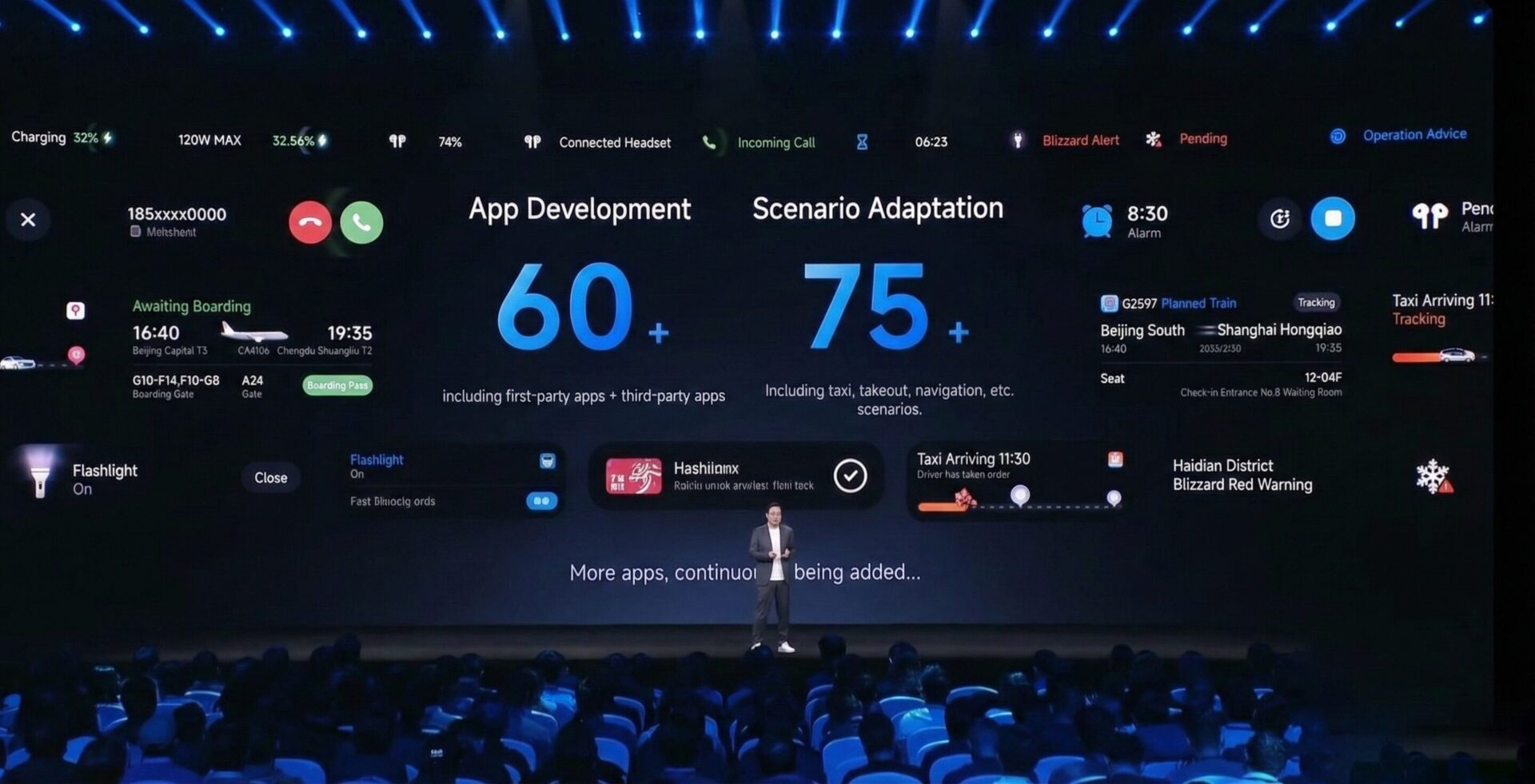
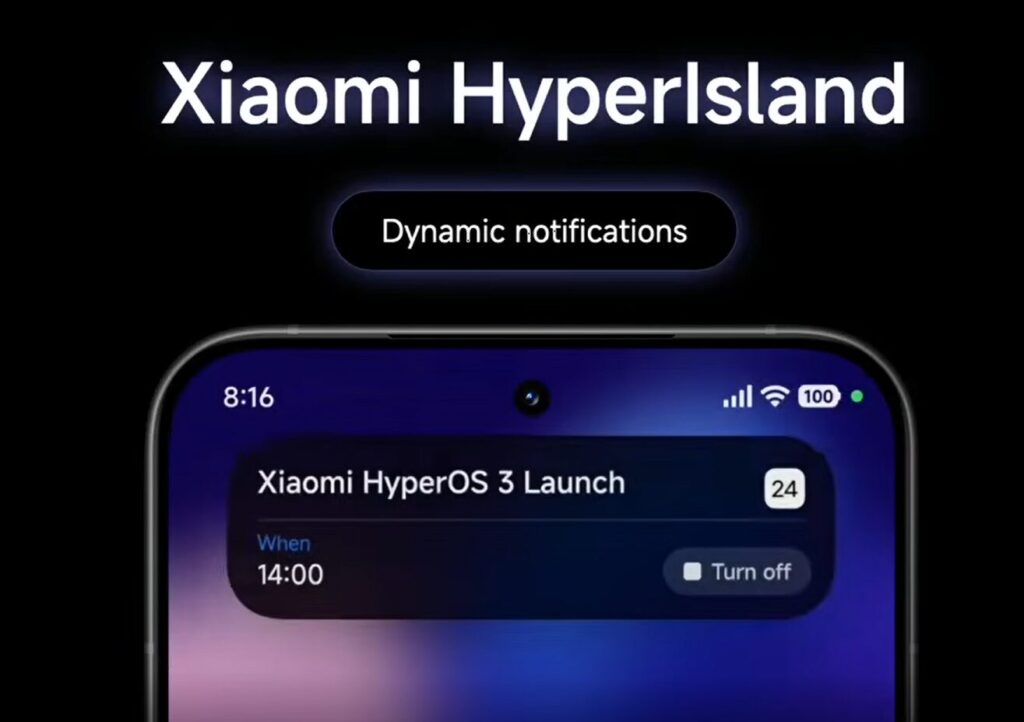
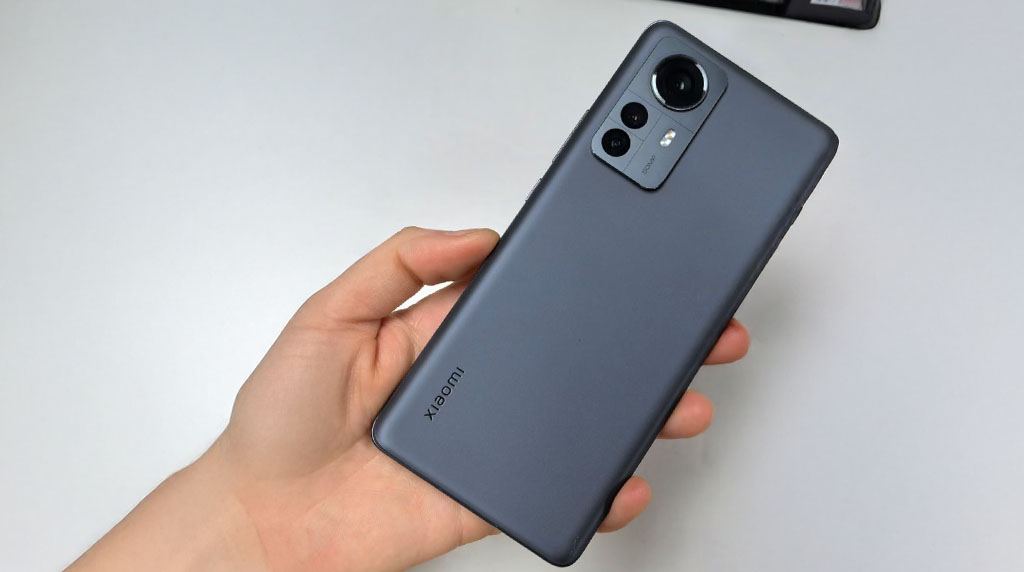
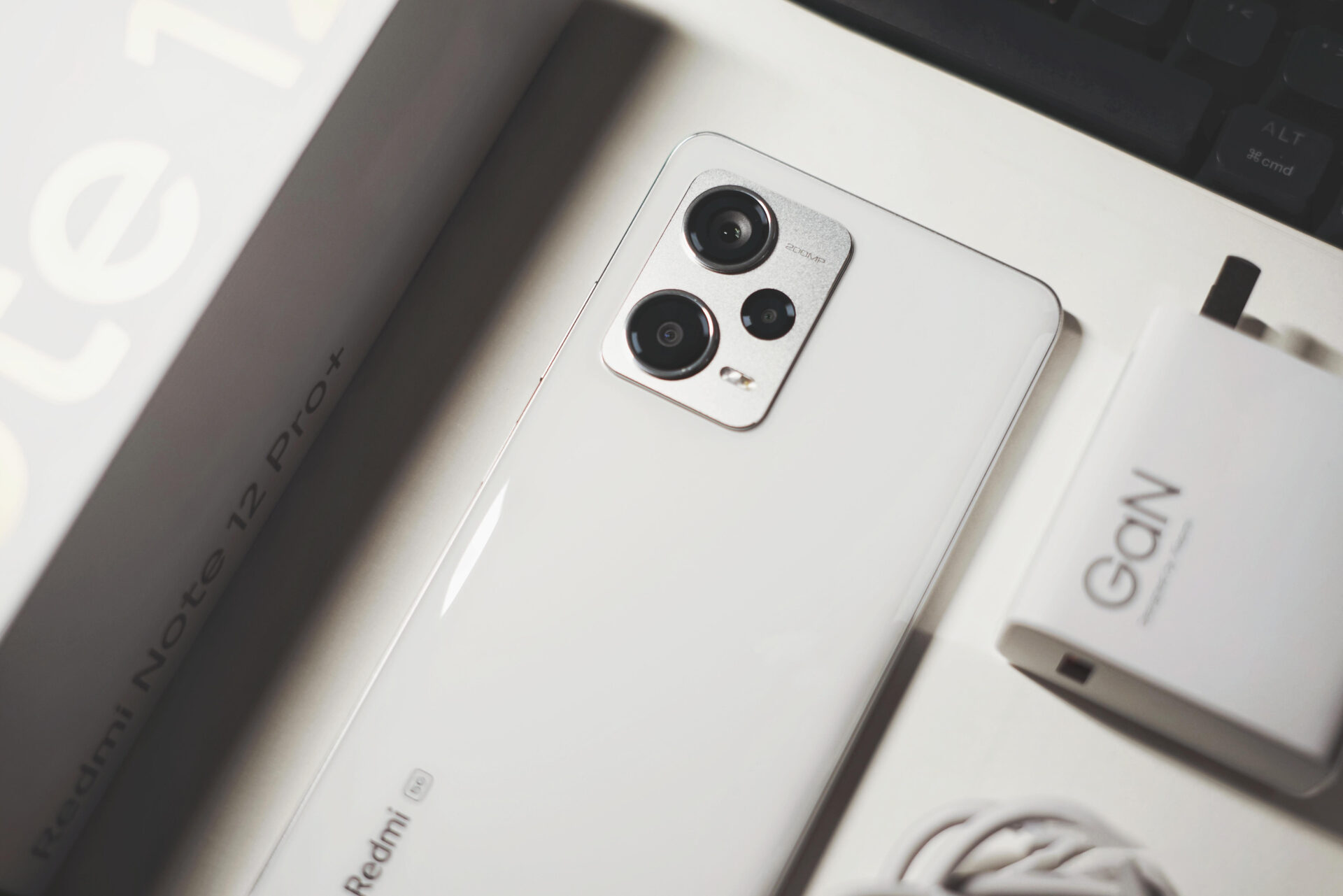
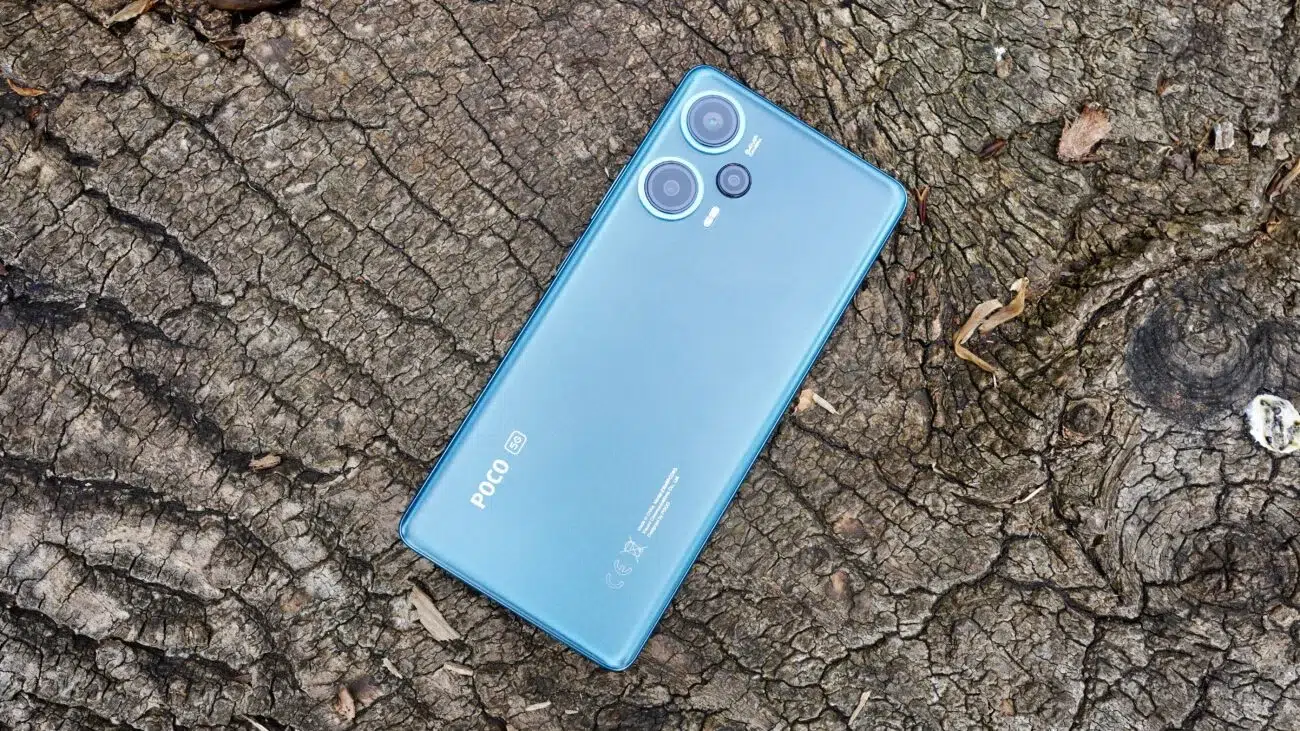
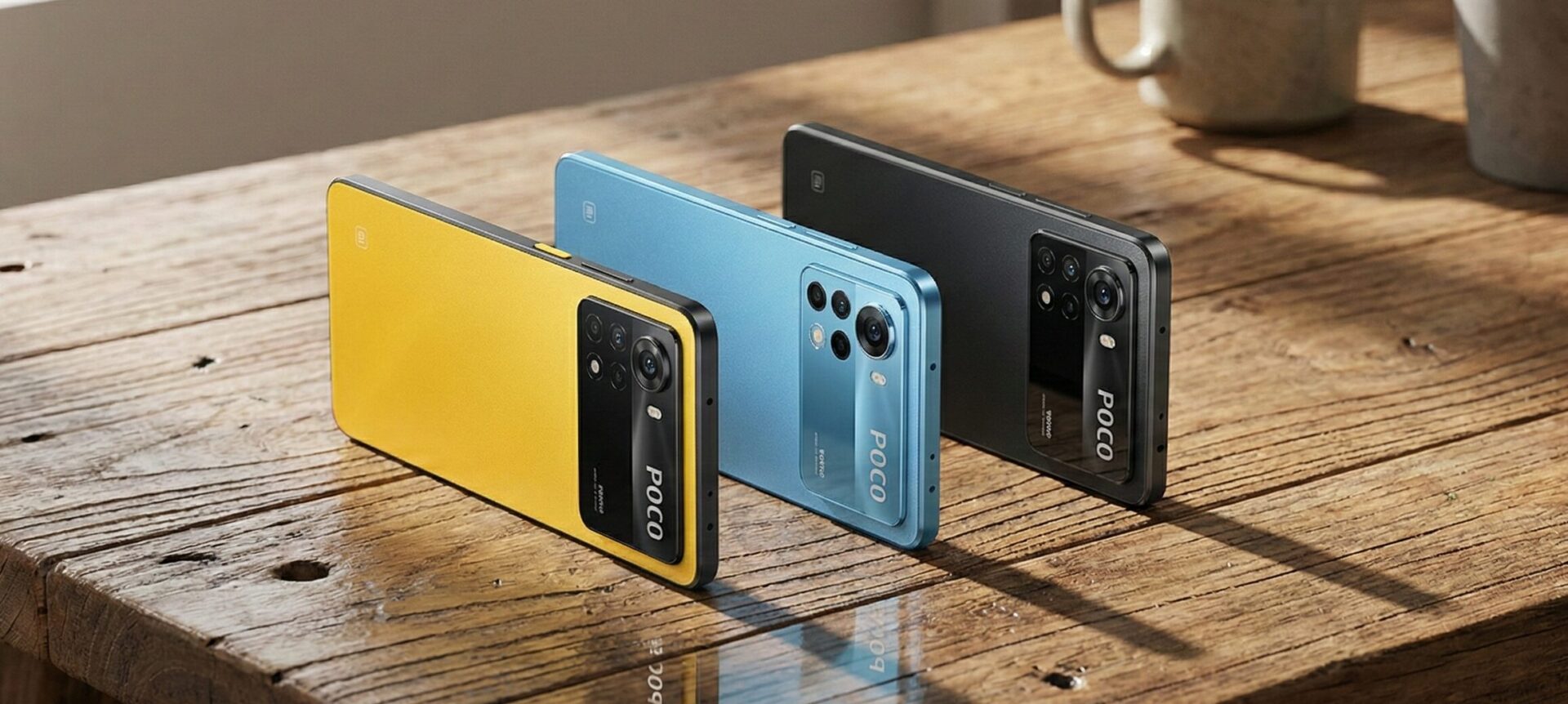
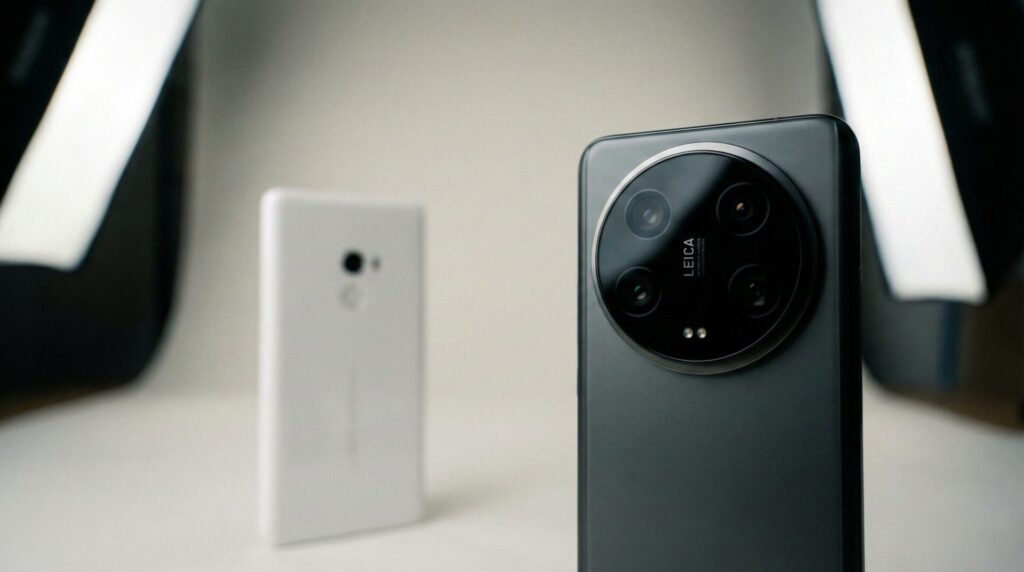
With HyperOS 3 HyperIsland, Xiaomi continues to strengthen its ecosystem strategy, a key interface innovation that, for the first time, supports more than 60 applications in China. Announced on stage during the 2025 Xiaomi “Human, Car, Home, and Whole Ecosystem” Partner Conference, the feature has represented for some time Xiaomi’s long-term vision to enable seamless cross-device experiences. As Xiaomi continues its expansion of HyperOS capabilities, features like HyperIsland are becoming core to the daily usage of smartphones, tablets, and smart devices.
HyperOS 3 HyperIsland Scales to New Heights
Introducing HyperOS 3, it features HyperIsland as an integrated interaction layer, designed to surface real-time information and shortcuts without disrupting active tasks. According to Li Nan, General Manager of Xiaomi’s Software Product Department, the already-supported list of over 60 applications applies this into adaptation for over 75 real-world usage scenarios, making HyperIsland probably one of the most scalable system-level UI features Xiaomi has released to date, let alone in its China-focused HyperOS deployments.
Efficiency is the design goal of HyperIsland, where users can get contextual information, quick actions, and live updates right from the interface without having to even open full applications. This way, it perfectly aligns with Xiaomi’s focus on productivity, battery efficiency, and reduced system overhead.
Support for Developers & Adaptation to Multiple Devices
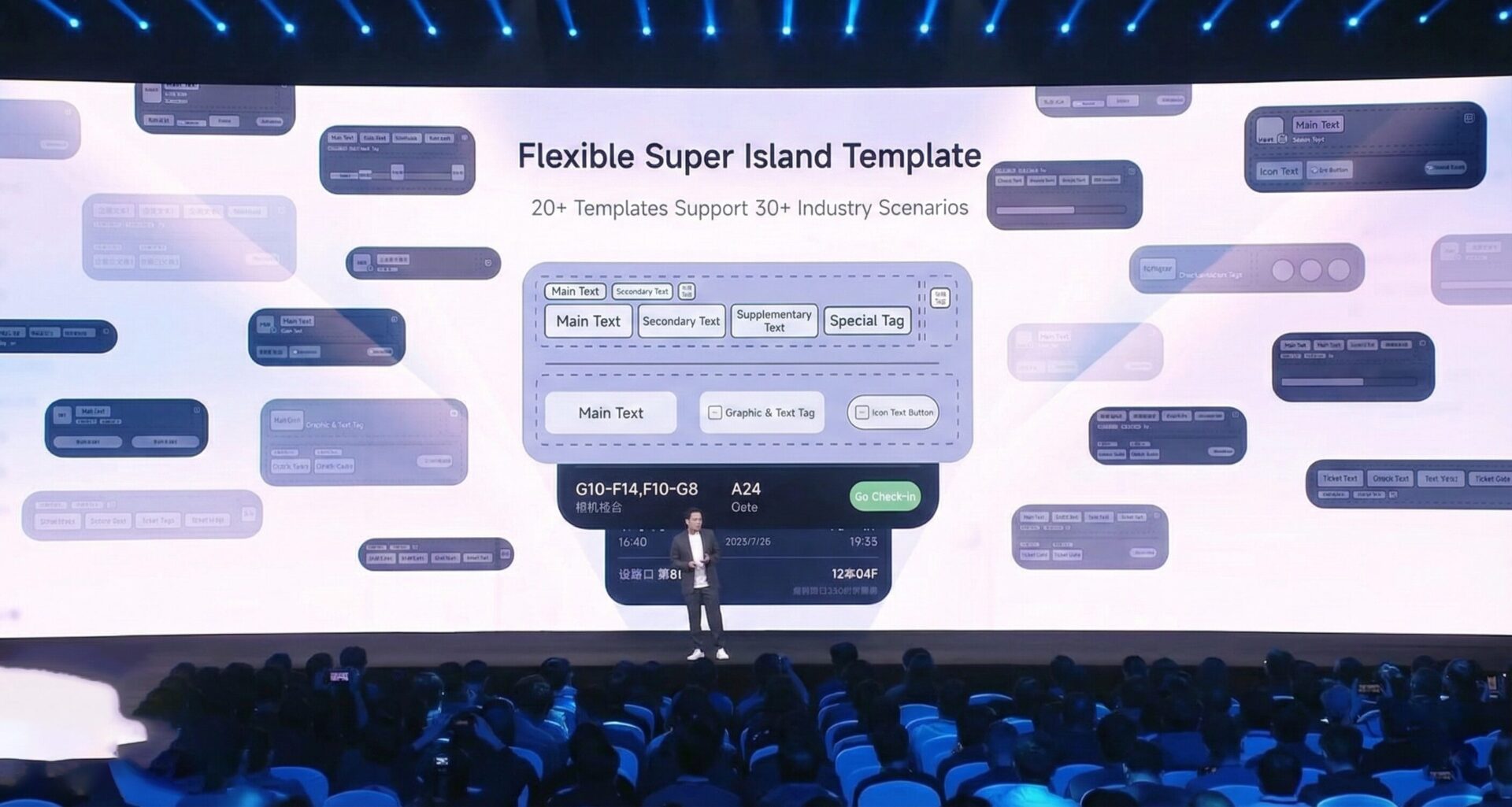
At the same time, Xiaomi opened HyperIsland to developers by providing standardized templates. Templates allowed apps to adapt once and be consistently shown on multiple types of devices (smartphones, tablets, devices with secondary rear displays, and with products with external screens).
This unified development approach reduces fragmentation and ensures consistency in the user experience across Xiaomi’s ecosystem. To developers, it cuts adaptation costs; for users, it means HyperIsland behaves predictably irrespective of device category.
Ecosystem Growth and Global Outlook
Li Nan further shared ecosystem-scale metrics, stating that Xiaomi’s “Human, Car, Home” ecosystem reaches 410 million daily active devices, while 32.99 million interconnected devices are controlled daily. These figures underpin why features like HyperIsland are strategically important, acting as a central interaction hub across categories.
While HyperIsland is currently available in China, expectations remain high for a global adaptation within future HyperOS releases. Historically, Xiaomi has refined such features in China before introducing them internationally, updating localization and compliance considerations as necessary.
In 2025, it’s apparent that Xiaomi has broken away from its usual position as a “price-performers” brand and has carved out a reputation as a multi-layered “global technology leadership brand”. The company’s smartphones have a specific “best of” approach in terms of their usage and have committed to a “segmentation,” “convergence,” and “leadership” approach in the technology space.
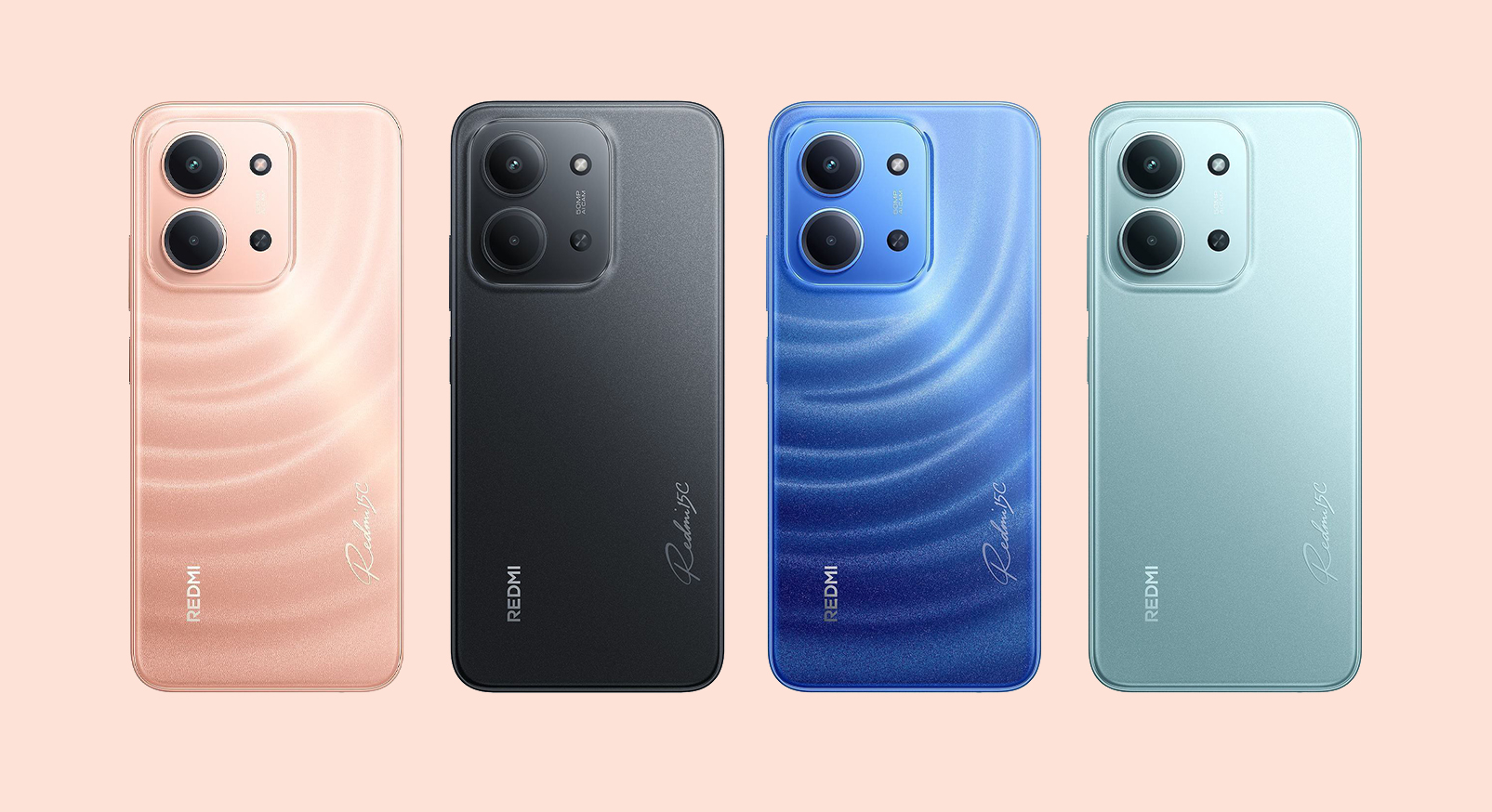
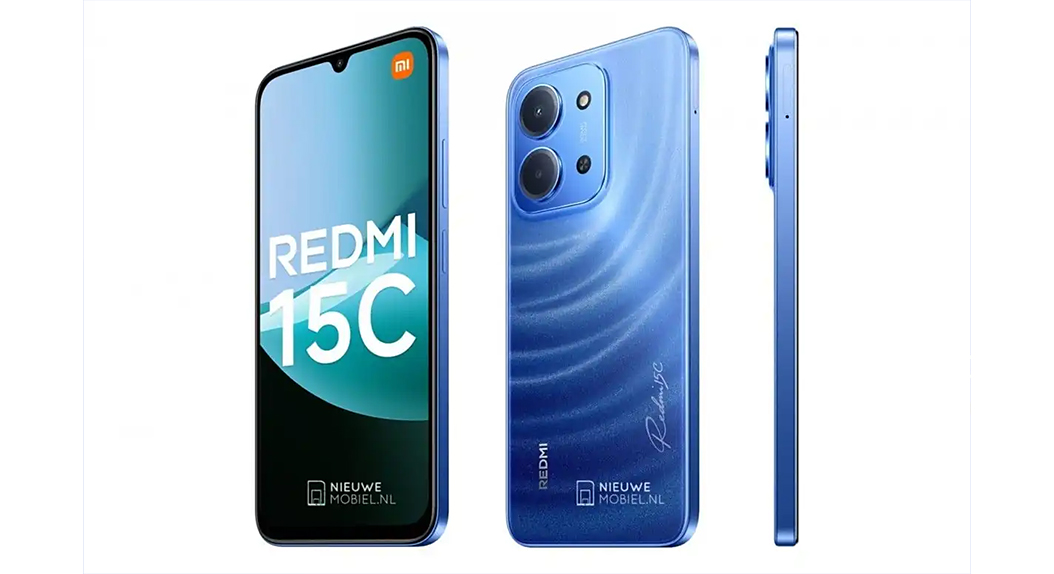
Redmi 15C 5G: Redefining Budget Smartphones in 2025
Redmi 15C remains the most available smartphone from Xiaomi in the year 2025, but it also shows how the budget segment has matured as a whole. Xiaomi now considers budget smartphones not as disposable tech but as long-term ecosystem entrants.
The brain of the Redmi 15C is powered by MediaTek’s Dimensity 6300 5G chipset, manufactured on the 6nm process, ensuring optimal efficiency. As a result, the processor is able to deliver optimal HyperOS performance despite its low power consumption. The smartphone comes along with a large 6.9-inch IPS LCD display and a refresh rate of 120Hz, a first in the lower-end segment.
Battery life is, of course, the defining aspect. As it comes with a 6,000 mAh battery, fast charging of 33W, the Redmi 15C is more focused on reliability than anything else. It is, in many ways, designed to suit first-time users, those who use it in an organizational setup, and even school-going kids. In Xiaomi’s lineup of offerings in 2025, it is basically a reflection of a superior foundation sinking into the budget category.
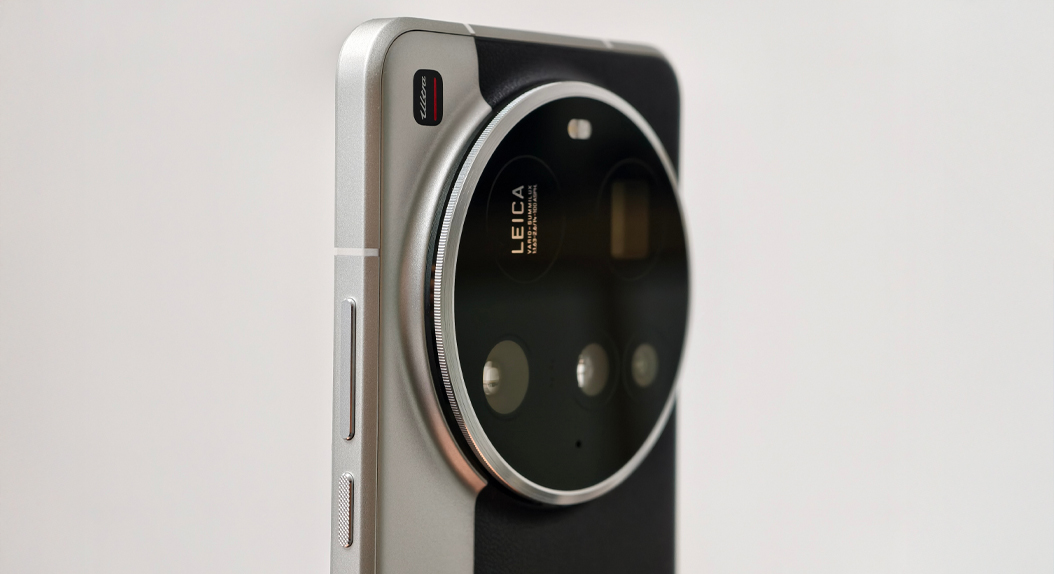
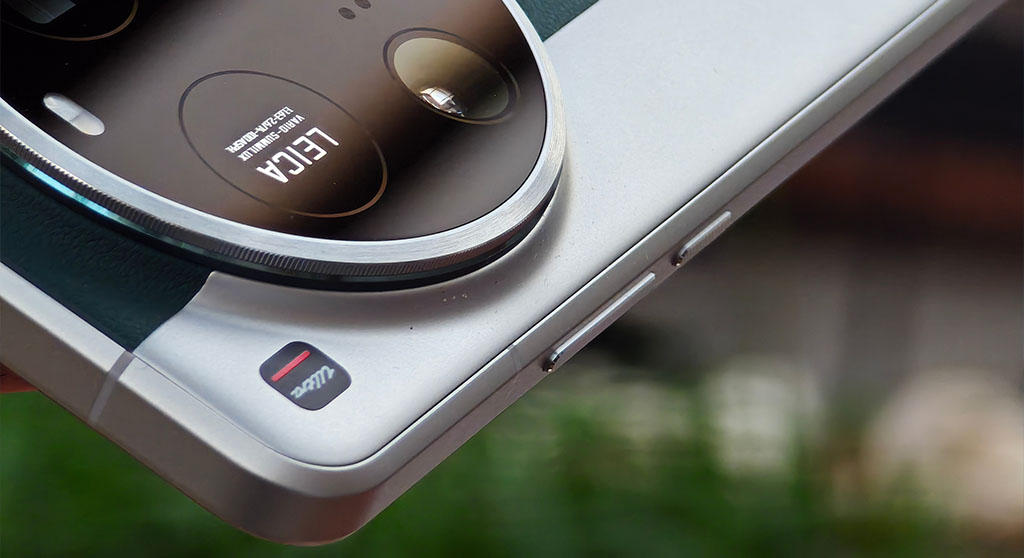
Xiaomi 15 Ultra: The New Standard for Mobile Camera Photography
In relation to technology, Xiaomi’s boldest move for 2025 comes through its offering in the form of the ‘Xiaomi 15 Ultra.’ The device is clearly a flagship for imaging capabilities by Xiaomi, and unlike other brands that rely on software improvements for their enhanced imaging capabilities, Xiaomi has opted for optical innovation.
It comes with a 1-inch 50MP main camera and a variable aperture system to enable natural depth control and better low-light shooting. It further includes a 200MP periscope telephoto camera tailored for high-fidelity long-range shooting with negligible loss of detail. The partnership with Leica holds significance here and goes beyond color science to calibration and optics.
The Xiaomi 15 Ultra uses the Snapdragon 8 Elite chip to deliver flagship performance for computational photography. The device has an 8K recording option and other flagship camera features with its HyperOS. The product falls in the flagship category. However, there is a greater purpose for this product beyond its sales. The product serves as a technology benchmark for elevating the imaging story for the brand.
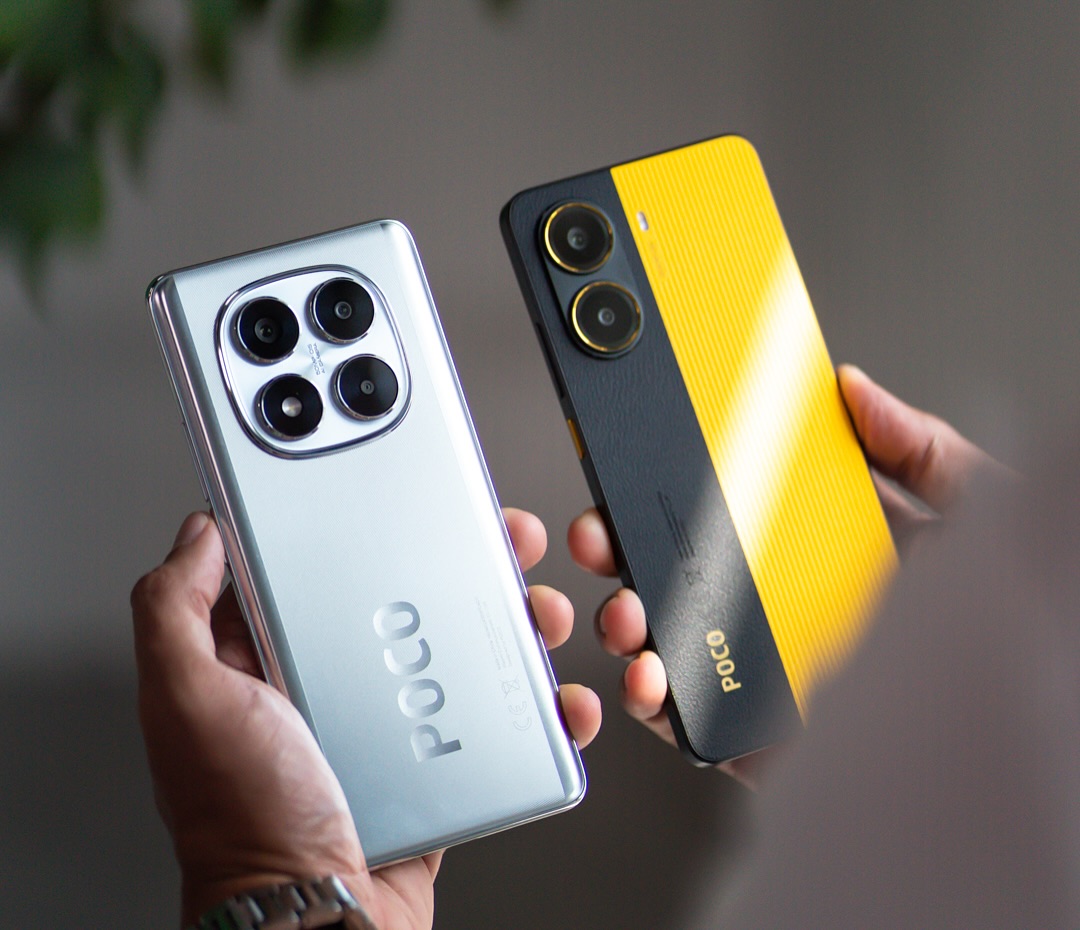
POCO X7 Pro — The New Definition of Value for Performance
In terms of users who want the best possible features with their expenses regulated, the POCO X7 Pro comes out as the most balanced device from Xiaomi in 2025. This device showcases Xiaomi’s improvement with respect to performance optimization within budgets.
It comes with a MediaTek Dimensity 8400 Ultra chipset that provides near-flagship CPU performance. This further qualifies the POCO X7 Pro for applications involving intense gaming. It also sports a 1.5K AMOLED screen with a 120Hz refresh rate. This element further adds a lot to the POCO X7 Pro because it provides clear imagery that consumes less battery.
Durability is another strategic strength. With IP68 water and dust resistance, the POCO X7 Pro brings flaghip protection to an entry where it has never fit before. Despite the compromised camera performance, this is in line with the brand’s performance-oriented positioning. As of 2025, the POCO X7 Pro is the sincerest effort by Xiaomi to cater to those customers seeking long-term value at a non-premium pricing position.
Xiaomi 17 Pro Max: Innovation as a Strategic Statement
The Xiaomi 17 Pro Max is, without a doubt, the most experimental and visionary product of this brand within the current year. Even the naming convention shows the brand’s intention, directly associating with the global top league of flagships.
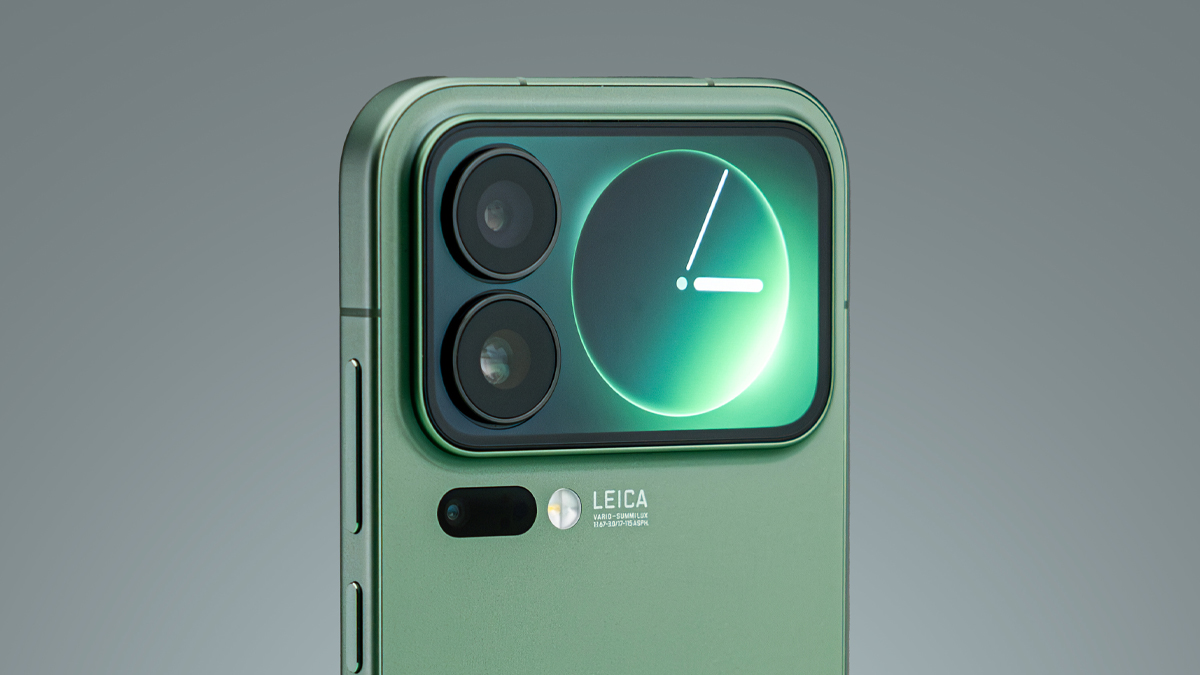
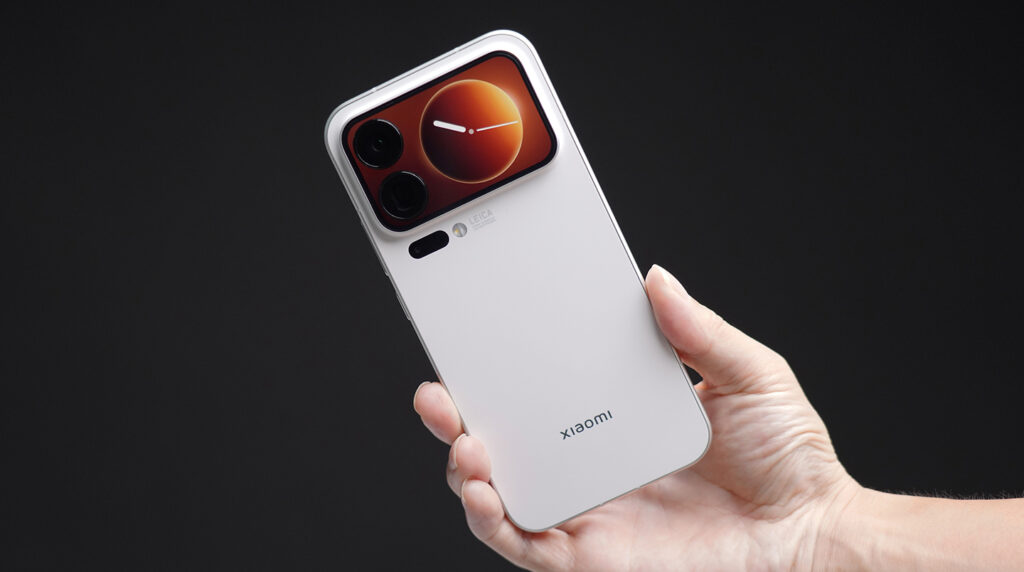
The hallmark of this technology is the secondary display at the back of the handset that is AMOLED and is meant for providing functionality and not just for showing off the technological capabilities that the display supports. This technology has the ability to enable high-quality self-portraits using the rear-facing primary camera system and is innovations that redefine content creation on the smartphone technology platforms.
Technologically, the presence of the Qualcomm Snapdragon 8 Elite processing platform coupled with the large-capacity battery measuring 7,500 mAh with a silicon-carbon battery complements Xiaomi’s dedication to sustained performance and battery life. The Xiaomi 17 Pro Max, therefore, is not a smartphone for the mass-market consumer but a showpiece for Xiaomi’s technological prowess to disrupt traditional designs.
POCO F8 Ultra: Establishing A New Standard For Smartphone Sound Quality
Mobile audio is commonly constrained by physical limitations. However, the POCO F8 Ultra breaks the mold through effective engineering. The device is regarded as the audio-capable smartphone of 2025 because it emphasizes audio innovations on the hardware level.
The product comes along with a 2.1-channel speaker system and a dedicated low-frequency speaker. This makes it possible to achieve a much deeper bass along with a better separation of music compared to the regular stereo speakers in smartphones. The device combines the power of the Snapdragon 8 Elite SoC and a high-capacity battery in the POCO F8 Ultra.
As opposed to its previous POCO series, the F8 Ultra does not target the cutting-edge smartphone segment on the basis of its affordable price tags. It, in fact, carves out a special segment for itself where its users, above all, give importance to the audio features, thus supporting Xiaomi’s specialization strategy.
What to Learn from Xiaomi’s 2025 “Best Of” Product Line
Xiaomi’s 2025 smartphone lineup indicates a mature and thoughtful segmentation strategy. The company does not adopt a strategy of banking on a flagship product alone. Rather, innovation is spread across a series of brands and product categories. Xiaomi has now made high-capacity batteries, high refresh rate displays, and connectivity a norm. In 2025, Xiaomi is no longer just a contender on feature specifications alone. Instead, it is developing a distinct vision for every major user segment, starting with budget-conscious consumers and moving on to electronics enthusiasts interested in maximum mobile capability.
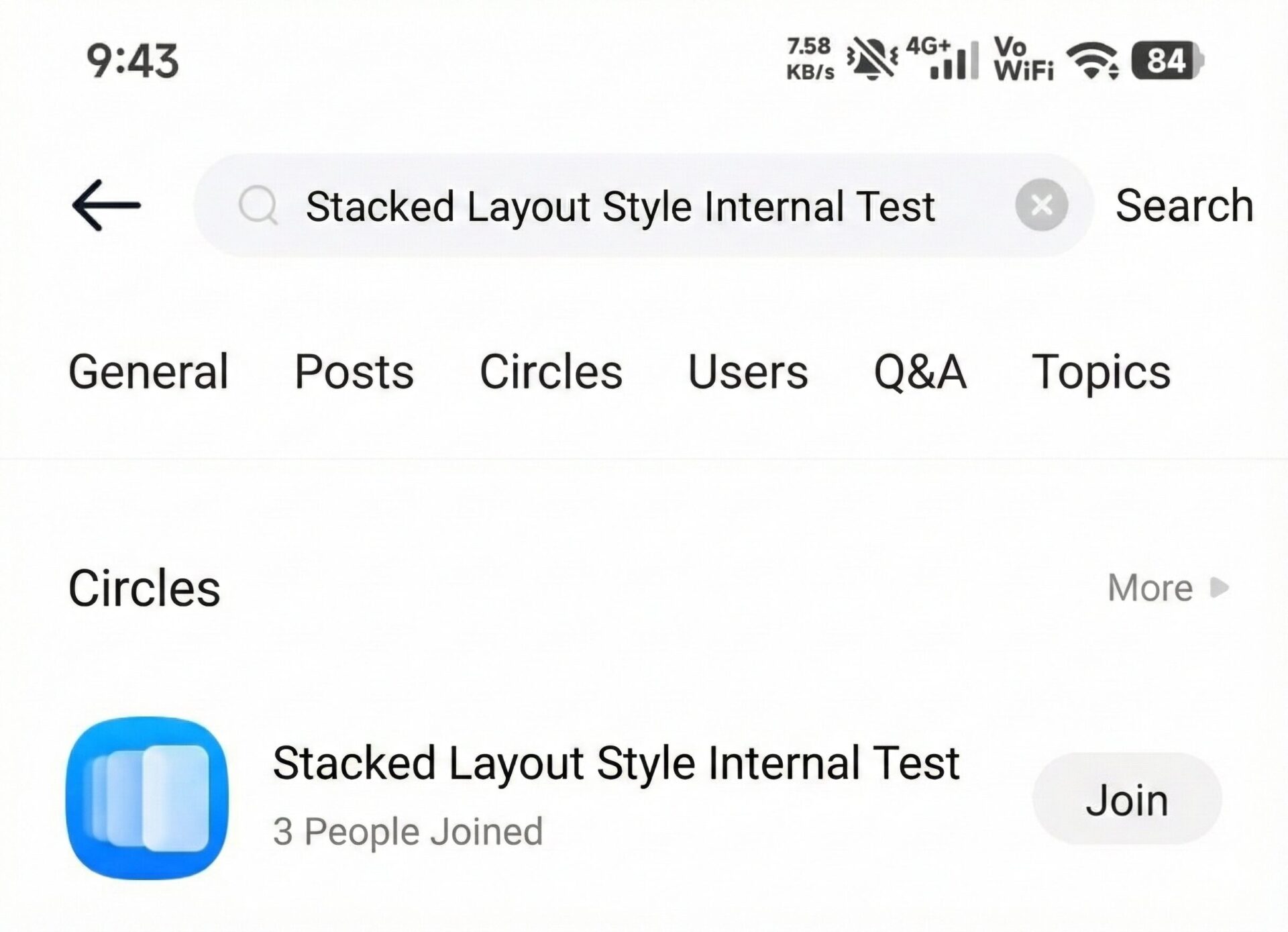
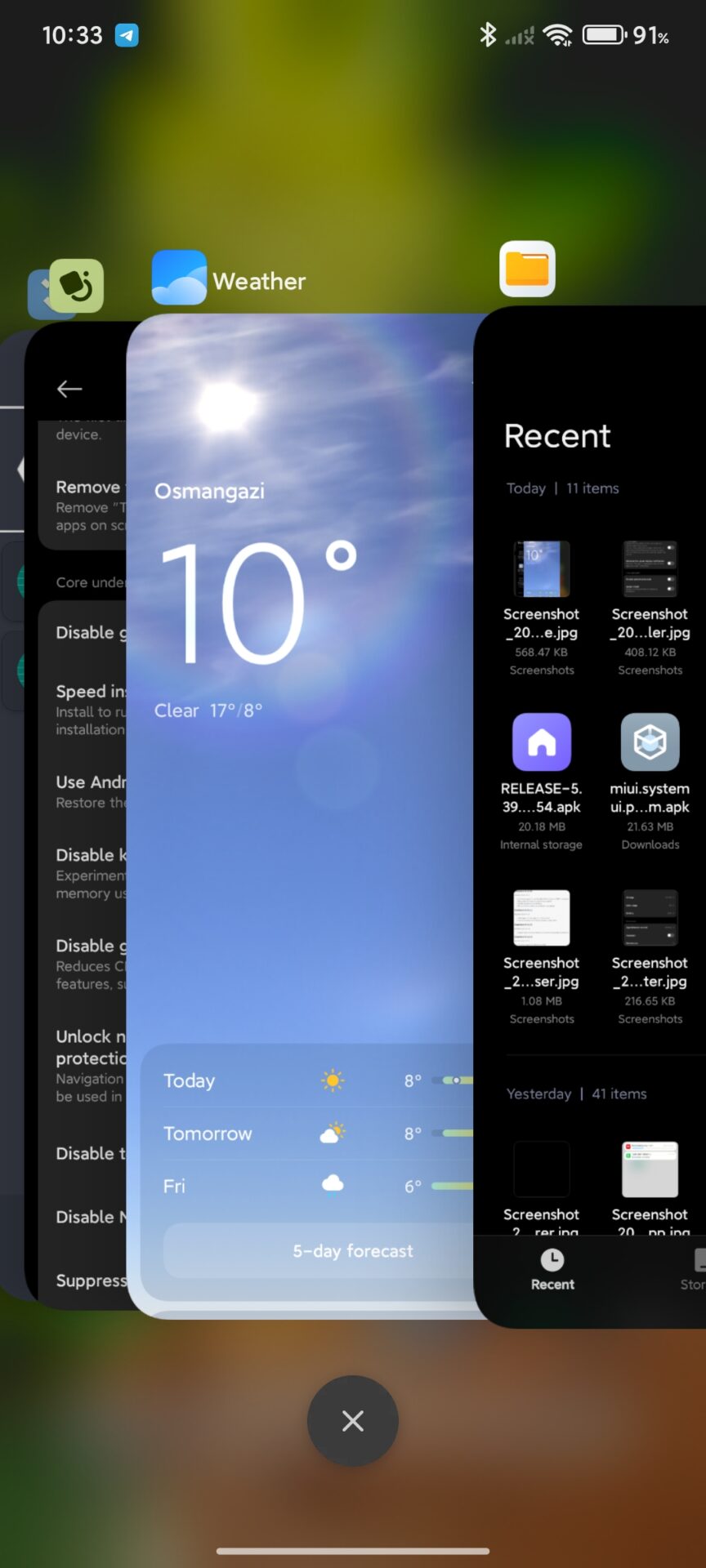
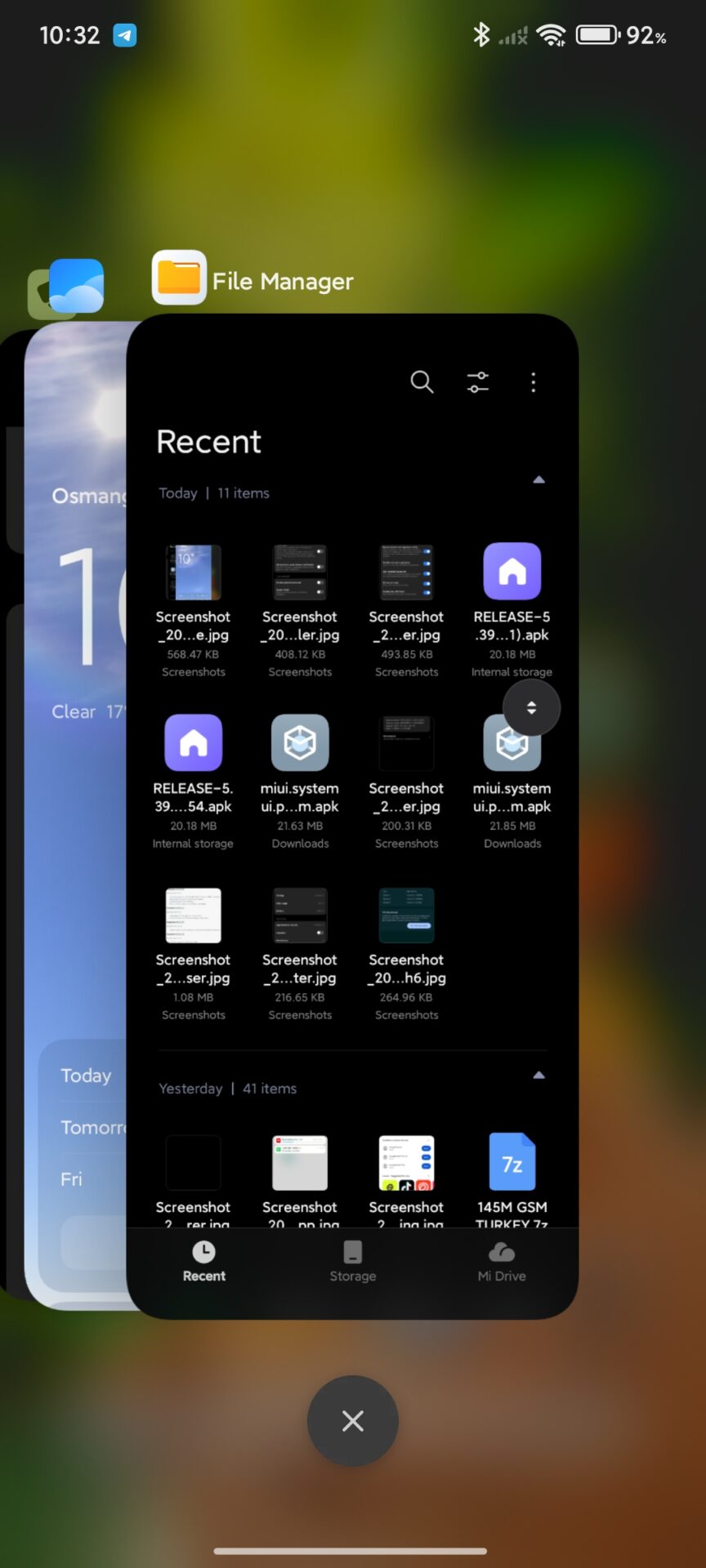
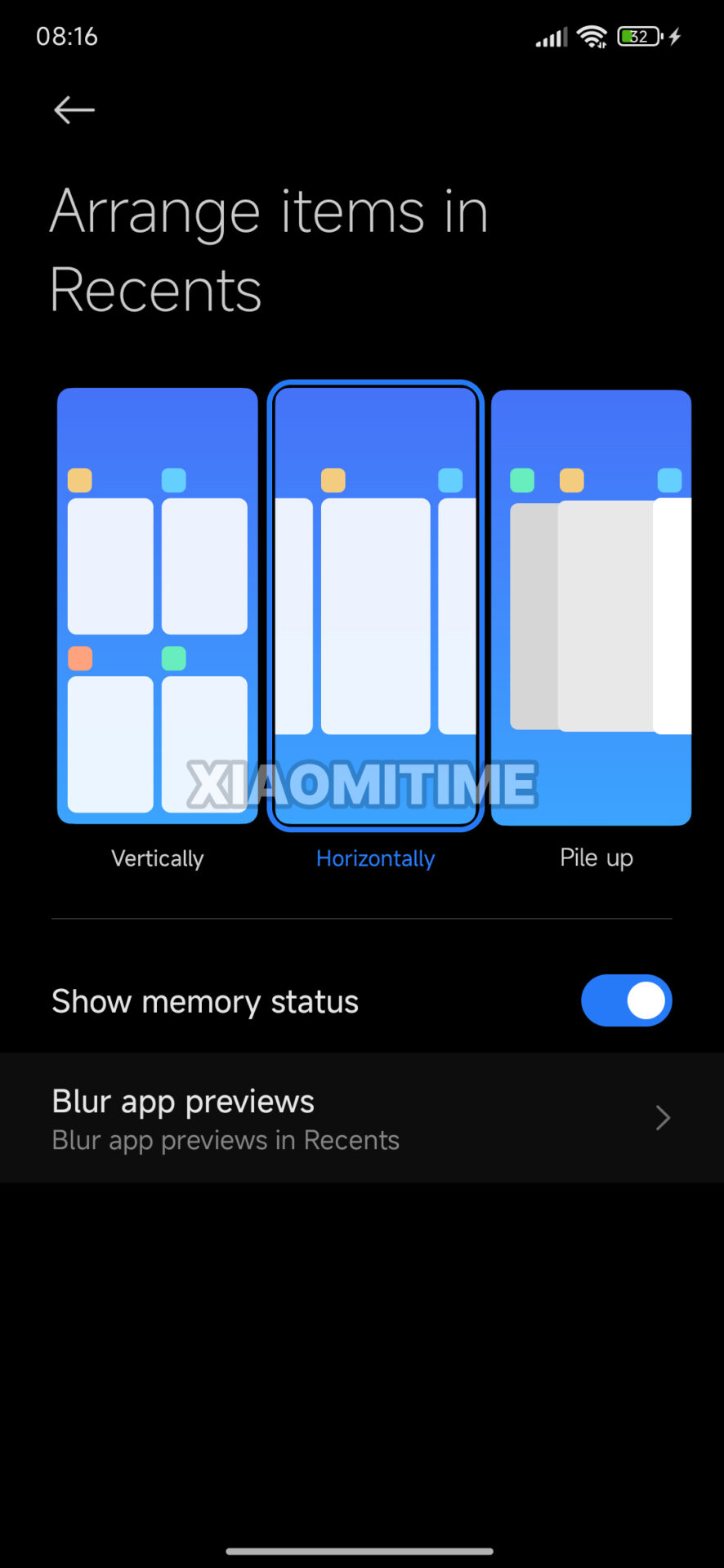
Xiaomi has embarked on internal tests for a revamped iOS-like Recent Apps menu in HyperOS 3.1. This marks a major shift in the UI history of the system, with tests already underway for users in China as a part of the HyperOS Launcher beta launch process, for which registration has commenced for all users. The recent news comes in line with ideas that took fruition in HyperOS 2, with a close relation to changes that will eventually make way to the global version through the HyperOS Launcher initiative once the beta version is out, with more information to follow through update channels.
Hypers OS 3.1 Recent Apps Testing Program Explanation
The current testing phase is targeted solely at the Recent Apps interface, which sees a new vertically aligned layout in a card design manner, borrowed from iOS. Unlike firmware betas, this particular one comes in a form of a HyperOS Launcher beta, allowing Xiaomi to test interactions and such before delivering a new OS update.
In this phase, “the beta has not yet been released publicly, and is only available to registered beta testers in China.” Xiaomi is likely to optimize gesture recognition, visual memory management, and scaling of app previews before a widespread rollout.
HyperOS 2 Concept to HyperOS 3.1 Reality
Xiaomi originally showed that it was planning to include an iOS-style Recent Apps feature using HyperOS 2, though this was not included in stable versions at that point. With HyperOS 3.1, it appears that they now have the technical capacity to include this interface.
The main objectives for the new “Recent Apps” design are:
“Clearer multitasking views with bigger app cards”
Optimized swipe gestures with smoother animations for high refresh rates
One-hand usage on larger screen devices
In fact, this rollout strategy is in line with Xiaomi’s HyperOS plans that aim to test necessary features even at the level of a launcher prior to integration into the system.
Global Availability and Compatibility Requirements
Although the testing is only available in the Chinese market, the HyperOS Launcher used in the beta has been compatible with the international lineup of HyperOS devices from the very start. This raises the prospect of the iOS-style ‘Recent Apps’ menu being introduced in other parts of the world through the launcher, and not through an Operating System update.
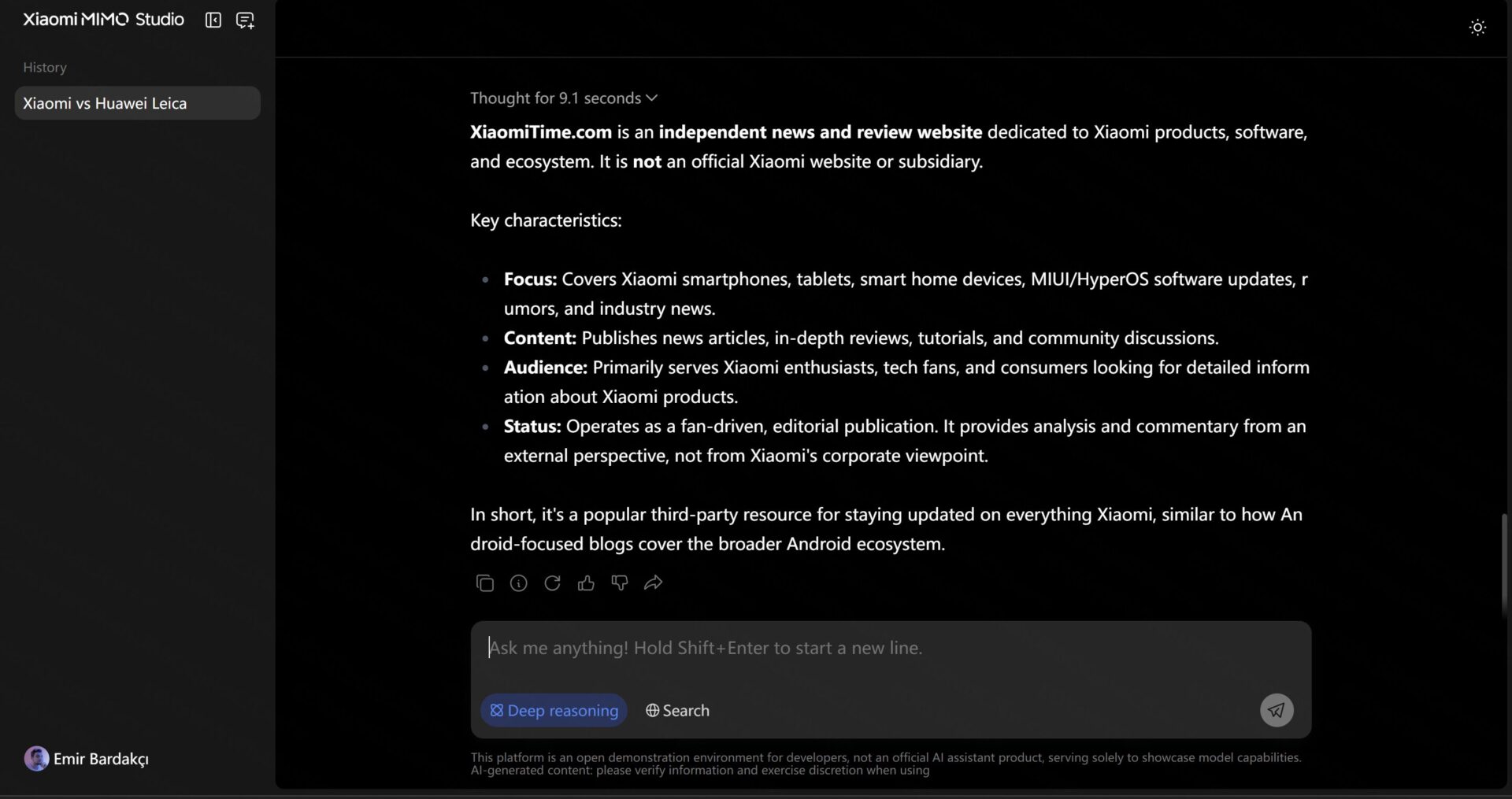
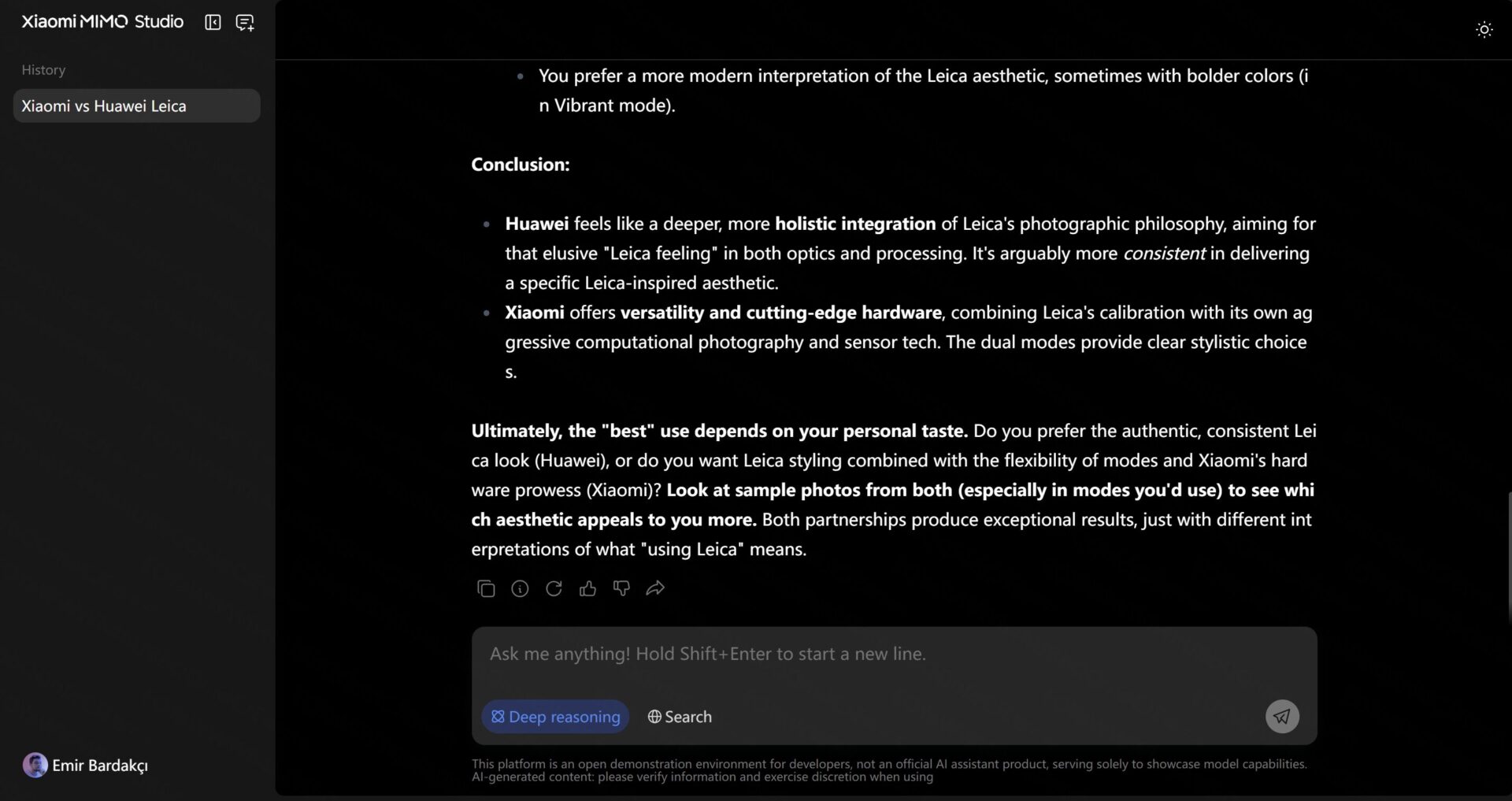
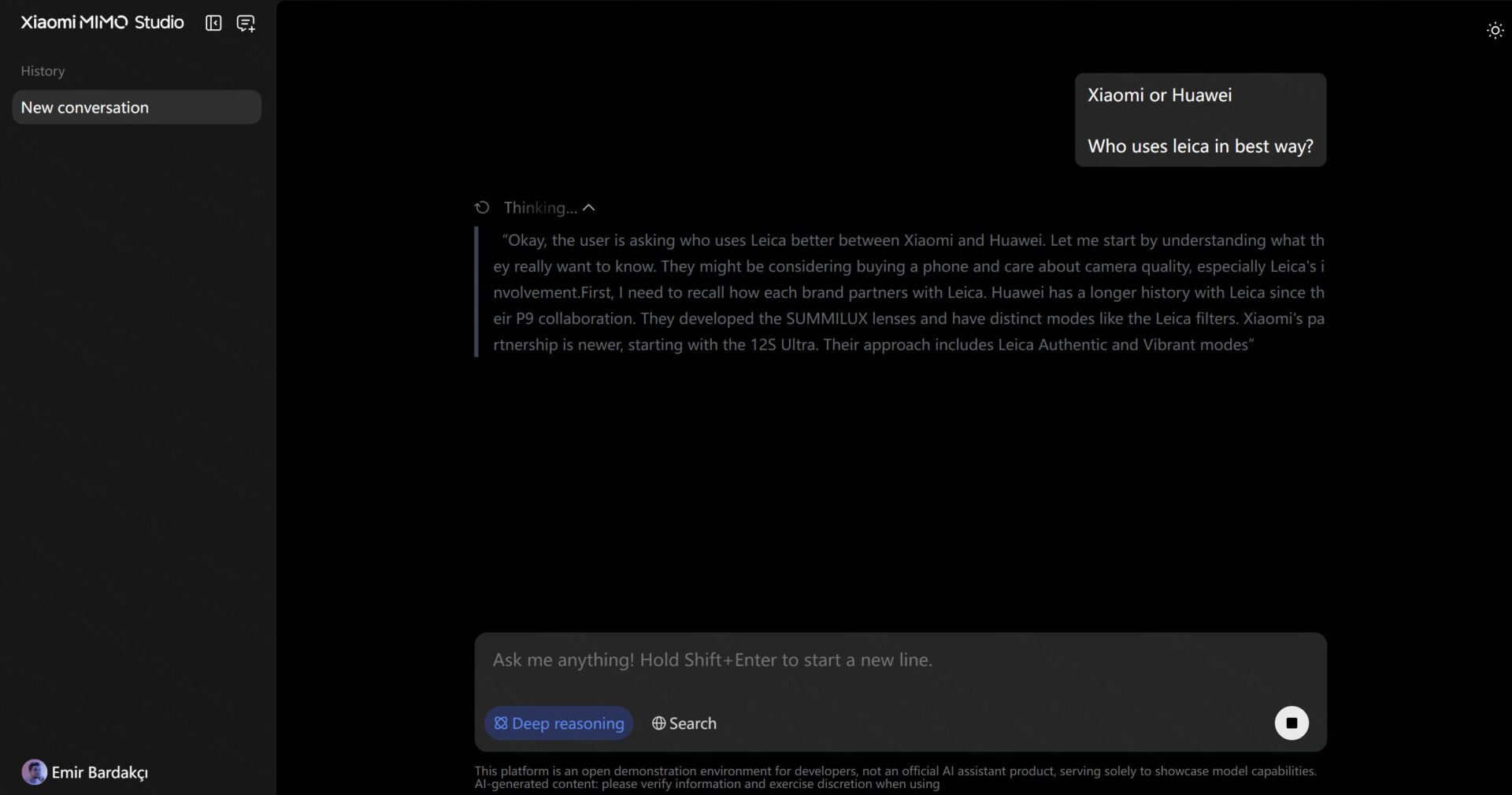
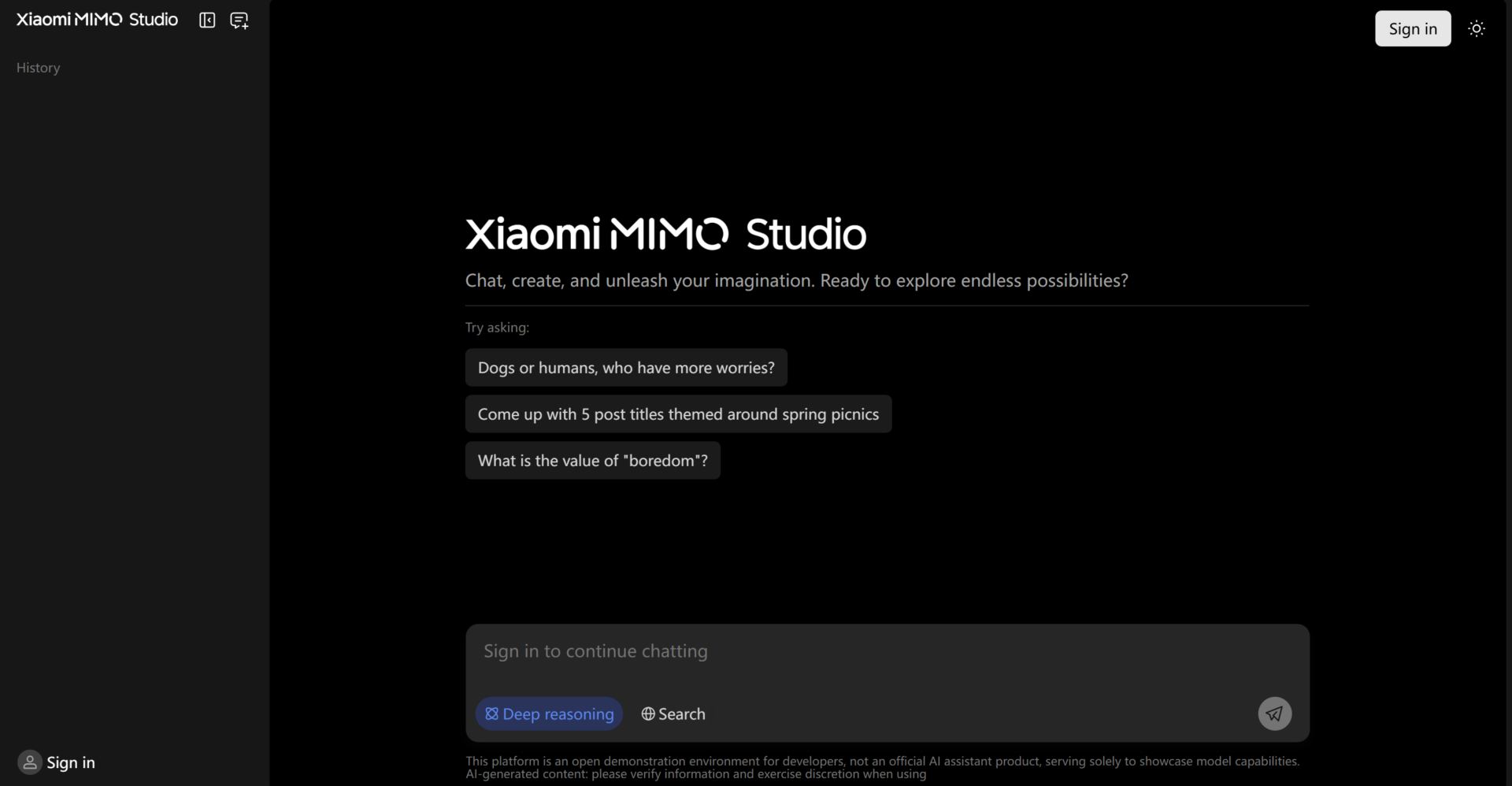
Xiaomi has rolled open the new ChatGPT-style web AI platform, which is fueled by the newly unleashed MiMo-V2-Flash AI Model. Such a platform enables consumers to experience firsthand Xiaomi’s latest large language AI without needing to install any software. This move signals one of the biggest breakthroughs offered by Xiaomi in the AI domain. Xiaomi had generally targeted the smartphone market until now.
Xiaomi Launches MiMO Studio for Ai Chat Interactions
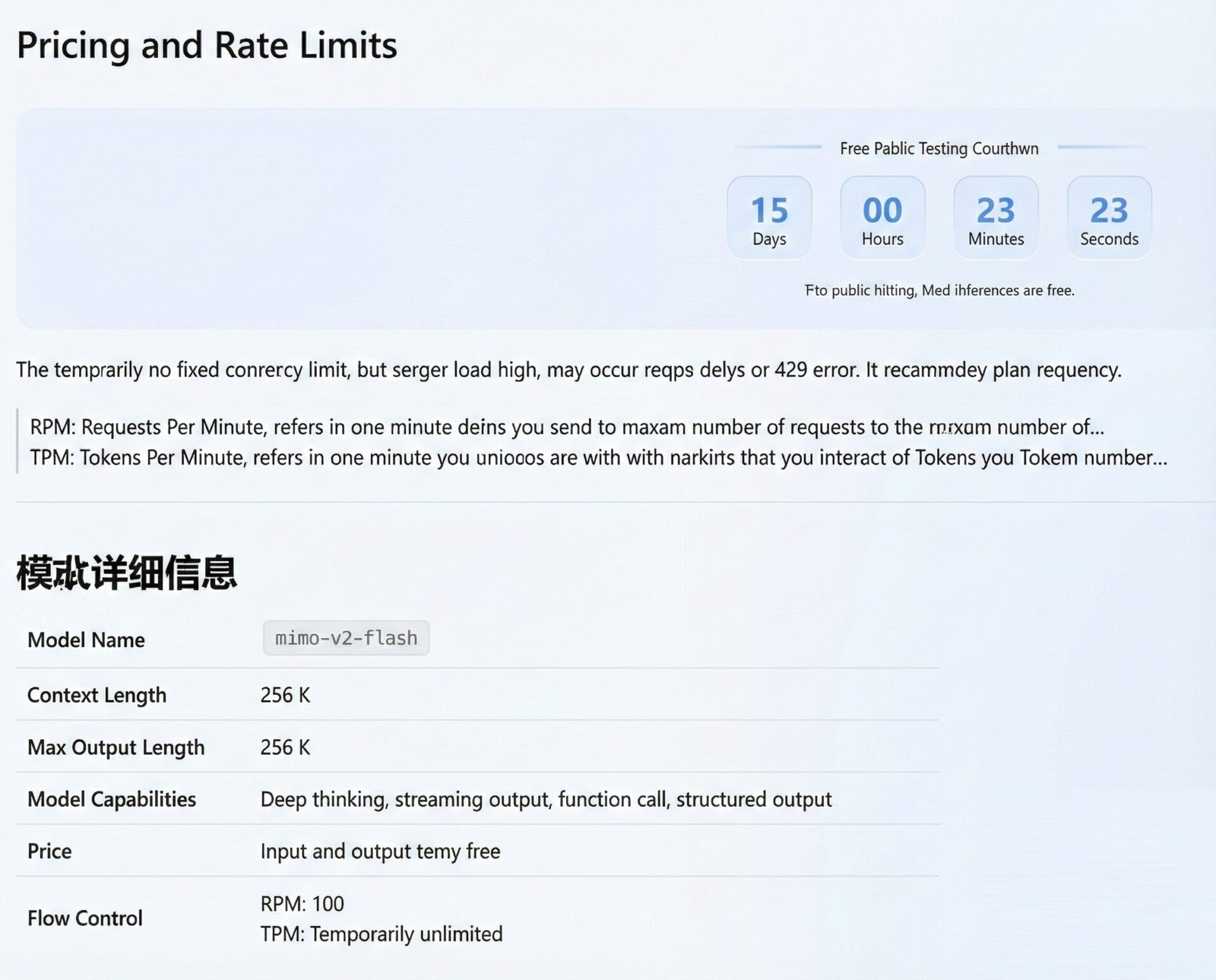
“Xiaomi MiMO Studio,” launched recently, provides an interactive online AI communication platform for trying out “MiMo-V2-Flash,” an AI model. It has options for both “deep reasoning conversations” and “online search enhanced responses,” making it useful for coding, research, or general knowledge. To try it yourself just go to aistudio.xiaomimimo.com.
Initially, Xiaomi has revealed that the demand for the devices has been well above expectations. Due to this, there could be a delay in accessing the servers or a call to retry the login process owing to overload traffic. Initially, there are no limitations announced for specific geographic areas.
Model for MiMo-V2-Flash Designed for Speed and Efficiency
MiMo-V2-Flash is an in-house “Mixture-of-Experts (MoE) model” designed exclusively for the scenario of an intelligent agent and is a large language model developed by Xiaomi. The model includes “309 billion total parameters” and “15 billion active parameters” for inference.
This model adopts Hybrid Attention architecture, incorporating both Global Attention and Sliding Window Attention (SWA) with a 1:5 split. It natively trains on a 32K tokens context with scalability up to 256K tokens, and MiMo-V2-Flash is specifically trained to excel in reasoning tasks, code generation tasks involving intense processing, and multi-step agents.
Open-Source AI Competitive Performance
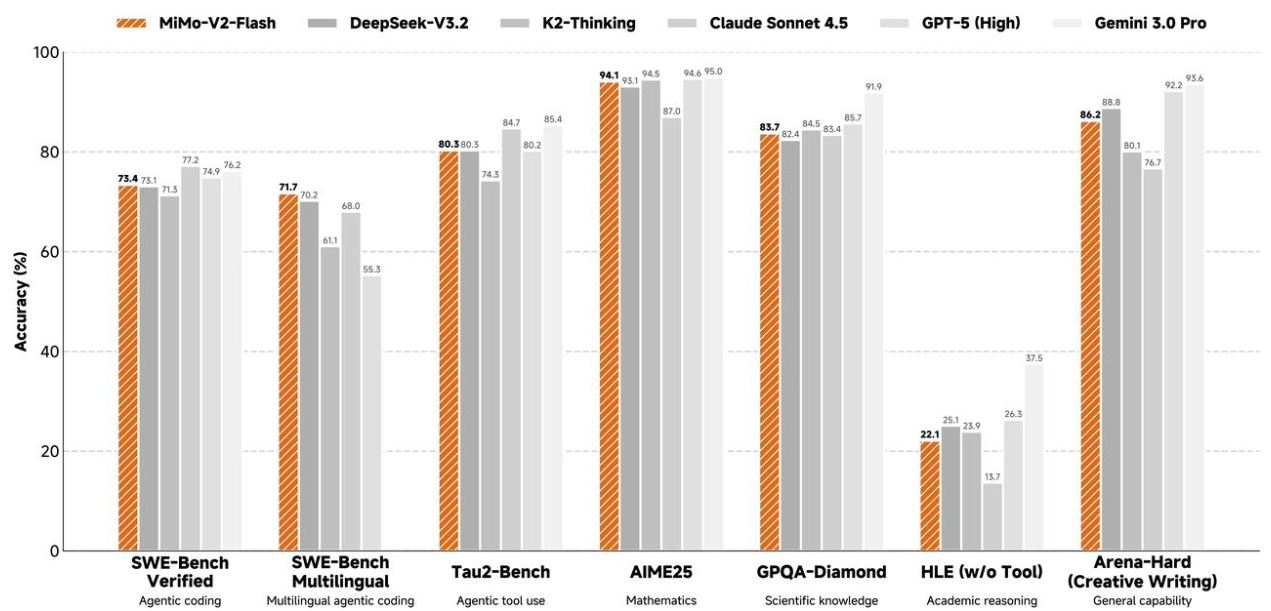
As asserted by Xiaomi’s technical revelations, MiMo-V2-Flash is one of the top two open-source AI models in the world in terms of several general-agent targeted benchmarks. The programming and logic skills of MiMo-V2-Flash outpace all other open-source models and are of similar caliber to closed-source models.
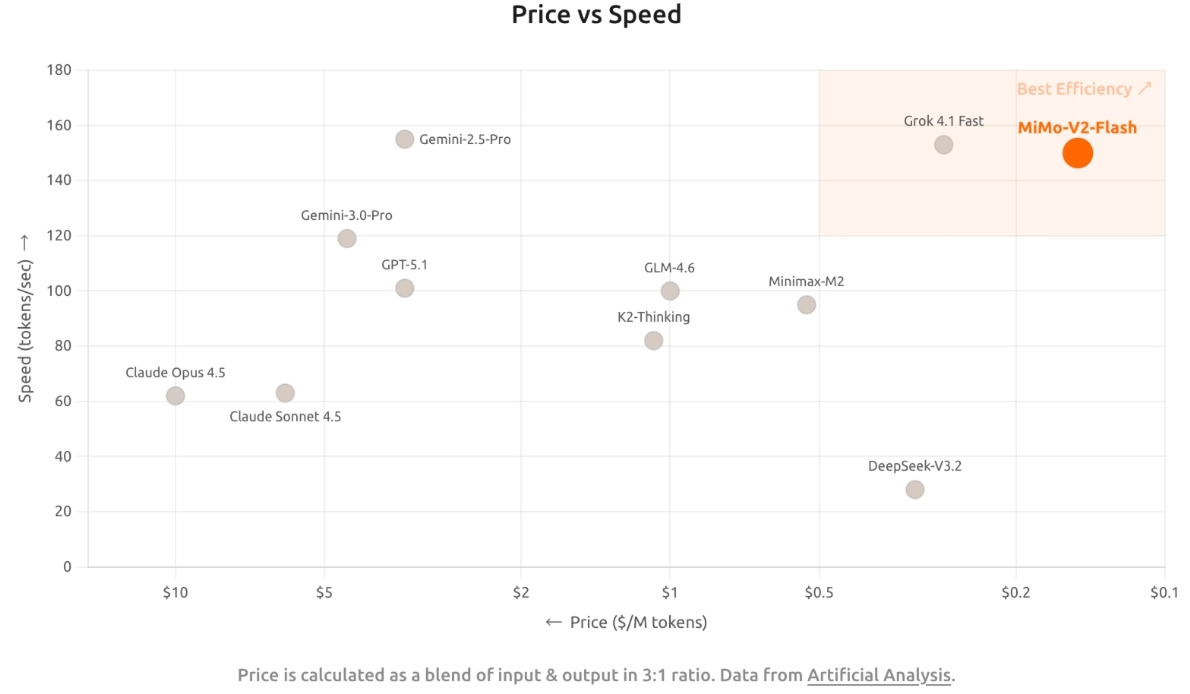
Nevertheless, in spite of its performance, Xiaomi claims a reduction in the inference cost to around 2.5% of comparable closed models, while its generation speed is accelerated by two times. This makes MiMo-V2-Flash a very suitable approach for developers and enterprises who require scalable AI without incurring high operational costs.
Open Source, API Pricing, and Developer Access
The MIT license was adopted for the release of the model weights and inference code, further showing the company’s dedication to open-source software. MiMo-V2-Flash can also be used with API access by the developers at the following prices:
$0.10 per million input tokens
Cost of $0.30 per million tokens
There is a limited period for which the usage of APIs is offered free of cost. This facilitates the testing and integration of APIs into third-party apps.
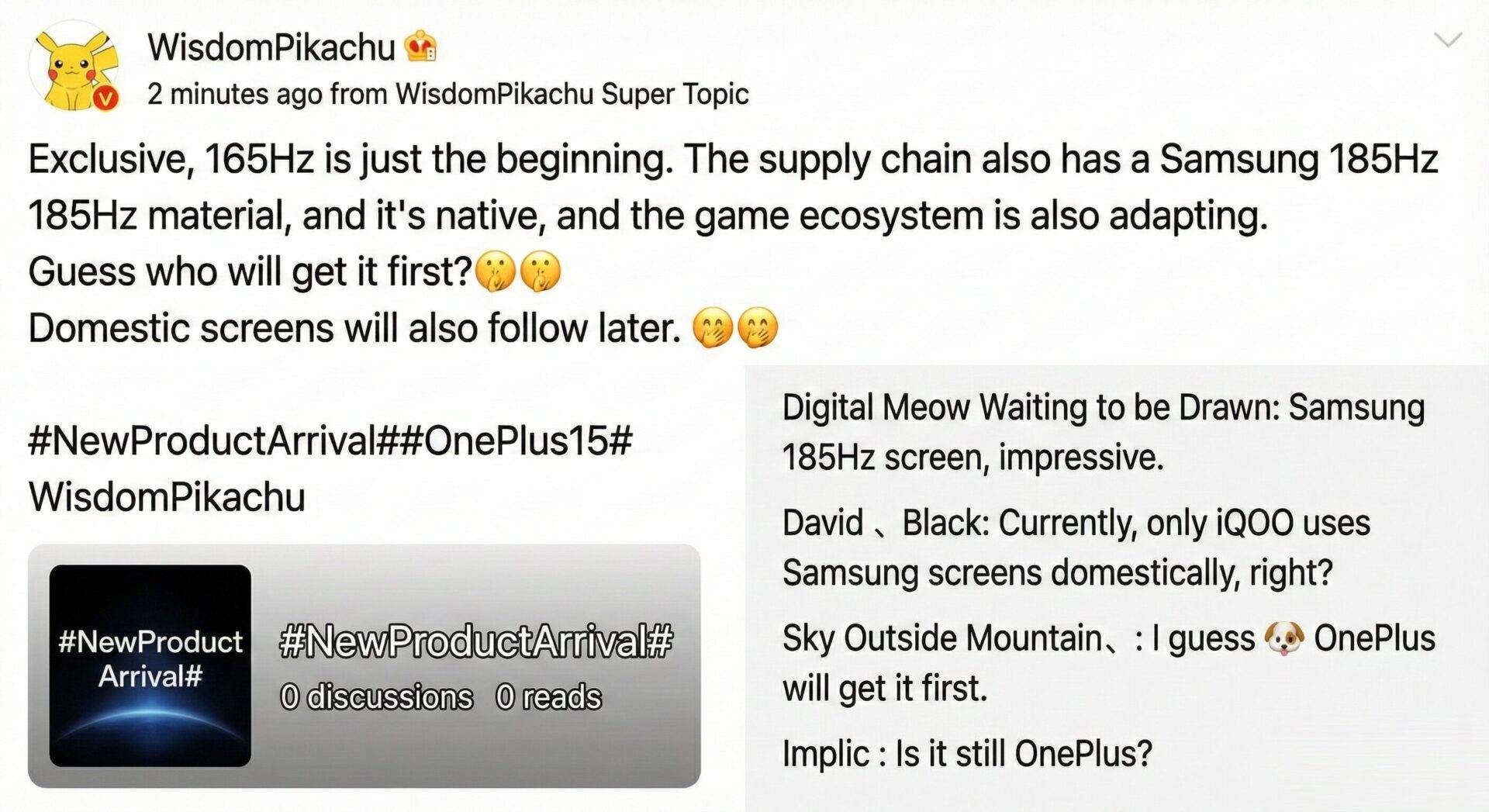
The war in the display of smartphones is about to enter a new chapter as it is reported that Samsung is developing components with 185Hz display screens. Just as 165Hz display screens have just entered the market in commercial smartphones, it seems that the future of high refresh rates will soon become an essential part of the Android landscape. Interestingly, this comes as a positive development in the race of display technology as the manufacturers like Xiaomi observe it keenly. Such trends have already been observed in our previous reports on Xiaomi display technology advancements, HyperOS optimization, and Snapdragon development.
165Hz Was Only the Starting Point
The firstconsumer smartphones with 165Hz screens emerged in late 2025, led by OnePlus, among other manufacturers. Though primarily intended for gaming audiences, the screens featured improved motion and reduced latency in compatible games. The native gaming modes of these smartphones in their associated gaming titles proved that higher refresh rates could have tangible benefits.
However, adoption is still limited. This is because most apps and system interfaces are still running on lower refresh rates and therefore the practical benefit of 165Hz is still situation-dependent and not for all scenarios.
Samsung 185Hz Parts Enter the Supply Chain
According to sources in the supply chain industry, Samsung Display has already been ready with screen parts that have a refresh rate of 185Hz and are optimized for the hardware. Chinese manufacturers of displays are also expected to take the same direction as a sign that 185Hz is not going to be a monopoly on the industry very soon.
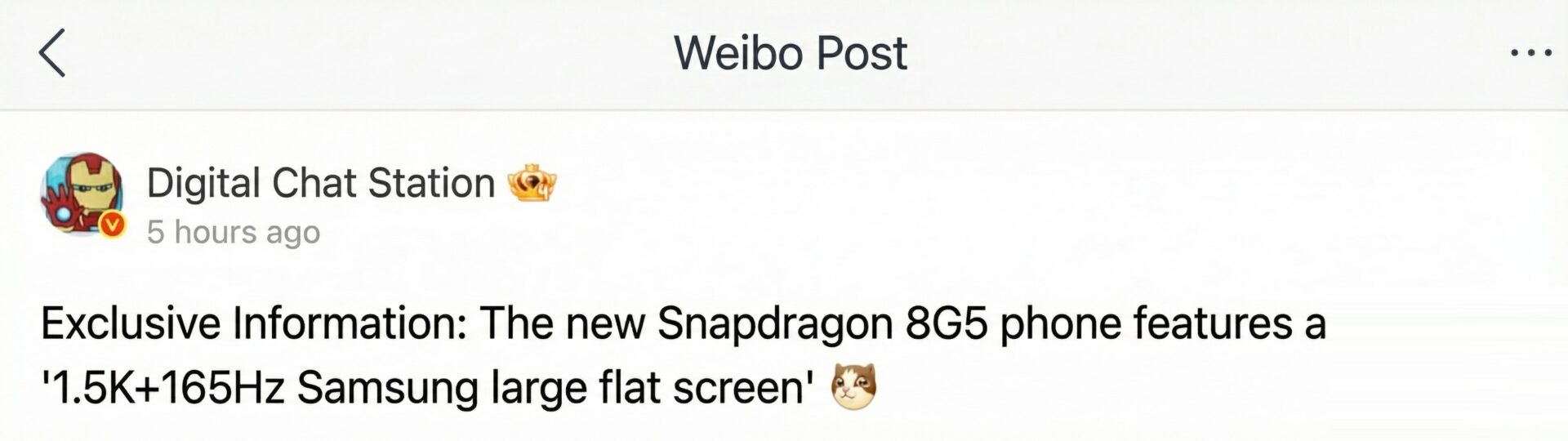
Leakers also indicate that future flagship models featuring next-generation Snapdragon technology might come with 165Hz and above refresh rates and 1.5K resolutions. All this points towards the fact that the move might be considered long-term and not just a testing or experimental phase.
Does This Mean Xiaomi Is “Behind”?
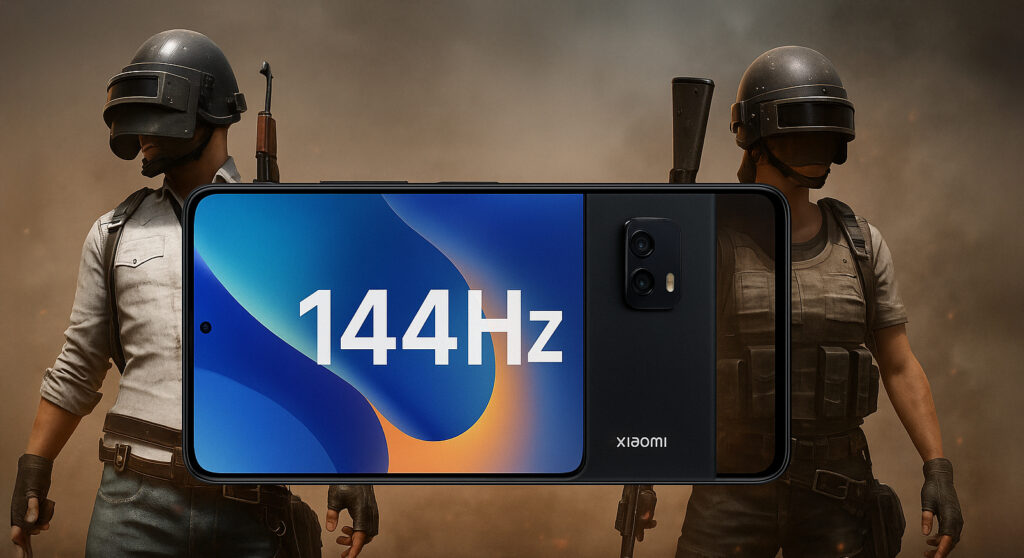
Technically, Xiaomi has always played a balance or not pursued an extreme policy. With some others pursuing a refresh rate above 165Hz, Xiaomi has remained passionate about energy efficiency, stability, and adaptive LTPO display, especially when powering the Xiaomi HyperOS flagships. The idea is that for an average customer, a properly optimized display with a high refresh rate of 120Hz or 144Hz LTPO may provide a more fluid motion than a higher fixed refresh display that consumes more battery life.
It is also a fact to be considered that refresh rate above a very high extent diminishes in relevance. After crossing the refresh rate of 144Hz, it will no longer contribute effectively to visual improvement, which will then be noticeable only in a special gaming situation. It is thus not a mark of stagnation on Xiaomi in adopting a conservative strategy.
Market Impact and Relevance
Adoption of displays that feature 185Hz refresh rate should be viewed more in terms of an indicator of what can be achieved from a technological point of view. Such displays do not constitute an urgent demand for every individual to purchase. Xiaomi appears ready to conform to displays that offer an increased refresh rate once this fits into real-world usability.
However, users who are interested in updating the system applications on the Xiaomi phone, as well as unlocking hidden features, are able to do so through the Xiaomi applications, preferably through the assistance of the HyperOSUpdates.com website or the MemeOS Enhancer from the Google Play store, which also grants users access to hidden features on the Xiaomi phone.
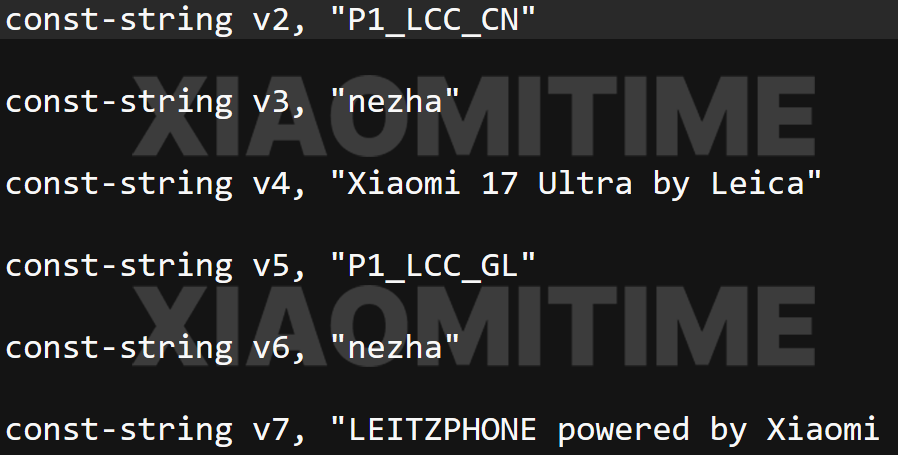
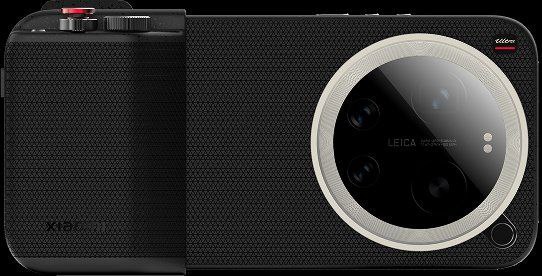
Xiaomi 17 Ultra has appeared in leaked camera watermarks, offering the clearest picture yet of Xiaomi’s next-generation imaging flagship. According to these materials, the device introduces a revised camera strategy, a new 1-inch main sensor, and an unexpected branding approach for global markets. The leak also confirms several long-rumored hardware changes, reinforcing Xiaomi’s focus on high-end mobile photography.
Previous leaks around the Xiaomi 17 series and Xiaomi’s Leica partnership already hinted at this direction, and the watermark details now connect those reports into a more coherent picture.
Leica Branding Strategy Revealed by Watermarks
Perhaps the most surprising detail from the watermark leak is related to branding. The images suggest that:
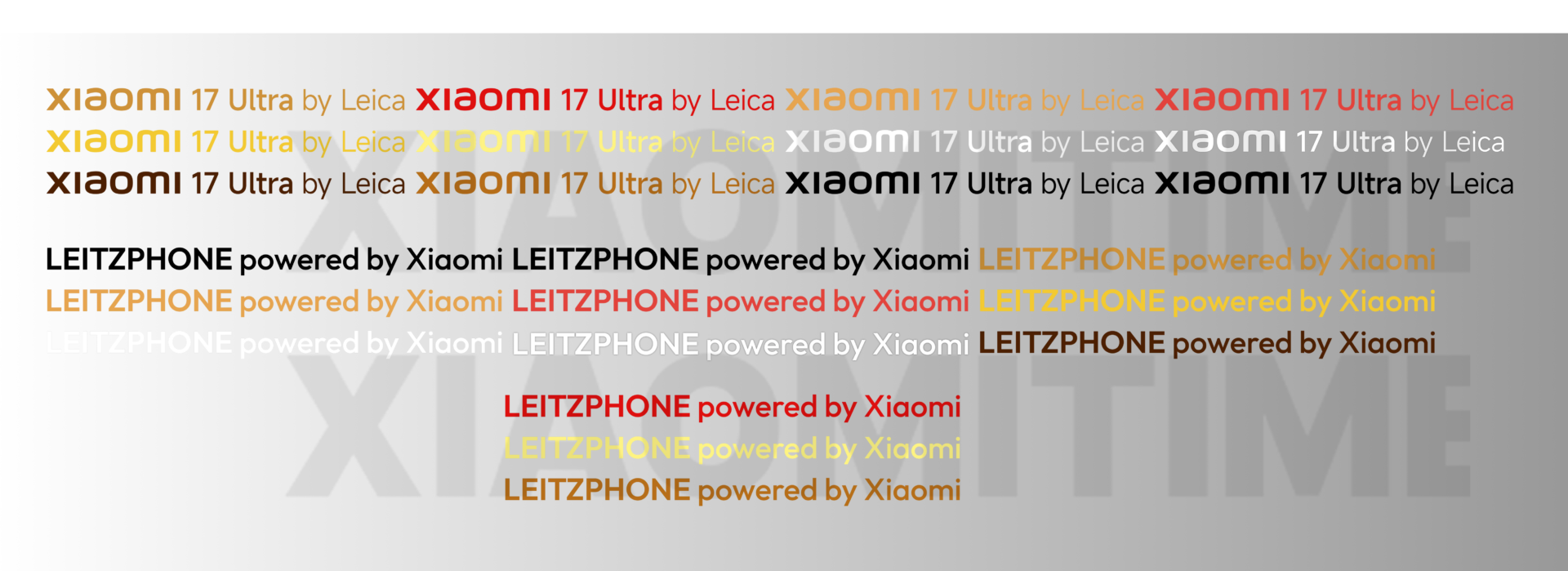
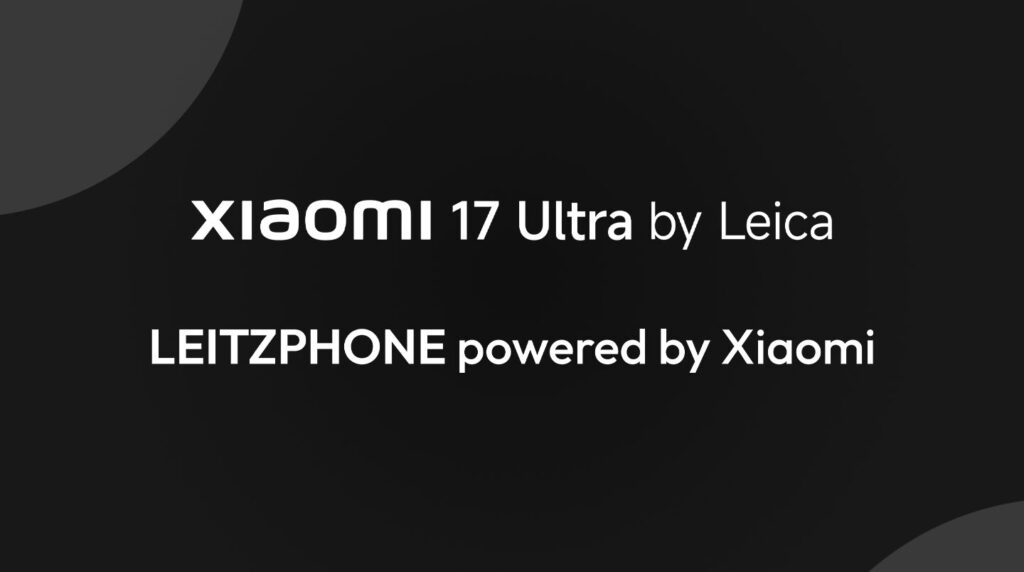
In China, the special Leica edition will be marketed as Xiaomi 17 Ultra by Leica
In global markets, special Leica edition may be released as Leitzphone powered by Xiaomi
This dual-branding approach indicates a deeper collaboration with Leica and a more region-specific marketing strategy. It also aligns with earlier leaks of a Xiaomi Photography Kit, which emphasized professional-grade mobile photography accessories.
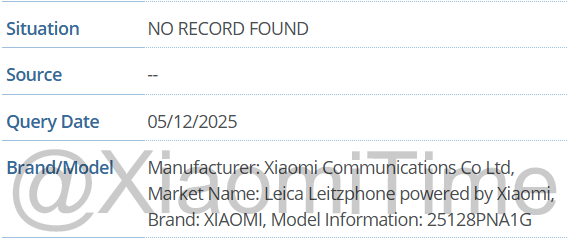
Confirmed model numbers further support this split:
Leitzphone powered by Xiaomi: 25128PNA1G, 25128PNA1C
This indicates that Xiaomi will introduce its special Leica model under different names depending on the region.
Camera System Refined for Imaging Efficiency
Earlier internal information suggested that the Xiaomi 17 Ultra would feature four rear cameras and one front camera. However, the leaked photography kits indicate that Xiaomi has simplified the rear system to a triple-camera layout, likely to optimize space, power consumption, and image processing efficiency without sacrificing performance.
The confirmed rear camera configuration is as follows:
50 MP main camera OVX10500U – (OV50X) – Light Hunter 1050U
50 MP ultra-wide camera S5KJN5
200 MP telephoto camera S5KHPE
This change replaces the previously rumored quad-camera setup and highlights Xiaomi’s increased reliance on a high-resolution telephoto sensor for advanced zoom capabilities. The telephoto camera is expected to play a central role in computational photography, especially for long-range and hybrid zoom scenarios.
On the front, Xiaomi has upgraded the selfie camera from 32 MP to 50 MP. This is a notable shift and signals that Xiaomi is placing greater emphasis on front-facing image quality, particularly for video calls, social media content, and high-resolution selfies.
New OVX10500U 1-Inch Sensor Makes Its Debut
One of the most important revelations from the HyperOS code leak is the mention of the OVX10500U – (OV50X) – Light Hunter 1050U sensor. This appears to be a new OmniVision sensor, used here for the main camera. While full specifications are not yet public, current information points to a 50 MP resolution with a 1-inch sensor size.
Xiaomi has consistently used large sensors in its Ultra lineup since the Xiaomi 12S Ultra, and the continuation of a 1-inch sensor confirms the company’s long-term imaging strategy. A sensor of this size typically delivers better light intake, improved dynamic range, and more natural depth separation, especially in low-light conditions.
Unlike the Xiaomi 17 Pro series, the Xiaomi 17 Ultra will not include a rear display. This suggests that Xiaomi is prioritizing internal space for camera hardware and thermal management rather than secondary display features. Xiaomi also tested the 50MP S5KJN5 telephoto camera in the 17 Ultra model, but the leaked photo kit confirms that this sensor has been abandoned.
Performance Platform and Core Hardware Direction
The leaked materials also reference the Snapdragon 8 Elite Gen 5 chipset, which is expected to power the Xiaomi 17 Ultra. This platform should provide significant gains in AI processing, image signal processing, and power efficiency, all of which directly support advanced camera features.
Combined with the new sensor and simplified camera layout, this chipset choice aligns with Xiaomi’s goal of delivering consistent imaging performance rather than experimental hardware additions.
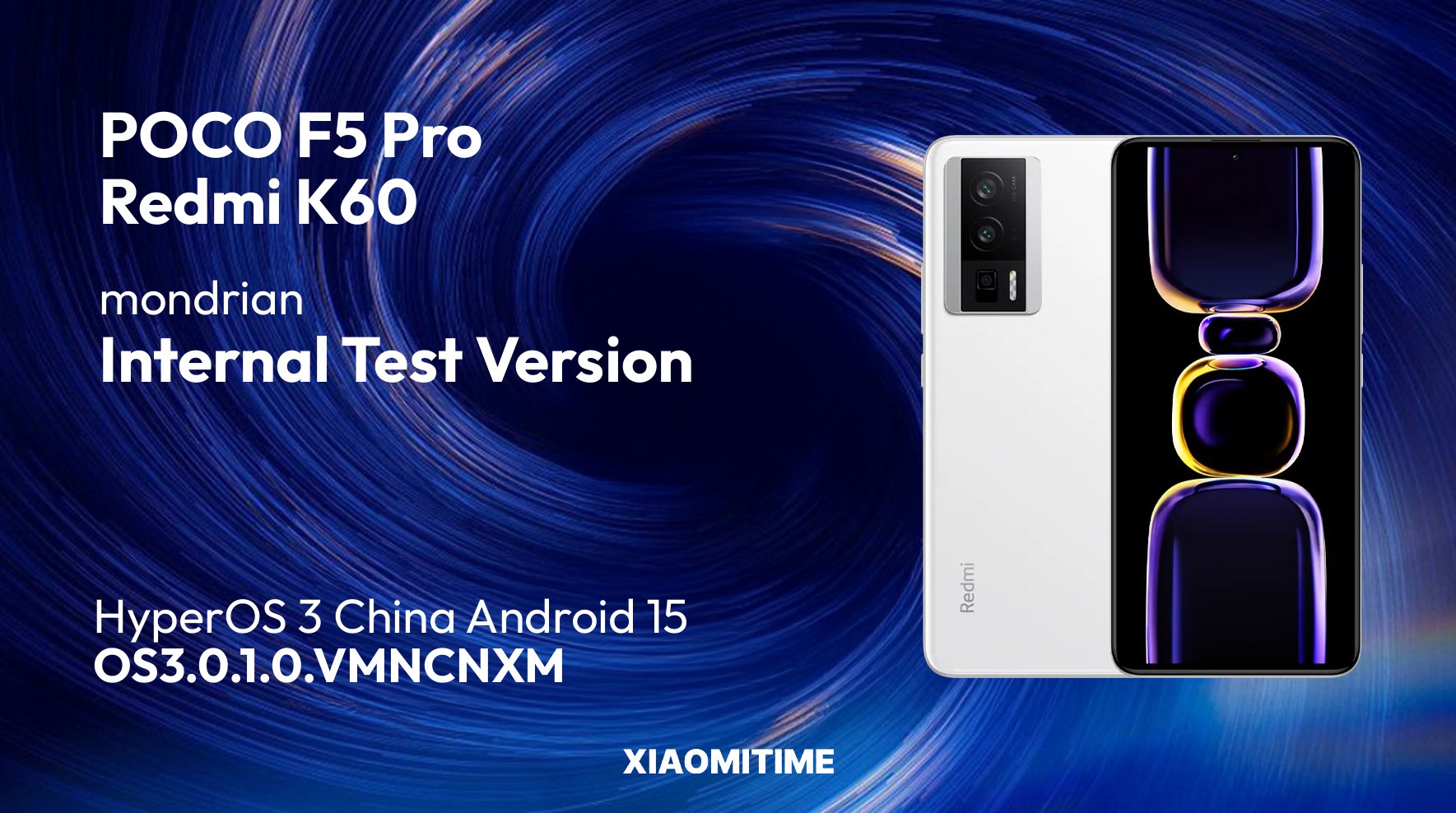
Xiaomi is working on the launch of its first Android 15-based HyperOS 3 update and this is a major step in Xiaomi’s software development process. The update is already completed for Redmi K60 and bears the name OS3.0.1.0.VMNCNXM. Also, the update has finally entered the stage of public distribution and this is happening following Xiaomi’s regular software update plan.
HyperOS 3 achieves release readiness
The reason why OS3.0.1.0 is noteworthy is that it represents a final build and not a restricted build for testing purposes only. In terms of Xiaomi’s MIUI update sequence, designs like OS3.0.1.0 are usually distributed without substantial architecture overhauls, signifying that this operating system build has been approved by their internal testing staff and is now free for public download. For Redmi K60, this means that Android 15 and HyperOS 3 integration is now finalized and available for any time download.
The Xiaomi HyperOS 3 offers the continuation of Xiaomi’s unified software strategy from its smartphones, tablets, and smart devices. The new operating system aims to bring improvements in consistency, efficiency, and interoperability between devices through the Xiaomi HyperConnect service. The new Android 15 is already backed by improvements in the Android platform in relation to its security, background processes, and system stability.
What’s New for Users in Hyper OS 3
TheHyper OS has undergone improvements inHyper OS 3, which is more of refinements than disruptive innovations. The manufacturer, Xiaomi, has incorporated new innovations that utilize artificial intelligence, which enables increased intelligence in the system, including efficient utilization of system resources and adequate consideration of context in system operations that do not consume more power.
In terms of design, HyperOS 3 brings a set of new system icons, which can be considered a translation of modern design guidelines. Xiaomi has also improved “Super Island” notifications, which now make it easier to monitor live information. Xiaomi takes industry design trends in a way that translates them into their own ecosystem, which meets their expectations.
Global outlook: Likely to follow suit: POCO F5 Pro
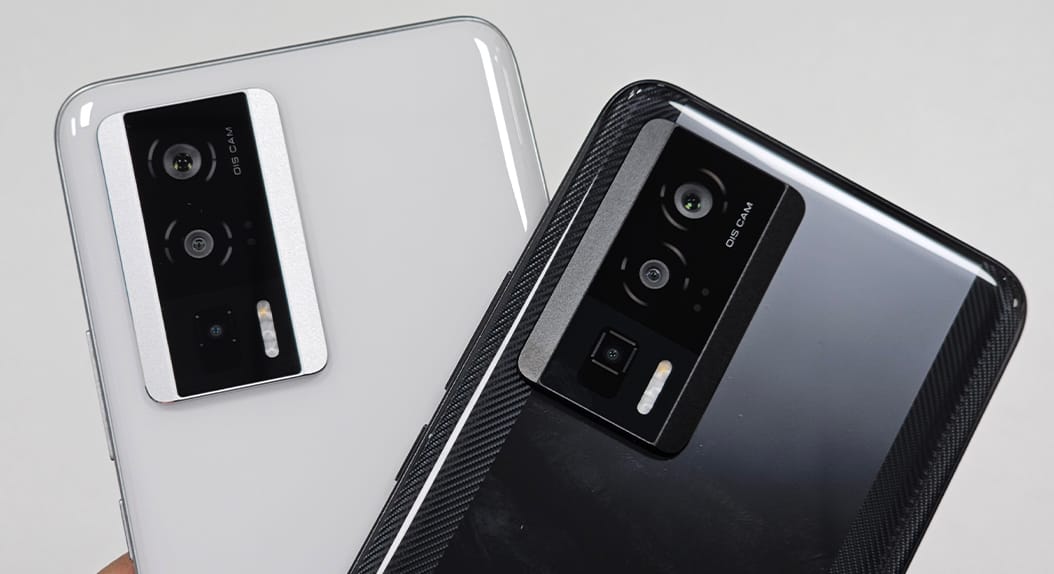
It is pertinent to mention that the Redmi K series is only sold in the Chinese market. Worldwide, the Redmi K60 is launched under the name POCO F5 Pro. If the company’s past trends are considered, then once the product is launched in the Chinese market, the global versions arrive after the necessary localization and certifications.
For those who own the POCO F5 Pro, this upgrade translates to an expectation of this Android 15 OS HyperOS 3 update sooner rather than later. While Xiaomi has yet to announce when this rollout can be expected for worldwide regions, this China build readiness surely indicates otherwise.
Keeping your Xiaomi apps up to date
Together with the large system updates, Xiaomi owners also have the ability to keep their system apps up-to-date on their own. Xiaomi apps can actually be updated through XiaomiTime.com projects like HyperOSUpdates.com or through the MemeOS Enhancer app on the Google Play Store. The MemeOS Enhancer app not only grants owners access to hidden Xiaomi functionalities, system app updates, and on-screen shortcuts, among others.
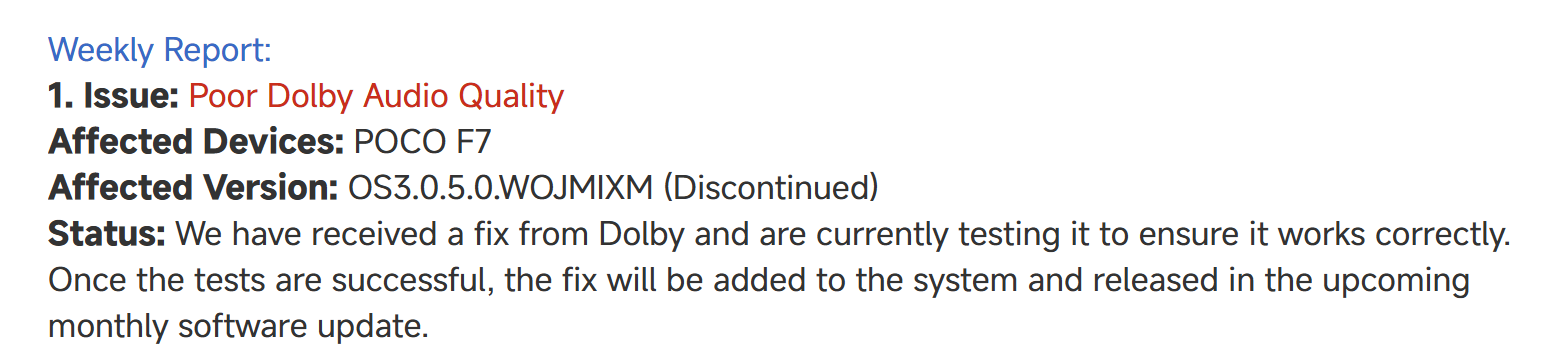
Xiaomi has to date accepted and responded to claims of low quality Dolby Audio in the POCO F7, confirming that a fix is in the works. According to Xiaomi, the matter relates to a stopped HyperOS build and not to any hardware restriction. Xiaomi’s software and audio teams are now finalizing the process to validate a stable fix.
Dolby Audio Problem Identified on POCO F7
“The problem is that the Dolby Audio performance on the POCO F7 is not optimal, especially after the update to the HyperOS version “OS3.0.5.0.WOJMIXM”. Xiaomi has made it clear that the version “OS3.0.5.0.WOJMIXM” has been discontinued. This implicates that the problem is based on the software. User response helped immensely in speeding up the internal testing.
This openness in acknowledgment ties in with Xiaomi’s known update procedure where the reported system level bug will be recorded, checked, and fixed in the monthly official updates.
FIX Supplied by Dolby, Testing Phase Continues
Xiaomi has confirmed that Dolby has handed over an official solution for this issue of inconsistent audio quality. This solution is being tested within their company for compatibility, stability of performance, and result consistency for listening to content, playing games, or hearing voice content.
After these validation steps are accomplished, the fix will then be incorporated into the HyperOS system framework. Xiaomi aims to release the fix through the monthly software package, ensuring a smooth and standardized process for the users afflicted.
The significance of this response is that it showcases the sustained collaboration efforts of Xiaomi in partnership with key technology companies such as Dolby for the delivery of consistency in user experience. The efforts of Xiaomi to offer solutions to this issue at the system level will enhance its support policy for their POCO Series of products that use HyperOS.
Xiaomi has surprisingly brought attention to the next significant development on the software front by publishing an official announcement on the global bug report channel for Xiaomi users. While answering the questiion about the crash of the system launcher on various gadgets announced on the forum by various users, the official team announced that the long-awaited “permanent solution will come with the upcoming OS4 Major Update.”
This small but informational announcement by Xiaomi has led to confusion regarding the software development plan at Xiaomi and the possibility of the next HyperOS version’s development and announcement even before the release of the currently announced HyperOS 3, which is still being rolled out by the company at the current moment.
Xiaomi HyperOS 4 Reference Breakdown
This, of course, came in light of reports of system launcher crash problems on some Xiaomi smartphones. Xiaomi has confirmed that they have identified the root cause of this issue, but they stressed that it requires some system-level changes. It is due to this reason they included it in a major upgrade.
The importance of this clarification cannot be overstated, as Xiaomi had specifically referred to the “OS4 Major Update,” a pattern that follows the HyperOS numbering. Xiaomi had not yet officially announced the HyperOS 4, but the email makes it clear that the process of testing and development is in place.
What This Means for HyperOS 3 and Stability Updates
Xiaomi is now concentrating on distributing HyperOS 3 on as many devices as possible, including their smartphones and tablets. However, the confirmation that not all bugs can be fixed by HyperOS 3 as it stands now indicates that some architecture changes might not be addressed on HyperOS 3.
In software engineering terms, this is consistent with the recent approach taken by Xiaomi to keep intrusive changes to the system update only for major updates. This assists with improving the stability associated with the device even as engineers redesign components using a new generation OS.
HyperOS 4 and Deferred Features
There are certain features that were expected to come along in the update of HyperOS 3.1. iOS card stack interface for viewing recently used apps is one of those that have been mentioned before in development versions of the update and will now come along in HyperOS 4 if HyperOS 3.1 is skipped altogether by the developer, Xiaomi.
This will manifest an overall consolidation of new user interface features and system enhancements into a single update rather than a series of releases.
Is Xiaomi Accelerating Its HyperOS Roadmap?
At this point, there are no official announcements that confirm HyperOS 4 will be released earlier than usual. But it’s definitely unusual for “OS4″ to be brought up in open communication while the launch of HyperOS 3 has yet to be completed.
As for consumers, it is clear that the manufacturer is working on long-term software optimization. More information on this will come to light when the range of devices that will run HyperOS 4 is disclosed.
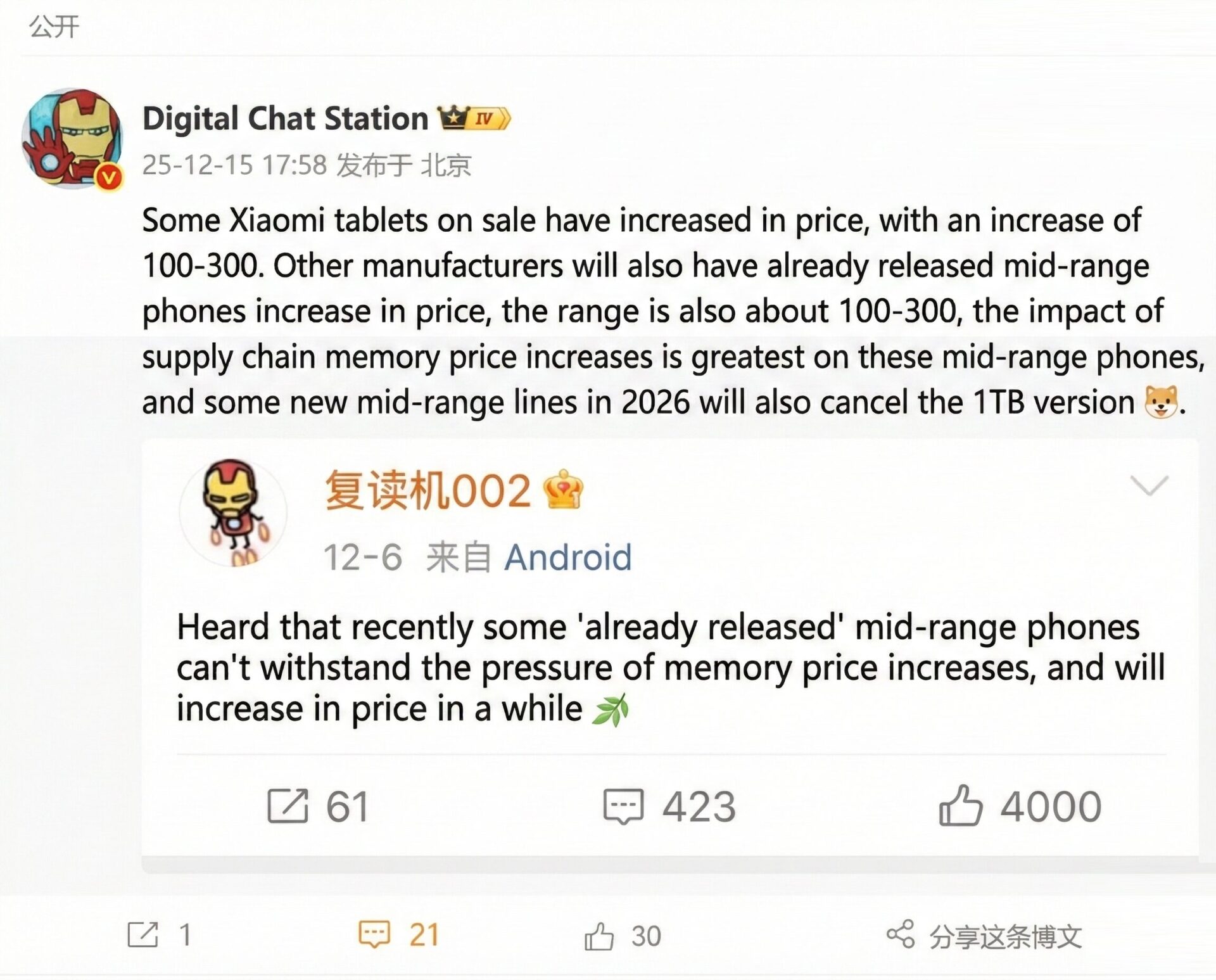
Current trends in supply chain news show a growing influence of higher memory cost on product lines in various segments offered by Xiaomi. As per latest news in the industry, some of these available tablets from the brand have undergone pricing revisions, with future mid-range smartphones being influenced in storage capacity.
According to industry blogger Digital Chat Station, some of the Xiaomi-brand tablets have seen a price hike of 100-300 Chinese yuan, which will translate to 14-42 USD when converted to other currencies. This move by the Chinese manufacturer can be attributed to an increase in memory component prices. The prices will most definitely affect tablets in the mid-range segment.
The price hike in memory chips is not confined to Xiaomi. Other smartphone brands are also reportedly set to make a similar change in existing mid-range devices with a price hike in a 14-42 USD bracket. The memory chips such as LPDDR and NAND have become an important part of the cost of materials of an Android smartphone, especially in a segment where higher storage and RAM capacity become a major specification factor.
Rising memory costs will push vendors to rebalances product specs and pricing. For a company such as Xiaomi, which historically launched devices with very aggressive specs at competitive pricing, this trend will call for careful consideration.
1TB Storage May Disappear From Mid-Range Models
One of the most evident implications of these cost considerations is a rumored adjustment in future product lines. Reports have emerged that some new mid-range smartphones expected in 2026 will stop production of 1TB storage models altogether. Although flagship phones are set to support higher storage variants, mid-rangers can expect to see well-rounded variants to keep prices under control.
Such an approach will complement Xiaomi’s strategy of optimizing their hardware offerings in a manner which will allow sustainability in whatever product segment they are in. As a consequence, consumers can expect less ultra-high storage capacity in mid-segment phones but a stable pricing structure in basic variants.
Industry Outlook Indicates Further Changes Ahead
Recently, a market analysis conducted by TrendForce showcased a key point in which expectations of increased memory prices in early 2026 are further increasing pressure on smartphone, tablet, and laptop brands. Therefore, brands will adjust their pricing strategies and redefine specifications in budget segments. Resource superiority will remain with leading brands boasting better supply chain capabilities.
For Xiaomi, these developments indicate a time of readjusting rather than disruption. The pricing and storage shifts in their tablets are simply a part of an industry-wide trend. However, consumers can still update their system apps using HyperOSUpdates.com, or through the MemeOS Enhancer application offered in Google Play Store, which will give them access to hidden functions in their Xiaomi device and system update capabilities.
XiaomiTime has spotted the REDMI K90 Ultra in the GSMA database, indicating that Xiaomi has already begun the official global registration process for its next-generation Ultra performance smartphone. Given past occurrences with the Xiaomi T series, such early detections hint towards an earlier-than-usual launch timeline.
GSMA Listing Suggests an Earlier Launch Window
The model number 2604FRK1EC in the GSMA database entry proves that the REDMI K90 Ultra has already entered formal certification stages. Traditionally, Ultra models starting with “06” identifiers are registered around June and their announcement occurs closer to August. However, fresh Xiaomi strategies possibly hint at a shift, much like how the Xiaomi 17T series is reportedly going to shift its launch schedules forward.
This change strongly suggests that the REDMI K90 Ultra may be officially released as early as April or May, marking a notable adjustment in Xiaomi’s flagship release planning. Such timing will enable Xiaomi to position the device more competitively in the first half of the year.
Dimensity 9500+ Expected as the Core Platform
As per the information received on the ground from supply chain sources, the REDMI K90 Ultra is supposedly fitted with the upcoming Dimensity 9500+ chipset by MediaTek. It would significantly focus on power efficiency, sustained performance in high workloads, and enhanced AI processing.
Such a move would confirm the recent strategy of Xiaomi to match Ultra models with the most advanced silicon MediaTek has to offer for flagship-level performance while maintaining thermal stability and battery efficiency.
Massive 10,000 mAh Battery in a Slim Body
Previous leaks have shown that the REDMI K90 Ultra could boast an unusually large 10,000 mAh battery, married to a body thickness of about 8.6 mm. If true, this combination would put the device in a class all its own, with extreme endurance without the bulk typically found with high-capacity batteries.
Such a construction hints that Xiaomi is eyeing technologies of advanced battery density, making the REDMI K90 Ultra suitable for users who take long usage cycles of running, gaming, and extended outdoor activity without frequent charging.
China-Exclusive Launch With Global Path of Xiaomi T Series
Like its predecessors of the REDMI K Ultra series, the REDMI K90 Ultra is likely to be launched only in China. But these phones always come later in modified form for the worldwide market, carrying the branding of the Xiaomi T series, so this GSMA listing finds vital importance for international users who have been keeping tabs on upcoming Xiaomi T models.
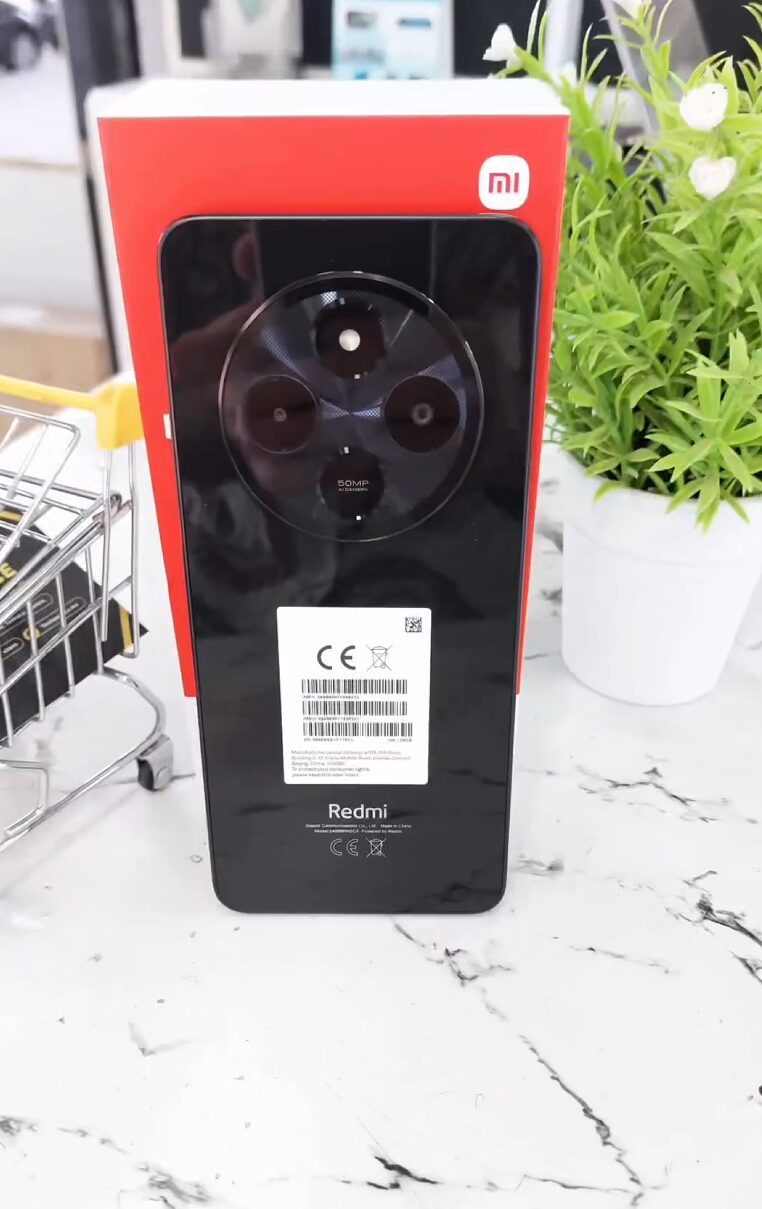
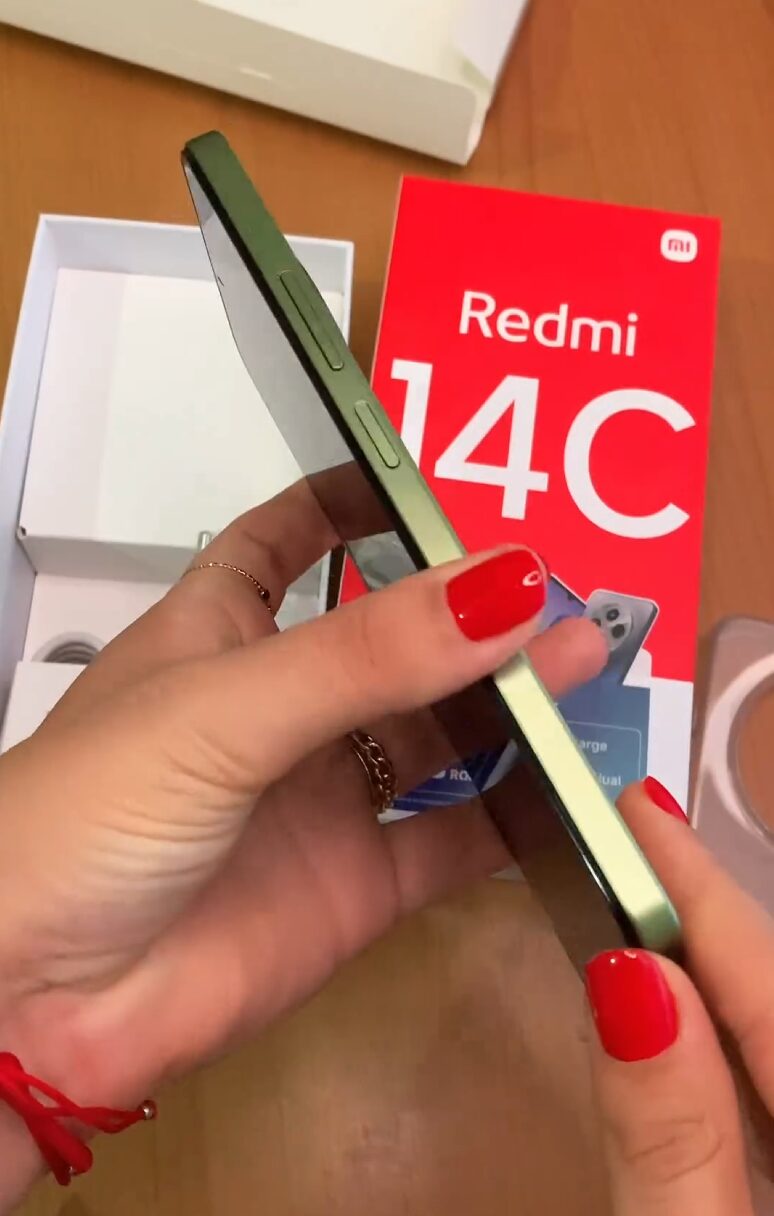
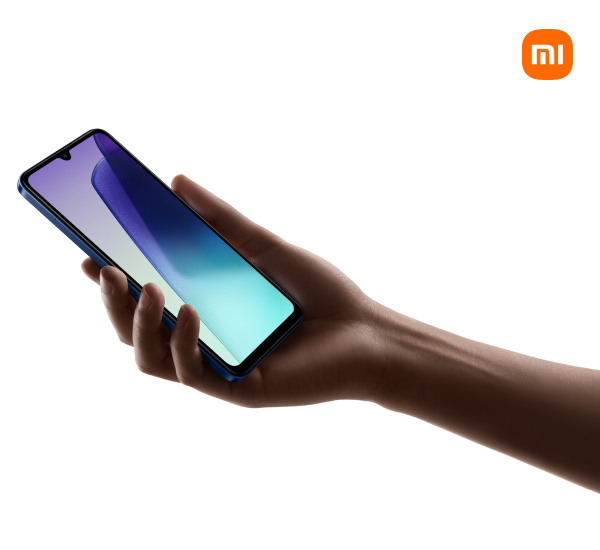
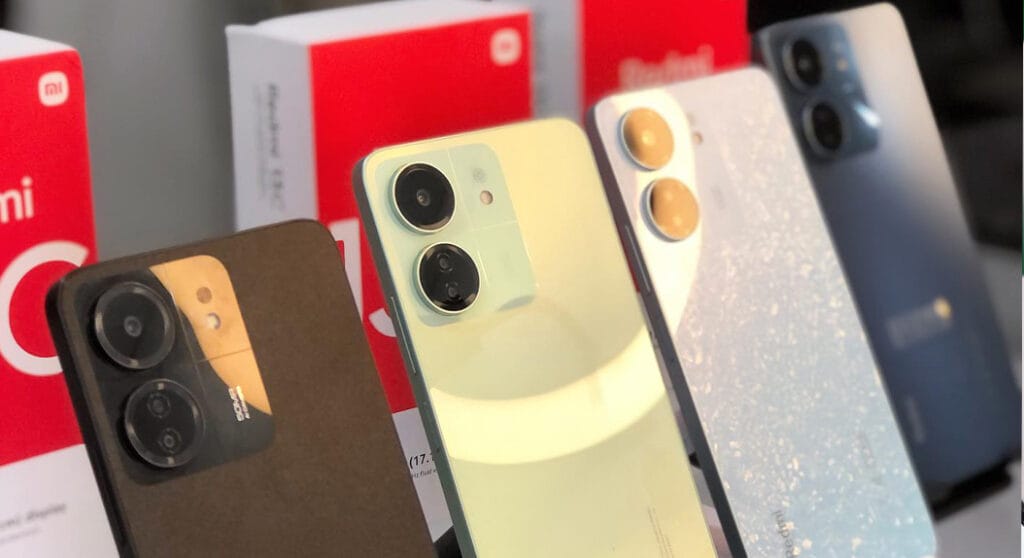
The smartphone product line offered by Xiaomi is divided into distinct segments of consumers, and the REDMI C series has a particular role in this product diversification. Having a designation in between other budget options such as REDMI A series and more advanced smartphones in the form of REDMI Note series, REDMI devices emphasize budget and basic requirements. REDMI 13C and REDMI 14C models are widely distributed in most regions, including Türkiye. Further analysis in this article discloses if the REDMI C series can fulfill requirements and expectations of younger generations of consumers, and which type of consumers can benefit most from it.
Strategic Positioning of the REDMI C Series
Xiaomi has always practiced a product pricing strategy based on different tiers according to their sensitivity towards pricing. In this segmentation, REDMI C series aims to provide basic smartphone usage capabilities with a controlled pricing mechanism, not targeting performance-centric mid-range smartphones.
Implemented, this approach means that the REDMI C series focuses on screen size, endurance, and usability rather than speed. The idea behind this product strategy by Xiaomi is not to cater to power users but to provide a stable smartphone experience to consumers who appreciate simplicity. Such a strategy has remained consistent in recent REDMI variants, such as the REDMI 13C and REDMI 14C.
Target Users and Daily Use Cases
The main market audience for the REDMI C series products is people whose need for a smartphone centers on communication, media consumption, and basic apps. Such phones are ideal for first smartphone buyers, senior people who want larger screens, and people in need of a reliable secondary phone.
Screen sizes over 6.7 inches are an advantage when it comes to viewing, and batteries with a capacity of 5,000 mAh will allow them to last a whole day. For such people, stability will matter far more in a device than gaming performance or fast storage.
In contrast, for younger consumers, the picture is a little different. Students and younger consumers will probably buy the REDMI C series because of financial necessity rather than preference. Although these devices will be sufficient for communication, browsing, and social network usage, standards relating to multitasking, gaming, and content creation will be higher.
Hardware Architecture and Performance Viewpoint
In terms of technology, the latest offerings in the REDMI C series come with MediaTek Helio processors such as Helio G85 or Helio G81 Ultra. These processors have a 12nm technology platform, which is optimized for cost savings rather than performance.
However, in terms of practical usage, this hardware configuration is sufficient for apps such as messaging, streaming, and basic social media usage. Where multiple apps are used simultaneously or where heavy games are launched, performance constraints become more evident. Moreover, this does not point towards any design inadequacy but rather a calculated trade-off with a focus on pricing.
Storage technology Another key factor to highlight is storage technology. The REDMI C series is equipped with storage technology called eMMC 5.1, which is slower when compared to the storage technology in the REDMI Note series, which is UFS storage technology. Therefore, application launch times and multitasking may not be very seamless.
Display, Multimedia, and Gaming Experience
The REDMI C series phones normally come with IPS screens featuring an HD+ display. Although these screens are quite large and conducive for reading and playing videos, they lack the sharpness and contrast typical of Full HD+ OLED screens found in higher-end segments.
As far as online streaming is concerned, everything remains in order, especially if one considers a service such as YouTube or Netflix. Gaming performance is adequate for casual games, but serious gaming would need lower graphic qualities in order to keep a stable framerate. As far as children are concerned, they may notice these deficiencies since they see gaming and social network support as an integral part of using a smartphone.
Pricing Context and Value Assessment
In the market, pricing dynamics are important in estimating the cost of REDMI C series devices. Depending on their model and vendors, a REDMI 14C device will cost approximately 150 to 170 USD when considered in local currency. Based on this pricing category, sometimes with promotional elements, devices from the REDMI Note series become affordable.
Naturally, this closeness in price encourages comparisons. Although the REDMI C series continues to offer competitive pricing in this segment, consumers with flexible pricing in mind will benefit more in moving up to a REDMI Note series model, especially when considering display and storage performance.
Software Support and Longevity
REDMI C devices come with Xiaomi Hyper OS pre-installed, which will allow consumers to benefit from being part of the entire Xiaomi ecosystem. Additionally, consumers can update their system apps using Hyper OS Updates.com or through Meme OS Enhancer from Google Play Services, which will provide consumers with access to additional functionalities such as system application updates and access to hidden functions among other benefits.
Although assistance via software is a positive factor in terms of longevity, a related need with respect to usage over time will remain linked with hardware capabilities. “Entry-level hardware may not be as fluid with future system updates, despite official support being offered,” a referenced article stated.
Final Evaluation: Is the REDMI C Series Suitable for Young Users?
The REDMI C series serves this purpose as an inexpensive and dependable line of smartphones. The series is most suitable for people with a focus on basic communication functions, large display screens, and durable batteries with a controlled price tag. For gamers and social media enthusiasts, if they have an interest in content creation, a better option in a different price segment would be to look at an alternative available in the REDMI Note series. Hence, in this case, a balance can be achieved based on an alternative offering available in a different price segment.
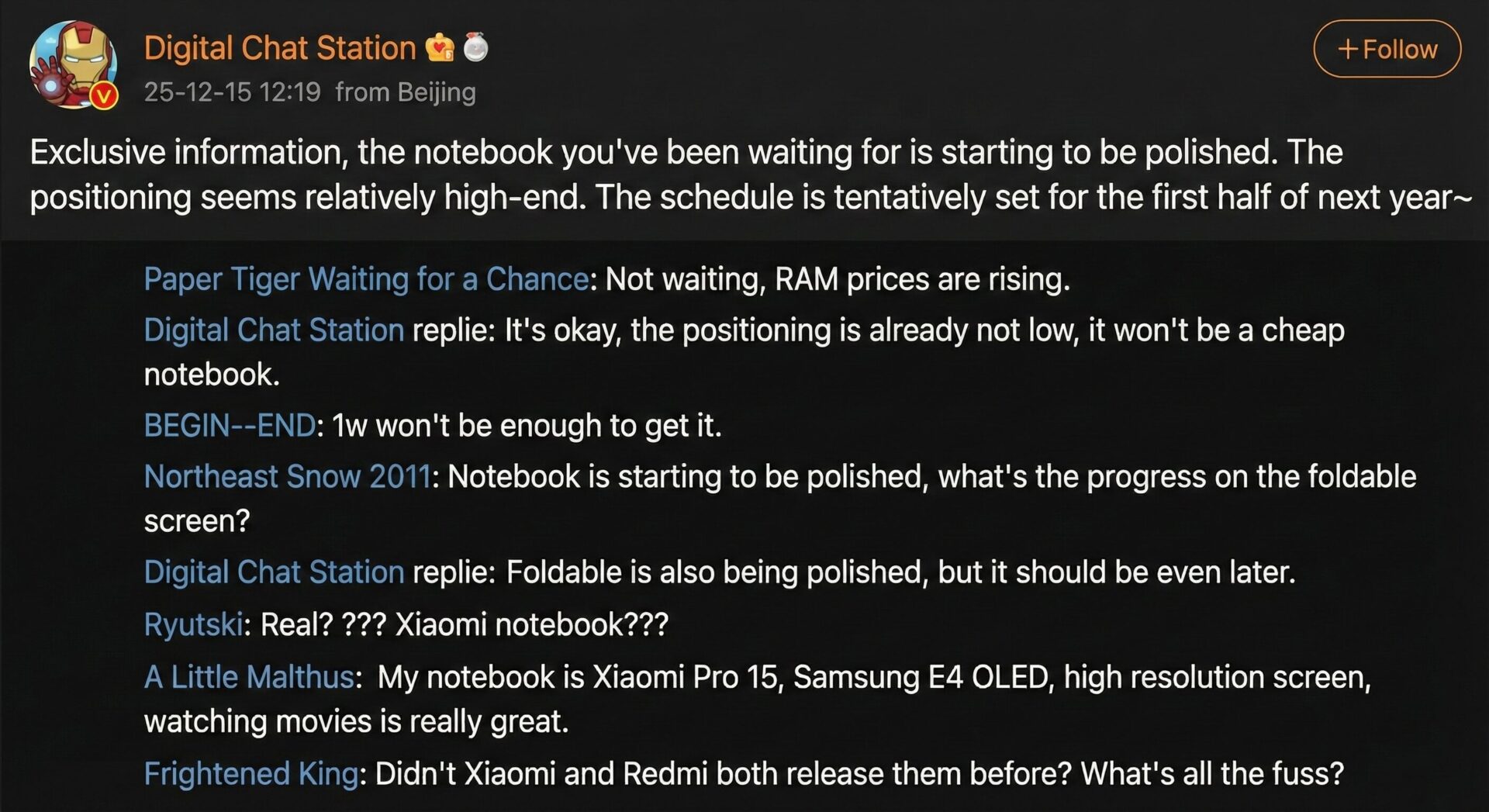
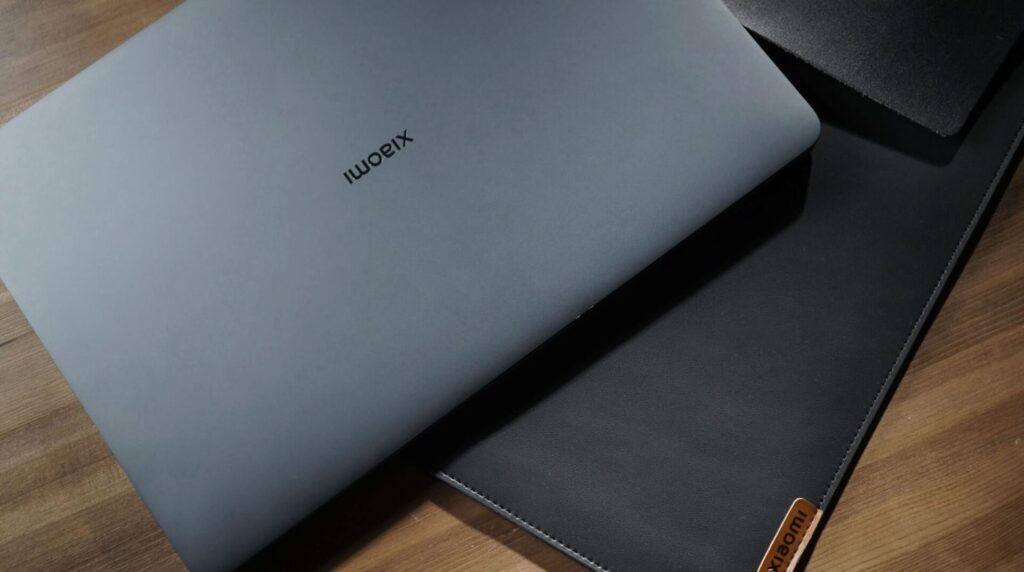
The company is said to be polishing a new high-end notebook, another fresh move in the premium PC strategy for the brand. According to information provided by famous Chinese blogger Digital Chat Station, the device is already in an advanced stage of polishing, with the tentative release window set for the first half of next year. Discussions among industry observers strongly suggest this model will fall under Xiaomi and not REDMI, further cementing its positioning as a flagship within the company’s broader ecosystem, which also includes products such as the Xiaomi Pad lineup and premium Xiaomi laptops.
Xiaomi’s Return to the Premium Laptop Segment
Historically, Xiaomi’s portfolio of laptops balances performance and value, whereas REDMI focuses on mass-market and cost-effective notebooks. This upcoming model seems to form a deliberate shift back toward the high-end segment under the Xiaomi brand. Early commentary has suggested that pricing will reflect the premium positioning of this particular device, especially as prices of memory and components continue to rise, which is affecting the global PC industry.
The strategic move aligns with Xiaomi’s long-term hardware roadmap, where premium devices are designed to fit tight in with HyperOS and Xiaomi HyperConnect for a seamless cross-device experience across phones, tablets, and smart accessories.
What We Know About Development Progress
While official specs are still not available, from his responses, it would appear that the laptop is well beyond the concept stage and is already in refinement. This would typically include nailing down industrial design, internal layout, and performance tuning. Such a stage would typically precede mass production planning as well, in support of reports of its manufacturing possibly starting in early 2026.
Other product categories were also discussed during community discussions, which include foldable-screen devices. The same source noted that the projects for foldable display are likewise in development and would arrive later, meaning Xiaomi is putting more focus on the premium laptop first.
Context From Xiaomi Executives
This report is in line with what was said earlier by the chiefs of Xiaomi. At the end of 2024, Wang Hua, General Manager of the Xiaomi Group Public Relations Department, when answering questions concerning Xiaomi-branded notebooks, stated that once REDMI had finally settled down in the notebook market, the company would revisit Xiaomi laptops. As things stand, conditions are now ripe for Xiaomi to attempt re-entry into the premium space, considering how REDMI now has a mature lineup.
Market Positioning and Expectations
A high-end Xiaomi laptop positioning, rather than a budget model
Likely to feature top-shelf materials and flagship-level performance
This is expected to integrate deeply with HyperOS and Xiaomi’s ecosystem. With Xiaomi continuing to branch out beyond just smartphones, this laptop could potentially become a central plank in its premium hardware strategy-particularly for those looking to move seamlessly across devices from Xiaomi.
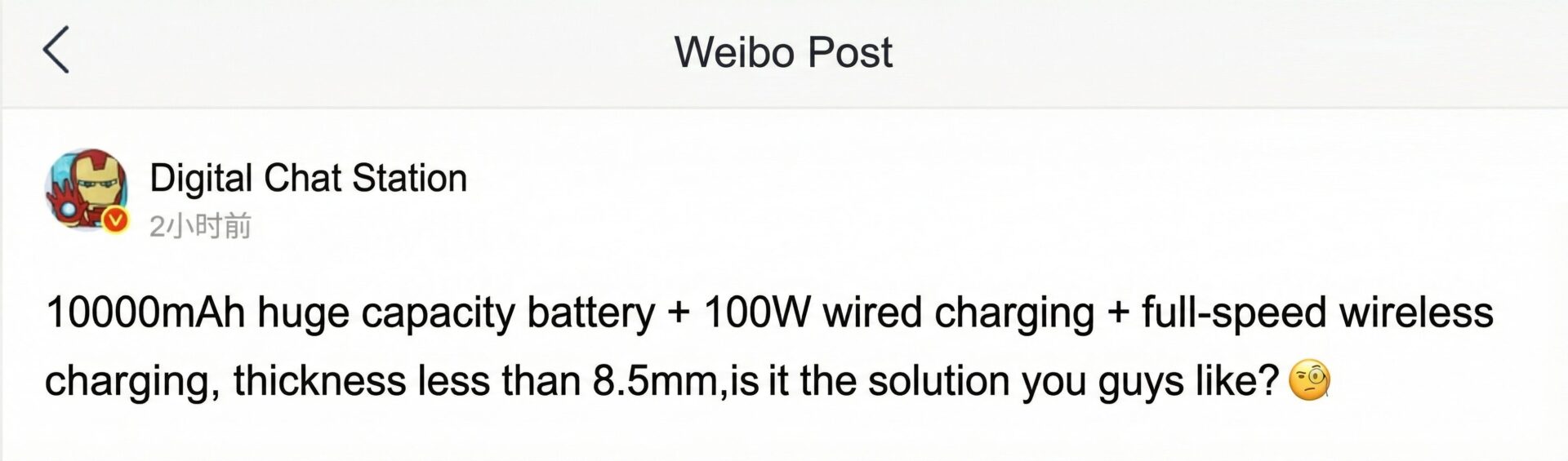
Blogger @DigitalChatStation reported via Weibo that a future smartphone from a major manufacturer is readying a major battery bump, going up to 10,000mAh while maintaining less than 8.5mm of thickness for the device. Industry observers believe this device is widely believed to be the REDMI K90 Ultra, Xiaomi’s next-generation performance-focused flagship for the Chinese market. Already, the leak has garnered significant interest because it combines very high battery capacity with fast charging and an industrial design that remains slim, making it a notable step up for the REDMI K Ultra series.
Battery Technology and Charging Strategy
According to the leak, the REDMI K90 Ultra will boast a 10,000mAh battery with 100W wired fast charging and full-power wireless charging. Being able to achieve this capacity in a chassis thinner than 8.5mm suggests that Xiaomi uses a new high-density battery solution combined with advanced internal stacking and thermal management.
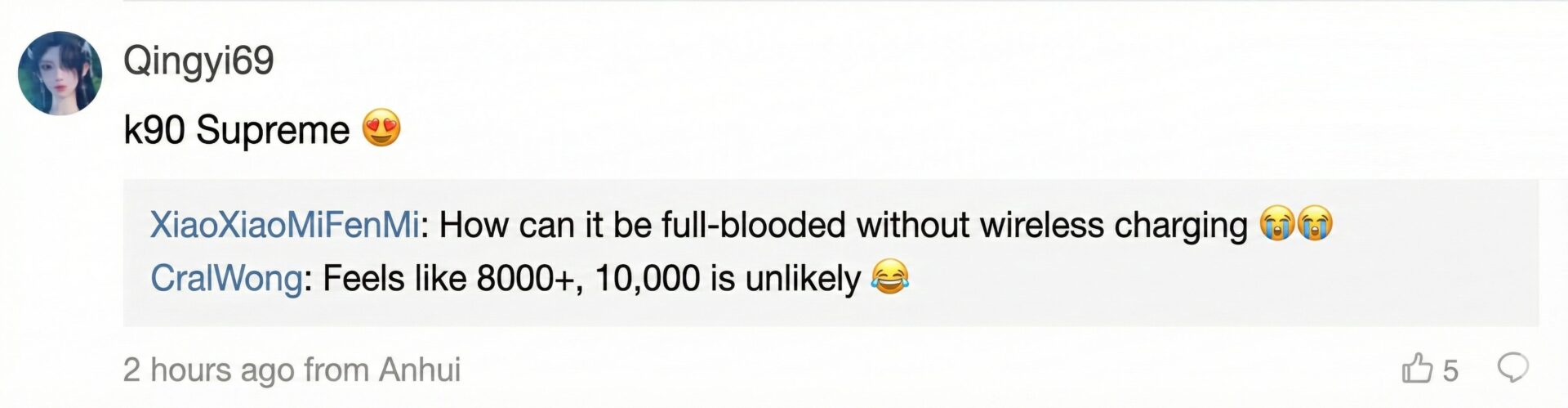
DigitalChatStation added in the comments that Xiaomi is rather focusing on daily usability and hand feel over further increasing the thickness of the smartphones. This, in turn, aligns with Xiaomi’s recent design philosophy: finding a balance between endurance, ergonomics, and charging efficiency rather than going forward with raw battery size.
Expected performance and hardware positioning
Besides the battery, the REDMI K90 Ultra will still be a real flagship-level performance device. When he was asked whether this phone will adopt a mid-range Snapdragon or Dimensity chip, the blogger hinted strongly at top of the range chipsets, with no mid-range options, in line with the positioning of previous REDMI K Ultra series.
Based on previous leaks, it could pack:
MediaTek Dimensity 9-series
Large flat LTPS display around 6.8 inches
1.5K resolution with up to 165Hz refresh rate
Metal frame construction
Ultrasonic in-display fingerprint sensor
Comprehensive water and dust resistance
These specifications would suggest that Xiaomi is firm about keeping the K90 Ultra to the flagships in terms of performance, rather than a reshuffling of those specifications into some kind of battery-centric compromise device.
Position of REDMI K90 series.
Ultra, on its part, within the REDMI K90 series, is believed to sit just below the Pro Max variant, yet still with very competitive specifications. Information till date indicates that the REDMI K90 Pro Max carries the Snapdragon 8 Elite platform, a dedicated graphics chip, and a high-end OLED display with advanced pixel architecture.
The REDMI K90 Ultra will be sold exclusively in China, like all its predecessors. It is expected to have a global outing later under the branding of Xiaomi T series, which continues with Xiaomi’s market strategy.
Strategic implications for Xiaomi
If these details are confirmed, the REDMI K90 Ultra would represent a major milestone in battery engineering for slim flagship smartphones. Putting together such a large 10,000mAh battery with fast wired and wireless charging in a thin body really shows continued investment by Xiaomi in the fields of material science, power management, and long-term usability.
Such a device would better reinforce Xiaomi’s position in the performance flagship group of customers who would not want to compromise on battery longevity with premium design standards.
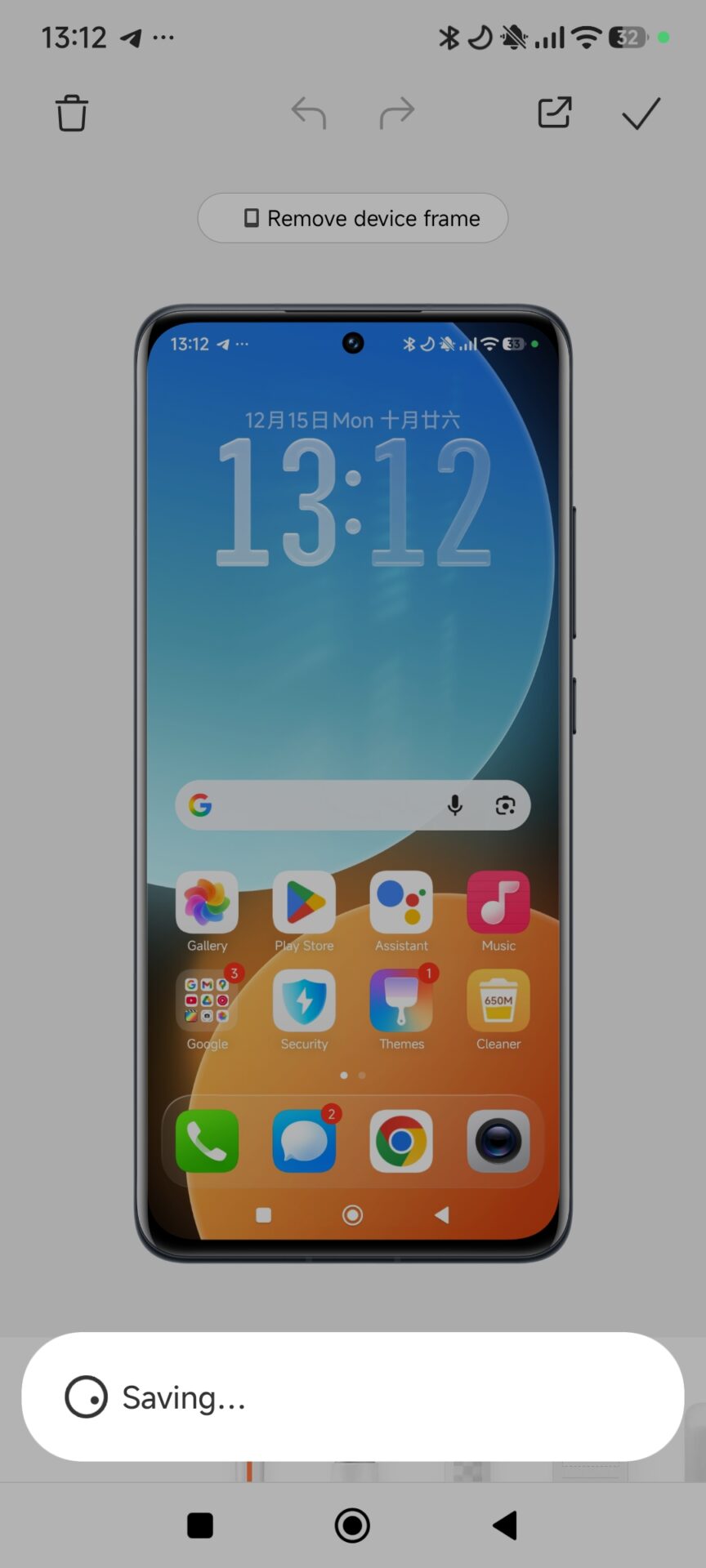
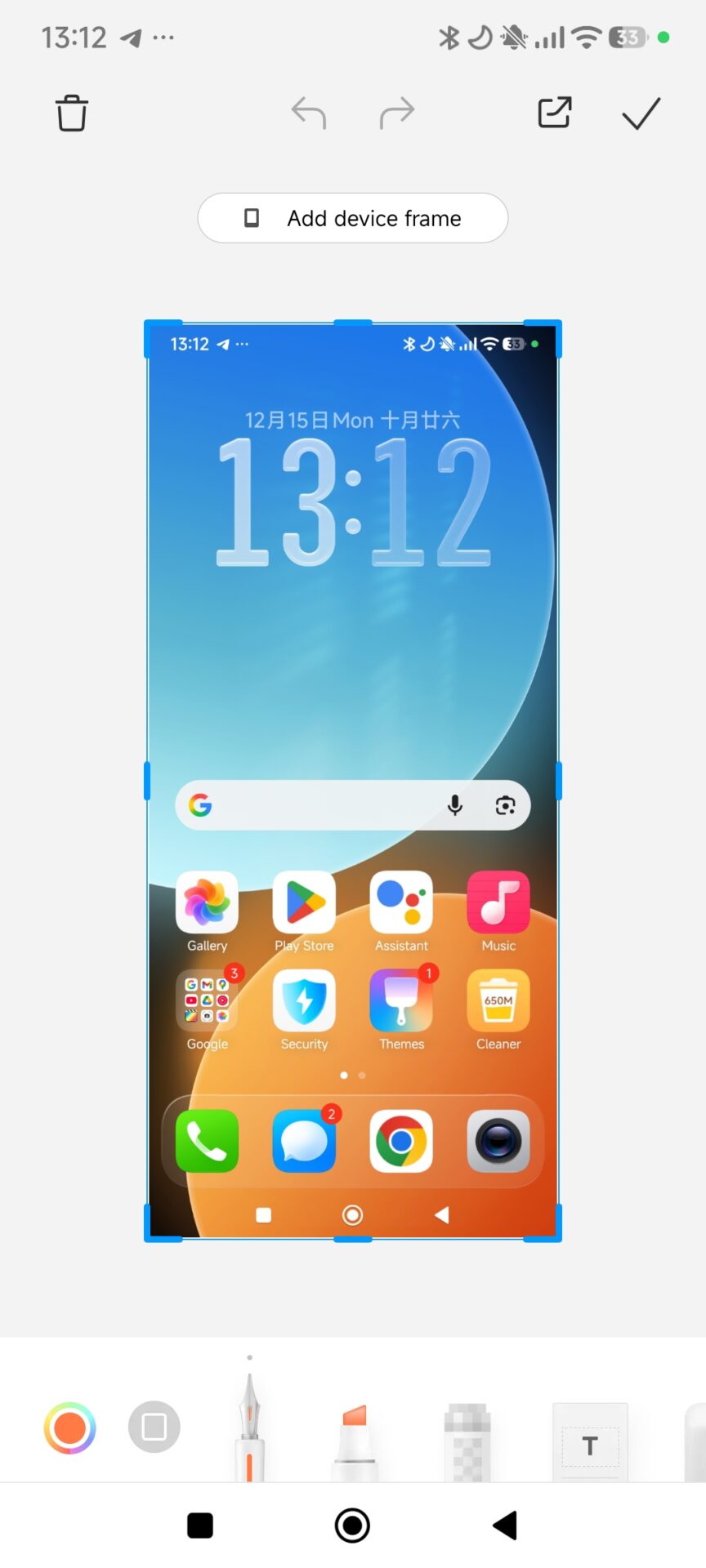
Some Xiaomi phones do not include the built-in screenshot frame feature found on newer HyperOS versions. This can be inconvenient for users who want clean, professional-looking screenshots with device frames for sharing or publishing. Fortunately, this limitation is not tied to hardware. With the right third-party solution, the same visual result can be achieved easily. By using a lightweight customization app, Xiaomi users can manually recreate screenshot frames while maintaining full control over resolution and alignment. This approach works consistently across different Xiaomi, REDMI, and POCO models and integrates well with existing HyperOS workflows.
Using Snapmod to add screenshot frames on Xiaomi phones
Snapmod is a customization-focused application that allows users to manually define screen frames for screenshots. It does not modify system files and works independently from Xiaomi HyperOS features, making it suitable for devices where the native screenshot frame option is missing.
After installing Snapmod, users can configure a custom device profile that precisely matches their phone’s display dimensions. This ensures that the final framed screenshot looks natural and consistent with official Xiaomi promotional images.
Step-by-step configuration process
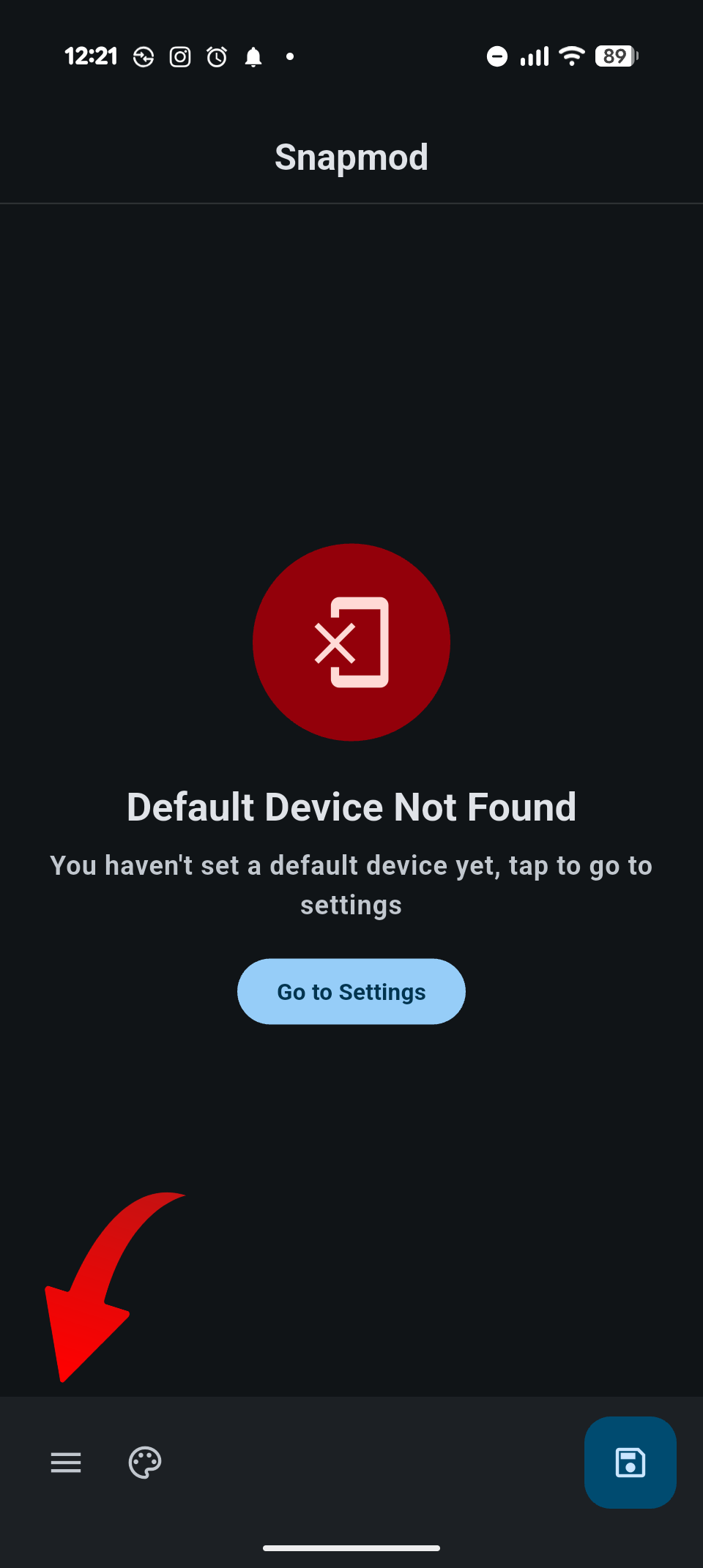
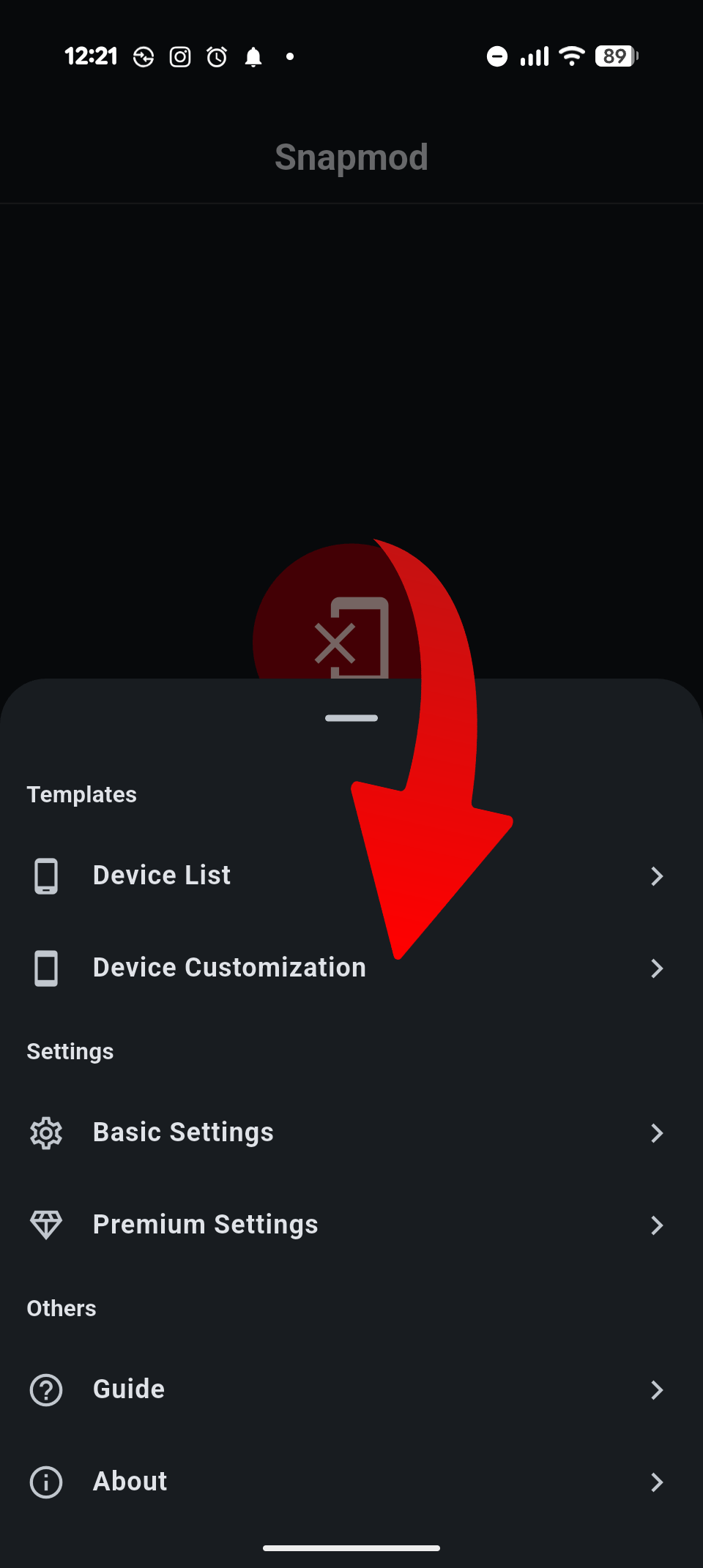
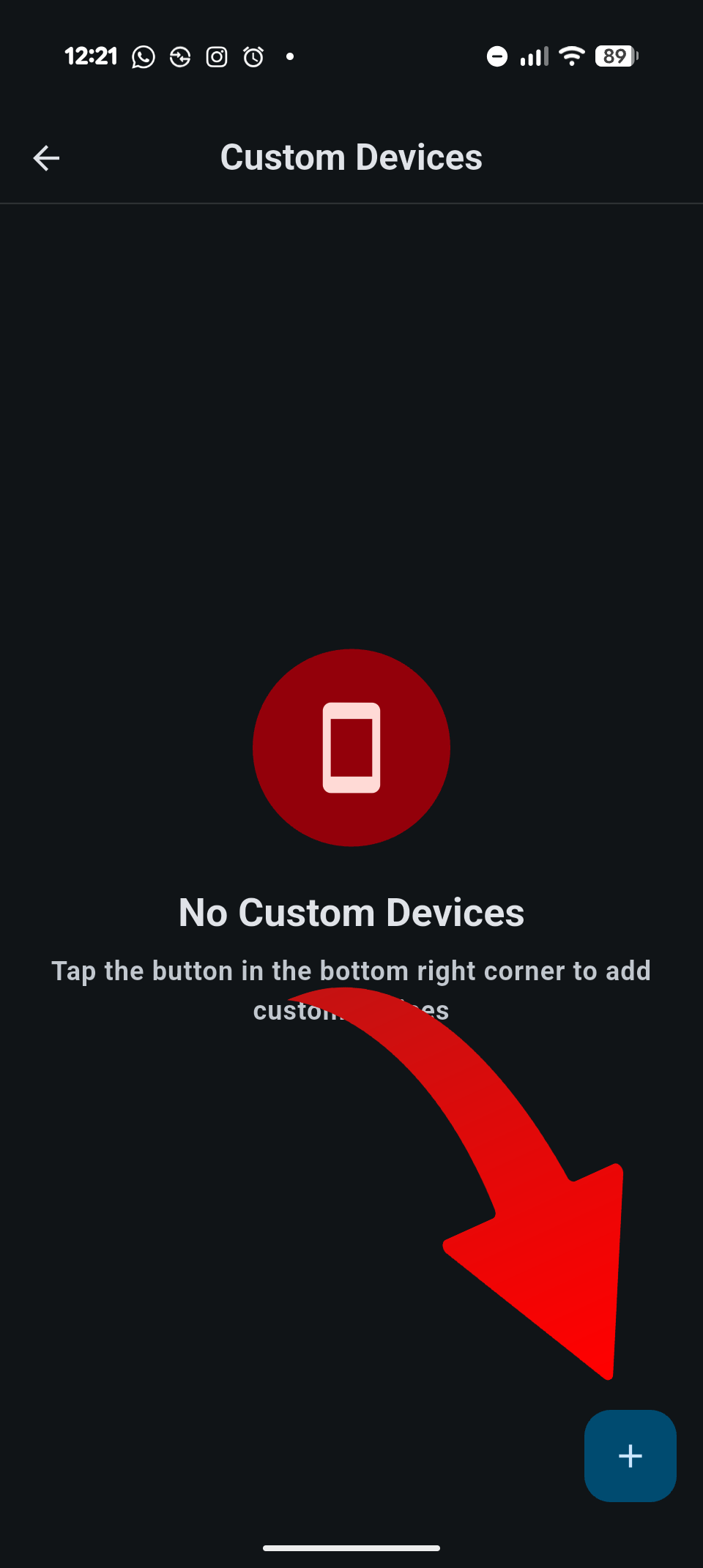
To begin, open the Snapmod application and access the main menu by tapping the three-line icon located at the bottom left of the screen. From there, select Device Customization and tap the plus icon in the bottom-right corner to create a new profile.
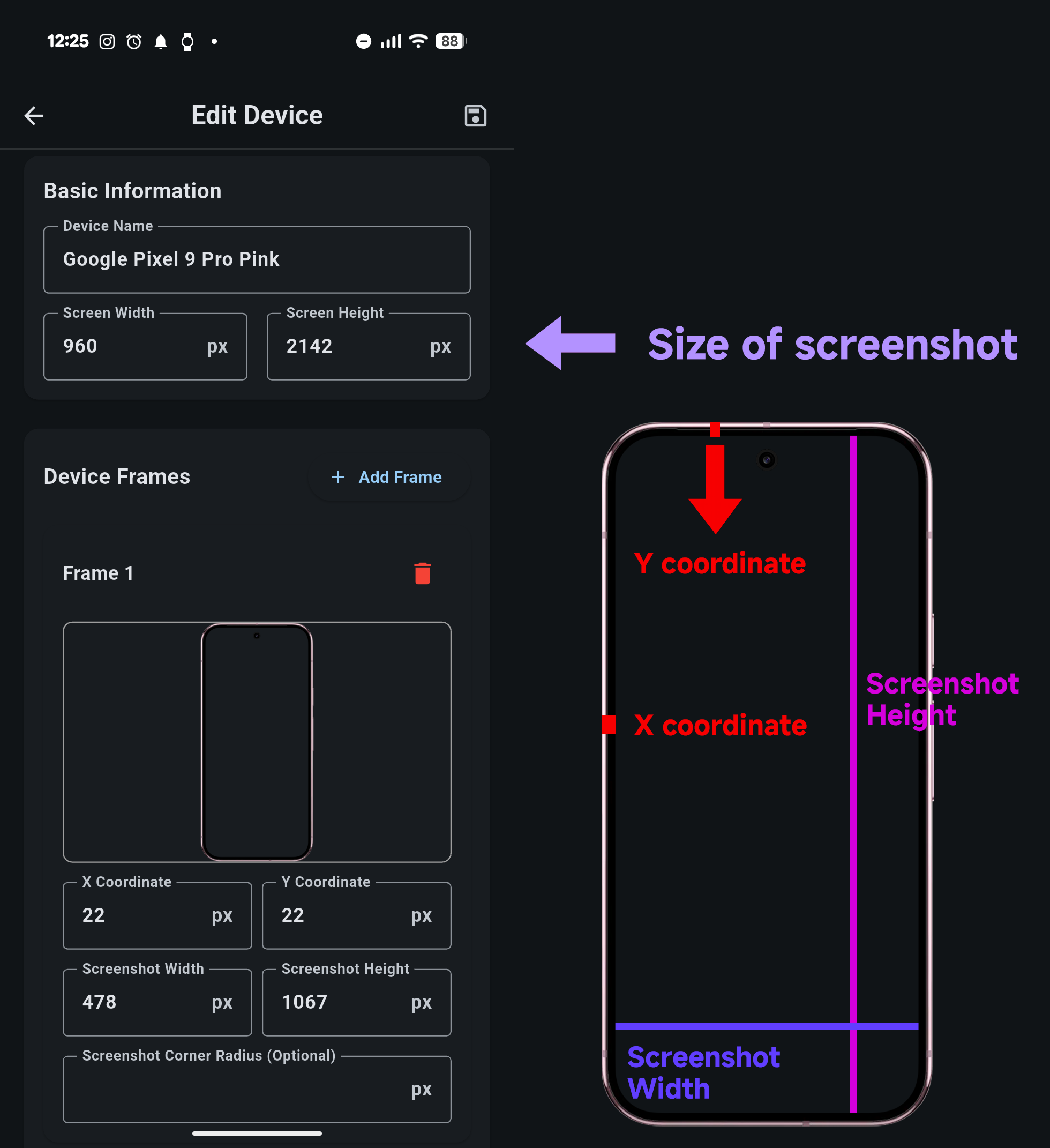
You will then need to enter several display-related values. The Screen Width and Screen Height should match your phone’s native screen resolution. The X Coordinate defines the vertical pixel distance between the screen content and the phone frame, while the Y Coordinate controls the horizontal spacing.
Next, set the Screenshot Width and Screenshot Height, which represent the exact pixel dimensions of the visible screen area inside the frame. Accuracy here is important for realistic results. Finally, upload a PNG image of your phone frame where the display area is transparent. This PNG acts as the visual shell around your screenshot.
Why this method works well on HyperOS devices
This manual approach offers flexibility that even built-in features may not provide. It allows Xiaomi users to maintain consistent visuals across different devices, including older models and POCO-branded global variants. Because Snapmod operates independently, it remains compatible with HyperOS updates and does not interfere with system stability.
For users who regularly share screenshots on social media, forums, or articles, this method provides a reliable workaround without waiting for official feature support. It also aligns well with Xiaomi’s design language when properly configured.
Xiaomi has detailed a seasonal camera feature for HyperOS 3, with a new Christmas-themed watermark designed to enhance photo personalization. Speaking to XiaomiTime, Xiaomi’s camera product management team has revealed the feature will kickoff a gray-scale rollout this week, beginning in China. The update focuses on flexibility with subtle design rather than visual exaggeration, fitting with the general direction of Xiaomi’s recent camera software.
Overview of HyperOS 3 Christmas Watermark
The Christmas watermark is fully baked into the HyperOS 3 camera framework and, crucially, is designed as a lightweight optional overlay. Xiaomi has confirmed the rollout will go live on devices running HyperOS 3 in China only. Consistency with existing camera watermarks is prioritized to ensure that the new feature does not compromise image quality, or that of metadata handling or post-processing performance.
From a software perspective, the camera application natively renders the watermark-so no compression artifacts are introduced, and the original image resolution is preserved. A user can apply the watermark either at the time of capture or at any later point in time using the system album editor to ensure flexibility during everyday use.
Options of Customization and Structural Layout Design
According to Xiaomi, the Christmas watermark includes three different layouts and nine visual styles. Before explaining them in detail, one should mention that the design language follows Xiaomi’s minimalistic aesthetic, keeping readability and balanced spacing at the center stage.
The customizable features include:
Three layout structures that are optimized for different photo orientations
Nine style variations combining icons, typography, and festive elements
Free color matching for different scenes’ adaptation of watermarks
Provide both camera application insertion support and album-based editing.
These options enable users to enhance images without having to revert to third-party photo editing tools, further reinforcing the idea that HyperOS 3 wants to be about native functionality.
Availability and Regional Restrictions
For now, it would seem that Xiaomi says the Christmas watermark feature is China-only. At the moment, there is no word on its global availability or expansion to international builds of HyperOS. As has often been the case with many features in HyperOS’ cameras, decisions for regional rollouts often rely on various localization priorities and device certification timelines.
Knowing this, for users who want to update system apps for Xiaomi, here’s the bonus: camera-related updates can also be tracked on HyperOSUpdates.comor through the MemeOS Enhancer app on Google Play that gives access to system app updates, among other additions for Xiaomi.
Software lifespan is now a consideration equal in priority to hardware in the global smartphone market. Among these devices, a major transition will take place in 2026 when many devices adopted with outdated update cycles will come to the end of their official support lifetime. With information culled from the Android Enterprise Recommended device list, an announcement from Xiaomi Security Center, and past update commitments, this piece will detail which devices under the umbrella of Xiaomi, Redmi, and POCO will attain their End-of-Life status in 2026.
Update Policy Change in Xiaomi and Why 2026 Matters
Software support in Xiaomi phones has greatly improved over time. Current model series, such as the Xiaomi 15T series and Xiaomi 17 series smartphones, support at least five to six years of updates. However, this update does not apply to old devices. Devices launched in 2022 and 2023 were launched in a time when the brand transitioned to this support mode of two to three major Android updates and four years of security updates.
EOL analysis is most dependent upon the end of security updates rather than the specific Android versions. Past a point where updates cease, there can be a higher risk of incompatibility with financial and business apps. Thus, the important milestone in this case is indeed 2026, which marks a separation in time from before and after the new support cycle of Xiaomi.
Xiaomi-Labeled Phones Reaching EOL in 2026
Several flagship and upper-mid-range smartphones launched by Xiaomi are forecast to stop getting official security updates in 2026. Although these devices have capable hardware, their product cycle will end in accordance with the traditional model of updates.
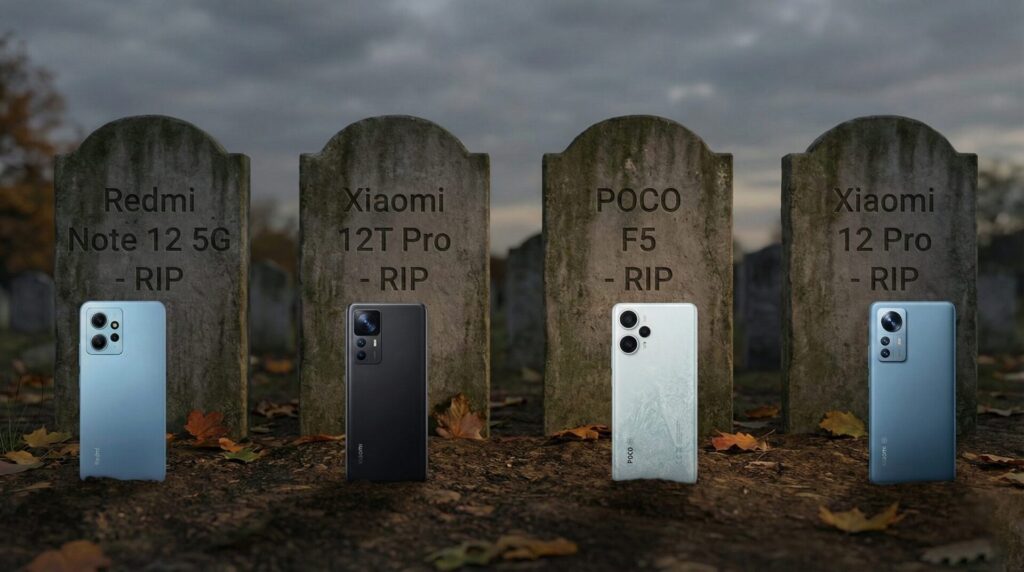
Xiaomi 12 / Xiaomi 12 Pro
With Snapdragon 8 Gen 1 launched globally in early 2022, these devices are expected to get security updates until the first quarter of 2026. They will conclude their OS life cycle with Android 15 and HyperOS 3.
Xiaomi 12X and Xiaomi 12 Lite
As more accessible versions, both products are expected to achieve security EOL in approximately March of 2026.
Xiaomi 12T / Xiaomi 12T Pro
The 12T series was launched in late 2022 and enjoys a slightly prolonged term of support. They can be expected to have support until approximately October 2026, making them two of the last devices under the company name of ‘Xiaomi’ launched in 2022 to have support end. 12T will EOL with HyperOS 2 Android 15. 12T Pro will EOL with HyperOS 3 Android 15.
Redmi Devices and Their Influence in the Mass Market
Redmi series devices, especially Redmi Note devices, represent a considerable volume of Xiaomi’s total global user base. Therefore, EOL considerations in such a segment influence a massive number of users.
Redmi Note 12 Pro+ 5G & Redmi Note 12 Pro 5G
They include these popular mid-range devices, which come with a security update end-of-life in around October 2026. EOL with HyperOS 2 Android 15.
Redmi Note 12 5G and Redmi Note 12 4G
The 5G variant is expected to stop getting security updates in or around March 2026, and the 4G variant is expected to follow in April 2026. EOL with HyperOS 2 Android 15.
Typically, entry-level Redmi series devices come with shorter support lifecycles, where most devices launched before 2023 have already attained EOL status before or in early 2026.
POCO Phones: Performance Hardware, Short Software Life
POCO phones have enjoyed excellent performance for their price, but with shorter update support in mind, some important devices will attain EOL in 2026.
POCO F5 5G
POCO F5, which is powered by Snapdragon 7+ Gen 2 and launched in mid-2023, is expected to support security updates until May 2026. EOL with HyperOS 2 Android 15.
POCO X5 Pro 5G and POCO X5 5G
Both of these versions, launched in early 2023, are expected to reach the end of support in security in the first quarter of 2026. EOL with HyperOS 2 Android 15.
Devices such as POCO F4, which are old models, will already be EOL by the time 2026 arrives and thus will not be considered newly ended support in this time span.
What EOL Means for Users and the Market
The end-of-life of security updates will not make a device immediately unusable but will bring in new risks in the long run. Financial apps can have limited functionality, and companies can deny access using device management policies. Economically, second-hand prices can drop significantly after EOL. Heavy users of system apps from Xiaomi need to know that most of these apps can actually be updated using HyperOSUpdates.com or through the MemeOS Enhancer application available at Google Play, which gives access to other features and tools on the system. Even with all this, the systems will not have security updates.
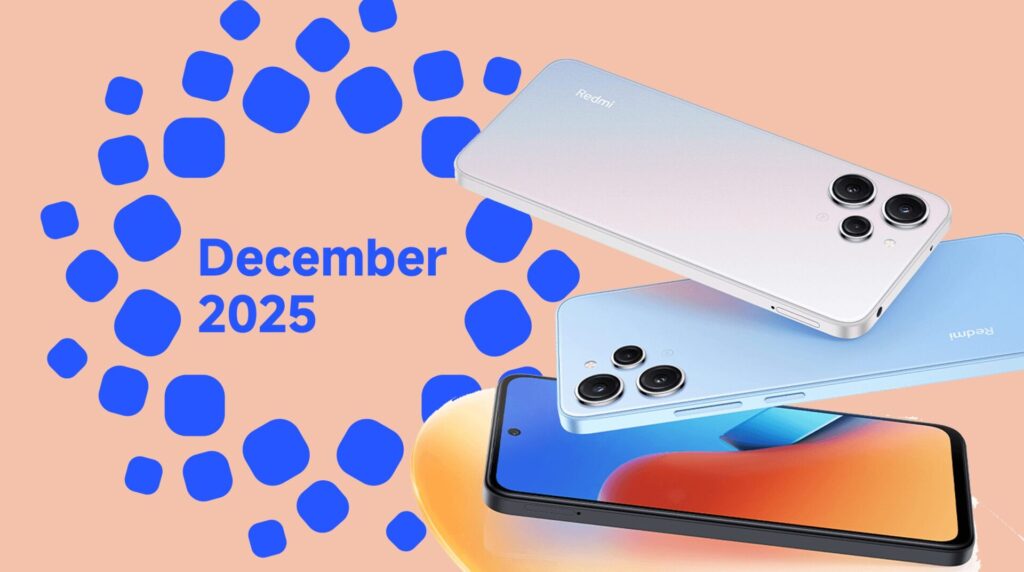
Xiaomi has officially started rolling out new updates for HyperOS with the December 2025 Android security patch, centered around system stability and user protection. Rollout targeting selected Redmi models in some regions brings a number of important fixes for several security vulnerabilities. These updates are part of Xiaomi’s continued software maintenance efforts under HyperOS to ensure devices remain protected against emerging threats while continuing performance consistently across various versions of Android.
Devices Receiving the December 2025 HyperOS Update
This first phase of the December 2025 security update rollout covers two Redmi smartphone models each, per region and Android version. Xiaomi is continuing its usual staged deployment approach to ensure the quality of the updates and minimize issues that may arise.
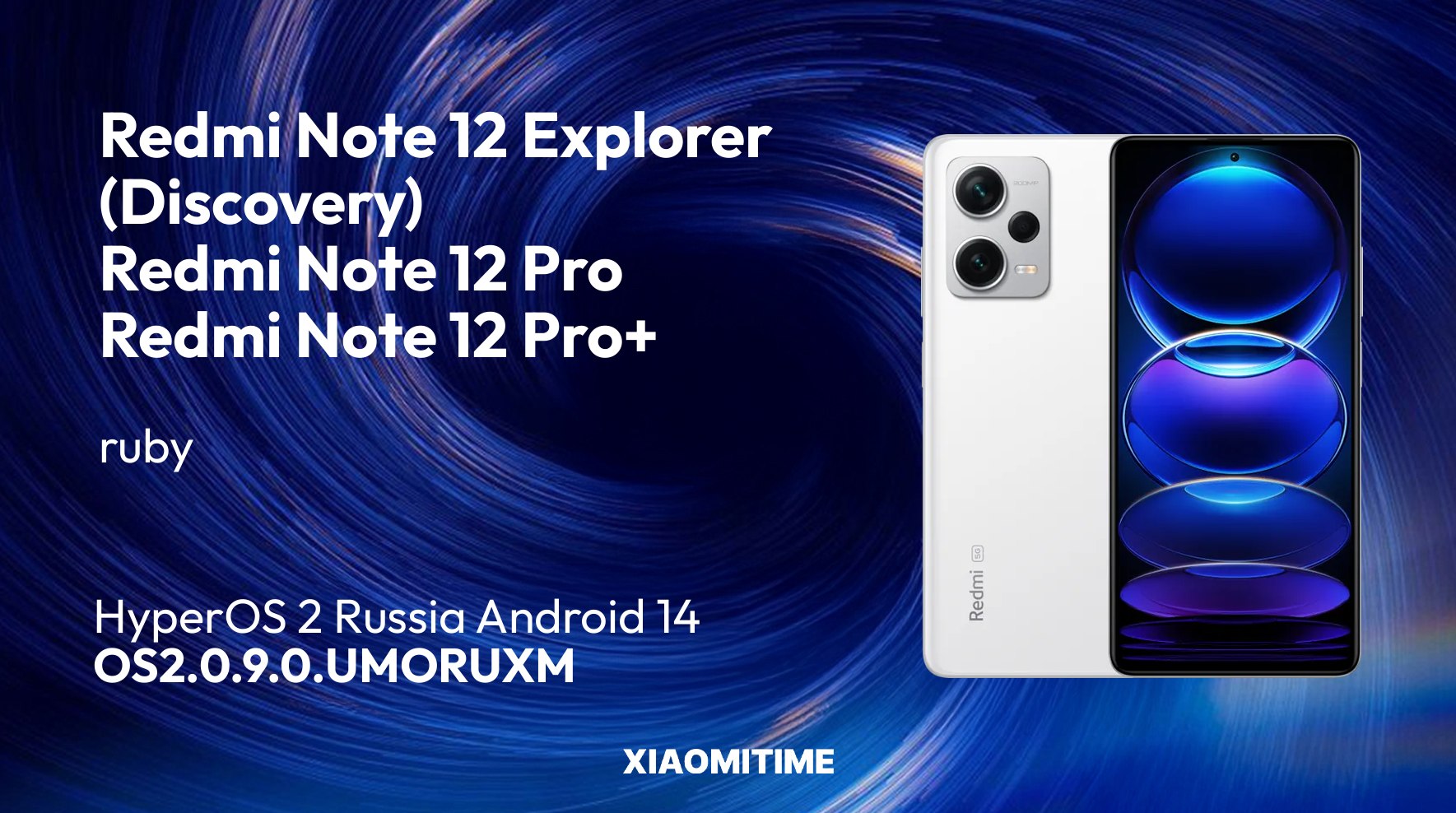
Redmi Note 12 Pro / Redmi Note 12 Pro+
Region: Russia
Firmware version: OS2.0.9.0.UMORUXM
Android Version: Android 14
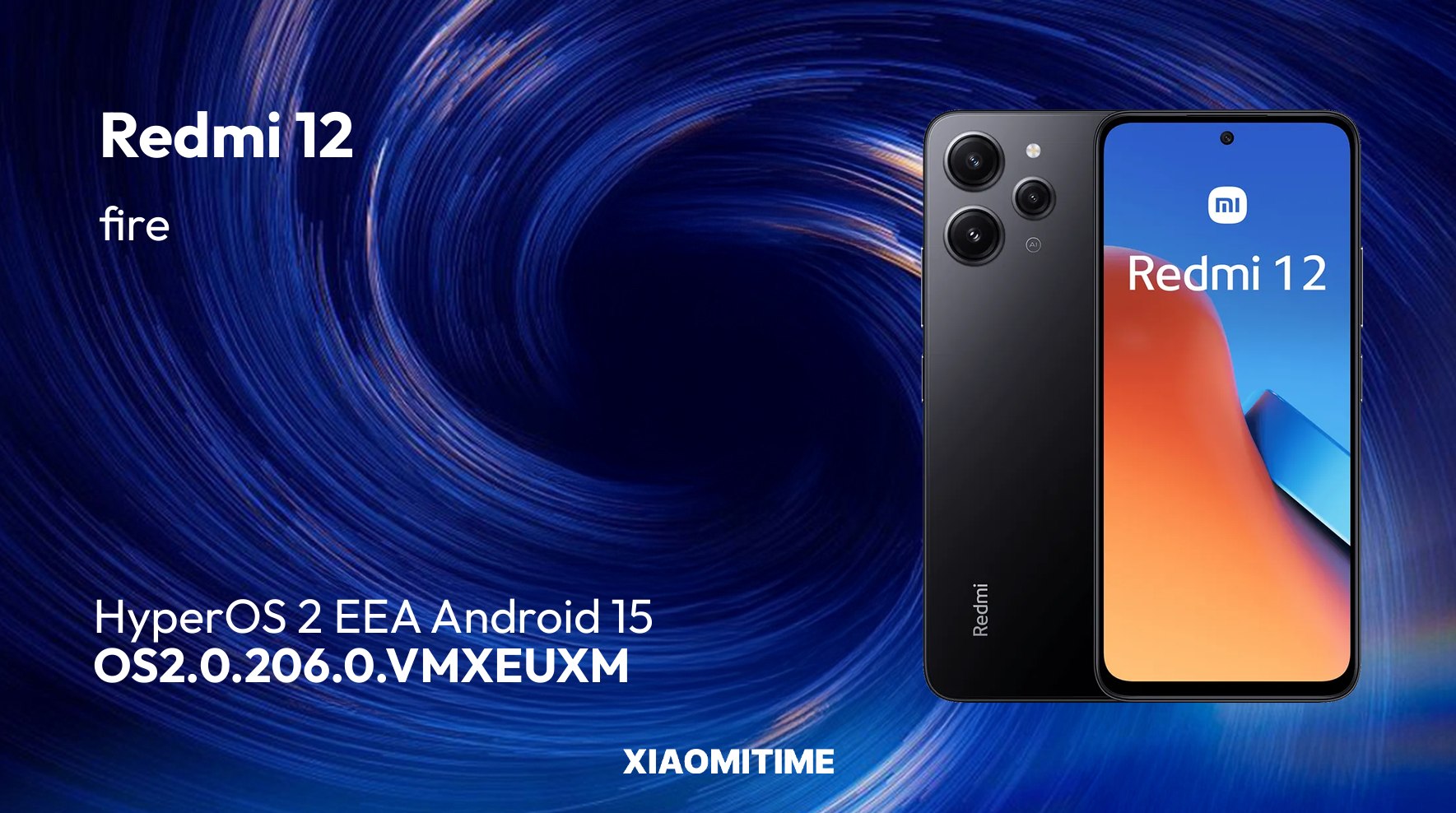
Redmi 12
Region: EEA (Europe)
Version: OS2.0.206.0.VMXEUXM
Android Version: Android 15
These updates confirm that Xiaomi continues to support both Android 14 and Android 15 variants in parallel for its respective devices running under the HyperOS ecosystem.
What’s New in the December 2025 Security Patch
Besides the other updates, Xiaomi has laid strong emphasis on system security and malware protection with the December 2025 security patch. The update fixes a wide range of vulnerabilities identified at the Android framework and system level. Many of these fixes are rated critical, especially malicious apps capable of locking your device or attempting to access files in a prohibited manner.
In the last few months, some new malware related to Android has been targeting lock screens and input methods. Xiaomi’s December patch directly addresses these risks by strengthening system permissions and improving background process control at the HyperOS level. This helps ensure user data integrity without affecting daily device performance.
Update Availability and System App Security
The rollout is gradual and may therefore take some time to reach all eligible users. When available, update manually using the standard system updater under HyperOS. Xiaomi also recommends keeping system apps up to date, since security fixes often depend on updated core apps.
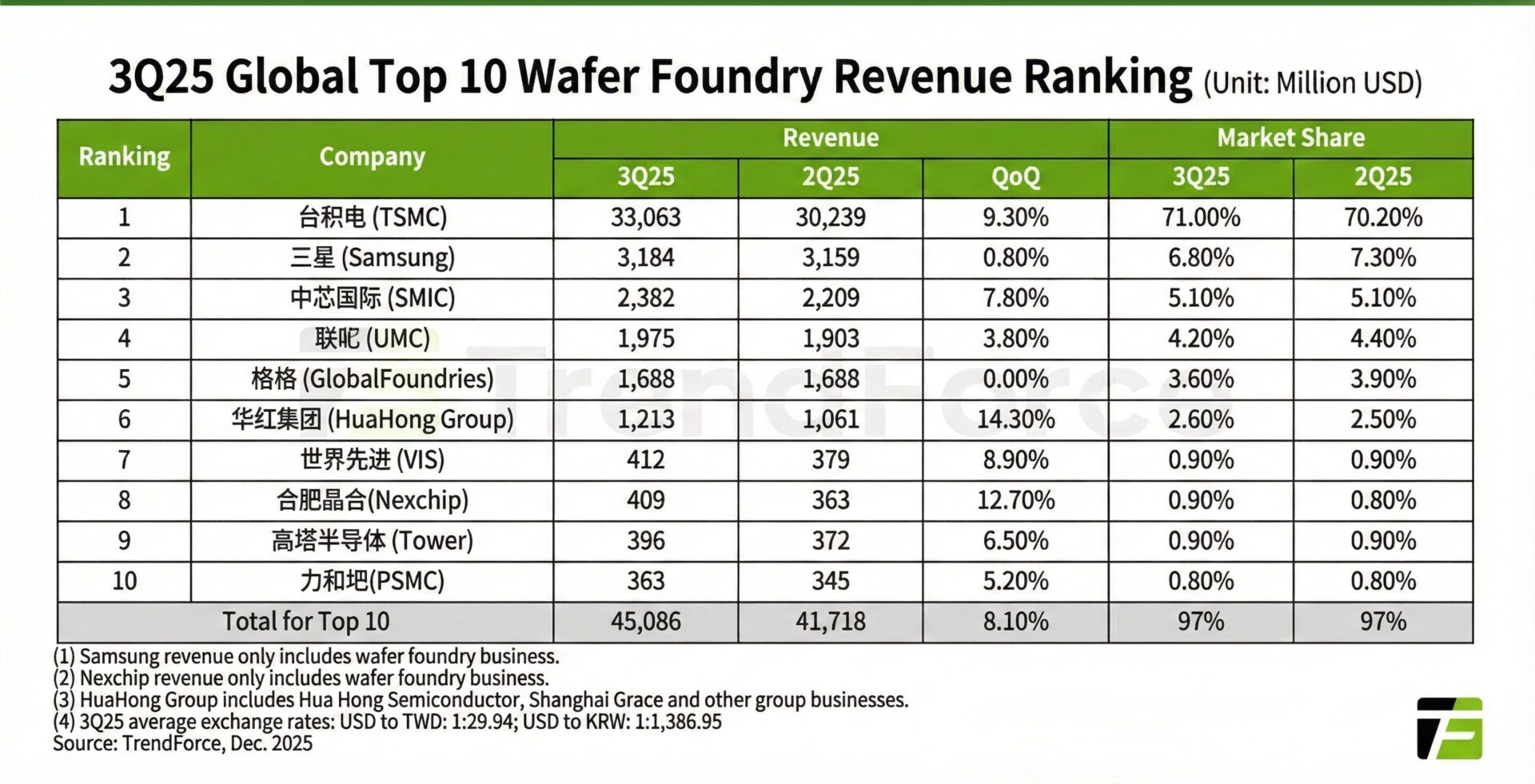
The latest data from TrendForce shows that the global semiconductor manufacturing industry recorded solid growth in the third quarter of 2025. Combined revenue for the world’s top ten semiconductor foundries was up 8.1% quarter-on-quarter to reach $45.09 billion. Indeed, this attests to the ongoing momentum of advanced chip manufacturing-a field Xiaomi has kept a close eye on while expanding its long-term silicon ambitions through projects like XRING O1 and its wider Xiaomi HyperOS ecosystem.
Recent chip design and supply chains have also been important in flagship platforms such as Snapdragon 8 Elite, which is behind many Xiaomi devices.
Overview of Semiconductor Foundry in Q3 2025-TrendForce
According to TrendForce’s latest report, the ranking of the global top ten wafer foundries remained stable in Q3 2025. The industry still was occupied by three major groups: TSMC, Samsung Foundry, and then a cluster including SMIC, UMC, GlobalFoundries, and Hua Hong.
One notable change within the list was Chip Integrated Circuits, which passed Tower Semiconductor in quarterly revenue and moved up the list to eighth place. That movement reflects a general uptick in the level of competition within mature and specialty process nodes, even as advanced nodes remain the primary driver of revenue.
The total revenue of $45.09 billion underlines how resilient the foundry sector has become despite ongoing geopolitical uncertainties and fluctuating component prices.
Advanced Nodes and AI Workloads Continue to Fuel Growth
Demand relating to AI HPC, flagship mobile CPUs, and supporting chips for new consumer electronics was the main growth engine in Q3 2025. TrendForce pointed out that 7nm and below advanced process technologies contributed the most to overall revenue growth during the quarter.
These advanced nodes are indispensable for modern smartphone SoCs, AI accelerators, and data center processors. Xiaomi’s premium smartphones, tablets, and smart devices heavily depend on such an ecosystem, particularly as the company pushes through tighter hardware–software optimization with Xiaomi HyperOS and connected services under Xiaomi HyperConnect.
Outlook for Q4 2025 and Beyond
TrendForce projects that growth momentum will be relatively more muted in Q4 2025. As memory prices rise, and the global supply chain prepares cautiously for 2026, foundries and clients are now making more conservative production plans.
Even if the automotive and industrial control sectors improve their demand, the overall capacity utilization growth is expected to remain limited. Therefore, in the last quarter of the year, year-over-year revenue growth for the top ten foundries may significantly slow down.
Can Xiaomi’s XRING Enter the Global Foundry Top 10?
Apart from that, one commonly asked question among the followers of Xiaomi is whether Xiaomi XRING would be able to enter the top ten foundries of semiconductors around the world. From a realistic industry perspective, this is **unlikely in the near term.
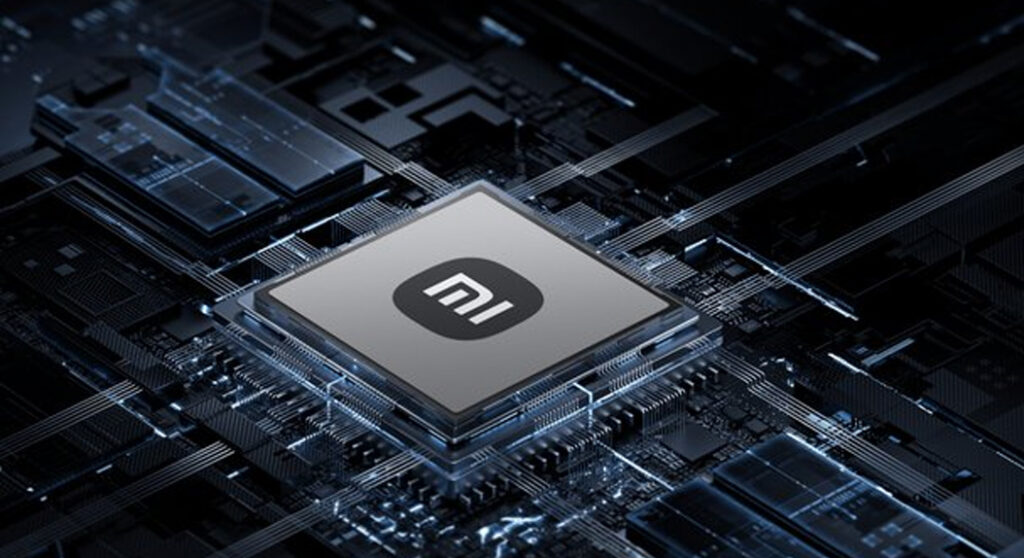
This places XRING in a position as a strategic internal chip initiative rather than one focused on large-scale commercial foundry services, with a focus on customized silicon, integration optimization, and long-term technological independence. The top ten is very heavily skewed towards companies with decades of experience, enormous capital expenditure, and global customer bases.
However, even without truly competing with behemoths like Apple and Samsung in the high-end SoC game, XRING can still make quite a difference for Xiaomi in performance efficiency, power management, and system-level optimization of several smartphones, Xiaomi Pad, wearables, and smart home products. This way, a long-term outlook applies to cementing Xiaomi’s ecosystem without necessarily having to engage in direct competition with established foundry behemoths.
The global smartphone industry has moved very fast over the past 15 years, but that pace was not an accident. Since its founding in 2010, Xiaomi has acted as a structural accelerator, pushing advanced hardware and software features into mainstream price segments years, if not decades, before traditional market leaders had planned. The question “what would smartphones look like without Xiaomi?” is thus not an exercise in branding but rather a strategic assessment of how innovation diffusion, pricing discipline, and consumer expectations were rewritten. This article considers which key features in the modern smartphone may have been significantly delayed-or remained in the exclusive domain-without sustained market pressure from Xiaomi.
Bezel-less displays became mainstream faster because of Xiaomi
Before 2016, the designs of smartphones were harnessed by a really conservative formula. Thick top and bottom bezels, physical buttons, and the aspect ratio of 16:9 dominated even premium devices. With such a perspective, supply-chain stability was more important for manufacturers than an industrial redesign, considering that existing LCD and OLED panels were cost-effective and reliable.
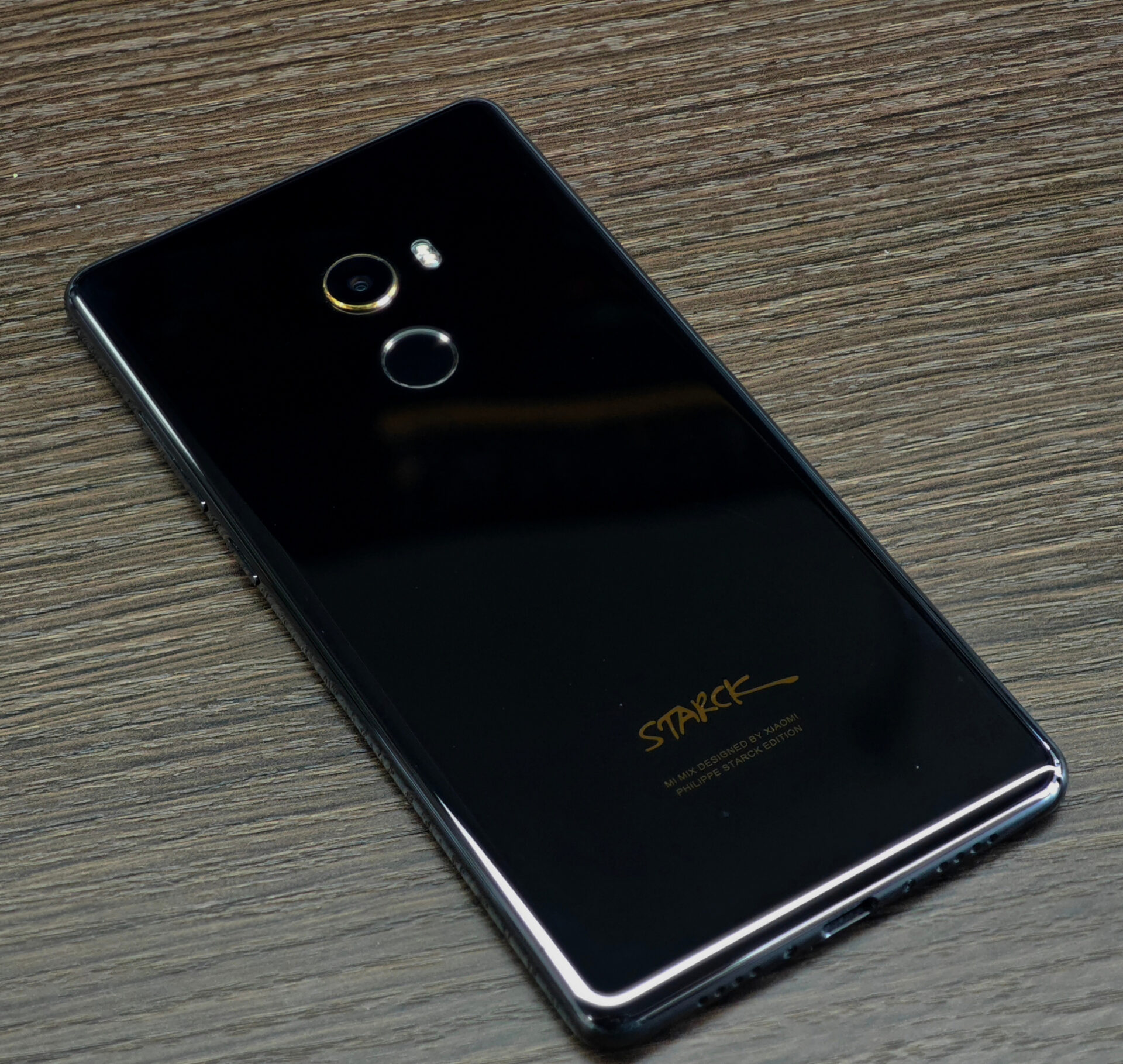
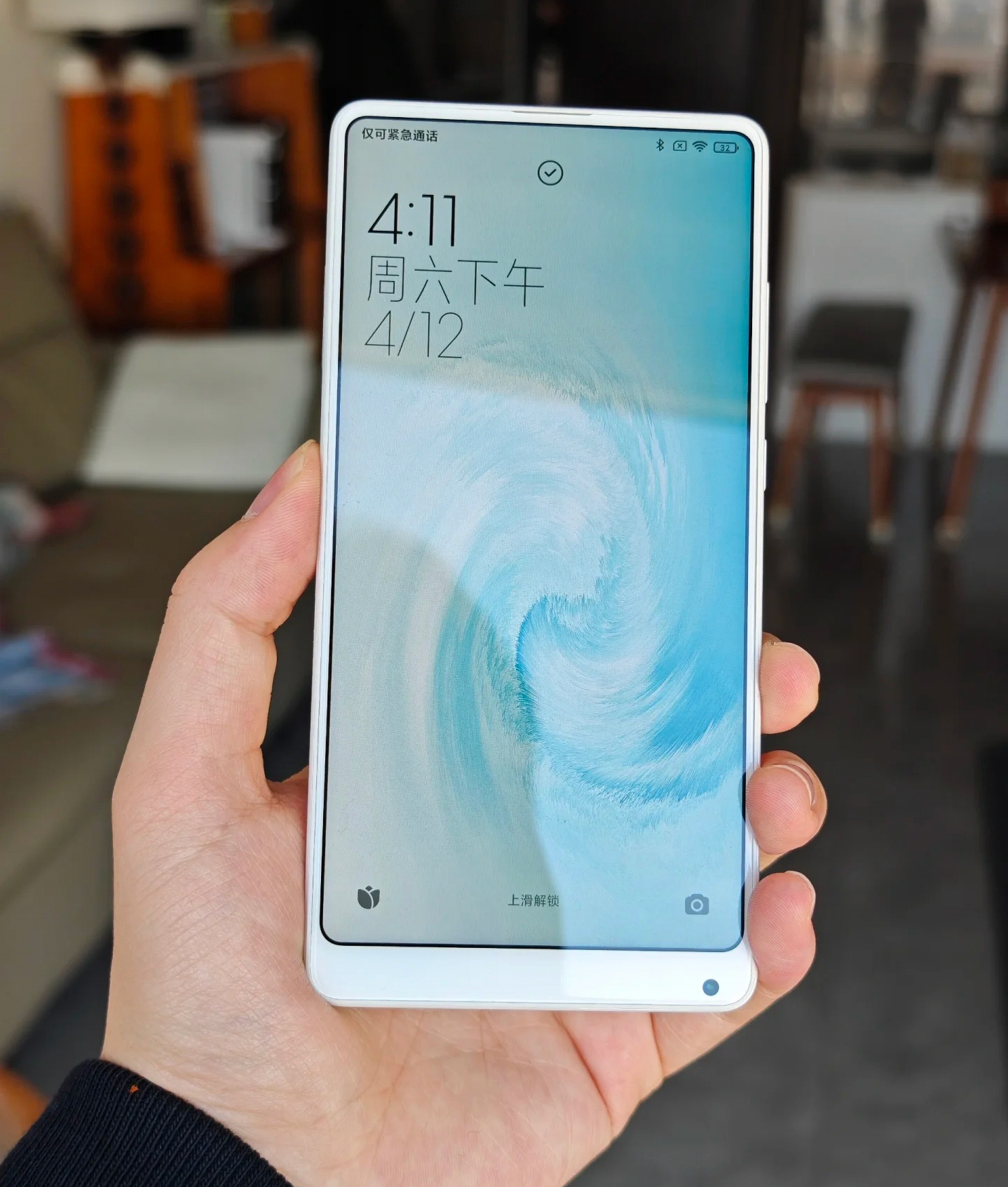
Xiaomi broke this balance when it introduced the Mi Mix in late 2016. Unlike earlier experimental concepts, Mi Mix was commercially available and produced at scale. This near bezel-less front design showed that radical changes in form could be successful in real markets and not just in showcases of technologies. That single product shifted industry timelines.
Without Xiaomi being willing to commercialize these highly risk-laden designs, bezel-less displays would probably have remained confined to a few niche models for at least several years to come. Flagship-wide adoption and subsequent mid-range trickle-downs would have taken much longer, as would today’s tall-aspect-ratio and immersive displays down to the lower rungs.
High-resolution camera sensors would have remained niche.
Between 2015 and 2018, the general consensus within the industry of smartphone cameras was that 12MP sensors struck the golden mean between image quality, processing speed, and storage efficiency. Apple and Google moved forward with computational photography rather than raw resolution, reinforcing this consensus.
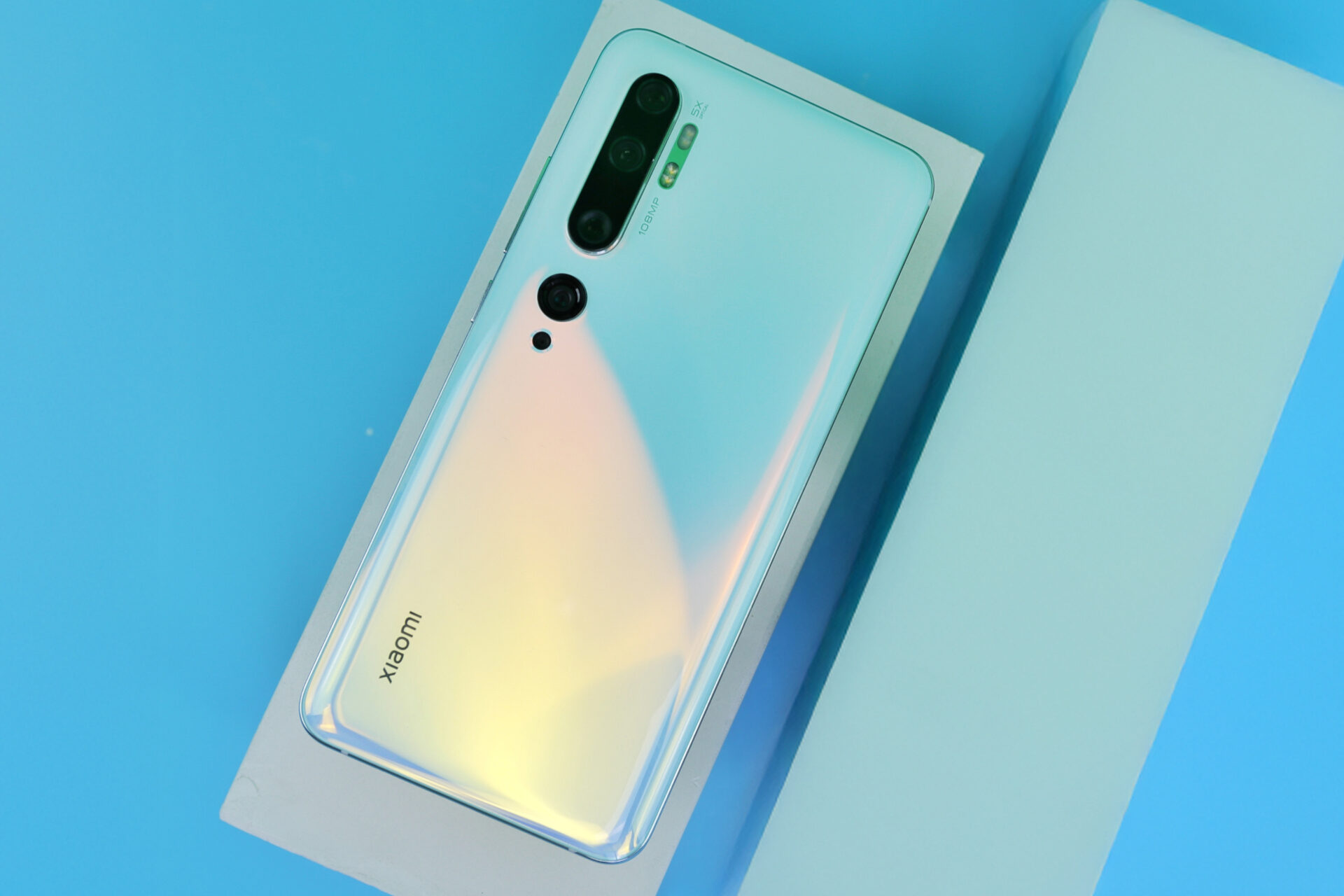
Xiaomi had bucked this trend with its strategic partnership with Samsung’s ISOCELL division and became an early commercial partner for the 64MP and later 108MP sensors, taking on early risks regarding higher data throughput, autofocus complexity, and software optimization. Devices like the Mi Note 10 proved that ultra-high-resolution sensors could be viable for end-consumers.
Without Xiaomi in the market, most likely these sensors would have remained showcases rather than mass-market components; similarly, the pixel-binning technologies now common across most Androids would have taken far longer to mature if it wasn’t for the large-scale deployment and feedback Xiaomi enabled.
Ultra-fast charging would not become expected worldwide.
In the wake of several battery safety incidents in the mid-2010s, most major brands adopted conservative charging strategies. Power levels stagnated for several years at 15W–25W, especially outside China where regulatory caution was higher.
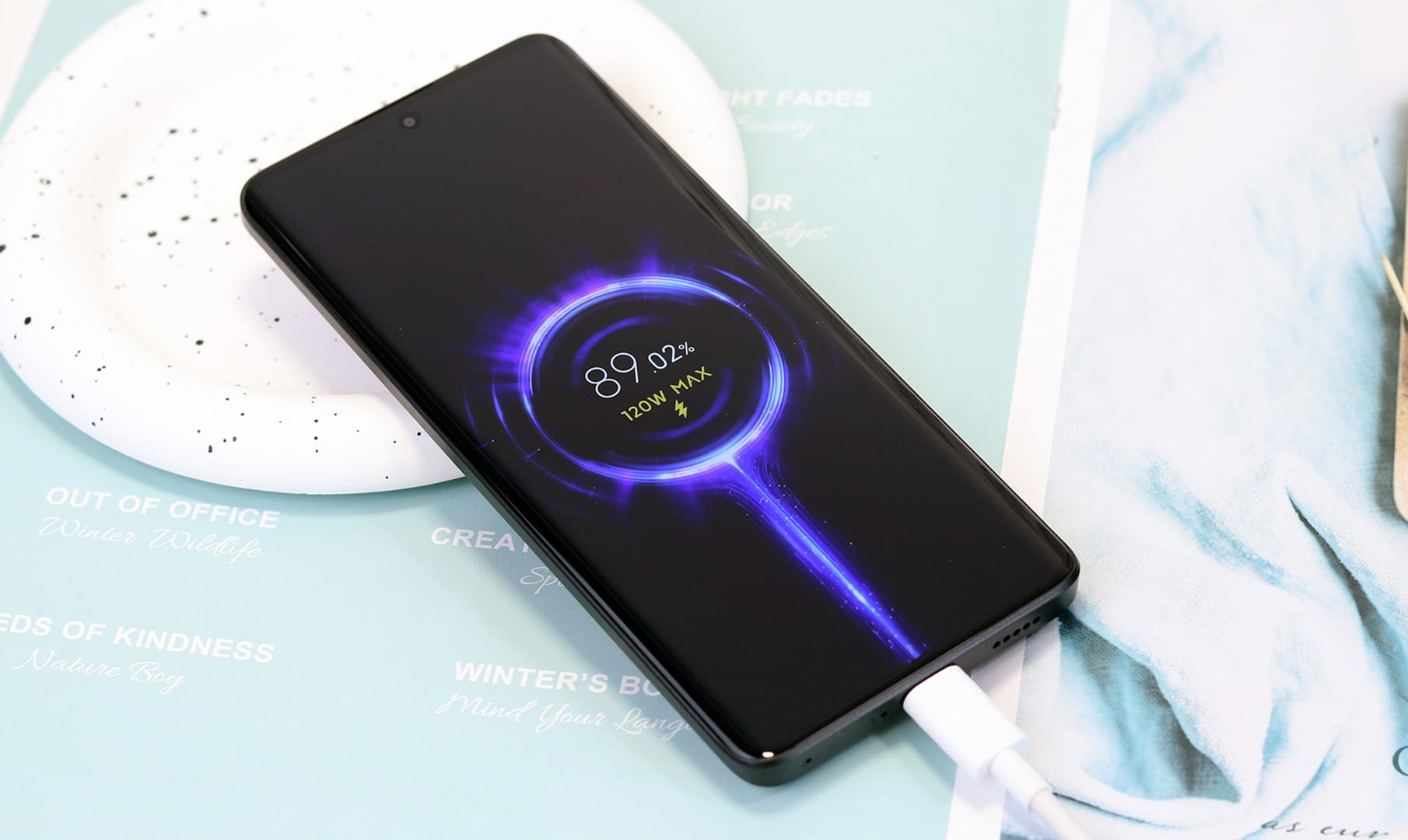
The Company Xiaomi chose to go its separate way: by investing heavily in battery chemistry, thermal control, and the charging architecture – the company normalized triple-digit charging speeds for everyday consumers. Technologies such as 120W wired charging and high-speed wireless didn’t become limited to concept devices, having shipped into the retail products.
Without Xiaomi’s ambition for global scale, ultra-fast charging would probably have remained a regional feature, mostly isolated to China. Western markets may also still think 30W-40W charging is “fast,” rather than full-day power in minutes.
Affordable Flagship Performance Would Be Rare
One of the most structural contributions from Xiaomi is pricing discipline. The company’s long-stated commitment to low hardware margins was ultimately forcing competitors to reconsider just how much performance could be offered at mid-range prices.
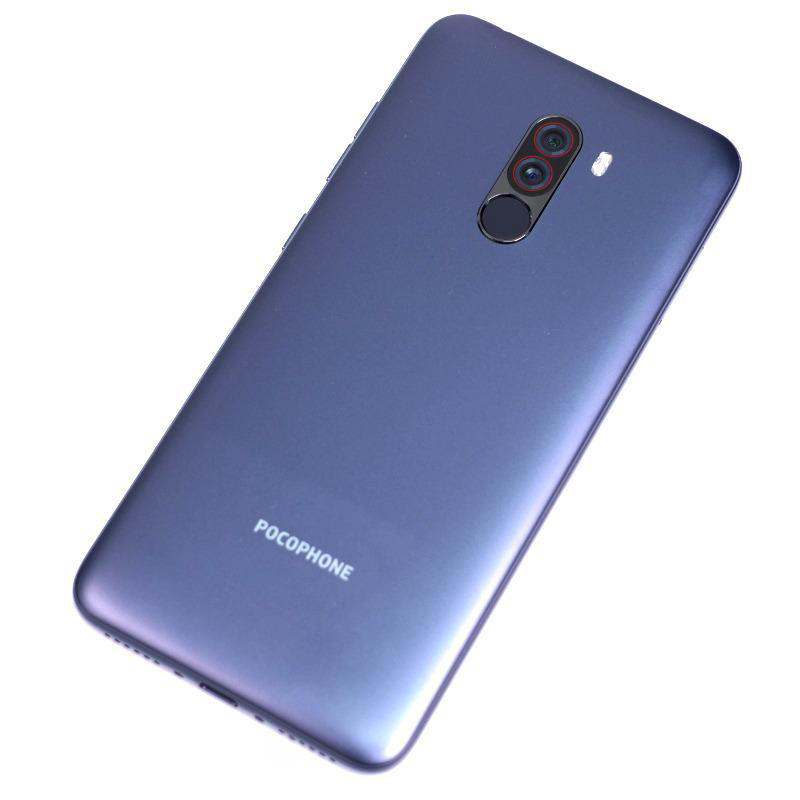
Devices like the Pocophone F1 proved that flagship-class processors didn’t have to come at premium prices, rebalancing consumer perception. The strategy redefined whole product lines in the industry: from Samsung’s Galaxy A series to newer “performance-focused” sub-brands.
When it comes to the market without Xiaomi, one can imagine the gap between premium and mid-range devices would be far wider. High-performance chipsets would have remained tightly segmented, and flagships’ trendy slogan of “flagship-level power at an accessible price” would be far less common.
Some Practical Hardware Features May Be Gone
Some hardware features survived largely because Xiaomi kept supporting them at scale. IR blasters are one clear example: many manufacturers shifted away from IR transmitters in favor of smart-home connectivity, but Xiaomi knew that infrared would remain relevant to users in emerging markets and with legacy devices.
By retaining IR blasters across both flagship and budget models, Xiaomi preserved a feature that might otherwise have vanished entirely. Similarly, experimental designs such as transparent back panels were commercially tested by Xiaomi years before other brands popularized it.
But without Xiaomi’s volume-driven validation, they surely would have been written off as unprofitable curiosities.
Smart Home Devices Would Be Less Accessible
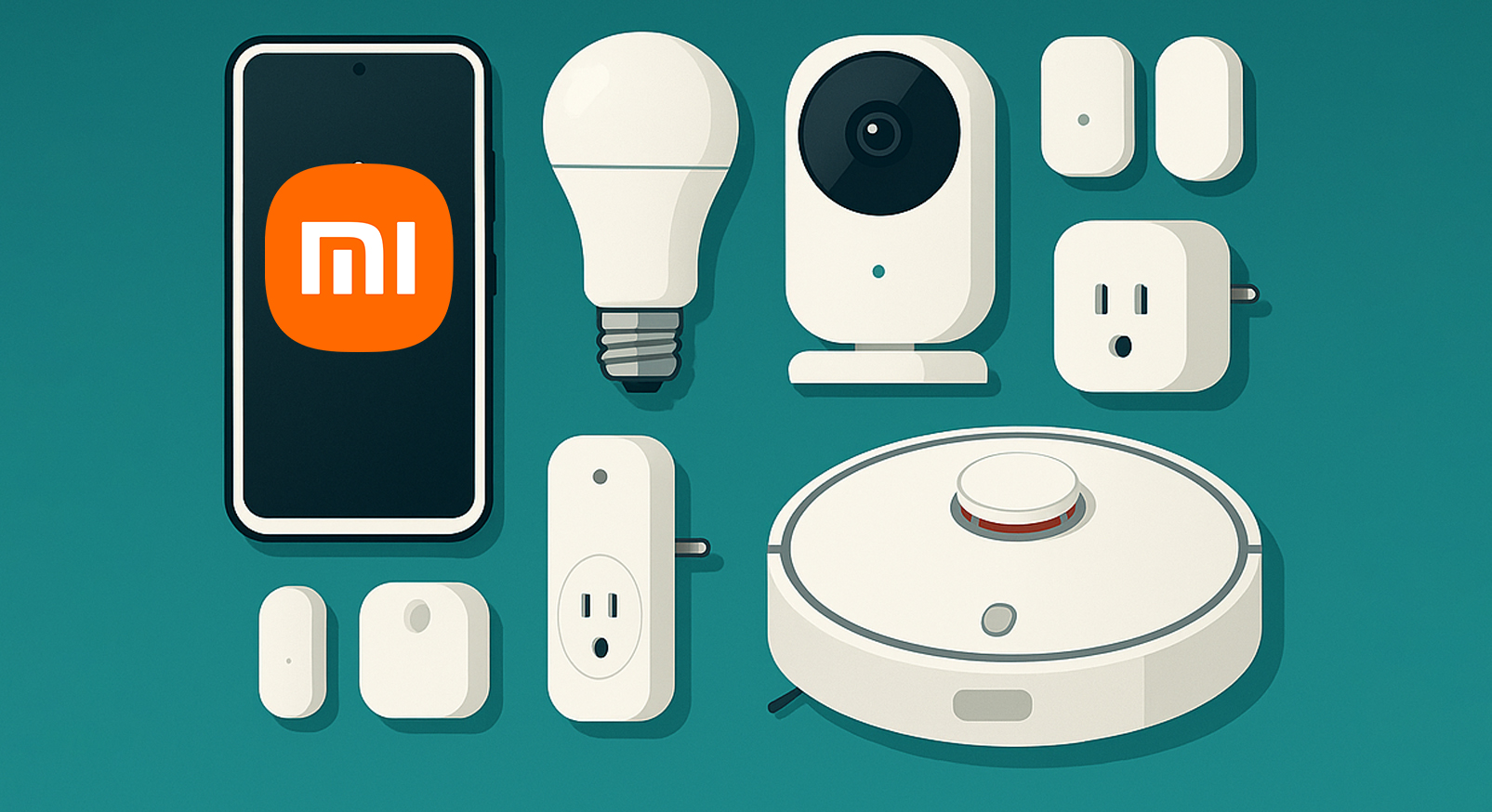
But the impact of Xiaomi extends beyond just smartphones. Its ecosystem-driven strategy rationalized entry barriers for smart home adoption. Inexpensive lighting, air purifiers, cameras, and robot vacuums could be programmed and installed in middle-income homes since Xiaomi treated hardware as part of a service ecosystem.
Without this plan, smart home technology would likely stay restricted to the premium brands, with higher average prices and slowing rates of adoption outside developed markets. Integration between phone, home, and connected devices would also feel far less standardized.
Conclusion: Xiaomi’s Real Impact Is Acceleration
More important features influenced by Xiaomi are not defined solely by invention, but by timing: bezel-less displays, ultra-fast charging, high-resolution cameras, flagship-grade performance would all exist eventually—but not when they did, and not at their current price levels. In that sense, Xiaomi’s legacy is not only the products it sells but the market behavior it forces. Many devices available today across multiple brands are indirect outcomes of Xiaomi’s pressure on pricing, specifications, and adoption speed. Without that pressure, smartphones in 2025 would probably be more expensive and more segmented, with less consumer focus. Weeks prior to having hip replacement surgery, he stopped smoking cold turkey and started walking longer distances.

 Login
Login