Login
Login
Tolak ByteDance, Xiao Hong Kini Dibayar Zuckerberg Rp 33 T untuk Manus AI
 Xiao Hong menolak akuisisi ByteDance, kini startup AI Manus justru dibeli Meta milik Mark Zuckerberg senilai Rp 31 triliun.
  Xiao Hong menolak akuisisi ByteDance, kini startup AI Manus justru dibeli Meta milik Mark Zuckerberg senilai Rp 31 triliun.
 Bocoran OPPO Find N6 terungkap! Bakal pakai Snapdragon 8 Elite Gen 5, kamera 200MP, dan baterai jumbo 6.000 mAh. Intip spesifikasi dan jadwal rilisnya di sini.
Pasar kripto kesulitan menembus angka $3 triliun setelah koreksi mendadak pada Oktober menghambat musim altcoin. Meski ETH dan XRP cenderung memerah tahun ini, BNB justru naik 21%. Banyak investor kini mencari prediksi harga kripto 2026 untuk melihat peluang pemulihan di masa depan.
Bagaimana prospek ketiga koin ini saat memasuki tahun 2026? Gemini, model AI canggih dari Google, memberikan gambaran mendalam mengenai potensi pergerakan pasar altcoin tersebut. Analisis ini membantu memetakan arah tren di tengah volatilitas yang masih membayangi ekosistem digital.
Setelah lonjakan tajam di akhir 2024, XRP (XRP) memasuki fase konsolidasi di sepanjang tahun ini. Sentimen pasar banyak dipengaruhi oleh kemenangan hukum Ripple melawan SEC serta berbagai inisiatif pengembangan ekosistem yang masif selama 2025. Meski sempat stagnan, fundamental XRP dinilai semakin kokoh oleh banyak analis pasar.
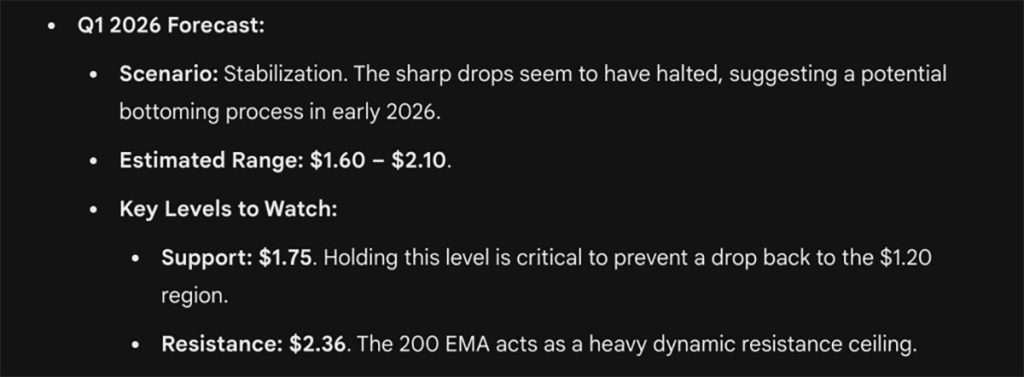
Berdasarkan data teknis, area $1.75 menjadi support kunci yang harus dipertahankan agar harga tidak merosot ke level $1.20.
Di sisi lain, hambatan besar berada pada titik $2.36 yang bertepatan dengan garis 200-day Exponential Moving Average (EMA). Jika mampu menembus angka tersebut, XRP diprediksi akan mengonfirmasi tren bullish yang kuat.
Melihat prediksi harga kripto untuk awal 2026, Gemini mengisyaratkan bahwa fase penurunan tajam mulai mereda. Kondisi ini menunjukkan adanya proses pembentukan harga terendah (bottoming) yang potensial sebelum pasar kembali bergairah.
Selain itu, sentimen positif dari adopsi institusional melalui sistem pembayaran lintas batas diprediksi akan menjadi katalis tambahan bagi nilai tukar XRP di masa depan.
Performa Ethereum (ETH) tahun ini sangat dipengaruhi oleh keberhasilan upgrade Pectra pada April 2025. Pembaruan teknis ini tidak hanya meningkatkan efisiensi biaya di Layer-2 hingga 40%, tetapi juga sempat mendorong ETH mencetak rekor tertinggi baru (ATH) beberapa bulan setelahnya.
Memasuki akhir 2025, harga cenderung stabil di kisaran $2.900 seiring pasar yang menanti dampak dari upgrade lanjutan, yakni Fusaka.
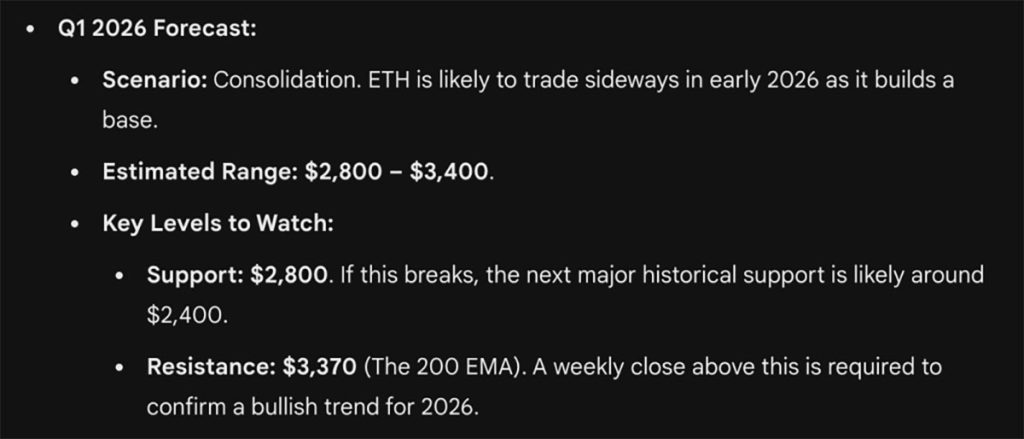
Berdasarkan analisis terkini, level support krusial yang perlu diperhatikan berada di area $2.800. Jika tertembus, ETH berisiko merosot ke level $2.400 dalam jangka pendek.
Sebaliknya, harga harus melewati resistance kuat di $3.370 untuk kembali membuka jalan menuju zona $4.000. Untuk awal tahun depan, prediksi harga kripto dari Gemini AI memperkirakan Ethereum akan bergerak mendatar (sideways) guna membentuk fondasi harga yang lebih solid.
BNB Coin (BNB) menonjol sebagai token dengan performa paling menonjol di jajaran lima besar cryptocurrency terbaik tahun ini. Pertumbuhan volume transaksi di jaringan BNB Chain sangat terbantu oleh popularitas protokol desentralisasi seperti Aster dan PancakeSwap.
Baru-baru ini, BNB bahkan mencetak rekor tertinggi baru (all-time high) di level $1.360. Jika terjadi koreksi pada awal 2026, Gemini mengidentifikasi level $800 sebagai support utama.
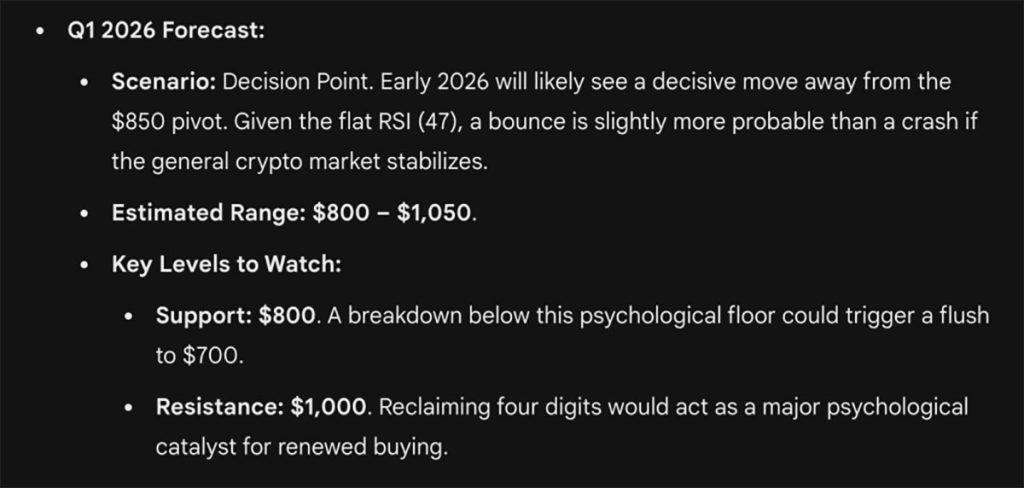
Sementara itu, BNB perlu menembus hambatan psikologis $1.000 untuk kembali mengejar reli puncaknya. Beberapa analis pasar bahkan lebih optimistis, menyebutkan bahwa pengajuan ETF BNB Spot oleh VanEck bisa menjadi katalis yang mendorong harga melampaui $1.400 jika sentimen institusional terus menguat.
Melihat prediksi harga kripto untuk kuartal pertama 2026, model AI Gemini menganggap periode ini sebagai “titik keputusan” pasar.
Dengan indikator RSI yang berada di angka 47 (netral), BNB diprediksi akan bergerak menjauh dari titik pivot $850. Jika pasar stabil, potensi untuk memantul naik (bounce) dinilai sedikit lebih besar dibandingkan risiko kejatuhan harga secara drastis.
Setelah menganalisis pergerakan harga tiga altcoin terbaik tersebut, Gemini memberikan pandangan menarik mengenai kondisi pasar saat ini.
Berdasarkan data teknis, pasar kripto tampaknya sedang berada di akhir fase koreksi atau awal fase akumulasi, di mana pertumbuhan eksplosif yang terlihat pada pertengahan 2025 mulai mereda.
Memasuki awal 2026, strategi preservasi modal dan perdagangan dalam rentang harga tertentu (range-bound) diprediksi akan mendominasi perilaku investor.
Di tengah konsolidasi pasar secara luas, peluang menarik justru sering muncul di kategori spesifik seperti meme crypto. Proyek presale seperti Maxi Doge (MAXI), yang mengusung konsep unik “gym-bro” dan fitur staking dengan imbal hasil dinamis, mulai mencuri perhatian sebagai aset potensial.
Meskipun tetap berisiko tinggi, prediksi harga kripto untuk sektor meme coin di tahun baru seringkali memberikan kejutan keuntungan bagi mereka yang jeli melihat permata tersembunyi sebelum melantai di bursa besar.
Maxi Doge (MAXI) berhasil mencuri perhatian dengan mengumpulkan pendanaan lebih dari $4,3 juta (Rp71,9 miliar) dalam fase presale. Berbeda dengan koin bertema anjing lainnya, $MAXI mengusung konsep maskot “gym-bro” yang berotot, melambangkan keberanian dalam mengambil risiko tinggi di pasar kripto.
Proyek ini menyasar komunitas yang gemar melakukan strategi YOLO trade demi mengejar keuntungan besar dalam waktu singkat.
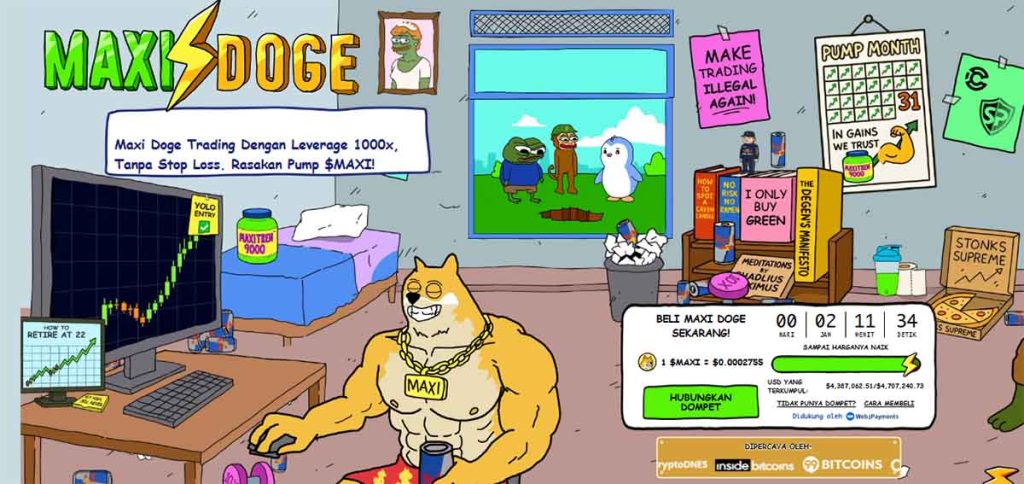
Engagement komunitas menjadi fokus utama melalui kompetisi seperti Maxi Ripped dan Maxi Gains, di mana para trader dapat memamerkan hasil trading terbaik mereka untuk mendapatkan hadiah menarik.
Selain itu, pemegang $MAXI memiliki akses ke portal khusus untuk berbagi sinyal dan wawasan pasar.
Dalam hal prediksi harga Maxi Doge, banyak analis memperkirakan potensi kenaikan hingga level $0,0012 jika momentum peluncuran di bursa (CEX) berjalan mulus di awal tahun 2026. Dengan harga presale saat ini di $0,0002755, artinya terdapat potensi kenaikan harga mencapai 335% dalam waktu singkat.
Selain potensi keuntungan dari fluktuasi harga token $MAXI, proyek ini juga menyediakan mekanisme staking dengan imbal hasil menggiurkan. Investor presale yang telah memiliki $MAXI dapat mengunci token mereka di pool staking untuk mendapatkan imbalan dinamis mencapai 71% APY.
Jangan lewatkan kesempatan untuk membeli $MAXI dengan harga diskon. Pelajari cara beli Maxi Doge lalu segera akumulasi token sebelum peluncuran resmi.
Beli Maxi Doge di SiniDisclaimer: Pendapat dan pandangan yang diungkapkan dalam postingan ini tidak selalu mencerminkan kebijakan atau posisi resmi Cryptonews. Informasi yang disediakan dalam postingan ini hanya untuk tujuan informasi dan tidak boleh dianggap sebagai nasihat keuangan, investasi, atau profesional. Cryptonews tidak mendukung produk, layanan, atau perusahaan tertentu yang disebutkan dalam postingan ini. Pembaca disarankan untuk melakukan riset mandiri dan berkonsultasi dengan profesional yang berkualifikasi sebelum mengambil keputusan keuangan apa pun. Jangan pernah menginvestasikan lebih dari yang Anda siap kehilangan.
The post Prediksi Harga Kripto di Awal 2026 Menurut Gemini AI: XRP, ETH, dan BNB appeared first on Cryptonews Indonesia.
 Pernah merasa reinkarnasi itu nyata? 10 potret ini bakal bikin kamu merinding karena kemiripan luar biasa para bintang Hollywood dengan tokoh sejarah.
 Meta resmi akuisisi startup AI Singapura, Manus, senilai Rp 33 triliun! Jadi akuisisi terbesar ke-3 Zuckerberg demi hadirkan AI Agent canggih di WhatsApp.
 Bocoran Samsung Galaxy S26 Ultra: peningkatan kamera, desain elegan, dan chipset canggih. Siap bersaing di pasar smartphone global tahun depan.
 Iklan zaman dulu ini ada masih related untuk di era sekarang, tapi ada yang... hmm, nggak banget. Mana yang bikin alismu naik?
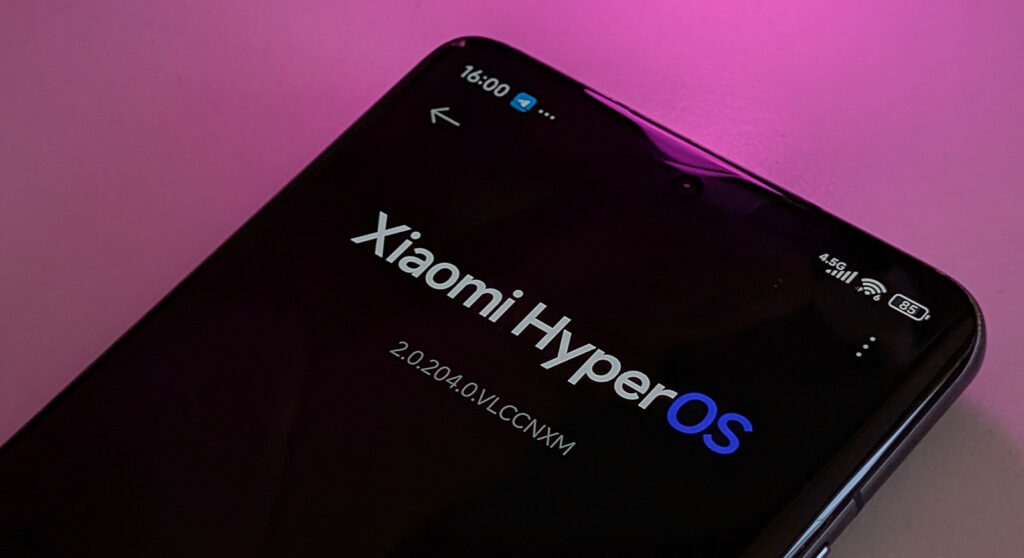
To reach high benchmark scores on Xiaomi, Redmi and POCO devices, one needs to have an understanding of how the HyperOS manages performance, thermal limits, and background services. Benchmark behavior on these devices is different compared to stock Android because Xiaomi has advanced system scheduling, thermal frameworks, and power optimization layers. Here we analyze the key techniques one can utilize for achieving top synthetic benchmark performance in a stable and measurable fashion.
Xiaomi smartphones run on a multi-layer performance management model that strikes a balance between device longevity, heat generation, and user experience quality. This means that in order to achieve peak synthetic results, there’s a need to control thermal states, CPU frequency behavior, and foreground task priority. The principles stay constant across Xiaomi, Redmi (China), and POCO (Global) models using Snapdragon or Dimensity chipsets.
Benchmark tests don’t produce consistent results, since environment temperature, background processes, and load distribution all have an impact on CPU and GPU behavior. DVFS algorithms employed by Xiaomi prevent the device from wasting power, but also mean that it may lower frequencies in the middle of a test. By optimizing thermal conditions and ensuring a minimum amount of system noise, the score becomes much more predictable and reproducible.
HyperOS brings an improved “Smart Performance Balance” framework that analyzes real-time workload distribution and thermal loads. This system works well for maintaining long-term efficiency in normal conditions, but it requires a much aggressive profile in synthetic benchmarks to sustain frequency peaks.
Performance Mode in Settings > Battery temporarily removes standard power restrictions, increases CPU boost duration, and raises thermal thresholds. Tests show that users can observe noticeably improved GPU stability and higher multi-core CPU values when this mode is active. It should be disabled afterward to return the device to daily-use efficiency.
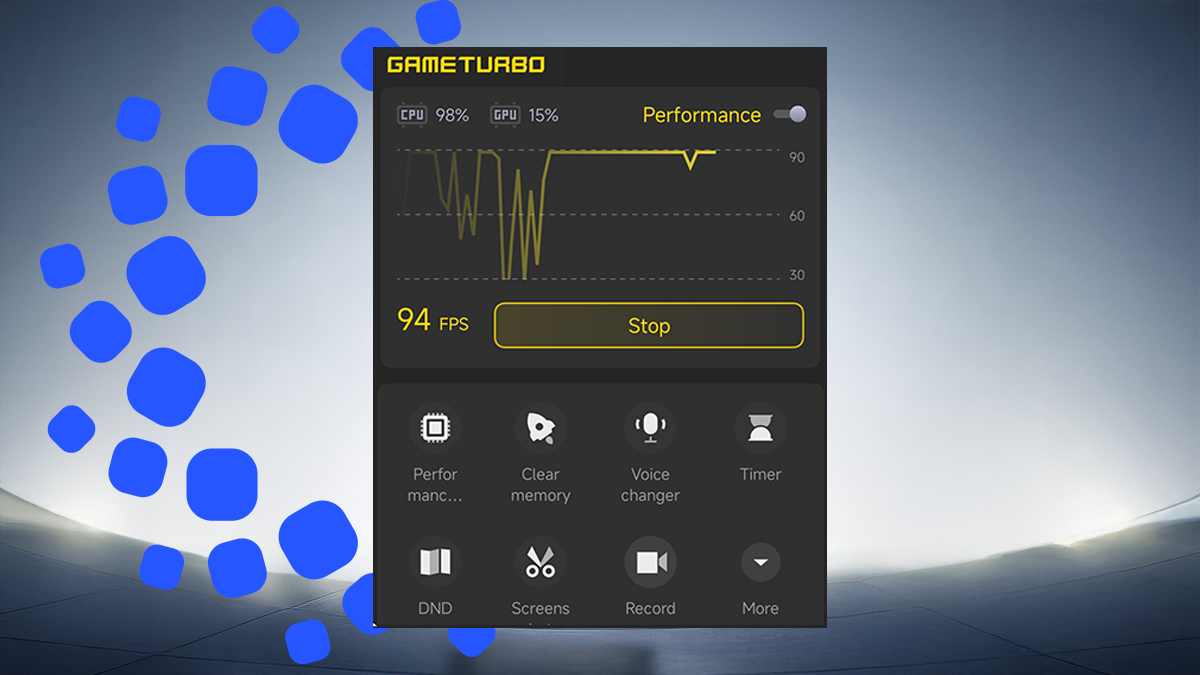
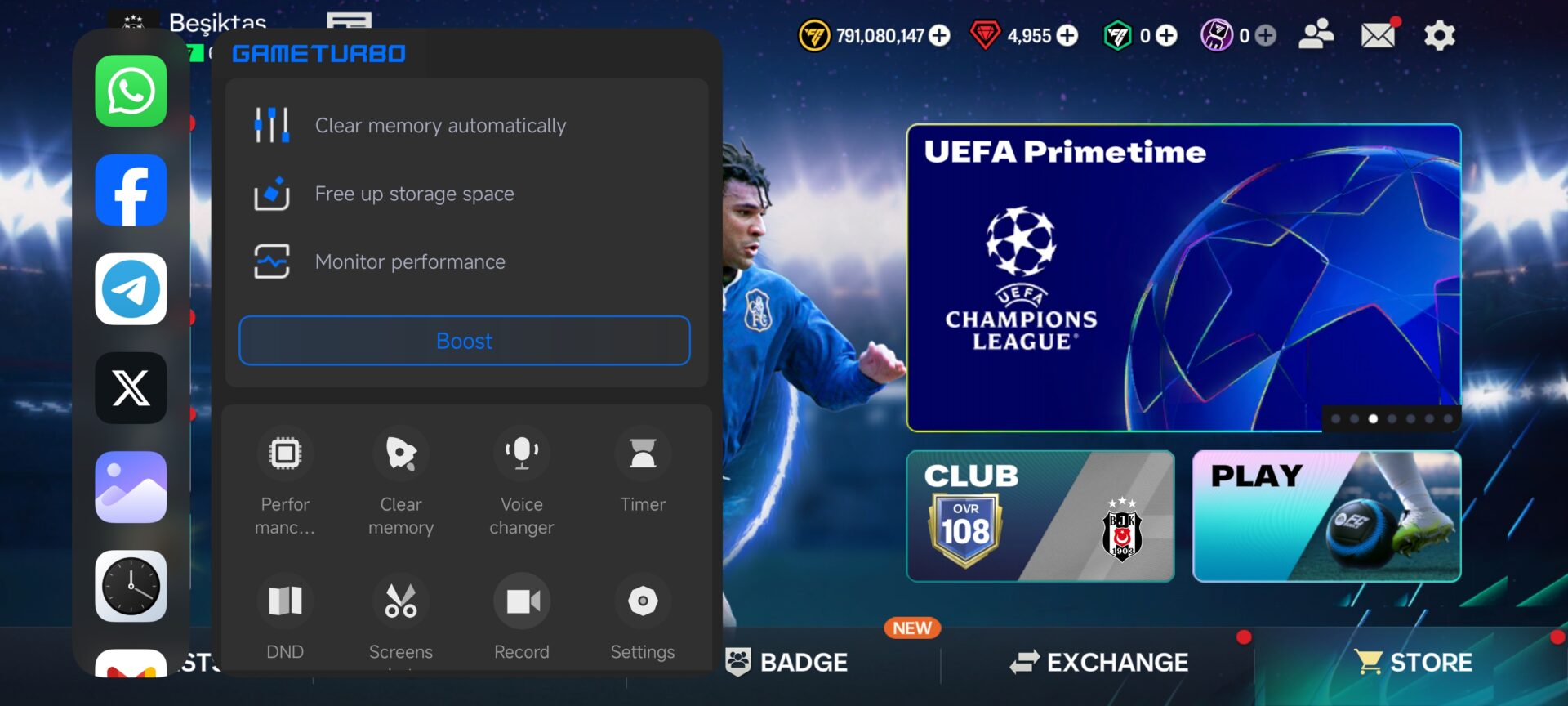
Although designed for gaming, the Game Turbo feature enhances CPU affinity, optimizes touch sampling rates, and reduces latency. Adding benchmark apps manually to Game Turbo will ensure that the foreground test receives priority access to system resources, thereby enhancing UX and render-heavy benchmark segments.
“Joyose” is an internal Xiaomi service for thermal and performance management. It acts like a safety layer that prevents overheating by moderating CPU/GPU frequencies. While necessary for daily use, it may lower benchmark stability during long-duration tests.
Joyose can limit FPS output, adjust CPU clocks downward, and control display brightness to lower heat generation. These interventions prevent thermal saturation but can reduce synthetic peak results. Advanced users sometimes disable the service temporarily via ADB or Shizuku-based tools; however, Xiaomi strongly recommends against long-term deactivation because it may cause thermal imbalance and device instability.
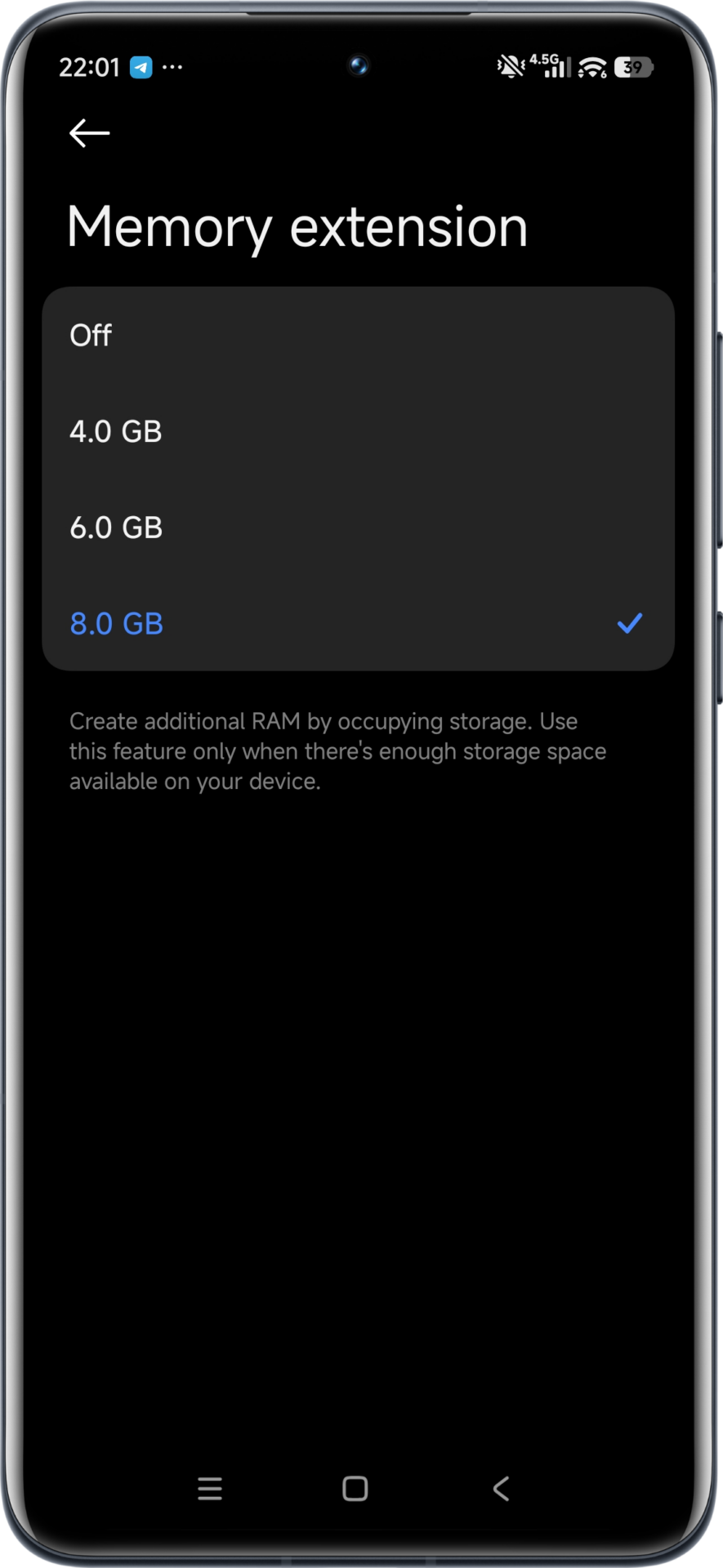
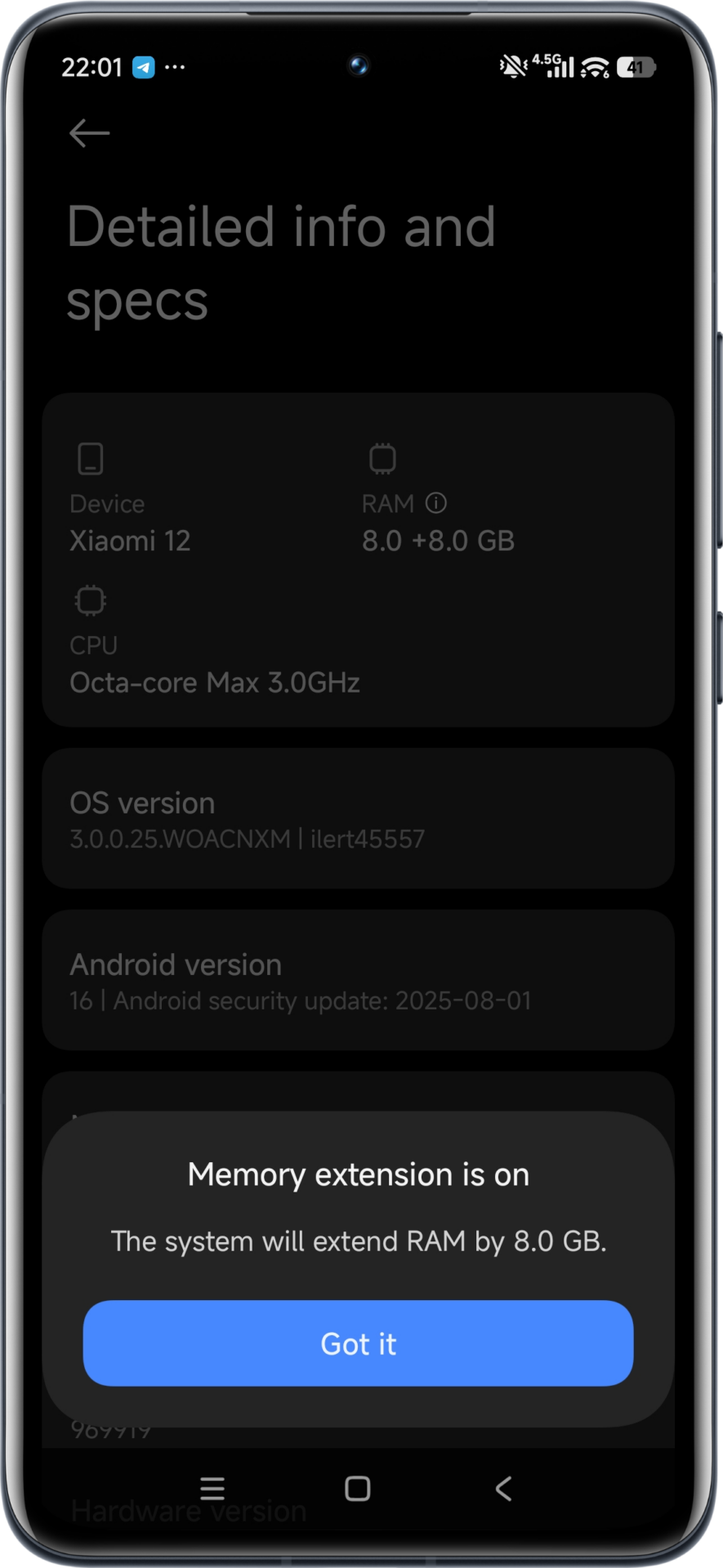
HyperOS includes “Memory Extension,” a feature that converts part of the ROM into virtual RAM. Although valuable during general usage with devices with lower amounts of RAM, benchmark workloads need the fastest available memory.
Several developer settings contribute directly to benchmark score consistency. Changes Recommended
These changes should be reverted after testing to maintain system stability and functionality.
The most determining variable in a benchmark performance is heat. When the device reaches about 45°C–48°C, thermal throttling reduces the core frequencies to protect the device.
These are techniques that prolong the time a chipset can stay at peak frequency, in turn raising total benchmark output directly. – Key Recommendations for High Benchmark Scores Below is a summarized list of essential Xiaomi-specific recommendations.
While Xiaomi, Redmi and POCO smartphones are fitted with multi-layered system frameworks that focus on real-world efficiency rather than short-term synthetic performance, users can achieve significantly higher and more stable benchmark scores using appropriate methods: for example, temperature control, power mode optimization and other forms of system configuration. All these techniques help HyperOS shape workload distribution in a specific way to ensure the results remain reproducible and also scientifically grounded.

Shotcut 25.12 open-source video editor is now available for download with support for the NVIDIA NVENC encoder for screen recording on Linux, as well as other changes. Here's what's new!
The post Shotcut 25.12 Adds NVIDIA NVENC Encoder Support to Screen Recording on Linux/X11 appeared first on 9to5Linux - do not reproduce this article without permission. This RSS feed is intended for readers, not scrapers.
 Manchester United hanya mampu bermain imbang 1-1 melawan Wolverhampton, gagal naik ke posisi empat besar. Pelatih Amorim mendapat kritik tajam dari warganet.
Bitcoin heads into 2026 with a clear macro risk: President Donald Trump’s tariff agenda. In 2025, crypto traders saw tariff headlines move prices as fast as ETF flows.
Several tariff levers now sit on the 2026 runway. Some already have dates. Others depend on diplomacy and court fights. Either way, they can flip sentiment from risk-on to risk-off in hours.
Tariff escalations in 2025 repeatedly triggered broad sell-offs across crypto.
When Trump announced new tariffs on Mexico, Canada, and China in early February, Bitcoin slid to a three-week low near $91,400. Etherum fell about 25% over three days, and a large share of top tokens dropped more than 20% in a day as traders rushed to cut risk.
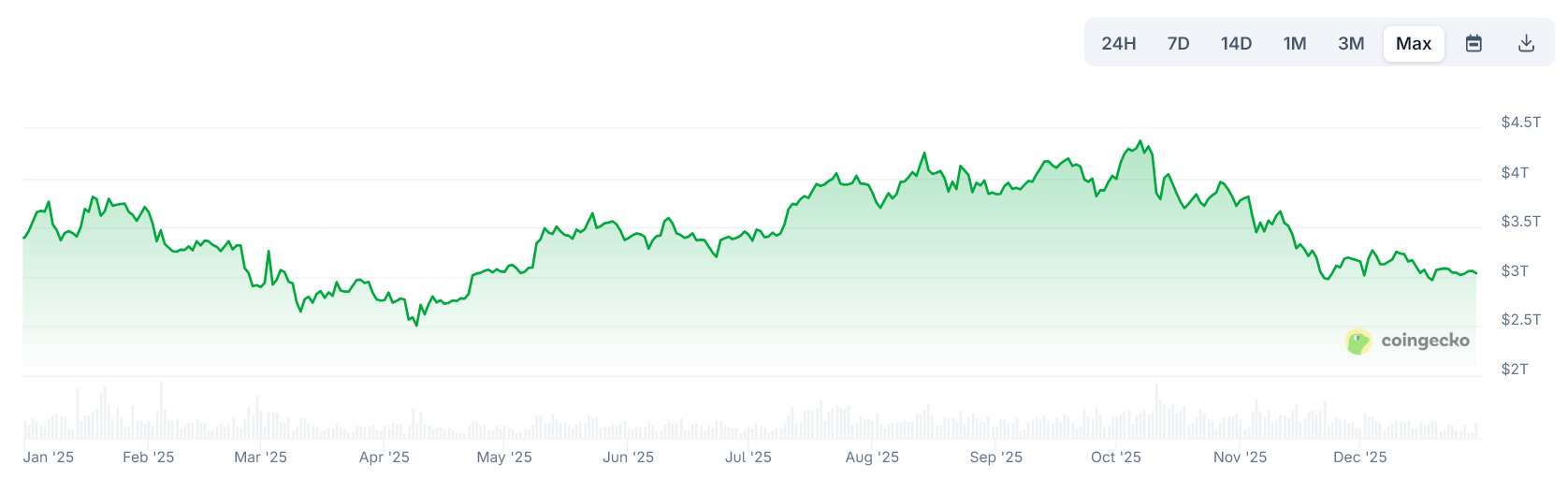
Then came April’s “Liberation Day” tariff shock and the US–China escalation. Bitcoin briefly fell below $82,000 during the worst of the risk-off wave, alongside a sell-off in crypto-linked stocks.
However, once the White House signaled possible pauses, crypto rebounded. By May, after the US and China agreed to a temporary tariff truce, Bitcoin climbed back above $100,000, while ETH jumped sharply.
Digital asset funds also saw fresh inflows during the relief phase.
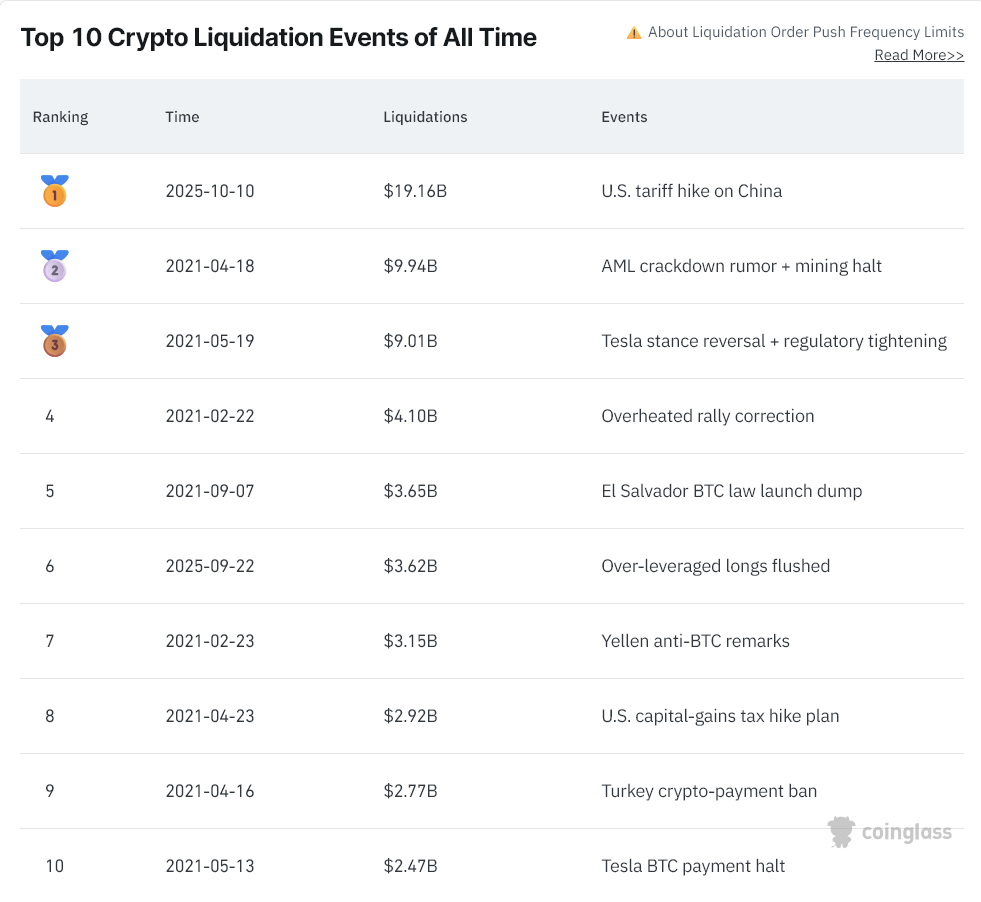
The sharpest stress test arrived in October. After Trump floated a new 100% tariff on Chinese imports tied to rare-earth tensions, Bitcoin dropped over 16% in a fast move.
Liquidations surged, with reports of $19 billion wiped out in forced closes across exchanges in a single day. As of December 2025, the market still hasn’t recovered from this liquidation shock.
This tariff would add a new 100% duty on all Chinese imports, unless talks produce a deal. Trump announced it in October 2025 and later pushed it out, putting late 2026 in focus.
If Trump reactivates it, markets will price weaker growth and stickier inflation. That combo can hit Bitcoin by tightening financial conditions, pushing traders out of leverage, and dragging risk assets lower in sync.
The US president previously hinted at a potential increase in the across-the-board import tariff beyond the 10% baseline imposed in 2025. Trump also campaigned on a much higher universal rate, which keeps this risk alive.
A baseline hike would not be a one-day headline. It would act as persistent pressure on risk appetite.
For Bitcoin, that usually means choppier rallies, thinner dips getting bought, and higher sensitivity to rate expectations.
4/ Trump’s baseline 10% tariff—and 55% for China—is forcing global companies to choose:
— Rod D. Martin (@RodDMartin) August 13, 2025
🇺🇸 Make it here, sell it here, create jobs here
🇨🇳 Or face steep penalties
Guess which choice companies are making? pic.twitter.com/y8AYOSvvL5
These would be new tariffs targeting countries that impose digital services taxes or similar rules on US tech firms. Trump warned in 2025 that countries keeping these taxes could face “substantial” tariffs.
If the US hits EU or UK exports, global equities can reprice lower. Crypto tends to follow that risk-off tape first.
In 2025, that dynamic helped turn tariff headlines into fast, liquidation-driven drops.
Senior Counselor Peter Navarro explains @POTUS' memo to revive investigations aimed at imposing tariffs on countries that slap 'digital service taxes' on U.S. tech companies:
— Rapid Response 47 (@RapidResponse47) February 25, 2025
"As soon as these countries remove their DSTs on American companies, the tariffs will go away." pic.twitter.com/XHkV4TcjvS
This tariff targets imported branded or patented drugs, with penalties for firms that do not shift manufacturing to the US Trump signaled very high rates in 2025 and positioned the policy as an industrial reshoring tool.
If rates climb toward 200% in 2026, investors may treat it as an inflation impulse. Bitcoin can attract “hedge” talk during inflation scares, but trading often moves the other way first: risk assets sell as liquidity tightens.
President Donald Trump announces deals with nine pharmaceutical companies, the latest in a series of pacts designed to lower drug prices for some Americans in exchange for a three-year reprieve from threatened tariffs on their products https://t.co/Agi22RLMSG pic.twitter.com/Q1HTaekn0J
— Bloomberg TV (@BloombergTV) December 19, 2025
Secondary tariffs would punish countries for buying oil or goods from US adversaries, even if those countries are not the direct target. Trump introduced the concept in 2025 and applied it in a high-profile way.
If Trump expands this tool in 2026, it can pull more countries into tariff crossfire and raise global uncertainty.
For Bitcoin, the biggest channel is volatility. More uncertainty usually means wider swings, more forced selling, and slower recoveries unless liquidity improves.
The post 5 Trump Tariff Moves That Could Make or Break Bitcoin in 2026 appeared first on BeInCrypto.
Bitcoin memasuki tahun 2026 dengan ancaman risiko ekonomi makro yang jelas: agenda tarif Presiden Donald Trump. Pada tahun 2025, trader aset kripto melihat berita tarif mempengaruhi harga secepat arus ETF.
Sekarang, beberapa kebijakan tarif sudah siap diberlakukan di tahun 2026. Ada yang sudah punya jadwal pasti, sedangkan lainnya masih tergantung diplomasi dan proses hukum. Bagaimanapun juga, situasi ini bisa dengan cepat mengubah sentimen pasar dari risk-on menjadi risk-off hanya dalam hitungan jam.
Peningkatan tarif pada 2025 terus-menerus memicu aksi jual besar-besaran di pasar aset kripto.
Waktu Trump mengumumkan tarif baru untuk Meksiko, Kanada, dan Cina di awal Februari, Bitcoin turun ke level terendah tiga minggu di kisaran US$91.400. Ethereum turun sekitar 25% dalam tiga hari, dan banyak token unggulan juga anjlok lebih dari 20% hanya dalam satu hari karena para trader buru-buru mengurangi risiko.
Kemudian, muncul kabar kejutan tarif pada April atau “Liberation Day” yang menyebabkan eskalasi antara AS—Cina. Harga Bitcoin sempat jatuh di bawah US$82.000 di tengah gelombang risk-off terparah, bersamaan dengan aksi jual saham-saham yang terhubung aset kripto.
Tapi, setelah Gedung Putih memberi sinyal kemungkinan jeda, aset kripto pun pulih. Pada bulan Mei, usai AS dan Cina sepakat gencatan sementara tarif, Bitcoin kembali naik menembus US$100.000, sedangkan ETH juga melonjak tajam.
Pada fase pemulihan ini, dana aset digital juga mulai mencatat arus masuk baru.
Tekanan paling parah terjadi pada bulan Oktober. Setelah Trump mewacanakan tarif baru 100% atas impor dari Cina terkait isu rare-earth, Bitcoin anjlok lebih dari 16% dalam waktu singkat.
Kasus likuidasi meroket, bahkan dilaporkan US$19 miliar terhapus akibat penutupan paksa di berbagai exchange hanya dalam satu hari. Sampai Desember 2025, pasar masih belum pulih dari guncangan likuidasi ini.
Tarif ini akan menambah bea masuk baru 100% untuk seluruh impor dari Cina, kecuali jika negosiasi berhasil mencapai kesepakatan. Trump mengumumkan rencana ini pada Oktober 2025 dan kemudian menunda, sehingga akhir 2026 kini menjadi perhatian utama.
Kalau Trump kembali mengaktifkan tarif ini, pasar akan memperhitungkan pertumbuhan yang lebih lemah dan inflasi yang lebih tinggi. Kombinasi ini bisa menekan Bitcoin karena kondisi keuangan menjadi lebih ketat, trader keluar dari leverage, dan aset berisiko ikut tertekan bersama-sama.
Sebelumnya, Presiden AS juga sempat mengisyaratkan potensi kenaikan tarif secara menyeluruh untuk seluruh impor di atas baseline 10% yang diterapkan pada 2025. Trump bahkan berkampanye dengan tarif universal yang jauh lebih tinggi, sehingga risiko ini tetap terbuka.
Kenaikan baseline bukanlah berita satu hari. Kenaikan ini bisa menjadi tekanan terus menerus terhadap minat risiko.
Bagi Bitcoin, biasanya ini berarti reli yang bergerak lebih liar, koreksi-koreksi tipis langsung diminati pembeli, serta reaksi harga yang makin sensitif terhadap ekspektasi kenaikan suku bunga.
4/ Trump’s baseline 10% tariff—and 55% for China—is forcing global companies to choose:
— Rod D. Martin (@RodDMartin) August 13, 2025
🇺🇸 Make it here, sell it here, create jobs here
🇨🇳 Or face steep penalties
Guess which choice companies are making? pic.twitter.com/y8AYOSvvL5
Ini adalah kebijakan tarif baru yang menargetkan negara-negara yang menerapkan pajak layanan digital atau aturan serupa terhadap perusahaan teknologi AS. Pada 2025, Trump memperingatkan bahwa negara yang tetap mempertahankan pajak ini bisa terkena tarif “besar”.
Jika AS mengenakan tarif pada ekspor Uni Eropa atau Inggris, pasar saham global bisa langsung terkoreksi. Biasanya, aset kripto juga mengikuti tren risk-off seperti ini lebih dulu.
Pada tahun 2025, dinamika ini membuat berita tarif cepat berubah menjadi penurunan harga yang dipicu oleh likuidasi.
Senior Counselor Peter Navarro explains @POTUS' memo to revive investigations aimed at imposing tariffs on countries that slap 'digital service taxes' on U.S. tech companies:
— Rapid Response 47 (@RapidResponse47) February 25, 2025
"As soon as these countries remove their DSTs on American companies, the tariffs will go away." pic.twitter.com/XHkV4TcjvS
Tarif ini akan menargetkan obat bermerek atau berpatent yang diimpor dan memberi penalti bagi perusahaan yang tidak memindahkan produksi mereka ke AS. Trump memberi sinyal tarif sangat tinggi sejak 2025 dan menjadikan kebijakan ini sebagai alat untuk mengembalikan industri ke dalam negeri.
Bila tarif mendekati 200% pada 2026, para investor bisa menganggapnya sebagai dorongan inflasi. Memang, Bitcoin bisa menjadi pembicaraan “lindung nilai” waktu inflasi melonjak, tapi biasanya harga justru bergerak sebaliknya: aset berisiko akan dijual seiring ketatnya likuiditas.
President Donald Trump announces deals with nine pharmaceutical companies, the latest in a series of pacts designed to lower drug prices for some Americans in exchange for a three-year reprieve from threatened tariffs on their products https://t.co/Agi22RLMSG pic.twitter.com/Q1HTaekn0J
— Bloomberg TV (@BloombergTV) December 19, 2025
Tarif sekunder akan menghukum negara-negara yang membeli minyak atau barang dari musuh Amerika Serikat, meskipun negara-negara tersebut bukan target langsung. Trump memperkenalkan konsep ini pada 2025 dan menerapkannya dalam kasus yang sangat terkenal.
Jika Trump memperluas penggunaan alat ini pada 2026, kebijakan ini bisa menarik lebih banyak negara ke dalam konflik tarif dan menambah ketidakpastian global.
Bagi Bitcoin, dampak terbesarnya adalah volatilitas. Semakin tinggi ketidakpastian, biasanya pergerakan harga makin liar, lebih banyak tekanan jual paksa, dan pemulihan yang melambat kecuali likuiditas membaik.
 Google Doodle hari ini merayakan Malam Tahun Baru 2025-2026 dengan logo berkilau dan animasi balon. Klik untuk kejutan dan suara terompet!
 Mulai 1 Januari 2026, registrasi SIM card masih bisa pakai data NIK dan KK. Namun, mulai 1 Juli 2026, wajib menggunakan data biometrik wajah untuk aktivasi.
 Ilmuwan di India menemukan fosil ular purba raksasa yang panjangnya diperkirakan mencapai sekitar 15 meter, lebih besar dari Titanoboa.
Bitcoin and the broader crypto market enter the New Year under renewed pressure after the Federal Open Market Committee released its December meeting minutes.
The FOMC minutes make it very clear that there’s little urgency to cut interest rates again in early 2026.
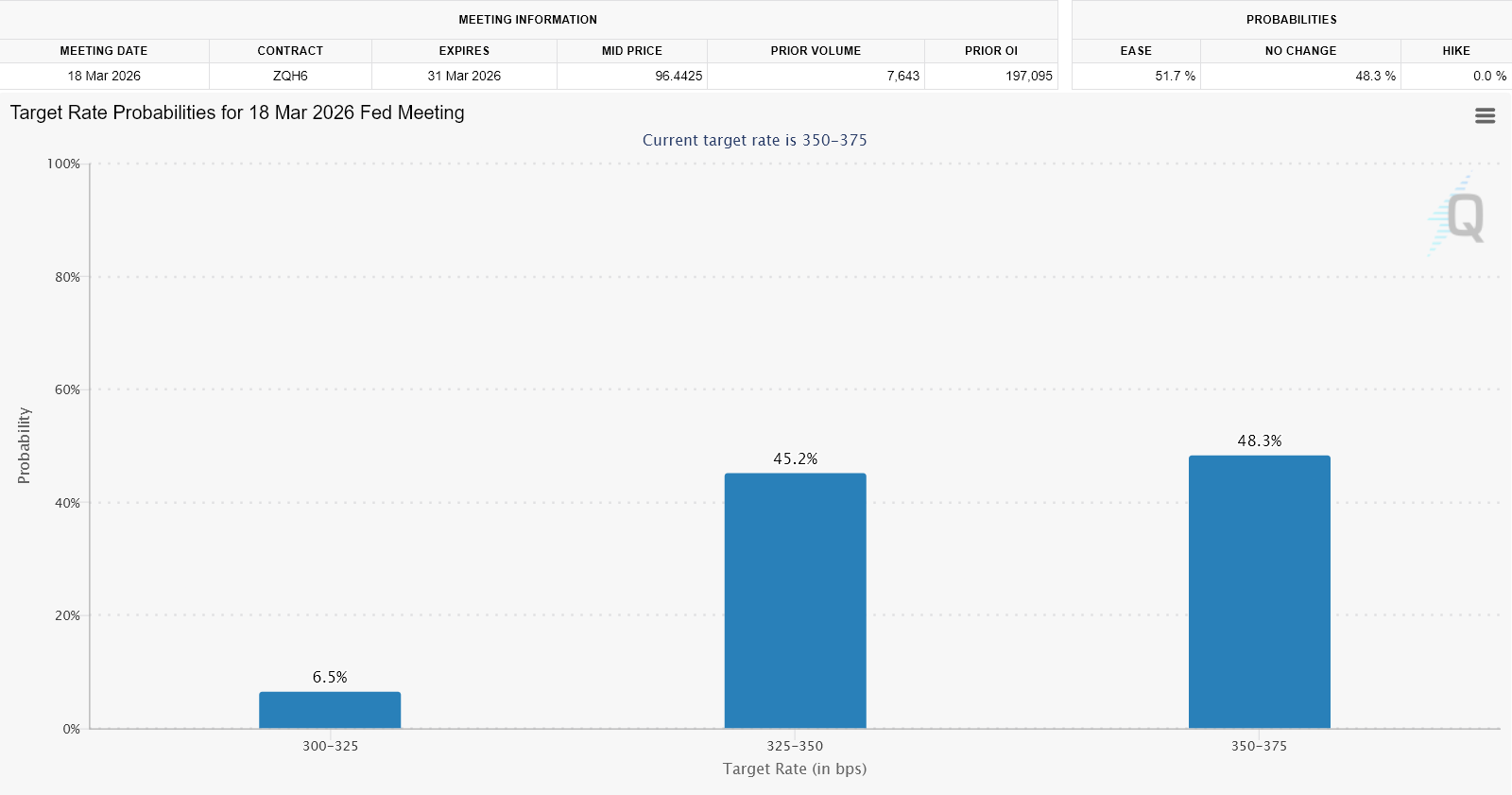
The minutes, published December 30, suggest policymakers favor a pause following December’s 25-basis-point cut, pushing expectations for the next reduction toward March at the earliest.
Markets had already priced out a January move, but the language reinforced that view. The FOMC minutes even shadowed rate cut hopes for March 2026.
So, the clear earliest interest rate cut could come in April.
Bitcoin has traded in a tight range between roughly $85,000 and $90,000 in recent weeks.
Price action remains fragile after failing to reclaim higher resistance levels, while sentiment indicators point to caution rather than conviction.
Overall, daily crypto trading volumes remain thin. Risk appetite has yet to recover meaningfully after December’s pullback.
According to the minutes, several officials argued it would be “appropriate to keep the target range unchanged for some time” to assess the lagged effects of recent easing.
Others described the December cut as “finely balanced,” underscoring limited appetite for follow-up action without clearer inflation progress.
Inflation remains the central constraint. Policymakers acknowledged price pressures “had not moved closer to the 2 percent objective over the past year,” even as labor market conditions softened.
FOMC minutes summary:
— Wall St Engine (@wallstengine) December 30, 2025
Most participants supported a 25 bp cut to a 3.50%–3.75% fed funds range (9–3 vote), saying the balance of risks shifted as “downside risks to employment rose” even while inflation “remains somewhat elevated.”
A majority noted inflation has been above… pic.twitter.com/zr5ZJsPvVu
FOMC cited Tariffs as a key driver behind stubborn goods inflation, while services inflation showed gradual improvement.
At the same time, the Fed flagged rising downside risks to employment. Officials noted slowing hiring, muted business plans, and growing concern among lower-income households.
Still, most participants preferred to wait for additional data before adjusting policy again.
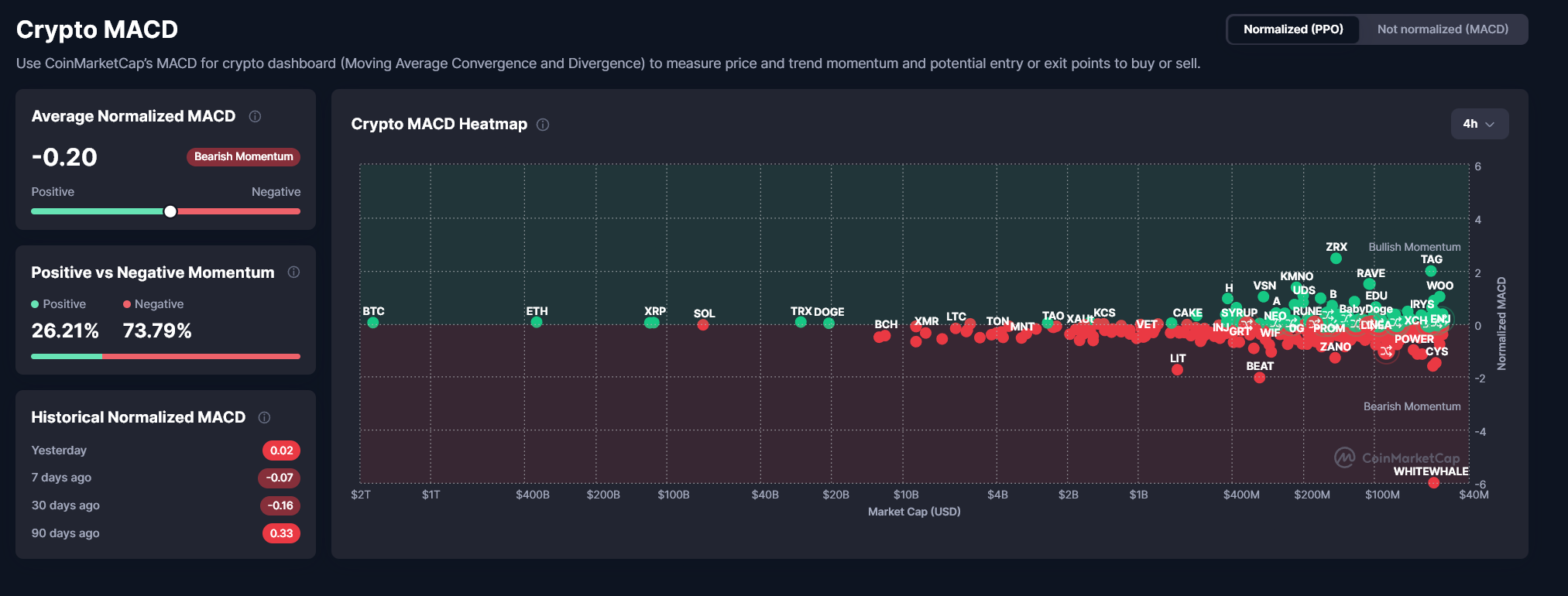
For crypto markets, the message is straightforward. With real yields elevated and liquidity conditions tight, near-term upside catalysts remain scarce.
Bitcoin’s recent consolidation reflects that tension, as investors balance expectations for eventual easing against the reality of higher-for-longer rates.
Looking ahead, March now emerges as the first realistic window for another cut, assuming inflation cools and labor conditions weaken further.
Until then, crypto markets may struggle to regain momentum. Prices are likely to remain vulnerable to further downside if macroeconomic data disappoints early in 2026.
The post FOMC Signals No Rush to Cut Rates Until March 2026, Crypto Faces Test appeared first on BeInCrypto.
Bitcoin dan pasar aset kripto secara luas memulai Tahun Baru dengan tekanan baru setelah Federal Open Market Committee mengumumkan risalah rapat Desember mereka.
Risalah FOMC menegaskan dengan jelas bahwa belum ada urgensi untuk memangkas suku bunga lagi di awal 2026.
Risalah yang terbit 30 Desember ini, menunjukkan pembuat kebijakan lebih memilih untuk jeda setelah pemangkasan suku bunga 25 basis poin di Desember, sehingga kemungkinan penurunan berikutnya mundur ke Maret paling cepat.
Pasar sudah memperkirakan tidak akan ada pergerakan pada Januari, dan bahasa yang digunakan dalam risalah ini semakin memperkuat pandangan tersebut. Risalah FOMC bahkan mengikis harapan pemangkasan suku bunga pada Maret 2026.
Jadi, kemungkinan pemangkasan suku bunga terbaru yang paling awal bisa hadir di bulan April.
Bitcoin telah bergerak di rentang sempit antara sekitar US$85.000 dan US$90.000 dalam beberapa pekan terakhir.
Aksi harga tetap rapuh setelah gagal menembus resistance yang lebih tinggi, sementara indikator sentimen menunjukkan sikap hati-hati daripada keyakinan penuh.
Secara umum, volume perdagangan harian aset kripto masih tipis. Minat risiko belum pulih secara signifikan setelah terjadinya koreksi di bulan Desember.
Berdasarkan risalah tersebut, beberapa pejabat menilai bahwa akan “tepat untuk mempertahankan kisaran target tidak berubah untuk beberapa waktu” demi mengevaluasi dampak dari pelonggaran kebijakan terbaru.
Pihak lain menyebut pemangkasan di bulan Desember sebagai langkah yang “sangat berimbang,” sehingga menggarisbawahi bahwa pemangkasan lanjutan tidak akan dilakukan jika inflasi belum menunjukkan kemajuan yang jelas.
Inflasi tetap menjadi kendala utama. Para pembuat kebijakan mengakui tekanan harga “belum bergerak lebih dekat ke target 2 persen sepanjang tahun lalu,” meski kondisi pasar tenaga kerja mulai melemah.
FOMC minutes summary:
— Wall St Engine (@wallstengine) December 30, 2025
Most participants supported a 25 bp cut to a 3.50%–3.75% fed funds range (9–3 vote), saying the balance of risks shifted as “downside risks to employment rose” even while inflation “remains somewhat elevated.”
A majority noted inflation has been above… pic.twitter.com/zr5ZJsPvVu
FOMC menyebut Tarif sebagai salah satu penyebab utama inflasi barang yang membandel, sementara inflasi jasa menunjukkan perbaikan secara bertahap.
Pada saat yang sama, The Fed juga menyoroti risiko penurunan lapangan kerja yang makin nyata. Para pejabat melihat perekrutan yang melambat, rencana bisnis yang stagnan, dan semakin banyak kekhawatiran dari rumah tangga berpendapatan rendah.
Meski begitu, mayoritas peserta lebih memilih untuk menunggu data tambahan sebelum mengubah kebijakan kembali.
Bagi pasar kripto, pesannya cukup jelas. Dengan yield riil yang masih tinggi dan likuiditas yang masih ketat, katalis kenaikan harga dalam waktu dekat masih sangat terbatas.
Konsolidasi Bitcoin akhir-akhir ini mencerminkan adanya ketegangan, karena investor mencoba menyeimbangkan ekspektasi akan pelonggaran kebijakan di masa depan dengan kenyataan suku bunga tinggi yang berkepanjangan.
Ke depan, bulan Maret kini menjadi jendela realistis pertama untuk pemangkasan berikutnya, dengan catatan inflasi mendingin dan kondisi ketenagakerjaan terus melemah.
Sebelum itu terjadi, pasar aset kripto bisa jadi masih kesulitan untuk bangkit. Harga kemungkinan tetap rentan jatuh lebih dalam jika data ekonomi makro mengecewakan di awal 2026.
Pi Coin has struggled to gain meaningful traction, reflecting weak conviction among investors. The altcoin endured a difficult 2025, marked by persistent selling pressure and limited recovery attempts.
Despite brief rebounds, sentiment remains fragile. As Pi Coin enters 2026, expectations of a sustained recovery remain uncertain amid inconsistent demand signals.
Monthly return data paints a challenging picture for Pi Coin’s first year. Since launching in February, the token has recorded losses in most months. Only two periods delivered positive returns, highlighting the asset’s inability to sustain momentum.
The steepest decline occurred shortly after launch. In March, Pi Coin fell 66.5%, erasing early optimism around the mobile mining network. This sharp drawdown set a negative tone that has persisted. Historically weak monthly performance suggests downside risks continue to outweigh upside expectations.
Want more token insights like this? Sign up for Editor Harsh Notariya’s Daily Crypto Newsletter here.

However, February 2026 could offer a short-term catalyst. The altcoin will mark its first anniversary, a milestone that often draws renewed attention. Speculative interest around anniversaries has previously driven temporary rallies across emerging crypto assets.
Capital flow indicators further explain Pi Coin’s prolonged weakness. Over the past year, the asset has oscillated between inflows and outflows without establishing a clear trend. This indecision among investors has constrained price recovery attempts.
The Chaikin Money Flow highlights persistent selling dominance. Since launch, CMF has reached the oversold threshold of -0.15 on five occasions. By contrast, it has only touched the overbought level of 0.20 three times, signaling stronger selling pressure.
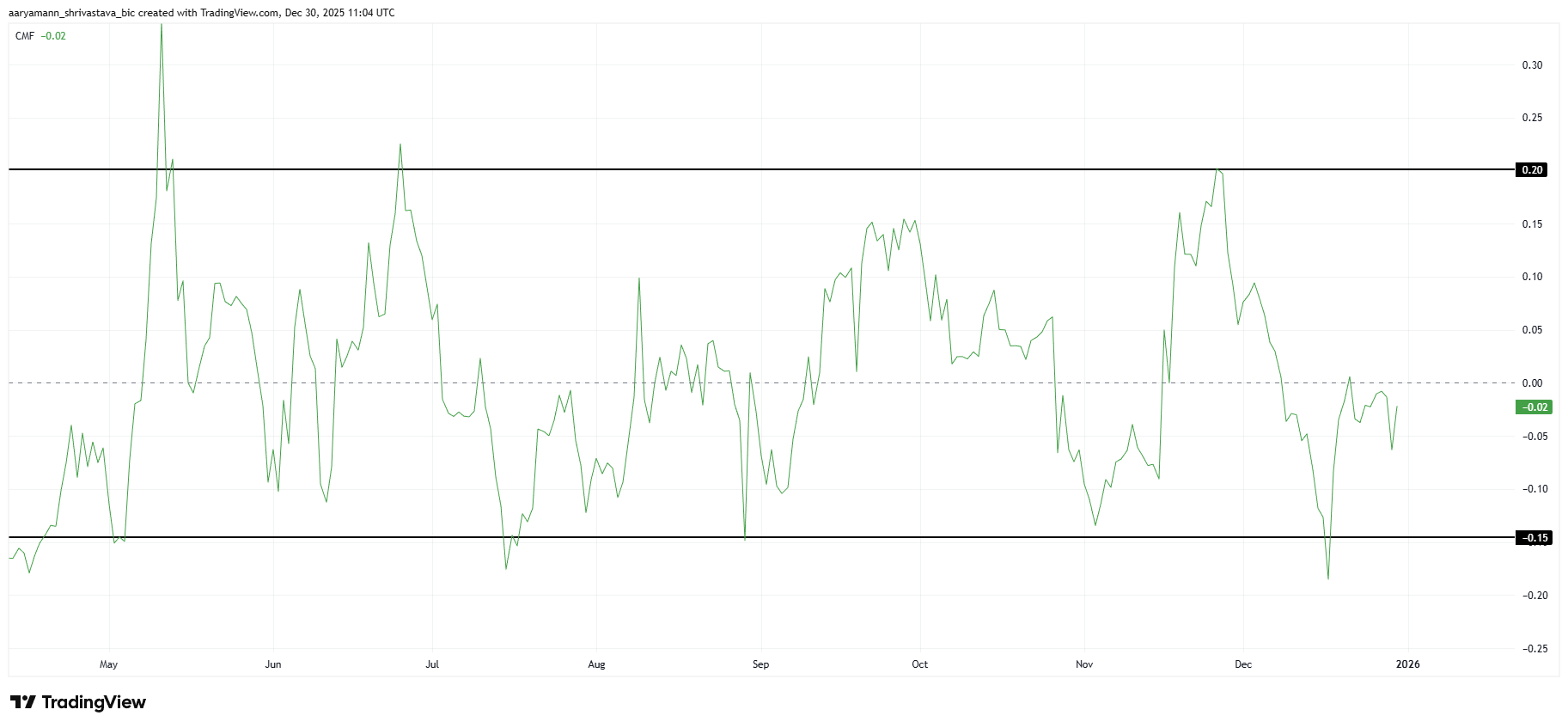
Even if CMF rises above the zero line, recovery remains uncertain. Historically, meaningful trend reversals for Pi Coin have required CMF to exceed 0.20. Without that confirmation, rallies risk fading quickly amid renewed distribution.
From a broader perspective, Pi Coin faces a steep climb to regain credibility. The altcoin must rise roughly 1,376% to revisit its all-time high of $2.994, set in early March. Such a move would require a significant shift in demand.
Initial recovery signals would emerge if Pi Coin flips the 23.6% Fibonacci Retracement level at $0.273 into support. This level represents the first technical threshold separating consolidation from early recovery.
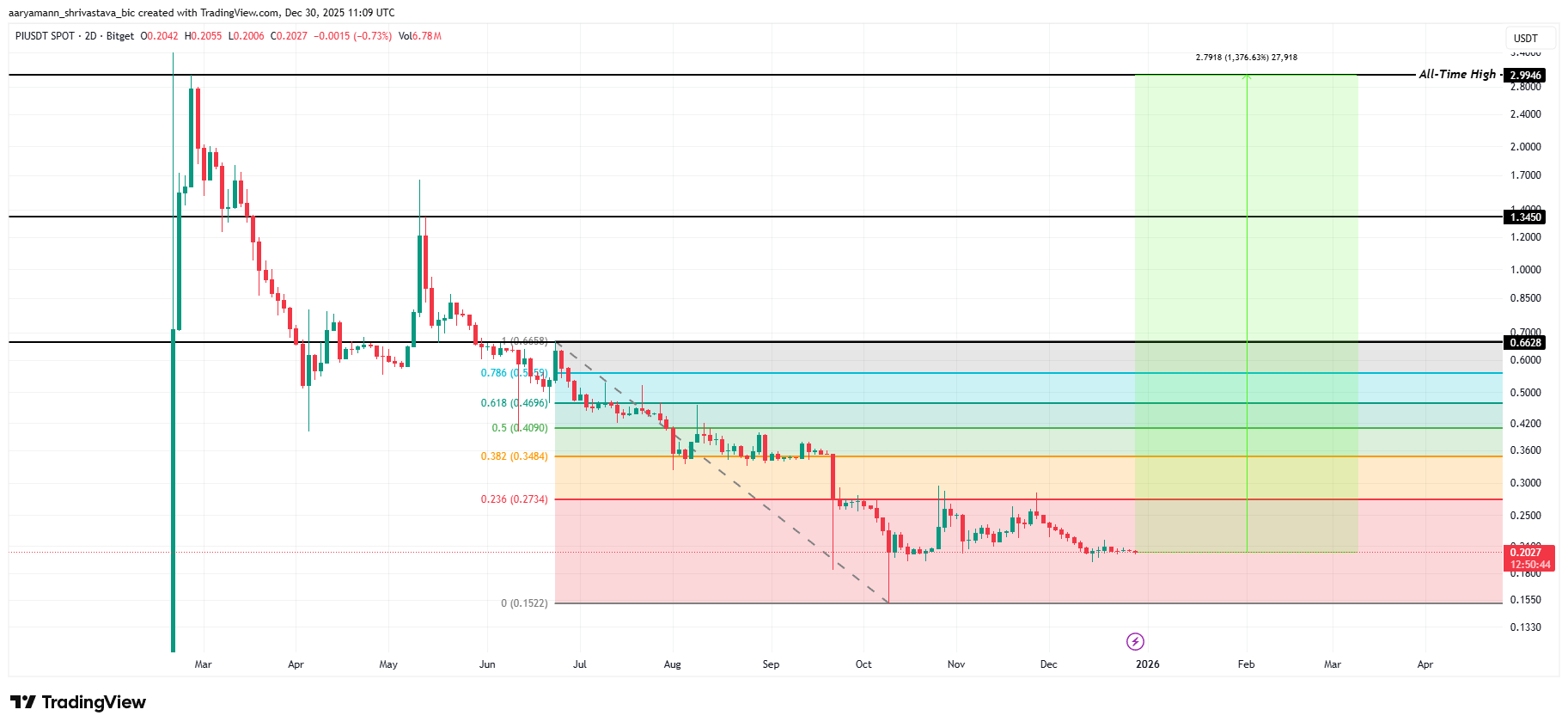
Stronger confirmation remains distant. A sustained bullish structure would require reclaiming $0.662 as support. Until then, Pi Coin remains in a prolonged rebuilding phase with limited upside conviction.
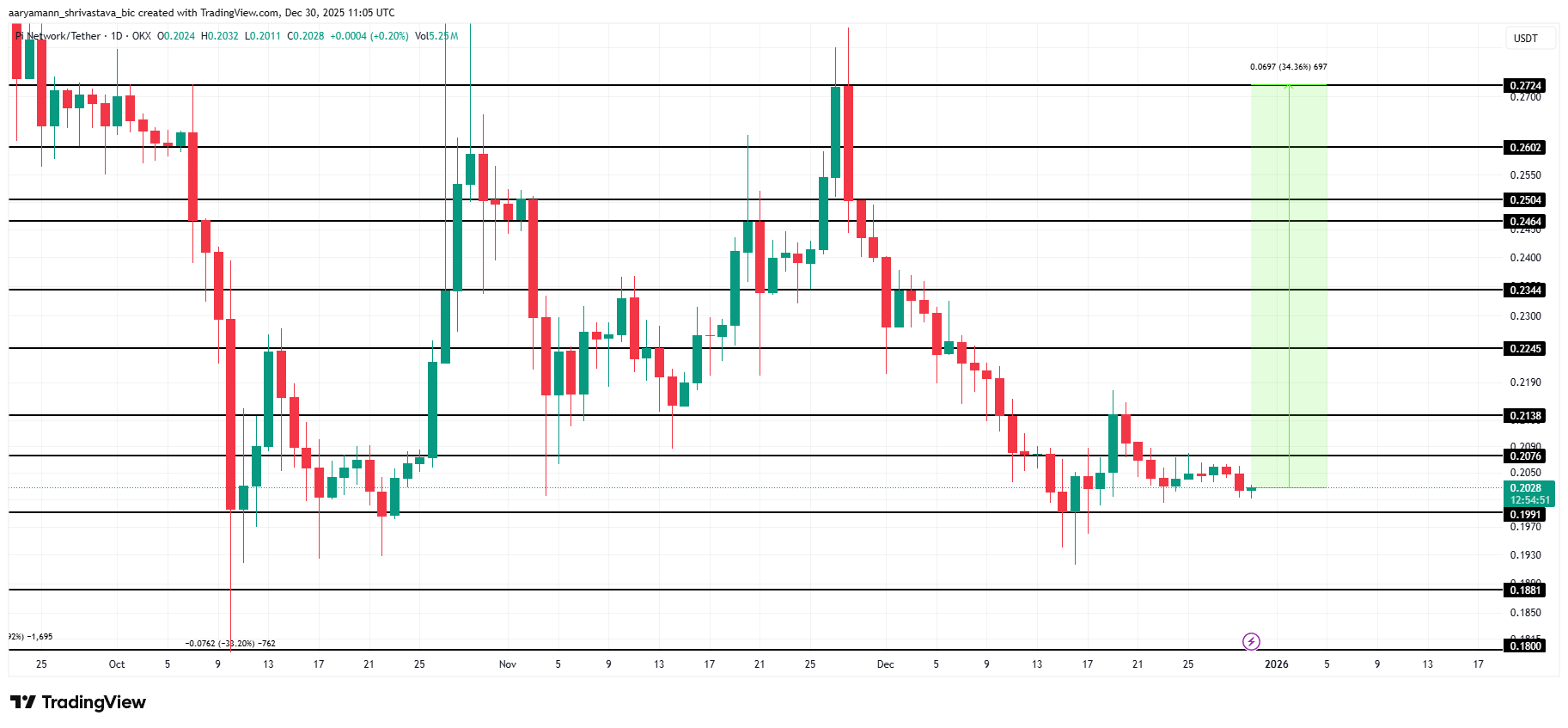
In the short term, Pi Coin shows tentative strength. The token holds above the critical $0.199 support level. This floor has been tested three times without a daily close below, suggesting buyers are defending this zone.
Maintaining this support keeps the short-term momentum constructive. As long as $0.199 holds, downside risks remain contained. This behavior supports a cautiously bullish outlook over the coming weeks.
To offset December’s losses, Pi Coin requires a 34% rally. Such a move would lift the price toward $0.272. In the near term, reclaiming $0.224 and $0.246 as support levels remains the primary objective.
Achieving these targets would indicate improving sentiment. Gradually higher lows could attract speculative interest, especially if broader market conditions stabilize. Still, volume confirmation remains essential for sustainability.
Downside risks persist if investor confidence deteriorates. A breakdown below $0.199 would invalidate the bullish thesis. Under that scenario, Pi Coin could slide toward $0.188 or lower, accelerating losses amid panic-driven selling.
The post Pi Coin Price Prediction: What to Expect In 2026? appeared first on BeInCrypto.

Pi Coin kesulitan untuk meraih perhatian yang berarti, mencerminkan keyakinan investor yang lemah. Altcoin ini mengalami masa sulit sepanjang 2025, ditandai dengan tekanan jual yang terus-menerus dan upaya pemulihan yang terbatas.
Walau sempat terjadi rebound singkat, sentimen tetap rapuh. Saat Pi Coin masuk tahun 2026, harapan akan pemulihan berkelanjutan masih belum pasti di tengah sinyal permintaan yang tidak konsisten.
Data return bulanan menunjukkan gambaran menantang untuk tahun pertama Pi Coin. Sejak rilis pada Februari, token ini mencatatkan kerugian di sebagian besar bulan. Hanya ada dua periode dengan return positif, memperlihatkan aset ini belum mampu mempertahankan momentum.
Penurunan paling tajam terjadi tak lama setelah peluncuran. Pada bulan Maret, Pi Coin turun 66,5%, menghapus optimisme awal seputar jaringan mining seluler ini. Koreksi tajam ini menimbulkan sentimen negatif yang terus bertahan. Kinerja bulanan yang historis lemah menunjukkan risiko penurunan masih lebih besar dibanding potensi kenaikan.
Mau insight token seperti ini? Daftar Newsletter Crypto Harian dari Editor Harsh Notariya di sini.
Meski begitu, Februari 2026 bisa menjadi katalis dalam jangka pendek. Altcoin ini akan merayakan ulang tahun pertamanya, sebuah momen yang sering menarik perhatian baru. Minat spekulatif seputar ulang tahun sudah pernah mendorong reli sementara pada aset kripto baru sebelumnya.
Indikator arus modal semakin memperjelas kelemahan panjang Pi Coin. Selama setahun terakhir, aset ini berosilasi antara arus masuk dan keluar tanpa membentuk tren yang jelas. Keraguan investor ini membatasi upaya pemulihan harga.
Chaikin Money Flow memperlihatkan dominasi penjualan yang terus berlangsung. Sejak peluncuran, CMF mencapai batas oversold -0,15 sebanyak lima kali. Sebaliknya, indikator ini hanya menembus level overbought 0,20 sebanyak tiga kali, menandakan tekanan jual lebih kuat.
Meski CMF naik di atas garis nol, prospek pemulihan tetap belum jelas. Secara historis, pembalikan tren yang berarti pada Pi Coin membutuhkan CMF melampaui 0,20. Tanpa konfirmasi ini, reli berisiko berakhir cepat di tengah gelombang distribusi baru.
Dari sudut pandang yang lebih luas, Pi Coin menghadapi tantangan berat untuk mengembalikan kepercayaan pasar. Altcoin ini harus naik sekitar 1.376% agar bisa kembali ke all-time high di US$2,994 yang sempat tercapai pada awal Maret. Pergerakan sebesar ini memerlukan lonjakan permintaan yang besar.
Sinyal pemulihan awal akan muncul jika Pi Coin berhasil breakout dari level 23,6% Fibonacci Retracement di US$0,273 dan menjadikannya support. Level ini jadi ambang teknikal pertama yang membedakan fase konsolidasi dan fase awal pemulihan.
Konfirmasi lebih kuat masih jauh dari harapan. Struktur bullish yang berkelanjutan perlu menembus kembali level US$0,662 dan menjadikannya support. Sebelum itu terjadi, Pi Coin masih dalam fase pembangunan ulang berkepanjangan dan keyakinan ke arah atas masih terbatas.
Dalam jangka pendek, Pi Coin menunjukkan sinyal kekuatan yang hati-hati. Token ini bertahan di atas support penting di US$0,199. Area ini sudah tiga kali diuji tanpa harga harian ditutup di bawahnya, yang mengindikasikan pembeli menjaga zona ini.
Menjaga support ini membuat momentum jangka pendek tetap positif. Selama US$0,199 masih bertahan, risiko penurunan tetap terjaga. Pola ini mendukung pandangan bullish secara hati-hati untuk beberapa pekan ke depan.
Untuk menutup kerugian Desember, Pi Coin butuh reli 34%. Jika target ini tercapai, harga bisa naik menuju US$0,272. Dalam waktu dekat, merebut kembali level US$0,224 dan US$0,246 sebagai support menjadi prioritas utama.
Mencapai target-target ini akan menunjukkan sentimen yang membaik. Kenaikan titik rendah secara bertahap bisa menarik minat spekulatif, apalagi jika kondisi pasar secara umum mulai stabil. Meski begitu, konfirmasi volume tetap penting untuk memastikan pergerakan ini berkelanjutan.
Risiko penurunan masih ada jika kepercayaan investor menurun. Jika terjadi breakdown di bawah US$0,199, maka skenario bullish akan batal. Dalam situasi tersebut, Pi Coin bisa bergerak turun ke US$0,188 atau bahkan lebih rendah, sehingga kerugian bisa makin besar akibat aksi jual panik.

Xiaomi is further enhancing its user experience by resolving issues in its software that have been brought forward by the global community. In its latest weekly bug report, it is pertinent to note that quite a number of issues have been fixed in the Xiaomi HyperOS UI of its different smartphones and tablets. Users of Xiaomi 15T Pro and POCO smartphones will be glad to know that the overall stability of system applications has been enhanced as a result of these changes. It has been confirmed that the issues in the Xiaomi Pad 7 have been fixed.
Stable network connectivity is a key requirement for the functionality of smart modern devices. The engineering team has been able to address the issues of network instability on some of the budget and mid-range smart device models. Specifically, issues related to internet connectivity through mobile data and signal reception have been addressed.

Image performance as well as camera reliability are major reasons why one would be interested in purchasing a Xiaomi smartphone. Certain problems related to display dimming and camera lag in high-performance variants are addressed by the developer team. Moreover, audio settings are also fixed to enable proper switching from Dolby Sound mode to 3D Surround sound.
The general system stability has been enhanced by fixing application crashes and charging issues. Users who encountered freezes and unjustified shutdowns of apps can now look forward to a seamless interface. It is vital to update system applications to prevent these types of glitches. Users can access these application updates through our project HyperOSUpdates.com or by using the application ‘MemeOS Enhancer’. Download the MemeOS Enhancer application by visiting the Play Store. By using the MemeOS application, not only will it update the system applications in your phone, but it will also give access to hidden functions in Xiaomi phones in addition to facilitating screen update operations.
The fact that Xiaomi is working on these particular problems that have been affecting the user experience is a very reassuring thing. The sheer number of these solutions that have been implemented, ranging from basic signal reception in entry-level variants all the way to high-end audio functionalities in flagship variants, goes to show that Xiaomi is covering all bases when it comes to system care. The solutions will reach Xiaomi devices through Over-the-Air (OTA) updates in the next few days. It is essential that the software of your Xiaomi, Redmi, or POCO device remains updated in order to eliminate these glitches and ensure smooth usage.