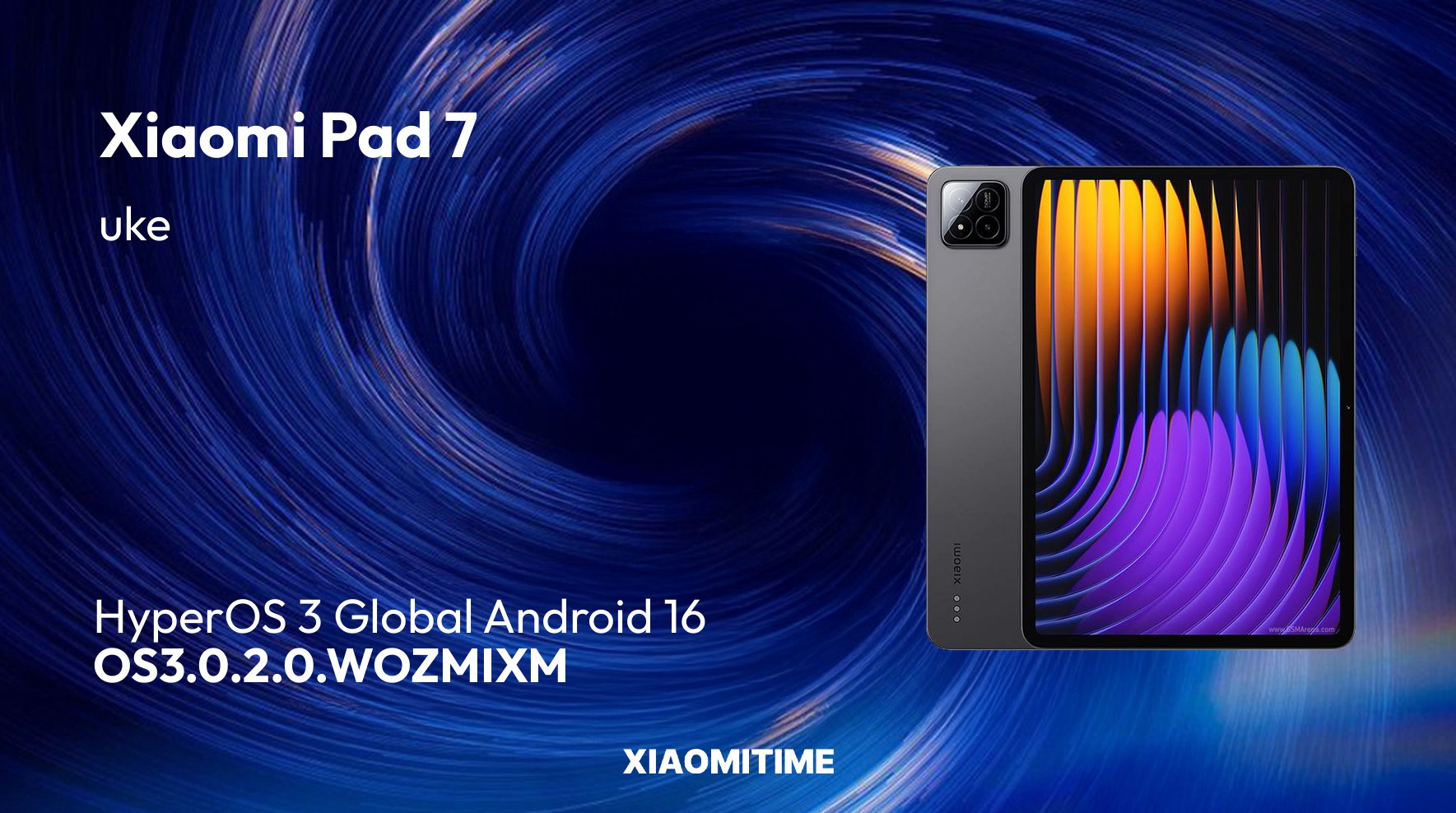
Xiaomi has started rolling out the international version of the stable update with HyperOS 3 to Xiaomi Pad 7 devices. The announcement follows the latest Xiaomi user interface that offers improved design with smoother animations and a more intelligent user interface. The international version is called OS3.0.2.0.WOZMIXM (Android 16) and offers significant AI functionalities and new icons with the Super Island Interface.
What’s New in HyperOS 3 for Xiaomi Pad 7
The HyperOS 3 update aims to improve usability, performance, as well as visuals. The new AI upgrades brought by Xiaomi include enhanced picture management capabilities, improved text recognition features, as well as optimized performance settings. The new icon set provides the interface with a more unified look that matches Xiaomi’s latest design trend found in the Xiaomi 15 series and Redmi K80 Ultra models.
In addition to this, the update has fine-tuned transitions within the system, delivered better retention rates for background apps, and made the Xiaomi Pad 7 more responsive.
Introducing “Super Island”- A Novel Interactive Concept
Xiaomi combines productivity and convenience in one solution with Super Island. Based on the “Dynamic Island” technology idea, Super Island adjusts to the user’s activities and displays corresponding data such as charging status, reminders for timers, and media operations from the top corner area of the display.
This feature makes the Xiaomi Pad 7 more interactive so that one can get immediate access to the most essential features without switching apps.
Availability and How to Update
The HyperOS 3 Global Stable Update is now rolling out to Xiaomi Pad 7 devices worldwide. The update can be checked in Settings > About Tablet > System Update.
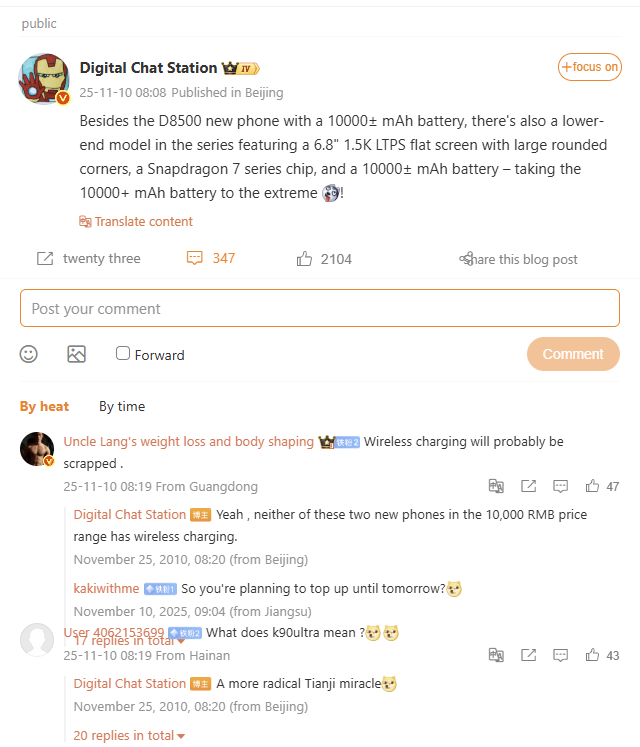
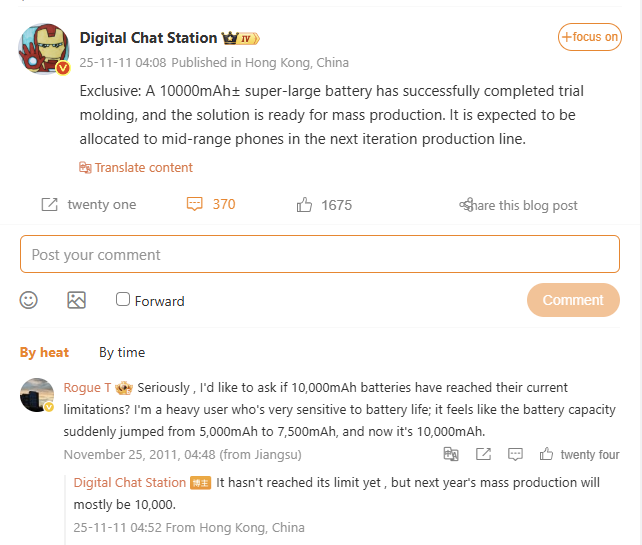
Xiaomi Could Redefine the Rules for Batteries in Mid-Range The technology involving batteries in smartphones is continually improving, with Chinese vendors attempting to break the barrier beyond 7,000mAh and 8,000mAh batteries. Reliable sources within the industry, as well as popular leakster @DigitalChatStation, indicate that there has been the completion of the trial molding process and that there is imminent mass production with regard to the new 10,000mAh± battery. It is most likely that Xiaomi and Redmi are set to use this revolutionary battery in one of their forthcoming mid-range handsets.
Xiaomi’s Plan to Take Over the Batteries Revolution
Xiaomi has always emphasized energy efficiency and battery life in its products. The development of a 10,000mAh-class battery is therefore an important milestone in making smartphones with more extended battery life a reality; that has been one area that people are particularly eager to see gained in smartphones. That technology is anticipated to appear in a Redmi product.
This development marks Xiaomi’s willingness to strike a balance between capacity and design usability since packing such a 10,000mAh capacity battery is technically challenging in terms of weight and thermals.
What We Know about Future Models
As per DigitalChatStation, there are two smartphones that will come with 10,000mAh± batteries. The devices include one with the Dimensity 8500 processor and another with the Snapdragon 7 series processor and 6.8-inch 1.5K LTPS flat display. While there are no confirmations on these models yet, it has been suggested that one might be from Xiaomi’s Redmi series since it might be designed to be an “Ultra Battery” version.
But surprisingly, there will be no wireless charging in either device. This ensures that the devices’ battery life and affordable price will continue to thrive in the mid-range segment.
The Era of 10,000mAh Batteries has Arrived
The entry of smartphones with five-digit battery capacity marks the beginning of a massive change in the industry. Historically speaking, such capacities were only seen on rugged smartphones and power banks. The entry of Xiaomi in this segment might popularize battery capacity with such dimensions, giving the company yet another reason to be counted among the best in terms of battery life. This technology will definitely provide Xiaomi with a strong edge over its competitors.
Additionally, with HyperOS optimizing background processes and hardware resources, users would be able to enjoy unequaled stand-by times and all-day intensive use without recharging.
What happened to Black Shark, this one-time ambitious gaming-smartphone sub-brand owned by Xiaomi, is a question on every fan’s mind. The question is: “Is Black Shark bankrupt?” or “Why are there no new models coming out?” What happened is actually much more complex than even this. Black Shark Technology (Shenzhen) Co., Ltd. is, in fact, still operating. However, Black Shark’s mobile phone business basically stopped in 2023 because it failed in acquiring $459 million worth of stocks in Tencent. Such a failure resulted in it ceasing all developments for flagship models such as Black Shark 6.
The Fall of a Gaming Titan
Black Shark was established in 2017. Its goal was to conquer the mobile gaming market through superior hardware capabilities and innovative designs. However, this was until 2022 when Tencent Holdings made a bid to acquire Black Shark in a bid to create a VR/AR hardware business unit. This partnership would ensure Black Shark’s future and position it for success in the metaverse age.
Unfortunately, this purchase was cancelled in May 2022 due to a failure to gain approval by Chinese officials. This resulted in layoffs, unpaid salaries, and closing down their Smartphone Research and Development Division.
Reasons Why Black Shark 6 Never Came
The Black Shark 5 Series, launched in March 2022, was the last flagship series for this brand. The supposed successor to this line, Black Shark 6, was canceled due to it losing both funds and human resources because of the failed deal with Tencent. By early 2023, More than 90% of Black Shark’s staff have been let go, thus ceasing all phone production.
The main investor in this brand, Xiaomi, did not get involved, presumably due to their own restructuring process and competition with POCO and Xiaomi T-series models. Consequently, Black Shark’s business in smartphones has de-facto ceased to exist.
The New Black Shark: From Phones to Accessories
Although Black Shark failed in the smartphone market, it has been revived with a new orientation. Black Shark now manufactures different gaming accessories for enhancing gaming experiences, such as:
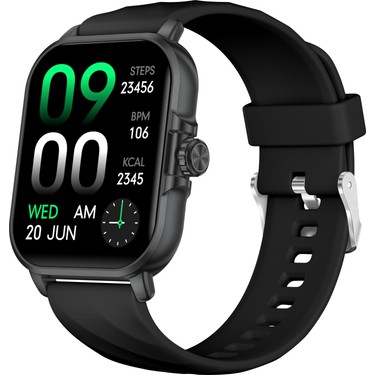
Black Shark GT3 Neo Smartwatch
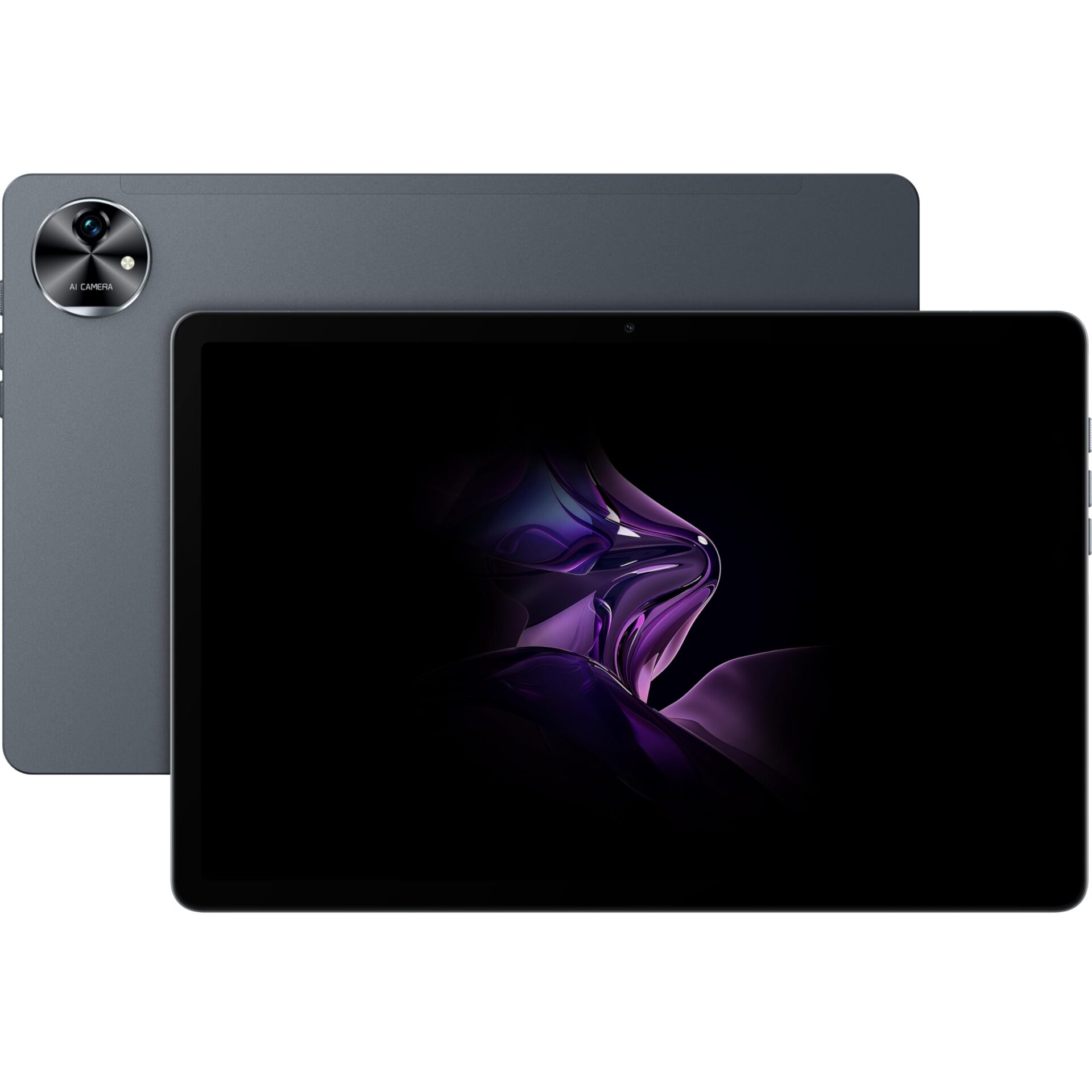
Black Shark Pad 6 Tablet
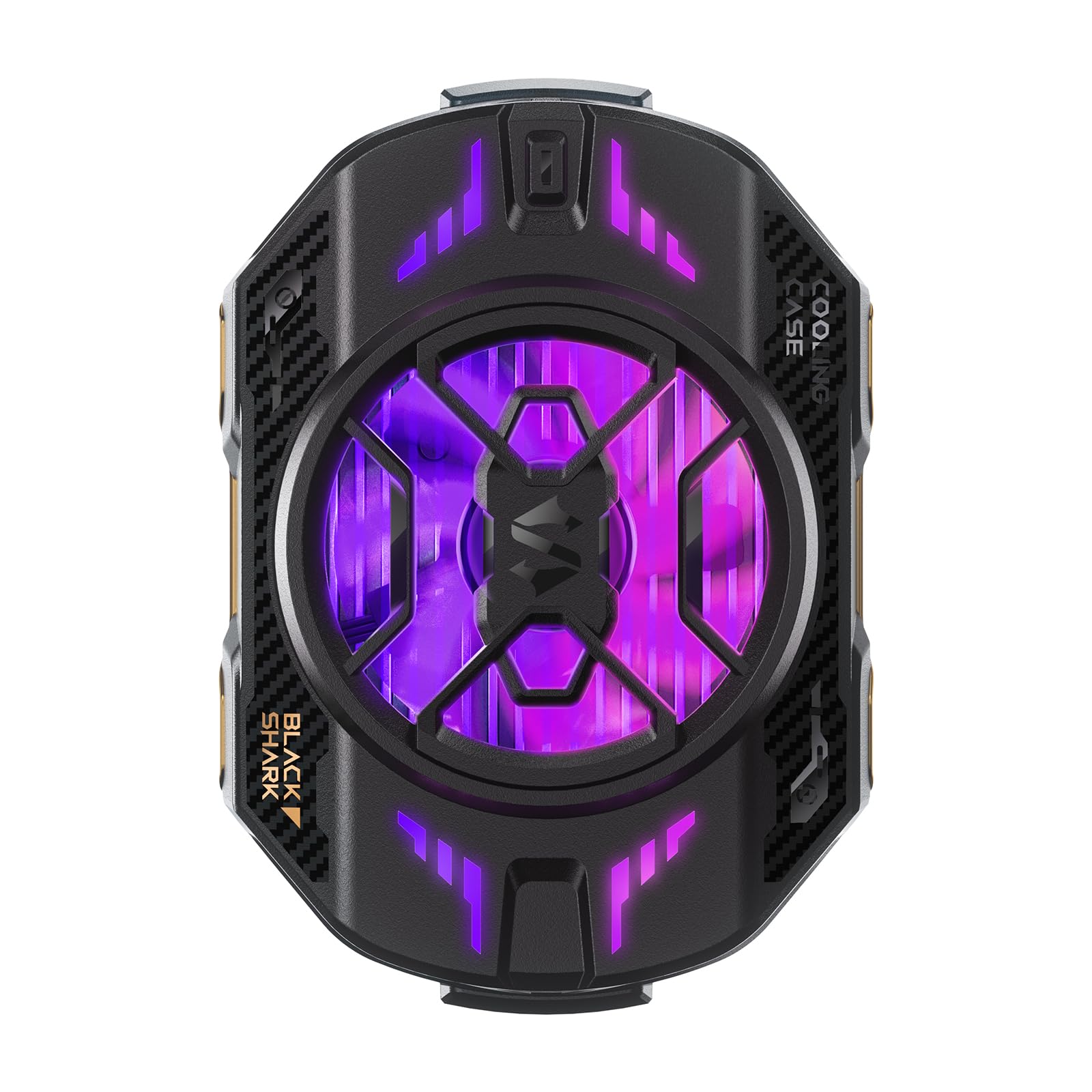
FunCooler 4 Pro Cooling Fan
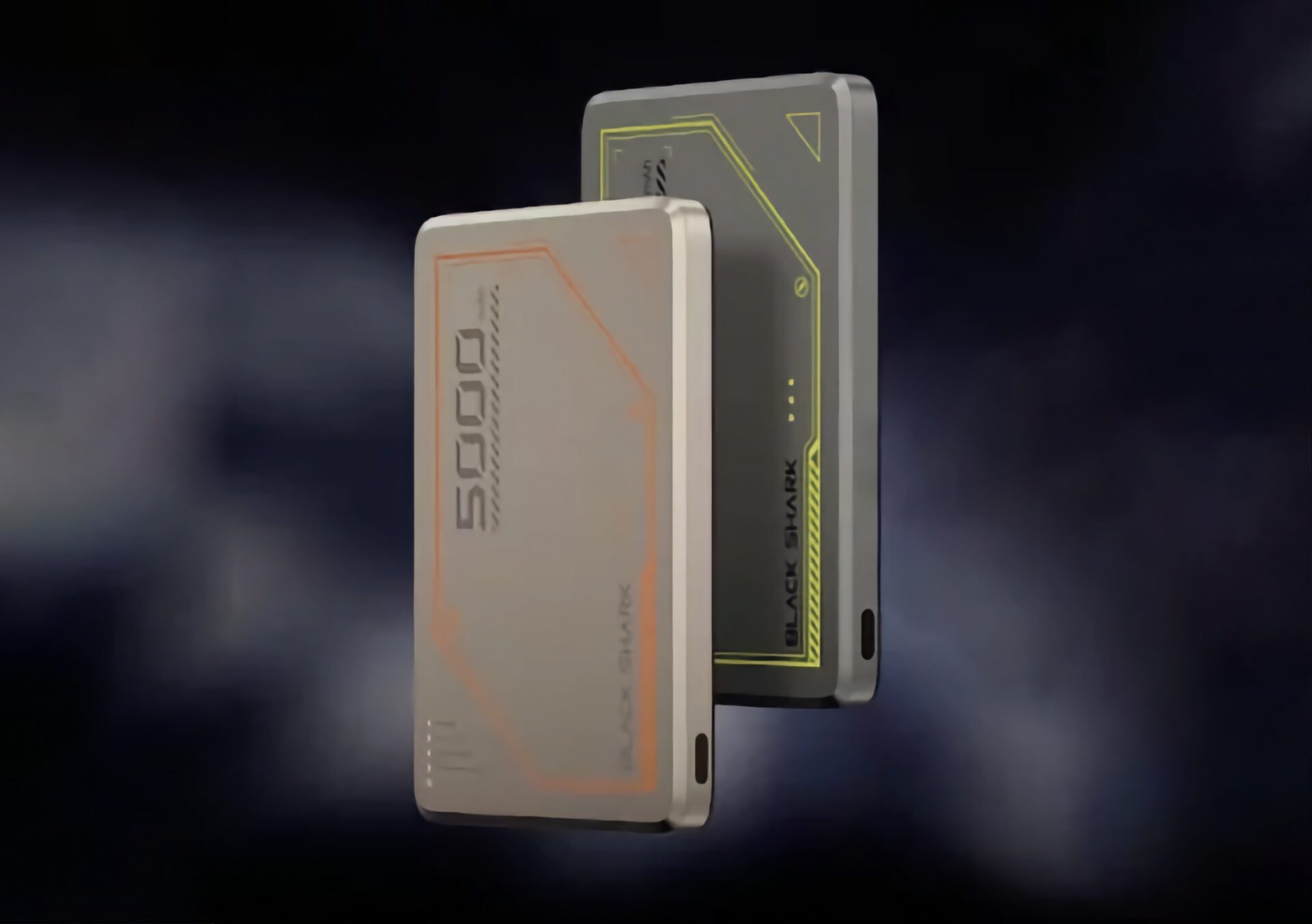
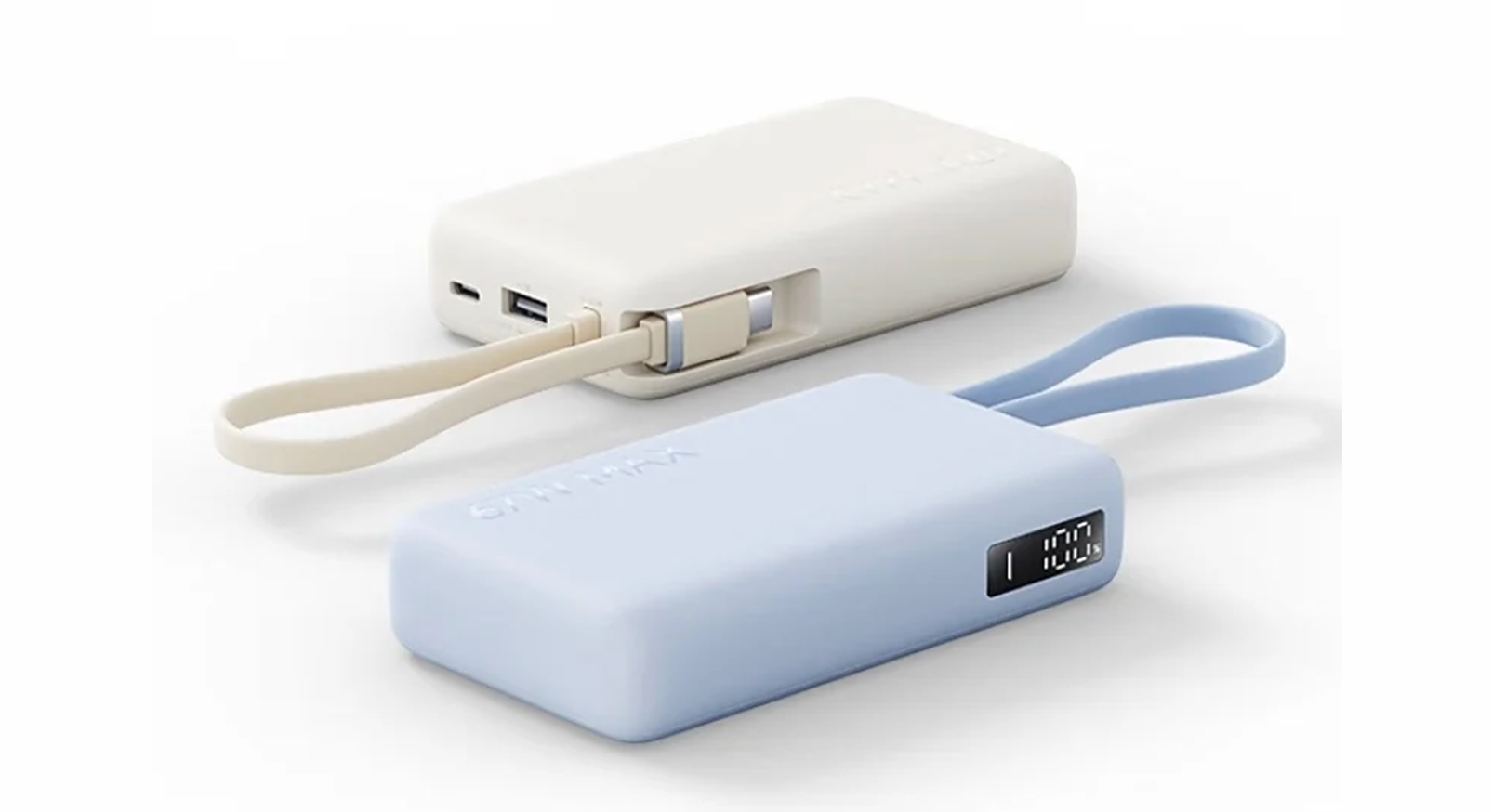
Black Shark Blade 2 Power Bank (10000mAh)
Green Ghost Gamepad Controller
Such a shift towards low-cost, high-margin peripherals will ultimately ensure that the “brand will survive with this gaming DNA intact.” Analysts term this process a “ghost brand strategy,” because “existing appreciation will sustain a peripheral business model.”
Final Analysis: A Brand Reborn, Not Bankrupt
Black Shark’s line of smartphones ended with Black Shark 5, but it continues in another role: gaming ecosystem brand. The failed takeover by Tencent, government pressure, and intracompany competition between Xiaomi created a situation that led to this change. Today, the Black Shark line lives on – not as a purveyor of innovative smartphones but as a gaming lifestyle brand in the overall Xiaomi ecosystem.
The Xiaomi November 2025 Deal Report gives consumers a thorough insight into where to purchase the best deals on a variety of Xiaomi devices sold across Europe, India, and international shopping websites during both Black Friday and 11.11 Shopping Festival. Since these shopping events occur simultaneously, one can see that consumers will be treated to tremendous deals for top smartphones, tablets, and smart home devices. Whether one is interested in warranties or international low prices, this investigation highlights everything one needs to know.
Europe’s Top Pick: Xiaomi 15T Pro Black Friday Bundle
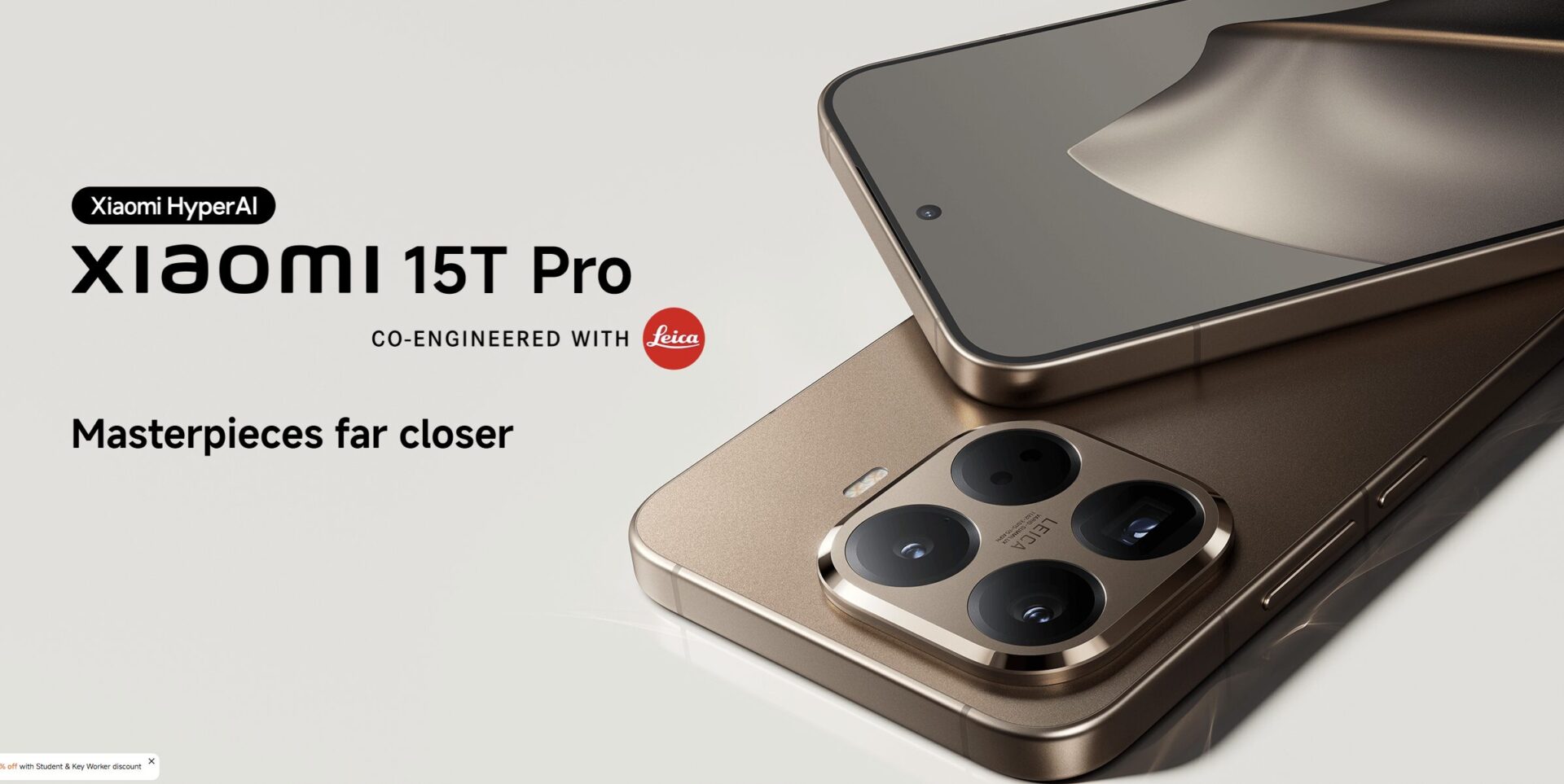
The top deal is reserved for mi.com Spain’s offering on the Xiaomi 15T Pro (12GB+256GB) for €749.99 (approx. $805), bundled with a free Redmi Pad 2 Pro worth €299.99 ($322). Other EU markets, including Italy, have “Super Value Kits” with similar offers. Germany’s offers are largely restricted to standard discounts. Customers in the UK will be drawn to “Black Friday deals, with POCO F7 Pro (£449) and POCO F7 Ultra (£569) offering the best discounts. These packages demonstrate the strategies employed by Xiaomi to embrace integration with their overall emphasis on their ecosystem—their way of rewarding consumers for a full experience with Xiaomi.
India’s Intense Competition: Redmi Note 14 Pro+ Leads the Segment
The November sales in India are characterized by stiff competition between Amazon.in, Flipkart, and mi.com/in. The Redmi Note 14 Pro+ is actually the most heavily discounted flagship killer. On Flipkart, with bank offers, its effective price is ₹23,210 /$278, which is lower than Amazon’s ₹24,999 and Premium buyers will enjoy these high-value packages: Xiaomi 15 Ultra and Xiaomi 15 have free Xiaomi Care Plans or Photography Kits, with starting costs effectively from ₹59,999 / $720. Such overlapping offers during Diwali and Black Friday make India one of the most competitive markets for Xiaomi.
Global Hunters: 11.11 AliExpress Strategy
Concerning users outside official China markets, AliExpress is obviously the battleground. The 11.11 Global Shopping Festival features the highest levels of discounts, but consumers need to be familiar with “Global Version” and “Global ROM” models. Global Version ROMs have Google certification, OTA updates, and access to the full 5G bands. Global ROM models are China-phone variants with non-functional updates and Google certification. The strongest purchase option for 11.11 “World Premiere” deals is for POCO F7 Ultra (12GB + 256GB), which is priced at $638.49 with a 34% discount on the original price of $967.41. Additional $85 coupons can be used for even lower prices.
Ecosystem Spotlight: Xiaomi Pads, Watches, and Vacuums
Besides smartphones, here are other deals on Black Friday for Xiaomi devices in the EU:
Xiaomi Pad 7 (8GB+128GB): £279 ($345),
Redmi Pad SE (4GB+128GB): £119 / $147,
Xiaomi Watch S4: £109.99 ($136), with “stacked” coupons for deeper discounts
Xiaomi Robot Vacuum X20 Max: €539.90 ($581), offering more than €110 These agreements help to cement not only Xiaomi’s position in the market as a leader in smartphones but as a provider of smart home systems.
Final Verdict: Smart Strategies for Every Region
EU & UK Buyers: First, purchase officially on mi.com for best bundle value and local warranties. India: Emphasis on Flipkart’s offers that require a bank link for unbeatable Global Users: Take advantage of AliExpress 11.11 coupons but purchase only Global Version devices. The offers for each region are uniquely formulated, but all have one thing in common: Xiaomi leads technological sales in November 2025 worldwide with innovation, value for money, and overall harmony.
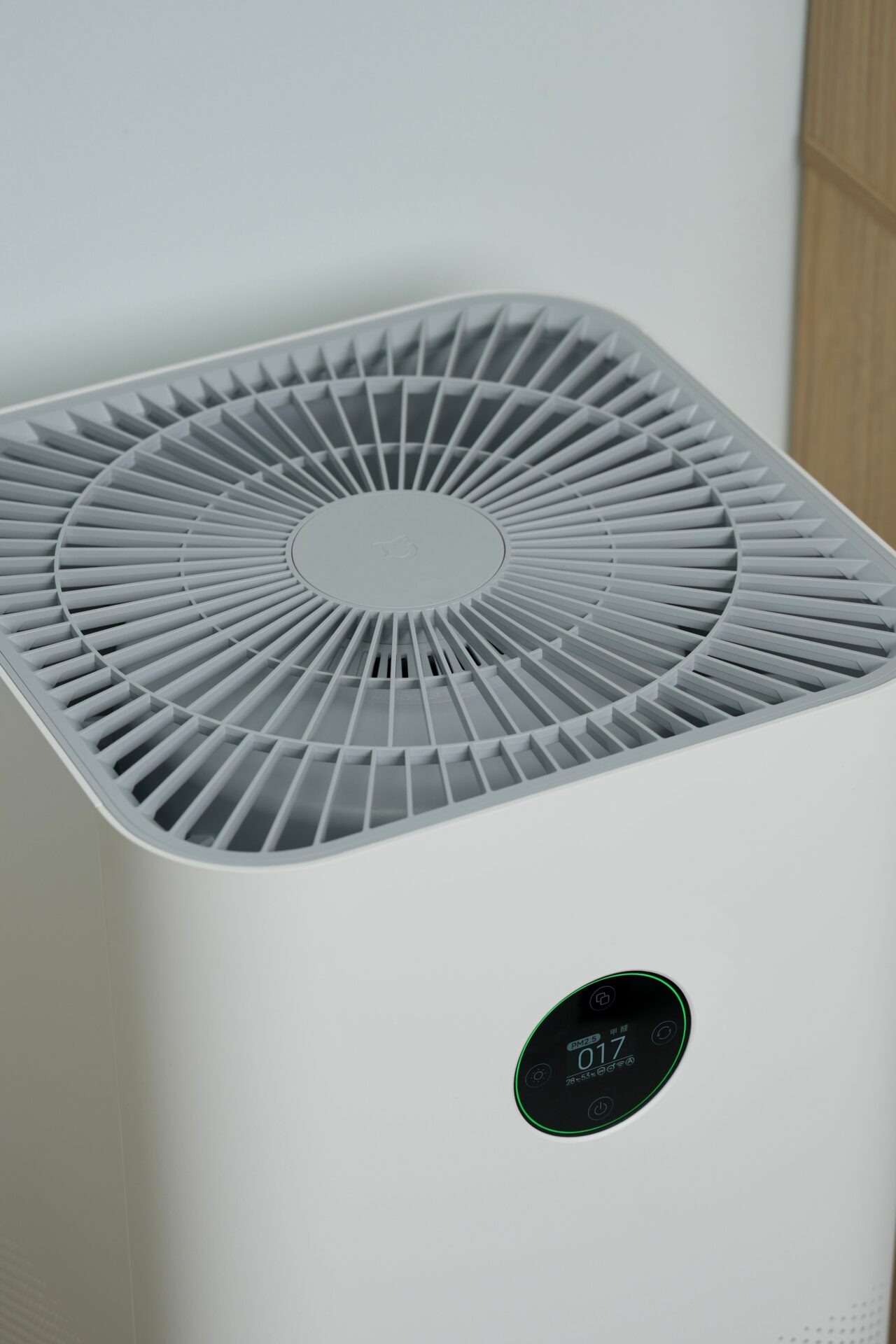
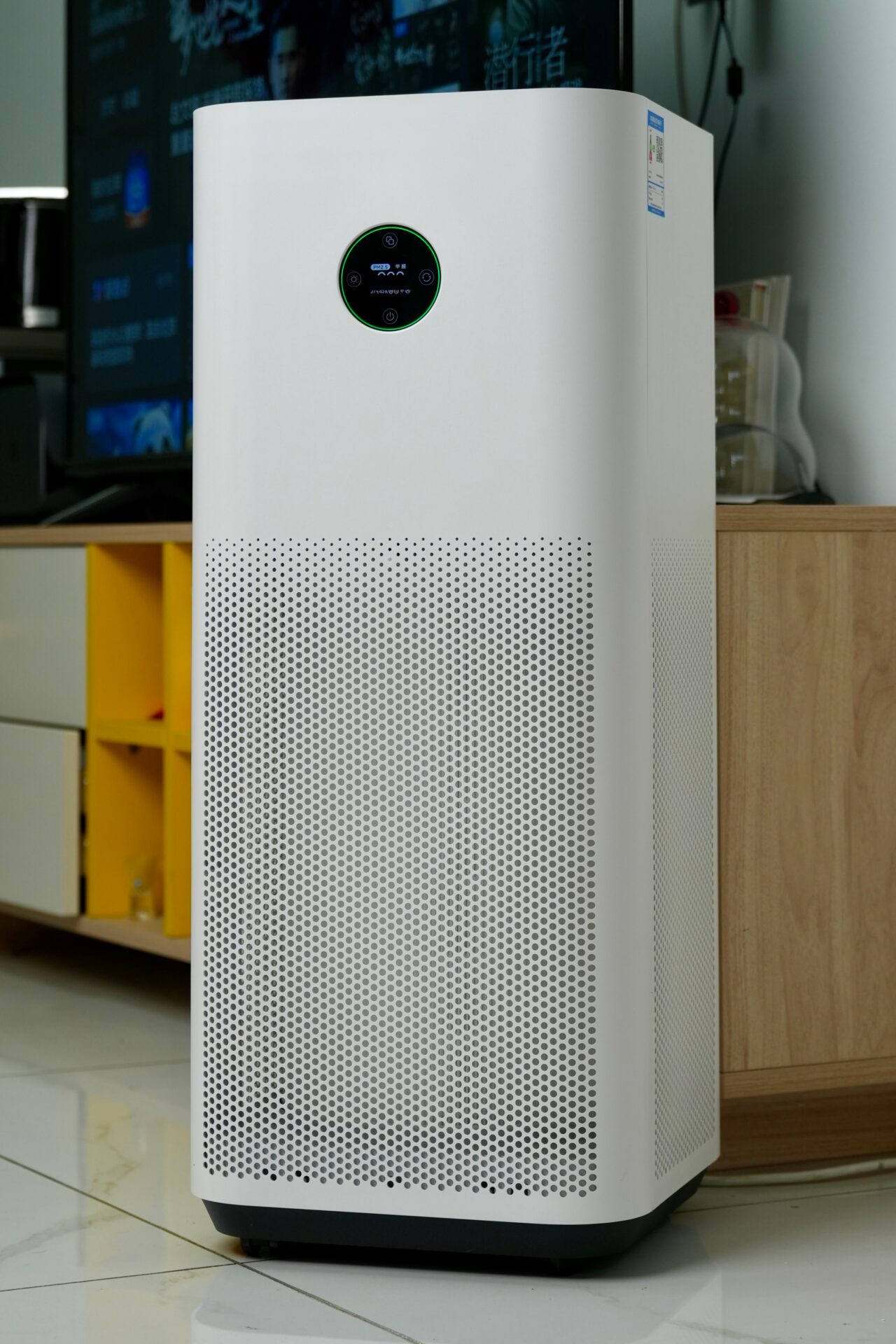
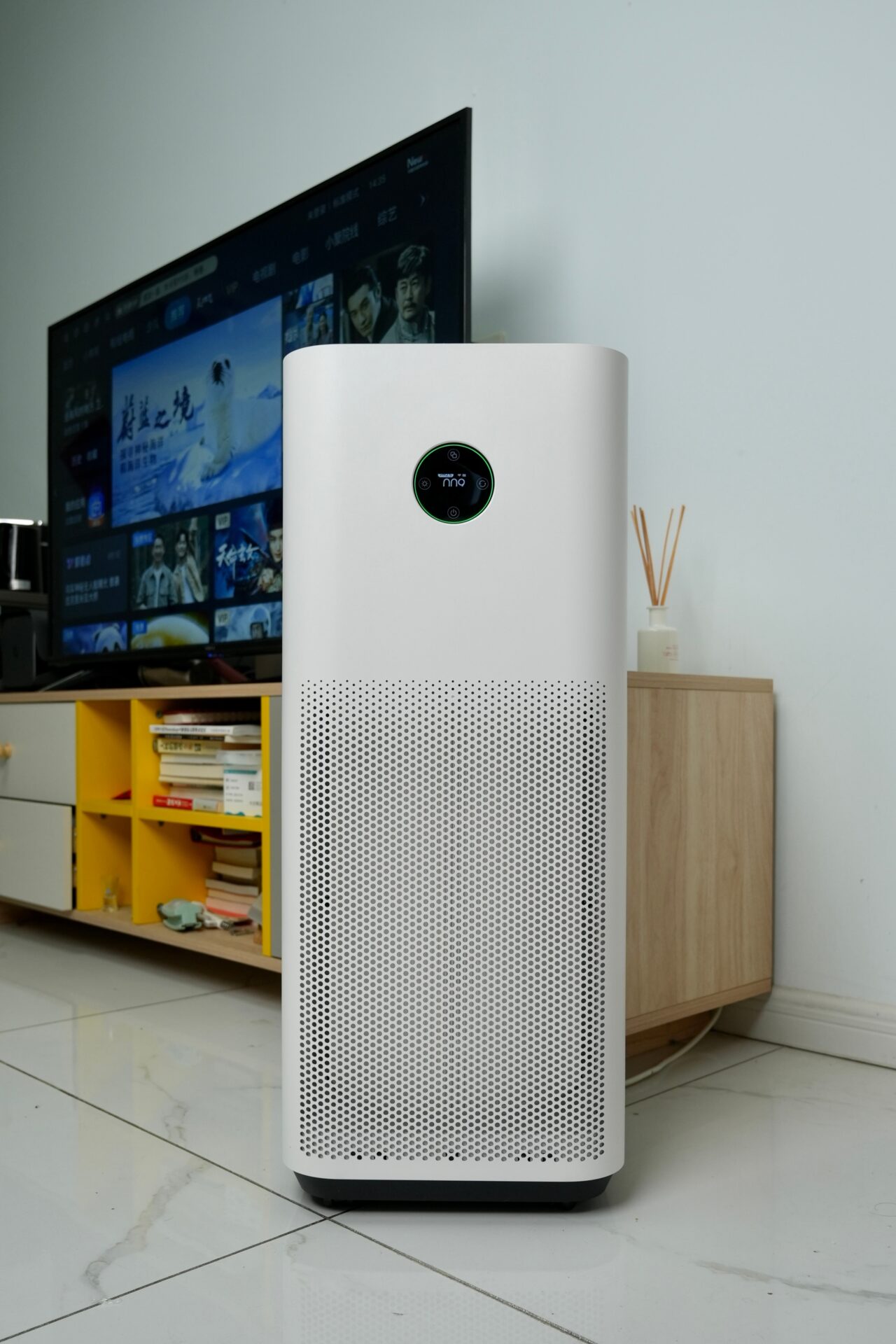
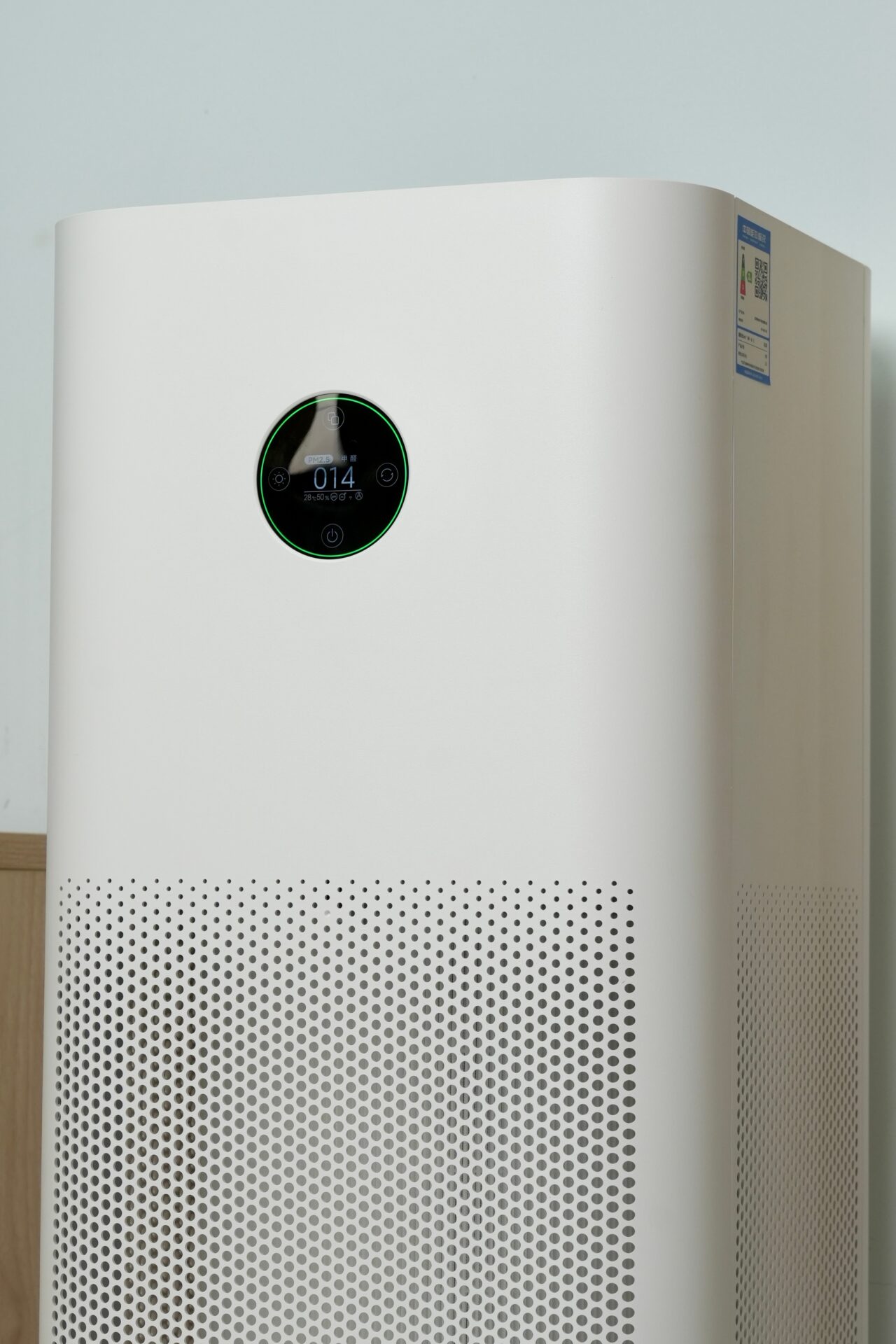
As long as I can remember, my apartment has been a sort of silent war zone for myself and my loved ones, with dust, odor, and allergens. Despite my personal best efforts to keep everything spick and span, it is clear that I have been fighting a losing battle with undetectable particles in the air. All these reasons prompted me to put my Xiaomi Smart Air Cleaner 4 Pro to test for 30 days. Economically priced models such as 4 Lite and 4 Compact by this popular brand cost below $100.
First Impressions: Design, Setup, and Smart Features
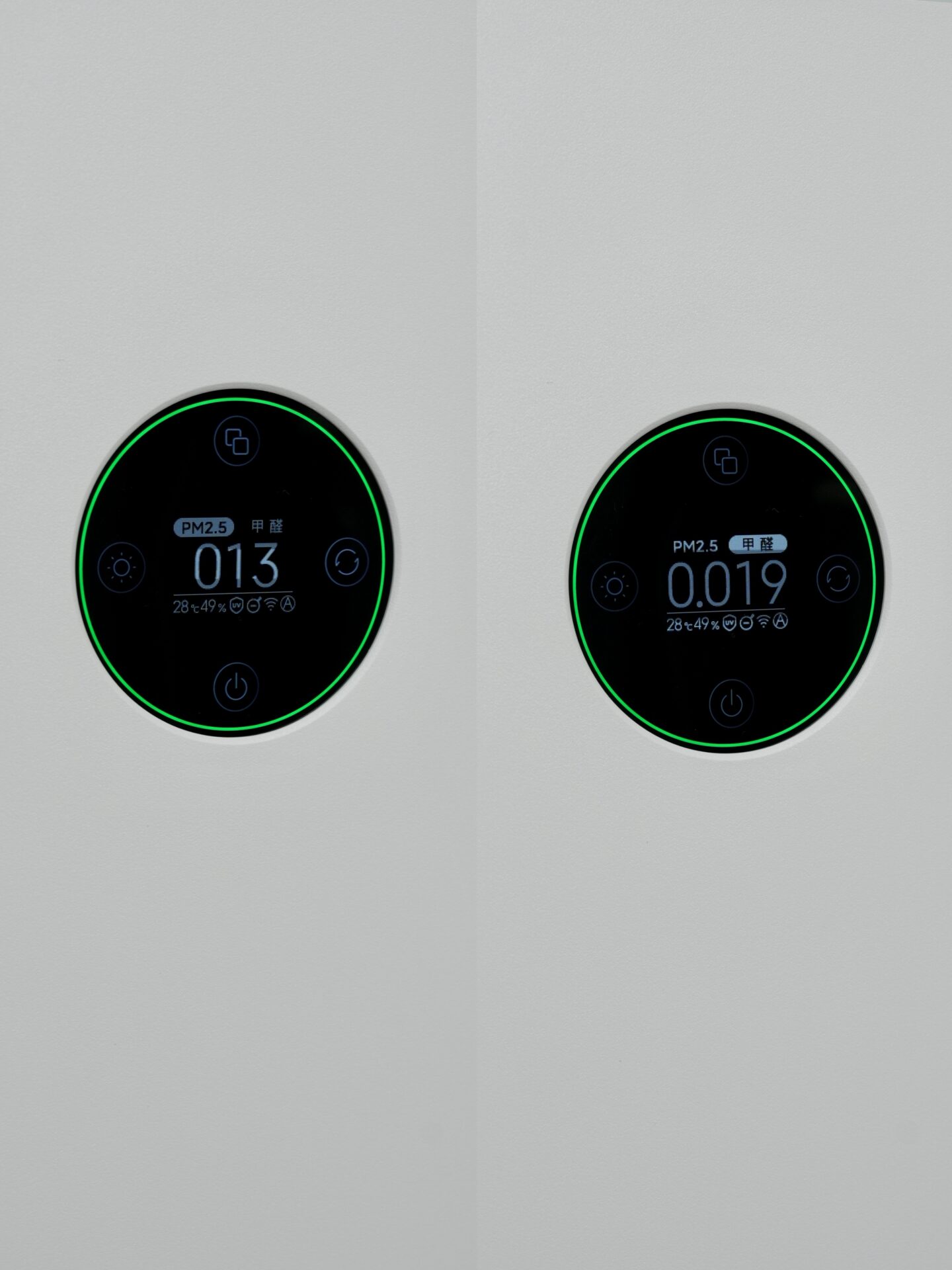
The design is sleek and contemporary with a minimalist aesthetic and a 360-degree intake fan that can be easily incorporated with any decor. The installation process only required about two minutes via the Mi Home app, which allows one to monitor and control air quality and fan speed, ionization, and scheduling.
It is interesting to note that this app is not merely a complement but a companion app. Functions such as screen brightness and ionizer function control cannot be done without it. Those who purchase this innovative product will thus be part of a broader smart ecosystem created by this technology giant called Xiaomi.
The Results: Dust, Odors, and Allergy Solutions
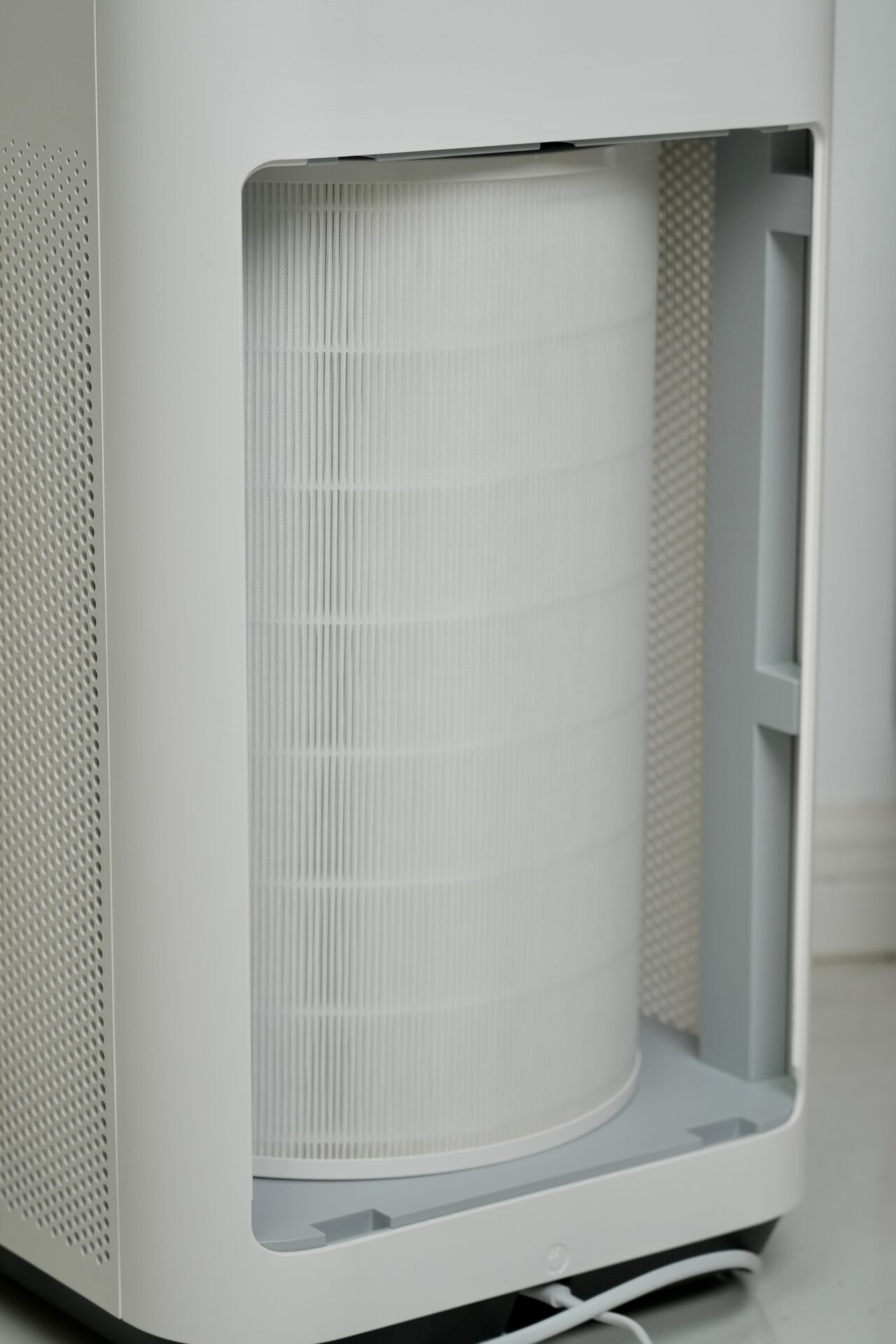
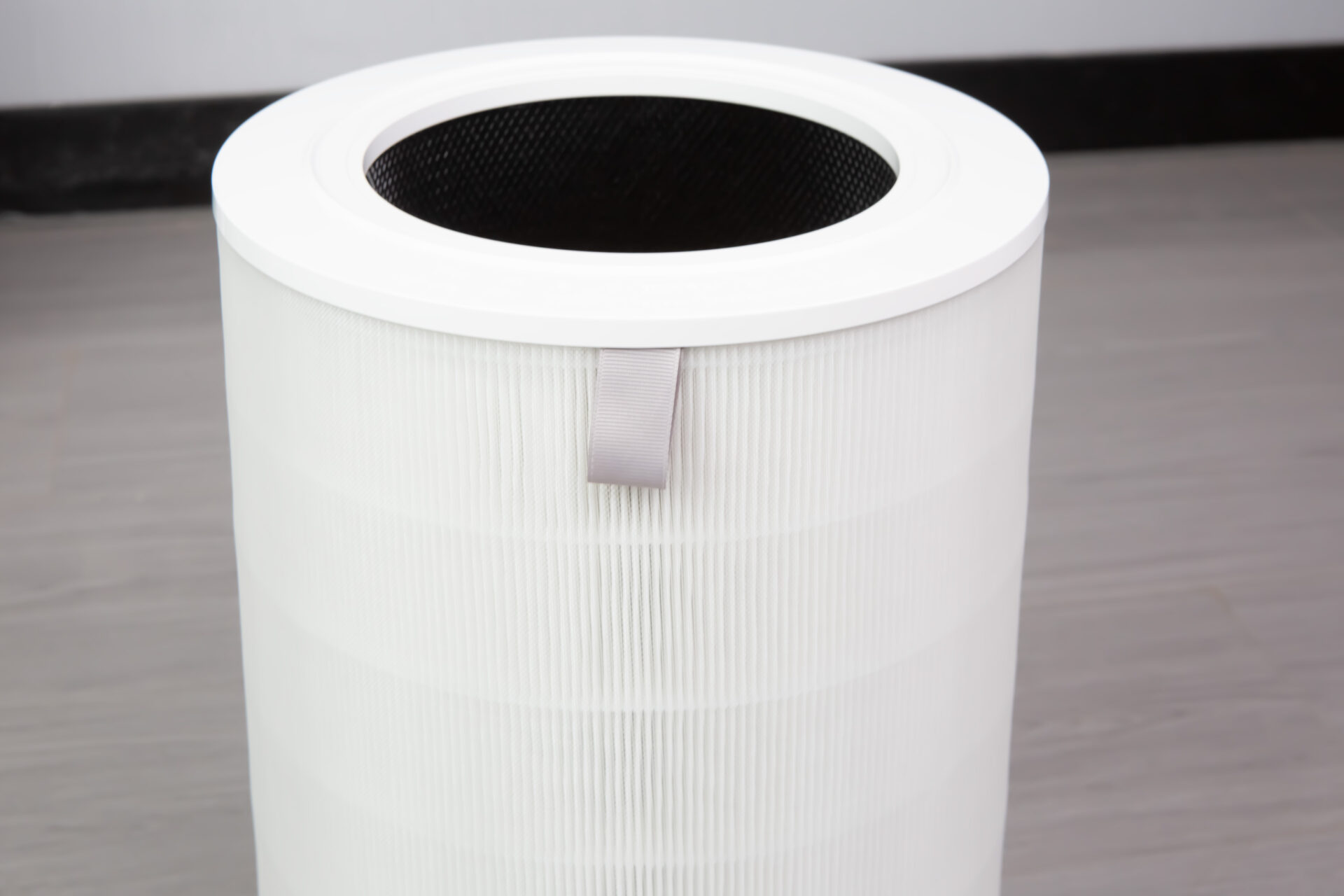
During this 30-day test period, I put the 4 Pro up against three common home problems: odor, dust, and allergies. Odor Control The cooking smells decreased significantly. The purifier’s PM2.5/PM10 sensors sensed and responded to all changes instantly, and the 3-in-1 activated carbon filter eliminated smells in 30 minutes. Allergy Reduction Being a TÜV Rheinland Allergy Care Certified device, this purifier is especially geared towards targeting micro-particles like pollen and dander. I have found relief in congestion issues in a matter of weeks, which is a claim made by several Xiaomi users, who have found this purifier to be a “life changer for all those with allergies.”
Dust Reduction
Although it did work well to purify airborne dust, it is not entirely necessary because, according to specialists, only what is floating in the air will be trapped by purifiers.
Measuring Performance and Energy Efficiency
The Purifier 4 Pro has a Particle CADR of 500 m³/h, cleaning a 40 m² (430 sq. ft.) area in under 15 minutes. According to independent testing, with all models, including even the smallest 4 Lite, it is proven to increase air quality by 95% in smaller rooms. The 4 Pro’s dual PM2.5/PM10 laser sensor enables it to distinguish between various pollutants such as smoke and pollen.
Its energy usage is remarkably low. Its 33W motor is quietly working with little energy even when it’s used for 24 hours non-stop.
The Drawbacks: Auto Mode and Filter Availability
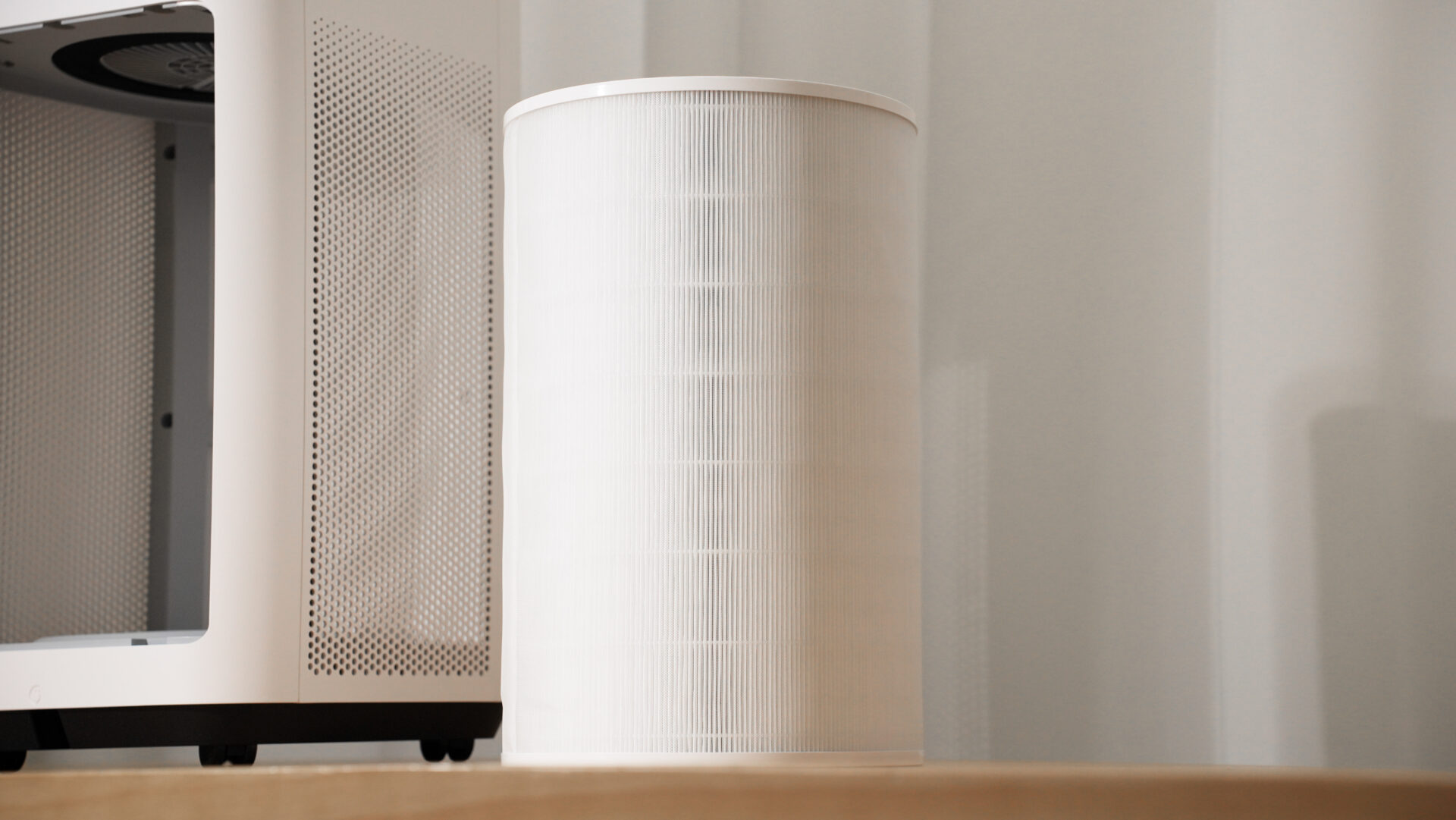
Despite the intentions of Xiaomi’s Auto Mode to adjust fan speeds constantly, I found it to be a bit passive. At times, it would let air quality deteriorate before doing anything. Using custom schedules through Mi Home App worked much better. However, a more concerning issue presented itself: availability of filters. Many consumers struggle finding a replacement filter for particular models, such as 4 Pro. Without these replacement filters, it would be difficult for consumers to have a functional purifier for extended periods.
An Excellent Product with One Critical Fault
After 30 days, I can say without a doubt that there was a difference in air quality. The air in my home even smelled cleaner, and my allergies have disappeared. The Xiaomi Smart Air Purifier 4 Pro is on par with brands such as Dyson and Coway — but it is cost-effective. However, it is necessary to verify availability of spare filters locally prior to purchase. Without these, even the best offering from Xiaomi is impossible to sustain.
If you have a means where you can source good filters, then without a doubt, one of the best value-for-money air purifiers out there is the Xiaomi Smart Air Purifier 4 Pro.
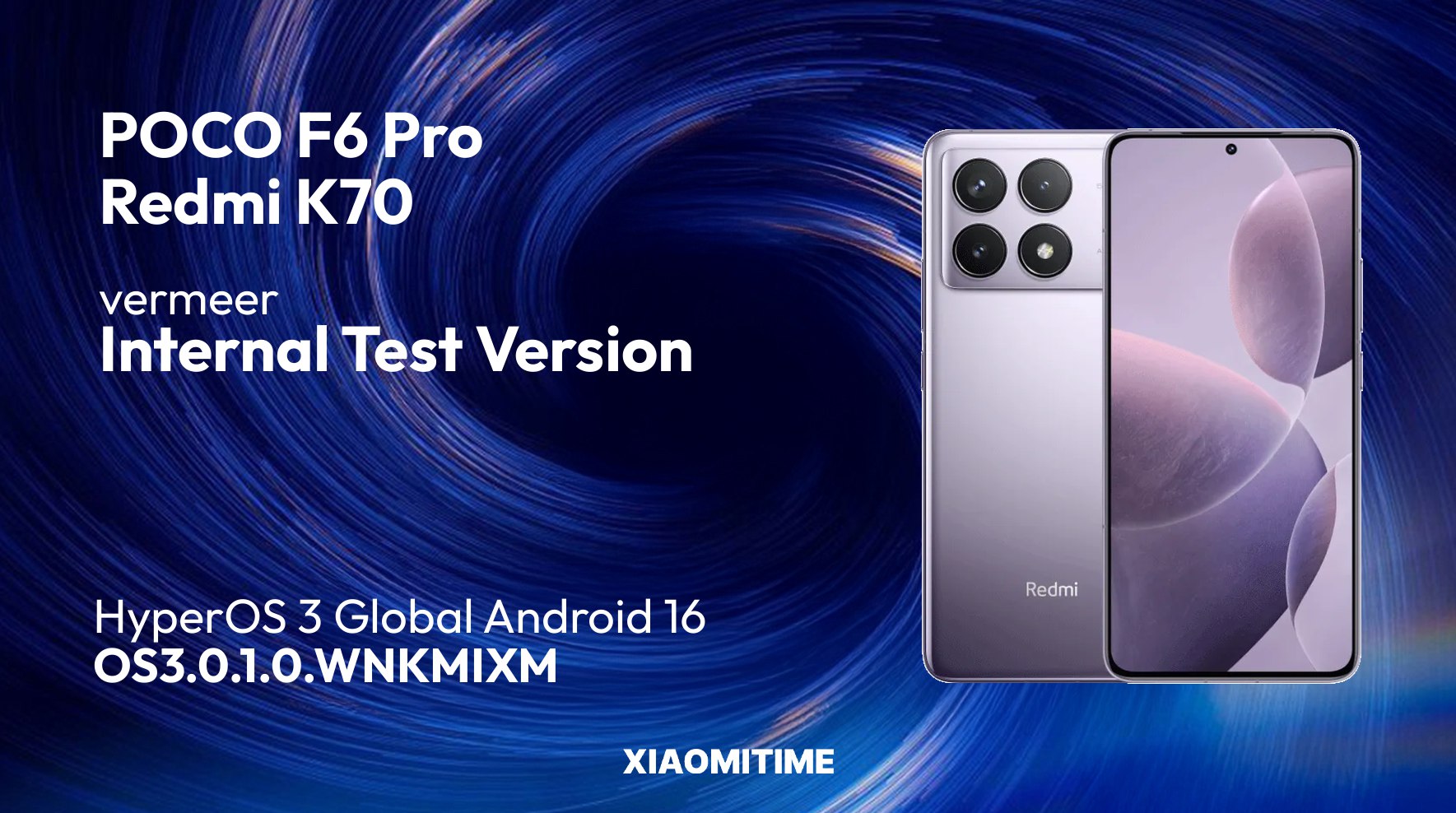
The POCO F6 Pro is now ready to receive another long-overdue update in terms of HyperOS 3, which comes with Android 16 with build version OS3.0.1.0.WNKMIXM. Data gathered from internal testing reveals that this build is now stable-ready, which means that this update is just about to arrive for public consumption. This update comes on the heels of recent HyperOS 3 updates for Xiaomi 15T, Xiaomi 15 Ultra, POCO F7 Ultra, Xiaomi Pad 7 Pro, and Redmi A3.
What’s New in HyperOS 3
With HyperOS 3, Android users can expect an improved system design and performance. One significant improvement in this update is that AI optimizations have been incorporated for improved performance in multitasking and app suggestions. Battery performance has been improved with AI prediction. The icon pack design is revamped.
The update brings about Super Island Feature- a multitasking space inspired by their latest design trends for user experience, just like iOS design fluidity. This is complemented by faster animations and transitions for a next-level experience on POCO F6 Pro.
Integration with Xiaomi’s AI and Ecosystem
HyperOS 3 improves overall integration between devices in the HyperConnect ecological system. This allows easier communication between smartphones, tablets, and smart home devices. Owners of the POCO F6 Pro will then be able to control other devices, transfer files, and monitor notifications.
Such improved connectivity is used for AI-assisted photo editing, voice command enhancements, and system-level automation, which match with Xiaomi’s aim to build a fully intelligent digital space.
Rollout Timeline and Availability
Since this build OS3.0.1.0.WNKMIXM has been stamped as stable-ready, it’s only a matter of time until global users see this update rolled out to them. POCO’s update process ensures that flagship models such as the POCO F6 Pro have been considered first in this first wave of HyperOS 3 updates.
Those who would like to verify updates or even install new apps by themselves on their Xiaomis can do this on our project HyperOSUpdates.com or through utilization of our MemeOS Enhancer app on Google’s Play Store. The app gives one access to unlock all the extra features on Xiaomis, update system apps, and even access HyperOS OTA updates right on your screen
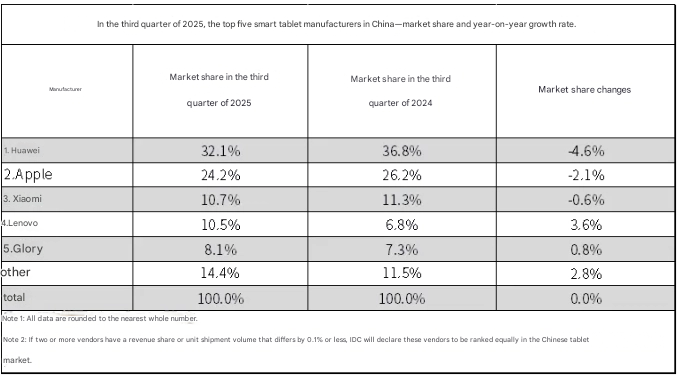
China’s tablet market amounted to 8.49 million shipments, registering 10.9% growth over last year, revealed in IDC Quarterly Tablet PC Market Report (Q3 2025). Despite slower growth due to lower subsidies, emerging gadgets and innovative designs boosted consumers’ interest in these devices. Amidst this stiff competition, Xiaomi managed to grab the third position with regards to tablet market in China, fueled by HyperOSand Xiaomi HyperConnect.
Consumer Segment Leads Growth While Commercial Demand Declines
IDC pointed out that the consumer market saw a growth of 12.3% in tablet shipments year over year, thanks to launches such as Xiaomi Pad 7 and flagship models such as Huawei. Contrary to this, the commercial market declined by 4.2% compared to last year. All these illustrate that there is a shift in this market towards personal and entertainment-oriented tablets with features such as AI-optimized performance, high refresh rate screens, and smart ecosystem integration.
Huawei, Apple, and Xiaomi Top China Tablet Lists
According to the IDC report, these are the top five vendors in Q3 2025 for the China tablet market:
Huawei – 32.1% market share (down 4.6% YoY)
Apple – 24.2% market share (down 2.1% YoY)
Xiaomi – 10.7% market share (down 0.6% YoY)
Lenovo – 10.5% market share (up 3.6% YoY)
Honor – 8.1% market share (up 0.8% YoY)
Although Huawei extends its leadership for the eighth successive quarter, the regular appearance of Xiaomi in top three positions embodies the success story of this particular brand for providing consumers with competitively priced devices with comprehensive features. Not only this, but the series of devices such as Xiaomi Pad 8, which is increasing with every day passing by, signifies that consumers have accepted its smart devices ecosystem.
Xiaomi’s Continued Push in the Smart Ecosystem
Notably, Xiaomi’s recent success in the tablet market can be related to their overall plan for all smart devices to work in unity via HyperOS and Xiaomi HyperConnect. Talking about this useful operating system for all smart devices in particular, for consumers who would like to improve their overall Xiaomi experience, there is a MemeOS Enhancer app on Google Play.
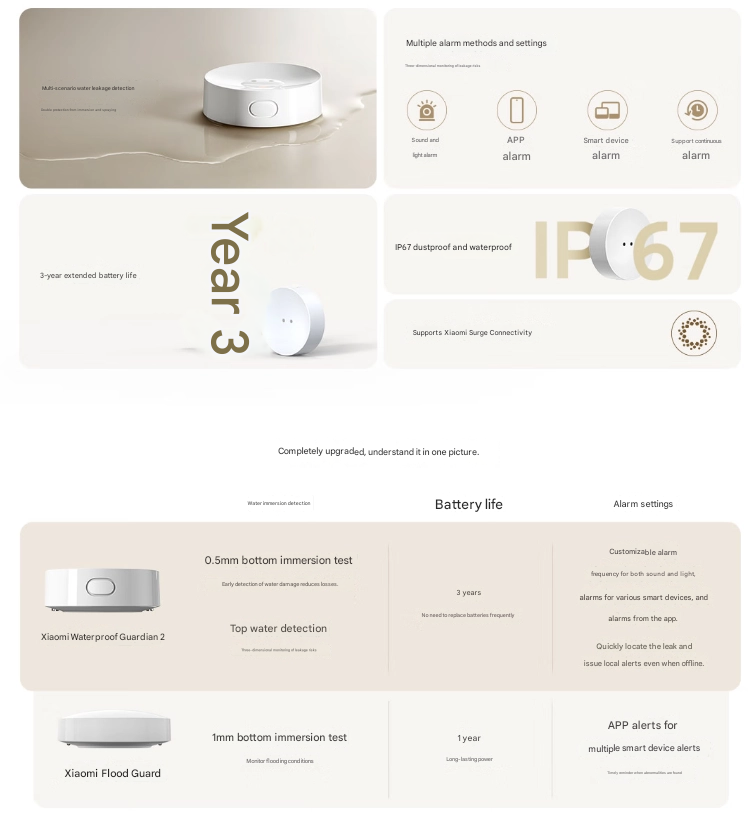
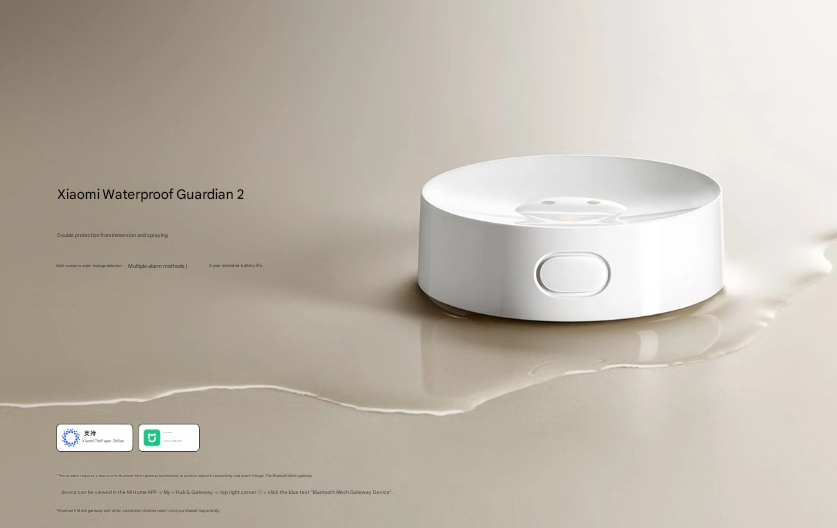
The much-awaited Xiaomi Water Leak Detector 2 is finally on sale in China, with a price tag of 69 yuan (approximately $9.50). After gaining popularity via a crowdfunding campaign on the Xiaomi Youpin platform, this advanced leak detector is now up for purchase on popular e-commerce sites. Created for multiple-scenario leak detection purposes, this second-generation leak alarm improves home safety features and smart home experiences on the smart home system powered by Mi Home and Xiaomi HyperConnect.
Highly parameterized design for multiple scenario leakages
The newly-launched water sensor by Xiaomi comes with a dual-probe design placed on the underside, which allows it to detect even if the water is only 0.5mm deep. The detection process, which is done instantly, includes an immersion alarm system to avoid any serious damage arising from leaks. Its top water collection system includes a spray alarm if both sensors are immersed in water with conductivity.
This smart design will enable one to place this device in a kitchen, bathroom, basement, or even areas with household appliances, anywhere there might be some unknown water leakage.
Flexible Alarm Options for Instant Notification
The Xiaomi Water Leak Detector 2 comes with three intelligent alarm modes to ensure you do not miss any alert:
Audible and visual alarm: An integral alarm buzzer and visual indicator warn all users immediately if immersion or spraying with water is detected.
Smart App Alarm: Using Mi Home App, one can check remotely the water immersion status and even have notifications for alarms in real-time.
Linked smart device alarm: If it is connected with other devices from Xiaomi such as speakers and/or lights, it allows consumers to initiate alarms.
Long Battery Life and Durable IP67 Rating
The power source for this device is CR2450 button battery, which offers battery life up to 3 years due to Xiaomi’s low power consumption technology. Additionally, it is dustproof and waterproof with IP67 rating, which allows it to function effectively even in environments with high humidity levels or dust.
Further, it is fully compatible with Xiaomi HyperConnect, offering automated interactions with smart home devices. The device can send notifications via Xiaomi Smart Speakers, and even turn off water valves if connected to appropriate devices.
A Small Device with Big Smart Home Impact
The Xiaomi Water Leak Detector 2 might be small in terms of design, but it makes a world of difference in terms of improved home safety and convenience. Its 3-year life span, smart alarm systems, and connectivity with all things smart from Xiaomi cannot be ignored.
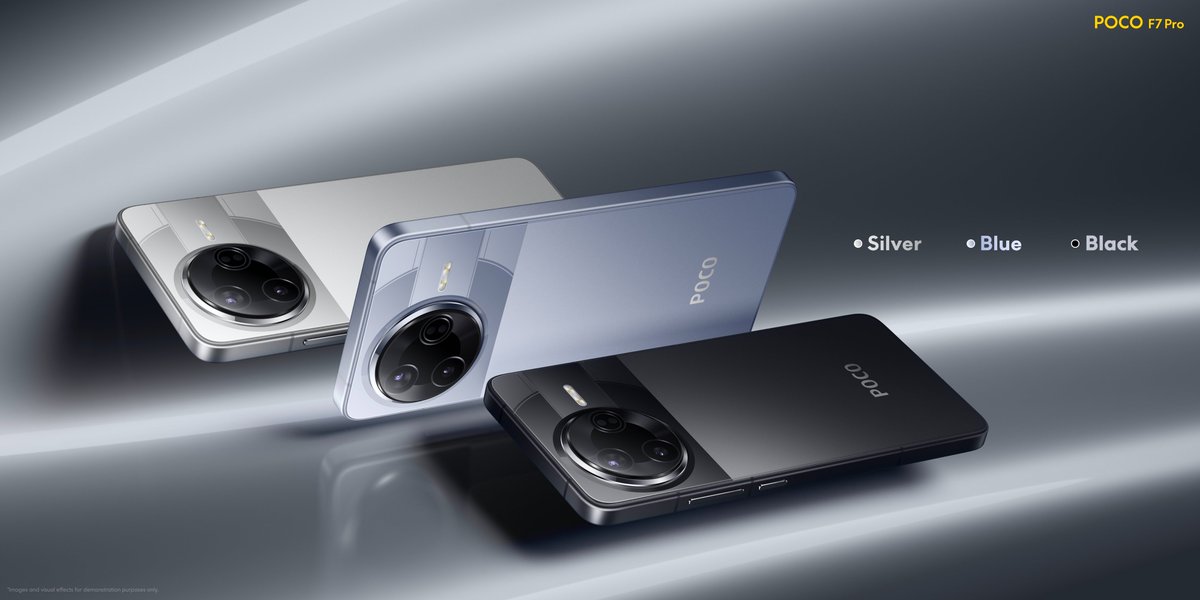
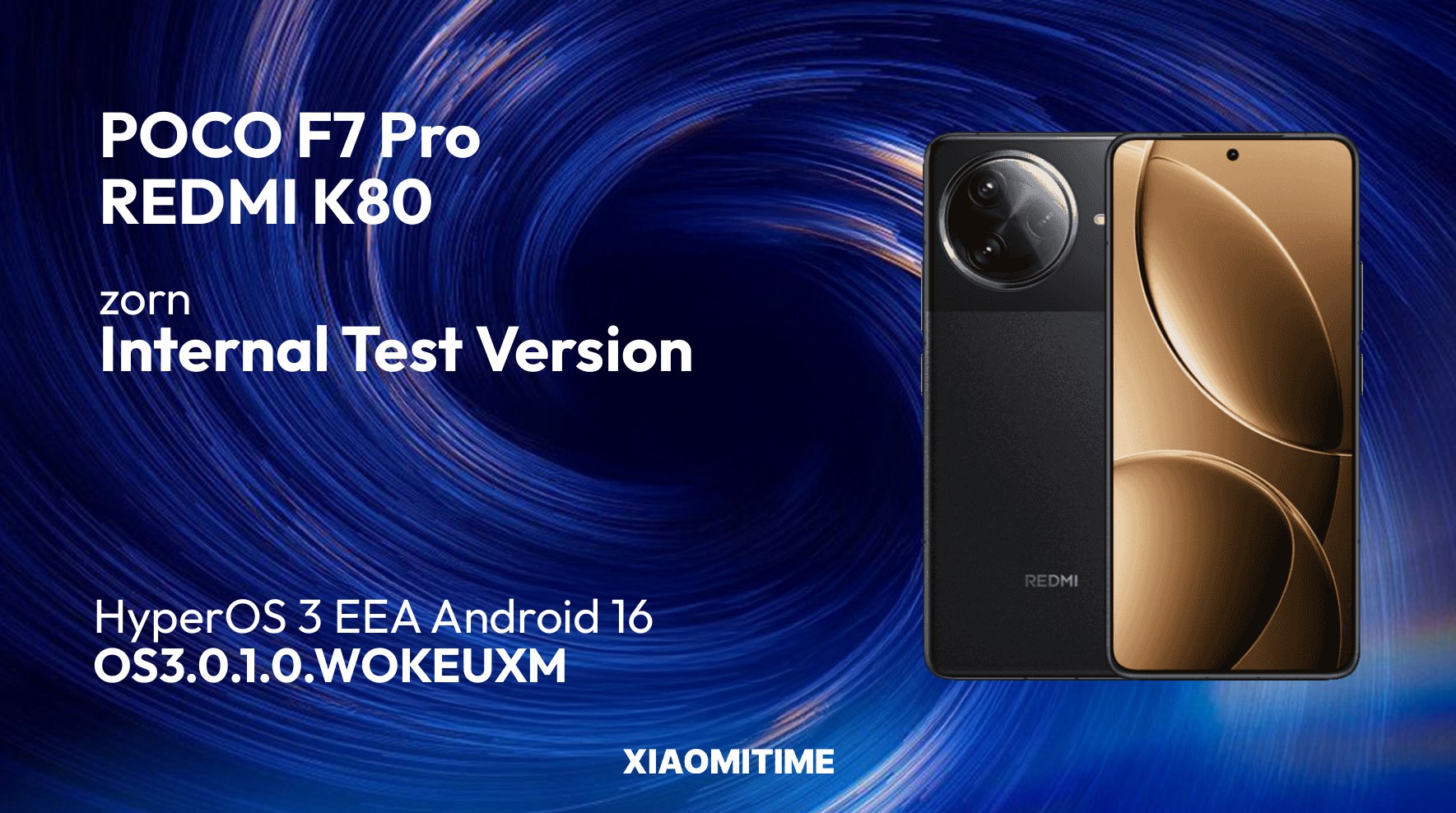
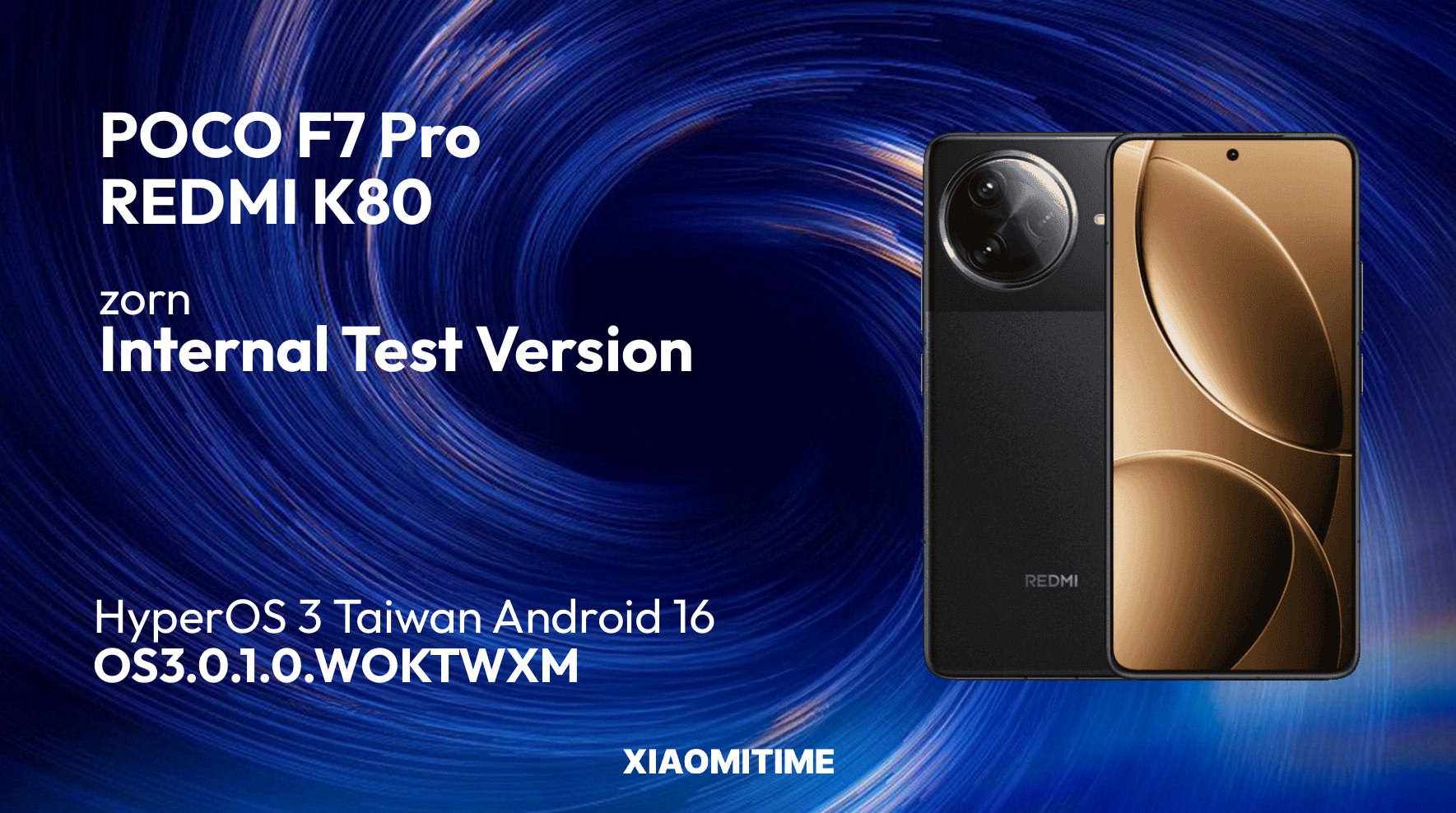
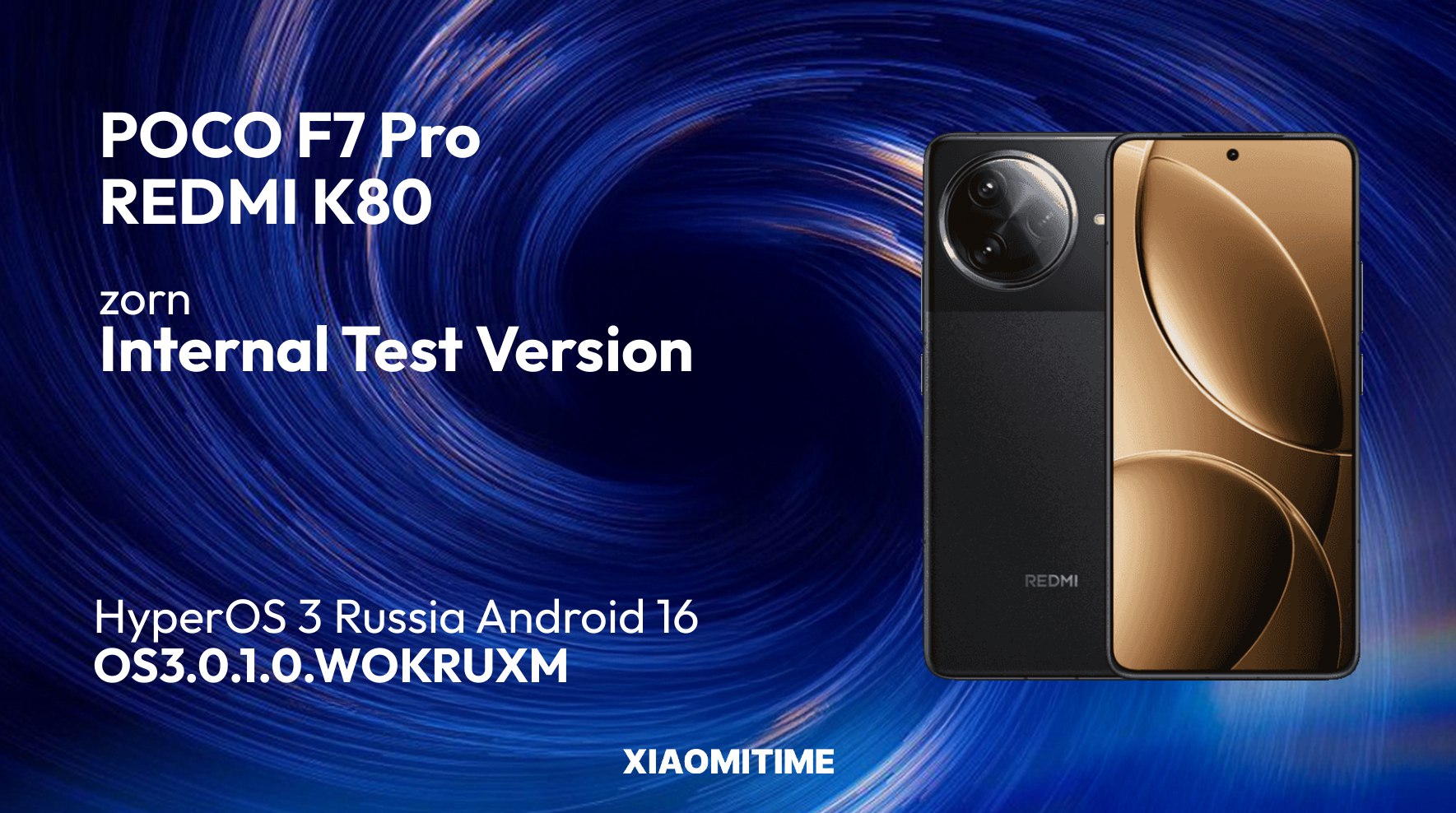
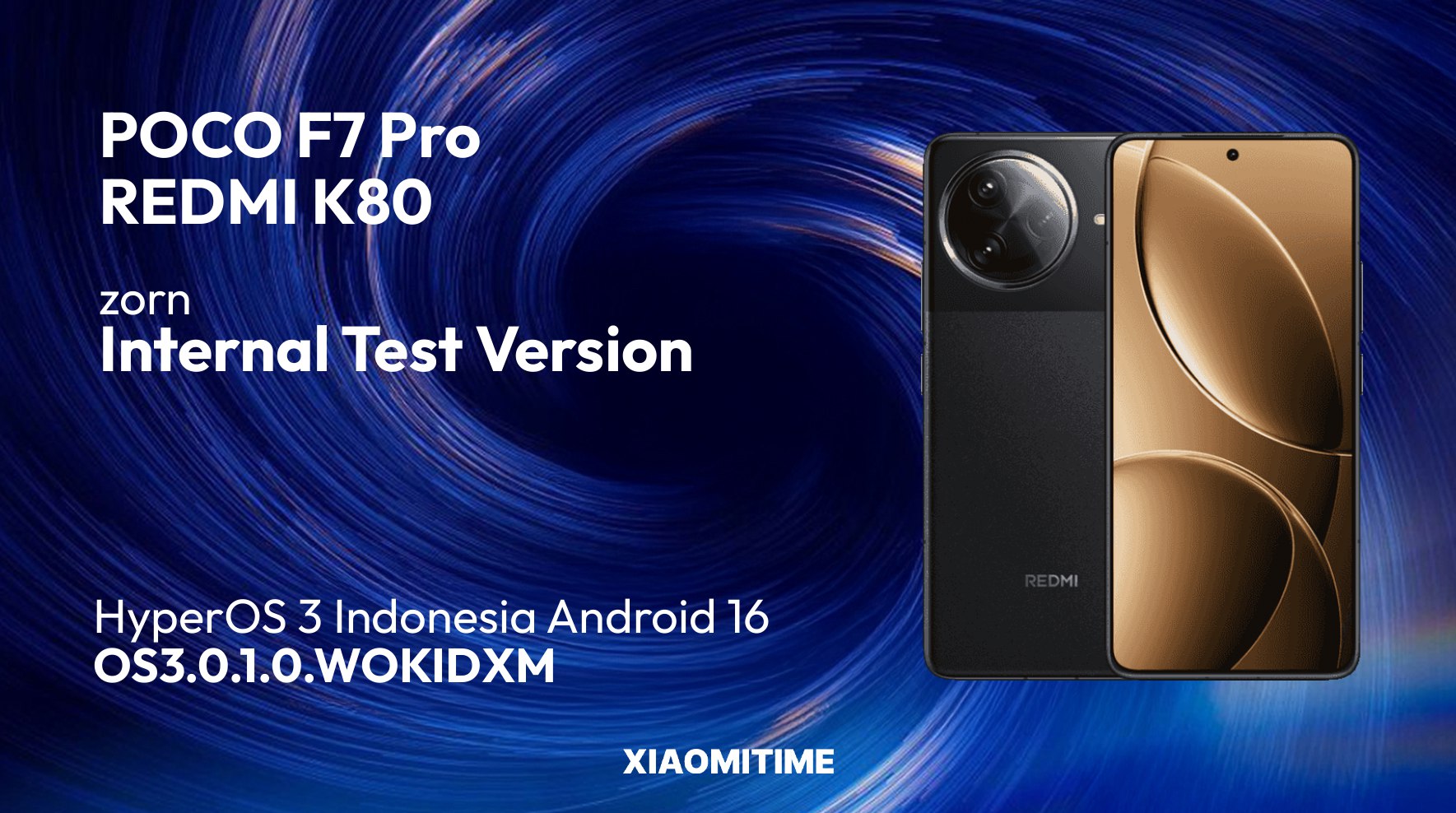
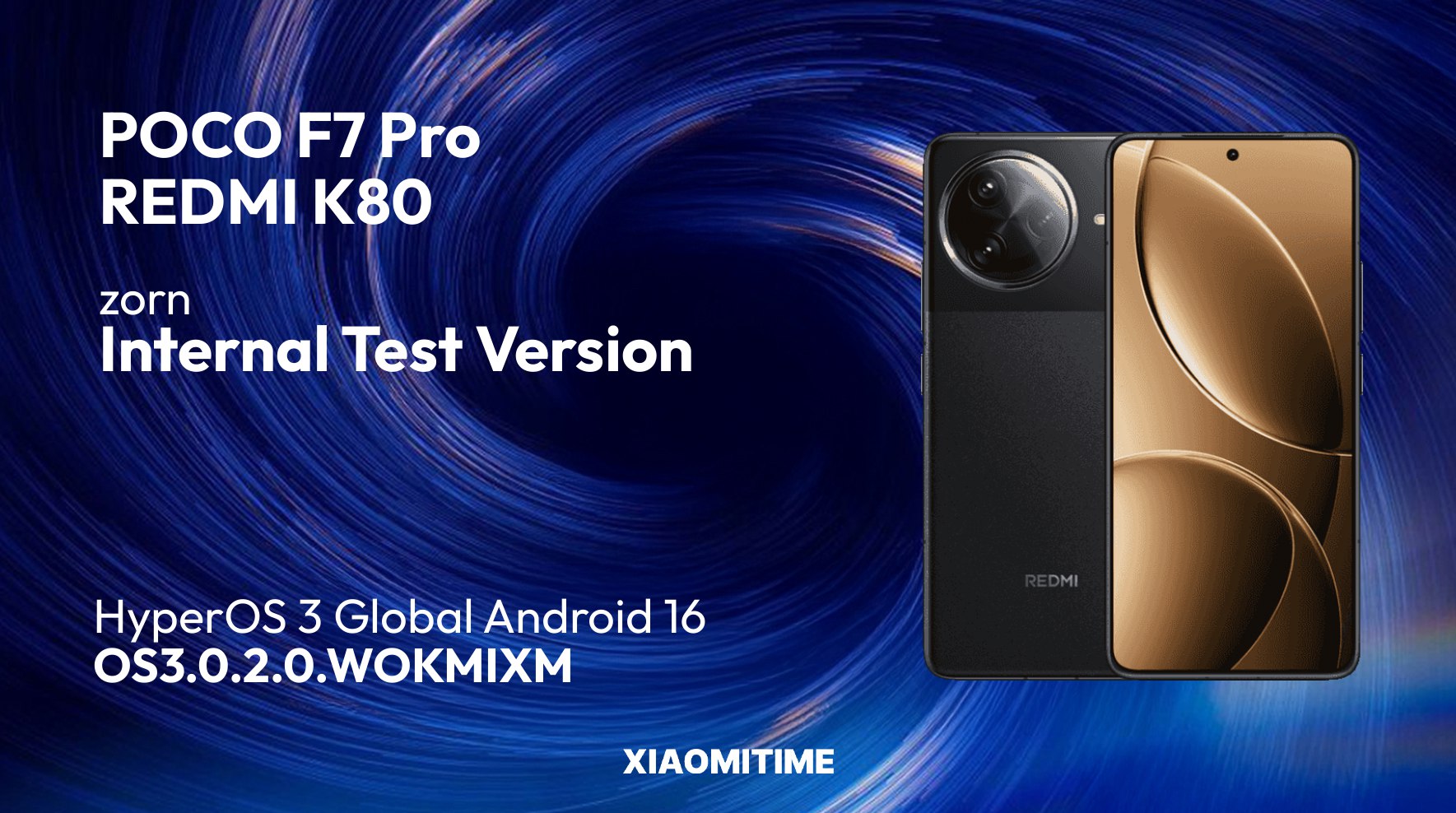
Xiaomi has been working on the HyperOS 3 update for POCO F7 Pro, which is going to represent a significant milestone in terms of software evolution. According to the build version information for each model listed above, it can be noted that the international version OS3.0.2.0.WOKMIXM (Android 16) is ready, while Indonesian OS3.0.1.0.WOKIDXM, Russian OS3.0.1.0.WOKRUXM, and EEA OS3.0.1.0.WOKEUXM models are ready for seeding.
Region
Build Version
Android Version
Status
Global
OS3.0.2.0.WOKMIXM
Android 16
Stable Ready
Europe (EEA)
OS3.0.1.0.WOKEUXM
Android 16
Stable Ready
Indonesia
OS3.0.1.0.WOKIDXM
Android 16
Stable Ready
Russia
OS3.0.1.0.WOKRUXM
Android 16
Stable Ready
Taiwan
OS3.0.1.0.WOKTWXM
Android 16
Stable Ready
HyperOS 3 Brings a Smarter and More Refined Experience
With this HyperOS 3 update, Xiaomi has rolled out a new interface with icons, improved animations, and enhanced performance stability. The key area that Xiaomi has emphasized with this update is related to AI features. Additionally, this update has come up with Super Island features, which have been inspired by dynamic notifications, and an iOS-like multitasking experience.
Aside from the aesthetic improvement, Android 16 brings about better privacy control, improved battery management, and more efficient system-wide AI interaction. Android 16 will bring consumers a smarter system that will respond to their daily activities.
Extending HyperOS 3 Eco-App System
The HyperOS 3 (Android 16) update has been rolled out on several flagship devices like Xiaomi 15, Xiaomi 15 Ultra, Xiaomi 15T, POCO F7 Ultra and Xiaomi 15T Pro, and on Redmi A3 and Xiaomi Pad 7 Pro. The incorporation of POCO F7 Pro in this list reveals that the expansion process for Android 16 by Xiaomi is increasing rapidly.
This means that for users, a more integrated experience between devices will be achieved in regards to Xiaomi’s devices under Xiaomi HyperConnect.
When Will the Update Be Available?
The internal testing for all variants is almost over, and Xiaomi is soon going to start the public update process in a this week. The OTA update will be delivered to all users on a gradual basis, depending on which regions and devices they belong to.
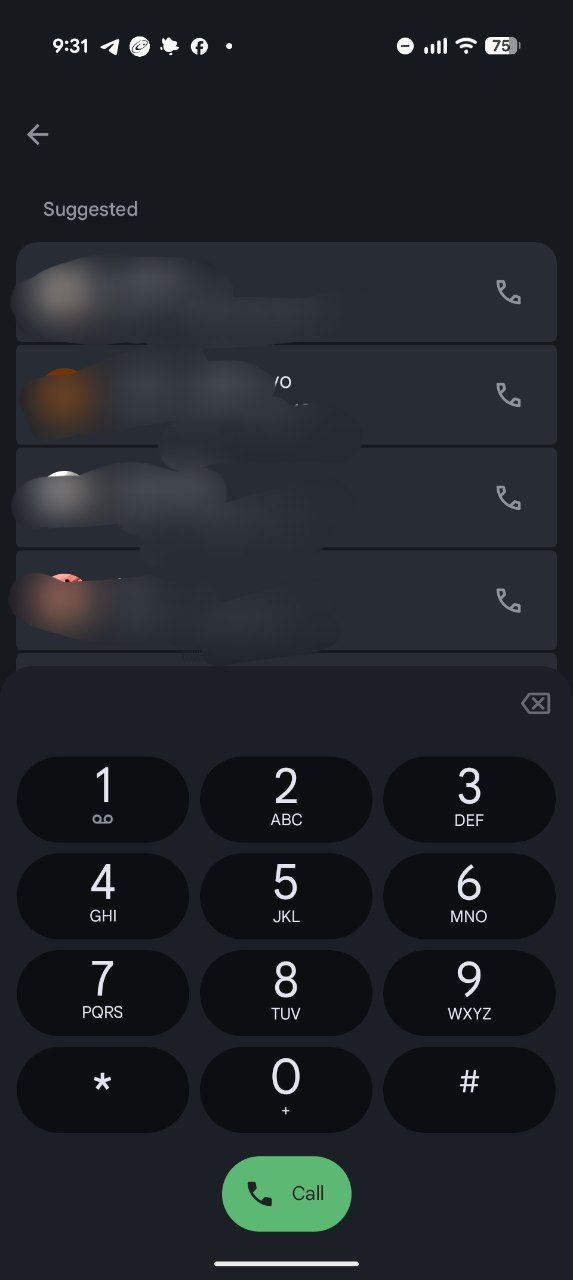
In its continuous effort to improve HyperOS, a recent bug that has been fixed in Xiaomi devices includes an issue related to the prompt for microphone access in the Google Dialer app. Users recently observed an error in which there was a mistaken demand for microphone access when, in fact, access had previously been granted. Engineers are working to resolve this issue.
The following report is a part of Weekly HyperOS Issue Tracker initiated for users to stay updated regarding some bug fixes performed recently in Xiaomi mobile device.
Issue Overview & Status
The problem identified impacts all devices supporting Google Dialer on Xiaomi HyperOS. Although the app makes a false request for access to the microphone, there are no interruptions to basic functionality. Google has reversed a recent server configuration change that could cause this problem.
The solution to the problem is now being delivered through a cloud-controlled update solution. As a result, users are not required to download or install anything. Based on Xiaomi’s internal report, fixes will happen automatically within 24 hours after correcting the issue.
Xiaomi’s Pledge to Stability
Xiaomi remains in close collaboration with Google to ensure that HyperOS provides an optimized experience. Indeed, HyperOS remains closely tied to Google services to ensure that users receive an optimized experience. It was because of this collaboration that these glitches could be identified and fixed so quickly.
The company further encourages users to submit their feedback to these corrections or check for them directly through Mi Community app.
According to Counterpoint Research’s India Smartphone Month Tracker, the Indian smartphone market was tributary to incredible growth in terms of shipments in Q3 2025 (July to September), registering a 5% increase in shipments compared to the same period last year. Also, revenue increased by 18%—the greatest quarterly revenue ever observed in India’s smartphone market.
Although Apple made its first appearance in Indian top-five smartphone brands, Xiaomi & POCO collectively performed better than Apple, emphasizing Indian smartphone giants’ influence.
Combined Market Share of Xiaomi and POCO Surpasses Apple’s
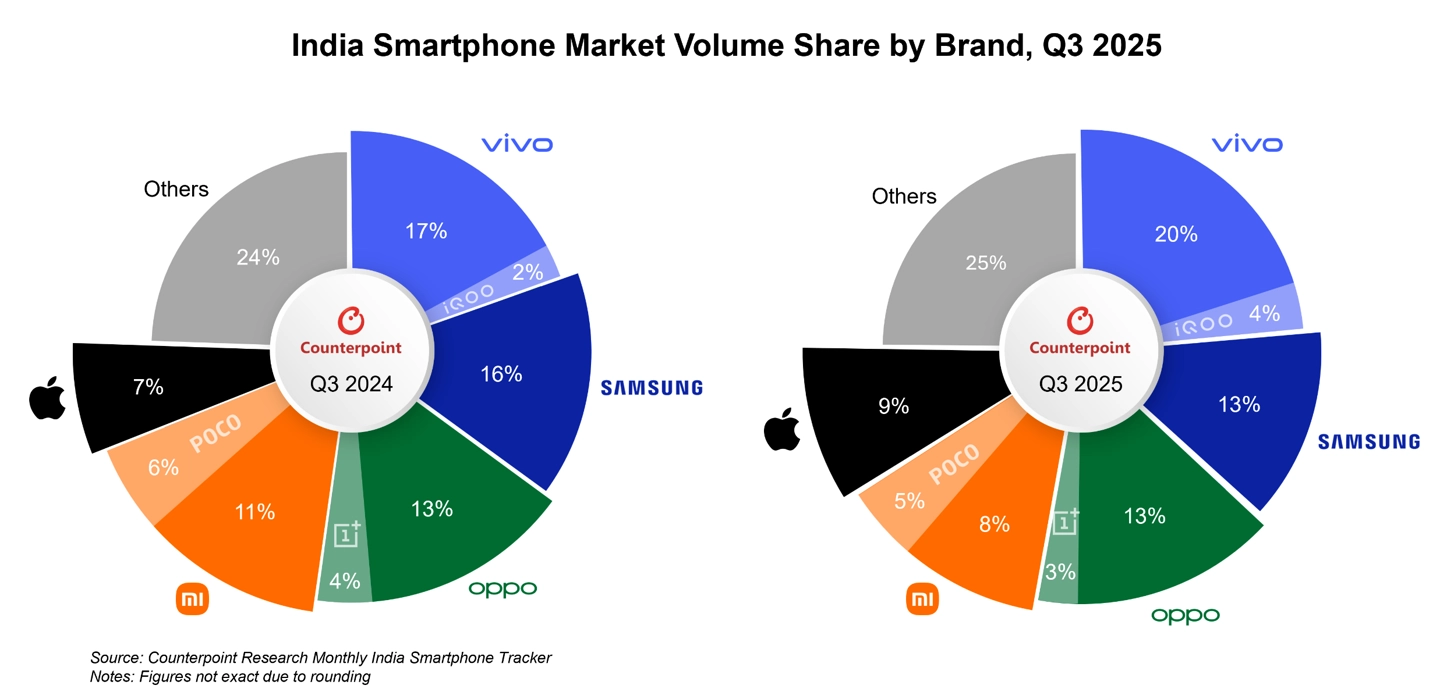
In Counterpoint’s latest market share analysis, Apple maintained a market share of 9% in India because of its iPhone 15 and iPhone 16 models. But Xiaomi held an 8% market share, in which POCO accounted for 5%. Also, since POCO belongs to Xiaomi, the total market share generated by Xiaomi’s ecosystem stands at 13
And thus, the Xiaomi Group finds itself in the top three smartphone entities in India, competing directly with giants like Samsung and OPPO. The flagship innovation for affordable pricing provided by Xiaomi and performance-focused youth-centric models provided by POCO are yet again drawing in diverse groups of users.
India – Installed Base Breakdown (Q3 2025)
As per Counterpoint, India’s smartphone market ranking in Q3 2025 will be:
Vivo: 20%
Samsung: 13%
OPPO: 13%
Xiaomi: 8%
POCO: 5%
Apple: 9%
iQOO: 4%
OnePlus: 3%
Indeed, due to these percentages, “the combined Xiaomi and POCO share (13%) equals Samsung and OPPO’s result”—which puts “the Xiaomi ecosystem in a clear advantage over Apple” in terms of market volumes.
Xiaomi’s Strength Lies in Its Ecosystem and Local Integration
Xiaomi’s success in India can thus be credited to its “Hyper OS ecosystem,”“local manufacturing,” and “AIoT integration”. The brand continues to set up more manufacturing units in India itself due to its “Make in India” scheme. POCO, a major sub-brand itself, fits into Xiaomi’s vision with its gaming-focused smartphones that value speed. These phones are designed to serve a specific market targeting youth.
In fact, Xiaomi’s car accessory division is not something secondary—it’s actually one of the foundational pillars that define its vision for a broadened ecosystem. Now, in this analysis, we are going to see not only how Xiaomi, with its principal brand lineups but its 70mai and Mijia subsidiaries as well, aims to revolutionize automotive technology but how it integrates Smart Living, Mobile Fun, and Automotive Security into a comprehensive ecosystem called Xiaomi HyperOS. From vehicle security (Dash Cam) to power solutions (Chargeamps & Jump starters).
Xiaomi’s Automotive Ecosystem: The Importance of Car Accessories
Unlike other hardware manufacturers, Xiaomi’s major approach or vision is to deliver a common user experience. The third component in this nexus formed between these three entities—the home and the smartphone—takes shape in Xiaomi’s Car. With Xiaomi’s SU7, its first electric car model, Xiaomi has formally entered into a new market. Orient propositions
With Xiaomi HyperOS connection to vehicles, users are afforded easy access to data, music, smart devices, and cloud-related functions. With this model, Xiaomi stands to benefit not only as a producer of electronic devices but initially as a mobility experience provider that integrates elements like comfort, smartness, and automation.
70mai Leads the Way to Smart Vehicle Safety
As a car electronics brand exclusively owned by Xiaomi Corporation, 70mai specializes in innovation related to dash cams. These products are characterized by the use of Sony STARVIS 2 sensors with high resolution, AI motion detection technology, and HDR night driving optimization.
Some of its major models are
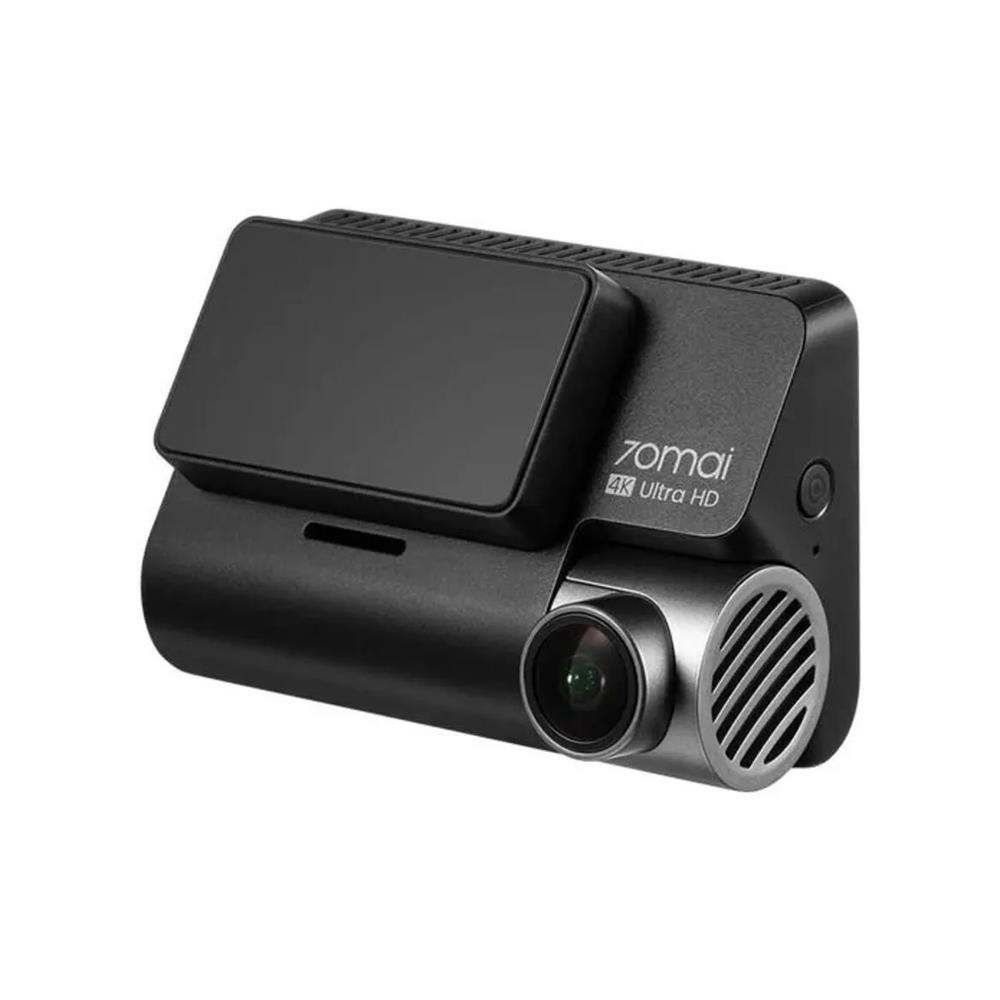
70mai A810 (Flagship) – With true 4K resolution using a Sony STARVIS 2 IMX678 image sensor.
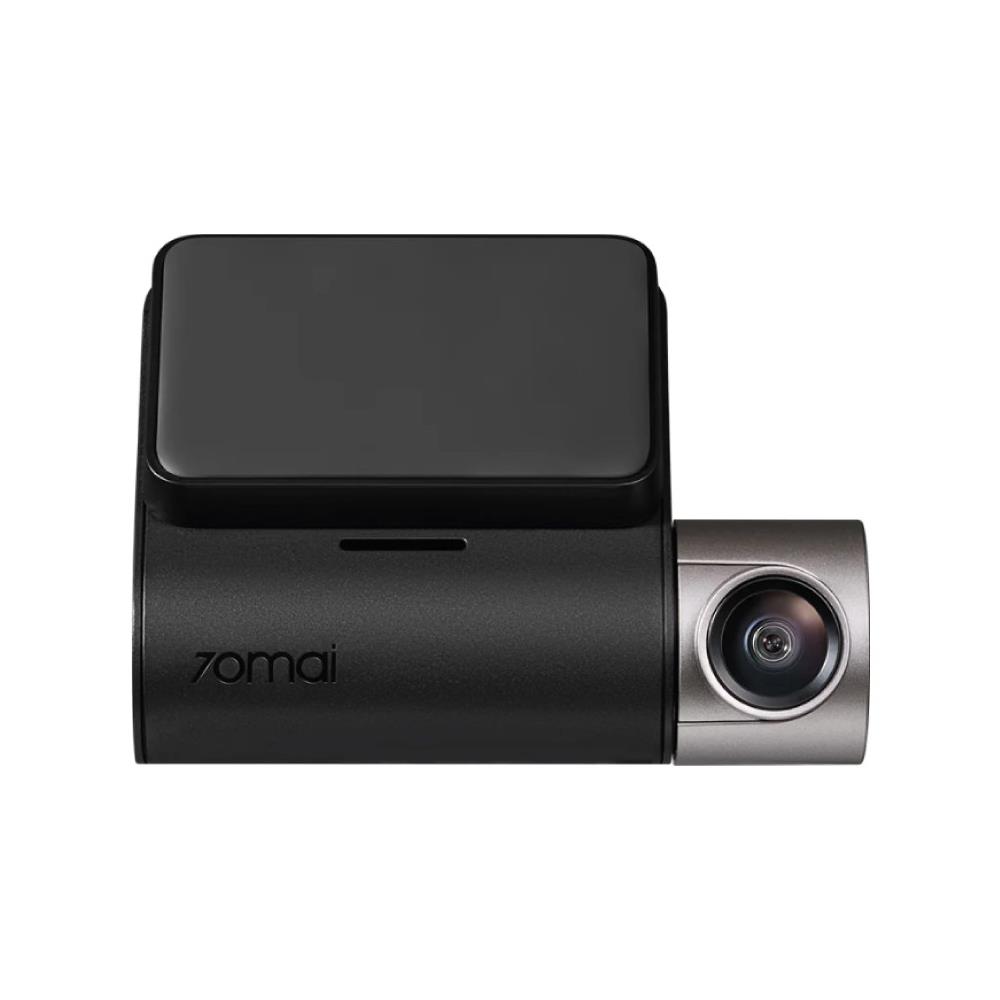
70mai A510 (Middle range) – 2.5K video with IMX675.
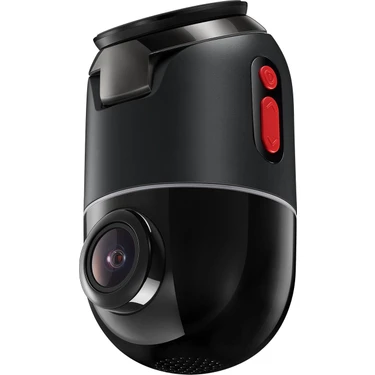
70mai X200 Omni (Innovation Model) – Motorized 360-degree rotation with AI movement tracking.
The A810, in particular, has received praise for its exceptional clarity and affordability, outperforming other 4K models priced nearly twice as high.
Mijia: Comfort and Power for Every Journey
In-car charging devices by Xiaomi are a reflection of its HyperCharge ideology, similar to that found in its flagship devices. These charging devices deliver charging speeds similar to those found in 100W or 120W devices.
Emphasized products are:
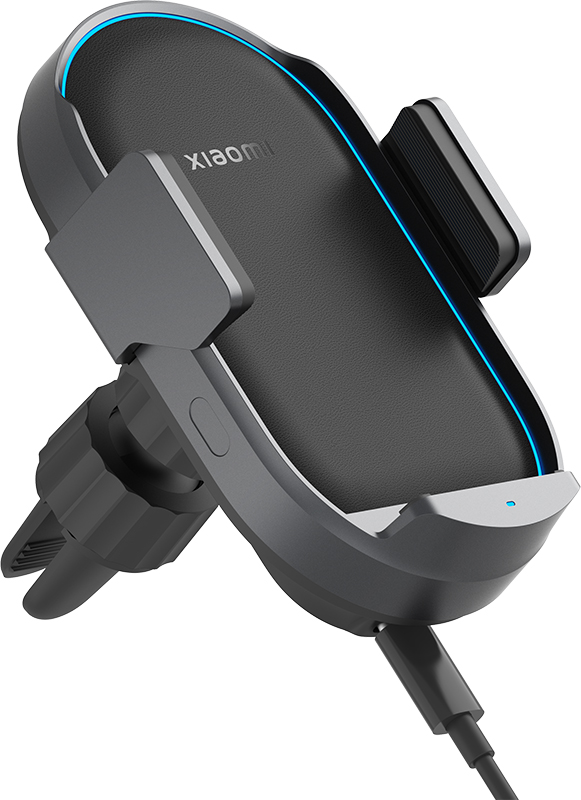
Xiaomi 50W Wireless Car Charger Pro – With automatic gripping mechanism, cooling function, and fast Qi charging for Xiaomi 14 Ultra phones.
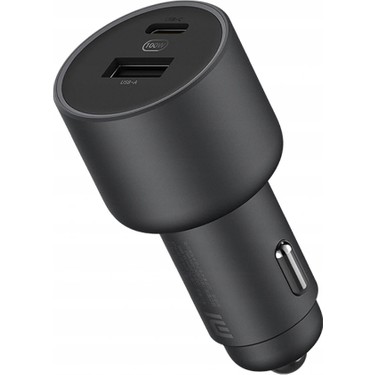
Xiaomi 100W Car Charger (1A1C) – Dual-port charging system designed to charge both laptops and mobile phones.
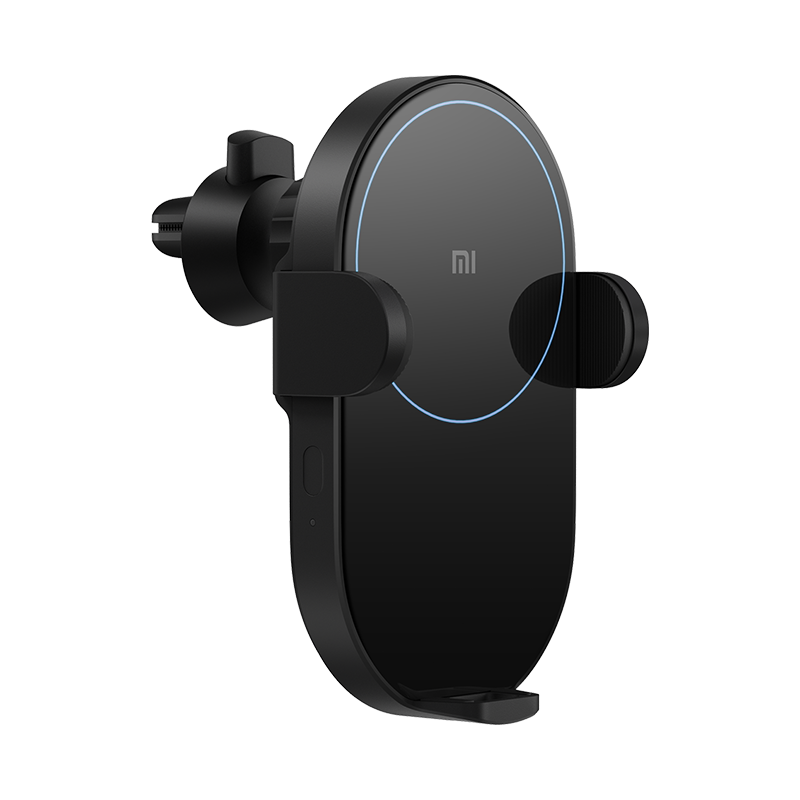
Xiaomi 20W Wireless Charger – Portable charging solution compatible with all devices.
These devices enable Xiaomi’s car power system to become an essential extension of its innovation in smartphones.
Future Outlook: From Accessories to Integrated Automotive Intelligence
Xiaomi’s foray into the automobile industry not only revolves around automobile accessories but encompasses establishing a bridge between humans, vehicles, and residences. With an expanded line of vehicles and the integration of HyperOS into an increasing number of devices, these automobile accessories are set to forge a smart mobility ecosystem.
Xiaomi, 70mai, and Mijia’s collaboration makes sure that people are able to enjoy a smart, efficient, and safe driving experience regardless of budget. With that in mind, Xiaomi isn’t just integrating technology into vehicles. They are actually redefining how technology accompanies us.
Xiaomi is expected to drop a massive set of HyperOS 3 stable update releases later this week. Based on the latest internal firmware details found in Mi Community logs, these are expected to ship to numerous Xiaomi mobile devices. The HyperOS 3 features AI-based optimizations, icon redesigns, optimized animations, and a new interface design inspired by those found in an Apple device.
Xiaomi’s Upcoming HyperOS 3 Stable Rollouts
The HyperOS 3 rollout planned for this week will apparently include builds for these devices. Here are the complete builds that are expected to go live in the global market as well as Europe.
Xiaomi Pad 7 Pro – OS3.0.3.0.WOYMIXM / OS3.0.3.0.WOYEUXM
POCO C75 / Redmi 14C / Redmi A3 Pro – OS3.0.1.0.WGTMIXM
Redmi Note 14 Pro+ 5G – OS3.0.2.0.WOPMIXM
POCO F7 Pro – OS3.0.1.0.WOKMIXM
Redmi Note 14 Pro 5G / POCO X7 – OS3.0.1.0.WOOMIXM
Redmi Note 14 Pro 4G – OS3.0.2.0.WOFMIXM
Redmi Note 14 4G – OS3.0.1.0.WOGMIXM
POCO M6 Plus 5G / Redmi 13 5G / Redmi Note 13R – OS3.0.2.0.WNUINXM
POCO F7 – OS3.0.2.0.WOLMIXM / OS3.0.1.0.WOLINXM
POCO X7 Pro – OS3.0.1.0.WOJEUXM / OS3.0.1.0.WOJMIXM
Xiaomi Pad Mini – OS3.0.1.1.WAOMIXM
POCO M7 4G / Redmi 15 4G – OS3.0.1.0.WBOMIXM
Xiaomi 14 – OS3.0.1.0.WNCMIXM / OS3.0.1.0.WNCEUXM
Xiaomi Pad 6S Pro 12.4 – OS3.0.1.0.WNXMIXM
Xiaomi 14T Pro – OS3.0.1.0.WNNEUXM
Xiaomi 14 Ultra – OS3.0.1.0.WNAMIXM
These builds are marked as stable releases, which suggests that Xiaomi has entered its final testing phase before its global launch.
What’s New in HyperOS 3
The HyperOS 3 update represents one of the most polished system-level overhauls to date. It offers:
Enhancements with AI: Better editing features for images and videos using AI.
New Icons & Design: New design elements to make everything look more contemporary.
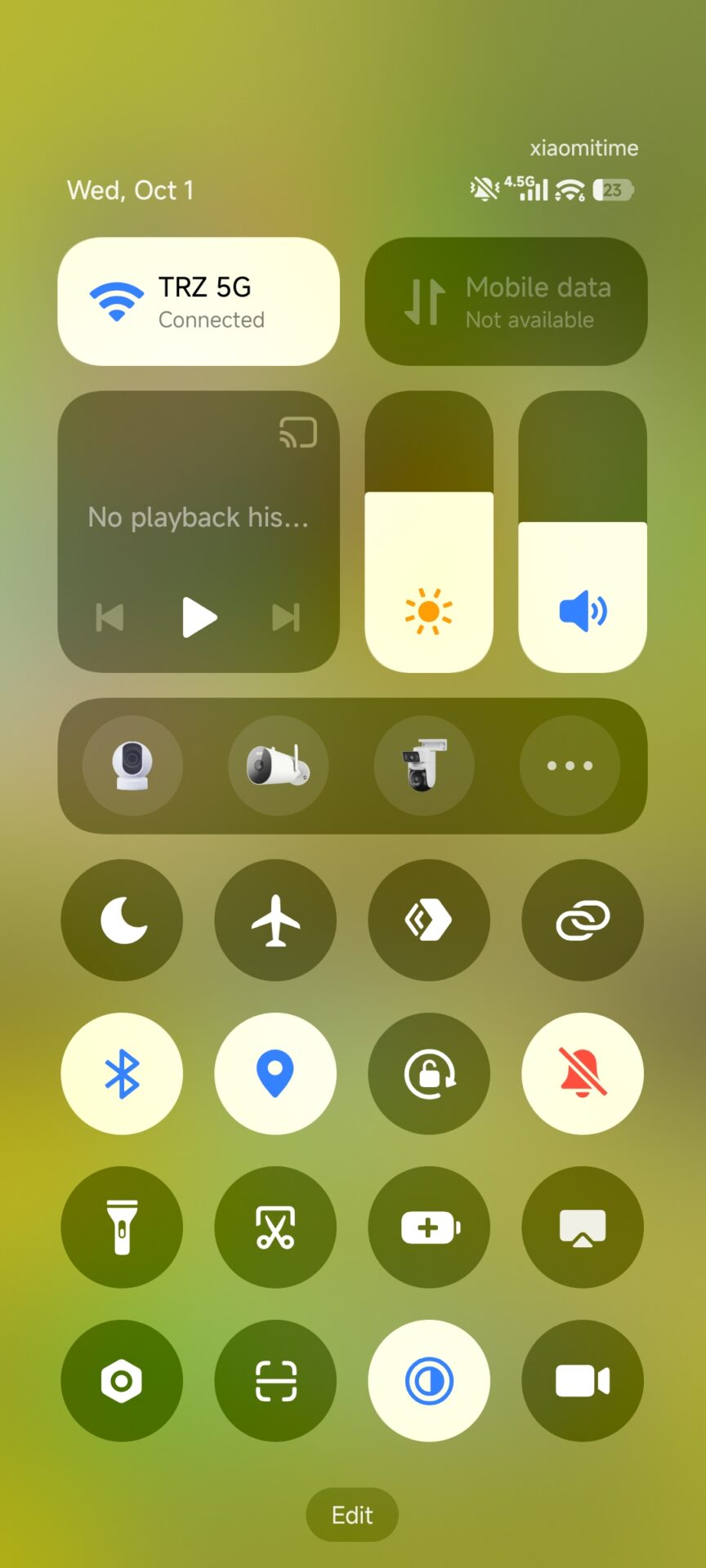
Enhanced Control Center: More intuitive design with dynamic color schemes.
Advanced Battery and Performance Management: More intelligent app prioritization leads to improved stability.
Users can manage system apps using the MemeOS Enhancer app found at Google Play Store. Apart from that, users are provided with access to unlock hidden features in Xiaomi devices. Users get access to firmware download directly from HyperOSUpdates.com.
Global Rollout Expectations
Although some models in China and Global are already receiving builds weeks earlier, this rollout aims for more Global users and users within the EEA, which includes users in Europe, India, and Southeast Asia. The Stable OTA packages are set to arrive gradually to begin with Xiaomi 14 series and Pad 7 Pro.
Xiaomi’s new approach to its software development aims to coordinate global launches much more closely with those in China,” explained Liu De, emphasizing that international users would benefit from feature parity compared to Chinese users.
With MIUI 6 in 2014, Xiaomi presented a turning point in its approach to software. With its ” Visually Stunning. Stunningly Simple. ” approach to design, MIUI 6 was not merely an interface but a complete overhaul—the sort that occurs when technology meets art. To date, a decade later, the same “code vein” lives on in Xiaomi HyperOS (2025) technology that drives everything from smartphone to tablet to electric vehicles to IoT devices.
MIUI 6’s Minimalist Aesthetic and the Emergence of Xiaomi’s Design Philosophy
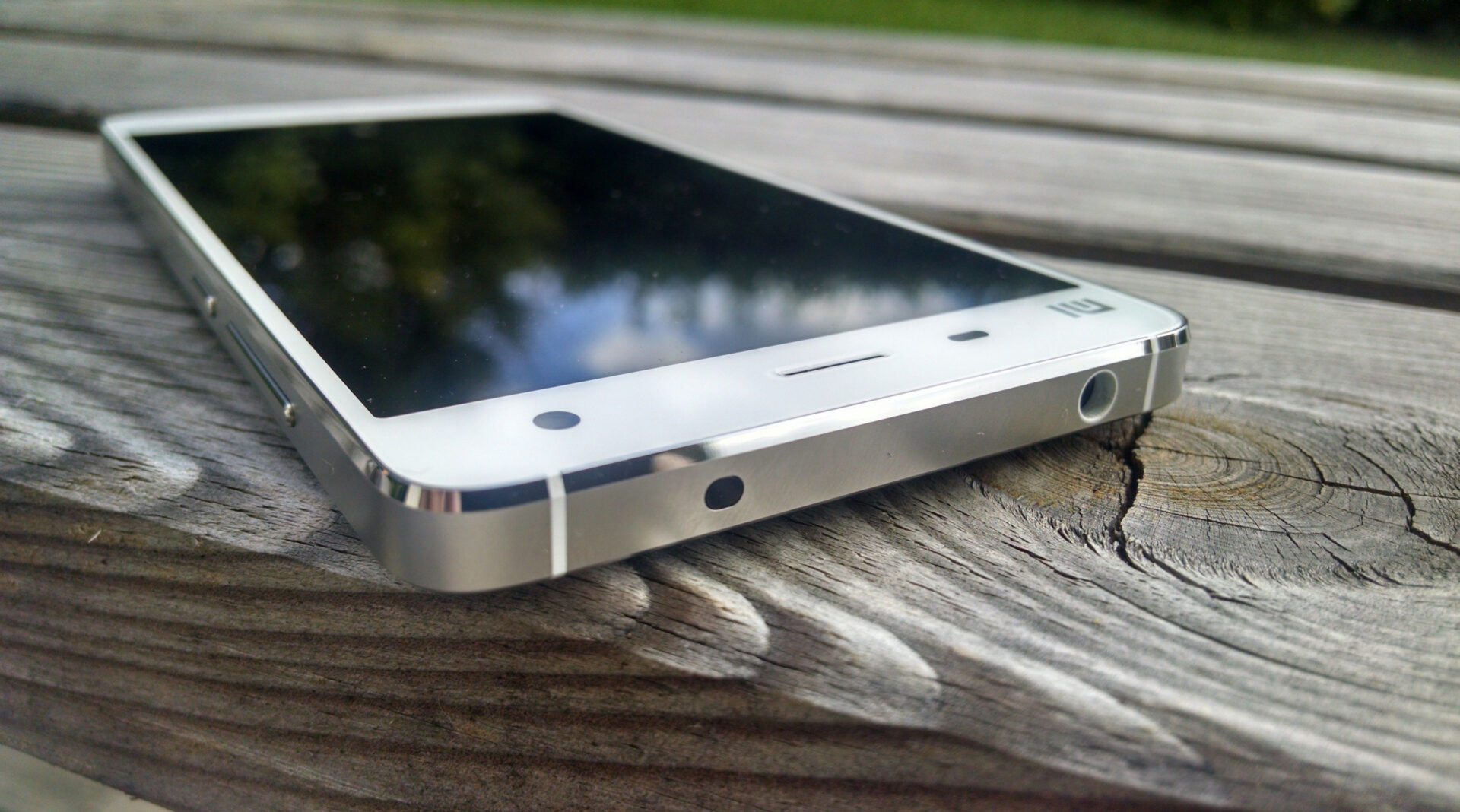
Part of the launch with the Android 5.0 Lollipop’s Material Design revolution was when MIUI 6 introduced a flat design. The following UI eliminated features like shadows, textures, or gradients if not essential. The flat design introduced to MIUI 6 was not only based on design but was based on hardware limitations since its introduction to improve GPU performance in devices like MIUI’s Mi 4.
“Less clutter, more focus”: That’s MIUI 6’s design ideology. Today, “minimal intelligence“ remains a design principle in forming HyperOS. But “minimal intelligence” has transformed itself into a more dynamic and natural user interface.
HyperOS and “Alive Design” Revolution
In 2024, Xiaomi reinterpreted its interface design language based on “Alive Design”, which was conceptualized along with famous designer Kenya Hara. Unlike MIUI 6’s static minimal design, Hyper OS seeks to make its interface “come alive.”
In these areas, the following objectives are
Real-time rendering: Light and shadow reflection akin to glass.
Responsive animations: Elements responding naturally to touch and motion.
Nature-inspired colors: these are colours obtained directly or indirectly from nature.
“A perfect example” of this focus on functionality is “the new Weather app, which animates rain, sunlight, and clouds in real-time to create an immersive experience” because “it makes something informative into something aesthetically pleasing,” which increases its
The United Control Center That Withstood Time
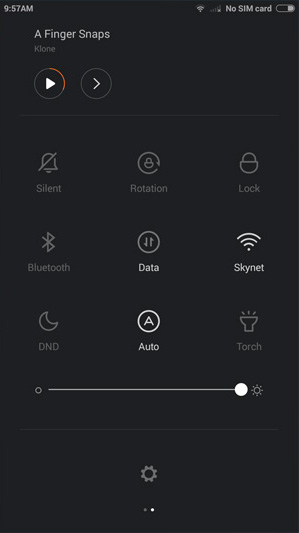
One of the most iconic features of MIUI 6 was its unified notification panel. Also, when MIUI 12 introduced a two-part interface (Notifications and Control Center), Xiaomi had a very convincing reason for doing so – 90% of users preferred it that way.
But HyperOS retains this heritage silently. Users can opt to return to the classic unified panel using these steps:
Settings → Notifications & Control Center → Control Center Style.
And to keep its user-friendly ethos alive for those who value integrationlessness over individuation—because Xiaomi does value both innovation and its heritage—there’s a hidden feature in MIUI 6.
Security & Privacy: One of MIUI 6’s Greatest Legacies
MIUI 6 was one of the first Android interfaces to provide integral app permissions, virus protection, and app locker functionality. These features not only remain but are more advanced than ever.
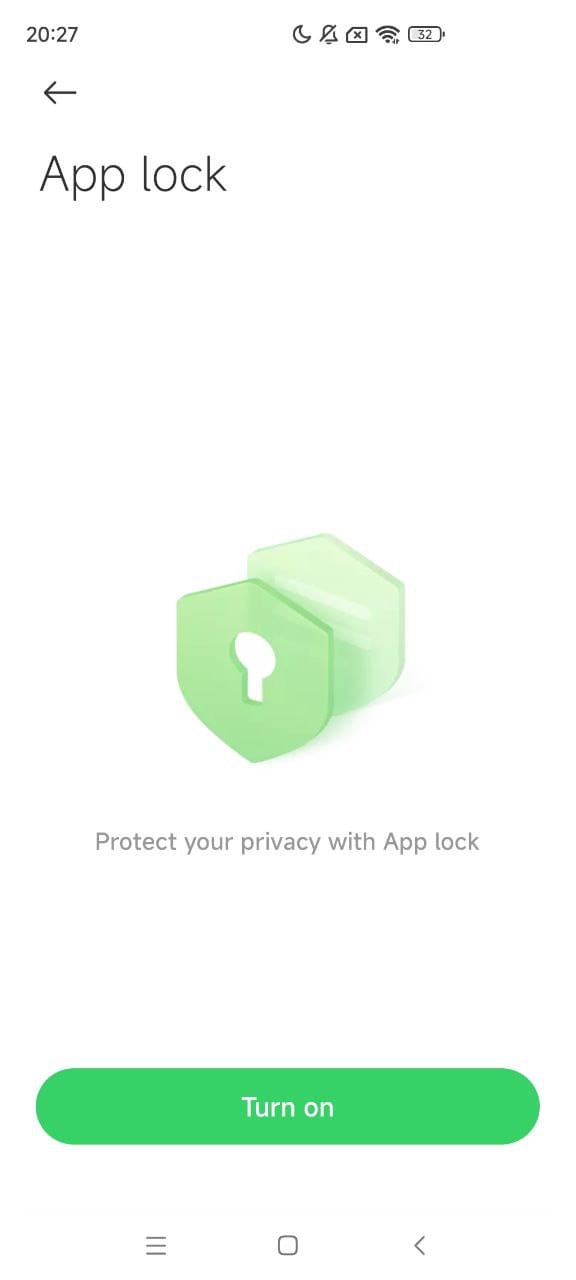
App Lock continues to be an essential feature in Settings> Apps> App Lock. It gets upgraded to include finger or face unlock features.
Security Scan remains focused on detecting malware prior to install, enabled with improved detection engines such as AVL.
HyperOS carries a Privacy Dashboard which provides an entire access overview for data that has happened in the past 24 hours. It traces its roots directly to MIUI 6’s Permission Manager.
“This ever-changing endeavor shows that Xiaomi’s vision lies not only in raising phone-level security but in extending ecosystem security to devices within its “Human x Car x Home” ecosystem.
A Decade of Design Philosophy: From Simplicity to Symbiosis
Upgrading MIUI 6 to Hyper OS does not qualify to be ‘upgraded’ but a philosophical journey. MIUI 6 was intended to make smartphones efficient. Hyper OS intends to make ‘all’ devices from Xiaomi ‘live’ together. Essentially, what started off with “simplify your phone” has now turned into “harmonize your life”.
When you go into the woods or other areas for exploration or similar reasons, your Xiaomi smartphone holds the promise to become your ‘Survival Buddy’ if you use it correctly. With options like Offline Maps, Compass Calibration, or Ultra Battery Saver, you will never get lost or face problems with mobile signal. But before you leave for your journey, see to it that your Xiaomi phone’s battery is fully charged.
A. Preparation Stage (Before entering into Forest)
The trick to surviving begins well before you ever become lost. Preparation will allow you to use your Xiaomi phone to guide you.
1. Charge to Full Capacity & Carry Powerbank
Make sure your Xiaomi smartphone’s battery charge level is at 100%. Always pack a fully chargedpower bank. Batteries likewise drain faster in cold weather.
2. Download Offline Maps
As 4G/5G signals are not guaranteed to be available, you will use GPS. GPS does not need mobile data.
Open Google Maps → tap your profile icon → pick Offline Maps → pick your hiking region to download.
Conversely, there are apps like Komoot or AllTrails which can navigate offline.
3. Calibrate the Compass
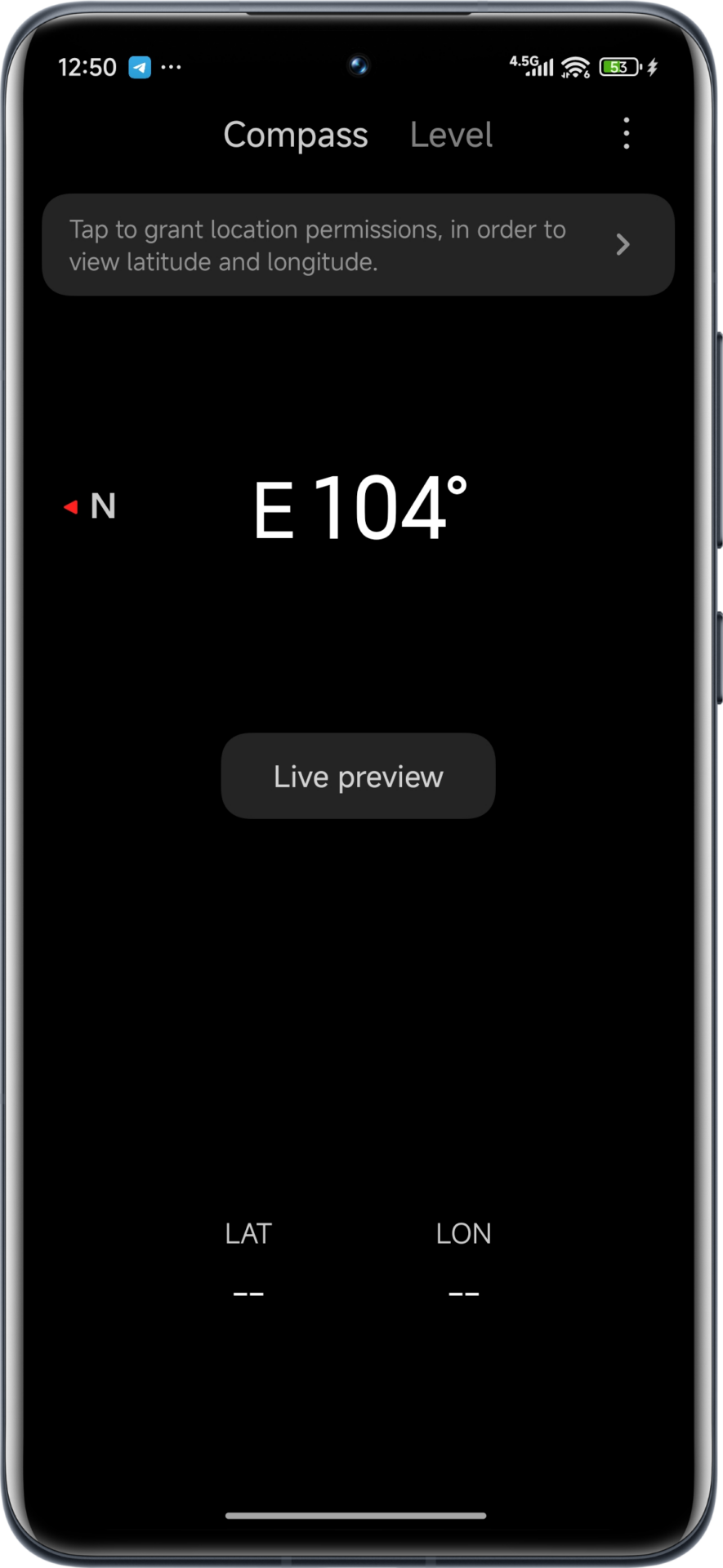
Open “Compass” app (available within “Tools” folder) to calibrate your compass by tracing an “8” shape in the air with your phone.
4. Begin GPS Tracking
Make use of real-time route logging options available with Strava, Google Fit, or Xiaomi Watch apps. These options are useful if you find yourself lost.
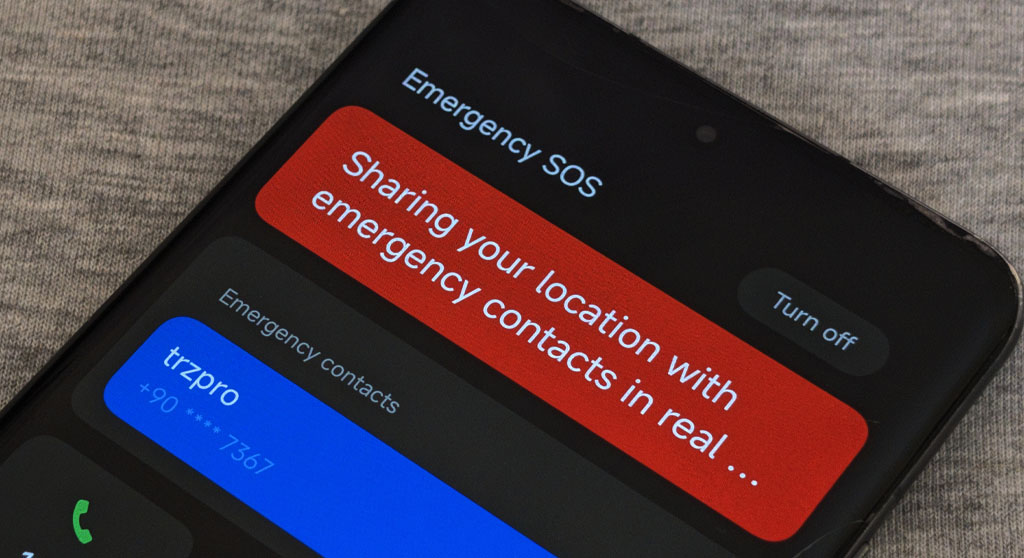
5. Enable Emergency SOS
Go to Settings > Security & Emergency > Emergency SOS.
Set it to deliver your location via SMS when you quickly press the power button five times.
6. Inform Someone Before You Go
Always tell a friend or family member your route and your return time.
B. Action Phase (When You are Lost)
If you find you are lost, remain calm—panicking will use up time and energy.
1. Conserve Battery Power
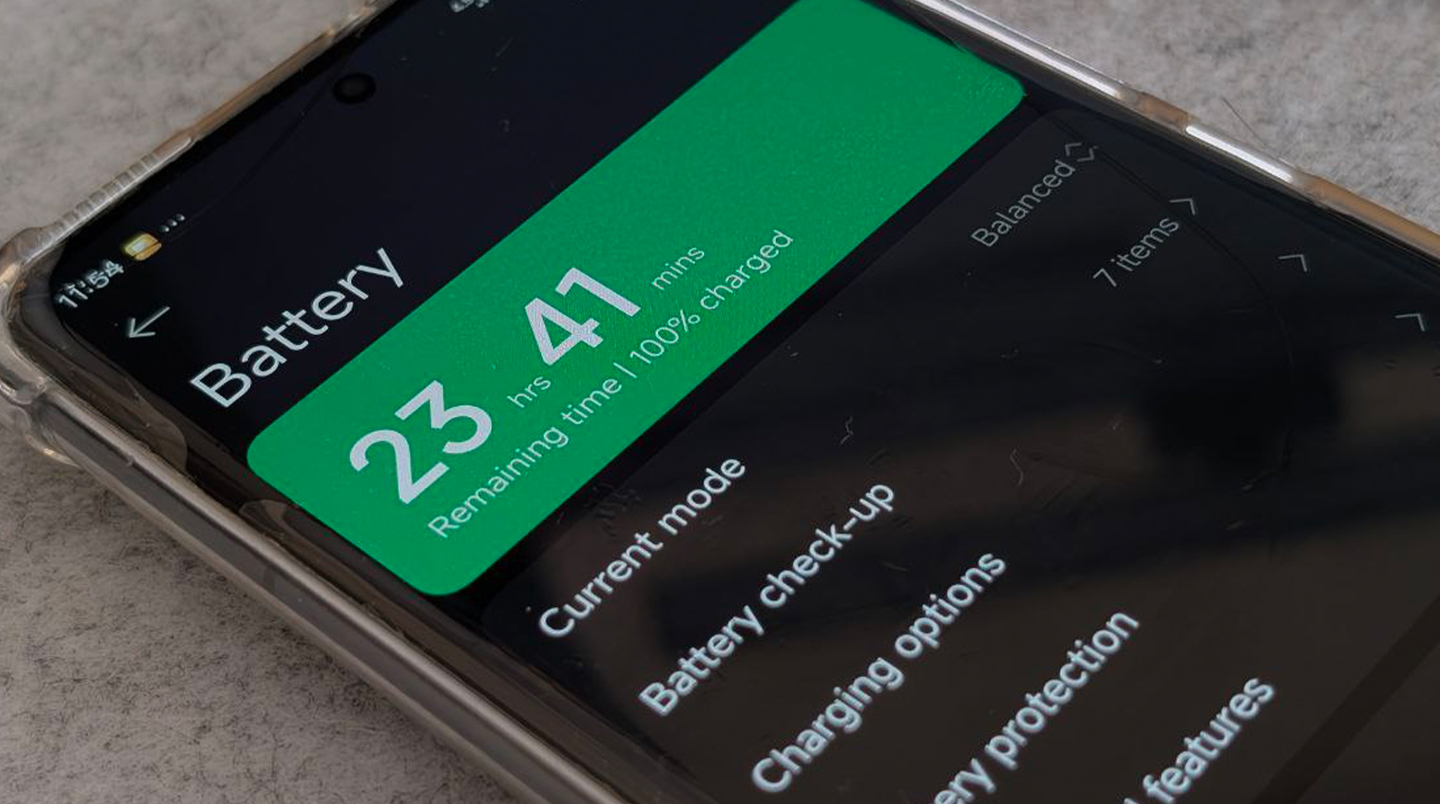
Make Ultra Battery Saver mode active on your Xiaomi smartphone. In this mode, non-essential functions are minimized to prolong the battery’s life for essential applications like GPS and SMS. Try to lower your phone’s display brightness.
2. Utilize GPS in Airplane Mode
Switch to Airplane mode to turn off signal searching but note that GPS remains active. Open your offline maps. Just wait for the blue location point to show up. It might take a minute or so in heavily wooded areas.
3. Retrace Your Route
“If you recorded your route earlier, go to the tracking app and reverse the route. And if you did not record your route earlier, use the Compass appand Offline Maps, which will guide you to the nearest river, road, or settlement.
4. Send an SOS Message
SOS stands IF you cannot find your way out or you are injured:
Switch to a more open location for improved signal strength.
Switch off Airplane mode. Then test calling 112.
In case there’s no answer, contact them using your SOS shortcut or transmit your location via SMS.
Finally, enable Ultra Battery Saver mode again.
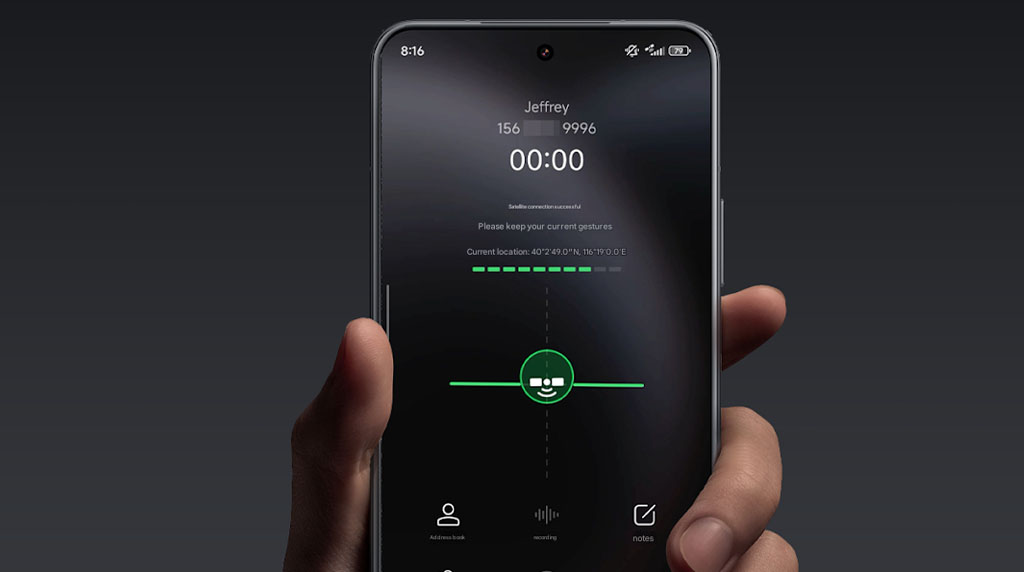
Bonus Tip: satellite communication functionality exists in new models of Xiaomi phones.
And if you are using Xiaomi 15T series or other satellite-capable devices, you are able to send messages or make emergency calls over satellite when there’s no signal. This feature revolutionized adventures.
Summary: The Three Golden Rules
Prepare: Download offline maps and carry a powerbank before going to fores.
Stay Calm: Conserve energy and activate Ultra Battery Saver.
Navigate Smartly: Use GPS and offline tools to find your way back.
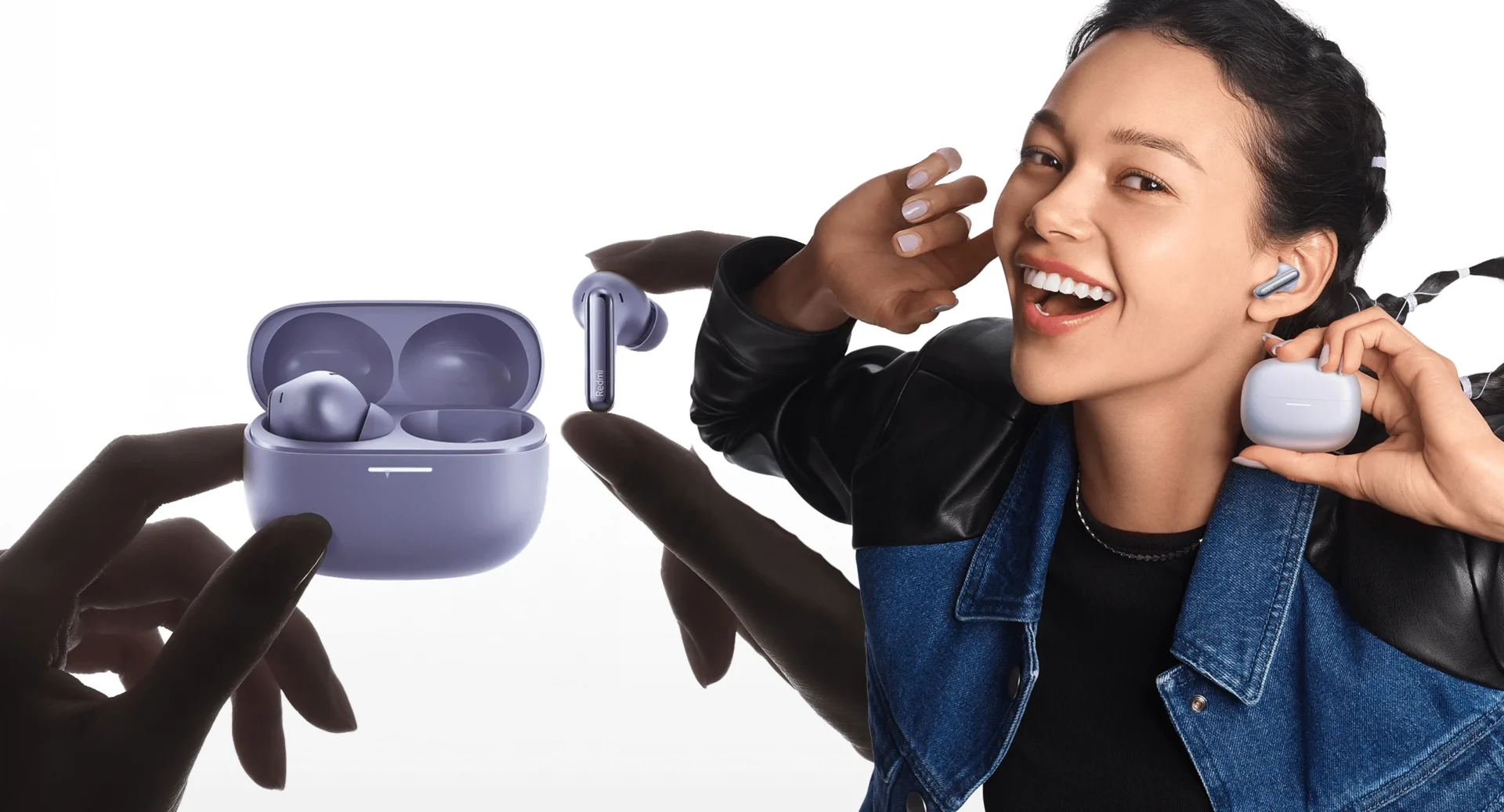
The year 2025 bears great significance in Xiaomi’s global audio segment because it showcases its capability to shake up sound innovation with its multi-brand segmentation. With its Xiaomi, Redmi, and POCO brand lines, Xiaomi has managed to segment its market into niche market groups based on its three product lines related to quality or pricing. Although POCO kept mum in terms of its contribution to the audiophile market in 2025, Xiaomi and Redmi stole the show with Xiaomi Buds 5 Pro, Xiaomi OpenWear Stereo Pro, and Redmi Buds 6 Pro.
Tier 1: Premium Excellence
Two headphones is suitable for the top experience.
Xiaomi Buds 5 Pro
Xiaomi’s new high-end series shows increased confidence in acoustic engineering expertise as well as ecosystem synergy. The Xiaomi Buds 5 Pro, which was launched globally in February 2025 for $199, features a tri-driver design combination consisting of dynamic drivers, planar drivers, and ceramic tweeters. With 55 dB Active Noise Cancelation (ANC) technology, Harman AudioEFX tuning, and aptX Lossless encoding capability, these tuning buds are amongst the most technologically superior in their segment.
Nevertheless, its most profound innovation lies in its “Wi-Fi Audio” variant that can transmit “true” Lossless 24-bit 96kHz audio at a maximum data rate of “4.2 Mbps,” which comes with exclusive compatibility with top-end phones like “Xiaomi 15 Ultra”. In doing so, it not only subscribes to Apple’s “closed-ecosystem” approach but further cements Xiaomi’s “Walled Garden” approach to position.
Xiaomi OpenWear Stereo Pro
On the other hand, the Xiaomi OpenWear Stereo Pro, which was launched in June 2025 for $179, delves into this increasing open-ear segment. Boasting a five-unit hybrid driver system, Harman tuning, and LDAC technology, its design lends itself to long-term wear rather than focusing on isolation. With battery life extending up to 45 hours and an incorporated audio recording feature, this product not only serves its original intended use but has become a wearable productivity assistant.
Tier 2: The Value King – Redmi Buds 6 Pro
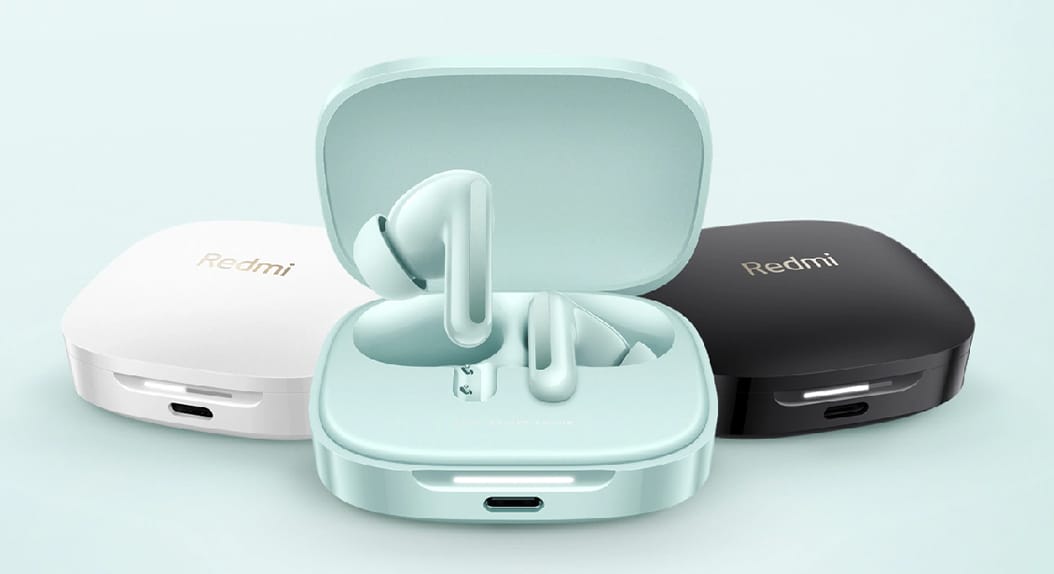
One of the most revolutionary launches in Xiaomi’s 2025 product lineups has to be Redmi Buds 6 Pro, which launches with a $75 price tag. They offer 55 dB ANC, Triple Drivers, Hi-Res LDAC Codec, and Head Tracking Spatial Audio—which are largely similar to what’s there in Buds 5 Pro but retail for a third less.
Reviews show its great sound quality and design, but there are small irregularities in calls. Nevertheless, this series has managed to “eat up” the mid-range market, leaving other manufacturers like Nothing or Anker behind, not to say Xiaomi’s flagship true Wireless earbuds.
Tier 3: Budget Segment – Redmi Buds 6 & 6 Active
Xiaomi’s budget segment remains popular with the masses because of its Redmi Buds 6 line. The Redmi Buds 6, starting €35, packs ANC technology and dual drivers into an affordable package that offers great value.
Meanwhile, with a price tag of just $15, the Redmi Buds 6 Active caters to those who value both simplicity and affordability. With 14.2mm dynamic drivers and semi-in-ear design along with IPX4 water-resistant features, these earbuds deliver decent performance.
Final Ranking: Best to Most Affordable
Xiaomi Buds 5 Pro – For audiophiles seeking isolation and uncompromised sound fidelity.
Xiaomi OpenWear Stereo Pro – For professionals and comfort-first users valuing open-ear innovation.
Redmi Buds 6 Pro – The 2025 “flagship killer” delivering premium performance at a fraction of the price.
Redmi Buds 6 (Standard) – The most affordable ANC experience in Xiaomi’s lineup.
Redmi Buds 6 Active – A budget-friendly essential for everyday users.
With a three-tier portfolio approach, Xiaomi has managed to establish itself as a giant in the global audio market in 2025. The list of features like true lossless streaming, open-ear comfort design, or affordable ANC continues to define Xiaomi’s focus to democratize premium audio experience. Whether one considers true lossless streaming or open-ear design or affordable ANC options, Xiaomi remains at the forefront of innovation in TWS technology. Via: Xiaomi Global Official Website
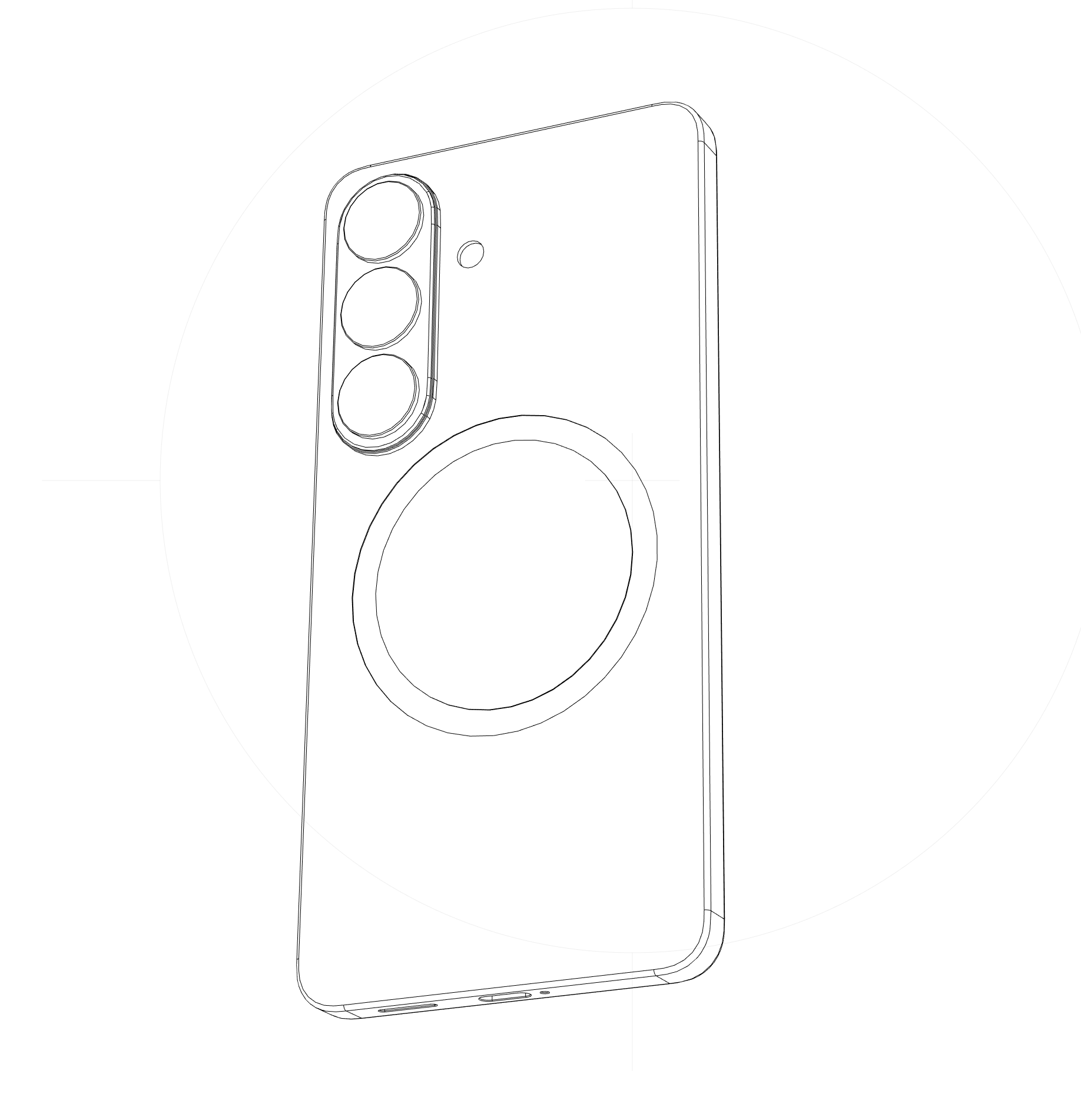
As per a report filed by UniverseIceon X, not only will the forthcoming standard variant of the Samsung ‘Galaxy S26’ feature a thickness of merely 6.9mm, but according to these sources, it “will make it one of the thinnest flagships ever made” from the brand. Indeed, compared to its predecessor ‘Galaxy S25,’ which was 7.2mm thick, this latest offering clocks in 4% slimmer. From the line art design leak, its look seems to resemble a toned-down version of Galaxy Z Fold 7.
In comparison to these features, the forthcoming Xiaomi 17 – its nearest competitor expected to hit markets around similar times – has a thickness of 8.06mm and weighs 191 grams. It appears that whereas Samsung tries to go to great extents to achieve slimmer dimensions, Xiaomi seems to focus more upon endurance and camera technology in its forthcoming offering.
Samsung Galaxy S26: Enhanced Handcrafted Quality with AI Emphasis
According to reports, Samsung plans to showcase its Galaxy S26 series during its Galaxy Unpacked event to take place on February 25th, 2026. Notably, Samsung will hold its Galaxy Unpacked event in San Francisco, USA after a hiatus since 2023’s Galaxy S23. As expected, its Galaxy Unpacked event will focus on AI functionality.
The lineup will comprise Galaxy S26, S26+, and S26 Ultra. The goal for these devices is 35 million units in shipments, which represents a significant increment compared to 22 million units for S25 in the first half of 2025.
Xiaomi’s Response: The Xiaomi 17 Brings Elegance and Performance
While the goal for Samsung remains to trim down its top model, Xiaomi seems to pursue a different line with its Xiaomi 17, which will boast cutting edge design and processing prowess with its Snapdragon 8 Elite Gen 5 processor. Although its design aims to pair thinness with ruggedness, Xiaomi’s top model mobile’s focus lies in Leica-optimized camera functionality, improved HyperOS 3 optimization, and battery endurance, which Xiaomi leads in the entire Android world.
The rivalry between Samsung’s Galaxy S26 and Xiaomi’s 17 series represents not only a comparative test between these two smartphones but also an encapsulation of two other ideologies related to mobile design. These two ideologies are Samsung’s thin design approach or Xiaomi’s balanced design approach. In 2026, both phones are set to come to market. Source: UniverseIce’s Twitter Page
Xiaomi has launched its new 45W GaN Little Pudding Charger with USB-C port. The charging solution supports fast charging. Now available in China for 54.9 yuan ( around $7.60). Also, it’s priced 4.1 yuan lower compared to its previous pricing. As per market trends, GaN charging devices are not so affordable. But users can get proper information related to HyperOS devices’ accessories on XiaomiTime.com to explore its related devices.
Compact design with GaN efficiency
With gallium nitride (GaN) technology, this new charger consumes less energy and has a much smaller size. With a total size of 36.4cm³, this new product is 47% smaller compared to traditional 45W charging. Although small in size, its features are not small because it features foldable clips to make transporting easier. With a total weight of 50 grams, there’s no doubt that Xiaomi prioritizes minimalism.
Universal compatibility & fast charging
The Xiaomi 45W GaN Mini Charger supports a variety of fast charging methods, which are PD, PPS, and Quick Charging. It’s noticeable that the device supports Apple iPhone fast charging with a maximum output of 45W. As a fast-charging product itself, Xiaomi’s 45W GaN Mini Charger Annex supports a variety of power modes. The modes include 5V 3A, 9V 3A, 15V 3A, 11V 4.1A, or 20V 2.25A.
At its core, safety and reliability
GB 4943.1-2022, GB 17625.1-2022, and GB/T 9254.1-2021 are the safety requirements for charging devices that are set by Chinese law. In line with these safety requirements set by GB 4943.1-2022, GB 17625.1-2022, GB/T 9254.1-2021, Xiaomi has made sure that its GaN fast charging technology meets the industry’s top level.
Availability
The Xiaomi 45W GaN Little Pudding Charger currently retails in China for 54.9 yuan (~$7.60). The latest version does not come with the 1-meter 4A data cable found in the previous version but users can purchase these cables separately at Xiaomi’s official store.
The Redmi Note 12 series, launched in early 2023, is set to complete the software lifespan as of late 2025. The series includes the following variants of the phones. The Redmi Note 12, Note 12 Pro, Note 12 Pro+ have got their final update in the form of HyperOS 2 based on Android 15. The phones will not be eligible for updates to HyperOS 3based on Android 15.
For those wondering about next steps, this report highlights the most plausible Xiaomi upgrade scenarios based on performance, durability, as well as value for the Xiaomi ecosystem.
Conclusion of Software Updates on the Redmi Note 12 Series
Redmi Note 12 Series, at the time of launch, was quite a turning point in Xiaomi’s budget segment, offering both performance as well as budget-friendliness. But this lineup launched under a different update support from Xiaomi, as it only supported two Android updates and three years of security updates.
In 2025, the final major system update available for these phones would be HyperOS 2. The next update, namely HyperOS 3 based on Android 15, would leave the Redmi Note 12 series behind. Only niche variants such as the Redmi Note 12T Pro and the Redmi Note 12 Turbo will make it to the list. These devices are exclusive for China.
Thus, the cut-off point technically leaves consumers in the Redmi Note 12 lineup with working hardware but an outdated software plan, a phenomenon common to the update cycles of Xiaomi.
The Xiaomi Way of Software Updates: Long-Term Usage Prioritized Over
The mid-range smartphone segment has undergone a radical transformation ever since 2023. While buyers were once concerned about raw specs, “The most important spec in 2025 is durability—how long a phone keeps secure software.”
In response to the trend, Xiaomi launched the Redmi Note 14 series. It brings a first, as it supports a 4 major OS + 6 years of security updates. In contrast, while the Redmi Note 14 Pro 5G variants, as well as the Pro+ 5G variant, support a 3 major OS updates (Android 17), it supports a total of 5 years of patch updates.
Based on the strong support traditions set by Samsung on the Galaxy A series, it appears this is a huge paradigm shift on Xiaomi’s philosophy, which Redmi Note 12 users have missed by a generation.
Recommended Xiaomi Upgrades for Redmi Note 12 Users
The following are the best alternatives for those interested in upgrading from the Redmi Note 12 series within the Xiaomi brand:
1. Redmi Note 14 Pro 5G – Balanced Performance Choice
Display: 1.5K AMOLED, 120Hz, Gorilla Glass Victus 2
Camera: 200MP OIS main lens
Durability: IP68 water resistance
Charging: 45W (a step down from 67W)
Price: Approx. $250
It has a good mix of power, camera, and durability, though it compromises on charging speed, as it is slower than the model it replaces.
2. Redmi Note 14 Pro+ 5G – The Real Successor
Processor: Snapdragon 7s Gen 3 (4nm)
Performance: ~750,000 AnTuTu score (~38% faster than Note 12 Pro)
Camera: 200MP OIS, identical to Pro 5G
Charging: 120W HyperCharge – fully charges in under 20 minutes
Durability: IP68-certified
Price: Approx. $305
It corrects the main issue associated with the standard Pro model, which has a poor charging speed, while delivering a “flagship-like” experience without much trade-off.
3. Redmi Note 14 (4G) – For Software Longevity
Being technologically inferior, the regular Redmi Note 14 (4G) has one event in comparison to both Pros, which is the support for updates.
Updates: 4 Android versions + 6 years of security patches
Price: Around $210
It thus becomes the best long-term solution for those customers who value a software lifespan over performance.
Conclusion on Which Xiaomi Phone to Use After Redmi Note 12 Series
For Redmi Note 12 users, Xiaomi’s 2025 lineup provides three clear upgrade paths:
For best overall experience:Redmi Note 14 Pro+ 5G – combines flagship-grade speed, camera, and charging.
For value-focused buyers:Redmi Note 14 Pro 5G – delivers strong performance at a lower price.
For update longevity:Redmi Note 14 (4G) – ensures software relevance through 2031.
In conclusion, while the Redmi Note 12 series gracefully reaches the end of its software life, Xiaomi’s latest generation ensures every user type — from performance seekers to long-term planners — has a future-ready path within the same ecosystem.
Xiaomi has just solved the serious system freezing bug on the Redmi K70 and Redmi K90 models, which are integrated with the HyperOS 3.0.9.0 system version. The flaw made users unable to control the full screen gestures, meaning that the users’ attempt to go home or switch between apps was made impossible. The bug was reported with the Proposal Number 50440080 and Feedback Number 52366349.
Details of the Gesture Freeze Bug
In November, some Redmi K90 users reported that, when the status bar was in gray because of the long press on the desktop gesture indicator line, swiping the screen up would result in the failure of the full screen gestures feature immediately thereafter, meaning that the multitasking or home gestures would cease to work once activated because the only remedy was to restart the device.
This bug impacted “fully screen gesture navigation” users, those who prefer the interface feature of full-screen gesture navigation. The bug was immediately reported on the tracker system by Xiaomi’s development team, moving on to the “To Be Discussed” stage for discussion on how the problem will be solved.
Xiaomi’s Quick Response and Permanent Fix
Due to active community responses, the technical team from Xiaomi was able to quickly identify the problem and provide a patch fix for the freeze occurring in the hypertech version of the HyperOS. The fix also prevents freezing, with the desktop gesture line working smoothly without freezing, even with heavy desktop usage.
The solution will be released with the stable build of HyperOS, coming to Redmi K70, Redmi K90 soon. However, Xiaomi is once again proving commitment to stability as well as user feedback, with their keen attention to customers, with their good, long-established track record.

 Login
Login